


Curated by: Walter Bonomi & Dan Breaz
Curated by: Walter Bonomi & Dan Breaz
Over time represents a "best of" of IAGA that this time achieves a coherent synthesis between multiple curatorial projects in the past three years: The Italian Wave, Cealaltă privire (The Other Look), Spiritual Ground, Cluj Calling or Renascence. In addition, the exhibition Over time complements the investigation of the other projects, emphasizing the meaningful participation of the young Romanian artists. The aesthetic quality and the problematical nature of the meaning of all works are visible. Gathering exceptional creations by international Italian artistsalongwithcreationsofthesamevaluelevel of emerging Romanian artists means implicitly promoting the latter and a first major approval of the value of some works yet to be known by experts, collectors and the general public. It is known that the public provides the most lasting appreciation that the artist needs for the long term. The recognition lasts all the more so as it comes from circles more distant from the artist's close entourage. At the same time, the role of a gallery’s specialists is to mediate between shortterm recognition of the generation colleagues or artist’s fellows and the recognition in the long term, which means retention in the stable culturalmemoryofthe public.
From this point of view, IAGA’s efforts of promotion and representation of the artists of the exhibition internationally over time are particularly important. The artists over time, as the concept suggests, reserve the right of re-reading certain contemporary strategies of success in terms of a parallel time free from explicit workloads. The formal experiment, the uncomfortable subjects and critical comments get out of the canons of visual trends and become arguments for artistic visionswellreasonedintermsofstyle.
Over time is an exhibition that expresses its curatorial thesis by associating works based on stylistic coincidences, and not through a chronologicaldisplayofthesecreations.
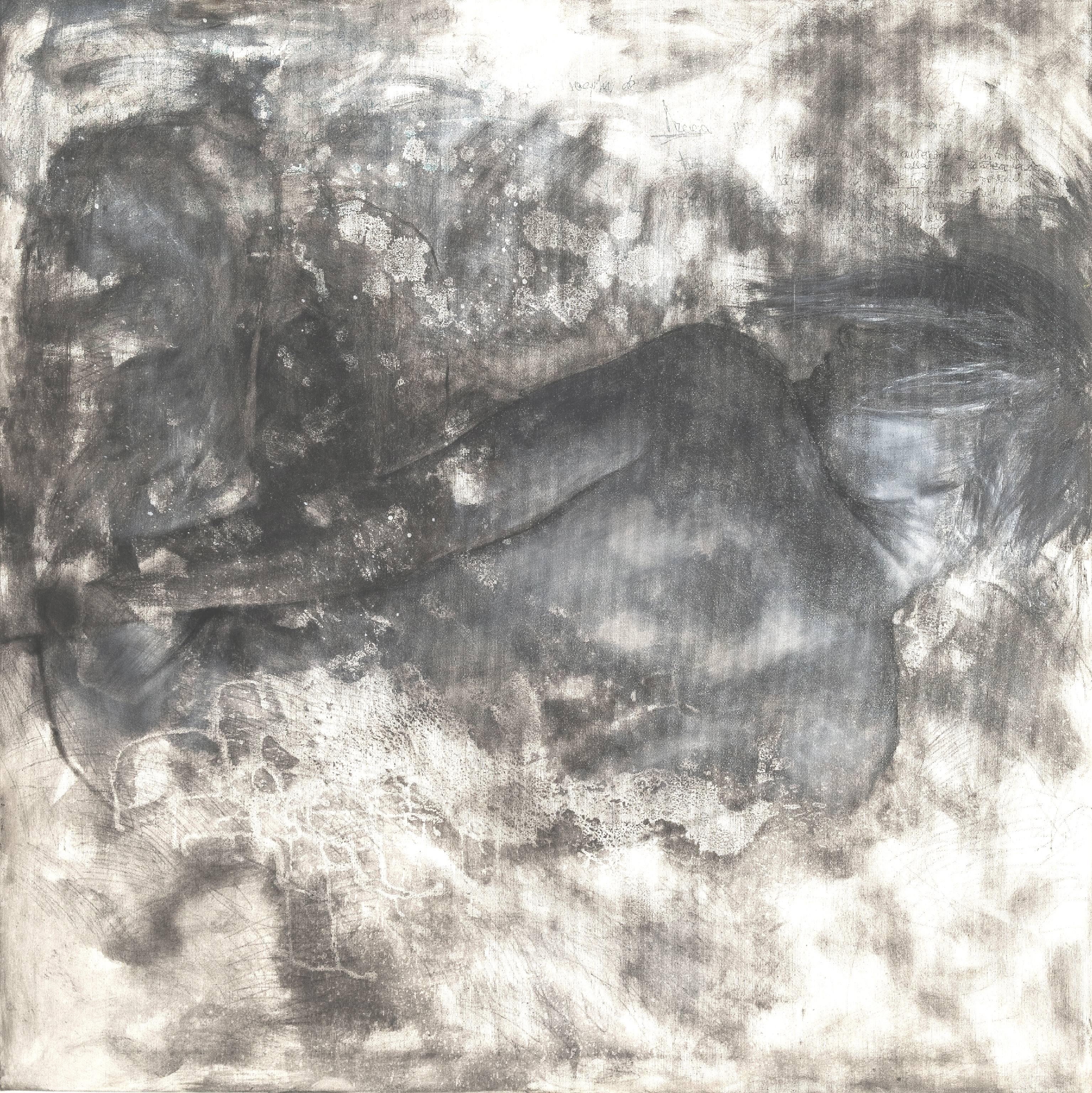
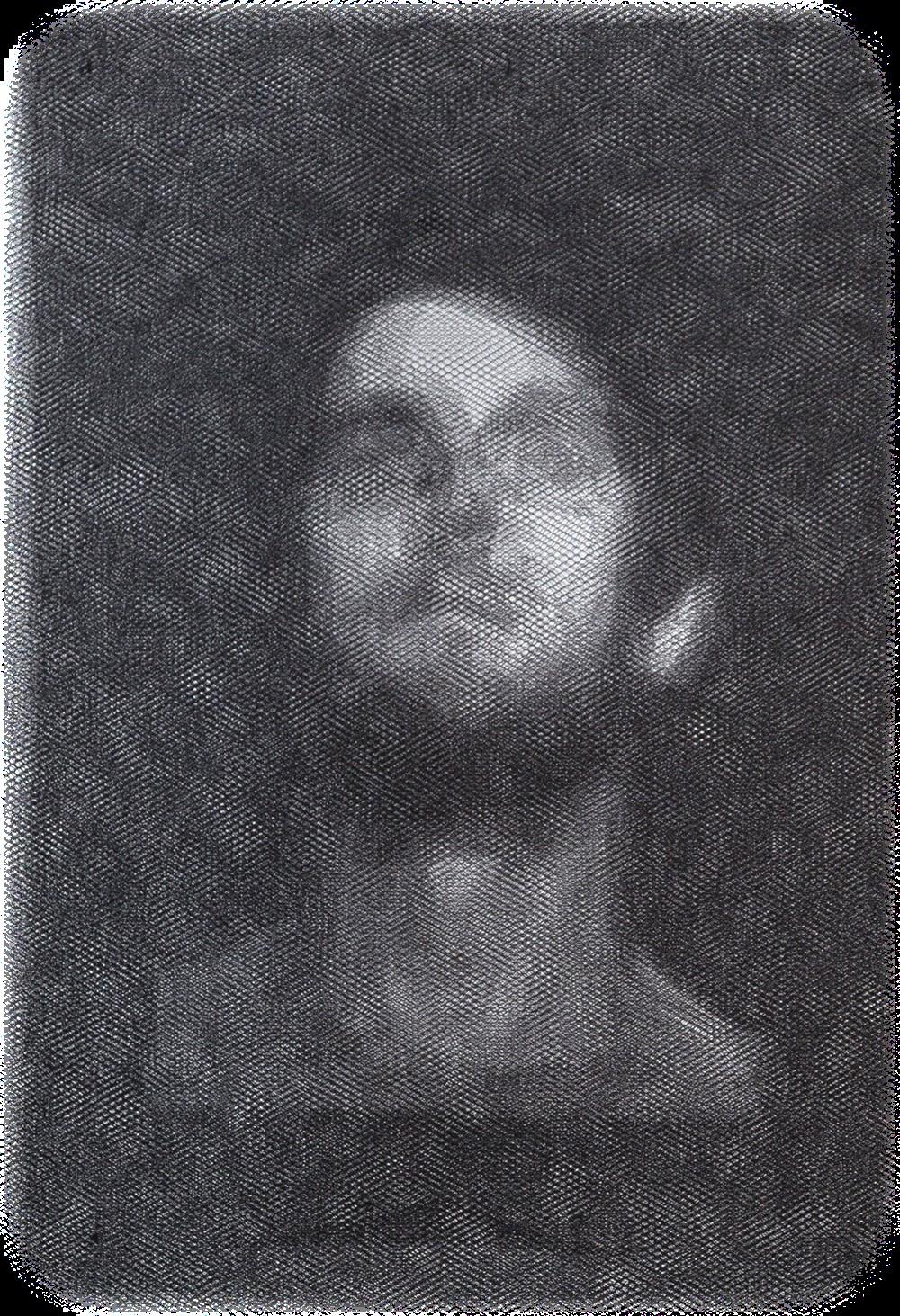
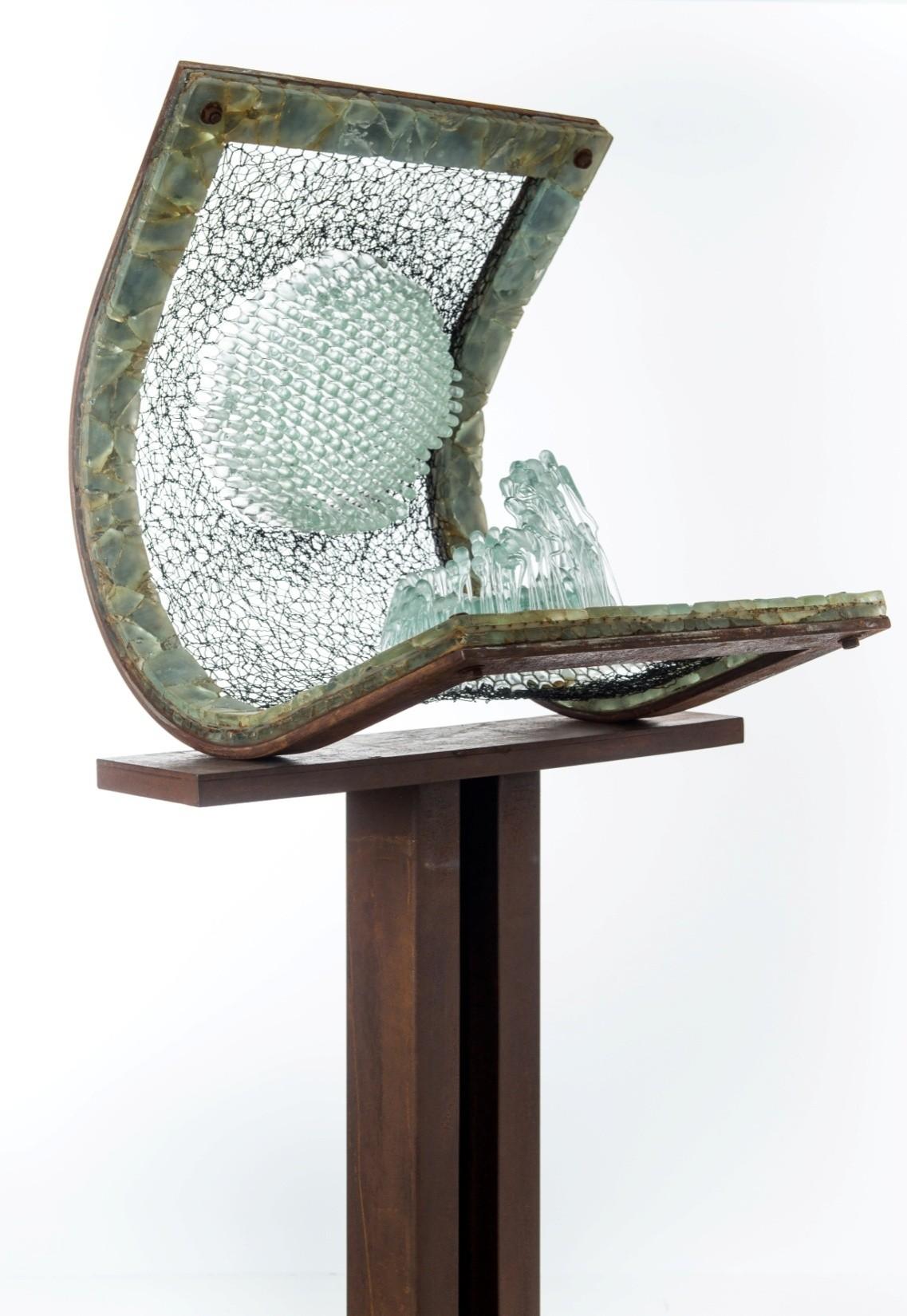
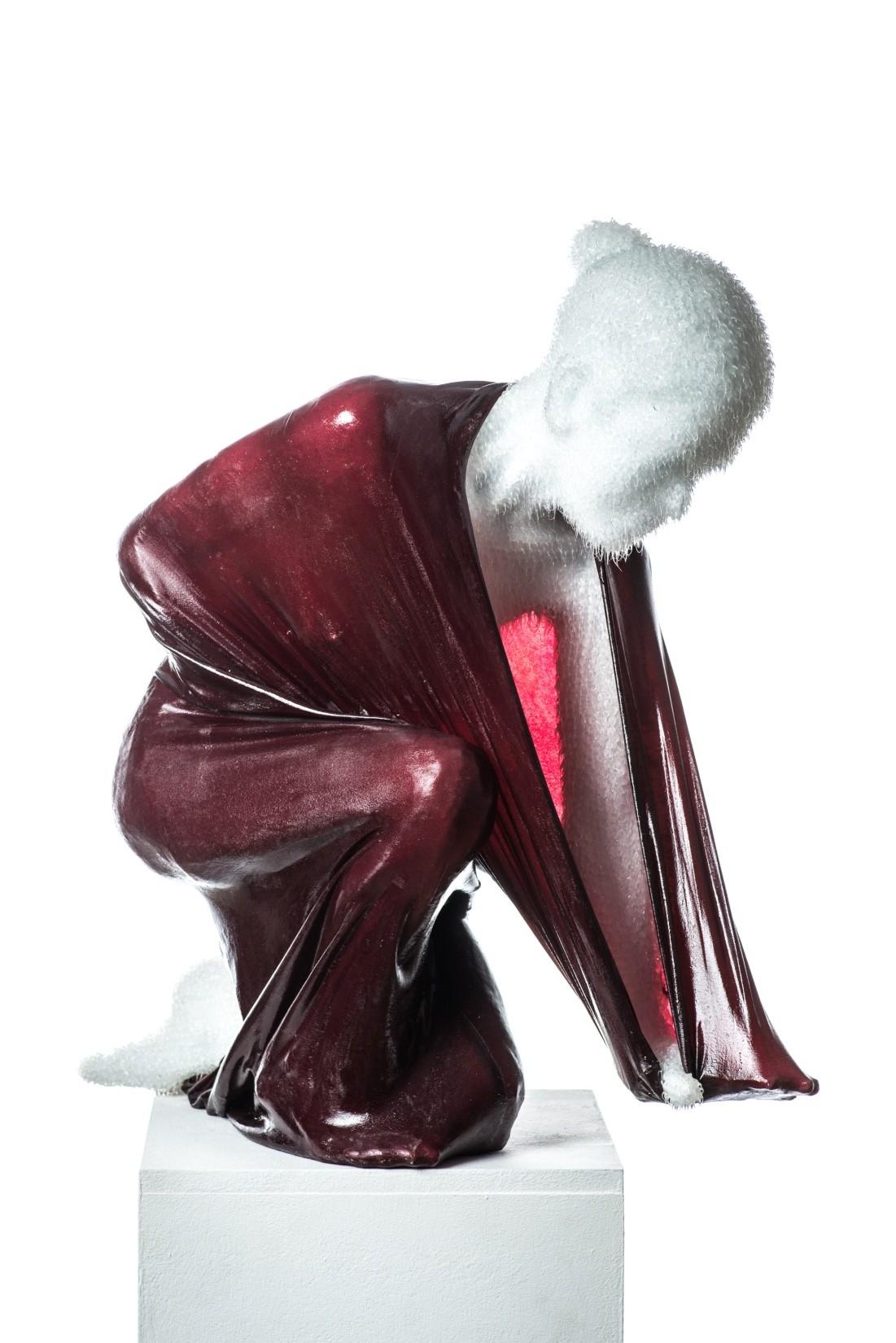
The process for the achievement of the artwork is highlighted byworks that imitatethe layers of sedimentation of a memory in Giorgio Tentolini, the seriality of printing black marks in Silvia Inselvini, the abstract metamorphosis of vitreous bodies in Alexandra Muresan or the metaphorical quality of the human body, when it is aestheticized by Sabina Dragomir, with precious metallic colours and subtle perceptual illusions.Therefore,theworkscreatedbySabina Dragomir exercise an authentic visual seduction on the public and generate sufficient reasons of specialized analysis, so as to render the artist a safe chance to international success. Bianca Brişan uses a similar transfiguration of body fragments, which lose their independent character, becoming plastic elements in a resonant visual rhetoric with her recent concerns related to human body metamorphosis. At this level of the exhibition and especially through works like that of Marcello Gobbi appears the profound questioning of the sculpture understood as stop-motion in a "scenario" about the metamorphosis of human consciousness, "frozen"inoneofthestagesofitsevolution.
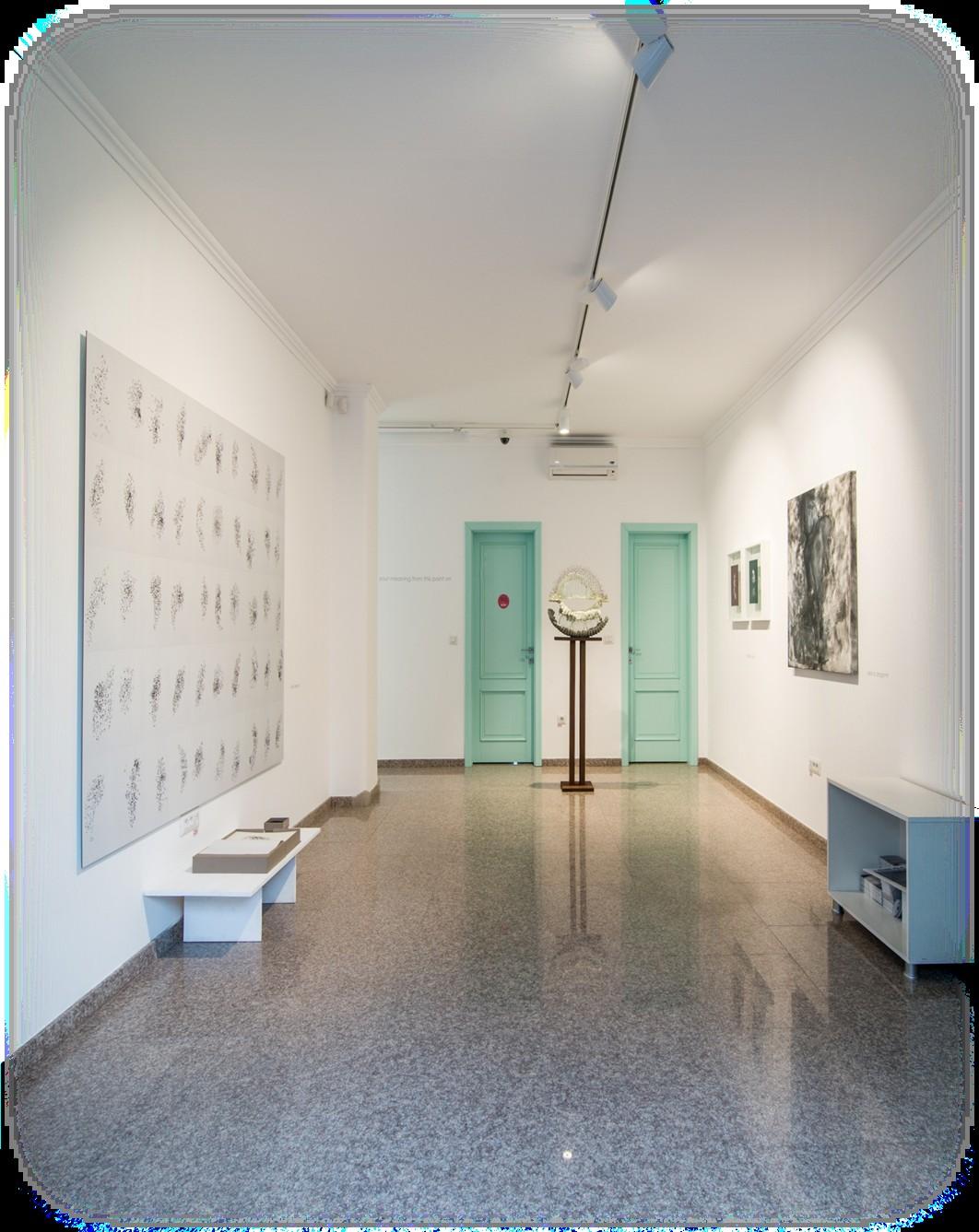
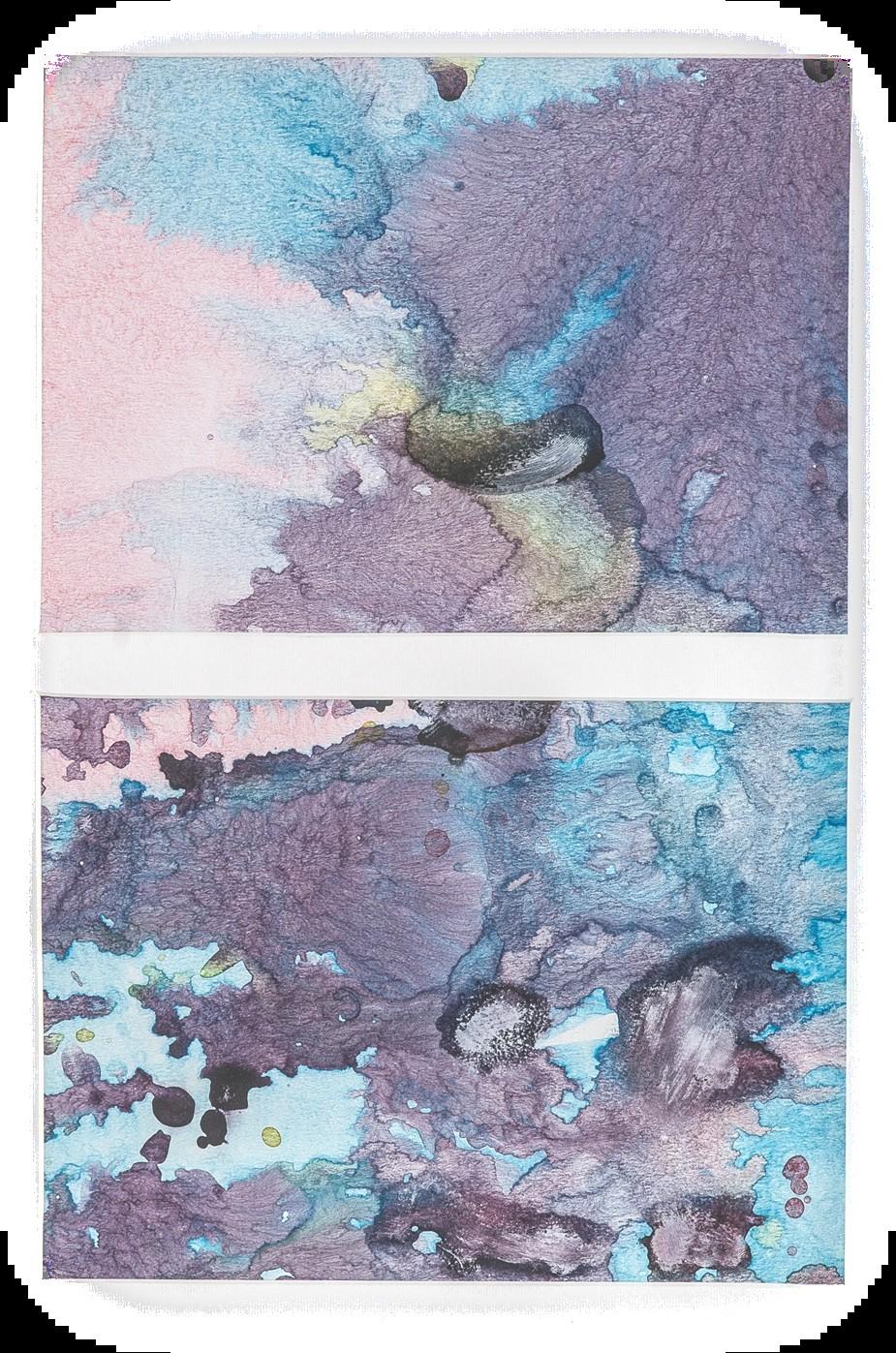
These works develop the idea of transformation in time or over time, whether our attention is directed towards art as a process or towards the finished art object. The seriality and repetition of visual signs transmit the idea of transformation causedbytimepressureintheworkofartistslike Dadamaino and Marco la Rosa. The joining of their creations establishes continuity between the fluidity of dynamic graphic signs and the consistencyofgypsummodules, therepetitionof which turns them into true "milestones" of the passage of time. To complete this comment, the approach of artist Angela Corti comes to highlight the possibilities of fragmented sculptural materials of becoming visual signs of the time that goes through the matter, and thus leaving its own marks. The abstract images rendered in the form of small works, joined as the fragments of a rediscovered artistic time is Mihai Vrăbieş’s manner of recording the passage oftime.
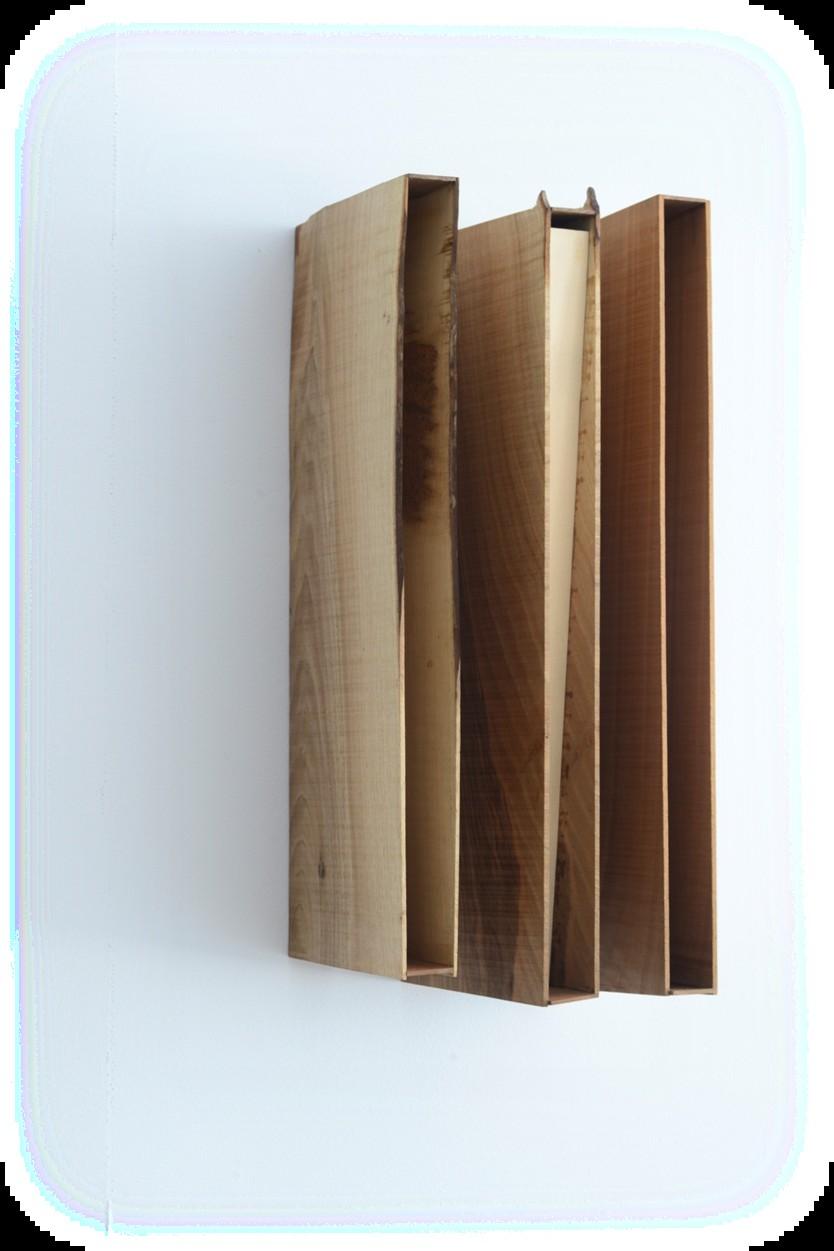
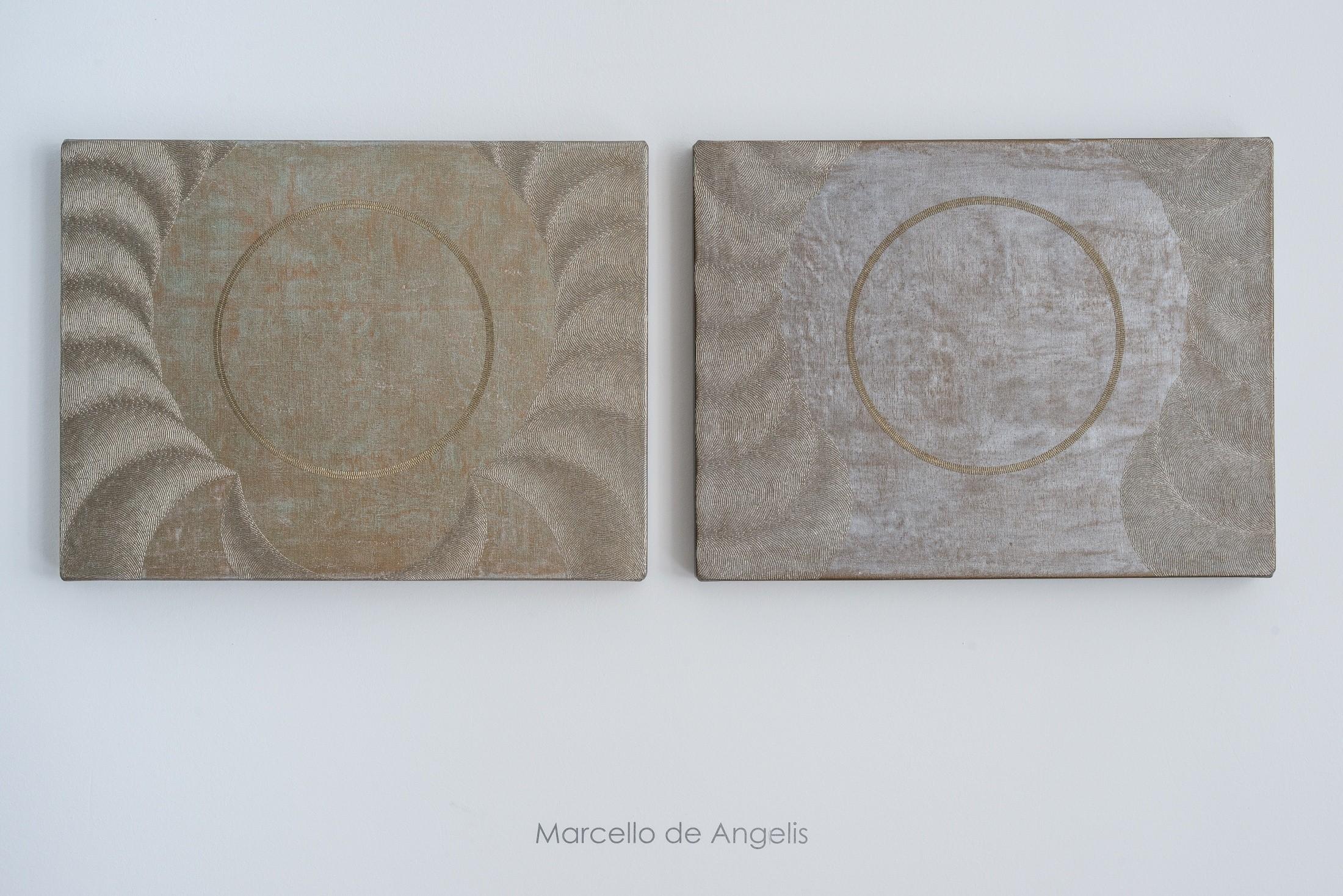
In turn, the neo-minimalist language of Francesco Arecco discusses the relation internal-external, spiritmatter by certain objects-geometric housings, the meaning of the discrete differences from one work to another describing a subtle vision about time action. The minimalist spirit subsists in the abstractionism impregnated with religious motifs of Marcello De Angelis, whose abstract perception on space and time rediscovers a sense of the physical and metaphysical world. Along with Marcello Gobbi and Sabina Dragomir, Marcello de Angelis is among the artists for whom aestheticism understood as technical mastery represents a priority option of the language "over time".Anotherexample,thistimeparadoxicallyitdoes not appeal to materials established by means of the artistic tradition, is the approach of the artist Francesca Pasquali. The artist's work becomes a practical demonstration when the public changes the gaze angle, trying to capture the different time sequencesofthespecial chromaticvibration,rendered by means of optical art. The artist communicates through language both minimalist and analytical the fascination that the harmony of natural forms raises at thelevelofvisualreception.
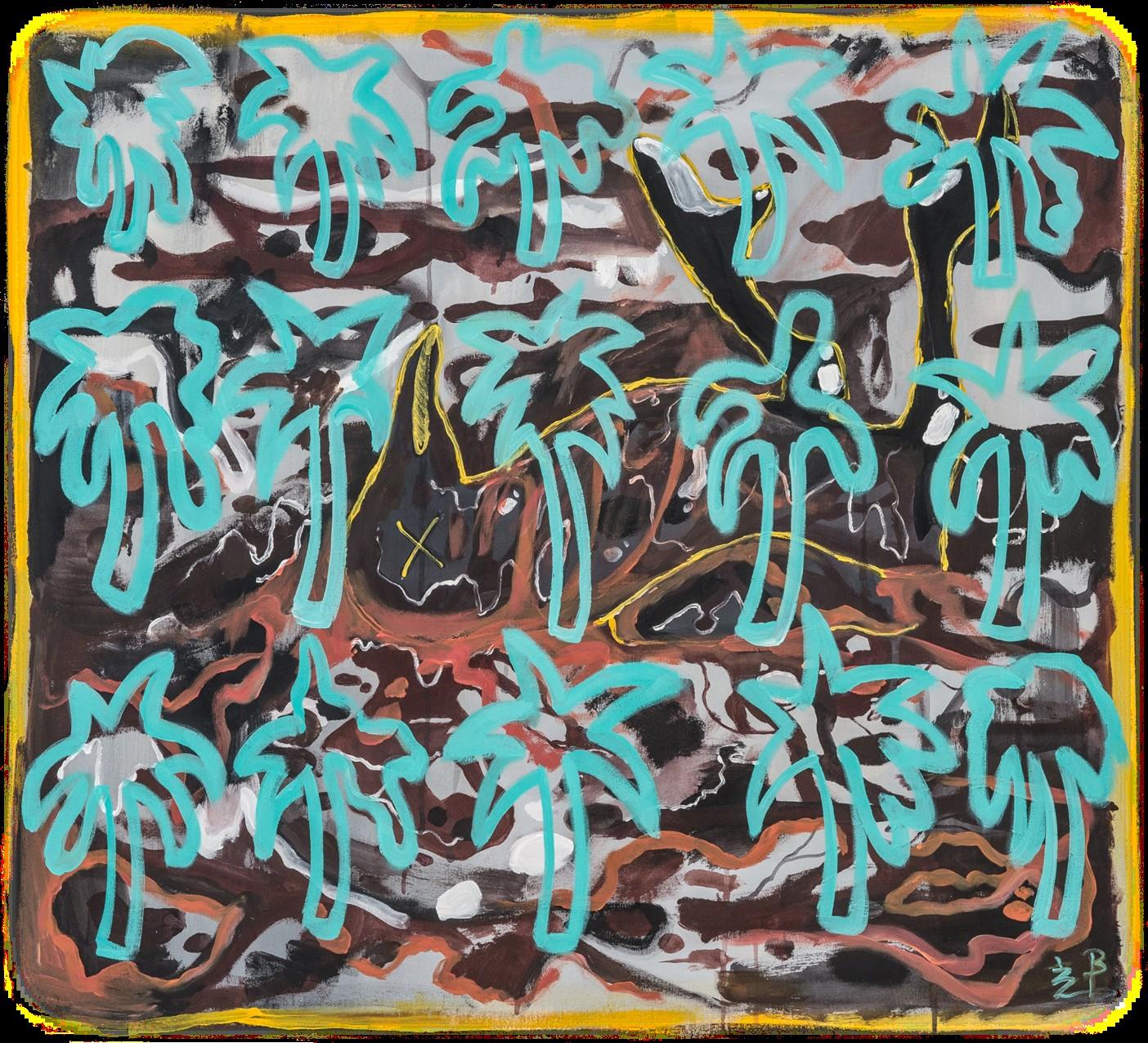
Michael Gambino used the natural forms of some multicoloured butterflies, by which he created a fictional map of Romania, imagined as a pretext for poetic conversation between philosophy and biology on the role of convention in cartographic representations. Michael Gambino abandons the methods of the traditional painter, using colourful shapes of the butterflies to create compositions and contrasts similar to the pictorial ones. A playful attitude similar to Michael Gambino can be found in Cristian Bogdan Bara, who seeks to discover a similar anti-aestheticism and challenges the academic rigidity of any kind by means of the freedom of expression and discrete references to the social ideology of the hippie culture. Therefore, in the exhibition we can identify the criticism on various social issues. Liu Bolin, in turn, critically discusses the status of Chinese citizens whose life seems frozen between the relics of an imperial past and the landmarks of a 21st century culture. Although he reveals an obvious critical attitude, Liu Bolin's photographic expression does not seem to have exhausted its aesthetics stakes that we find in the studied photographiccompositionoftheartist.
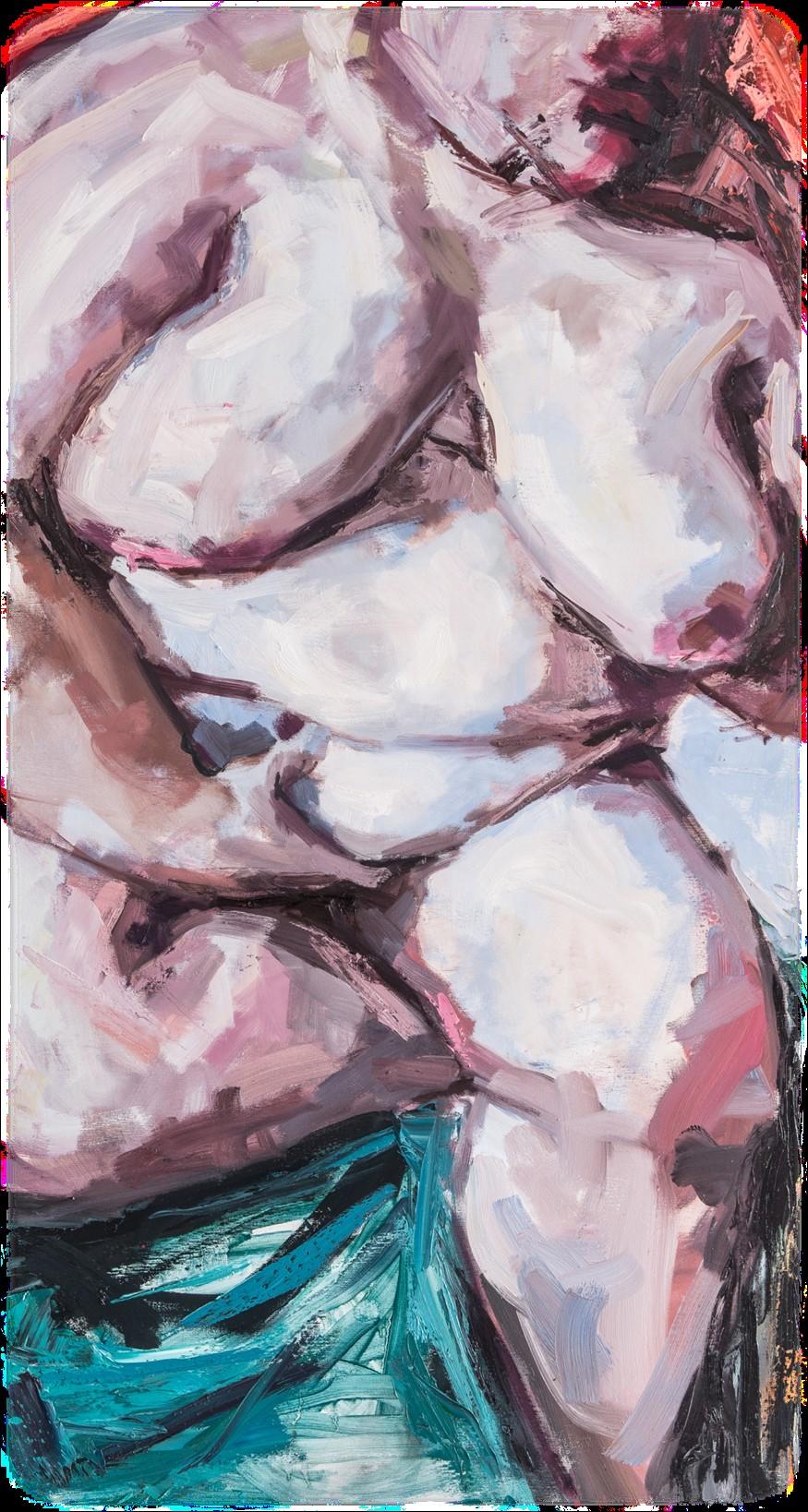
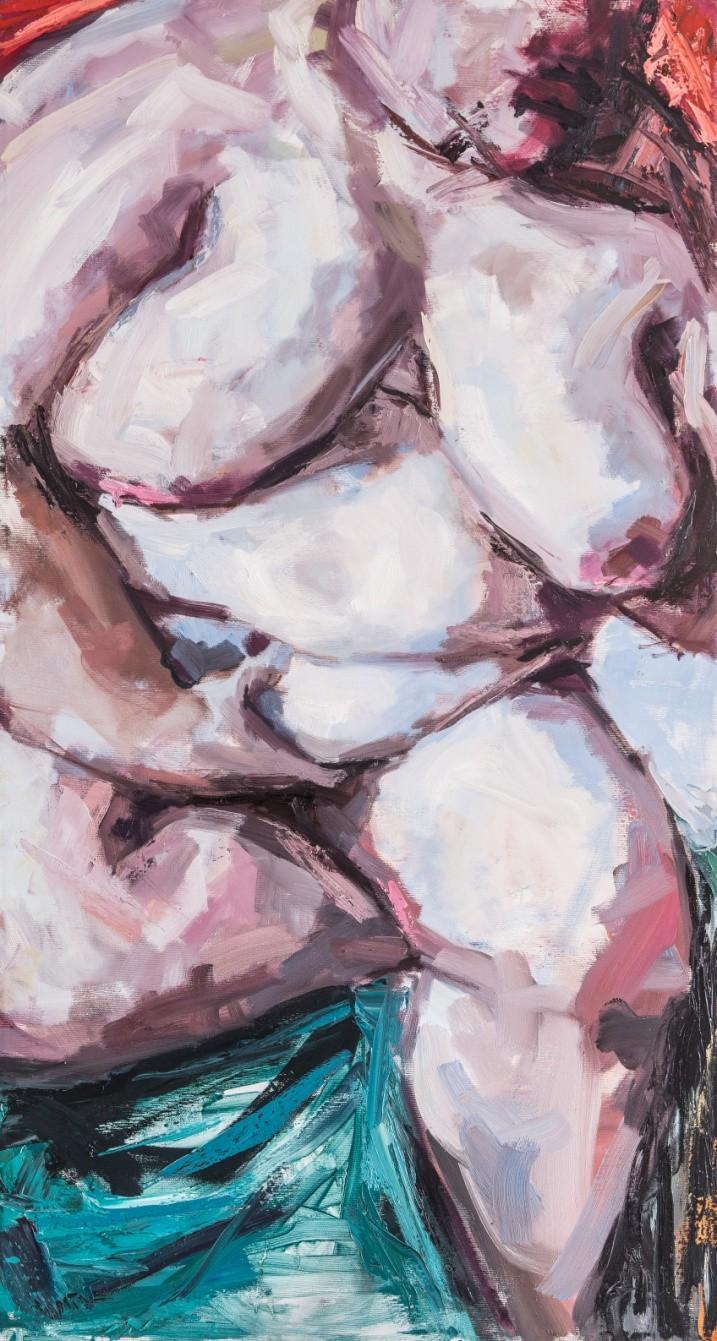
In his work, the apparent transparency of the human body is a form of criticism of the precariousness of the social existence subject to disappearance and removal of time. A similar meditation on the violence inherent to the visual exposure of the human corporeality is obvious in the work of the photographer Nicola Vinci, who dissimulates through pictorial qualities an aesthetic of the shock. He addresses the infant universe from a unique existentialist perspective. In the direction of the aesthetic sensitivity of the shock lies Gabriela Elena David, for whom the exhibition of the pictorial qualities of the work is an effort of aesthetic in a sense opposed to Nicola Vinci. Gabriela Elena David captures the imperfect female body characteristics that become pretexts for free chromatic games. The same preference for uncomfortable topics underlies the origin of tensed dynamics of narrative and absurd figuration of the work of Vlad Căpuşan, who correlates the intersection points of different temporal registers. Constantin Botezat re-opens the path of an intensely chromatic figurativism of a later modernist essentiality,forwhomthesolidityoftheformsof representation seems synonymous with the certaintyof"hereandnow“.
From the perspective of a "deep" time through the multitude of its layers, the artists of the exhibition seem to look alike through and over time. Sometimestheiroptions combine traits of the layers of different modern or postmodern times, other times they exploit a well defined stylistic trait that is transplanted into a new stylistic syntax. The exhibition emphasizes the various stages of formal stylization, of the abstract or minimal artistic language, which comments on the status of the human being caught in the light of its transition through time or over time. We shall resume just a few examples representative for the stylistic diversity and conceptual unity of the exhibition’sworks.
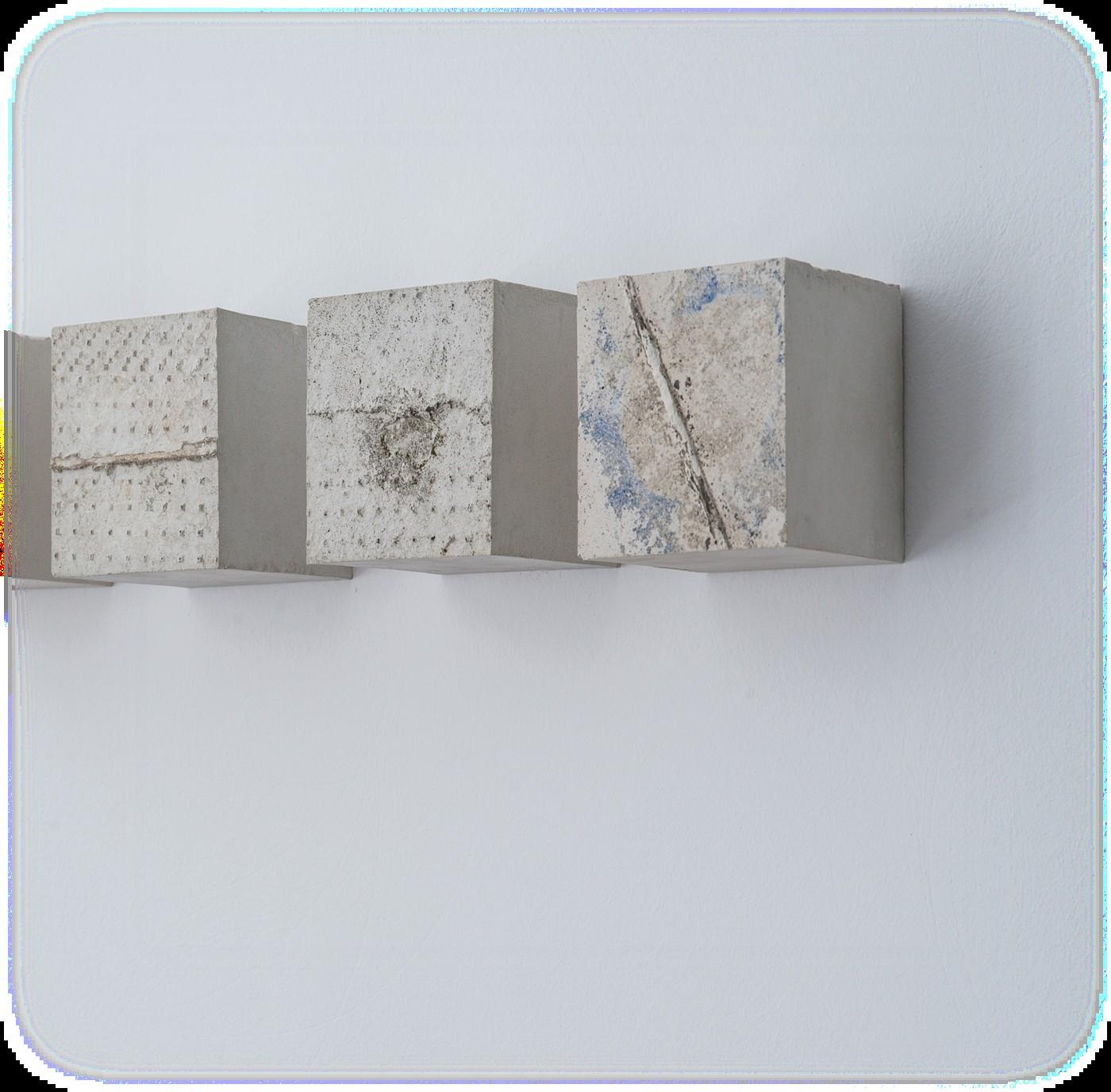
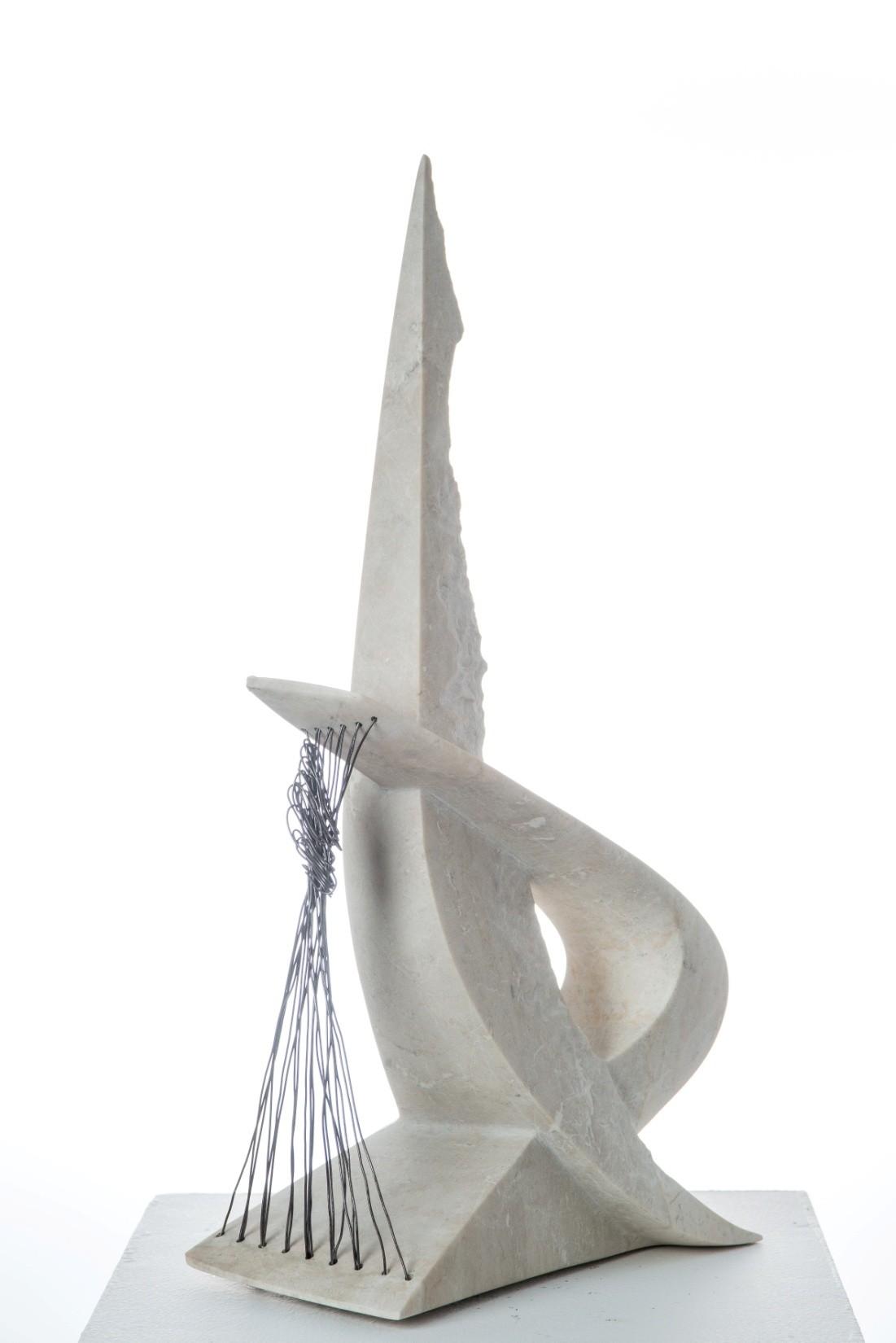
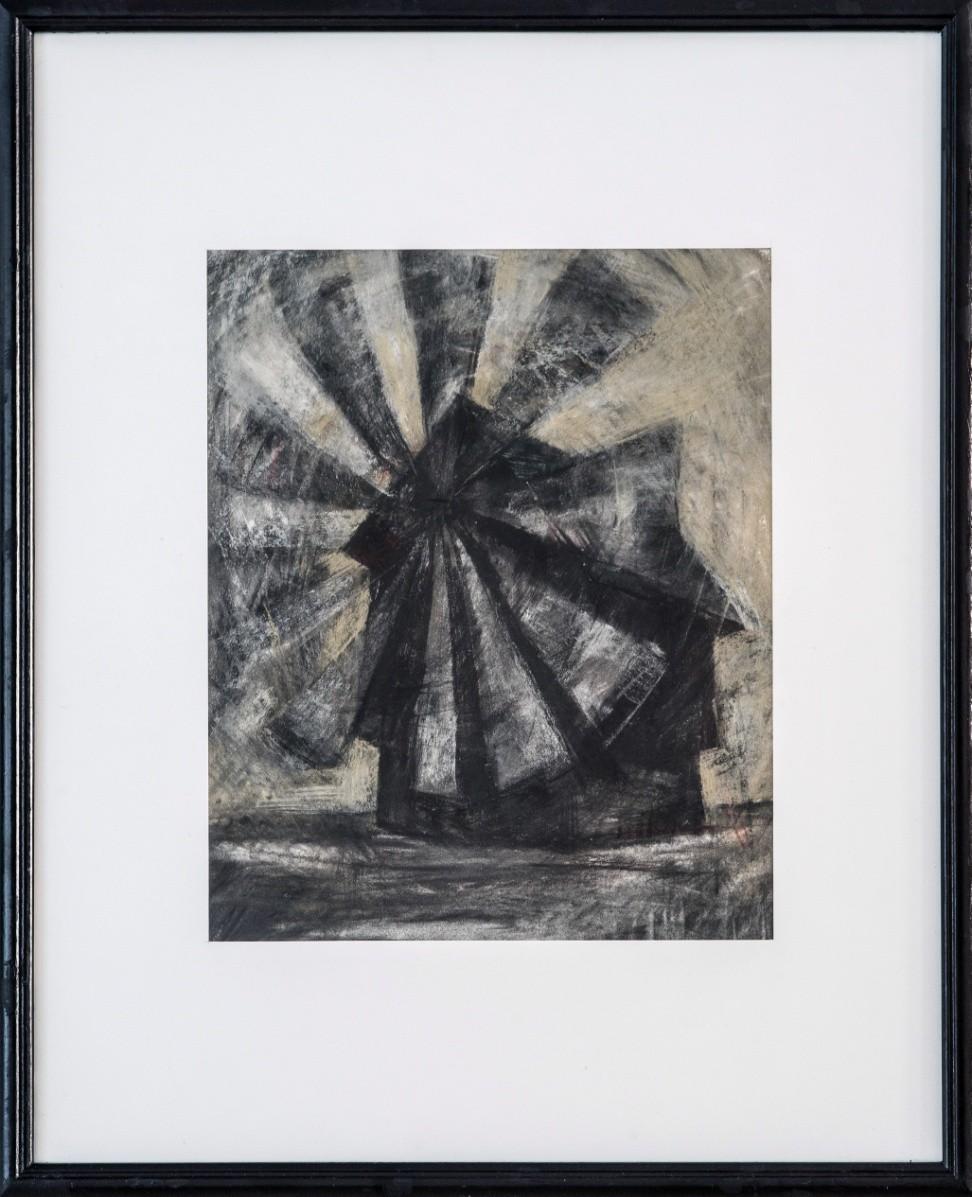
These creations experience calling on optical illusions, graphic techniques, techniques of drawing or volumes of hard materials. Dadamaino is present with a minimalist, abstract work representative for the whole evolution of her late work and Giorgio Tentolini represents through an original method of approach of textile art the human anatomy in a stylized version. Marco Rosa, also, treats the volumes of different geometrical forms in an emphasized essentialised manner. The work with certain graphic qualities of artist Dadamaino is closely related to the refined techniques of drawing on fabric of Giorgio Tentolini. Marco la Rosa’s conceptual sculptures intersect the abstract sculpture of Alexandra Muresan, who in turn resonates with the tactile qualities of Marcello Gobbi’s sculptures. The artistic researchofDadamaino,GiorgioTestolini,MarcoRosa,Alexandra Muresan and Marcello de Angelis is rooted in trends such as spatialism,minimalism and,ingeneral,Europeanabstractionism.
Over time is a visual discourse that questions the concept of "new" from the perspective of a reflection which includes the humanistic principles among contemporary elativistic vision principles. From this perspective,therelationfigurative/abstract queries the status of the human being, suspended between a stable essence, given by the certainties of traditional representation, and its denomination as multifaceted visual sign. Thus, the mirror metaphor highlights the attitude of the artists who, by looking into the past, recognize a plausible future for theirart. 9
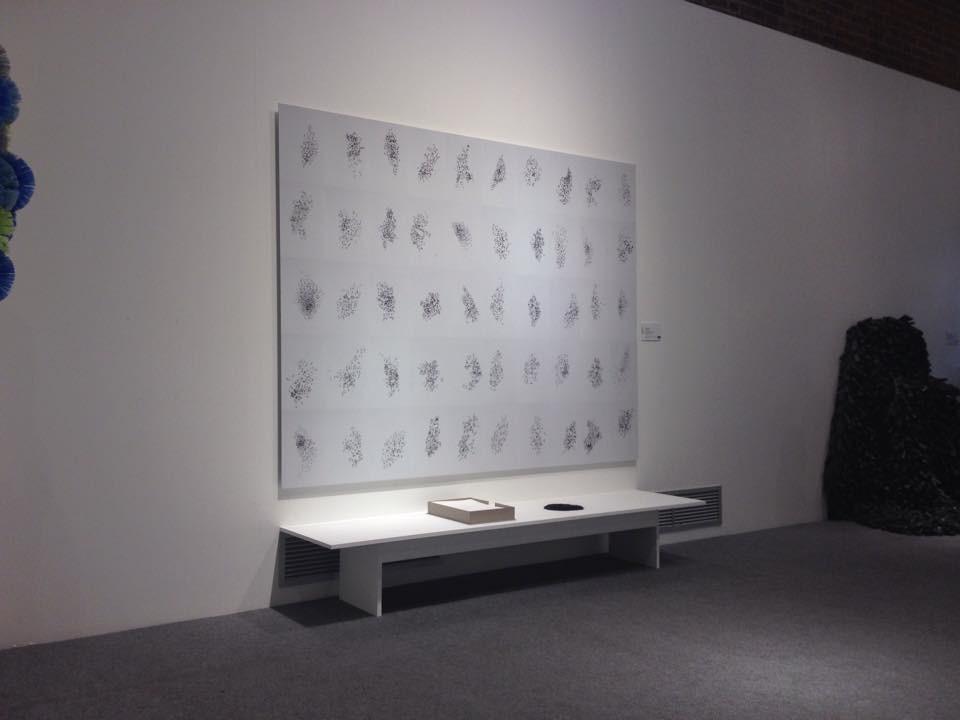
21x33 each, paper box 11x11x3.5 cm with rice, table 50x100x25 cm

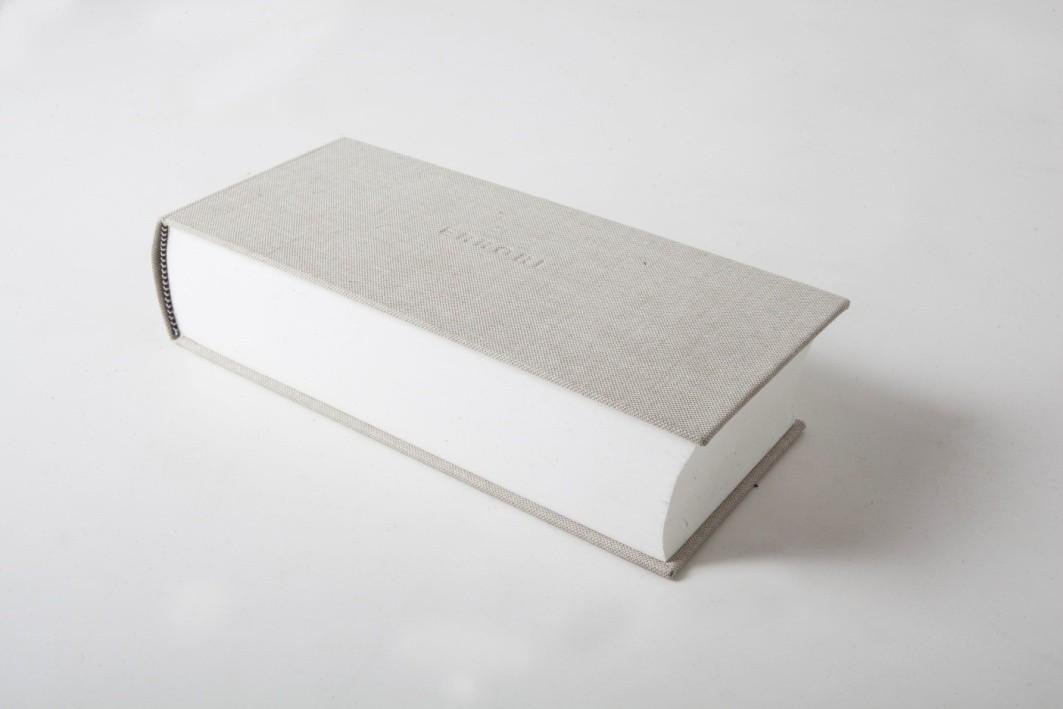
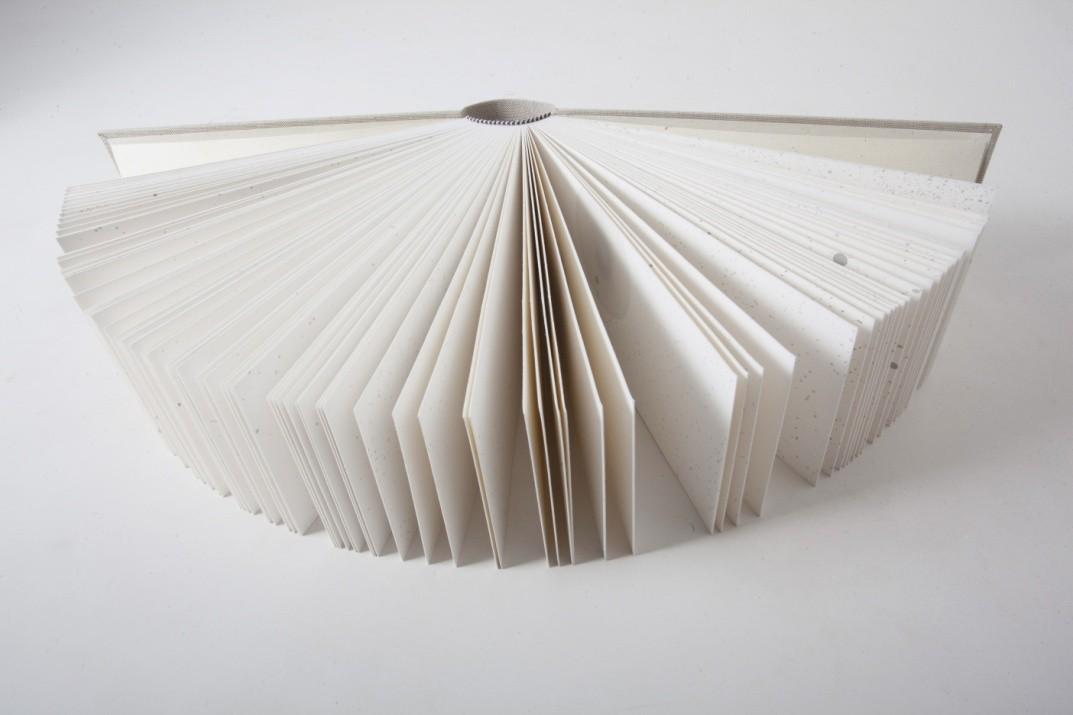

100 pages book
6.5 x 25 x 10 cm

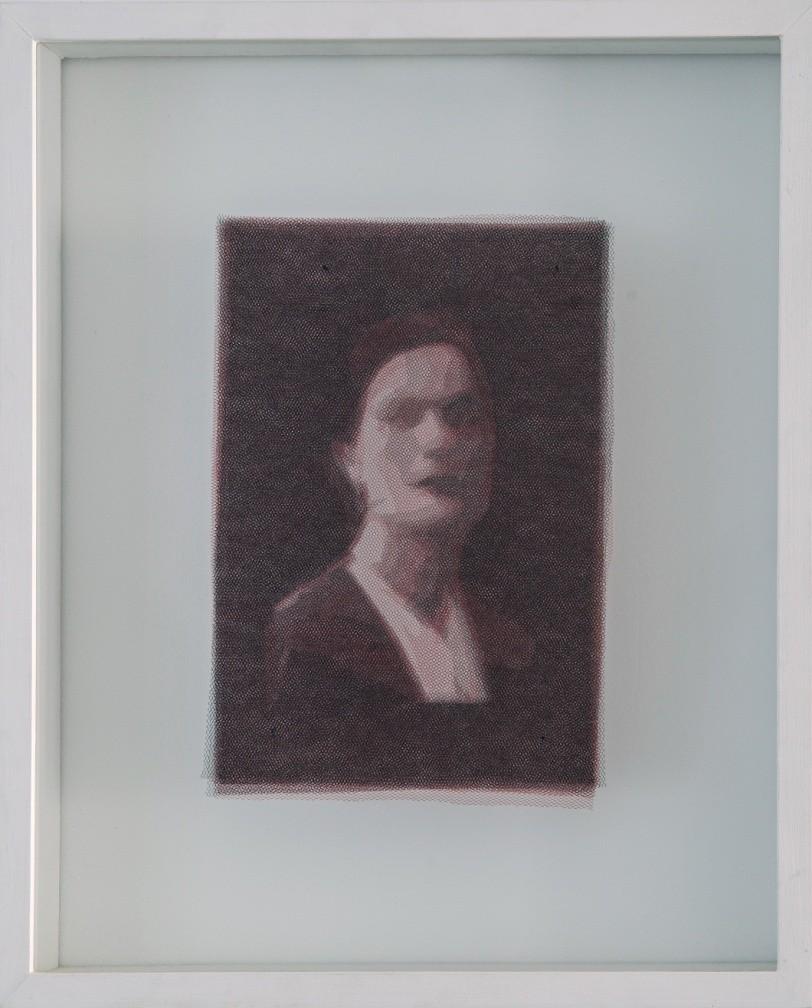
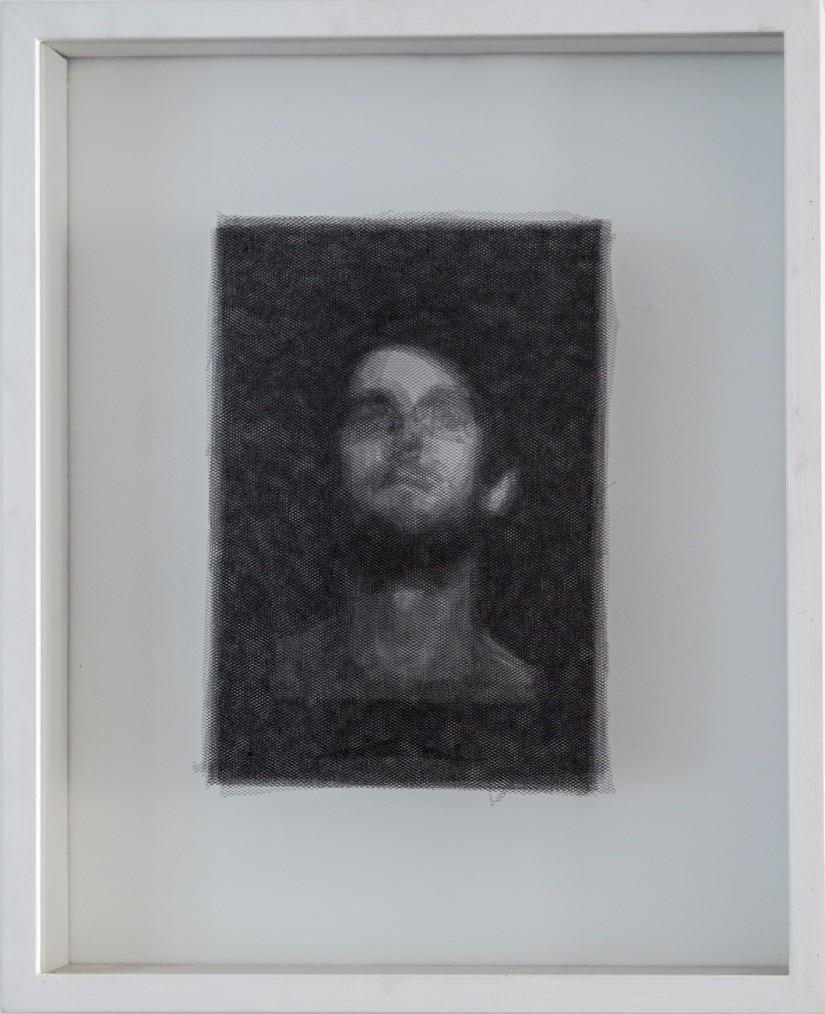

Giorgio Tentolini, Teresa (Underneath)-left, 2013, Autoritratto (Underneath)- right , 2013
16 layers of black and red tulle hand engraved and overlaid
30 x 21 cm
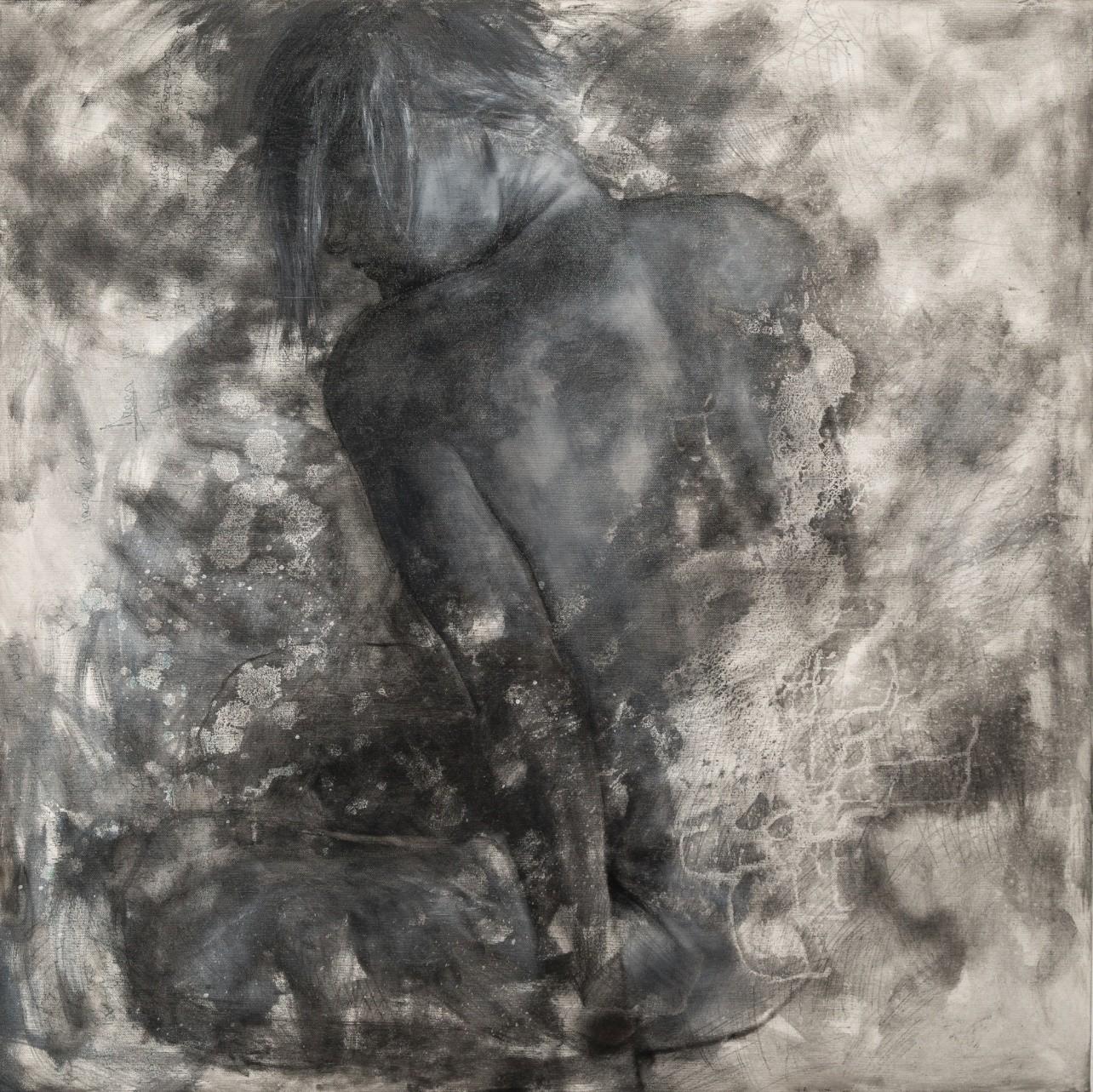

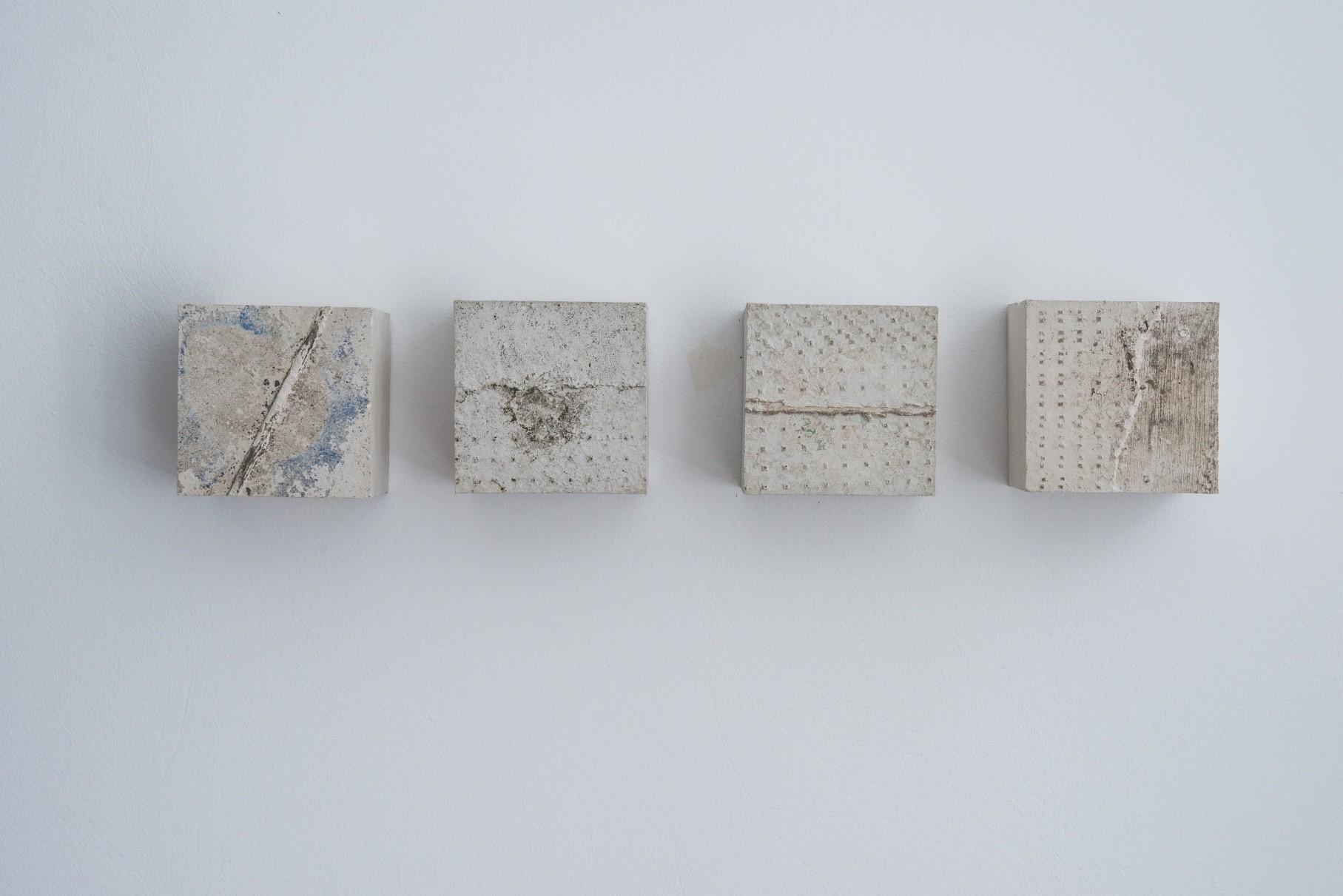

sculpture in alabaster chalk
4 pcs, each one 10x10x10 cm
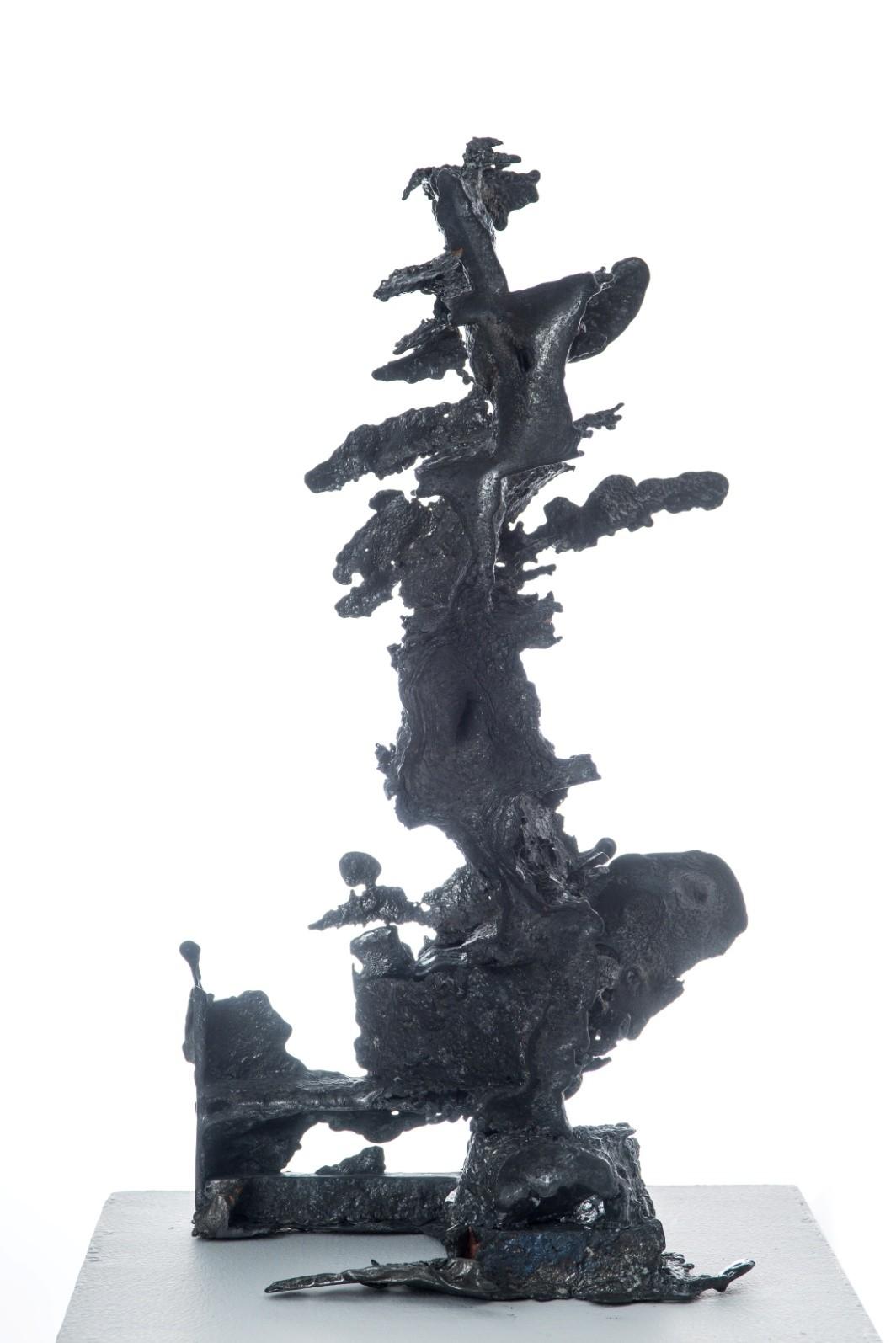
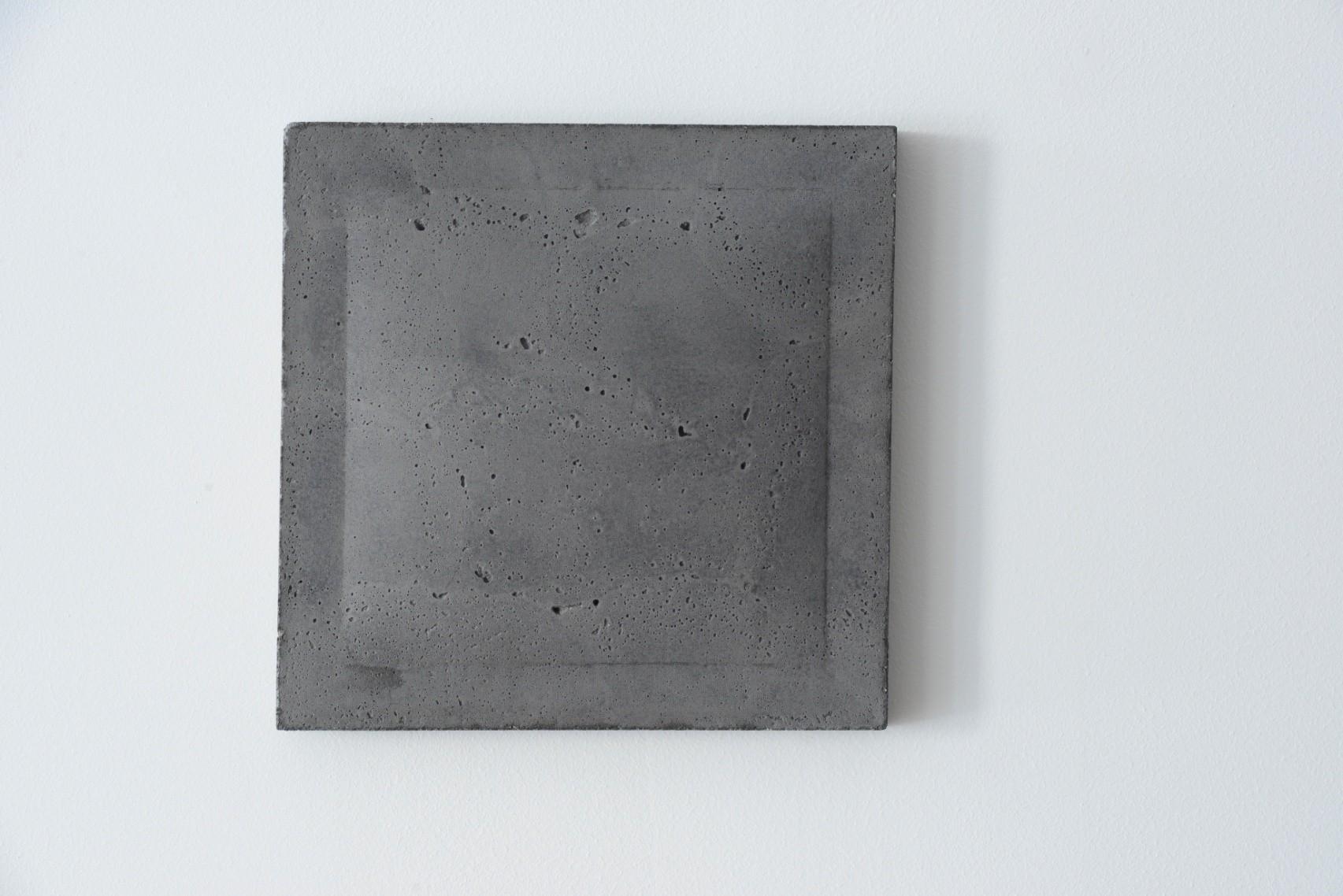
armed concrete and color pigment
35 x 35 x 3 cm
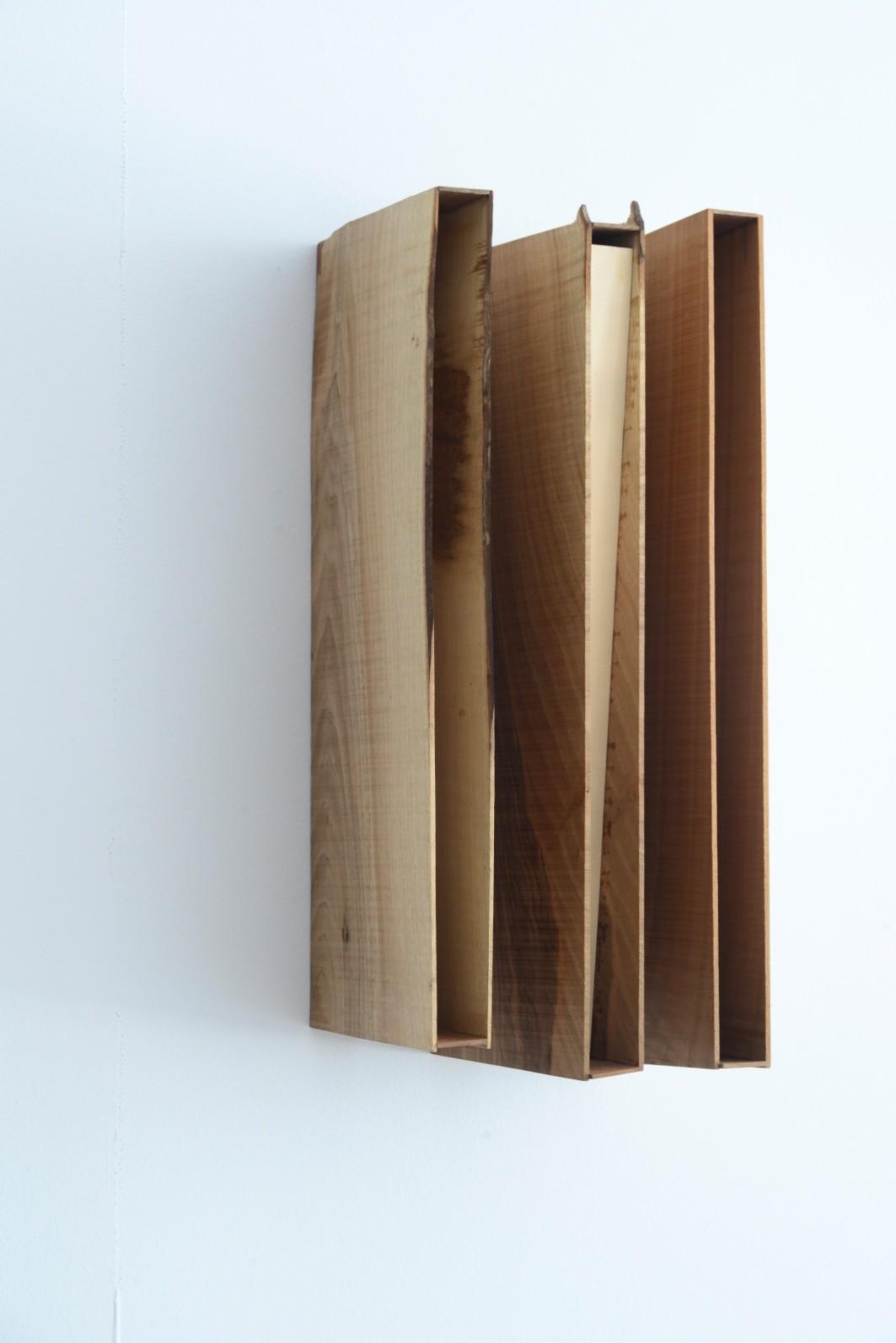
60 x 5 x 25 cm

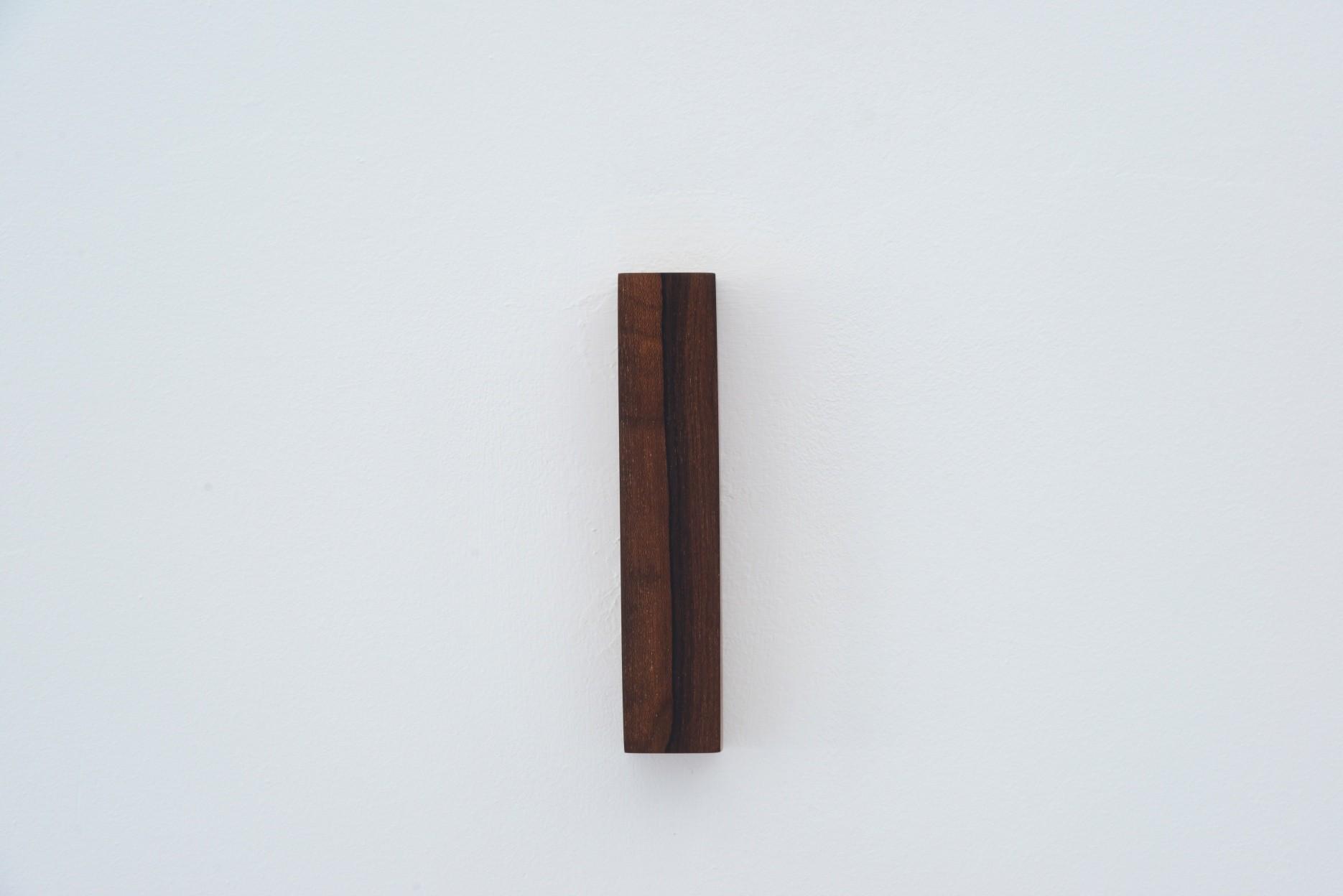
17 x 4 x 3 cm

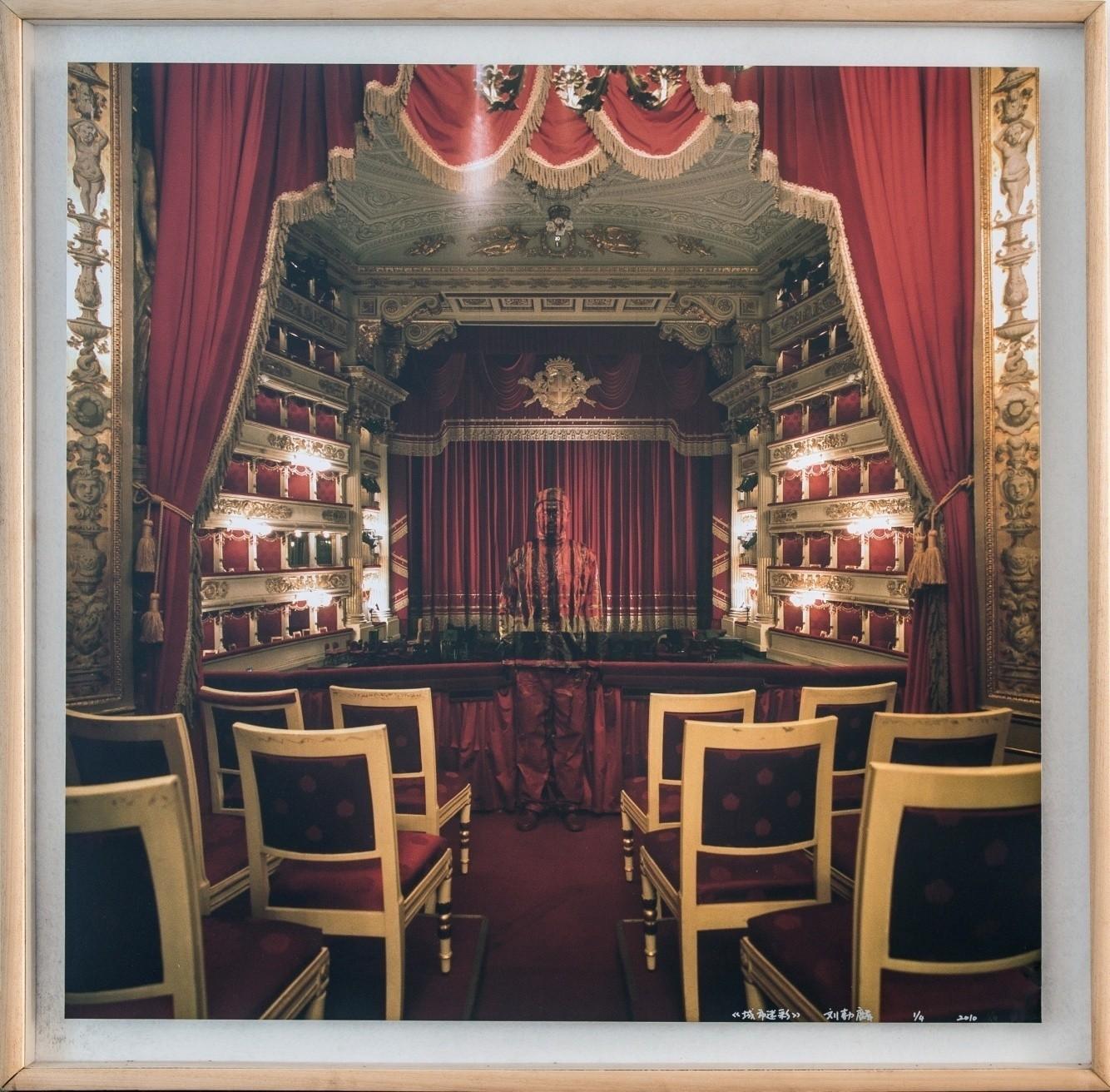
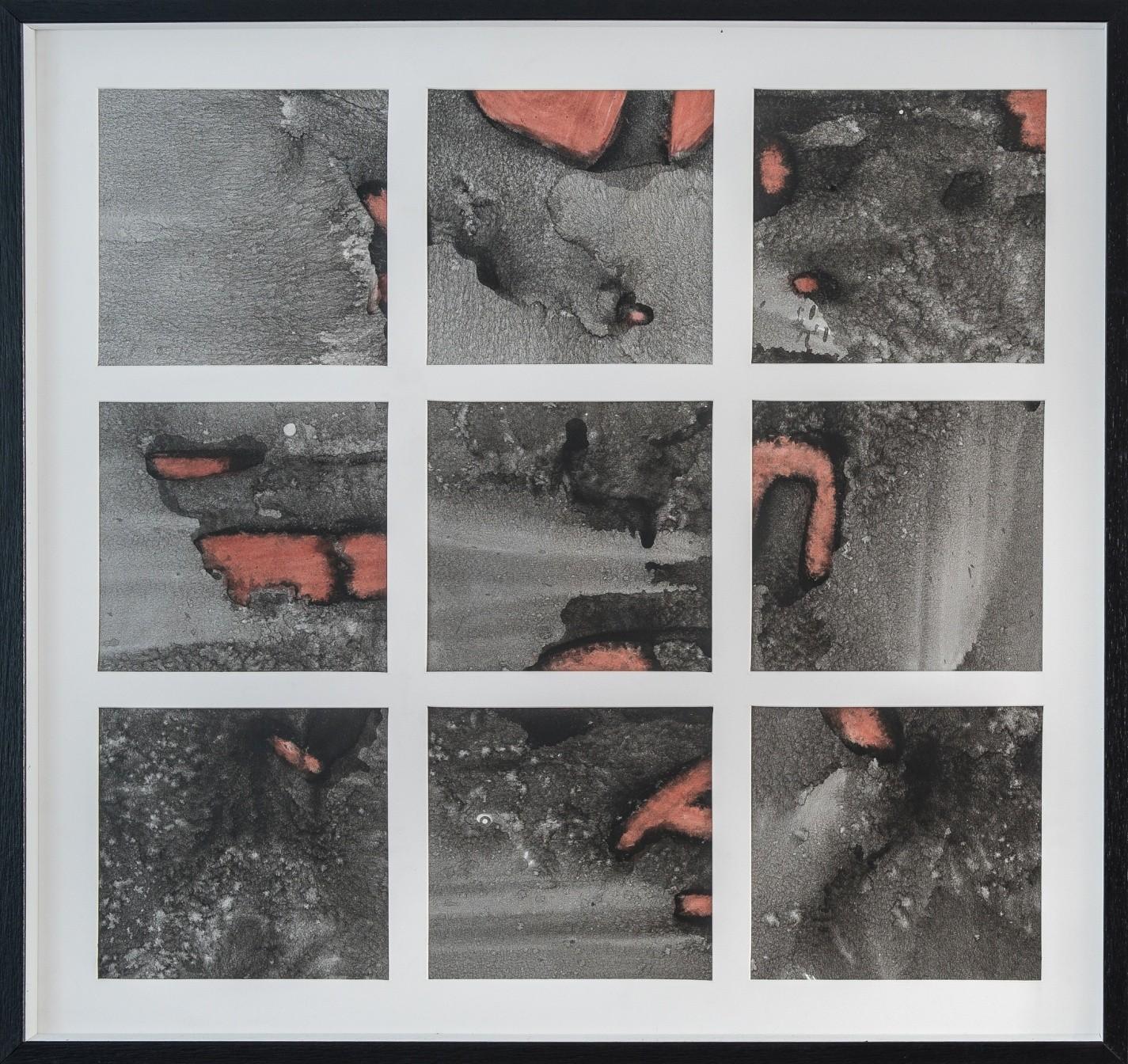

80 x 80 cm
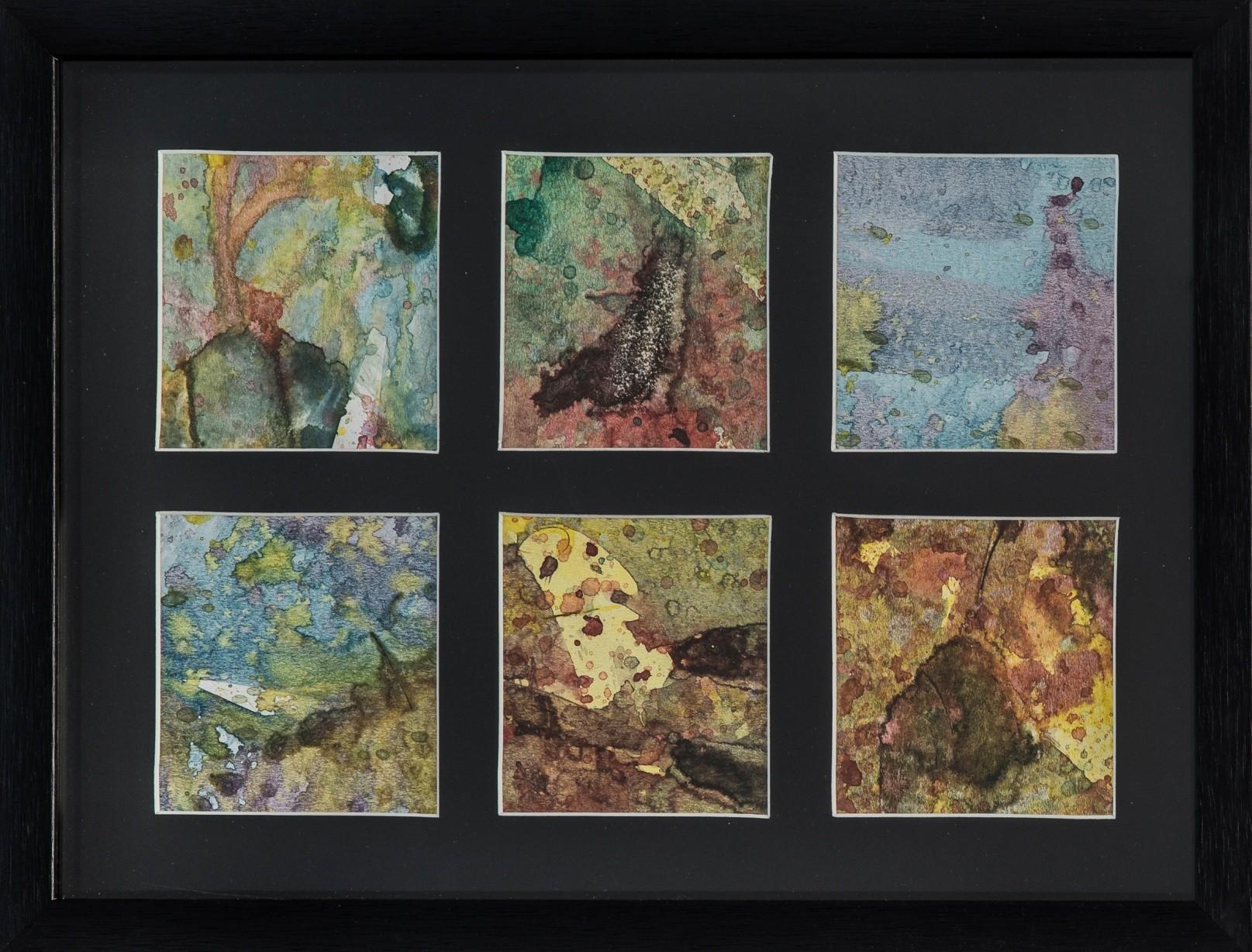

6 pcs each one 10x10 cm
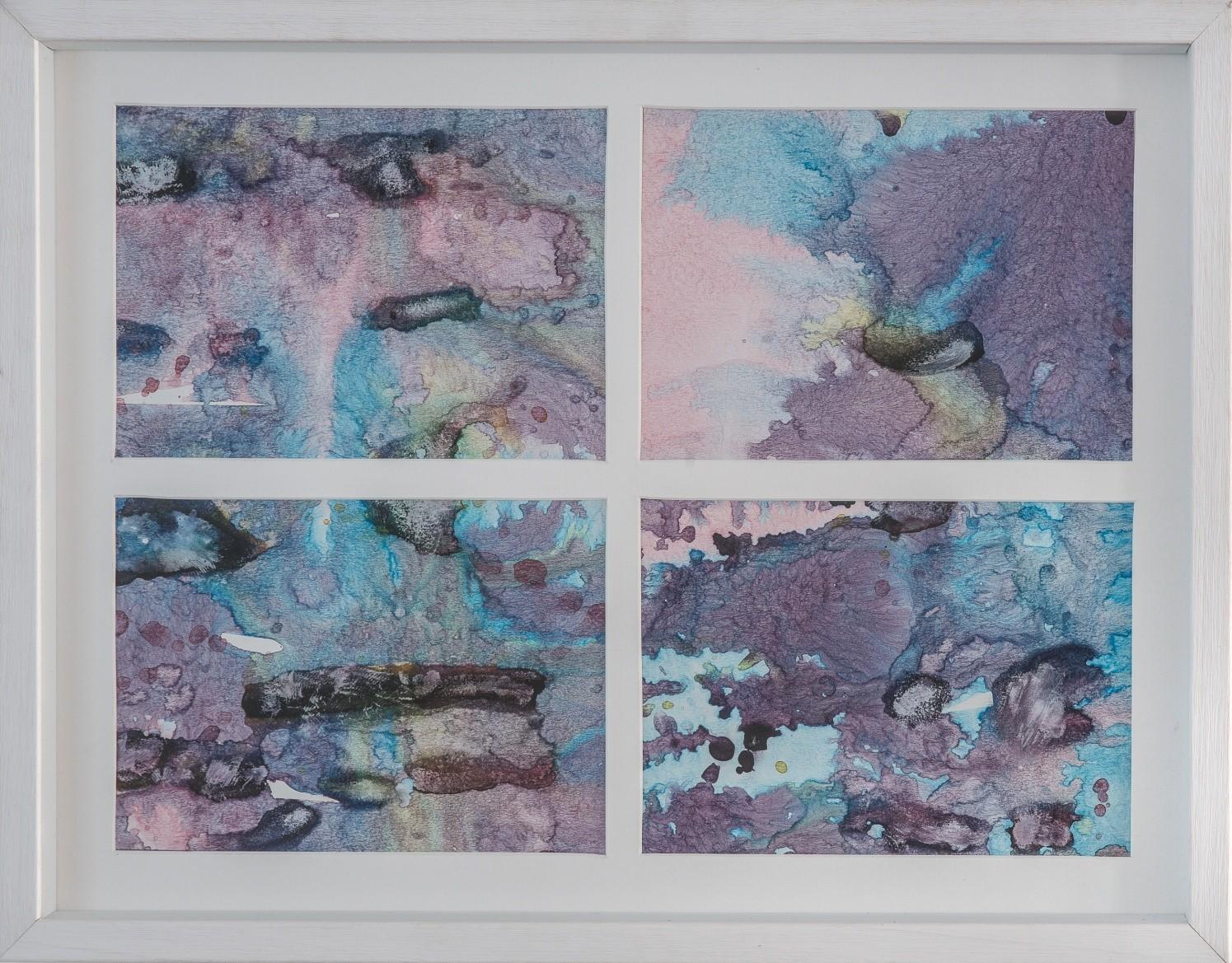

44 x 58 cm
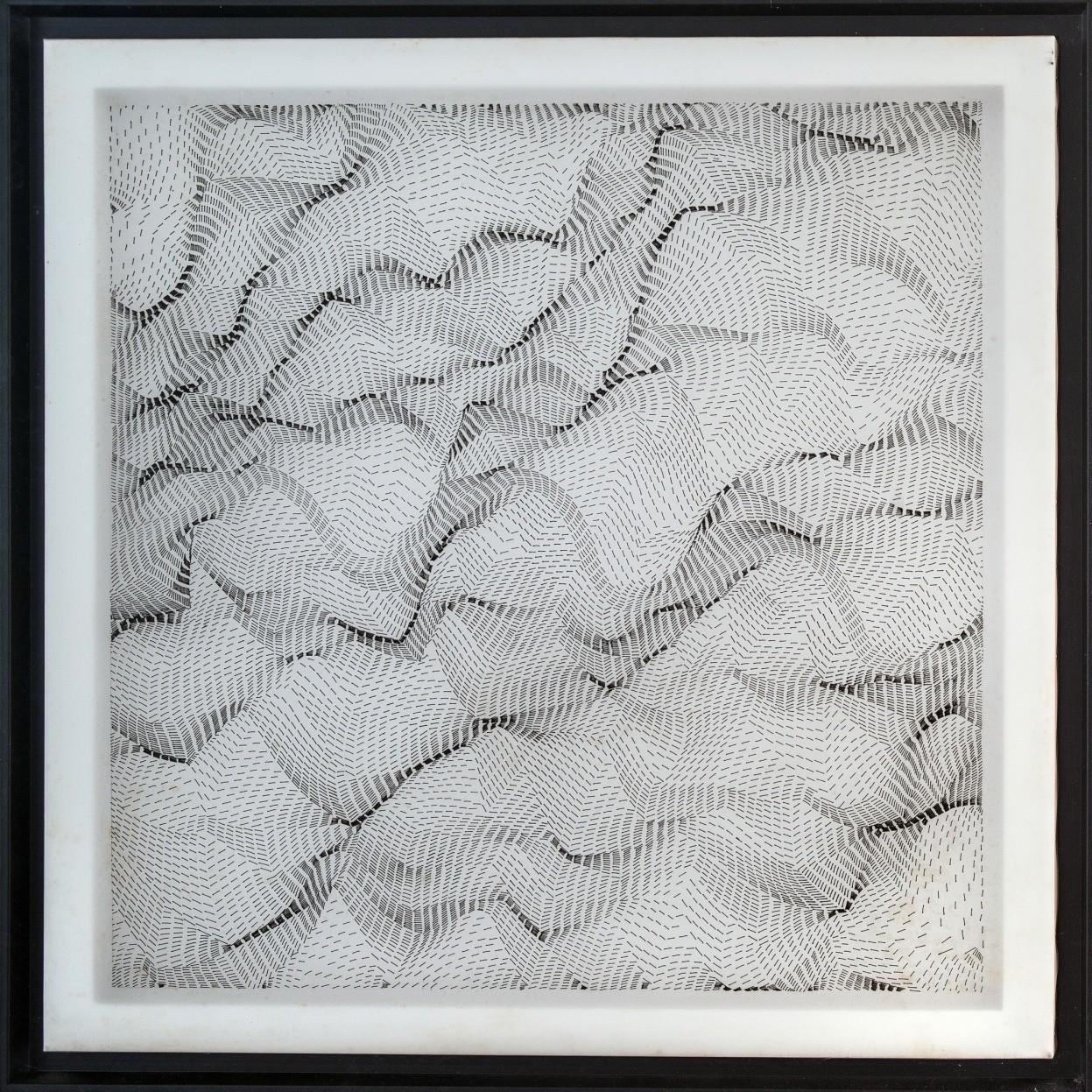

Dadamaino, Il muovimento delle cose, 1993
mordant on acetate
84 x 80 cm

acrylic injection painting on
45 x 60 cm each one
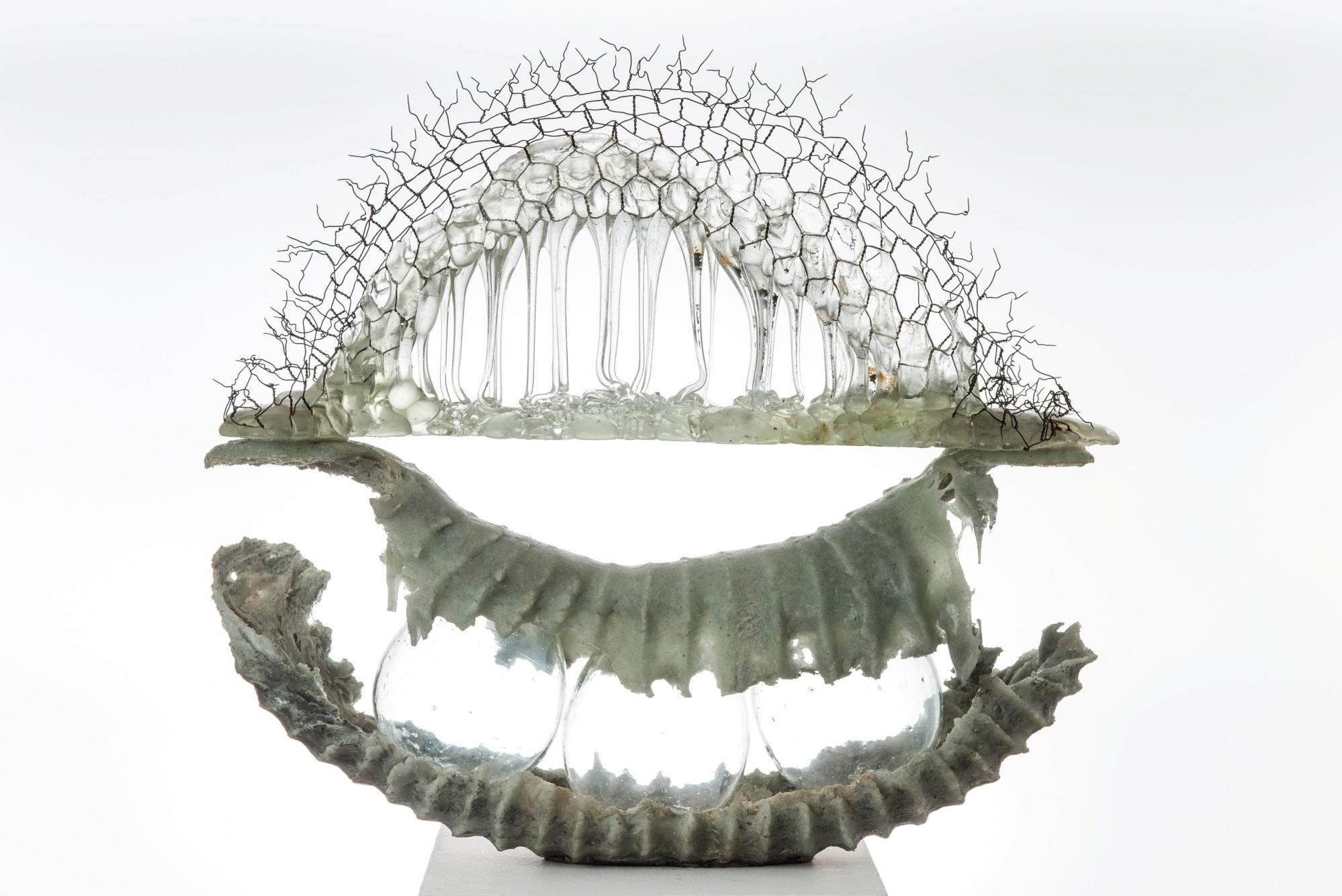
blown glass, thermoformed glass, pâte de verre, metal
50 x 60 x 20 cm
50 x 30 x 15 cm
60 x 58 x 26 cm

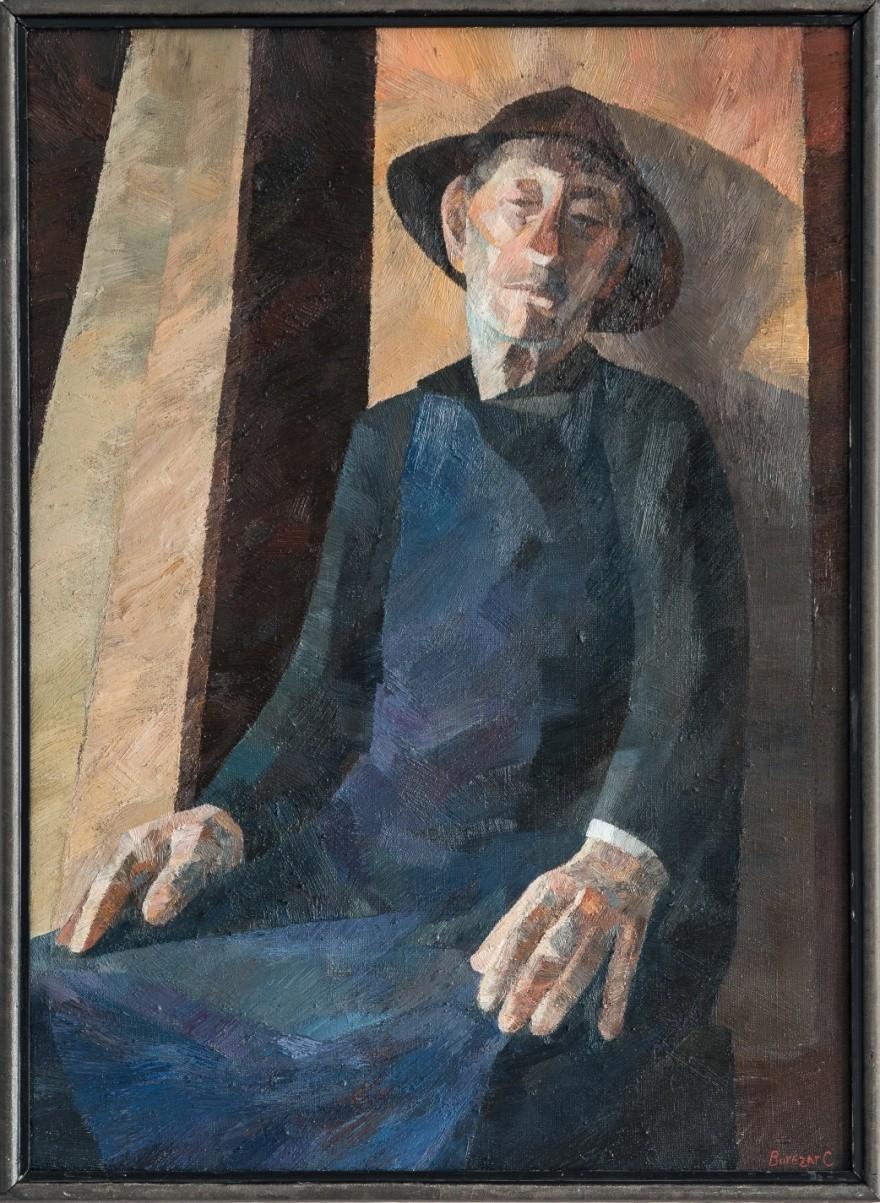

mixed technique on paper (left)
oil on canvas (right)
35 x 30 cm (left)
70 x 50 cm (right)
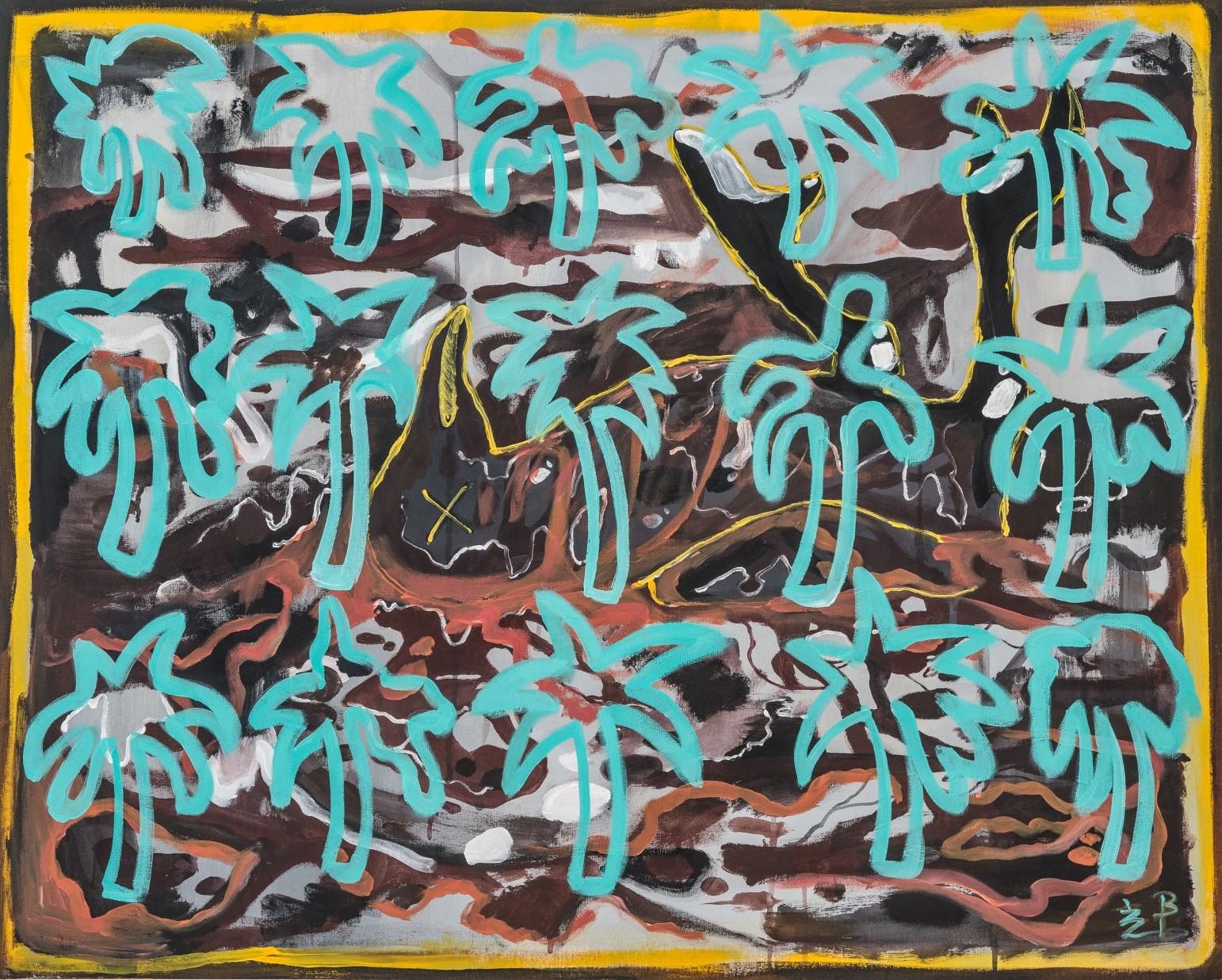


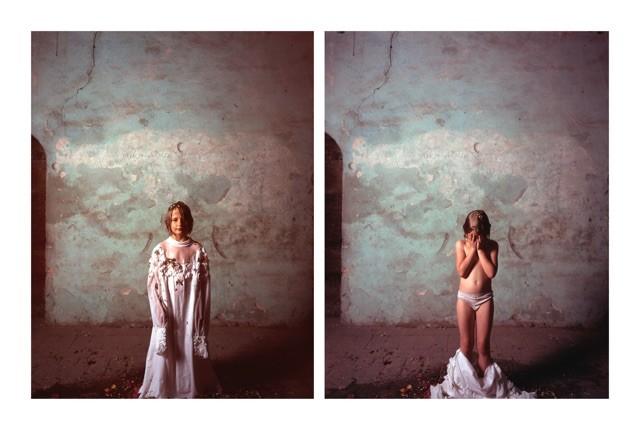
print true giclèe mounted on dibond, diptych
100 x 80 cm each one
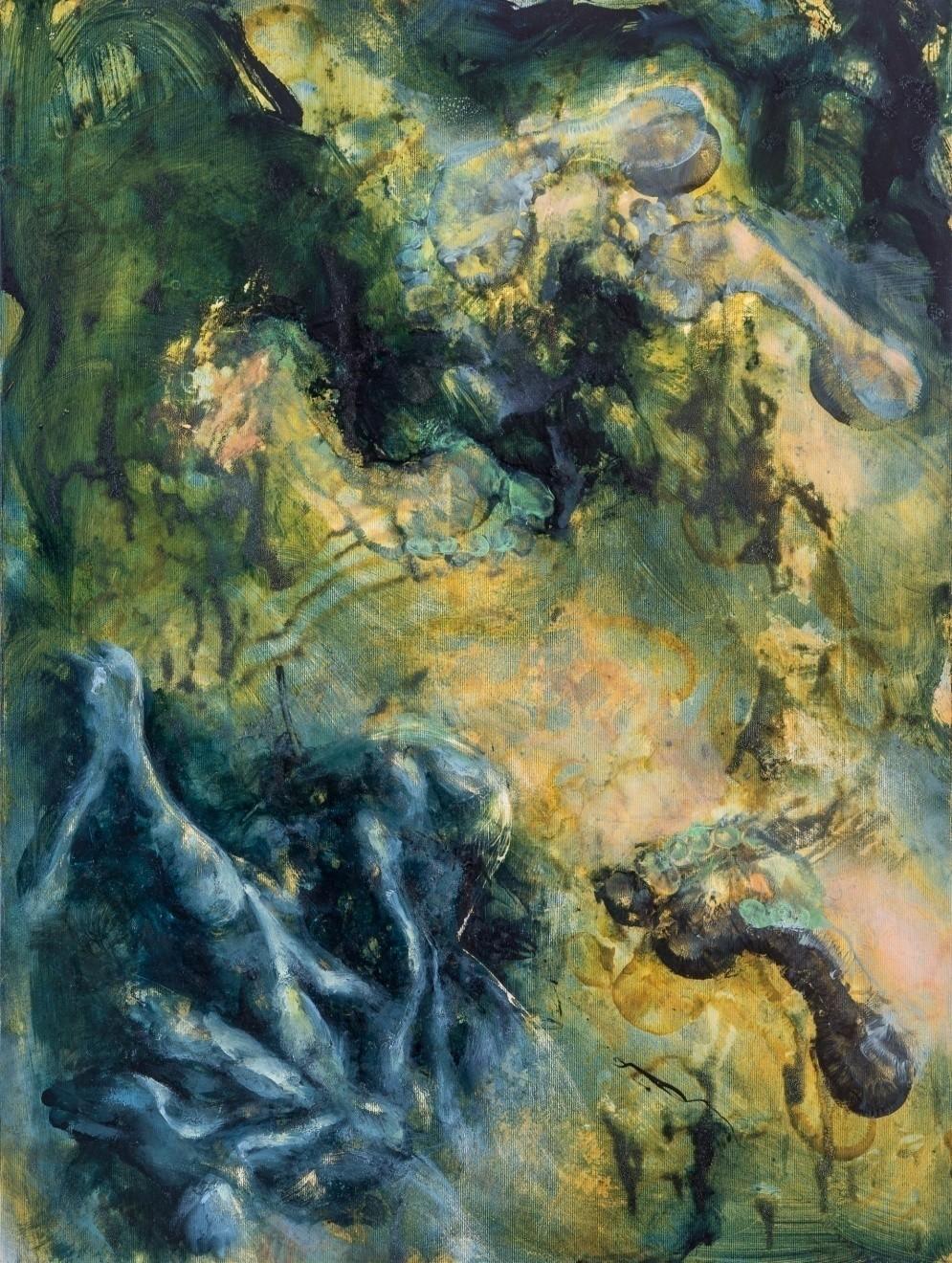


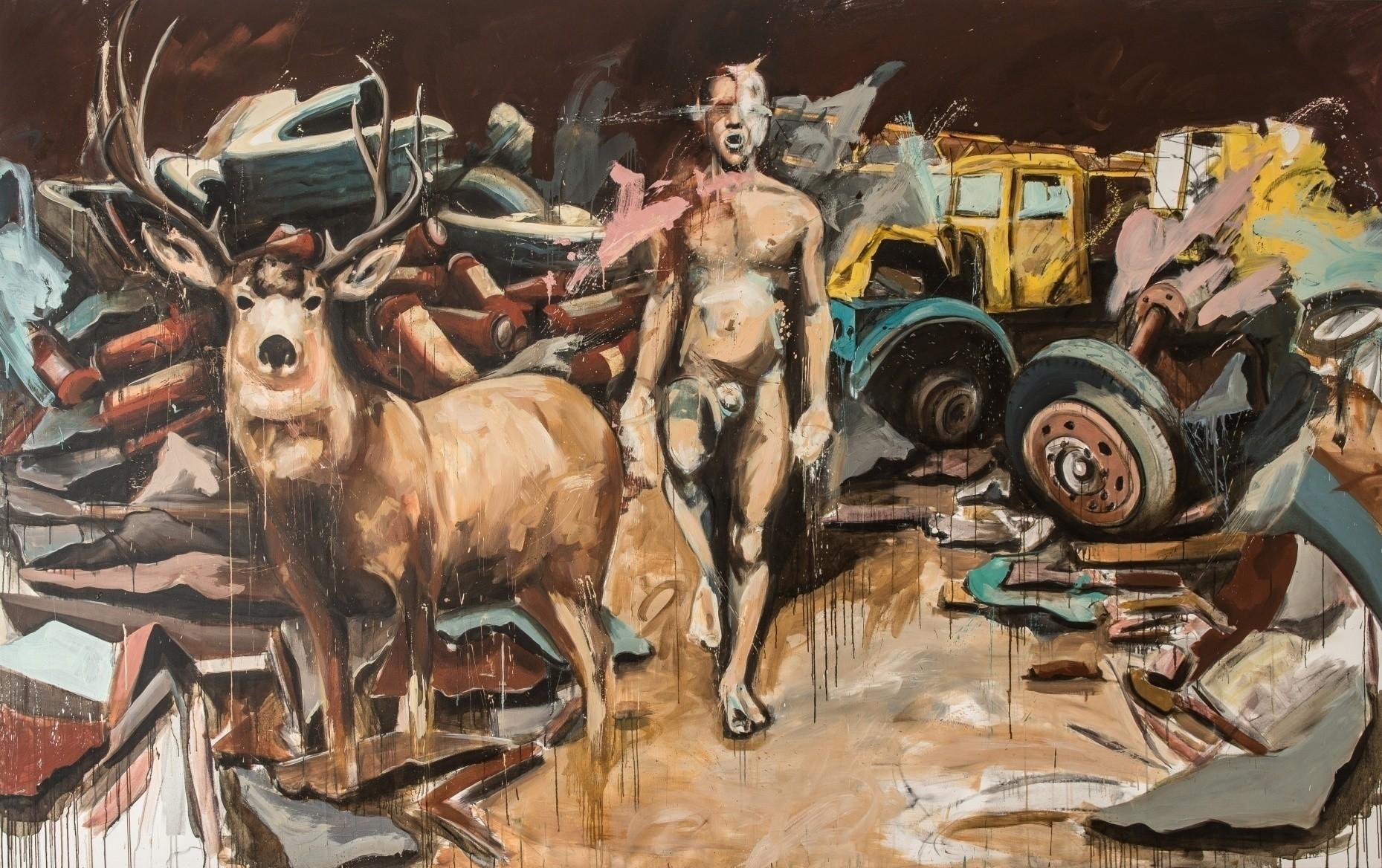

Vlad Capusan, I’m ready for the end of the world, 2015
Oil on canvas
330 x 210 cm