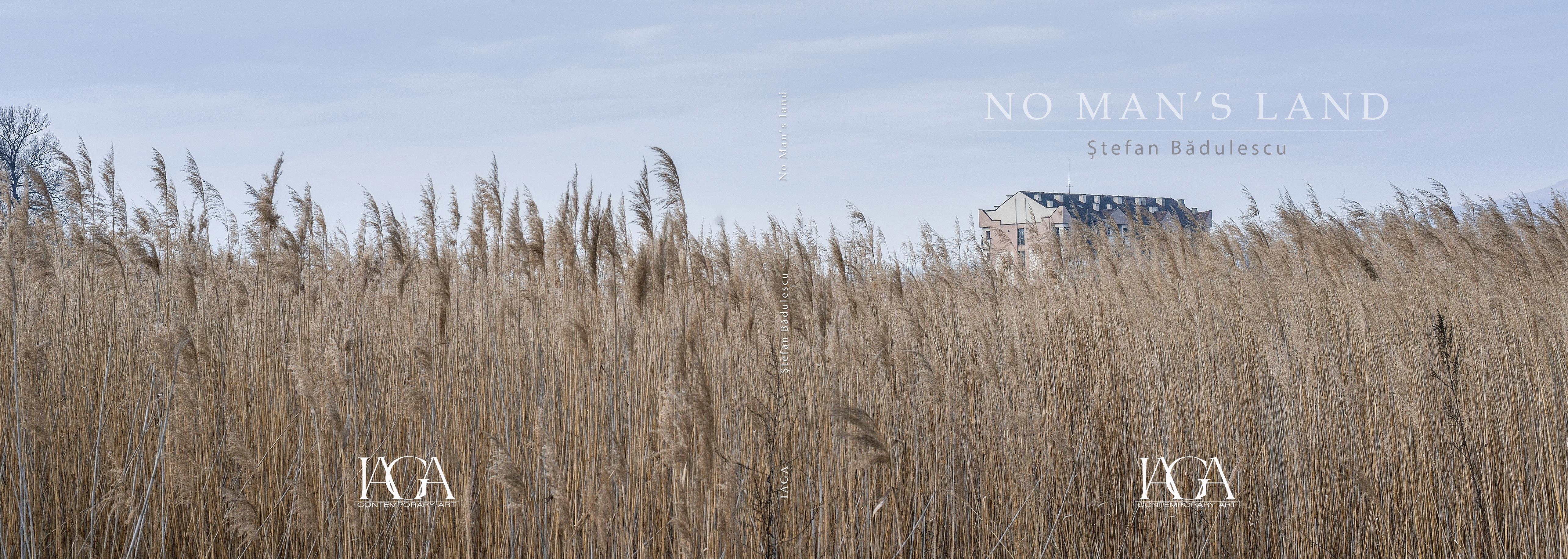
N O M A N ’ S L A N D
Ș t e f a n B ă d u l e s c u

N O M A N ’ S L A N D
Ș t e f a n B ă d u l e s c u
„No Man's Land”is a buffer zone between two worlds, between two forces that haven't been able to engulf the border between them, it is the “eye” of the storm that has passed and will be passing, it is everywhere and anywhere, it is that part of reality that we don't manage to see because of time and its effects on our sensitivity.
These traits make „No Man's Land” a buffer zone between reality and imagination, a heavenly and earthly customs, a space that extends to whatever size it needs in order to engulf fears and insecurities that it later transforms into worlds imagined by the surrounding reality.
Like“the Zone”from the Strugatki brothers' novel,„No Man's Land”is a passage, a corridor, a transformation, a search. The emptiness, the transience and the belonging of the space make it an introspection laboratory in rapport with the realities of human existence. The carefully collected and documented landscapes are led inside the gallery to enable a more careful analysis of the chilling perspective it has of itself and from which it can evade only by an incursion into imagination.
The project entitled „No Man's Land” has been born out of the need to record the transience of our proximity, usually acknowledged only after it has disappeared and only through a “guide”. Its constitutive elements are revealed every time they appear, fleeting moments and situations that happen exactly when they should, epiphanies mixed with denial, acceptance and feverish searches.
The backdrop is surreal in itself without the need for digital assistance or movement of the elements and objects in and around space. Thus we are presented with a moment in time with a soul that becomes clear only after we lose the burden of reason and the labeling we are used to in our social life.The instinct is the one governing such an endeavor because it is the one that has its roots deeply buried inside all living beings and short-circuits any misplaced trust.
So you are invited to let yourselves be transposed beyond the immediate apparent reality and to be guided to a world opened to any possibility, a world that you can access anywhere and anytime. You only have to look beyond the apparent and forget about the labels and reflexes.
„No Man's Land” reprezintă o zonă-tampon între două lumi, între două forţe care nu au reușit încă să acapareze graniţa dintre ele, este „ochiul” furtunii care a trecut și care urmează să treacă, este peste tot și oriunde, este acea parte din realitatea cotidiană pe care nu o remarcăm tocmai datorită desensibilizării trecerii timpului.
Aceste caracteristici fac din „No Man's Land” o zonă tampon între realitate și imaginar, o vamă cerească dar și pământească în aceiași măsură, un spaţiu care se extinde oricât este nevoie pentru a îngloba fricile și nesiguranţele și a le transforma în avântări către lumi imaginate de realitatea înconjurătoare.
Asemenea „Zonei” fraţilor Strugaţki „No Man's Land” este un teritoriu de trecere, de căutări, de transformări. Goliciunea, efemeritatea și aparenţa spaţiului fac din acesta un laborator de introspecţie și raportare la realităţile existenţei și existării umane. Peisajele atent colecţionate și documentate sunt conduse în spaţiul galeriei de artă tocmai pentru a face posibilă o analiza mai atentă a perspectivei înșelătoare pe care fiecare și-o arogă și din coordonatele căreia poate să evadeze doar printr-o incursiune în imaginaţie.
Proiectul„No Man's Land”a luat fiinţă din nevoia de a înregistra un efemer proxim tuturor, sesizat de cele mai multe ori doar după ce a dispărut și doar prin intermediul unei „călăuze”. Elementele constitutive sunt cele relevate de fiecare dată la faţa locului, momente pasagere și alinieri de situaţii, străfulgerări interioare amestecate cu refuzuri, acceptări și căutări febrile.
Decorurile sunt supra-realiste prin ele însele nefiind nevoie de artificii digitale sau de ceremonii de amplasare sau dispunere a obiectelor în spaţiu. Ni se pune astfel la dispoziţie un moment în timp al cărui suflet devine evident doar scăpând de povara raţiunii și de etichetarea inerentă parcursului social mai mult sau mai puţin dăunător. Instinctul este cel care va guverna o asemenea incursiune fiindcă acesta își are rădăcinile adânc înfipte în fiinţele vii și scurtcircuitează orice încredinţare greșit dispusă.
Vă invităm deci să vă lăsaţi transpuși dincolo de aparenţele imediate și să vă lăsaţi călăuziţi către o lume deschisă oricărei posibilităţi, o lume pe care o aveţi la dispoziţie oriunde și oricând. Trebuie doar să priviţi dincolo de aparenţe și să uitaţi de etichete și de reflexe.
scu
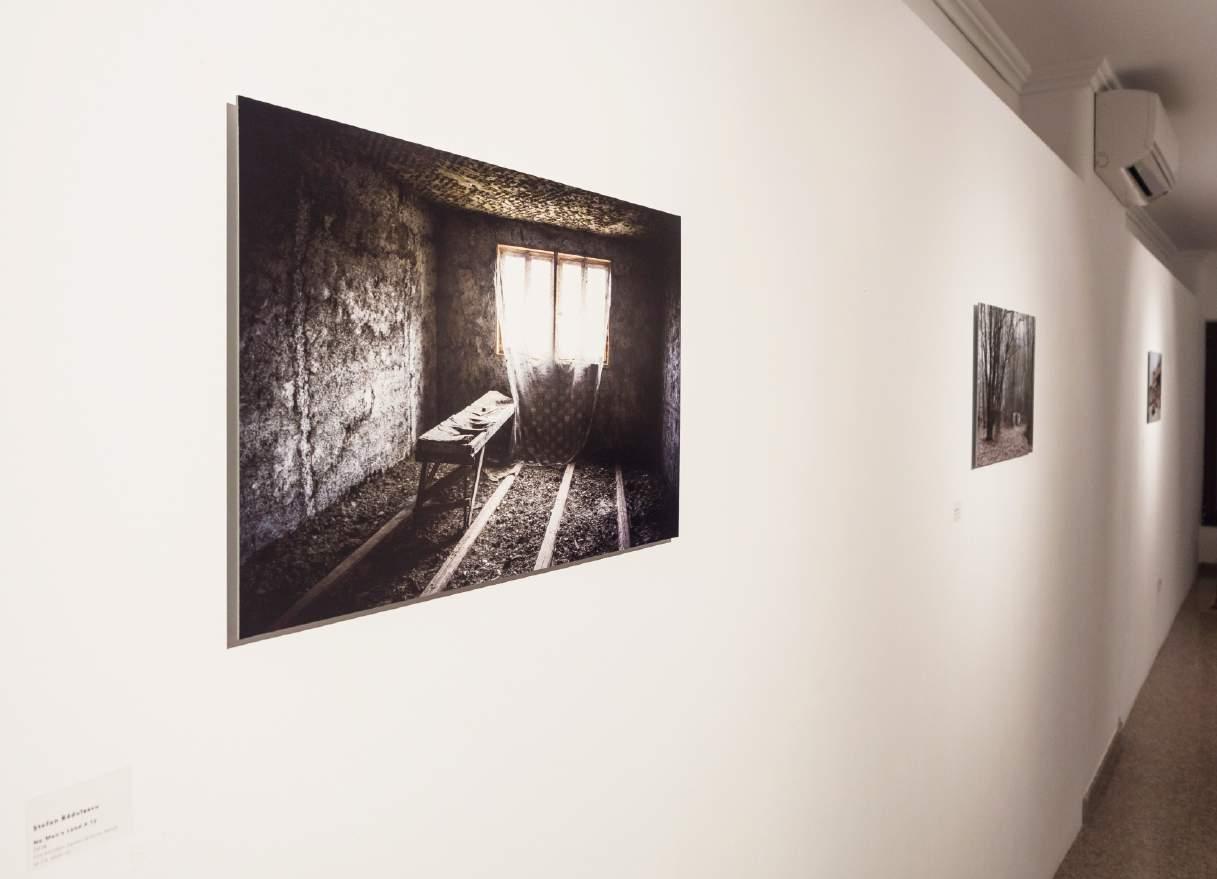
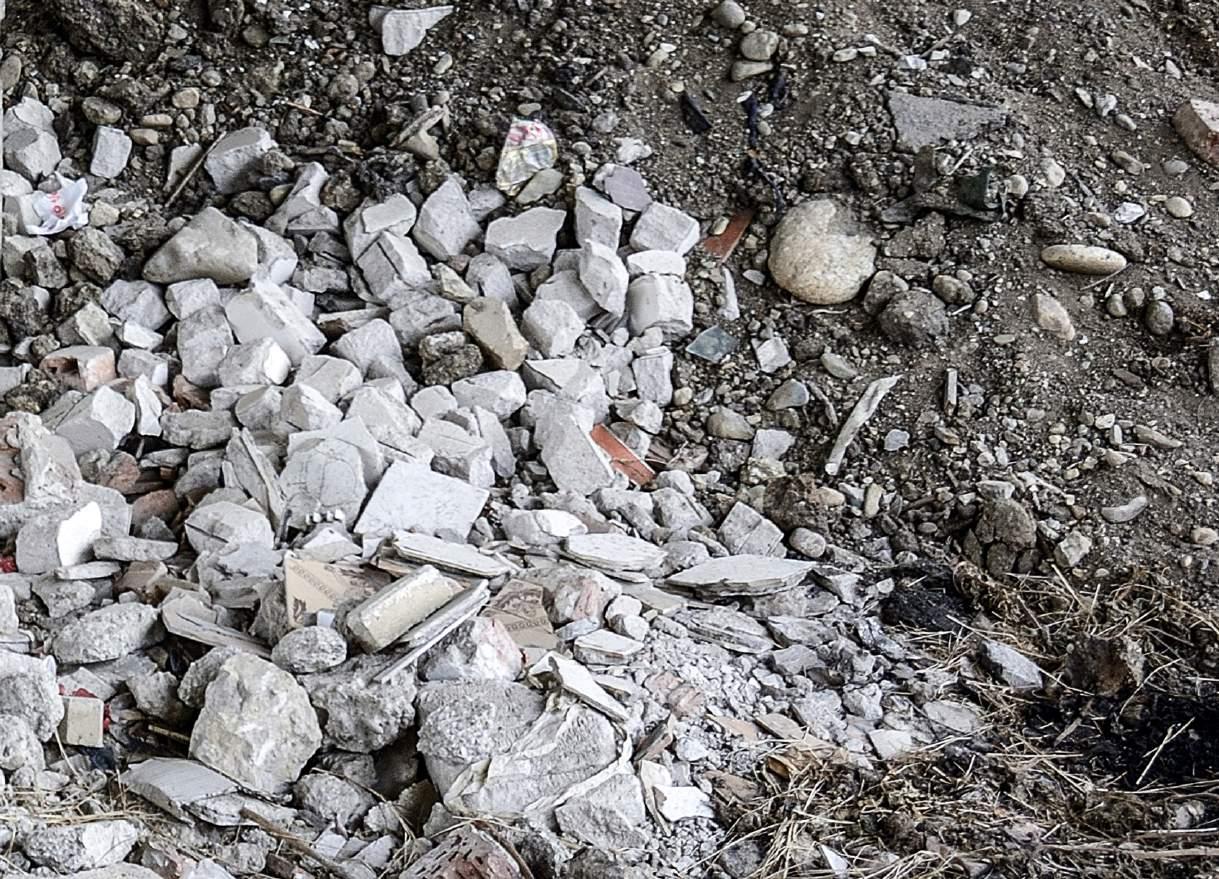
No Man's Land #14 (detail)
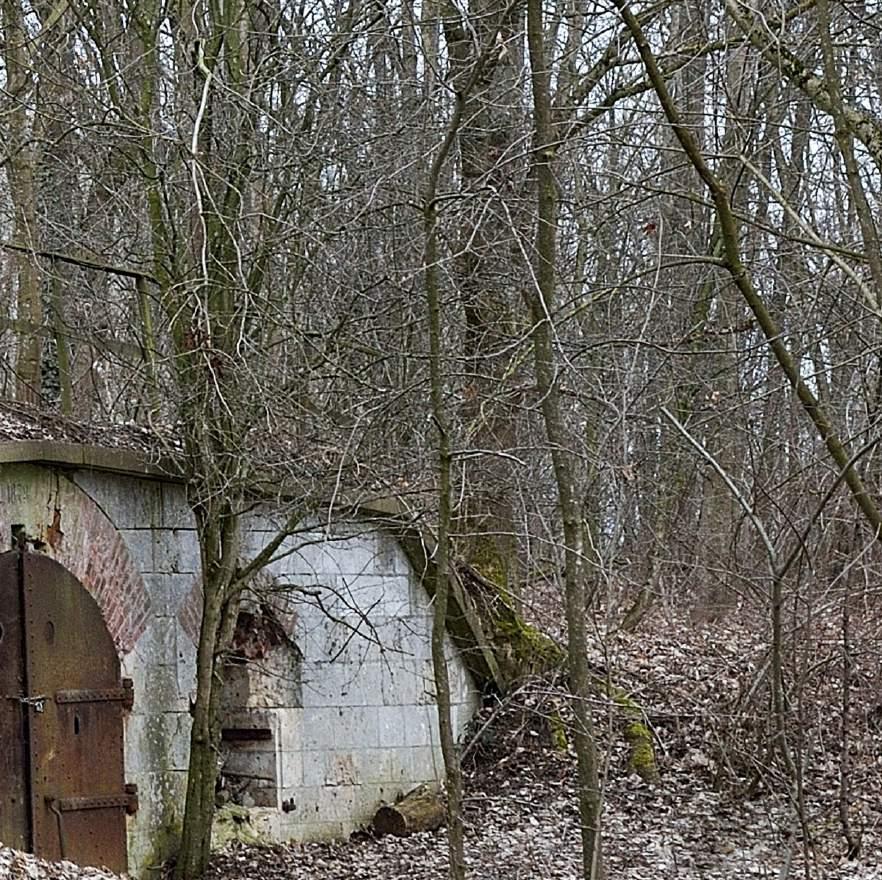
The ensemble of Ștefan Badulescu's project entitled „No Man's Land” highlights the dynamics of urban and suburban, inhabited or abandoned spaces and fragments of wilderness into which humans have made their presence felt at one time. Beyond the scope of a photographic documentary, at the forefront of the endeavor sits the environment at the limits of the surreal which can be simulated in the sequences of the local landscape.

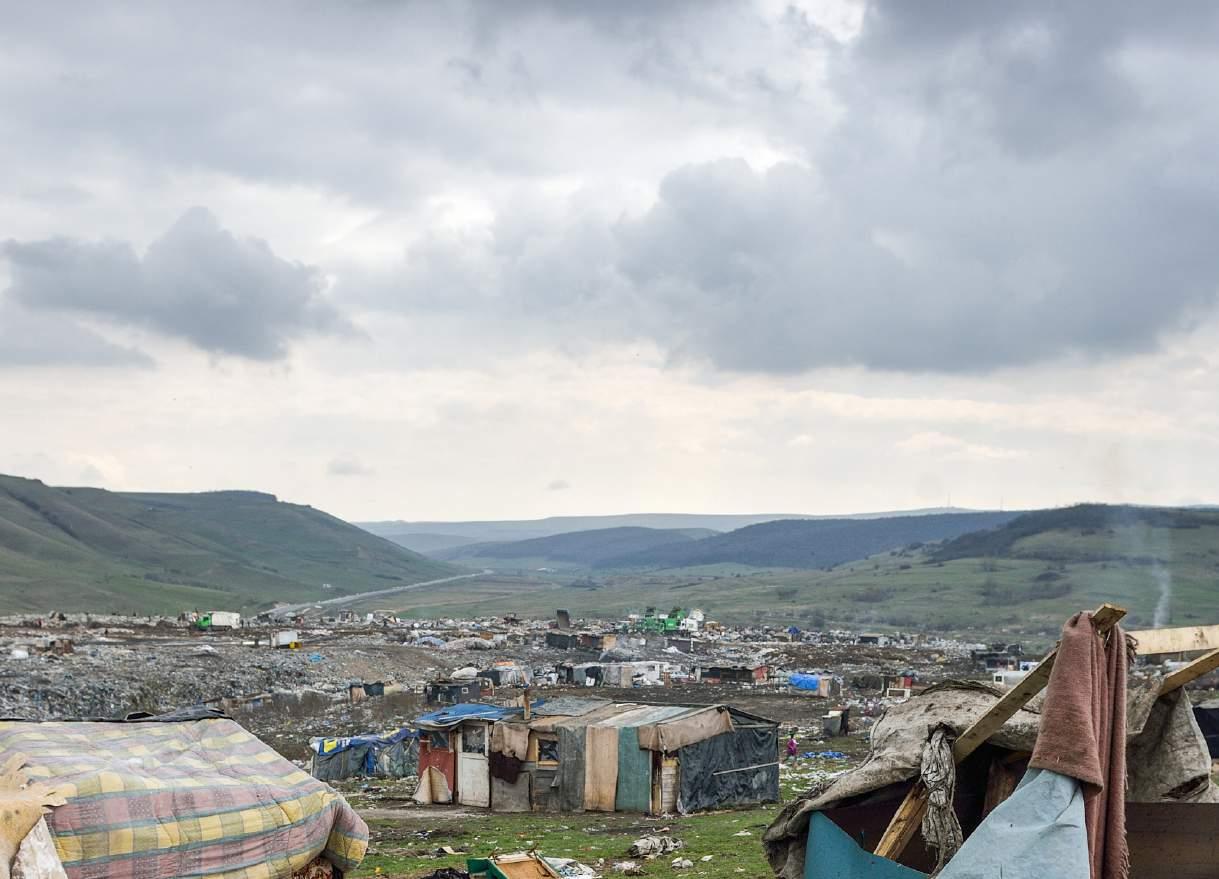
Images have a well-articulated logic and the system of the objects inside the landscape is recorded with the attentiveness of a“treasure hunter”that discovers at every step the traces of a strange civilization. What the photographer takes into consideration through these incursions are the actions and signs of humans passing through the world in a context traced by a certain geographical frame, particularly the socioeconomic and cultural conditions in Romania.
Be it the phenomenon of depopulation of some regions or the overpopulation of others, human actions extend beyond causes and necessities, leaving room for “animate” objects to interrupt the silence in the middle of the wilderness.
Metaphorically speaking Ștefan Badulescu's landscapes are images that decompose the apparition of the person; they have in themselves a form of existence, reconstituted based on isolated clues. His photography suggests landmarks for the passing of life, landmarks that are maintained at the level of the image but which also allude to easily recognizable spaces and to the viewer's imagination which can be projected on the nature of events gone by.
The object becomes a “recycled” form of the visible. Taking into consideration this as a phenomenon that directly intervenes in the esthetics of the landscape and the architecture of the places, any elements that are recognizable are particularly submitted to affectionate evaluations coming from collective memory. From a person's perspective, the evocation of places, objects and actions bears a nostalgia for lost moments in direct conjunction with a lived and consumed“here and now”.
The desolate image of ruin and lack of being persists in the form of the object but also in the artificial as a mechanism to interpose the cycles of nature.
T ex t: Ol impia B er a
(detail)
B er a
T ex t: Ol impia
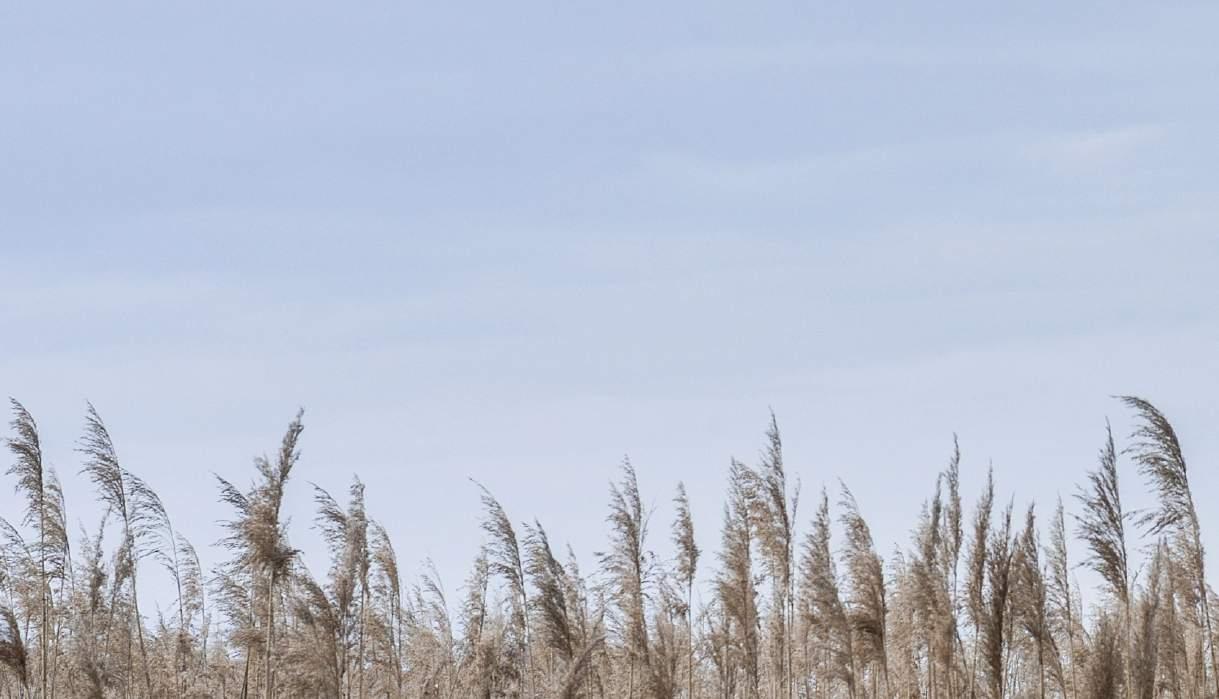
Ansamblul proiectului ”No Man's Land”, semnat de Ștefan Bădulescu, evidenţiază dinamica unor spaţii urbane și de suburbie, locuite și abandonate, sau fragmente ale unor zone semi-sălbatice, în care omul și-a făcut simţită la un moment dat prezenţa. Dincolo de reportajul fotografic, în prim-planul demersului se află atmosfera unor situaţii aflate la limita suprarealului ce pare a fi simulat în secvenţe ale peisajului autohton.
Imaginile au o logică vizuală bine articulată, iar sistemul obiectelor din peisajul integrant este captat cu acuitatea unui „căutător de comori” care descoperă la fiecare pas urme ale unei civilizaţii stranii. Ceea ce fotograful ia în considerare, prin intermediul acestor incursiuni, sunt acţiunea și rămășiţele trecerii omului prin lume, într-un context conturat de un anumit cadru geografic și, în mod particular, de condiţiile socio-economice și culturale din România.
Fie că vorbim de fenomenul depopulării anumitor regiuni sau de suprapopularea altora, acţiunea umană se prelungește dincolo de cauze și necesităţi, lăsând loc unor obiecte „însufleţite” care întrerup liniștea din mijlocul pustietăţii.
Peisajele lui Ștefan Bădulescu sunt, metaforic vorbind, imagini ce descompun apariţia persoanei; ele poar tă în sine o formă de existenţă, reconstituită în baza indiciilor izolate. Fotografia sugerează repere pentru trecerea vieţii, repere care se menţin la nivelul imaginii, făcând trimitere, în același timp, la spaţii ușor recognoscibile și la imaginaţia pe care privitorul, la rândul său o poate proiecta, având o idee de ansamblu despre natura unor evenimente din trecut.
Obiectul devine o formă „reciclată” a vizibilului. Luând în considerare acest lucru ca fenomen ce intervine în mod direct în estetica peisajului și în arhitectura locurilor, orice element recognoscibil este supus, în mod particular, unor evaluări afective din memoria colectivă. Din perspectiva persoanei, evocarea locurilor, a obiectelor și acţiunilor poartă nostalgia momentelor pierdute, în raport cu un „aici și acum”trăit și consumat.
Persistă, în același timp, imaginea dezolantă a ruinei și a nefiinţei în forma obiectului, dar și a artificialului ca mecanism care se interpune ciclului naturii. 11
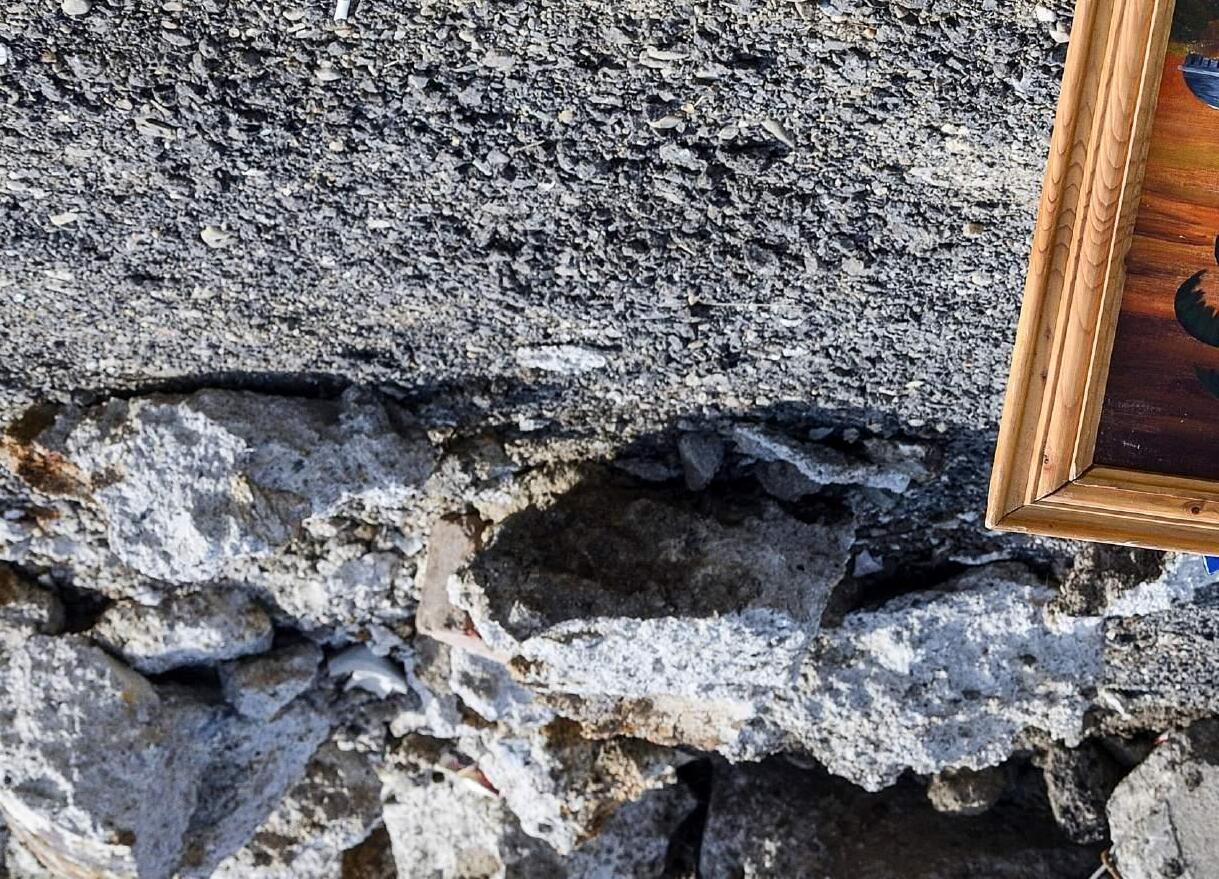
In a world confiscated by day to day existence there is a danger of professional shallowness. In the case of photography a consequence of this social impatience is the lack of initiation, exercise and celebration of the essential visual grammar tied to all the technical dimensions and visual representations. Between the theoretical research and its applications we can see an innovation of the communicational dimensions and visual representations.
Ștefan Bădulescu initiates and exercises general visual representations but also punctual technical concepts of the singularity of an idea and its diversity. He also concentrates on the reality of visual representation and communicates elements from contemporary and historical photography and other media.
Another direction that Ștefan Bădulescu undertakes is a change of technological paradigm starting from the basal grammar of using photo cameras but also the digital tools used to shape and mold contemporary digital art.
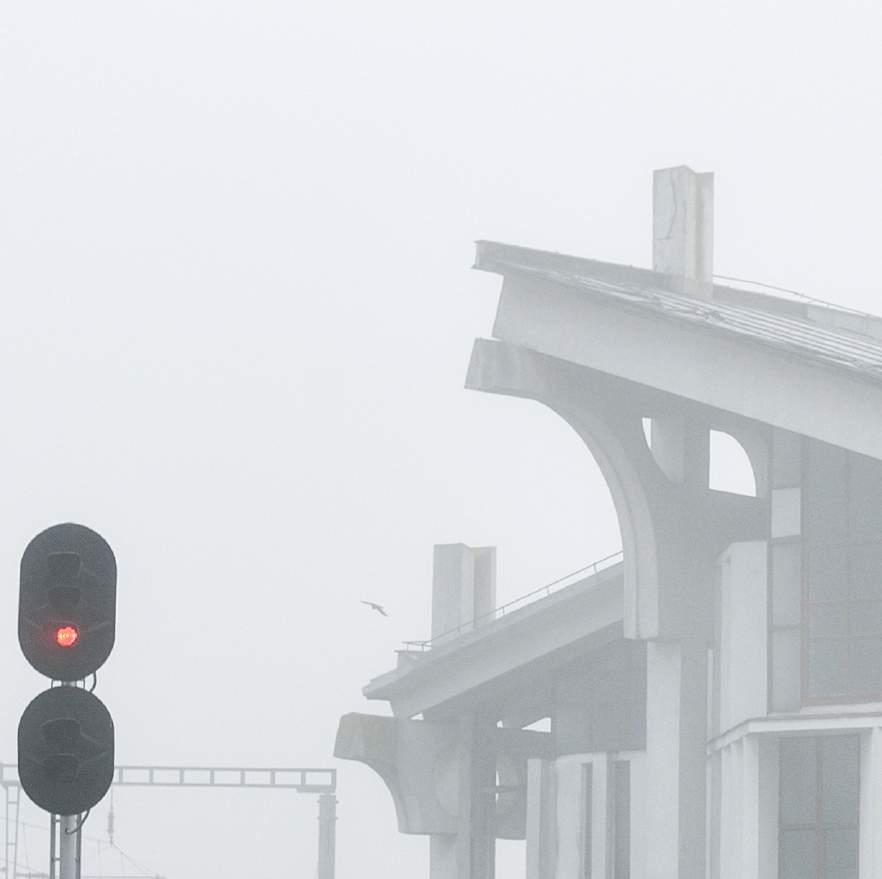
No Man's Land #16 (detail)
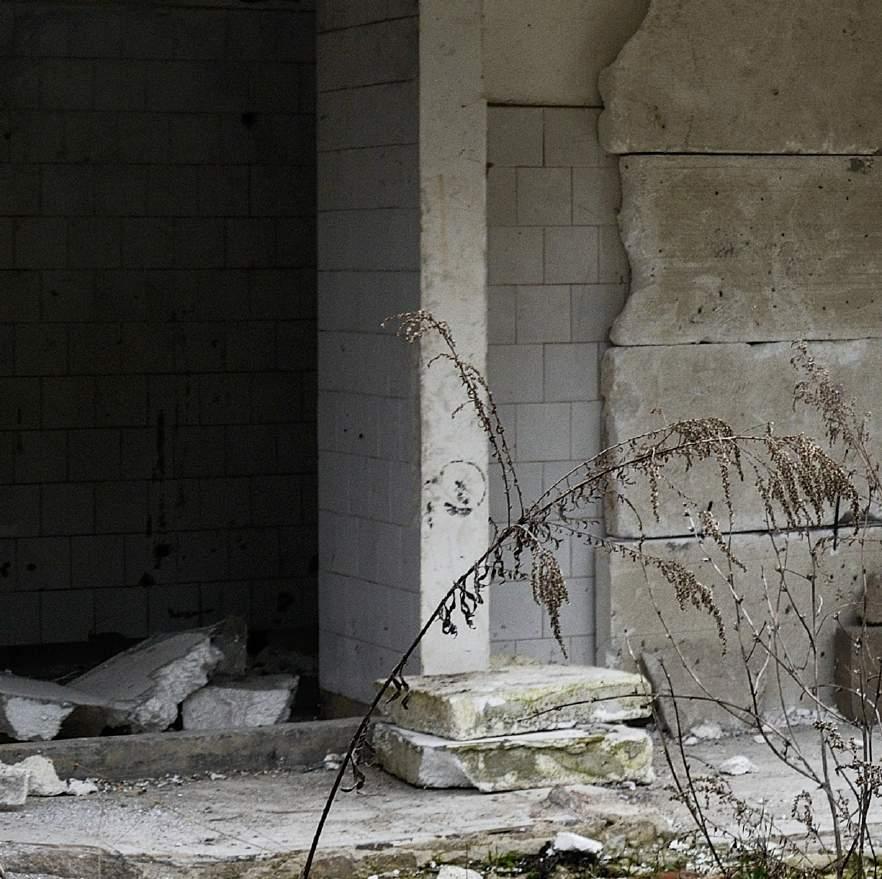
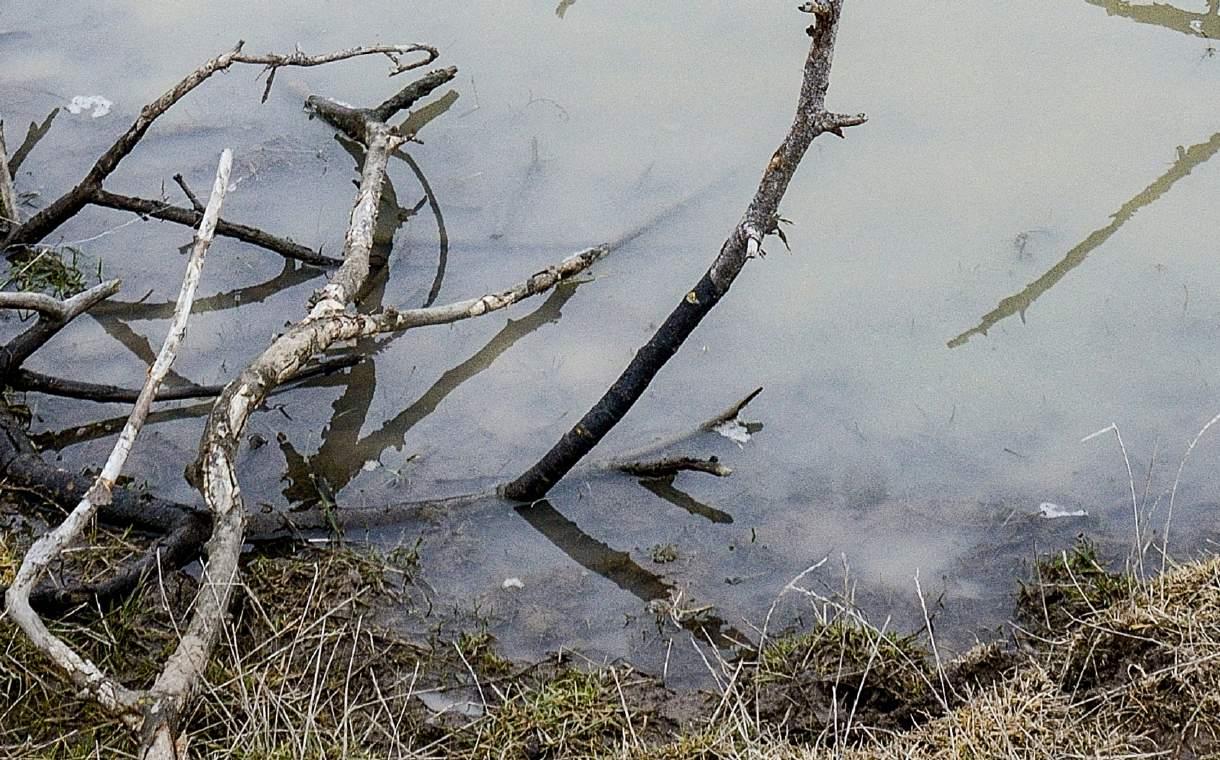
Într-o lume confiscată de existenţa zilnică există un pericol de superficialitate profesională. În cazul fotografiei, o consecinţă a acestei nerăbdări sociale este lipsa de iniţiere, exerciţiu și celebrare a gramaticii vizuale esenţiale legate de toate dimensiunile tehnice și reprezentările vizuale. Între cercetarea teoretică și aplicaţiile sale se poate vedea o inovaţie a dimensiunilor comunicării și a reprezentărilor vizuale.
Ștefan Badulescu iniţiază și exercită reprezentări vizuale generale, dar și concepte tehnice punctuale ale singularităţii unei idei și diversităţii acesteia. El se concentrează, de asemenea, asupra realităţii reprezentării vizuale și transmite elemente din fotografia contemporană și istorică și din alte mijloace media.
O altă direcţie pe care Ștefan Badulescu o întreprinde este o schimbare a paradigmei tehnologice pornind de la gramatica bazală a utilizării camerelor foto, dar și a instrumentelor digitale utilizate pentru modelarea și formarea artei digitale contemporane.
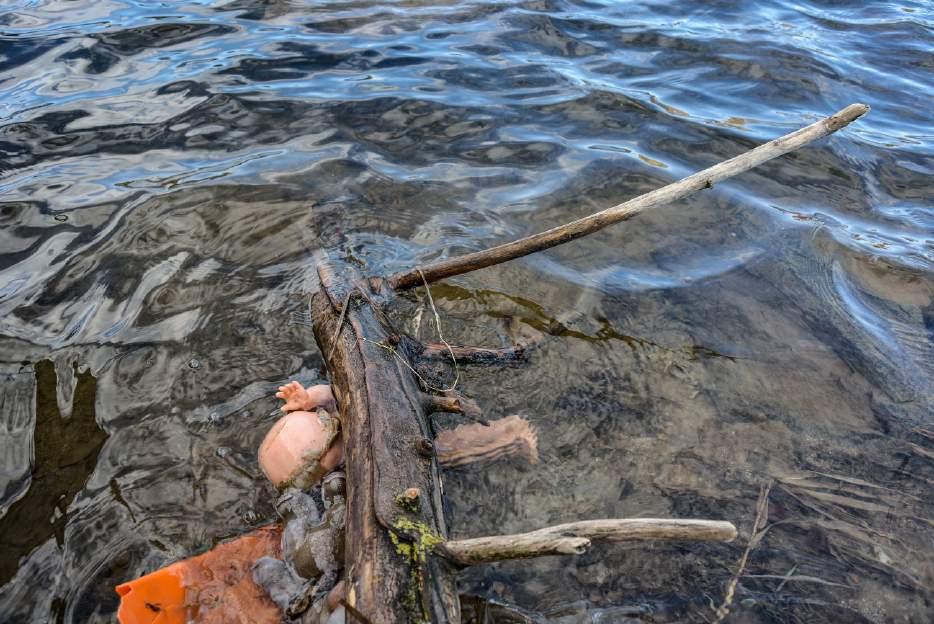
No Man's Land #1, 2015/printed in 2018
40x60 cm, ed. 1/4 60x90 cm, ed. 1/2
Fine Art Inkjet print on dibond
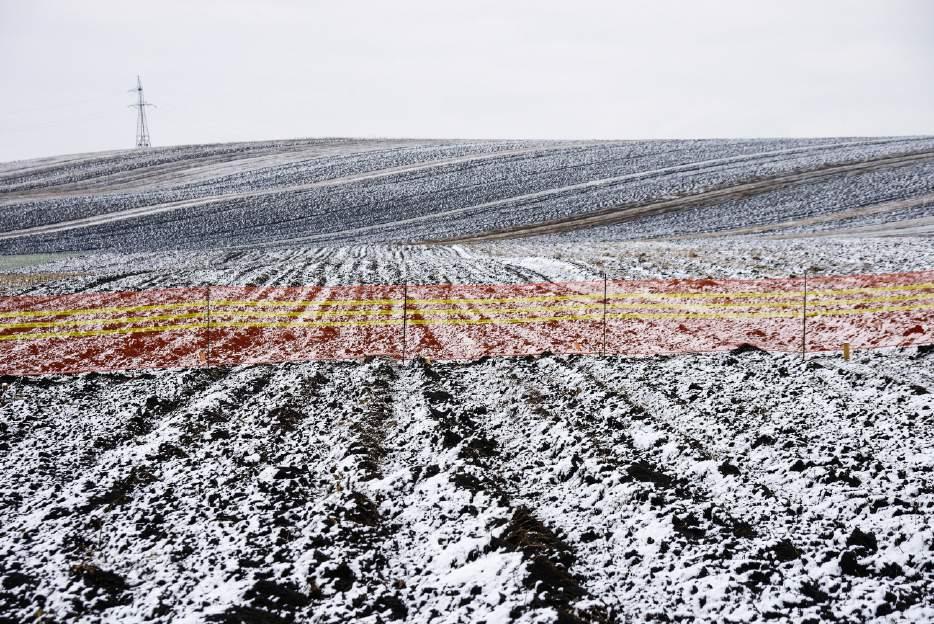
No Man's Land #2, 2014/printed in 2018
40x60 cm, ed. 1/4 60x90 cm, ed. 1/2
Fine Art Inkjet print on dibond
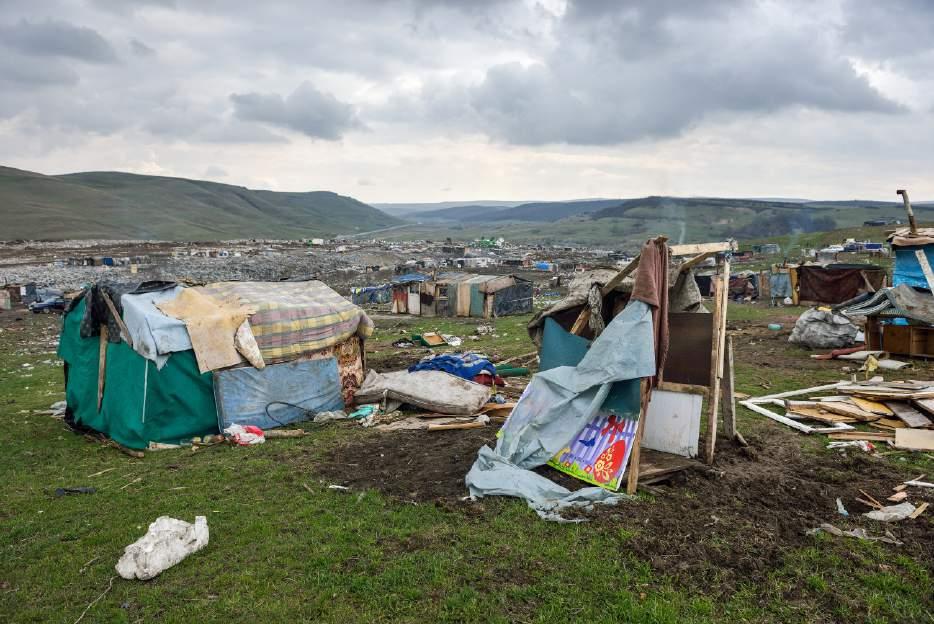
No Man's Land #3, 2013/printed in 2018
40x60 cm, ed. 1/4 60x90 cm, ed. 1/2
Fine Art Inkjet print on dibond
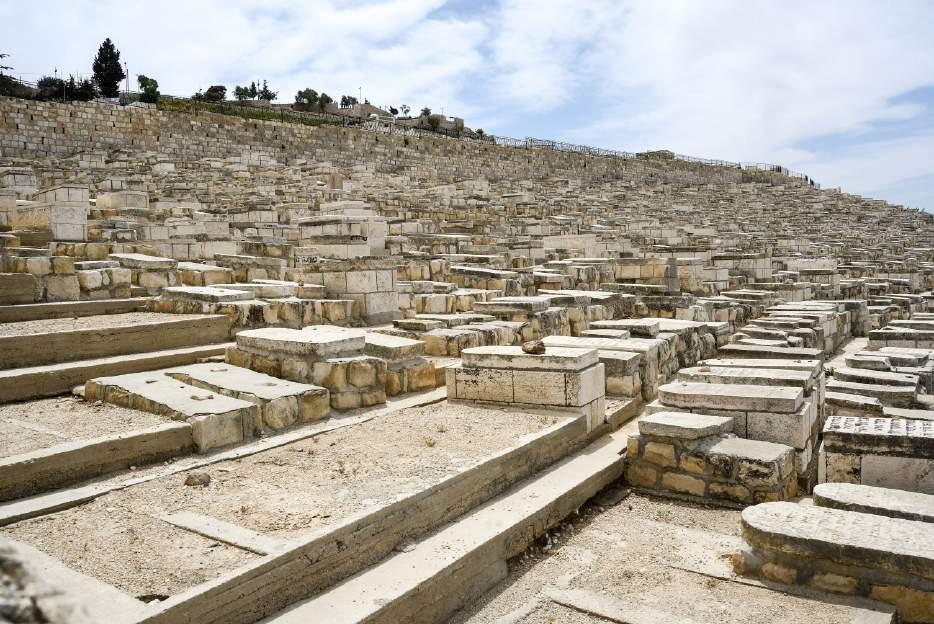
No Man's Land #4, 2015/printed in 2018
40x60 cm, ed. 1/4 60x90 cm, ed. 1/2
Fine Art Inkjet print on dibond
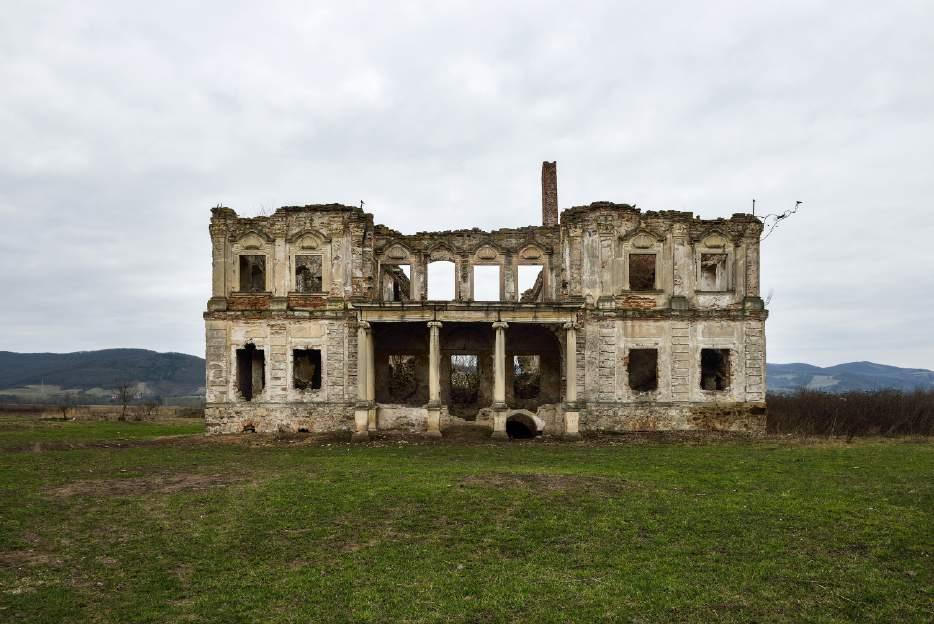
No Man's Land #5, 2014/printed in 2018
40x60 cm, ed. 1/4 60x90 cm, ed. 1/2
Fine Art Inkjet print on dibond
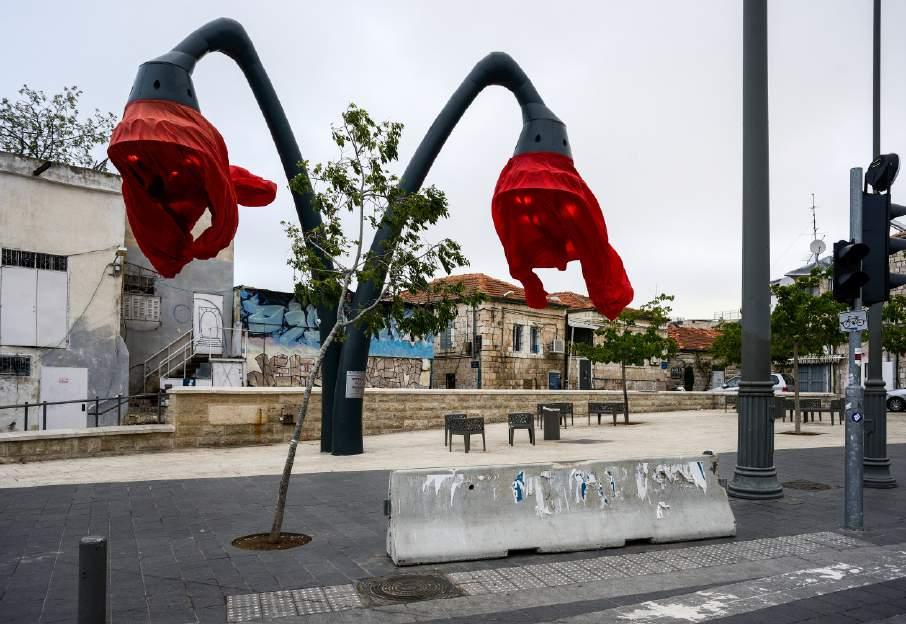
No Man's Land #6, 2015/printed in 2018
40x60 cm, ed. 1/4 60x90 cm, ed. 1/2
Fine Art Inkjet print on dibond
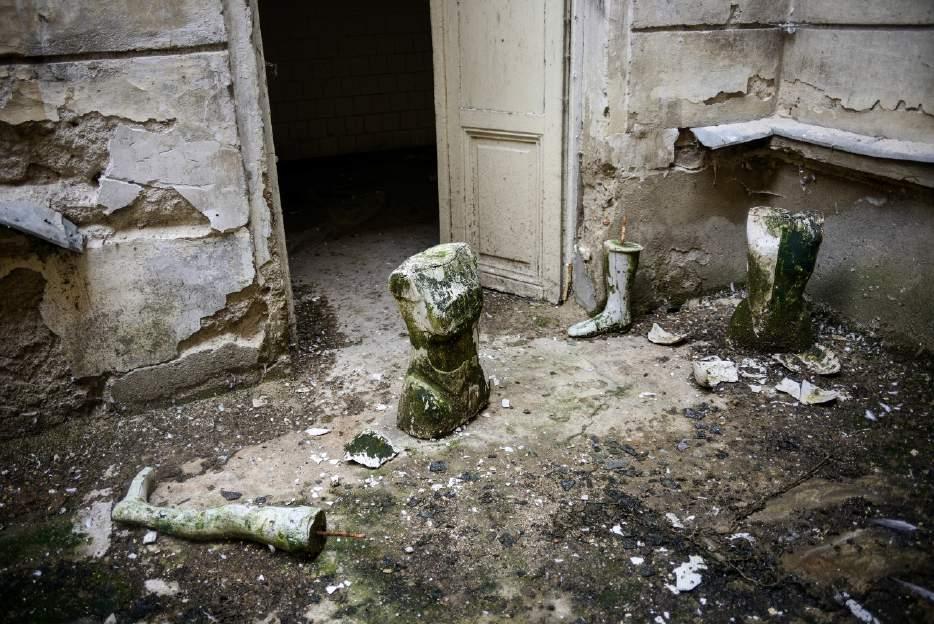
No Man's Land #7, 2015/printed in 2018
40x60 cm, ed. 1/4 60x90 cm, ed. 1/2
Fine Art Inkjet print on dibond
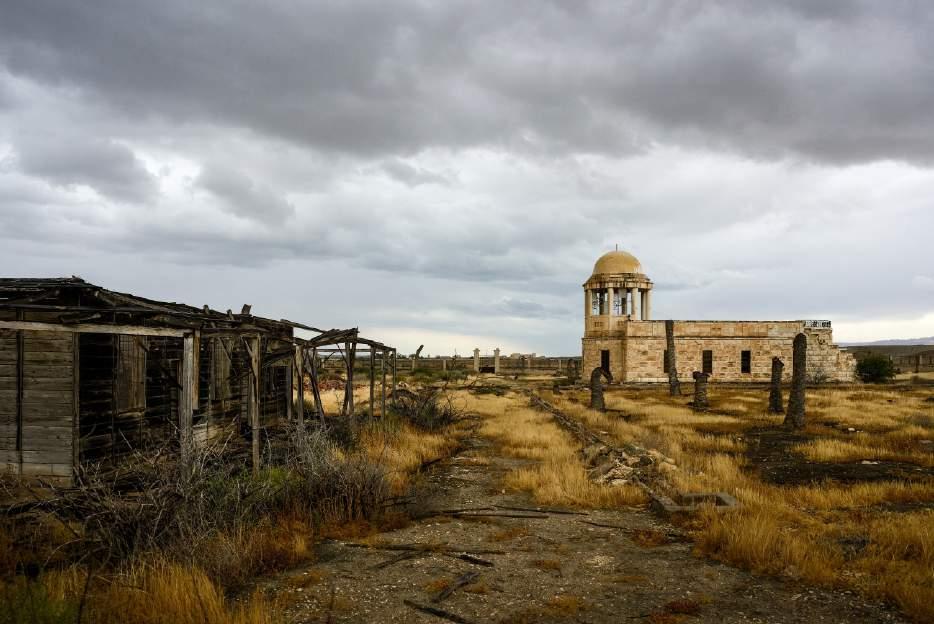
No Man's Land #8, 2015/printed in 2018
40x60 cm, ed. 1/4 60x90 cm, ed. 1/2
Fine Art Inkjet print on dibond
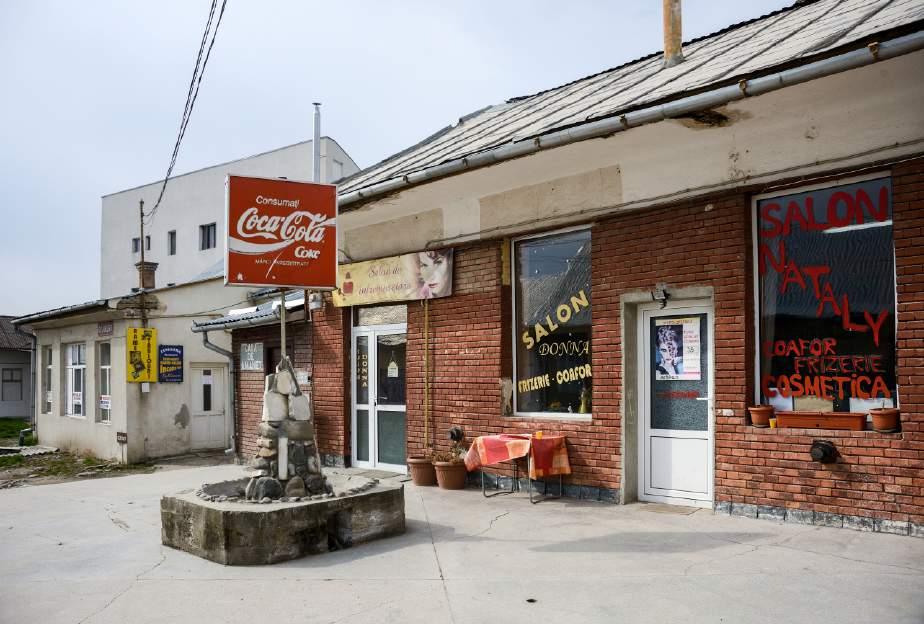
No Man's Land #9, 2016/printed in 2018
40x60 cm, ed. 1/4 60x90 cm, ed. 1/2
Fine Art Inkjet print on dibond
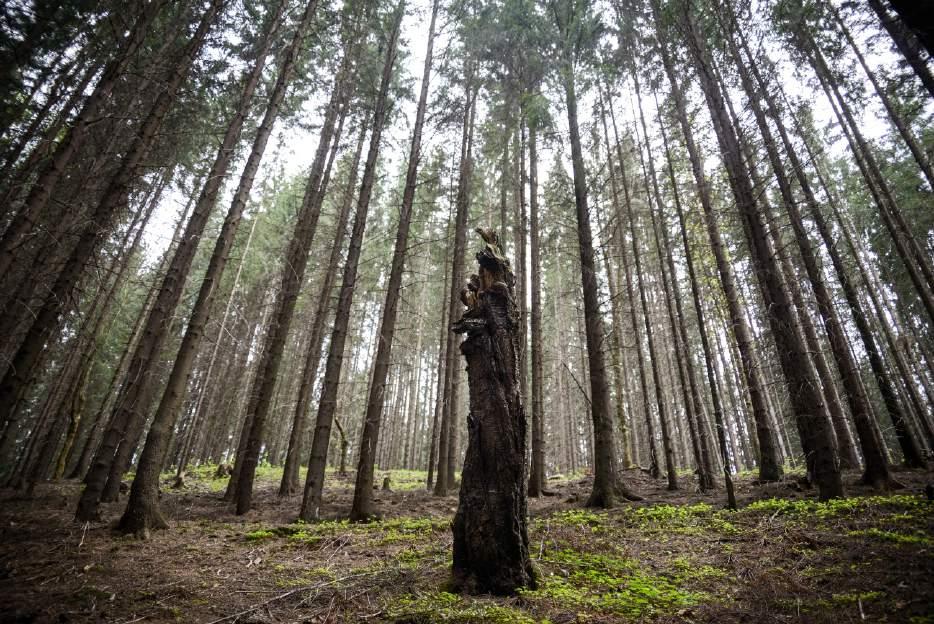
No Man's Land #10, 2014/printed in 2018
40x60 cm, ed. 1/4 60x90 cm, ed. 1/2
Fine Art Inkjet print on dibond
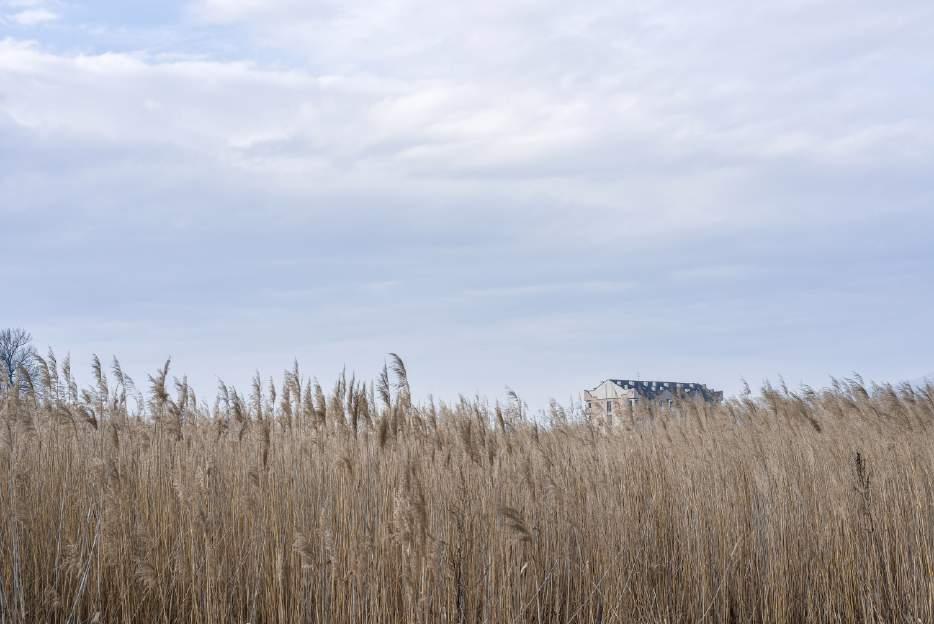
No Man's Land #11, 2014/printed in 2018
40x60 cm, ed. 1/4 60x90 cm, ed. 1/2
Fine Art Inkjet print on dibond
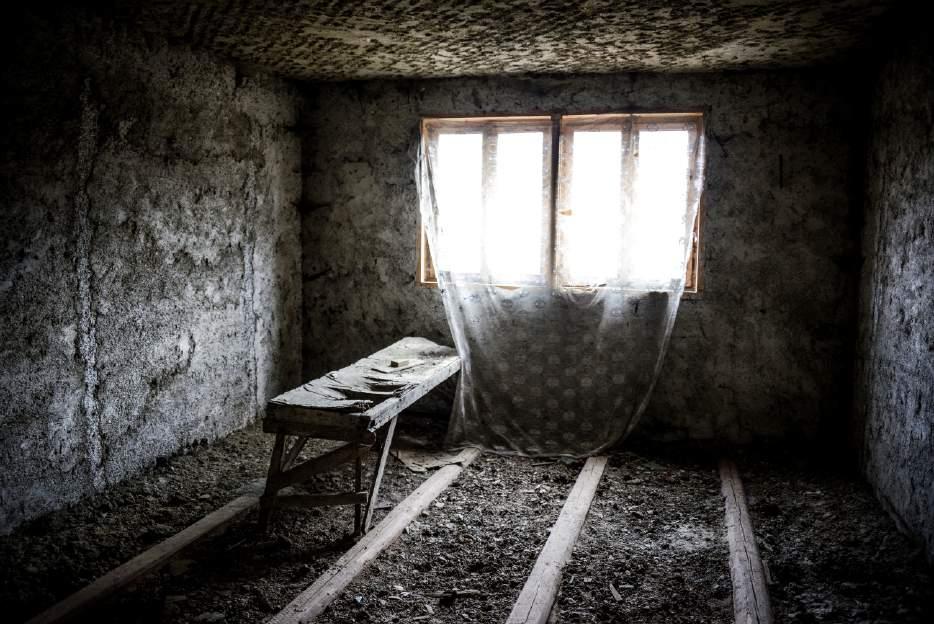
No Man's Land #12, 2014/printed in 2018
40x60 cm, ed. 1/4 60x90 cm, ed. 1/2
Fine Art Inkjet print on dibond
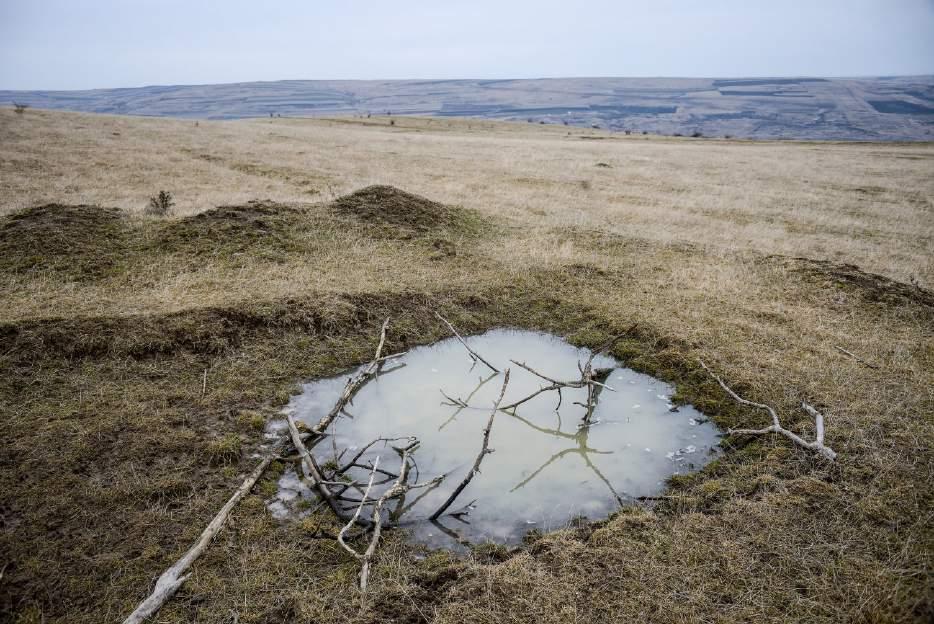
No Man's Land #13, 2014/printed in 2018
40x60 cm, ed. 1/4 60x90 cm, ed. 1/2
Fine Art Inkjet print on dibond
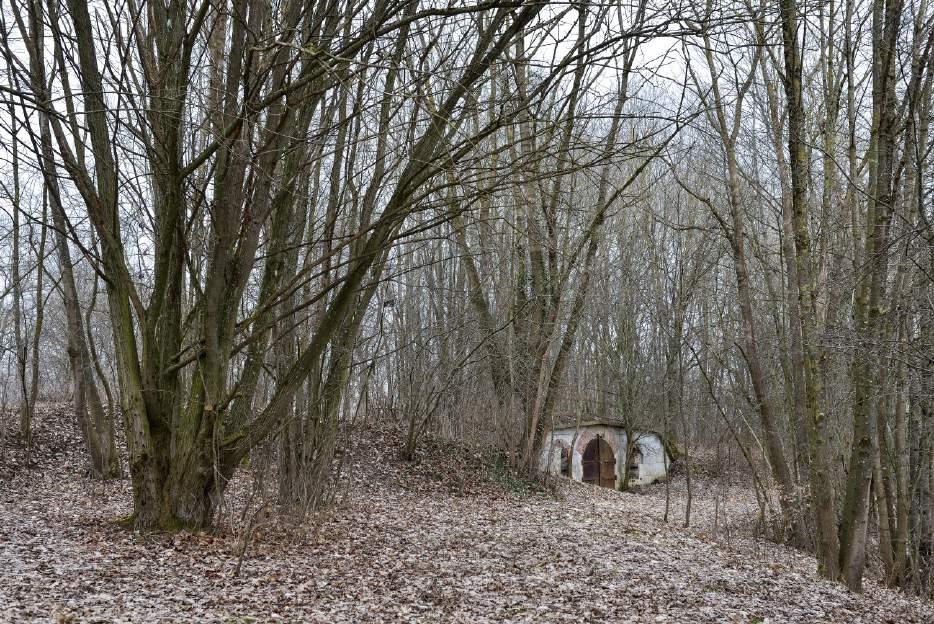
No Man's Land #14, 2013/printed in 2018
Fine Art Inkjet print on dibond 40x60 cm, ed. 1/4 60x90 cm, ed. 1/2
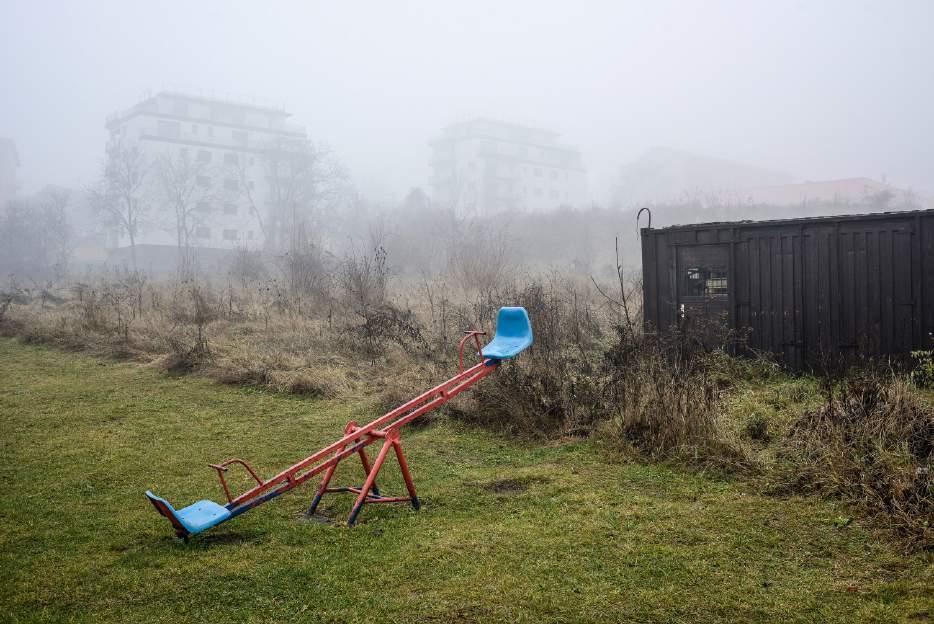
No Man's Land #15, 2013/printed in 2018
40x60 cm, ed. 1/3 60x90 cm, ed. 1/2
Fine Art Inkjet print on dibond
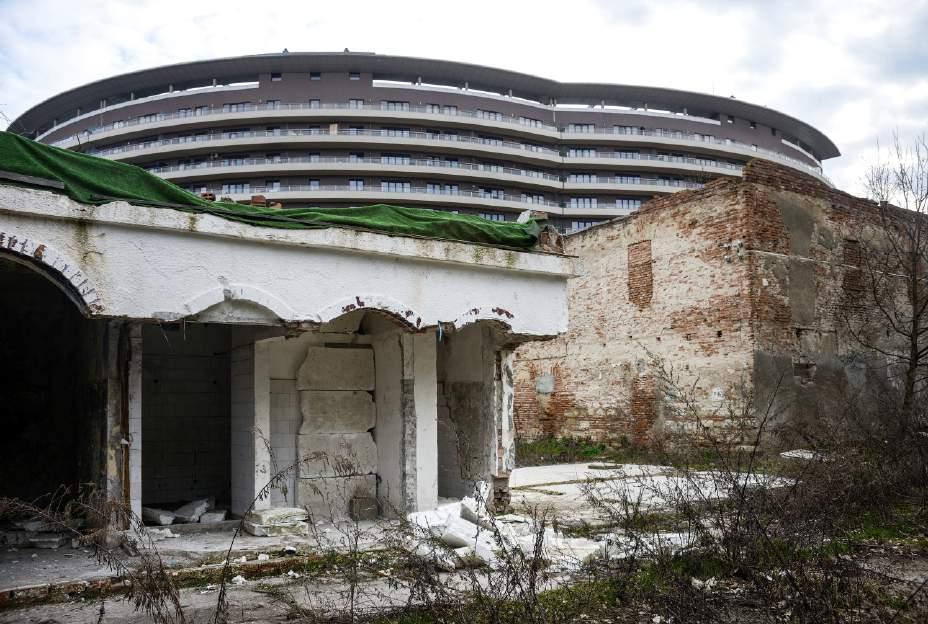
No Man's Land #16, 2013/printed in 2018
40x60 cm, ed. 1/3 60x90 cm, ed. 1/2
Fine Art Inkjet print on dibond
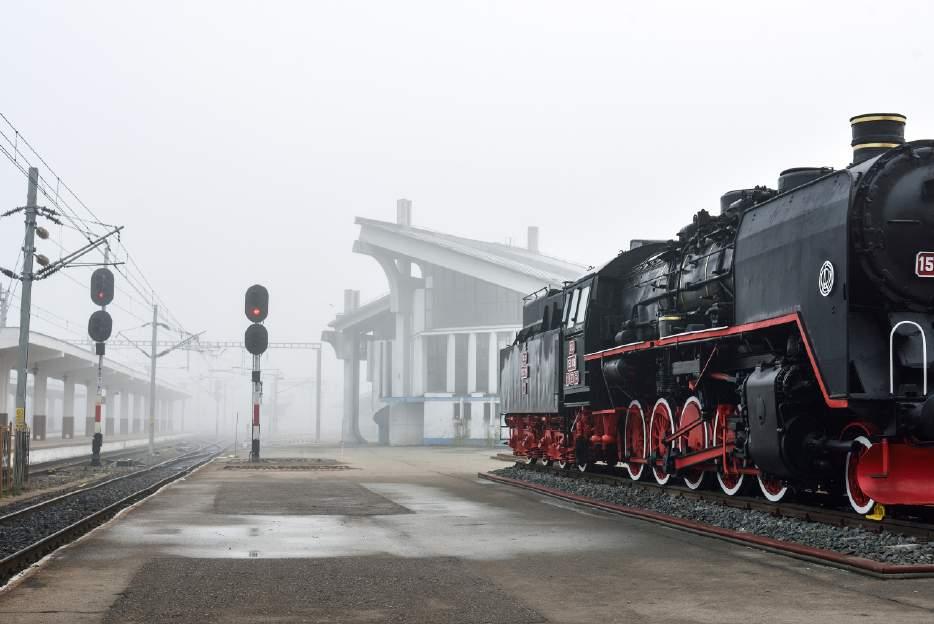
No Man's Land #17, 2013/printed in 2018
40x60 cm, ed. 1/3 60x90 cm, ed. 1/2
Fine Art Inkjet print on dibond
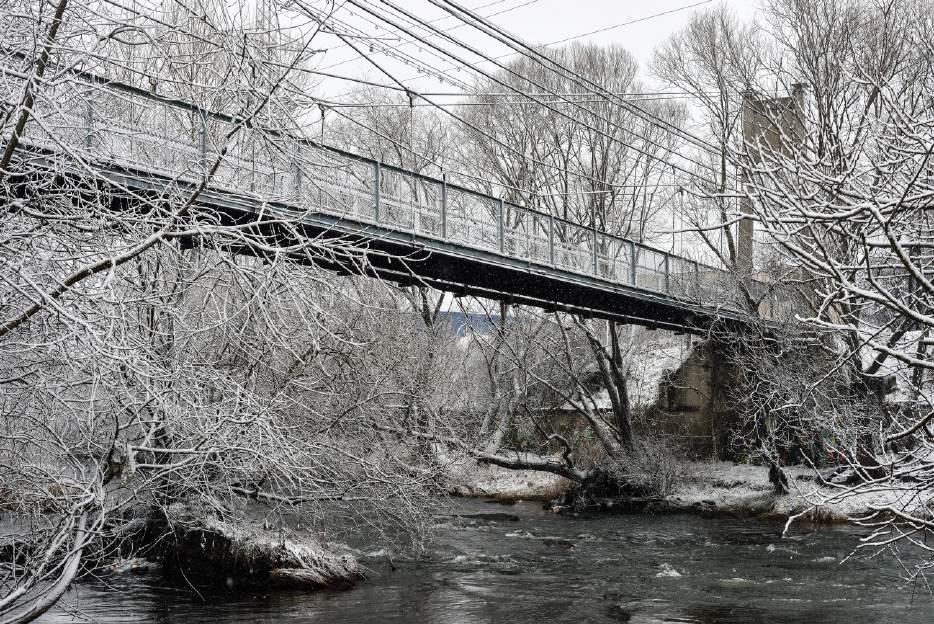
No Man's Land #18, 2013/printed in 2018
40x60 cm, ed. 1/3 60x90 cm, ed. 1/2
Fine Art Inkjet print on dibond
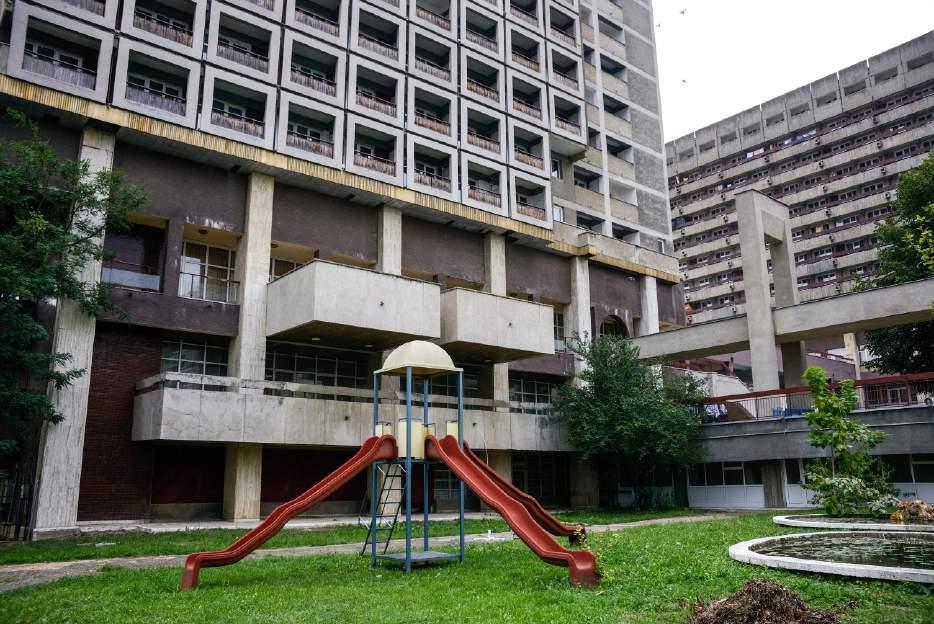
No Man's Land #19, 2013/printed in 2018
40x60 cm, ed. 1/3 60x90 cm, ed. 1/2
Fine Art Inkjet print on dibond
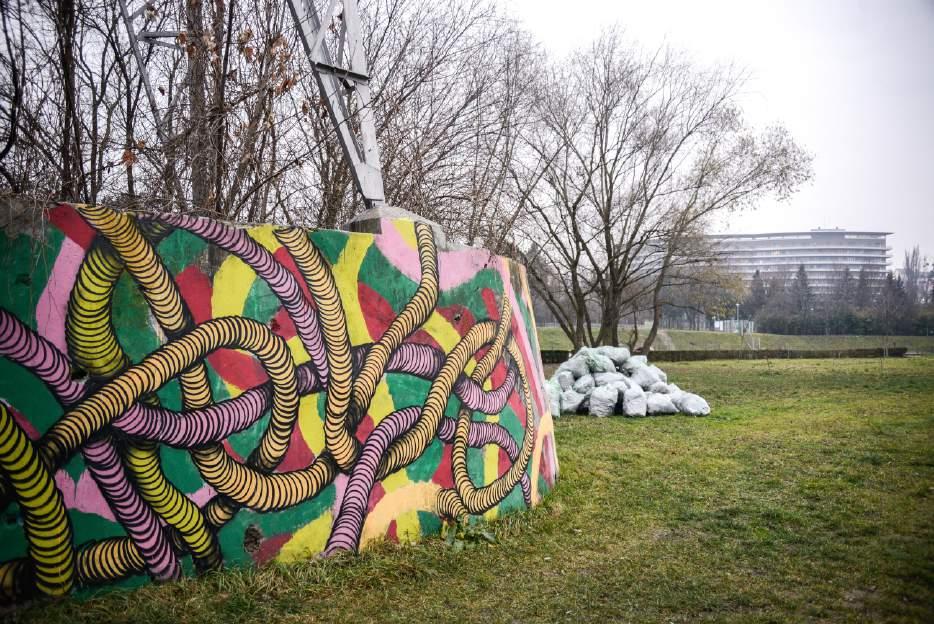
No Man's Land #20, 2013/printed in 2018
40x60 cm, ed. 1/3 60x90 cm, ed. 1/2
Fine Art Inkjet print on dibond
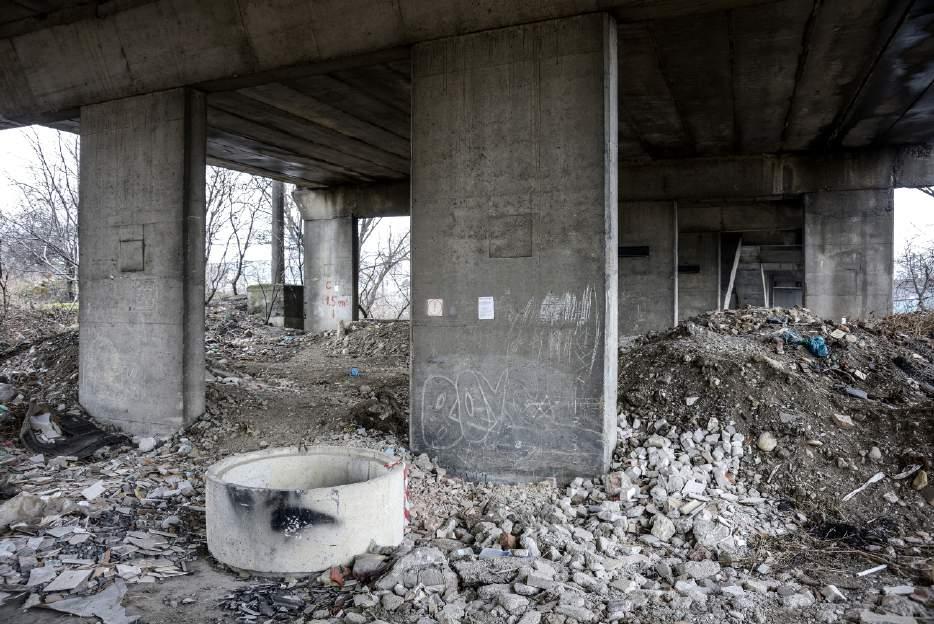
No Man's Land #21, 2013/printed in 2018
40x60 cm, ed. 1/3 60x90 cm, ed. 1/2
Fine Art Inkjet print on dibond
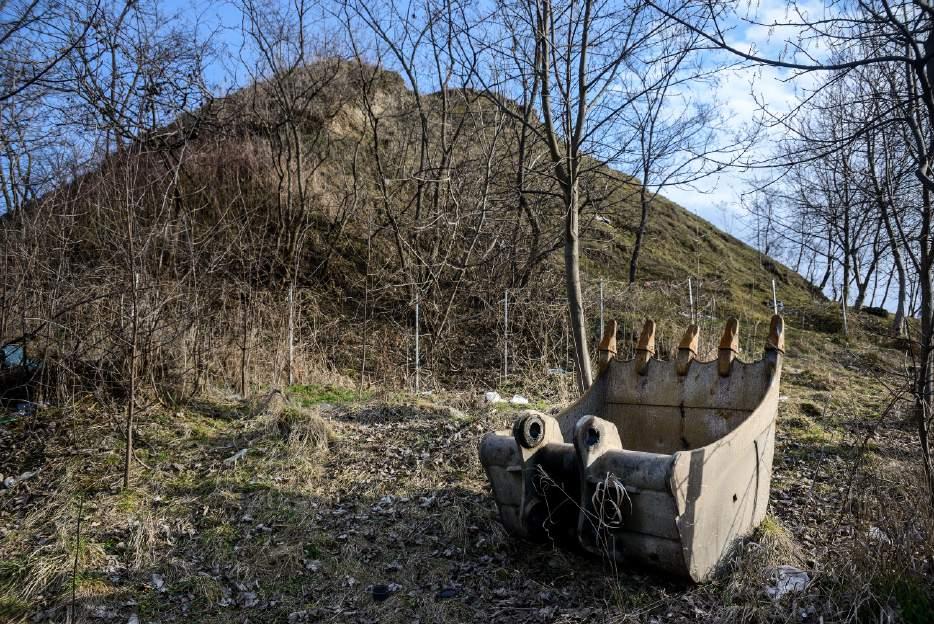
No Man's Land #22, 2013/printed in 2018
40x60 cm, ed. 1/3 60x90 cm, ed. 1/2
Fine Art Inkjet print on dibond
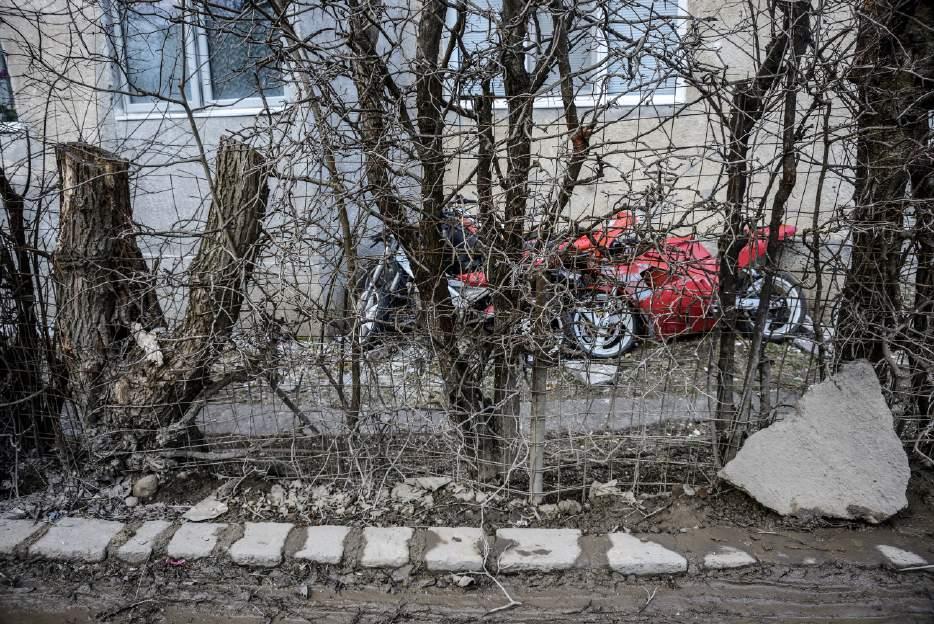
No Man's Land #23, 2013/printed in 2018
40x60 cm, ed. 1/3 60x90 cm, ed. 1/2
Fine Art Inkjet print on dibond
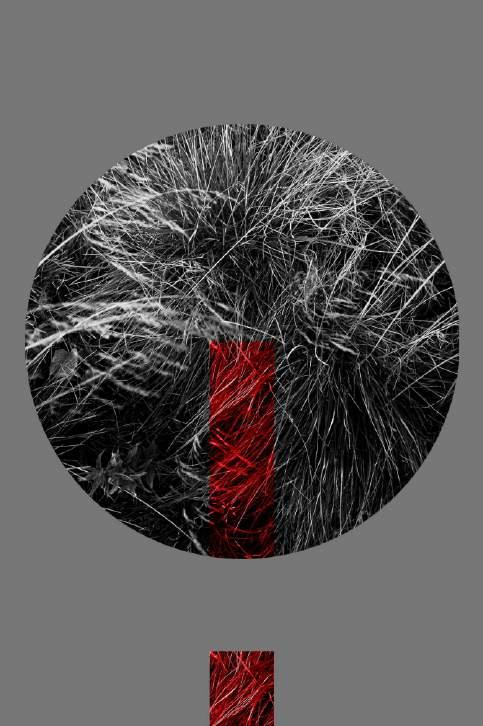
N e o
G e o m e t r y # 1
70x50 cm
Giclee print
Edition: 2 pz
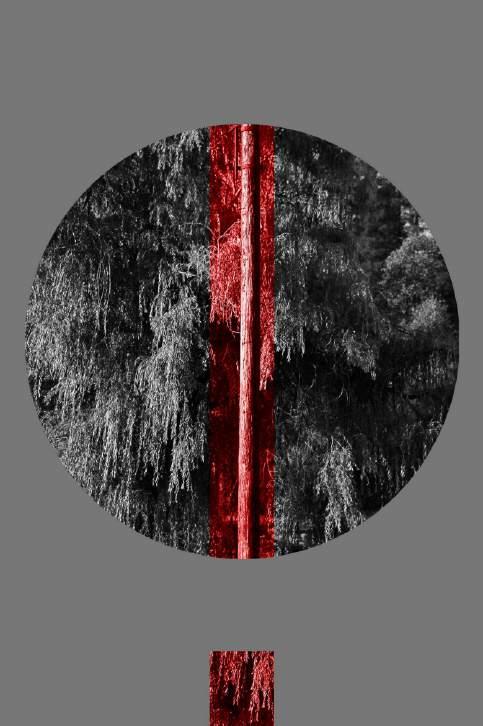
N e o
G e o m e t r y # 2
70x50 cm
Giclee print
Edition: 2 pz
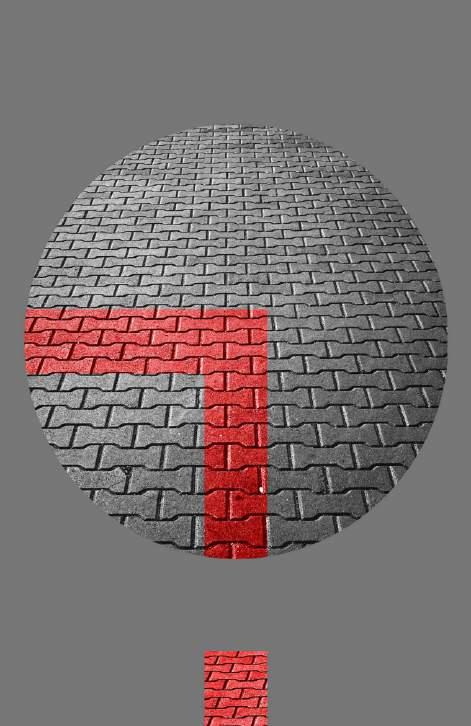
N e o
G e o m e t r y
# 3
70x50 cm
Giclee print
Edition: 2 pz
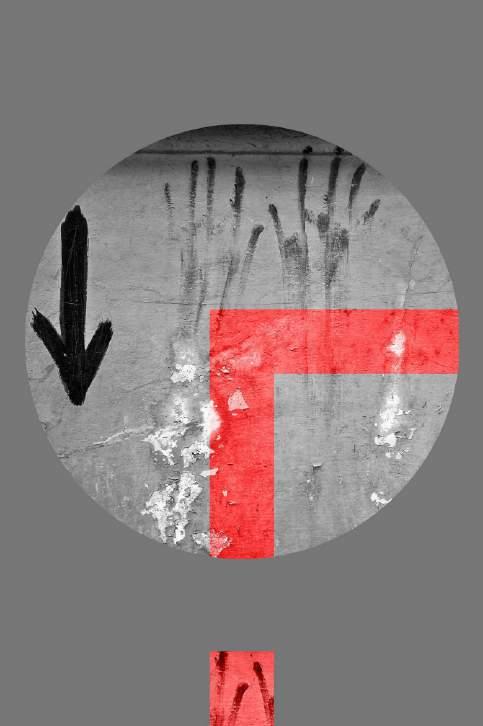
N e o
G e o m e t r y
# 4
70x50 cm
Giclee print
Edition: 2 pz
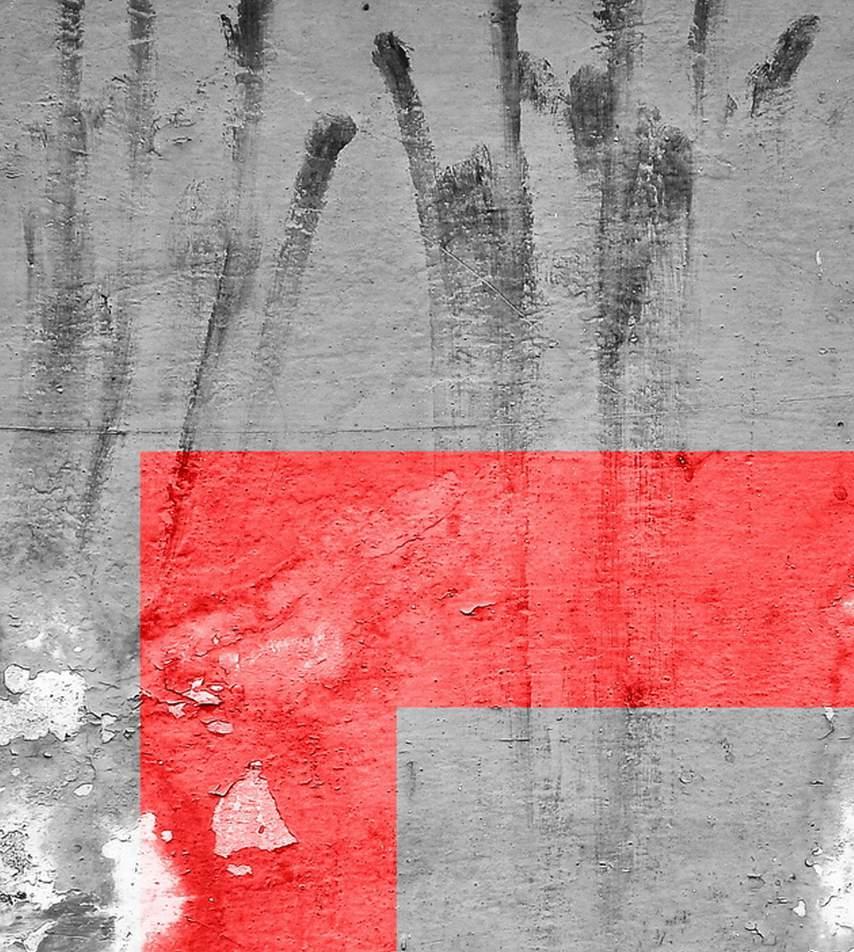
N e o
G e o m e t r y # 4
detail
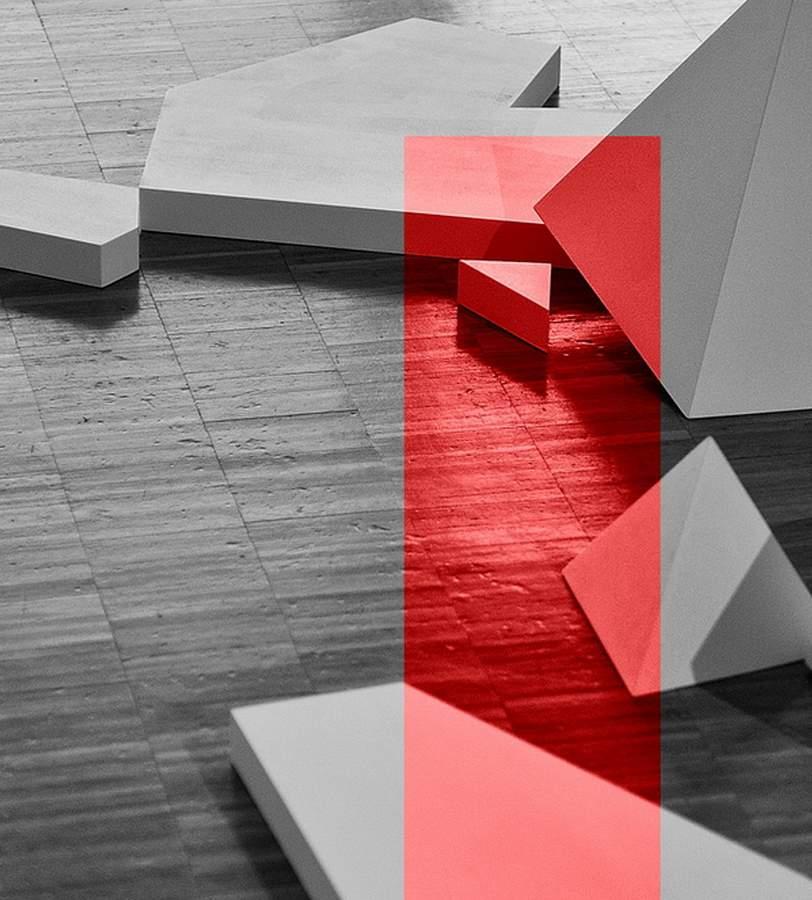
N e o
G e o m e t r y # 8 detail
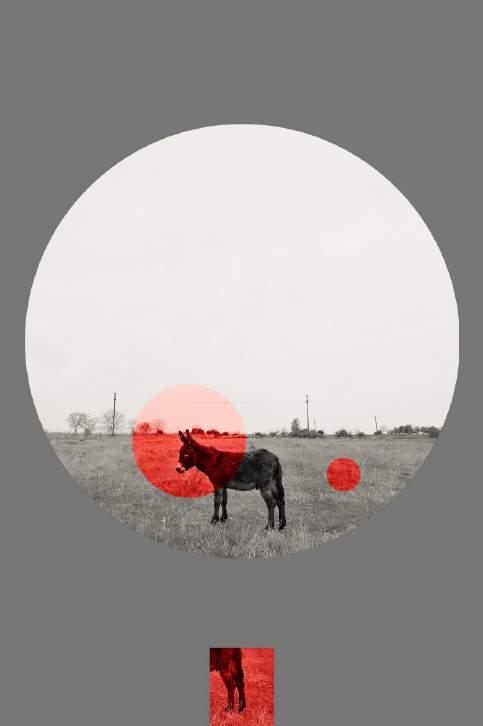
e o
G e o m e t r y
# 6
70x50 cm
Giclee print
Edition: 2 pz