
Or ganised by the Inter national Academic For um (IAFOR) in par tner ship with the IAFOR Research Centre at the Osaka School of Inter national Public Policy (OSIPP) at The Univer sity of Osaka, Japan, and IAFOR's Global Par tner s.
Or ganised by the Inter national Academic For um (IAFOR) in par tner ship with the IAFOR Research Centre at the Osaka School of Inter national Public Policy (OSIPP) at The Univer sity of Osaka, Japan, and IAFOR's Global Par tner s.
Professor Anne Boddington, IAFOR, Japan (IAB Chair)
Dr Joseph Haldane, IAFOR & The University of Osaka, Japan
Professor Jun Arima, IAFOR & The University of Tokyo, Japan
Professor Virgil Hawkins, IAFOR Research Centre & The University of Osaka, Japan
Mr Lowell Sheppard, IAFOR & Never Too Late Academy, Japan
Professor Umberto Ansaldo, VinUniversity, Vietnam
Dr Susana Barreto, University of Porto, Portugal
Professor Grant Black, Chuo University, Japan
Dr Evangelia Chrysikou, The Bartlett School of Sustainable Construction, University College London, United Kingdom
Professor Donald E. Hall, Binghamton University, United States
Professor Brendan Howe, Ewha Womans University, South Korea & The Asian Political and International Studies Association (APISA)
Dr James W. McNally, University of Michigan, United States & NACDA Program on Aging
Dr Daniel Baker, Independent Scholar, France
Professor Grant Black, Chuo University, Japan
Professor Georges Depeyrot, Centre National de Recherche Scientifique (CNRS), France
Dr Amir Dhia, Education Above All Foundation, Qatar
Dr Charlotte Faucher, University of Bristol, United Kingdom
Dr Joseph Haldane, IAFOR & The University of Osaka, Japan
Professor Ljiljana Markovic, European Center for Peace and Development (ECPD), United Nations University for Peace, Serbia
Professor Nourreddine Menyani, École Normale Supérieure de Meknès, Morocco
Ambassador Paolo Sabbatini, World Sinology Center, China

Dear Friends and Colleagues, Bienvenue à Paris!
Welcome to the wonderful City of Light, a global capital of culture, history, architecture, philosophy, fashion, gastronomy, science, and learning. Paris has played an enormous role in European intellectual life over the centuries, as well as in the imagination of so many of the world’s great minds. Historically, its educational institutions have played an important role in the city, and continue to be global centers of excellence in many different fields. The Sorbonne itself, the current home of our conference, boasts more than 750 years of existence, and it is into this great intellectual tradition that our conference writes itself today!
The Paris conferences on Education (PCE2026) and Arts and Humanities (PCAH2026) are now in their fifth iteration, and have firmly established themselves in the The International Academic Forum’s calendar as an annual convention bringing people together across the boundaries of nation, culture, and discipline, and creates the comparative, contrastive, and collaborative laboratory of that makes an IAFOR conference so special.
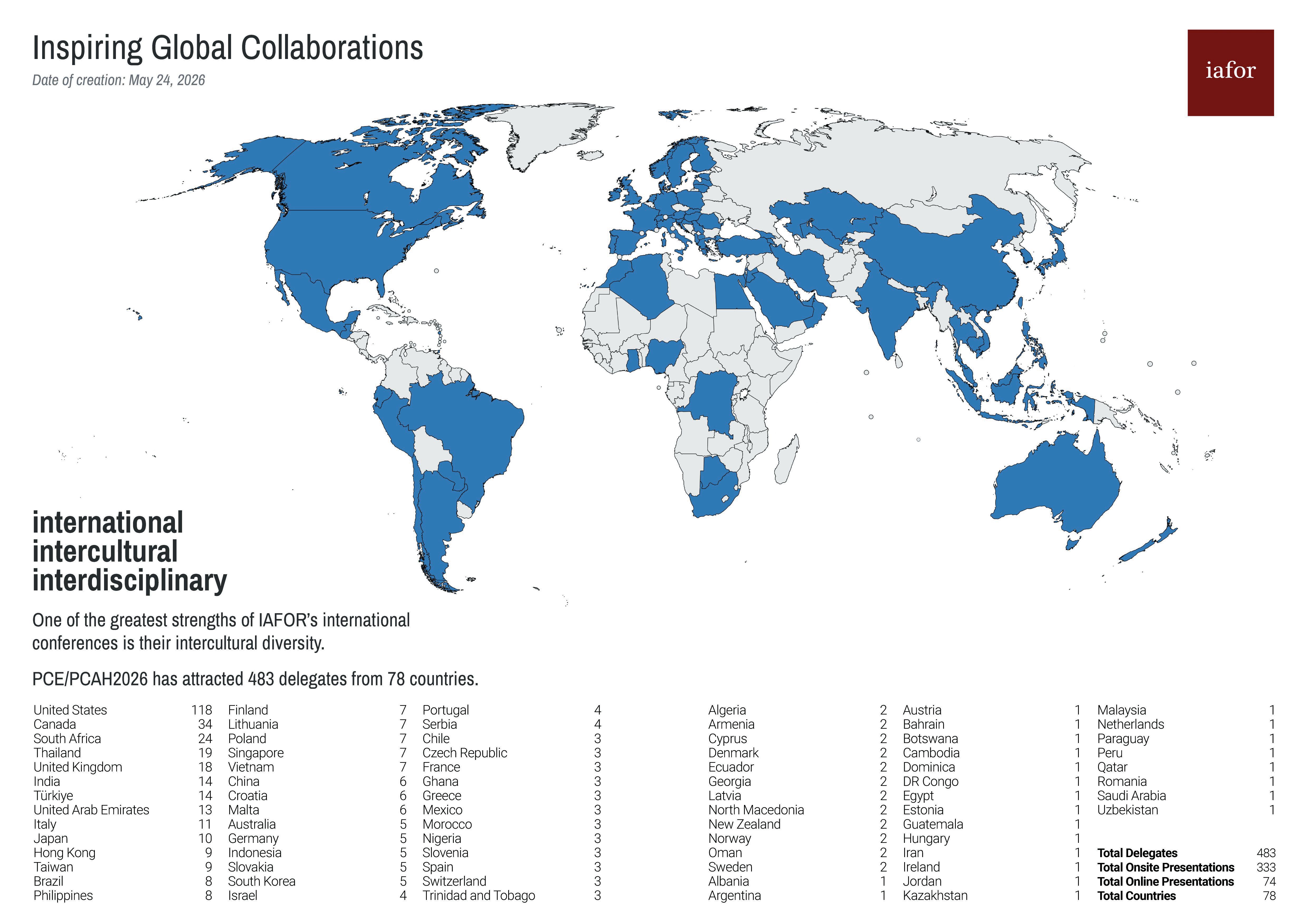
In these times of uncertainty and resultant domestic and foreign extremism and conflict, conferences such as ours underline the importance of international engagement, as we seek to make sense of a fastchanging world, and make our own contributions to making it one that is better and more sustainable for generations to come. Making sense is no easy task, and not one possible to accomplish alone, and we are pleased to announce that this year, our 5th Paris conferences have attracted some 500 delegates from more than 75 countries! Together we will explore questions of knowledge, framing, and narrative, and of education, pedagogy, teaching, and learning. All of these lie at the heart of our areas of interest and expertise, and as tools that will help guide each other within and beyond the walls of the conference. We have so much to learn from each other!
I encourage your active participation throughout the conference, and hope you have a wonderful time in Paris. I look forward to meeting you all.

Dr Joseph Haldane Chairman & CEO,
The International Academic Forum (IAFOR)
Professor, European Center for Peace and Development (ECPD), United Nations University for Peace Guest Professor, Osaka School of International Public Policy, The University of Osaka, Japan
Visiting Professor, Doshisha University, Japan
Visiting Professor, The University of Belgrade, Serbia
Member, Expert Network, World Economic Forum
IAFOR provides an enriching personal and professional environment for academics and scholars of all ages and backgrounds to exchange and contribute to interdisciplinary and intercultural dialogue that informs and is informed by their own cultural and disciplinary background and experiences. We are able to do this thanks to our extraordinary network of individuals and institutions around the world who support our work and help shape our events globally. We particularly emphasise the nurturing and support for emerging academics from an array of different backgrounds, and aim to provide opportunities for them to seek advice, support and guidance, as well as offering mid-career and more established academics opportunities to forge working relationships beyond their traditional disciplinary ambitions.
In our current world where division and strife are often reinforced and played out in national and local contexts, and political posturing frequently seeks to ostracise and demonise, IAFOR is committed to working across cultural and national borders, and to work to bring people together through dialogue. We believe that mature human interaction and academic and cultural exchange are essential to offering positive versions of the future, where cooperation happens between individuals and institutions who share a commitment to listen, to reach out and bridge divides, and to contribute to good global citizenship, and to making the world a better place.
By becoming a member of IAFOR, you will become part of an extraordinary network and a stakeholder in shaping the IAFOR mission and facilitating international exchange, encouraging intercultural awareness, and promoting interdisciplinary discussion in the hope and expectation of generating and sharing new knowledge. Join us now in this growing global organisation, and help make a difference today.
To learn more about IAFOR membership, please visit:
iafor.org/membership

Created with MapChart
Conference Venue: Monday, June 15 to Thursday, June 18
Sorbonne University International Conference Center (CICSU)
Address: Patio 44-55, 4 place Jussieu, 75005 Paris
Campus Map: Pierre-et-Marie-Curie Campus (Jussieu Campus)
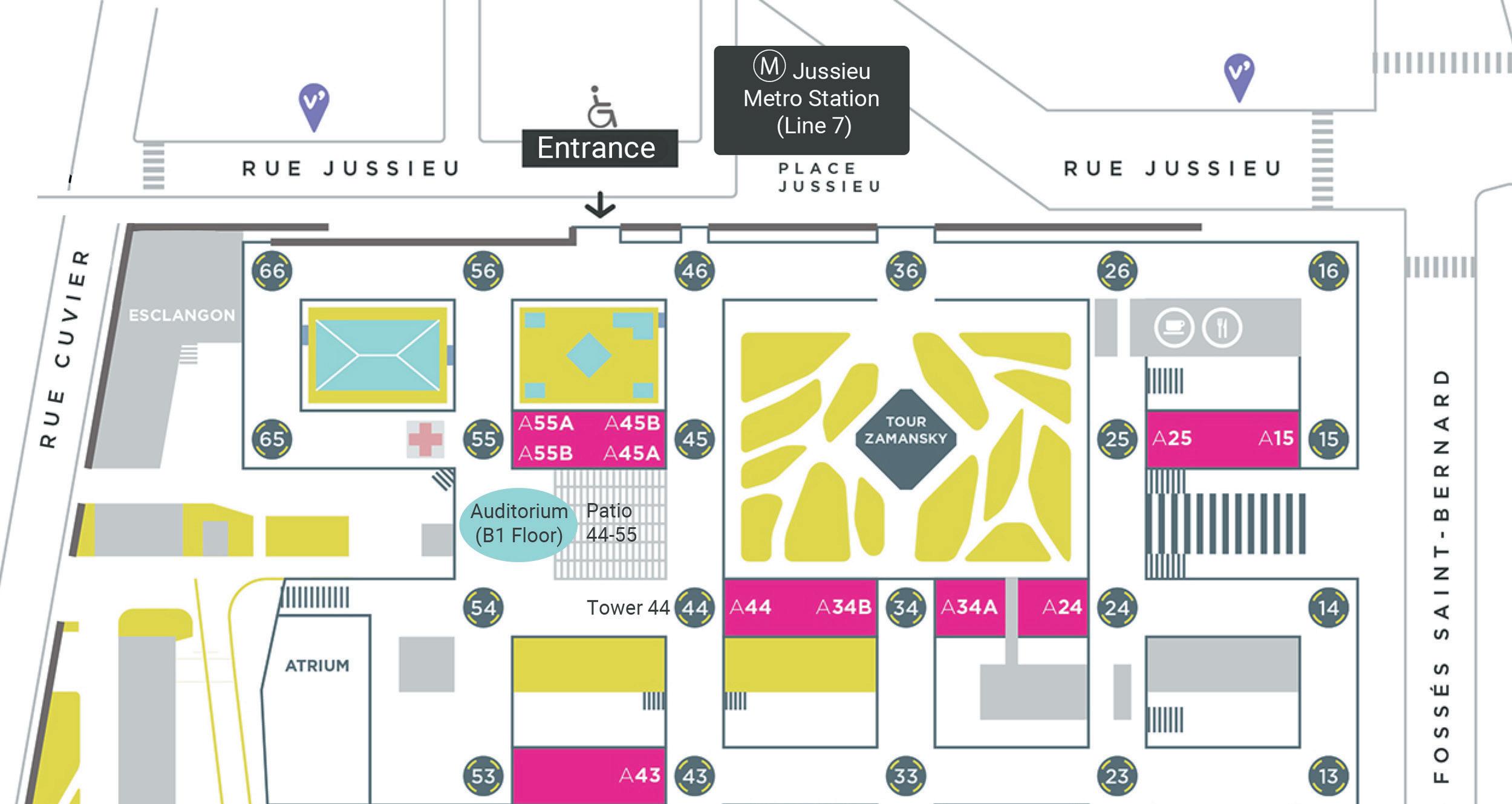
Credit: © Sorbonne University
Floor Plan
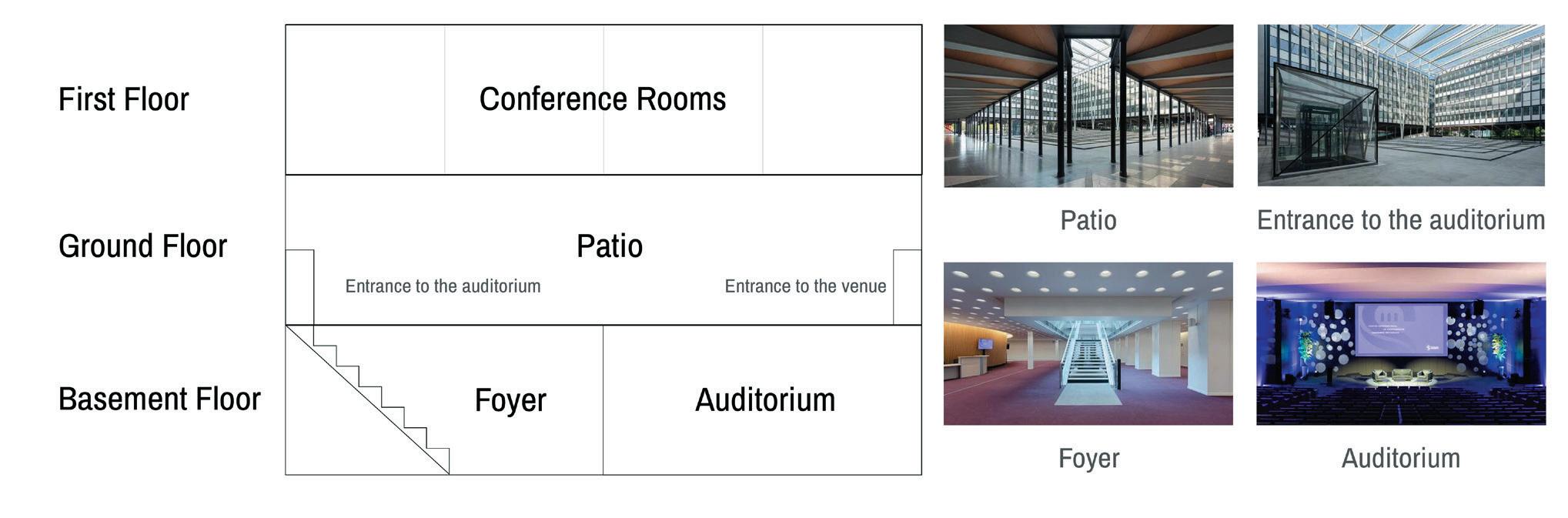
Conference Rooms
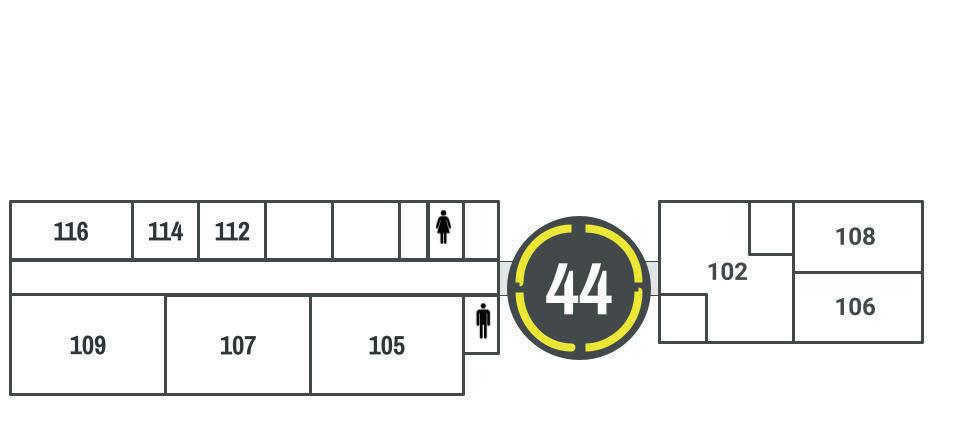
Conference Venue: Monday, June 15 to Thursday, June 18
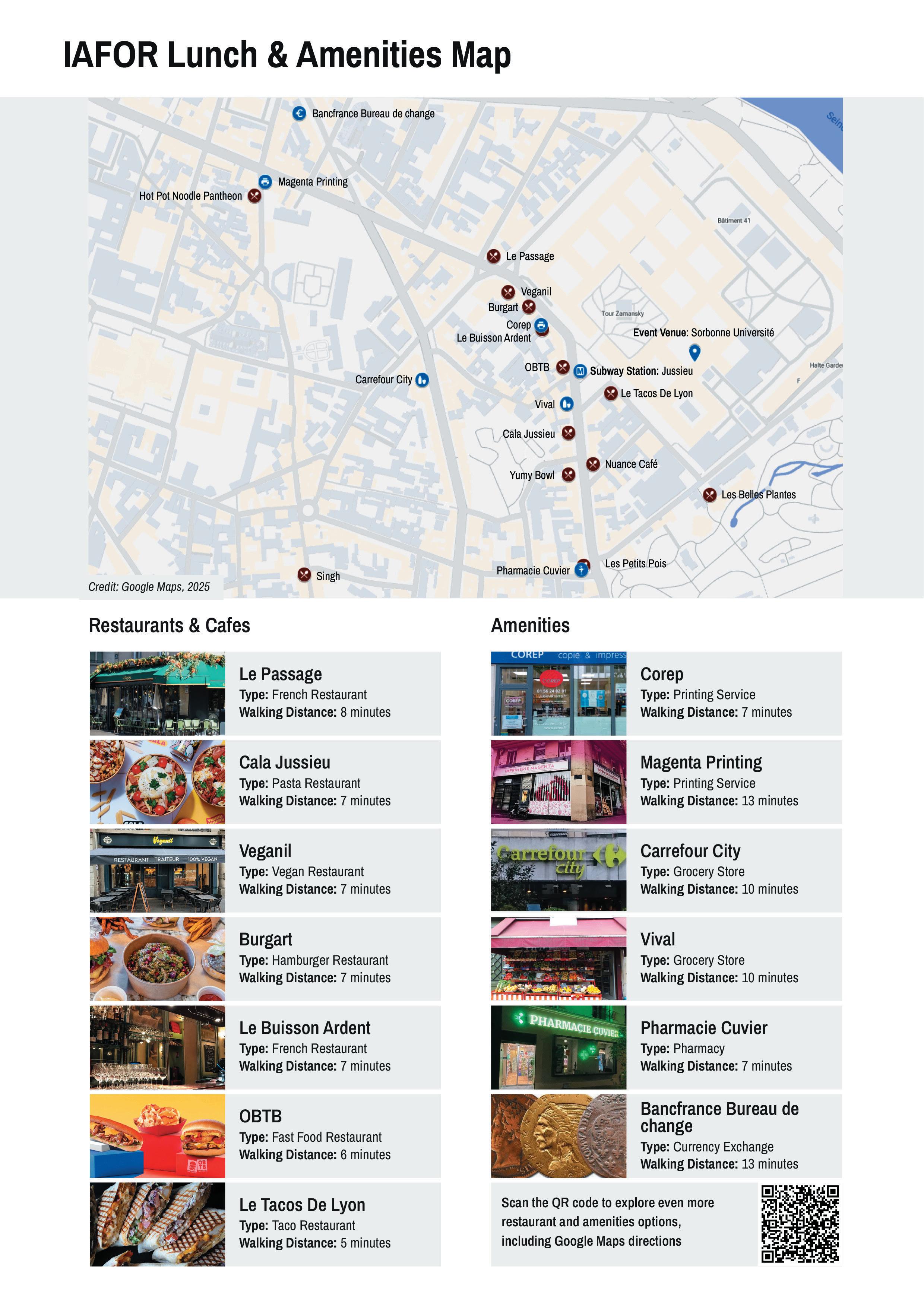
Please note that lunch is not provided. This map offers suggestions on where you can eat around the Sorbonne University International Conference Center (CICSU) as well as the locations of local amenities.


June 15 | All times are Central European Summer Time (UTC+2)
Conference Venue: Sorbonne University International Conference Center (CICSU)
09:30 Conference Check-in & Coffee | Auditorium Foyer (B1F)
10:20-10:50 Welcome Addresses & Recognition of IAFOR Scholarship Winners | Auditorium (B1F) & Online
Joseph Haldane, IAFOR, Japan
10:55-11:20 Keynote Presentation | Auditorium (B1F) & Online Manifesto for the Planetary Mission of the University François Taddei, Learning Planet Institute, France 11:20-11:35 Q&A
11:40-12:05 Keynote Presentation | Auditorium (B1F) & Online How Can We Justify the Humanities at the Edge of AI?
Olivier Guillet, Institut Supérieur du Droit, France
12:05-12:20 Q&A
12:20-12:30 Conference Photograph
12:30-14:00 Extended Break
14:00-15:00 Featured Panel Discussion | Auditorium (B1F) & Online 250 Years of Rights Promotion and Cooperation
Lori Maguire, Université de Reims Champagne-Ardenne, France
Andrew J. M. Smith, Emporia State University, United States
Brendan Howe, Ewha Womans University, South Korea (Moderator)
15:15-16:15
Cultural Event: Chanson Workshop | Auditorium (B1F)
Paris-based singer, pianist, and composer Sophie Leliwa will lead delegates through an intimate ‘story-concert’ featuring Paris’ rich history of French chanson and jazz culture.
16:30-17:30 Welcome Reception & Conference Poster Session | Auditorium Foyer (B1F)
20:00-22:00 Conference Dinner | Bofinger
This is an optional ticketed event

June 16 | All times are Central European Summer Time (UTC+2)
Conference Venue: Sorbonne University International Conference Center (CICSU)
08:30 Conference Check-in | Room 102 (1F)
08:45-09:15 Conference Orientation for First-Time Presenters | Room 108 (1F)
09:20-10:20 The Forum (Onsite) | Room 108 (1F)
The Role of the Arts & Humanities in Troubling Times: Part II Donald E. Hall, Binghamton University, United States (Respondent) Melina Neophytou, IAFOR, Japan (Moderator)
The Forum is a plenary session designed as a platform for international, intercultural, interdisciplinary—and inclusive—discussions, joining experts and practitioners alike in an open dialogue format. Come share your thoughts and experiences as global educators and researchers.
10:20-10:50 Networking Coffee Break
10:50-12:30 Onsite Parallel Session 1
Room 105 (1F): PCE | Increasing Student Engagement in the Online Classroom (Workshop) Room 106 (1F): PCE | Professional Development in Higher Education
Room 107 (1F): PCE | Foreign Languages Education and Applied Linguistics
Room 108 (1F): PCE | Generative AI in Higher Education
Room 109 (1F): PCE/PCAH | Teaching and Learning in Teacher Education
Room 112 (1F): PCE | Education, Sustainability, and Society
Room 114 (1F): PCAH | Representations in Arts and Media
Room 116 (1F): PCAH | Aesthetics and Design
12:30-13:30 Extended Break

16 | All times are Central European
Conference Venue: Sorbonne University International Conference Center (CICSU)
13:30-15:10 Onsite Parallel Session 2
Room 105 (1F): PCE | Improving Assessment with Diagnostic Classification Models (Workshop)
Room 106 (1F): PCE | Education Policy and Leadership
Room 107 (1F): PCE/PCAH | Approaches to Language Learning
Room 108 (1F): PCE | Design and Implementation of Technology in Education
Room 109 (1F): PCE | Learning Experiences in Higher Education
Room 112 (1F): PCE | Sustainability and Leadership in Education
Room 114 (1F): PCAH | Arts - Performing Arts Practices
Room 116 (1F): PCAH | Media, Literature, Communication
15:10-15:55 Networking Session: Flash Presentations | Room 108 (1F)
Maximise your visibility with the opportunity to network and showcase your research highlights. Simultaneously, you will gain a comprehensive overview of other presenters, helping you identify potential collaborators and must-see sessions. This session is open to all delegates, including those who have already presented. Pre-registration is required. Space is limited.
15:55-17:35 Onsite Parallel Session 3
Room 105 (1F): PCE | Ethical AI-competency Goals in Higher Education Curricula (Workshop)
Room 106 (1F): PCE | Educational Leadership and Administration
Room 107 (1F): PCE/PCAH | Language, Linguistics, and Humanities
Room 108 (1F): PCE | Digital Technology in Higher Education
Room 109 (1F): PCE/PCAH | Philosophy and Educational Research
Room 112 (1F): PCE | Teaching Experiences and Teacher Education
Room 114 (1F): PCAH | Arts - Arts Theory and Criticism
Room 116 (1F): PCAH | Theories and Politics in Arts and Media

17 | All times are Central European Summer Time (UTC+2)
Conference Venue: Sorbonne University International Conference Center (CICSU)
09:00 Conference Check-in | Room 102 (1F)
09:30-10:30 Featured Roundtable | Room 108 (1F)
Senior Academic Leadership
Donald E. Hall, Binghamton University, United States
Ljiljana Markovic, European Center for Peace and Development, Serbia
Joseph Haldane, IAFOR, Japan (Moderator)
10:30-11:00 Networking Coffee Break
11:00-12:40 Onsite Parallel Session 1
Room 105 (1F): PCE | Enacting Transformative Change for Black Children (Panel)
Room 106 (1F): PCE/PCAH | Knowledge Creation and Management
Room 107 (1F): PCE | Education and Differences: Learning Difficulties
Room 108 (1F): PCE | Creativity and Innovation in Education
Room 109 (1F): PCE | Professional Training in Education
Room 112 (1F): PCE | Design and Implementation of Innovative Technology in Education Room 114 (1F): PCAH | Ethnicity, Difference, Identity
Room 116 (1F): PCAH | Literature Studies
12:40-12:55 Break
12:55-14:35 Onsite Parallel Session 2
Room 105 (1F): PCE | Designing Transdisciplinary Learning Spaces in Higher Education (Workshop) Room 106 (1F): PCE | Curriculum Design and Development
Room 107 (1F): PCE | Learning Experiences, Student Learning and Learner Diversity Room 108 (1F): PCE | Human Emotional and Cognitive Development
Room 109 (1F): PCE | Professional Training, Development, and Concerns in Education
Room 112 (1F): PCE | Innovative Technology in Education
Room 114 (1F): PCAH | Social Studies
Room 116 (1F): PCAH | Contemporary Literature and Poetics
14:35-15:05 Networking Coffee Break

June 17 | All times are Central European Summer Time (UTC+2)
Conference Venue: Sorbonne University International Conference Center (CICSU)
15:05-16:45 Onsite Parallel Session 3
Room 105 (1F): PCE | Comparative Approaches to Teaching and Learning
Room 106 (1F): PCE | Curriculum Design and Development
Room 107 (1F): PCE | Teaching Experiences, Pedagogy, and Interdisciplinary Education
Room 108 (1F): PCE | Mind, Brain, and Psychology in Educational Contexts
Room 109 (1F): PCE | Counselling, Guidance, and Adjustment in Education
Room 112 (1F): PCE | Innovative Technology in Teacher Education
Room 114 (1F): PCAH | History and Politics
Room 116 (1F): PCAH | History and Gender in Literature
16:45-17:00 Break
17:00-18:15 Onsite Parallel Session 4
Room 105 (1F): PCAH | Measuring and Funding the Public Value of the Arts (Workshop)
Room 106 (1F): PCE | Embodying Relational Leadership (Workshop)
Room 109 (1F): PCE | Counselling, Guidance, and Adjustment in Education
Room 112 (1F): PCE | AI, Pedagogy, and Teaching Experiences
Room 114 (1F): PCAH | Nation and Immigration
Room 116 (1F): PCAH | Literature/Literary Studies

18 | All times are Central European Summer Time (UTC+2)
Conference Venue: Sorbonne University International Conference Center (CICSU)
09:00 Conference Check-in | Room 102 (1F)
09:30-11:10 Onsite Parallel Session 1
Room 105 (1F): PCAH | Fostering Identity in Children of the Original Peoples (Workshop) Room 106 (1F): PCE/PCAH | Implementation of Technology in Education Room 108 (1F): PCE/PCAH | Experiential Learning
Room 112 (1F): PCE | Creativity and Innovation in Higher Education
Room 114 (1F): PCE/PCAH | Culture, Inter/Multiculturalism, and Language Room 116 (1F): PCAH | Arts - Media Arts Practices: Television and Film Room FSI 125 (1F): PCE | Learning Experiences in Foreign Languages Education
11:10-11:40 Networking Coffee Break
11:40-13:20 Onsite Parallel Session 2
Room 105 (1F): PCE | Re-Engaging Demotivated Students (Workshop) Room 106 (1F): PCE | Digital Technology in Teaching and Learning Room 108 (1F): PCE | Teaching and Learning Mathematics
Room 112 (1F): PCE/PCAH | Sustainability and Society in Arts and Education
Room 114 (1F): PCE | Multiculturalism in Arts and Education
Room 116 (1F): PCAH | Arts - Performing Arts Practices: Theater, Dance, Music Room FSI 125 (1F): PCE | Teaching Experiences, Pedagogy, Practice, and Praxis
13:20-14:05 Networking Session: The World in a Room | Room 108 (1F)
The session is a relaxed but purposeful networking opportunity with an intercultural focus. Delegates will be encouraged to speak with people they may not have met during the main programme and exchange personal, cultural, and academic perspectives in an open and welcoming setting.

18 | All times are Central European
Conference Venue: Sorbonne University International Conference Center (CICSU)
14:05-15:45 Onsite Parallel Session 3
Room 105 (1F): PCE | Rap Music as the Key to Equitable Education (Workshop)
Room 106 (1F): PCE | AI in Language Education
Room 108 (1F): PCE | Research and Knowledge Creation
Room 112 (1F): PCE | Cognitive Development and Outcomes in Educational Contexts
Room 114 (1F): PCE | Inter/Multiculturalism and Language
Room 116 (1F): PCAH | Arts - Media Arts Practices
Room FSI 125 (1F): PCE | Teaching Experiences, Pedagogy, Practice, and Praxis
15:45-16:00 Coffee Break
16:00-17:40 Onsite Parallel Session 4
Room 105 (1F): PCAH | Media and Technology
Room 106 (1F): PCE | Learner Diversity in the Digital Age
Room 108 (1F): PCE | Curriculum Design and Development
Room 112 (1F): PCE | Sustainability Issues in Education
Room 114 (1F): PCE | Global and Digital Citizenship Education
Room 116 (1F): PCAH | Arts - Literary Arts Practices
Room FSI 125 (1F): PCE | Teaching Experiences, Assessment, and Methodologies
17:50-18:10 Onsite Closing Session | Room 108 (1F)

19 | All times are Central European Summer Time (UTC+2)
Conference Venue: Online via Zoom
08:55-09:00 Message from IAFOR
09:00-10:00 The Forum (Online) | Live-Stream Room 1
The Role of the Arts & Humanities in Troubling Times: Part II Apipol Sae-Tung, IAFOR, Japan (Online Moderator)
The Forum is a plenary session designed as a platform for international, intercultural, interdisciplinary—and inclusive—discussions, joining experts and practitioners alike in an open dialogue format. Come share your thoughts and experiences as global educators and researchers.
10:00-10:15 Break
10:15-11:55 Online Parallel Session 1
Live-Stream Room 1: PCE | Innovative Approaches to Teaching and Learning
Live-Stream Room 2: PCE | Foreign Languages Education and Applied Linguistics
Live-Stream Room 3: PCAH | Theory and Criticism in Arts and Media Studies
11:55-12:05 Break
12:05-13:45 Online Parallel Session 2
Live-Stream Room 1: PCE | Education, Sustainability, and Society
Live-Stream Room 2: PCE/PCAH | Teaching and Learning in Arts and Media
Live-Stream Room 3: PCAH | Culture and Literature in Arts and Humanities
13:45-13:55 Break
13:55-15:35 Online Parallel Session 3
Live-Stream Room 1: PCE | Design, Implementation, and Assessment of Innovative Technology in Education
Live-Stream Room 2: PCE/PCAH | Teaching and Learning Experiences
Live-Stream Room 3: PCE | Language Development and Literacy
15:35-15:40 Message from IAFOR
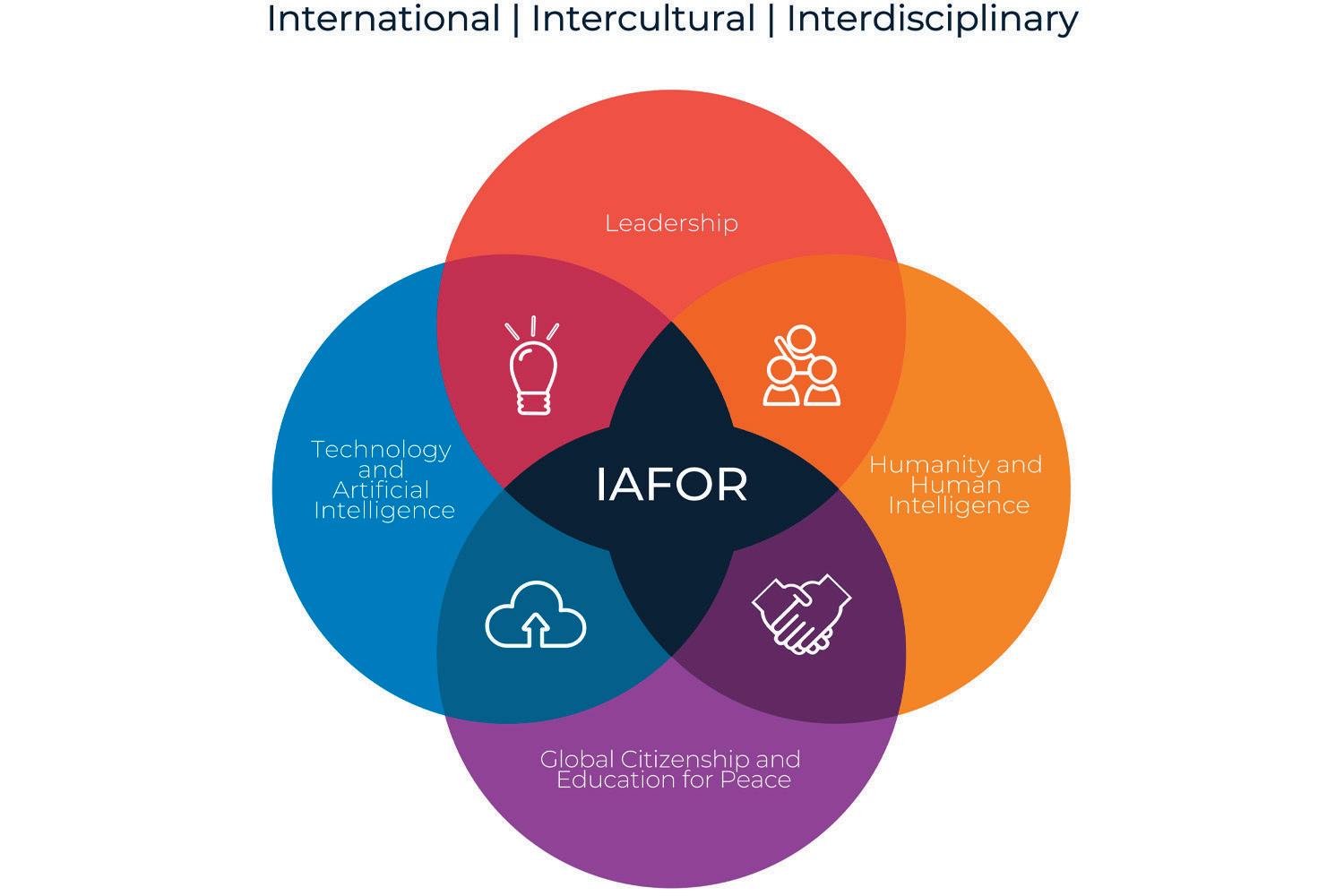
IAFOR’s conference programme provides an essential comparative and contrastive space for people to engage in multidisciplinary research across borders of nation, culture, discipline, and professions. We encourage mixed approaches and methodologies, combining theory and practice between and across the disciplines, and we look to harness the collective intelligence of our International Academic Forum in addressing some of the most pressing issues of our time. Through the implementation of new formats in our conference programme over the last year, including Intelligence Briefings, Keynote Interviews, and The Forum, we gathered insights into what has been discussed at the theoretical and policy levels, identify the challenges, and the outlook for best practices in tackling global contemporary issues, which we have identified as the themes for 2025-2029. Our four themes can be seen as standalone themes, but they are also very much in conversation with each other. Themes may be seen as corollaries, complementary, or in opposition/juxtaposition with each other. The themes can be considered as widely as possible and are designed, in keeping with our mission, to encourage ideas across the disciplines.
1. Technology and Artificial Intelligence
Our first theme examines the rapid pace of technological advancements, aided most particularly by those driven by artificial intelligence and its enormous and growing impact in all fields.
2. Humanity and Human Intelligence
Our second theme asks us which principles, values, and attributes we wish to encourage, protect, and nurture and how we accomplish this. Technological advancements constantly ask us to reconsider and reimagine what it means to be human, including questions regarding communication, creativity, inclusivity, ethics, and care.
3. Global Citizenship and Education for Peace
This theme prompts us to consider our existence and coexistence with each other, within our communities and places of belonging, and with peoples of different countries, cultures, and backgrounds, as well as with our environment and our planet. It includes engagement with enormous issues facing us beyond borders, such as peace and human security, climate change, etc.
4. Leadership
The final theme recognises the continuing importance of leadership as a skill, particularly in light of difficult times, where recognising and encouraging best practices in leadership at all levels of society is critical. Encouraging leadership at the government level, in businesses, and within institutions of all sizes represents the engine of change.
Many theories are born and initially tested in the academy, informing discussions in the public sphere that influence policy. IAFOR represents a unique combination of engagement emerging from the collaborative efforts of senior policymakers, administrators, and individuals working on the ground or in the field. IAFOR has made this rare combination of equitable theoretical and practical exchanges the standard for our organisation and represents a valuable model for how science should be done.
We will develop conference and institutional programmes and publications around these themes as well as capacity building sessions for our conference programme over the next five years. It is our aim with the implementation of these themes, alongside the implementation and continuing refinement of new formats, to best harness the unique arena IAFOR and its network have built in regards to pressing issues of today and the future.
This QR code, also located on the back of your name badge, contains the information you need to attend the conference, including:
- Full Conference Schedule
- The ‘Find a Presentation’ Feature
- Conference Survey
- Suggested Lunch Options
- Online and Virtual Presentations
- Presentation and Session Chair Guidelines, and more.
Please scan this QR code or visit https://linktr.ee/iaforparis

You will be able to pick up your name badge at the Conference Check-in & Information Desk at the times listed below. If you have any questions or concerns, IAFOR staff and volunteers will happily assist you in any way they can.
Please note that check-in is required at the registration desk each day of the conference. Conference Venue: Sorbonne University International Conference Center (CICSU)
Monday, June 15 | 09:30-17:00 – Auditorium Foyer (B1F)
Tuesday, June 16 | 08:30-17:00 – Room 102 (1F)
Wednesday, June 17 | 09:00-17:30 – Room 102 (1F)
Thursday, June 18 | 09:00-17:00 – Room 102 (1F)
Friday, June 19 | No in-person check-in
Wearing your badge is required for entrance to the sessions. You must wear your badge at all times.
Complimentary coffee, tea, water, and light snacks will be available during the scheduled coffee breaks. Please note that lunch is not provided.
Free WiFi is provided at the Sorbonne University International Conference Center (CICSU). To log in on any of your smart devices, please use the user ID and password provided at the check-in desk. Please keep your user ID and password for the WiFi connection throughout the conference. Please note that the WiFi may be unreliable, so we would strongly suggest that you do not rely on a live connection for your presentation and prepare a personal WiFi or data plan.
The full conference schedule (including abstracts) and conference programme are available on the conference website, accessible through the QR code located on the previous page as well as the back of your nametag.
A full list of pre-recorded virtual video presentations and virtual poster presentations will be on the conference website during and after the conference. We encourage you to scan the QR code to watch these presentations and provide feedback through the video comments.
All Keynote Presentations and live-streamed sessions will be recorded and uploaded to the Conference Catch-Up (On-Demand) page via Vimeo. The catch-up page will be publicly available after the conference until Sunday, July 19, 2026
Corresponding authors will be able to download Certificates of Presentation for all presenters, as well as Session Chair certification and reviewer certification for Senior Reviewers, by logging in to the submission page. Certificates will be available from Monday, July 6, 2026
Certificates of Participation for non-presenters, as well as reviewer certification for Review Committee members, will be sent out by email in a PDF format within two weeks of the Conference's conclusion.
Human interaction through networking, and dissemination of this knowledge, is at the core of what IAFOR does as an academic research organisation, conference organiser and publisher. As part of the archiving of the conference event, IAFOR takes photos in and around the conference venue, and uses the photos to document the event. This also includes the filming of certain sessions. We consider this documentation important and it provides evidence of our activities to members, partners and stakeholders all over the world, as well as to current and potential attendees like you. Some of these photos will therefore appear online and in print, including on social media. The above are the legitimate interests of the organisation that we assert under the European Union law on General Data Protection Regulation (GDPR). Under this legislation, you have an absolute right to opt out of any photo. We are committed to protecting and respecting your privacy.
Read our full privacy policy – iafor.org/about/privacy-policy
IAFOR Conference Proceedings are Open Access research repositories that act as permanent records of the research generated by IAFOR conferences. The Conference Proceedings are published online in the IAFOR Research Archive (papers.iafor.org). All accepted authors who present at the conference may have their full paper published in the online Conference Proceedings. For further details of how to submit your paper, please visit the Conference website.
Please note that:
1) Papers published in the Conference Proceedings cannot be considered for publication in IAFOR journals.
2) IAFOR's Conference Proceedings are not peer-reviewed and are not "Scopus-indexed".
Full text submission is due by Thursday, July 16, 2026, through the online system. The proceedings will be published on Friday, August 28, 2026
IAFOR produces conference reports that provide concise and coherent overviews of the ideas, conversations, and areas of research presented at our conferences. These include key themes and takeaways, referencing programme(s), speakers and attendees, which are curated and archived for both those who attended the event, as well as those who did not. Readers can stay abreast of many of the developments and insights provided by the conference, and the collective intelligence of its participants. Links to video recordings of the presentations and interviews references are included where possible, encouraging readers to engage further with the conference material and presentations. Each report contains photos of the event, as well as key statistics pertaining to general attendance and demographics.
Read and download the Conference Reports and Intelligence Briefings, and access Conference Photo Galleries from the past conferences from the QR code on the back of your name badge. You will receive a notification email when the Conference Photos and the Conference Report and Intelligence Briefing of this conference are available.
THINK is an online magazine presenting the latest in interdisciplinary research and ideas from some of the world’s foremost academics and thought leaders. As a publishing platform, THINK makes selected research presented at IAFOR’s international, intercultural, interdisciplinary conferences freely available to a global academic audience. Content on THINK spans everything from the arts to psychology, politics to film, law to education and history to technology, presenting research, ideas and perspectives from every corner of the globe. The format is varied, encompassing full research papers, long-form journalism, opinion pieces, creative writing, interviews, podcasts, video, photography and more. To learn more about THINK, please visit think.iafor.org or access the webpage from the QR code on the back of your name badge.
IAFOR publishes several editorially independent, Open Access journals across a variety of disciplines. They conform to the highest academic standards of international peer review, and are published in accordance with IAFOR’s commitment to make all of our published materials available online.
Submissions should be original, previously unpublished papers which are not under consideration for publication in any other journal. All articles are submitted through the submission portal on the journal website and must conform to the journal submission guidelines.
Once appointed by IAFOR’s Publications Committee, the Journal Editor is free to appoint his or her own editorial team and advisory members, who help to rework and revise papers as appropriate, according to internationally accepted standards. All papers published in the journal have been subjected to the rigorous and accepted processes of academic peer review. Neither editors nor members of the editorial team are remunerated for their work.
IAFOR Journals are indexed in Scopus, Web of Science, DOAJ, ERIC, MIAR, TROVE, CiteFactor and EBSCO, SHERPA/ROMEO and Google Scholar. DOIs are assigned to each published issue and article via Crossref. Please note that indexing varies from journal to journal.
Each of our journal issues is viewed thousands of times a month and the articles are frequently cited by researchers worldwide, largely due to our dedicated marketing efforts. Each issue is promoted across our social media platforms and to our tailored email marketing lists. On average, each journal publishes biannually.
IAFOR Journals are Open Access publications, available online completely free of charge and without delay or embargo. Authors are not required to pay charges of any sort towards the publication of IAFOR Journals and neither editors nor members of the editorial boards are remunerated for their work.
IAFOR Journals reflect the interdisciplinary and international nature of our conferences and are organised thematically. A presenter can choose to publish either in Conference Proceedings or submit their manuscript to the corresponding IAFOR Journal for review.
IAFOR Journal of Cultural Studies (Scopus Indexed)
IAFOR Journal of Education (Scopus & Web of Science Indexed)
IAFOR Journal of Literature & Librarianship (Scopus Indexed)
If you would like more information about any of IAFOR’s publications, please visit iafor.org/publications
IAFOR conferences are designed to offer countless networking opportunities to make and consolidate personal and professional connections, reconnect with colleagues, and meet new friends in a spirit of convivial collegiality. Whether in the plenaries, parallel sessions, workshops, information sessions, or cultural events, we encourage your active and open participation throughout the conference, remembering the importance of the spaces in-between; over a cup of coffee or a glass of wine, or the continuation of conversations and relationships outside the conference. We encourage you to network at the conference during the Welcome Reception, Chanson Workshop, and Flash Presentations, as well as during the Networking Coffee Breaks and Extended Breaks
In addition, on Friday, June 19, you are invited to join the Online Presentation Sessions and the Online Forum discussion to explore even more presentations and opportunities to make connections for future collaborations. While conferences serve as a platform to present your work and make connections, please be mindful of the other delegates’ privacy and their consent to provide personal information.
The conference venues feature several comfortable spaces which serve as perfect locations for networking during the conference. These spaces provide an excellent opportunity to meet new people, connect with familiar faces, exchange ideas, and explore possible collaborations. We encourage you to make use of these spaces to connect with fellow attendees for a quick coffee or a longer chat to broaden your network and enhance your conference experience.
You can connect with other delegates by using our ‘Find a Presentation’ feature. This feature can be accessed by scanning the QR code provided on the back of your name badge, and is also available on the conference website. You can search by presentation title, submission number, the presenter’s name, or their affiliation. From there, you can look up the presenter’s bio and connect with them through their preferred contact channel.
In addition to the ‘Find a Presentation’ online feature, presentation schedules are also displayed in front of presentation rooms.
Join fellow delegates for a drink or two at the conference Welcome Reception, held concurrently with the Conference Poster Session. This event provides a great opportunity for delegates to network and get to know each other.
Time & Date: Monday, June 15, 2026 | 16:30-17:30
Location: Sorbonne University International Conference Center, Auditorium Foyer (B1F)
Ticket Price: Free to attend
Admission is included in the conference registration fee and is only open to registered conference delegates and audience members.
Paris-based singer, pianist, and composer Sophie Leliwa will lead delegates through an intimate ‘story-concert’ featuring Paris’ rich history of French chanson and jazz culture.
Time & Date: Monday, June 15, 2026 | 15:15-16:15
Location: Sorbonne University International Conference Center, Auditorium (B1F)
Ticket Price: Free to attend
Admission is included in the conference registration fee and is only open to registered conference delegates and audience members.
The Conference Dinner will be held at the Bofinger brasserie, renowned as one of the most beautiful brasseries in Paris. The event will feature a sumptuous three-course meal showcasing Bofinger's classic French cuisine, made with fresh, locally sourced ingredients.
Time & Date: Monday, June 15, 2026 | 20:00-22:00
Availability: 90 persons
Ticket Price: 125 EUR
This is an optional ticketed event. Only delegates with pre-purchased tickets are able to attend the Conference Dinner.
Maximise your visibility with the opportunity to network and showcase your research highlights. Simultaneously, you will gain a comprehensive overview of other presenters, helping you identify potential collaborators and must-see sessions. This session is open to all delegates, including those who have already presented. Space is limited.
Time & Date: Tuesday, June 16, 2026 | 15:10-15:55
Location: Sorbonne University International Conference Center, Room 108 (1F)
Ticket Price: Free to attend
Admission is included in the conference registration fee and is only open to registered conference delegates and audience members.
IAFOR's grants and scholarships programme provides financial support to PhD students and early career academics, with the aim of helping them pursue research excellence and achieve their academic goals through interdisciplinary study and interaction. Our warmest congratulations go to the following scholarship recipients who have been selected to receive grants and scholarships to present their research at the conference.
Mohammad Mohi Uddin (Virtual Presentation)
University Instructor Agency in GenAI–Supported ELT Writing Instruction: Practices and Perceived Challenges in Under-Resourced Asia–Pacific Contexts (101838)
Mr Mohammad Mohi Uddin is a Doctoral Student and Graduate Research Assistant in the College of Education at The University of Alabama, United States. His research interests include English literature, generative AI, and pedagogy.
Zarina Kukhayeva (Virtual Presentation)
Enhancing High School Students’ Motivation in Online Physics Education Through Project-Based Learning: A Case Study on Nuclear Power Plants In Kazakhstan (101752)
Dr Zarina Kukhayeva's research interests include physics education research, PBL, and the development of fabrication skills for school students. She is a PI at the project focused on developing an algorithm for creating a platform for physics teachers.
Shalini Moorthi (Virtual Presentation)
“Franken-” Medicine: Contemporary Physician Memoirs and the Rise of Technocratic Medicine (106619)
Ms Shalini Moorthi is a Research Scholar in the Department of English at Pondicherry University, Puducherry, India, specialising in the emerging field of Medical Humanities.
Sampda Swaraj (Live-Stream Presentation)
“I Relate, Therefore I Dream”: Re-interpreting Indigenous Naga Prophetic Dreaming as Posthumanist Relationality in Easterine Kire’s Spirit Nights (106244)
Ms Sampda Swaraj is a research scholar in the Department of Humanities and Social Sciences at Indian Institute of Technology Roorkee, India. Her research interests encompass Indian Indigenous literatures, new animist philosophy, critical posthumanism, and environmental humanities.
Sarishty Verma (Live-Stream Presentation)
Eroticism and the Sacred Body in Indian Art: Aesthetic Experience as a Way of Meaning and Transcendence (105937)
Ms Sarishty Verma is a passionate research scholar at Government College, Bundi, affiliated with Kota University, India. Her academic interests lie in exploring the intersections of art, culture, and philosophy.












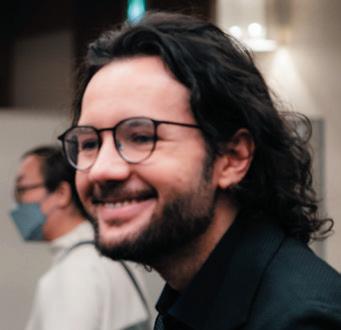


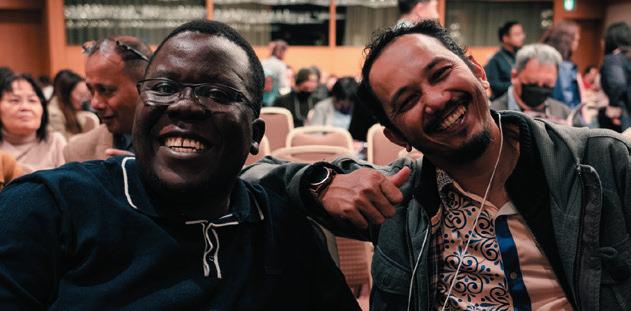


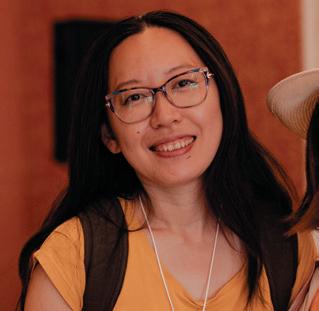


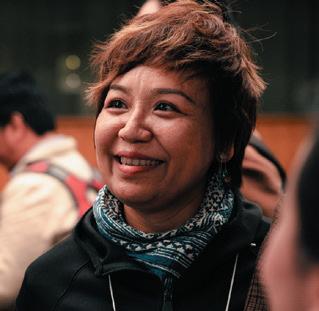
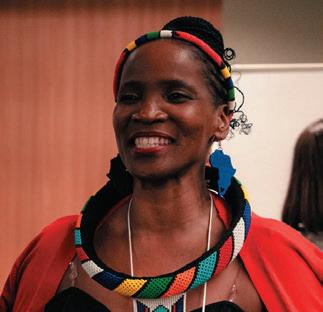

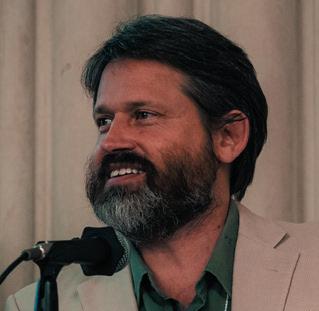
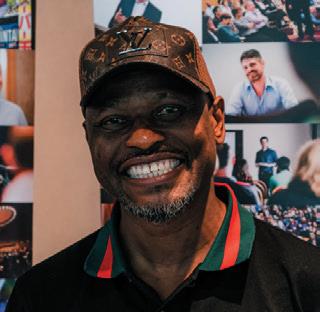

Bridging divides of nation, culture, and discipline; informing and shaping ideas, research, practice, and policy in a comparative and contrastive space, IAFOR encourages the sharing and nurturing of diverse ideas.
Over the past year, more than 5,000 delegates from more than 120 countries have participated in an IAFOR event.


Inspiring global collaborations, this diversity of peoples, nations, voices, cultures, and ideas is at the heart of what we do.
It is our greatest strength. Join us.


All times are Central European Summer Time (UTC+2) Abstracts appear as originally submitted by the author. Any spelling, grammatical, or typographical errors are those of the author.

Plenary Speaker: Joseph Haldane
Monday, June 15, 2026 | 10:20-10:50 | Auditorium (B1F), Sorbonne University International Conference Center (CICSU) & Online


Joseph Haldane is the Founder, Chairman, and CEO of IAFOR. He is responsible for devising strategy, setting policies, forging institutional partnerships, implementing projects, and overseeing the organisation’s global business and academic operations.
Dr Haldane has a PhD from the University of London in 19th century French Studies (ULIP/RHUL), and has research interests in world history, politics, and education, as well as governance and decision-making.
In 2022, Dr Haldane was named Professor in the United Nations Peace University's European Center for Peace and Development (ECPD). From 2019 he has been also a Visiting Professor at Doshisha University, where he teaches Ethics and Governance in the Global MBA, and a Member of the World Economic Forum’s Expert Network for Global Governance since 2017.
Since 2015, he has been a Guest Professor at The Osaka School of International Public Policy (OSIPP) at The University of Osaka, having taught on the postgraduate Global Governance Course, and has been Co-Director of the OSIPP-IAFOR Research Centre, an interdisciplinary research centre situated within the university, since 2017. He is also a Member of the International Advisory Council of the Department of Educational Foundations at the University of Hawai'i Mānoa, United States.
From 2020 to 2025, Dr Haldane was an Honorary Professor of University College London (UCL), through the Bartlett School of Sustainable Construction. Earlier in his career, he held full-time faculty positions at the Université Paris-Est Créteil, Sciences Po Paris, and Nagoya University of Commerce and Business, as well as visiting positions at the French Press Institute in the Université ParisPanthéon-Assas and the Schools of Journalism of Sciences Po Paris and Moscow State University.
Professor Haldane has given invited lectures and presentations at universities and conferences globally, including at the United Nations headquarters in New York, and advised universities, NGOs, and governments on issues relating to international education policy, public-private partnerships, and multi-stakeholder forums. He was the project lead on the 2019 Kansai Resilience Forum, held by the Japanese Government through the Prime Minister’s Office, and oversaw the 2021 Ministry of Foreign Affairs commissioned study on Infectious Diseases on Cruise Ships.
From 2012 to 2014, Dr Haldane was Treasurer of the Chubu chapter of the American Chamber of Commerce Japan, and since 2015 has been a Trustee of HOPE International Development Agency Japan. He was elected Fellow of the Royal Asiatic Society in 2012 and the Royal Society of Arts in 2015. He lives in Japan and holds a black belt in Judo.
Keynote Presentation: François Taddei
Monday, June 15, 2026 | 10:55-11:20 | Auditorium (B1F), Sorbonne University International Conference Center (CICSU) & Online

Universities stand at a critical juncture amid accelerating global challenges, collectively known as the polycrisis. Despite a centuries-long history of resilience and adaptation, the traditional university model—shaped by Enlightenment ideals and embedded in modern industrial paradigms—now faces a convergence of disruptions that threaten its core missions of education, research, and societal development. These include intensifying pressures to provide more relevant and agile learning, the ascendancy of advanced technologies such as AI that outpace conventional research and learning infrastructures, and growing skepticism about academia’s ability to address urgent planetary and social crises.
This manifesto proposes a planetary mission for universities: an evolution from knowledge gatekeepers to bridge-builders that orchestrate transdisciplinary solutions, steward the global commons, and nurture inclusive models of learning and governance. The talk argues that universities must embrace an ethos of ‘weaving’, fostering ecosystems that integrate multiple forms of intelligence including human, artificial, and beyond, connect intergenerational perspectives, and nurture ethical leadership across global networks. The rise of artificial general intelligence and the ongoing erosion of social trust underscore the urgency of a new model centred on regenerative research agendas, democratic co-creation, and the cultivation of care, both for individuals and for our planetary systems. While pointing out entrenched barriers such as rigid disciplinary structures, reductive metrics, and political co-optation, emergent examples of innovative institutions already embodying the transformative potential of a planetary-centred University will be highlighted. The manifesto concludes by inviting policymakers, funders, academic leaders, and learners themselves to participate in co-creating a higher education ecosystem fit for our collective future.

François Taddei, co-founder and president of the Learning Planet Institute, is an internationally renowned researcher.
Convinced that the future of learning must be co-constructed with learners, he explores educational transitions and “planetizenship” (global citizenship) to learn how to take care of oneself, others, and the planet.
He advocates for large-scale collaborations to co-create, with all stakeholders—from young people to UNESCO and the United Nations University (UNU)—a Learning Planet Academy, powered by technology and rooted in interdisciplinary sciences. Its goal is not to train the best students in the world, but the best for the world, by developing their capacity to act and their skills to care for the planet's common goods and learn to be ‘the change they want to see in the world’.
Monday, June 15, 2026 | 11:40-12:05 | Auditorium (B1F), Sorbonne University International Conference Center (CICSU) & Online

This keynote challenges the very framing of the contemporary debate about the humanities. To ask ‘how can we justify the humanities at the edge of AI?’ is already to concede the argument, accepting a logic of utility and measurable return that the humanities exist precisely to question and balance. The diagnosis offered is not a crisis of knowledge but a crisis of understanding. Western education, and the French Cartesian tradition with particular intensity, has progressively privileged a narrow form of intelligence: analytical, abstractive, procedural. Drawing on Iain McGilchrist’s work on hemispheric attention, the paper argues that we have systematically optimised for what can be formalised and reproduced, while neglecting what can only be perceived, interpreted, and lived. The arrival of artificial intelligence functions as a mirror: machines now excel at precisely the cognitive operations our institutions reward, exposing how much we have been educating humans to be machine-like.
Against this, the keynote proposes that the humanities cultivate three irreplaceable capacities: contextual intelligence, the reading of meaning in situations that resist rules; cognitive lucidity, an honest awareness of the mind’s biases and self-deceptions, drawing on Bronner, Haidt, and Spinoza; and wonder, understood not as naïveté but as openness to a reality richer than our categories. The closing argument reframes the stakes: AI does not threaten the humanities, it clarifies them. The real question is no longer whether the humanities are useful, but what kind of humans we still want to become.

Dr Olivier Guillet is Managing Director of the Institut Supérieur de Droit in Paris, France, where he leads the development of innovative programmes at the intersection of law, education, and leadership.
He previously held senior academic and executive roles, including Dean of International Affairs at EM Lyon Business School, France; Vice Dean of the School of Management and Innovation at Sciences Po, France; and International Director at OMNES Education, France. Across these positions, he has contributed to the design and internationalisation of higher education programmes, working with diverse student populations and global institutional partners. His research and teaching focus on leadership, with a particular emphasis on the dialogue between philosophy and psychology. His work explores how individuals develop inner coherence, ethical responsibility, and the capacity to act in complex environments.
Dr Guillet is the author of Deep Leadership (2025), a work that proposes a human-centred approach to leadership grounded in intellectual rigour and personal transformation. Alongside his academic career, he is also a trained musician, and continues to draw on music as a source of inspiration for his thinking on harmony, structure, and human expression.
Monday, June 15, 2026 | 14:00-15:00 | Auditorium (B1F), Sorbonne University
International Conference Center (CICSU) & Online

The year 2026 marks 250 years since the Second Continental Congress adopted the Declaration of Independence of the United States on July 4, 1776. France has been a staunch ally of the US for most of the intervening years, being the first country to recognise American independence, and, in 1778, to sign an alliance with the fledgling country. The impact of the American Revolution against the external rule of the British king, and the subsequent French Revolution against domestic royal tyranny, has done much to shape the nature of principles of governance, both domestic and international. The US was to serve as a ‘shining city on a hill’ – an inspiration for other oppressed peoples, while the Liberté, Égalité, Fraternité motto of the French Revolution and Republic has served as a similar source of inspiration. Importantly, both countries were supportive of each other's revolutions. Yet this 250th anniversary is as much cautionary as it is celebratory.
Are the domestic and international governance principles that made the US a shining city on a hill a thing of the past? The second administration of President Donald Trump has been linked to populist and authoritarian forces that undermine democracy. US unilateralism has led to the demise of the liberal international order, which it did so much to create. While the US and France, jointly and separately, have done much to promote multinationalism, such cooperation is now imperilled. Are we witnessing the end of 250 years of normative leadership by the US? What, if anything, can replace US abdication in an era of contestation and disorder? This session recognizes the unique contributions of the US to domestic and international governance norms, the importance of its partnership with France, as well as challenges to the liberal international order, some of which originate from its greatest champion.

Dr Lori Maguire is full professor of British and American Studies at Université de Reims Champagne-Ardenne, France, a member of the editorial board of Cold War History, and a senior review editor for H-Diplo. She has published extensively both in French and English. Her main focus has been on the cultural history and foreign policy of Britain, France, and the United States and their relations with each other. Her book, A History of the Cultural Cold War, should come out at the end of this year. Her most recent publications include Consuls in the Cold War with Sue Onslow (Brill, 2023); “To Stay or Not to Stay: The United States Consulate in Hà Nội, 1954–1955”, Journal of Vietnamese Studies (2023); and “The Diplomatic Departure from Limbo: Three Valedictory Despatches by British Consuls in Hanoi during the Period of the Vietnam War”, Contemporary British History (2023).

Dr Andrew J. M. Smith is an Associate Professor in the School of Library and Information Management (SLIM) at Emporia State University in Kansas, United States. He studied at the University of St. Andrews (Scotland), Georgia State University (United States), and the University of Aberystwyth (Wales). He was a Robert T. Jones Memorial Scholar at Emory University in Atlanta (United States) and is an elected Visiting Professor at both the University of Belgrade (Serbia) and The European Centre for Peace and Development.
Dr Smith has taught widely in the field, currently concentrating on collection development, library advocacy, indexing, genealogy and music librarianship. He developed Emporia State University’s Global Experience programme and has led 20 international trips where students study librarianship in different cultures. His current interests include accessibility as an essential element of equity in information provision, open access materials for teaching and scholarship, genealogical information provision, and grass-roots digitisation.
Dr Smith served as a trustee of the Emporia Public Library from 2016 until 2022 and has presented extensively on the creation and maintenance of library policy and on the recruitment and education of library board members. He currently serves as a Trustee at Large on the board of United for Libraries, a division of the American Library Association.

Dr Brendan Howe is Professor of the Graduate School of International Studies, Ewha Womans University, South Korea, where he has also served as Dean, Associate Dean, and Department Chair. He is the President of the Asian Political and International Studies Association (APISA), and has been elected to serve as the President of the World International Studies Committee from July, 2025. He is currently a Humboldt Foundation Research Fellow at Heidelberg University, Germany, from 2025 through 2026. He has held visiting professorships and research fellowships at the EastWest Center as a POSCO Visiting Research Fellow (United States), the Freie Universität Berlin (Germany), De La Salle University (Philippines), The University of Sydney (Australia), Korea National Defence University (South Korea), Georgetown University (United States), Universiti Malaysia Sarawak (Malaysia), and Beijing Foreign Studies University (China).
Educated at the University of Oxford, the University of Kent at Canterbury (United Kingdom), Trinity College Dublin (Ireland), and Georgetown University (United States), his ongoing research agendas focus on traditional and non-traditional security in East Asia, human security, middle powers, public diplomacy, post-crisis development, comprehensive peacebuilding, and conflict transformation. He has authored, co-authored, or edited around 150 related publications, including Comprehensive Peacebuilding on the Korean Peninsula (Springer, 2023), Society and Democracy in South Korea and Indonesia (Palgrave, 2022), The Niche Diplomacy of Asian Middle Powers (Lexington Books, 2021), UN Governance: Peace and Human Security in Cambodia and Timor-Leste (Springer, 2020), Regional Cooperation for Peace and Development (Routledge, 2018), National Security, State Centricity, and Governance in East Asia (Springer, 2017), Peacekeeping and the Asia-Pacific (Brill, 2016), Democratic Governance in East Asia (Springer, 2015), Post-Conflict Development in East Asia (Ashgate, 2014), and The Protection and Promotion of Human Security in East Asia (Palgrave, 2013).
Donald E. Hall (Respondent), Melina Neophytou (Moderator)
Tuesday, June 16, 2026 | 09:20-10:20 | Room 108 (1F), Sorbonne University International Conference Center (CICSU)
Apipol Sae-Tung (Online Moderator)
Friday, June 19, 2026 | 09:00-10:00 | Online via Zoom

Education, and the arts and humanities in particular, act as a positive force in framing and understanding the many contentious issues we collectively face in the pursuit of a sustainable world. In times that are increasingly uncertain, hostile, and contentious, and in which national governments focus on productivity, efficiency, technology, and security, considerations of humanity, human intelligence, and the wider common good are often ignored.
In Part I of this Forum series held at the IAFOR Summer event in Tokyo in May 2026, delegates discussed whether the arts and humanities have made a sufficient case for their value to governments and wider society today. One of the main conclusions was that the case has always been there, but the problem lies in communication.
While we all know why the arts and humanities are vital and important, how do we define their worth in a hostile environment to those constituencies: funders, politicians, employers, and parents? What words and concepts will resonate? What are the directly and indirectly transferable skills that are used?
In Part II of this three-part series, this Forum session invites participants to build on Part 1 and discuss how we can effectively communicate the value of the arts and humanities to those who are aware of it but may be more inclined towards short-term achievements, financial stability, progress, and growth.

Donald E. Hall is Provost and Executive Vice President for Academic Affairs at Binghamton University (SUNY), United States. He was formerly Dean of the Faculty of Arts, Sciences, and Engineering at the University of Rochester, United States, and held a previous position as Dean of Arts and Sciences at Lehigh University, United States. Provost Hall has published widely in the fields of British Studies, Gender Theory, Cultural Studies, and Professional Studies. Over the course of his career, he served as Jackson Distinguished Professor of English and Chair of the Department of English (and previously Chair of the Department of Foreign Languages) at West Virginia University. Before that, he was Professor of English and Chair of the Department of English at California State University, Northridge, where he taught for 13 years. He is a recipient of the University Distinguished Teaching Award at CSUN, was a visiting professor at the National University of Rwanda, was Lansdowne Distinguished Visiting Scholar at the University of Victoria (Canada), was Fulbright Distinguished Chair in Cultural Studies at Karl Franzens University in Graz, Austria, and was Fulbright Specialist at the University of Helsinki. He has also taught in Sweden, Romania, Hungary, and China. He served on numerous panels and committees for the Modern Language Association (MLA), including the Task Force on Evaluating Scholarship for Tenure and Promotion, and the Convention Program Committee. In 2012, he served as National President of the Association of Departments of English. From 20132017, he served on the Executive Council of the MLA.
His current and forthcoming work examines issues such as professional responsibility and academic community-building, the dialogics of social change and activist intellectualism, and the Victorian (and our continuing) interest in the deployment of instrumental agency over our social, vocational, and sexual selves. Among his many books and editions are the influential faculty development guides, The Academic Self and The Academic Community, both published by Ohio State University Press. Subjectivity and Reading Sexualities: Hermeneutic Theory and the Future of Queer Studies were both published by Routledge Press. Most recently he and Annamarie Jagose, of the University of Auckland, co-edited a volume titled The Routledge Queer Studies Reader. Though he is a full-time administrator, he continues to lecture worldwide on the value of a liberal arts education and the need for nurturing global competencies in students and interdisciplinary dialogue in and beyond the classroom.
Professor Donald E. Hall is a member of IAFOR’s International Academic Board.

Dr Melina Neophytou is the Academic Operations Manager at IAFOR, where she works closely with academics, keynote speakers, and IAFOR partners to shape academic discussions within The Forum, bring conference programmes together, refine scholarship programmes, and build an interdisciplinary and international community. She is leading various projects within IAFOR, notably The Forum discussions and the authoring of Conference Reports and Intelligence Briefings, and she oversees the Global Fellows Programme.
Born in Germany and raised in Cyprus, Dr Neophytou received her PhD in International Development from Nagoya University, Japan, in 2023, specialising in political sociology, the welfare state, and contentious politics. She received an MA in International Development from Nagoya University, with a focus on Governance & Law, and a BA in European Studies from the University of Cyprus, Cyprus.
Dr Neophytou’s research interests currently focus on how Artificial Intelligence (AI) is changing the relationship between state and society. Her current work examines technologies such as facial recognition (FRT) and biometric surveillance, and how these tools impact freedom of expression, protest, and social policy.

Apipol Sae-Tung is an Academic Coordinator at IAFOR, where he contributes to the development and execution of academicrelated content and activities. He works closely with the Forum’s partner institutions and coordinates IAFOR’s Global Fellowship Programme. His recent activities include mediating conference reports for the Forum’s international conference programme and facilitating the IAFOR Undergraduate Research Symposium (IURS).
Mr Sae-Tung began his career as a Program Coordinator for the Faculty of Political Science at Chulalongkorn University, Thailand. He was awarded the Japanese Government’s MEXT Research Scholarship and is currently pursuing a PhD at the Graduate School of International Development, Nagoya University, Japan. His research focuses on government and policy analysis, particularly on authoritarian regimes. Mr Sae-Tung holds an MA in International Relations and Diplomacy from Thammasat University, Thailand, where he studied foreign policy analysis and Thailand-China relations. He also holds a BA in History from the same institution.
Haldane (Moderator)
Wednesday, June 17, 2026 | 09:30-10:30 | Room 108 (1F), Sorbonne University
International Conference Center (CICSU)

This roundtable and interactive session will explore the career paths of academic leaders and provide tips on the skills needed to succeed in leadership positions. Speaking from a variety of national and professional contexts, the session leaders will describe their individual paths to leadership roles and the trade-offs that often accompany a career in higher education leadership and administration. Following the brief presentations, audience members will be asked to provide their own thoughts and observations on successful and unsuccessful leadership styles, as well as engage in an active discussion of the potential for academic leaders to make positive changes within their institutions and professional organisations.
See full biography on page 43.

Ljiljana Markovic is a Professor of Japanese Studies in the European Centre for Peace and Development (ECPD) of the United Nations University for Peace, and Special Advisor to the Executive Director and ECPD Academic Director. She is also a Visiting Professor at Toho University and Osaka University, Japan, and Gabriele d'Annunzio University, Italy.
Professor Markovic is the author of a large number of publications in the fields of Japanese Studies and Economics. She completed her bachelor’s and master's degrees at Cambridge University, United Kingdom, before pursuing her doctorate at Chuo University, Japan. For many years, she was a Professor at the Faculty of Philology at the University of Belgrade, Serbia, with terms as Dean (2016-2020) and Vice Dean of Financial Affairs (2008-2016). She has served as the Chairperson of the International Silk Road Academic Studies Symposium since 2017.
Professor Markovic received the Gaimu Daijin Sho Award from the Minister of Foreign Affairs of Japan in 2010. In the following year, she received the Dositej Obradovic Award for Pedagogical Achievement. Professor Markovic recent accolades include the Medal of Merit by the President of Serbia in 2020, the Isidora Sekulic Medal for Academic Achievement in 2021, and the Order of the Rising Sun (Gold Rays with Rosette) in 2022, an Imperial Decoration awarded by the Government of Japan for her "outstanding contribution to establishing and improving friendly relations with Japan”.
See full biography on page 37.

16:30-17:30 | Auditorium Foyer (B1F) Monday Poster Session
Abstracts appear as originally submitted by the author. Any spelling, grammatical, or typographical errors are those of the author.
16:30-17:30
109502 | Building a Sustainable Adult Professional Development System in Latvia: A Framework for Policy Action
Inese Lusena-Ezera, Riga Technical university, Latvia
In Latvia, adult learning unfolds amid significant economic and social challenges: accelerated digital transformation and a volatile labour market drive demand for a sustainable, coordinated, and data driven adult professional development system. A mixedmethods study drawing on qualitative analysis of 15 studies on adult education in Latvia (2008–2023), 14 focus groups with experts (n=28), service providers (n=33) and users (n=68), as well as a nationally representative survey of employed residents (n=1000) identifies several systemic shortcomings. Findings indicate that the current adult education system is marked by fragmented governance; limited availability of modern, labour market aligned, and easily accessible provision; low adult motivation and engagement; weak transfer of learning to workplaces; and the absence of transparent mechanisms to assess return on investment and skills transfer. To address these challenges, a framework has been developed for evaluating the effectiveness of adult professional competence development at the state, organisational, and individual levels across four indicator domains - financial, socioeconomic, structural (organisational), and quality, covering the full cycle from inputs and system readiness to training quality, transfer, and socioeconomic impact. To ensure transparency, comparability, and methodological consistency, each indicator is specified in a unified structure across all levels: what is measured, why it is measured, how it is measured, which data are required, how often measurement occurs, and which processes/activities are needed to ensure effective provision The framework is intended to support policymakers with an instrument for evidence based decision making and for the continuous improvement and development of Latvia’s adult learning system.
108563 | Design Thinking for Effective Adult Professional Development: Ideating and Prototyping a Multilevel Framework in Latvia
Gunta Siliņa Jasjukevica, University of Latvia, Latvia
Svetlana Surikova, University of Latvia, Latvia
Sanita Baranova, University of Latvia, Latvia
Dita Nīmante, University of Latvia, Latvia
This study presents the ideation and prototyping of a conceptual framework for effective adult professional competence development at individual, organizational, and system levels in Latvia using a design thinking approach. The framework was created within the State Research Program “Education” project (No. VPP-IZM-Izglītība-2023/4-0001), which aims to strengthen evidence based adult professional development and improve the transfer of learning outcomes into professional practice. The study addressed two central research questions: (1) which indicators are most relevant for evaluating the effectiveness of adult professional competence development in the Latvian context, and (2) which individual, organizational, and system-level processes are necessary to ensure high quality, impactful professional development. Through an iterative design thinking process, insights from earlier phases of the project were synthesized into an initial conceptual model. Prototype visualizations structured professional development into five interconnected dimensions - input, activities, output, outcome, and impact - across individual, organizational, and national levels. The model also integrates individual and contextual factors that influence professional development effectiveness. The findings demonstrate how design thinking can support the creation of usable, stakeholder validated tools for educational improvement. The framework contributes to greater coherence, measurability, and quality within Latvia’s adult professional development system.
108921 | A Narrative Inquiry into Symbolic Capital Conversion and Academic Employment Experiences of a Korean-Chinese (Joseonjok) PhD in South Korea
Miao Dong, Chungnam National University, South Korea
Changsoo Hur, Chungnam National University, South Korea
Yang yang Liu, Chungnam National University, South Korea
This study explores how symbolic capital accumulated by a Joseonjok PhD is converted and constrained within South Korean academia, drawing on Bourdieu’s theory of symbolic capital. The Joseonjok are an ethnic Korean minority holding Chinese citizenship, culturally and linguistically close to Korean society, yet legally classified as foreigners. A single Joseonjok participant who obtained a doctoral degree in South Korea was selected, and four in-depth interviews were conducted. Data were analyzed using the three-dimensional narrative inquiry space. Narrative inquiry is appropriate for single-case studies, enabling deep understanding of individual experience within broader social structures. The findings reveal that the participant accumulated symbolic capital through doctoral training and academic relationships. This capital converted into lecturer and research professor positions, but not into a full professorship. Native-level Korean proficiency, a defining characteristic distinguishing the Joseonjok from other foreign researchers, proved advantageous in communication and relationship-building. However, institutional exclusion as a foreigner emerged in research grant applications and faculty appointment processes. Two discussions are presented. First, the “same ethnicity” discourse operated selectively: the participant was positioned as an insider in linguistic and cultural contexts, yet excluded as a foreigner institutionally, revealing selective inclusion and exclusion. Second, although the participant partially entered the academic field through linguistic advantage, structural barriers including research grant eligibility and lack of administrative support prevented full entry. This study extends theoretical discussions on symbolic capital conversion among highly educated migrants and makes visible institutional exclusion structures in international higher education.
107648 | Revitalizing Language and Challenging Boundaries: Community Connections Through Language and Culture
Cheyenne Cunningham, University of British Columbia, Canada
Leah Meunier, University of British Columbia, Canada
Kaitlyn Cunningham, Simon Fraser University, Canada
This poster presents a reflective practice account grounded in community engaged hən̓q̓əmin̓əm̓ language revitalization, guided by Dr. Jo-Ann Archibald’s (2008) 4R Indigenous Storywork principles: Respect, Responsibility, Reciprocity, and Reverence. Rather than a formal research study or program evaluation, this work is a result of our collective relational language teaching and learning within the Katzie community and at Simon Fraser University between 2022-2026. Methodologically, we draw on our collective experiences and Indigenous Storywork (Archibald, 2008) as both a pedagogical framework and analytical approach to examine course delivery, learner engagement, and community participation. Respect forms how teachings are shared and attributed; Responsibility informs our accountability to community and territory; Reciprocity structures intergenerational knowledge transmission; and Reverence grounds instruction in spiritual and cultural relationships to place. While a growing body of research documents effective strategies for Indigenous language revitalization (McIvor, 2006), this poster showcases the storied interconnections of land and language as a decolonial approach. In accordance with relational land-language frameworks (Engman & Hermes, 2021; Hare, 2022), our grounded findings assert that language learning on land and water supports increased learner confidence, retention, and cultural belonging. By applying the 4R Indigenous Storywork (Archibald, 2008) framework to hən̓q̓əmin̓əm̓ language revitalization, this work demonstrates how land-based, multimodal pedagogy both challenges colonial boundaries and supports cultural connections. Furthermore, it advances broader conversations on Indigenous resurgence and decolonial education.
109328 | The Opinions of Speech and Language Therapists Regarding Therapies for Children with Special Needs
Merve Nur Sariyer Temelli, Anadolu University, Türkiye
Duygu Büyükköse, University of Anadolu, Türkiye
Objective: This study explores the opinions and suggestions of speech and language therapists working with children with special needs regarding assessment, intervention planning, therapy methods and materials, session structure, and family involvement. The study involved 10 therapists (8 females, 2 males) and followed an exploratory sequential mixed-methods design. Qualitative data were collected through semi-structured Zoom interviews and analyzed using content analysis. Results: Six main themes emerged: (1) assessment processes combining formal and informal methods tailored to individual differences, (2) method selection based on individual characteristics ,(3) therapy planning guided by assessment results, (4) material selection focusing on target skills and minimizing distractions, (5) therapy duration and frequency influenced by family, institutional, and individual factors (typically two sessions per week), and (6) the critical role of family involvement in therapy outcomes. Conclusion: Therapists emphasized individualized assessment, planning, and method selection, along with the essential role of active family participation. Therapy frequency and structured scheduling were also identified as key factors influencing effectiveness, consistent with existing literature. The findings highlight the importance of flexible, individualized approaches and strong family involvement in speech and language therapy, offering practical implications for clinical practice and future research.
106608 | Lecturers’ Perceptions of Being ELF Aware in Higher Education: A Cross-Cultural Case Study in the Eurasian Context
Nesrin Neslihan Kocuk, Istanbul Nisantasi University, Türkiye
Pınar Baskan, Marmara University, Türkiye
Seyfi Kenan, Marmara University, Türkiye
English has traditionally been taught as a foreign or second language. However, the rise in non-native speakers confirms its status as English as a Lingua franca (ELF). As universities evolve into multicultural hubs, the perception of English significantly shapes pedagogical approaches. This study investigates intensive language program curricula and materials, specifically evaluating how lecturers perceive the role of ELF within their academic contexts. While existing literature mainly targets primary and secondary education, this research incorporates cross-cultural perspectives by selecting five public university lecturers from Bulgaria, the Czech Republic, Croatia, Hungary, and Turkey. Adopting an in-depth qualitative case study method, semi-structured interviews were conducted centered on three lesson plans, each incorporating elements of various English(es). Using MAXQDA, four main themes (materials, practices, exercises, and assignments) were identified and analyzed. The findings reveal a geographic divergence in pedagogical preferences. Participants from Turkey, Bulgaria, and the Czech Republic demonstrated a greater inclination toward implementing lingua ELF-oriented lesson plan, whereas lecturers from Croatia and Hungary favored a second-language-oriented approach. Interestingly, despite varying levels of openness, none of the participants expressed an interest in fully adopting a purely English as a Lingua Franca based lesson plan. The demand for high-level academic skills and the dominance of foreign materials restrict the implementation of ELF-based practices in higher education. However, a consensus emerged on prioritizing communicative competence and diverse accents to reflect the global reality of English. This study highlights the need for flexible curricula bridging the gap between formal accuracy and practical usage.
107961 | Cognitive Alignment in Digital Play: How Augmented Reality Magic Games Enhance Early Childhood Competencies
Manar Alotaibi, Najran University, Saudi Arabia
In an era of rapid digital transformation within educational settings, this study investigates how Augmented Reality (AR)–based magic games can be tailored to children’s cognitive styles to enhance foundational competencies in early childhood education. As digital tools become increasingly embedded in learning environments, understanding their interaction with learner diversity is essential for designing equitable and effective pedagogical interventions. The research examines how variations in AR design and individual cognitive styles influence academic achievement, and some social skill development among young learners. Employing a 2×2 factorial design, the study involved 60 participants aged 4.5 to 6 years. Data were gathered through structured observation protocols and standardized assessments administered before and after AR-based interventions. Findings indicate that both AR design and cognitive style significantly affect academic performance and social skill development outcomes. Interactive AR experiences further promote learner engagement and collaborative play. These results highlight the transformative potential of AR technology in fostering critical early competencies while advancing the aims of Sustainable Development Goal 4 (SDG4), promoting inclusive, equitable, and quality education. The study proposes a scalable model for integrating cognitively aligned digital tools into early childhood curricula, ensuring educational innovations are both responsive to learner diversity and conducive to sustainable educational practices.
107224 | Understanding Student Engagement with Large Language Models in Electrical Circuits Education Ricardo de Castro, University of California, Merced, United States
Students are rapidly integrating Large language models (LLMs) into their study practices, yet their role in core engineering curricula remains poorly understood. This study examines how undergraduate students utilize LLMs in an introductory electrical circuits course and how these tools influence their learning behaviors. A survey was administered to 184 students across mechanical, electrical, computer, and bioengineering majors. Results indicate that LLM use is widespread, with over 80% of participants reporting weekly engagement. Students leverage LLMs for conceptual explanations (81%), answer verification (68%), and exam preparation (61%), rather than direct solution generation (30%). 98% of students reported encountering incorrect or misleading LLM responses—most commonly involving misinterpreted circuit diagrams, algebraic errors, and misapplications of circuit laws. To verify LLM accuracy, students cross-reference course notes (74%), utilize circuit simulators (30%), or consult classmates (30%). Despite these limitations, students report substantial perceived benefits, including clearer explanations (71%), improved mathematical comprehension, and reduced academic stress (61%). However, many students express concern that excessive reliance on LLMs may diminish independent problem-solving proficiency. These results highlight a need for the strategic integration of LLMs in engineering education— one that leverages LLM’s explanatory benefits while implementing pedagogical safeguards to ensure the development of students’ independent problem-solving skills.
106609 | “AI’m Learning to Tutor !” : Effects on Early Reading and Adaptive Pedagogical Support in Kindergarten
Camille Pistre, Université Paris Est Créteil, France
Ugo Ballenghein, Université Paris Est Créteil, France
Xavier Aparicio, Université Paris Est Créteil, France
Recent advances in Artificial Intelligence (AI) offer new opportunities for early literacy instruction, yet the potential of AI to enhance early reading performance and provide pedagogical support remains under explored, particularly in kindergarten pupils. This research focused on how an AI-based conversational agent, supports foundational decoding skills and pedagogical functions in kindergarten pupils (aged 5-6). Across two complementary studies, 71 children completed AI-based versus traditional instruction, while 65 children’s interactions with the chatbot were further analyzed to identify emerging pedagogical functions. Results indicate that AI-based instruction can support differentiated learning, particularly benefiting low-performing pupils, who showed larger gains in letter identification, recognition, and phonological awareness compared to traditional instruction. High-performing pupils benefited similarly across modalities. Analysis of pupils’ interactions with the AI chatbot revealed clear cognitive support and diagnostic functions, while differentiation was observed through adaptive feedback, although performance gaps were not fully reduced. In contrast, regulatory functions were minimal, priming was not demonstrated and engagement was initially high but decreased as task complexity increased. Pupils’ attitudes toward AI were generally positive but divided between AI and teacher-led activities. These findings suggest that AI-driven conversational agents can reinforce teachers’ pedagogical roles by providing adaptive, targeted support for early decoding while highlighting the need for future systems to better address socio-emotional and metacognitive processes.
108951 | Digital Transformation in Higher Education: Implementation of Academic Management Systems at the Amazonian State University
Veronica Villarreal, Universidad Estatal Amazónica, Ecuador
Gustavo Fernández, Universidad Estatal Amazónica, Ecuador
Katherine Coro, Universidad Estatal Amazónica, Ecuador
Lineth Fernández Sanchez, Universidad Estatal Amazónica, Ecuador
Digital transformation has become a key strategy for improving management and governance in higher education institutions. This study analyzes the implementation of digital academic management systems at the Universidad Estatal Amazónica (UEA) as part of an institutional strategy to modernize administrative processes and strengthen decision-making mechanisms. The research focuses on platforms, which were designed to digitalize procedures traditionally managed through manual or fragmented processes. Using a qualitative case study approach, the research examines the impact of these systems on administrative efficiency, transparency, and process traceability. The findings indicate that the implementation of integrated digital platforms significantly reduced processing times, minimized human errors, and improved access to institutional information for students, administrators, and authorities. Additionally, the systems enhanced transparency by ensuring clear records of procedures and facilitating monitoring and auditing processes. These results align with previous studies that highlight the role of information systems in strengthening institutional governance and operational efficiency in universities (Bates, 2019; Selwyn, 2021). The study concludes that digital transformation in administrative and academic management contributes to more efficient, transparent, and datadriven higher education institutions, particularly in emerging regional universities.
108779 | Ethics Don’t Drive Adoption: the Paradox of Generative AI Use in Teacher Education
Ksenia Anisimova, Fordham University, United States
Su-Je Cho, Fordham University, United States
Shiva Rose Mohsenian, Fordham University, United States
As generative artificial intelligence (AI) rapidly reshapes higher education, institutions face a critical ethical paradox: while adoption accelerates, the roles of responsibility, fairness, and moral judgment in AI integration remain insufficiently theorized and empirically examined. We conducted a study that examined how preservice teachers perceive and navigate the ethical dimensions of generative AI use in academic contexts, focusing on responsibility, bias, and acceptability. Using a cross-sectional survey design, data were collected from approximately 250 participants working on teaching certifications and masters degrees at a graduate school of education at a private university located in the Northeastern United States. The survey measured ethical responsibility, fairness and bias sensitivity, perceived usefulness, perceived ease of use, AI–TPACK, trust, social influence, and behavioral intention. Quantitative analyses included descriptive statistics, reliability testing, correlational analysis, and multiple regression. Open-ended responses were analyzed thematically to deepen interpretation of qualitative findings. Results revealed a critical disconnect. Although participants report strong ethical commitments regarding fairness, bias, and accountability, these factors do not significantly predict behavioral intention to use AI. Instead, perceived usefulness and trust emerge as the dominant predictors, accounting for the majority of variance in adoption. This finding highlights a gap between ethical reasoning and practical decision-making in AI integration. Additionally, participants prioritized ethics, privacy, and bias in professional development, indicating strong needs for advanced technical training. This study extends traditional technology acceptance frameworks and contributes to emerging scholarship on responsible AI in higher education by modeling ethical responsibility and fairness as independent constructs within AI adoption research. The findings offer important implications for institutional policy, teacher preparation, and the development of governance structures that align ethical commitments within AI practice in higher education.
106728 | Full Circle Learning: Making Personalized, Self-directed, and Community-Based Educational Practices Visible Through Educational Ecosystems
Mireille Schülpke, Clonlara School, United States
Across international contexts, an increasing number of learners engage in personalized, self-directed and community-based educational activities that unfold largely outside formal schooling. While these experiences are often rich, relational and meaningful, they remain difficult to document, interpret and formally recognise within conventional, curriculum-based educational frameworks. This poster presents Full Circle Learning (FCL), a documentation and reflection tool developed by Clonlara School, an international off-campus school supporting learners in diverse, non-traditional educational contexts. FCL has been designed to make informal, interest-driven and community-embedded educational practices visible, readable and recognisable as educational achievement, without reducing them to linear curricula or standardised outcomes. The poster draws on a qualitative document analysis of student-created FCL learning reports, conducted using a Grounded Theory methodology, to explore how educational practices are articulated and made meaningful within this framework. Rather than conceptualising education as a linear learning pathway, the analysis reveals multi-layered educational ecosystems composed of social relations, places, everyday practices, material engagements, digital environments and personal meaning-making processes. These ecosystems emerge through participation, mobility and ongoing engagement in everyday life contexts. The development and ongoing refinement of the FCL tool is embedded in the work of a small pedagogical research and think tank unit within Clonlara School, an international off-campus education organisation, where practice-based educational research is used to better understand emerging forms of education beyond school and to iteratively adapt pedagogical processes and tools. By conceptualising education as ecosystems of practices, this poster contributes to debates on educational innovation beyond formal, curriculum-centred schooling.
106528 | Making Pedagogical Assumptions Visible: A UDL Perspective on AI-Mediated Learning Environments Giulia Angeloni, University “G.d’Annunzio” of Chieti-Pescara and University of Macerata, Italy
Artificial intelligence is increasingly embedded in digital learning environments, influencing how learners access content, participate in activities, and express their understanding. While AI-based tools are often promoted for their potential to enhance personalization and efficiency, their educational impact is frequently discussed from a technical or functional perspective, with limited attention to underlying pedagogical assumptions. As a result, the quality of the learning experience and the conditions that support inclusion and learner agency risk remaining implicit. This poster proposes Universal Design for Learning (UDL) as a pedagogical framework for examining AI-mediated learning environments. Rather than treating UDL as a prescriptive set of guidelines or accessibility strategies, it is presented as an interpretive lens to analyze how educational environments are designed in relation to learner variability. By reframing the three UDL principles—engagement, representation, and action and expression—as analytical questions, the poster highlights how AI systems can both reduce and generate learning barriers. The contribution focuses on key pedagogical dimensions affected by AI, such as learner agency, transparency of content mediation, and the legitimacy of assessment and feedback processes. Particular attention is paid to the risk of narrowing learning pathways through automated adaptation and opaque decision-making, as well as to the potential of UDLinformed design to support openness, participation, and meaningful choice. The poster aims to offer educators, designers, and institutions a conceptual tool to reflect critically on AI-mediated learning environments, emphasizing pedagogical intentionality as a condition for inclusive and sustainable educational innovation.
109400 | Communication Access and Classroom Participation of Deaf and Hard of Hearing Students in Inclusive Education: A Qualitative Meta-Synthesis
Duygu Büyükköse, Anadolu University, Türkiye
Şaziye Seçkin Yılmaz, Fenerbahçe University, Türkiye
This qualitative meta-synthesis examines classroom communication and participation experiences of students who are deaf and hard of hearing (D/HH) in inclusive education settings. Classroom communication plays a central role in shaping both academic engagement and social participation. Despite increasing placement in general education classrooms, communicative access and meaningful participation often remain limited. A systematic search of the Web of Science Core Collection and Scopus databases identified eight qualitative studies that met the inclusion criteria. Data-supported findings were identified through repeated reading and synthesized across studies to generate common themes. Studies were then systematically coded to examine these themes. The synthesis revealed five main themes: (1) communication access, (2) classroom participation, (3) social and emotional experiences, (4) identity and belonging, and (5) coping and adaptation strategies. Communication access emerged as the central factor influencing all other dimensions. Students experienced barriers related to environmental conditions (e.g., background noise, poor acoustics), speaker-related factors (e.g., rapid or unclear speech), inconsistent use of hearing technologies, and differences in communication modalities. These barriers limited students’ ability to follow instruction, participate actively, and engage in peer interactions. Restricted communication access was associated with passive participation, social exclusion, listening fatigue, and a reduced sense of belonging. In contrast, classrooms supporting multimodal communication—particularly approaches combining spoken and sign language—facilitated more active participation, stronger peer relationships, and an improved sense of belonging. Enhancing communication access is critical for improving both academic and social outcomes in inclusive education.
108907 | Exploring Experiential Learning in an Early College STEM Academy: An Artifact Analysis Guided by Social Cognitive Career
Rachel Rogers, Morehead State University, United States
Olivia Robinson, Craft Academy for Excellence in Science & Mathematics, United States
Dani Smith, Craft Academy for Excellence in Science & Mathematics, United States
Avery Wasinger, Craft Academy for Excellence in Science & Mathematics, United States
This study explores how experiential learning within the Craft Academy for Excellence in Science and Mathematics may support career related learning experiences in STEM pathways. Guided by Social Cognitive Career Theory, the study examines how program experiences reflected in course artifacts align with key SCCT constructs including self efficacy, outcome expectations, interests, environmental support, and skill development. A research team consisting of three student researchers and a faculty research mentor analyzed course reflection artifacts produced as part of normal instructional activities in the MSU 399 Research Scholar course during the Fall and Spring 2025 semesters at Morehead State University. Using qualitative coding methods, the team examined STAR method reflections representing Situation, Task, Action, and Result to identify patterns in experiential learning within the program environment. Artifacts were coded using a deductive framework aligned with SCCT constructs while also allowing for emerging codes when ideas did not fully align with predefined categories. Preliminary analysis indicates that course artifacts frequently reference hands on technical skill development, collaborative problem solving, and mentorship support within the program environment. These emerging patterns suggest that experiential learning structures within the program environment may contribute to the development of technical confidence and sustained engagement with STEM related learning pathways. This exploratory artifact analysis contributes to understanding how structured experiential learning models in early college STEM programs may support career related learning experiences. Insights from this study may inform the design of experiential learning environments intended to strengthen mentorship engagement, technical learning opportunities, and exploration of STEM pathways.
106734 | A Systematic Review of Studies on the Education of Gifted Individuals in the Field of Visual Ability: A Bibliometric Analysis
Hakan Sari, Necmettin Erbakan University, Türkiye
Elmas Nur İbaoğlu, Gaziantep University, Türkiye Hikmet Beyza Yakici, Necmettin Erbakan University, Türkiye
Gifted individuals—those with exceptional academic, artistic, social, or leadership potential—represent an important resource for societies. The processes of revealing and developing the potential of gifted individuals in the field of visual arts require the systematic support of multidimensional skills such as creative production, aesthetic judgment, and visual-spatial thinking. However, the literature lacks a comprehensive overview showing general research trends on visual-arts gifted education, which countries and scholars lead this work, and how researchers connect through collaboration, co-citation, or interdisciplinary approaches. Mapping the existing body of research is therefore necessary to inform future programs and studies. Based on this rationale, the aim of this study is to examine studies on the education of gifted individuals in the field of visual arts using the bibliometric analysis method. In line with this objective, a search was conducted in the Web of Science (WoS) database using the keywords “gifted”, “art”, “craft”, “visual ability”, “education”, “train*”, “develop*”, and a total of 19 keywords derived from these words. Articles in English were included. The initial screening process of articles in English resulted in 621 studies. Content analysis and bibliometric analysis were employed in the analysis of the collected data. The study examined the distribution of publications by year, identified the most prolific authors, the most frequently published journals, and the countries involved. It is believed that the study contributes to the literature by presenting the results of co-author, co-citation, and co-keyword analyses in visual maps, revealing current focuses and research gaps.
106276 | Black Studies Curriculum as Collective Resistance
Asif Wilson, University of Illinois Urbana Champaign, United States
Kylee Coney, University of Illinois Urbana Champaign, United States
Khalila Lomax, University of Illinois Urbana Champaign, United States
Aliviyah Allen, University of Illinois Urbana Champaign, United States
Mariela Reynaga, University of Illinois Urbana Champaign, United States
Alissa Irvin, University of Illinois Urbana Champaign, United States
This paper centers Black Studies textbook and curriculum development as a pedagogical and praxis-driven act of resistance enacted through teaching, collective study, and instructional decision-making amid intensifying efforts to erase Black contributions from U.S. education. Drawing on a collaborative study of middle school Black Studies curriculum building in Illinois, we illustrate how educators and researchers mobilize liberatory pedagogy through their teaching practices and curricular choices. Using narrative inquiry and thematic analysis of focus group reflexive narration, findings illuminate Black Studies teaching as ancestral, testimonial, and deeply embodied work where pedagogy moves beyond content delivery toward ethical commitment, political refusal, and communal preservation. The study highlights how teaching practices are shaped by tension, resistance to institutional constraint, and collective responsibility amid ideological differences, revealing praxis as the sustained alignment of belief, action, and accountability to Black intellectual traditions. Implications speak directly to teacher preparation, curriculum design, and pedagogical strategy, positioning Black Studies teaching as a critical method of educational justice praxis rather than a neutral or supplemental curricular endeavor.
108908 | Conceptualizing Critical Reflection for Culturally Sustaining Pedagogy in Early Childhood Education: A Systematic Review
Alexandra Anton, Åbo Akademi University, Finland
Emmanuel Acquah, Åbo Akademi University, Finland
Juli-Anna Aerila, University of Turku, Finland
Nancy Commins, University of Colorado Denver, United States
The importance of critical reflection has been extensively discussed in the teacher education literature that focuses on social justice in early childhood education. This systematic review was designed based on an analysis of previous secondary research (e.g., Romijn et al., 2021; Philp-Clark & Grieshaber, 2024) to shape forward-thinking research questions that explore the theoretical scope, defining elements, intervention design features, and impact of critical reflection-enhanced interventions with early childhood education professionals. Empirical research indexed in EBSCO, ProQuest, Taylor & Francis, ERIC, SAGE, and Web of Science, or in Google Scholar via Publish or Perish, was synthesised. We included studies reporting empirical research published in peer-reviewed English-language journals between January 2005 and May 2025 on interventions for pre-service or in-service ECE teachers that utilise critical reflection for culturally sustaining pedagogy purposes. The studies were assessed for quality using the CASP Qualitative Studies Checklist (CASP, 2024). A mixed-methods approach was used. 33 publications were identified for data extraction and synthesis, predominantly aimed at pre-service teachers, published by authors from North America, and using qualitative research methods. Key findings highlighted a prevalence of individual courses, most of which included traditionally structured interventions. These interventions showed a reduced impact at the sociostructural level, a key element of critical reflection. Our review enhances the field by developing an evidence-based model that clarifies terminology and practical aspects of facilitating critical reflection. It emphasizes the importance of long-term, group-oriented, program-wide, and community-embedded interventions.
108017 | A Comparative Study of Digital Learning Implementation Between Urban and Remote Schools in Taiwan
Chia-Shan Wu, National Taiwan Normal University, Taiwan
Ya-Wen Shang, National Taiwan Normal University, Taiwan
Digital learning has become a key strategy for addressing educational inequality, particularly in contexts with pronounced urban–rural disparities. While governments increasingly invest in digital learning policies, existing research often focuses on single-site cases and pays limited attention to how implementation challenges vary across different school contexts. As a result, policy designs frequently overlook contextual constraints, especially in remote areas. This study adopts a comparative qualitative approach to examine the implementation of digital learning in urban, semi-remote, and remote junior high schools in northern Taiwan. Data were collected through interviews with school principals, IT directors, teachers, and local government officials, capturing perspectives across school and policy levels. Findings reveal that standardized support systems fail to address context-specific challenges. Urban schools primarily face initial barriers related to insufficient equipment and infrastructure. In contrast, remote schools, despite relatively adequate hardware due to smaller student populations, experience persistent challenges stemming from limited human resources, restricted budgets, and inadequate maintenance capacity. Across all contexts, a lack of shared vision for digital learning was identified as a critical barrier, particularly pronounced in remote areas. The study argues that digital learning implementation should be understood not merely as a technology provision issue, but as a capacity- and vision-building process. Policy implications include the need for early-stage incentive mechanisms, targeted professional development, and the cultivation of localized support cultures, rather than an overreliance on performance-based accountability measures. These findings contribute to international discussions on context-responsive digital learning policies and educational equity.
103287 | Examine Relationship Between Evaluative Thinking and Evaluation Capacity
Su-ching Lin, National Changhua University of Education, Taiwan
This study investigates the relationship between evaluative thinking (ET) and evaluation capacity (EC) among secondary school teachers in Taiwan, addressing the growing emphasis on data-informed decision-making within educational evaluation. ET is conceptualized as a reflective and critical mindset encompassing inquiry, evidence use, and evaluative reasoning, whereas EC denotes the knowledge, motivation, and technical skills required to design, implement, and utilize evaluations effectively. A total of 350 teachers participated in this quantitative study by completing the Chinese versions of the Evaluative Thinking Scale and the Evaluation Capacity Scale, adapted respectively from McIntosh et al. and Taylor-Ritzler et al.. Data were analyzed using Pearson’s correlation and multiple regression analyses. Results indicated a strong positive association between ET and EC, with ET significantly predicting EC. Among the three ET subdimensions—belief and practice of evaluation, deliberation and alternative thinking, and describing and explaining ways of thinking— only belief and practice of evaluation emerged as a significant predictor. This dimension also significantly influenced all EC components, including awareness, motivation, ability, and use of results. These findings underscore that teachers’ belief in and practice of evaluation constitute the central mechanism linking evaluative thinking to evaluation capacity. The study highlights the theoretical and practical significance of fostering ET through professional development as a sustainable pathway for strengthening educators’ evaluative competence and cultivating a culture of systematic inquiry and evidence-based improvement in schools.
104446 | Embracing Assistive Technologies to Support Students with Disabilities: Learner and Teacher Development
Tanya McCarthy, Kyoto University, Japan
Matthew Armstrong, Kyushu University, Japan
Assistive technologies play a large part in empowering learners to participate actively in the learning process. This presentation introduces useful applications and software that students with disabilities (SWDs) have suggested to improve the learning environment of foreign language classrooms. Qualitative data were collected through interviews and surveys with four Japanese university students with varying impairments and staff from the student support office. Student participants were first asked how technologies have changed for them in relation to language learning over the past decade and which technologies were most effective in helping them to participate fully in the second language classroom today. Students were further asked what kind of technologies would be most effective for teachers to learn and use during lessons to create an inclusive classroom and how teachers could use technology to develop universal design learning materials. The research concludes that it is essential for teachers not only to understand advances in assistive technology, but also to have a working knowledge of various assistive technologies to better accommodate special needs students in this digital era.
109473 | L2 Speakers’ Perception of Native and Non-native English Accent
Dubravka Vilke-Pinter, University of Zagreb, Croatia
The perception of speakers’ accents as a speech feature remains a relatively under-explored area within English as a Lingua Franca (ELF) research. Existing research has largely focused on native English speakers’ attitudes towards speech produced by non native speakers (“accented speech”), consistently showing that non native accents are often evaluated as less prestigious than native accents. This study investigated whether non native speakers of English display a perceptual bias in favour of native speaker accents and whether such a bias influences their evaluation of a text’s appeal, reliability, and overall level of interest. The participants were Croatian and French students with a CEFR B2 level of English proficiency, all enrolled in the same degree programme at the University of Zagreb. They evaluated specific text qualities using a five point bipolar Likert type scale. The collected data were analysed and compared using ANOVA. The findings supported the initial hypothesis and demonstrated that both Croatian and French L2 speakers of English rated the text read by a native English speaker as more appealing, more interesting, and more reliable than when it was read by a non native speaker (either Croatian or French). These results indicate a perceptual bias in favour of native speaker accents, suggesting that accent may significantly influence how L2 listeners assess the qualities of spoken texts.
108674 | Teaching Oral Comprehension in FLE at Primary School: Obstacles and Pedagogical Strategies in the Algerian Context
Sara
Naceur, Aouri Chaker Primary School, Algeria
The teaching of oral comprehension in French as a foreign language (FLE) represents a key component of language acquisition in primary education. This study investigates the main challenges affecting oral comprehension instruction among third-year primary school learners in the Algerian context and proposes appropriate pedagogical strategies for improvement. The study adopts a quantitative descriptive methodology based on two questionnaires administered to 30 primary school teachers and 30 parents from different regions of Algeria. The findings reveal several pedagogical and contextual challenges, including insufficient training in oral didactics, limited availability of audio teaching resources, restricted classroom time dedicated to listening activities, limited vocabulary repertoire among learners, and low exposure to French outside school environments. The study recommends strengthening teacher professional development, integrating structured listening comprehension strategies, and using authentic and interactive teaching materials to improve language learning outcomes in primary education. This study may contribute to improving primary foreign language teaching practices and supporting educational policy development in similar non-native contexts.
109433 | Czech Higher Education and Civil Society: The Third Mission of Universities
Marcela Göttlichová, Tomas Bata University in Zlín, Czech Republic
The relationship between Czech higher education and civil society can be understood as complex and dynamic, encompassing not only educational but also social and cultural dimensions. Contemporary higher education institutions no longer function solely as providers of education; increasingly, they contribute to the development of civic values, attitudes, and active participation, which constitute the foundation of civil society in the Czech Republic. This relationship is grounded in the concept of the so-called third mission of universities, whereby, in addition to education and research, significant emphasis is placed on the active development of society, the cultivation of the public sphere, and the strengthening of democratic values. The objective of this concept lies in the transfer of knowledge into practice and in direct engagement with societal challenges, with universities acting as expert bases for both public institutions and the nonprofit sector. Based on secondary data, the present study outlines the structure of Czech higher education in relation to preferences for study programmes oriented towards civil society and the nonprofit sector. Furthermore, drawing on primary data, it examines the preferences of students from the Faculty of Multimedia Communications at Tomas Bata University in Zlín regarding key competencies required in the non-commercial sector, as well as their attitudes and values in relation to knowledge transfer into practice, active involvement in addressing regional issues, and the promotion of volunteering. In this context, the study also evaluates the level of integration of social responsibility into students’ activities and their prospective professional orientation.
106489 | Housing Affordability and Access to Higher Education: Student Mobility, University Cities, and Structural Inequalities
Petra Cajnko, University of Maribor, Slovenia
Robert Repnik, University of Maribor, Slovenia
Eva Klemenčič, University of Maribor, Slovenia
Equitable access to higher education is a core principle of global citizenship and social cohesion, yet it is increasingly shaped by structural conditions beyond academic merit. Among these, housing affordability has emerged as a critical but underexamined factor influencing who can study, where, and under what conditions. Rising housing costs in university cities affect student mobility, participation, and access to international learning opportunities. This paper explores the relationship between housing conditions and access to higher education, using Slovenia as a case study of a small European higher education system facing rapid housing market pressures. The study adopts a mixed-methods approach, combining a systemic analysis of the national housing system with empirical survey data from 71 young adults, including students and recent graduates. The analysis focuses on housing cost burden, rental insecurity, and regional disparities between major university cities and peripheral areas, examining how these factors shape study location choices, educational continuity, and mobility. Findings show that high housing costs and limited access to stable rental housing significantly constrain students’ educational decisions. Many respondents reported choosing institutions based on housing affordability rather than academic fit, commuting from parental homes, or postponing independent living. These constraints disproportionately affect students from lower socio-economic backgrounds and limit participation in international exchange programmes, internships, and extracurricular academic activities. Housing insecurity is also associated with increased financial and psychological stress, negatively impacting academic engagement and persistence.
107956 | Online Learning for Regional Development: UEA (Ecuador) Experience in Inclusion and Access to Higher Education
Lineth Fernández-Sánchez, Universidad Estatal Amazónica, Ecuador
Gustavo Fernández, Universidad Estatal Amazónica, Ecuador
Verónica Villarreral, Universidad Estatal Amazónica, Ecuador
David Sancho, Universidad Estatal Amazóncia, Ecuador
This presentation examines online higher education as a regional development strategy, drawing on the experience of Universidad Estatal Amazónica, Ecuador, with the aim of expanding access and delivering high-quality inclusive education in underserved Amazonian territories. Using a mixed, practice-based design, the study combines learning management system analytics on participation, interaction, and performance, including activity, resource use, submissions, and grades, analysed through descriptive statistics and level-based trends; reflective records from 62 instructors on pedagogical decisions and support measures; and a census of students who have self-reported special educational needs in the online Basic Education programme, comprising 50 students across levels one to six. Nonsignificant curricular adaptations are defined as access adjustments grounded in Universal Design for Learning that do not alter intended learning outcomes or assessment criteria. They emphasise multiple means of representation, action and expression, and engagement, including alternative formats, multimodal instructions, explicit rubrics, and flexible timelines and submission channels. Results indicate that these supports, together with daily academic tutoring and a flipped learning approach, are associated with stronger academic continuity and fewer late submissions within the analysed group. To strengthen the regional framing, the study incorporates students’ territorial origin, mobility-related costs avoided, and perceived local employment opportunities, highlighting how online provision can help retain human capital and widen professional pathways without migration. The paper concludes with quality-assurance and leadership recommendations centred on accessibility standards, timely support, fair and transparent assessment, continuous faculty development, and evidence-informed improvement.
108919 | Teaching Students How to Replace Falsehoods in Organizational Settings with Cutting-edge Science
Shani Kuna, Sapir
College, Israel
This presentation outlines a structured teaching method designed to strengthen master’s-level psychology students’ ability to apply contemporary psychological science in real organizational contexts. Although students are trained in scientific evidence, during internships, they often encounter widely accepted yet inaccurate beliefs. They may therefore default to common organizational assumptions—such as the belief that higher salary is the primary motivator—rather than critically evaluating them. To address this gap, a structured instructional approach was implemented during the 2024–2025 academic years in a pilot class of forty students to enhance their ability to identify and challenge misinformation in practice. The method consists of four stages. First, prior to their internships, students are introduced to theoretical frameworks on misinformation, including mechanisms of encoding, fluency, and familiarity (e.g., Gawronski et al., 2025) that increase the persistence of inaccurate knowledge when not critically evaluated. Second, during their internships, students collect at least ten statements reflecting common organizational assumptions, quickly discovering their prevalence while strengthening observational skills. Third, students categorize these statements using explicit criteria (e.g., domain, evidentiary basis, and implicit assumptions) into thematic areas such as motivation, performance, and leadership, and evaluate them against psychological research. Fourth, students conduct a structured gap analysis, identifying discrepancies between assumptions and evidence. For example, students contrast the “salary-as-primary-motivator” belief with research on intrinsic motivation or examine unsupported hiring heuristics versus evidencebased selection methods, highlighting potential organizational costs. Overall, the findings stress this method promotes active learning, strengthens methodological rigor, and increases students’ confidence in applying evidence-based reasoning in organizations.
108480 | Integrity in the Age of AI: Navigating Challenges in Higher Education
Maigi Lepik, Tallinn Health University of Applied Sciences & University of Tartu, Estonia
The rapid availability of artificial intelligence (AI) has blurred the boundaries between human and machine authorship, challenging traditional concepts of academic integrity. This study examines the ethical implications, challenges, and opportunities of AI adoption in higher education, focusing on the shift from rule-based to value-based approaches. A narrative literature review was conducted alongside an inductive thematic analysis of 34 peer-reviewed sources. Data were retrieved from Web of Science and Scopus databases, covering the period of rapid AI development between 2023 and 2025. The analysis synthesized findings to identify key patterns in ethical challenges and opportunities in higher education. The synthesis indicates a dual reality in higher education. On one hand, the literature highlights significant risks, including plagiarism, academic misconduct, excessive dependence on AI tools, a decline in critical thinking, and the undermining of trust between students and faculty. On the other, studies report benefits such as improved learning efficiency, support for linguistic expression, and assistance with structuring ideas. However, a lack of precise guidelines and insufficient institutional support creates uncertainty for both students and teachers. Responsible AI implementation requires moving beyond punitive, rule-based compliance toward a value-based environment. The study argues that preserving integrity depends on cultivating students’ ethical agency—helping them understand that ethical behavior supports their own intellectual development. This transition requires systematic cooperation, where institutions actively support faculty in shaping this ethical awareness.
108267 | Preparing the Data-Driven Healthcare Workforce: a PRISMA-Guided Review of Big Data Analytics and Educational Implications Muhammad Sultan, Medical University of Bahrain, Bahrain
The rapid expansion of Electronic Health Records has accelerated the integration of Big Data Analytics (BDA) and Artificial Intelligence into healthcare systems, transforming clinical decision-making and personalised medicine. However, increasing reliance on advanced analytics introduces substantial challenges related to governance, cybersecurity, ethical accountability, and workforce preparedness. This rapid review, guided by PRISMA and structured using the PICOSS framework, synthesises peer-reviewed literature published between 2013 and 2023 to examine the benefits, tools, and challenges associated with BDA in healthcare. Of the 2,969 retrieved studies, 35 met the inclusion criteria. Findings indicate that BDA enhances predictive capabilities (31%), personalised healthcare delivery (31%), and operational cost efficiency (11%). Persistent barriers include data governance and quality management concerns (48%), cybersecurity risks (40%), and ethical challenges such as algorithmic bias and limited transparency (26%). Advanced tools, including machine learning, deep learning, and federated learning, are central to implementation but require specialised competencies. The review identifies a critical gap in healthcare education regarding AI literacy, ethical algorithm governance, and interdisciplinary training. These findings underscore the need to embed data governance, cybersecurity awareness, and ethical AI frameworks into higher education curricula to prepare professionals for responsible, sustainable data-driven healthcare practice.
16:30-17:30
107742 | Investigating Preservice Teachers’ Perceptions of Interdisciplinary Pedagogies in an Innovative Elementary Teacher Preparation Program
Jiwon Kim, Monmouth University, United States
Sandra Zak, Monmouth University, United States
Vecihi Serbay Zambak, Monmouth University, United States
Elementary teachers must teach across content areas to foster student interest, deepen understanding, and prepare learners for the world. Teacher education programs, therefore, should equip preservice teachers (PSTs) with the knowledge for implementing interdisciplinary instruction. This study examines PSTs’ reflections on interdisciplinary teaching in an innovative university teacher preparation program in New Jersey, U.S., focusing on their conceptions, confidence, and perceived challenges. PSTs in the program complete five courses in each of four content areas, along with pedagogy coursework. In their senior year, PSTs take a semesterlong interdisciplinary capstone course, co-taught by two professors, where they learn interdisciplinary teaching strategies and design interdisciplinary units. Reflections were collected at the conclusion of the capstone course over a five-year period, focusing on participants’ understanding, conceptions, and confidence regarding interdisciplinary teaching. The data were analyzed using coding and thematic interpretation, with credibility supported through peer review and investigator triangulation. Thematic analysis of reflections showed that PSTs initially had limited understanding of interdisciplinary teaching and unit design. By the end of the capstone course, they reported increased confidence and readiness to implement interdisciplinary instruction, attributing growth to exploring connections across content areas and various social and global topics. These findings underscore the importance of teacher preparation in developing interdisciplinary teaching strategies. Nonetheless, PSTs identified challenges related to aligning standards across disciplines, instructional practicality, administrative and parental expectations, and assessment. This study illustrates program-wide interdisciplinary teacher preparation and identifies ways to strengthen preservice teachers’ pedagogical and dispositional readiness.
109385 | Multiverse Learning: Hopeful Indigenous Intellectual Traditions, Language Revival and Writing Education to Sustain Global Democracy
Kerrie Charnley,
University of British Columbia, Canada
My research argues that conceptual-based, practice-based and, importantly, student-centered pedagogies offer possibilities for greater educational success when strengthened by ethical foundations. Indigenous Peoples’ ethical and values-based Intellectual traditions continue embedded in their languages. Their goals are to “seek life,” not in a universe but through a multiverse perception (Cajete) (link on poster). Multi-verse thinking is abundant, creative, diverse and inclusive, linking intellectually fertile worlds for expanded understandings. The ultimate goal is peace, balance and well-being for all life. Curriculum is co-created. Together we imagine transformative possibilities to current challenging times. My L/A/R/T-ography model (graphic on poster) (Land as teacher/Art process/Relational, Responsive, Reflective and Reciprocal Research – contrary to extractive research process/Teaching as collaborative/and “graphy” as in writing) helps students work with four spiral-like conceptual circles drawn from Indigenous Peoples’ Intellectual Traditions to encourage learning with the whole mind, heart, body and spirit of human being (student work samples on poster). Students are Salish students in four Interior Salish Language Fluency Proficiency Degrees, the first such degrees anywhere, and non-Indigenous students. Salish Peoples’ epistemological and ontological concepts (see poster) such as tmixʷ/ téméxʷ, all living beings, constitute existence (model on poster). These concepts inform a newly published, open-access, multi-modal writing guide (QR link on poster). My interdisciplinary pedagogy takes courage from innovative work of French feminist and ethnography theorists. Indigenous Peoples’ pedagogies coupled with France’s democratic principles and history, offer hope for an active, participatory global democratic future, grounded in renewed millennia-honed concepts for a climate future, habitable for all.
108675 | Developing L2 Students’ Academic Reading Literacy in the EMI Higher Education Context Dan Shi, University of Nottingham Ningbo China, China Lixian Jin, City University of Macau, Macau
Many L2 university students are faced with language challenges in meeting a higher English literacy demand for the degree programme study in the EMI higher education context. The study aimed to ascertain the gap between the demand for degree-level reading in English and the reading abilities of L2 college-entry students in an EMI university in China and integrated the Lexile measure feedback into the curriculum design to develop their English reading abilities in an EAP classroom to help them meet the reading demand and better prepare for their degree-level study. A quasi-experimental research design employed quantitative approaches to investigate the impact of Lexile measure on the students’ reading ability growth. The findings suggest that the Lexile-based reading intervention tends to raise students’ reading ability towards a desired standard. The study connects assessment to teaching and learning with the impact to allow access to different text possibilities to enable comprehension and optimize learning, and increase teacher awareness of differentiated instruction for literacy success.
105234 | Global Storytelling in Motion: BookTok as a Bridge for Global Literacies and Digital Identity in Teacher Preparation
Rosa Dokes, Lamar University, United States
As teacher education increasingly unfolds within globally networked digital spaces, preservice teachers must learn to navigate how texts, identities, and cultures circulate across borders. BookTok, a transnational TikTok community centered on literature, offers a powerful site for examining global literacies and digital identity formation in teacher preparation. Grounded in theories of global literacies and multiliteracies (Cope & Kalantzis; UNESCO), this course-embedded study examines how a multimodal BookTok assignment functioned as an innovative instructional approach to enhance engagement in literacy learning. The study was situated within a 15-week undergraduate literacy methods course in the United States. While 18 students completed the instructional assignment, five preservice teachers consented to participate in the research component. Over a 15-day period, participants created multimodal BookTok videos, engaged in reflective writing, and completed a mixed-methods survey including Likert-scale items and open-ended reflections. Data sources included survey responses and multimodal digital artifacts, analyzed using descriptive statistics and thematic analysis. Findings indicate increased engagement with diverse, globally situated texts, strengthened confidence in selecting inclusive literature, and heightened awareness of how global digital platforms amplify marginalized voices. Participants also demonstrated growing capacity to design innovative, multimodal literacy experiences that foster cross-cultural empathy and student belonging. This poster presents a transferable pedagogical model for leveraging social media as a site of global literacy learning, offering implications for teacher educators seeking to promote engagement, inclusion, and innovation across international contexts.
109375 | Lost for Words: Time-Gaining Strategies as Cognitive Resources in L3 Oral Production
Ekua Mensimah Thompson Kwaffo, Ashesi University, Ghana
Developing effective oral communication remains a central goal for foreign language learners, particularly within multilingual contexts such as Ghana, where French is often acquired as a third language (L3). However, L3 oral production is frequently perceived as disfluent and marked by hesitation phenomena, such as pauses, fillers, and repetitions, which are commonly interpreted as indicators of linguistic deficiency. Drawing on Dörnyei’s (1995) classification of communication strategies, this study challenges this deficit-oriented perspective by conceptualizing hesitation markers as functional time-gaining strategies that support speech production. Grounded in Levelt et al.’s (1999) model of lexical access and its adaptation to second and third language contexts by Segalowitz (2010), this paper adopts a psycholinguistic approach to examine how learners manage real-time speech production under cognitive constraints. Specifically, the study aims to identify the types of hesitation markers used by L3 learners of French and compare their use across two communicative tasks with differing cognitive demands. Using a qualitative design, data were collected from ten second-year undergraduate students of French at a public university in Ghana. The study employed task-based oral activities and retrospective interviews to capture both performance and learner reflections. Findings indicate that hesitation markers function as strategic resources that facilitate lexical retrieval, planning, and message organization. These strategies were more frequent in cognitively demanding tasks, such as picture-based narration, than in routine tasks like self-introduction. Importantly, their use was associated with successful message completion rather than communication breakdown. The study thus highlights the cognitive value of time-gaining strategies in L3 productions.
109582 | Sports as a Means of Mental Education to Improve the Student Resilience
Eko Purnomo, Universitas Negeri Padang, Indonesia
Nina Jermaina, Universitas Negeri Padang, Indonesia
Ali Md Nadzalan, Universiti Pendidikan Sultan Idris, Malaysia
The increasing psychological challenges faced by adolescents highlight the urgency of integrating mental education within school-based physical education programs. Developing personal resilience is essential for helping students manage academic pressure, emotional stress, and social challenges. Sports activities offer experiential learning environments that can foster resilience through teamwork, discipline, emotional regulation, and problem-solving. This study employed an experimental design using a pre-test–post-test approach. A total of 154 students participated in the study, consisting of 71 junior high school students and 83 senior high school students selected through purposive sampling. The intervention involved a sports-based mental education program integrated into physical education activities. Students’ personal resilience was measured using a standardized resilience questionnaire administered before and after the intervention. The collected data were analyzed using the Paired Samples t-test to identify differences between pre-test and post-test scores, while the N-Gain analysis was used to examine the effectiveness level of the intervention. The results revealed a significant improvement in students’ personal resilience following the intervention (p < .001). Junior high school students showed a greater increase in resilience (M = −46.070, t = −96.677) compared to senior high school students (M = −16.205, t = −20.972). These findings indicate that the integration of mental education through sports activities effectively strengthens students’ resilience, particularly during early adolescence. In conclusion, sports-based mental education can serve as an effective pedagogical strategy for enhancing adolescents’ personal resilience and should be systematically integrated into physical education curricula across educational levels.
109584 | Transformation of Sensor Technology and IoT in Sports: Development of Locomotor Skills Test for 3-6 Year Old Children
Anton Komaini, Universitas Negeri Padang, Indonesia
Yanuar Kiram, Universitas Negeri Padang, Indonesia
Pakhrur Razi, Universitas Negeri Padang, Indonesia
Jaffry Zakaria, Universiti Pendidikan Sultan Idris, Malaysia
Heru Andika, Universitas Negeri Padang, Indonesia
Locomotor skills are important in measuring as much as possible, with obstacles in measurement that require more efficient and effective measuring instruments in data collection. The purpose of this study was to design a valid and reliable sensor and IoT-based locomotor skills measuring instrument. A total of 6 experts were involved for the feasibility assessment, consisting of 2 motor experts, 2 media/IT experts and 2 measurement experts. Field trials involving 45 children aged 3-6 years, data were obtained by field testing and questionnaires, Aiken’s V Index analysis, Intraclass Correlation Coefficient (ICC), and r-correlation. The results of the study conveyed that the sensor and IoT-based motor skills measuring instrument was valid, in terms of the aspects of the measuring instrument assessed by experts in the high category, validity was assessed by six ex-perts and showed no difference seen from the ICC value, then small and large group testing had high consistency and correlation, so that the resulting tool was reliable and consistent in data collection. With the existence of a locomotor skill measurement tool, it can help in early detection of locomotor skills in children aged 3-6 years. Overall, the locomotor skill measurement tool provides a significant innovation and is expected to support researchers in collecting locomotor skill data.
106748 | Zooming in on Engagement: How Synchronous Meet-Ups Strengthen Presence, Belonging, and Learning in Fully Online Higher Education Courses Through Design
Ravisha Mathur,
San Jose State University, United States
One consistent challenge that online instructors face is ensuring that students are engaged in course activities and feel connected with the instructor. This paper explores the role of synchronous Zoom meet-ups in enhancing student engagement in fully online courses. Grounded in the Community of Inquiry framework, the study investigates how real-time video interactions support social, cognitive, and teaching presence. Data were collected from undergraduate online courses that integrated two required Zoom sessions alongside asynchronous learning activities. Quantitative measures included course performance data and students’ ratings of engagement while qualitative insights were drawn from student reflections via survey. Findings indicate that structured Zoom meet-ups fostered increased participation, accountability, and sense of belonging, particularly when sessions incorporated active learning strategies such as collaborative problem solving and review of course assignments. Students reported that synchronous interactions with the instructor clarified expectations, reduced feelings of isolation, and supported deeper understanding of course assessments. However, challenges related to scheduling and cognitive load were also identified, underscoring the need for intentional design and flexibility. The study highlights the importance of clear facilitation, purposeful integration with asynchronous components, and inclusive practices such as flexibility in scheduling. Overall, the findings suggest that Zoom meet-ups, when thoughtfully designed, can serve as a mechanism for engaging online learners. Implications for practice include balancing structure with interaction, leveraging video presence to humanize instruction, and using synchronous sessions to complement rather than replicate asynchronous content. Future research should examine differential impacts across disciplines, class sizes, and learner demographics.
108865 | Designing Cloth Books for Children Aged 0-2 Years: A Practice-Based Capacity-Building Model for Early Childhood Media Producers in Thailand
Raweewan Sap-in, Thammasat University, Thailand
Early childhood (0–2 years) is a critical developmental period requiring media design aligned with cognitive, emotional, and sensory growth. However, many emerging media creators lack grounding in child development principles necessary for age-appropriate production. This practice-based study examines how structured creative training can strengthen such capacity, using cloth book development as both the pedagogical framework and a site of media production inquiry. The project implemented a design-based, iterative training model grounded in early childhood development theory and creative capacity-building frameworks. Ten creative teams participated in intensive workshops, expert mentorship, and multiple rounds of prototype testing and refinement. Following a structured pitching process, one team was selected to advance to full-scale production under sustained specialist guidance, enabling deeper application of developmentally informed design principles in a real-world context. Findings indicate a substantive shift in creative decision-making—from content-driven production toward developmentally informed design. Narrative complexity was reduced in favor of high-contrast imagery, intentional tactile elements, and simplified interaction sequencing. Observational testing with children aged 0–2 years and their caregivers suggested enhanced sensory engagement and caregiver-mediated interaction. The study demonstrates that embedding developmental knowledge within iterative creative training can generate a transferable capacity-building model for responsible early childhood media production in emerging creative ecosystems.
106805 | Portraits of Courage: Reclaiming Civil Rights Surveillance Photographs Through Portrait Artistry and Visual Storytelling
Mary Soylu, Alabama State University, United States
Nathaniel Allen, Alabama State University, United States
Brittany Myburgh, Jackson State University, United States
This paper examines an arts-based community intervention organized through a Historically Black College and University (HBCU) art program in Alabama that used portraiture to confront the visual legacy of systemic racism. The project centered on open studio drawing sessions held alongside a campus exhibition of law enforcement surveillance photographs taken during the 1965 Selma to Montgomery marches. These images, which were originally produced to monitor and control civil rights activists, were re-contextualized through portrait drawing to honor the courage and humanity of the “Bloody Sunday” foot soldiers they depict. Grounded in systems theory, this study understands art as a meaning-making system capable of interrupting dominant visual regimes and exposing the structures that sustain racialized power. By engaging local artists as participants rather than subjects, the project employed community-based participatory research methods to document how artists experienced their role as cultural agents working within and against systemic inequities. Data included artist reflections, observational field notes, and visual artifacts produced during the sessions. The paper situates the project within broader histories of visual culture by contrasting the emancipatory role of photojournalism in advancing the Civil Rights Movement with the coercive function of surveillance imagery. Through this comparison, the study highlights how artistic reworking of archival images can transform instruments of oppression into sites of collective memory, healing, and resistance. This paper contributes to global conversations about art education, social justice, and community engagement by demonstrating how locally-grounded, historically specific art practices can generate models for socially responsive pedagogy and peace-oriented cultural work.
108961 | Science Education Contexts of Culture, Land, and Community: An ‘Āina-Based Model Supporting Teacher Eco-Identity Development
Sheri Fitzgerald, Leeward Community College, United States
Effective teacher professional development in Hawai'i necessitates a framework for inclusive and equitable science education that cultivates both personal and professional identities. This study examines the development of teacher eco-identity utilizing an ecological research approach, predicated on the integration of diverse epistemologies and the establishment of a robust community of practice. The research followed elementary and secondary educators who voluntarily participated in a Kumu (Teacher) Network established in partnership with an āina-based (land-based) educational organization. The intervention consisted of monthly site-based meetings where participants shared pedagogical models, supplemented by Saturday field experiences. These field sessions facilitated direct engagement with community partners to address critical ecological issues within local watersheds. Data from this longitudinal study demonstrate the efficacy of the collective in shaping educator perspectives. The findings indicate that an āina-based education (ABE) model significantly nurtures and strengthens teacher eco-identity. Consequently, this model offers a viable pathway for professional development that is culturally responsive, contextually grounded, and capable of fostering long-term educational equity in science curricula.
101919 | Metamorphosing the Classroom: Teaching Literature with AI and Kafka Rachel Smydra, Oakland University, United States
Integrating AI into the literature classroom can foster engagement by inviting students to reflect on the nature of textual interpretation and meaning-making. This poster introduces the dialogic interpretation framework, which positions AI as a conversational provocation rather than an interpretative authority. In this model, AI acts as one voice among many, prompting students to develop evidence-based arguments about interpretation. Using Kafka’s The Metamorphosis and NotebookLM AI tool as a case study, the poster demonstrates how this framework can foster critical inquiry. The process invites students into a reciprocal dialogue in which they treat AI-generated interpretations as springboards for more nuanced textual exploration. Through active engagement with AI and their peers, students analyze AI’s interpretations, noting ideas, patterns, and questions. Then using structured reflection and collaboration, students examine AI’s interpretative limitations, such as its grasp of tone, irony, and emotional nuance. Identifying these gaps cultivates interpretative agency and confidence, enabling students to treat AI like a conversational partner while relying more readily on their own analytical skills and judgment. This presentation discusses strategies for designing activities and prompts, offers concrete examples, and considers broader implications for teaching literature in the age of generative AI. By foregrounding reflective and interpretative habits rather than replacing human analysis with technology, this approach emphasizes AI as a tool to revitalize curiosity and critical thinking in the study of literature.
106281 | Bridging the Media Equity Gap: Evidence-Based Audio Subtitling Guidelines for Inclusive Access to Multilingual Content in Thailand Phatteera Sarakornborrirak, Thammasat University, Thailand
In Thailand, television regulations mandate Audio Description (AD) for people with visual impairment, yet no official guidelines exist for Audio Subtitling (AST)—the conversion of on-screen subtitle text into audio for foreign-language dialogues or multilingual content. This gap excludes viewers with visual impairment from subtitled multilingual media. This study develops evidence-based AST guidelines grounded in Inclusive Design and equity frameworks while examining barriers to cultural participation. Nine participants with various types of visual impairment evaluated six video clips using three AST methods: voice-over, dubbing, and AI-driven synthetic speech. Findings show that AST combined with AD substantially enhanced comprehension compared to viewing original content without accessibility features, with greatest improvements in predominantly foreign-language content. Critical design factors include voicecharacter gender matching, audio balancing, tight synchronization, and minimal text editing. Reflecting Thailand’s dubbing culture, participants preferred dubbing-style AST for drama while accepting voice-over or AI-synthesized voices for factual content. However, analysis of participant demographics revealed a critical equity gap: participants with higher education and employment access diverse AST via paid streaming platforms, while those from lower socio-economic backgrounds depend on limited free-to-air broadcasts or non-profit telephone services with minimal, delayed content. Some avoid foreign-language programs entirely, creating unequal cultural participation where economic status determines global media exposure. This study concludes that technical guidelines are necessary but insufficient. Achieving cultural equity and building an inclusive society require multi-stakeholder collaboration—government policy, streaming platforms, broadcasters, and civil society—to ensure all individuals with visual impairment can access Thailand’s increasingly multilingual media landscape.
106577 | Narrative Intelligence, Motherhood, and the Lifelong Human Work of Care in The Color Purple
Jasmine Graham, Wake Forest University, United States
Michelle Ghoston, Wake Forest University, United States
At a moment when questions of care and human dignity are central to life, the arts offer vital ways of understanding how people endure and remain connected. Few works illuminate these dimensions as powerfully as The Color Purple (Walker, 1982). First published as an internationally recognized Pulitzer Prize–winning novel, the story continues to resonate across cultures and generations via global stage adaptations and multiple cinematic interpretations. This paper approaches The Color Purple (Walker, 1982) as a humanities-based text that renders visible the interior and relational lives of mothers across the lifespan. Through close literary and visual analysis of the novel and its 2023 film adaptation, we examine how motherhood is portrayed not as a time-limited role, but as a lifelong practice shaped by memory, ethical choice, emotional labor, and sustained connection. The narrative foregrounds how women cultivate wisdom and resilience through relationships within environments marked by constraint. Full appreciation of these portrayals requires an interpretive stance attuned to both expressive meaning and patterned human experience. Our analysis draws on interdisciplinary traditions that view care as relational and systematic. Seen through this lens, mothers in The Color Purple demonstrate narrative intelligence through storytelling; emotional intelligence through empathy and mutual recognition; and moral intelligence through acts of care that sustain families and communities. Thus, Walker’s work remains a globally resonant text for understanding the relational, narrative, and ethically grounded nature of human intelligence. At its core, our paper illuminates how humanity itself is sustained through care, connection, and story.
105595 | Development of a Training Curriculum to Enhance Phonics-Based English Pronunciation Instruction for Teachers in Thailand
Anucha Khaengkhan, Suan Dusit University, Thailand
This study aimed to develop a phonics-based training curriculum to strengthen English pronunciation teaching competencies among Thai teachers, using the Phonics Focus instructional materials. The objectives were to: (1) identify common English pronunciation problems among Thai learners; (2) examine Thai speakers’ natural rhythmic patterns in pronouncing English; (3) develop a training curriculum integrating phonics instructional materials suitable for nationwide use; and (4) evaluate the curriculum’s effectiveness. Using a research and development approach, the study surveyed 2,000 participants and found that the most challenging phonemes involved alphabet- and word-level sounds absent in Thai. A second survey of 1,200 participants showed that three-syllable rhythmic patterns were most natural for Thai speakers. These findings informed the development of Phonics Focus, comprising A to Z Phonics, AEIOU Phonics, and FIXED Phonics materials. The training curriculum employed workshops, demonstrations, guided practice, and coaching to support teachers’ phonics instruction. Reflection data from 400 teachers across multiple provinces indicated high satisfaction and improved instructional competence, with most achieving competency level 3 or above.
All times are Central European Summer Time (UTC+2)
Abstracts appear as originally submitted by the author. Any spelling, grammatical, or typographical errors are those of the author.
10:50-11:40 | Room 105 (1F)
Session Chair: Kim Carter-Cram
10:50-11:40
105852 | Increasing Student Engagement in the Online Classroom: Tools You Can Use! Kim Carter-Cram, Boise State University, United States
Many university-level online instructors face similar challenges: learners largely only interact with each other in written discussion forums and even then, students find the task onerous, boring, and often complain that it is nothing more than “busy work.” Rarely do they have contact with one another outside this context, and almost never do they have interaction with the course instructor other than passively receiving grades on assignments. Student interaction with course materials often comes from watching videos on double speed, using artificial intelligence to summarize readings, or taking automatically graded quizzes. This workshop is designed to allow participants hands-on practice with ways to increase student engagement in our online classrooms.
The workshop will focus on developing a course and accompanying assessments that focus on “engagement” in the online class as defined in Garrison’s (et al) Community of Inquiry: engagement between students, between students and the instructor, and between the student and the course materials. With a foundation in evidence-based practices, participants in this hands-on workshop will learn how to create a welcoming digital classroom that provides multiple modalities for students to engage and interact to demonstrate their learning, using tools and creating assignments related (but not limited to) inclusivity, active learning, and authentic assessments.
Come to this hands-on workshop and leave with tools you can actually use in your classroom or with your instructors to make the digital classroom more than just a rote “discussion board” chore and instead, actively engage students in online courses!
10:50-12:30 | Room 106 (1F)
10:50-11:15
106293 | The Mediating Role of Individual Innovativeness in the Relationship Between Proactive Personality and Digital Literacy Among Teachers
Birgül Sevinç, University of Gaziantep, Turkiye
Gökçe Özdemir, University of Gaziantep, Turkiye
Burhan Demir, University of Gaziantep, Turkiye
The objective of this study is to examine the mediating role of individual innovativeness in the relationship between teachers’ proactive personality and their digital literacy perceptions. The research was conducted using a quantitative method with a relational survey design. The study population comprised 322 teachers working in public schools and private educational institutions affiliated with the Ministry of National Education in Gaziantep province. The collection of data was conducted online through the utilisation of the Proactive Personality Scale, the Digital Literacy Skills Scale, and the Individual Innovativeness Scale. The analyses were conducted using a range of statistical methods, including descriptive statistics, independent samples t-test, one-way ANOVA, Pearson correlation, multiple linear regression, and Hayes PROCESS Macro (Model 4; 5000 bootstrap). The findings revealed a positive and moderate significant relationship between proactive personality and digital literacy (r=.417). Furthermore, a positive and significant relationship was identified between proactive personality and innovativeness (r=.488), as well as between innovativeness and digital literacy (r=.342). The results of the multiple regression analysis indicated that proactive personality (β=.329) and innovativeness (β=.181) significantly predicted digital literacy, with the model explaining 19.9% of the total variance (R²=.199). The mediation analysis results indicated that the indirect effect of proactive personality on digital literacy through innovativeness was significant (B=.091; 95% CI [.032, .159]), demonstrating that innovativeness played a partial mediating role.
11:15-11:40
108762 | Through the Observer’s Lens: Learning and Professional Growth in Peer Observation of Teaching in UAE Higher Education
Elissar Gerges, Zayed University, United Arab Emirates
Salwa Husain, Zayed University, United Arab Emirates
Peer observation of teaching (POT) is widely used in higher education to enhance teaching quality and support professional development. While existing research has largely focused on feedback processes and benefits for the observed instructor, less attention has been given to the observer as an active learner. This mixed-methods study explores how faculty members in the United Arab Emirates (UAE) learn through observing colleagues’ teaching practices and how institutional contexts shape observer interpretation and professional growth. Using a convergent parallel design, quantitative and qualitative data were collected simultaneously through an online survey completed by 39 faculty observers across UAE higher education institutions. Quantitative findings indicated strong learning outcomes for observers, particularly in identifying new instructional strategies and engaging in self-reflection, with significant correlations among strategy recognition, adoption, and enhanced confidence. However, perceptions of institutional support, community dialogue, and contextual facilitation were notably weaker. Reflexive thematic analysis of open-ended responses revealed four interrelated themes: observational stance (evaluative versus dialogic), pedagogical translation of observed practices, the dual role dilemma of balancing collegiality and critique, and the institutional echo shaping the meaning of observation. Integrating these findings, the study proposes an institutional-relational model of observational learning, demonstrating that observer development is not solely cognitive but socially and structurally mediated. The findings highlight the need for developmental framing, structured training, and dialogic spaces to strengthen POT as a sustainable system of professional learning in higher education.
11:40-12:05
105666 | Developing the Globally-Engaged Faculty: A Model for Academic Diplomacy
Lisa Lambert Snodgrass, Purdue University, United States
Laura Cruz, Penn State, United States
The United Nations’ Sustainable Development Goals (SDGs) is a prominent example which indicates that the nature of scholarly inquiry and practice is “transcending national [and often disciplinary] borders and requiring international collaboration for effective solutions” (Skipper, 2021). To meet these challenges requires the development of faculty prepared to engage effectively in global contexts (Kuffuor et al., 2024). Professional development (PD) models for faculty are needed because the number of faculty engaged in academic diplomacy (AD) in cross-institutional, cross-cultural environments is expanding in quantity, frequency, and scope. This exploratory, qualitative study sought to further define AD as a faculty development competency with a goal to provide an actionable model for implementation across institutional units. Grounded in McClelland’s classis theory of competency at work (1973) positing that competencies must be enacted to be fully achieved, researchers employed the Delphi method in multi-round interviews with globallyengaged faculty members across five domains (arts/humanities, social sciences, STEM, education and healthcare). Study results suggest four prominent themes: role awareness (recognizing one’s role as engaged in AD is a critical pre-requisite to engaging in PD), cultural and intellectual humility (need for sustained development and pedagogical practices), negotiation and conflict resolution (faculty relationships often supersede political rhetoric) and partnership development (to address global challenges). The significance is that in a time of national funding cuts for cross-cultural exchange, the PD model offers universities an opportunity to deepen their global leadership. Strategies for integration of PD across multiple professional fields as well as cooperation across multiple units are offered.
12:05-12:30
107271 | Faculty of Color Collectives: Leadership for Advancing Racial Equity on College Campuses
Courtney Luedke, University of Illinois Chicago, United States
Engaging a critical race methodological approach, I analyze testimonios from members of Faculty of Color collectives across higher education institutions in the United States. Faculty of Color collectives are defined as groups of three or more Faculty of Color. Faculty of Color collectives support one another’s engagement in the following: 1) providing support and creating joy that leads to building one another up and supporting one another’s persistence in higher education, 2) helping one another through racialized and racist experiences in the academy; and 3) engaging in anti-racist change at their respective institutions. I will share how Faculty of Color collectives form, which practices contribute to creating a restorative space amongst its members and how members share information, advice, and recommendations that supports one another’s’ advancement and retainment in higher education. Findings from this study will support faculty who seek to create their own collectives with preliminary information and advice on forming collectives, effective practices found across various collectives, strategies for sharing resources that have the potential to contribute to advancing racial equity in one’s own work (teaching, research, and service), and advice from current collectives. Findings will also inform university leaders and policymakers regarding the collective action and support provided by Faculty of Color collectives, or leaders, in improving campus racial climates. Through preliminary analysis, I have found that Faculty of Color collectives serve as a restorative practice and tool for negotiating and dismantling racism–a potential lever of change in the academy.
10:50-12:30 | Room 107 (1F)
10:50-11:15
106671 | The Multilingual Turn: Mobilizing Student Linguistic Backgrounds for Success in IB Language Acquisition
Seva Fumoux, Stonehill International School, India
International schools serve a predominantly multilingual student body that typically uses English as a lingua franca rather than their mother tongues and does not often bring their linguistic knowledge into foreign language classrooms. This paper argues for a pedagogical shift within the “language acquisition” framework of the International Baccalaureate (IB). It proposes leveraging students’ multilingual backgrounds when learning French and Spanish in order to develop cognitive competence along with cultural connections. Following an action research process, this paper evaluates the efficacy of strategies such as translanguaging and crosslinguistic comparisons as methods for students to leverage their prior linguistic knowledge to synthesize new grammatical and phonetic patterns and create meaning. Additionally, it tests the viability of incorporating prior multilingual experiences in learning a foreign language. The research demonstrates that integrating home languages significantly lowers the “affective filter,” thereby reducing anxiety - especially in speaking and oral comprehension tasks. It also increases student agency during classroom activities. Arguably, by building on students’ personal knowledge, regardless of their level of proficiency in the languages they speak, this approach validates the linguistic identities of all students and promotes a culture of global-mindedness—a core IB value that fosters family involvement, as parents view their mother tongues as assets rather than barriers to new learning. Ultimately, this research invites a deeper appreciation of the intricacies of communication.
11:15-11:40
106588 | Language Learning as Cultural Cognition: Integrating Cultural Awareness into Multilingual English Classrooms
Alla Slesarchuk, Boswell High School, United States
This paper examines the interdependent relationship between language and culture in multilingual English language classrooms and proposes a pedagogical model that integrates cultural awareness as a core component of language instruction. Grounded in the view that language functions not only as a communicative tool but also as a carrier of cultural cognition and identity, the study draws on intercultural communication theory and research on linguistic consciousness. The theoretical framework is informed by Edward T. Hall’s Cultural Iceberg Model and contemporary interpretations of linguistic consciousness as a culturally mediated cognitive process. Particular attention is given to the influence of learners’ first languages (L1) on English acquisition, highlighting how linguistic interference often reflects deeper cultural norms, values, and communicative expectations rather than purely structural differences. To address these challenges, the paper presents a learner-centered cultural workshop designed as a supplement to the core language course. The workshop employs task-based learning, problem-solving scenarios, and role-play activities in which learners temporarily adopt cultural perspectives different from their own. This approach encourages reflection, empathy, and active engagement with cultural meaning while using the target language in authentic communicative contexts. Classroom observations indicate that integrating structured cultural tasks enhances learners’ intercultural awareness, pragmatic competence, and confidence in cross-cultural interaction. The findings suggest that meaningful language learning emerges most effectively when cultural understanding is embedded within pedagogical practice. The study contributes to discussions within the Language & Culture field by offering practical strategies for culturally responsive language education in diverse learning environments.
11:40-12:05
104108 | Linguistic Landscapes and Learning Trajectories
Gennady Medvedev, Sultan Qaboos University, Oman
This presentation discusses different approaches to ESLscapes, i.e. using linguistic landscapes in modern ESL classrooms. They aim at linking common features of academic linguistic landscapes, e.g. signboards on university campuses, with learning outcomes that can be achieved through interactive assignments. This approach transcends a single discipline and explores some of the gaps and opportunities in the use of English in Arabic medium universities. The talk presents a learning trajectory with three-step scaffolding of ESLscaping activities. Firstly, it engages new students who should locate particular areas in their colleges before presenting their findings through an interactive assignment in a Google Classroom. They will later demonstrate their current knowledge of the linguistic environment of the university campus by locating, photographing and describing a particular place. During this activity, they need to pick one signpost and write a short paragraph to express their opinion about the importance of this place for the university’s students and staff. At this stage, teachers can use an AI platform for generating meaningful guidance and feedback. Finally, students will compare and contrast signboards and discuss which ones carry clearer messages and are therefore more significant for their academic life. Thus, language learners stay motivated and demonstrate their critical thinking abilities and improve their writing skills. The suggested approach is universal in nature and can be applicable to other language classroom settings as a learning trajectory. Today, we cannot escape from ESLscapes in our teaching practice and should bring more of the outside linguistic world into our language classrooms.
12:05-12:30
108834 | Developing EFL Learner Agency in Immersive Virtual Environments: A Classroom-Based Investigation
Meei-Ling LIaw, National Taichung University of Education, Taiwan
This study investigates how immersive virtual reality (IVR) environments foster learner agency in English as a Foreign Language (EFL) classrooms. Grounded in the CAMIL model (Makransky & Petersen, 2021), which highlights the roles of embodiment, situational interest, and self-efficacy in immersive learning, the study examines how IVR affordances support autonomous, agentive participation and influence language learning outcomes. A semester-long classroom implementation was conducted with six elementary-level EFL learners who engaged in weekly IVR-based, task-oriented lessons. Data included recorded IVR sessions, analyzed using a behavioral coding scheme for avatar interactions, and semi-structured interviews with learners and their teacher. Findings indicate that high levels of environmental controllability enabled learners to exercise autonomy through dynamic interactions with virtual objects and peers. Evidence of increased self-directed participation aligned with CAMIL-related constructs, particularly embodiment and situational interest. However, enjoyment-driven interactions occasionally diverted attention from instructional goals, underscoring the need for careful task design. Overall, the study demonstrates that IVR can meaningfully support agency development in EFL contexts while highlighting the pedagogical importance of balancing immersive engagement with focused learning objectives.
10:50-11:15
106265 | Agency in Human-AI Assemblage: Academic Writers’ Evaluation of Disclosure, Citation, and Authorship of Generative AI April Rose Gonzales, De La Salle University, Philippines Leah Gustilo, De La Salle University, Philippines
Generative artificial intelligence (GAI) is increasingly integrated into academic writing, contributing to different phases of the writing process. While existing discourse frames AI as either a neutral tool or a disruptive technology, how academic writers negotiate the ethical boundary between assistance and authorship in human-AI collaborative writing remains underexplored. The tension between treating AI as an instrument and recognizing its substantive contributions remains a contested issue, warranting citation, disclosure, or even authorship. Grounded in Braidotti’s (2013) posthumanist writing theory, the study examines how academic writers reflect on the role of GAI as a non-human actor whose participation unsettles conventional notions of authorship. Decisions surrounding whether AI should be cited, disclosed, or acknowledged remain fraught, as journal publishers’ rules straddle gray areas. The study adopts an interpretive qualitative research design, using reflective prompts and discourse completion tasks to elicit ethical reasoning from 30 academic researchers across diverse disciplines and career stages. These instruments foreground participants’ judgments concerning citation, disclosure, and credit attribution in human-AI assemblage. Data are analyzed using reflexive thematic analysis, with particular attention to how writers justify their decisions in the absence of AI intent or moral agency, and how they construct ethical boundaries around authorship and responsibility. Findings indicate that citation-related decisions are shaped by disciplinary norms, perceived cognitive contribution, and concerns about academic integrity. The paper argues that clarifying generative AI citation practices is not merely a policy concern but a human responsibility central to sustaining established academic values in an era of human–AI collaboration.
11:15-11:40
109541 | AI and the Limits of Sustainable Knowledge Production in Higher Education Under Conditions of Metric-Driven Evaluation
Justyna Dziedzic, University of Lodz, Poland
The increasing use of artificial intelligence (AI) in higher education is embedded in broader transformations of research evaluation systems, where productivity, citation metrics, and scholarly visibility play a central role. This presentation examines how AI tools influence knowledge production under conditions of metric-driven evaluation and explores their implications for the sustainability of academic work. Adopting a conceptual and analytical perspective grounded in humanistic management and knowledge production theory, the study approaches AI as a factor that reinforces metric-oriented logic in academia. AI-supported tools accelerate content generation, optimize outputs for visibility, and enhance strategic management of research activities. Within this context, three key tensions are identified: (1) increased efficiency of knowledge production versus intensified productivity pressure, (2) metric optimization versus the risk of standardization and reduced epistemic depth, and (3) broader access to AI tools versus emerging inequalities in digital competencies and resource availability. The analysis suggests that AI not only supports knowledge production but also amplifies existing evaluation mechanisms, producing ambivalent effects on the sustainability of academic work. The presentation argues that AI should be understood as a driver of intensified metric control, calling for a critical reassessment of knowledge management practices in contemporary higher education.
11:40-12:05
108844 | AI-Assisted Picture-Based Digital Storytelling to Enhance Mental Health Literacy and Help-Seeking Intentions in Higher Education Ghadah Al Murshidi, United Arab Emirates University, United Arab Emirates
University students across Europe and the Middle East are experiencing rising mental health challenges, yet stigma, limited mental health literacy, and reluctance to seek professional support continue to hinder early intervention. In culturally diverse higher education contexts— including the United Arab Emirates and comparable Mediterranean societies—social norms, fear of disclosure, and concerns about reputation influence students’ help-seeking behaviors. This study examines the effectiveness of AI-assisted picture-based digital storytelling as an innovative, culturally responsive pedagogical approach to enhancing mental health literacy, empathy, and help-seeking intentions among university students. Grounded in mental health literacy theory and constructivist narrative pedagogy, the intervention integrates structured story circles, reflective narrative writing, and symbolic visual composition with the ethical use of generative artificial intelligence as a learning scaffold. AI tools support idea organization, language refinement, and non-identifying image generation while preserving student authorship, agency, and transparency through guided protocols. Using a mixed-methods pre–post design, quantitative data are collected through validated measures of mental health literacy, empathy, and help-seeking intentions, while qualitative data are derived from thematic analysis of student-created stories and focus group discussions exploring perceptions of responsible AI use in emotionally sensitive learning contexts. The study proposes a replicable, ethically governed instructional model that aligns with global higher education priorities related to student well-being, digital innovation, and human-centered AI. By bridging socio-emotional learning and responsible artificial intelligence integration, the research contributes to international discussions on how universities can foster psychological awareness, empathy, and supportive help-seeking cultures through pedagogical innovation.
12:05-12:30
106593 | Excelerate: Developing Analytical and Problem-Solving Skills at Scale in an AI-Empowered World Kevin Liu, The University of New South Wales, Australia
Developing students’ analytical and problem-solving skills at scale is a persistent challenge in higher education, intensified as artificial intelligence (AI) reshapes education and industry. While these capabilities are central to graduate employability, they must be developed in authentic, contextualised ways. Excel, widely used across disciplines and industries for data analysis and decision-making, remains a core skill sought by employers and also provides an effective platform for developing analytical reasoning and problem-solving when embedded in real-world contexts.However, traditional Excel teaching often focuses on isolated functions and technical proficiency, with limited connection to authentic problems or consideration of diverse learner needs. Similarly, many analytical skill development initiatives lack realistic contexts and flexible learning pathways, limiting students’ ability to apply and transfer problem-solving skills across courses, disciplines, and professional settings. This presentation introduces the Excelerate Program, a scalable, cross-disciplinary model developed to address these challenges through contextualised Excel-based learning. Excelerate combines modular online learning resources with an integrated assessment framework emphasising role-based, gamified, and problem-based learning. It embeds structured practice, peer learning, and feedback cycles, and teaches students how to engage productively with AI tools once foundational analytical skills are established. The presentation shows how the Excelerate Program has been adopted across more than ten undergraduate and postgraduate courses, benefiting over 5,000 students across programs in Australia, the United States, and Africa, and empowering educators to embed authentic employability skill development at scale while supporting transferable, analytical and problem-solving capabilities.
10:50-12:30 | Room 109 (1F)
Session Chair: Paola Dusi
10:50-11:15
108960 | Performing Progress? Accountability and Professional Formation in Initial Teacher Education in England Narinderpal Mann, University of Manchester, United Kingdom
Initial Teacher Education (ITE) in England is increasingly shaped by accountability frameworks, including the Teachers’ Standards (DfE, 2011) and reforms associated with the Initial Teacher Training Market Review (DfE, 2021). Alongside inspection regimes overseen by Office for Standards in Education (Ofsted, 2023), these policy structures position schools as primary training sites and frame teacher development as measurable progression against professional standards. While policy discourse presents teacher preparation as a structured pathway, trainee experiences suggest a more complex and negotiated process of professional formation. This presentation reports findings from a small scale practitioner inquiry conducted within a secondary Geography PGCE programme at a research intensive English university. The study adopts a qualitative multi method design combining questionnaire responses from trainee teachers (n=20), two in depth case studies, and ethnographic observations of mentor meetings, placement tutorials, and everyday interactions within the training partnership. These data provide insight into how trainees interpret and navigate expectations within contemporary school-based training contexts. Data were analysed thematically following the framework developed by Virginia Braun and Victoria Clarke (2006). Three interrelated tensions emerged: structural pressures that encourage performative compliance; relational inconsistencies within the trainee, mentor, tutor triad that shape interpretations of readiness; and epistemic tensions between maintaining disciplinary depth in Geography and responding to pragmatic classroom and examination demands. By foregrounding trainee perspectives, the study demonstrates how accountability cultures shape professional learning and contribute to ongoing international debates about balancing quality assurance, professional agency, disciplinary knowledge, and sustainable teacher development within contemporary ITE systems.
11:15-11:40
106476 | Testing Ourselves for the Good of Our Students: Reflections on Assessment in Pre-Service Teacher Education Programs
Harrison Campbell, St. Mary’s University, Canada Paolina Seitz, St. Mary’s University, Canada
Our presentation will focus on our assessment identities and how those are developing in our roles as faculty in a Bachelor of Education program. We conceptualize assessment as a complex endeavour (McMillan, 2013) and we know that educators must navigate various considerations, including pedagogical priorities and contextual features (e.g., large-scale assessment systems, class sizes, policies) to make assessment decisions (Black & Wiliam, 2018). To explore our assessment identities, and to better understand how they inform our views, we undertook a phenomenological autoethnography (Granger, 2011; Stolz, 2023) reflecting on how we perform assessment across our courses (Swaffield, 2011). We reflected using a dialogic pedagogy approach (Murakami & Skidmore, 2016) that allowed us to have ongoing conversations with a focus on cultivating authentic assessments that reflect the real-world tasks or skills being assessed (Ketonen et al., 2023). Across our reflections we found that providing targeted feedback, along clearly developed criteria, spurred students feedback literacy (DeLuca et al., 2023). Moreover, our dialogue built assessment validity by acting as a form of conferencing between us as instructors (Moss, 2003). This presentation will call on attendees to consider feedback literacy within their own disciplines (Malecka et al., 2022) and highlight the value we found in discussing feedback and assessment with one another as a form of professional learning (DeLuca et al., 2023). We will demonstrate how this process has impacted our assessment identities and how through learning, feedback, and earnest reflection we have achieved a stronger growth mindset towards assessment (Kogan & Hauer, 2020).
11:40-12:05
108979 | Preparing Schools for the Future: Foresight Leadership of Elementary and Junior High School Principals in Taiwan Rujer Wang, National Taichung University of Education, Taiwan Yueh-Chun Huang, National Chiayi University, Taiwan
In recent decades, schools worldwide have faced increasing complexity due to technological innovation, demographic change, globalization, and evolving educational expectations. These developments require school leaders not only to manage current school operations but also to anticipate future challenges and guide schools toward sustainable development. Foresight leadership has therefore emerged as an important leadership competency, enabling principals to envision long-term goals, promote innovation, and respond proactively to emerging educational trends. The purposes of this study are: (1) to explore the conceptual meaning and theoretical foundations of principal foresight leadership; (2) to analyze the characteristics and practices of foresight leadership among school principals; and (3) to provide recommendations for strengthening foresight leadership in Taiwan’s school leadership development. This research adopts a qualitative approach using semi-structured interviews. Participants include six elementary and junior high school principals who are identified as demonstrating high levels of foresight leadership, as well as 12 teachers from their schools. Purposeful sampling was used to select participants. Interview data were analyzed using NVivo software to identify patterns and key themes related to foresight leadership practices. The findings indicate that principals with strong foresight leadership demonstrate five major characteristics: visionary thinking, strategic planning, data-informed decision-making, stakeholder engagement, and adaptability to change. These leaders actively anticipate future educational trends, promote collaborative school cultures, and guide schools through strategic innovation. The study concludes with implications for leadership preparation programs and educational policy to strengthen future-oriented school leadership in Taiwan.
12:05-12:30
106049 | Deficit Thinking, Coloniality of Knowledge, and Teacher Agency: A Decolonial Perspective in Education Paola Dusi, University of Verona, Italy
The relationship with difference has accompanied the history of humanity and remains an unresolved issue, taking diverse forms across societies and historical periods. As difference concerns society as a whole, it inevitably re-emerges within schools, those “special environments,” as described by Dewey (2008), entrusted with the responsibility of guiding new generations and shaping their access to knowledge, society, and the world. Schools, however, often replicate societal inequities, particularly in relation to minoritized students. Deficit thinking has historically provided the theoretical foundation for compensatory and assimilationist approaches directed at students from diverse socio-economic and ethnic backgrounds and their families. This perspective frames students as less capable, interpreting their educational trajectories primarily in terms of what they lack relative to dominant curricular standards. Even today, students from minoritized groups, particularly those positioned at the intersection of migration, low socio-economic status, and racialization, continue to face persistent difficulties in education, which are frequently interpreted through the lens of deficit thinking. This contribution offers a theoretical explanation for the persistence of deficit thinking by drawing on Aníbal Quijano’s concept of the coloniality of knowledge (1992). A traditional literature review engages with decolonial theory, Epistemologies of the South, critical race theory, critical Chicana feminist thought, perspectivism, and works by Afro-descendant Italian women authors. The analysis reveals recurring patterns of epistemic reduction, confirming the hypothesis. Teacher agency is highlighted as a central strategy for working within the “cracks” of the educational system to counter epistemic injustice, challenge deficit perspectives, and promote transformative, decolonial educational practices.
10:50-12:30 | Room 112 (1F)
Session Chair: Marsha Montaño
10:50-11:15
105213 | Educational Guidance for Unaccompanied Minors: Contrasting Challenges Depending on the Country of Resettlement. A Cross Analysis Between Switzerland and France
Manon Tallant, University of Geneva, Switzerland
Unaccompanied minors in France, or unaccompanied asylum seekers in Switzerland, are migrants under the age of eighteen who have left their country of origin without a legal guardian, either by law or custom. Switzerland, like France, is a signatory to the International Convention on the Rights of the Child, which stipulates that every child has the right to education (UN, 1989). However, the conditions for implementing this right vary from country to country: in both France and Switzerland, schooling is compulsory until the age of 16, with compulsory education until the age of 18 in France, which is not the case in all Swiss cantons. Furthermore, research in both countries consistently shows that these young people are steered towards short, vocational training programs to obtain a residence permit upon reaching the age of majority. Therefore, how is the legislation concerning schooling applied by education professionals (teachers, school administration…) and how these young people experienced this process? The aim is to document the implementation of immigration legislation when these young people, aged 16 to 18, leave the support program to join a mainstream educational track. Drawing on semistructured and focus group interviews, analyzed through Street-Level Bureaucracy Theory (Lipsky, 2010), the study shows how education professionals interpret or bypass legislation on migrant schooling. This interdisciplinary work, bridging law and educational sciences, highlights the impact of everyday practices on educational pathways. Finally, they reveal the discrepancies between formal law and the reality experienced by these young people.
11:15-11:40
109358 | A Comparison of Preschool Curricula in Türkiye in Terms of How the Family Concept Is Positioned
Melek Didin, Özgüven Family Counseling Center, Türkiye
Munevver Yilmaz, Afyon Kocatepe University, Türkiye
Koray Kasapoglu, Afyon Kocatepe University, Türkiye
This research aims to compare the positioning of the family concept in the 2013 and 2024 Century of Türkiye Education Model (CTEM) preschool curricula in Türkiye. This qualitative research used the qualitative document analysis technique to collect data. The 2013 and 2024 CTEM preschool curricula were used as data sources. In this study, data were analyzed using content analysis, adopting an inductive approach to category development. Strategies such as expert review and prolonged engagement were employed to improve the credibility of the data. The frequency and scope with which the concept of family was used differed between the 2013 and 2024 CTEM preschool curricula. The concept of family was used more frequently and addressed in a broader context in the 2024 CTEM preschool curriculum (n = 328) than in the 2013 curriculum (n = 59). The 2024 CTEM preschool curriculum also addressed family involvement more systematically and comprehensively. Consequently, the similarities between the two curricula were categorized under three themes: the role of the family in a child’s development; school–family cooperation; and family involvement. The differences between the two curricula were categorized into four themes: approach to the family; scope of family involvement; values education; and family–society relationship. In conclusion, while both curricula emphasize the importance of family in a child’s development, it has been determined that the 2024 CTEM preschool curriculum puts family at the heart of education, viewing them as both a source of support and an active stakeholder.
11:40-12:05
106729 | Difficulties in Developing the Social Skills of Children in Foster Care
Justinas Sadauskas, Mykolas Romeris University, Lithuania
Rita Raudeliūnaitė, Mykolas Romeris University, Lithuania
Vida Gudžinskienė, Mykolas Romeris University, Lithuania
The aim of the study was to reveal the difficulties faced by foster carers in developing the social skills of children in foster care. The study was conducted using a qualitative research methodology. Semi-structured interviews were used to collect data, which were analysed using thematic analysis. The research was carried out in accordance with research ethics: confidentiality, anonymity, and voluntary participation. The study involved 15 foster parents from different regions of Lithuania. The study revealed that children’s emotional trauma leads to vulnerability, low self-esteem, and lack of trust both in themselves and in adults. As a result, it is difficult for them to form relationships with foster carers, and without a close, trusting relationship, the development of social skills becomes challenging. Children have developed inappropriate behaviour patterns such as disrespectful behaviour, self-devaluation, lack of self-confidence, poor selfcontrol, and excessive defensiveness. Inappropriate behaviour requires a lot of effort and time from caregivers to develop children’s social skills. The findings also highlighted a lack of internal resources among foster carers. Foster parents lack methodological knowledge on how to develop children’s social skills and how to approach traumatized children and educate them. Children in foster care face stigmatizing attitudes in the community and at school, which leads them to feel rejected and encounter barriers to developing positive social relationships at school and in the community—relationships that are essential for the development of social skills. In addition, the study showed that in crisis situations, foster carers lack timely access to rapid professional support.
12:05-12:30
106752 | Reducing Barriers to Special Education for Spanish-speaking Families
Marsha Montano, Metropolitan State University of Denver, United States
Special education serves as a critical framework for ensuring educational access and equity for students with disabilities; however, navigating this system presents significant challenges for many families, particularly Latinx families who are monolingual Spanish speakers. Language barriers, systemic oppression, and power imbalances often limit families’ access to information, meaningful participation, and advocacy within special education processes. Grounded in the Diversity, Equity, Inclusion, Intersectionality, Power Analysis, and Anti-racism, this presentation introduces a Spanish-language podcast series designed to increase parental knowledge of special education, procedural rights, and available resources in Colorado. The podcast seeks to reduce linguistic and informational barriers, empower families to advocate for their children, and address inequities rooted in structural and institutional practices. By centering intersectional identities and lived experiences, the project promotes inclusive engagement and challenges dominant power structures that marginalize Latinx families. This intervention not only supports families in navigating special education systems but also provides school districts with a tool to better understand community needs, foster culturally responsive practices, and advance justiceoriented educational reform.
10:50-12:30 | Room 114 (1F)
10:50-11:15
107200 | A Bird Went in Search of the Cage: Immersive Storytelling and Counter Ideological Consciousness
Timi O’Neill, University of Wales Trinity Saint David, United Kingdom
Can political activists use new technology to resist political power? This research tested if immersive phenomenological engagement can generate critical consciousness of ideological positioning? Referencing Henri Lefebvre’s spatial production theory with Louis Althusser’s interpellation concept, the study asked: Can subjects recognize themselves as ideologically positioned through embodied immersive experience? 25 participants (13 Chinese, 12 others; aged 22-40) navigated an immersive Yellow Vest protest installation in UWTSD’s visualization suite. Each chose roles as either family of protesters, journalists, or undercover police officers. The methodological innovation involved in-world phenomenological interviews conducted during immersion, capturing pre-reflective awareness before rationalization, coupled with theoretical debriefing connecting phenomenological experience to critical frameworks. Findings demonstrate that immersive engagement coupled with reflexive scaffolding successfully generated consciousness unavailable through distanced observation alone. Participants experienced interpellation bodily (reporting nausea performing surveillance, chest tightness encountering barriers, cameramediated distance as phenomenological barrier). Family seekers unexpectedly developed solidarity despite private motivations. Journalists recognized objectivity’s ideological character through accumulated impossible neutrality. Undercover officers experienced surveillance’s banality while 40% enacted resistance strategies. Chinese participants developed distinctive comparative consciousness shaped by lived political contexts. Despite the research showing that ideological awareness was partial and context-dependent rather than totalizing, it did successfully challenge documentary orthodoxy that promotes critical distance. The research demonstrates how practice-based methods can phenomenologically investigate abstract theory, and reveals consciousness-raising as ongoing recognition of positioning within society. Participants despite remaining partly inside the cage, were able to witness the cage in practice.
11:15-11:40
109456 | From Stereotype to Cultural Representation: Reframing Isan Ghost Figures Through Contemporary Character Design
Prisana Kumpusiri, Srinakharinwirot University, Thailand
Thanyaphat Chuprasart, Srinakharinwirot University, Thailand
Chayanun Molchaisawat, Srinakharinwirot University, Thailand
Chanaradee Nakbanleng, Srinakharinwirot University, Thailand
Sireethorn Phisphant, Srinakharinwirot University, Thailand
Panwad Rattanakrajang, Srinakharinwirot University, Thailand
This creative research examines how contemporary character design can reframe stigmatized representations of Isan identity in Thailand. Historically, Isan has been associated with reductive socio-cultural stereotypes, commonly summarized as ignorance, poverty, illness, and drought. Rather than reproducing these perceptions, this study approaches them as socially constructed images. It proposes the figure of the “ghost” not as a direct reproduction of folklore, but as a symbolic figure through which marginalization, memory, and identity can be critically reinterpreted. The study employs a qualitative, practice-based methodology integrating discourse analysis, ethnographic insights, and character design experimentation. Four ghost-inspired character prototypes were developed. Their external features reflect imposed social images, while their internal traits draw on lived cultural experiences from fieldwork in Isan communities. This tension between outward stereotype and inner complexity forms the core design strategy. Focus groups with Isan participants and general Thai audiences were conducted to evaluate interpretation. Findings suggest that character design can expose stereotypes and open space for alternative readings of regional identity. By repositioning ghost figures as forms of contemporary cultural representation, the study demonstrates how creative media can reinterpret marginalized identities and transform local culture into contemporary cultural capital.
11:40-12:05
107101 | Tragic Symbolism and Cultural Memory: Valentin Podpomogov and the Aesthetics of Soviet Armenian Art Artur Ishkhanyan, Institute for Physical Research of the Armenian National Academy of Sciences, Armenia
This paper examines the work of Soviet Armenian painter Valentin Podpomogov as a site where tragic symbolism, cultural memory, and ideological constraint intersect. Working within the paradoxical framework of Soviet internationalism, Podpomogov developed a visual language that neither openly opposed nor fully assimilated official aesthetic doctrine. Instead, his paintings articulate a mode of symbolic endurance grounded in ambiguity, fragility, and metaphysical tension. Through close visual analysis, the paper explores how Podpomogov employs light, translucency, spatial indeterminacy, and recurring funerary and cosmic motifs to register historical trauma without direct narration. Armenian cultural memory appears not through explicit national iconography, but through a restrained poetics of suspension, loss, and ethical opacity. Tragedy in this work is not monumental or declarative; it unfolds quietly, through attenuated forms and unresolved visual tensions that resist ideological closure. Situating Podpomogov within the broader context of Soviet cultural governance, the paper moves beyond familiar binaries of conformity and dissent. It argues that symbolic ambiguity functioned as a viable aesthetic strategy for preserving cultural specificity, metaphysical inquiry, and ethical reflection under conditions of ideological surveillance. Podpomogov’s art thus occupies a threshold position: intelligible within the official internationalist framework, yet irreducible to it. By foregrounding tragic symbolism as a form of cultural persistence rather than overt resistance, the paper contributes to broader debates on visual art, memory, and identity in politically constrained environments. It offers a nuanced account of how modern art can sustain historical depth and ethical complexity within systems that regulate meaning and expression.
12:05-12:30
106046 | Fact-Checking as Democratic Infrastructure: The Fact-Check Thailand 2026 Initiative in the Pre-Election Context
Wilaiwan Jongwilaikasaem, Thammasat University, Thailand
In contemporary digital society, democratic processes are increasingly challenged by misinformation and AI-generated content. Consequently, factchecking has evolved from a journalistic routine into a critical “democratic infrastructure” that supports electoral integrity. This paper examines “Fact-Check Thailand 2026,” a multi-stakeholder intervention designed to strengthen information integrity ahead of the 2026 general election. The initiative was collaboratively implemented by Thammasat University, Thai PBS, Cofact Thailand, and the German Embassy, aiming to expand factchecking capacities among journalists, youth, and citizens. Methodologically, the study employs action research, combining an intensive workshop with qualitative observation and learning assessments. The curriculum focused on three pillars: Policy Checking, Fact Checking, and Photo Checking. Findings reveal three key outcomes: (1) a significant increase in participants’ competencies in evaluating political claims and AIgenerated content; (2) heightened civic awareness, shifting the perception of fact-checking from a professional task to a public responsibility; and (3) the production of 54 original fact-checking pieces addressing election-related claims. The study argues that initiatives like Fact-Check Thailand 2026 function as democratic infrastructures connecting media practice, civic participation, and digital citizenship. It contributes to scholarly discourse by demonstrating how participatory fact-checking models can strengthen electoral resilience in a pre-election context.
10:50-12:30 | Room 116 (1F)
Session Chair: Amos Bar Eli
10:50-11:15
109360 | Traveling Without Seeing: Factors Influencing Travel Decisions Among Visually Impaired Individuals in Bangkok
Yukolwat Bhakdechakriwut, Srinakharinwirot University, Thailand
With over 2.2 billion people globally living with vision impairment, tourism is essential for quality of life, yet visually impaired individuals face unique barriers in travel decision-making. Existing research focuses on physical accessibility and infrastructure, with limited attention to lived experiences of visually impaired travelers, particularly how they engage with tourism media amid advancing assistive technologies. This qualitative study identifies factors influencing travel decisions among visually impaired individuals in Bangkok, Thailand. Data were collected through in-depth interviews with 20 participants and three focus groups categorized by impairment type: congenital blindness, acquired blindness, and low vision. Participants were working-age adults with middle-income status. Thematic analysis was employed. Findings reveal themes challenging conventional assumptions. First, impairment type significantly shapes distinct travel concerns. Second, AI-powered technologies have transformed travel, enabling real-time visual descriptions, signage reading via smartphones, and photography. Third, community-based networks play a critical role through group trips, sighted guides, and social media engagement. Fourth, participants relied heavily on digital platforms for tourism information, including reviews and AI-generated audio descriptions of visual content—highlighting the underexplored role of accessible tourism communication. Traditional features such as Braille signage and tactile blocks were less relevant than expected. Budget and accommodation were not significant barriers. These findings suggest tourism communicators should prioritize accessible content design, AI-compatible media, and community-centered digital strategies to engage visually impaired travelers, contributing to SDG Goals 10 and 11 on reducing inequalities and inclusive communities.
11:15-11:40
109427 | Defining Design as a Governmental Capability: Conceptual Foundations for an Emerging PublicSector Practice
Rhonda Geraghty, Ontario College of Art and Design University, Canada
Design has expanded significantly in recent decades, moving beyond its traditional disciplinary boundaries to function as an important capability within government. Around the world, governments now draw on design as a set of practices, methods, tools, mindsets and abilities to address complex challenges. Yet despite its growing presence, design remains inconsistently understood and unevenly applied in public-sector contexts. A central barrier is the absence of a shared definition that captures its scope, purpose, and relevance for work in the public sector. Without common language, efforts to integrate design across jurisdictions and between sectors remains fragmented, limiting its potential and impact. This paper proposes a definition of design specifically articulated for use within the context of government. The study conducts a focused review of design-in-government literature, examining the terms design, capability and government to identify the range of interpretations and limits present in current discourse. It also analyzes the multiple meanings of design - as both noun and verb - in design theory and practice to clarify its identity and scope as capability in this context. Through comparative analysis, classification, and synthesis, the paper develops a working definition of design tailored to publicsector contexts. The resulting conceptualization offers a foundation for a more coherent, strategic and equitable application of design within government. It contributes to a broader ontological inquiry into designingovernment, advancing theoretical grounding for an emerging interdisciplinary field while supporting practitioners, researchers, and educators seeking to strengthen publicsector innovation.
11:40-12:05
105032 | Prioritizing Destination Attributes that Shape the Digital Detox Tourism Experience
Pipatpong Fakfare, Bangkok University, Thailand
Maneenate Worrachananun, Bangkok University, Thailand
As digital overuse increasingly undermines psychological well-being, digital detox tourism has emerged as a strategic response. This study examines how destination-level attributes shape tourists’ cognitive awareness of digital overuse—a key psychological outcome of disconnection. Drawing on the Stimulus–Response (S–R) model, six environmental stimuli are assessed: natural remoteness, low connectivity infrastructure, destination narrative framing, availability of analog activities, perceived safety while disconnected, and social norms supporting detox. Data from 185 participants at wellness retreats in Thailand were analyzed using PLS-SEM and Importance–Performance Map Analysis (IPMA). Results show that all six attributes significantly influence awareness, with analog activities, low connectivity, and safety perceptions being the most impactful and well-performing. IPMA further reveals strategic priorities for experience design. This study extends S–R theory to digital well-being contexts and offers actionable insights for destination planners and wellness managers seeking to cultivate environments that promote reflective disengagement and cognitive recalibration in the digital age.
12:05-12:30
106099 | Wandering in Plain Sight: Transparency, Flâneur, and the Question of Emptiness in Architecture Amos Bar-Eli, Holon Institute of Technology, Israel
Transparency has long symbolized openness, continuity, and freedom in architectural thought. Yet, contemporary architecture reveals a more ambivalent condition, in which transparency enables and destabilizes wandering and emptiness traditionally associated with the flâneur and non-centered spatial experience. This paper argues that transparency operates less as a visual property than a spatial condition that produces apparent indeterminacy while pre-structuring experience through exposure, legibility, and visual saturation. Drawing on Walter Benjamin’s flâneur, Roland Barthes’ concept of the empty center, and critical discourse on transparency, the paper investigates how transparent architectures generate visual fields that invite movement and multiplicity while constraining concealment, withdrawal, and unpredictability. The study employs a qualitative visual-spatial methodology based on comparative analysis of architectural drawings, photographs, and spatial sequences, focusing on visibility regimes, user positioning, and degrees of exposure. Three seminal case studies are selected for their distinct articulations of transparency across modern and contemporary contexts: Mies van der Rohe’s Neue Nationalgalerie, SANAA’s Rolex Learning Center, and Sou Fujimoto’s House NA. Each represents distinct formal and spatial strategies of transparency. The analysis demonstrates how openness oscillates between invitation and control, producing spaces that appear non-hierarchical yet remain highly regulated through visual access. Rather than opposing transparency to wandering and emptiness, the paper reframes transparency as an unresolved tension that transfers responsibility for meaning, use, and self-expression onto the user. In doing so, it contributes to ongoing debates on architectural experience and ethics of openness.
13:30-14:20 | Room 105 (1F)
13:30-14:20
106038 | Improving Assessment with Diagnostic Classification Models
Jake Thompson, University of Kansas, United States
Recent years have seen a push for assessments that better support teachers’ instructional decision-making while reducing student burden. One approach that can meet both needs is the use of diagnostic classification models (DCMs). DCMs are psychometric models that provide fine-grained, skill-level mastery information. Additionally, because DCMs provide categorical results (e.g., mastery vs. nonmastery), they can produce highly reliable classifications from short assessments that can be embedded into normal instructional cycles. In this workshop, educational researchers will engage in discussion and hands-on activities to learn the fundamentals of DCMs. The first portion will focus on providing a conceptual understanding of DCMs, including the limitations of traditional psychometric models and how DCMs aim to address them. This will include lecture-style slides and group discussion among the participants to explore these concepts. The final portion will focus on giving participants the tools to apply these models in their own work. We will introduce a free R package, measr, which can be used to specify, estimate, and evaluate DCMs. Participants will be invited to engage in interactive exercises using real examples. Following the workshop, participants will be able to: (1) Explain the core DCM concepts, (2) Describe the strengths and limitations of DCMs, (3) Specify and estimate a basic DCM using the measr R package, and (4) Interpret and evaluate DCM outputs for applied research or instructional decision-making. After the workshop, participants will have access to all workshop materials, including slides, the measr package, exercises and solutions, and additional resources for continued learning.
13:30-13:55
106724 | Exploring Heads of Schools’ Viewpoints on Quality in Schools: A Qualitative Study
Angele Pulis, Institute for Education, Malta
The study explores the opinions and convictions of Heads of Schools on how they define ‘quality’ in schools. Qualitative data is collected from ten Heads of State Schools in Malta: five Heads of Primary schools; two of Middle Secondary Schools, and three of Senior Secondary Schools. Heads of Schools are the prime movers and facilitators in schools (Fullan, 2014). The way Heads of Schools define quality influences the whole school community since the way they conceive the concept theoretically, affects the Heads of Schools’ actions as practitioners. Through semi-structured interviews, ten Heads of Schools delineate the notion of quality in schools and offer justifications for their definitions. Additionally, they share how they translate their theoretical understandings of quality into the manner in which they manage and lead the school. Furthermore, they offer examples from the day-to-day running of the school that reflect their comprehension of what comprises quality within the school. Heads of Schools describe the challenges and the opportunities they encounter when striving for quality. The qualitative data collected from the interviews is analysed thematically, employing Lichtman’s (2017) 3 Cs. The emergent themes from the data are discussed within the wider corpus of literature. The findings emanating from the study offer a portrait of the discernment of quality from the Heads of Schools’ perspectives.
13:55-14:20
109333 | Reframing Teacher Well-Being as Strategic Human Capital: A Conceptual Framework Linking Professional Coaching, Self-Efficacy, and Sustainable Institutional Performance
Abderrahmane Ahakkam, Abdelmalek Essaâdi University, Morocco
Brahim Kirmi, Abdelmalek Essadi University, Morocco
Teacher burnout has become a strategic challenge for contemporary education systems because it affects teacher retention, school sustainability, and institutional performance alongside individual well-being. UNESCO estimates that 44 million additional primary and secondary teachers will be needed worldwide by 2030, highlighting the urgency of strengthening the profession through more sustainable support models. Although the literature consistently identifies teacher self-efficacy as a key protective resource against burnout, professional coaching remains insufficiently integrated into debates on educational leadership, management, and professional development. This paper proposes a conceptual framework linking professional coaching, teacher self-efficacy, and sustainable institutional performance. Drawing on an advanced narrative synthesis and an ongoing systematic review agenda, it integrates the Job Demands-Resources model, Conservation of Resources theory, and Social Cognitive Theory to reposition teacher well-being as a form of strategic human capital rather than a peripheral support issue. The framework argues that professional coaching may function as a resource-generating intervention by strengthening selfefficacy, supporting adaptive coping, and helping schools move beyond reactive burnout management. By connecting psychological resources, leadership concerns, and professional development processes, this contribution offers a theoretically grounded roadmap for rethinking teacher support as a strategic condition for resilient, human-centred, and high-performing school systems. It also reframes teacher well-being from a private vulnerability to an institutional asset with implications for retention, leadership practice, and long-term educational quality.
14:20-14:45
109190 | Leading the Future of Education: A Comparative Study of Foresight Leadership Among Superintendents in South Korea and Taiwan Yueh-Chun Huang, National Chiayi University, Taiwan Rujer Wang, National Taichung University of Education, Taiwan
Educational leaders must demonstrate foresight to guide long-term policy and adapt to complex changes. Local superintendents are crucial, shaping both policy and school practice. In East Asia, both South Korea and Taiwan face similar challenges: declining birth rates, educational inequality, and rising international competition. However, their methods of choosing education leaders differ. South Korea uses direct elections for superintendents, while Taiwan appoints bureau directors via local executives. These institutional contrasts prompt key questions about how foresight leadership operates and governance structures influence educational reform. The purpose of this study is threefold: (1) to examine the institutional contexts shaping foresight leadership among local education superintendents in South Korea and Taiwan, (2) to analyze how these leaders demonstrate foresight in educational policy planning and implementation, and (3) to compare similarities and differences in their leadership practices and derive policy implications. This study uses a comparative education approach that integrates literature analysis with semi-structured interviews of education superintendents, policy experts, and scholars in both countries. The research team analyzed data through thematic coding and cross-national comparison, using foresight leadership theory and the RAND foresight analytical framework as a guide. The findings show that Korea’s elected superintendents enjoy greater democratic legitimacy and policy autonomy, which helps them drive innovative reforms, such as curriculum innovation and AI-based education initiatives. In contrast, Taiwan’s appointed education directors prioritize administrative coordination and intergovernmental collaboration, which demonstrates a more bureaucratic governance structure. This study shows that effective foresight leadership needs both institutional frameworks and collaborative networks. The findings inform policies to strengthen long-term educational governance and leadership in East Asia.
14:45-15:10
109332 | The Politics of Identity in Educational Leadership Christina Grant, Harvard University, United States
In an era of increasing complexity and turbulence within educational systems, understanding and navigating identity politics has become paramount for effective leadership. This proposal examines the multifaceted role of identity in educational leadership, focusing specifically on how superintendents can leverage their personal and professional identities to drive equitable outcomes. We integrate key theoretical constructs, including intersectionality, to demonstrate how a leader’s various identities—encompassing race, gender, class, K-12 experience, and political stance—profoundly influence their decision-making, stakeholder engagement, and overall impact within diverse communities. The paper delineates the unique challenges and opportunities confronting leaders from marginalized groups, emphasizing how lived experiences can foster culturally responsive leadership and build vital community trust, despite often encountering heightened scrutiny and bias. To address these dynamics, we present the CAPES framework: Center Yourself (deep self-awareness), Accept It (strategic and authentic self-presentation), Perceptions Matter (proactive understanding of others’ identities), Evolve (commitment to continuous learning and adaptation), and Serve Anyway (unwavering purpose-driven action). This framework provides a strategic blueprint for leaders to consciously unpack and navigate identity in political contexts, transforming potential vulnerabilities into powerful assets for fostering inclusive educational environments and achieving sustainable systemic change, ultimately benefiting all children.
13:30-15:10 | Room 107 (1F)
Session Chair: Ekaterina Strati
13:30-13:55
106714 | A Systematic Review of Studies on Pragmatic Language Skills in Individuals with Autism: A Bibliometric Analysis
Hikmet Beyza Yakici, Necmettin Erbakan University, Türkiye
Hakan Sari Necmettin Erbakan University, Türkiye
Elmas Nur İbaoğlu, Necmettin Erbakan University, Türkiye
Autism spectrum disorder is a neurodevelopmental disorder characterised by significant difficulties in social communication and interaction. A key component of these difficulties is the impairment in pragmatic language skills, which refers to the ability to use language appropriately and functionally within a social context. Pragmatic language skills play a critical role in the social adaptation and communication competence of individuals with autism in daily life. The aim of this study is to present the studies conducted on the pragmatic language skills of individuals with autism in literature using bibliometric methods. In this study, publications on the pragmatic language skills of individuals with autism were examined both in terms of content and bibliometrics, and general trends, authors, distribution by year, and other characteristics were presented with scientific and visual maps. Web of Science (WoS) was used to collect data. A total of 405 publications were identified by searching for the term’s ‘autism’ and ‘pragmatic language’ and passing through various screening processes. Content analysis and bibliometric analysis were used to analyse the data. The study identified the distribution of publications by year, the most prolific authors, the journals with the most publications, and the countries. Furthermore, visual maps were created using co-author, co-citation, and co-word analyses, and the findings were discussed in light of the literature in the field.
13:55-14:20
108809 | Create Two, Remember More: Brief Learner-Generated Multimodal Video Creation Boosts L2 Vocabulary Retention
Chao Xu, University of Padova, Italy
Yan Gu, University College London, United Kingdom
This study tests whether brief learner-generated multimodal production improves L2 vocabulary retention beyond viewing the same materials and beyond teacher-led instruction. 164 Chinese university EFL learners learned 39 unfamiliar B2-C1 English words in one of three conditions: (1) video creation: each learner created only two short videos (under one minute each) for two assigned words, combining on-screen text and images with spoken narration and embodied, situational cues; (2) video viewing: learners watched videos but did not create any; and (3) traditional instruction: teacher-led pronunciation, explanations, and examples. In class, both video groups learned all 39 words by watching the same instructor-selected set of 39 student-generated videos (one per word), with matched in-class time across conditions. Retention was measured with immediate and 5-day delayed multiple-choice tests of form–meaning recognition; items self-reported as known prior to instruction were excluded. To minimise practice on produced items, analyses focused on nonproduced words (i.e., words creators did not produce and learned through in-class viewing). Trial-level accuracy was analysed using binomial generalized linear mixed-effects models (GLMMs) with random intercepts for participants and items, controlling for English proficiency and working memory. Results showed a multimodal advantage over traditional instruction and a creation advantage. On nonproduced items, creators outperformed viewers at both time points (Immediate: 82.6% vs 73.2%; Day 5: 73.8% vs 59.2%), and both video groups exceeded traditional instruction (Immediate: 50.9%; Day 5: 30.9%). These findings suggest that even minimal multimodal production can strengthen later learning from peers’ videos, supporting more durable form–meaning mappings than viewing alone.
14:20-14:45
109454 | Can Reels Reshape Attention and Pedagogical Practice? Short-form Video Exposure, Cognitive Control, and Learning Outcomes Sreerakuvandana S, Jain Deemed-to-be University, India
Riya Rafeekh, R.V. University, India
The human cognitive system is limited in capacity of roughly 20s (Paas & Sweller, 2012), ability to hold information, and with maximum concurrent processing limit of two or four chunks of information. There is surge in the consumption of short-form digital, high consumption media content. Media formats alter patterns of information consumption. The study investigated relationship between short video consumption, inhibitory control, working memory updating and sustained attention. In pretest, baseline cognitive performance was established using SART, the Stop Signal Task (SST), and 2-back task. Post-test, participants were randomly assigned to one of three conditions; a high-stimulation short-form video group, a low- stimulation long-form video group, or a rest control group. The same cognitive battery was re-administered using parallel forms to assess post-exposure changes. Self-reported questionnaire on frequency and nature of exposure to short video was collected. Higher exposure to short-form video content had negative impact on inhibitory control and sustained attention, reflected in elevated commission error rates and greater reaction time variability on the SART, longer Stop Signal Reaction Times on the SST, and reduced working memory sensitivity (d′) on the 2-back task. Engagement rate and attention was inversely proportional.
14:45-15:10
109295 | Exploring CLIL Teachers’ Engagement with Artificial Intelligence: Insights from the Albanian Educational Context
Ekaterina Strati, University of Durres “Aleksander Moisiu”, Albania
Merita Hoxha, University of Elbasan, Albania
Content and Language Integrated Learning (CLIL) has been extensively examined in relation to its pedagogical benefits, implementation challenges, and impact on learners’ academic and linguistic development across Europe. More recently, attention has shifted towards the integration of Artificial Intelligence (AI) in educational settings, including CLIL classrooms. In the Albanian context, where CLIL is still developing, some teachers have begun to incorporate AI tools into their teaching practices for lesson preparation, classroom delivery, and student assignments. However, there is limited research exploring how teachers perceive the role of AI within CLIL environments. This study aims to address this gap by investigating three key research questions: (1) How do CLIL teachers perceive the role of AI in supporting student learning? (2) To what extent do they feel prepared to integrate AI into their teaching? and (3) How do they apply AI tools in their classroom practices? The study draws on data from a subset of a larger international project (CA21114 CLILNetLe), based on semi-structured interviews with seven CLIL teachers working in Albanian upper secondary schools. The findings reveal that teachers generally view AI as a valuable resource that can enhance teaching efficiency and support student learning through scaffolding and interactive activities. At the same time, participants report concerns related to their limited preparedness, particularly due to insufficient formal training in AI integration. There is also a strong interest among teachers in professional development opportunities in this area. Ethical considerations, including responsible student use of AI, emerge as an additional concern, especially in the absence of clear institutional or national guidelines.
13:30-15:10 | Room 108 (1F)
Session Chair: Danielle Pontes
13:30-13:55
107379 | Design, Implementation and Sustainability of Mobile Learning in Primary Education: A Longitudinal Case Study
Maria Zarkada, European University, Cyprus
The sustained integration of innovative digital technologies in schools remains a critical challenge, particularly in primary education where pedagogical, organizational, and human factors strongly shape implementation outcomes. This study investigates the design, implementation, and long-term sustainability of mobile learning as an educational innovation in a primary school context. The research was conducted as a longitudinal qualitative case study in a Greek experimental primary school over three consecutive school years. Adopting a human-centered and systemic perspective, the study examined how leadership practices, teacher professional learning, and everyday school interactions influenced the integration of mobile devices into teaching and learning. Data were collected through vignettes, questionnaires, semi-structured interviews, focus groups, participant observation, and reflective field notes, and were analyzed using thematic analysis. Findings indicate that sustainable mobile learning integration was not the result of technological availability alone, but emerged through a gradual process of professional learning, distributed leadership, collaborative school culture, and recognition of the pedagogical value of mobile technologies. While pedagogical and organizational dimensions were strongly developed, economic and technical constraints remained persistent challenges. The study contributes empirical evidence on how innovative technologies can be meaningfully embedded in primary education and highlights the importance of human-centered design, ongoing support, and contextual adaptation for achieving sustainable educational change.
13:55-14:20
108678 | AI-Mediated Feedback in Education: Teachers’ Baseline Perceptions, Opportunities, and Professional Barriers in a Research-Action Context
Simona Michelon, Università di Reggio Emilia, Italy
The integration of Artificial Intelligence (AI) in education is progressively reshaping feedback processes, shifting them from episodic corrective acts to continuous, data-informed, and dialogic mechanisms embedded within learning environments. Building on the Conversational Framework and feedback literacy literature, this study investigates teachers’ baseline perceptions of AI-mediated feedback within a research-action professional development pathway. The dataset includes 363 teachers from different school levels who completed a structured questionnaire grounded in the distinction between beliefs, perceived opportunities, and perceived barriers related to feedback and AI. Descriptive and inferential analyses were conducted, including reliability testing, ANOVA, correlations, and exploratory factor analysis. Results show a strong pre-existing culture of formative feedback (M = 4.14; α = .77), confirming that teachers already recognise feedback as a core pedagogical lever. Perceived opportunities of AI for feedback are moderately high (M = 3.64; α = .87), particularly for learning analytics and immediate feedback, while perceived effectiveness of AI is more cautious (M = 3.16; α = .80). Notably, the need for professional training emerges as a dominant barrier (M = 4.13), whereas ethical-normative concerns appear as a distinct and non-overlapping dimension. Innovative findings indicate that teachers do not display technophobic resistance; rather, they adopt a posture of reflective professional caution. Cluster analysis identifies a majority profile of “open but cautious” teachers who recognise AI’s feedback potential but express uncertainty about its pedagogical effectiveness. These results suggest that AI adoption in feedback practices is mediated more by feedback literacy and professional agency than by technological access, highlighting the 14:20-14:45
105137 | Interdisciplinary Real-World Problem-Solving Project in Higher Education: The Mediating Role of Generative AI and Immersive Technologies
Yukie Saito, Chuo University, Japan
Universities are increasingly expected to prepare students to address complex societal challenges, yet opportunities for authentic realworld problem solving (RWPS) remain limited in traditional higher education. This study examines how an interdisciplinary university project integrating Generative AI and Metaverse technologies can foster RWPS competencies. Responding to the need for learning experiences beyond hypothetical tasks, the project engaged students from three faculties in identifying authentic social issues and exploring technology-supported solutions. Using an RWPS framework comprising cognitive, collaborative, creative, and socio-emotional dimensions, the study employed a mixed-methods design that included pre–post questionnaires, focus group interviews, and analysis of final ideathon presentations. Results showed increases in students’ perceived cognitive, collaborative, creative/innovative, and socioemotional competencies, while qualitative data revealed how they learned to frame complex problems, negotiate interdisciplinary perspectives, generate and refine ideas with AI support, and consider ethical and contextual implications of technology use. Performance evidence from presentation slides demonstrated students’ capacity to propose socially grounded, feasible applications of Generative AI and immersive technologies across issues such as education, aging, tourism, agriculture, and youth wellbeing. The findings indicate that authentic, technology-mediated collaboration can cultivate multidimensional RWPS competence and position emerging technologies as meaningful tools for socially responsible innovation in higher education.
14:45-15:10
108910 | UXMind: An Intelligent Agent for AI-Assisted Interface Evaluation in UX Education Danielle Pontes, Amazonas State University, Brazil
Interface evaluation methods play a central role in the field of Human–Computer Interaction (HCI), enabling the systematic analysis of usability, accessibility, and the visual organization of interactive systems. However, applying these methods in educational contexts often requires methodological guidance and analytical experience from students. This paper presents UXMind, an intelligent agent designed to support AI-assisted interface evaluation in user experience (UX) education. The agent, available at https://danipontes.github.io/uxmind/, integrates multiple theoretical frameworks into a single web-based platform, enabling structured evaluations and the automated generation of interpretative analyses. UXMind operationalizes 47 evaluation criteria derived from four widely recognized frameworks in the HCI literature: Nielsen’s usability heuristics, Bastien and Scapin’s ergonomic criteria, the Web Content Accessibility Guidelines (WCAG 2.1), and Gestalt principles applied to visual perception. During the evaluation process, the agent perceives the evaluation environment by collecting the scores assigned to each criterion and the qualitative observations recorded by evaluators. These data are processed by a Large Language Model (LLM) that acts as the cognitive component of the agent, enabling it to reason over usability evidence, identify evaluation patterns, and produce structured interpretations. The interpretative analysis is generated through an LLM accessed via the Groq API, a highperformance inference platform designed for low-latency execution of language models. By integrating interface evaluation frameworks with generative artificial intelligence and intelligent agent capabilities, UXMind contributes a novel approach to AI-assisted UX education, enabling scalable interface inspection practices and supporting the development of critical evaluation skills in HCI training.
13:30-15:10 | Room 109 (1F)
Session Chair: David Geiringer
13:30-13:55
107958 | Leveraging GP Tutor in a Flipped Learning Activity to Improve Student Engagement
Annie Ko, The Hong Kong Polytechnic University, Hong Kong
Student engagement with lecture content can be significantly enhanced through effective pre-class preparation. Traditionally, students often lack motivation to read assigned materials before attending class, which can hinder meaningful participation in discussions. To address this challenge, a flipped learning activity leveraging GP Tutor, a generative AI chatbot, was introduced at a business school in Hong Kong. This innovative approach enables students to interact with the chatbot anytime and anywhere, allowing them to clarify concepts prior to class, thereby fostering a more active learning environment. A pilot test of this approach was conducted during the 2024-2025 academic year. Students were instructed to use GP Tutor to review lecture topics and complete multiple-choice questions before class. The goal was to help students develop a foundational understanding of the content, enabling class time could be devoted to more interactive and meaningful discussions. Data were collected in December 2024 to assess students’ perceived motivation towards using GP Tutor, their enjoyment of the activity, and overall satisfaction with the flipped classroom model. Regression analysis was conducted to examine the relationships among these variables. Results showed that motivation to use GP Tutor significant predicted enjoyment of the flipped learning activity, which contributed to high overall satisfaction. Findings from this pilot study indicate that GP Tutor can serve as an effective learning platform for implementing innovative pre-class and post-class activities, enhancing student learning experiences and complementing the traditional lecture mode. This approach may offer potential benefits for wider adoption in future educational settings.
13:55-14:20
101687 | Advancing Scientific Registers for Natural and Physical Sciences in African Indigenous Languages: Development and Application Thuli Ntuli, University of South Africa, South Africa
Researchers (Ntuli, 2024; Oyoo, 2017) argue that learners who receive instruction through a language other than their own encounter greater challenges in attaining comparable levels of achievement in science education than those whose home language aligns with the language of learning and teaching (LoLT). Moreover, some English second-language learners face a dual challenge: they must simultaneously acquire proficiency in English as the medium of instruction while also using this language—still unfamiliar to them—to engage with complex scientific concepts (Msimanga & Lelliott, 2014). Oyoo (2017) further highlights that Africa remains the only continent where the majority of formal education occurs in a language that is foreign to both learners and teachers. Consequently, it is not surprising that English second-language learners face an increased risk of underachievement or, in more severe cases, school dropout. Learners who are not permitted to use their familiar language of learning—in most cases, their home language—are placed at a disadvantage, limiting their ability to perform to the best of their potential. In this regard, Mutasa (2003) demonstrates that mother tongue instruction enhances learning outcomes, facilitates smoother adjustment to school environments, fosters cultural preservation, and promotes learner self-confidence. This qualitative interpretative case study sought to provide insights into the development and application of a scientific language register for Natural and Physical Sciences in African indigenous languages. Data were collected from multiple stakeholders through interviews, diaries, and classroom observations. Thematic analysis was employed to interpret the data. The findings reveal that the use of the isiNdebele scientific language register significantly enriches classroom interactions and discourses, which are essential for meaningful learning.
14:20-14:45
105134 | Incorporating Active Learning in the History of Architecture Education
Didem Boyacıoğlu, Ozyegin University, Türkiye
In recent decades, educators and educational researchers have shown a growing interest in developing, implementing, and assessing pedagogical models that foster greater student engagement through active participation, exploration, and collaboration. This pedagogical orientation, commonly referred to as active learning or student-centred learning, has become increasingly prominent in academic discourse. Although architectural education as a whole tends to embrace student-centred approaches, theoretical courses such as History of Architecture often continue to rely on instructor-centred methods. However, recent studies reveal a growing trend toward integrating active learning strategies into the education of architectural history. Building on this evolving perspective, the present article examines the application of active learning pedagogy in higher education, focusing specifically on the redesign and implementation of a History of Architecture course at Özyeğin University’s Faculty of Architecture and Design in Türkiye. The redesigned course was evaluated through a student survey administered at the end of the semester to assess its effectiveness. Conducted as a longitudinal study over a two-year period, the research findings indicate high levels of student satisfaction and highlight the potential of active learning methodologies to inform future innovations in the teaching of architectural history.
14:45-15:10
108069 | Who Experiences Experiential Learning? Enhancing Inclusion in Experiential Education
David Geiringer, Queen Mary University of London, United Kingdom
Experiential learning has become a major agenda in higher education over the last ten years. This paper examines who the agents of change are here: who experiences experiential learning, who benefits and what agency do students have in shaping these experiences? Experiential learning has been heavily theorised (Bhajantri et al. 2016; Jonathon and Laik 2024), but there remain multiple approaches to the design and delivery of such programmes in practice. Moreover, we continue to know very little about the (in many cases hidden) barriers to participation in experiential learning and attendant issues of inclusion. This paper draws on a recent study of inclusive experiential learning led by a multi-disciplinary team across UK universities. Our mixed-methods project generated quantitative and qualitative data through online surveys and focus-groups with a stratified sample of key stakeholders – students, educators, and partners organisations – across different geographical, socio-economic, and disciplinary contexts. Through a phenomenological analysis, we found that some barriers are currently known to educators and built into activity-design (e.g. financial concerns around travel costs and time commitment) but other more ‘cultural’ exclusions remain obscured (e.g. incompatibility with religious observation, anxieties based on ‘social capital’). Ultimately, the paper provides an evidence-led road map, relevant to educators beyond the UK context, for how universities can empower students (through practices including co-creation, flipped learning and student knowledge exchange) to play a formative role in co-designing inclusive experiential learning activities that overcome rather than reproduce educational inequalities and meet the challenges of a rapidly changing world.
13:30-15:10 | Room 112 (1F)
13:30-13:55
105942 | From Vision to Practice: Applying Leadership for Learning to Montessori Education in a Church School Context
Susanna Azzopardi, Institute for Education, Malta
This qualitative case study examines how leadership practices influence the implementation and sustainability of Montessori pedagogy in a primary church school on the island of Gozo, Malta. Grounded in the Leadership for Learning theory, the study explores how the school leader collaborates with Montessori consultants, allocates resources, and addresses contextual challenges within a traditionally structured education system (MacBeath & Dempster, 2008). Using semi-structured interviews with the Head of School and two Montessori experts, alongside school observations, the research investigates how leadership promotes fidelity to the Montessori philosophy while adapting to systemic constraints. Thematic analysis of the data reveals how leadership vision, professional development, stakeholder engagement, and infrastructural adaptation sustain child-centred educational change. By situating this case within a broader discourse on global educational reform, the study offers transferable insights for educators, school leaders, and policymakers seeking to adopt or adapt Montessori practices in diverse cultural and institutional contexts. The findings emphasise the role of servant and distributed leadership styles in supporting innovation, building collaborative capacity, and promoting holistic early childhood learning environments.
13:55-14:20
109323 | The Blueprint Model: A Scalable, Revenue-Generating Framework for Quality Education in Crisis-Affected States — Evidence from Haiti Frank Shooster, Blueprint Academic Systems LLC, United States
In fragile and post-crisis states, conventional approaches to educational development have consistently failed to achieve scale, sustainability, or quality. Haiti, the poorest country in the Western Hemisphere, presents one of the most acute illustrations of this failure, with a largely unregulated private school sector, chronic donor dependency, and a generation of children receiving education far below internationally recognized standards. This paper presents the Blueprint Academic Systems framework, a data-driven, replicable model designed to transform education delivery in low-resource environments. Developed and implemented through No Forgotten Kids (NFK), a U.S.-based nonprofit with fourteen years of field presence in Haiti, the Blueprint addresses three interdependent challenges: the absence of quality standards in low-cost private schools, the lack of financially sustainable operating models for nonprofit education providers, and the disconnect between international donor priorities and community-level educational realities. Uniquely, the Blueprint applies backcasting methodology, borrowed from long-range energy policy, to education planning in a developing country, working backward from defined learning outcomes to construct a financially self-sustaining school network model. This approach, as far as can be determined, has not previously been applied to education in a fragile state context. The Blueprint proposes a structured systems approach encompassing curriculum standardization, teacher development, administrative accountability, and a revenue-generating school network capable of delivering quality education at a per-child cost competitive with the existing informal sector. Preliminary implementation data suggest meaningful learning outcomes are achievable while reducing long-term aid dependency. This presentation examines the Blueprint’s theoretical foundations and practical implementation challenges in Haiti.
14:20-14:45
108677 | The Paradigm of Informal Education in Contemporary Georgian Schools: European Experiences and the Influence of Soviet Legacy Maia Bregadze, Caucasus International University, Georgia
Following the collapse of the Soviet Union, contemporary Georgian schools have faced numerous challenges and systemic problems. Over the past three decades, the government has implemented various reforms in the education sector; however, a comprehensive model grounded in democratic principles and aligned with Georgian cultural traditions has yet to be established.
This study presents a comparative analysis of Soviet-era and contemporary schools, focusing on four public schools (both urban and rural) in one Georgian region. It examines how informal education is integrated into the institutional culture of general education institutions, how European school practices have been assimilated, and the outcomes of this process.
The study concludes that while informal education was institutionally more robust in Soviet secondary schools, it was constrained by authoritarian and ideological frameworks that limited pluralism and freedom of choice. Utilizing qualitative research methods—including content analysis, in-depth interviews with field experts, and case studies—the study highlights the significance of informal education as an integral component of the school system. Furthermore, it identifies the strengths of recent historical practices and critically reassesses them. Based on a comparative analysis of past experiences and contemporary realities, the study provides recommendations for developing an analytical model for contemporary public schools that fosters collaboration between formal and informal education.
14:45-15:10
108412 | Rural School Leaders’ Perceptions of Year Long Teacher Residencies: Evidence, Leadership Roles, and Policy Implications for Sustainable Teacher Workforce Development
Britine Perkins, Prairie View A&M University, United States
Helen Berg, Sam Houston State University, United States
Beverly Sande, Prairie View A&M University, United States
Valeisha Ellis, Delaware State University, United States
Rural schools worldwide face ongoing challenges in recruiting, preparing, and retaining teachers. Yearlong teacher residency models, which emphasize extended co teaching with skilled mentors, have emerged as a promising approach to strengthen clinical preparation and address these workforce shortages. However, the perspectives of rural campus leaders—central to residency implementation and long term success— remain insufficiently explored. This mixed methods study examines how rural principals and campus administrators perceive the impact of yearlong residents on instructional quality, student learning, school climate, data use practices, and leadership engagement. Survey findings from a small sample, reflective of the limited number of rural campuses currently using residency models, show strong agreement that residents positively influence instruction, engagement, and academic outcomes. Leaders also reported high confidence in residents’ preparedness and professional growth. Still, the small sample size requires cautious interpretation and signals a need for broader research across diverse rural settings. Despite the overall positive perceptions, leaders noted several structural gaps, including limited involvement in program design, mentor selection, and placement decisions, as well as inconsistent use of residency related data for improvement efforts. Low internal consistency among leadership integration items suggests that leaders’ roles within residency systems remain conceptually underdeveloped. Forthcoming qualitative focus groups will further explore how leaders understand their roles in evidence based decision making, continuous improvement cycles, and advocacy. The study offers insights relevant to educational leadership and policy for countries seeking to strengthen rural teacher pipelines through collaborative, evidence driven preparation models.
13:30-15:10 | Room 114 (1F)
Session Chair: Michael Mazur
13:30-13:55
108747 | From Textural Foundation to Thematic Presence: Cello in Chopin’s Piano Trio Op. 8
Wiktor Misiak, Wroclaw University, Poland
Frédéric Chopin’s Piano Trio in Gminor, Op. 8, dedicated to Antoni Radziwiłł, represents a relevant example within his chamber music works as his only trio for violin, cello, and piano written during his formative years. Although the piano part predominates in thematic material and virtuosity, it nonetheless affords the cello a function that extends beyond a mere supportive bass line to an increasingly dialogic and texturally integrated voice. This paper examines the transformation of the cello’s role in Piano Trio Op. 8, tracing its shift from a traditional foundational role towards a presence of greater thematic and conversational significance. A detailed performative analysis seeks to elucidate the cello’s role in motivic exchange, its contrapuntal dialogue with the violin and piano, and its contribution to the expressive discourse. While Chopin’s chamber music remains dominated by pianistic concerns, the cello’s part in Op. 8 frequently engages in crossinstrumental interplay that challenges simple hierarchical models of accompaniment. This is particularly evident in passages where the cello demonstrates melodic emergence or participates in imitative textures that contribute to formal coherence and affective contrast. By situating these findings within the broader context of early Romantic chamber writing and performance practice, this study argues that Chopin’s handling of the cello in this trio anticipates later developments in which the cello moves toward an increasingly autonomous role in chamber genres. Such an approach highlights not only the work’s structural subtleties but also its contribution to the evolving roles of instruments within the piano trio repertoire.
13:55-14:20
108750 | Dalcroze’s Eurythmics in Contemporary Pedagogy
Agata Glińska, Grażyna and Kiejstut Bacewicz Academy of Music in Łódź, Poland
Émile Jaques-Dalcroze stands as one of the most consequential figures in the reconfiguration of music pedagogy at the turn of the twentieth century. Celebrated as the founder of eurhythmics, he did not simply introduce a new instructional technique; rather, he advanced a far-reaching reconceptualization of musical understanding itself. In doing so, he helped redirect music education away from narrowly cognitive models toward an integrated, experiential paradigm that would resonate deeply with broader currents in progressive educational thought. The foundations of Dalcroze’s eurythmics method rest upon the assertion that musical comprehension is intensified when kinesthetic awareness becomes central element of the learning process. Dalcroze’s investigations into rhythm and perception convinced him that musical experience engages the entire neuromuscular system. From this conviction emerged a pedagogical architecture organized around three mutually reinforcing components—eurhythmics, solfège, and improvisation. Together, they cultivate responsiveness, aural acuity, creativity, and expressive agency, forming a holistic educational design that addresses cognitive, emotional, and physical dimensions simultaneously. This study situates eurhythmics within the broader intellectual framework of the New Education movement, examining both its pedagogical foundations and its interdisciplinary affiliations. Through historical and theoretical analysis, it probes the assumptions underlying Dalcroze’s synthesis of movement and musical perception. In so doing, it argues that his work not only anticipated central tenets of progressive education but also played a formative role in shaping modern conceptions of music pedagogy and performing arts education.
14:20-14:45
103098 | Make Them Hear You: Using Musical Theatre to Facilitate Civil Discourse in a Divided Society
Michael Mazur, North Texas Performing Arts, United States
In his seminal work THE POETICS, Aristotle posited that only true tragic dramatic productions can provide the basis for facilitating the kind of open civil discussions that a society needs to fully function. Aristotle even went so far as to say the demise of tragic literature can signal the demise of democratic societies. Traditional tragic stories are those in which a protagonist (King Oedipus, Prince Hamlet, et al) must face a moral crisis while dealing with what has now been termed a “tragic flaw”. Watching these stories unfold gives the audiences the experience of “tragic inevitability” as the characters fall from grace, potentially inviting the audience members to contemplate their own reaction if placed in a similar situation. The dialogue inspired by these fictional tragedies can therefore aid engaged citizens in participating in difficult conversations surrounding contemporary complex real-world situations and perhaps lead to better understanding and even compromise. In today’s increasingly segmented society, the need for civil discourse in more important than ever. Noted theatre researcher Dr. Dolores Aguanno asserts that in a secular society, Musical Theatre fulfills the needs of a society who once relied on religion for its moral compass. My research aims to validate this supposition; encouraging artists and educators to use Musical Theatre as a way to provoke civil discourse. This can lead to a society that engages with disparate opinions and, optimistically, a society that strives for peace in today’s challenging times.
13:30-15:10 | Room 116 (1F)
PCAH2026 | Media, Literature, Communication
Session Chair: Yaniv Hagbi
13:30-13:55
102655 | Diffraction Dans L’eau: Multisensory Fragments of Communication
Garam Hong, Royal College of Art, United Kingdom
This presentation explores communication through the metaphor of diffraction, drawing on the image of water disturbed by waves. Unlike reflection, which implies stability and clarity, diffraction highlights how movement bends, scatters, and creates unexpected patterns. I use this image to think about language and sound not as fixed channels, but as shifting fields where meaning is broken apart and re-formed. My current project, IYKYK, experiments with multisensory communication by combining sound, text, image, and synaesthetic responses. Through short video and audio fragments, I will show how interference, resonance, and disruption can become creative forces rather than obstacles. The aim is to invite participants to consider communication as something that does not simply transmit messages, but constantly transforms them, leaving traces much like ripples on water. By focusing on the instability and fluidity of language, this work opens space for new ways of listening and relating, especially in moments when clarity is impossible.
13:55-14:20
106117 | Dramatic Arts and the Architecture of Human Communication and Connection
Wankwan Polachan, Mahidol University International College, Thailand
This research investigates the degree to which dramatic structures function as foundational cognitive frameworks for human communication and connection. By synthesizing insights from performance studies, rhetoric, and narrative psychology, the paper interrogates how storytelling mechanisms facilitate comprehension and persuasive empathy. Central to this inquiry is the application of Aristotelian mimesis defined as the representational process through which individuals interpret and structure sensory data into coherent meaning. The study utilizes a three-element analytical scaffold consisting of the Dramatic Arc, the Hero’s Journey, and Theme. The methodology employs a systematic qualitative comparative analysis of impactful communicative artifacts to evaluate these concepts in practical application. Specifically, the research examines successful global media campaigns, high-stakes CEO keynote addresses and contemporary television advertisements. By deconstructing these specific artifacts, the study evaluates how the Aristotelian arc specifically the movement through tension and resolution aligns with the human brain’s cognitive processing of order and narrative sequence. Furthermore, it explores how the Hero’s Journey serves as a tool for emotional alignment by positioning the audience as the protagonist, while the Theme provides the conceptual coherence necessary to bridge the gap between transactional data and shared values. Departing from purely rhetorical assertions, this research situates performance-based structures within contemporary communication theory to identify a replicable model for effective engagement. The study concludes that the integration of these dramatic elements is a vital mechanism for elevating communication from a simple transactional exchange of information into a transformational human experience that fosters deep trust.
14:20-14:45
106035 | From Homo Ludens to Homo Errans: Some Theoretical Notes Yaniv Hagbi, University of Amsterdam, Netherlands
Error is usually seen as a failure. It looks like a deviation that must be corrected. The Latin root, errare, gives us another meaning: to wander, to stray. The paper proposed here argues that this wandering isn’t a flaw in the system but rather, it’s the very foundation of playfulness and creativity. As play theorists like Johan Huizinga noted, play is defined by tension and uncertainty. If the outcome is known, the ‘play-character’ vanishes. The tension between rule and freedom is what Roger Caillois described as the struggle between ‘Paidia’ (what we may call play) spontaneous, unruly fantasy, and Ludus (game), the ‘tedious conventions’ of rules. Pure rules without the possibility of error collapse into mechanical execution. Conversely, pure freedom without structure collapses into chaos. Playfulness exists precisely in the ‘swerve’, the moment a player navigates a rule-bound system but retains the freedom to stray from the known way. One can easily see the relevance of human agency through creative errancy in the era of AI. Before we can be homo ludens, the playing man, we must be homo errans: the erring/wandering man. We must distinguish between a ‘mistake’ (a failure within rules) and ‘error’ (the productive wandering that opens new possibilities). Error is the crack in the logic that lets the light of uncertainty in. It is only when we are free to stray that we are truly free to play.
14:45-15:10
109450 | Awards, Office and Authorisation: René Worms’ Communication Strategy for the International Institute of Sociology as a “World Academy” of Sociology
Christopher Montel, Charles University, Czech Republic
The French sociologist René Worms (1869-1926) is recognised as a brilliant organiser who managed to recruit prestigious collaborators across borders and vocations for his International Institute of Sociology. This achievement is also held against him, i.e., the expectable failure to produce anything substantial at a propositional or methodological level from such an assemblage of academics, statesmen or even novelists. Worms’ recruitment policy can nevertheless be analysed as a communication strategy, which contributed to the institutionalisation of sociology as an academic discipline through a logic of academisation. Worms referred to his International Institute of Sociology as a “special academy” or “world academy”, an “authorised guardian” as well as a “regulating centre” for sociology. His communication strategy was coherent with his belief that sociology consisted above all in scientific legislation, at a time when there was no established understanding on what the profession of sociologist consisted of. Worms’ communication strategy also speaks to wider topics, e.g., the vocational challenge regarding sociology, or the role of award and ceremony, office and authorisation in science and specifically in the history of sociology and its institutionalisation. This paper supports its argumentation by identifying four fields in which Worms monitored events and developments as signs of an inexorable path towards the recognition of sociology: 1) awards and titles, 2) politics, 3) academia, 4) his own organisations. The goal is to complement recent studies that have already been challenging an overall dismissive 20th century historiography on Worms and his organisations.
15:55-16:45 | Room 105 (1F)
Ethical
Session Chair: Jenny Tarvainen
15:55-16:45
109395 | Ethical AI-competency Goals in Higher Education Curricula
Jenny Tarvainen, University of Jyväskylä, Finland
Päivi Kousa, University of Jyväskylä, Finland
Leena Hiltunen, University of Jyväskylä, Finland
OECD and UNESCO have developed AI literacy and competency frameworks for primary and secondary education. However, an equivalent reference framework for higher education is still missing. At the University of Jyväskylä (Finland), we have created such a framework across three levels: bachelor’s, master’s, and doctoral studies, with a multidisciplinary approach. The framework has been built in a way that the master’s and doctoral levels are suitable for staff members as well. Building on the University of Jyväskylä’s framework of ethical AI-competency goals in higher education, this workshop invites participants to explore and discuss how ethical AI-competency could be integrated into their own institution’s curriculum. The workshop is intended for higher education professionals who work with curriculum development. In the workshop, participants (1) will gain tools to identify existing AI-competences, gaps, and overlaps in their curricula, (2) will be able to reflect on their unit’s readiness to implement AI-competency in their teaching and curricula (3) will be able to phrase and integrate AI-competency goals into their curricula and (4) will be able to join international collaboration and network for future development of AI-competency goals. The workshop starts with a short introductory talk presenting the framework, followed by practical group work focusing on the main themes of the AI-competency goals. Our approach leans on sharing good practices and co-creating new ideas that will be collected into a digital template and discussed at the end. The participants will gain access to the template to use it in their curriculum development work.

15:55-17:35 | Room 106 (1F)
15:55-16:20
103099 | Transformational Leadership and Policy Implementation: A Critical Analysis of the Theory-Practice Gap in High-Stakes Accountability Environments
Lydia Nsor Asare, University of Ghana, Ghana
Justice Frimpong, Wuhan Textile University, Ghana
Contemporary educational systems are predominantly characterized by high-stakes accountability regimes that prioritize standardized metrics, creating a fundamental tension with the human-centric ethos of transformational leadership. This study addresses a critical gap in the literature by investigating how educational leaders navigate the persistent theory-practice divide between their transformational aspirations and the coercive realities of policy enforcement. Grounded in the seminal work of Burns and Bass on Transformational Leadership Theory, this research examines the strategies leaders employ to reconcile their motivational and visionary practices with accountability mandates that inherently prioritize compliance and quantifiable outcomes. Utilizing a qualitative multiple-case study design, this research gathered data from semi-structured interviews, document analysis, and direct observations of secondary school principals operating within stringent, nationally mandated performance-based systems. The findings elucidate a pervasive “double bind”: leaders’ strong desire to foster teacher collaboration, instructional innovation, and shared purpose is systematically constrained by external accountability frameworks. This constraint not only limits leader autonomy but also catalyzes a pragmatic and often reluctant shift toward transactional and managerial leadership modes to ensure institutional survival. The study concludes that bridging the theorypractice gap necessitates a fundamental reconceptualization of accountability systems. It contributes to policy and practice by proposing adaptive accountability mechanisms that are intrinsically aligned with transformational principles. The primary implication is that sustainable educational improvement requires systemic capacity-building focused on empowering leaders to integrate ethical, creative leadership with the demands for measurable results, thereby transforming a site of tension into a source of dynamic professionalism.
16:20-16:45
104017 | Assessing Teachers’ Readiness and Challenges in the Implementation of National Learning Camp
Jonathan Molina, Ligaya National High School, Philippines
Elmer Albinto Sagun, 817 Driving School, Philippines
Rain Sebastian M. Abril, Saint Luis University, Philippines
National Learning Camp (NLC) is the Department of Educations’ initiative to bridge gaps in education started in 2023, introduced since the country ranked below the PISA 2022 results. This focuses on the skills development in reading, numeracy, and scientific skills of students depending upon their level of performance as developing, nearly proficient, or proficient. With the years past, it is necessary to assess how gone far the intervention went through the country. Guided by Constructivism Theory, this study investigated the teachers’ readiness and challenges in the Division of Nueva Ecija. A mixed method employing sequential explanatory technique among 250 NLC teachers selected purposively. Data was gathered through questionnaires, and unstructured interviews analyzed using frequency, mean and percentage, thematic, and correlation analyses employing triangulation process. The findings indicated that they are highly prepared in terms of professional development, teaching materials, technological resources, and working conditions. This was justified as they integrated integrative tasks and differentiated instructions guided by instructional supervision, mentoring and coaching, and collaborative group discussions. Further, no significant correlation was found among the socio-demographic profile of teachers regarding their readiness. This shows that teachers practice varies in terms of trainings attendance, teaching instructional resources, and technology integration in the classroom. Additionally, teachers are well-prepared for the NLC but need to strengthen individual feedback, and group discussion leading to effective teaching and learning practice. Meanwhile, strong support in terms of learning resources and stakeholders was found while among the challenges were multi-grade level since teachers are lacking, and students’ absenteeism.
16:45-17:10
106721 | Beyond Management: How Leadership Behaviours Influence Teachers’ Sense of Self-Efficacy and Children’s Development Outcomes
Nhu Do, RMIT University Vietnam, Vietnam
Lam Bui, Hanoi National University of Education, Vietnam
Duy Nguyen, RMIT University Vietnam, Vietnam
Greeni Maheshwari, RMIT University Vietnam, Vietnam
Using teacher surveys and child assessments from 60 Vietnamese preschools, this study examines how leadership is associated with teachers’ sense of efficacy and children’s holistic development within Viet Nam’s highly centralised education system. Data were drawn from two cross-sectional baseline waves (pre-intervention) of a cluster-randomised controlled trial. Teachers (n=224) rated principals’ transformational and transactional leadership using adapted scales (Global Transformational Leadership Scale; Leader Transactional Behaviour Items) and reported efficacy via an adapted Teachers’ Sense of Efficacy Scale across classroom management, instructional strategies, and student engagement. Children (n=360) were assessed with the East Asia–Pacific Early Childhood Development Scales (EAP-ECDS). Structural equation modelling showed that transformational leadership was positively associated with children’s development outcomes, as well as with all three efficacy domains, strongest for instructional strategies, followed by student engagement and classroom management. Transactional leadership showed no significant associations with child outcomes or teacher efficacy. Teacher efficacy domains did not significantly predict EAP-ECDS scores, and indirect pathways from leadership to child development via efficacy were unsupported. The findings suggest that any leadership influence on children’s development may operate through practiceproximal mechanisms that strengthen teaching (e.g. coaching, instructional routines, and collective capacity) rather than through efficacy beliefs alone. Policy and management implications include embedding transformational leadership dimensions in leadership standards and appraisal, aligning principal development and teacher continuous professional development around instructional improvement, and investing in school-based support systems that directly shape classroom practice.
15:55-17:35 | Room 106 (1F)
17:10-17:35
106491 | Breaking Through the Waves: Redefining Teacher Leadership for a Hopeful Future
Diane Johnson, Lamar University, United States
Kelly Brown, Texas & M University Corpus Christi, United States
Teacher leadership (TL) has undergone significant transformation as educational reforms continue to reshape the responsibilities and influence of classroom educators. Historically, educational policy decisions have overlooked teachers’ voices, leaving them subject to top-down mandates while holding them accountable for implementation outcomes. This phenomenological study explored how teacher leaders in a large suburban high school in Southeast Texas in the United States perceive the evolution and future of their roles within Silva et al.’s (2000) framework of transitional waves of teacher leadership. Participants included ten teachers identified through purposeful sampling, representing both formally titled leaders and those demonstrating leadership behaviors as identified by campus administrators. Data were collected through semi-structured, web-based interviews and analyzed using hermeneutical phenomenology to interpret emerging themes related to empowerment, hierarchy, and collaboration. Findings revealed that while the evolution from managerial to collaborative leadership provided greater agency, systemic hierarchies continue to constrain teachers’ influence on policy and practice. Participants emphasized the need for a “fourth wave” of teacher leadership—one that recognizes educators as autonomous leaders capable of guiding reform from within the classroom while maintaining instructional relevance. This study contributes to the growing discourse on teacher empowerment by highlighting the lived experiences of TLs navigating educational structures and offers implications for fostering sustainable, collaborative leadership models within schools.
15:55-17:35
Session Chair: Mariane Gazaille
15:55-16:20
101894 | Beyond the Lexicon: Syntactic Iconicity in Mising Normoda Doley, Jawaharlal Nehru University, India
This study presents a syntactic analysis of expressives in Mising (Tani), revealing their function as obligatory verb modifiers. Based on this evidence, the paper argues that iconicity is a core component of Mising grammar, deeply integrated into its syntax rather than confined to its lexicon. This finding directly challenges theoretical models that treat iconic forms as a marginal category, positioning sensory symbolism instead as a fundamental organizing principle of grammar. Falling under the broad linguistic category of ‘expressives’ (Diffloth 1979) and including forms often labeled ‘ideophones’ (Doke 1935), the Mising data is best analyzed through its internal classification into three types: Acoustic Symbolic, Articulatory Symbolic, and Systematic Patterned. Acoustic Symbolic Words vividly capture environmental sounds, such as pjɔk-pjɔk (“sound of a chick”). Articulatory Symbolic Words, on the other hand, reflect movement and rhythm, as in lɔŋgɔ:-lɔŋgɔ: (“rolling”). Finally, Systematic Patterned Words follow recognizable phonological structures, like the A-BA-C pattern in dɔkɨn-dɔmɨn (“snacks”). Crucially, while structurally diverse, these types are unified by their shared syntactic function as verb modifiers. These patterns also fill the direct object slot, which is one of the most fundamental grammatical roles in a sentence. This demonstrates that expressives in Mising are not limited to an adverbial function; they can behave like regular nouns, proving their complete integration into the core grammar and refuting any model that treats them as peripheral.
16:20-16:45
107964 | Model of Adaptive Regulation of Teaching Approaches in a Minority School Environment
Katalin Sýkora Hernády, J. Selye University, Slovakia
Teaching the state language in minority bilingual schooling represents a linguistically and pedagogically complex task, particularly in contexts where the language of schooling and the state language belong to structurally distant language systems. This paper explores how Slovak as a second language (L2) is taught in the lower grades of primary schools with Hungarian as the language of instruction in Slovakia, drawing on data from a nationwide quantitative study conducted in 2025 among primary school teachers (N=257). Empirical analysis of teachers’ self-reported instructional practices identified eight statistically distinguishable dimensions of teaching approaches: autonomous/self-regulated learning, explicit, explanation-based teacher-led instruction, discovery learning, a communicative approach based on real-life situations, input-based language instruction, movement-based communicative learning, a reception-oriented approach, and reproductive, pattern-based instruction. Multivariate statistical procedures (ANOVA, non-parametric tests, and regression models) revealed that the relative prominence of these approaches varies in systematic relation to contextual variables. These interacting factors form a structured pattern summarized in the Adaptive Teaching Regulatory Model, which describes how teaching approaches are distributed and combined in minority educational settings. The results highlight that Slovak L2 instruction in minority schools is characterized by context-bound variability rather than uniform methodological orientation, reflecting the adaptive alignment of pedagogy with the sociolinguistic realities of bilingual minority education.
16:45-17:10
107277 | Transforming Heritage Language Skills into Teaching Power
Gladys Vega, William Paterson University, United States Maria Tajes, William Paterson University, United States
Capdevila-Gutierrez et al. (2020) highlight how perceived language deficits often prevent heritage speakers from pursuing bilingual teaching certification, exacerbating the disparity between Hispanic-Latinx educators and the growing K-12 Spanish-English student population. To mitigate these inequities, a specialized program in the U.S. Northeast supports pre- and in-service teachers through personalized action plans designed to bolster academic and pedagogical Spanish skills. The program utilizes a two-pronged approach: academic preparation and individualized tutoring. Participants engage in Spanish literacy workshops focused on content-area instruction (math, science, social studies). Simultaneously, tailored tutoring addresses specific needs identified through mock Oral Proficiency Interviews (OPI) and Writing Proficiency Tests (WPT), aiming to meet state-mandated teaching certification benchmarks. This mixedmethods study presents preliminary findings on participants’ linguistic development and professional success. Analysis includes a comparison of mock and official American Council on the Teaching of Foreign Languages (ACTFL) scores, tutor evaluations, and program completer surveys. Initial results indicate that personalized linguistic support not only improves language proficiency but also fosters heritage speakers’ self-confidence and pedagogical identity. These findings suggest a scalable model for addressing urgent workforce needs while promoting leadership in bilingual education.
17:10-17:35
109176 | Synchronous Remote Oral Tutoring and Seniors Learning a Second Language: A Replication Study
Mariane Gazaille, Université du Québec à Trois-Rivières, Canada
Data from demographic projections indicate that the proportion of people aged 65+ is increasing rapidly. Consequently, seniors’ quality of life (QoL) has become an increasingly important issue for individuals, families, and society; it is also attracting growing scientific interest. Whilst ICTs have positive effects on seniors’ QoL (Nedeljko, Bogataj, & Kaučič, 2021), the latter can also be improved through the acquisition of new skills (Steptoe, Deaton, & Stone, 2015), with foreign language (FL) learning being one of seniors’ preferred activities (Kacetl & Klímová, 2021). In a study on synchronous remote oral tutoring (hereinafter called “e-tutoring”), Gazaille (2023, 2025) found that e-tutoring was a suitable tool for teaching FLs to seniors, with participants unanimously reporting satisfaction with the program, FL knowledge acquisition, oral skill development, and motivation to learn the target language. While the improvement in seniors’ digital skills observed in many Western countries (Eurostat, 2020) may explain why the e-tutoring program led to smaller gains in digital literacy, how to teach a FL to seniors remains a relevant question (Kacetl & Klímová, 2021), as does the question of the benefits of synchronous oneon-one distance instruction with this clientele. After six years of implementation, this replication study aims to examine: 1) the reasons for seniors’ satisfaction with synchronous e-tutoring, and 2) how these reasons change over time. The study adopts a mixed-methods approach to compare the first and last cohorts’ satisfaction levels and perceived benefits of the e-tutoring program. Data collection is underway for the current cohort; results will be presented.
15:55-17:35 | Room 108 (1F)
15:55-16:20
107002 | ChatGPT, Can You Help Me Study? Exploring AI as a Learning Companion Among Croatian Students
Vanesa Varga, University of Zagreb, Croatia
Katarina Dadić, University of Zagreb, Croatia
The main aim was to examine patterns of AI use among university students in Croatia. Specific objectives included exploring AI use for learning and academic tasks, investigating whether AI substitutes interpersonal communication, and examining students’ perceptions of ethical and safety issues related to AI. A qualitative research design was employed using semi-structured interviews. Data were collected between March 11 and April 26, 2025. The final sample consisted of 24 students (average age 22.6) from various Croatian universities and faculties, all with prior experience using AI tools. Interviews were audio-recorded, transcribed, anonymized, and analyzed using thematic analysis. Two researchers independently coded 203 statements, with an inter-rater reliability of 75.37%, ensuring analytical rigor and reliability. All participants reported using ChatGPT, making it the most dominant AI tool, while smaller numbers used Perplexity or DeepSeek. Students primarily learned about AI through professors, peers, and media. Academically, AI was most often used for idea generation, summarizing literature, translation, studying support, and finding information, while it was viewed as less reliable for calculations. Students generally perceived AI as a time-saving and supportive learning tool rather than a replacement for genuine understanding. Although some concerns were raised regarding overreliance, reduced learning depth, data privacy, and ethics, most participants viewed AI as a helpful assistant rather than a substitute for human relationships or creativity. Overall, the findings suggest that Croatian students integrate AI pragmatically, valuing its efficiency while maintaining awareness of its limitations.
16:20-16:45
106665 | Raising the Bar for the Human “I” in the Age of AI: Lessons from Teaching French Language and Culture
Snejina Sonina, University of Toronto Scarborough, Canada
This paper presents recent pedagogical experiments integrating French language, linguistics, and cultural studies in university-level instruction in the context of widespread access to artificial intelligence tools. While the growing reliance on AI-powered language technologies has raised concerns about declining student engagement and reduced enrolments in language programs, this paper argues that AI has, in fact, reshaped the landscape of language teaching and learning in largely productive ways—provided that pedagogy evolves accordingly. I contend that the responsibility for maintaining and enhancing the attractiveness of language programs lies with instructors, and that thoughtfully designed, AI-enhanced assignments integrating language and culture offer an effective response to current challenges. Drawing on examples from my most successful courses, I demonstrate how guided use of AI in practice activities can help elevate not only the quality of course materials but also the overall level of instruction. The immediate availability of translations, explanations, and linguistic feedback enables students to progress more rapidly when instructors scaffold skill acquisition, channel student effort toward meaningful, culturally rich tasks, and design courses that offer a structured view of linguistic and cultural phenomena. Consistently high enrolments and positive student evaluations attest to the effectiveness of this approach, with students reporting measurable gains in linguistic competence, cultural literacy, and enjoyment of French-language literary and cultural works. The paper concludes by advocating a reconceptualization of language education, suggesting that AI-informed pedagogy can not only enhance human intelligence but also contribute to the formation of a well-rounded “I” of a culturally educated global citizen.
16:45-17:10
109607 | AI Unicorns in the Classroom: from Playful Engagement to Anthropological Ethics
Kathryn M. Koziol, University of Arkansas, United States
Artificial intelligence technologies consume substantial energy and large quantities of water, posing significant environmental costs. Additionally, there are many current discussions about its misuse academically and more broadly. As part of a larger book project on integrating AI into teaching and learning, this chapter specifically addresses concerns related to [in]equitable access, and student perceptions about its use in educational environments. The question is, how do students and instructors navigate their concerns related to the ethical use of AI? This chapter explicitly encourages further academic discussions that consider social [mis]representation, and the experiences of individuals. Drawing on a qualitative survey from ten undergraduate classes at a mid-sized institution in the US South (fall 2024 through spring 2025), along with the informal conversations that this survey prompted, the chapter explores how students define their concerns with ideas of ownership of knowledge, representation, and environmental impact. The specific ethical concerns emerged in conversations while using AI in classroom assignments. Most students were ambivalent to any of the ethical concerns and fully engaged in the lessons, but students who shared concerns had a difficult time engaging in those activities. This chapter builds on earlier chapters that considered digital literacy and information literacy skill-building while integrating AI in classrooms and in assignment design—and emphasizes social literacy and the development of assignments within ethical frameworks that students care about. Ethical discussions are critical in anthropology, and this chapter draws on that scholarship.
17:10-17:35
102733 | Students’ Beliefs and Attitudes Toward Education in the Digital Age
Dolapo Adeniji-Neill, Adelphi University, United States
Anne Mungai, Adelphi University, United States
This study examines college students’ beliefs and attitudes toward education in a technologically mediated context. Using a Google Forms survey, 56 participants (sophomores and juniors) responded to a 26-item questionnaire. Exploratory and confirmatory factor analyses (EFA/CFA) were conducted to investigate the latent structure of beliefs and attitudes, conceptualized here as the content and organization of mental states that guide behavior (e.g., perspectives, orientations, and stances). Prior scholarship has focused largely on teachers’ beliefs (1950s–1970s); comparatively less work centers students’ beliefs under contemporary digital conditions. Grounded in multidisciplinary definitions that frame beliefs as psychologically held understandings felt to be true and attitudes as relatively enduring evaluations with affective, behavioral, and cognitive components, this study maps factors that shape students’ views of schooling, classroom climate, and learning tasks. Findings (reported in the full manuscript) aim to inform instructional design and student support practices suited to current educational environments.
15:55-17:35 | Room 109 (1F)
PCE/PCAH2026
Session Chair: Jerzy Gołosz
15:55-16:20
106790 | ‘Qualitum’ History: Post-poststructuralism, the Arts and Humanities and the Return of Beauty
Albert Pizzaia, The British Library, United Kingdom
For over a century quantum mechanics has dominated the theoretical discourse of reality, with its strong mathematical arm and hard scientific results, from Bohr to Feynman. Recently though new interpretations have softened the rigid data into much more ‘humanised’ context, e.g. conscious(Penrose), poetical(Wheeler), holistic(Sans Segarra), spiritual(Faggin), musical(Hood), emotional(Rovelli), deep-listening(Oliveros), and even a materialist like Žižek has used artistic narratives as musical variations in exposing his Quantum History(2026). This paper will support this softening of tone onto a new post-qualitative inquiry, and at the same time arguing further that the arts and humanities are centre stage if not foundations of reality itself. Given that Post-poststructuralist is suffusing this current epoch, a new reconstruction of reality is overdue, not only in the form of a proposed return to Structuralism, but this time round one based on the substratum of the arts, and the main superstructure on the humanities. The author of this study intends to further homogenise multidisciplinary discourse from quantum theories to historical and cultural studies, drawing from his extended research: ‘Resilience of La Rose En Vie…’( London, 2021); ‘New Revolutions in the Arts, Humanities…’(Paris, 2022); and ‘Global Citizenship Based on the Arts… ’(London, 2025), toward a new history, namely a ‘qualitum’ history: an emergentist, humanist, post-postmodern, and even moralist account, and going as far as speculating the return of Beauty with the capital B. Yes, a Great Beauty, one even greater than the Classical one, inspiring young generations to take a ‘qualitum’ leap forward, making it blossom, and enter life/history anew.
16:20-16:45
105963 | Linking Mathematical Reasoning with Physics Understanding
Andrzej Sokolowski, The Woodlands Christian Academy, United States
Prior research in physics education has documented persistent student difficulties with projectile motion, particularly the failure to conceptualize horizontal and vertical components as independent kinematic processes. This study examines the impact of an instructional intervention designed to support functional decomposition of two-dimensional motion among advanced high school students (N = 24) enrolled in an AP Physics 1 course. The students had no prior formal physics instruction; some (N = 8) were concurrently enrolled in Precalculus, while the remainder were enrolled in Calculus. Most participants were seniors (N = 18), with the remaining students being juniors (N = 6). Over three 45-minute instructional units, students were explicitly scaffolded to represent horizontal, x(t), and vertical, y(t), motion as independent vector-valued functions. Instruction combined a PhET simulation-based laboratory with analytic problem-solving tasks that required students to analyze two-dimensional motion, examine projectile trajectories, and resolve position, velocity, and acceleration into horizontal and vertical components. Student learning was assessed using mixed methods, including survey responses and descriptive analyses of performance on kinematics tasks. Results indicate that the intervention supported students’ recognition of the need for two-dimensional mathematical analysis. This shift was evident in increased consistency in separating gravitational and non-gravitational influences and in articulating the independence of motion components. Qualitative evidence further suggests a transition from equation-driven reasoning toward model-based reasoning grounded in functional representations. These findings support explicit functional modeling and simulation-supported inquiry as effective strategies for addressing persistent misconceptions in two-dimensional kinematics.
16:45-17:10
106204 | Limits and Integration: Lessons in Mathism from a University Course in Mathematics Fok-Shuen Leung, University of British Columbia, Canada
The Canadian philosopher Tom Sorrell describes the characteristic error of “scientism” to be “putting too high a value on science in comparison with other branches of learning or culture” (Sorrell, 2103). In this talk, we describe three lessons in a university-level mathematics course that address the related error of “mathism”, or putting too high a value on mathematics in comparison with other branches of learning. The three lessons share a similar structure: each lays out a real-world problem; introduces mathematical tools to illustrate and solve the problem; and then concludes with a swerve, by exploring the limitations of those tools, and considering different ways of solving the problem. The lessons draw a contrast between standard mathematical approaches and alternative ways of knowing that are often short-changed in the mathematics classroom: ad hoc estimation, personal experience, and received cultural knowledge. The lessons in this talk are drawn from a newly designed mathematics course at the University of British Columbia in Canada.
17:10-17:35
105758 | What Are the Relations Between Metaphysics and Science?
Jerzy Gołosz, Jagiellonian University, Poland
Using historical and methodological analysis—in the spirit of Popper and his followers such as Lakatos—the paper argues that, in order to better understand the development of science and the strong mutual relations between metaphysics and science, we should distinguish two kinds of metaphysics: foundational metaphysics, which shapes scientific theories, and interpretative metaphysics, which arises from their interpretation. What differentiates these two kinds of metaphysics is their relation to scientific theories and the manner in which they are justified. Foundational metaphysics influences science directly, and its reliability can be justified by its fruitfulness for the creation, assessment, and development of scientific theories. Interpretative metaphysics, by contrast, is introduced in the course of interpreting scientific theories and is justified primarily by its explanatory value. The distinction between foundational and interpretative metaphysics is not a strict dichotomy; nevertheless, there are three reasons for drawing it. First, the motivations behind the two differ: whereas interpretative metaphysics is primarily concerned with articulating a detailed ontology of scientific theories, foundational metaphysics aims to identify general features of the world that can provide the basis for the development of new theories. Second, the metaphysical interpretation of a scientific theory can be—and indeed sometimes is—formulated on the basis of metaphysical assumptions that differ, at least in part, from those presupposed by its foundations. Third, novel basic metaphysical ideas and conceptual resources for science can be explored even prior to the construction of a new theory.
15:55-17:35 | Room 112 (1F)
15:55-16:20
109451 | Reconceptualising Teacher Efficacy for Inclusive Practice: How Teachers Evaluate Their Beliefs About Their Capabilities in Practice
Hiu Ching Chan, University of Reading, United Kingdom
Inclusive education has become a global priority in promoting equitable and quality education for all learners, with teachers playing a key role in implementing inclusive practices. While teacher efficacy for inclusive practice has been widely studied, existing research has predominantly focused on measuring efficacy levels or identifying influencing factors. Less attention has been given to how teachers evaluate their beliefs about their capabilities to implement inclusive practices in real situations. This study addresses this gap by examining how teachers evaluate their efficacy for inclusive practice and how different factors influence both their practice and their efficacy evaluation. Guided by Bandura’s Social Cognitive Theory, a mixed-methods design was adopted in the context of early childhood education in Hong Kong. Quantitative data were collected using the Teacher Efficacy for Inclusive Practice (TEIP) scale, alongside qualitative interviews exploring teachers’ interpretations of experiences. The findings suggest that teachers’ efficacy is not an immediate or intuitive judgement, but is shaped by conditions created through multiple influencing factors that affect their actions. These conditions relate to teachers’ knowledge, pedagogical practices, sense of legitimacy and psychological security, opportunities for action, motivation, and their sense of certainty. These conditions may enable, sustain, or constrain teachers’ engagement in inclusive practice. Through engaging in practice, teachers generate informational cues that inform their evaluation of efficacy. This study contributes by shifting the focus from efficacy as a measurable outcome to understanding how it is evaluated in practice. The findings highlight the importance of creating conditions that support teachers’ engagement in inclusive practice.
16:20-16:45
106720 | Peace Education in the School Context: A Reflection on Teachers’ Perceptions and Practices
Alessandra Priore, Università degli Studi Mediterranea di Reggio Calabria, Italy
Federica De Marco, Università degli Studi di Roma “La Sapienza”, Italy
Educating for peace entails overcoming a reductive conception of peace understood merely as the absence of war, and reframing it as a positive and relational process rooted in everyday educational practices (UNESCO, 2023). Within this perspective, peace education is conceived as an orientation aimed at transforming structural and cultural violence, in line with Galtung’s (2019) distinction between negative and positive peace. This theoretical framework draws on the contributions of critical pedagogy, which understands education as a dialogical practice oriented toward conscientization (Freire, 1970; 1996), and democratic pedagogy, which identifies cooperative and reflective experience as the generative principle of educational processes (Dewey, 1916; 1938). In continuity with this perspective, research on peace education emphasizes the need for transdisciplinary approaches capable of addressing the complexity of contemporary educational contexts (Guetta, 2024). Within this framework, conflict is understood as a structural dimension of educational ecosystems and as a lever for transforming relational and educational processes (Lederach, 1997; 2005). Building on the outlined framework, an exploratory study was conducted to investigate the professional representations and educational practices of 266 teachers regarding peace education, as well as their connections with classroom climate and conflict management. Qualitative data analysis, carried out using the software MaxQDA, highlights a conception of peace as a daily and multidimensional educational process, linked to the development of relational and socio-emotional competencies and to classroom well-being, as well as the recognition of conflict as a pedagogical resource intentionally employed to foster reflection, dialogue, and the transformation of relational dynamics.
16:45-17:10
108261 | Learning Phronesis for Global Citizenship: Classical Narratives and Moral Decision-Making in Secondary Education
Annamaria Mililli, Università di Macerata e Chieti-Pescara, Italy
This paper presents a guidance-oriented educational workshop designed for upper secondary education, structured as a narrative workshop where classical texts, autobiographical writing, and philosophical dialogue function as devices for ethical reflection and life design. Grounded in guidance pedagogy, constructivism, and narrative approaches to identity formation, the project conceptualises orientation not as an ancillary activity but as a structural dimension of learning. Drawing on Aristotle’s notion of phronesis (practical wisdom), the workshop explores how students can learn to connect general ethical principles with concrete situations, exercising responsible judgment in contexts of moral complexity. Classical Greek and Latin texts are approached as generative narratives that raise existential questions about responsibility, choice, and the good life. In dialogue with contemporary thinkers such as Hans Jonas, Martha Nussbaum, and Amartya Sen, phronesis is reframed as a key educational competence for navigating uncertainty and pluralism. The workshop unfolds in three phases: interdisciplinary close reading of classical texts; short autobiographical writing practices fostering narrative self-awareness; and guided discussion of moral dilemmas inspired by the Philosophy for Children model (Lipman). This integrated methodology aims to develop responsible agency, critical reasoning, ethical imagination, and inclusive dialogue. By restoring classical literature to its formative function, the narrative workshop becomes a transferable pedagogical device capable of fostering reflective, ethically grounded decision-making in contemporary educational settings.
17:10-17:35
106640 | Theory Versus Practice: Early Childhood Student Teachers Experiences with Practicum at Government Early Childhood Care and Education Centres in Trinidad Natalie Suepaul, The University of the West Indies, Trinidad and Tobago
This study employed a qualitative case analysis of the practicum experiences of five student teachers enrolled in a one-year Certificate in Early Childhood Care and Development Programme at a tertiary institution in Trinidad and Tobago. The research was guided by a multitheoretical framework that synthesized principles from experiential learning theory and social learning theory. The primary objective was to investigate the congruence between the theoretical knowledge and best practices taught within the academic programme and the student teachers’ practical implementation within government Early Childhood Care and Education (ECCE) centres. Data were systematically collected across three distinct two-week practicum periods via semi-structured interviews, a focus group interview, and student journals. Thematic analysis, following a six-step procedure from the literature, was utilized. The central finding indicated a discrepancy between theoretical instruction and practical application. Student teachers frequently reported a “state of confusion” resulting from the lack of alignment between their pedagogical training and the observed practices. The student teachers reported mixed views regarding the mismatch between theory and practice. Further analysis revealed that variations in student perceptions were closely associated with the school culture, school climate, leadership styles, and the philosophical orientation of educators within their respective practicum sites. These findings have considerable implications for several stakeholders, highlighting the need to bridge the persistent gap between educational theory and practice.
15:55-17:35 | Room 114 (1F)
PCAH2026 | Arts - Arts Theory and Criticism
Session Chair: Laura Georgina Ortega Luna
15:55-16:20
109177 | When Violence Leaves the Frame: Off-Screen Space and the Distribution of Coercion
Leila Peighambarzadeh, Université du Québec à Montréal, Canada
This article examines how cinematic form renders coercion perceptible when its decisive acts are withheld from view. Through scenebased analysis of two films by Mohammad Rasoulof, There Is No Evil (2020) and The Seed of the Sacred Fig (2024), it argues that offscreen space operates as a structural principle that disperses action across multiple agents and makes responsibility impossible to locate in any single figure. In There Is No Evil, coercion is broken into minimal gestures assigned to different hands through gestures such as pressing a button or pulling a stool, so that the act of execution remains distributed and unattributable. In The Seed of the Sacred Fig, institutional violence enters domestic space obliquely: a missing weapon, a family interrogation, a climate of suspicion that gradually reorganizes the home as an extension of the security apparatus. These formal configurations are inseparable from the conditions under which the films were made. Censorship shifts the decisive moment off-screen while multiplying the indices through which that moment can be reconstructed. What the spectator infers here is not only an action but a question of complicity, one the image refuses to answer on their behalf.
16:20-16:45
105031 | Explaining Ethical Behaviors Among Arts Appreciators Through the Norm Activation Model
Maneenate Worrachananun, Bangkok University, Thailand
Pipatpong Fakfare, Bangkok University, Thailand Nonthawan Songserm, Bangkok University, Thailand
Understanding the psychological mechanisms that motivate ethical behavior within cultural and arts-related settings is essential for promoting considerate and socially responsible conduct among arts appreciators and visitors. Drawing on the Norm Activation Model (NAM), this study examines how problem awareness and social norms shape individuals’ ascribed responsibility, moral norms, and subsequent intentions to engage in ethical behaviors during arts events and visits to museums or galleries. The proposed structural framework positions problem awareness and social norms as foundational antecedents of ascribed responsibility, which then activates moral obligations toward ethical conduct within arts venues. Social norms are additionally conceptualized as a direct determinant of moral norms, underscoring the influence of collective expectations on the formation of personal ethical standards. Survey data were collected from 300 arts visitors across major cultural institutions, and the model was tested using partial least squares structural equation modeling (PLS-SEM). All hypothesized relationships were supported, affirming the explanatory strength of the extended NAM in the arts consumption context. The findings highlight the pivotal roles of ascribed responsibility and moral norms in shaping ethical behavioral intentions, while demonstrating the dual influence of social norms in reinforcing both responsibility attribution and moral judgment. Practical implications emphasize the need for interpretive strategies, ethical communication, and community-driven normative cues to foster a culture of ethical behavior within the arts and cultural sector.
16:45-17:10
106430 | Kawaii Operation: Setouchi Archive
Lisa Hsieh, University of Minnesota, United States
Over the last twenty years, Japanese kawaii (“cute”) culture has swept the globe. In contemporary art, examples range from Yoshitomo Nara’s cigarette-smoking girl to Takashi Murakami’s sharp-toothed and three-eyed Kiki. Then there is Hello Kitty, the iconic kawaii character who rang the closing bell at the New York Stock Exchange on August 4, 2010. In architecture, critic Tomoharu Makabe theorizes twenty-two essential kawaii traits, including “small scale”, “house shape”, “antimodule”, and “anti-super flat”. However, in practice, what modes of agency are possible for buildings to operate within an aesthetic generally characterized by femininity, vulnerability, and passivity? Centering on Setouchi Archive, a pachinko parlor turned into a gallery in the so-called “art island” of Naoshima in the Seto Inland Sea in Japan, this paper throws light on the “soft power” of kawaii architecture to transform a post-industrial wasteland to an artfilled heaven and restore mother nature’s balance. Beyond a discussion of aesthetics, the paper looks at the spatial/cultural operations of kawaii to break the dichotomy of the powerful and powerless. Like a mother’s womb, Setouchi Archive conceives and incubates research, collections, and exhibitions in relation to the landscape, culture, folklore, and history of the Seto Inland Sea area. Inside its upside-down world of kawaii, “The weak gain power and command the strong”. “The ugly become beautiful”.”The dead are reborn”. (Bijutsu Techo, February 1996)
17:10-17:35
104468 | Escalating Violence: Institutional Discourse on Measurement and Omission in the Graphic Tool “Violence Meter”
Laura Georgina Ortega Luna, Universidad Autónoma del Estado de Hidalgo, Mexico
The violence meter has become a recurring visual tool in institutional campaigns aimed at preventing gender-based violence in Mexico and Latin America. Its progressive scale design is intended to facilitate the identification of aggressions through an ascending narrative of risk. However, this fragmented structure does not reflect the continuous, structural, and normalized nature of violence against women, as feminist studies on the social systems that perpetuate harm have pointed out (Lagarde, 2015). This paper proposes a critical analysis of the violence meter as an institutional discourse that, under the guise of technical neutrality, reproduces hierarchies that trivialize everyday violence and contribute to its symbolic legitimization, in line with Bourdieu’s (1999) notion of symbolic violence. From an interdisciplinary perspective that integrates gender studies, institutional communication, and visual analysis, this paper examines how the graphic tool operates as a pedagogical device that orients public perception toward the severity of the later stages of the scale, omitting the earlier signs of the cycle of abuse. The role of institutions in producing interpretive frameworks is also discussed, frameworks which, as Fraser (2008) points out, define who is recognized, what harm is validated, and what forms of violence are considered relevant. It is argued that the violence meter contributes to a pedagogy of omission, and a rethinking of communication strategies is proposed, one that conceives of violence as a complex continuum rather than a series of isolated events.
15:55-17:35 | Room 116 (1F)
PCAH2026 |
Session Chair: James McBride
15:55-16:20
106151 | Recursive Making and the Epistemology of Process
Joshua Oakley, California State University Los Angeles, United States
This practice-led case study examines recursive making as a non-linear model of iteration in design. While design discourse often treats iteration as refinement toward a resolved artifact, Palimpsest: a multi-layered record reframes making as structured through repetition, material alteration, and accumulation rather than linear improvement, hypothesizing that repetition under fixed conditions produces divergence rather than convergence.
Across more than fifty weekly sessions over four semesters, twenty-seven source images underwent repeated cycles of fixed reproduction settings and controlled material interventions–such as tearing, stapling, painting, and saturation–followed by re-capture. Both analog and digital states were archived without curation. When legibility across the set reached sustained abstraction, a systemwide intervention was initiated: an earlier iteration was reintroduced through multiple exposure, projection, or scanning across all twentyseven images. Comparative analysis tracked shifts in legibility, divergence under identical conditions, and the effects of accumulated material history on subsequent outputs. This process shows that in recursive making, repetition under fixed conditions does not produce consistency. As material history accumulated, outputs diverged, legibility shifted non-linearly, and prior forms returned only in altered states. Meaning was generated through comparison across iterations, with earlier versions materially influencing subsequent production rather than remaining static records. These findings intervene in contemporary models of design that equate repetition with refinement and closure. By demonstrating that recursive making generates relational knowledge through accumulation rather than progression, this study calls for reconsideration of how process, archive, and duration are evaluated within design inquiry.
16:20-16:45
106843 | Performing Resistance: Feminist Theatre and the Politics of Revisionist Mythology in India
Aayushi Tripathi, Guru Gobind Singh Indraprastha University, India
Mythology holds a central position in the cultural consciousness of India, shaping not just religious and moral codes but also social and gendered hierarchies. The Ramayana has historically reinforced patriarchal norms by valorising idealized models of femininity, obedience, and sacrifice. The revision of mythology uncovers new critical dimensions, making room for several interpretations and multi-layered stories to branch out. Modern Indian Feminist Theatre has increasingly turned to revisionist mythology as a space of resistance, reclaiming silenced histories and re-interpreting canonical tales through feminist lens. Through close readings of What She Said by Gauri Ramnarayan, Sita’s Daughters, and Mandodari by Varsha Adjala, the paper explores how feminist dramaturgy reclaims mythological women from narrative silence and marginalization. Adrienne Rich observes that revision is not merely a chapter in cultural history, it is “an act of survival”. Feminist Theatre reimagines female characters from mythology not as moral archetypes but as political subjects who interrogate ideals of chastity, loyalty and sacrifice. Performance emerges here as a mode of resistance, one that exposes the ideological labor of mythology in sustaining gendered power relations. By reclaiming these narratives, these plays subvert traditional mythological hierarchies creating counter-narratives that are both artistic and activist. Drawing on Richard Schechner’s performance theory, the paper views mythological performance as a repeatable yet transformable cultural practice. This research aims to critically analyze how feminist theatre uses revision and performance to subvert hegemonic narratives, thus contributing to the larger discourse on gender, mythology, and performance in theatre and literature.
16:45-17:10
108740 | When Art Nudges – Towards a Creative Affective Materialist Relationships Education Through the Logic of the Minor Eeva-Maria Korhonen, University of Oulu, Finland
This article examines how Relationships Education (RE) can be reimagined through feminist new materialism, arts-based pedagogical practices, relational activism, and Erin Manning’s concept of minor gestures. Building on research demonstrating the positive potential of artsbased methodologies in advancing RE, the study draws on empirical material generated through research activism in the early 2020s in a primary school in Northern Finland. Using participatory observation among 10–12 year old children and their teachers, the data emerged through research notes, sketches, arts-based encounters, and small everyday classroom situations in which affective and material movements — small gestures, hesitant shifts, collaborative making, and embodied or tactile contacts — opened and reshaped possibilities for relationality. The analysis conceptualises these moments as affective-materialist entanglements and forms of relational activism, where creativity, subtle gestures and micro-transitions attune sensitivities toward others and enable collective becoming. Particular attention is given to how the embodied presence and spatial positioning of children and teachers – postures, distances, directions, movements and classroom arrangements – generated shifting relational atmospheres. These micro-configurations alternated between open, warm and inviting spaces and more tense, withdrawn or closed ones, revealing how embodiment and spatiality centrally shape the affective-material dynamics of relational pedagogy. The findings indicate that arts-based activity, spontaneous small gestures, and spatial-embodied arrangements can function as dynamics of relational activism that expand what RE can be. The article proposes approaching RE grounded in the logic of the minor, where arts and creativity, subtle gestures and embodied attunements are recognised as significant relational forces.
17:10-17:35
106242 | Jesus Trouble: Gender and the Image of Christ in Right-Wing White American Evangelicalism
James McBride, New York University, United States
Reminiscent of 19th century “muscular Christianity” present-day, right-wing white American Evangelicalism laments the so-called “feminization of Christianity” and identifies Jesus as an icon of heterosexual masculinity. Caricatured as a “man’s man”, this Jesus “ain’t no sissy”. This paper examines Evangelical websites, blogs, and books which render Jesus as a John Wayne-figure (du Mez). These Evangelical sources ignore the fact that gendered Jesus traditions have far more in common with the LGBTQIA+ community than the American masculinist cinematic hero. This paper uses discursive analysis, particularly Foucault’s work on sexuality, Lacan’s taxonomy of the psyche, and Butler’s Gender Trouble to unveil their literalist fantasy whereby heteronormative claims are fixed into a naturalized body. The paper concludes that the literalist project fails. There is little evidence in extant Biblical scholarship that Jesus was a heteronormative male. Rather the texts suggest that he was asexual, an “Ace”, and likely a mamzer (Chilton, Satlow, Bar-Ilan). Coupled with the theological premise of the virgin birth, literalism leads to the conclusion that Jesus, although being circumcised, could be considered intersex (Day, Cox, Cornwall), ostensibly having only one set of human genes (XX) from his mother Mary, a condition known as congenital adrenal hyperplasia (CAH) (Quintana Pfaus). Evangelicals erase the memory of the trans-figured Christ, found in medieval mystical literature (Bynum) and artwork (Sexon, Friesen), where his maternal body with breasts and vulva feeds the faithful and births the church The Jesus traditions are domesticated in the mirror image of heteronormative American males, removing all their subversive elements.

All times are Central European Summer Time (UTC+2)
Abstracts appear as originally submitted by the author. Any spelling, grammatical, or typographical errors are those of the author.
11:00-12:15 | Room 105 (1F)
Session Chair: Marketa Burnett
11:00-12:15
109466 | Enacting Transformative Change for Black Children Through Research, Policy and Applied Work: A Panel Discussion
Lauren Mims, New York University, United States
Christina Grant, Harvard University, United States
Dana Miller-Cotto, University of California Berkeley, United States
Marketa Burnett, University of Connecticut, United States
Heather Bishop, Wayne State University, United States
Malcolm X stated that “Education is the passport to the future, for tomorrow belongs to those who prepare for it today.” This panel session will showcase how Black women researchers, educators, and practitioners advance innovative, future focused educational research and policy that supports Black children’s futures. With a focus on Black children’s education from preschool through the college years, we will discuss designing new research axioms, conducting data collection and analysis, disseminating research, and implementing policies that provide a passport to a brilliant future for Black youth. More specifically, we will discuss creative research such as the design and piloting of a novel mother-daughter shared book reading activity, and the piloting of novel research protocols that explore mental health knowledge, as well as how Black parents engage in activities that foster Black children’s enjoyment and engagement in science, technology, engineering and math. We will also discuss how the needle was moved for Black children through pioneering educational leadership, as well as how contemporary, culturally grounded understandings of working memory and executive function support Black children’s cognitive development. Implications will share how researchers, policymakers, and practitioners across the world can enact transformative change for Black children through research, policy and applied work.
11:00-12:40 | Room 106 (1F)
PCE/PCAH2026 | Knowledge Creation and Management
Session Chair: Yeqing Guan
11:00-11:25
108467 | Expanding Rhetorical and Relational Goals Theory: A Meta-Synthesis of Holistic Student Development in Higher Education
Rentia du Plessis, University of the Free State, South Africa
Diana Breshears, University of the Free State, South Africa
Luzelle Naude, University of the Free State, South Africa
Teaching in higher education is fundamentally a communicative process through which understanding, relationships, and student development are negotiated. This study presents a qualitative meta-synthesis of four interconnected research projects examining instructional communication across diverse higher education contexts, including online learning, service-learning, diversity-focused initiatives, and virtual exchange. Rather than reporting a single dataset, the paper integrates findings across these studies to identify overarching communicative patterns shaping holistic student development in culturally diverse and resource-constrained environments. Anchored in Rhetorical and Relational Goals Theory (RRGT), the synthesis demonstrates that instructional communication extends beyond the traditional balance of clarity (rhetorical goals) and rapport (relational goals). Across contexts, students consistently describe meaningful learning as closely connected to emotional and psychological well-being, including confidence, safety, and reduced anxiety. They also highlight professional development outcomes such as intercultural competence, applied communication skills, and employability as central to their learning experiences. These outcomes emerge not from isolated pedagogical techniques, but through everyday communicative practices such as language choice, instructor presence, interactional design, and opportunities for authentic engagement. Based on these integrated findings, the study advances RRGT by proposing an expanded four-dimensional instructional communication framework comprising rhetorical, relational, emotional and psychological well-being, and professional development goals. The paper concludes with practical communication guidelines that translate this framework into strategies grounded in clarity, care, cultural responsiveness, and identity affirmation across face-to-face, digital, and applied learning contexts. By positioning instruction as a communicative and relational phenomenon, this meta-synthesis demonstrates how communication-centred frameworks can fully inform holistic student development in higher education.
11:25-11:50
108493 | Reconsidering Group Work Assessment in Higher Education: A Social Constructivist Analysis of Challenges and Perceptions
Oyinlola Adebola, University of the Free State, South Africa
The strategy, which aims to promote student participation, peer interaction, and shared knowledge construction, is increasingly called into question by empirical evidence suggesting that this assumption does not consistently hold true, particularly in diverse and resourceconstrained contexts. This study investigated group work assessment as a form of collaborative learning in higher education, focusing on the challenges associated with its implementation and the perceptions of both lecturers and students regarding its effectiveness. Guided by Social Constructivism Theory, which emphasises learning through social interaction and mediated collaboration, the study adopted a qualitative approach within an interpretivist paradigm. A case study design was employed, involving ten purposively selected participants, five lecturers and five final-year students, from a Faculty of Education at a selected university in South Africa. Data were generated using reflective instruments and analysed through thematic analysis in accordance with Braun and Clarke’s six-step procedure. The findings revealed that group work assessment is hindered by significant challenges, including poor communication, lack of participation, absence of leadership, and its time-consuming nature, all of which undermine meaningful collaboration. While lecturers generally perceived group work as a valuable pedagogical tool, students’ experiences were more ambivalent, highlighting a disconnect between intention and practice. The study concludes that group work assessment does not automatically foster participation and must be intentionally designed and facilitated. It recommends clear instructional guidelines, structured leadership roles, active monitoring, and assessment designs that balance collaboration with individual accountability to enhance inclusive and effective learning outcomes in higher education.
11:50-12:15
101725 | Learning Communities Increase Graduation Rates
Joseph Caniglia, Hudson County Community College, United States
Pamela Bandyopadhyay, Hudson County Community College, United States
Darryl Jones, Hudson County Community College, United States
Learning Communities emphasize collaborative partnerships between students, faculty, and staff. Learning Communities help in the attempt to restructure the curriculum to address barriers to educational excellence. Learning Communities are small groups or cohorts of students who share common academic goals and work collaboratively with other students, faculty, and staff. Hudson County Community College has seen an increase in student success with students who enroll in a learning community. Students develop a positive rapport with the faculty, with each other, and with the academic coach who provides support both inside and outside of the classroom. Learning Communities at Hudson County Community College helps students make connections among courses, achieve academic success, and stay in school and graduate. In addition, Learning Communities encourage the integration of curriculum, provide a community setting based on the delivery of academic support programs, and provide a setting for students to understand the expectations of college. Participants in this workshop will participate in an interactive discussion explaining how to successfully organize a learning community program. The presentation will also include a PowerPoint, data, and information on the success Hudson County Community College is having with these programs. Student testimonials will also be included. A question-and-answer session will be provided to allow participants to ask questions.
11:00-12:40 | Room 106 (1F)
PCE/PCAH2026
Session Chair: Yeqing Guan
12:15-12:40
107435 | Research on Knowledge Management of University Student’s Theme Innovation Organization Based on Fieldwork Yeqing Guan, Nanjing University of Aeronautics and Astronautics, China
In the era of the knowledge economy, optimizing knowledge management in grassroots academic organizations of university (called as University Student’s Theme Innovation Organization in this paper) is of great significance to the high-quality development of universitiy. Firstly, in terms of field survey, 200 field work samples are tracked and analyzed from the Industrial Engineering and Information Management & Information Systems programs between 2021 and 2025. Three characteristics of these fieldworks are summarized, which are the “problem-driven”,”proximity and diversity” and “integration of teaching and research”, and common knowledge management challenges faced by such grassroots academic organizations are addressed. Secondly, by integrating knowledge-sharing theory, two key factors leading to low cross-entity knowledge-sharing frequency are identified related to insufficient trust. Thirdly, based on the SECI model of knowledge conversion, a dual-driven “trust + incentive” cross-entity knowledge-sharing platform is established, including processes for tacit knowledge archiving and governance mechanisms for research-practice knowledge conversion. The new system is a closed loop of “field research, problem diagnosis, scheme design, effect optimization”. Finally, on the four stages of “acquisition, transfer, mediation, application, and innovation”, the fieldwork processes of each profession are refined. Strategic suggestions for optimizing knowledge management are proposed from the aspects of building a diversified and accurate knowledge input system, implementing a dual “mentor advanced” guidance model, establishing a shared community, and innovation incubation platform.Relevant views highlight practical education and improves application scenarios of fieldwork, and offers a new path for talent cultivation.
11:00-12:40 | Room 107 (1F)
Session Chair: Xiao-lei Wang
11:00-11:25
106405 | From ‘They’ to ‘Us’: Appreciating and Supporting Neurodiversity in Education and Employment
Stuart Martin, George Angus Consulting, New Zealand
With 15-20% of the global population identifying as neurodivergent, industries worldwide face significant skills gaps by failing to tap into this talent pool. This presentation explores research comparing neurodiversity and education policies across seven countries, with a specific deep-dive into the New Zealand context. We will examine current NZ policies and unique cultural elements regarding neurodiversity arising from the country’s bi-cultural framework. The session will outline evidence-based “calls to action” for education providers and employers to move beyond compliance-based inclusion (e.g., disability plans) toward deliberate, cultural inclusion. We will demonstrate how better support structures lead to tangible outcomes: stronger employment rates, optimised skill utilisation, and reduced social costs. Attendees will leave with international examples and a roadmap for shifting the organisational mindset from ‘they’ to ‘us’.
11:25-11:50
106527 | Voices Spoken in the Cracks: Literacy Experiences of Students with Intellectual Disability
Amanda Schembri Muscat, Institute for Education Pembroke Malta, Malta
The perspectives of secondary students with Intellectual Disability (ID) have not previously been examined in relation to their experiences with literacy curricula. This study engaged with a cohort of eight Maltese students, aged 13–16, to gain an in-depth understanding of their literacy experiences, assess the appropriateness of the literacy curriculum, capture the perceptions of parents and educators, as well as the instructional approaches employed by teaching staff. All participants in this qualitative research have mild or moderate ID. Through student interviews, a platform was established for these individuals to articulate their literacy experiences, further contextualized through direct classroom observations during literacy lessons. Additional interviews with parents, members of the Senior Leadership Team (SLT), and educators provided valuable insights into the broader educational context and illuminated stakeholders’ beliefs and perceptions. The findings, derived from both verbal accounts and observable engagement behaviours, suggest that students with ID are able to express their preferences regarding language learning, articulate challenges faced, and identify favoured topics connected to their personal interests. The contributions of educators and parents served to corroborate and enrich the students’ perspectives. Parents, in particular, highlighted examples of effective inclusion practices as well as barriers such as insufficient collaboration between home and school. The study also identified manifestations of ableism and disabling practices within teaching, learning, and assessment processes. Based on these findings, the study recommends regular incorporation of student voices in classroom settings, leveraging technology to enhance student potential, and ensuring a balanced curriculum to support a comprehensive literacy experience.
11:50-12:15
102387 | Ignored, Marginalised and Often Traumatised: The Experiences of Learners Deemed to Have Developmental Coordination Disorder to Plan for Enhanced Inclusion
Carol Kennedy-Gardiner, Atlantic Technological University, Ireland
This research analyses the teaching and learning experiences of students deemed to have Developmental Coordination Disorder (DCD) in Irish mainstream secondary schools. Although DCD is quite prevalent, few research has prioritised the viewpoints of these learners in informing concepts of pedagogy, practice, and inclusion. Utilising semi-structured interviews and focus groups, the study elucidates the experiences of students with DCD on classroom instruction, curricular accessibility, and assessment. Thematic analysis identified substantial difficulties, such as feelings of struggle, worry, and invisibility, which hindered both participation and achievement. Simultaneously, participants emphasised commendable pedagogical practices, wherein educators employed adaptable methodologies, utilised visual aids, incorporated technology proficiently, and fostered nurturing classroom atmospheres. These stories illustrate the essential function of inclusive teaching methodologies in enhancing student confidence, engagement, and well-being. Guided by Critical Disability Studies and Wong’s (2023) analytical framework, the project investigates how teaching and learning are influenced by overarching power dynamics in educational settings, encompassing physical configurations, curricular demands, and digital practices. The results indicate the imperative of integrating inclusive design principles into pedagogy and evaluation, coupled with ongoing professional development for educators. By prioritising learner voice, the study elucidates the teaching and learning methods that may obstruct or facilitate fair involvement. It advocates for reconceptualising teaching and learning as relational, adaptive, and humanising, aiming to ensure that children with DCD—and other diverse learners—can flourish in mainstream education.
12:15-12:40
108727 | The Multilingual Edge of the Neurodivergent Population: Rethinking Human Potential Xiao-lei Wang, Adelphi University, United States
For decades, families and professionals were advised to limit language exposure for children with autism, ADHD, dyslexia, developmental language disorder (DLD), and related profiles, based on concerns that multiple languages might increase cognitive load or delay development. Emerging research across psychology, linguistics, neuroscience, and education now challenges this assumption. Evidence published since 2020 consistently indicates that multilingual exposure does not result in additional language delay and, under many conditions, may support executive control, cognitive flexibility, metalinguistic awareness, adaptive communication, and sustained cognitive engagement. This paper synthesizes the most recent literature (2020–2026) on multilingual development in neurodivergent populations and introduces the framework of the Multilingual Edge in the Neurodivergent Population. This framework conceptualizes multilingualism as a developmental resource that interacts with distinctive neurocognitive profiles. Practical implications are discussed for educational settings, including supporting heritage language maintenance, incorporating translanguaging as a learning resource, providing multimodal and linguistically flexible instruction, and integrating multilingual practices within neuro-inclusive classrooms aligned with Universal Design for Learning. Recommendations are also offered for family language planning and for speech-language and psychological guidance that reflects current evidence. The paper concludes by outlining future research priorities, including longitudinal studies of mental health and life outcomes, investigation of neural mechanisms, the role of typological distance, and the economic and social impact of multilingualism in adulthood. Advancing this agenda will support a shift from a deficit paradigm toward systemic integration, positioning multilingual development as a resource for inclusive human potential across the lifespan.
11:00-12:40 | Room 108 (1F)
Session Chair: Tala
Atrouni
11:00-11:25
107406 | An Evaluation of Developing Mathematical Creativity Skills Through P4C in Middle School Mathematics Courses
Hatice Yaylacı, Hatay Mustafa Kemal University, Türkiye
Sevda Dolapçıoğlu, Hatay Mustafa Kemal University, Türkiye
This research examines the effect of Philosophy for Children (P4C)-based instruction on the mathematical creativity levels of middle school students. Addressing the limitations of traditional teaching methods that often prioritize single correct answers, this study investigates how inquiry-based dialogue influences dimensions such as originality, flexibility, and fluency in problem-solving. The research employed a mixed-methods design, utilizing a quasi-experimental pre-test/post-test control group model alongside a case study. The study group consisted of 40 students from a public middle school in Hatay, assigned to experimental and control groups. During the eight-week implementation, the experimental group engaged with mathematics lessons using the “Community of Inquiry” model, while the control group followed the existing curriculum. Data were collected using the Torrance Tests of Creative Thinking and semistructured interviews. Quantitative results indicated a significant increase in the total mathematical creativity scores of the P4C group compared to the control group, specifically in the dimensions of fluency, resistance to premature closure, and emotional expressiveness. Furthermore, qualitative findings revealed that P4C activities enabled students to generate multiple solutions, shift perspectives through peer interaction, and express thoughts freely without fear of judgment. Consequently, P4C-based instruction proves effective in enhancing mathematical creativity and transforming the classroom into a supportive, active inquiry community.
11:25-11:50
103314 | No Early Advantage? The Effects of Preschool Entry-Age Policies on Child Development in Peru
José María Rentería, Pontifical Catholic University of Peru, Peru
Chris Boyd, Towson University, United States
School entry cutoff policies establish the minimum age required to start school at a given date, determining whether a child is in a classroom with younger or older peers, which can affect their development. Existing research, particularly from high-income countries, shows that younger students face disadvantages in several areas, but little is known about the effects in low- and middle-income countries and for preschool children. We leverage the discontinuity created by government-imposed school entry cutoffs to measure the impact of late enrollment on child nutrition and early childhood development outcomes. Using data from Peru’s Demographic and Health Surveys and a fuzzy regression discontinuity design, we show that the laxly enforced preschool entry age policies significantly increase the probability of late enrollment, but on average they do not affect child health or early childhood development. Nonetheless, we find that these insignificant effects hide differential impacts for boys and girls, and poor children.
11:50-12:15
104003 | Challenges and Possible Solutions in the Educational Process During the First Cycle of Primary Education in Serbia
Mirjana Marković, Academy of Technical and Educational Vocational Studies, Serbia
Bojana Nikolić, Academy of Technical and Educational Vocational Studies, Serbia
The education and upbringing of children during the first cycle of primary education in Serbia represent a unified process aimed at the holistic development of the child and their preparation for social integration. The goal is to form a socially responsible, empathetic, and critically thinking individual. However, modern society poses new challenges. Changes in family structures, accelerated digitalization, and the pervasive influence of media transform value systems and shape children’s behavior. The digital era brings undeniable advantages to education but also serious risks: alienation, reduced empathy, weakened creativity, and limited critical thinking. Children increasingly rely on easily accessible information while losing motivation for deeper learning and exploration. Therefore, the educational system must encourage the child’s active role, development of social and emotional competences, and a critical attitude toward technology. Pedagogical work in the first cycle should rely on interactive methods, linking theory with practice, and strengthening cooperation between school and family. The synergy of these factors enables balanced personality development and builds the foundation for a society that values knowledge, tolerance, and responsibility.
12:15-12:40
108931 | Visualizing Childhood: Integrating Arabic Picture Book Aesthetics into Graphic Design Education
Tala Atrouni, Zayed University, United Arab Emirates
Tina Sleiman, Zayed University, United Arab Emirates
The world of picture books is a fascinating design laboratory. Words whisper, images shout, and together shape how a child experiences story, emotion, and imagination. Graphic design plays a decisive role in this process. Typography, composition, color, and illustration style do not merely decorate the narrative; they structure how young readers see and feel the story. This study investigates how integrating contemporary Arabic picturebook aesthetics can enrich graphic design education. Conducted across four cohorts (N=86) of undergraduate art and design students at Zayed University, the research employed a structured, studio-based methodology combining visual analysis, redesign projects, and reflective evaluation. In the first phase, students analyzed selected Arabic picturebooks to identify aesthetic and cultural features. In the second phase, they reinterpreted foreign picturebooks for Arabic cultural contexts through rewriting and redesign, incorporating locally relevant imagery, artisanal references, and symbolic motifs. Student work was assessed using an analytic evaluation method with a standardized rubric and a five-level scale defining “Degrees of Quality”, enabling transparent measurement of how students synthesized symbolic motifs and met course objectives. To identify trends across cohorts, the study employed phenomenographic analysis and process-similarity comparisons to trace the evolution of cultural awareness and visual literacy. Findings indicate that this approach strengthens cultural awareness, enhances visual literacy, and fosters more culturally responsive design practices. These results highlight the importance of embedding culturally grounded frameworks in design education to support inclusive, contextually aware visual communication.
11:00-12:40 | Room 109 (1F)
11:00-11:25
106736 | Social Representations of the Good Secondary School Teacher According to Educational Stakeholders: The Case of the Province of Quebec
Nathan Béchard, Université Laval, Canada
Christine Hamel, Université Laval, Canada
As Nicolas Mascret says in his book “N’oublions pas les bons profs” (Let’s not forget the good teachers), everyone “inevitably has an opinion on what makes a good teacher, depending on where they are coming from and their own frame of reference.” This translates into expectations that school stakeholders have of teachers. This communication is part of doctoral research aimed at documenting the representations of “a good secondary school teacher” among students, parents, administrators, and teachers. We will present the results collected in the spring and fall of 2024 from 705 participants through an online questionnaire, specifically based on the responses provided to a hierarchical verbal association task. Drawing on Moscovici’s theoretical framework of social representations, we will present prototypical analyses that explore both the content and structure of representations, as well as highlight areas of convergence and divergence. These results will be interpreted in light of the current educational context in Quebec, where there is a shortage of qualified teachers, raising questions about the quality of educational services offered to students.
11:25-11:50
106496 | “Golden Thread” or “Gilded Cage”? Evaluating Support for Teacher Professional Development: Lived Experiences of Early Career Progression in England
Elizabeth Gregory, University of Manchester, United Kingdom
Louisa Dawes, University of Manchester, United Kingdom
England, like many other countries internationally, is currently struggling to attract and retain teachers. In the 2024/5 cycle only 23,107 pre-service teachers were recruited against a target of 33,355 (Mclean & Worth, 2025) and 36% of teachers surveyed in 2023 were considering leaving the profession (NFER, 2024). As a response to this recruitment and retention crisis, the UK government developed a portfolio of frameworks for professional development - the ‘golden thread’ (DfE, 2022), designed to support teachers throughout their career in a linear fashion from pre-service teachers to school leaders. We argue that in their existing format, these policy assemblages provide inadequate opportunities for professional and intellectual development (Innes et al, 2025). Instead, they thwart alternative pedagogic thinking and encourage compliance by defining effective teaching through a narrow frame of ‘authorised’ practices (Dawes, 2022). We exemplify these issues through analysis of qualitative empirical data drawn from a research project conducted in the North West of England. Interviews with early career teachers in the English context revealed a lived experience of professional development characterized by repetitive activity, with little opportunity to reflect and a limited (and limiting) range of sources and resources identified as appropriate for developing practice. We also question whether the ‘golden thread’ of professional development exemplifies a growing global trend of professional development that serves as a ‘gilded cage’ (Vare & Oberholzer, 2022), stifling creativity and professional judgement. Finally, we offer alternative ways of thinking for teacher development that offers opportunities for intellectual growth. 11:50-12:15
109398 | Playing It Safe: Improvisational Theatre as a Pedagogical Tool for Building Psychological Safety in Executive Education Marco Aponte-Moreno, University of Southern California, United States
What does it take for experienced professionals to speak up, admit mistakes, and take risks in front of their peers? This study examines improvisational theatre as a pedagogical intervention for cultivating psychological safety — the shared belief that a team is safe for interpersonal risk-taking (Edmondson, 1999) — among mid-career leaders in executive education. The setting is a competitive 16-week certificate program at a major research university in the United States, designed to develop high-potential leaders across food retail, wholesale, and supply chain sectors. Twenty-eight participants (16 male, 12 female; ages 20s to 50s) completed Edmondson’s 7-item Psychological Safety Scale immediately before and after a single structured improv workshop. Three sequenced exercises — Yes And, Freeze Tag, and Genre Switch — were designed to progressively build active listening, vulnerability, and adaptive co-creation within intact project teams. Results revealed a statistically significant improvement in psychological safety scores (pre: M = 5.44; post: M = 5.92; p = .034), with a medium-to-large effect size (Cohen’s d = 0.60). Every team improved, with the greatest gains among those reporting the most friction — precisely where safety is hardest to build. Qualitative responses confirmed that improv worked where it mattered most: conflicted teams described laughing together for the first time and named the workshop as the moment things changed. A delayed posttest is underway; results will be presented at the conference. This paper offers educators a replicable, research-grounded framework for using improv techniques to transform classroom and team dynamics across disciplines and institutional contexts.
12:15-12:40
105637 | Peer Leadership Among Pre-Service Teachers During Work-Integrated Learning: A Longitudinal Study of a Teacher Education Programme in South Africa
Thuthukile Jita, University of the Free State, South Africa
Loyiso Jita, University of the Free State, South Africa
The current research aims to examine the evolution of peer leadership among pre-service teachers in a multi-campus teacher education program in South Africa during a Work-Integrated Learning (WIL) experience. Based on a qualitative longitudinal research paradigm with an interpretivist and reflective focus, this research utilizes a combination of written reflections and leadership reports among cohorts of student leaders over a two-year span from 2023 to 2025. The qualitative dataset was inductively coded with a focus on unconditional comparisons among cohorts to examine both continuity and evolution in emerging themes over this period. The resulting themes and qualitative findings highlight a distinct learning pathway in the evolution of authentic peer leadership among pre-service teachers, from struggles in early phases concerning communication, role definition, and time management to increased confidence, personal influence, and eventual facilitative and sharing leadership. As pre-service teachers over time increasingly demonstrated advanced moral perspectives, better peer accountability, and meaningful interaction with both mentors in schools and university-level supervisors, they strengthened relationships with university-school partnerships. Peer leadership thus proved an important mediating factor not only in responding to diversely different WIL experiences but also in facilitating increased pre-service teacher professional learning. As a teacher education research contribution, this investigation focuses on identifying a rather overlooked construct of peer leadership in teacher education programs and an important function of WIL in teacher education programs during a span with enhanced leadership capacity, collective learning, and increased teacher resilience.
11:00-12:40 | Room 112 (1F)
11:00-11:25
104227 | Boosting Graduate Success: The Role of Virtual Reality Platforms in ESP Learning and Employability
Souad Belabcir, University of Moulay Ismail, Morocco
Today, the high demanding global market has urged Higher Education Institutions (HEI) worldwide to start thinking of bridging the gap between education and the job market needs. In this regard, one of the main objectives of ESP teaching and learning is to prepare learners to perform communicative tasks thrivingly in their future workplaces. Nevertheless, having a high language proficiency level is not sufficient to meet the demands of current local and global markets, other skills and competencies are needed to secure a successful career development. Relatedly, the revolutionary emergence of Virtual Reality (VR) platforms and their growing integration in professional contexts, unleashed creative ways of fostering students’ employability skills for a future workplace characterized by an increasing human-AI collaboration. In the same vein, to investigate the synergy between AI and employability skills development in ESP contexts, the study has followed mixed SWOT analysis approach (Strengths, Weaknesses, Opportunities, and Threats), using a systematic review of literature of thirty peer-reviewed articles selected from international scientific databases namely Springer, Emerald Insight, Scopus, Web of Science and Google Scholar, and a closeended survey questionnaire sent to 40 Moroccan ESP teachers. Subsequently, the current study revealed the potential benefits of the use of Virtual Reality (VR) for employability skills development in ESP contexts, but it has also highlighted a number of threats that can hinder its effectiveness. Eventually, a set of strategies and recommendations were suggested to support AI integration in vocational education.
11:25-11:50
105935 | Implementing ISO/IEC 42001 in Higher Education: A Framework for Responsible AI Governance Schallum Pierre, Laval University, Canada
As artificial intelligence transforms educational landscapes, higher education institutions face urgent challenges in deploying AI systems responsibly while preparing students for an AI-integrated future. This presentation examines the implementation of ISO/IEC 42001, the first international standard for AI management systems, within academic contexts, drawing from ongoing pilot projects at Université Laval and other Quebec institutions. Through a mixed-methods approach combining case study analysis, stakeholder interviews, and comparative policy review, this research investigates how ISO/IEC 42001 can serve dual purposes: as an operational governance framework for institutional AI deployments and as a pedagogical instrument for teaching responsible AI principles to students across disciplines. Key findings reveal that ISO/IEC 42001 provides universities with structured mechanisms for addressing critical challenges including algorithmic transparency in student assessment systems, data protection compliance particularly under emerging frameworks like Quebec’s Law 25, bias mitigation in AIpowered admissions tools, and ethical oversight of research applications. Beyond operational benefits, the standard’s systematic approach offers valuable curricular content for programs in computer science, ethics, public policy, and health sciences. The presentation demonstrates practical implementation strategies including stakeholder mapping methodologies, risk assessment protocols adapted for educational contexts, and integration pathways with existing quality assurance mechanisms. Special attention is given to the standard’s alignment with UNESCO’s Recommendation on the Ethics of AI and the Montreal Declaration for Responsible AI Development. By bridging technical standardization and educational mission, this research contributes to emerging scholarship on responsible innovation in education while providing actionable frameworks for institutions seeking to navigate AI integration ethically and systematically.
11:50-12:15
108939 | Scoping the Integration of Human-AI Interaction for Design-thinking in STEM Classrooms: A Bibliometric-Systematic Review (2006–2026)
Maria Tsakeni, University of the Free State, South Africa
Stephen Chinedu Nwafor, University of the Free State, South Africa
Moeketsi Tlali, University of the Free State, South Africa
Loyiso Jita, University of the Free State, South Africa
The growing use of artificial intelligence (AI) in education has sparked interest in the role of Human-AI (HAI) interaction in design thinking in STEM classrooms. This study uses a Bibliometric–Systematic Review to analyse the trends, theoretical frameworks, AI-related concepts, journal and country contributions, 21st-century skills associated with HAI interaction, and the pedagogical implications of integrating HAI into design thinking. The study involves 128 peer-reviewed articles published between 2006 and 2026, retrieved from the Web of Science and Scopus databases. The study used a parallel, convergent mixed-methods design and was guided by PRISMA 2020 protocols. We used the VOSviewer and Biblioshiny and included 21 studies in our in-depth qualitative review. The study draws on HAI interaction theory, constructionism, and AI-augmented design thinking to infer that AI is a cocreative partner that can scaffold learners’ ideation and iteration. We found that while the most frequently occurring AI-related concepts are adaptive feedback, natural language processing, AI-supported design thinking, machine learning, and generative AI, the number of publications has increased after 2016. Most of the literature was obtained from technology and educational journals, while the authors were mostly from North America, Europe, and Asia. The most theoretically grounded frameworks are the HAI frameworks and constructivist theories. Findings show that most studies link HAI-enhanced design thinking to improved problem-solving, collaborative skills, creativity, and innovation. We recommend ethical AI use in STEM classrooms, teacher professional development in HAI-supported design thinking, and expanding research on underrepresented regions to ensure global perspectives on AI-enabled STEM innovation.
12:15-12:40
108560 | Technology Enhanced Learning (TEL) Strategies to Promote Outcomes Among Engineering Students in Tertiary Institutes
Mrinal Musib, National University of Singapore, Singapore
Technology-Enhanced Learning (TEL) strategies are changing the way students learn and we teachers teach. By integrating the flipped classroom model with artificial intelligence (AI), learning becomes more engaging, personalized, and effective. In the flipped classroom, students access lectures and resources online before class, freeing classroom time for active discussions, problem-solving, and collaboration. AI adds another layer by tailoring content to individual needs, offering real-time feedback, and guiding learners through adaptive pathways. I have developed and applied these techniques in my modules (have published some of this work) to create dynamic learning environments where students take ownership of their learning while still benefiting from teacher support. In this study, I have highlighted how we teachers may and should integrate diverse pedagogical strategies to make classrooms more interactive and responsive, ensuring that every learner progresses at their own pace, with appropriate and timely feedback from instructors. The results of my intervention in the classroom indicate that students feel more motivated, retain knowledge better, and perform at higher levels. We as teachers also gain valuable insights into student progress, making instruction more targeted and efficient. In my opinion Institutions adopting these methods may see reduced dropout rates and improved scalability of quality education. My initiatives demonstrate that when flipped learning is used in conjunction with AI, they have a synergistic effect on student learning and thus education moves beyond traditional boundaries, becoming more personalized, collaborative, and future ready.
11:00-12:40 | Room 114 (1F)
11:00-11:25
101604 | The Race of the Dis-qualified: Literary Representations of the Intersection of Racial and Neurological Otherness
Sinchan Chatterjee, Indian Institute of Technology, India
Historically speaking, autism has been severely pathologized as an undesirable developmental disorder, leading to the dehumanization of autistics. However, recent scholarship in the field of disability studies has sought to revolutionize the older biomedical understanding of autism, re-presenting it as an alternative neurological and sensory processing system rather than as a deficit. While several disability scholars have studied autistic autobiographical writing, research on autism has primarily focused on cultural productions from the Global North, privileging stories of white, urban, upper-class heterosexual men and women. This has led to the erasure and silencing of narratives of people of color, queer people, and individuals from lower-income groups who live on the autism spectrum. This article critically analyzes literary representations of the experiential reality of being autistic as recorded in self-narratives of autistic people of color in the 2017 anthology titled All the Weight of Our Dreams: On Living Racialized Autism, edited by Lydia X. Z. Brown. This article employs theoretical tenets from the interdisciplinary methodological frameworks of postcolonialism, race studies, crip theory, disability studies, and feminism. The primary aim of this paper is to problematize the intersection of various aspects of selfhood such as racial passing and masking, class, gender, sexuality, privilege, access to diagnosis, resources, care, and relationality in the context of intellectual disability. By doing so, this paper scrutinizes the foundational discourses which construct the material reality of intellectual disability differently in different socio-political, cultural and economic contexts.
11:25-11:50
109280 | Frames and Framing: A Dynamic Tension Between Muslim Activists’ Radical Habitus and Tempered Radicalism in the UK
Alaa Khaled, Manchester Metropolitan University, United Kingdom
Integral to activism and embedded within relations of power, activism frames and framing processes shape how activists approach change and mobilize resources and capitals to achieve political goals. How do Muslim women activists then frame their activism in the UK? This presentation discusses framing as a lived, contested process that those activists employ to construct meaning at the intersection of their gender, faith, professional role and citizenship. It investigates the interactive and contested negotiation between activists’ radical habitus- a sustained disposition towards activism- and the strategic tempering of their radicalism to accommodate for internal and external factors that shape the framing process. Drawing on 32 interviews with activists carried out in 2024-5, it discusses activists’ frames association across EDI, intersectional feminism, black feminism, Islamic feminism, humanism and human rights. With these associations comes a strategic frame diversification: a necessary reflexive labour of covering multiple voices and mobilizing different capitals across audiences and sectors. Confronting the problem of reification, the analysis reveals persistent frame tensions that arise from fundamental clashes of between associated frames and those rejected, liberal feminist frames in particular, on the grounds of basis differences, historical legacies, and performative allyships. Finally, the presentation considers the movement across frames as a frame traverse: a negotiation that does not abandon core, faith-based commitments. By breaking down distinctions between formal/ informal politics, this presentation argues that the intimate work of framing is not precursor to action but is itself constitutive of political praxis, reconfiguring the possibilities for collaboration and change.
11:50-12:15
106783 | Between Two Cultures: Language, Family, and the Formation of Identity in Indonesian Interethnic Homes
Angga Ahmad Hasim, Universitas Pendidikan Indonesia (UPI), Indonesia
Dadang S. Anshori, Universitas Pendidikan Indonesia, Indonesia
Nuri Annisa, Universitas Langlanbuana, Indonesia
Tofan Stofiana, Universitas Pendidikan Indonesia, Indonesia
Interethnic families constitute intimate cultural spaces where identities, values, and everyday practices are continuously formed and negotiated. In the Indonesian context, families with parents from different ethnic backgrounds offer a distinctive lens for understanding language not merely as a tool of communication, but as a lived cultural practice that shapes identity. While existing studies on language and identity have largely focused on institutional, educational, or public domains, limited attention has been given to everyday language practices within interethnic family life as a formative cultural space. This paper addresses this gap by examining how language operates within Indonesian interethnic homes and contributes to the formation of identity. Rather than approaching language as a skill to be taught or assessed, this study positions language as an experiential and relational practice embedded in daily family interactions. Bahasa Indonesia functions as a shared medium through which family members navigate cultural differences, express care, convey values, and negotiate belonging. Through everyday conversations, advice, humor, and moments of disagreement, language becomes a site where cultural meanings from different traditions intersect and are continuously reinterpreted. Using a qualitative, humanities-oriented approach, this paper draws on reflective narratives of individuals raised in Indonesian interethnic families. The analysis demonstrates that identity is not inherited as a fixed cultural category but emerges through ongoing interaction and lived experience within the family. By reframing the home as a central cultural site, this study contributes to arts and humanities discourse by highlighting language.
12:15-12:40
108490 | Rehumanising Asylum Seekers to Enable Societal Integration: Their Experiences, Hopes and Fears
Stefanie Pukallus, University of Sheffield, United Kingdom
The UK tabloid media reporting on asylum seekers has largely been hostile and focused on the idea of asylum seekers pretending to need asylum and abusing the UK welfare system. Conservative and far-right politicians in particular have participated in the vilification of asylum seekers. Large parts of the public believe that asylum seekers should work rather than enjoy living a lazy life in hotels. Together, these views present enormous challenges to any kind of successful integration of asylum seekers into British society. Drawing on a unique set of over three dozen interviews with asylum seekers in hotels in London, this paper focuses on their experiential accounts. It argues that better understanding asylum seekers’ motivations for coming to the UK, their fears and hopes for the futures enables us to rehumanise them and to consider them as individuals with fears and hope not all that dissimilar to our own everyday concerns. These insights into their asylum seeker experiences can provide a basis for integration activities that put common humanity at the centre and enable co-citizenship.
11:00-12:40 | Room 116 (1F)
Session Chair: James Geidner
11:00-11:25
106624 | Care Ethics and the Limits of the Pastoral Mode: Rereading James Herriot’s Veterinary Memoirs Chak-kwan Ng, Hong Kong Metropolitan University, Hong Kong
British country veterinarian James Alfred Wight, writing under the pen name James Herriot, authored a beloved series of memoirs—often read as autobiographical novels for their crafted, semi-fictional anecdotes—detailing his career in North Yorkshire from the 1940s. These memoirs, which he began writing at the age of 50, were not only bestsellers; they were also adapted for film and television, making “James Herriot” a household name that is celebrated by many readers attracted to the joys and meaningfulness of veterinary practice. His animal stories have elicited a powerful cultural phenomenon: the “James Herriot” effect. Herriot’s influence drives significant interest in veterinary medicine, but also risks generating unrealistic expectations of the profession among the public. This presentation aims to examine how Herriot’s memoirs can be crucial sites of ethical negotiation. In her monograph “Animal Stories”, scholar Susan McHugh suggests that: “stories might be seen as key points of ethical negotiation across artistic and scientific models of species and social life”. My analysis of James Herriot’s animal stories, particularly “All Creatures Great and Small”, aims to demonstrate how the narratives dramatise the lived experience of a veterinarian, embedding the application of veterinary science within a framework of care ethics. However, I will also evaluate the limitations of Herriot’s pastoral mode, demonstrating how his romanticised language and narration idealise veterinary practice. This analysis will reveal how these literary strategies carry significant ethical influence, shaping public perceptions and professional expectations in ways that both illuminate and obscure the complex realities of veterinary care.
11:25-11:50
102781 | Frankenstein’s Legacy Across Science, War, and Posthuman Identity
Natalija Pop Zarieva, Goce Delcev University Stip, North Macedonia
Krste Iliev, Goce Delcev University Stip, North Macedonia
This paper analyses the transformation of the Frankenstein myth from Shelley’s creation into a war-time world in Baghdad, and further shaped by the rise of advanced technology of artificial intelligence. We explore reimaginings of the story which depict novel anxieties about how bodies are engendered. The original work began as a warning about the dangers of scientific creation, whereas here we discuss it as an embodiment of political violence and collective trauma, and in another rendering of this classic creation, brought to the steps of the twenty-first century in a world of AI where the instability of the human form is investigated. We draw on the concept of transcorporeality as proposed by Stacy Alaimo. The paper examines how bodies cannot be isolated from the forces that create or shape them. They absorb and retain history, conflict, and technological effects. The paper aims to show how the “monster” becomes a space where science, war, and new technologies converge, and thus problematises the idea of the autonomy of the body and immutable identity. Finally, the study seeks to expose the way this myth adapts to various cultural moments as it moves from Shelley’s nineteen-century galvanic laboratory to battlefields and then laboratories of artificial intelligence. What the paper argues is that Frankenstein is not merely a story that is retold in hundreds of novels, stories and film adaptations, but a continuing interaction between corporeality, technology, and the historical context which essentially keeps alive our critical inquiries into the ethics of creation and responsibility.
11:50-12:15
103393 | Activism and Decoloniality: Intersections Between Environmental Degradation and Colonial Legacies in How Beautiful We Were Delzi Alves Laranjeira, State University of Minas Gerais, Brazil
Although not a contemporary prerogative, concern for ecosystems and their protection has become more active, organized, and efficient in the 20th and 21st centuries. Environmental activism, dedicated to the defense of terrestrial ecosystems, manifests in multiple ways across the most diverse spheres: political, social, governmental, and aesthetic. In the latter, we can point to literary manifestations that address environmental activism. Such is the case with Imbolo Mbue’s novel, How Beautiful We Were (2022). The narrative explores the relevance of activism to fight environmental injustice. This paper examines how Mbue’s work engages with themes addressed by Ecocritical and Decolonial Studies, such as the exploitation of natural resources, environmental degradation, ecological activism, resistance to the Colonial Matrix of Power (CMP) (Quijano 2010; Mignolo, Walsh 2018), and decolonial activism. This investigation analyzes the interrelations among plot, characters, setting, narrative voice, figurative and symbolic elements, and how these elements connect to the effects of human actions in the Anthropocene. It also examines the prevalence of the Colonial Matrix of Power as a determining factor in the characters’ behaviors and attitudes. From this perspective, we can infer that the novel establishes a correlation between colonial violence and environmental degradation, demonstrating how the CMP operates. The characters’ activism is an attempt to defend and save their way of life, as they experience hopelessness and the possibility of annihilation while witnessing the disappearance of the world they know through the criminal exploitation of its natural resources.
12:15-12:40
108531 | Trauma Theory in Literature and Psychology Through the Eyes of French Continental Philosophers
James Geidner, University of Wisconsin, United States
Classical Trauma Theory in literature and psychology both make unique contributions to our current understanding of one’s experience of suffering. Classical trauma theorists, such as Carnuth and Felman are deeply rooted in psychoanalysis (repression, language, unconscioius). Merleau-Ponty shifts our focus from the hidden mind uncovered in psychoanalysis to the lived body of phenomenological inquiry. Merleau-Ponty offers several important contributions in reconceptualizing classical trauma theory. First, as we inbabit lived bodies, rather than being bodies, trauma fundamentally changes how we perceive the world. For example, in the “I can become the I cannot,” trauma shatters our ability to experience the world as a place of possibility, rather it becomes a place of fear. Second, MerleauPonty’s view of our automatic self, our habit-body, suggest naturally experience the world without thinking becomes stuck. The habit-body is stuck in the moment of trauma, the eternal recurrance, or Freud’s return of the repressed. They body become situated in the past. Finally, trauma creates a de-worlding experiences, a void between the self and the world. Merleau-Ponty described this as the breakdown of the chiasm. All of these concepts are critical in both literature and psychology for understanding how an individual client or character experiences trauma and are explored in this paper.
12:55-13:45 | Room 105 (1F)
Session Chair: Derek Gladwin
12:55-13:45
106725 | Designing Transdisciplinary Learning Spaces in Higher Education
Derek Gladwin, The University of British Columbia, Canada
Naoko Ellis, The University of British Columbia, Canada
Higher education is increasingly called upon to respond to complex, interconnected challenges that cannot be addressed through single disciplinary lenses. While transdisciplinary approaches to education offer promising pathways for engaging such complexity, many institutions struggle to design and sustain learning and research spaces that support this work in practice. This interactive 50-minute workshop supports educators and academic leaders in rapidly prototyping transdisciplinary learning and/or educational research spaces grounded in their own institutional contexts in higher education
Drawing on case study research from collaborative transdisciplinary graduate programs at the University of British Columbia, the workshop introduces participants to key relational, structural, and institutional design considerations that shape the success and durability of transdisciplinary initiatives. Through a short case vignette, guided design prompts, and peer exchange, participants will identify one concrete focus for design (e.g., course module, cohort structure, or partnership interface) and develop a first-pass prototype tailored to their specific context.
The workshop emphasizes practical strategies for working within institutional constraints while also identifying opportunities to move beyond them, fostering collaboration across disciplines and between academia and external partners. Participants will be supported in articulating shared language for transdisciplinary learning, surfacing enabling conditions and barriers, and identifying one actionable next step for advancing their prototype after the session. By the end of the workshop, participants will leave with an initial draft design, a clearer understanding of core principles for transdisciplinary learning spaces, and concrete strategies for strengthening or initiating transdisciplinary education and research initiatives within their institutions.
12:55-14:35 | Room 106 (1F)
Session Chair: Luis Fernandez
12:55-13:20
103596 | The “New Rights” Policies on Public Education: Resistance and Alternatives
Andree Gacoin, British Columbia Teachers’ Federation, Canada
Across the world, there is a growing presence of right and ultra-right forces that are impacting and influencing educational policy and practice. However, the multiplicity of forms of the “new rights”, as well as the diversity of contexts in which they operate, can obscure their underlying political aims and tangible effects. To better understand these dynamics, a network of researchers from across the Americas conducted a two-year research project mapping the forms of the “new rights” and their impacts on education. Based on case studies from 8 countries, this paper will first highlight the ways in which the “new rights” in the Americas are highly coordinated and strategic, working to undermine education as a social right and public good. The paper will then illustrate how the “new rights” are driving privatization and commodification in education. This includes the intensification of existing mechanisms of privatization, as well as new pathways to privatization such as the weaponization of private values in public spaces. The paper argues that these interventions directly impact teachers and students, including limiting pedagogical autonomy and academic freedom, narrowing the scope of curricular content, and normalizing physical and symbolic violence in public spaces. Finally, the paper foregrounds processes of resistance to the “new rights” that are being proposed by community coalitions, teachers’ unions, and regional networks. Through courageous curriculum, pedagogy and activism, these actors are calling out oppression and advancing educational alternatives based in social justice and the common good.
13:20-13:45
104164 | Inclusive Literacy in Action: Evaluating Teacher Learning and Practice
Loredana Muscat,
Institute for Education, Malta
Developing inclusive literacy pedagogy requires more than awareness; it calls for a practical understanding of how language, cognition, and instructional design interact to support diverse learners. This study reports on the design, implementation, and evaluation of a six-session professional development programme aimed at strengthening educators’ knowledge and confidence in supporting literacy learning among students with disabilities. The programme was implemented across seven Maltese schools and adopted a blended structure, combining live face-to-face workshops with asynchronous video-recorded lectures. This format was developed in response to educators’ frequent concerns about limited availability and workload pressures, ensuring accessibility and sustained engagement over time. The content covered the foundations of literacy, including language and vocabulary development, phonological awareness, memory, attention, and executive functioning, with a strong emphasis on practical classroom application. A pre- and post-test design captured changes in educators’ knowledge, perceived competence, and attitudes toward inclusive literacy instruction. Findings indicate growth in participants’ conceptual understanding and ability to adapt literacy instruction for students with multiple learning difficulties. Qualitative reflections also reveal increased empathy, confidence, and use of concrete strategies that translate theory into practice. This study highlights how flexible, experiential professional learning can overcome participation barriers while equipping educators with the skills and mindset to promote inclusive literacy development in diverse classrooms.
13:45-14:10
108469 | Exploring Implementation Barriers of a Mandated Curriculum Change in the Global South: Insights from Teachers Sharmila Nisha Harry, University of the West Indies, St Augustine Campus, Trinidad and Tobago
Barriers to successful curriculum implementation persist because policymakers consistently overlook the critical implementation phase; an oversight that is particularly detrimental in Global South contexts, where these challenges are most profound. This marginalization of the implementation phase leads to a disconnect between policy intention and classroom realities (Orafi, and Borg, 2009). The purpose of this qualitative case study therefore is to explore the barriers to implementing the Caribbean Advanced Proficiency Examination (CAPE) Communication Studies syllabus, an externally mandated change in the Global South, focusing specifically on teachers’ perspectives. It is intended that this study will contribute to the scant local literature on the implementation change process. Furthermore, the perspectives shared by teachers can shape curriculum policy and inform practical strategies to support successful implementation of CAPE Communication Studies. The methods of data collection consisted of classroom observations, and semi-structured interviews with teachers across multiple schools. Additionally, field notes, a reflective journal and documents were also utilized. Data analysis followed a thematic approach. The findings reveal that barriers to implementing the CAPE Communication Studies syllabus emanated from contextual challenges, systemic issues, factors related to the innovation itself, and leadership-related factors. For curriculum changes to be implemented successfully, it is critical that curriculum developers address the complexities of the implementation phase. This requires skillful planning that recognizes and responds to anticipated challenges that could influence the implementation process.
14:10-14:35
108898 | From Eurocentric Timelines to Living Histories: Culturally Sustaining Design in a History of Mathematics Course
Luis Fernandez, The University of Texas Rio Grande Valley, United States
Tenchita Alzaga Elizondo, The University of Texas Rio Grande Valley, United States
This presentation examines the redesign of an undergraduate History of Mathematics course for preservice bilingual secondary teachers at a Hispanic-Serving Institution in the southwestern United States. The redesign was grounded in Community- and Family-Centered Pedagogy, rooted in Funds of Knowledge, and in Culturally Sustaining Pedagogy, with a discipline-specific mathematics framework guiding design across four dimensions: anti-assimilationism, strength-based teaching, power and justice, and identity affirmation. Rather than treating non-Western mathematics as an additive “diversity” component, the course reoriented mathematical history around students’ linguistic, familial, and cultural resources as central to meaning-making and to future teaching practice. Two core assignments anchored the course. First, weekly Padlet reflections required students to interview a family or community member, produce a short video diary connecting community practices to historical mathematical themes, and engage peers’ posts to build collective knowledge. Second, a culminating bilingual digital storybook project, Cuentos Matemáticos, invited students to synthesize course themes into narratives that integrated mathematical ideas with family histories through translanguaging across English and Spanish. Student reflections indicated increased recognition of mathematics as a cultural and lived practice, greater pride and belonging connected to heritage knowledge, and expanding pedagogical commitments to affirming bilingualism and community-based expertise in mathematics classrooms. The redesign offers a model for mathematics teacher educators seeking to advance equity by positioning language, culture, and identity as integral to disciplinary learning, not as peripheral supports.
12:55-14:35 | Room 107 (1F)
Session Chair: Rachel
Hazell-Roux
12:55-13:20
105718 | From Experience to Professional Learning: Using Human Learning Theory of Jarvis (2006) to Rethink Field-Experience Programs
Justine Dion-Routhier, Laval University, Canada
Christine Hamel, Laval University, Canada
Vincent Richard, Laval University, Canada
Field-experience programs are widely implemented in teacher education worldwide (Darling-Hammond, 2017), aiming to bridge theory and practice. Yet, their design often overlooks a critical dimension: the experience of learners, how they actually construct professional learning (Maubant, 2022). This research analyzes preservice teachers’ lived experiences through the lens of Jarvis’s (2006) theory of human learning to better understand how they build professional knowledge and, ultimately, to rethink how field-experience programs can be conceptualized to be meaningful for learners. Drawing on narrative inquiry (Clandinin & Connelly, 2000) and explicitation interviews (Vermersch, 2017), we examined the experiences of preservice teachers during practicum in preschool and elementary education at Laval University (Quebec, Canada). Our analysis identified experiential patterns—learning trajectories, disjunctions, and convergences— that reveal the complexity of professional learning in practice-based contexts. Beyond describing these findings, this study argues for a paradigm shift: designing field-experience programs that move beyond structural requirements to embrace the learner’s perspective. By leveraging Jarvis’s theory, we offer insights for creating programs that are not only well-organized but deeply meaningful for preservice teachers.
13:20-13:45
109585 | Spirituality in Youth Athlete Development: A Cross-National Sport Psychology Study of Under-17 Football Players in Indonesia and Malaysia
Amin Akbar, Universitas Negeri Padang, Indonesia
Zulakbal Abd Karim, Universiti Pendidikan Sultan Idris, Malaysia
Anton Komaini, Universitas Negeri Padang, Indonesia
Becoming a professional football player is the aspiration of many boys in Indonesia and Malaysia, where football is the most popular sport. Achieving this goal requires not only physical, technical, and tactical skills but also psychological readiness. Within the psychological realm, incorporating a spiritual dimension is vital to guide players in their development as footballers. This study utilized qualitative methods with a grounded theory approach. The participants included 25 licensed football coaches, each with a minimum of five years of experience coaching U17 players in Indonesia and Malaysia. To ensure data validity, the researcher employed three data collection methods: interviews, observations, and document analysis. The data were then analyzed using a grounded theory framework, assisted by qualitative research software, NVivo 14. The study identified three significant themes regarding the spiritual dimension of U17 football players’ development in Indonesia and Malaysia. First, ritual worship such as prayer, fasting, and other forms of worship helps players connect more deeply with God. Second, social worship emphasizes positive relationships among players, fostering behaviors such as helping others and engaging in charitable acts. Finally, pre-match rituals include activities that players believe enhance their performance.
13:45-14:10
101767 | Experiential Clinical Training in Migrant Worker Communities: Cultivating Socially Responsive Therapists
Kate Warner, Valdosta.State University, United States
Martha Laughlin, Valdosta State University, United States
Hoa Nguyen, Valdosta State University, United States
Heather Kelley, Valdosta State University, United States
This session highlights an innovative model of experiential learning in the Valdosta State University Marriage and Family Therapy program, developed in collaboration with Emory University’s Physician Assistant program. Each summer, faculty and graduate students join the Farm Worker Health Program to provide medical and mental health services to migrant farm workers in South Georgia. Mobile field clinics are established in the very spaces where workers spend their days—fields, packing houses, and the primitive barracks that serve as temporary housing. Students provide one-time psychotherapeutic and medical services to individuals, many of whom are receiving care for the first time. These sessions often occur alongside medical treatment and with clients who had not anticipated therapy, requiring students to rely on the principles of single-session intervention: collaborative engagement, language-based shifts in perspective, and the rapid fostering of client agency. Beyond technical skills, the immersive nature of the field experience profoundly shapes students’ professional and personal development. By working in the same environments where workers labor and live, students gain embodied insight into the daily realities of migrant life—the physical demands, the systemic challenges, and the resilience and dignity of the people who feed the nation. Hearing firsthand accounts of both struggle and triumph transforms students’ understanding of cultural humility, service, and advocacy. This presentation will share key practices from the project and illustrate how experiential learning of this kind prepares future clinicians for meaningful, socially responsive practice.
12:55-14:35 | Room 107 (1F)
14:10-14:35
106726 | Learning Beyond Lectures: Cross-Cultural Graduate Student Engagement for Understanding Disability, Culture and Educational Systems in France and the U.S.
Pavan Antony, Adelphi University, United States
Rachel Hazell-Roux, INSEL, France
Xiao-Lei Wang, Adelphi University, United States
Traditional lecture-based instruction has long dominated higher education. However, school closures during the pandemic and rapid advancements in educational technology and artificial intelligences have accelerated the adoption of innovative instructional approaches. This session presents a cross-national collaborative teaching model developed by two professors in the United States and France to engage graduate students enrolled in teacher preparation programs. The purpose of this study was to examine how international virtual collaboration influences graduate students’ understanding of disability, culture, and higher education systems across national contexts. Students from both countries were randomly paired to participate in online discussions, engage in cross-cultural dialogue and professional reflection. A qualitative case study methodology was employed to capture student voices in both countries. Data included graduate student reflections based on cross cultural interviews, discussion transcripts, and course assignments completed by participants in the United States and France. The data were analyzed using thematic analysis to identify patterns related to cultural awareness, professional growth, and perceptions of disability and education. Findings revealed that students in both countries developed increased cultural sensitivity and a deeper understanding of the education system, disability issues, social, and policy frameworks. In addition, students reported heightened engagement and motivation to interact with international peers, as well as an expanded sense of professional identity as future educators. The presenters will share practical strategies for implementing similar international collaborations. This session highlights the value of global university partnerships and cross-cultural exchanges in preparing future educators to become globally competent professionals.
12:55-14:35 | Room 108 (1F)
12:55-13:20
103411 | The Effectiveness of Movie-Based Learning in Positive Psychology on Stress Management, Strengths Identification, and SelfEsteem Among Pre-University Students
Witsanu Supandee, King Mongkut’s University of Technology Thonburi, Thailand
Chitphon Yachulawetkunakorn, King Mongkut’s University of Technology Thonburi, Thailand
In the 21st century, films have been increasingly utilized as educational tools to enhance learners’ cognitive, emotional, and social skills. However, few studies have explored their potential in the field of positive psychology. This study examined the effectiveness of the MovieBased Learning in Positive Psychology (MBL-PP) model on stress management, strengths identification, and self-esteem among 83 preuniversity students. A quasi-experimental pretest–posttest design without a control group was employed. The intervention consisted of watching selected films, attending a lecture on positive psychology to promote fundamental knowledge, and analyzing main characters’ behaviors based on positive psychology principles to recognize personal strengths. Students also participated in peer discussions using the Johari Window as a tool to explore and analyze their own strengths. Through these activities, they reflected on their personal strengths and recorded their experiences in the Best Possible Self journal. Pre- and post-intervention assessments were conducted to measure changes in stress management, strengths identification, and self-esteem. Results revealed statistically significant improvements in all three variables (p < 0.05). These findings demonstrate that MBL-PP is an effective pedagogical approach to promote psychological well-being and fosters the development of personal strengths among pre-university students.
13:20-13:45
101646 | Reframing Discipline Through Praise: Classroom Management in South African Special Schools
Motsekiso Calvin Letuma, University of Johannesburg, South Africa
This research explored the role of teacher praise in managing classrooms within a South African special school. Adopting a qualitative case study approach, data were collected through semi-structured interviews with teachers and focus group discussions with learners, followed by thematic analysis.The findings indicate that praise, when deliberately employed to reinforce learners’ sense of competence, nurture teacher–learner relationships, and encourage autonomy, can function as a powerful relational strategy in special education contexts. Learners generally viewed praise as motivating and validating, contributing positively to their self-esteem and connection with teachers. Yet, responses were not uniform. For some, particularly those from less supportive home environments, praise was met with discomfort or indifference. Likewise, while certain teachers applied praise with clear intent, others demonstrated uncertainty or limited skill in adapting it to individual learner needs. Three key implications emerged. First, inconsistencies in the use of praise point to the importance of professional learning that enhances teachers’ “praise literacy.” Second, praise should be reconceptualised as more than a means of behaviour control, recognising its developmental and relational significance. Third, teacher preparation programmes should foreground autonomy-supportive practices that promote learners’ emotional well-being. Taken together, the study advances a shift from punitive disciplinary models toward relational approaches, positioning praise as a meaningful tool for fostering motivation, agency, and attachment among learners in special schools.
13:45-14:10
106746 | Creating Global Citizens in Communities Through University Partnership: Enabling Independence Among Adults with Disabilities. Pavan Antony, Adelphi University, United States Linda Plourde, Bay Berry Inc, United States
Individuals with disabilities frequently experience a shift in their lives as soon as they graduate from high school. Many of these individuals transition into segregated programs and environments after exiting high school, resulting in significantly fewer opportunities for meaningful inclusion than those available during their K–12 education. This session presents findings from a university-based pilot study in the United States that examined an inclusive, community-engaged instructional model within a teacher preparation program. The model invited adults with disabilities living in community settings and group homes to participate as guest speakers in college classrooms, sharing their lived experiences with preservice teachers. Using a qualitative case study design, data were collected through pre- and post-surveys administered to college students, along with interviews and classroom observations involving both college students and individuals with disabilities. Findings indicated reciprocal learning outcomes for both groups. Preservice teachers demonstrated increased awareness of inclusive practices, disability advocacy, and community-based supports, while individuals with disabilities reported enhanced feelings of social inclusion, agency, and belonging within their local communities. The partnership challenged deficitbased perceptions of disability and highlighted the role of higher education as a site for authentic inclusion beyond traditional servicelearning models. This session will highlight Implications for teacher education, inclusive pedagogy, and the benefits of community university partnerships. The study underscores the potential for adults with disabilities to be recognized as contributors and global citizens who actively participate in the educational, social, and civic life of their communities. Opportunities for scholarly dialogue and audience discussion will be incorporated.
12:55-14:35 | Room 108 (1F)
14:10-14:35
106279 | Mindfulness and Social Support in Neurodiversity-Affirming Higher Education Programs
Diana Damilatis-Kull, Adelphi University, United States
Stephanie Grindell, Adelphi University, United States
Rita Mercante, Adelphi University, United States
Yan Mei Nie, Adelphi University, United States
Students with autism and other neurodivergent identities experience elevated levels of anxiety, depression, and social isolation in higher education settings, often compounded by environments that prioritize normalization over inclusion. Emerging educational and mental-health literature suggests that mindfulness-based practices and structured peer support may enhance emotional regulation, selfadvocacy, and sense of belonging; however, these interventions are frequently adapted from neurotypical models and may not sufficiently account for neurodivergent communication styles, sensory processing differences, or social fatigue. This presentation describes a structured, neurodiversity-affirming support model implemented within a university-based program for neurodivergent students. The model integrates mindfulness practices, explicitly scaffolded social support, and predictable group structure to foster psychological safety, emotional awareness, and relational connection. Mindfulness is conceptualized not as attentional suppression or emotional control, but as an adaptive skill for noticing internal states, sensory needs, and stress responses in ways that honor neurodivergent experiences. Social support is operationalized through facilitated group dialogue, shared meaning-making, and explicit norms that reduce social ambiguity and performance pressure. Preliminary program outcomes are informed by standardized self-report measures of emotional well-being and self-esteem, alongside qualitative feedback reflecting increased self-confidence, peer connection, and coping flexibility. Findings highlight the importance of consistency, transparency, and collaborative meaning-making when implementing mindfulness and social support interventions with neurodivergent learners. This work contributes to international conversations on inclusive education by offering a replicable, neurodiversity-affirming framework that integrates mental-health support within academic environments. Implications for educators, clinicians, and program developers are discussed, with attention to culturally responsive and globally adaptable practices in institutions.
12:55-14:35 | Room 109 (1F)
12:55-13:20
106148 | Indigenous Pathways to Truth & Reconciliation in Pre-Service Teacher Education
Angela Bear Chief, St. Mary’s University, Canada
Harrison Campbell, St. Mary’s University, Canada
Within this presentation we are showcasing our implementation of Indigenous knowledge mobilization on our campus responding to the rising needs of Indigenization across Canada (Carr-Stewart, 2019). We will be discussing how we worked with Elders and pre-service teachers to address the uncertainties of our pre-service teachers getting ready to implement Indigenization within their own classrooms (Freeman, et al., 2018). We will discuss how to integrate Indigenous literatures and storytelling to support Indigenization (Johnson, 2016; Brunette-Debassige, et al., 2020) and how storytelling can include other forms of traditional knowledge, arts, and culture (Hill, 2024). We worked primarily with Elder Wanda First Rider, and others including Dakota Eagle Woman, Duane Mistaken Chief, Casey Eagle Speaker and Evelyn Good Striker. In partnering with Elders, and communities, we demonstrated to students the importance of Indigenous led, initiatives that support Indigenization, Truth and Reconciliation. In our presentation we will discuss the importance of positive relationality between Indigenous and non-Indigenous peoples (Ball, & Lar-Son, 2021) and how this can be difficult and demanding work, yet, also deeply important to the future of classrooms (Tupper & Mitchell, 2022). We will also discuss Blackfoot ways of Knowing, Doing and Being (Wilson, et al., 2019) which inform all of the work that we have done. We hope that this presentation creates a space for dialogue that allows everyone present to listen deeply to the stories of Reconciliation and to support one another in their ability to ask questions, develop resources, and grow (Poitras Pratt & Bodnaresko, 2023).
13:20-13:45
106626 | Inquiry Based Learning Pedagogy in Indigenous Learning Spaces
Aditi Mitra, Chinhari The Young India, India
This paper is an attempt to explore, encourage and put to practice an inquiry-based learning methodology, in the rural and indigenous contexts of two villages in Chhattisgarh, in central India. Here, I, and young women from the indigenous community work with young children in Open Learning Centers called ‘Srijan Shala’ (translated as Abode of Creativity). The idea of birthing these mixed-age group learning spaces within the village was to place students in the womb of community ‘know-how’. However, the traditional and largely outdated methodology of delivering knowledge in a didactic form, has compromised the capacity to question and ask questions. Learning is still largely outcome driven and measured with the yardsticks of exams, assessments and marks. The child’s ability of constructing her own know-how and moving from sensory motor stage to concrete operational stage in a community-context – which has a rich repository of non-textualised know-how, to which the young of the community are active participants - is largely left out of the school context. As the rural schools in India, seek to replace this inherent inquiry based and cooperative know-how sharing in community-contexts with rote learning, memorisation and overload of information, the urban elite schools are reverting to the pedagogy of inquiry. This necessitated us to re imagine the teaching learning methodology at Hamar Srijan Shala where curiosity and inquiry replace the predetermined content, shifting learning to the learners themselves. This paper attempts to bring forward a pedagogy where questions guide the imagination of what shall we learn today?
13:45-14:10
106643 | From Training to Professional Inquiry? Framing Teacher Learning in the Sri Lankan Approach to Teacher Professional Development Tharindu Samarathunga, University College London, United Kingdom
Inquiry-oriented and collaborative professional learning are widely recognised as central to strengthening teacher professionalism and agency. Yet less attention has been paid to how teacher learning is framed within national policy discourse in resource-constrained contexts such as Sri Lanka, and what this reveals about the institutional positioning of teachers as professionals and the conditions that constrain or enable agency and professionalism. This study conducts a discourse analysis of national Teacher Professional Development (TPD) policy documents as its primary focus. Documents were selected for their role in defining national expectations for teacher learning and professional growth. TPD is adopted as the overarching frame because it encompasses both pre-service and in-service teacher learning and reflects established usage within the Sri Lankan context. Informed by Hargreaves and Fullan’s notion of professional capital and ecological theory of teacher agency by Biesta, Priestly and Robinson, the study explores how teacher learning is described and positioned within policy texts. In doing so, it sheds light on how teacher professionalism is conceptualised and highlights the conditions that may enable or constrain the development of a more agentic professional learning ecosystem. Preliminary findings suggest that, within the context of ongoing education reform, policy expresses aspirations towards professional recognition and development, yet without clearly articulating the distinctive forms of professional capital that underpin teaching as a profession, including inquiry-oriented and collaborative approaches to professional learning. The paper contributes to debates on how policy discourse shapes the conditions for building professional capital and supporting teacher agency in resource-constrained contexts.
14:10-14:35
106615 | The Inner Theatre of the Educator: A Job Crafting Intervention Programme to Foster Meaning in Life and Positive Psychological Capital
Amanda
Bezzina, Institute for Education Malta, Malta
This paper explores the impact of the Reach Out Job Crafting Experiential Programme, a targeted intervention designed to foster Meaning in Life and Positive Psychological Capital among education professionals. Framed within the concept of the educator’s inner theatre, the dynamic internal world of thoughts, emotions, and perceptions, the study responds to the gap between policy rhetoric on educator wellbeing and the daily challenges faced in educational settings. Using a mixed-methods approach, the research involved four stakeholder groups in the Maltese educational system, including Education Policy makers and Managers (n=5), Heads of Schools (n=5), Deputy Heads (n=5), and practitioners (teachers, learning support educators, and youthworkers, n=6). Each group participated in a tailored 15-hour experiential programme grounded in the Job Demands-Resources and Job Crafting models. Quantitative data was collected using validated scales measuring self-efficacy, affect, wellbeing, resilience, and burnout, while qualitative insights were gathered through postintervention focus groups. Results indicate significant positive shifts in participants’ psychological resources and perceived meaning, emphasising the role of job crafting as a proactive strategy for enhancing educator resilience and wellbeing. The findings advocate for institutionally embedded, role-sensitive interventions that empower educators to actively reshape their work experiences and sustain their professional vitality.
12:55-14:35 | Room 112 (1F)
Session Chair: Hashini Mohottala
12:55-13:20
106331 | Inclusivity and Innovation at the “Istituto A. Olivetti per L’Innovazione” in Turin
Nicolò Finotello, Istituto A. Olivetti per l’Innovazione, Italy
This research examines the “Istituto A. Olivetti per l’Innovazione” in Turin as a significant case study in integrating inclusive education and technological innovation. Grounded in the Universal Design for Learning (UDL) framework, the educational model prioritizes small class sizes (max. 15 students) and instructional design tailored to diverse cognitive profiles. The study adopts a mixed-methods approach involving a sample of 45 students, including those with certified Specific Learning Disorders (SLDs), Special Educational Needs (SEN), and those at risk of social withdrawal or school phobia. The primary objective is to evaluate the impact of a textbook-free, e-learning environment and Artificial Intelligence (AI) tools on student inclusion and engagement. The methodology triangulates multiple data collection tools to ensure academic rigor: 1. Standardized testing: Using AMOS and QSA batteries to evaluate study strategies and SAS (School Anxiety Scale) to measure emotional impact; 2. Learning Analytics: Quantitative data extracted from the digital platform to monitor autonomous study patterns; 3. Qualitative analysis: Two focus groups with the teaching staff to assess pedagogical shifts. As an ongoing research project currently in its first year, this paper presents preliminary findings regarding the effectiveness of AI-enhanced practices in preventing marginalization. The study contributes to the international debate on educational technology by providing empirical evidence of how digital ecosystems can foster epistemic curiosity and provide essential skills for future academic paths.
13:20-13:45
109497 | Platformization of Public Education in São Paulo, Brazil: Impacts on Teaching Practices and Technological Integration in Natural Sciences and Mathematics
Lívia Correia Chotolli, State University of Campinas, Brazil
Renato Fernandes dos Santos, State University of Campinas, Brazil
Gildo Girotto Júnior, State University of Campinas, Brazil
The platformization of public education is characterized by the systematic incorporation of digital platforms, marketed by private companies, which come to mediate the school process. In Brazil, particularly in the State of São Paulo, this movement has reconfigured teaching work by guiding lesson planning and classroom practices, promoting the standardization of pedagogical approaches and restricting teachers’ autonomy. This study analyzed how platformization and the use of digital materials, such as ready-made slides, impact teaching practice and the integration of technologies in Natural Sciences and Mathematics education, based on the Technological Pedagogical Content Knowledge (TPACK) model and James Wertsch’s concepts of mastery and appropriation. A case study was conducted with teachers through non-participant observations, analyzed using Discursive Textual Analysis (DTA). Initial results indicate that the prescriptive use of these digital materials has become recurrent through imposition and naturalized in teachers’ daily routines, no longer representing innovation and starting to reproduce what is already established in these resources. It was observed that other technologies are used mainly, in function of these materials, so that integration occurs as a response to external demands than as a teacher’s choice. At certain moments, there were mobilizations of PCK, associated with this naturalization, and of TCK in the use of other technological resources; however, there is no evidence of effective TPACK integration or a critical stance toward these tools. Thus, an operational mastery of technologies predominates, without presenting an appropriation, showing that the analyzed policy doesn’t promote innovation and reinforces the technological instrumentalization of teaching work.
13:45-14:10
103413 | Virtual Field Trips to Explore Colonial Architecture: Enhancing Historical Comprehension and Soft Skills Through an Online Application Integrating Planning, Digital Literacy, Creativity, and Presentation
Chitphon Yachulawetkunakorn, King Mongkut’s University of Technology Thonburi, Thailand Witsanu Supandee, King Mongkut’s University of Technology Thonburi, Thailand
This study investigated the effectiveness of virtual field trips in enhancing Grade 11th students’ comprehension of colonial history through the architecture (VCAH), while fostering key soft skills via a structured four-stage process: Planning, Digital literacy, Creativity, and Presentation. Utilizing digital tools such as Google Maps and Google Earth, 78 students collaboratively designed virtual travel planning to explore colonial architectural sites. The learning activities guided students through planning their routes, gathering historical information, developing online content, and presenting their group work. A mixed-methods approach was employed to assess learning outcomes. Historical comprehension was assessed through their presentation. Soft skills development mapped to the four-stage process were evaluated through structured student self-assessments using a rubric as a criteria. Results indicate that most students demonstrated measurable improvement in historical knowledge and reported significant growth in all four targeted soft skill, the statistic significant findings (p<0.05). The VCAH model provided an engaging, technology-rich environment that supported both academic learning and the development of 21st century competencies. These findings suggest that well-designed virtual experiences not only can effectively integrate content learning with soft skill but can be also implemented for distance learning instead of on-site field.
14:10-14:35
102624 | Bridging Physics and Biomechanics: 3D-Printed Models and Interactive Simulations for Teaching Human Body Mechanics
Hashini Mohottala, University of Hartford, United States
Joseph Lothamer, University of Hartford, United States
Agieszka Machowski, University of Hartford, United States
Muhammed Umair, University of Hartford, United States
The Mechanics of the Human Body is an important course that links the principles of mechanics to the movements of various parts of the human body. In this study, we analyzed the quadriceps force during both static and dynamic leg extensions, the deltoid force during arm abduction, and the tendon forces within the musculoskeletal system. Building on these studies, we developed an innovative teaching approach for the course Mechanics and the Human Body, integrating physical prototypes with interactive simulations. 3D-printed leg and arm models were designed to replicate leg and arm extensions while lifting a force. To address the limitations of physical models, we enforced animations and interactive simulation tools using Python and JavaScript. The simulations were uploaded to platforms to give easy access to students, and these enabled students to manipulate variables and visualize changes in tendon and muscle forces in real time. We also extended our analysis to investigate how deltoid force is affected when a person wears a heavy suit, such as a NASA space suit. This blended strategy enhances conceptual understanding of biomechanics by combining tactile and visual modes of learning. Student feedback highlighted that these demonstrations made abstract mechanics concepts more concrete, fostered interdisciplinary engagement, and improved comprehension. Our findings illustrate how merging biomechanics research with educational technology can transform physics education for students in physical therapy, exercise science, occupational therapy, pre-medicine, and related fields. NASA-CTSG Federal Award No.: 80NSSC20M012.
12:55-14:35 | Room 114 (1F)
Session Chair: Anna Farmaki
12:55-13:20
105596 | Between Law and Ethics: Judicial Intercession on Stray Dogs in India (2025) and Their Implications for Human-Animal Coexistence
Subhashree Nayak, Siksha ‘O’ Anusandhan (Deemed to be University), India
Swayam Prabha Satpathy, Siksha ‘O’ Anusandhan (Deemed to be University), India
The Supreme Court of India’s 2025 orders regarding stray dogs first, to remove them to shelters and, later, to release sterilized and vaccinated dogs while confiscating those found rabid or aggressive pose profound ethical and constitutional questions about animals’ positions in urban administration. ‘Their action to catch, seize and kill the street dogs will not only affect public health of people living in that area, but also infringe upon Article 21/ Constitution…’ Despite their construction as upholding human constitutional rights under Article 21 (right to life and personal liberty), these rulings are at stark odds with India’s constitutional provision for protection of animals such as Articles 48A and established principle positing animals’ intrinsic worth. This article introduces the argument that these interventions are, contrary to their welfare-protective rhetoric, normatively incoherent and constitutionally problematic in so far as they render animals’ rights to life, to dignity and to territorial belonging secondary to a human-focused logic of risk management. With a theoretical basis in multispecies ethics, post human political theory and critical animal studies, this analysis investigates how judicial reasoning seeks to constitute animals as underlings instead of co-dwellers. The work draws on qualitative analysis of Supreme Court judgments, policy guidelines, media discourse and publicly articulated stakeholder responses to track the reframing of animal vulnerability, care and spatial belonging through thematic ethical sense making. The results indicate juridical anthropocentrism and advocate an animal-centred constitutional ethic in local governance.
13:20-13:45
106186 | Examining the Factors Linking the Intention of Female Entrepreneurial Mindset in Uzbekistan
Shoirahon Odilova, Central Asian University, Uzbekistan
Zebo Sharipova, Kimyo International University in Tashkent, Uzbekistan
Dilshoda Gafurova, Kimyo International University in Tashkent, Uzbekistan
Aziza Ganieva, Aniq VA Ijtimoiy Fanlar Universiteti, Uzbekistan
Talib Hussain Sayed, Shaheed Benazir Bhutto University, Pakistan
This study investigates the factors influencing the intention to develop an entrepreneurial mindset among women in Uzbekistan. Despite high levels of skill and creativity, many Uzbek women remain risk-averse and economically dependent on men, which reduces their autonomy in decision-making and entrepreneurial participation. By identifying the socio-cultural, psychological, and educational factors that shape women’s entrepreneurial intentions, the study seeks to understand how empowerment mechanisms can be adapted to the Uzbek environment. A structured survey, adjusted to reflect local norms and linguistic nuances, was administered to 300 female respondents from Tashkent, Bukhara, and Namangan. The research examines the relationship between financial independence, risk tolerance, self-efficacy, and exposure to entrepreneurial education as predictors of entrepreneurial intention. The findings aim to provide insights into how national programs and policy interventions can strengthen female entrepreneurship as a driver of inclusive economic growth. This research aligns with SDG 5 (Gender Equality) and SDG 8 (Decent Work and Economic Growth) by emphasizing the need for targeted capacity building, financial inclusion, and gender-sensitive entrepreneurship policies in Uzbekistan.
13:45-14:10
108516 | Selective Solidarity and Global Citizenship: Public Perceptions of Peace and Moral Legitimacy in Mega Sporting Events
Anna Farmaki, Cyprus University of Technology, Cyprus
Mega sporting events are frequently promoted as vehicles for global citizenship and peace education. However, recent Olympic restrictions imposed on Russian athletes, contrasted with the absence of comparable measures against Israel amid ongoing conflict, have generated widespread public debate about selective moral accountability. Drawing on 35 interviews with sport spectators from across Europe, this paper explores how such asymmetries shape popular understandings of fairness, responsibility and global belonging. Specifically, the study examines how spectators interpret Olympic governance and construct narratives of justice and collective punishment. Findings suggest that many respondents experience moral dissonance, perceiving international sport institutions as embedded within unequal geopolitical power structures. For these individuals, the Olympics no longer represent neutrality or unity, but function as informal sites of political education where global hierarchies are reproduced. The study argues that mega-events operate as powerful spaces of public pedagogy, shaping how citizens learn about peace and legitimacy. By foregrounding lived perceptions, this research contributes to humanities scholarship on global citizenship and peace education, highlighting how inconsistent ethical practices risk eroding public trust in sport’s capacity to foster intercultural understanding and social cohesion.
14:10-14:35
108021 | An Interpretive Exploration of Lecturers and Student Teachers’ Responses to Educational Challenges in Multigrade Rural Schools in South Africa
Rachel Mayimele, North-West University, South Africa
Multigrade teaching is one of the common predicaments that characterise education system in rural schools. Although multigrade teaching is seen to be a solution to enhance access to learning opportunities for learners in disadvantaged areas where low enrolment is paramount. However, student teachers’ pedagogical competence makes it difficult to attain the complex practices related to multigrade teaching. The purpose of this study was to workout practical strategies to capacitate student teachers with relevant multigrade pedagogical knowledge. This was a qualitative study grounded in interpretivist paradigm. Purposive sampling method was used to sample 25 Foundation Phase student teachers. Interviews were used as a method to collect data that was thematically analysed.
Findings demonstrate insufficient opportunities for sustained practical engagement in multigrade settings; limited exposure constrained student teachers’ ability to confidently implement pedagogical strategies learned in coursework and a need for teacher education programmes to incorporate more context-specific training that reflects the realities of multigrade rural classrooms, including resource constraints and learner diversity. This study is significant as it highlights the need for teacher education programmes to incorporate context-specific training that aligns with the realities of multigrade rural classrooms.
12:55-14:35 | Room 116 (1F)
12:55-13:20
106071 | From Scroll to Page: Instagram Paratexts, Standpoint, and Poetic Personae in Contemporary Palestinian Poetry
Roseanne Farhat, Freie Universitat Berlin, Germany
Beatrice Gruendler, Freie Universitat Berlin, Germany
This paper examines how Instagram’s paratextual environments shape authorial voice, epistemic authority, and literary reception in contemporary Palestinian poetry. Drawing on the case of Nadine Alaloul — a poet whose initial literary production unfolded on Instagram and later in print — I argue that digital paratexts (captions, profiles, hashtags, imagery) function not merely as contextual addenda but as interpretive thresholds that mediate how poetic voice is constructed, encountered, and understood. Grounded in standpoint theory, paratext theory, and persona studies, the analysis foregrounds how Alaloul’s mediated self-presentation — oriented around themes of healing, self-reflection, and embodied vulnerability — cultivates affective networks that both validate her epistemic position and shape reader interpretation. In contrast to traditional literary contexts that privilege fixed authorial identities, Instagram’s affordances distribute agency across textual, visual, and social dimensions, destabilizing conventional boundaries between author, text, and audience. By tracing the interplay between Instagram paratexts and Alaloul’s print work, this paper contributes to understanding how digital platforms reframe poetic practice as a site where standpoint, persona, and affect coalesce into a mode of cultural expression with broader implications for literary studies and digital humanities. The discussion advances interdisciplinary insights into how literature and new media intersect, resonating with contemporary debates on authorship, identity, and creative labour in the arts and humanities.
13:20-13:45
106801 | Émile Zola in London: Exile, Engagement, and Literary Practice
Nevena Predojevic, University o Novi Sad, Serbia
This study provides a theoretical and interpretative analysis of exile literature through the lens of french naturalist Émile Zola’s creative work during his stay in London. By connecting the terminological and conceptual frameworks of exile with Zola’s literary and journalistic production, the research examines the ways in which displacement influenced his narrative strategies and ideological engagement. The Dreyfus Affair, a pivotal socio-political event of the late nineteenth century, not only prompted Zola’s departure into exile but also intensified his commitment to truth, justice, and the ethical responsibility of the intellectual. The study focuses on the intertextual relationships between Zola’s “Notes from Exile” and Ernest A. Vizetelly’s “With Zola in England”, revealing how exile shaped narrative form, characterized by fragmentation, discontinuity, and ideological incoherence. Henri Mitterand’s Zola “Tom 3 – L’honneur” and Alan Plaque’s editorial work “La vérité est en marche” are used to contextualize Zola’s political engagement and the circumstances surrounding his London period. The analysis demonstrates that Vizetelly’s observations provide valuable insights into Zola’s psychological and spiritual state, shedding light on his impressions, internal dilemmas, and creative processes during exile. The findings contribute to a deeper understanding of how exile functioned as both a constraint and a stimulus for Zola’s literary production, emphasizing the interplay between personal experience, socio-political context, and narrative innovation. This study situates Zola’s exile within broader discussions of exile literature and intellectual responsibility, highlighting its enduring relevance for literary studies.
13:45-14:10
104181 | The Linguistic Motion of Love: Cognitive Transformation in Mediterranean Poetics
Lujain Bitar, American University in Dubai, United Arab Emirates
This paper examines the concept of love within Mediterranean culture; a notion deeply associated with the philosophical idea of descent—a movement that leads to falling and the possible loss or transformation of individual identity. Some thinkers interpret this descent as a state of vulnerability in which love steals the self, while others perceive love as a path toward knowledge—an ascent of consciousness that cannot be achieved without first experiencing descent. Through a close reading of Mediterranean texts and philosophical writings—from Mahmoud Darwish’s verses to the works of Veronica Franco, culminating in the poetry of C. P. Cavafy—the study explores shared linguistic metaphors of falling and rising that articulate the tension between vulnerability and transcendence. Drawing on Lucien Goldmann’s genetic structuralism, it argues that this dual movement reveals the cognitive structures underlying Mediterranean thought—whether pragmatic and rooted in social experience, or mystical and grounded in transcendence. Within this framework, the paper contends that love serves as a linguistic medium for cognitive transformation, offering a renewed understanding of identity within the evolving Mediterranean consciousness. It contributes to Mediterranean literary philosophy by reframing love as a structural principle of thought rather than as a purely emotional phenomenon.
15:05-16:45 | Room 105 (1F)
Session
Chair: Pateka Pamella Jama
15:05-15:30
108242 | Investigating the Factors Associated with Poor Upper Secondary School Attendance in South Africa
Philomene Nsengiyumva, University of the Western Cape, South Africa
This paper investigated the socio-demographic elements associated with school attendance among upper secondary school-aged learners in South Africa. This study adopted a quantitative research approach and a cross-sectional design. The positivist research paradigm was applied, and the 2019 General Household Survey data (nationally representative survey) was utilized. The family socialization theory and household production framework were embraced as the theoretical framework in this study. Descriptive analysis and cross-tabulations were conducted, and a Chi-square test was performed to measure the association between school attendance and learners’ characteristics. Furthermore, logistic regression was conducted to explore the factors associated with school attendance. Study findings agreed with the assertions of the family socialization theory and household production framework. The study found that the overall school attendance level was 93.5% and older learners had significantly lower levels of school attendance. High levels of educational qualification of household heads inspired higher school attendance as the odds of school attendance for learners quadrupled when household heads attained secondary education relative to those with unschooled heads (OR = 4.1; p < 0.001). Being a Coloured learner, being part of a large household, being an orphan, and living in a low-income household were associated with reduced levels of school attendance. The study recommends targeting and supporting learners over-aged for their grades, Coloured, and with poor or educationally low family backgrounds via conditional cash transfers to improve school attendance in the South African population.
15:30-15:55
108020 | Professional Learning Communities as Transformative Platforms for Preparing Preservice Learner Support Teachers for Advancing Inclusive Practices
Pateka Pamella Jama, North-West University, South Africa
Rosa Modiba, North-West University, South Africa
Lesetja Molala, North-West University, South Africa
Omphile Madiba, North-West University, South Africa
Appolonia Masunungure, North-West University, South Africa
The incongruence between what inclusive education policies mandate and practice is one of the shortcomings in the implementation of inclusive practices for the benefit of learners experiencing different barriers to learning. Although institutions of higher learning have committed themselves to preparing pre-service teachers for inclusive practices in which learner support is central, significant gaps remain in the effective realisation of these commitments. learners experiencing barriers to learning still account for the highest dropout rates due to continued marginalisation and exclusion that keep them on the periphery of meaningful learning experiences. The aim of this study was to examine how professional learning communities can be used to explore the extent to which learner support curriculum prepares pre-service teachers for the application of learner support in real-life situations. Participatory action learning and action learning (PALAR) was used as a design in this study within a transformative paradigm. Purposive sampling was used to recruit 25 learner support pre-service teachers and 5 learner support lecturers to form a professional learning community. Photovoice was used as a data generation method and ShowEd was used as a method to analyse data. Findings revealed 1) uncertainties among pre-service teachers regarding their preparedness to apply learner support theory in practice; 2) the need to better align inclusive education policy with the curriculum to meaningfully inform practice; and 3) the importance of integrating a service-learning component into the curriculum to foster social competencies required when working with learners of diverse learning abilities.
15:55-16:20
108475 | Exploring the Effect of Helicopter Parenting Practices on Support Provided to Learners with Barriers to Learning
Thabo Makhalemele, North-West, South Africa
Rachel Rirhandzu Mayimele, North West University, South Africa
Pateka Pamella Jama, North West University, South Africa
Education White Paper 6 promotes the mobilisation of parent participation in inclusive schools so that they can become part of the support process. Moreover, parents are regarded as an important form of support expected to participate more effectively in the implementation of inclusion activities. However, some parents exercise helicopter parenting through displaying over-controlling behaviours thus interfering with support provided to their children. The purpose of this study was to explore the effects of helicopter parenting practices on provision of support services in rural inclusive schools. Few studies are conducted on the influence of helicopter parenting in education support services. This interpretivist qualitative study employed purposive sampling to select a sample of 10 members of the school-based support team and 2 District-Based Support team from Gauteng and Free State owing to their role of being main support teams. Data were generated through semistructured interviews and thematically analysed. Self-determination theory founded by Deci and Ryan (1985) underpinned this study. The findings revealed that learners with barriers to learning struggle to thrive when they are deprived practicing sense of autonomy. Also, helicopter parenting hinders child’s development by suppressing their ability to learn from mistakes. It was further discovered that overprotection and constant intervention lead to low self-esteem, anxiety, and difficulties in coping with emotions. The study reveals a conceptual and practice gap in delineating the boundaries of parental involvement in support services thus threatening professional autonomy.
16:20-16:45
108234 | Garden-based Learning, Using an Innovative Pedagogy to Support Curriculum Implementation in Primary Schools in Trinidad and Tobago
Vishal Ramjattan, University of the West Indies, Trinidad and Tobago
This study investigated the implementation of a garden-based approach to curricula integration at the primary school level in Trinidad and Tobago from the theoretical perspective of Diffusion of Innovations theory. The study first established that the use of a garden-based approach to curricula integration at the primary school level represented an educational innovation. Next, the perceived innovation attributes described by Rogers (relative advantage, complexity, trialability, and observability) were examined. Then, the stages of the innovation-decision process (knowledge, persuasion, decision, implementation, and confirmation) were analyzed. Finally, the major enabling factors that supported the successful implementation of the innovation were determined. Five primary schools experienced the garden-based innovation as a strategy to support thematic and integrated learning. The main findings indicated that the innovation shared common attributes with other innovations and that both positive and negative innovation attributes were present. The study showed that all teachers in the study passed through the first four stages of the innovation-decision process that adopters go through. Findings also suggested that the major enabling factors that support the implementation of this innovation included teacher training, administrative and curricular support, community and parental involvement, and the availability of infrastructure and green spaces. This study showed that the Diffusion of Innovations theory can guide research on innovative pedagogies such as an integrated thematic garden-based curriculum in a Trinidad and Tobago context.
15:05-16:45 | Room 106 (1F)
15:05-15:30
109467 | Examining the Representation of the Use of Artificial Intelligence in the Intended K-8 Curricula in Türkiye
Koray Kasapoglu, Afyon Kocatepe University, Türkiye
This study examines the representation of artificial intelligence (AI) use in the intended Century of Türkiye Education Model (CTEM) K-8 curricula in Türkiye. This qualitative study collects data through document analysis. The data sources include the 24 CTEM K-8 curricula intended for use in Türkiye. The full dataset underwent content analysis. The data’s credibility was enhanced through expert review and prolonged engagement. Analysis of the data revealed that AI has been integrated into nine of the 24 CTEM K-8 curricula. In the English language (2–8th grades) and multilingual foreign language education model English language (5–8th grades) curricula where AI is emphasized the most, it is used to improve speaking and writing skills, vocabulary, pronunciation, grammar, and creative products. Global issue- and future-oriented tasks also address AI. The information technology and software curriculum (5–6th grades) covers fundamental concepts, ethics, security, AI applications, and block-based model development skills. The Turkish language curriculum (1–4th grades) especially introduces AI as a concept from an early age. Both the Turkish language (5–8th grades) and music (1–8th grades) curricula use AI in activities involving aesthetics, visualization, and creative expression. In the mathematics (5–8th grades) and social studies (4–7th grades) curricula, AI is used to raise social awareness in the context of statistical research and its impact on professions. In the physical education and sports curriculum (5–8th grades), AI is introduced as a tool to support physical activity and improve students’ communication skills.
15:30-15:55
106062 | An Educational Exploration Using the HistoryMakers Digital Archive: Identities, Histories and Diverse Cultures of Global STEM Professionals
Gillian Bayne, The City University of New York, United States
This research presentation is aligned with The HistoryMakers Digital Archive’s mission to educate the world about the lives, histories and diverse cultures of contemporary STEM professionals, The ScienceMakers. Its aim is to help the global community understand the situated experiences of these professionals, while using their individual and collective experiences to push the rethinking of current paradigms that can negatively impact the advancement of youth in STEM throughout the world. It is through demystifying what is involved in becoming a STEM professional through using the lived experiences shared by the highlighted professionals in the Archive, that unique insights into changes related to who can become a STEM professional is evidenced. The recalling of experiences serves as an important way to humanize the commonly held negative and deficit-laden stereotypes which so often follow those STEM professional who do not readily come to mind when thinking about individuals who make significant contributions to STEM locally, nationally and globally. This proposal sheds light on findings that have resulted from transcript analyses of select vignettes from the Archive, which feature ScienceMakers’ oral histories of personal and professional trajectories. Emergent themes from the analyses reveal details related to the (a) professionals’ support, (b) cultures, and (c) impactful experiences. These themes can be used as sources of inspiration in educating children, youth, educators, administrators and policy makers throughout the world. Authentic pedagogical resources created with vignette data from this work serve to help in the teaching and learning of STEM globally.
15:55-16:20
107223 | Pedagogical Innovation in Online Learning Environments: Students’ Perspectives on Learning Governance
Maria de Fátima Goulão, Universidade Aberta, Portugal
Grounded in the assumptions of self-regulated learning and metacognition as key competences in higher education, this study examines adult online students’ perceptions of the governance of their own learning. The research was guided by the question: Who governs your learning? A qualitative thematic analysis was conducted on 166 written reflections produced by adult university students within the context of a pedagogical training course. The analysis identified six main themes: individual responsibility; self-regulation and time management; motivation, purpose and meaning; personal challenges and obstacles; the influence of context and others; and metacognition and personal development. Most participants recognised themselves as the primary agents of their learning trajectories, valuing autonomy and discipline, while also acknowledging constraining factors such as procrastination, fatigue, and external demands. The strong presence of metacognitive practices and reflective discourse indicates a high level of awareness of the learning process. The findings suggest that, although learning governance is largely self-reported, it emerges from a dynamic balance between selfdetermination and contextual influences. These results reinforce the importance of fostering self-regulation skills and pedagogical strategies that support autonomous learning, particularly in online environments, where the student’s active role is increasingly critical to academic success.
16:20-16:45
104223 | Experimental Design as a First Principle in Machine Learning Courses
Brian Wright, University of Virginia, United States
Data Science is a relatively new academic field still developing its identity. The discipline initially grew rapidly at the graduate level, driven by strong industry demand beginning around 2012, but it has recently expanded to undergraduate programs. Between 2020 and 2022, the number of bachelor’s degrees in Data Science increased dramatically, reflecting both the field’s maturation and the growing recognition of data literacy as essential in the modern workforce. As Data Science becomes a standard part of undergraduate education, it has the chance to adopt proven methods from other established STEM fields. However, many programs have moved too quickly to meet demand, particularly for machine learning courses, without incorporating key educational best practices. A central principle that is often overlooked is the scientific method, which emphasizes testing assumptions, evaluating evidence, and adapting conclusions based on data. When this approach is not integrated into machine learning and related courses, students may miss out on opportunities to build essential critical thinking and problem-solving skills. This omission risks producing graduates who can use technical tools but lack the ability to plan, evaluate, and reason effectively about complex, real-world data problems. Embedding experimental reasoning and reflective practice into Data Science curricula would not only strengthen student learning but also ensure that the discipline develops with the rigor and intellectual foundations that define mature scientific fields. This presentation will discuss a paper written on this subject.
15:05-16:45 | Room 107 (1F)
PCE2026 | Teaching Experiences, Pedagogy, and Interdisciplinary Education
Session Chair: Leilah Danielson
15:05-15:30
104323 | The Legacy of European Imperial Architecture in Colonial Sri Lanka’s Religious and Educational Institutions
Kudawawe Somananda Thero, Goethe University Frankfurt am Main, Germany
This research examines the architectural legacy of European religious and educational institutions in colonial Sri Lanka, focusing on preserved edifices built by the Portuguese, the Dutch, and the British from the early sixteenth to the mid-twentieth century. These institutions functioned not merely as places of worship or learning but also as instruments of imperial ideology, shaping colonial authority, promoting religious doctrine, and restructuring the local educational framework. Many of these structures remain well preserved and continue to serve active roles in contemporary Sri Lankan society, offering insight into the socio-cultural and political dynamics of the colonial period. Religious architecture significantly influenced Sri Lanka’s urban and cultural landscapes. Notable examples include the Galle Dutch Reformed Church (1755), with its characteristic Dutch Protestant design; the Wolvendaal Church in Colombo (1749), a prominent expression of Dutch ecclesiastical architecture; and St Paul’s Church in Kandy (1846), a British Anglican structure in Gothic Revival style. These buildings communicated imperial presence and authority while functioning as centers of religious life. Similarly, colonial educational institutions continue to operate as leading schools today. S. Thomas’ College, Mount Lavinia (1851), and Trinity College, Kandy (1872), exhibit architectural inspirations drawn from British public schools and the Gothic Revival style. Royal College, Colombo (1835), reflects neoclassical ideals associated with order and progress. By analyzing these surviving structures, this study explores the interconnected relationships among architecture, colonialism, and cultural transformation in Sri Lanka.
15:30-15:55
106604 | Classical Studies in Cyprus Education: Teaching Methodologies and Educational Directions
Angeliki Markoglou, University of Cyprus, Cyprus Eleftherios Klerides, University of Cyprus, Cyprus
The teaching of Ancient Greek played historically a pivotal role in fostering a Greek identity in Cyprus and legitimizing the aspiration for the union of the island with the Greek state. To this end, it was modelled on that of Greece’s secondary education. Despite independent statehood and the need to decouple Cypriot education policy from Greek curricula, notably after 1974, Cyprus have maintained its close connection with Greece regarding the teaching of the Ancient Greek language. We argue first that the diachronic adoption of teaching methods and textbooks from Greece has steered Cyprus towards a teacher-centered approach to Ancient Greek. We then argue that this is an unsuitable instructional approach in our times marked by an increasingly pressing need to cultivate students’ higher-order thinking skills. The development of such skills is advocated not just by contemporary pedagogical practices or the European Union and international organizations. It is also recognised in the new national curricula of the two countries themselves. Finally, we argue that the teaching of Ancient Greek offers fertile ground for the cultivation of analytical, interpretative, synthetic, and evaluative skills and we conclude by proposing teaching strategies that enhance students’ critical and creative thinking.
15:55-16:20
107185 | Who Is the “Good Citizen”? Discursive Constructions of Citizenship in Thai Social Studies Textbooks Pimtawan Jantan, Srinakharinwirot University, Thailand
Social studies textbooks are powerful pedagogical sites that produce and legitimize normative visions of citizenship through discursive processes. This study examines how the figure of the “good citizen” is constructed in officially approved Thai lower secondary social studies textbooks (Grades 7–9) under the Basic Education Core Curriculum B.E. 2551 (2008, revised 2017), focusing on the civic duties strand. The analysis integrates Foucault’s theory of discourse to explain the production and normalization of “regimes of truth” surrounding citizenship; Bernstein’s pedagogic discourse theory to examine the organization and transmission of civic knowledge within curricular texts; and Westheimer and Kahne’s typology of citizenship to analyze normative orientations embedded in civic representations. Together, these frameworks enable a multi-layered analysis linking discursive construction, curricular organization, and institutionalized civic ideals. Drawing on qualitative document analysis of officially approved textbooks published between 2017 and 2023, the study employs iterative thematic coding and critical discourse analysis to identify dominant discursive patterns across textual content, visual imagery, and pedagogical directives. Findings indicate that citizenship is primarily framed through a moral value orientation emphasizing obedience, social harmony, gratitude, and commitment to core social institutions. Participatory and democratic citizenship are acknowledged rhetorically but receive secondary emphasis within the curricular structure, while critical and global perspectives remain limited. The study conceptualizes textbooks as operating within national learning standards and normative frameworks rather than as neutral instructional tools and contributes to comparative citizenship education scholarship from a Southeast Asian perspective.
16:20-16:45
106575 | Workers’ Education and the Roots of Critical Pedagogy
Leilah Danielson, Northern Arizona University, United States
Recent scholarship has persuasively shown that the roots of the Western Marxist theoretical tradition were in the workers’ education movement of the interwar period. Yet how was this theory translated into the classroom? This presentation will focus on the pedagogies of the workers’ education movement in the United States, showing that practitioners adapted John Dewey’s pragmatism for working-class organization, mobilization, and emancipation, and that they, like their contemporary Antonio Gramsci, viewed their educational programs as a counter-hegemonic project. Their innovations laid the groundwork for the resurgence of the labor movement in the 1930s. This research highlights largely unknown historical antecedents to critical pedagogy, associated with figures like Paolo Freire, Henry Giroux, and bell hooks. One hundred years ago, labor unionists and intellectuals similarly developed an approach to workers’ education that was student centered, problem based, dialogic and action-oriented, and which aimed for a socialist alternative to capitalism, though they were less libertarian than contemporary critical theorists. Most practitioners of critical pedagogy today are unaware of this history because the meaning and practice of workers’ education narrowed considerably in the post-World War II era, as unions became more conservative and inward looking and as university extension programs coopted labor education. There are signs of change, however. As the labor movement has become more inclusive, internationalist, and social movement oriented, workers’ education has experienced a revival. My hope is that circling back to the ideas and spirit of the earlier movement may inspire fresh approaches to working-class formation, mobilization, and aspiration today.
15:05-16:45 | Room 108 (1F)
PCE2026 | Mind, Brain, and Psychology in
Session
15:05-15:30
Chair: Subeksha Shrestha
106733 | Ghosting Experiences and Psychological Symptoms in Emerging Adults: The Roles of Intolerance of Uncertainty and Attachment Styles
Ruveyda Yegen, Gaziantep University, Türkiye
Aykut Kul, Gaziantep University, Türkiye
Background: Ghosting (i.e., unilaterally ceasing all communication without explanation) has become an increasingly common relationship dissolution strategy among emerging adults. University students, who are navigating romantic relationships during a critical developmental period, may be particularly vulnerable to the psychological consequences of ghosting. However, the mechanisms through which ghosting leads to mental health problems remain poorly understood. Objective: This study examined whether intolerance of uncertainty mediates the relationship between ghosting experiences and psychological symptoms (depression, anxiety, stress), and whether anxious attachment moderates this indirect effect. Method: A sample of 346 Turkish emerging adults (M_age = 21.29, SD = 2.03; 75% female) completed measures of ghosting experiences, intolerance of uncertainty, attachment styles, and psychological symptoms. Mediation and moderated mediation models were tested using structural equation modeling with latent variables and biascorrected bootstrap confidence intervals. Results: Intolerance of uncertainty fully mediated the relationship between ghosting and all three outcomes (β = .08–.10, p < .01). Anxious attachment moderated both the first-stage (ghosting → intolerance of uncertainty; β = .49, p < .001) and second-stage paths (intolerance of uncertainty → symptoms; β = .17–.24, p <.05). The index of moderated mediation was significant for all outcomes, with the indirect effect significant only among individuals high in anxious attachment. Avoidant attachment showed no moderating effect. Conclusion: Intolerance of uncertainty is a key mechanism linking ghosting to psychological distress, with anxious attachment amplifying this vulnerability. University counseling services may benefit from interventions targeting uncertainty tolerance, particularly for students with anxious attachment patterns.
15:30-15:55
101207 | The NeuroSEL Method: Unlocking How Brain Chemistry Impacts Social Emotional Learning for Equity and Holistic Educational Empowerment
Yvette
Thomasson, Prince George’s County Public School, United States
In today’s educational landscape, fostering student well-being, resilience, and connection is as essential as academic achievement. The NeuroSEL Method introduces an innovative framework that integrates neuroscience with social-emotional learning (SEL) to advance equity and holistic empowerment in education. Grounded in research on the brain’s four “feel-good” neurochemicals— dopamine, serotonin, oxytocin, and endorphins—the method illuminates how biology influences motivation, emotional regulation, trust, and resilience. By linking SEL competencies with brain chemistry, the NeuroSEL Method provides practical strategies to enhance focus, strengthen relationships, and cultivate belonging across diverse learning environments. For instance, dopamine-driven goal setting fosters persistence, serotonin regulation supports mood stability, oxytocin practices deepen social trust, and endorphin-based interventions encourage adaptive coping and stress management. Case applications in K–12 and professional learning settings demonstrate measurable improvements in student engagement, educator–student rapport, and community well-being. This paper situates the NeuroSEL Method within the psychology, mind & brain stream while engaging broader conference themes of humanity and human intelligence and education for global citizenship. By addressing inequities in access to social-emotional resources, the framework underscores SEL as a universal right and a pathway to educational justice. Ultimately, the NeuroSEL Method reframes education as a holistic practice that nurtures both cognitive and emotional development, offering tools to build resilient individuals and equitable, thriving communities.
15:55-16:20
105736 | From Preliminary to Multidisciplinary: Bilateral Eye Movements from EMDR Therapy in a Higher Education Context Niki Saunders, CamEd Business School, Cambodia
This paper expands upon a prior study investigating whether bilateral eye movements from EMDR therapy reduce state anxiety and improve focus and confidence in higher education students shortly before an examination. In the preliminary study, a 2-minute horizontal eye-movement exercise produced a significant, large reduction in state anxiety, a significant, modest increase in confidence, and no significant change in focus. To improve generalisability beyond an English-language cohort, the present study recruited a multidisciplinary sample (accounting, psychology, and statistics students). Following the protocol of the preliminary study, this investigation used a quantitative within-subject pre–post design. The sample consisted of 167 Cambodian undergraduates who gave pre- and post-exercise self-ratings of state anxiety, focus, and confidence in the 15 minutes before an examination. The significant, medium-to-large reduction in anxiety was replicated (Wilcoxon signed-rank: Z = −4.95, p < .001, r = .44). However, unlike the preliminary study, there was no significant change in confidence (Z = 1.03, p = .317) but a significant improvement in focus (Z = 2.49, p = .014). The consistent and considerable reduction in anxiety across the two studies strengthens the case for the integration of this simple, efficient, and accessible self-regulation technique into higher education contexts. This is especially the case in light of the growing need for anxiety-reduction tools among Generation Z students.
15:05-16:45 | Room 108 (1F)
Session Chair: Subeksha Shrestha
16:20-16:45
108917 | Mining Complex Movement Sequences to Understand Cognitive Strategies in Puzzle Solving: Integrating Computing Analytics and Psychological Insights
Subeksha Shrestha, London Metropolitan University, United Kingdom
Wendy Ross, London Metropolitan University, United Kingdom
Arnabi Modak, London Metropolitan University, United Kingdom
Upendo Daudi Manya, London Metropolitan University, United Kingdom
Ganegodage Chathuranga Madushan Dharmarathne, London Metropolitan University, United Kingdom
Prapa Rattadilok, London Metropolitan University, United Kingdom
Puzzle solving behaviour represents an important domain within educational research, offering insights into cognitive strategy formation, spatial reasoning, and decision making processes during interactive learning activities. This study investigates cognitive patterns underlying problem solving performance using trajectory based sequence analysis of a 10 coin triangular puzzle exhibited at a museum. Despite the growing use of computational analytics in education, understanding cognitive processes remains challenging as outcome evaluation alone cannot capture strategy. Using behavioural interaction data collected from puzzle solving sessions, the study applies data mining and sequence analysis techniques to examine movement trajectories, coin selection frequencies, and transition structures across solving attempts. The research focuses on identifying critical early stage decisions, high frequency coin usage patterns, and terminal sequence formations that influence solution success or failure. Each coin position is treated as a discrete cognitive decision node to extract dominant behavioural pathways associated with effective or ineffective problem solving strategies. Key research areas include computational detection of critical coin transitions for modelling puzzle solving dynamics, analysis of behavioural insights in psychology oriented puzzle tasks, temporal gap analysis and behavioural pause patterns as predictors of problem solving outcomes, and sequential decision behaviour modelling in grid based cognitive tasks. Temporal cognition is examined through pause interval analysis to evaluate cognitive load variation, uncertainty resolution, and strategic reflection during interaction sequences. This interdisciplinary study contributes to educational data mining and cognitive psychology by providing a computational framework for understanding insight related problem solving behaviour, with implications for learning analytics and cognitive assessment modelling.
15:05-16:45 | Room 109 (1F)
15:05-15:30
108821 | A Global Framework for Scaling School-Based Therapy in Low-Resource Contexts: Implications for Counseling, Guidance, and Educational Adjustment
Nyair Washington, Bowie State University, United States
Poonam McKnight, Bowie State University, United States
School-based mental health initiatives have gained increasing global attention as a means of promoting student well-being. However, as it stands, there is no comprehensive framework for expanding school-based therapeutic interventions in low-resource and low- and middle-income countries (LMICs) and contexts. This presentation attends to the existing research gap by synthesizing interdisciplinary evidence while providing an implementation guide that highlights school-based therapy as an educational adjustment system rather than a culmination of costly interventions. The presenters will explore case examples from diverse LMICs that have introduced schoolbased mental health initiatives, in conjunction with successful global intervention methods, to identify a culturally conscious method of expanding global mental health initiatives. Through a socio-ecological, neuroscience-backed framing of educational adjustment and outcomes as the primary targets of school-based therapeutic services, we will explore tiered therapeutic support that leverages the strengths of the school and local community. Ultimately, this paper serves as a theoretical contribution that reframes and builds on existing scholarship while tackling a critical gap in global care.
15:30-15:55
105673 | The Implementation and Sustainability of PBIS in Secondary School Classrooms
Ajay Das, State University of New York, United States
The purpose of this study was to explore how secondary school teachers describe the implementation and sustainability of Positive Intervention Behavior and Supports (PBIS) at a Title I school in Texas. A qualitative methodology was used to conduct this study. 23 secondary school teachers participated in semi-structured interviews and two focus groups. The theory of reasoned action (Fishbein & Ajzen, 1975) guided this study. Braun and Clarke (2022) six-step thematic analysis approach was used to analyze the data. Data analysis resulted in six themes. The study revealed that implementing PBIS is most effective with appropriate training and teacher support. The study also revealed that the sustainability of PBIS is more likely if leadership guides the implementation with fidelity, provides supports for students, and promotes collaboration among stakeholders. Professional development and system improvements were among the recommendations for future practice.
15:55-16:20
108566 | University-Government Collaboration for the Social Inclusion of Young Adults with Intellectual and Developmental Disability Baby Shari P A, University of Calicut, India
Community-based disability interventions in India have traditionally operated within clinical frameworks or fragmented welfare initiatives, often failing to address stigma, inconsistent resources, and gaps in transition to adulthood for individuals with intellectual and developmental disabilities (IDD). This paper presents the conceptualization and implementation of an evidence-based, rights-based Community-based Disability Management and Rehabilitation Program (CDMRP) at the University of Calicut, Kerala, implemented as a collaborative venture between the University and the Department of Social Justice, Government of Kerala. The model embeds disability management within existing government systems while integrating academic research, training, and community outreach. Rather than functioning as a stand-alone mental health clinic, services are delivered through a multidisciplinary team within the university and through weekly outreach via community mental health clinic units. These strategies reposition disability support from pathology to capacity-building, reduce stigma, and enhance community engagement. A distinctive element of the model is its focused intervention for young adults with IDD. Beyond school completion, the program employs skill identification, vocational profiling, employer engagement, structured training, internships, placement support, and follow-up monitoring to facilitate sustainable livelihood pathways and socially valued roles. This transition-to-work emphasis addresses a critical yet underdeveloped dimension of disability inclusion and contributes to positive identity formation and stigma reduction. After a decade of implementation, the paper analyses governance convergence, research–practice feedback loops, interdisciplinary collaboration, and factors for replication in decentralised settings. The CDMRP is presented as a sustainable university–government collaboration model promoting social inclusion, with relevance for community psychology, inclusive education, and disability policy.
16:20-16:45
106735 | Listening to Autistic Voices: What Participatory Research Reveals About Prioritizing Good Mental Health for Autistic Individuals
Stephen Shore, Adelphi University of New York, United States
Autistic adults have multiple, chronic, and potentially preventable healthcare needs as compared to same-aged adults without autism. Much of what is known about the health and healthcare needs of autistic adults has emerged from health services research without knowing the specific priorities of autistic people for addressing barriers to care (e.g. Croen et al., 2015; Zerbo et al., 2018; Schott et al., 2020). Approximately 2% of U.S. research funding in autism is spent in addressing adult outcomes (IACC, n.d.). As a result, community based participatory research employing large stakeholder meetings, surveys, and focus groups (n=390) was undertaken across 3 continents (U.S.A., U.K. and Australia) to determine health care priorities for autistic individuals. Results of this study suggest access to mental health supports and social well being as top priorities for the autistic community. Further discussion includes strategies used for engendering authentic engagement of autistic individuals in research including building and maintaining a safe, authentic, and inclusive environment for our autistic community council. This is done by assuming competence, promoting effective communication, assuring fair compensation, and proper consideration of the autistic experience (Shore & Benevides, 2018); which can be generalized to the international educational community. Finally, the evolution of a 3 step decision-making process that ensures all community council member opinions and thought processes are valued, leading to 100% consensus (Benevides et al, 2025). Achieving 100% consensus often required the team leaders to address and resolve a single person’s strong feelings of discomfort on a possible decision.
15:05-16:45 | Room 112 (1F)
Session Chair: Jessica Amarilla
15:05-15:30
101067 | Integrating Generative AI in Teacher Education in Ghana: Opportunities, Risks, and Transformative Practices
David Kullisah Atsu, University of Education, Ghana Frimpong Justice, Wuhan Textile University, China
Generative Artificial Intelligence (AI) is emerging as a powerful force in global education, raising critical questions about teacher agency, ethics, and professional development. In Ghana, teacher education institutions are beginning to explore AI’s potential to enrich pedagogy, personalize learning, and expand access to high-quality instructional resources. This study investigates Ghanaian teacher educators’ and trainees’ perceptions of generative AI, focusing on opportunities, risks, and transformative practices. Guided by Technological Pedagogical Content Knowledge (TPACK) and the European Commission’s Ethics guidelines for trustworthy AI, a mixed-method design was employed. Quantitative surveys were administered to 210 participants from five Colleges of Education, complemented by in-depth interviews with 15 policymakers, curriculum designers, and educational technologists. Analysis combined descriptive statistics with thematic coding. Participants highlighted benefits such as AI-assisted lesson planning, multilingual content creation, and interactive teaching simulations. However, concerns emerged around academic integrity, erosion of teacher autonomy, algorithmic bias, and deepening digital inequities, particularly in low-resource settings. Limited institutional training and uneven infrastructure were cited as significant barriers. Findings suggest that successful integration of generative AI in Ghanaian teacher education requires targeted professional development, equitable digital access, and contextually relevant ethical guidelines. Beyond Ghana, the study offers insights for other Global South contexts seeking to balance innovation with equity in teacher preparation. Embedding AI literacy into teacher education curricula, supported by policy frameworks, can ensure that generative AI enhances rather than undermines the professional identity and agency of future educators.
15:30-15:55
105139 | Humanité et Innovation: Integrating Ethical AI Literacy and Inclusive Pedagogical Design in Teacher Preparation
Tracy Schrems, St. Bonaventure University, United States
René Garrison, St. Bonaventure University, United States
In an era defined by rapid technological evolution, integrating Artificial Intelligence (AI) tools into teacher education presents both challenges and opportunities, placing new ethical responsibilities on educators. This paper examines how traditional pedagogical frameworks—Project-Based Learning (PBL), Backwards Design, and Reciprocal Teaching—can be leveraged to prepare preservice adolescence educators to become AI-ready practitioners capable of fostering ethical, critical, and student-centered learning environments. Drawing on classroom-based research, quantitative data, and qualitative reflections from teacher candidates, the research demonstrates how the intentional use of AI as an assistive pedagogical tool cultivates professional readiness, global citizenship, and educational leadership. Through scaffolded experiences in lesson planning and instructional design using various AI platforms such as Magic School, Diffit, and ChatGPT, teacher candidates learn to balance technological innovation with ethical responsibility. These experiences emphasize the integration of Universal Design for Learning (UDL) and Social-Emotional Learning (SEL) principles, underscoring the need to design instruction that is inclusive, equitable, and culturally responsive. Research findings reveal that incorporating AI literacy into teacher preparation enhances candidates’ ability to support diverse learners while preserving the intrinsic value of human intelligence, empathy, and professional judgment. This work aligns with IAFOR’s core theme of technology and artificial intelligence by illustrating how the next generation of educators can bridge innovation with ethical best practices using AI tools. Ultimately, the paper argues for reimagining teacher preparation as a collaborative, globally informed process that empowers educators to lead ethically, creatively, and confidently in AI-enhanced educational landscapes.
15:55-16:20
109331 | Bridging the Gap: Technological Capital and Digital Literacy in Paraguayan Secondary Education Valentina Canese, Universidad Nacional de Asunción, Paraguay
Jessica Amarilla, Universidad Nacional de Asuncion, Paraguay
Juan Ignacio Mereles, Universidad Nacional de Asuncion, Paraguay
Roberto Paez, Universidad Nacional de Asuncion, Paraguay
In today’s knowledge society, digital literacy and skills have become critical to social inclusion and the effectiveness of teaching. To successfully integrate technologies into the classroom, teachers need to develop technological capital, specifically manifested in the model “Digital Knowledge Set”, that allows them to adapt these tools to their disciplines and enhance student learning. Based on this premise, as a diagnosis for a continuing teacher education program, the study analyzes the level of digital competencies among 563 secondary school teachers in Paraguay. Using a quantitative, cross-sectional design, various technological dimensions and their relationship with sociodemographic variables were assessed. The results reveal that the teachers examined have an intermediate level of digital competence. They score particularly high in instrumental and normative skills, such as Digital Citizenship, Digital Literacy, and Communication. However, they score low on more advanced innovation-oriented skills, such as the use of generative artificial intelligence, data analysis, and collaboration tools. In terms of analysis by variables, it was observed that men had a slightly higher average score than women, while there were no significant differences based on area of residence. Furthermore, a marked generational gap was evident: that is, the level of digital competence and its perception decrease as the teacher’s age and experience increase, with those over 50 showing the lowest levels. These results allow us to conclude that teachers possess a solid foundation in basic digital literacy and ethical awareness, but there is limited adoption of emerging technologies and advanced tools in their teaching practices.
15:05-16:45 | Room 112 (1F)
16:20-16:45
109475 | When the Algorithm Listens: Rethinking Adult Education Through AI Companionship and the Formation of Virtue
Maria Lowella Calderon, Ateneo de Manila University, Philippines
Jonathan James Cañete, De La Salle University, Philippines
Across classrooms, educators encounter a quiet revolution:adults who bring into their learning journeys not only books and life experience but also intimate conversations with artificial intelligence.Students process vocational crises through ChatGPT.The lonely and the searching pray, doubt, and discern in dialogue with algorithms that listen but do not love.This paper examines these emerging realities as a profound challenge to adult education, to how we understand formation, accompaniment, and the kind of presence that genuine teaching requires. Situated at the intersection of educational philosophy, moral theology, and AI ethics, the paper asks whether AI companionship can genuinely contribute to the education of virtue.Drawing on the virtue ethics of Aristotle and Thomas Aquinas, it explores whether algorithmic interactions can cultivate prudence, fortitude,and hope in adult learners. The paper argues that while AI may serve as informal pedagogical support helping learners name emotions, clarify values, or sustain motivation;it also risks fostering moral dependency and the externalization of discernment.Theologically,the paper distinguishes between accompaniment and communion, proposing that AI’s educational limitations stem from its inability to offer genuine alterity, vulnerability, or real presence.Unlike the teacher or mentor who embodies the virtues they cultivate,AI remains a mirror of the learner’s own language.At best, AI companionship functions as a transitional pedagogical aid,but only if oriented toward re-engagement with human teachers, learning communities and concrete moral action.The paper concludes by considering how educators might help learners cultivate discernment about using AI wisely, preserving the the distinctly human dimensions of formation in an age when algorithms begin to listen.
15:05-16:45 | Room 114 (1F)
Session Chair: Lars Bjork
15:05-15:30
106654 | Arms, Espionage, and the Collapse of the East Turkestan Islamic Republic, 1933–1934 Zhengji Ju, Xi’an International University, China
Drawing on newly examined German archival materials, this article revisits long-standing questions surrounding the brief existence of the East Turkestan Islamic Republic (TIRET), a secessionist regime established in Kashgar, southwestern Xinjiang, on 12 November 1933. Despite initial political momentum, TIRET collapsed within months, swiftly defeated by the Chinese Muslim warlord Ma Zhongying. This outcome has long appeared paradoxical, given Ma’s recent military setback against Soviet-backed provincial forces and TIRET’s apparent failure to replicate the successful arms-acquisition strategy of the nineteenth-century ruler Muhammad Yaqub Beg. This study demonstrates that securing foreign weaponry was in fact central to TIRET’s diplomatic agenda from its inception. Newly uncovered German diplomatic correspondence reveals the existence of a clandestine arms procurement network mediated by Dr. Stürmer, an international operative who simultaneously acted as TIRET’s chief intermediary with Germany and as a Soviet double agent. Stürmer’s disclosure of TIRET’s arms efforts to Moscow triggered Soviet warnings to the Nationalist government in Nanjing, prompting diplomatic protests that led foreign powers to abandon the arms trade. Further documents show that the German ambassador to Afghanistan, Dr. Ziemke, had identified Stürmer’s dual role but deliberately withheld this information from TIRET’s envoys. Deprived of promised weaponry, TIRET remained militarily vulnerable and was quickly defeated. By reconstructing this neglected episode, the article highlights the decisive role of great-power rivalries—including those involving China, the Soviet Union, Germany, Turkey, and Britain—in shaping political outcomes on China’s northwestern frontier.
15:30-15:55
104365 | Year Six Findings of a Pro-Democracy Research and Application Initiative
William Benet, Walden University, United States
This paper presents the findings from year six of an ongoing research/education/application initiative begun in 2020 to address the rising global attack on democracy by the forces of authoritarianism. That global attack has been fueled by the failure to make the promise of democracy a reality for all people and the ensuing societal violence and international conflict that has emerged from that failure. Enacted following the murder of George Floyd, the initiative encompasses the application of a specific theory of change (the polarities of democracy) to test the development and implementation of action agendas designed to strengthen democratic governance, address antidemocratic attitudes such as racism and patriarchy, promote peacebuilding, and advance the United Nations’ Sustainable Development Goals and Universal Declaration of Human Rights. The theory of change was applied through strategic alliances with the National Organization of Black Law Enforcement Executives (NOBLE), the Atlanta Chapter of the NAACP, Rotary of Great Britain and Ireland (District 1070), the Values, Virtues, Integrity (VVI) Foundation of Bulgaria, and the Institute of Philosophy and Sociology at the Bulgarian Academy of Sciences. Social change results were identified at the micro, mezzo, and macro levels that contribute to building healthy, sustainable, and just organizations and communities. The specific year six achievements of the initiative are detailed in the paper. These results with participants from 12 countries show continued promise for a practical approach for defending democracy, overcoming the failures of the neoliberal agenda, combatting authoritarianism, and making the promise of democracy a reality for all people.
15:55-16:20
103905 | The Myth of Democratization in East Asia Before Pearl Harbor
Jon Davidann, Hawai’i Pacific University, United States
The study of the West in history is transforming. Recently, scholars have critically reexamined the powerful myths associated with the Western tradition. Naosie Mac Sweeney’s book The West: A New History in Fourteen Lives, among several others, showed how the West had different origins and development than we have assumed. My own research is doing the same thing for Westernization studies. My book, The Limits of Westernization: American and East Asian Intellectuals Create Modernity, challenged the widespread notion that the West shaped modern civilization in East Asia in the twentieth century. Instead, I demonstrated that East Asians drove their own march to modernity and selectively adopted certain Western traditions while rejecting others. Now, I am beginning another project called “The Six Myths of Westernization”, which critically analyzes Westerners’ myths about modern development in the non-West. The third myth, which will be the basis for my paper, is that non-Western politics would mimic in their politics the development of popular democracies in the West in the twentieth century. The reality of politics in East Asia belies this assumption. American scholars such as John K. Fairbank and Harold Quigley argued that East Asians had little choice but to follow the Western path, or they would fail to modernize, even reverting to histories they had left behind. But Japanese intellectual Yoshino Sakuzō and other East Asians, while recognizing the virtues of Western political forms, understood that Western-style democracy did not fit their contexts and had to be adjusted or even rejected.
16:20-16:45
107725 | Leading from the Middle: The Role of Teams in Community-wide Planning for Educational Reform
Lars Bjork, University of Kentucky, United States
Bonnie Fineman, University of Kentucky, United States
Since the release of the Nation at Risk Report (1983), the USA undertook what arguably is the most intense and sustained effort to improve public schools in recent history (Bjork, 2025). During the last decade increasing political turbulence (Buchanan-Rivera, 2023) challenged the traditional role of public education in sustaining a democratic society. Mascarenas & Tran (2023) viewed school districts as open systems and argued that being responsive to the needs of students, families and communities was crucial to their continuing viability. Scholars expanded the notion of superintendent-middle level leadership to facilitate educational change (Bjork Browne-Ferrigno & Kowalski, 2018; Fineman, 2025, Honig & Rainey, 2023). Qualitative data collection approaches (document analysis, interviews, observations) enabled development of a descriptive narrative of events. A constant comparative (Glaser & Strauss, 1967) review literature facilitated development of analytical, conceptual, and categorical components (Creswell, 2008). The county’s two municipal centers were primarily white: wealthy and politically conservative. The county was poor, racially diverse, and politically progressive. Although initial education reforms improved students’ performance, systemic changes were needed to make progress. A community-wide “Planning and Framework Team” (103 parents, principals, and teachers) facilitated by mid-level staff enabled 11 committees to present fifty-six recommendations that were subsequently endorsed by the school board. Despite differences, the focus on children muted strident voices and accomplished broad-based unanimity. Systems theory contributed to understanding dynamic school-community relationships and micropolitics (Blase & Bjork,2009) explained interest group dynamics as mediated by mid-level staff. Findings advance understanding the role of mid-level district staff leadership teams.
15:05-16:45 | Room 116 (1F)
15:05-15:30
105145 | Diasporic Black Women’s Writing as Social Denunciation in Françoise Ega’s Letters to a Black Woman
Isabella Martins, Univerty of Minas Gerais, Brazil
This paper analyzes Letters to a Black Woman (1978), by Françoise Ega, focusing on the representation of Black women in diasporic literature and on the human, ethical, and cognitive dimensions of social suffering and resistance. Structured as a fictional epistolary encounter with Brazilian writer Carolina Maria de Jesus, the book establishes a symbolic dialogue between Black female experiences in France and Brazil, marked by oppression, marginalization, and the construction of critical consciousness. A Martinican writer and activist, Ega draws inspiration from Carolina’s life and writings to compose a series of unsent letters denouncing the living and working conditions of Antillean immigrant women employed in domestic labor. By becoming a domestic worker herself, Ega transforms lived experience into narrative knowledge, exposing exploitation, silencing, and social invisibility. This study argues that the work breaks with stereotypical representations historically imposed on Black women by foregrounding subjectivity, memory, and ethical awareness. The analysis demonstrates how diasporic Black women’s writing operates as a manifestation of human intelligence through reflection, empathy, and resistance, reaffirming literature as a privileged space for visibility, identity construction, and social transformation.
15:30-15:55
103383 | Verbal and Visual Self-Fashioning: Artistic Women, Life Writing, and Modernist Identity
Irina Kovalenko, York University, Canada
This presentation investigates the interplay of verbal and visual media in the life writing of artistic women at the turn of the twentieth century, focusing on how these forms served as tools for self-fashioning and cultural resistance. Employing an interdisciplinary framework that bridges literary studies and art history, the study analyzes autobiographical narratives and visual self-portraits to trace evolving notions of femininity, authorship, and artistic identity within the context of Modernism. It argues that by engaging with multiple modes of expression, these women not only contributed to the development of Modernist aesthetics but also subverted prevailing artistic hierarchies and gendered traditions. The analysis demonstrates how their creative strategies enabled them to assert agency, achieve visibility, and attain international recognition despite the structural barriers imposed by their social milieu.
15:55-16:20
106453 | A Theory-Driven NLP Model to Study Gender in German-Language Novels from Southeastern Europe (1990–2025)
Claudia Spiridon Șerbu, Transilvania University, Romania
This paper presents a theory-driven Natural Language Processing model designed to examine the construction/contestation of masculinity and femininity in 71 German-language novels from Southeastern Europe between 1990 and 2025. The timeframe captures the critical transition from late-socialist legacies to post-war and transnational realities. A core objective is the tracking of gendered topoi— such as the village, the city, the home, the border—to analyze gender as a semiotic response to systemic power structures like totalitarianism and war. I am using computer tools to track how the experience of living through war or dictatorship changes the definition of being a man or a woman in these specific places. By investigating a corpus that bridges ethnic minority perspectives and migrant narratives, the study interrogates whether the German language functions as a critical external lens. It explores the hypothesis that writing in German enables a de-centering of the region’s traditional heroic gender archetypes, providing a subversive distance. To address the multi-dimensional nature of gender, this project integrates Pierre Bourdieu’s (1998) theoretical constructs of habitus, capital, and field into computationally traceable elements. It builds on existing approaches that analyze gender through pronoun–verb pairings but broadens the scope of feature extraction to include pronoun–noun, pronoun–adjective, pronoun-setting pairings, thus moving beyond purely actionbased representations. Thus, the study provides a new empirical basis for understanding how German-language literature from Southeastern Europe serves as a transformative space for dismantling entrenched patriarchal archetypes.
16:20-16:45
106603 | “Literary Greater Bay Area” — Literary Exchanges Between Guangdong and Hong Kong in the 1980s and Their Historical Significance
Man Fung Kwong, Hong Kong Metropolitan University, Hong Kong
Since the launch of the “13th Five-Year Plan” in 2016, the construction of the “Guangdong-Hong Kong-Macao Greater Bay Area” has become one of the most important development priorities, and in recent years, the concept of the “Literary Greater Bay Area” has emerged. Currently, the literary community is focusing on compiling and introducing works by writers from the “Greater Bay Area” in recent years as a collective body. This study, however, seeks to approach the topic from a more academically valuable perspective, arguing that the origins of the “Literary Greater Bay Area” can already be traced back to the 1980s. By examining records in literary magazines from that period, this research explores the literary exchange activities between editors and writers from Guangdong and Hong Kong, investigating the circulation of texts, the editorial selection criteria, and Guangzhou writers’ perceptions of Hong Kong. It highlights Hong Kong’s intermediary role in the “Literary Greater Bay Area.” This paper takes the “Guangzhou Conference” organized by Flower City magazine in 1979 and the “Hong Kong Visit” column in Zuopin magazine in 1981 as the case studies. Through these examples, it aims to supplement previous discussions that generally labeled Hong Kong as a “cultural desert” or focused on the “Southern Literati,” instead emphasizing Hong Kong’s influence on Guangzhou’s literary development.
17:00-17:50 | Room 105 (1F)
Session Chair: Angela Meleca
17:00-17:50
103312 | Return on Art™: A New Policy Framework for Measuring and Funding the Public Value of the Arts Angela Meleca, Miami University, United States
For decades, arts advocacy has relied on economic impact studies to justify public and private investment. Yet, as funding declines and societal priorities shift, this approach no longer sustains relevance or credibility. This workshop introduces Return on Art™ (ROA), a new policy framework that redefines the impact of the arts through scientifically validated social and emotional outcomes—confidence, belonging, empathy, creativity, and job readiness. Developed from a multi-state pilot involving twenty U.S. arts organizations, ROA provides a data-driven method for measuring the human value of the arts and translating it into funding, policy, and cross-sector investment. Participants will explore how this framework bridges the gap between arts and public policy, aligning creative impact with global leadership goals in education, health, and workforce development. The session combines a presentation and a hands-on demonstration, showing how outcome-based evaluation tools are used to inform public funding models, strengthen institutional credibility, and influence philanthropic and government priorities. Through guided reflection and discussion, attendees will learn how to apply ROA principles within their own institutional or academic contexts—moving from anecdotal storytelling to measurable, evidence-based advocacy. The workshop invites participants to reimagine how arts leadership can redefine public value in the twenty-first century, equipping the sector with a new shared language for relevance, accountability, and sustainability.
17:00-17:50 | Room 106 (1F)
17:00-17:50
101779 | Embodying Relational Leadership: Lessons Learned as a Diversity Faculty Fellow
Hoa Nguyen, Valdosta State University, United States
Kate Warner, Valdosta State University, United States
Martha Laughlin, Valdosta State University, United States
Heather Kelley, Valdosta State University, United States
In this workshop, presenters will discuss lessons learned from a diversity fellowship program that provides leadership training for earlycareer faculty. Informed by feminist practices, presenters will highlight the importance of relational leadership, which encompasses collaboration, connectedness, and ethics of care (Pless & Maak, 2005). Relational leadership serves as a strategy for sharing power currencies (power with instead of power over) and supporting thriving over surviving experiences for faculty of color (Erskine, Archibold, & Bilimoria, 2021). Promising practices for leadership development and perspectives will be shared from an early-career faculty fellow and administrators who created the fellowship program. Presenters will focus on employing relational leadership to nurture and achieve diversity, inclusion, and equity goals. In regards to learning outcomes, participants will be able to: a.) learn about relational leadership, b.) identify relational, systemic barriers to faculty advancement of leadership skills, and c.) discuss possible relational strategies and solutions. The presentation includes brainstorming ways to harness relational leadership to support faculty, such as fellowships, sponsorship, mentoring, coaching, and collaborations that attend to relationships and connections.
17:00-18:15 | Room 109 (1F)
17:00-17:25
109199 | Teacher Efficacy and School Climate as Predictors of Student Help-Seeking in Bullying Situations
Shiva Mohsenian, Fordham University, United States
Hannah Terrell, Fordham University, United States
Xiaying “Summer” Li, Fordham University, United States
Joanna Abramo, Kean University, United States
Su-Je Cho, Fordham University, United States
Teacher responses to bullying play a critical role in shaping whether students feel comfortable seeking help. However, relatively little research has examined how teachers’ perceptions of school climate and anti-bullying efficacy relate to students’ willingness to seek assistance. The present study investigates how teacher efficacy for addressing bullying and key dimensions of school climate predict teacher-reported student willingness to seek help in bullying situations. Participants included 94 teachers who completed measures assessing teacher efficacy for anti-bullying (17 items), perceived disciplinary structure (9 items), respect for students (4 items), and student willingness to seek help (4 items). All measures demonstrated acceptable to excellent internal reliability (α = .762–.957).
Hierarchical multiple regression analyses examined whether school climate variables predicted help-seeking and whether teacher efficacy explained additional variance. In the first model, school climate variables (disciplinary structure and respect for students) significantly predicted help-seeking, explaining 47.2% of the variance, F(2, 91) = 40.72, p < .001. Adding teacher efficacy accounted for an additional 6.4% of variance, ΔF(1, 90) = 12.46, p < .001, resulting in a final model explaining 53.6% of the variance. In the final model, respect for students (β = .401), disciplinary structure (β = .256, p = .003), and teacher efficacy (β = .279, p < .001) were all significant positive predictors of help-seeking. These findings highlight the importance of both school climate and teacher confidence in responding to bullying. Strengthening respectful school environments and teachers’ anti-bullying efficacy may increase students’ willingness to seek help.
17:25-17:50
106738 | Beyond Traditional Peer Victimization: Conceptualizing Racial Bullying and Resilience in Global Educational Contexts
Tameka Grimes, Wake Forest University, United States
Mike James, The Ohio State University, United States
Lauren Ghoston, North Carolina Agricultural and Technical State University, United States
As classrooms become increasingly diverse and globalized, the phenomenon of “racial bullying” has emerged in recent literature as a distinct and particularly damaging subset of bias-based harassment. Unlike general peer victimization, racial bullying targets immutable aspects of a student’s identity—including ancestry, skin color, and cultural heritage—leading to unique psychological and physiological outcomes. Current research findings highlight that racial bullying results in significantly higher rates of clinical distress, suicide, and substance misuse. Employing a narrative review methodology, we identified and analyzed peer-reviewed studies published between 2015 and 2025 retrieved via ERIC, PsycINFO, and Web of Science databases to ascertain the research landscape on racial bullying within a global context. This presentation synthesizes current research to define the specific mechanics of racialized aggression, distinguishing it from general bullying through its roots in systemic power imbalances and societal stereotypes. Additionally, this presentation explores the comparative experiences of students in the United States and international contexts. Most importantly, this presentation identifies vital protective factors and evidence-based interventions that mitigate these harms and build student resilience at both the individual, school, and community levels. Through increased awareness of race-based bullying and its unique impacts, teachers, researchers, and policymakers can promote schools and classrooms that cultivate global citizenship and education for peace in the 21st century.
17:50-18:15
101693 | Racism in Early Childhood Education
Threrese Bjørnaas, Queen Maud University College, Norway
Kindergartens, like all social institutions, are key sites where hegemonic constructions of “Norwegianness” are both articulated and sustained. These constructions often contribute to the reproduction of exclusionary national identities and racialized discourses. Drawing on interviews with 40 kindergarten teachers in Norway, this study explores how racism is manifested and experienced within early childhood education. Despite institutional efforts to promote diversity and inclusion, the findings reveal that both children and staff encounter various forms of racism—ranging from subtle othering to more explicit exclusions—based on skin color, cultural background, and religious affiliation. Notably, children who deviate from dominant norms are frequently denied recognition as genuinely Norwegian, raising critical questions about implicit criteria for national belonging. The data indicate that kindergartens are deeply embedded within broader societal patterns of racialization, with racism occurring across multiple relational contexts involving children, educators, and parents. This presentation aims to illuminate these diverse experiences and critically engage with educators’ reflections on the challenges of identifying and addressing racism in early childhood settings.
17:00-18:15 | Room 112 (1F)
Session Chair: Joanne Cabanilla
17:00-17:25
104117 | The Paradox of Productivity: Teachers’ Perceptions of Generative AI and the Pursuit of Well-Being in TVET Institution
Qiang Fu, Institute of Technical Education, Singapore
Shalyn Tan, Institute of Technical Education, Singapore
Jas Guo, Institute of Technical Education, Singapore
The rapid integration of generative artificial intelligence (Gen-AI) into education is transforming teachers’ professional practices, yet its implications for productivity and well-being remain underexplored. This study investigates how lecturers at Singapore’s Institute of Technical Education (ITE) perceive the usefulness and ease of use of Gen-AI tools, and how these perceptions influence their workplace productivity and psychological well-being. Drawing on the Technology Acceptance Model (TAM) and the PERMA well-being framework, the research conceptualizes Gen-AI adoption as a process of human–AI relational alignment rather than mere technology acceptance. Survey data from 157 ITE lecturers were analyzed using confirmatory factor analysis and structural equation modelling. Findings indicate that perceived usefulness and perceived ease of use both enhance task and contextual performance. However, only perceived usefulness contributes positively to teachers’ hope, efficacy, and optimism, while perceived ease of use shows no direct effect on wellbeing. Moreover, contextual performance strengthens well-being, whereas task performance shows a negative relationship, revealing a “productivity paradox” in which efficiency gains coexist with emotional strain. The study contributes to a deeper understanding of how educators navigate the promises and pressures of Gen-AI in technical & Vocational education setting. It highlights the importance of ethical assurance, trust, and supportive institutional climates in sustaining teacher well-being and fostering meaningful, human-centered AI integration in future learning environments.
17:25-17:50
105224 | Praxis, Innovation, and Leadership: Blending Chalkboards and Chatbots – Lecturers as Transformative Leaders in Reimagining Pedagogy for Enhanced Student Engagement
Lulama Mdodana-Zide, University of the Free State, South Africa
This study explored how higher education lecturers enact transformative pedagogical leadership in their classrooms through integrating traditional teaching tools with emerging digital technologies. Guided by Student Engagement theory, the study examines how lecturers blend “chalkboards” (represented by PowerPoint slides) with “chatbots” and innovative technologies such as ChatGPT, YouTube videos, flipped classrooms, Slido, Blackboard WIKI links and Blackboard Discussion Board Forums to enhance behavioural, emotional, and cognitive engagement among preservice teachers. Employing a mixed methods research design, data were collected through semistructured interviews with seven purposively selected lecturers who teach undergraduate and postgraduate education modules, as well as a student survey capturing learners’ experiences during technology-enhanced class sessions. Interview data were analysed inductively to illuminate how lecturers conceptualise, enact, and reflect on their technology-integrated pedagogical practices, while the survey data were analysed using descriptive statistics to identify trends in student engagement and perceptions of blended learning activities. The study found that lecturers enhance student engagement through blended pedagogy, integrating digital tools for diverse instructional strategies. While this fosters participation and autonomy, challenges include uneven digital literacy and limited training. Recommendations highlight the need for structured professional development and institutional support. The study, therefore, reinforces the imperative for higher education institutions to prioritise transformative lecturer leadership as a cornerstone for cultivating dynamic, future-oriented teaching and learning environments.
17:50-18:15
106202 | Changes Made in Classroom to Address Learning Gap Brought by Teaching Disruptions During COVID and Surge of AI Technology Joanne Cabanilla, Mission College and San Jose City College, United States
Research shows that changes in teaching modalities because of COVID had a significant impact on student learning, motivation, and stress levels. The usual methods of instruction and assessment could not be utilized, and once schools came back to face-to-face instruction, students were expected to adjust accordingly. However, much was lost during the pandemic in terms of student learning. This is further compounded by AI surge and the readily available, heavily unregulated AI tools that both students and faculty use. Experts agree that to properly utilize AI, users need to know how to use it. This requires basic knowledge of how it works, armed with critical thinking. There is a dire need for alternative means to help students develop critical thinking skills. To address learning gap, changes were made in college-level anatomy and physiology classes of about 30 students per class. One of the activities involved having students research and present on a specific neuroglial cell. Students were given a specific prompt and free rein on how to present reports in class. Across four repeated exam items on neuroglia, scores differed significantly across five semesters (Friedman χ²(4)=13.0, p=.011; Kendall’s W=0.81).
Mean performance from pre-pandemic lecture semesters (82% in 2017; 77% in 2019) dropped to 50% in 2023 (lecture, post-pandemic), increased to 61.5% with group work in 2024, and was 58.3% with group work + AI in 2025. Overall pattern shows a post-pandemic decline with partial recovery under group work and no gain when AI use was permitted.
17:00-18:15 | Room 114 (1F)
Session Chair: Tomoko Tsuchiya
17:00-17:25
108496 | The Bilingual Presentation of Qatari National at the National Museum of Qatar Through Written Texts
Maha Aladba, University of Geneva, Switzerland
Ismehene Sonia Hallimi, University of Geneva, Switzerland
This study investigates the construction and presentation of national identity within the written texts of the National Museum of Qatar (NMoQ). The textual corpus examined three distinct categories of museum discourse: object captions, introductory panels, and video subtitles. These texts are analyzed through Systemic Functional Linguistics (SFL). The analysis focuses on a comparative evaluation of the museum’s Arabic source texts and their English target translations, seeking to identify any shifts in transitivity, modality, and thematic structure that may affect the presentation of national identity across the two languages. However, the study recognizes that a purely textual analysis provides only a partial understanding of the museum’s communicative impact. Therefore, the research extends beyond the linguistic examination of the texts to investigate how these narratives are actually received by the museum’s diverse audience. Specifically, the study poses two interrelated questions: first, whether local Arabic-speaking visitors and English-speaking international visitors receive the same version of Qatari national identity through the museum’s bilingual texts; and second, whether the version of national identity perceived by visitors aligns with the curatorial intentions that informed the exhibition’s design and textual content. This approach of examining the museum’s source texts and its translation enables the understanding of the museum as a site of cultural mediation, where national identity is not only presented but is also negotiated between institutional producers and diverse visitors.
17:25-17:50
108804 | Russia’s Demographic Prospects: Before and After February 24, 2022
Salavat Abylkalikov, University of Regensburg, Germany
This paper examines shifts in Russia’s age composition, disruptions to migration flows, and changing fertility and mortality. A central mechanism is the demographic wave effect: small cohorts born in the 1990s are entering reproductive and prime working ages. Births are therefore likely to decline in the near term, alongside a contraction of the labour force. The war further tightens these constraints. It reduces the supply of young men through mobilisation, emigration, and labour market exit, and it increases mortality via direct combat losses. Indirect pathways may also affect future life expectancy, including elevated stress and possible increases in domestic violence, crime, and alcohol consumption.
The analysis revisits migration as a compensatory mechanism. Inflows from Central Asia and the broader post-Soviet space have historically moderated natural decrease. Evidence suggests weakening inflows as sanctions and volatility reduce relative earnings prospects and as hostile rhetoric discourages potential migrants. Net migration may therefore move toward zero. Finally, the paper develops probabilistic scenarios. Under an inertial path, human capital continues to erode. Under a pessimistic path, adverse processes reinforce one another over time. Altering the medium-term trajectory would likely require substantial political and social shifts; otherwise, Russia faces an elevated risk of long-lasting losses in population potential.
17:50-18:15
106868 | War Brides and Immigration: Contrasting Experiences of European and Japanese Women After World War II Tomoko Tsuchiya, Japan Women’s University, Japan
This presentation examines the War Brides Acts enacted in the United States after World War II, focusing on the differing treatment of European and Japanese war brides. The War Brides Act of 1945 allowed foreign-born wives and children of U.S. servicemen to enter the country outside immigration quotas. For European war brides, particularly from Britain, France, and other Allied nations, the law was implemented relatively smoothly. They were generally regarded as culturally and racially compatible with American society and faced limited legal or social barriers. In contrast, Japanese war brides encountered far greater challenges. At the time, U.S. immigration law still included racially discriminatory policies excluding Asian immigrants. Although amendments in 1947 and later legislation eventually permitted Japanese spouses to immigrate, their entry came later and under stricter scrutiny. They were often viewed with suspicion due to wartime hostility, racial prejudice, and Cold War anxieties, and many experienced pressure to assimilate and social isolation after arrival. At the same time, this presentation also highlights how Japanese war brides gradually adapted to American society. With the support of “bride schools” and community networks, many acquired language skills and cultural knowledge, enabling them to integrate into U.S. society and build stable lives despite initial discrimination.
17:00-18:15 | Room 116 (1F)
Session Chair: Samuel Manickam
17:00-17:25
106440 | Writing the Bombay Plague: Illness and Gendered Vulnerability in Lakshmibai Tilak’s Smritichitre
Ananya Chatterjee, Indian Institute of Technology, India
The Bombay plague outbreak of 1896 in colonial India marks a pivotal point in South Asian socio-political and medical history. As administrative interventions increasingly associated disease management with the corporeal regulation of colonized Indians (Arnold 2022), the discourses of nationalist politics, body autonomy and public health converged and intersected in complex ways. This paper situates Lakshmibai Tilak’s autobiography Smritichitre (1936, tr. 2017), against this backdrop to highlight how life writing provides critical insights into epidemic experience. Drawing on theoretical framework of critical medical humanities (Viney et al. 2015), which recognizes the complex distribution of illness across clinical and extra clinical spaces, the paper foregrounds how contextualizing the lived experience of plague within the domestic space highlights the gendered vulnerabilities induced by the disease. Tilak’s autobiography becomes a meaning making medium as she vividly recounts the instances of epidemic governance through descriptions of house to house visitations, railway inspections, forceful removals and her stay in the plague camp. The narrative becomes an affective register of her negotiations with medical authorities, fear of the disease and acts of care. In doing so, the plague appears as embodied moments of profound crisis that disrupt everyday life rather than as a statistical public health abstraction. Smritichitre, as an embodied life writing text, reconfigures the epistemic framework through which the plague outbreak has been historically understood, foregrounding dimensions of disease experience otherwise muted in colonial public health historiography.
17:25-17:50
103160 | On the Anatomy of Hygiene and the Technology of Monster in Xiao Hong’s Novels
Chantal Ying-tung Chau, The Chinese University of Hong Kong, Hong Kong
This study brings into conjunction two interpenetrating symbolic orders—hygiene and monstrosity—to interrogate the bodily semiotic in the fiction of Xiao Hong. Through a symptomatic reading of the “monstrous feminine” and its modes of production, it examines how Xiao’s narratives render the biopolitical management of gendered subjects in early twentieth-century China. The paper begins through the lens of “hygienic modernity,” dissecting the visual rhetoric, biopolitics, and national dialectic that emerge from the modern ideal of hygiene, and how these collectively construct a symbolic order predicated on boundary-making and exclusion of the other. Drawing on Julia Kristeva’s theory of abjection, the paper then turns to the visibly monstrous inscribed onto female bodies in Xiao Hong’s work. When national dialectic defines the modern female subject through ideals of cleanliness, health, and civility, Xiao Hong persistently writes the bodies cast outside of this symbolic order—“the abject” marked by leaky, inferiority, decay, parasitize, possessed, decay, and pregnancy: in short, the monstrous feminine. This paper argues that monstrosity, along with the affective economies it mobilizes—horror, disgust, abjection—is not a psychological given but a historically contingent and culturally constructed apparatus. Monstrosity is technologically invented, not discovered. As hygienic modernity seeks to repress, sanitize, or erase these bodies, Xiao’s fiction reactivates their presence by producing abjection itself—a zone of feminine excess that persistently unsettles the borderwork of the symbolic order.
17:50-18:15
105302 | Scenes of Posthuman Mexico City in Science Fiction by Andrea Chapela Samuel Manickam, University of North Texas, United States
Andrea Chapela is a rising star of contemporary Mexican science fiction. In 2018 she won the National Juan José Arreola Short Story Prize, and in 2021 she was named the Best Young Spanish-Language novelist by Granta magazine. In 2021 her collection of science fiction stories Ansibles, perfiladores y otras máquinas de ingenio (Ansibles, Profilers, and Other Ingenious Machines) won the Gilbert Owen National Prize for Literature. The ten stories in this collection take place in a near future Mexico City where people and their perceptions of “reality” are technologically enhanced resulting in a posthuman condition weighted down by histories and cultures of modern Mexico and informed by neoliberal economics. In this paper I will discuss three stories from this collection: “Ahora lo sientes” (“Now you feel it”), premised on memories that can be altered to suit one’s needs; “Perfilada” (“Profiled”), premised on the ability to duplicate oneself in case of an emergency; and “En el pensamiento” (“In thought”) in which two sisters’ brains are connected to be able to perceive each other’s thoughts. In all three stories, what starts off as a utopic possibility – a new kind of immortality – devolves into dystopic disappointment, thus signaling the limits of personal technologized enhancements. In my analysis of these science fiction stories I will reference theories of posthumanism (by Rosi Braidotti and Donna Haraway) as well as essays on Mexican culture in the neoliberal age (by Nestor García Canclini and Carlos Monsivais).
All times are Central European Summer Time (UTC+2)
Abstracts appear as originally submitted by the author. Any spelling, grammatical, or typographical errors are those of the author.
09:30-10:45 | Room 105 (1F)
09:30-10:45
106165 | From Absence to Presence: Fostering Identity in Original Peoples’ Children Through Visual Semiotics
Maria Guadalupe Castaneda Tellez, Southern Methodist University, United States
Aim: This workshop addresses a critical question: What does it mean for a child to grow without seeing themselves reflected in the stories they read? For Children of the Original Peoples (Indigenous communities in the Mexican context), visual absence or stereotyped imagery in literature subtly shapes self-esteem, cultural identity, and belonging.
Theoretical Grounding: Using social semiotics (Kress & van Leeuwen) and Barthes’ orders of signification, participants will deconstruct how visual signs, composition, gaze, and symbolism, communicate value or render identities invisible. Applying Gillian Rose’s (2016) sites of visual interpretation, the session distinguishes between “Othering” tropes and authentic identity affirmation, grounded in ethical and theoretical evidence of narrative belonging.
Workshop Structure:
Framing: Terminology, positionality, and the developmental impact of visual absence.
Semiotic Audit: Guided analysis of curated Mexican historical and contemporary illustrated texts.
Collaborative Evaluation: Group activity using a semiotic rubric to identify patterns of marginalization vs. agency.
Practical Application: Strategies for ethical selection and the prioritization of “Own Voices” narratives.
Ethics & Safety: The session provides protocols for handling harmful imagery and establishing respectful discussion norms to avoid cultural appropriation and pan-Indigenous generalizations.
Outcomes: Participants, educators, librarians, and creators, will gain a Visual Representation Checklist and a rubric for culturally responsible selection. By sharpening “critical visual literacy,” attendees will leave equipped to advocate for visibility and foster cultural pride in young readers.
09:30-11:10 | Room 106 (1F)
Session Chair: Päivi Hurri
09:30-09:55
106740 | Humanizing AI Education: Student Perceptions and Research-Based Strategies for Transparent, Trust-Building Pedagogical Integration
Danielle Pratt, University of Central Florida, United States
Devon Cadwell Bazata, University of Central Florida, United States
Rather than viewing artificial intelligence as a threat to humanity and critical thinking, this presentation proposes a pedagogical redesign built on trust, innovation, and human-centered practice that prioritizes student agency and authentic learning experiences. Drawing on current research conducted during Fall 2024 and Fall 2025 at a large R1 Hispanic-serving institution (n=667), we examined AI perceptions across traditional and non-traditional student populations. Results reveal nuanced perspectives: 48% view AI as equally harmful and beneficial, 30% see it as predominately beneficial, while 18% express concerns about potential risks. Students indicate higher comfort with AI in areas such as language support and technical analysis, alongside notable discomfort with surveillance and health-related applications.These findings reveal that students maintain firm boundaries around domains requiring trust, empathy, and human judgment. Based on these research insights, we present practical implementation strategies including an innovative assignment-level and course-level AI policy that guides students into appropriate, thoughtful, and transparent AI use and disclosure. The presentation demonstrates how research-informed AI integration can balance concept mastery, critical thinking development, and real-world readiness as a way to center humanity in technology-enhanced learning environments through purposeful curriculum and policy design and evidence-based pedagogical approaches. AI is a tool used by students all over the world. Conceptually, educators must approach student mastery of concepts and critical thinking, with the need to be ready for whatever is next in the real world. The key is effective, research-based AI integration, reviewing perceptions, purposeful policy design and redesign, and human-centered pedagogy.
09:55-10:20
109286 | Fostering Critical Leadership in Aspiring School Leaders Through AI-Assisted Reflective Blogging in Higher Education
Aysha Saeed Alshamsi, Emirates College for Advanced Education, United Arab Emirates
This convergent parallel mixed-methods study investigates how AI-assisted reflective blogging enhances reflective thinking, ethical awareness, and leadership identity development among postgraduate students enrolled in a Master’s in Educational Leadership program in the United Arab Emirates (UAE). The research addresses a critical gap in AI-in-education scholarship, where technological adoption often lacks integration with pedagogical theory, ethical reasoning, and human-centered leadership development. The intervention was conducted over 11 weeks, structured into four iterative reflective blogging cycles. In each cycle, participants first composed reflections independently, followed by AI-supported feedback using tools such as ChatGPT and Grammarly, and finally revised their work by integrating AI-generated, peer, and instructor feedback. Data were collected through pre- and post-intervention surveys, semi-structured interviews, instructor reflective journals, and student blog artifacts. Quantitative data were analyzed using Wilcoxon signed-rank tests, while qualitative data were examined using Braun and Clarke’s (2006) thematic analysis. Results indicate statistically significant improvements in reflective thinking (p = 0.003, r = 0.56), adaptive learning capacity (p = 0.015, r = 0.46), and AI usability perceptions (p = 0.024, r = 0.43). Six qualitative themes emerged: metacognitive growth, theory-to-practice integration, AI as a reflective partner, evolving leadership identity, collaborative dialogic reflection, and leadership practice transformation. Findings demonstrate that AI-assisted reflective blogging—when scaffolded through intentional faculty facilitation and ethical framing—can foster higher-order reflection, adaptive leadership competencies, and professional identity development, supporting educational innovation aligned with UAE Vision 2031.
10:20-10:45
106809 | The Use of Generative AI Tools and Technology in the Teaching of Arts Management at a Higher Education Institution Frelet De Villiers, University of the Free State, South Africa
Arts Management is one of the core modules offered by the South African university where I teach. My drive to improve my knowledge of the use of generative AI (GAI) and digital technology in the classroom and to equip my students with the required knowledge and instil in them curiosity about the Arts Management environment led to my setting the following research questions: What are the advantages and disadvantages of using digital and GAI tools in teaching the Arts Management modules? What are students’ experiences with applying the Self-Directed Learning (SDL) approach in order to enhance their learning through technology and GAI tools? My research employed a qualitative approach, using semi-structured interviews and student reflections to gather data from 11 students enrolled in the first-, third-, and fourth-year Arts Management modules. Since SDL encourages students to take responsibility for their decisions, set goals and define the sequence and structure of the necessary activities, I adopted a flexible teaching approach while engaging in interactive conversations with and encouraging critical thinking in this cohort. Thematic analysis revealed two main themes: empowerment – the students found technology and GAI tools conducive to completing assignments and enhancing their learning experiences; and positive engagement – they had a positive experience in applying SDL and taking advantage of having the flexibility to use technology and GAI. The qualitative insights expressed by this cohort highlighted the importance of leading in a transformative environment so as to improve student experiences by promoting autonomy, personalised learning paths and adaptability.
10:45-11:10
106277 | What Learning Analytics Reveals About Adult Students in Online Higher Education
Päivi Hurri, South-Eastern Finland University of Applied Sciences, Finland
Heli Bergström, South-Eastern Finland University of Applied Sciences, Finland
Jarkko Ansamäki, South-Eastern Finland University of Applied Sciences, Finland
Online learning has become an integral part of higher education, offering flexible opportunities for study regardless of time and place. For adult students, online courses are particularly attractive as they allow balancing studies with work and family life. At the same time, digital learning environments generate valuable traces of student activity, enabling new forms of learning analytics. Learning analytics allows tracking engagement and performance through data collected from platforms such as Moodle and Panopto. Combined with traditional methods such as student surveys, these tools provide a multifaceted picture of learning processes. Yet research on how learning analytics reflects the study practices and experiences of adult learners remains limited. This study investigates adult students’ online learning using both systemgenerated data and survey-based feedback (Webropol). The research questions focus on how adult learners structure their study practices in online environments, how they perceive their progress, and what challenges or enablers they identify. Findings show wide variation in study behaviors, reflecting differences in motivation, prior experience, and digital competence. Survey responses further highlight workload management, clarity of instructions, and the importance of timely feedback. By combining analytics with student perspectives, the study offers new insights into the realities of adult online education. It also discusses how institutions can design online teaching practices that better support adult learners, ensuring both successful completion and positive study experiences.
09:30-11:10 | Room 108 (1F)
PCE/PCAH2026
Session Chair: Naoko Ellis
09:30-09:55
109496 | How Place and Identity Attachment Shape Career Choices Among College Students
Lystra Huggins, Medgar Evers College, United States
Career choice is frequently framed as an individual, rational decision based on interests and labor market outcomes. However, for many students, career decisions are deeply determined by place attachment (emotional bonds to geographic locations) and identity attachment (connections to family, culture, community, and social roles). Students may choose careers that allow them to remain close to home or return to their community, contribute to their cultural, racial, or regional group, maintain family responsibilities or community roles, and preserve a sense of belonging and continuity of identity. This phenomenon is especially salient among students from immigrant families, first-generation backgrounds, and students with caregiving responsibilities. This study is grounded in Place Attachment Theory, Social Identity Theory, and Social Cognitive Career Theory, which together emphasize that career decisions are determined by environmental context, identity, and perceived affordances. The purpose of this study is to examine how attachment and identity influence college students’ career choices, career aspirations, and perceived career constraints or opportunities. This research will use both qualitative and quantitative methods to assess the strength of place, identity attachment, and career decision-making factors, while exploring lived experiences and meaning-making processes. The findings from this study will contribute to the literature on how college students rethink dominant narratives equating success with leaving one’s community, as well as improve career advising practices that embrace students’ place-based values.
09:55-10:20
108436 | Beyond the Classroom: Transition of First-Year Students from Rural Schools to Technical Vocational Education and Training Colleges
Moeketsi Elias Dlamini, University of the Free State, South Africa
Puleng Mosa Rasutha, Maluti TVET College, South Africa
First year students at the Technical Vocational Education and Training (TVET) colleges are faced with various challenges transitioning to the college. These challenges include insufficient academic support, lack of career guidance, lack of readiness for college, inadequate resources, and financial difficulties. The aim of this study was to investigate transition of first-year students from rural schools to the TVET colleges. This is a qualitative study responding to the research question of how to support first-year students from rural schools at the TVET college to enhance academic performance and attrition rate. Purposeful sampling was used to select eight participants from two TVET colleges in South África, four from each college. The study used Participatory Action Research and focus group discussions with the principles of free attitude interviews to generate data. The ensuing data underwent interpretation and analysis employing the framework of thematic analysis. The findings revealed the need for the TVET colleges to manage transitions throughout the student experience, as it is essential for their success.
10:20-10:45
108741 | Bridging Campus and Classroom: Enhancing Graduate Attributes Through Reflective Visual Diaries: Preservice Teachers’ Reflections During Work-integrated Learning
Hadio Motaung, University of the Free State, South Africa
Work-integrated learning (WIL) is a critical component of initial teacher education, providing pre-service teachers with authentic classroom experience under the guidance of mentor educators. Reflection plays a central role in this practicum, enabling pre-service teachers to evaluate their practice, identify developmental needs, and consolidate emerging strengths. Responding to the University’s emphasis on cultivating critical thinking and problem-solving as key graduate attributes, this study examines the use of a visual diary as a reflective tool during WIL placements. The study sought to enhance reflective thinking by encouraging pre-service teachers to document and interrogate their school-based experiences, both within and beyond the classroom environment. A purposive sample of twelve preservice teachers, representing four academic phases within the Faculty of Education, participated in the research. Each participant maintained a visual diary with regular entries capturing challenges, insights, and reflections from their teaching practice. Data were generated through visual-elicitation interviews and focus group discussions and were analyzed using thematic analysis. Findings indicate that visual reflection enabled pre-service teachers to approach classroom challenges with a more intentional, problem-solving orientation. Participants reported an increased sense of agency and recognition, feeling more valued as emerging professionals within their school communities. Moreover, the visual diary facilitated deeper critical thinking as students engaged with real-world problems and proposed contextually relevant solutions. The study highlights the potential of visual diaries as pedagogical tools that support reflective practice while nurturing essential graduate attributes. It argues that structured visual reflection meaningfully prepares future educators for the complex sociocultural contexts that shape teaching.
10:45-11:10
106727 | Learning from the Inside: Campus Living Labs in Higher Education
Naoko Ellis, The University of British Columbia, Canada
Derek Gladwin, The University of British Columbia, Canada
Connor McGookin, The University of British Columbia, Canada
As universities seek more integrated, practice-oriented responses to complex sustainability and societal challenges, Campus Living Labs (CLLs) have emerged as a promising higher education model by turning the university into a living testbed. This shift invites closer examination of how CLLs function in practice and their often overlooked influence in educational research. Launched in 2009 at the University of British Columbia (UBC) as one of the early Campus Living Lab adopters, the initiative began with five large-scale housing and district energy projects and has since supported sixteen research projects across more than ten academic departments and fifteen operational units. As CLLs continue to reshape higher education, this study explores their organization and lived experience of users, with particular attention to how CLL projects support and have impacted integrated learning and educational research in connection with infrastructure and building operations. This study employs a qualitative, evaluative case study methodology, using an interpretive and experiential approach to examine the Campus Living Lab at UBC as an integrated educational research practice that shapes how it is structured, enacted, and experienced across the university. Data are gathered through semi-structured interviews with faculty and students involved in CLL projects, as well as administrative and operations staff responsible for implementing or supporting these initiatives. Findings show how collaborative educational research can shape teaching and learning, expand community involvement, and demonstrate how university-supported research can advance integrated approaches to education in response to societal challenges. The findings also compare with other CLL initiatives in Europe.
09:30-11:10 | Room 112 (1F)
09:30-09:55
103576 | The Phoenix of Futures: Navigating the Productive Paradox of Futures Methods in Neoliberal Education
Jo Turbitt, College Development Network, United Kingdom
This autoethnographic study, presented as a hybrid academic narrative, critically evaluates the emancipatory potential of Futures methods within an education system dominated by metrics and neoliberal ideology, referred to as the ‘Dark Arts’. Employing a mixed-methods “Labyrinth” framework, the research utilises Causal Layered Analysis (CLA), the Futures Triangle, and Speculative Design to explore the central question: To what extent do Futures methodologies disrupt or reinforce dominant narratives within a measured system, and how does this shape a practitioner’s sense of agency? The methodology gathered qualitative data through reflective journals and quantitative data via self-assessed agency/hope scores and Rotter’s Locus of Control questionnaire. Findings revealed a “productive paradox”. Futures methodologies do not inherently disrupt or reinforce constraints. Rather, they amplify existing intentions and contexts. When utilised uncritically or “co-opted by the system,” they produce “old wine in new bottles”, merely reinforcing metrics. However, the critical and reflexive application of these methods allowed the surfacing and challenge of deeply embedded systemic constraints. Crucially, the study suggests a shift in personal agency, moving from navigating individual survival toward “architecting resistance” against performative norms. This transformation informs a key possibility for future study: the development of a training module for college staff to build capacity and confidence in utilising Futures methods critically, advocating for “realistic cultural resistance acts” and embedding play, creativity, and imaginative skills to challenge institutional constraints. The research calls for scaling this inquiry to foster collective, values-aligned Futures praxis across the education sector.
09:55-10:20
108946 | Why Choose Teaching? Identity Processes in Pre-Service Teachers
Andrea Cocio, La Frontera University, Chile
María Errázuriz, Los Andes University, Chile
This study examines factors influencing the choice of teaching as a profession and how they shape pre-service teachers’ professional identity. It focuses on Primary Education students and uses the FIT-Choice model to analyse motivational, personal, and socio-cultural influences. A quantitative, non-experimental, correlational design was employed using the FIT-Choice scale (Watt & Richardson, 2007). Statistical analyses were conducted using SPSS version 24.0, with a significance level of α = .05. The sample comprised 162 pedagogy students from three Chilean universities, predominantly female (over 80%). The findings indicate that Intrinsic value, which refers to the personal satisfaction and interest derived from teaching, is the main driver of career choice. It is closely linked to perceived ability (ρ = .42, p < .001), working with children (ρ = .41, p < .001), and social influences (ρ = .38, p < .001). Self-efficacy beliefs (confidence in one’s teaching abilities) and prior educational experiences are also associated, but to a lesser extent. The strongest correlations are seen between enhancing social equity and social contribution (ρ = .63, p < .001), and shaping children’s future and enhancing social equity (ρ = .57, p < .001). This demonstrates the convergence of prosocial motivations. In summary, the results highlight that teaching is chosen through multidimensional interactions driven by intrinsic and prosocial values, which are key to the development of pre-service teachers’ professional identity.
10:20-10:45
102944 | Cultivating Relational Leadership: Service-Learning in Pre-Service Teacher Education Kinga Varga-Dobai, Georgia Gwinnett College, United States
Service-learning is an experiential approach that integrates community engagement with academic study to foster authentic learning (National Commission on Service-Learning, 2002). This study examines service-learning projects designed and implemented by preservice teachers as part of a leadership experience in a teacher preparation program, with the goal of cultivating their identities as teacher leaders and agents of change. Projects focused on expanding Social and Emotional Learning (SEL) practices and strengthening family engagement in practicum classrooms. Strategies included implementing Restorative Circles to support SEL competencies such as selfawareness and problem-solving, as well as organizing both face-to-face and virtual family circles to enhance parent participation in school activities. The process followed by pre-service teachers mirrored service-learning cycles: identifying classroom needs (preparation), designing inquiry-based activities and assessing impact (action), presenting findings (celebration), and reflecting on outcomes (reflection). Through this process, student teachers not only addressed community needs but also explored their emerging identities as teacher leaders. Findings highlight how service-learning can cultivate emotionally attuned leadership by combining SEL practices with authentic engagement, and they underscore its potential as a framework for preparing teachers to connect leadership, wellbeing, and community responsiveness in their professional practice. The effectiveness of the approach was assessed through the success of the projects students designed and their own reflections on leadership development.
10:45-11:10
109470 | Preparing Doctoral Students for Academic Careers: Insights from the GTA Academy Model Venetia Evergeti, University of Surrey, United Kingdom
The Graduate Teaching Assistants (GTA) Academy is an innovative initiative that originated in the Department of Sociology at the University of Surrey to provide discipline-specific training and sustained support for doctoral students involved in teaching. Now in its fourth year, the programme has expanded to include the School of Social Sciences and additional areas within the Faculty of Arts, Business and Social Sciences. Previous research has highlighted the challenges part-time GTAs face and the importance of disciplinespecific training and mentoring in supporting their development as University teachers and future academics. Adopting an interpretivist sociological perspective, this study explores the intersubjective learning and teaching experiences of Doctoral students who teach during their PhD studies. Attention is given to the challenges they encounter in their teaching roles and the elements of discipline-specific training they perceive as most valuable. By integrating sociological and pedagogical perspectives, the study offers a comprehensive analysis of how GTAs interpret and share their experiences of teaching in higher education, whilst engaging with targeted training initiatives. A central theme emerging from the research is the ongoing negotiation of participants’ dual identities as doctoral researchers and educators, alongside their aspirations for future academic careers. The paper presents findings from an evaluation of the GTA Academy based on data collected through five focus groups and an online survey capturing the experiences of more than 100 GTAs at the University of Surrey. The analysis provides recommendations for the development of similar training initiatives to support doctoral teachers across the Higher Education sector.
09:30-11:10 | Room 114 (1F)
PCE/PCAH2026 | Culture, Inter/Multiculturalism, and Language
Session Chair: Kumiko Tsuji
09:30-09:55
103243 | Building Global Citizenship Through Language: The Role of Algerian EFL Communities in Shaping Social Justice, Cultural Exchange, and Educational Equity
Abdelkrim Dekhakhena, 8 Mai 1945 Guelma University, Algeria
In Algeria, English as a Foreign Language (EFL) education is increasingly positioned at the crossroads of national development, global integration, and cultural exchange. As Algeria diversifies its international partnerships beyond traditional francophone frameworks, EFL communities are emerging as vital spaces for rethinking citizenship, equity, and intercultural dialogue. This paper examines how Algerian EFL classrooms and learner communities contribute to broader societal transformations by fostering global awareness, social justice, and inclusive educational practices. Drawing on critical pedagogy (Freire, 2000), intercultural competence (Byram, 1997), and sociocultural learning theories (Vygotsky, 1978), the study analyzes how Algerian students and educators engage with English not merely as a linguistic tool but as a medium for identity negotiation and civic participation. Using qualitative data from classroom observations and student reflections, the paper highlights innovative practices that empower learners to connect with global networks. Findings suggest that embedding community-centered approaches into Algerian EFL pedagogy strengthens both linguistic competence and learners’ capacity to act as informed global citizens.
09:55-10:20
108953 | Implementation, Experiences, and Outcomes of a National Project in Teaching Slovak as a Second Language (2024-2026) Patrik Šenkár, J. Selye University, Slovakia
The study presents an analysis of the implementation, experiences, and outcomes of a national project focused on teaching Slovak as a Second Language (L2) within the context of the Hungarian national minority in Slovakia. The primary objective of the project is to enhance the quality of higher education for future teachers at minority schools who will specialize in teaching Slovak as L2. The study examines several systemic processes, including the development of innovative methodological models. In the initial phase, the current state of instruction in existing university courses related to teaching Slovak as L2 across various study programs at the J. Selye University was analyzed. The research utilized qualitative course analysis supported by ATLAS.ti software, which served as the basis for proposing new and innovative subjects. Consequently, new courses were developed (Development of Communication Skills; Children’s Literature and Linguistic Work with Literary Texts), and selected existing courses were updated (Integrated Didactics; Didactics of Teaching Slovak Language and Slovak Literature in Primary Education). The implementation of these courses was pilot-tested through a questionnaire survey among students (N = 125) and monitored using structured observation sheets. The results indicate that 75.8% of respondents found the inclusion of foreign language teaching methods beneficial, and 48.7% rated the course content as relevant to their future pedagogical practice. Based on these findings, new pedagogical materials were also developed. This systematic approach, validated through pilot testing and research, provides a sustainable model for supporting linguistic integration and the competitiveness of graduates from national minorities.
10:20-10:45
106584 | Societal Language Versus Increasing Incidental English: How Do Children Decide Which One to Use and When?
Elin Thordardottir, McGill University, Canada
Anamarija Veic, University of Iceland, Iceland
Iceland is one of many small-population countries whose societal language is being eroded by English. Both L1 and L2 (Icelandic as first or second language) develop considerable English skills. Studies show diminishing Icelandic reading outcomes by L1 students and poor Icelandic uptake by over half of L2 students. Recent research shows a negative relationship between English use and Icelandic proficiency in both groups of children. This study examines where and why individual children (grades 5 to 10) use Icelandic versus English. Participants to date are 20 children (L1 and L2 speakers, mean age 12;3, SD 1;3). Data collection is on-going; presentation will include 50 children. Language exposure is documented through parent report; language proficiency in Icelandic and English through tests, and in all languages spoken through self-report (LEAP-Q). Participants fill out a questionnaire developed for this study with 66 questions in 5 categories (comfort, situations, others’ reactions, language learning strategies, language use in school). Preliminary results reveal that anxiety over having to speak Icelandic is overall low but is related to certain choices. Strong correlations are seen between Icelandic and English tested proficiency and several types of situations, including comfort versus anxiety speaking Icelandic and when speaking to teachers. L2 students are more likely to prefer situations that permit English and to deliberately avoid using Icelandic in certain situations. Conflicting response patterns indicate that some relationships exist that are not conscious. Detailed results will be presented and recommendations for actions that could be taken to increase comfort levels speaking Icelandic.
10:45-11:10
109192 | Immersive or Non-Immersive? The Role of Language in Short-Term Study Abroad Programs
Kumiko Tsuji,
Northeastern University, United States
Short-term faculty-led study abroad programs have expanded rapidly across U.S. higher education in recent years, particularly those that do not require prior knowledge of the host country’s language or culture. These non-language and non-culture-immersive models reduce linguistic and cultural barriers, thereby increasing accessibility and attracting a broader range of participants. At the same time, there is a growing tendency to reduce or eliminate language- and culture-immersion programs, often citing lower enrollment and resource constraints. This shift raises important questions about the potential loss of educational and intercultural value when immersive, language-based programs are discontinued. This session examines the importance of preserving language- and culture-immersion programs by presenting data that demonstrate how meaningful language engagement fosters students’ intercultural competence, global awareness, and empathy. The evidence includes survey results and qualitative reflections collected over several years from participants in a language- and culture-immersion program in Japan. The findings indicate that meaningful language engagement enhances students’ intercultural competence, global awareness, and empathy in ways that non-language and non-culture immersion programs cannot fully replicate. While both immersive and non-immersive programs positively influence student development, the results suggest that language- and culture-immersion programs foster distinctive and irreplaceable learning outcomes. The presentation highlights evidencebased advantages of language immersion, including increased cultural sensitivity, greater confidence in cross-cultural communication, and deeper reflective learning. The session concludes by emphasizing why higher education institutions should continue to invest in language- and culture-immersion programs as essential components of holistic global education.
09:30-09:55
109181 | Creative Strategies for Developing a Romantic–Comedy Television Series Centered on the Girls Love Genre Athip Techapongsatorn, Srinakharinwirot University, Thailand
Fahsai Sriket, Srinakharinwirot University, Thailand
Kanyarath Larpto, Srinakharinwirot University, Thailand
Chawannuch Tanutong, Srinakharinwirot University, Thailand
Patcharamai Saichaemjan, Srinakharinwirot University, Thailand
Proudpatcha Santikanavin, Srinakharinwirot University, Thailand
The Girls’ Love (GL) genre has experienced significant growth in the Thai television industry, becoming a prominent cultural export and rapidly expanding market segment. However, limited academic research has examined the storytelling and creative strategies that distinguish successful GL productions, particularly within the romantic comedy subgenre. This study aimed to identify the key storytelling elements and analyze the creative strategies for developing romantic comedy GL television series in Thailand. A qualitative approach was employed through focus group interviews with seven Thai film and television professionals, including screenplay writers, directors, and producers. Data were analyzed using thematic analysis, involving systematic coding and identification of recurring patterns. The findings revealed four core storytelling elements: (1) “spatial escapism” in world-building to create emotionally safe environments; (2) character dynamics rooted in emotional safety, mutual respect, and care; (3) visual storytelling through the “sapphic gaze”; and (4) redefined narrative resolutions through “queered anti-betrothals.” Five creative strategies were identified: (1) “queering” classic tropes such as fake dating and enemies-to-lovers to explore queer identity; (2) integrating in-group LGBTQ+ humor to foster audience complicity and community intimacy; (3) manipulating narrative pacing by contrasting “slow burn” tension with “hyper-domesticity” comedic dissonance; (4) decentering the male gaze in favor of internal obstacles and the “female gaze”; and (5) deploying stylized visual and auditory mechanisms. These findings contribute to a deeper understanding of GL content development and offer practical guidelines for creating culturally resonant romantic comedy television series.
09:55-10:20
109173 | Reclaiming the Invisible Pioneers: Chinese Female Filmmakers of the 1920s and 1930s Hanzhang Zhao, Lingnan University, Hong Kong
The 1920s and 1930s witnessed the rise of Chinese female filmmakers. The first known Chinese female screenwriter, Pu Shunqing (濮舜 卿), entered the film industry in 1925. Subsequently, a group of actresses in Shanghai and Hong Kong, including Yang Naimei (楊耐梅) and Tong Sing-to (唐醒圖), expanded their roles behind the camera by writing and producing films. However, their names and contributions have been overlooked or marginalized within the official historical narrative. This kind of invisibility is not an accident of memory but a political and institutional process — an outcome of how the film industry, academia, and the canon itself were structured. It signifies the unequal distribution of narrative wealth in film history, in which credit, authorship, and prestige have been disproportionately allocated to men, while women’s creative labor has been quietly erased. A research gap remains in developing a systematic understanding of the contributions made by early Chinese female filmmakers. Combining archival research with textual analysis, this study explores how their filmmaking practices influenced the representation of women in early cinema; how their “invisible” status reveals the mechanisms underlying historical narrative construction and a male-dominated film industry; and how a feminist historiographical approach can reframe our understanding of their contributions. By comparing the lives and careers of early Chinese female filmmakers with those of their foreign counterparts, this paper also breaks free from the restrictive framework of the nation-state and initiates a dialogue among early female filmmakers on a global scale.
10:20-10:45
109321 | A Study of the Organizing Process of the Thai Independent Documentary Film Festival
Pattaranun Waitayasin, Srinakharinwirot University, Thailand
Pimparnthong Sriwutichan, Srinakharinwirot University, Thailand
Sirapop Hanvanich, Srinakharinwirot University, Thailand
Anajak Chaiyadej, Srinakharinwirot University, Thailand
Nataporn Mangklasaranee, Srinakharinwirot University, Thailand
Thitivut Phattarasupree, Srinakharinwirot University, Thailand
This research pursued two objectives 1) to identify approaches for developing and presenting Thai independent documentary films to younger audiences, 2) to examine the public relations and marketing communication strategies employed through festival organization. Thai independent documentary films currently remain confined to a niche community of enthusiasts and industry insiders, with limited reach beyond the independent film circle. A qualitative methodology was employed, utilizing in-depth interviews with nine key informants such as Thai independent documentary film directors, cinema operator network representatives, and film academics. The findings indicate that an effective festival should prioritize content featuring individuals, locations, and narratives unlikely to be encountered in everyday life, alongside interactive pre- and post-screening activities to cultivate meaningful audience engagement. Three marketing communication factors contributed significantly to achieving fully booked screenings 1) the strategic placement of promotional posters at Micro Cinema venues, where independent film audiences already congregate, 2) the mobilization of prominent figures within the Thai independent documentary community to amplify event visibility through social media and 3) the utilization of Facebook fan pages with followings among both young Thai and international viewers. Collectively, these strategies led to the festival’s success in reaching full audience capacity at every screening.
09:30-11:10
Session Chair: Selma Slezovic Mehovic
09:30-09:55
106188 | Learners’ Perspectives on Using Setswana as L1 in Mandarin Chinese Instruction: A Case Study at the University of Botswana Duna M. Raletsatsi, University of Botswana, Botswana
Mandarin Chinese has been taught at the University of Botswana for several years, where English is the medium of instruction. Although students’ L1, mainly Setswana, and Mandarin Chinese are linguistically distinct,they share several notable structural features. Despite this context, limited research has explored students’ perceptions of incorporating Setswana in Mandarin instruction. This qualitative study investigates learners’ perspectives on using Setswana as L1 in Mandarin courses, focusing on perceived advantages and challenges. Data were collected through semi-structured interviews with twenty-two undergraduate students and analysed thematically. The findings reveal that using Setswana alongside English significantly enhances understanding and acquisition of Mandarin, particularly due to structural similarities between Setswana and Mandarin. Advantages include cognitive scaffolding that reduces cognitive load, facilitates comprehension of complex concepts, enhances classroom participation, and increases engagement by making lessons more interactive. At the same time, concerns emerged regarding pedagogical balance, as some students cautioned that excessive reliance on Setswana could limit exposure to Mandarin. Overall, the study highlights the importance of a balanced and strategic use of L1 in foreign language classrooms and offers practical implications for teaching strategies, curriculum design, and learner engagement in linguistically diverse higher education contexts.
09:55-10:20
106335 | Lexical Organization and Retrieval in Arabic–English
Ghiwa
Basharsouh, Sultan Qaboos University, Oman
Understanding how second language (L2) learners store, organize, and retrieve vocabulary is central to effective language teaching and learning. This study investigates the structure of the L2 mental lexicon among Arabic-speaking learners of English, focusing on semantic categorization, internal lexical organization, and processes of lexical access and retrieval across proficiency levels. Previous research suggests that lexical knowledge is organized as a dynamic network shaped by experience, frequency, and proficiency, with direct consequences for retrieval efficiency (Elman, 2004; Brysbaert et al., 2017). Adopting a descriptive, cross-sectional design, the study involves 150 Arabic L1 learners of English classified into beginner, intermediate, and advanced proficiency levels using the Oxford Placement Test. Data are collected through a lexical availability task administered in both English and Arabic, eliciting lexical items from multiple semantic categories under time constraints. Quantitative analyses examine lexical productivity and retrieval patterns, while network-based analyses model the internal structure of the mental lexicon by identifying types of lexical associations (semantic, collocational, formal, and encyclopedic) and patterns of connectivity across proficiency levels (Agustín-Llach & Rubio, 2024). The study is theoretically informed by models of bilingual lexical processing that emphasize spreading activation, lexical mediation, and lexical entrenchment. Prior evidence indicates that slower lexical access in L2 reflects weaker lexical entrenchment resulting from limited exposure rather than structural deficits (Diependaele et al., 2013). By linking lexical organization and retrieval efficiency to proficiency and L1–L2 interaction, the study aims to contribute empirically grounded insights with direct implications for vocabulary instruction, task design, and pedagogical practices in ESL/EFL contexts.
10:20-10:45
108019 | Pedagogical Practice of Teaching Slovak as a Second Language in Minority Bilingual Schools Klaudia Paulikova, J. Selye University, Slovakia
Instruction of a state language within bilingual minority contexts can present unique socio-pedagogical challenges, especially when it involves two structurally different languages. This research investigates the instruction of Slovak as a state language in Slovak primary schools with Hungarian as the language of instruction and places the issue within broader Central and Eastern European minority educational frameworks, emphasizing the very nature of acquiring majority languages and the associated challenges in language instruction. The study draws on the understanding that these challenges very often stem from uneven language interactions, the differences between language use in educational settings versus in the community, and the manifold linguistic requirements of learners. The analysis of a nationwide quantitative questionnaire study on a representative sample (N=257) reveals that the pedagogical practices of teachers are heavily influenced by several factors, among which the linguistic environment of the schools, the language choices made by teachers in the classrooms, and teachers’ perceptions regarding the challenges faced by their learners are the most prominent. The findings indicate that instruction of Slovak as a second language within this context does not adhere to a consistent, standardized methodological framework; instead, it is marked by diverse pedagogical adaptations tailored to the specific institutional and linguistic circumstances.
10:45-11:10
107706 | The Impact of Games on English Vocabulary Acquisition in Preschool Children: Play-Based Learning as a Foundation for Early Language Development
Selma Slezovic Mehovic, University in Belgrade, Serbia
This paper examines the role of game-based learning in enhancing English vocabulary acquisition among preschool children, based on an empirical field study conducted with approximately 80 learners aged 4–6. Anchored in contemporary frameworks of early childhood education, second language acquisition, and play-based pedagogy, the research investigates how structured and guided games influence lexical development, learner motivation, and vocabulary retention in early English instruction. A mixed-methods research design was employed, combining pre- and post-intervention vocabulary assessments with systematic classroom observations and qualitative teacher reports over a defined instructional period. The findings demonstrate a clear positive impact of game-based activities on both the quantity and durability of acquired vocabulary, while also fostering a supportive, low-anxiety learning environment aligned with the cognitive and emotional needs of preschool learners. The study argues that play functions not merely as a motivational tool but as a pedagogically robust mechanism that enhances the overall quality of early language education. By foregrounding empirical evidence from classroom practice, this paper contributes to international discussions on innovation, quality, and inclusivity in early childhood education and offers transferable insights for educators and researchers seeking effective, child-centered approaches to early English language teaching.
11:40-12:30 | Room 105 (1F)
11:40-12:30
109322 | Re-Engaging Demotivated Students: The SPARK Framework for Sustainable Motivation
Mayyadah Abuelola, College De La Salle Amman, Jordan
Student disengagement remains a critical challenge in secondary education, with many learners demonstrating low motivation, limited participation, and declining academic performance. This workshop introduces the SPARK framework, a research-informed model addressing five key drivers of motivation: Self-Efficacy, Purpose, Autonomy, Relatedness, and Knowledge of Progress. Grounded in SelfDetermination Theory, Expectancy-Value Theory, and Growth Mindset research, the SPARK framework provides educators with a practical diagnostic tool to identify the root causes of disengagement and apply targeted strategies. Through interactive activities, including student case analysis and collaborative planning, participants will explore how small, consistent classroom practices can significantly improve student engagement and learning outcomes. This session responds to global concerns about student disengagement and its impact on equity, achievement, and well-being. The SPARK framework is adaptable across subjects and educational contexts and requires no additional resources. Participants will leave with practical strategies and a structured weekly model that can be implemented immediately to support student motivation and sustained engagement.
11:40-13:20 | Room 106 (1F)
Session Chair: Lisa Watson
11:40-12:05
109503 | AI-Supported Teaching Strategies in Active Learning Spaces: A Higher Education Experience
Paulo César Castro, Mariano Gálvez University, Guatemala
Alvaro Roberto Torres, Mariano Galvez University, Guatemala
Silvia Teresa Sowa, Mariano Galvez University, Guatemala
This study describes the design, implementation, and evaluation of the course “Experiences in Active Learning Spaces,” which was developed by the Center for Technological and Educational Innovation (CITE) at the Mariano Gálvez University of Guatemala and implemented with 150 higher education faculty members at the Huehuetenango Campus. The purpose was to understand how the Gemini Gem “Consultant for Learning Experiences in Active Spaces” contributes to the design of teaching strategies within the framework of the Active Learning Spaces Ecosystem. This Gem enabled professors to develop teaching strategies and contextualized activities that integrate active methodologies, classroom typologies, and technological resources that facilitate the transition from traditional models toward meaningful learning experiences. The course was delivered in an asynchronous virtual format through the Canvas platform, following an active and experiential methodological approach. Autonomous learning and direct application in real teaching contexts were strongly promoted. The study adopted a qualitative approach with a structured non-experimental design. The results demonstrate a high level of methodological appropriation, as well as an improved alignment between teaching strategies, use of space, and technological mediation. It is concluded that the integration of artificial intelligence, within a relevant pedagogical design, enhances teaching innovation and supports more active, contextualized, and meaningful teaching-learning processes in higher education. This initiative is projected to be implemented across all Mariano Gálvez University of Guatemala campuses.
12:05-12:30
103370 | ICT Engagement and Learning Outcomes Among Lagos State University College of Medicine, Medical Students
Richard Olalekan Arogunjo, Babcock University, Nigeria
Oluwatoyin Atinuke Omotayo, Bells University of Technology, Nigeria
Rukayat Folashade Atoyebi, Lagos Film School, Nigeria
The Fourth Industrial Revolution (4IR) is characterized by the integration of advanced technologies, including artificial intelligence (AI), robotics, and the Internet of Things (IoT). These innovations have become essential to the everyday lives of young individuals, often referred to as netizens. This study aims to examine the extent and determinants of information and communication technology (ICT) engagement and knowledge acquisition among undergraduate students at Lagos State University College of Medicine. Utilizing a survey design, quantitative data were collected through an online questionnaire targeting undergraduates in the Faculties of Clinical Sciences and Basic Clinical Sciences at the college. The questionnaire was distributed via social media platforms, and data collection spanned a three-week period. Descriptive statistics and SPSS were employed for data analysis, revealing significant ICT involvement in academic activities. Participants demonstrated notable confidence in utilizing various ICT tools and actively participated in online discussions. Key methods of knowledge acquisition included attending lectures, reading textbooks, and viewing educational videos. The study underscores the continued relevance of traditional resources, such as print textbooks, alongside the growing importance of digital materials. A significant trend is the declining use of university libraries, indicating a shift in information-seeking behavior. Respondents overwhelmingly concurred that ICT tools enhance their understanding of course material, broaden their knowledge beyond classroom learning, and promote critical thinking skills.
12:30-12:55
102683 | Career-Ready in Tech: Empowering Low-Income and Underrepresented Students Through the REP Scholarship Program Elodie Billionniere, Miami Dade College, United States
This case study highlights the impact of the National Science Foundation–funded Rebooting through EmTech Program (REP) at Miami Dade College between 2023 and 2025. REP provides financial support, mentorship, and professional development to students pursuing degrees in cybersecurity, data analytics, and information systems technology. Many REP Scholars are from historically underrepresented backgrounds in STEM, and the program has been instrumental in helping them persist through academic, financial, and personal challenges. Evaluation methods included student surveys, faculty mentor focus groups, post-graduation surveys, and institutional data on GPA, persistence, and course pass rates. Results show that REP strengthens student achievement and confidence. Scholars reported greater self-efficacy, stronger persistence, and increased readiness to pursue technology careers. One student noted that mentors “made me feel like I truly belong in tech”, reflecting the program’s impact on both skill and identity. Faculty mentorship emerged as a central strength, offering technical guidance alongside career navigation, encouragement, and psychosocial support. The findings also revealed areas for student growth, with some students reporting difficulty balancing academics with work or family obligations, others described a weaker sense of campus belonging, and a few experienced less engaging mentorship experiences. Program recommendations included structured mentor training, expanded undergraduate research, and clearer communication about campus resources. The most significant outcome is that REP has helped students stay in school, build confidence, and see themselves as future leaders in technology. Building on these results, this case study will highlight successes, share lessons learned, and explore strategies to strengthen equity, mentorship, and career readiness in STEM education.
11:40-13:20 | Room 106 (1F)
Session Chair: Lisa Watson
12:55-13:20
108937 | When AI Changed Everything: Rethinking Graduate Competences
Lisa Watson, University of Stavanger, Norway
Kenan Dikilitas, University of Bergen, Norway
Erlend Tøssebro, University of Stavanger, Norway
Enrico Riccardi, University of Stavanger, Norway
Alvaro Fernandez Quilez, University of Stavanger, Norway
Raul Ferrer Conill, University of Stavanger, Norway
A work-relevance in education research project (SUBSET) evaluated the future competence needs of the workforce in the energy industry in Norway. The main results signalled a growing demand for programming, carbon storage, and soft skills. Based on these findings, the project co-created courses and delivered them to the public. However, the skills mapping was conducted and completed before the advent of ChatGPT. As a consequence of the ubiquity of artificial intelligence (AI) tools, competence needs are changing in dramatic ways – some predictable and others not. The project was extended to assess what new skills have emerged because of AI applications and how higher education institutions can better prepare future graduates with the skills employers expect them to have. To map AIrelated skills, we co-created a survey with professionals from a diverse array of industries, targeting employed persons across Norway via professional networks and trade organizations. Here, we will present findings of the survey which asked questions related to personal professional use, company-sanctioned use, company policy, and expectations of new hires. While our study focused on the Norwegian employment sector, we expect that the trends are transferable to other geographic locations. Findings are expected to inform curriculum recommendations that help higher education institutions maintain work-relevant programs across diverse fields while navigating a rapidly changing technological environment.
11:40-13:20 | Room 108 (1F)
Session Chair: Bonani Sibanda
11:40-12:05
108940 | International Comparisons of Mathematics Anxiety and Achievement in PISA 2022
Hans Bay, Copenhagen University, Denmark
Anders Milhoej, University of Copenhagen, Denmark
Mathematics anxiety has long been recognized as an important affective factor influencing students’ engagement with mathematics, yet its role in explaining cross-national differences in achievement remains insufficiently explored. This paper examines the relationship between mathematics anxiety and mathematics performance using data from PISA 2022, in which mathematics was the major assessment domain. The analysis covers 80 participating countries and economies and applies the official PISA sampling weights to ensure valid international comparisons. Mathematics anxiety is measured through six questionnaire items capturing students’ feelings of worry, nervousness, and tension when dealing with mathematics tasks and assessments. These items are combined by the PISA consortium into a standardized index of mathematics anxiety. Using country-specific regression models, we analyse the association between mathematics anxiety and student performance while controlling for key background factors, including immigrant background, socio-economic resources in the home, and gender. Across most countries, mathematics anxiety shows a clear and substantial negative association with mathematics achievement. The results also reveal systematic gender differences in reported anxiety and considerable variation across countries in the strength of this relationship. Incorporating mathematics anxiety into the models increases explanatory power in many national samples. By comparing these patterns internationally, the study highlights how psychological factors contribute to educational outcomes and demonstrates the importance of considering affective dimensions—such as anxiety—when interpreting international assessments and designing policies to improve mathematics learning.
12:05-12:30
105998 | Learning to Solve Subtraction and Addition Word Problems Through a Computer-Based Interactive Game
Evrim Erbilgin, Emirates College for Advanced Education, United Arab Emirates
Teaching how to solve arithmetic word problems has long been an interest of mathematics educators due to the challenges that students face when working with word problems. A digital game and an accompanying module were developed to support the problem-solving process of second-grade students when working on word problems involving addition and subtraction. The study sought to evaluate the effectiveness of the newly developed module and game in terms of increasing students’ performance in solving addition and subtraction word problems. Four second-grade classes (n = 94) from a private school in Abu Dhabi, United Arab Emirates, participated in this quasiexperimental study using an experimental-group-only design. The experimental group used the study materials for two weeks. Data collection tools included two content-aligned parallel mathematics achievement tests used as pre- and post-tests and a post-intervention questionnaire consisting of five Likert-type questions to find out students’ opinions about the game. Analysis of the pre- and post-tests showed a substantial improvement in students’ problem-solving performance after using the digital game and module (pre-test mean: 31.3; post-test mean: 65.8, t(164) = 12.84, p < 0.001). The effect size (Cohen’s d = 1.96) indicated a very large learning gain. The overall average rating across all items in the student questionnaire was 3.81 out of 4, indicating that students found the game highly engaging and helpful. While causal claims are limited by the study design, the findings suggest that the developed game and module can support Grade 2 students’ learning of arithmetic word problem solving.
12:30-12:55
103542 | Predicting Academic Risk in Mathematics Students Using Attendance and Early Assessment Data
Bonani Sibanda, Vaal University of Technology, South Africa
Sihle Moyo, Vaal University of Technology, South Africa
Previous research has shown a strong correlation between class attendance and pass rates among mathematics students. Building on these findings, this study presents the development of a data-informed early warning system designed to identify students at academic risk following their first major test. Using predictive modeling techniques implemented in SPSS, the system analyzes attendance records and initial test scores to estimate the likelihood of academic failure. The paper outlines the rationale, structure, and prototype of the model, with simulated outputs used to demonstrate its potential. The system is currently being tested, and full results will be presented in the final paper. This work contributes a practical framework for supporting timely intervention and promoting equitable learning outcomes in mathematics.
11:40-13:20 | Room 112 (1F)
PCE/PCAH2026 |
11:40-12:05
106715 | Empirical Study on Global Citizenship Competencies in Indonesian Exchange Students in Hungary
Rizvika Rahmita Salim, University of Szeged, Hungary
Global citizenship education, introduced by UNESCO, aims to foster a sense of belonging to the world and encourage collective action on global challenges (UNESCO, 2015). Exchange programs, whether virtual (Giralt et al., 2022) or in-person (UNESCO Beirut, 2022; Rauschert, 2022; Hee Sun Kim et al., 2022), have been shown to enhance global citizenship competencies, though most research focuses on North America or Europe. This study examines the global citizenship competencies of 31 Indonesian exchange students in Hungary across three programs at two universities. Semi-structured interviews allowed participants to provide detailed accounts of their experiences (Smith, 1995), and qualitative analysis with MAXQDA identified emerging themes. Results show that students developed cognitive, socioemotional, and behavioral competencies in which they gained knowledge of global issues, fostered intercultural understanding, and felt motivated to contribute to their communities. These outcomes occurred even though most students primarily interacted with fellow Indonesians rather than local or other international students. The findings suggest that exchange programs can effectively cultivate global citizenship competencies among Indonesian youth and offer insights for improving or continuing such initiatives.
12:05-12:30
105093 | Knowledge Co-Production in Educational Tourism: Multiplying Contextual Learning in Egypt and Namibia
Reham Qasem, Ain Shams University, Egypt
Mohamed Salheen, Ain Shams University, Egypt
Merham Keleg, Ain Shams University, Egypt
Leonie Fischer, University of Stuttgart, Germany
Educational tourism lies at the intersection of education, travel, and community development, creating opportunities for meaningful knowledge exchange. By fostering knowledge co-production between community members, travelers, and academic experts it strengthens the sustainability of learning by extending it beyond institutional settings and rooting it within everyday local realities. Through this collaborative process, educational tourism evolves into a dynamic platform for community development, integrating formal educational practices with the lived experiences, values, and place-based knowledge. This research examines educational tourism as a means of facilitating knowledge co-production, supporting contextual development, and strengthening community integration. Based on in-depth case studies in Egypt and Namibia, it draws on two months of fieldwork in each site, incorporating eighty narrative interviews and five focus group discussions with community members, academic travelers, and tourism managers. The study shows that educational tourism creates inclusive learning spaces in which tourism management acts as an active connector between communities and travelers. Within these spaces, knowledge is continuously shared, negotiated, and adapted to local realities. Findings reveal that by enabling knowledge co-production, educational tourism not only broadens the educational impact for students and travelers but also empowers communities to craft solutions aligned with their socio-ecological needs. This integration fosters collective action and amplifies the voices of marginalized groups engaged in the process. Ultimately, knowledge co-production within educational tourism emerges as a transformative approach that links education, sustainability, and social integration across diverse contexts.
12:30-12:55
108962 | Trembling Matter: Cloth as a Bodily Vessel for Speculative Landscapes Gösta von Platen, Konstfack University of Arts, Crafts and Design, Sweden
The aim of this thesis is to cultivate an artistic practice allowing for a more attentive relationship to the physical matter of one’s immediate surroundings. Situated at the intersection of urban environments and nature, the project investigates how the human and the more-than-human are continuously interwoven. Through extensive fieldwork in Paris’s 18ème Arrondissement in France and Hållsviken bay in Sweden, image-making and material processes are explored as methods for sensing and relating to space. By treating found materials as active participants rather than passive supports, the making of pigments, textures, and structures becomes a form of speculative landscaping. Textile theory acts as a conceptual framework, while post-humanism and phenomenology support the argumentation to better understand embodied and relational experiences. The study of a Renaissance tapestry at the Louvre’s collections, in dialogue with two older historical textiles, connects material practices of the past and present, situating the project within current dilemmas of climate change, consumption and technology. Poetic references of literature become tools to further reflect on human agency, and our malfunctioning relationship to the environment in contemporary Western culture. The project proposes spatial textilebased installations, constructed as portable and reconfigurable structures, as a way to engage singular moments in spontaneous and immersive spaces.
12:55-13:20
109436 | Will the Loom Survive? Globalization and Vietnam’s Ethnic Minority Textiles
Anupama Devendrakumar, Vin University, Vietnam
Vietnam’s booming textile and clothing industry, a global powerhouse, conceals a profound struggle for its ethnic minority communities. While the nation thrives on global exports, these communities navigate a delicate, often perilous, balance between economic opportunity and the preservation of their cultural heritage. This research critically examines how globalization has reshaped Vietnam’s ethnic minority textiles and their struggle to harness global forces for resilience. Utilizing a qualitative ethnographic approach, the study combines in-depth interviews, narrative inquiry, document analysis, observations, and visual data across six diverse provinces to capture insider experiences. Findings reveal expanded economic opportunities (income, market access, livelihood diversification) yet highlight persistent challenges: economic pressures, entrepreneurial barriers, and vulnerabilities in exercising agency. Socio-cultural dynamics demonstrate artisans’ fierce assertion of agency to preserve heritage amidst threats from overcommercialization, media, touristification, and climate change. Political factors underscore gaps in support and legal protection shaping their opportunities. To address these complex challenges, the research proposes a robust five-principle policy framework for building resilience, designed to foster adaptive governance, empower human capital, and champion heritage-first sustainable economies. This framework underscores the urgent need for integrated support to maintain cultural identity and economic vitality, ensuring their traditions do not become globalization’s unintended casualties.
11:40-13:20 | Room 114 (1F)
Session Chair: Daniel Thomas III
11:40-12:05
108248 | Reclaiming Black Youth Joy: Expressive Arts and Hip Hop Therapy as Pedagogy in Educational Settings
Deja’ Moses, Bowie State University, United States Demere Coker, Bowie State University, United States
Black youth in educational settings are frequently viewed through a deficit lens, obscuring unique educational strengths that are fostered in Black communities. Educational institutions presume Black youth are predisposed to unsafe living environments, sexually promiscuous behavior, and hyperaggressive tendencies. These detrimental assumptions lead Black youth to have a reductive view of self. Propaganda, miseducation, and oppressive systemic structures contribute to the deconstruction of Black childhood and repurpose it as adulthood. Through culturally inclusive frameworks and interactive modalities, Black youth are centered as subjects rather than perpetrators. Expressive Arts and Hip Hop Therapy are key tenets that allow Black youth to feel comfortable embracing their Blackness. Expressive Art allows for the expression of outward emotions that do not have a structural outlook in traditional educational settings. Hip-Hop Therapy is a multifaceted modality designed to support Black youth in embracing their cultural identity while providing a safe, affirming space for expressive exploration. Through interventions such as DJ’ing, MC’ing, spoken word, and breakdancing, hip-hop facilitates storytelling and empowers Black youth to exercise their expressive freedom. By increasing awareness of the social injustices they may face, Black youth are supported in resting in social awareness, cultural empowerment, and self-expression. Hip-hop serves as a foundational pillar of Black culture, shaping fashion, music, community, values, and unity, while simultaneously confronting systemic injustice, oppression, and the premature exposure of Black youth to adult experiences. Expressive Arts and Hip-Hop Therapy create spaces for creation, liberation, and healing in educational settings where such practices are often marginalized or unfamiliar.
12:05-12:30
106314 | Erased by Accountability: How U.S. Education Policies Have Harmed Black Boys Phelton Moss, Virginia Commonwealth University, United States
Black boys have long been “troubled” by U.S. educational policies, revealing a worrisome narrative that they do not matter in schools, a narrative shaped over decades of accountability-driven reforms (Noguera, 2009). In this paper, we build on the work of Thompson & Allen (2012), who examined the impact of standardized testing on African American K-12 students. We do so with a singular focus on the effects on Black boys; we aim to investigate the persistence of these issues across federal and state-level policies. Utilizing Diem’s (2018) Five Concerns as a framework for Critical Policy Analysis, this paper examines how U.S. educational policies enacted since the passage of the Every Student Succeeds Act (ESSA) have deepened the high-stakes testing culture established under the No Child Left Behind Act (NCLB). We argue that these policy shifts have reinforced a test-driven educational environment that renders Black boys increasingly invisible within schools and systems. Additionally, we utilize the Black Boys Mattering Framework theorized by Carey (2022) to examine the ways these policies, through test-driven teaching, have: (1) erased Black boys from the curriculum, (2) promoted the use of data practices that stigmatize Black boys, and (3) have caused intellectual harm that devalues black boys’ knowledge. We conclude with policy recommendations to dismantle decades of US policies and improve outcomes for Black boys.
12:30-12:55
109431 | Reflecting Difficult Topics Through Arts-based Methods in Teacher Education
Jaakko H. Moilanen, University of Oulu, Finland
Early childhood teachers encounter situations and topics on daily basis, which might sometimes be difficult for teachers to confront in situ. Earlier studies (e.g. Lehn & Chahboun, 2025; Sutterby & Kharod, 2019) show that teacher’s confront variety of situations where children may deal with topics such as sex and sexuality, violence and war. Reflecting on these situations and topics is important for teachers’ to understand them and to find ways to confront them at hand. Arts-based methods can be implemented for reflection to deal with difficult, humorous and surprising situations. This case study examines a single Visual Arts Education class in Finnish Early Childhood Teacher Education studies. During the class pre-service teachers (PST) of Blended Early Childhood Teacher Education program reflected their experiences of difficult topics they had confronted in child groups through storytelling and animation. In this study I ask, how arts-based methods can be used to reflect on difficult topics teachers’ encounter in their work and what art-based methods can provide for teachers from pedagogical perspective to confront the difficult topics. Methodologically, this study is narrative. PSTs’ depict their experiences, understanding and knowledge through narration (e.g. Clandinin & Murphy, 2009; Connolly & Clandinin, 2006) and their reflection is represented through storytelling and animations. Results show how arts-based methods bring new possibilities for Early Childhood Teachers to reflect on their experiences and implications to confront difficult issues in situ.
12:55-13:20
106203 | Black Teachers as Curriculum-Makers: Humanities Education in Black-Led Independent Schools
Daniel Thomas III, Texas A&M University, United States
Langston Clark, University of Texas at San Antonio, United States
As debates over history, literature, and ethnic studies intensify in the United States, Black teachers increasingly face institutional barriers to teaching the humanities in meaningful and culturally sustaining ways. While prior research has focused largely on public and charter schools, far less is known about how Black educators work within Black-led independent schools—institutions historically rooted in selfdetermination and community autonomy. This presentation draws on a Spencer Foundation–funded qualitative multi-case study of two contemporary Black-led independent schools to examine how Black humanities teachers design, interpret, and enact curriculum amid ongoing attacks on Black knowledge. Data sources include classroom observations, semi-structured interviews with teachers, families, and board members, instructional artifacts, and student focus groups using photo-elicitation methods. Preliminary findings suggest that Black teachers in these settings experience greater pedagogical freedom to center Black history, civic engagement, and cultural critique, while aligning instruction with community-defined educational aims. These teachers function not merely as implementers of curriculum, but as intellectual stewards shaping how Black youth understand race, citizenship, and belonging. By centering teachers’ practices within autonomous Black institutions, this study contributes to international conversations on educational sovereignty, culturally relevant pedagogy, and the protection of the humanities in politically contested contexts.
11:40-13:20 | Room 116 (1F)
PCAH2026 | Arts - Performing Arts Practices: Theater, Dance, Music
Session Chair: Punnasak Sukee
11:40-12:05
107368 | Situated Choreography: Relations Between Dance and Space in the Context of Carandiru, Brazil Laís Breyton, University of Campinas, Brazil
This research draws on the concept of situated choreography, understood as a set of choreographic practices that take situation as a compositional principle and conceive space as a relational and experiential dimension. From this perspective, dance and choreography do not take place within a pre-existing space, rather they actively participate in its producing space as an ongoing process through practice. This approach enables an investigation into how choreographic creation generates spatialities and, reciprocally, how space produces choreographies, particularly within the context of the former Carandiru, an ancient Brazilian prison. The research is conducted in Brazil at the Etec de Artes and Parque da Juventude schools, which have occupied the former São Paulo House of Detention, popularly known as Carandiru, under the same pillars, floors, and walls that once constituted the prison. Marked by one of the most violent prison massacres in Brazilian history, this site has been transformed into an educational space. Situated within this context, the research aims to investigate, through and with the moving body, the traces inscribed in space, while fostering the emergence of other possible gestures and choreographies in collaboration with young and adult students of these institutions.
12:05-12:30
106377 | Terpsichore Online: A Survey of Dance and the Internet Garth Grimball, City College of San Francisco, United States
Terpsichore Online is inspired by Sally Banes’ seminal text “Terpsichore in Sneakers”. Where Banes wrote a survey of Postmodern dance via the artists that defined the form and its influence during a specific time period, my research is a survey of the intersection of dance and the internet via the form itself and how it influences the production and distribution of dances online since the advent of social media platforms. This paper will focus on three topics within the greater survey: framing, authorship, and legacy. Utilizing the scholarship of Arthur Danto, the physical frame of the smartphone and its influences on online content is explored. The smartphone frame coupled with social media applications democratizes all art, all content by removing categories. The cultural production within the frame is absorbed into the content industry as it is the content industry that has come to define the frame. Shoshanna Zuboff’s “Surveillance Capitalism” is used to question who is the true author of online dance? More than other arts, dance is primed to influence and be influenced by the internet due to the lack of intellectual property protections and the temporality of dance. Legacy is seen through my pedagogical experience of becoming an authorized teacher of Cunningham Technique and how the internet was/is essential to keeping the theory and methods of a dance form alive. Terpsichore Online explores dance as part of the Internet of Things, and how the internet can erase dance authorship and contribute to dance legacy.
12:30-12:55
106498 | Absurd Theatre as Contemporary Social Intervention: A Practice-Based Study of a Triple-Bill Production for Thai Audiences Punnasak Sukee, Bangkok University, Thailand
Absurd theatre, originating in post–World War II Europe, has often been perceived as culturally specific and inaccessible to non-Western audiences. However, contemporary Thai society—shaped by Buddhist philosophical perception, demographic transition toward an aging population, and heightened political sensitivity—provides a fertile context for its reactivation. This practice-based research examines how absurd theatre can function as a contemporary social and political intervention for Thai audiences through a triple-bill production entitled Absurd Sunday, comprising Samuel Beckett’s Come and Go, Edward Albee’s The Sandbox, and Fernando Arrabal’s Picnic on the Battlefield, presented at the Bangkok Art and Cultural Center on April 3rd, 2025. Employing a practice-based and intercultural methodology, the study integrates play selection, translation and cultural adaptation, experimental rehearsal processes, and qualitative analysis of audience responses gathered through post-show discussions. Distinct performance strategies—radical minimalism and silence in Come and Go, and grotesque comic acting in The Sandbox and Picnic on the Battlefield—were used to enhance cultural legibility and thematic impact. The findings demonstrate that Thai audiences relate strongly to absurd theatre due to its conceptual alignment with Buddhist understandings of impermanence and non-attachment, its articulation of anxieties surrounding family responsibility within an aging society, and its capacity to indirectly address political violence and obedience amid contemporary regional tensions. Audience responses revealed heightened ethical reflection, political awareness, and personal self-examination across diverse demographic groups. The study concludes that absurd theatre operates as a universal yet culturally adaptable theatrical language. When strategically contextualized and performed, it can transcend its Western origins to foster critical consciousness and active citizenship in contemporary Thai society, reaffirming theatre’s role as a vital site of social engagement and cultural reflection.
12:55-13:20
102210 | What’s in a Song? A Discourse Analysis of the Wits #FMF Movement’s Iyho Solomon Song Linah Nokubonga Masombuka, University of South Africa, South Africa
Social movements use various strategies and communication practices to speak back to, confront and influence systems of oppression in their quest for social change. Among these are practices that social movements not only use to challenge the status quo but also to strengthen the movement’s character and reinforce its ideologies. Songs are an example of such communication practices. This paper looks at the main or “famous” struggle song of the Wits #FeesMustFall (Wits #FMF) movement, Iyho Solomon – a song that was popular among students during the activities of the Wits #FMF movement in 2015 and 2016. The popularity of this song even resulted in the University of the Witwatersrand’s Senate House (administration building) being renamed Solomon Mahlangu House. While there are many struggle songs that post-apartheid South African social movements inherited from anti-apartheid movements, it is not clear how Iyho Solomon became popular and why it became the ""anthem"" of the student movement. This paper, therefore, investigates the character of the song, its language, the context in which it was sung, and its significance to the struggle for free and decolonised education at South African universities. The findings are based on a critical discourse analysis of the song’s lyrics and the origin of the song. It is supported by data from a larger doctorate research project.
11:40-13:20 | Room FSI 125 (1F)
Session Chair: Fedor Duzhin
11:40-12:05
106308 | Management Workshop: An Experience Report on a Practical Discipline in the Administration Program at the State University of Londrina
Talita Piga, State University of Londrina, Brazil
Luciano Munck, State University of Londrina, Brazil
Thais Baccaro, State University of Londrina, Brazil
Elaine Maria dos Santos, State University of Londrina, Brazil
Eduardo Contani, State University of Londrina, Brazil
The Business Administration program at the State University of Londrina, Londrina, Paraná, Brazil, underwent a process of reformulation of its pedagogical framework and implemented a new curriculum in 2023. Among the most significant changes is the creation of a practical discipline entitled Management Workshop. The general objective of this article is to report the experience of proposing, developing, and implementing this discipline, highlighting the learning theories adopted, the realities of the participating organizations involved, and the outcomes of the experience for students and professors. The theoretical–methodological foundations underpinning the discipline are David Kolb’s Learning Cycle and Otto Scharmer’s Theory U. Kolb’s experiential learning cycle (1984, 2014) and Scharmer’s Theory U (2009), when integrated, enrich the learning process of students at different levels. Both theories emphasize the importance of experience, reflection, and action in the development of essential competencies and skills for future professionals. The report adopts a qualitative–descriptive approach and elucidates the methodological and applied aspects of the development and implementation of the discipline. The execution of first edition of Management Workshop involved a diagnostic analysis of the theme “Intergenerational conflicts at work” in two municipal public-sector organizations in Londrina, using data collection and analysis methods of both qualitative and quantitative nature. Consultancy tools were also employed, such as SWOT matrix analysis and the elaboration of action plans following the 5W2H method. Altogether, three first-year classes of the program proposed 15 improvement plans for the participating organizations.
12:05-12:30
107061 | Bridging the Gap from University to Work: Preparing Students for Workplace Adaptation Wan-Jung Hsiao, National Chi Nan University, Taiwan
This study addresses the persistent gap between university learning and workplace adaptation among senior undergraduates transitioning from higher education to employment. Despite completing courses related to psychology, organizational behavior, and career development, many students continue to experience career anxiety and difficulties in adapting to real workplace contexts. To respond to this challenge, this study redesigns a senior-level “Workplace Psychology” course using a Problem-Based Learning (PBL) approach that anchors learning in authentic workplace scenarios. The course integrates ill-structured problems, scenario-based discussions, short video productions, and interactions with early-career alumni as career partners to enhance contextualized learning and learning transfer. A mixed-methods design is employed, including pre- and post-course surveys measuring career anxiety, career adaptability, and learning transfer, as well as qualitative interviews and classroom observations. Preliminary findings suggest that PBL-based, context-oriented course design can effectively reduce students’ career anxiety, enhance perceived workplace adaptability, and support the transfer of academic knowledge to anticipated work situations. This study contributes to the literature on school-to-work transition and adult learning by demonstrating how problem-based and contextualized pedagogy can better prepare undergraduates for early career adjustment.
12:30-12:55
108687 | From Enabling Environment to Curriculum-embedded Praxis: Redesigning an Immersive First-year Teacher Education Excursion
Susanna Louw, University of the Western Cape, South Africa
Carli Louw, University of the Western Cape, South Africa
Immersive excursions in Initial Teacher Education are often positioned as affective orientation spaces rather than curriculum-integrated pedagogical sites. Building on prior work that conceptualised excursions as enabling learning environments grounded in social constructivism and Vygotsky’s Zone of proximal development, this paper analyses the 2026 redesign of a first-year Bachelor of Education Foundation Phase excursion at a South African university. While 2025 findings highlighted belonging, care, and reflexivity as emergent outcomes, the 2026 programme was intentionally restructured to embed these dimensions within explicit learning outcomes and scaffolded praxis. Activities such as Step Apart, Step Together, multilingual language portraits, low-cost sunstove construction, critical engagement with children’s literature, and structured professional identity reflection were systematically aligned with curriculum goals. Drawing on social constructivism and experiential learning, the redesign positioned play (Homo ludens) and embodied participation as epistemologically legitimate modes of professional learning. Data from the 2025 cohort were analysed using thematic analysis following Braun and Clarke, supported by ATLAS.ti. Comparative analysis of programme documentation, artefacts, and student reflections enabled identification of three curricular shifts: from implicit to explicit outcome alignment, from activity-based engagement to theoretically informed praxis, and from relational bonding to structured identity formation.The paper aligns with IAFOR’s themes of Humanity and Human Intelligence and Leadership by foregrounding relational, ethical, and socially responsive teacher preparation. It argues that immersive learning in higher education should be deliberately designed as curriculum-embedded, transformative praxis in multilingual and unequal contexts.
12:55-13:20
101061 | Is Team-Based Learning as Powerful as Claimed? A Statistical Examination of Beliefs About TBL
Fedor Duzhin, Nanyang Technological University, Singapore
Rebecca Goh, Nanyang Technological University, Singapore
Team-Based Learning (TBL) is a structured approach to collaborative learning that follows a sequence of individual and group activities. Originating in the 1970s in the United States as a practical method for flipping classrooms in business education, TBL has since gained popularity across disciplines and countries. In some programmes, it has even replaced the traditional lecture–tutorial cycle entirely. Despite its widespread adoption, several strong claims about the effectiveness of TBL remain under-researched. One such claim is that TBL inherently teaches students to work effectively in teams, without explicit instructor intervention. To evaluate this, we analysed three years of student scores from TBL activities collected by the first author in a natural experiment. Statistical analysis showed that the claim does not hold. Specifically, the gain attributable to effective teamwork over an entire semester was roughly equivalent to the difference between answering one question correctly on the second attempt versus answering one question correctly on the third attempt. This finding has a clear practical implication for educators: if fostering effective teamwork is a primary goal, instructors should not rely solely on TBL to develop these skills organically. Instead, they should incorporate deliberate scaffolding and structured support to build team synergy alongside TBL.
14:05-15:45 | Room 105 (1F)
PCE2026 | Rap Music as the Key to Equitable Education (Workshop)
Session Chair: Vincent Sneed
14:05-14:55
105133 | Why Every Educator Should Listen to Rap Music: The Key to Equitable Education
Vincent Sneed, Gwinnett County School District, United States
Schools worldwide have become increasingly diverse. Yet, the approach to education is often modeled on passive-receptive Eurocentric models that don’t reflect this diversity. Many educators are at a loss of how to “relate” to students whose cultural backgrounds differ from their own. Therefore, students from varying backgrounds have difficulties and struggle both academically and behaviorally (Russell, 2024). The purpose of this session is to demonstrate how understanding musical concepts of cultures can help inform educators about these cultural variations and how to implement these ideas. The target audience for this session includes educators in all fields, as well as administrators. Using African music, this session will explore how concepts such as call and response, polyrhythm, and storytelling are not only musical ideas, but also relate to general education (Weinstein, 2004). Although this session will use African music, it will be shown how learning musical elements of any culture can inform educators how to teach and interact with students. The session will also show how European innovations (i.e. classical music and educational philosophy) originate outside of Europe. Attendees will learn how to not overhaul their educational approach, but instead how to add these musical ideas to their current teaching style. At the conclusion of the session, attendees will 1) understand the relevance of musical concepts in general education, 2) be able to appropriately implement musical concepts into their lesson planning and general instruction, 3) develop classroom management structures that support students of all backgrounds.
14:05-15:45 | Room 106 (1F)
PCE2026 | AI in Language
Session Chair: Darinka Marolova
14:05-14:30
No presentation scheduled.
14:30-14:55
106473 | AI-Driven EduFlipp Learning Model: Enhancing ESP for Undergraduates
Jana Malchová, University of Žilina, Slovakia
Olga Kissova, University of Žilina, Slovakia
This study examines the impact of AI-supported tools on learner engagement, autonomy, and performance in English for Specific Purposes (ESP). It was conducted with 50 bachelor’s students of Biomedicine at the University of Žilina, Slovakia, during the winter term 2024/25. The research compares a traditional ESP course with limited digital support (n = 25) and an experimental AI-integrated model, EduFlipp (n = 25). EduFlipp is based on FLIPP learning principles: a flexible learning environment, learner autonomy, integrated AI tools, practice orientation, and personalisation. The model emphasises home-based preparation, in-class application, and active student participation. The experimental group regularly used three AI tools: Socrative for immediate feedback and formative assessment, Yoodli for AI-based presentation feedback, and StudiFi for self-paced learning. The study is grounded in the TPACK-AI framework, focusing on meaningful AI integration, and the MCC framework, addressing verbal, non-verbal, and digital communication skills. A mixed-methods design was applied. Quantitative data included pre- and post-tests, AI usage analytics, and structured questionnaires measuring usability, motivation, and presentation confidence. Qualitative data from learner journals and semi-structured interviews were thematically analysed using NVivo. Post-intervention results confirmed all hypotheses. The experimental group achieved significantly higher ESP knowledge scores (M = 82.4, SD = 5.6) than the control group (M = 74.1, SD = 6.2; p < .01). They also demonstrated stronger multimodal competence, higher motivation, and improved self-regulation. Overall, the findings indicate that AI-enhanced, student-centred FLIPP instruction creates a sustainable, feedback-rich, and digitally responsive ESP learning environment.
14:55-15:20
106134 | ESP for the Digital Age: a Mixed-Methods Study on AI-Supported Gamified Soft Skills Training
Olga Kissova, University Zilina, Slovakia
Ivana Micinova, Paneuropean University, Czech Republic
This study examines the impact of structured soft skills training on psychological well-being, learner motivation, and autonomy in English for Specific Purposes (ESP) instruction for undergraduate economics students at the University of Žilina, Slovakia (n=60). The pedagogical intervention was theoretically grounded in Seligman’s PERMA model, aligned with the OECD Learning Compass 2030, with an emphasis on collaboration, adaptability, intercultural communication, metacognition, and ethical reflection. The intervention focused on developing metacognitive and self-regulatory competencies through AI-supported, gamified tools (Coach.me, Daylio, and SuperBetter) that target core soft skills: stress management, energy management, emotional support, motivational engagement, and a sense of belonging. A mixed-methods research design was applied to test three hypotheses related to emotional safety, task engagement, and learner autonomy. Quantitative data were collected using a pre-post self-assessment questionnaire (5-point Likert scale). Qualitative data (reflective journals, open-ended items) were analyzed and coded. The results demonstrated notable improvements across all measured dimensions, confirmed by descriptive statistics and inferential analyses (means, t-tests, effect sizes). Qualitative findings confirm enhanced well-being through emotional safety, motivation through task engagement, and autonomy through self-regulated learning. The study highlights the development of transferable soft skills in tertiary ESP, underscoring the potential of AI-supported tools to foster self-improvement learning that synergizes positive emotional stimuli with AI-based technologies, satisfying digital natives’ needs for 21stcentury professional practice.
15:20-15:45
103712 | Disambiguating Ambiguity in Academic Writing Using AI: Insights from German and English Language Students at the Faculty of Philology, Goce Delcev University, Stip, North Macedonia
Darinka Marolova, Goce Delcev University, Stip, North Macedonia
Dragana Kuzmanovska, Goce Delcev University, Stip, North Macedonia
Ana Vitanova-Ringaceva, Goce Delcev University, Stip, North Macedonia
Biljana Ivanova, Goce Delcev University, Stip, North Macedonia
This study investigates the application of Artificial Intelligence (AI) in identifying and resolving ambiguity in academic writing, with a focus on both German- and English-language texts. Ambiguity—lexical, structural, referential, or contextual—poses a significant challenge to clarity and can lead to misinterpretation in scholarly communication. The research examines how AI-based language tools, particularly ChatGPT, can support students in detecting ambiguous expressions and reformulating them with greater precision. The study involved 30 students from the Faculty of Philology at the University of Goce Delčev – Štip, divided into three groups: 10 students majoring in German language and literature, 10 students studying English language and literature, and 10 students enrolled in German or English as elective foreign languages alongside other primary studies such as Macedonian. Each group was presented with academic-style texts in their target language (German or English) containing various types of ambiguous expressions. Participants were instructed to identify these ambiguities and employ AI tools to propose disambiguated formulations. Findings indicate that students majoring in German or English exhibited higher initial sensitivity to linguistic ambiguity. However, all groups demonstrated significant improvement in both recognition and resolution of ambiguous expressions after integrating AI assistance. The use of AI enhanced metalinguistic awareness, fostered critical thinking, and improved the overall clarity, coherence, and precision of academic writing across different levels of language proficiency. This study underscores the growing pedagogical potential of AI language models, such as ChatGPT, not only as corrective tools but also as instruments for promoting deeper linguistic analysis, reflective practice, and advanced academic writing skills in multilingual contexts.
14:05-15:45 | Room 108 (1F)
14:05-14:30
109284 | Renaissances as a Practice-Based Research in Teaching: Where Arts’ Histories Begin
Iriane Leme, São Paulo State University (UNESP), Brazil
Regilene Sarzi-Ribeiro, São Paulo State University (UNESP), Brazil
“In the Antiroom: Arts’ Histories as a Pluriversal Proposal” is an ongoing doctoral research characterized by its interdisciplinary and indisciplinary nature, engaging the fields of art education, media and technology, history, and the arts. It draws on the researcher’s teaching and research practices, as previously explored in “Arts’ Histories: Simultaneity as a Methodological Approach” (Leme and SarziRibeiro, 2025). Briefly discussed in that study, the teaching experience titled Renaissances — which this paper explores in depth — was conceived as an antiroom practice (derived from the Portuguese antisala), where other artistic and cultural flourishings were “temporally and/or epistemologically related and layered to the movement that had its epicenter in Florence” (Leme and Sarzi-Ribeiro, 2025). In this context, the Harlem, Catalan, Italian, and Mexican Renaissances were placed in dialogue with the bodies of work of Harmonia Rosales (Pinto, 2019) and Beyoncé, along with artistic and cultural productions associated with Kemet, Chimú, Marajoara, Ifé, and many other civilizations, peoples, cultures, and temporalities. Given that the Italian Renaissance, especially through the figure of Giorgio Vasari, marks what can be regarded as the beginning of art history, this pedagogical practice, taught during the researcher’s initial experience in Brazilian higher education and currently being expanded, serves as a weft for pluriversal educational proposals. By playing with its title, it encourages reflections on decoloniality, convergences, and critically intercultural interpretations within the histories, nomenclatures, and concepts of art, making space for other ways of teaching and learning, beyond a single and, therefore, local [art] history (Adichie, 2009; Mignolo,2020).
14:30-14:55
105964 | Primary Sources in Business Research: a Pan Am Case-Based Learning Scenario
Annette Bochenek, Purdue University, United States
Primary sources—whether physical, digitized, or born-digital—can be excellent resources to consult during the research process across multiple disciplines. In particular, there is a gap in the research relating to the implementation of primary sources in the business classroom to build primary source literacy and information literacy skills among undergraduate business students. The author of this study is a business librarian and instructor and has identified a need for primary source literacy from past business students who communicated a desire to learn more about using primary sources and archives to conduct business research. The author addresses this need in her study while adhering to the Association of College & Research Libraries (ACRL), Rare Books and Manuscripts Section (RBMS), and Society of American Archivists (SAA), Guidelines for Primary Source Literacy to effectively meet student needs. Because case-based learning can be an excellent way for students to practice applying their information literacy skills in a realistic business case scenario, the author developed a case scenario for her students to help them build primary source literacy skills. The research questions for this study are as follows: R1: Which of the ACRL RMBS-SAA Guidelines of Primary Source Literacy were met in the pedagogically developed casebased learning scenario? To what extent? R2: What is the role of the affective experience in research, if it occurs? This presentation details the results of this activity, lessons learned, and recommendations for implementation.
14:55-15:20
106261 | Bringing “Ethical Space” to Re-search Curriculum to Address Erasures and Embrace Marginalized Voices Marina Morgenshtern, Trent University Durham, Canada
Dominant knowledge in education has been widely critiqued for its euro-western, colonial, patronizing, middle-class, white, cisgendered, and heteropatriarchal foundations and exclusion of multiple, non-euro-western, and Indigenous worldviews. It is crucial to recognize the power of euro-western education, curricula, and sources (such as textbooks) in perpetuating colonialism. In this presentation, I offer an example of incorporating Ermine’s (1995) concept of ethical space as a framework for the inclusion and legitimization of multiple worldviews, truths, and knowledges within a re-search methods textbook. This approach moves toward de/anti-colonized education, aiming to “subvert the intentional erasures, omissions, negations, and absences of difference in our institutional settings” (George Sefa Dei, keynote speaker, Dal Conversations Conference 2024). It is a call for non-Indigenous educators to approach teaching re-search as a means of addressing the erasure of Indigenous worldviews, knowledges and methods. The term re-search is intentionally written with a hyphen, as coined by Indigenous scholar Dr. Kathy Absolon, to create a “pause” within the word. This pause invites reflection on its true meaning—“to search again”—and on how dominant euro-western “research” practices have, in many instances, been harmful to marginalized populations, including but not limited to i/Indigenous Peoples.
15:20-15:45
105965 | From Archives to Application: Developing a Primary Source Analysis Activity for an Information Studies Course
Annette Bochenek, Purdue University, United States
Primary source literacy is a topic well worth exploring in an information literacy context, as primary source research methods be applicable across many disciplines. The broad concepts of information, culture, and society have been closely linked to one another over time. In “ILS 300: Information, Culture, and Society,” a foundational information literacy course for an Information Studies minor, students explore how information, culture, and society influence one another. As part of this course, students examine the creation, dissemination, and use of primary sources, in order to grow their primary source literacy skills. In an assignment rooted in the Association of College & Research Libraries (ACRL), Rare Books and Manuscripts Section (RBMS), and Society of American Archivists (SAA), Guidelines for Primary Source Literacy and its core ideas and learning objectives, students select a decade prior to the year 2000 and examine primary sources relating to the creation and dissemination of information from that time period. In this assignment, students locate, interpret, and analyze primary sources through a guided activity to examine how people created and shared information during the chosen time period. Students are exposed to the broad range of extant primary sources across varying media formats. They are also instructed to examine different digitized primary source repositories across a broad range of fields and disciplines. The author is an instructional businesss librarian and information specialist at the university level and will detail the outcomes of this activity, lessons learned, and suggestions for implementation.
14:05-15:45 | Room 112 (1F)
Session Chair: Josafa da Cunha
14:05-14:30
101880 | Embedding Climate Justice into Higher Education: From Curriculum Innovation to Mandatory Graduation Requirements in Liberia Lawrence Larsala, Central China Normal University, China
Climate justice represents a critical imperative for higher education institutions globally. In Liberia, a nation experiencing acute climate vulnerabilities, including coastal erosion, increased flooding, and agricultural disruption, this integration is not merely an academic exercise but a fundamental component of national resilience and equitable development. The purpose of this research is to investigate strategic pathways for embedding principles of climate justice into the core curricula of Liberian universities, with the ultimate aim of informing the development of mandatory graduation requirements. Employing a qualitative descriptive case study design, the methodology involves a thematic analysis of national education policy documents, a review of existing university curricular frameworks, and semi-structured interviews with faculty and administrators from a purposive sample of Liberian higher education institutions. A comparative analysis of international models provides a framework for contextual adaptation. Findings reveal that climate justice content is currently sporadic and siloed primarily within environmental science programs, lacking interdisciplinary infusion. Key stakeholders identified experiential, community-based learning as a vital pedagogical tool and underscored the demand for climate-related competencies in the national job market. The study concludes that a systematic, institution-wide integration of climate justice, through revised curricula, innovative pedagogy, and mandatory graduation requirements, is essential to empower graduates as proactive agents of sustainable and just societal change in Liberia.
14:30-14:55
105630 | Educating in the Presence of Hazard: Chemical Waste, Silence, and Social Injustice in Schools
Remeredzayi Gudyanga, University of the Free State, South Africa
Loyiso Jita, The University of the Free State, South Africa
The safe management and disposal of chemical waste remain largely overlooked challenges within school science laboratories, particularly in under-resourced education systems. In South Africa, accumulated and expired laboratory chemicals are increasingly present in secondary school laboratories, posing potential risks to learners, teachers, and surrounding communities. Framed within environmental justice and Education for Sustainable Development perspectives, this study examines how chemical waste is understood, managed, and normalised within selected South African schools. Adopting a qualitative multiple-case study design, data were generated through semi-structured interviews with Physical Sciences teachers and school managers, laboratory observations, and document analysis of school safety policies and curriculum guidelines. The findings reveal widespread accumulation of chemical waste, limited awareness of appropriate disposal procedures, and an absence of institutional support and clear disposal pathways. These conditions are exacerbated by resource constraints, competing curricular demands, and weak policy enactment at school level. The study argues that chemical waste in school laboratories constitutes a silent sustainability and social justice crisis, disproportionately affecting learners and educators in historically marginalised communities. The paper concludes by highlighting implications for science education policy, teacher professional development, and systemic accountability, and calls for coordinated, ethically grounded interventions to align school science practices with principles of sustainability, safety, and social responsibility.
14:55-15:20
105709 | Learning Environments Research in the United Arab Emirates: A Semi-Systematic Review
Jennifer Robinson, Emirates College for Advanced Education, United Arab Emirates
Melissa McMinn, Open Polytechnic, New Zealand
Learning environments research is a field of educational research that focuses on the psychosocial aspects of the classroom and investigates how students’ perceptions of their classroom and learning contexts relate to cognitive and affective learning outcomes. While the field of learning environments has a substantial research base globally, studies into this discipline in the United Arab Emirates (UAE) are less prolific. This presentation discusses a semi-systematic review of learning environments research conducted in the United Arab Emirates, mapping key themes, methodological approaches, and research outcomes. A semi-systematic review approach was selected as it is suited to synthesising research in developing and methodologically diverse fields, allowing for comparison across study designs, educational levels, and key areas of inquiry. The review included peer-reviewed studies published between 2012–2023, which reflects when learning environments research emerged in the UAE, and were identified through searches of databases including Scopus, Web of Science, ERIC, and Google Scholar. The analysis examined research themes, methodological approaches, instruments used and reported outcomes across educational levels and subject areas. Findings highlighted a strong focus on the adaptation and validation of established learning environment instruments for Arabic-speaking contexts. Overall, the studies consistently reported positive associations between learning environments and affective outcomes such as self-efficacy, enjoyment, and motivation. The literature review shows how learning environment instruments have been adapted and validated for non-Western settings, showing strong reliability and validity.
15:20-15:45
108909 | Structure, Support, and Achievement: A Multilevel Study of School Climate
Josafá da Cunha, Federal University of Parana, Brazil
Vitor Yano, Concordia University, Canada
The authoritative school climate framework, combining higher levels of support and structure, has been consistently linked to positive academic outcomes. Yet research has largely assumed that these dimensions operate similarly whether examining individual students or schools as institutional units. Drawing on emergence theory, we challenge this assumption and ask: Does school-level structure influence achievement through the same pathways as individual-level structure, or do mechanisms differ between personal perceptions and collective environments? This study draws from a comprehensive sample of Brazilian students (5th-12th grades; n = 17,801) across 119 schools in Brazil. Using cross-sectional survey data linked to national achievement records, we tested competing mediation models at within-school and between-school levels. Results reveal that at the individual level, disciplinary structure directly enhanced student engagement; students who perceived fair rules reported higher engagement in parallel to the effects of support. At the school level, however, structure had no direct path to achievement. Instead, the relationship between structure and achievement was fully accounted for by an indirect pathway: structure was associated with supportive relationships, which related to collective engagement, and engagement predicted academic performance. These findings suggest that while individual students benefit directly from the perceived organizational structure; schools require relational infrastructure to translate structural conditions into academic outcomes. This study provides empirical data for the relational prerequisites of effective school discipline and expands the discussion on why structure and support must be considered jointly, not as parallel dimensions, in school-level interventions.
14:05-15:45 | Room 114 (1F)
PCE2026 | Inter/Multiculturalism and Language
Session Chair: Allie Glasgow
14:05-14:30
108679 | Bridging Classroom and Community: Work-Integrated Learning Through Police Data and Immigrant-Serving Partnerships
Parvinder Hira-Friesen, MacEwan University, Canada
This pedagogical case study examines the design, implementation, and outcomes of two Work-Integrated Learning (WIL) initiatives embedded in senior-level courses at MacEwan University in Alberta, Canada. Grounded in Kolb’s experiential learning theory and community-engaged pedagogy, the case explores how structured partnerships with community organizations can bridge academic learning with applied, real-world contexts while fostering mutual advantage. The first case focuses on an advanced quantitative methods course in which students analyze aggregated emergency call data provided by the Edmonton Police Service. Through this project, students apply statistical techniques to real municipal data, developing methodological competencies alongside place-based analytical skills tied to their local context. The second case examines a collaboration with the Mi Gente Foundation in a course on social inequalities addressing labour market precarity among Canadian immigrants. Students produce applied research outputs designed to support community programming, including employability initiatives, entrepreneurship supports, and strategic communication efforts. Across both cases, the pedagogical approach emphasizes experiential, community-engaged learning that integrates academic content with career-relevant practice. Findings from this case study demonstrate both benefits and shortcomings of WIL. The benefits highlighted include enhanced student engagement, improved quantitative and analytical skills, and strengthened understanding of social inequalities, alongside meaningful contributions to community partners. Conversely, key challenges include data accessibility, alignment of academic and community timelines, and sustaining equitable partnerships. Outcomes also provide practical insights for instructors seeking to implement community-engaged WIL models that advance experiential learning.
14:30-14:55
104205 | Tracing Shifts over Time: A Comparative Look at Maltese Educators’ Evolving Views on Migration and Multilingualism
Michelle Panzavecchia, Institute for Education, Malta
Malta’s rapid demographic shifts have brought increasing linguistic and cultural diversity into primary classrooms. Although the island’s history reflects extensive cultural and linguistic hybridity, contemporary national narratives often emphasise cultural homogeneity and resistance to multicultural change. This paper brings together findings from two separate studies investigating educators’ perceptions of multilingualism, cultural diversity, and the integration of migrant students in primary schools. While differences in sample size, participant characteristics, and research contexts do not allow for direct comparative analysis, examining the studies side-by-side offers valuable insight into common tendencies shaping teachers’ responses to diversity. Across both datasets, educators acknowledged the growing linguistic complexity in classrooms, expressing a need for structured guidance, clearer policies, and more substantial professional learning on multilingual and multicultural pedagogies. The analysis also reveals subtle but persistent xenophobic and racialised discourses. References to overpopulation, pressure on resources, and “threats” to the Maltese way of life were not overtly expressed as racism, yet echoed broader societal anxieties and influenced how migrant learners were perceived. Such views often coexisted with support for pull-out, deficit models and assimilationist expectations, suggesting unresolved tensions between emerging plurilingual awareness and the traditional Maltese–English bilingual paradigm. The paper discusses the implications of these patterns for teacher education, school leadership, national language planning, and the broader need for nationwide educational initiatives promoting acceptance, inclusion, and diversity. It argues for pedagogical frameworks that legitimise flexible language practices, sustained CPD on diversity and inclusion, and a more critical engagement with the implicit biases that shape classroom decision-making.
14:55-15:20
108810 | Challenges of Teaching Literature in the Grade 10 English First Additional Language Classroom
Martha Khosa, University of Free State, South Africa
Peter Mashao, University of Free State, South Africa
Teaching literature is important for the learners, particularly English First Additional Language (EFAL) learners. Language practitioners argue that it widens EFAL learners’ vocabulary and provides opportunities to strengthen their language skills. However, research has shown that teaching literature is not happening as expected in the classroom, given, among others, a shortage of reading materials, teachers’ lack of knowledge about teaching literature, etc. This study aims to establish the challenges teachers face when teaching literature in the Grade 10 EFAL classroom. It also aims to provide recommendations regarding how the challenges identified could be overcome. A qualitative case study research design supported by the constructivist learning theory was used to collect and analyse data through observations and interviews. Two EFAL teachers were sampled purposefully in two schools located in the Limpopo Province. Data was analysed qualitatively by using thematic analysis. The findings revealed that the teaching of literature in the EFAL Grade 10 classroom is derailed by the following factors: Overcrowding, lack of reading materials, lack of interest in reading, reading anxiety, language barriers, codeswitching, and difficulties in analysing texts. Based on these findings, it is concluded that teaching literature in the EFAL classroom will likely remain a challenge if the factors identified above are not promptly addressed. Therefore, it is recommended that for effective teaching of literature in the EFAL classroom, teachers should be supported and provided with practical training workshops and coaching to help them overcome the classroom contextual factors stated above.
15:20-15:45
106205 | Teachers’ Roles in Supporting Pacific Children’s Oral Language Acquisition in Aotearoa New Zealand
Allie Glasgow, Victoria University of Wellington, New Zealand
This presentation outlines a multiple case study research project, conducted in Aotearoa New Zealand, and my role as a Pacific researcher, utilizing Pacific Talanoa research methodology, investigating early childhood teachers’ practices and interactions in supporting oral language acquisition and learning with Pacific heritage children, and using Talanoa methodology. Four case studies serving diverse communities were researched with a key question posed: how might teachers and families draw on Pacific home languages, contexts and cultural experiences to support children’s oral language learning? This presentation discusses: the crucial role of culture to language learning; the role of the teacher in language development; and the construction of a language learning framework, Te Fale Tuatua framework and instrument, to guide language and cultural learning for Pacific learners. This linguistic and cultural tool assists Pacific and non-Pacific teachers to effectively reinforce oral language acquisition and denotes the intrinsic nature of cultural practices and values, to language learning. This presentation sits within a sociocultural justice paradigm and asserts the right of Pacific children to an education promoting their cultures and home languages. Furthermore, it urges teachers to be well prepared to teach Pacific languages and well versed in Pacific cultural knowledge and expertise. Western education is disenfranchising and a colonizing experience for Pacific learners in Aotearoa New Zealand and the Pacific region, mostly framed by Western theory, teaching pedagogy and approaches. This presentation critically reflects on research findings, indicating the pivotal positioning of Pacific, theory, methodology, frameworks and pedagogy for Pacific culturally responsive teaching.
14:05-15:45 | Room 116 (1F)
14:05-14:30
109376 | Strategic Media Production for Tourism Promotion in Bangkok, Thailand: A Case Study of ‘Taste and Trails City Run Banthat Thong’ R-titaya Supsinwiwat, Srinakharinwirot University, Thailand
Khuttipong Namjarutjareonkit, Srinakharinwirot University, Thailand
Pasraporn Phandech, Srinakharinwirot University, Thailand
Sarisa Natesawang, Srinakharinwirot University, Thailand
Duangnapha Binloy, Srinakharinwirot University, Thailand
This study aims to examine the strategic media production process for tourism promotion in Bangkok, Thailand, through a case study of “Taste and Trails City Run Banthat Thong.” This urban running event integrates food experiences, cultural elements, and local community lifestyles along Banthat Thong Road. A qualitative research approach was employed to gain an in-depth understanding of media production strategies and experiential outcomes. Data were collected through in-depth interviews with local residents, community members, and runners, as well as participant observation during the event and content analysis of promotional media. Participants’ perceptions and experiences were also incorporated into the analysis. The findings reveal that the strategic media production process for tourism promotion in the context of urban running events consists of three key stages: (1) concept development and identity formation, emphasizing place-based experiential design through co-creation with long-term community members, enabling a deeper understanding of the area’s history, practices, and cultural nuances; (2) media design and storytelling through route-based experiences; and (3) media dissemination via digital platforms, particularly social media, which plays a crucial role in enhancing awareness and participant engagement. Furthermore, the study highlights that the integration of experiential tourism concepts, gamification, and community participation significantly enhances participant experiences and contributes to shaping the area’s image as a creative tourism destination. This research demonstrates the potential of strategic media production in driving urban tourism and suggests its applicability to similar contexts for sustainable tourism development.
14:30-14:55
106803 | From Scene to Screen — Mobilizing Film Locations Through Creative Industry Policy and the Limits of Soft Power in Thailand Alongkorn Parivudhiphongs, Chulalongkorn University, Thailand
Why has Thailand heavily promoted international location shooting over the past two decades, and how effective are these policies in advancing the Creative Economy and Soft Power? Positioned at the intersection of film studies, cultural policy, and creative space, this study examines how Thai state strategies frame audiovisual production as both a cultural and economic development tool. Central to this approach is the assumption that screen media can convert global audiences into travelers through “filmtourism” or “filmtination”, enhancing national visibility and economic value. The study employs qualitative content analysis of policy documents, governmental promotional materials, and 25 selected films, including Hollywood productions, streaming series, Thai cinema, and animation. The findings indicate that policy discourse emphasizes place branding, tourism stimulation, and Thailand’s ambition to become a regional production hub, highlighting diverse landscapes, skilled labor, and cost competitiveness. However, the analysis reveals persistent structural challenges. These include fragmented inter-agency coordination that limits the effectiveness of the promised “one-stop service” for foreign productions; incentive schemes that inadequately appeal to overseas productions; limited benefits for local filmmakers and non-tourism creative sectors; uneven collaboration with local governments and communities; and the absence of an integrated database to support strategic planning. The study argues that to enhance Thailand’s long-term competitiveness, policy frameworks should move beyond attraction-based incentives toward integrated governance, stronger data infrastructures, and deeper support for local creative ecosystems. This research contributes to Humanities and Arts scholarship by critically examining the operation and limits of Soft Power through screen production in Southeast Asia.
14:55-15:20
106475 | Examining the Relationship Between Graphic Design and Artificial Intelligence: A Workshop Study in Turkey
Nuha Wehbeh, Doğuş University, Türkiye
Çağri Bariş Kasap, Doğuş University, Türkiye
The field of graphic design is undergoing structural transformation due to the rapid development of artificial intelligence technologies, which are reshaping creative production processes and redefining the role of the contemporary designer. This study investigates the impact of generative artificial intelligence on graphic design practice through creativity theory and technology-adoption frameworks, focusing on how designers negotiate efficiency, creative control, and professional identity when working with AI-assisted tools.
Grounded in Maxwell’s Interactive Research Design Model, this research adopts a mixed-method experimental approach integrating theoretical inquiry with applied design practice. The study was conducted using random sampling with undergraduate graphic design students and graphic design professionals of several nationalities residing in Turkey (n = 34). Participants produced a visual design project using traditional digital tools and then recreated the same project using generative AI systems, enabling comparative evaluation of production time, visual output, and design decision-making across two design environments. Quantitative data were collected through structured surveys measuring perceived creativity, efficiency, and technology acceptance. Qualitative data were obtained through semistructured interviews and analysed using Barun and Clark’s reflexive thematic analysis to identify recurring patterns in designers’ perceptions and adaptive strategies in AI-assisted workflows. Findings indicate that generative AI tools significantly increased production speed and supported rapid visual experimentation, while raising concerns regarding originality, authorship, and foundational design skills. The study concludes that AI will transform design toward hybrid human–algorithm collaboration, contributing to debates on creative labour, design education, and AI-mediated visual culture.
14:05-15:45 | Room FSI 125 (1F)
Session Chair: Richard O’Donovan
14:05-14:30
106429 | From Ratatouille to Aloo Gobi: Whiteness as a Product in the Experiences of a Racialized French Educator Gurkirat Sidhu, York University, Canada
This paper examines how whiteness (Harris, 1993) operates as a consumable and normative product within French education, drawing on my experiences as a racialized Core French educator in Ontario, Canada. Grounded in autoethnographic approaches that foreground embodied experience as a site of knowledge production (Ellis, 2004), this study analyzes how dominant ideologies framing “standard” French as neutral, superior, and inherently white reproduce racial hierarchies in both curriculum and classroom practice (Heller, 1999; Kunnas 2024). Building on raciolinguistic scholarship that interrogates how language and race are coconstructed in educational spaces (Flores & Rosa, 2015), I explore how accent policing, assumptions of linguistic deficiency, and the privileging of Eurocentric cultural markers shape the professional and pedagogical experiences of racialized French educators. Drawing on decoloniality (Mignolo, 2011), Critical Race Theory (Ladson-Billings & Tate, 1995), and culturally responsive pedagogy (LadsonBillings, 1995), the analysis highlights how these dynamics also marginalize the linguistic and cultural contributions of racialized countries within La Francophonie, reinforcing global hierarchies of legitimacy and value. Through critical reflection, I highlight how language becomes a site where racial meaning is produced, negotiated, and resisted, particularly for educators navigating institutional expectations that often conflict with their lived cultural and linguistic identities. This work contributes to broader conversations on equity in language education by revealing how whiteness structures curricular norms, teacher legitimacy, and students’ sense of belonging, while pointing toward more culturally sustaining and justiceoriented approaches to French teaching (Kunnas et al., 2025).
14:30-14:55
102731 | Let’s Do the Twist! Twisting Instruction to Fostering Professional Skills and Identity for Senior Biology Majors
Gwen Ruttencutter, Valdosta State University, United States
Emily G. Cantonwine, Valdosta State University, United States
Senior biology majors occupy a liminal space—no longer simply students, yet not fully professionals. In this transitional stage, they continue to strengthen disciplinary knowledge and laboratory skills while also needing to develop metacognitive and noncognitive capacities essential for success beyond the classroom (Jang, 2016; McGunagle & Zizka, 2020). Although curricular mapping highlights disciplinary competencies, intentional development of metacognitive and noncognitive skills often remain overlooked. To address this gap, a biology professor and coresearcher “twisted” her pedagogy in a senior-level macrofungi lecture-lab course in Fall 2024. The shift emphasized learner self-directedness in learning, collaboration, and professional identity development, while de-centering exclusively focusing on content mastery. This presentation shares findings from a qualitative case study that investigated three key pedagogical twists: reimagining the instructor’s role as facilitator, positioning students as co-facilitators, and reframing the course purpose toward fostering learner agency, collaborative problem-solving, and professional identity formation. Emerging themes from the study highlight students’ reframed perspectives: Learning is not about grades; Responsibility for others matters when collaborating; and I’m being a biologist, for real! Data sources include six participant interviews, one focus group (n = 14), four class observations, instructor field notes, and co-researcher/instructor debriefings.
14:55-15:20
105694 | Learning and Teaching Japanese Tea Ceremony in New York: An Intercultural Analysis of Communities of Practice in an Overseas Context
Izumi Funayama, Sarah Lawrence College, United States
This paper examines the learning and teaching experiences of the Japanese tea ceremony in New York through the lens of Communities of Practice. It explores multiple dynamics that emerge in overseas contexts, including intercultural learning and pedagogical authority. The study is ethnographic research grounded in the author’s eight years of tea ceremony teaching, with sustained participant observation of everyday interactions. The research involves a cumulative total of 28 participants, including eight non-Japanese learners from American, Chinese, and Korean backgrounds. Additionally, the author facilitated public workshops and cultural events, engaging a cumulative total of approximately 200 participants, many of whom were non-Japanese. Data consist of fieldnotes, reflective teaching records, and formal and informal interviews with learners, as well as interviews with other Japanese tea ceremony teachers working overseas. Bennett’s Developmental Model of Intercultural Sensitivity informs the analysis of how participants perceive cultural difference and how that awareness reshapes their engagement. The findings show that Japanese participants often reconnected with their cultural identity, while non-Japanese learners sometimes demonstrated an intensity of commitment that appeared “more Japanese than Japanese.” Cultural gaps were not always fully accepted, yet their presence made participants more consciously aware of what they were learning and motivated continued engagement. The study further shows that authority, vulnerability, and legitimacy are continuously negotiated within the community of practice, shaped by the author’s positionality as a Japanese cultural insider and a foreigner. This ethnographic account thus contributes to discussions on intercultural pedagogy and the overseas transmission of intangible cultural heritage.
15:20-15:45
107712 | Re-Centring the Emotional Labour of Mentoring: Conceptual, Psychometric, and Empirical Insights from the MEL Research Program
Richard O’Donovan, Monash University, Australia
Mary-Clare Relihan, Monash University, Australia
Mentoring in Initial Teacher Education (ITE) is widely acknowledged as pivotal to preservice teacher development, yet the emotional demands placed on mentors remain largely invisible in policy, training, and research. This presentation synthesises findings from a three stage research program that reconceptualises mentoring as emotional labour, develops the first psychometrically validated tool to measure this labour, and examines how mentors’ emotional labour capacity varies across demographic and professional groups. The first phase introduces the Mentoring as Emotional Labour (MEL) framework, which positions emotional labour at the centre of mentoring and identifies four interrelated dimensions mediated by emotional intelligence: EI + Self, EI + Others, EI + Tasks, and EI + Context. The second phase reports on the development and Rasch validation of five MEL scales (MEL 15 and four subscales), establishing strong psychometric integrity and item level fairness. The third phase presents a large scale contextual validity study (N = 341), revealing that mentoring experience—not teaching experience—is the strongest predictor of emotional labour capacity, with gender and sector showing minimal influence. Together, these findings challenge entrenched assumptions that effective mentoring is a natural extension of teaching and demonstrate the need for targeted mentor development that explicitly addresses emotional labour. The MEL framework and scales offer a theoretically grounded, empirically validated foundation for strengthening mentor preparation, informing policy reform, and elevating the emotional dimensions of mentoring in ITE.
16:00-17:15 | Room 105 (1F)
16:00-16:25
108959 | How Are the Effects of AI-written-news Moderated by Message Framing? Narrative vs. Numeric Framing
In-Jae Lim, Sungkyunkwan University, South Korea
Heejo Keum, Sungkyunkwan University, South Korea
Jaeho Cho, University of California, United States
Although ongoing research has explored the impact of AI-based messages, studies specifically examining how the interaction between AI sources and message types amplifies this effect remain limited. To address this gap, this study explored the mechanisms through which news sources (human expert vs. AI algorithm) and message framing (narrative vs. numeric) influence public support for climate change policies. Specifically, we investigated the mediating role of news credibility in the relationship between the message source and policy support, and further examined whether news framing moderates this underlying process. Based on a factorial design experiment, we examined the effects of 2 news sources (human expert vs. AI algorithm) and 2 frame types (narrative vs. numeric). The results indicated that the main effect of the news source on policy support was not significant, whereas a significant effect was observed for news credibility. Specifically, perceived news credibility was significantly higher for human sources compared to AI sources. Furthermore, the relationship between the news source and policy support was mediated by news credibility; particularly, human sources indirectly increased policy support by enhancing news credibility. This indirect effect was moderated by news framing, remaining significant under the narrative—but not numerical—condition. Conversely, when AI sources delivered numerical messages, higher news credibility led to greater policy support. This study advances AI-mediated communication literature by proposing effective messaging strategies for human and AI sources in science news.
16:25-16:50
108963 | Ephemeral Visibility: Algorithmic Circulation and Content Overload on TikTok
Barbara Orzeł, University of Silesia in Katowice, Poland
Contemporary social media platforms increasingly operate through dynamics of rapid circulation and disappearance rather than stability and long-term visibility. Focusing on TikTok, this paper argues that in algorithmically curated environments media content disappears not primarily because it is deleted, but because it loses circulation within recommender-driven feeds. Drawing on platform studies and theories of algorithmic visibility, the paper examines the relationship between ephemeral visibility, content overload, and platform communication through a qualitative platform analysis combined with observational research of TikTok’s For You feed. The analysis is based on selected examples of commentary and self-presentational short-form videos that rapidly appear, recirculate, and vanish from users’ perceptual horizon, showing how algorithmic systems shape what becomes momentarily salient and what fades from attention. Rather than treating TikTok simply as a platform hosting ephemeral content, the paper approaches it as a media environment structured by accelerated circulation and algorithmically regulated attention. It argues that ephemerality should be understood as a platform condition produced by recommendation systems and content abundance. In doing so, the paper offers a more explicit conceptual and methodological account of how visibility, disappearance, and reappearance organise contemporary digital publics.
16:50-17:15
109430 | Recognising Sexual Health Issues and Seeking Information in the Age of Social Media
Yesuselvi Manickam, Sunway University, Malaysia
Priyadharshini Ahrumugam, Sunway University, Malaysia
This study examines the role of social media in facilitating sexual health information seeking among youth in Klang Valley, Malaysia, particularly in the context of premarital heterosexuality. Youth in Malaysia face significant sexual health challenges, including sexually transmitted infections (STIs), unplanned pregnancies, and related complications. Cultural taboos, social stigma, and legal barriers hinder their access to timely and accurate sexual health information from traditional healthcare providers. Consequently, youths increasingly turn to social media platforms like Facebook, YouTube, and social Q&A websites for sexual health guidance. Using the Technology Acceptance Model (TAM), this study examines the relationship between perceived ease of use, perceived usefulness of social media, and recognition of sexual health problems. A quantitative cross-sectional method was employed, and data were collected from 384 respondents aged 1824 through a structured questionnaire. The findings reveal that youths experiencing sexual health issues, such as symptoms of STIs or pregnancy concerns, are more likely to seek information on social media due to its anonymity and convenience. The perceived usefulness of social media platforms, which provide up-to-date, relevant, and user-friendly information, motivates youths to use these channels. Additionally, the ease of use and quick access to information enhance youths’ confidence in managing their sexual health issues. The study concludes that social media plays a crucial role in improving sexual health literacy among young people, providing an accessible and trusted source of information in a culturally sensitive environment.
16:00-17:40 | Room 106
16:00-16:25
106718 | Safe Schools, Gendered Subjects: the Politics of Protection and the Governance of Violence in Education
Widi Laras Sari, Center on Child Protection and Wellbeing - Universitas Indonesiav, Indonesia
While violence prevention is a ubiquitous mandate in global education policy, this paper argues that safety in education systems often functions as a technology of gendered governance. Drawing on feminist institutionalism, it examines how school violence prevention efforts unintentionally reproduce the very inequalities they seek to dismantle. Based on multi-actor qualitative research conducted in Aceh, Banten, and Maluku, Indonesia, the findings reveal a bifurcated governance of harm: boys are framed through discourses of physical aggression and toughness, attracting punitive discipline, while girls are positioned as morally vulnerable, triggering surveillance and protectionist controls. The paper identifies a critical implementation gap in which formal commitments to gender equality collapse under cultural and religious logics. Although teachers receive gender equality training, they frequently justify differentiated treatment through appeals to kodrat and moral order. Similarly, while parents endorse gender equality in domestic labor, they enact strict controls over girls’ mobility and bodies in the name of safety. As a result, violence prevention mechanisms do not merely prevent harm but actively govern students into traditional gender roles, casting boys as risks to be managed and girls as subjects to be guarded. The paper concludes that without a gender-transformative approach, school safety policies risk operating as a hidden curriculum of moral regulation, prioritising order over equity.
16:25-16:50
106568 | Quiet, Well-behaved, Invisible: How Girls Experienced Primary School After Sexual Abuse by an Adult Man from Within Their Family Ecosystem
Sheona Goodyear, University of Birmingham, United Kingdom
Child sexual abuse is a global concern. Much national and international attention has focussed on child sexual exploitation and sexual abuse which is technology assisted or that which happens between children. A high proportion of victims and survivors are girls abused by adult males who are or feel like family. These victims are under-represented in research. Although primary school staff have ideal opportunity to support them, victims rarely disclose sexual abuse experiences at school. I led this research as an insider researcher using heuristic inquiry to provide unique insights into women survivors’ experiences of primary school having been sexually abused by an adult male within their family ecosystem. Heuristic inquiry holistically investigates a social phenomenon for which the researcher and research partners share intense personal interest (Moustakas, 2015). Using a best-practice model with a trauma responsive and relational ethic of care, I invited women survivors to share memories and create meaning of what primary school was like for them. Twelve survivor research partners provided rich, nuanced detail of how they experienced school, their protective factors and what might have helped them disclose. Reflexive thematic analysis of the semi-structured interviews and follow-up communications revealed their trauma responses, their efforts to establish autonomy, how they masked what had happened to them and their strong desire to matter in contrast with the sense of not mattering instilled by the sexual abuse and familial responses. The recommendations generated can inform educators, practitioners in other sectors and policy makers to drive enhanced responses for victims.
16:50-17:15
105242 | The Prevalence of School Violence in the Rural Secondary School of Mkhuhlu Circuit, South Africa
Maria Thobile Shabangu, University of the Free State, South Africa
Violence persists in obstructing the operation of schools in South Africa. Literature suggests that the topic of school violence is broad and spans multiple fields; these domains investigate psychological factors like peer pressure, stress, cognition, emotional development, and their relationship with school violence. The study investigated the form of violence prevalence in educational institutions in Mpumalanga Province, South Africa. The study utilised a mixed-methods approach, integrating qualitative and quantitative techniques. In the quantitative segment of the investigation, the researchers utilised basic random sampling to choose the students. The qualitative phase was conducted using a purposive sample to select the principals and teachers. 423 learners were selected from 9 institutions in the circuit for the quantitative component of the study. A purposive sample of 9 principals and 18 educators was selected for the qualitative component of the study. The quantitative data was analysed using IBM SPSS version 23. The Chi-square test was employed to determine whether there were significant differences in the forms of coping methods used by male and female victims of school-based violence, and frequency tables were generated for univariate analysis. Thematic analysis was implemented on the qualitative data. The attention was given to schools with a high level of violence. The study’s objective was to elucidate the forms of violence in schools in the target area. The anticipated outcomes encompass an exhaustive examination of the causes of violence, challenges experienced by management to address violence, and strategies for managing it more effectively.
17:15-17:40
106255 | AI and Racial Bias in Education: A Personal Account of Misjudgment
Charmion Rush, Western Carolina University, United States
Jordyn Singletary, Western Carolina Univeristy, United States
Artificial Intelligence (AI) is increasingly integrated into education through predictive analytics, adaptive learning, and behavioral monitoring. While AI is often presented as an objective tool for improving educational outcomes, its application can perpetuate systemic inequities. This paper explores the intersection of AI, race, and gender through a deeply personal narrative. Specifically, this paper recounts the experience of a college student and a professor who relied on an AI-driven plagiarism detection system to “prove” her work was not her own, implicitly suggesting that she lacked the intellectual capacity to succeed. While framed as a neutral technological judgment, the accusation reflected underlying racial and gender biases—signaling that being Black and female was equated with academic dishonesty and incompetence. This experience illustrates how algorithmic tools, when deployed without cultural awareness or critical oversight, can reinforce stereotypes and marginalize students of color that ultimately contribute to discriminatory outcomes. The author(s) conclude by proposing strategies for culturally responsive AI implementation, ethical safeguards, and policy interventions to ensure that technology serves as a mechanism for empowerment rather than exclusion. By centering lived experience, this work challenges the myth of AI neutrality and calls for urgent accountability in educational technology.
16:00-17:40 | Room 108 (1F)
Session Chair: Valentine Ukachukwu Okwara
16:00-16:25
105260 | The Influence of Grade 10 Junior High On-the-job Training Feedback and Mentorship on the Work Values of Senior High School Christian Villegas, Polytechnic University of the Philippines, Philippines
On-the-Job Training (OJT) serves as an important experiential learning component in basic education, yet its influence on the development of foundational work values during junior high school remains underexplored. Although prior studies highlight the value of OJT in strengthening students’ preparedness and professional growth (Pujianto & Arief, 2017; Rosyadi et al., 2022), minimal empirical evidence examines how OJT experiences in Grade 10 (junior high) shape students’ later work values in Grade 11 (senior high). This study addresses this gap by assessing the relationship between OJT feedback and mentorship and the current work values of Grade 11 students. Using a quantitative-descriptive design, the study surveyed 98 students who completed the Grade 10 OJT requirement. Validated Likert-scale instruments measured perceptions of feedback and mentoring along with present work values. Descriptive results indicated high ratings for feedback and mentoring (M = 4.343) and very high ratings for work values (M = 4.7471). Pearson’s correlation revealed a significant moderate relationship (r = 0.368, p < .001), suggesting that effective mentoring during junior high OJT contributes to cultivating responsibility, professionalism, and openness to improvement. The study concludes that junior high OJT plays a meaningful role in shaping emerging work values and recommends encouraging supervisors to strengthen mentorship practices through consistent guidance and timely feedback. These findings offer insights relevant to enhancing OJT programs and fostering positive work values at earlier stages of schooling.
16:25-16:50
105972 | Reclaiming Purpose: Al-Ghazali’s Ethics of Knowledge as a Moral Imperative for Competency-Based Education
Noor Hasbi Yusoff, Higher Colleges of Technology, United Arab Emirates
Ian Harris Sujae, HIgher Colleges of Technology, United Arab Emirates
Competency-Based Education (CBE) has become central in higher education, offering structured progress and measurable outcomes. Frameworks like Bloom’s taxonomy and Marzano’s taxonomy provide cognitive support to aid this process. However, these models remain ethically neutral, concentrating on skills and performance without addressing the moral purpose of knowledge. This could reduce education to a mechanical skill set, disconnected from ethical responsibility. This paper examines the educational philosophy of Abū Ḥāmid al-Ghazālī (1058–1111 CE), particularly his principle that “knowledge without action is madness” (al-ʿilm bila ʿamal junūn). It maps his ethics of knowledge onto Bloom’s and Marzano’s taxonomies, thereby demonstrating how Al-Ghazali’s framework can provide a moral corrective to contemporary CBE models. We employed a comparative textual analysis, drawing from Al-Ghazali’s Iḥyāʾ ʿUlūm al-Dīn and Mīzān al-ʿAmal, alongside key literature on Bloom’s and Marzano’s taxonomies. Two comparative models (tables and figures) were developed to illustrate how Al-Ghazali’s ethics—sincerity (ikhlāṣ), intention (niyyah), accountability (muhāsabah), and wisdom (ḥikmah)— enrich existing taxonomies. The mapping reveals that Al-Ghazali deepens Bloom’s taxonomy by aligning each cognitive stage with ethical imperatives and enhances Marzano’s taxonomy by adding moral depth to motivational and metacognitive systems. This dual integration reframes competence as inseparable from ethical action. Infusing Al-Ghazali’s ethical framework into CBE offers a pathway toward holistic pedagogy, producing graduates who are not only skilled but also ethically grounded. The paper contributes to educational philosophy, Islamic pedagogy, and contemporary debates on competency frameworks.
16:50-17:15
108272 | From Knowledge to Practice: Assessing Adolescent Learners’ Nutrition Literacy and Its Determinants in South African Schools
Valentine Okwara, University of Free State, South Africa
Boitumelo Motleleng, University of Free State, South Africa
Background: Adolescence is a critical period for establishing lifelong dietary habits (World Health Organization, 2018). School-based Nutrition Education (NE) is a key strategy for improving nutritional knowledge. However, the effectiveness of such education in low- and middle-income countries like South Africa, with its persistent double burden of malnutrition, requires continuous evaluation. Objective: This study assessed the level and nature of nutrition knowledge among high school learners and explored its association with grade level, subject exposure, and food group awareness. Methods: A cross-sectional survey was conducted with 60 Grade 10–12 learners (50% male, 50% female) from three schools in the Thabo Mofutsanyana District, South Africa. Data were collected using a structured questionnaire, capturing familiarity with core nutritional concepts and exposure to NE. Descriptive statistics (frequencies, percentages, means, standard deviations) and chi-square tests were used for analysis, framed within the Knowledge component of the Knowledge-Attitude-Practice (KAP) model. Results: Learners demonstrated high familiarity with the benefits of fruits and vegetables (mean = 4.5 ± 0.7) and risks of excessive fat (mean = 4.2 ± 1.0), but significantly lower knowledge regarding the risks of high carbohydrate consumption (mean = 2.7 ± 1.4). While 83.3% reported receiving NE, exposure was highest in Grade 10 (35%) and primarily through Natural Science and Technology (45%) and Life Sciences (35%). Awareness was universal for fruits & vegetables (100%) but lower for carbohydrates (60%). Conclusion: Learners possess uneven nutrition literacy, with identifiable gaps in understanding macronutrients like carbohydrates. NE delivery is fragmented across subjects and grades. To bridge the knowledge-practice gap, a more structured, comprehensive, and contextually relevant NE curriculum, potentially with standalone status, is recommended to empower adolescents to make informed dietary choices.
16:00-17:40 | Room 108 (1F)
Session Chair: Valentine Ukachukwu Okwara
17:15-17:40
108793 | Designing Inclusive Learning Experiences to Reduce Dropout Rates in Emirati Foundation Programs
Maha Alameri, Higher Colleges of Technology, United Arab Emirates
Foundation programs in the United Arab Emirates (UAE) represent a critical transition stage between secondary and higher education, yet early academic disengagement and withdrawal remain persistent concerns. This study examines how intentionally designed inclusive learning experiences can enhance student engagement, academic performance, and retention among first-year Emirati students in foundation-level English courses. Grounded in principles of Universal Design for Learning (Meyer et al., 2014), constructivist learning theory (Vygotsky, 1978), and research on student retention and engagement (Tinto, 2012), the study investigates the impact of early diagnostic assessment, differentiated instruction, structured collaborative learning, and scaffolded formative feedback implemented over one academic semester. A mixed-method classroom-based inquiry was conducted using attendance patterns, assessment performance data, withdrawal trends, and student perception surveys. Findings indicate improved attendance consistency, narrowed performance gaps across proficiency levels, increased learner confidence, and a measurable decline in withdrawal rates compared to previous cohorts. Students reported greater clarity of expectations, stronger academic belonging, and reduced assessment anxiety when provided with structured support and iterative feedback opportunities. The study argues that dropout prevention is closely linked to classroom-level instructional design rather than student deficit. By embedding inclusive pedagogical practices that anticipate learner diversity, educators can transform transitional learning environments into supportive academic spaces that promote persistence, engagement, and resilience within foundation programs across the UAE.
16:00-17:40 | Room 112 (1F)
16:00-16:25
106200 | Exploring the Co-relation Between Climate Change, Teacher Well-being and Student Success
Dalon Taylor, Wilfrid Laurier University, Canada
Carmel Roofe, University of the West Indies, Jamaica
Climate change is considered one of the most pressing issues of our time. However, current discussions on the topic focus broadly on environmental, geographical and atmospheric impacts. This is even though a growing body of research shows direct correlations between climate change and human well-being. In particular, little attention is given to understanding the impact of climate change on teacher well-being, as it relates to educational outcomes for students. Research shows that higher well-being scores can mean more supportive learning environments and increased academic success for students. As such, more exploration is needed to expand the discussion on climate change and its potential impact on well-being to include the impact on teachers and student success. This presentation provides an exploratory discussion into the co-relation between climate change, teacher well-being and student success. Using an ecological systems framework that connects teacher well-being to the immediate teaching and learning environment and its microsystems, the discussion highlights factors that are related to understanding teacher well-being issues in light of climate change and the potential impacts on teacher well-being and student success. The presentation concludes with recommendations to centre teacher well-being in discussions on climate change and offers suggestions for future research on the topic.
16:25-16:50
107345 | Beyond Food and Flags: Rethinking “Culture” Through an Erasmus+ Youth Exchange Projectİmge Çiftçi, TED University, Türkiye
Ecem Ertaç, TED University, Türkiye
Ayça Akın, TED University, Türkiye
Dilay Mocan, TED University, Türkiye
Müzekka Barkın Demirci, TED University, Türkiye
Sibel Balcı, TED University, Türkiye
In today’s globalizing world, where intercultural interactions are increasing, limited awareness of cultural diversity, along with deeply rooted prejudices and stereotypes, continues to hinder healthy intercultural communication among young people. This situation challenges social cohesion and highlights the need for learning environments that actively foster cultural awareness and address prejudices. This case study examines a short-term Erasmus+ mobility project, exploring how it develops participants’ cultural awareness while confronting pre-existing prejudices through non-formal, experiential learning. The project brought together 41 participants from five countries, selected from young people interested in intercultural exchange but facing social, economic, or geographical barriers that limit access to international experiences. The learning environment was immersive, combining collaborative group work, cultural exchange activities, local food tastings, and visits to cultural sites, allowing participants to engage with culture as a lived, everyday practice. To assess the project’s impact, multiple data collection tools were used, including Mentimeter, KWL chart, Participant Experience Questionnaire, and documentaries produced by participant groups. Findings showed a shift from surface-level, object-oriented understandings of culture toward relational and process-oriented perspectives. Initial associations focused on food, beverages, flags, and language, while post-project reflections revealed a broader, more nuanced understanding, including traditions, history, social interactions, and communication. Participants reported increased awareness of their own prejudices, greater tolerance of differences, improved English communication skills, and enhanced self-confidence. Overall, this study demonstrates that short-term youth exchange projects, when structured as reflective and immersive learning environments, can meaningfully foster intercultural awareness and contribute to reducing prejudice among young people.
16:50-17:15
108947 | Teachers’ Perspectives of Teaching a Home Language to Non-Native Speakers in Multilingual Classrooms: Empowering Underrepresented Languages in South African Classrooms
Ntsoaki Mokala, University of the Witwatersrand, South Africa
Teachers are among the most significant influences on school quality as they have an immense impact on learners’ achievement and schooling experiences in general. As such, teachers are expected to have clear objectives and support learners in the classroom context by being sincere, enthusiastic, and inclusive. Teachers, however, are not always adequately trained on how to implement inclusive multilingual classroom practices and address the learning needs of the diverse learner population. This gap in training can lead to misunderstandings and miscommunication between teachers and learners, resulting in lack of engagement and motivation. Despite the shift towards multilingual education system that promotes inclusion, challenges persist in educating multilingual learners in South African classrooms. Against this backdrop, the current study investigates inclusive multilingual pedagogic practices teachers employ to teach at home language level to non-native speakers. This qualitative study is framed under ubuntu translanguaging inclusive education frameworks which draw on teachers’ voices of their craft knowledge and experiences, hope and optimism for the future and satisfaction with the present. The study concludes that teachers’ voices are integral part in strengthening education policies and teacher education programs, thus, equipping them with the ability successfully enact language policies in classrooms is crucial. The study advocates for teacher training programs to include multilingual pedagogies to advance the enactment of multilingual policies in classrooms. The study contributes to the broader discussion on multilingual pedagogies, equity, equality and diversity in home language teaching, offering valuable insights and recommendations for university teacher education programs and policy makers.
16:00-17:40 | Room 112 (1F)
Session Chair: Sandra Kairė
17:15-17:40
108943 | Citizen Science for Sustainability: Evidence from the Plastic Pirates – Go Europe! Project in Lithuania
Sandra Kairė, Vilnius University, Lithuania
Simona Kontrimiene, Vilnius University, Lithuania
Young people are among those most affected by the environmental crisis (UN, 2025). While governments carry primary responsibility for environmental stewardship and sustainable development (Beisheim et al., 2024), citizens are increasingly engaging in addressing societal and environmental challenges (Igalla et al., 2019). One important form of such engagement is citizen science, defined as the participation of non-professionals in authentic scientific research (Lüsse et al., 2022). Such activities can connect communities and policymakers and are part of broader participatory sciences (European Citizen Science Platform, 2025; Association for Advancing Participatory Sciences, 2025). This paper presents findings from a mixed-methods empirical study in Lithuania based on Lüsse et al.’s (2022) model of citizen science learning outcomes. It explores the international citizen science project Plastic Pirates – Go Europe!, in which school students and teachers collect riverbank litter data and water samples. With a strong educational focus, the project combines youth empowerment, environmental education, scientific literacy, and physical activity to address plastic pollution. The study presents teachers’ (N = 48) experiences and perceptions of the project’s impact on themselves and their students. Results of the item response analysis (Bortolotti et al., 2013) and reflexive thematic analysis (Braun et al., 2023) indicate benefits for students’ civic engagement, environmental responsibility, awareness of plastic pollution, and experiential learning. Teachers also reported impacts on themselves, such as increased awareness, engagement, and skill development, yet these effects appeared mostly short-term. These findings encourage reflection on the shared environmental values needed to sustain life and harmony on Earth.
16:00-17:40 | Room 114 (1F)
16:00-16:25
104498 | Constructing Futures: Teacher Trainer Investments and Emotional Entanglements in Exploring GenAI
Esra Meşe, Istanbul Technical University, Türkiye
Derin Atay, Bahçeşehir University, Türkiye
This self-narrative examines how a professional development (PD) facilitator/teacher’s evolving engagement with Generative AI (GenAI) for inquiry-based PD is shaped by identity, ideology, and capital, as theorized by investment framework (Darvin & Norton, 2015). Drawing on a longitudinal reflective journal involving field notes and in-depth exploration of emotions, lesson plans, colleague feedback, and the two authors’ reflective dialogue, we found four emergent themes: emotions, legitimacy, agency, and role overload. Findings showed that (a) emotions regulated agency and emotional labor was a key part of investment, (b) legitimacy was negotiated through symbolic capital and institutional access to resources and recognition, (c) agency was exerted to enact imagined identities, and (d) role overload constrained investment.
16:25-16:50
108828 | Digitisation and Education in Higher Education: Teaching Representations
Helena Antunes, University of Porto, Portugal
This paper analyses higher education teachers’ representations of changes in academic work associated with digitisation, focusing on the pedagogical lessons learned from the pandemic. It is part of an ongoing doctoral research project in Sociology and is based on a qualitative approach, using semi-structured interviews with teachers from different scientific fields. The results highlight the digitisation of teaching and academic work – mediated by information and communication technologies and, more recently, by artificial intelligence tools – as a central element in the reconfiguration of teaching-learning practices, assessment and work coordination. The transition to remote/online formats has led to a reduction in face-to-face contact and accelerated the experimentation with digital methodologies and devices, generating new pedagogical experiences and forms of interaction with students. At the same time, perceptions of increased workload, hyperconnectivity and increased administrative tasks are emerging, as well as impacts on research and scientific dissemination. Technological learning (platforms, digital skills, and communication practices) is described as a structural requirement, but one accompanied by effects on health and well-being, with reference to stress, anxiety, and erosion of rest time. In the post-pandemic period, representations point to the consolidation of remote/digital work in everyday academic life (meetings, guidance, examinations and events), as well as the normalisation of hybrid models, valued by some as potentially motivating and transforming pedagogical dynamics. The paper contributes to debates on innovation and technology in higher education, teaching and learning experiences, and professional development for teachers.
16:50-17:15
106303 | Exploring Digital Citizenship in Generative AI-Supported Transdisciplinary Biology Instruction Through Pre-Service Teachers’ Experiences and Insights
Tristan Orbeta, University of the Philippines, Philippines
Sheryl Lyn Monterola, University of the Philippines, Philippines
The accelerating global integration of AI technologies has led educators to critically re-examine pedagogical designs that support the concurrent evolution of academic contexts and machine learning. While AI holds considerable potential as an indispensable tool, its disruptive nature necessitates careful consideration of ethical value trade-offs. This mixed-methods study investigated the effects of generative AI-enriched transdisciplinary biology instruction on learners’ digital citizenship, conceptualized as a composite of six normative dimensions guiding appropriate and responsible technology use. The study involved 92 undergraduate students from three intact classes: two GenAI intervention groups (UGTBI and GTBI) and one non-GenAI comparison group (CBI). Quantitatively, the research employed a three-group quasi-experimental design. Data were collected through pre- and post-intervention measures of the students’ digital citizenship using a scale. Qualitatively, the study adopted a multiple case study design, drawing on data from instructional worksheets collected during the seven-learning cycle intervention, as well as post-intervention reflection sessions and focus group discussions. Results from a one-way MANOVA indicated a significant multivariate effect of the intervention. Subsequent univariate follow-up analyses showed significant group differences across all dimensions. From the emerging code perspective, some of the themes that surfaced included improving citation practices, fostering respect for intellectual property, enhancing information evaluation skills, exploring digital autonomy, and exercising caution in online environments. Joint data display and meta-inferences revealed convergence between quantitative and qualitative findings, indicating that the UGTBI and GTBI groups scored higher in four of six dimensions of digital citizenship.
17:15-17:40
109290 | Dialogical Education as Ethical and Critical Practice: Levinas and Contemporary Reflections on Youth Social Awareness in the Digital Age
Monika
D. Kaminska, University of Hamburg, Germany
This paper addresses the question of youth authenticity in digitally mediated societies through the ethical philosophy of Emmanuel Levinas and its relevance for contemporary philosophy of education. It focuses on teaching, learning, and the teacher–student relationship in contexts increasingly shaped by technological mediation. The study adopts a conceptual and philosophical methodology, combining close textual analysis of Levinas’s key works with a comparative engagement with contemporary educational thinkers, including Sophie Nordmann, Michel Serres, and Søren Harnow Klausen. These perspectives are brought into dialogue to develop a coherent ethical framework for understanding subjectivity and education in digital environments. The paper advances three central arguments. First, performance-driven models of schooling, reinforced by digital cultures of visibility and self-branding, risk reducing authenticity to measurable achievement and strategic self-presentation oriented toward recognition. Second, such approaches overlook the fundamentally relational and ethical dimensions of subject formation. Third, authenticity is better understood as an ongoing, ethically sustained practice of becoming with and through others. The paper contributes to current debates by extending Levinasian ethics into discussions of digital identity and youth subjectivity and by offering a normative framework for rethinking authenticity in education under conditions of digital mediation. It also outlines pedagogical implications, suggesting that educators foster responsibility, responsiveness, and ethical attentiveness in students, particularly in technologically saturated environments.
16:00-17:40 | Room 116 (1F)
Session Chair: Bradley McLean
16:00-16:25
105148 | Ekphrastic Translation by Singaporean Artist Swie Hian Tan
See Ling Quek, Nanyang Technological University, Singapore
The word ekphrasis, which derived from the Greek, is defined as the literary response to a visual image(s) (Brosch 2018). Ekphrastic translation has emerged as one of the key means of introducing foreign artistic developments to Singaporean artists. Among the early practitioners of ekphrastic translation, artist Swie Hian Tan (1943–) stands out as a pioneering figure. Between the 1960s and the 1990s, he translated works by more than 70 writers from over 20 countries and regions—primarily from English, French, and Malay into Chinese, with most of these translations completed during the 1960s and 1970s. As both an artist and an art enthusiast, part of his translational oeuvre comprises ekphrastic works. His ekphrastic translations, in textual form, can be broadly categorised into four dimensions: (1) texts and quotations by artists (whether art-related or otherwise); (2) biographies, interviews, critiques, and commemorative essays on artists; (3) writings about specific artworks; and (4) writings on art and aesthetics more generally. Through an analysis of his ekphrastic translations, this study argues that Tan strategically mediated exotic ideas, foreign literatures, and artworks to invigorate Singapore’s local art scene and its postcolonial artistic expression. His work not only inspired local artists to discover their own artistic voices within Singapore’s art history but also established distinct creative trajectories that continue to shape a glocalised cultural discourse. Navigating multiple divergent paths, Tan exemplifies how a local artist-translator forged a legacy of cross-media, cross-linguistic, cross-cultural, and cross-regional exchanges imbued with multilayered significance.
16:25-16:50
108507 | The Iconography and Symbolism of the Zodiac Signs in Medieval Asian Art Nino Goderdzishvili, Georgian National Museum, Georgia
The iconography of the zodiac signs in medieval Asian art represents a complex synthesis of religious, astrological, and political symbolism, integrating science, belief systems, and visual culture. This study aims to examine how astrological concepts were reflected in various cultural spheres—including Chinese, Iranian–Central Asian, and Japanese artistic traditions—and to explore the significance attributed to zodiac imagery within social and ritual contexts. The research employs art historical analysis, a comparative iconographic method, and the examination of historical sources. It discusses representations of astrological cycles in mural paintings, manuscript miniatures and architectural decorations. Particular attention is given to the transformation of zodiac symbols through intercultural contacts, especially in the context of motifs transmitted along the Silk Road. The study demonstrates that zodiac signs functioned not only as expressions of cyclical time and cosmological order but also as symbols of political legitimacy and spiritual protection. Although their visual interpretations varied across regions, the underlying concept of the relationship between humanity and the cosmos remained constant. In conclusion, the iconography of the zodiac in medieval Asian art constitutes a significant manifestation of cultural exchange and interdisciplinary knowledge, uniting astronomy, religion, and aesthetic forms within a cohesive symbolic system.
16:50-17:15
106474 | Examining the Impact of Cultural Differences on Graphic Design: A Comparative Example of Palestine and Turkey
Liali Abdulhaq, Doğuş University, Türkiye Çağri Bariş Kasap, Doğuş University, Türkiye
This study is a holistic investigation that examines the influence of cultural context on the graphic design process from both the designer’s and the audience’s perspectives. While the existing literature predominantly focuses on either how culture affects audience perception or how it shapes the designer’s individual preferences, this study aims to fill the existing gap by comparing the approaches adopted by designers from Turkey’s medium-context culture and Palestine’s high-context culture as they design film posters targeted at low-context Western audiences. The theoretical foundation of the research is based on Edward T. Hall’s high-/low-context communication model and Geert Hofstede’s cultural dimensions theory. The design outputs produced by the participants, their project briefs, persona documents, observational notes recorded throughout the process, and expert evaluations were systematically analyzed using both qualitative and quantitative methods. The findings indicate that designers from high-context cultures tend to employ more symbolic, emotional, and indirect forms of expression, whereas designers from medium-context cultures prefer more explicit, balanced strategies with a stronger focus on adapting to the target culture. In both groups, it was observed that designers either consciously or unconsciously reflected their own cultural codes in their designs when producing work for a low-context audience. This study emphasizes that in crosscultural design processes, it is essential to consider not only the cultural background of the target audience but also the designer’s own cultural framework. The results are expected to contribute to strengthening cultural awareness in graphic design education and professional practice.
17:15-17:40
106642 | Virtual Becomings and Negations: Deleuzian Transcendental Empiricism in Proust’s Recherche and Mallarmé’s Symbolism
Bradley McLean, University of Toronto, Canada
This paper interrogates the intersection of Gilles Deleuze’s transcendental empiricism with Marcel Proust’s In Search of Lost Time and Stéphane Mallarmé’s Symbolist poetics, emphasizing the virtual plane of immanence over actual manifestations. In Deleuze’s framework (Difference and Repetition, Proust and Signs), the virtual—a field of pure differences and intensities—precedes and exceeds the actual, actualized through processes of differentiation rather than resemblance. Proust mirrors this in involuntary memory, where sensory surfaces reveal resonant essences, privileging virtual multiplicities over linear time. Mallarmé extends this Deleuzian focus on virtuality through his theory of negation: poetic forms negate or abolish the actual (e.g., absences, voids, the blank page) to arrive at the virtual essence, creating subtractive paths that evoke infinite ideals without dialectical opposition or representational closure. This matrix critiques representational hierarchies, fostering ethical becomings and political resistances—aligning with PCAH2026’s themes of humanity, ethics, and global citizenship. In a technological era, it affirms AI’s potential as machinic assemblages producing novelty, while critiquing its surfacial repetitions that obscure virtual depths. By transversalizing literary production across philosophy and poetics, the analysis envisions immanent creativities that challenge essentialism, inviting interdisciplinary dialogues on consciousness, knowledge, and aesthetics.
16:00-17:40 | Room FSI 125 (1F)
16:00-16:25
109356 | Validation of a Multiple-choice Physics Test Using Classical Test Theory: Toward a More Up-to-date International Item Database
Andrea Fusari, Politecnico di Milano, Italy
Matteo Bozzi, Politecnico di Milano, Italy
Roberto Virzi, Politecnico di Milano, Italy
Marco Costigliolo, Politecnico di Milano, Italy
Gwenaëlle Guillerme, T.I.M.E. Association, France
Maurizio Zani, Politecnico di Milano, Italy
This study examines the psychometric properties of a multiple-choice physics questionnaire using the framework of Classical Test Theory (CTT), with the aim of validating individual items and contributing to the development of a reliable item bank for research and assessment. The instrument was designed to investigate students’ conceptual understanding of fundamental physics topics and to identify common misconceptions or conceptual errors that may persist after formal instruction. The questionnaire is being developed within the T.I.M.E. project by Politecnico di Milano in collaboration with Doshisha University, Bauman Moscow State Technical University, and the University of Trento. The dataset includes responses from approximately 1,400 university students enrolled in engineering and science programs. This internationally diverse sample includes students from Italian, Japanese, and Russian institutions, enabling the analysis of response patterns across different educational contexts and exploring how prior schooling systems influence the persistence of physics misconceptions. Item analysis was conducted using standard CTT indicators, including item difficulty, discrimination indices, and distractor functioning. Particular attention was devoted to distractor performance to identify functional alternatives that capture specific incorrect reasoning patterns. Results indicate that ten of the twelve analyzed items include effective distractors and are well-constructed, while two items exhibit weak distractors that may require revision. These results represent a first step toward the construction of an updated international physics item bank, which could support both formative and summative assessment and enable comparative studies of physics learning across different educational systems.
16:25-16:50
108639 | Implementing the COIL Model Across Latin America and Anglo-Saxon Countries: A Fulbright-Based Methodological Framework
Adriana Lopez Barberena, Universidad La Salle Bajio, Mexico
Maria Bocalandro, Dallas College, United States
Dr. José Alejandro Martínez Sepulveda, University EAN, Colombia
This article describes an international learning experience based on the COIL (Collaborative Online International Learning) model, developed as part of the Fulbright fellowship process. The main goal was to encourage academic collaboration among students and faculty from Mexico, the United States, and Colombia through the creation of an international class focused on shared topics such as environment, culture, and common values. The methodology included live virtual sessions, collaborative panels, and digital tools like Padlet and Teams to support intercultural exchange. An adapted survey was also used to assess perceptions of skill development, attitudes, behaviors, and educational relevance. Results indicate that 88% of participants would recommend a COIL class to other students, and 75% found the challenge of learning in another language relevant to their education. The average rating of the experience was 4.67 out of 5, showing improvements in intercultural communication, critical thinking, empathy, and adaptability. Additionally, values like respect for differences, openness to new ideas, and comfort with ambiguity were strengthened. These findings highlight the potential of the COIL model as a teaching strategy to support meaningful learning in multicultural and digital settings.
16:50-17:15
105261 | Correlation of Mathematics Anxiety and Academic Performance in Mathematics Among Junior High School Students Bernadette Cunanan, Polytechnic University of the Philippines, Philippines Haidee Garrido, Pinaglabanan High School, Philippines
This study examined the relationship between mathematics anxiety and academic performance among junior high school students of Pinaglabanan High School, Pasig City. Using a quantitative correlational design, the study involved 937 students from Grades 7 to 10 selected through stratified random sampling. An adapted Mathematics Anxiety Questionnaire was used to measure students’ anxiety levels, while official mathematics grades served as indicators of academic performance. Data were analyzed using descriptive statistics, independent samples t-test, one-way analysis of variance (ANOVA), and Pearson’s product–moment correlation. Results showed that students experienced a moderate level of mathematics anxiety (M = 60.12, SD = 15.66). A statistically significant difference in anxiety was found across gender, with female students exhibiting higher anxiety than male students (t = –4.85, p < .001). No significant difference in mathematics anxiety was observed across grade levels (F = 0.49, p = .687), indicating that anxiety levels were relatively consistent across Grades 7 to 10. A significant but weak negative correlation was found between mathematics anxiety and academic performance (r = –.158, p < .001), suggesting that higher anxiety was associated with lower mathematics grades. The findings highlight the importance of addressing affective factors in mathematics learning and emphasize the need for early identification of learners with high anxiety. The study also underscores the value of implementing school-based interventions that promote supportive learning environments, enhance students’ confidence, and develop effective coping strategies, providing practical implications for teachers, school leaders, and policymakers in improving mathematics instruction and student outcomes.
16:00-17:40 | Room FSI 125 (1F)
Session Chair: Andrey Koptelov
17:15-17:40
106199 | Teaching Students to Prove: Insights from International Textbook Comparisons in Geometry and Algebra
Andrey Koptelov, Sam Houston State University, United States
Alexander Mironychev, Union College of New Jersey, United States
This study highlights the importance of mathematical proofs in secondary mathematics education. Based on practical experience and international comparison of high-school textbooks from the United States (McDougal Littell), France (Hatier), Germany (Lambacher), and Italy (Atlas), the study examines how proofs are presented, or left out, in Geometry and Algebra. The analysis focuses on two central topics: triangle congruence in Geometry and the derivation of selected formulas in Algebra.The findings reveal a common trend: contemporary textbooks increasingly emphasize applications, activities, and problem-solving, while formal proofs are often left without justification or skipped. In Geometry, key congruence criteria such as SAS, ASA, and SSS are frequently introduced without proofs or clear discussion of their logical foundations. In Algebra, important formulas are typically presented in final form, leaving students with limited understanding of their origin. As a result, many students struggle to apply formulas meaningfully or engage in deductive reasoning. In response, this content analysis suggests that proof should remain in the curriculum not as lengthy formal exposition, but as a pedagogically important, student-centered component of instruction. The study highlights brief teacher demonstrations, template-based proof construction, collaborative group work, and complementary digital resources. Examples from geometry and algebra illustrate how proofs and derivations can be integrated into active learning environments. This comparative analysis concludes with recommendations for textbook authors and instructional professionals, emphasizing proofs as meaningful tools for developing students’ mathematical reasoning.
All times are Central European Summer Time (UTC+2)
Abstracts appear as originally submitted by the author. Any spelling, grammatical, or typographical errors are those of the author.
10:15-11:55 |
Session Chair: Gregory Katsas
10:15-10:40
101537 | Digital Textbooks as Mediating Cultural Tools: A Sociocultural Study of Seoul’s Transnational Educational Initiative
Seri Yoon, Waseda University, Japan
In 2025, the Seoul Metropolitan Office of Education introduced the “International Educational Exchange Activation Project,” providing over 140,000 Korean-language e-books and audiobooks to twenty-six overseas Korean Education Centers. While this project substantially broadens access to Korean language and cultural resources abroad, the long-term impacts on heritage learners and international students engaging with these digital materials remain insufficiently examined. Without recognizing how these resources mediate social and cultural learning, stakeholders risk limiting learners’ ability to fully engage, acquire language skills, and develop global competencies. By applying Vygotsky’s Sociocultural Theory, this study conceptualizes digital textbooks and e-books as mediating cultural tools that scaffold development within socially and culturally embedded contexts. The research employs a qualitative case study of policy structures and institutional practices, tracing how digital resources circulate from Seoul’s producers to overseas education centers and learners in diaspora and international communities. The focus is on structural and symbolic dynamics rather than individual usage patterns, emphasizing the distinctive role of a municipal authority in leading educational exchange, as opposed to conventional state-led or institution-based models. This study explores how digital mediation may support heritage language retention and equitable access cultural knowledge. This study further investigates whether such initiatives can strengthen learners’ identities and provide international students with opportunities for cultural and linguistic engagement. More broadly, the Seoul case examines whether municipal-level digital initiatives can operate transnationally, offering a replicable model of public education that promotes global citizenship, intercultural understanding, and educational collaboration under SDG 4 on inclusive and equitable quality education.
10:40-11:05
105724 | Practice of Tunnel Engineering Teaching with the Consideration of AI Application
Jianqin Ma, Chang’an University, China
The influence of the powerful generative artificial intelligence (AI) on education is reshaping the mode of education procedure. We should integrate AI in education to adapt to the potential of generative AI unsettling and upending in learning and teaching practice, as education today is crucially intertwined with technology, in terms of educational content and pedagogy. However, it is still on the way how to consider the functions of AI application in a professional course learning and teaching. We need specific experience from practice to make the AI application increasingly effective. Here is the practice of Tunnel Engineering teaching with the consideration of AI application, in terms of course content and presentation style design, the evaluations of both the reflection of the learning and teaching procedure and learning results. The results of the two-semester course teaching and near 120 students’ learning evaluated with quiz, assignments open-book tests and course project in terms of Bloom’s taxonomy, indicate (1) as we are taking the advantages of AI application in this professional course learning and teaching, the misleading or temporary prosperity induced by the abundant multi-functional information could blur student cognition developing; (2) students are skillful in AI application to sample information to finish objective issues, while most of the students are lost in subjective issues, where there need personal judgement and decision-making with various information; (3) it is vital to underline student personal thinking in learning procedure and timely evaluate the learning results under this plentiful and challenging education environment.
11:05-11:30
106540 | Teaching Engineering Through CoCreation: The Didactic Value of Developing an Educational Game Sylwia Babicz, Gdańsk University of Technology, Poland
The presentation explores an innovative didactic approach in engineering education that centers on co-creating an educational board game with students. Rather than using games solely as learning tools, this project positions students as active contributors in the design and development of a game that simulates real-life engineering challenges. Working in interdisciplinary teams, students are responsible for developing gameplay mechanics, designing failure scenarios based on authentic technical problems, and selecting appropriate hardware and software components necessary for “repairing” in-game issues. The process not only reinforces students’ technical knowledge but also fosters collaboration, creativity, time management, and systems thinking—competencies that are increasingly vital in modern engineering practice. Additionally, the project promotes inclusivity and open access, as all game components are made available in printable, open-source formats, allowing adaptation to different disciplines, languages, and learning contexts. The educational game continues to evolve with input from new student cohorts, creating a sustainable and dynamic learning environment. This practice-based approach transforms the classroom into a collaborative design space and demonstrates how co-creation can become a powerful driver for engagement, deeper learning, and long-term knowledge retention in STEM education.
11:30-11:55
106247 | Perceptions of AI Among Users of a Peer Tutoring Support Program: Understanding the Patterns Gregory Katsas, American College of Greece, Greece
As artificial intelligence (AI) becomes increasingly integrated in the educational process, understanding user perceptions is critical for effective implementation. Using Student Academic Support Services (SASS) of the American College of Greece as a case study, the presentation explores how college-level students perceive the use of AI-based tools in academia. A survey consisting mainly of open questions, is asking all students who are utilizing SASS during Fall 2025 and Spring 2026 semesters to respond to a few questions related to AI use. This survey has yielded so far 129 responses from unique users. Using these responses as the foundation for its claims, this presentation examines attitudes and perceptions toward AI’s role in the process of learning in academia. In addition, it explores the benefits or drawbacks of AI as perceived by students. Preliminary findings suggest a mix of enthusiasm and skepticism, with concerns about accuracy. The presentation discusses findings by comparing respondents along various characteristics such as number of credits, grade average and gender. In addition it evaluates the responses along different kinds of support, comparing writing support to support for quantitative courses. Building on existing research, but emphasizing the cultural context of Greece, the presentation attempts a discussion on how these insights can inform AI policy making and use of AI in the classroom. This session will engage educators, administrators, and technologists in a conversation about optimizing AI’s role in academic support, ensuring it aligns with student needs and expectations.
10:15-11:55
Foreign
Session Chair: Diana Hsienjen Chin
10:15-10:40
109348 | Integrating AI into Task-Based Language Teaching: A Longitudinal Mixed-Methods Study of Speaking Development, Anxiety, and Motivation
Wei-chi Pan, Wenzao Ursuline University of Languages, Taiwan
This longitudinal mixed-methods exploratory study examines changes in English as a Foreign Language (EFL) learners’ speaking performance, speaking-related anxiety, and learning motivation within an AI-integrated Task-Based Language Teaching (TBLT) framework. Fourteen lowproficiency adult learners (CEFR A1–A2) in a continuing education context participated in a two-semester intervention incorporating AI tools for speaking practice, feedback, and task support. Given the small sample size and non-normal data distribution, non-parametric analyses were conducted. A Friedman test revealed a statistically significant difference in speaking performance across four time points, χ²(3, N = 14) = 19.57, p < .001, with a moderate-to-large effect size (Kendall’s W = .47). Post-hoc Wilcoxon signed-rank tests indicated significant withinsemester improvements in both Semester 1 (Z = −2.51, p = .012, r = .67) and Semester 2 (Z = −2.64, p = .008, r = .71). In Semester 1, speakingrelated anxiety significantly decreased (Z = −3.18, p = .001, r = .85), while confidence increased significantly (Z = −2.94, p = .003, r = .79), both with large effect sizes. In contrast, motivation showed small-to-moderate positive changes in Semester 2, although these did not reach statistical significance. Qualitative reflections further suggested that AI tools supported rehearsal, reduced anxiety, and enhanced learner confidence. These findings highlight meaningful longitudinal patterns and suggest the potential of AI-integrated TBLT to support both performance and affective development in low-proficiency EFL learners.
10:40-11:05
102813 | A Corpus-based Study of Be and Get Passives in Argumentative Essays: Cross-linguistic Insights from Armenian Learners of English
Emma Nemishalyan, French University in Armenia, Armenia
This paper investigates the distribution and functions of be and get passives in argumentative essays written by Armenian learners of English, comparing them with those produced by native English speakers. The analysis is based on a newly compiled learner corpus of Armenian EFL argumentative essays (approximately 28.000 words), constructed from scratch by the author (Nemishalyan & Soghomonyan, 2023; Nemishalyan, 2024). This corpus constitutes the first of its kind in Second Language Acquisition (SLA) research. A comparable native-speaker corpus is employed as a reference, and corpus-analytic tools are used to examine syntactic patterns, semantic functions, and lexical collocations associated with passive constructions. It is hypothesized that Armenian learners will display a marked preference for be passives, reflecting the formality of academic writing (Huddleston & Pullum, 2002), while employing get passives less frequently and with limited functional range. Following Carter & McCarthy’s (1999) observation that adverbials are rare in get passives except as intensifiers, Armenian learner texts are expected to show even lower rates of such usage. Moreover, while native-speaker writing often exploits get passives to express attitudinal stance or evaluative meaning (Hatcher, 1949; Lakoff, 1971; Carter & McCarthy, 1999), Armenian learners are predicted to use these functions less consistently. Finally, the lexical range of verbs collocating with get passives is expected to be narrower and less idiomatic (cf. McEnery & Xiao, 2004). The research results confirmed the hypothesis: Armenian learners showed a clear preference for be passives, while get passives were used rarely and with a limited functional range.
11:05-11:30
104443 | Listening Together: How Cooperative Learning Transforms the Development of Listening Skills in EFL Teacher Education Erika De la Barra, University of Santiago, Chile
Sylvia Veloso, University Of Santiago, Chile
This paper reports an action research study that explored how cooperative learning supports the development of listening comprehension in a Chilean English teacher training program. The project emerged from a practical need observed among fourth-year pre-service teachers, who found listening stressful. The central aim was to examine whether structured collaboration could create a more supportive learning environment and lead to meaningful improvement in students’ listening performance. Across two academic semesters, two cohorts of students (N = 65) participated in eight cooperative listening tasks integrated into their regular coursework. These tasks incorporated the principles of cooperative learning outlined by Johnson & Johnson (2008; 2014, 2018): positive interdependence, individual accountability, face-to-face promotive interaction, social skills, and group processing. Data were gathered through diagnostic, progress, and final tests, complemented by a perception survey that invited students to reflect on their motivation and experiences with the cooperative approach. The quantitative analyses revealed clear progress. The 2024-02 cohort showed a modest but promising improvement (p = .063, dz = .40), while the 2025-01 cohort demonstrated a statistically significant gain (p = .002, dz = .52). Students also expressed high levels of engagement, noting that working together reduced anxiety, increased confidence, and made listening tasks feel more meaningful and achievable. Overall, the study suggests that cooperative learning not only supports measurable gains in listening comprehension, but also nurtures a more connected and motivated learning community, thus highlighting the role of cooperation in EFL teacher education to strengthen both skills and classroom relationships.
11:30-11:55
109270 | Gamification in a Less Commonly Learned Language: Taiwanese Students’ Experiences with Spanish Diana Hsienjen Chin, Wenzao Ursuline University of Languages, Taiwan
This study explores students’ experiences with interactive games as learning tools in a basic-level Spanish course at a Taiwanese university. It addresses the following questions: (1) What is students’ attitude towards integrating gamification in the Spanish class? (2) What is students’ perception of the influence of gamification on their Spanish learning? The games implemented included true-false, multiple-choice quiz, timed matching game, word ordering, and filling blanks. Fifty Taiwanese students completed a mixed-methods 20-item questionnaire, which covered demographics, game experience, learning motivation and achievement, and feedback on game design. The first three categories used Likertscale questions, while the fourth category consisted of open-ended questions. The results reveal that although students possess strong digital literacy, they lack prior exposure to gamified language learning. Despite this, they perceive gamified activities as engaging and beneficial for reinforcing vocabulary and grammar. Their preference for individual, lowstakes games suggests that gamification is most effective when it reduces social pressure and cognitive load. Nevertheless, students’ tendency to disengage when facing difficulty and to review only before exams indicates that gamification alone does not foster sustained autonomous learning. Therefore, gamification can be a valuable pedagogical tool, but its success depends on thoughtful design that supports persistence and encourages continuous practice. This study provides insight into how gamification functions in less commonly taught language contexts and informs culturally responsive instructional design. It also suggests that gamification is most effective when aligned with learners’ preferences for lowstakes, individualized tasks, offering evidencebased principles for designing sustainable, motivating gamebased activities.
10:15-11:55
Session Chair: Zoran Poposki
10:15-10:40
105937 | Eroticism and the Sacred Body in Indian Art: Aesthetic Experience as a Way of Meaning and Transcendence
Sarishty Verma, University of Kota, India
Indian art offers a unique view of the human body in which eroticism and spirituality are closely connected rather than opposed. This paper explores erotic imagery in Indian temple art as an aesthetic experience that helps create meaning and encourages transcendence. Instead of interpreting these images through modern moral ideas or as expressions of sensual pleasure alone, the study places them within Indian aesthetic and philosophical traditions. By examining sculptural forms such as the maithuna motif, the paper shows how erotic representation symbolically expresses harmony, balance, and the unity between human life and the cosmic order. Drawing on concepts from Indian aesthetics, especially rasa and embodied perception, the research suggests that these artworks were meant to engage viewers thoughtfully and emotionally, inviting reflection rather than desire. The paper also discusses how colonial and modern interpretations have often misunderstood sacred erotic art by separating it from its cultural, architectural, and ritual contexts. When these images are viewed within their original frameworks, the body and desire appear as meaningful paths to understanding rather than obstacles to spirituality. Ultimately, the paper argues that sacred erotic imagery in Indian art works as a form of visual philosophy, where aesthetic experience supports human awareness and insight into transcendence. By focusing on embodied knowledge, the study contributes to wider discussions on humanity, aesthetic intelligence, and the role of art in shaping meaningful human experience.
10:40-11:05
108880 | The Aesthetics of Evil and the Responsibility of Narrative Forms: Symbolic Configurations of the Mafia in Contemporary Media and Literature
Simone Giuseppe Verace, Université de Lille, France
This paper examines the aesthetic construction of organized crime in contemporary Italian media and literature, focusing on the tension between fascination and civic responsibility. Through a comparative analysis of the television series Il capo dei capi (2007) and Gaetano Savatteri’s novel La congiura dei loquaci (2007), the study investigates how different narrative forms shape the symbolic configuration of the mafia within the public imagination. While serialized audiovisual storytelling tends to centralize the criminal figure and produce an aura of dramatic intensity that risks aestheticizing violence, the literary text develops a strategy of narrative disenchantment, reframing the mafia as a structural phenomenon of social and political degradation. Drawing on cultural studies and theories of symbolic power, the paper explores how formal choices—such as focalization, narrative hierarchy, and temporal structure—contribute to legitimizing or destabilizing collective representations. Rather than adopting a moralistic stance, the analysis seeks to understand how narrative forms participate in the production of meaning and in the construction of interpretative frameworks through which violence is perceived, normalized, or contested. By foregrounding the responsibility embedded in aesthetic configurations, this study situates narrative as a crucial site of cultural negotiation in contemporary Italy.
11:05-11:30
103604 | Crypto-Aesthetics: A New Materialist Theory of NFT Art
Zoran Poposki, The Education University of Hong Kong, Hong Kong
The rise of non-fungible tokens (NFTs) has generated a distinct art style termed here as crypto-aesthetics. This style integrates digital and traditional art forms, engages with concepts such as decentralization and blockchain, and emphasizes scarcity and digital ownership. This paper examines crypto-aesthetics in NFT art through the lens of New Materialism, particularly drawing on the theories of Karen Barad and Jane Bennett. This theoretical approach elucidates how crypto-aesthetics emerges from the interplay among objects, agency, networks, and broader social and historical contexts. By emphasizing the influence of both human and non-human actors, this perspective provides a more comprehensive understanding of how NFTs are transforming art, value, and culture. The proposed framework offers a novel methodology for analyzing and interpreting the rapidly evolving domain of NFT art and its distinctive characteristics.
12:05-13:45
PCE2026 | Education, Sustainability, and Society
Session Chair: Jocelyn L. N. Wong
12:05-12:30
105331 | Caring for Our Students: Supporting BIPOC Students in Southwestern Manitoba Schools Through Best Practice
S. Michelle Kolbe, Western University, Canada
Manitoba public schools follow a conservative approach to education which does not meet the needs of its diverse student population. Historically, the Canadian school system has not provided equal opportunity for all students with a culturally appropriate education, adhering to a Eurocentric based school model. This paper examines the needs of BIPOC (Black, Indigenous, People of Colour) students in a Canadian public education system while recognizing accountability to the Truth and Reconciliation Commission of Canada’s of the Calls to Action, 6ii and 63 (Truth and Reconciliation Commission of Canada, 2012). This Dissertation in Practice (DiP) reviews the challenges of a diverse student body in a Southwestern Manitoba middle school. Secondary research examines the needs and solutions posed through qualitative and quantitative findings. Leadership models are integrated into change models that create the steps needed for adjustments through a culturally responsive lense. Best practice is supported through culturally responsive leadership and can be initiated through school administration and teachers of Meadow School (a pseudonym). Strategies to create change require both a Western and non-Western approach using culturally responsive leadership and Indigenous education framework methodologies. Culturally responsive leadership, community relationship building and professional learning communities create capacity for inclusive change. Educational realignment is required to create best practice methodologies that adhere to the positionality and needs of an educational organization while recognizing the Calls to Action.
12:30-12:55
108479 | Becoming Sustainable Actors: Professional Identity and Competence Development in Pre-service Teacher Education
Jana-Marie Engl, University Innsbruck, Austria
Ann-Kathrin Dittrich, University Innsbruck, Austria
Sunet Grobler, University Innsbruck, Austria
Education for Sustainable Development (ESD) is increasingly understood as a guiding principle for education systems responding to global challenges such as climate change, social inequality and economic instability (UNESCO, 2023). Within the framework of Agenda 2030 and SDG 4.7, education is expected to foster competencies enabling learners to contribute to sustainable development (UNESCO, 2017; UNESCO, 2024). Teachers are widely recognised as key actors in translating sustainability-related goals into educational practice (Murray, 2011). Research indicates that ESD remains inconsistently integrated into teacher education and is often addressed in fragmented or implicit ways (Eloff et al., 2022; Dittrich, 2025). As a result, pre-service teachers frequently report uncertainty regarding both their conceptual understanding of ESD and its practical implementation (O’Byrne et al., 2015; Hinzke et al., 2024). Theoretical grounding is provided by the UNECE competence framework (UNECE, 2012) and recent syntheses of ESD competence models (Rieckmann & Barth, 2022), which highlight conceptual ambiguities and uneven emphasis on transformative competences. This qualitative study investigates how pre-service teachers in Austria perceive ESD, how they understand their future professional role in relation to sustainability, and how prepared they feel to integrate ESD into their teaching. The study combines semi-structured interviews (n = 20) with vignette-based research (n = 4) (Schratz et al., 2012; Agostini, Schratz & Eloff, 2024). Findings suggest a strong normative commitment to sustainability alongside uncertainties regarding its pedagogical implementation. By focusing on pre-service teachers’ perspectives, the study contributes to current debates on teacher professionalism and the structural integration of ESD in teacher education.
12:55-13:20
101942 | Developing Global Journalists in the Age of AI and Disinformation Hanayo Oya, California State University, Fresno, United States
Journalism education is at a crossroads. The accelerating rise of artificial intelligence, the proliferation of disinformation, and intensifying global interdependence demand that educators reimagine how future journalists are trained for global society. This study investigates how journalism programs can cultivate intercultural competence, digital information literacy, and ethical engagement with AI, thereby preparing students to become global journalists who serve citizens across borders. Drawing on my Ph.D. research, which employs a mixed-methods design and a large-scale global survey, the project analyzes curricula, teaching materials, and student projects from programs in multiple regions, complemented by interviews with educators and media professionals. A U.S.-based international journalism course serves as a case study to pilot curriculum modules embedding global perspectives, AI ethics, and collaborative cross-border reporting practices. Preliminary findings reveal sharp disparities in how institutions address technological fluency and ethical reasoning: while restrictive political contexts often curtail open inquiry, innovative programs in the Global South demonstrate adaptive strategies for teaching critical media skills under resource constraints. These contrasts highlight the urgency of developing a flexible yet globally relevant framework for journalism education. By situating journalism training within the broader educational imperatives of Technology and Artificial Intelligence, Humanity and Human Intelligence, Global Citizenship and Education for Peace, and Leadership, this paper argues for a decolonized, inclusive, and forward-looking pedagogy. It contributes actionable insights for educators and policymakers committed to preparing journalists who can navigate AI-driven media environments, safeguard democratic values, and foster peace through informed global dialogue.
13:20-13:45
109480 | Bridging Guidance and Regulation: Understanding Hong Kong Mentor Teachers’ Dual Responsibilities in the Context of Accountability
Jocelyn L. N. Wong, The Chinese University of Hong Kong, Hong Kong
Accountability measures have increasingly shaped the educational landscape, including schoolbased mentoring practices. Teacher mentors now face the challenge of supporting mentees while simultaneously addressing school development needs and fulfilling mandated performance indicators imposed on schools. As a result, mentors juggle a dual role: acting as teacher educators who nurture professional growth, and as supervisory figures who carry out administrative and compliancedriven responsibilities. Despite this complexity, mentoring research has paid relatively little attention to how accountability regimes influence the work of mentor teachers. Addressing this research gap, this qualitative study investigates: (1) What challenges do teacher mentors encounter within a culture of performativity? and (2) How do mentors, if at all, negotiate the balance between mandated requirements and the learning needs of their mentees? The study draws on semistructured interviews with 35 teacher mentors from primary and secondary schools in Hong Kong, where schoolbased mentoring has become institutionalised. The analysis adopts three layers of internal accountability as the conceptual lens. First, mentoring content increasingly prioritises improving mentees’ teaching to enhance school competitiveness, particularly in contexts facing school culling. Second, documenting mentoring activities has become more common as evidence for meeting performance indicators. Third, the shift from informal arrangements toward a systematic, wholeschool mentoring approach embeds mentoring within collective school responsibility. Lastly, some mentors appear to place greater emphasis on technical supervision than on their facilitative role, signalling a shift in professional identity under accountability pressures.
12:05-13:45 | Live-Stream Room 2
12:05-12:30
107244 | Bridging Capital and Countryside: AMAE Educando Magazine and Teacher Training in Minas Gerais, Brazil
Flavia Viana, Universidade do Estado de Minas Gerais (UEMG), Brazil
Daniela Passos, Universidade do Estado de Minas Gerais, Brazil
Daniela Bandeira, Universidade do Estado de Minas Gerais, Brazil
This research focuses on the AMAE Educando Magazine, a pedagogical publication central to teacher training in the state of Minas Gerais, southeastern Brazil. The magazine was created within the Instituto de Educação de Minas Gerais (IEMG), a flagship public teacher-training school located in Belo Horizonte, the state capital. Founded in 1946, the IEMG was initially an exclusive school for young women from the elite, renowned for its high-quality teacher preparation. From this influential institution emerged the AMAE Educando Magazine in 1967. Its primary mission was to disseminate the content of the Pedagogical Journeys organized by the IEMG’s School Administration Course, thereby creating a vital bridge between teachers in the capital and those in the vast and often isolated interior regions of Minas Gerais. The magazine circulated for an impressive 46 years, producing 400 issues.This study aims to understand how the AMAE Educando Magazine fulfilled its formative function for teachers across Minas Gerais and how it consolidated itself as a key communication channel between the capital and the countryside. To achieve this, the research employs qualitative document analysis of the magazine’s foundational years (1967-1972). It examines articles on teacher training, reports from the Pedagogical Journeys, and readers’ letters. Preliminary findings indicate that it served as a powerful tool for disseminating pedagogical knowledge, creating a professional network, and standardizing training practices statewide. In conclusion, AMAE Educando Magazine was not merely a publication but a cultural and educational artifact fundamental to understanding the history of teacher training and regional integration in Brazil.
12:30-12:55
109511 | Visual Education in Portugal: What Place Does It Have in the Social Framework Established by the Global Crisis?
Ana Duarte, University of Madeira, Portugal
Valdemar Sousa, University of Madeira, Portugal
In the current context, schools play a fundamental role in developing skills that enable individuals to respond to the social, economic, political, and cultural demands of the local and global context. In this context, it is important to reflect on the place of art education in the school curriculum. In Portugal, art education has been conditioned by different political orientations and is not consensually recognized as an essential domain in the individual’s formation. In recent decades, reforms in basic education have accentuated the emphasis on core subjects, frequently subjected to external evaluation, to the detriment of artistic areas. Faced with a multifaceted crisis—social, economic, environmental, and cultural—it becomes pertinent to question the role of visual education in portuguese schools. This work confronts educational policies with theoretical perspectives, seeking to understand the potential of this area, the objectives attributed to it, and its contribution to the formation of critical and creative citizens. Based on concepts such as Art Education, Visual Culture, and community intervention, a thematic analysis of legislative documents, curricular guidelines, and academic literature is carried out. The results show a theoretical investment in visual education that does not fully translate into effective curricular space. The prevalence of core subjects limits the development of innovative pedagogical practices adapted to contemporary challenges. With this study, we propose to stimulate debate on the place of visual education in the curriculum and to advise on the revision of educational policies, to recognize art education as an essential component of comprehensive education.
12:55-13:20
106996 | Learning Through Making: Analog Processes as Pedagogical Tools in Graphic Design Education
Jacqueline Soghman, Zayed University, United Arab Emirates
David Howarth, Zayed University, United Arab Emirates
In an era increasingly dominated by digital tools, this study investigates how reintroducing tactile methods affects creativity, engagement, and learning outcomes among undergraduate graphic design students at Zayed University in Abu Dhabi. Drawing from classroom observations, student reflections, and project outcomes across multiple studio courses, this research explores the pedagogical potential of non-digital practices such as silk screen printing and letterpress as catalysts for deeper creative exploration. Preliminary findings suggest that engaging with physical materials fosters heightened curiosity, stronger conceptual thinking, and a renewed sense of ownership in the design process. Moreover, the analog approach appears to counteract creative fatigue often associated with screenbased work, rebalancing students’ relationship with technology and craft. By situating these insights within the broader discourse on design education’s evolving methodologies, the paper argues for a hybrid pedagogy that values the sensory, reflective, and material dimensions of making as integral to the development of future designers.
13:20-13:45
108863 | Face-Negotiation Theory’s Role in Response to Disruption in Curriculum: A Case Study
Michael Ray Smith, Independent Scholar, United States
This research investigates stakeholder responses following the loss of institutional accreditation for a major. Employing a qualitative approach, the study examines narratives among stakeholders who either accepted, contested, or accommodated the institutional change. Through the analysis among key institutional actors, this study explores how university leadership strategically framed messaging to mitigate reputational damage and maintain program viability for faculty, students, and staff. Drawing on Stella Ting-Toomey’s FaceNegotiation Theory, this research analyzes the competing narratives that emerged and examines how these narratives were deployed to shape the program’s trajectory. The research explores the way the narratives morphed over several months to reduce conflict among the various publics involved in the loss of a program and the introduction of a new major that blends a business degree with a public engagement (communication) quality. The research employs a descriptive methodology to document the institutional transition process. Among the theoretical contributions, this study highlights the imperative for curriculum leaders to adopt proactive stances in university assessments, particularly when such evaluations expose pedagogical deficiencies that may precipitate accreditation loss.
12:05-13:45 |
Session Chair: Amaka Julieth Moneke
12:05-12:30
108831 | Between Loom and Language: Weaving as an Embodied Form of Writing Morris Åkermalm Edberg, Konstfack University, Sweden
This practice-based research investigates how weaving can function as an embodied language and as a resistance to what I call normative legibility, defined as the demand that experiences of marginalized bodies should be translated into universal narratives. Departing from lived experiences of transness and being othered, I examine how artistic research can produce knowledge that does not require this translation. I position weaving as a material extension of writing-with-the-body, and develop the concept of embodied failure defined as meaning-making through material resistance and bodily limitations. My practice is grounded in the dialogue between text/ textile and body. Expanding on theorists such as Mara Lee, Audrey Lorde and Cathrine Dormor, I explore how temporality can be materialised in the loom. Weaving is a mode of meaning-making that emerges through the body, time and material inscription rather than through explanatory language. In doing so, weaving can open up a poetic ambiguous space for trans narratives beyond binary readings of identity, politics and art. Unlike written text, woven structures cannot fully erase revision; error and interruption become constitutive elements of meaning. The outcome of this project is a series of woven silk objects installed spatially to activate a non-linear and partly distorted reading. By foregrounding embodied temporality and material syntax, the project proposes weaving as a model for understanding knowledge as situated, relational, and resistant to normative demands of clarity. In doing so, it contributes to broader discussions on humanity, intelligence, and alternative epistemologies within contemporary artistic research.
12:30-12:55
106244 | “I Relate, Therefore I Dream”: Re-interpreting Indigenous Naga Prophetic Dreaming as Posthumanist Relationality in Easterine Kire’s Spirit Nights
Sampda
Swaraj, Indian Institute of Technology Roorkee, India
Prophetic dreaming has long held significance as a cultural mode of foreknowledge within Indigenous Naga communities of India. Although the post-colonial influence of Christianity has reconfigured Indigenous Naga cosmological worldviews, the prominence of dreams as a medium for gaining revelatory insight into human affairs has maintained uninterrupted cultural continuity. What has shifted, however, is the interpretive modality through which such dreaming experiences are understood in modern Christianized Naga communities. Naga dream divination that was earlier recognized as an animist mode of prescience guided by tutelary spirits is now increasingly attributed to religious supernatural agency derived from heavenly angels. Extending beyond these animist spiritual and religious supernatural interpretive paradigms, this article proposes a new ecocentric perspective for reconceptualizing Indigenous Naga prophetic dreaming through the theoretical framework of critical posthumanism. In this context, it undertakes an ethno-literary analysis of Easterine Kire’s novel Spirit Nights, employing posthumanist concepts of porous human embodiment and human–more-than-human intercorporeal relationality. The study analyzes the narrative’s representation of dreamtime experiences that articulate a Naga personhood continuum between the protagonist’s ‘self’ (ruopfü) and more-than-human persons through the posthumanist notion of porous, non-discrete, and non-autonomous human embodiment. It further examines how dream-mediated prophetic knowledge is gleaned in the narrative as a manifestation of posthumanist intercorporeal relational entanglements across human and more-than-human worlds. The article thus complements existing animist spiritual and religious supernatural readings of Indigenous Naga prophetic dreaming tradition with a fresh posthumanist ecocentric interpretation that re-cognizes dream significations as precipitating from porous human embodiment and beyond-human intercorporeal relationality.
12:55-13:20
106634 | Human Intelligence in Practice: Cultural Stewardship Through Music and Careful Presence in Serious Illness
Sydelle Ross, Veterans Affairs Healthcare System, United States
This presentation centers on humanity and human intelligence as essential capacities in the care of patients with serious illness. Drawing on my work as a hospice and palliative care physician and singer-songwriter, I explore how the arts serve as a medium through which patients’ values, memories, and cultural identities are recognized and respected within clinical care. In moments when illness disrupts language, roles, and certainty, attending to meaning requires distinctly human skills— presence, listening, discernment, and careful presence. This session highlights listening as a form of human intelligence and cultural competence. Through reflective clinical examples, I examine how clinicians discern when arts-based practices may support care and when restraint or silence is the most respectful response. This approach highlights a model of leadership grounded in stewardship, where clinicians hold meaning with care and presence, centering the patient’s experience in each encounter. The presentation includes a brief, non-directive listening pause using an instrumental excerpt from an original composition. Offered as a reflective space, this moment models how sound can support presence, allowing patients’ experiences and responses to unfold naturally. By framing arts and culture as relational practices, this session invites global health stakeholders to consider how cultivating human intelligence, careful presence, and cultural awareness can enhance compassionate care for people living with serious illness.
13:20-13:45
109357 | Bridging Health Inequalities: Radio as Health Communication Tool for People with Disabilities
Amaka Julieth Moneke, Nnamdi Azikiwe University, Nigeria
Ngozi Marion Emmanuel, Nnamdi Azikiwe University, Nigeria
Ogechukwu Nkeiruka Okoli, Nnamdi Azikiwe University, Nigeria
Chika Onyinye Nnabuife, Nnamdi Azikiwe University, Nigeria
Chinwe Evelyn Obi, Nnamdi Azikiwe University, Nigeria
This study examines the role of radio as a health communication tool for addressing health inequalities among people with disabilities in Southeast Nigeria. Despite global efforts to promote equitable healthcare access, people with disabilities continue to face significant barriers in obtaining accurate and timely health information, particularly in low- and middle-income countries where infrastructural and communication limitations persist. Guided by participatory communication theory, the study investigates how people with disabilities utilize radio for health information and evaluates the accessibility and inclusiveness of radio health programming. A mixed-method approach was adopted, involving a survey of 125 persons with visible physical disabilities across the five states of Southeast Nigeria and in-depth interviews with 12 radio producers responsible for health-related programmes. The findings indicate that radio remains a widely accessible medium that provides localized and culturally relevant health information through interactive formats such as phone-in programmes and community discussions. However, the study also identifies challenges including limited representation of persons with disabilities in programme production, irregular health programming, and technical barriers that affect access. The study concludes that inclusive and participatory radio programming can enhance access to health information and contribute to reducing health communication inequalities among people with disabilities.
13:55-15:35 | Live-Stream Room 1
13:55-14:20
108899 | Investigating the Acceptance of Using Artificial Intelligence Platforms in Students’ Scientific Research: Survey from Selected Universities in Vietnam
Nguyen Linh Phong, Ho Chi Minh City University of Education, Vietnam
Ngo Gia Bao, Ho Chi Minh City University of Education, Vietnam
The rapid advancement of artificial intelligence platforms has significantly influenced and transformed the ways in which students use and access these technologies in contemporary scientific research. This study aims to explore the acceptance of artificial intelligence platforms in scientific research among university students in Vietnam. Data were collected from 350 students and analyzed using the CBSEM model. The survey results indicate that artificial intelligence platforms have a strong impact on students’ attitudes and perceptions regarding their use when conducting research or studying courses related to scientific research at universities in Vietnam. In addition, this study initially provides a reliable theoretical foundation that may support universities in implementing artificial intelligence in scientific research in an effective and well-regulated manner. This may contribute to increasing acceptance of use and enabling the effective utilization of the potential of artificial intelligence in related academic activities.
14:20-14:45
109488 | Algorithmic Shortcut: Cognitive Offloading in Psychometric Training
Riya Rafeekh, RV University, India
Traditional lab-based assessments in psychology, such as interpreting aptitude and personality profiles, are more prone to “cognitive offloading” in the GenAI era. This case study investigates the difference between the student’s interpretive capabilities in a controlled/ proctored environment (classroom) and their outputs in an unproctored environment. This research employs a qualitative content analysis of undergraduate lab records. Proctored classroom interpretation of a personality assessment, specifically 16PF, was compared with unproctored reports, in which Gen AI was freely accessible. Although the unproctored reports were found to possess superior grammatical sophistication, clinical jargon, and professional formatting, they were devoid of the unique integrative synthesis and behavioral contextualization observed in the simpler writing samples. The results indicate that the students are using the AI to describe isolated test scores while ignoring the complex relationships between personality, behavioural patterns and context. The study finds “linguistic fingerprints” – for instance, overly formal writing and a lack of clinical detail – that help researchers determine whether students are using AI to write their report, indicating that students are skipping the cognitive work of developing the kind of intuition necessary for psychological practice. This “interpretive struggle” is circumvented by using AI, and as a result, students do not learn to develop the skills necessary for detecting diagnostic errors and hallucinations created by AI. The study advocate for a revised curriculum in psychometrics that focuses on human oversight in order for future practitioners to retain complex thinking skills beyond artificial intelligence capabilities. 14:45-15:10
109449 | Artificial Intelligence in the Classroom: Supporting Teachers in Addressing Electrical Engineering Preconception
Thomas N. Jambor, Leibniz University Hannover, Germany
This research paper provides insight into the usability of AI tools for teaching the fundamentals of electrical engineering. The research question addressed in this paper focuses on the quality of AI-suggestions to counteract the preconceptions (misconceptions) in courses for first-year students. To address this question, three generative AI tools are examined regarding the identification of preconceptions and measures within learning processes. Subsequently, the author undertakes a systematic evaluation of all suggestions by employing criteria catalogue, such as subject-specific relevance. The results indicate that the AIs suggest numerous potential preconceptions (up to 80), although some of them can be traced back to the same preconception. For instance, the preconceptions “energy and current are the same thing” and “more current automatically means more energy consumption” are equivalent. Furthermore, in the second instance, the AI “unconsciously” introduces a preconception that focuses on energy consumption rather than conversion. Unfortunately, the AI makes such statements in the suggested materials for learners. Moreover, Gemini employs water analogies to facilitate the comprehension of electrical engineering concepts. This can engender further preconceptions. In planning learning-teaching arrangements, AI tools have shown effectiveness in engaging learners by counteracting preconceptions through experimentation and simulations. In summary, despite their limitations, the results of the AI tools can be considered adequate. The amount of generated information can prove overwhelming for inexperienced teachers, who may encounter difficulties in identifying the key preconceptions. Consequently, the deliberate integration of AI tools into training programs for (future) teachers is imperative, a point also addressed in this article.
15:10-15:35
106311 | AI Education for Medical School: Case Studies and Implications for Course Planning
Joosung Lee, Soonchunhyang University, South Korea
Artificial intelligence (AI) is transforming education methods for various disciplines. Amid the fast technological innovation, the uses of AI in hospitals and by medical professionals are diverging. According to an international survey, only one third of medical students have received any formal AI education in their curriculum, and some doctors have been trained to utilize AI-assisted clinical systems. AI literacy is now a fundamental component of contemporary medical education; therefore, this paper introduces medical AI course modules that students find most useful as well as some areas of instructional improvement to be better aligned with the existing curriculum of medicine. It also highlights successful models of AI integration in clinical practice along with the risks associated with adopting the technology when treating patients. By drawing on international case studies of major hospitals and medical schools, this paper examines such issues as algorithmic bias, misinterpretation of AI outputs, and security vulnerabilities that should be addressed by clinicians as well as AI competencies to be included in the medical curriculum.
13:55-15:35
Session Chair: Karen K. Fujii
13:55-14:20
109702 | AI-Enhanced, CEFR-Aligned Placement for International Graduate Students: A Collaborative, Data-Informed Model
Sotiria Koui, Community College of Philadelphia, United States
Institutions increasingly face challenges in accurately placing international graduate students into appropriate language support pathways, often resulting in misalignment between student proficiency, curriculum demands, and program outcomes. This presentation introduces a collaborative, AI-enhanced assessment model designed to improve placement accuracy and support data-informed decision-making across graduate programs. Drawing on multi-institutional partnerships with U.S. universities, including large-scale implementation with over 300 international students, this session presents evidence of how CEFR-aligned, multi-skill assessment combined with AI-assisted scoring can provide a more comprehensive and precise evaluation of academic English proficiency. The model integrates both automated and human scoring to capture linguistic performance across syntax, semantics, and discourse-level features, while maintaining reliability and scalability. Findings demonstrate how enhanced placement data can inform curriculum design, optimize course sequencing, and enable earlier, targeted student support. The session will also highlight how cross-institutional collaboration has contributed to refining assessment practices and addressing shared challenges in international student placement. Participants will engage with a practical framework for implementing similar assessment systems within their own institutional contexts. The presentation emphasizes actionable strategies for aligning assessment, placement, and student success outcomes, offering a scalable model adaptable to diverse educational settings. By bridging research, technology, and practice, this session contributes to ongoing global conversations on the role of artificial intelligence in educational assessment and the need for more integrated, student-centered placement approaches.
14:20-14:45
109370 | Improving Confidence with Innovation: Use of High-Fidelity Paediatric Simulation in Paediatric Placement
Osasere Osayimwen, Portsmouth Hospitals University Trust, United Kingdom
Hashim Vakil, Portsmouth Hospitals NHS Trust, United Kingdom
Background: Simulation is an effective tool in medical education and can be used in paediatric placements to improve students’ confidence in assessment and management of a deteriorating child in a safe environment. We aimed to assess simulation as a method of improving medical students’ engagement with teaching along with their confidence in approaching paediatric assessment as preparation for their transition to future clinical practice. Methods: At a teaching hospital, we designed and ran high-fidelity paediatric simulations as part of the paediatric placement for 4th year undergraduate medical students. We then completed retrospective data collection utilising feedback from all students involved in simulation during the 2025-26 academic year. Feedback was collected via an online survey where students answered if they had previously been involved in paediatric simulation, if the simulation felt safe, their assessment on how simulation impacted their confidence as well as what they enjoyed or would improve. Results: 34 students completed our high-fidelity paediatric simulation of which 88% gave feedback. 80% of students reported this was their first experience of paediatric simulation and 100% of students reported it was a safe learning environment. Students rated the session highly, perceiving simulation improved their confidence in completing an A-E assessment, recognising signs of sepsis and completing an SBAR handover in a paediatric clinical context. Common themes included the simulation feeling realistic and students enjoying the hands-on approach. Discussion: Our results suggest simulation can be a safe and enjoyable method of encouraging students to actively apply and consolidate paediatric clinical concepts.
14:45-15:10
109160 | The Role of Technology in Inclusive Education: A PRISMA 2020 Review Beatrice Ngulube, Tshwane University of Technology, South Africa
Technological advancement is making radical changes in education, revolutionising how learners learn and how teachers teach in diverse classrooms. The landscape of many sectors of the economy, including education, is changing at a tremendous speed. It is critical to find out how technology and education can intersect to address learner diversity and solve classroom complexities. The study made use of a systematic review approach to investigate the benefits of technology in inclusive classrooms. A systematic literature review was conducted following PRISMA 2020. ERIC database and Google Scholar academic search engine were searched for articles published between 2023 and 2025. Findings highlight that technological tools enhance student engagement, knowledge retention, and individual learning pace tolerance as well as creating a more inclusive and equitable learning environment. It was also found out that teachers who use new technologies in their teaching promote soft skills in learners which are essential for employment opportunities. One of the most salient findings highlights that over reliance on technological tools can retard the development of independent thinking, learner focus as well as critical thinking and creativity. It is recommended that governments, curriculum developers and initial teacher education institutions should redesign educational programs to align with the needs of all learners in the regular classrooms. Additionally, teachers should be trained in how to provide diverse learners with innovative ways of learning by incorporating technological tools.
15:10-15:35
109193 | Building a Formative Assessment Tool Using the CARE² Model: Strategies for Capturing Learner Perceptions of Instructional Design Frameworks
Karen Fujii, Niels Brock Copenhagen Business College, Denmark
Natalie Perez, University of Hawaii, United States
This study develops and provides initial evidence of validation for a formative assessment instrument based on the CARE² instructional design model (Culture, Collaboration, Agency, Agility, Relevance, Repetition, Evaluation, and Engagement). While the CARE² framework has been used to guide pedagogical design for international learners in higher education, it has not previously been operationalized as a systematic measurement tool. The primary objective of this study is to translate the model’s principles into measurable indicators that capture learners’ perceptions of instructional design features. Item development followed a multi-stage process, including construct definition, item generation aligned to each CARE² principle, expert review for content validity, and pilot testing with students enrolled in higher-education courses designed using the CARE² framework. The resulting instrument conceptualizes each principle as a distinct formative dimension representing non-interchangeable aspects of instructional design. Data were collected from a sample of students in a private business college in Denmark, and validation analyses were conducted to examine relationships among dimensions. Consistent with theoretical expectations that complementary instructional design features co-occur in effective learning environments, correlation analyses revealed moderate-to-strong positive associations among constructs (r = .355–.705, p < .001), providing initial evidence of nomological validity. Findings suggest that the CARE²-based instrument offers a structured, theory-driven approach to capturing learners’ perceptions of instructional design. This work contributes a practical, adaptable measurement model that can support educational practitioners in evaluating and refining pedagogical strategies across diverse higher-education contexts.
13:55-15:35 | Live-Stream Room 3
PCE/PCAH2026
Session Chair: Chun-Lung Ma
13:55-14:20
106231 | The Relationship Between Vocabulary Size and Academic Achievement of Indonesian Children Living in Leeds, UK
Tuti Awaliyah, University of Leeds, United Kingdom
Having a high vocabulary size is crucial for young L2 learners who study at L1 schools. As a result of the high number of international students in the United Kingdom, many young Indonesian learners studying in L1 schools face a challenge in acquiring a second language and academic achievement. Studies about vocabulary size and academic achievement often focused on L1 speakers and EFL in home countries, but few studies discussed the topic of Indonesians studying in English-speaking countries. This study investigated the relationship between vocabulary size and academic achievement of Indonesian primary students living in Leeds, UK. Mixed methods were implemented using a picture vocabulary test to find ten participants’ vocabulary size and six interviews with parents to explore participants’ current academic achievement. The finding showed that, with the threshold of 87%, seven participants had passed in the 1000-word level, and there were only two students who had obtained the minimum in the 2000-word level. No participants had passed the minimum in the 3000-word level. By using thematic analysis, interview data showed that although vocabulary size might have no influence on several participants’ academic performance, it affects students’ engagement and class participation, as well as their academic achievement in non-English subjects. For future research, this study contributed to supporting multilingual learners and designing inclusive language education practices in a global context.
14:20-14:45
109448 | Acculturative Stress and Life Satisfaction Among Foreign-born Multicultural Adolescents: A Dual-Path Adaptation Model via Social Isolation and Bicultural Acceptance
Jaeeun Cha, Pusan National University, South Korea
Jungsub Kim, Pusan National University, South Korea
Acculturative stress is associated with reduced well-being among foreign-born multicultural adolescents in the context of global migration; however, the mechanisms linking acculturative stress to life satisfaction remain insufficiently specified. This study conceptualizes a dual-path adaptation model as a theoretical framework, examining the parallel mediating roles of social isolation and bicultural acceptance in adolescent adaptation within intercultural contexts. Data were drawn from the Multicultural Adolescents Panel Study, focusing on foreign-born middle school students. A parallel mediation model (PROCESS Model 4) with bootstrapping was used to estimate total, direct, and indirect effects. Acculturative stress had significant negative total and direct effects on life satisfaction, indicating a partial mediation structure. Higher acculturative stress was associated with increased social isolation, which reduced life satisfaction, and with decreased bicultural acceptance, which also reduced life satisfaction. Both indirect effects were statistically significant, and their difference was not significant, indicating comparable contributions of the two pathways. This study demonstrates that acculturative stress operates through a dual-path adaptation model in which relational and cultural processes jointly structure life satisfaction among multicultural adolescents in global migration contexts. These findings highlight the importance of addressing both social connectedness and bicultural acceptance in understanding adolescent adaptation in intercultural settings.
14:45-15:10
109474 | Trilingualism and Flexible Citizenship in Everything Everywhere All at Once Chun-Lung Ma, Hong Kong Metropolitan University, Hong Kong
Everything Everywhere All at Once is a fantastical multiverse dramedy that weaves a cross-generational and cross-cultural immigrant narrative. At the heart of the story is Evelyn, a middle-aged Chinese-American laundromat owner, who navigates the complexities of cultural, generational, and linguistic divides commonly experienced by first-generation immigrants. One standout trait of Evelyn is her constant code-switching between English, Cantonese and Mandarin. As a multilingual Hollywood film centering on an immigrant story, EEAAO can be categorized as both diasporic cinema and Naficy’s multiplex cinema. Existing scholarship on Hollywood’s representation of nonstandard English accents (Lippi-Green) and multilingualism (Bleichenbacher) primarily focus on how languages and accents are used to reinforce or subvert stereotypes. This paper continues this tradition by also bringing in World/Global Englishes theory to apply to cinematic representation. I argue that Evelyn’s trilingualism and the film’s multiverse narrative perform dual functions: to present marginalized linguistic and cultural practices as assets in its creation of a superhero, and to unsettle the centrality of English as the rightful global lingua franca. Evelyn’s unique idiolect reveals her migration journey and negotiation of bicultural identity and is reflective of Aihwa Ong’s concept of flexible citizenship where diasporic subjects adapt and navigate political and economic conditions through adaptable cultural logics. Meanwhile, the film’s multiverse narrative design accommodates parallel realities where greater socioeconomic success is achieved in contexts where English is not the dominant language. This presentation will include a close reading of several key scenes to illustrate the critical thematic function of Evelyn’s trilingualism.
Read Virtual Poster Presentations & Watch Pre-Recorded Virtual Presentations
Abstracts appear as originally submitted by the author. Any spelling, grammatical, or typographical errors are those of the author.
106445 | Leading Communication with Parent in Infant-Toddler Centers
Asnat Dor, Max Stern Academic College of Emek Yezreel, Israel
Communication between parents and educators is widely recognized as a central component of quality early childhood education and care (ECEC). This communication becomes particularly significant in infant–toddler settings, where children are preverbal and parents depend largely on educators’ interpretations of children’s daily experiences, emotional states, and well-being. While existing research has primarily examined parent–teacher interactions, the perspectives of childcare center directors—who shape communication practices at the organizational level—have received limited attention. The present study aimed to explore how directors of infant–toddler childcare centers conceptualize, enact, and experience communication with parents, and how they navigate its emotional, relational, and leadershiprelated dimensions. A qualitative research design was employed. Semi-structured, in-depth interviews were conducted with 12 directors of infant–toddler childcare centers. Interviews were audio-recorded, transcribed verbatim, and analyzed using thematic content analysis. The analysis revealed that directors view communication as a core leadership practice grounded in trust-building and partnership with parents. Communication was described as a layered process combining routine daily updates with intentional, in-depth conversations during sensitive situations. Directors emphasized the emotional labor involved in containing parental anxiety, managing conflict, setting boundaries, and mediating between parents and educational staff. The findings highlight directors’ central role in sustaining relational, emotionally responsive communication cultures in infant–toddler settings, including guiding and supporting caregivers’ daily interactions with parents. The study underscores the need for leadership preparation and professional development that explicitly address communication, emotional labor, and relational leadership in early childhood education.
108068 | Empowering Youth as Community Leaders
Kelly Torres, The Chicago School, United States
Katherine Green, The Chicago School, United States
Youth leadership initiatives play an important role in fostering civic engagement, social responsibility, and positive youth development. However, limited research has been conducted on how these programs are implemented and sustained in under-resourced international contexts. This study evaluates a youth leadership program implemented in Bengaluru, India, in partnership with a local non-governmental organization serving adolescents and educators in under-resourced communities. Supported by a faculty grant, the project expanded a prior curriculum-development initiative requested by the NGO. Grounded in youth empowerment and transformational leadership frameworks, the program used a train-the-trainer model in which teachers and school counselors were trained to facilitate leadership development activities with youth participants. The curriculum emphasized leadership, advocacy, communication, and socio-emotional learning aligned with the United Nations Sustainable Development Goals, particularly Goal 3 (health and well-being) and Goal 4 (inclusive and equitable education). A mixed-methods design was used to evaluate the program. Quantitative survey data were collected from youth participants to assess changes in leadership confidence, communication skills, emotional regulation, wellness perceptions, and community engagement. Qualitative focus groups were conducted with teacher-trainers to explore program implementation, cultural relevance, and perceived student outcomes. Participants reported observable improvements in students’ confidence, patience, and emotional regulation (e.g., strategies for managing frustration, increased engagement). Findings highlighted the value of culturally responsive leadership programs that combine youth development with opportunities for real-world application. The presentation will share key outcomes and offer evidence-informed recommendations for developing sustainable youth leadership initiatives that strengthen educator capacity, youth agency, and community engagement in global educational contexts.
106656 | How to Safety Education Through Interactive Technology: Fire Safety Awareness and Preparedness
Wasana Kowhakul, Kyoto University, Japan
This study explores an innovative approach to safety education through the integration of interactive technology, focusing on fire safety awareness and preparedness. Traditional safety instruction often relies on passive learning methods such as lectures and printed manuals, which may limit learner engagement and retention of critical emergency procedures. To address these limitations, this research investigates how interactive digital tools—such as simulations, scenario-based activities, and real-time feedback systems—can enhance learners’ understanding of fire risks and appropriate responses. An interactive learning environment was designed to allow participants to experience realistic fire emergency situations in a safe, controlled setting. Learners were required to identify hazards, make evacuation decisions, and apply safety procedures while receiving immediate feedback on their actions. The study evaluated changes in risk perception, knowledge acquisition, and behavioral preparedness before and after participation in the program. Results indicate that interactive technology significantly improved learners’ ability to recognize fire hazards, recall emergency procedures, and make timely decisions during simulated incidents. Participants demonstrated higher engagement levels and stronger confidence in their preparedness compared with those receiving conventional instruction. The experiential nature of the system supported active learning and promoted deeper cognitive processing, leading to better retention of safety knowledge. The findings suggest that interactive technology can serve as an effective educational tool for developing practical safety competencies. Incorporating experiential and participatory learning elements into safety education may strengthen disaster preparedness and foster proactive safety behavior. This approach has potential applications in schools, workplaces, and community training programs aiming to cultivate sustainable safety awareness.
108941 | Fostering Teacher-Student-Parent Relationships Through Hands-On Learning: A No Screen Approach to Early Literacy
Julie Banfer,
Touro University, United States
This multi-case study explores the impacts of a no screen approach to direct literacy instruction, while utilizing the science of reading approach, in classrooms with no screen, hands-on, game supplements at home. While there are digital literacy tools arriving and flooding preschool and elementary classrooms, emerging/early literacy skills deserve a distraction free and personal connection to students. This framework, relational pedagogy, has the utmost importance within classrooms, especially for younger students whose brains are rapidly developing and these meaningful connections with others, and not a screen, can foster wellbeing, care, and empathy (Noddings, 2013; Immordino-Yang, 2016). Thus, this study utilized a mixed method approach within an urban school district in Northeast United States with summative student literacy assessment data obtained by teachers and combined that data with descriptive findings from semi-structured teacher and family interviews and used local and national data of neighboring school districts for comparison. The data was then analyzed utilizing categorized themes and the results demonstrated a positive correlation between nonuse of screen and reading abilities, even just after the 12-week cycle as compared with neighboring district and even national data. The results produced themes of stronger school-home partnership, communication, and connectedness to others. These results also suggest that a screen-free, or even lowtech, but high-touch approach can better equip students to stay on grade level, or even above grade level for the rest of their elementary experience and maintain these benefits well after their elementary years (Kern & Friedman, 2008; Morgan et al., 2008).
Read Virtual Poster Presentations & Watch Pre-Recorded Virtual Presentations
Abstracts appear as originally submitted by the author. Any spelling, grammatical, or typographical errors are those of the author.
109570 | Navigating Educational Resilience: Regional Disparities and Institutional Support for Transnational Students’ School Adaptation in Taiwan
Cheng-Yuan Yeh, National Kaohsiung Normal University, Taiwan
In the context of global mobility, educational discontinuity poses profound challenges to the educational justice of transnational students. This study employs secondary data analysis as its research design, utilizing the latest dynamic statistics (N=2,125) from the Ministry of Education’s “Transnational Students Education Network” to conduct spatial distribution analysis and cross-stage comparative analysis. Empirical results reveal a significant “regional clustering” of these students, centered in the Kaohsiung-Pingtung area—led by Kaohsiung City (n=628, 29.5%)—and northern metropolitan regions, reflecting asymmetries in industrial structure and resource allocation. Notably, the data indicate a failure in “academic language translation” as students transition to junior high school, leading to a marked regression in academic achievement and highlighting the structural vulnerabilities of current cross-stage transition mechanisms. Integrating the Capabilities Approach as a technical evaluative framework, this research shifts the focus of educational resilience from individual adjustment to institutional guarantees of “substantial opportunities” and “functionings.” Based on aforementioned analysis, this study proposes three concrete practical pathways: establishing dynamic regional support platforms to enhance administrative efficiency in high-demand areas; developing intertextual teaching materials that integrate native linguistic assets to implement curriculum translation centered on “academic language support”; and strengthening the professional agency of teachers as “transformative intellectuals” to reverse institutional exclusion caused by misalignment of cultural capital through differentiated assessment and three-tier counseling interventions. This exploration not only provides precise optimization suggestions for Taiwan’s “New Resident Education Excellence Program” but also offers an empirically grounded, localized dialogue for global discussions on educational justice for migrant and returnee students.
108929 | Predicting Primary School Arithmetic Performance Using Machine Learning: A Multi-dimensional Analysis of Cognitive, Behavioral, and Socio-environmental Factors in Kinshasa, DRC
Vogel Kiketa, University of Kinshasa, DR Congo
Landry Mate, Université Pédagogique Nationale, DR Congo
Shambel Arega, Ethiopian Artificial Intelligence Institute, Ethiopia
David Kutangila, University of Kinshasa, DR Congo
Arithmetic proficiency at the primary level is foundational for long-term academic success, yet data-driven approaches to predicting arithmetic outcomes are still scarce in the Democratic Republic of the Congo. This study investigates the cognitive, behavioral, and socioenvironmental determinants of arithmetic performance among 10,994 primary school pupils across 35 schools in the 24 municipalities of Kinshasa. Eleven variables were recorded, including personality type, intelligence type (Gardner), behavioral traits, socioeconomic status, French proficiency, learning environment, concentration, tutor availability, school affiliation, and response time. Response time was operationalized as the manually recorded time taken to complete arithmetic tasks during supervised assessment sessions; possible observer bias is acknowledged as a limitation. Four classifiers were evaluated using a stratified 80/20 train-test split and 5-fold cross-validation: Decision Tree, Random Forest, Gradient Boosting, and Logistic Regression. Random Forest achieved the highest test accuracy (94.72%), likely reflecting non-linear interactions among learner and school-context variables, while Logistic Regression showed comparatively stable generalization (CV mean = 81.22%, SD = 5.72%). Feature importance identified response time (48.6%), school affiliation (9.6%), learning environment (7.9%), personality type (6.1%), and intelligence type (6.1%) as the strongest predictors. The outcome distribution was 75.2% Good, 15.5% Average, and 9.3% Poor. These findings demonstrate the potential of machine learning for early screening and targeted educational support in resource-constrained settings and represent the first large-scale ML study of primary arithmetic performance in Kinshasa, DRC.
109353 | Contextualising Controversy: Narratives of Sensitive Issues in MENA Curricula
Yonatan Negev, Institute for Monitoring Peace and Cultural Tolerance in School Education, Israel
Dori Tobi, Institute for Monitoring Peace and Cultural Tolerance in School Education, Israel
How school curricula address sensitive topics remains a persistent challenge in education. While much of the literature focuses on how teachers address controversial issues through classroom pedagogy and discussion-based learning, comparatively less attention has been paid to how such issues are framed in textbooks and other curricular materials, including the ways in which language, imagery, and narrative structure shape their presentation. This paper examines how different national curricula present sensitive or controversial topics and whether these discussions are accompanied by narratives that promote or limit critical reflection and nuanced understanding. The study draws on case studies from national curricula in selected countries in the Middle East and North Africa region, as such state-approved textbooks often play a uniquely authoritative role, with a single textbook per subject and grade typically authored and published centrally by the Ministry of Education. The paper examines how and to what extent sensitive topics such as colonial history, gender, religion and violence, are contextualised in textbooks and learning materials. The findings suggest a consistent pattern: where controversial topics are embedded within broader historical and social contexts, curricular narratives more often emphasise critical reflection and invite consideration of coexistence or reconciliation. Where contextualisation is limited or absent, narratives are typically characterised by polarised perspectives and the normalisation of violence. These patterns suggest that contextualisation provides a key analytical lens for evaluating how curricula engage with controversial issues and their broader alignment with educational standards promoting peace, tolerance, and responsible civic understanding.
101838 | University Instructor Agency in GenAI–Supported ELT Writing Instruction: Practices and Perceived Challenges in Under-Resourced Asia–Pacific Contexts
Mohammad Uddin, University of Alabama, United States
Faria Ansaree, University of Alabama, United States
The university instructors’ agency in Generative Artificial Intelligence (GenAI) integration in English Language Teaching (ELT) is still at an experimental stage, particularly in developing countries where training facilities, technological access and pedagogical adaptation remain uneven. While global research on GenAI-enhanced language education is expanding, limited attention has been paid to how universitylevel English teachers in under-resourced Asia–Pacific contexts navigate and adapt to these emerging tools. This study addresses this gap by exploring how Bangladeshi university-level English instructors’ agency in GenAI to facilitate first-year writing instruction, infusing two theoretical frameworks: the Postmethod Pedagogy and the TPACK model. Using a qualitative design, structured individual interviews were conducted with ten university English instructors, experimenting with GenAI-assisted teaching for the first time. Thematic findings include: (i) teachers exercised agency by using GenAI as receptive, assistive, and collaborative tools to enhance writing instruction; (ii) GenAI-generated materials were customized to learners’ cognitive, linguistic, and cultural needs; (iii) GenAI supported reflective and adaptive teaching practices; (iv) it promoted learner autonomy and engagement through exemplars and formative feedback; and (v) challenges persisted, including limited GenAI literacy, inadequate institutional policy, unequal resources, and generational resistance. While integration remains experimental, these findings highlight the potential of GenAI to enrich ELT. By offering a glocal perspective, the study informs the sustainable, contextual adoption of GenAI in English language instruction. It underscores the need to bridge the gap between GenAI policies emerging from Global North contexts and their practical, context-sensitive implementation in the under-resourced Global South, particularly within Asia–Pacific countries.
104543 | Investigating the Predictability of Factors Affecting the Adoption of Mobile Learning and the Intention to Mobile Learning Acceptance Among Users
Sadjad Eskandari, Universidad Politécnica de Madrid, Spain
Ahmadreza Tabibi, General Motors LLC., United States
The rapid proliferation of mobile devices has prompted educational systems worldwide to explore mobile learning (m-learning) as a means to enable anytime, anywhere individualized education. Understanding the factors influencing the acceptance of such technologies is critical for successful implementation. This study examines the determinants of m-learning acceptance among high school students in Iran, extending the Theory of Planned Behavior (TPB). Data were collected from 318 Iranian high school students and analyzed using structural equation modeling (SEM) in LISREL software. The findings confirmed the significant impact of attitude, subjective norms, and perceived behavioral control on behavioral intention to use m-learning. Contrary to expectations derived from the Technology Acceptance Model (TAM), perceived ease of use and perceived usefulness did not significantly influence attitude toward m-learning. Additionally, the hypothesized effect of learning autonomy on perceived behavioral control was not supported. These results highlight context-specific variations in technology acceptance within non-Western educational settings and suggest that cultural and infrastructural factors may moderate classic acceptance models. The study contributes to the literature on educational technology adoption in developing countries and offers practical implications for policymakers and educators aiming to integrate mobile learning effectively.
106646 | Generativism: Exploring Learning Paradigms in the Age of Artificial Intelligence
JaeHwan Byun, Wichita State University, United States
Mara Alagic, Wichita State University, United States
The rapid integration of Generative AI (GenAI) into education has created anomalies in the Kuhnian sense—systematic mismatches that established learning paradigms (Behaviorism, Cognitivism, and Constructivism) cannot fully explain. While these frameworks account for conditioning, information processing, and social negotiation in learning, they do not capture the dynamics of interacting with a semi-autonomous, non-human agent that produces fluent yet decontextualized artifacts. This gap calls for a fundamental shift in how learning is conceptualized. This study proposes Generativism as a distinct learning paradigm for the GenAI era. Drawing on Kuhn’s theory of scientific revolutions, we analyze limitations of existing paradigms and articulate Generativism’s ontological, epistemological, and methodological principles. Ontologically, learning is conceptualized as a distributed enactment within a “Human–AI–Artifact system,” rather than solely an internal or social process. Epistemologically, validation shifts from accuracy or consensus to epistemic reflexivity, in which learners negotiate meaning by situating AI-generated outputs within their own reasoning and relevant alternatives. Methodologically, learning is operationalized through the “interaction episode,” an iterative cycle of prompting, generation, critique, and refinement through which meaning is negotiated rather than merely corrected. Central to this paradigm is the learner as an “Orchestrator” who directs the generative process. Generativism provides a coherent conceptual language to design and evaluate learning experiences beyond tool use, fostering critical thinkers capable of navigating AI-assisted meaning-making. We conclude by outlining implications for educational research and instructional design in GenAI-mediated learning environments.
109291 | Debugging the Machine: Critical AI Literacy in Language Education
Ruben Dawagne, Michigan State University, United States
As generative AI becomes more present in language learning, educators often face a tension between overreliance and avoidance. If students can generate language instantly, what does it mean to actually understand it? This session introduces an approach where AI use becomes a process of debugging rather than simple generation. Drawing on recent research in AI literacy, I present three adaptable approaches in which AI-generated texts become objects of analysis rather than final products. Knoth et al. (2024) show that AI literacy develops when learners iteratively refine prompts and reflect on changing outputs, while Preschern et al. (2025) highlight the importance of explicitly structuring elements such as audience, role, and context. This session extends these insights into language education by showing how existing classroom activities can be adapted rather than replaced. Across these approaches, students work with AIgenerated language in ways that require them to identify breakdowns in meaning, revise inputs, and examine how linguistic and cultural choices shift across iterations. Rather than asking teachers to replace existing activities, this framework shows how familiar tasks (such as reading, writing, and discussion) can be adapted to include AI-generated output as part of the learning process. Rather than treating AI as something to trust or ban, this approach positions it as something to question. AI errors become opportunities for deeper interpretive work, helping learners notice nuance and engage with intercultural meaning. Participants will leave with adaptable tools for a range of learning contexts.
109296 | AI Chatbots for Critical Literacy in Education: Perspectives from UX Experts and Educators
Androniki Koutsikou, Ionian University, Greece
Valia Kaimaki, Ionian University, Greece
Nikos Antonopoulos, Ionian University, Greece
Artificial intelligence-supported learning tools are increasingly being introduced into educational environments to enhance students’ critical literacy and their ability to evaluate online information. This study explores the perspectives of educators and experts on an AIsupported chatbot integrated into a gamified learning environment designed to help identify misinformation in primary education. The research is based on qualitative feedback gathered through open-ended questionnaire responses from ICT teachers, educational advisors, and UX experts who evaluated the system. These responses provide insights into the participants’ perceptions regarding the pedagogical relevance, usability, and potential classroom applicability of AI-based educational tools. Rather than focusing solely on quantitative evaluation models, this study emphasizes how qualitative feedback from stakeholders can enhance our understanding of the practical and pedagogical implications of AI-supported learning systems. By analyzing participants’ reflections, this study explores how educators interpret the role of artificial intelligence, scaffolding mechanisms, and gamified interactions in fostering critical engagement with online information. Ultimately, this research contributes to ongoing discussions about artificial intelligence in education by highlighting the importance of incorporating stakeholder perspectives in the design and evaluation of AI-based learning environments.
101030 | Perspectives of Mathematically Gifted Pupils and Their Parents on Mathematics Education in Primary and Grammar Schools in the Czech Republic
Jana Veseláková, Masaryk University, Czech Republic
This paper presents the results of a research project exploring the experiences of mathematically gifted pupils (n = 30) with mathematics education in primary and multi-year grammar schools, as perceived by the pupils and their parents. The study aimed to understand how gifted pupils perceive the difficulty and motivational aspects of mathematics teaching, the shortcomings they identify, and the circumstances parents experience in their children’s education. Data were collected through semi-structured interviews. Pupils were selected based on diagnosed giftedness by a pedagogical-psychological counselling centre and their willingness to participate in the study. Inductive coding was used to analyse the data. The identified themes were interpreted in the context of the theoretical framework of gifted education and current research. The results indicate that gifted pupils often encounter insufficient challenges in mathematics lessons, which leads to boredom and decreased motivation, limiting their development. Conversely, they value individualized instruction and opportunities to solve demanding or non-standard tasks, which fosters the development of their talents. The Czech educational framework for gifted pupils—anchored in the Education Act and national curricular documents—provides some opportunities for differentiation, but pupils and parents frequently report gaps in its practical implementation. Parents emphasize the need for teacher support, respect for individual needs, and cognitively more challenging instruction. Based on these findings, the study offers recommendations: to strengthen teacher training in differentiated mathematics instruction for gifted pupils, and to systematically develop national guidelines and support measures that facilitate individualized approaches in mainstream classrooms.
109401 | Transformative Equality in Inclusive Education: Reframing Deaf Education in Lithuania
Kęstutis Vaišnora, Vytautas Magnus University, Lithuania
This study examines inclusive education for deaf learners in the Lithuanian context through a mixed-methods approach, integrating qualitative and quantitative data to provide a comprehensive understanding of educational experiences and systemic conditions. Grounded in a human rights and transformative equality framework, the research explores how inclusive education is implemented and experienced in Lithuania, with particular attention to linguistic accessibility and cultural recognition. The qualitative component is based on semi-structured interviews with adult Deaf individuals and employs interpretative phenomenological analysis (IPA) to examine retrospective schooling experiences. The quantitative component includes a secondary analysis of national educational data and a survey exploring attitudes towards deaf education, analysed using appropriate statistical methods. The findings reveal that mainstream schooling in Lithuania is often experienced as isolating, while Lithuanian Sign Language emerges as a fundamental condition for participation, recognition, and belonging. The results highlight the importance of linguistically accessible environments and demonstrate that sign language interpreter services alone are insufficient to ensure inclusion. The study argues for a shift towards bilingual educational models and systemic transformation to ensure linguistic rights and equitable participation for deaf learners.
106122 | Narratives of Strength: Transforming Conflict Memory into Peace Pedagogy: Lessons from Hiroshima for Post-Conflict Sri Lanka Nirmali Wijegoonawardana, Hiroshima University, Japan
Post-conflict societies face a persistent pedagogical challenge: how to engage younger generations with histories of violence without reproducing fear, resentment, or ethnic polarisation. In Sri Lanka, this challenge has been addressed through a deliberate curriculum strategy that avoids direct engagement with civil war memory, based on concerns that classroom discussion of the conflict may cultivate grievance and destabilise fragile inter-ethnic relations. Consequently, peace-related values are embedded within civic and lifeskills education, while the war itself remains largely absent from formal pedagogy. While this avoidance approach reflects legitimate sensitivities, it has also produced a pedagogical vacuum in which children encounter fragmented and informal narratives of the past without structured, age-appropriate educational mediation. This paper argues that Hiroshima offers a conceptually instructive, though not historically equivalent, reference point for rethinking peace education in post-conflict Sri Lanka. Drawing on qualitative field engagement in Hiroshima, including interviews with peace-education practitioners, analysis of children’s picture books, and examination of hibakusha testimonies as pedagogical narratives, the study explores how traumatic memory can be transformed into a moral and educational resource. Hiroshima’s peace-education ecosystem demonstrates how narrative-based pedagogy, particularly through child-centred literature and community storytelling, can cultivate empathy, ethical reflection, and resilience without assigning blame or reproducing antagonism. Rather than advocating the transplantation of Hiroshima’s historical narratives, the paper proposes the adaptation of its pedagogical principles to Sri Lanka’s cultural and post-war context. It contends that the absence of a coherent, child-centred narrative infrastructure limits the transformative potential of peace education and suggests pathways toward a more constructive, resilienceoriented peace pedagogy.
108938 | The Lost Children: Re-engaging Adolescent Literacy through Structured Intervention, Relational Pedagogy, and the Identity of Success
Katrina Sutton, Katrina Sutton Education, Australia
Adolescent literacy presents a significant educational challenge, with many students entering secondary schooling with persistent reading difficulties and low academic self-efficacy. This paper presents the experience and findings of a literacy intervention specialist, Katrina Sutton, who has developed structured literacy intervention designed to address both skill acquisition and learner engagement. The program is informed by the Science of Reading (Castles et al., 2018), Multisensory structured language instruction (Birsh, 2018), and findings on engagement(Hattie, 2023). A key pedagogical feature is the deliberate emphasis on what is described within the program as an “identity of success,” whereby instruction is structured to ensure students experience frequent, visible success, and errors are reframed as part of learning. This relational teaching approach is intended to reduce anxiety and support engagement. This paper reports practitioner-collected data from 101 students over a ten-year period. Of these, 91.5% achieved reading mastery and 84% achieved combined reading and spelling mastery, with most requiring approximately 40+ hours of instruction. The cohort included a high proportion of students with diagnosed learning differences, including SLD, ADHD, and ASD. Ongoing longitudinal follow-up shows students have achieved success in a range of post-school pathways including tertiary study, vocational training, and employment. Structured literacy approaches, relational pedagogy and consistent success experiences, improve engagement and literacy outcomes for adolescent learners. These changes represent a significant shift in confidence, agency, and life direction. Ultimately, teaching is not only about what is taught, but how it is experienced—and who the learner becomes as a result.
103977 | The Role of Artificial Intelligence in Developing Teaching Methods in UAE Universities: The University of Sharjah as an Example Fawzia Alali, University of Sharjah, United Arab Emirates Alaa Makki Akkof, University of Sharjah, United Arab Emirates
This research is an in-depth study of the role of artificial intelligence in developing teaching methods in UAE universities, highlighting the University of Sharjah as an applied model. The research aims to explore how artificial intelligence technologies are applied in higher education, and to analyze their impact on the quality of education and teaching methods. By adopting a comprehensive methodology that combines a descriptive, analytical approach and a comparative approach, the research addresses the technical and organizational challenges associated with the adoption of artificial intelligence in the university environment. It also reviews successful cases and potential future applications, based on case studies and in-depth analyzes of educational environments based on artificial intelligence. The results show that the application of artificial intelligence can radically transform the university education experience by providing personalized educational experiences that match the needs of each student, and developing immediate and accurate assessment tools that provide real-time feedback to improve academic performance. In addition, artificial intelligence contributes to enhancing collaboration between students through interactive educational platforms and providing immersive learning environments that use virtual and augmented reality technologies. The study emphasizes the need to invest in technical infrastructure and develop comprehensive regulatory policies, in addition to training educational personnel to use these technologies efficiently. The research concludes by providing practical recommendations to enhance the use of artificial intelligence in university education, which contributes to achieving sustainable progress and developing a more adaptive and innovative educational system.
101712 | AI in the Higher Education Classroom
Leslie Haas, Texas A&M University, United States
Jill Tussey, Buena Vista University, United States
Michelle Metzger, Buena Vista University, United States
The focus of this presentation will be on providing an overview of Artificial Intelligence (AI) as the use of AI in the higher education classroom by both instructors and students increases. There are many benefits associated with AI that will be addressed in the presentation. According to Klein (2025), “AI also offers numerous benefits to higher education professionals, helping them to streamline their work and improve efficiency” (para. 7). However, we are aware of, and will share, the challenges associated with AI as well. During this online presentation, the three presenters will share ways that AI is utilized in the development of courses, syllabi, and activities. As students become more and more comfortable utilizing AI, instructors in higher education must be more aware over how to monitor student work to ensure authentic learning. Tips and strategies to manage student usage of AI while still continuing to demonstrate their own work will be shared. Each of the presenters have worked in higher education for many years and have seen the progression of AI. During the presentation, we will share our journey with AI in our own classrooms and share how our universities have navigated these changes. However, the presenters will also share AI resources that are useful tools for higher education instructors to take and utilize in their own classrooms. Our goal is to share our experiences and resources to help enhance learning in other higher education classrooms around the world.
106307 | Family Support, Learning Environment, and Life Satisfaction Among Chilean University Students in a Post-pandemic Context: A Mediation Analysis
Silvina Maria Zapata, Universidad Andrés Bello, Chile
Cristian Céspedes-Carreño, Universidad Andrés Bello, Chile
Sergio Fuentealba-Urra, Universidad Andrés Bello, Chile
Maritza Rosas-Maldonado, Universidad Andrés Bello, Chile
Benjamín Sánchez, Universidad Andrés Bello, Chile
The COVID-19 pandemic disrupted higher education globally, intensifying concerns over student well-being, especially in Latin America. This study explores how family support, academic engagement, and perceptions of the learning environment interact to influence life satisfaction among Chilean university students in a post-pandemic context, drawing on Bronfenbrenner’s ecological systems theory. A cross-sectional survey was administered to 2,338 undergraduate students from a Chilean private university. Validated instruments measured family support, academic engagement and supportive academic climate, and life satisfaction. Mediation analyses were conducted using Hayes’s PROCESS macro, with gender and age as covariates. Family support was linked to life satisfaction in both direct and indirect ways, such as through university involvement and the quality of the learning environment. Mediation analyses showed a strong indirect path, which means that emotionally supportive home environments make students more interested in academics and make them feel like they are getting more help from the university, which makes them happier with their lives. The final model explained more than 32% of the differences in how happy people were with their lives. These results support an ecological view of well-being by showing how family (microsystemic) and academic (mesosystemic) aspects affect each other. This dual road highlights how crucial it is to design culturally relevant, all-encompassing programs that connect home and school settings in Latin America, where family ties usually continue strong until maturity. Improving both family and institutional support networks may be key to helping university students facing ongoing social and academic challenges post-pandemic.
106360 | Students Motivation and Institutional Choice in International Higher Education in the Post-COVID Era: The Case of a German Business School
Sina Heidtke, University of Münster, Germany
This study investigates the motivational factors of exchange students in the post-COVID era through a case study conducted at a German business school. The research draws on a range of contemporary issues, including globalization, digitalization, virtuality and the repercussions of the pandemic caused by COVID-19. The objective is to derive up-to-date, evidence-based recommendations for Higher Education Institutions (HEI´s) aimed at strengthening incoming student mobility and increasing international enrolment at HEI´s. Survey data collected from exchange students are used to identify and analyze the key motivational drivers for studying abroad at a German Business School and to situate these factors within the theoretical framework of push–pull theory, informed by a systematic literature review (SLR). Through qualitative analysis, this study provides HEI´s with insights into developing internationalization strategies aligned with post-pandemic trends in student decision-making. The survey examines a range of core dimensions, including location, personal development, language development, and the role of digital and virtual components. In addition, the study addresses how destination choice is formed and evaluates the positioning of business schools within the landscape of international student mobility in the postCOVID context, thereby contributing to competitive and strategic benchmarking. This study offers a valuable insight into the adaptation of internationalization strategies by HEI´s particularly in response to prevailing changes, and the effective focus of their efforts.
108688 | Bridging Statistics Education and Professional Practice in Economics and Business Degrees
Ana Suarez Alvarez, University of Oviedo, Spain
Claudia Suárez Arbesú, SADEI / University of Oviedo, Spain
Ana Salomé García Muñiz, University of Oviedo, Spain
María Vicente, University of Oviedo, Spain
Statistics plays a key role in Economics and Business programmes, yet students often perceive it as abstract and disconnected from professional practice, which can reduce motivation and hinder knowledge transfer. Research on teaching innovation highlights the value of active and contextualized approaches to improve engagement in quantitative subjects (Biggs et al., 2022). In statistics education, negative attitudes are frequently linked to limited real-world context and weak exposure to authentic applications (Garfield et al., 2008). Previous studies suggest that involving external professionals can foster experiential learning and strengthen transversal skills such as decision-making and critical thinking, particularly when activities are well aligned with course objectives (Coleman, 2013; Ormrod, 2004; Kirby and Turner, 2024). To address these challenges, an external-expert session was introduced in the course Introduction to Economic Statistics within the Professionals in the Classroom initiative at the University of Oviedo. The session was co-led by a senior statistics officer from the Asturian Society for Economic and Industrial Studies (SADEI) and aimed to demonstrate the professional relevance of key statistical concepts through applied examples. The activity consisted of an introductory presentation on the role of official statistics in economic and social analysis, followed by two short workshops focused on business investment decisions and public-sector prioritization using demographic and socioeconomic data. Student feedback collected through a satisfaction survey was highly positive, indicating that professional engagement enhances perceived relevance and supports learning outcomes in introductory statistics courses.
109443 | Integrating Spatial and Cultural Knowledge for Social Innovation Education: An Interdisciplinary Learning Approach in Local Communities
Chainarong Jarupongputtana, Chiang Mai University, Thailand
Pirapong Wongsansi, Chiangmai University, Thailand
Pintusorn Onpiam, Chiangmai University, Thailand
This study presents an educational innovation aimed at promoting community sustainability through the integration of social enterprise concepts, innovation, and local wisdom. The study adopts an interdisciplinary community-based learning approach in combination with participatory action research (PAR), emphasizing the integration of theoretical knowledge with practical, real-world engagement. The research was conducted within the context of Karen cultural landscapes, where learning units were designed through the synthesis of key social studies concepts and local learning resources. These included Historical Geography through mural paintings, Political Ecology through former lignite mining sites, Semiology through local weaving groups, Indigenous Landscape Architecture through the Traditional Calendar, and Peace Studies through the role of religious leaders as community anchors. The findings indicate that the interdisciplinary learning process played a significant role in developing pre-service teachers’ interdisciplinary thinking competencies, particularly in terms of interdisciplinary knowledge, contextual understanding, and the synthesis of knowledge across cultural dimensions. In addition, the study led to the development of various forms of social innovation for the community, including a community calendar, contour line-based household products, locally developed goods, contemporary woven textile products, and a peace education toolkit for secondary school students. This study highlights the potential of integrating spatial knowledge within interdisciplinary learning and proposes a model of social innovation education that is contextually grounded and capable of fostering sustainable communities.
101752 | Enhancing High School Students’ Motivation in Online Physics Education Through Project-Based Learning: A Case Study on Nuclear Power Plants In Kazakhstan
Zarina Kukhayeva, Astana IT University, Kazakhstan
Online physics education often struggles to sustain student motivation and engagement. This study examines the impact of ProjectBased Learning (PBL) on 9th-grade students by using the socially relevant topic of nuclear power plants in Kazakhstan. Students collaborated in small groups to produce short video presentations analyzing the advantages and disadvantages of nuclear power, linking physics concepts with societal issues. A mixed-methods design combined surveys, participation metrics, and analysis of student reflections. Grounded in Self-Determination Theory and Expectancy-Value Theory, the intervention emphasized autonomy, competence, relatedness, and task value. Results indicate notable improvements in attendance, active participation, conceptual understanding, and intrinsic motivation, while reducing stress compared to traditional assessments. The study demonstrates how contextually meaningful, interdisciplinary projects can enhance both cognitive and affective outcomes in online secondary physics education, offering practical strategies for teachers and policymakers.
102867 | Students’ Use of Generative Artificial Intelligence in Higher Education
Brido Schuler, University of Applied Sciences and Arts of Northwestern Switzerland, Switzerland
Michael Pülz, University of Applied Sciences and Arts of Northwestern Switzerland, Switzerland
Generative artificial intelligence is omnipresent these days. One of the key uses of generative artificial intelligence in higher education is for enhancing students’ learning experience through its ability to respond to user prompt to generate output. Text-to-text generators provide writing assistance to students. Generative artificial intelligence tools are useful research aids for generating ideas, synthesizing information, and summarizing an immense amount of information (Chan & Hu, 2023). Nonetheless, gaps in the literature for future research regarding an understanding of the possibilities provided through generative artificial intelligence in higher education have been identified, e.g. by Crompton & Burke (2023). Such gaps include studies conducted in disciplines like general business management and studies focusing on detecting unexplored possibilities on generative artificial intelligence in higher education. The goal of this paper is to contribute to the ongoing research activities in the field of generative artificial intelligence in higher education in two ways. Firstly, by summarizing the existing literature on generative artificial intelligence in higher education, focusing on its impact on students’ learning processes. And secondly, by the empirical results from a qualitative survey conducted in general management course classes in the Business Information Technology Bachelor’s degree program (BIT) at the University of Applied Sciences and Arts Northwestern Switzerland (FHNW) in autumn 2025. The survey results provide insight into the extent to which students use generative artificial intelligence, as well as which generative artificial intelligence tools are used for which activities in higher education.
107957 | Impact Study of Professional Salesmanship Course to the Learning Experiences, Student Learning and Learner Diversity of the Business Graduates
Marife Acierto,
Polytechnic University of the Philippines, Philippines
One of the thrusts given to every higher academic institution in the Philippines is geared towards delivering quality higher education to its stakeholders, particularly focusing on their student output. The concentration of learning experiences, student learning, and learner diversity. This endeavor is conducted to determine the impact of the Professional Salesmanship course on the business graduates of a State University in the Philippines from the school year 2018-2022. A quantitative research methodology was employed in the study, utilizing the standard tracer study questionnaire form developed by the Commission on Higher Education (CHED). Based on the findings, most graduates identified that in learning experiences, client presentations, advanced customer service, and level mastery of product knowledge. In the area of student learning, it should focus on enhancing business communication. Lastly, in learner diversity, the course should also include engaging and building customer trust and loyalty. The researchers recommend spontaneous interaction that will develop knowledge, skills, or attitudes. The course must create activities involving memory, understanding, and application, relating concepts to real-life. Lastly, the course can develop a vast range of individual differences among learners in educational settings, including cognitive skills, cultural backgrounds, learning styles, socioeconomic levels, and physical abilities.
106741 | The Role of Emotional Intelligence in Enhancing University Students’ Academic Success: A Mixed-methods Investigation Nourreddine Menyani, Ecole Normale Supérieure, Moulay Ismail University of Meknés, Morocco
Emotional intelligence (EI) has increasingly been recognized as a key factor influencing students’ academic success and overall educational experience in higher education. This study investigates the role of emotional intelligence in enhancing university students’ academic success, with particular attention to students’ self-awareness, emotional regulation, and interpersonal skills. Adopting a mixedmethods research design, the study draws on quantitative and qualitative data collected from 250 university students selected through convenience sampling. Quantitative data were gathered using a standardized emotional intelligence questionnaire qualitative data were obtained through semi-structured open-ended responses, allowing for deeper exploration of students’ emotional experiences in academic contexts. The findings reveal that, despite strong academic aspirations, the majority of participants demonstrate relatively low levels of emotional intelligence, particularly in managing stress, regulating emotions, and responding constructively to academic challenges. These limitations appear to negatively influence students’ academic engagement, motivation, and perceived academic performance. Qualitative insights further highlight a lack of explicit emotional skills training within university curricula, suggesting that emotional development is often overlooked in favor of cognitive and technical competencies. The study offers significant implications for higher education policy and practice by emphasizing the need to integrate emotional intelligence development into teaching, learning, and student support systems. It contributes original empirical evidence to the growing body of research on EI in higher education and underscores its potential impact on academic success.
107182 | Educational Challenges of Children with Refugee Backgrounds: Insights from Early Childhood Education in Lithuania
Simona Lunina, Vytautas Magnus University, Lithuania
Vaida Jurgile, Vytautas Magnus University, Lithuania
The arrival of refugee families in Lithuania following the 2022 war in Ukraine exposed structural gaps within the country’s early childhood education system, particularly in relation to teacher preparation and professional support. Preschool teachers, positioned at the frontline of educational integration, encountered children with refugee backgrounds who often lacked proficiency in the Lithuanian language, came from diverse cultural and religious contexts, and had experienced interrupted or limited prior education. In the absence of state-prepared pedagogical frameworks or targeted guidance, teachers relied heavily on self-directed learning, improvisation, and personal initiative, which frequently resulted in professional loneliness and increased emotional and professional strain. This study examines preschool teachers’ experiences of accepting and educating refugee children in early childhood education institutions in Lithuania. Employing a qualitative research design, thematic analysis was conducted based on in-depth semi-structured interviews with 10 preschool teachers from across Lithuania who were directly working with refugee children. Participants were recruited using a snowball sampling strategy. The findings reveal persistent challenges, including language barriers, cultural misunderstandings, limited access to professional support, and insufficient preparation for working in multicultural and refugee contexts. Teachers independently sought educational resources and adapted existing curricula to ensure children’s participation and inclusion. Despite these efforts, refugee children remained at risk of slower educational progress and social isolation. This study provides one of the first empirical insights into early childhood teachers’ experiences in Lithuania following the post-2022 refugee influx and extends international discussions on refugee education by foregrounding early childhood settings, which remain comparatively underexplored.
106452 | AI Feedback and Grading: Experiences from a University Level Writing Subject Adam Forrester, The Hong Kong Polytechnic University, Hong Kong
This talk will look at the integration of an AI feedback and grading system into an undergraduate English language writing subject at a university in Hong Kong. AI is being increasingly used for feedback and potentially grading in education. While it can have advantages such as being available almost instantaneously and providing comprehensive comments on students’ work, there are concerns that it can miss the higher order concerns, and that the teacher and sometimes the student can be left out of the loop when AI feedback system are used. The talk will first consider how the rubrics and ‘instructions’ (i.e., prompts) for the subject were modified so that they could provide meaningful feedback from an Ai platform. It will then look at the feedback from students and teachers about the use of the system, and compare the types of feedback provided by AI with that from humans. Grading from the platform will also be briefly examined. Despite these pedagogical and ethical concerns mentioned above, educators around the world are facing pressure from administers to integrate more AI into their subjects. This talk focuses on an attempt to integrate AI in a way which is more pedagogically and ethically sound. The talk will include suggestions on best practices for educators looking to experiment in this area, as well as cautions as to what drawbacks to try to avoid. The talk will conclude with some predictions of future directions for AI feedback and grading systems and university level writing assignments.
103380 | Atmosphere as the Primary Cinematic Value in Cinematic Virtual Reality
Ali Matay, American University of Sharjah, United Arab Emirates
Zinka Bejtic, American University of Sharjah, United Arab Emirates
Storytelling techniques in cinematic Virtual Reality (CVR) can be compatible with traditional cinematic narratives however there is no framing in CVR. It provides the audience with the opportunity to look in any direction they choose, guide their gaze in any way they like and frame the view as they wish without any borders surrounding the screen. Unlike traditional movie theaters, there is no collective experience in the CVR viewing experience. It is a different individual experience, dependent on the user’s framing choices. This distinction raises new questions regarding CVR film production. The widespread adoption of VR headsets, leading to developing new narrative forms and utilizing this new medium’s storytelling potential, remains a challenging but promising task. Therefore, creating a new screen grammar for CVR appears to be a fitting subject for a research study. Instead of examining CVR-specific aesthetic tools in a technical context, this research will investigate how the “cinematic” concept might operate in this environment, developing the cinematic aesthetic understanding from Böhme’s (2017) concept of “atmosphere”. We will reinforce this argument by analyzing Apichatpong Weerasethakul’s “A Conversation with the Sun (VR)” (2022). This presentation will offer a unique perspective on how the concept of atmosphere can be constructed as an aesthetic extension of cinematic language in CVR.
105144 | Wavelength: A Research-Creation Study of Robotics, Ecology, and Digital Mediation
Joel Ong, University of Victoria, Canada
Zhino Yousefi, York University, Canada
Mojde Kalantari, York University, Canada
Wavelength is a research-creation project investigating how technological systems participate in sensing, inscribing, and reinterpreting ecological environments. The project addresses the following research questions: How can robotic trace-making function as a method of ecological inquiry, and how does digital mediation transform the perception and recording of natural processes? The project combines a robotic arm, tactile sand surfaces, and digitally manipulated audiovisual materials. The robot’s gestures in sand are treated as analytic processes rather than visual output, generating traces resembling wind patterns, tidal movement, and human or animal footprints, which reveal human–nonhuman–technological entanglement. Oceanic imagery and soundscapes, derived from field recordings and algorithmically generated audio, are digitally stretched and recomposed. These manipulations function as research strategies to examine how digital technologies recalibrate ecological temporality, scale, and affect. Outcomes are evaluated through close analysis of the traces produced, their material interaction with environmental textures, and the interpretive patterns that emerge through iterative making and observation. Analysis is conducted through iterative making, material observation, and reference to previous artworks such as Digital Orca and The Beach, situating findings within discussions of technological determinism, environmental disruption, and post-natural aesthetics. Through this process-based approach, the project explores how human, nonhuman, and machinelike agencies overlap. Ultimately, Wavelength demonstrates how immersive, technologically mediated environments can generate ecological knowledge that cannot be fully expressed discursively. By foregrounding trace, mediation, and embodied interaction, the project contributes insights into ecological fragility, machinic agency, and the ethical implications of technological intervention in natural systems.
106000 | Eat the Rich, but Make It Entertaining: How Dark Comedy Contains Class Critique in Streaming Television Margaret Tally, Empire State University, United States
This presentation examines how prestige “eat the rich” television during the 2020-2025 period—particularly *Succession* and *The White Lotus*—transforms legitimate anger about wealth inequality into dark comedy that ultimately reinforces rather than challenges capitalist structures. Drawing on Bakhtin’s theory of the carnivalesque, I argue these shows function as ideological safety valves, offering temporary inversions of social hierarchy (mocking billionaires, exposing their venality) that provide catharsis without transformation. *Succession* invites viewers to laugh at the Roy family’s dysfunction while teaching us to speak capitalism’s language fluently. We learn corporate strategy, understand media consolidation, and develop intimacy with wealth even as we claim to critique it. *The White Lotus* similarly exposes tourism as contemporary colonialism while packaging this critique as entertaining mystery. Both shows demonstrate sophisticated understanding of systemic inequality—yet their very sophistication becomes containment, channeling political energy into consumption rather than action. The presentation explores how these shows embody “capitalist realism”—the conviction that capitalism is inevitable and alternatives unimaginable. No character proposes dismantling Waystar Royco or redistributing wealth; the most radical position is “nicer billionaires.” This honesty about capitalism’s cruelties becomes sophisticated despair masquerading as media literacy. I conclude by questioning whether recognizing inequality through dark comedy constitutes meaningful critique or provides permission for complicity, as long as we remain sufficiently ironic about our participation in systems we claim to oppose.
107565 | Driving Creative Economy Through Likay Performing Arts: Integrating Product Innovation and City Learning Ecology in Ang Thong Province, Thailand
Mutjarin Ittiphong, Silpakorn University, Thailand
This research analyzes strategic approaches for transforming the cultural capital of “Likay” performing arts into creative commercial products to bolster the grassroots economy and cultivate a “City Learning Ecology” conducive to lifelong learning. Utilizing Ang Thong Province—acclaimed as the “Likay Capital of Thailand”—as a primary case study, this study employs a Mixed Methods Research framework, integrated with Participatory Action Research (PAR) and Qualitative Research methodologies. The findings demonstrate that a pivotal driver for the creative economy is the development of “Likay Models,” a series of five innovative toy and souvenir designs. These models deconstruct and reimagine the multifaceted identities and elaborate costumes of Likay characters to effectively bridge cultural values with the younger generation. Economic valuation reveals significant potential for wealth circulation, yielding a Return on Investment (ROI) as high as 5.66, thereby validating the commercial viability of cultural-based innovation. Furthermore, the study indicates that the success of such creative endeavors relies upon a robust City Learning Ecology. This ecosystem synergizes a network of master artists and “Three-Generation Likay” performers (children, youth, and elders) with local entrepreneurs and multi-sectoral stakeholders. Such collaboration ensures the systematic transmission of traditional wisdom alongside contemporary innovation. Ultimately, this model not only mitigates management challenges within small-scale cultural enterprises but also reinforces local identity and ensures the global sustainability of Likay through creative economy mechanisms.
103510 | Michael McGlynn’s Role in the Nationalist Choral Music of Ireland
Stacie Rossow, Florida Atlantic University, United States
Michael McGlynn (b. 1964) occupies a unique position within the continuum of Irish nationalist choral composers that extends from Aloys Fleischmann, Seán Ó Riada, and Seóirse Bodley. Like his predecessors, McGlynn synthesizes elements of Ireland’s linguistic, poetic, and musical heritage into a modern idiom that reflects a distinctly Irish ethos. His founding of ANÚNA in 1987 represented not only an artistic endeavor but also a cultural statement: a deliberate effort to establish a choral voice that could embody Ireland’s musical identity on an international stage. Drawing from early European modal practice and traditional Irish melodic sensibilities, McGlynn developed a compositional language characterized by modal inflection, controlled dissonance, and the integration of drones, parallel motion, and chant-like textures. These techniques evoke the landscape, language, and spiritual antiquity of Ireland without direct quotation of traditional material. While not a traditionalist in the ethnomusicological sense, McGlynn’s works, particularly those in the Irish language, reinvigorate the living tradition of Irish song by transforming remembered fragments into new, modern expressions. Through analysis of representative works and contextual comparison with Fleischmann, Ó Riada, and Bodley, this article positions McGlynn as the culmination of Ireland’s choral nationalist trajectory. His music exemplifies the fusion of ancient modality and modern harmonic color that defines Ireland’s contemporary national choral sound. In doing so, McGlynn has achieved for Ireland what Vaughan Williams achieved for England, a synthesis of heritage and innovation that renews national identity through choral art.
101900 | Promoting Leadership for Disabled Artists: How the Social Model of Disability Can Be Utilised to Enable Inclusivity in Creative Spaces
Grace Thomas, University of Wrexham, United Kingdom
Following research into arts accessibility for disabled people in Wrexham in Wales, this presentation will examine how the findings of this research display the need engagement with the Social Model of Disability within the arts. By utilising this socio-political theory, disabled people and groups can be enabled to lead exciting and innovative arts approaches. Disability and the arts can often be associated with arts therapy and therapeutic arts practice, missing the creativity, experiences, and talent that disabled artists can offer. The research within Wrexham included public forums with disabled people in the area, where participants reiterated the same key point - the arts, through a lack of inclusion, are “missing out” on a wealth of talent as well as potential audience members/attendees. Within this presentation the Social Model of Disability will be examined through an arts perspective, discussing the benefits to the arts when incorporating it into creative practice. This will include reference to current and previous arts projects that enabled disabled artists to lead creatively and their outcomes.
104066 | Responsibility in UK Eco-awareness Campaigns: An Ecocritical Discourse Analysis
Giulia Magazzù, University of Rome Tor Vergata, Italy
Eriksen et al. (2014) contend that the ocean contains at least 5 trillion pieces of plastic, weighing approximately 250,000 tons. Forecasts by various scientists indicate that given the current rate of production, plastic waste in water will increase to at least 1.3 billion tons by 2040 (Velis, Cook 2020). trapped in these materials (Townsend, Barker 2014). A study found that ants and other insects are chronically exposed to plastic pollutants, including plastic particles in the atmosphere and lipophilic substances (Cuvillier-Hot et al. 2014). Considering the significant impact of pollution on human health and the environment, this study examines how environmental advocacy posters depict accountability for litter and plastic pollution. It focuses on the environmental responsibility discourse and the portrayal of these narratives in posters for the Keep Britain Tidy campaign during 1971–1981 and 2011–2021. By considering “stories-we-live-by”, this study refers to narratives that exist within the collective consciousness of a culture and significantly impact individuals’ thoughts and actions in the society (Stibbe 2020). This study thus investigates the social construction of responsibility discourses in eco-awareness campaign posters on litter and plastic pollution. The following research questions are designed to fulfil the objectives of this study: 1. How are discourses of responsibility constructed socially in environmental campaign posters concerning litter and plastic pollution? 2. How have discourses on accountability for litter and plastic pollution evolved over time?
105755 | Teaching in English: Language Requirements, Challenges and Support for EMI Faculty
Branka Drljača Margić, University of Rijeka, Croatia
Kornelija Čakarun, University of Rijeka, Croatia
Siniša Smiljanić, University of Rijeka, Croatia
Irena Vodopija-Krstanović, University of Rijeka, Croatia
English-medium instruction (EMI) refers to teaching non-philological academic subjects through English in non-English-dominant settings. As EMI lecturers are predominantly speakers of English as a foreign language, concerns have been raised about their language preparedness for effective EMI. This study was conducted at the University of Rijeka, Croatia. The sample comprised 103 EMI lecturers from various academic disciplines, who completed a questionnaire. The study aimed to explore their attitudes and expectations regarding language requirements and support in EMI, as well as the language-related challenges they encounter. The data were analysed using Stata software. Although language prerequisites for English-medium teaching are typically not required, almost all respondents believe that they should be, preferably at the B2–C1 level, demonstrated through an English test, an interview and/or a trial lecture in English. Around half believe that they need to improve their English proficiency to a moderate or great extent. Lecturers report that pronunciation, grammar and speaking fluency pose the greatest challenges and have adverse effects on their self-confidence and capacity to demonstrate their expertise. Regarding language support, 71% say that they need it and 90.5% expect it to be provided, with a primary focus on speaking fluency, pronunciation and academic English. Based on the findings, we recommend implementing an explicit language policy that requires lecturers to undergo language assessment or provide proof of the required level of English proficiency. We also advocate complementing these prerequisites with targeted language support to enhance the quality of instruction and empower lecturers.
109504 | Genre-Based Analysis of Research Abstracts: Implications for Academic Writing Instruction Maribel Belleza, School District of Palm Beach County, United States
Modern scholarship recognizes the research abstract as a distinct genre rather than a mere summary (Vergel & Valle, 2019). Recognizing this complexity, this study investigates rhetorical move patterns to address common abstract writing pitfalls identified by Hurley (2025). Employing a mixed-methods approach, the research utilizes Hyland’s (2000) Move Structure Framework to analyze 200 abstracts from reputable international journals (2015–2019), comparing 100 local and 100 international researchers. The findings reveal that Hyland’s IPMRC (Introduction, Purpose, Methodology, Product/Result, Conclusion) model is the dominant pattern across both groups. Statistical analysis identifies Purpose, Methodology, Result, and Conclusion as obligatory moves, while the Introduction remains optional. Comparative data using Log-likelihood tests shows a significant difference in move frequency. International abstracts recorded a frequency of 416 (pmw=21614.88), while local abstracts recorded 402 (pmw=17407.12). The resulting Log-likelihood value (LL = 9.58, p < 0.01) indicates that international researchers employ rhetorical moves with significantly greater frequency and consistency than their local counterparts. Pedagogically, these results underscore the value of genre analysis in the classroom. Explicitly teaching rhetorical structures enables students to: 1) Compose well-structured, professional abstracts, 2) Benefit from refined, discourse-focused writing instruction and 3) Gain a comprehensive grasp of the broader research body. Ultimately, this study recommends that academic writing curricula explicitly integrate rhetorical move analysis to empower language learners in producing high-impact research abstracts.
101946 | Agency Through Illness: An Analysis of the Blue Castle (1926) by L.M. Montgomery Emma Todd, University of Nebraska-Lincoln, United States
Lucy Maud Montgomery’s The Blue Castle (1926) challenges the presumptions about gender, illness, and the male gaze in the late 19th century and early 20th century through the portrayal of her own female protagonist with a terminal illness. In this essay, I will be presenting the tropes of the Femme Fragile and the Victorian Sickroom and investigating how Montgomery uses these tropes to give her female protagonist agency through her illness. I will be using Susan Sontag’s “Illness as Metaphor”, Robert Mcruer’s “Compulsory Able-Bodiedness and Queer/Disabled Existence” and Laura Mulvey’s “Visual pleasure and Narrative Cinema” to support my theoretical approach.
106619 | “Franken-” Medicine: Contemporary Physician Memoirs and the Rise of Technocratic Medicine
Shalini
M, Pondicherry University, India
Modern medicine has doubled human life expectancy. Yet, despite these Frankenstein-esque innovations, dissatisfaction with the current state of medicine remains widespread. Anxiety about over-technologised medicine is shared not only by the sickbed but by the doctor’s desk alike. Technology, its use and misuse, has thus become a leitmotif in the life writing of both patients and practitioners. While autobiographies of the past celebrated the marvels of science and technology, contemporary ones are filled with patients and practitioners struggling to navigate the cold, algorithmic and machine-mediated medical practice. Scholars in the medical humanities interpret this narrative movement as an act of activism, calling for a rehumanization of medical practice. Given that the patient’s narratives have been extensively explored, this paper aims to analyse a relatively recent trend: contemporary physician autobiographies, published between 2011 and 2025 (selected). By doing so, this paper situates their accounts within medical humanities debates, demonstrating how physicians utilize the genre of life writing to critique techno-driven medicine and advocate for rehumanization. That said, the proposed paper is organised into four sections (i) Good Servant, Bad Master, which warns against over-reliance; (ii) Death of the Stethoscope, reflecting on the rise of technocracy; (iii) The Ambivalent Attitude, where technology is seen as a double-edged sword; and (iv) Humanise the Dehumanise, which advocates for a cautious, balanced integration of technology in healthcare.
107396 | From Pedagogical Output to Cultural Archive: Multilingual Student Publishing and Humanities Knowledge
Maria Figueredo,
York University, Canada
This paper examines multilingual student publishing as an emergent form of humanities knowledge production situated at the intersection of literature, culture, and digital public circulation. Taking Acentos, a multilingual university-based digital magazine, as its primary case study, the paper explores how student-authored and student-edited texts function not merely as educational outcomes but as culturally meaningful artifacts shaped by editorial mediation, translation, and audience address. Rather than approaching multilingualism through proficiency-based or instrumental frameworks, the paper emphasizes its cultural, ethical, and interpretive dimensions. It considers how literary and creative texts—often engaging both written and musical forms—are framed, translated, and circulated within multilingual publishing environments, and how these processes shape questions of voice, authorship, and visibility. Editorial practices are treated as forms of cultural labor that actively participate in the construction of meaning across languages and publics. Drawing on selected examples from the magazine’s published issues, the paper outlines a research framework for analyzing multilingual student publishing as a developing cultural archive. In doing so, it contributes to broader conversations in the arts and humanities about public scholarship, knowledge mobilization, and the role of digital platforms in expanding literary and cultural production beyond traditional institutional boundaries.

IAFOR depends on the assistance of a large number of international academics and practitioners who contribute in a variety of ways to our shared mission of promoting international exchange, facilitating intercultural awareness, encouraging interdisciplinary discussion, and generating and sharing new knowledge. Our academic events would not be what they are without a commitment to ensuring that international norms of peer review are observed for our presentation abstracts. With thousands of abstracts submitted each year for presentation at our conferences, IAFOR relies on academics around the world to ensure a fair and timely peer review process in keeping with established international norms of double-blind peer review.
We are grateful for the time, effort, and expertise donated by all our contributors.
Professor Hema Kumar Balachandran, Puducherry Technological University, India
Dr Cristina Marie Balderama, Romblon State University, Philippines
Dr María Magdalena Montsserrat Contreras Turrubiartes, Universidad Autónoma de San Luis Potosí, México
Dr Songul Dogan Ger, Eötvös Loránd University, Hungary
Dr Chamila Nishanthi Liyanage, National University of Singapore, Singapore
Dr Rolando Magat Jr, Rizal Technological University, Philippines
Dr Arlene Mendoza, Pangasinan State University, Philippines
Professor Nourreddine Menyani, Ecole Normale Supérieure, Moulay Ismail University of Meknés, Morocco
Professor Yeşim Özer Özkan, Gaziantep University, Türkiye
Dr Kwok Pak Keung, Lufier Consulting, Hong Kong
Professor Avvaru Ramakrishna, Osmania University, Hyderabad, India
Professor Roberto Sombillo, National University Manila, Philippines
Professor Rob Townsend, Laurus Higher Education, Australia
Dr Raees Unnisa, Qassim University, Saudi Arabia
Dr Rachmie Sari Baso, Polytechnic Alkon Kalimantan Indonesia, Indonesia
Professor Lujain Bitar, American University of Dubai, United Arab Emirates
Professor Manju Dhariwal, The LNM Institute of Information Technology, India
Dr Mafruha Ferdous, American International University-Bangladesh, Bangladesh
Professor Rehab Hassaan, University of Nizwa, Oman
Dr Min-kai Hsiao, Quanzhou University of Information Engineering, China
Dr Kikue Kotani, Nihon University (retd), Japan
Professor Reena Mittal, D.A.K. Degree College, India
Professor Michael Owen, Brock University, Canada
Dr Catherine Phillips, Lakehead University, Canada
Dr Atthaphon Ponglawhapun, Chulalongkorn University, Thailand
Dr Mathew Martin Poothullil, University of Mumbai, India
Dr Rasiah Rasiah, Halu Oleo University, Indonesia
Dr Kumiko Tsuji, Northeastern University, United States
Dr Chayanika Uniyal, University of Delhi, India
Dr Nadine Zahreddine, Antonine University, Lebanon
Professor Valentina Canese, Universidad Nacional de Asunción, Paraguay
Dr Abdelkrim Dekhakhena, 8 Mai 1945 Guelma University, Algeria
Dr Marife Acierto, Polytechnic University of the Philippines, Philippines
Dr Uyen Tam Do, Vietnam Aviation Academy, Vietnam
Dr Elissar Gerges, Zayed University, United Arab Emirates
Dr Gregory Katsas, American College of Greece, Greece
Professor Juan Manuel Montes Hincapie, Tecnológico de Antioquia Institución Universitaria, Colombia
Dr Subeksha Shrestha, London Metropolitan University, United Kingdom
Dr Khalid Alshammakhi, Independent Researcher, Oman
Dr Sylwia Babicz, Gdańsk University of Technology, Poland
Dr Ma. Nympha Beltran Joaquin, University of the Philippines College of Education, Philippines
Dr Annette Bochenek, Purdue University, United States
Dr Josafá Da Cunha, Federal University of Paraná, Brazil
Dr Danielle Goncalves De Oliveira Prado, Universidade Tecnológica Federal do Paraná, Brazil
Dr Sharmila Nisha Harry, University of the West Indies, St Augustine Campus, Trinidad and Tobago
Professor Koray Kasapoglu, Afyon Kocatepe University, Türkiye
Dr Nguyen Linh Phong, Ho Chi Minh City University of Education, Vietnam
Professor Baby Shari P A, University of Calicut, India
Dr Riya Rafeekh, RV University, India
Dr Selma Slezovic Mehovic, University in Belgrade, Serbia
Dr Ana Suarez Alvarez, University of Oviedo, Spain
Dr Kennesha Bracely, Canadian International School Bangalore, India
Dr Natalie Suepaul, The University of the West Indies, St.Augustine Campus, Trinidad and Tobago
Dr Youssef Maamria, Paris Saclay University, France
Professor Mirjana Marković, Academy of Technical and Educational Vocational Studies, Serbia
Dr Arulselvi V, Sri Sarada College of Education (Autonomous), Salem, India
Dr Tamar Mikeladze, Iakob Gogebashvili Telavi State University, Georgia
Professor Márcia Cunha, Federal University of Espírito Santo, Brazil
Dr Mohamed Atef, United Arab Emirates University, United Arab Emirates
Dr Ravisha Mathur, San Jose State University, United States
Dr Noor Hasbi Yusoff, Higher Colleges of Technology, United Arab Emirates
Dr Uniwersytet Łódzki, University of Lodz, Poland
Dr Maia Bregadze, Caucasus International University, Georgia
Dr Shani Kuna, Sapir College, Israel
Dr Elin Thordardottir, McGill University, Canada
Professor Kerrie Charnley, University of British Columbia, Canada
Dr Georgann Cope Watson, Yorkville University, Canada
Dr Nguyen Thi Thu Ha, Hanoi University, Vietnam
Dr Diane Johnson, Lamar University, United States
Dr Olga Kissova, University of Zilina, Slovakia, Slovakia
Dr Susanna Louw, University of the Western Cape, South Africa
Dr Merve Nur Sariyer Temellİ, Anadolu University, Türkiye
Dr Katalin Sýkora Hernády, J. Selye University, Slovakia
Dr Collins Vaye, Carnegie Mellon University, United States
Dr Anucha Khaengkhan, Suan Dusit University, Thailand
Professor Lujain Bitar, American University of Dubai, United Arab Emirates
Dr Giulia Magazzù, University of Rome Tor Vergata, Italy
Dr Sreerakuvandana, Jain Deemed-to-be University, India
Dr Maribel Belleza, Lake Worth Community High School, United States
Dr Riya Gupta, AURO University, India
Dr Nermeen Kassem, Gulf University for Science and Technology (GUST), Kuwait
Dr Bianca Pires Vieira, Interdisciplinary Center of Social Sciences (CICS.NOVA.UÉvora), Portugal
Dr Vishal Ramjattan, University of the West Indies, Trinidad and Tobago
Dr Claudia Spiridon Șerbu, Transilvania University, Romania
Dr Delzi Alves Laranjeira, State University of Minas Gerais, Brazil
Dr Eugene Mcbride, New York University, United States
Dr Jasmine Graham, Wake Forest University, United States
Professor Marigona Bekteshi Ferati, University of Pristina and UBT College, Kosovo
Dr Sumayya Ebrahim, University of Johannesburg, South Africa
Dr Julie Banfer, Touro University, United States
Professor Kim Carter-cram, Boise State University, United States
Dr Deneil Christian, East Carolina University, United States
Dr Lystra Huggins, Medgar Evers College, United States
Professor Nontobeko Khumalo, University of South Africa, South Africa
Dr Vogel Kiketa, University of Kinshasa, DR Congo
Professor Lindokuhle Makhonza, University of South Africa, South Africa
Dr Marina Morgenshtern, Trent University Durham-GTA, Canada
Dr Melody Schwantes, Appalachian State University, United States
Professor Marco Aponte-moreno, University of Southern California, United States
Professor Petra Cajnko, University of Maribor, Slovenia
Dr Laura Chagas, Polytechnic Institute of Leiria, Portugal
Professor Diana Hsienjen Chin, Wenzao Ursuline University of Languages, Taiwan
Dr Erika De La Barra, University of Santiago Chile, Chile
Dr Rentia Du Plessis, University of the Free State, South Africa
Professor Paola Dusi, University of Verona, Italy
Dr Evrim Erbilgin, Emirates College for Advanced Education, United Arab Emirates
Dr Izumi Funayama, Sarah Lawrence College, United States
Professor Roxane Gagnon, HEP Vaud, Switzerland
Dr Elizabeth Gregory, University of Manchester, United Kingdom
Dr Zeus Guevara, Tecnologico de Monterrey, Mexico
Dr Anthony Hernandez, University of Wisconsin Madison, United States
Professor Thuthukile Jita, University of the Free State, South Africa
Dr Sandra Kaire, Vilnius University, Lithuania
Dr Annie Ko, The Hong Kong Polytechnic University, Hong Kong
Professor Kathryn M. Koziol, University of Arkansas, Fayetteville, United States
Dr Lisa Lambert Snodgrass, Purdue University, United States
Dr Nicole Lapeyrouse, University of Central Florida, United States
Dr Meei-Ling Liaw, National Taichung University of Education, Taiwan
Dr Kevin Liu, UNSW, Australia
Dr Adriana Lopez Barberena, Universidad La Salle Bajio, Mexico
Professor Christopher Lubienski, Indiana University, United States
Dr Courtney Luedke, University of Illinois Chicago, United States
Dr Lulama Mdodana-zide, University of the Free State, South Africa
Dr Gennady Medvedev, Sultan Qaboos University, Oman
Dr Adelliosa Menchavez, Cebu Technological University, Philippines
Dr Marsha Montano, Metropolitan State University of Denver, United States
Dr Girija Nagaswami, Bridgewater State University, United States
Dr Schallum Pierre, IID, Laval University, Canada
Professor Talita Piga, State University of Londrina, Brazil
Dr Danielle Pontes, Amazonas State University, Brazil
Dr Angele Pulis, Institute for Education, Malta
Dr Jennifer Robinson, Emirates College for Advanced Education, United Arab Emirates
Dr Charmion Rush, Western Carolina University, United States
Dr Graham Shaw, Barry University, United States
Dr Bonani Sibanda, Vaal University of Technology, South Africa
Dr Morteza Soleimani, University of Warwick, United Kingdom
Dr Yvette Thomasson, Prince George's County Public School, United States
Dr Jocelyn L. N. Wong, The Chinese University of Hong Kong, Hong Kong
Professor Patrik Šenkár, J. Selye University, Slovakia
Dr Charity Esenam Anor, University of Education, Winneba, Ghana
Dr Andrea Cocio, San Sebastián University, Chile
Dr Ricardo De Castro, University of California, Merced, United States
Dr Qiang Fu, Institute of Technical Education, Singapore, Singapore
Dr Karen K. Fujii, Niels Brock Copenhagen Business College, Denmark
Professor Maria De Fátima Goulão, Universidade Aberta, Portugal
Dr Chainarong Jarupongputtana, Chiang Mai University, Thailand
Dr Afzal Khan, Al Khaleej Training and Education-King Saud University, Saudi Arabia
Dr Joosung Lee, Soonchunhyang University, South Korea
Professor Inese Lusena-ezera, Riga Technical university, Latvia
Dr Ntsoaki Mokala, University of Witwatersrand, South Africa
Dr Loredana Muscat, Institute for Education, Malta
Dr Rasiah Rasiah, Halu Oleo University, Indonesia
Dr Lars Bjork, University of Kentucky, United States
Dr Sheri Fitzgerald, Leeward Community College, United States
Dr Nino Goderdzishvili, Georgian National Museum, Georgia
Professor Dapo Asaju, Lagos State University, Ojo, Nigeria
Dr Ronella Brink, University of the Free State, South Africa
Dr Anna Farmaki, Cyprus University of Technology, Cyprus
Dr Anna Leahy, Chapman University, United States
Professor Bradley McLean, University of Toronto, Canada
Dr Leana Van Der Merwe, University of South Africa, South Africa
Dr Valdemar Freitas Sousa, University of Madeira, Portugal
Dr Salavat Abylkalikov, University of Regensburg; Leibniz Institute for East and Southeast European Studies (IOS), Germany
Dr Maria Guadalupe Castaneda Tellez, Southern Methodist University, United States
Dr Jon Davidann, Hawai'i Pacific University, United States
Dr Moeketsi Elias Dlamini, University of the Free State, South Africa
Professor Branka Drljača Margić, Faculty of Humanities and Social Sciences, University of Rijeka, Croatia
Professor Jerzy Gołosz, Jagiellonian University, Poland
Professor Yeqing Guan, Nanjing University of Aeronautics and Astronautics, China
Dr Yaniv Hagbi, University of Amsterdam, Netherlands
Dr Zhengji Ju, Xi'an International University, China
Professor ÇaĞri BariŞ Kasap, Doğuş University, Türkiye
Dr Linah N Masombuka, University of South Africa, South Africa
Dr Jaakko H. Moilanen, University of Oulu, Finland
Dr Amaka Julieth Moneke, Nnamdi Azikiwe University, Nigeria
Dr Chak-kwan Ng, Hong Kong Metropolitan University, Hong Kong
Dr Bajrawan Nuchprayool, National Institute of Development Administration, Thailand
Dr Barbara Orzeł, University of Silesia in Katowice, Poland
Dr Ojiugo Charity Ozoemena, Alex Ekwueme Federal University, Nigeria
Dr Natalija Pop Zarieva, Goce Delcev University, Macedonia
Professor Zoran Poposki, The Education University of Hong Kong, Hong Kong
Professor Stefanie Pukallus, University of Sheffield, United Kingdom
Dr Sydelle Ross, Veterans Affairs Healthcare System, United States
Dr Rachel Smydra, Oakland University, United States
Dr Mary Soylu, Alabama State University, United States
Dr Dakalo Takalani, University of South Africa, South Africa
Dr Saneliso Thambo, University of South Africa, South Africa
Dr Grace Thomas, University of Wrexham, United Kingdom
Dr Joshua Usman, Ibrahim Badamasi Babangida University, Nigeria
Dr Gladys Vega, William Paterson University, United States
Dr Michelle Ghoston, Wake Forest University, United States
Dr Yesuselvi Manickam, Sunway University, Malaysia
Dr Ali Mohammed, Sulaimani Polytechnic University, Iraq
Dr Stacie Rossow, Florida Atlantic University, United States
Dr Madan C. Sarkar, Institute for Human Development, ERC, Ranchi, Jharkhand, India
Visit the IAFOR Research Archive, where you can search and access the repository of research generated by IAFOR.
You can search by keyword(s), subject area(s), or specific conference proceeding(s) to access abstracts and full papers from past IAFOR conference proceedings, browse and read them online, or download them to your device.