NOVEMBER 2025
“A journey of a thousand miles begins with a single step.”
— Lao Tzu
3
4
5 PAGE 03 PAGE 05 PAGE 07 PAGE 08 PAGE 10
6 PAGE 11
“WE ARE WHAT WE REPEATEDLY DO. EXCELLENCE, THEN, IS NOT AN ACT
BUT A HABIT.” ARISTOTLE
SMALL BUT MIGHT HABITS
A long-time Hyla teacher once described being able to track the path of a middle schooler by the trail of things they left behind pencils, notebooks, sweatshirts, water bottles, even shoes. (Yes, even shoes!) It always makes me smile, because it’s such a tender reminder of what these years are: a time of enormous growth, uneven leaps, and the beginnings of skills that will carry students into high school and adulthood.
In her recent Harvard Gazette article, “Taking a Second Look at Executive Function, ” writer Clea Simon summarizes research suggesting that what we’ve long considered an “innate aspect” of human cognition may actually be shaped significantly by school environments. Executive functioning, she explains, might be less about what students are born with and more about what they have the opportunity to practice.
At Hyla, we have known this for a long time While content knowledge, critical thinking and creativity, and skill mastery matter tremendously, there is another important layer the layer that allows all the other layers to function smoothly. These trans-disciplinary skills, or helpful habits, are part of the rhythm of daily life at Hyla. They are practiced, modeled, nudged, supported, and built over time.
And if you walk around campus, you can see them everywhere
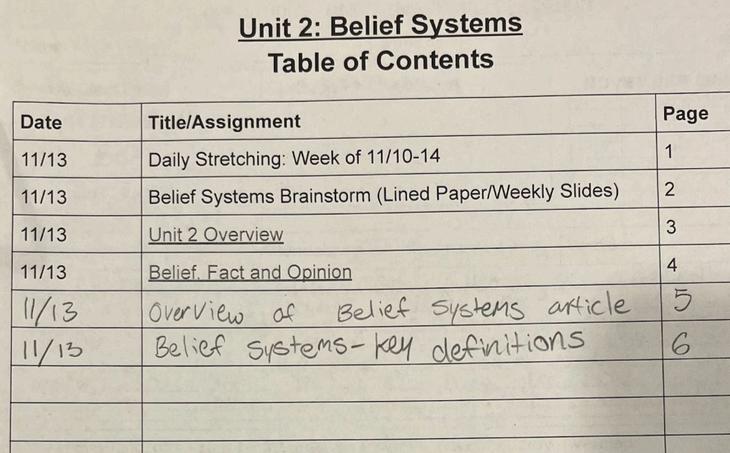
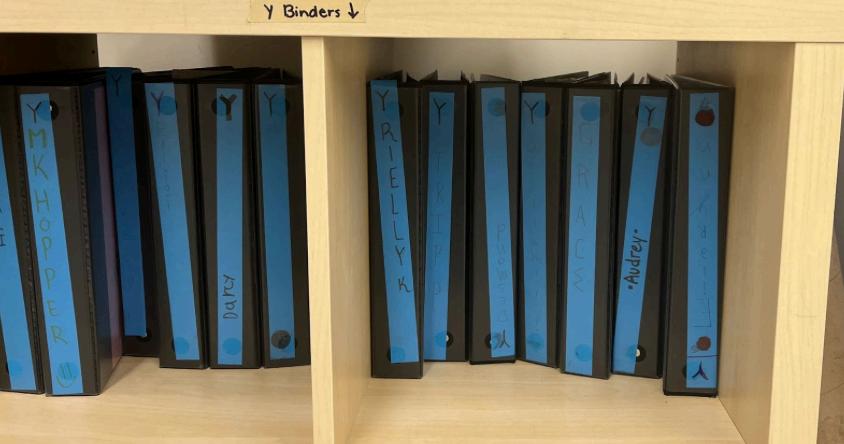
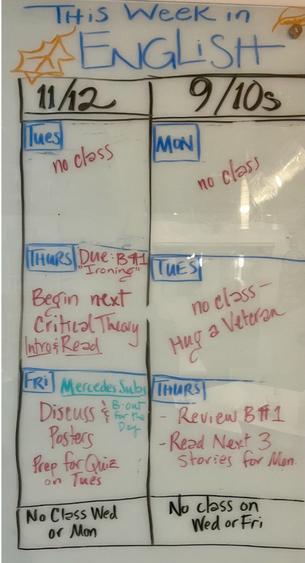
In middle school classrooms, you find shelves filled with color-coded binders that help students know exactly where to find materials and, just as importantly, where to return them. You’ll see homework posted consistently, not as a formality, but as a reliable tool to support students in tracking and preparing for their responsibilities. You’ll notice a small sign taped to a classroom door that reads, “Remember your…” because even a gentle prompt can help a young adolescent strengthen the muscle of preparation
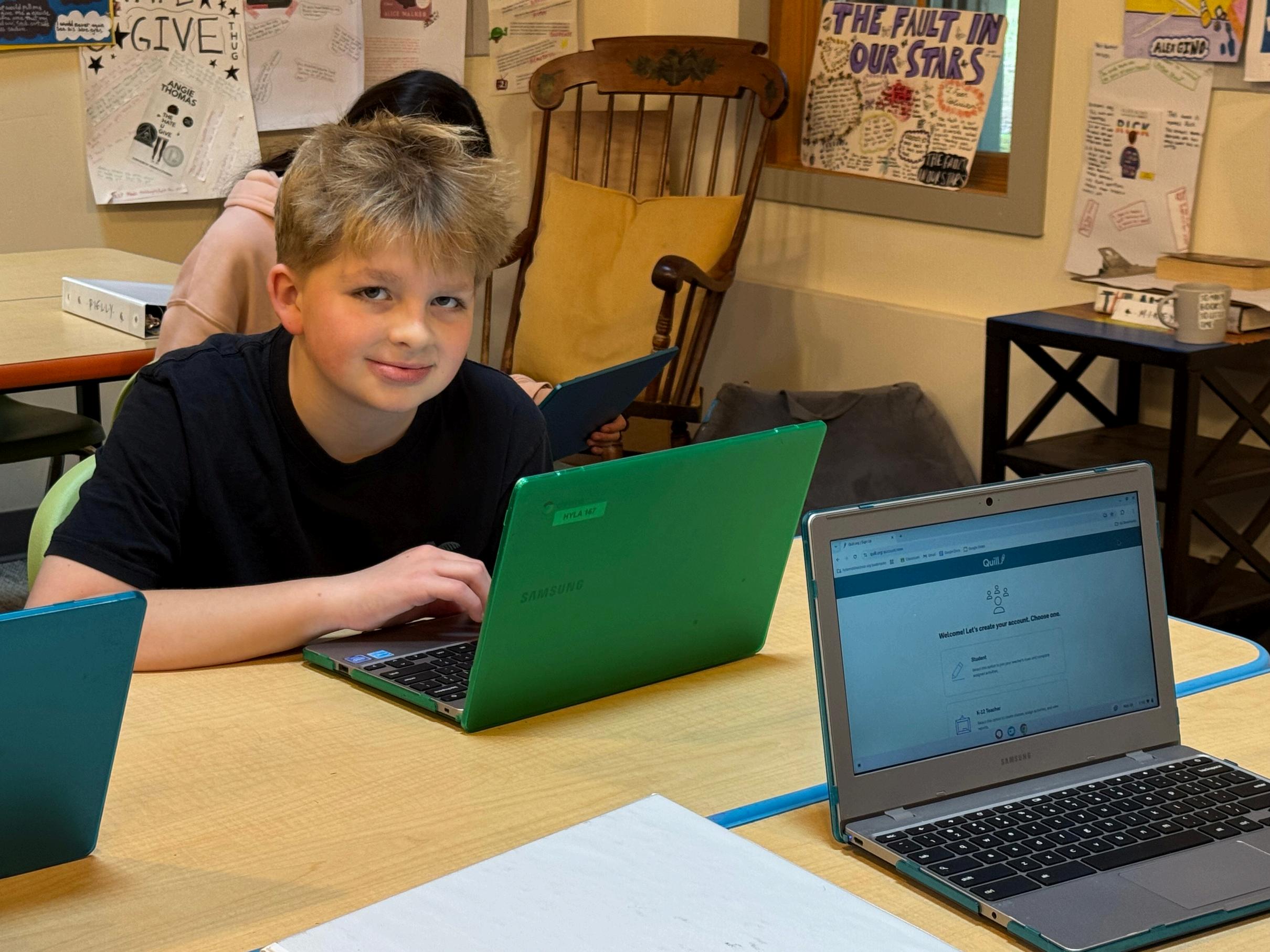
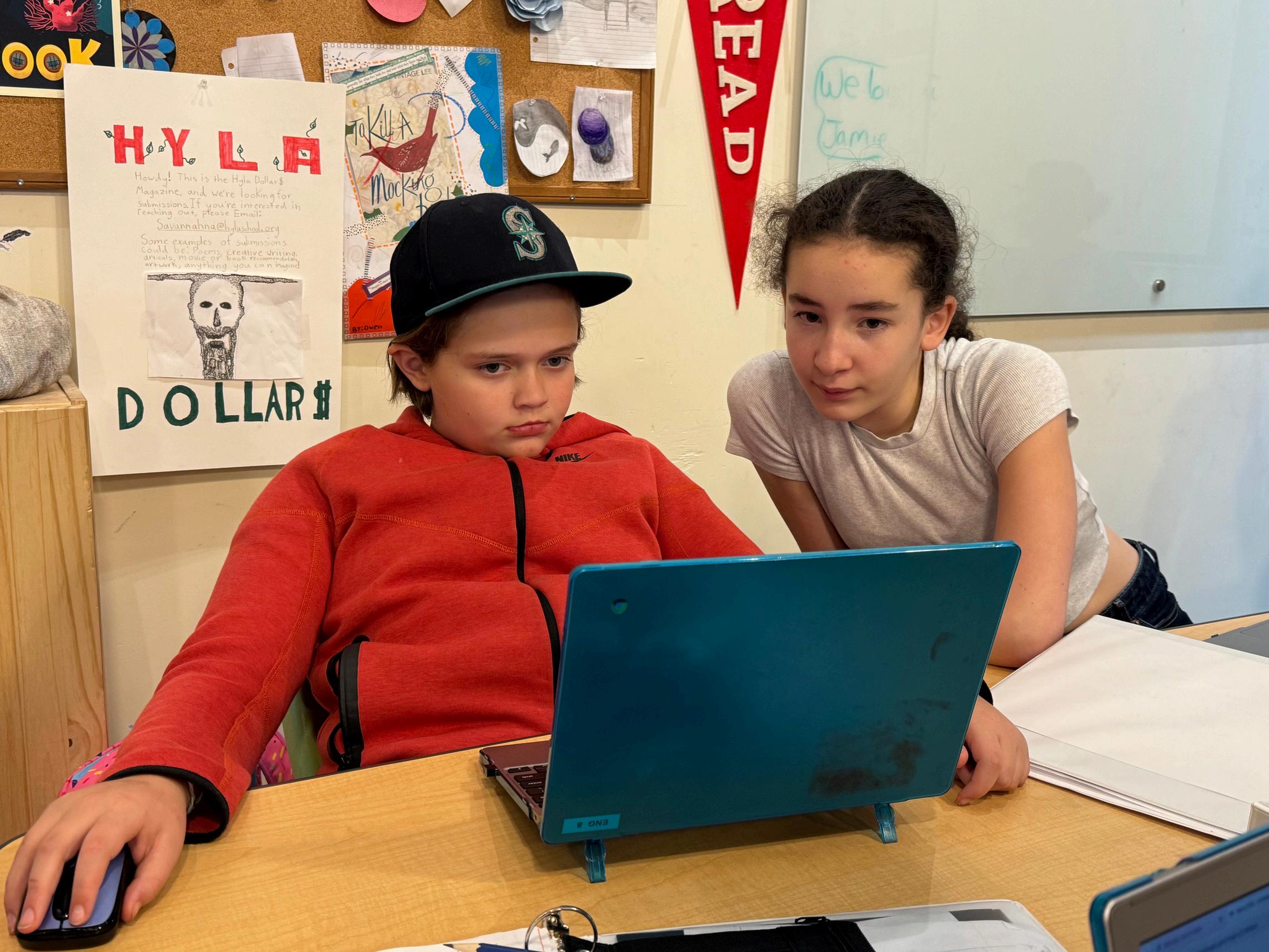
And then there are the lived-moments that show how these habits take root. Like when a student shares a reminder at our Middle School Meeting asking everyone to plug in their Chromebooks at the end of the day. Or when a student shares an enthusiastic thank you to the Clean Crew for cleaning out the microwaves. These moments may seem small, but they are habits of community-mindedness, responsibility, and action
By the time students reach the upper school, these habits have become the scaffolding that allows them to take on more sophisticated work work that requires self-management, timing, initiative, and follow-through.
We see this all the time:
Students using Office Hours to check in with teachers.
Students scheduling meetings with our College Counselor to stay on top of exploration and applications.
Students managing multi-step research projects, UW in the High School coursework, or advanced Global Online Academy classes with peers from around the world
Students tackling multi-layered assessments and projects that require not just knowledge, but original research, supported arguments, and clear, compelling presentations Whether it begins with remembering to bring your homework back to class in 6th grade or tracking multiple college application deadlines in 12th, the work starts with developing small, yet mighty habits
And at Hyla, we know that developing these strong habits will ultimately allow our students to thrive in complex environments
Motion vs. Action: Why Habits Matter
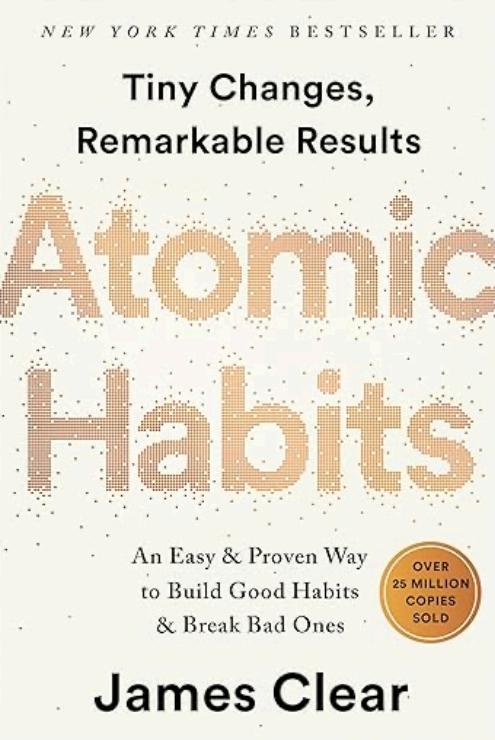
A few years ago, when I read Atomic Habits, I was struck by this passage:
“When you’re in motion, you’re planning and strategizing and learning. Those are all good things, but they don’t produce a result. Action, on the other hand, is the type of behavior that will deliver an outcome…”
“…Motion makes you feel like you’re getting things done. But really, you’re just preparing to get something done…”
“...If you want to master a habit, the key is to start with repetition, not perfection.”
As parents, juggling multiple schedules from sports to activities, to work and everything in between, we get this, right? And feel it each January when make resolutions and set new goals: we know how different motion and action can feel
But this is what I love about habit development at Hyla: Students aren’t just thinking about organization; they are doing it. They aren’t just preparing to get something done; they are in action, trying, retrying, revising. And with repetition over days, months, and years, these habits become the foundation for deeper learning, for independence, and for the confidence that comes from knowing how to navigate complexity.
See the Learning Together section on page 10 for resources to support growth in this area.
Education with a Purpose
SNAPSHOT: MIDDLE SCHOOL MATH BY: CINDY
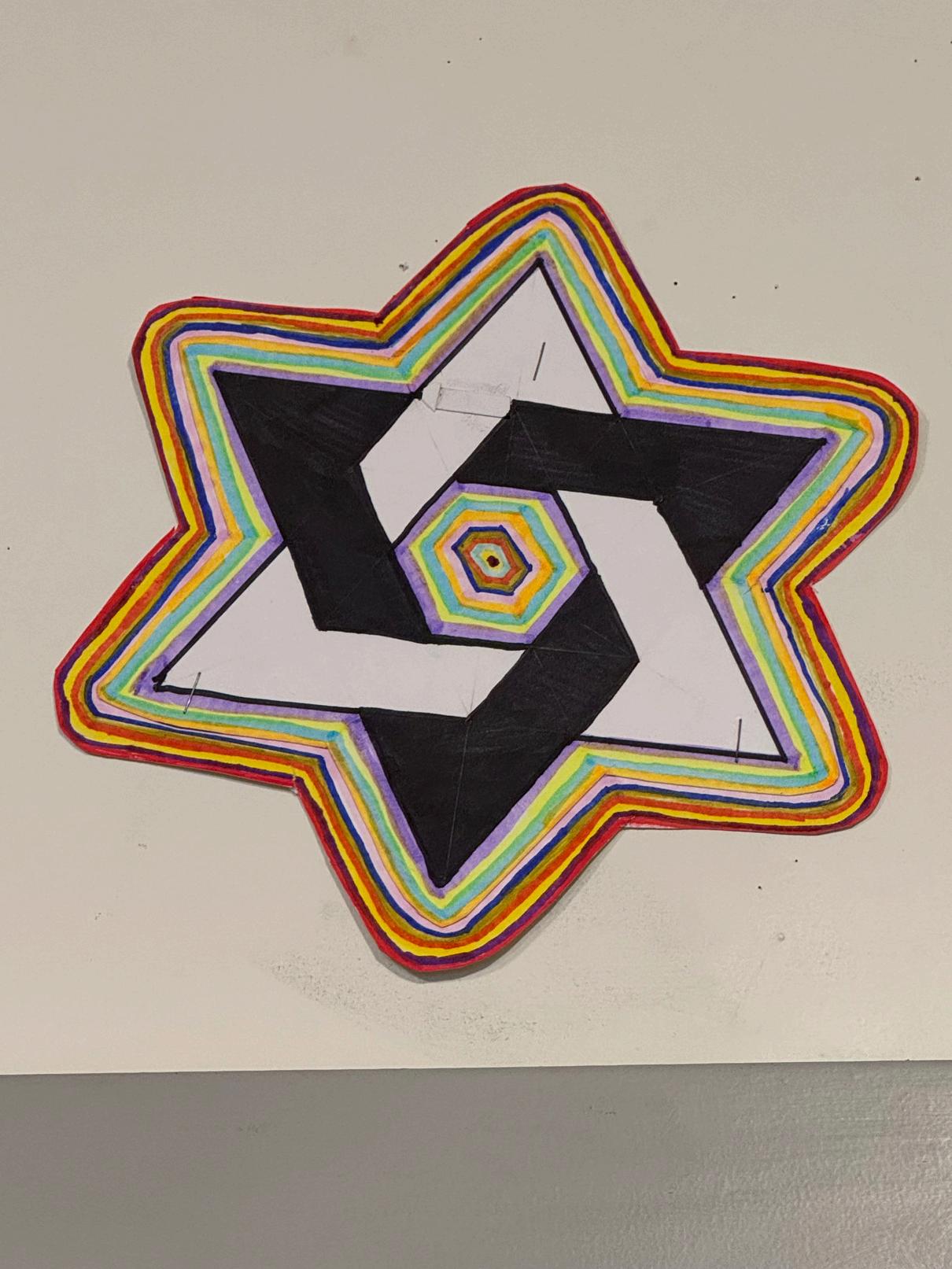
Math class is filled with problemsolving, puzzles, games, and our prescribed curriculum we move through all of these every single day But there’s another side of math that I intentionally weave into each year at Hyla: project-based learning. Sometimes these projects last just a day or two; other times, they unfold over months I’d like to share a few of the projects we ’ ve been exploring in math class recently.
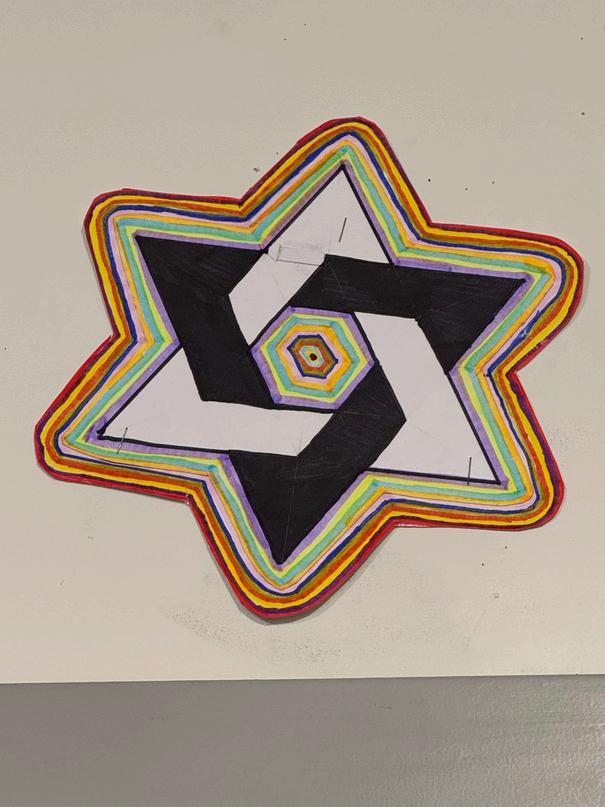
The 8th grade just wrapped up a Barbie Zip Line project that integrated both science and math Each group of three students designed three different zip lines for Barbie to try: one intentionally boring, long, and slow; one overly thrilling borderline dangerous; and one that would give Barbie a fun ride at just the right speed.To prepare, students learned about right triangles and the Pythagorean Theorem, then practiced using a launch site, a pulley, a Barbie doll, and a length of string to test the zip-line setup. Read more on our blog.
SNAPSHOT: UPPER SCHOOL ENGLISH BY:
BRENDA
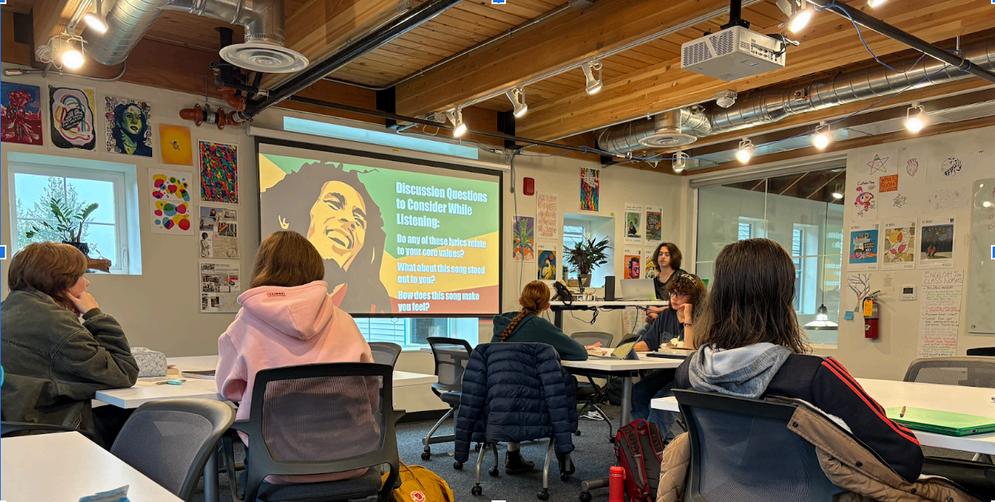
How do you clarify your cultural values? How do you reflect them? Act on them? For many 9th and 10th graders, music is a source of cultural expression, reinforcing values and identities, inspiring students to action, or at least something to dance along to. As we dive into investigating cultural friction in literature, it is important to do our own work claiming our identities, sharing what is important to us, and celebrating our commonalities and our uniqueness. Discussing these things through song analysis seems to be just right to start our English class
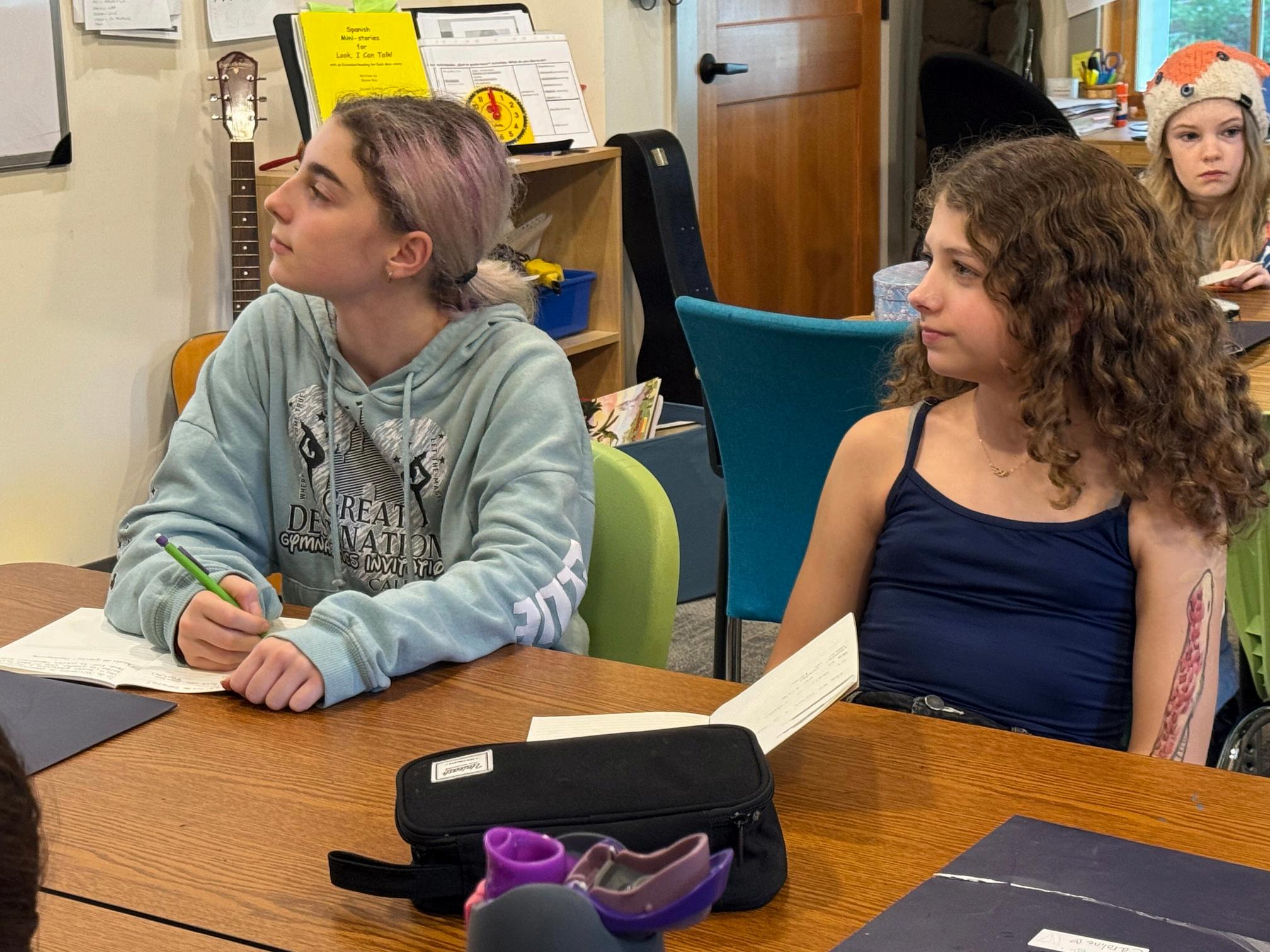
One student leads the warm up at the start of each class in November and December. They plan a presentation: share their cultural values in connection with the song, design discussion questions, and facilitate a group discussion after we all listen together and annotate the lyrics individually We are getting to know each other artistically and culturally while each student gets practice flexing their leadership muscles Students are acknowledged for the things that are important to them, cultivating a sense of belonging and pride Read more on our blog
SNAPSHOT: MIDDLE SCHOOL
SPANISH BY:MERCEDES
SNAPSHOT: UPPER SCHOOL SOCIAL STUDIES BY: KNA
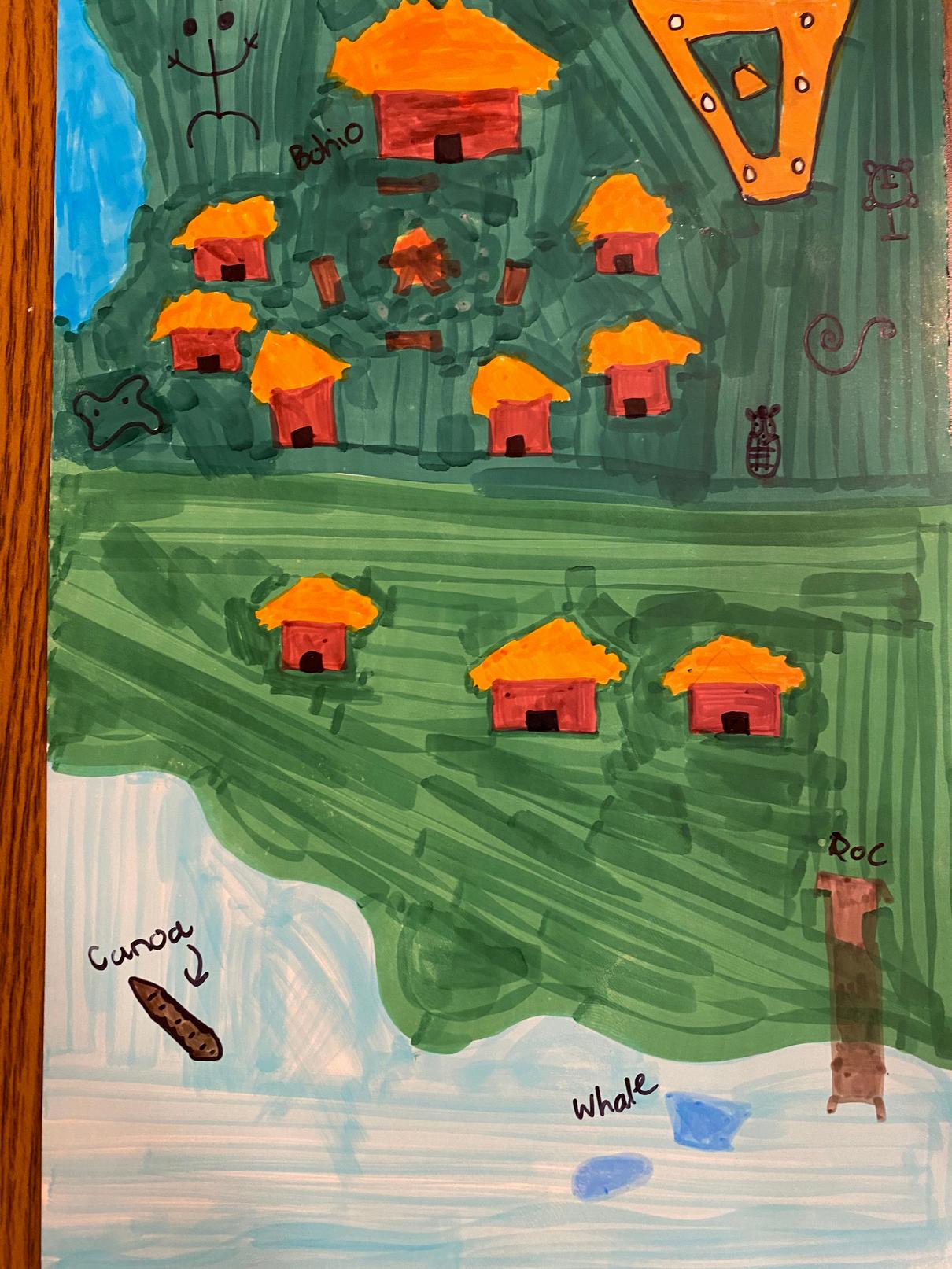
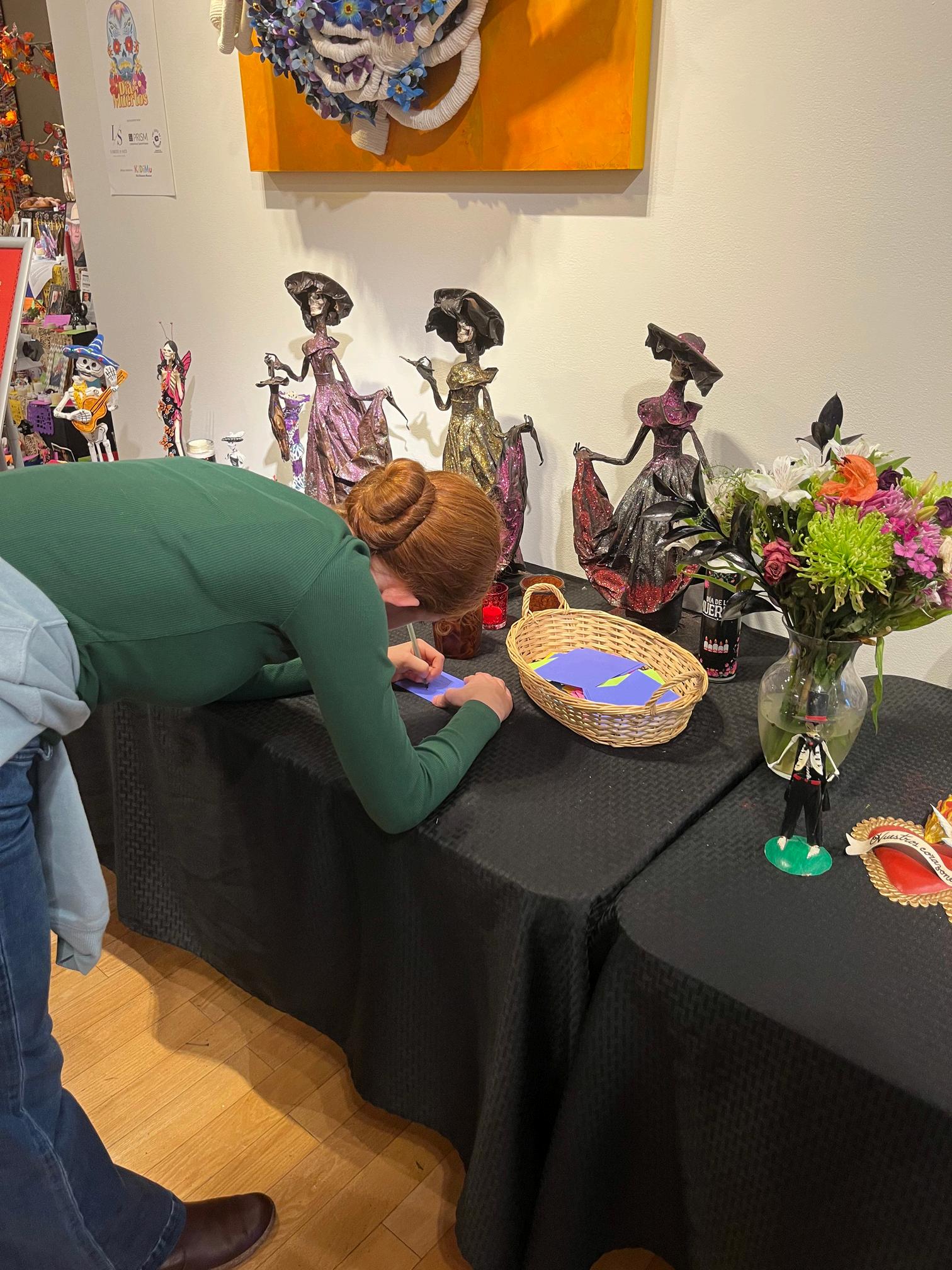
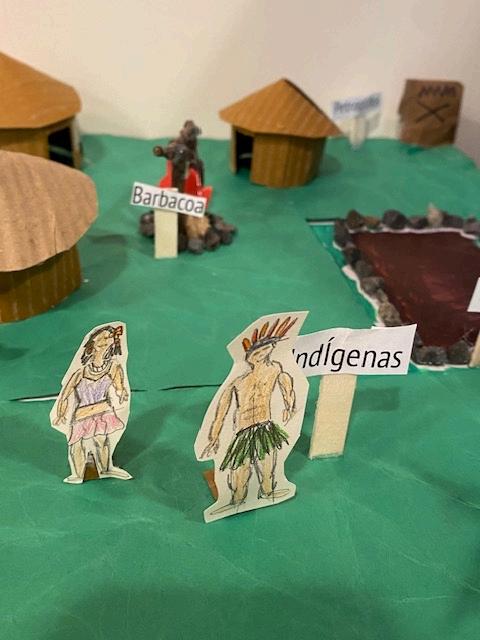
Every October in Spanish class, students journey back to the time before Columbus arrived in the Americas to explore the Taíno culture the first civilization “the conquistadores” encountered in the Caribbean This unit introduces students to the Arawak-speaking Taíno people, who once thrived across the islands we now know as Puerto Rico, Cuba, the Dominican Republic, Haiti, Jamaica, and the Virgin Islands The Taínos were skilled navigators, farmers, artists, and storytellers with complex social systems and spiritual traditions. Their daily lives centered around farming, fishing, and community, and their language reflected their deep connection to nature. Tragically, within just fifty years of European contact, the Taíno population was devastated by diseases brought by the Spanish Yet, their influence lives on especially in the words we still use today in both Spanish and English. Read more on our blog
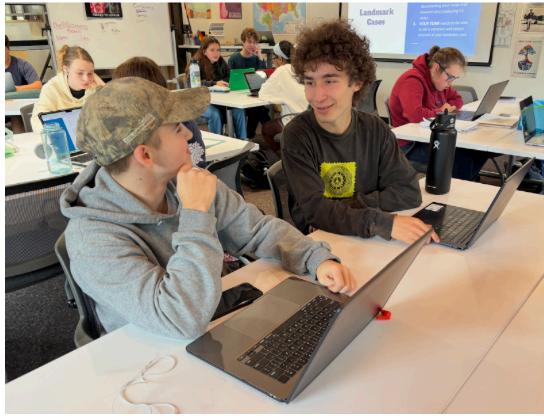
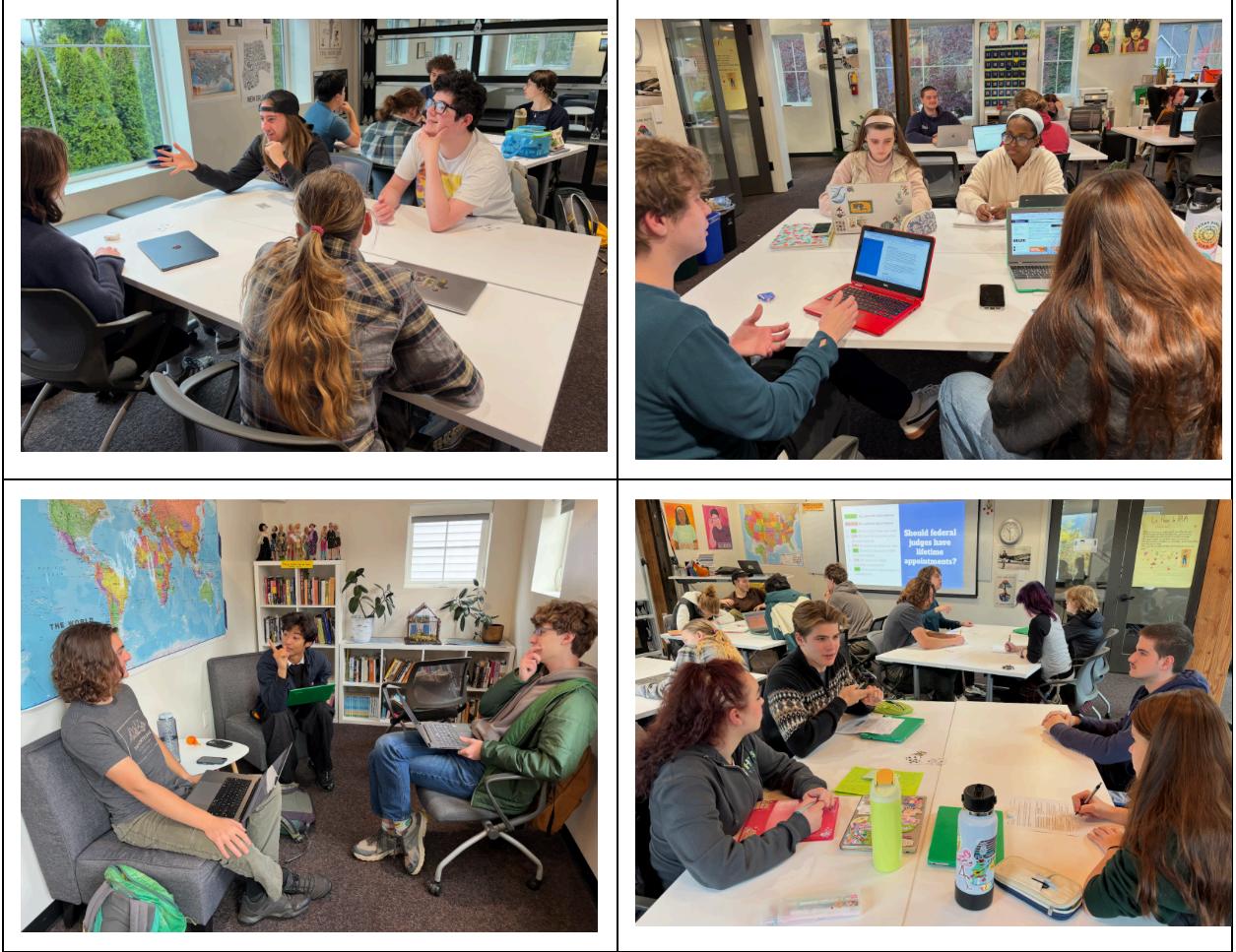
We began Comparative Government and Politics by exploring the work of historian Timothy Snyder who, in a 2022 TED Talk, implored us to think about “democracy as a verb” not as something that just inevitably exists in the world So we have been actively learning about how and why the federal government is structured the way it is, and how these systems of checks and balances have evolved. With the longest government shutdown in history corresponding with these units, there has been plenty to examine!
Most classes start with a visual data analysis that students interrogate to decipher trends, patterns, anomalies, and important facts which we then explore in class. These “bell ringers” are great ways for students to practice their critical thinking and communication skills while developing their awareness of broader trends in the United States Read more on our blog.