“Do not go where the path may lead, go instead where there is no path and leave a trail.”
Ralph Waldo Emerson
3
4
5 PAGE 03 PAGE 05
PAGE 09 PAGE 10 PAGE 11
6 PAGE 12
For as long as I can remember, I have loved words.
There is a story in my family of my dad sitting with me on the kitchen floor when I was just learning to talk He had three containers lined up and was teaching me the difference between transparent, translucent, and opaque He would point, say the word, and announce, “Sue, say ‘translucent’ and you can have a Cheerio ” With the syllables I had, I would try, and my mom would call from the other room, “Paul, she’s just a baby Give her the Cheerio!” Eventually, he did
By middle school, my fascination with language had only deepened I carried around a notebook and a small, thick Merriam-Webster Pocket Dictionary, no longer than the length of my hand I highlighted words I encountered new to me or used in creative, clever, or unexpected ways, and organized them into categories in my notebook I still have that dictionary. But more importantly, I still have that appreciation and love: for words, for precision in language, and for their power. Because as we know, words can harm or heal. They can connect or reflect. They can describe the forces of nature or the human condition. Words are a pathway from the internal to the external a way to give shape to emotion, thought, and experience. They both capture and share moments of awe-inspiring beauty. And sometimes, it isn’t just that we use words it’s that we choose the right ones
Which is why Twain’s words feel exactly right The right word the one that lands, that illuminates is lightning The almost-right word is only a firefly
As an educator, I have always believed that one mark of an excellent classroom is an environment that both models and invites students to use language with intention the real vocabulary of the discipline Not “stuff happens in space, ” but gravity, mass, orbit Not “the people left,” but diaspora, migration, exile Language deepens thought Every day at Hyla, I see students building their lexicon their discipline-specific vocabulary in ways that make their thinking sharper and their understanding deeper. In middle school English, students wrestle with the meaning of juxtaposition. In upper school science, students investigate keystone species like Pisaster ochraceus and examine how disease, biodiversity, and ecosystem balance are intertwined. In art, they study the symbolism of Lotería cards. In math, they move beyond procedure, using analytical tools to explore inverse relationships, function notation, and composition with increasing precision
In the early middle school years, this often begins simply: moving away from words like “stuff,” “things,” or “it” and toward words that actually name ideas and then describe reasoning By high school, students use language to reason, to question, to persuade, and to teach others It is one of my favorite things to witness: the way vocabulary develops from grade to grade and then leaps in complexity from middle to upper school And that across subjects and ages, you can see it: Hyla is alive with language.
As you read this month’s Hylighter, I encourage you to notice the words. The ones that shape our classrooms and our students' thinking. The words our teachers our using and our students are learning from:
Apparatus, empathy, cadence… the list goes on. Words that matter are everywhere at Hyla. And when I think of Hyla as a place rich with language, two words stay with me: vibrant and vigorous. Hyla is, in every sense, both vigorous and vibrant alive with language, thought, and heart.
What are yours?
Warm regards,
Suzanne
PS. To see students' words and learning in action, please join us on Wednesday, November 12th for Hyla Hylights, where you will get to experience our students sharing their words and learning with you.
Education with a Purpose
SNAPSHOT: MIDDLE SCHOOL ELECTIVES
BY:JAMIE
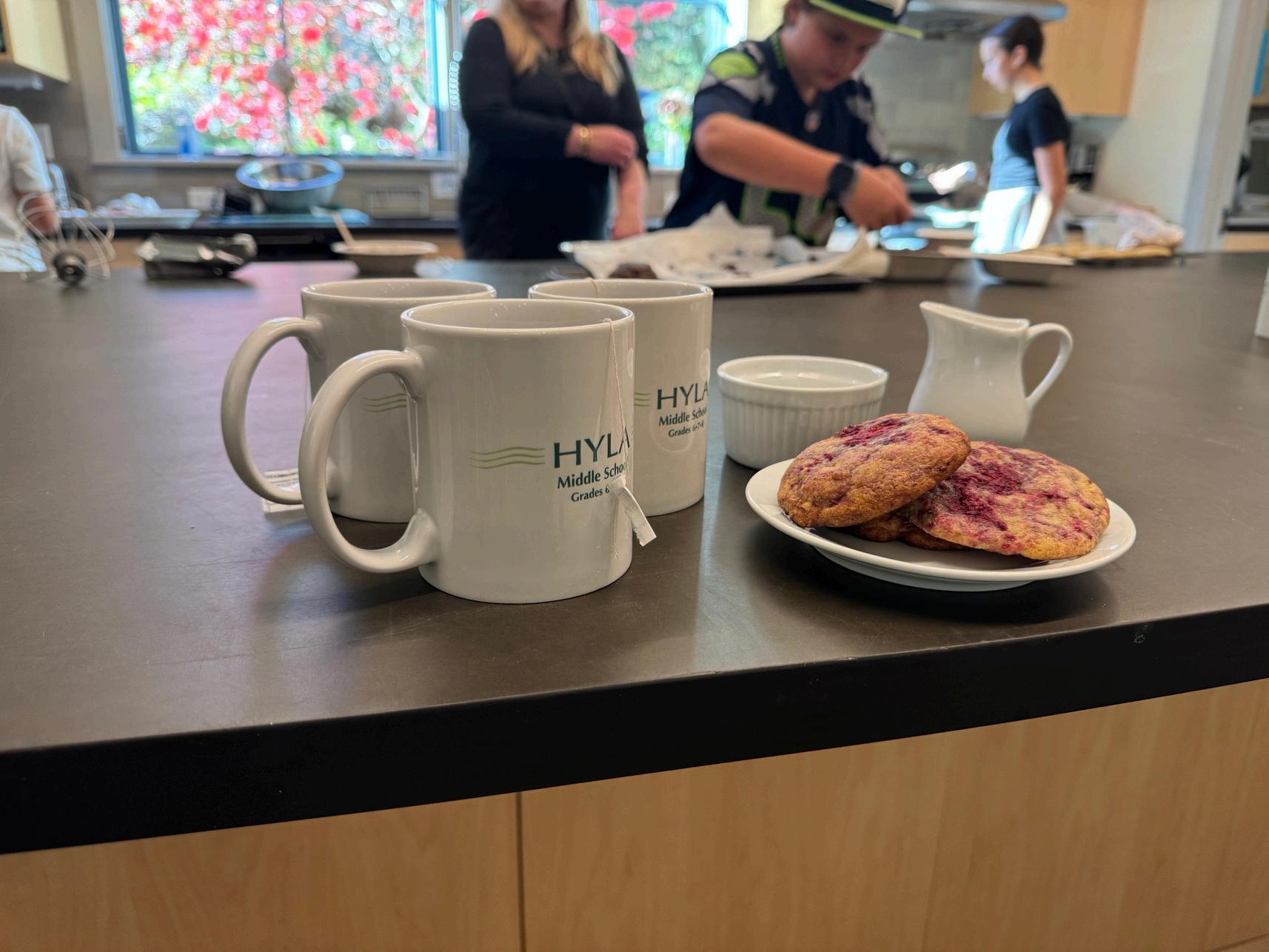
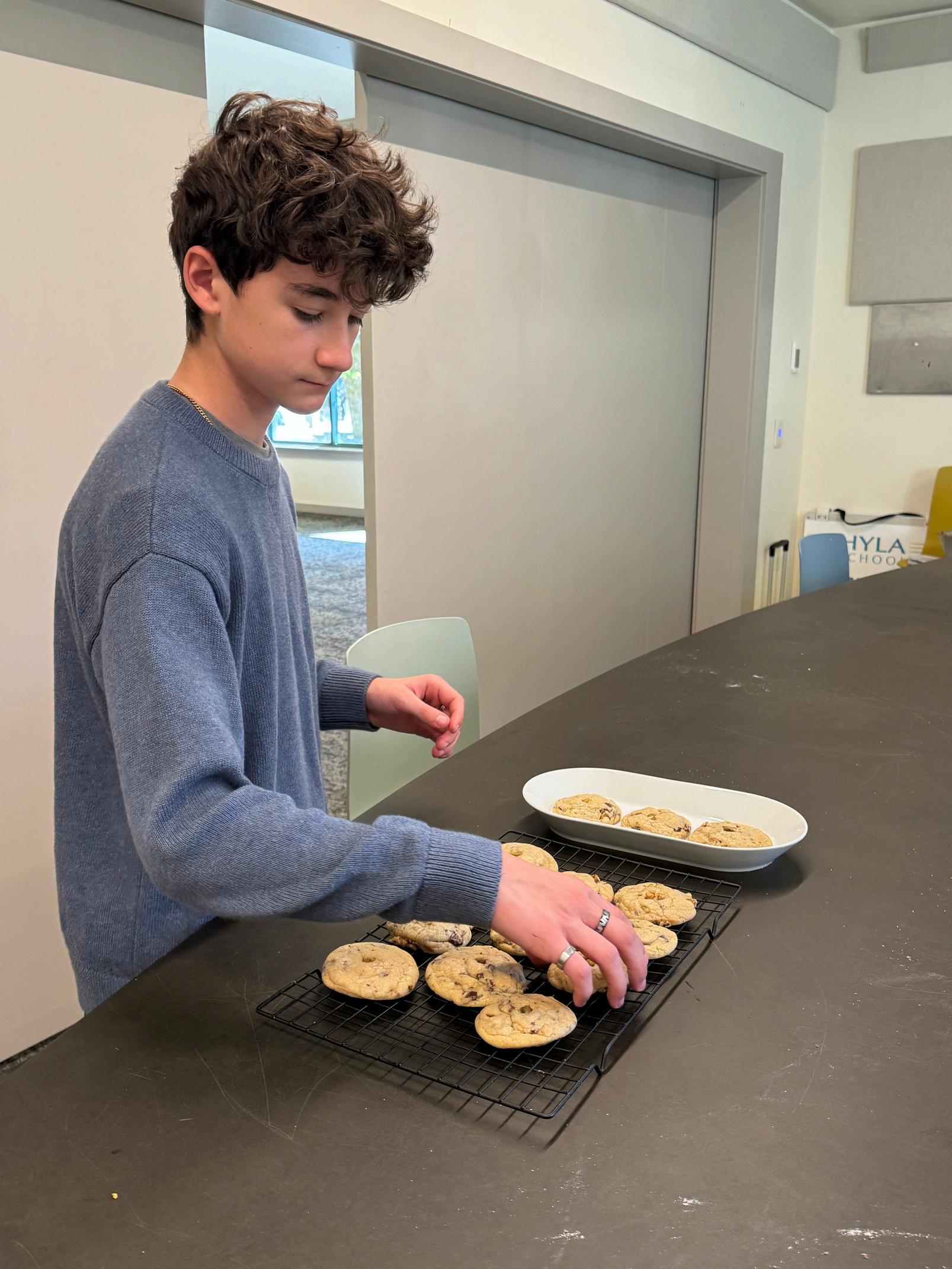
One of the things I love most about teaching at Hyla is our emphasis on the whole child This manifests in countless ways, but over the past few weeks, I’ve really come to appreciate how our elective cycles allow for this. Because students run through a dozen different offerings throughout the year, electives truly create opportunities for students to step outside the expected rhythm of class and engage with their teachers and each other in new ways This cycle, I’m teaching two very different electives: Baking and a new class we ’ re calling Leadership At first glance, the classes have very little in common. In one, we are, quite literally, too many cooks in the kitchen: jostling for space and materials with flour on our hands and all too often, all over the floor In the other, we ’ re in the classroom brainstorming at tables around a whiteboard as we plan and organize middle school community events And yet, in both arenas, what I notice most is how differently kids show up in these electives. Read more on our blog.
SNAPSHOT: UPPER SCHOOL MATH
BY: ERIK
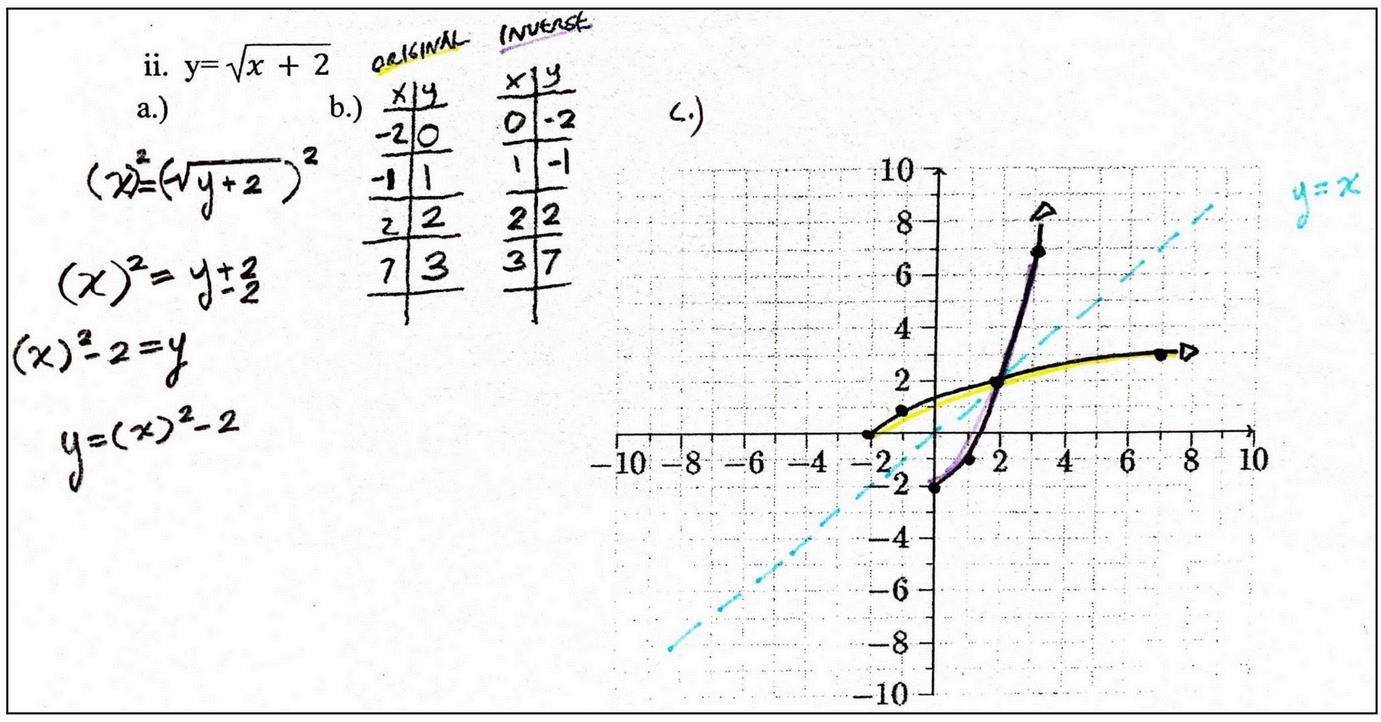
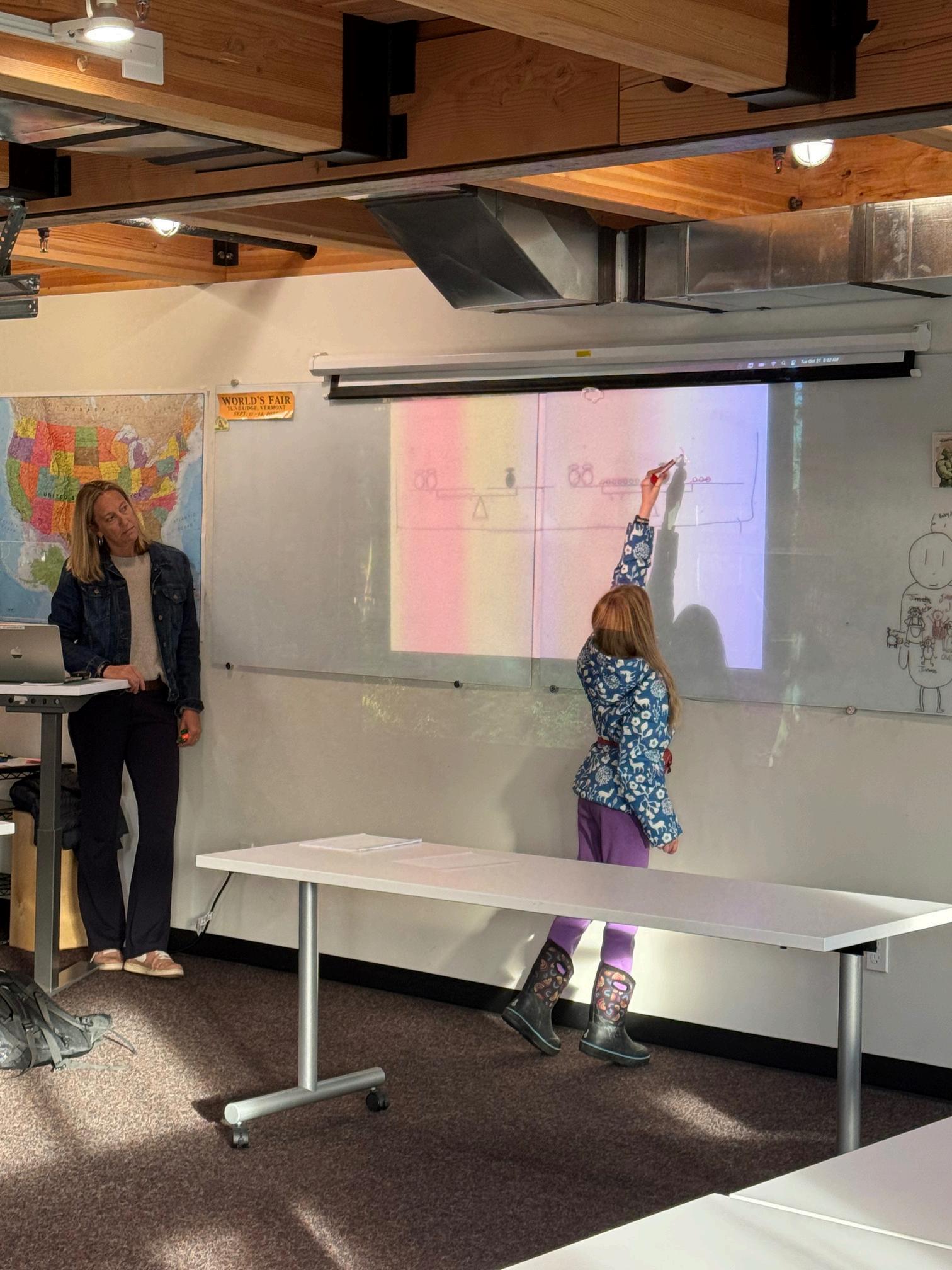
Learning in mathematics closely follows a spiraling curriculum, a concept attributed to Jerome Bruner from his famous book The Process of Education A spiral curriculum should “turn back on itself at higher levels,” revisiting “basic ideas repeatedly, building upon them until the student has grasped the full formal apparatus that goes with them ” Let’s take a look at a spiraling curriculum case study featuring the progression of student’s understanding of inverses from Math 200 (last year) to PreCalculus. In the first semester of Math 200, students developed the skills and conceptual understanding to find inverses algebraically (part a), using a table (part b) and graphically (part c). In PreCalculus, students started the year reviewing function notation, and then extended it to evaluate composition of functions They then used this new “apparatus” to explore the algebraic definition of inverse functions. By using new definitions to revisit previous content, students solidified their foundational understanding of the most important concepts while adding more analytical tools in the process.
Read more on our blog
SNAPSHOT: UPPER SCHOOL
SCIENCE BY:CAROLINE
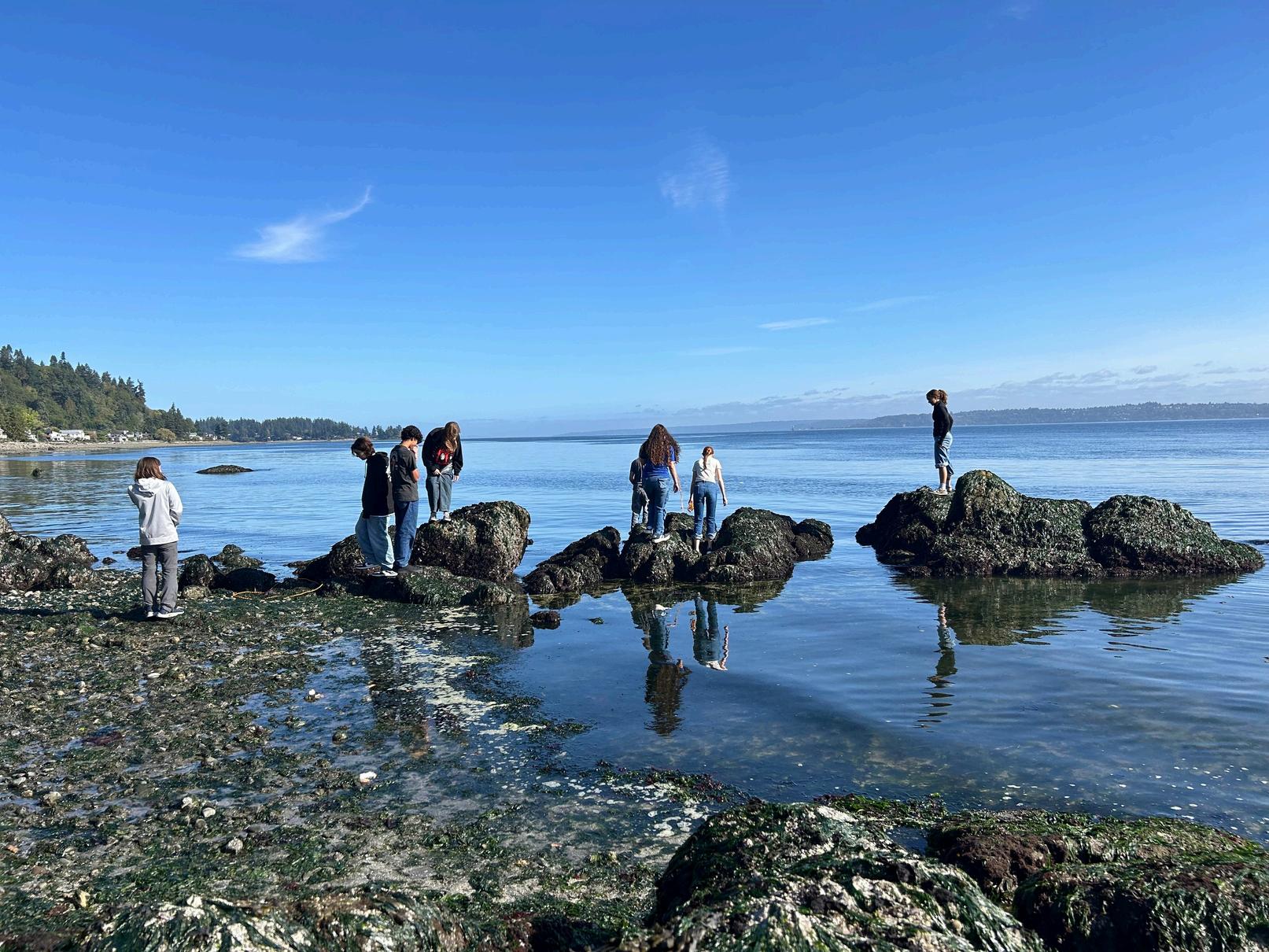
What comes to mind when you think of tide pools along Washington’s rocky coast?
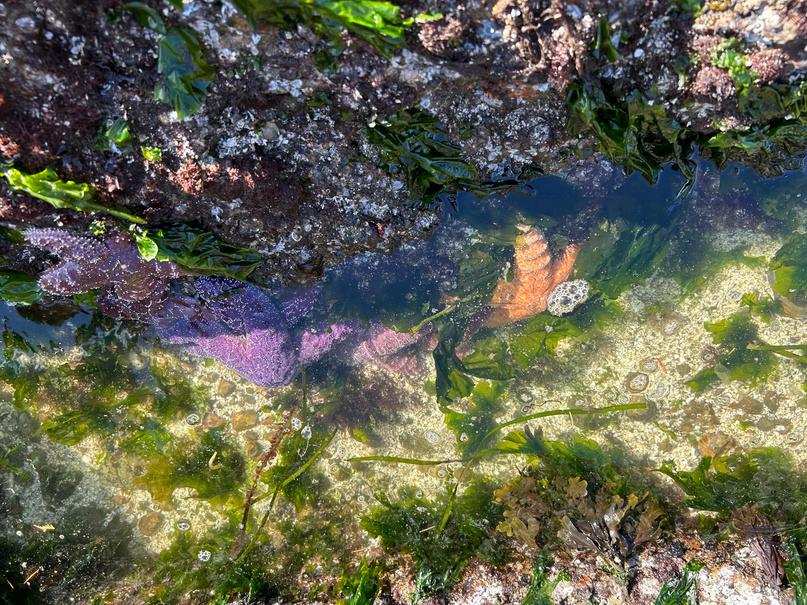
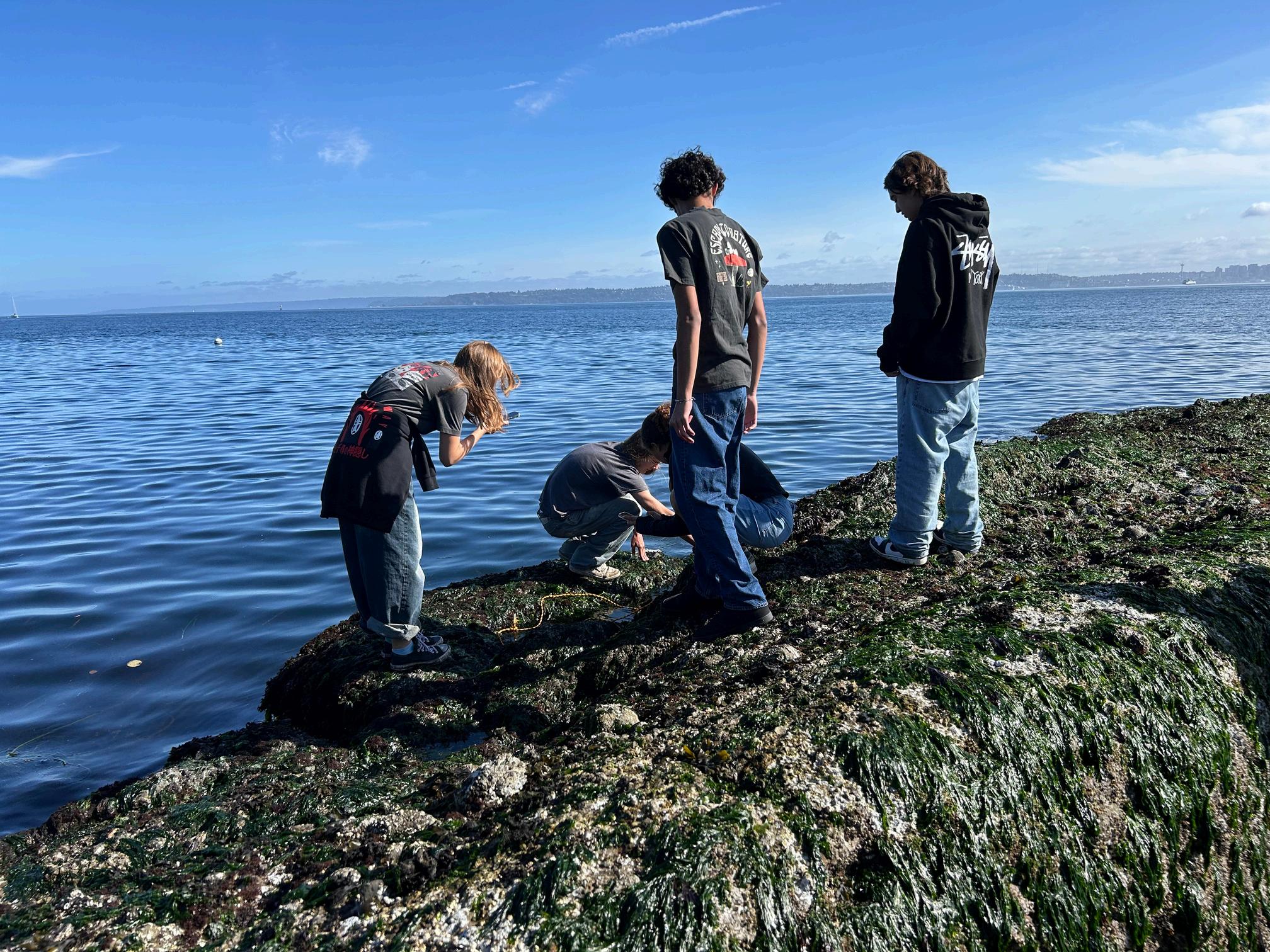
Hopefully you picture brightly colored ochre sea stars, Pisaster ochraceus, which have been making a comeback after a near collapse in 2013 due to Sea Star Wasting Disease (SSWD) This keystone species is integral to the health of tidepools, keeping the mussel population in check; ensuring that biodiversity can flourish
In Biology we have been busy studying ecology, the biosphere, and the interrelationships between biotic and abiotic factors in ecosystems, as well as the importance of keystone species, all through the lens of Washington state organisms
Each student has selected a species that they will continue to learn about and apply our overarching biology concepts as our year progresses Read more on our blog
Learning with
SNAPSHOT: MIDDLE SCHOOL
HUMAN RELATIONS BY: BOBBY
This fall we have explored dignity, friendships, and navigating conflicts in Human Relations, the responses of a few some students grabbed my attention: “Why is this important? This has never happened to me ” This type of questions really got me thinking After all, Human Relations is an unconventional class, and I think it is fair of my students to wonder why we even do Human Relations in the first place
I arrived at the conclusion that perhaps the greatest skill we can develop in HRel is empathy. I use the word skill here because it seems that empathy, like any craft, must be honed and sharpened Putting ourselves in someone else’s shoes, in other words, is one of our most crucial practices in Human Relations, because it answers the question of “Why is this important if it never happens to me?” Being able to understand someone else’s pain and perspective, even when it is not immediately present in one ’ s own life, is critical to being able to relate to one another and settle conflicts Read more on our blog
PURPOSE
SNAPSHOT: MIDDLE SCHOOL RETREATS
BY: DAVID & CINDY
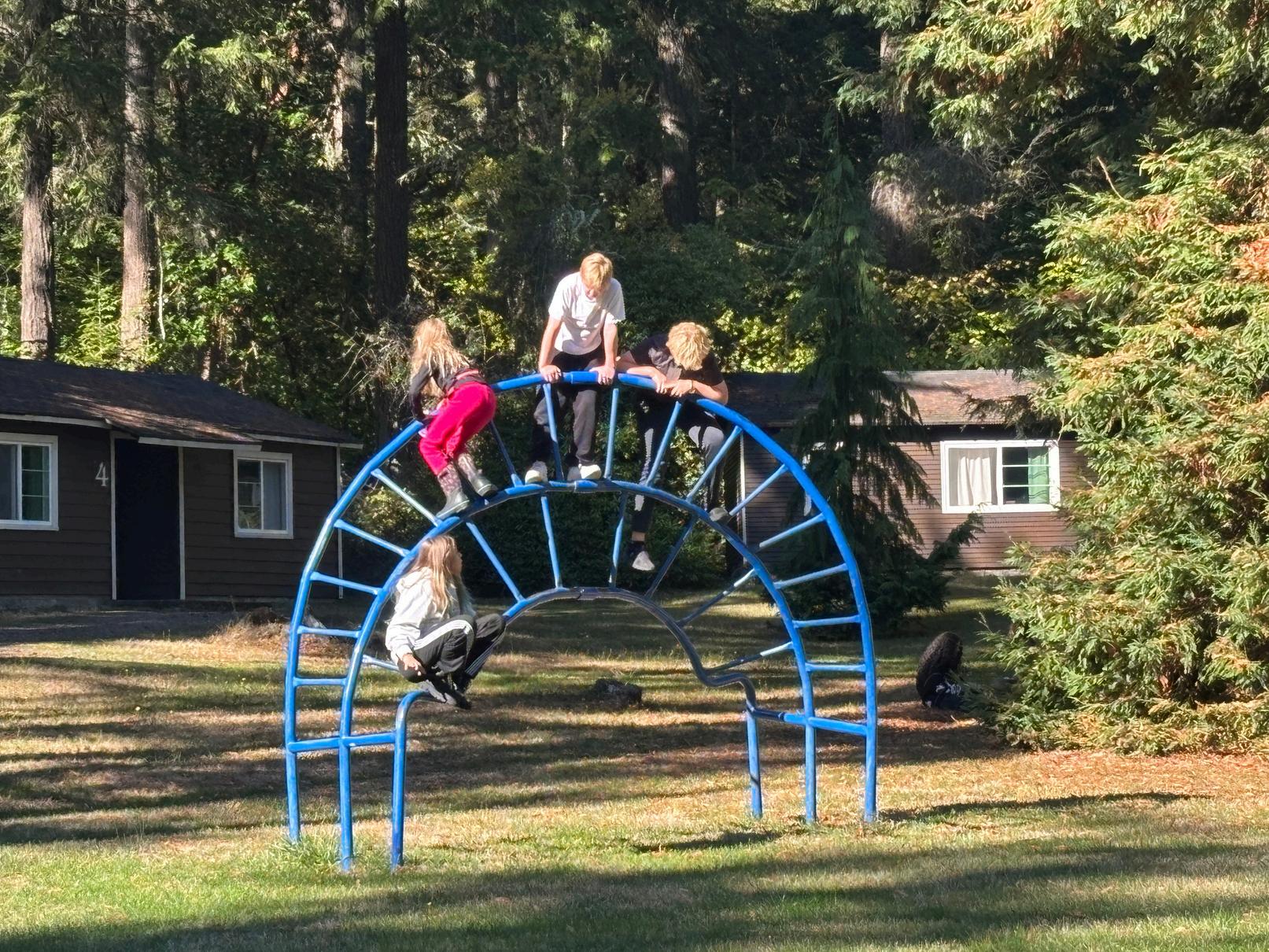
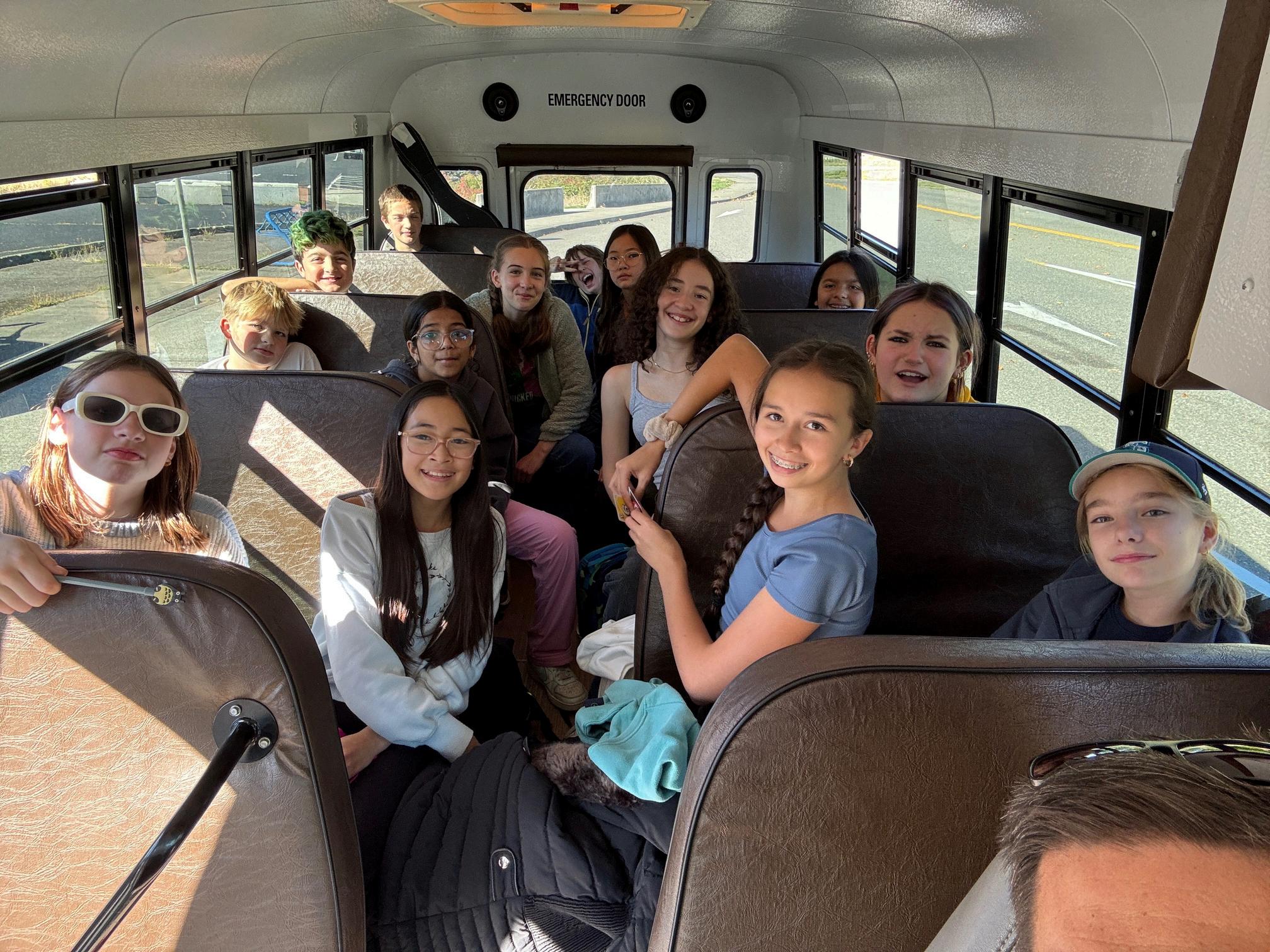
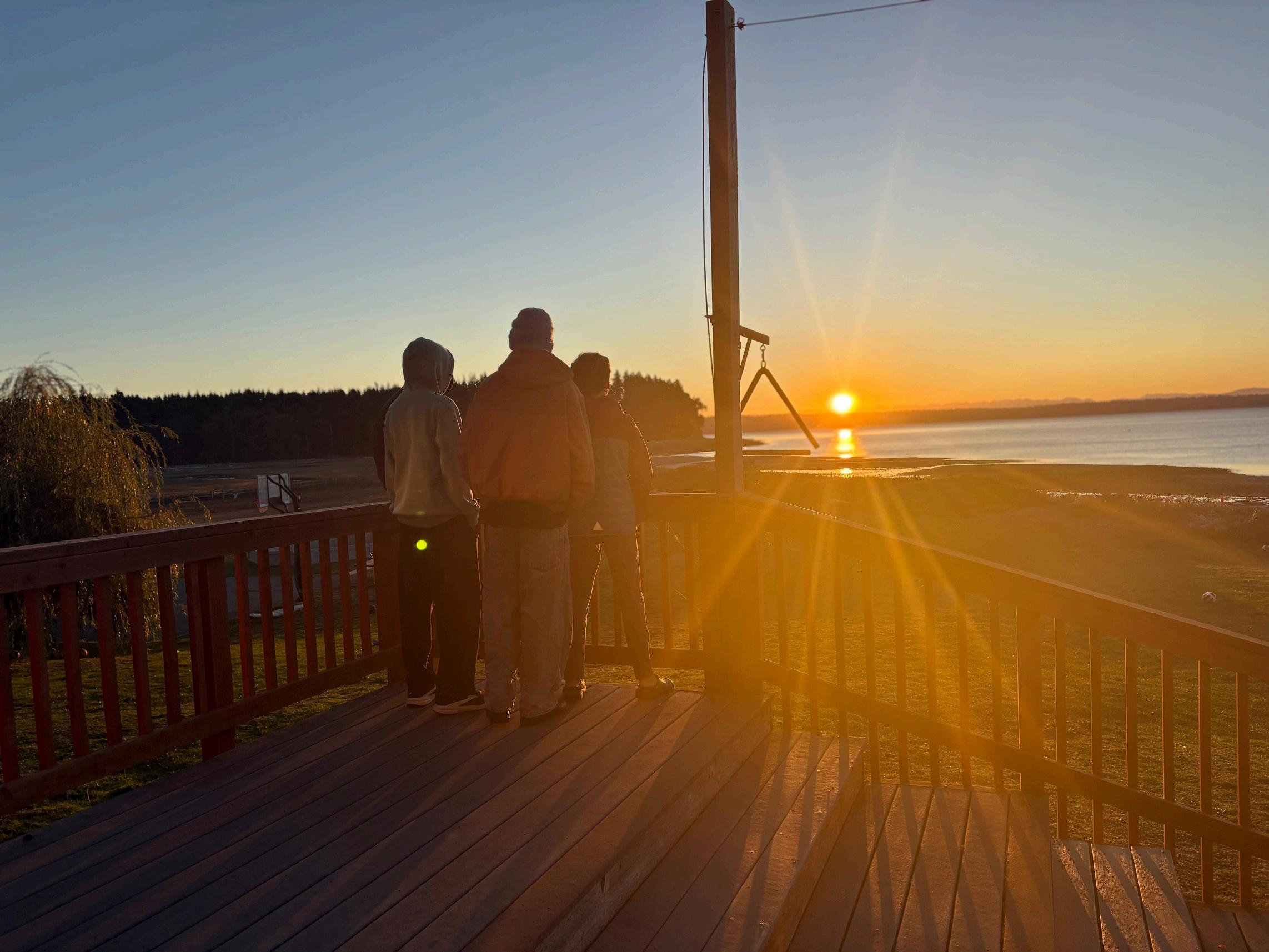
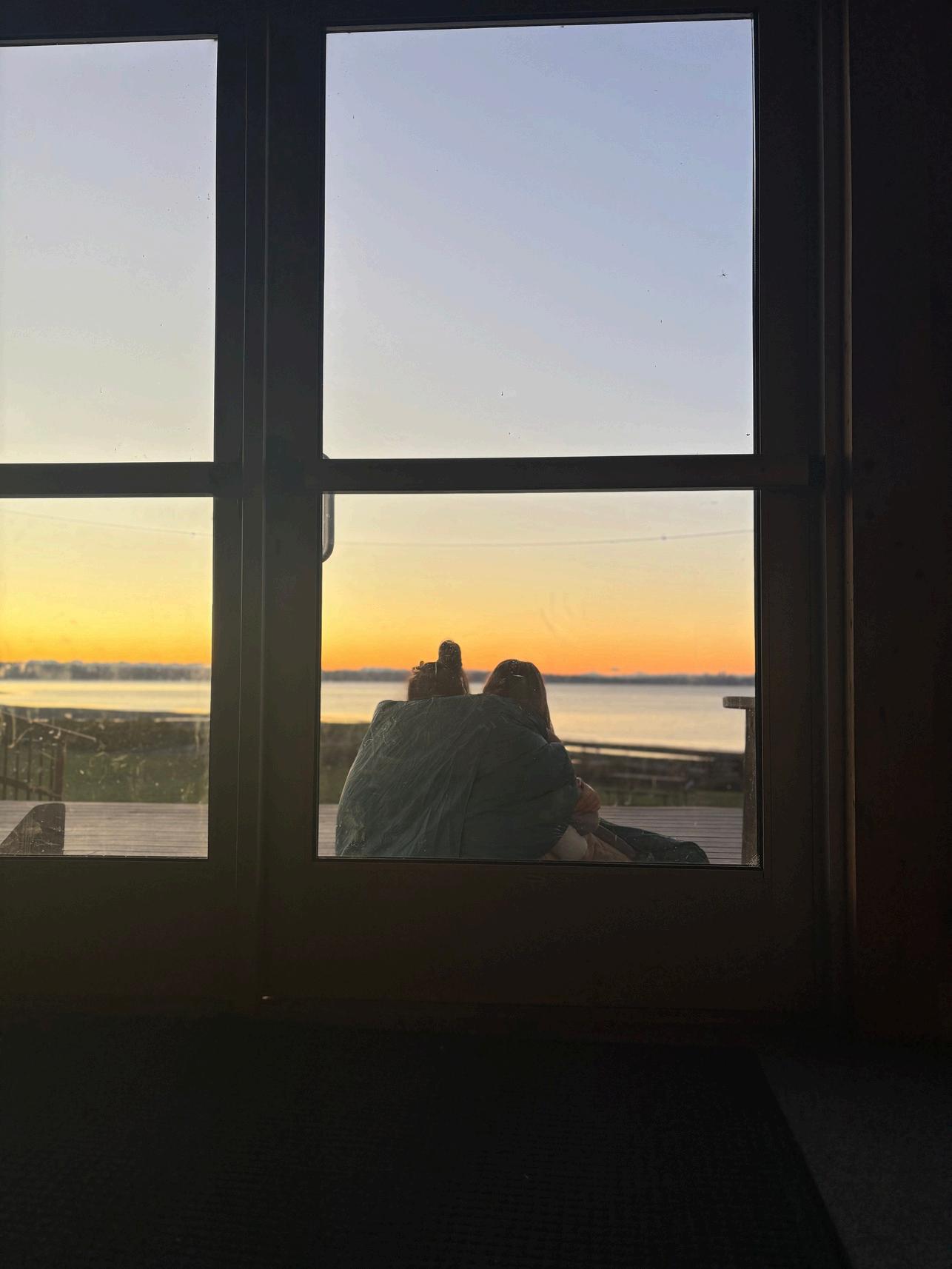
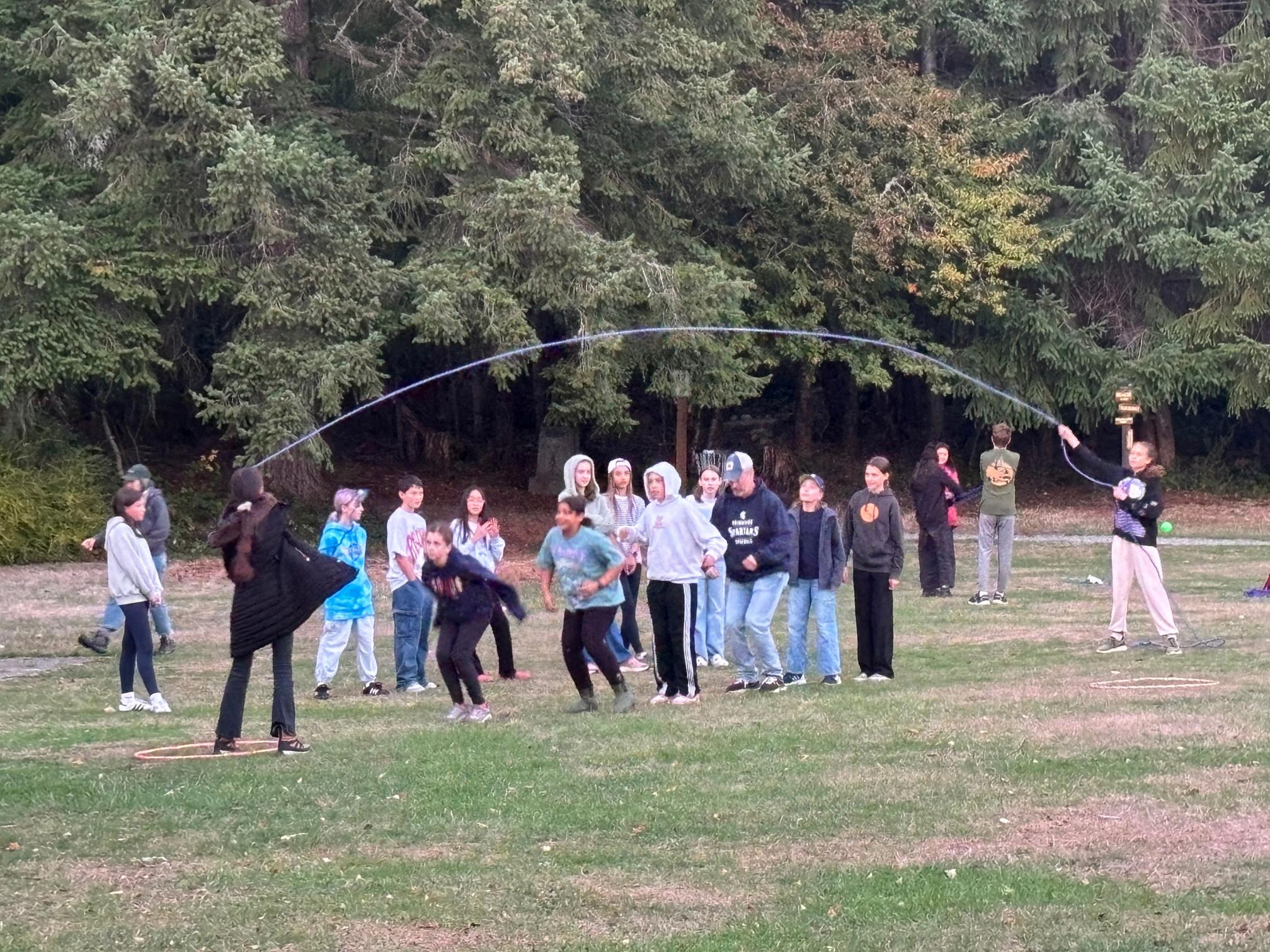
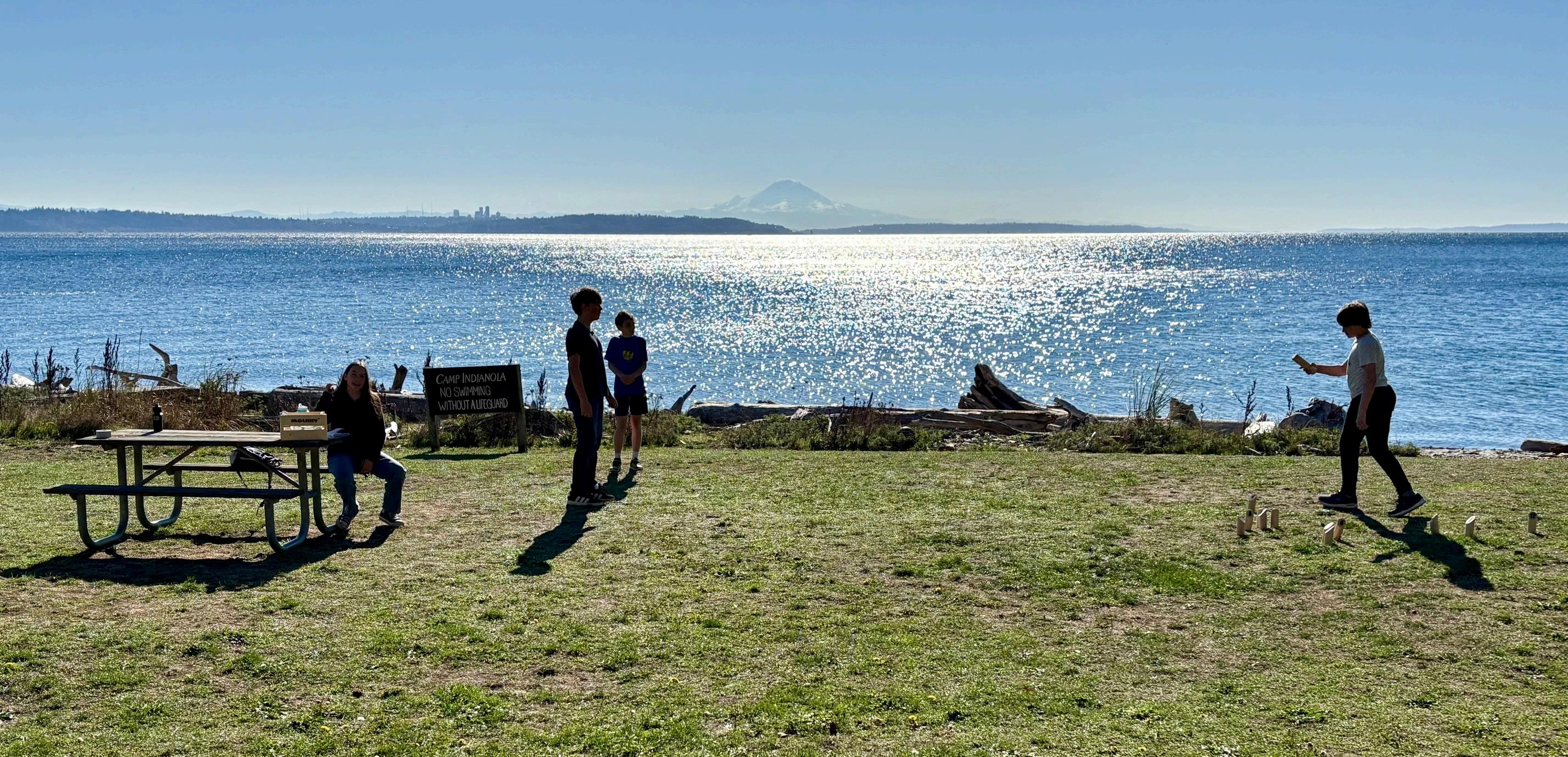
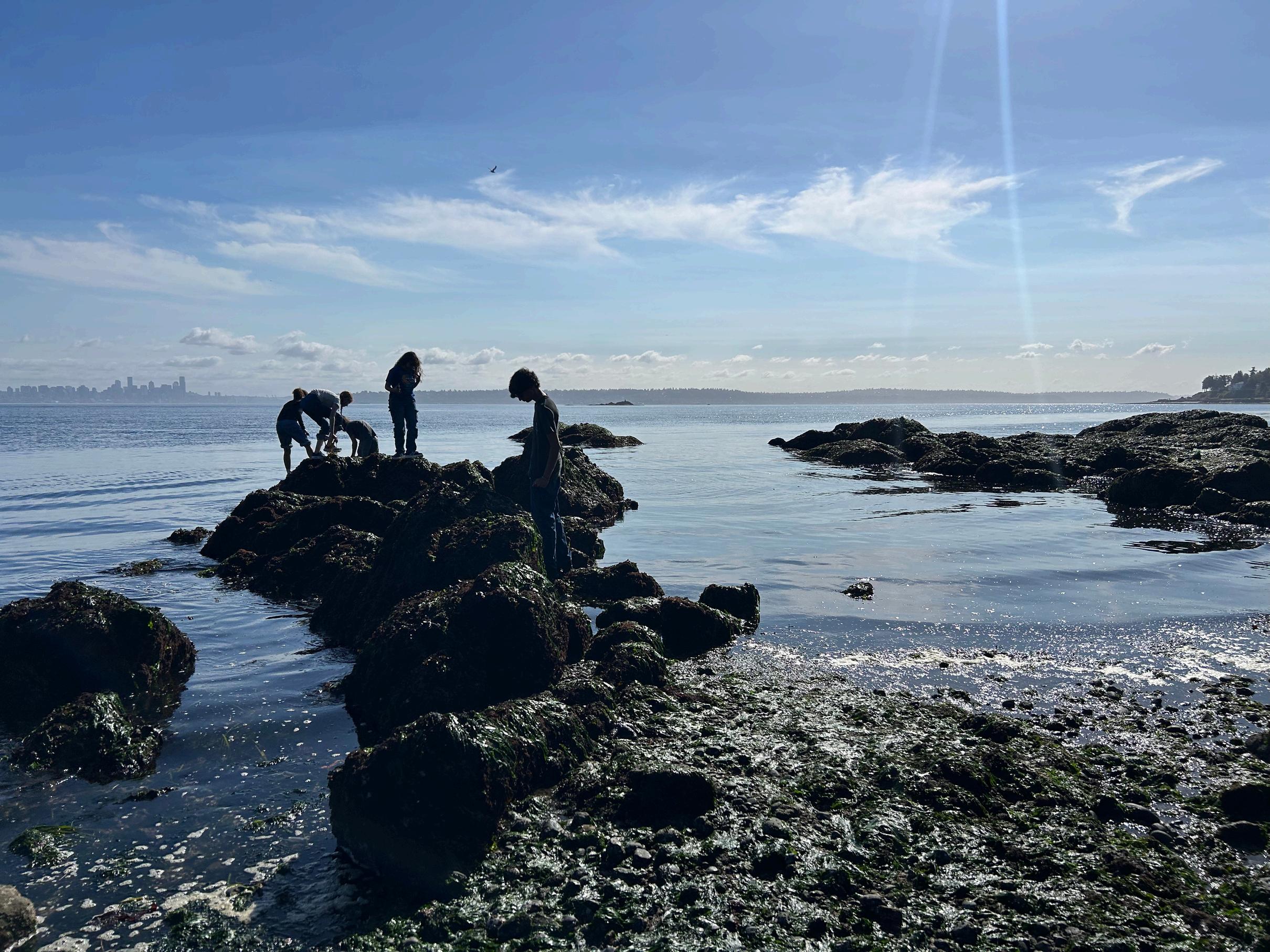
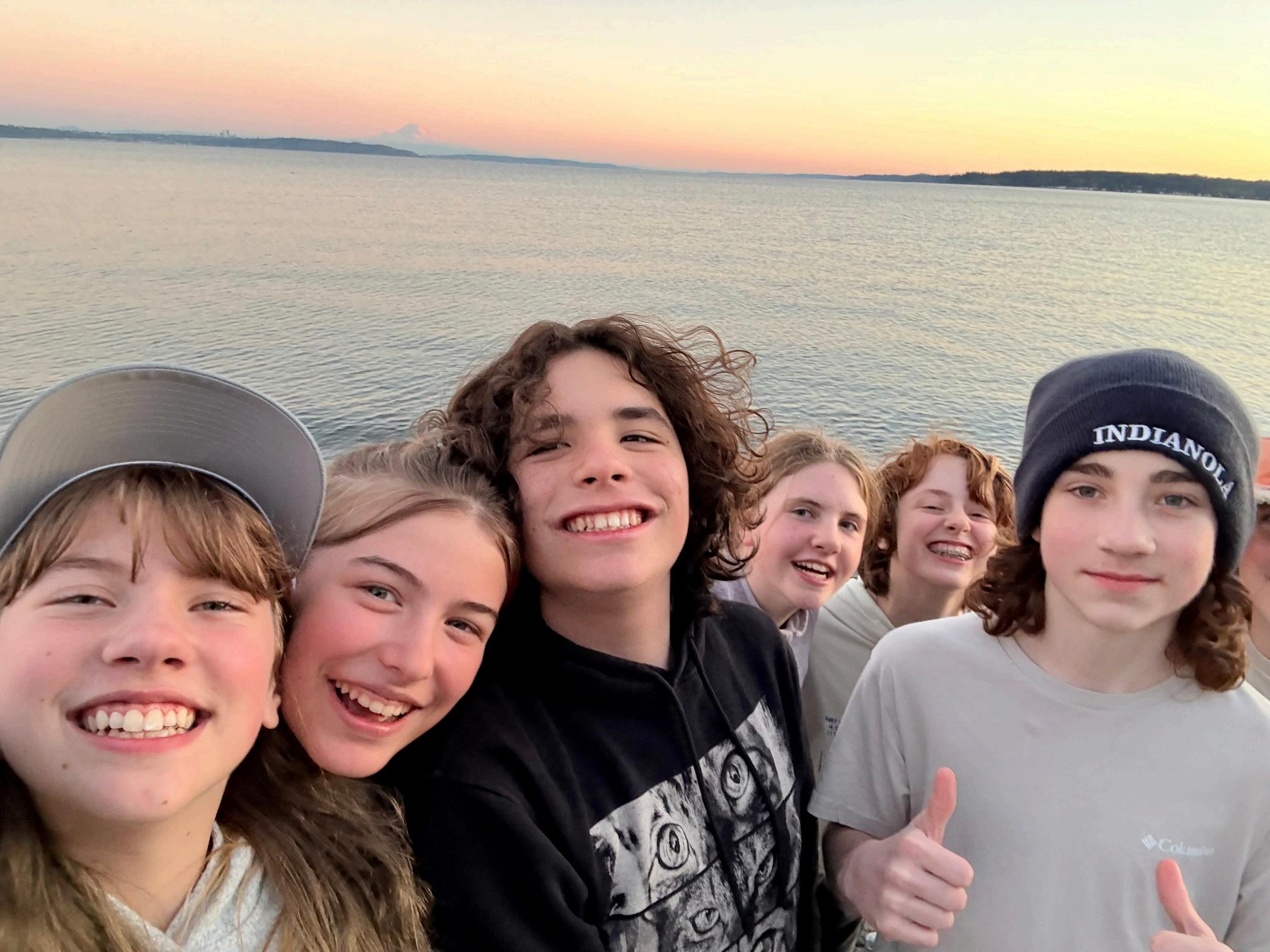
For the fall retreat, the 6th and 7th graders ventured to new territory, beautiful Camp Burton on Vashon Island Meant to be a time to connect with each other and the accompanying teachers, the retreat and fresh location proved a wonderful spot for play and reflection Over the course of two days, the students considered their roles on Hyla’s campus, listened to one another’s ideas and collaborated in play and deed. We learned that listening effectively and actively cooperatively is vital to our mission of care for each other We discovered that everyone has baggage that impacts their day to day mental health, and that everyone wants to figure out ways to leave that baggage behind And mostly, we reaffirmed that playing games on a sunny grass field is the best! Retreats can act as renewal, providing students a place to break old habits, form new bonds with both fellow students and teachers alike Our time on Vashon Island felt like a solid starting place for the year, opening up relationships and ideas that our community can wrestle with in the near future, back together on Hyla’s middle school campus
Read more on our blog
SNAPSHOT: UPPER SCHOOLEPISODIC TELEVISION ELECTIVE
BY: CHRIS
My favorite thing about the Upper School electives is the life they take on when the students have input I had intended this to be an extension of the writing that was done last semester by the Episodic Screenwriting elective
Last year we created a fantastic high concept script as a writing team The students learned how a head writer or show creator works with a team of writers to define characters, hone story, and map out the foundation for a multiepisode arc that tries to maintain the throughline of the main plot The result was an intricate sci-fi/reality story that took place in a high school setting with a dark, technological twist The intention was to move to the next steps of what it meant to produce an episode When we met in September, the interests and requests varied a bit from where the last team had left off and we have delved more into the basics of on camera production and what that means Before taking on the intricacies of a high-concept, multi-format script, the students wanted a more hands-on introduction to filmmaking and so we simplified the concept in order to jump into the deep end of filmmaking and revisit what it meant to write for the camera rather than the stage. Read more on our blog
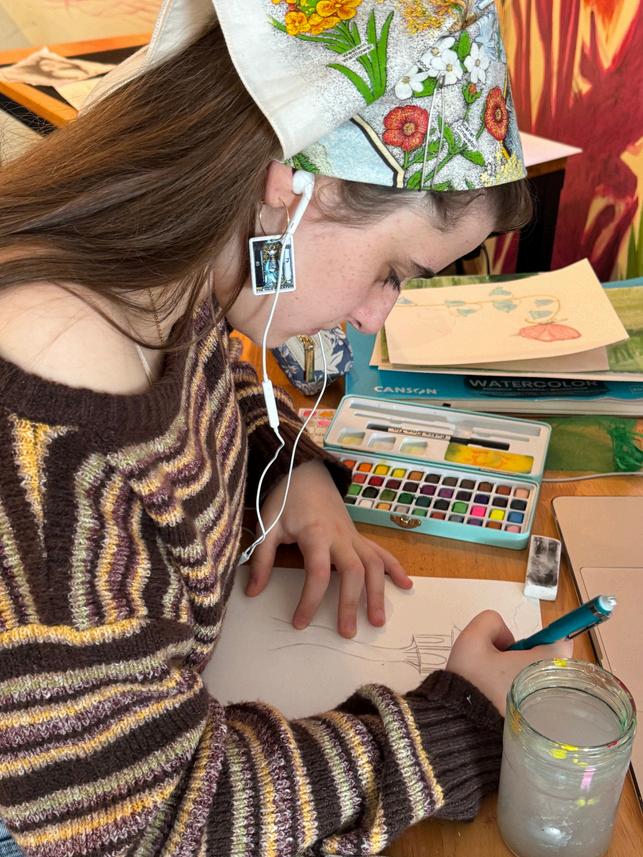
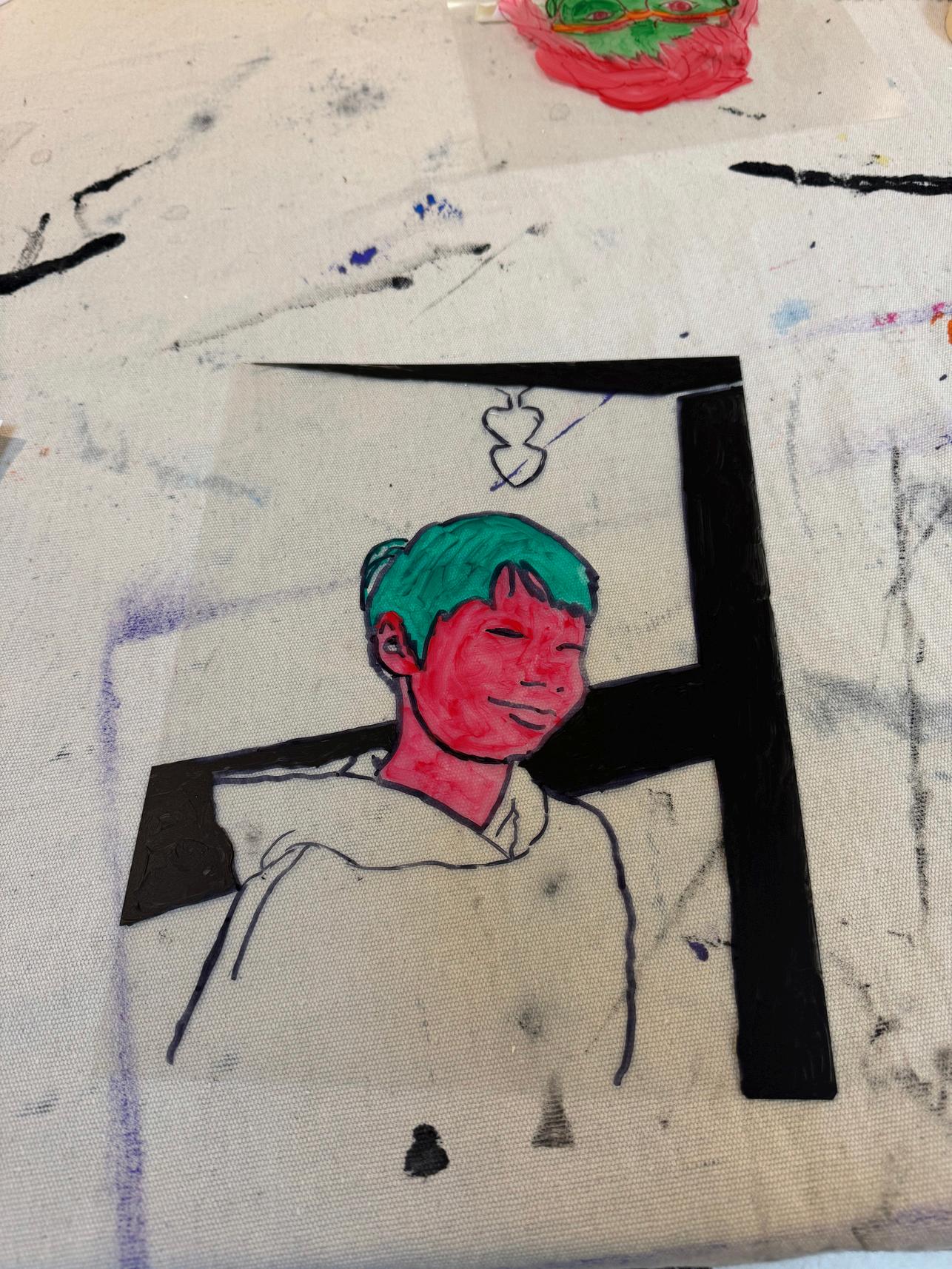
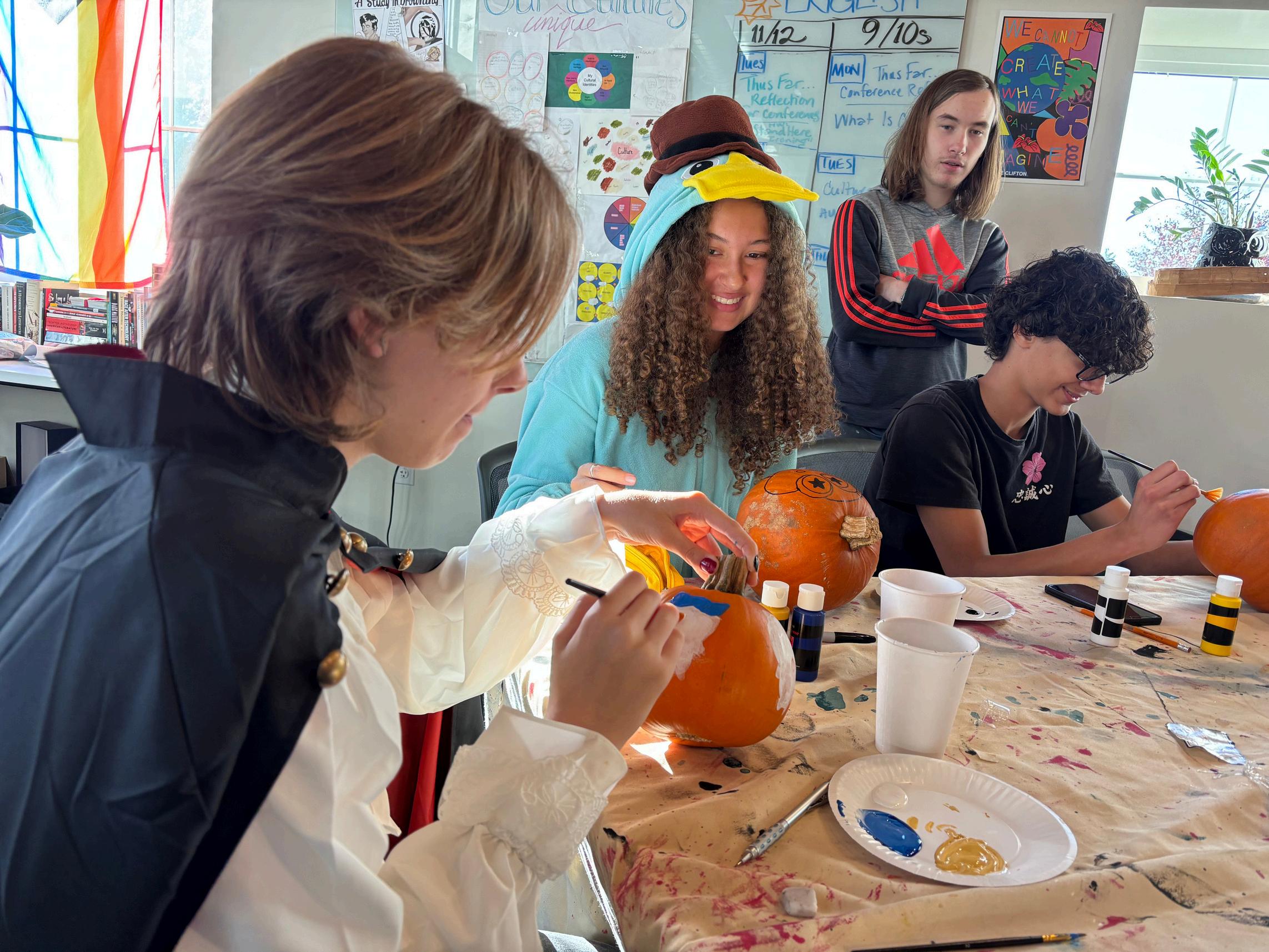
Last year, Hyla was invited to participate in the Día de los Muertos celebration at BIMA, a vibrant community event filled with color and creativity The 8th grade class created beautiful collaged Lotería cards using traditional symbols of the day. We spent time learning about the holiday Along the way, we also explored some digital literacy It was an incredible experience to see the students connect art and culture so meaningfully
This year, I wanted to continue with creating Lotería cards but shift to a more personally meaningful theme As a class, we watched the Pixar movie Coco to get to know some of the common themes of Día de los Muertos
Years ago, my dad created an altar for his parents for a Día de los Muertos celebration in Tulsa, Oklahoma. He sent me the photos and a written description of the choices he’d made for the elements of the altar It was inspiring to share that personal story with the class
Read more on our blog
BY DOING
SNAPSHOT: UPPER SCHOOL SPANISH
BY: TOM
In UWHS 201, students are wrapping up their first unit of study on the workplace and job preparedness In a recent group project, students were presented with four job openings from a hiring agency in Latin America They were instructed to take the perspective of an employer, creating interview questions based on each listing that would help capture a candidate’s relevant work experience, personality traits, and workplace compatibility When they were finished creating their interview scripts, each group conducted mock interviews of their classmates, and selected the best candidate for each position (a video game designer and a biorobot technician) When they were finished, students submitted interview questions, interview notes, and the rationale behind their selections, all of which were written clearly and articulately in Spanish It was an impressive display of speaking and writing! The process exemplified a communicative, task-based approach to language learning, with the ultimate goal of using language in a real life simulation to fulfill a concrete goal
Read more on our blog
9
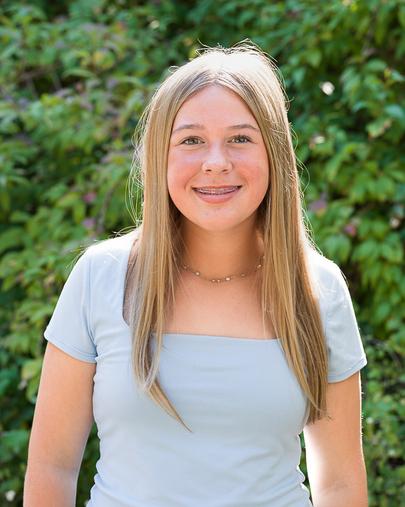
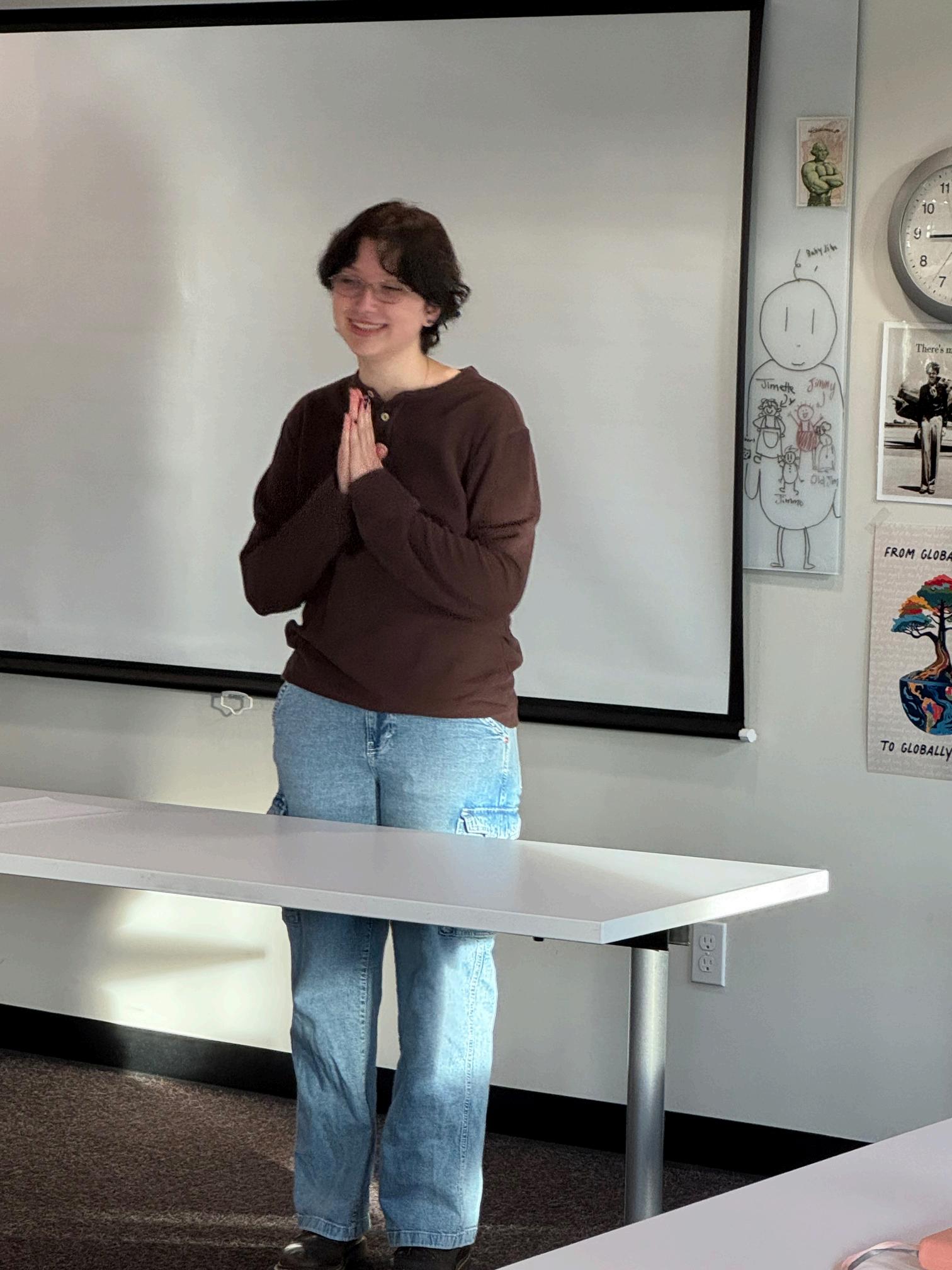
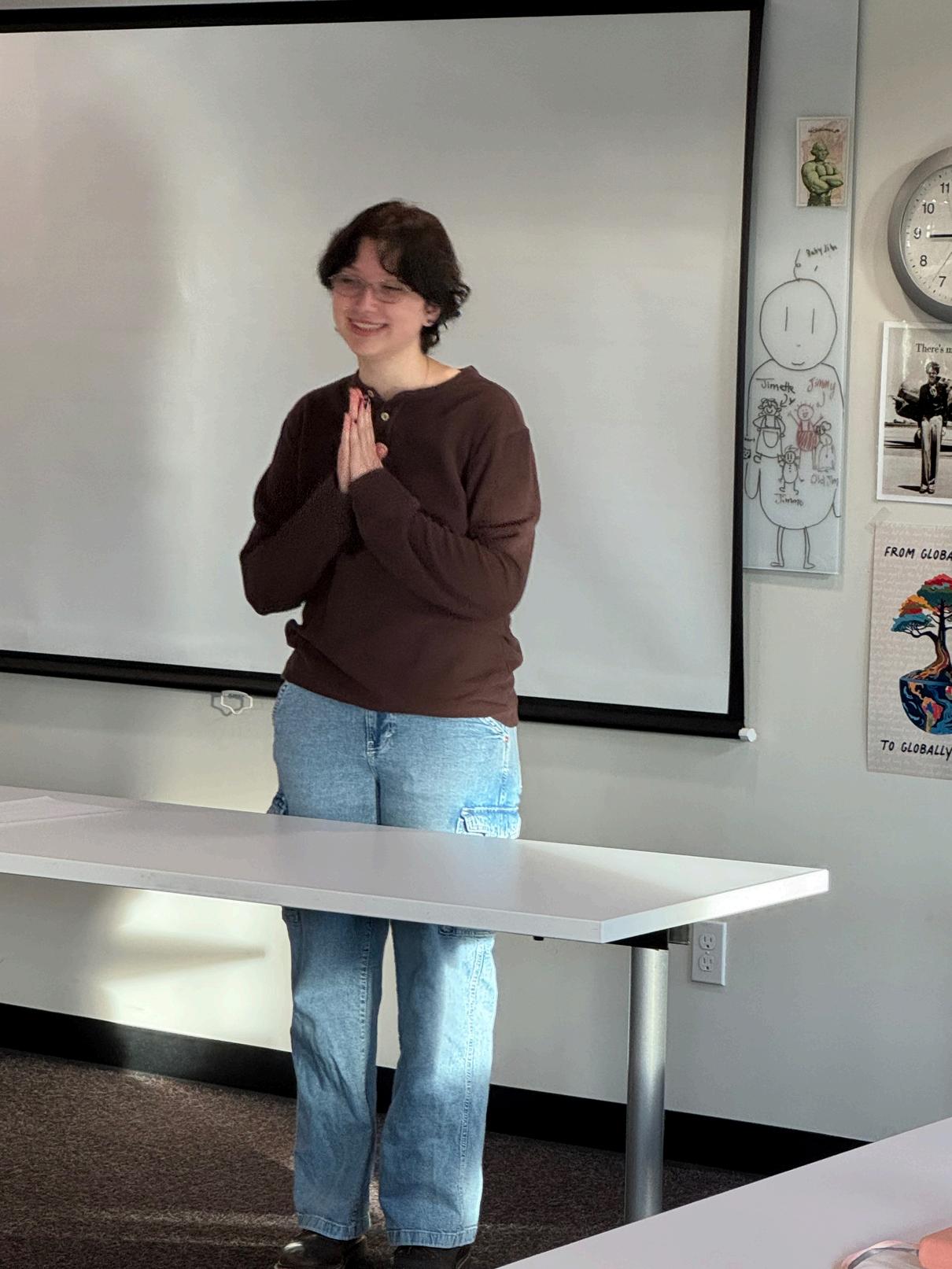
SCOTTIE CARVER CLASS
OF 2030
WHAT’S A GOAL YOU’RE WORKING TOWARD BIG OR SMALL?
One goal I am working toward is to be more myself and not worry about what people think I want to be myself and still feel good about it
WHAT’S YOUR PROUDEST MOMENT AS A STUDENT SO FAR?
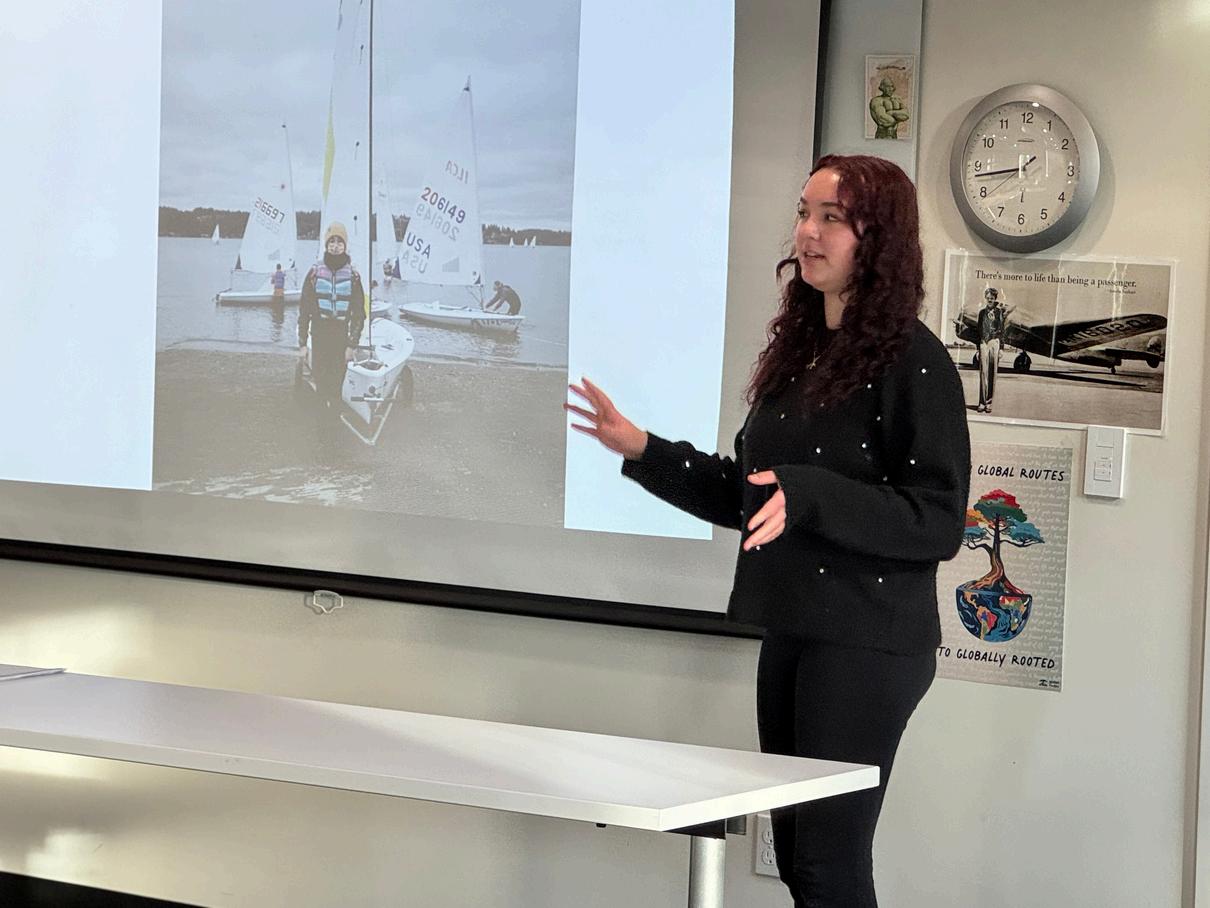
One of my favorite projects we have done at Hyla was my migration fair project I researched how Florida's water level is rising and where people are moving to Florida is a big retirement spot- people are still moving in there even given the harsh conditions It was a really great project- I love doing projects that incorporate art and creativity I showed how the people were leaving with strings I was really proud of how it turned out
WHAT’S SOMETHING YOU CARE DEEPLY ABOUT — AND WHY?
“I really care deeply about listening and noticing things that are important to people. I remembered one of my friends favorite candy from 6th grade was candy corn and I got her some. It means a lot to me to show care for people and notice them.
WHAT EMOJI BEST REPRESENTS YOUR CURRENT FEELINGS?
I like the smiley emoji because I am in the oldest grade at the middle school, I get to have fun in sports before it gets too serious in high school I am having fun with my friends and getting to know who I get along with. I am figuring myself out and making sure I am prepared for high school I am really having fun!
WHAT ADVICE WOULD YOU GIVE TO OTHER STUDENTS WHO LOOK UP TO YOU?
To be yourself. Find friends that like you for who you are Find a passion so you can do it outside of school so you can have “me” time. Even if you kinda lose interest in it just keep finding stuff you are passionate about.
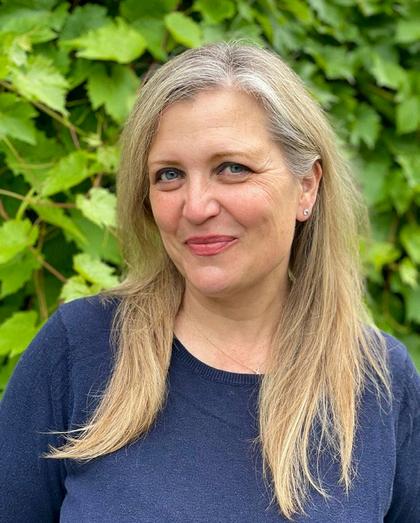
ENGLISH 6-8
What's one tradition or routine in your classroom that your students love?
Hot chocolate and reading days.
If you could invite any historical figure to your class, who would it be and what would you teach them?
Aristotle but I wouldn’t presume to teach him anything
What’s one thing you do differently from most teachers?
I take kids and their ideas very seriously This isn’t necessarily different from most teachers, but it’s certainly different from my teachers growing up
If you could sum up your teaching philosophy in a sentence, what would it be?
Have an itinerary but be excited about the detours
If you weren’t a teacher, what would you be doing?
Something in the field of maternal/child health either delivering babies or working for improved public health outcomes.
LEARNING TOGETHER
RECOMMENDATIONS AND RESOURCES THAT ARE CURRENTLY INSPIRING HYLA
Resources from Kris
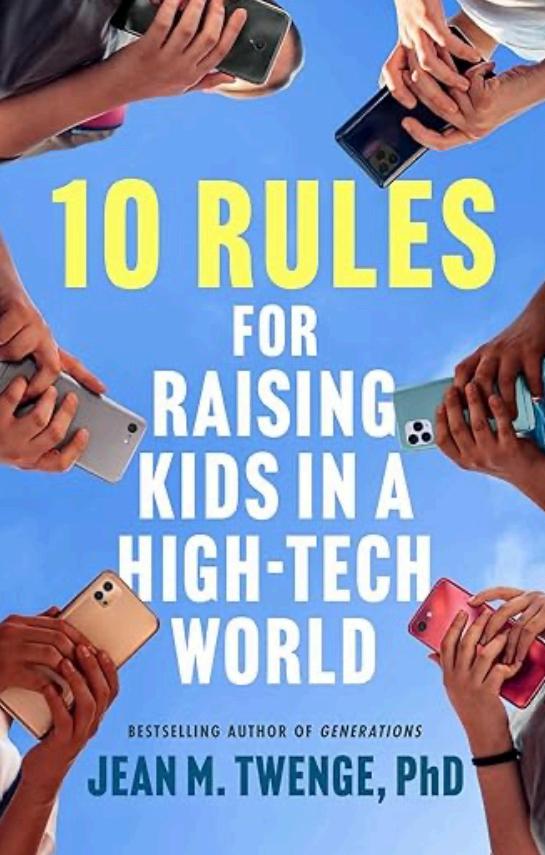
I recommend this book to parents of middle and high school students who are navigating the challenges of raising kids in a digital world. Jean Twenge’s researchbased, practical guidance offers clear steps for building healthier tech habits and supporting your child’s emotional well-being and independence
Inspiring Tom
A book that I have looked at in the past few years is Hidden Potential: the Science of Achieving Greater Things by Adam Grant. The book demystifies human genius and reframes it as the product of dedication and commitment I was very intrigued by the book's discussion of polyglots - people who can master multiple languages The book highlights a fearlessness when it comes to making mistakes, and the ability to see mistakes as foundational to achieving mastery. It's given me new resolve in the language classroom to help students remain steadfast and confident with their speaking
Inspiring Erik
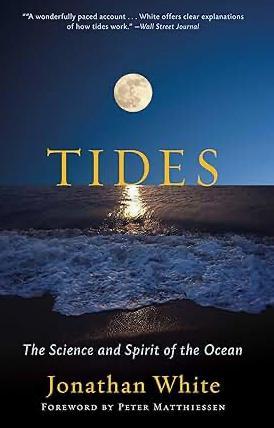
I've been reading a book called Tides: The Science and Spirit of the Ocean by Jonathan White. This book has been inspiring to me because it investigates both the science and mystery of the ocean by exploring how natural tidal rhythms are intertwined with the ocean's inhabitants and shoreline's inhabitants alike. As an avid water recreator and STEM teacher, the human stories and scientific case studies detailed in this book gave me new insight into the power of the interconnectedness of our surrounding marine environments