APRIL 2026
“In the middle of difficulty lies opportunity.” — Albert Einstein

Photo Credit: Nova Bray Upper School Panorama
2 3 4 5 PAGE 02 PAGE 05 PAGE 07 PAGE 08 PAGE 10
6 PAGE 11


“In the middle of difficulty lies opportunity.” — Albert Einstein
2 3 4 5 PAGE 02 PAGE 05 PAGE 07 PAGE 08 PAGE 10
6 PAGE 11
This month we are sharing an article by Renee Jain founder of GoZen! She was a recent parent education speaker through our partnership with ParentMap. Explore more resources from our partnership in our Learning Together section.This article is reprinted from Edutopia.
Stress might not always be the enemy. Research shows that positive stress can strengthen the immune system, enhance memory and learning, and improve decision-making skills.
By Renee Jain
Imagine this: You're a ninth-grade math teacher, and you've just been anointed as head of the school's wellness committee, a team thrown together to deal with student stress levels that are "far too high " "We need to build a more positive climate," your principal explained "You're relatable Students might listen to what you have to say " Now you're writing a speech for the year's first all-school assembly on a topic outside your expertise: stress management
The speech you deliver is full of well-documented horror stories about the ill effects of stress. The following morning, the principal comes to you and explains that stress levels have skyrocketed! You’re baffled You were just stating the facts What did you do wrong? Nothing Well, nothing obvious, at least You just approached the issue in much the same way that the multi-billion-dollar stress management industry does You told the story of stress as shaped by science, news, and popular culture. Here’s the narrative in a nutshell: Stress is bad, very bad.
In fact, another body of research reveals that stress can actually enhance performance and well-being Yes, there is something known as "good" stress And research shows that making people aware of good stress is a more powerful antidote to its ills than jarring them with statistics.
I propose that we shift our goal from asking students to stress less toward helping them stress better. Here are seven ideas to do just that
1. Stop Highlighting Negative Consequences
It's our natural instinct to make children aware that they are potentially hurting themselves. But focusing solely on the harm caused by stress indicates to students that stress is bad in an absolute sense, which is simply untrue Additionally, combating stress using fear tactics can create even more stress Thoughts like "Oh no, I'm stressed, and stress is bad" will only exacerbate the child's worries The research confirms that stress itself is stressful
Recent studies by Yale and Harvard researchers reveal that corporate trainers who focused on the negative ramifications of stress increased stress in trainees While this research was conducted on a business population, let's extrapolate that the effect on students might be the same To stress better, students should understand this reality: A certain amount of stress is OK It can even be good for you
2. Introduce the Evolutionary Purpose of Stress
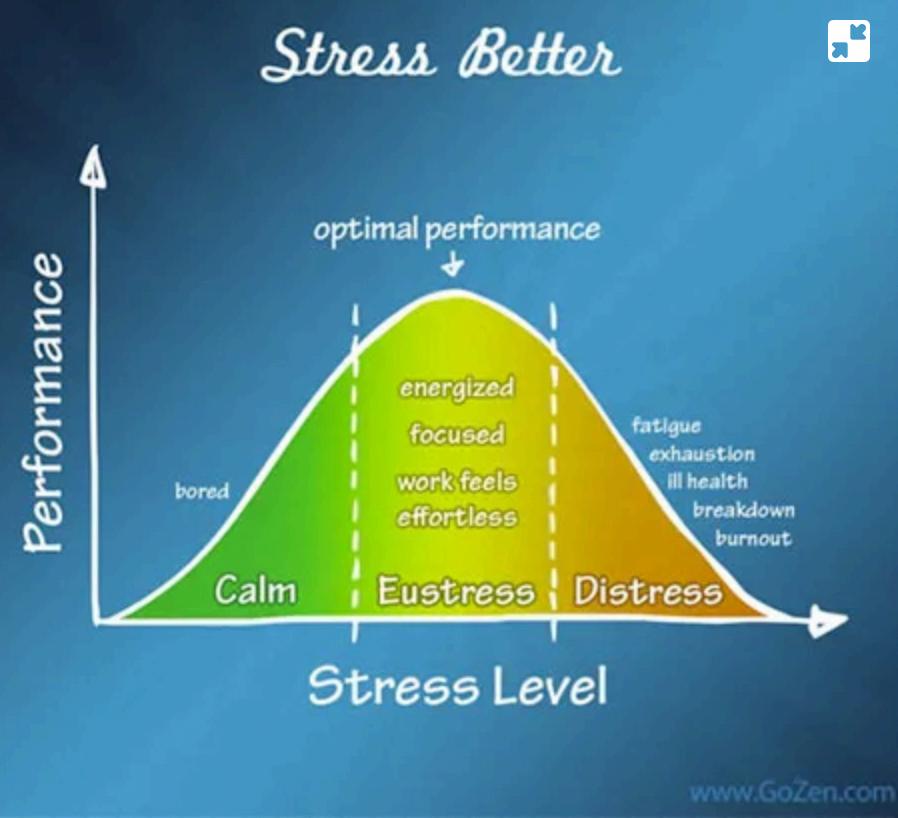
Students of all ages love to know that stress is part of human design Think about our ancestors who hunted and gathered food When attacked by a saber-toothed cat, chemicals were pumped into the body to help fight the predator or flee. This evolutionary reaction to danger is known as the stress response -- it's a survival mechanism. In modern times, we don't typically need to flee from predators, but the stress response still has a purpose. A certain amount of stress can help us marshal the resources necessary to reach a goal. Studies even demonstrate that as stress increases, so too can performance
3. Explore Distress and Eustress
There are two main types of stress: positive and negative, also known as distressand eustress. Most kids have experienced eustress. Ask them to think of a time when their heart was racing but there was no immediate threat or fear. Maybe they were riding a roller coaster, watching a scary movie, or going on a first date. That feeling is good stress! Eustress can help boost motivation, focus, and energy; create a feeling of excitement; and improve performance and decision making It's generally short-term in nature By contrast, distress (commonly referred to as "stress") can cause anxiety or concern, is often outside our coping capacities, can decrease performance and lead to mental and physical problems, and may be short- or long-term in nature. Graphing a continuum of the different types of stress can really bring the point home for students.
4. Study the Researched Benefits
Lend these ideas credibility by citing recent science examining the benefits of stress:
Stress can help the immune system.
In one study by the Stanford University School of Medicine, patients who demonstrated higher short-term stress before knee surgery recovered twice as fast as those who were not as stressed
Stress can improve memory and learning.
According to Cornell University neuroscientist Connor Liston, short bursts of the stress hormone cortisol can increase the brain's openness to learning In other studies, Michael Gass, Chair of the Kinesiology Department at the University of New Hampshire, has found that those who take physical risks like bungee jumping can process information far faster than control groups
Stress can improve decision making.
A study by Charles Morgan of Yale Medical School showed soldiers in a mock prisoner-of-war camp secreting a particular amino acid contributing to much higher cognitive functioning and better decision making Morgan has conducted several like studies with similar results
One of the simplest yet most powerful ways to stress better is to start with the right mindset Harvard and Yale researchers recently conducted an experiment on two groups of stressed-out investment bankers The first group viewed a video about how stress is debilitating. The second group viewed a video about how stress enhances the body and brain. What happened? The second group -- primed with the mindset that stress was good for them -- felt more productive and energetic This group also reported less fatigue and fewer headaches and backaches associated with distress The results of this study are significant: Thinking about stress as "good" or performance-enhancing can work to your advantage
For kids, this research can be applied immediately. For example, during test time, a pounding heart can be reframed by saying, "Hey, a little stress is actually helping me on this test -- my body's giving me a little burst of energy and extra focus to get through this "
The goal of stressing better is not for students to live in a fantasyland where they never encounter issues that cause real distress. Challenges will arise, and distress may follow, but instead of falling into a downward spiral of negativity, stressing better means creating contingency plans When the body goes into flight-or-fight mode during distress, it can be hard to think clearly A back-up plan can get students through it So how is this done? Let's borrow a technique from goal-setting researchers
Studies on goal setting show that you're more likely to stay on task by using a technique called MCII (mental contrasting and implementation intentions) With this method, you first visualize your end goal (e g , getting a B or higher on the next science test), and then envision obstacles that might prevent you from getting there (e g , missing study group, feeling nervous) Next, using if then statements, create a plan to overcome the obstacles before they even happen.
Sally Walker was a survivor of an airline crash that killed 83 people She said:
In his memoir No Such Thing as a Bad Day, Hamilton Jordan noted:
What Sally and Hamilton were referring to is the idea that what doesn't kill you can literally make you stronger- and the studies support this Students may be familiar with the term post-traumatic stress, but recent research from the University of North Carolina details a phenomenon called post-traumatic growth PTG is the positive change resulting from a major life crisis (or serious distress) Researchers studied survivors of severe accidents, people who have gone through divorce, and even former prisoners of war. In all of these situations, some come out stronger than before. PTG results in their feeling more connected with their friends and family, more resilient, and more grateful Researchers found that those who tend to experience PTG usually approach difficulty rather than avoiding it -- they are more open to change
In our effort to stress better, let's teach students that when stress comes on, they should embrace it rather than run away from it. When in a situation of distress, kids can think of the examples above or a personal example where distress has led to positive change. These are reminders that something good -- even great -can come from our challenges
SNAPSHOT:
ENGLISH BY:
JAMIE
SNAPSHOT: UPPER SCHOOL
SCIENCE BY:CAROLINE
I’ll admit that I wasn’t entirely sure how I would manage all the moving parts of a merged 6/7 English curriculum when we began this year. While many of my educator friends had sung the virtues of a mixed grade classroom, I hadn’t taught across levels before, and I wanted to make sure I got it right It turns out that the things I’ve always known about middle schoolers– that their learning doesn’t happen in a linear, predictable fashion and that within an individual grade, differentiation is key to classroom success are just as true for a mixed grade classroom, but that this model is actually more conducive to both of these things Despite any initial worries from me and my students, there has been a kind of magic that’s happened in these mixed classrooms – one that has created an environment that is far more vibrant, generous, and collaborative than I expected
First, watching the seventh grade students step into a classroom leadership role in quiet but natural ways has been a thrill to watch Read more on our blog
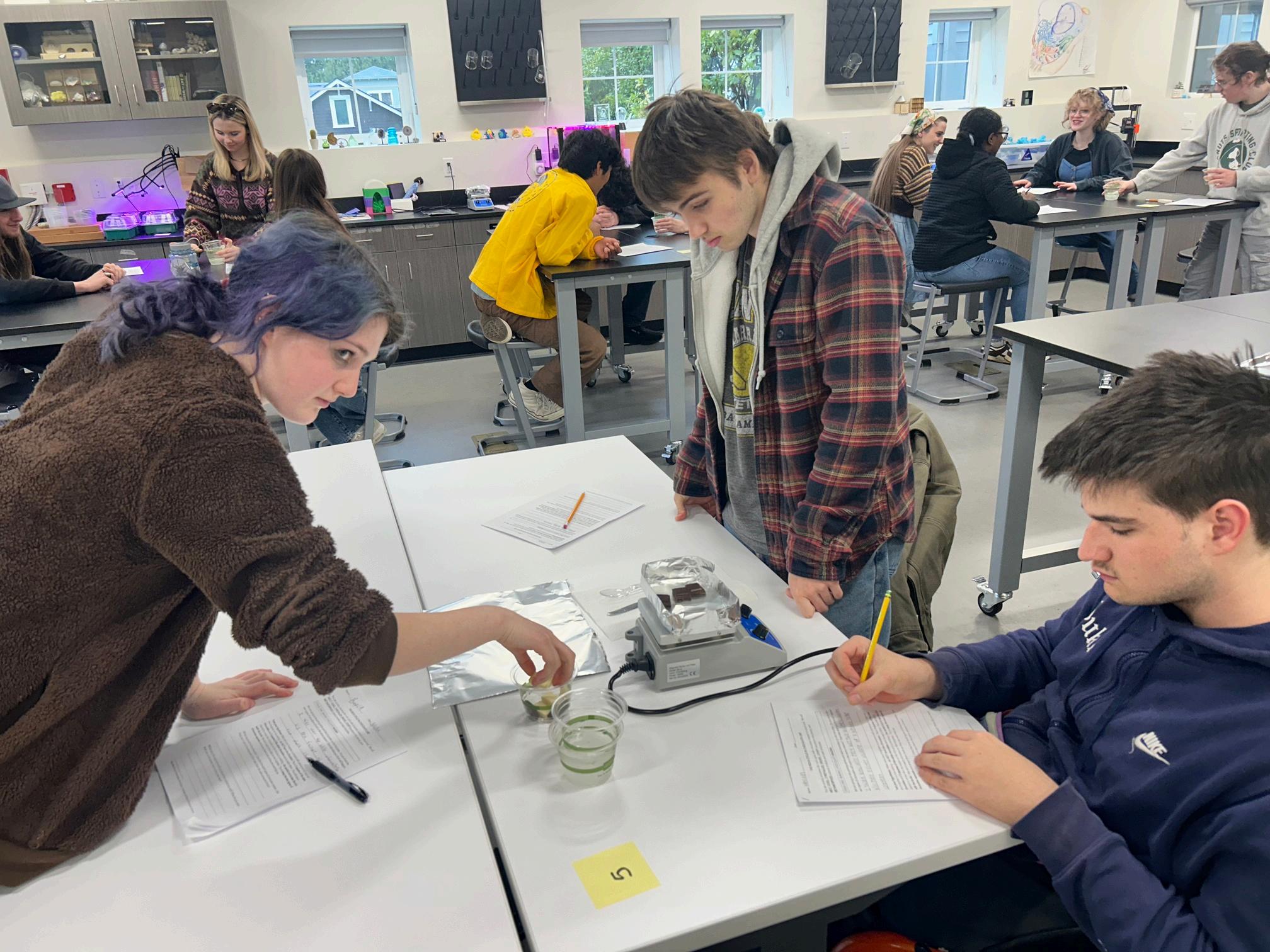
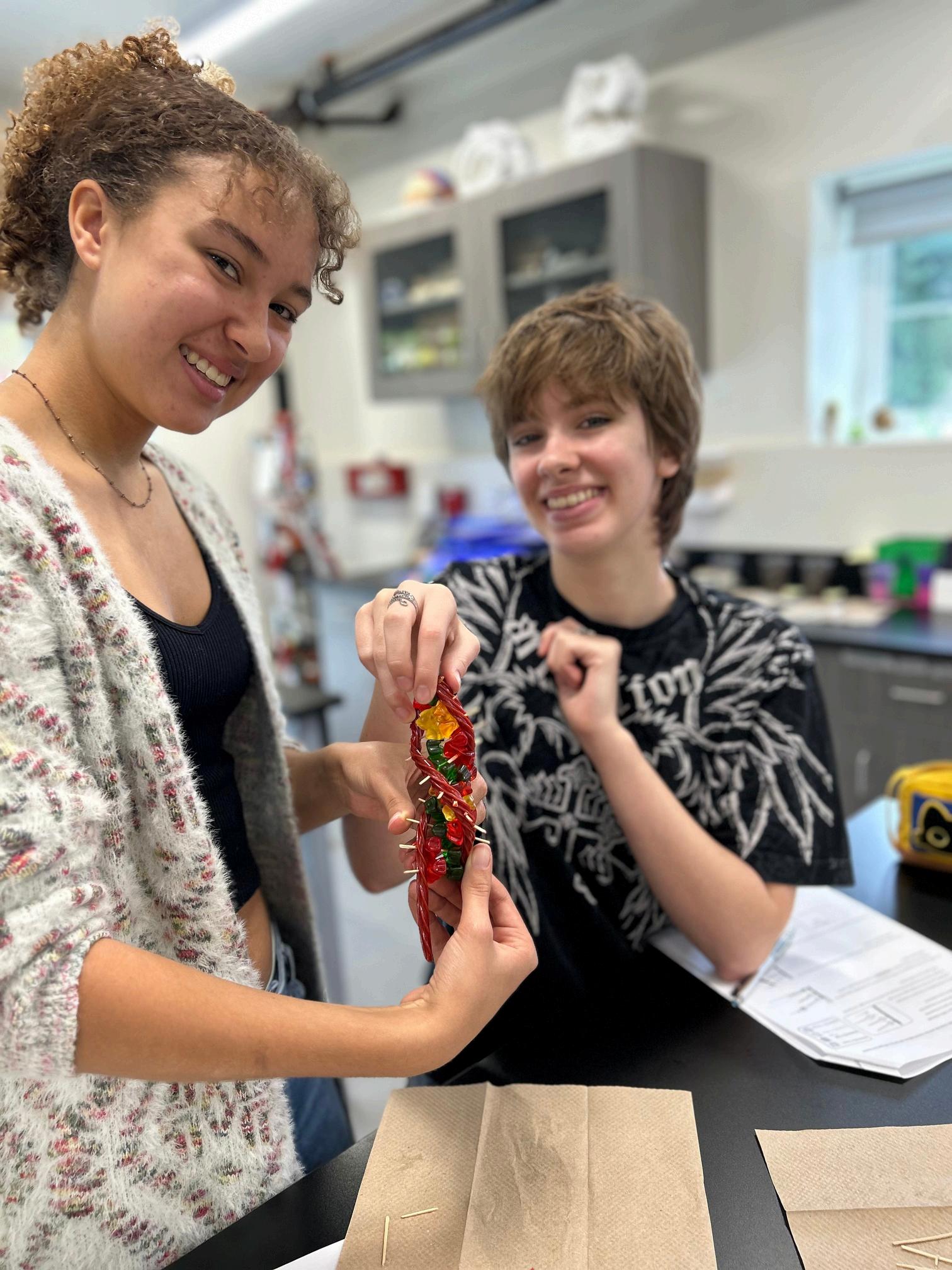
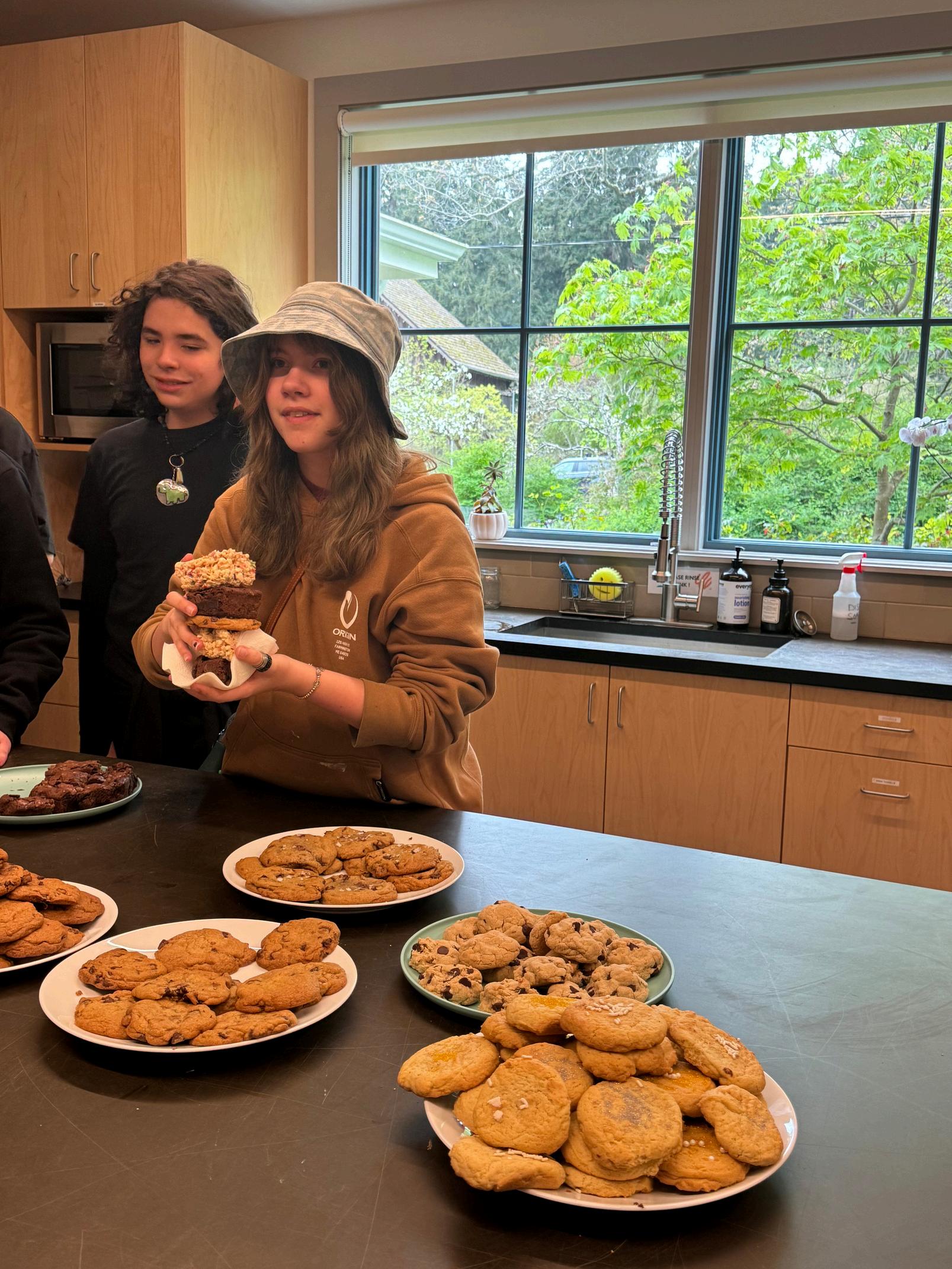
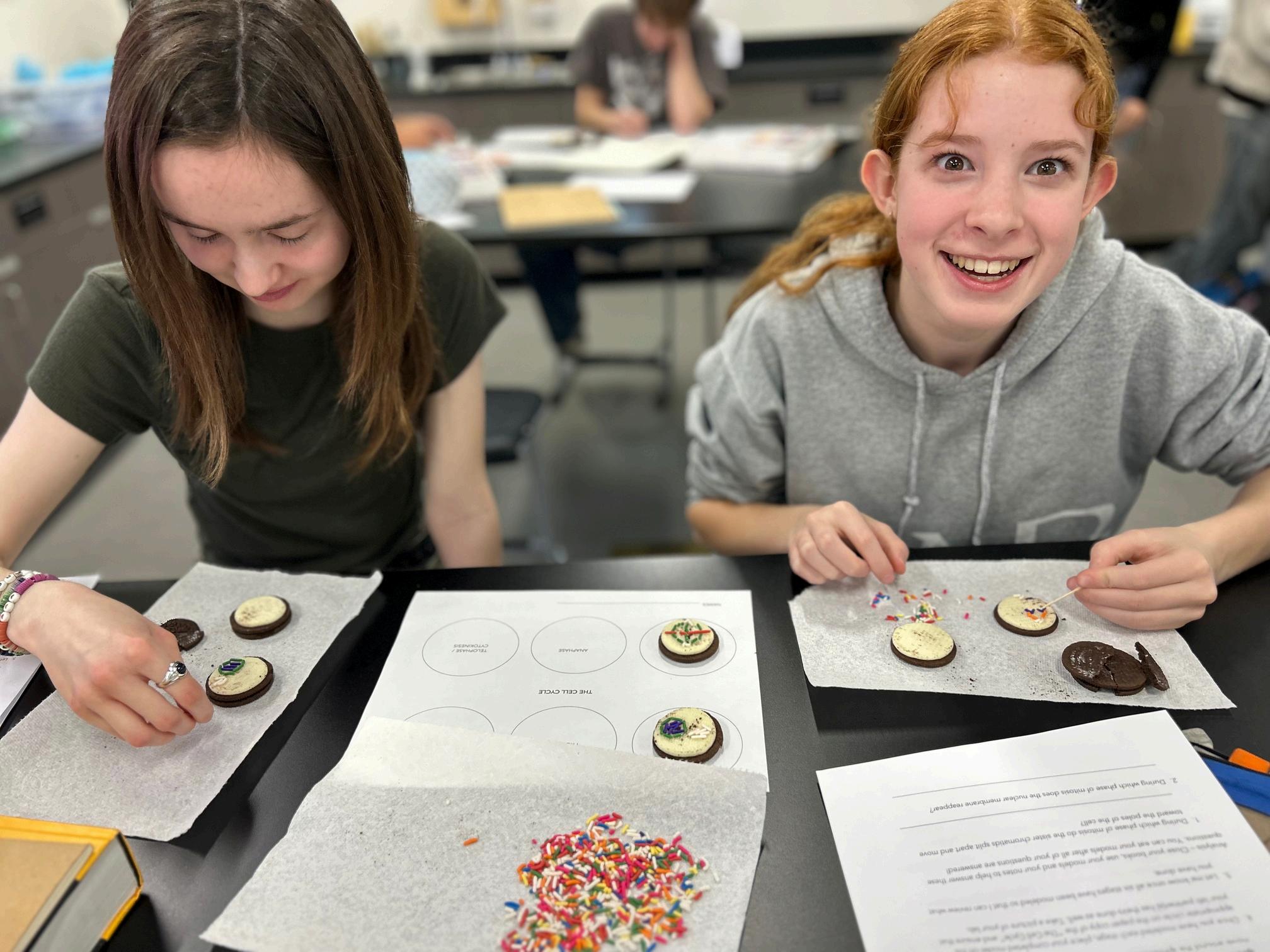
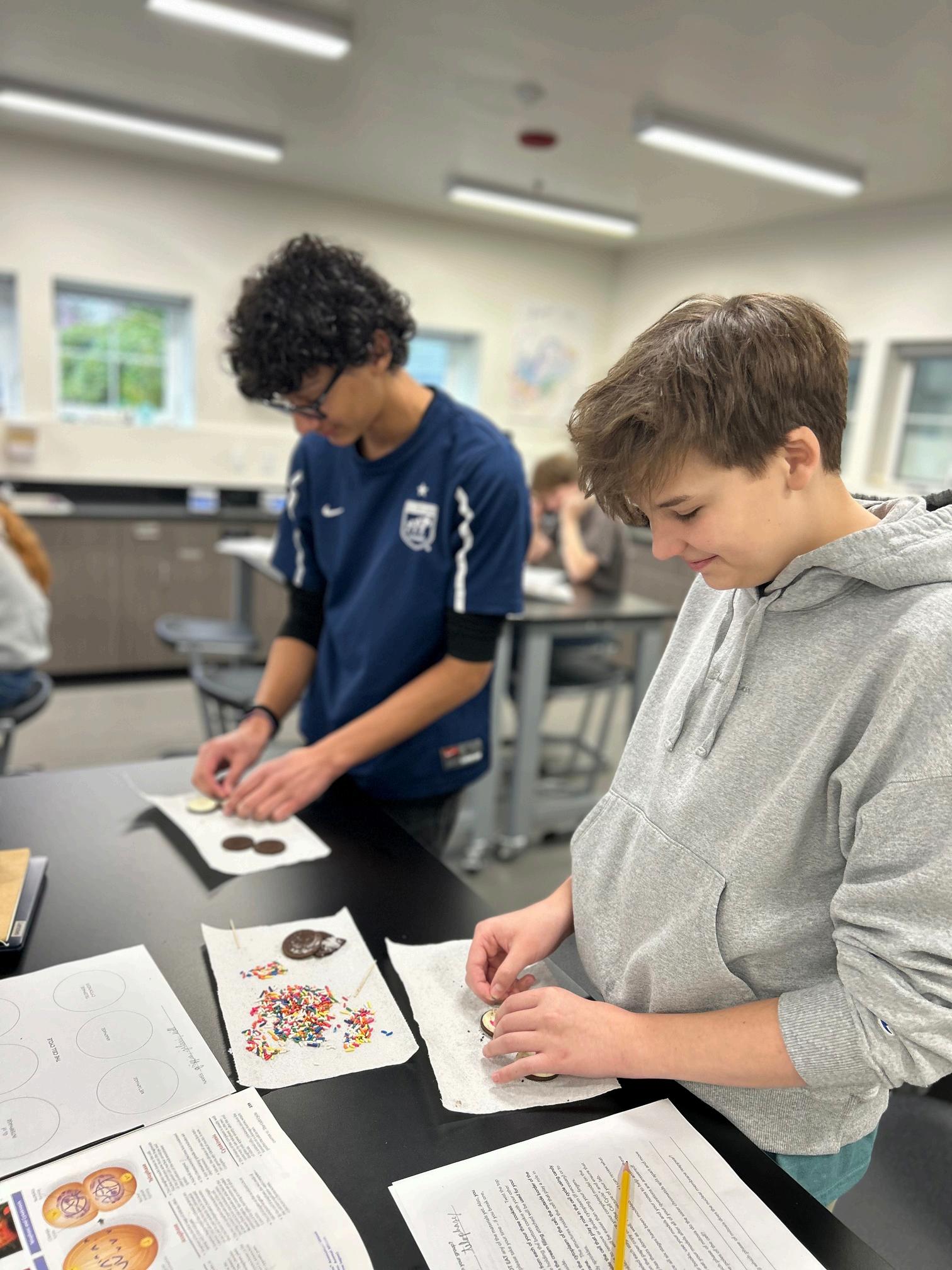
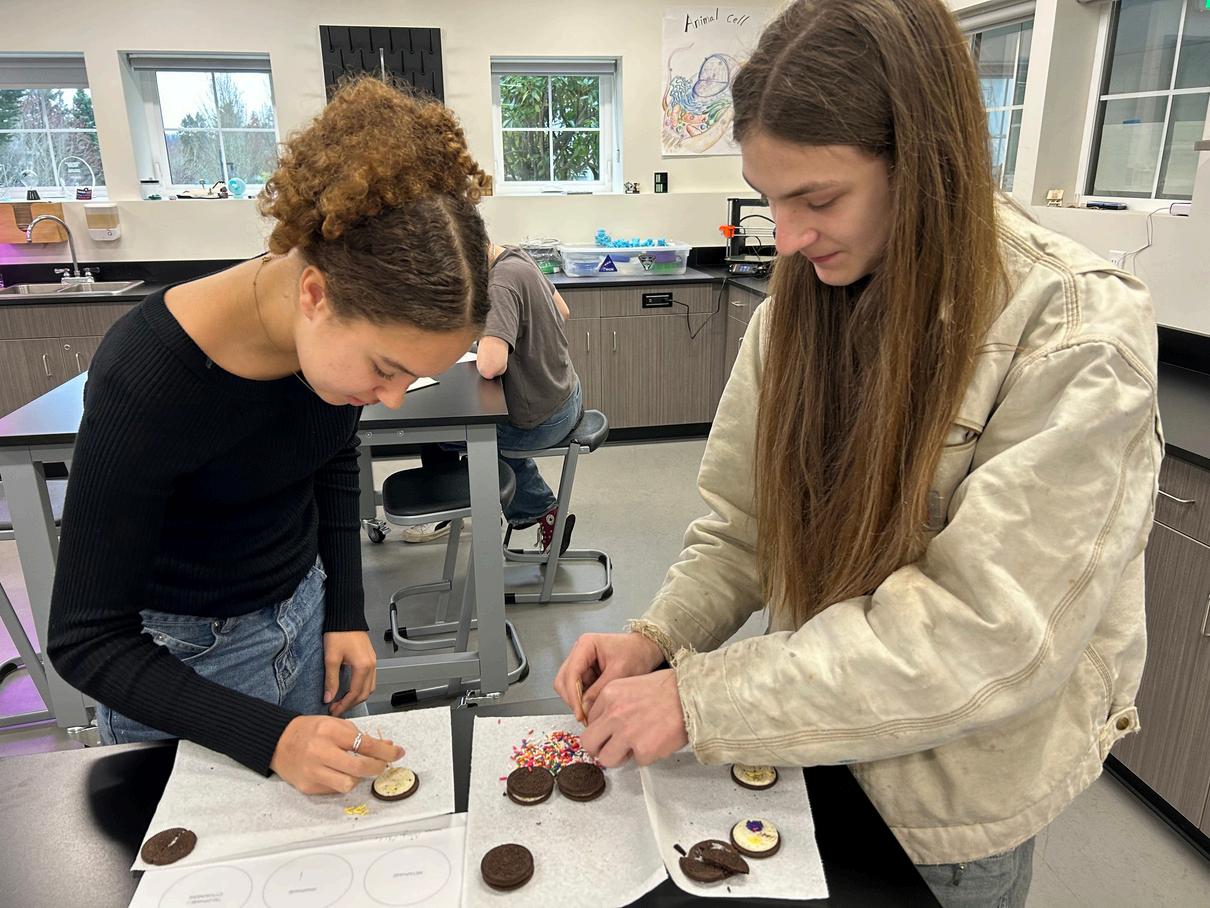
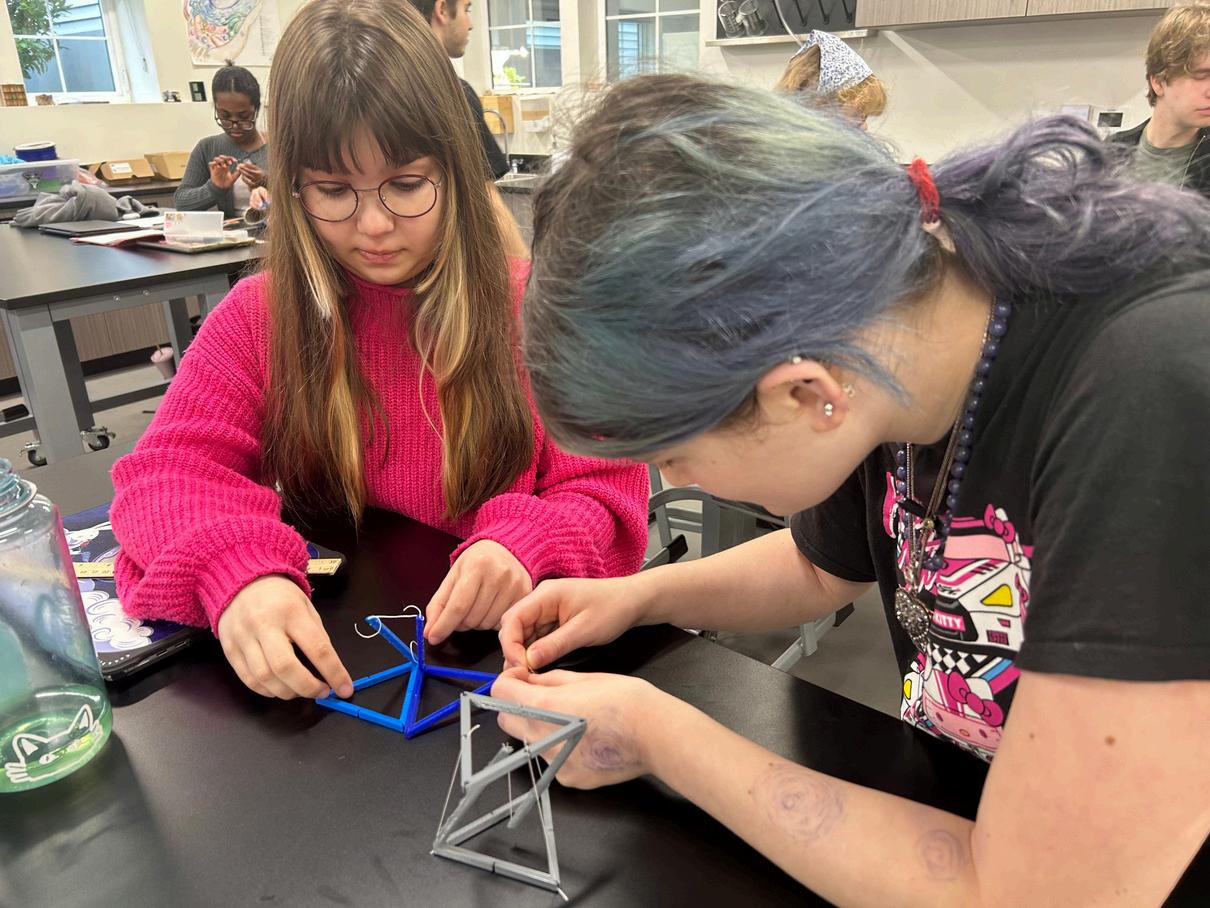
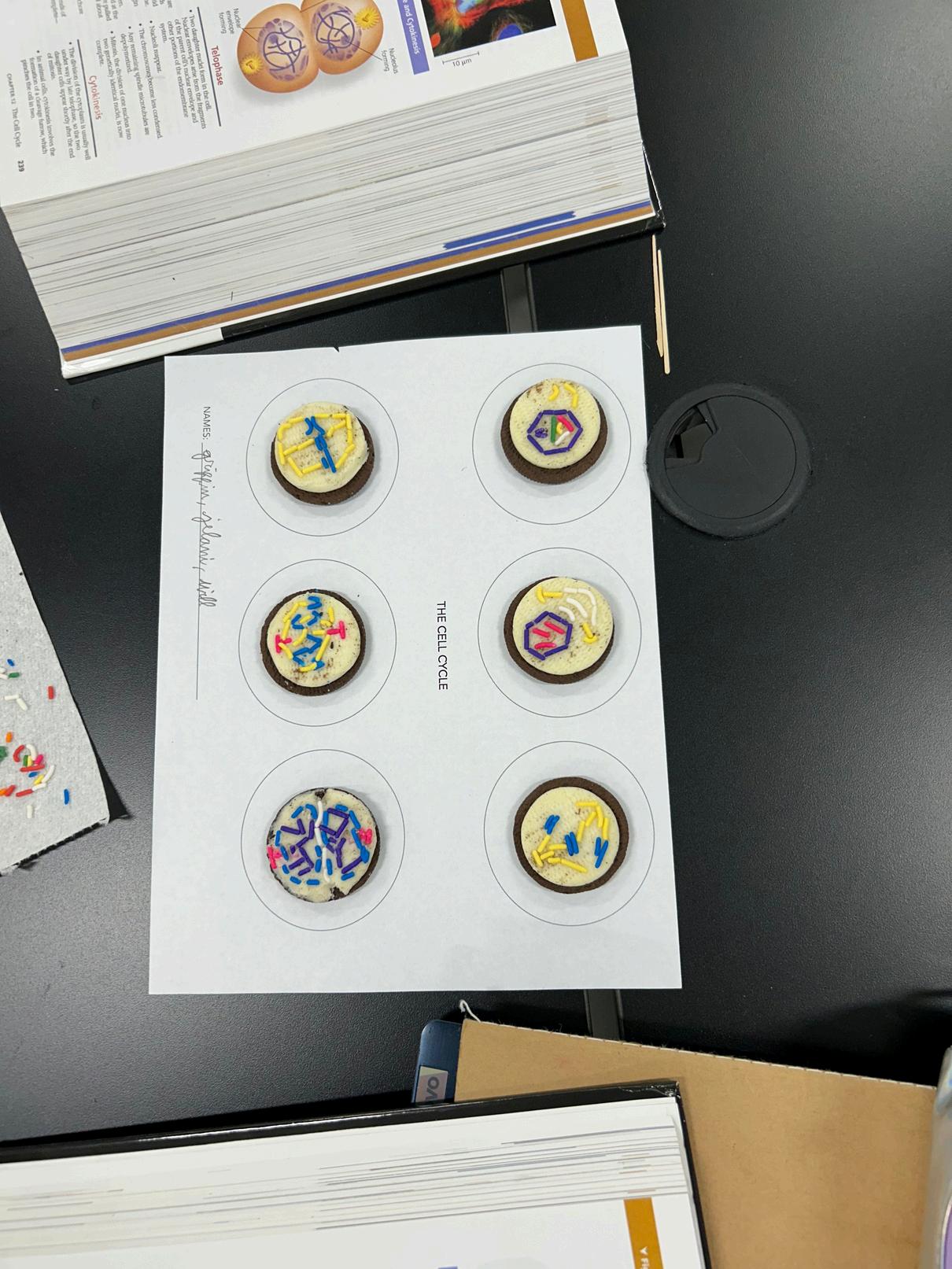
In science class we often grapple with topics on the macro and micro side of life that are either too big or too small to bring into the classroom. So how do we study them? By modeling! But not the kind of modeling you may be thinking The only things striking a pose in class are the materials we use, and what better materials than edible items? As students model concepts they shift from memorizing facts to making concepts come alive From exploring the rock cycle using dark and white chocolate, to modeling mitosis with Oreos and sprinkles, to creating DNA strands with licorice and gummy bears; enables science to jump off the page and into the hands of our students. Modeling is also important because it demonstrates the interconnections of concepts Quickly cooling melted, liquid chocolate results in the formation of far fewer sugar crystals, unlike letting a sample slowly cool on the desk; demonstrating the formation and differentiation of igneous rocks found, many of which can be found on the multiple beaches near Hyla Read more on our blog.
SPANISH
BY: TOM
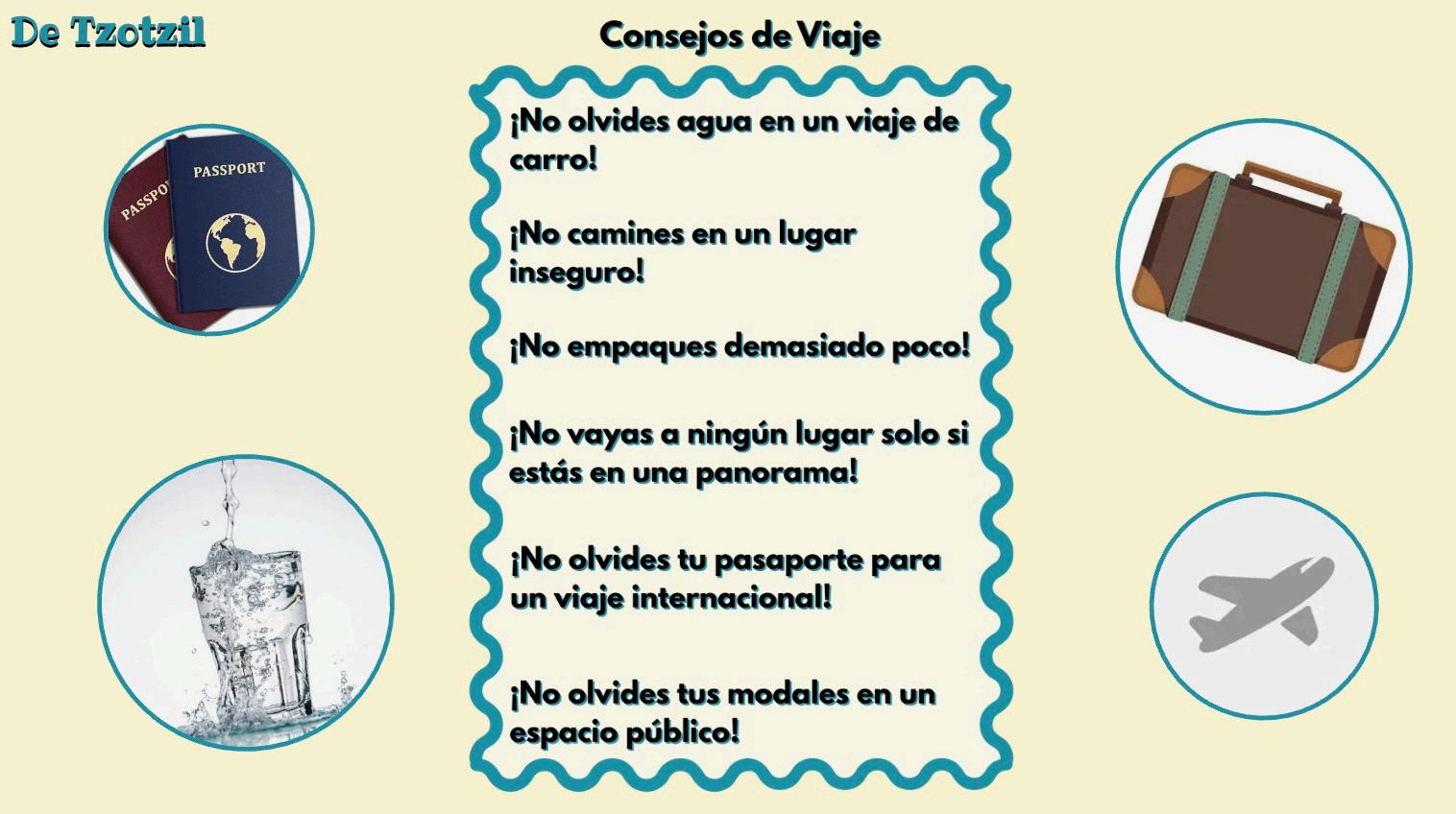
¿Adónde fuiste y qué hiciste? (“Where did you go and what did you do?”) This month, intermediate Spanish students have been learning to answer this common question using the preterit tense in expanded detail In romance languages, the preterit tense is one of two past tense forms that can unlock new conversational depth. With the preterit in their toolbox, students can perform a variety of increasingly complex functions such as relating the day’s happenings, reporting on past adventures, and referencing moments in history. Speaking in the past tense, more than just a notch in the grammatical belt, is a key way that humans reveal new sides of their identities to each other. Through telling stories and sharing details about our past experiences, the preterit allows us to build relationships and deepen connections As we embarked on this unit together, we asked each other to imagine ahead to how we might apply our learning this unit to “dinner table scenarios” in future homestays on immersion trips
Read more on our blog
ART
BY: HANNAH
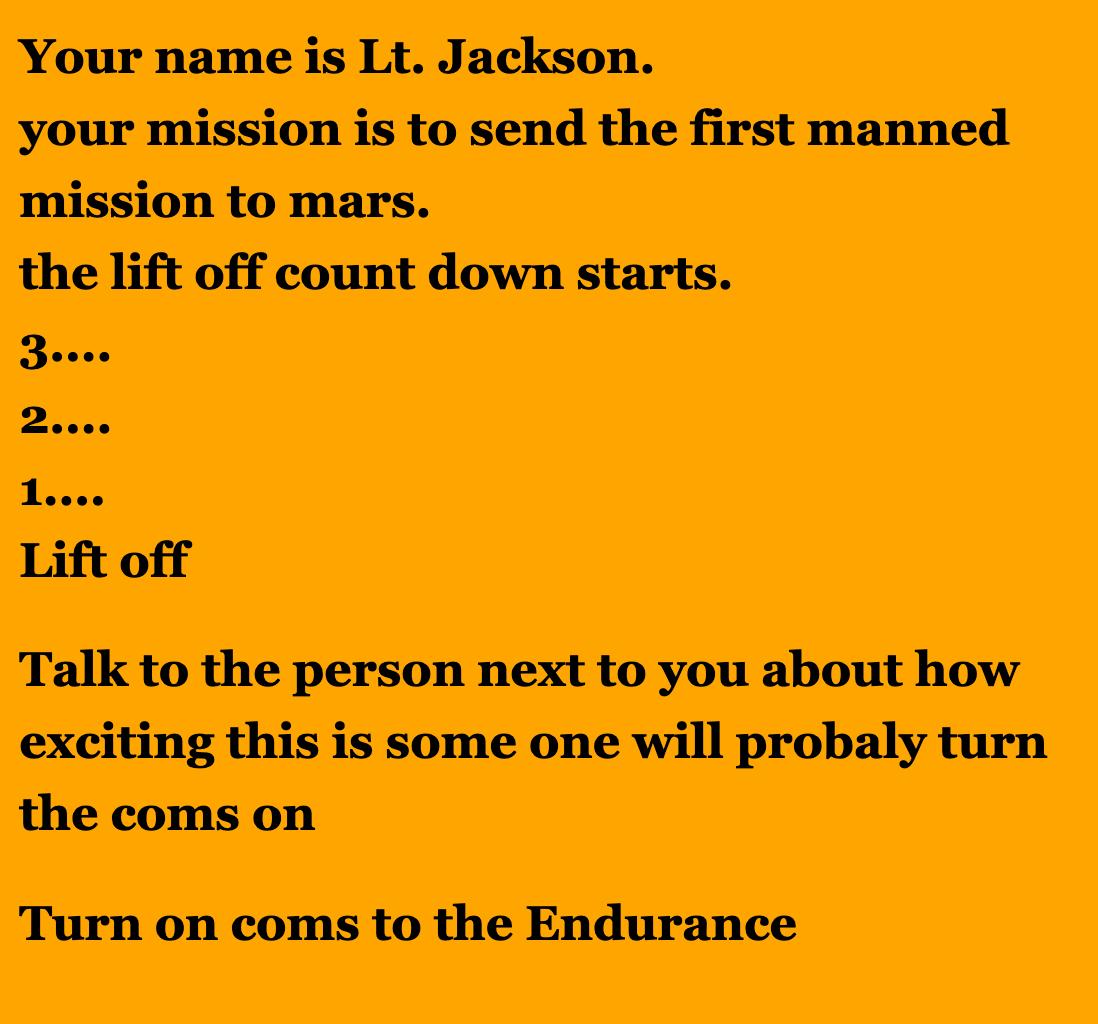
The first day of our 6th and 7th grade art project began not with traditional materials, but with an interactive experience designed to engage students in decision-making and reflection
Students were introduced to the activity through a simple prompt: “Welcome to the Art Room Student. I am so excited to have you here. What would you like to do first?”
They began with two metrics:
Trust = 10
Productivity = 4
They were then asked to make a choice:
Sketch
Talk to my friends
Touch everything on the counter
From this starting point, students navigated a simulated day in the art room The experience presented a range of choices that reflected real classroom behaviors from attentive and creative actions to those that were distracting or disruptive.
Read more on our blog
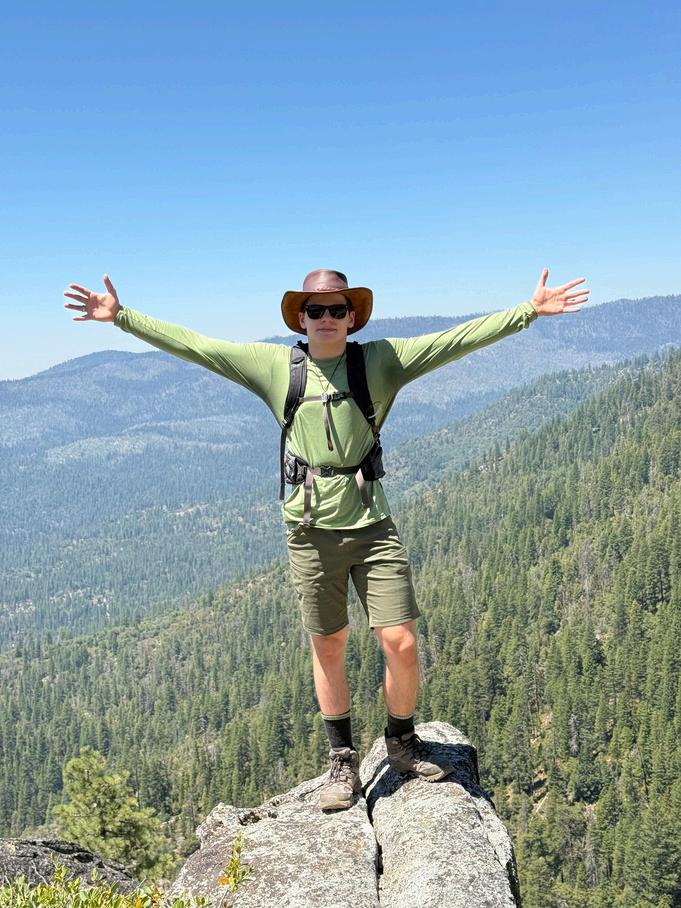
One goal I’m working towards is to find a good balance of responsibility and enjoyment In middle school, I was very strict with myself about trying to do everything perfectly and always follow the rules 100% This often took away from how much fun I had in school and my life in general I was constantly worrying about how I might do it wrong However, over the past few years, I’ve started to try to go with the flow a little more and seize new opportunities, trusting that it will probably have a way of working itself out I think everyone can have a little more whimsy in their life This way of living has been very enjoyable for me, but in the extreme, it can also result in goofing around too much and not attending to your responsibilities Thus, I would say my overall goal right now is to find a balance between the two
WHAT DOES BEING A LEADER MEAN TO YOU?
Some enjoy seeking out powerful leadership positions in which they are very exuberant and vocal, but I prefer a more subtle but no less influential form of leadership: simply being a good role model I think this approach is successful because, while in many situations there can only be a few official leadership positions (leader of a group project, club president, etc ), everyone can demonstrate leadership by being a role model for others This can also be very effective because it can be done 24/7, not just when a leadership position is needed. I’m not saying I’m always on my very best behavior, but this mindset helps to remind me that what I do affects others as well
WHAT ADVICE WOULD YOU GIVE TO OTHER STUDENTS WHO LOOK UP TO YOU?
My advice to other students would be to not forget what you are passionate about learning I sometimes struggle with this too, so I guess it is also advice to myself While Hyla does an amazing job of making learning as fun and applicable as possible, but when you have a lot of work, it is easy to adopt the mindset of just trying to get through it and get a good grade on the project or test. Most students do not like every class they take, but at the same time, almost everybody has classes that truly align with their interests. My advice would be to remember what you enjoy about school. Don’t just complete an assignment to be done with it. If it is something that you genuinely enjoy, remind yourself that schoolwork is not separate from your passions. You can incorporate the two. Have fun with it!
WHAT’S ONE THING YOU LOVE LEARNING — INSIDE OR OUTSIDE THE CLASSROOM?
Both in and outside of school I love learning about astronomy I love the science behind it all I feel that astrophysics is such an interesting way to see the extremes of science Studying the scale of the cosmos has shown us multiple times in history that our current understanding of science is incomplete, and we need to develop new ideas to explain it accurately. Some may consider it to be disconnected from what really matters here on Earth, but we are part of this universe, just like everything else. As Carl Sagan said “We are made of star-stuff.” For that reason, I believe astronomy is one of the most beautiful and important fields of science

How would you describe your classroom in three words?
Wonder, Resilience, Inquiry-based
What’s one lesson (academic or life) you hope every student takes from your class?
I hope that every student leaves my class with a sense of wonder for the world around them Wonder engages our imagination, which in turn drives innovation and leads to ideas that change the world.
What’s the best piece of advice a student has ever given you?
Don’t be afraid to be you
If you could sum up your teaching philosophy in a sentence, what would it be?
What is it? Why is it there? Why should we care?
I would be a professional explorer!
If you weren’t a teacher, what would you be doing? If you could invite any historical figure into your class, who would it be and what would you teach them?
Rachel Carson, author of “Silent Spring.” I would do a lesson on citizen science. I think she would be inspired to see how everyday people around the world are actively engaging with science to help change the world for the better.
What does student success look to you?
A series of “aha moments” that happen throughout the school year Big or small, everyone ’ s “aha moment” is unique to them and where they are on their learning journey.
SCIENCE 6-8 & 9-12 UWHS CLIMATE CHANGE
What does student success look like to you?
Anytime a student brings a relevant observation or a story from home into the classroom represents success to me Whether it's starting an eBird location, taking a picture of the northern lights, or building a contraption, I strive to foster and strengthen curiosity and wonder
What's one tradition or routine in your classroom that your students love?
I like to help the class get settled by playing a round of Geoguesser, an online game in which you randomly enter Google Street View and use visual clues to guess where on earth you are. Depending on which subject I'm teaching, I can sometimes use different game clues (environmental, cultural, meta) to reinforce course concepts.
What’s one thing you do differently than most teachers?
I assign very little homework It's not something I'm necessarily proud of because students need the practice, though I try to focus more on developing in-class time management skills, which is a significant part of the homework process
If you could invite any historical figure to your class, who would it be and what would you teach them?
Abraham Lincoln That while his decision to pocket-veto the Wade-Davis Plan may have been rooted in a desire for peace, it would take a whole terror-filled century for freed slaves to gain civil rights - and even after that point, those rights would be methodically dismantled by the very descendants of those with whom he compromised to begin reconstruction.