What is Multiple Sclerosis

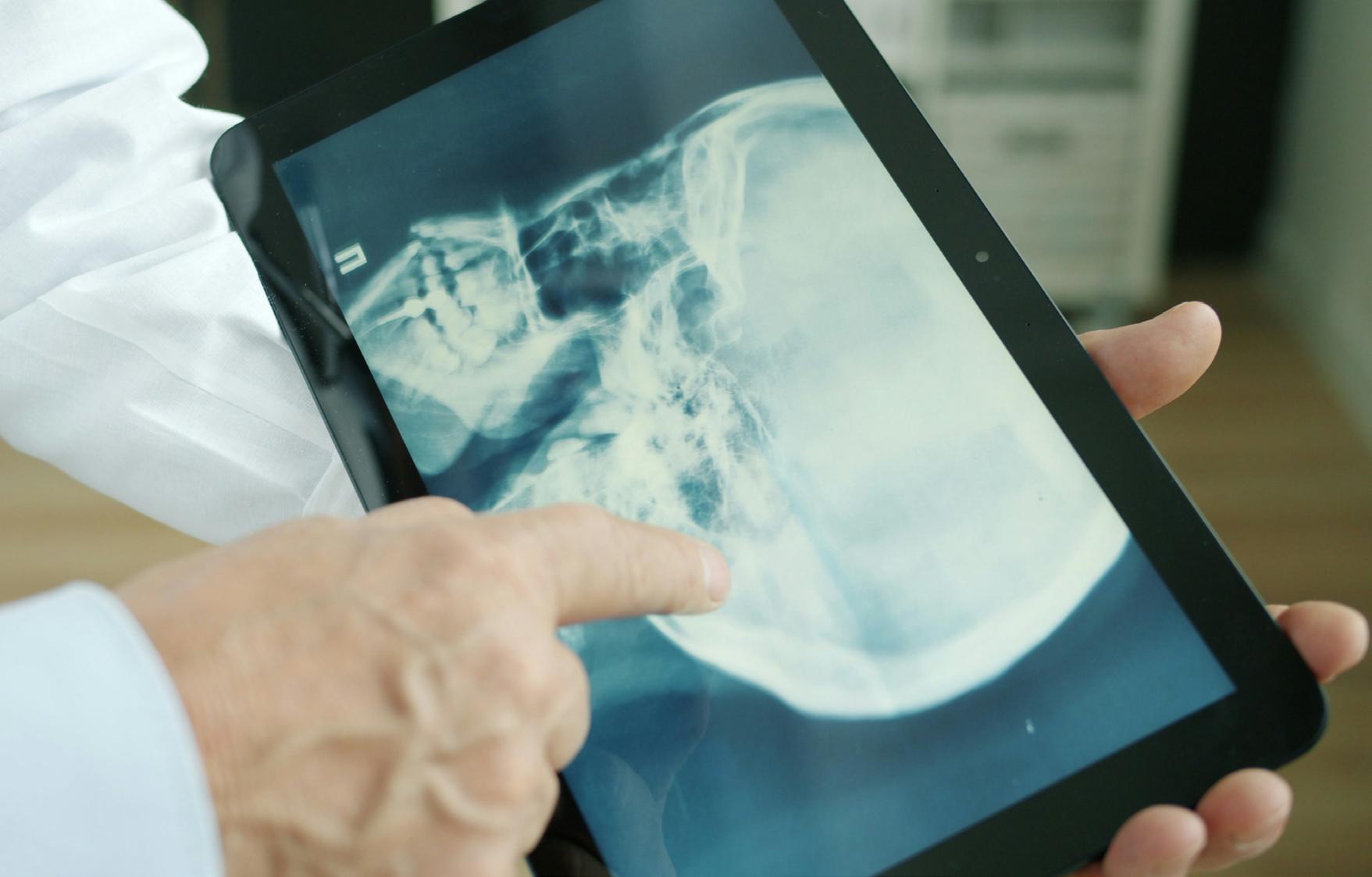
Multiple Sclerosis (MS) is a chronic and unpredictable condition that affects the central nervous system, including the brain and spinal cord. It occurs when the immune system mistakes myelin for a foreign body and attacks it.
It disrupts the way messages are sent between the brain and the body and with symptoms and progression varying from person to person.
MS is an autoimmune condition.
This means the immune system, which normally protects the body, mistakenly attacks itself. This can lead to a wide range of physical and cognitive symptoms. What does “autoimmune” mean?
Persistent and overwhelming exhaustion not relieved by rest.
“Some mornings, getting out of bed feels like climbing a mountain.”
VISION DIFFICULTIES
Changes resulting from possible damage to the optic nerve.
“Imagine trying to work while parts of your world fade in and out.”
COGNITIVE CHALLENGES
Difficulties with memory, focus, or processing information.
“Some days I look fine, but concentrating in meetings feels like trying to think through fog.”
PAIN AND MOBILITY ISSUES
Affect everyday tasks like walking, working, and household chores.
“Everybody learns how to walk once, people with MS have to learn how to walk and move after every attack.”
MS SYMPTOMS
What you may not see. Many MS symptoms are invisible, which can make them harder to recognize or understand.
Young. Active. Living with MS. MS doesn’t look the way you think.

MS only affects older adults
MS can affect individuals of any age, but the average diagnosis age globally is 32 years.
In the UAE, approximately 67% of people living with MS are women, and 33% are men.
MS looks the same for each person living with the condition
No two people experience MS in the same way. Symptoms, severity, and progression vary greatly from person to person.
MS always leads to longterm disability
While there is currently no cure, early diagnosis, treatment, movement, and ongoing care can help manage symptoms, reduce relapses, and support long-term wellbeing.
There is nothing I can do to help someone with MS or any autoimmune condition
Small actions make a meaningful difference. Patience, flexibility, and understanding go a long way.
Creating inclusive environments, avoiding assumptions about invisible symptoms, and sharing trusted resources can help people living with MS feel supported at work and in daily life.
Do you know someone that lives with MS or an autoimmune condition?
Newly diagnosed?
A SERIES OF FREE GUIDES
Is available on the National MS Society’s website, designed to support people living with MS and similar conditions, as well as their caregivers. These include:
Mental Wellness Handbook & Reflection Journal: Practical tools to support emotional wellbeing, including mindfulness.
Nutrition Guide: Guidance on balanced nutrition for MS and autoimmune conditions, with regional recipes and healthier alternatives.
Explaining MS to Your Children Guide: Age-appropriate tips and activities to help families talk to children about the condition.
Empowering Carers Guide: Provides guidance and practical strategies to help carers gain confidence in their role.
Conversation Guide: Practical tools and activities to help explain a diagnosis to family, friends and colleagues.
Human Resources Guide: Highlighting how people living with MS can positively contribute to the UAE workforce.
The National Multiple Sclerosis Society was established in 2022 to better the lives of people living with MS through education, advocacy and advancing efforts to find a cure.
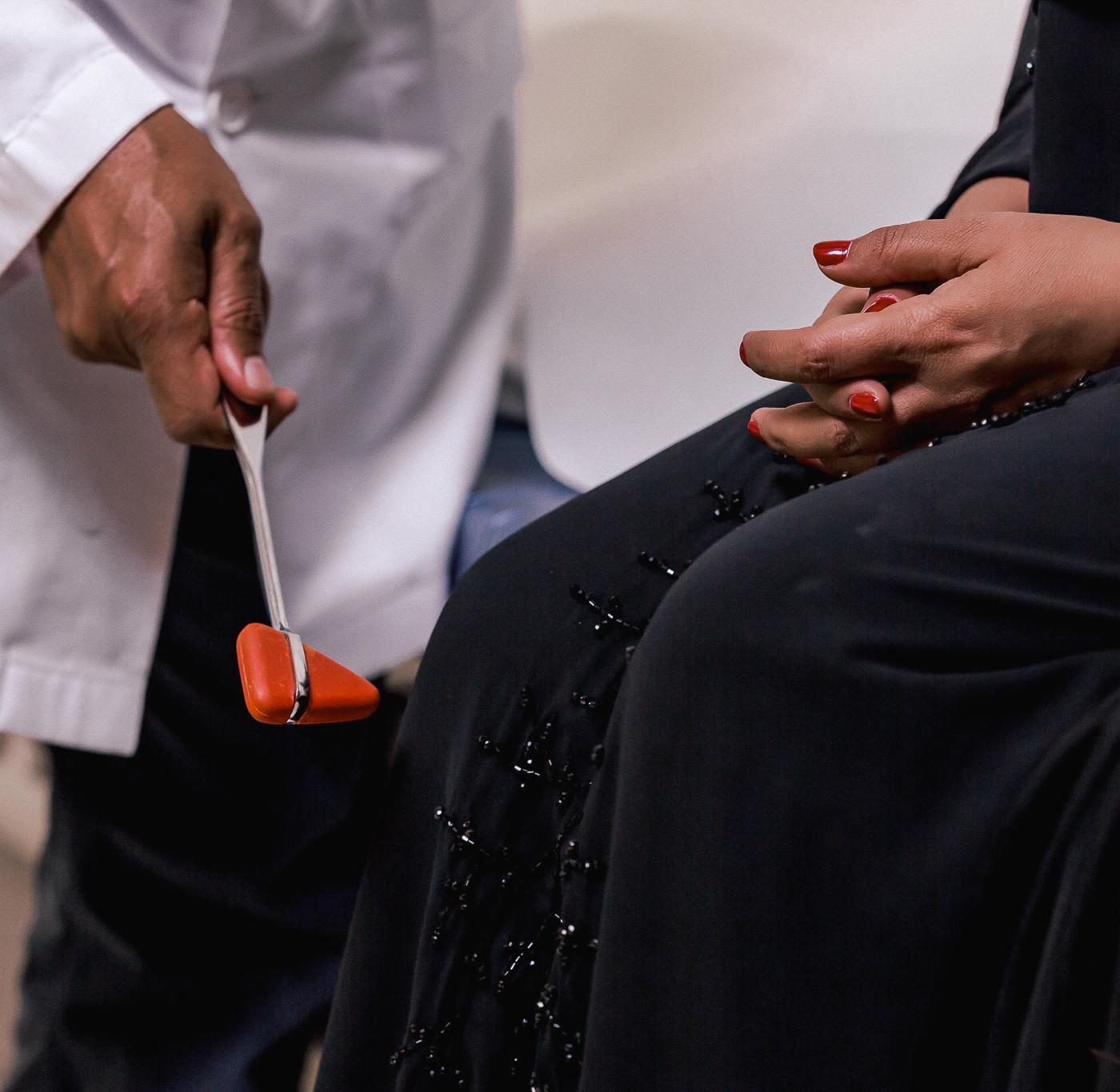
From support programs to educational talks and wellness activities, NMSS offers opportunities to connect, learn and thrive. Join us and get involved in building a stronger MS community. Get Involved