Thank you for downloading this guide for carers. Designed for people who are caring for individuals with multiple sclerosis (MS) and similar chronic conditions, this guide aims to provide tips and practical strategies to help you gain confidence in your role as a carer.
This guide is part of a wider series developed by the National Multiple Sclerosis Society to empower people living with MS and other chronic conditions in the UAE. You can download the whole series by clicking the links below:
Mental Wellness Handbook & Reflection Journal
Nutrition Guide for MS & Autoimmune Conditions
Talking About Your Diagnosis: Conversation Guide Explaining MS to Children Guide & Activity Book
ABOUT NMSS
The National Multiple Sclerosis Society (NMSS), which operates under the Ministry of Community Empowerment in the UAE, is dedicated to bettering the lives of people with MS and their communities through education, advocacy, and contributing to global research for a cure. NMSS strives to raise awareness of MS, establish a comprehensive support system for the MS community in the UAE, and provide resources to those impacted by the condition.
INTRODUCTION
HOW TO USE THIS GUIDE
This guidebook equips carers for people with MS and other chronic conditions with practical tools and tips to fulfill their responsibilities with confidence and compassion.
USE THIS GUIDE TO:
Learn more about caring, particularly for individuals who have been diagnosed with MS and similar chronic conditions.
Follow the tips and recommendations to create practical strategies for effective care.
IMPORTANT REMINDERS
When you see this callout box, take a moment to reflect on the information and factor it into your care routine.
Click the titles below to jump to different sections of the guide.
About Caring
Caring for MS and Chronic Conditions
Effective Daily Care
Planning for the Future
Taking Care of Yourself
Links to Additional Resources
Please read the following important note before proceeding:
This guide is meant to provide information and practical tools to help you manage your responsibilities as a carer. If you are feeling overwhelmed, please seek professional help immediately.
FINDING HELP IN THE UAE
Reach out to the MS Helpline for support, available daily from 10 a.m. to 10 p.m. on 800677.
Find relevant, local mental healthcare services using the NMSS Directory.
For emergencies, dial your emergency line as relevant to your country of residence. For the UAE, dial 999.
NMSS DIRECTORY
ABOUT CARING
This section of the guide provides some general information about caring, including a questionnaire about common responsibilities and insights from the caring community.
What is Caring?
Challenges and Opportunities
Understanding MS
Caring Responsibilities Questionnaire
Further Support
Notes from the MS Community
WHAT IS CARING?
Caring is the act of providing physical, emotional and practical support to someone who is unable to fully care for themselves due to a chronic condition, long-term illness or health issue.
It involves compassion, patience and a commitment to improving the quality of life for the person being cared for.
Caring can include tasks such as assisting with daily activities, managing medications, offering emotional support and advocating for the person’s needs.
WHO IS A CARER?
A carer is anyone who takes on the responsibility of supporting someone with a chronic condition, such as MS, diabetes, Parkinson’s disease, or other long-term health issues. Carers are often family members, friends or close relations who step into this role out of love and dedication.
CHALLENGES AND OPPORTUNITIES
Caring for someone with a chronic condition like MS is a shared journey of challenges and growth. Feeling unsure is natural, especially if the role is unexpected. But by working together, asking questions, and taking things step by step, you can navigate the physical, emotional, and social aspects of the condition, build resilience, and strengthen your relationship along the way.
Below is an overview of some questions you might be asking in your role as a carer, as well as recommended sections of the guide where you can find relevant information and support.
How will I have enough energy?
How will I find time to do everything?
While caring can be tiring, it’s also an opportunity to practice self-care and energy management together. By prioritizing rest and finding moments to recharge, both of you can build a sustainable routine that supports your well-being.
Find tips and information about long-term caring strategies in the Caring for MS and Chronic Conditions section of this guide.
Balancing caring with personal time can teach valuable skills in prioritization and creating effective routines. By finding moments for shared activities or personal projects, you can create a fulfilling schedule that benefits both of you.
Find practical tips and tools for creating a sustainable care schedule in the Effective Daily Care section of this guide.
How can I stop worrying about the future?
It is natural to feel unsure at first, especially if you have taken on the role of carer unexpectedly. Focus on building trust, asking questions, and taking things step by step.
Remember that it is okay to learn as you go, as long as you communicate clearly with the person you are caring for about what they need and what you are able to provide.
Caring for someone who is living with a chronic condition can bring unpredictability, which may feel challenging at times. However, this also encourages open communication and adaptability, helping you both build resilience and find creative ways to manage changes together.
Find guidance on how to prepare for unpredictable situations in the Planning for the Future section of this guide.
How can I deal with the emotional stress that I am feeling?
Supporting someone through emotional challenges can deepen your connection and foster empathy. Caring is also an opportunity to explore new ways to stay connected with others. Whether through online communities, shared hobbies, or inviting friends and family to join in activities, you can build a supportive network together.
Find important self-care strategies in the Taking Care of Yourself section of this guide.
Caring for MS and Chronic Conditions Planning for the Future Taking Care of Yourself Effective Daily Care
UNDERSTANDING MS
To help you better understand the condition, this page provides some basic information about multiple sclerosis.
What is MS?
MS is a chronic, unpredictable condition of the central nervous system that disrupts the flow of information between the brain and spinal cord. The cause of MS is unknown.
It is an individual condition, and MS symptoms vary greatly from person to person. There is no cure for MS, but early diagnosis and treatment are crucial for improving long-term health and wellbeing and reducing the frequency of relapses. Treatment at any stage of the condition offers benefits, and research is ongoing.
Types of MS
MS may present as relapsing-remitting or progressive forms. What type of MS has the person you are supporting been diagnosed with? Learn more about the different types of MS and how to factor this diagnosis into your care routine.
Clinically Isolated Syndrome (CIS)
Relapsing-Remitting MS (RRMS)
Is an initial episode of MS-like symptoms lasting at least 24 hours. It could indicate a risk of future MS development. It’s a precursor, not a definitive diagnosis.
Secondary Progressive MS (SPMS)
Includes periods of worsening symptoms followed by partial or complete recovery. The most common form of MS.
Primary Progressive MS (PPMS)
Clinically Isolated Syndrome (CIS)
Follows RRMS. Characterized by a gradual worsening of symptoms over time, with fewer or no relapses.
Is marked by a steady progression of symptoms from onset, without distinct relapse and remission phases.
CARING RESPONSIBILITIES
QUESTIONNAIRE
Your role as a carer is to provide support that enables the individual to maximize their quality of life. The specifics of how this plays out on a day-to-day basis will vary depending on the condition and the nature of the symptoms experienced, but the following activity provides an overview of some common caring responsibilities.
This questionnaire will help you reflect on the support you already provide and identify areas where additional support or resources may be needed.
CATEGORY
Personal Care
QUESTION
Medication
Management
Household
Management
Nutrition and Hydration
Always try to provide support that promotes the ability of the person you are caring for to be independent.
Do you assist with bathing, dressing, or grooming?
Do you help with toileting, oral care, or skincare?
Do you help with giving medications or organizing pill boxes?
Do you track dosages, monitor side effects, or refill prescriptions?
Do you help with cleaning, laundry, or dishwashing?
Do you organize living spaces or handle home maintenance?
Do you assist with preparing meals or cooking?
Do you assist with feeding?
Do you ensure dietary needs are met and monitor hydration?
Mobility Support
Transportation
Communication
Cognitive Support
Do you help with transfers or using mobility aids like walkers or wheelchairs?
Do you assist with exercises or physical activity?
Do you drive to appointments or run errands?
Do you arrange rides for the person you are supporting?
Do you accompany them to social events?
Do you facilitate conversations with friends or other family members?
Do you promote or help with the use of assistive communication devices?
Do you provide reminders for appointments?
Do you help with tasks, decision-making or managing memory aids?
Emotional Support
Socialization
Advocacy
Financial
Management
Do you listen without judgment or provide encouragement?
Do you help manage stress, anxiety, or offer companionship?
Do you organize social events or arrange visits with friends and family?
Do you encourage participation in hobbies or community activities?
Do you communicate with healthcare providers or attend medical appointments?
Do you ensure care plans are followed or address concerns with the medical team?
Do you assist with bills, budgeting, or expenses?
Do you apply for benefits/assistance programs?
Do you organize financial documents?
Read the following interview with Dr. Duaa Almasri, who shares some insights from her journey of caring for her daughter who was diagnosed with MS.
How did you become a carer, and how has this role impacted your life?
What
are some of the biggest challenges you face as a carer, and how do you navigate them?
My daughter was diagnosed recently with MS. Becoming a carer for a loved one diagnosed with MS is a profound journey that reshapes one’s life in numerous ways. As a mother, the instinct to protect and prioritize my daughter’s wellbeing became paramount, leading to significant shifts in daily routines, priorities and perspectives. It’s essential to acknowledge the challenges that come with caring. Feelings of fatigue, emotional strain and concerns about the future are common. Recognizing these emotions and seeking support, whether through support groups, counseling, or respite care, is crucial for maintaining my wellbeing.
Balancing full-time work with caregiving responsibilities, especially when geographical distance is involved, presents several challenges. I am a full-time working mother and I live in Abu Dhabi, while my daughter is studying in Dubai. Regular communication, such as increasing the frequency of phone or video calls to stay connected with my daughter, helps me monitor her wellbeing and provides emotional support. In terms of balancing work and caregiving, I discussed my caring responsibilities with my employer. My employer offered me extended annual leave, especially when the diagnosis was initially made, which helped me manage both roles more effectively.
Can you share a moment or experience that highlights the importance of your role in supporting your loved one?
What advice or words of encouragement would you give to someone who is new to caring?
What resources, tools, or support systems have been most helpful in managing your caring responsibilities?
During the initial hospitalization for my daughter, the doctor discussed treatment options. My daughter seemed hesitant, possibly due to the overwhelming nature of the information. Sensing her apprehension, I asked questions to clarify the treatment’s benefits and potential side effects. This not only provided clarity for both of us, but also demonstrated to my daughter that she wasn’t navigating this journey alone.
MS treatment has evolved significantly, with immunotherapies improving disease prognosis. Many individuals with MS lead fulfilling lives, pursuing careers, building families and achieving personal goals. Staying updated on these advancements can offer hope and inform care strategies.
Managing caring responsibilities for a loved one with MS can be challenging, but several resources and support systems are available. Some invaluable resources have been the MS Cleveland Clinic WhatsApp hotline, as well as family and friends who introduced us to others in the chronic condition community.
Dr. Duaa Almasri
FURTHER SUPPORT
For further support and information about how you can help the person you are caring for manage the emotional and physical symptoms of living with their condition, please download and consult these complementary NMSS guides.
Mental Wellness Handbook & Reflection Journal
This guide empowers people with MS and chronic conditions to enhance their mental and emotional wellbeing through informational support and self-care techniques.
Nutrition Guide for MS & Autoimmune Conditions
This guide is designed to help people with MS and other autoimmune conditions make informed dietary choices, offering helpful tips and nutrition suggestions.
Explaining MS to Children Guide & Activity Book
This guide aims to help families and children understand MS by providing suggestions for how to approach conversations about the condition, as well as engaging activities for kids of all ages.
Talking About Your Diagosis: Conversation Guide
This guide aims to provide tips and practical activities to help you explain your diagnosis to family, friends and colleagues.
Talking About Your Diagnosis: Conversation Guide
Mental Wellness Handbook and Reflection Journal
Explaining MS to Children Guide & Activity Book
Nutrition Guide for MS & Autoimmune Conditions
CARING FOR MS AND CHRONIC CONDITIONS
This section of the guide focuses on providing further information about caring for someone with a chronic condition such as MS.
MS and Chronic Condition Treatments
Your Medical Team
Navigating Medical Appointments
Managing Common Symptoms
Changing Roles and Dynamics
Notes from the MS Community
Further Support
While this guide references MS, it addresses common symptoms, challenges and caring strategies that will be helpful to review regardless of the specific condition. The focus is on providing practical guidance and support for carers navigating the complexities of long-term care, aiming to promote a compassionate and informed approach to caring.
IMPACT ON DAILY LIFE
Caring for someone with MS means understanding how the condition can affect their daily life. MS is unpredictable, and its symptoms can vary widely from person to person—and even from day to day.
As a carer, your role is not only to provide practical support but also to help the person you are supporting navigate the physical, emotional and social challenges they may face.
• Fatigue, experienced by about 80% of people with MS, necessitates energy conservation and rest.
• Muscle weakness and balance problems can impact mobility, requiring adaptive aids and physical therapy.
• MS can lead to depression and anxiety, emphasizing the need for mental health support.
• Pain and mobility issues can affect everyday tasks like walking, working, and household chores.
Talk to the person you are supporting about their treatments and how they make them feel. Often, your role as carer can be most important in the time immediately following treatment.
There are a variety of treatments available to help manage chronic condition symptoms, slow progression of the condition, and enhance quality of life. The primary goal of MS treatment is to reduce inflammatory activity and delay MS progression, while also addressing the physical, emotional and practical needs of the individual.
Here’s an overview of the treatments, medications, and strategies available to support individuals living with MSthough many of these strategies are also applicable to other chronic conditions.
Symptom management
Disease-Modifying Therapies (DMTs)
Supportive care
Rehabilitation therapies
Experimental therapies
Lifestyle changes
Chronic conditions can cause a wide range of symptoms, and there are a variety of treatments available to help manage them effectively.
DMTs are a cornerstone of MS treatment, designed to slow progression and reduce inflammatory activity.
Chronic conditions don’t just affect the body: they can also affect emotional wellbeing. Counselling, therapy, or peer support groups can be an invaluable form of support.
Rehabilitation therapies, such as physical therapy, speech therapy, and occupational therapy, can be vital components of chronic condition care.
Ongoing research continues to explore innovative treatments and approaches for MS. These experimental therapies offer hope for new ways to manage the condition.
Adopting a healthy lifestyle, including regular exercise and a balanced and nutritious diet, can play an important role in managing chronic condition symptoms.
Who is who on your medical team?
To understand more about these different roles and to connect to health professionals in your area, please consult the following resources from NMSS.
ABOUT MS
NMSS DIRECTORY
ROLE DEFINITION RECOMMENDED QUESTIONS
Physician (GP)
Primary care doctor who provides general medical care, diagnoses common conditions and manages overall health.
Neurologist
MS/Chronic Condition Nurse
Doctor who specializes in diagnosing and treating disorders of the nervous system, including the brain, spinal cord and nerves.
• What aspects of overall health require monitoring?
• How can general health (e.g., immune system, blood pressure) be supported?
• What changes in symptoms should be immediately reported?
• How can medication side effects be managed?
Specialized nurse who acts as a key point of contact for individuals with chronic conditions and their families.
• How can adherence to the treatment plan be supported?
• What actions are appropriate if a relapse or new symptoms occur?
Physiotherapist
Healthcare professional who helps improve movement, strength, and function through exercises, stretches and other physical therapies.
• What exercises are suitable for performing at home with assistance?
• How can mobility be maintained and falls prevented?
Occupational Therapist
Speech & Language Therapist
Helps individuals develop or regain the skills needed for independent daily activities, such as dressing, cooking or working.
Works with individuals who have difficulties with communication, swallowing, or speech.
• What home adaptations can make daily tasks easier?
• Are tools or devices available to improve independence?
• If speech is affected, how can communication be assisted?
• Are there exercises, suitable for assistance, to improve speech or swallowing?
Psychologist/ Therapist
Dietitian
Mental health professional who helps individuals manage emotional challenges, stress, or mental health conditions. Nutrition expert who provides guidance on healthy eating and meal planning.
• How can communication be supported?
• How can support be provided during emotionally difficult times?
• What foods should be included or avoided to support health?
• Are specific nutrients or supplements recommended?
NAVIGATING MEDICAL APPOINTMENTS
Effective communication with the medical team of the person you are supporting is vital.
Clear and effective communication will support collaboration with the medical team, allowing you to provide feedback for the health professional to assess what treatments, adaptations and other changes are necessary to keep the person feeling their best.
Consult the following tips for navigating medical appointments. BEFORE THE APPOINTMENT
Keep a symptom journal
Tracking symptoms can help identify patterns and potential triggers that the medical team should be aware of. Take the symptom journal and other care notes along to the appointment.
Be the note taker
Write notes during the appointment as this can be a valuable reference for the person you are supporting.
Always consult with the person you are supporting and/or others involved in the caring process before making any decisions related to their health.
Set goals for the appointment
Talk through appointment goals with the person you are supporting and help them prepare a short list of questions, concerns or specific topics to discuss.
Manage your time
Aim to arrive at appointments early to allow enough time for parking, check-in or any unexpected delays that may cause stress.
AFTER THE APPOINTMENT
Be specific. When describing symptoms, use clear language and provide details. Refer to your care notes when appropriate.
Ask about treatment options. Stay informed about new therapies and discuss their suitability with members of the medical team.
Don’t be afraid to ask “why?” Try to understand the reasons behind any healthcare recommendations. Don’t be afraid to ask professionals to repeat information to you, or explain it in simpler terms.
Seek second opinions when needed. In complex situations, it might be necessary to consult with additional specialists to make informed decisions.
Review and clarify. Go over the doctor’s instructions and any information provided. If anything is unclear, don’t hesitate to contact the medical team for clarification.
Medication management. Ensure any new prescriptions are filled and that the person you support understands the dosage, frequency and potential side effects.
File documents and schedule follow-ups. File any new medical information, test results or doctor’s notes in a secure and organized place. Schedule any follow-up appointments and add these to your calendar.
Emotional support. The person you support may have a lot to process after a medical appointment. Offer emotional support and a listening ear.
MANAGING COMMON SYMPTOMS
Refer to the following table to understand more about common symptoms that might arise from living with a chronic condition and what you can do to provide support in your role as carer.
Have a conversation with the person you are caring for about the best ways for you to provide support. Remember to encourage independence by creating routines where the person is empowered to do as much for themselves as possible. Always get the consent of the person you are supporting before proceeding with any activities relating to their care.
SYMPTOM
Fatigue Pain
EXPLANATION
Sense of tiredness or exhaustion that doesn’t improve with rest. It can be physical, mental, or both, and often interferes with daily activities.
HOW CAN YOU HELP?
Encourage regular rest breaks and pacing activities. Help prioritize tasks to conserve energy. Assist with daily chores or physically demanding tasks. Promote a consistent sleep routine and healthy lifestyle.
Can range from mild to severe. May be caused by nerve damage, muscle stiffness or other factors related to the condition.
Muscle Spasms (spasticity)
Involuntary muscle contractions that cause stiffness, tightness, or jerking movements. They can make movement difficult and uncomfortable.
Help manage medications as prescribed by a doctor. Apply heat or cold packs as recommended for relief. Assist with gentle stretching or relaxation techniques. Provide emotional support and reassurance during flare-ups.
Assist with prescribed stretching or physical therapy exercises. Help administer medications or treatments for spasticity. Encourage the use of mobility aids or adaptive equipment. Create a safe environment to prevent falls or injuries.
Bladder & Bowel Problems
Cognitive Changes
Include issues like frequent urination, incontinence, constipation, or diarrhea. These can be common in conditions like MS due to nerve damage affecting control.
HOW CAN YOU HELP?
Remind the person to use the bathroom regularly. Help manage medications or treatments for bladder/bowel issues. Assist with hygiene and provide access to adaptive products (e.g., pads). Encourage a balanced diet and adequate hydration.
Emotional Changes
Difficulties with thinking, memory, concentration, or problem-solving. These changes can affect daily tasks and decision-making.
Involve shifts in mood or feelings, such as depression, anxiety, irritability or mood swings. These can be caused by the condition itself or they can be side-effects of treatments.
Use reminders, calendars, or apps to help with memory and organization. Break tasks into smaller, manageable steps if required. Provide a quiet, distraction-free environment for focus. Be patient and offer gentle prompts when needed.
Listen without judgment and offer a safe space to express feelings. Encourage participation in therapy or support groups. Help identify and engage in activities that bring joy or relaxation. Be patient and understanding during mood swings or emotional moments.
Social Isolation
Feelings of disconnection from others, perhaps due to physical limitations, emotional struggles, or a lack of understanding from friends and family.
Financial Stress
Can arise from the burden of medical expenses, reduced income, or the cost of adaptive equipment. It can add emotional strain and impact overall wellbeing.
Encourage participation in social activities or hobbies. Help arrange visits or virtual calls with friends and family. Explore local or online support groups for connection. Accompany them to events or outings if needed.
Help create a budget and track expenses. Research financial assistance programs or benefits. Assist with paperwork for insurance or medical claims. Encourage open communication about concerns.
CHANGING ROLES AND DYNAMICS
As a carer for someone living with a chronic condition, it’s important to recognize how the diagnosis can affect roles and relationships with partners, family members, and friends. The diagnosis often brings changes that ripple through these social connections, and understanding these dynamics can help you provide better support.
PARTNERS
FAMILY
FRIENDS
Changes in responsibilities, emotional intimacy and communication can be common challenges for partners following a chronic condition diagnosis. Offer a patient and supportive ear and encourage open conversation. Help to suggest ways for the couple to maintain closeness following the news of the diagnosis.
The news of a chronic condition diagnosis can impact the entire family, including extended relatives. As a carer, you can play an important role in fostering understanding within the family. Gently help to educate family members about what the person you are supporting is going through.
Friendships can be a crucial source of support for someone living with a chronic condition. As a carer, you can help maintain these connections. Encourage the person you are caring for to keep lines of communication open with their friends - but also recognize that friends may not always know how to help, so gently guiding them to offer practical support or simply be present can make a big difference.
CHANGING ROLES AND DYNAMICS ACTIVITY
Complete the following activity with the person you are caring for. The first line of the exercise has been filled out as an example for you.
• In the first column, think of a relationship that has changed or shifted following the diagnosis.
• In the second column, identify what has changed in the relationship. What is the source of the discomfort?
• In the final column, think of ways to turn these relationship challenges into opportunities. This could be finding new ways to spend time together, or different ways to communicate within the relationship.
Relationship
Meera, a friend and colleague at work.
IMPORTANT REMINDERS
While challenges are common as people adjust to new roles and dynamics, relationships can also grow stronger and more meaningful with empathy, communication and shared effort.
What has Changed? Opportunities
We used to visit the beach together on weekends, but I’m not always feeling well enough to join her anymore. The result is that I don’t see her enough.
Meera and I have also always connected over our love of films. Instead of beach visits, I can arrange movie nights with her.
Read the following interview with Dareen Alshamali, a person with MS who shares some insight into the importance of the support she receives from her carer.
How has your carer supported you in ways that have made the biggest difference to your daily life?
Can you share a moment when your carer’s help had a significant impact on your wellbeing or happiness?
My mom has been the anchor in my life since my MS diagnosis. She helps me navigate daily challenges with unwavering patience and love, ensuring that I always feel supported. From managing my medications to encouraging me on difficult days, her calm presence and optimism have kept me going. She helps me find balance in my life as a medical student, reminding me that self-care is just as important as my studies.
There was a time when I was struggling to prepare for an important exam while dealing with intense fatigue and brain fog. My mom stepped in with her gentle reminders to take breaks, made sure I stayed nourished and stayed by my side— offering encouragement and helping me stay grounded. Her presence in that moment turned an overwhelming situation into one I could manage with confidence and calmness. I’ll never forget how much lighter everything felt just knowing she was there.
What qualities or actions do you most value in your carer, and why?
Her kindness, strength, and intuitive understanding are what I value most. She always knows when to push me forward and when to let me rest. Her empathy is unmatched—she listens without judgment and provides comfort when I need it most. Her selflessness inspires me every day, and her belief in my potential keeps me motivated to reach my goals.
How has having a caregiver shaped your ability to focus on your goals or maintain your independence?
What message would you like to share with others about the role carers play in the lives of people living with chronic conditions?
My mom has been the perfect balance of support and independence. She encourages me to pursue my goals while giving me the tools to handle things on my own. Knowing she is always there as a safety net has given me the confidence to push forward without fear. She has helped me adapt to my new reality while ensuring that MS doesn’t define me or limit what I can achieve.
Carers are the unsung heroes—quietly offering strength, hope, and comfort in the most challenging moments. Their support goes far beyond physical care; they bring stability and emotional strength to those they love. Having a caregiver can make all the difference, helping people live fuller, more independent lives. The compassion and dedication of caregivers often go unnoticed, but their impact is truly life-changing.
Diet can play an important role in helping the person you care for manage their symptoms and maintain their energy levels.
How can diet help manage chronic condition symptoms?
Reducing inflammation
Protecting nerve health
Boosting energy levels
Immune system support
Conditions such as MS are characterized by chronic inflammation. A diet rich in antioxidants and antiinflammatory agents found in spices, fruits, vegetables and healthy fatty acids like Omega-3s can help soothe this inflammation.
Myelin, the protective covering of your nerves that is mistakenly attacked in MS, requires specific nutrients for repair and maintenance. Prioritizing foods rich in B vitamins, vitamin D and healthy fats supports nerve health and function.
Fatigue is a common symptom experienced by people living with MS. Nourishing your body with whole grains, lean proteins and unrefined sugars provides sustained energy to reduce feelings of fatigue.
A balanced diet rich in anti-inflammatory food can help modulate the immune system response in people living with MS, reducing the frequency and severity of symptom flare-ups.
For further support in managing MS symptoms and promoting good health, download the Nutrition Guide for MS & Autoimmune Conditions.
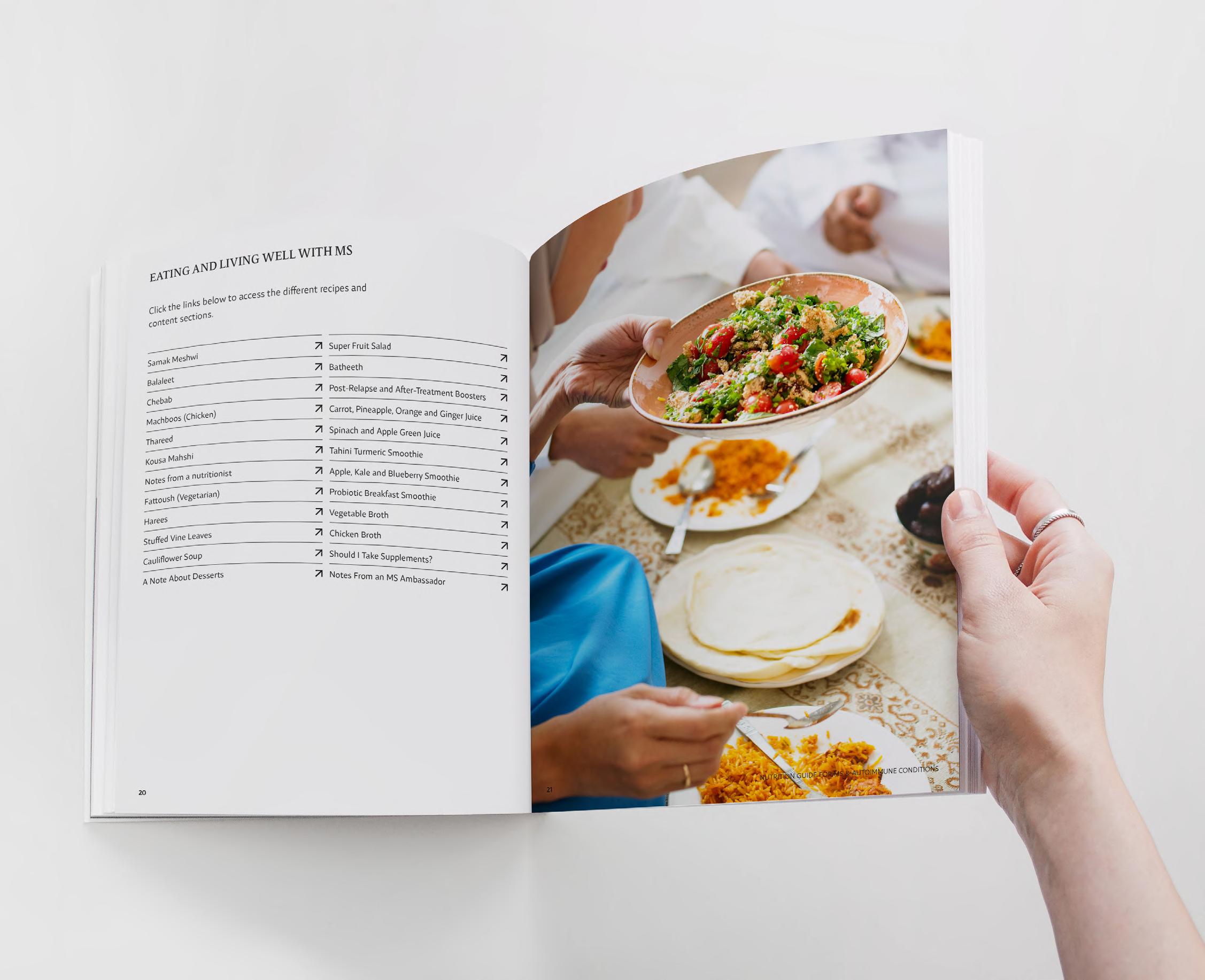
This guide is designed to help people with MS and other autoimmune conditions make informed dietary choices. It offers tips and suggestions to maximize nutrition and reduce inflammation by presenting regional recipes with healthier ingredient alternatives.
Nutrition Guide for MS & Autoimmune Conditions
EFFECTIVE DAILY CARE
This section of the guide helps carers keep track of and manage their daily responsibilities, including practical tools and tips for improving physical and emotional wellbeing.
Tools & Templates for Carers
Assistive Technologies
Staying Active
Building Community
Caring for someone with a chronic condition can be complex. Using tools and templates can help you stay organized, track important information and provide consistent care.
Below are some essential tools for carers to keep track of important information. Ensure that you have some system in place for tracking this essential information.
01
CARE NOTES
A template to record observations, care activities and any changes in the person’s condition. Care notes help you monitor patterns over time, identify triggers for symptoms and provide accurate information to healthcare professionals.
03
SYMPTOMS TRACKER
A tool to document symptoms, their severity, and potential triggers (e.g., stress, diet, weather, etc.). Tracking symptoms can help identify patterns, monitor progression of the condition, and guide treatment decisions.
02
MEDICATION TRACKER
A log to record medications, dosages, schedules and any side effects. A medication tracker helps prevent missed doses, avoids medication errors and provides a clear record for doctors or pharmacists.
04
APPOINTMENT CALENDAR
A schedule to track medical appointments, therapy sessions, and other important dates. An appointment calendar ensures you never miss a medical visit and helps you prepare questions or updates for healthcare providers.
RECOMMENDED APPS FOR CHRONIC CONDITION CARE
Here are a few recommended apps to help you manage your caring responsibilities. These apps can be integrated with your personal calendar to streamline important reminders about your caring responsibilities.
MEDISAFE
A comprehensive app for managing medications, tracking symptoms and organizing medical information. It also includes a shared calendar for appointments and reminders.
MEDISAFE
MYTHERAPY
A medication and health tracker that sends reminders for doses, appointments and exercises. It also allows you to log symptoms and share reports with healthcare providers.
MYTHERAPY
DOSECAST
A medication management app that helps you stay on track by sending reliable dosage reminders.
DOSECAST
If you prefer manual tools and templates, please consult the Appendix of Carer Tools & Templates section at the back of the guide.
Appendix of Carer Tools & Templates
ASSISTIVE TECHNOLOGIES
Assistive technology can play an important role in chronic condition care, promoting independence and enhancing quality of life. It can help individuals manage symptoms, perform daily tasks and stay connected with friends, hobbies or interests.
Consult the table of assistive technologies below.
Assistive Technology Definition
Mobility Aids
Orthotics
Adaptive Utensils
Bathroom Aids
Devices that help individuals with mobility impairments move more easily.
Customized devices that support or correct musculoskeletal issues.
Tools designed to make eating and cooking easier.
Devices that enhance safety and independence in the bathroom.
Examples
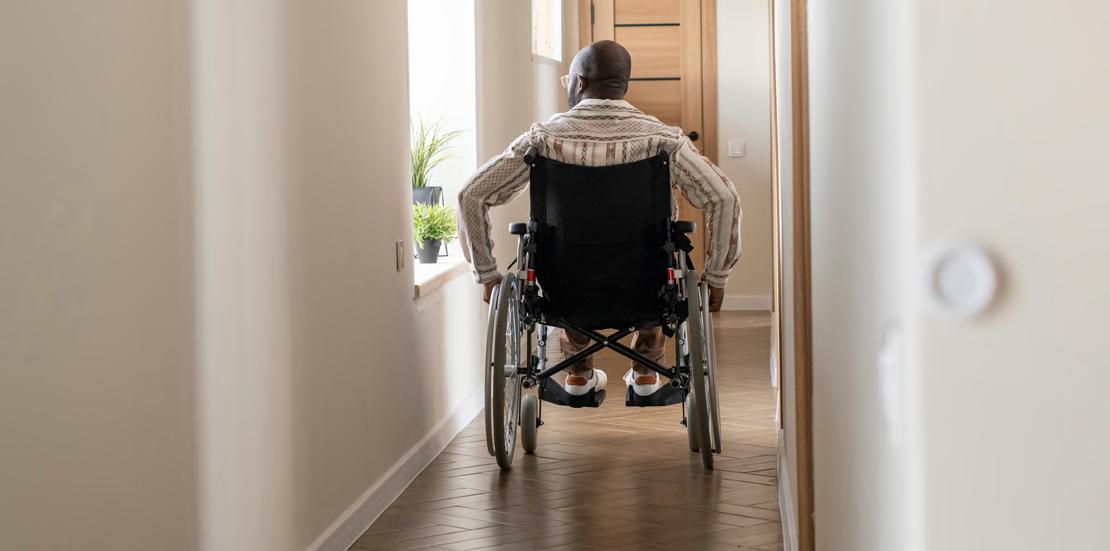
Canes, crutches, walkers, wheelchairs, motorized scooters, stair lifts, etc.
Ankle-foot orthoses (AFOs), sole inserts, knee braces, wrist splints, etc.
Weighted utensils, talking kitchen devices, rocker knives, non-slip mats, one-handed can openers, etc.
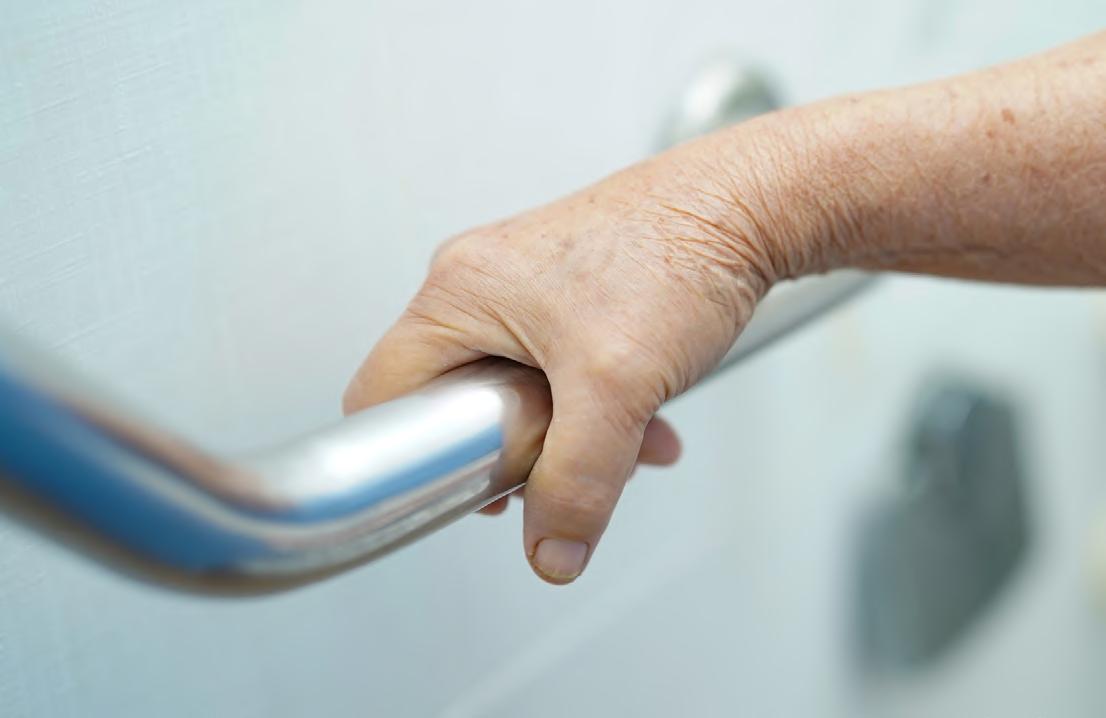
Grab bars, shower chairs, raised toilet seats, non-slip mats, etc.
Always prioritize promoting independence and encouraging the person you are supporting to do things for themselves when considering the integration of assistive technologies into your care routine. Always proceed with any adaptations with the consent of the person you are caring for.
Assistive Technology Definition Examples
Communication Aids
Computer Access
Medication
Management
Vision Aids
Tools that help individuals with speech or language difficulties communicate.
Technologies that promote computer accessibility.
Tools that help individuals organize and take medications correctly.
Devices that assist individuals with visual impairments in daily tasks.
AAC devices, speech-generating devices, picture boards, eye-tracking systems, etc.
Screen readers, text-to-speech software, braille displays, talking devices, etc.
Regular physical activity, tailored to the person’s abilities, can improve strength, balance and mood, while combating fatigue and promoting ease of movement.
PHYSICAL WELLNESS WITH NMSS
NMSS physical wellness programs are designed to help people living with MS stay active and engaged in a way that suits their abilities and goals. Join a community of peers and benefit from guided exercise sessions from the comfort of your home. Our goal is to support the journey of the person you are caring for toward better strength, flexibility, and overall well-being.
Access the NMSS home workout videos by clicking the link below. You can also browse upcoming activities in your area that can help you connect with others in the MS community and stay active.
Check out additional resources provided by the Multiple Sclerosis International Federation, including downloadable exercise booklets and recommended stretching routines.
IMPORTANT REMINDERS
What physical activity does the person you are supporting enjoy? How can you help make time and space for these activities on a weekly basis? Discuss options with the person you are caring for and create a weekly exercise schedule to promote good physical and emotional health.
BUILDING COMMUNITY
Building a community is crucial when caring for someone with a chronic condition, as it provides emotional support and reduces feelings of isolation by creating a sense of belonging.
A strong support network can also share practical resources, advice and encouragement, making the journey more manageable for both the carer and the individual with the chronic condition.
IMPORTANT TIPS
Connect with others in the caring community
Sharing experiences and building relationships with others who understand the challenges of the diagnosis can provide invaluable support and encouragement. Consider attending local events with the person you are supporting or joining online forums to connect with peers.
Reinvest in existing relationships
Expand your network using virtual meetings
Online platforms offer a convenient way to find support groups, connect with others facing similar challenges and access resources you might not otherwise discover. Virtual connections can provide valuable support while overcoming geographical and practical barriers.
Explore new interests and activities
Clinically
Isolated Syndrome (CIS)
Help to nurture existing relationships by finding new ways for the person to connect with loved ones and enjoy shared activities. Encourage open communication and flexibility to adapt activities to the person’s changing energy levels.
Help the person embrace the opportunity to explore new passions and hobbies that bring them joy and fulfillment. Finding new interests can expand their social circle, introduce them to new communities and provide a sense of accomplishment.
What are the hobbies and interests of the person you are supporting? Can you think of ways for them to continue to enjoy these passions by attending events or connecting to new online communities?
Explore upcoming events organized by the National Multiple Sclerosis Society focused on community empowerment around the UAE by clicking the link below.
NMSS EVENTS
PLANNING FOR THE FUTURE
This section of the guide focuses on what to do if the symptoms of the person you are caring for become increasingly difficult to manage in the future.
Emergency Situations
Safe Transfers
Home Environment Modifications
Home Maintenance & Important Documents
EMERGENCY SITUATIONS
If an emergency care situation arises, it is important to remain calm and act systematically.
Consult the following recommended action plan for emergency situations. We recommend keeping the important documents and other items mentioned below in a safe, easily accessible place so they can easily be found in emergency situations.
01
Assess the Situation
• Contact the Neurologist or MS/chronic condition Nurse.
• Inform the neurologist or nurse about the situation and ask for guidance.
• Ask if the patient should go to the hospital or if the issue can be managed at home.
• If an ambulance is required, call 999 (or relevant emergency number) immediately.
• Inform other emergency contacts (e.g., family members) about the situation.
• Bring the patient’s medical records, medication list and insurance details to the hospital.
• Pack essentials like water, comfort items, etc.
• Some hospitals in the UAE offer patient transport services. Check with the treating hospital regarding transport options.
• Alternatively, ambulance services such as National Ambulance or providers like Mediclinic Ambulance Services can support with medical transport.
• If the person you are supporting is stable, you can use ordinary ride hailing apps like Uber or Careem for nonurgent transport.
• Schedule a follow-up appointment with the neurologist or GP.
• Monitor the person you are supporting for any recurring symptoms or side effects.
Ensure that you have up-todate emergency medical contact information available at all times. Save these on your phone and keep a hard copy somewhere easily accessible. You can use the simple template in the Appendix of Carer Tools & Templates at the back of this guide.
Appendix of Carer Tools & Templates
SAFE TRANSFERS
It might be necessary during symptom flareups for you to physically assist with moving (transferring) the person you are caring for.
GENERAL TIPS
Transferring someone with MS requires careful consideration of their abilities - as well as yours. This page includes some tips for safe transfers. Keep the following important general tips in mind when transferring the person you are caring for.
• Never lift more than you are comfortable with; do not overstrain.
• Create a strong base of support by standing with your feet shoulder width apart, with one foot half a step in front of the other.
• Use your leg muscles to lift. Avoid using your back muscles to do the lifting.
• If transferring to a low bed or couch, put one foot on a stool. This relieves pressure on your lower back.
• If transfer is a regular part of your care routine, consider using a support belt for your back.
IMPORTANT REMINDERS
Consult the nurse for further support and advice about safe transfers. Consider training with a physio and/or building up your own strength to help you with the physical elements of caring activities. It can be a good idea to practice transfers during stable periods so that both parties gain confidence in the movements.
SAFE TRANSFER TECHNIQUE
Follow these 3 steps for safe physical transfers.
1. Always tell the person what you are going to do
• Before starting a move, count down with the person (e.g., “3, 2, 1…”).
2. While lifting, keep your back in a neutral position (not stiff or braced), with your knees bent and weight balanced on both feet.
• Tighten your core muscles to maintain a support position.
• Use your arms to support the person and always let your legs do the lifting.
3. Pivot (turn on one foot) instead of twisting your body.
• Breathe deeply and relax your shoulders while slowly transferring the person you are caring for.
• If a lot of assistance is needed with transfers, consider tying a strong belt or a transfer belt around the person’s waist to provide additional support.
NEED SOME EXTRA SUPPORT?
Assistive technologies such as sit-tostand lifts can be helpful in contexts where transfers are a regular part of your caring routing, reducing the risk of injury for both the person being transferred and the caregiver.
HOME ENVIRONMENT MODIFICATIONS
Home modifications can be an important step in creating a safe and supportive environment for someone with a chronic condition such as MS.
Consult the following table, which includes ideas for home environment modifications that can provide additional support in symptom management and promoting quality of life.
IMPORTANT TIPS FOR RENTERS
Most of the tips included in the table below are suitable for those living in a rented property. However, it is important to keep the following important tips in mind before proceeding with any home environment modifications.
Communicate with landlords
Use adhesive hooks or strips
Always inform your landlord or property manager about any modifications, even if they are temporary.
For hanging items like grab bars or decorations, use removable adhesive hooks or strips to avoid damaging walls.
Keep original fixtures Professional assistance
Store any original fixtures (e.g., showerheads, doorknobs) to reinstall when moving out.
Use the services of a handyman to ensure neat, professional adaptations.
ENTRYWAYS
Clear Pathways
Temporary Ramps
Threshold Ramps
Handrails
Lever-style Door Handles
Keep walkways clear of clutter to reduce tripping hazards.
Use portable, lightweight ramps for doorways or small steps to improve wheelchair or walker accessibility.
Install removable threshold ramps to bridge gaps between rooms or at entryways.
Use handrails for stairs or hallways if needed (these can be removable).
Replace round doorknobs with lever-style handles, which are easier to grip.
FLOORING
Non-Slip Mats & Rugs
Interlocking Floor Tiles
Threshold Ramps
Place non-slip mats or rugs in high-traffic areas like entryways to reduce the risk of falls.
Use interlocking foam or rubber tiles to create a softer, more stable surface in high-traffic areas. These can be easily removed.
Install removable threshold ramps to bridge gaps between rooms or at entryways.
BEDROOM
Bed Rails
Mattress Elevators
Night Lights
Bedside Commode Chair
Install (removable) bed rails to assist with getting in and out of bed safely.
Use bed risers or mattress wedges to make getting in and out of bed easier.
Battery-operated, portable night lights to improve visibility during the night.
Use a portable toilet for added convenience when the person is experiencing limited mobility.
KITCHEN
Adjustable Shelving
Cabinet Pulls and Handles
Anti-fatigue Mats
Talking Appliances
Use freestanding or adjustable shelving to bring frequently used items within easy reach.
Add adhesive or clamp-on handles to cabinets and drawers for easier access.
Use anti-fatigue mats in the kitchen to reduce discomfort while standing.
Devices providing auditory feedback can assist people who have vision or memory impairments.
BATHROOM
Grab Bars
Shower Caddies
Shower Chairs or Benches
Non-slip Bath Mats
Handheld Showerheads
Towel Hooks
Use suction cups or tension-mounted grab bars in the shower, bathtub or near the toilet.
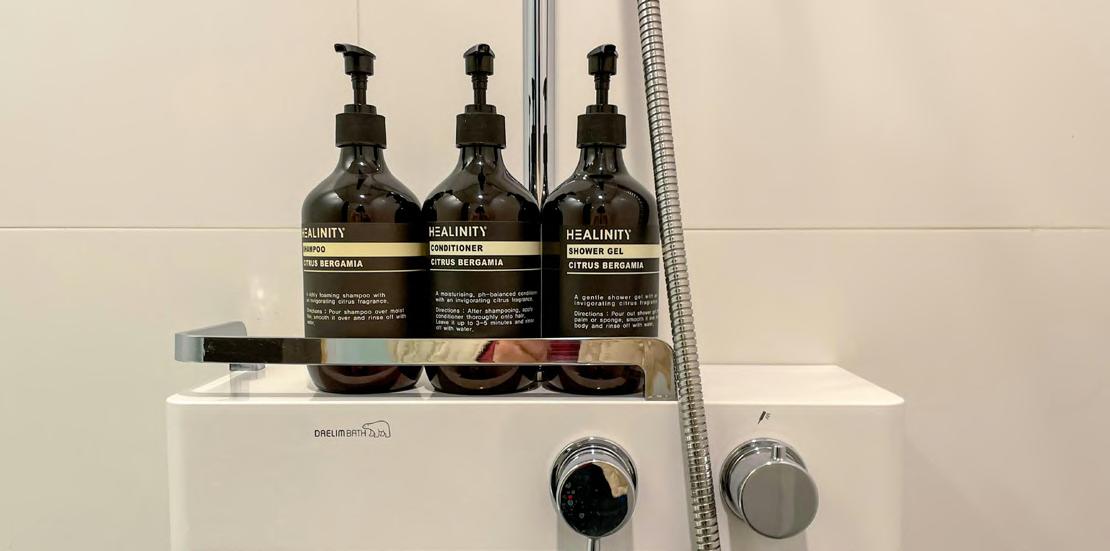
Group all required items (shampoo, brush, etc.) in one accessible space to support independence.
Add a portable shower chair or bench for safer and more comfortable bathing.
Place non-slip mats inside the bathtub or shower and on the bathroom floor.
Install a handheld showerhead for easier bathing while seated.
Where relevant, move or add hooks for towels for greater accessibility.
SMART HOME TECHNOLOGY
Voice-activated Devices
Smart Plugs
Use voice-activated smart home devices (e.g., Alexa, Amazon Echo or Google Home) to control lights, thermostats and other appliances without physical effort.
Installing smart plugs enables remote control of lamps or small appliances.
LIVING AREAS
Furniture Risers
Cushions and Supports
Furniture Anchors
Use furniture risers to elevate chairs or sofas for easier sitting and standing.
Add ergonomic cushions or lumbar supports to chairs and sofas for better comfort.
Secure lightweight furniture to walls with removable anchors to prevent tipping.
LIGHTING
LED Strip Lights
Motion Sensor Lights
Task Lighting
Use adhesive LED strip lights under cabinets, along hallways, or on stair edges to improve visibility without permanent installation.
Install motion-activated lights in hallways, closets or bathrooms for added safety and to help prevent falls.
Add clip-on or portable task lights to workspaces like desks or kitchen counters.
HOME MAINTENANCE AND IMPORTANT DOCUMENTS
Part of your responsibilities as a carer may include helping the person you are supporting take care of important administration. Consult the lists of home maintenance requirements and important documents below and ensure that the individual you are caring for has systems in place for the following important admin considerations.
HOME MAINTENANCE
Can these seamlessly be handed over to someone else in case of emergencies?
• Spare keys (house, car, mailbox)
• Security system codes/PINs
• Garage door codes/remotes
• Cleaning schedules and supplies
• Home maintenance schedules (e.g., HVAC servicing)
• Gardening or outdoor maintenance instructions (if applicable)
• Smart home device instructions (if applicable)
• Pet care instructions (if applicable)
Conversations about important admin can be slow and full of small tasks that need to be accomplished, but it is important that plans and systems are put in place ahead of time. This will reduce complications and stress if an emergency situation ever arises.
IMPORTANT DOCUMENTS
Can these easily be found in case of emergencies?
• Emergency contact list for healthcare providers (doctors, therapists, specialists)
• Emergency contact information (friends, family contacts)
• ID documents (ID card, driver’s license, passport, etc.)
• Medical insurance cards and policy details
• Medical records (diagnosis, treatment plans, medication lists etc.)
• Medication schedules
• Prescription information (pharmacy details, refill schedules)
• Property deeds, mortgage documents or rental agreements
• Tax records and filing information
• Will or estate planning documents
IMPORTANT REMINDERS
Initiating conversations about powers of attorney, wills and next of kin with the person you are supporting can be sensitive, especially in some cultural contexts where these topics might be considered improper to discuss. Choose a comfortable and private setting for these conversations, and consider involving a trusted family member or even religious figure, if desired.
TAKING CARE OF YOURSELF
This section includes self-care tips and resources to promote stress management and avoid carer burnout.
The Importance of Self-Care
Self-Care Questionnaire
My Support Network
Burnout Assessment
THE IMPORTANCE OF SELF-CARE
Self-care is important for carers, as the role involves emotional, physical and mental demands, and nurturing your own wellbeing allows you to give care from a place of strength and compassion, rather than depletion.
The Seven Pillars of Self-Care represent a rounded, holistic approach to looking after your own wellbeing. Ensure that you are paying attention to all these different aspects of self-care to maintain your energy levels and positive outlook.
THE SEVEN PILLARS OF SELF-CARE
• Mental: Cultivating a healthy mindset through mindfulness and curiosity.
• Emotional: Caring for your emotional wellbeing with healthy coping strategies.
• Physical: Taking care of your body through exercise, nutrition and proper sleep.
• Environmental: Caring for the spaces and places around you.
• Spiritual: Engaging in activities or practices that give a sense of meaning to your life.
• Recreational: Making time for hobbies, fun activities and new experiences.
• Social: Building relationships with regular connection and healthy boundaries.
IMPORTANT REMINDERS
Think of your well-being as a cooler filled with refreshing drinks. When it’s full, you have plenty to share and keep yourself going. But if you keep giving without replenishing, eventually, the cooler runs dry. Self-care is how you refill that cooler. It’s not about being selfcentered; it’s about making sure you have the resources to continue caring effectively for the person you are supporting.
SELF-CARE QUESTIONNAIRE
Take the following questionnaire to review tips and strategies for managing personal stress and promoting self-care in your role.
• If the answer to the questions below is “Yes”, place a checkmark in the column.
• If the answer is “No”, then make notes about one simple action or activity you could do to start incorporating this self-care strategy into your routine.
Question My Notes
Do you schedule replenishing activities?
Whether it is reading, gardening, listening to music, or spending time with loved ones, do you ensure you dedicate time to activities that recharge you and bring you joy?
Do you set realistic expectations?
Recognizing that caring often involves a long to-do list, do you prioritize tasks and focus on what is truly essential, while learning to let go of or delegate the rest?
Do you establish healthy boundaries?
Is saying “no” something you are able to do? Do you set compassionate but reasonable boundaries to protect your time and energy, allowing you to focus on what matters most?
Do you identify and manage personal stressors?
Have you taken time to identify the specific things that trigger stress in your caring routine? Once you understand your stressors, do you think of ways to minimize or eliminate them?
Question My Notes
Do you utilize mini-breaks?
Do you incorporate short breaks throughout your day? Even five minutes of deep breathing, stretching, or simply closing your eyes can help you reset and refocus.
Do you prioritize sleep and diet?
Recognizing that adequate sleep and a healthy diet are cornerstones of both physical and emotional wellbeing, do you aim for at least 7 hours of quality sleep per night? Do you focus on nourishing your body with nutritious foods?
Do you engage your support network?
Remembering that you don’t have to do it all alone, do you cultivate a support network of family, friends, and community resources?
Do you stay organized and plan ahead?
Knowing that caring can involve juggling multiple appointments, medications, and tasks, do you stay organized and plan ahead? Does this help you anticipate challenges and feel more in control?
When creating your carer support network, it is important to think of the different kinds of support you might need and build your support team accordingly.
Here are different types of support you may need. Can you identify at least one person or professional who can provide you with each kind of support?
INFORMATION FEEDBACK AND GUIDANCE
Access to accurate, relevant, and timely information about the condition, treatments, and caring strategies. Support to help you make informed decisions and feel more confident in your role as carer.
• Healthcare Professionals
• Support Groups & Organizations
• Social Workers
SELF-ESTEEM
Emotional support and encouragement to help you feel valued, confident and appreciated in your role. This is very important for maintaining mental and emotional wellbeing.
• Family & Friends
• Support Groups
• Faith or Community Leaders
• Counselors or Psychologists
Constructive advice, reassurance, and direction from others to help you refine your caregiving approach and solve problems effectively.
• MS Healthcare Team
• Experienced Carers
• Counselors or Psychologists
• Family & Friends
PHYSICAL AND WELLNESS
Support and encouragement to prioritize your physical health through healthy habits and self-care practices. This is very important for maintaining physical and mental wellbeing.
• Nutritionists & Dieticians
• Fitness Instructors & Personal Trainers
• Physiotherapists
• Community Activity & Exercise Groups
As a carer, seeking practical and emotional support is crucial for preventing burnout and keeping you feeling on top of your game. Sharing challenges with others not only relieves stress, but can provide new perspectives and solutions to challenges. Don’t be afraid to ask for help - it is part of your responsibility as a carer to reach out if you feel you need support.
Reach out to the MS Helpline for support, available daily from 10 a.m. to 10 p.m., on 800677.
Find relevant, local mental healthcare services using the NMSS Directory.
NMSS DIRECTORY
CARER SELF QUESTIONNAIRE
ADAPTED FROM PROF. MICHAEL C HERBST
Feeling a little overwhelmed by your caring responsibilities? Take the following test to explore the strength of your feelings and evaluate if you need greater support in your role as carer.
Complete the questionnaire by placing a check on the appropriate response box. Each box shows a corresponding points total, which you will use to calculate your overall score on the quiz.
How often do you get a good night’s sleep (seven or more hours)?
How often do you keep up with leisure activities that you enjoyed before you began caring?
How often do you feel irritable or lose your temper with others?
How often do you feel happy?
How often do you find it difficult to concentrate?
IMPORTANT HEALTH NOTICE
This activity is meant to provide a safe and private space for you to explore the strength and extent of the feelings you have been experiencing. It is not intended to replace a professional mental health evaluation. Please seek professional help if you are feeling overwhelmed.
How often do you lack the energy to cook, clean, and take care of everyday basics?
How often do you feel hopeless about the future?
How often do you feel overwhelmed by all you have to do?
How often has someone criticized your caregiving or suggested you are burning out?
How often do you feel that someone is looking after or caring for you?
CAREGIVER SELF-QUESTIONNAIRE
ADAPTED FROM PROF. MICHAEL
C HERBST
WHAT IS YOUR SCORE?
Add up your score using this points system and then refer to the descriptions below.
33-40: Maintain Balance
You are managing caring responsibilities well and maintaining a healthy balance in your life. Continue practicing self-care and stress management techniques. Stay connected to your support network and regularly check in with yourself to ensure you’re not neglecting your needs.
19-25: Review & Adjust
You are showing signs of stress, exhaustion and emotional strain. Burnout is a possibility if changes aren’t made. Reassess your caring responsibilities and delegate tasks wherever possible. Schedule regular time off to recharge and consider speaking to a counselor or therapist to address emotional challenges.
26-32: Strengthen Self-Care
You are experiencing some light stress and fatigue but are still coping. Take more frequent breaks and prioritize rest. Seek help from family, friends, or professional services to lighten your load and consider joining a caregiver support group for advice and emotional support.
10-18: Seek Support
You seem to be experiencing physical, emotional and mental exhaustion. Seek professional help to prioritize your own health and wellbeing. Arrange for temporary care support (e.g., respite care or professional caregivers) and take a step back to focus on your own health and recovery. Reach out to the MS Helpline for support, available daily from 10 a.m. to 10 p.m., on 800677. For emergencies, dial your emergency line as relevant to your country of residence. In the UAE, dial 999.
LINKS TO ADDITIONAL RESOURCES
Please consult the following helpful resources for further support in your care journey.
LINKS TO ADDITIONAL RESOURCES
IMPORTANT UAE CONTACTS
Emergency calls: 999
MS Helpline: 800677
NMSS Directory
UAE People of Determination
Government Portal
HOME SERVICES IN THE UAE
Manzil Home Care
Right Health
MULTIPLE SCLEROSIS WEB RESOURCES
Multiple Sclerosis Factsheet
MS Patient Journey
First Response Healthcare Mayo Clinic Explains Multiple Sclerosis
HMS Mirdif Hospital
Mediclinic UAE
CARER AND CHRONIC CONDITION GUIDES
Understanding Autoimmune Disease
Caregiver Resource Guide
Supporting Someone with a New
MS Diagnosis
Living with Diabetes
A Practical Guide to Epilepsy
National Multiple Sclerosis Society (UAE)
MS Events in the UAE
Healthy Living & Quality of Life
MS Focus Lending Library
BelongMS
Can Do MS
GET INVOLVED
Are you inspired to share your story and connect with others in the MS community? Share your journey, raise awareness and play your part in building a supportive online community together!
FOLLOW NMSS ON SOCIAL MEDIA
NMSSocietyUAE
National MS Society UAE
National Multiple Sclerosis Society UAE
NMSSocietyUAE
NMSSocietyUAE
ACKNOWLEDGMENTS
We are extremely grateful to the following contributors, whose support was invaluable in the development of this digital guide.
ACKNOWLEDGMENTS
Fatema Al Harbi, a social worker based in the UAE, who reviewed the tips and information contained in this digital guide.
Dr Duaa Almasri, a healthcare worker who shared her personal experience of caring for someone with MS.
Dareen Alshamali, a person living with MS who shared personal insights into her relationship with her carer.
APPENDIX OF CARER TOOLS
& TEMPLATES
Using tools and templates can make caring more effective. They help you stay organized, communicate clearly with healthcare teams, and provide the best possible care for the person you are supporting.
Emergency Contact List
Care Notes Template
Symptoms Journal
Medication Tracker
Appointment Calendar
EMERGENCY CONTACT LIST
Work with the person you are supporting to complete the following table and capture emergency contact information. Ensure that these details are consistently up-to-date and easily accessible.
MY FIRST POINT OF CONTACT
NEAREST HOSPITAL OR CRISIS CENTER
OTHER EMERGENCY CONTACTS (FAMILY, FRIENDS, ETC.)
CARE NOTES TEMPLATE
Care notes are important records, detailing the care delivered to an individual and how they are responding to treatments for their chronic condition. Recording care notes can support the healthcare team in capturing a more complete, personalized insight into the needs of the person you are supporting.
Use this template to record your care notes. An example has been provided. We recommend recording notes on a weekly basis, unless there is a noticeable change in the way the person you are supporting is feeling (either positive or negative). If this happens, record daily notes to serve as a record for the healthcare team to review.
Date: 5 March, 2025
Hamda had a good day. Morning routine included medication (oral, 8:00 AM) with a good breakfast of balaleet, followed by light stretching and reading. Lunch was some fattoush salad and vegetable soup, and she enjoyed a walk in the garden and card game in the afternoon. Dinner consisted of baked fish and vegetables, with medication (oral, 8:00 PM) administered straight afterwards. Hamda expressed some anxiety about tomorrow’s doctor’s appointment, which was addressed with reassurance and conversation about the appointment goals. No new complaints of pain, her appetite was good throughout the day and mood was mostly positive and engaged.
Date: Date:
Date:
SYMPTOMS JOURNAL
Use this table to keep track of symptoms and prepare questions for the medical team.
PAIN
Persistent pain and discomfort can lead to feelings of frustration, irritability and even hopelessness.
FATIGUE
Feeling exhausted makes it difficult to summon the motivation to be physically or mentally active.
MOBILITY LIMITATIONS
Restrictions on movement and independence can trigger a sense of loss and sadness.
BLADDER & BOWEL PROBLEMS
Difficulties with controlling urination or bowel movements, including incontinence (leaking), constipation, or changes in frequency.
COGNITIVE CHANGES
Declines in mental abilities, such as memory loss, difficulty concentrating, problems with problemsolving, or confusion.
EMOTIONAL CHANGES
Shifts in mood or feelings, such as increased anxiety, irritability, sadness, or apathy. Can also include rapid mood swings.
SOCIAL ISOLATION
Lack of contact and interaction with other people, leading to feelings of loneliness and disconnection.
FINANCIAL STRESS
The cost of medical treatments can lead to financial stress and a loss of safety/security.
ADDITIONAL NOTES
MEDICATION TRACKER
Use this basic medication tracker to stay on top of schedules, dosages and special notes from the medical team. The first line has been filled out for you as an example.
MEDICATION NAME
500g 2 x day 8am, 8pm Take with food, avoid fizzy drinks 10 April 2025 Ongoing
Paracetamol
APPOINTMENT CALENDAR
Use this basic appointment calendar to keep track of meetings, doctor visits and more. Write your questions and notes in the final column. The first line has been filled out for you as an example.
APPOINTMENT
Visit to GP 3pm Healthcare Central, Dubai Hills Dr Al Harbi, 012 345 6789 Order Uber at 2.15pm Bring medication list and symptom journal. Is it normal for the muscle spasm medication to cause drowsiness?