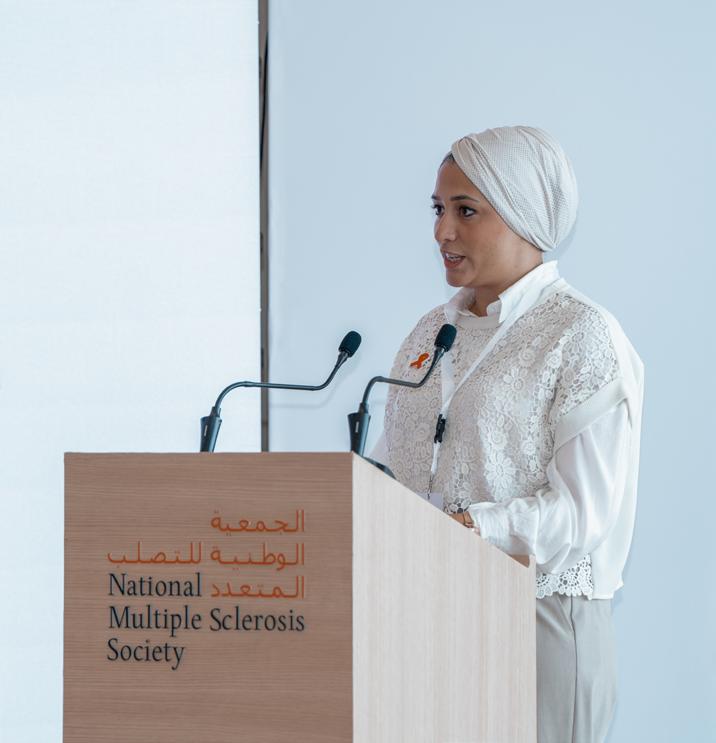
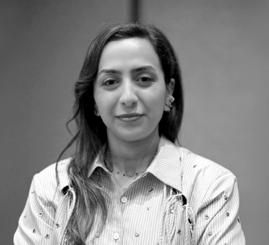
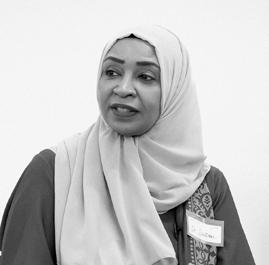
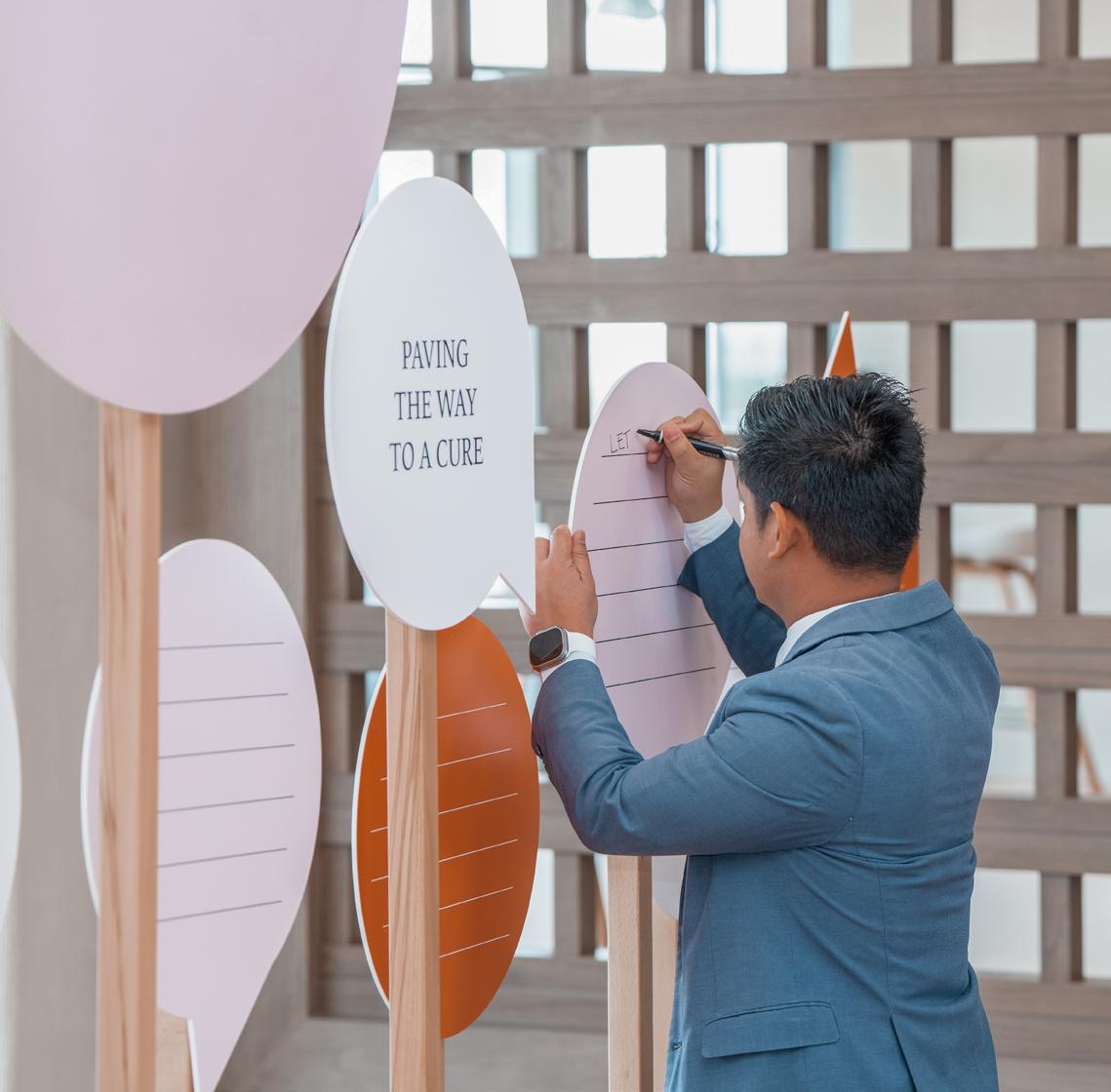
Progress in research is not only measured by volume, but by the clarity and purpose of direction behind it. At NMSS, our focus has been on advancing with intent, supporting research that have the greatest potential to advance treatments and reshape outcomes for people living with multiple sclerosis (PwMS). Our commitment to responsible growth in funding MS research reflects a broader ambition- to move beyond incremental progress and contribute meaningfully to better treatments, and ultimately a cure, from right here in the UAE.
Within a rapidly evolving UAE research landscape, NMSS continues to play a defining role in shaping how MS care is understood and advanced. By nurturing cutting-edge research and fostering a more connected ecosystem, we are helping translate scientific promise into tangible impact. The momentum we are seeing today, with increased interest from a skilled workforce dedicated to MS, reflects not only growing capability, but a shared commitment across the UAE, to work together and drive meaningful progress. In enabling innovation and cultivating a strong research community, together we are contributing to improved treatments, more responsive health systems, and a better quality of life for people living with MS.
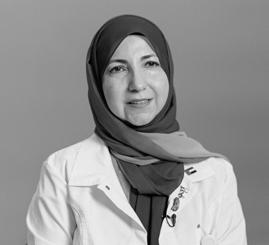
DR. FATIMA AL KAABI Vice Chair National Multiple Sclerosis Society
Who We Are
The National Multiple Sclerosis Society (NMSS) which operates under the Ministry of Community Empowerment in the UAE, is dedicated to bettering the lives of people living with multiple sclerosis and their communities through education, advocacy, and advancing global efforts to find a cure for MS.
NMSS strives to raise awareness of MS, establish a comprehensive support system for the MS community in the UAE, and provide resources to those impacted by the condition.
01 MS Research
Research is central to our mission to better the lives of people living with MS. We invest in high-quality, impactful research that advances knowledge, strengthens care, and delivers real-world benefits. Through strategic funding, global partnerships, and key initiatives such as research grants, registries, and fellowships, we respond to today’s challenges while laying the groundwork for lasting progress.
By enabling innovative discovery and cultivating a skilled research community, we are driving improvements in treatment, health systems, and quality of life for people living with MS.
Together, these efforts move us closer to meaningful change and lasting solutions in MS care.
Funding and Impact
Research is the cornerstone of our mission at NMSS. Through this work, we continue to advance new treatments, strengthen patient care, and move closer to a cure for MS.
15
D ~11M
D ~2.3M
D ~15M 04 Awarded new studies
Total studies funded to date
Total funding to 2025
Research funds raised to date
Funding committed through 2027
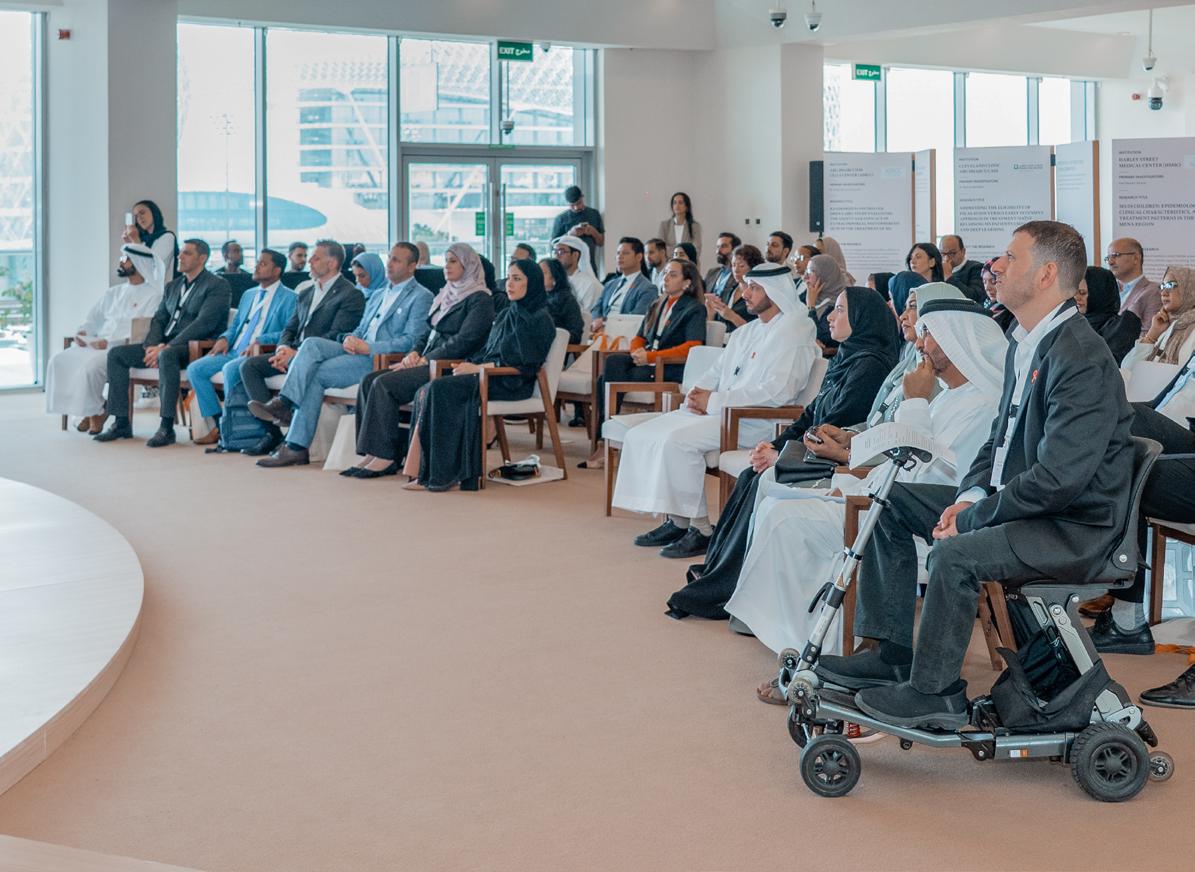
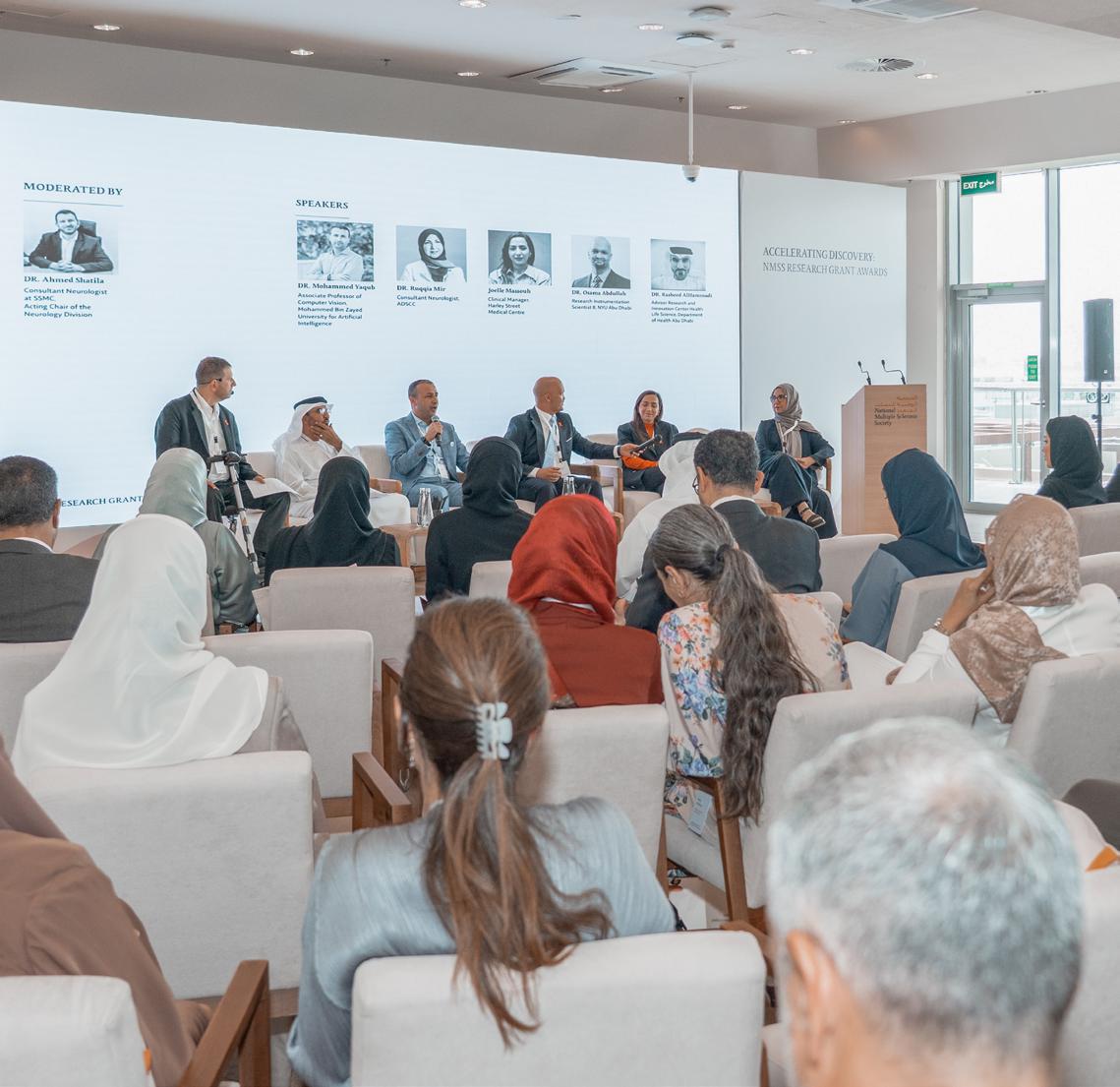
Building on the momentum of previous years, the 2025 NMSS Research Grant cycle was anchored in the theme “Advancing MS Treatments.”
It attracted high-quality proposals and reflected a maturing research ecosystem aligned with NMSS priorities to drive meaningful progress in MS treatment and care.
The cycle received 36 letters of intent from across the UAE, resulting in 34 full applications.
Grant Management Automation
In 2025, NMSS implemented a grant management platform, to automate research grant processes as part of a broader digital transformation. The platform streamlined application review, communication, and tracking, while improving transparency and consistency across all stages.
This reduced the administrative burden, enhanced data quality, and created a more user-centered experience, allowing both applicants and reviewers to focus on scientific merit and impact. By modernizing its grant processes, NMSS strengthened operational efficiency and oversight, reinforcing its commitment to supporting high-quality and impactful MS research.
Research Milestones at a Glance
Publications NMSS-funded researchers published 23 papers in high-impact journals.
Policy Briefs
2 policy briefs were published, contributing insights to the scientific community and informing MS-related policies and direction.
Abstracts
8 abstracts were presented by researchers at leading international conferences, supporting knowledge exchange, fostering collaboration, and showcasing the UAE’s growing role in advancing MS research.
Clinical Tools
Awards and International Recognition
6 tools are being studied to make diagnosis, rehabilitation, and MS research more efficient and precise.
LAMINATE received two recognitions in 2025, both in Abu Dhabi Global Health Week (now Future Health Summit) and the 10th MENACTRIMS congress, reflecting its regional relevance and contribution to AI-enabled healthcare innovation.
Community Engagement in Research
More than 35 PwMS and their caregivers participated in community events aimed at enhancing understanding of MS research.
NMSS Community Survey
76 PwMS shared their insights into their challenges and needs. These insights help ensure that NMSS programs and research efforts are grounded in lived experience.
02 Research Grant Cycle
THE 2025 TASKFORCE MEMBERS
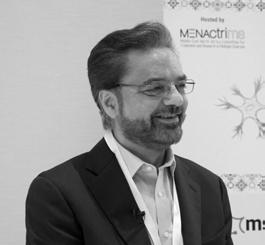
Dr. Bassem Yamout
President of MENACTRIMS
Neurology Institute and MS Centre, Harley Street Medical Centre
Chair of Scientific Evaluation Taskforce
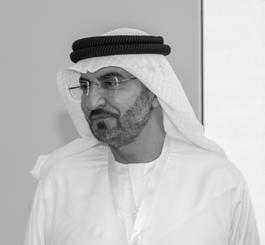
Dr. Rasheed Alhammadi
Advisor Research and Innovation Centre
Department of Health – Abu Dhabi
Co-chair of Scientific Evaluation Taskforce
Prof. Shahrukh Hashmi
Director of Research
Department of Health – Abu Dhabi
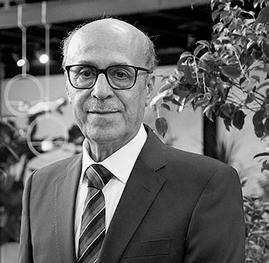
Dr. Jihad Inshasi
Professor of Neurology
Dubai Medical College
Consultant Neurologist
Rashid Hospital, Dubai Health
The success of the research grant cycle 2025 is grounded in the rigorous and dedicated efforts of the Scientific Evaluation Taskforce. Through their expert evaluation of research proposals, they play a central role in ensuring scientific excellence, fairness, and alignment with research priorities.
Their commitment ensures that only high-quality, impactful, and feasible proposals are advanced through the cycle.
Dr. Ruqqia Mir
Consultant Neurologist
Abu Dhabi Stem Cells Center (ADSCC)
Joelle Massouh
Clinic Manager
Harley Street Medical Centre
Dr. Laurette Bukasa
Epidemiologist and Managing Consultant
Malaffi
Dr. Suzan Ibrahim
Consultant Neurologist and MS Specialist
University Hospital Sharjah
2025 Research Grant Cycle Awardees
Dr. Bassem Yamout
RESEARCH TITLE
AI-Driven Neuroimaging for Differentiating MS from NMOSD and Monitoring Treatment Response in NMOSD
RESEARCH DESCRIPTION
This multicenter retrospective observational research study explores the use of artificial intelligence to improve the accuracy of brain and spinal MRI scans in distinguishing between MS and neuromyelitis optica spectrum disorder (NMOSD), two conditions that often appear similar but require different treatments.
The research focuses on AI tools to detect subtle disease activity to reduce misdiagnosis and improve patient outcomes by providing more precise monitoring and supporting early treatment decisions.
Dr. Omer Alkhnbashi
RESEARCH TITLE
AI-Driven Prediction of MS Treatment
Response in the UAE: A Genomics and Machine Learning Approach
RESEARCH DESCRIPTION
This retrospective, quantitative observational study aims to develop an AI-powered tool that uses comprehensive patient data to predict the most effective MS treatments in the UAE.
By integrating medical history, MRI results, blood tests, and genetics, the project aims to enable faster, more personalized therapy choices, improving outcomes and reducing trial-and-error treatment delays.
Dr. Youssef Idaghdour
RESEARCH TITLE
HEAL MS: A Culturally Adapted Lifestyle
Medicine
Intervention Targeting Metabolic and Immune Dysregulation in Multiple Sclerosis Using Multi-Omics Profiling
RESEARCH DESCRIPTION
This single-arm, within-subject, pretest-posttest interventional study explores the impact of a structured lifestyle program focusing on an antiinflammatory diet, gentle exercise, stress management, and sleep support to improve health and slow disease progression in people with MS.
Delivered via a bilingual app and group coaching, the program aims to improve symptoms, biological markers, and quality of life, offering a culturally tailored, non-drug approach to MS care.
In parallel, the study uses advanced multi-omics profiling to track changes in mitochondrial function, metabolism, and inflammation, to understand how these biological changes relate to people’s MS symptoms.
Dr. Nemat Ullah Khan
RESEARCH TITLE
Developing Precision Neuroprotective Therapy for MS Using Patient-Derived Brain Organoids
RESEARCH DESCRIPTION
This experimental, cross-sectional, translational study investigates a novel treatment for multiple sclerosis using Hi1a, a molecule derived from the venom of the Australian funnel-web spider.
Hi1a targets and blocks ASIC1a, a protein that drives nerve injury in MS, with the potential to provide neuroprotection and myelin repair. The research aims to develop a precision medicine approach for safer, more effective, and personalized MS therapies.
2023 – 2024 Research Progress and Outcomes
PRIMARY INVESTIGATOR
Dr. Yendry Ventura
Carmenate
RESEARCH TITLE
Dr. Fatima Mohammed Al Kaabi
Randomized Controlled Open-Label Study Evaluating the Safety and Efficacy of Extracorporeal Photopheresis (ECP) in the Treatment of MS
BACKGROUND
The PHOMS study explored a new way to support PwMS. It tested extracorporeal photopheresis (ECP) as an add-on to standard treatment, building on earlier evidence that this therapy may help rebalance the immune system. ECP uses a person’s own white blood cells, treats them outside the body, and returns them to help moderate immune activity.
The trial enrolled 20 people with relapsing-remitting and secondary progressive MS, all of whom were randomized; 15 were ultimately included in the final analysis. A total of 252 ECP procedures were completed. All treatments were well tolerated, showing that the approach is safe and feasible. Each participant contributed valuable insight into how ECP could fit into long-term MS care.
OUTCOMES
People receiving ECP alongside standard therapy maintained stable disability scores, walked faster, and showed steady hand function and quality-of-life measures. Participants receiving standard care alone showed small declines in these areas, suggesting ECP may help preserve everyday function.
Beyond these early outcomes, the study helps address unmet needs, particularly for people with progressive MS. These steps point toward broader treatment options and improved quality of life for the MS community in the UAE and beyond.
The project has produced multiple peer-reviewed publications and strengthened local expertise in advanced MS trials.
Dr. Osama Abdullah
RESEARCH TITLE
LAMINATE: Longitudinal AI-based MS Lesion and Atrophy Segmentation Tool
BACKGROUND
The LAMINATE study developed state-of-the-art deep learning technologies to create an AI-based tool tailored on UAE-specific patient data from Cleveland Clinic Abu Dhabi and Yas Clinic. By bridging together real-world clinical data and advanced neural network models, the project aims to equip the medical community with a powerful tool to enhance MS care and research across the region.
This project addresses the need to overcome the time-consuming process from a specialized neuroradiologist when comparing lesions across multiple MRI scans acquired over time, particularly when dealing with numerous lesions.
PROGRESS
A key milestone for this study has been the development of an online lesion segmentation system designed to integrate seamlessly with hospital Picture Archiving and Communication Systems (PACS). To date, the team has manually curated 150 patient datasets from Cleveland Clinic Abu Dhabi and Yas Clinic, ensuring the tool reflects real MS cases in the UAE.
The system now supports fast, standardized lesion analysis and enables comparison between different MRI time points, helping clinicians monitor disease progression more efficiently.
While the longitudinal tracking features are still being refined, early clinical use demonstrates strong potential to improve accuracy, reduce physician workload, and streamline workflow in real hospital settings across the UAE.
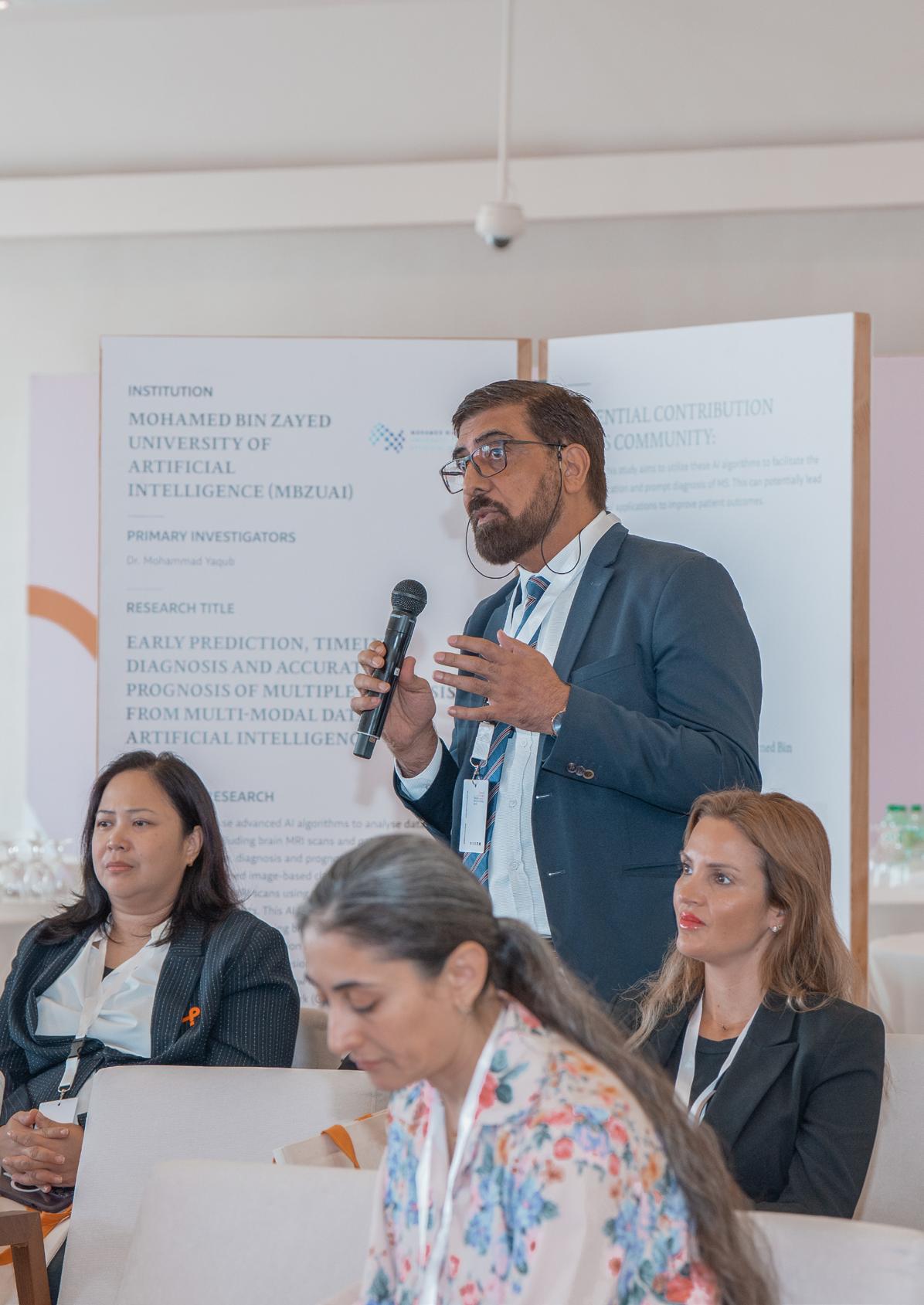
Dr. Mohammad Yaqub
RESEARCH TITLE
Early Prediction, Timely Diagnosis and Accurate Prognosis of Multiple Sclerosis from Multi-Modal Data Using Artificial Intelligence
BACKGROUND
This project focuses on using artificial intelligence to better read MRI scans for people with MS. The team set out to build tools that can spot MS-related changes in the brain faster and more consistently than manual review alone.
OUTCOMES
Researchers developed an AI system that can reliably tell the difference between healthy brain scans and scans affected by MS. They also created DEFUSE-MS, a new tool that automatically detects new MS lesions by comparing earlier and follow-up MRI scans. Using international MRI datasets from 100 patients, the tool showed strong performance and accurately identified disease activity while avoiding false alarms.
Early results show that AI can track changes in the brain over time and support clinical decision-making. The project has already been shared with clinicians, presented at national conferences and has delivered 3 publications in top-tier peer-reviewed venues. These advances lay the groundwork for more precise, data-driven MS monitoring.
PRIMARY INVESTIGATOR
Dr. Alham Al-Sharman
RESEARCH TITLE
Development and Evaluation of Augmented RealityBased Dual-Task Training to Enhance Cognitive and Motor Function in People with Multiple Sclerosis
BACKGROUND
This project aims to establish the foundations for an augmented reality (AR) dual-task rehabilitation approach designed for PwMS. The work focuses on identifying unmet rehabilitation needs, defining user-led design requirements, and ensuring early clinical and user acceptability.
Key priorities for the AR approach included suitability for home or smallspace use, full-body movement tracking, short game-based tasks with adjustable difficulty, and immediate visual and auditory feedback. The approach is co-designed with PwMS and therapists to ensure capturing meaningful outcomes that support monitoring and progression.
PROGRESS
Based on these inputs, a preliminary suite of functional AR rehabilitation scenarios was developed, including sit-to-stand, squats, weight-shifting, stepping, and reaching tasks presented in an engaging, game-like format. Early dissemination has begun, with two abstracts presented at the 10th MENACTRIMS congress.
The project is now focusing on refining the AR scenarios and developing the rehabilitation application. Once this state is completed, a pilot randomized controlled trial with approximately 40 people with MS is planned to assess feasibility, acceptability, and preliminary effects on mobility and cognition, informing the design of a future full-scale trial.
Dr. Charalampos Pitsalidis
RESEARCH TITLE
Self-Energy Harvesting Sensors for Enhanced Monitoring of Multiple Sclerosis (SENSE-MS)
BACKGROUND
The project aims to develop a wearable, self-powered monitoring system using triboelectric nanogenerator (TENG) technology to continuously track gait abnormalities in multiple sclerosis (MS) patients.
The study integrates these sensors into comfortable wearables, such as shoe insoles, which transmit data in real-time. By combining this with AI algorithms, the system can identify subtle changes in gait, facilitating early detection of disease progression.
PROGRESS
During this project, the team developed self-energy harvesting, skinconformal sensing platforms for continuous, high-fidelity motion and tactile monitoring. The work demonstrated improved sensor efficiency, mechanical flexibility, and operational stability, enabling the development of autonomous wearable pressure and force sensors.
In complementary research, a stretchable, self-adhesive all-hydrogel electrode (PPHG) was introduced, outperforming conventional electrodes in multimodal electrophysiology by reducing motion artifacts and enhancing signal quality and machine-learning accuracy. Together, these advances lay the foundation for a next-generation MS sensing platform that integrates selfpowered operation with soft, low-impedance biointerfaces, enabling reliable long-term monitoring of motor and neurological function and supporting digital biomarker development and personalized disease management.
International Research Progress
Dr. Theodore Jardetzky
RESEARCH TITLE
Targeting EBV Entry Glycoproteins for Vaccine and Therapeutic Development
This research looks at a virus that is now strongly linked to multiple sclerosis: Epstein–Barr virus (EBV). The goal is to stop EBV from triggering MS by targeting the virus at the point where it enters human cells. The team focused on a key surface protein, called gB, which EBV needs to infect the body.
In the project’s second year, researchers reached an important milestone. They successfully stabilized the gB protein in the shape it takes just before infection, making it suitable for vaccine studies. Using this stabilized form, the team generated new antibodies in laboratory models, including humanized mice and llamas, moving the work closer to real-world prevention and treatment options.
The newly identified antibodies bind tightly to the gB protein and can block EBV in early testing. Together, these advances lay the groundwork for future EBV vaccines and antibody-based treatments.
03 MS Advocacy
Guided by this mission, we aim to bring together strategic initiatives, evidence-based publications, and stakeholder engagement to inform policy, and drive systems-level change.
Each initiative builds on the last, strengthening our collective effort to shape national conversations around stigma, employment, and patientcentered care. These ongoing efforts reflect our belief that advocacy grounded in data and driven by the MS community is essential for transforming lived experiences today and building a more supportive future for all PwMS.
Our advocacy work is a steadfast commitment to advancing equity, access, and inclusion for people living with MS.
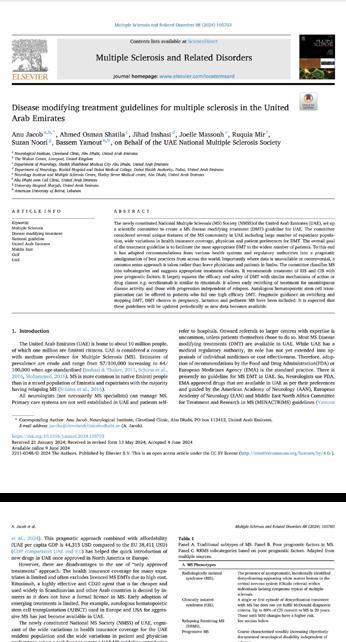
Improving Access to Care Through MS Guidelines
One of NMSS’s standout achievements is the publication of the first-ever national MS treatment guidelines in the UAE in a peer-reviewed journal. This milestone represents a collective step forward in standardizing MS care. These guidelines, adopted by the Department of Health – Abu Dhabi (DoH) and Dubai Health Authority’s EJADA program, aim to align clinical decisionmaking and ensure comprehensive insurance coverage across the UAE.
The treatment guidelines provide an evidence-based approach to MS care, aiming to influence health policies to ensure that people with MS receive the right care at the right time based on evidence. Building on this achievement, DoH, in collaboration with NMSS, convened two workshops that brought together more than fifty representatives from health authorities, MS specialists, insurers, and patient representatives.
These sessions fostered a shared commitment to advancing guideline implementation and strengthening multisectoral alignment. The workshops emphasized early intervention, streamlined authorizations, and equitable access, reducing treatment delays, ensuring consistency, and minimizing administrative burdens through improved documentation and real-world data integration. These guidelines continue to support outcome-focused policies that prioritize timely access to disease-modifying therapies, multidisciplinary care including rehabilitation and mental health, and updates such as the new McDonald diagnostic criteria.
The NMSS Community Survey gathered input from 76 people living with MS across the UAE, offering direct insights into their lived experiences with the condition, co-existing comorbidities, daily challenges, needs, as well as how they engage with MS research and NMSS programs.
KEY FINDINGS
The MS community in the UAE is diverse, with varying needs that require tailored care and long-term support.
One-fourth of PwMS live with additional chronic or autoimmune conditions like NMOSD, hypothyroidism, fibromyalgia, or rheumatoid arthritis alongside MS. This can delay diagnosis, complicate symptom management, and impact overall quality of care.
Emotional wellbeing, mental health, and community support remain key areas requiring further support.
Understanding of research is relatively strong; however, participation remains low due to limited access to clear and accessible information, highlighting an opportunity to strengthen engagement.
The survey provided a platform for PwMS in the UAE to share their experiences, challenges, and aspirations. These insights highlight opportunities to strengthen support systems, build inclusive programs, and ensure that care, services, and research respond to the needs of the community. By amplifying these voices, stakeholders can drive informed policy and program decisions, promote greater engagement in research, and build a more empowered MS community across the UAE.
Acknowledgments
We would like to extend our heartfelt gratitude to our donors and partners for their generous contributions to the National Multiple Sclerosis Society. Your support continues to strengthen our mission to improve the lives of people living with multiple sclerosis across the UAE.
Each contribution tells a story of shared purpose and compassion. Your partnership and donations not only drive our initiative forward but also reinforce a shared commitment to creating an evidence-based research ecosystem for improving care for those affected by MS. Together, we turn data into insight, and insight into meaningful action that drives progress toward a brighter future.
We deeply value your continued trust and collaboration, and we look forward to building on this partnership to further advance the wellbeing of the MS community in the UAE.