Thank you for downloading this guide on talking about your diagnosis. Designed for people with MS and similar chronic conditions, the guide aims to provide tips and practical activities to help you explain your diagnosis to family, friends and colleagues.
This guide is part of a wider series developed by the National Multiple Sclerosis Society to empower people living with MS and other chronic conditions in the UAE. You can download the whole series by clicking the links below:
Nutrition Guide for MS & Autoimmune Conditions
Explaining MS to Children Guide & Activity Book
Mental Wellness Handbook & Reflection Journal
Empowering Carers Guide
ABOUT NMSS
The National Multiple Sclerosis Society (NMSS), which operates under the Ministry of Community Empowerment in the UAE, is dedicated to bettering the lives of people with MS and their communities through education, advocacy, and contributing to global research for a cure. NMSS strives to raise awareness of MS, establish a comprehensive support system for the MS community in the UAE, and provide resources to those impacted by the condition.
INTRODUCTION
HOW TO USE THIS GUIDE
Talking about your diagnosis can be challenging in the initial stages. However, setting your intentions and goals for initial conversations can help build your confidence and make the process easier over time.
USE THIS GUIDE TO:
Prepare for conversations about your diagnosis with family members, friends and colleagues.
Work through the tips and activities to structure your conversations and build your confidence in discussing your diagnosis.
Click on the titles below to navigate directly to the different content sections of the guide.
Before the Conversation
Having the Conversation
After the Conversation
Links to Additional Resources
Please note that the activities found throughout the guide are compiled in the Appendix of Reusable Activities section of the guide.
Links to Reusable Activities
Please read the following important note before proceeding:
This guide is meant to provide information and practical tips to help you talk about your MS diagnosis. It is not a substitute for professional medical advice or psychological consultation. If you are feeling overwhelmed by the prospect of talking about your MS diagnosis, please seek professional help immediately.
FINDING HELP IN THE UAE
Reach out to the MS Helpline for support, available daily from 10 a.m. to 10 p.m. on 800677.
Find relevant local mental healthcare services using the NMSS Directory.
For emergencies, dial your emergency line as relevant to your country of residence. For the UAE, dial 999.
NMSS DIRECTORY
BEFORE THE CONVERSATION
This section of the guide focuses on preparing for conversations about your diagnosis, from tips on choosing the right time and place to activities that can help you set goals and boundaries for the conversation.
Important Tips
Preparation & Goal-Setting
Choosing the Right Time & Place
For further support with mental wellness, particularly following a diagnosis, consider downloading our Mental Wellness Handbook and Reflection Journal.
Mental Wellness Handbook and Reflection Journal
IMPORTANT TIPS
Keep these general tips in mind as you prepare for conversations about your diagnosis.
THINGS TO DO:
01
Take the time to fully process the news of your diagnosis before you share it with others. This will allow you to gather your thoughts and emotions and prepare yourself for the conversations to come.
02
Gather accurate, up-to-date information about your condition. Reliable sources such as your healthcare provider, reputable medical websites and patient support organizations can provide valuable insights.
03
Consider consulting with your healthcare provider or a counselor. These professionals can offer guidance, support and coping strategies to help you navigate this challenging time.
04
Do research and gain a basic understanding of how your condition might affect your daily life. This knowledge will empower you during conversations about your diagnosis, allowing you to anticipate questions, address concerns and discuss your needs effectively.
THINGS TO KEEP IN MIND:
01
Remember that you are not alone. Many people have gone through similar experiences, and there are resources and support networks available to help you that can provide valuable support and reassurance as you adjust to this new chapter in your life.
03
It’s okay to say “I don’t know” or “I need time to think about that.” Processing a diagnosis takes time, and it’s perfectly acceptable to acknowledge that you may not have all the answers immediately.
02
Everyone reacts differently to the news of a medical diagnosis. You are not responsible for their reactions, and it is important not to take immediate responses to the news personally.
04
There’s no single “right” way to have conversations about your diagnosis. Be honest, open, and respectful of your own needs and the needs of those you are communicating with.
Read the following interview with Khulood Al Asmawi, a clinical psychologist at The Psychiatry and Therapy Center in Dubai, who shares some professional insights into sharing news about your diagnosis.
Khulood Al Asmawi, Clinical Psychologist
What common challenges do patients face when disclosing a diagnosis, and what guidance do you typically offer to help them navigate these challenges?
Some common challenges include shame, or feeling selfconscious about how others might perceive them; loss of identity, which means struggling with how the diagnosis changes their sense of self; grief and loss, or mourning the life they had before the diagnosis; and confusion, or trying to make sense of what this means for their future. The first step in navigating these challenges is acknowledging how hard this must be and validating their experience.
From your professional experience, what strategies have you found most effective in helping patients prepare to share news of a diagnosis with others?
From my professional experience, what’s most important is that you, the patient, have already processed the diagnosis to some extent before sharing it with others. There’s no rush, you don’t need to put pressure on yourself to share right away. Taking time to sit with the diagnosis, understanding what it means for you and stabilizing any distress is key. I encourage starting sharing the news with immediate family members or those you feel safest with, then slowly expanding to others when you feel ready.
“I advise people to give themselves grace: adjusting to life with a chronic condition is a journey, and self-compassion is essential”
How do you advise patients on deciding who to tell and when to share a diagnosis? Are there specific factors or considerations that you emphasize?
I always encourage taking their time and not feeling obligated to share before they feel ready.
Some guiding principles include telling people who you feel comfortable with first - start with someone who will be supportive, rather than adding stress. Don’t be afraid to have professional help to facilitate the conversation - whether that’s a mental health professional or a medical professional - especially if questions arise that feel overwhelming. It’s also important to consider how the other person might respond: if someone has a history of being dismissive or unsupportive, it’s okay to delay or reconsider sharing the news with them. Finally, I always tell patients to trust their judgment; this is highly subjective and personal matter, and there’s no right or wrong way to go about it.
Are there any specific communication techniques, resources, or strategies that you frequently recommend to patients to facilitate conversations about their diagnosis? What advice do you have for people with MS or chronic conditions as they adjust to life after sharing their diagnosis?
Some strategies that can help make these conversations easier include sharing resources with family or friends ahead of time, so they have background knowledge before the discussion, and naming what you need from the conversation before going into it (whether that’s just being listened to, receiving emotional support, or even practical advice).
Once they’ve shared their diagnosis, the next steps involve adjusting and integrating this new reality into their life. Unfortunately, not everyone will respond to the news in the way you hope, and so setting boundaries and prioritizing supportive relationships are vital steps going forward. Finally, I advise people to give themselves grace: adjusting to life with a chronic condition is a journey, and self-compassion is essential.
PREPARATION AND GOAL-SETTING
Before starting to have conversations about your condition, take some time to do some reflection and goal-setting to ensure you get what you want from the conversation while keeping yourself safe.
The level of detail you want to go into about your condition (how much you want to disclose) will vary from conversation to conversation.
You can use the template on page 18 of the guide to set goals and draw boundaries for conversations with family, friends and colleagues.
Do you need to explain your diagnosis to children?
If you’re also considering how to explain your diagnosis to children, the NMSS Explaining MS to Children Guide provides valuable guidance, including age-appropriate language and activities for three age groups (4-7, 8-13 and 13-16 years).
Explaining MS to Children Guide & Activity Book
CONVERSATION GOAL SETTING ACTIVITY
Complete the following worksheet to help you set goals and boundaries for conversations about your diagnosis. Use the questions to guide your goal-setting for the conversation.
WHO AM I TALKING TO?
• Family members, friends, colleagues, etc.
WHAT ARE MY GOALS FOR THIS CONVERSATION?
• What kind of support would be most helpful to me right now?
• Do I want to educate others about my condition?
• Am I open to answering questions about my diagnosis?
WHAT DO I WANT TO SHARE?
• Am I comfortable explaining the diagnosis?
• How is the diagnosis affecting my daily life, work, or relationships?
• Do I need to explain any limitations or changes in my abilities?
WHAT ARE MY BOUNDARIES FOR THIS CONVERSATION?
• Are there any aspects of the diagnosis or its implications that I’m not comfortable discussing yet?
• How can I politely decline to answer questions that feel too personal or intrusive?
• How can I protect my emotional wellbeing during and after the conversation?
CHOOSING THE RIGHT TIME AND PLACE
When you have set goals and boundaries for the conversation, it is time to choose the right time and place. Keep the following general tips in mind, but please remember to adapt to suit your particular situation.
01
Select a quiet, familiar space to avoid distractions and ensure you are comfortable.
Choose a location where you feel safe, relaxed, and able to focus on the conversation without interruptions. This will help you feel more at ease and facilitate open communication.
02
Ensure you have uninterrupted time because it is important that you don’t feel rushed.
Allow enough time for the conversation to unfold naturally, giving yourself and the other person space to process information and emotions. Avoid scheduling the conversation when you have other commitments or time constraints.
03
Try to avoid emotionally charged times such as family holidays, big gatherings, very busy periods at work, etc.
Choose a time when you and the other person are likely to be relatively calm and able to focus on the conversation without added stress or complications.
04
Consider a neutral venue (especially for professional conversations).
If discussing your diagnosis with colleagues or employers, consider a neutral setting to create some distance from the workplace if that feels more comfortable for you. If discussing your diagnosis with colleagues or employers, a neutral setting like a coffee shop can provide a comfortable environment outside of the usual workplace context.
CHOOSING THE RIGHT TIME AND PLACE
05
Consider accessibility.
If mobility or distance is a concern, explore options such as video calls to proceed with conversations about your diagnosis while ensuring comfort and convenience.
06
Provide context ahead of time.
Let your audience (family, friends, colleagues, etc.) know you need to talk to them about something important and require their time and focus. This will help ensure the conversation gets the space and attention it deserves.
HAVING THE CONVERSATION
This section of the guide focuses on providing tips and support for having the conversation, including activities to help you explain your diagnosis and suggested tips for beginning the conversation.
Explaining Your Diagnosis
Starting the Conversation
Navigating Common Reactions
Conversation Checklist
EXPLAINING YOUR DIAGNOSIS
There is no single ‘correct’ method of talking about your diagnosis, and we recommend that you find your own way of explaining your condition to family, friends and colleagues. This activity is designed to help you collect relevant information and prepare responses before sharing the news with others.
01 Research
Start by doing some research about your condition to gather more information.
• Talk to your healthcare team.
• Consult reputable online sources for peerreviewed medical websites or organizations dedicated to your particular condition.
• Explore the Links to Additional Resources section of this guidebook for some helpful links.
02
Collect Resources for Others
Sometimes, it can be easier to ask others to read about a chronic condition than trying to explain everything yourself. Providing reading materials can:
• Introduce a complex diagnosis to a novice.
• Respond to those seeking detailed medical information.
• Reduce the burden of repeated explanations.
Use the following table to collect helpful resources that you can share with others to help them learn more about your diagnosis. Note that another option could be approaching an individual in your network (e.g., your doctor) and asking them to help support your conversation.
My Go-To Resources
Work on Your Answers
Complete the following questionnaire to help you gain comfort when discussing your diagnosis. Find ways of explaining your diagnosis that are natural to you.
What is your diagnosis?
What do you understand about your diagnosis?
How does it make you feel?
What are some of the symptoms and how do they impact your life?
How will you treat or manage your condition?
What changes to your lifestyle do you expect following your diagnosis?
STARTING THE CONVERSATION
Sometimes the hardest part of the conversation is how to start things off. Here are some suggested approaches, which might be helpful for conversations in different contexts (i.e. family, friends, colleagues, etc.).
Read the suggestions below and then make notes about how you will start your diagnosis conversation. Remember to stay true to yourself and your own communication style.
Set the stage without giving details.
Before launching into the specifics of your diagnosis, it can be helpful to prepare the other person for a conversation about your health. This allows them to mentally prepare and focus on what you’re about to share.
Be direct and straight to the point.
You might want to share the news of your diagnosis clearly and concisely. This avoids any ambiguity or confusion and allows the conversation to focus on your needs and how the other person can offer support.
Start by discussing a symptom you have been experiencing.
If you feel uncomfortable disclosing the full diagnosis immediately, you can begin by mentioning a specific symptom that the other person may have already noticed. This can be a gentler way to introduce the topic and provide necessary context for the conversation.
Can we find some time to talk when you have a moment? I have some news about my health I need to share with you.
I have something important to tell you about my health. I was recently diagnosed with a serious medical condition.
You might have noticed I’ve been struggling with my energy levels lately. I went for some tests and it turns out it’s because I have an underlying medical condition.
STARTING THE CONVERSATION ACTIVITY
Use this worksheet to think about different ways of approaching the conversation about your diagnosis.
• Write some lines and practice starting conversations for different audiences. Consider how you will adjust your tone and the level of detail you share about your diagnosis depending on who you are speaking to.
• Once you have shared the news with your closest family and friends, ask them to help you practice starting conversations about your diagnosis with others!
WHO AM I SPEAKING TO?
Everyone will react to news of a serious medical diagnosis differently. How other people will react to the news is not in your control, and it is important not to take a disappointing reaction personally.
Here are some common reactions that people might have to the news of your diagnosis.
Shock and disbelief
Sympathy
Especially during the first conversation, people might not know what to say or have a hard time understanding what you are trying to tell them.
Empathy and understanding
Some people may immediately react in a way that communicates that they “feel sorry for you.” Remember that this response is based in feelings of care for you.
Fear and anxiety
Many people will have already experienced a diagnosis of a friend or family member and will be in a good position to relate to what you are going through.
It is natural for people who care about you to worry about what the diagnosis means and this might express itself in worry or feeling afraid on your behalf.
Offers of help and support
Most people will reflexively react to the news of your diagnosis by offering their help, so think about how they can support you before the conversation.
Minimizing or dismissing
Withdrawal or avoidance
Especially if people are overwhelmed by the news, they might initially distance themselves from the situation and avoid the topic.
Some people react to bad news by trying to minimize its seriousness. Try to be patient in these situations and focus the conversation on the support you will need from them.
Note from Clinical Psychologist Khulood Al Asmawi:
“Remember that sharing your diagnosis is just one part of what you’re going through - and so it’s important that you protect yourself, too. If a family member or colleague isn’t being supportive, it’s true that you don’t have to take it personally - but you also don’t have to keep engaging. It’s okay for you to choose not to disclose further, to give people time to process the news, or to set boundaries. Not everyone in our life is capable of being supportive, and that can be really hurtful. Remember that your wellbeing should come first. You don’t have to prioritize other people’s comfort over your own emotional needs.”
Review this sample conversation for suggestions about how to navigate a conversation about your diagnosis if the person reacts with compassion, empathy and offers to help and support.
There’s something I’ve been meaning to talk to you about. I was recently diagnosed with MS.
Oh wow, I’m so sorry to hear that. I can’t imagine how you must be feeling, but I want you to know I’m here for you.
Thanks, I appreciate that. It’s been a bit of a shock, to be honest. I’m still trying to wrap my head around it all.
It’s okay to feel overwhelmed. It’s a big thing to take in. Just remember that you don’t have to go through this alone.
That means a lot. I’m still trying to figure out what I need, but just having someone to talk to is a huge help right now.
Of course, I’m always here to listen. Please don’t hesitate to reach out if there’s anything I can do, whether it’s helping with errands, chores, or just keeping you company.
That means a lot. I’m still trying to figure out what I need, but just having someone to talk to is a huge help right now.
What do you think?
How would you change or adapt your responses in this situation? Make notes in the box.
SAMPLE DIALOGUE 2
Review this sample conversation for suggestions about how to navigate a conversation about your diagnosis if the person reacts with indifference or a lack of understanding of what you are trying to express.
I have some important news to share. I was recently diagnosed with MS.
Oh, okay. Sorry to hear that. What exactly is MS again?
It’s a chronic autoimmune condition. It can cause a lot of different symptoms, like fatigue, vision problems and difficulty with balance and coordination.
Wow. But you look fine. I’m sure you’ll be okay!
It’s not always visible, and the symptoms can come and go unpredictably. I’m worried about how it will affect my ability to work and manage my normal routine.
Well, try not to worry too much. Just focus on staying positive.
I am trying my best, but what I am trying to express to you is that I might need some support as I figure out what the future holds.
What do you think?
How would you change or adapt your responses in this situation? Make notes in the box.
Review this sample conversation for suggestions about how to navigate a conversation about your diagnosis if the person reacts with shock, disbelief, fear and anxiety.
You know how I’ve been complaining about that numb feeling in my legs? Well, the doctor has confirmed that I have MS.
It affects everyone differently. I’m still learning about what it means for me. I’m going to focus on staying positive and taking things one day at a time. I have a good medical team on my side.
MS? Are you serious? That’s terrible! Are you going to be disabled?
I know it’s scary, but I’m trying not to focus on the unknown. I’m going to do everything I can to manage the condition and live my life as fully as possible.
Oh my word, this is awful! I’m so worried about you. What are you going to do? What if it gets worse?
I just can’t believe this is happening. I’m so scared for you!
I know it’s a lot to process. But it would be great if we could talk about this again when you’ve had a chance to absorb the news.
What do you think?
How would you change or adapt your responses in this situation? Make notes in the box.
CONVERSATION CHECKLIST
The following activity summarizes many of the tips and strategies covered so far in this guide.
Complete the following checklist to ensure you are prepared for conversations about your diagnosis.
Who am I talking to?
Where and when will I have the conversation?
What do I want to achieve from the conversation? Do I need help or support from this person?
How will I start the conversation?
How do I think they will react to news? What emotions am I anticipating?
Read the following interview with Iman Dia, a person living with MS who shares some insights from her personal experience of sharing the news of her diagnosis.
How did you prepare to share your diagnosis?
When I was diagnosed with MS, I didn’t know much about it, but my family’s support—especially my father, who constantly researched the disease and treatments—helped me accept it. Meeting people like Muna Al-Harbi also had a big impact, as she encouraged me to continue my studies and not give up. Later, I came across the National Multiple Sclerosis Society, where I found a supportive community and helped other patients on their journey. My advice: Take your time to process your diagnosis, educate yourself about MS and be prepared to answer questions with confidence.
What challenges did you face when disclosing your diagnosis?
How did you decide whom to tell and when?
The biggest challenge was dealing with pity. I was very careful about whom I told because I wanted to avoid being treated differently. At first, I didn’t inform my university or friends until I felt comfortable and trusted them. Another major challenge was managing symptoms while studying, especially memory issues. I overcame this by using note-taking, discussions and memory exercises to improve my learning process.
I told my family right away because I needed their support. Outside of my family, I was selective. I didn’t disclose my diagnosis until I felt it was necessary and with people I trusted. My advice: You don’t have to tell everyone—only those who will understand and support you without judgment.
How do you balance honesty and sensitivity when sharing your diagnosis?
Iman Dia, Person living with MS
Talking about MS should not be seen as a weakness, but as a strength. Be confident, and don’t feel obligated to share unless you want to. Be honest when necessary, but choose your words carefully to focus on resilience rather than struggles. MS is part of your life, but it does not define you.
What helped make conversations about your diagnosis easier?
Do you have any final words to share with readers?
Talking about MS as a normal part of my life made it easier. I avoid using words that imply weakness and instead focus on strength and resilience. Also, being active with the National Multiple Sclerosis Society allowed me to share my experience with newly diagnosed patients and help them understand the disease from the start. Raising awareness, supporting patients and sharing experiences are the best ways to accept MS and move forward.
MS is not the end—it’s the start of a journey full of challenges and achievements. Take care of your body, avoid negative triggers, exercise and be part of a supportive community. Most importantly: don’t let MS define you—you define your own story.
AFTER THE CONVERSATION
After sharing the news about your diagnosis, it’s important to reflect and plan for what comes next. This section provides activities to help you prepare for future conversations and offers guidance on building a supportive community.
Building Community
Overcoming Stigma & Shame
Further Conversations
BUILDING COMMUNITY
Living with a chronic condition can bring unique challenges, but it’s important to remember you’re not alone in the journey. Building a supportive community can make a huge difference to your health and emotional outlook.
Important Tips
• Connect with others in your community with chronic conditions. Sharing experiences and building relationships with others who understand the challenges of your diagnosis can provide invaluable support and encouragement. Consider attending local events or joining online forums to connect with peers and caregivers.
• Reinvest in existing relationships. Nurture your existing relationships by finding new ways to connect and enjoy shared activities. Open communication and flexibility can help maintain strong bonds and mutual understanding.
• Explore new interests and activities. Embrace the opportunity to explore new passions and hobbies that bring you joy and fulfillment. Finding new interests can expand your social circle, introduce you to new communities and provide a sense of accomplishment.
Connecting through Social Media
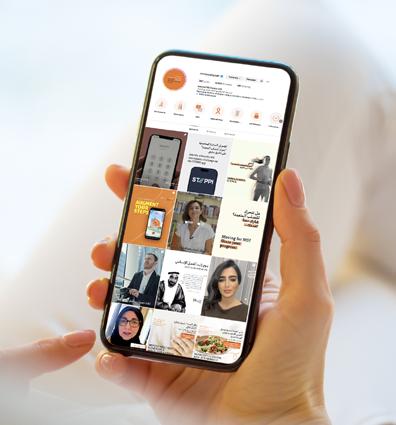
Social media can be a powerful tool for connecting with others and building community. With its global reach and the ability to find niche communities who share your interests, social media offers various platforms where you can find support and connection.
• Explore platforms such as YouTube, Instagram, TikTok and Reddit to find channels and communities to give you support.
• Look for apps focused on your specific condition on Google Play or App Store and keep track of your favorite bookmarks using your browser. If you are using Adobe Acrobat or a printed version of the guidebook, use the box below!
My Social Media Bookmarks
Please consult the Links to Additional Resources section of this guide for some MS-related social media resources to get you started.
Additional Resources
OVERCOMING STIGMA AND SHAME
While awareness of conditions like MS is growing, some people may still experience social stigma or feelings of shame related to their diagnosis. When preparing for or reflecting on conversations about your diagnosis, it’s helpful to keep the following tips in mind.
KEY TIPS
Educate others about your diagnosis.
Challenge your own negative thoughts.
Practice self-care by doing activities that make you feel physically and emotionally good.
Share accurate information about your condition from reliable sources, and be open to answering questions about your experience. By increasing understanding, you can help overturn misconceptions and promote empathy within your relationships and community.
Identify any negative beliefs you have about your diagnosis and consciously reframe them into more positive and empowering statements. Focus on your strengths, resilience, and the resources available to support you.
Make time for activities that nourish your mind, body and spirit, such as exercise, relaxation techniques, spending time in nature, or pursuing hobbies and interests.
OVERCOMING STIGMA AND SHAME
Consider professional support.
Be open about your experiences.
Seeking help is a sign of strength, and therapy can help you process emotions, challenge negative thoughts and develop strategies for creating a positive outlook. A therapist can provide a safe and supportive space to explore your feelings, develop coping mechanisms and build resilience, as well as helping you connect with resources and support networks.
If you feel ready, sharing your story can help reduce stigma and empower others. Sharing your journey can raise awareness, challenge misconceptions, and create a sense of community with others who are facing similar challenges.
FURTHER CONVERSATIONS
Living with a chronic condition means that conversations about your health will be ongoing.
Use this simple worksheet to plan for future important conversations, such as discussions with employers, teachers, school counselors and health professionals.
Who do I need to talk to?
What do I need to talk about? What specific goals do I want to achieve from the conversation?
When is the best time and place to have this conversation?
What support do I need or what preparation must I do before having this conversation?
Will I need to take any steps or complete any follow-up actions after the conversation?
Read the following interview with Sultan Al Shamsi, an MS Ambassador who talks about the importance of educating others about the challenges you are facing and the support you need.
What helped you prepare to share the news of the diagnosis with others, and what would you recommend to someone in a similar situation?
First you need to accept that you have MS and start to be well informed about it from reputable sources, such as the NMMS helpline, meeting others that have MS and so on. Then you can share the news with people that you think will be affected by the news (your spouse , friends , manager etc.). Sharing the news when you are well informed about your diagnosis will help others understand your needs and limits.
What challenges did you face when disclosing the diagnosis, and how did you navigate them?
How did you decide who to tell and when to share the diagnosis, and what guided your approach?
The struggle is that when explaining MS, medical reports are not enough in some cases because of invisible symptoms.
In my case I was motivated by the need to share the news. I have been working for 14 years now and I didn’t tell anyone about my diagnosis, but in 2018 it started to affect me (I experienced fatigue and insomnia), and so I had to share the news with my manager. Why didn’t I share the news before? I was scared that it would affect my career.
What advice would you give about balancing honesty and sensitivity when sharing a diagnosis?
Sultan Al Shamsi, MS Ambassador
With my family, I am not always completely honest because I don’t want them to worry - but at the same time, I make sure they understand that I have limits. For example, I attend MS talks with my wife so that she can understand the condition better. With work, it’s the opposite: I am 100% honest about the condition. I make sure they understand that I can’t control this condition, but I can and want to work, and we live in a country that encourages people of determination to work.
Are there any specific words, resources, or strategies you found helpful in making the conversation easier for yourself and others?
In my experience, it’s very important to explain invisible symptoms to people. Share videos, books, or websites that explain this information. Many people think that MS is only about MS attacks, not realizing that people live with symptoms like fatigue or depression. Even though these symptoms can’t be seen, it is important to get the support you need from family or work.
LINKS TO ADDITIONAL RESOURCES
Please consult the following helpful resources for further support in preparing for conversations about your diagnosis.
LINKS TO ADDITIONAL RESOURCES
IMPORTANT UAE CONTACTS
Emergency calls: 999
MS Helpline: 800677
NMSS Directory
UAE People of Determination
Government Portal
CHRONIC CONDITION GUIDES
Multiple Sclerosis Factsheet
MS Patient Journey
Understanding Autoimmune Disease
Living with Diabetes
A Practical Guide to Epilepsy
Living with Cerebral Palsy Manual
Muscular Dystrophy: A Guide for Families
Life After Stroke Guide
MULTIPLE SCLEROSIS WEB RESOURCES
Mayo Clinic Explains Multiple Sclerosis (Video)
National Multiple Sclerosis Society (UAE)
MS Events in the UAE
MS Focus (US)
National Multiple Sclerosis Society (US)
MS Trust (UK)
My MS Team
MS Focus Lending Library
BelongMS
Can Do MS
GET INVOLVED
Are you inspired to share your story and connect with others in the MS community? Share your journey, raise awareness and play your part in building a supportive online community together!
FOLLOW NMSS ON SOCIAL MEDIA
NMSSocietyUAE
National MS Society UAE
National Multiple Sclerosis Society UAE
NMSSocietyUAE
NMSSocietyUAE
ACKNOWLEDGMENTS
We are extremely grateful to the following contributors, whose support was invaluable in the development of this digital guide.
ACKNOWLEDGMENTS
Khulood Al Asmawi, Clinical Psychologist at The Psychiatry and Therapy Center in Dubai
Iman Dia, Person living with MS
Sultan Al Shamsi, MS Ambassador
APPENDIX OF REUSABLE ACTIVITIES
For quick and easy reference, this section of the guide contains extra copies of some of the activities featured throughout the workbook.
APPENDIX OF REUSABLE ACTIVITIES
Conversation Goal Setting Activity
Starting the Conversation Activity
Conversation Checklist
Further Conversations
CONVERSATION GOAL SETTING ACTIVITY
Complete the following worksheet to help you set goals and boundaries for conversations about your diagnosis. Use the questions to guide your goal-setting for the conversation.
WHO AM I TALKING TO?
• Family members, friends, colleagues, etc.
WHAT ARE MY GOALS FOR THIS CONVERSATION?
• What kind of support would be most helpful to me right now?
• Do I want to educate others about my condition?
• Am I open to answering questions about my diagnosis?
WHAT DO I WANT TO SHARE?
• Am I comfortable explaining the diagnosis?
• How is the diagnosis affecting my daily life, work, or relationships?
• Do I need to explain any limitations or changes in my abilities?
WHAT ARE MY BOUNDARIES FOR THIS CONVERSATION?
• Are there any aspects of the diagnosis or its implications that I’m not comfortable discussing yet?
• How can I politely decline to answer questions that feel too personal or intrusive?
• How can I protect my emotional wellbeing during and after the conversation?
STARTING THE CONVERSATION ACTIVITY
Use this worksheet to think about different ways of approaching the conversation about your diagnosis.
• Write some lines and practice starting conversations for different audiences. Consider how you will adjust your tone and the level of detail you share about your diagnosis depending on who you are speaking to.
• Once you have shared the news with your closest family and friends, ask them to help you practice starting conversations about your diagnosis with others!
WHO AM I SPEAKING TO?
HOW WILL I START THE CONVERSATION?
CONVERSATION CHECKLIST
The following activity summarizes many of the tips and strategies covered so far in this guide.
Complete the following checklist to ensure you are prepared for conversations about your diagnosis.
Who am I talking to?
Where and when will I have the conversation?
What do I want to achieve from the conversation? Do I need help or support from this person?
How will I start the conversation?
How do I think they will react to news? What emotions am I anticipating?
FURTHER
Living with a chronic condition means that conversations about your health will be ongoing.
Use this simple worksheet to plan for future important conversations, such as discussions with employers, teachers, school counselors and health professionals.
Who do I need to talk to?
What do I need to talk about? What specific goals do I want to achieve from the conversation?
When is the best time and place to have this conversation?
What support do I need or what preparation must I do before having this conversation?
Will I need to take any steps or complete any follow-up actions after the conversation?