ABOUT THE NATIONAL MULTIPLE SCLEROSIS SOCIETY
The National Multiple Sclerosis Society (NMSS), which operates under the Ministry of Community Empowerment in the UAE, is dedicated to bettering the lives of people with MS (PwMS) and their communities through education, advocacy, and contributing to global research for a cure.
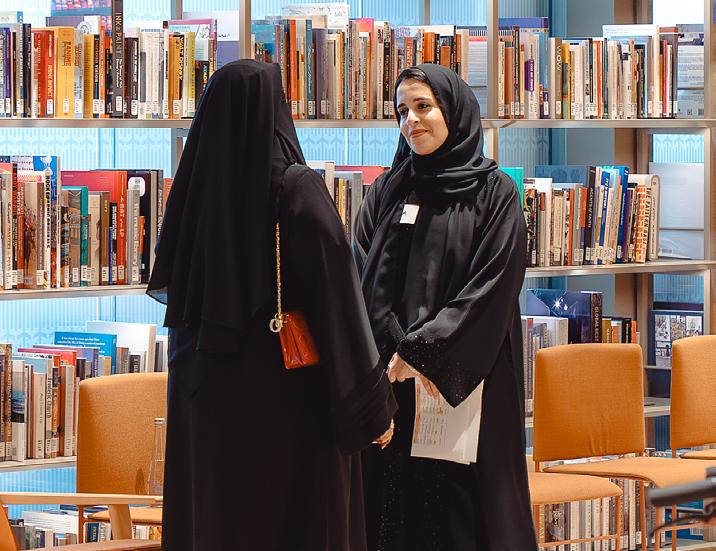
NMSS strives to raise awareness of MS, establish a comprehensive support system for the MS community in the UAE, and provide resources to those impacted by the condition.
PURPOSE OF THE GUIDEBOOK
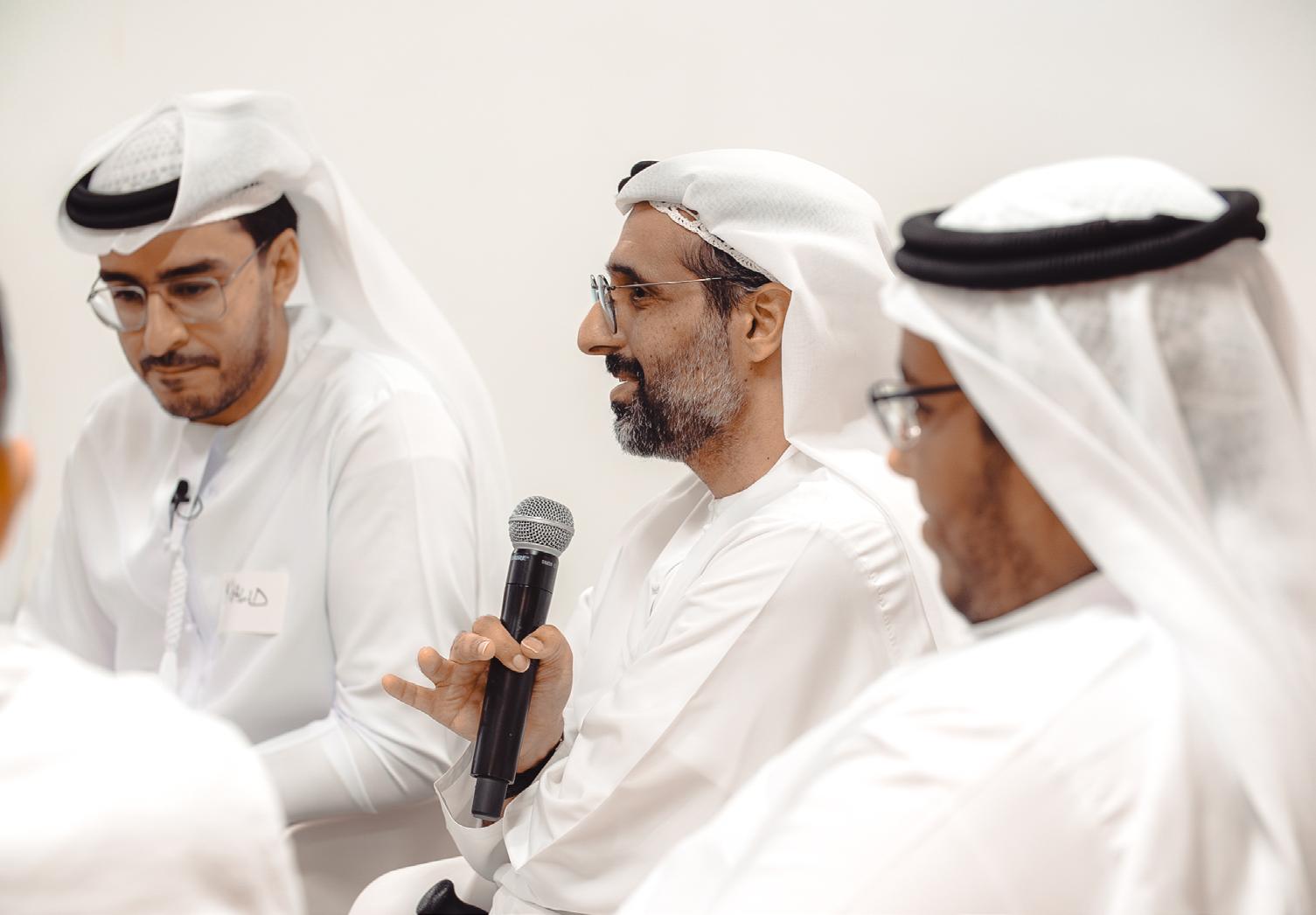
The guidebook has been developed with the aim of briefly introducing MS to the public and private sector and to showcase how PwMS, while often overlooked for employment opportunities, can positively contribute to the UAE’s diverse and talented workforce
The resource dispels common misconceptions about both MS and the hiring of people of determination (PoD) and includes best practices that will educate and assist employers on how certain adjustments can lead to the creation of an inclusive and equitable working environment that benefits any company, and that is representative of the UAE society.
A deeper understanding of MS enhances employers’ knowledge of the condition and reinforces the notion that PwMS bring a range of skillsets that can provide real competitive advantage to their place of employment. The guidebook will equip human resource (HR) departments with the tools to better support team members with MS, foster working conditions for their success, in turn enhancing the company’s overall culture. Like any employee, PwMS are no different in their aim and capabilities of wanting a long and fulfilling career
“If you have a chance to hire a PoD, do it, I promise you they will do better than you expect. We live with challenges, and we will want to go above and beyond to prove ourselves.”
SULTAN AL SHAMSI
MS Ambassador and HR employee with over 15 years of experience.
ENDORSEMENT FROM THE BUTTERFLY
We at The Butterfly are pleased to endorse the Employers Guide developed by the National Multiple Sclerosis Society (NMSS).
This guide is an invaluable resource for employers seeking practical strategies to support employees living with multiple sclerosis (MS). It provides clear guidance on creating an inclusive and accessible workplace, accommodating individual needs, and fostering a culture of understanding and respect. We highly recommend this guide to any organization committed to supporting the well-being, inclusion, and full potential of all employees.


ABOUT MS
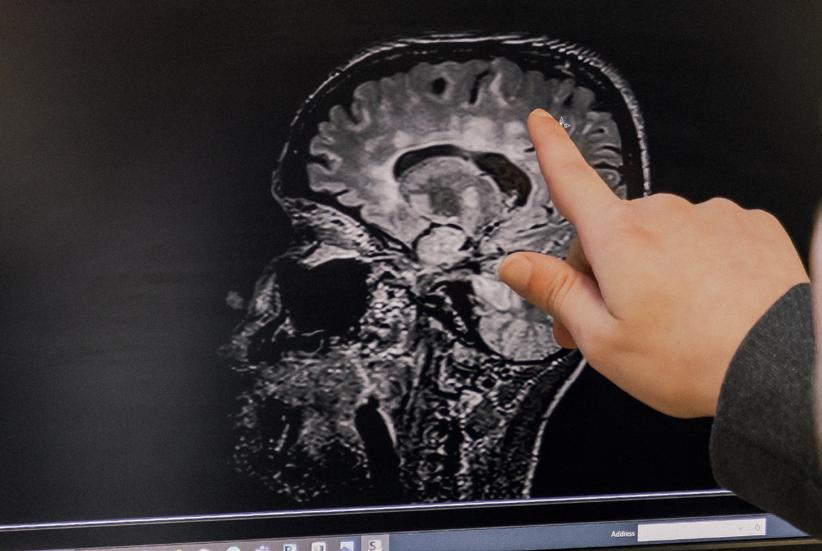
MS is a chronic, unpredictable condition of the central nervous system that disrupts the flow of information between the brain and the spinal cord. The cause of MS is unknown, and it is an individual condition as MS symptoms vary greatly from one person to another.
MS causes lesions or hardened scars in various areas of the brain and spinal cord, resulting in MS’ literal meaning of “many scars”. At present, there is no cure for MS, and in people living with MS, the immune system which normally helps to fight off infections, mistakes myelin for a foreign body and attacks it.
Myelin is the protective layer surrounding nerve fibres, enabling nerves to transmit impulses to and from the brain. Attacking myelin results in a loss or decrease in the communication signals and can lead to a range of symptoms.
While no cure exists yet, early diagnosis and treatment of MS is crucial for improving long-term health, well-being and reducing the frequency of relapses. Treatment will vary depending on each individual however, management of the disease focuses on treating acute inflammatory attacks (acute relapse management), reducing the risk of further inflammatory relapses through diseasemodifying therapies (DMT), slowing disease progression and improving various symptoms.
MS itself is rarely fatal and with some adaptations to daily lifestyle (nutrition and exercise, for example) and the right levels of care and support, many people diagnosed can successfully manage their MS and can lead healthy, active and productive lives.
WHO DEVELOPS MS?
MS can affect individuals of any age, but the average diagnosis globally is 32 years as it typically affects young adults. Most people are diagnosed between the ages of 20 and 50, affecting people at the most productive point in their adult lives.
While the risk of developing MS is higher for people with family members affected by MS, it is not thought to be hereditary. Having a family member with MS increases risk, but genes are not the sole cause, lifestyle and environment also play a role.
MS is not contagious, and research indicates that low vitamin D, smoking, and obesity are linked to higher MS risk.
Women are more likely than men to be diagnosed with MS, suggesting that hormones may also play a significant role in determining susceptibility to MS.
COMMON SYMPTOMS OF MS
Pain & Mobility Issues
Sensations like pins and needles, chest tightness, and numbness; balance and walking difficulties (gait problems).
Speech Difficulty
Slower and slurred speech, quieter voice, or difficulty finding and articulating words; sometimes trouble understanding language.
Challenges include: Frequent stumbling, avoiding stairs or uneven surfaces, and discomfort during prolonged sitting / standing.
Emotional / Invisible impacts: Constant worry about physical limitations and their impact on independence.
Cognitive Impairment
Brain fog that affects memory, focus, planning, and processing information; fluctuates daily.
Challenges include: Miscommunication in work or social situations; avoiding conversations out of fear of being misunderstood.
Emotional / Invisible impacts: Feelings of inadequacy and isolation; reluctance to participate in discussions.
Depression & Anxiety
Higher rates of clinical depression and anxiety than other chronic illnesses; can worsen with other symptoms.
Challenges include: Forgetting information, struggling to follow conversations, or making decisions under pressure.
Emotional / Invisible impacts: Fear of appearing incompetent; frustration with potential inconsistent performance.
Challenges include: Loss of motivation and withdrawal, difficulty focusing on positives in life.
Emotional / Invisible impacts: Feelings of hopelessness; stigma around seeking mental health support.
Fatigue
Severe, unpredictable exhaustion and lack of energy. Distinct from typical tiredness; may occur suddenly.
Vision Problems
Temporary or partial loss of vision, often in one eye, with blurred or double vision. Can include discomfort and involuntary eye movement.
Challenges include: Struggling to complete daily activities; needing frequent rest breaks.
Emotional / Invisible impacts: Often misunderstood by others; may feel isolated or judged for “not trying hard enough”.
Challenges include: Difficulty reading, recognizing faces, or navigating safely in unfamiliar environments.
Emotional / Invisible impacts: Fear of losing independence or balance; anxiety about future vision loss.
Spasticity & Muscle Spasms
Stiff muscles and involuntary jerking that may lock limbs in awkward or painful positions.
Bladder & Bowel Problems
Urgency, frequent urination, or bowel control issues; difficulty accessing facilities in time.
Challenges include: Difficulty walking, holding objects, or sitting comfortably; increased risk of falls.
Emotional / Invisible impacts: Frustration with limited mobility in a public setting.
Challenges include: Needing to account for restroom availability.
Emotional / Invisible impacts: Heightened anxiety in social and work settings.
CLINICALLY ISOLATED SYNDROME (CIS)
Is an initial episode of MS-like symptoms lasting at least 24hours but does not yet meet the criteria for a diagnosis. The episode indicates a risk of future MS development but is not a definitive diagnosis.
RELAPSING-REMITTING MS (RRMS)
RRMS is the most common form of MS and includes periods of worsening symptoms followed by partial or complete disappearance of symptoms i.e. the person enters remission. Remission does not mean the person is cured from MS, it’s a period where the condition does not seem to progress and develop further.
There are four general MS types (or phenotypes) including clinically isolated syndrome, relapsing-remitting, secondary progressive, and primary progressive.
SECONDARY PROGRESSIVE MS (SPMS)
Follows RRMS and is characterized by a gradual worsening of symptoms over time with fewer or no relapses.
PRIMARY PROGRESSIVE MS (PPMS)
Is marked by a steady progression of symptoms from onset, without distinct relapse and remission phases.
MS IN THE UAE
MS has increased worldwide and affects more than 2.9 million people (MS International Federation 2024).
The prevalence of MS is the Middle East is rising, with the UAE transitioning to a moderately-high risk zone.
According to studies conducted from 2011-2016, the number of PwMS is estimated to be approximately 19 out of 100,000 people (Inshasi et al., 2011; Schiess et al., 2016).
The average diagnosis age of MS in the UAE is 26 years old, with MS being more prevalent among UAE citizens compared to expatriates.
Overwhelmingly, UAE nationals with MS are typically diagnosed under the age of 30, with females in the country (at 67%) twice as likely to be diagnosed with MS than males (Inshasi et al., 2011).
Overall awareness of MS in the UAE is low (NMSS Baseline survey report, 2024), and the prevalence of MS may be underestimated within the UAE population (Schiess et al., 2016).

Pw MS AS Po D
In the UAE, PwMS are considered PoD as in most cases MS falls under the physical disability category. PoD encompasses people with permanent or temporary physical or mental impairments that hinder their ability to perform tasks effectively.

There are currently more than 20,000 PoD in the UAE’s capital alone (Department of Community Development, 2020). PwMS can apply for a PoD card that provides them with a range of tailored services that are aimed to support and assist with tasks associated with daily life.
It is important to note that some PwMS might not consider themselves to be PoD, however obtaining the PoD card ensures access to various support measures such a priority parking and complementary government services.
GLOBAL Po D WORKFORCE
According to the World Health Organization (WHO), an estimated 1.3 billion people experience significant disability, this represents 16% of the world’s population. People with disabilities or PoD are the world’s largest minority group and are the only group that any person can find themselves becoming a part of at any time (Alemany et al., 2023).
While there are about 386million PoD of working age globally, their unemployment rates can reach as high as 90% in developing countries (United Nations Department of Economic and Social Affairs Factsheet).
According to the International Labour Organization (ILO), the official unemployment rate for PoD in developed countries is at least twice as much than those who have no disability (Ananian et al., 2024), indicating that the inclusion of PoD in the workplace is moving at a relatively slow pace and that biases and misconceptions regarding their ability to work could be factors affecting their employability.
EXISTING UAE REGULATORY FRAMEWORK FOR Po D & EMPLOYMENT
AS PER THE FEDERAL LAW
Concerning the Rights of People of Determination, the law guarantees equal care, rights, and opportunities for PoD in education, health care, training, and rehabilitation, and aims to provide all services within the limits of PoD abilities and capabilities. Most notable about the law is that UAE nationals of determination have equal opportunities in the workplace and are protected from discrimination (Federal Law No. 29, 2006).
THE CABINET DECISION
Also classified as a federal level legislation specifically focused on the employment rights of PoD, emphasizing their access to the labour market. Employers are mandated to adhere to clear guidelines that prohibit discrimination based on disabilities during recruitment and promotion processes as well as ensure equitable remuneration and benefits for PoD. Additionally, employers are required to make reasonable accommodations in the workplace to create a fair and inclusive environment for all employees (Cabinet’s Decision No. (43),2018).
THE DUBAI LAW
Concerning the Protection of the Rights of Persons with Disabilities is the only Emirate level legislation in the UAE. It establishes mechanisms for individuals in Dubai to assert their rights as provided by existing legislation. It includes avenues for reporting violations and maintaining registries to monitor the affairs of PoD effectively (Law No. (2), 2014).
NO. (29) OF 2006
NO. (2) OF 2014
NO. (43) OF 2018
The UAE has taken several strides to ensure that the rights of PoD are protected through three key laws. Apart from the laws that play a large role in protecting the rights of PoD in the workplace, the UAE has also ratified the United Nations Convention on the Rights of Persons with Disabilities.
ENFORCEMENT
This active regulatory climate from the UAE is a testament to the country’s dedication to the integration and social inclusion of PoD as major contributors to the country’s skilled workforce and its overall development.
The UAE has implemented measures to ensure the protection of PoD from abuse, neglect, and discrimination, including in the workplace; in Abu Dhabi, the Department of Community Development (DCD), in collaboration with the Family Care Authority (FCA), has established a Protection of PoD policy that combines preventive measures with case response mechanisms to enable immediate intervention through the FCA call center (800444), while in Dubai, under Law No. 3 of 2022 concerning the Rights of Persons with Disabilities, violations may result in fines of up to AED 100,000 and a suspension of their license for 6 months or cancellation.
THE STATE OF THE PoD EMPLOYMENT IN THE UAE
Despite the strong existing regulatory frameworks in the UAE, PoD continue to face significant obstacles to employment, with 93% of Emiratis with disabilities unemployed (Dubai Future Foundation, 2020). This is driven by limited employer incentives to hire and retain PoD, the absence of a comprehensive inclusive employment policy, and persistent and inherent bias around the ability of PoD to meet the job requirements. Additionally common misconceptions in both the UAE and the global labor markets is that hiring PoD is costly and that accommodations are complex.
However, evidence from the ILO shows that most accommodations are low-or no-cost, this is supported by findings from the Job Accommodation Network (Part of US Department of Labor) indicating that 58% of accommodations incur no cost and 37% involve only nominal expenses, with employers reporting benefits such as improved retention, productivity and morale outweighing associated costs.
NO. (3) OF 2022
SUPPORTING Pw MS AT WORK
A fundamental premise to keep in mind is that, professionally PwMS remain the same individuals who want to work.
Their work experience, skillsets and value as employees are unaffected; however, their symptoms may necessitate some workplace adjustments, requiring open discussions about MS with their employers.
Some PwMS might feel reluctant to disclose their condition to HR, fearing that their employers will not offer the needed support and may instead react with reprimands and negative consequences such a decrease in salary or termination. For a PwMS, discussing their disability can be a significant source of anxiety.
They may feel pressured to maintain high performance to avoid scrutiny and the perception of being unproductive, which can increase stress and potentially exacerbate symptoms and flare-ups. Even in cases where their disability is mild, PwMS are less likely to be employed.
LACK OF AWARENESS
Challenge:
One of biggest challenges PwMS face, is the lack of awareness within the UAE society, with the majority of residents not knowing enough about MS (NMSS Baseline Report, 2024).
A lack of understanding can lead to a lack of empathy, creating an environment where intentional or unintentional discrimination and unfair workplace practices become more common. This, in turn, contributes to the attrition of PwMS from the UAE workforce.
According to a study conducted by the NMSS, 26% of PwMS have experienced some form of discrimination in the workplace, with 36% of unemployed PwMS reporting a lack of employer support as their main reason for leaving work (NMSS Rethinking the Future of Workplace, 2024).
Supportive Solutions:
Open Dialogue:
Standardized and accessible process that allows all employees to confidentially communicate their needs. PwMS often feel overlooked and struggle to voice their concerns.
Understanding:
Disclosing one’s MS takes a lot of courage, and it’s important to offer the reassurance, privacy and support they need.
Regular follow-ups:
The MS journey is never linear as symptoms fluctuate and, therefore check-ins from HR should be regular.
Raising Awareness:
Have PwMS lead seminars to educate their colleagues on MS, fostering better understanding and cohesion.
Challenge:
PwMS often face workplace discrimination, including denied accommodations, withheld promotions, and lowered performance ratings used to justify termination.
Limited understanding of MS and its symptoms among employers and colleagues makes it harder to foster an inclusive work environment that supports PwMS. This lack of awareness has contributed to the alarming statistic that many PwMS leave their jobs within five years of diagnosis (Ibid, 2024).
Supportive Solutions:
Work Culture Inclusivity:
Employers should assess if the company culture is actually disability responsive, revising their diversity policy to include PwMS and PoD (Dubai Chamber of Commerce, 2020).
In the event that companies require support in building a more inclusive employment culture, they can reach out to The Butterfly, a UAE-based social enterprise that provides strategic advisory and training to help businesses build disability-confident workplaces.
Pathways for Career Development:
Demonstrate to PwMS, that long-term career development and growth are attainable, and that reporting any form of discrimination is easy.
PoD Card:
Employers can further encourage PwMS to obtain a PoD card, showcasing a commitment to fostering a supportive and empowering work environment.
Challenge:
Workplace accessibility has not been prioritized in terms of design, and in reality, most workplaces fail to effectively meet the spatial needs of PwMS and PoD. Adequate consideration of mobility and access to office spaces and services is crucial (Dcunha, 2022).
PwMS may require some modifications to the work environment, like temperature, to make the layout more comfortable and accessible helping to alleviating the additional challenges they face.
Incorporating designated areas for rest in office spaces would be particularly beneficial for PwMS, as 56% of unemployed PwMS have reported needing a resting space at work to manage fatigue (NMSS Rethinking the Future of Workplace, 2024).
Reasonable adjustments, often referred to as reasonable accommodation, are measures employers take to remove or reduce disadvantages faced by PoD, ensuring equity and enabling them to fully utilize their skills and talents. As a core right, these accommodations are often simple to implement and contribute to creating more inclusive workplaces, that enhance team collaboration, improve morale, and increase productivity while strengthening overall organizational performance for all.
Supportive Solutions:
Physical Space Adjustments:
Eliminate physical barriers, ensure ease of movement, and accommodate movement aids, such as removing desks that are too close together.
Easy Accessibility to Key Areas:
Providing accessibility to key areas such as bathrooms, elevators, and car parking spaces near the entrance.
Office Temperature:
Temperature can have a big impact in exasperating MS symptoms. Workstations should be moved away from heat sources, and temperature control should be adjusted to accommodate both heat and cold sensitivity for PwMS.
Designated Rest Area:
Given that extreme fatigue is a common symptom of MS, providing a dedicated rest area and comfortable seating can help PwMS manage fatigue in the workplace.
Challenge:
In addition to physical accommodations, providing flexibility in work hours and task management can greatly enhance the work environment for PwMS, enabling them to better manage their symptoms while staying productive and motivated.
Although managing a team with varying optimal hours can be challenging, it should not be more difficult than managing a team across different time zones. Remote working allows PwMS to create a tailor-made workspace, which is not always possible in a physical office space (World Economic Forum, 2021).
Digital transformation has introduced a range of tools that PwMS can leverage to tap into their unique skill sets at work. Assistive technologies, such as voice recognition software, screen readers, and text-to-speech tools, have proven highly beneficial for individuals with mobility impairments and can empower PwMS, driving them towards greater success in the workplace.
Supportive Solutions:
Remote Work:
Shifting PwMS to a hybrid or fully remote working model can help alleviate the burden of travel- a major impediment for many PoD.
Flexible Hours:
Offering flexible hours, when feasible, allows PwMS to allocate time for medical treatment and rehabilitation, reducing stress.
Digital Tools to Adopt:
Microsoft Windows 11 offers a variety of accessibility tools that can be utilized such as:
● PowerPoint: Subtitle, Designer, Accessibility Checker, Rehearse with Coach, Rehearse time
● Word: Accessibility Checker, Dictate, Transcribe, Read Aloud, Immersive Reader
● Outlook: Accessibility Checker, Dictate, Read Aloud, Immersive Reader, Translate
● Teams: Present in Teams, Present Live, Caption, Dark Mode, Translate
● Windows: Magnifier, Live Captions, Setting Features, Colour Filters, Narrator
● Edge: Read Aloud, Immersive Reader, Make Text Larger, Web Accessibility Evaluator, Translate
Challenge:
A lack of a supportive system at work can detrimentally affect a PwMS’ wellbeing. Formal HR policies for addressing employees’ health concerns and managing accommodation requests are often non-existent, which can lead to discrimination and exploitation in the workplace. PwMS also have to face medical insurance companies imposing separate eligibility criteria for their condition, leading to higher premiums and inadequate health coverage. This adds on to the stress of needing to work to financially support their treatment plans and medication, which are notably a significant out-of-pocket burden.
Since healthcare coverage is tied to employment, PwMS often experience emotional distress and anxiety about their work performance, fearing that their symptoms could impact their daily tasks, and potentially serve as grounds for termination.
Supportive Solutions:
Mental Health:
Having a wellness programme or officer that promotes healthy living and provides a platform for employees to candidly discuss work challenges will benefit everyone.
Buddy System:
Establish a buddy system by assigning at least one person outside of HR who is aware of the PwMS’ diagnosis, who would check in regularly and offer support by sharing the workload when necessary.
Medical Support:
Employers should recognize the financial burden of treatment for PwMS and can direct them to the MS Helpline (800677) for patient support programs that may assist with medication costs, and the NMSS Directory online for practitioners specializing in MS.
WORKPLACE BENEFITS OF SUPPORTING Pw MS
Employing and retaining PwMS is often seen through the lens of social responsibility, with the assumption that it is best suited for the public or non-profit sectors. This mindset, however, is misguided and represents a missed opportunity to leverage the unique perspectives, insights and business advantages that PwMS and other PoD can bring to the workplace (Alemney, 2023).
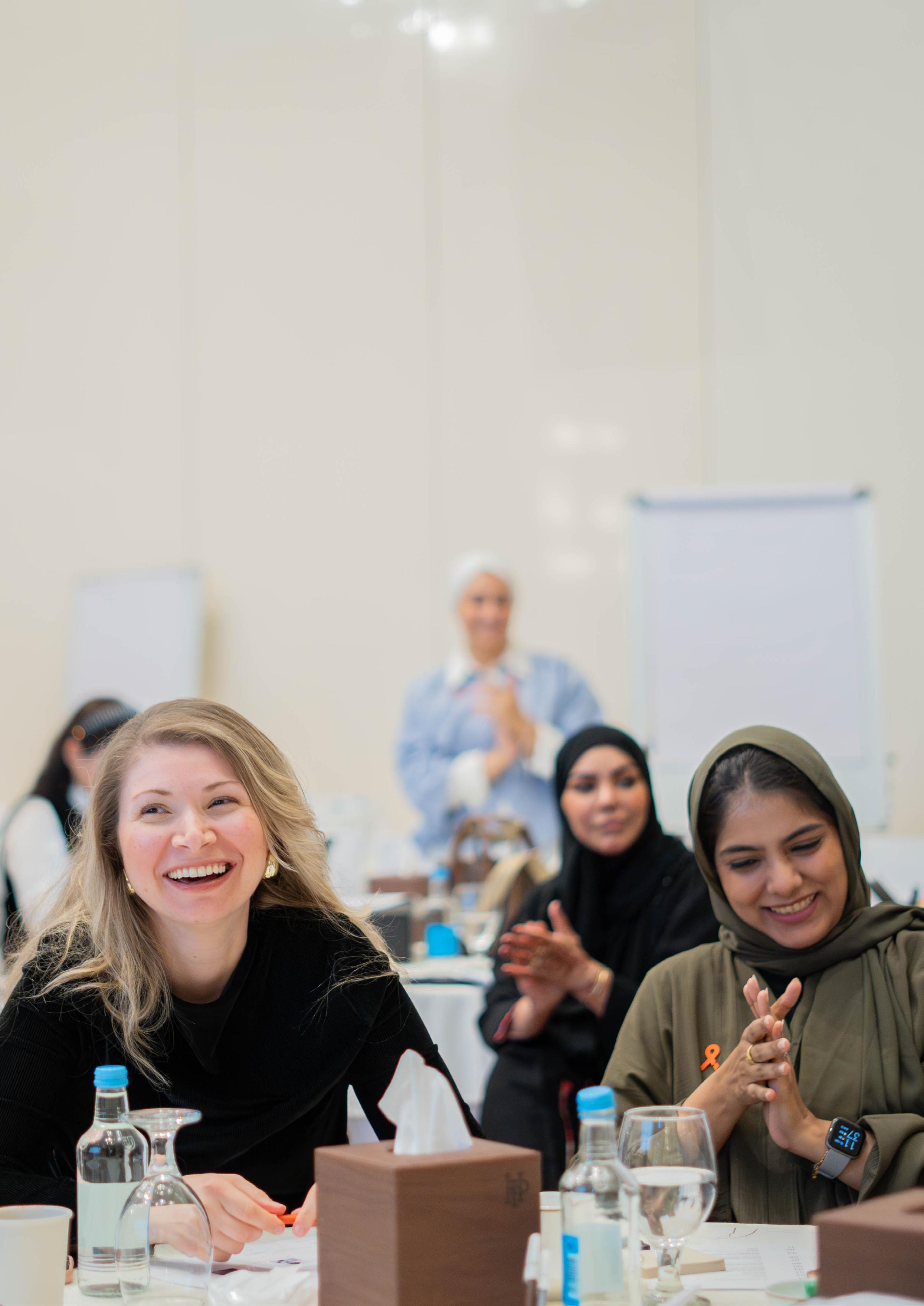
The inclusion of PoD contributes to a more diverse workforce, which fosters creativity and innovation by bringing together individuals with different perspectives, skills, and experiences which strengthens the workforce as a whole.
LEGAL COMPLIANCE
Supporting PoD ensures compliance with antidiscrimination laws in the UAE, reducing the risk of any legal issues and demonstrating a commitment to the country’s local regulations.
POSITIVE WORKPLACE & ELEVATED ORGANIZATIONAL CULTURE
Inclusive practices contribute to a culture of belonging and respect, promoting better teamwork and cooperation. Hiring PoD can improve employee morale, foster collaboration, boosting productivity.
ENVIRONMENTAL SOCIAL GOVERNANCE (ESG)
EMPLOYEE RETENTION
EMIRATIZATION WITH IMPACT & ELEVATING THE NATIONAL ECONOMY
A diverse and inclusive workforce strengthens a company’s ESG framework by aligning with its three pillars, contributing to long-term business success while driving positive social impact.
Workplaces that hire PoD, benefit from higher employee retention and loyalty, reducing turnover costs, while contributing to greater stability and overall organizational performance.
Hiring an Emirati PoD aligns with the UAE’s national goals of developing local talent and fostering economic growth.
ELEVATED BRAND IMAGE
Demonstrating a commitment to inclusivity enhances a company’s reputation, attracting positive attention from customers, clients, and the overall community. Companies that hire PoD are seen as socially responsible, which can enhance their appeal to potential employees.
COST SAVINGS
While some accommodations may have initial costs, adopting them can lead to long-term savings through improved productivity and reduced employee turnover.
INNOVATION & CREATIVITY
A diverse workplace is more likely to be innovative, offering fresh perspectives that lead to nonnormative solutions.
ENHANCED PRODUCTIVITY
Inclusive work environments boost employee satisfaction and engagement, leading to increased productivity.
CORPORATE SOCIAL RESPONSIBILITY (CSR)
Supporting PoD aligns with CSR principles, contributes to social integration, de-stigmatization and overall community well-being across the UAE.
& COMPETITIVE
Disabilities can often foster unique talents that make individuals particularly well-suited for certain roles, giving companies a competitive edge.

While the guidebook primarily focuses on improving the work experience of PwMS, its recommendations have the potential to benefit a much wider segment of the UAE population, including all PoD who are facing physical and mental challenges.
Inclusive change creates ripple effects that positively impact entire organizations and society as a whole. The future of workplace inclusion for PwMS depends on raising awareness about MS and fostering equitable workplaces through reasonable accommodations. Building on the UAE’s existing regulatory framework which safeguards the rights and wellbeing of PoD, and actively integrating them into the workforce, will deliver significant benefits that drive both social and economic progress for society as a whole.
Cultivating a positive work culture and environment has become essential for an organization’s success and growth. With that outlook, it is important to ensure that modern-day work policies are inclusive and address the diverse needs of employees, including those who are PwMS. HR departments need to implement initiatives that promote - equity- not equality - in the workplace, recognizing that no two employees are the same. While there remains the misconception that accommodating the needs of PwMS is complex and costly, in reality, creating accessible and supportive workplaces is often straightforward and highly impactful.
Achieving this requires a shift in perspective, recognizing disability as a natural part of human diversity and focusing on removing barriers within workplaces. Creating inclusive environments is a shared responsibility, where employers, institutions, and communities all contribute to enabling all employees to fully participate and thrive.
ADDITIONAL RESOURCES
Here are some helpful resources that you can refer to and can share with your employees who have MS for more information.
Community Development Authority
Ministry of Community Empowerment
The Butterfly
Zayed Higher Organization
NMSS GUIDES
Nutrition Guide For MS & Autoimmune Conditions
Patient Journey Map
Physical Wellness
PoD Rights Handbook: Understanding Your Rights & Support
Mental Wellness Handbook & Reflection Journal
MS & Your Work: Managing Multiple Sclerosis In The Workplace
IMPORTANT UAE CONTACTS
Emergency calls: 999
MS Helpline: 800677
Family Care Authority: 800444
NMSS Directory
RECOMMENDED MS WEBSITES
Overcoming MS (UK)
MS Focus (US)
MS Society (UK)
MS Trust (UK)
National Multiple Sclerosis Society
National Multiple Sclerosis Society (US)
WORK GUIDES & STRATEGIES
A Decade of Determination (Dubai Future Foundation)
Abu Dhabi Strategy For People of Determination (Department of Community Development)
Disability As A Source of Competitive Advantage (Harvard Business Review)
Disability Inclusion @Work (Deloitte.)
MS In The Workplace: An Employer’s Guide (MS Society-Uk)
Recruiting People of Determination Toolkit (Dubai Chamber Of Commerce)
Working Out MS In The Workplace: A Practical Toolkit For Employers (European Multiple Sclerosis Program)
Clinically Isolated Syndrome
Corporate Social Responsibility
Disease-Modifying Therapies
Human Resources
International Labour Organization
Ministry of Community Empowerment
Multiple Sclerosis
Non-Governmental Organization
National Multiple Sclerosis Society
People of Determination
Primary Progressive MS
People Living with MS
Relapsing- Remitting MS
Secondary Progressive MS
World Health Organization
REFERENCES
1. Ananian, S., & Dellaferrera, G. (2024). A study on the employment and wage outcomes of people with disabilities. International Labour Organization Working Paper, (124). https://doi.org/10.54394/YRCN8597
2. Alemney, L., & Vermeulen,F. (2023). Disability as a source of competitive ad¬vantage. Harvard Business Review, (July-August). https://doi.org.hbr. org/2023/07/disability-as-a-source-of-competitive-advantage
3. Department of Community Development (2024). Policy for the Protection of People with Disability in the Emirate of Abu Dhabi. https://www.addcd. gov.ae/-/media/Project/DCD/DCD-v2/Documents/POD-Policy-English.pdf
4. Department of Community Development. (2020). Abu Dhabi strategy for people of determination. https://www.addcd.gov.ae/-/media/Project/DCD/ DCD-v2/POD-Booklet/Abu-Dhabi-Strategy-for-POD-Booklet---English.pdf
5. Dubai Chamber of Commerce. (2020, February). Recruiting people with determination toolkit. https://www.dubaichamber.com/wp-content/uploads/2020/02/Recruiting-people-with-determination.pdf
6. Dubai Future Foundation. (n.d.). A decade of determination: principles and strategies for an inclusive future. https://dubaifuture.ae/wp-content/ uploads/2020/12/DFF-Future-of-Inclusivity-ENG.pdf
7. Dutt DCunha, S. (2022, June 9). Workplaces are inaccessible for people of determination. Inclusive design can solve that. Fast Company Middle East. Retrieved November 18, 2024, from https://fastcompanyme.com/ co-design/workplaces-are-inaccessible-for-people-of-determination-inclusive-design-can-solve-that/
8. Federal Law No. 29 of 2006 concerning the rights of people with special needs. (2006). The United Arab Emirates’ Government portal. Retrieved November 16, 2024, from: https://uaelegislation.gov.ae/en/legislations/1172/download
9. International Labour Organization (2016). Promoting Diversity and Inclusion through Workplace Adjustments. Retrieved October 17th 2025, from https://www.ilo.org/sites/default/files/wcmsp5/groups/public/@ ed_norm/@declaration/documents/publication/wcms_536630.pdf#:~:text=The%20purpose%20of%20a%20reasonable%20accommodation%20 at,to%20both%20the%20employer%20and%20the%20worker
10. Job Accommodation Network (2025, September 17). Costs & Benefits of Accommodation. Retrieved October 18th 2025, from https://askjan.org/ topics/costs.cfm
11. Law No.(3) of 2022: Concerning the Rights of Persons with Disabilities in the Emirate of Dubai. The Supreme Legislation Committee in the Emirate of Dubai. Retrieved October 2025, from: https://www.un.org/development/desa/disabilities/wp-content/uploads/sites/15/2022/02/Law-No.-3of-2022.pdf
12. Inshasi, J., & Thakre, M. (2011). Prevalence of Multiple Sclerosis in Dubai, United Arab Emirates. International Journal of Neuroscience, 121(7), 393–398. https://doi.org/10.3109/00207454.2011.565893
13. Law No. (2) of 2014: Protection of the rights of persons with disabilities in the Emirate of Dubai. Community Development Authority Dubai. Retrieved November 18, 2024, from: https://www.cda.gov.ae/ar/aboutus/ Documents/Concerning%20Protection%20of%20the%20Rights%20 of%20Persons%20with%20Disabilities%20in%20the%20Emirate%20 of%20Dubai%20-%20Law%202%20-%202014%20-%20EN.pdf
14. MS International Federation. (n.d.). Number of people with MS. MS Inter¬national Federation. Retrieved November 14, 2024, from https://www. atlasofms.org/map/global/epidemiology/number-of-people-with-ms 15. NMSS. (2024, May). Baseline Survey In the United Arab Emirates. https:// www.nationalmssociety.ae/en/about-nmss/publications/baseline-surveyin-the-united-arab-emirates/
16. NMSS. (2024, August) Re-Thinking the Future of Workplace Inclusion for PwMS: A White Paper Report. National Multiple Sclerosis Society. https:// www.nationalmssociety.ae/en/about-nmss/publications/the-future-ofworkplace-inclusion-for-pwms/
17. Rafi, T. (2021, June 5). Technology can level the playing field for people with disabilities in the workforce. World Economic Forum. Retrieved November 18, 2024, from https://www.weforum.org/stories/2021/07/digital-technology-workforce-disabled-people/
18. Schiess, N., Huether, K., Fatafta, T., Fitzgerald, K., Calabresi, P., & Blair, I., et al. (2016). How global MS prevalence is changing: A retrospective chart review in the United Arab Emirates. Multiple Sclerosis and Related Disorders, 9, 73-79. https://doi.org/10.1016/j.msard.2016.07.005
19. Stoevska, V. (2022, June 13). New ILO database highlights labour market challenges of persons with disabilities. International Labour Organization. Retrieved November 17, 2024, from https://ilostat.ilo.org/blog/new-ilo-database-highlights-labour-market-challenges-of-persons-with-disabilities/
20. The Butterfly. (2022, September 23). Cabinet’s decision No. (43) of 2018. The Butterfly. Retrieved November 18, 2024, from https://thebutterfly.ae/ legislation/2022-07-20-cabinets-decision-no-43-of-2018
21. United Nations Department of Economic and Social Affairs. (n.d.). Factsheet on Persons with Disabilities. Retrieved November 18, 2024, from https://www.un.org/development/desa/disabilities/resources/factsheet-on-persons-with-disabilities.html
22. WHO (2023, March 7). Disability Factsheet. World Health Organization. Retrieved November 17, 2024, from https://www.who.int/news-room/factsheets/detail/disability-and-health
23. Zeineddine, M., Al-Hajje , A., Salameh , P., Helme , A., Thor , M., Boumediene , F., & Yamout, B. (2023). Barriers to accessing multiple sclerosis disease-modifying therapies in the Middle East and North Africa region: A regional survey-based study. Multiple Sclerosis and Related Disorders, 79. https://doi.org/10.1016/j.msard.2023.10495
GET INVOLVED
FOLLOW US
For more information about MS and NMSS, please visit www.nationalmssociety.ae. Visit the NMSS official social media platforms for the most recent updates and insights.
NMSSocietyUAE
National MS Society UAE
National Multiple Sclerosis Society UAE
NMSSocietyUAE
NMSSocietyUAE