Harvard-Westlake Life Magazine, Spring/Summer 2026
Reimagining the way the upper school connects
18
Dear Friends of Harvard-Westlake,
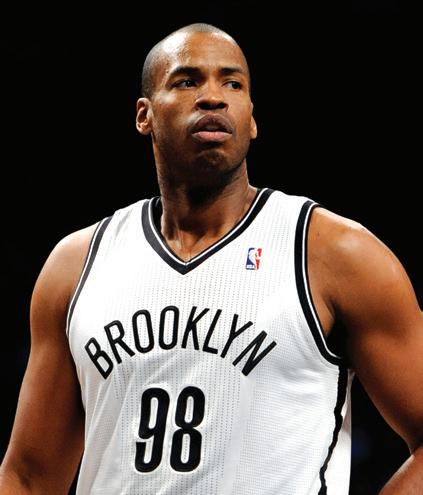
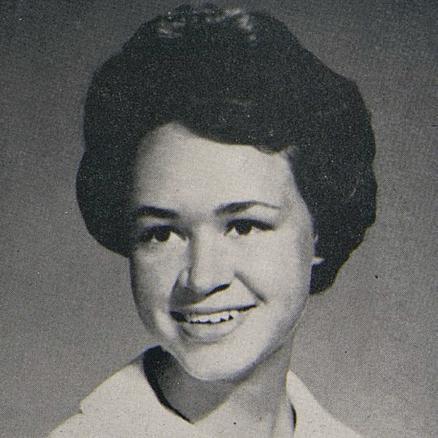
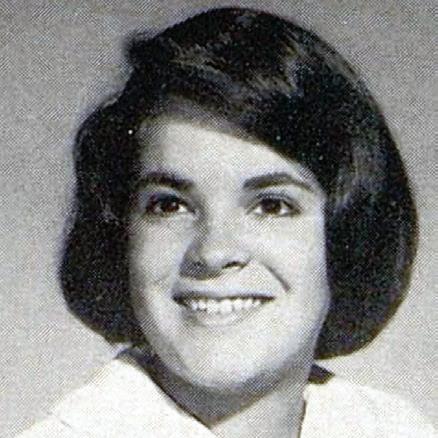
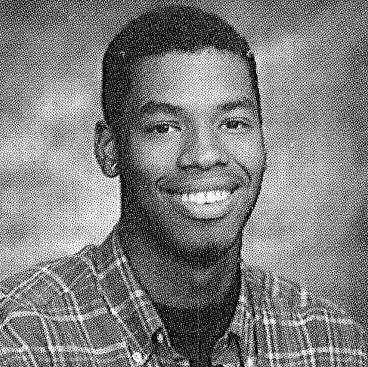
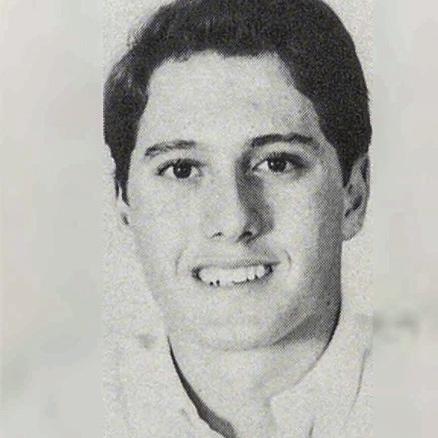
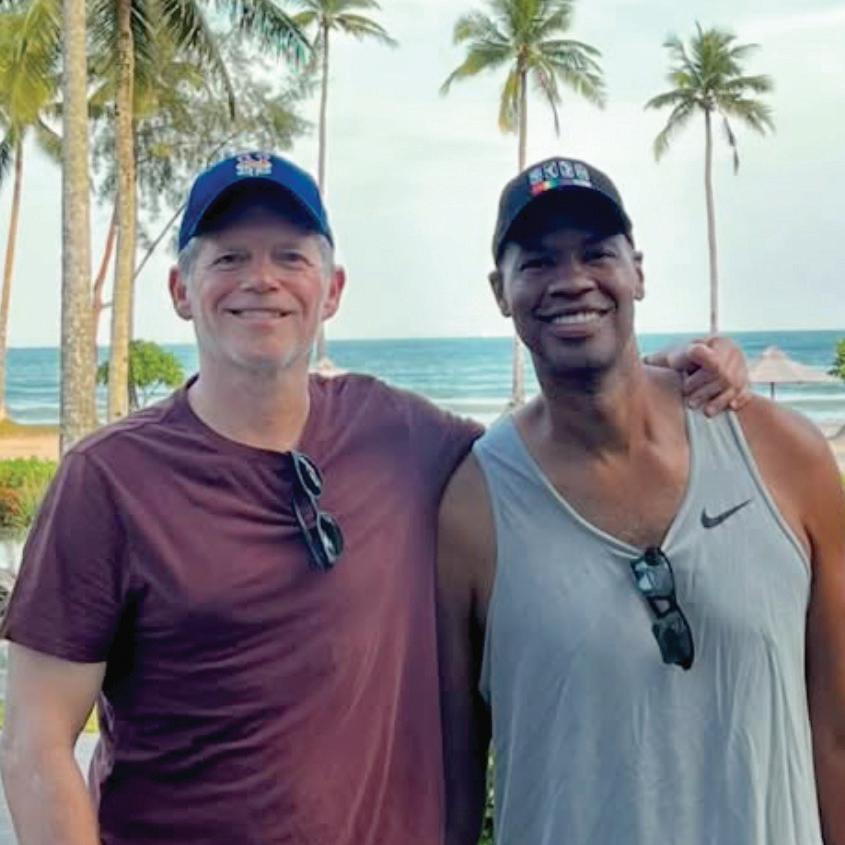
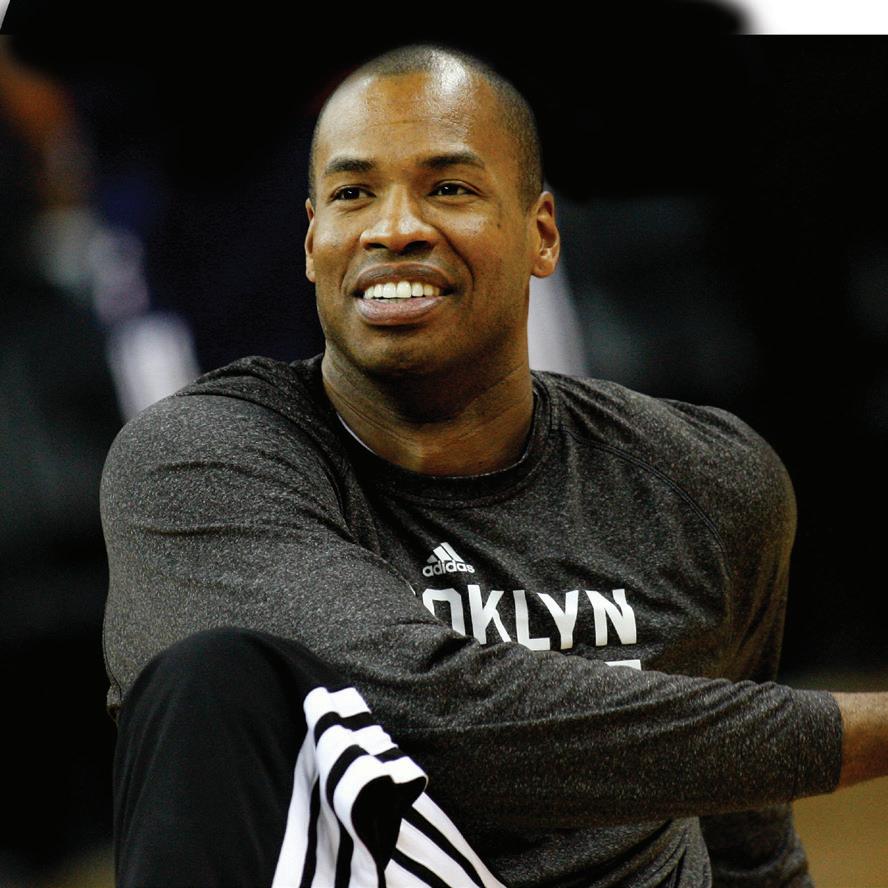
As we wrap this issue, I’m reminded of the spirit of giving back in our community, including the years Shirley Temple Black ’45 spent as an ambassador [see page 16], the work of Justine Stamen Arrillaga ’88 establishing Youth Ending Hunger [see page 2], and history teacher Sandra Brasda’s service in the Air Force [see page 40]. That spirit carries on, from students’ hands-on community service during HW Day of Caring [see page 18] to the difference Jason Collins ’97 made advocating for the LGBTQ community [see page 63].
2
Leading the Fight to Feed the Community
10
Youth Ending Hunger still making a difference after 40 years In the words of their colleagues Tributes To Our Retiring Teachers & Staffers
16
Shirley Temple Black ’45 and America at 250
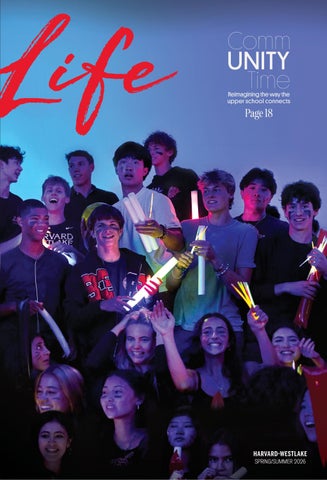
Reimagining the way the upper school connects
Excellence
Head of School Laura Ross’s All-Community Assembly speech
The Peach Poem by Cordelia Scoville ’26
Gazing as the Clouds Come Apart Poem by Kieun Shin ’31
Interdisciplinary Decadence
Excerpted from an article by Madison Shen ’28 and Hailey Kramar ’27 in the student magazine Mosaic
Historian in the Making
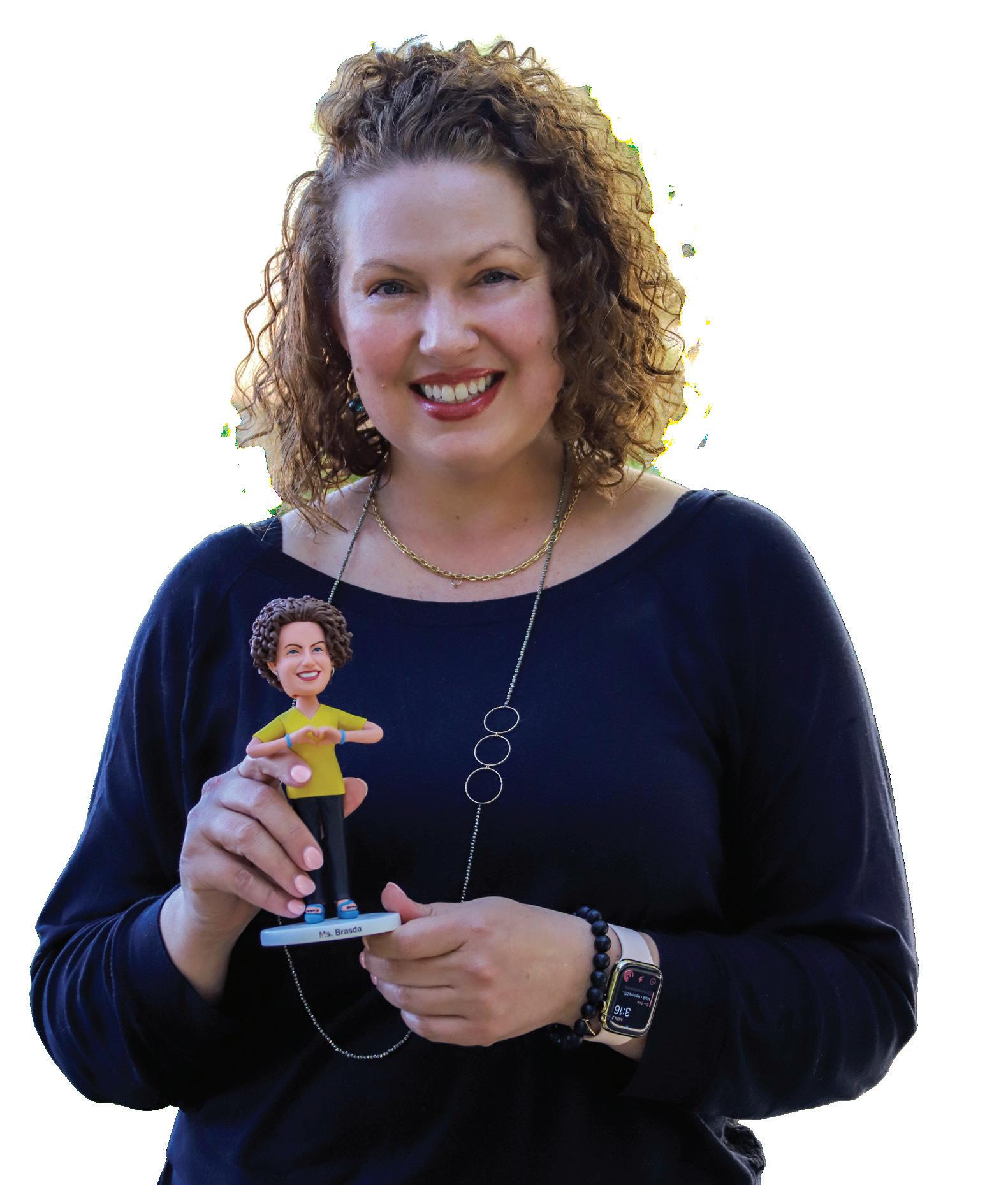
Why history teacher Sandra Brasda decided to join the Air Force at 17 and then go back to high school to teach
Photo: AP Photo/Kathy Kmonicek
Leading the Fight to Feed the Community for 40 Years
By Archivist Alexis Sherman Arinsburg ’98
Founded at Westlake in 1987 to help Angelenos struggling with food insecurity, the Hunger Committee continues at Harvard-Westlake as Youth Ending Hunger, one of HW’s oldest continuously run student clubs. Here we examine its history and enduring impact over almost four decades.
Photo: Nicolas Monroe ’26
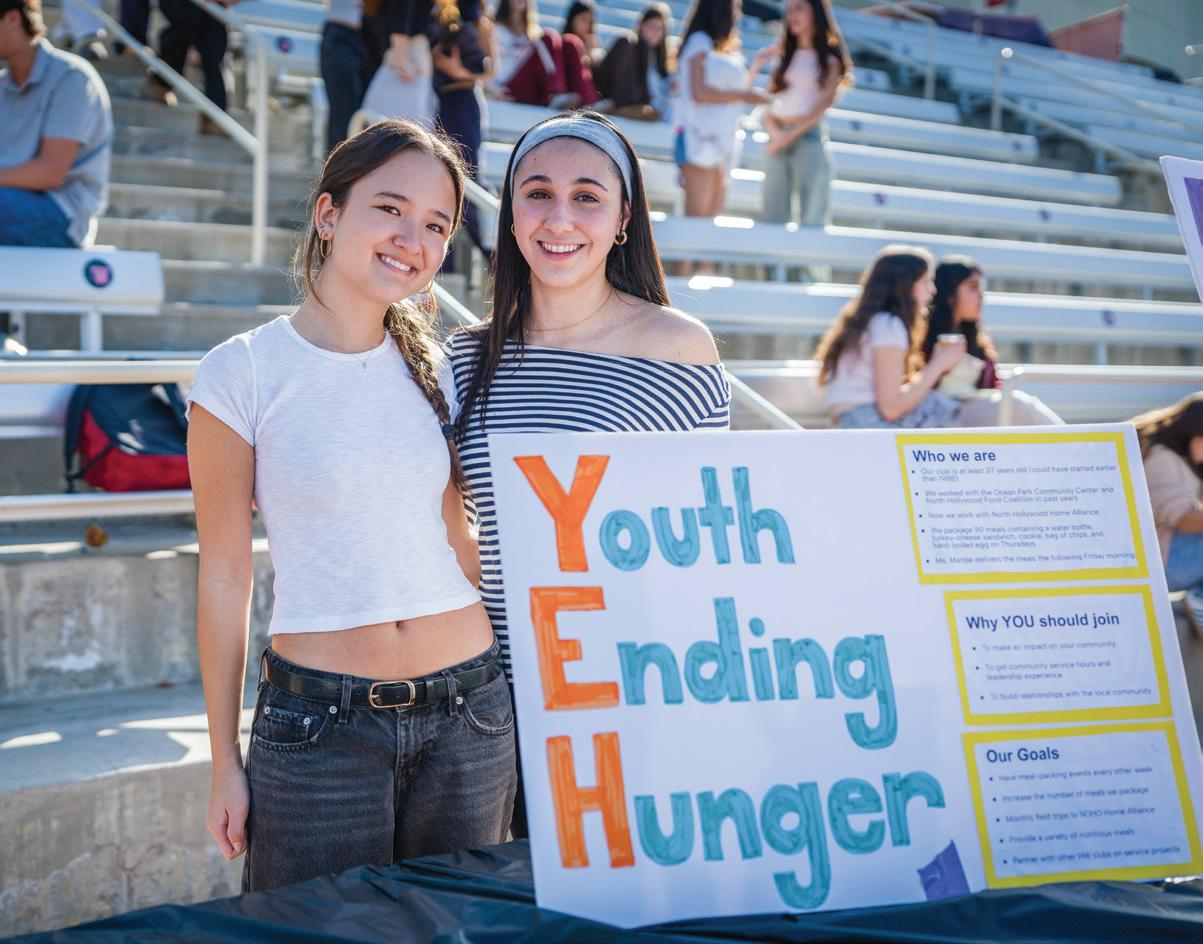
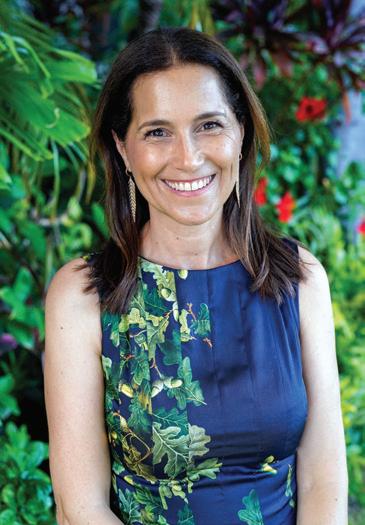
YOUTH ENDING HUNGER CO-LEADERS ELLA JEON ’26 (LEFT) AND TALIA HANNANI ’26 IN 2026
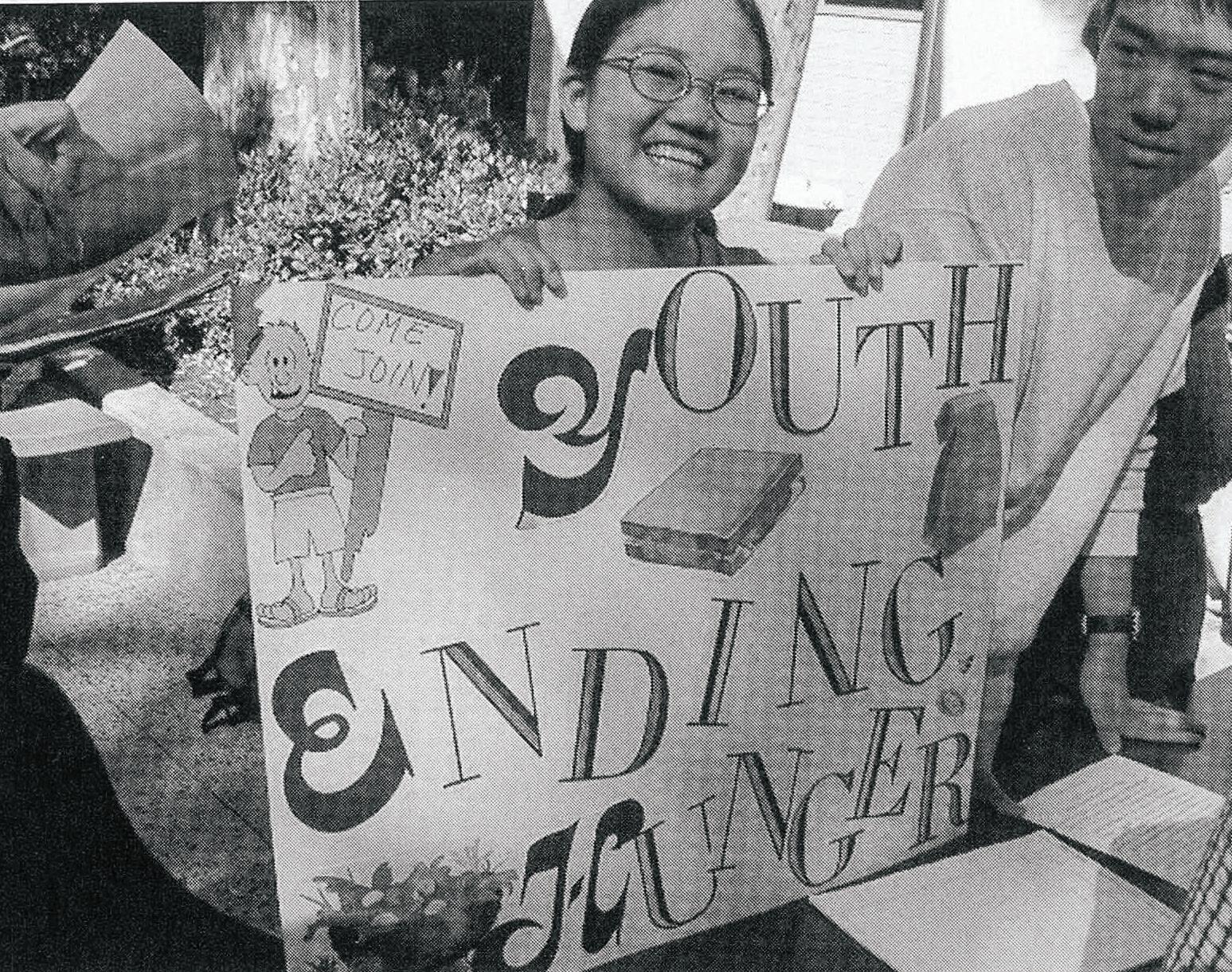
JOANNA HUEY ’02 AT THE ACTIVITIES FAIR IN 2001
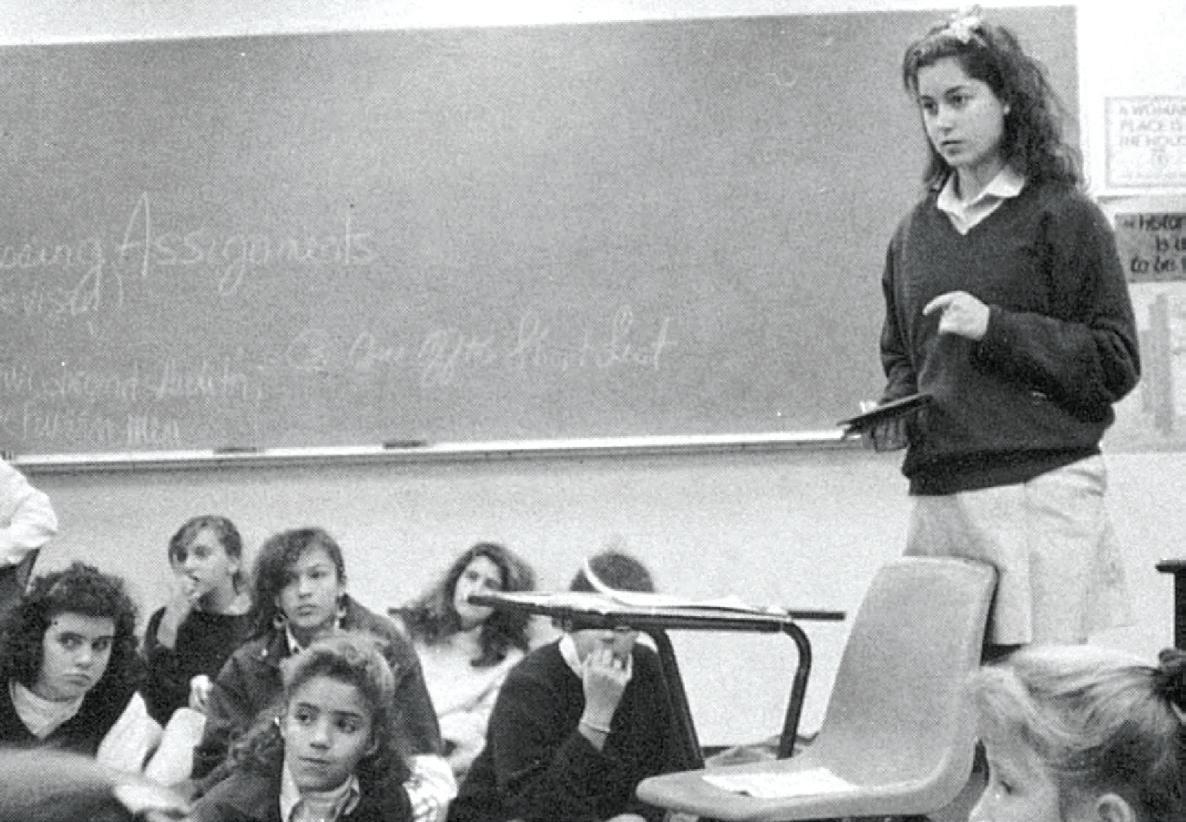
In 1987, Justine Stamen Arrillaga ’88 founded the Hunger Committee at Westlake with visual arts teacher Marianne Hall as its faculty advisor.
In its first year, about 50 students would meet weekly. Inaugural activities included collecting cans and toiletries from students every Thursday and delivering them to food pantries such as St. Joseph Center. During that first year, the Hunger Committee collected 20,504 cans of food, as well as enough personal hygiene products, such as razors, soap, and toothpaste, to make bags for 600 homeless families and individuals in need.
In addition to weekly can collections, club members organized fundraisers, including bake sales, a car wash where people paid with cans, and selling tie-dyed T-shirts, which students made under the direction of art teachers Marianne Hall and the late Polly DeWine.
Candi Pearson Pate ’92: “The Hunger Committee’s theme in 1989 was ‘Squash Out Hunger.’ I was involved in a fundraiser where we made boxer shorts to go under our uniforms. We created the artwork and silkscreen in art class, and they sold like hotcakes!”
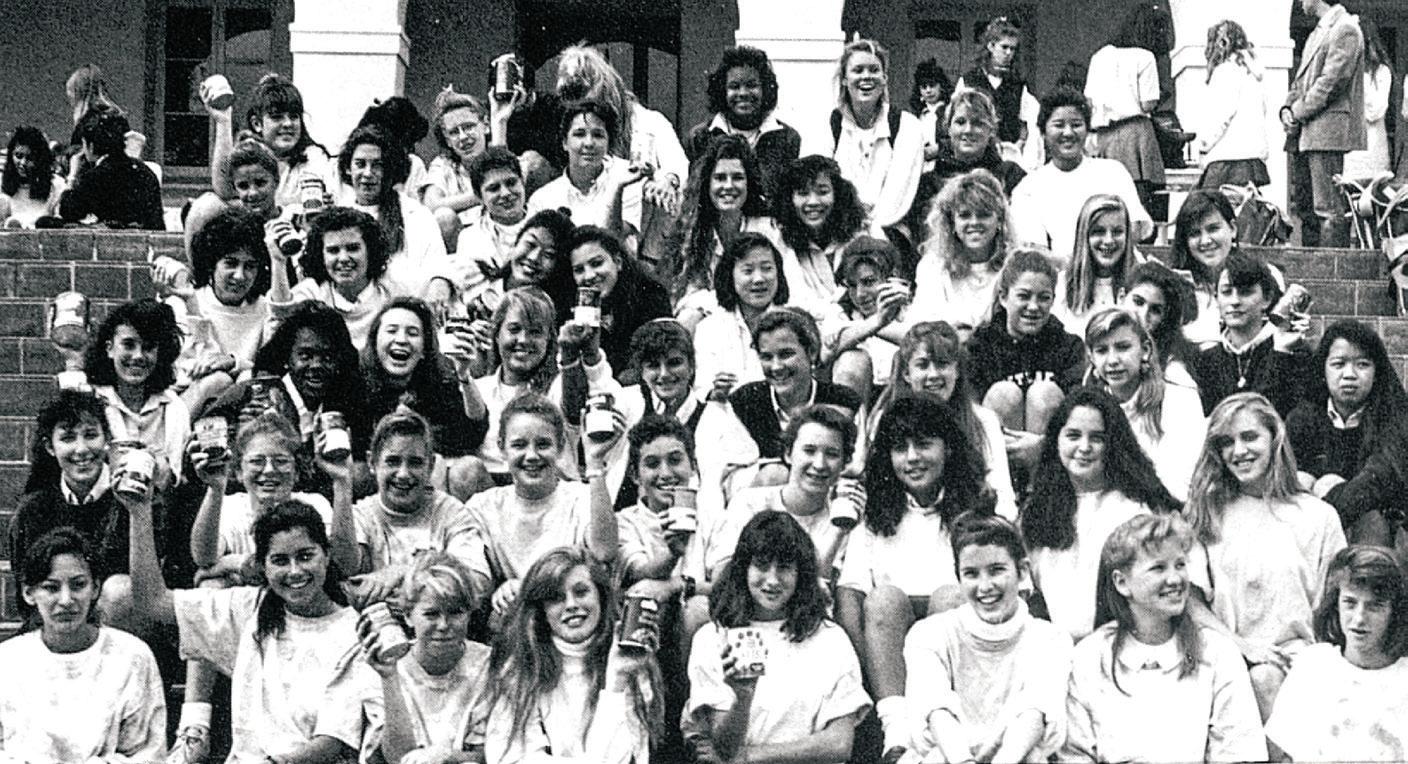
THE HUNGER COMMITTEE DURING THE 1987-1988 SCHOOL YEAR
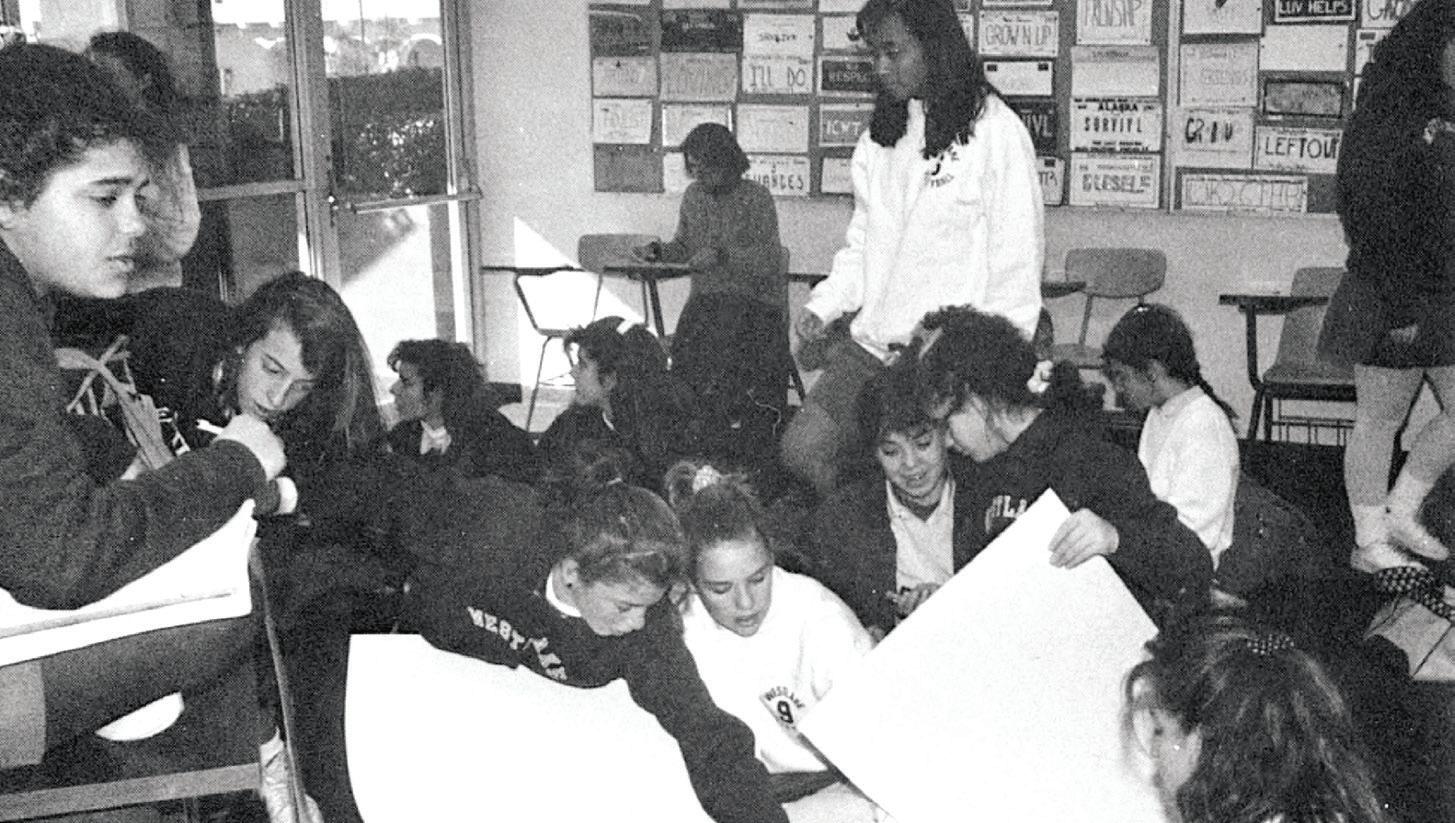
HUNGER COMMITTEE MEMBERS MAKING POSTERS TO PROMOTE THEIR BOXERS SALE IN 1989
STUDENTS
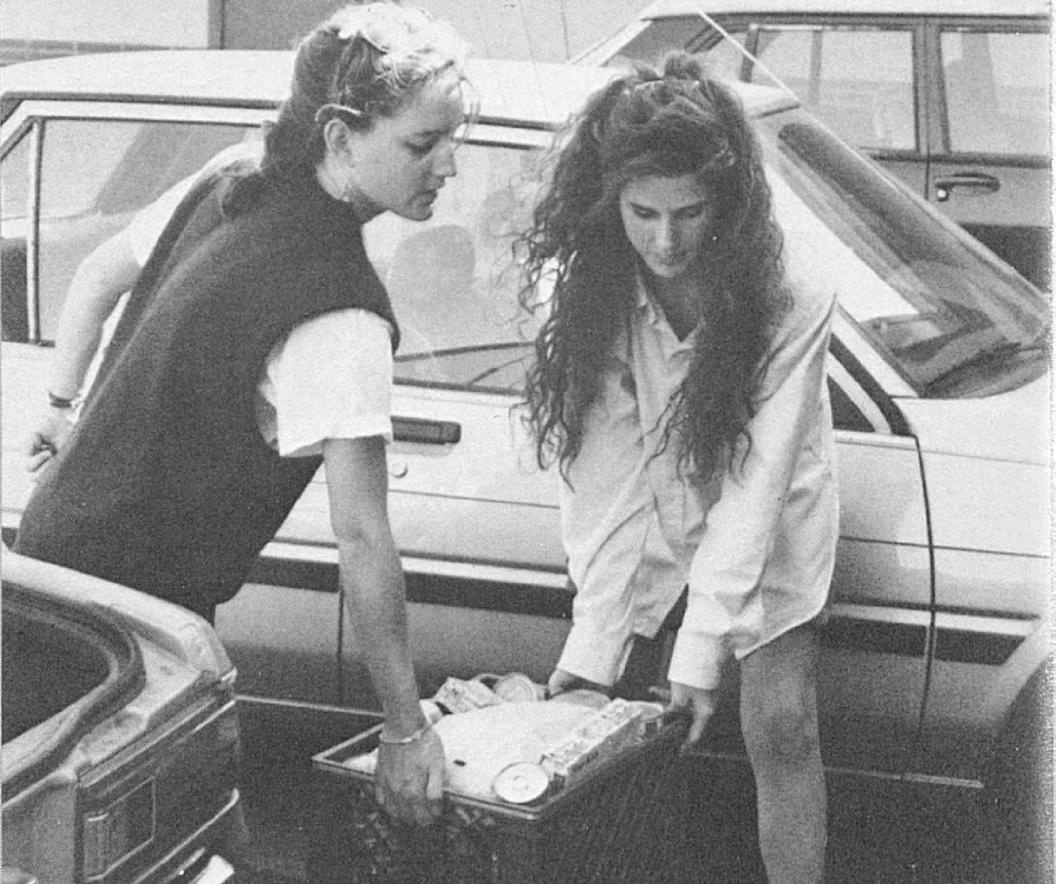
DELIVERING CANS TO ST. JOSEPH CENTER IN 1988
Justine Stamen Arrillaga ’88:
“We set out to have everybody bring in one can a week. We realized quickly that everyone had great intentions, but they would forget, so on Wednesdays, Hunger Committee members would give out ribbons to the whole school at pickup. Every Wednesday, we would see every teacher and student wearing a ribbon somewhere on their skirt or finger and everybody knew what that meant: Grab a can from your house.”
Michelle Hung ’91:
“I vividly remember selecting a few cans from our family pantry to put in bins at school. Even if each student just brought in one can, collectively we made a huge difference.”
Candi Pearson Pate ’92:
“The Hunger Committee took over the whole school. In addition to raising money and gathering cans, we also raised awareness and created community for the school with multiple grades connecting through our service and outreach. My earliest memory of the club is delivering cans to the St. Joseph Center—it was cool to go off campus as a seventh grader. Our president, Justine, was a force of nature who had the entire Westlake community mobilized and enthralled.”
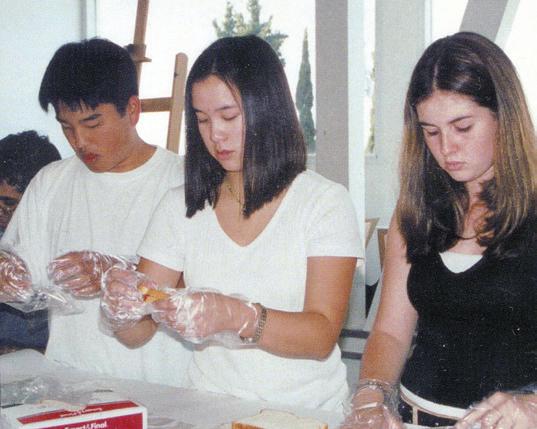
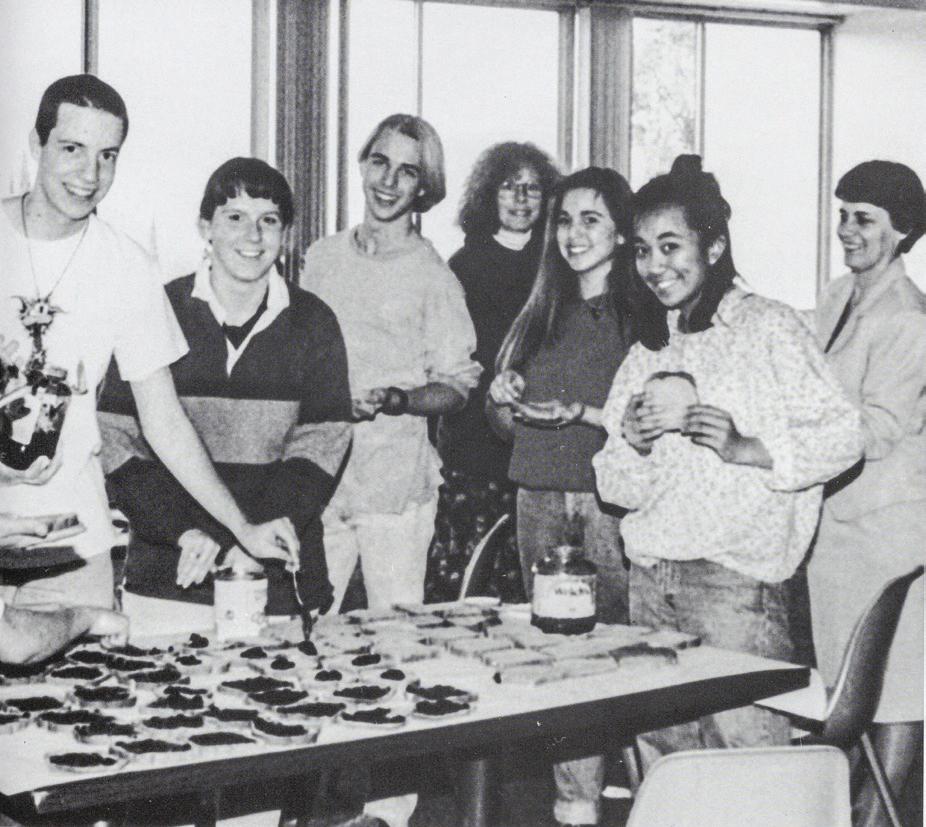
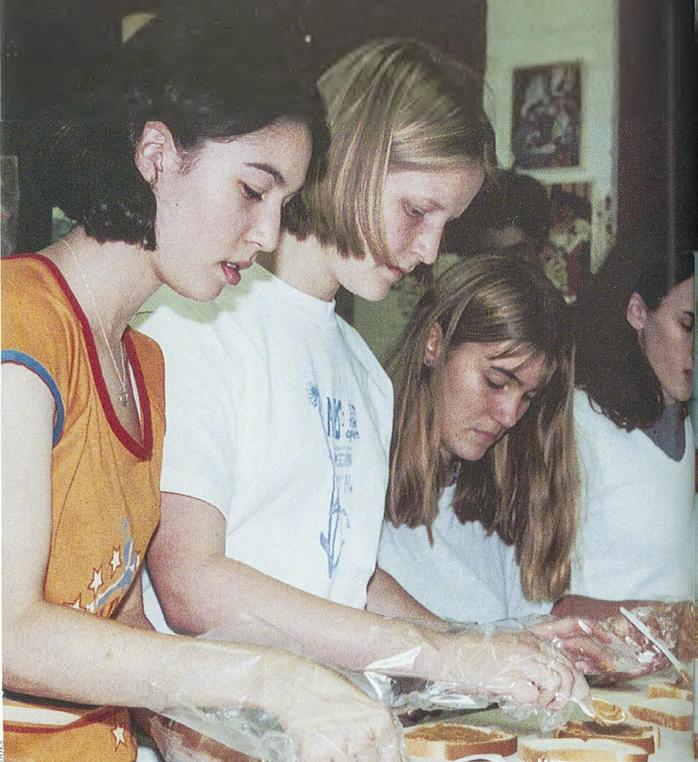
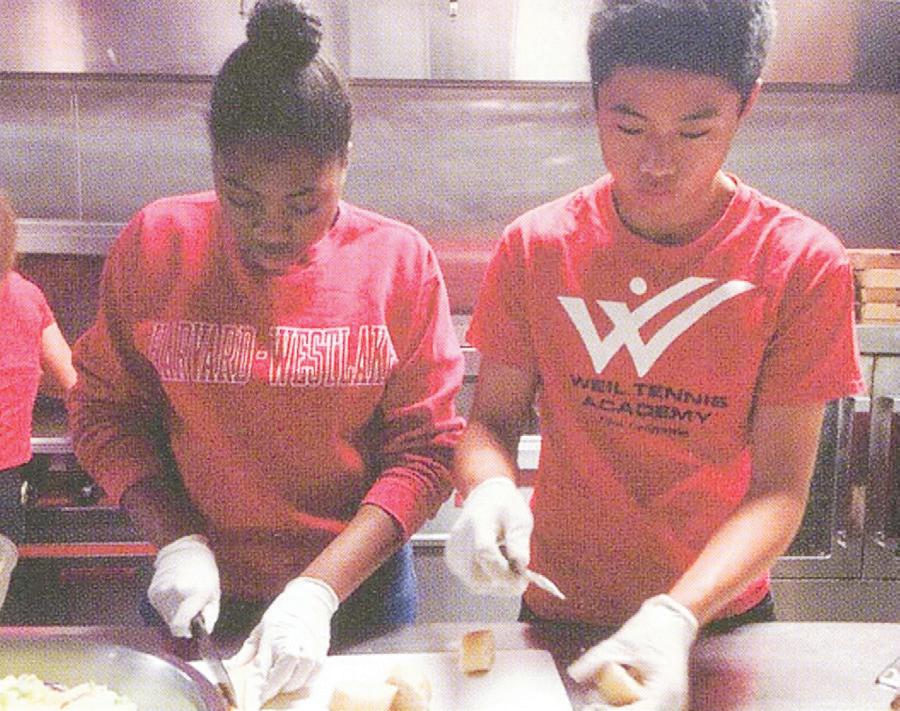
MEMBERS OF YOUTH ENDING HUNGER MAKING SANDWICHES WITH CLUB ADVISOR AND ART TEACHER MARIANNE HALL IN 1992
After the merger in 1991, the Hunger Committee continued at Harvard-Westlake with the same mission but a new name, Youth Ending Hunger. Club members made sandwiches after school on Fridays for residents of SAMOSHEL (SAnta MOnica SHELter). Students also organized special events for the holidays and collected cans to be delivered to local religious organizations.
Justine Stamen Arrillaga ’88:
“Through adding Harvard School to this dynamic club and changing its name to Youth Ending Hunger, Ms. Hall kept the concept alive that young people can make a difference.”
LINDSAY KOSS LOTTATI ’96 GETTING READY FOR A DELIVERY TO SAMOSHEL
Lindsay Koss Lottati ’96:
“We would just keep making sandwiches until we ran out of supplies, which is how we knew we were done. It was wonderful to feel useful as a young person. I am currently the middle school director at Sierra Canyon, and I coordinate our service learning program. It’s awesome to provide experiences for my students to get involved in service like I was able to do at HW.”
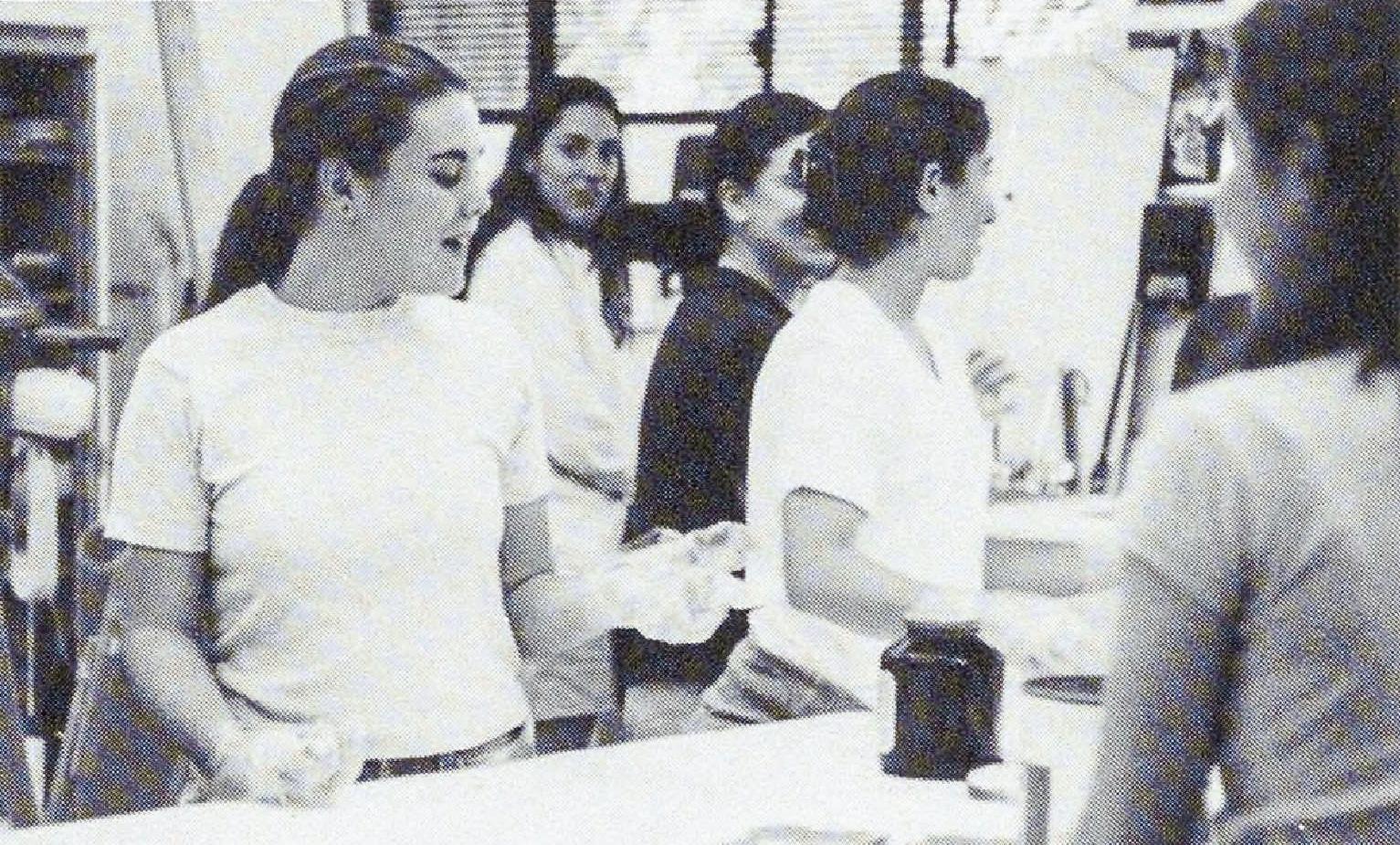
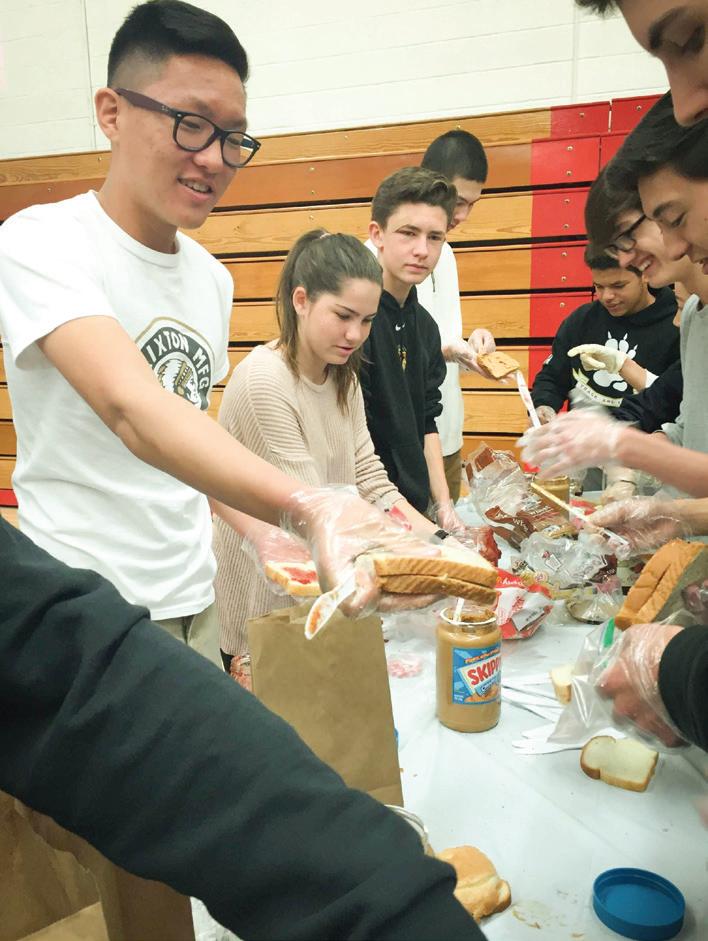
STUDENTS INCLUDING MELISSA KAHN WILKENFELD ’99 MAKING SANDWICHES IN 1999
Melissa Kahn Wilkenfeld ’99:
“I was a student of Ms. Hall’s and, like many people, a massive fan of hers. While I loved the mission of Youth Ending Hunger, my participation might have just been an excuse to spend more time with Ms. Hall and other art friends. Making PB&Js facilitated the downtime I think we craved. I enjoyed having the autonomy to do some of the grocery shopping for the club, always getting what was on sale to stretch our dollar and submitting my receipts for reimbursement. I felt really grown up to get to do that.”
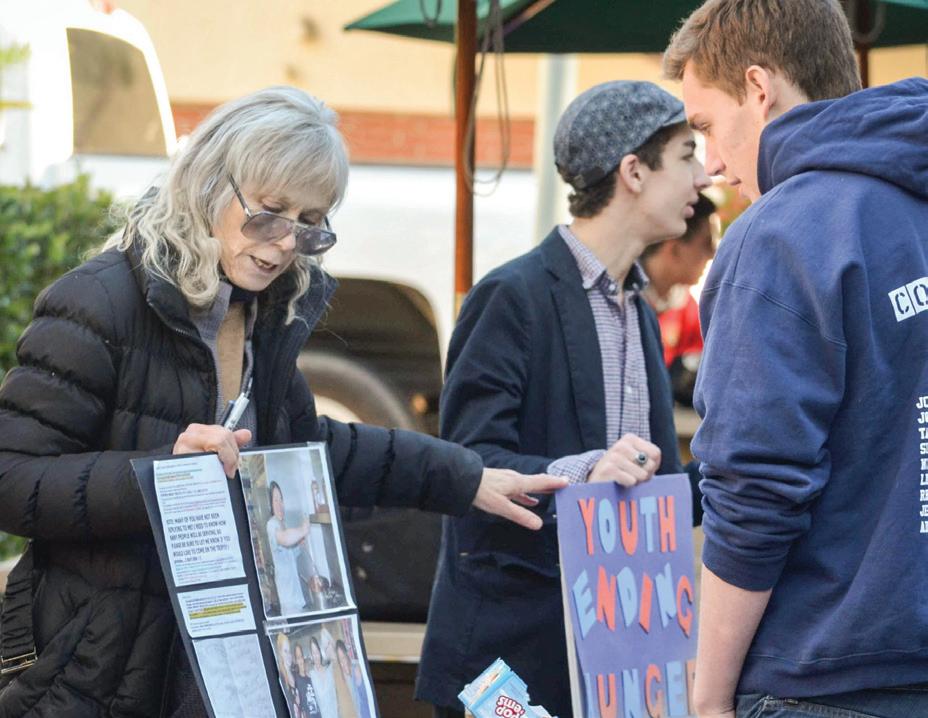
ADVISOR MARIANNE HALL PROMOTING YOUTH ENDING HUNGER AT THE UPPER SCHOOL ACTIVITIES FAIR IN 2012
Marianne Hall
[from the 2006 HW annual report]:
“Students get to know the people they help. They see for themselves that most are individuals who simply have had some bad luck and are doing their best to get back on their feet. The program affords our students the chance to learn leadership skills and have a positive influence in the community. It’s such a great learning opportunity.”
Photo: Chronicle Archives
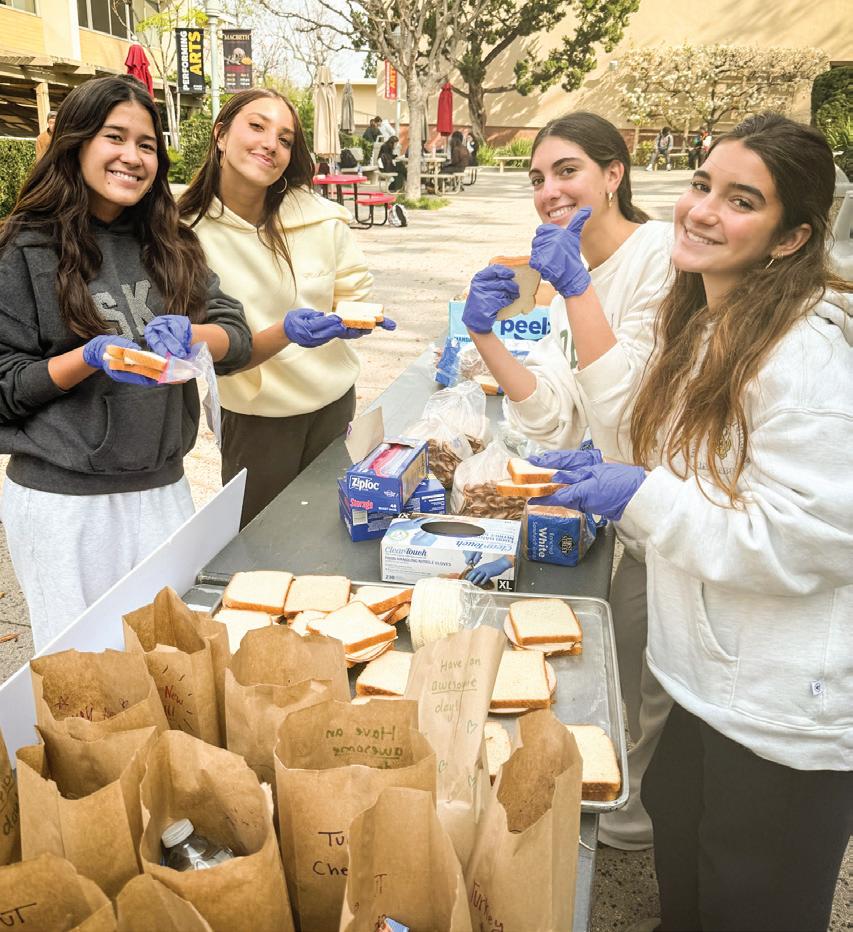
In 2017, Marianne Hall retired, but the mission to combat hunger continues today with Dean of Students Jordan Church, Director of Community and Public Affairs Stacy Marble, and Community Health Officer Milo Sini as the advisors. In addition to club members serving meals once a month at NoHo Home Alliance, a North Hollywood nonprofit providing services to neighbors experiencing homelessness, Youth Ending Hunger also makes sack lunches for the organization.
Jordan Church:
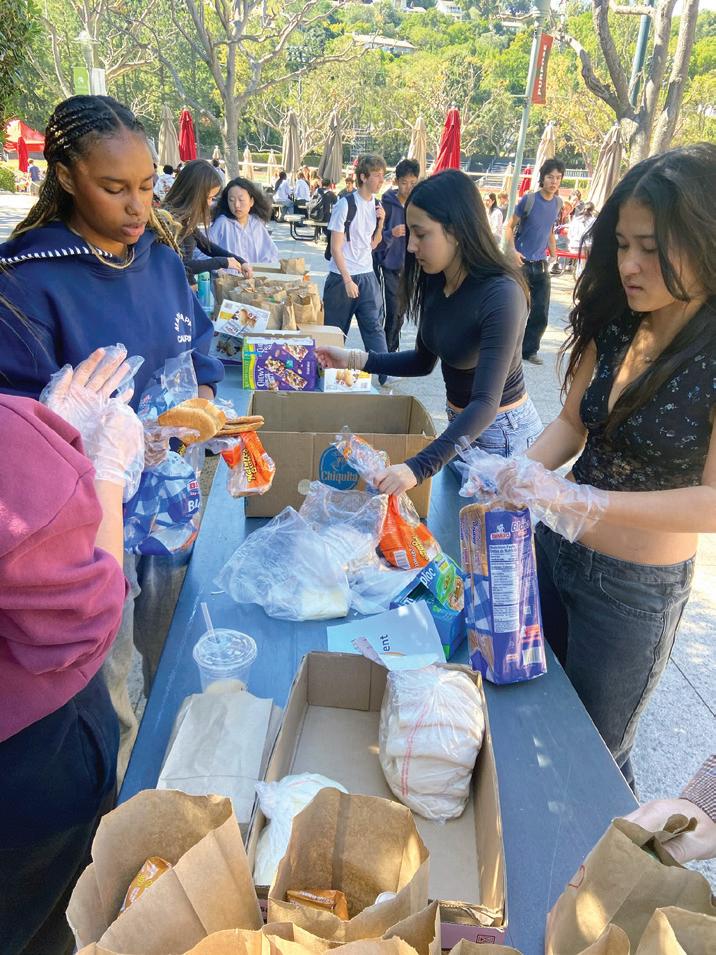
“As she was retiring, Marianne was very concerned about wanting Youth Ending Hunger to continue. It’s really in her honor that we make sure it keeps thriving and growing. A recent highlight is involving the entire student body. Ritual is very important. If students know we are out on the quad every Thursday making meals, that will help more people and show not just club members who come to the monthly meal service but also the rest of the student body that there are opportunities to serve.”
MEETING IN TAPER IN 2016
ASSISTANT DIRECTOR OF STEWARDSHIP
Haley Hicks ’17:
“By participating in Youth Ending Hunger, I learned how powerful it is to turn empathy into action.”
HALEY HICKS ’17 ASSEMBLING A MEAL IN 2017
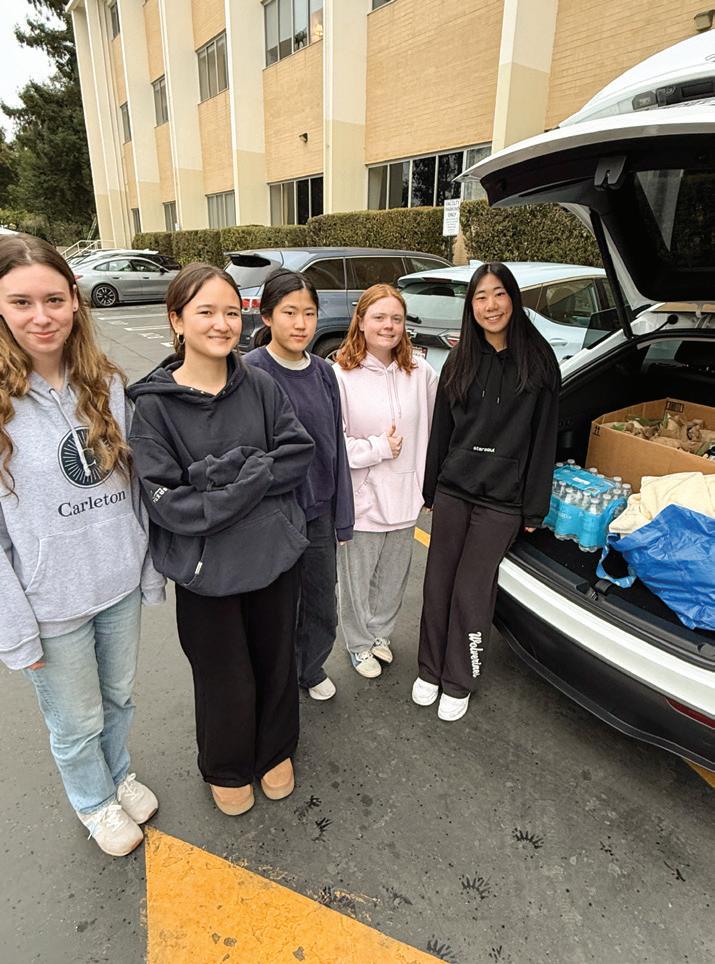
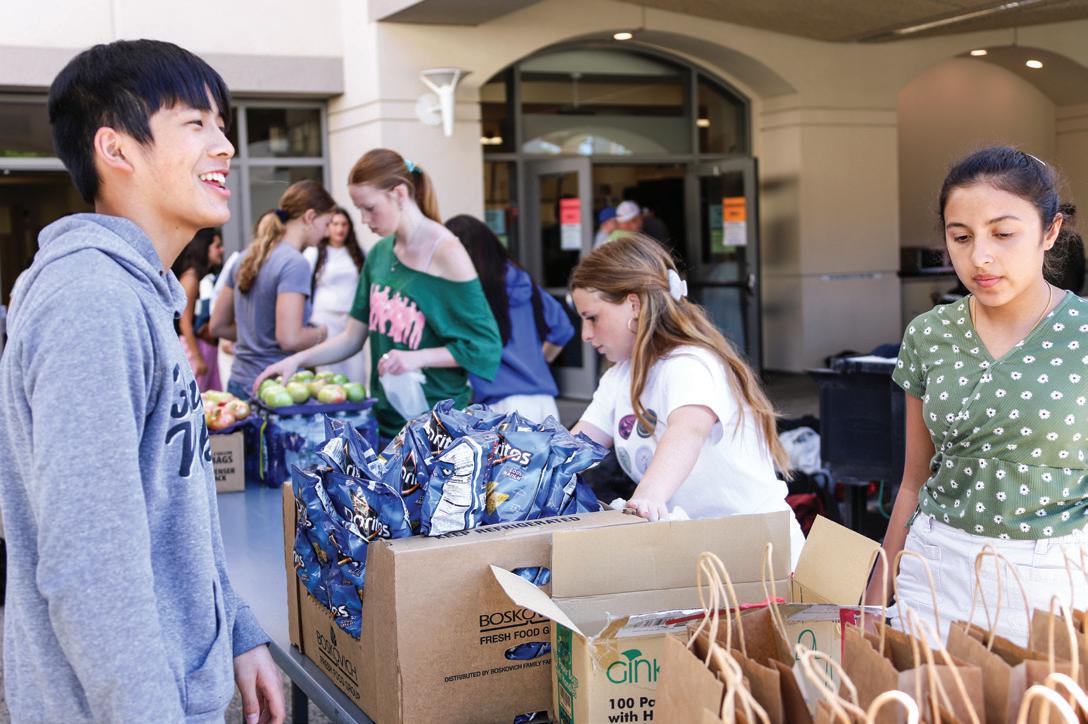
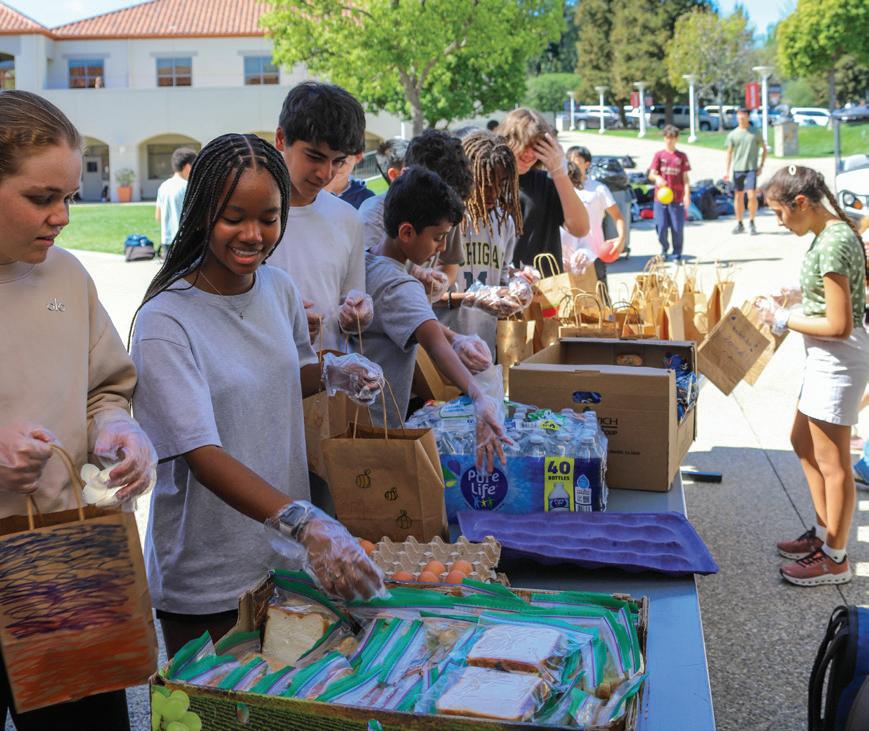
PREPARING SACK LUNCHES ON THE QUAD IN 2025
Photo: Stacy Marble
Photo: Chronicle Archives
Justine Stamen Arrillaga ’88 on Founding the Hunger Committee
Justine Stamen Arrillaga ’88 was devastated when her favorite artist, Andy Warhol, died in February 1987. “My sadness about losing Andy Warhol made me think a lot about life and service,” Stamen Arrillaga recalls. “After Andy Warhol died, I learned a shocking and little-known fact about him: He was a regular volunteer feeding the homeless at the Episcopal Church of the Heavenly Rest in Manhattan.”
In fact, Warhol’s memory ultimately inspired her to found the Hunger Committee. “Schools often had Thanksgiving drives,” says Stamen Arrillaga, “but I wanted our school to do something different—something little every week instead of one big thing every year.”
The seeds of Westlake community service had been planted years before. In 1983, Sallie Reynolds, wife of Headmaster Nat Reynolds, founded the program, including dedicating time during the school day to participate in service projects.
“Westlake’s service program truly changed the direction of my life,” Stamen Arrillaga says. The first project Stamen Arrillaga participated in as a seventh grader was making puppets for the Foundation for the Junior Blind. “I loved that we could make a difference even though we were only 12 years old,” Stamen Arrillaga says. “It was at that moment that I realized I was someone who liked community activity more than school.”
When Stamen Arrillaga sought a faculty advisor to support her new club, there was only one logical choice for her. “My passions were painting and working in the community, so [my art teacher] Marianne Hall became a true mentor,” Stamen Arrillaga says. “These were also Marianne’s passions.”
Stamen Arrillaga recalls how seriously students took the club. “It was like we had full-time jobs and went to school on the side,” she says. “For many of us, the Hunger Committee had the status of a mini career in our minds. When we had a Hunger Committee event, our faculty advisors encouraged us to call the press, produce fabulous posters and communications around the events, and teach seventh graders how to promote our cause. Our teachers gave the committee the kind of respect that I will never forget.”
To spread awareness, Stamen Arrillaga even took the Westlake Hunger Committee show on the road. As she remembers, “At least 10 local schools had me come speak, and I would do a slideshow and tell the stories of the families and individuals I met who were homeless. And of course, the kids in the audience would ask, ‘What can we do?’
It was so exciting to say ‘you can start a hunger committee like Westlake has’ and to give them the playbook on how to do it.”
In 1998, Stamen Arrillaga founded The TEAK Fellowship (teakfellowship.org), a nonprofit organization that helps talented New York City middle school students from low-income families gain admission to the nation’s most selective high schools and colleges. “Beginning TEAK was just like starting the Hunger Committee and made me love Westlake even more,” Stamen Arrillaga says. “I will always have a special place in my heart for Westlake because of the sisters I made and the encouragement to start an organization, even when it was messy, time-consuming, and probably a lot of work for the teachers, who never said no to any idea, crazy as it might be.”
Photo: Chrissy Lambert
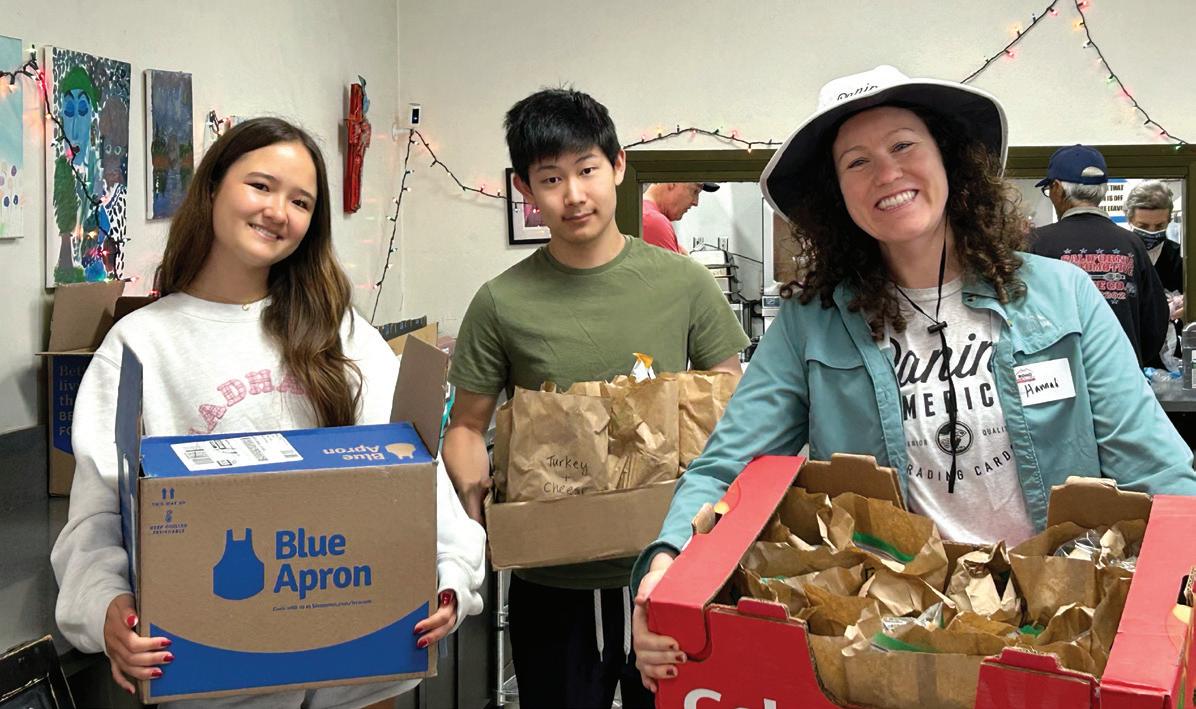
PREPARING FOOD FOR NOHO HOME ALLIANCE
Ella Jeon ’26, Co-Leader of Youth Ending Hunger:
“ I joined Youth Ending Hunger because I was excited about hands-on work with food shelters. The first trip to NoHo Home Alliance, I was actually face to face with the people I was making meals for and talked to people I might never encounter in everyday life. When we host mealpacking events on the quad, countless students join in, and it becomes a collaborative and fun experience doing something simple yet meaningful for our local community.”
ELLA JEON ’26 AND MATTHEW AHN ’25 DELIVERING MEALS AT NOHO HOME ALLIANCE
Matthew Ahn ’25, former co-leader of Youth Ending Hunger:
“My favorite memory from Youth Ending Hunger is taking a tour at NoHo Home Alliance showcasing all the ways they help the homeless, as well as experiencing the great sense of community among the volunteer workers there. Getting involved and having personal experience helping homeless people made us even more motivated.”
Photos, this page: Stacy Marble
MIDDLE SCHOOL STUDENTS JOINING THE CAUSE
Partnering with the American Red Cross Club, Youth Ending Hunger returned to the middle school this spring, with middle schoolers spending part of their lunch break decorating sack lunch bags and packing meals for NoHo Home Alliance. Just as in the early days of the club at Westlake, the entire school community is now involved in efforts to end hunger.
Eleanor Levy ’30:
“Once I found out about Youth Ending Hunger at the upper school, I thought we should bring it back to the middle school. We are hoping to plan a service trip to NoHo Home Alliance so the students who make the bags can see the impact they make in the community.”
TAKING ACTION AT THE MIDDLE SCHOOL
Justine Stamen Arrillaga ’88:
“To the current members of Youth Ending Hunger, thank you for carrying the torch, and I promise you, if you stick with activities like this, you will receive so much more than you give. This type of work puts the increasing pressure that teenagers are under today into perspective. Continue to share if you can, make service a part of your week, and you will always win.“
TRIBUTES TO OUR RETIRING TEACHERS & STAFFERS
IN THE WORDS OF THEIR COLLEAGUES
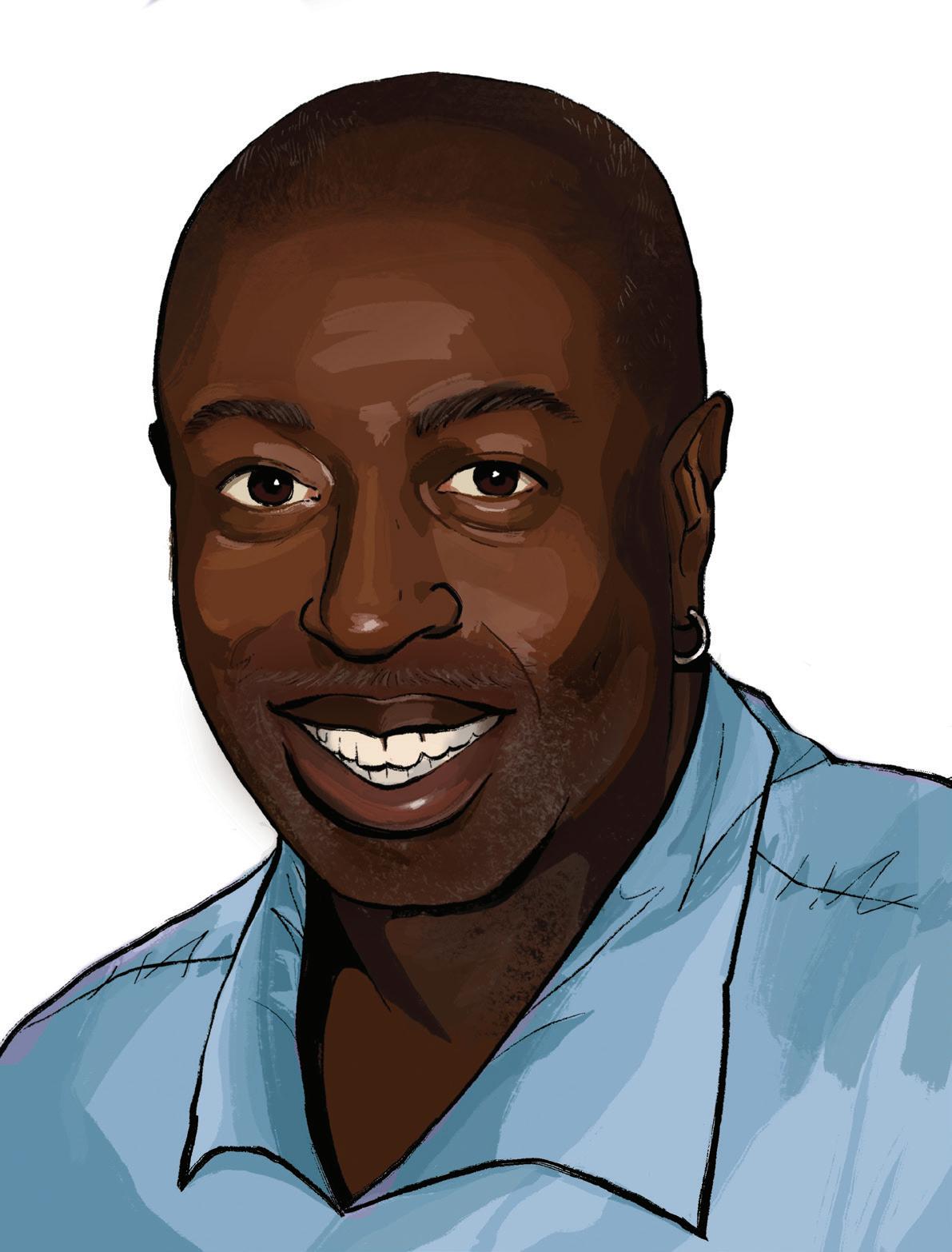
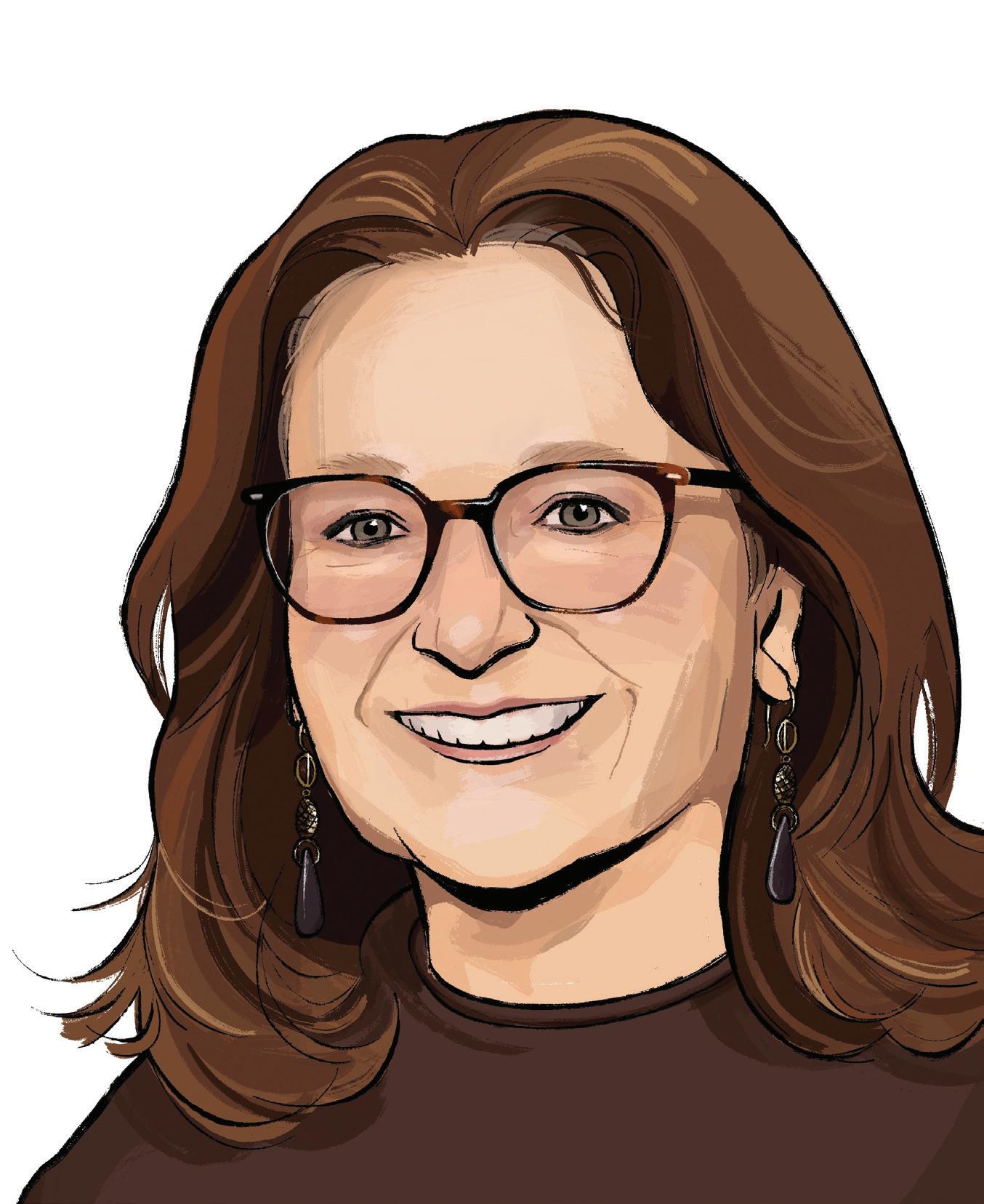
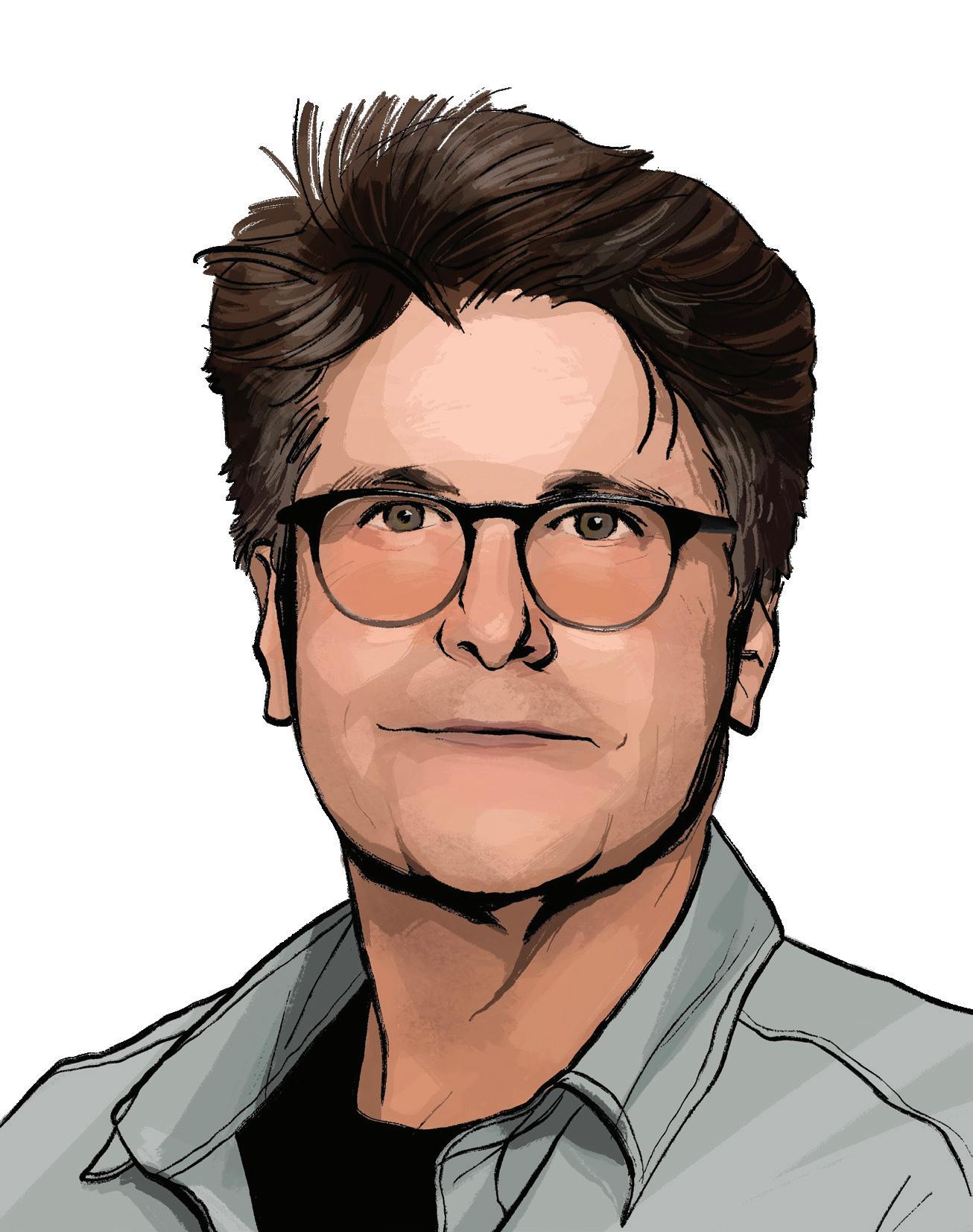
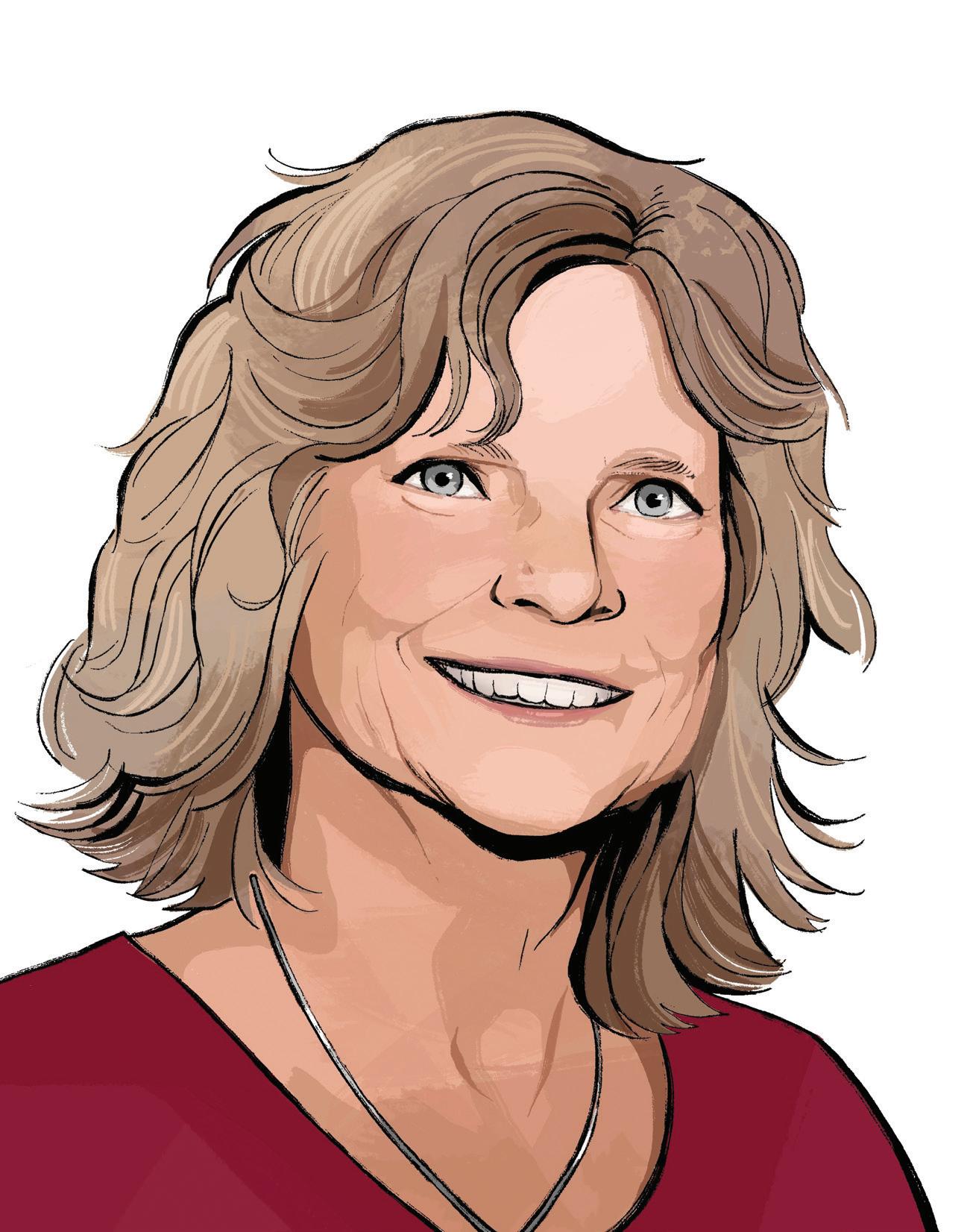
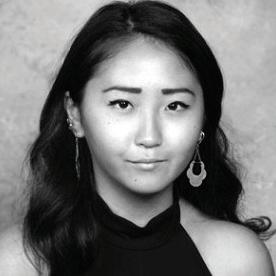
Portraits by Sabrina Simek ’26
Howard Broadnax
Bus Driver
For a quarter century, Howard woke up far earlier than most of us care to contemplate and returned home late at night, all to occupy the driver’s seat of an HW school bus. If students were only half paying attention, they might have picked up a driving tip or two for navigating snarled LA traffic. For those really paying attention, they would see far more from the incomparable Mr. B: respect for one another, a smile and good humor even on tough days, a compassionate ear, and unmistakable style and poise. In that sense, he was a consummate educator—just wrapped in 10 tons of steel. Now he’ll trade his daily driver from Blue Bird to a polished Caddy, and students will no longer be treated to the smoothest morning baritone imaginable. But the lessons he shared will last far longer than the routes he drove, and the HW community will always be grateful for the thousands of miles he navigated on our students’ behalf.
by Brenda Simon Tillman Attendance and Health Coordinator, Human Development Teacher, and Summer Enrichment Program Director
@HARVARD-WESTLAKE
Marian McCorry
Associate Director of Financial Aid and Trips Coordinator
They say that no one is irreplaceable. Well, that bromide may not survive the next academic year. Pick your metaphor: Marian is the keystone in an arch, the bottom piece in a Jenga tower, the foundation stone from which a skyscraper soars.... Marian’s title of Associate Director of Financial Aid only begins to describe her importance to the school. She is the factotum of the business office, performing so many roles that we may not realize them all until the fall. In financial aid, “Mighty Marian,” as she is known in the admission office, is the heart of the machine and the person families know will take care of them. The only thing Marian loves more than our school community is her beautiful family. So it’s off to the beach, Miss Mikori, godspeed and fret not, we’ll keep your number handy!
by Greg Gonzalez Director of Financial Aid and History Teacher
Jocelyn Medawar
English Teacher
Jocelyn Medawar has been a beacon in HW’s English department for over three decades and served our community as a dean and college counselor for 10 years. Her first year was in Westlake School’s final one, and she essentially guided and shaped the HW English program from its literal inception as a nonpareil teacher and clear-eyed and compassionate mentor to grateful colleagues on both campuses. For Jocelyn, each class becomes an opportunity to curate a singular experience for her students that fits with the previous and informs the next, as if she’s stringing a diamond necklace, the light shining through each and mingling with the others. She relentlessly pursues better ways to meet her students on the pages of great literature, finding them where they’re at and taking them where she wisely determines they need to go as careful readers and thoughtful writers. Her sheer ability to deliver excellent English teaching, with passion for her subject and appreciation for her students, will continue to steer the efforts of those so lucky to have worked with her.
by Larry Weber English Teacher and Department Head
@WESTLAKE& HARVARDWESTLAKE
Rees Pugh
Performing
Arts Teacher and Master Carpenter
In the year 2000, Conan and Andy could never have predicted the star that would be born here at HW. One fateful day in Y2K, a charismatic scenic builder working part-time backstage in Rugby asked a simple question of an overworked technical director digging deep to bring another Ted Walch vision to life: “How do I get your job?” The reply: “You want this job? It’s yours!” Ever since, Rees has been a Harvard-Westlake stalwart, reserving the word “no” only for the truly impossible. A giant’s leg, a heated pool, a murderous barber’s chair—if you asked Rees to bring something to life, you were lucky enough to watch it happen, somehow. Rees gave much of his life to this place, including teaching stagecraft and acting, directing or codirecting five main-stage shows, and serving as the chair of the upper school performing arts department for a dozen years. A behind-the-scenes legend, Rees has set the bar so high that the oral history will surely include him as a central character in the Harvard-Westlake story.
by Aaron Martin Technical Director & Performing Arts Teacher and Department Head
Sue Sherman
Director of Payroll
1987: the year that brought us the song “Walk Like an Egyptian,” a historic stock market crash, the Teddy Ruxpin animatronic bear, and diplomatic breakthroughs in the Cold War. It is also the year that first brought Sue Sherman to Westlake School for Girls as its director of accounts payable and payroll. An invaluable team player from the start, she embraced the merger enthusiastically and has run our payroll systems impeccably ever since. She never flinched through tech revolutions, service provider meltdowns, and fevers at payroll deadlines.She never gave up, gave in, or let her school and colleagues down. For just shy of four decades, Sue was always willing to help, cared for all with whom she came in contact, and embodied Harvard-Westlake family. She is the best of us.
by David Weil ’93 Chief Financial Officer & Rob Levin Chief Financial Officer
from 1985 to 2015
SHIRLEY TEMPLE BLACK ’45 AND AMERICA AT 250
By Archivist Alexis Sherman Arinsburg ’98
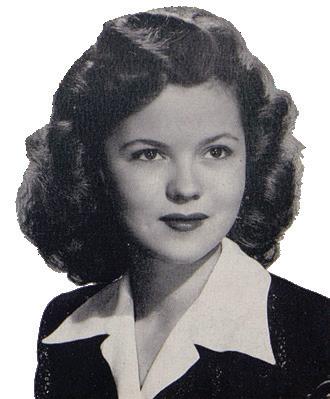
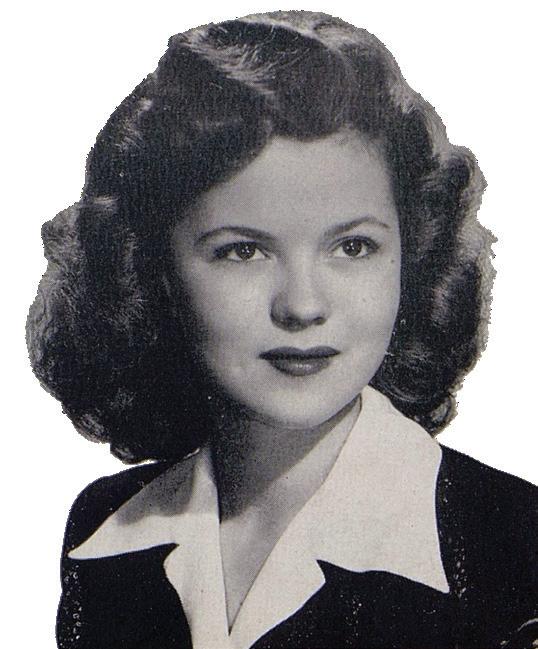
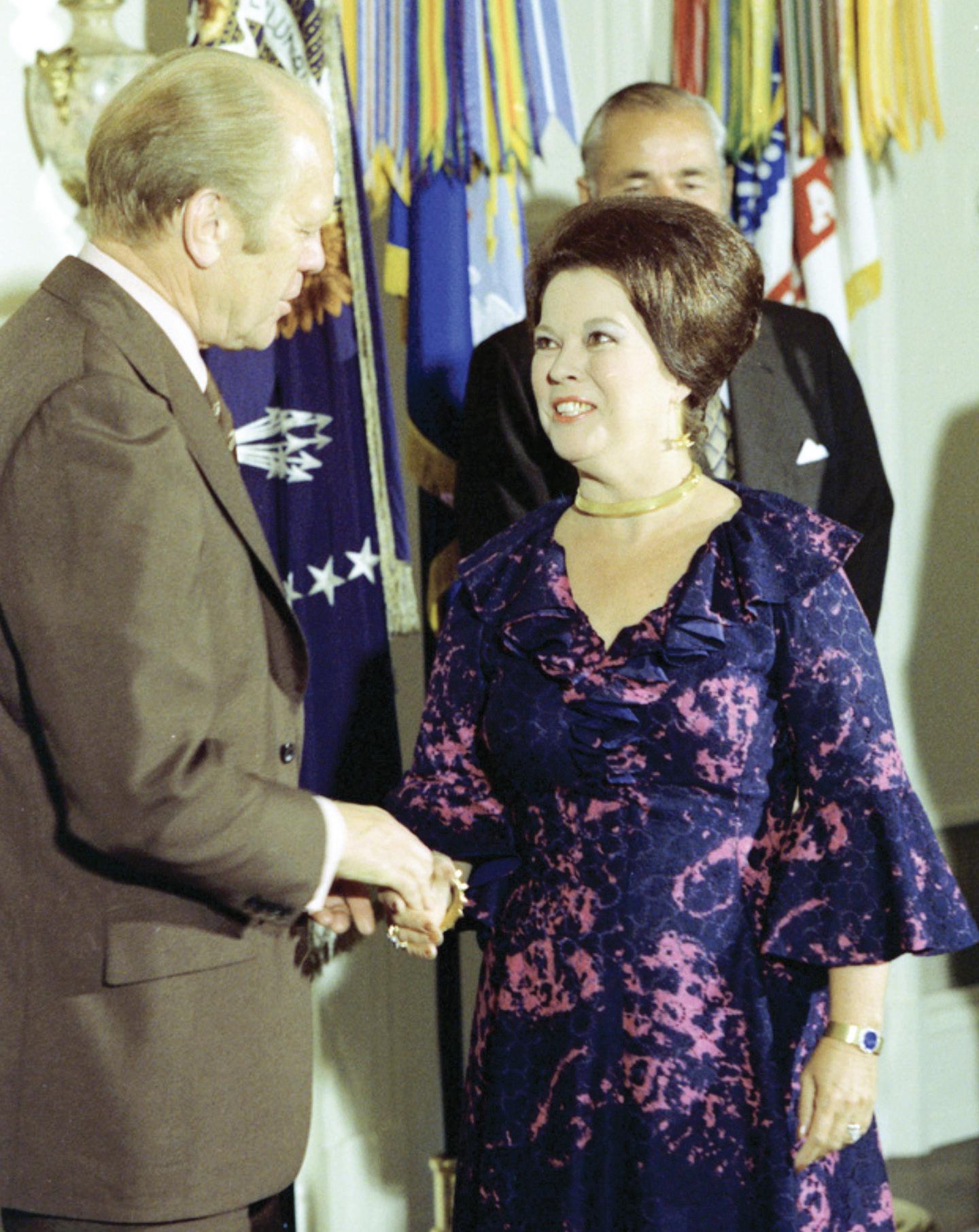
Beyond her illustrious career as a child actress from 1934 to 1938, Shirley Temple Black ’45 went on to a successful two-decade career in public service. Among her many accomplishments, she served as United States Ambassador to Ghana and to Czechoslovakia and was appointed the first female Chief of Protocol of the Department of State in 1976 during the United States Bicentennial. As the Chief of Protocol, Temple Black was tasked with advancing U.S. foreign policy goals by promoting cross-cultural exchange with people and governments around the world. As we celebrate the 250th anniversary of American independence, we share remarks delivered 50 years ago at Temple Black’s swearing-in ceremony.
“ “
President Gerald R. Ford:
Shirley, it’s a great honor for me to have the opportunity of asking the Ambassador to swear you in to this very important post…. I am absolutely certain that with your training in the various areas of diplomacy, plus your long experience in trying to serve the public in various causes, your service here will be the kind that will be in the best interest of our country.”
Shirley Temple Black:
Mr. President, it’s a high honor indeed that you have bestowed upon me. It’s a great honor to be the first woman Chief of Protocol for the United States of America. I don’t know why, Mr. President, it took 200 years for one of us to get the job, but I will do all my very best work to try to fill all the various assorted sizes of shoes of the distinguished men who have been Chief of Protocol.”
Photo:
“ Every six days, at 9:20 in the morning, something enriching and amazing is happening in Community Time.”
Visual Arts Teacher and Diversity, Equity & Inclusion Coordinator Reb Limerick
ANDIMPROVED
Reimagining the way the upper school connects
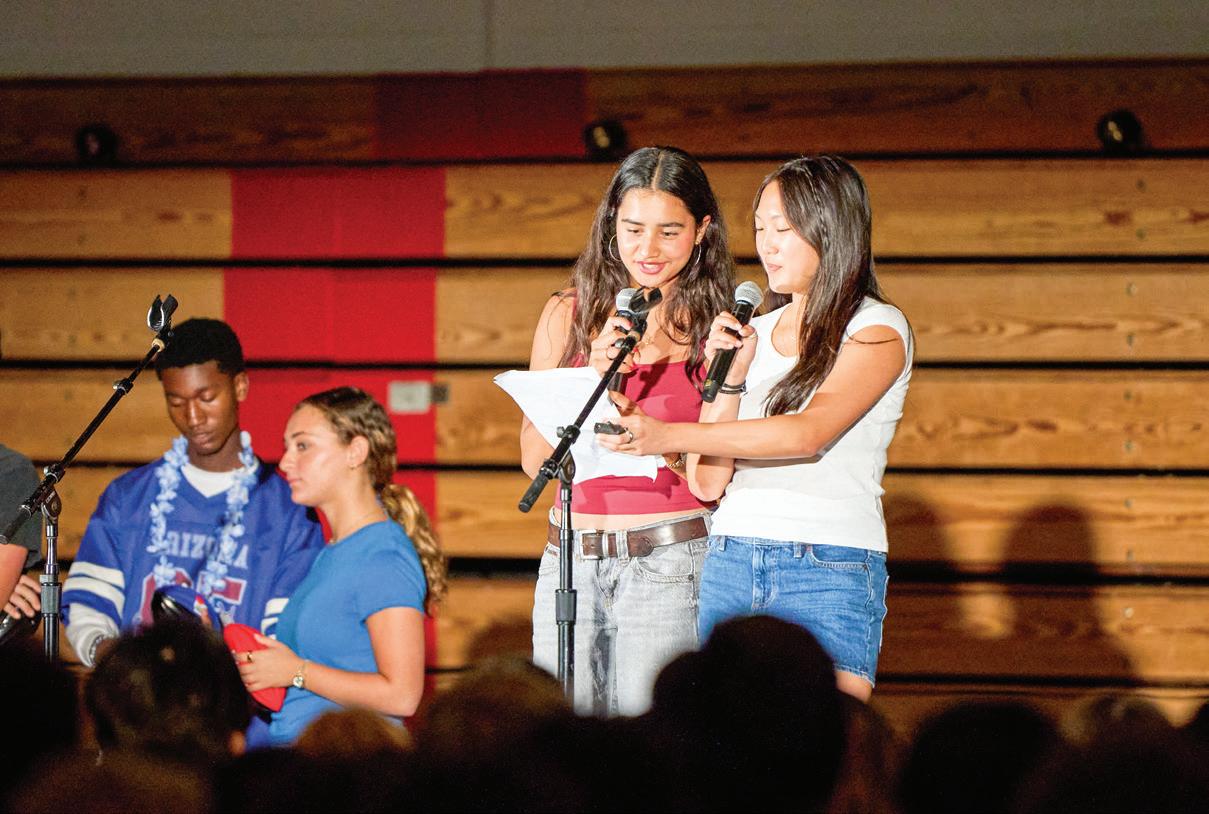
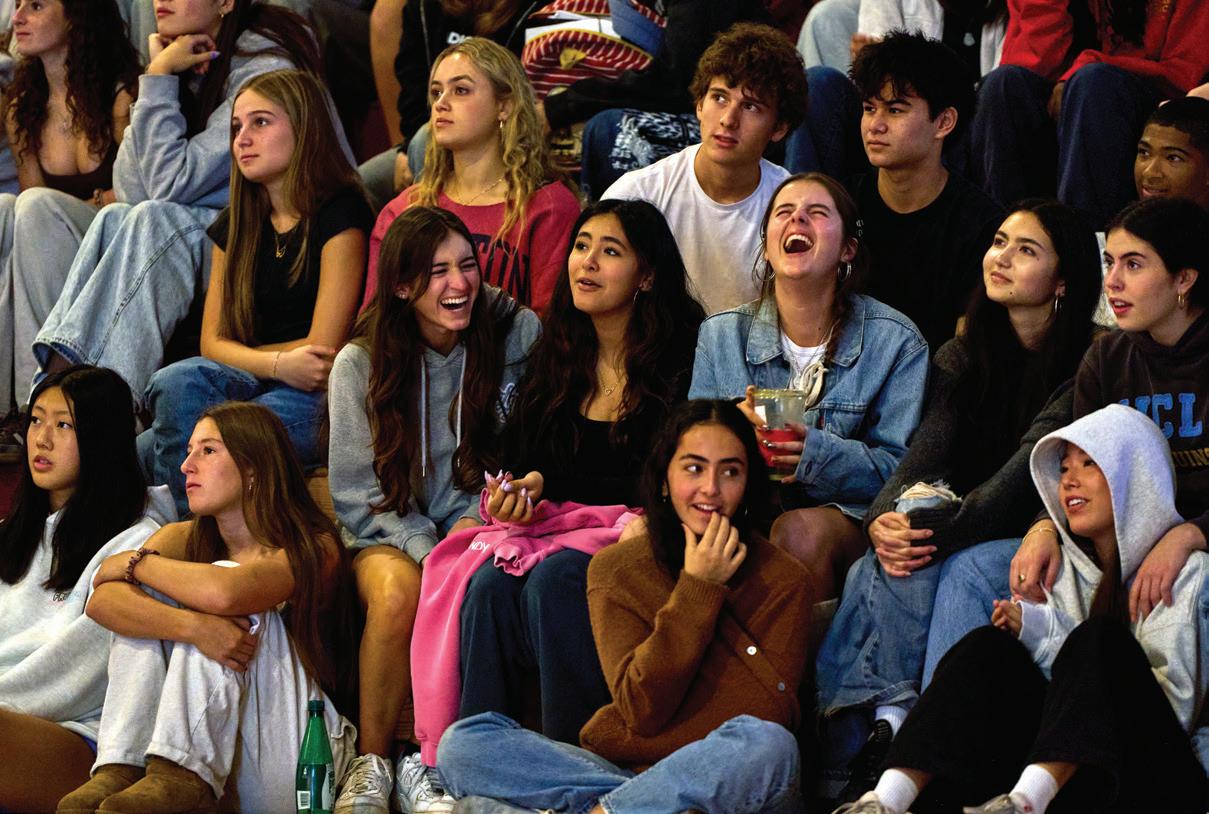
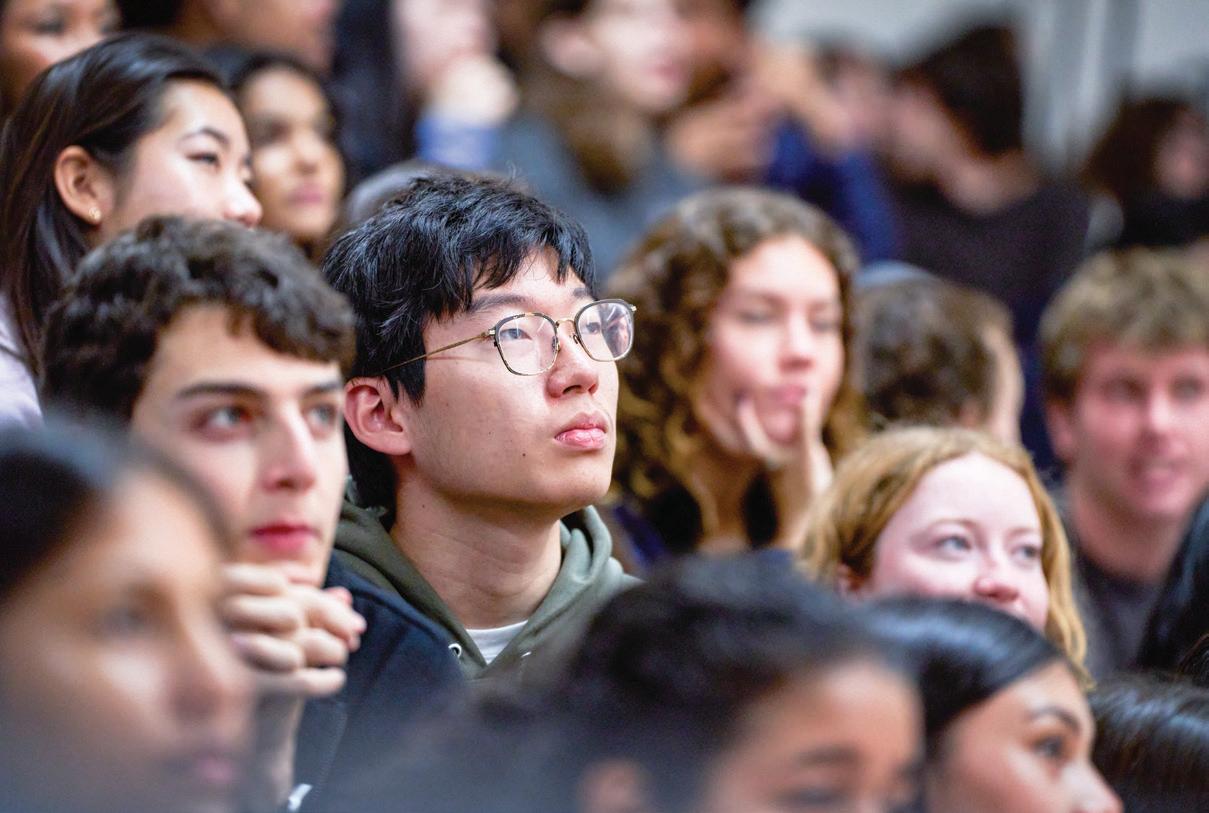
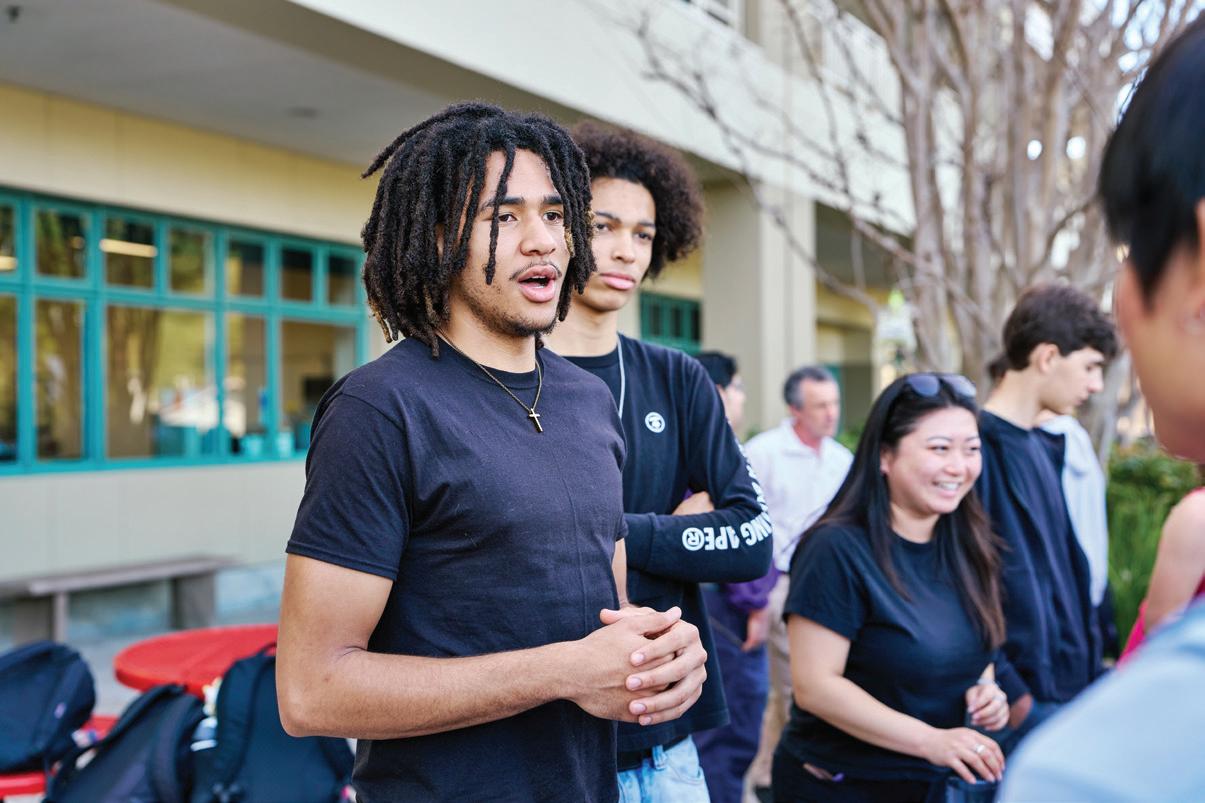
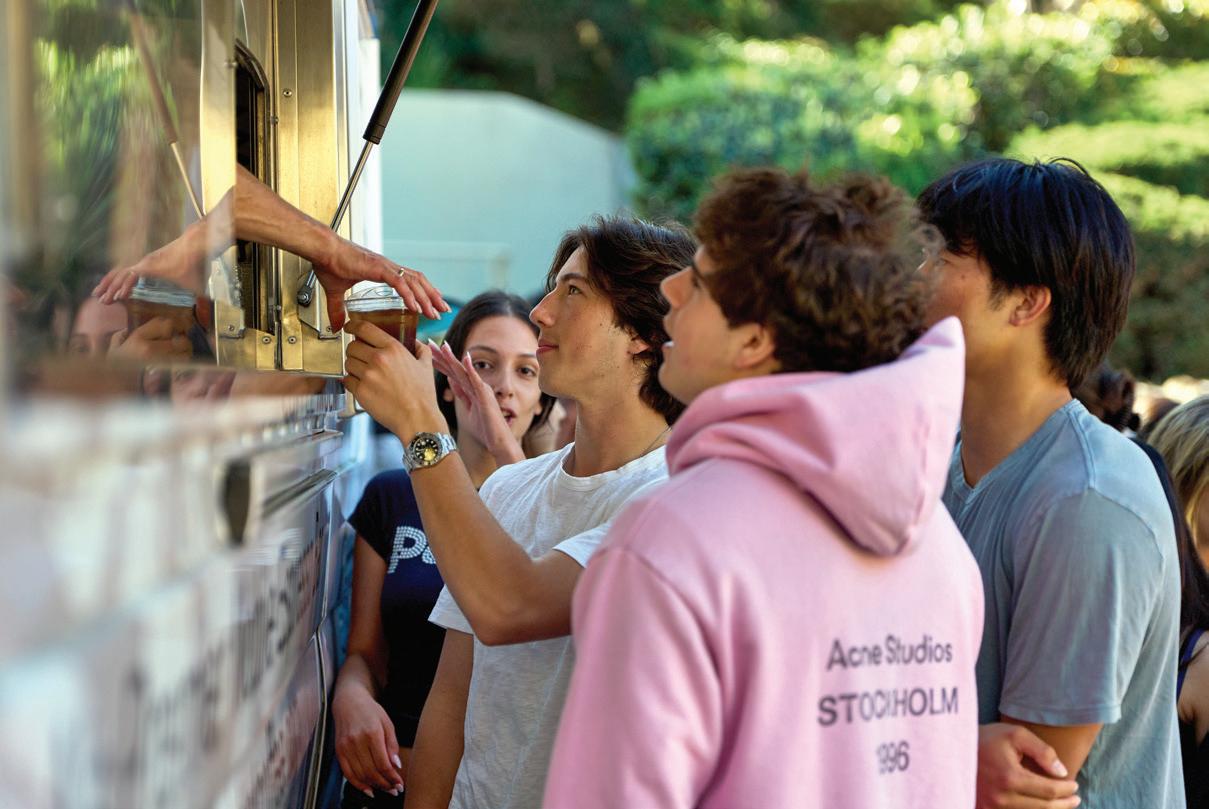
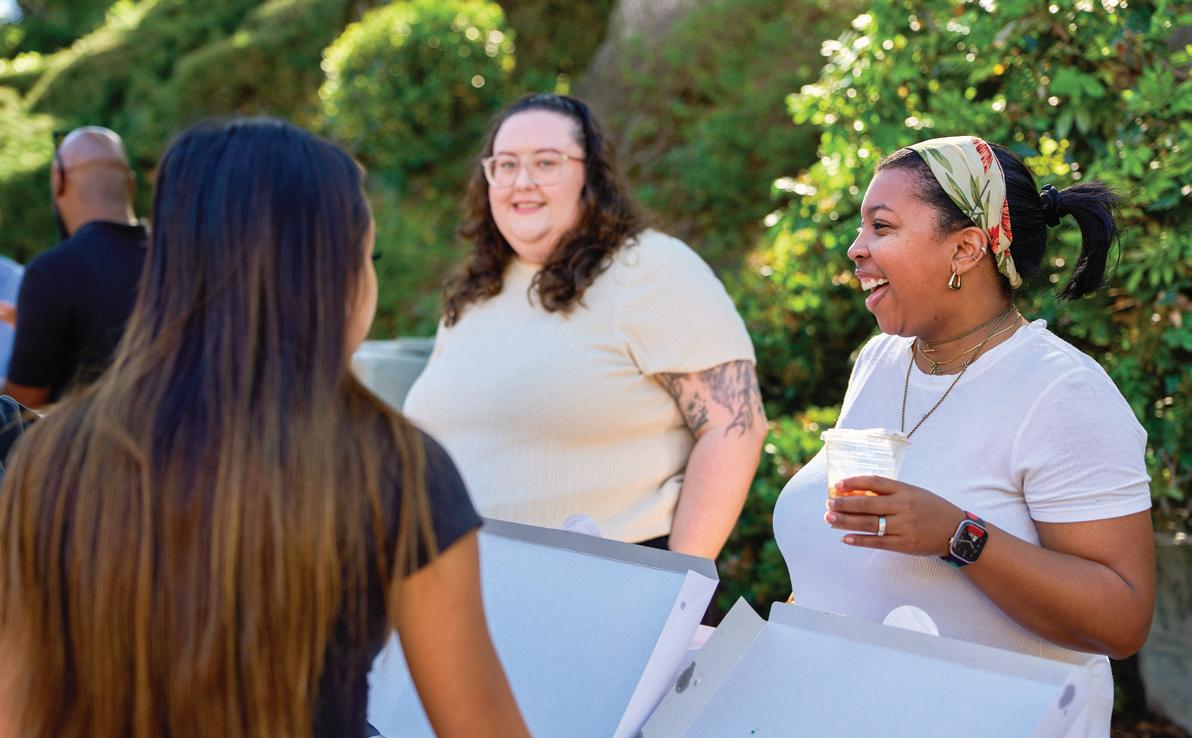
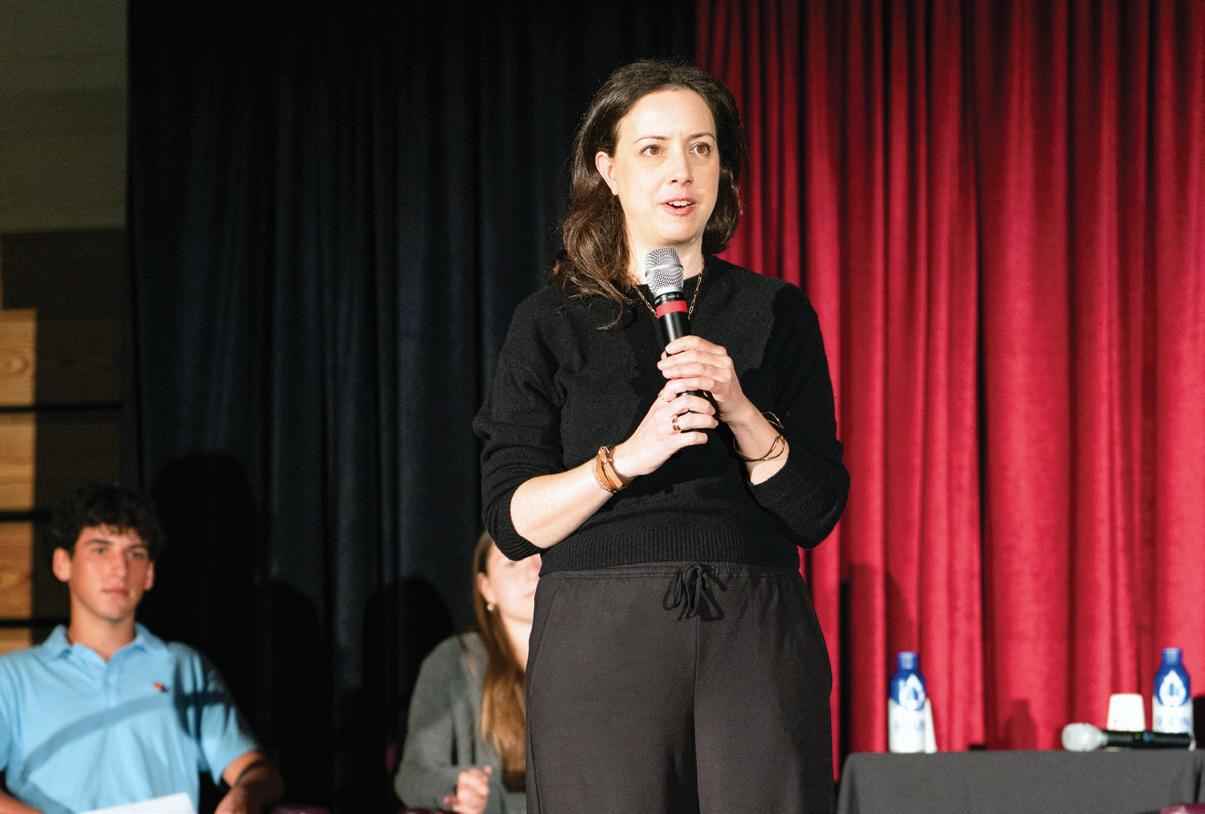
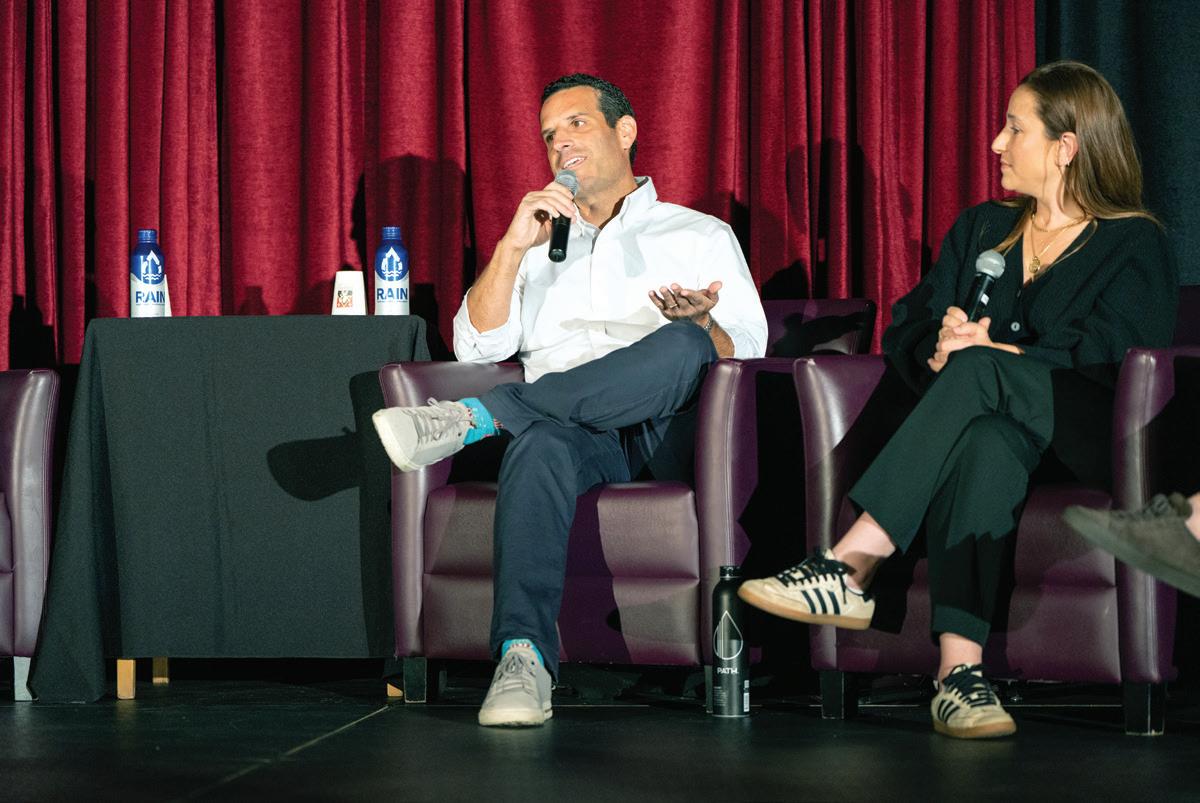
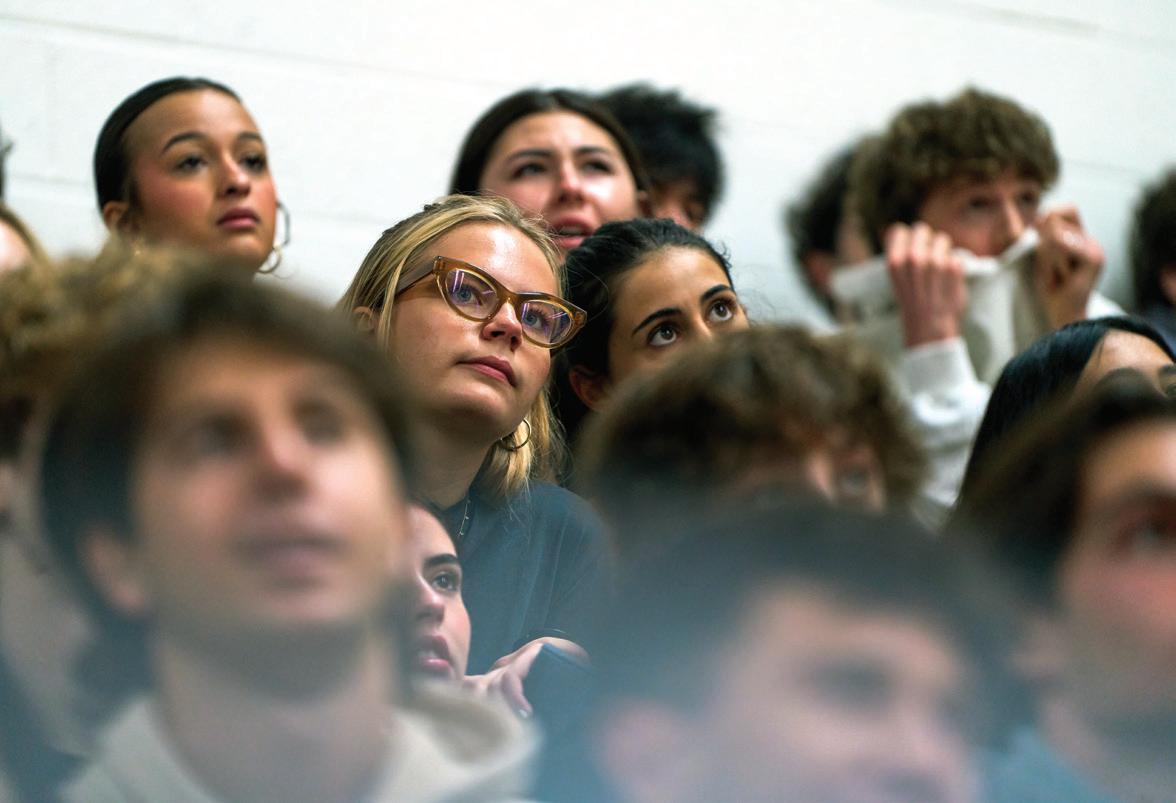
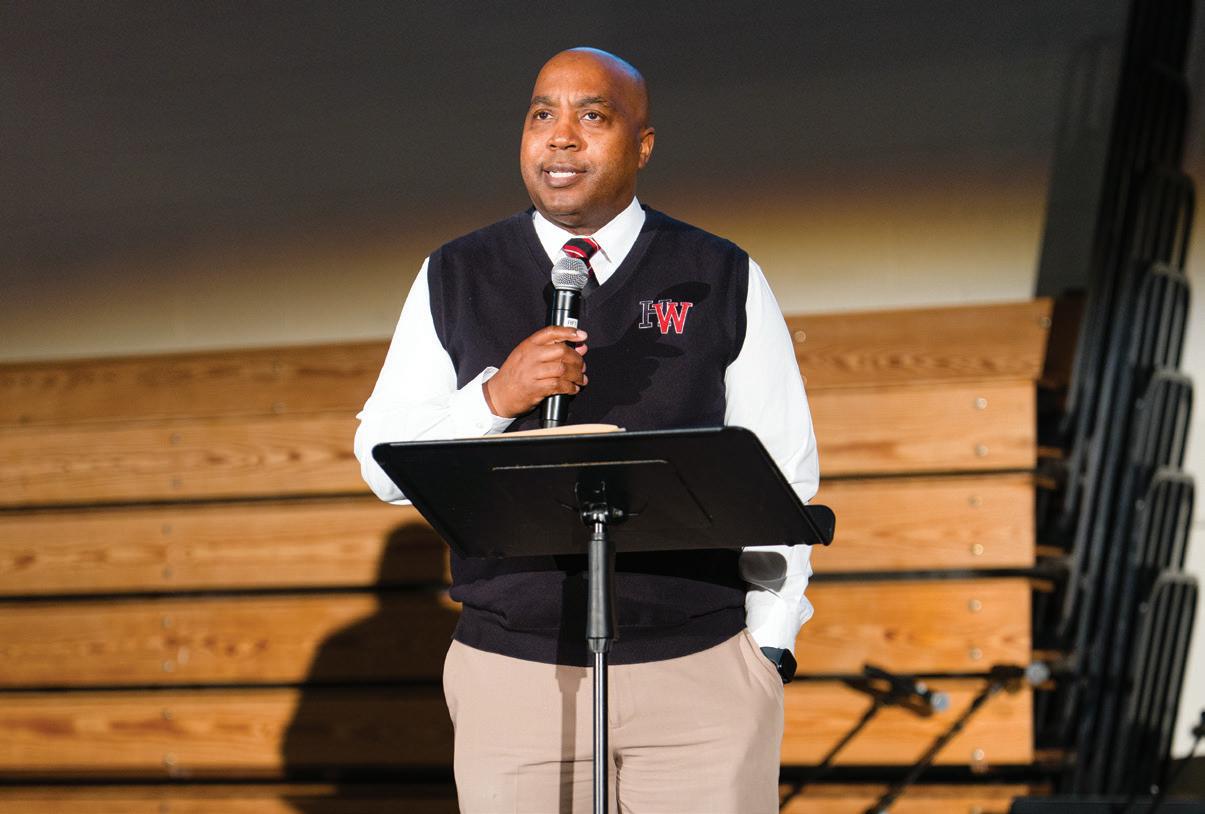
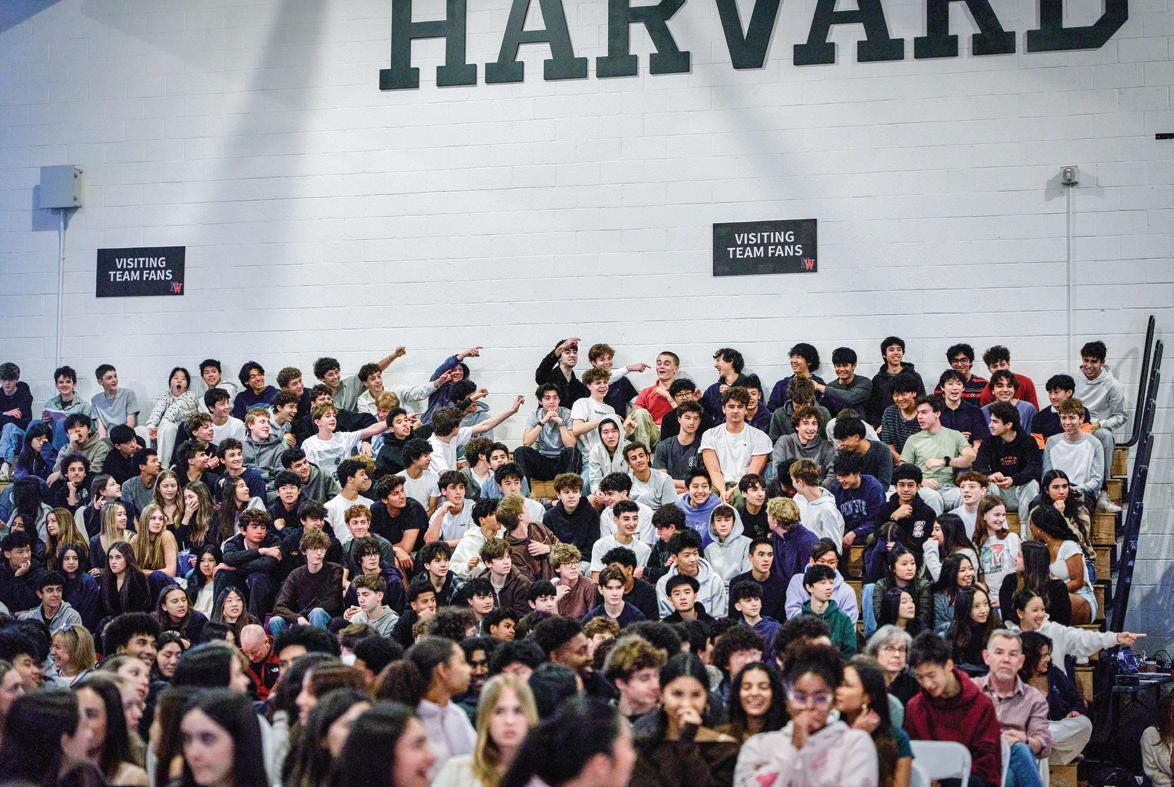
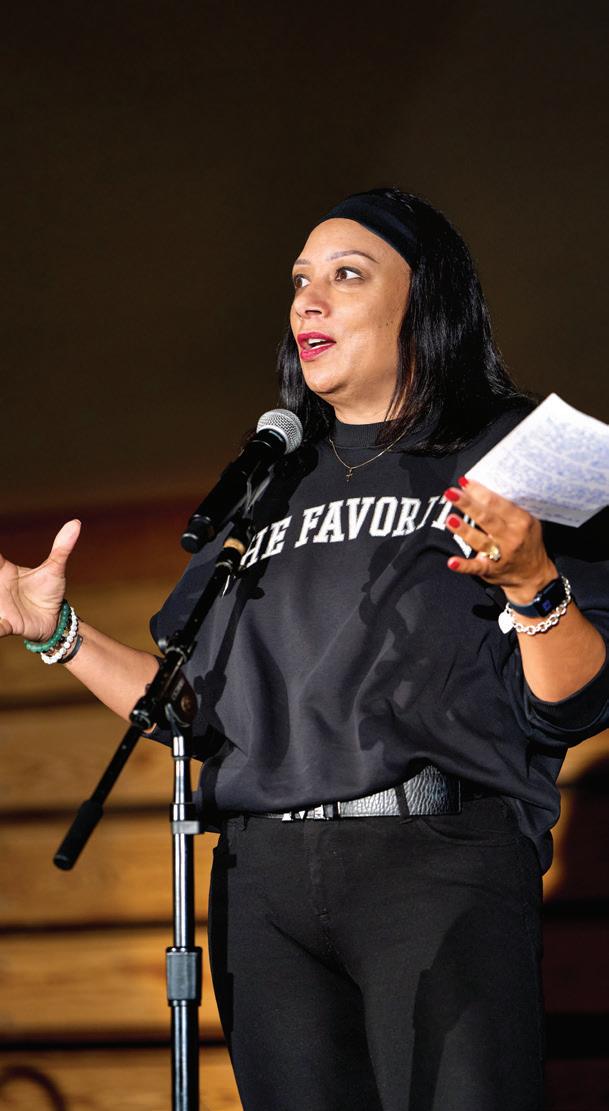
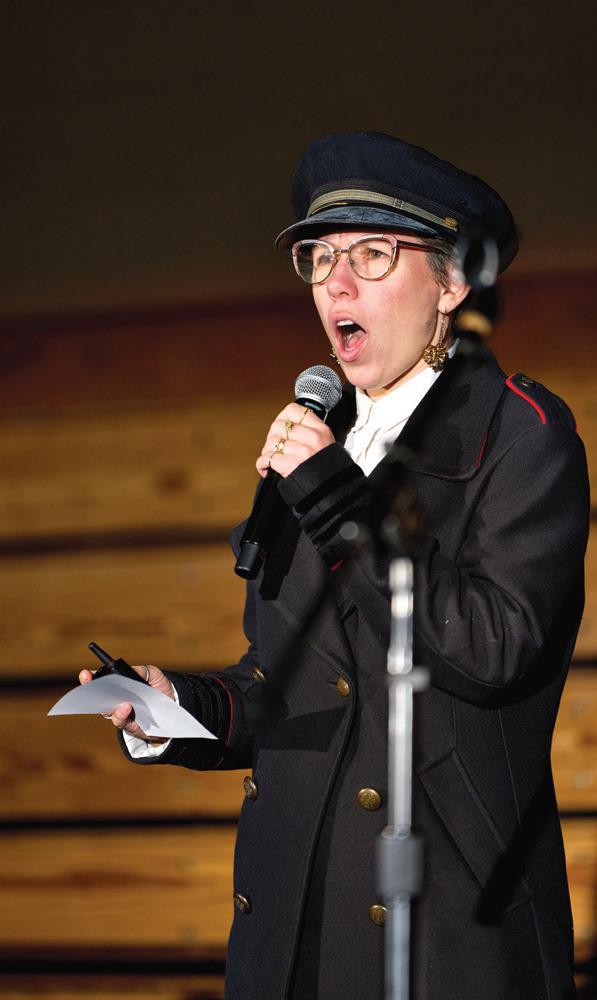
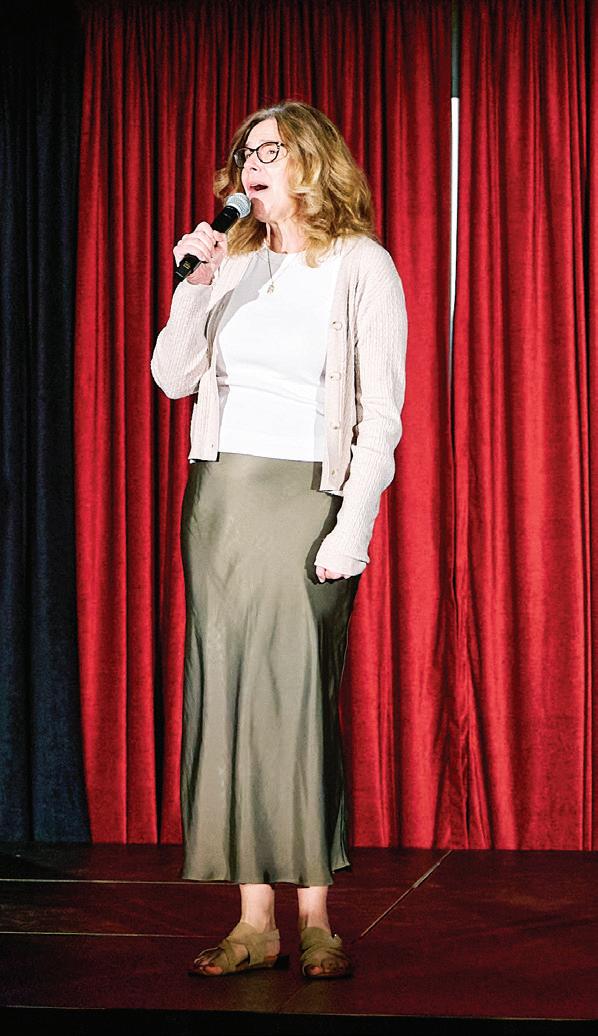
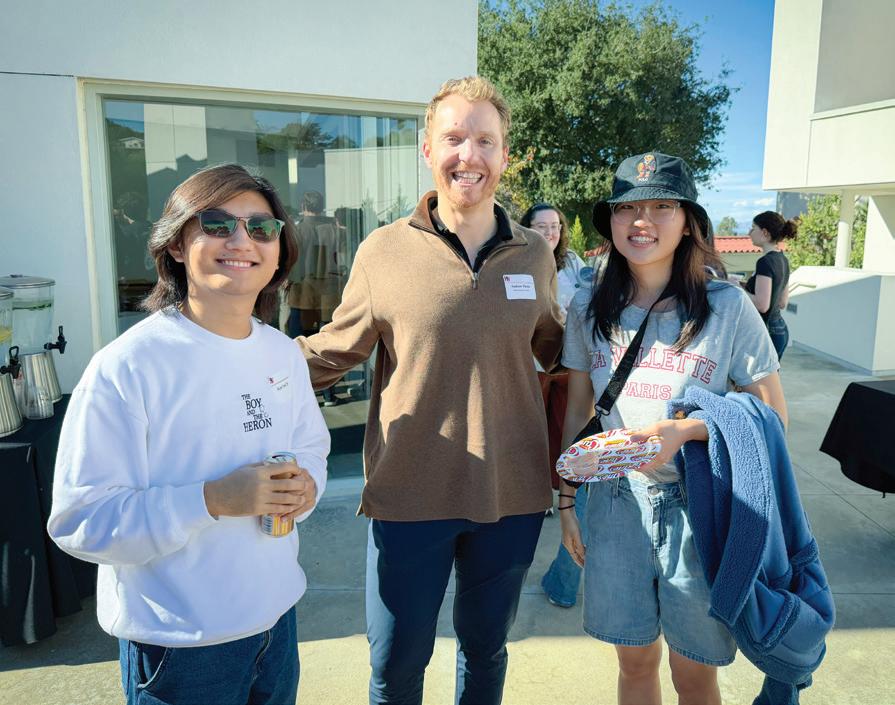
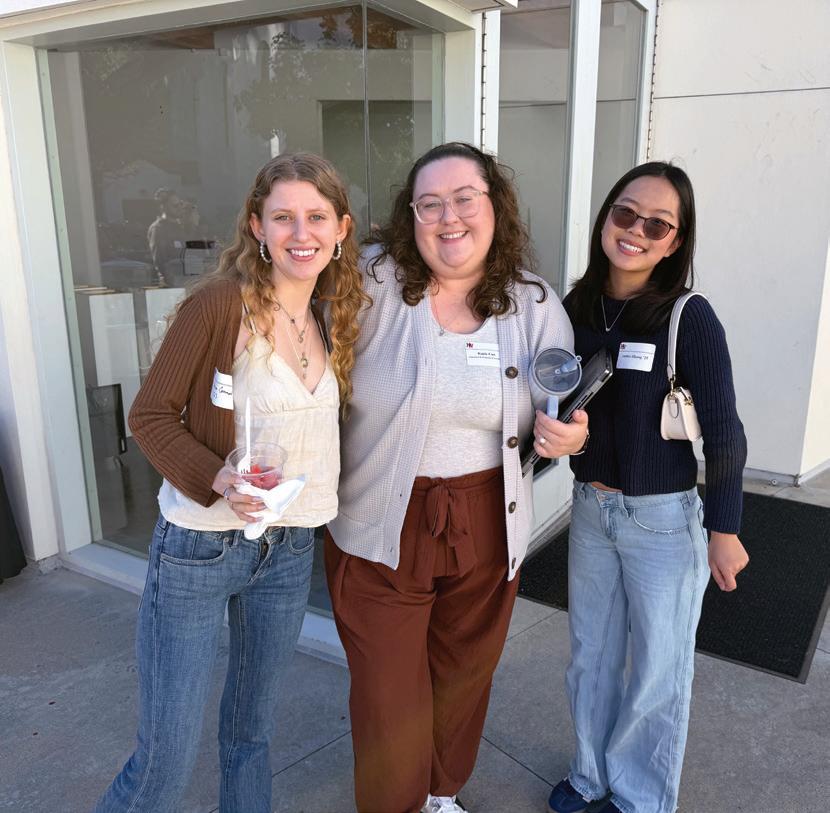
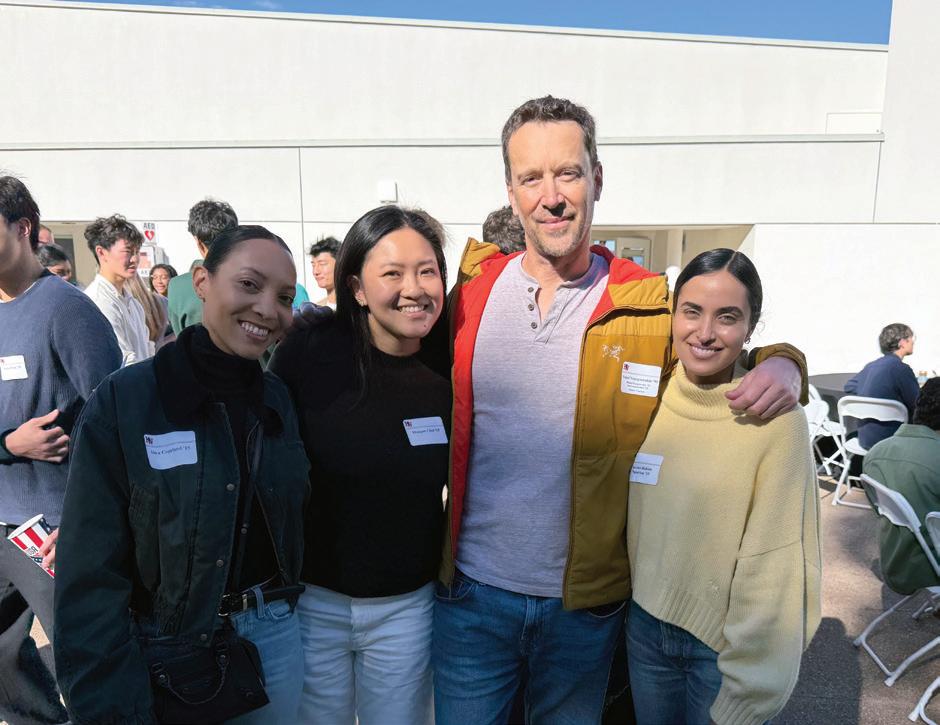
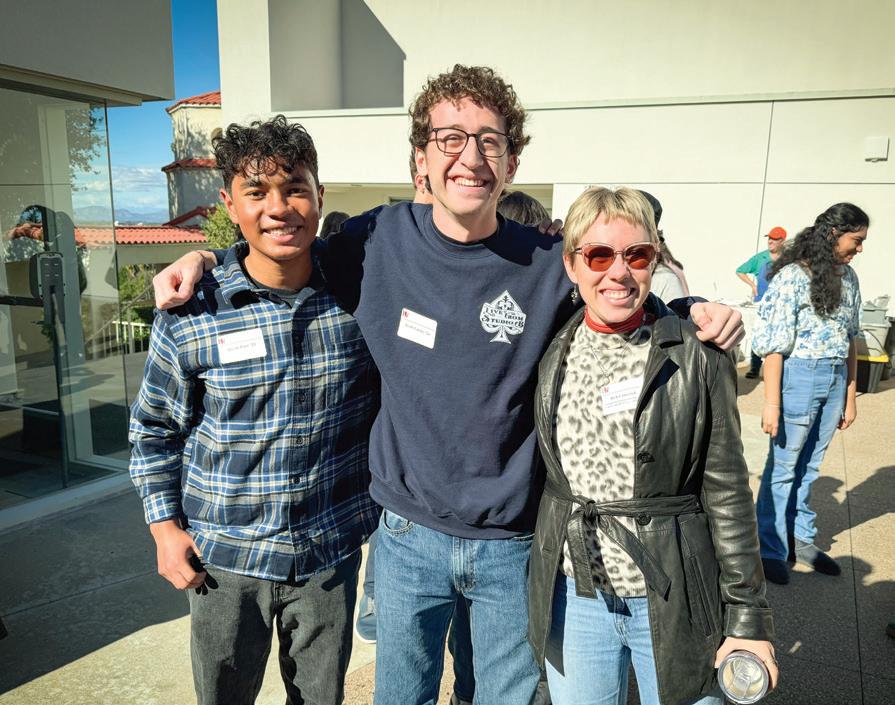
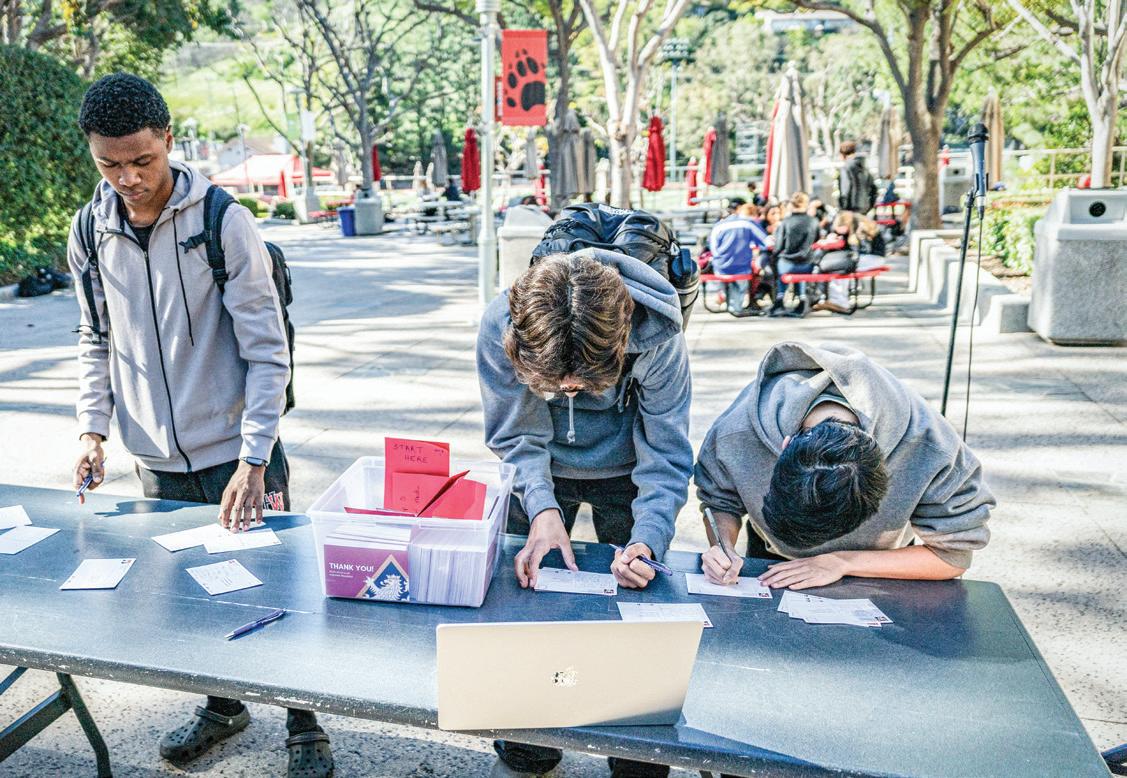
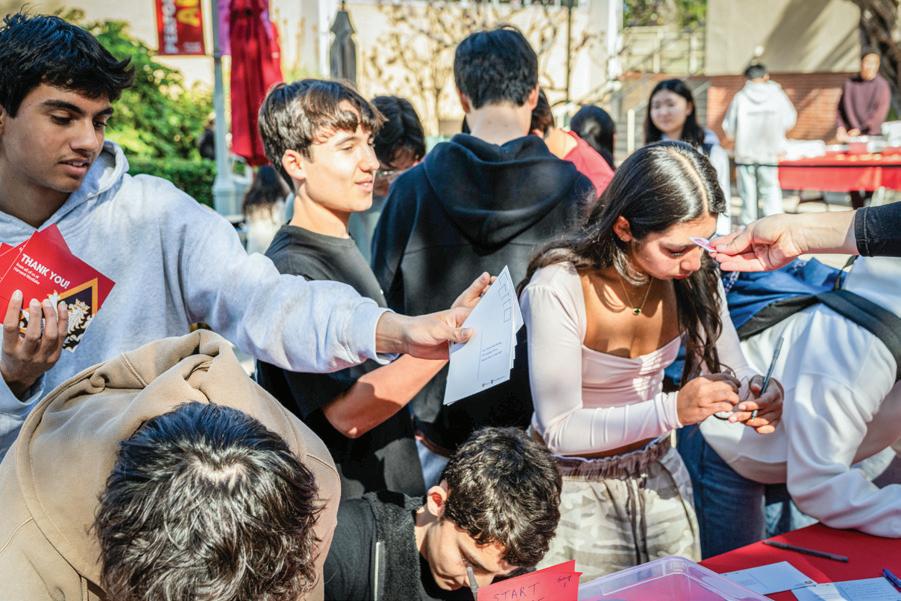
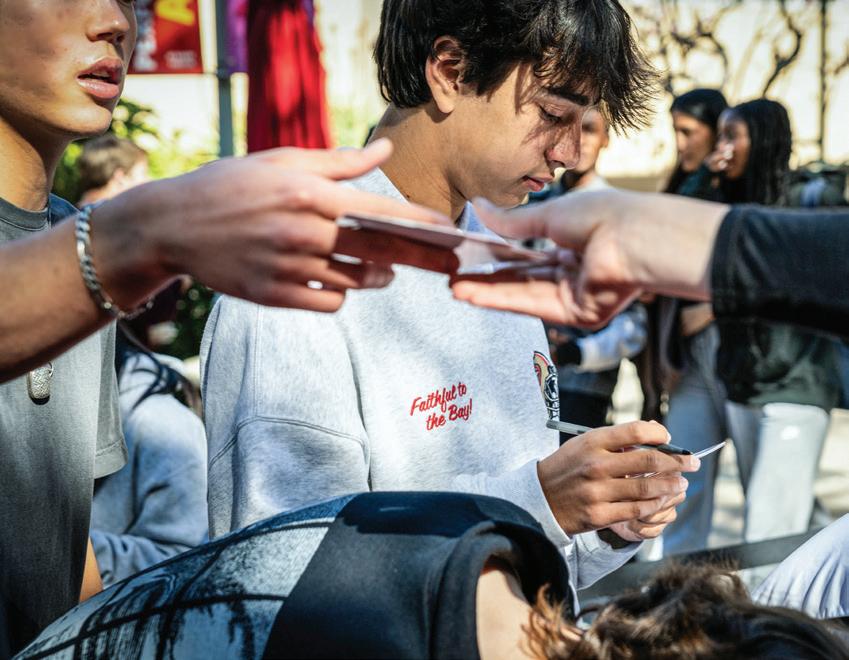
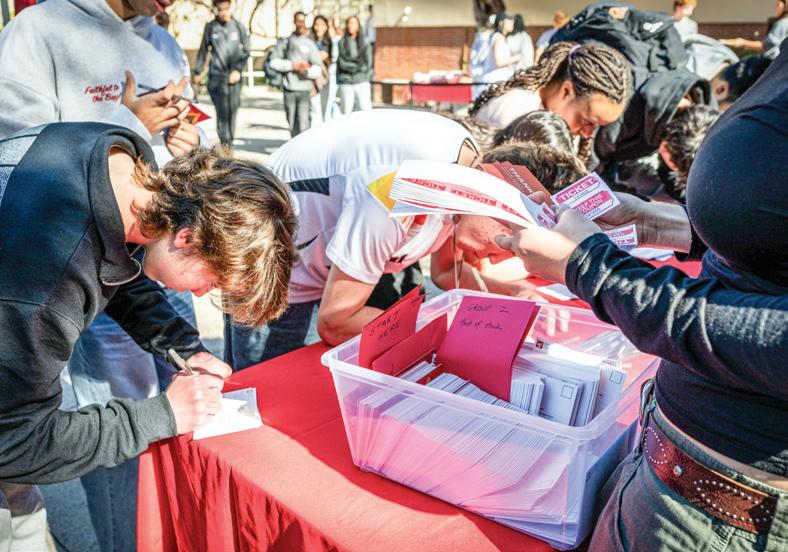
Launching at a new time and in a new format this past year, Community Time is an hour-long block of programming for the entire upper school community, alternating between allcommunity assemblies and sessions involving speakers, activities, fairs, workshops, and/or celebrations. These gatherings create space to come together, spend time outside of class, and stay connected to the rest of the school community. Each quarter is built around a theme from the mission statement: community, purpose, integrity, and excellence.
This year, Community Time moved from the afternoon to right after the first class of the day. “I remember talking to SLIDE [Student Leaders for Inclusion, Diversity, and Equity] last year, and even the students who are really invested in community were like, ‘Oh God, it’s gonna be at 9:20 in the morning?’” recalls visual arts teacher and Diversity, Equity & Inclusion Coordinator Reb Limerick, who is one of the 15 teachers, staff members, and students on the Community TIme Leadership Committee. As a result, the CTLC went into this year “with high hopes but in some ways low expectations,” says Limerick. And yet “it’s turned out an overwhelming success.”
Photos by Nicolas Monroe ’26
“
SEPTEMBER 2
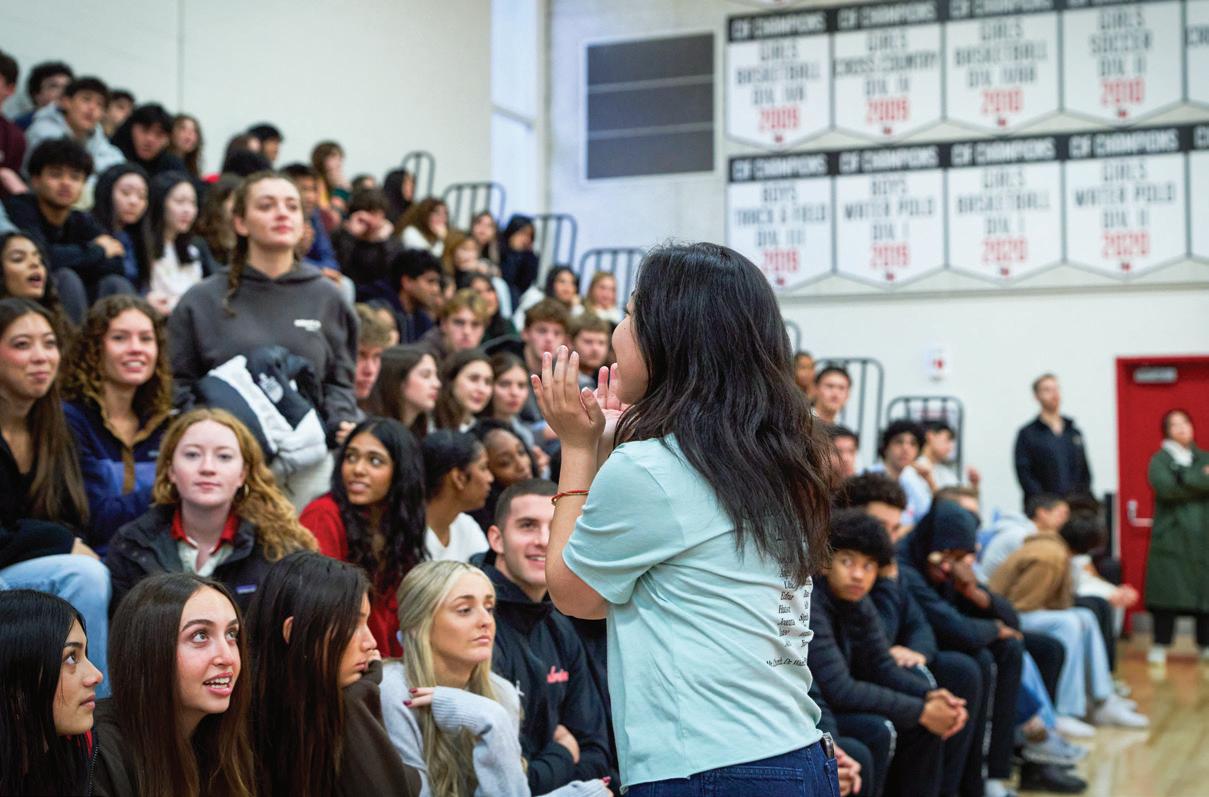
All-Community Assembly
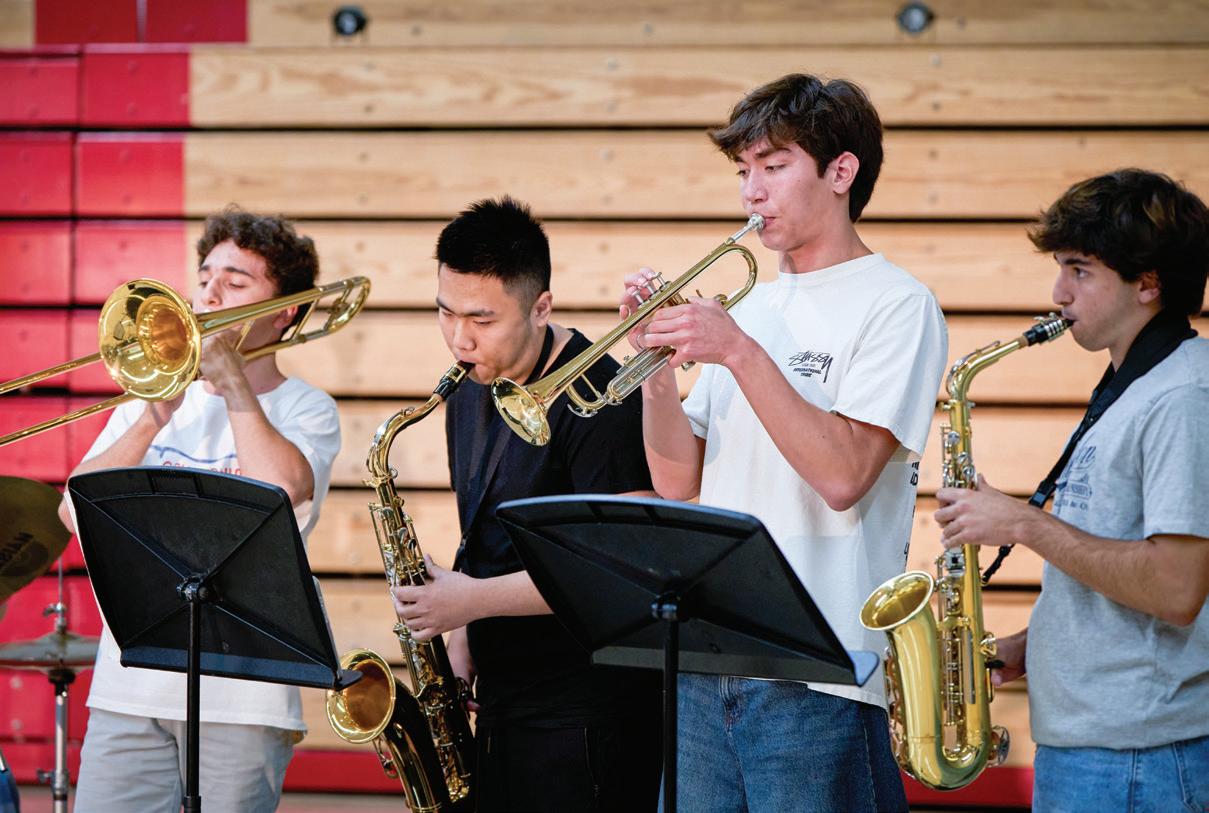
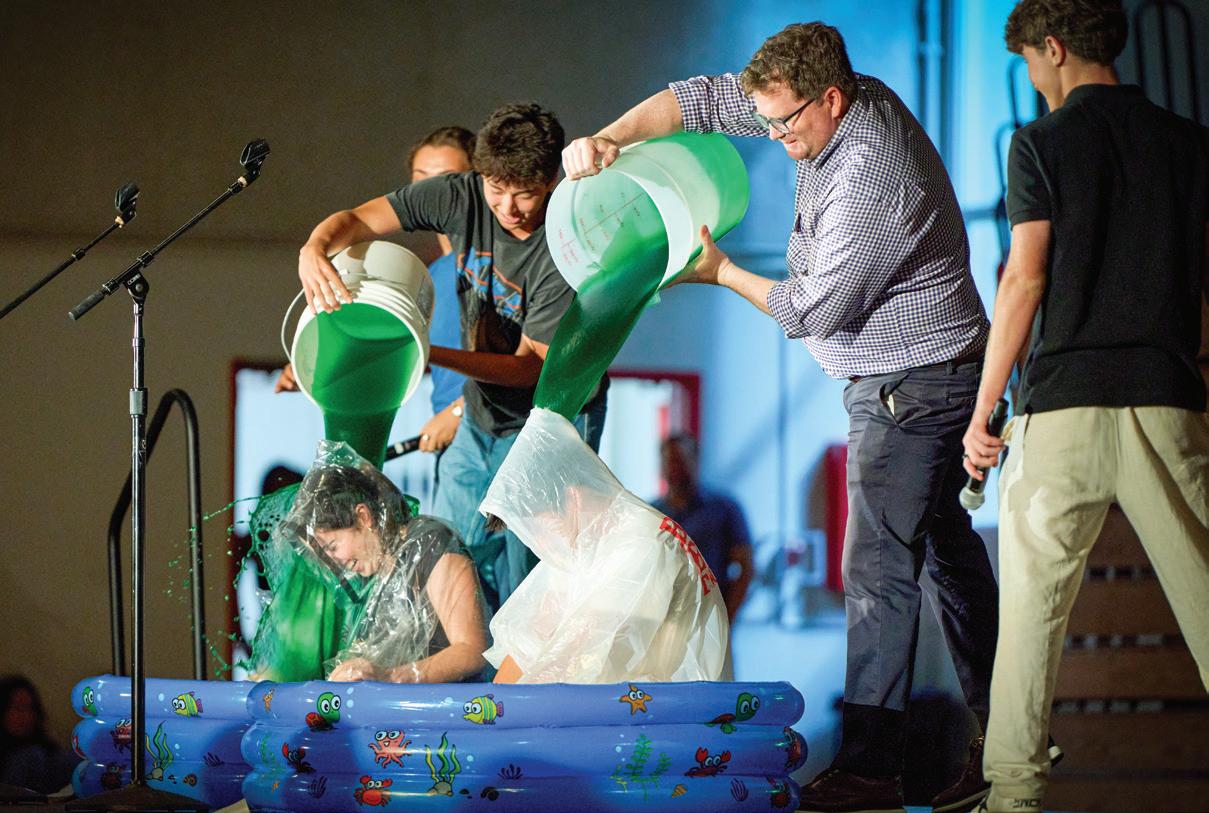
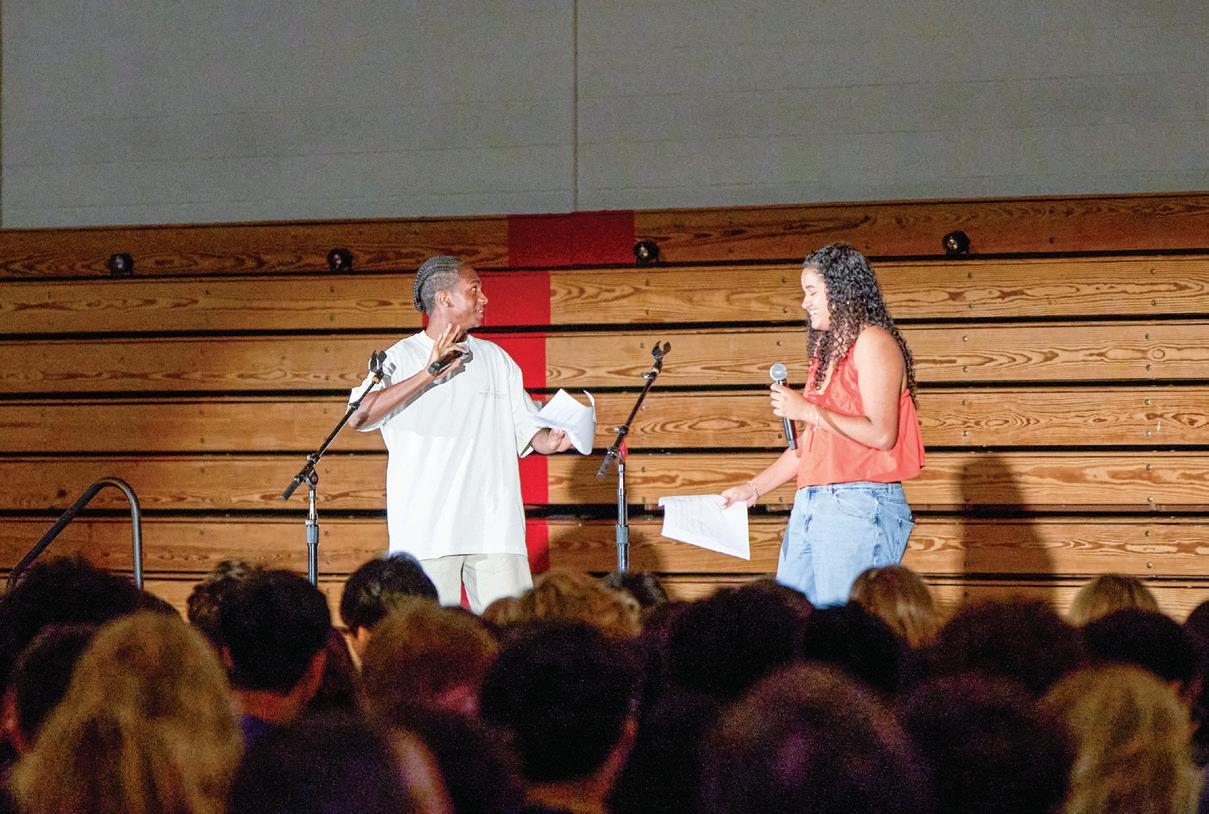
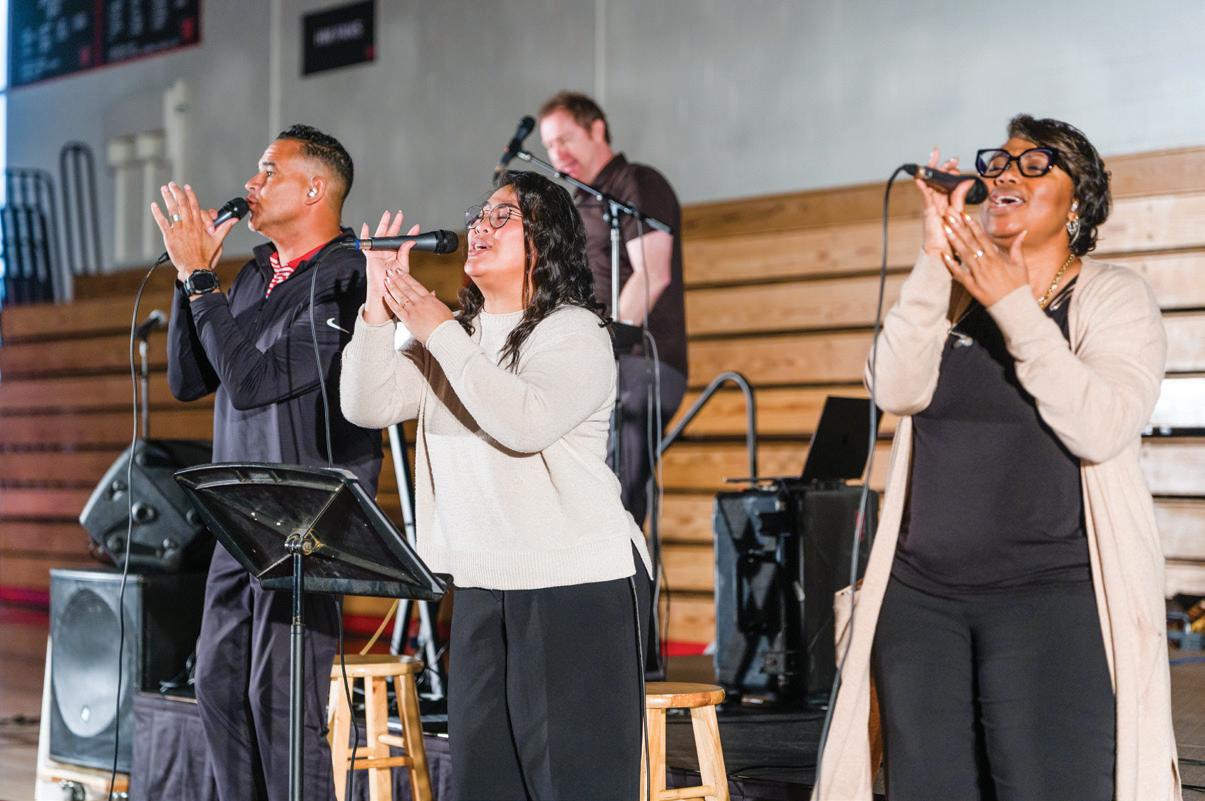
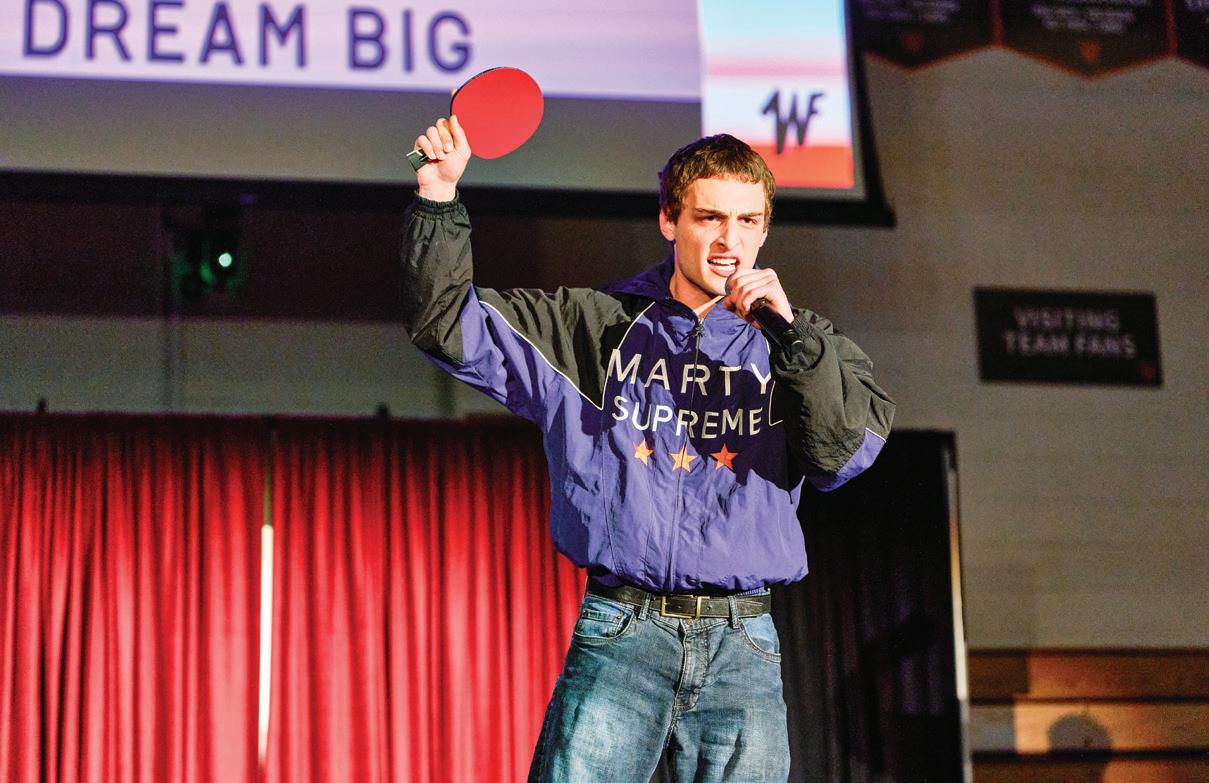
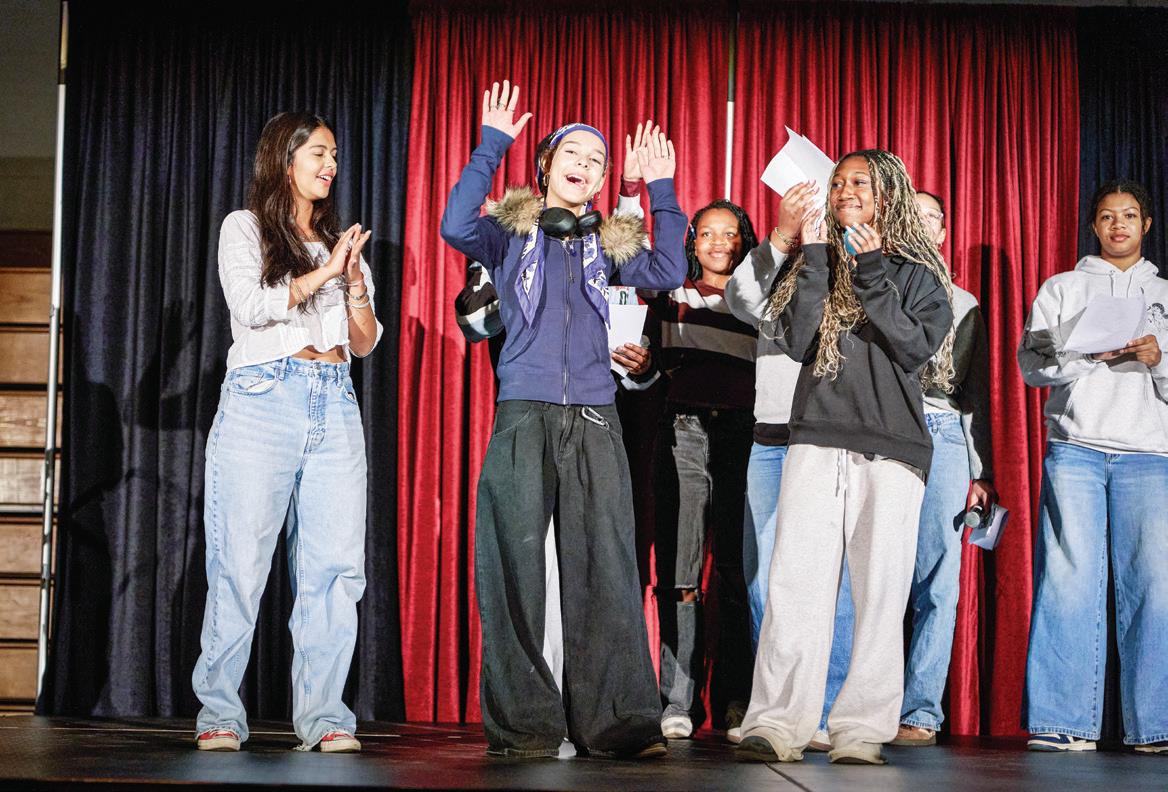
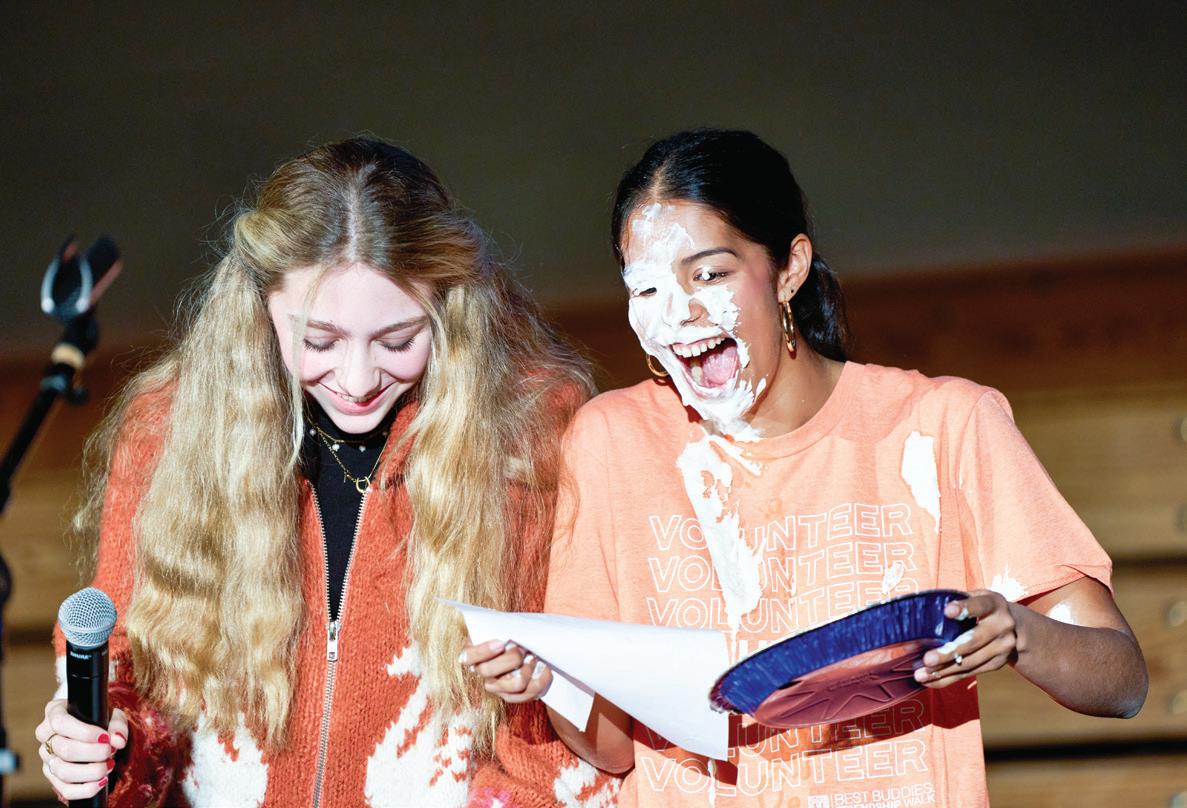
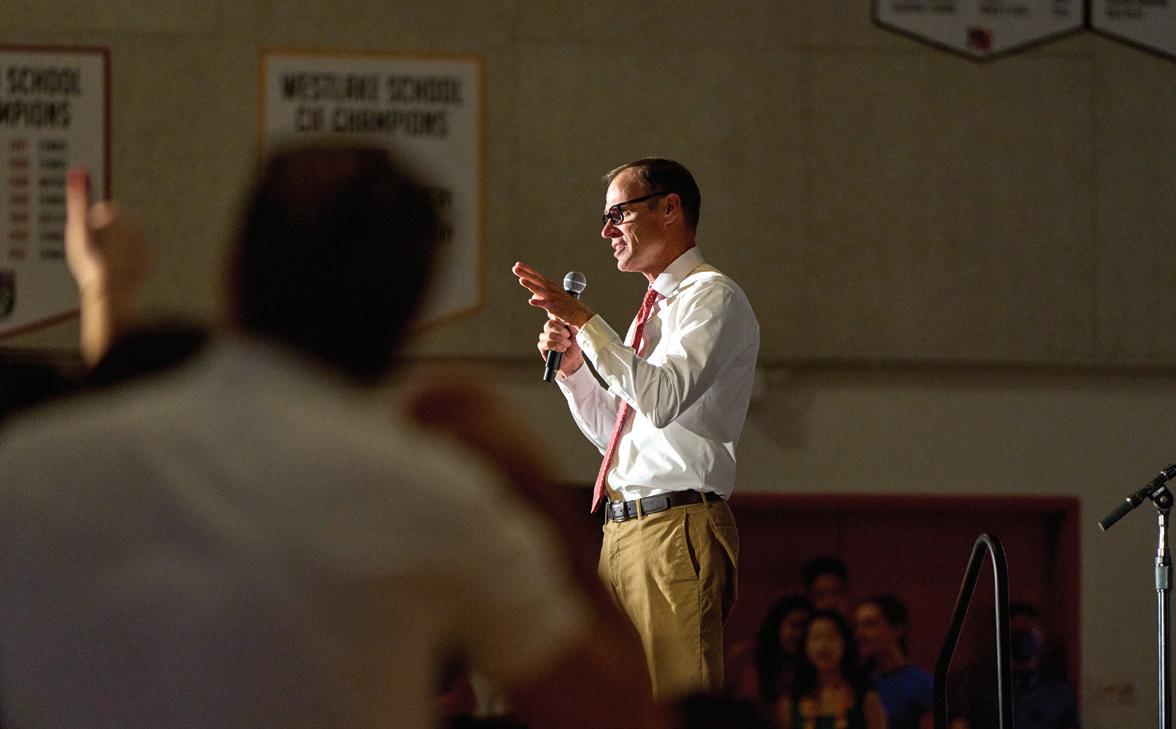
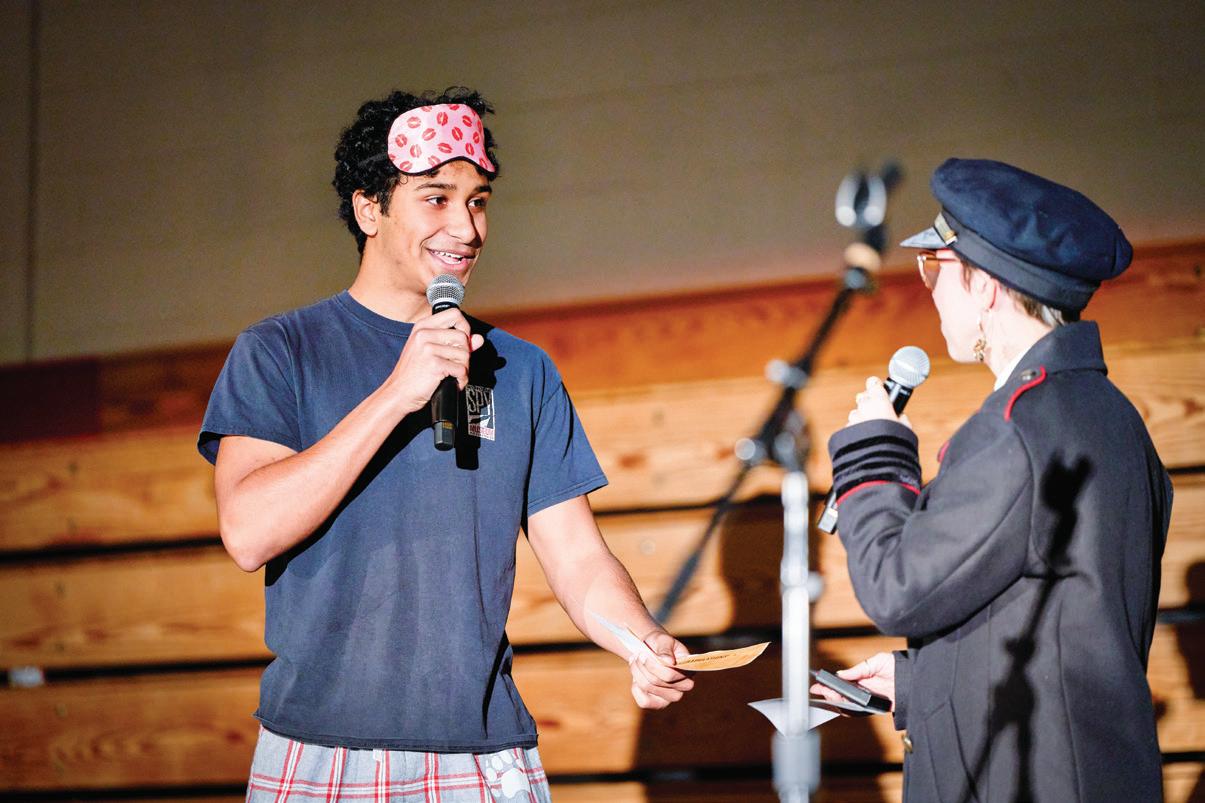
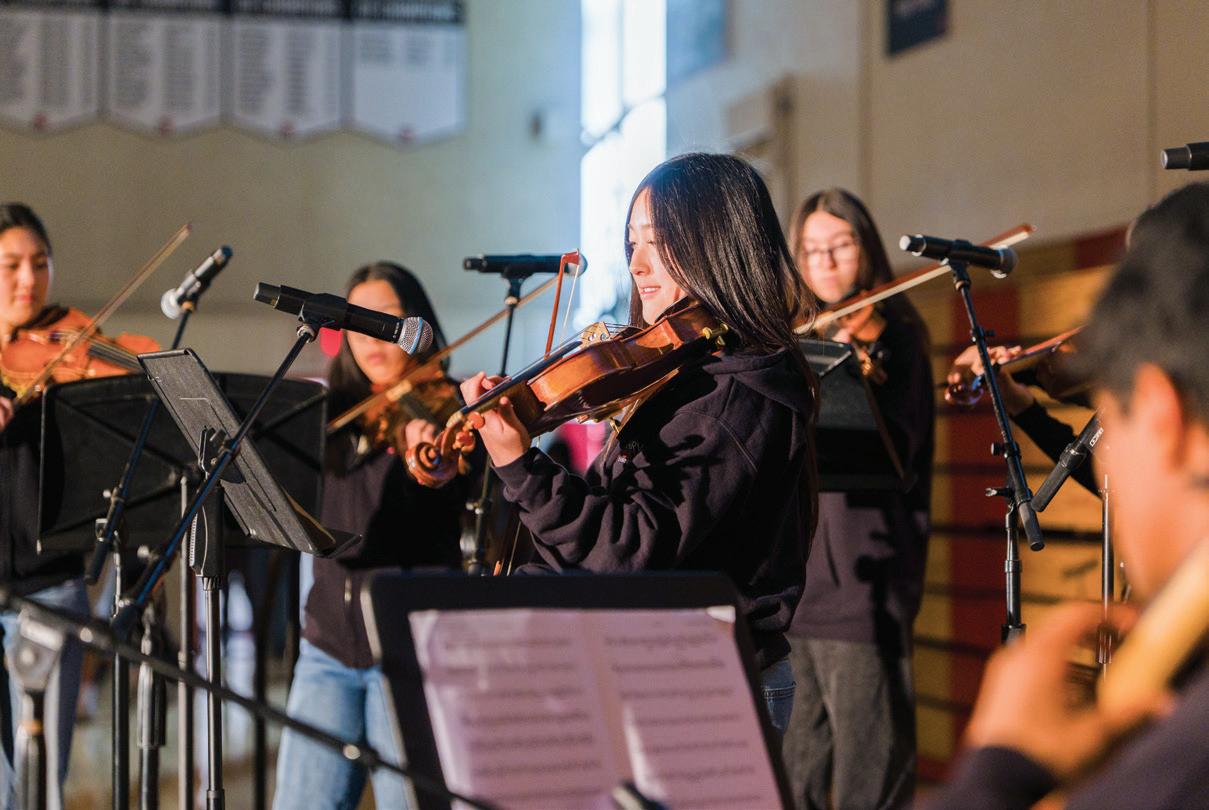
This year’s Community Time kicked off with an All-Community Assembly on September 2, including live jazz, a recap of summer arts trips, and prefects getting slimed in front of the rest of the school.
EVERY ALL-COMMUNITY ASSEMBLY INCLUDES:
• Musical intro
• Welcome from senior leadership
• Announcements from clubs, teams, and groups
• Short visual or performing arts showcase
• Icebreaker led by SLIDE (Student Leaders for Inclusion, Diversity, and Equity)
• Community wins and shout-outs
• Closing from senior leadership
I’m happy that we found the right formula to help our school feel less like a college and more like a high school this year. The committee did a great job finding experiences that were both meaningful and enjoyable for the students, giving them an opportunity to step away from academics during the school day.”
Dean of Students Jordan Church
SEPTEMBER
10
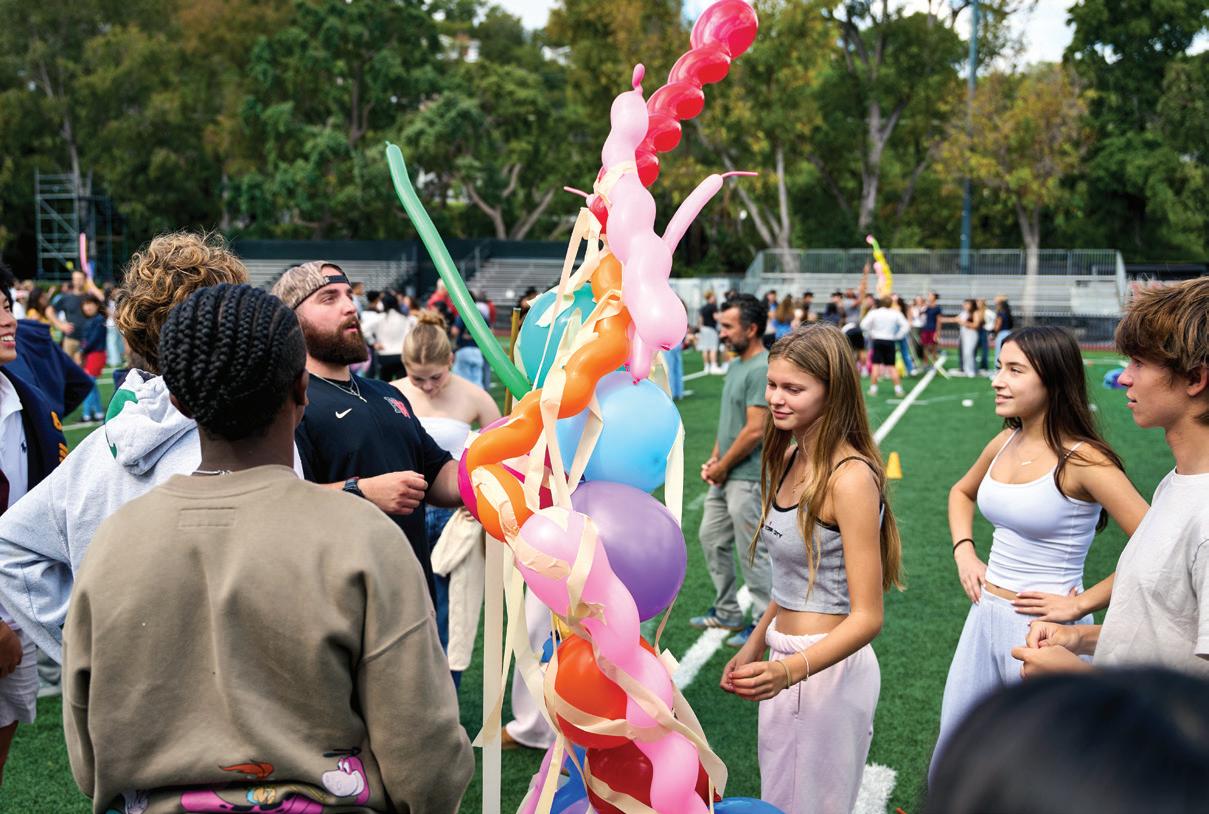
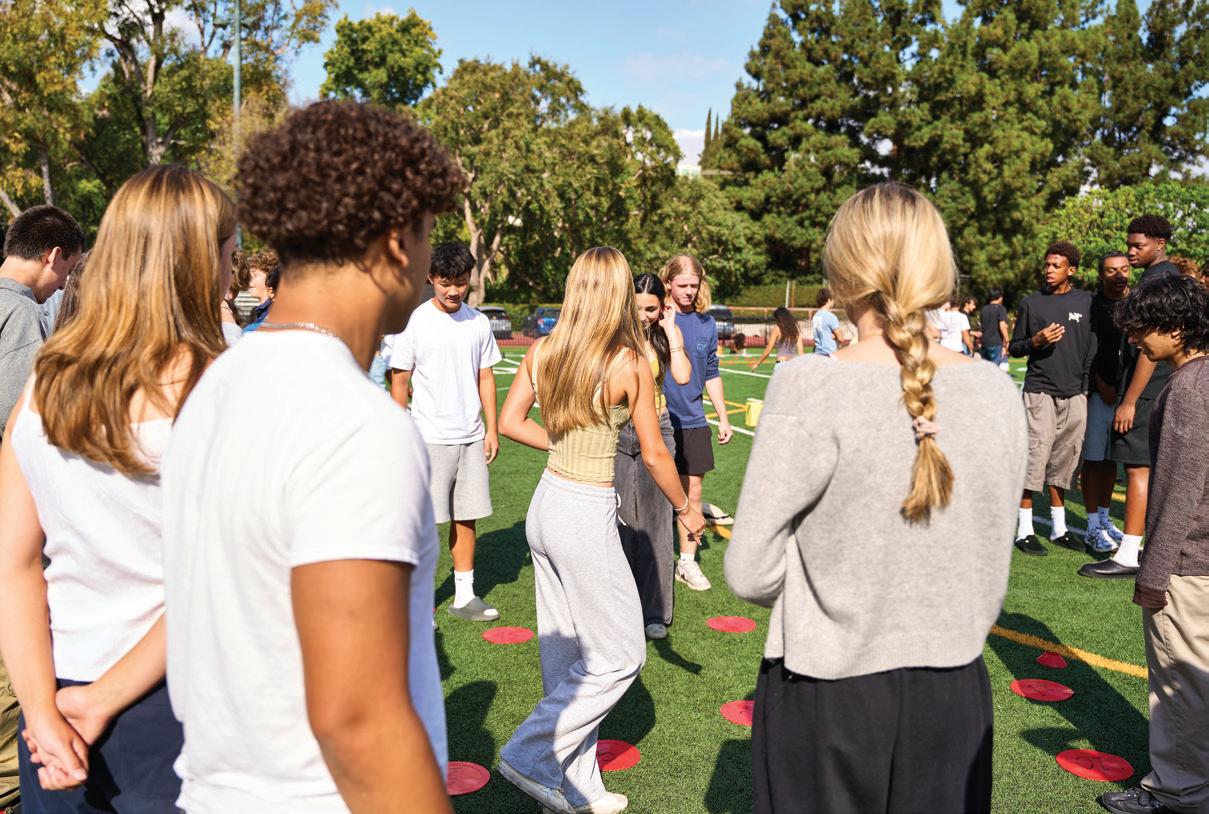
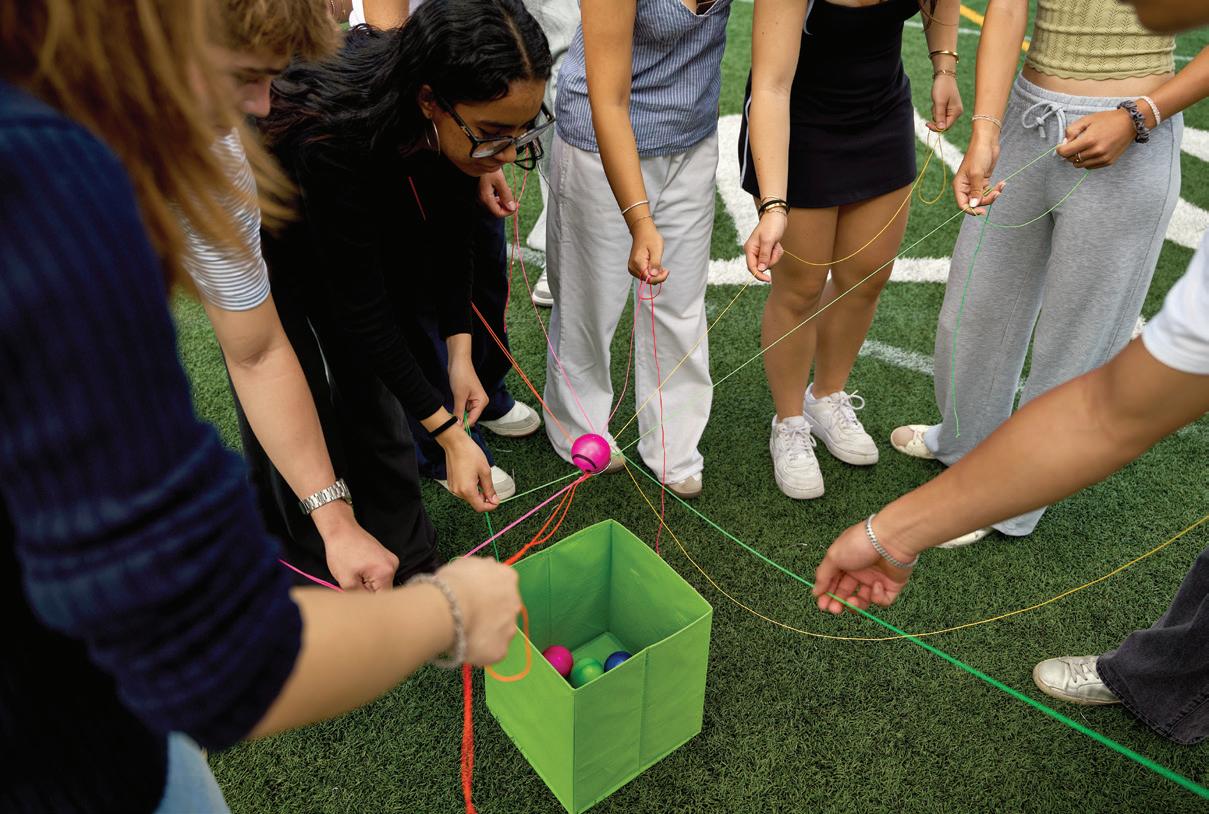
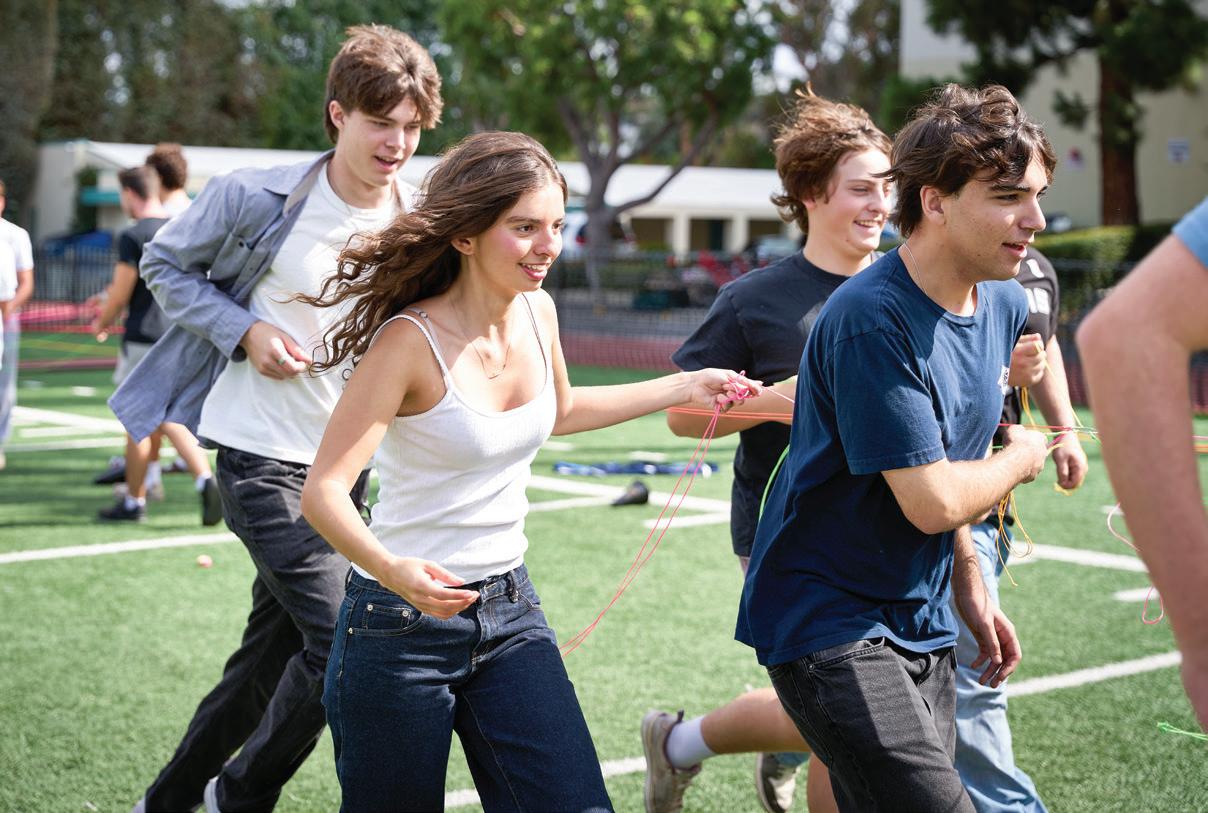
Field Day
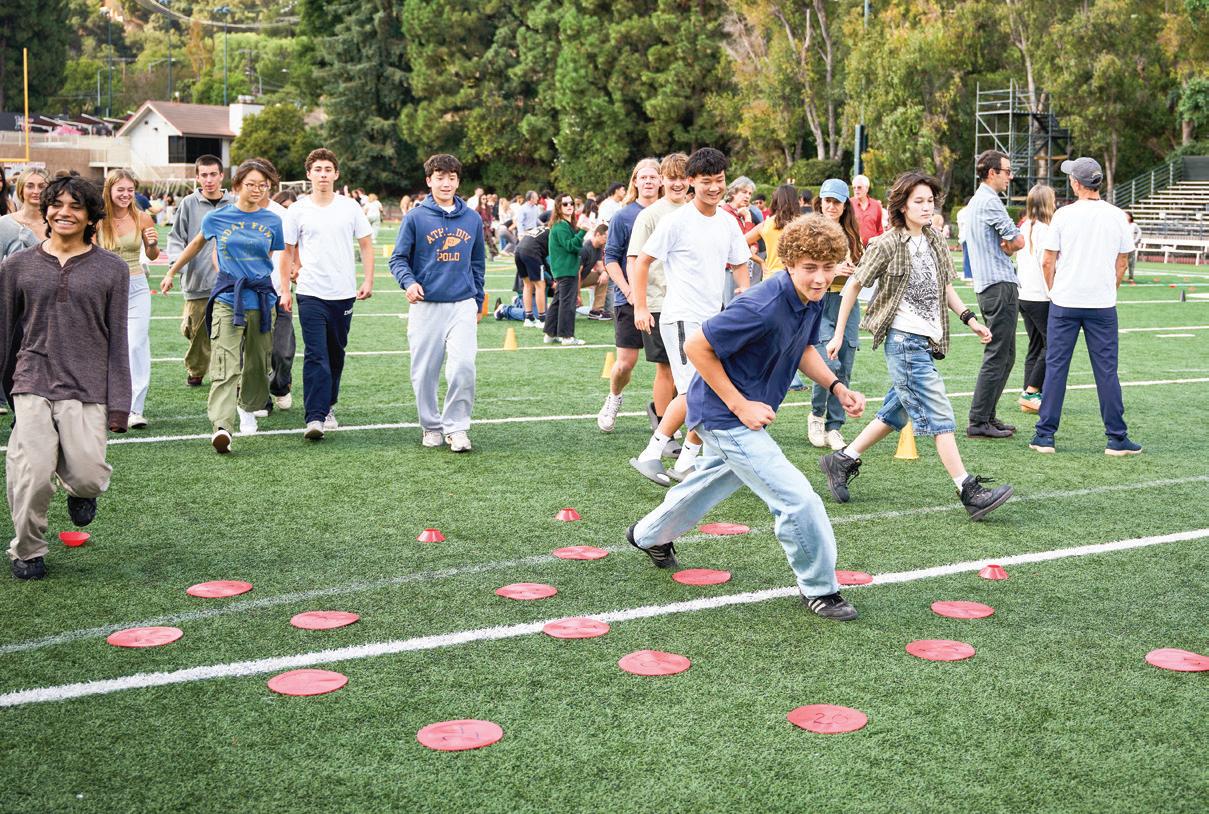
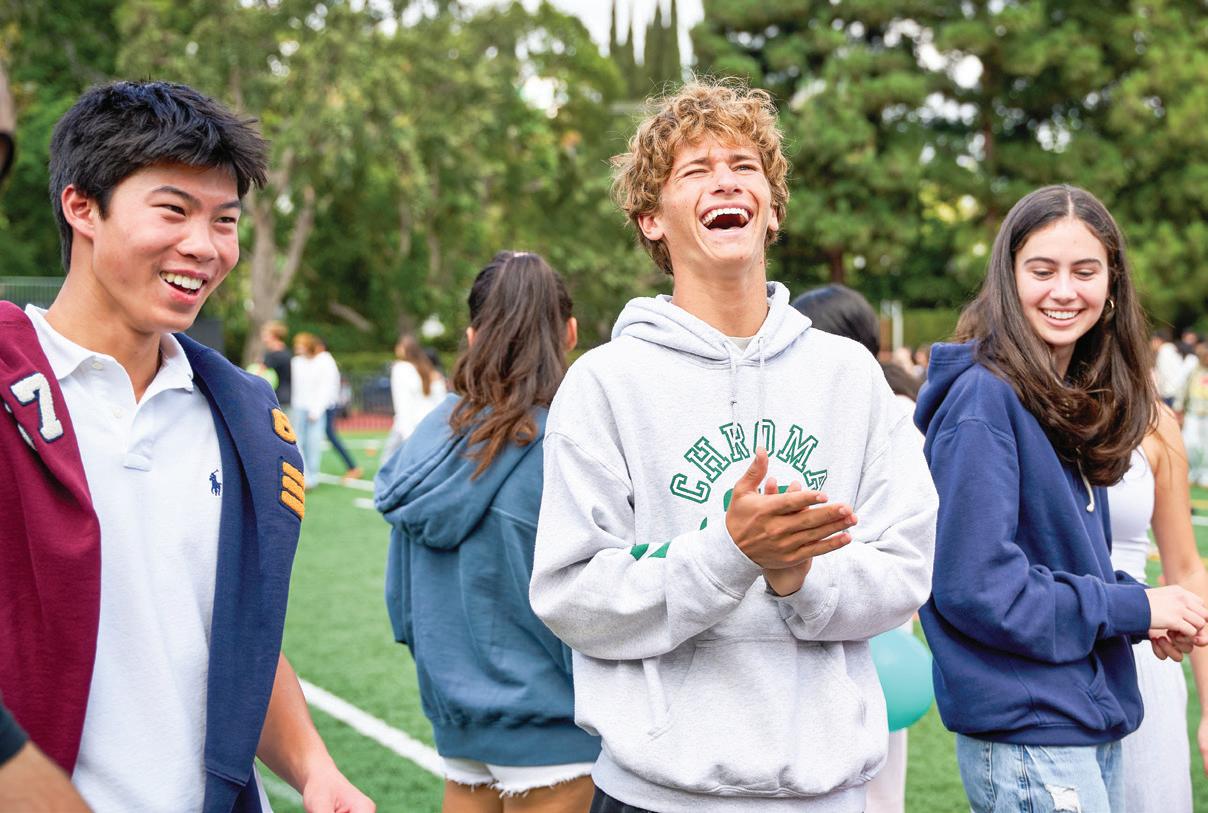
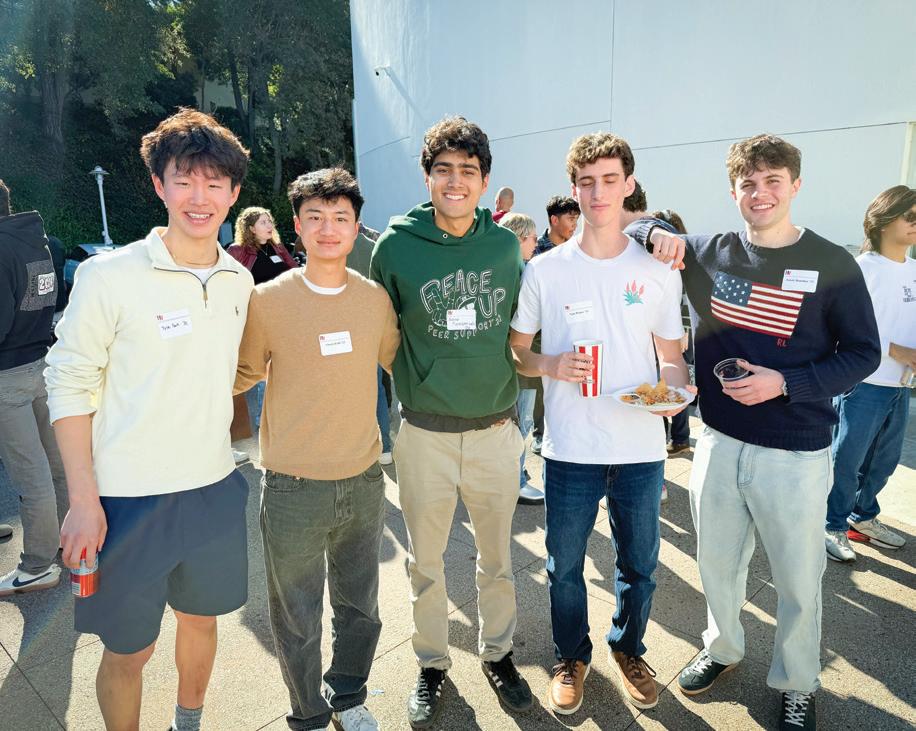
Students, faculty, and staff participated in collaborative team-building activities to build community and connections.
SEPTEMBER
18
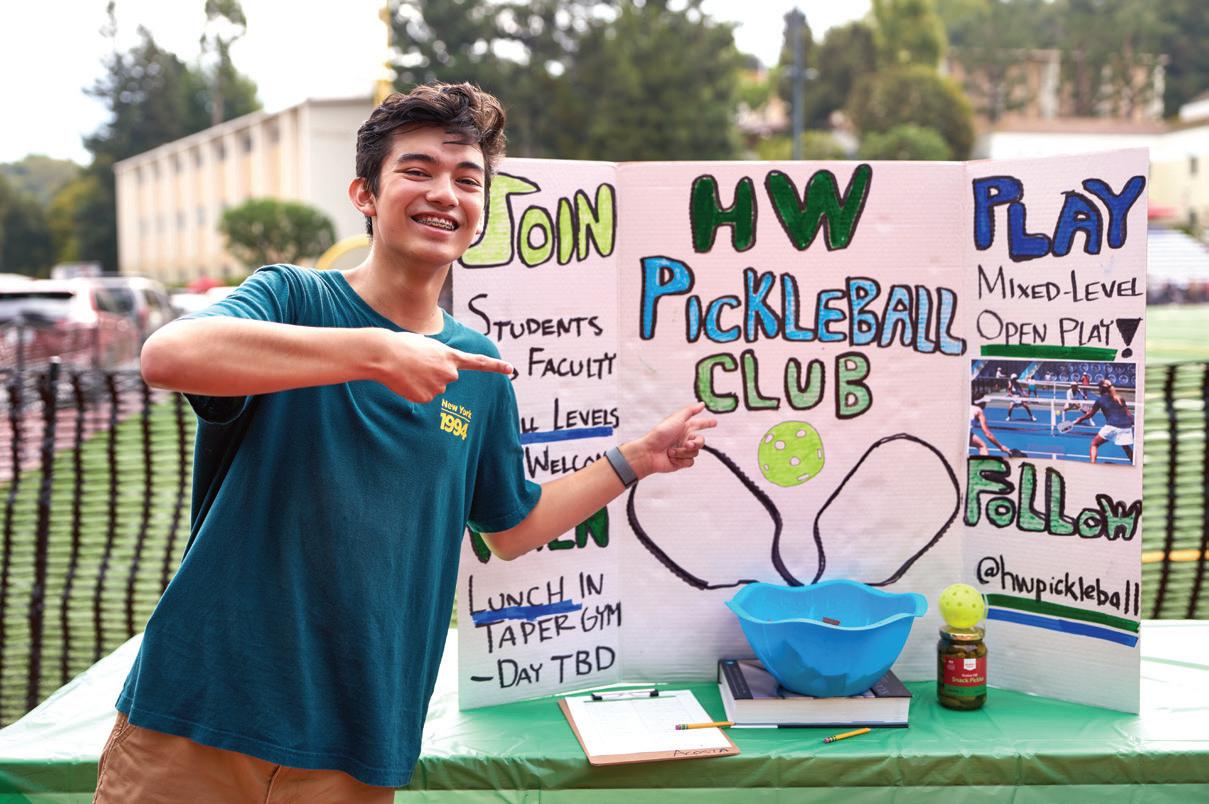
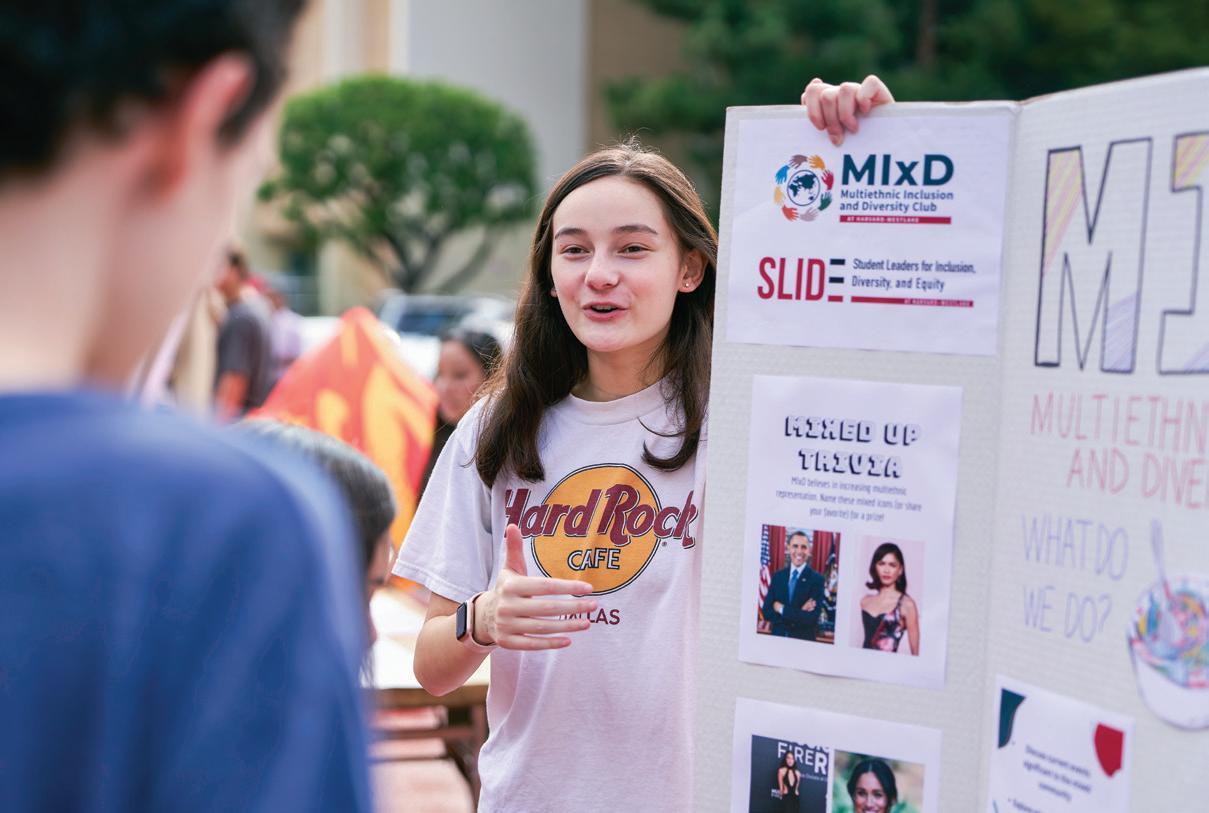
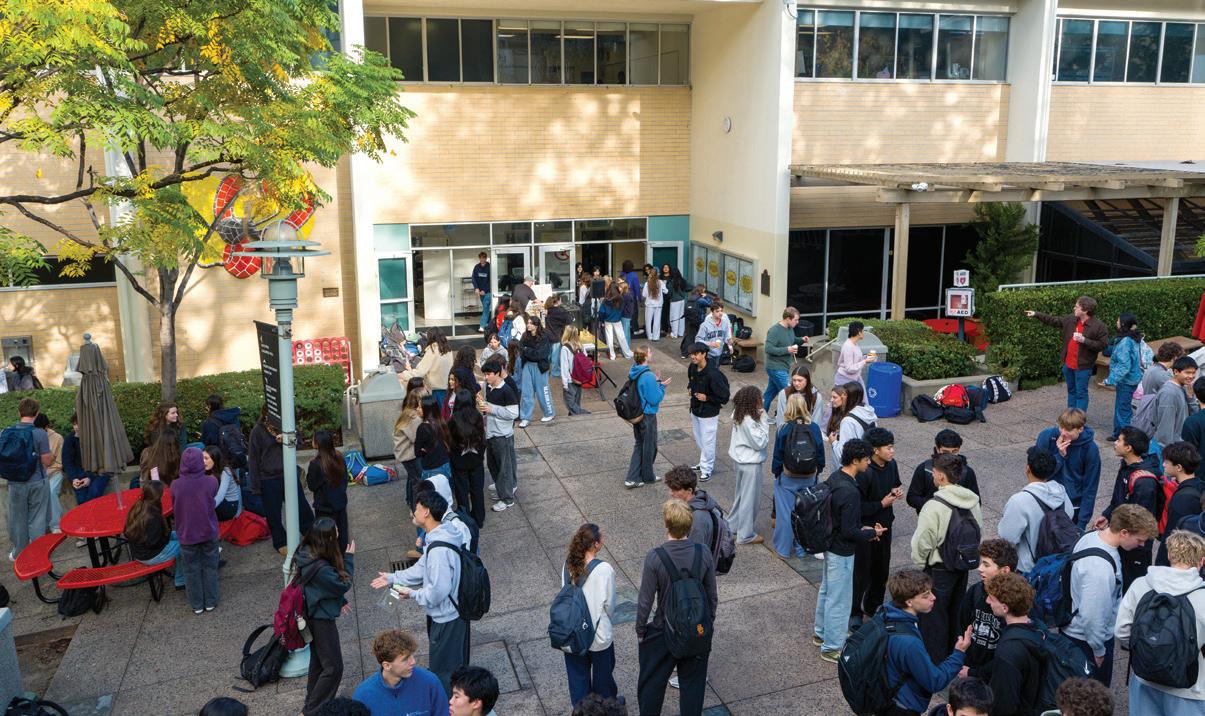
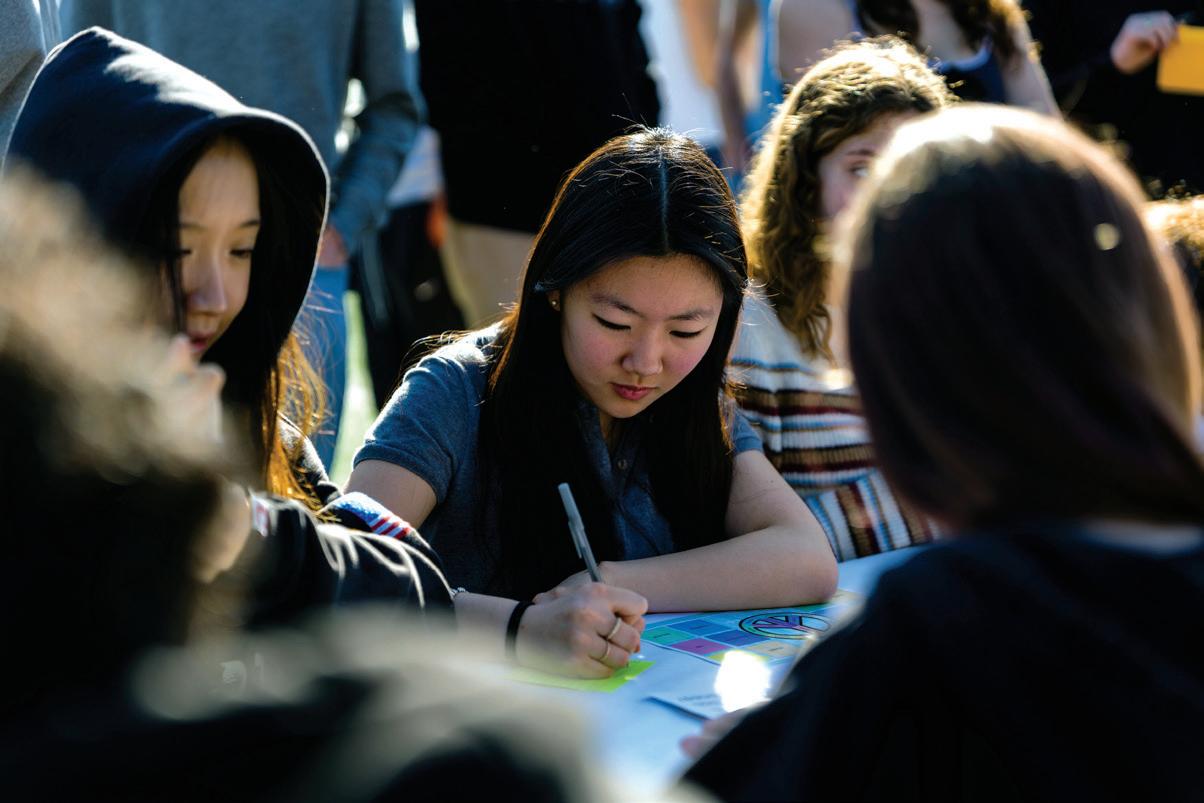
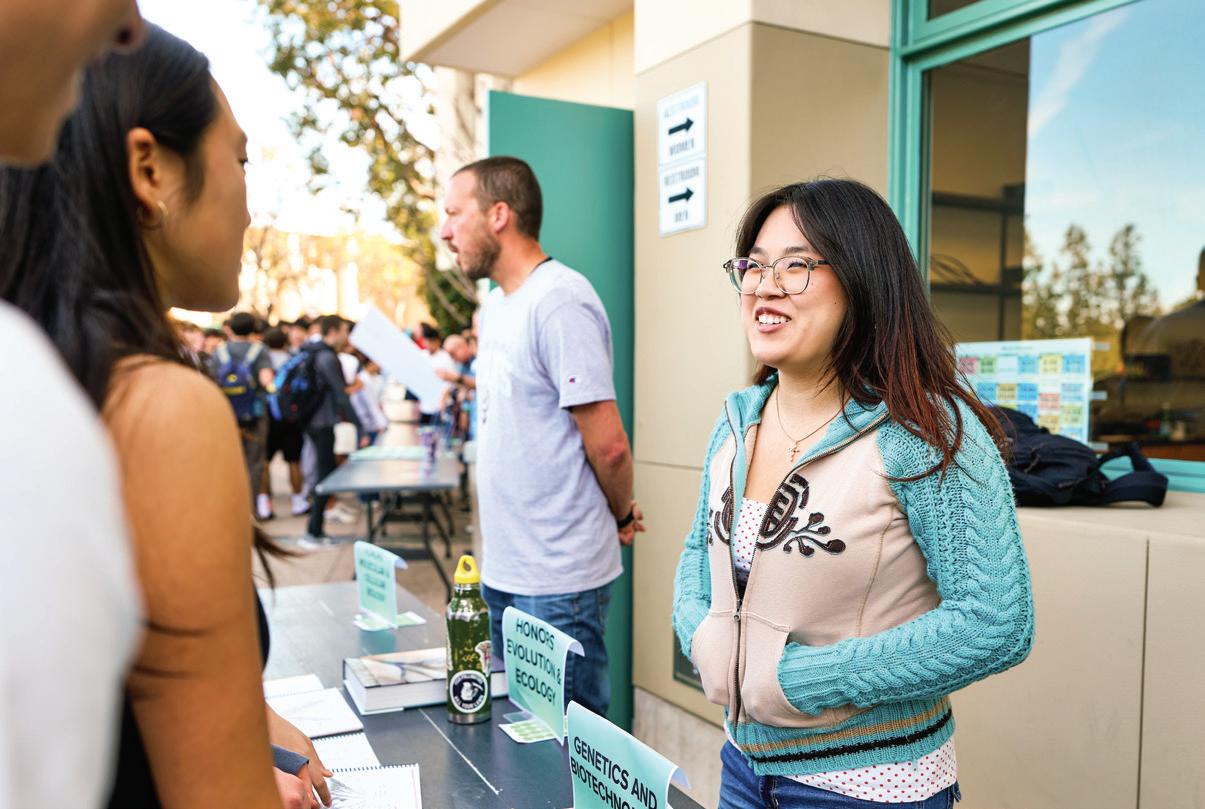
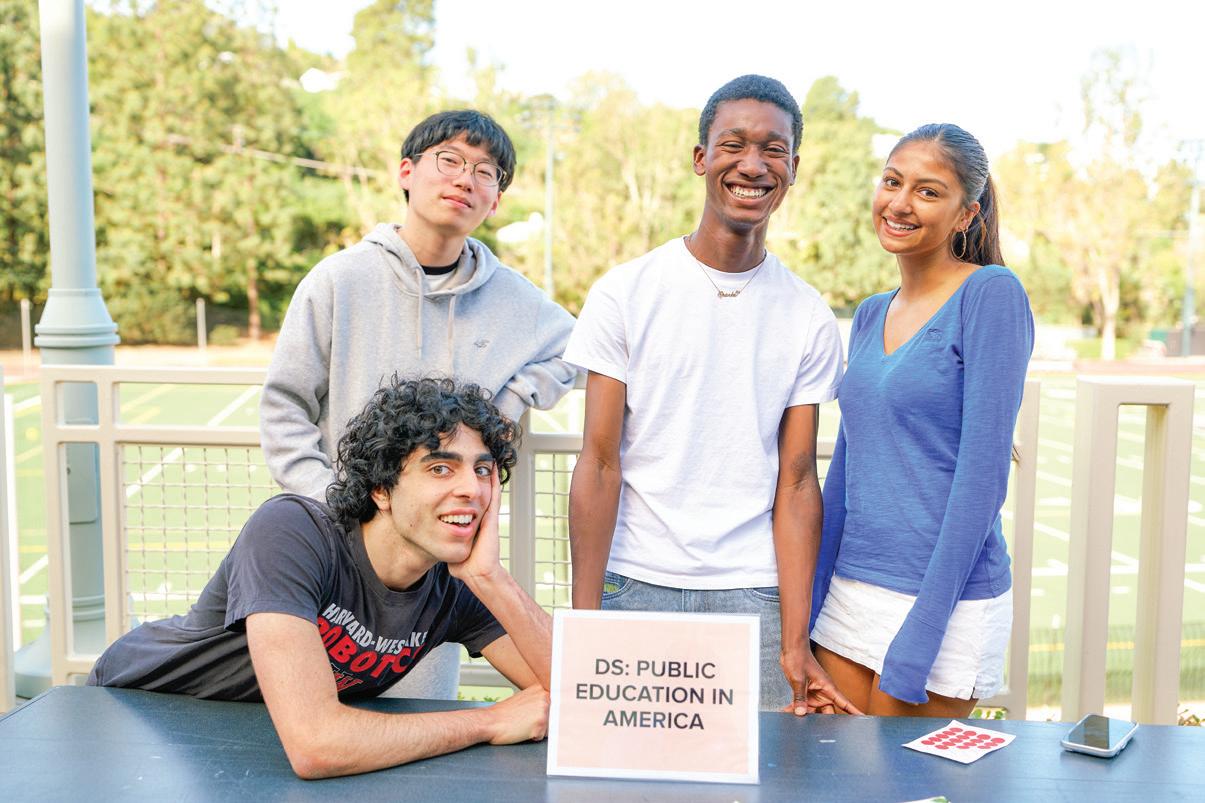
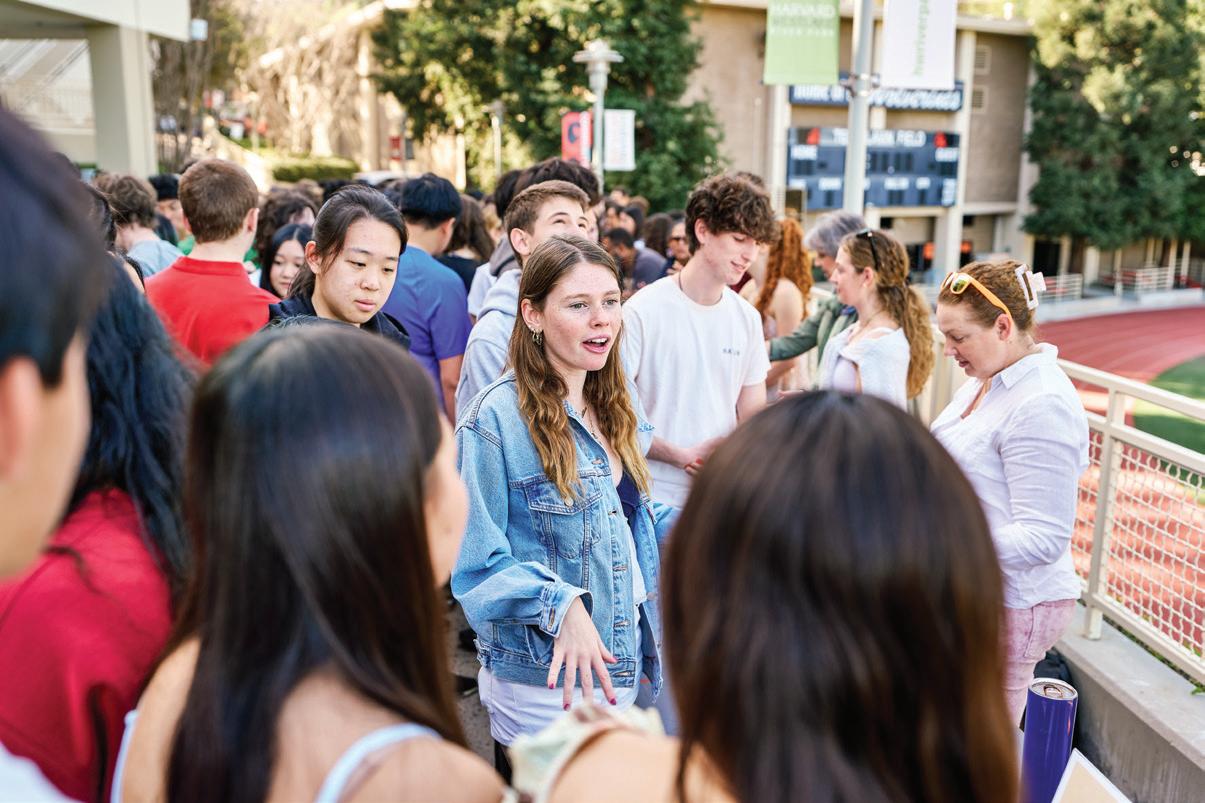
Activities Fair
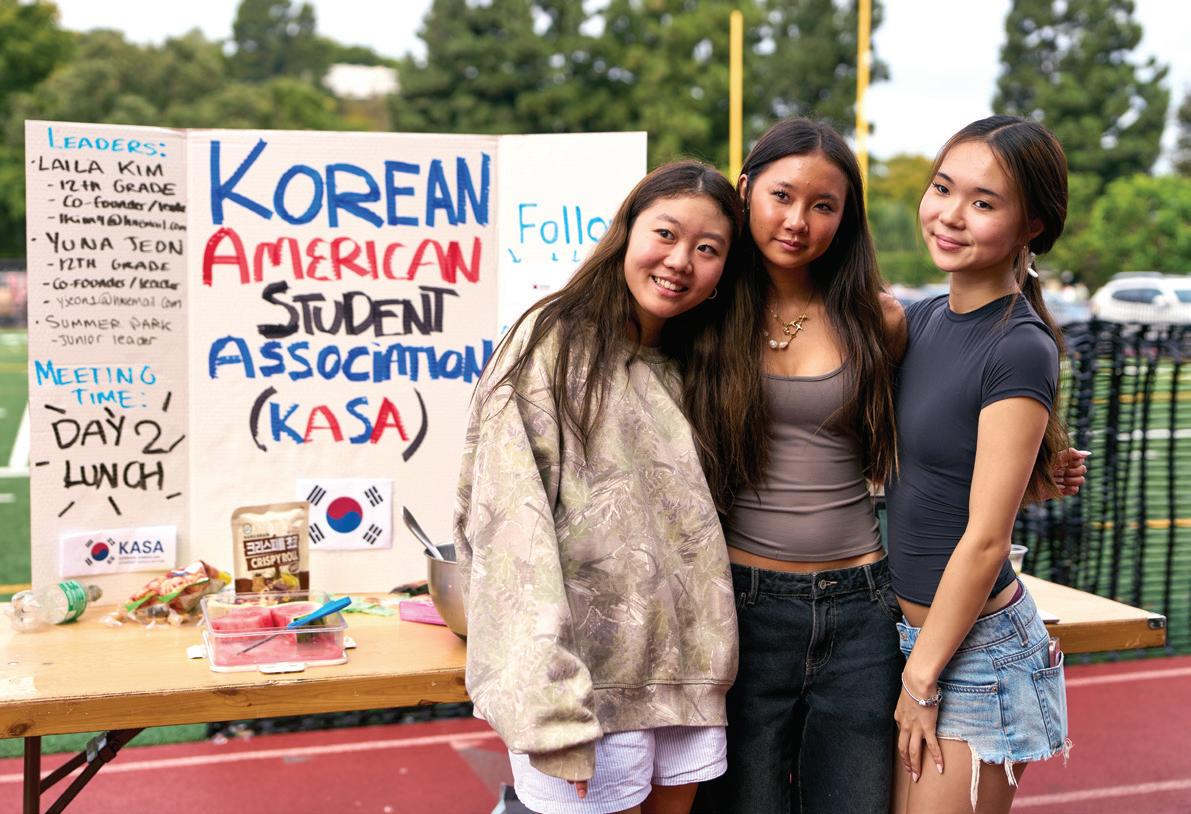
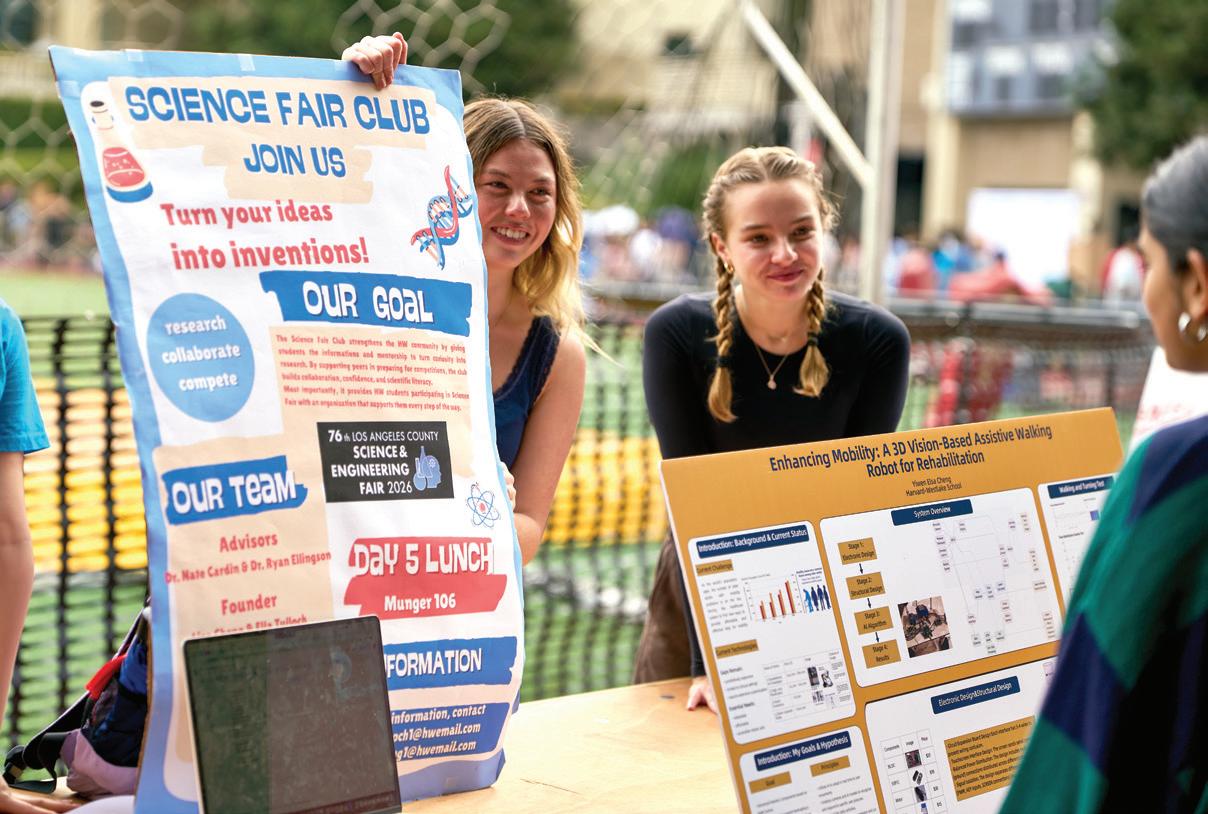
Student checked out booths hosted by student clubs and organizations and signed up for groups that interested them.
Q1: COMMUNITY Focus: helping students get to know each other, settle into the year, and establish a sense of community
SEPTEMBER 26
Fanatic Fest
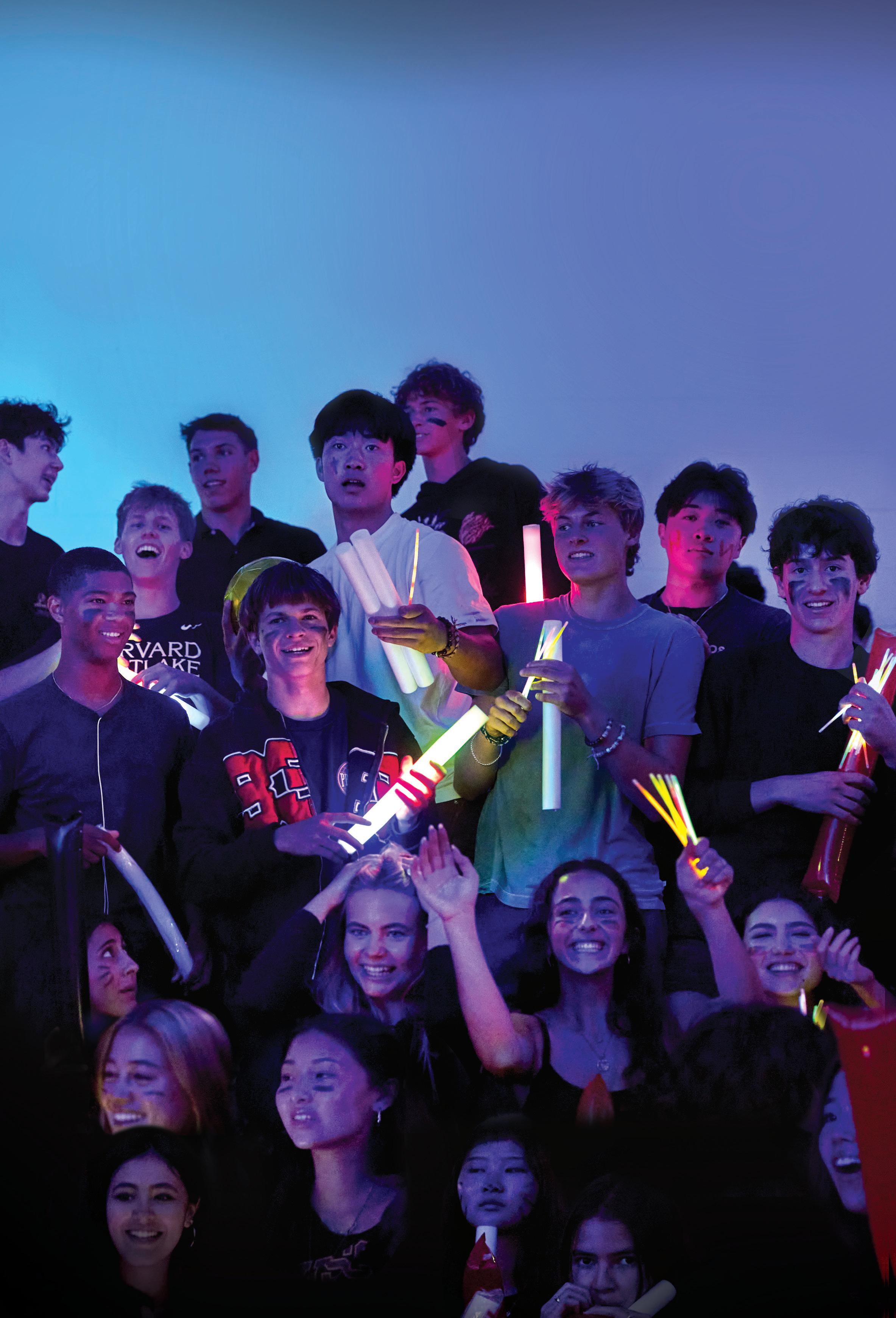
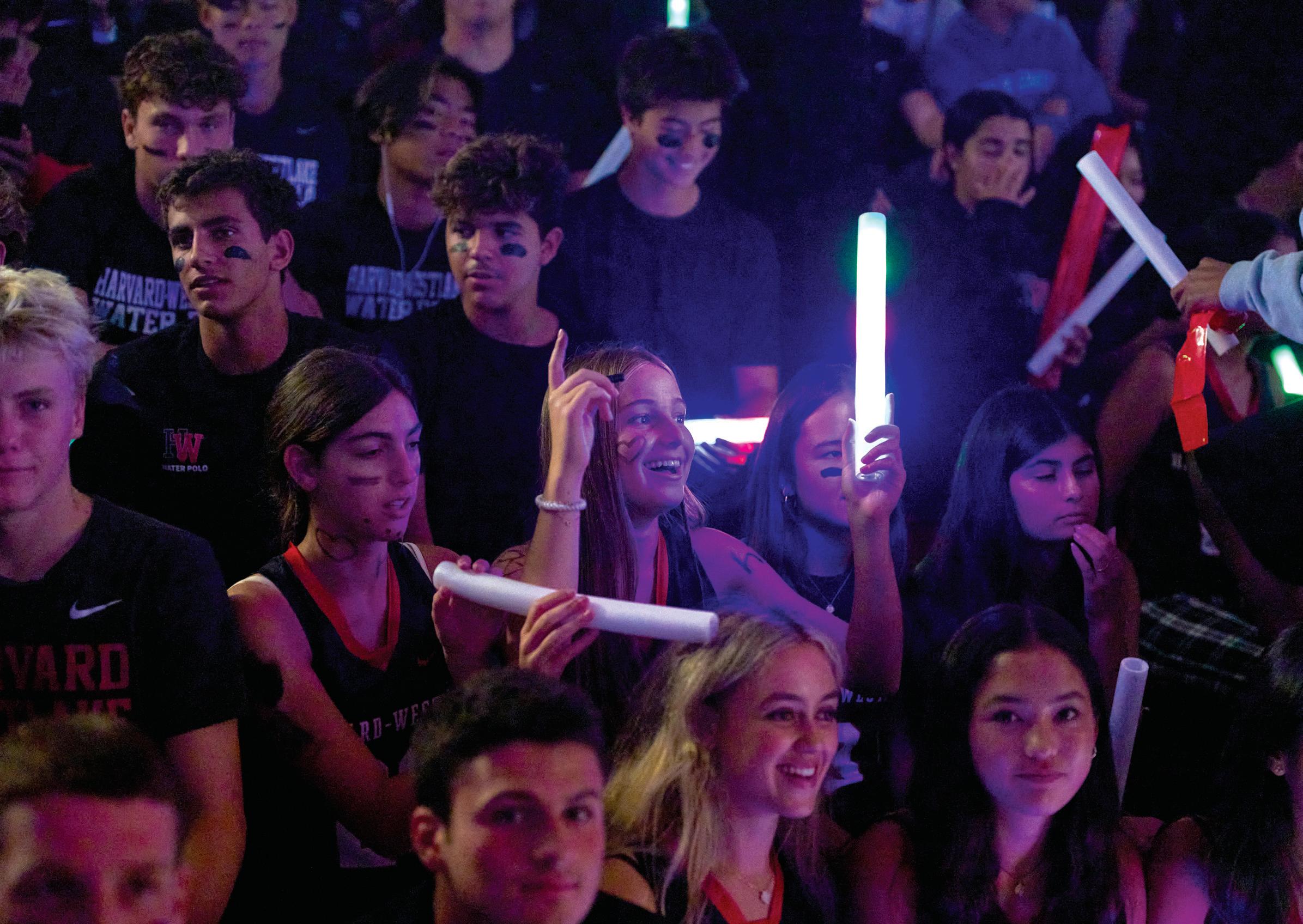
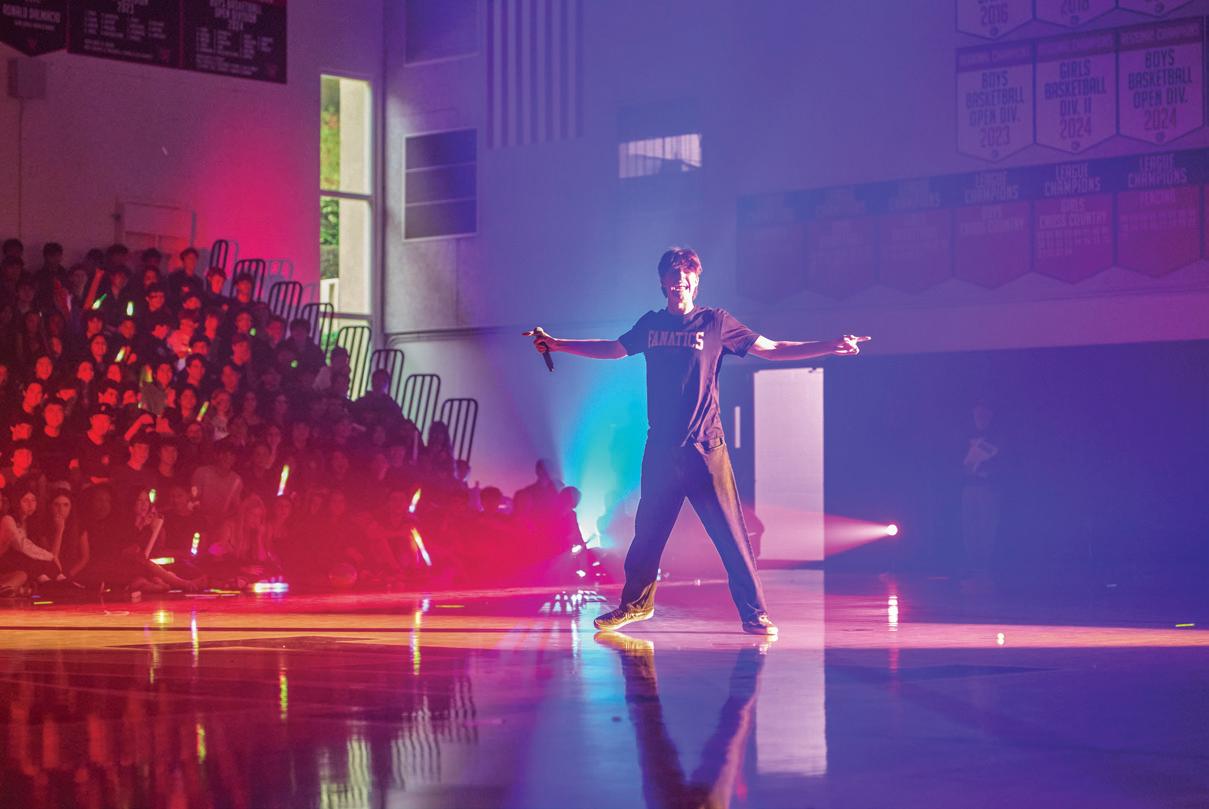
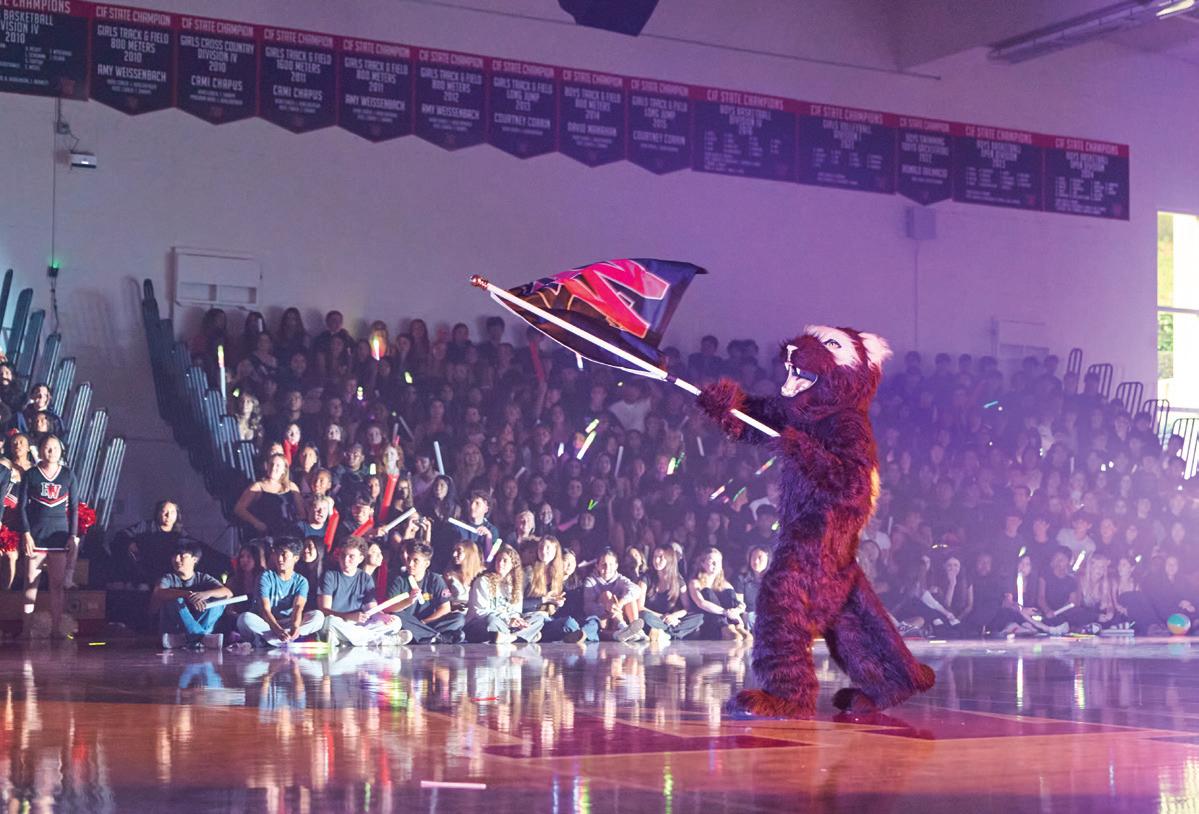
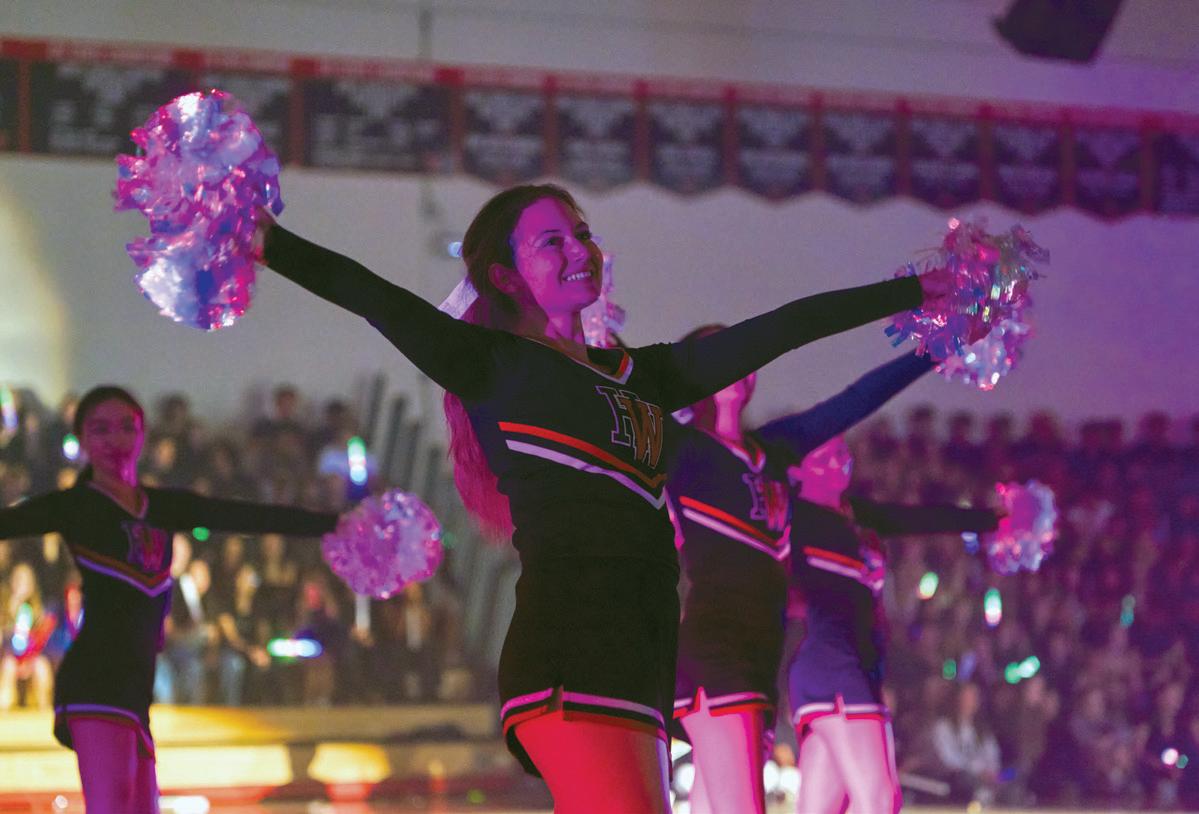
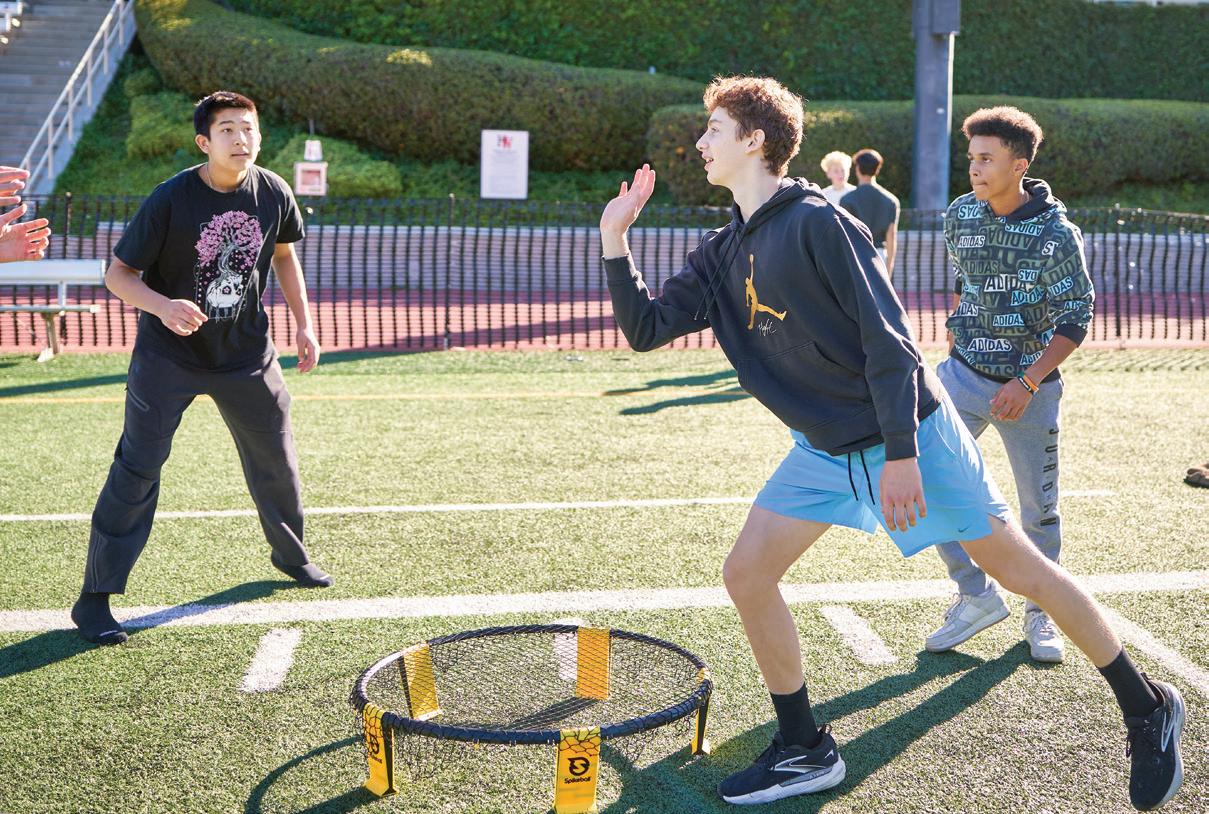
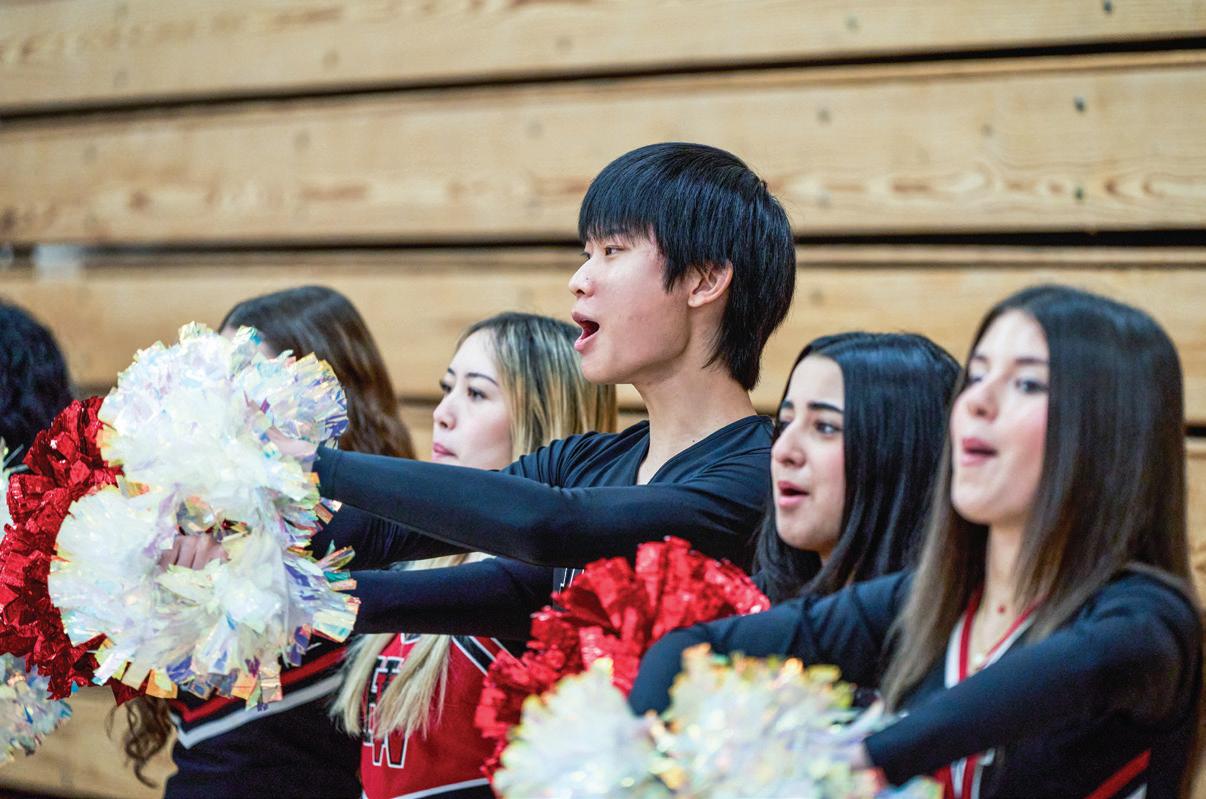
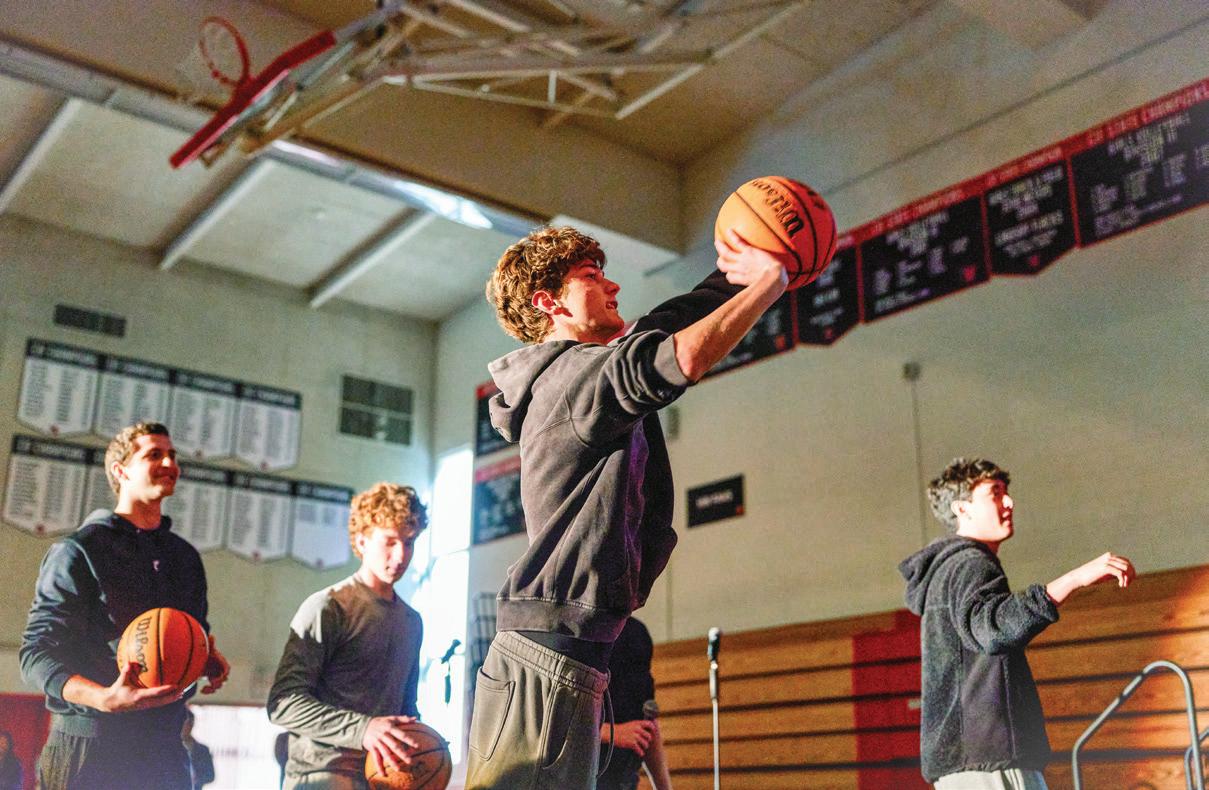
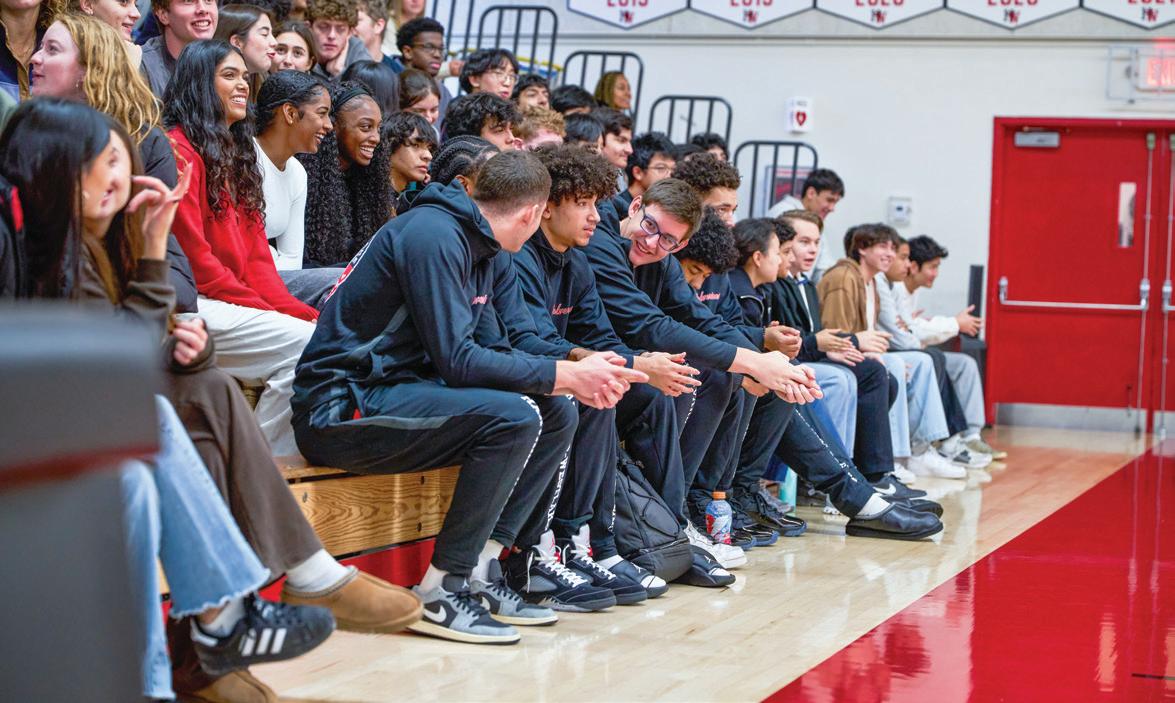
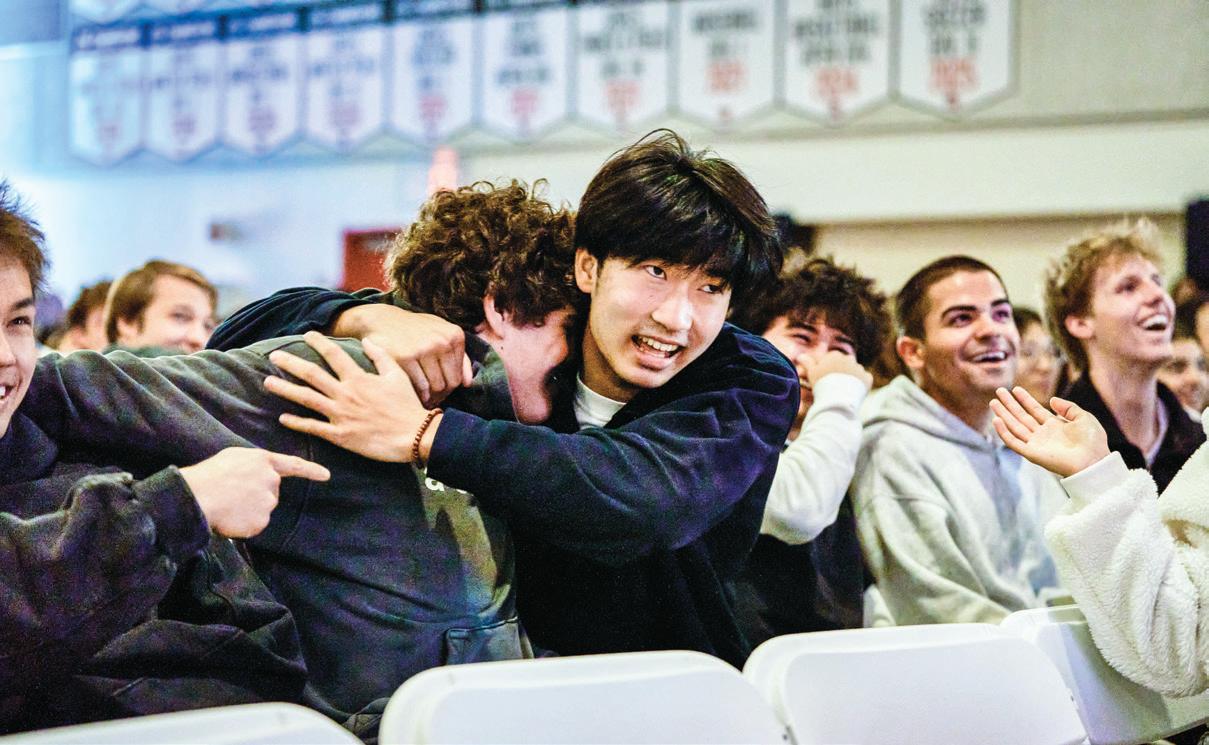
A high-energy event centered on school spirit and athletics, Fanatic Fest included games, performances, and competitions designed to build excitement for homecoming.
OCTOBER 21
Wellness Fair
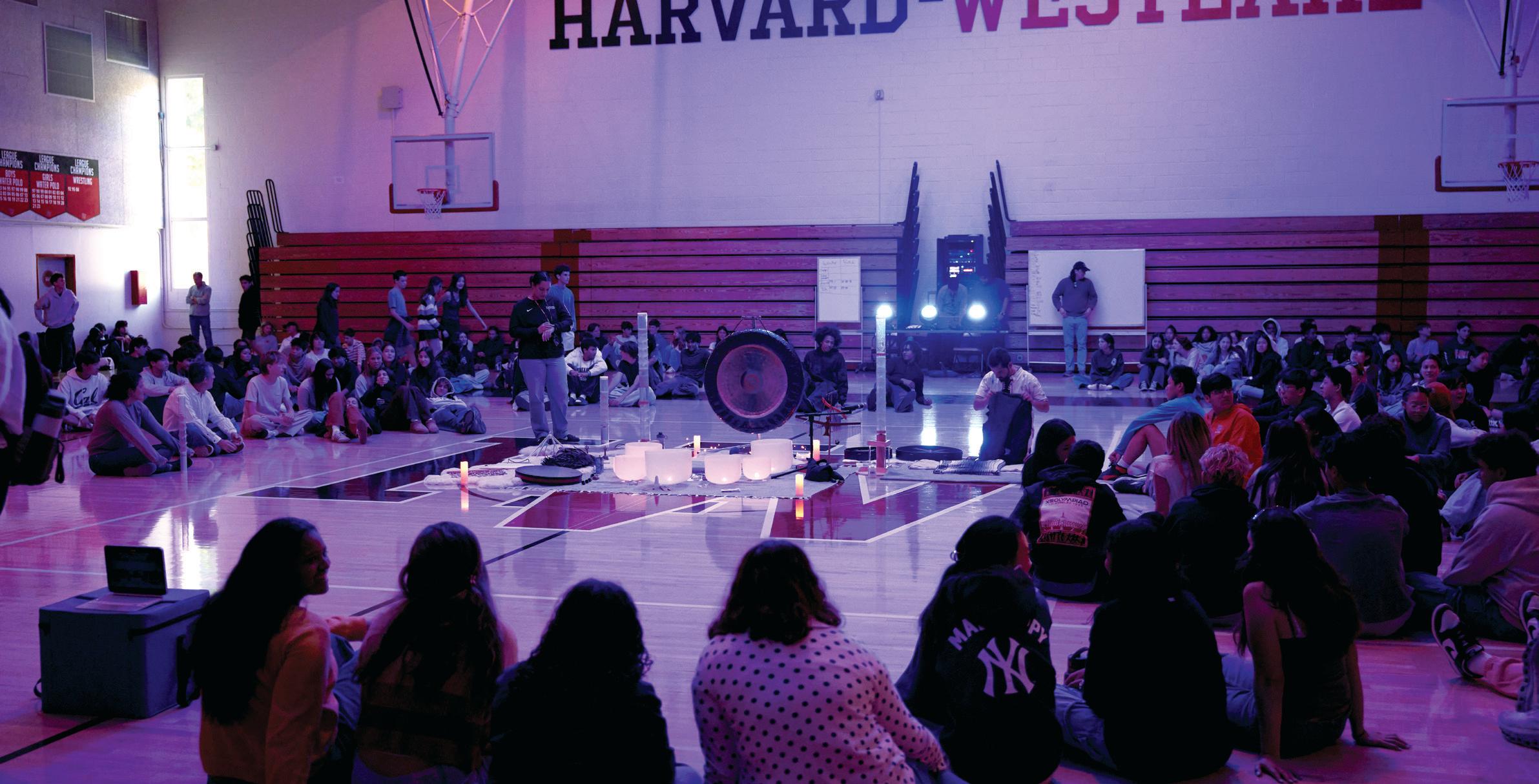
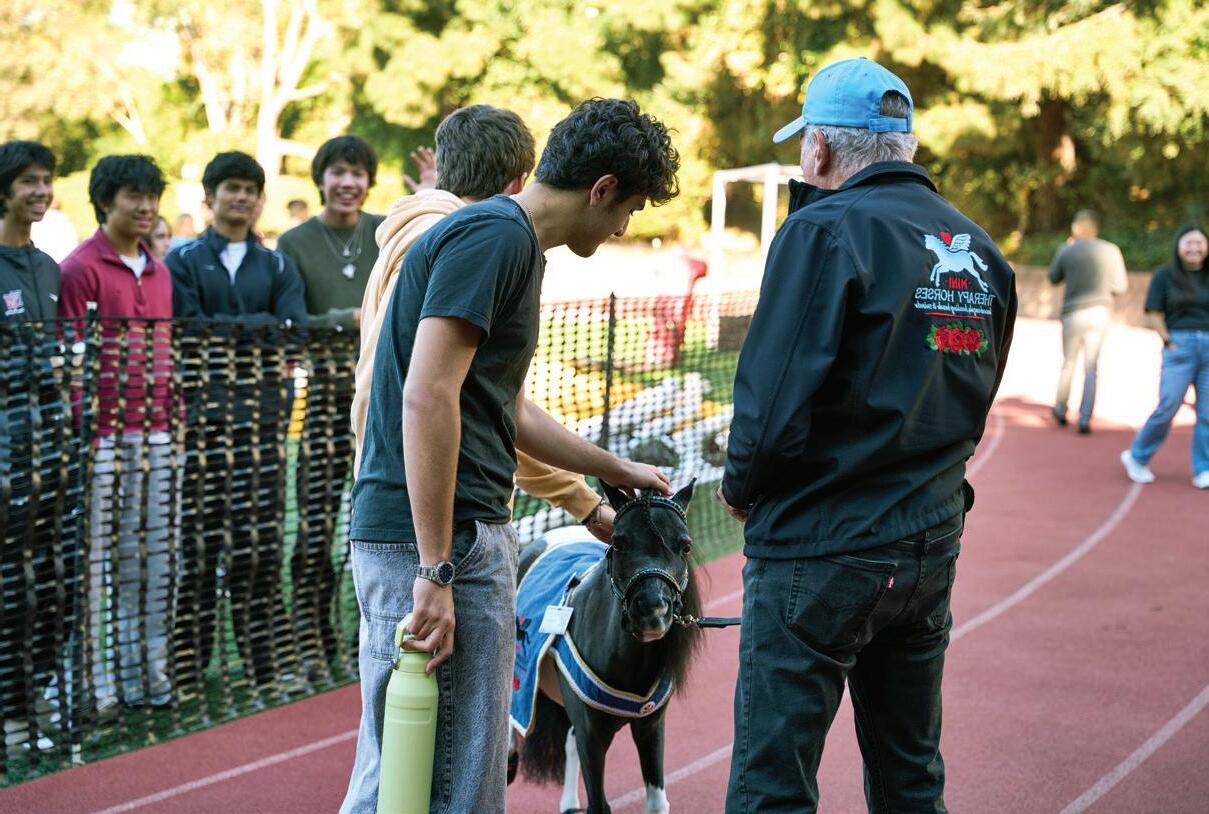
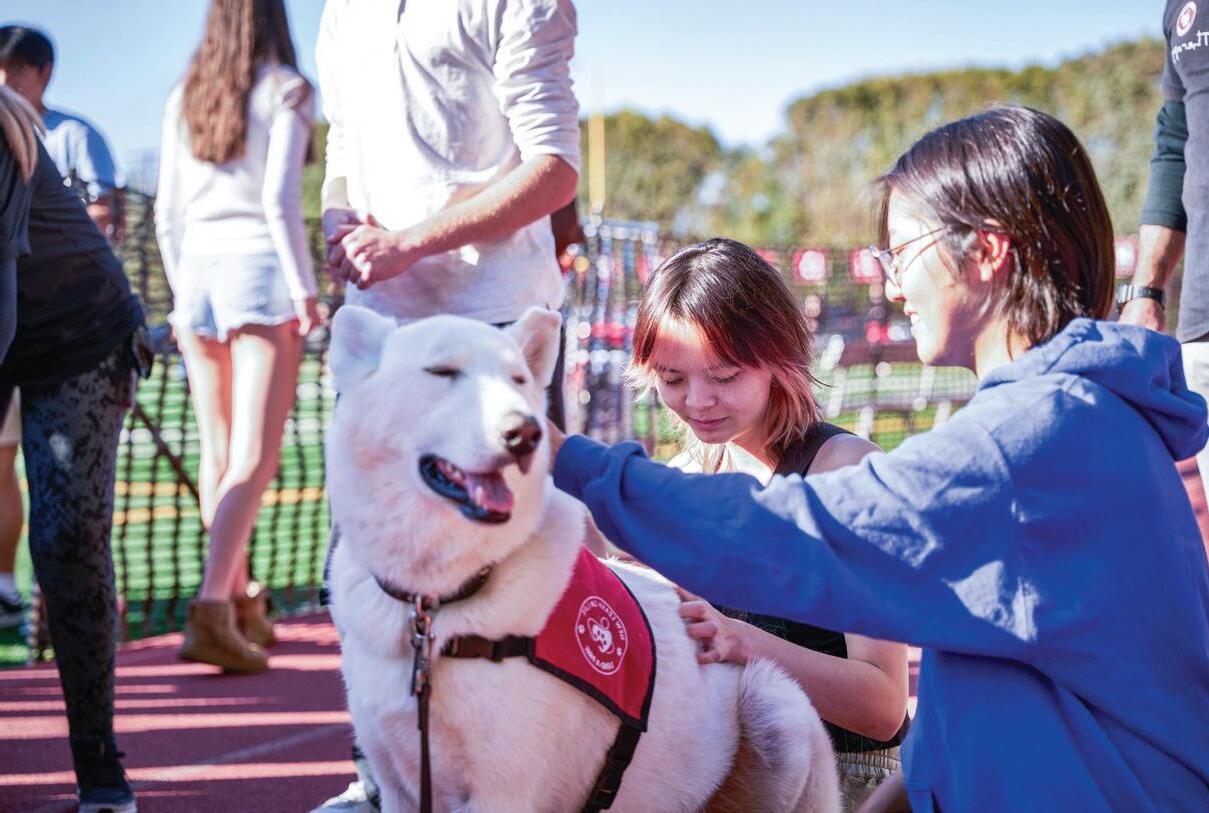
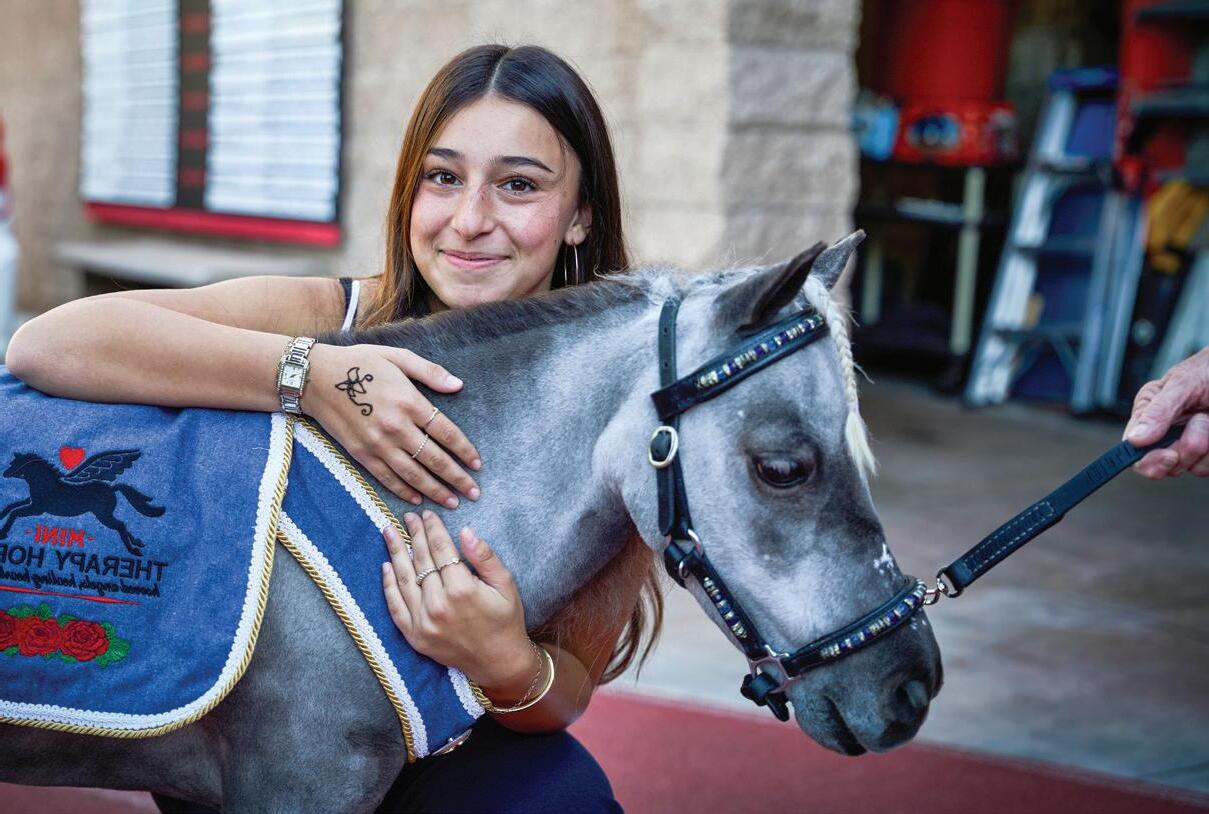
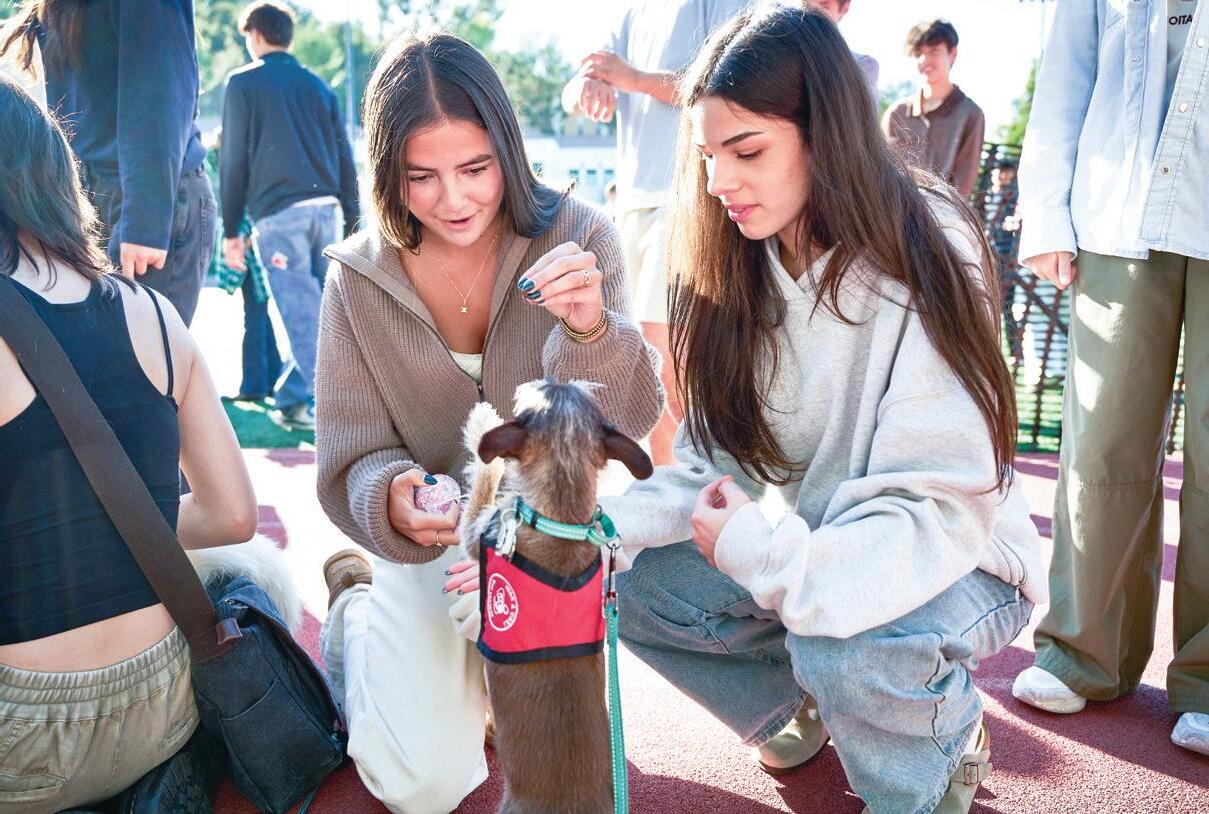
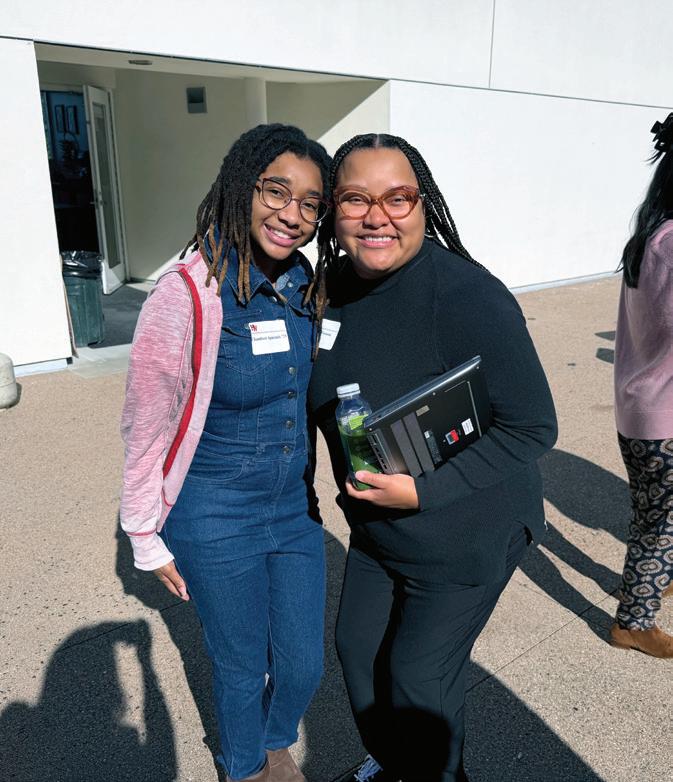
Offering a quieter, restorative experience, the Wellness Fair gave students a chance to slow down and focus on well-being, including a guided sound bath in Taper Gym and a range of body and mind activities on the field, including interacting with therapy animals.
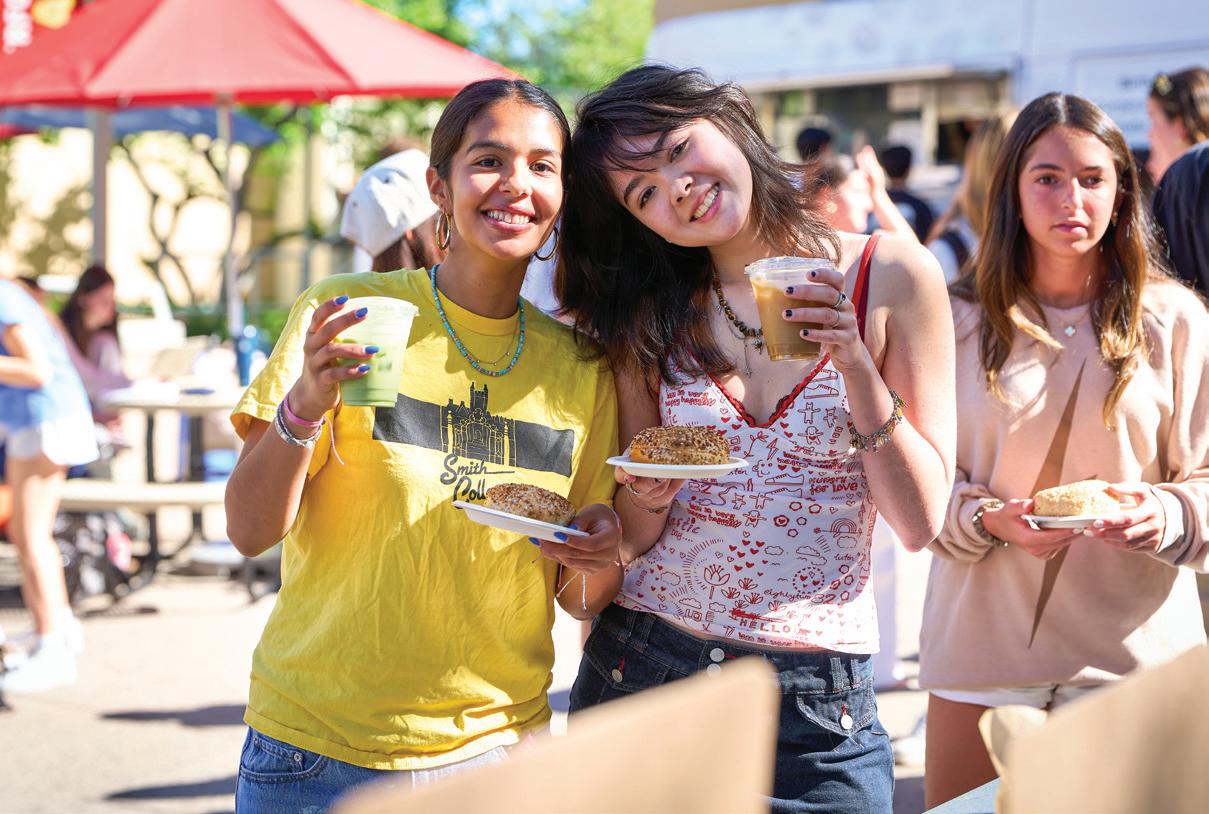
OCTOBER 30 Fall Fest
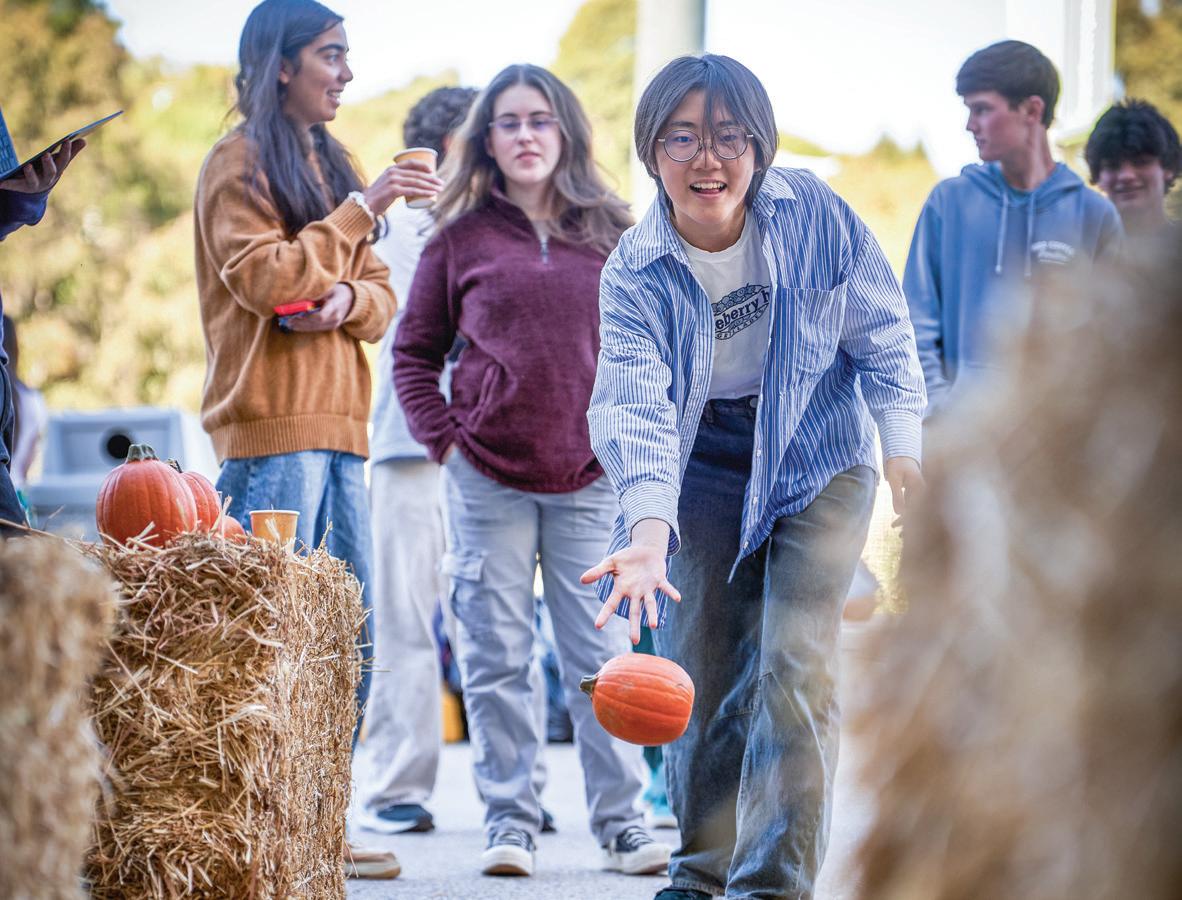
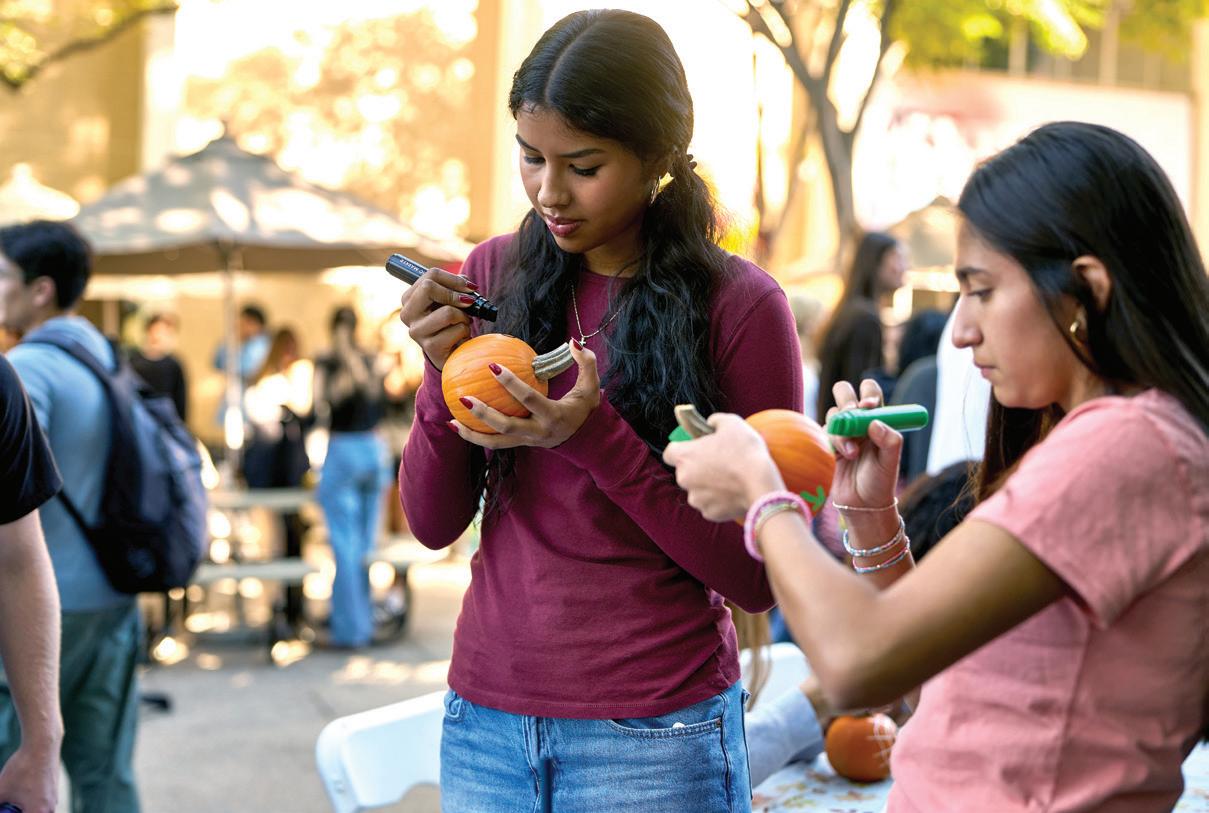
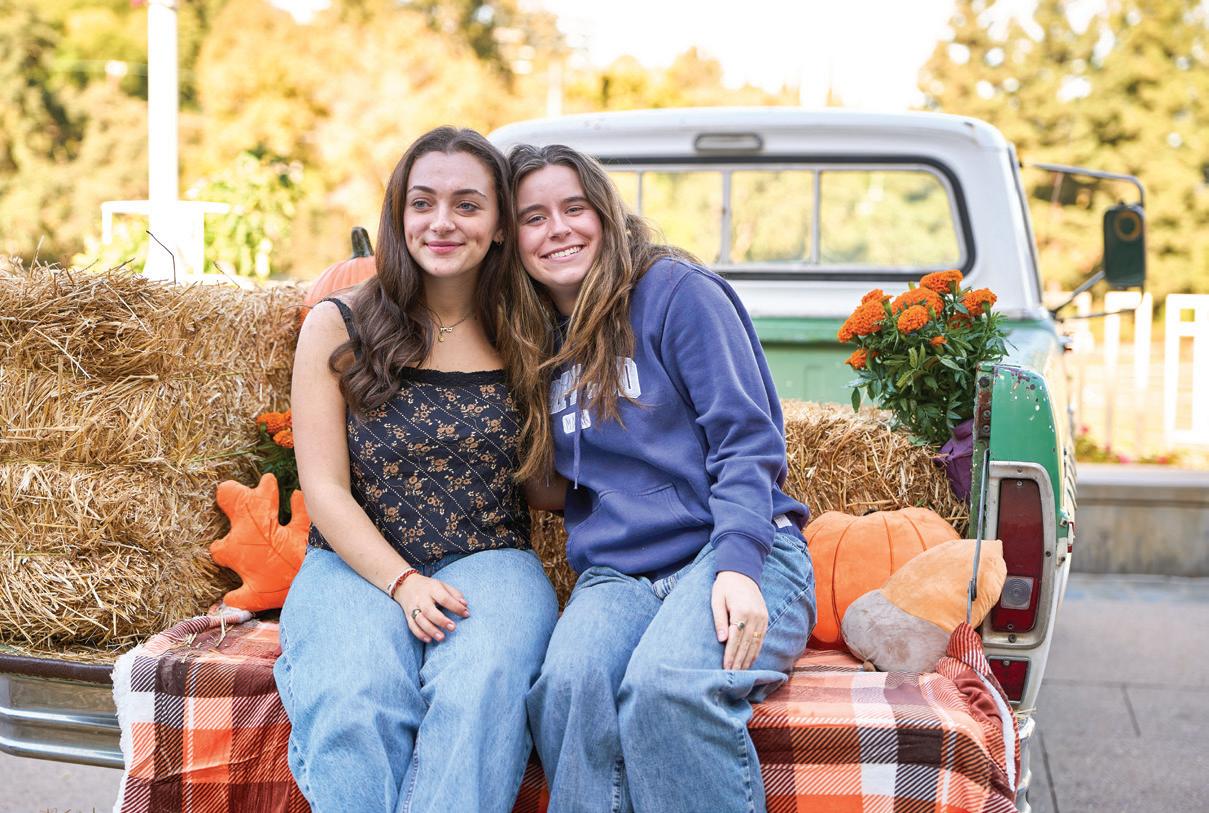
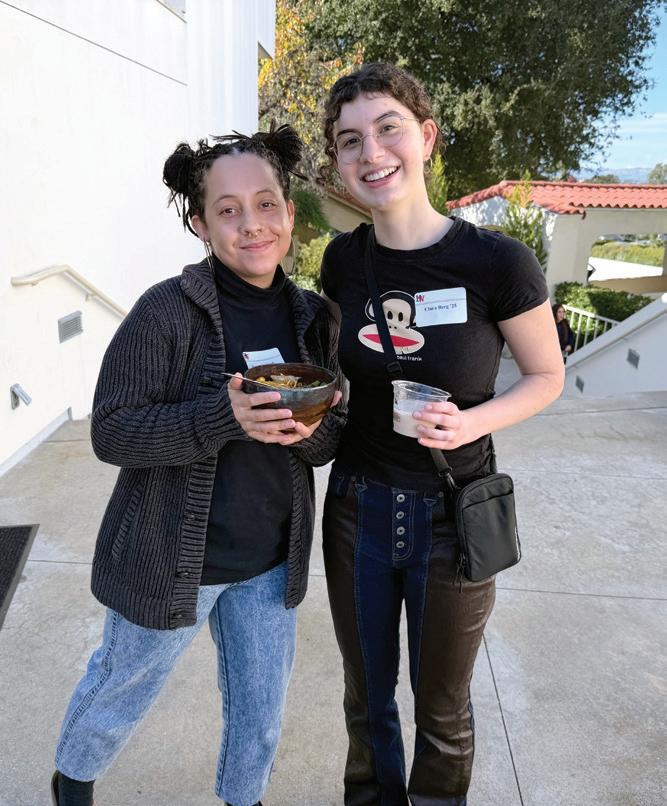
Meant to be relaxed and social with something for everyone to drop into, Fall Fest included a teaser for the fall play and cultural education on Día de los Muertos, followed by games, treats, and low-key activities on the quad and field.
Q2:
PURPOSE
Focus: giving students time to think about how they contribute to the community and the impact they can have beyond themselves
NOVEMBER 18
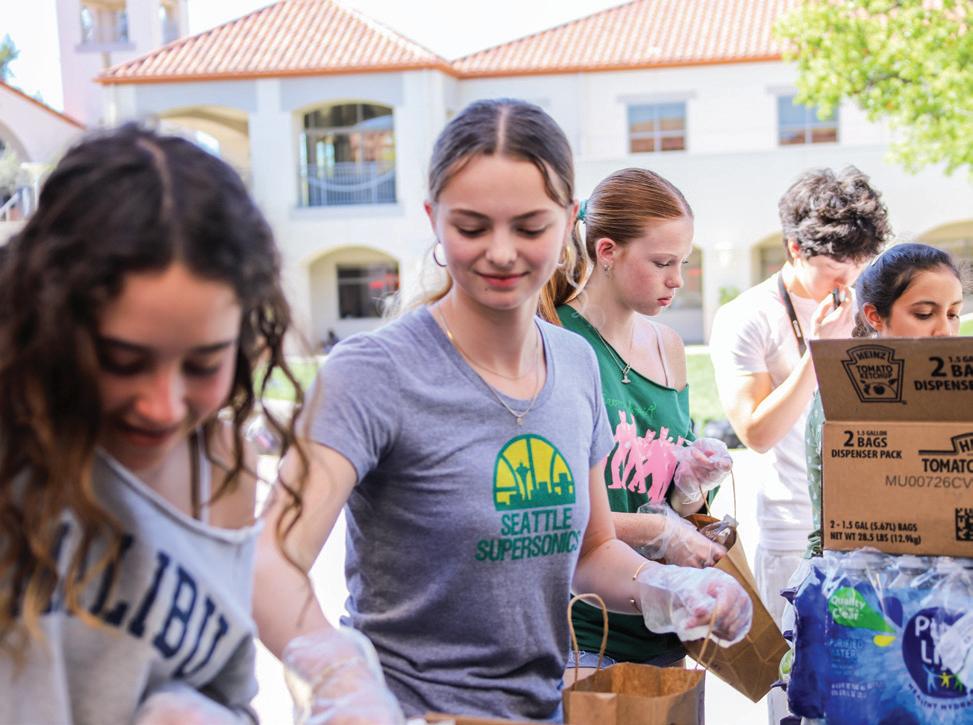
HW Day of Caring
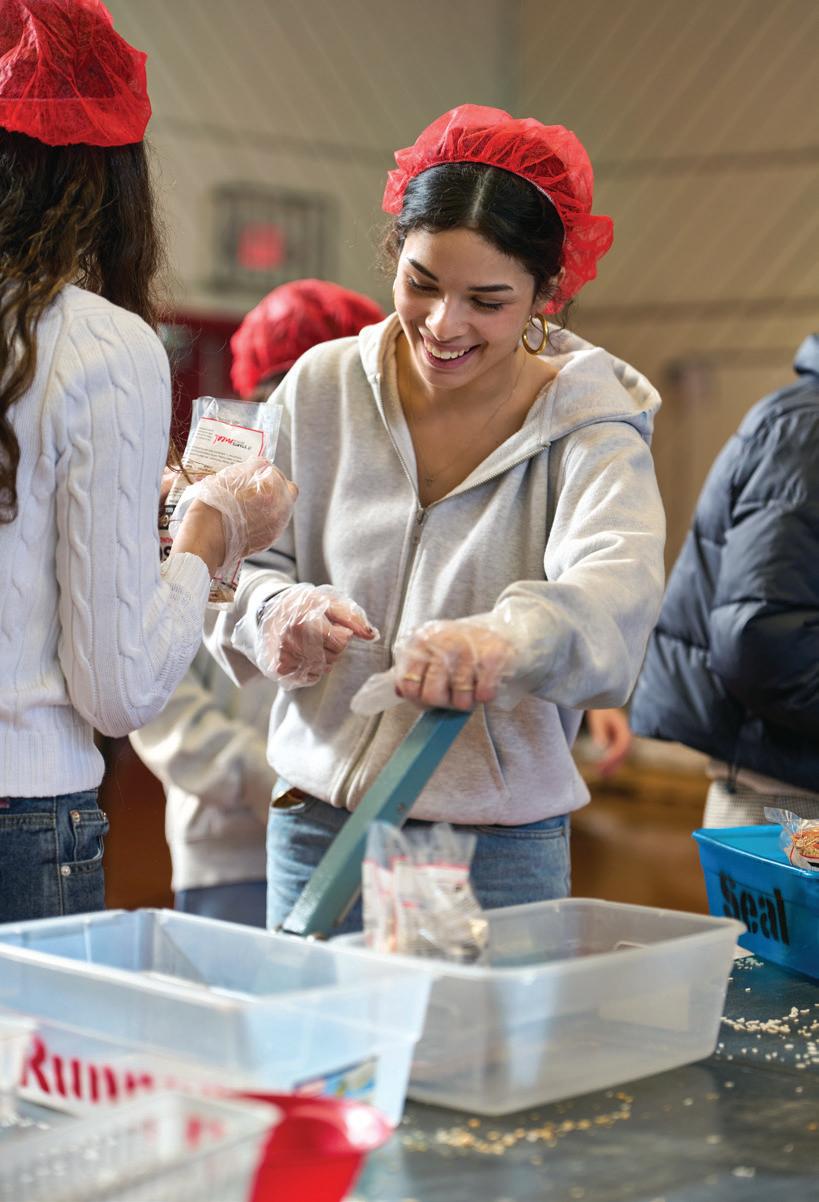
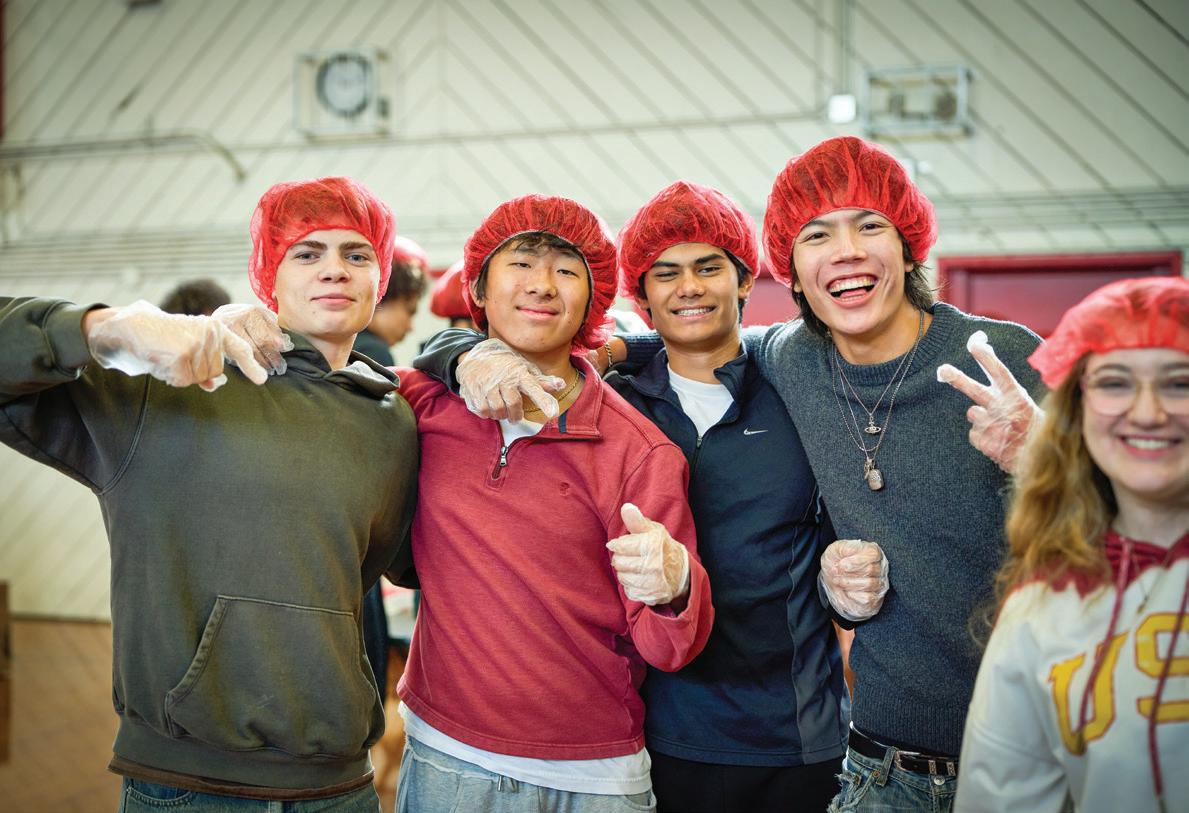
HW’s first-ever campus-wide Day of Caring gave students a shared experience centered on service, including hands-on work with the Confetti Foundation supporting children in hospitals, addressing food insecurity with Rise Against Hunger, and participating in and cheering for athletes playing adaptive sports with Angel City Sports.
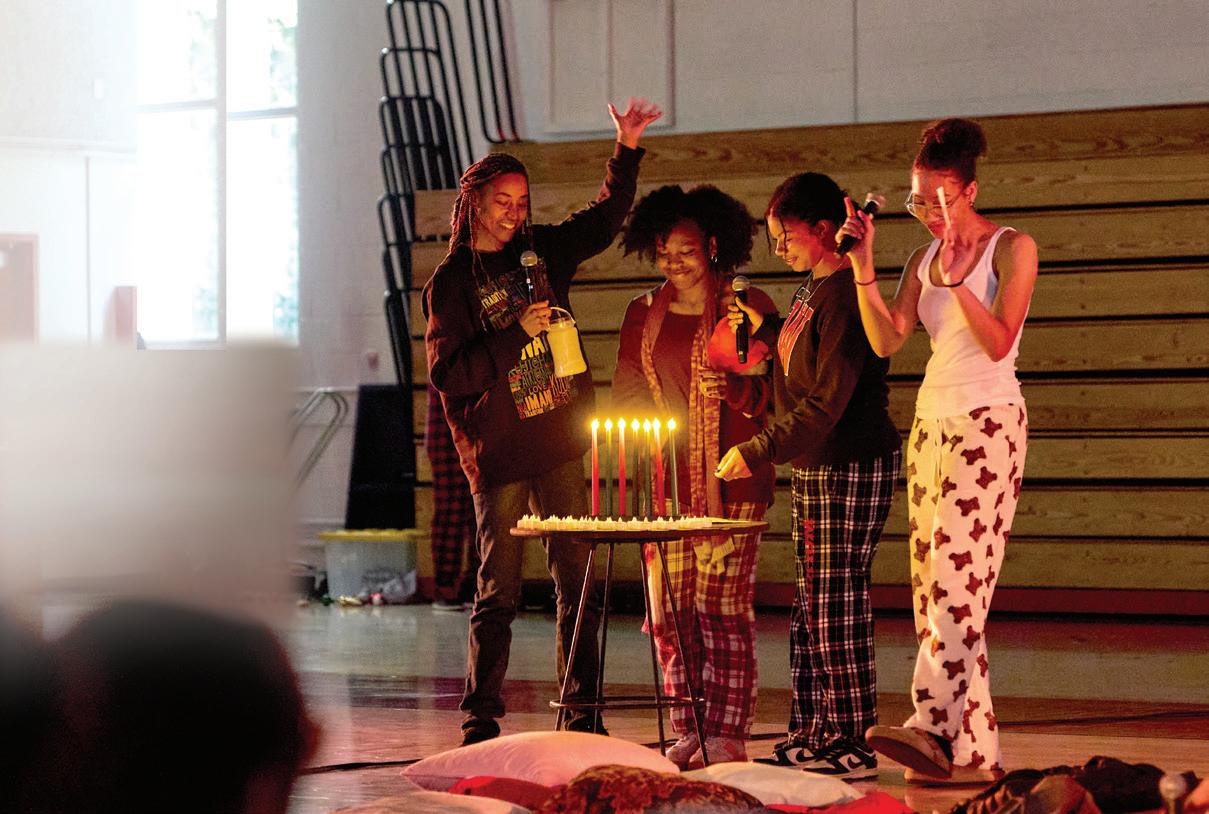
DECEMBER 12 Winter Fest
Organized by SLIDE (Student Leaders for Inclusion, Diversity, and Equity) in collaboration with the performing arts department and Prefect Council, Winter Fest featured performances by over 90 students celebrating a variety of winter holidays and cultural traditions.
JANUARY 5
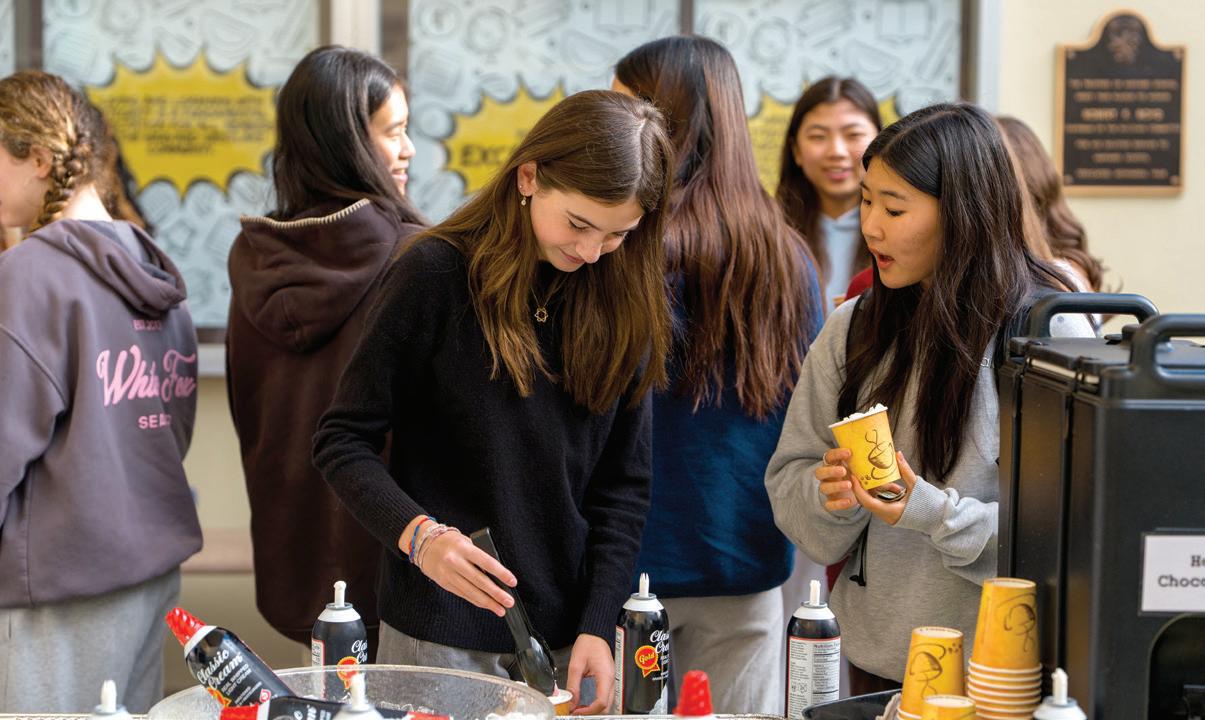
HW Rain Day
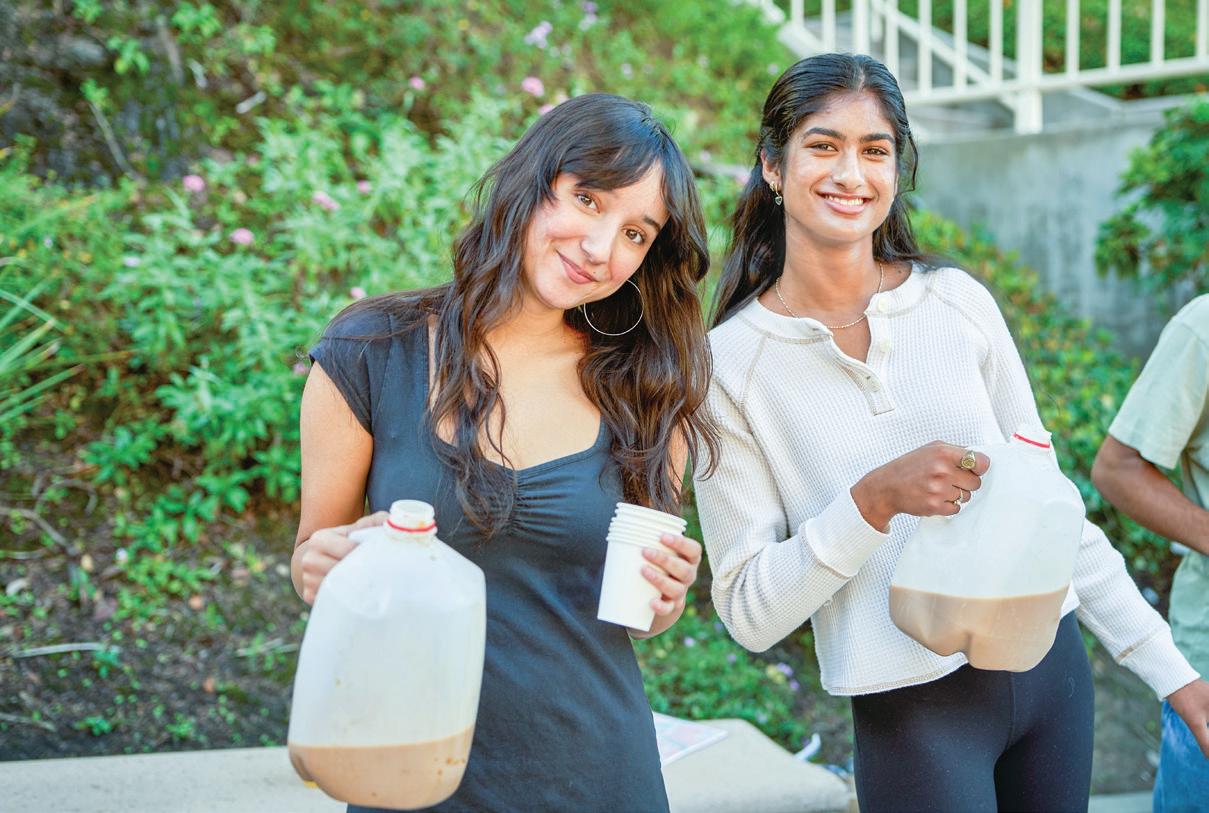
Taking place right after winter break, HW Rain Day eased students into being back on campus with hot chocolate and time with friends.
JANUARY 22
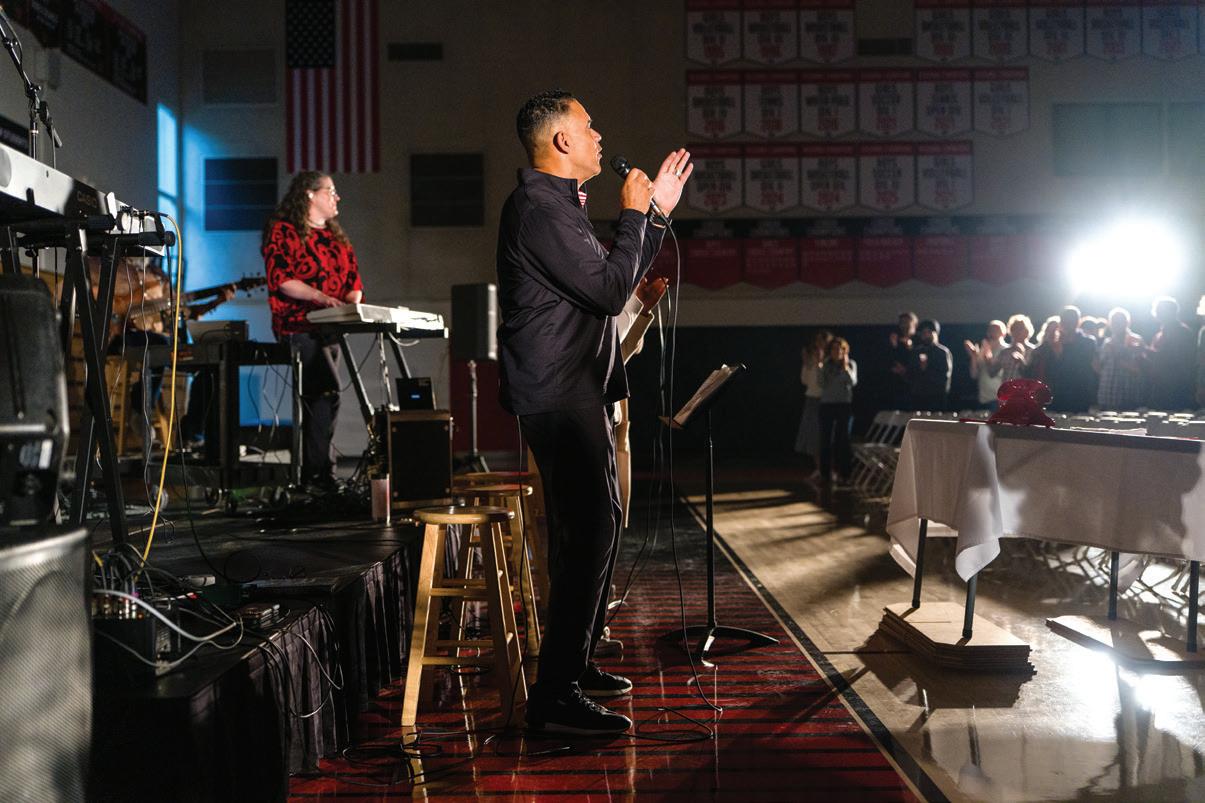
Martin Luther King Jr. Celebration
At the Table with Dr. King, a live performance featuring music, poetry, historical footage, and Dr. King’s own words, invited students to reflect on the Civil Rights Movement and themes of equality, respect, service, leadership, and integrity.
Q3: INTEGRITY
Focus: encouraging students to think about their values, responsibilities, and role in shaping the culture of the school
JANUARY 30 Reflections in Action
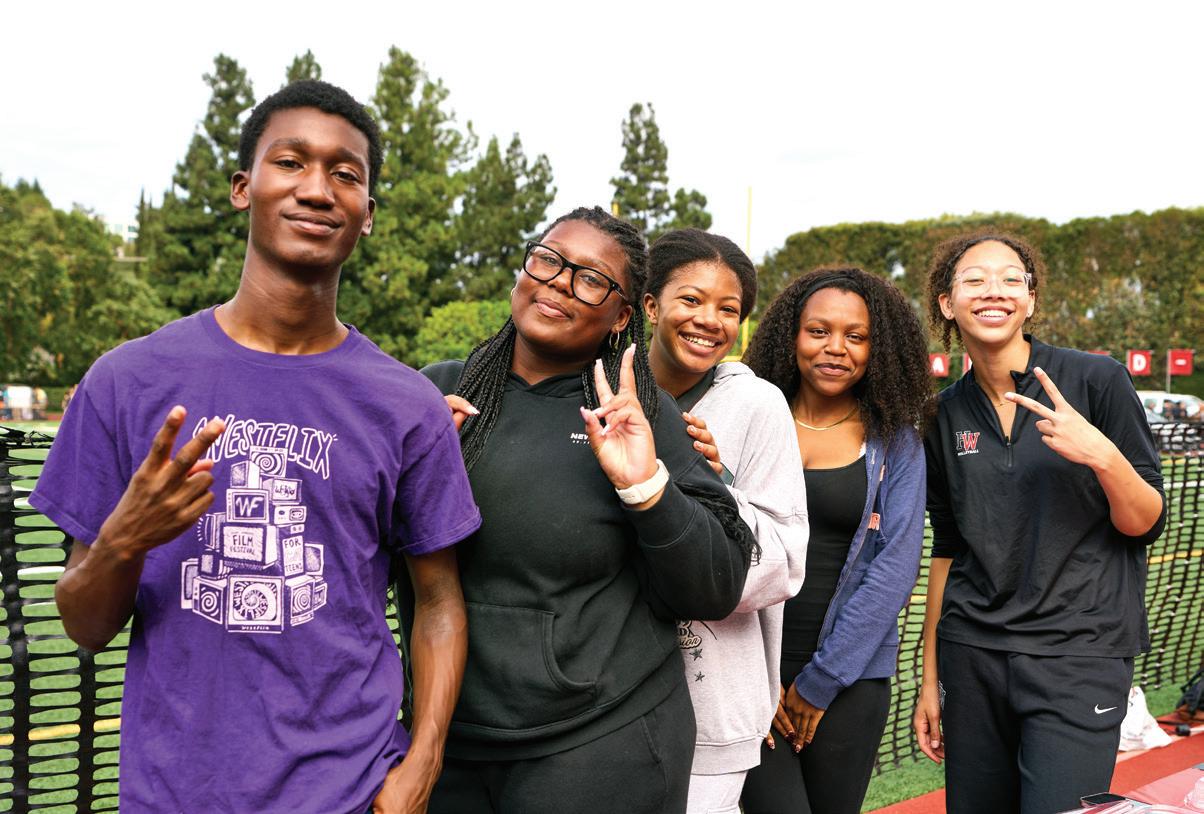
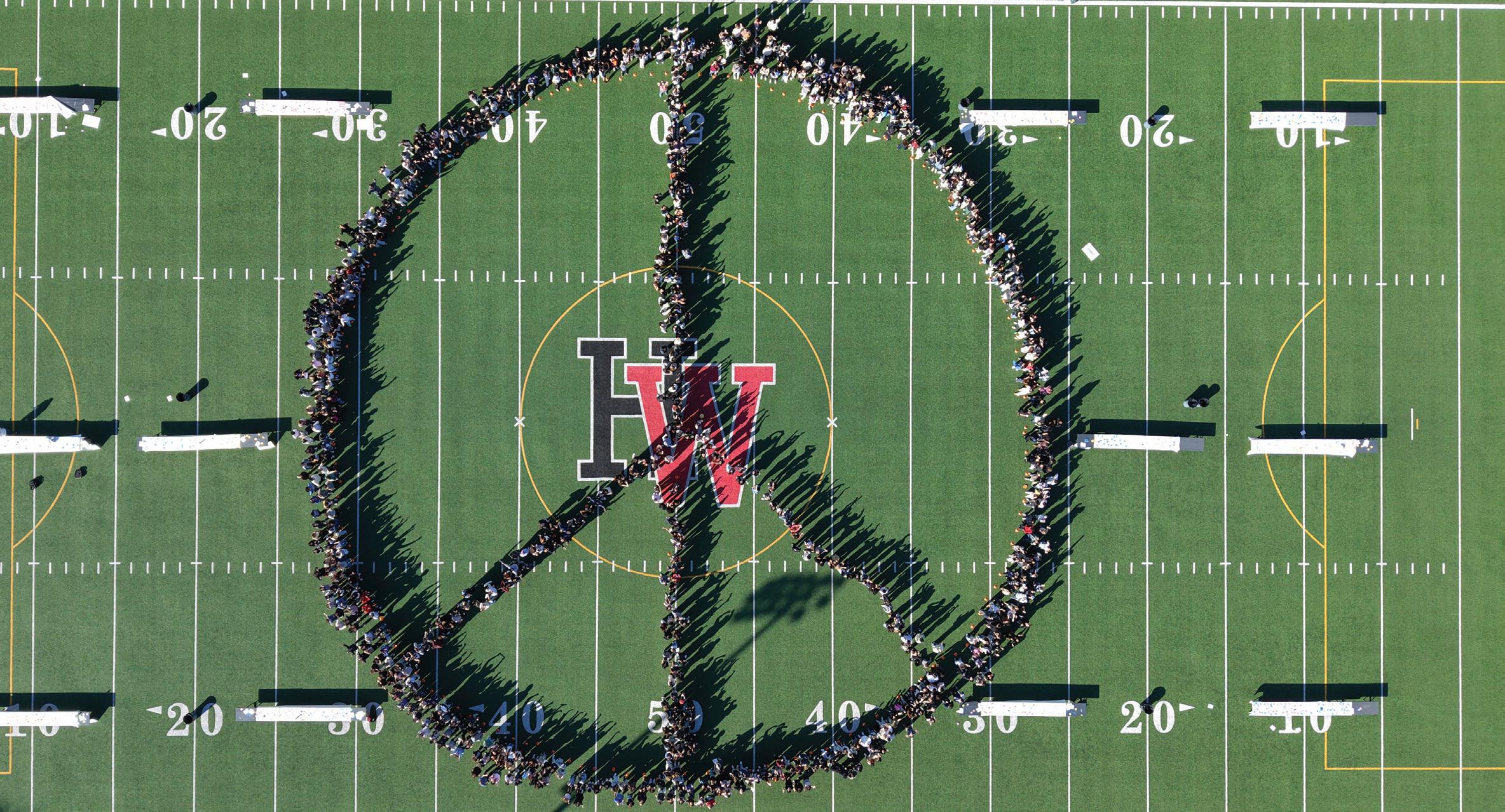
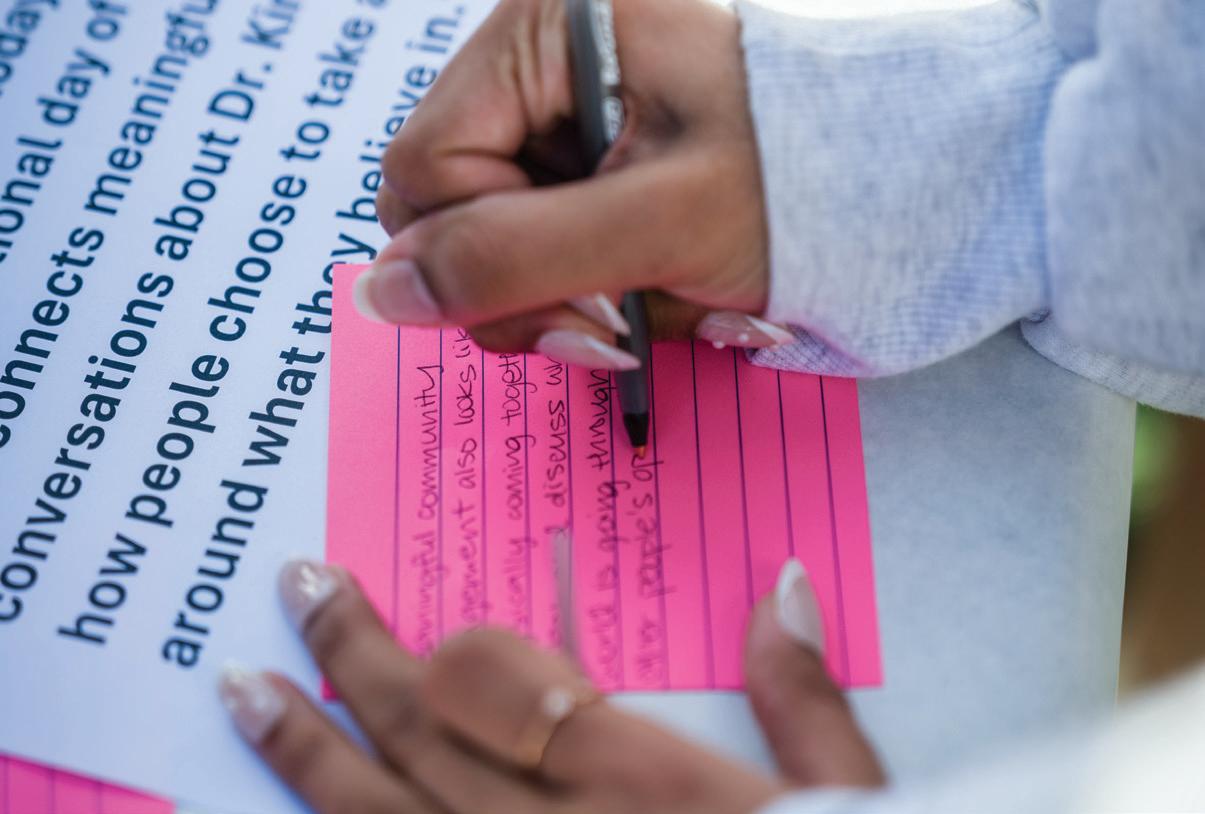
Students responded to a prompt connected to Dr. King’s legacy, then came together for an action fair, where student groups shared ways to stay involved, and finally gathered for a peace sign formation on the field. (The photo of that, above, became the most liked HW School Instagram post in history.)
“ It’s great to see kids being kids, breaking away from technology and having a good time connecting with each other.”
Student Affairs and Attendance Coordinator Michael Plourde
Photo: Milo Mitchell
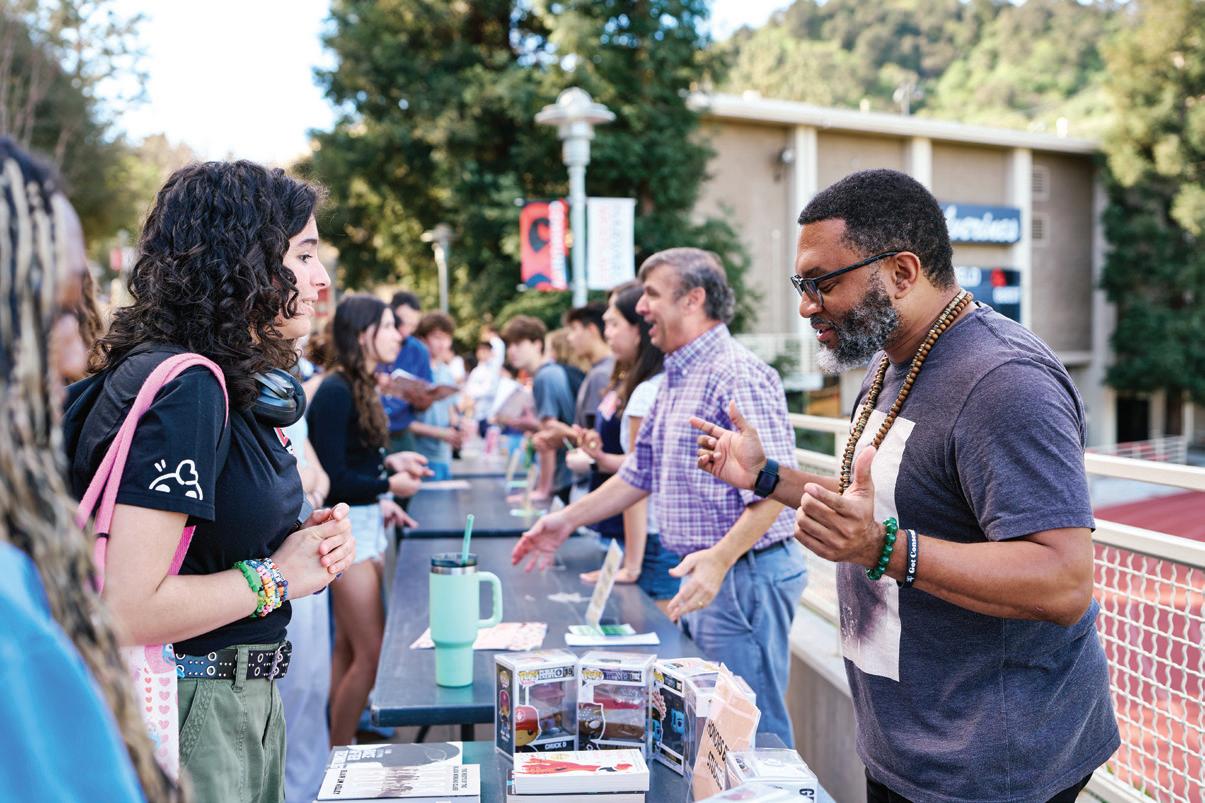
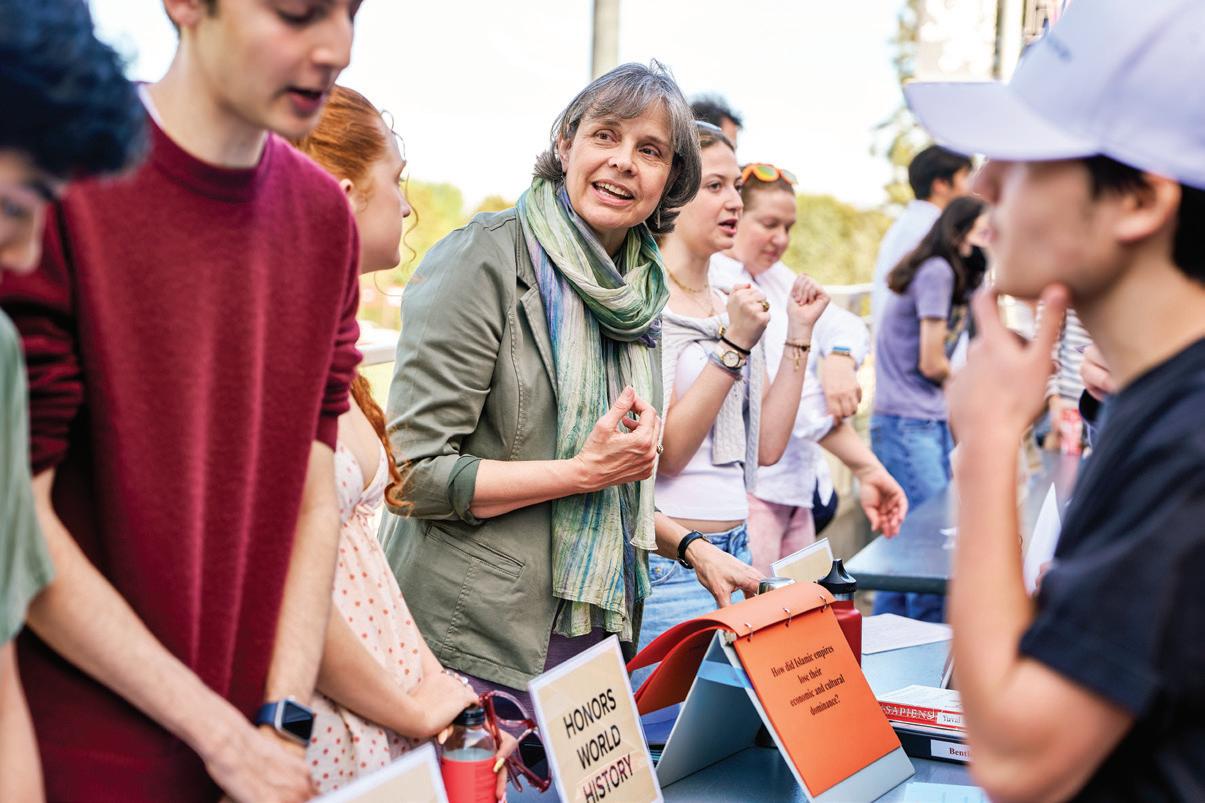
Academic Fair
Students browsed course booths, learning about classes and choosing courses for their junior or senior years.
MARCH
18
Prefect Elections and Senior Celebration
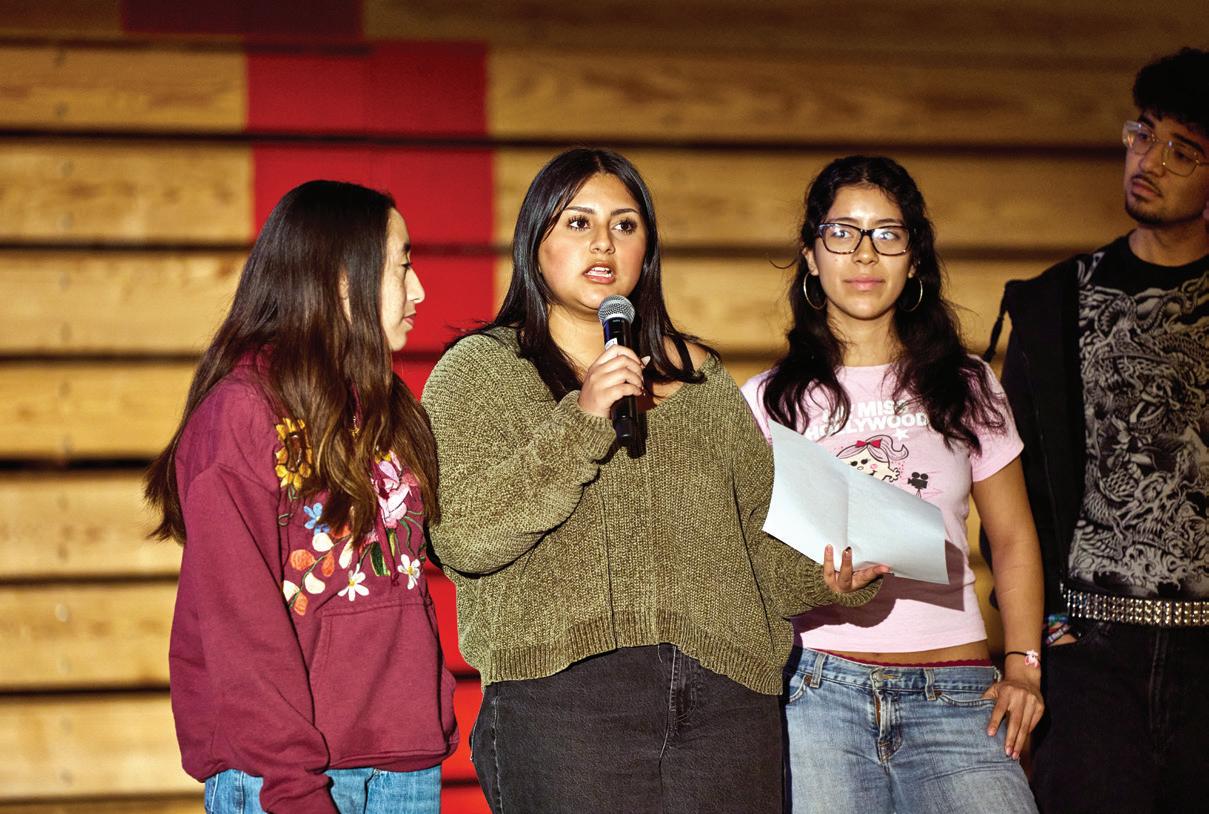
Sophomores and juniors gathered to hear candidate speeches and vote while seniors enjoyed a dramatic performance followed by snacks and drinks on the quad.
“ We hope graduates look back on the Community Time events as some of their core Harvard-Westlake memories.”
Librarian and Programs Coordinator Kacie Cox
APRIL
20
Holocaust Remembrance
Q4: EXCELLENCE
Focus: student leadership, achievement, and taking stock of how the community has grown over the course of the year
Our community came together to mark Yom HaShoah (Holocaust Remembrance Day) through a student-moderated panel in partnership with If You Heard What I Heard, an organization of third-generation Holocaust survivors who shared their grandparents’ stories of survival and resilience.
All-Community Assemblies
The first Community Time of each month is an All-Community Assembly centered around the Community Time themes.
SEPTEMBER 2
OCTOBER 8
DECEMBER 3
NOVEMBER 10
JANUARY 13
FEBRUARY 9
MARCH 10
APRIL 10
MAY 7
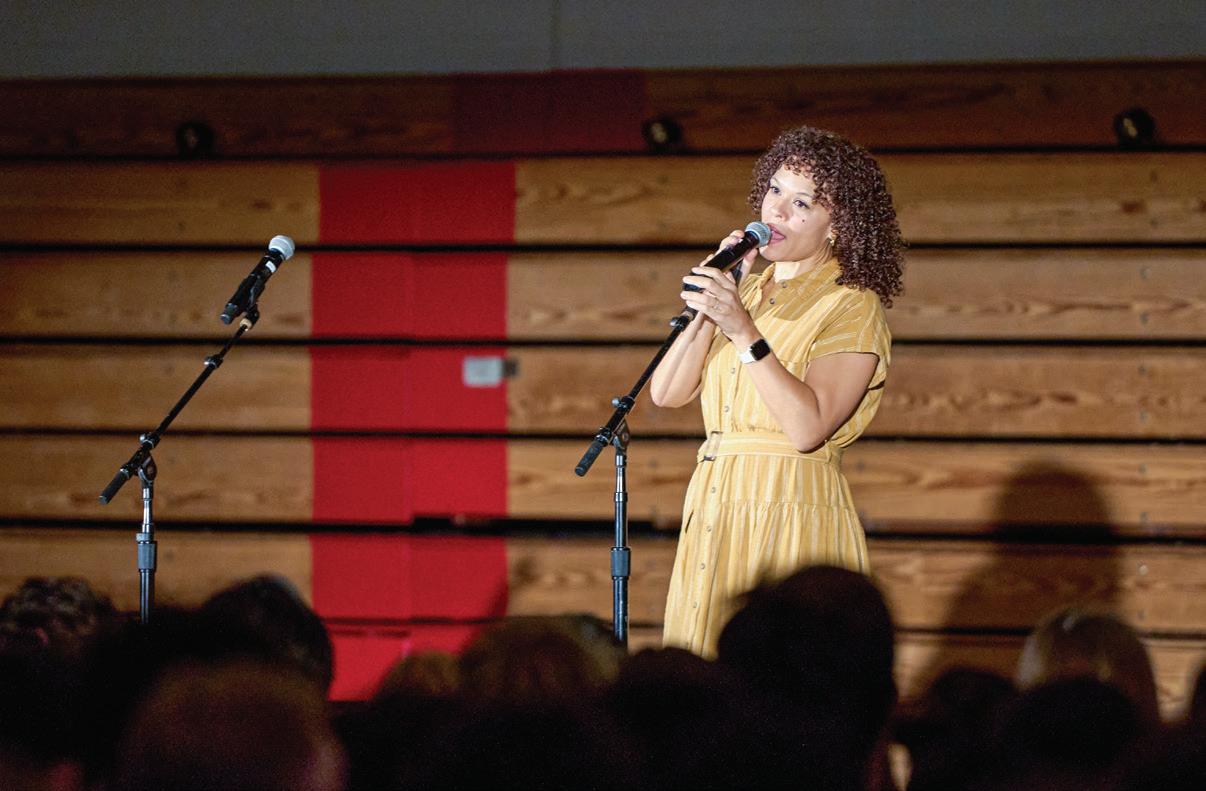
“ We want HW to feel like home, a place where everyone can be known in a more holistic way. We have taken some important steps toward that goal, especially through our monthly assemblies where members of the community can talk about things they care about, showcase their talents, and just be silly with one another. I really appreciate the sense of ritual the assemblies have created.”
Performing Arts Teacher and Director Sabrina Washburn
“
I’m proud of how much diversity we’ve been able to incorporate. For example, one student, who’s Native American, wanted some recognition of the Native American experience of Thanksgiving, so she got up at the all-community assembly and spoke about it—and it was really brave and illuminating.”
Visual Arts Teacher and Diversity, Equity & Inclusion Coordinator Reb Limerick
“ We wanted to be intentional about how we built community this year, so we overhauled Community Time and made our mission statement the throughline. Beyond excellence, what does our mission mean on an individual level? How do I connect with people who are different from me? How do I understand purpose? What does it mean to be a good person?”
Assistant Head of School for Community and Belonging Janine Jones
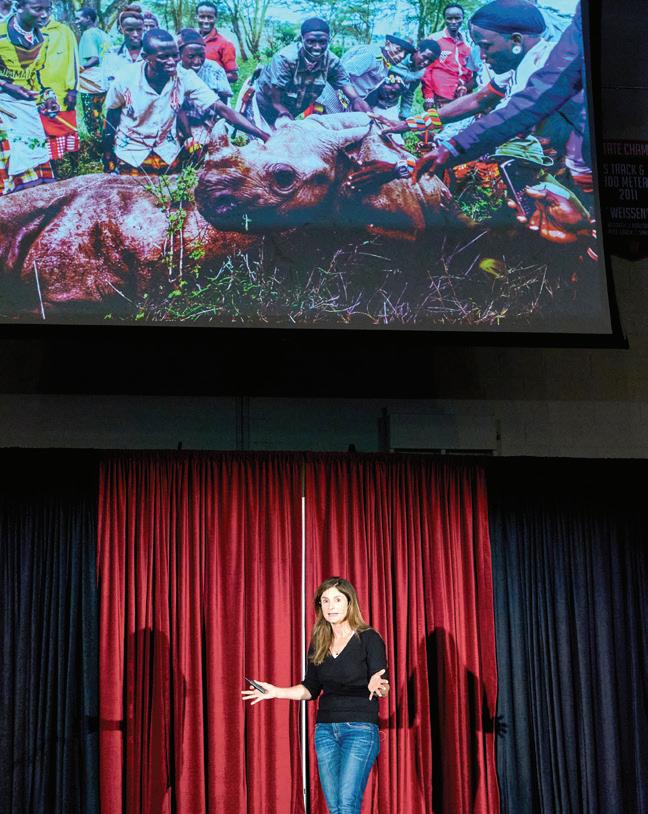
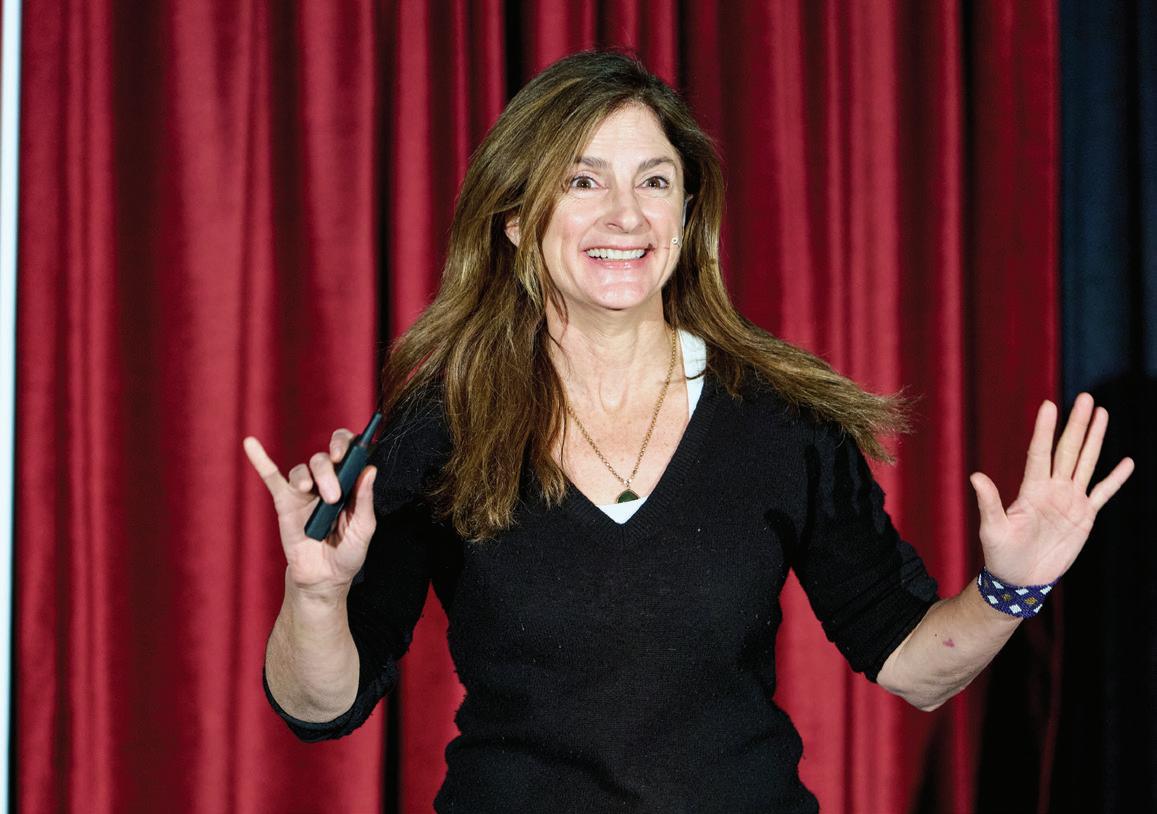
Conservation and Community Speaker
National Geographic photographer, writer, and documentary filmmaker Ami Vitale’s presentation, WILD HOPE: Rhinos, Elephants & Pandas , explored global conservation efforts and the powerful role of storytelling, science, and community in protecting endangered species.
“ More than a few students and teachers mentioned that this assembly moved them to tears. Between the cute animals and the personal storytelling, it delivered a really powerful message about environmental stewardship.”
Upper School Science Teacher Ryan Ellingson MAY 18
Brown Family Speaker
MAY 27
Awards Assembly
The Awards Assembly closed out the year with awards given to students across the upper school grades for scholarship, leadership, service, character, and overall contribution to the school.
What’s next? Community feedback and ideas will be worked into Community Time programming next year and beyond. For his part, Plourde hopes to expand upon the seasonal celebrations and add Summer Fest and Spring Fest. Limerick appreciated the student contributions to the planning committee this year and would like to see more in the hands of student leaders going forward.
“I’m excited to improve upon some of the same events we did this year,” she reflects. “But there will never be anything like seeing how things landed for the first time. It was a special year.”
“ I hope later on in life, students look back and think, ‘We did some cool stuff.’”
Student Affairs and Attendance Coordinator Michael Plourde
MARCH 10
All-Community Assembly
Speech by Head of School
Laura Ross
DISCOVERING EXCELLENCE
Good morning.
For those of you I don’t know well, I’m Laura Ross, Harvard-Westlake Head of School.
Even though I have this big title, much of my work happens behind the scenes—thinking about curriculum, hiring, student experience, and how all the pieces of school life fit together.
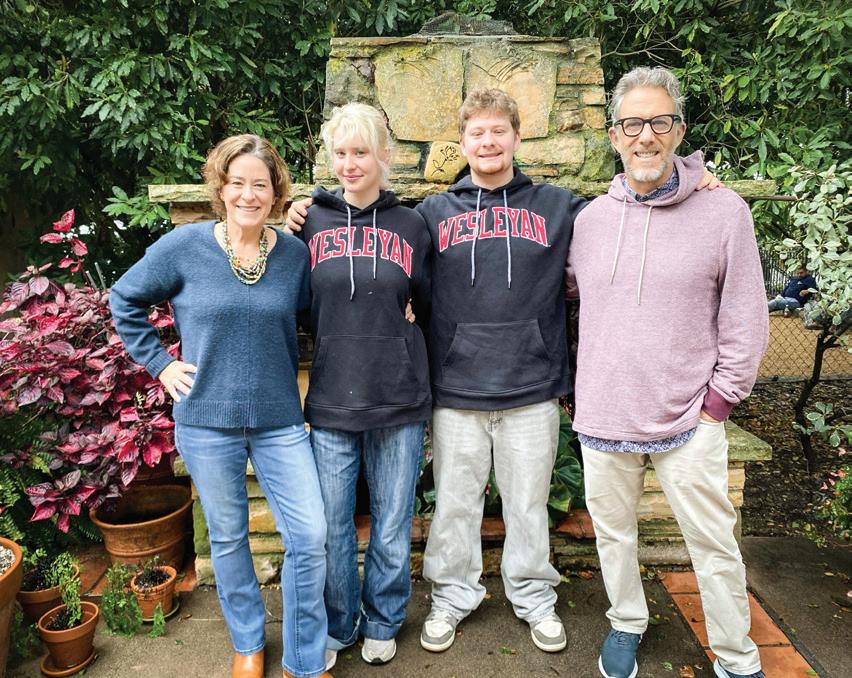
Many of you probably know my husband, Mr. [Gregg] Ross, much better than you know me. He teaches math at the middle school and is, without question, the more popular member of our household—even though he has passed down his love for perennially struggling sports teams to our son Graham [’26]
I also teach the Directed Study on Equity in Public Education, which is one of the best things I do here. Shameless plug—think about signing up during course selection!
And today, as we reflect on excellence, and during Women’s History Month, I want to tell you a story about the ways I’ve misunderstood excellence for much of my life.
I grew up just up the coast from here in Santa Barbara and went to high school at Santa Barbara High. When I was in ninth grade, I got an honors geometry test back with a giant F on the front.
On the back, my teacher had written: “Maybe you don’t belong in this class.”
No invitation to come talk. No encouragement.
Around that same time, that same teacher said athletes usually weren’t the strongest students.
And I was an athlete.
Soccer was the thing I loved most in the world.
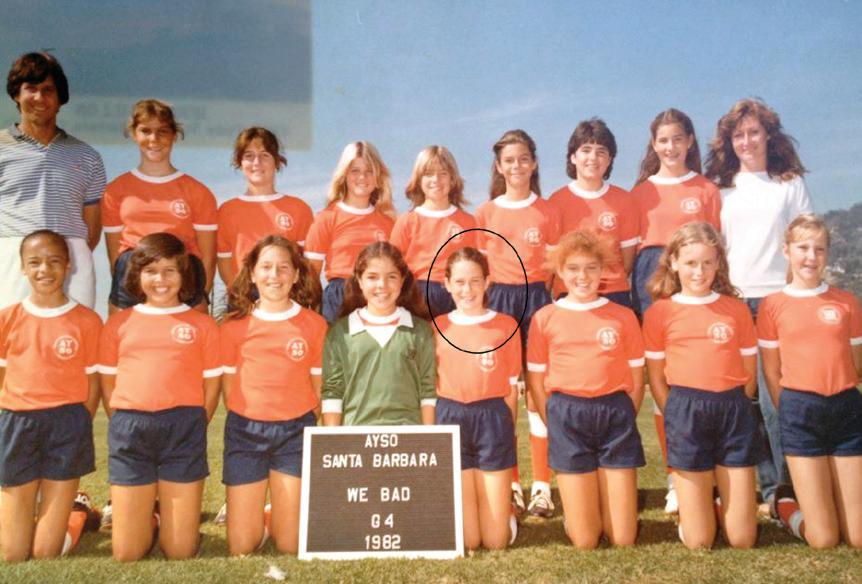
That’s me proudly smiling on my first team—and, fun side note— my coach was [English teacher] Mr. [Jeremy] Michaelson’s amazing dad!
But that teacher planted seeds of doubt and shame.
Maybe I don’t belong in honors classes if I can’t excel without help. Maybe excellence means proving yourself quietly. Maybe excellence means never letting anyone see you struggle.
I didn’t ask for help. I didn’t go see him. I just tried to survive.
I finished the year with a hard-earned C+ and never took another honors math class—I think maybe because I had decided excellence meant only doing what I was already good at.
That was the first time I misunderstood what excellence meant.
I certainly didn’t quit soccer.
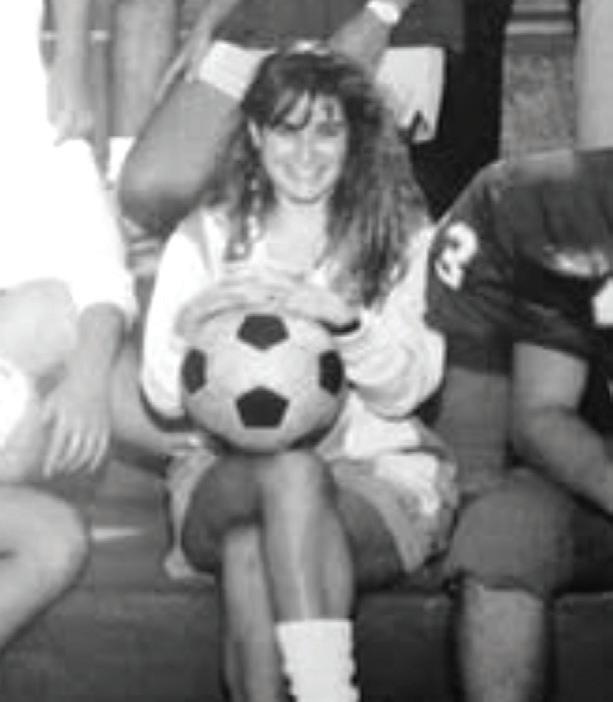
Here I am in my senior yearbook representing the sport—very proud that soccer helped me get to a great college, Wesleyan University. But I was nervous going there. I wasn’t sure I belonged.
When I got there, I made another mistake.
I overloaded on difficult classes in the humanities because that’s what I thought I was good at. In my big public high school, I had gotten good grades in English without working very hard.
My first college English paper came back with a much lower grade than I had ever seen in that subject.
And instead of asking for help, I thought: I should be able to figure this out on my own.
By then, my definition of excellence sounded like this: Handle it yourself. Be impressive. Don’t show weakness.
I wanted to prove athletes were serious students— that we belonged.
From the outside, I always tried to look strong, positive, and like I always had everything under control.
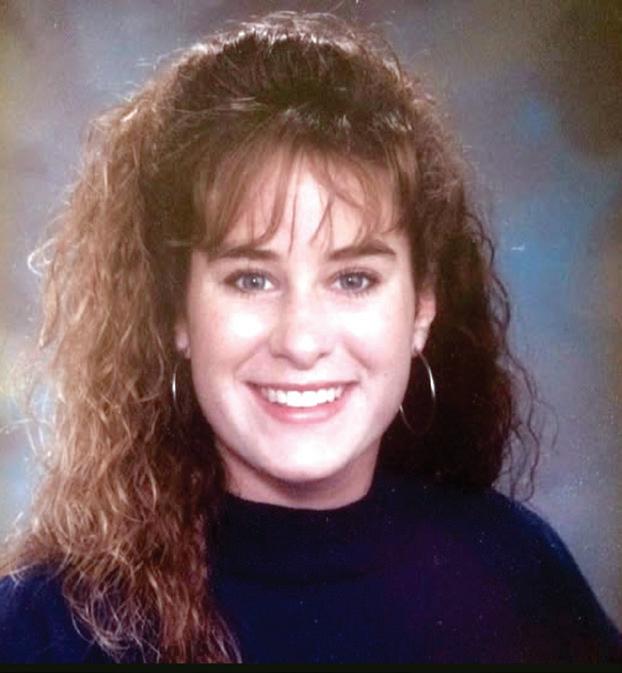
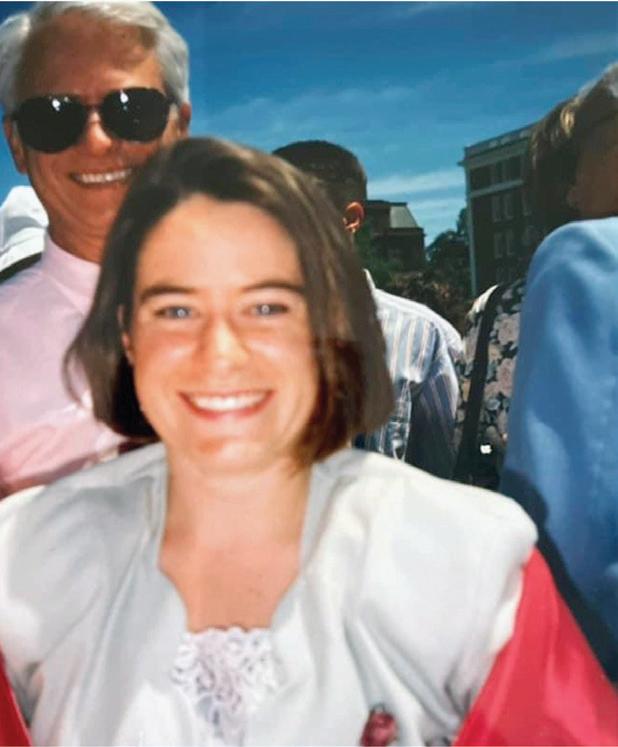
There’s my senior high school picture—please don’t judge the ’80s perm—and my college graduation, with my beaming dad in the background.
My dad grew up here in San Gabriel. He wanted to go east for college but didn’t have the money, and his parents wouldn’t fill out financial aid forms. Being able to send me was an incredible source of pride for him.
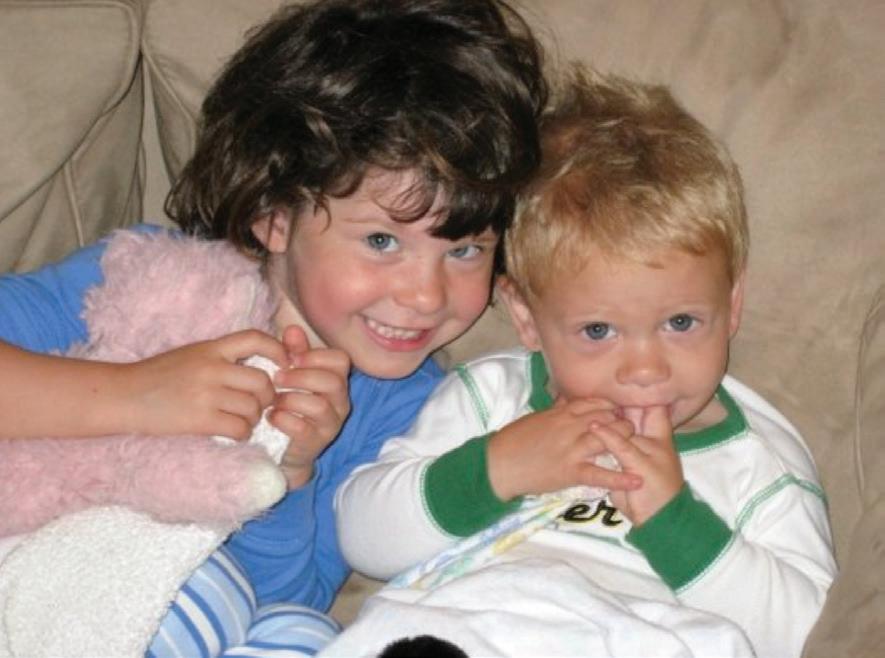
Years later, when my children were little—weren’t they so cute?—and I was working as a college counselor in Austin, Texas, I told the head of upper school that I thought I was ready for a bigger leadership position.
He said, “Sure, you can have a career. But your kids are little. You should wait.”
It was calm. Casual. I think he thought he was being kind.
But it was built on an assumption.
An assumption about what mothers should prioritize. About ambition. About timing.
I once heard a quote that has stayed with me: “Assumptions are the termites of human relationships.” They work quietly. They’re invisible. But over time, they eat away at confidence and possibility.
My ninth grade teacher assumed athletes weren’t strong students.
My boss assumed a mother should wait.
And for years, I assumed excellence meant doing everything alone.
Every one of those assumptions limited what was possible.
So I applied for a bigger job.
Not at that school.
At another one.
A year later, I had it.
That moment taught me something important: Excellence is not waiting quietly for permission.
Excellence is not shrinking to fit someone else’s expectations.
And still—even after that—I believed excellence meant holding everything together without showing weakness.
Career. Family. Community. Check. Check. Check.
I wanted to prove I could do it all. I was proud of how much I could carry. I loved how people often said, “Wow, Laura, you always seem like you can do everything!”
And then, on April 21 of last year, that definition collapsed.
I was in the passenger seat of a car with Head of Upper School Ms. [Beth] Slattery on Mulholland Drive. In the middle of a sentence, I stopped talking.
I slumped over.
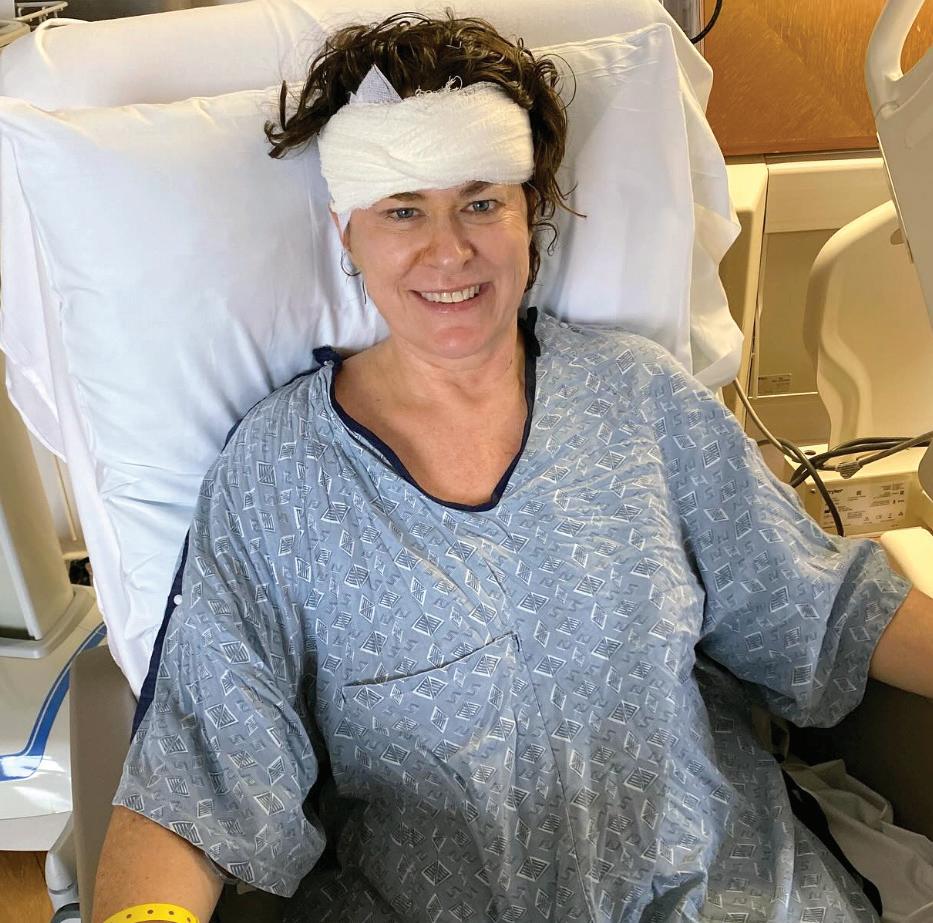
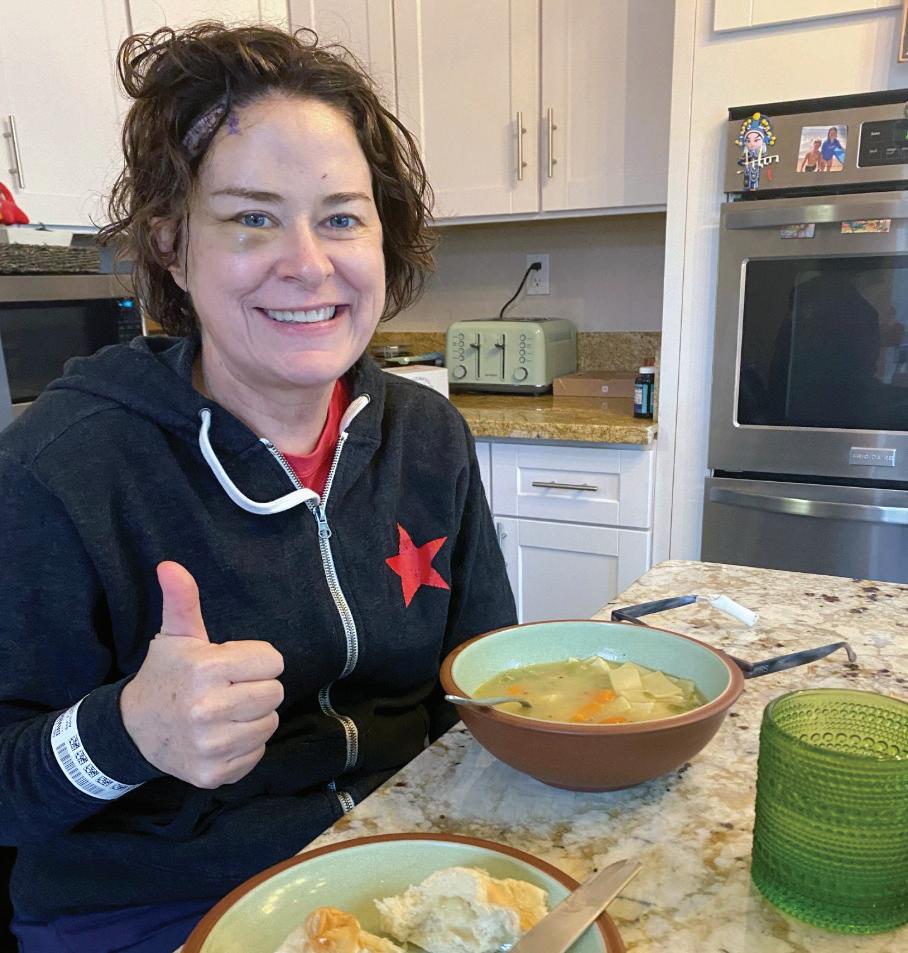
I was having a massive seizure. I woke up in a hospital to doctors telling me they had found a tumor in the lining of my brain.
Nine days later, on May 1, I had a four-hour craniotomy.
Thankfully—miraculously—the tumor was benign. Shout-out to my surgeon, Dr. Schievink—parent of current senior, Diya [Schievink ’26] , who was absolutely amazing in caring for me and getting me in quickly for surgery.
But when I came home, I couldn’t walk steadily.
I couldn’t shower alone.
I couldn’t manage my medications. I couldn’t read. I couldn’t sleep.
For the first time in my life, I could not do it myself.
And I was devastated.
Because if excellence meant carrying everything— who was I now?
Under my hair, there’s a long scar from that surgery.
You can’t see it when you look at me.
And that has also reminded me to always think about assumptions.
Because you don’t know what someone else is carrying.
You don’t know who is recovering. Who is grieving.
Who is doubting themselves. Who is trying to prove they belong. We make assumptions all the time.
And often, we’re wrong.
Here’s what I learned through this experience:
If your definition of excellence doesn’t allow you to ask for help, it can eventually break you.
Not because you aren’t strong.
But because no human being is meant to do life alone and hard things will happen.
Excellence is not perfection.
It’s not image.
It’s not pretending.
It’s not shrinking.
It’s not waiting.
Excellence is growth.
And growth requires courage.
The courage to raise your hand when you don’t understand.
The courage to apply even when someone tells you to wait.
The courage to be both an athlete and a scholar.
The courage to admit when you’re overwhelmed. The courage to let people carry you when you can’t carry yourself.
I am still recovering.
I got to go to Rome this summer to see my daughter [Casey Ross ’23] , who had a job there.
My family, my friends, and this community have helped me slowly put myself back together this fall.
I see a post-trauma therapist. I previously thought that therapy was for weaker people who couldn’t handle things on their own. Seeing a therapist is now part of my excellence.
I am working on asking for help more quickly. That is part of my excellence.
I am trying to stop measuring my worth by how much I can juggle alone.
That is excellence too.
Some of you are also carrying more than anyone can see.
Some of you are trying to prove you belong—academically, athletically, socially—all at once.
Some of you are waiting for permission to be who you are.
You don’t need it.
Excellence here is not about fitting neatly into one category. It’s about becoming more fully yourself.
Excellence includes growth. Excellence includes courage. Excellence includes vulnerability. Excellence includes all of you being exactly who you are.
Thank you.
She’s a peach pink woman. I don’t think I can explain it, but let me try: in her eyes there’s the bark and the rough brown soil at the bottom of the peach tree, in her cheeks there’s the glow and in her heart, the ignorance of the lovely low hanging peach.
There’s one fruit spoiling on the kitchen table, splitting open for the sun.
By 2025 National Student Poet Cordelia Scoville ’26
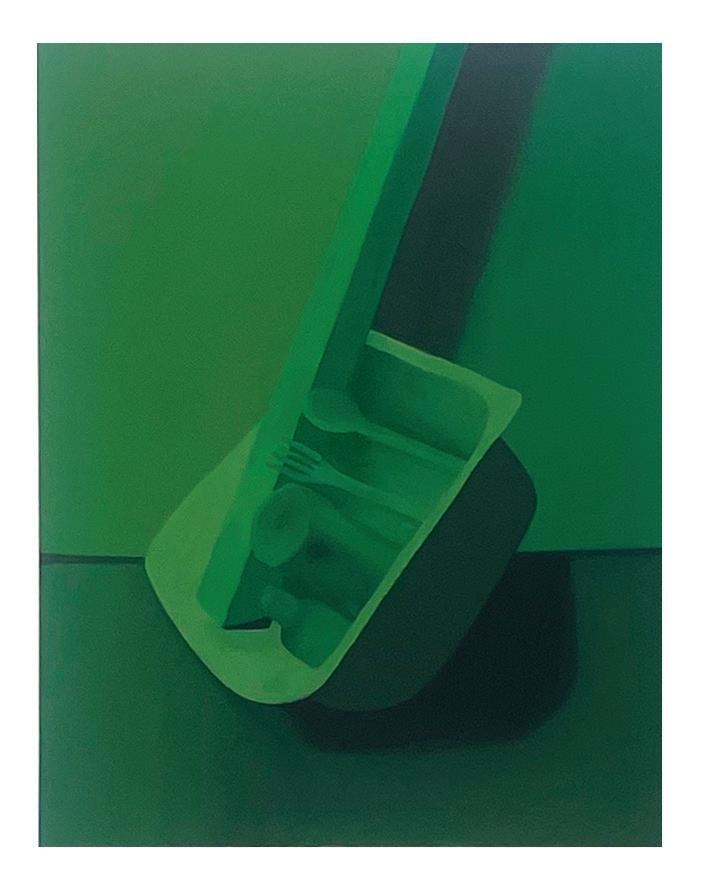
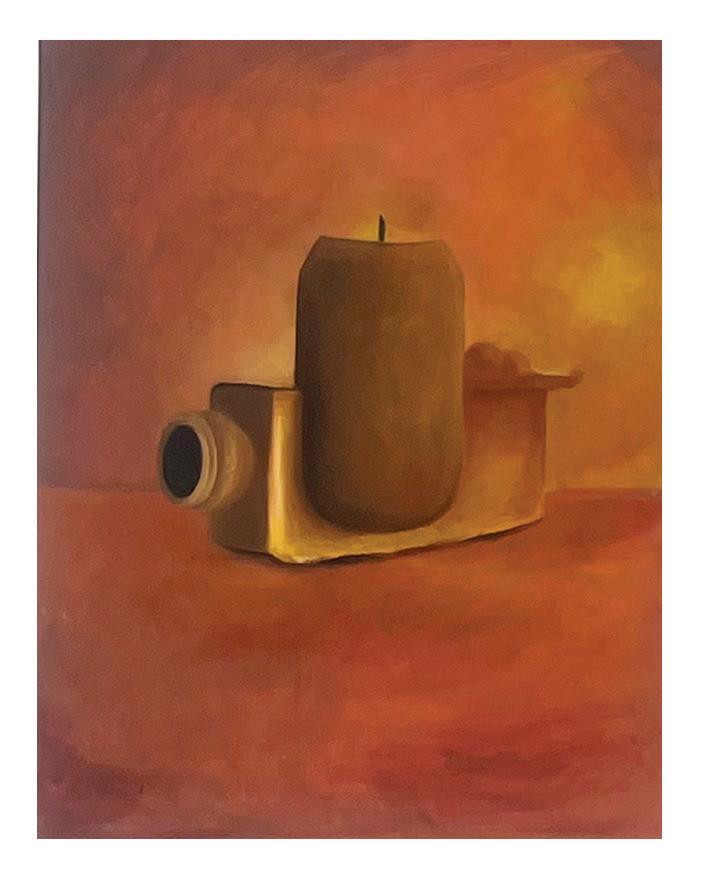
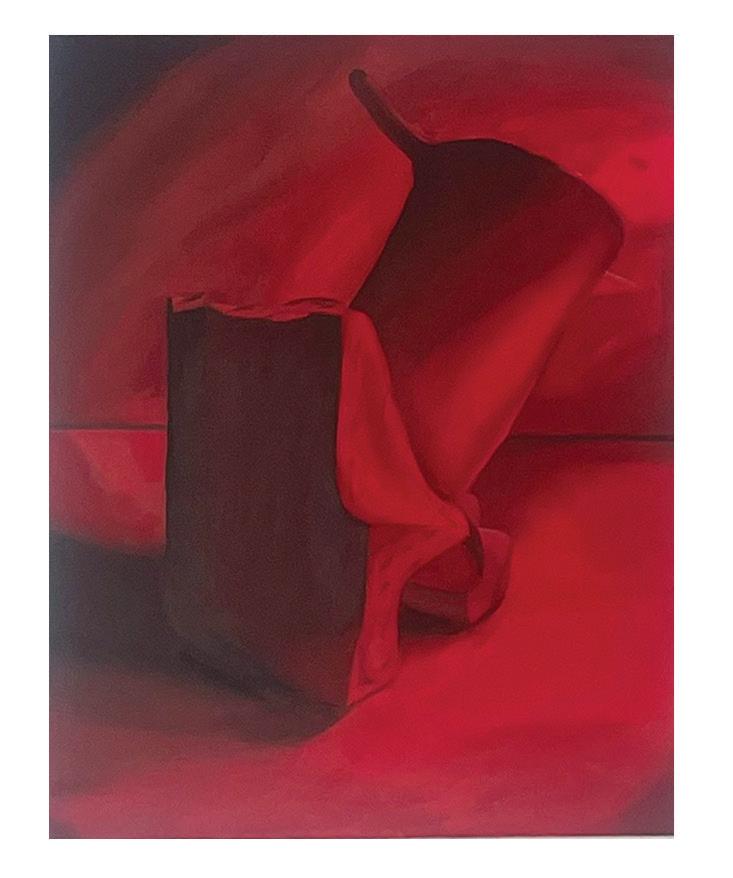
Artwork by (across from top left): Solomon Moore ’27, Luna Yang ’27, Harper Evans ’27, Demir Goksu ’27, Noah Martin ’27, Diane Kang ’27, Keilani Carter-Osterberg ’27, Alice Torosyan ’27, Amery Bell ’27, Kate Kleeman ’27, Abbie Her ’27, Ava Rossen ’27
&
B R
“In
Historian in the Making
Why
history teacher Sandra Brasda decided to join the Air Force at 17 and then go back to high school to teach
Interview by Sienna Binder ’26
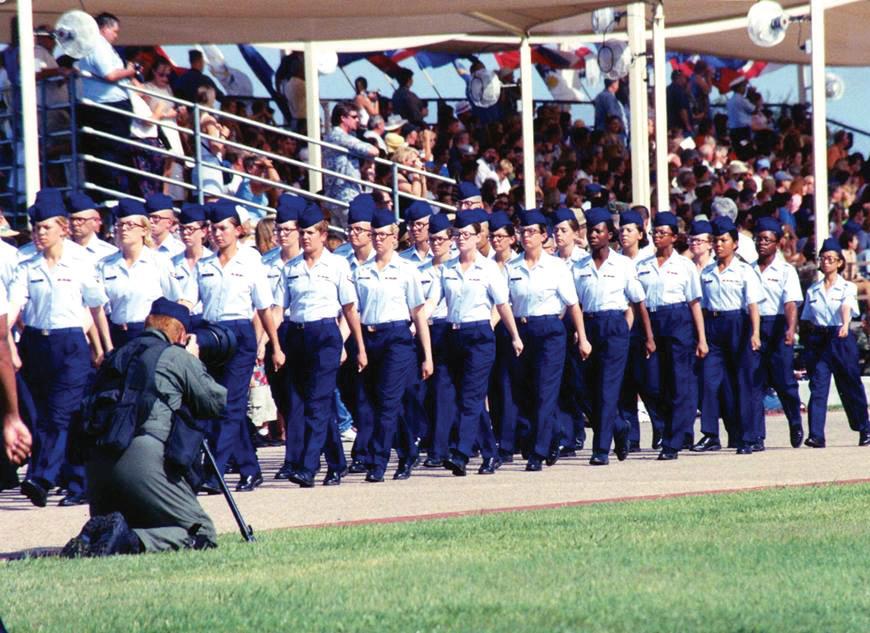
Sandra Brasda was a high school senior in Wisconsin when planes hit the World Trade Center on September 11, 2001. “It was the first period of the day, and I remember one of my friends said the towers were burning. I thought it was a joke. We went to the internet, and everything just stopped. I couldn’t believe what I was seeing. I couldn’t process my emotions. It was like slow motion, nothing made sense. So I walked out of high school and didn’t come back for a week or two. Everything seemed upside down.
that vacuum, I turned to the military. I drove myself to the recruiting station, interviewed, toured the base, and enlisted within a month of 9/11. High school seemed so small and petty, and I couldn’t keep living that life. I felt like I had a bigger, different calling, and I just started a new path.”
After joining the Air Force and attending the University of Wisconsin–Madison, Brasda decided to pursue a doctorate degree in history and teach. This year marks her eighth at Harvard-Westlake. In this interview, she reflects on how her own school experience and time in the Air Force landed her right back in high school.
S D a a
In your history classes, you teach about critical global and national moments. How has being a participant in world events informed your perspective?
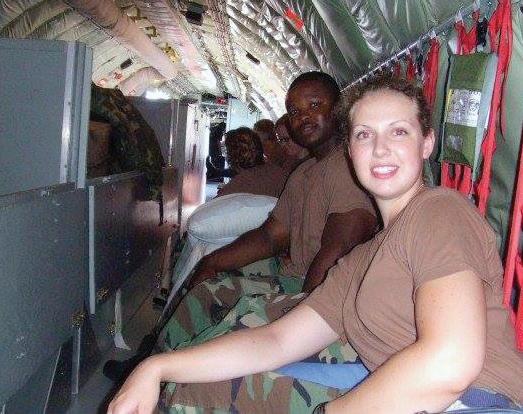
The world is so complicated and complex. Most high school students go from high school, where they’re insulated and protected, to college, where they’re still insulated and protected. The military rips you out of that comfort zone, puts you into the complete unknown, and you have to be able to navigate. I saw other cultures and environments, but not from the privileged perspective of an American tourist. As an Air Force medic, I went on humanitarian missions to Ecuador and did relief for Hurricane Katrina and border patrol in Arizona. It helped me break out of an American-centric mentality and see how we’re part of a much larger picture.
Why did you decide to teach?
My mom is a CEO and I grew up around math, so I always thought that that’s what I would go into. Then I took calculus and failed with flying colors, so I had to reevaluate. I discovered early on in high school that I had a love for history. I loved the storytelling. I loved seeing how the puzzle pieces fit together. The more you learn about history, the more that the world starts to make sense. And I really, really liked that. I couldn’t get enough of it.
But I hated my history teacher. His name was Mr. Tempest, which, I mean, you can’t make that stuff up, right? His name fit his personality and temperament perfectly. I did not find my love of history in his class, but I was a good student. All of my peers asked, “How are you getting As in his class?” He would put up his notes on the board and say “copy these down” and then leave the room, or he’d put in a documentary on VHS and we’d take notes—and So I started teaching my friends during study halls and free periods, and I really enjoyed the storytelling and seeing the moment when they started to get it and make Then it went from teaching just my friends to checking out a room in the library, where I would host these study sessions teaching 15 students. I thrived off that. It was really inspiring to see my peers, who hated history and were getting horrible grades, making sense of it. So I realized I wanted to be a history teacher way back in high school, which is crazy.
What ultimately pulled you toward studying history
more deeply?
I had to take some time off school for my deployments. After I finished my undergrad degree at the University of Wisconsin–Madison, I started working in a civilian hospital using my Air Force degree, but I didn’t feel fulfilled. I was bored out of my mind, so after four years, I decided to go to grad school to fulfill that intellectual itch.
How
did serving
in the
Air Force during college influence the way you think about
responsibility and curiosity?
In the military you learn there are two different worlds: the civilian world and the military world. They literally have two different law codes. In the military, your responsibilities are extremely clear. There’s a chain of command, and you learn what you have to do, and you just do it. You don’t have a choice, and you can’t debate or argue—there are no exceptions, there are no extensions—and you learn how to navigate that.
As far as curiosity, I loved the fact that I was able to travel. On my weekends I was going into the base, and on my breaks, I was being deployed. Being in the military while I was in college kept me much more focused because I had to be a lot more strict with my time and there were very clear consequences if I didn’t meet my responsibilities. But I got to see more of the world than I think I ever would have without the military. My brother is still in the military now, and every other day he’s calling me from some other place in the world. You don’t have the freedom to be able to do whatever you want when you’re traveling, but you can take advantage of the opportunities that constantly present themselves.
Your research focuses on 1960s America. What drew you to that era?
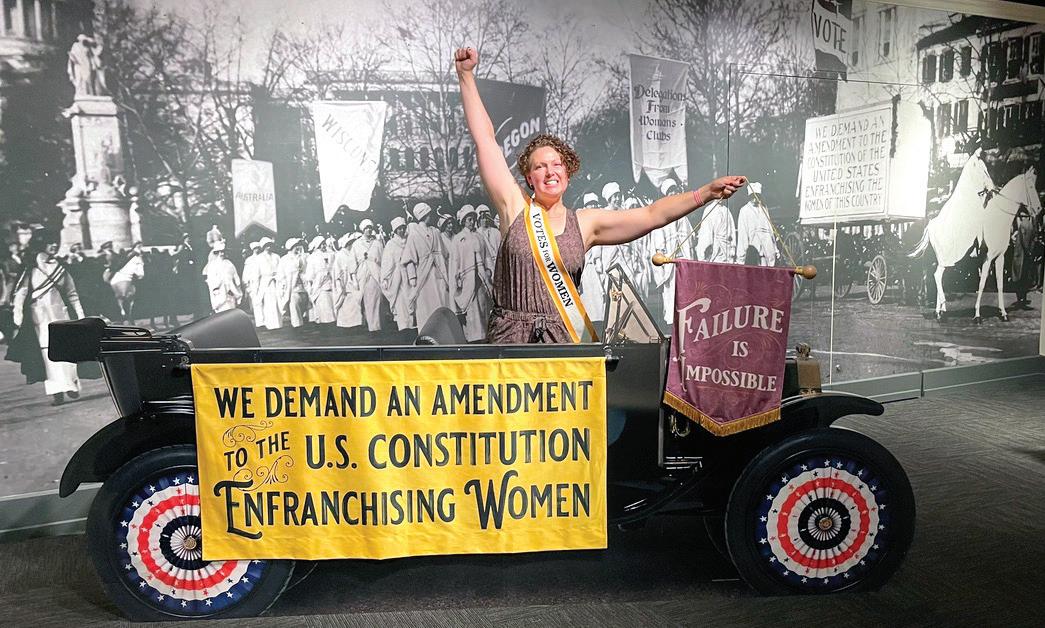
I just loved studying the ’60s. All of the social, cultural, and political movements—it was this whirlwind where so much change was happening, specifically with gender relations and women’s history. I just couldn’t believe that my mom, who was a very successful professional woman, had to go through all of that. The insanity that women couldn’t run in the Boston Marathon until 1972, and up until 1974 women couldn’t own a credit card, right? I felt this voracious thirst to learn about second-wave feminism because I was not only benefiting from it, but my mom had experienced a time when discrimination was so rampant.
How
do you think technology can enhance learning without replacing the human connection that happens in a classroom?
During COVID, I was initially excited about Zoom because I’ve always embraced technology, but Zoom quickly got tiresome and did not replace the classroom at all. It created more disengagement, so that excitement quickly wore off. Today, I’m embracing AI and thinking about how I can use this technology to be a better educator. I’m still in the era of excitement for the potential of what AI could bring, but at the same time, every single day, I’m having to ask myself, “What is it that my students need to know, and what are the skills that they need to have?” All historians are going through this existential moment of having to evaluate our value and our role.
With AI, the thing that gives me hope is that it can save teachers time and allow them to embrace more of the human experience of teaching. If AI offers content readily available at our fingertips, then it might allow us to shift our focus to more class discussion and less textbook reading. Instead we can focus on building other skills like critical thinking, discourse, and media literacy. Though even saying that makes me nervous, because I still love books. Yes, I find value in AI, but I still find value in writing and reading too. We are on a crazy journey.
How do you encourage students to question what they think they know?
I naturally take the devil’s advocate position. I might agree with you completely, but I’m going to try to think of it from a different perspective and argue against you. I’m constantly doing that, whether it’s with my family, friends, or students. I think that’s a really important part of my pedagogy. If I can get someone to pull back that veil and see something from a different perspective—to see World War II from both the American perspective and the Russian perspective, or the Mexican–American War from the American perspective and the Mexican perspective—I think that will help build empathy within our students and create more responsible, kind citizens. We need kindness and empathy. We need people to come to the middle ground. Right now, more than ever, we need people to be able to embrace a diversity of perspectives and maybe not agree with them, but to at least sit, be civil, and listen.
What values or lessons do you hope your students carry with them long after they leave your class?
Curiosity. I want them to question and challenge everything. To keep asking why and so what. I want them to talk to strangers and learn people’s stories. When you start to see the beauty in life and in stories, then you can start to see how things fit together. Never stop learning, keep reading, and keep talking to strangers.
Jack Flaherty ’14 Dodgers Pitcher, 2024
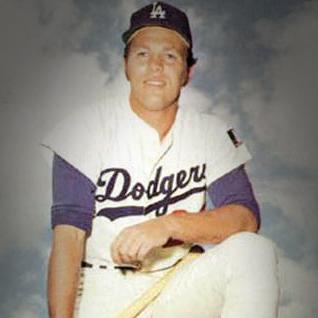
Wes Parker ’58 Dodgers First Baseman, 1964-1972
Go Big and Go Home
The Harvard-Westlake–Dodgers connection
Back-to-back World Series champions, the Dodgers have long boasted one of Major League Baseball’s top farm systems, acquiring and developing talent from around the globe—including from right here at Harvard-Westlake.
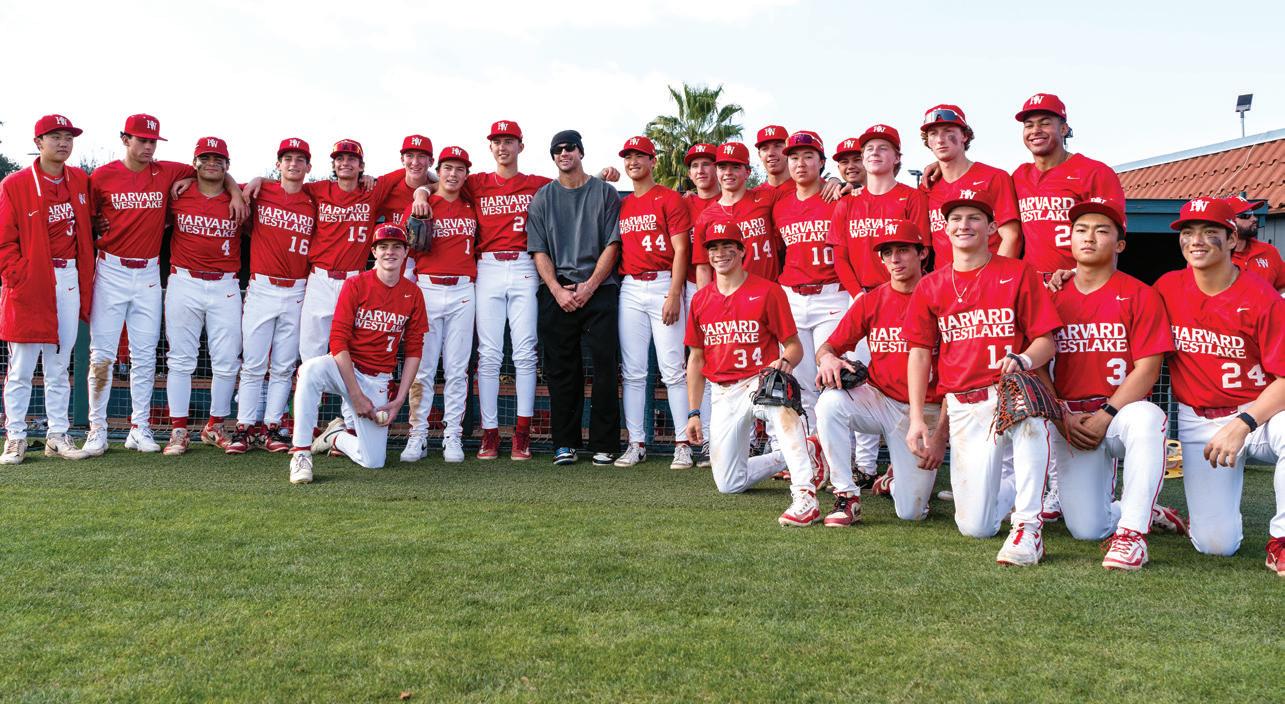
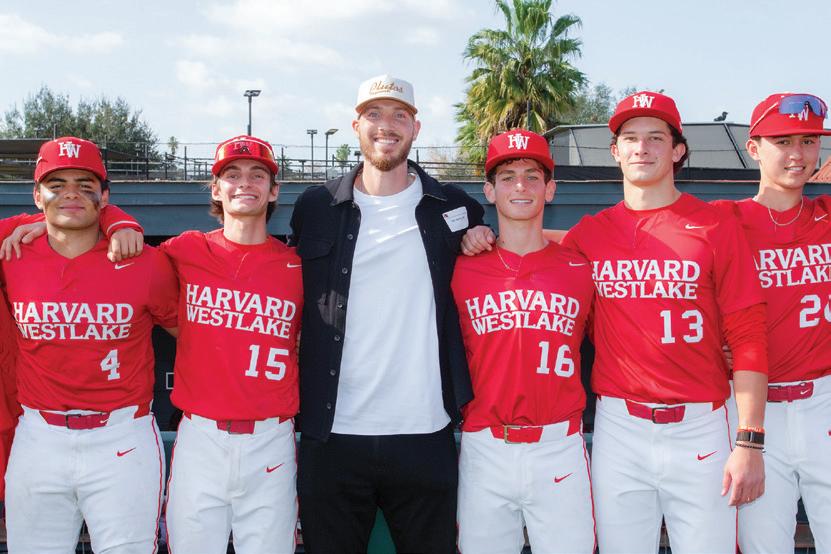
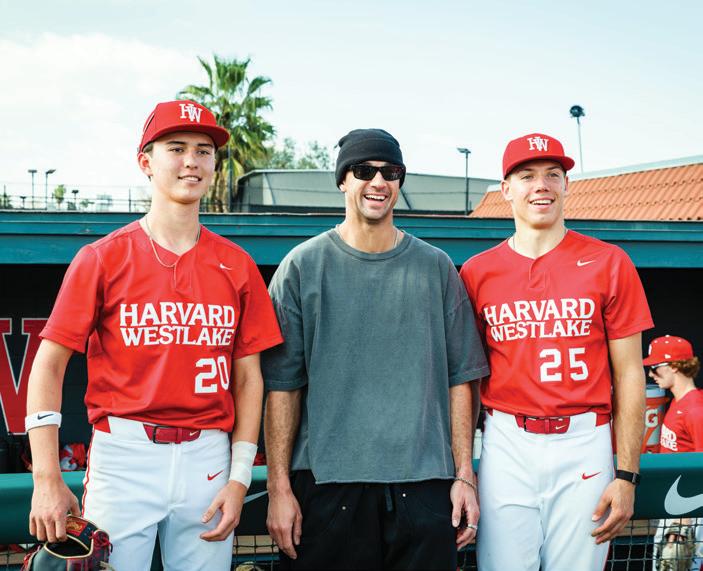
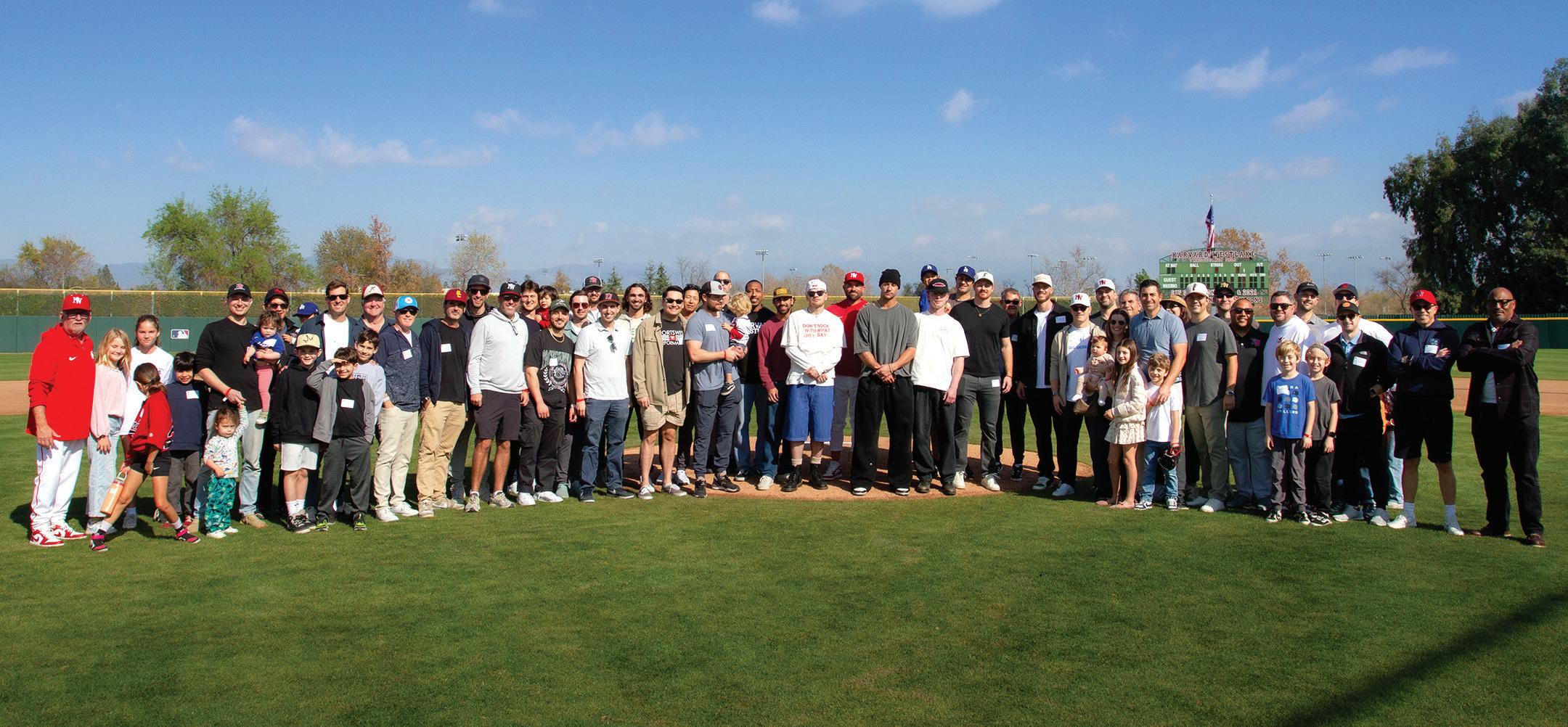
The connection goes all the way back to Wes Parker ’58, who played first base for the Dodgers from 1964 to 1972, including in the World Series in 1965 and 1966, and won the National League Gold Glove Award every year from 1967 to 1972. In fact, Parker’s high school jersey was one of the half-dozen posted on the outfield walls of Harvard-Westlake’s O’Malley Family Field on Alumni Baseball Day in January [see page 68].
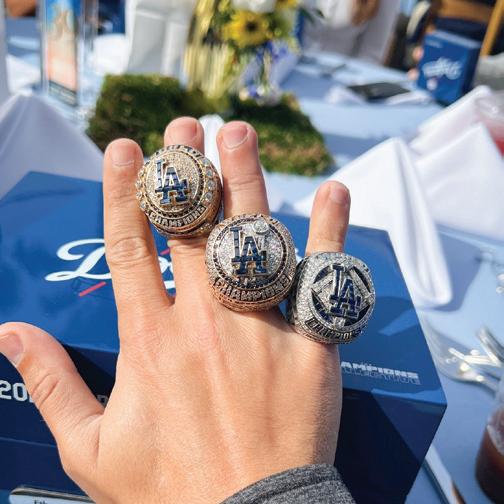
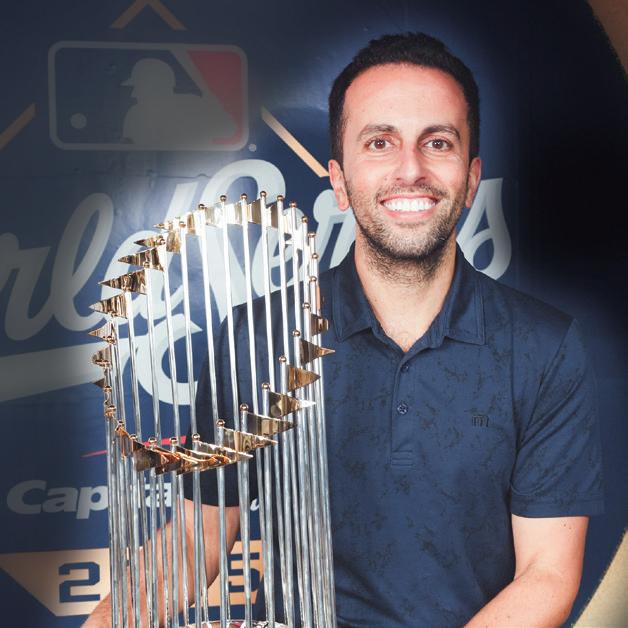
The same year Parker graduated from Harvard School, Rosalind Wiener Wyman, parent to Robert Wyman ’77 and Brad Wyman ’81, helped bring the Brooklyn Dodgers to Los Angeles. Since then, according to our estimates, dozens of members of the Westlake, Harvard, and Harvard-Westlake community have been a part of the Dodgers organization, including Jack Flaherty ’14, who played for the team in 2024; Assistant Director of Methodology Chase Aldridge ’15; and Director of Baseball Strategy and Information Ethan Levitt ’07. Furthermore, in 2024, Flaherty, Aldridge, and Levitt helped win the World Series, a first to our knowledge for three alumni from the same high school.
“Harvard-Westlake showed me what hard work was,” Jack Flaherty ’14 recalls. “It all comes down to putting in the time and effort—and then doing it at an even higher level.” And that’s exactly what he did: In 2013, Jack Flaherty ’14 pitched a complete game shutout to win the 2013 CIF Southern Section Division 1 championship at Dodger Stadium. Then in 2024, he returned to LA to play for the Dodgers and would go on to help the team win the World Series that year. Although he subsequently returned to the Detroit Tigers in 2025, he recalls his time in LA fondly. “Coming back home to play in LA was pretty surreal,” he says. “I never thought that would happen. And winning the World Series is something I’ll never forget. I have a lot of good memories at Dodger Stadium.”
Chase Aldridge ’15 Assistant Director of Methodology for the Dodgers
Ethan Levitt ’07 Director of Baseball Strategy and Information for the Dodgers
Chase Aldridge ’15 played HW baseball with Flaherty. “To this day Jack Flaherty is the best high school pitcher I’ve ever seen,” Aldridge declares. “He’s an unbelievable player. It was really exciting when he got traded to the Dodgers and I got to root for a former teammate every day. And obviously, seeing him play when we won the World Series was really cool.”
Aldridge started as a development coach for the Dodgers in 2019, so he’s already helped the team win three World Series (2020 against the Tampa Bay Rays, 2024 against the New York Yankees, and 2025 against the Toronto Blue Jays). “Last year was stressful for sure, going to seven games, and one with 18 innings,” he remembers. “But whenever you get to win, it’s a really fun time.”
Now the Assistant Director of Methodology for the Dodgers, Aldridge credits his time at HW for much of his success. “We had amazing, super impactful coaches,” he says. “I ended up walking on at Harvard [University] and playing baseball there for four years, which probably wouldn’t have happened if I hadn’t gone to Harvard-Westlake. I also learned to think critically and even got to take a sport analytics class my senior year of high school.”
Although Ethan Levitt ’07 was always a big baseball fan, he never played HW baseball. “I think I tried out for the team in eighth grade and realized I was going to stick with golf,” he says, smiling. “But I was an econ major in college around the time that Moneyball came out. That movie introduced me to a world where you could do math and sports at the
same time. I ended up doing my senior thesis on baseball economics and submitted it to a sports analytics conference, and then a team reached out and asked to talk to me. And that was the turning point where I thought, okay, we’re going to run this down.”
After starting to work at the Dodgers in operations in 2015, Levitt has since become the Director of Baseball Strategy and Information. “Ever watch a baseball game and see the players check cards in their pocket, or the coaches look at binders in the dugout?” That’s the work of Levitt and the group he oversees. “Another group builds models and generates all this sophisticated information about how players swing, how they throw the ball and move and run, and we act as the translators. Rather than sending them long essays or massive tables with a bunch of shading, we might use data visualization to drive toward simplicity and impact. What’s the most important thing I want the coach or player to know in this situation against this opponent? We figure out the right deliverable to allow them to best leverage the information.”
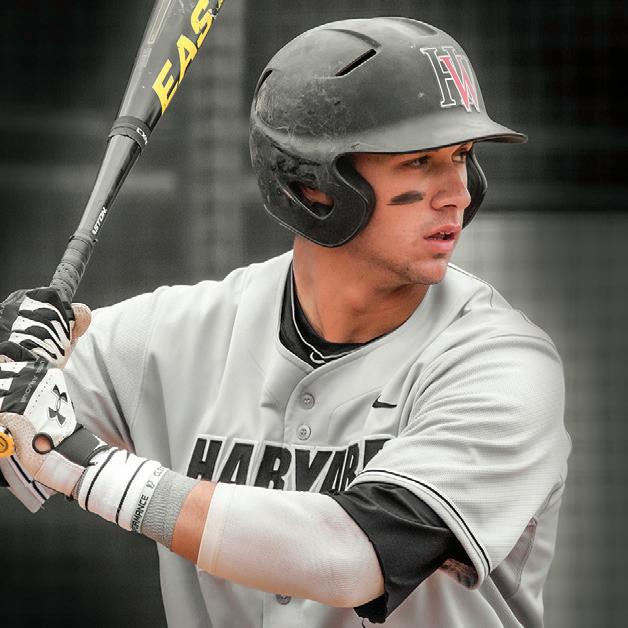
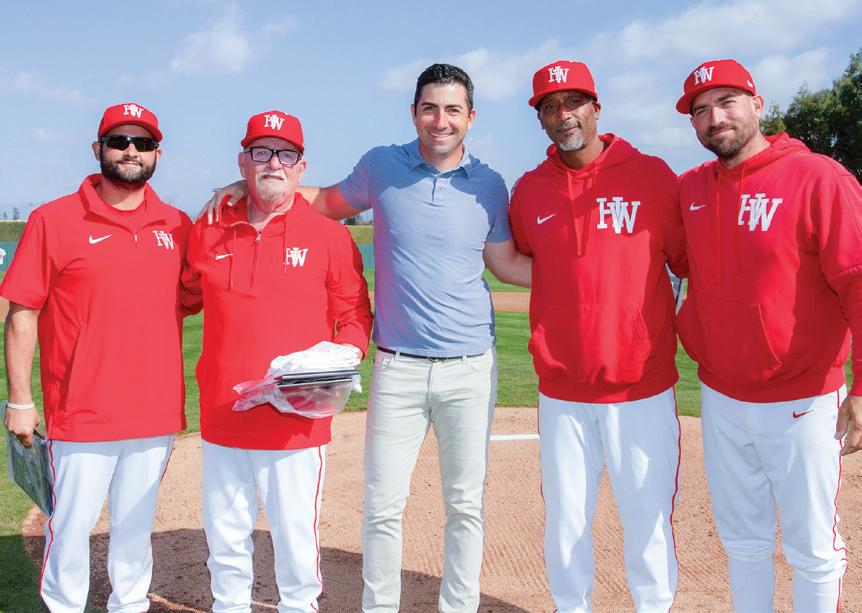
At Alumni Baseball Day, HW Athletic Director Matt LaCour, who was Aldridge and Flaherty’s head coach, reflected on the baseball program’s success. “At Harvard-Westlake, we get kids ready for life. We help our players develop, and, if they have the talent to go on and do this at the highest level, be as ready as they can be. That preparation can also lead to off-field job readiness, and our program has done a really good job of that over the years— the proof being, our continued success with alumni finding meaningful roles throughout MLB.”
The Grammarian Will See You Now
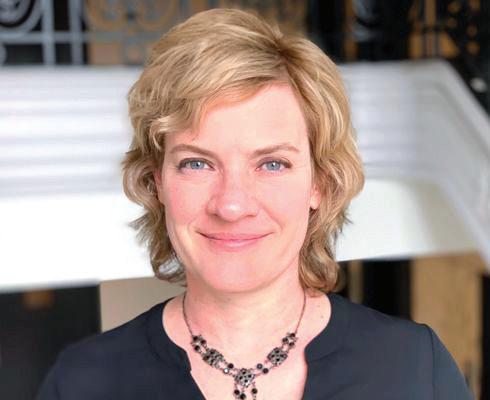
Free grammar therapy with Ellen Jovin ’83
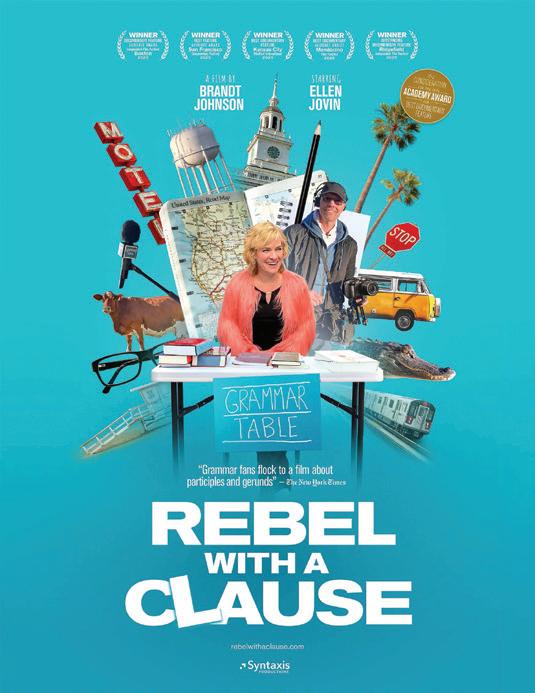
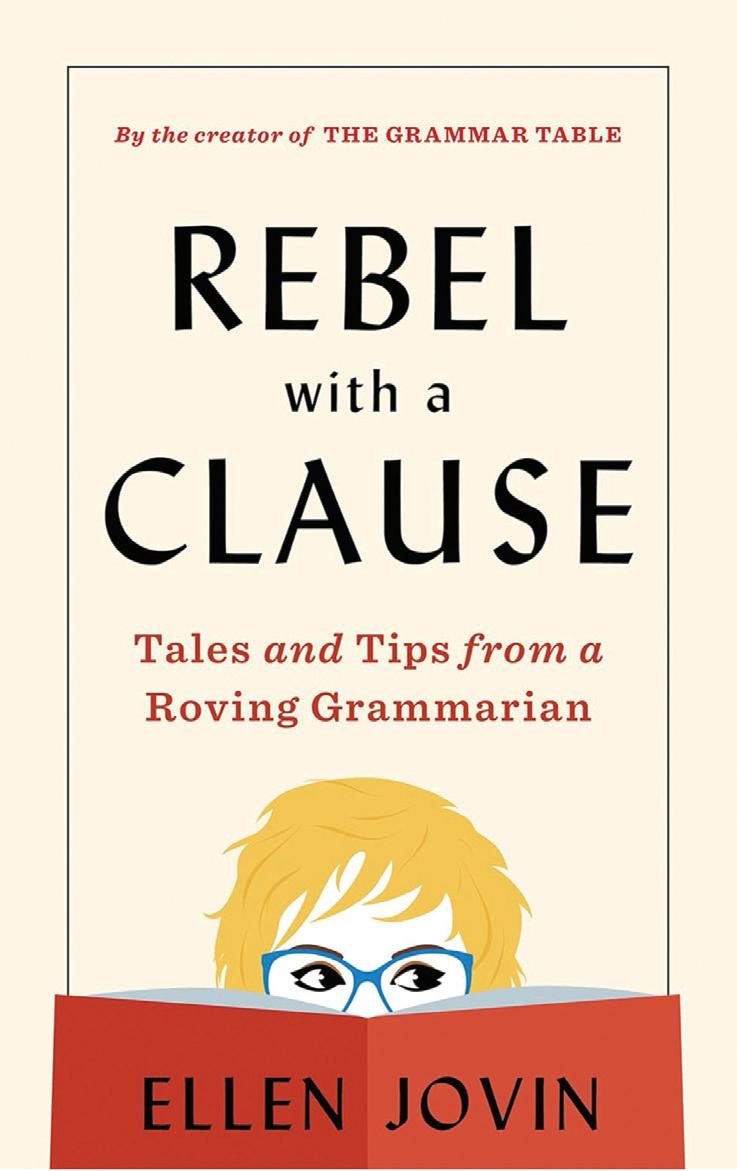
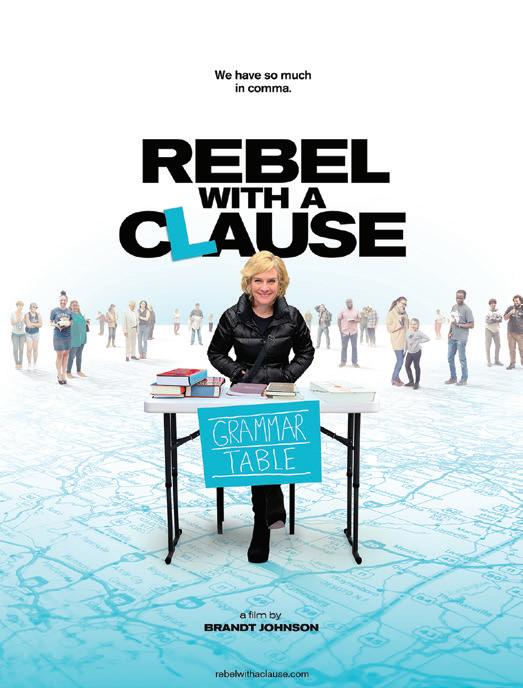
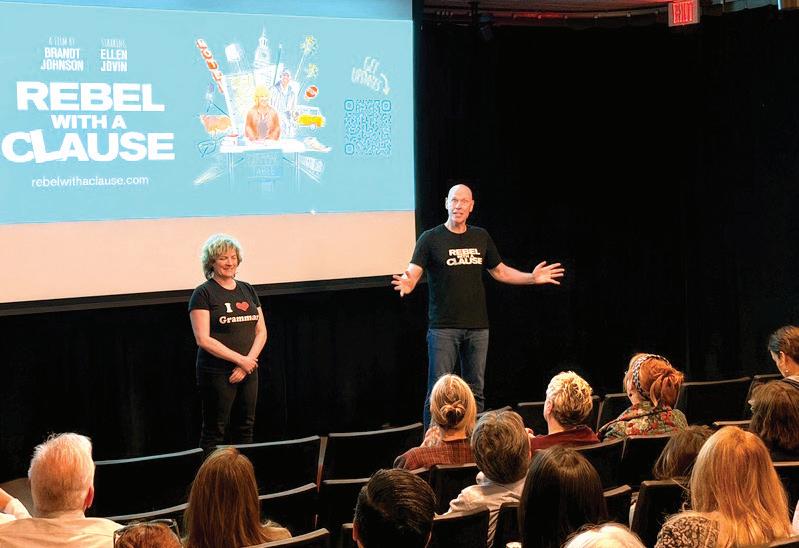
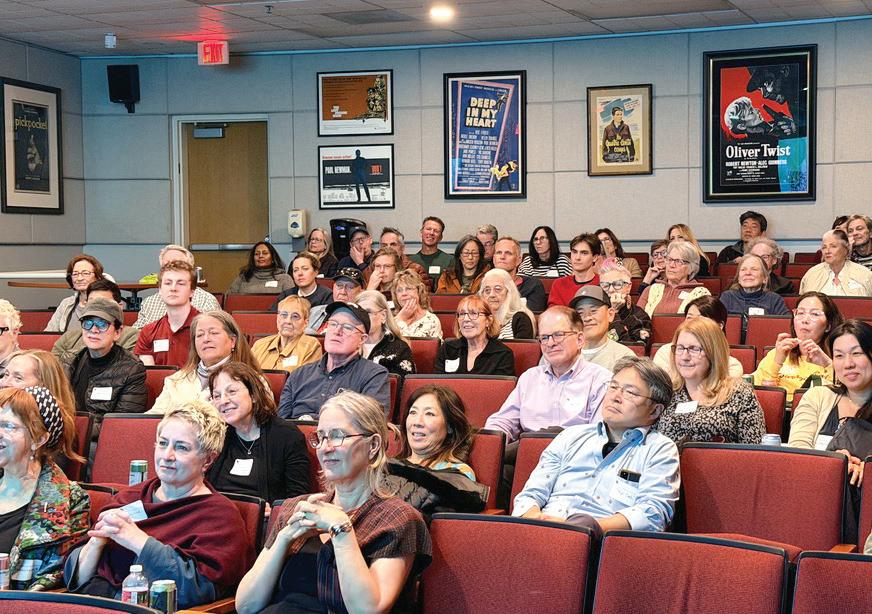
“People underestimate the cinematic draw of a grammar-themed movie,” says Ellen Jovin ’83, who stars in the new documentary Rebel with a Clause. Sure enough, it packed the house at a recent Cinema Sundays screening at the upper school’s Ahmanson Theater. As Jovin puts it, “There are lots of people who love grammar, and you don’t get that many opportunities to see the Oxford comma dramatized.”
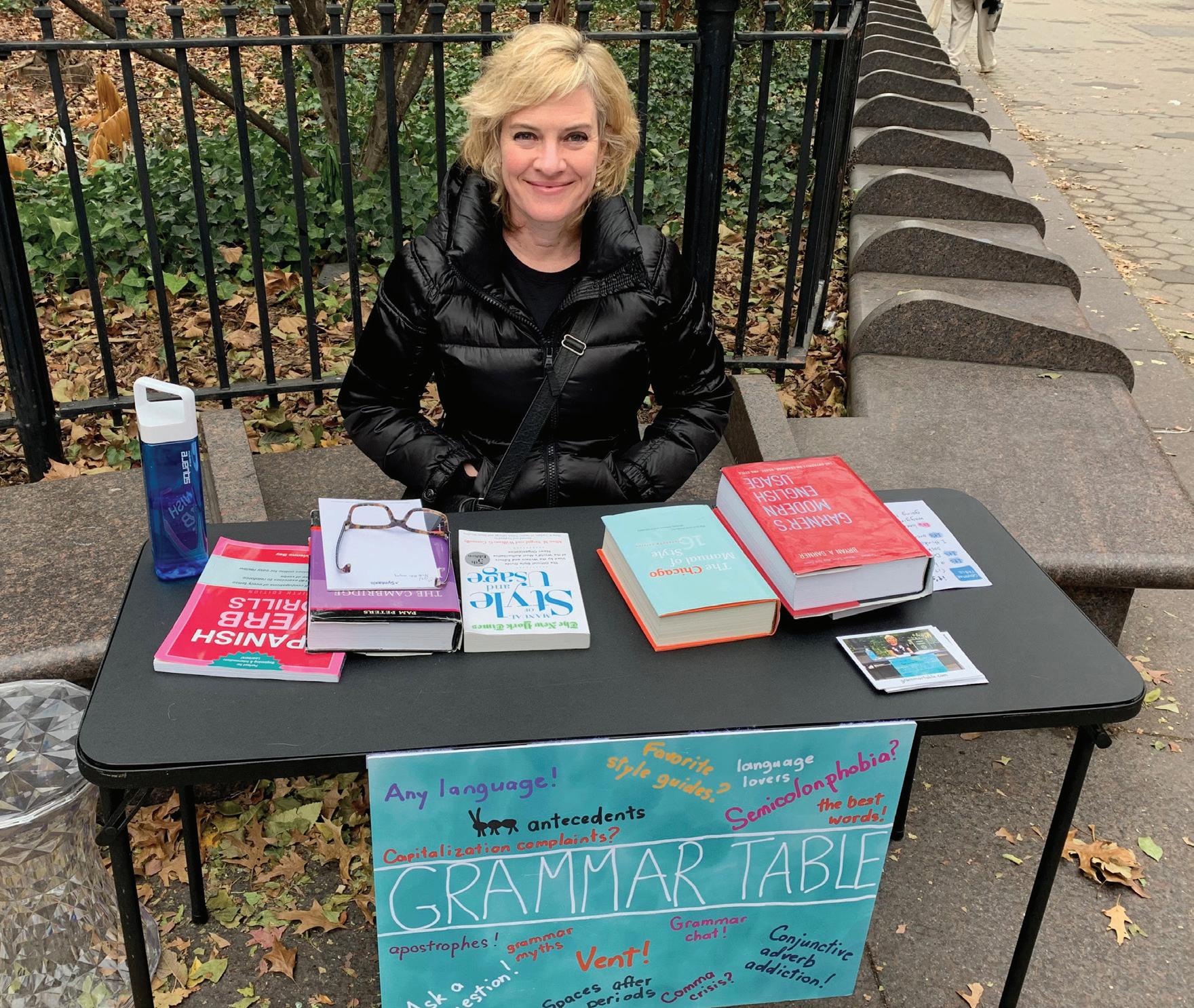
In September 2018, Jovin set up a folding table outside her Manhattan apartment building with a handwritten “Grammar Table” sign on the front: “Semicolonphobia? Capitalization complaints? Conjunctive adverb addiction! Vent! Ask a question! Any language!”
“It only took 30 seconds or so to get the first visitor,” says Jovin. And thus began the Grammar Table’s rollicking adventures, now chronicled in the documentary as well as in Jovin’s 2022 book, Rebel with a Clause: Tales and Tips from a Roving Grammarian.
Many of Jovin’s interactions with the public are both heartfelt and hilarious, like her conversation about the proper punctuation of “y’all” with two 20-something chain-smoking construction workers in Decatur, Alabama. Jovin majored in German at Harvard University and has studied 25 languages “just for fun.” In fact, her last passion project was a language learning blog called Words and Worlds of New York. “New York City has 800 languages documented, the most of any city in the world, so I used it as my language lab. It was such a beautiful experience to get a little window into how other languages work and how they’re structured and written.”
After nine years working on that blog, however, Jovin was ready for something new. “I just was spending so much time alone, on top of which my life is an avalanche of email,” she remembers. “My neck hurt. I was basically on a computer all the time. I didn’t think it was a formula for a happy existence, so I decided to move—well, at least the grammar piece of it—out to the street and just have some fun and see what would happen.”
What happened was a New York Times reporter learned about the Grammar Table and wrote an article about it two months after its first unfolding, and soon Jovin’s labor of love was covered in media outlets from the BBC to CBS Evening News. “I did not think about the Grammar Table being press friendly or as an angle for a book,” she says. “I really just did it for reasons of grammar hedonism.”
But within a few months, Jovin was taking the table on tour; by 2022, she had answered the grammar questions of passersby in all 50 states. Meanwhile, director Brandt Johnson captured it all on film for the Rebel with a Clause documentary. Johnson and Jovin also run a corporate communications skills company together called Syntaxis—and have been married for almost 30 years after being introduced in 1994 by Jovin’s friend and classmate Jenny Attiyeh ’83.
Jovin is also still in touch with her eighth grade English teacher, Barbara Beebe, who taught her diagramming, and her third and fifth grade teacher, Laura Bickle, who attended Westlake and is featured in the film.
What’s the secret to the Grammar Table’s success? “The Grammar Table is a surprise,” Jovin says. “Typically, when people see it, they aren’t expecting to encounter it, so that’s fun. And no matter how much people say they hate grammar, people do like talking about language. It gives them a chance to talk about something that’s close to their identity. I get a lot of dorky grammar jokes, but people need humor. They need the unexpected. They need community.”
Talking in public with other humans has a long tradition, says Jovin. “The Grammar Table is about connection. I don’t care what you’re talking about—canoes, derivatives—as long as it’s something you can bond around. It’s important for community building, for debating ideas—and that has a lot of value in a time when technology is atomizing society and taking us away from one another.”
To find a Rebel with a Clause screening near you, check out rebelwithaclause. com/screenings.
Comma Chameleon
Excerpted from Rebel with a Clause: Tales and Tips from a Roving Grammarian, published by Mariner Books (HarperCollins), 2022
It is fact that some people are reluctant to approach the Grammar Table. Perhaps they fear a quiz, or a hard sell, or a scolding, or—if Brandt is filming—the cameras. On a late December day in [Manhattan’s] Verdi Square, a group of three young men and three young women were eyeing me and the Grammar Table from afar. They appeared to be discussing best next steps.
“Would you like to visit?” I semi-yelled, in the semi-yell I have perfected for Grammar Table use, so that I can sound welcoming while still being heard across parks and noisy subway stations. “Nothing bad will happen,” I added as they headed over.
The ringleader, Tucker, was a cute, clean-cut guy with closely cropped light brown hair. “All right,” he said as he approached, rubbing his hands together. “I have to vent about something. The Oxford comma* I feel is an important part of grammar, and so many people don’t use it, and it frustrates me.”
As he spoke, he looked up at the sky and clapped in time to his words.
“What”—clap—“is your” —clap—“opinion”—clap—“on that?” he asked.
[…]
“I’ve gone through multiple Oxford comma phases in my life,” I said. “When I worked as a freelance reporter, I had to follow Associated Press style, and that typically leaves it out, unless the comma is needed for clarity. So I wrote article after article without it. But then about a year after I stopped freelancing, it went back into my writing. And I’m still using it. Do you use it even in simple lists?”
“All the time,” said Tucker. “One hundred percent of the time.”
“Do all of you use the Oxford comma?” I asked.
“Yes, every second,” said Kim, the woman in maroon. The other two women nodded. They formed an intimidating all-girl punctuation posse. A man in a Superman T-shirt silently raised his hand to indicate agreement. That left one holdout—and Tucker, the ringleader, pointed accusingly at him.
*In case this term is unfamiliar to you, here is a sentence containing an Oxford comma: A priest, a nun, and a sloth walked slowly into a bar.
The Oxford comma is the comma you see right before the “and” toward the end of that list.
“It depends on my mood,” said Oxford-Ambivalent Guy. “I don’t have a rule. If I feel it’s right, I use the Oxford.”
The Oxford? He didn’t even bother with the word “comma.” This was a man who could truly take the Oxford comma or leave the Oxford comma. His friends looked at him aghast.
“Are you going to be ostracized after this?” I asked, and everyone laughed.
“You know, this is the kind of thing I would expect from you,” Tucker told him.
One of my counterarguments to Oxford comma partisans involves a relatively rare appositive case. This topic came up in Santa Fe, New Mexico, where a woman named Dina asked, “The Oxford comma is always right, right?”
“It is—I mean—” I stammered. It was morning, and I was not emotionally prepared for such direct comma confrontation.
“It avoids confusion,” declared Dina.
“It does,” I said, “except I just want to be difficult and show you one place where I think it can create a little confusion.”
“Okay,” said Dina.
I wrote down this sentence and showed it to her and her companion, a man named Bernie:
I invited my mother, my first Spanish teacher, and my sister.
“So I’m going to an event, and I invite three people,” I said. “And I’m an Oxford comma user. Let’s say you don’t know the context when you see the sentence. You don’t know how many people it is.”
“No, I know it’s three people,” said Dina.
“But let’s say you don’t know,” I said.
“That could be an appositive in there,” said Bernie.
“You’re fancy,” I said. “‘My first Spanish teacher’ could be an appositive in that sentence—an alternative way to describe my mother.”
“But I would never assume an appositive,” said Dina. “For clarity, I would say ‘I invited my mother, who was my first Spanish teacher, and my sister.’”
“I’m just saying,” I said. “Because if I were a no-Oxford-comma-user here, then it would be totally clear, right?” I showed them this:
I invited my mother, my first Spanish teacher and my sister.
“No, because your mother could also be your sister,” said Dina.
“You know what?” I said. “You’re taking it to a different plane than I had in mind.”
“She’s a lawyer,” said Bernie.
Used by permission of Ellen Jovin
ELLEN JOVIN ’83 THIS ONE IS FROM Special Guest Edition
Can you answer these questions from a Westlake alum?
Excerpted from Rebel with a Clause: Tales and Tips from a Roving Grammarian, published by Mariner Books (HarperCollins), 2022
Answers on opposite page.
1. Add apostrophes as needed in the sentence below. Assume monogamy.
My cousins husbands are taking their childrens classmates to the water park.
2. After reading this chapter, I need to ______ (lie, lay) down for a bit.
Rover (laid, lay) under the covers with his head on my pillow.
She wordlessly ______ (laid, lay) thirty dollars on top of my trigonometry notes.
3. Is the punctuation in the second sentence below correct?
Grant has many creative friends. His friend, Mariela Snodgrass, is a talented animator.
4. How many additional words should be capitalized in the following sentence?
In the summer of 1982, I worked for the general manager of a footed-pajama company.
5. How does this sound?
I have fewer than thirty dollars in my wallet.
6. On vacation in Thailand, Omar has (swam, swum) daily, Coral has (ran, run) daily, and Theodore has (drank, drunk) daily.
Used by permission of Ellen Jovin
7. What are the antecedents for the underlined pronouns in the following sentence? Does anyone have their employee badge with them?
8. Zelda handed the skateboards to Ariana and (I, me).
Zelda wanted Ariana and (I, me) to stay for chocolate lava cake.
9. (Who, Whom) is your first choice for mayor?
10. She was one of the students who (was, were) awarded scholarship money to study entomology in Argentina.
EXTRA CREDIT
1. As a special quizlet for nostalgic Reed-Kellogg sentence diagrammers, diagram this sentence:
Poor Horace left the orchids in the trunk of a yellow cab.
2. How many different things can “aren’t” mean?
Two. It stands for “are not,” of course, but here’s another option: “Aren’t I the best blueberry pancake maker in the entire family?” Here it substitutes for “am not.”
“Were,” because the antecedent of “who” is “students.” Another way to think about it: Multiple students received scholarship money, and she was one of that group.
Who
me, me
What would sound absurd while simultaneously being noninclusive is this: “Does anyone have his or her employee badge with him or her?”
“Anyone,” which is singular, is the antecedent for both. This is an example of effective—and incredibly common—singular “their” and “them” use.
swum, run, drunk
Terrible and pedantic. “Less” is sometimes more.
None! Don’t capitalize seasons, and don’t capitalize ordinary business titles in standard prose. Stop leaning on that Shift key, overcapitalizers!
No, because “Mariela Snodgrass” is a restrictive appositive. Remove the commas.
lie (infinitive), lay (past tense of “to lie”), laid (past tense of “to lay”)
My cousins’ husbands are taking their children’s classmates to the water park.
EXTRA CREDIT
Artwork by Francesca Varese ’26
By Kieun Shin ’31
Hovering
By the misted glass. Watching Raindrops merging like shadows at dusk, Raindrops slowly trickling down, Blurring worlds. Some raindrops linger, And wince. Others storm off.
Skies
Heavy with tears. Wailing, Lament washing over the houses, Lament a declaration of pain. Darkening sidewalks.
Sustaining puddles like a held note Softening, glistening, Trembling and falling.
Nothing
Carries grief forever. Everything, Even the sky, must learn to let go. What falls does not vanish. It seeps into earth, a promise to return And becomes quieter. Seeds sprout. Roots extend.
Sometimes, Creations only bloom When everything has been undone.
“I enjoyed engaging with work through something unconventional like chocolate.”
Sydney Zhang ’28
II E N S R T C D
Excerpted from an article by Madison Shen ’28 and Hailey Kramar ’27 in the new student magazine Mosaic
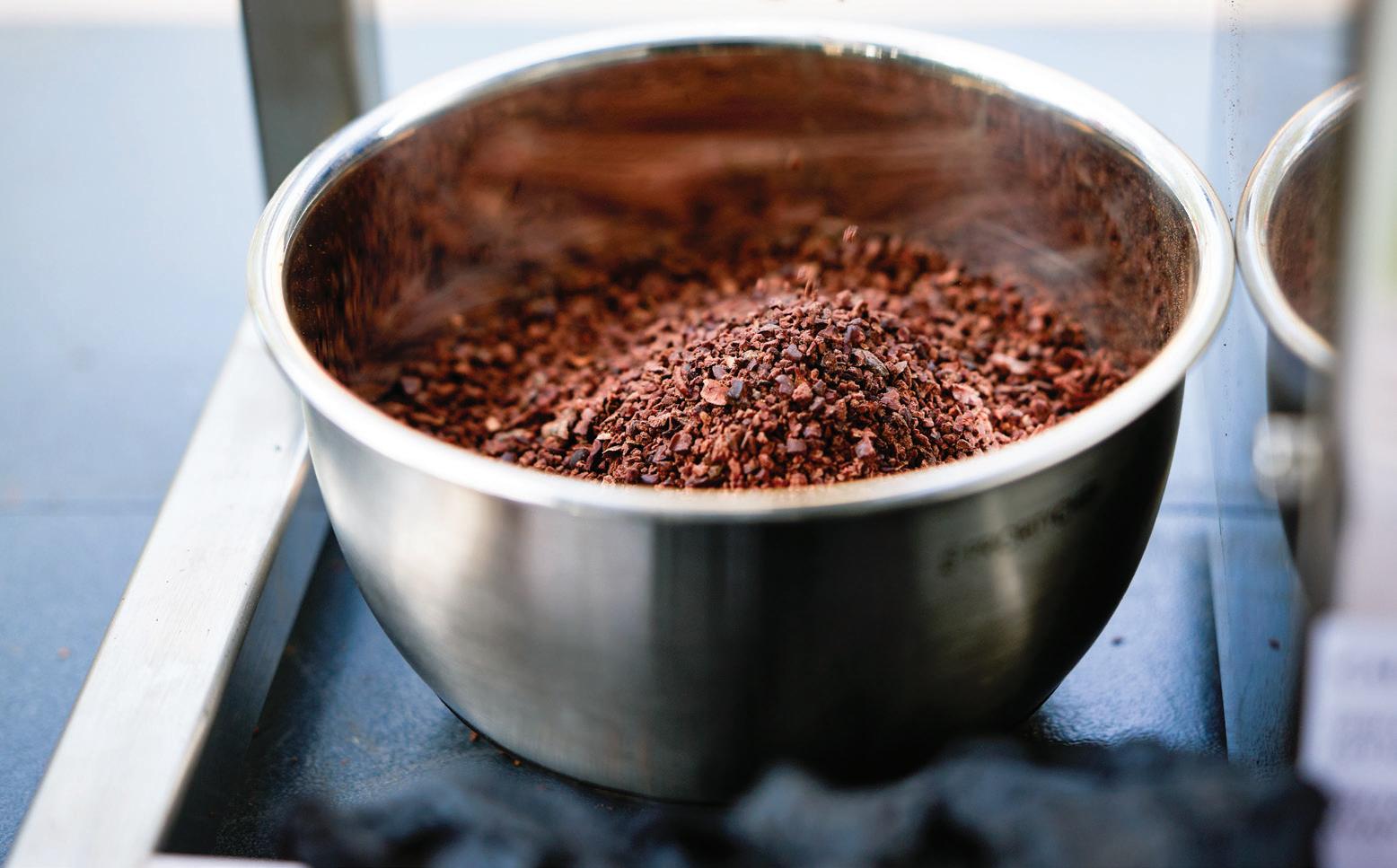
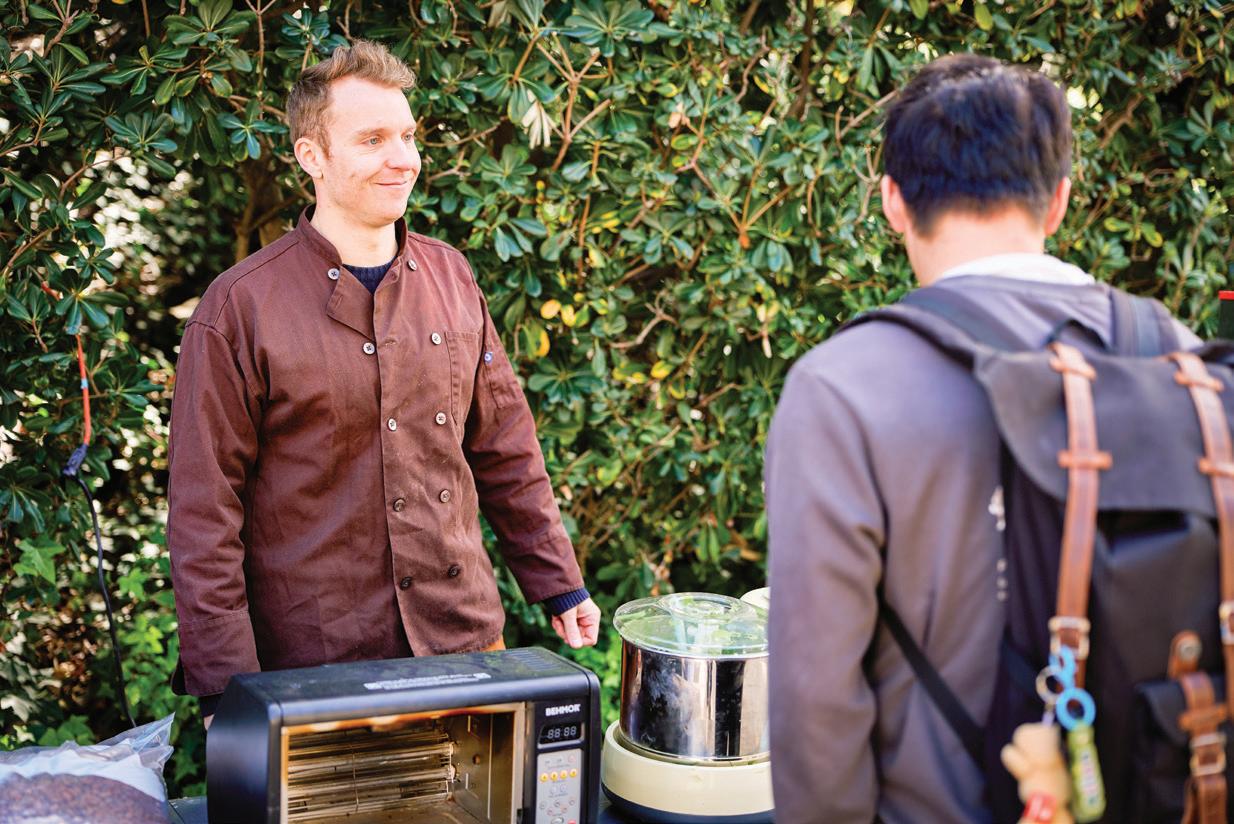
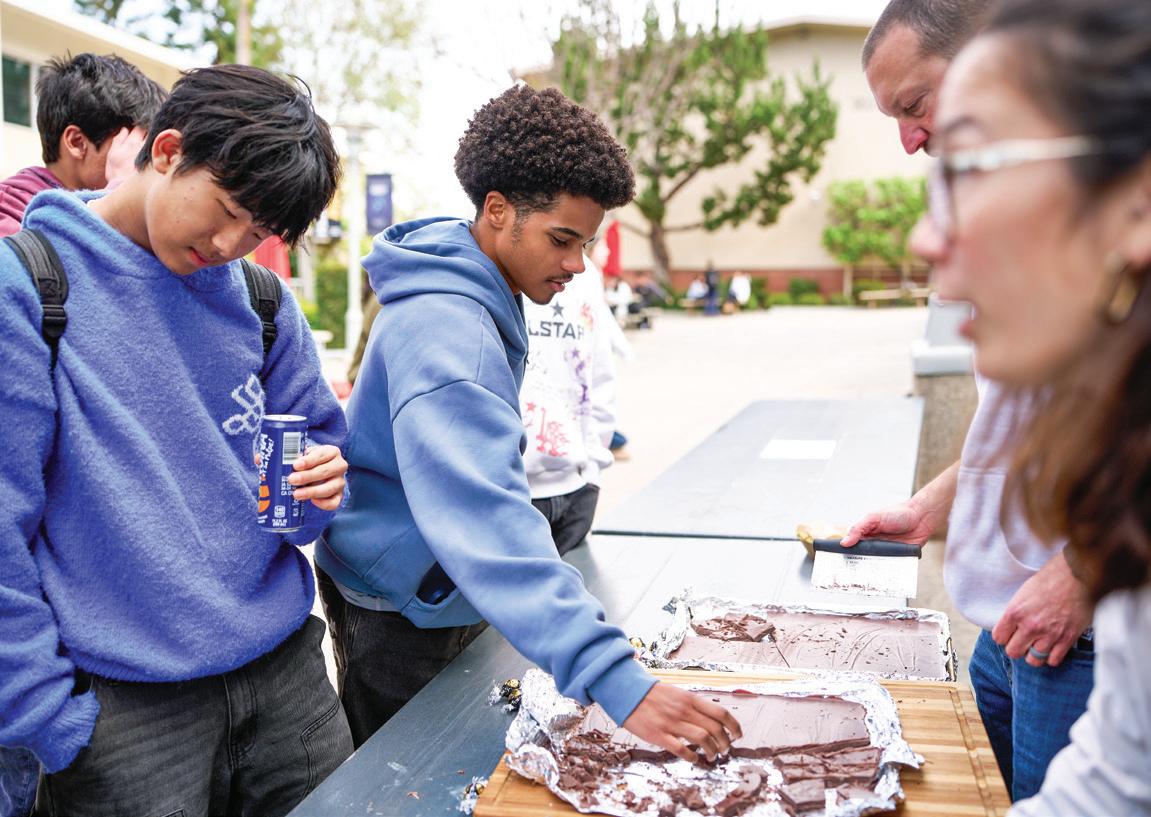
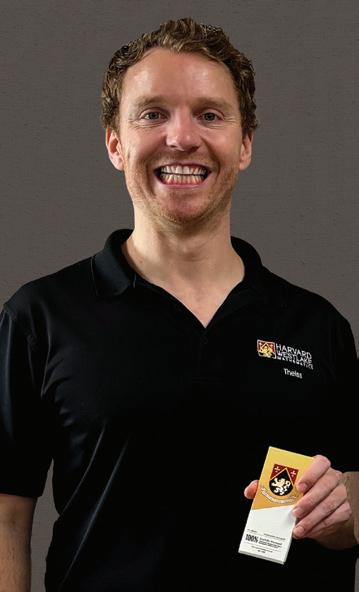
The aroma of the rich dark chocolate drifted through the quad, stopping Kirana Tjoe ’28 in her tracks. Enticed by the scent, she found herself confronted by the towering chocolate machine and a smiling Mr. Theiss, offering her freshly made chocolate. Students crowded around the stand, talking with friends and grabbing samples.
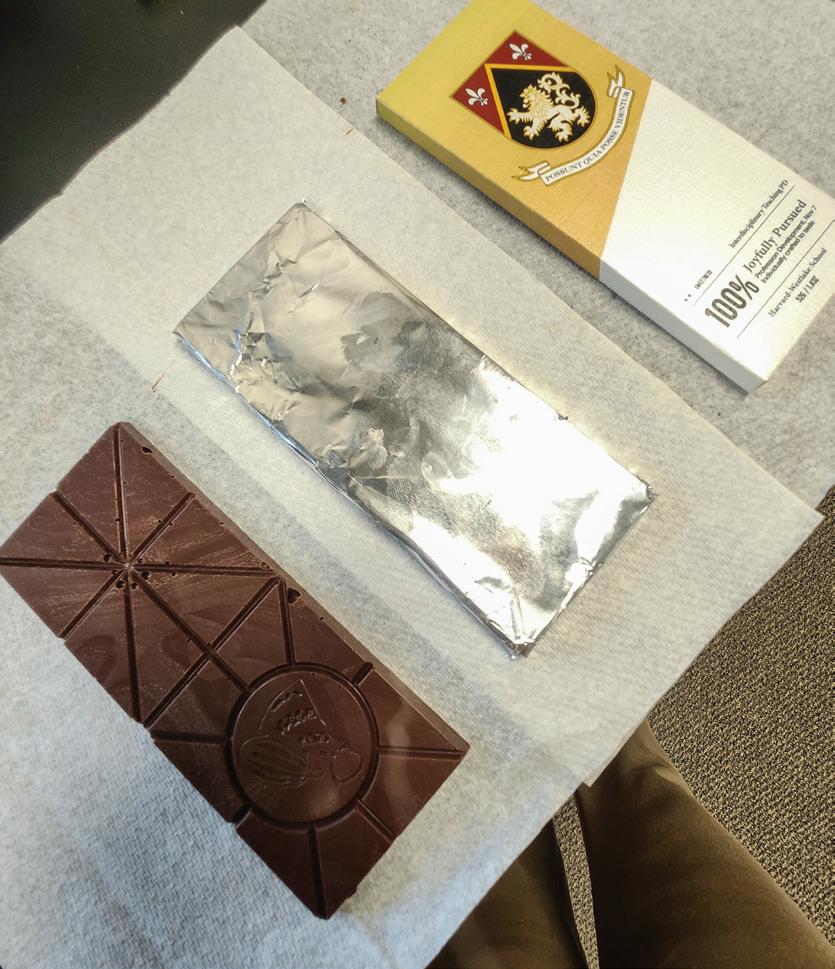
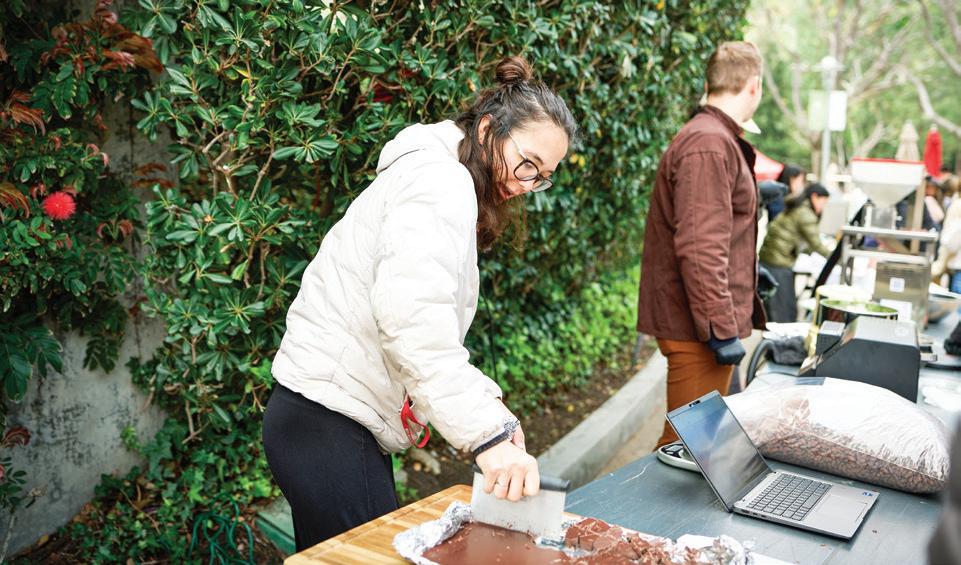
But free chocolate on the quad was more than just a midday treat. On February 19 and 20, the interdisciplinary teaching cohort organized an event called “Chocolate Day,” featuring classes from different departments that incorporated chocolate into their lectures, as well as interactive tasting stations on the quad [courtesy of upper school mathematics teacher Andrew Theiss].
“My chemistry teacher gave us test review packets with chocolate-themed questions, so that was fun,” Tjoe said.
Chinese teacher Bin He said Chocolate Day was inspired by a desire to better prepare students for future jobs through exposure to overlapping subjects.
“When you start a job, subjects are always combined,” He said. “We were thinking about whether there’s any way we can connect everybody and also make [interdisciplinary learning] more doable.”
Interdisciplinary learning involves teachers from various courses collaborating to integrate their knowledge to address common themes. Theiss said that everyday life requires multiple skills from different classes, and by teaching students in this way, they will become more committed to learning.
Photo, top right: Bin He; all others: Nicolas Monroe ’26
I A I P R N L C
C D E A E E N D Y
“Education moves at a glacial pace,” Theiss said. “We need to spice this up, because in life, we all touch on each other’s topics. What we’re doing through Chocolate Day is something that can deepen students’ experience.”
Sydney Zhang ’28 said the event helped her see connections between her classes.
“The integration and repetition of chocolate helped reinforce concepts in each of my classes,” Zhang said. “Since the topic is so versatile, I felt like my classes were more connected over the course of those days. I enjoyed engaging with work through something unconventional like chocolate.”
He said that teaching students about subjects they are passionate about will make their learning more impactful.
“Learning is all about the experience, and we already have AI,” He said. “How do you know the students [are learning]? If we can’t trigger their interest, then they will lose their passion for learning. That’s why [interdisciplinary learning] is something that can bring more joy to a [student’s] learning experience.”
While Chocolate Day was the first attempt to connect classes through interdisciplinary learning, Theiss said the Interdisciplinary Teaching Cohort is excited to host more days like Chocolate Day.
“I’m pretty optimistic for the future of our next Chocolate Day,” Theiss said. “Nobody has done this before, but we invite the athletic department, faculty, and coaches to join us. This is a big step for the interdisciplinary cohort.”
The Future Is… Chocolate Robots
Reporting by Miley Lee ’28, Tudor Hampole ’28, and Sydney Zhang ’28
GET A TASTE OF ANDREW THEISS’S PASSION FOR CHOCOLATE IN THIS BITE-SIZED Q&A.
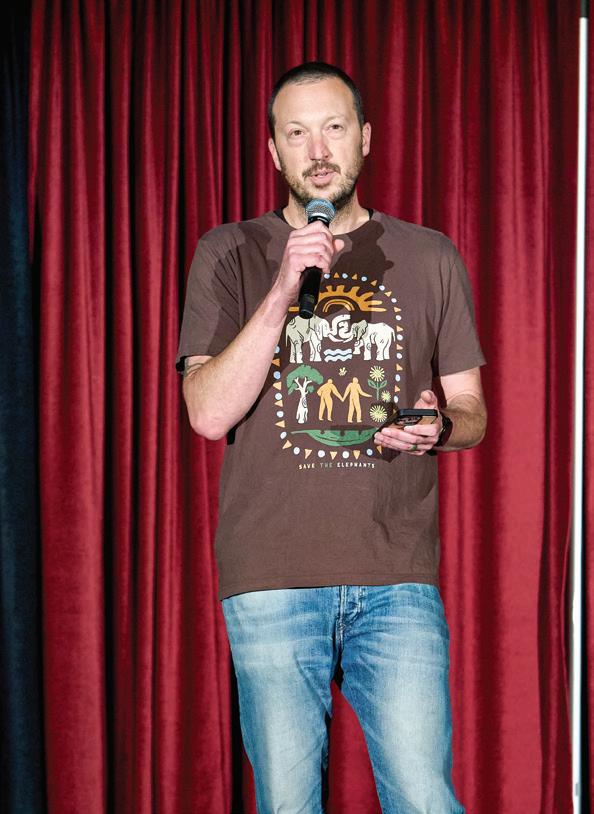
“The best part is sharing my chocolate,” said computer science teacher and chocolatier Andrew Theiss as he distributed freshly made bars to eager students on the quad. “The joy I get from it is unworldly.”
HOW DID YOU START MAKING CHOCOLATE?
Alum Michael Rosoff [’08], the guy who got me the interview at HarvardWestlake, started a trail mix business and couldn’t get high-quality cocoa beans for it during Covid. I ended up finding a place that shipped me a ton of beans, so I gave him some and kept the rest. I started mashing them up with a mortar and pestle and tried that—terrible, super disgusting— then got some machinery and went from there.
WHAT CHALLENGES HAVE YOU FACED IN MAKING YOUR CHOCOLATE?
I can’t tell you how many failures there have been. I’ve thrown out so many chocolate batches because I messed something up, like, one drop of water got in and the whole thing turned to solid rock. The production equipment breaks down and needs repairs all the time. And honestly—not a pretty one but a big one—pests have been so annoying. I had to take food safety courses and figure out how to properly store and package food—like, you can’t have contamination of any sort.
And the first time I actually started selling the chocolate, I sold a few hundred bars in three or four hours and spent every night till 2 a.m. for an entire week just folding chocolate boxes. And I’m like, wow, this is way too much manual labor to sustain longterm. I realized I needed to redesign the manufacturing process before I could scale.
HOW DID YOU DECIDE TO START SELLING IT?
It sounds sappy, but just being able to give someone a chocolate bar and a joyful moment without feeling like they owe me anything—it’s a way to show love through something I have poured a lot of time and effort into and have other people just appreciate it. I had no desire to make it a financial operation, but everyone was telling me I should, so I tried it.
WHAT ARE YOU WORKING ON FOR THE FUTURE?
It’s a little wacky, but I’m making a robot that will manufacture all the chocolate and a machine to handle the entire packaging process so I can watch TV while it perfectly packages a chocolate bar. In a year, I want to be able to produce 500 bars in less than eight hours. At some point, I want to have a family, so five years from now, my vision is to have a small-scale fully automated chocolate production facility.
WHAT ADVICE WOULD YOU GIVE TO STUDENTS WHO WANT TO START THEIR OWN BUSINESS?
Find something you care about and do that. I love making chocolate— when I’m bored, I’ll make it just for the fun of doing it. It’s truly a joy.
Photo:
Artwork by Raya Soper ’26
Artwork by Ruby Jacobs ’26
CLASS NOTES
1963
ELENA KESSLER writes, “I graduated in May 1963 and went on to graduate from Briarcliff College in 1967. I married in 1970, and my spouse and I have now been happily married for 56 years. We live in Mexico and have two children and six grandchildren, who bring us great joy. I would love to reconnect with classmates and hear what everyone has been up to over the years.”
1972
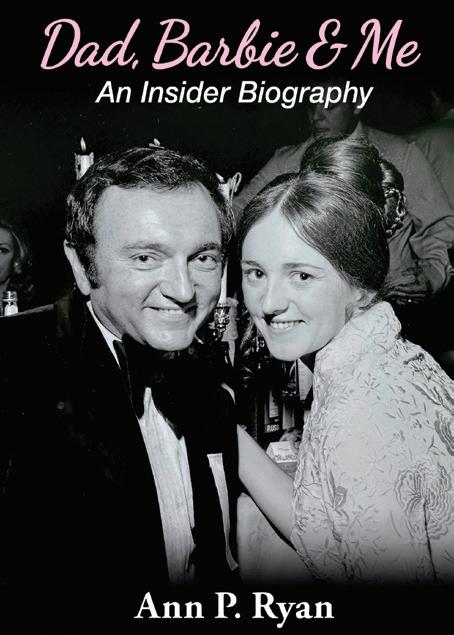
ANN RYAN writes, “I am excited to share that my new book, Dad, Barbie & Me: An Insider Biography, launched on June 1, 2026! The book provides an intimate look at the life and legacy of my father, Jack Ryan, the legendary Mattel designer and inventor of the Barbie doll. For those interested in a deeper dive into our family archives, I also host a documentary podcast called Dream House: The Real Story of Jack Ryan.”
1984
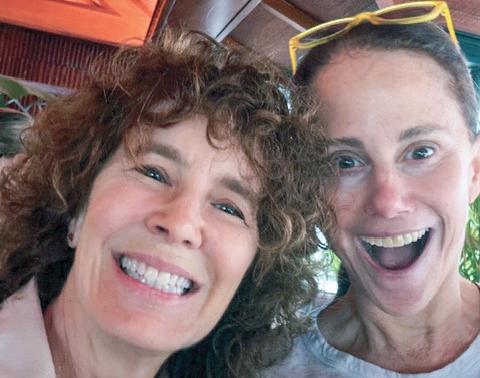
JAYNEE STRICKSTEIN BECKMAN writes, “I was so grateful to celebrate my 60th with DANA WEISS SMITH , PAM BERGLASS BERGMAN , and JENNIFER GOLDMAN HORWITZ (missed you, TERESA DRENICK !). The biggest surprise of all was finding myself in Hanoi, Vietnam, on a Backroads trip with JENNIFER KRASNOFF HOMA !”
HARVARD NOTES
1980
ERIC WARREN writes, “I’m currently living in Tulsa, Oklahoma, a city that’s been gaining attention in film and television. If you haven’t seen The Lowdown, based on the exploits of a Tulsa investigative journalist played by Ethan Hawke, I highly recommend it.
I own and run an online gardening products business, Red Earth Commerce, and also invest in and advise startup companies. One of those companies had a liquidity event in early November.
My daughter Alison is living with me and pursuing her dream of becoming a working artist, and my other daughter, Carmen, is teaching first grade in Simi Valley, California.
If we haven’t connected in a while, I’d love to hear from you—feel free to reach out at ewarren61@gmail.com.”
1990
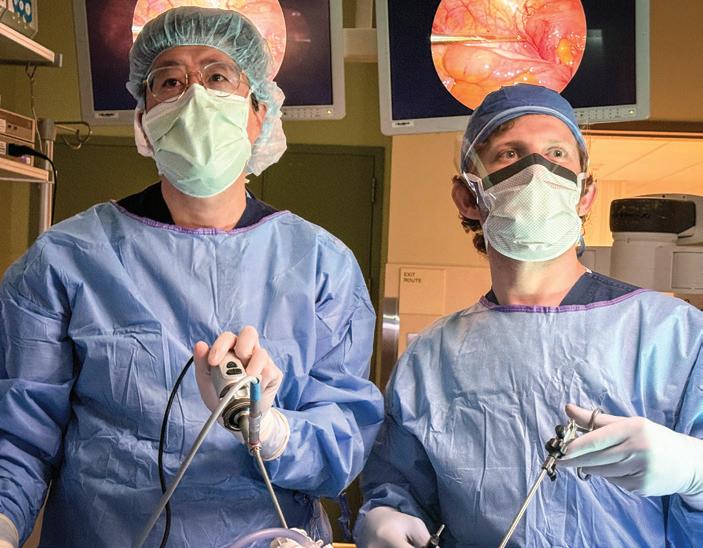
TAEHYUN PHILIP CHUNG writes, “In December, I had the privilege of having JACOB SONNENBERG ’11 rotate with me. I am a colon and rectal surgeon in San Francisco. Jake is in his second year of training. It was great to have this experience while also sharing stories of our different times at our school. We both value our education and experiences at HW greatly as a foundation for what came after. I’m on the left, and Jake is on the right in the photo. We are working together to remove an appendix.”
All class notes are submitted by alumni. If you have any news you’d like to share with our community, submit it by logging into your alumni account at hw.com/alumni or email alumni@hw.com.
1995
KATIE MORADI writes, “In 2024, I welcomed a baby boy, who is now two years old and the light of my life. It’s been a journey navigating parenthood while also running a growing law firm.
My family law firm, Moradi Neufer, has expanded to 13 attorneys since we first started in the Bay Area in 2009, with additional offices now in Los Angeles and Orange County. We specialize in complex cases, particularly for high-net-worth individuals, and handle all aspects of the family life cycle—from adoptions and surrogacy to prenuptial agreements, divorce, custody, and spousal support.
I’m grateful for how my time at HarvardWestlake helped prepare me to run a business and support clients through challenging times. We are based in San Francisco but are in Los Angeles often for work and family, so please get in touch!”
2000
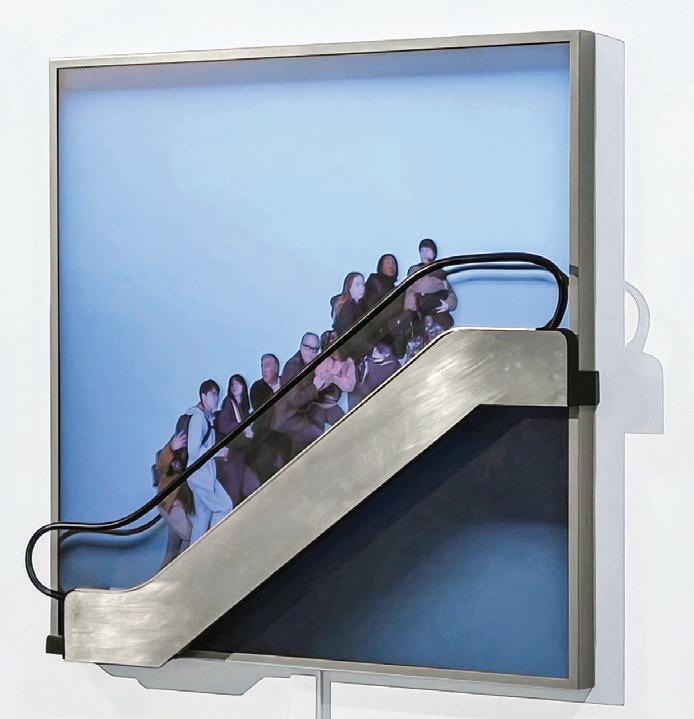
“Escalate,” a piece now in my solo show in NYC
GABRIEL BARCIA-COLOMBO writes, “I recently directed the music video for David Byrne’s single ‘Everybody Laughs’ from his new album Who Is the Sky? I also opened a solo show at C24 Gallery in New York and debuted a public commissioned work at the Exploratorium in San Francisco.”
2001
JAKE WHITE writes, “After nearly 12 years of happy marriage and raising two wonderful kids, I’m still me—just a bit grayer! I joined Jenner & Block in January 2026 as Director of Administration, and it’s wild to realize it’s been almost 20 years working in administrative roles in Big Law. I remain a Deadhead at heart and took a more spiritual turn about five years ago. I’m looking forward to seeing many of you at our reunion in May—25 years already! Cheers.”
2004
SPENCER GILBERT writes, “When a Malibu Mango smoothie was stolen from the Erewhon at Sportsmen’s Lodge, circumstantial evidence and my own wild behavior led to my wrongful conviction and a sentence of hard labor at Sherman Oaks Castle mini golf. Since then, I have undergone significant moral and spiritual transformation, accepting responsibility for my flawed life even though I am innocent of the crime. (Portions of this story may be fictional, but truthfully, my family and I are happily settled in Valley Village, enjoying our closeness to both Sportsmen’s Lodge and the upper campus.)”
2011
KATIE SCHREIER LAUBER writes, “My husband Nick and I joyously welcomed our daughter, Eloise Thomas Lauber, on August 31, 2025.”
2024
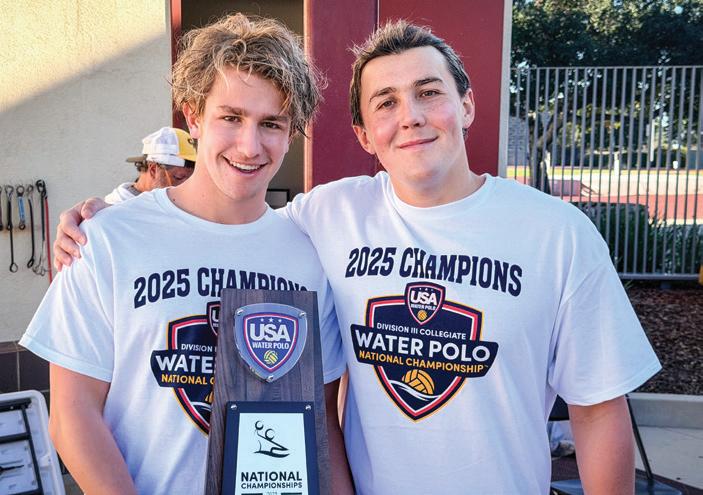
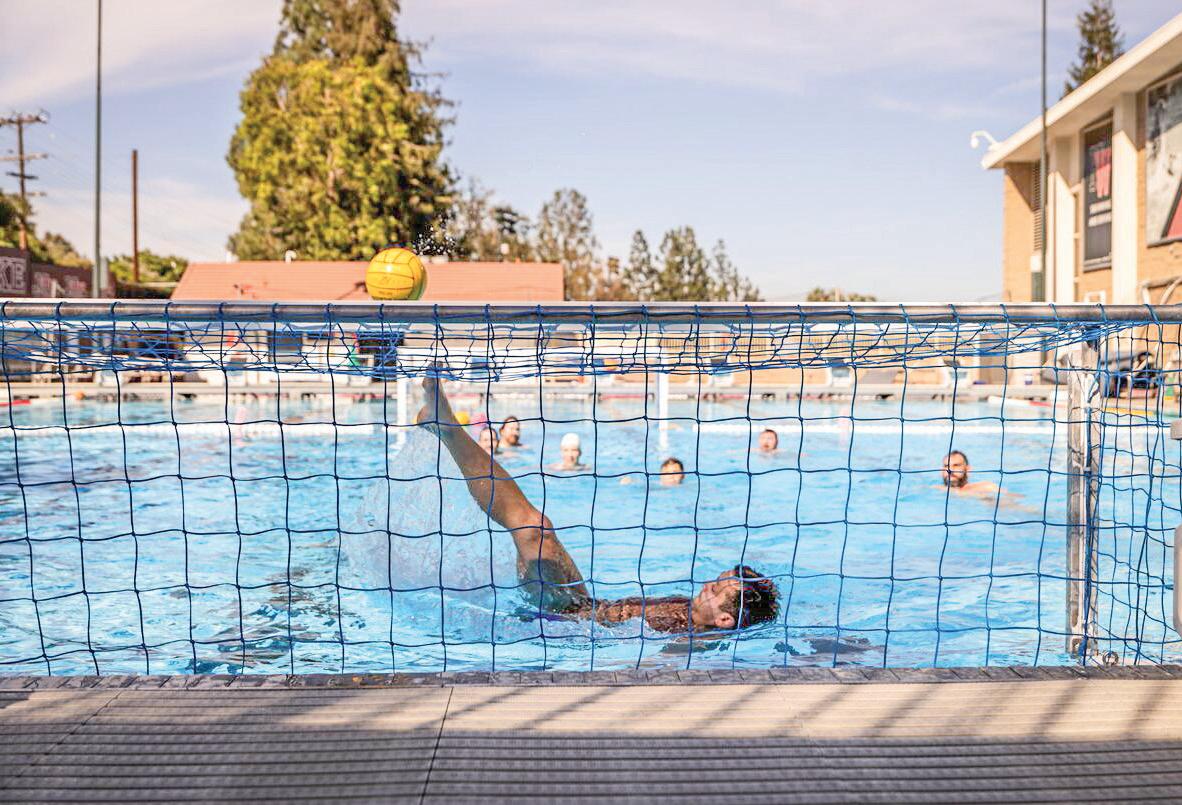
ASHER ENGELBERG writes, “I’m thrilled to share that JEFFREY KORETZ ’23 and I helped bring home a Division III national championship for Claremont Mudd Scripps water polo! The 2025 USA Water Polo Division III Men’s Collegiate Championship wrapped up at our home pool—Axelrod Pool in Claremont—on December 6–7, 2025. CMS defeated PomonaPitzer 9–4 in the final. It was incredible to play in front of our home crowd and to help bring the title back to CMS. Go Stags!”
Image from the David Byrne video
FACULTLY & STAFF
FORMER DEAN JON CARROLL writes, “It has been an exciting experience to immerse myself in the Inglewood community as we get ready to open Jabali Academy in the fall. We have great interest and have been able to enroll some wonderful children. We can’t wait to welcome them to their new school home in August. Feel free to reach out if you want to drop in and see our progress. Miss you all.”
FORMER DEAN AND WORLD LANGUAGES TEACHER JORDAN HAMPTON writes, “I left Harvard-Westlake in 1995 to go to graduate school to become a nurse practitioner, and for the past 26 years I have worked for Massachusetts General Hospital and run the school-based health center at Chelsea High School just outside of Boston. I live in Belmont, Massachusetts, with my partner, Paul, and our daughter, Grace, who is now 16. I still miss LA and get back to visit as often as possible, and I treasure the years I spent at HW and the relationships I formed while there. What a special place!”
WORLD LANGUAGES TEACHER BIN HE writes, “I’m honored to share that my project, ‘Bridging China and the World: Classical Chinese Literature as a Framework for Global Citizenship,’ received first prize at the 2025–2026 Beijing Language and Culture University Press (BLCUP) Award for Innovative Excellence in the Teaching of Chinese as a Foreign Language, a national award presented by the Chinese Language Teachers Association (CLTA), USA.
Since the award’s launch in 2021, I am the only K–12 school educator to receive this honor. The project reflects my ongoing work at Harvard-Westlake to connect classical Chinese literature with contemporary global issues through student-centered interdisciplinary learning.”
HISTORY TEACHER MARK NELSON writes, “My wife, Tam, and I welcomed our second daughter, Maia, at the end of October. She is thriving and frequently complimented on her all-natural ‘rock star’ hair and sweet nature. We are all enjoying life together.”
Current and former teachers and staff members can share their news by emailing Elizabeth Hurchalla at ehurchalla@hw.com .
FORMER DIRECTOR OF MAJOR AND PLANNED
GIVING JIM PATTISON writes, “I was in Seattle for the annual CASE-NAIS Conference (chaired by HW Head of Advancement ELI GOLDSMITH ) for a presentation on fundraising. In a session led by DIRECTOR OF MAJOR AND PLANNED GIVING KATE VILLASENOR and DIRECTOR OF ALUMNI RELATIONS SAM DE CASTRO ABEGER ’07 , alum RAMY ABU-KHALIL ’96 recounted how our initial conversation led to a wonderful gift to HW. I am pictured here with Ramy.”
SCIENCE TEACHER JESUS SALAS writes, “The audiobook version of my first fantasy novel, The Sword of Vega, was released this past November. It’s available on Audible and Apple Books.”
FORMER PSYCHOLOGIST SHEILA SIEGEL writes, “After retiring from HarvardWestlake, I tried relaxing, but I flunked retirement. I started doing international antislavery work, traveling to Haiti, Ghana, Nepal, and India teaching people who were friends of slaves how to deal with the trauma they were experiencing. Then I started working at a safe place for youth with homeless teens in Venice, and from there I began supervising at Southern California Counseling Center. One of my students referred me to Antioch and ever since I have been supervising graduate students who are counseling as well as teaching as a professor in the graduate school.”
FORMER HISTORY TEACHER DAVE WATERHOUSE writes, “My new book, The History of Los Angeles: From First Settlement to 2024, just became available on Amazon. It is the only comprehensive one-volume history of the city in existence. When I am not writing history books, I have been helping take care of my three grandsons, playing golf, and writing a novel.”
PERFORMING ARTS TEACHER STARR WAYNE writes, “Our daughter, LAUREL J. WAYNE ROBBINS ’13 , and her husband, Curtis Robbins, had their first child, Arthur Stanley Robbins, on December 30, 2025.”
ADVANCEMENT ADMINISTRATOR AND PARENT OF ALUM STACI WILLIAMS writes, “The Williams family welcomed our first grandbaby last summer. His name is James Xavier and we call him ‘Jax’! We are all in love, including Auntie CAMRYN WILLIAMS ’22 .”
Remembering Jason Collins ’97
Jason Collins ’97, the trailblazing center who became the first openly gay player in the NBA, passed away in May after battling brain cancer.
Jason is survived by his husband, Brunson Green; his brother, Jarron Collins ’97; his mother, Parents’ Activities Liaison Portia Collins; his father, Paul Collins; his nieces, Alessandra Collins ’27 and Valentina Collins ’29; his nephew, Massimo Collins ’31; and his sister-in-law, Elsa Collins
“Jason changed lives in unexpected ways and was an inspiration to all who knew him and to those who admired him from afar,” the family said in a statement. “We are grateful for the outpouring of love and prayers over the past eight months and for the exceptional medical care Jason received from his doctors and nurses. Our family will miss him dearly.”
The Collins twins arrived at Harvard-Westlake as ninth graders in 1993, ushering in a new era for Wolverine basketball. Known as a tough, driven player, Jason and his brother led Harvard-Westlake to back-to-back CIF State Championships in 1996 and 1997.
The twins’ success continued at Stanford University, where they helped the Cardinal net multiple NCAA Tournament appearances. In the aughts, Jason and Jarron also started an annual HW summer basketball camp that ran for two decades.
Just shy of seven feet tall, Jason started playing for the New Jersey Nets in 2001 and helped the team make it to the NBA Finals twice. Over his 13 seasons in the NBA, he also played for the Memphis Grizzlies, Minnesota Timberwolves, Atlanta Hawks, Boston Celtics, Washington Wizards, and Brooklyn Nets. In 2012, Jason started wearing jersey number 98 in honor of Matthew Shepard, a gay college student who was murdered in 1998.
Jason made history when he came out in a groundbreaking Sports Illustrated cover story in May 2013, becoming the first openly gay athlete to compete in the NBA, NFL, MLB, or NHL.
In 2014, Jason retired from professional basketball and dedicated himself to service as an NBA Cares Ambassador. He traveled globally speaking to students, hosting basketball clinics, and supporting LGBTQ inclusion in sports.
A few months after marrying film producer Brunson Green in May 2025, Collins began experiencing serious health issues. In December, he went public with his cancer diagnosis, sharing his story with ESPN much as he had done with Sports Illustrated more than a decade earlier. “I can honestly say, the past 12 years since have been the best of my life,” he told ESPN. “Your life is so much better when you just show up as your true self.”
In his final months, Jason continued to speak publicly in support of LGBTQ rights, advocate for others facing cancer, attend his nieces’ and nephew’s HarvardWestlake basketball games, and spend time with family and former classmates.
In January, the LGBTQ Sports Hall of Fame announced that Collins would receive the 2026 Glenn Burke Advocacy & Activism Award this summer. He was also honored with the inaugural Bill Walton Global Champion Award at the Green Sports Alliance Summit in May. Jarron accepted that award on Jason’s behalf, describing his brother as the “bravest, strongest man I’ve ever known.”
Jason Collins was not only an incredible basketball player, he was an incredible person—a pioneer who will be forever remembered for the courage and compassion that defined his life.
HWKAAN: THIS IS WHAT IT SOUNDS LIKE— KA’S IN HOLLYWOOD
Panelists Steph Cha ’03, Daniel Chun, Bob Kim, and Mo Rhim shared insights on their careers and perspectives on Korean American representation in the entertainment industry. Special thanks to Bobby Ahn ’94 for hosting and moderating at Eastwood and to the HW Korean American Alumni Network Board for organizing such an engaging panel.
HWAAAN BLACK FRIDAY
Over Thanksgiving weekend, the HW African American Alumni Network hosted its third annual (and biggest yet!) Black Friday celebration at Johnny’s in West Adams. Thank you to the more than 60 alumni who came and helped continue this growing tradition.
HW LEGAL/AYK ESTATE PLANNING EVENT
The HW Alumni with Young Kids Network partnered with the HW Legal Network to host an informative program designed to support young families as they plan for their financial futures. Panelists David Horvitz ’92, Megan Ferkel Earhart ’02, and Jenna Glassock ’03, joined by moderator Michael Freedman ’01, shared strategies and best practices for financial preparedness.
DECEMBER 6, 2025
LGBTQ+ ALUMNI NETWORK & HW PRIDE JINGLE AND MINGLE
The HW LGBTQ+ Alumni Network and HW Pride welcomed Harvard-Westlake alumni, students, families, and friends for a joyful evening of holiday cheer complete with seasonal treats and an impressive display of delightfully ugly sweaters. Thanks to the Cahill-Gurr P’30 family for generously opening their home and helping make the evening such a warm and memorable celebration of HW Pride.
DECEMBER 11, 2025
More than 50 alumni gathered at Hillcrest for the HW Real Estate Alumni Network Breakfast, bringing together graduates across class years and sectors of the real estate industry. Special thanks to Andrea Firtel ’95 for hosting and to the HWREAN board for their leadership.
HWREAN NETWORKING BREAKFAST
EVENTS
JANUARY 7, 2026
YOUNG ALUMNI WINTER LUNCHEON
More than 60 GOLD (Graduates of the Last Decade) alumni returned to campus to spend time with favorite faculty, staff, and coaches. The Young Alumni Winter Luncheon is the best time for young alumni to visit and reconnect on campus, and the event will continue as an annual tradition moving forward.
JANUARY 15, 2026
HWAEAN: A FIRESIDE CHAT WITH AMY BAER ’84
More than 50 alumni and guests gathered in the Parlor Room of the Bird Streets Club for an event hosted by John Terzian ’98 and the HW Arts and Entertainment Alumni Network. Amy Baer ’84 joined moderator Andrew Jameson ’86 for a conversation about her career in entertainment, her path to executive leadership, and her perspective on the future of the industry.
JANUARY 11, 2026
CINEMA
SUNDAYS: REBEL WITH A CLAUSE
It was a full house for the screening of Rebel with a Clause, a joyful and educational documentary about grammar from Ellen Jovin ’83 and her husband, filmmaker Brandt Johnson [see page 46].
Hosted by the Kutler Center and the Alumni Association, the screening and the thoughtful conversation it sparked proved our community’s passion for language and lifelong learning.
ALUMNI EVENTS
JANUARY 24, 2026
HW ALUMNI BASEBALL DAY
More than 300 alumni and guests returned to O’Malley Family Field for Harvard-Westlake Baseball Alumni Day, a celebration honoring alums whose legacy includes the highest level of the game. The community gathered to recognize Major League Baseball players Josh Satin ’03, Nik Turley ’08, Jack Flaherty ’14, and Pete Crow-Armstrong ’20 as well as behind-the-scenes office staff Ethan Levitt ’07 and Chase Aldridge ’15 and generations of Harvard-Westlake baseball alumni.
JANUARY 26, 2026
SEATTLE ALUMNI RECEPTION
A small gathering of local alumni at the Mountaineering Club rooftop bar at the Graduate Hotel gave attendees a chance to catch up, share what brought them to the Pacific Northwest, and reminisce about their Harvard, Westlake, and Harvard-Westlake years.
JANUARY 29, 2026
HWSAA THANKATHON
This year, in partnership with the HW Student Alumni Association, the alumni relations team piloted a new common-lunch Thankathon format to expand student participation. Under the leadership of HWSAA Senior Co-Chair Caroline Cosgrove ’26, more than 180 students participated, sending 872 personalized thankyou notes to alumni donors.
FEBRUARY 7, 2026
ALUMNI SPORTS DAY WITH WOLVERUN 5K
Over 250 alumni and friends returned to campus for an incredible day of sports and Wolverine spirit. Cheered on by our neighborhood firefighters from Station 78, more than 100 participants took part in the 5K and Tot-Trot, and others played basketball, soccer, water polo, volleyball, and pickleball. We can’t wait to welcome you back at our River Park campus next year!
FEBRUARY 24, 2026
HWAAAN PANEL EVENT
More than 50 alumni attended an Harvard-Westlake African American Alumni Network panel asking “How did Harvard-Westlake get you where you are today?” Thank you to our panelists Angel James Horacek ’95, Kevin Parker ’95, Zaakirah Daniels ’10, and Austin Wilson ’10 for sharing their insights and experiences. If you want to get involved with future HWAAAN events, connect with co-chairs Zach Woolridge ’04 and Haley Hicks ’17
ALUMNI EVENTS
FEBRUARY 26, 2026
HW ALUMCHAI CHALLAH BAKE
HW AlumChai (Harvard-Westlake Jewish Alumni Network) welcomed 75 alumni and friends for a joyful evening of challah-making and community. Attendees learned the art of making challah while having fun and reconnecting with other alumni.
MARCH 12, 2026
BEHIND THE HEADLINES: JACOB SOBOROFF ’01 ON FIRESTORM
Jacob Soboroff ’01 returned to the middle school campus for a conversation about his new book Firestorm with President Rick Commons Raised in Pacific Palisades, Jacob spoke about covering the devastation in his own community, including the responsibility of telling the stories of those affected.
2026 –2027 ALUMNI EVENTS
Join us for an exciting lineup of alumni events in the 2026–2027 school year, including Homecoming, the Alumni with Young Kids Halloween Party, WolveRun & Alumni Sports Day, our annual Reunions, and many more affinity group gatherings and regional receptions No matter where you are, there’s a chance to reconnect with fellow Westlake, Harvard, and Harvard-Westlake alumni—don’t miss out!
Homecoming Alumni Reception
OCTOBER 10, 2026
Alumni with Young Kids Halloween Party
LATE OCTOBER 2026
Alumni Sports Day & WolveRun
FEBRUARY 28, 2027
Westlake Alumnae Day
MAY 1, 2027
All class years welcome, honoring reunion classes ending in 2 & 7
Harvard and HW Reunion Day
MAY 15, 2027
For reunion classes ending in 2 & 7
Stay connected by following us on social media, joining an affinity group on the alumni portal, or reaching out at alumni@hw.com.
BEAR RIDE
’71, SALLY RIDE ’68, AND THE WESTLAKE TEACHERS WHO INSPIRED THEM
April’s voyage of Artemis II was a stirring reminder of the history of America’s astronauts—few braver than Westlake’s own Sally Ride ’68, who in 1983 became the first American woman in space. While Sally sadly succumbed to pancreatic cancer in 2012, Sally’s younger sister Bear Ride ’71 visited the middle school campus last year to record an episode of The Supporting Cast. A trailblazer in her own right, Bear challenged convention as a female and openly gay Presbyterian minister. During our conversation, Bear shared fascinating insights into how she and Sally both expanded what was possible for women and girls, while also referencing the profound influence of Westlake teachers. The exchange below has been adapted from my conversation with Bear.
Bear, thank you for joining me at Harvard-Westlake. Where did you and Sally grow up?
Sally and I are native Angelenos. We were both born in Hollywood Presbyterian Hospital. Sally started out with my parents in a small apartment in Santa Monica before the family moved out to Van Nuys, where I was born. We spent six years there before my dad took a sabbatical in Europe—he was a professor of political science—and then we relocated to Encino.
What was the Ride family like growing up?
My grandmother used to call us “tight-lipped Norwegians.” My mom was a perfect example. She was a woman of few words and exuded humility. We didn’t talk much about feelings, but at the same time, there was never a doubt we were deeply supported and loved. Sally was similar. And I think Sally’s deep humility—the notion of making things “not about her”—is a big reason she was able to accomplish what she did.
Left: photo of Sally and Bear Ride c/o Bear Ride; right: photos of Bear Ride (top) and Sally Ride (bottom) from Vox Puellarum
WITH ELI GOLDSMITH
How did your and Sally’s personalities materialize at Westlake?
Sally and I got along really well, but we were also total opposites. Socially, I was a bit more outgoing and Sally more of an introvert. Academically, I was cooperative and friendly and a “normal” student. Sally was extraordinarily smart, but her academic engagement would depend on whether the subject interested her. If it didn’t, Sally might roll her eyes or doodle in class. If it did, she was dedicated beyond measure.
Sally’s approach affected me because when teachers found out I was a Ride sister, they made differing kinds of assumptions. In Spanish, for example, my teacher was immediately skeptical and kept a close eye on everything I did. But in math and science, they would say, “You’re Sally’s sister? Terrific! We loved having Sally. She is a brilliant student.”
Who were the Westlake teachers who most inspired you?
For me, it was [English teacher] David Coombs, who began at Westlake in the late 1960s. He taught Shakespeare and was so much fun—so exciting, engaging, and encouraging. For Sally, it was Dr. Elizabeth Mommaerts, a brilliant scientist who taught human physiology. She and her husband had emigrated from Hungary and both applied for professorships at UCLA. They refused to hire a husband and wife, so her husband landed at UCLA and Elizabeth at Westlake. Dr. Mommaerts appreciated the way Sally’s mind operated and how deeply focused she was as a scientist. Even for me who tended toward the humanities, Dr. Mommaerts was so kind and understanding and made everything interesting. We adored her. Sally later dedicated her first book, To Space and Back [1986], to Dr. Mommaerts from Westlake.
Did this also influence the creation of Sally Ride Science?
Yes. Around seventh grade, many girls have their curiosity around science squashed for one reason or another. The purpose of Sally Ride Science [an education nonprofit that Sally Ride cofounded in 2001] was to encourage scienceoriented middle school girls to stick with it and pursue careers in STEM.
SUBSCRIBE TO THE PODCAST
Eli Goldsmith is Head of Advancement and host of The Supporting Cast, a Harvard-Westlake podcast available now on Apple Podcasts, Spotify, or anywhere you get podcasts. Eli can be reached at egoldsmith@hw.com.
Because I had experience working with kids through the church, I worked with Sally and her partner, Tam, to create more than 100 science festivals at college campuses across the country. We recruited an all-female science faculty and many female astronauts to lead sessions across various disciplines. Some festivals had more than a thousand adolescent girls attend—all to pursue their curiosity in science.
It strikes me that after Westlake, you and Sally both pursued careers you would have never thought possible as students. In your case, what drew you to the ministry?
Sally and I grew up in the Presbyterian Church, so for me it felt like home. I loved it. It was exactly what I wanted to do. I loved theological study. I loved the relationships. I loved the pastoral experience. I didn’t love preaching at first, but eventually that grew on me too.
However, as you note, until age 20 I was not aware that women could be ordained. I had never met a clergywoman or realized that was even a thing. I was the only female religious studies major at my college. Once I got to seminary, however, I discovered there were women who aspired to become ministers. They helped me realize that I did too.
It is just like what happened to Sally, actually. She didn’t realize women could be astronauts until she read a NASA advertisement in the Stanford [University] newspaper in 1977. She applied and the rest is history.
Given all you both accomplished, what did your parents think of their two intrepid daughters?
Having daughters who are an astronaut and a minister, my mom used to joke, “At least one of them will get to heaven….” That always made me laugh. But what I appreciated most about my parents is that they nurtured us into curiosity, not certainty. They never told us what to do, nor what we couldn’t do. Their trust and belief enabled us to pursue these little bunny trails that, as far as we knew, had not been traveled or discovered before.
With their support, as well as the inspiration of teachers like Dr. Mommaerts and Mr. Coombs, we pursued lives that ended up breaking all sorts of glass ceilings. In Sally’s case—the highest glass ceiling of all.
A FIRST GLIMPSE OF THE NEW HARVARD CAMPUS
By Archivist Alexis Sherman Arinsburg ’98
In August 1937, Harvard School took over the foreclosed site of the Hollywood Country Club and moved its campus from Western Avenue and Venice Boulevard to the former club’s property on Coldwater Canyon Avenue. Under the guidance of Headmaster Bishop Robert Gooden, the school made the move to accommodate a growing student body, financing the purchase with a loan of $25,000 from aviation pioneer Donald Douglas. This rendering showcasing the new campus was recently donated by the family of the late Carl Miller Jr. ’38, who explored the new grounds his senior year.
Artwork
700 North Faring Road Los Angeles, CA 90077
Office of Advancement
700 North Faring Road
Los Angeles, CA 90077
ADDRESS SERVICE REQUESTED
Postal regulations require Harvard-Westlake to pay for each copy of this magazine that is undeliverable as addressed. Please call the Office of Advancement (310.288.3308) or email advancement@ hw.com to notify us of any changes of address. Include both the old and new address.
Parents of alumni: If the graduate to whom this magazine is addressed no longer maintains a permanent address at your home, please notify the Office of Advancement of the new mailing address.
REQUEST FOR FEEDBACK
We want to hear from you! Let us know what you thought of this issue and what you’d like to see in future HW Life issues. Please send your comments to Elizabeth Hurchalla at ehurchalla@hw.com.
HEAD OF COMMUNICATIONS: ARI ENGELBERG ’89
CREATIVE DIRECTOR & DESIGNER: LIZ WELCHMAN
CONTENT DIRECTOR & WRITER: ELIZABETH HURCHALLA
PRODUCTION DIRECTOR: SHAUNA ALTIERI
ARCHIVIST & WRITER: ALEXIS SHERMAN ARINSBURG ’98
PHOTOGRAPHERS: NICOLAS MONROE ’ 26, SHAUNA ALTIERI, STACY MARBLE, IVY BUNNAK, MATT BEARD, SAM DE CASTRO ABEGER ’ 07, ED HU, BIN HE
ILLUSTRATOR: SABRINA SIMEK ’ 26
COVER PHOTO: NICOLAS MONROE ’ 26
BACK C OVER ARTWORK: VICTOR ROSEN ’ 26 & BEN SIMMONS ’ 26