Health Tracking Apps for Glucose, Blood Pressure,
Weight, and Sleep by Hunter Atkins, MD
Technology has made it easier than ever to stay involved in your personal health. Instead of relying on memory or handwritten notes, many people now use smartphones and wearable devices to monitor daily progress Personal health monitoring apps allow users to organize important information, spot changes over time, and build healthier routines with confidence. Hunter Atkins, MD, believes that choosing the right digital tools can make health management more convenient while encouraging consistent self-care
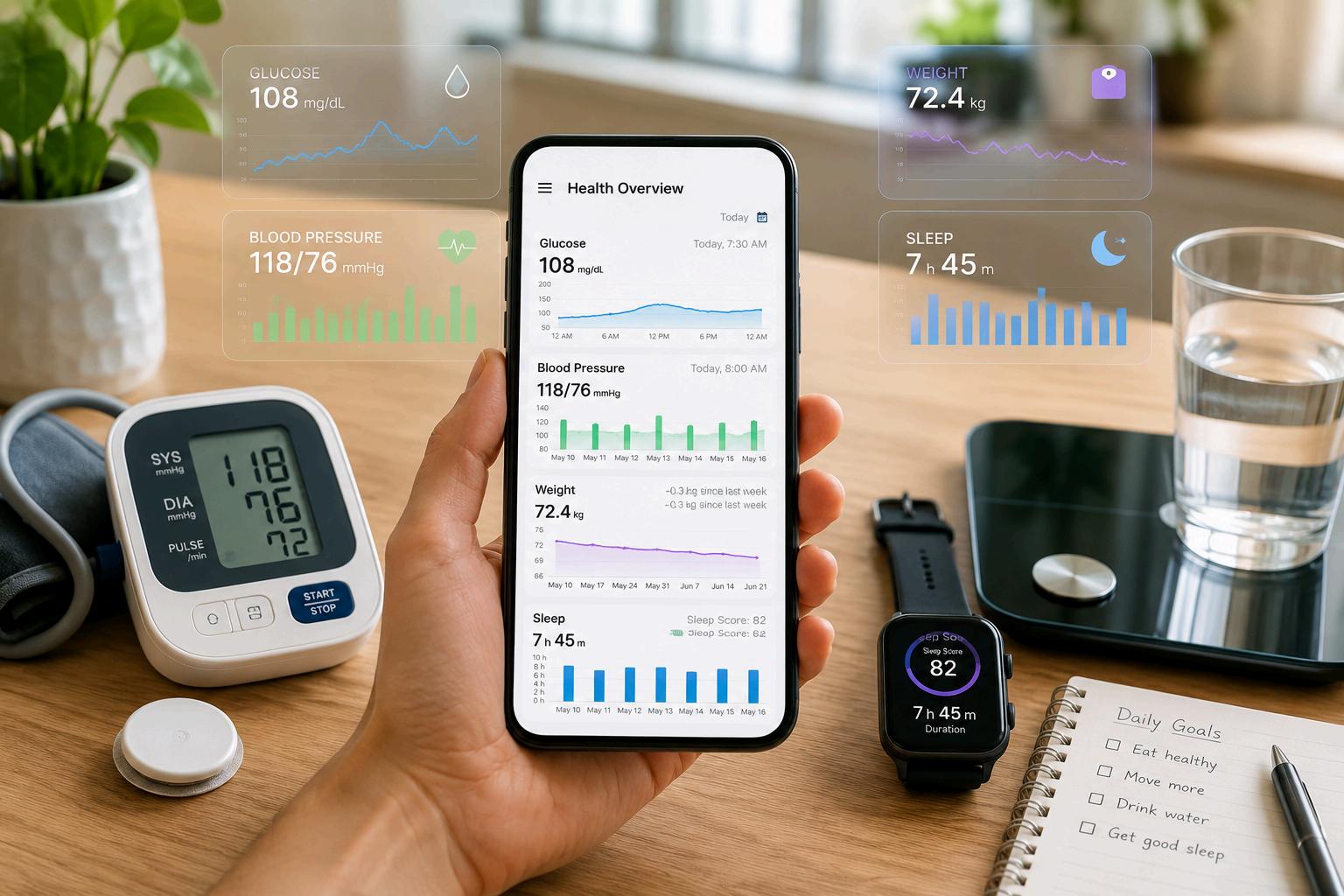
Many apps work with smart medical devices to collect information automatically A wireless blood pressure monitor can send readings to your phone within seconds. Digital scales can record weight changes without manual entry, while wearable devices monitor activity levels and sleep patterns throughout the day This automation helps reduce errors and creates a complete health history that is easy to review.
Glucose monitoring has also become much more convenient Many continuous glucose monitors connect directly to mobile apps that display trends, daily averages, and alerts. Instead of looking at single readings, users can better understand how meals, exercise, stress, and medication influence blood sugar throughout the day. This broader view helps support healthier decisions.
Blood pressure tracking offers similar advantages. Daily readings collected under normal home conditions often provide a better picture than measurements taken during occasional office visits Many apps also generate charts that can be shared during medical appointments, making conversations with healthcare providers more productive.
Weight tracking has moved beyond simple numbers Modern wellness apps often include nutrition logs, hydration reminders, activity summaries, and progress reports. Looking at several lifestyle factors together helps users understand how small daily habits contribute to long-term success rather than focusing only on short-term changes.
Sleep tracking has become one of the most popular features in digital wellness platforms Smartwatches and fitness bands estimate sleep duration, bedtime consistency, overnight heart rate, and periods of wakefulness Although these tools do not diagnose sleep disorders, they help users recognize patterns that may affect overall well-being
When selecting a health tracking app, ease of use matters just as much as features A clean design, reliable data synchronization, and strong privacy protection make it more likely that people will continue using the app over time. Reading reviews and choosing trusted developers can also improve the overall experience
It is important to remember that health apps support medical care but do not replace professional advice They provide useful information that can encourage better habits and help identify changes worth discussing with a healthcare provider. Using accurate devices and recording information consistently increases the value of the data collected
Smart wellness data management helps people stay informed about their health while making everyday decisions with greater confidence The most effective apps are the ones that fit naturally into daily life and encourage long-term consistency. Small improvements tracked over time often lead to healthier outcomes, making digital health tools valuable partners in personal wellness