A QUIET LEGACY OF GIVING: BOB HOLT AND THE COMMUNITY HE BUILT
WHEN DISTANCE CHANGES EVERYTHING
Johanna Griggs AM
25 YEARS. ONE ICONIC HILL. COUNTLESS LIVES CHANGED. Michael Hooper
Kim Holt
1ST EDITION 2026
ABN: 59 137 784 724
Charitable Status: DGR 1
CFN: #11046
LABOUR OF LOVE
A huge thank you to our contributors for donating their time and expertise to help produce this edition of the Good Egg Magazine.
CONTRIBUTORS
Claire Reaney
CEO & Managing Director, Humpty Dumpty Foundation
Ross Greenwood Finance Expert
Dr. Jonathan Davis
Medical Director, Newborn Emergency Transport Service of Western Australia
Mike Kersten Grandfather of Ella, Humpty Graduate
Michael Hooper
Former Wallabies Captain & Humpty Ambassador
Johanna Griggs AM Patron, Humpty Dumpty Foundation
Kim Holt
Daughter of Bob Holt, Beloved Humpty Supporter
Associate Professor Kathryn Browning Carmo Chair, Medical Program Advisory Committee & Board Member
Samantha Howie
Head of Marketing & Engagement, Humpty Dumpty Foundation
Kimberly Clausen
Senior Marketing Specialist, Humpty Dumpty Foundation
Daniel Facchini Loureiro
Senior Designer, Humpty Dumpty Foundation
Our heartfelt thanks to our dedicated Board of Directors
- John Bevan, Matt Fehon AM, A/Prof Kathryn Browning Carmo, Carly Lloyd, Lisa Chikarovski, and Claire Reaney - for their guidance, leadership, and unwavering commitment to helping Humpty save little lives every day.
YOUR PRIVACY
Humpty will only collect personal information to process donations, issue tax receipts and send you updates. Our privacy policy is available on our website humpty.org.au or call us on 1300 486 789 (1300 HUMPTY). If you do not wish to receive communications from the Humpty Dumpty Foundation please email: humpty@humpty.com.au or mail Humpty Dumpty Foundation: Suite 204, 10 - 12 Clarke Street, Crows Nest NSW 2065.
What’s
Celebrating 35 years of fundraising
A message from our CEO and Managing Director 6 When Babies Need it Most, Every Drop Counts
The importance of hospital-grade breast pumps 7 A Lifeline from Kununurra to Perth
The reality of distance for an unwell newborn 8 When Distance Changes Everything
Supporting healthcare in rural and regional Australia 10 25 Years. One Iconic Hill. Countless Lives Changed.
Celebrating 25 years of the Balmoral Burn 12 A Quiet Legacy of Giving: Bob Holt and the Community He Built Bob Holt's lasting legacy
Closing the Gap: Ensuring Every Child Has Access to Lifesaving Medical Equipment
Inside Humpty's Medical Program Advisory Committee
Humpty's Wish List
Equipment donations needed to help sick kids across Australia
Leave a Legacy of Lifesaving Impact
Be part of Eternally Humpty and create brighter futures for sick children
A Little Fighter: Ella's Journey of Strength, Survival, and Joy
Ella's arrival was a light in a difficult period
Make your Impact Count This EOFY
How you can make a difference
Humpty's EOFY Appeal
Help Humpty give sick kids the best chance
The Humpty Dumpty Foundation acknowledges Aboriginal and Torres Strait Islander people as the Traditional Custodians of the lands and waters on which we serve and pays respect to the past and present First Peoples and Elders of Country throughout Australia.
Content in this magazine may be of a sensitive nature to some readers.
About Humpty: Celebrating 35 Years of Fundraising
We see a future where every Australian child has access to the healthcare they need, no matter where they live.
For 35 years, our mission has remained the same: to provide essential and often lifesaving medical equipment and healthcare initiatives for sick kids in hospital. Today, we support hospitals and health services in every corner of Australia.
Humpty continues to bridge the gap between limited and stretched health budgets and unmet paediatric and neonatal medical equipment needs of hospitals and health services Australia-wide.
When you donate to Humpty you will help Australian children get the healthcare they need with the specialised equipment to help them survive and thrive.
Humpty keeps families together by helping children recover close to home
Humpty supports over 500 hospitals and health services across Australia
Humpty empowers healthcare workers in big
CEO's Message
By Claire Reaney
While
many families continue to face significant pressures, especially when illness touches their lives,
one thing remains clear: people want to
help.
At Humpty, we are proud to stand alongside our donors, partners and clinicians who share that belief. For 35 years, we have worked together to provide care that keeps families together and closer to home, while strengthening local health services and supporting clinicians, particularly in regional and rural communities that remain so deeply connected to our supporters.
2025 has been another remarkable year for the Foundation. We now support 515 hospitals and health services across the country, and in 2025 we delivered 575 pieces of life-changing paediatric and neonatal medical equipment. But it is the stories behind these numbers that leave the greatest impression on the Humpty team and continue to give purpose to our work.
Recently, I visited the Grace Centre at The Children’s Hospital at Westmead. Professor Nadia Badawi and Dr. Himanshu Popat welcomed our supporters into the Neonatal Intensive Care Unit, offering a firsthand look at the impact of donated equipment marked with the yellow Humpty sticker.
The Grace Centre cares for some of the state’s most vulnerable babies, including premature and critically ill infants, many requiring surgery. Humpty has supported the unit for more than 20 years. As I walked the corridor with Nadia, she shared something that stayed with me.
“We are forever indebted to Humpty, not just for the lifesaving equipment the Grace Centre has received, but because when babies need to be transferred here, they often arrive stronger and in better condition thanks to the equipment Humpty supporters may have provided at the other end.”
Of course, it makes sense. But I realised I had not fully taken a moment to see the bigger picture.
We are the link. Humpty is the link. And you, our supporters, are the link that makes better outcomes possible for children across New South Wales and beyond, particularly for those transferred from regional and rural communities.
So whether your support is directed to a major metropolitan hospital or a small health service in a country town, know that we are all connected, working together to change lives.
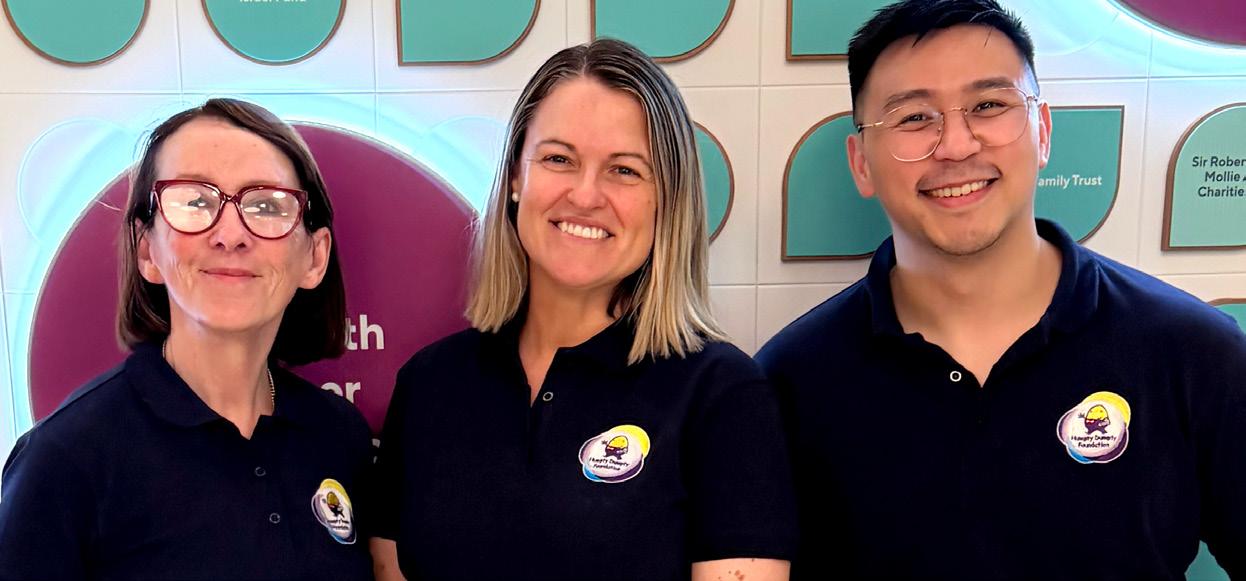
Claire with Kerry Squires, Head of Medical Programs, and Chino Banzon, Medical Services Coordinator, Humpty Dumpty Foundation
There is no doubt that Humpty’s impact in improving health outcomes for babies and children has been built on foundations of care, trust, and a reputation for delivering results.
One of the most significant examples of this is Humpty’s Fight for Sight initiative.
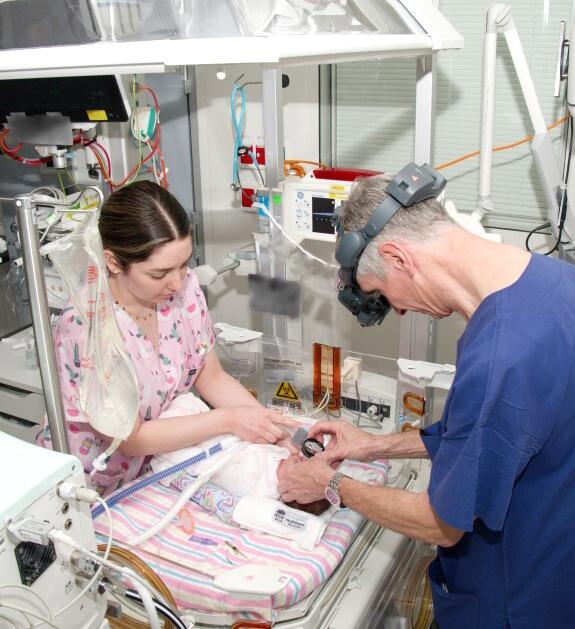
In 2023, a statewide clinical consensus convened leading neonatologists and developmental paediatricians across New South Wales. Together, they identified a critical gap in how babies at risk of Retinopathy of Prematurity (ROP) were being screened and supported. As survival rates for premature babies continue to improve, demand for specialist eye screening has increased — placing growing pressure on a system reliant on a small number of highly specialised clinicians.
For these babies, timing is everything. Without early detection and treatment, the consequences can be profound, leading to lifelong visual impairment or, in some cases, blindness.
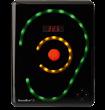
Humpty was invited to be the preferred delivery partner to help bring a new model of care to life. Working in partnership with clinicians, we funded and implemented digital retinal imaging across the state’s busiest Neonatal Intensive Care Units, delivering five ICON Digital Retinal Cameras.
At more than $200,000 per camera, this was a significant investment — one our Board and Medical Program Advisory Committee agreed was vital. Not only would it transform outcomes for some of our most vulnerable newborns, it would also bring NSW back into alignment with national best practice.
Thanks to the generosity of our supporters, this technology is now in place across five major Neonatal Intensive Care Units, enabling earlier diagnosis and a gentler screening experience for fragile newborns.
This initiative is about far more than new equipment. It is about protecting sight at the earliest and most vulnerable stage of life.
It represents a meaningful shift in how care is delivered — ensuring babies receive a consistent standard of care regardless of where they are born, and providing families with greater confidence at an already uncertain
We are deeply grateful to the supporters who made this possible: The Audi Foundation for Royal North Shore Hospital, Fred and Anni Penney for Royal Prince Alfred Hospital, The Beluga Foundation for The Children’s Hospital at Westmead, The Estate of Lorna Blackwood for Westmead Hospital, Our anonymous , alongside Sandra Burcher and Wendy Volckman for Royal Hospital for Women
Each contribution reflects a shared commitment to protecting sight and giving babies the strongest possible start in life.
As I reflect on our work, what stands out most is the depth of our reach and connection. Behind every project and every piece of equipment are people, donors, partners, clinicians and families, coming together with care at the heart of all they do.
To
our supporters, thank you for standing with us. Your compassion, especially during challenging times, is extraordinary.
Together, we are proving that when communities come together, real change is possible, and hope is never out of reach.
Learn more about Humpty's Fightfor Sight
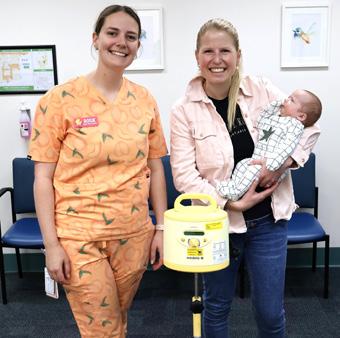
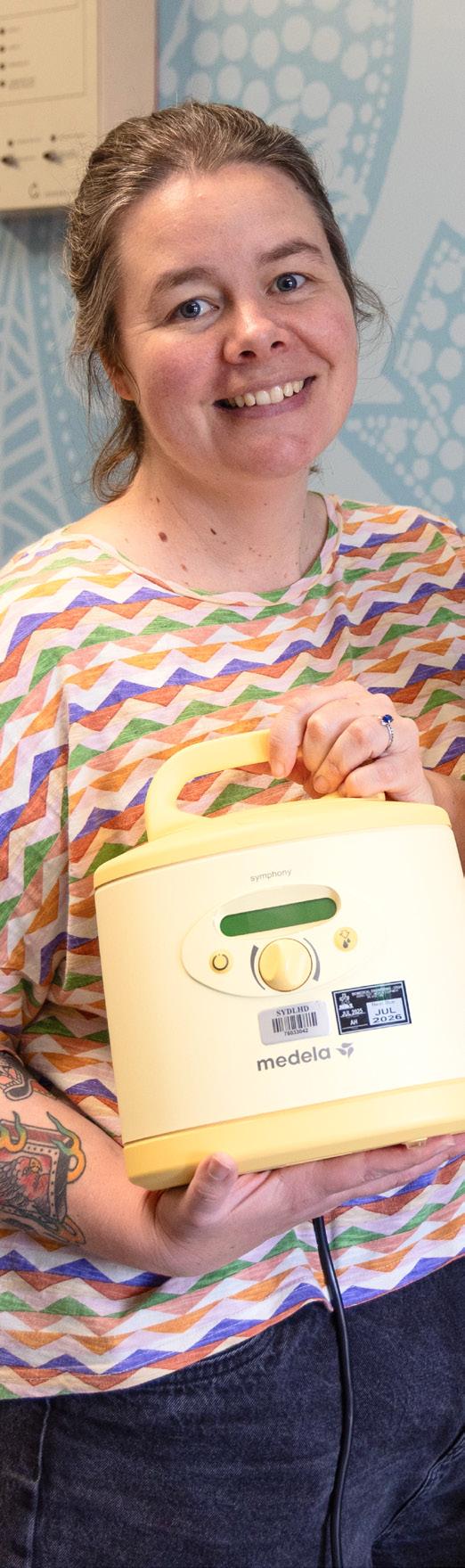
Western District Health Service, Hamilton Base, VIC with their new breast pump provided through Pumped for Life
When Babies Need It Most, Every Drop Counts
For many mums, breastfeeding is something that is expected to come naturally. A simple, instinctive part of becoming a parent.
But for thousands of families across Australia, particularly those with babies in neonatal intensive care or special care nurseries, those early days can look very different.
When a baby is born premature, unwell, or requires specialist care, direct breastfeeding is not always possible. In these moments, expressing breast milk becomes critical. Expressing ensures babies receive the nutrients they need and helps mums establish and maintain their milk supply during an incredibly stressful and uncertain time.
This is where hospital-grade breast pumps play a vital role. Unlike standard pumps, hospital-grade equipment is designed for frequent, long-term use. It supports milk production when babies are unable to feed directly, helping mums continue providing breast milk while their baby receives the care they need.
Access to this equipment is not always guaranteed.
Across Australia, many hospitals and health services do not have enough hospital-grade breast pumps to meet demand. For mums navigating the emotional and physical challenges of having a baby in hospital, this can add another layer of stress at a time when support matters most.
Through the Humpty Dumpty Foundation’s Pumped for Life initiative, donors are helping bridge this gap. Over the last two years, Humpty has supplied more than 220 hospital-grade breast pumps nationally, helping ensure more mums can access the support they need during those critical early days.
By funding hospital-grade breast pumps, supporters are helping ensure more mums can express milk when they need to, supporting both their baby’s health and their own sense of connection during a critical time.
It is a simple piece of equipment, but the impact is significant.
It supports nutrition, bonding, and recovery. It gives mums the opportunity to care for their baby in a meaningful way, even when they cannot be by their side in the way they had imagined.
And for families navigating those early days, that support can make all the difference.
Learn how hospital-grade breastpumpssupport mums when they need it most.
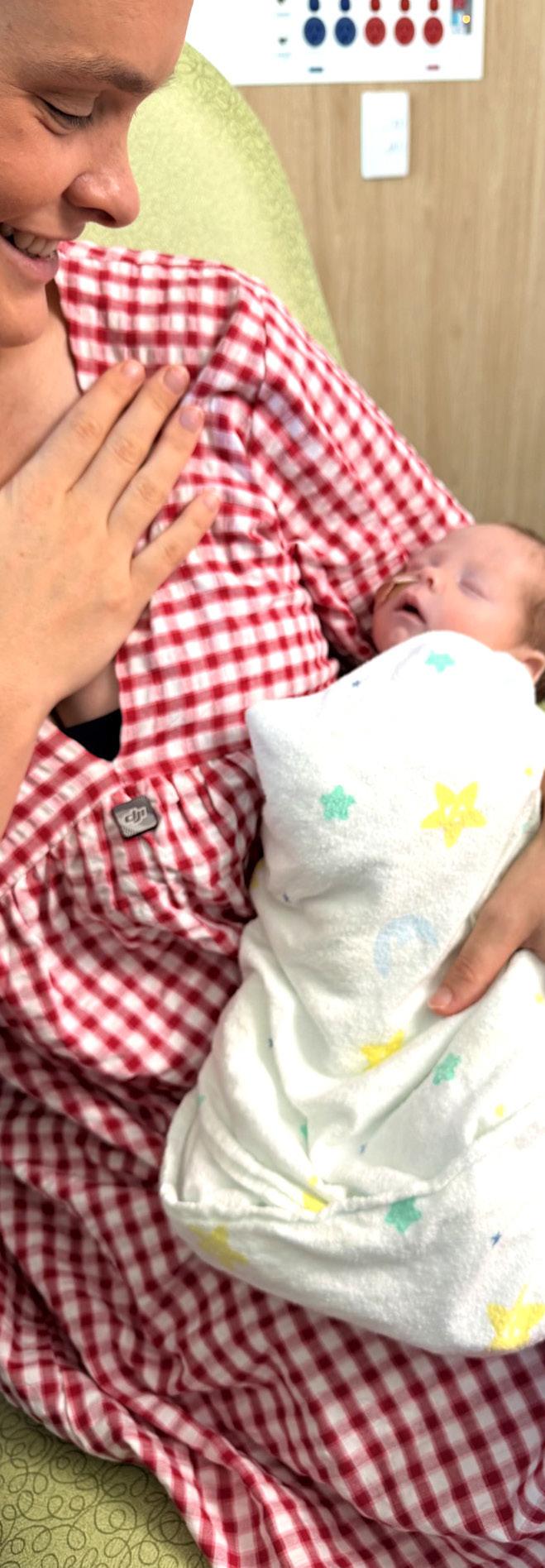
Tahlia, Trent and Sunny Maxwell, whose family relied on access to a hospital-grade breast pump
A Lifeline From Kununurra to Perth
By Jonathan Davis MB BCh BAO, MD, FRCPCH, FRACP Medical Director, Newborn Emergency Transport Service of Western Australia
When Baby M was born in March at Kununurra District Hospital, his family, like many living in remote Western Australia, were suddenly faced with the reality of distance when their newborn became unwell.
Due to the vast geographical remoteness of country WA, in places like Kununurra, specialised care isn’t always close-by like it is in the metropolitan area.
Shortly after birth, Baby M developed significant respiratory distress. More than 2,200 kilometres from the nearest neonatal intensive care unit in Perth, the Kununurra team acted quickly to stabilise him.
In those early moments, both the local team and access to the right equipment made all the difference.
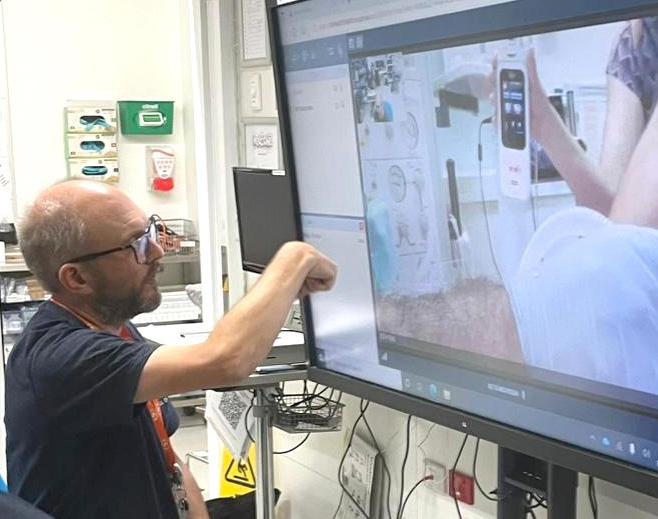
Thanks to the generosity of Humpty's donors, the team had a Hamilton T1 Neonatal Ventilator and a Panda Warmer on hand, both designed specifically for the safe care of sick newborns. These were the tools that allowed clinicians to respond with confidence when it mattered most.
With support from The Newborn Emergency Transport Service (NETS) WA via telehealth, the Kununurra team connected in real time with neonatal specialists in Perth. Because the equipment was the same, care could be guided step by step as Baby M’s condition evolved.
In a hospital without a dedicated neonatal unit, this level of support is important, allowing teams to safely manage babies while waiting for retrieval.
Once stabilised, Baby M required transfer to Perth with NETS WA and Royal Flying Doctor Service. The retrieval team travelled more than six hours by air to reach Kununurra, with the local team continuing to provide care until they arrived.
For Baby M, having the right equipment in place meant uninterrupted support during those first critical hours. For his family, it meant knowing he was receiving the best possible care, despite the distance. In situations like this, where every second counts, having access to the right care and equipment can change everything.
Since 2020, 22 pieces of equipment valued at more than $231,000 have been donated to Kununurra Hospital through Humpty, strengthening the hospital’s ability to respond in moments like these.
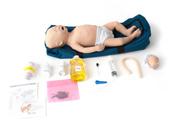
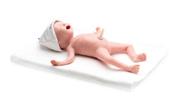
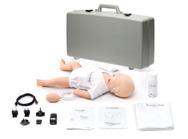
This support also extends to training. Items currently on the Wish List, including the Premature Anne and Newborn Anne manikins and an EZ-IO Drill and Educator Kit, help ensure clinical teams in remote areas can continue to build the skills needed to respond in an emergency.
Thanks to the Humpty Dumpty Foundation and its donors, Baby M had the best chance at recovery during the most critical hours of his young life.
And for the dedicated and skilled teams working in Kununurra and NETS WA, this shared equipment and capability continue to lift standards, strengthen confidence, and save lives across Western Australia’s remote north.
When Distance Changes Everything
By Johanna Griggs AM
While the large majority of Australians live in big cities, there are many who choose to live outside the hustle and bustle in regional and rural towns.
Let’s face it, there’s a lot of appeal. You spend less time in mind-numbing traffic, you know people on a first name basis, and there is a sense of community that still feels very real. Some argue there’s even a better worklife balance, with more time spent doing the things you love, surrounded by the people you care about most.
As Patron of Humpty, I hear this type of description from so many families on my travels. It’s honestly infectious. I think the only time that idyllic framing of family life surrounded by nature is turned on its head is when something unforeseen happens to either an expectant mum, or her unborn baby that requires specialist care.
That is when the tyranny of distance can change everything in an instant. It can separate families for enormous periods of time, often leaving them far from home without their usual support networks or family close by.
Sadly, it’s a story I’m very familiar with. Whether I’m in the NT, visiting hospitals on the outskirts of Melbourne, or travelling through the Central West of NSW, it’s incredible how many common experiences are shared by families from all walks of life. When a mother notices something isn’t quite right and she’s several hours away from a hospital with the right equipment to help her, I can’t begin to imagine the fear and anxiety she must feel for her unborn baby.
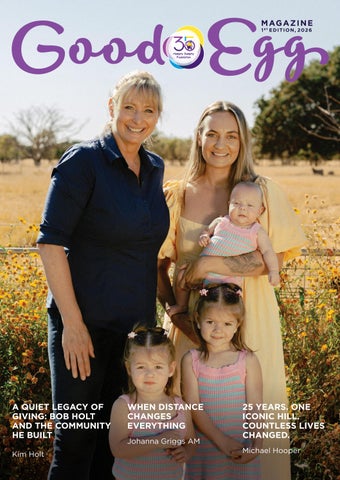
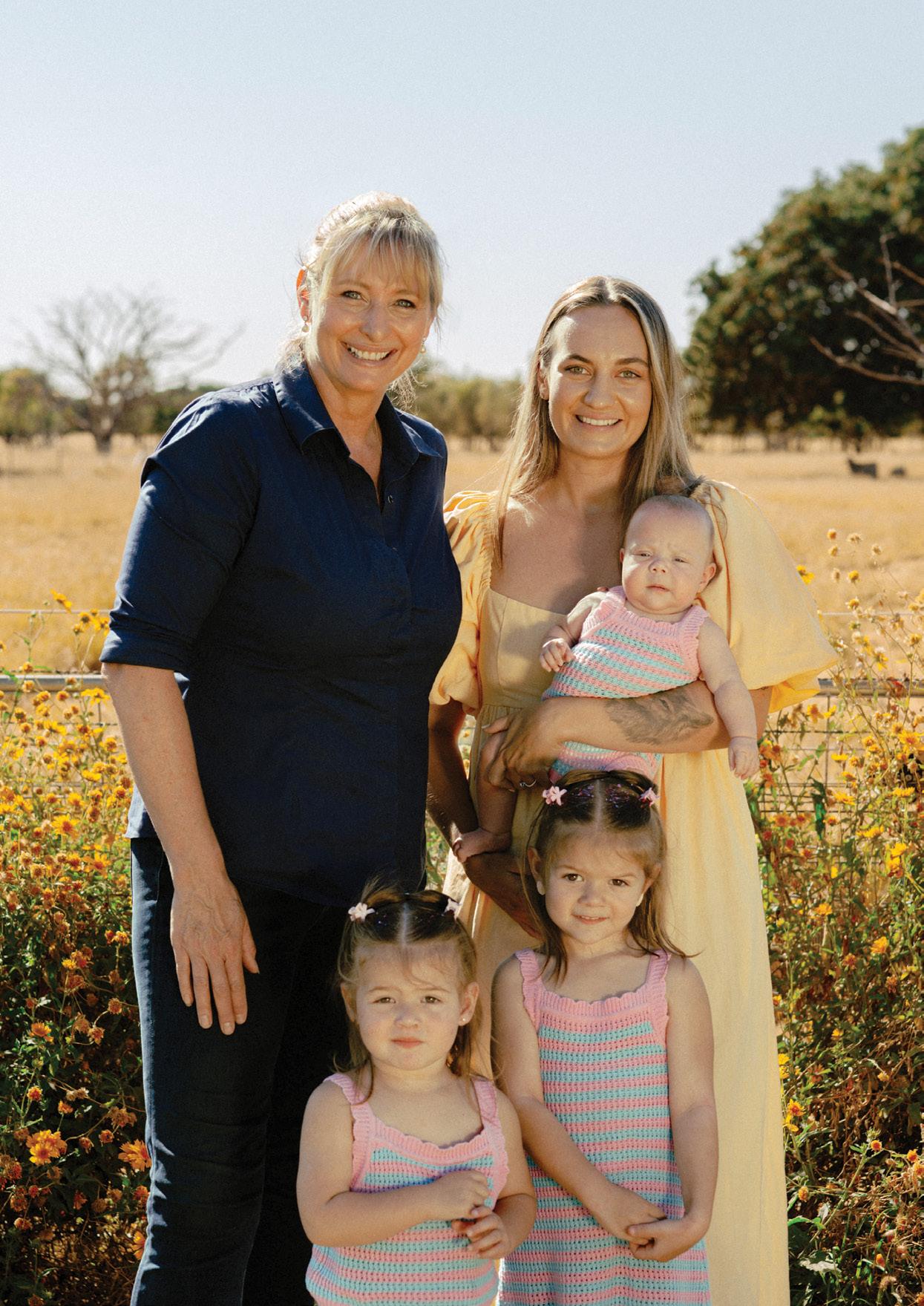
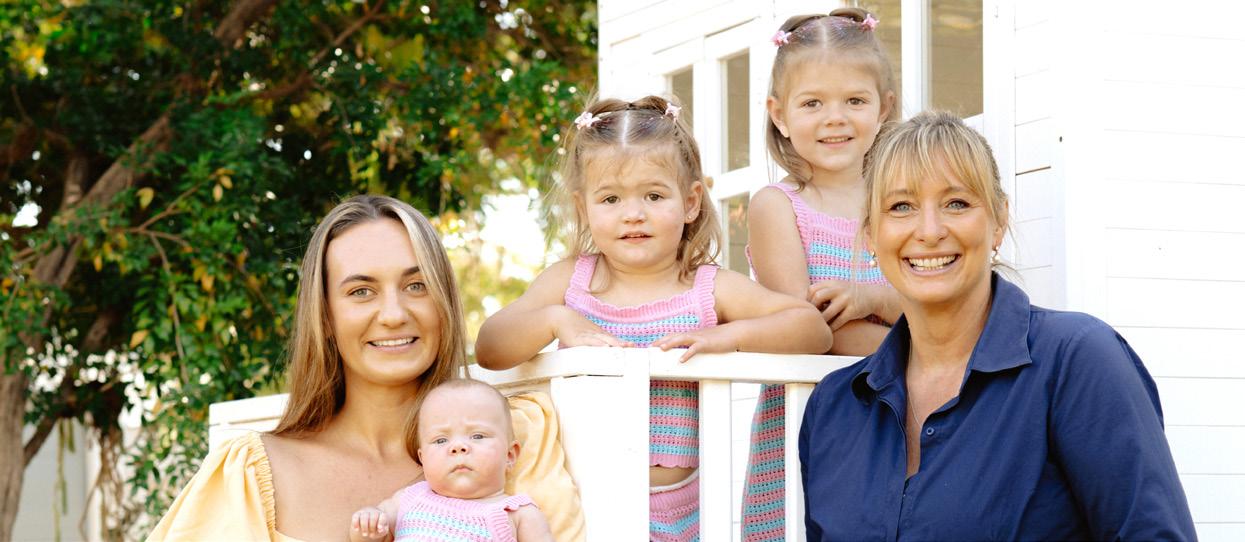
A few weeks ago I was in Barcaldine in Central West Queensland, about an hour east of Longreach and almost a 12-hour drive from Brisbane, to meet Paris Cox, her husband Conner and their three girls, our gorgeous cover family.
She’d had two uncomplicated pregnancies, but her third was very different.
Just shy of 15 weeks, she experienced a large haemorrhage and was told it was most likely a miscarriage. Scared out of her mind, she drove to Longreach for further scans, where it was discovered she had a large haematoma on the outside of her placenta. In that moment, her pregnancy became a constant cycle of watching, waiting, and worrying.
Johanna with Paris, Story, Dixie and Silver Cox
At 22 weeks she had another haemorrhage and was rushed to Longreach. This pattern continued every few weeks, each time preparing for the worst.
At 28 weeks, after a day of cramping, her waters broke at home while she was caring for her two daughters. With her husband Conner working remotely and severe flooding delaying retrieval, she faced a 10-hour wait before she could be transferred to Brisbane, leaving behind everything familiar.
At 29 weeks and three days, little Story was born weighing just 1,142 grams.
By then, Conner, Silver, and Dixie had arrived, and the family split their time between Story’s bedside in the NICU and accommodation at Ronald McDonald House. Paris describes that period as a blur.
After 60 days and several setbacks, they were finally able to take Story home. But leaving the hospital, and the support and equipment that had been there when they needed it most, brought a new kind of anxiety. For many families, that transition is just the next adjustment, not the end of the journey.
It was so wonderful to see how far Story and Paris have come since that frightening time. Wanting to give back and help other families, Paris donates proceeds from sales of baby and kids’ clothing through her brand, Silver Designs Co, to support Humpty’s work.
More recently, at Joan Kirner Women’s and Children’s Hospital in St Albans, I heard a similar story from Chloe and Lewis, who live in Barooga on the NSW-Victoria border. They had been out fishing with friends when Chloe went into labour. She was transferred to Sunshine, where their son Archer was born at 31 weeks, weighing 1,460 grams.
Like so many others, they experienced multiple health scares along the way. Chloe shared that what she missed most was having a normal newborn experience with her mum. Instead, those early months were spent navigating hospital life. Lewis spoke about how hard it was leaving Chloe in hospital each time he had to return to work.
Stories like these are why so many of our donors choose to support hospitals in regional and remote areas. Last year, two-thirds of the hospitals supported by the Humpty Dumpty Foundation were in these communities across Australia.
It’s a powerful reminder of why this work matters. We strongly believe that you should be able to get the healthcare you need and deserve no matter where you live. Our ultimate goal is that no one is left behind.
Chloe & baby Archer Anthony at Joan Kirner Women’s & Children’s Hospital
25 Years.
One Iconic Hill. Countless Lives Changed.
By Michael Hooper
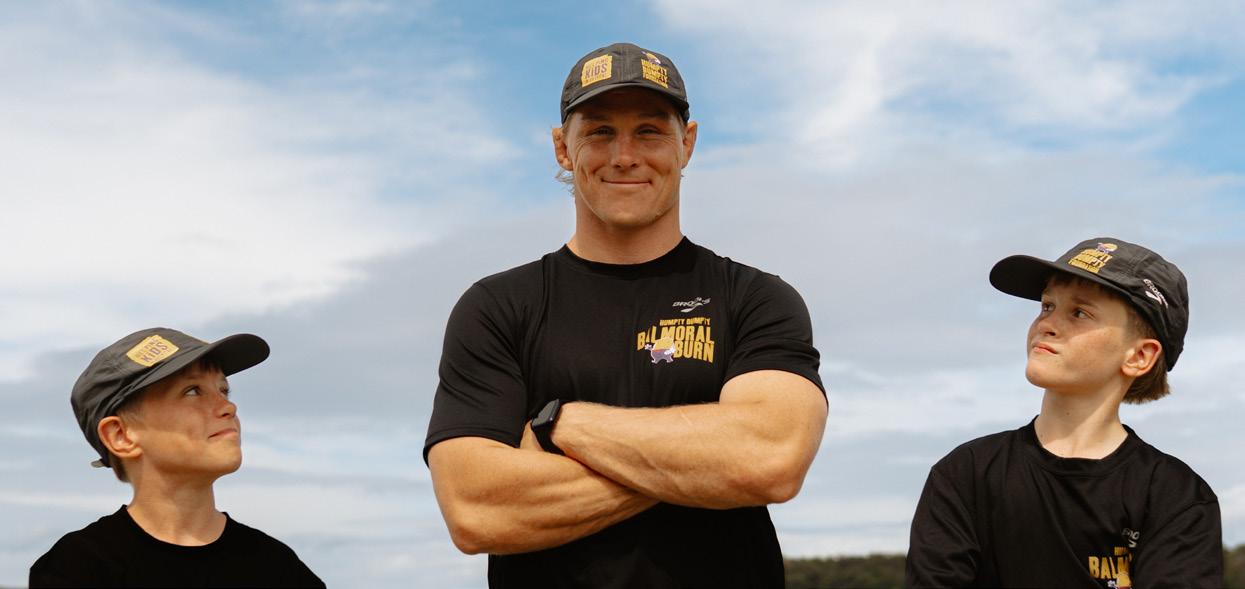
I’ve been lucky to have some incredible experiences throughout my career and life. Now, as an ambassador for the Humpty Dumpty Foundation, the Balmoral Burn race day on Awaba Street, Mosman stands out as one of them.
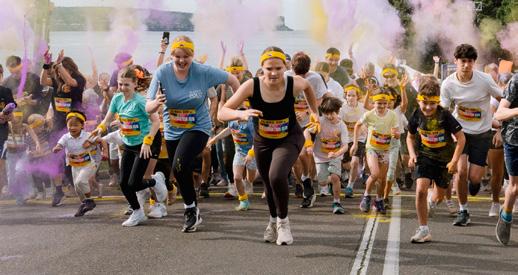
The Balmoral Burn isn’t your typical run. It’s for all ages and abilities, with an electric energy that builds from the moment you arrive. What makes it stand out isn’t the hill, it’s the reason everyone is there.
For 25 years, this event has brought people together to make a real difference for sick kids in hospitals across Australia. It all started in 2001, when Phil Kearns AM created the Burn as a fundraiser to give back to Royal North Shore Hospital after they cared for his son. What was meant to be a one-off fundraiser grew into something much bigger – and continues to change lives year after year. Phil says:
“For me, the most satisfying thing about the Burn legacy has been when a little kid has come up to me with their parents by their side and, and said, ‘Excuse me, mister, thank you for saving my life.’ That really hits you.”
Humpty Graduates Griffin & Benson with Michael Hooper
Scan to hear whyHooperMichael supports the Balmoral Burn
You feel the energy the moment you arrive. The Burn Village is full of families, runners, and supporters - music playing, activations buzzing, and people warming up for their race. From elite runners chasing times and corporate teams going head-to-head, to parents running alongside their kids and crowds lining the hill cheering on complete strangers like teammates, the Burn brings everyone together. Whether you’re running, walking, or watching from the sidelines, it’s not about being the fastest, it’s about showing up, backing each other, and being part of something bigger, because every step up that hill means something for families facing the unimaginable.
I’ve seen the impact the Balmoral Burn has on families helped through its work. Families like Benson and Lauren Ferreira. Their twins, Jude and Maggie, were born at just 28 weeks and spent their early weeks in neonatal intensive care. As a father, it’s hard to imagine: the uncertainty, the long days in hospital, the moments where you just hope everything is going to be okay.
Jude and Maggie’s mum and dad, Lauren and Benson, really put the impact of the Burn into perspective: “Humpty Dumpty and the Balmoral Burn was a North Star for us while we were in the NICU. Because of Humpty and all the equipment that was there to save the life of our babies when they needed it.”
Watch the Years”“Celebrating25 Burn video to see more on the history of the race
In those situations, the right medical equipment isn’t optional - it’s essential. For Maggie and Jude, the right equipment meant they were able to get better, grow strong, and go home with their parents.
Equipment provided through the Burn empowers clinicians to deliver the highest level of care. It helps monitor, stabilise, and treat sick kids when they’re at their most vulnerable. For families, that means hope and reassurance. For sick kids, it means the best chance at survival and strongest possible start to life. And for attendees of the Burn, it means making an impact far beyond the hill.
What began as a simple idea has evolved into a standout community event, raising $36.5 million to help sick kids in hospitals across Australia, from metropolitan hospitals to rural health services, and changing the lives of countless children and their families along the way.
No matter how you choose to enjoy the Burn, you’re part of something bigger - something that, for 25 years, has been changing the health outcomes for countless children all across Australia – and we’re not done yet.
A young Phil Kearns AM with his son Finn at the inception of the Balmoral Burn
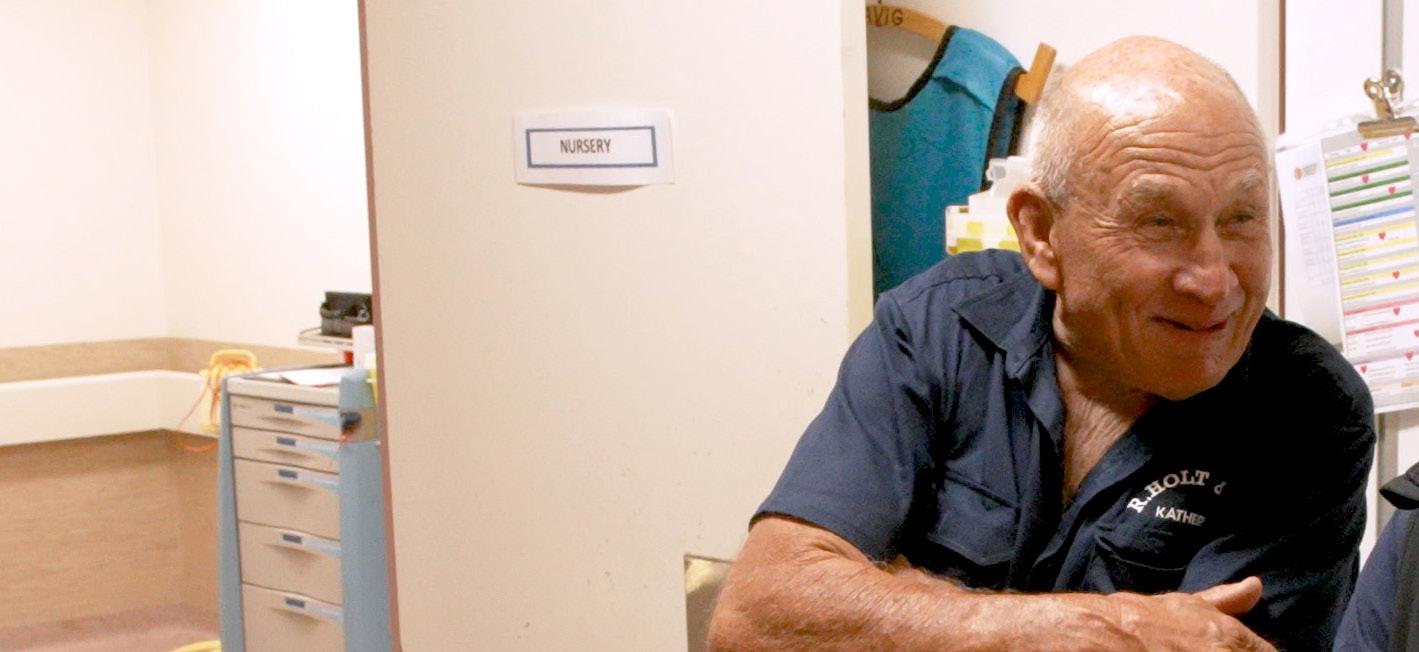
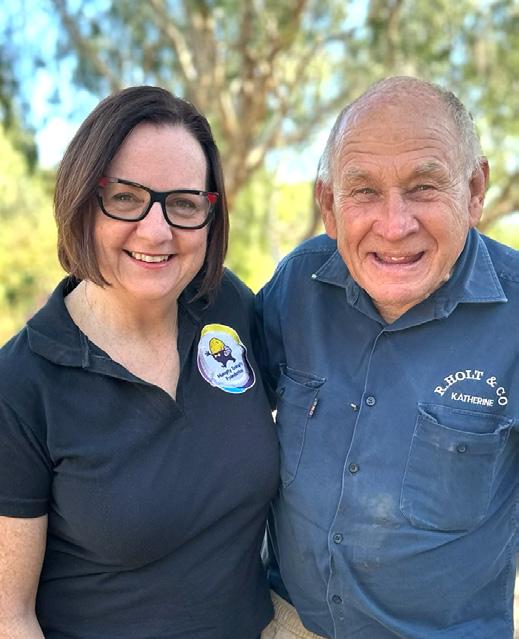
A Quiet Legacy of Giving: Bob Holt and the Community He Built
By Kim Holt
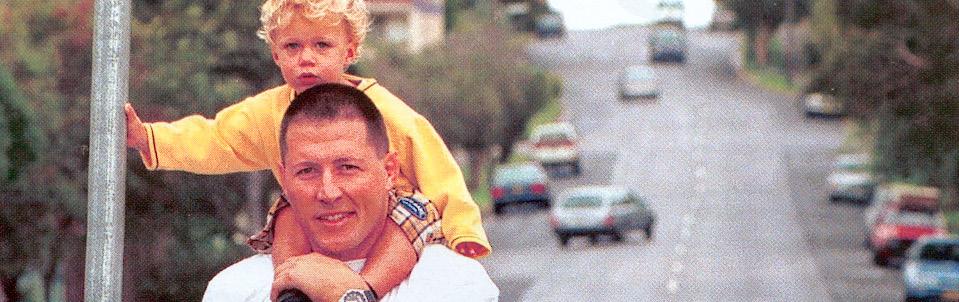
Bob Holt, a long-time Katherine local, was a generous supporter of the Humpty Dumpty Foundation. He believed in practical giving, stepping in where he saw a need.
In this reflection, his daughter Kim Holt shares her perspective on his life and legacy.
In charity work, we often talk about impact in big numbers: dollars raised, programs delivered, lives changed. In our family, I saw another kind of impact, the steady, practical kind that comes from simply showing up, week after week, year after year, to make a difference so your family and your community can thrive. That’s what Dad did.
Bob visiting Katherine Hospital speaking with the frontline medical team
Bob with A/Prof Kath Browning Carmo
Like most people, our lives are shaped by people and events. Dad’s father died when he was just nine, leaving his mum, Ruby, widowed with three young children. After his loss, three men helped shape the person he became: Herb Tunbridge, and brothers Herb and Roy Dickinson. They offered guidance and practical help, even found Dad a second-hand bike so he could do the paper run and chemist deliveries to support the family. Just as importantly, they modelled everyday kindness: opening a door, saying hello, making people feel seen. Dad carried that standard for the rest of his life.
Dad came to Katherine in 1962, on a promise of a home and job. Their home was the workshop, a Sydney Williams Shed consisting of a kerosene fridge for the oils, an old wooden cable for a table come desk, a toilet but no shower, and an old mattress on the floor. It came complete with an open mechanic's pit in the middle of the floor! Katherine was very much the wild west in those days and was vastly different to the Sydney’s leafy North Shore. The kindness of strangers showcased the strength and values of a small community.
Dad was, by nature, a doer. He valued self-reliance, fairness and a straight answer - and he had a deep respect for the small acts of decency that can lift someone’s day: a greeting, a hand up, an open door. Those values shaped the way he worked, the way he led, and importantly the way he gave.
Over his 62 years in Katherine, Dad backed the community he loved, supporting children to access sporting and educational opportunities, helping families through difficult times, and contributing to local fundraising. Some contributions were visible; most were not. What mattered wasn’t recognition, but that a young person got a chance, a family felt less alone, and a local effort had what it needed to keep going.
His work in transport reflected the same mindset. Building a business over six decades takes stamina and problem-solving, especially in the Territory. Dad’s focus on doing the job properly helped create the kind of stability a regional town relies on.
The trophies from speedway tell a story of competitiveness and discipline: turning up, learning the craft, and taking responsibility. Those qualities didn’t stay at the track. I saw them in the way Dad approached business, family and community, quietly and consistently.
For charities, people like Dad are a reminder that generosity is more than a donation. It’s time, attention, encouragement and practical help. It’s noticing who is being left out and doing something about it. It’s giving in ways that protect dignity, rather than drawing a spotlight. Dad gave where he could, often quietly and always without seeking recognition.
Remembering Bob Holt as his daughter, I have learnt that decency and kindness are the most generous gifts we can give, and that we should do so freely and often. His reward for what he did was seeing others helped…knowing he’d made a life easier, even if only for a moment.
Closing the Gap: Ensuring Every Child Has Access to Lifesaving Medical Equipment
By Associate Professor Kathryn Browning Carmo Chair, Medical Programs Advisory Committee
Access to the right medical equipment should not depend on where a child is born.
Yet across regional and rural Australia, the lack of medical equipment is still a challenge that can determine the level of care a sick baby or child receives.
Humpty supports more than 515 public hospitals and health centres across Australia. I work alongside a panel of experienced clinicians to ensure the right equipment is directed to the right places as efficiently as possible through a rigorous review of hospital requests. The committee has a deep understanding of the real challenges healthcare workers face, and the equipment required to effectively care for babies, children, and families.
Through MPAC, each request is assessed to ensure it is clinically appropriate and capable of delivering meaningful impact. There has been an influx of requests from regional and rural health services, highlighting the need for equipment at the point of care. Requests include resuscitation, monitoring, and infusion equipment that enable clinicians to provide the best care for their tiny patients. In regional and remote settings, the absence of this equipment can mean the care delivered locally is impeded.
Kids under five are most commonly hospitalised for respiratory system diseases, especially during winter, placing additional pressure on hospitals and frontline clinicians. This impact is often felt more in regional and remote areas, where access to specialised paediatric services and equipment can be limited and delayed by weather and availability, making timely stabilisation and management even more critical.
By providing essential medical equipment through the generosity of our donors, Humpty helps bridge critical gaps and empowers clinical teams to deliver the level of care their patients need, regardless of location. A priority for Humpty is ensuring this support continues to reach regional and rural Australia, strengthening capability where it is needed most. Ultimately, the measure of this work is not only the equipment placed in hospitals, but whether a child can receive timely, high-quality care close to home, when they need it.
1
Our Wish List process is simple:
A hospital or health service identifies a high-priority medical need where equipment can dramatically change or save the life of a sick and injured child. They reach out to Humpty for a helping hand.
2
Submissions are rigorously assessed by Humpty’s Medical Program Advisory Committee – comprised of senior representatives at the top of their practice in medical and clinical care from across the country.
3
4
5
Approved items are added to Humpty’s Wish List and published at humpty.org.au and showcased to supporters in the hope a ‘Good Egg’ will be able to help and donate.
Humpty orders all donated equipment for delivery directly to the hospitals. There is no middle man.
A donor sticker is affixed to the equipment recognising the generous support of the ‘Good Egg’.
Where possible, feedback and photos are shared with the donor.
To grant some of the very special wishes that follow, scan this QR code or contact Humpty on 1300 486 789 (1300 HUMPTY)
Founder’s Wishes
The following Wish List is made up of urgently needed medical equipment that was specifically requested by hospitals and health services across Australia. The equipment has been assessed and approved by Humpty’s Medical Program Advisory Committee.
Your Wish List donation will make an immediate and tangible difference for sick kids in hospital.
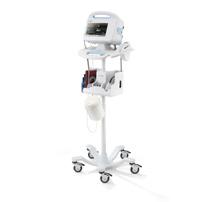
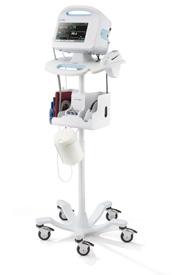
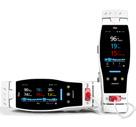
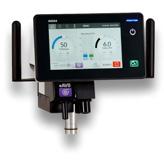
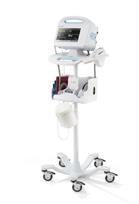
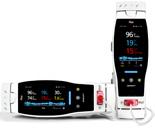
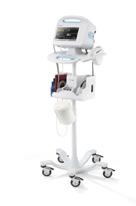
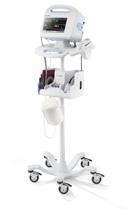
FOUNDER'S WISH 1: CONNEX VITAL SIGNS MONITOR WITH STAND:
$8,330 EACH, 4 NEEDED
Gove Hospital, Paediatrics, NT Hawkesbury District Hospital, Paediatrics, NSW Broome Hospital, Paediatrics, WA
Naracoorte Health Service, Paediatric Outreach, SA
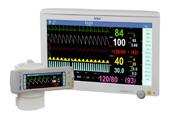
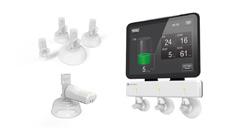
This vital monitoring device helps doctors and nurses quickly detect early signs of illness or distress in children. It provides fast, accurate readings of key measures such as heart rate, blood pressure, oxygen levels, temperature, and breathing, ensuring young patients receive timely care. In emergencies or when a child’s condition changes rapidly, having this information on hand allows clinicians to act early and prevent complications. For families, it offers reassurance that their child is being monitored with reliable, hospital-grade equipment.
Canterbury Hospital, Emergency, NSW Port Augusta Hospital & Regional Health, Casuarina Ward, SA
Kilmore & District Hospital, Maternity, VIC Carnarvon Health Campus, Maternity, WA
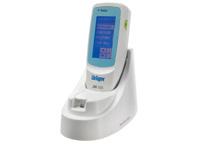
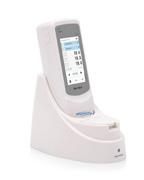
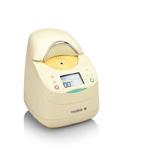
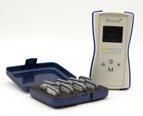
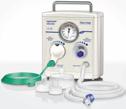
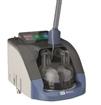
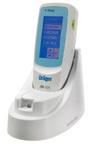
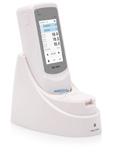
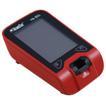
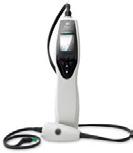
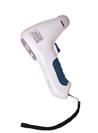
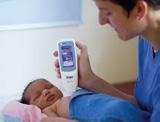
Jaundice is common in newborns, especially in the first days after birth. It causes yellowing of the skin due to bilirubin in the blood. While mild cases often resolve naturally, high levels can lead to serious health issues, including hearing loss and developmental delays. To detect it early, nurses use a handheld jaundice meter. The device gently touches the baby’s skin to give a quick, painless, and accurate reading, helping doctors decide if treatment is needed while reducing the need for blood tests.
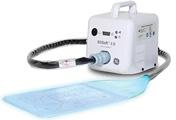
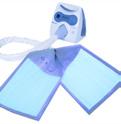
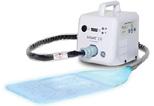
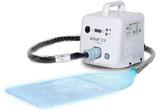
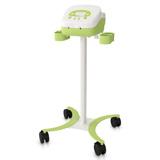
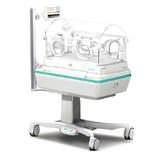
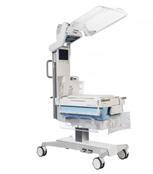
FOUNDER'S WISH 3: BILISOFT LED PHOTOTHERAPY SYSTEM WITH STAND: $15,370 EACH, 2 NEEDED
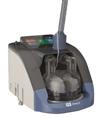
Jaundice is common in newborns and occurs when excess bilirubin causes yellowing of the skin. If untreated, high levels can lead to serious health problems. This LED phototherapy system uses blue light to help break down bilirubin so it can be cleared more easily. Delivered through a soft, flexible pad, it allows babies to be held and fed during treatment, making care more comfortable while safely reducing treatment time.
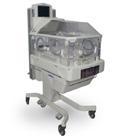
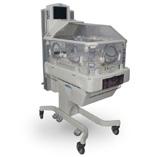
FOUNDER'S WISH 4: ATOM INCU I INCUBATOR: $35,000
North West Regional Hospital, Special Care Nursery, TAS
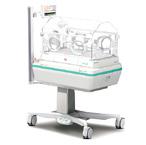
Premature and sick babies often need incubators to provide a safe, controlled environment for growth and recovery. They maintain warmth, support vital monitoring, and help conserve energy for development. At North West Regional Hospital, this incubator will replace outdated equipment from the previous service, ensuring high-quality care in the Grade 4 Special Care Nursery. They will support treatment of babies over 34 weeks and stabilisation of younger or critically unwell infants before transfer to a tertiary hospital four hours away.
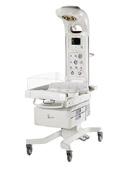
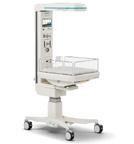
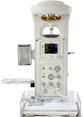
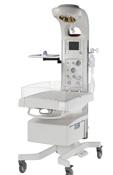
This neonatal warming system provides a stable, controlled thermal environment for newborns and critically ill infants. Its rotating mattress allows easy access for care without disrupting warmth, reducing handling and stress, while integrated monitoring supports timely, accurate assessment. At Hervey Bay Hospital, where around 800 babies are born each year and a Special Care Nursery supports higher-risk infants, demand for neonatal care continues to grow. This equipment would strengthen care for unwell newborns, improving stability, access, and outcomes in a busy regional service.
Humpty’s Wish List
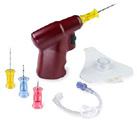
EZ-IO DRILL: $930
Manning Hospital, Emergency
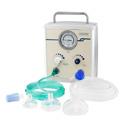
NEOPUFF RESUSCITATION DEVICE: $2,420
Wollongong Hospital, Neonatal Unit
EZ-IO DRILL & EDUCATOR KIT: $2,910
Manning Hospital, Paediatrics
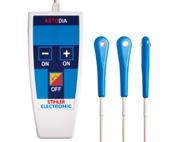
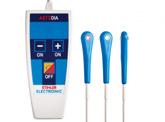
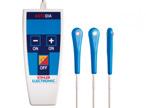
ASTODIA DIAPHANOSCOPE: $3,480
Maitland Hospital, Special, Care Nursery
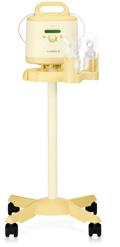
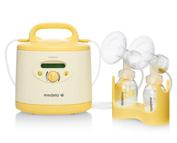
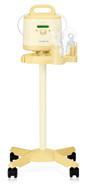
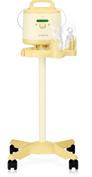
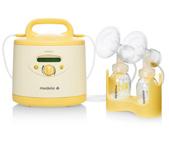
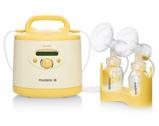
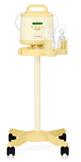
SYMPHONY BREAST PUMP WITH STAND: $3,550 EACH
Liverpool Hospital, Birthing Unit, Royal Prince Alfred Hospital, Newborn Care, Albury Wodonga Health, Special Care Nursery - Wodonga Campus, Royal Prince Alfred Hospital, Maternity, Tamworth Hospital, Emergency, St George Hospital NSW, Special Care Nursery, Royal Prince Alfred Hospital, Emergency, Royal North Shore Hospital, NICU
New South Wales
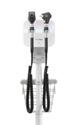
VISION & HEARING DIAGNOSTIC STATION: $4,050
Liverpool Hospital, Postnatal Ward
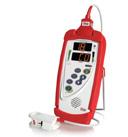
RADICAL-7 PULSE CO-OXIMETER: $4,280
Hawkesbury District Hospital, Paediatrics
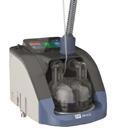
950 HUMIDIFICATION SYSTEM: $5,000 EACH
Orange Health Service, Paediatrics, Nepean Hospital, Children's Ward, St George Hospital NSW, Special Care Nursery
PAEDIATRIC RESUSCI JUNIOR: $5,500 EACH
South East Regional Hospital (Bega), Paediatrics, Cobar Health Service, Paediatrics
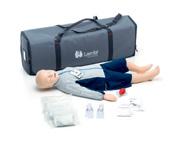
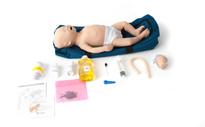
NEWBORN ANNE TRAINING MANIKIN: $5,980 EACH
South East Regional Hospital (Bega), Paediatrics, Royal Prince Alfred Hospital, Newborn Care, Sutherland Hospital, Emergency, Coffs Harbour Hospital, Paediatrics, Wagga Wagga Base Hospital, Nurse Education
PREMATURE ANNE TASK TRAINER: $6,860 EACH
Royal Prince Alfred Hospital, Newborn Care, Goulburn Hospital, Maternity
CONNEX VITAL SIGNS MONITOR WITH STAND: $8,330 EACH
South Western Sydney Local Health District, Postnatal Ward, Coffs Harbour Hospital, Maternity, Lake Cargelligo Multi Purpose Service, Emergency, Griffith Hospital, Maternity, South East Regional Hospital (Bega), Paediatrics, Hawkesbury District Hospital, Paediatrics, Hawkesbury District Hospital, Maternity
Canterbury Hospital, Emergency, Liverpool Hospital, Maternity Antenatal Postnatal Service (MAPS), Port Macquarie Base Hospital, Neonatal Unit, Royal North Shore Hospital, Paediatrics, Lismore Hospital, Maternity, Hornsby Ku-ring-gai Hospital, Special Care Nursery, Royal Hospital for Women, Midwifery Antenatal Postnatal Service (MAPS), Cooma Hospital, Maternity, Hawkesbury District Hospital, Maternity, Cobar Health Service, Paediatrics
St George Hospital NSW, Paediatrics, Hornsby Ku-ringgai Hospital, Special Care Nursery, Liverpool Hospital, Postnatal Ward, Northern Beaches Hospital, Special Care Nursery, Bowral Hospital, Paediatrics, Child & Family Audiology
BILISOFT LED PHOTOTHERAPY SYSTEM WITH STAND:
$15,370 EACH
Wollongong Hospital, Maternity, Hawkesbury District Hospital, Maternity
IACS C500 SYSTEM: $28,440
St George Hospital NSW, Special Care Nursery
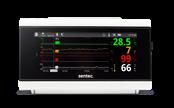
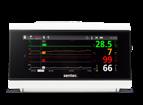
SENTEC TCOM+ DIGITAL MONITOR: $30,250
Nepean Hospital, Neonatal Unit
GIRAFFE INCUBATOR CARESTATION: $43,480
Hawkesbury District Hospital, Maternity
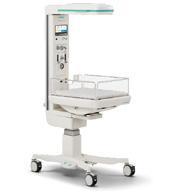
ATOM INFANT WARMER:
$45,330
Corowa Hospital, Emergency
PANDA WARMER RESUSVIEW: $48,900
St George Hospital NSW, Birthing Services
PANDA WARMER RESUSVIEW WITH UPS: $56,690
Shoalhaven Hospital, Birthing Unit
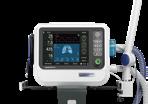
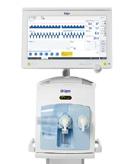
HAMILTON C1 NEONATAL VENTILATOR: $59,820
Hornsby Ku-ring-gai Hospital, Special Care Nursery
Victoria
CALESCA MILK WARMING DEVICE: $1,730 EACH
The Bendigo Hospital, Parent-Infant Unit, Werribee Mercy Hospital, Maternity
RAD 57 PULSE OXIMETER: $2,000 EACH
Hesse Rural Health Service, Urgent Care, Otway Health & Community Services, Urgent Care
EZ-IO DRILL & EDUCATOR KIT: $2,910
Royal Women’s Hospital, NICU
SYMPHONY BREAST PUMP WITH CASE: $3,180 EACH
Monash Children's Hospital, Newborn Services, Peninsula University Hospital (Frankston), Women's Health & Special Care Nursery
ASTODIA DIAPHANOSCOPE: $3,480 EACH
The Northern Hospital, Special Care Nursery, The Northern Hospital, Paediatric Emergency
SYMPHONY BREAST PUMP WITH STAND: $3,550 EACH
The Northern Hospital, Emergency, Sandringham Hospital, Special Care Nursery, Bass Coast Health, Maternity
NEWBORN ANNE TRAINING MANIKIN: $5,980
Rosebud Hospital, Emergency
BILISTICK SYSTEM 2.0: $8,070 EACH
Werribee Mercy Hospital, Neonatal and Paediatric Hospital in the Home, Cohuna District Hospital, Maternity
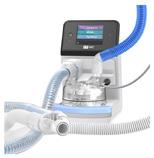
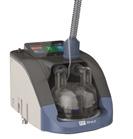
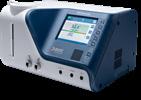
AIRVO 3 HUMIDIFIER SYSTEM: $10,760 EACH
The Northern Hospital, Child & Adolescent Unit, Hesse Rural Health Service, Urgent Care
AIRVO 3 HUMIDIFIER SYSTEM: $10,760 EACH
The Northern Hospital, Child & Adolescent Unit, Hesse Rural Health Service, Urgent Care
JM-105 JAUNDICE METER: $11,120 EACH
Royal Women's Hospital, NICU, The Kilmore & District Hospital, Maternity, The Northern Hospital, Paediatric Emergency, The Northern Hospital, Maternity, Cobram District Hospital, Community Nursing - Midwifery
BILISOFT LED PHOTOTHERAPY SYSTEM (WITHOUT STAND): $13,830 EACH
Werribee Mercy Hospital, Neonatal and Paediatric Hospital in the Home, Royal Women's Hospital, NICU, Dandenong Hospital, Maternity
SENTEC TCOM+ DIGITAL MONITOR: $30,250
Sunshine Hospital, Newborn Services
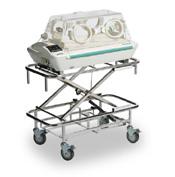
ATOM INCUARCH TRANSPORT INCUBATOR: $ 37,740
The Kilmore & District Hospital, Maternity
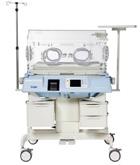
ISOLETTE 8000 PLUS: $42,070
Box Hill Hospital, Special Care Nursery
ATOM INFANT WARMER W/UPS: $62,000
Bass Coast Health, Maternity
Tasmania
CALESCA MILK WARMING DEVICE: $1,730
Royal Hobart Hospital, NICU
NEOPUFF RESUSCITATION DEVICE: $2,420
Smithton District Hospital, Maternity
CARUM BREAST PUMP WITH STAND: $3,470
North West Regional Hospital, Special Care Nursery
SYMPHONY BREAST PUMP WITH STAND: $3,550
Royal Hobart Hospital, NPICU
AIRVO 3 HUMIDIFIER SYSTEM: $10,760
Royal Hobart Hospital, Emergency
ATOM INCU I 101 INCUBATOR: $35,000
North West Regional Hospital, Special Care Nursery
ACT
GIRAFFE OMNIBED CARESTATION: $77,140
North Canberra Hospital, Special Care Nursery
CALESCA MILK WARMING DEVICE: $1,730 EACH
Rockhampton Hospital, Paediatrics, Hervey Bay Hospital, Special Care Nursery
SYMPHONY BREAST PUMP WITH CASE: $3,180 EACH
Rockhampton Hospital, Paediatrics, Gold Coast University Hospital, Midwifery Group Practice, Doomadgee Hospital, Emergency
SOUNDEAR 3: $4,100
Mackay Base Hospital, Special Care Nursery
GLIDESCOPE GO 2:
$4,900
Hervey Bay Hospital, Neonatal Care
950 HUMIDIFICATION SYSTEM: $5,000
Logan Hospital, Special Care Nursery
JM-105 JAUNDICE METER:
$11,120 EACH
Mount Isa Base Hospital, Special Care Nursery, Gold Coast University Hospital, NeoNet, Warwick Hospital, Maternity, Charleville Hospital, Midwifery, Cloncurry Hospital, Midwifery, Innisfail Hospital, Maternity
MONIVENT NEO TRAINING SYSTEM: $13,500
Sunshine Coast University Hospital, NICU
BILISOFT LED PHOTOTHERAPY SYSTEM WITHOUT STAND: $13,830 EACH
Caboolture Hospital, Paediatrics, Mount Isa Base Hospital, Special Care Nursery, Gold Coast University Hospital, Neonet Clinic, Gympie Hospital, Maternity
BILICOCOON PHOTOTHERAPY BAG SYSTEM: $14,635
Ipswich Hospital, Children's Ward
BILISOFT LED PHOTOTHERAPY SYSTEM WITH STAND: $15,370
Innisfail Hospital, Maternity
SENTEC TCOM+ DIGITAL MONITOR: $30,250
Sunshine Coast University Hospital, Neonatal Unit
PANDA RESUSCITATION WARMER: $43,050
Ingham Hospital, Maternity
South Australia
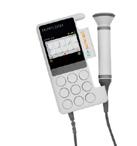
SR3 FETAL RATE DOPPLER: $2,480
Mount Gambier and Districts Health Service, Maternity Paediatric Unit
SYMPHONY BREAST PUMP WITH CASE: $3,180 EACH
Flinders Medical Centre, Neonatal Unit, Wallaroo Hospital, Maternity
RADICAL-7 PULSE COOXIMETER: $4,280
Port Pirie Regional Health Service, Maternity
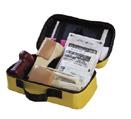
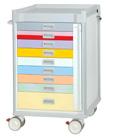
PAEDIATRIC EMERGENCY CART: $4,800 EACH
Riverton District Soldiers' Memorial Hospital, Emergency, Royal Adelaide Hospital, Emergency
BL70 INFANT PHOTOTHERAPY UNIT: $5,160
Southern Fleurieu Health Service (Victor Harbor Hospital), Maternity
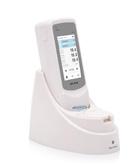
TRANSCUTANEOUS JAUNDICE METER: $7,420 EACH
Burnside War Memorial Hospital, Maternity, Southern Fleurieu Health Service (Victor Harbor Hospital), Maternity, Gawler Health Service, Postnatal Ward
CONNEX VITAL SIGNS MONITOR WITH STAND: $8,330
Naracoorte Health Service, Paediatric Outreach Clinic
AIRVO 3 HUMIDIFIER SYSTEM: $10,760 EACH
Women's and Children's Hospital, Paediatrics, Lyell McEwin Hospital, Children's Ward, Mount Gambier and Districts Health Service, Maternity Paediatric Unit
JM-105 JAUNDICE METER: $11,120 EACH
Port Augusta Hospital and Regional Health Services, Casuarina Ward, Lyell McEwin Hospital, Women's Health
BILISOFT LED PHOTOTHERAPY SYSTEM WITHOUT STAND: $13,830 EACH
Flinders Medical Centre, Maternity Outreach, Mount Barker District Soldiers Memorial Hospital, Maternity
BILICOCOON PHOTOTHERAPY BAG SYSTEM: $14,635
Riverland General Hospital, Maternity
CRITICOOL MINI: $56,190
MedSTAR Emergency Medical Retrieval Services, SAAS Medstar Kids
NEONATAL CEREBRAL FUNCTION MONITOR: $75,100
MedSTAR Emergency Medical Retrieval Services, SAAS Medstar Kids
Northern Territory
RAD 57 PULSE OXIMETER: $2,000 EACH
Yuendumu Community Health Centre, Primary Health Care, Alyangula Primary Health Centre, Primary Health Care, Angurugu Primary Health Centre, Primary Health Care, Katherine Hospital, Specialist Outpatient Care (SOPC), Umbakumba Primary Health Centre, Primary Health Care
HEMOCUE HB 801 ANALYSER: $2,560
Borroloola Community Health Centre, Primary Health Care
EZ-IO DRILL & EDUCATOR KIT: $2,910
Central Australian Aboriginal Congress, Primary Health
SYMPHONY BREAST PUMP WITH CASE: $3,180 EACH
Alice Springs Hospital, NICU, Gove Hospital, Maternity, Alice Springs Hospital, Maternity, Gove Hospital, Maternity, Angurugu Primary Health Centre, Primary Health Care
ASTODIA DIAPHANOSCOPE: $3,480
Royal Darwin Hospital, Paediatrics
SYMPHONY BREAST PUMP WITH STAND: $3,550
Alice Springs Hospital, Emergency
RADICAL-7 PULSE CO-OXIMETER: $4,280
Ampilatwatja Health Centre Aboriginal Corporation, Primary Health Care
RESUSCI BABY QCPR WIRELESS: $4,350
Alice Springs Hospital, Primary Health Care
PAEDIATRIC EMERGENCY CART: $4,800 EACH
Ampilatwatja Health Centre Aboriginal Corporation, Primary Health, Katherine Hospital, Operating Theatres
PAEDIATRIC RESUSCI JUNIOR: $5,500
Alice Springs Hospital, Primary Health Care
NEWBORN ANNE TRAINING MANIKIN:
$5,980
Alice Springs Hospital, Emergency
CONNEX VITAL SIGNS MONITOR WITH STAND:
$8,330 EACH
Gove Hospital, Paediatrics, Alyangula Primary Health Centre, Primary Health Care, Umbakumba Primary Health Centre, Primary Health Care, Alice Springs Hospital, Paediatrics
AIRVO 3 HUMIDIFIER SYSTEM: $10,760 EACH
Tennant Creek Hospital, Emergency, Alice Springs Hospital, Emergency, Alice Springs Hospital, Paediatrics, Katherine Hospital, Paediatrics
JM-105 JAUNDICE METER: $11,120 EACH
Gove Hospital, Maternity, Royal Darwin Hospital, NICU
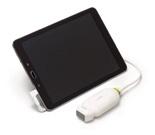
LUMIFY HANDHELD ULTRASOUND: $11,560 EACH
Royal Darwin Hospital, Primary Health Care (5), Gove Hospital, Paediatrics, Angurugu Primary Health Centre, Primary Health Care
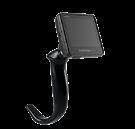
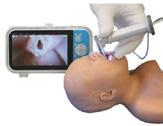
NEONATAL VIDEO LARYNGOSCOPE WITH BLADES: $12,300
Gove Hospital, Paediatrics
TITAN DIAGNOSTIC TYMPANOMETER: $31,670
Gove Hospital, Paediatrics
BABYLEO TN500: $75,160
Royal Darwin Hospital, NICU
BABYLOG VN800 NEONATAL VENTILATOR: $84,400
Royal Darwin Hospital, NICU
Western Australia
RAD 57 PULSE OXIMETER: $2,000
Derby Hospital, Maternity and Paediatrics
NEOPUFF RESUSCITATION DEVICE: $2,420
Rockingham General Hospital, Neonatal Unit
EZ-IO DRILL & EDUCATOR KIT: $2,910 EACH
Armadale-Kelmscott Memorial Hospital, Education, Kununurra Hospital, Emergency
SYMPHONY BREAST PUMP WITH CASE: $3,180 EACH
Fiona Stanley Hospital, NICU, Narrogin Health Service, Maternity, Carnarvon Health Campus, Maternity, Fiona Stanley Hospital, NICU, Margaret River District Hospital, Midwifery
SYMPHONY BREAST PUMP WITH STAND: $3,550 EACH
Fiona Stanley Hospital, NICU, Bunbury Hospital, Maternity, Bunbury Hospital, Maternity
950 HUMIDIFICATION SYSTEM: $5,000 EACH
Broome Hospital, Special Care Nursery, Broome Hospital, Paediatrics
NEWBORN ANNE TRAINING MANIKIN: $5,980
Kununurra Hospital, Paediatrics
PREMATURE ANNE TASK TRAINER: $6,860
Kununurra Hospital, Paediatrics
MD-6000P HAND HELD BLADDER SCANNER: $7,120
Kununurra Hospital, Paediatrics
BILISTICK SYSTEM 2.0: $8,070
WA Country Health Service, Midwifery
CONNEX VITAL SIGNS MONITOR WITH STAND: $8,330 EACH
NEONATAL VIDEO LARYNGOSCOPE WITH BLADES: $12,300 EACH
Fiona Stanley Hospital, NICU, St John of God Murdoch, Special Care Nursery
The cost of the medical equipment as published by the Humpty Dumpty Foundation is an accurate estimate of the list price at the time of publication. It also includes an allowance for handling costs, delivery, handover costs and a plaque to acknowledge the donor. The actual cost of equipment may be different at the time of purchase. Any shortfall in the cost of the equipment will be paid by the Humpty Dumpty Foundation, any surplus will be treated as a donation and will be used to financially support the Foundation. Humpty will contact you to discuss alternatives if the selected item of medical equipment is unavailable or no longer needed by the stated hospital. In the unlikely event that an alternative replacement cannot be found to your satisfaction, then Humpty will refund the amount paid. Scan to learn more on how
. Scan to view the breast pumps still needed for hospitals across Australia!
Leave a Legacy of Lifesaving Impact
Your legacy, their future
Be part of Eternally Humpty, a community creating brighter futures for sick children.
By including a bequest in your will, you can ensure that future generations of sick and injured children receive the care they deserve. Your legacy will live on through equipment that saves little lives every day.
Ways to give
Pecuniary Bequest:
Leave a specified sum of money.
Residual Bequest:
Donate what remains of your estate after other gifts and expenses.
Whole Estate:
Leave your entire estate to Humpty.
Specific Purpose Bequest:
Nominate a hospital or cause close to your heart.
We recommend discussing your wishes with your family and solicitor to ensure your bequest reflects your intentions.
Why it matters
Humpty receives no regular government funding; every gift helps hospitals care for babies and children when they need it most. Your support will ensure families can stay together through recovery, and hospitals are equipped to save lives for years to come.
Join Eternally Humpty
To learn how your legacy can make a lasting difference, contact the Humpty team: by emailing humpty@humpty.com.au or calling 1300 HUMPTY (1300 486 789)
Suggested Wording
If you choose to leave a gift to Humpty, you may wish to include the following clause in your Will:
'I [insert name here] bequeath to the Humpty Dumpty Foundation (ABN 59 137 784 724) for its general purposes [insert one of the following options]:
The whole of my estate [insert number]% of my estate
The residue of my estate
The amount of $[insert value] in cash
My [insert asset name] free of all duties.
The receipt of the Chief Executive Officer or authorised officer of the Humpty Dumpty Foundation shall be a sufficient discharge to my Executor(s).'
A Little Fighter: Ella’s Journey of Strength, Survival, and
Joy
By Ella’s grandfather, Mike Kersten
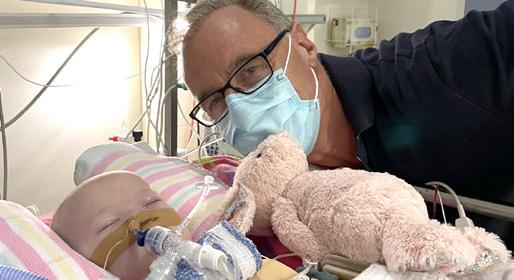
When Ella was born in August 2020, she brought an enormous sense of joy to our family. At the time, my late wife Felicity was battling advanced breast cancer, and Ella’s arrival became a light in an incredibly difficult period. Even now, Ella points to photos of her Grammy, forming a connection in her own way.
It didn’t take long to sense something wasn’t quite right. Ella was unusually quiet, and at the same time, her mum Sophia, a registered nurse, was grappling with her own concerns.
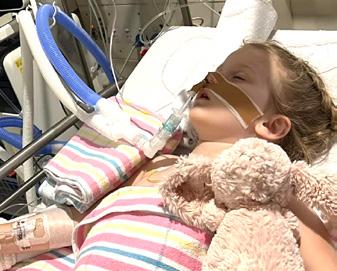
At just 10 days old, Ella was taken to Bathurst Hospital with severe breathing difficulties and a dangerously high heart rate. What followed was the beginning of a complex medical journey that would take the family between Bathurst, Orange, and Sydney, including extended time at The Children’s Hospital at Westmead.
Ella was diagnosed with a number of serious airway conditions and required immediate, ongoing care. At three months old, she was airlifted to Sydney and underwent her first airway surgery.
Over the months that followed, her care became an ongoing cycle of treatment, growth and further intervention. At six months old, she underwent a full airway reconstruction, a procedure that not only stabilised her condition, but gave her something she had never had before, her voice.
For the first time, Ella could be heard.
That moment brought a sense of normality, but it did not last. Ongoing complications meant further surgeries and continued hospital care. To date, Ella has undergone more than 20 operations.
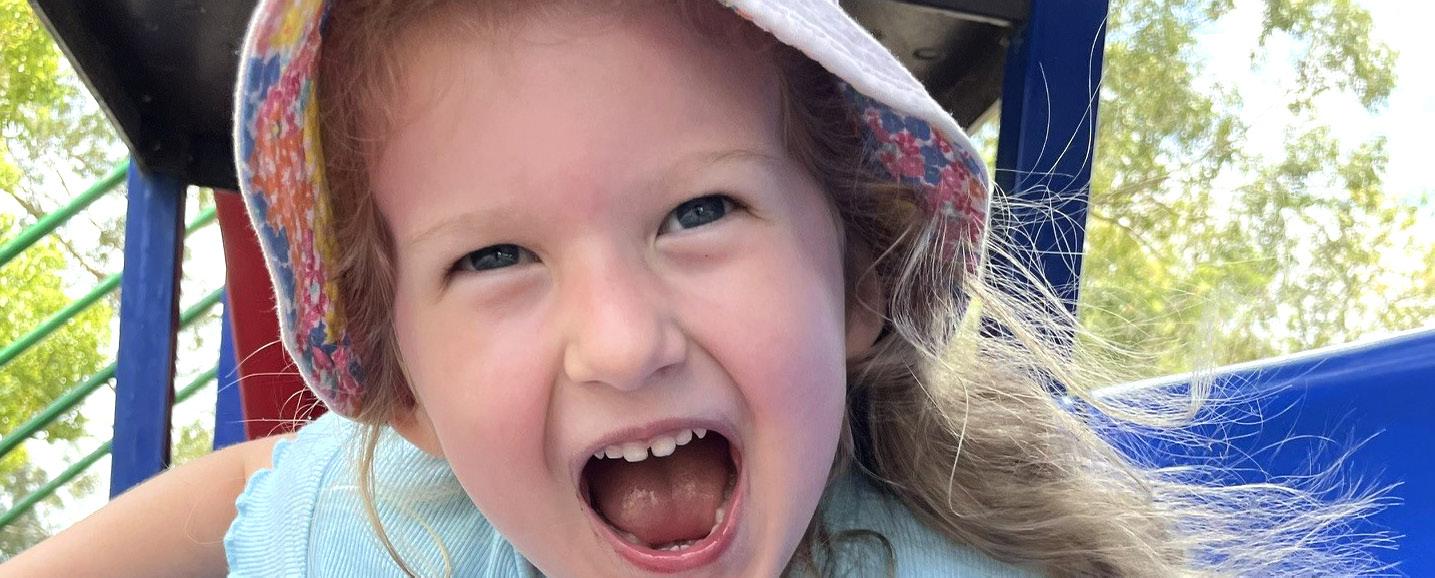
Despite everything, she remains a happy, engaged, and energetic little girl.
There is no doubt that Ella is only alive today because of the quality of the medical care she has received. The skill of clinicians, combined with access to specialised equipment, has been critical at every stage. These are essential tools that allow doctors and nurses to monitor, stabilise, and treat children in their most vulnerable moments.
We are also incredibly grateful that Sophia chose a career as a registered nurse. I can’t imagine how anyone could navigate such complex and emotional challenges with the calm, clarity, and strength she has shown, especially in those early days, without the training her profession has given her.
Living in regional New South Wales adds another layer of complexity. The travel, the time away from home, and the constant movement between hospitals all become part of the experience. Throughout it all, the care from hospital teams has been extraordinary. Organisations like the Humpty Dumpty Foundation play an important role in supporting that care, helping ensure hospitals have the equipment clinicians rely on every day.
What stands out most, though, is who Ella is today.
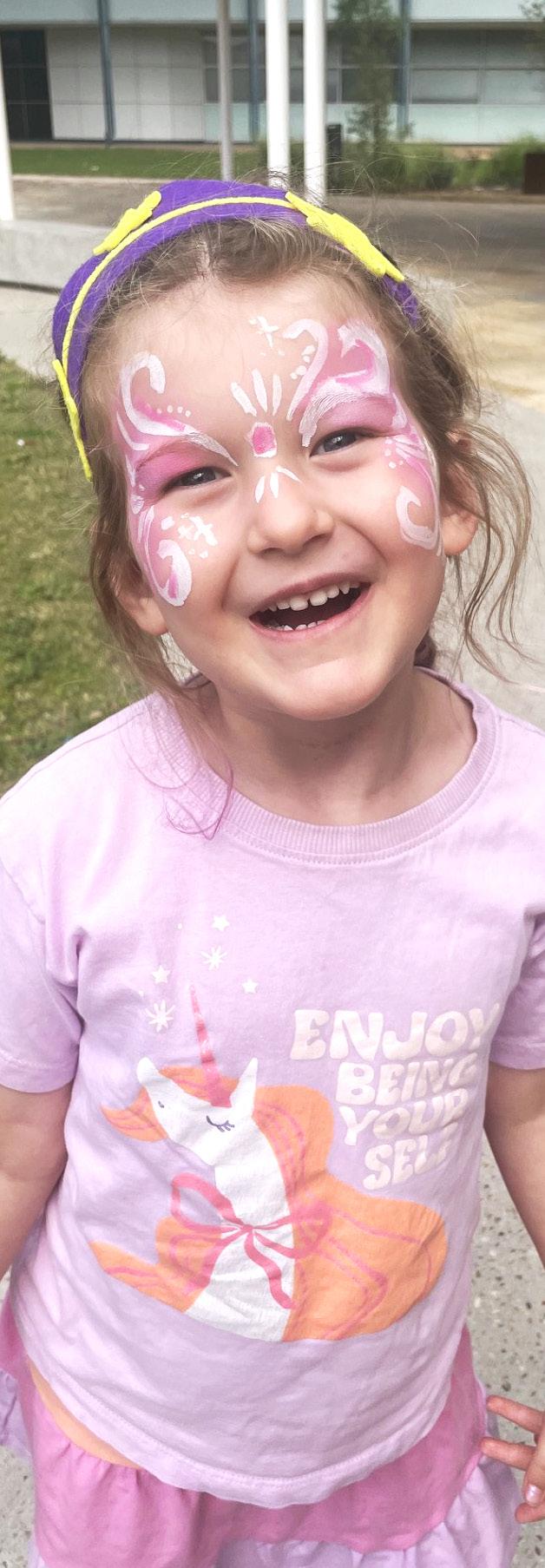
At five and a half, she is confident, curious, and full of life. She loves art, swimming, and playing with her friends, approaching everything with an energy that is impossible not to be lifted by.
Some of my favourite moments with Ella are the simplest ones. Swimming together or watching her fly a kite for the first time, completely absorbed in the joy of it. Her journey is not over, and there is still uncertainty ahead. But Ella has already shown a resilience that is hard to put into words.
She has taught all of us what it means to keep going.
Make your Impact Count This EOFY
By Ross Greenwood
Australians are generous people. Each year we donate more than $14 billion to charities across the country - a testament to the deep spirit of care and community that runs through our nation.
The Government recognises this generosity by allowing most charitable donations to be tax deductible.
Charitable donations, historically, rise as people age. Part of this is practical - through bequests or gifts to organisations that have made a difference in their lives or their families’ lives. But an increasingly common theme is emerging - families are starting to donate sooner in their lives, especially as a lesson to children to encourage donation. When families involve their children in conversations about where to donate, when they encourage them to learn about different causes and understand their impact, it builds a lasting bond between the family and the communities they support. Learning to give, and to be compassionate, is an important lesson that creates a ripple effect of kindness that stretches far and wide. The matriarch of a well-known Australian family once explained this to
we have taught them to give some of the income of that money away … and to be involved. Their lives will be much more worthwhile.” The lesson is a powerful reminder that generosity and compassion are gifts that enrich not just the lives of recipients, but also of those who give - no matter their circumstances. Among the many incredible organisations Australians support, Humpty’s work in delivering lifesaving medical equipment to sick children across Australia is both vital and inspiring.
It’s a charity whose mission is easy to understand, and whose impact is felt deeply by countless families.
And so to the rules of charitable givingthere are four conditions your donation must meet to be tax deductible.
The organisation you donate to must have status as a Deductible Gift Recipient (DGR). The Humpty Dumpty Foundation has DGR 1 status.
It must truly be a gift or donation – that is, you are voluntarily transferring money or property without receiving, or expecting to receive, any material benefit or advantage in return. A material benefit is something that has a monetary value.
The donation must be money or property – this can include financial assets such as shares.
It must comply with any relevant gift conditions – for some DGRs, the income tax law adds conditions affecting the types of deductible gifts they can receive.
We know times are tough for many families, and every household is feeling the pinch of rising living costs. But if you’re in a position to give, your generosity makes a genuine difference. So don’t be shy. Find a cause that speaks to your heart. Learn about the incredible work of charities like Humpty. And if you can, experience the joy of giving - knowing that your gift, no matter the size, helps build a stronger, kinder Australia. Scan to support or learn more about
Humpty’s End of Financial Year Appeal 2026
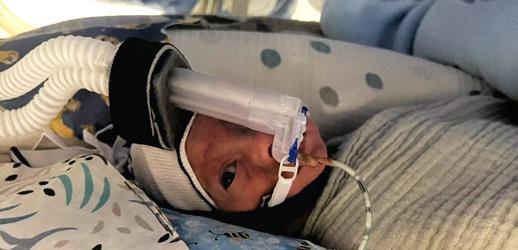
Baby Digby, who was born sick at Mt Isa Hospital in rural Queensland,