Voices from the Prairie
A publication of Humanities Iowa • Spring 2026
By the People programs celebrate the United States’ 250th anniversary.
Barberman play honors the life of civil rights leader Alexander Clark.
Community Conversations in Garner bring Iowans’ voices together.
ALSO IN THIS ISSUE:
Meet the new speakers who have joined Humanities Iowa’s Speakers Bureau.
HUMANITIES IOWA MISSION STATEMENT
The mission of Humanities Iowa is to promote understanding and appreciation of the people, communities, cultures, and stories of importance to Iowa and the nation.
Join other Iowans and support Humanities Iowa. Donations are tax-deductible to the extent permitted by law. Humanities Iowa also accepts gifts of stock or securities. To make a donation or receive more information please contact our office at (319) 335-4149 or info@humanitiesiowa.org, or visit our website at www.humanitiesiowa.org.
ABOUT VOICES FROM THE PRAIRIE
Voices from the Prairie is published twice annually by Humanities Iowa and distributed to its friends and interested Iowans.
CONNECT WITH US
Keep up with Humanities Iowa’s work yearround by following us on Facebook, Instagram, X, and LinkedIn at @humanitiesiowa.
Find news and information on speakers, grants, and ways to get involved with Humanities Iowa on our website at www.humanitiesiowa.org.
SUBMISSIONS
Would you like to contribute to the next issue of Voices from the Prairie? Contact grace-altenhofen@uiowa.edu to learn more.
COVER
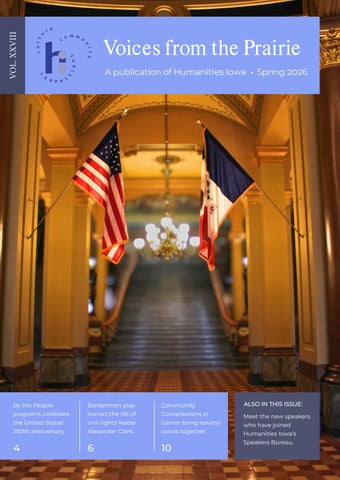
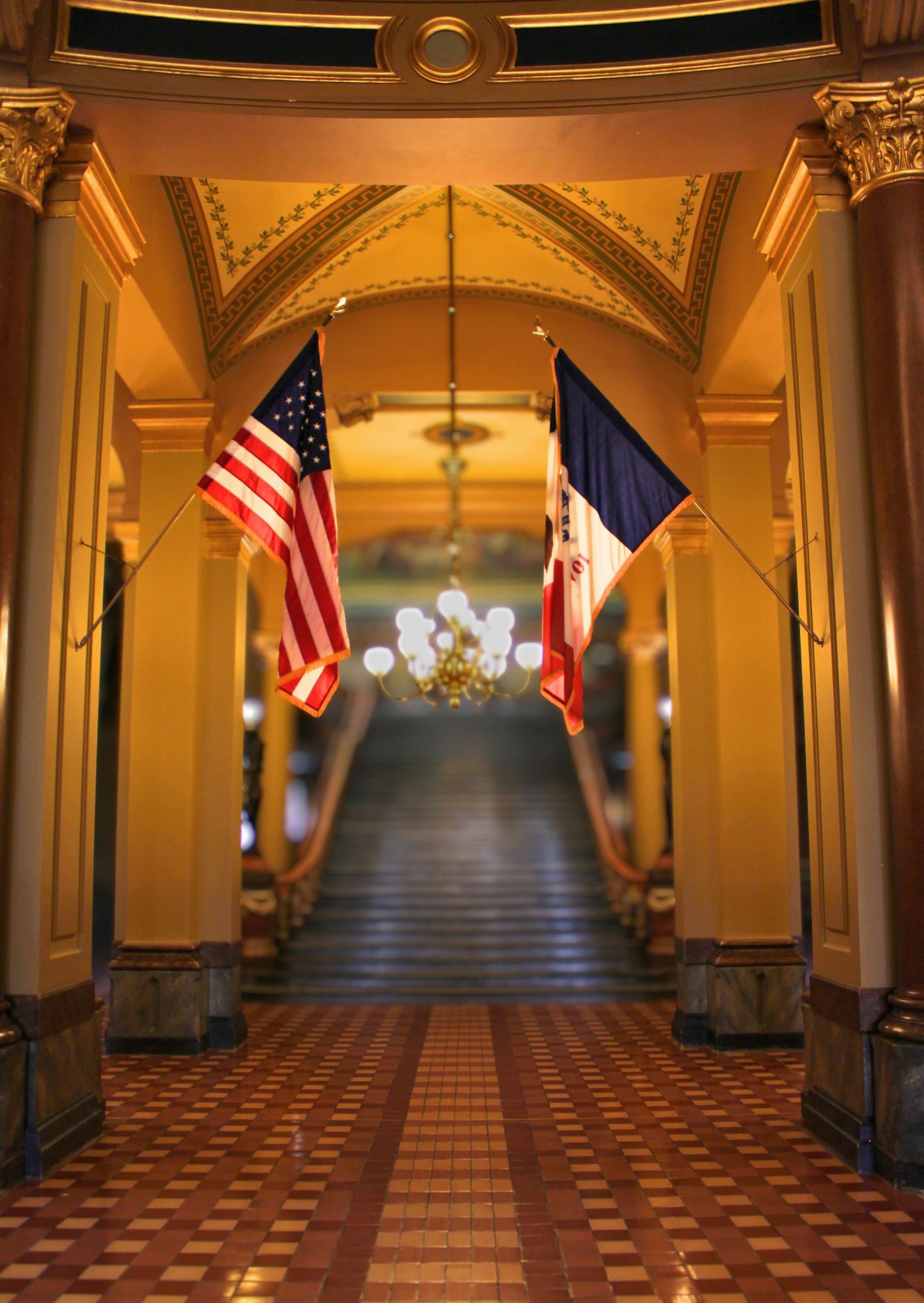
Pictured: The flag of the United States of America, next to the Iowa flag inside the Iowa State Capitol building in Des Moines.
See how Humanities Iowa is commemorating the 250th anniversary of the United States on pages 4-5. Photo by Grace Altenhofen
Voices from the Prairie
SPRING 2026
BOARD OF DIRECTORS
President
Dave Bright - Iowa City
Vice President
Monica Challenger - Cedar Rapids
Secretary
Cynthia Sweet - Cedar Falls
Treasurer
Jan Warren - Iowa City
Directors
Kelly Baum - Des Moines
Gaye Shannon Burnett - Davenport
Janet Flanagan - Sioux City
Christine Shea - Iowa City
William Friedricks - West Des Moines
Sherry Gupta - Grimes
Kevin Mason - Forest City
Fredo Rivera - Des Moines
Esther Mackintosh - Washington, D.C.
Dawn Sly-Terpstra - Lynnville
Treyla Lee - Sioux City
Linda Shenk - Ames
HUMANITIES IOWA STAFF
Executive Director
Heather Plucar - Huxley
Communications & Grants Director
Grace Altenhofen - Boone
CONTACT
Humanities Iowa PO Box 881 Ames, IA 50100 humanities-iowa@uiowa.edu
Letter from the Executive Director
Dear friends,
Welcome to the Spring 2026 issue of Voices from the Prairie
We’re excited to share an update on Voices from the Prairie: beginning this year, we will be publishing two issues annually, one in the spring and one in the winter. Moving forward, the winter issue will continue to serve as our annual report issue, including financials, partner and donor recognition, and reflections on impact from the year. The spring issue will take a more storytellingfocused approach, centered on voices from across Iowa and the experiences of the people and communities we serve. This Spring 2026 issue is the first in that new format, and we’re glad to bring it to you.
At Humanities Iowa, we talk a lot about connection. In practice, that usually looks like people showing up, whether at a library, a community center, or a local event, and having a real conversation. Asking questions, sharing experiences, sometimes agreeing, sometimes not—that’s the work.
You can see that happening right now through By the People: Conversations Beyond 250, an initiative from the Federation of State Humanities Councils and the Smithsonian Center for Folklife and Cultural Heritage that has allowed Humanities Iowa to host a series of free programming across Iowa coinciding with the 250th anniversary of the United States. The goal is simple: create space for people to think together about where we’ve been and where we’re going. That work is more important than ever.
This issue is built around that same idea. The voices you’ll find here reflect a wide range of perspectives and experiences. Some may resonate with you right away. Others might not. Either way, they’re worth spending time with.
Like many organizations, we’re also navigating an uncertain nonprofit landscape right now. That hasn’t changed what we do, but it does reinforce why it matters to keep showing up and doing it well.
If you’ve supported Humanities Iowa in any way—by attending a program, partnering with us on a project, or simply paying attention—thank you. And if you’re new to this work, welcome. We’re glad you’re here.
Thanks for reading, and for being part of the conversation.
Warmly,
Heather Plucar Executive Director
Reflecting on 250 Years of the United States
Open Book and What Do We Stand For? programs encourage conversation and historical reflection during the United States’ 250th anniversary
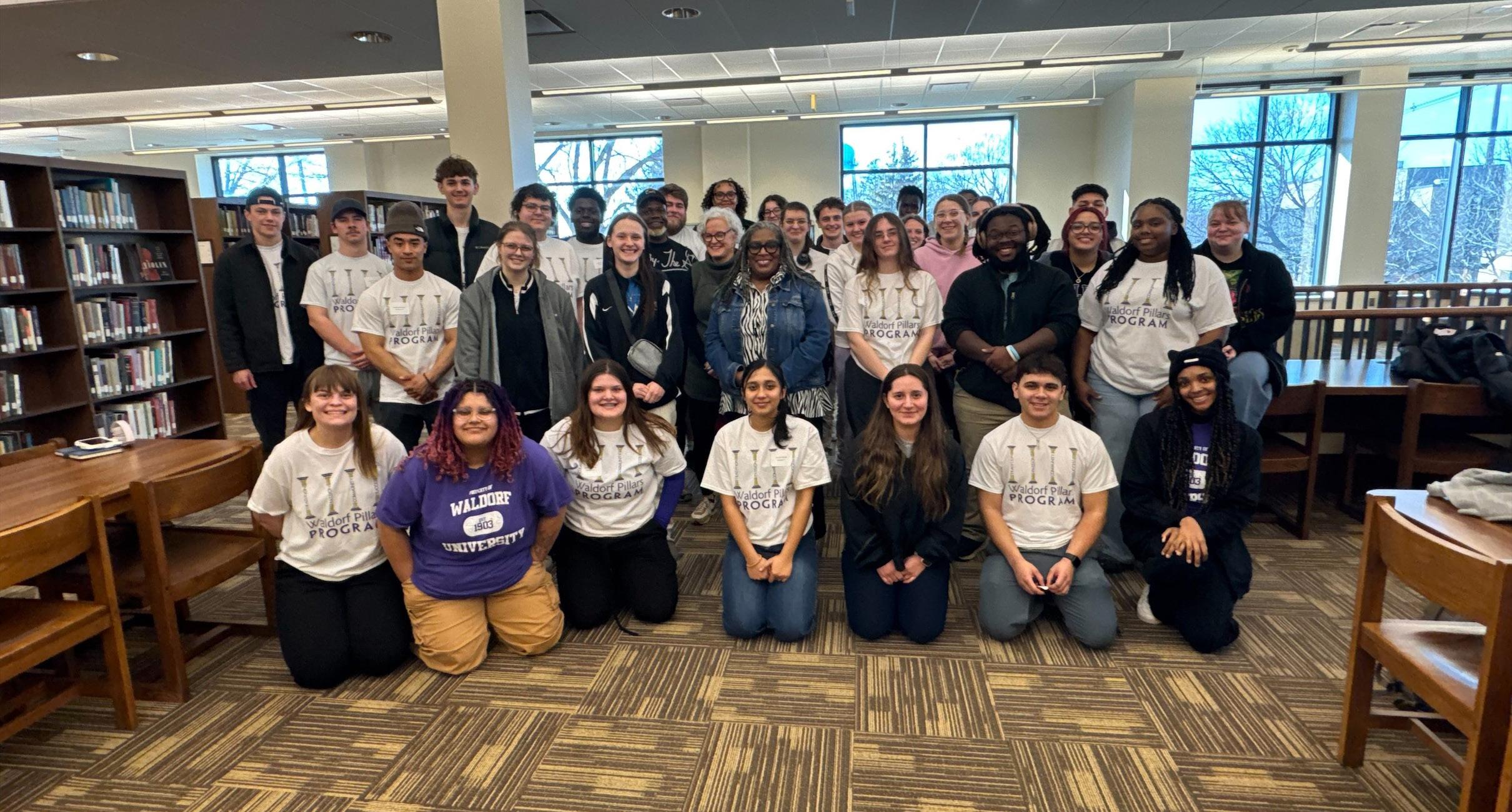
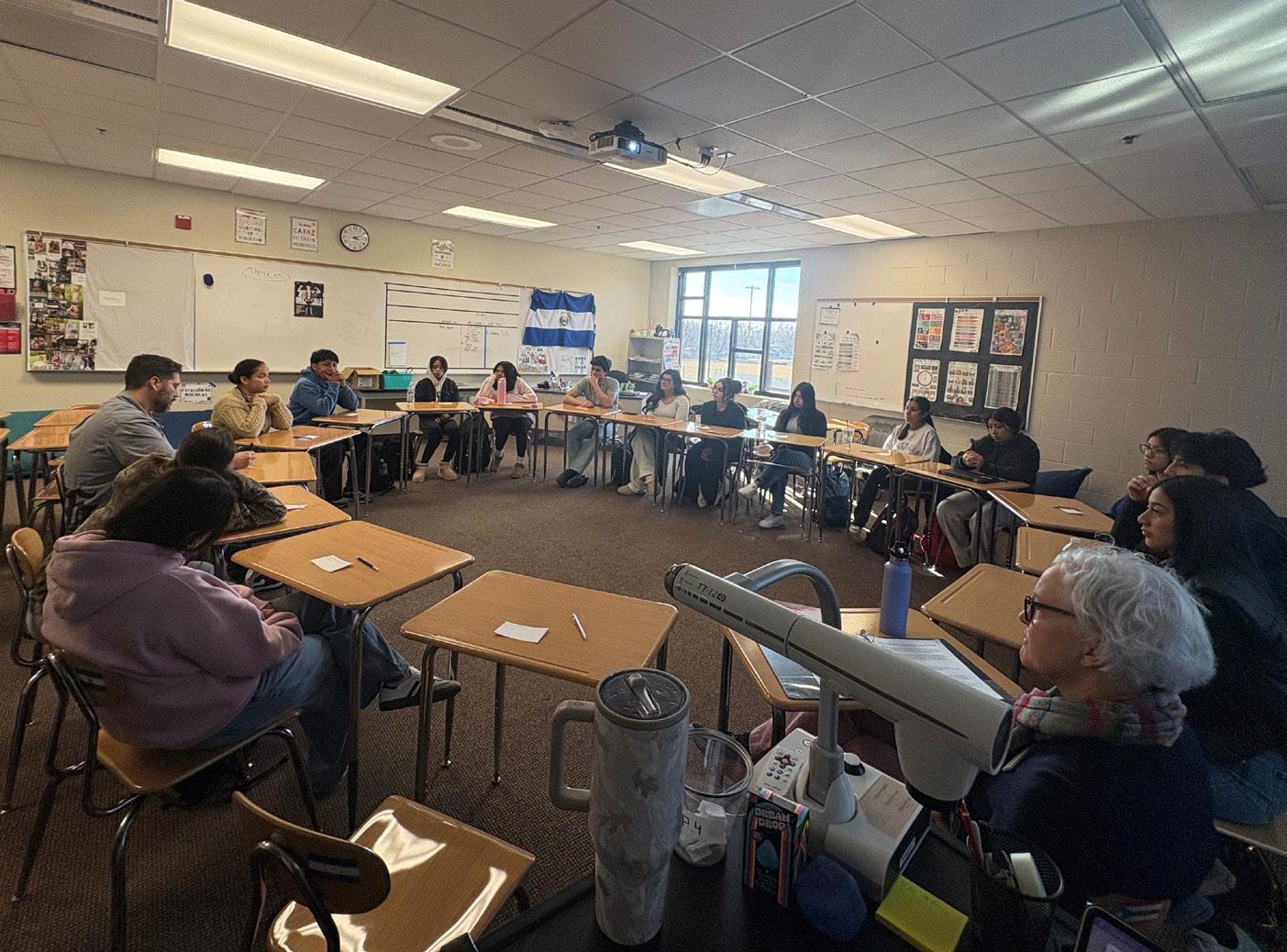
Students pose with ‘Books’ after an Open Book program at Waldorf College on March 11.
To mark the 250th anniversary of the signing of the Declaration of Independence, Humanities Iowa is hosting a series of programming as part of the national initiative By the People: Conversations Beyond 250.
By the People: Conversations Beyond 250 is a series of community-driven programs created by humanities councils across the United States, its territories, and the District of Columbia in collaboration with local partners. Together, these programs explore 250 years of the nation’s cultural life and imagine its shared future. The initiative was developed by the Federation of State Humanities Councils and the Smithsonian Center for Folklife and Cultural Heritage as a complement to the 2026 Smithsonian Folklife Festival.
Through two statewide programs — What Do We Stand For?, a guided reflection series on democracy and founding ideals, and Open Book, a partnership with CultureALL that brings Iowa culture bearers into classrooms — Humanities Iowa is sparking dialogue about democracy, identity, and shared values at schools, universities, and libraries across the state in 2026.
Open Book
Open Book, a partnership between CultureALL and Humanities Iowa, is a storysharing experience where people are the “Books” — culture bearers with different backgrounds who share a chapter from their lives in a small group setting. Open Book was featured in a segment on Iowa Public Radio’s Talk of Iowa this spring after research about the program was published in the Journal of Curriculum and Pedagogy.
The segment explores how Open Book brings Iowans together through conversation and storytelling — creating space for people of different backgrounds and experiences to connect in meaningful ways. The recent study published in the Journal of Curriculum and Pedagogy found that Open Book’s storytelling model is especially effective at engaging students and fostering intergroup understanding — even more so than traditional panel talks or presentation-style formats commonly used in schools and on college campuses. Researchers highlight that this approach can strengthen social bonds, reduce isolation, and cultivate empathy, particularly in communities shaped by “Midwest Nice” cultural norms.
Open Book programs supported by By the People: 26
What Do We Stand For?
What Do We Stand For? commemorates how, 250 years ago, a group of farmers who read philosophy in their spare time declared their independence and founded our republic.
What were the big ideas that inspired them? What is the purpose of a republic? What meaning do these old ideas have now?
Scott Samuelson, an award-winning philosopher, explores these questions as he guides audiences through the philosophical ideals that inspired the founding of the United States and how they resonate today. After each talk, participants are invited to engage in guided dialogue to remember together what a commitment to life, liberty, and the pursuit of happiness can mean for Americans now.
“Thanks to Humanities Iowa for believing that farmers should study philosophy!”
Scott Samuelson
What Do We Stand For? programs supported by By the People: 11
Photo Courtesy of Karen Downing, CultureALL
Upcoming By the People Programming
What Do We Stand For? | June 22, 5:30 p.m.
Union Public Library - 406 Commercial St. Union, IA
What Do We Stand For? | July 1, 6 p.m.
Van Meter Public Library - 505 Grant St. Van Meter, IA
What Do We Stand For? | July 7, 10 a.m.
Adel Public Library - 303 S 10th St. Adel, IA
What Do We Stand For? | July 7, 6 p.m.
Waukee Public Library - 950 S Warrior Ln. Waukee, IA
What Do We Stand For? | July 9, 6 p.m.
Waterloo Public Library - 415 Commercial St. Waterloo, IA
More 250th Programming Coming Soon: First America
As part of Humanities Iowa’s broader programming for the 250th anniversary of the United States, we will be partnering with the creators of First America to help share and promote this new six-episode narrative podcast series premiering in June. The series offers a powerful reexamination of how this country came to be—and how that history continues to shape our present. Centering Indigenous voices and scholarship, it challenges familiar narratives and restores stories that have too often been left out of the American record.
Featuring leading Indigenous scholars and historians including Rebecca Nagle (Cherokee Nation), Ned Blackhawk (Western Shoshone), Maggie Blackhawk (Fond du Lac Band of Lake Superior Ojibwe), Phil Deloria (Dakota descent), and Nick Estes (Lower Brule Sioux
Tribe), the series brings together awardwinning journalists and academics to offer a deeper, more complete understanding of U.S. history.
The first episode premieres June 22.
Additional information and updates will be shared as they become available through Humanities Iowa’s newsletter and social media channels. Learn more at www.firstamerica.info.

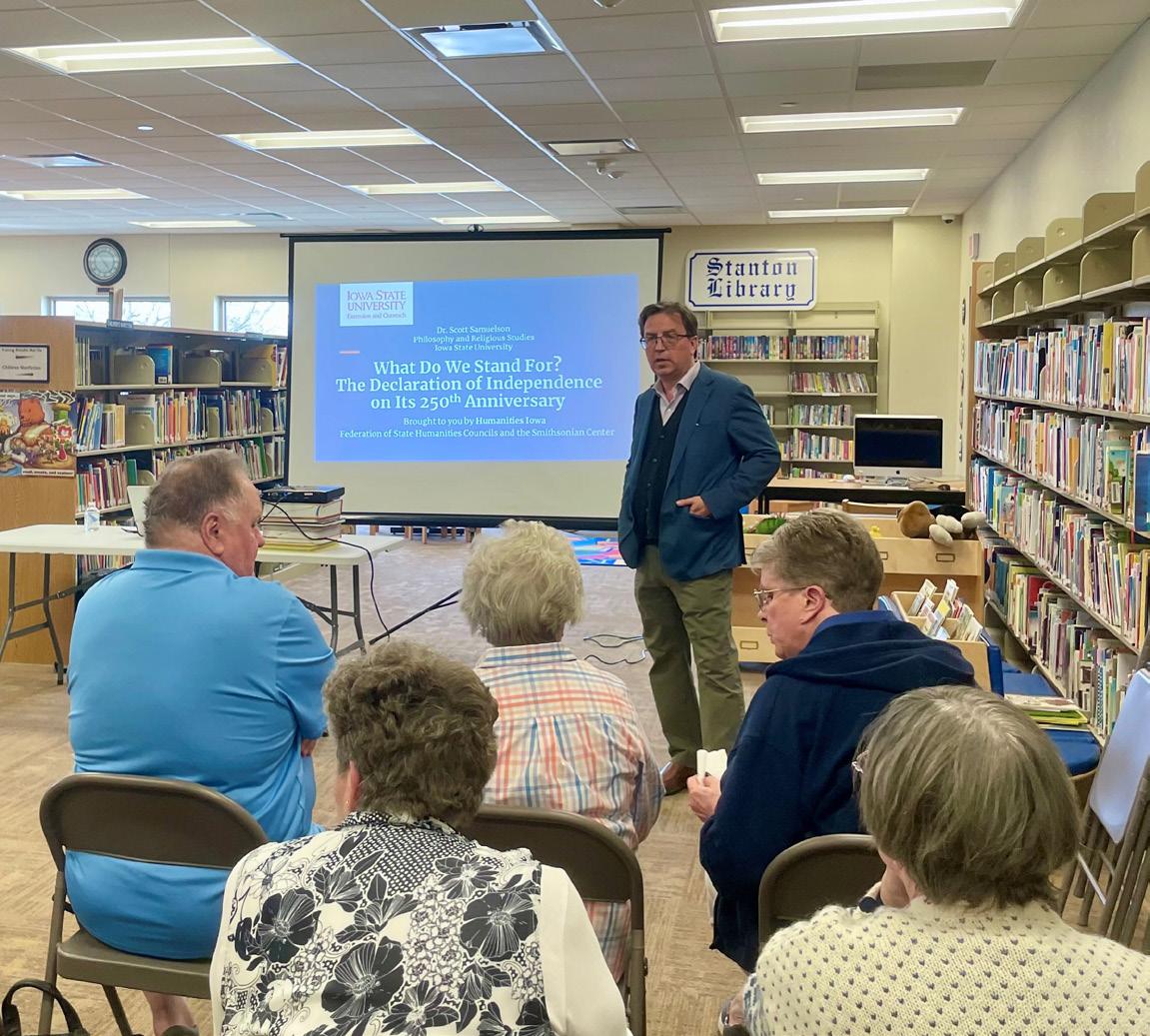
Philosopher Scott Samuelson leads a What Do We Stand For? program at the Stanton Public Library on March 25.
Photo by Grace Altenhofen
Students at Urbandale High School participate in an Open Book session on January 29. Photo Courtesy of Karen Downing, CultureALL
Mini Grant Spotlight Story by
Emily Nelson
Playwright Brings Iowa Historical Figure to Life
University of Iowa’s Arts Share, the Muscatine Art Center, and the Stanley Center commissioned Iowa Playwrights Workshop student Cianon Jones to write a play about Alexander Clark, a longtime Muscatine resident and early leader in the fight for equal rights in the state. Now that play will bring Alexander Clark’s story to life for Iowans through a full theater production in 2026.
Cianon Jones sat under a gray sky next to a hillside grave in Muscatine, Iowa. The second-year student in the Iowa Playwrights Workshop had spent considerable time researching the man whose name was on the tombstone.
But, she says, this trip may have been the most important step in her work to bring Alexander Clark’s life to the stage.
“I needed to go and be in these places he was,” Jones says of visiting Clark’s gravesite, home, and where his church used to be. “It reminded me that this person is still here, in a physical sense to some degree, but also with all the work he did. It’s still here and still impacting our lives.”
An early leader in the fight for equal rights in Iowa, Clark is best known for successfully suing to desegregate Iowa schools in 1868, 86 years before the United States Supreme Court’s decision of Brown v. Board of Education.
But the longtime Muscatine resident also helped recruit Black soldiers during the Civil War, successfully fought for the right of Black men to vote after the war, and was politically active at the local, state, and national level.
After his son, Alexander Clark Jr., became the first Black person to earn a law degree at the University of Iowa in 1879, Clark earned his own law degree from the university in 1884. Clark died in 1891 as he was serving as the U.S. minister to Liberia.
But even in Iowa, Clark isn’t all that well known. Melanie Alexander would like to help change that, with an assist from the talent found at the “Writing University.”
“There are some people who can say, ‘Oh, Alexander Clark is the one who fought for the right for his daughter to attend school,’” says Alexander, director of the Muscatine Art Center. “But there is so much more to his story. We wanted to find a creative way to make this bit of Muscatine history, Iowa history, and national history more accessible — especially to young people.”
From Page to Stage
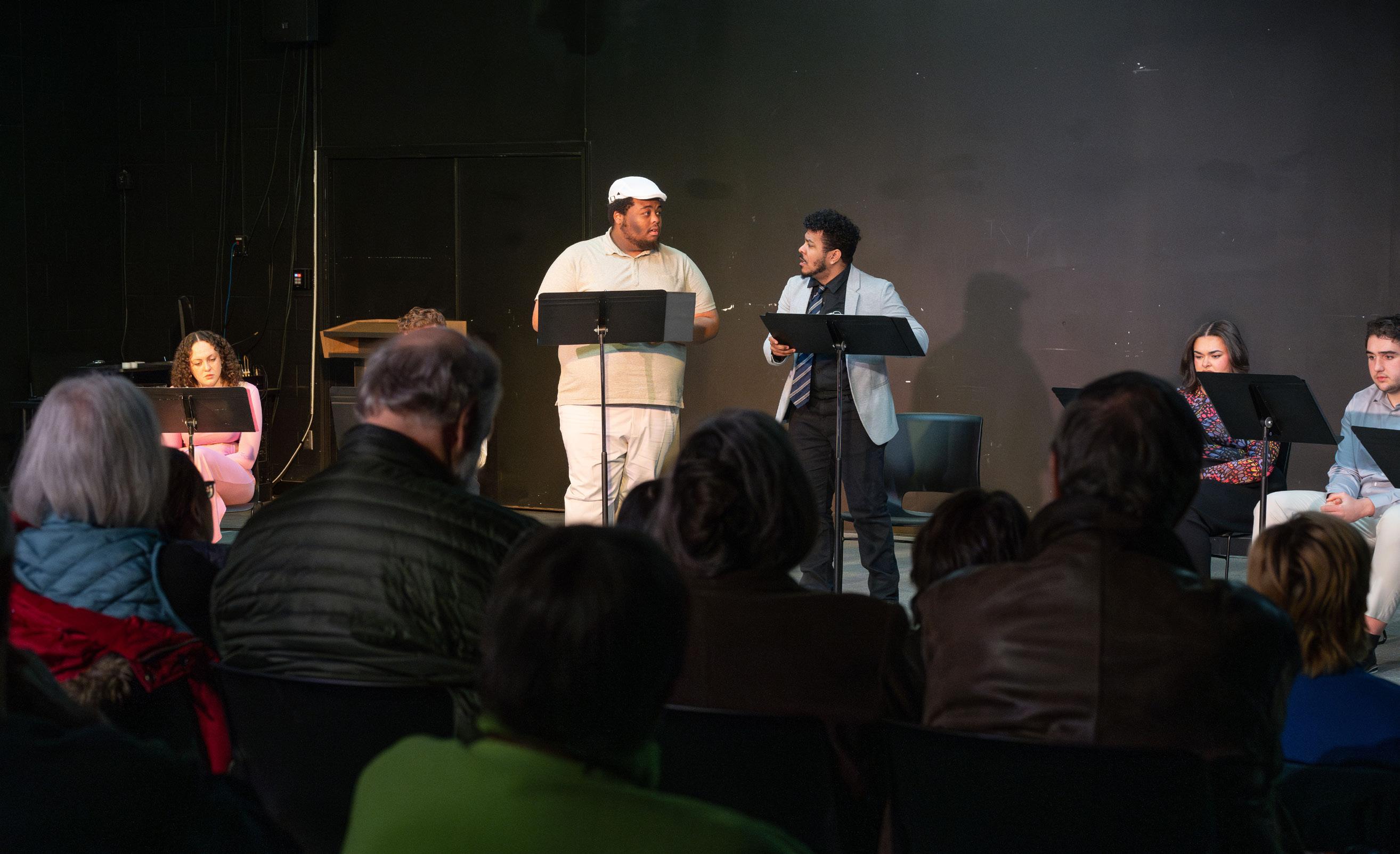
The Muscatine Art Center partnered with Global Education at the Stanley Center and UI Arts Share to commission Jones to write a play about their famous resident from the 1800s. On Feb. 20, 2025, eight UI students performed a staged reading of the play during the afternoon for Muscatine high school students and in the evening for community members.
The project grew out of a partnership with Arts Share in which UI students with the Darwin Turner Action Theatre traveled to Muscatine the past two years to perform for Muscatine sixth-graders. Those performances included monologues, poetry, music, and dance that spoke to Black culture and the Black experience.
“We were blown away by the talent of the university students,” Alexander says. “It was also an amazing experience for these younger students to see young men and women not much older than them perform and then get to ask them about how they got
A Muscatine audience watches a staged reading of Barberman in February 2025. Photo by Kirk Murray | Courtesy of the University of Iowa
to where they are and talk about the emotions that were evoked through the performance.”
Jones was one of the students who performed with the Darwin Turner Action Theatre in 2024 — and it’s where she first heard of Alexander Clark.
Jones says her research into Alexander Clark began with reading any articles and documentation she could get her hands on, as well as supplemental historical materials that discussed what was going on in the state at that time.
“It was all helpful, but also overwhelming,” Jones says. “I didn’t want people watching this play to feel like they were reading a history book. I had to seek out something that made him feel human.”
So, she traveled to Muscatine to visit locations associated with Clark. Soon after, she was able to see the story rising out of everything she learned.
That’s when she developed the character Barberman — and found the title of her play. Clark was a barber early in his life, and the character acts as a narrator through whose perspective the audience experiences moments from Clark’s life.
Isaiah Mark Owens, who played Barberman in the 2025 staged readings, said he thinks of the character as Hermes, the messenger of the gods and a mediator between the living and the dead.
“It feels as if we leave a little bit of ourselves in the work,” Owens said. “I like that with this process we can find our own identities and allow some of that to process into the work and to flow into it.”
Preston Coleman, an MFA student in acting from Baltimore, has a passion for history and happened to learn a little about Alexander Clark while reading about Black history in Iowa before coming to campus.
In the 2025 staged readings of Barberman, Coleman played Jim White, a Black man whom Clark helped keep from being returned to Missouri, a slave state.
“He illustrates the real stakes at play, that this is life or death,” Coleman said. “I love history, especially if it’s unspoken or never heard of.”
In 2026, Coleman will be taking over the titular role of Barberman — an opportunity to share this history with new audiences.
Jones says she most enjoyed bringing to life the women around Clark.
“I wanted to give respect and honor to his wife and daughter and mother, because as much as it is about Alexander Clark, he never would
have been able to do these things without these women,” Jones says. “They were his world, and he was their world. They did all this work together.”
While Barberman includes stories of the well-known actions of Clark and the important historical figures he interacted with, it also weaves in more personal stories of love and loss.
Jones says she hopes Barberman makes an impact on others the way it’s made an impact on her. “I also hope it makes them more curious,” she says. “I hope it encourages them to learn more about the world that we live in and about the people who have forged it for us.”
Reaching More Iowans
Alexander said at the time of the staged reading in 2025 that she hoped to see Barberman: The Alexander Clark Story one day become a full theatrical production. That vision will now be realized in 2026.
UI Arts Share is transforming the original staged reading into a full theatrical production, with performances scheduled at Muscatine Community College this summer.
All performances will be free and open to the public, with post-show Q&A sessions featuring the playwright, actors, and director. The performances will be held:
Friday, June 12th: 7 p.m. followed by Q&A
Saturday, June 13th 2 p.m., no Q&A
Saturday, June 13th, 7 p.m., followed by Q&A
Sunday, June 14th, 2 p.m., followed by Q&A
Sponsors for the production include the Stanley Center’s Global Education Program, Community Foundation of Greater Muscatine,
UI Office of Community Engagement, UI Theatre Department, Iowa Arts Council, Muscatine Community College, Muscatine Art Center, and Humanities Iowa.
In partnership with the Stanley Center for Peace and Security, an educational display will be featured at each performance. This includes a five-part pop-up exhibit exploring Alexander Clark’s historical significance in Iowa and the U.S., as well as selected objects from the Muscatine Art Center’s permanent collection.
In collaboration with Azubuike Council for the Arts, the final dress rehearsal will be professionally filmed and made available to schools across Iowa to further extend the reach of Barberman beyond the stage.
For Jones, Alexander, and the partners involved in Barberman, the project has always been about more than a single performance — it’s about ensuring Clark’s story continues to resonate with new audiences.
As Barberman moves toward a full production, it carries forward the same goals that inspired the project from the beginning: bringing Alexander Clark’s story to life in a way that reaches new audiences, and ensuring that his legacy continues to inspire future generations of Iowans.
This story is adapted from an original article published by the University of Iowa. Humanities Iowa extends its thanks to author Emily Nelson and the University of Iowa for permission to adapt and share this story in Voices from the Prairie. Read the original story:


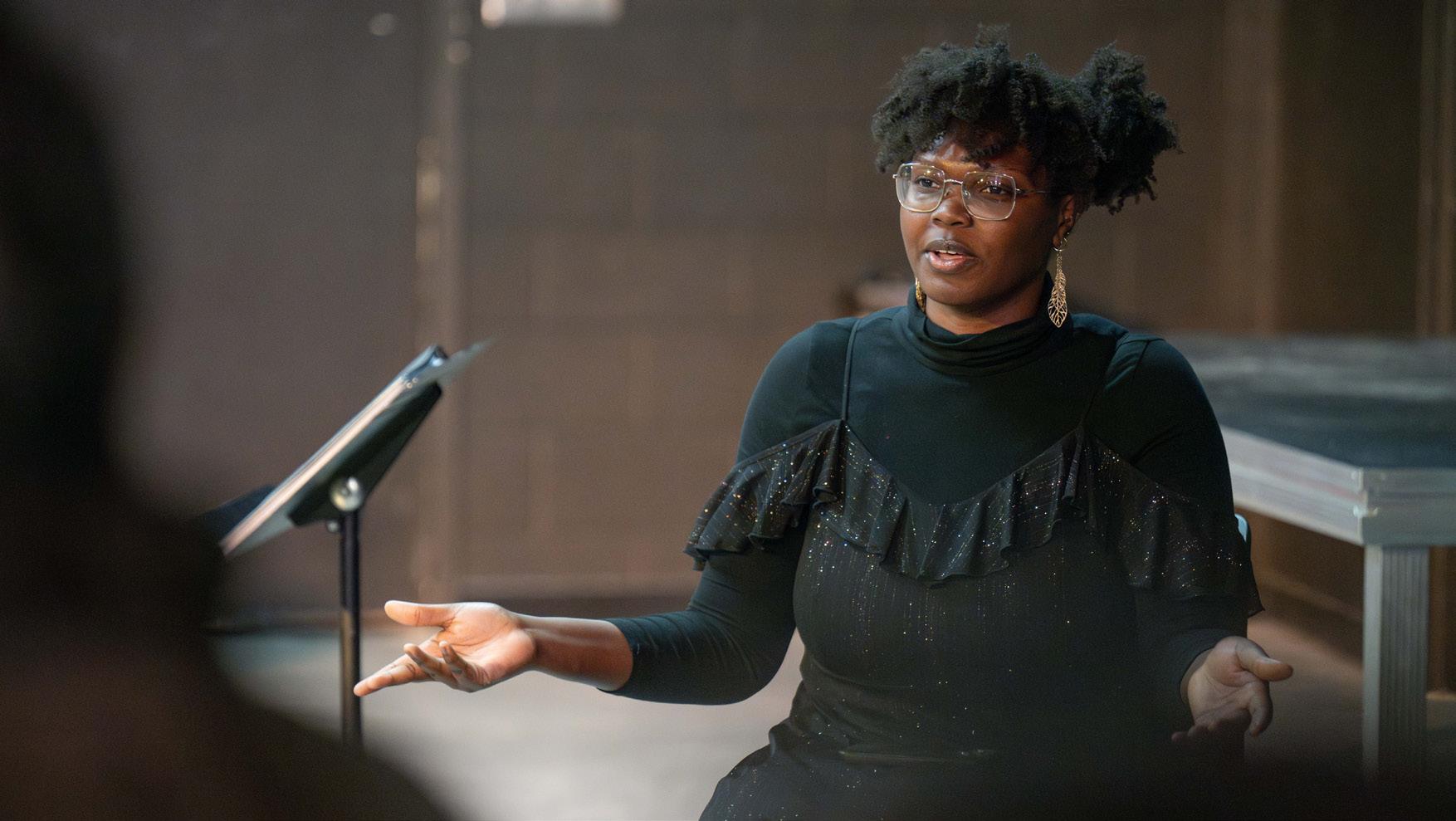
Cianon Jones answers audience questions following a staged reading of Barberman in February 2025. Photo by Kirk Murray | Courtesy of the University of Iowa
Mini Grant Spotlight Story by Cheryl Tevis
She Had a Dream, Too!
Coretta Scott King: Herstory Through Hersongs
We’ve heard the stories of Mrs. Martin Luther King, Jr., the devoted wife and mother of four children. But what about Coretta, the young woman who removed the word “obey” from her wedding vows in 1953? Or Coretta, the woman who spent 38 years following her husband’s death advocating for an array of causes? There’s much more to know: Coretta Scott King was a force to be reckoned with.
I learned just how much more at the “Celebrating Coretta Scott King: Her Story and Songs” concert at Morningside University in Sioux City earlier this week. This Black History Month event showcased the classical musicianship of Coretta Scott King, and how she used it to advance the cause of civil rights.
The concert was sponsored by the NAACP, Sioux City Branch in collaboration with the Morningside University Dept. of Visual and Performing Arts and the Sioux City Public Library. The event received funding from Humanities Iowa and the National Endowment for the Humanities.
“It’s not just Black History we’re celebrating,” said Tim Steele, an Iowa native who wrote the narration, curated the musical
selections, provided musical direction, and accompanied many of the soloists. “It’s truly American history. Instead of erasing it, we should be embracing it.”
My former college roommate, Dr. Marty S. Knepper, Morningside University Professor Emerita, and the sister of Tim Steele, served as project director. She said the convergence of shared personal connections brought this vision to reality:
Coretta Scott King graduated from the New England Conservatory of Music in Boston in 1954.
Timothy Steele, a Drake University graduate, has been an active vocal coach, collaborative pianist, and conductor on the opera faculty of the NEC for the past 34 years.
Bass-baritone Neil Nelson is a NEC graduate, who studied with Steele, and has sung in opera houses across the U.S. and in Russia. However, the Jamaican-born performer didn’t learn until years after his graduation that Scott King also had been an opera student there.
Marty and Tim’s father, the Rev. Otto Steele, received his doctorate at Boston University’s
School of Theology one year prior to Martin Luther King’s enrollment there. Like King, he had a social justice-oriented major, and his dissertation advisor was the same as MLK’s.
Performer Shannon Salyards Burton, who trained at Boston University, serves on Morningside University’s vocal music faculty.
“My brothers Tim, John, and I grew up hearing the story of Dad’s advisor who delivered a tribute at Martin Luther King’s funeral,” Knepper says. “I’ve found that most people did not know Coretta Scott King was a concert soprano.”
A repertoire of 25 freedom songs, spirituals, and art songs, many by Black composers, were key elements of the storytelling, with performances by the Morningside University Choir, directed by Ryan Person and the Gospel Community Choir, directed by NACCP member Sandra Pearson. Other vocal talents included Sioux City native Clark Sturdevant and several Morningside University student performers. The story was narrated by NAACP Chapter President Monique Scarlett.
Early Adversity
Coretta Scott was born on April 27, 1927 in a two-room home on a farm outside deeplysegregated Marion, Alabama, the second of three children. She described herself as “a tomboy and a fighter,” and one day she would draw upon every ounce of these instincts for the life she chose to pursue.
“I’m just a poor wayfaring stranger traveling through this world of woe. But there’s no sickness, toil, nor danger in that fair land to which I go.”
Poor Wayfaring Stranger, performed by Clark Sturdevant
She walked three miles to grade school, and attended Lincoln High School, a black high school in Marion, where she studied music. Her family’s house and sawmill were burned to the ground after her father refused to sell his mill to a white logger.
In 1943, Scott King’s older sister became the first African-American student to attend Antioch College in Yellow Springs, Ohio. Two years later, Coretta graduated as class valedictorian, and received a partial scholarship to Antioch. From 1947 until 1952, she studied music, and elementary education. But she was prevented from student teaching at an all-white school in Yellow Springs. “It was something she never forgot. She didn’t want those who came after her to experience this,” said narrator Monique Scarlett.
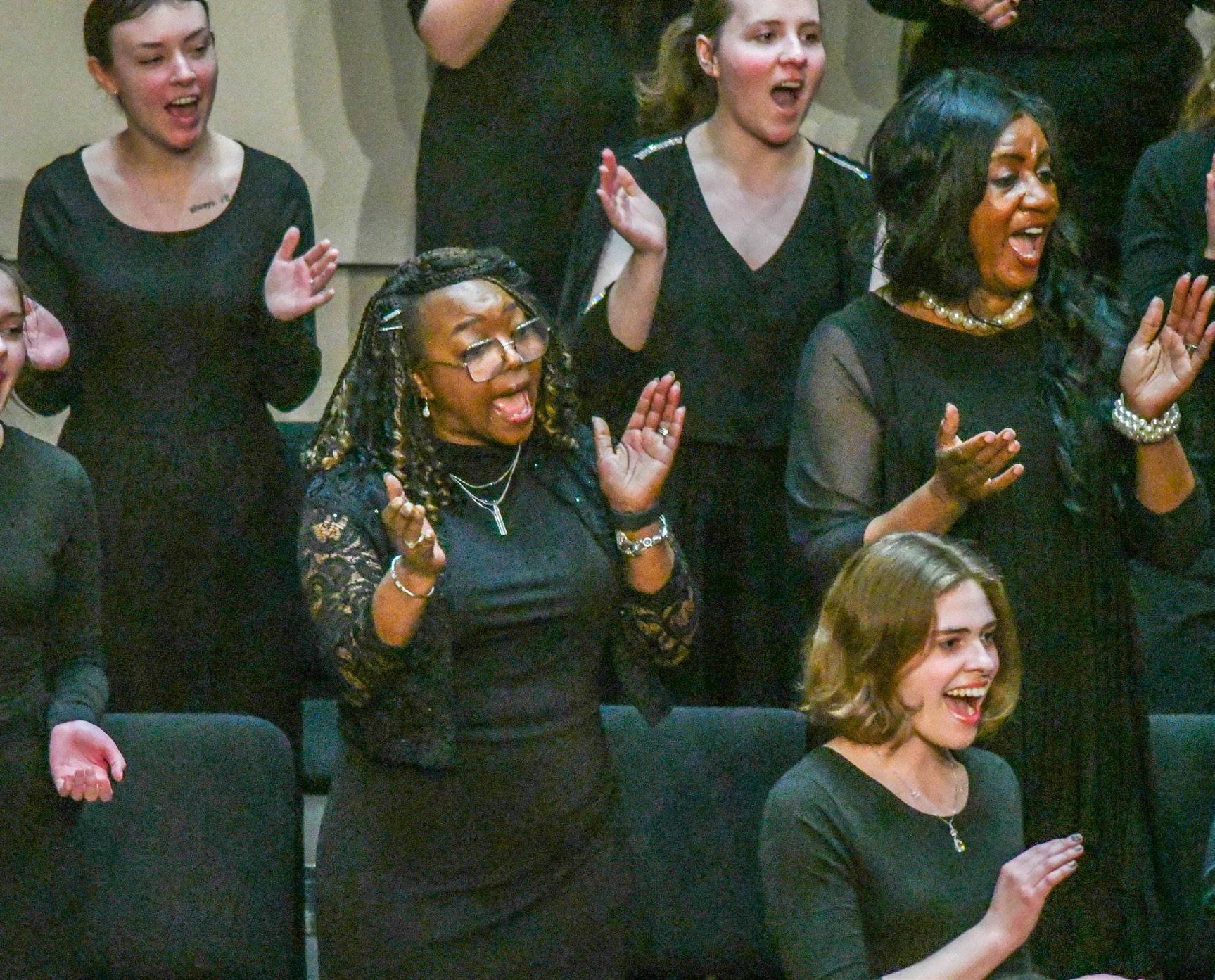
The Sioux City Gospel Community Choir performs with the Morningside University Choir during the final songs of “Coretta Scott King: Her Story and Songs,” an event held by the NAACP - Sioux City Branch. Photo by Gene Knudsen
She joined the local chapter of the National Association for the Advancement of Colored People, and participated in the Race Relations and Civil Liberties Committees.
In November 1948, Paul Robeson, an acclaimed baritone and leading civil rights leader, was impressed when she performed Poor Wayfaring Stranger and Thanks Be to Thee at an Antioch College event sponsored by the NAACP. He encouraged her to continue her professional studies. She enrolled at the New England Conservatory of Music in Boston, funded by a $650 grant for tuition and fees from the Jessie Smith Noyes Foundation. She arrived on campus with $15, where she recalled living on graham crackers and peanut butter. Eventually she earned money cleaning and doing laundry.
A friend introduced her to ML King, a doctoral candidate at Boston University’s School of Theology. She said she wasn’t interested in dating a Baptist minister. She had in mind a career as a concert soprano.
But King called her, and they met for their first date on the steps of Jordan Hall at the NE Conservatory of Music. They discussed questions of race and economic injustice and the quest of peace. He was immediately smitten with her, and she gradually recognized he was a unique individual.
Married on June 18, 1953, she wore a blue dress, and instructed the pastor, the Martin Luther King, Sr., to remove the words “obey” from their marriage vows. Segregation prevented them from renting a hotel room, so they spent their honeymoon night at a funeral home owned by a friend.
They returned to Boston to complete their degrees. She graduated from NEC in 1954, and he received his doctorate in 1955.
They debated whether to stay in the New England, or move back to the Deep South. They had decided to move back when Martin received the call to be a pastor in Montgomery. A year afterwards, their first child, Yolanda, was born.
Three weeks later, Rosa Parks refused to give up her seat on a city bus, and changed the course of U.S. history.
“Oh, Freedom! Oh, freedom. Oh, freedom over me! And before I’d be a slave, I’ll be buried in my grave and go home to my Lord, and be free!”
Oh Freedom, performed by the Gospel Community Choir and the Morningside University Choir
porch, but Coretta and their daughter Yolanda escaped serious injury. She lived with the threat of harm, and the worry that her husband might not make it home one day. Segregation on buses was declared unconstitutional on Nov. 13, 1956. As their family grew, she continued to play a role in civil rights campaigns in Birmingham, Selma, and Chicago.
The Kings left Montgomery in 1960, moving to Atlanta, where he became the co-pastor of Ebenezer Baptist, and their home became an organizing center. Coretta launched a series of 40 Freedom Concerts across the U.S., including songs and narration, and raising $65,000 for the Civil Rights Movement. She traveled to Geneva, Switzerland, serving as a delegate on behalf of Women’s Strike for Peace at the United Nations Disarmament Conference.
In January 1966 in New Lady magazine, Scott King said, in part, “Not enough attention has been focused on the roles played by women in the struggle. By and large, men have formed the leadership in the civil rights struggle but ... women have been the backbone of the whole civil rights movement.”
MLK traveled constantly, and often was arrested and jailed. In Memphis to lead striking sanitation workers in 1968, he stepped out onto the balcony of the Lorraine Motel on April 4, at about 6 p.m. The 39-year-old Nobel Peace Prize laureate was killed by a single rifle shot.
The Struggle Continues
Days after the funeral, Coretta and three of their four children went to Memphis to lead the march by sanitation workers. Later that month, she took her husband’s place at an anti-Vietnam War rally in New York City. Within a year she wrote a biography called My Life with Martin Luther King, Jr., tracing their life together and the Civil Rights movement from Montgomery to Memphis.
She helped launch the Poor People’s Campaign in 1968. She was surveilled for years by the FBI for meeting with a Soviet Union delegation at the Geneva Conference, and her opposition to the Vietnam War.
She threw herself into the founding of the $15 million Martin Luther King, Jr. Center for Nonviolent Social Change. The King Center trained thousands of South Africans in the principles of non-violence. Everyone had predicted massive bloodshed, but there was virtually none when Nelson Mandela was elected President in 1994.
She worked for 15 years to establish the national MLK, Jr. Holiday. Led by Michigan Rep. John Conyers, it was introduced 79
times; Coretta’s efforts collected nine million signatures. It was observed for the first time by Federal workers in 1986, and after another 17 years, all 50 states recognized it.
She campaigned for the Equal Rights Amendment, and for LGBTQ rights. When she died in 2006, at the age of 78 years, 6,000 people attended her funeral, including four U.S. presidents. The Coretta Scott King Center at Antioch College opened in 2007. An annual memorial concert is held at NEC, and a bronze statue of her on its campus features the words, “Continuation of a Dream.” In 2017, a posthumous memoir, My Life, My Love, My Legacy, was published, describing her life following ML King’s death.
Keeping Hope Alive
News of Jesse Jackson’s death broke on the morning of the concert, and the significance of his passing during Black History Month wasn’t lost on the Sioux City audience. Jackson’s legacy was interwoven with MLK. He had marched by his side, and was on the balcony of the Lorraine Motel that night. He called Coretta to let her know what had happened. Jackson’s death, marking the passage of an era of the fight for freedom and social justice, infused a sense of loss into the spirit of the evening.
“Civil rights history has a direct correlation to today as we continue the fight for equality and justice for all,” Monique Scarlett said. “While previous generations marched and advocated for fair treatment, today we must stand tall and demand it.”
As the concert concluded, as if on cue, the audience rose to its feet, clapping to the contemporary arrangement of the final hymn, performed by the Gospel Community Choir with pianist Tim McGee and drums by Tim McGee, Jr. and conducted by Sandra Pearson.
“We shall overcome. We shall overcome someday. Oh, deep in my heart I do believe that we shall overcome someday.”
“Giving up is not an option,” Scarlett shouted out, as the melody faded into the night.
And all the people said, “Amen.”
This story was contributed by Cheryl Tevis, a member of the Iowa Writer’s Collaborative. To view a full version with additional photos, or to explore more of Cheryl’s work, visit her Substack, Unfinished Business.


ML King led the boycott. On January 30, 1956, a bomb exploded on the Kings’
Mini Grant Spotlight
Story by Jennifer Malek
Every Story Has a Place
Community Conversations in Garner Bring Voices Together
In a town like Garner, where people know each other by name, it is easy to assume we know each other’s stories, but often, we do not. We see familiar faces at the grocery store, at school events, and along Main Street. We wave, we catch up briefly, and we move on with our day. But how often do we truly pause to listen, to hear the experiences, perspectives, and histories that shape the people around us?
That question is at the heart of Community Conversations in Garner, a Humanities Iowa supported project designed to create intentional space for connection through the humanities. What began as a simple idea to bring people together for thoughtful conversation has grown into something much more meaningful for our community. Community Conversations invite people to slow down and engage with one another through shared experiences such as storytelling, history, cultural exploration, and civic discussion. These are not
lectures or presentations to sit through. They are conversations that are welcoming, interactive, and grounded in the belief that every voice matters.
In a community like Garner, that approach feels both natural and powerful. While we may cross paths often, we do not always have opportunities to go deeper. This project creates that space, one where people can reflect, share, and listen in ways that build understanding and connection.
At one recent session, a small group gathered in a circle, unsure of what to expect. As the conversation began, stories started to surface. People shared memories of growing up in Iowa, reflections on change, and moments of shared experience. What started as a quiet discussion became something more meaningful. People leaned in. They listened. They responded. By the end, many stayed long after the program had officially ended, continuing conversations that felt too important to leave behind. Moments like that have become a defining
part of this project. Participants are not just attending an event. They are contributing to a shared experience. They are hearing perspectives that expand their understanding, reflecting on their own experiences, and building connections that carry beyond the room.
A key part of what makes these conversations so impactful is the thoughtful facilitation provided by Dr. Kevin Mason. His approach creates a comfortable and respectful environment where participants feel encouraged to share while also being challenged to think more deeply. He brings both structure and flexibility to each session, allowing conversations to unfold naturally while still guiding them in meaningful and productive ways.
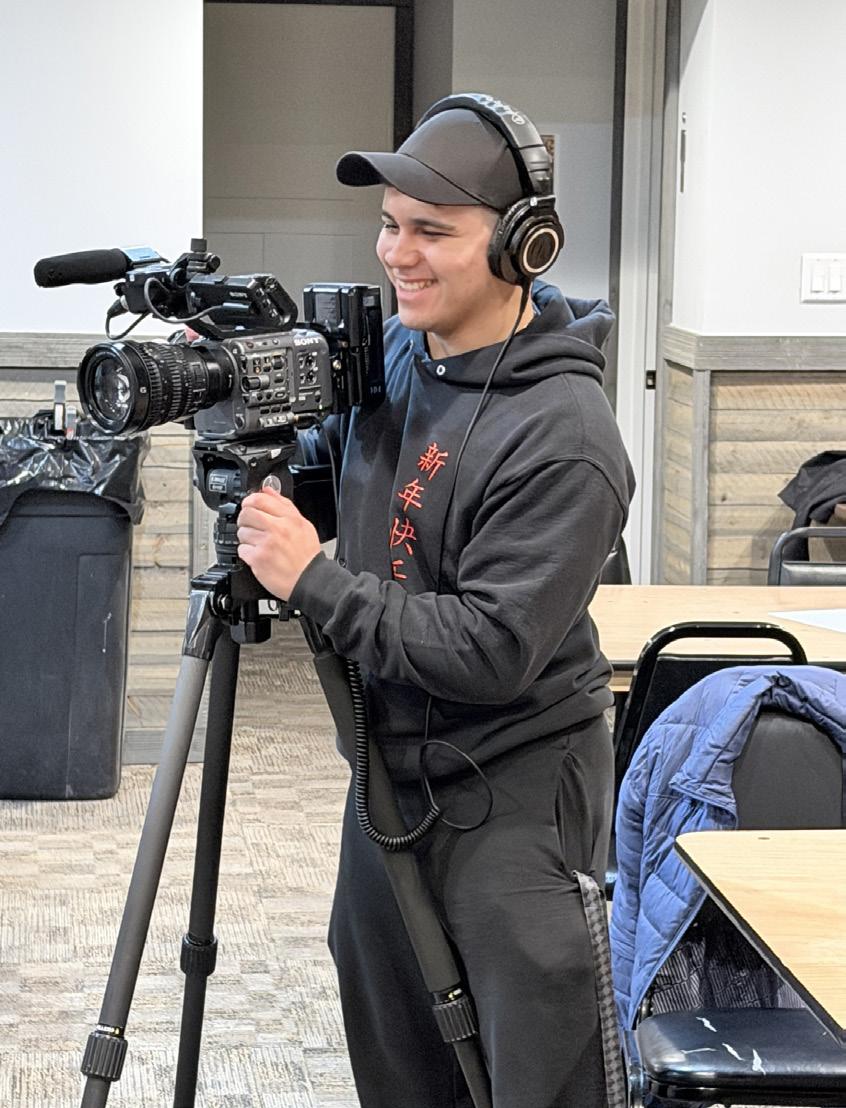
Another unique and lasting component of this project is the intentional effort to preserve these conversations. Students from Waldorf University’s Communications program have been attending sessions, recording the discussions, and working to thoughtfully
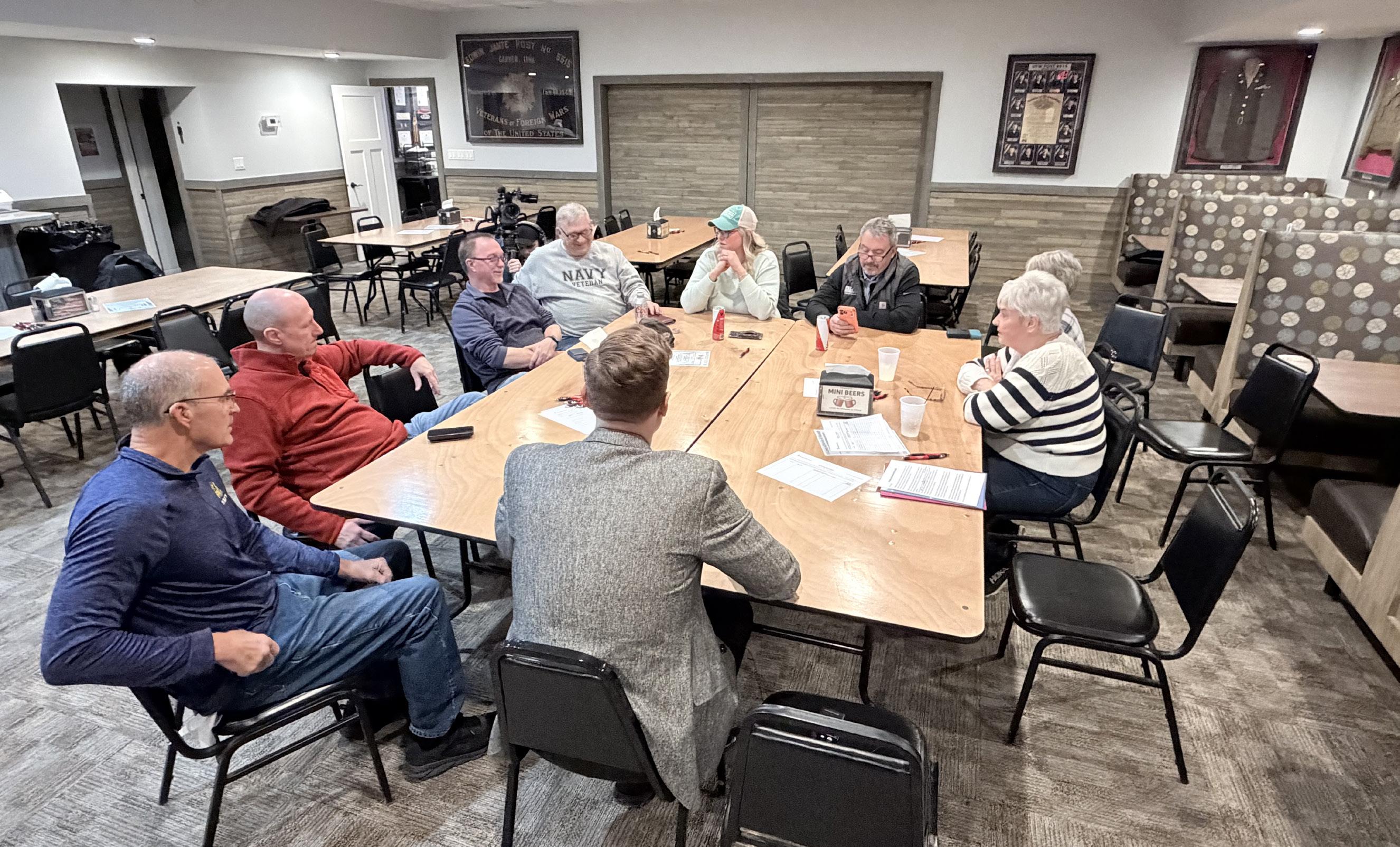
Local veterans gathered for a recent program focused on connection, conversation, and support. The gathering provided a space for veterans to share experiences, build relationships, and strengthen community ties. Photo Courtesy of Jennifer Malek, Garner Chamber of Commerce
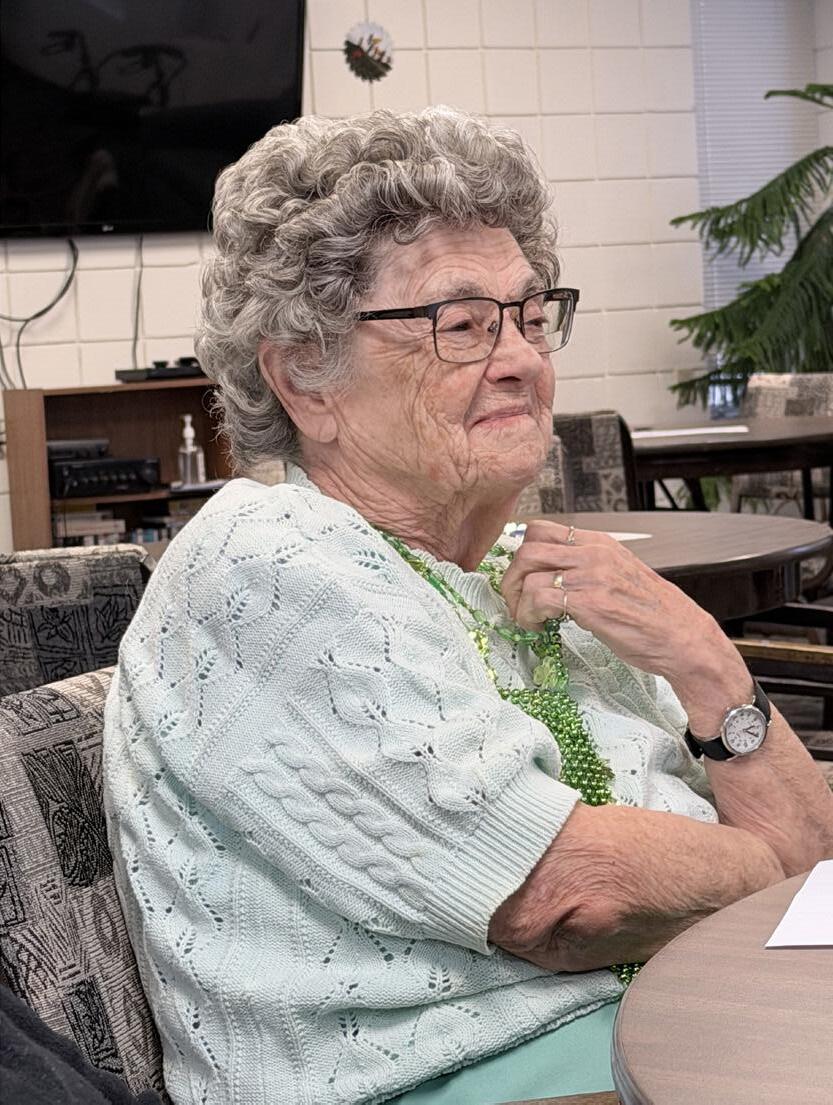
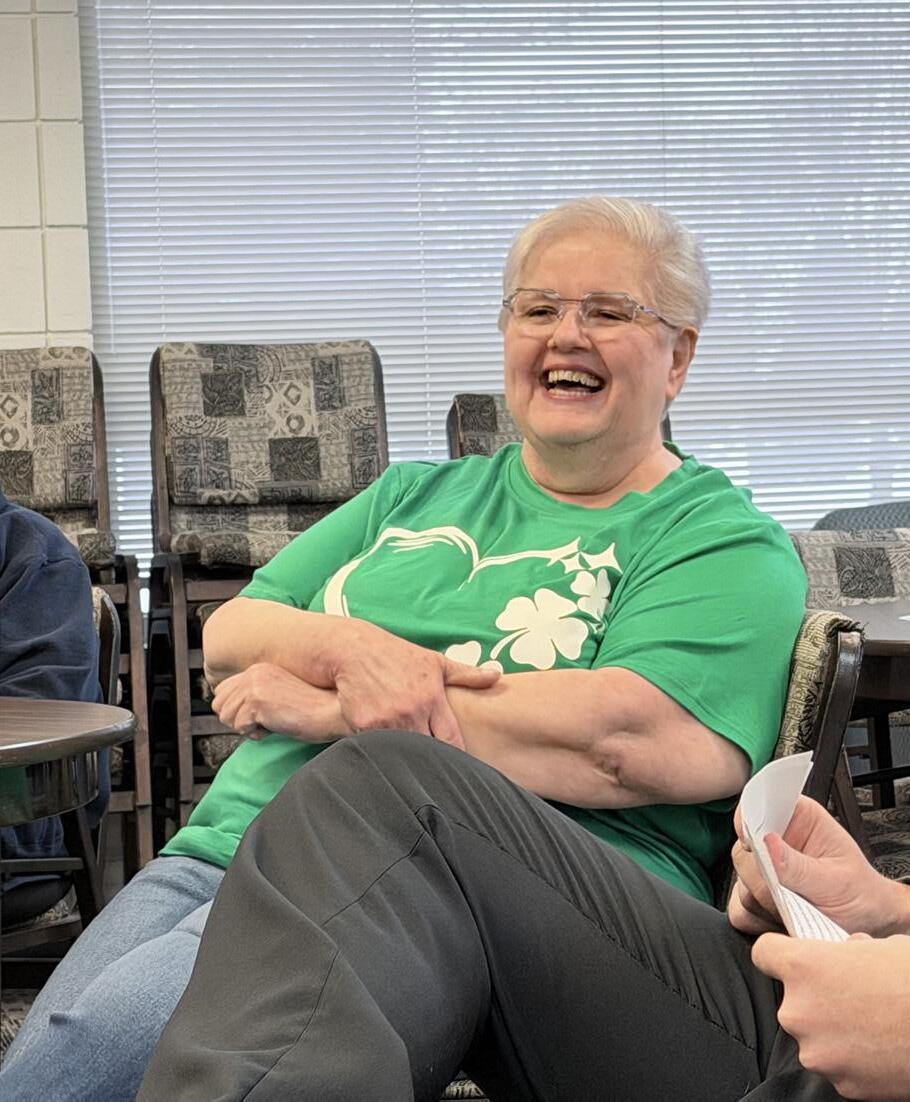
Moments of laughter and camaraderie highlight the impact of the program, reminding us that connection and community are just as important as the conversation itself. Photos Courtesy of Jennifer Malek, Garner Chamber of Commerce
edit the content. These recordings are then archived at the Garner Public Library, creating a lasting collection of community voices.
This piece of the project has added a deeper sense of purpose. Participants know that their stories are not only being heard in the moment but also preserved for future generations. The voices captured today will become part of Garner’s story tomorrow, offering insight, reflection, and connection for years to come.
Accessibility has also been a priority from the beginning. By hosting conversations in familiar community spaces and keeping them open to the public, barriers to participation are reduced. Whether someone comes with a deep interest in the humanities or simply a curiosity to listen and learn, they are welcomed into the conversation.
As the series has grown, one thing has become clear. People are looking for this kind of connection. In a world filled with constant information and digital interaction, there is something powerful about gathering in person, sharing stories, and being truly heard.
“In a world filled with constant information and digital interaction, there is something powerful about gathering in person, sharing stories, and being truly heard.”
That desire to listen and preserve stories is also shaping the next phase of this work. This summer, during Garner’s Duesey Day celebration on Saturday, July 11th, the project will expand with the addition of the Voices of Freedom Live Recording Booth. This interactive experience will invite community members to step in, share their stories, and
reflect on personal and local history, creating an even broader collection of voices that represent the heart of Garner.
The booth will provide an opportunity for individuals who may not have attended a formal conversation session to still take part in the project. It is another way of ensuring that stories from across the community are captured, valued, and preserved.
Community Conversations in Garner is more than a series of events. It is helping build a culture of conversation. It reinforces the idea that meaningful dialogue can bring people together, build understanding, and strengthen community bonds.
Humanities play an important role in that work. They help us understand where we have been, make sense of where we are, and imagine where we are going. Through storytelling, discussion, and reflection, they give us the tools to better understand ourselves and one another.
“Humanities play an important role in that work. They help us understand where we have been, make sense of where we are, and imagine where we are going.”
As Garner continues to grow and evolve, efforts like this help ensure that connection remains at the heart of the community. The conversations happening here are a reminder that even in a small town, there is a strong desire for meaningful engagement. And when given the opportunity, people show up.
With the support of Humanities Iowa, this project has created space for voices to be heard, connections to be formed, and stories to be shared. In Garner, these conversations
are more than moments. They are becoming part of a living history, shaping a stronger, more connected community for the future.
This story was contributed by Jennifer Malek, Executive Director of the Garner Chamber of Commerce. Learn more about the Garner Chamber of Commerce at garneriowachamber.com.
Step Into Summer at Garner’s Duesey Days
Duesey Days is Garner’s signature summer celebration, bringing the community together for a full weekend of fun, connection, and hometown pride. From live music and family friendly activities to great food and local vendors, the event is designed to offer something for everyone. Thanks to the generous support of local businesses and community partners, all live entertainment is provided free of charge, making it an accessible and welcoming experience for all. It’s a weekend that truly showcases the spirit of Garner and the power of community. Join us July 10th-12th! Learn more about Duesey Days:

From Iowans’ Voices Story by Rich Tyler
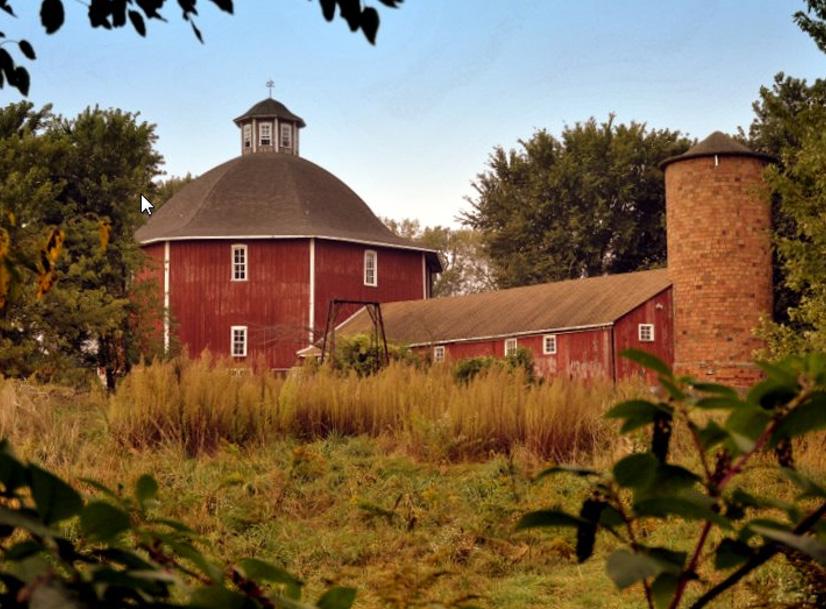
Secrest 1883 Octagonal Barn: An Introduction
The story of a historic Iowa barn and the efforts to ensure its future
History
The Secrest farmstead was established by Joshua and Esther Hollingsworth-Secrest. The barn was created by local master builder George Frank Longerbeam. The land was originally purchased from the USA government in 1852, probably for $1.25 per acre. The farmhouse was built in the late 1860s. The words Pound Halbert, Chippewa Falls, are stenciled on the floor joists. This lumber mill existed near Eau Claire, Wisconsin between 1864 and 1869 (Civil War 1861 to 1865).
Joshua and Esther purchased the property in 1875. The farm prospered with a close train depot 1 mile east in Downey. Secrest would ride the train to Colorado and New Mexico, buy calves and sheep, and transport them back to Downey. He would herd the livestock through town back to his farm. In the spring he would ship the fatten livestock to the markets in Chicago. The farm grew to 520 acres. The average farm in Iowa at that time was 133 acres.
Guy Secrest and Rose Williams assumed responsibility of the farm when Joshua and Esther moved to 609 Summit Street in Iowa City in about 1900. The Great Depression hit the Midwest farmers. The Downey Savings Bank closed in 1932. The mortgage on the Secrest farm was $60,000. The state foreclosed on the property in 1934.
The farmstead was purchased by R.J. Phelps. Joseph Ryan bought the property in 1957 but did not live there or use the barn, and it deteriorated.
Listed on the National Register of Historic Places, this eight-sided barn was built in the late 1800s by carpenter George Frank Longerbeam for farmers Joshua and Esther Secrest. After purchasing the property in 1992, University of Iowa professor Richard Tyler has worked to restore this unique piece of architecture and offers tours to the public. Photo Courtesy of Rich Tyler
Present
Richard Tyler bought the 9-acre farmstead in 1993 with the hope of saving the barn and accompanying buildings. The barn, attached feeding shed, and round silo are on the National Register of Historic Places. Richard applied for and received grants from the State Historical Society. Volunteers were needed, and fortunately, many have helped. Richard has kept the barn as original as possible, but added stairs, electricity, lights and toilets.
Richard became a Humanities Iowa speaker and offers three presentations: (1) If Barns Could Talk, (2) Why Save an Old Barn?, and (3) Your Grampa and Gramma’s Farm. Local libraries schedule the presentations.
The Barn is open every day for free. Tours, dinners, dances and celebrations are held there. The address is 5750 Osage Street in Johnson County, four miles east of Iowa City.
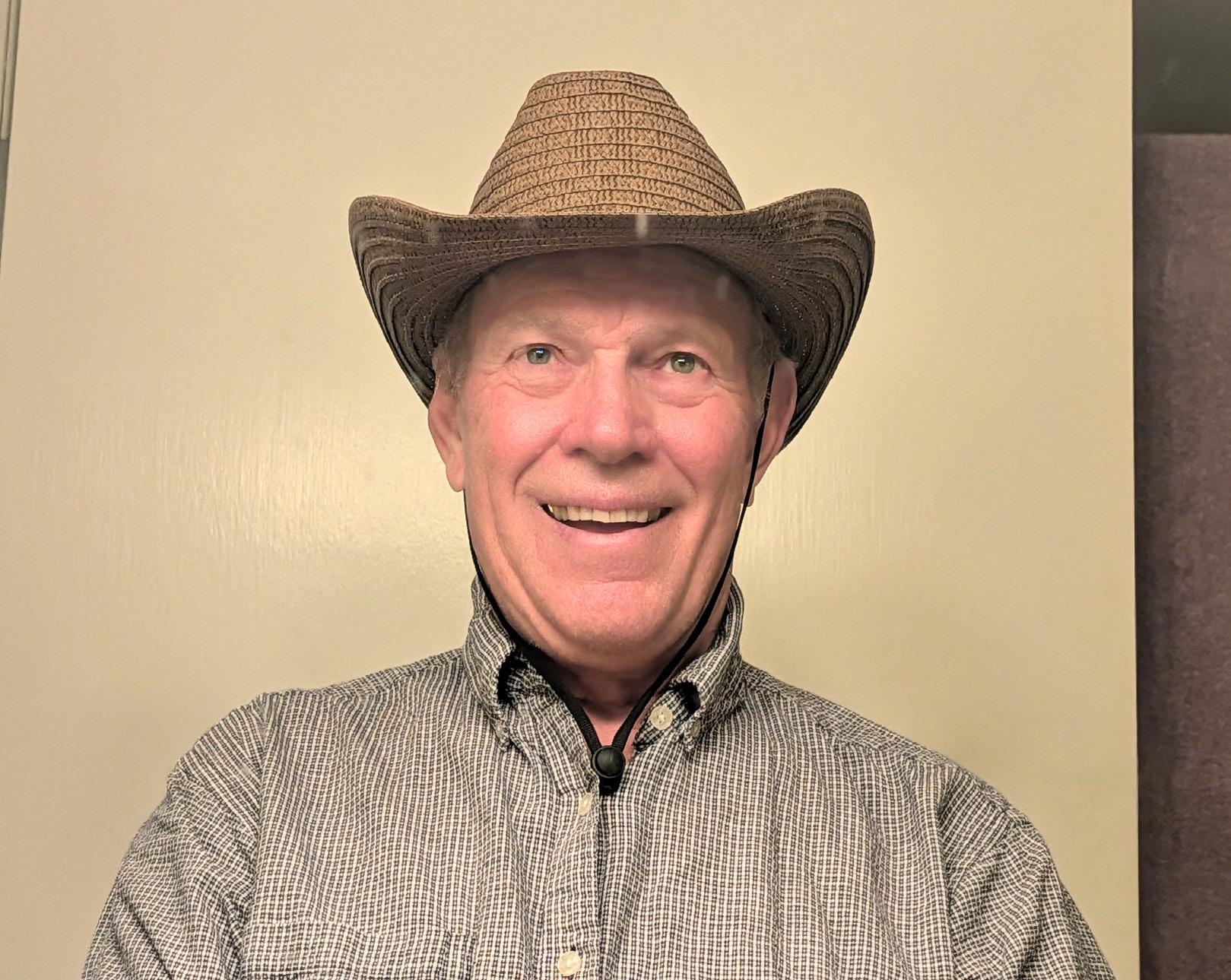
Rich Tyler’s Speakers Bureau Presentations
If Barns Could Talk
Old barns are more than just solid functional buildings. They represent the soul of our farming heritage and perhaps more! What is a barn, architecturally and emotionally? Barn design was based on experience, needs and ambition. Their function indicated both the farm operation and the farmer’s personal touch. Barn construction was a community affair comprised of hard work, huge meals and a barn dance. Few of us today have the products of our labor on display for all to see, appreciate and criticize. But what’s happening to our old barns? Will metal replace wood? Can we smell and touch the metal in the same fashion? What does our interest in barns tell us about ourselves? Why should we care about old barns today? These and other questions will be discussed as the history and current importance of barns are explored.
Your Grampa and Gramma’s Farm
Farming in the late 1800s and early 1900s represents a lifestyle of hard work, inventions, prosperity and depression. This presentation focuses on a typical farmer, Joshua Secrest, who developed a successful livestock farm. It also reviews the dramatic development of ingenious farm machinery and tools that enabled growth and prosperity. Secrest built a large octagonal barn in 1883. The barn and farmstead were lost in the depression. Old farm tools are shared as part of the presentation. Some you won’t recognize.
Why Save An Old Barn?
Should we let them fall down? What is the real value of preserving our past? The example used in this presentation is the restoration of The Secrest 1883 Octagonal Barn. A story is told about how individuals and organizations rallied around Iowa farm history, to contribute to the saving of this barn. The barn is open to the public, and photographers, artists and school children have all played an important role. How can you save your barn? What will they mean to future generations who grow up without them?
Learn more about Humanities Iowa’s Speakers Bureau at www.humanitiesiowa.org/speakers.
University of Iowa professor Richard Tyler offers tours of the restored Secrest Octagonal Barn. Photo Courtesy of Rich Tyler
by Pete Grady
My Brother Bernard Received an Invitation From Iowans’ Voices Story
Township lines, one-room schools, and the complicated path of farm kids through Iowa’s changing rural school landscape
In 2025, my 82-year-old brother, Bernard Grady, received an invitation to a class reunion. It had been 65 years since members of the 1960 Waterville High School graduating class had walked across the stage and received their high school diplomas. Class members were in the mood for a celebration, and they invited Bernard to the party. Bernard gladly accepted the invitation.
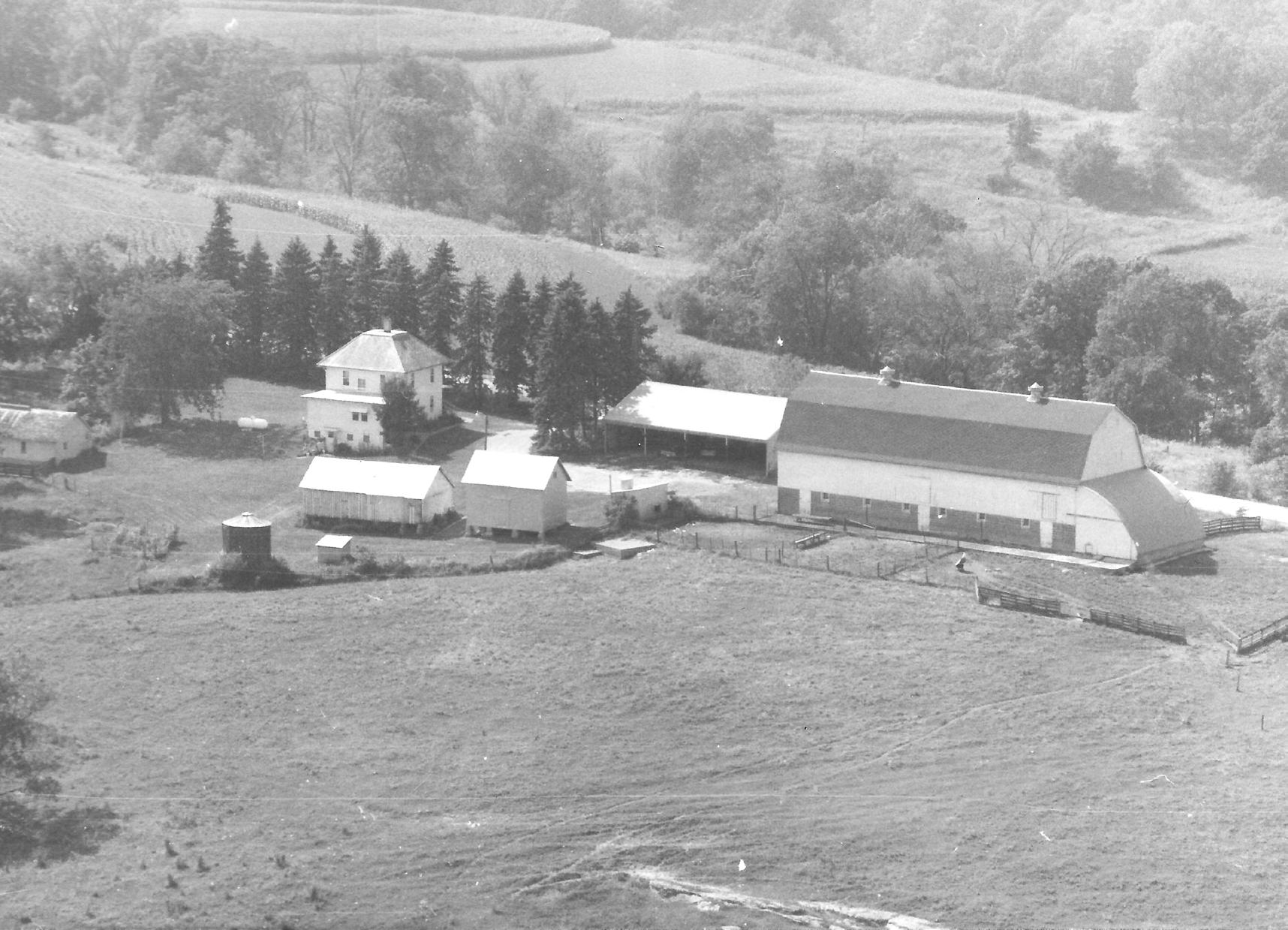
But Bernard did not graduate from Waterville High School in 1960; he had left that school ten years earlier. In 1950, he and his siblings were told to leave the school because they lived on the wrong side of the tracks–or rather, on the wrong side of a county gravel road.
Bernard’s farm home was physically located in Allamakee County’s Linton Township, right across the road from Paint Creek Township. The family owned and farmed land in both townships but the farmhouse was on the south side of the road, located in Linton Township. As a result of this geographical fact, the family was told in 1950 that Bernard
and his siblings were not eligible to attend the Waterville school.
So the Gradys left the Waterville school and Bernard and his siblings embarked upon a family educational odyssey. They first attended a one-room country school. A few years later, some of the siblings were able to return to Waterville. But all of the Gradys ultimately attended and graduated from Waukon High School. Grady kids graduated from Waukon between 1958 and 1972.
Although none of the Grady kids graduated from Waterville High School, the family still feels a strong emotional attachment to the school. Margaret Brady Grady, a farm kid who grew up between Cherry Mound and Waterville, graduated from the Waterville High School in 1934. Her husband, Edward Grady, was born and raised in Fairview Township on the southern border of Allamakee County, miles away from any public high school. He went to a one-room school and it was not possible for him to go to high school. Ed always regretted that his formal education ended with his 8th Grade graduation from country school. He and
Margaret knew the importance of a high school education, and as Margaret was an alumnus (and proponent of) the Waterville school, it was a great disappointment to learn that the Grady kids would not be able to attend.
The Waterville school has a remarkable and honorable history. It is a shining example of rural Iowa’s appreciation of the benefits of education. Before the creation of the Waterville consolidated school district in 1920, farm kids in Paint Creek Township went to one of several country schools sprinkled around the township—schools that went only to the 8th Grade. But the people of Paint Creek voted to tax themselves to create a central school—complete with a high school!—so rural students could benefit from a high school education.
This township-wide school was a rarity in rural Iowa, a state which until the middle of the 20th Century was home to many oneroom country schools. Education at oneroom schools typically ended with 8th Grade Graduation. Rural students—farm kids like Edward Grady—had little opportunity
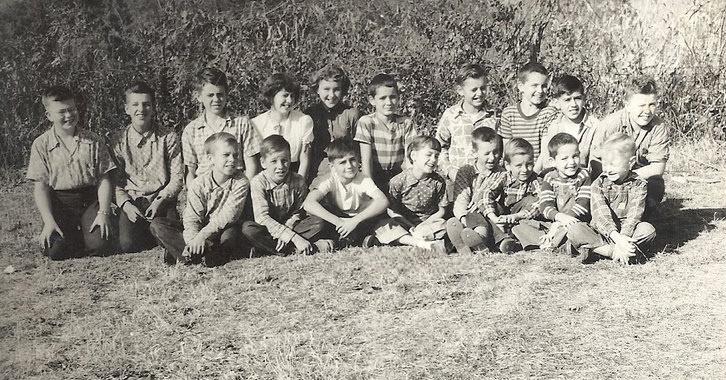
A group of students at Linton No. 1 during the 1953-1954 school year. Siblings Bernard (sixth from left, back row), Virginia “Ginny” (fourth from left, front row), and Allan Grady (second from right, front row) attended Linton No. 1. Photo Courtesy of Pete Grady
to receive a high school education within a reasonable distance from their homes. Kids who grew up in Paint Creek Township, however—kids like Margaret Brady Grady— had free transportation to and from the Waterville school and a chance to go to high school and receive a high school diploma.
The Gradys owned farmland in Paint Creek and Linton Townships, but the farmhouse was in Linton Township. Eligibility for the school was limited to residents of Paint Creek Township. When the Waterville School Board took a hard look at the map, they realized that the Gradys lived across the township line. The family just didn’t belong in Waterville.
Now to be fair to the Waterville School Board, its decision was not only geographically correct, it was fiscally sound. In 1950, the Gradys had “only” three schoolage kids. But at home, the Gradys had three more kids (born in 1947, 1948, and 1949) who would soon be of school age and enrolling in school. And although no one knew it at the time, Margaret and Ed weren’t done—two more Gradys would join the herd in 1953 and 1954. No amount of property taxes on agricultural land in Paint Creek Township could pay for educating all of those kids.
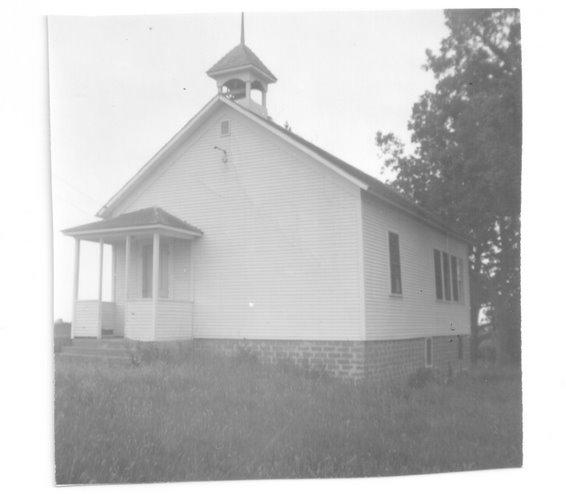
So in the fall of 1950, Louis Mark, Bernard, and little sister Virginia enrolled at Linton No. 1, a one-room school in Linton Township about a mile from the family farm. After graduating eighth grade from that school these three took a bus to Waukon for high school. In the meantime, Allan and Glen went to Linton No. 1 until it was closed in 1958, and those kids, with younger sister Ellen, went to Waterville. If the high school in Waterville school had survived an early 1960’s consolidation, those three Grady kids would have graduated from the Waterville High School. Alas, Waterville High School was closed in the early 1960’s, and Alan and Glen and Ellen went to Waukon for high school.
The Waterville elementary school remained open—Kindergarten through 8th Grade— until 1967, when the 7th and 8th grades were closed. Peter and Marian went to Waukon to the new Waukon Junior High School and then on to the high school. The Grady odyssey finally ended in 1972 with all eight Grady kids alumni of Waukon High School. Gradys graduated with the classes of 1958, 1960, 1961, 1965, 1966, 1967, 1971, and 1972.
This story was prompted by Bernard’s 65-year reunion with a class he hadn’t seen since 1950. It is, admittedly, an overly complicated tale of a rural family’s educational journey prompted by a high
school reunion that Bernard, as a graduate of an entirely different school, had no business attending. But because Bernard was able to maintain some Waterville friendships over the years, he was grateful that the Waterville folks still considered him a classmate and went out of their way to make certain he was welcome at their reunion. He did, however, insist that those attending the reunion wear nametags.
Bernard just didn’t trust his memory enough to recall the names of kids he had not seen since second grade in 1950.
Note: the Waterville school reunion occurred in July, 2025, and Bernard passed away in August, 2025. The remains of Rev. Bernie Grady (known as “Bernard” to the family) are buried in the St. Pius Cemetery in Cherry Mound, Iowa.
One room school Linton No. 1 in Allamakee County. Photo Courtesy of Pete Grady
The road that divides the Grady farm from Linton township on the bottom and Paint Creek township on the top. Photo Courtesy of Pete Grady
New Voices Join the Speakers Bureau
Sarah Pratt
Abena Sankofa Imhotep
Kelsey Bigelow
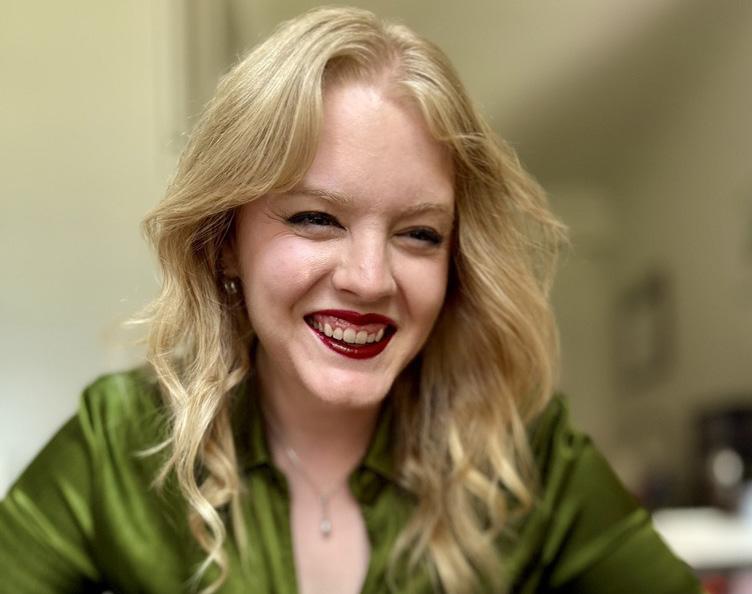
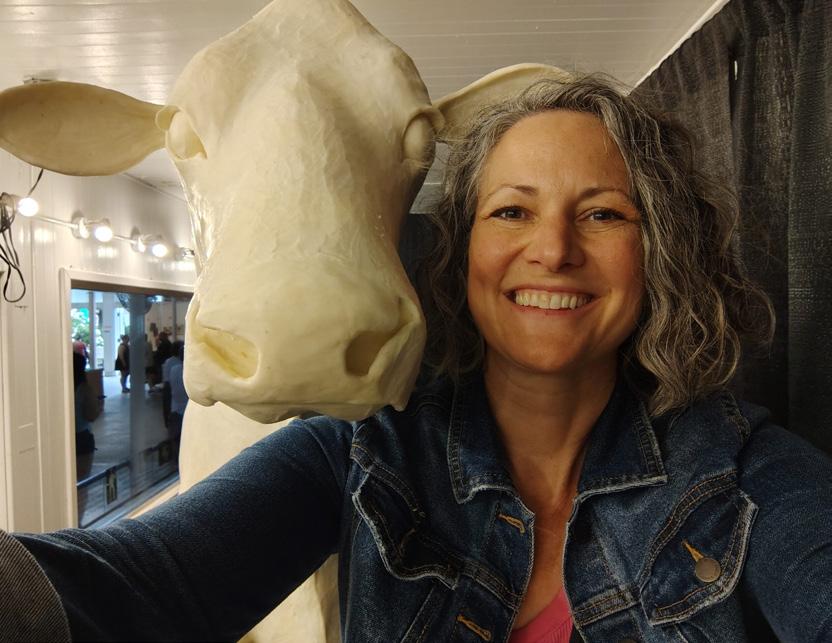
Sarah Pratt is an award-winning butter sculptor who has carried on this uniquely Iowan art form for over 30 years. A protégé and successor of famed butter sculptor Norma “Duffy” Lyon, she has created the iconic Butter Cow and companion sculptures at the Iowa State Fair and other fairs across the Midwest. In addition to her work as a butter sculptor, Sarah is an educator and lifelong learner who shares the history and craft of butter sculpting through engaging presentations at schools, libraries, and community venues.
Presentations:
Butter Together
Butter Sculpting an Artist’s Journey
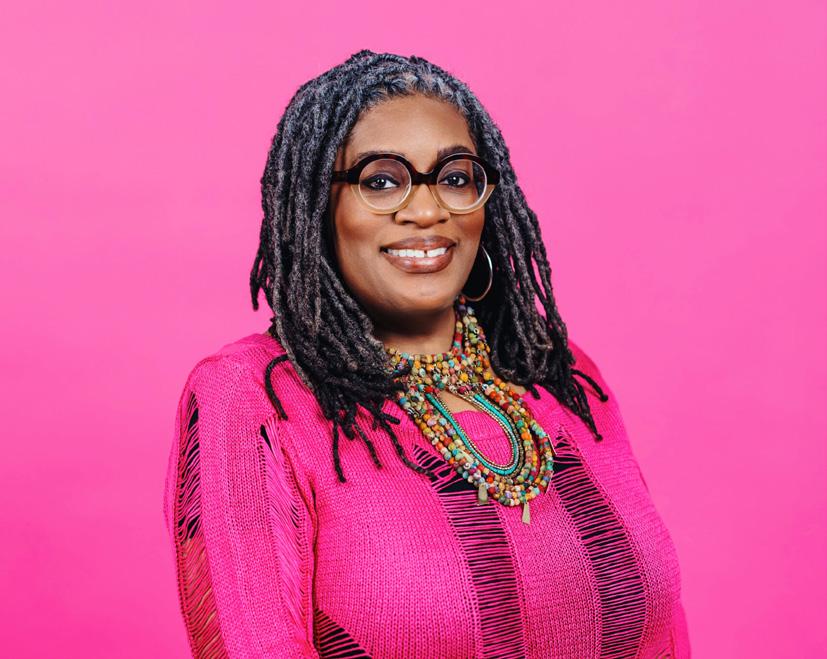
Abena Sankofa Imhotep is an author, scholar, and advocate whose work celebrates Africana, challenges historical narratives, and champions literacy. As the founder of Sankofa Literary & Empowerment Group, she creates lifelong learning spaces and strives for authentic community connection. Abena is a respected keynote speaker, past presenter at notable human rights conferences, and has graced the TEDx stage delivering a talk entitled, Iowa Nice Interrupted.
Presentations:
Still We Move: Migration, Memory, and the Making of Black Iowa
Changing the Course of History
Black Non Performance as a Strategy for Achieving Racial Justice
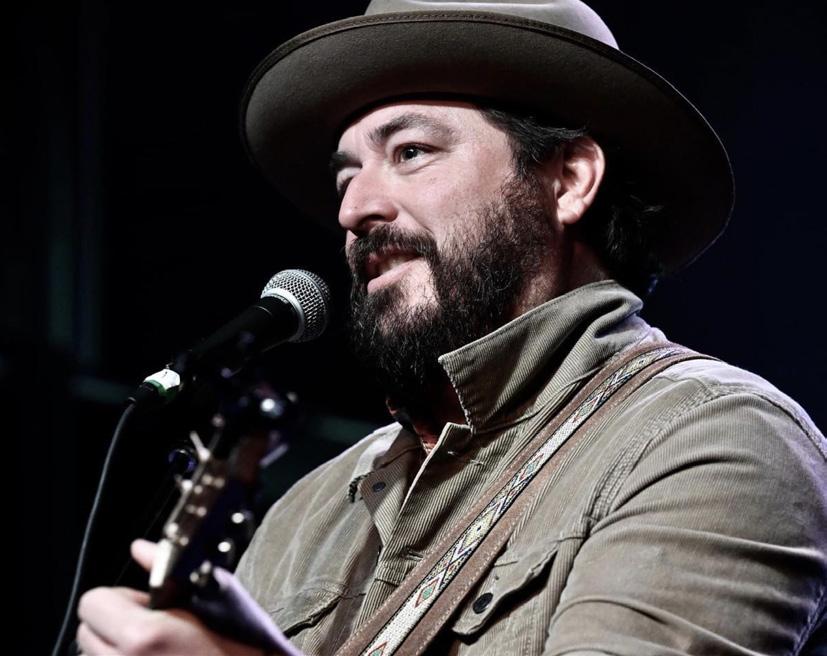
Jason Walsmith is based in Earlham, Iowa. He has spent the last 30 years touring North America in a rock and roll band called The Nadas or playing solo shows from Seattle to the Florida Keys and Baja Mexico to New England. Always with a camera in tow, Jason has photographed for brands and organizations as well as publications all over the world.
Presentations:
Cultivating a Life of Creativity
Playlisting Your Life (Selecting or writing your own soundtrack)
Crafting Your Own Narrative
The Good Stuff
Kelsey Bigelow is a Des Moines-based poet and speaker who uses poetry as a tool for mental health and connection. She is the author of five poetry projects and her work has received honors such as a 2024 Pushcart Prize nomination. Kelsey has collaborated with organizations like The Mayo Clinic and NAMI, and her work has been featured across many journals. She is also a teaching artist and founder of the Des Moines Poetry Workshop.
Presentations:
Someone Needs to Hear Your Story
Poetry As A Coping Tool
Living With C-PTSD and Dissociation
Jason Walsmith
Dr. Christine Erlander Beard

Randy Cauthron
Sarah Huyser
Larry C. Skogan, Ph.D.
Dr. Christine Erlander Beard, an acclaimed flutist, educator and scholar, offers lecture-recitals that explore the intersections of music, history, culture, and social inquiry. A Professor of Flute at the University of Nebraska at Omaha and founder of the #flutistactivist initiative, Beard’s programs examine themes such as music by banned and censored composers, the role of music during the Holocaust, and myth and legend told through flute repertoire.
Presentations:
Refuge, Torture, & Resistance: The Role of Music During the Holocaust
The Banned Play On: Music by Banned, Censored, and Persecuted Composers
The Harmony of Resistance: Protest, Resistance, & Activism in Contemporary Classical Flute Music
The Flute in Myth and Legend
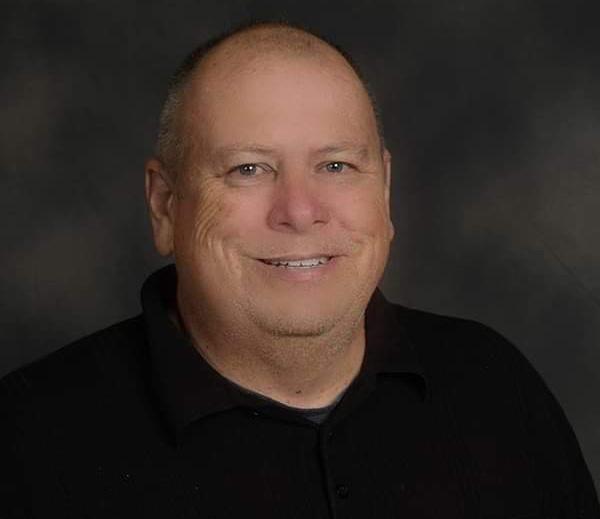
Randy Cauthron is a longtime newspaper editor and community leader who has spent his career telling the stories that shape local life. In 2023, he received the Iowa Newspaper Association’s highest honor, Master Editor-Publisher, and has earned more than 40 INA awards. Beyond journalism, Randy has dedicated decades to community service, youth athletics, and nonprofit leadership in Iowa, and has also taught as an adjunct instructor
Presentations:
Local Media’s Role and Relevance Today
Being Civil in an Uncivil World
Perseverance: Never Stop Moving Forward
A Focus on Youth: “Winning is an Attitude Not a Score”
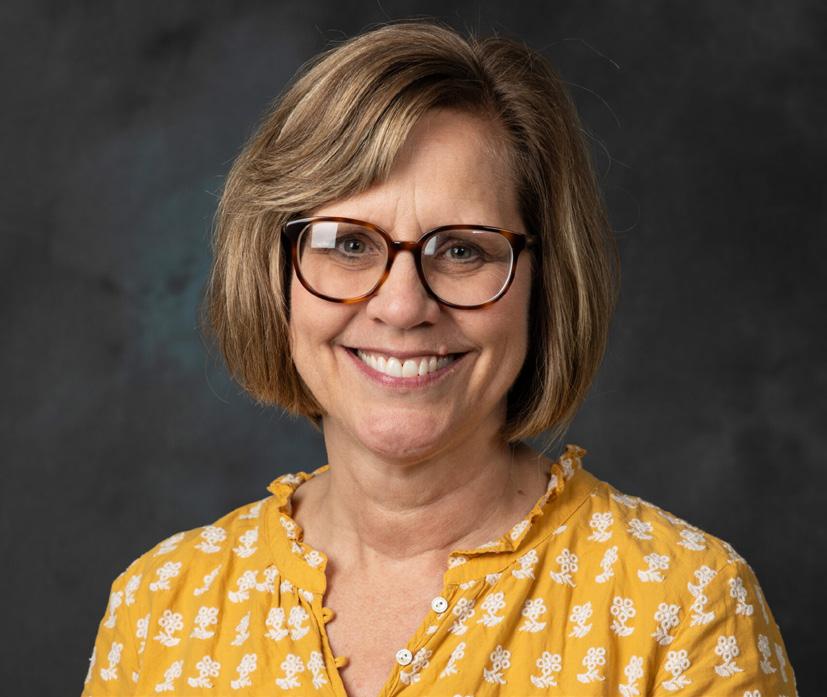
Sara Huyser is the Outreach and Engagement librarian at Northwestern College and serves as Treasurer of the Dutch American Heritage Museum in Orange City, Iowa. She holds a Master’s degree in American History with a focus on museum studies and in 2022, she earned a Master of Library and Information Science (MLIS) with a concentration in archival studies. Her professional experience includes work at the University of Iowa’s Medical Museum and the Historical Collections at the Claude Moore Medical Library at the University of Virginia in Charlottesville.
Presentations:
1882: Disease, Conflict, and the Rivalry Between Hollanders and the “Americans”
Over the Hill: the History of the Sioux County Poor Farm
Bullets, Booze, and a Noose: A Sioux County Prohibition Story
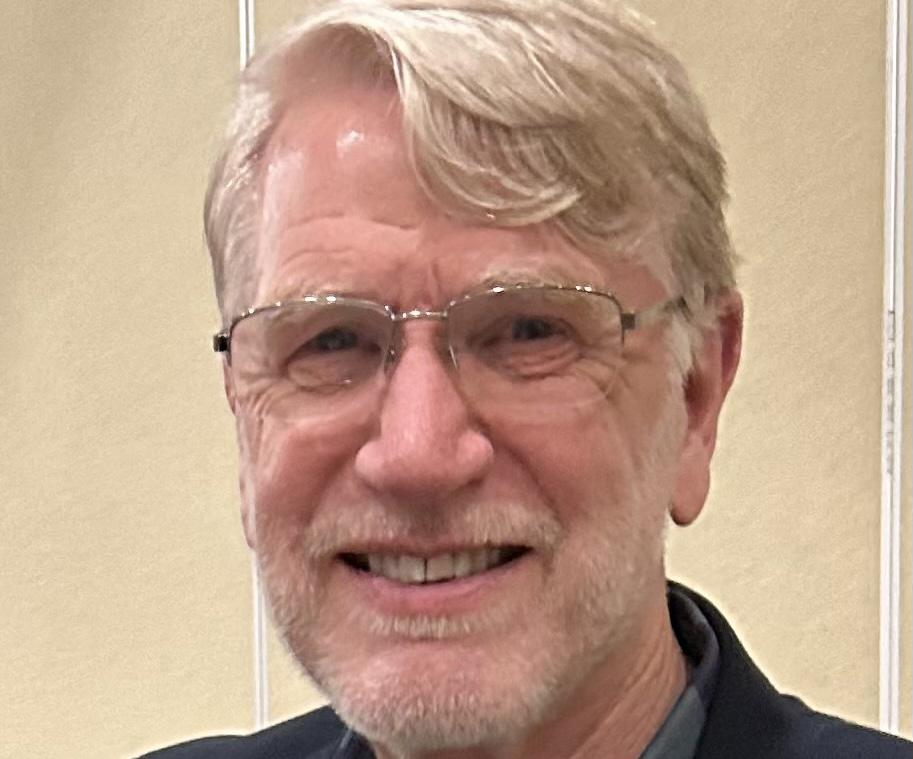
Larry C Skogen, Ph. D., is a historian, president emeritus of Bismarck State College, former interim chancellor of the North Dakota University System, and retired United States Air Force officer.
Presentation (virtual):
To “Educate” American Indians: An Early 20th Century History
Humanities Iowa PO Box 881 Ames, IA 50010
Donate today! www.humanitiesiowa.org
Culture Community Connections
Promoting understanding and appreciation of the people, communities, culture, and stories of importance to Iowa and the nation since 1971.
With Generous Support From


Humanities Iowa is supported in part by the National Endowment for the Humanities, which helps bring the humanities to life across the nation.
Humanities Iowa thanks the State Historical Society, Inc. of Iowa for their ongoing support of our statewide humanities programming.
Humanities Iowa is grateful to the Federation of State Humanities Councils, with support from the Mellon Foundation, for their investment in humanities work nationwide.
Humanities Iowa thanks the Smithsonian Center for Folklife and Cultural Heritage and the Federation of State Humanities Councils for their support through By the People: Conversations Beyond 250.

Humanities Iowa thanks Martin Bros. Distributing for their continued support of our work through the