Conserving land and water from the Hudson River to the Taconic Crest in Rensselaer County
2025 Highlights & 2024 Annual Report
Conserving land and water from the Hudson River to the Taconic Crest in Rensselaer County
2025 Highlights & 2024 Annual Report
Five years after the pandemic, the world still feels unsettled. Big questions — about our climate, our communities, and our future can feel overwhelming. What keeps me grounded is the work we’re doing together at Hudson Taconic Lands.
As we look ahead five years, we’re not shrinking from challenges, we’re recognizing that now is the time to come together; to conserve land and connect to community, while there’s still time. The land we save now will mean cleaner air and water for generations. It will protect us from the effects of climate change, give wildlife safe places to thrive, and offer people daily opportunities to play, exercise, and recharge in nature. That’s a future worth working toward.
This strategy is part of a life journey that I, and our local land trust movement, have been on. Early in my conservation career, I learned a lesson that still guides me today. Years ago, well before the Rensselaer Plateau Alliance and the Rensselaer Land Trust
came together to form Hudson Taconic Lands, I was volunteering to help build the Rensselaer Plateau Alliance. I reached out to a conservation leader named Nancy, who became one of my first mentors.
She told me how she had spent 12 years fighting a development project and lost. But in the years that followed, she turned her energy toward conserving over 300,000 acres of forest that will remain undeveloped forever. Her advice was simple: “Don’t put your energy into working against things. Put your energy into working toward things.”
That shift in perspective has shaped everything since. By bringing together the work of the Rensselaer Plateau Alliance and the Rensselaer Land Trust, Hudson Taconic Lands has already protected more than 18,000 acres across Rensselaer County. And we’re just getting started.
We all see what’s happening around us — development pressures expanding into rural
landscapes, the growing impacts of climate change, funding shortfalls, and even a youth mental health crisis tied to disconnection from the outdoors. These are serious challenges, but they also create urgency — and opportunities. We have a window of time, right now, to protect the places that make our communities stronger.
Inspired to make a difference, people are leaning in. Neighbors are stepping up to volunteer. Families are bringing kids out
onto trails to discover the wonder of the natural world. Landowners are conserving their forests, or donating land to become community conservation areas. Together, these acts of generosity and connection are turning obstacles into opportunities.
From the Hudson River to the Taconic Crest, we’re working every day to make sure future generations inherit a region that is healthier, more resilient, and full of natural beauty.
Your belief in this mission and your love for this land is what gives me hope. Together, we can keep moving forward, toward something bigger than ourselves, toward lasting impact.
I hope you find that same sense of hope and possibility in the stories we share here.
With gratitude,
Jim Bonesteel Executive Director
Closing the gaps of conserved lands for climate, wildlife, community
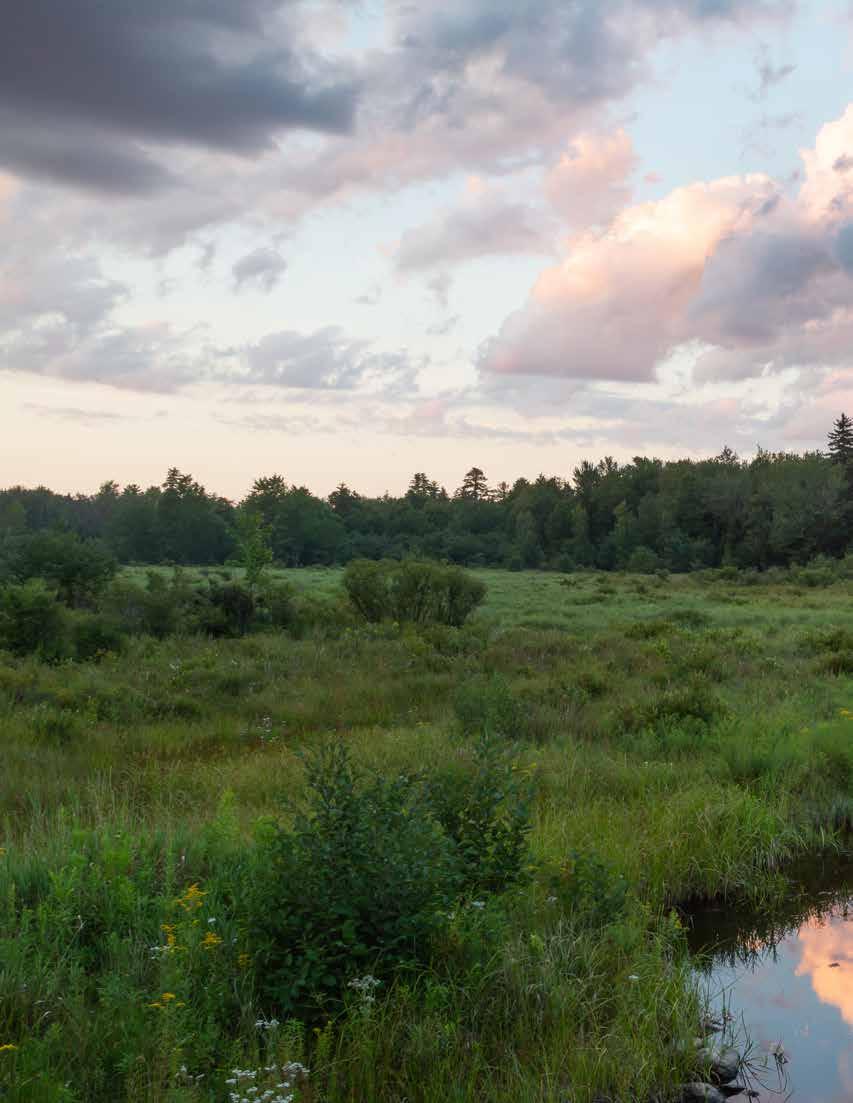
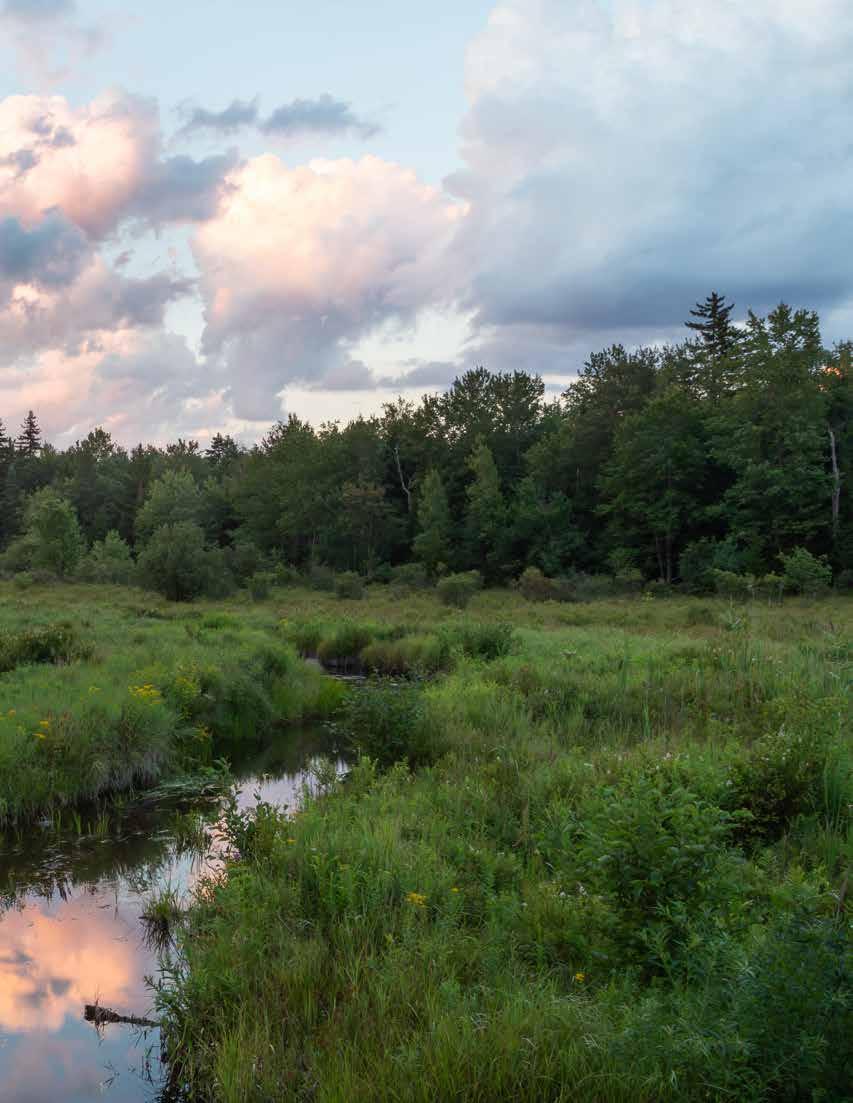
Once facing an uncertain future, a landscape of rolling ridges and quiet wetlands — where headwater streams trickle toward the Tomhannock Reservoir — is now permanently conserved thanks to a partnership among Rensselaer Polytechnic Institute (RPI), New York State’s Department of Environmental Conservation (DEC), and Hudson Taconic Lands.
The 630-acre property, previously owned by RPI and recently purchased by Hudson Taconic Lands, will be sold to New York State to expand Pittstown State Forest and connect it with Grafton Lakes State Park — creating a nearly 5,600-acre block of protected forest in the heart of the Rensselaer Plateau.
As part of the agreement, RPI will use Hudson Taconic Lands’ community forests for research, student outings, and Reserve Officers’ Training Corps (ROTC) programs, ensuring students and the community remain connected to local forests for years to come.
A vital connection on the Rensselaer Plateau conserved, forever “ ”
“We had struggled with the best way to manage the property and didn’t have a long-term plan for its future,” says Paul Martin, former Vice President of Administration at RPI. “We were looking for an opportunity that would maintain the integrity of the land and also benefit the institute. This partnership accomplished both.”
On the land, stands of mature hardwood provide summer nesting grounds for the Hermit Thrush, Veery, and Louisiana Waterthrush, while mossy lowlands offer habitat for Wood Frogs, Spotted Salamanders, and countless other animals.
For visitors, this new conservation area offers a chance to explore unbroken forests, experience stillness, and connect with the region’s natural heritage. And, for the wider community, the project builds on a legacy of conserving critical lands that safeguard drinking water and strengthen climate resilience.
The property’s woodlands and wetlands act as natural filters, capturing rainfall, replenishing groundwater, and releasing it slowly. With climate change bringing longer summer droughts punctuated by heavy rains, intact forests are essential — reducing flood risk while holding water during dry spells.
It’s about keeping our communities supplied with clean water, giving people places to connect with nature, and making sure the Plateau stays resilient in a changing climate.
–Jim Bonesteel
“This is about much more than acres,” says Jim Bonesteel, Hudson Taconic Lands’ Executive Director.
“It’s about keeping our communities supplied with clean water, giving people places to connect with nature, and making sure the Plateau stays resilient in a changing climate.”
continued on page 6
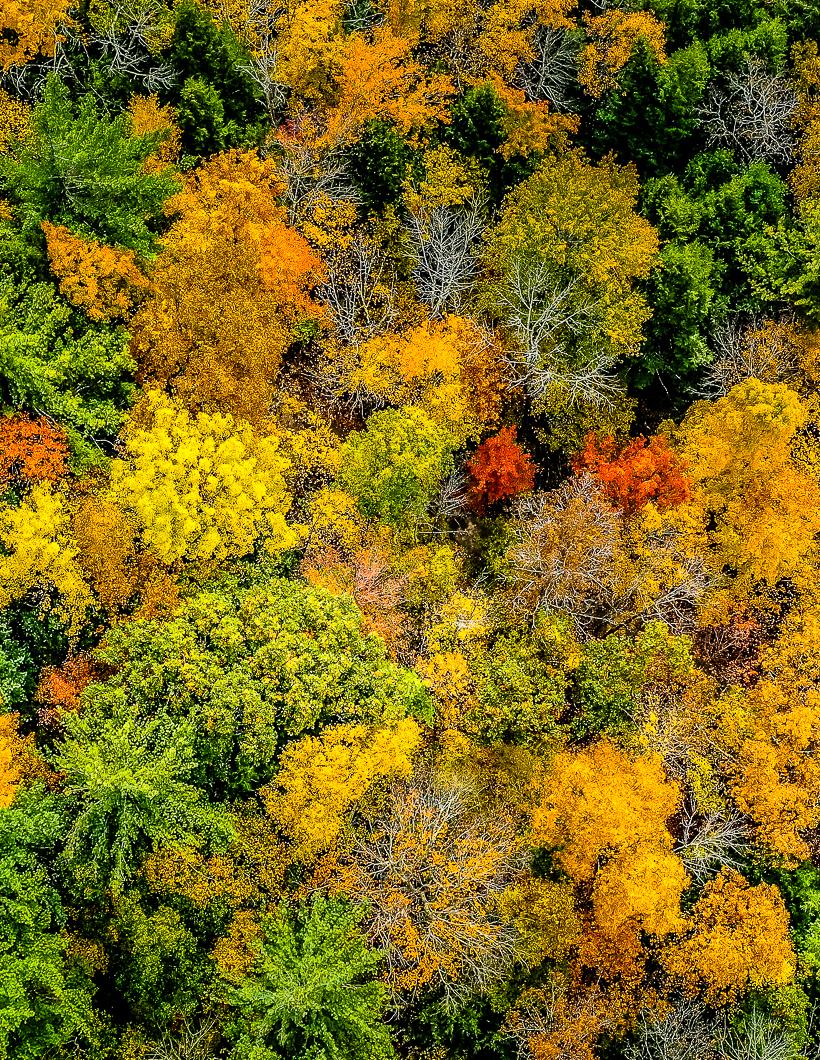
Protecting and connecting large blocks of forest is especially important. By conserving lands like the former RPI property and linking them into larger networks, we are building ecological resilience for wildlife and water security for people.
If you are interested in exploring whether conservation is right for you, or someone you know, please contact Jim Bonesteel at jim@hudsontaconic.org or 518-712-9211 x 101. All conversations are confidential and without obligation. We can discuss your goals and how we might assist.
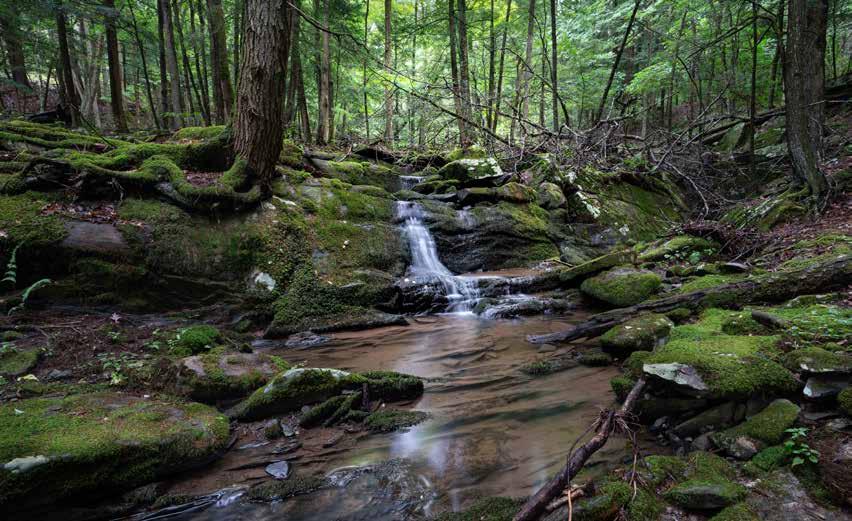
The Rensselaer Plateau was identified by The Nature Conservancy as a climate-resilient landscape, meaning its diverse terrain and natural communities will offer refuge to plants and animals as the climate changes.
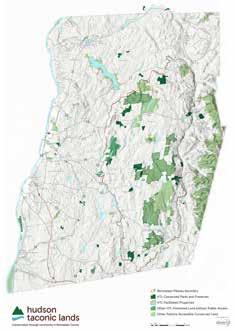
This latest conservation success reflects a vision that has grown over time. In the mid2000s, conserved lands on the Rensselaer Plateau appeared as scattered green blocks, including Pittstown State Forest, Grafton Lakes State Park, and Dyken Pond Environmental Education Center. An early goal of the Rensselaer Plateau Alliance was to close the gaps between these lands.
Today, thanks to the care and commitment of many community members, a map of conserved lands looks much different, with more connections between forests. These connections protect drinking water, support
climate resilience, and offer places for people to enjoy nature.
The progress is significant, yet more is needed. With about 417,000 acres of land in Rensselaer County, the former RPI property represents 0.15% of the total land base. While that may feel daunting, each conserved parcel makes a difference — and your support is making this work possible.
The time is now to conserve the very lands that define our beautiful county. With you, we can keep fulfilling this vision.
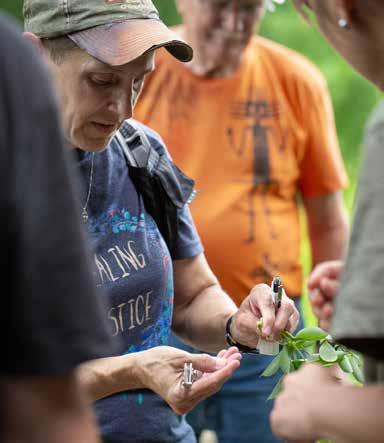
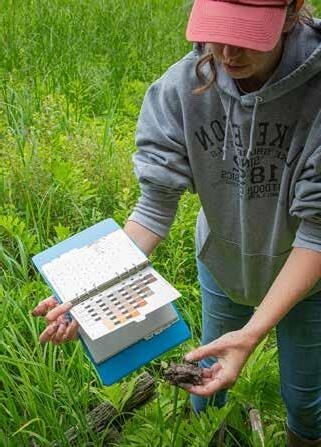
Call for community scientist volunteers Help keep our forests healthy with iMapInvasives!
If you love forests, being outdoors, and practicing your plant and insect ID skills, becoming an iMapInvasives volunteer could be for you. We are looking for community scientists to help keep an eye out for invasive plants and insects and record them in iMapInvasives.
This online GIS-based data management system allows community scientists and professionals to report and track invasive species. When recorded, that data becomes available to scientists and resource managers so they can respond to local threats. Information is also shared with other mapping platforms, making it available on the county, state, national, and international level.
At Hudson Taconic Lands, we understand that some invasive species are more of a threat than others, and we focus our stewardship work on tackling the more significant threats, such as Hemlock Wooly Adelgid, which is affecting our Eastern hemlock trees. By becoming an iMapInvasives community scientist volunteer, you can help guide management decisions and keep our forests healthy.
And great news — we’ll train you! Join us for an upcoming training session (visit www.hudsontaconic.org/events) or reach out to Kim Murdick, Hudson Taconic Lands’ Volunteer Coordinator, at kim@ hudsontaconic.org, to learn more.
A family passion for land, fish, and future generations
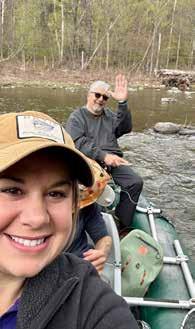
For Craig Duncan and his wife Sheryl, helping to conserve a 100-acre property in northwestern Rensselaer County was an easy decision. Craig is an avid fly fisherman, a passion he shares with one of his granddaughters. He and his family live nearby and often visit HTL properties.
“When it became possible to protect a natural area so accessible to Troy and Albany, and with a stream that is naturally reproducing trout, our family got very excited. We jumped on the opportunity,” Craig says.
The Duncan family’s gift made it possible to conserve the Otter Creek property, serving
as the necessary match to Tomhannock Rural Land Campaign funding. This campaign — run in partnership with the Agricultural Stewardship Association — combines state grant support with local philanthropy to conserve lands that protect drinking water, working farms, and outdoor opportunities for the community.
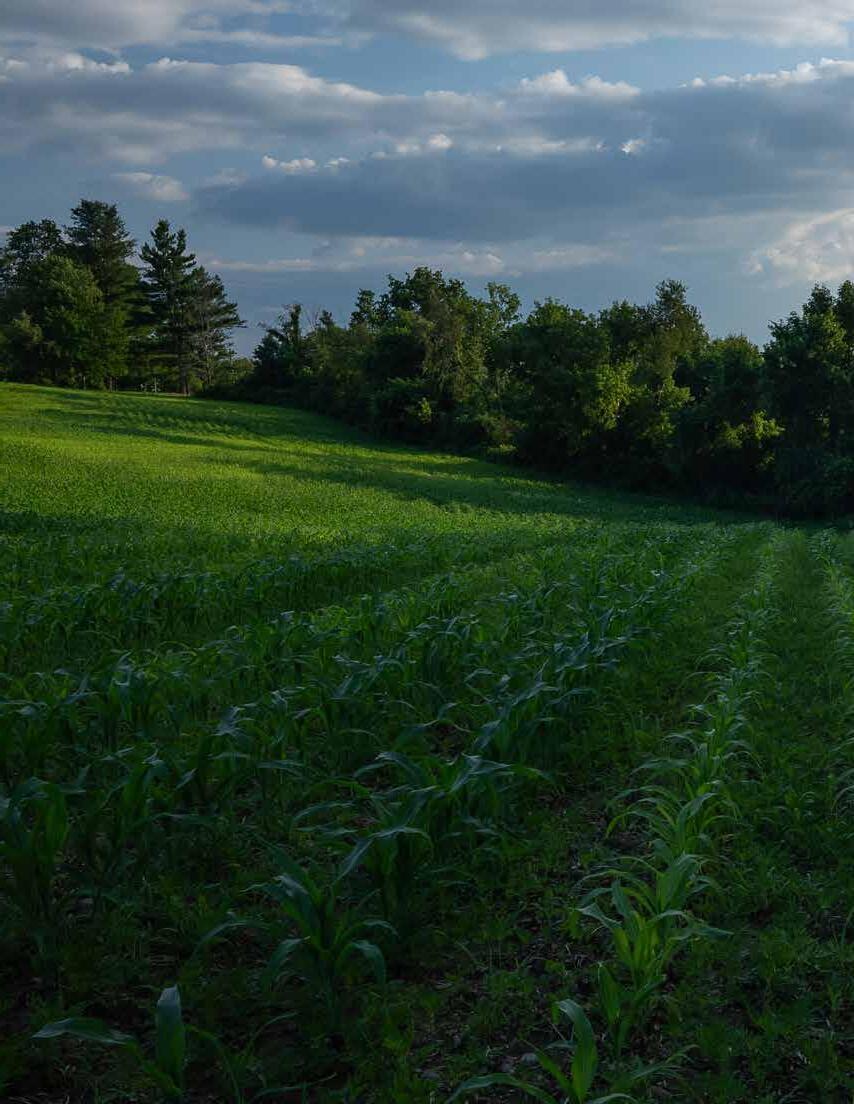
The newly conserved land includes a halfmile stretch of Otter Creek, a “Class A” trout stream, the highest quality designation for trout habitat. Its cold, clean waters support native brook trout and brown trout. Just downstream, the creek flows into the Tomhannock Reservoir, which supplies
Otter Creek will serve people from Pittstown and neighboring areas. Families are more likely to visit natural areas within a 15 minute drive of home. These closer places make it easy to walk, picnic, or go fishing after school or work — turning conservation into part of everyday life.
For Rensselaer County, projects like Otter Creek bring lasting benefits:
Clean water: The creek flows into the Tomhannock Reservoir, the source of drinking water for 135,000 people.
Farmland conservation: Keeping the land partly in agriculture protects rural ways of life.
Public access: Hudson Taconic Lands focuses on conserving lands where families, anglers, hunters and neighbors can connect with nature — places like Otter Creek, where there will be public access for the first time.
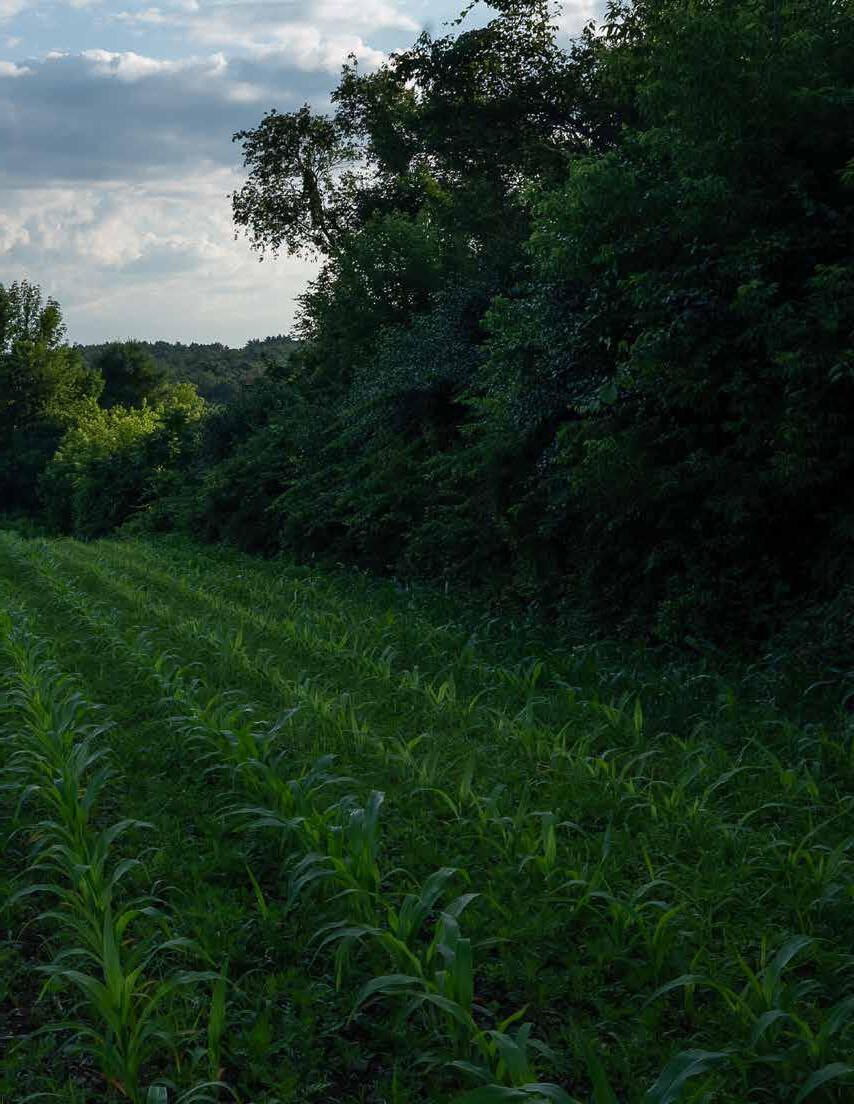
drinking water to thousands of people in the Capital Region.
Until now, Otter Creek had no public access. With this project, local families, anglers, and those who want to connect with nature will, for the first time, be able to enjoy its waters and surrounding woods.
The property includes open meadows, riparian woodlands, and farmland. Nearly 650 acres of neighboring farms are protected through voluntary conservation agreements (also known as conservation easements) held by the Agricultural Stewardship Association. These agreements ensure that the land remains
owned and cared for by local families, while continuing to be used for agriculture.
Going forward, HTL will continue leasing the 17 acres currently in agriculture to a local farmer, keeping the land productive and part of the rural fabric. We will also work to form a committee of local residents to guide land management and public access for the Otter Creek property.
As for Craig? He looks forward to casting his line with his granddaughter at Otter Creek — and seeing others enjoy the same opportunity.
In addition to the Duncan Family and the Tomhannock Rural Land Campaign, this project was made possible by a loan from The Conservation Fund.
What happens when poets and artists immerse themselves in the forests, streams, and ridgelines of Rensselaer County? In 2024, Hudson Taconic Lands, Arts Letters & Numbers (ALN) and Writing the Land® (WTL)* set out to answer that question.
The result is a book that invites you to discover joy and inspiration in the special places of our region — through poetry, art, and maps that reflect the beauty and stories of this land.
Fifteen poets were each paired with a conserved natural area, places where rivers, forests, and wetlands shape life in our region. Many spent a week in residency at ALN in late August, where they hiked, shared meals, and visited their assigned lands before crafting poems in response. Their work was shared that week with the community at a public reading at La Perla Restaurant in Averill Park.
At the same time, ten local artists gathered their own reflections on the land through painting, drawing, photography, textiles, and mixed media. Together, the poetry and visual work was woven into an anthology that carries you across the county — from the headwaters

Contributers
Poets — Grisel Y. Acosta · Natalli Amato · Sarah Bachinger · Mary Gilliland · Bonney Hartley
Annie Jacobs · Sylvia Karman · Nancy Klepsch
Hiram Larew · Laura McCoy · Christine Orio
Suzanne S. Rancourt · Kate Schmieding
Laura Whalen · Ellen White Rook
Watershed Maps by Elizabeth Hayes
of the Poesten Kill across the wide sweep of the Hudson River. Watershed maps open each section, grounding the art and words in place.
The result is “Writing the Land: Rensselaer County, NY,” a book that invites you to see familiar landscapes through fresh eyes. Most of the lands featured were conserved by HTL, with special thanks to Dyken Pond Environmental Education Center for sharing their forests and wetlands for this project.
The anthology is now available for purchase, with proceeds supporting local conservation. To order your copy, scan the code or call our office at 518-712-9211.

Join us for a Writing the Land: Rensselaer County, NY Book Launch Saturday, October 18 | 5–7pm Arts Letters and Numbers Studios 1548 Burden Lake Road Averill Park, NY
*Learn more at www.writingtheland.org and www.artslettersandnumbers.com.
Visual Artists — Noah Bonesteel
Kim Clune · Annie Jacobs · Kate Lovering
Beth Meer · Fred McCagg · Peter Mueller
Mikaela Perry · Kristi Shepler · Nate Simms Foreword by Cara Benson
Preface by Rama Hamarneh
Across Rensselaer County, teachers see what national studies confirm: students are spending more time indoors and on screens, and less time engaged with the world around them. Parents and teachers alike are witnessing shorter attention spans, rising stress, and less joy in learning.
Inside four walls, lessons can feel abstract. Students may memorize for a test, but deeper comprehension and enthusiasm are harder to achieve. This has been particularly pronounced after Covid isolation and many teachers are searching for ways to help students focus, think critically, and connect learning with real life.
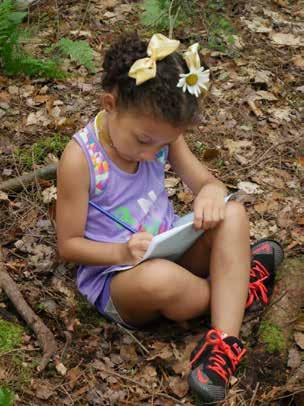
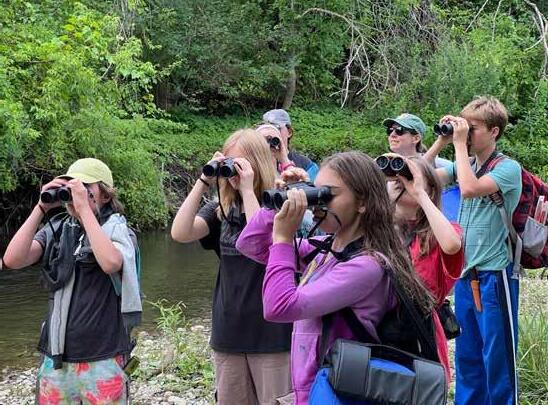
That’s where a new initiative now in the works, Hudson Taconic Learning Landscapes, comes in. By creating outdoor classrooms near schools, in partnership with teachers and school leadership, students will gain regular opportunities to learn in nature. Teachers will receive training and toolkits to make outdoor lessons simple and accessible, turning nearby fields and forests into daily extensions of the classroom.
Our first Learning Landscape is starting to take shape at Berlin Community Forest, a 385acre property just minutes from Berlin Middle and High Schools. With community support and the involvement of Berlin Central School District, more than 730 students will have access to this living classroom.
Excited by their future Learning Landscape, teachers are already weaving nature into their lessons. Berlin High School art students
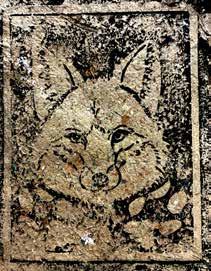
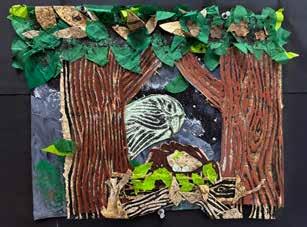
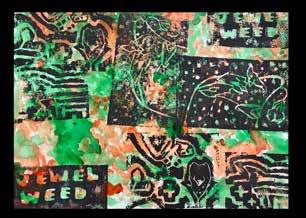
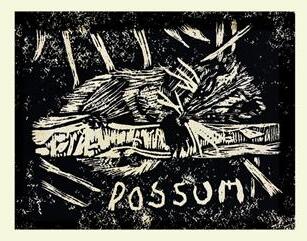
created woodblock prints of local flora and fauna, tying creativity to place-based learning.
Art teacher Shannon DeCelle sees what’s possible: “I see this as an opportunity for students to connect deeply with the land and develop a sense of ownership and stewardship for future generations.”
Michala Hendrick, HTL Youth Programming Director, is excited for what Learning Landscapes will mean for Rensselaer County youth.
The program will start with a focus on middle schoolers, who are often left out of local outdoor programming.
–Shannon DeCelle “ ”
I see this as an opportunity for students to connect deeply with the land and develop a sense of ownership and stewardship for future generations.
“This is a chance to change the narrative around outdoor education — making it part of everyday student life in Rensselaer County, not just a once-a-year trip to a place outside of the county,” says Michala.
Berlin is only the beginning, and the size of the landscape is less important than the experience overall for young people. We plan to expand Learning Landscapes to other schools across Rensselaer County.
Hudson Taconic Learning Landscapes is part of a broader national movement. Land trusts across the country are embracing youth engagement, and the Land Trust Alliance (a national umbrella group for land trusts) is developing evaluation toolkits to ensure programming is meaningful and impactful.
At a time when young people are grappling with stress and disconnection, Learning Landscapes blends conservation and education, offering a hopeful way forward.
We hope to launch the program in the coming year so that students throughout the county gain opportunities to focus better, learn more deeply, and rediscover joy in education — all while strengthening their bond with the land.
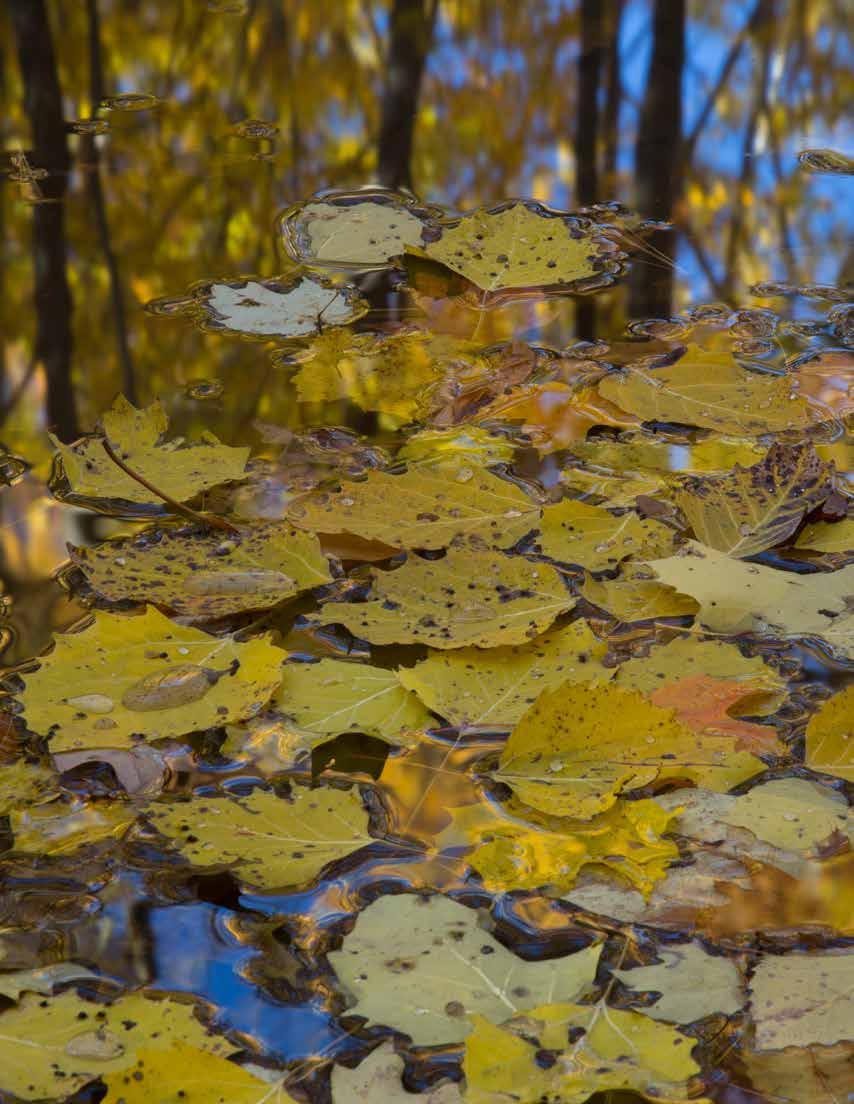
Outdoor learning is more than a change of scenery — it transforms how students engage, learn, and grow. Research confirms what teachers have long observed: when students spend time outdoors, they thrive.
Improved focus and comprehension. Studies show that outdoor lessons boost attention spans and help students grasp concepts across multiple subjects, from math and science to language and art.
Academic gains. Regular time outdoors is linked to measurable improvements in reading and science, with greater enthusiasm that carries back into the classroom.
Social and emotional growth. Outdoor classrooms foster teamwork, empathy, and initiative while reducing stress and building confidence.
Early experiences matter. Author Richard Louv emphasizes that positive time in nature during childhood — especially with mentoring adults — creates lifelong connections to learning and stewardship.
Proximity matters. Outdoor classrooms work best when close to schools. Fewer bus rides and less paperwork mean teachers can use nature as part of the daily routine, making it a normal part of education — not just a once-a-year trip.
Hudson Taconic Learning Landscapes will bring these proven benefits to Rensselaer County by pairing conserved lands with nearby schools and supporting teachers through professional development and curriculum integration — making outdoor education easier and more impactful and providing positive experiences in nature, all year long.
Interested in learning more about Hudson Taconic Learning Landscapes or supporting this effort? Reach out to Michala Hendrick at michala@hudsontaconic.org.
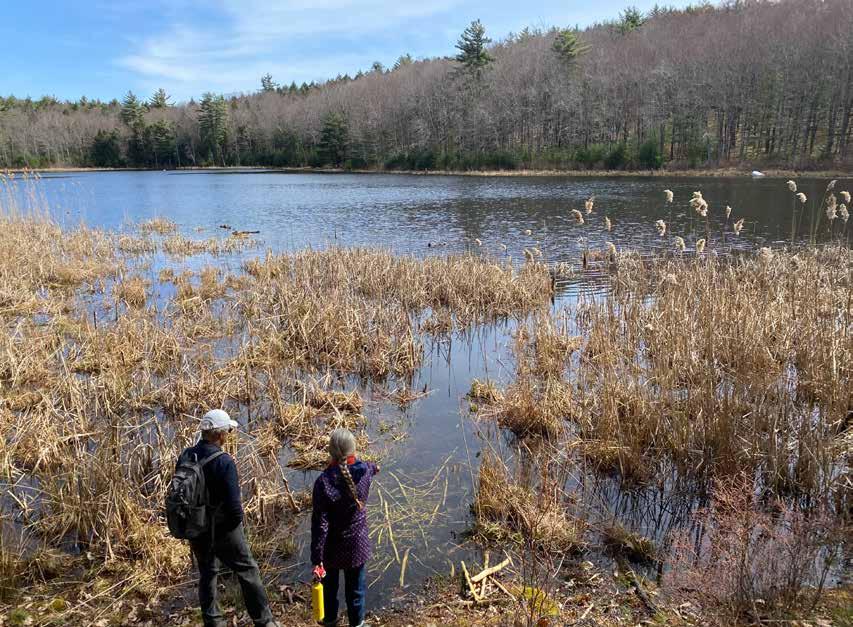
Since 1922, the Twin Rivers Council of Scouting America has provided young people with meaningful outdoor experiences at Rotary Scout Reservation, a beautiful 1,000acre property on the Rensselaer Plateau’s rugged western escarpment.
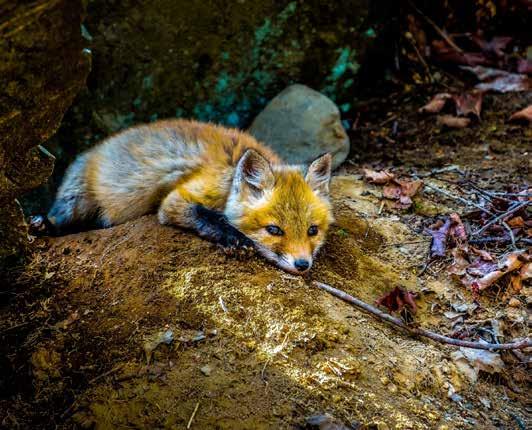
The land, with evergreen and hardwood forest and two freshwater ponds, offers habitat for black bear, beaver, fox, fisher, coyote, migrating waterfowl, and other wildlife. Mature pines and hemlocks and rocky ledges are especially important for wildlife.
In recent years, the future of the land has been in question.
In response to this uncertainty, The Nature Conservancy (TNC) initiated a partnership with HTL and the Twin Rivers Council to keep the forest wild and undeveloped through a voluntary conservation agreement held by the land trust.
Additionally, TNC helped the Twin Rivers Council pursue carbon credits for the property through the Family Forest Carbon Program.
This partnership allowed Scouting America and Hudson Taconic Lands to achieve two goals; keep the forest undeveloped while allowing the Twin Rivers Council to continue running a youth camp for our community. The proceeds from the project have helped Twin Rivers Council sustain the property, and its organizational mission, and will allow youth to enjoy the property for generations to come.
Sitting close to a ten-mile stretch of conserved land on the Plateau, and adjacent to a Hudson Taconic Lands property, the protected land adds to a vital wildlife corridor and supports climate resilience.
“We are grateful to be partnering with Hudson Taconic Lands. This project allows Scouting to continue to serve its core mission by helping to prepare youth to become tomorrow’s leaders,” says Greg Voyzey, Twin Rivers Council Scout Executive/CEO.
Camp Rotary is closed to the public, but HTL plans to lead occasional outings for the community in partnership with the Twin Rivers Council.
Camp Rotary all the way to Grafton Lakes State Park.
“Now that’s coming true,” Gene told Jim Bonesteel, HTL Executive Director after the conservation easement was complete.
It means so much that people like you who care — and have a conservation vision like Gene’s — are supporting projects like this. When we protect special places like Camp Rotary, we are making a difference for generations to come.
We shared a vision to protect land from Barberville Falls through Camp Rotary all the way to Grafton Lakes State Park.
–Gene McLaren “ ”
A decades-old dream comes true
This current project has been about five years in the making, but it actually goes back further, to a vision born in the early 1960s. At that time, neighbor Gene McLaren, now 100 years old, spearheaded the conservation of Barberville Falls Preserve, a stunning property just south of Camp Rotary.
Gene was on the board of the local chapter of The Nature Conservancy, then in its infancy.
“When we were working to protect Barberville Falls,” Gene said, “we shared a vision to protect land from Barberville Falls through
“We’re pleased this project will create lasting and meaningful conservation impacts. The protection of nearly 1,000 acres that connect to other wild lands will support forest health and wildlife connectivity in perpetuity,” says Matt Levy, Director of Land Protection for The Nature Conservancy in New York.
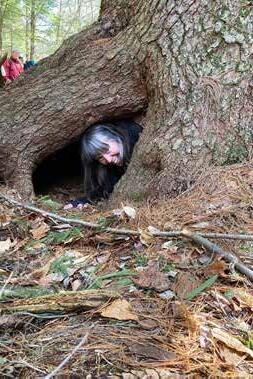
This spring, with special permission from the Twin Rivers Council, Jim led a group of HTL members on a hike at Camp Rotary. More than 50 people joined on a chilly morning to explore the property. Several members recalled attending camp there as Scouts. They were grateful to revisit this special place and to know that it will always be as wild and beautiful — just as they remember.
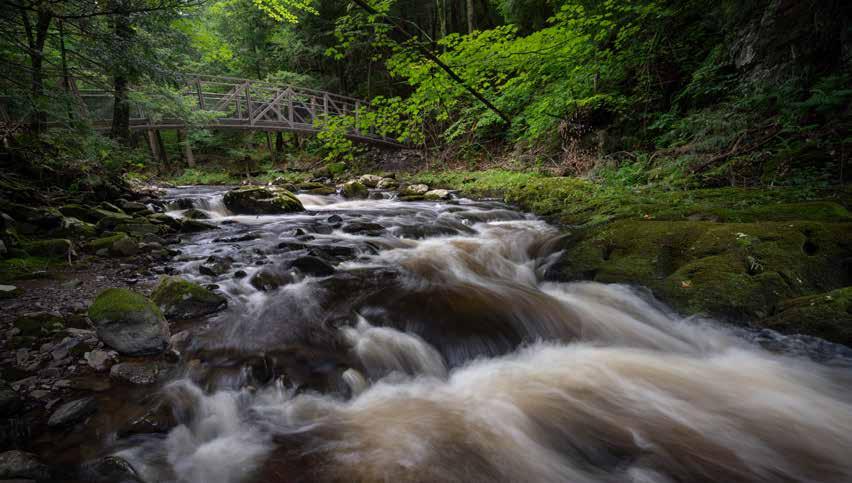
Summer 2025 was an exciting one for local hikers and nature lovers, with the opening of three new public nature areas, all on the Rensselaer Plateau. Each of these special places is making nature a little more accessible for local people and visitors to the Capital Region, deepening our connections to the land and supporting clean water and wildlife. Each new public nature area is the result of the care and commitment of our conservation community, people who value nature deeply.

David M. Hunt Preserve

In July, we opened Boehme Legacy Forest (209 acres) and David M. Hunt Preserve (30 acres), both on the same rural road in Grafton. David Hunt, the beloved ecologist who passed away in 2023, played a role in both of these conservation stories.
Boehme Legacy Forest has quickly become a beloved destination, with a creek to splash in, an impressive bridge across the Quacken Kill, and a trail up to the summit of Bunker Hill. The Hunt Preserve features pockets of oldgrowth trees, large boulders, and wetlands — a perfect place to enjoy nature.

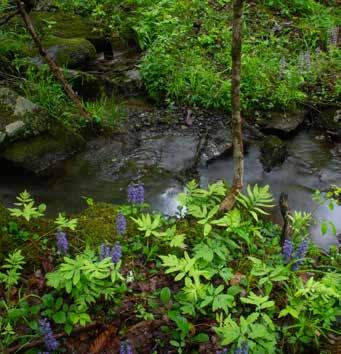
In August, we celebrated the opening of Lanford Wood Community Forest (519 acres) in Hoosick Falls. This property features beautiful rocky ledges and ephemeral spring wildflowers. One trail, with more to come, loops through a grassy woodland at the property’s high point. This community forest is the perfect destination for hikers and mountain bikers.
Learn more about the properties at hudsontaconic.org/visit.


The outdoors are calling! Plan your next adventure with RensCo Outdoors, our interactive public nature areas map
RensCo Outdoors, an interactive map found on the HTL website, is a new resource for exploring the parks, forests, and trails of Rensselaer County. You can filter your search for nature areas by activity type, facilities, and more to find the perfect adventure for you and your loved ones.
It was inspired by the book “Natural Areas of Rensselaer County,” published in 1994 by Rensselaer-Taconic Land Conservancy (which became Rensselaer Land Trust) and the Environmental Clearinghouse of Schenectady.
Gifts of land & community support make new community forests possible
Boehme Legacy Forest was donated to HTL by Betsy Boehme Howe and William Boehme, who grew up on the land and loved rockhopping across the Quacken Kill.
Terrason Hunt, David’s son, donated the David M. Hunt Preserve to HTL in honor of his father’s wish to conserve the land. David wanted the property to be open for people to come and enjoy time in nature.
Lanford Wood Community Forest was made possible by a generous bargain sale by Bill Lanford, who sees the creation of community forest as a way to make the world better.
Support for all three properties came from the New York State Conservation Partnership Program (NYSCPP)* and Forests Forever Campaign Donors.
Recently, a group of local nature enthusiasts created this comparable and updated public lands resource, available online, for people to discover new nature areas. This project was spearheaded by Michael Jensen and supported by many volunteers who gathered information for the online guide. It went live this spring!
Visit our webpage hudsontaconic.org/explore or scan the code to plan your next adventure.

*The NYSCPP is administered by the Land Trust Alliance, in coordination with the state Department of Environmental Conservation. Support for Lanford Wood Community Forest also came from Scenic Hudson, the U.S. Forest Service, and The Nature Conservancy. Support for Boehme Legacy Forest also came from The Nature Conservancy.
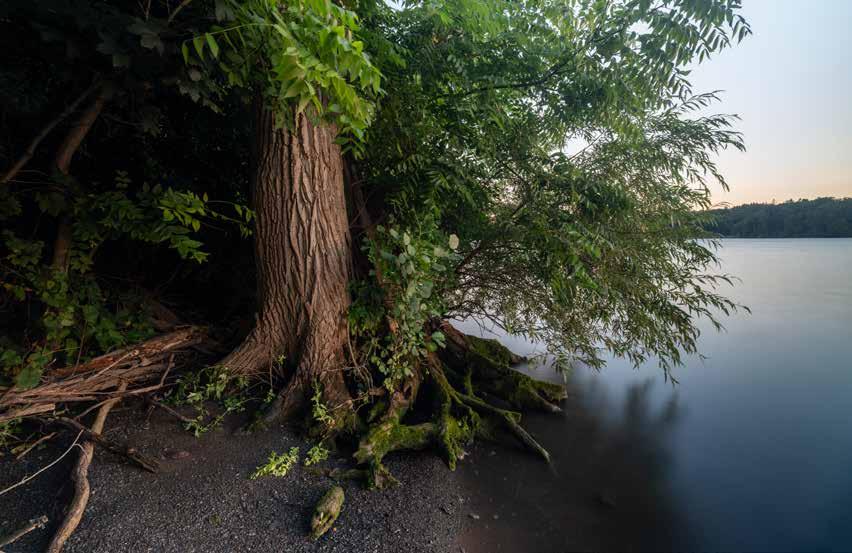
New conservation effort allows wildlife and people to thrive
For thousands of years, Papscanee Island has been a place of life, farming, and community for the Mohican people. The tidal Hudson nourished crops, while forests and wetlands provided food, medicine, and shelter. Today, members of the Stockbridge-Munsee Band of Mohican Indians continue to live in the region carrying forward a deep connection to the land.
But the landscape has not been immune to change. Development pressures, abandoned structures, and climate change have threatened both the ecological health of this area on the Hudson and the cultural story it holds.
At the same time, opportunities for quiet public access to the Hudson River remain rare, leaving many neighbors and community members without places to walk, birdwatch, or simply appreciate nature.
Last year, we saw a chance to make a difference with a possible enhancement of the Papscanee Island Nature Preserve, which stretches along the Hudson River just south of the City of Rensselaer.
In December 2024, HTL purchased the property thanks to a grant from Scenic Hudson and
several generous community members. This past spring, with the help of volunteers and support from Regeneron, HTL staff removed debris and building remains, beginning the process of restoring the land.
Building on decades of care & respect
This addition to Papscanee Island reflects decades of commitment to ensuring the Hudson River is a place where people and wildlife thrive, together. The Open Space Institute first protected Papscanee Island in the 1990s and in 2021 returned it to the Stockbridge-Munsee Community. The Tribe keeps the land open as a public preserve, with HTL holding a conservation easement and Rensselaer County maintaining the trails.
Restoring this land furthers the Stockbridge-Munsee Community’s goal of preserving its rich heritage and natural resources in its Homelands.
”
– Jeff Bendremer
“Restoring this land furthers the StockbridgeMunsee Community’s goal of preserving its rich heritage and natural resources in its Homelands,” says Jeff Bendremer, Tribal Historic Preservation Officer.
By conserving these additional acres, we are protecting clean water, habitat for bald eagles and countless songbirds, and a rare stretch of natural shoreline along the Hudson River.
Just as importantly, we are strengthening a partnership that honors Indigenous heritage while ensuring public access in a region where it is most needed.
The continued enhancement of Papscanee Island Nature Preserve is a reminder of what’s possible when community, Tribe, and conservation partners work side by side.
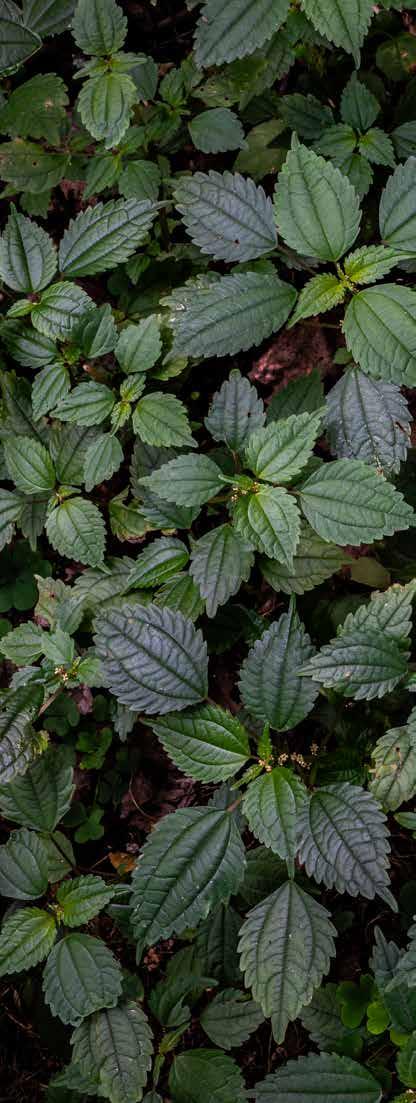
With your support, we can continue this work — adding to public lands, protecting wildlife, and ensuring the Hudson River remains a place where people and wildlife can thrive, together.
If you or someone you know is interested in exploring conservation options for land along the Hudson, please contact Jim Bonesteel at jim@ hudsontaconic.org to learn more.
This project was supported by generous community members, the New York State Conservation Partnership Program (NYSCPP)*, and a collaboration with Scenic Hudson.
*The NYSCPP is administered by the Land Trust Alliance, in coordination with the state Department of Environmental Conservation.
There are so many ways to show you care for our land and water
Reach out to Jim Bonesteel or Bay Meyer for a confidential discussion of your giving options at 518-712-9211 or jim@hudsontaconic.org / bay@hudsontaconic.org. You can also learn more at www.hudsontaconic.org/support.
Become a monthly donor
You can make a difference every day with a sustaining membership. Monthly gifts — whether $10, $25, or $100 — make conservation possible year-round.
Support conservation today and tomorrow with the Lanford Fund Bequest Challenge
Leave a gift of any size in your will. When you put Hudson Taconic Lands in your will, the Lanford Fund will donate $1,000 to HTL in your honor right away!
Give back with a Qualified Charitable Distribution*
If you are 70½ years or older and must take the Required Minimum Distribution (RMD) from your IRA, a Qualified Charitable Distribution could be used to satisfy the RMD by making a direct, trustee-to-trustee transfer to Hudson Taconic Lands.
Join the Woods & Water Heritage Circle
When your annual gifts add up to $1,000, you are part of this leadership circle. WWHC members enjoy a special annual event with HTL staff, board, and other members.
Donate stock*
A gift of stock can provide you financial and tax benefits while supporting conservation.
Donate Real Estate*
Gifts of appreciated real estate avoid capital gains taxes and can entitle you to a deduction against your taxable income based on the property’s current appraised value.
Donate an In-Kind Gift
Support conservation by donating tools, equipment, supplies — or an item or professional service to our annual Gala & Silent Auction.
Become a Volunteer Member
Stand up for forests and your community by building trails, sharing your talents, or serving on a land project committee. Email Kim Murdick at kim@hudsontaconic.org to learn more.
*Consult with your tax advisor to determine what tax benefits, if any, you may be entitled to.
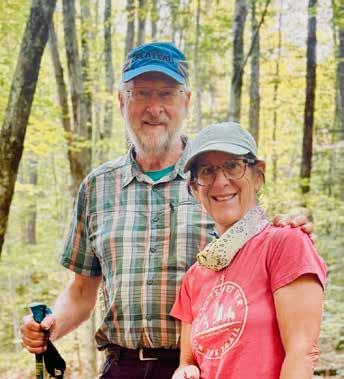
Susan and Jerry’s legacy gift also benefits conservation right now.
Thanks to the Lanford Fund Bequest Challenge, when someone lets us know they’ve included HTL in their will, a $1,000 gift is made right away to conservation. That means your legacy gift creates impact twice — once for the future through your will, and once today, the moment you share your plans. It’s a powerful way to see your dreams and vision put into action. In addition to leaving a gift in your will, you can also list HTL as a beneficiary on an insurance policy or retirement account.
Your gift will support conservation today, while building the foundation for tomorrow. Plus, through our partnership with FreeWill, you can write your will online in just 20 minutes. Learn more at freewill.com/hudsontaconiclands.
Learn more about HTL Legacy Giving

Write your will for free online today

the lands they love through their will
For Susan Poisson-Dollar and Jerry Dollar, Poestenkill Community Forest became their sanctuary during the pandemic.
“The Forest became a big part of our lives when everything felt overwhelming,” Susan recalls. “Those walks kept us grounded.”
Their daily visits deepened a connection to HTL that began in 2014 and grows today.
Thinking beyond themselves
Nature has always been central for Susan and Jerry — and their four children. As they thought about the future, they realized they wanted to care for both their family and the places that have given them so much.
“We made sure our kids will be secure,” Susan explains. “And then we thought about how we could give back beyond our family.” This led them to sit down with their attorney and take a meaningful step: including Hudson Taconic Lands in their legacy plans.
By choosing conservation, Susan and Jerry are ensuring that wild places like Poestenkill Community Forest remain a source of solace, joy, and renewal for generations to come.
They know how important it is to safeguard nature close to home — not just for their family, but for neighbors, friends, and the community yet to come.
Learn more at hudsontaconic.org/support or by reaching out to Jim Bonesteel for a confidential conversation at 518-712-9211 x 101 or jim@hudsontaconic.org.
1,284 acres conserved forever

48 miles of trail maintained

6,600 hours of volunteer time and talent 44 crates of wild apples collected for conservation fundraiser 27 poets and artists contributed to Writing the


PO Box 790
Averill Park, NY 12018
518-712-9211
Jeff Briggs
Bob Crowley, Vice President
Jim de Waal Malefyt
Tanja Eise
David Farren
David Gaskell
Pam Jacobson, Secretary
Walter Kersch
Michelle LeClair, Treasurer
Fred McCagg, President
Hanns Meissner
Thomas Phillips
Jim Slavin
Melissa Toni
Board of Advisors
John Bartow
Bill Niemi
Chet Opalka
Teri Ptacek
Karen Strong
Gary Thomann
Staff
Jim Bonesteel
Executive Director
Jim Daus
WQIP Manager
Alana Gerus
Conservation Project Manager
Tracey Goldstein
Office Manager
Elizabeth Hayes
Communications & Development Associate
Michala Hendrick
Youth Programming Director
Annie Jacobs
Communications Director
Rowan McGrath
Stewardship Associate
Bay Meyer
Operations Director
Dan Morse
Data Systems Manager
Kim Murdick
Volunteer Coordinator
Andrew Schwitzgebel
Stewardship Manager
For upcoming events and to sign up for eNews
scan the QR code or visit
www.HudsonTaconic.org


Help shape the future of outdoor youth programming in Rensselaer County!
In a 2024 community survey, we learned that outdoor youth programming is a top priority for you, our community. You told us that you want more of these opportunities for young people in Rensselaer County. This valuable feedback inspired us to dive deeper into understanding your needs and interests so that we can better serve local families.
If you’re a Rensselaer County resident aged 18 or older, we encourage you to share your thoughts, ideas, and vision through the Hudson Taconic Lands Youth Programming Survey!
Scan the code to learn more and take the survey!
