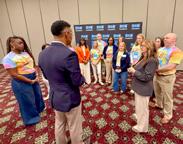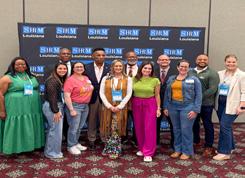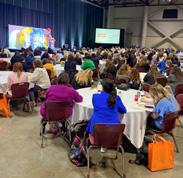
Conference Cruise to Alaska May 15-22, 2027

Conference Cruise to Alaska May 15-22, 2027

RISK isn’t optional in healthcare, but managing it IS. Data Facts o ers pre-hire screening and post-hire monitoring for healthcare employees. With 37 years of experience, we understand healthcare regulations and the challenges of adhering to them. You want compliant, e cient background checks backed by intuitive technology and reliable customer service, and we deliver.
With Data Facts you always have access to licensed Private Investigators and 100% U.S.-based support. Partner with a background screening company that understands your industry, protects you from the risk of civil monetary penalties enforced by OIG, and helps you get critical positions filled quickly and safely That’s the Data Facts Di erence.












To

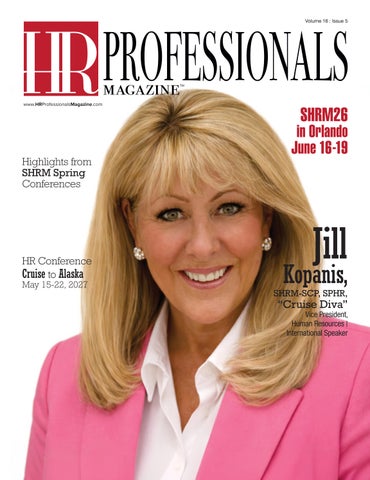
Welcome to our May issue featuring 2026 SHRM Spring Conferences. We are honored to include Jill Kopanis, SHRM-SCP, SPHR, Vice President of Dynamic Dies in Toledo, Ohio, on our May cover. Jill has held numerous leadership roles in SHRM beginning in 1997 as Director of Certification on her local chapter’s Board of Directors. She spearheaded the launch of the region’s first HR Conference for Northwest Ohio – which continues this day. Jill is a recognized thought leader and sought-after international speaker since 2007. She has delivered presentations at the SHRM Annual Conference, the National Benefits Conference, and numerous state and regional events. She is also a featured speaker on the HR Conference Cruise, where she earned the nickname, “Cruise Diva,” having participated in more than 50 cruises. Her favorite vacation pastime is touring the world one cruise port at a time. Jill continues to redefine what it means to lead in human resources, proving that the profession is anything but ordinary. Read more about Jill and her exciting career in HR on page 6.
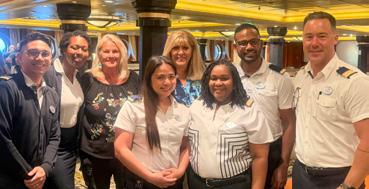
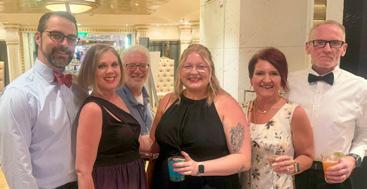
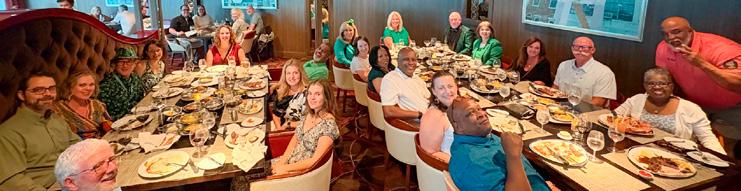
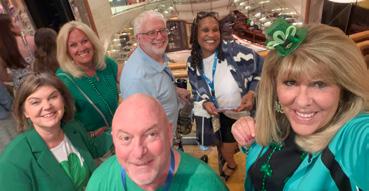
We are honored to be the official media sponsor of the HR Conference cruise spearheaded by Mike Medoro with Aspect Marketing. Mike is also active in the SHRM Ohio State Council where he serves as the Technology Director and the Communications Director. Mike is also President of the SHRM Medina County in Ohio. We hope you enjoy the pictorial highlights of the HR Conference Cruise to Cozumel and Puerto Costa Maya March 16-21 on pages 12-13. We want to say thank you to our SHRM State Council Partners on this cruise including SHRM Indiana, SHRM Michigan, and SHRM Wisconsin!
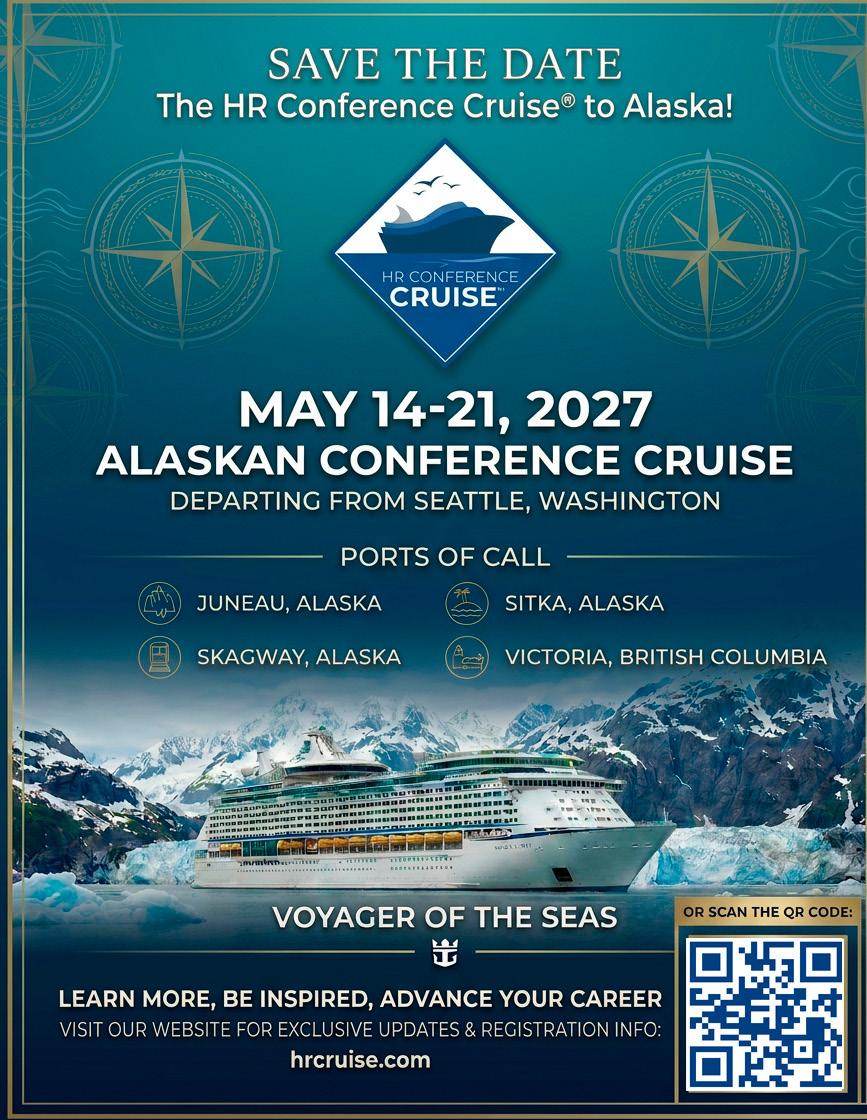
We have included a sneak peak of the 2027 HR Conference Cruise to Alaska on May 14-21. This exciting cruise is departing from Seattle, Washington, and will visit Juneau, Sitka, and Skagway in Alaska and Victoria, British Columbia. This amazing adventure will be on the Royal Caribbean Voyager of the Seas. Visit the website at hrcruise.com for more details. It’s not too early to early to book your reservation. Remember – you will earn 16 SHRM and HRCI credits!
We are pleased to offer a series of four webinars throughout May, focusing on key topics to help you earn SHRM and HRCI business recertification credits. Be sure to mark your calendars:
May 7
May 19
AI in HR presented by James Reid, attorney with Honigman, LLP, and HR Conference Cruise speaker
Using Emotional Intelligence to Drive Successful Change sponsored by NexaLearning
May 21 Ethics Update sponsored by **Data Facts**
Watch for your invitations in your email and join us to enhance your professional expertise while earning valuable recertification credits!
Thank you for being part of our community, and we look forward to connecting with you at SHRM26 in Orlando June 16-19!
Happy conferencing!




cynthia@hrprosmagazine.com
Connect with me on LinkedIn:https://www.linkedin.com/ in/cynthia-thompson-mba-shrm-scp-sphr-325b8715/ Like us on Facebook.com/HRProfessionalsMagazine

Despite a distinguished career spanning more than 35 years in human resources and a résumé rich with accolades, Jill Kopanis did not originally envision herself in the HR profession. Following college, she set her sights on becoming a Fashion Buyer for Neiman Marcus. In fact, when a college classmate shifted their major to Personnel Management, Kopanis recalls thinking, “Personnel management— what a boring career.” Today, she reflects on that moment with a smile; “boring” is the last word she would use to describe her dynamic and impactful career. Jill earned the title, “Cruise Diva,” having enjoyed 50 cruises including the HR Conference Cruises. She is an important assistant to the HR Cruise Founder, Mike Medoro (HRCruise.com)
Kopanis began her HR journey with the global organization Wacker Chemie/Wacker Silicones and later with national corporation Hunt Wesson/Conagra. These early roles provided a strong technical foundation while also offering critical insight into what HR should not be. She encountered organizational roadblocks that stifled creativity and limited innovation, experiences that would ultimately shape her leadership philosophy.
That philosophy came to life 26 years ago when Kopanis joined Dynamic Dies in Toledo, Ohio, where she currently serves as Vice President of Human Resources. Her tenure has been defined by a forward-thinking, innovative approach to leadership. She has consistently challenged traditional HR practices, demonstrating that strategic creativity can drive both employee engagement and business success.
Among her many accomplishments, Kopanis designed a medical cost-savings initiative that delivered multimillion-dollar savings while preserving a robust and affordable benefits program for employees. Her approach to leadership development is equally inventive. In one notable example, she removed her leadership team from the traditional conference room setting and brought them onto a pontoon boat—only to turn off the engine mid-journey and task them with navigating back to the marina. The exercise served as a powerful, hands-on lesson in change management, collaboration, and innovation.
Kopanis has also played a pivotal role in helping her organization earn recognition as a Top Workplace multiple times, reinforcing her belief that culture and creativity are inseparable drivers of organizational success.
Her passion for innovation extends well beyond her organization. A dedicated member of the Society for Human Resource Management (SHRM), Kopanis joined her local chapter’s Board of Directors in
1997 as Director of Certification. At the time, the chapter hosted a single annual certification course with limited participation. Under her leadership, the program expanded to two sessions annually, each attracting more than 60 participants. She also forged a partnership with the University of Toledo student SHRM chapter to host sessions on campus and successfully advocated for Toledo to become a permanent SHRM testing site, an achievement realized prior to the adoption of online testing.
Kopanis has since held numerous leadership roles within SHRM, including Chapter Network Chair, Vice President, and President. During her presidency, she spearheaded the launch of the region’s first HR Conference for Northwest Ohio—an event that continues to thrive more than 25 years later. She currently serves as Vice President of Membership and has also contributed at the state level as Director of Certification.
A recognized thought leader, Kopanis has been a sought-after international speaker since 2007. She has delivered leadership presentations at the SHRM Annual Conference, the National Benefits Conference, and numerous state and regional events. She is also a featured speaker on the HR Conference Cruise, where she has earned the nickname “Cruise Diva,” having participated in more than 50 cruises. When not HR’ing or speaking, her favorite vacation pastime is touring the world one cruise port at a time.
Blending her professional expertise with her passion for travel, Kopanis uses these platforms to deliver engaging, high-energy sessions. During the recent HR Conference Cruise, she delivered her latest presentation, “WHAT IF? Smashing Through the Roadblocks that Stagnate HR Thinking,” where she challenged HR professionals to rethink conventional approaches and embrace innovation as a core competency.
Kopanis’ contributions to the field have been widely recognized. Her honors include the National Benny Awards, the HR Management Achievement Award, and, most recently, the 2024 HR Lifetime Achievement Award. She holds a master’s degree in organizational leadership and is currently developing her capstone research— focused on new insights into the glass ceiling—into a forthcoming book. In addition, she is expanding her innovation-focused work into a comprehensive, multi-session corporate training program.
Through her visionary leadership and unwavering commitment to innovation, Jill Kopanis continues to redefine what it means to lead in human resources, proving that the profession is anything but ordinary.
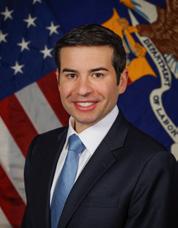
Keith E. Sonderling was confirmed by the U.S. Senate on March 12, 2025, to be the 38th United States Deputy Secretary of Labor, and on April 20, 2026, was designated by President Donald J. Trump as the Acting Secretary of Labor.
As the United States Acting Secretary of Labor, Sonderling is the highest-ranking official advising the President and enforcing federal laws to protect workers' wages, safety, health, and benefits.
As Deputy Secretary, he serves as the Department's Chief Operating Officer, overseeing the agency's budget and workforce employees. The Deputy Secretary oversees key operational functions such as: strategic planning; budget formulation; financial management; information technology; and human resource management.
Also, during President Trump's second term, Sonderling concurrently served as Acting Director of the Institute of Museum and Library Services and Acting Under Secretary of Commerce for Minority Business Development.
Prior to becoming Deputy Secretary, he was previously confirmed by the United States Senate to serve as the Commissioner of the U.S. Equal Employment Opportunity Commission (EEOC) from September 2020 until August 2024. He also served as the Commission's Vice-Chair from 2020-2021.
Sonderling previously served at the US Department of Labor as the Acting and Deputy Administrator of the U.S. Department of Labor's Wage and Hour Division from 2017-2020.
Before his government service, Sonderling was a partner at one of Florida's oldest and largest law firms, Gunster. At Gunster, he counseled employers and litigated labor and employment disputes. Sonderling also served as a Professional Lecturer in the Law (Adjunct Professor) at George Washington University Law School, teaching employment law.
Sonderling received his B.S., magna cum laude, from the University of Florida and his J.D., magna cum laude, from Nova Southeastern University.
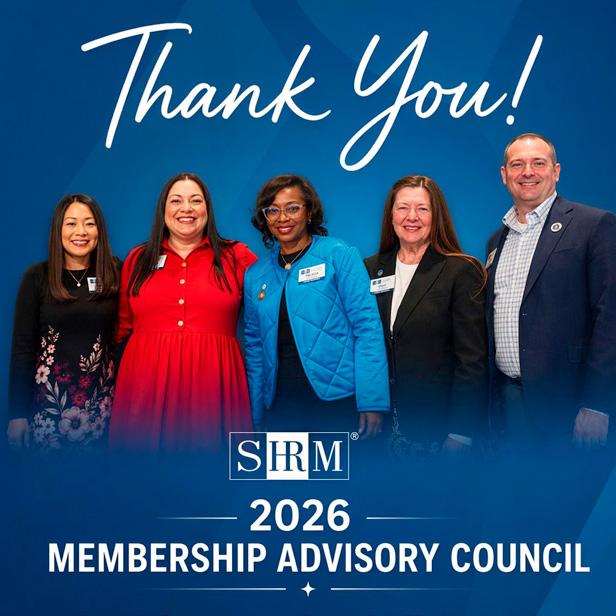
Honoring the SHRM Membership Advisory Council (MAC)! This #NationalVolunteerWeek we proudly recognize some of the most dedicated #HR leaders and advocates: (L-R) The 2026 MAC Rose Ann Garza, SHRM-SCP Christine Rodman Dr. Sue Greene, SHRM-CP, PHR, CCT Katrina Gooch, MS, SPHR, SHRM-SCP, GCDF Jason Glass, SHRM-SCP. And for all previous #SHRM MAC leaders: We are grateful for your passion, leadership, and tireless support - and for making a difference every single day!

Let me start with a confession.
I do NOT take enough Mental Health Days. There, I said it!
We need to do this MORE! Not because we are overwhelmed beyond repair. Not because we are escaping responsibility. But because we as leaders and professionals need to understand something I wish more of us embraced: You cannot pour from an empty cup. And you certainly cannot lead from one.
In today’s fast-paced workplace culture — deadlines, dashboards, deliverables — it can feel like rest is a reward. But mental wellness is not a luxury. It’s infrastructure. Supporting mental health at work doesn’t have to feel heavy or clinical. It can be intentional. It can be practical. It can even be … fun. Who doesn’t like to have fun?
Let’s Talk About the MHD (Mental Health Day)
When I schedule an MHD, I don’t frame it as “I need a break because I’m falling apart.” I frame it as preventive maintenance. Just like you service your car before it breaks down, you service your mind before burnout sets in.
On my MHD, I might:
Take a long walk without headphones
Avoid email entirely
Read something non-academic
· Spend time with family
· Reflect without an agenda
· Binge watch my favorite shows! No productivity goals. No performance metrics. Just recalibration.
Research consistently shows that recovery time improves performance, creativity and engagement. The American Psychological Association has extensive workplace mental health resources here: https://www.apa.org/ topics/workplace
Taking a Mental Health Day models something powerful: permission. When leaders normalize healthy boundaries, employees feel safer doing the same.
By SEAN WALL-CARTY
Fun Ways to Support Mental Health at Work (Without Making It Awkward)
Supporting mental health doesn’t require a full policy overhaul. Sometimes it’s about small cultural shifts.
Meetings
Fresh air changes perspective. A 20-minute walking meeting can reduce stress and spark better ideas than a fluorescent-lit conference room ever could.
· No-Meeting Zones
Designate blocks of uninterrupted time. Protect focus. Reduce Zoom fatigue. Your brain will thank you.
Harvard Business Review has excellent insights on meeting overload: https://hbr.org
· Normalize PTO (and Actually Use It)
Encourage leaders to visibly take time off. When leadership never disconnects, employees assume they shouldn’t either. The Society for Human Resource Management (SHRM) provides guidance on workplace well-being initiatives: https://www.shrm.org
Start Meetings with a Human Check-In
Before diving into metrics, ask: “How’s everyone doing this week?” It’s simple. It’s human. And it matters.
Recognition boosts morale and resilience. It doesn’t have to be elaborate. A quick email that says, “I see your effort,” goes a long way.
Offering Mental Health
Resources Clearly
Employees should know where to go if they need support:
Employee Assistance Programs (EAPs)
988 Suicide & Crisis Lifeline – Call or text 988
National Alliance on Mental Illness (NAMI) – https://www.nami.org
· Access reduces stigma
Mental health at work is not just an HR initiative. It’s leadership behavior. When I tell my students that I need to do a better job of taking Mental Health Days, I’m not modeling avoidance. I’m modeling sustainability. Burnout doesn’t make you strong. It makes you brittle. The World Health Organization recognizes burnout as an occupational phenomenon: https://www.who.int That means organizations have both an opportunity and a responsibility to address it.
We schedule dental cleanings, oil changes and annual physicals. But we hesitate to schedule rest for the organ that runs everything — our brain. An MHD is not a weakness. It is wisdom. And here’s the fun part: when you return, you’re sharper. Kinder. More focused. More creative. That benefits your team and your organization. Mental health support is not just about reducing stress — it’s about increasing performance, innovation and retention.
In business, we talk constantly about sustainability — sustainable growth, sustainable revenue, sustainable operations, etc. Let’s add one more: sustainable humans.
If you’re in HR, leadership or management, consider this your friendly nudge:
Schedule the MHD. Encourage the walk. Protect the boundary. Celebrate the small win.
· Because the healthiest workplaces aren’t the ones that never pause.
· They’re the ones that know when to.
· Encourage others to take their time!


Supervisors are often the first to hear about a leave request. Knowing what to say — and what to do next — matters.
Get FREE FMLA training resources from the J. J. Keller® LEAVE MANAGER solution to help you respond with confidence, including guidance on:
• What questions you can ask when an employee requests leave
• How to recognize situations that may qualify for FMLA protection
• What qualifies as a “serious health condition” under the law
Designed specifically for front‑line supervisors, these practical resources help you handle leave conversations correctly and avoid costly mistakes — before they become compliance issues.
Conference Cruise®!
to embark on our unique HR conference at network, and have fun on the EXPLORER OF THE the Explorer council partners:
Conference Cruise®!
March 16-21, 2026
to embark on our unique HR conference at network, and have fun on the EXPLORER OF THE the Explorer council partners:
combine a robust Human Resource cruise to tropical islands and gorgeous getawayscredits and networking with our peers.
top-notch speakers for our “surf and turf” series, pre-conference webinars and on-board sessions.
combine a robust Human Resource cruise to tropical islands and gorgeous getawayscredits and networking with our peers.





LEARNING DECK sessions which include presenting on a hot topic. This conference is both call. Destinations that are very lovely (and for us to explore. schedule has been pre-approved for both Credits (PDCs) and
top-notch speakers for our “surf and turf” series,
Indiana, SHRM Ohio, and to HR Professionals programs.
information in our conference app, including copies as links to our four pre-conference webinars. to the webinars for up to 60 days after the
2026 HR Conference Cruise. If you purchased remember to tweet/post about your experience!





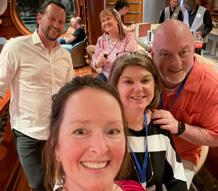
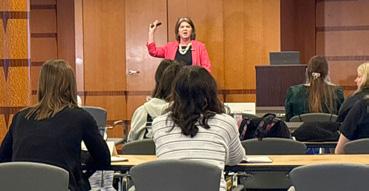
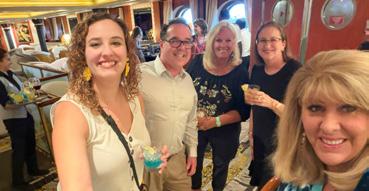

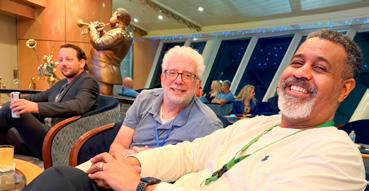
HR leaders are reaching a tipping point with their technology stacks, and it’s not because they lack tools. It’s because they have too many of them.
For years, the main strategy in HR technology was to create a “best-of-breed” system: a leading HRIS combined with specialized tools for recruiting, compensation, learning, performance, and analytics. On paper, this strategy promised flexibility and innovation. In reality, it has led to fragmentation, data chaos, and a worse employee experience that is becoming harder to ignore.
Most organizations today operate multiple disconnected systems throughout the employee lifecycle. While each platform may perform its role effectively, they seldom integrate smoothly. This leads to a patchwork of tools that depend on constant manual effort to keep functioning.
HR teams are left stitching together workflows across systems: exporting and importing data, reconciling discrepancies, and troubleshooting errors that shouldn’t exist in the first place. Nowhere is this more critical than in compliance, where even small inconsistencies can create significant legal risk.
What used to be an operational inconvenience has become a structural liability.
Beneath the surface of fragmented systems lies a deeper problem: the lack of a unified data foundation. HR technology is only as effective as the data that feeds into it. However, in many organizations, employee data is stored across multiple systems, each with its own definitions, formats, and update cycles. This creates conflicting records, duplicate entries, and a general mistrust of the data itself.
When HR leaders try to answer basic questions about headcount, turnover, and skills gaps, they often encounter discrepancies across sources. When they attempt to deploy AI or advanced analytics, the problem compounds. Poor data quality leads to unreliable insights and undermines confidence in decision-making.
This is why leading organizations are beginning to think in terms of a “data supply chain.” Instead of seeing data as just a byproduct of systems, they view it as a strategic asset: one that needs to be curated, validated, and connected throughout the entire HR ecosystem. Without this foundation, no amount of technology investment will produce meaningful results.
By SATISH KUMAR
While HR teams struggle behind the scenes, employees feel the impact differently: through a fragmented digital experience.
A new hire might use one system for onboarding, another for learning, and yet another for performance management. Each platform has its own interface, login, and workflow. The experience is disconnected and often frustrating.
This fragmentation doesn’t just create inconvenience; it drives disengagement. Employees are less likely to adopt tools that feel cumbersome or inconsistent. Critical initiatives, from upskilling to performance development, suffer as a result.
In an era where employee experience is directly tied to retention and productivity, this is a risk an organization can’t afford.
Faced with these challenges, HR leaders are rethinking their approach. The conversation is shifting away from “which tools are best” to “how does the system work as a whole.” The emerging model centers on unification.
This doesn’t necessarily mean having a single vendor for everything, but it does involve creating a cohesive architecture centered around a single source of truth. Unified platforms or tightly integrated ecosystems aim to eliminate redundant systems, streamline workflows, and ensure that data flows consistently across functions.
At the heart of this model is a robust data layer. By establishing consistent data definitions, governance processes, and integration standards, organizations can build a dependable foundation for analytics, AI, and decision-making.
Building on this foundation, a more unified employee experience emerges. Instead of using multiple systems, employees engage with a single, seamless interface that covers the entire lifecycle.
This shift represents more than a technology upgrade. It’s a fundamental change in how HR operates.
The goal is no longer to gather a collection of best-in-class tools. It’s to create an intelligent, connected work system; one that unifies data, processes, and experiences into a cohesive whole.
For HR leaders, this calls for a new way of thinking. It means focusing on integration rather than isolated systems. It also requires closer cooperation with IT, finance, and other stakeholders to ensure the architecture meets enterprisewide needs.





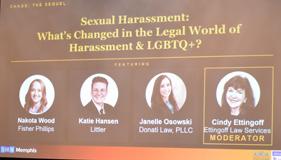
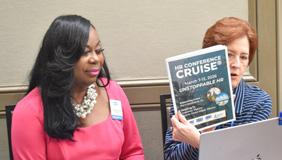
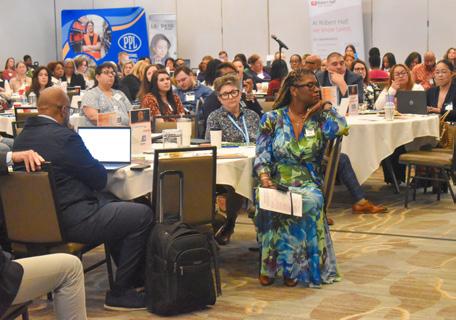
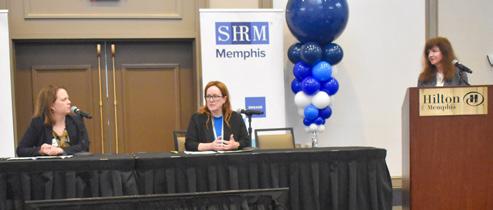
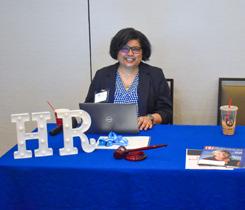
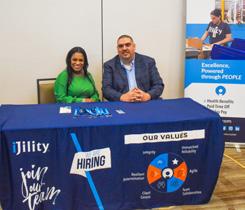
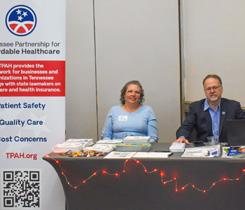

GLP-1 medications such as Wegovy, Zepbound, Ozempic, and Mounjaro have quickly become one of the most talked-about topics in employee benefits. Once known primarily as diabetes medications, they are now widely recognized for helping people lose weight, improve metabolic health, and reduce serious health risks. For HR professionals and business owners, the growing popularity of these drugs raises an important question: Should your health plan cover them?
Employee demand is rising fast. Millions of Americans meet the clinical guidelines for GLP-1 treatment, and prescriptions have surged in recent years. Workers are asking about these medications not only because of the potential weight-loss benefits, but because they often represent a path toward better overall health, increased energy, and reduced risk of chronic disease. In fact, some employees say access to GLP-1 coverage could influence where they choose to work.
That creates a real challenge for employers trying to stay competitive while managing costs.
The biggest obstacle is price. GLP-1 medications can represent a major ongoing expense for health plans, especially because they are often intended for long-term use. For employers already facing annual increases in healthcare costs, adding broad GLP-1 coverage can put additional pressure on pharmacy spend and overall premiums. Simply put, this is not a small-budget decision.
However, there is another side of the equation. Healthier employees can mean lower long-term claims, fewer complications tied to obesity and diabetes, improved productivity, and stronger morale. Employees who feel supported in their health journey may also view the company more favorably, which can help with retention and recruitment. In today’s labor market, benefits still matter.
The challenge is timing. Employers often absorb the cost now, while many of the long-term savings may come later. Add in the reality that some employees discontinue treatment or move to another employer, and the financial return becomes harder to predict.
That is why many organizations are choosing a more strategic middle ground rather than offering unrestricted access. Common approaches include:
• Covering GLP-1s only for approved medical conditions such as Type 2 diabetes or obesity that meets plan criteria
• Requiring prior authorization or step therapy
• Pairing coverage with wellness coaching or lifestyle support
• Using HRAs or FSAs to help offset employee costs without fully adding the drugs to the medical plan
These options can help employers support employee health while keeping spending under control.
The bottom line for HR leaders and business owners: GLP-1s are not just a pharmacy issue—they are a workforce strategy issue. Companies that thoughtfully evaluate employee demographics, budget tolerance, recruiting goals, and long-term health trends will be in the best position to decide what makes sense for their organization. As pricing changes and new treatment options emerge, flexibility and smart planning will matter more than ever.
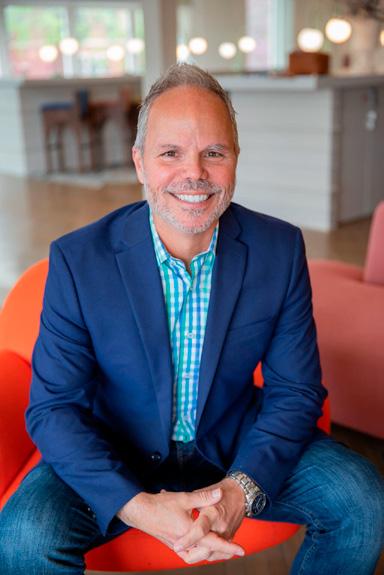


When you hear “high risk environment” a picture of healthcare providers fits perfectly.
That’s why hiring in healthcare just hits differently. You’re not just filling a role or keeping things running smoothly (although you need to do that, too). You’re bringing someone into your world where their actions can directly affect patient safety, your reputation, and your compliance standing.
That’s a lot of responsibility.
And that’s why the bar has to be high.
In healthcare, there’s always some level of risk to manage.
Smarter background screening, paired with ongoing employee monitoring, helps protect the entire operation.
Stats:
• 14% of the United States workforce is employed in the healthcare industry.
• According to CareerBuilder, 17% of people working in the healthcare industry admit to lying on their resumes.
• OIG may seek civil monetary penalties and sometimes exclusion for a wide variety of conduct. Penalties range from $10,000 to $50,000 per violation.
• Over a 10-year time span, 15,924 nurses had their licenses suspended due to violations.
People in healthcare work with vulnerable patients, handle sensitive information, and often have access to controlled substances. Plus, many are required to hold valid licenses and certifications.
Now layer in realities like high turnover, staffing shortages, and the constant pressure to fill roles quickly. It’s easy to prioritize speed just to keep things moving.
Rushing screening and cutting corners can increase the risks fast:
• Candidates who aren’t fully qualified (or aren’t who they say they are) slip through.
• Missing details turn into compliance issues, like expired licenses or incomplete verifications.
• Small oversights escalate into audits, penalties, or fines.
• And in the worst cases, it risks patient safety.
Most of these issues don’t come from bad intentions. They come from gaps. Missed steps. Things that should have been caught but weren’t.
Sure, a bad hire in any industry is damaging. But in healthcare, it can turn into a compliance headache, a financial hit, or a situation that puts your organization and patients at risk.
Since it’s such a highly regulated industry, most healthcare organizations already know basic screening doesn’t cut it for them. The real challenge is building a process that’s thorough, compliant, and still efficient enough to keep hiring moving.
The first rule is that screening in healthcare should focus on the areas that create the risk, like:
• Making sure candidates are who they say they are with proper identity verification.
• Confirming licenses and credentials directly from the source.
• Checking sanctions and exclusion lists, including OIG and SAM.
• Running criminal background checks with the right level of detail for healthcare roles.
• Verifying employment history and paying attention to gaps or inconsistencies.
• Conducting an education, because diploma mills and fake degrees are a common issue. (It’s estimated there are at least 1000 diploma mills operating in the United States).
• Executing a consistent and fair drug screening program.
Run the checks, clear the candidate, move on. Right?
Nope.
The risk only compounds the moment someone is hired. Licenses can expire or be suspended. Employees can show up on exclusion lists. New convictions can happen after onboarding. New drug use can, too. And without a way to catch those changes, organizations are left exposed before anyone realizes there’s an issue.
This is why ongoing employee monitoring is essential in healthcare. It gives organizations continuous visibility into their workforce by tracking key changes like:
• Criminal activity alerts (arrests and convictions).
• License status updates or expirations.
• Additions to sanctions and exclusion lists.
Instead of relying on occasional rechecks (or relying on employees to self-report) a continuous monitoring process provides timely alerts so you can act before the damage is done.
Yes, there are background screening “staples” that EVERY healthcare provider should include.
However, a large hospital system has different hiring needs than a small private practice. A long-term care facility faces different risks than an outpatient clinic. Even within the same organization, roles can vary widely in terms of access, responsibility, and exposure.
A one-size-fits-all screening approach will eventually fall short.
The most effective programs are built around the specific needs of the organization. That means aligning screening and monitoring with your roles, your risk tolerance, and your operational goals. For some positions, that might mean more in-depth screening or more frequent monitoring. For others, it’s about creating an efficient, streamlined process that still meets compliance requirements.
Customization also matters when it comes to how screening fits into your workflow. Integrations with your existing systems, tailored reporting, and flexible processes make a big difference in how smoothly everything runs.
Tailoring your screening game plan to your goals and specific organization allows you to make smarter, more confident hiring decisions.
Yes, it’s vital for every organization to perform background screening. However, strict standards and regulations in healthcare hiring creates even more of a need. And the long list of problems that missing something can cause (compliance issues, fines, lawsuits, risks to patient safety, reputational damage) makes building a strong end-toend screening policy a must.
Your prescription is ready for pick up.
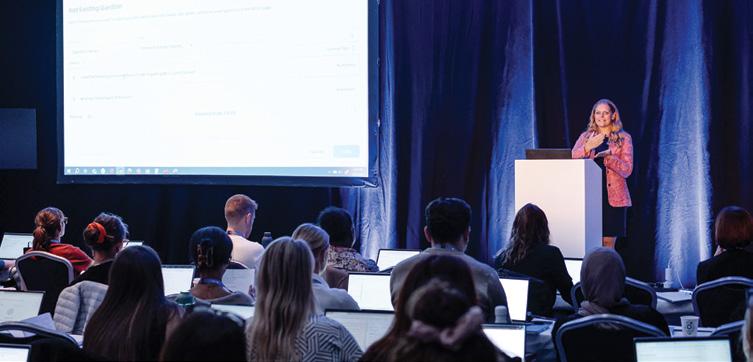
Get ready for HRx 2026, where you’ll refill your skills, empower your practice, and get a fresh dose of inspiration for the year ahead.
We will be celebrating our 54th Annual Ohio Human Resource Conference once again at Kalahari in Sandusky, OH.
Inspiring Keynotes
delivering fresh perspective & practical insights
Breakout Sessions with actionable strategies you can actually utilize
Exhibit Hall featuring tools, technology, and trusted HR partners
Networking and fun with peers across the HR community
Tuesday - Thursday September 22-24, 2026
Kalahari Resort | Sandusky, OH


Every May in the U.S., we observe Military Appreciation Month—a time to recognize the service and sacrifice of the military personnel whose contributions often go unseen. Introduced in 1999 by Senator John McCain, a naval aviator who was a prisoner of war during the Vietnam War, the month is marked by national observances including Military Spouse Appreciation Day, Armed Forces Day, and Memorial Day, a collective reminder to commemorate those who serve and protect our country.
Each year, approximately 200,000 active-duty U.S. service members transition back into civilian life, moving from a highly structured environment into one that can feel far less defined. For some, it’s a smooth re-entry into the workforce and communities. For others, the shift is more complex.
According to sources at the U.S. Department of Housing and Urban Development, the U.S. Department of Veterans Affairs, and Statista, 14 percent of male veterans and 24 percent of female veterans receiving care through the VA were diagnosed with Post-Traumatic Stress Disorder (PTSD). Equally concerning is that more than 60 percent of post-9/11 veterans have experienced difficulty adjusting to civilian life.
Despite this, too many organizations still lack structured, veteranfocused hiring strategies—missing a critical opportunity to engage highly trained, mission-driven talent. This gap between intention and impact is not new. Prior HRCI research has highlighted how the veteran and military spouse community remains underutilized in today’s workforce. In fact, according to a November 2025 HRCI poll of HR professionals, 56% of organizations report having no formal measurement in place for veteran and military spouse hiring efforts, while only 9% assess broader outcomes like productivity and cultural impact.
Given their training and extreme focus, mentally rehearsing career success can help veterans prepare for a seamless transition from active duty to meaningful roles in the civilian workforce. However, military hiring success is not a solitary activity. Without intentional HR leadership and veteran-inclusive talent practices, too many veterans remain overlooked or underutilized. There are some major employers— such as Verizon, Amazon, Walmart, and Microsoft—who have built successful military-friendly recruiting and retention programs, leading the way in translating military talent into measurable business impact. Here are some best practices they’re following:
Honor the Differences: Veterans bring a wide range of transferable skills; however, military occupational specialties such as field artillery operations, ammunition technicians, or motor vehicle operators don’t always reflect the full scope of their
By AMY SCHABACKER DUFRANE
capabilities. Companies committed to supporting veteran representation in their workforce should help veterans map their tours, training, and security clearances into ATS-friendly language.
Partner with Support Organizations: Military-specific channels, job boards, and career fairs can quickly connect veterans with opportunities. To build a strong pipeline from this skilled talent pool, consider partnering with organizations like Hiring Our Heroes, a U.S. Chamber of Commerce initiative that helps connect veterans, service members, and spouses with employers. Companies such as Orion Talent and Korn Ferry also offer specialized veteran recruitment services.
Emulate the Experience: Consider launching veteran mentorship and leadership cohorts to help veterans see how careers progress within the organization. Highlighting roles that strongly value military experience—for example, complex project management, cybersecurity, and field operations—can reassure veterans that your organization understands how to translate their experience into careers.
Build Community Through ERGs: A veteran employee resource group (ERG) is another powerful way to communicate your company’s commitment to military appreciation. These employee-led groups can support veterans, active-duty service members, reservists who have been deployed, and their families. Opening participation to non-veterans can further strengthen support and foster a more inclusive, informed culture.
Deeply ingrained in the ethos of the U.S. Marine Corps is the saying “Once a Marine, Always a Marine.” This sentiment extends across all branches of the U.S. Armed Forces —military service is not a chapter, but a lasting identity. While May offers a dedicated moment to honor veterans’ contributions, that recognition shouldn’t be confined to a single month. Year-round, organizations have an opportunity to provide meaningful career pathways, resources, and mental wellness support for veterans and their families.

Amy Schabacker Dufrane, Ed.D., SPHR, CAE, is CEO of HRCI® — where she is responsible for driving and disrupting the conversations about building highperforming, strategic HR teams. An engaging thought leader at the intersection of talent strategy and continuous learning, Dr. Dufrane is an award-winning leader and celebrated keynote speaker on the human side of successful business strategy in the 21st century.
An annual trends and insights report by HRCI
Backed by insights from 4,500+ HR professionals worldwide, this year’s report reveals how prepared, pressured, and evolving today’s HR leaders are—across roles, industries, and experience levels.
80% of HR professionals agree they are well prepared to carry out their job
recommend HR as a career
52% say implementing HR technology is the area where they feel least prepared
HRCI’s largest-ever global survey reveals a profession that is confident and resilient—yet navigating rapid change and rising expectations.
Download the full report: hrci.org/state-of-hr
40% report high or extreme stress levels












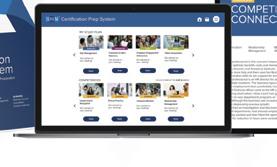
SHRM certification turns proven HR judgment into recognized career momentum. Earn credibility, visibility, and executive trust to greatly expand your opportunities.










Candidates who complete the SHRM Certification Prep System are










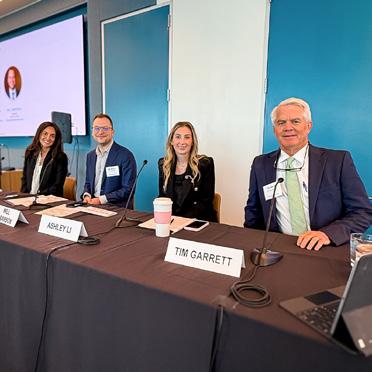
Employers are continuing to face significant policy and enforcement changes that are reshaping the employment law landscape. As regulations evolve, organizations are working to understand how best to respond while maintaining compliance and supporting their workforce. At the same time, employers are increasingly focused on striking the right balance between meeting legal obligations and fostering a workplace that supports employee wellbeing.
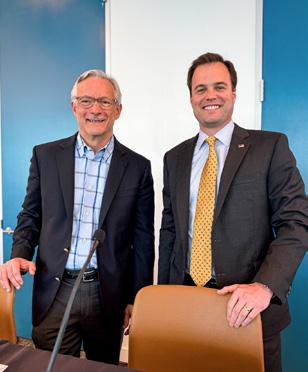

Bass, Berry & Sims listens and responds with creative yet practical counsel. We stay on pace with the complex and rapidly evolving employment landscape, connecting your dynamic human resources needs to proactive strategies. Relationships, reliability, and respect – at the center of our Labor & Employment and Employee Benefits practices. Stay

By MEREDITH J. MARONEY
Throughout his second term as president, President Trump has issued numerous Executive Orders to curtail, and in some cases eliminate, diversity, equity, and inclusion (“DEI”) policies and practices throughout the federal government. While most of these Executive Orders addressed DEI policies and practices within the federal government, President Trump’s most recent Executive Order targets DEI practices and policies by federal contractors, which could affect private employers that contract with the federal government.
As part of his reasoning behind issuing Executive Order 14398, President Trump stated that DEI policies and practices create higher costs for both the federal government and federal contractors “by reducing the pool of available labor by artificially limiting companies to hiring or promoting certain individuals, suppliers, or intermediaries based on their race or ethnicity.” Further, “[t]hese costs are inevitably passed on to the Federal Government when it contracts with companies who engage in racially discriminatory DEI activities, or who use subcontractors who do so.” Exec. Order 14398.
Executive Order 14398 requires that the following specific clause be included in all federal “contracts and contract-like instruments, including contractors’ subcontracts and subcontractors’ lower-tier subcontracts” that are subject to the Federal Property and Administrative Services Act:
1. The contractor will not engage in any racially discriminatory DEI activities, as defined in section 2 of the Executive Order of March 26, 2026 (Addressing DEI Discrimination by Federal Contractors;
2. The contractor will furnish all information and reports, including providing access to books, records, and accounts, as required by the contracting agency pursuant to the Executive Order of March 26, 2026 (Addressing DEI Discrimination by Federal Contractors), for purposes of ascertaining compliance with this clause;
3. In the event of the contractor’s or a subcontractor’s noncompliance with this clause, this contract may be
canceled, terminated, or suspended in whole or in part, and the contractor or subcontractor may be declared ineligible for further Government contracts;
4. The contractor will report any subcontractor’s known or reasonably knowable conduct that may violate this clause to the contracting department or agency and take any appropriate remedial actions directed by the contracting department or agency;
5. The contractor will inform the contracting department or agency if a subcontractor sues the contractor and the suit puts at issue, in any way, the validity of this clause; and
6. The contractor recognizes that compliance with the requirements of this clause are material to the Government’s payment decisions for purposes of section 3729(b)(4) title 31, United States Code (False Claims Act).
Exec. Order 14398.
As used in this Executive Order, “‘racially discriminatory DEI activities’” means disparate treatment based on race or ethnicity in the recruitment, employment (e.g. hiring, promotions), contracting (e.g. vendor agreements), program participation, or allocation or deployment of an entity’s resources.” Also, “‘[p]rogram participation’ means membership or participation in, or access or admission to: training, mentoring, or leadership development programs; educational opportunities; clubs; associations; or similar opportunities that are sponsored or established by the contractor or subcontractor.” Exec. Order 14398.
President Trump has tasked the Director of the Office of Management and Budget to prepare guidance for contractors to use in order to comply with this Executive Order. Pursuant to this Executive Order, federal agencies that contract with federal contractors who are in violation of Executive Order 14398 “shall (i) cancel, terminate, suspend, or cause to be canceled, terminated, or suspended, any contract or contract-like instrument, or any portion or portions thereof, for failure of the contractor or subcontractor to comply with the clause described in section 3 of this order; and (ii) take appropriate action to suspend and debar contractors or subcontractors for such failures to comply.” Exec. Order 14398.
Additionally, President Trump tasked the Director of the Office of Management and Budget, the Attorney General, the Assistant to the President for Domestic Policy, and the Chairman of the Equal Employment Opportunity Commission to identify “economic sectors that pose a particular risk of entities engaging in racially discriminatory DEI activities based on current or past conduct.” Exec. Order 14398.
Notably, the scope of this Executive Order only extends to disparate treatment based on race or ethnicity. See Exec. Order 14398. Thus, it does not cover other protected categories under federal law such as sex, creed, or color. However, regardless of whether an employer is also a federal contractor, all private and public employers are prohibited from intentionally discriminating on the basis of race in employment. 42 U.S.C. § 1981. Further, private (and most public) employers with at least fifteen (15) or more employees for at least twenty (20) or more calendar weeks in the current or preceding year are covered by Title VII of the Civil Rights Act of 1964, which prohibits discrimination based on race, color, religion, sex, or national origin. See 42 U.S.C. § 2000e et seq
Employers that are also federal contractors must add the required clause from Executive Order 14398 to their contracts with the federal government. Importantly, this contract language must also be included in a subcontractor’s contract. Thus, federal contractors will want to make sure that the required clause is included in their subcontractors’ contracts. This could be burdensome on federal contractors. However, the consequences for noncompliance are severe. A federal contractor or subcontractor’s failure to comply with Executive Order 14398 “shall” result in the cancellation of the contract and suspension and/or debarment. See Exec. Order 14398.
Employers that are also federal contractors should review their contracts with federal agencies to ensure compliance with Executive Order 14398. Additionally, they should make their subcontractors aware of the Executive Order and carefully review their subcontracts to make sure that they contain the required clause.
Meredith J. Maroney
Associate Attorney Rainey, Kizer, Reviere, & Bell PLC



As the issues facing employers and HR professionals become more frequent, challenging, and complex each year, you need a law firm that provides advice for your specific organization.
For over 45 years, Rainey Kizer Reviere & Bell has advised businesses, non-profit organizations, and governmental agencies in all aspects of employment law.
To learn how we can assist your organization, please contact us at 731.423.2414.
The U.S. Department of Labor (DOL) made headlines with its announcement of a proposed rule that seeks to streamline the concept of joint employer status under several key labor laws. These laws include the Fair Labor Standards Act (FLSA), the Family and Medical Leave Act (FMLA), and the Migrant and Seasonal Agricultural Worker Protection Act (MSAWPA). This proposed rule is significant not only for employers but also for employees, as it could reshape the landscape of labor relations in the United States.
Before diving into the implications of the proposed rule, it’s essential to clarify what joint employer status means. In simple terms, a joint employer is a company that shares control over an employee’s work conditions with another employer. This relationship often arises in scenarios where businesses outsource certain functions or work with staffing agencies.
For instance, if a company hires a staffing agency to provide workers, both the company and the staffing agency could be considered joint employers if they share significant control over the workers’ employment conditions. This includes aspects like hiring, firing, supervision, and determining pay. Under current frameworks, navigating joint employer status can be convoluted, leading to uncertainty for businesses and their workers.
Historically, the criteria for determining joint employer status have varied significantly across different labor laws and judicial interpretations. For example, the DOL has previously used a multi-factor test that examines the extent of control an employer has over the worker. This inconsistency has led to confusion and legal disputes, as employers attempt to navigate a patchwork of regulations.
The Trump administration is working to simplify these determinations, making it easier for businesses to understand their responsibilities and for employees to know their rights. The proposed rule is a step towards that goal to clarify when a business could be held liable for labor violations committed by another business with which it shares a joint employer relationship.
The proposed rule announced by the DOL is designed to establish a clearer framework for determining joint employer status across the FLSA, FMLA, and MSAWPA. While the DOL has yet to release the full details of the proposal, some key features were highlighted in the department’s news release.
1 Clearer Criteria for Joint Employer Status: The proposed rule aims to provide more straightforward criteria for determining when an employer qualifies as a joint employer. This simplification is expected to reduce legal ambiguities and promote compliance among businesses.
2 Focus on Control and Economic Reality: The proposed changes will likely emphasize the degree of control an employer has over the employee’s work conditions. This approach aligns with the DOL’s intent to focus on the economic realities of the employment relationship, rather than on technicalities.
3 Consistency Across Laws: One of the significant objectives of the proposed rule is to create consistency in how joint employer status is determined across various labor laws. By aligning criteria for the FLSA, FMLA, the DOL plans to create a more cohesive framework that reduces confusion for employers and employees.
4 Enhanced Worker Protections: The proposed rule is also a move to strengthen worker protections by ensuring that more businesses can be held accountable for labor violations. This aspect is particularly important for vulnerable workers, such as those in agriculture or low-wage sectors, who may find themselves caught in complex employer relationships.
The proposed rule has the potential to significantly impact both employers and employees. For employers, a clearer understanding of joint employer status can facilitate compliance and reduce the risk of legal disputes. Businesses may feel more confident when engaging in contractual relationships with staffing agencies or other companies, knowing the specific criteria that determine their responsibilities.
The proposed rule may also lead to increased liability for some employers, particularly those that have previously operated under the assumption that they were not joint employers. Companies should carefully evaluate their relationships with contractors and staffing agencies to ensure compliance with the new framework. However, for employees, the proposed rule could enhance protections and rights under the law. Workers may find it easier to seek recourse for labor violations when more entities are held accountable as joint employers. This could lead to improved working conditions, fair wages, and access to benefits, particularly for those in precarious employment situations.
The U.S. Department of Labor’s proposed rule to streamline joint employer status represents a significant shift in the regulatory landscape of labor relations.


















In a market where top candidates have options, hiring strategy becomes business strategy. The SHRM Talent Acquisition Specialty Credential builds your expertise to attract stronger talent, create a better candidate experience, and fill critical roles faster.
Build a talent pipeline competitors can’t match.
Learn more: shrm.org/talentedge



TALENT ACQUISITION

CREDENTIAL

BY BOB PIPKIN
Are you doing well at work, but something still feels off? Has financial success left you wondering, is this all there is? Bruce Waller understands that feeling.
He’s been there himself. In Drive with Purpose, Waller shares his personal search for something deeper—moving beyond success to a life of purpose and real meaning. What he discovered is that focusing on purpose didn’t just enrich his life—it also made him more effective in his career.
The idea for the book came after Waller received an award recognizing him as one of the top performers in his field. Instead of simply celebrating, he paused to reflect—and realized that achievement alone wasn’t enough. That moment led him to write this book to help others find a more meaningful path.
What makes this book stand out is how practical it is. Waller doesn’t lean on abstract theories or academic ideas. Instead, he shares lessons drawn from his own experience and from working with leaders across many fields. The result is straightforward advice you can actually use—at work, at home, and in your community. As Waller puts it, this is a “road map to significance.”
The book opens by clearly explaining the difference between success and significance. From there, Waller walks readers through eleven short chapters, each building on the last. It’s easy to follow and designed to help you think through your own goals step by step.
One of the most helpful features is at the end of each chapter: a set of simple questions. These aren’t busywork—they’re meant to help you reflect and apply what you’ve just read to your own life.
In the final chapter, “Your Road Map to Significance,” Waller lays out eight practical steps to help guide your journey. Here’s a condensed version:
Regularly check whether your work aligns with your values
· Approach each day with a mindset of growth and service
· Revisit your career path from time to time
Build relationships that help everyone grow
Take on leadership roles when opportunities arise
· Treat challenges as chances to improve
· Pay attention to the impact you’re making
Look for ways to expand your influence in positive ways
This is a book for anyone—early in their career or well established—who wants more than just success. It’s about building a life that matters.

About the author
Bruce Waller is a relocation executive, keynote speaker, author, and podcast host. He is known as a motivational speaker and inspires attendees to ‘find their lane’ and ‘drive with purpose’ to create significance in their career.
As the Vice President of Corporate Relocation for The Armstrong Company in Dallas, Texas, Bruce helps HR professionals arrange employee relocation and transportation services across the US and around the world. As a volunteer leader, Bruce is a former President of The North Texas Relocation Professionals, a regional chapter for WorldwideERC, and served as President for DallasHR, the third largest SHRM Chapter in the US. Today, Bruce serves as the Assistant State Director of Texas SHRM, a state council that serves chapters across Texas.
Bruce is the author of several books, including Find Your Lane, Milemarkers: A 5 Year Journey; Life in the Leadership Lane: Moving Leaders to Inspire and Change the Workplace, and now Drive With Purpose: Move Your Career from Success to Significance. Bruce also writes a weekly leadership blog called Move to Inspire.
Bruce is the host of Life in the Leadership Lane, a weekly podcast where he interviews leaders making a difference in the workplace.
In 2023, Bruce received the Stewardship Award, UniGroup’s highest honor in sales leadership, and was recognized in 2021 as one of the “Most Admired Service Providers” on The Global Mobility Top 100 list. Bruce is also a past recipient of the Texas SHRM Volunteer Leader of the Year (2021) award and served as a SHRM influencer at the National Conference in 2022.
But Bruce’s most treasured achievements are the notes he’s received from people that he carries around in his briefcase, mementos of his commitment to living a purpose-driven life full of significance.

Good luck on your journey.





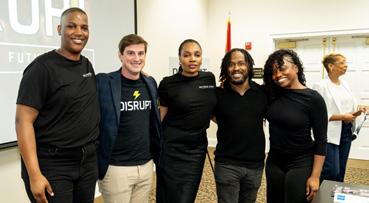
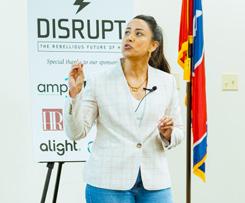
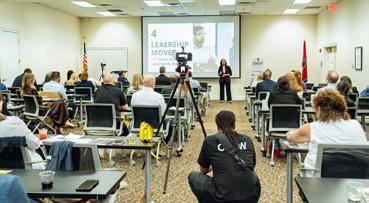
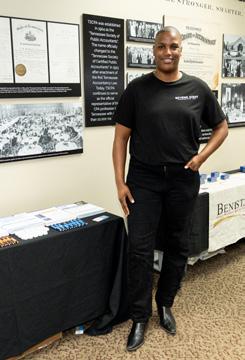
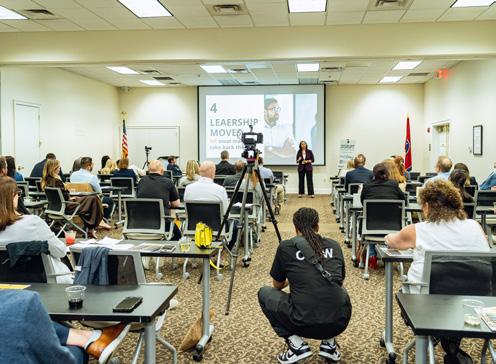

www.hrsouthwest.com


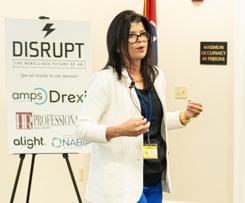
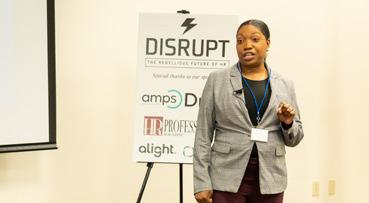
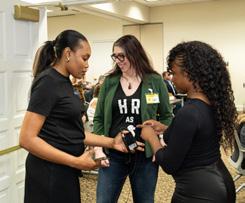
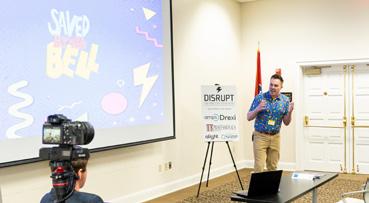
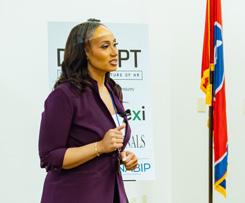
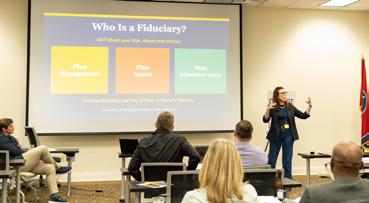
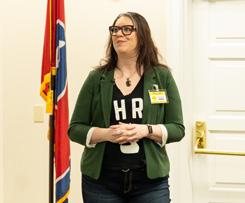
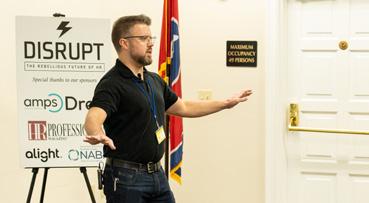
The HRSouthwest Conference is one of the nation's largest regional education & networking events for HR professionals and proudly serves as the official State of Texas SHRM Conference!
TXSHRM and SHRM Members receive discounted rates!



SHRM
April 22 & 23, 2026
Lafayette Cajun Dome & Convention Center