

While your competition is speeding up hiring with intelligent automation and real-time data, outdated screening systems are creating bottlenecks, increasing compliance risk, and leaving you with blind spots. Data Facts invests in advanced technology to create a faster, smoother, more compliant hiring process. From one-click adverse action and real-time status updates to customizable dashboards and seamless ATS integrations, every customizable tool helps REDUCE delays, ELIMINATE manual work, and IMPROVE decision-making. Your hiring process should create confidence, not doubts and worry. Data Facts gives you the technology, data, and high touch service to hire without hesitation.
...What are you waiting for?
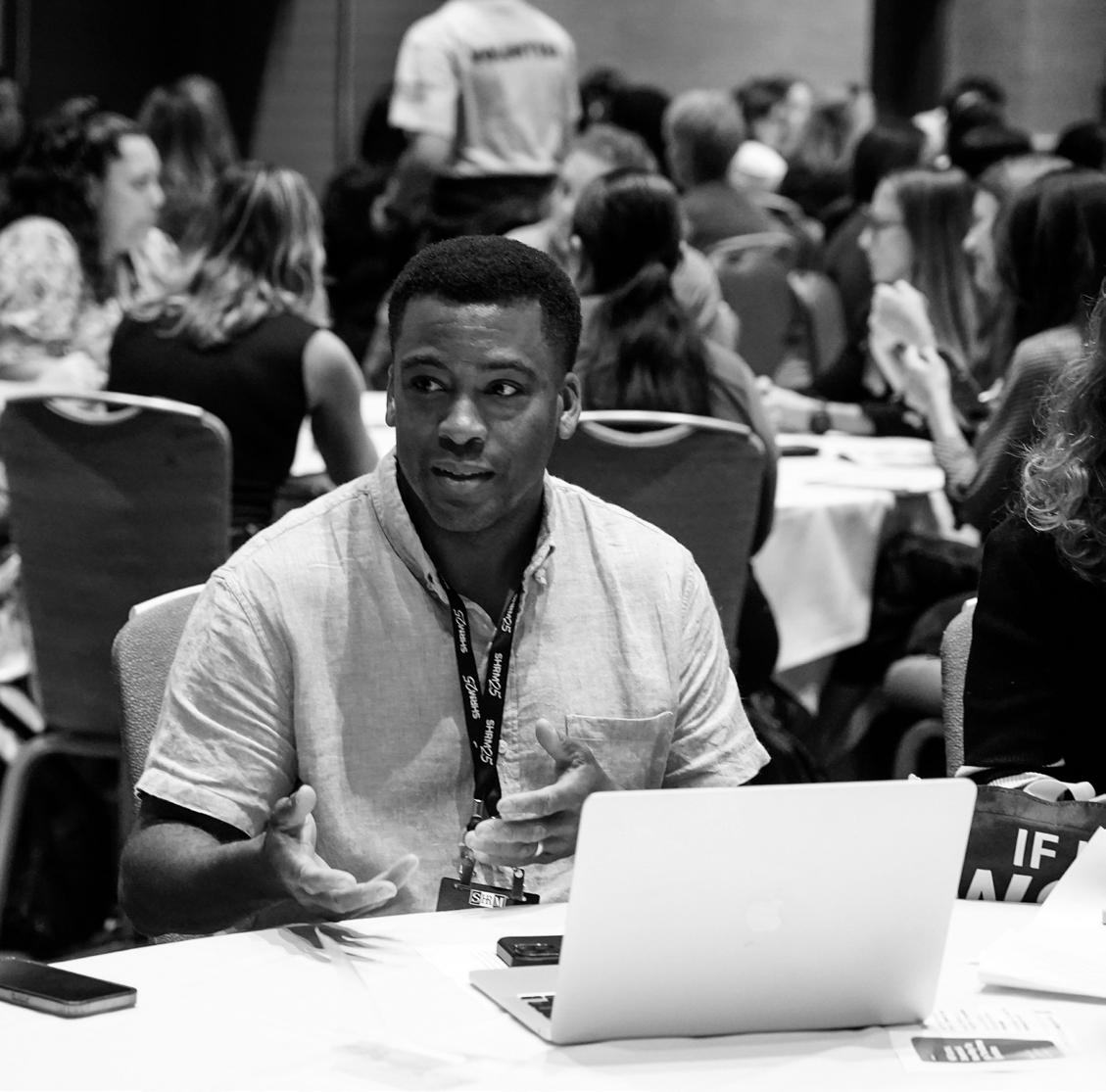
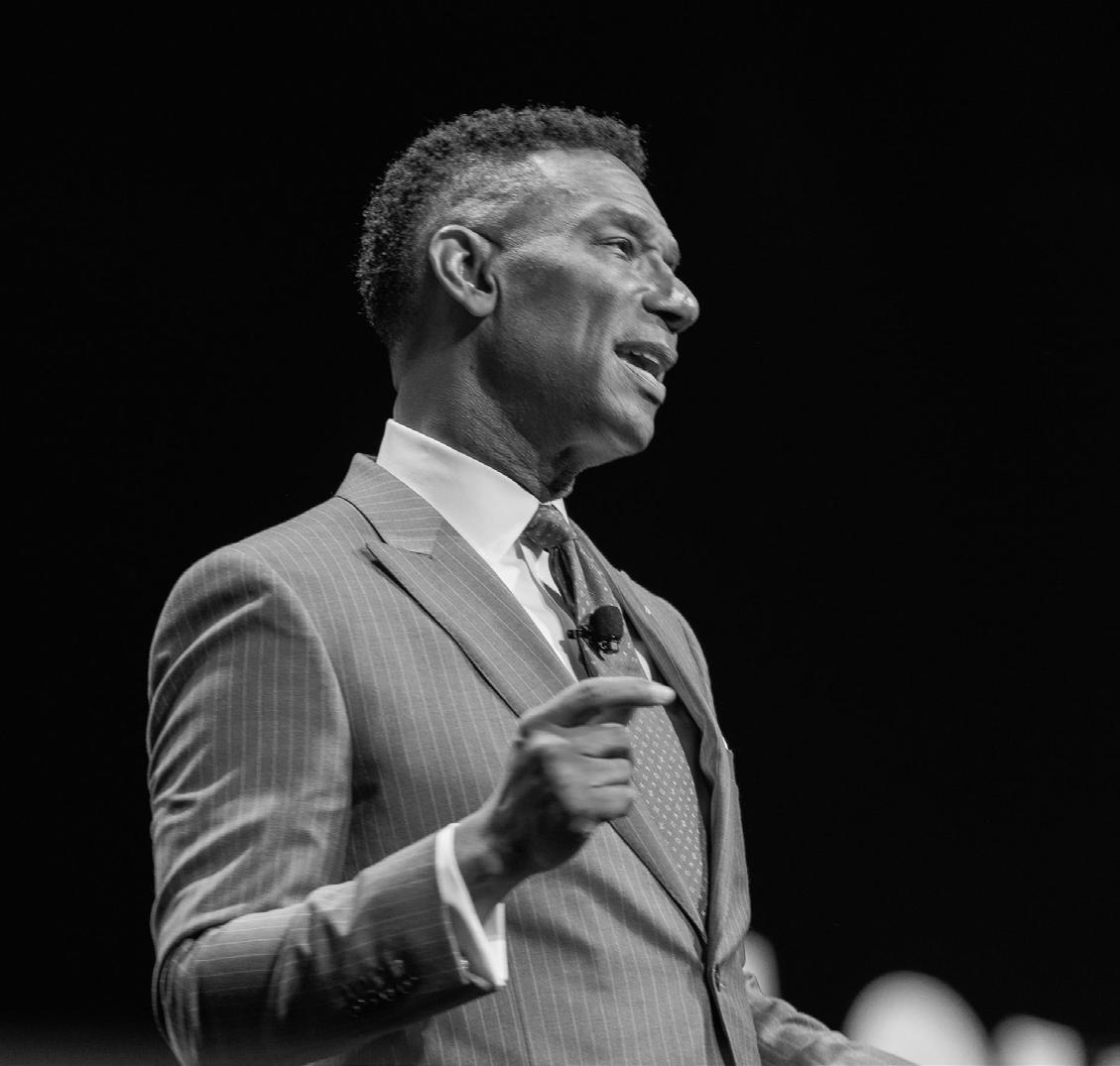
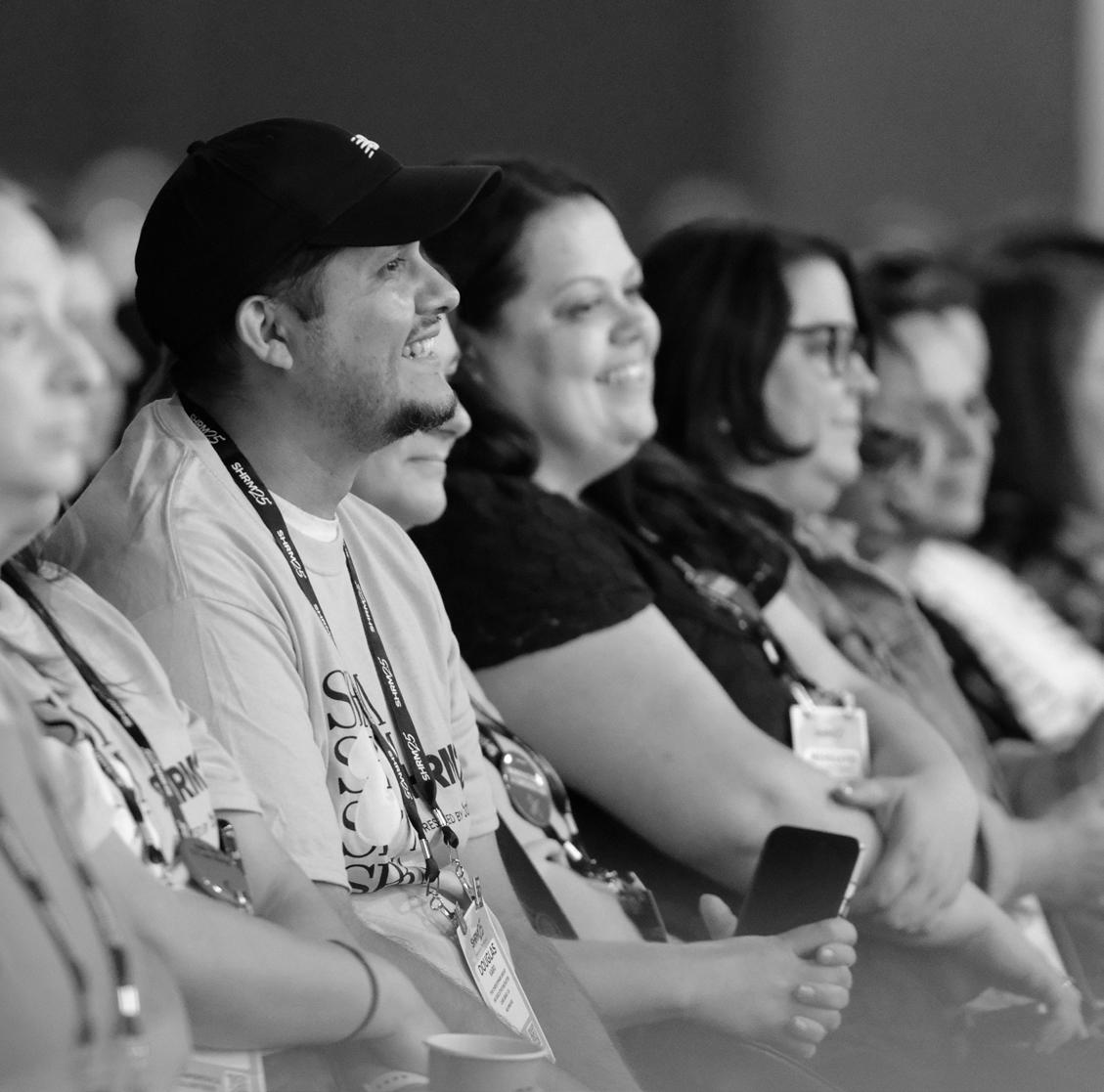


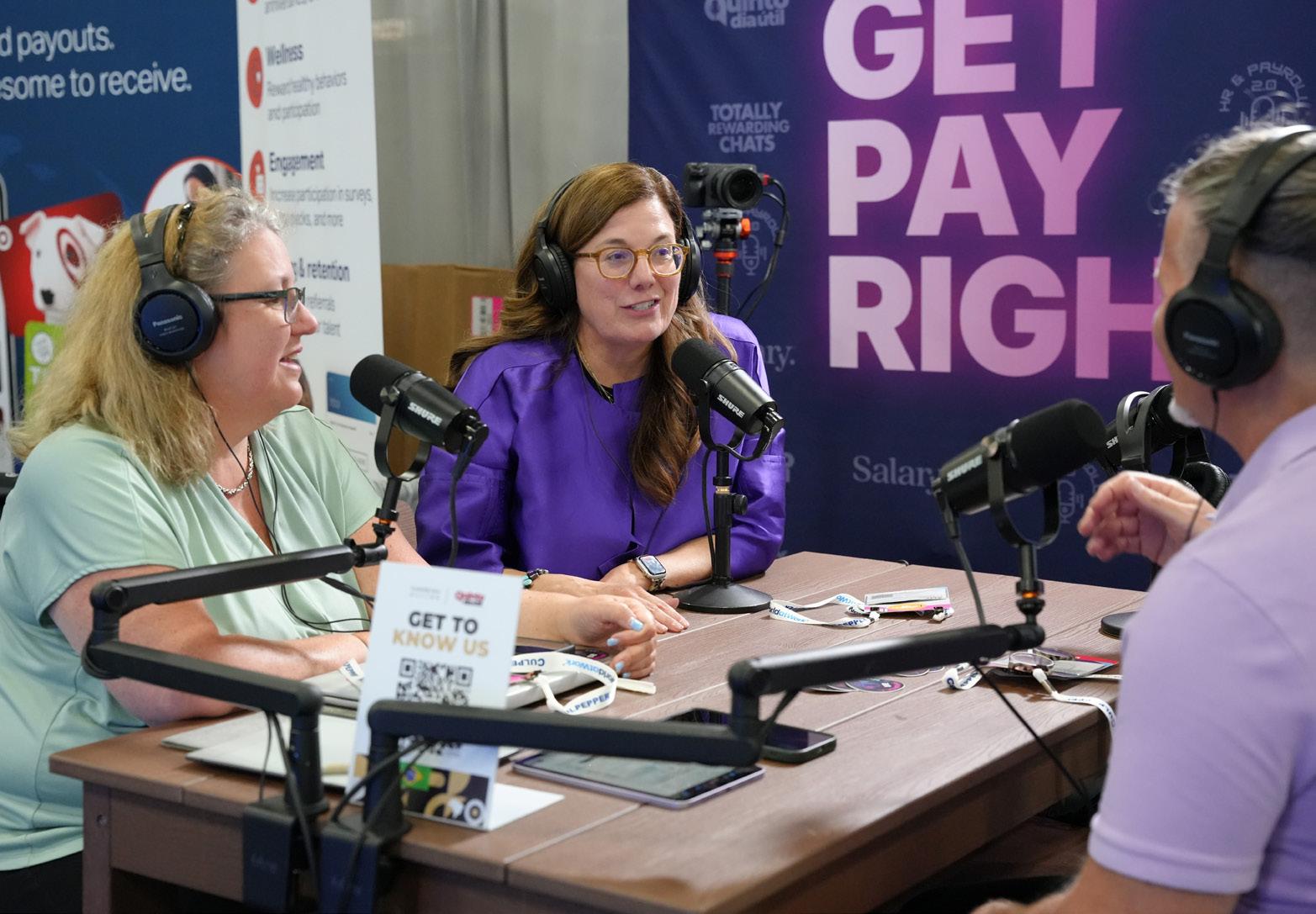
SHRM annual conference is the largest annual gathering of HR Pros in the world!


new and in their Catherine Design prepare that set employee at Bureau of meaning HR annually. tension began College has in 47 begins not orientation minewrong after outcomes. different. on their same Swingles shapes design could was born
After processing nearly 3,000 new hires through their online orientation experience, the numbers spoke for themselves:
Editor Cynthia Y. Thompson, MBA, SHRM-SCP, SPHR
h 96% orientation completion rate
h 49.25% drop in turnover — with no other changes to their onboarding process
The Thompson HR Firm, LLC Art Direction
h Faster speed to competency, with new hires contributing more quickly to their teams
Marketing and Social Media Specialist
h Stronger compliance, with HR reporting described as “hugely helpful” for policy verification and auditing
Julie Nagem
Project Specialist
Liz Rogers
B. Thompson
Webmaster
Leo Dimilo
William Brown
Matt Cross
Amy Schabacker Dufrane
Debra S. Gates
Shawn Mills
Patricia Morgan
Bob Pipkin
Travis Poppleton
Brian Snodgrass
Sam Swingle
Contact HR Professionals Magazine:
Success has since expanded to the private sector. St. Ann’s Community, a senior care organization, with four campuses, and employees working three shifts, faced a challenge familiar to many HR leaders: night-shift employees struggled to attend daytime sessions, and new hires outside of the main campus felt disconnected before they even started. An earlier attempt at online orientation using their HRIS system fell flat — difficult to access, not mobile-friendly, inconsistent, and unengaging. With Advantage HR Engage, Vicky Bournival, Director of Organizational Development at St. Ann’s Community, replaced that patchwork approach with a hybrid model that delivers the full orientation online, so employees can complete their orientation on their own schedule, while every employee receives the same high-quality, consistent experience. Culture hasn’t been sacrificed in the move to digital; it’s remained front and center.
To submit a letter to the editor, suggest an idea for an article, notify us of a special event, promotion, announcement, new product or service, or obtain information on becoming a contributor, visit our website at www.hrprofessionalsmagazine.com. We do not accept unsolicited manuscripts or articles. All manuscripts and photos must be submitted by email to Cynthia@hrprosmagazine.com. Editorial content does not necessarily reflect the opinions of the publisher, nor can the publisher be held responsible for errors.
HR Professionals Magazine is published every month, 12 times a year by the Thompson HR Firm, LLC. Reproduction of any photographs, articles, artwork or copy prepared by the magazine or the contributors is strictly prohibited without prior written permission of the Publisher. All information is deemed to be reliable, but not guaranteed to be accurate, and subject to change without notice. HR Professionals Magazine, its contributors or advertisers within are not responsible for misinformation, misprints, omissions or typographical errors.
“People still feel like when they come on day one, that they have a strong perception and understanding of our organizational culture. That was important to me.”
Vicky Bournival
©2026 The Thompson HR Firm, LLC This publication is pledged to the spirit and letter of Equal Opportunity Law. The following is general educational information only. It is not legal advice. You need to consult with legal counsel regarding all employment law matters. This information is subject to change without notice.
What Augusta University and St. Ann’s Community share is a willingness to rethink what day one looks like, and a partner who meets them there. For the Swingles, that’s always been the point: when people feel truly welcomed and prepared, they stay, grow, and contribute. Advantage HR Engage makes that vision
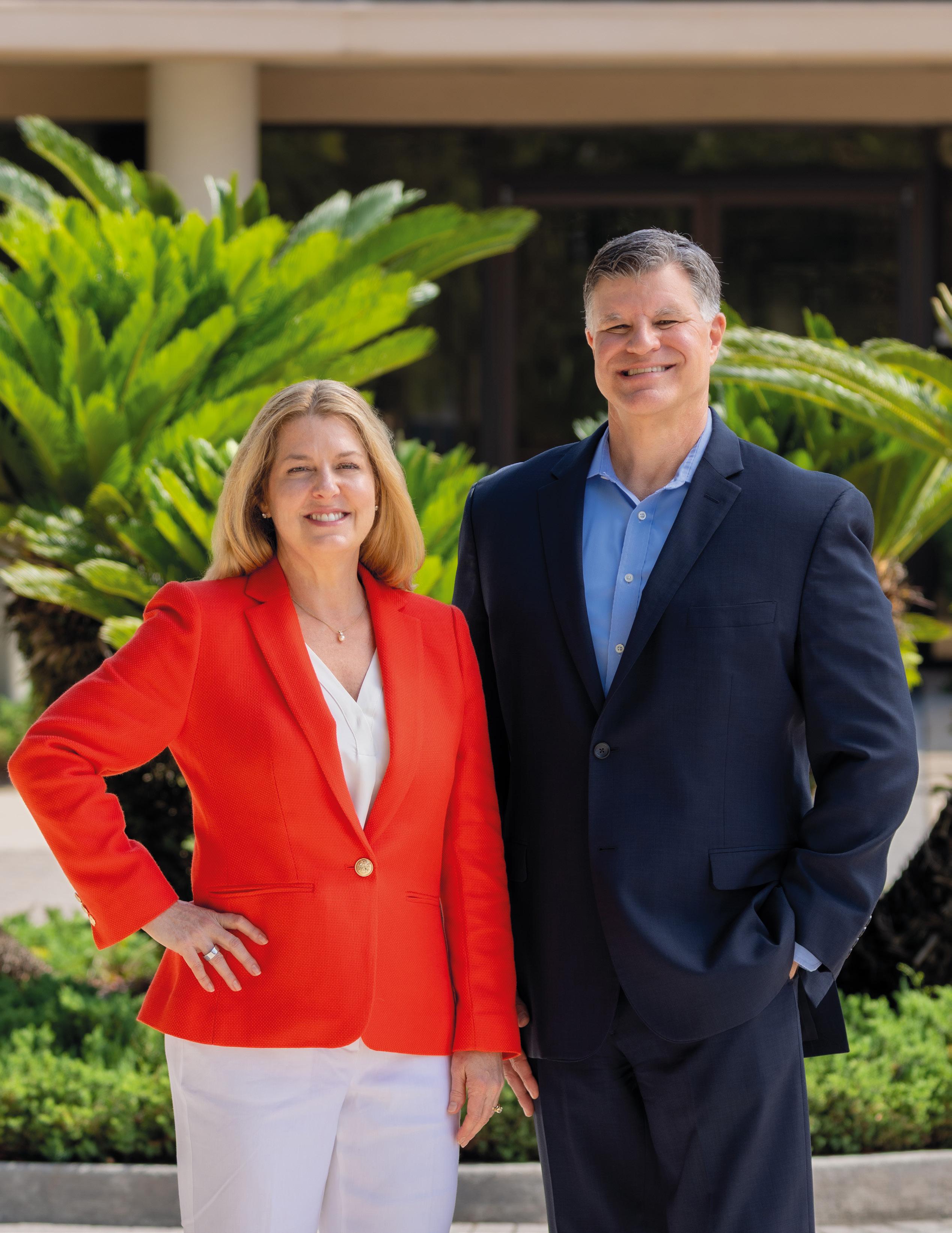
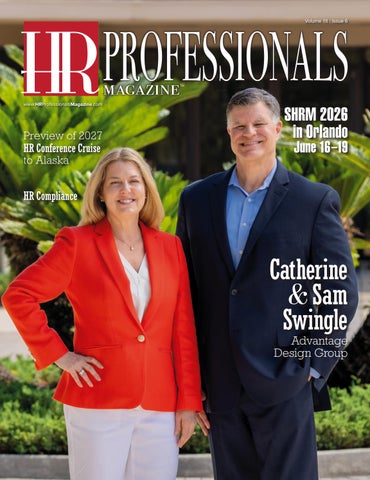
Welcome to our exciting June issue featuring the Advantage Design Group on our cover. I was honored to meet Catherine and Sam Swingle on the 2026 HR Conference Cruise to Cozumel. We happened to be at the same dinner table one night where I learned about their amazing onboarding company, which is the largest online orientation provider in higher education with over 400 clients across 48 states and provinces throughout the United States and Canada. Some other clients you might be familiar with include True Value, Chase Mortgage, and the United States Postal Service. A large university processed nearly 3000 employees through the Advantage Design Group online process, and the results were incredible – orientation completion reached 96% while turnover dropped 49.25%. Does your current new employee orientation results match Advantage Design Group results? See Page 6 and meet Catherine and Sam Swingle and learn how the Advantage Design Group can help your organization decrease turnover! See Pages 18 and 19 for more information.
What keeps HR professionals up at night? One guess – worries about HR compliance. It seems like every day we hear about a new law or new executive order that we need to learn more about. At HR Professionals Magazine we take compliance seriously and work to keep you updated. In our June issue we have included several compliance-related articles that you will want to read and remember.
Page 2
Data Facts contributed an article about advanced technology to assist you with a faster, smoother, and more compliant hiring process.
Page 8
WGU provided a very timely article on what to do in the event of an ICE audit.
Page 12
JJ Keller Compliance Network offers a free report on how to avoid discrimination claims.
Page 26
SafeHaven Security Group explains how to master HR compliance including ADA, OSHA, HIPPA through risk management.
Page 30
The Benefits Group provided an article, “TrumpRX Adds More that 600 Generic Drugs – and Why it’s Important.”
Preview of Johnny C. Taylor, Jr.’s Keynote for SHRM26
ICYMI, Johnny’s keynotes for SHRM24 and SHRM25, you missed the most inspiring and motivating speeches ever! In 2024 in Chicago, Johnny encouraged HR Professionals to “run into the storm as the buffalos do,” as we watched herds
In 2025 in San Diego, Johnny spoke on “Workplaces are the New Battleground. Can HR Save Civility?” At the end of his presentation, we were encouraged to “rise above “as a bald eagle was released into the stadium and flew around the ceiling about 15 minutes.”
Here is a preview of Johnny’s keynote for 2026 in Orlando from SHRM. His empowering keynote this year is “Taking Back HR.” Johnny’s keynote address will call on HR to rise above the noise, gain a wider perspective, and lead with clarity, courage, and vision. He will reflect on the fact that HR’s role and purpose are evolving in real time as technology and economic shifts reshape work itself.
He will reflect on the fact that HR’s role and purpose are evolving in real time as technology and economic shifts reshape work itself. His address will set the tone for dynamic sessions spanning topics like AI integration, pay transparency, employee experience, and talent acquisition. (SHRM.org)
We will be in the SHRM Media Room conducting Facebook Live | LinkedIn interviews. Be sure to follow us online as we keep you updated on SHRM26 in Orlando on June 16-19.

cynthia@hrprosmagazine.com

Connect with me on LinkedIn:https://www.linkedin.com/ in/cynthia-thompson-mba-shrm-scp-sphr-325b8715/ Like us on Facebook.com/HRProfessionalsMagazine
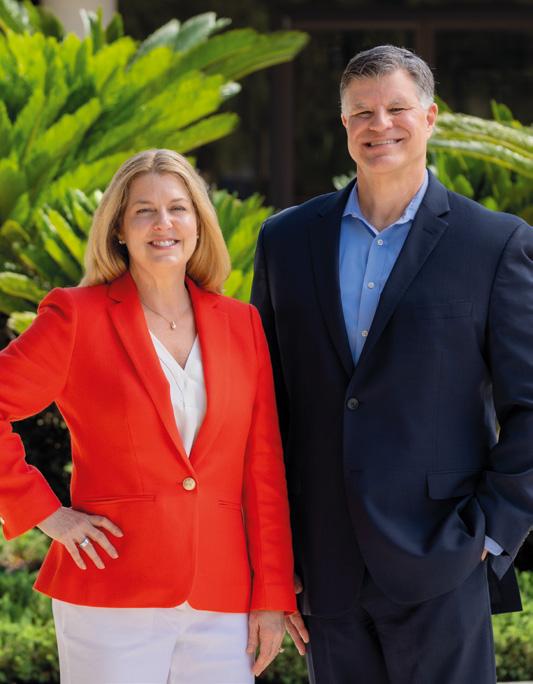
Twenty-seven years ago, Sam and Catherine Swingle walked away from the conventional and bet on a simple idea that creativity and technology, working together, could change how organizations make a first impression. Most companies choose one or the other. Advantage Design Group was built on the belief that you need both, and that the moment someone enters your world for the first time is too important to leave to chance.
That belief found its first proof in the early days of interactive media. At a time when most organizations were still handing people printed packets and static PDFs, Advantage was helping clients reach their audiences through interactive experiences that were engaging, trackable, and a fraction of the cost. A manufacturing client replaced a $15 to $20 printed mailer with a 45-cent mailable CD and watched their distributors respond with enthusiasm. Organizations like True Value, Chase Mortgage, and the United States Postal Service followed. The medium was new. The mission was the same one Advantage still carries today.
The turning point came when a Florida college approached Sam and Catherine with a problem that would redirect the company entirely. Orientations ran anywhere from one hour to two days depending on the campus. Attendance was inconsistent, reporting was unreliable, and the experience varied so widely that students at the same institution were effectively getting different introductions to the same place. Advantage solved it. Then they solved it for another institution, and another, until the platform had grown into the largest online orientation provider in higher education, serving more than 400 clients across 47 states and provinces throughout the United States and Canada.
Sam serves as CEO, leading the sales strategy and vision that have defined Advantage's reach and growth. Catherine serves as COO, driving operations, technology, project management, and client relationships. Together they lead a 50-person team headquartered in Jacksonville, Florida, out of a facility spanning more than 25,000 square feet. Advantage Design Group is a certified women's business enterprise and an EdTech Awards Cool Tool Finalist.
The approach has always been tested against real outcomes, not just good intentions. When a large university replaced their traditional in-person orientation sessions with an Advantage-built new hire experience, processing nearly 3,000 employees through the platform, the results were difficult to argue with. Orientation completion reached 96% while turnover dropped 49.25%, despite no other changes made to the onboarding process. New hires reached competency faster, and HR leaders described the compliance reporting as transformative for policy verification and auditing. Those numbers did not come from better technology alone. They came from an experience that employees actually engaged with because it felt worth their attention.
What has always set Advantage apart is the conviction that a great onboarding experience is not a checkbox. It is a creative expression of who an organization is, a reflection of culture and brand that people actually feel, and a measurable investment in the human beings who have just said yes to being part of something. When those elements come together well, the data proves it. People stay. They contribute. They belong. That is what Advantage has been building toward from the very beginning, and it is what drives every experience they create today. n
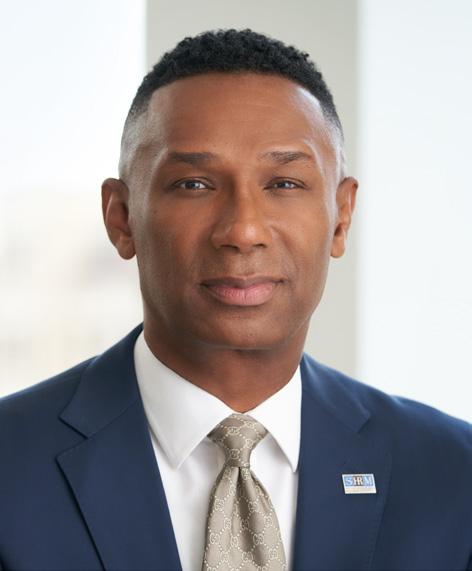
SHRM President and Chief Executive Officer Johnny C. Taylor, Jr., SHRM-SCP, was recently named by Washingtonian Magazine as one of the 500 Most Influential People Shaping Policy in 2026 in Washington, D.C. The annual list recognizes the capital’s leading authorities and advocates outside the government who are significantly influencing policy and decision-making in Washington.
Recognized globally for his expertise in employment trends, workplace culture, and leadership, Taylor is a highly sought-after leader and influential voice shaping the future of work, worker, and workplace. Through SHRM’s policy work, he has built bridges across the political spectrum, partnering with leaders and policymakers aligned with SHRM’s vision of building better workplaces for a better world in areas such as workforce development; flexibility and leave; health care; immigration; and governance. As the world’s largest trade association of HR professionals, SHRM now serves nearly 340,000 members across 180 countries, impacting the lives of more than 362 million workers and their families globally.
“We as leaders must work to foster strong, intentional workplace environments that lead to cultural alignment, business success, and, ultimately, a better world of work,” said Taylor. “I’m honored to be recognized by Washingtonian on their 500 Most Influential People list and will continue to work on behalf of SHRM and the HR profession to drive change and to serve HR professionals, executives, policymakers, and business leaders.”
Learn more about the 500 Most Influential People list.
By DEBRA GATES and PATRICIA MORGAN
In today’s workplace, ICE (Immigration Customs Enforcement) audits are becoming commonplace. They startle organizational leadership, Human Resources and employees. An ICE audit can cause immense pressure on an organization, the employees and the organizational culture.
ICE audits occur for several reasons. An audit can be the result of an anonymous tip, patterns of hiring undocumented workers, an industrytargeted sweep, organizational location, or a random selection from the ICE database.
There are several steps your organization should take when ICE appears at your door. First, always stay professional. If you aren’t professional, it can cause mistakes and have the ICE agents question why you’re acting the way you are.
Secondly, notify the organizational leaders immediately. HR professionals are at the top of the hierarchy and should notify their counterparts. It’s good to also designate before an ICE audit who the contact person will be and the protocol steps if such an audit were to occur. Like an audit from OSHA, these steps should be in place.
Next, notify your organization’s counsel immediately. Your attorney can help with the appropriate steps needed.
Don’t forget to document everything: the names, badge numbers and any documents that the ICE agents present. Keep a timeline of every step when they enter your workplace. As we say in HR, document, document, document.
Don’t let employees voluntarily engage with ICE agents. The ICE agents should let you know whom they wish to talk to and you can work with them to prevent confusion and miscommunication.
Finally, if ICE agents are requesting documentation such as I-9s, ask them if you can have a date and time when they can come back to review them. Let them know that you need to consult with your attorney first. They may allow you an extension or they may not. If you are professional, your chances of getting an extension are more likely to occur.
If you want to prepare for an unexpected ICE audit, it’s important that your I-9s are up-to-date and filled out correctly. Have your HR department conduct an in-house I-9 audit to validate that the forms are filled out correctly. Utilize E-Verify to help confirm employee eligibility. You can sign up for E-Verify to access the Department of Homeland Security computer system.
Throughout my time as an HR professional [Debra], I worked in various industries that, due to the nature of their work, were naturally high on ICE lists for visits. As such, we had to develop self-audit protocols to minimize the impact that such a visit would have on the organization.
The last HR job I had was for a concrete company. As part of the construction industry, we were a prime target for the local ICE office. The first thing I did as their new HR director was to do an I-9 audit. Once I completed the audit, I found that out of the 300 I-9s, only three were correct. All others had missing information. To make sure we were prepared if we were ever audited by ICE, we created the following process:
1. Conduct an I-9 audit annually.
a. If I-9s are found to be incorrect:
i. Have the employee complete a new I-9.
ii. Place a note in the I-9 binder (if you are not using electronic i-9s) stating the date of the audit and the policy/procedure.
b. If needed, have a member of the HR staff go to the employee personally.
2. Conduct training for all hiring managers regarding how the I-9s should be completed before being sent to HR. Share with them the impact such mistakes could have on the company if ICE did the audit. For the concrete company, we estimated the fines would have been in excess of one million dollars.
3. Have the HR generalist do a review of each I-9 when receiving the new hire paperwork. Give the generalist the authority to send the paperwork back if it’s not complete or incorrect.
4. Use E-Verify and follow up on the process if it’s found that the documents provided were not accurate.
5. Audit your staffing companies’ records as well.
6. Audit how long you’ve had a specific “temp” employee working for you. They are no longer temporary employees if they’ve been working for you for ten years.
7. Don’t be afraid to let go of a good employee if they don’t provide accurate documents. Make sure you use the proper E-Verify procedures.
8. As an HR Manager or above, don’t be afraid to challenge managers at all levels if their practices are not in compliance with company or legal standards.
This process is not perfect. You will need to figure out what works best for your organization. Discuss it with your stakeholders, your managers and your HR staff. Make sure that you explain the why behind this process. Being prepared for ICE will make your experience a much more pleasant one and potentially keep your organization out of the news.
Dr. Debra S. Gates
Instructor with Western Governors University’s School of Business.
Dr. Patricia Morgan
Faculty Lead and instructor with Western Governors University’s School of Business.

Development and application of new AI functionality is happening so quickly in every industry that it’s difficult to keep track of where it is or where it’s going. This is especially true in the world of HR, where the prevalence of AI presents both the potential to help improve employee wellness and engagement and a significant source of concern among many employees.
How do you see AI influencing the employee engagement industry over the next five years?
AI is bringing about a substantial change, whether we like it or not. It’s so dynamic that it’s difficult to say where it’s headed.
It was predicted ten years ago that radiologists would become extinct in five years because AI would do all the work. Since then, radiology employment has increased 6%. The reason that changed is the human element. AI does a fantastic job of reading X-rays, but when waiting in the lab for test results, there is comfort in knowing the person with you also knows what it’s like to be a human.
Ten years ago, we thought these were the jobs that would go away while coders and engineers were in a protected space. Now, my advice for anyone starting a career would be to lean in on being human.
At the same time, I think there’s a way that AI will help us become more effective at communicating as humans, especially in the employee engagement space.
I saw a study recently about a mid-tier company where they implemented super-short pulse surveys, just tiny little surveys
they sent out across the organization, and had AI analyze that data to identify sentiment trends.
That kind of micro-listening is leading the way to where soon (if we’re not already there) we’ll be able to predict the best time and best ways to engage with employees based on large data sets that were too difficult to track and understand.
I think there are three key areas where AI will impact employee engagement in this early phase: recognition, coaching, and linking to business outcomes.
There’s a lot of potential for AI to dramatically improve recognition by making it more continuous. If we can measure more things as they’re happening, we can identify more recognition moments that would otherwise go unnoticed.
If AI is looking at different feeds that include project plans, delivery mechanisms, and operational dashboards, there are more visible moments that can prompt frontline managers for recognition moments. We need to be cautious that we don’t lose the human aspect of recognition, but we can start to bring out more insight into where it’s happening now and where it should be happening.
“My advice for anyone starting a career would be to lean in on being human.”
We’re going to be able to do some exciting things with rewards and recognition. If we can shift from static rewards to curated catalogs based on interest—I think that’d be powerful.
I think you’re going to see a lot more AI coaching. Comments like, “Here are things you should be talking about in your one-on-ones based on what’s happened.” All of that starts to drive employee engagement. You’ll also be able to see where their engagement has dwindled or increased to determine where to improve.
Finally, I think we’re also going to have the opportunity with the data we collect to leverage AI to link to business outcomes. To put together sentiment, engagement, productivity, and recognition to see how they correlate and influence each other.
What is the biggest challenge in implementing AI in employee engagement right now?
HR is tricky right now because they play the role of employee advocate, and what employees are most worried about right now is change. They’re worried about the impact of evolving technology on their jobs. It’s easy for HR to resist that and say, “We’re not going to embrace that new technology.” But that position is risky for a company that wants to remain competitive. So, I believe HR is finding themselves in this place where they’d like to foster an environment of safety while not dangerously ignoring a significant step in technology’s evolution.
One thing we can start to do is encourage employees and HR to leverage things like micro listening. We could be more adaptive if we use AI to leverage sentiment in those smaller timeframes.
That transition from being resistant to being more open and letting AI build tools to create safer cultures is going to be the biggest challenge in the next few years.
groups. Things like employee communication, productivity, wellness, and efficiency are data points you can lay on top of one another to see how different elements interact. As a result, you get insights into what’s truly driving employee engagement productivity.
Going back to what I mentioned earlier—the idea of being able to give frontline managers nudges and a better understanding of what’s going on with their employees—I think that’s going to be a way HR can empower their leaders for the quality, depth, and focus of interactions they’re having with their reports. It will help managers see things they should be recognizing people for given the goals and current state of the company or their team, which is what companies need to truly drive high-quality employee engagement forward.

Brian Snodgrass
Brian is President of Terryberry, where he is passionate about partnering with organizations to build cultures that produce real business outcomes, designing employee engagement programs that connect recognition, symbolic awards, rewards, well-being, and listening into one science-backed approach built to improve retention, eNPS, and performance.

Travis Poppleton
Travis Poppleton brings over 20 years of experience in HR tech leadership to his role as Vice President of Product at Terryberry, where he oversees the cuttingedge AI integration of employee engagement data with a specialized focus on sentiment recognition and analysis.
What’s the first problem AI should be solving for HR professionals?
Part of it is sentiment analysis of combined data sources that help track sentiment and impact across topics and

In 2025, the EEOC recovered $660 million in discrimination claims from employers, marking one of the agency’s highest totals on record. When it comes to employment decisions, you can’t afford even a small misstep.
Get proven strategies to avoid the risk of discrimination claims from J. J. Keller’s trusted HR experts in our free special report
You’ll get clear guidance on how to:
• Identify behaviors and decisions that can be considered discrimination
• Recognize early signs of retaliation — before it becomes a claim
• Implement policies that protect employees and reduce employer liability
• Build a culture that minimizes risk


















In a market where top candidates have options, hiring strategy becomes business strategy. The SHRM Talent Acquisition Specialty Credential builds your expertise to attract stronger talent, create a better candidate experience, and fill critical roles faster.
Build a talent pipeline competitors can’t match.
Learn more: shrm.org/talentedge



TALENT ACQUISITION

CREDENTIAL


Need to mix in some learning, too?
We’ve got you covered.
Total Rewards & Employee Wellbeing
Legal & Compliance: What's Next

MONDAY EVENING
Exhibitors Reception in the Marketplace
The exhibit hall turns into a full-blown party with games, live music, a DJ, cocktails, and a mountain of food to please everyone. Wander the booths, discover solutions you didn't know you needed, then dance like nobody from your chapter is watching. What happens in Knoxville...;-)

SUNDAY EVENING
Sponsors Reception
After the first half day of travel and sessions, relax and enjoy craft beers, cocktails, bubbles, heavy hors d'oeuvres, and a live jazz trio. Reconnect with old friends, make new ones, and ease into an Incredible few days.

TUESDAY EVENING
Knoxville Museum of Art
Our grand finale, just steps from the Convention Center, sets the stage for equal parts elegant and unforgettable - the kind of evening you'll still be talking about next year. Don't be the one back home scrolling through everyone else's photos.
Talent Without Borders: Attraction, Development & Retention
Al, HR Technology & Data Analytics
Employee Experience & Workplace Culture
Strategic Leadership & Business Acumen for HR

Conference Room Block
Reserve your room next door to the Knoxville Convention Center at the Hilton Knoxville Downtown with our special conference room block rate of $219, and enjoy modern comfort and exceptional amenities of top-tier accommodations in the heart of downtown-all at the preferred group price.
Book early! The room block is limited, and all rooms will sell out.
HR Professionals Magazine is recognized by SHRM to offer Professional Development Credits (PDCs) for SHRM-CP® or SHRM-SCP® recertification activities.
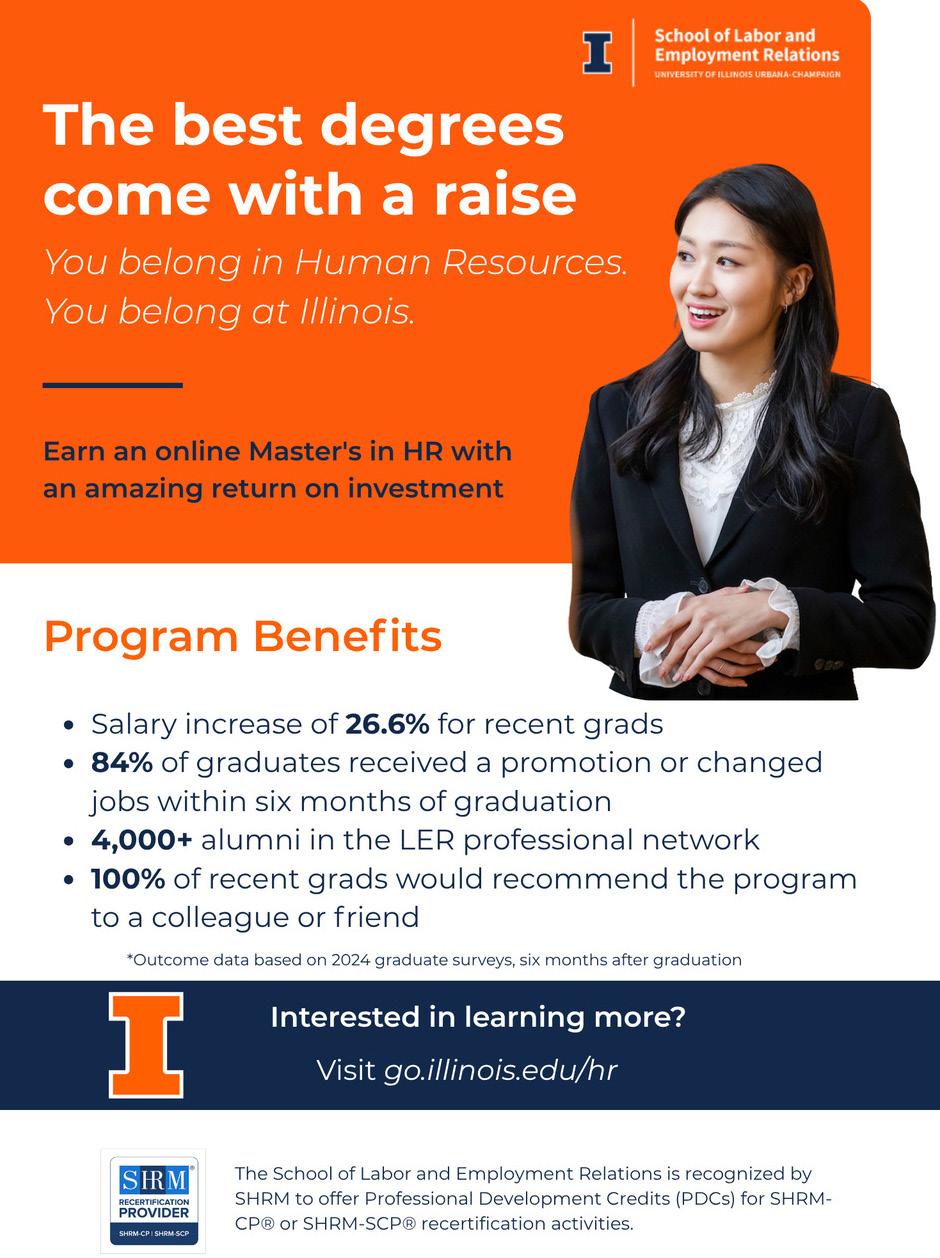
Online classes begin October 19, 2026 and will meet twice per week for 12 weeks on Monday and Wednesday evenings from 6:00 PM to 7:00 PM.
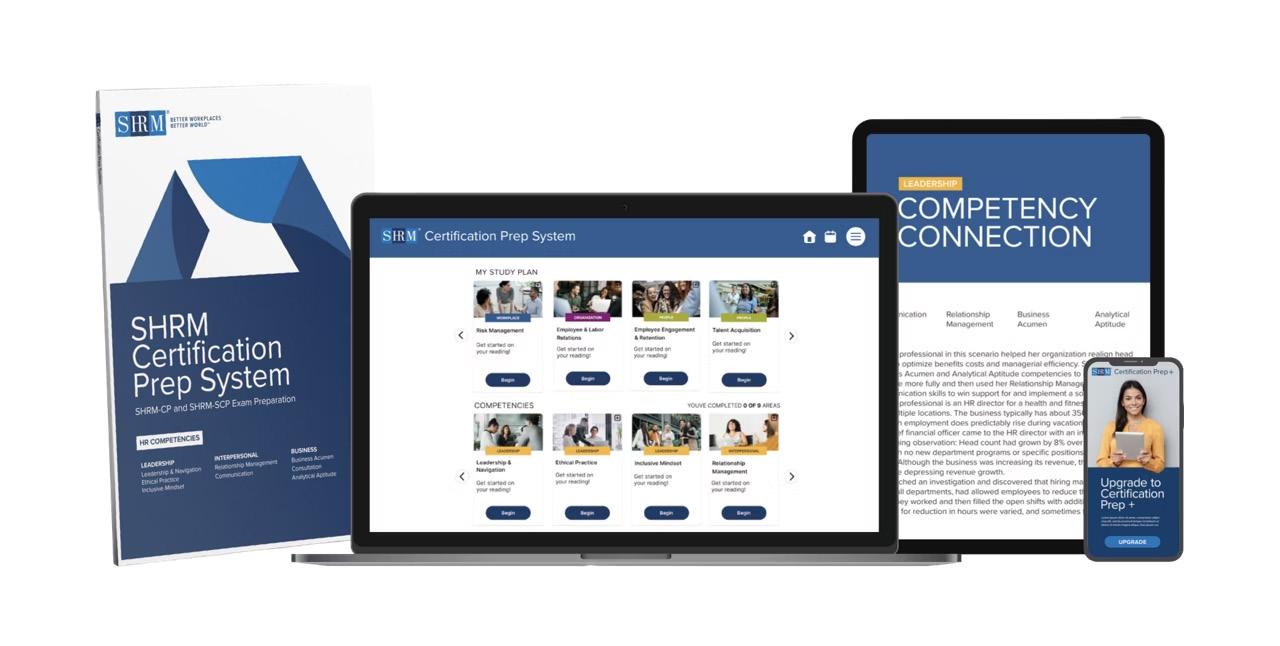
The total cost of the SHRM-CP® | SHRM-SCP® Online Certification Exam Prep Class is $1050 (plus $25.00 shipping)
You may pay by PayPal, credit card or check. For more information visit shrmcertification.org
If you do not pass, you can retake the class at no additional charge if you meet these two requirements: – Attend 80% of the scheduled online classes – Score 80% on all practice quizzes
Contact cynthia@hrprosmagazine.com OR visit our website at www.hrprofessionalsmagazine.com
About the instructor:
Cynthia Y. Thompson is Principal and Founder of The Thompson HR Firm, a human resources consulting company in Memphis. She is a senior human resources executive with more than twenty years of human resources experience concentrated in publicly traded companies. She is the Editor | Publisher of HR Professionals Magazine, an HR publication distributed to HR professionals and SHRM members in the U.S. Cynthia has an MBA and is certified as a Senior Professional in Human Resources (SPHR) by the Human Resource Certification Institute and is also certified as a Senior Certified Professional by the Society for Human Resource Management. Cynthia was appointed to serve on the Tennessee DOHR Board of Appeals by Gov. Bill Haslam in 2014.


We’re halfway through 2026, which makes this the perfect time for an honest hiring reality check. Are you on track with the goals your organization set in January? Or has the year already thrown a few curveballs your way?
Hiring plans rarely stay on course. Priorities shift. Turnover changes. Budgets tighten. Candidate expectations evolve. What looked like a solid strategy six months ago may already need adjustments.
Here are a few areas HR teams should review now to finish the year stronger, smarter, and with fewer hiring headaches.
Lots can change in six months, especially when it comes to hiring.
Step back and evaluate:
Has business growth accelerated, slowed down, or changed direction entirely?
Have hiring priorities shifted, with some roles becoming less urgent while new staffing needs suddenly moved to the top of the list?
· Are hiring managers asking for different skills, experience levels, or qualifications than they were earlier this year?
Numbers tell a story. HR leaders should compare what was planned in January against what has happened so far.
Take a close look at:
Projected hires vs. actual hires
Are departments hiring at the pace leadership expected, or are open roles piling up?
Time-to-fill. Are positions taking longer to fill than they were earlier this year? If so, where are the delays happening? Long time-to-fill numbers often point to bigger issues like unrealistic job requirements, slow decision-making, weak communication, or compensation that no longer matches the market.
Turnover rates. Have unexpected resignations or retention issues created new hiring pressure? Especially if the same departments continue losing employees. High turnover can quickly derail hiring goals and create ongoing recruiting pressure.
Quality of hires. Are recent hires succeeding long term, or are quick hiring decisions creating performance or turnover problems?
The sooner HR teams identify where things are drifting off course, the easier it is to adjust before year-end hiring pressure ramps up even more.
Use these metrics to sniff out trends and trouble, like:
· Friction points. Slow interview scheduling, hiring manager indecision, poor communication with candidates, and manual workflows can all delay hiring and increase candidate drop-off.
Recurring hiring roadblocks. If the same positions go unfilled for months, get to the root of the issue. The problem may be compensation, unrealistic experience requirements, lengthy interview processes, or unclear job expectations may be pushing candidates away.
Goals that no longer match reality. Business priorities shift throughout the year, and hiring goals should shift with them. Resetting expectations mid-year is often smarter than continuing to chase outdated targets that no longer support the business.
Signs your hiring process has outgrown current resources. If teams are constantly overwhelmed or relying on manual processes to keep hiring moving, it may be time to invest in tools and resources that improve efficiency and visibility. These may include better technology, stronger integrations, or even additional recruiting staff.
Pay special attention to how your findings affect crucial facets of hiring like the candidate experience, compliance, and process efficiency. Use this time as an opportunity to identify weak spots and proactively troubleshoot these key areas.
Evaluate your background screening strategy. After all, as hiring needs evolve, screening processes must pivot, too.
Identity verification. As AI-generated fraud increases, identity verification is a must-have. Employers should use accurate ways of confirming whether candidates are who they claim to be before moving further into the hiring process.
· Position-specific screening. Screening packages should align with the position’s responsibilities instead of using a one-size-fits-all approach. Different roles may require different levels of criminal history review, license verification, driving records, or sanctions monitoring.
Ongoing monitoring needs. Mid-year is a good time to evaluate whether ongoing monitoring for licenses, sanctions, or driving records makes sense.
Screening turnaround times. If background checks are slowing down hiring, it is important to identify why. Is it being caused by incomplete candidate information? Communication breakdowns? Or the screening process itself?
Organizations that take the time to reevaluate and improve hiring goals now are more likely to avoid costly problems later.
Companies that adapt quickly, communicate clearly, hire consistently, and stay focused on both compliance and candidate experience will be in a much stronger position heading into Q4 and beyond.
So don’t get stressed that it’s June! There’s still plenty of time to finish 2026 strong and successfully.
One Investment. Three Essential Learning Paths.

Develop enterprise-ready leaders with the mindset, behaviors, and adaptability to lead teams, navigate complexity, and strengthen execution.
Equip inclusion and diversity (I&D) leaders with actionable strategies that drive impact by connecting civility to organizational operations, collaboration, and performance improvement.

Build deeper capability across your team so your HR function can execute, adapt, and reduce risk. Attend, upskill, and earn a SHRM credential in just days.


There’s a moment every HR professional knows: a new employee walks through the door on day one, and in that single experience, an organization either earns their trust or starts losing it. It’s a moment Sam and Catherine Swingle, the husband-and-wife team behind Advantage Design Group® have spent their careers making count.
Their mission is to help organizations welcome and prepare people through engaging, informative digital experiences that set the stage for long-term success.
The stakes are high. Studies put the cost of losing an employee at 50–200% of their annual salary. According to the U.S. Bureau of Labor Statistics, median tenure sits at just 3.9 years, meaning HR professionals are replacing 25–37% of their workforce annually. It’s a financial burden and a deeply human one — and that tension sits at the center of everything Advantage has built. What began as a single, unified orientation for Palm Beach State College has grown into a nationwide footprint serving over 400 clients in 47 states and Canada. But Advantage’s most telling story begins not with a student, but with a new hire.
Augusta University held large-group, in-person orientation sessions every other Monday — a setup that was a logistical minefield. Staff tracked down new hires who showed up at the wrong location. Presenters repeated the same content session after session, and the result was inconsistent experiences and outcomes. Augusta’s team knew they needed to do something different.
Having already partnered with Advantage Design Group on their new student orientation, the question became: could the same experience work to welcome new staff and faculty? The Swingles have always believed that how you welcome someone shapes everything that follows. The same thoughtful, people-first design that could guide a new college student through orientation could do the same for a new employee. Advantage HR Engage was born from that conviction.
At its core, Advantage HR Engage is designed to make every new hire feel informed, welcomed, and ready — on their own schedule. Pre-built sections cover culture, tools, policies, safety, benefits, and what to expect next, so new employees can move at their own pace without the anxiety of information overload. For Augusta, that meant no more live orientations every other Monday that stretched staff thin and left new hires overwhelmed.
After processing nearly 3,000 new hires through their online orientation experience, the numbers spoke for themselves:
h 96% orientation completion rate
h 49.25% drop in turnover — with no other changes to their onboarding process
h Faster speed to competency, with new hires contributing more quickly to their teams
h Stronger compliance, with HR reporting described as “hugely helpful” for policy verification and auditing
Success has since expanded to the private sector. St. Ann’s Community, a senior care organization, with four campuses, and employees working three shifts, faced a challenge familiar to many HR leaders: night-shift employees struggled to attend daytime sessions, and new hires outside of the main campus felt disconnected before they even started. An earlier attempt at online orientation using their HRIS system fell flat — difficult to access, not mobile-friendly, inconsistent, and unengaging. With Advantage HR Engage, Vicky Bournival, Director of Organizational Development at St. Ann’s Community, replaced that patchwork approach with a hybrid model that delivers the full orientation online, so employees can complete their orientation on their own schedule, while every employee receives the same high-quality, consistent experience. Culture hasn’t been sacrificed in the move to digital; it’s remained front and center.

“People
still feel like when they come on day one, that they have a strong perception and understanding of our organizational culture. That was important to me.”
What Augusta University and St. Ann’s Community share is a willingness to rethink what day one looks like, and a partner who meets them there. For the Swingles, that’s always been the point: when people feel truly welcomed and prepared, they stay, grow, and contribute. Advantage HR Engage makes that vision remarkably simple: a dedicated implementation team, an intuitive platform, and a solution that pays for itself in the time saved alone, before you even count the cost of turnover it helps reduce.
Sam Swingle CEO,



h Ready-to-use, video-rich orientation with recruiting & offboarding tracks









h Consistent, culture-first messaging across roles & departments
h Automated delivery to decrease HR workload
h Real-time data & reporting to track compliance & minimize risk
h Decrease turnover with measurable ROI


By MATT CROSS
Somewhere inside most organizations right now is an HR or L&D leader spending hours pulling learning data from multiple systems to answer a deceptively simple executive question: “Are our people actually ready for what’s next?”
The answer should not be difficult to find.
Yet, in many companies, learning ecosystems have quietly become fragmented over time. Online learning lives on one platform. Instructor-led training is managed somewhere else. Certifications are tracked manually. Coaching conversations take place entirely outside the system. Performance reviews rarely connect cleanly to development plans.
Individually, each tool may work reasonably well. Collectively, they create friction almost everywhere.
And that friction is becoming expensive.
As organizations face accelerating skill shifts, AI disruption, leadership shortages, and rising employee expectations around career growth, disconnected learning systems are no longer just an operational inconvenience. Increasingly, they are limiting workforce adaptability itself.
That is why integrated learning platforms, particularly those that combine LMS and TMS capabilities into a centralized ecosystem, are among the most important strategic conversations in corporate learning today.
For years, learning and development was viewed as a support function: important, but somewhat separate from business strategy. That has changed dramatically. Today, workforce capability is closely linked to how quickly organizations can adapt to change. The World Economic Forum estimates nearly 40% of workforce skills will change by 2030. At the same time, employees increasingly expect ongoing development opportunities to help them prepare, rather than just occasional training events.
The pressure on HR and L&D leaders is no longer simply to deliver training; it’s to develop a workforce that can evolve continuously. This becomes challenging when learning systems are disconnected from one another.
Most organizations did not intentionally design fragmented learning environments. They evolved gradually.
An LMS was implemented years ago for compliance tracking. A separate TMS was later added to manage instructor-led training. Coaching tools, credential tracking, and performance platforms followed. Over time, organizations built learning ecosystems that mirrored organizational silos.
The result is something many HR leaders recognize immediately: enormous administrative effort with surprisingly limited visibility.
One healthcare organization recently discovered that three separate teams spent nearly two weeks each quarter consolidating compliance and certification reporting from disconnected systems. A manufacturing company found managers were engaging with fewer than 20% of available development tools simply because learning experiences were spread across too many platforms.
Employees experience learning as one continuous journey. They do not think in terms of LMS platforms, TMS systems, certifications, coaching tools, or performance modules. They want development to feel connected.
Yet many organizations unintentionally create disconnected employee experiences. An employee may complete onboarding, attend live workshops, receive coaching, and pursue leadership development all within the same year. At the same time, those experiences remain scattered across systems that do not communicate with one another.
Employees notice that disconnect quickly. Managers notice it too. Eventually, leadership feels it through slower mobility, weaker succession pipelines, and lower engagement. Many organizations believe they have a skills gap problem when they actually have a visibility problem.
Integrated LMS and TMS platforms are beginning to change that conversation.
When digital learning, instructor-led training, credential tracking, coaching, compliance, and development planning are integrated into a connected ecosystem, organizations gain something many currently lack: continuity.
Managers gain clearer visibility into employee growth. Reporting becomes easier. Certifications and compliance tracking become more reliable. Learning data is centralized rather than scattered.
But perhaps most importantly, development starts feeling intentional again.
Employees can more clearly connect learning to career growth. Managers can align development with business goals and succession planning. Leadership gains better insight into workforce readiness across the organization.
The operational improvements alone can be substantial. Some organizations report reducing manual learning administration by more than 30% after consolidating disconnected systems and workflows. But the larger shift is strategic.
Integrated learning ecosystems create cleaner workforce data, stronger analytics, and better visibility into organizational capability gaps, all of which are increasingly important as AI-driven learning and workforce planning continue to expand.
In a business environment defined by constant change, the organizations making the most progress are those where learning systems finally work together well enough for people to continuously grow their careers.
The question is simple: Is your learning ecosystem helping your workforce adapt faster, or are fragmented learning systems quietly leaving your organization less prepared for what comes next?




EMPLOYERS PLAY AN IMPORTANT ROLE IN PROVIDING ACCESS TO TREATMENT FOR EMPLOYEES WITH OBESITY
Losing weight and keeping it off is difficult because of how my body naturally responds to weight loss. Making a weight-management plan with my healthcare professional is important to me, as is having coverage for anti-obesity medication, which may help me manage my weight.

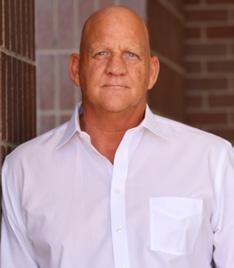
Do you recognize this guy? Vince Caldwell, SHRM-CP, is a well-known “celebrity” and unsung hero at many SHRM conferences across the country. Vince helps us to locate SHRM merchandise from the SHRM Bookstore including books and clothing and many other specialty items that we take back to our office as souvenirs after attending SHRM State Conferences including the annual SHRM Conference. Everyone loves Vince! We want to spotlight Vince at SHRM26 and thank him for his hard work and service to SHRM members.
Vince works with the SHRM Store Partner Products & Program operating Bookstores all over the country at various Human Resource Conferences. He coordinates Book Signing Events and selects and orders inventory. He is also very active in Toastmaster, helping people develop communication and leadership skills. Vince has held every position on the Leadership Track of Toastmaster District Governance. As District Governor 2005-06, he led the district to the ranking of 13 in the world out of 83 Districts worldwide. This level of achievement was attained by motivating a team of over 50 team leaders and 200 clubs. He ensured that everyone was properly trained, equipped, supported, and encouraged. Vince’s goal is to share the lessons that he has learned over the years to as many people as possible. He advised that he receives the greatest joy by helping others find the answers they have been looking for. Vince has been with SHRM for over 28 years.
Vince is a graduate of the College of New Jersey earning a BA in political science. He is also a SHRM Certified Professional (SHRM-CP) and Distinguished Toastmaster of Toastmasters International.
Amy Schabacker Dufrane,
For more than five decades, you’ve known HRCI as the certification leader for human resources. We’ve helped HR professionals at every career stage showcase their skills and credibility while staying connected to a profession that never stops changing.
Today’s HR leaders are expected to do more than ever before: balance business priorities with human needs, navigate compliance and complexity with clarity, and think strategically in real time. As the profession continues to evolve, HRCI has grown alongside it.
We’ve expanded beyond certification into a trusted source for learning, AI innovation, research, business solutions, and global professional connection. We’re leading conversations at the industry events you attend and creating new spaces for the HR profession to connect and grow.
Built on our firm foundation of mutual trust, we recognized the need for a brand that better reflects how we support today’s HR profession and where the Future of Work is headed. Our refreshed identity is a more contemporary expression of that evolution and our partnership with the HR professionals we serve.
While our look may be changing, HRCI’s foundation has not. We remain your trusted career partner, delivering learning that moves with you and expertise you can use in the moment.
That work comes to life across four core areas:
· Learning: Build skills that help you do your best work in today’s evolving workplace.
· Community: Be part of a global network helping shape the future of HR.
· Certification: Demonstrate expertise with validated credentials that reflect real-world impact.
· Events: Join live experiences that turn workplace shifts into practical moves for your role.
You’ll see our refreshed brand everywhere we show up, from our visual identity to the ways we engage with you. Through learning, community, certification, and events, HRCI promises to continue empowering HR professionals to be the heartbeat of organizational change and drive HR excellence.
Thank you for being part of this next chapter with us. We’re excited to continue growing alongside the HR profession and the people who power it.
An annual trends and insights report by HRCI
Backed by insights from 4,500+ HR professionals worldwide, this year’s report reveals how prepared, pressured, and evolving today’s HR leaders are—across roles, industries, and experience levels.
80% of HR professionals agree they are well prepared to carry out their job
recommend HR as a career
52% say implementing HR technology is the area where they feel least prepared
HRCI’s largest-ever global survey reveals a profession that is confident and resilient—yet navigating rapid change and rising expectations.
Download the full report: hrci.org/state-of-hr
40% report high or extreme stress levels
Human Resources is not just as a support function but is a critical control point in an organization’s overall risk posture. HR operates at the convergence of compliance, workforce safety, and data protection—three domains where small missteps can create outsized exposure.
While regulations like the ADA, OSHA, and HIPAA each carry their own technical requirements, the underlying discipline is consistent: identify the trigger, execute a defined process, and maintain defensible documentation. Organizations that operationalize this discipline don’t just stay compliant—they build resilience into their workforce systems.
The Americans with Disabilities Act (ADA) is fundamentally about structured engagement. The “interactive process” is not a formality—it is a defensible framework that demonstrates an employer’s commitment to equitable treatment and risk mitigation.
In practice, accommodation requests rarely arrive in legal language. Employees speak in operational terms: difficulty performing tasks, managing schedules, or addressing health-related limitations. This is a signal detection issue Supervisors must be trained to recognize early indicators and escalate appropriately. Failure to act is not neutrality—it is exposure.
Executing Simple Solutions
Many accommodations are operationally simple—temporary schedule adjustments, modified duties, or workspace changes. When a simple solution exists, HR should implement it quickly and document the action taken.
Documentation is your strongest control mechanism. Every interaction should clearly capture:
• The employee’s request or concern
• The dialogue that followed
• The accommodation considered or implemented
By SHAWN MILLS
• Any follow-up actions
Medical specifics are not required— and should not be recorded. What matters is demonstrating a consistent, good-faith process
Aligning Job Descriptions to Reality
Accurate job descriptions are not administrative—they are legal infrastructure. If an organization later asserts that a task is essential, that designation must already exist in writing.
We treat job descriptions as risk documents, not HR formalities. Misalignment here weakens your position in any regulatory or legal review.
When safety concerns arise, decisions must be grounded in objective evidence—not perception. The ADA’s “direct threat” standard requires demonstrable risk supported by medical or expert evaluation.
Speculation introduces liability. Evidence reduces it.
In safety, the focus is often on the incident. In HR, the focus shifts to what must be reported, when, and how accurately. OSHA’s reporting and recordkeeping rules are timesensitive, and failures can trigger citations.
Work-related inpatient hospitalizations must be reported within 24 hours. However, admissions for observation or diagnostic testing alone do not meet the reporting threshold.
Your approach should be verify fast, document immediately, and confirm in writing. Ambiguity is where compliance failures occur.
Recordable incidents must be entered into the OSHA 300 Log and Form 301 within seven calendar days. Incomplete or inconsistent entries—particularly around injury classification or outcomes—are common triggers for citations.
Precision is not optional; it is enforceable.
Emerging regulations, such as California’s SB 553, signal a broader shift toward formalized workplace violence prevention programs. These include:
• Written prevention plans
• Incident tracking logs
• Strict controls on personally identifiable information
Workplace violence is not just a safety issue—it is a security and liability issue requiring structured oversight.
HR departments routinely handle sensitive medical information across benefits, leave management, and accommodations. The risk is not just mishandling data—it is misunderstanding when HIPAA applies and how its standards intersect with employment practices.
Understanding Role-Based Obligations
Organizations may operate in multiple capacities—employer, plan sponsor, or administrator. Each role carries different obligations under HIPAA.
Clarity here is critical. Compliance failures often stem from role confusion, not intent.
Applying the Minimum Necessary Standard
Access to protected health information (PHI) must be tightly controlled. Only individuals with a legitimate operational need should have access—and only to the extent necessary.
This is a classic least-privilege model, applied to HR data.
All medical documentation—whether tied to ADA, FMLA, or workplace incidents—must be:
• Segregated from personnel files
• Stored with restricted access controls
• Shared only in terms of work limitations, not diagnoses Supervisors manage performance—
not medical conditions. Maintaining that boundary is essential.
Where HIPAA applies, sanctions for improper handling of PHI are mandatory. A clearly defined enforcement policy is not just best practice—it is a regulatory requirement.
Accountability mechanisms reinforce compliance culture.
Conclusion: Compliance as Workforce Risk Infrastructure
For HR, these laws operate as interconnected risk-management systems. Documentation, timely reporting, and careful handling of sensitive information form the foundation of legal compliance. The safety world often says, “If you didn’t document it, it didn’t happen.” The same mindset applies in HR. By following established processes— whether it’s the ADA’s interactive steps, OSHA’s reporting timelines, or HIPAA’s privacy standards—HR protects both employees and the organization from significant legal exposure.
In physical security, equipment must be maintained, calibrated, and ready to prevent failure.
In HR, the “equipment” is less visible but equally critical:
• Policies
• Documentation systems
• Data protection protocols
• Reporting frameworks
When these systems break down, the consequences aren’t mechanical—they’re legal, financial, and reputational.
Strong HR infrastructure functions as a preventative control system, ensuring that risks are identified early, managed consistently, and contained before they escalate.
Shawn Mills Director of Environmental Health and Safety SafeHaven Security Group

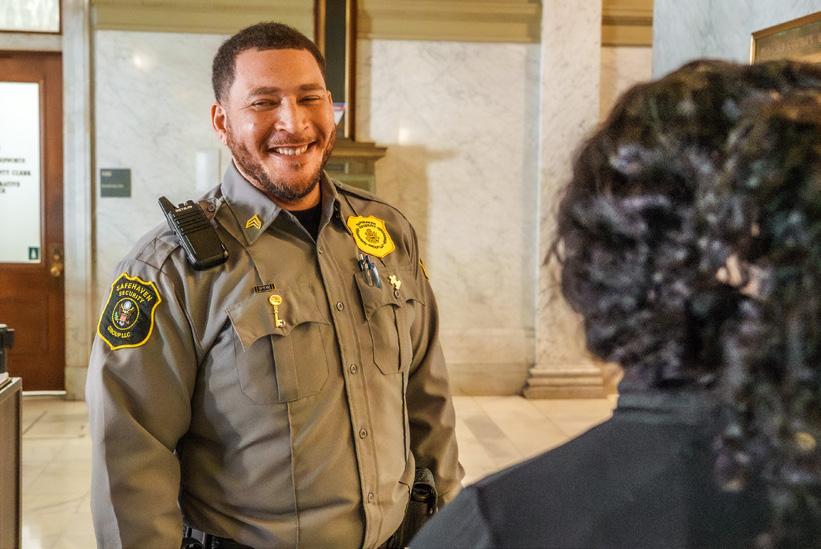
Human resource leaders are often the first to recognize emerging workplace risks—but turning concern into action requires expert support. SafeHaven Security Group partners with organizations to prevent escalation, reduce liability, and protect employees through proactive security planning, training, and consulting. Our experienced professionals help HR teams lead with confidence in today’s complex risk environment.
• Active Shooter Training
• Uniformed Security Officers
• Executive Protection
• Threat Assessment & Consulting
• Workplace Violence Prevention
MILLION 2
U.S. workers are impacted by workplace violence each year.
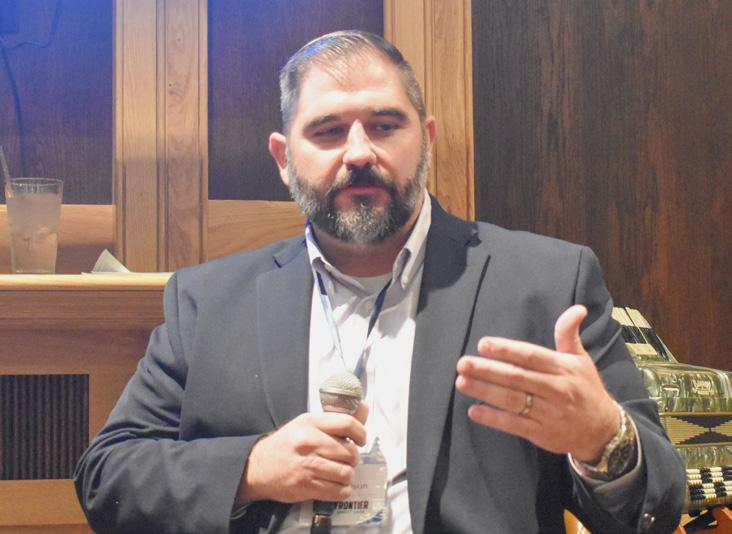
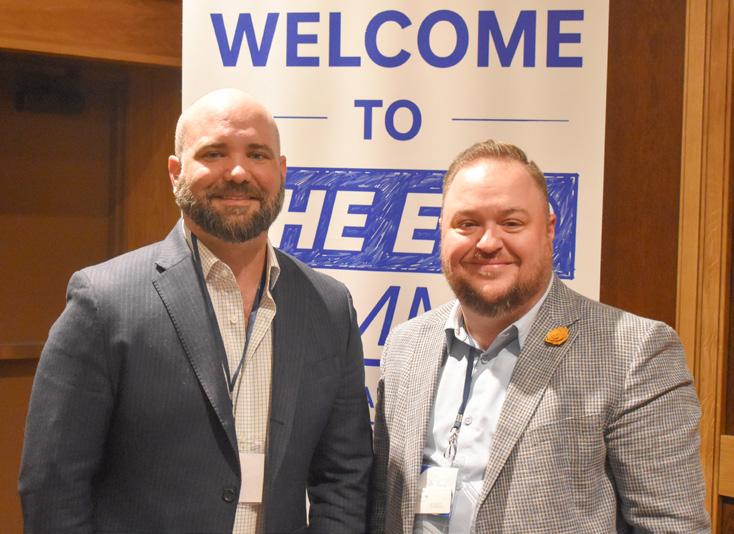
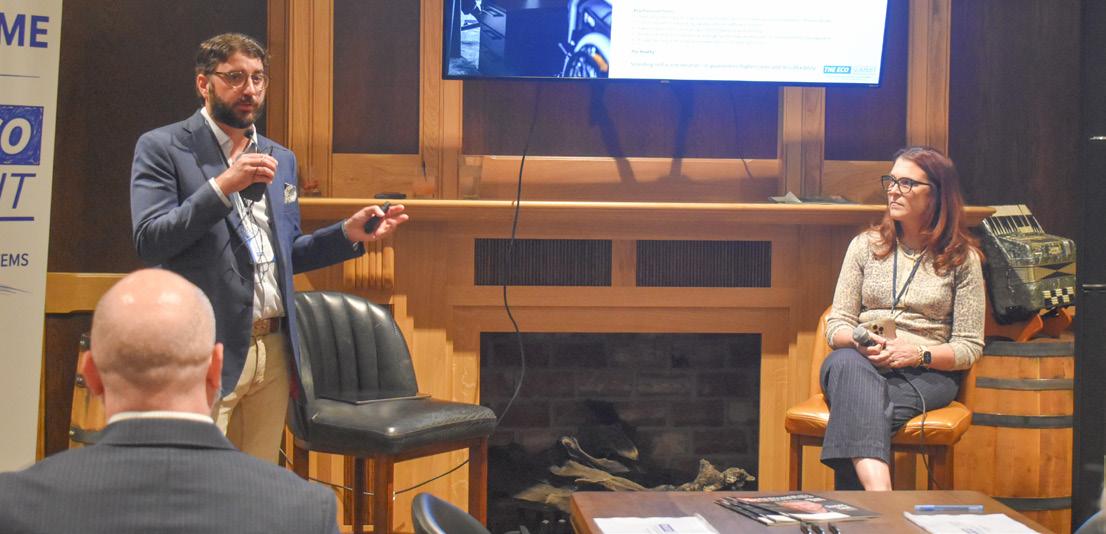
Thursday, April 30, 2026
Bog & Barley, Memphis, TN
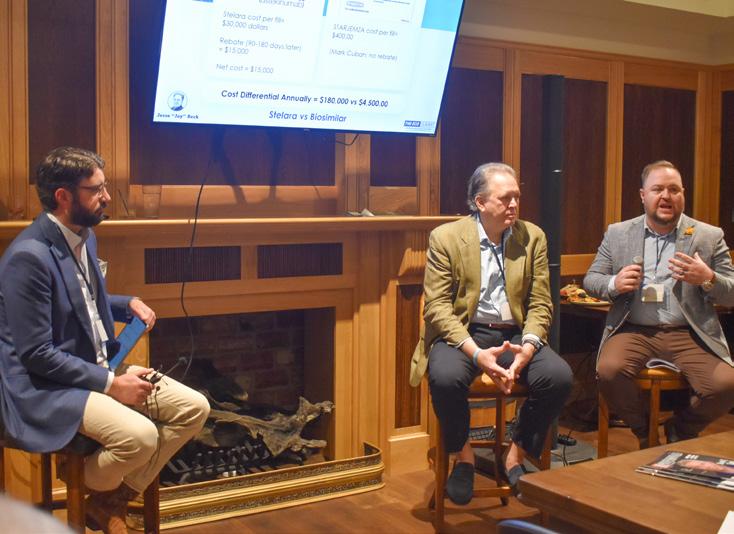





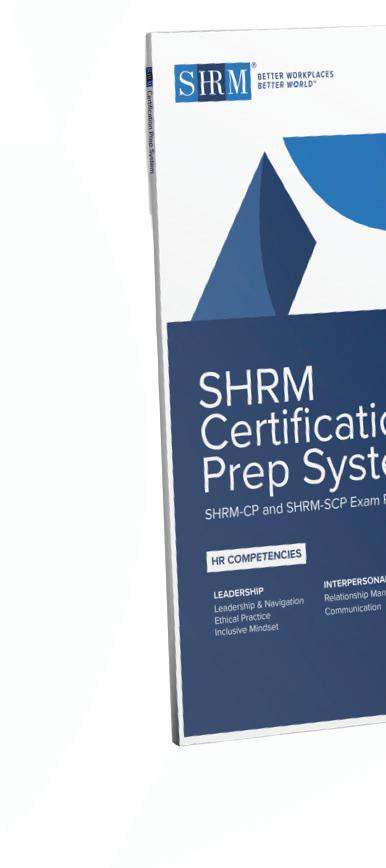
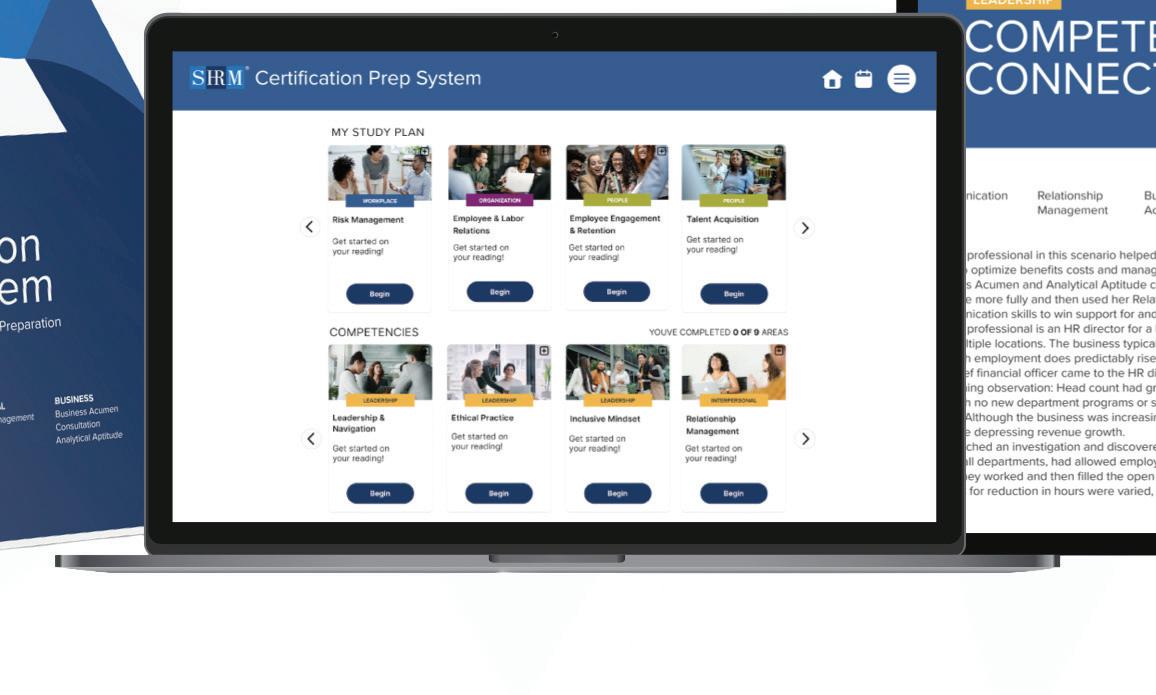
SHRM certification turns proven HR judgment into recognized career momentum. Earn credibility, visibility, and executive trust to greatly expand your opportunities.








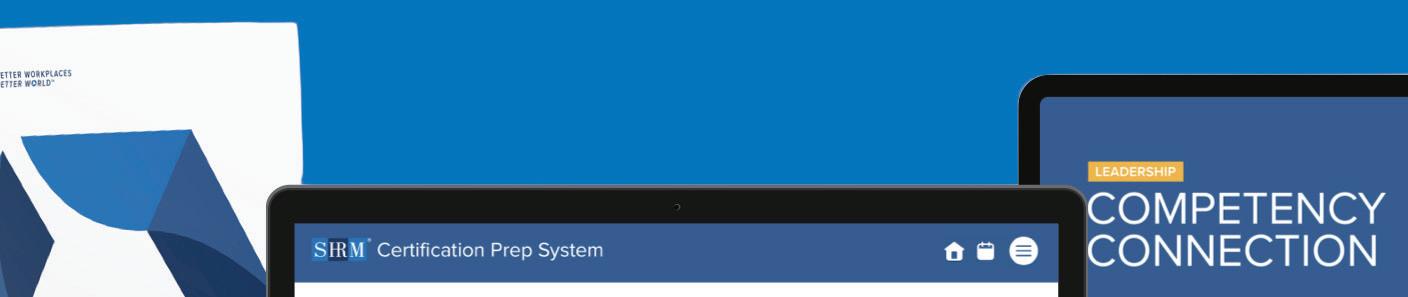
Candidates who complete the SHRM Certification Prep System are









If you’ve ever stood at a pharmacy counter and winced at the price of a prescription, you’re not alone. Millions of Americans face that moment every month; and a growing number are simply walking away without the medication they need.
The Trump administration recently expanded its TrumpRx platform, adding more than 600 generic drugs and announcing partnerships with Amazon Pharmacy, GoodRx, and Mark Cuban’s Cost Plus Drugs. The platform — which launched in February 2026 with just a handful of brand-name medications — now covers widely used drugs for conditions like high blood pressure, diabetes, and high cholesterol. Many are priced under $5 cash.
TrumpRx isn’t a pharmacy. Think of it as a price-comparison engine; a place where you can search a medication, see what it costs across local and online pharmacies, and in some cases, grab a discount card right from the site to bring with you.
Even if you have health insurance, you may not be as covered as you think. High-deductible and HSA-compatible plans often subject prescriptions to your deductible and coinsurance before a single dollar of coverage kicks in. And if your drug isn’t on your plan’s formulary? You may be paying full price regardless. For a lot of working families, “having insurance” and “being able to afford your medication” are two very different things.
What TrumpRx does — quietly but powerfully — is teach something that’s been missing from American healthcare for a long time: how to shop. When you can pull up a screen and see that the same medication costs $4 at one pharmacy and $47 at another, something shifts. You start to understand that you are the consumer. Your premium dollars are being spent on choices — and the more transparent the pricing, the better equipped you are to make smarter ones.
For far too long, the covered member has been an unknowing participant in their own price trap. They were being sold services without knowing what was being sold, the actual cost, or what alternatives existed. The entire system was built around a single behavior: show your card, get your service, go home. Simple. And, as it turns out, extraordinarily expensive.
The problem is that without meaningful oversight, carriers are essentially spending your money on your behalf — with very little accountability for what they’re paying or why. It’s not entirely unlike the government paying $16,000 for a toilet seat. When you’re spending someone else’s money, the incentive to shop wisely simply isn’t there. And when costs balloon? The government raises taxes. The carriers raise premiums. Either way, you pay now and for years to come. So does your employer.
The result is a healthcare ecosystem where services are routinely overpriced, utilization goes unquestioned, and the person footing the bill has historically had the least amount of information at the table.
That’s what makes transparency and consumer education so much more than a policy talking point. When a covered member understands that they are the consumer, that their premium dollars are real money being spent on real choices, everything changes. They start asking questions. They start comparing prices. They start demanding value.
And that’s not a small thing. That’s a fundamental shift in how patients engage with their own healthcare.

By BOB PIPKIN
You might not have recognized it at the time, but almost certainly you have experienced being in a state of flow. I know I have.
I’m a writer, and my writing assignments typically begin with staring at a blank computer screen. It doesn’t matter whether it’s a speech, a news release, or a book review.
There are false starts, but once I have a strong opening and a mental outline, everything falls into place. From that point on, it’s simply a matter of putting words on paper, often as fast as I can type. I complete the project in a fraction of the time it took to craft the first paragraph and develop the mental outline.
My work proceeds “smoothly and readily,” to use a Merriam-Webster definition of flow. I knew when I had entered the flow state, but I didn’t know how I got there — or how to get there again.
Enter Diane Allen.

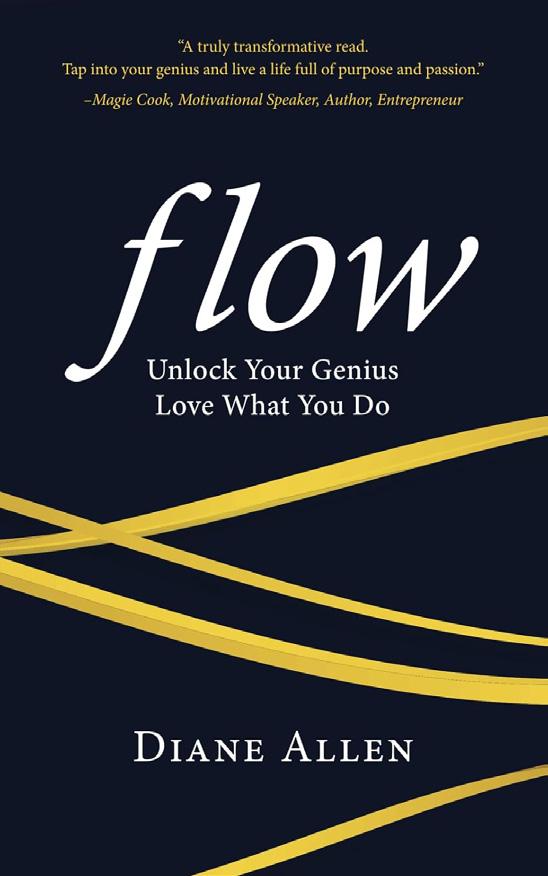
Allen had similar encounters with flow as a classical pianist, an incredibly competitive field that demands excellence every day. She came to realize that entering the flow state was essential to success in her chosen career, and she set out to master its secrets. Her quest is shared in her just-published book, Flow: Unlock Your Genius, Love What You Do.
My experiences with flow were serendipitous. I now know that those experiences can help identify triggers that make it easier to enter a flow state. Allen lists six key indicators that you were in flow:
• Losing a sense of time.
• Losing a sense of self.
• Ideas and insights coming out of the blue.
• Things coming together with a sense of ease.
• Being in a positive feedback loop.
• Experiencing greater meaning, joy, and fulfillment.
Recognizing that you were in a flow state is step one. The next step is determining what you were doing or thinking at the time. Allen suggests asking yourself three questions: Where, What, and Why.
1. Where are you when you most often enter a flow state?
2. What were you doing when you entered the flow state?
3. Why were where you were and what you were doing so meaningful?
Answering these questions sets you on the path toward understanding how to enter a state of flow. Much more is covered in Allen’s book. Learning how to enter the flow state can deliver benefits that improve both your career and your personal life.
Bob Pipkin
Contributing Author
bob@pipkinpr.com


May,




8:00 a.m. to 4:30 p.m. at Grant Event Center 1050 Union University Dr. Jackson, TN







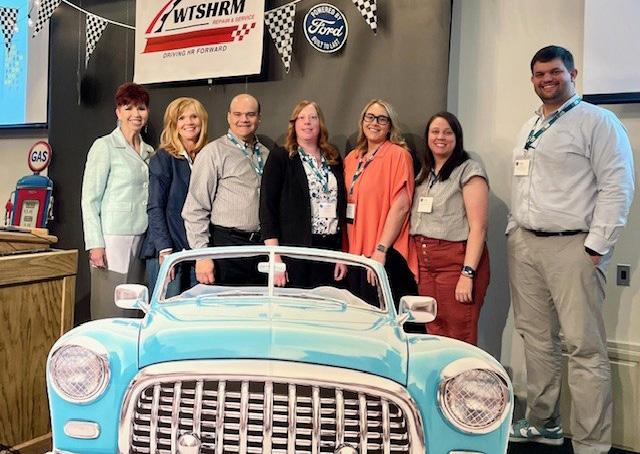
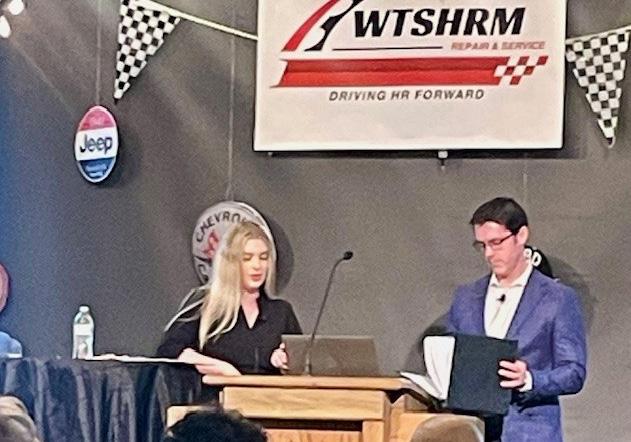
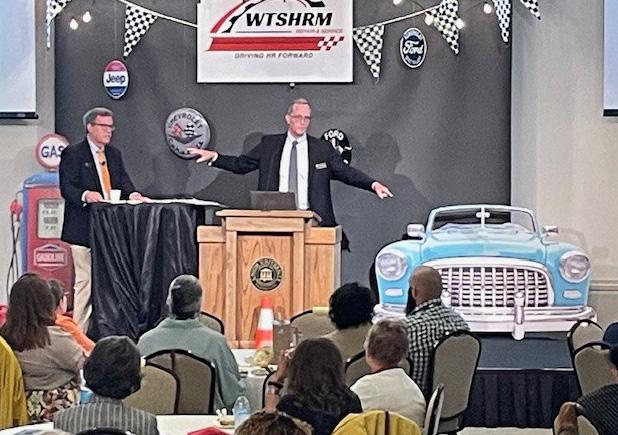
Presented by: THE WEST TENNESSEE SOCIETY FOR HR MANAGEMENT
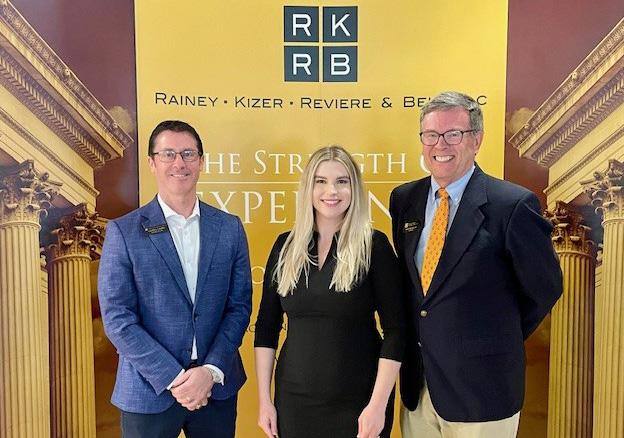
In coordination with : THE LAW FIRM OF RAINEY, KIZER, REVIERE & BELL, P.L.C.
Join us as we put HR in the driver’s seat and explore the legal and workplace issues shaping today’s organizations. Through practical sessions led by experienced attorneys and HR professionals, participants will gain insights and strategies to help drive t heir organizations forward.
Learn when ADA accommodations are required and how to properly document the interactive process. Topics include mental health accommodations, pregnancy and ADA overlap, remote work considerations, and documentation practices that help HR professionals stay on the right path to compliance.
Learn how employers can address employee social media activity while avoiding legal hazards. review issues involving political speech, off duty conduct, and protected activity under the National Labor Relations Act, along with practical guidance on when discipline may be legally appropriate.
Today’s workplace brings together multiple generations, each with unique perspectives and expectations. interactive session explores how HR professionals can better understand generational differences, improve communication, and strengthen collaboration to build more effective teams.
world employment law cases and workplace scenarios. discuss possible responses and learn how courts evaluate employer actions, gaining practical insights to help guide HR decisions and keep organizations moving in the right direction.
Cruising Through HR: Interactive Compliance Challenge
Shift into high gear for an engaging session that reinforces key HR and employment law concepts. Through interactive questions, scenarios, and activities led by our legal experts, participants will test their knowledge and gain practical takeaways to help
Lunch is provided. Explore our showcase of HR oor prizes!
Registration Fee: $ Join WTSHRM for only
REGISTER AT: WTSHRM.ORG DEADLINE: MAY 1, 2026. REGISTER EARLY AS SEATING IS LIMITED. This


As the issues facing employers and HR professionals become more frequent, challenging, and complex each year, you need a law firm that provides advice for your specific organization.
For over 50 years, Rainey Kizer Reviere & Bell has advised businesses, non-profit organizations, and governmental agencies in all aspects of employment law.
To learn how we can assist your organization, please contact us.








April 30-May 1, 2026
Robinson Center & The Doubletree Hotel Little Rock, Arkansas
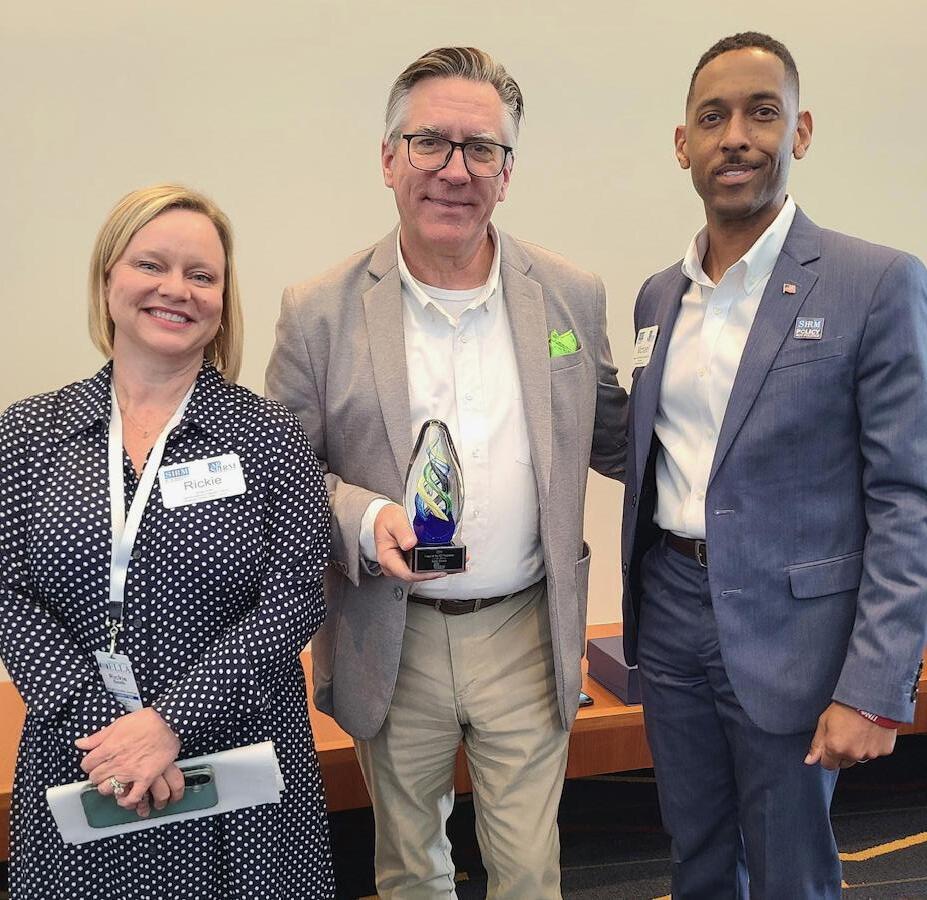
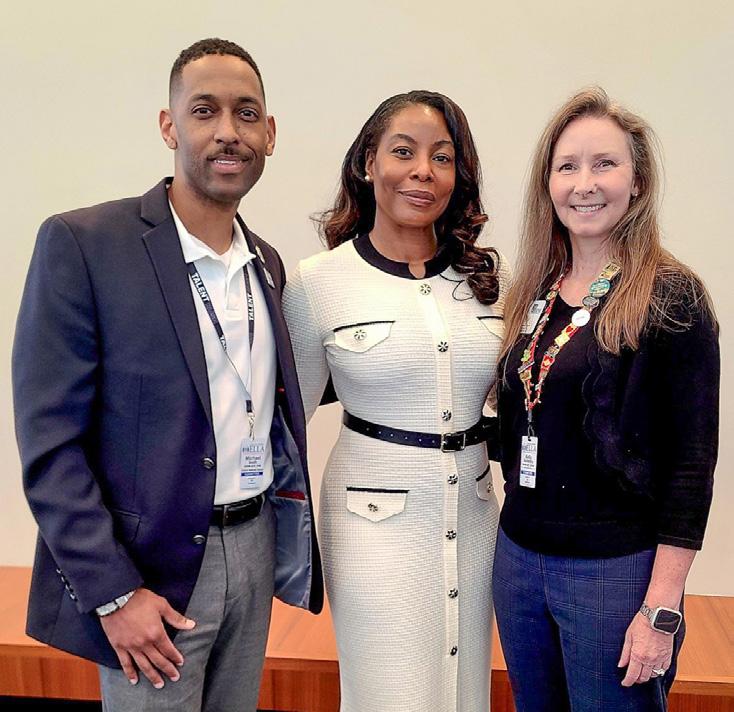
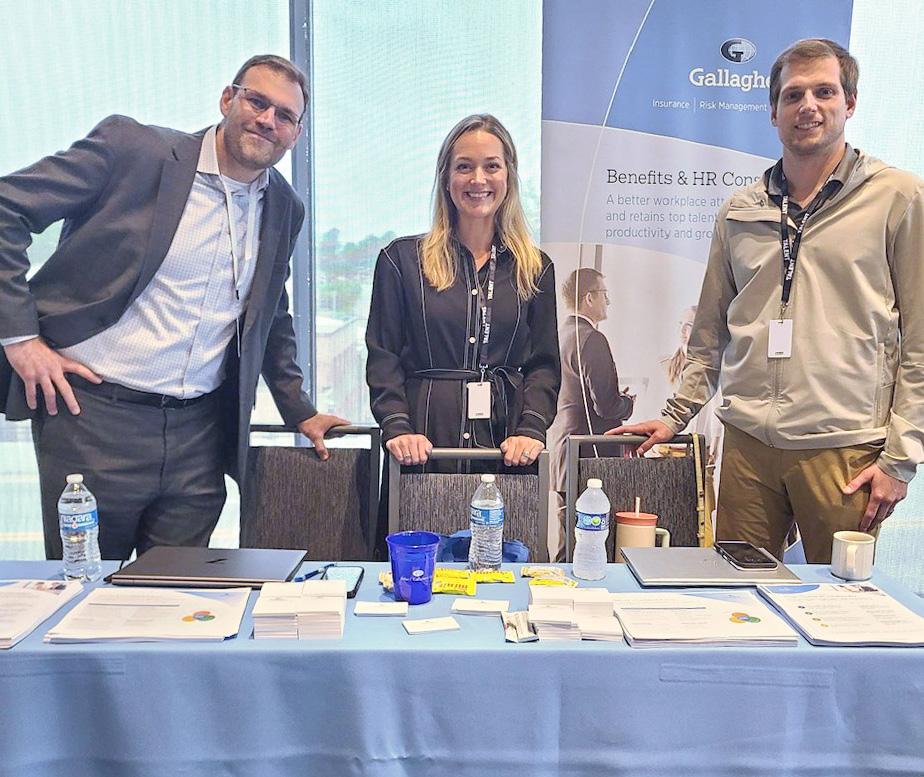
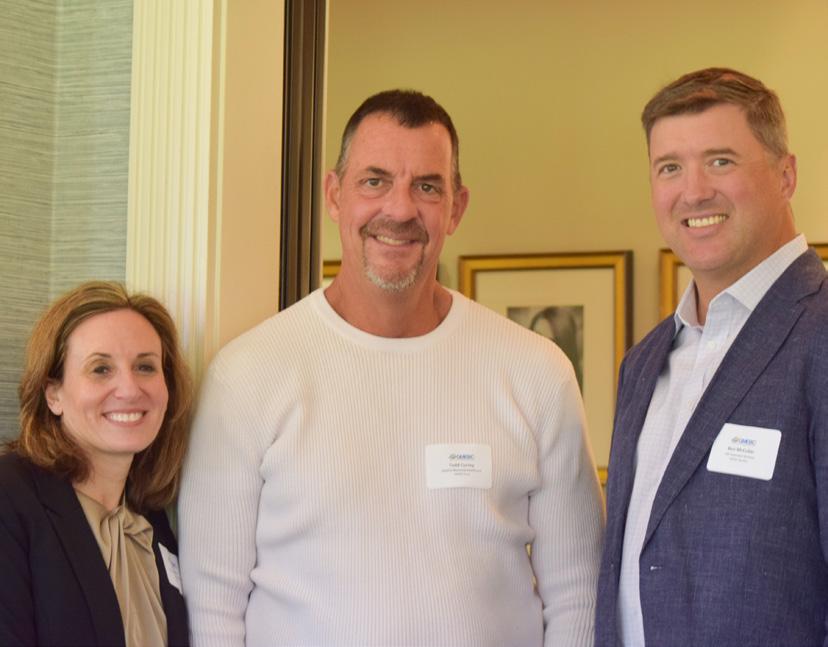
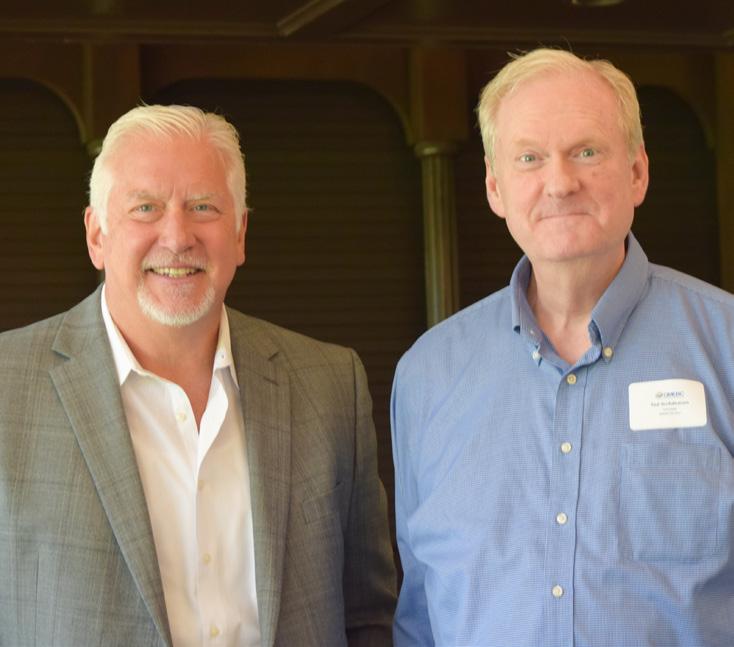
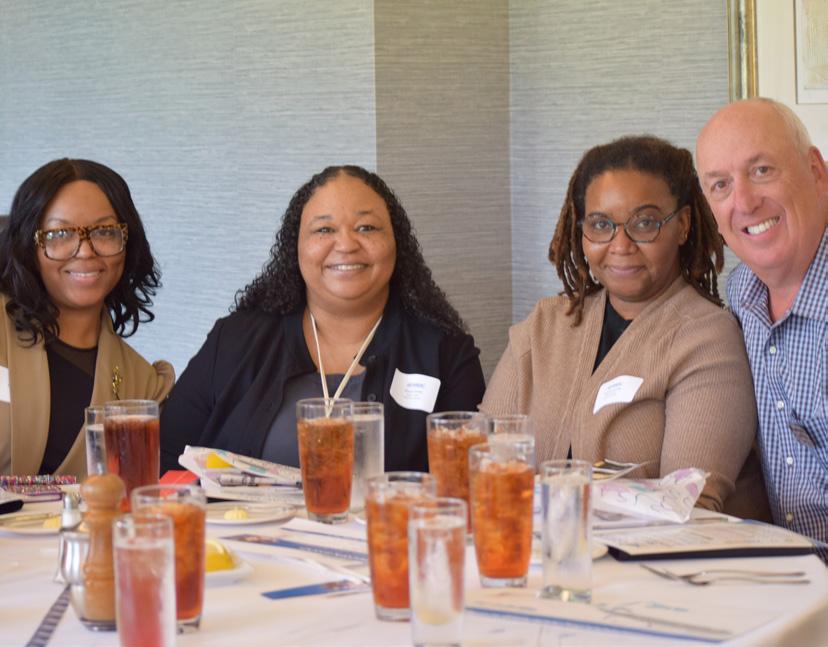
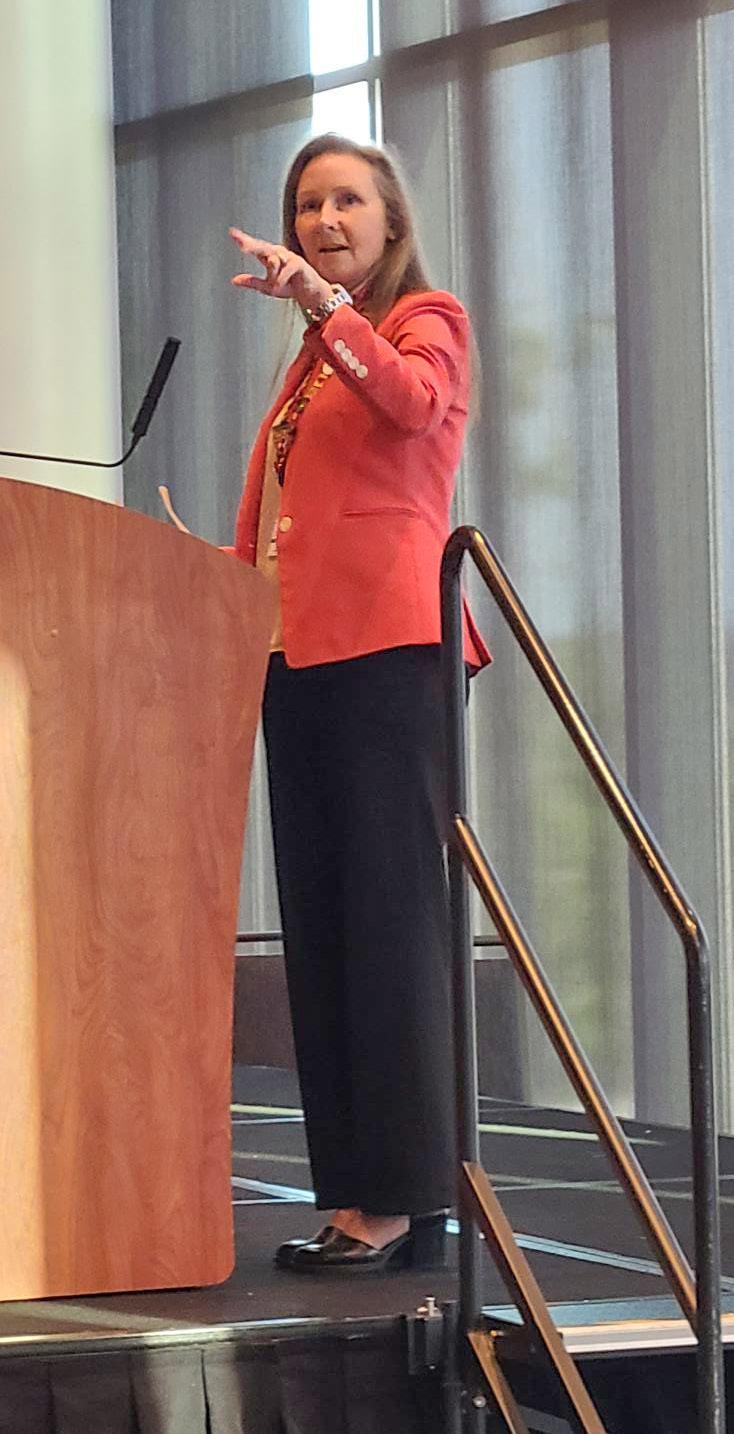
Kelly DeStefano, ELLA 2026 Chair 2 Roby Brock, CEO at Natural State Media, receives the Friend of the HR Profession Award from Rickie Smith, ELLA Publicity Chair and ARSHRM Communications and Awards Director, and Michael L. Smith, ARSHRM State Council Director 3 Keynote Speaker Emily M. Dickens, J.D., Chief Administrative Officer at SHRM, with Michael L. Smith, ARSHRM State Council Director, and Kelly DeStefano, ELLA 2026 Chair 4 Randy Rogers, Olivia Moore, and Dakota Newkirk with ELLA 2026 presenting sponsor Gallagher
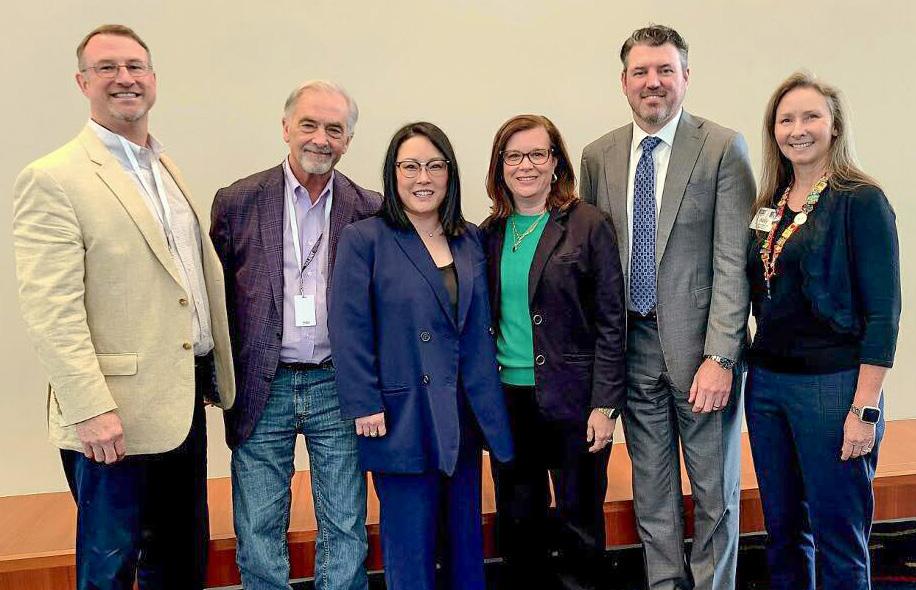
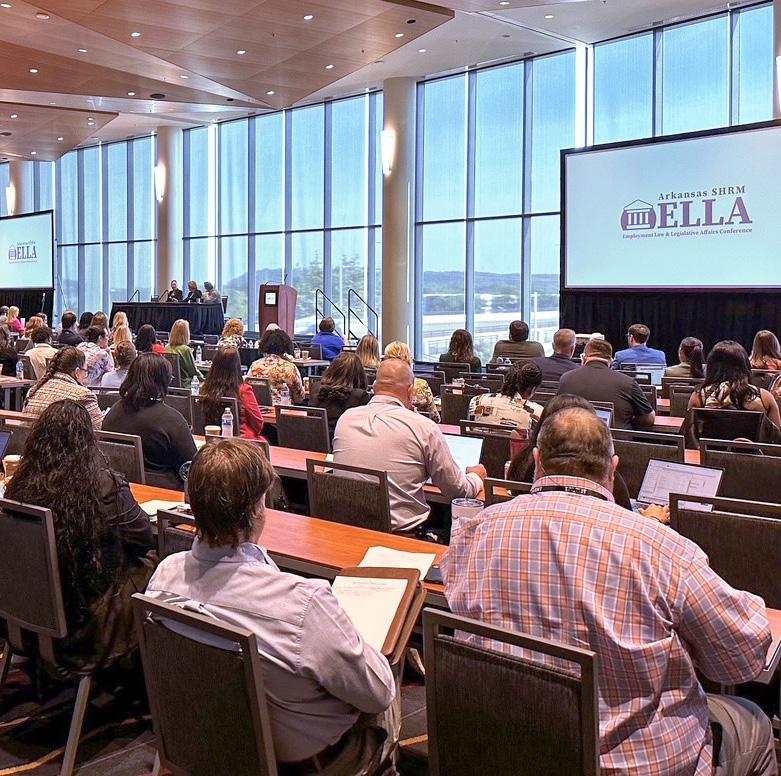
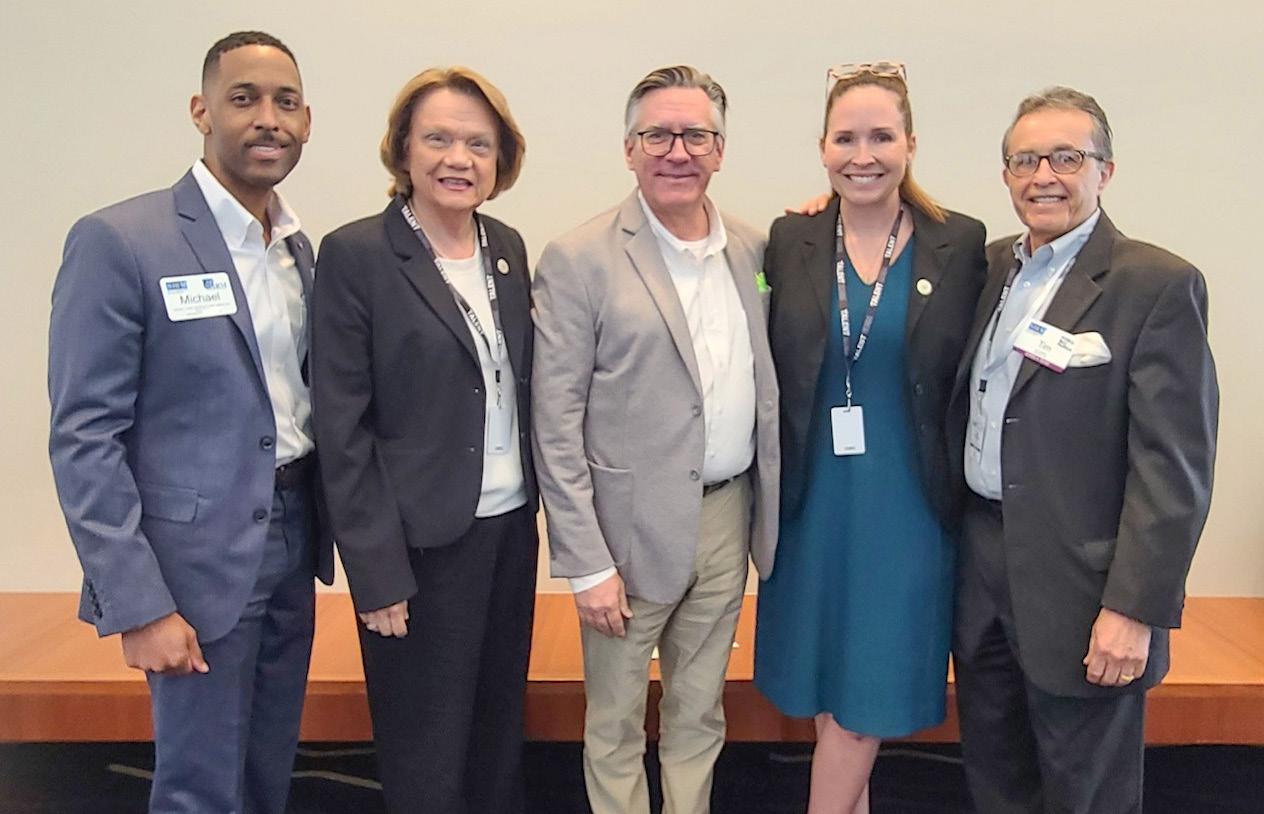
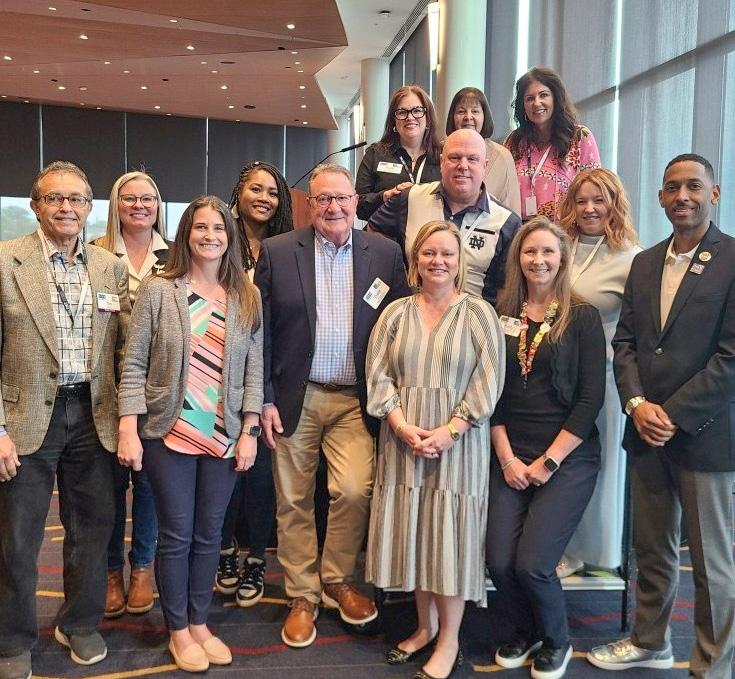
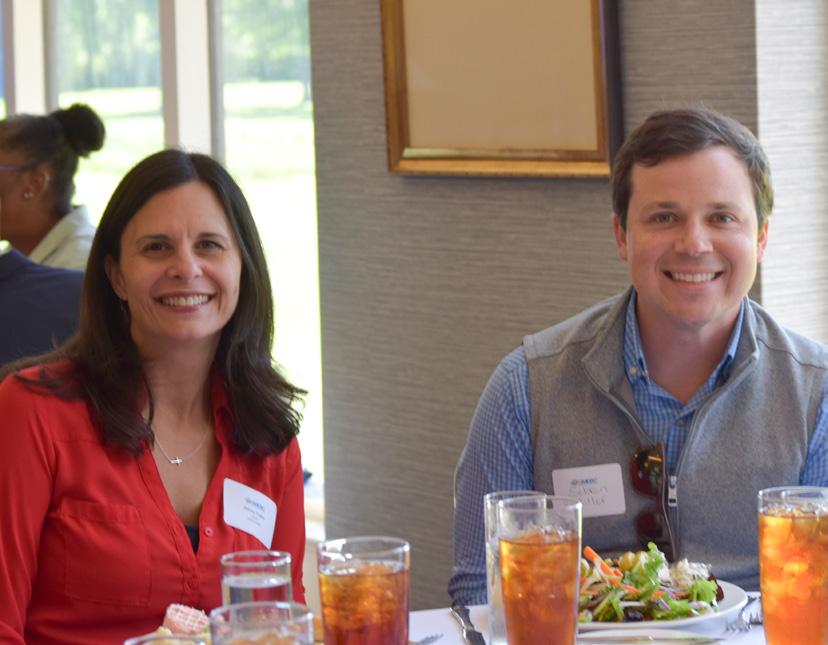
5 Attorney panelists Dan Herrington, Mike Moore, Jane Kim, Cindy Kolb, Nate Read with Kelly DeStefano, ELLA 2026 Chair 6 Legislative Panel included Rep. Carol Dalby, Moderator Roby Brock, and Rep. Ashley Hudson; featured here with Michael L. Smith and Tim Orellano 7 ELLA Audience
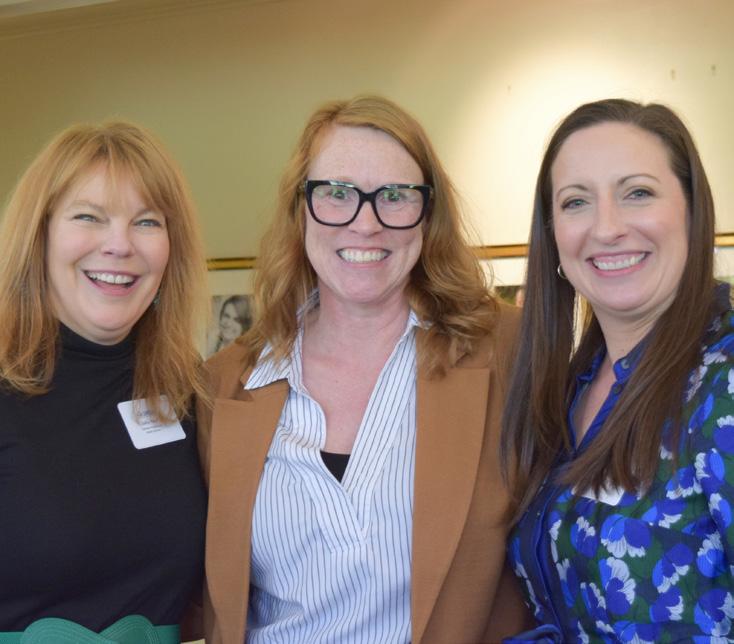
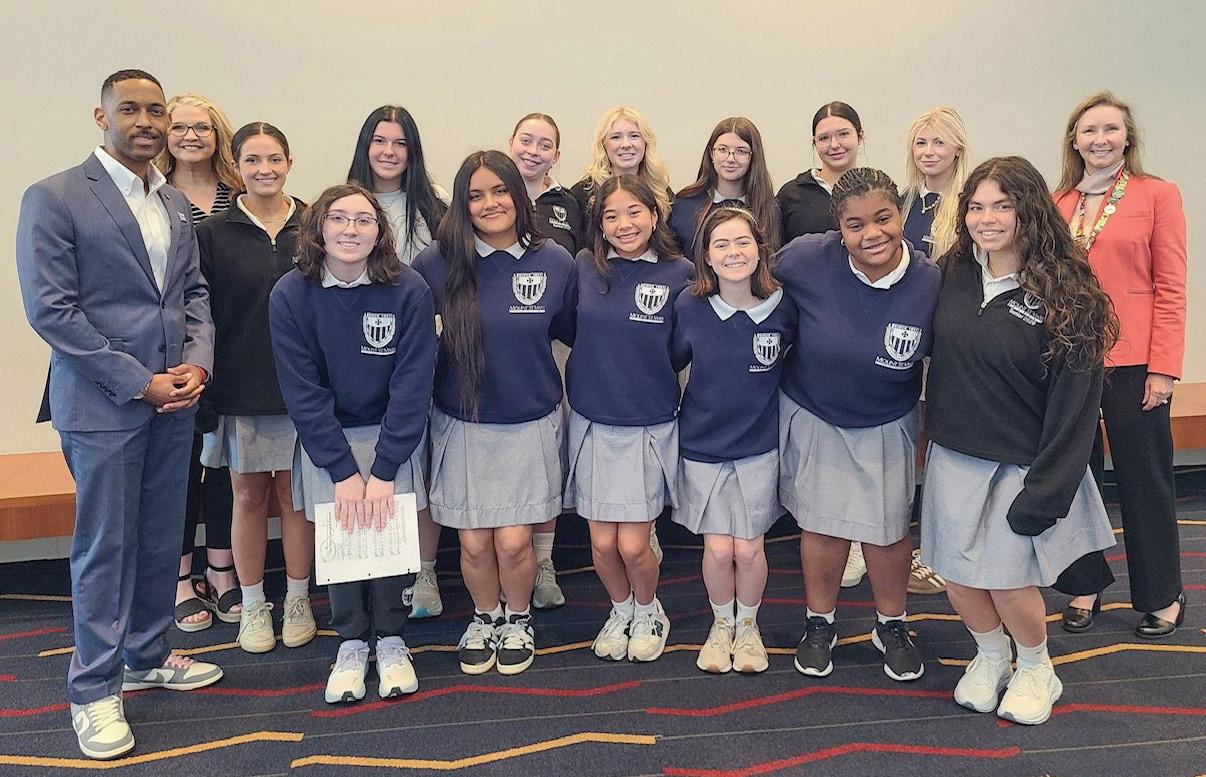
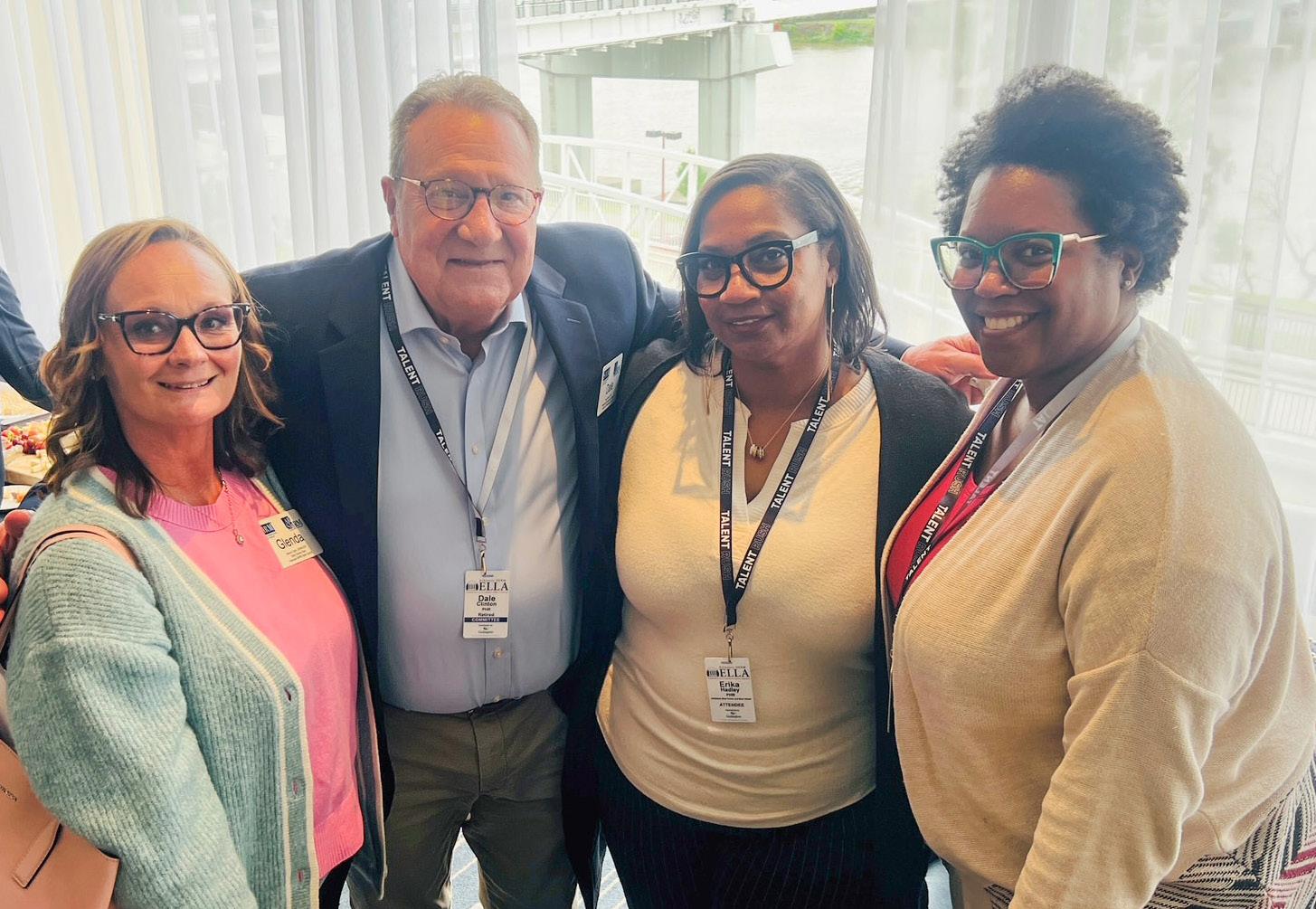
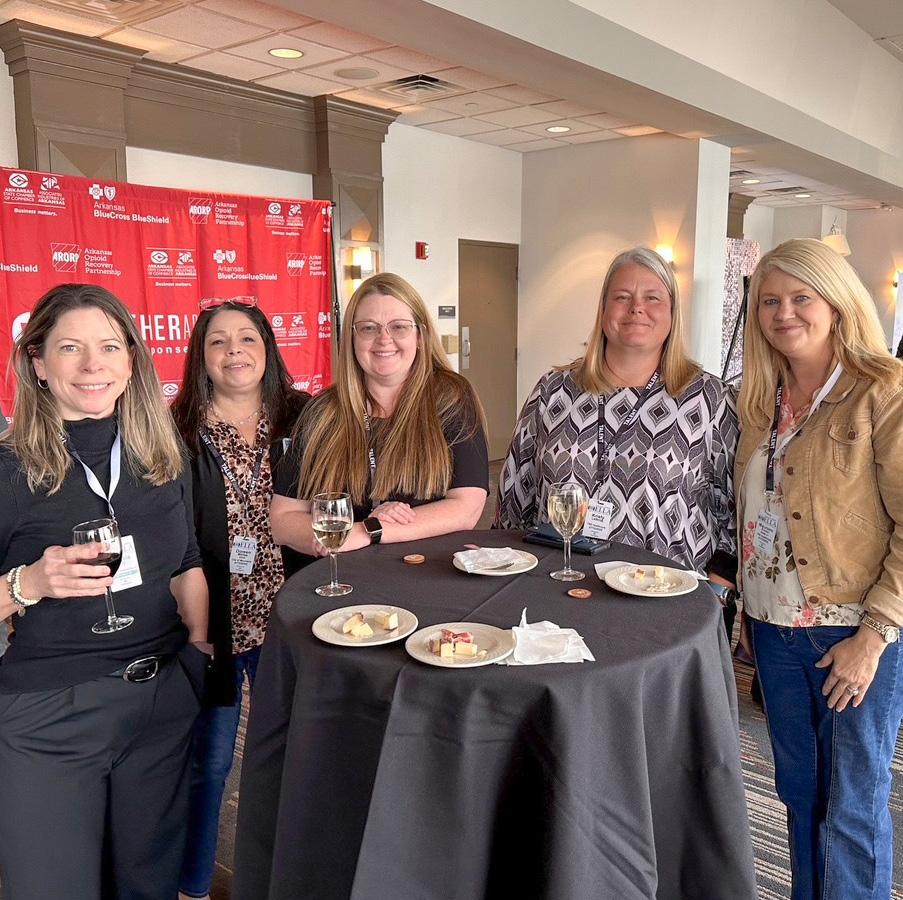
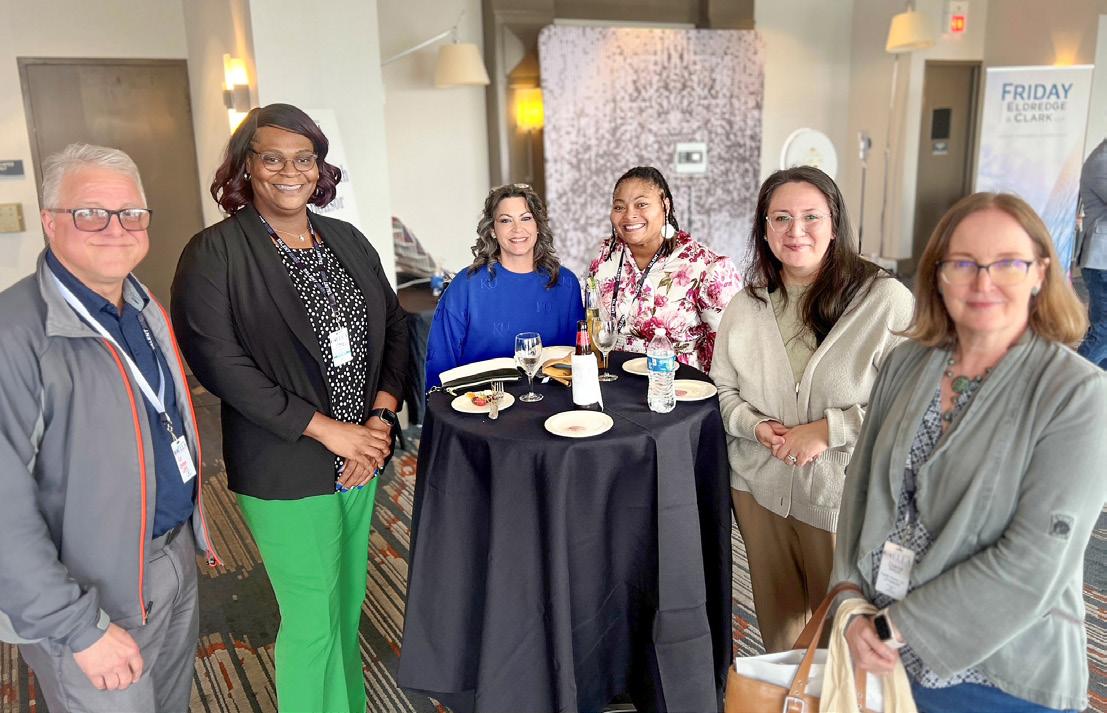
8 ELLA Committee: Tim Orellano, Britni Rush, Heather Smith, Brittney Garland, Dale Clinton, Patti Airoldi, Rickie Smith, Kevin Robinson, Shayne King, Kelly DeStefano, Michele Short, Danielle Dulaney and Michael L. Smith 9 Angela Irby, Doreen Mattes, Mandi Ragsdale, Kristy Lathrop, and Maureen Brown enjoy the ELLA reception sponsored by CAS 10 Michael L. Smith and Kelly DeStefano with the Mount St. Mary Academy Concert Belles, who kicked off ELLA 2026 with a beautiful rendition of the national anthem 11 Ed Green, Chey Reynolds-Daniels, Korenda Allen, Toni Martin, Raven Crowden, and Diana Simon enjoy the ELLA reception sponsored by CAS 12 Glenda Caton, Dale Clinton, Erika Hadley, and Melanie Browning enjoy