

LEADING MEDICINE

FINDING HELP FOR YOUR CHRONIC PAIN

Dr. John Ngo
People living with chronic pain often wonder whether the pain will ever end — leaving them feeling hopeless or helpless in their daily struggle.
“Chronic pain may improve over time, but often, treatment plays a key role in actively controlling symptoms,” said Dr. John Ngo, medical director of the interventional pain management program at Houston Methodist Baytown Hospital.
WHAT IS CHRONIC PAIN?
Chronic pain is persistent pain that lasts for several months or years.
“The causes for chronic pain can range from a disease or health condition to a previous injury. Unfortunately, sometimes there is no known reason,” Ngo added.
Chronic pain can interfere with every aspect of your life, ranging from your sleep and mobility to your mood. It also can cause low self-esteem, depression, anxiety and even anger. It’s important to make sure your doctor fully understands what type of pain you are experiencing, and how it impacts your daily life.
“There are several descriptions your doctor may use to assess your pain,” Ngo explained. “They may ask if your pain is aching or burning, sharp or dull, constant or intermittent, mild, moderate or severe.”
Your doctor may ask you to describe the pain using a 0-10 scale. You would rate no pain at 0 and extreme pain at 10.
RECOMMENDED TREATMENTS
Once you and your doctor have a better understanding of your pain’s circumstances and severity, your doctor may make recommendations, including:
■ Over-the-counter or prescription pain relievers (acetaminophen, aspirin, ibuprofen)
■ Eating healthy, sleeping regularly, stopping smoking and exercising (walking or swimming)
■ Physical therapy to help manage pain and maintain mobility and flexibility
■ Coping strategies such as relaxation, deep breathing and meditation techniques
Nonsurgical therapies may provide effective, longer-lasting relief than medication. Your doctor may recommend injections or nerve root blocks containing steroids and analgesic medicines to ease inflammation and relieve pain.
Let Us Help
Other treatments include radiofrequency ablation and spinal cord stimulation to block or disrupt painful nerve impulses. These are used to treat a variety of chronic conditions, such as:
■ Pain in the neck and back, arms, legs or feet due to injured, diseased or herniated disks; compressed or pinched nerves; or conditions like diabetic nerve pain
■ Shoulder, knee, hip or sacroiliac joint pain resulting from injury, osteoarthritis or other illnesses
■ Headaches caused by irritation or occipital nerve injury, including piercing, throbbing or shock-like pain radiating from the upper neck, up to the scalp and around the back of the head
“It’s important to tell your doctor about your chronic pain,” Ngo said.
“Too many people ignore the pain and dismiss it as simply a part of getting older. Once you find relief, you will wonder why you didn’t get help sooner.” •
If you are suffering from chronic pain, an interventional pain specialist can help you understand your treatment options. Call 281.420.7280 to schedule an appointment.

How You Can Avoid Coronary Artery Disease

Dr. Waqas Qureshi
Coronary artery disease (CAD) is a type of heart disease that affects the arteries responsible for supplying oxygen-rich blood to the heart muscle. It happens when fatty deposits called plaque accumulate within the arteries, a process known as atherosclerosis.
“When plaque builds up in the arteries, it can cause them to narrow and harden,” explained Dr. Waqas Qureshi, a cardiologist at Houston Methodist Baytown Hospital. “This restricts blood flow to your heart muscle, which can result in serious and life-threatening conditions, such as heart attack, stroke or sudden death.”
Chest pain is the most common CAD symptom. But shortness of breath and indigestion also can be early signs of blockage. If left untreated, CAD can lead to additional complications, including arrhythmia and congestive heart failure.
PREVENTION IS KEY
Making healthy lifestyle changes, such as increasing your physical activity, can help reduce your risk for CAD. You can also try the Mediterranean diet, which is rich in veggies, fruits, whole grains and olive oil (see sidebar). A few extra food tips include:
■ Avoid saturated fats: cheese, butter and fatty meat
■ Skip starchy carbs: potatoes, white bread and baked goods
■ Prioritize complex carbs: quinoa, oats and brown rice
You can also get a coronary artery calcium (CAC) scan. If the CAC scan reveals a significant plaque burden, your doctor may recommend statins, beta-blockers or aspirin, in addition to lifestyle changes.
“Unfortunately, plaque buildup cannot be reversed most of the time,” Qureshi explained. “But effective management of CAD can help prevent further buildup.”
MANAGING THE DISEASE
Statins, a type of cholesterol medication, not only lower cholesterol levels but also stabilize plaque and reduce inflammation in the arteries. Your primary care provider (PCP) or cardiologist may also recommend medications such as beta-blockers to alleviate stress on the heart muscle, while low-dose aspirin may be prescribed to prevent blood-clot formation.
“Although preventing heart disease entirely through a healthy lifestyle is ideal, there’s still hope for patients with coronary artery disease,” Qureshi emphasized. “Medications, therapies and lifestyle adjustments can make a significant difference in your prognosis. It’s crucial to adhere closely to your doctor’s advice to improve your health outlook.” •
WHAT IS THE MEDITERRANEAN DIET?
This diet is based on the eating habits of the countries bordering the Mediterranean Sea. There’s not one standard Mediterranean diet, but a few of the common rules include:
Every meal: fruits, veggies, whole grains, olive oil
Three servings a week: fish, seafood, nuts
One serving a day: poultry, eggs, low-fat dairy
One serving a week: red meat, sweets
Heal Your Heart
Don’t let heart disease control your lifestyle. To find a cardiologist, visit houstonmethodist.org/ debakey/baytown or call 281.837.7587
Beating the Odds: FIGHTING BACK AGAINST BREAST CANCER

When it comes to breast cancer prevention, knowing the common breast cancer risk factors is key, including:
■ Age
■ Being overweight
■ Family history
■ Genetic mutations
“The average risk is one in eight for women who do not have a family history. It’s important to know that your risk increases with age, so the risk never goes down,” said Dr. Mary Goswitz, a radiation oncologist at Houston Methodist Neal Cancer Center at Baytown. “Also, we should remember that men can get breast cancer too.”
While you cannot change risk factors such as age or family history, you can take preventive actions to modify your risk.
GET YOUR ANNUAL MAMMOGRAM
Since your breast cancer risk increases with age, it’s important to have a yearly mammogram starting at age 40. At age 25, talk to your primary care provider or gynecologist to help determine your risk level and if you should start getting screened sooner. “This allows us to detect breast cancer earlier,” Goswitz explained. “Remember, there is no upper age limit for mammograms. So, as you age, don’t stop getting annual mammograms - they remain critical, regardless of whether you receive a diagnosis and opt for treatment or not.”

Dr. Mary Goswitz
STAY PHYSICALLY ACTIVE
Getting 150 minutes of exercise a week is recommended. Although this can sound overwhelming, breaking up the time helps. Thirty minutes a day over five days will decrease your risk of developing breast cancer.
LIMIT ALCOHOLIC DRINKS
While abstaining from alcohol altogether is the best thing to do for your health, limiting it to three or fewer drinks per week can still lower a woman's risk. Women who consume two to five alcoholic drinks a day have about 1.5 times the risk of developing breast cancer. “Try to limit yourself to one alcoholic beverage a day,” Goswitz stressed.

MAINTAIN A HEALTHY WEIGHT
Women with more fat cells produce more estrogen and tend to have higher insulin levels, which are linked to increased breast cancer risk. Regular exercise and a diet with fruits, vegetables and whole grains can help keep your weight at a healthy level. “Maintaining your weight after menopause is especially tough, but if you gain even just 15 pounds, you increase your risk of developing breast cancer,” Goswitz explained.
BREASTFEED LONGER
The longer you can breastfeed your baby, the better it is for your long-term breast health. “The more you breastfeed, the more it decreases your risk of developing breast cancer,” Goswitz said. While the reasons aren’t clear, one possible explanation is women who breastfeed have fewer menstrual cycles throughout their lives, and, therefore, less estrogen exposure.
ADD SUPERFOODS
Studies indicate consuming more monounsaturated fats, such as olive oil, may protect against breast cancer. Olive oil has antioxidants and anti-inflammatory properties, which can help reduce breast cancer risk. “These studies are showing that people with a diet higher in antioxidants have promising results,” Goswitz said.
KNOW YOUR BREAST DENSITY
Breast density is usually based on age. However, some post-menopausal women continue to have dense breasts. If you know you have dense breasts, ask for an ultrasound with your 3D screening mammogram. “This is a minimally invasive way to screen a dense breast and detect breast cancer,” Goswitz said.
CONSIDER GENETIC TESTING
Talk to your doctor about whether genetic testing is right for you, especially if you have a strong family history of breast cancer. Mutations in certain genes, such as BRCA1 and BRCA2, increase breast cancer risk. Women with this gene mutation may need to have more frequent screenings and may want to consider prophylactic surgery (breast removal).
EARLY DETECTION IS KEY
Most breast cancers have no signs. This is why mammograms are so important. By the time you feel a lump in the breast, it’s half an inch. “We can detect lumps much sooner with a mammogram, but you should continue practicing self-exams at home in the shower,” Goswitz emphasized. •
WHAT TO DO IF YOU FEEL A BREAST LUMP
Your first action after feeling a breast lump is to schedule an appointment with your primary care provider. Your doctor will look for a variety of features and characteristics to answer questions such as:
• How large is the lump and does it change in size?
• Does the lump move under the fingers, or is it attached to the skin?
• Is the lump painless or painful and accompanied by red, itchy or inflamed skin?
• Is the lump affecting the nipple, causing inversion or creating discharge?
• Does the lump become more painful around your period?
• Is there more than one lump on one or both breasts?
To schedule your mammogram at a Houston Methodist Breast Care Center, visit houstonmethodist.org/mammogram-scheduling or call 346.356.PINK (7465) .

DON’T GET SMASHED: How to Avoid a Pickleball Injury
By now, you or someone you know is probably obsessed with pickleball, the sport that’s a cross between tennis and Ping-Pong. It’s fun, easy and great exercise for all athletic levels to enjoy!
But with increasing popularity comes more doctor visits due to a spike in pickleball injuries.
Dr. Chia Wu, an orthopedic surgeon at Houston Methodist Baytown Hospital, said pickleball isn’t particularly dangerous. “There’s a risk of injury with any sport,” he said. “Pickleball is fun, easy to learn and popular, so it’s not surprising we’re seeing more hand, wrist and other injuries as a result.”
Pickleball has many benefits, ranging from exercise to socializing. Understanding how to reduce your risk of injury can help keep you on the court and having fun.
COMMON PICKLEBALL INJURIES
Pickleball injuries from overexertion are common. New players may not focus on proper technique, which unfortunately can lead to injuries. A few risk areas include:
■ Eye injuries from direct contact with the ball or paddle
■ Fractures or head trauma from an accidental fall
■ Knee injuries and lower back strains from stopping and starting, frequent bending and sudden changes in direction
■ Wrist, elbow or shoulder injuries from swinging the paddle
PREVENTING INJURIES
The best way to stay on the court is to avoid or minimize a pickleball injury in the first place. Wu offered a few tips to help. Know your physical limits. Not everyone who plays pickleball is a regular exerciser, so to avoid injury start slowly and listen
to your body. “If you have a pre-existing condition, such as arthritis, consider a brace to support your joints,”
Wu suggested.
Be sure to warm up. Try 5-10 minutes of warmup exercises before any pickleball match. “A light jog and stretching can do the trick to get the major muscle groups ready to compete,” Wu said.
Get the right gear. Pickleball-specific shoes can significantly decrease your risk of injury. Additionally, a properly sized paddle handle will decrease the risk of wrist and elbow injuries.
Mind your form. When you rely on your arms instead of using momentum from the hips, you risk straining other body parts. “Take a few lessons to get your footwork right and you’ll be less likely to get injured,” Wu said.
Don’t skip recovery. Cooling down after the match with several minutes of stretching or running can help minimize soreness in out-of-condition muscles. “And don’t skimp on nutrition and hydration,” Wu added.
If you become injured or have a new pain, talk to your doctor right away. “Having your potential injury examined will ensure it doesn’t get worse,” Wu stressed. •
If you’re experiencing hand or wrist pain, we can help. To learn more or schedule an appointment, visit houstonmethodist.org/orthopedics/ locations/baytown or call 281.427.7400
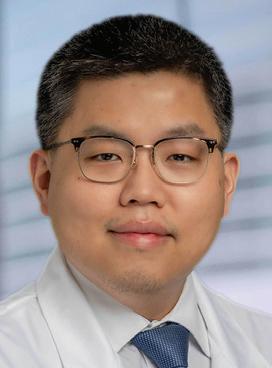
Dr. Chia Wu
Let’s Get Balanced: Prioritizing Women’s Pelvic Health

As women, we experience unique challenges and concerns when it comes to our pelvic health. Our bodies undergo significant changes from postpartum to menopausal years and beyond, impacting the health of our pelvic floor muscles.
The pelvic floor includes muscles, ligaments and connective tissue that support a woman’s pelvic organs, including the uterus, bladder and rectum. Often, the pelvic floor muscles and tissues can become weak from various factors, such as age, surgery and childbirth, leading to incontinence or problems controlling the bladder and bowels.
One of the most common pelvic health concerns for women is urinary incontinence — or uncontrollable bladder leakage — which can cause embarrassment and discomfort.
While urinary incontinence is very common, it is not normal and is not something you have to live with. There are many treatment options available, ranging from bladder training and pelvic floor muscle exercises to minimally invasive surgical procedures.
TREATMENT OPTIONS AT POSTPARTUM AND BEYOND
Pelvic floor exercises, such as Kegels, can be an effective treatment option to strengthen muscles after childbirth and beyond. These exercises involve contracting and relaxing the pelvic floor muscles to improve their strength and tone.
According to Catherine Valencia, a urology nurse practitioner at Houston Methodist Baytown Hospital, “Performing Kegels and
other pelvic floor exercises can strengthen and enhance muscles in the pelvic floor, providing better support to the bladder and urethra, which in turn lowers the likelihood of urinary leakage.”
Pelvic floor exercises must be done correctly to be effective, so it’s important to talk to your doctor about the best method and form for you.
Your doctor may also recommend surgical options, such as sling procedures or urethral bulking agents.
A sling procedure involves placing body tissue or synthetic material through the vagina to provide support to the urethra and bladder neck, preventing urinary leakage. Your doctor can help recommend the best choice of sling based on your needs.
Another option is an injection of urethral bulking agents. This minimally invasive procedure reduces the opening of the urethra to prevent urine leakage.
“These procedures are minimally invasive and entail a brief recovery time,” Valencia said. “Following treatment, many women experience a significant quality of life improvement. Consult with your health care provider to help identify the most suitable option tailored to your specific pelvic health needs.” •
Schedule an Appointment
If you are experiencing pelvic floor issues, don’t let shame or embarrassment keep you from seeing a specialist. To learn more or make an appointment, visit houstonmethodist.org/pelvic-health or call 832.556.6046

Catherine Valencia, MSN, APRN


Early Detection Starts With Your ANNUAL MAMMOGRAM Early Detection Starts With Your ANNUAL MAMMOGRAM







The recommended age to start your annual mammogram is 40. Schedule yours today.
At Houston Methodist Breast Care Centers, our board-certified experts use the latest imaging technology to provide you with cutting-edge breast screenings — such as 3D mammograms — to detect even the smallest lumps and abnormalities with accuracy. We offer:
• 10+ convenient locations across Houston
• Online scheduling with readily available appointments
• Expanded hours available at most locations
• Access to medical records and test results through MyChart






Scan Code to Schedule Your Mammogram houstonmethodist.org/mammogram-scheduling 346.356.PINK (7465)
We do not require a doctor’s order for your annual screening mammogram.