
10CommonReasonsWhy ChildrenFaceSocialSkill Challenges
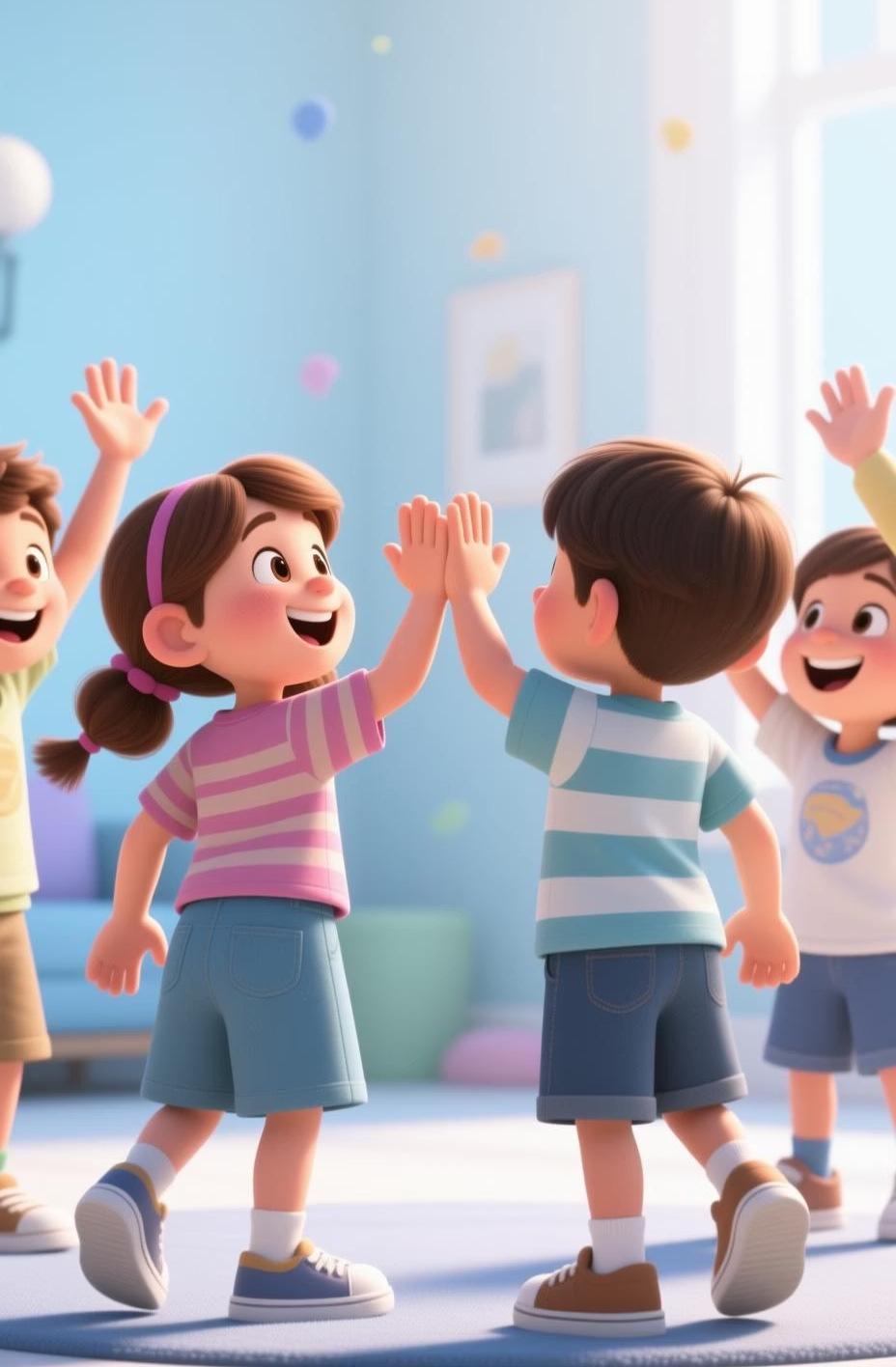
Buildingstrongsocialhabitsisvitalforeverychild'sgrowth.Whilesome childreneasilyconnectwithothers,somestruggletomakefriendsor expressthemselvesingroups.Understandingthesechallengeshelps createsupportiveenvironmentsthatnurtureconfidenceand communication.

UnderstandingSocialSkills
MoreThanManners
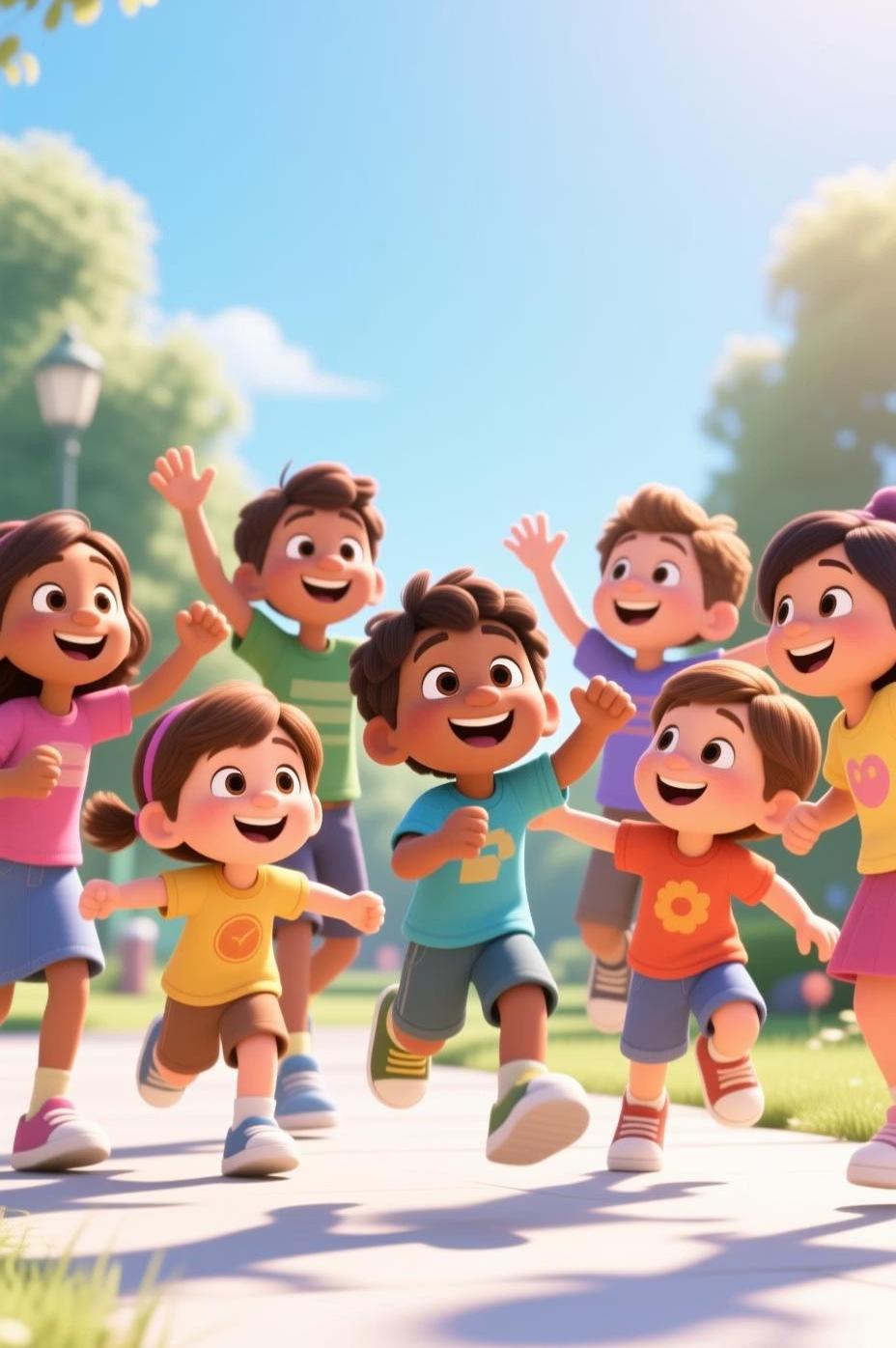
Socialskillsgobeyond"please" and"thankyou."Theyinclude sharing,listening,understanding emotions,showingempathy,and resolvingconflicts. Earlydevelopmentoftheseskills leadstobetterteamwork, communication,andemotional regulation.
IndividualPace
Notallchildrendevelopabilitiesat thesamepace.Sometakelonger duetopersonalitydifferences, learningstyles,orenvironmental factors.
Thegoalisn'tperfection4it's helpingthemfeelcomfortableand capableinsocialsituations.
StagesofSocialDevelopment
1 Infancy(032years)
Babiesrecognizefaces,respondtosmiles,and imitatesounds4earlysignsofconnection.
2 Preschool(335years)
3 EarlySchool(639years)
Kidsunderstandempathy,fairness,andfriendship rules.
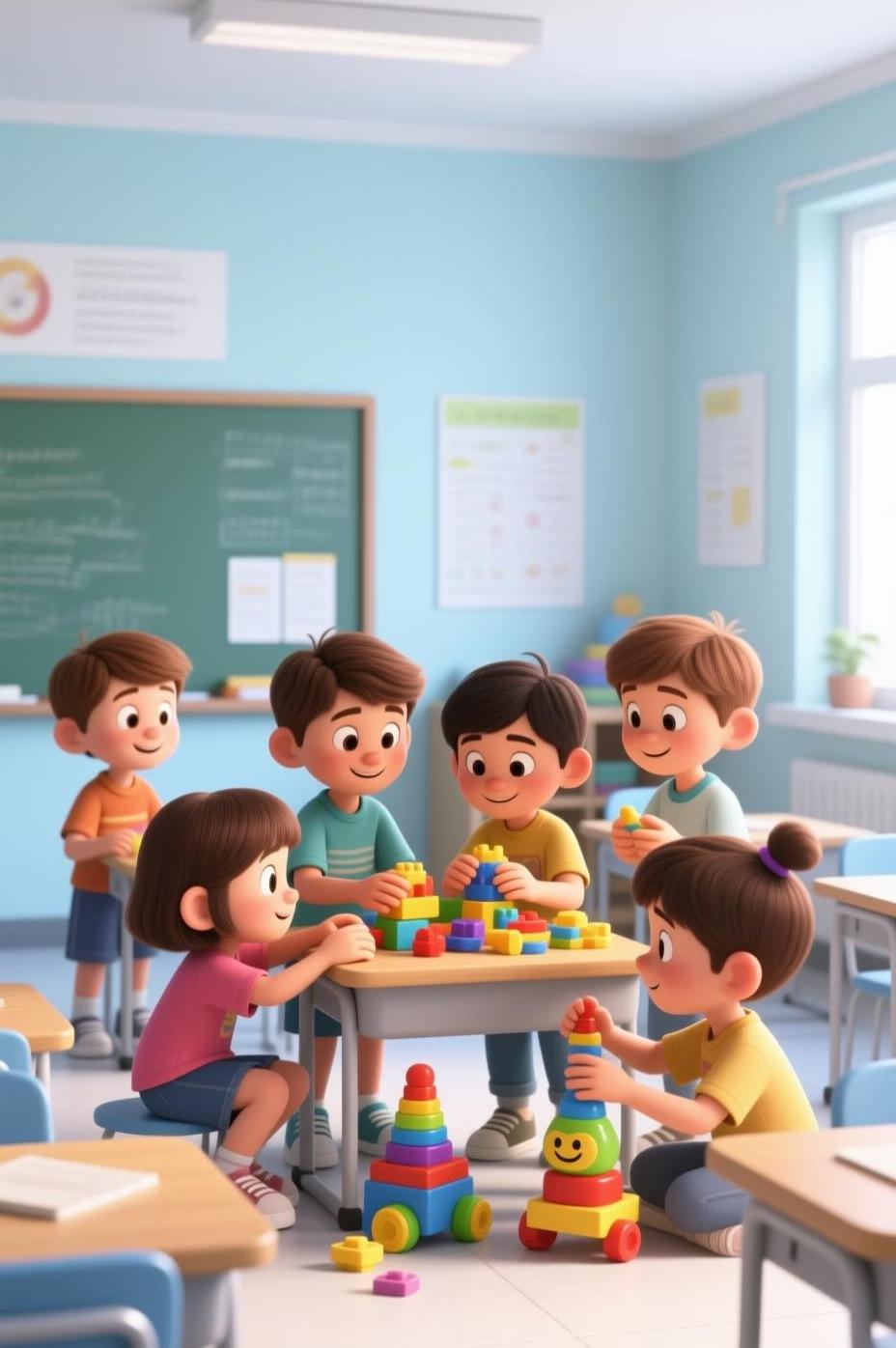
Childrenstartsharing,playingcooperatively,and learningbasicturn-taking.
4 Preteens(10312years)
Theyformstrongerpeerrelationshipsandlearnto manageemotionsandsocialpressure.
Understandingthesestageshelpsidentifywhendevelopmentmightbeslowerthanusual4andwhentostepinwithgentle support.
Challenges133:Environment&Communication
LimitedSocialExposure
Childreninisolatedsettingsor mainlywithadultsstrugglein groups.
Solution:Arrangeregularplaydates, teamactivities,orartclubs.
OverdependenceonScreens
Toomuchscreentimelimitsrealworldengagementandface-to-face communication.
Solution:Setdailylimitsand encouragefamilyconversations duringmealsorwalks.
DifficultyReadingEmotions
Somechildrenfindithardto understandbodylanguageortone.
Solution:Practicerole-playing gamesordiscussemotionswhile watchingshowstogether.
Challenges436:Personality &Development
1
ShynessorIntroverted Nature
Naturallyquietkidshesitateto speakorjoingroupactivities.
Solution:Encouragesmall groupsettingswheretheycan openupgradually.
2
Learningor Developmental Differences
Childrenwithspeechdelays, ADHD,orautismmay experiencesocialskillgaps.
Solution:Seekearlyguidance fromchildbehaviorspecialists ortherapists.
3
LackofEmpathyDevelopment
Whenempathyisn'tnurtured,childrenstruggletorelatetoothers' feelings.
Solution:Usestorytellingtodiscusshowcharactersfeelandwhy kindnessmatters.

Challenges739:EmotionalBarriers
AnxietyandFearof Judgment
Socialanxietycausesavoidanceof interactionsaltogether.
Solution:Startwithlow-pressure socialsettingsandcelebratesmall successes.
PoorConflictResolution Skills
Argumentsandmisunderstandings makechildrenavoidpeers.
Solution:Teachproblem-solvingby modelingcalmdiscussionsathome.
NegativePeerExperiences
Bullying,exclusion,orearlyrejection harmconfidence.
Solution:Offeremotional reassuranceandcoachyourchildon resilience.
Challenge10:ThePowerofModeling
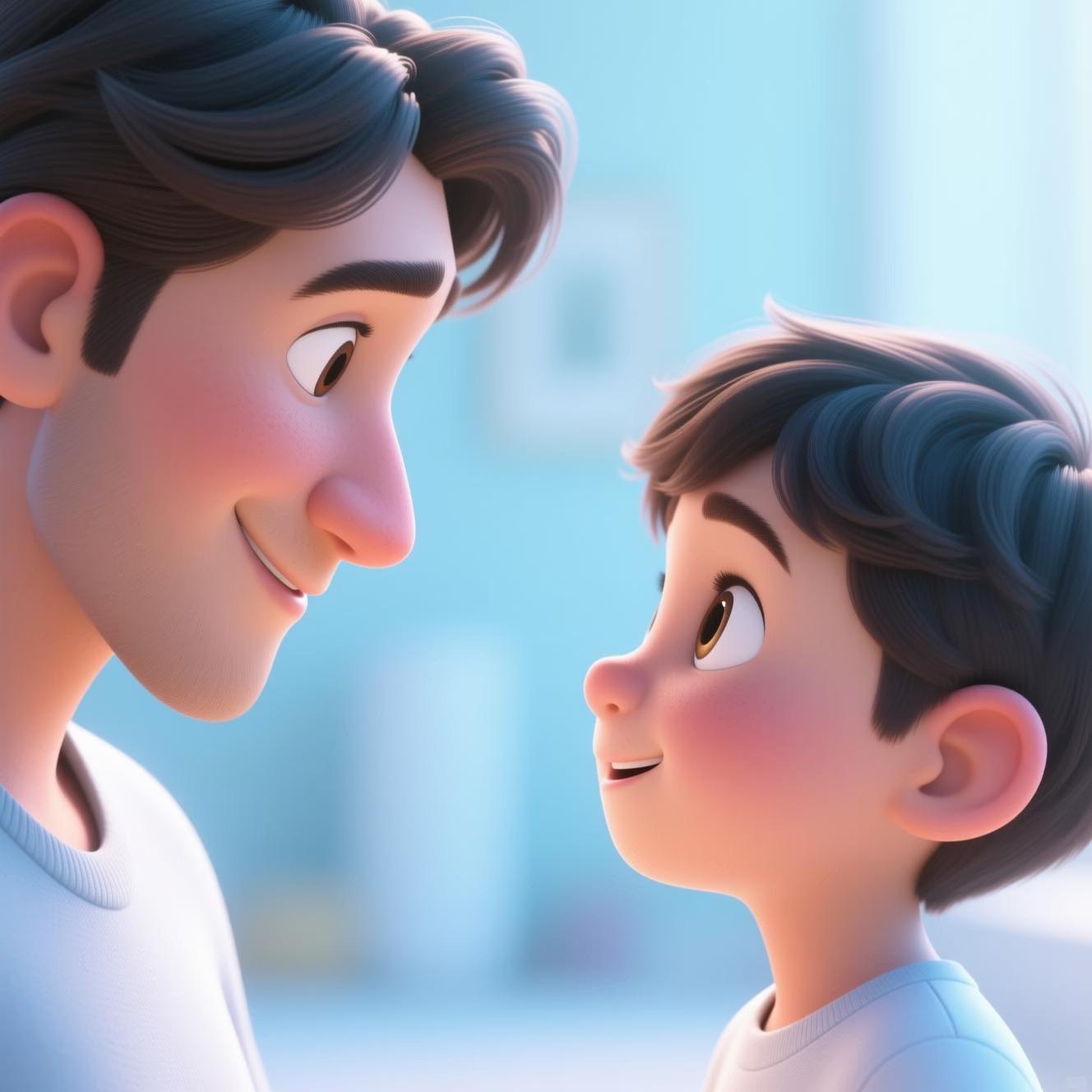
InconsistentParentalModeling
Childrenmirroradultbehavior.Whenadultsdisplayangerorimpatience, kidsmaycopythosereactions.
Solution:Demonstrateempathy,patience,andactivelisteninginyour dailyinteractions.Yourbehavioristheirblueprint.
TheRoleofStructured Support
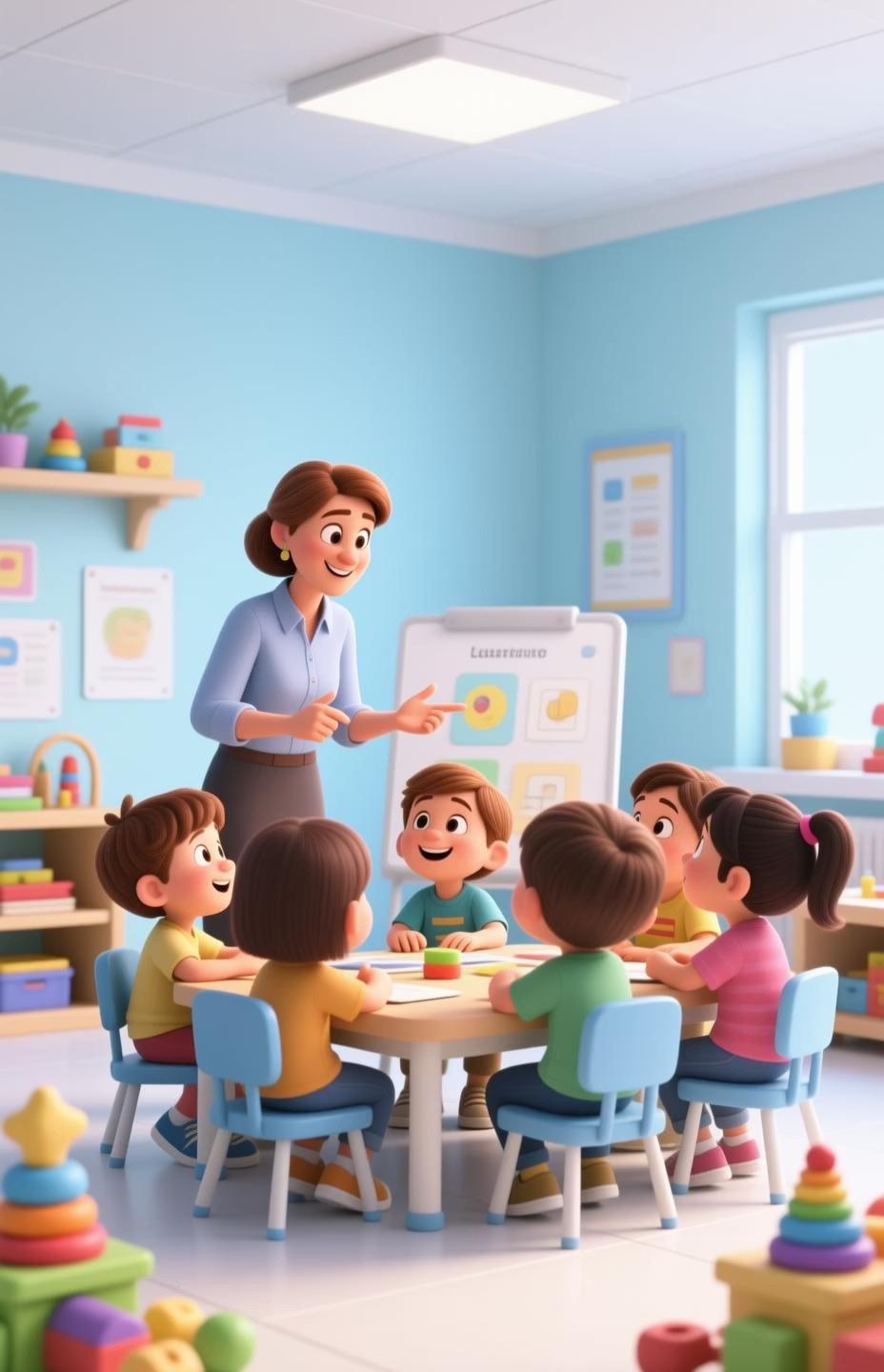
Whilehome-basedsolutionsworkwell,sometimeskidsneedmoreguided environments.Socialskillsprogramsoffersmall,interactivesessionsthat teachchildrenhowtocommunicate,cooperate,andbuildfriendshipsina supportiveway.
GuidedLearning
Structuredsessionswithexpertfacilitators
SafePractice
Low-pressureenvironmenttotrynewskills
Real-WorldApplication
Confidentuseindailysituations
EveryChildCanThrive
AGradualJourney
Socialdevelopmentdoesn'thappenovernight.It'sagradual processshapedbyenvironment,familyhabits,andpersonal experiences. Everychildhasuniquestrengths4thekeyishelpingthem expressthosestrengthsthroughconfident,respectful communication.
AtHouseOfSoftSkills,webelieveeverychildcanlearnto connectmeaningfullyandthriveinsocialsettings.