










OAKLAND COUNTY BAR ASSOCIATION
1760 S. Telegraph Road, Suite 100
Bloomfield Hills, Michigan 48302-0181
(248) 334-3400 • FAX (248) 334-7757 www.ocba.org

PRESIDENT
Aaron V. Burrell
PRESIDENT-ELECT
Kari L. Melkonian
VICE PRESIDENT
Victoria B. King
TREASURER
Syeda F. Davidson
SECRETARY
Julie L. Kosovec
EXECUTIVE DIRECTOR
Jennifer Quick
LACHES EDITORIAL BOARD
Lanita L. Carter
Syeda F. Davidson
Victoria B. King
Coryelle E. Christie
DIRECTORS
Jennifer L. Lord
Emily E. Long
Moheeb H. Murray
Kimberley Ann Ward
Layne A. Sakwa
Silvia A. Mansoor
Stephen T. McKenney
James A. Martone
Jennifer J. Henderson
Matthew P. Allen
AUGUST 2026
Pre-Litigation Workplace Investigations in Michigan: Why Independent Investigators Are Your Client’s Best First Line of Defense
Partnering with an investigator not only helps you mitigate risk but may help your client escape reputational damage.
ByChadKarstenandTammySordo-Vieira 10
Beyond Reactive Compliance: A Public Health Approach to Workplace Accommodation
Learn the structured, data-informed strategy behind consistent, responsive, and impactful accommodation policies. ByL.AlisynCrawford,J.D.,MPH 15
A Helping Hand: Guiding Your Clients Through MIOSHA Inspections
Know your facts about the inspection process, citation appeals, and your client’s rights amid the unexpected.
18

Thamara E. Sordo-Vieira
Xavier Jay Donajkowski
Vincent C. Sallan
THE MISSION OF THE OAKLAND COUNTY BAR ASSOCIATION IS TO SERVE THE PROFESSIONAL NEEDS OF OUR MEMBERS, IMPROVE THE JUSTICE SYSTEM AND ENSURE THE DELIVERY OF QUALITY LEGAL SERVICES TO THE PUBLIC.
Articles and letters that appear in LACHES do not necessarily reflect the official position of the Oakland County Bar Association, and their publication does not constitute an endorsement of views that may be expressed. Readers are invited to address their own comments and opinions to:
LACHES | Oakland County Bar Association 1760 S. Telegraph Rd., Ste. 100 Bloomfield Hills, MI 48302-0181
Publicationandeditingareatthediscretionoftheeditor.
James W. Low LACHES (ISSN
writing to Oakland County Bar Association, 1760 S. Telegraph, Ste. 100, Bloomfield Hills, MI 48302-0181.

As I begin my tenure as president of the OCBA, I wanted to start with a heartfelt thank you to this remarkable organization. It seems like yesterday that I was a wide-eyed law student visiting an Inns of Court program, inspired by the presenters’ advocacy skills and the members’ vibrant fellowship. I knew then that I would join the OCBA. I did not know that I would be the organization’s president almost 18 years later.
Ever since I participated in the OCBA’s swearing-in ceremony as a newly minted attorney, I have endeavored to take on a meaningful role. After the ceremony, I had the great honor of serving as Judge Leo Bowman’s sta attorney, which gave me the opportunity to meet many of the colleagues I would see around the bar. After joining the Inns of Court program as an associate attorney at Dickinson Wright PLLC, I began to build signi cant connections.
When former OCBA president Tom Howlett asked me to run for the board after ve years of practice, I was attered, but I felt too junior for the role. e OCBA seemed almost larger than life. ere was no way I could join the board!
By God’s grace, it happened. And from that moment on, I was welcomed with open arms. I am tremendously grateful to Tom Howlett for his con dence in me at that time and throughout my career.
e OCBA’s mission is to “serve the needs of our members, improve the justice system, and ensure the delivery of quality legal services to the public.” Over the years, I have seen the tenets of this mission exemplied in a number of ways. A few have made an indelible impression on me.
e exceptional programming the organization o ers has regularly impressed me. Indeed, we have consistently delivered practical, high-quality content that bene ts seasoned practitioners and new lawyers alike. e sheer
By Aaron Burrell
breadth of topics, ranging from substantive law to practice management, demonstrates that the OCBA recognizes its members’ needs and works to provide them with the tools to succeed. I have personally bene ted from the exceptional quality of these events, and I look forward to attending more in the future.
When I joined the OCBA, I began participating in early iterations of its diversity committee. I had several opportunities to speak with the late Michael K. Lee, who was then an OCBA board member. rough our various conversations, I sensed that the organization’s commitment to diversity was sincere. at commitment did not extend merely to the OCBA itself — though diversifying the association was a key goal — but also to the Oakland County legal community as a whole, such that it would re ect the community it served. As I have participated in and later co-chaired the OCBA’s diversity e orts, I believe that we are making strides to advance our mission, and I look forward to continuing that work.
We have been blessed with an awesome sta throughout my tenure with the OCBA. Jennifer Quick, Katie Tillinger, and the OCBA’s talented sta members have done a tremendous job running the organization. I am regularly awed by their boundless energy for this work, the high level of professionalism they bring to every task and event, and their unwavering commitment to bettering the association. e OCBA is truly a rstclass organization in every way, due in no small part to our superb sta .
While serving on the OCBA board for
the last 10 years, I have witnessed incredible examples of leadership. Each OCBA president I have been privileged to serve alongside has exempli ed thoughtful, conscientious leadership. As I watched each of them navigate the various challenges of their bar year, I learned ways to project strength in high-pressure situations, provide clear direction, and demonstrate dedicated commitment to the organization’s mission and purpose. Each president brought their own style, and all of them were e ective. I hope to follow in their footsteps.
Finally, my time with the OCBA has allowed me to build lasting friendships. I have met so many wonderful people from all walks of life. I enjoy many relationships today that would not have been possible without the OCBA’s events and gatherings. I remain thankful for the opportunity to have connected with many OCBA members, and I hope to continue doing so in the future.
My goal as president is to carry on the amazing work of my predecessors. To that end, I hope to work with the board, sta , committees, and general membership to, among other things, (1) reinforce the bar’s commitment to the rule of law, (2) remind our lawyers of the importance of civility in practice, and (3) advance the association’s diversity mission. e journey ahead excites me, and I have no doubt that working collectively, we will achieve each of these goals.

Aaron Burrell is the president of the Oakland County Bar Association.

























Wachler & Associates represents healthcare providers, suppliers, and other entities and individuals in Michigan and nationwide in all areas of health law including, but not limited to:
•Healthcare Corporate and Transactional Matters, including Contracts, Corporate For mation, Mergers, Sales/Acquisitions, and Joint Ventures
•Healthcare Corporate and Transactional Matters, including Contracts, Corporate For mation, Mergers, Sales/Acquisitions, and Joint Ventures
•Medicare, Medicaid, and Other Third-Party Payor Audits and Claim Denials
•Medicare, Medicaid, and Other Third-Party Payor Audits and Claim Denials
•Licensure, Staff Privilege, and Credentialing Matters
•Provider Contracts
•Licensure, Staff Privilege, and Credentialing Matters
•Billing and Reimbursement Issues
•Provider Contracts
•Billing and Reimbursement Issues
•Stark Law, Anti-Kickback Statute (AKS), and Fraud & Abuse Law Compliance
•Physician and Physician Group Issues
•Stark Law, Anti-Kickback Statute (AKS), and Fraud & Abuse Law Compliance
• Regulatory Compliance
•Physician and Physician Group Issues
•Corporate Practice of Medicine Issues
• Regulatory Compliance
•Provider Participation/Ter mination Matters
•Corporate Practice of Medicine Issues
•Provider Participation/Ter mination Matters
• Healthcare Litigation
• Healthcare Investigations
• Healthcare Litigation
•Civil and Criminal Healthcare Fraud
• Healthcare Investigations
•Civil and Criminal Healthcare Fraud
•Medicare and Medicaid Suspensions, Revocations, and Exclusions
•Medicare and Medicaid Suspensions, Revocations, and Exclusions
•HIPAA, HITECH, 42 CFR Part 2, and Other Privacy Law Compliance
•HIPAA, HITECH, 42 CFR Part 2, and Other Privacy Law Compliance
S ER VING H EALTHCA RE PR OV ID
By Jennifer Quick

The 2025-2026 bar year was one of purposeful evaluation, careful decisionmaking, and meaningful progress. Guided by the goals outlined in the OCBA’s 2025 Strategic Plan, the board of directors focused on ensuring that our programs, services, and resources continue to meet the evolving needs of our members while positioning the association for long-term success.
Many of the decisions made this year required us to take a hard look at long-standing programs and traditions, evaluate data and member feedback, and consider how best to serve the next generation of attorneys. While some changes were difficult, they were made with a clear objective: building a stronger, more responsive, and financially sustainable OCBA.
A major focus of this year was implementing key action items identified through our strategic planning process.
One of the first steps was creating new board subcommittees, including the Programs Advisory Board. This 24-member group brings together representatives from the board of directors, select OCBA committees, the OCBA’s Inns of Court chapter, Lawyer Referral Service, and the courts. The advisory board is charged with reviewing programs and services related to committees, special events, advocacy, professional development, and client development, as well as making recommendations for improvements and enhancements.
Importantly, this review process includes identifying programs that may no longer effectively serve member needs and determining where the association can invest resources more effectively. This ongoing work ensures that the OCBA remains nimble, relevant, and focused on delivering value to members.
This year also brought new initiatives designed to strengthen professional connections and support
attorneys throughout their careers.
Recognizing the importance of helping new lawyers successfully transition into practice, the OCBA launched a new event welcoming freshly sworn-in attorneys to the profession and connecting them with near-peer attorneys who can offer practical guidance, mentorship, and encouragement during their early years of practice. The event not only celebrates an important milestone but also fosters relationships that help new attorneys build confidence and community within the legal profession.
As we look toward the future, the Oakland County Bar Association remains financially sound, strategically focused, and committed to serving the legal profession and the public. The work accomplished this past year has laid an important foundation, and I am excited about the opportunities that lie ahead.
We also launched the Solo/Small Firm Committee, providing a dedicated home for a significant segment of our membership. Approximately 47% of OCBA members practice in solo or small firm settings, each facing unique challenges and opportunities. The committee serves as a forum for networking, education, resource sharing, and professional support tailored to their needs. In less than five months, more than 50 members have joined the committee. The OCBA also continued its commitment to strengthening relationships between the bench and bar by hosting another successful District Court Bench/Bar Conference. These conferences provide valuable opportunities for judges and
attorneys to engage in meaningful dialogue, exchange ideas, and improve the administration of justice in local courts.
Preserving the history and traditions of Oakland County’s legal community remains an important part of the OCBA’s mission.
On May 1, the association hosted a dedication ceremony for five bronze memorial plaques installed at the Oakland County Courthouse honoring circuit court judges who passed away during the past decade. The ceremony brought members of the bench and bar together with the honorees’ families to celebrate lives devoted to public service and the rule of law.
Made possible by the OCBA’s Sustaining Members, the project reflects the OCBA’s ongoing commitment to preserving the rich history and legacy of Oakland County’s judiciary for future generations.
One of the most significant discussions of the year centered on the future of the OCBA’s Inns of Court program.
After carefully reviewing participation data, financial considerations, and extensive feedback from members and program participants, the board made the difficult decision to surrender the OCBA’s American Inns of Court charter following the conclusion of the 2025-2026 program year.
This decision was not a reflection of the program’s many successes over the past 30 years. Rather, it was the result of a thoughtful evaluation of how mentorship and professional development opportunities can best serve today’s attorneys.
The Programs Advisory Board, working alongside members of the Inn’s executive committee and other volunteers, has already begun developing a new group mentoring initiative that will build upon the strongest aspects of the Inns experience while introducing components that better align with the needs and expectations
of modern practitioners. By moving beyond the traditional Inns model, the OCBA will have greater exibility and resources to shape a unique mentorship program for its members and community.
Like many professional organizations, the OCBA continues to face rising operational costs and changing economic realities. is year, the board undertook a comprehensive review of the association’s budget and expenses to ensure long-term nancial sustainability.
One of the most di cult decisions resulting from that review was the termination of the OCBA’s contract with its lobbying rm. While this change saved signi cant costs, the board remains committed to ensuring that members receive timely information regarding legislative developments and that the OCBA maintains its ability to advocate for improvements to the justice system and legal services.
To accomplish those goals, the association entered into an agreement with the State Bar of Michigan to provide legislative consultancy services within the limits established by Michigan Supreme Court Administrative Order No. 2004-01.
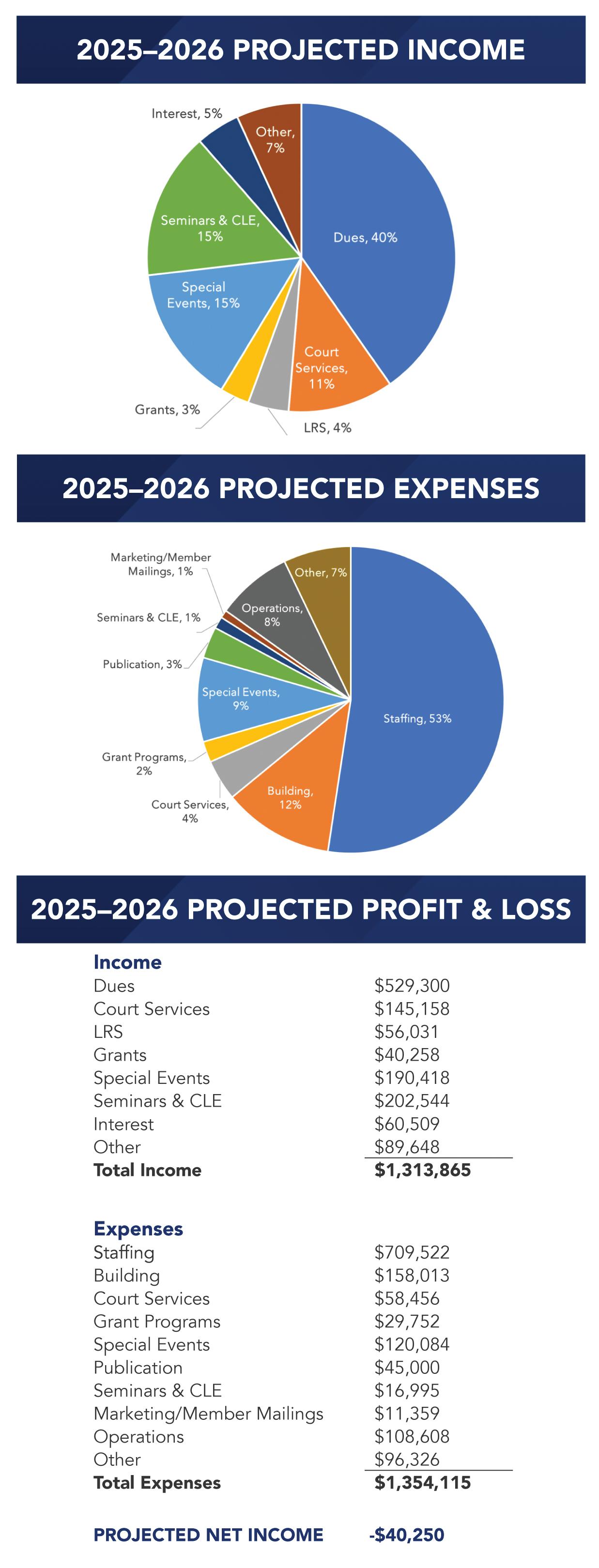
e savings generated through this transition, combined with other operational e ciencies and the implementation of credit card processing surcharges, have allowed the board to adopt a 2026-2027 budget that anticipates no cash loss while avoiding an increase in membership dues.
See sidebar for a breakdown of the association’s pro t and loss in the 2025-2026 bar year.
is year’s accomplishments would not have been possible without the extraordinary dedication of our board members, committee leaders, volunteers, and members. Many individuals devoted substantial time and e ort to researching issues, gathering input, analyzing data, and developing thoughtful solutions to the challenges facing our association. eir willingness to engage in di cult conversations and embrace change has positioned the OCBA for continued growth and improvement in the years ahead.
I would also like to extend my sincere appreciation to outgoing President Sarah Kuchon for her remarkable leadership and service. During her 12 years on the board of directors, she has helped guide the OCBA through periods of growth, change, and innovation. Her dedication to this organization and the legal profession has left a lasting impact, and we are deeply grateful for her many contributions — one of her most signi cant being the establishment of the OCBA’s Lawyer Well-Being Committee.
At the same time, we are pleased to welcome Matthew Allen to the board of directors and look forward to the insight, energy, and leadership he will bring to the association.
Finally, I would like to thank our exceptional OCBA sta . eir professionalism, creativity, and commitment to service make everything we accomplish possible. ey work tirelessly on behalf of our members and volunteers and continue to advance the mission of the association every day.
As we look toward the future, the Oakland County Bar Association remains nancially sound, strategically focused, and committed to serving the legal profession and the public. e work accomplished this past year has laid an important foundation, and I am excited about the opportunities ahead.
Jennifer Quick is the executive director of the Oakland County Bar Association.
Please Note: The dates listed below were sent to the publisher on June 2. It is possible that some of these events have since been altered. Please check ocba.org/events for the most up-to-date schedule.
We’re excited to welcome newly appointed Oakland County Probate Court judge Hon. Nicole S. Huddleston for an exclusive, behind-the-bench conversation. With her first 100 days on the bench complete, Judge Huddleston will share valuable insights, practical tips, and preferred protocols for attorneys practicing in her courtroom and throughout the probate court. Come ready with your questions and enjoy an open, informal Zoom discussion about what truly makes a difference in the courtroom.


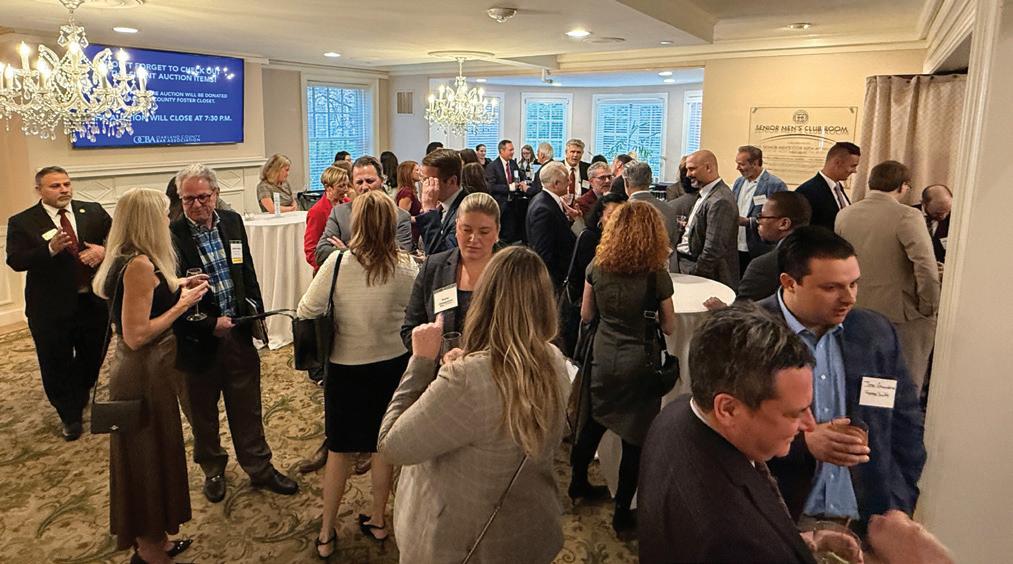
Join us from 5:30 to 7:30 p.m. for another great opportunity to mix and mingle with fellow bar members while enjoying appetizers and a cash bar. This event is free for OCBA members. Space is limited, so register today at ocba.org/events.
Voting for a judge to rule on cases and issue judgments should be an informed decision. To help with that decision, the OCBA is partnering with the League of Women Voters of Oakland Area, the Oakland County Legal News, and the Oakland County Times to host judicial candidate forums for all Oakland County judicial races with contested seats. Join us at 7 p.m. at Waterford Township Hall for the 51st District Court’s candidate forum. Find more information on the forum and candidates at ocba.org/51stforum.
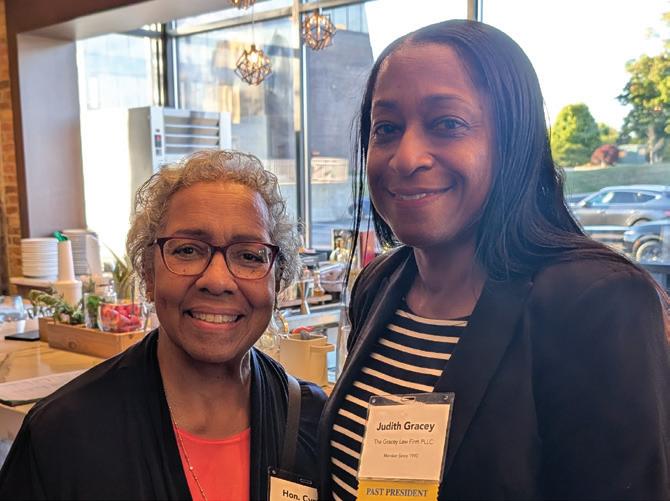
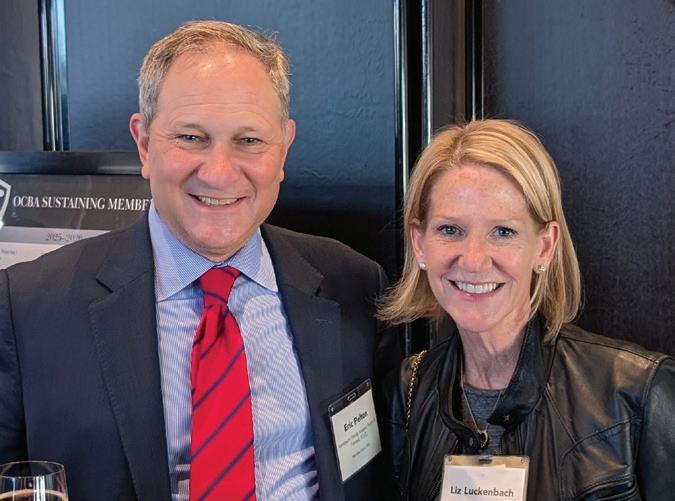
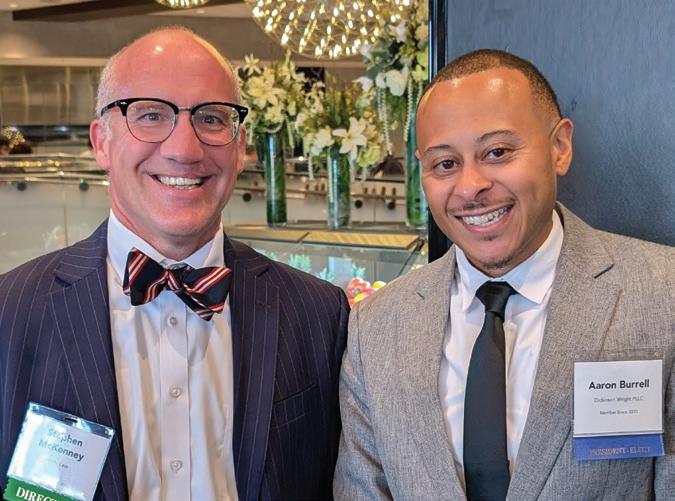
OCBA Sustaining Members are cordially invited to this special event at Fleming’s in Birmingham to honor their dedication to the association. This reception is by invitation only and is free for Sustaining Members. To learn more about the Sustaining Member program, visit ocba.org/sustaining or contact Katie Tillinger at ktillinger@ocba.org


















Making Sense of Cellphone Data in Litigation: Inside and Out (Noon – 1 p.m.)
A seminar for criminal defense appointed counsel
Presenter: Detective Sam Hannum, Southfield Police Department
This Zoom seminar will equip attorneys with a practical understanding of how mobile data can shape modern cases. The session will break down the types of information generated by cellphones — from call detail records and text logs to location data and app activity — and explain how that data is collected, preserved, and analyzed. Whether you’re new to digital evidence or looking to sharpen your approach, this session offers a clear, accessible roadmap for navigating both internal and external cellphone data with confidence.
Worth 1 hour of criminal training credit for appointed counsel

Time Matters: What New Attorneys Need to Know About Billing and Communication (Noon – 1 p.m.)
A seminar from the Professional Development Committee
Presenters: Mary C. Aretha, Michigan Court of Appeals, and Paul Shkreli, Shkreli Legal PLLC
Frustrated with billable hours? Confused about document management? Looking to increase your productivity? For most lawyers, success in legal practice requires more than strong legal analysis — it also involves time-tracking and robust documentation. Unfortunately, most new lawyers do not learn these vital skills in law school. In this virtual program, two experienced law firm billers will teach the basics, including how to bill your time, meet and maximize your billable hours, communicate with partners and clients, and handle documentation in case files.

Using Experts and Investigators: Success Stories (Noon – 1 p.m.)
A seminar for criminal defense appointed counsel
Presenter: Paulette M. Loftin, Chief, Oakland County Public Defender’s Office, and Lindsay P. Abramson, Oakland County Public Defender’s Office
This Zoom seminar explores how the strategic use of subject matter experts and investigators can strengthen cases, uncover critical evidence, and improve outcomes. Through real-world success stories, attendees will learn practical approaches to selecting the right experts, conducting effective investigations, and integrating findings into case strategy. The session will highlight lessons learned, best practices, and common pitfalls to avoid. Participants will leave with actionable insights they can apply to complex matters across a variety of industries and disputes.
Worth 1 hour of criminal training credit for appointed counsel

Immigration Speed Dating (Noon – 1 p.m.)
A seminar from the Professional Development Committee
Presenters: Zainab Boxwala; Suzanne K. Sukkar, Dickinson Wright PLLC; and Abril Valdes Siewert, The Siewert Law Firm
Moderator: Nicole Smithson
Explore the critical connections between immigration law and related practice areas, including criminal, family, and employment law, in this timely seminar. Gain practical insights from experienced legal professionals as they discuss emerging issues, real-world implications, and strategies for navigating complex cross-disciplinary matters. Whether you are looking to expand your knowledge or strengthen your practice, this program offers valuable perspectives and actionable guidance for today’s evolving legal landscape.


Serious slip-and-fall and
immediate
and experienced
strategy. Our firm handles complex
commercial, residential, and snow-and-ice claims while keeping both you and your client protected throughout the process.






IN
Sam Morgan & Greg Jones have a team of Employment Lawyers with decades of experience providing advice, counsel and representation to Employees and Employers in a wide variety of occupations, for:
• Wrongful discharge cases, including breach of employment contract, discrimination, harassment and retaliation
Non-payment of compensation disputes, including commission, bonus and incentive compensation arrangements, and FLSA violations
• Enforcement of equity award agreements and minority shareholder rights
• Defending against mobility-killing non-compete and non-solicitation contracts
• Separation agreement reviews and severance negotiations
• Drafting employment contracts
• HR counseling, defending against government investigations
• Serious workplace injury and death cases






Our team includes Senior Associates Barbara Urlaub and Steven Cole, and Of counsel attorneys David Kotzian*, Donald Gasiorek*, Raymond Carey*, and Paul Hines.
*2025 Michigan Super Lawyers Honorees






By Chad Karsten and Tammy Sordo-Vieira
Workplace harassment and discrimination claims do not follow a neat, predictable timeline. By the time a Michigan employer learns of a formal complaint — whether filed with the Michigan Department of Civil Rights (MDCR) or the Equal Employment Opportunity Commission (EEOC) or presented directly through counsel — the factual record is already being shaped, witness recollections are fading, and institutional credibility is on the line. For attorneys advising local government and private-sector employers across Michigan, securing an independent pre-litigation investigation is one of the most strategically sound steps a client can take before a dispute evolves into costly, protracted litigation.
This article explores the legal landscape governing workplace harassment and discrimination in Michigan, explains why independent third-party investigations add critical value, addresses the intersection of privilege and investigative integrity, and offers guidance on how fellow attorneys can use pre-litigation investigations to build a defensible foundation for their clients.
Michigan’s primary anti-discrimination statute is the Elliott-Larsen Civil Rights Act (ELCRA), Public Act 453 of 1976, codified at MCL 37.2101 et seq. The ELCRA prohibits discrimination in employment based on religion, race, color, national origin, age, sex, sexual orientation, gender identity or expression, height, weight, familial status, or marital status and expressly defines sexual harassment as a form of sex discrimination under MCL 37.2103(k). Retaliation against employees who report harassment or participate in investigations is separately prohibited under MCL 37.2701. The ELCRA affords broader protection than its federal counterpart, Title VII of the Civil Rights Act of 1964, 42 USC 2000e et seq., which limits protected characteristics to race, color, religion, sex, or national origin. In addition, the Persons with Disabilities Civil Rights Act (PWDCRA), Public Act 220 of 1976, MCL 37.1101 et seq., extends protections to workers with disabilities and is enforced alongside the federal Americans with Disabilities Act (ADA). Michigan employers are required to comply with whichever statute imposes the strictest obligations, though the PWDCRA is generally interpreted as consistent with the ADA, absent a meaningful difference in statutory language.
The MDCR, the state agency charged with investigating complaints under both the ELCRA and PWDCRA, operates under a work-sharing agreement with the EEOC to accept and investigate charges under Title VII of the Civil Rights Act of 1964 and the Age Discrimination in Employment Act of 1967 (ADEA), 29 USC § 621 et seq. An employee must file a complaint with the MDCR “within 180 days” of the alleged discriminatory act unless the claim also relates to a characteristic protected by federal anti-discrimination law, in which case the deadline is 300 days after the incident. This compressed timeline means that by the time an employer is formally on notice of a complaint, the pre-litigation window to shape the factual narrative through a thorough, credible investigation is already beginning to close.
The MDCR investigation process itself is substantial. It may include site visits, interviews with witnesses and employees, and requests for documents, including personnel files. If sufficient evidence supports a charge of discrimination, the matter moves toward mediation and potentially a formal hearing before an administrative law judge, with the Michigan Civil Rights Commission reviewing final findings. Given the magnitude of this process, the employer who walks into an MDCR inquiry without having already
conducted a thorough internal investigation is at a significant disadvantage.
Michigan courts have made clear that employers cannot be passive bystanders when allegations of harassment arise. Under the vicarious liability rule, Michigan employers may be held liable for unlawful harassment committed by coworkers and supervisors. This liability exposure creates both a legal and practical imperative to act promptly and thoroughly once a complaint surfaces — or even before one is formally filed.
In cases where the alleged harasser is a co-worker, the employer is not liable for co-worker harassment unless the employer was negligent in unreasonably failing to prevent harassment or the employer failed to take reasonable corrective action in response to harassment of which it was aware or should have been aware. That makes an investigation imperative to prevent any possible ongoing harassment and take corrective action if harassment is found. Without an investigation, avoiding co-worker liability is challenging.
For supervisor harassment, the investigative process is even more critical. Under federal Title VII jurisprudence, the “Faragher-Ellerth” affirmative defense offers employers a mechanism to avoid or limit liability for a supervisor’s hostile work environment harassment (as long as the harassment has not already resulted in tangible employment against the complainant). To successfully assert this defense, an employer must prove (1) that it exercised reasonable care to prevent and promptly correct any harassing behavior and (2) that the complaining employee unreasonably failed to take advantage of any preventive or corrective opportunities provided. The employer’s investigation of the harassment complaint is, accordingly, the centerpiece of any Faragher-Ellerth defense at trial.
Importantly, Michigan practitioners must be aware that the Michigan Supreme Court has declined to apply the Faragher-Ellerth affirmative defense to claims brought “solely” under the ELCRA. This means that for state law claims, the defense architecture differs from federal practice, and an employer cannot simply rely on the existence of a written policy to defeat liability. The quality, thoroughness, and credibility of an investigation therefore carry even greater weight in Michigan; it is not a procedural checkbox but a substantive demonstration of the employer’s good-faith response to workplace misconduct.
Furthermore, the Michigan Supreme Court recently expanded ELCRA retaliation liability to include third-party claimants — indivi-
duals who did not engage in protected activity themselves. Another example is the Michigan Whistleblowers’ Protection Act, MCL 15.361 et seq., which affords protection to employees who report or intend to report actual or suspected violations of law. This broader exposure underscores how far the ripple effects of a poorly handled complaint can extend and why a proactive, documented investigation matters from the earliest possible moment.
When harassment or discrimination allegations arise, many employers instinctively turn to HR departments, management, or in-house counsel to lead the investigation. While this approach can be appropriate in lower-stakes situations, it frequently creates significant vulnerabilities in more complex or sensitive cases. An HR professional who reports to an executive who is the subject of a complaint cannot be perceived as genuinely independent. An in-house attorney may face privilege dilemmas that compromise either the legal defense or the investigation’s candor.
Perhaps most damaging is the perception problem. Employees, unions, co-workers, and ultimately courts and regulatory bodies scrutinize not just the findings of an investigation but the process itself. An investigation led by individuals with institutional relationships to the alleged wrongdoer — or with a direct financial stake in the outcome — is inherently suspect. If that investigation later surfaces in discovery or is challenged in an MDCR or EEOC proceeding, its credibility is easily attacked.
Internal investigations also create a particular tension when the employer later wants to assert that the investigation was thorough as part of a legal defense. As courts have recognized, an employer that argues it “fully and fairly” investigated allegations while simultaneously asserting privilege over investigation materials risks having that privilege deemed waived. By using the investigation as both a sword (to establish the adequacy of the employer’s response) and a shield (to block disclosure of investigative materials), the employer undermines both the defense and the privilege simultaneously. A well-structured independent investigation, conducted under proper legal guidance from the outset, can help avoid this trap.
Engaging an objective, trained third-party investigator — one with expertise in employment law and familiarity with the employer’s sector —
provides a suite of concrete benefits that internal processes simply cannot replicate.
An independent investigator is not someone employed by the entity requesting the investigation and has no stake in any particular outcome. This neutrality is visible to the workforce, regulators, and courts. When an MDCR or EEOC investigator or a plaintiff’s attorney examines the pre-litigation record, a documented independent investigation signals that the employer treated the complaint seriously and acted in good faith. Conversely, the absence of any structured investigation — or reliance on a procedurally compromised one — can itself become a point of attack.
A third-party investigator trained in employment law understands the legal standards applicable in Michigan, including the nuances of ELCRA coverage, the PWDCRA’s disability accommodation requirements, and the overlay of federal equal employment opportunity statutes. They know how to gather evidence, memorialize witness statements, assess credibility, and produce findings in a format that is credible in administrative and judicial proceedings. This expertise translates directly into a more defensible record if and when litigation proceeds.
Allegations of workplace harassment carry reputational consequences for all parties involved — the complainant, the alleged wrongdoer, and the employer itself. A skilled independent investigator understands the importance of maintaining confidentiality throughout the investigative process and limiting the disclosure of sensitive information to a need-to-know basis. Confidentiality protects the integrity of the process, reduces the risk of witness contamination, and demonstrates institutional respect for the dignity of the individuals involved. Confidentiality can also present potential challenges under labor law, so retaining an investigator well versed in preserving confidentiality without walking into an unfair labor practice charge is also key.
One of the most underappreciated benefits of a pre-litigation independent investigation is its capacity to de-escalate. Employees who feel heard by an objective third party are less likely to immediately pursue formal charges. An investigation that identifies legitimate workplace problems and results in documented remedial action can lead to resolution — through internal correction, mediation, or negotiated settlement
— before the matter reaches the MDCR, the EEOC, or a court of law. For municipal clients particularly, where public sector employment disputes can generate significant political and reputational fallout, this de-escalatory function has enormous value.
An investigator familiar with the employer’s specific industry — whether it’s a Michigan municipality, a healthcare organization, a school district, or a private corporation — can evaluate allegations within their proper operational context. They understand the relevant workplace norms, the applicable regulatory environment, and the institutional pressures that shape interpersonal dynamics. This context sensitivity produces more accurate findings and more credible recommendations.
Attorneys advising clients on the structure of an independent investigation must navigate the intersection of investigative credibility and evidentiary privilege with care. Under Michigan law, attorney-client privilege protects confidential communications between a client and
counsel, and the work product doctrine protects documents prepared by counsel in anticipation of litigation. The Michigan Court of Appeals has specifically recognized that “notes, working papers, memoranda, or similar materials” prepared in anticipation of litigation are protected from discovery.
The Sixth Circuit, which includes Michigan’s federal courts, recently reaffirmed these protections in the context of corporate internal investigations. In In re FirstEnergy Corp., 1 the court held that documents generated during investigations by outside counsel may be protected by attorney-client privilege even when those documents were subsequently used for business decisions, and the work product doctrine shields materials prepared in anticipation of litigation. The ruling rejected broad waiver arguments and reaffirmed that subsequent business use of investigative materials does not, standing alone, destroy the privilege.
But these privilege protections are not absolute, and they can be lost if mishandled. The critical tension arises when an employer later seeks to assert the adequacy of its investigation as a defense while simultaneously claiming privilege over the investigative record. Courts have found privilege waived under precisely these circum-

stances. The structural lesson for attorneys is clear: The decision of whether to conduct a pre-litigation investigation under the direction of outside counsel — with a deliberate privilege architecture — or through an independent third party with a separate, transparent mandate must be made at the outset, not retroactively.
When an investigation is intended to be disclosed — at least in its findings — to employees, regulators, or courts as evidence of the employer’s good-faith response, structuring it through independent legal counsel or an independent, non-attorney investigator with legal counsel in an advisory role may better preserve both the credibility of the investigation and the availability of legal advice on a privileged basis. Attorneys should counsel their clients on this structure early and document the scope of each engagement clearly.
Michigan municipalities occupy a unique position in employment law. As public employers, they are subject not only to the ELCRA and PWDCRA but also to constitutional due process requirements, civil service rules, First Amendment concerns, Fourteenth Amendment procedural protections, and the Michigan Open Meetings Act — all of which can affect how an investigation is structured and what documentation can be kept confidential.
For municipal attorneys, utilizing an independent third-party investigator with experience in the public sector is not merely preferable — it is often essential. The investigator must understand that interview records, investigative reports, and communications involving public employees may be subject to Freedom of Information Act (FOIA) requests under Michigan’s FOIA statute, MCL 15.231 et seq., and must structure the investigation with that exposure in mind. At the same time, personnel records may be entitled to certain protections if their disclosure would constitute an unwarranted invasion of privacy, and the investigator should be conversant with the relevant exemptions and case law.
Public employers also face heightened scrutiny from employees, unions, and the community at large. An independent investigation with clearly documented methodology and findings provides a defensible record for the governmental body and demonstrates transparency to the public. Conversely, a perception that the municipality investigated and exonerated itself erodes public trust and invites scrutiny from regulators and elected officials alike.

For attorneys advising employers, whether public or private, the following practical steps can help maximize the value of a pre-litigation independent investigation:
• Act early: Do not wait for a formal charge to be filed. The 180- or 300-day filing window means that complaints can arise long after the underlying conduct, and the earlier an investigation is initiated, the better the ability to preserve evidence and witness recollections.
• Select the right investigator: Choose an investigator with demonstrated expertise in employment law, experience in the relevant industry, and a track record of producing legally defensible findings. Their neutrality must be credible not just to the client but to employees, regulators, and eventually judges.
• Define the scope in writing: A clear engagement letter defining the scope of the inves-
tigation, the investigator’s independence, the format of deliverables, and the handling of confidential information protects all parties and establishes the professional integrity of the process from the outset.
• Coordinate privilege decisions upfront: Work with the client to determine whether the investigation is intended to support a litigation defense (suggesting a privilege-conscious structure under attorney direction) or serve primarily as a credible, transparent response to employees and regulators (suggesting a more independent, disclosable format).
• Document remedial action: If the investigation produces findings, ensure that any corrective action taken by the employer is documented thoroughly. Courts and regulators look not just at whether the investigation occurred but at whether the employer took meaningful, proportionate action in response.
• Consider mediation as a parallel track: For many Michigan employers, particularly those in sectors where ongoing employment relationships must be preserved, a well-conducted independent investigation can open the door to mediated resolution before formal charges are led. Attorneys who can present a credible investigative record enter mediation on signi cantly stronger footing.
e value of a well-conducted pre-litigation investigation lies not just in what it nds but in what it prevents. It prevents avoidable litigation by identifying and correcting problems before they calcify into formal disputes. It prevents embarrassing evidentiary failures by generating a contemporaneous, neutral, objective, and credible factual record. It prevents privilege-waiver by structuring the investigative process with deliberate legal architecture. And it prevents reputational damage to the employer, the parties involved, and the attorneys whose names are associated with the matter by demonstrating at every stage that the client took the allegations
seriously, acted in good faith, and committed institutional resources to getting the facts right.
For Michigan practitioners, the message is straightforward: Partnering with experienced, independent workplace investigators is not merely a risk-mitigation strategy. It is a professional obligation to clients who deserve the most defensible, credible foundation available before they are exposed to the full force of Michigan and federal employment law. A workforce treated with integrity and a legal record developed with care are not competing values — they are the same investment made at the right time.

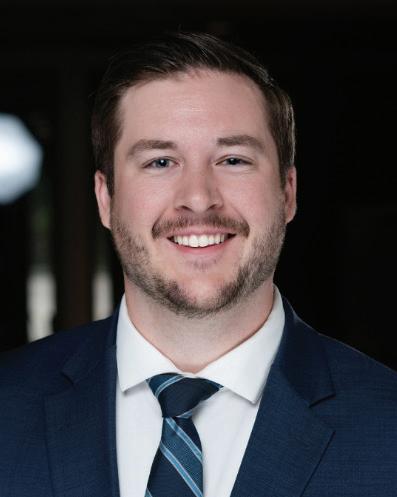
Chad Karsten is an attorney with the Okemos law rm Fahey Schultz Burzych Rhodes PLC. He advises employers on a wide range of labor and employment law issues. Karsten regularly leads collective bargaining negotiations, counsels on employee discipline and due process, guides clients through processes such as


disability accommodation, and drafts workplace policies and handbook updates that re ect current legal standards. He also conducts internal investigations into workplace matters, including discrimination and harassment.
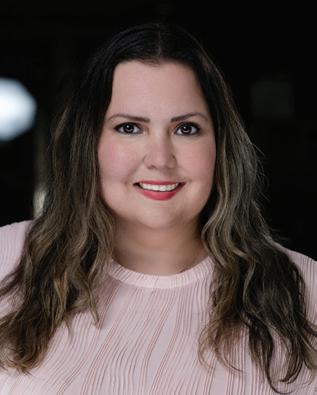
amara Sordo-Vieira, senior associate at Fahey Schultz Burzych Rhodes PLC, counsels local governments on annexation, intergovernmental agreements, and utility regulation. She brings a strong litigation background in state and federal courts to her municipal practice.
Sordo-Vieira is active in the Oakland County Bar Association, serving on the LACHES Editorial Board and as a former board member of the OCBA American Inn of Court.
tsordo-vieira@fsbrlaw.com
Footnote: 1. Docket No. 24-3654.


















By L. Alisyn Crawford, J.D., MPH
Workplace accommodation under the Americans with Disabilities Act (ADA) has long been treated as an individualized legal process. Employers assess requests on a case-by-case basis and engage in the interactive process to identify reasonable modifications that allow employees with disabilities to perform essential job functions. This framework remains a necessary foundation of disability compliance and has significantly expanded access to employment.1
At the same time, employers are seeing more accommodation requests tied to chronic and episodic conditions such as Long COVID, autoimmune disorders, migraines, and mental health conditions. Although these conditions vary, many produce recurring functional limitations for employees, including fatigue, cognitive variability, and the need for scheduling flexibility.2
As these requests become more common, a gap emerges between a legal framework built to assess individual circumstances and a workplace reality in which similar limitations appear again and again across the workforce. When accommodation needs begin to reflect broader patterns, an exclusively case-by-case response can cause employers to miss opportunities to address predictable barriers more systematically.
This article argues that public health principles can sharpen workplace accommodation practices. By applying a population health lens,3 employers and practitioners can look beyond individual requests to identify recurring barriers, design more responsive workplace policies, and reduce inconsistency in accommodation outcomes.
ADA accommodation functions primarily as a reactive, individualized process in which employers respond to requests as they arise and engage in the interactive process to determine reasonable modifications.4 However, this model was not designed for a reality in which many accommodation requests reflect recurring patterns rather than isolated events. In practice, this can produce inconsistent outcomes, with similarly situated employees receiving different accommodations based on timing, managerial discretion, or how effectively a request is framed.
As these patterns become more widespread, the limits of a purely individualized model become more visible. Employers may respond to the same types of requests repeatedly without a consistent framework to guide their decisions. This creates variability in outcomes, slower response times, and increased risk of inequitable treatment, each of which can contribute to legal exposure.
When accommodation requests begin to follow recognizable patterns, they signal more than individual needs. They point to broader workforce dynamics. These recurring patterns function as accommodation demand signals — indicators that similar functional limitations are appearing among employees.
These patterns rarely emerge through formal analysis alone. More often, they appear through familiar, repeated scenarios: multiple employees requesting similar schedule adjustments, recurring use of intermittent leave tied to episodic conditions, or managers informally navigating the same performance challenges with different employees. Human resources teams may also observe clusters of requests within particular roles or departments, as well as leave trends that reflect underlying health conditions rather than isolated attendance issues.
Viewed collectively, these trends reveal recurring points of friction between workplace expectations and workforce health. For example, employees with chronic or episodic conditions may experience periods of stability interrupted by flare-ups. During these periods, rigid expectations — such as fixed start times or inflexible scheduling — can disrupt otherwise consistent performance. When multiple employees repeat this pattern, it reflects a structural misalignment between how work is designed and how health conditions actually present.
Employers often see these early indicators of strain but fail to act on them. They may flag a declining leave balance, for example, as an attendance concern, when it actually reflects unmanaged chronic conditions or repeated episodic absences. Instead of prompting intervention, these patterns are often treated as compliance risks to be monitored rather than signals to be understood.
This dynamic is not limited to physical or episodic conditions. Recurring accommodation patterns may also reflect neurodivergent or behavioral health needs that affect concentration, processing speed, communication, or response to stress. In practice, these needs may appear as inconsistent performance, difficulty with rigid scheduling, or sensitivity to environmental factors. Without a framework for recognizing patterns, they are frequently addressed as isolated performance or attendance issues rather than recurring features of the work experience.
From a population health perspective, these recurring patterns are more than isolated employee issues. They are actionable indicators that can inform workplace design and organizational decision-making. When employers fail to recognize them collectively, this is not a compliance failure — it is a failure to analyze what is already visible.
This analysis should be used to inform workplace design, not make assumptions about individual employees. Any use of workforce trend data should remain aggregated and focused on identifying systemic barriers rather than predicting individual needs.

Employers have already begun responding to recurring accommodation needs by expanding access to flexible work arrangements. Remote work, hybrid models, adaptable scheduling, and modified break structures are now common in roles where such flexibility is operationally feasible.
These adjustments improve access and support performance. However, they are still typically introduced in response to individual requests. Even when widely available, they are often treated as accommodations rather than built into the structure of work.
As a result, organizations continue to address the same types of requests repeatedly, rather than recognizing and responding to the underlying patterns that drive them. Flexibility, in this context, is not the endpoint. It becomes meaningful when it is informed by recurring patterns and applied deliberately rather than offered inconsistently in response to individual requests.
Workplace flexibility alone does not address many of the recurring barriers reflected in accommodation requests. Employers may also need to incorporate preventive health supports directly into the workplace. These supports may include employer-sponsored vaccination events, on-site or partnered clinics, chronic disease management programs, and targeted wellness initiatives tied to functional outcomes such as fatigue, stress, or mobility.
These interventions operate upstream. They are not designed to replace disability accommodation but to address recurring sources of
workforce strain that contribute to functional limitations. In this sense, preventive health supports function not as an ancillary benefit but as a form of workforce risk management.5
In practice, this looks different depending on the barriers employers observe. For example, in workplaces where employees risk losing income or facing attendance consequences for seeking care, access to healthcare becomes a workplace issue, not just a personal one. In one case, a manufacturing employer recognized that workers were delaying necessary treatment — and in some instances relying on emergency departments for non-emergent care — and brought a medical provider on-site to facilitate care during work hours. This was not a general wellness initiative; it was a targeted response to a predictable barrier.
By improving access to care and supporting the management of ongoing health conditions, employers may reduce absenteeism, improve consistency in performance, and decrease the frequency of recurring accommodation needs. This reflects a shift from viewing employee health solely as an individual responsibility to recognizing it as a factor that workplace design can support.
Taken together, workplace flexibility and preventive health form the foundation of a preventive accommodation infrastructure — a set of policies and practices informed by population-level health patterns and designed to proactively address common functional limitations.
Moving from reactive compliance to a more integrated, preventive approach requires more than intent. It requires a practical framework
that employers can apply within existing legal and operational constraints. One way to do this is through the CAP Framework: Compliance, Analysis, and Prevention.
Compliance requires maintaining individualized ADA processes, including the interactive process and case-by-case accommodation review. Analysis focuses on identifying recurring accommodation patterns and workforce barriers through operational and health-trend data.
Prevention integrates those insights into workplace design through exibility, policy adjustments, and targeted health supports.
Together, these components shift accommodation from a purely reactive process to a structured, data-informed strategy.
e following examples illustrate how recurring accommodation patterns can translate into practical workplace strategies.6
Access to Preventive Care
• Employer-sponsored vaccination events
• On-site or partnered health clinics (including retail clinic models)
• Facilitated access to routine and preventive care services
Chronic Condition Support
• Chronic disease management programs
• Incentives for treatment adherence and preventive screenings
• Employee assistance programs that integrate behavioral health support
Workplace Design and Flexibility
• Flexible scheduling aligned with episodic conditions
• Hybrid or remote work models where operationally feasible
• Adjustments to workload during predictable periods of strain
• Using leave trends and absence patterns to inform policy decisions
• Identifying recurring accommodation requests as system-level indicators
• Aligning leave, scheduling, and performance expectations with workforce health realities
e following assessment is a simpli ed tool to help organizations re ect on their approach to workplace accommodation in practice. It is not intended to be a formal scoring sys-
tem but rather a way to identify patterns in decision-making and policy design. For each category, select the one statement that best re ects your organization.
Accommodation Approach
1 point: Requests are handled individually as they arise.
2 points: Common accommodations (e.g., exibility, remote work) are broadly available.
3 points: Accommodation trends inform workplace practices and decisions.
Use of Workforce Health Data
1 point: Data is tracked but not analyzed.
2 points: Data is reviewed periodically but inconsistently applied to decision-making.
3 points: Data is actively used to identify patterns and inform policy decisions.
Preventive Health Supports
1 point: Limited or no structured preventive health supports are o ered.
2 points: Periodic or limited wellness o erings are available.
3 points: Ongoing, embedded supports are in place.
Policy Design Philosophy
1 point: Policies are designed primarily to ensure legal compliance.
2 points: Policies consider exibility and employee experience.
3 points: Policies are informed by predictable health patterns and workforce needs.
All stages below assume a foundation of legal compliance. e distinction lies in how organizations use data and policy design to move beyond reactive processes.
Add your total score:
4-6 points Compliance-Focused (Reactive)
Accommodation is primarily handled through individualized, case-by-case processes, with limited use of pattern recognition or broader policy integration.
7-10 points Developing (Transitional)
e organization maintains compliance while beginning to incorporate pattern recognition and broader exibility into workplace practices, though these e orts may be inconsistent.
11-12 points Preventive (Strategic and Integrated)
e organization builds on strong compliance practices by actively using workforce data and embedding preventive strategies into workplace design to address recurring needs more systematically.
e CAP Framework o ers a structured approach for aligning disability accommodation with the realities of today’s workforce. By maintaining strong compliance practices, systematically analyzing accommodation trends, and embedding those insights into baseline policies, employers can move beyond a purely reactive model.
As recurring workforce health patterns become more apparent, employers who rely solely on individualized processes will continue to face inconsistency, ine ciency, and avoidable risk. In contrast, organizations that integrate population-level insight into their approach can meet their legal obligations with greater consistency, predictability, and impact.
At its core, this approach reframes accommodation from an individualized obligation to an operational strategy. e most e ective accommodation systems are not those that simply respond to requests more e ciently but those designed to reduce the need for repeated requests altogether.

L. Alisyn Crawford, J.D., MPH, is an attorney with experience in healthcare regulation, administrative adjudication, and public health policy. Her professional background includes regulatory oversight, healthcare compliance, and administrative law. Her writing focuses on workplace systems, population health, and the practical application of public health principles within legal and organizational frameworks.
Footnotes:
1. Americans with Disabilities Act of 1990, 42 USC § 12101 et seq.
2. U.S. Equal Employment Opportunity Commission, What You Should Know About COVID-19 and the ADA, the Rehabilitation Act, and Other EEO Laws, available at eeoc.gov/wysk/what-you-should-knowabout-covid-19-and-ada-rehabilitation-act-and-othereeo-laws
3. David Kindig and Greg Stoddart, What Is Population Health?, 93 Am. J. Pub. Health 380 (2003).
4. U.S. Equal Employment Opportunity Commission, Enforcement Guidance on Reasonable Accommodation and Undue Hardship Under the ADA (Oct. 17, 2002), available at eeoc.gov/laws/guidance/enforcementguidance-reasonable-accommodation-and-unduehardship-under-ada
5. Centers for Disease Control and Prevention, Workplace Health Model, available at cdc.gov/workplacehealth-promotion/model/index.html
6. Job Accommodation Network (JAN), Workplace Accommodation Ideas, available at askjan.org/a-to-z. cfm

By Kyle Bierlein
“ To expect the unexpected shows a thoroughly modern intellect.” —Oscar Wilde
In the modern workplace, the name of the game is speed and efficiency. Shaving a few seconds off a product’s manufacturing process can lead to exponentially greater profits. The faster a roof can be replaced, the more jobs a roofing company can take on. As lawyers, we understand our clients’ business goals, but it is our job to guide them through the legal minefield that is workplace safety law. Workplace safety inspections by the Michigan Occupational Safety and Health Administration, commonly known as MIOSHA, can quickly expose clients to significant legal risks, financial penalties, and operational interruptions. During those trying times, effective counsel requires a detailed understanding of MIOSHA’s inspection procedures, enforcement authority, and the client’s rights throughout the inspection process. It also requires a strategic understanding of Michigan’s administrative rules and procedures, especially when litigation is necessary to protect your client’s rights. This article will examine an attorney’s role in guiding their client through MIOSHA inspections, from the opening conference with the inspection officer through the citation appeal process, offering practical considerations for what to expect when the unexpected occurs.
Several “events” can trigger a MIOSHA inspection. Helping your clients understand these events will allow them to anticipate when an inspection may occur and when you may be called in to help.
• Imminently Dangerous Situations: When a hazard that could result in death or serious physical harm exists, MIOSHA may initiate an inspection sua sponte These inspections occur when the potential harm could occur before an employer can abate a hazard.
• Employee Complaints: Current (and former) employees can file complaints with MIOSHA alleging the existence of safety hazards or violations. These complaints may be anonymously filed, and companies may not learn who filed the complaint until litigation is necessary.
o Practice Tip: It is important to remind employers not to retaliate or discriminate against employees exercising their right to file a complaint as that, too, violates Section 65 of the Michigan Occupational Safety and Health Act.
• Fatalities and Severe Injuries: Employers are required to report work-related fatalities within eight hours and work-related inpatient hospitalization, amputation, or loss of an eye within 24 hours. Once the report is made, employers should expect an inspection to be initiated.
• Targeted Inspections: MIOSHA may target high-hazard industries or establishments that have experienced high rates of injuries and illnesses for inspections.
• Follow-Up Inspections: After an employer is cited during a prior inspection, MIOSHA may perform follow-up inspections to ensure they implement abatement measures. It is important to remind employers of the need to abate hazards after they receive a citation, as MIOSHA can issue a failure to abate citation that comes with significantly higher penalties than the original citation.
• Referrals from other local, state, or federal agencies, individuals, organizations, or the media receive consideration for inspection.
Understanding MIOSHA’s inspection procedures is vital for attorneys to properly advise their clients on all MIOSHA matters. Once an inspector arrives at an establishment, they are required to locate the owner representative, operator, or agent in charge at the workplace and present credentials. Next, the inspecting officer will conduct what is known as an “opening conference,” where they will explain why the employer was selected for an inspection and describe the scope and procedures. Employers are legally permitted to select a representative to accompany the inspecting officer during the inspection, including their attorney. Additionally, an authorized employee representative has the right to accompany an inspector.
It is important for attorneys to educate their clients on their rights during the inspection process. In addition to the right to have a representative present during the inspection, employers have the following rights:
• Right to Reasonable Inspection:
MIOSHA is required to perform inspections during regular working hours within limits that are not unreasonably disruptive to the employer’s operations.
• Right to Protect Trade Secrets:
MIOSHA defines trade secrets as any confidential formula, pattern, process, equipment, list, blueprint, device, or compilation of information used in the employer’s business that gives them an advantage over competitors. Although MIOSHA will request documents and records as part of its inspection process, which may include trade secrets, employers can take precautions to protect those records from disclosure.
MIOSHA’s records are subject to Michigan’s Freedom of Information Act. As a result, attorneys should work closely with clients to identify documents and operations that qualify as trade secrets and report protected documents to MIOSHA to preserve confidentiality during and after the inspection.
• Right to Have a Representative Present During Management Interviews: In addition to an employer’s right to representation during the inspection and walk-around, a representative can also be present during MIOSHA’s interview of management employees. It is vital to advise clients to have management employees represented during MIOSHA
interviews, as their statements can and will be imputed to the employer.
o Practice Tip: Having the representative take detailed notes of the MIOSHA inspector’s questions and the employee’s answers will help rebut misinterpretations, inaccuracies, or statements taken out of context that MIOSHA may rely upon in its field narrative when issuing citations.
• Right to Establish Employee Misconduct Defense: During inspections and in the event that a citation needs to be appealed, one of the most common defenses attorneys need to consider on behalf of their client is the employee misconduct defense. When properly established, this defense can warrant dismissal of MIOSHA’s citation. To establish the employee misconduct defense, employers must prove they (1) had an established work rule to prevent the alleged violation, (2) communicated the rule to employees (generally through training), (3) took reasonable steps to discover violations, and (4) enforce rules when violations occur (usually through disciplinary action). Clients will often believe they have satisfied all these elements but most commonly overlook the steps they took to discover violations. That is separate from training their employees on safety practices and must be more than merely offering employees PPE. Attorneys should analyze and investigate facts and evidence to support their client’s ability to establish the employee misconduct defense to avoid citations that result from an employee’s failure to comply with company policy.
One of the most common questions attorneys get from their client after a citation is issued is “Should we appeal?” That is a more complex question than the client realizes and one that will require some hard truths from their trusted counsel.
There are many reasons an employer should appeal. This fact-based analysis is different for every business and every citation. Most often, clients decide to appeal to lower penalties and challenge MIOSHA’s burden of proof required to uphold a citation.1 Additionally, clients may want to consider appealing to negotiate a modification of the alleged violation description on the citation, or even the rule
cited, for liability purposes and avoid increased risks of repeat or willful violations that carry heavy financial penalties. Challenging citations over frequently repeated tasks of the job may also warrant an appeal to avoid the increased risks of repeat violations. Another consideration is whether the cost or method of abatement of a particular citation is feasible. Depending on the nature of the equipment or machinery at issue, abating a hazard could cost 10 times more than the citation penalty itself. And in some cases, MIOSHA’s expected means of abatement could be disastrous to a client’s operations or bottom line. Additionally, reputational harm is a basis on its own for your client to appeal a citation. In many cases, workplace fatalities and serious injuries are reported on the news, often with negative storylines. As a result, challenging MIOSHA’s citations in these cases may help repair reputational harm and potentially further defenses available in civil litigation or workers’ compensation matters.
When a client decides to appeal a MIOSHA citation, attorneys must understand the act and its applicable administrative rules to effectively advise their clients on the appeal process. Pursuant to MCL 408.1041, employers must file a petition to appeal within 15 working days from the date they receive the citation and proposed penalty.2 In the initial petition, sometimes referred to as an employer’s “first appeal,” employers may seek additional time for compliance, modification, or dismissal of the citation and a proposed penalty. MIOSHA will then issue a determination of the employer’s petition. Employers who are dissatisfied with MIOSHA’s determination can file an appeal to the Board of Health and Safety Compliance and Appeals within 15 working days of the date they received MIOSHA’s determination letter.
As with any statutory appeal deadline, attorneys must ensure their client’s petitions and appeals are timely filed. If an employer fails to timely file their appeal, the citation and proposed penalty become a final order. As a result, attorneys should work quickly to discuss the circumstances leading to their client’s MIOSHA citation, prepare available defenses, and draft and file a timely appeal.
Employers who appeal to the Board of Health and Safety Compliance and Appeals will be assigned a hearing date before an administrative law judge (ALJ). At this stage, an assigned assistant attorney general will represent MIOSHA. Hearings before ALJs

are similar to a bench trial format. Attorneys should anticipate preparing witness and exhibit lists, calling witnesses to testify at the hearing, cross-examining MIOSHA’s witnesses, entering evidence, and preparing post-hearing briefs. The ALJ will issue a report and recommendation affirming, dismissing, or modifying the citation and proposed penalty. When an employer receives an unfavorable ALJ decision, it can file “exceptions” to the ALJ’s report and recommendation. This filing is an opportunity for a party to persuade the Board of Health and Safety Compliance and Appeals to review the ALJ’s report and recommendation and issue alternative findings in the final order. In addition to preserving your client’s arguments for appeal by exhausting all available administrative remedies, the filing can fundamentally alter the chances of success in the event the case proceeds to judicial appeal. Namely, obtaining a favorable decision from the Board of Health and Safety Compliance and Appeals, requiring MIOSHA to file an appeal as opposed to your client, shifts the balance and burden against
MIOSHA. e board’s nal decision will be upheld on appeal if “it is not contrary to law, is not arbitrary, capricious, or a clear abuse of discretion, and is supported by competent, material and substantial evidence on the whole record.” See Michigan Occupational Safety and Health Admin. v. Yoder Family Farm, 343 Mich. App. 77, 84, 996 N.W.2d 808, 811 (2022). is burden is di cult to carry in light of the extensive administrative record available following the hearing and brie ng before the ALJ, whether it is MIOSHA or an employer appealing a nal decision.
It is most e ective to prepare your clients for MIOSHA inspections before they occur. Once MIOSHA appears on-site, your client’s hands will be tied. e conditions at the worksite and, more importantly, their safety practices will be e ectively frozen in time during MIOSHA investigation. us, taking action before the inspection will put your client and
their employees in the safest position when the unexpected happens. Advising clients to conduct periodic safety audits, personal protective equipment assessments, and a review of hazard communications and other written safety policies will put them in a favorable position before an accident occurs and may help avoid a future accident or inspection altogether. For complex and highly technical industries, recommending an OSHA consultant is often well worth the high price tag.
Ultimately, the more proactive you can advise your clients to be on their workplace safety practices, the more prepared they will be for an unexpected MIOSHA inspection.

Kyle Bierlein is a senior attorney in Miller Can eld’s Employment and Labor group. He specializes in occupational safety matters including, but not limited to, OSHA inspections and investigations, such as fatality
cases, citation appeals, settlement negotiations, and OSHA compliance practices. He also advises clients on hiring practices, discrimination and harassment complaints, employee handbooks, termination practices, employee disciplinary actions, and other employment compliance matters.
Footnotes:
1. MIOSHA is required to prove four elements for a citation to be upheld on appeal: (1) the safety standard cited applied to the work being performed, (2) that standard was violated, (3) employees were exposed to or had access to the hazard, and (4) the employer knew or could have known of the violative condition with the exercise of reasonable diligence.
2. “Working day” is defined as any day other than Saturday, Sunday, or a Michigan legal holiday. MCL 408.1006(8).


By Robert Levine
“A lawyer sees a glass half full and argues it’s full enough. A CPA sees a glass half full and asks who authorized the excess capacity.”
I’m Robert Levine, incoming president of the OCBF. As you may know (or have now deduced), I am a CPA, not a lawyer, and I have had the privilege of serving as a non-attorney member of the foundation’s Board of Trustees. Although we accountants often focus on ledger entries and resource allocation, there is no doubt that CPAs and lawyers share many core values. Both professions are built on trust, integrity, and a commitment to serving others. ese shared principles foster a common commitment to professionalism, public service, and strengthening the communities in which we live and work.
ese complementary perspectives are a mark of distinction for the foundation. Indeed, the diversity of backgrounds and viewpoints within the board challenges us to ask better questions, consider issues from multiple angles, and make better decisions on behalf of the foundation and the organizations we support. I have no doubt that this collaborative approach is key to the foundation’s continued success.
is past year, that success has been due in no small part to the outstanding leadership of our immediate past president, Andrew Harris, and the dedication of the entire Board of Trustees. Serving on the board is a volunteer commitment that often requires countless hours of planning, fundraising, and committee work. Our trustees consistently step forward to support the foundation’s mission, and their collective e orts make everything we accomplish possible. I am fortunate to serve alongside such a talented and dedicated group of individuals.
Under Harris and the board’s leadership, the foundation continued to thrive during the past scal year. As of this writing, the foundation’s total income increased nearly 35%, and total assets rose by more than 10% over this time in the previous scal year. ese
results allowed the OCBF to make more than $180,000 in grants through April 30, supporting a variety of worthy organizations and initiatives that align with our mission.
Recently, many of us gathered for another successful Signature Event at Orchard Lake Country Club. e Signature Event is a highlight of the foundation’s calendar, bringing together members of the bench and bar, business professionals, community leaders, and friends of the foundation for an evening of connection and support. is year’s event was another tremendous success, and I want to thank everyone who attended. In a profession that often requires a demanding schedule and limits personal time, the willingness of so many people to come together in support of the foundation is both meaningful and appreciated. Your attendance helps advance our mission and reinforces the strong sense of collegiality that exists within Oakland County’s legal community.
I also want to express my gratitude to our sponsors. eir generosity plays a critical role in the foundation’s success and directly supports our ability to fund grants and charitable initiatives. We are fortunate to have the support of law rms, businesses, organizations, and individuals who recognize the importance of giving back to our community. eir partnership allows us to expand our impact year after year.
None of this success would have been possible without the tireless e orts of Katie Tillinger and Jennifer Quick, who always keep us on track and o er the insights and institutional wisdom needed to steer the foundation. I am grateful for all their help and look forward to working together during my term.
I have also come to appreciate the diversity of the organizations we serve. e foundation’s grant recipients include groups focused
on legal services, education, community outreach, and other important causes. Each approaches its work from a unique vantage point and faces di erent challenges, yet all share a commitment to improving lives in our community. As trustees, we have the privilege of learning from those organizations and supporting their e orts. e opportunity to bring together di erent perspectives from trustees, donors, or grant recipients is one of the most rewarding aspects of the foundation’s work.
I am excited about the foundation’s future. In the coming year, I hope to further strengthen engagement with our supporters, expand our fundraising e orts, and ensure that the foundation remains a vibrant and e ective force for good in Oakland County. I also look forward to nding new ways to connect with members of the legal community and raise awareness of the important work the foundation supports.
Most importantly, I look forward to working alongside our trustees, donors, sponsors, and volunteers. e foundation’s success has always been the result of a collective e ort, and I am grateful to be part of such a committed and generous community. ank you for your continued support of the Oakland County Bar Foundation. I am honored to serve as president and look forward to what we can accomplish together in the year ahead.
Robert Levine is the president of the Oakland County Bar Foundation and managing director at Stout Risius Ross, LLC. His practice focuses on providing expert forensic accounting and economic damages advisory services to clients and their counsel in various disputes.

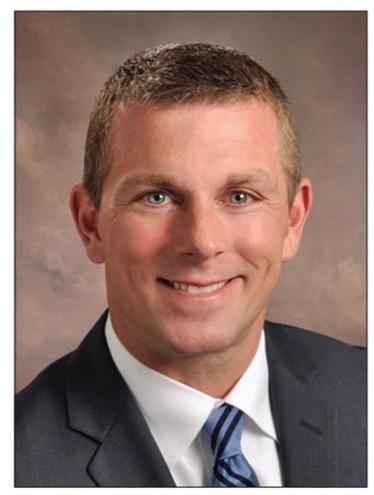
Iam very happy to use this platform to introduce the newest addition to the Oakland County Probate Court bench, the Honorable Nicole Sophia Calhoun Huddleston. Judge Huddleston was sworn in by Judge Kameshia D. Gant to serve as a probate court judge. Governor Gretchen Whitmer appointed her to the bench on April 1 to ll a vacancy. Judge Huddleston will sit in Courtroom 1F at 1200 N. Telegraph Road in Pontiac.
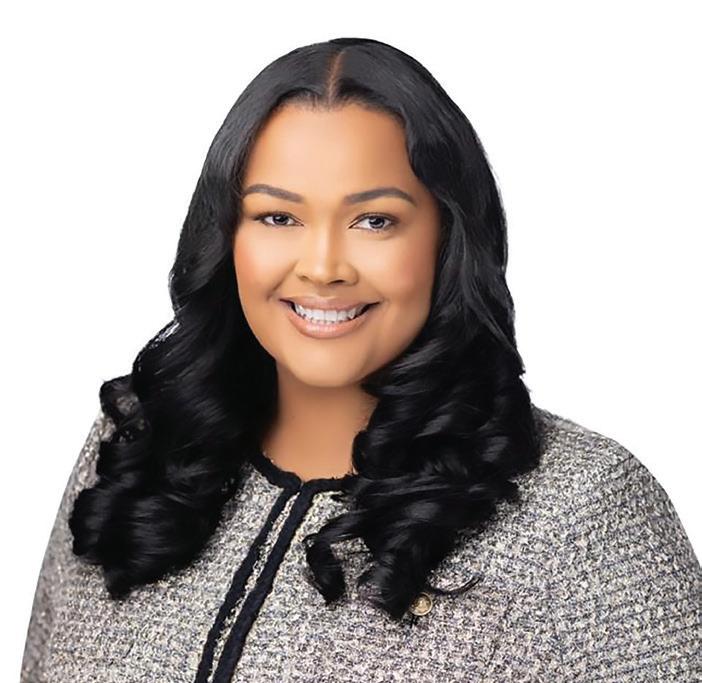
Prior to joining the bench, Judge Huddleston founded and served as managing attorney of Huddleston Law, PLLC, where she practiced family law, probate matters, and civil litigation.
Before opening her rm, Judge Huddleston acted as managing director of the Detroit Justice Center’s Legal Services and Advocacy Practice. In that role, she led a team of attorneys and legal support sta dedicated to addressing the systemic impact of mass incarceration. She oversaw direct legal representation for formerly incarcerated and court-involved individuals across Wayne, Oakland, and Macomb counties, as well as broader legal system reform initia-
By Edward A. Hutton III
tives involving litigation, legislative advocacy, and community education.
Judge Huddleston earned her Juris Doctor from the University of Detroit Mercy School of Law in 2014 and her Bachelor of Arts from Oakland University. In law school, she served on the Moot Court Board of Advocates and was vice president of the Business Law Society. She also completed judicial internships with the Honorable Victoria Roberts and the Honorable Marianne Battani of the United States District Court for the Eastern District of Michigan, as well as the Honorable Helene White of the United States Court of Appeals for the Sixth Circuit.
roughout her legal career, Judge Huddleston has remained committed to advancing access to justice and aiding underserved communities. She previously served as an assistant prosecutor in the domestic violence division of the Wayne County Prosecutor's O ce and as a sta attorney with the Legal Aid and Defender Association and Lakeshore Legal Aid.
In 2021, the Michigan Supreme Court appointed Judge Huddleston to the Justice for All Commission, which works to expand meaningful access to the civil justice system for all residents. She’s also part of the Commission on Fairness and Public Trust and the Michigan State Planning Body.
Judge Huddleston remains active in civic and professional organizations. She currently serves on the boards of the Tri-Community Coalition, Matrix eatre Company of Detroit, e Youth Connection, and the D. Augustus Straker Bar Association. She was also elected to the Criminal Law Section of the State Bar of Michigan. Judge Huddleston previously sat on the advisory board for the Center for Employment Opportunities, providing resources for citizens returning to the workforce.
Beyond her professional service, Judge Huddleston is dedicated to mentorship and
community engagement. She is a member of Alpha Kappa Alpha Sorority, Inc. and Jack and Jill of America, Inc.

MCL 700.2515 sets forth the requirements for ling an original will for safekeeping. Filing a will with the court is not mandatory, but testators can take advantage of this service to ensure that the correct testamentary document is used to administer their estate. A testator or a person under the testator’s direction can only deposit a will at the probate court in the county where the testator resides. e person depositing the will should place it in a sealed envelope with the following information printed on the outside: 1) the testator’s name, 2) the testator’s address, 3) the testator’s identi cation number (Social Security number or, if unknown, Michigan driver’s license number), 4) the date of delivery, and 5) the name of the person who delivered the will. e court provides will envelopes for convenience if needed. e testator’s request to deposit or release a will can be handled through the mail if it meets the statutory requirements. After depositing a will, the depositor will be given a will receipt, which should be kept to retrieve the will in the future.
Edward A. Hutton III is the Oakland County Probate Court administrator.
Anderson
4/13/2026
4/14/2026
4/27/2026
Poles
4/7/2026
Rowe
2025-294273-FC
People v. Creasy*
2025-294274-FC
People v. Brown*
Darcey Jacobs
Meagan Stamell
Darcey Jacobs
Colin McLaughlin
Homicide - Felony Murder, Armed Robbery
Homicide - Felony Murder, Armed Robbery
Charged
4/14/2026
4/20/2026
4/7/2026
3/23/2026
Rowe
AlexanderVisiting Judge
2025-294276-FC
People v. Matacia*
2025-294275-FC
People v. Prophett*
2025-296104-FH
People v. Sadecki Jr.
2025-292940-FH
People v. Rooker
2025-292657-FH
People v. Carmisino
2024-290233-FH
People v. Fails
2023-286768-FC
People v. Davis
Darcey Jacobs
Scott Kozak
Darcey Jacobs
Carla Marable
Homicide - Felony Murder, Armed Robbery
Ct. 1 Homicide - Felony Murder, Ct. 2 Armed Robbery, Cts. 3, 5 Weap. FF, Ct. 4 Weap. FA Poss. by PP
Andrea Ajlouni
Andrew Mikos
John Pietrofesa
Kevin Bessant
Mahira Musani
Neil Rockind
Endrit Topalli
Anthony Lewis
Christopher George
Patrick Nyenhuis
Assault w/ I GBH, Carry Dangerous Weapon w/ Unlawful Intent
M/V Intent to Pass False Title, Stolen Property R/C $1k-$20k Felonious Assault
Discharge FA in/at Building
Ct. 1 Murder 1st Deg. Premed., Cts. 2, 4, 6, 8 Weap. FF 2nd Off., Ct. 3 AWIM, Ct. 5 Felon Poss. FA, Ct. 7 Fel. Ast.
Cts. 1-2, 4-8 Guilty, Ct. 3 Guilty of Lesser Offense Aslt w/ I GBH
2025-295963-FH
People v. Reyes
2024-204895-NH
Deborah Stenger v. Barry Rosen
Potts - Visiting Judge
Ronayne
KrauseVisiting Judge Anderson Anderson
* Cases Tried Together
2026-296264-FH
People v. Blander
2025-292803-FC
People v. Payne
David Hutson
James Fillmore
Joshua Mayowski
Tim Sulolli
D. Ottenwess
S. Ottenwess
J. Feikens
Alec D'Annunzio
Nargiz Kramer
Endrit Topalli
Nicole Blank Becker
Domestic Violence 3rd Offense
Medical Malpractice
Weapons - Firearms Possession by Prohib. Person, Weapons Felony Firearm
Ct. 1 AWIM, Cts. 2, 4, 6
Weap. FF, Ct. 3 Weap. - FA Discharge from MV, Ct. 5 Weap. - FA Poss. by PP, Ct. 7 CCW
Ct. 1 Guilty of Lesser Offense Assault w/ I GBH, Cts. 2-7 Guilty
5/11/2026
5/4/2026
2024-209383-CC
Troy City v. Kreger-T
2025-212214-NM
Elduamutef
Rahotepbey v. Robert Canner
Lori Grigg Bluhm
Jason Long
Thomas Blaske
Ray Bohnenstiehl
Condemnation
5/11/2026
5/12/2026
Warren
2024-288770-FH
People v. Shammami
2024-208656-NI
Brian Iminski v. Kenetra Jones
2025-212815-NI
Nicole Hollier v. Stephanie Lusch
2025-294492-FH
People v. Warner
2024-287987-FH
People v. Aisen
2024-207629-NH
Andrea Brooks v. Ascension
Providence Hospital
2025-294886-FH
People v. Rowe
2024-291643-FC
People v. Giacchina
Danielle Librandi
Pro Per/Standby:
Sanford Schulman
Jonathan Marko
Kevin Plagens
Joshua Farr
Jeffrey Smythe
Endrit Topalli
Hillary Allos
Endrit Topalli
David Peters
Scott Kozak
Brian McKeen
Jenna Wright
Robert Shockley
John Secrest
Sarah Greene
Jerome Sabbota
Stolen Property Receiving/ Concealing $1k-$20k
Personal Injury/Auto Negligence
Personal Injury/Auto Negligence
Police Officer Aslt/Res./ Obst. - Causing Injury, Weapons - Taser Poss. or Sale Of
Computers - Use to Commit Crime, Unlawful Posting of Message
Medical Malpractice
- $100k or More
5/11/2026
5/18/2026 5/19/2026
AlexanderVisiting Judge
AlexanderVisiting Judge
2024-210224-NF
Hussein Ahmad v. Farm Bureau General Insurance
2024-290951-FC
People v. Hawkins
Anthony McEachern
Jamal Hamood
Samantha Orvis
Klara Ivezaj
Alec D'Annunzio
Ben Gonek
Open Murder, Child Abuse 1st Deg., Weap. FA Poss. by PP, Weap. FF, Weap. Ammo Poss. by PP, Lying to PO Ct. 1 AWIM, Cts. 2, 4, 6 Weap. FF, Ct. 3 Weap. FA - Poss. by Felon, Ct. 5 Larceny from MV

















Let me begin by apologizing to the Bard for my abusive reference to his famous line from Richard III. Like Richard’s quest for a horse during a time of need, the liquids policy that I will discuss may drive readers to similar lengths as they work their way through the Oakland County Courthouse without their morning co ee.
Early each morning, I perform “rounds” at the courthouse. While they do not require me to attend to patients or deliver care, I walk the courthouse from top to bottom to con rm that everything is in “order,” that nothing is out of place, and that we stand prepared to host the community for another day. In making my rounds, I check in with court sta , deputy sheri s, the county facilities team, and court users and attorneys who have arrived early. Depending upon whom I encounter, we may discuss our expectations for the day; the number of incoming jurors, major cases, or media; whether elevators are out of service, or the likelihood that Justin Verlander will win 36 more games to reach the 300-game plateau before he retires.1 (Ignoring my homerism based upon his extensive ties with the Tigers, I hope he makes it, as he is likely the last pitcher I will see accomplish this landmark.)
e purpose of the rounds is twofold. First, they ensure that I know what is happening in and around the courthouse, at least at the start of the day. is allows me to advise stakeholders of anything that could impact our operations. Second, my daily wanders allow me to develop relationships with those who work at the courthouse. I can assist attorneys with process questions or administrative issues. I can help court users nd where they need to be in the rabbit warren that is the Oakland County Courthouse. Making rounds also gives
By Richard Lynch
me the opportunity to interact with court sta and other stakeholders, allowing me to operate more e ectively.
During my rounds, one thing that strikes me is the many changes I have witnessed around the building since I rst arrived in 1988. e most obvious change is the addition of the west wing extension, also known as the prosecutor wing, which opened in 1994. I also recall the creation of courtrooms on the fourth and fth oors of the courthouse tower. en there’s the addition of swipe card security throughout the building. Lest we forget, there was a time when smoking was not only permitted but commonplace throughout the courthouse. Each of these items speaks to the passage of time and adaptations to
new needs and services.
In June, the court, county, and sheri collaborated to implement a new liquids policy, which I suspect many readers have encountered by now. For readers who have not visited the courthouse recently, the liquids policy prohibits individuals who do not possess a county-issued security pass from entering the courthouse with cups, bottles, or other containers carrying liquids. Simply put, think of TSA security screening at the airport and the dump stations for water bottles, co ee cups, and the like. e rationale for the policy boils down to one basic concept: THE SECURITY OF ALL INTERNAL AND EXTERNAL COURTHOUSE USERS.
Gee, Rich, this seems like quite an overreaction by the court and has cost me my $7.50 co ee! What am I supposed to do when I come to court? Dehydrate over the course of the day? Or, if you are like my wife and adult children who maintain that at least one cup of co ee is necessary before meaningful social engagement, do I recommend that you brave the world — or, worse yet, morning people — unforti ed by ca eine? In short, what gives?

First, the Sixth Circuit Court adopted Local Court Rule 8.115(C) (1) in 2003, with an e ective date of January 1, 2004. e rule prohibits “smoking, eating, and drinking (including bottled water) and gum chewing.” Simply put, this is not a new rule. However, its enforcement, which has been historically lax, does re ect a change in policy.
Second, the court and associated internal stakeholders have witnessed an uptick in incidents ranging from discourteous to illegal within the courthouse and nationally. By way of example, I’ve received reports of food delivery services dropping o drinks, snacks, and meals to the courthouse. Individuals would then slurp their
lattes or nosh on their fries in the courtroom while the court was in session. I recognize that society has become more casual over the course of my lifetime; however, a courtroom is neither a co ee shop nor a food court. Yes, the court can stop the proceedings to address this violation of the local court rule and general breach of decorum, but the o ense has already disrupted someone’s day in court. To stop merely accentuates the interruption.
Similarly, an individual recently delivered a container to an attorney for an incarcerated defendant. When the attorney went to pass the container to the client, sheri deputies intercepted it. Upon investigation, the deputies discovered that the bottle contained clear alcohol. (I understand that it was either tequila or vodka but cannot con rm which.) Both the defendant and the interested party were subsequently charged with possession or delivery of contraband to a prisoner. (Just FYI, if you ever wish to deliver something to an incarcerated individual, check with the agency holding the individual as to the appropriate protocol. Do not presume that as an attorney, you may simply hand your client a breath mint, a shirt
or tie, a water bottle, or some other article.)
Finally, there are incidents of weaponizing liquids. For example, you may recall that Anthony Kazmierczak shot vinegar from a syringe at Rep. Ilhan Omar during a January 27 town hall meeting in her Minnesota district.2 In 2019, a woman threw a red liquid resembling blood onto the oor of the California Senate during a session to protest against pending legislation.3 en there are reports of athletes, coaches, and “fans” throwing objects at o cials when a game or call does not go their way.4
In short, irresponsible actors have used a variety of objects to introduce contraband, enact mischief, or worse in a variety of settings. While a thrown octopus may represent one community’s celebration, the risks associated with the thrown object outweigh the “tradition,” and a courthouse is not “the Joe.” e Oakland County Courthouse policy seeks to reduce the risks associated with liquids while allowing court users to conduct their business without disruption or distraction. e courthouse contains several water- lling stations and a full-service cafeteria that opens at 8 a.m. I recognize the convenience of bringing in one’s preferred beverage, although






neither tequila nor vodka are appropriate for the courthouse, but I believe that preserving the safety of court users and the dignity of court proceedings outweighs the pleasure of savoring one’s French press co ee with a pain au chocolat while waiting for one’s case to be called and re ects adherence to LCR 8.115.
Richard Lynch is the court administrator for the Oakland County Circuit Court.
Footnotes:
1. mlb.com/player/justin-verlander-434378, last accessed May 28, 2026.
2. pbs.org/newshour/politics/man-who-sprayed-vinegarat-rep-ilhan-omar-during-town-hall-pleads-guilty-toassault, last accessed May 28, 2026.
3. ktvu.com/news/california-senate-disrupted-by-liquidthrown-from-gallery, last accessed May 28, 2026.
4. espn.com/college-football/story/_/id/46874518/ texas-tech-red-raiders-tortilla-toss-ban-explained; arizonasports.com/ncaa/arizona-state/arizona-statefootball/throwing-houston; wndu.com/2025/02/28/ benton-harbor-players-coach-threw-objects-refereeafter-basketball-game-dowagiac-police-say, last accessed May 28, 2026.









Below are recent examples of the OCBA at work in service to the bar and the community.
On May 1, the association hosted a special dedication ceremony at the Oakland County Courthouse to unveil five bronze memorial plaques honoring the lasting contributions of former Oakland County Circuit Court judges who have passed away in the past decade: Judge Alice Gilbert, Judge Gene Schnelz, Judge Richard Kuhn, Judge Edward Sosnick, and Judge John “Jack” McDonald. The event brought members of the bench and bar together with the honorees’ family members and friends to celebrate their distinguished careers and enduring commitment to justice, public service, and the rule of law.
Made possible through the generosity of the OCBA’s Sustaining Members, the memorial project underscores the association’s ongoing dedication to preserving and honoring the history, traditions, and legacy of Oakland County’s judiciary for future generations.
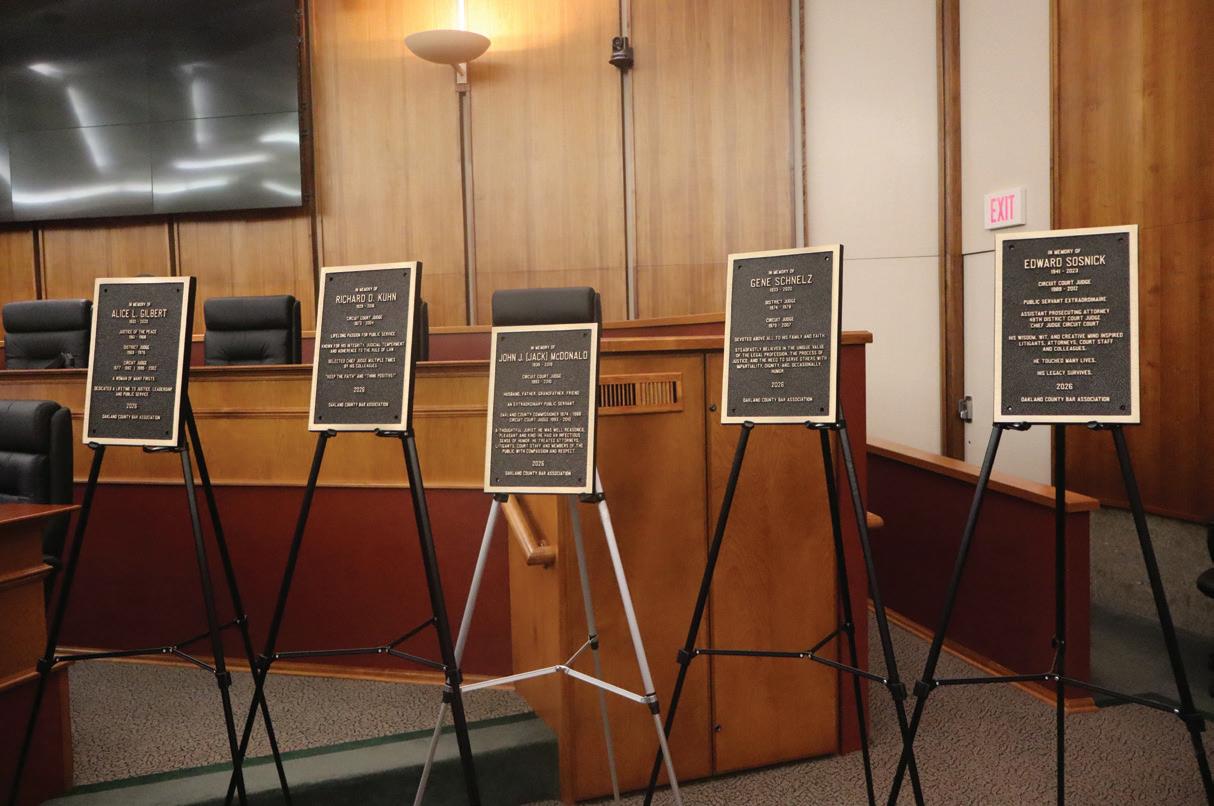
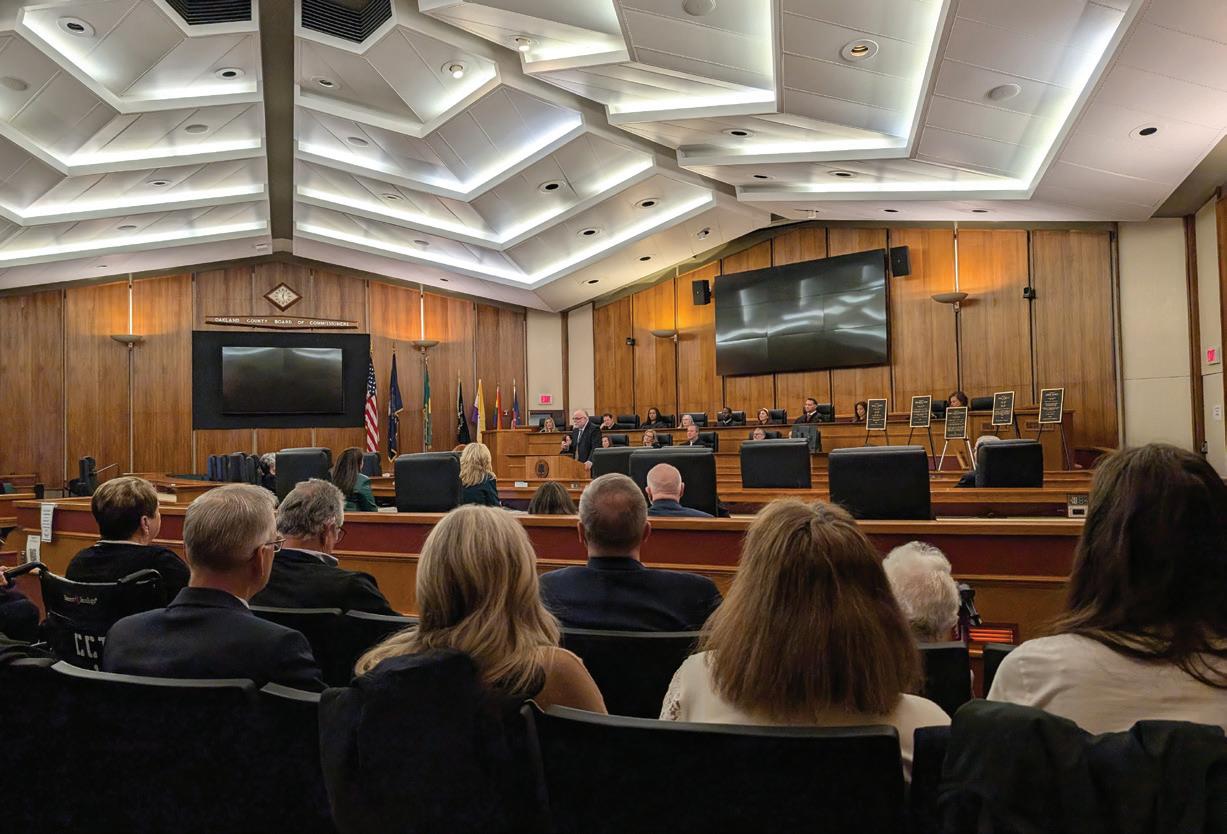
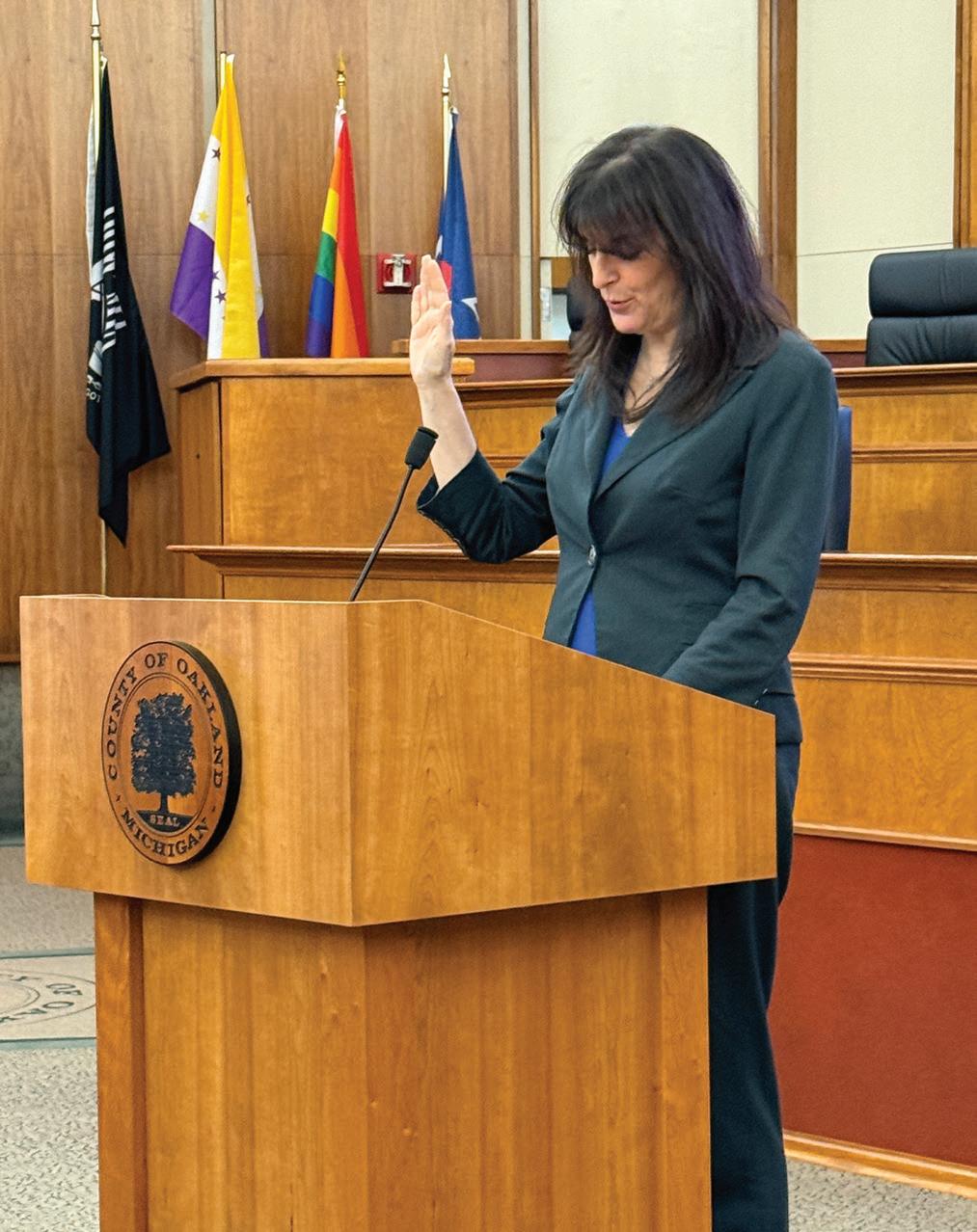

Approximately 40 members gathered on May 21 at Syndicate in Ferndale for the spring Bar Night Out mixer. Guests took advantage of the beautiful weather, enjoying food, conversation, and networking on the restaurant’s outdoor patio. The event provided a relaxed, festive setting for members to connect with colleagues and strengthen professional relationships.

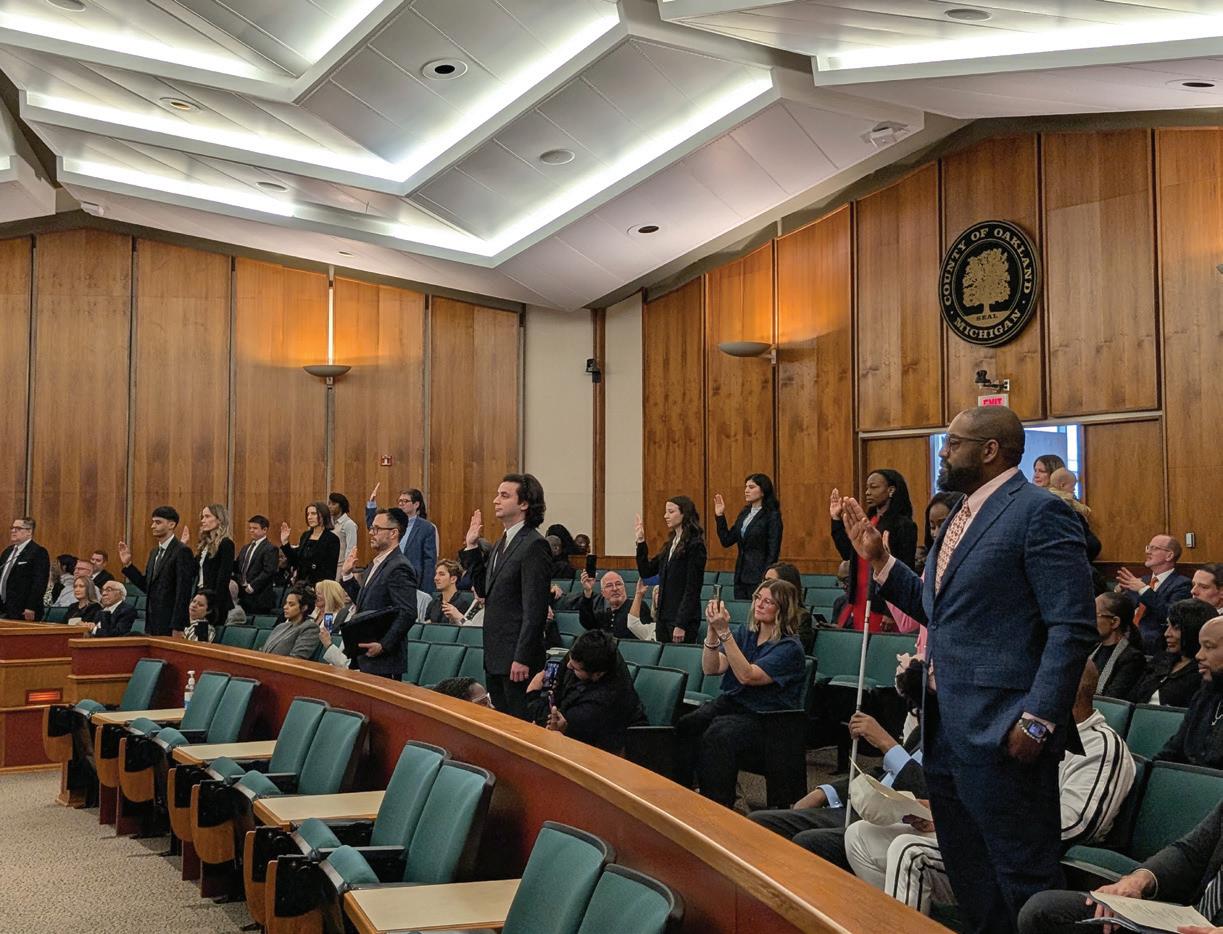
On May 15, the association welcomed 20 new attorneys to the profession at the Oakland County Board of Commissioners Auditorium. Chief Circuit Judge Jeffery S. Matis granted the motions for admission, Oakland County Register of Deeds and County Clerk Lisa Brown administered the lawyers’ oath, and Hon. Michael Warren made special remarks. Members of the circuit and probate bench, bar leaders, and the admittees’ family members and friends were on hand to mark the occasion.
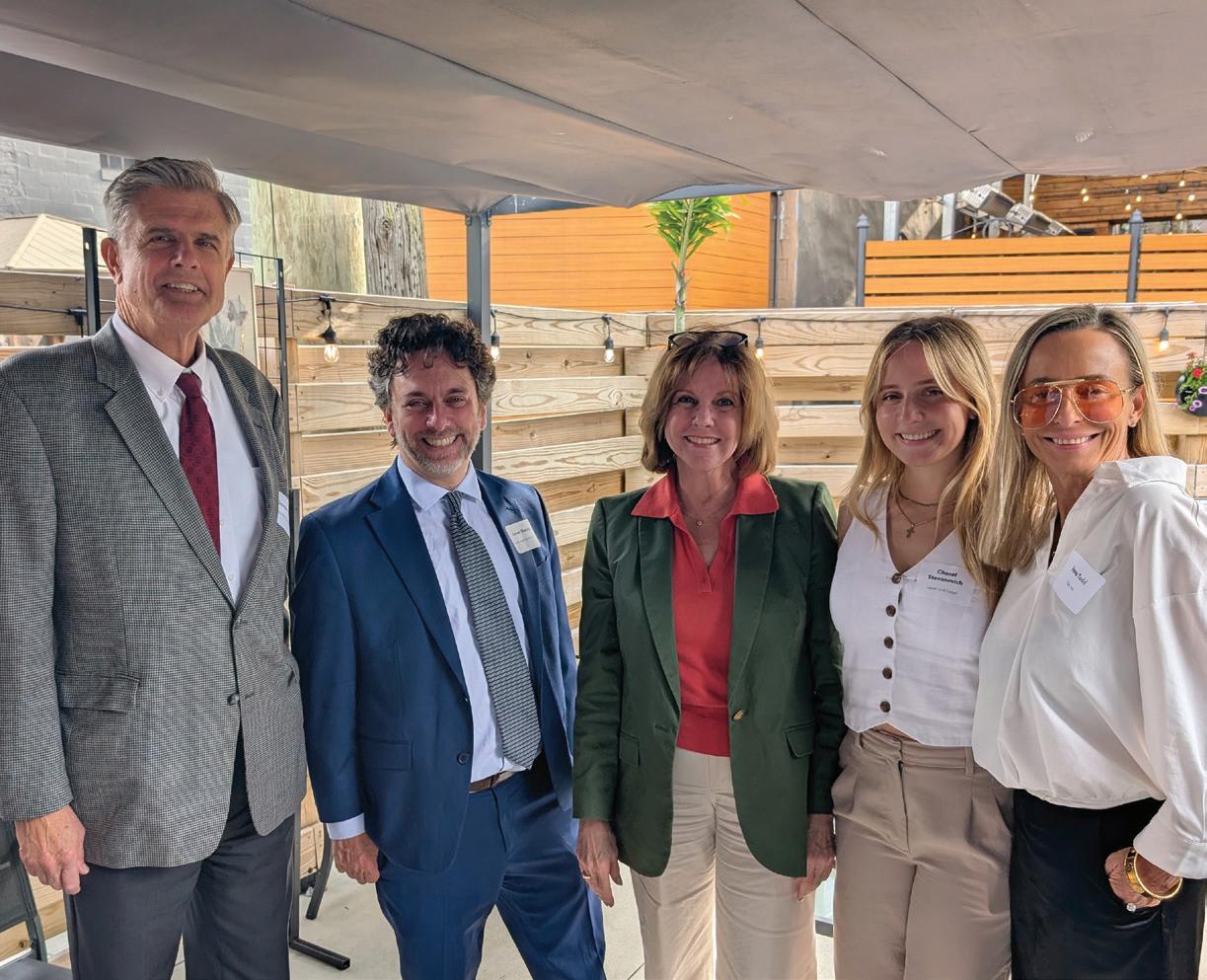

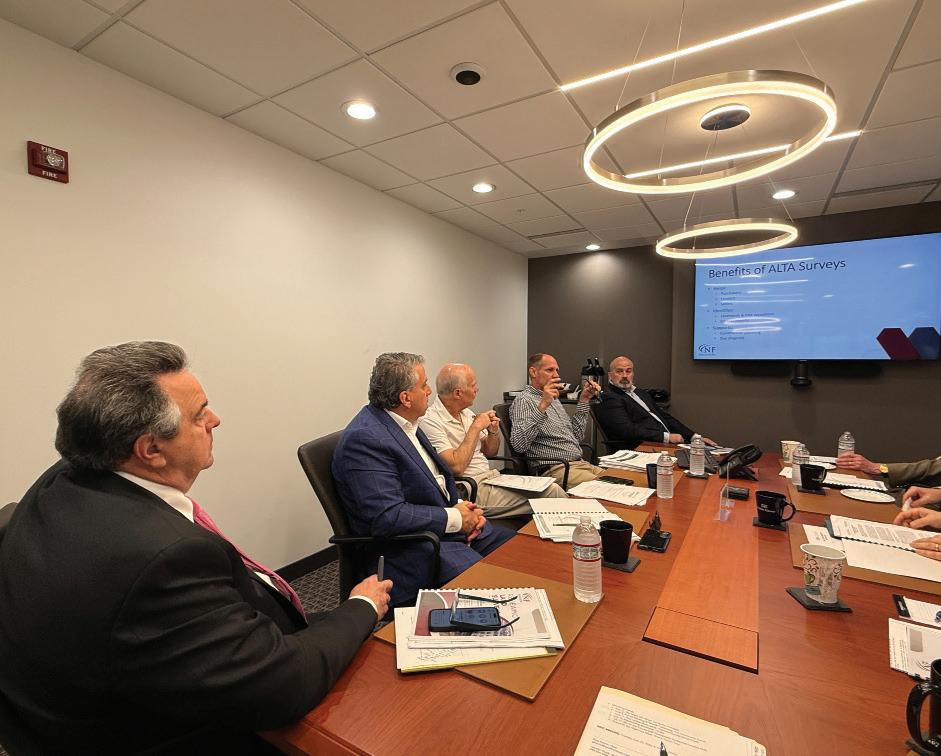
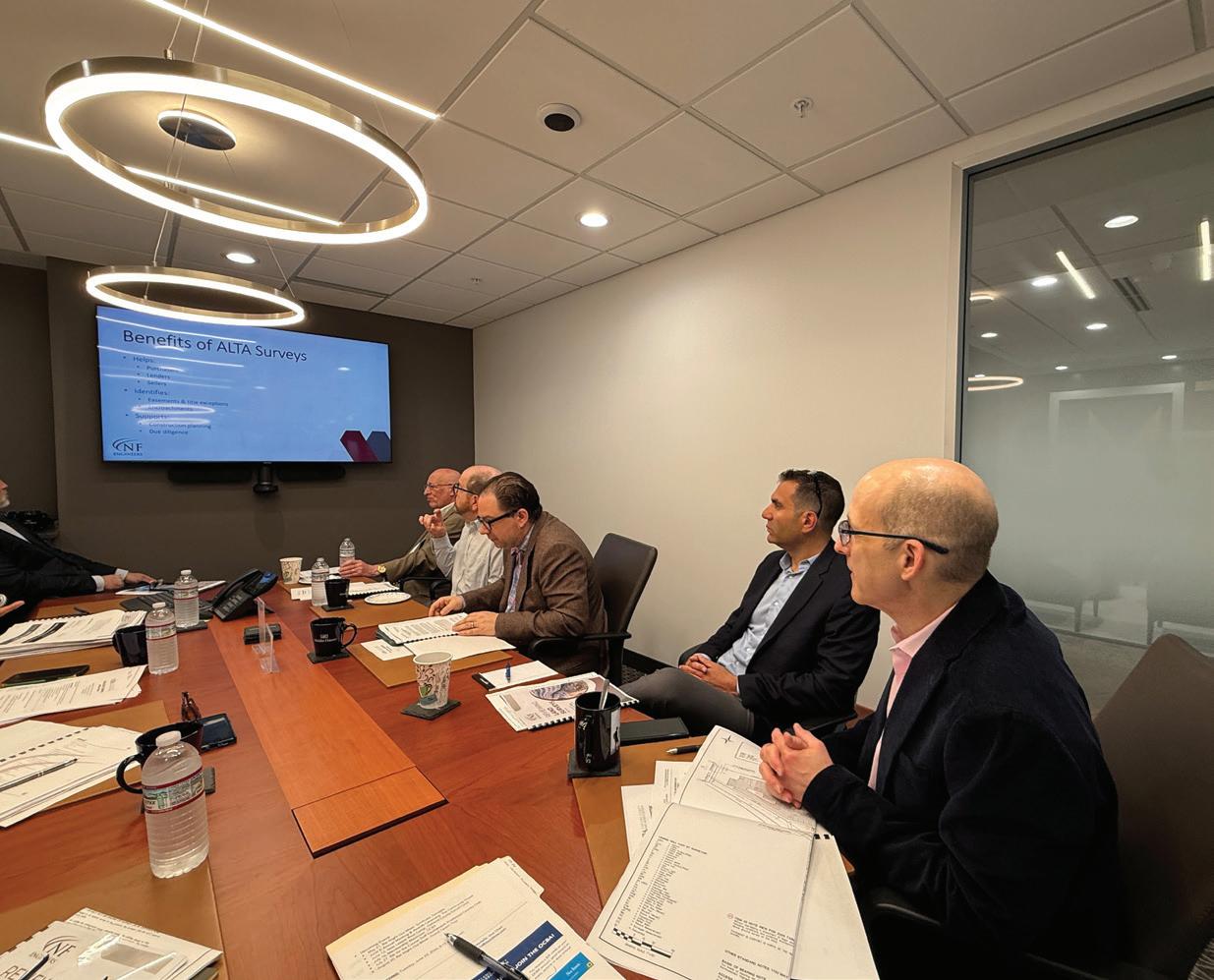
Twelve members of the Real Estate Committee gathered at the office of Maddin Hauser Roth & Heller on the morning of May 19. The occasion provided the opportunity for committee members to build collegiality and hear a presentation on land surveys from Nowak & Fraus Engineers principal Robert Fraus.













Lesa M. Brenner
John A. Cothorn
Kevin Patrick Crenny
Hongjin Hao
Dina Jaber
James Kresta
Charles Parker
Noah Charles Peltier
Laura J. Ragold
Ryan W. Thomas
NEW MEMBERS in MAY
Donovan Asmar
Natalie Bonnici
David M. Boutrous
Haroon Chaudhary
Guido Costantino
John A. Cothorn
Marnie Marie Dewan
Alexa Doria
Shelley Drain
Katherine Dvorak
MaCherie Everson
Scott Louis Feuer
Daniel Richard Fruit
Ryan James Hartigan
Amarildo Haxhi
John W. Hofstetter
Emily Karson
Mohammad Mani
Jeremy Minkin
Nicholas James Norton
Kasey L. Ostapowicz
Joshua Pang
Shelby Rampolo
Mohammed A. Rathur
Lorraine Riffle
Devin Ilene Stamper
Joseph Stradley
Stavroula M. Varlamos
Samuel Peter VerHey
Sandesh (Sonny) K. Viswanath
Trent Wickenheiser
Daniel M. Wolf
Kathryn S. Wunderlich

Executive Director
Jennifer Quick (jquick@ocba.org)
Deputy Director
Katie Tillinger (ktillinger@ocba.org)
Finance Director
Susan Maczko (smaczko@ocba.org)
Programs Manager Cristin Doble (cdoble@ocba.org)
Court and Public Services Manager Janise Thies (jthies@ocba.org)
Marketing Communications Specialist
MB Cairns (mcairns@ocba.org)
Marketing Associate Alexa Enders (aenders@ocba.org)
Bookkeeper
Mayly McRae (mmcrae@ocba.org)
Laches and Foundation Administrator
Lori Dec (ldec@ocba.org)
Court and Public Services Administrator
Melak Mardo (mmardo@ocba.org)
Administrative Assistant Beatriz Rivard (brivard@ocba.org)
Unless otherwise indicated, please call (248) 334-3400 for assistance.
Address Changes
Billing
Board of Directors
Case Evaluator Applications
Committees
District Court Case Evaluation
Event Photos
Finance
Judicial Candidate Fora
Laches Magazine
Mayly McRae
Mayly McRae
Jennifer Quick
Janise Thies
Katie Tillinger
Janise Thies
MB Cairns
Susan Maczko
Beatriz Rivard
Jennifer Quick
Lawyer Referral Service – (248) 338-2100 Melak Mardo
Member Illness & Death Notification Katie Tillinger
Membership Katie Tillinger
New Lawyer Admissions
Katie Tillinger
News Releases MB Cairns
Oakland County Bar Foundation ................................Katie Tillinger
OCBA Inns Academy ................................................... Cristin Doble
OCBA Mediation Service Janise Thies
OCBA Policies
Pro Bono Mentor Match Program
Professional Development/CLE
Room Rental Reservations
Speakers Bureau
Volunteer Opportunities
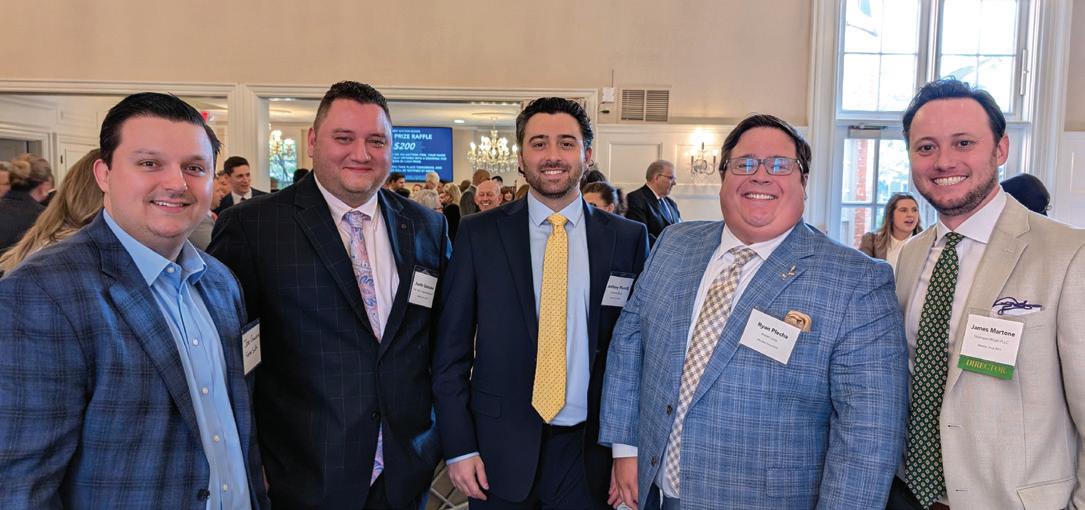

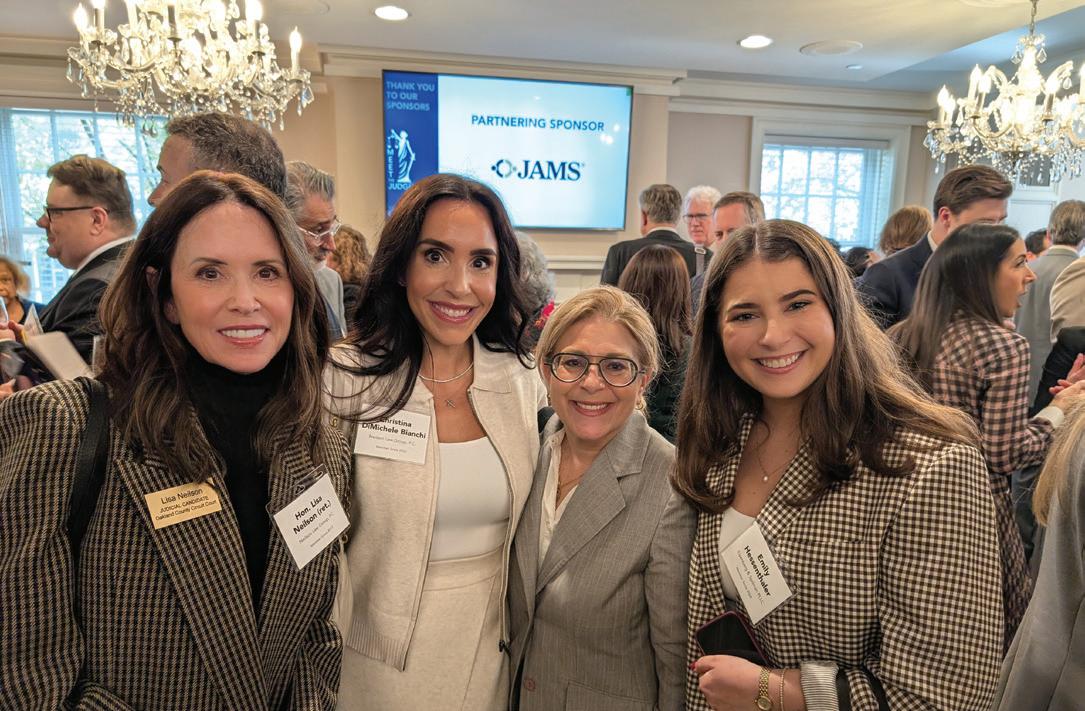
Early-career attorneys pose questions to a panel of judges during the “May It Please the Court”
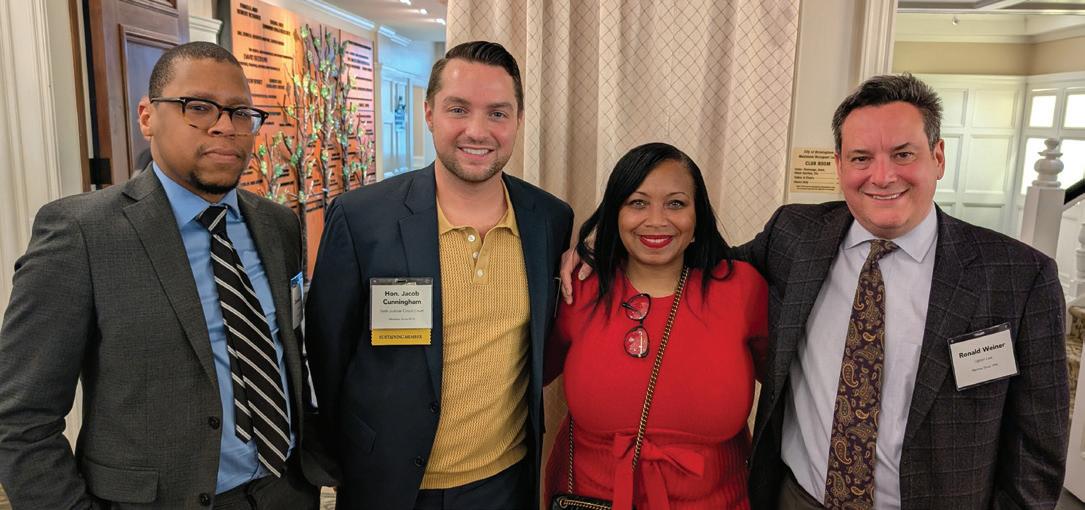

More than 140 OCBA members attended the New Lawyers Committee’s annual Meet the Judges event on April 16 at The Community House in Birmingham. Guests included active and retired judges from Oakland County, the Michigan Court of Appeals, the Michigan Supreme Court, the U.S. Bankruptcy Court, and the U.S. District Court for the Eastern District of Michigan. While enjoying food, drinks, and networking opportunities, attendees participated in a silent auction. The auction raised $3,550 for the Oakland County Foster Closet, which helps reduce the financial burden on foster families by providing essential items that state agencies do not always reimburse, such as diapers and clothing. The organization’s support allows foster families to focus on helping children adjust to their new homes.
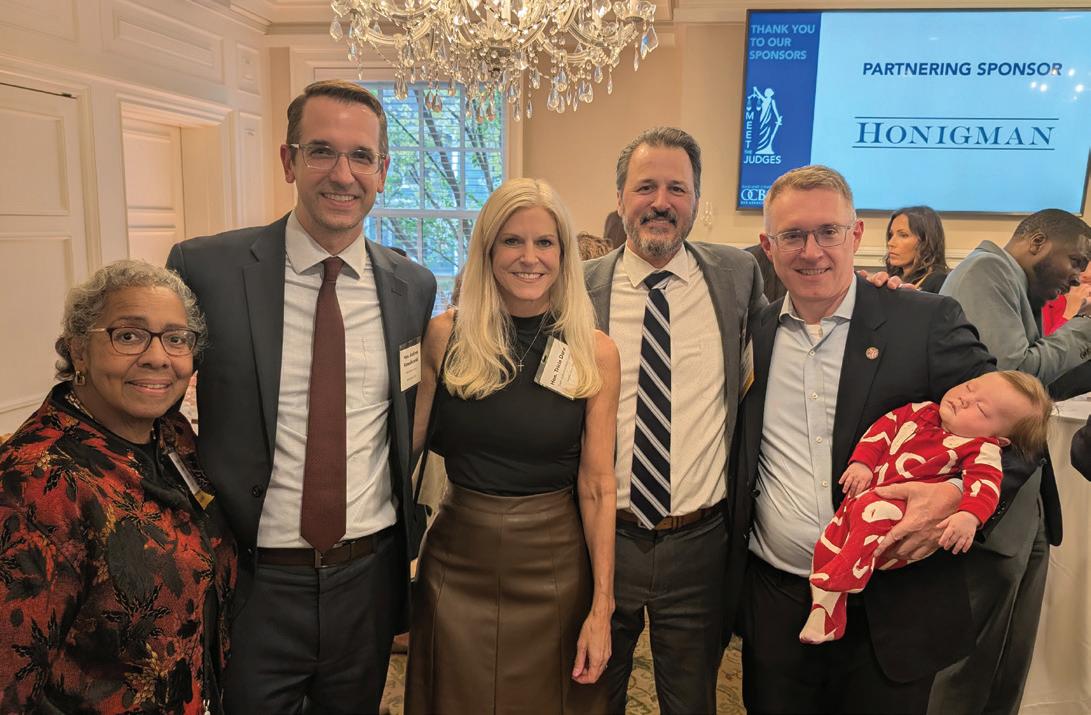
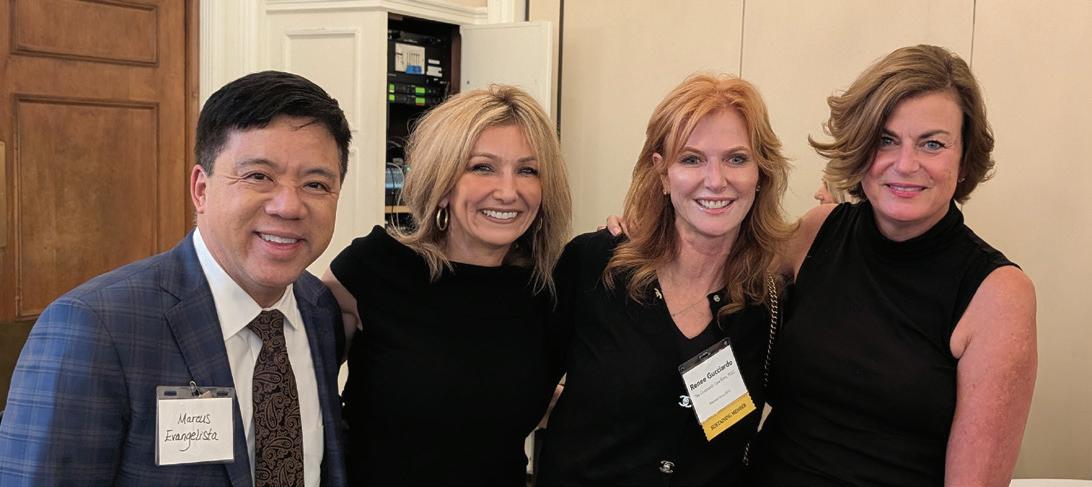

The 2026 Signature Event, presented by The Miller Law Firm, was held the evening of May 6 at Orchard Lake Country Club in West Bloomfield. The Oakland County Bar Foundation’s exclusive fundraising gala drew nearly 375 attendees, who helped raise funds to provide essential grants to numerous nonprofits.
These grants advance the OCBF’s mission of ensuring access to justice and promoting a deeper understanding of the law within the community. The foundation supports more than 15 projects, including CARE House of Oakland County, Michigan Center for Civic Education, and Lakeshore Legal Aid’s Estate Planning Clinic and Family Legal Aid Program. A full list of supported programs is available at ocba.org/what-we-support
Without this event and the generosity of its sponsors, donors, and attendees, these grants would not be possible. The event raised more than $150,000.