






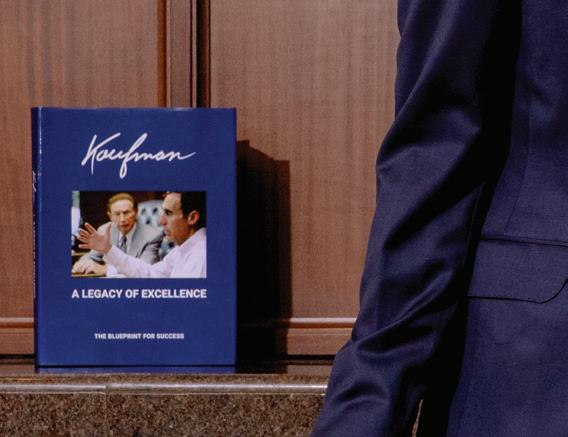








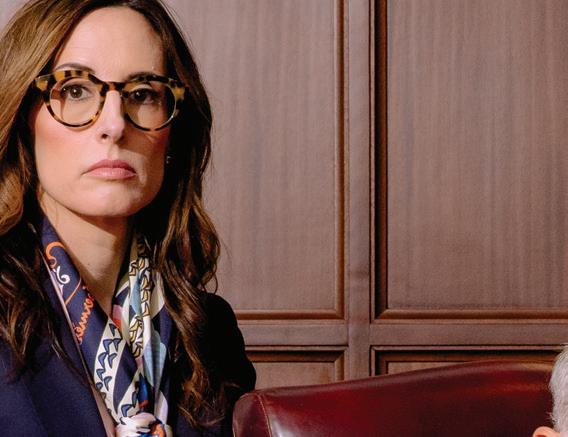





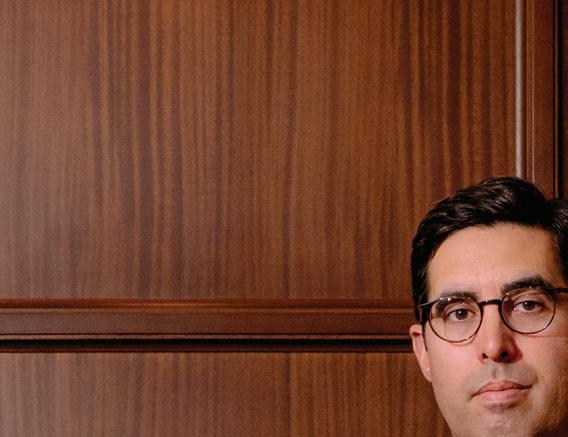


























ONE OF THE NATION’S LARGEST FAMILY-OWNED INSURANCE BUSINESSES, H.W. KAUFMAN GROUP IN FARMINGTON HILLS, TAPPED ITS ROOTS IN THE PLUMBING, REAL ESTATE, AND HARDWARE SECTORS TO SCALE WHAT IS NOW A $3.6 BILLION, THIRD-GENERATION POWERHOUSE.






our business.
our business.
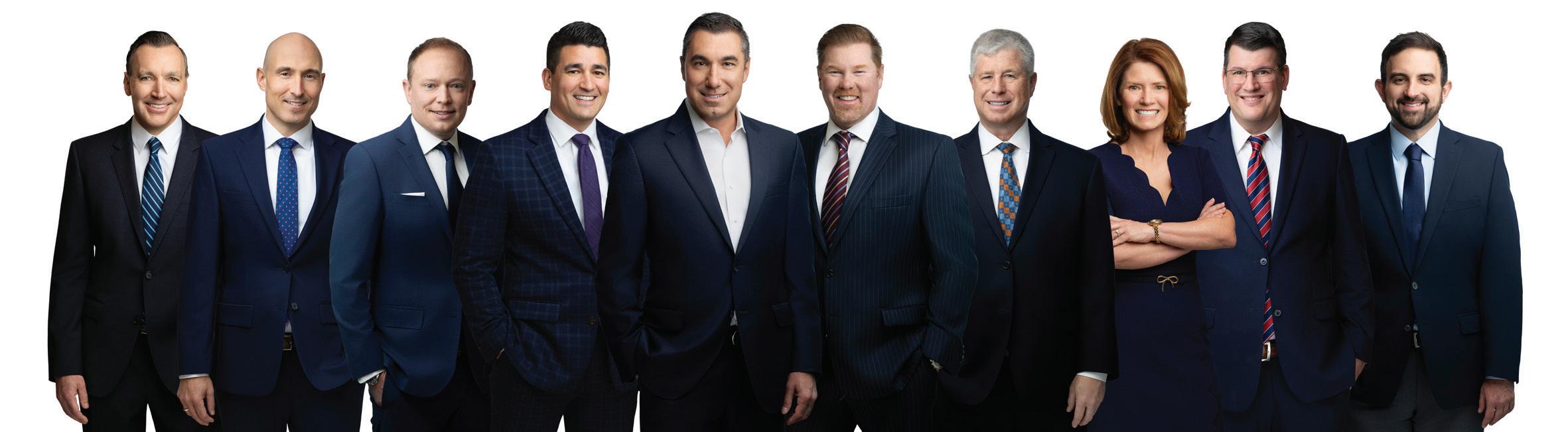
Empowering middle market growth with flexible financing and strategic expertise.
Empowering middle market growth with flexible financing and strategic expertise.
flexible financing
Local bankers with national resources to fuel your business.
Local bankers with national resources to fuel your business.
Local bankers with national resources to fuel your business.
•Senior Credit Facilities
•Capital Markets
Local bankers with national resources to fuel your business.
•Treasury Management
•Senior Credit Facilities
•Treasury Management
•Wealth Management
•Capital Markets
Take advantage of our local team:
•Senior Credit Facilities
•Wealth Management
Take advantage of our local team: David Mannarino
•Capital Markets
Take advantage of our local team:
Take advantage of our local team:
Take advantage of our local team:
•Treasury Management
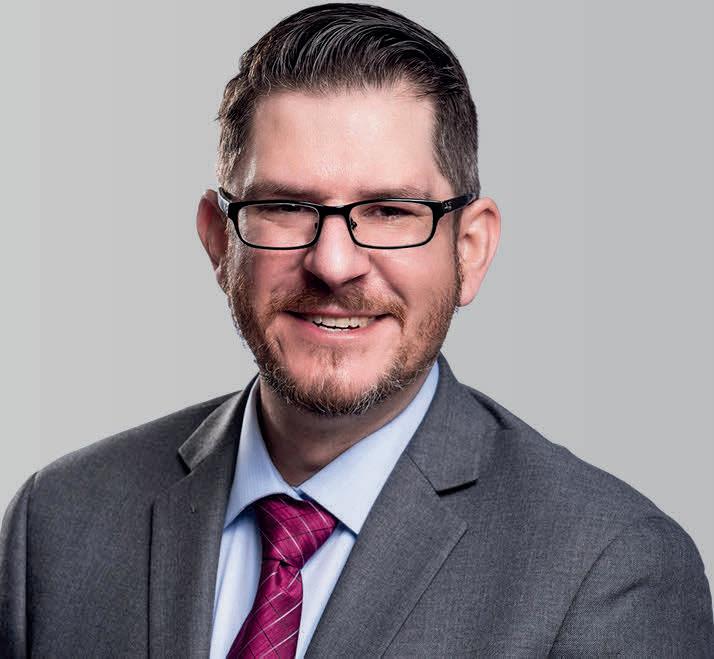
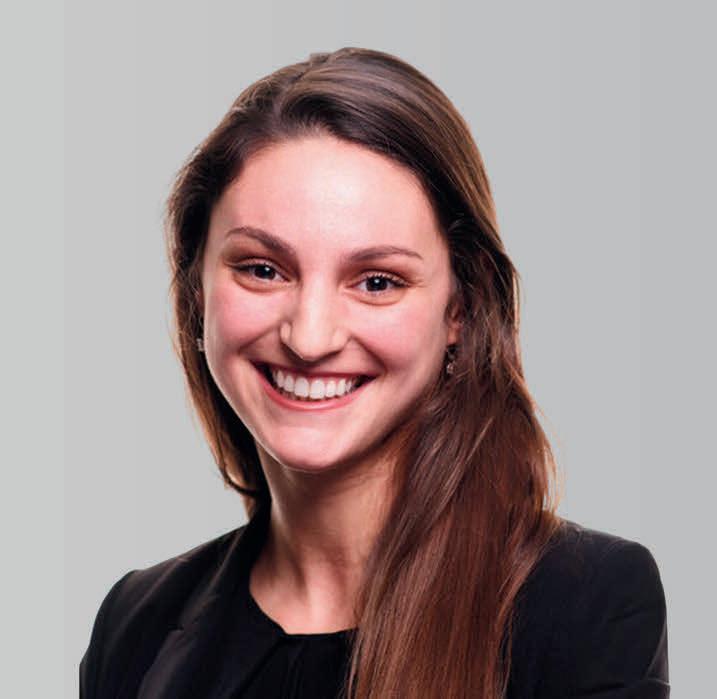
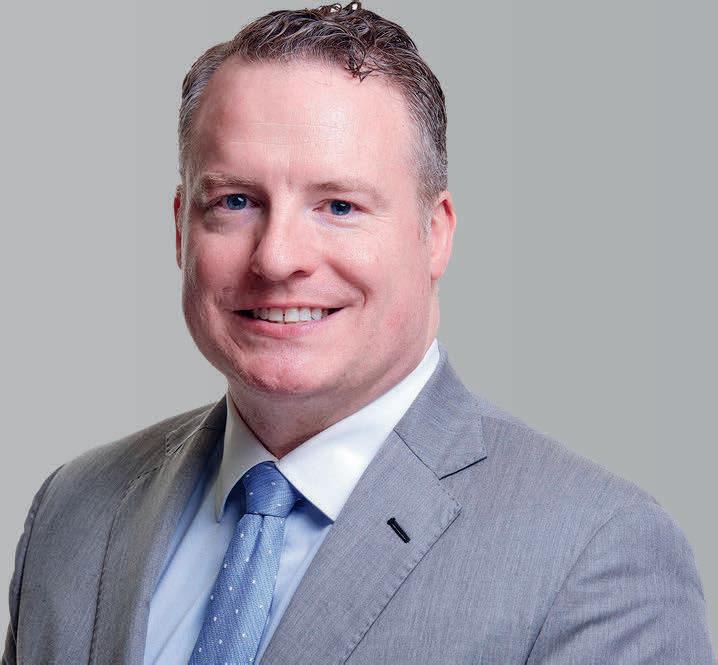
Take advantage of our local team: Michael Sytsma, Market President Mobile: 616.293.0546
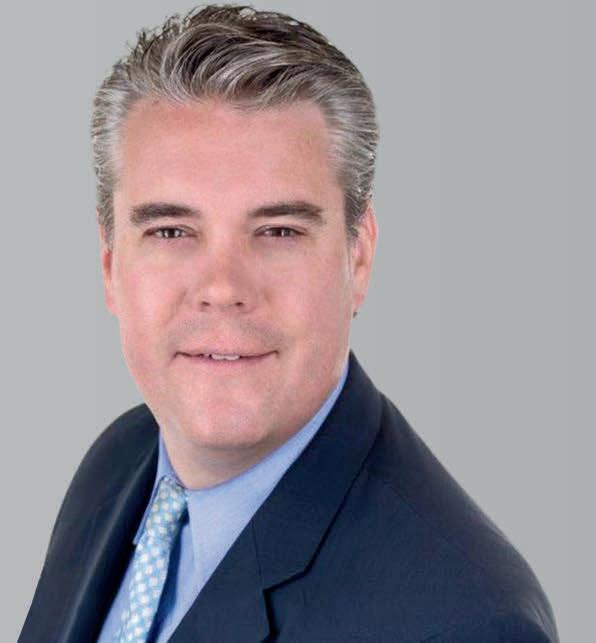
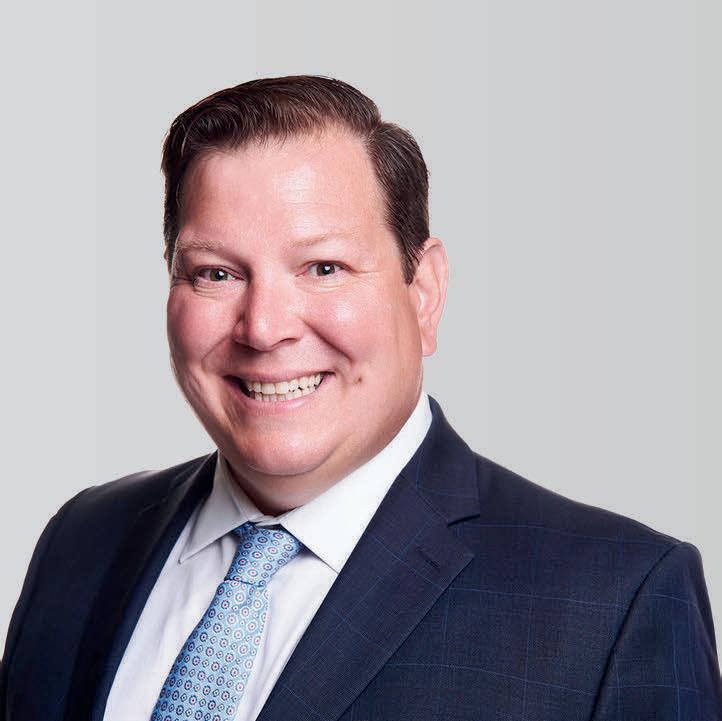
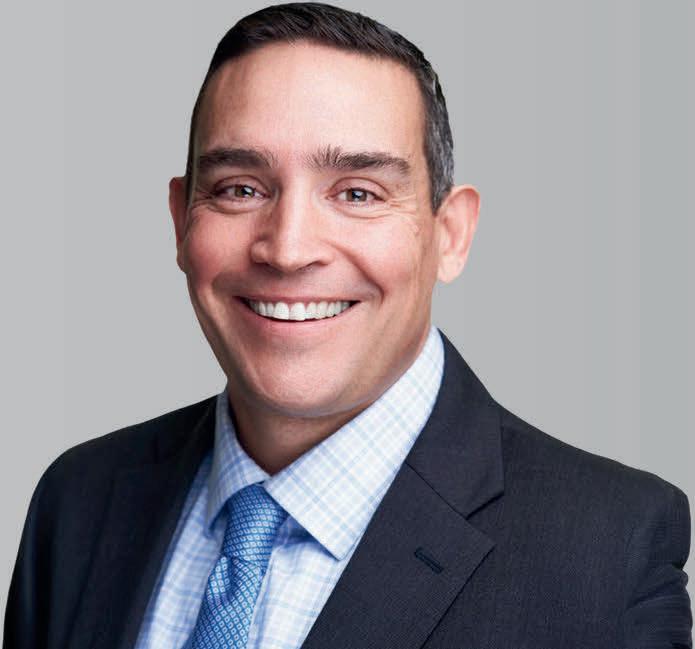
David Mannarino, Regional Commercial Executive/ Michigan Market President 248-204-6550
•Wealth Management
177 Ottowa Ave., NW
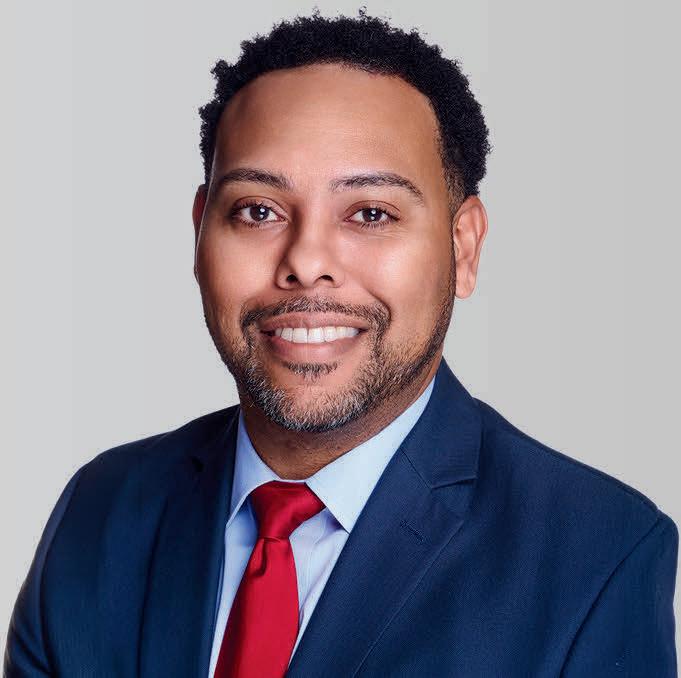
Take advantage of our local team: DavidMannarino, Regional Commercial Executive /Michigan Market President Mobile313-587-5098
Michael Sytsma, Market President Mobile: 616.293.0546
David Mannarino, Regional Commercial Executive/ Michigan Market President 248-204-6550
Regional Commercial Executive Michigan Market President 248-204-6550
177 Ottowa Ave., NW
DavidMannarino, Regional Commercial Executive /Michigan Market President Mobile313-587-5098
Grand Rapids, MI 49503 or visit key.com/commercial
Take advantage of our local team: Michael Sytsma, Market President Mobile: 616.293.0546
Take advantage of our local team: DavidMannarino, Regional Commercial
4000 Town Center, Suite 1260, Southfield, MI 48075 or visit key.com/commercial
4000 Town Center, Suite 1260 Southfield,MI4807 or visitkey.com/commercial
Take advantage of our local team: David Mannarino, Regional Commercial Executive/ Michigan Market President 248-204-6550
/Michigan Market President Mobile313-587-5098
Grand Rapids, MI 49503 or visit key.com/commercial
177 Ottowa Ave., NW
4000 Town Center, Suite 1260, Southfield, MI 48075 or visit key.com/commercial
4000 Town Center, Suite 1260 Southfield, MI 48075 or visit key.com/commercial
4000 Town Center, Suite 1260 Southfield,MI4807 or visitkey.com/commercial
Grand Rapids, MI 49503 or visit key.com/commercial
4000 Town Center, Suite 1260, Southfield, MI 48075 or visit key.com/commercial
4000 Town Center, Suite 1260 Southfield,MI4807 or visitkey.com/commercial





August 6, 2026 • 8:30 AM • The Townsend Hotel, Birmingham
TICKETS ON SALE NOW
HONORING THE 2026 DBUSINESS POWERED BY WOMEN CLASS:
LA JUNE MONTGOMERY TABRON, President and CEO
W.K. Kellogg Foundation
APRIL DIEZ, Vice Chair and CEO The Diez Group
PATTI GLAZA, Executive Vice President, Venture and Managing Director, ID Ventures
KELLY BURRIS, Founder and Owner Burris Law
HEATHER GEISLER, EVP, Chief Brand and Experience O cer Henry Ford Health
DR. HAYLEY W. MURPHY, Executive Director and CEO Detroit Zoological Society
CAROLINA PLUSZCZYNSKI, Acting CEO Michigan Central
SUZY SIEGLE, President and CEO Walsh College
DONNA BASHI, Vice President of Business Development Community Choice Credit Union










Go beyond the game and step into elite access, all-inclusive perks, and VIP treatment with Pistons Premium Memberships. Whether it’s luxury suites, courtside experiences, or all-inclusive clubs, every seat comes with elevated amenities and dedicated service.









Businesses move fast. Decisions happen quickly, priorities shift daily, and having the right financial partner can make all the difference.
At Community Choice, business banking is designed around convenience, access, and real support from people who understand business. Whether it’s flexible banking tools, lending solutions, treasury management services, or quick answers from a dedicated team, the focus is simple: helping businesses spend less time banking and more time moving forward.
Real people. Clear answers. Business banking designed to keep up.

Flexible business accounts, convenient digital banking tools, and access to your money when and where you need it.
Commercial real estate loans, equipment financing, SBA lending, lines of credit, and business credit cards designed to support businesses at every stage.
Tools that simplify day-to-day operations
Treasury management services, merchant services, cash handling solutions, and specialized banking support for unique business needs.
At Community Choice, businesses have direct access to experienced professionals who understand the day-to-day realities of running a business and are ready to help make banking easier.



Donna Bashi, CBPA Vice President of Business Development
KELLY
APRIL
HEATHER
PATTI
DR.
CAROLINA
SUZY







Munro & Associates Munro & Associates is committed to advancing the automotive and manufacturing industries through innovation, precision, and engineering excellence. Through teardown analysis, benchmarking, and advanced manufacturing insight, Munro & Associates delivers clarity into how products are built, where they can be improved, and how much can be saved. Our work uncovers measurable cost reductions, strengthens execution, and accelerates development—turning engineering insight into real return on investment across the product lifecycle.






18 ARSENAL OF PRODUCTION
We’ve seen this movie before. The United States develops new technology, only to see it scale in another country.
18 BOTS IN THE SYSTEM
The old adage that there are too many cooks in the kitchen can be applied to the proliferation of artificial intelligence agents, or AI agents, among businesses.
18 CATCH 22
Demand for large data centers in Michigan and elsewhere generates economic activity across a spectrum of businesses that supply and support internet-connected technology.
20 COMPENDIUM
How outsiders view Detroit.
24 FAST AND SERIOUS
Detouring from the status quo, Melissa Kozyra takes a businesslike approach to racing her Ferrari. By Ronald Ahrens
25 AUTISM ACTION
New Easterseals MORC Autism Comprehensive Care Center offers family-centered model for treating the condition. By Tim Keenan
25 HIGH TIMES
After seven years of an expanding legal marijuana business in Michigan, the industry faces a new challenge. By Tim Keenan
26 POWERED BY YOUTH
Incoming Frankel Jewish Academy senior Brandon Witt has a head start on entrepreneurship with Ascend Digital Design. By Tim Keenan
26 PDA Q&A
Vanessa Denha Garmo, founder of Epiphany Communications: Coaching & Consulting in Livonia. By R.J. King
28 LIFE’S A DRESSING
A breast cancer diagnosis failed to halt the launch of a line of all-natural salad dressings. By R.J. King

74 WATER WONDERLAND
Walloon Lake’s population of fewer than 300 people doubles and triples during the summer months as vacationers flock to its 30 miles of pristine shoreline. By Tim Keenan
78 RETURN ON INVESTMENT
Apple Blossom: During a career fair at Michigan State University, Deirdre O’Brien passed on the recruiters donning business suits in favor of a group of talent scouts wearing blue jeans who were espousing the wonders of the Macintosh computer. By Tom Murray
82 PATENTS AND INVENTIONS
Brain Power: Lansing native Dr. Alexa
Irene Canady took a circuitous journey before her dedicated research led to innovative new techniques in neurosurgery. By Norm Sinclair
85 OPINION
Michigan Franchising: Passage of the American Franchise Act would bring greater clarity to individual business ownership. By Larisa Walega
86 THE CIRCUIT
Our party pics from exclusive events.
92 FROM THE TOP Largest Accounting Firms in Metro Detroit, Largest Banks and Thrifts in Metro Detroit, Largest Credit Unions in Metro Detroit, Corporate Aviation.
98 CLOSING BELL
First Class: Betty Skelton brought savvy and glamor to her roles as a test driver for Chevrolet and Dodge, and as a stunt pilot and advertising executive. By Ronald Ahrens
ON THE COVER
Photo by Nic Antaya of Jodie, Alan Jay, and Danny Kaufman.







The Detroit Auto Show is six months away, and unless the Detroit ree exhibit greater pride in their displays, another opportunity to excite new customers, skilled recruits, and the next generation of talent will be lost.
the role of a pauper. Either give them money or they’ll look for public investment elsewhere. So much for loyalty to metro Detroit and Michigan.
General Motors is Exhibit A. ese days, a tour of GM’s Detroit Auto Show display — including Cadillac, Chevrolet, Buick, and GMC — leaves everything to the imagination.


While the business of auto shows has changed dramatically in recent years, as social media has largely overtaken traditional marketing strategies in targeting select buyers of cars, SUVs, and trucks, it’s not an excuse for the local automakers to pull back from what was the region’s largest and most exciting annual extravaganza.


In fact, the bland, boring exhibits evoke the crisis of the 2009 Detroit Auto Show. At that time, General Motors and Chrysler were begging for a government handout before and during their respective Chapter 11 bankruptcies. e mood of that show was a case study in lethargy, dispassion, and detachment — not exactly qualities that excite buyers, workers, and students.




In recent years, the Detroit Auto Show has been lackluster, at best. But it’s not the fault of the Detroit Auto Dealers Association in Troy, the ocial host of the event.
Generally, the show has been impacted by fewer platforms and new model introductions of late, and there are only so many marketing dollars in a given year, but it doesn’t mean the local carmakers that put the world on wheels and helped build up the middle class more than a century ago should now rest on their laurels.
In fact, walking the show oor in recent years has been an embarrassment marked mostly by apathy.
Talk about biting the hand of support. Taxpayers, both locally and nationally, have watched as hundreds of billions of tax dollars have funded new and renovated factories, driven research in engineering and technology, and literally, in times of crisis, kept the car manufacturers from closing their doors.
At the same time, whenever a local automaker wants to build a new plant in Michigan, they play
While the economy has improved considerably since then, and given local automakers can’t display every new car, SUV, or truck in the Motor City, they can certainly do a better job of showing their appreciation for the sweat, grit, and guts of the men and women who have supported them since the rst Buicks were built at scale in Detroit in 1903.
Ford, meanwhile, deserves credit. Since the Detroit Auto Show returned to Huntington Place in 2022, the manufacturer has hosted an annual new model reveal, brought in local and national thought leaders, and generally highlighted its appreciation.
Stellantis, for its part, has set up test tracks inside Huntington Place (as has Ford) where show-goers can join an expert driver in navigating a steep hill, bumps, and tight corners. Still, Stellantis hasn’t released a vehicle in the Motor City in some time.
Looking ahead to January 2027, the Detroit ree have plenty of time to step up their game and show their gratitude on a grander scale. Short of that, the local automakers will continue to exhibit complacency for the people that built — and saved — their fortunes.
R.J. King rjking@dbusiness.com
On behalf of Saint Joseph Shrine, I would like to thank you for your kind support in covering our wonderful Gala in DBusiness. This year marked a very special and incredible milestone as we celebrated the 10th anniversary of our Gala. I’m particularly grateful to Mrs. (Christine M.J.) Hathaway for being there to capture and immortalize the event. Please be assured of my prayers.
Rev. Canon Jean-Baptiste Commins Detroit
MAY/JUNE PLAUDITS
Your May/June issue cover story (on Detroit’s three major sports team owners) was quite the coup. And I remembered, while reading “Alternate Universe,” that I once met with Tel Ganesan at his Kyyba o ce, which was within walking distance from the CKC Agency’s former headquarters in Farmington Hills. Most of all, your “Data Mine” Editor’s Letter was, for me personally, the best, most succinct overview of data centers I’ve seen anywhere.
Carolyn Krieger Keego Harbor
Business leaders say they trust the attorneys of Plunkett Cooney to anticipate legal pitfalls, to resolve high-stakes litigation and to craft contracts they can sign... with confidence. See your business differently. Get the Plunkett Cooney perspective. n Appellate Law n Banking, Bankruptcy & Creditors’ Rights n Business Transactions n Cannabis Law n Commercial Litigation n
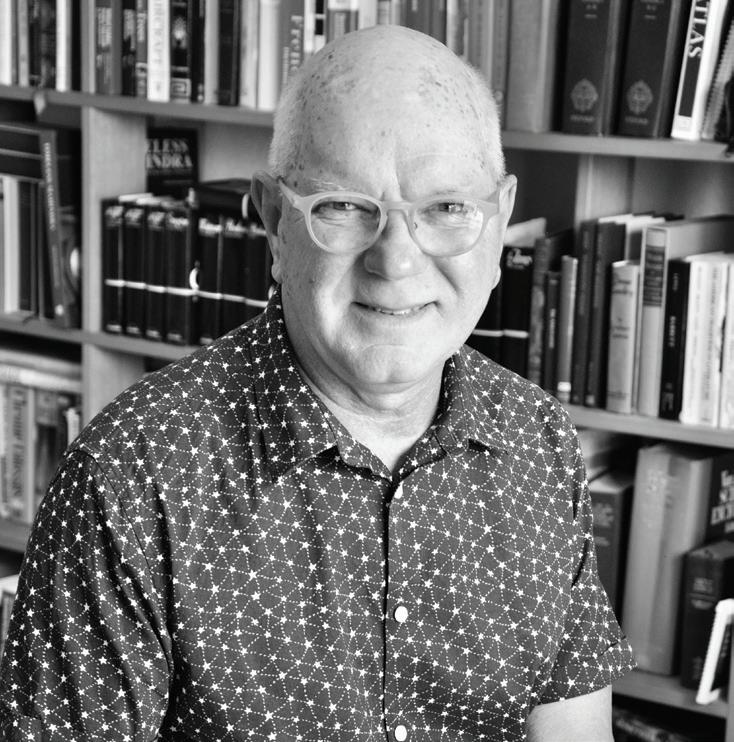
Ronald Ahrens has been a regular contributor to DBusiness since 2007. His first story was about General Motors executive Bunkie Knudson’s diaries. His inaugural Closing Bell column ran in the May/ June issue of that year. Since then, Ahrens has contributed stories on topics ranging from Michigan’s cannabis industry to the origins of Detroit’s iconic music sound, which appears in this issue. He has won several Alliance of Area Business Publishers Awards for his work. In addition to his Detroit Sound feature, Ahrens highlights Dr. Hayley W. Murphy, executive director and CEO of the Detroit Zoo, and Heather Geisler, executive vice president and chief brand and experience officer of Henry Ford Health, in our annual Powered by Women feature. In Closing Bell he tells the story of Betty Skelton, the pioneering GM engineer who helped promote the original Corvette.
Nic Antaya is a Detroit-based photographer specializing in reportage, portraiture, sports photography, and photo essays for editorial and commercial clients. In any given month, he might be on the sidelines of a pro sporting event, making portraits of everyday people and industry leaders, or covering breaking news and human-interest stories for clients like The New York Times, The Washington Post, Getty Images, and more. Across all of his assignments, Antaya draws on his natural curiosity and ability to connect with others to create compelling, story-driven imagery. In this issue, he photographed the H.W. Kaufman Group in Farmington Hills for the cover story.

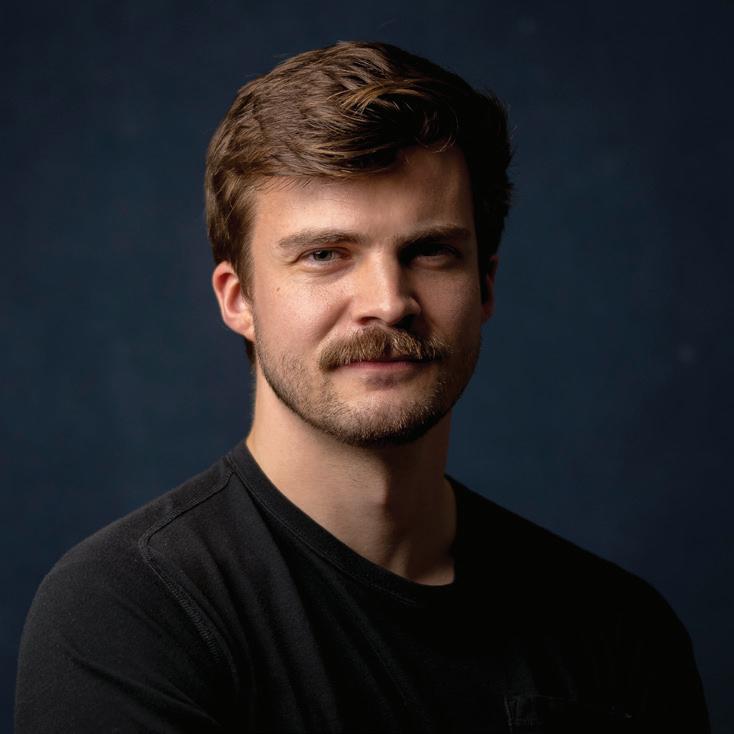
Dan Calabrese has been reporting on business in Michigan since 1992. He started at the Grand Rapids Business Journal and became a frequent contributor to DBusiness in 2009. He has written for a variety of trade magazines, including Transport Topics, Pet Age, ICF Builder, and several others. He also has authored four novels: “Powers and Principalities,” “Pharmakeia,” “Dark Matter,” and “Backstop.” Calabrese lives in Royal Oak with his wife, Angie, and their son, Tony. In this issue, the graduate of Western Michigan University profiles Dave Meador, who helped create Trove Market, an online platform that allows people with disabilities to sell goods they create. He also profiles April Diez, CEO of The Diez Group, and Suzy Siegle, president and CEO of Walsh College, for the Powered by Women feature.
Leland
CIRCULATION
CIRCULATION MANAGER Riley Meyers
CIRCULATION COORDINATORS David Benvenuto, Cathy Krajenke, Rachel Moulden, Michele Wold
MARKETING AND EVENTS
MARKETING AND EVENTS MANAGER Regan Wright
MARKETING AND EVENTS COORDINATOR Puja Trivedi
MARKETING AND EVENTS ASSISTANT Kayla Yucha
EMAIL MARKETING COORDINATOR Mitch Ackerman
MARKETING RESEARCH
MARKETING RESEARCH DIRECTOR Sofia Shevin
MARKETING RESEARCH COORDINATOR Kristin Bestrom
MARKETING RESEARCH SALES COORDINATOR Alexandra Thompson
MARKETING RESEARCH SALES ASSISTANT Theresa Lowery
GRAPHIC DESIGNER Kendra Okamoto
MARKETING RESEARCH ASSISTANT Abby Galanty
MARKETING RESEARCH INTERNS Isabella Gentry, Olivia Gill Ally Metry, Marissa Mills
BUSINESS
CEO Stefan Wanczyk
PRESIDENT John Balardo
DIRECTOR OF BUSINESS OPERATIONS Kathie Gorecki
MEDIA ASSOCIATE Lachlan O’Neill
SENIOR ACCOUNTING ASSOCIATE Andrew Kotzian
ACCOUNTING ASSOCIATES Jenna Glod, Austin Schmelzle
DISTRIBUTION Target Distribution, Troy
CONTRIBUTING WRITERS
Ronald Ahrens, Dan Calabrese, Tom Murray, Norm Sinclair, Larisa Walega
CONTRIBUTING

Tomorrow is more memories in the making

Cooking with natural gas or propane can turn simple ingredients into family favorites and recipes into traditions shared for generations.
That’s why we’re investing in the Great Lakes Tunnel to further protect the Straits of Mackinac and help keep Michigan’s energy reliable for years to come.
Visit enbridge.com/Michigan to learn more.






1.2 TRILLION
of new domestic onshoring and foreign direct investments since 2025
ONSHORING
We’ve seen this movie before. The United States develops new technology, only to see it scale in another country.
In the case of commercial drones, for example, the Chinese copied the specifications, built the product more cheaply using low-cost labor, and then flooded the global market. At the same time, China has been hoarding rare earth minerals such as lithium and cobalt to prevent other countries from advancing products like EV batteries.
On another front, U.S. companies like Texas Instruments pioneered integrated circuits, or microchips, and for years enterprises in Taiwan, China, and South Korea have produced memory components by the billions. The same thing happened with semiconductors and microchips; U.S. companies made the discoveries and lost out on the manufacturing.
To reverse the tide, the Trump administration has implemented a wide range of policies, including new trade deals, tariffs, and government investment, to rebuild America’s manufacturing output. Now domestic companies have to seize the initiative.
Michael Robbins, president and CEO of AUVSI (Association of Uncrewed Vehicle Systems International), which in May hosted the organization’s annual trade show at Huntington Place in downtown Detroit, says China is now trying to rapidly build other nascent products and services like AI and humanoid robots.
“If the United States and its allies want to compete — and win — we have to do more than invent the best technologies,” Robbins said. “We have to build at scale. We have to secure trusted supply chains.
3.7 TRILLION 59%
“And we have to coordinate with democratic allies, because no single nation can match concentrated authoritarian scale alone. That’s why I have spoken about the need for an Uncrewed Arsenal for Democracies.”
Flipping the coin, Robbins said the country or regional alliance “that can produce, replace, and adapt systems at volume will have the advantage over the side that can merely invent them.”
Given Detroit and Michigan’s role as the Arsenal of Democracy during World War II, the intellectual property, raw materials, and mass production techniques still exist here. But we lack the will and fortitude to regain leadership across the world in new technologies and smart manufacturing (Industry 4.0).
Consider, AUVSI reports close to $47 billion in private capital has been invested in the nation’s drone industry since the start of 2025. That’s led to some 60 major manufacturing announcements during the same period, representing around 13 million square feet of new production capacity.
In tandem, the Pentagon is actively engaging U.S. manufacturers like General Motors and Ford to explore production in areas like defense and advanced technology. Rather than applying for grants, the federal government is utilizing multiyear purchasing contracts to help propel a manufacturing revival.
To take advantage of new private and public investment made available since 2025, Michigan’s corporate and political leaders must work hand in hand to scale the industrial base and surge business development to turn technological advances into sustainable operations and purchase orders.
THE OLD ADAGE THAT THERE ARE TOO many cooks in the kitchen can be applied to the proliferation of artificial intelligence agents, or AI agents, among businesses. As more workers create independent AI bots to perform routine tasks in managing communications or data sets, companies that don’t control the sprawl can face serious consequences.
A recent article in The Wall Street Journal showed multiple employee-generated AI agents, especially those that perform multiple tasks, “can create a cybersecurity and management problem for corporate information-technology departments, and can drive up computing bills.”
According to Gartner Inc., a market research and IT consulting firm, the average global Fortune 500 corporation can have more than 150,000 AI agents, yet 13 percent of the companies surveyed lack adequate oversight and governance. What’s more, employees — whether knowingly or willingly — may expose trade secrets, create offensive content, or violate laws.
To improve oversight and reduce costs, companies should consider creating a master plan for the utilization of AI bots, establish a management system, conduct research, and implement signed work orders to reduce safety and redundancy concerns.
THE DEMAND FOR LARGE DATA CENTERS in Michigan and elsewhere generates economic activity across a spectrum of businesses that supply and support internet-connected technology. Whether a pastry shop, a tool and die center, or a large manufacturing plant, more companies require cloud computing, data security, and rapid information access and delivery.
At the other end of the spectrum are public concerns about power usage, environmental safety issues (especially water), and overall operations and security. So long as data centers meet all that’s required and gain public approval, local and state businesses, along with residents, will benefit from being in relatively close proximity to high-speed data management, delivery, and storage.
The shorter the distance, the greater the reliability. Or, put another way, those that have access to secure, high-speed data bring the world to their doorstep. To assist in expanding opportunities in the sector, Michigan should establish an initiative to better market and attract businesses seeking fast and reliable localized service.
State and local officials also should look to streamline, where safe and appropriate, the regulatory path and zoning issues for data centers. It’s clear the next great industry is data management, and Michigan can either be at the forefront or be left behind.
Any broker can place your insurance, but do they genuinely invest in your business’s future? With Hylant, you get coverage that evolves with your business, backed by strategies to manage risk, control costs, and strengthen your long-term outlook.
With a dedicated team ready to support you at every stage, you can move forward with confidence knowing your business is protected and prioritized.




IN DETROIT, A FAMILY BUILDS A HOME
‘EXTENSION’ — A 7-MINUTE DRIVE AWAY
THE NEW YORK TIMES
APRIL 20, 2026
BY DIANA BUDDS
When visitors encounter Bryan Boyer and Laura Lewis’s new house in the Core City neighborhood of Detroit, there’s often a head-scratching moment.
The experimental, box-shaped structure clad in vertical pine slats is an atypical presence in an area that mostly consists of vacant lots and older buildings. Inside, it’s one free-flowing space that wraps around a courtyard. There are no bedrooms.
“One of the things people ask is, ‘What do you call this?’ ” Ms. Lewis said. “We’ve come up with several analogies, one of which is ‘the disconnected extension.’ ”
Designed by Dash Marshall, the architecture firm Mr. Boyer co-founded with Ritchie Yao and Amy Yang, the 1,800-square-foot structure combines two common types of housing: the loft and the courtyard home. It complements Mr. Boyer and Ms. Lewis’s primary residence nearby by offering more space, flexibility and variety.
“You feel different,” Ms. Lewis said.
The project is part of Dash
Marshall’s research into ways residential design can better respond to social and environmental considerations, a series the firm calls “Domestic Futures.”
“There’s something to be learned from these vernacular housing typologies,” Mr. Yao said. “Domestic Futures is about taking a look at what made them successful, but then adjusting them to contemporary needs.” In this case, it was a marriage between the adaptability of a loft and the practicality of the courtyard house. …
“We didn’t need to escape the city to want that other space that isn’t your everyday space,” Ms. Lewis said. “It’s a place filled with light. And it’s not filled with Legos and all the laundry that I have to do.” …
ANTIQUES AND THE ARTS WEEKLY / MAY 26, 2026
BY ANDREA VALLUZZO
Designed to spark important conversations that seem especially relevant today given rising antisemitism and a highly divisive geopolitical climate, a display of 13 masterworks of ceremonial Judaica is
Jewish ceremonial artworks to our community,” said Detroit Institute of Arts director Salvador Salort-Pons.
“This partnership represents more than a loan of objects; it is a testament to the power of cultural institutions working together to preserve and share the richness of Jewish history as well as artistic and spiritual life. Through this exhibition, we hope to foster greater understanding and appreciation for Jewish history and culture, while strengthening the bonds between our institutions and communities.” …
on view at the Detroit Institute of Arts. Instead of being a grouping unto itself, the objects have been interspersed among the institute’s permanent collection.
Walk into the Islamic galleries, for example, and across from a Quran one will see adornments for the Torah, the most sacred text for Judaism and observed as divine law — drawing connections for visitors of the sacredness of both texts.
This intermingled exhibition approach is the de facto style for the institute’s Guests of Honor series of exhibitions, where special objects on loan are placed alongside other objects to tell a broader story. In the case of the “Guests of Honor: Art of Faith from the Jewish Museum, New York” exhibition, on view through January 3, these items explore themes of interfaith interaction, artistic influence and developments, craftsmanship and global cultures. The exhibit was co-curated by Alan Darr, senior curator of the European art department and the Walter B. Ford II family curator of European sculpture and decorative arts, and Katherine Kasdorf, curator, arts of Asia and the Islamic world.
“The Detroit Institute of Arts is deeply honored to collaborate with the Jewish Museum to bring these extraordinary
One day in the 1970s, a large box arrived at the Afro-American Museum in Detroit, now the Charles H. Wright Museum of African American History. A benefactor had shipped his collection of African masks to the museum. Olayami Dabls worked there as curator.
“When we opened the box, people were afraid to deal with the content,” Dabls (b. 1948) told me in a phone interview. “I’m like, ‘Why am I afraid of looking at my ancestors’ material culture? Why is this frightening me?’ And why is everyone here frightened of what was in the box?”
The question sent Dabls, who had studied African material culture — masks, shields, jewelry, clothing, etc. — down a rabbit hole to an unexpected source.
“What I came up with was the early days of Hollywood, most of the horror movies, the backdrop was African material culture. This art had been associated with horror movies, anything that would frighten you,” Dabls explained. He kept digging. “Then I ran across another article talking about Haiti and the Voodoo doll, and doing that research, I discovered there were no Voodoo dolls in Haiti; that came out of Hollywood.”
Witchcraft and sticking pins in dolls to make people feel pain. Show biz.
“There is a sculpture piece you may find in Haiti, but mainly in Africa, called an nkisi doll, which comes from the Cameroon people,” Dabls said. “They would take a sculpture piece and carve it and place nails in it; whenever they wanted something good to happen to people, they used the nail. My question was, ‘Why was the nail used as opposed to something else?’ Because iron — we got enough iron in us to make a three-inch nail. The way iron came to the community, it came as something that improved the quality of life you had.” Nkisi power figures as Voodoo black magic. Ceremonial masks as horror movie props. “The Dark Continent.” Spooky. Dangerous.
“The whole system was designed to turn people against their traditional ways of doing things, and the best way you can do that is to make that negative,” Dabls said. “Lies have a real purpose of keeping you from connecting with who you are.”
Dabls had studied African material culture. The objects. The makers. The bad vibes he felt opening that box sent him on a long path of inquiry into the meaning of those items. Their purpose. Their perception around the world. Those insights and his remarkable work in the decades following as artist, storyteller, cultural historian, and civic champion come together at the Museum of Contemporary Art Detroit which presents “Olayami Dabls: Detroit Cosmologies,” his first comprehensive museum retrospective, April 25 through July 12, 2026. …


INSURANCE BUSINESS AMERICA• APRIL 21, 2026 •
BY CARLEEN BONGAT
A Michigan appeals court expanded no-fault insurers’ ability to recover PIP benefits from negligent third parties, overturning a three-decade-old precedent.
The decision, published on April 20, 2026, came from a seven-judge special panel of the Michigan Court of Appeals (Docket No. 366229). The panel unanimously overruled the 1993 decision in Citizens Ins Co v Pezzani, which had held that no-fault insurers were barred from pursuing subrogation claims against tortfeasors who were not motorists. For insurers writing no-fault auto coverage in Michigan, the implications are immediate and practical.
The case began with a routine trip to the mechanic.
Deborah Dale took her 2012 RAV4 to Family Tire Service of Manistee for a tire rotation and other services. About a mile after leaving the shop, the left rear tire came o her vehicle and struck a car driven by James Call. His wife, Sharon, was a passenger. The impact sent their vehicle airborne, and both were injured.
The Calls filed for personal injury protection benefits through their no-fault insurer, Frankenmuth Insurance Company, which paid out $381,760.17. The Calls also sued Family Tire for negligence, and Frankenmuth moved to intervene in the suit as the Calls’ subrogee, seeking to recover what it had paid.
Family Tire pushed back. It argued that under Michigan’s no-fault act — specifically MCL 500.3116(2) — an insurer could only pursue subrogation in three narrow scenarios: if the accident happened outside Michigan, if it involved an uninsured vehicle, or if it involved an intentional tort. None of those applied here. Family Tire leaned on Pezzani, which had held since 1993 that insurers were barred from recovering against nonmotorist tortfeasors outside those three exceptions.
The trial court agreed with Family Tire and granted summary disposition, e ectively ending Frankenmuth’s claim.
On appeal, a panel of the Michigan Court of Appeals opined that MCL 500.3116(2) applies only when an insurer seeks to recoup PIP benefits from its insured after the insured recovers on a tort claim. However, the panel felt bound by Pezzani and a rmed the trial court. It then called for the convening of a special panel to revisit whether Pezzani should remain binding authority.
The seven-judge special panel that convened to answer that question concluded it should not.
The panel walked through the text of MCL 500.3116 and found that, read as a whole, the statute governs one specific relationship: the insurer’s right to recoup benefits from a claimant — typically, its own insured — after the claimant recovers on a tort claim. …
FARM PROGRESS MAY 27, 2026
BY JENNIFER KIEL
Ed Shumway never imagined that a childhood fascination with his family’s dairy operation would eventually lead him to ship popcorn to countries around the world.
Yet today, the sixth-generation farmer operates Shumway Popcorn from his family’s Tekonsha, Mich., farm — land that has been in the Shumway family since 1853 — supplying premium popcorn kernels to buyers across multiple continents.
Despite coming from a long line of farmers, Ed wasn’t exactly
encouraged to follow in his father’s and grandfather’s footsteps.
“Comments were made that you wouldn’t want to do this,” he said of his early years. The inherent risks of farming — unpredictable weather, market volatility and the physical demands — made his family hesitant to recommend the profession.
But Ed’s passion couldn’t be deterred, even after his father sold the dairy operation.
Ten-year-old Ed was devastated, but that early disappointment became the seed of determination. He started small, raising a couple of calves for 4-H, and then milking cows for spending money in high school. Eventually, he built up a larger dairy operation on the family farm. But by the early 1990s, Ed found himself losing enthusiasm for the daily demands of dairy farming.
In 1991, Ed made a pivotal decision that would reshape his farming operation entirely. A popcorn processor approached him about growing popcorn, and although Ed initially rejected the idea, he couldn’t stop thinking about it.
“I’d always dabbled in specialty crops,” he explained. “Most specialty crops I looked at required a lot of special equipment, and popcorn was all the same equipment.”
He began growing for Jack Wagner of Wagner Popcorn in Colon, Mich. Wagner became more than just a buyer. “He mentored me and helped me find some secondhand equipment, and gave me a few connections,” Ed recalled. …
THE ART NEWSPAPER • MAY 11, 2026
BY PAMELA C. SAMANIEGO
The Museum of Contemporary Art Detroit (Mocad) reopened its doors for the first time in more than a year on 25 April, showing o upgrades to its 22,000-squarefoot Midtown space — just in time for the museum’s 20th birthday.
Updates to the kunsthalle inside a former car dealership include the addition of a learning space, an air-conditioning system (which it previously lacked) and a large, street-facing window better connecting Mocad’s galleries to the surrounding neighborhood. The main campus building has been renamed in honor of the museum’s co-founder, Julia Reyes Taubman.
Three years ago, when Marie Madison-Patton stepped into the museum’s co-directorship alongside Jova Lynne, their aim was to position the institution more explicitly as a civic space. “We want this to be a place where people of all ages can learn about art at di erent levels,”
Madison-Patton tells The Art Newspaper. “A space that prompts reflection and helps people make connections.”
As museums increasingly present politically and socially charged contemporary art, many are shifting from delivering information to facilitating dialogue. Mocad underscores how a participatory model can reshape the gallery experience, providing opportunities for visitors to share and reflect on their personal realities, histories and identities. The museum’s redesign also demonstrates how a smaller institution can create physical space that makes contemporary art more accessible to audiences with di erent levels of familiarity and comfort.
“It’s important that our community feels at home here,” Madison-Patton says. “Detroit is rich in culture, and people are proud of it. We want to reflect that.” As a result, many of the artists featured in the museum’s exhibitions are local.
Lynne says that one approach behind Mocad’s community engagement is Visual Thinking Strategies (VTS), a facilitated-discussion method that slows down looking and redistributes interpretive authority — a shift away from didactic interpretation and towards dialogue-based engagement. …


Kapnick is dedicated to helping you protect your organization, paving the way for success. Through tailored solutions in risk management and employee benefits, we provide the strategies necessary to safeguard your business, motivate your team, and maintain your focus on growth and innovation.


























From the paddock to the track, Melissa Kozyra takes a businesslike approach to racing in the Ferrari Challenge.
BY RONALD AHRENS
The 2026 Ferrari Challenge season opened on a hot March weekend, and conditions inside Melissa Kozyra’s race car were searing. Yet, after Saturday and Sunday races at The Thermal Club near Palm Springs, Calif., Kozyra ranked third in championship points standings among 20 amateur-division competitors.
The 53-year-old Chesaning native — mother of four, grandmother of nine — is in her second full Ferrari Challenge North American season racing in the Coppa Shell AM class.
“I’ve had immense growth in the last year and a half, to the point where some of the coaches I had are like, ‘Oh my God, you’re just killing it out there,’” Kozyra says. “I’m very proud of myself, (and) where I’m at.”
After accepting the Ladies Cup as the top female driver at Thermal, she and her husband, Bill Kozyra, former CEO of Continental AG North America and TI Automotive, and today chairman of Wilko Automotive in Romeo, returned to their Florida winter home.
HRG Capital Buys Majority Interest in Production Management One Production Management
One has received a majority investment from HRG Capital in Bloomfield Hills. PM1 operates from facilities in four cities and organizes events nationwide and worldwide.
CHECKERED FLAG
In April, race car driver Melissa Kozyra posed with a Ferrari 296 Challenger at Sebring International Raceway in Sebring, Fla. Kozyra, in her second full Ferrari Challenge North American season, recorded a double-win at Sebring. At the start of June, she was leading the Coppa Shell AM class with 194 points.
Hino Trucks in Novi Unveils Le Series Medium-duty Truck Hino Trucks in Novi has unveiled its all-new Le Series battery electric vehicle (BEV) at ACT Expo 2026 in Las Vegas. The Le Series is available in both 25,950-pound and 33,000-pound gross vehicle weight rating configurations.
At the first opportunity, she climbed into her Apex V2R racing simulator to sharpen up for the Sebring International Raceway in Sebring, Fla., the next Ferrari Challenge destination.
“Every day, I try to get on the simulator and stay fresh,” she says.
Kozyra took up auto racing in midlife after establishing herself as an adventurer by climbing the tallest peak on five of the seven continents.
Longtime residents of Rochester Hills who also have a summer home in Au Gres, the Kozyras purchased a garage at M1 Concourse in Pontiac some 11 years ago. After Melissa’s first laps around the Pontiac track, she swore she was “never doing this again.”
From there, she received individual coaching and practiced until she felt comfortable during lapping sessions. Next came track schools at Indianapolis Motor Speedway and Daytona International Speedway. Then, she found herself in Maranello, Italy, receiving instruction from Ferrari factory drivers.
“And still, I never thought I’d race,” she says.
Soon after, the Kozyras attended a Ferrari Challenge weekend and “had a blast.” One thing led to another, and Ferrari North America, sponsor of the Ferrari Challenge, offered a 296 Challenge race car to the Kozyras and invited Melissa to join the series.
“I was so nervous the rest of the day, I could have thrown up,” Melissa says. “So, we get back to our hotel, and I’m like, ‘We need to sit down and have a talk here.’ ” When Bill feigned innocence, she pointed out that he had just signed her up to race.
“Yeah, you’re going to do great,” he said to her at the time.
Their kids and grandkids were the next to know.
“I’m going to try this racing thing,” Melissa informed them. “OK,” they said. “Good for you, go get ’em.”
Now, some of the grandkids even have “Go Grandma Go” inscribed on the backs of their shirts.
“I’ve always felt that trying to follow in someone else’s footsteps only leads to a second-place finish,” she says. “My focus isn’t on replicating another person’s journey; it’s on the relentless pursuit of the best version of myself.”
Hyperscale Data Accelerates Michigan as Data Center Hub Las Vegas-based Hyperscale Data Inc. announced it’s accelerating the enhancement of its Michigan operations in Dowagiac into a combined AI data center and robotics hub. The company is reconfiguring key sections of its existing building.
Feldman Automotive Group Acquires Four Ohio Dealerships Feldman Automotive Group in New Hudson has acquired Firelands Auto Group, which includes four dealership locations in northern Ohio. It’s Feldman’s largest acquisition to date. The newly acquired dealerships will be keeping the Firelands name.
Leading Mexican Accounting Firm Joins Plante Moran in Southfield Mexico-based JA Del Río joined Plante Moran on July 1 in what the Southfield accounting firm is calling its largest international expansion to date. The move is part of the firm’s strategy to enhance its global presence.
of an expanding legal marijuana business in Michigan, the industry faces a new challenge.
There’s too much product in the market, prices are dropping, and Gov. Gretchen Whitmer approved a 24 percent tax on cannabis products that took effect Jan. 1, 2026.
“With the onset of the new 24 percent tax, we’re seeing a lot of layoffs, loss of benefits for employees, and pay reductions as the businesses attempt to scale to be able to absorb that 24 percent tax,” says Robin Schneider, executive director of the Michigan Cannabis Industry Association in Lansing.
Although Michigan retailers sold more products in 2025 than in any year since legalization, sales revenue declined to $3.17 billion — some $113 million less than in 2024 — due to lower prices.
“I’ve had a number of businesses tell me they just don’t have the money to pay the taxes,” Schneider says.
On a positive front, on April 23 the Trump administration reclassified state-legal medical marijuana as a less-dangerous Schedule III drug.
“The move to Schedule III is a major step forward for the cannabis industry and has real implications for operators like Mint Cannabis,” says Eivan Shahara, co-founder and CEO of Mint Cannabis.
Schneider adds, “It doesn’t provide any relief to the recreational businesses in our state. It’s absolutely a step in the right direction, but it doesn’t resolve our current issues at hand.”
— By Tim Keenan
Niowave Adding $75M Facility in Lansing to Boost Cancer Therapies
Niowave has broken ground on a $75 million production facility in Lansing to strengthen the domestic supply of Actinium‑225 (Ac‑225), a critical isotope used in next‑generation targeted cancer therapies.
New Easterseals MORC Autism Comprehensive Care Center offers family-centered model for treating the condition.
BY TIM KEENAN
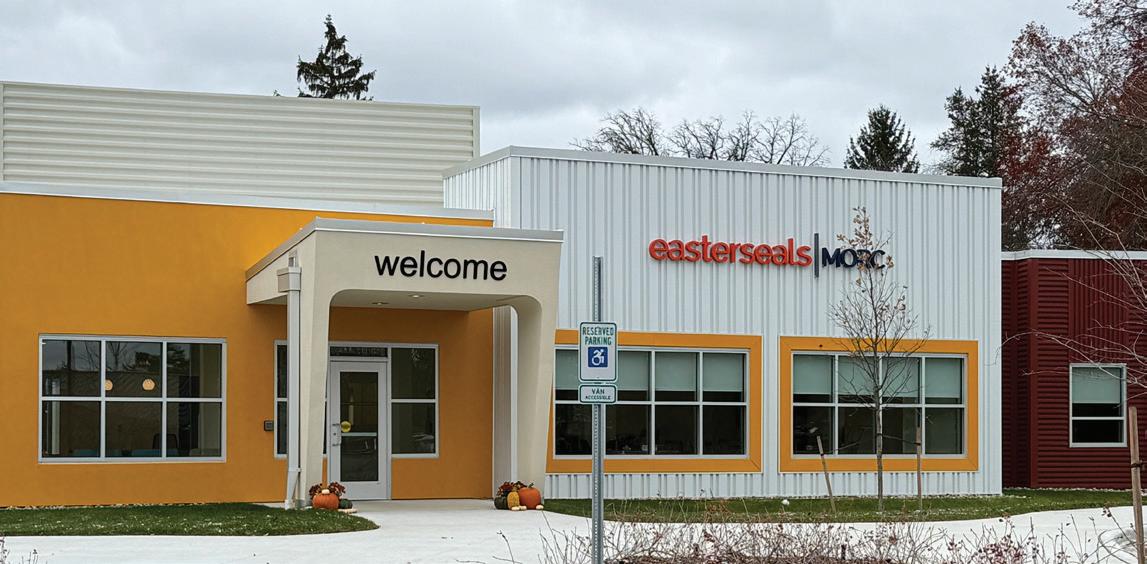
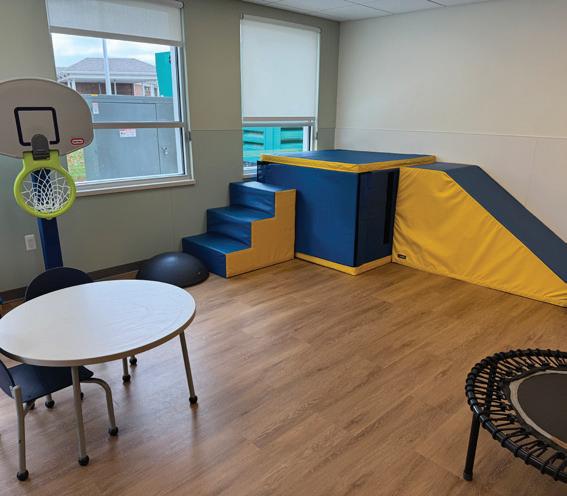
Easterseals MORC has opened a new 16,900-square-foot “one-stop shop” in Waterford Township for Michigan families and individuals affected by autism.
Consisting of two wings, one for early childhood (Little Samplings) and one for adolescents and young adults (Mighty Oaks), the center was designed in partnership with families, clinicians, and community stakeholders to identify and meet the needs of individuals with autism from early childhood through adulthood.
“The space grows along with the kid,” says Brent L. Wirth, president and CEO of Easterseals MORC. “As the child ages or as the child’s skills evolve and change, the center has something for that next step. There are services set up to get the child ready for preschool and kindergarten, and a mock apartment where older kids learn independent living skills.”
Planning for the facility, which had a soft opening in November 2025 and fully opened in April, started eight years ago.
“We had this dream, pre-COVID-19, and started having meetings with contractors and developing a concept,” Wirth recalls. “At that time, it was going to be about $5 million. After COVID-19, it became $8.4 million.”
The organization still is raising funds to make up the more than $3 million shortfall.
The center offers:
• Integrated services: Combining behavioral health, autism, and mental health treatment to address co-occurring conditions such as ADHD, anxiety, and depression.
• A family-centered approach: Providing parent and sibling support groups, family therapy, and mental health counseling for caregivers.
• Personalized navigation: Pairing every family with a support navigator who coordinates services, manages insurance, and guides them through their care journey.
• Life-skills training: Simulating the environments of a hair salon, a dental office, and a grocery store to practice real-world skills in a safe setting.
• Comprehensive therapies: Offering therapies including Applied Behavior Analysis (ABA), speech, occupational therapy, feeding therapy, and evidence-based programs like the PLAY Project, Incredible Years, and PEERS for teens.
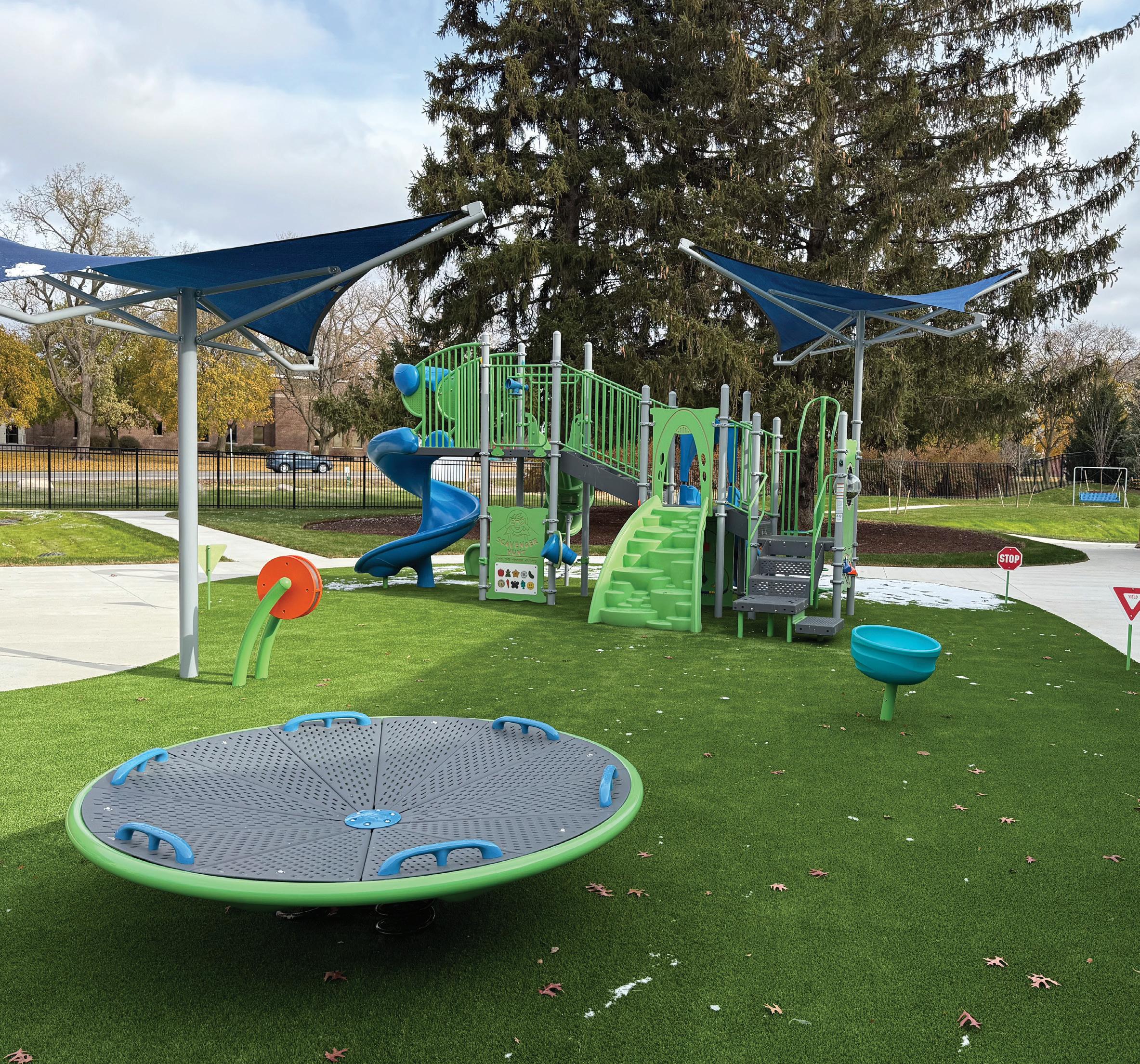
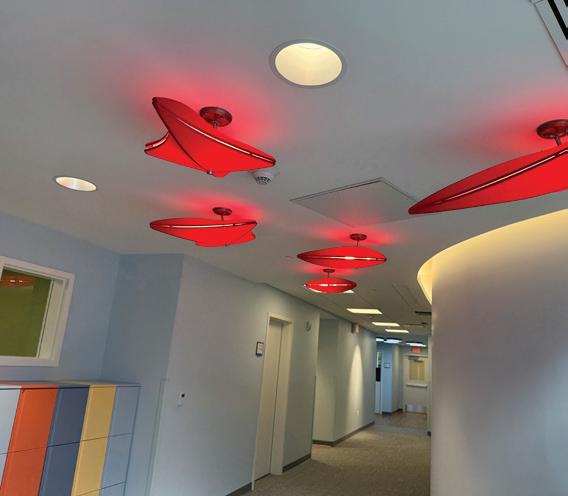
Other amenities include sensory-friendly lighting and soft furnishings, a teaching kitchen for feeding therapy and culinary skills, and an outdoor
Half of Michigan Small Businesses Could Drop Health Care Benefits
More than 60 percent of Michigan small businesses say they might consider dropping health care for employees in the next seven years, according to the results of a survey by the Small Business Association of Michigan.
courtyard with adaptive play equipment and a bike/walking path for community navigation and safety training.
The center currently serves approximately 900 families and has a long waiting list, which will require more staff in order to shorten.
“There’s such a huge demand for services and a lack of staff, especially in the behavioral health sector,” says Wirth, who notes that his organization partners with universities and health systems to recruit workers, but says the demand continues to outpace available staff.
CARE SETTING
Beyond the entrance to Easterseals MORC in Waterford Township are Kite Lights in the Kids Play Area and the Occupational Therapy Gym.
Even with the challenges, the organization continues to persevere.
“As autism services have evolved, so has the mission of Easterseals evolved,” Wirth says.
FANUC and Google Collaborate to Advance AI in Robot Systems FANUC Corp. has announced a collaboration with Google to advance Physical AI in its robot systems. FANUC is using its open platforms and Physical AI capabilities to accelerate automation by applying AI across its robotics product lineup.
Stellantis Unveils $69.5B Plan to Accelerate Growth and Profit Stellantis has unveiled FaSTLAne 2030, its $69.5 billion, five year plan to accelerate growth and profit by allocating capital with the brands and in the regions of the world where it can generate the best returns for investors and stockholders.
Sun Communities in Southfield to Sell U.K. Assets for $1.03B
The Southfield based Sun Communities Inc.
Incoming Frankel Jewish Academy senior Brandon Witt has a head start on entrepreneurship with Ascend Digital Design.
BY TIM KEENAN | NICK HAGEN
When he’s not playing classical piano, competing on the tennis and basketball courts, and earning a 4.5 grade point average at Frankel Jewish Academy in West Bloomfield Township, Brandon Witt runs Ascend Digital Design.
Ascend has been building websites for between 10 and 15 corporate clients for about a year and a half. Witt says his first assignment was a site for a classmate’s auto detailing company. He charged the classmate $100.
One of his more recent customers is Laguna Hot Sauce, which sells its spicy condiment exclusively online. Laguna paid significantly more than $100.
“I was bored and figured it was a way to make money for college,” says Witt, 17, who will be a senior at FJA in the fall. He expects to attend either the University of Michigan or Michigan State University when he graduates next year.
Witt admits boredom is the last problem he has while excelling at school, practicing the piano two or three times a day since the age of 4, playing competitive tennis year-round, and doing so well on the basketball court that he achieved All-Catholic honors. (FJA plays in the Catholic High School League.)
“I want to be an entrepreneur,” says Witt, whose father is Frank Witt, owner of Wilshire Capital, a brokerage and financial advisory firm in West Bloomfield Township. “I thought this
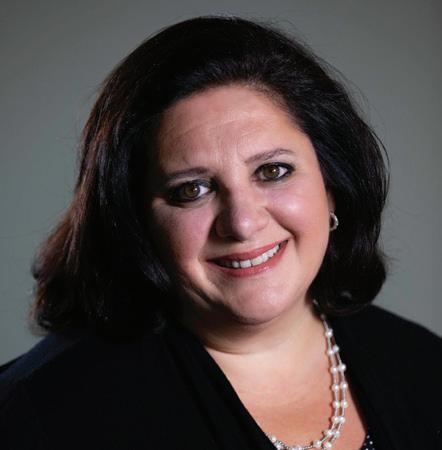
DENHA GARMO
Founder Epiphany Communications: Coaching & Consulting, Livonia
DOMAIN GAIN
Brandon Witt, an incoming senior at Frankel Jewish Academy in West Bloomfield Township, runs Ascend Digital Design, which builds websites for a range of business clients.

was a great way to get started, although I’m not fully sure what I want to get into ultimately.”
One might expect Witt decided to build websites as a business after taking a class in the subject, although he confesses that he learned everything he knows about website design from YouTube videos and AI. But he notes that he did take entrepreneurship and marketing classes at FJA.
“Those classes are helping me with my business, but I really learned all the skills online or taught myself,” Witt says.
He even learned how to navigate the legal process of setting up an online point of sale for the hot sauce company.
Not surprisingly, Witt says the most difficult part of running a business while going to school
DB: WHERE ARE YOU?
VG: At the Detroit Regional Chamber’s Mackinac Policy Conference on Mackinac Island. I’ve been going since the mid-1990s.
DB: WHY DO YOU GO?
VG: To me, it’s one of the best networking events in the state. I’m a very big component of connecting, communicating, and
collaborating with others to improve your business and your career. You meet people at the conference you wouldn’t normally see otherwise.
DB: WHAT’S GOING ON?
VG: I wear different hats. I was reporting for The Chaldean Voice, a radio program which is heard all over the world. I also reported for The Bottom
Line magazine, which was a livestream for the Midwest Independent Retail Association (in West Bloomfield), and I hosted Epiphany on Ave Maria Radio in Ann Arbor.
DB: WHAT STOOD OUT?
VG: There was a cool campaign about the need to reform the bottle bill (in Michigan) with Andrew Doud, who owns Doud’s
and having an active extracurricular schedule is clock management. “Finding the time to find new clients is the most difficult part of running a business while going to school and playing sports,” he says.
To solve that problem, Witt enlisted two of his friends to help him make cold calls; they’re paid 18 percent on a closed deal.
“The hardest part for me, since I’m the only one doing design, is prioritizing which clients to work for because of time constraints.”
So far, according to Witt, Ascend Digital Design has brought in between $2,000 and $6,000.
“My goal is expanding my horizons, to go into different fields,” he says. “I’m still exploring, but I’ll probably end up doing digital online.”
Market on the island, one of the oldest grocery stores in the U.S. Retailers aren’t equipped to be bottling centers. It takes up lucrative space in the stores, and Andrew walked through what he has to do to ship bottles via horse and buggy, and then on the ferries.
DB: HOW WAS THE CONFERENCE?
VG: There was talk about the governor’s race, and what it means with Mike Duggan getting out of the race. It also was depressing to hear how Michigan trails in literacy and people leaving the state. But you have to have these conversations if things are going to change.
— R.J. King











A breast cancer diagnosis failed to halt the launch of a line of all-natural salad dressings.
BY R.J. KING | REBECCA SIMONOV
When Karen Binno Akouri told her husband she wanted to start a salad dressing company, he said she should add it to all the other things she wanted to do.
“He was right. My three kids were young, but he was right,” says Akouri, founder and CEO of Drench in West Bloom eld. “So I said, ‘Game on.’ at really motivated me. I didn’t so much want to prove him wrong; I wanted to prove to myself I was right. And now he’s my biggest supporter.”
Akouri’s concept for a line of salad dressings made from natural ingredients was stirred by an alarming discovery in her kitchen.
“One day I was making a Caesar salad that I thought was healthy for my family, and I looked at the dressing ingredients (from a major brand) and saw titanium dioxide,” Akouri recalls. “I thought that didn’t sound good.
“I did some research and found out it was used as a whitening agent in industrial paint and for sunscreens. It also had sodium benzoate, a petroleum-based preservative. I said, ‘ is is crazy.’ And that’s when I decided to make my own dressings.”
After trying out her recipes at home, she began preparing salads for gatherings with her extended family and friends, and for school activities. Receiving plenty of positive feedback, she began researching how to eventually sell natural dressings from coast to coast.
“I started out experimenting and making my own dressings, and as an added bene t I saw they

could be used as marinades for poultry, meat, or sh,” she says.
One of her o erings, Mediterranean Lemon, is made from just six ingredients — avocado oil, olive oil, organic lemon juice, sea salt, garlic, and mint.
As she was developing more avors like Greek Goddess and Balsamic Fig Vinaigrette — the collection is now made up of nine di erent dressings — she underwent a routine mammogram. After her suspicious results were further reviewed, she learned she had early stage breast cancer.
Over the next 18 months, she was determined to recover healthier than ever.
“I did a pause, and at rst I didn’t share my story because I didn’t want people feeling sorry for me,” says Akouri, who launched Drench in 2019 following her recovery.
“But then I began to share my story after I learned one in eight women will be diagnosed with invasive breast cancer in their lifetime (according to the American College of Surgeons). I share that message wherever I go.”
In the beginning, Akouri distributed the dressings herself, along with the help of her family — today her son, Jimmy, serves as COO of the 25-employee company while her husband, Jim, helps out with the nances — before expanding her product manufacturing in Detroit.
Drench is now sold in more than 4,000 stores in 49 states, including Meijer, Sprouts, Whole Foods, rive Market, Central Market, Wegmans, and Fresh yme. In the fall, Costco will
begin carrying the dressings. She plans to sell her products in Canada, as well.
“In addition to expanding our distribution, I’m always thinking about new products,” she says.
Soon, Akouri plans to launch an all-natural Buffalo Sauce to complement her Mac Daddy Sauce and Chick Sauce (for chicken). Coming down the line is an avocado mayonnaise, and two new drizzles — pure olive oil and pure avocado oil.
She’s also looking for opportunities in collagens, greens, electrolytes, protein powders, protein bars, and supplements.
“We just got a call from QVC for our salad dressings,” she says of her WBENC-certi ed company (Women’s Business Enterprise National Council). “ ey reached out when we rst launched, but I wasn’t ready. We just sent them some samples, and soon we’ll begin showcasing our products on Amazon and TikTok Shop.”
Dr. Anthony Ohara, a member of Drench’s advisory board, along with Isaac Hanna, says after meeting Akouri and studying the marketplace, he realized demand would rise for salad dressings “made with clean ingredients that are easy for people to incorporate into their everyday meals.”
Ohara, the founder and CEO of Synergy Longevity Centers in Novi, says the entrepreneur has been successful because she’s “thoughtful, persistent, and highly intentional, which are qualities I think matter tremendously in early-stage companies.”

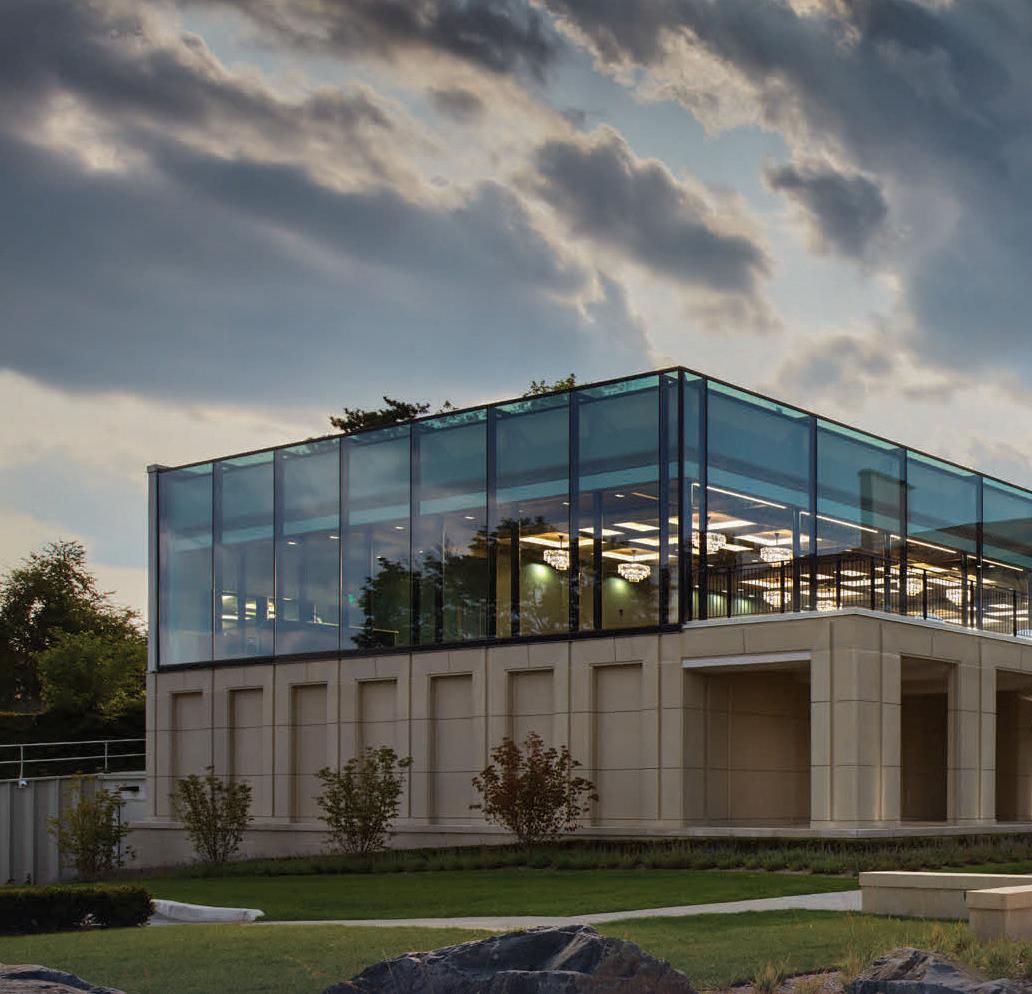
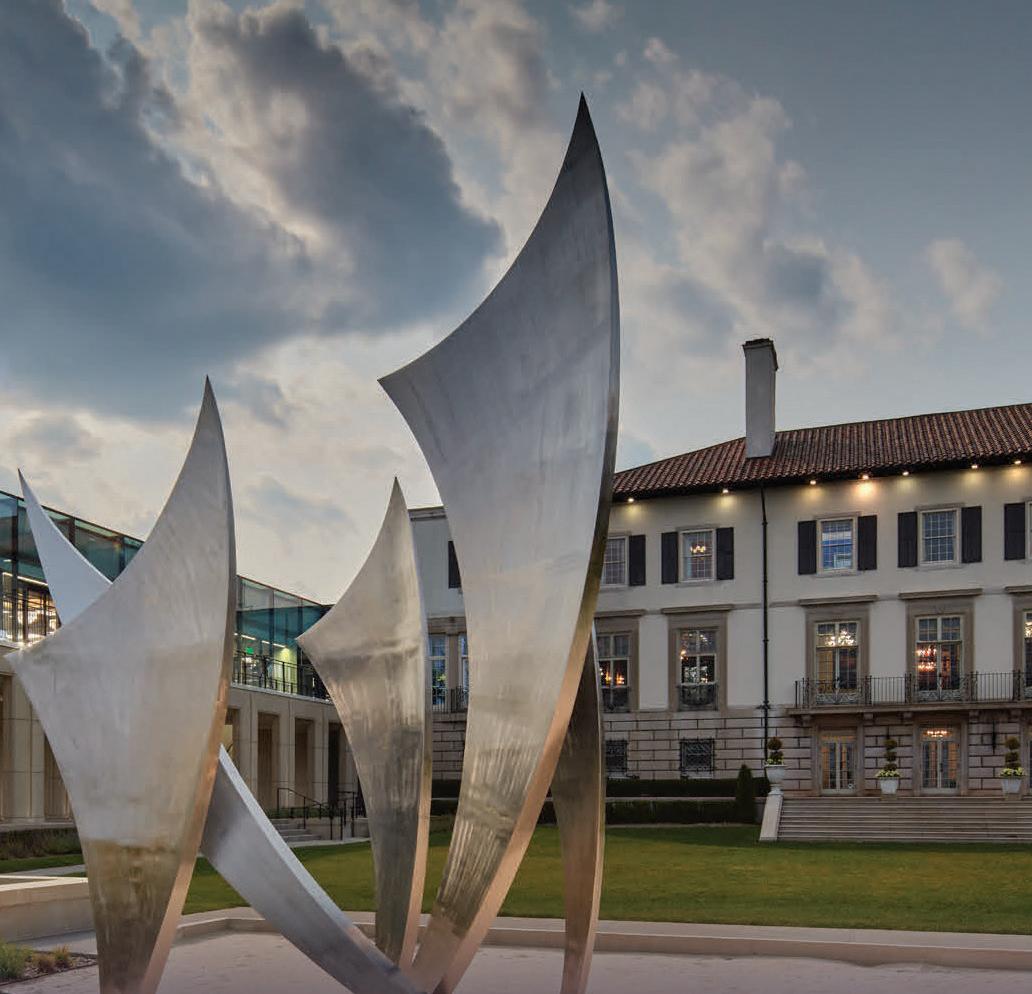









Former DTE Energy vice chair Dave Meador and others have created a new platform called Trove Market that allows people with disabilities to create and sell their products online.
BY DAN CALABRESE | JOSH SCOTT
Over the course of a long career with DTE Energy in Detroit, in which he rose to the position of vice chairman, Dave Meador came to understand the employment barriers facing those with disabilities.
It was an issue with personal resonance for him, given that his now-30-year-old daughter, Belle, is on the autism spectrum.
To help his daughter and others, Meador was instrumental in starting the nonprofit Autism Alliance of Michigan nearly 15 years ago.
Along the way he learned that his colleagues in the business world would, at times, express a willingness to employ people with disabilities, but he realized that willingness alone doesn’t remove barriers to entry.
As it stands, hiring practices are heavily tilted to favor candidates who can drive, who don’t need special accommodations, who can walk or climb with little difficulty, who can communicate effectively, and who excel at concentration and memory skills.
Overall, according to a recent report by the National Disability Institute, 62.5 percent of people with disabilities remain outside the workforce.
In recent years, that reality — combined with advances made possible by technology — have led a growing number of people with disabilities to eschew traditional employment in favor of entrepreneurial opportunities.
“If you can work at home and have your own business, those barriers aren’t there,” Meador says.
The Association for Enterprise Opportunity reports that adults with disabilities are now 1.3 times as likely to become an entrepreneur as those without — with barriers in the traditional workplace being one factor in that difference. The organization reports entrepreneurs with disabilities generated an estimated $493 billion in sales and receipts in 2024, the latest figures available.

Still, the latter report notes that challenges persist for such entrepreneurs, including difficulties in finding role models, a lack of support from family, and the need to make use of available resources. While the number of entrepreneurs with disabilities is growing, the AEO report cites their average total annual revenue is about $61,000, compared with $135,000 for those without disabilities.
Looking to expand the opportunities for disabled adults, upon his retirement from DTE Energy in 2021, Meador — who subsequently took on a parttime role as executive director of the Detroit Regional CEO Group — was determined to take some sort of action to support people with disabilities who wanted to start their own businesses.
He recognized they would have a shot at success creating and selling items of interest if only they had access to a sales platform that would complement their strengths and offer support where needed.
“Part of it is just lived experience,” Meador says. “I had been involved with organizations trying to get adults with autism and other disabilities into employment. We had done good work, but it was always low-scale.”
He recounted an experience in which major corporations, including Ford Motor Co. and DTE Energy, worked with the Autism Alliance to create job opportunities, but in the end, only 10 people landed jobs from the effort.
“At the same time, my daughter (had been) out of high school for 12 years and had been working to get part-time employment,” Meador says. “We were successful at English Gardens, but others we talked to would just apologize and say, ‘We’re sorry, it’s too hard and we don’t know how to do it.’ ”
Meador wasn’t willing to accept that answer, so he poured himself into finding a better solution.
TALENT SOURCE
Trove Market was formed as a digital platform similar to Esty, and allows people with disabilities to establish accounts and sell goods they create. The market takes 3 percent of a given company’s sales revenue, compared to 30 percent for Esty.
The result of those efforts is Trove Market, a platform similar to Etsy that allows individual sellers to establish accounts and sell goods they create. Trove Market is uniquely established for people with disabilities, and takes 3 percent of a given company’s sales revenue compared to the 30 percent Etsy takes.
“In our marketing program, we drive buyers to Trove Market who are shopping with their heart,” Meador says. “If someone wanted to do that on Etsy, they couldn’t. The search engine wouldn’t allow it.”
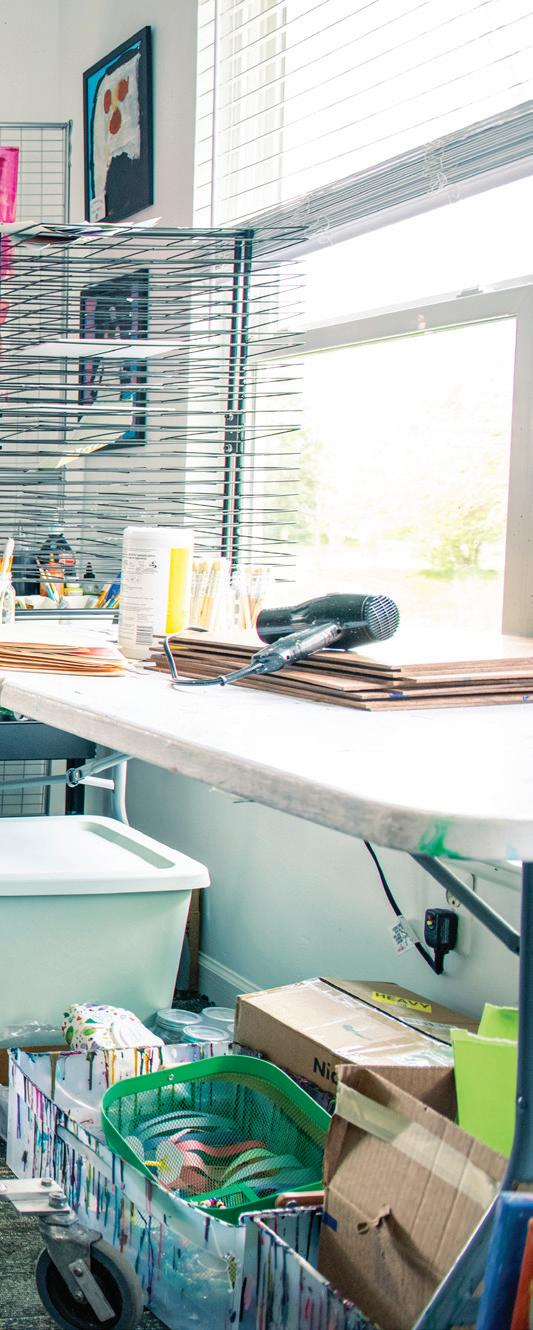
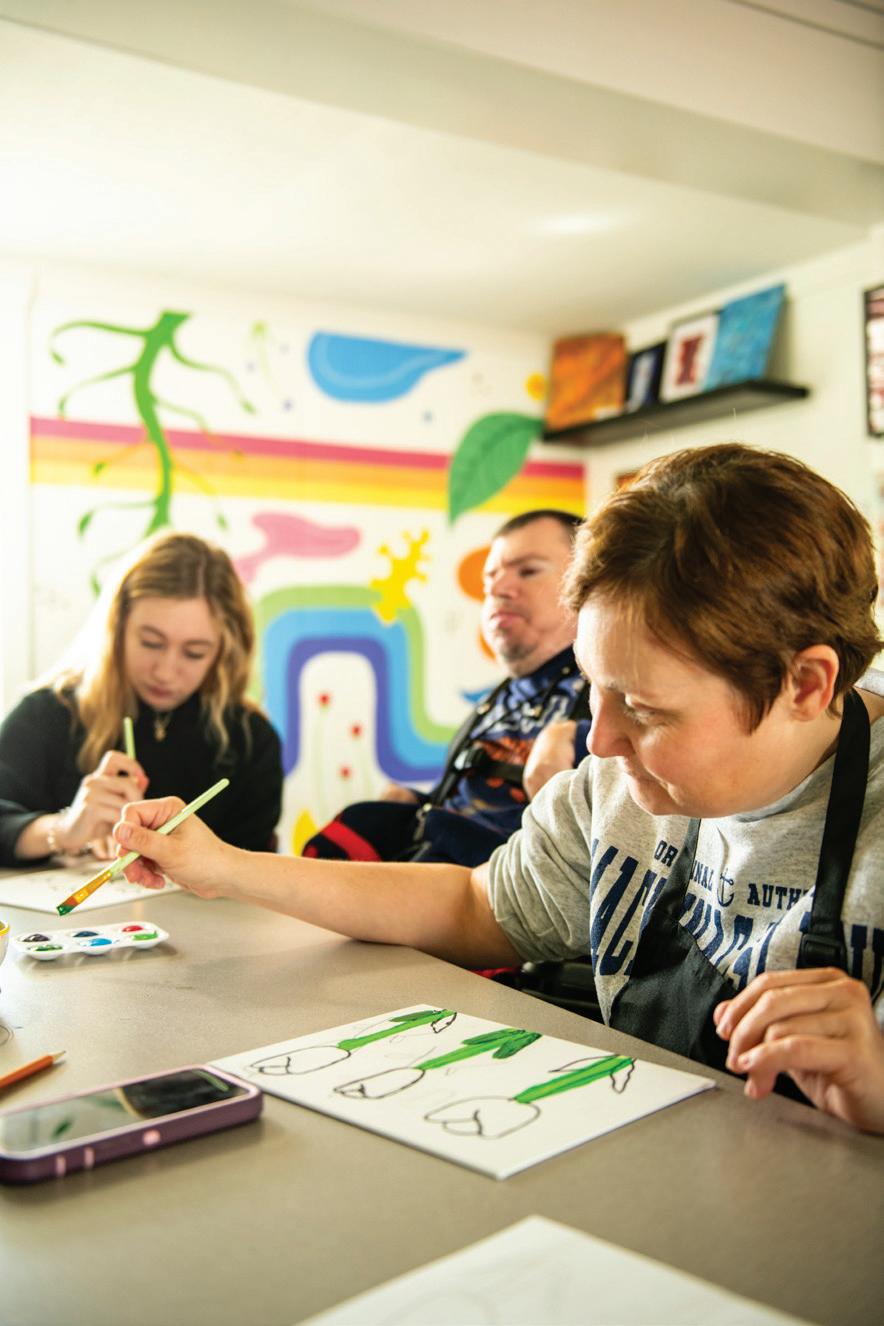
In operation since Thanksgiving Day 2025, Trove Market is the result of two years’ worth of work by Meador, who dealt with everything from the technology to recruiting sellers to getting the word out.
“I think of it as a retail business,” Meador says. “We need to get the shelves full and open the store.”
It’s also essential to get the right leadership in place, and Meador conducted a search for a CEO that resulted in 15 plausible applicants. None of the candidates possessed the appeal of Jayme Powell, who not only had an outstanding corporate background, but also had a personal investment in the mission.
“I approached Dave and asked, ‘If we can make these things happen and have a really good exit strategy, would you consider having me as CEO?’ ” Powell recalls. “I propositioned him.”
Like Meador, Powell has a family member with a disability that hampered employment opportunities. Her 38-year-old sister, Brittany Danzig, has Asperger syndrome, which also falls on the autism spectrum. That, combined with her professional experience, made Powell a clear choice.
Powell, who started last November as Trove Market’s CEO, spent eight of the previous 10 years leading education and workforce strategies for Rocket Cos. in Detroit. In that position, she got to know Meador, given he was involved with helping to build the Rocket Community Fund.
In December 2023, Powell accepted the position of executive director for the Detroit Regional Partnership, which gave her a further opportunity to interact with Meador, who helped to organize the business attraction and economic development group.
When she learned where Meador was going with Trove Market, she realized it would allow her to assist her sister and others facing similar challenges.
“I saw my sister through her educational journey, and she encountered many challenges alongside her Asperger’s diagnosis,” Powell says. “Since graduation, she has had a tremendously difficult time navigating a traditional employment situation.”
While Meador and Powell shared a personal conviction to help those with disabilities take advantage of entrepreneurial opportunities, they also shared an understanding that it would require more than simply creating a platform and signing people up to sell goods.
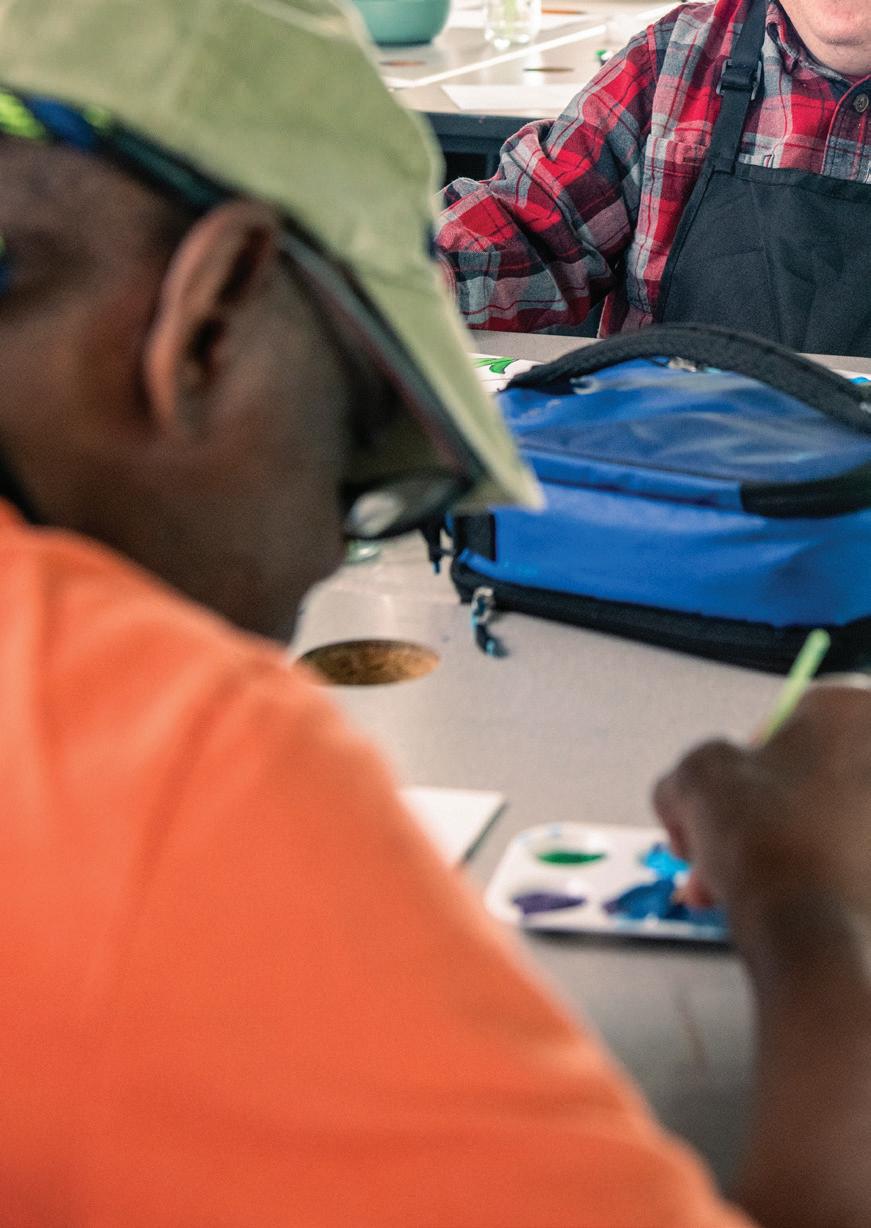
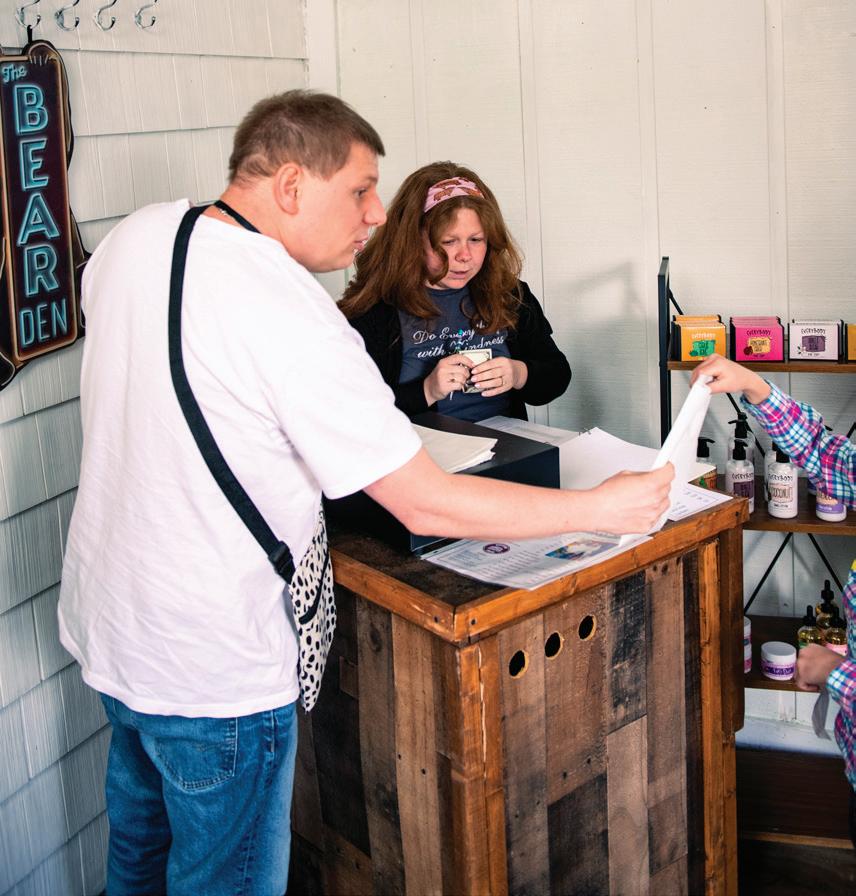
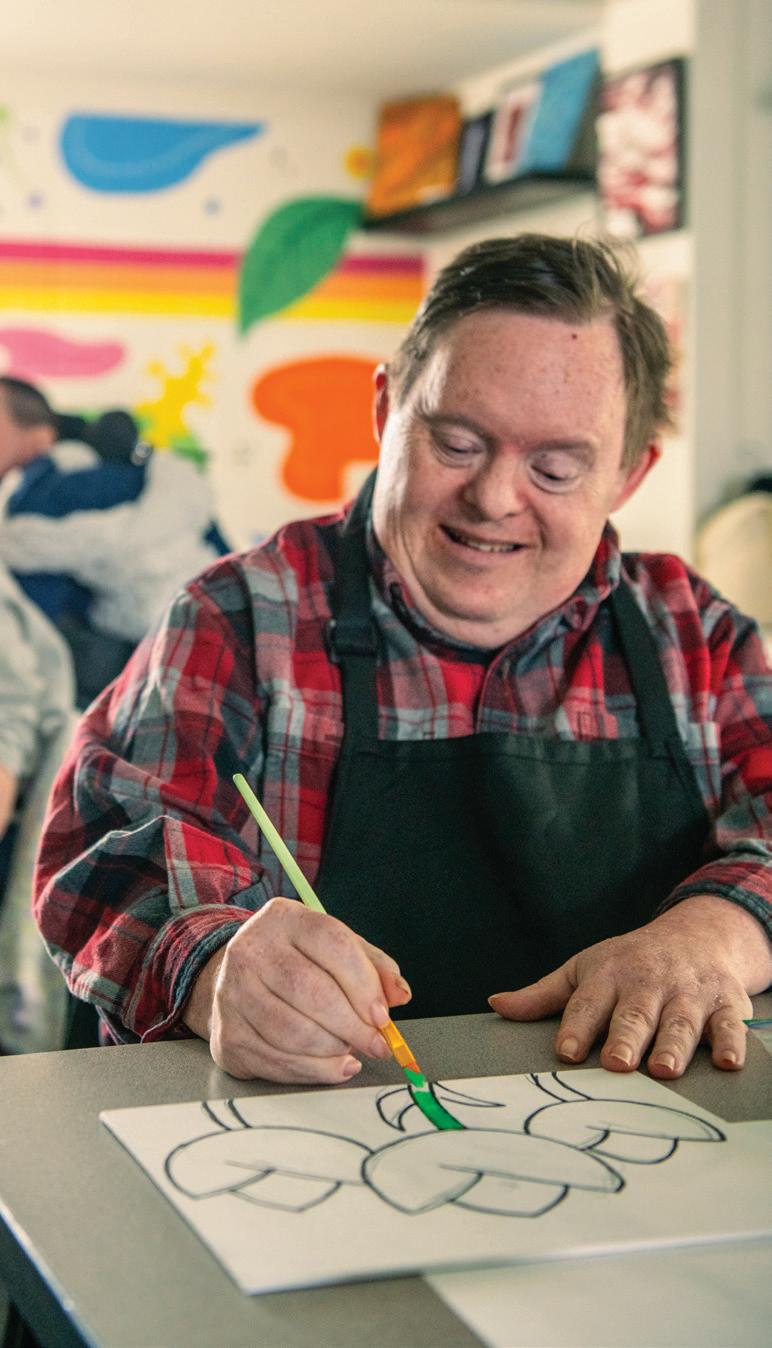
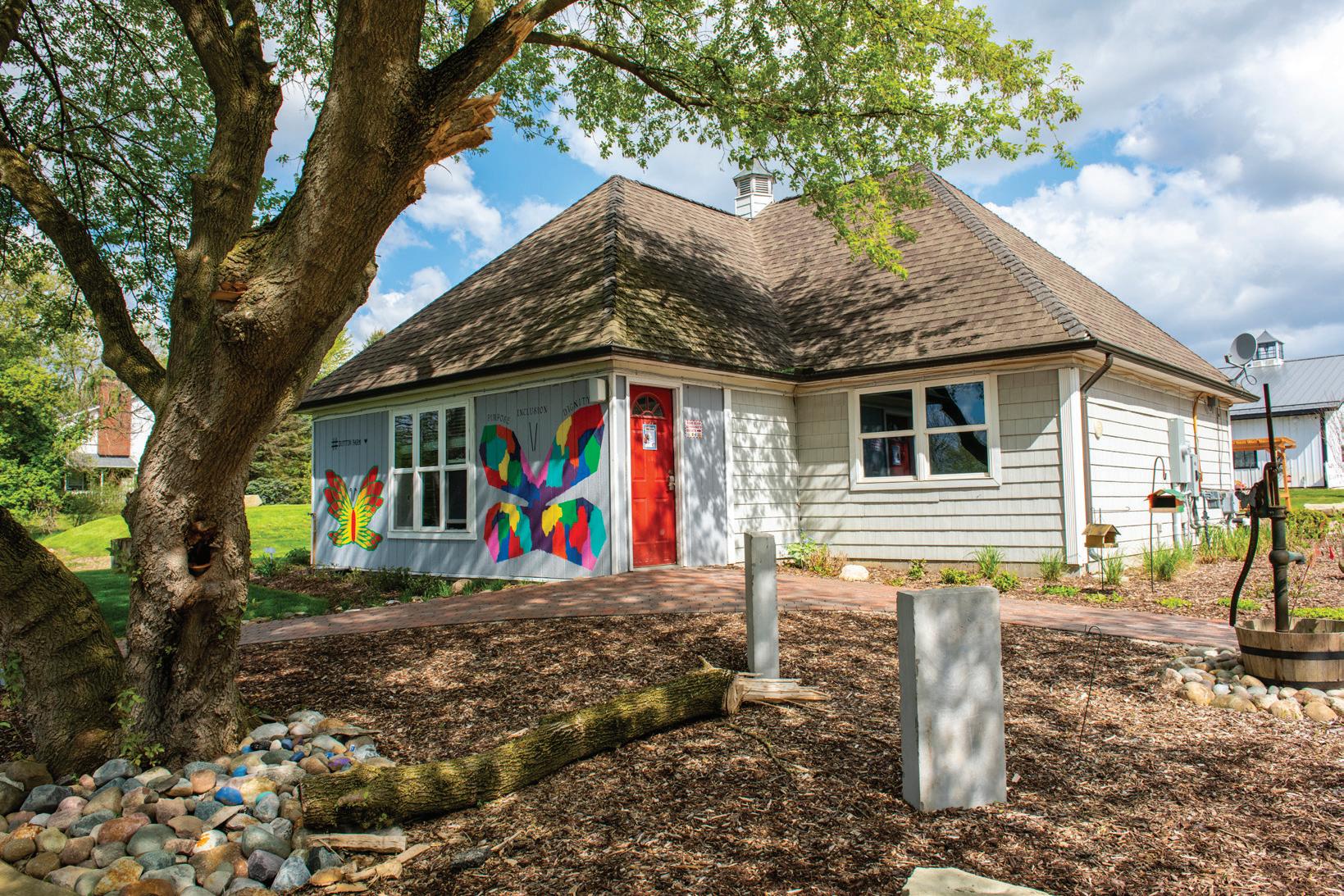
Even the most experienced business professionals find it difficult to start a business. The population being targeted for Trove Market would need help in a variety of different ways — as would the enterprise itself.
That’s where the corporate community stepped in. While many businesses may struggle to employ those with disabilities, other companies have demonstrated a willingness to respond when Trove Market asks for specific types of help.
For example, Detroit-based TechTown has offered to modify some of its training programs to make them more accessible to those with disabilities; TechTown and Trove Market are now working together to create a seller support hub.
Several banks, including Chase, Huntington, Flagstar, Comerica, and Fifth Third have offered to help with financial literacy education.
DTE Energy, Consumers Energy, and Ally Financial have offered to help with training.
Apart from selling goods online, the Meijer location in Royal Oak plans to put some of the products created by Trove Market sellers in the store.
“This is being jump-started by philanthropy,” Meador says. “Fundraising is hard, but walking into these corporations, we end up having these generative conversations where they say, ‘In addition to funding, can we do this or that?’ ”
All the support has helped with Trove Market’s current top priority, which is recruiting sellers and getting supplies lined up. Thanks to the assistance that’s come from the larger community, Trove is able to offer a fullscale support system, including a variety of business resources, tutorials, and instructional videos.
The early results suggest that both the concept and the widespread support have set the stage for seller success. Belle Meador did $1,000 in sales her very first week on Trove Market by selling themed cards for birthdays and holidays, as well as colorful slime including pink slime with Axolotl, mint chocolate chip slime, and a dream dragon-themed slime with a white rabbit scent.
“While she was making the cards on her own, she was researching the slime,” Meador says. “A week ago she figured out how to make a flexible dragon.”
One key to Belle Meador’s success is the opportunity Trove Market offers to choose a particular passion or interest and turn it into items for sale.
“There will be a subset of the community that will be starting at that level,” Meador says. “We’ll ask, ‘What’s your passion? What’s your interest?’ There’s one high school where students got together and decided to make coffee mugs, keychains, and cookies.”
Other Trove Market entrepreneurs offer their own specialties.
Joseph Peters sells psychedelic art that he says is based on his dreams and nightmares, as well as collages from comics and children’s books. Another
company, Soft Spray Studio, uses an airbrushed canvas board to create art with stencils and gentle layers of color, while Jennifer Beilis sells art under the name “Hear I Am & Making Positive Changes.”
Better Detroit Brownie Co., meanwhile, is being run by local special needs and autistic teens who are learning “business, baking, and blessing skills” as they bake sweets and perform community service.
As more entrepreneurs populate the site, Meador expects the movement to catch on.
“We’ll get people and prospects to look at what’s on the website and they’ll say, ‘I can do that,’ and it will become generative and grow,” Meador predicts.
Powell says Trove Market intends to help the process by working with nonprofits to put on workshops for potential sellers. In many ways, Trove Market completes the process some other organizations have begun.
“Many of our organization partners, like Living and Learning (Center) or Judson Center, say they’ve got all the programming and they’re making things, but they don’t have a place to get visibility and sell them online,” Powell says.
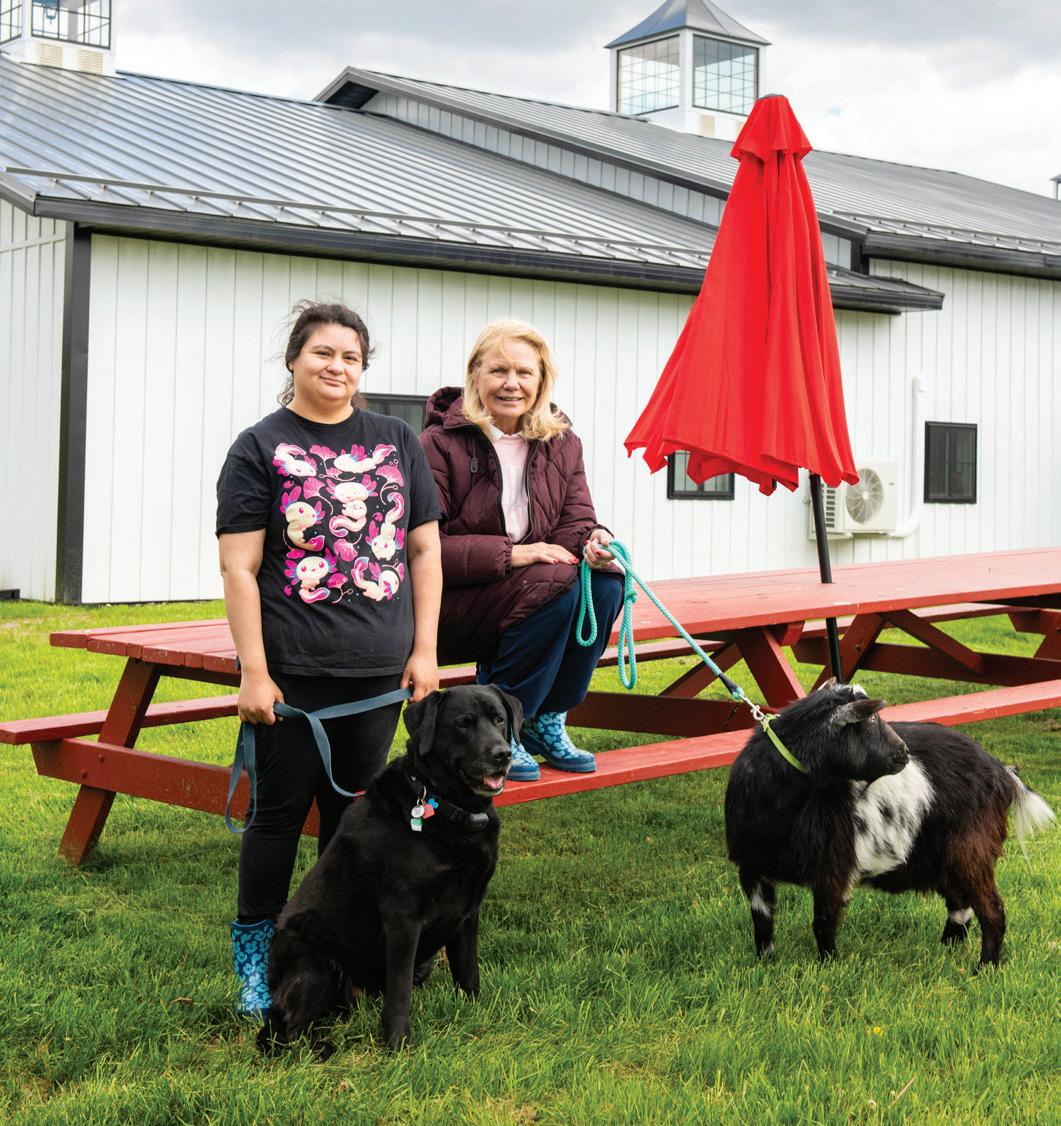
Above:
Farm is a nonprofit organization founded in 2010 that employs adults with developmental disabilities.
Below: Belle Meador and her mother, Peggy, visit the farm and take one of the goats and a dog for a walk.
Stores need customers, of course, and a number of sources have risen to the occasion to help get the word out. The State of Michigan has been broadcasting information about Trove Market, while partner organizations like Dutton Farm, the Living and Learning Center, and Easterseals are putting information out through social media.
Both Consumers Energy and DTE Energy, meanwhile, have sent word to all their employees about opportunities to buy goods from Trove Market. That’s a base of 20,000 people who now know enough to at least take a look.
Meador and Powell see the potential offered by such widespread corporate support, and they have a plan to continue taking advantage of it.
“We’ll have a marketing program that reaches out to corporations who tell us, ‘We’re happy to blast this out to our employees and let our customers know,’ ” Meador says.
It’s part of a widespread embrace of the Trove Market vision that has Meador and Powell overwhelmed.
“People respond by calling and saying, ‘This is incredible, we know this is a part of the economy that isn’t working and we want to help,’ ” Meador says. “We’re getting universal positive reaction from everyone we reach out to.”
While much of that positive reaction surely comes from a simple interest in seeing the fortunes of people with disabilities improve, there’s also an economic imperative to put more people to work.
The Association for Enterprise Opportunity estimates that simply closing the revenue gap between entrepreneurs with disabilities and those without could cause a positive impact on the national economy of $776 billion.
The same report highlights some of the remaining challenges, including the fact that 59 percent of the entrepreneurs with disabilities who had to close their businesses in recent years did so because of a lack of affordable health insurance — that’s slightly higher than the 51 percent of entrepreneurs without disabilities who did so for the same reason.
AEO also reports 76 percent of entrepreneurs with disabilities have trouble accessing support from outside sources to help operate and grow their respective businesses.
All of this helps to explain why Michigan has 1.7 million people with disabilities who are not currently working.
Fortunately, the early success of Trove Market suggests those who have struggled to find traditional employment might now have a very plausible alternative, and local educators are taking note. Area high schools are playing two critical roles. One is as a source of potential sellers on the platform. Meador recently heard from a Detroit high school special education teacher who has been looking for ways to get his students part-time work, and asked, “Is there any reason we can’t have a store?”
That dialogue has helped draw the attention of leadership at the Detroit Public Schools Community District, where as many as 1,000 current students are potential sellers.
“It would be a districtwide store and the students would be selling as part of that,” Meador says.
Meanwhile, the Detroit Public Schools have offered to serve as a fulfillment center for the students who will be selling from their store. The nonprofit Goodwill Industries in Detroit also has offered to provide fulfillment support if volume requires it.

Above: Products made at Dutton Farm and artwork created by local artists for sale. Below: Instructors work with the artists one-on-one to create paintings and objects.
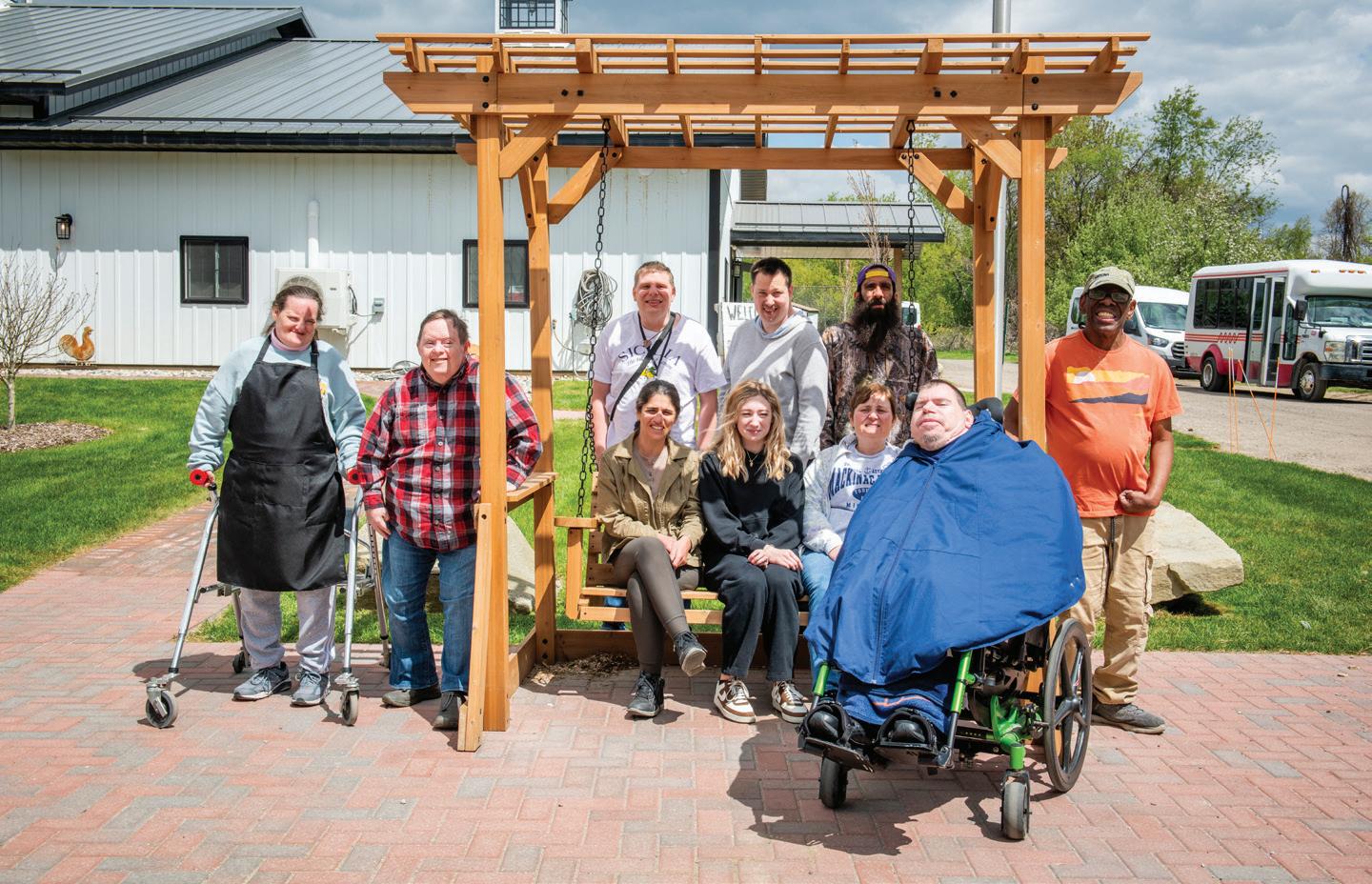
In turn, Powell says she has been vigilant as CEO about making sure Trove Market complies with all laws and regulations pertinent to this type of operation. It qualified as a 501(c)(3) nonprofit because its core audience is living far below the poverty line.
“It has to be hyper-compliant, with accessible standards,” Powell says. “And it needs to have holistic support like technical support.”
Powell says one of the rewards of realizing the Trove Market vision is the chance for her sister to see herself in a different way.
“My sister never saw herself as a creator,” Powell says.
That has changed dramatically. Danzig is selling a variety of individually designed business card holders, with themes such as American stars and stripes, pink butterflies, pearl leaves, sunflowers, Hannukah, and curlicue patterns.
It’s even a prominent attribute on her profile.
“With the support of my family, I’m able to learn new skills that help improve my dexterity, learn about business, and do what I love most — to meet people’s wants and needs,” she wrote.
That’s the vision Meador had in mind when he set out, five years ago, to create something different for people wanting to work, but who were hampered by disabilities. “We’re bring our vision to life,” he says. “We want to raise the profile of Trove Market, so it becomes a household word.”

The Detroit Sound spread worldwide in the mid-20th century, and taking cues from the auto industry, local record companies stocked a full parts bin and met tight production schedules.

BY RONALD AHRENS


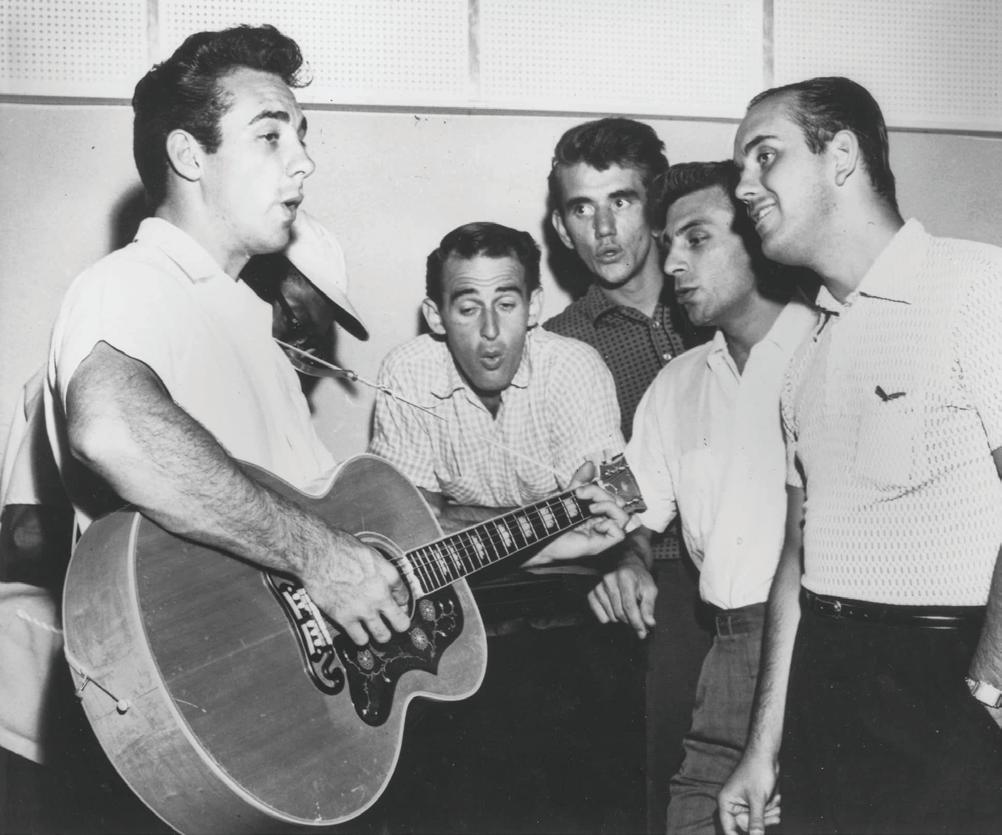
Like many a singer-songwriter of the late 1950s, Jack Scott grew up on Hank Williams records but did an about-face when he heard Elvis Presley.
Recording his rst single in 1957, Scott wrote lyrics and his band improvised a rocking arrangement at United Sound Systems, the former recording studio along Second Avenue in Detroit near Wayne State University.
Scott’s manager, Carl om, who opened his rst Harmony House record store in Hazel Park where Scott lived, then persuaded ABC-Paramount to release “Baby She’s Gone” as side one of a 78-rpm disc.
“I was riding in my car, listening to the radio,” Scott later recalled. Mickey Shorr, the DJ and eventual car stereo entrepreneur, debuted the tune. “He played my record three times in a row.”
Scott kept writing, his band played on, and the astonishing result was 19 songs charting on the Billboard Hot 100 between 1958 and 1961.
“Jack Scott started it all for Detroit,” Motown Records founder Berry Gordy said.
Scott exempli ed two aspects of the formula laid out by critic S.R. “Boris” Boland in the book, “Heaven Was Detroit: From Jazz to HipHop and Beyond.”
“Generally speaking, rock ’n’ roll was birthed by the four groups that mainstream, middle-class America didn’t want (or at least didn’t want to acknowledge): Blacks, hillbillies, Italian Americans, and Jews,” Boland wrote.
Scott was born Giovanni Domenico Scafone Jr., but he learned to sing like a hillbilly. At the suggestion of WEXL radio host Jack Ihrie, who had scouted a Hazel Park High School show, young Scafone changed his name to Jack Scott.
En route to his biggest hit, “ e Way I Walk,” Scott drew on the Detroit Sound that had been coalescing since 1946, when Jack and Devora Brown scraped up $3,000 and launched Fortune Records at 11629 Linwood St. (A decade later, they


moved to 3942 ird Ave.) Already, in 1945, Joe Battle — who added “Von” as his middle name — started selling records in his store at 3530 Hastings St. in the original Paradise Valley. His recording enterprise, JVB Recording Co., not only o ered the strong-selling sermons of the Rev. C.L. Franklin of New Bethel Baptist Church, but also waxed the rst sessions with his daughter, Aretha.
Besides gospel tunes, the song list for the Detroit Sound drew from the jazz, blues, and R&B music that ourished in venues such as the 606 Horseshoe Club, the Paradise eatre (formerly and now Orchestra Hall), and the Blue Bird Inn at 5021 Tireman Ave.
One of the most popular venues was Morris Wasserman’s Flame Show Bar, located at 4260 John R St. It had a neon façade and “black-and-tan” clientele, meaning Whites and Blacks mingled. e renown of these clubs spread to the Deep South through the letters sent home from those who migrated to Detroit.
National acts as distinguished as Billie Holiday came from New York City to play the Flame, but locals also appeared. One was Dinah Washington — “ e Incomparable Queen of the Blues,” according to a 1956 Flame ad — who settled in Detroit and was married to Dick “Night Train” Lane at the time of her premature death in 1963.
Beyond musical traditions, an obvious inspiration of the Detroit Sound was the auto industry. Music had long come from the cotton elds and coal mines, but an industrial setting was something new. All it took was a sensitive ear to take in the rhythms of the assembly lines.
One who broke down the din was bluesman Bobo Jenkins, who arrived from Alabama in 1944 and worked for Briggs Manufacturing Co. in Detroit.
“ e whirrin’ of the machines gives me the beat,” Jenkins said. “Every song I ever wrote that’s any good came to me on the assembly line.”
“ e Birth of the Detroit Sound 1940-1964” also reveals a 1942 innovation by Illinois Jacquet, who urgently “honked” his tenor saxophone on Lionel Hampton’s “Flying Home.” After Jacquet went solo, he sometimes played the Paradise eatre, and the sonics pulsed across Detroit.
Paul Williams rst blew his sax in school orchestras at Northeastern and Cass Technical high schools, and he adopted Jacquet’s honking style. Williams scored his rst R&B hit, “ irty-Five irty,” using the Hastings Street address of Joe’s Records in homage.
In 1949, Williams’ tune “ e Hucklebuck” appropriated the name of a dance craze and spent 14 weeks as the No. 1 R&B song during 32 weeks on the charts. “Hucklebuck” stuck as Williams’ nickname.
MUSICAL OUTPUT
In
Over time, the synergies between industry and music diversi ed, putting the “beep” in bebop and adding some “bam.” An essay in “Heaven Was Detroit” describes how drummer Roy Brooks could lay down a “thunderous, rock-steady tom-tom barrage with the intensity of a 1950s auto-factory stamping plant.”

A different pathway found Fortune Records naming a subsidiary label Strate-8; despite the irregular spelling, it clearly referred to Buick, Oldsmobile, or Pontiac engines of that configuration.
Automotive themes even interfused with songcraft, and one refinement came via Motown’s imprint Gordy Records.
“On ‘Nowhere to Run,’ by Martha and the Vandellas (led by Martha Reeves), somebody’s banging tire chains — the snow chains,” musician Marshall Crenshaw says in an interview. “That’s the percussion sound you hear.”
The girl group once even took their act to a Ford factory in Dearborn, posing for unforgettable photos on the rear cowl of a Mustang convertible amid amused line workers; the scene can be found in a YouTube video.
In 1961, it was the Marvelettes — straight out of Inkster High School — who sang “Please, Mr. Postman” and delivered the first Motown chart-topper on Tamla, the company’s original label. Analyzing the song, Crenshaw cites the general consensus that Marvin Gaye plays drums on the 1961 smash.
“What’s striking to me about that is, all the fills he plays, it almost sounds like it could be the regular Motown drummer, Benny Benjamin,” he says. “It leads me to wonder if Benny Benjamin used Marvin’s performance on ‘Please, Mr. Postman’ as a template for the style on all those later records. Marvin Gaye was a really good drummer.”
It’s different from the “Phil Spector thing” that Crenshaw used on his own 1982 hit “Someday, Someway,” released on Warner Brothers Records. The Berkley High School graduate starts the wistful number with a rockabilly riff but explains, “You’ll hear how the percussion is just like a white noise all the way through the track.”
The formula for Motown’s bountiful success saw songwriting proceed on a weekly schedule. The talent stayed busy recording, or they performed at the likes of 20 Grand, located at 14th Street and West Warren Avenue. The Motown hit factory at 2648 W. Grand Boulevard even had its own trim shop in the form of twice-weekly artist development sessions, wherein Maxine Powell taught presentation skills.
For talent, Gordy drew on well-trained products of the local public school music programs and showed the world what Blacks could achieve.
A complaint, after the company finalized its move to Los Angeles in 1972, was that Detroit officials had overlooked the achievement of a Black-owned startup company that grew to employ more than 450 people, including administrative staff at the Donovan Building (since demolished) on Woodward Avenue. Motown had already grossed $20 million in 1966.
Before the move to L.A., Motown’s sound was shifting along with society, and protest songs entered the vocabulary. “Ball of Confusion” by the Temptations and “War” by Edwin Starr (both in 1970), along with “What’s Goin’ On” by Marvin Gaye (1971) remain powerful today.
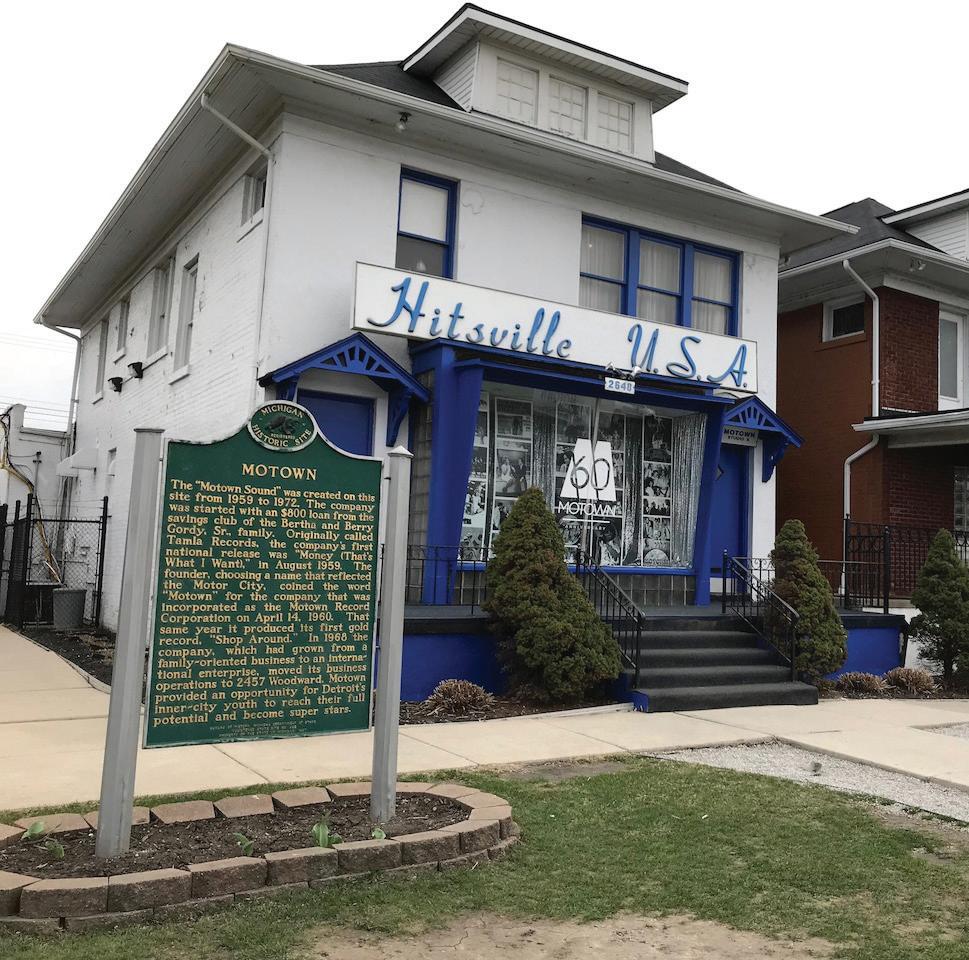
Above: Singer Billie Holiday performed at the Flame Show Bar in Detroit, Jack Scott and the Chantones made records in the Motor City, and Motown Records on the city’s west side was the birthplace of some of the world’s most iconic songs.
Below: The MC5 kicked out the jams with their distinct fusion of garage punk, hard rock, and R&B.
Back in Detroit, these artists had handed an evolving version of the Detroit Sound to the MC5. Their 1969 debut album, “Kick Out the Jams,” was recorded live at Russ Gibb’s 2,000-seat Grande Ballroom on Grand River Avenue, and the Detroit Sound now incorporated certain four-letter words that weren’t readily accepted.
In fact, the manager and clerk at the Dearborn Music Shop were arrested and charged with furnishing obscene materials to a minor after selling “Kick Out the Jams” ($3.98) to a 13-year-old boy.
Condensing their name from “Motor City Five,” the quintet with Lincoln Park origins featured the shattering twin-guitar attack of Wayne Kramer and Fred “Sonic” Smith, who matched stage poses in mock doo-wop style. “Motor City Is Burning,” written by former Ford Motor Co. worker John Lee Hooker, was just one track expressing a revolutionary attitude.
Not long before his premature death of a heart attack, frontman Rob Tyner explained in liner notes for a 1991 re-release of “Jams” how the MC5 opened the way for future movements.
“We were punk before punk. We were new wave before new wave. We were metal before metal. We were even ‘MC’ before Hammer,” he said.


e MC5’s Smith passed away in 1994, also of a heart attack. When the surviving members toured a decade later, Crenshaw stepped into Smith’s spot for all the U.S. dates.
“I loved it,” Crenshaw says. “I got more insight on the songs because, at rehearsal, they had the lyrics on big poster boards. Sometimes on the records you can’t hear the nuances. Rob Tyner and Fred Smith were great writers. e music was fun to play, but I did the whole tour with no earplugs. In that way, I did myself no favors.”
e MC5 emerged from a lively scene that fermented large helpings of garage rock with R&B.
Picking up on the latest wave of the Detroit Sound, Mitch Ryder and the Detroit Wheels played high-RPM R&B. e Amboy Dukes pursued psychedelic rock before Ted Nugent went solo.
On Oct. 1, 1966, Cobo Arena in Detroit hosted a bene t show, and the big lineup included Del Shannon, the Temptations, and Terry Knight and the Pack (two of whose members later formed Grand Funk Railroad), and the Mysterians performed “96 Tears.”
Bob Seger and the Heard also joined the benet’s bill, and from this scene emerges one of life’s consuming mysteries — namely, how Ann Arbor High School (today Pioneer High) managed to produce both Iggy Pop and Bob Seger.
While Pop hit the road, it was Seger who stayed home and kept grinding.
Seger cruised Woodward Avenue in “Horizontal Bop” and saluted factory hands in “Makin’ underbirds.” He put all the traditions together ever so vividly in “Night Moves,” which reached No. 4 on the Hot 100 and charted for 21 weeks.
Like a Motown song, it started with a simple strum, told the story of a boy-girl relationship in a passionate voice, and received a rmation from the backup trio’s gospel-like singing. A bluesy organ and jazzy piano took turns enlivening the breaks.
And who couldn’t relate to the backseat of a ’60 Chevy? Ultimately, Seger took a long ride with Chevrolet trucks when “Like a Rock” led an ad campaign from 1991 to 2004.
Crenshaw’s self-titled LP of 1982 was like a station sign-o for the Detroit Sound. Maybe there was a curse after Jack Scott’s signature song, “ e Way I Walk,” was sardonically covered in 1983 by the Cramps.
Two years later, Aretha Franklin rode down the “Freeway of Love” in a pink Cadillac. For a time, Eminem, funkmaster Don Was, and techno composer Derrick May became prominent ambassadors during an era when the Detroit Sound otherwise was back in the garage for retro tting.
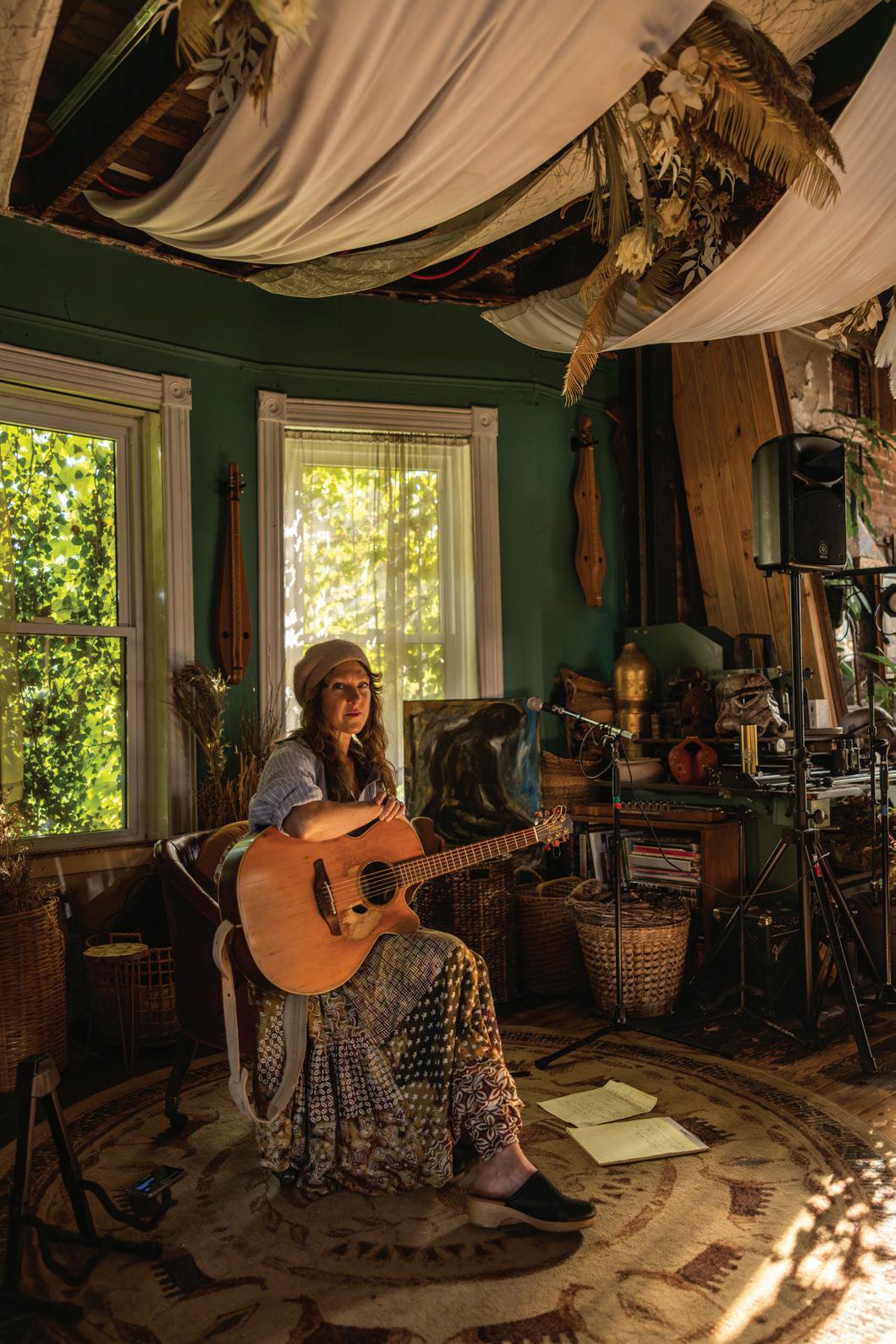
in mod attire, the
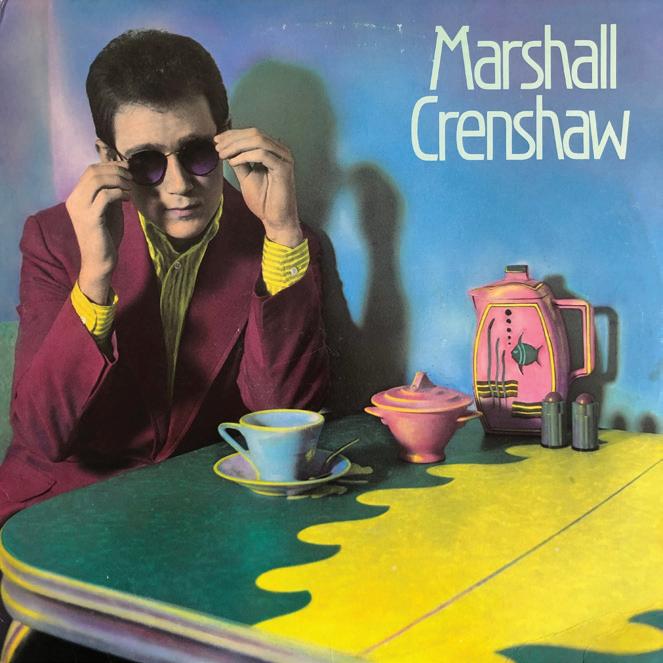

emerged with a new primitivity and delivered three raw albums before disbanding. By 1997, Gories alumni Mick Collins and Danny Kroha supported former Fortune artist Andre Williams on his comeback LP, “Silky.”
Among sessions at Ghetto Recorders, they laid down “Bring Me Back My Car Unstripped,” with a churning, cacophonous rhythm section of clanging car parts serving as a general 1990s Detroit metaphor.
“At the very least, one can rest assured that, without the in uence of the Gories, there would be no White Stripes,” critic Dustin Krcatovich wrote in 2021.
Without the unprecedented artistry of the White Stripes, football stadiums nationwide wouldn’t institutionalize the Detroit Sound in the form of “Seven Nation Army,” yet another song that starts with simple guitar picking, this one rendered on a vintage Kay Archtop semi-acoustic mated with a whammy pedal.
A point of interest returns this story to 1965, when a di erent element of the Detroit Sound was expressed by Joni Mitchell. e native of Canada’s prairie came to Detroit after marrying Rochester High School graduate Chuck Mitchell.
She played more than 60 times at Morrie Weidenbaum’s Chess Mate, a 200seat co eehouse on Livernois Avenue near the University of Detroit Mercy. Mitchell called it her “proving ground.”
Living at the Verona Apartments in the Cass Corridor, she composed “ e Circle Game” in response to Neil Young’s “Sugar Mountain.” Young knew Mitchell from Canada and stayed with the couple on a visit to Detroit.
e co eehouses and nightclubs have since faded from the scene, but their legacies live on. Talent still emerges from events like the monthly Brain Candy

programs at Green Brain Comics in Dearborn, where impresario Dan Wickett welcomes musicians, poets, and artists. Singer-songwriter Audra Kubat, a veteran Brain Candy performer, has issued a skein of albums since “Stunning Amazon” in 1999.
“I learned to sing by listening to Joni Mitchell records,” she says. “Folk is in the same vein as blues and country. What they have in common is they’re stories about people.”
She signals agreement with Boris Boland on the origins of pop music coming from marginalized people. “It’s those with the smallest platform that often have the most important things to say. When someone comes along that has that special voice or that ability to really reflect what’s happening in those underserved or marginalized communities, they often are speaking with a deeper authority.”
For 12 years, Kubat has worked with young writers in the Detroit Institute of Arts’ Inside|Out project, using art on the walls to create songs. Additionally, she’s the early childhood educator for the Detroit Symphony Orchestra.
Her Northwest Goldberg home, dubbed A Detroit House of Music, opens to “people-powered” music. Yet, she strikes a despairing note about the overall picture.
“We have some of the greatest songwriters right now in the city of Detroit, but I don’t see a pathway forward for myself and for them,” she laments.
Still, any new song posted on social media may, indeed, go viral, bringing the Detroit Sound back to the forefront.
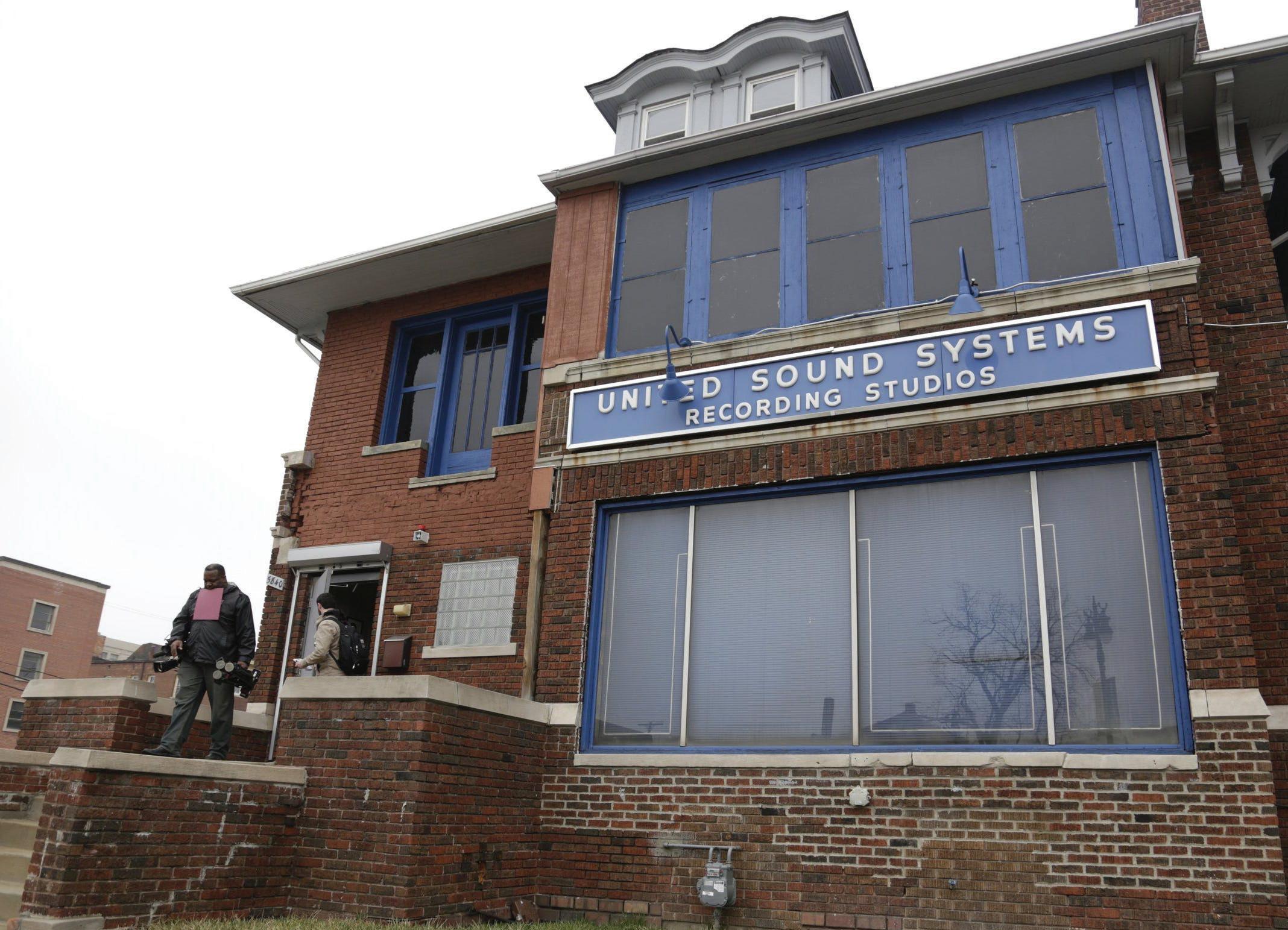
$800 FROM HIS family’s strategic fund, Berry Gordy launched Motown Records in 1959 by recording Marv Johnson’s “Come to Me” at United Sound Systems Recording Studios in Detroit.
Founded in 1939 by violinist and sound engineer James Siracuse, United Sound took over a house at 5840 Second Ave. Through the decades, many artists recorded here — including John Lee Hooker, Jackie Wilson, and Hastings Street doyenne Alberta Adams, Detroit Queen of the Blues. Johnnie Taylor worked out parts of “Disco Lady,” a No. 1 crossover smash in 1976.
After anchoring the scene for decades, United Sound became inactive in 2017.
The following year, the Michigan Department of Transportation gained control over the property for $1.7 million.
The Detroit Sound Conservancy, a nonprofit dedicated to the preservation of Detroit music, has since advocated for preservation measures.

“It really is the center of Detroit’s musical 20th century,” Carleton Gholz, founder of the Detroit Sound Conservancy, once said.
Today, Detroit Sound Conservancy director of operations Jonah Raduns-Silverstein believes there’s no recording equipment on the premises in Midtown, “but the building is a unique example of recording studio architecture,” he says.
Joel Martin started working at United Sound as an engineer in 1980. Producer Don Davis — who played guitar on Motown’s 1960 hit
“Money (That’s What I Want)” — had purchased the studio in 1971.
“That was the go-to studio,” recalls Martin, who has owned 54 Sound along E. Nine Mile Road in Ferndale since 1985. “At the time, that was state-of-the-art in terms of recording.”
Martin finds today’s Detroit recording industry in a fragmented state.
“It’s fascinating because it’s essentially relegated to individuals that can keep an operation going without depending on the public to support it,” Martin notes. “Because of the economics, it’s very difficult to sustain a recording studio that’s open for business.”
He names Rust Belt Studios, in Royal Oak, and The Tempermill, around the corner from his own studio’s Ferndale location, as successful examples.
An inescapable factor is that, like other industries, recording enterprises are squeezed by advancing technology. Ray Williams, owner of SoundSlingers Studio in Detroit, says he used to offer production services, but these days artists book studio time after working out the music on their laptops.
“The instrumental tracks have gotten so cheap,” Williams says.
Martin refers to techno pioneer Derrick May and his collaborators, who produced their own beats with drum machines. Software-based solutions and sample libraries have since replaced them.
“The interesting thing is that recording studios like United Sound, there’s always going to be a need for a studio of that stature,” Martin says. He draws a comparison to classic cars, which become ever more valuable even as fewer people know how to drive and repair them. In turn, operating vintage analog recording equipment is expensive.
“To record the way I was taught to record, with real musicians and bands, it’s very hard to duplicate,” Martin says.
— By Ronald Ahrens


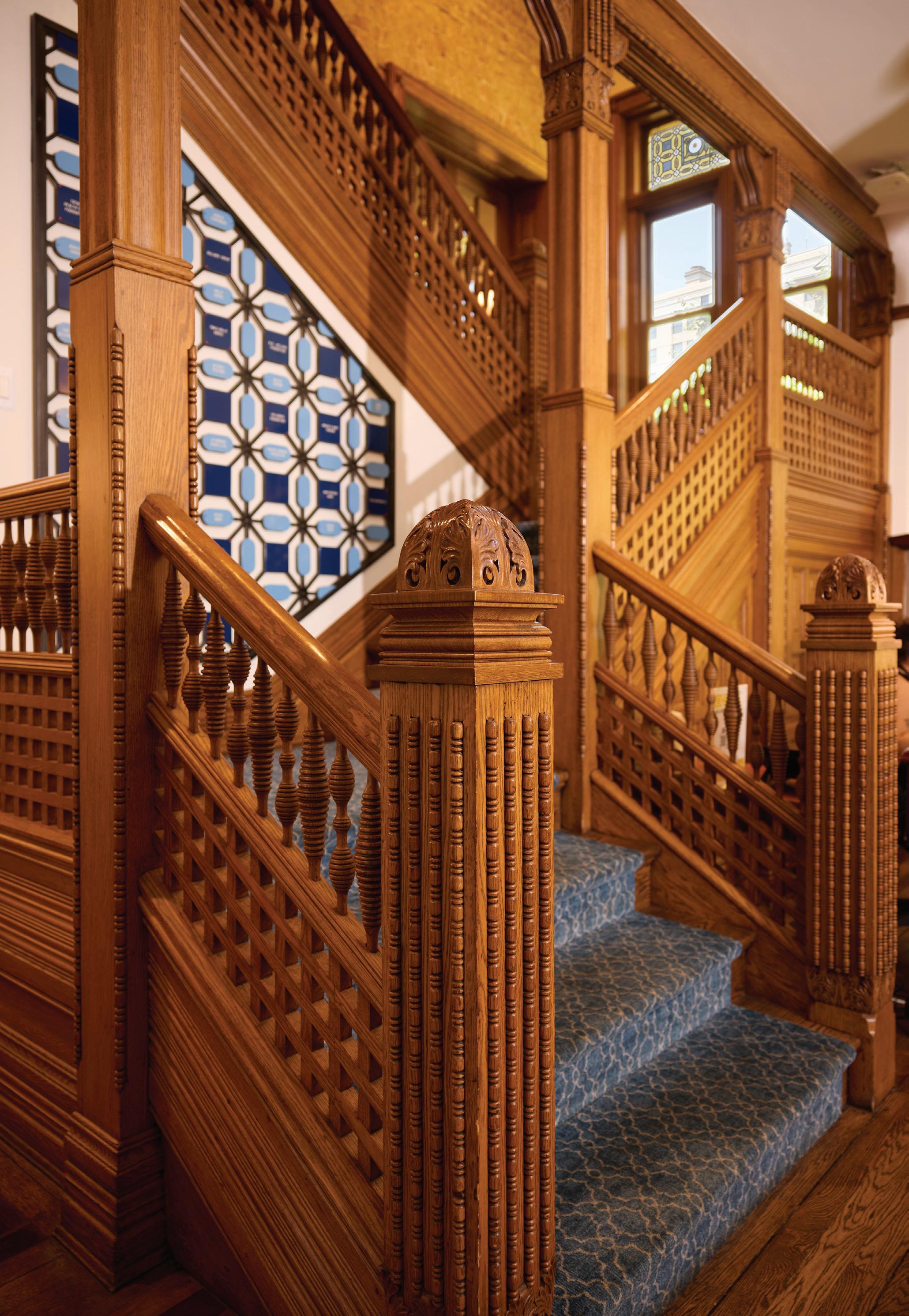
The 2026 Powered by Women honorees were photographed on location at BasBlue, a business and community club located in Midtown Detroit. The nonprofit organization restored a 12,000-square-foot manor located north of the Detroit Institute of Arts. In addition, on the following pages, each honoree is wearing and describes their attachment to a personal item of jewelry or clothing that was given to them or borrowed from an influential woman in their life.
To meet the Powered by Women honorees, please join us at the DBusiness Breakfast Series on Thurs., Aug. 6, from 8:30-10:30 a.m., at the Townsend Hotel in downtown Birmingham.
For tickets, email Kayla Yucha at kyucha@hour-media.com
Donna Bashi
Vice President of Business Development
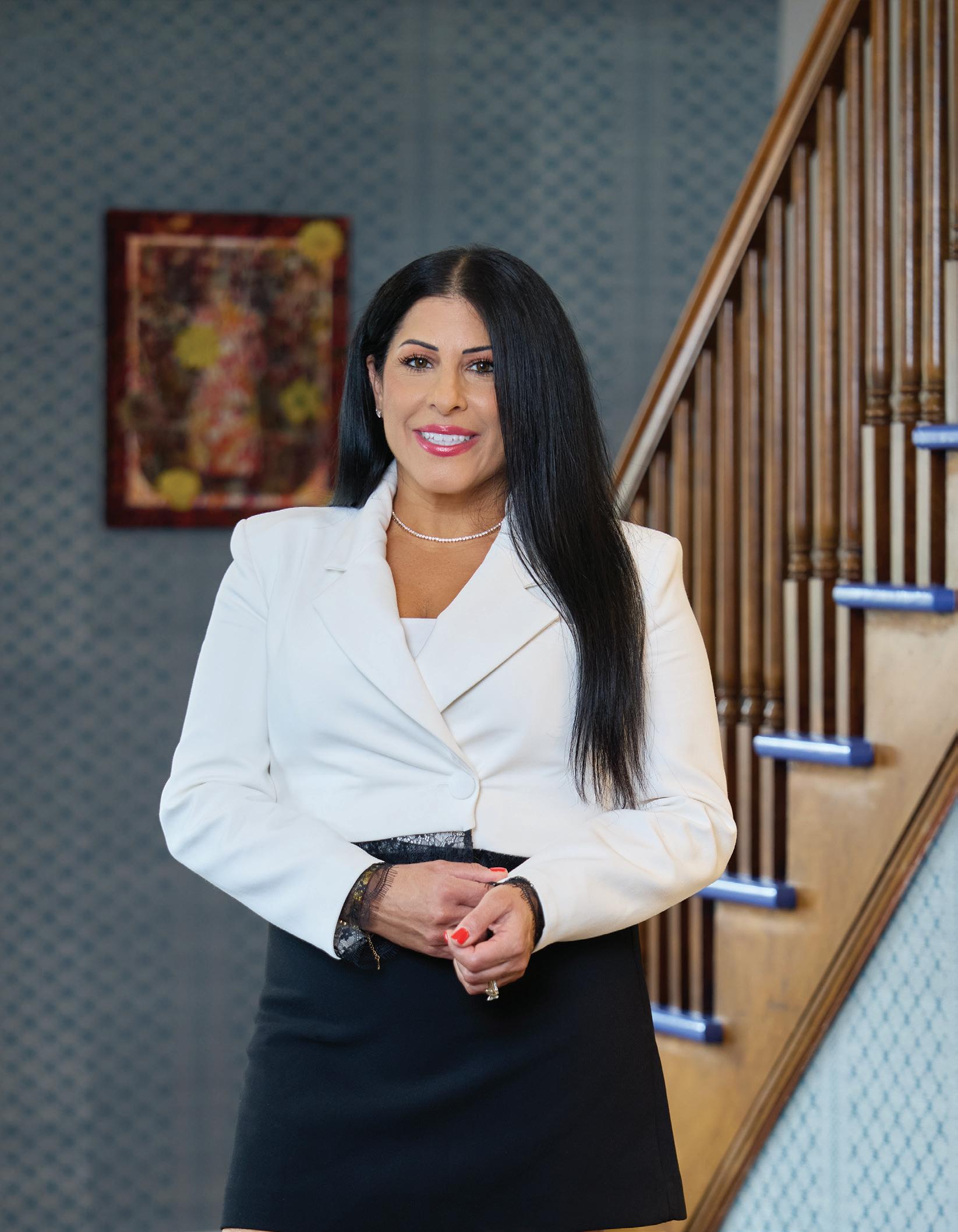
“My daughters gave me this two-heart bracelet for Mother’s Day, and I’ve never taken it off. Every time I look at this bracelet, it reminds me of my daughters because they are my world.”
As vice president of business development for Community Choice Credit Union in Farmington Hills, Donna Bashi is responsible for her institution’s outreach to businesses in the legal cannabis industry.
Although legal in Michigan and other states, medical and recreational marijuana is illegal at the federal level, which makes it difficult for traditional banks to process transactions and deposit funds related to the industry. Credit unions are regulated differently than traditional banks, making it easier to work with cannabis businesses.
The challenges of working with traditional financial institutions and the extra red tape required fit right in with the work ethic and desire to help people that Bashi got from her father, a Chaldean immigrant who operated Albert’s Fine Foods on Detroit’s east side.
As a first-generation Chaldean-American, she watched her father help other immigrants in the Middle Eastern community with employment, a place to live, loans, and store credit when needed.
Bashi grew up in Warren and graduated from Warren Mott High School, all the while working at her father’s store. Once she graduated, “he kicked me out and told me to get a career.”
Bashi started working in the banking business right out of high school as a teller at First of America Bank while taking banking and business classes at Macomb Community College in Warren and Rochester College in Rochester Hills (now Rochester Christian University).
She took a sabbatical from the business world when she got married and became a mother. After four years, she longed to work again and joined National City Bank, again as a teller. In 2005 she was promoted to assistant manager, and by 2011 Bashi was vice president and branch manager for PNC Bank, which had merged with National City.
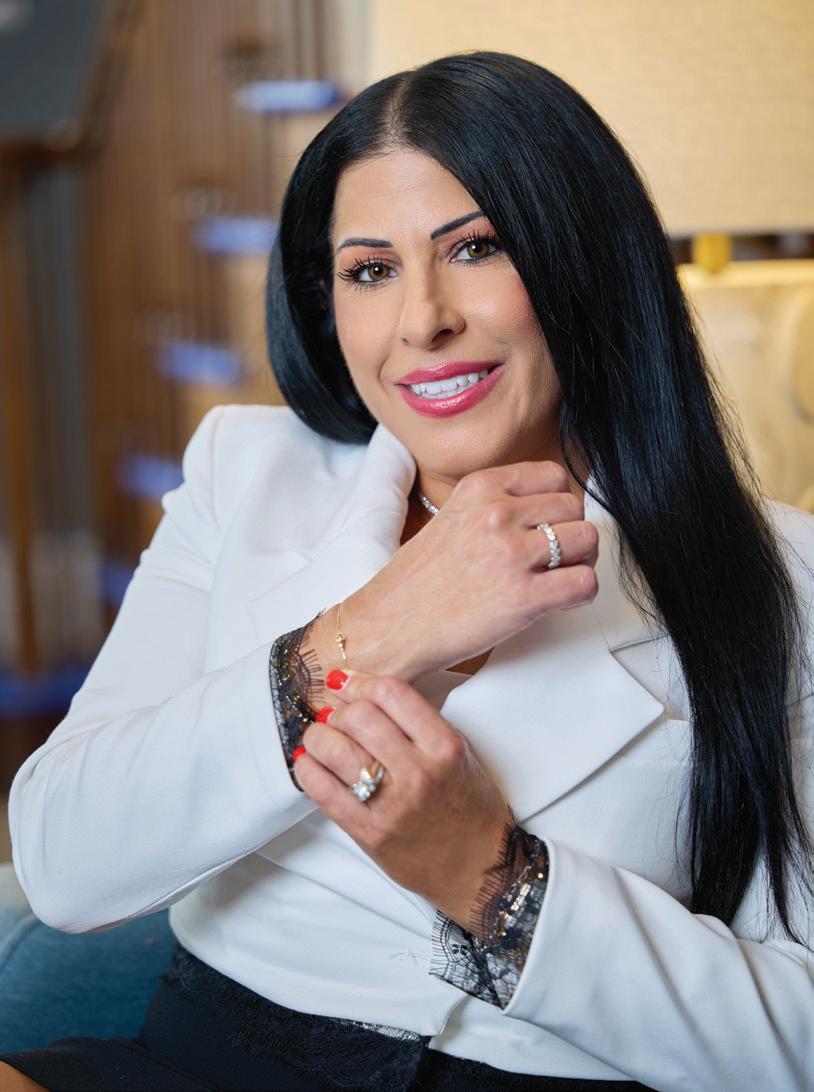
From 2011 to 2015, she again left the financial sector to join and manage the office at Millennium Family Dental.
While working at the dental office, she met the CEO of Community Choice Credit Union through the east side suburban school both of their children attended. He convinced her to join the credit union as assistant vice president of retail in 2016. In that role, she supervised 14 locations.
“I took the job and it’s the best thing I did in my banking career,” Bashi says. “At the credit union, it’s more about helping people. We were helping schools, local charities. It’s what I was all about. I was in my zone. I took the leap and loved every minute of it.”
In November 2020, Community Choice started a cannabis banking program and put Bashi in charge of it.
“I didn’t know anything about cannabis,” Bashi says. “I had to learn.”
Among the things she discovered about the difficulties faced by operators of cannabis businesses is that there’s a lot more paperwork and more compliance issues to address, and that the challenges often reach into one’s personal finances.
“If a bank finds out you’re in the cannabis business, it can shut down all of your accounts and your kids’ accounts,” Bashi says.
In this new role, Bashi identified individuals and companies willing to participate in piloting the program for the credit union, developed standard operating procedures, and facilitated the onboarding of interested parties.
“Seven years into it and we have almost 900 cannabis-related clients,” Bashi says. “I think we have more market share than anyone in the state.”
Over that time, the credit union expanded its program to Florida and Ohio, and added jobs.
Today, her daily work involves helping her team, assisting members, going to events, lobbying for the cannabis industry, and speaking on panels.
“I do as much as I can to showcase the company I work for,” Bashi says.
In addition to her professional endeavors, Bashi is affiliated with the Michigan Cannabis Industry Association in Lansing. She also is actively involved in civic-minded organizations as a member of the Chaldean American Chamber of Commerce, as a volunteer with Utica Community Schools, and by supporting the Susan G. Komen organization and St. Jude Children’s Research Hospital.
Momentum appears to be gathering for cannabis to be downgraded as an illegal substance, more in line with the many states like Michigan that have legalized the substance. According to Bashi, that shouldn’t affect her company’s business.
“Even if it becomes legal at the national level, people are going to stay with us because we helped them keep their businesses open (when no one else would),” she says. “I think we’ve really made a difference and I’m proud of what we’ve built.”
— Tim Keenan
“I wear a Fifinella lapel pin, the mascot of the Women Airforce Service Pilots from World War II, given to me by one of the WASP pilots I raced with. It’s a tribute to the trailblazing women who flew against all odds.”
Kelly Burris
Founder and Owner
Burris Law, Detroit
Employees: 23
Revenue: NA
“Ilove being up in the air,” says Kelly Burris, a pilot since 1985 and the owner of Burris Law in Detroit.
“It’s definitely an escape. It’s a different world.”
Burris knows a lot about different worlds. She started her career, after graduating from Western Michigan University, as an aeronautical engineer at McDonnell Douglas in St. Louis and then was with Boeing after the two aviation giants merged in 1998.
“I loved being an engineer and I loved research and development,” says Burris, who worked on advanced composite materials, structural design, production manufacturing, ballistics research, and virtual reality and CAD/CAM technology and applications. The aircraft she worked on included the T45 Goshawk Navy trainer, F18 EF, Harrier jump jet, and the F15 Eagle fighter jet.
While at McDonnell Douglas, Burris attended the St. Louis University School of Law at night to become a patent attorney, at the urging of the company’s CFO. “She said, ‘You’ll make a lot more money,’ ” Burris recalls. She left Boeing in 1999 and joined a patent law firm in Ann Arbor. Eventually, she earned enough to purchase her first airplane, a 1962 Beechcraft Debonair. She competed in three Women’s Air Race Classic contests while at the controls of her Beechcraft, and won the event in 2009.
Burris opened a satellite office of the Ann Arbor firm and eventually decided to break off from the parent company to start her own practice.
Her firm focuses on patents, trademarks, and trade secrets. Its specialty is advising companies in mergers and acquisitions, especially when intellectual property is involved. Burris counts Ford Motor Co., Cisco, and Harmon among her clients, as well as startups. Her latest client is a man who invented a new pickleball paddle. Her aviation background makes her a natural for work in aerospace technology, but she also works in automotive, semiconductors, medical, green/clean technologies, manufacturing technologies, welding and gas-cutting, metallurgy, ceramic and composite materials, and consumer products.
“I do a lot of IP strategies with companies,” she says of her work.
Owning her own company enabled her to purchase the airplane of her dreams, a French-made Daher TBM 940. It’s a single-engine, high-performance turboprop aircraft with advanced safety features including an auto land system, and it’s capable of jet-like speeds.
In order to finalize the financing for the plane, Burris sold her house in Pleasant Ridge and lived in her hangar
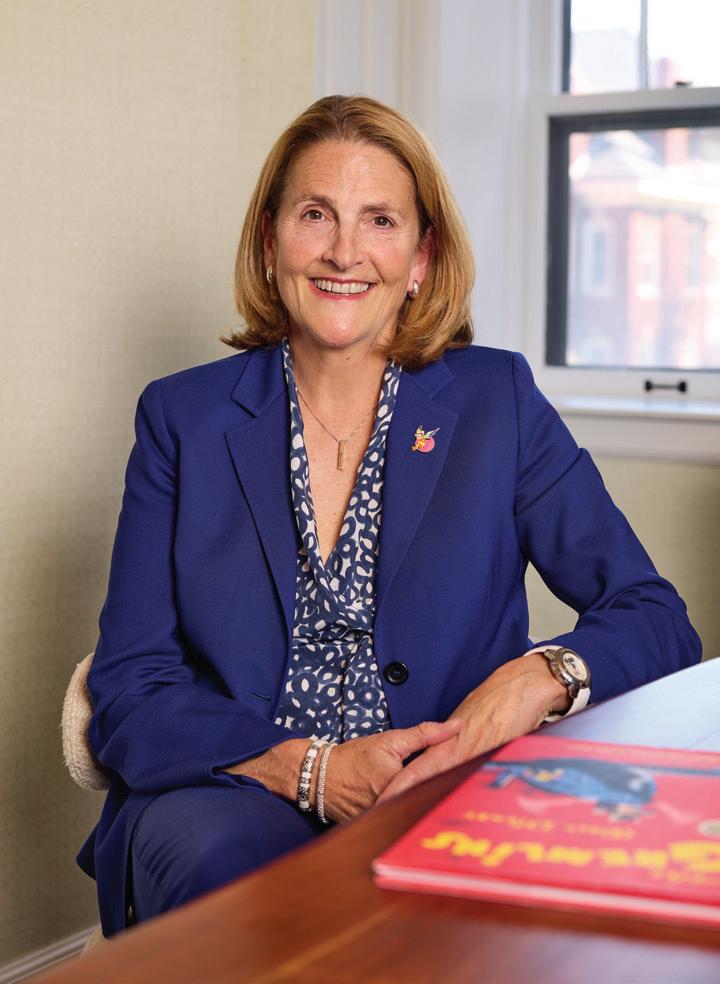
in Ann Arbor for eight months. She now resides in an historic Palmer Woods home.
Burris says the new plane allows her to crisscross the country dozens of times each year to meet with inventors, engineers, and business executives. She functions as a fully integrated member of client teams, working proactively to manage portfolios and provide strategic competitive intelligence.
For her efforts, she was named Best Lawyers’ 2023 Lawyer of the Year award for Patent Law in Detroit, and was selected by her peers for inclusion on The Best Lawyers in America list for Patent Law from 2021 through 2025. When she’s not working and flying, Burris is a champion of education. “I strongly believe that education is the key to a better life,” she asserts.
Backing up her words with action, Burris is a trustee of her alma mater, Western Michigan University in Kalamazoo. She also uses her legal skills to benefit the aviation community as a member of the Michigan Aeronautics Commission.
In addition, she provides pro bono intellectual property representation for the Ninety-Nines, an international organization of women pilots, as well as Women in Aviation International, a nonprofit organization providing networking, education, mentoring, and scholarship opportunities in the aviation and aerospace industries.
What’s more, she’s a volunteer pilot with Angel Flight Central and Angel Flight Mid-Atlantic, nonprofit organizations that provide free air transportation to medical patients in
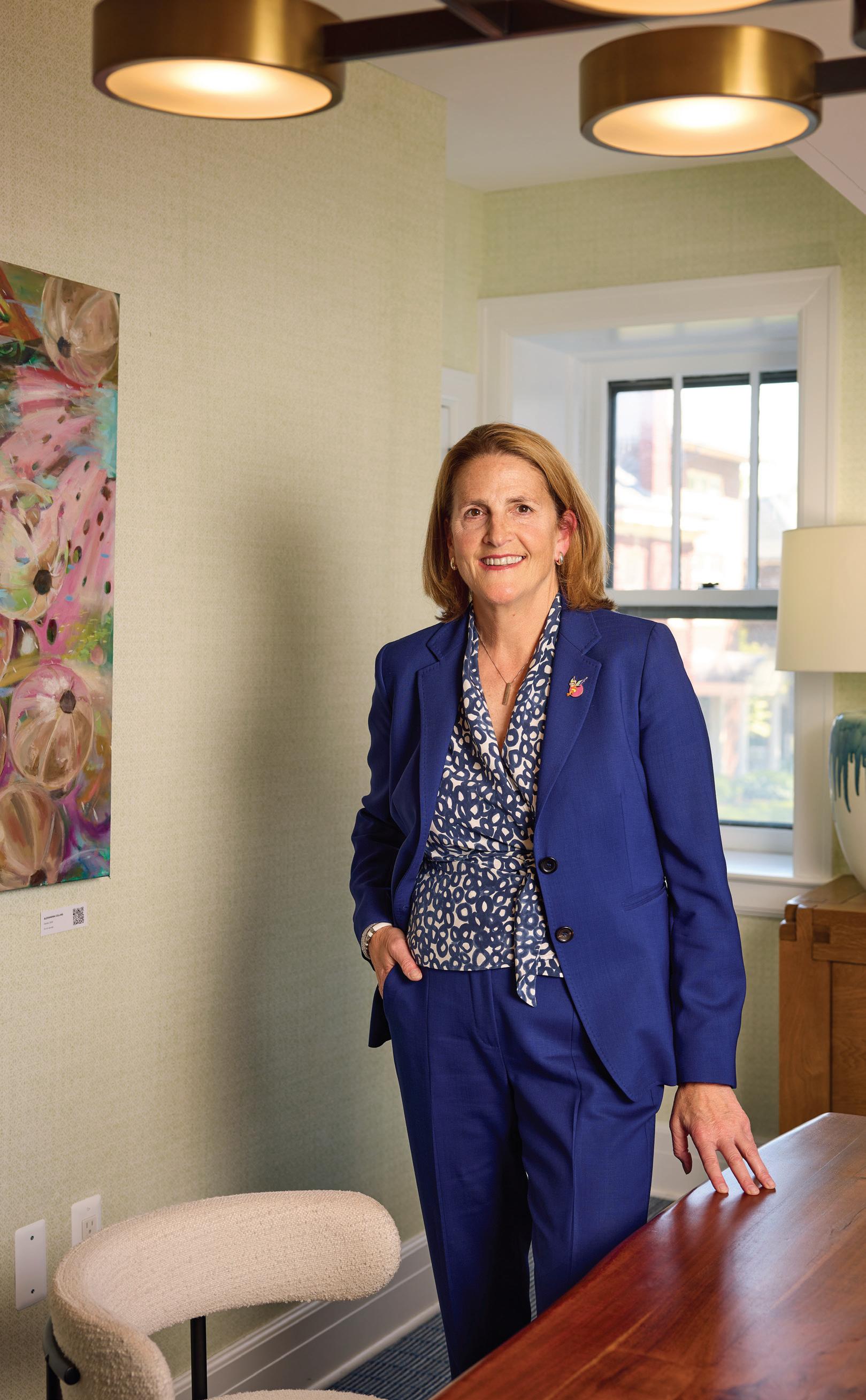
need, and Pilots-N-Paws, a nonprofit that provides transportation for rescuing, sheltering, and adopting animals.
Outside of her legal work and flying, Burris is active in the Detroit Athletic Club and is a member of the board of directors for the TBM Owners and Pilots Association.
The foundation for all of her extracurricular activities, however, is her desire to be at the
leading edge of technology — although from a different perspective, as a patent attorney. Flying her own plane to meet clients is a major benefit, as well.
“I love this,” she says. “I love getting in the plane, flying around the country meeting clients, and talking to engineers about what they’re developing and how we’re going to protect it.”
— Tim Keenan
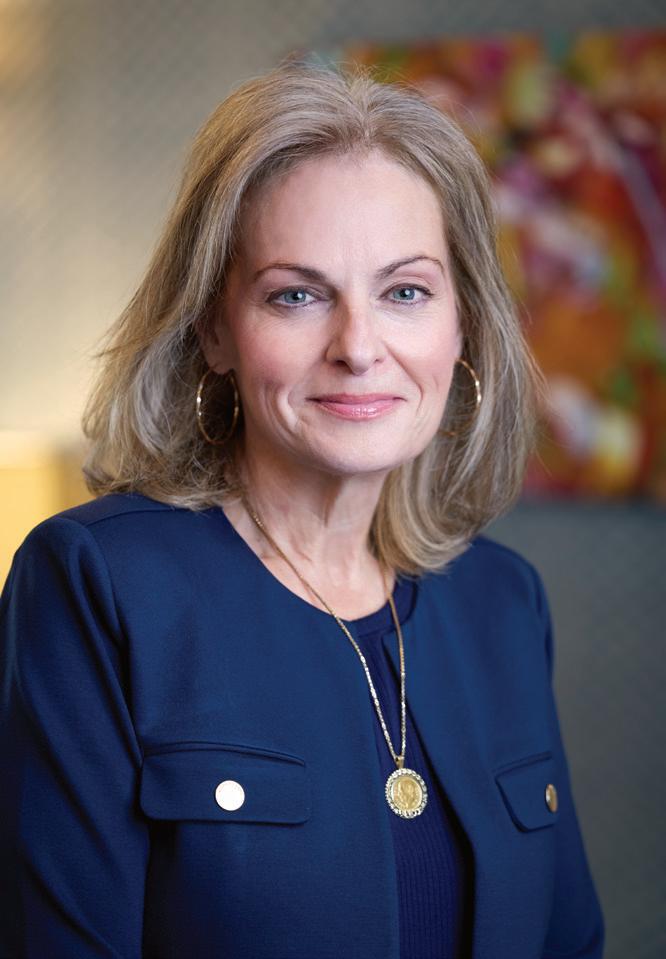
CEO
The Diez Group, Dearborn Employees: 475 Revenue: $1.1B
Before she tells you anything else, April Diez will make sure you know she has a phenomenal leadership team at The Diez Group, a Dearborn-based source of aluminum and steel, as well as processing, warehousing, and logistics services.
When she became the company’s CEO in 2022, following the death of her father, Jerry, she says it hit her that “The buck stops with me.”
Diez had been a full-time employee of the company since 1985, starting in shipping and receiving before working in inventory control, costing, purchasing, and other operational aspects. Throughout all of those experiences, she found that spending time on the plant floor was her favorite thing to do.
“The whole time I was learning all the different operations, (I realized that) just being out on the plant floor is where you really learn things. So that’s what I enjoyed the most,” Diez says. “I was basically a plant rat for a long time, working in shipping and receiving, working with the truck drivers and the guys in the plant.”
After gaining knowledge and understanding of the company’s operations, Diez ascended to the role of COO in 1997. She remained in the position for 25 years before succeeding her father. Since then, she has leaned on the leadership team that was already in place while making a way forward for new leaders. She’s grateful that she hasn’t had to do any of it solo.
“My brother is the president, so he and I talk multiple times a day if we’re not actually in the same room,” Diez says. “And we’ve got a phenomenal team. Of course, we’ve built on it. A lot of people over the course of time came up with my dad, and we’re
developing new people as others retire or move along in one manner or another.”
While challenging economic times can tighten the industries The Diez Group serves, Diez persists in her commitment to two priorities that have never receded in importance: quality and safety. And while she’s open to innovations to improve both, she also recognizes the company has achieved a lot with the processes already in place.
In addition to the Dearborn headquarters, The Diez Group operates facilities in Woodhaven; Jeffersonville, Ind.; Kansas City, Mo.; and Montezuma, Iowa. No decision has been made to embark on a specific expansion, but she says it’s “definitely on the table,” depending on the needs of specific clients.
One of the imperatives that comes with leadership is deciding how to deal with challenging needs — and Diez has found an approach that works for the company as well as customers.
“Right now we have one customer in particular who is struggling — not due to their own circumstances, but due to something that happened with the raw material that comes in,” she says.
“We’re on a program right now to help facilitate that and get it to them as fast as possible, so we’re doing a lot of things that normally are not in our wheelhouse. But we’re going to do whatever it takes to make our customers happy and successful, as long as it makes good business sense for us.”
In her formative years, Diez had a plan to complete her studies at Macomb Community College, but the priorities of the family business forced a “temporary” halt to her schooling — one that has now stretched beyond 40 years.
“The summer before I was to start my second year at Macomb, we had been awarded a program called Double Eagle at Rouge Steel,” Diez recalls. “We had to ship several times a day, and I was already working a double shift. My mom and I were working in the shipping office together.
“I would have to be there at six in the morning and stay until one or two in the morning. And I went to my dad the day before I was supposed to start back for fall semester, and said, ‘There’s no way Mom can handle this. I’ll take a semester off.’ And we never slowed down. I went to the school of Jerry and Brenda Diez.”
One thing she learned at the school of her own parents was that there’s definitely a place for women in manufacturing.
“My father was always a girls’ dad,” Diez says. “I have a sister and two brothers, so it’s not like he had only girls, but he treated us the same and he was as excited about the things we would do as my brothers.”
She also learned that not everyone recognizes a woman’s place in manufacturing.
“My dad and my brothers and I used to go around together as much as anybody,” she says. “There was a gentleman at one of our OEMs who had met us all multiple times, and he would greet my dad and my brothers, and then he would say, ‘Oh, April, nice to meet you.’
“So, I did have to work harder and longer to prove myself — also because I’m the boss’s kid. But that’s not why I was here. I was here to bust my butt for this company.”
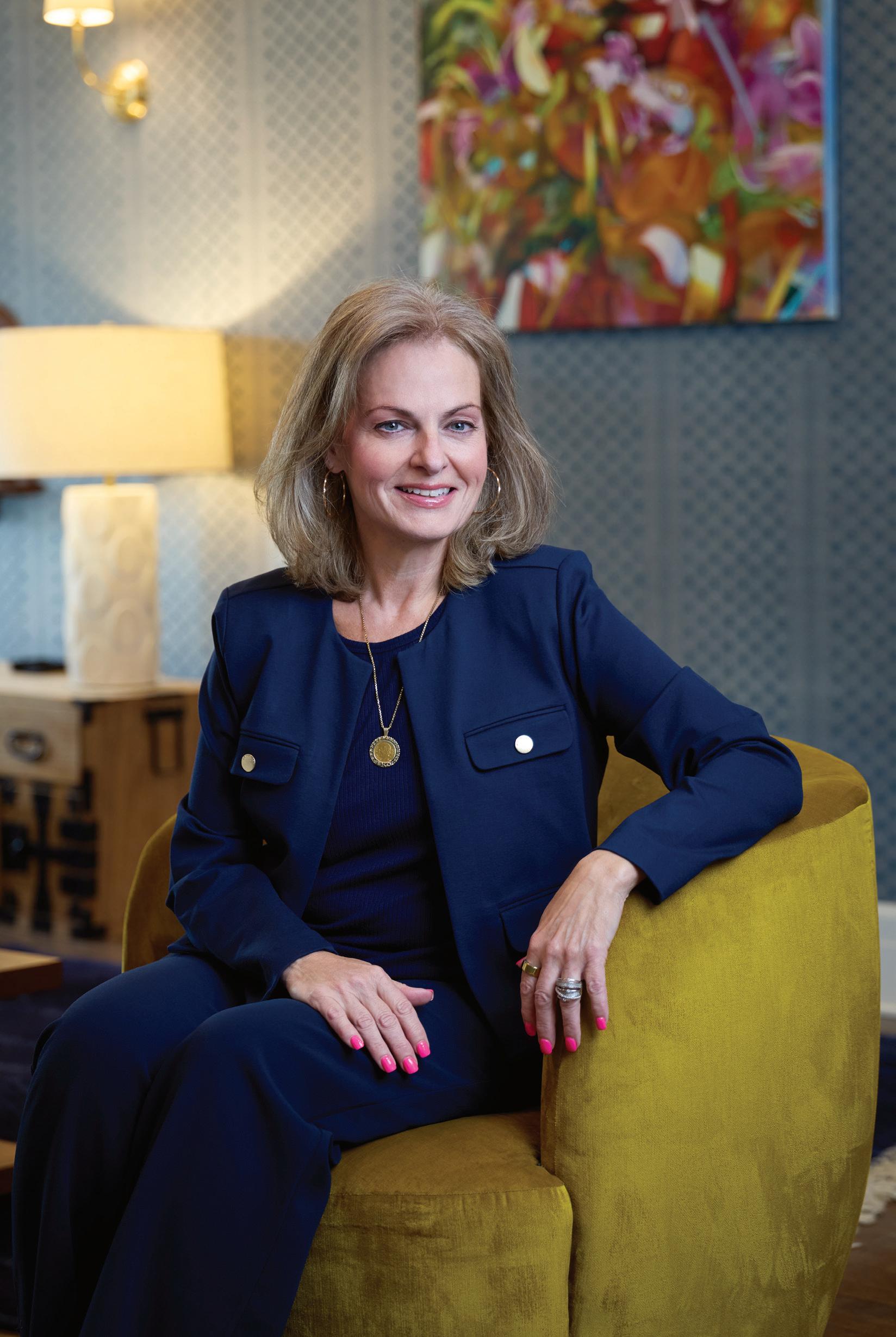
“My mom gave me this Diez pesos pendant, and I wear it because my family is everything to me, and so is my faith. Family, faith, and community is what my whole family has always been about.”
Her passion for the family business certainly comes shining through.
While Diez remains a fan of spending time on the plant floor, she recognizes her position as CEO makes that a different experience than the one she used to have in her earlier days with the company.
“Walking the floor still has huge benefits,” she says.
“You get to see things firsthand. I like to see that the cleanliness is still there and that everybody’s got their protective gear on. But believe me, when I’m out on the floor, the word spreads very quickly.”
Because, as the rest of the team knows, the buck stops with her.
— Dan Calabrese
Heather Geisler
Executive Vice President, Chief Brand and Experience Officer
Henry Ford Health, Detroit
Employees: 50,000
Revenue: $13.1B
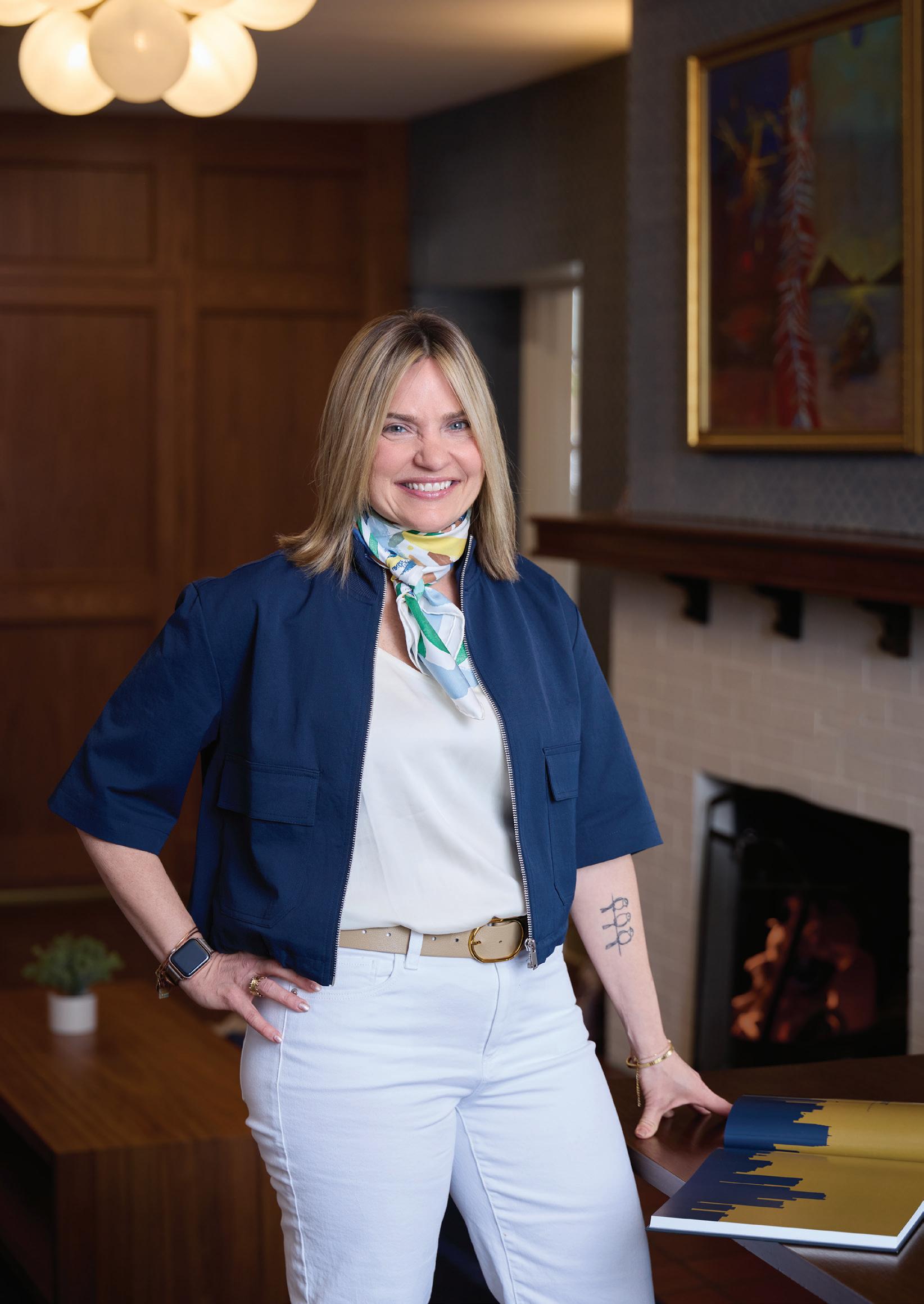
“This scarf reminds me of the friends who made space for me when I moved here and of the importance of creating ‘horseshoe’ friendships, not circles, so there’s always room for someone new.”
There wasn’t a cloud in the morning sky in midMay as a crane hoisted the last beam to the summit of Henry Ford Hospital’s new 20-story patient tower. Heather Geisler attended the topping-out ceremony amid the crowd of Henry Ford Health team members, many of whom had signed their names on the critical piece of steel skeleton, and she found herself feeling stirred.
“It was just in the simplicity of the moment, looking up and seeing all of the construction workers lined up at
the top who had worked so diligently,” says Geisler, Henry Ford Health’s executive vice president and chief brand and experience officer.
The most significant step so far in the health care group’s $2.2-billion Destination: Grand transformation caught her in a “beam-me-up” time warp.
Back in 1912, Detroit’s population was around 500,000, but the city faced an acute shortage of hospital beds. Dr. William Metcalf spearheaded the effort to build a new hospital, and a spring morning in that year
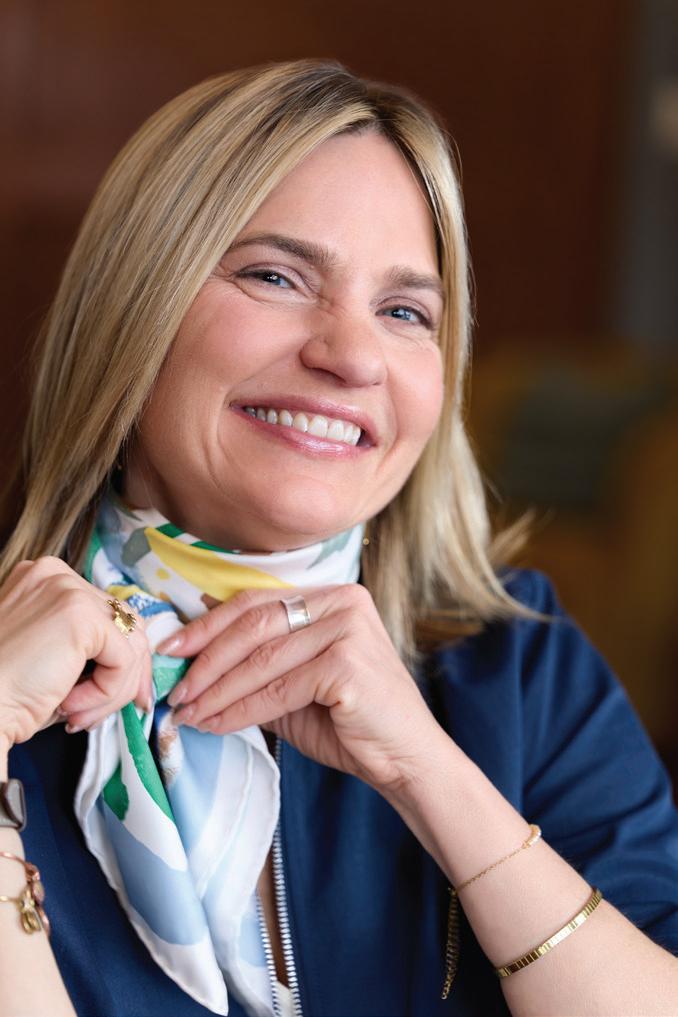
was the occasion for “The Turning of the Sod.” Metcalf wielded the spade signifying the beginning of the complex that would be named for Henry Ford, industrialist and chairman of the Detroit General Hospital Association. The spade was then auctioned off for $3,000.
“I think all of us were moved more than we thought we would be, because we’d all seen that picture of when they broke ground on the original hospital,” Geisler says. “And you couldn’t help but feel this was a moment that was going to be memorialized for the next 100 years.”
The topping-out was a rare pause for reflection in the can-do, go-go Geisler era that started in 2020. The native of Wheaton, Ill., was living in Chicago and serving as senior vice president for global brands at Hyatt Hotels Corp. when her position was eliminated during COVID-19.
Faced with uncertainty over what came next, she accepted an offer to come to Detroit after learning about what she terms “the transformative time” in the city. COVID-19 restrictions were still in effect, but an early outing to Eastern Market — not to mention the buoyant atmosphere from ever-present expressions of civic pride — left her charmed.
Geisler brought a well-stocked toolbox from Hyatt, along with her personal motto of “Never Settle.” She led a rebranding effort aimed at positioning Henry Ford Health for the future. A new campaign with the tagline “I Am Henry” launched during March Madness in 2022.
The campaign’s vivid composite approach to a narrative led to the creation of a “book of stories of the hundreds of thousands of people who experience Henry Ford every day and in whose lives we will always be a part,” she says.
Indications of the campaign’s success came from patients and team members who captioned their selfies, “I Am Henry.”
“We hear all the time about not just patients coming to us for destination care, but team members and physicians who want to practice with us because of our reputation and our brand; (even) partners who want to put our name on their buildings,” she says.
HFH president and CEO Bob Riney praises Geisler’s “positive, energetic, and engaging style,” writing in an email, “Heather brought a fresh, contemporary look to both the Henry Ford Health brand and our approach to marketing, which beautifully weaves science and experience into a holistic relationship with our patients and members.”
Geisler also has pushed a program of “frontdoor transformation” aimed at removing the snarls — both in red tape and patients’ voices — from the customer experience. It maximizes the hospitality wisdom she gained at Hyatt. Revisions to a broad spectrum of service methods would touch clinical and operational leaders, as well as technology and infrastructure.
“We actually had to take a step back and re-engineer the process with the patient at the center,” she says. The key is to ensure a “seamless and understandable” experience. She adds, “We’re walking with you on that journey.”
Riney expresses his admiration for the initiative this way: “Heather’s background in the hospitality industry brings Henry Ford Health an incredible focus on combining high-tech and high-touch tactics to create an impactful frontdoor experience for the wide range of patients and members that we serve.”
A University of Iowa political science graduate and a “very proud Hawkeye,” Geisler started her career on a steep learning curve after being chosen as deputy press secretary for U.S. Sen. Tom Harkin, who was in office from 1985 to 2015. She followed up with executive positions at different ad agencies before landing, in 2012, at MSNBC as vice president for brand marketing.
During that period, the cable network sponsored her enrollment in the Sulzberger Executive Leadership Program at Columbia University’s Journalism School. Most program fellows were journalists or news executives, leaving her as the only marketer.
Intensive sessions introduced new strategies and immersed her in a formula for process improvement and overcoming resistance to change. In short: Dissatisfaction indicates the need for change, a new vision arises, and the result can be a revised process. Labeled as DVP>C, this system has provided an anchor of sorts.
“I learned that (DVP>C) there. And, you know, years later, it’s still something that I talk about consistently when we think about change management in the organization.”
As the 2026 Detroit Regional Chamber’s Mackinac Policy Conference on Mackinac Island approached (May 26-29), she was primed for some blue-sky thinking that caused her to cut her Memorial Day weekend short in order to arrive early. Riney was this year’s conference chairman, and Geisler needed to prepare the ground.
“I actually am going (to the island) on Memorial Day to make sure that we’re all set and that Bob and Henry Ford show up in the best possible way,” she said.
— Ronald Ahrens
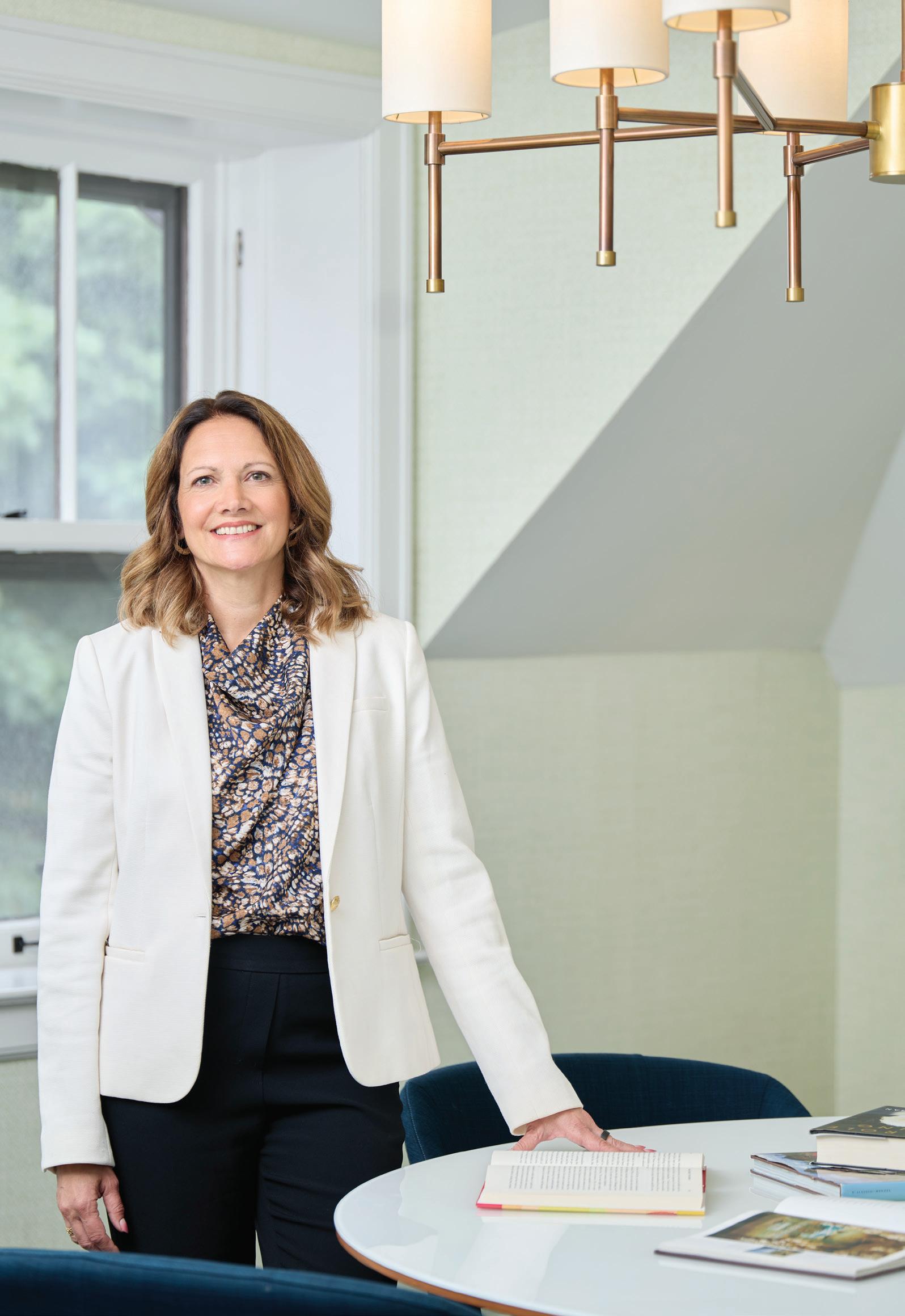
Executive Vice President
Invest Detroit, Detroit
Employees: 55
Assets Under Management: $60M
Patti Glaza has translated the technology skills gained early in her career to her current role as executive vice president of Invest Detroit and managing director of ID Ventures, both in Detroit. She also has helped turn the area into a hub for high-tech startups. Born in Dearborn, Glaza grew up in Port Huron and graduated from Michigan State University in East Lansing with a degree in international relations and economics. Her first job out of college
was as a technology consultant with Anderson Consulting. While there, she managed national projects with Fortune 500 companies in financial systems and supply chain logistics.
“The technology skills I developed served me through the roles that followed,” Glaza says. Her “pivotal moment” came while working toward her MBA at the University of Michigan in Ann Arbor, when she landed an internship with Avalon Investments, the capital venture fund founded by former Gov. Rick Snyder and Chris Rizik.
“They gave me the opportunity to read through hundreds of business plans, pitch businesses that I thought were interesting, and also work hands-on with some of their portfolio companies. That’s really where I got the startup bug,” she says.
“I wear my grandmother’s wedding ring, passed down through my mother, as a tribute to two incredibly strong women whose examples of resilience, education, and love helped shape who I am today. Their encouragement and determination continue to inspire me.”
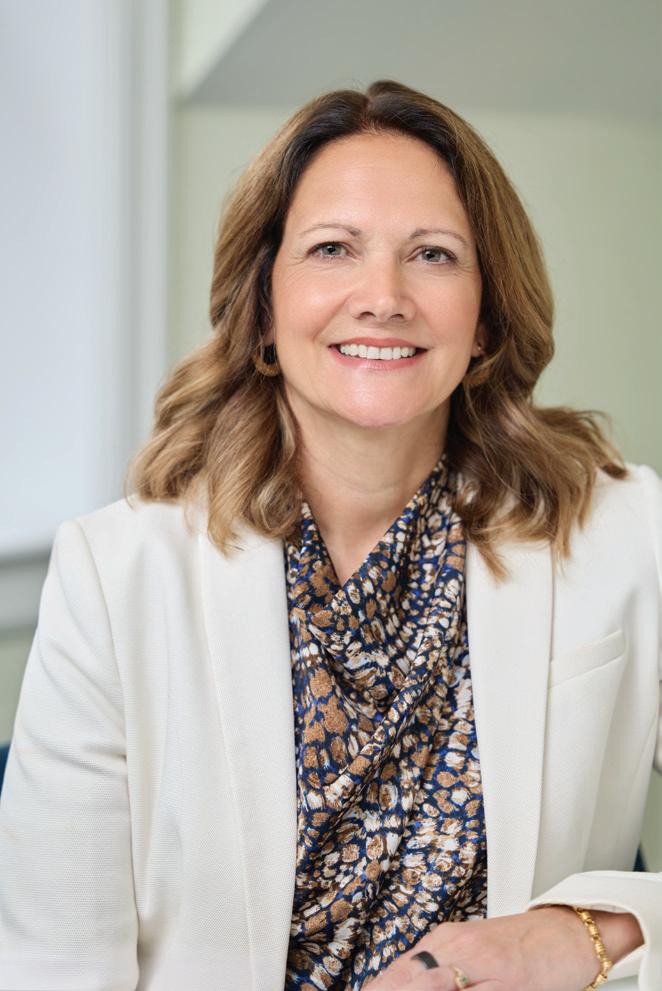
Her interest in startups led to a role as director of marketing, then director of business development and client services, at Health Media, a behavioral health startup in Ann Arbor that eventually was sold to Johnson & Johnson.
“It’s easy to ride a bullet train to success,” Glaza says. “It’s much harder to survive the typical roller coaster of a startup. While no one wants to live through layoffs and reorganizations, being able to see a company reorganize and get stronger really helped me, and gave me the experience to help startups in my current role as a venture professional.”
From Health Media, Glaza joined another Ann Arbor media company, Small Times Media, as CFO. Before she left, she was CEO of the trade media company that focused on the commercial development of nanotechnology.
“I learned a ton during that time — transparency in leadership, how to keep teams motivated, (and) how to manage boards,” she notes. “The common thread of that time was really learning about people.”
Glaza got her first experience leading a nonprofit when she and a business partner created the Clean Technology and Sustainable Industries Organization, a clean tech association in Washington, D.C.
“For some reason I always picked jobs where there weren’t many women,” she says. “I had to
build credibility quickly, keep working hard on relationships, and demonstrate value.”
In 2011, Glaza managed the Michigan office for Arsenal Venture Partners, overseeing the organization’s operations in the Great Lakes State and Hawaii.
Three years later she joined Invest Detroit; at the time, it consisted of 15 people when attracting investment in the Motor City was a hard sell. Today, Invest Detroit has 55 employees and $60 million in assets under management.
“Fifteen years ago, Detroit wasn’t on anyone’s tech radar map,” she says. “You really had to work hard to find investors to invest alongside you in subsequent rounds.
“Today, through the work of an incredible group of people across the tech ecosystem, the density has become real. That density excited other founders to come into the city. Now, Detroit is ranking really high in the emerging global tech market. People are seeing it as less of a hindrance and more of an opportunity.”
At Invest Detroit, Glaza’s primary responsibilities include sourcing and facilitating the development of early-stage and high-growth companies by providing guidance and investment capital. She engages in outreach activities supported by a network of experienced entrepreneurs, and helps ensure women and minority entrepreneurs are proactively mentored to build their highpotential tech startups.
“I love Invest Detroit’s mission of filling the technology capital gap in the city,” she says.
Along the way, Glaza became an adviser and board member for organizations that include the Michigan Venture Capital Association (she was its chair in 2024), TechTown Detroit, the University of Michigan’s Innovation Partnerships National Advisory Board, and Ann Arbor SPARK. She also holds director positions in Genomenon, MicroLam, and Ripple Sciences, and is an active entrepreneurial instructor for the NSF/NIH I-Corps.
Glaza says she enjoys her role at Invest Detroit because it involves continuous education.
“I have to be learning,” she says. “Every day is different. One day I’m looking at a therapeutic company, another day I’m looking at a robotics company, (and) the next day I’m looking at a consumer product app. It just keeps me challenged.”
— Tim Keenan
Dr. Hayley Murphy
CEO and Executive Director
Detroit Zoological Society, Royal Oak Employees: 350 (500 volunteers) Revenue: $66.7M (2024)
During her 13 years with Zoo New England, Dr. Hayley Murphy once found herself updating the public on a touchand-go situation involving a newborn Baird’s tapir.
Weighing 20 pounds at birth, the burly little mammal that’s related to horses and rhinos had acquired pneumonia. A baby-naming contest that brought in 1,200 entries was put on hold, pending the infant’s survival.
“He’s with his mom,” Murphy told the Boston Globe at the time. “He still looks bright and alert, but it’s a serious condition.”
Being a calming spokeswoman was as much a part of a day’s work as ensuring the proper therapeutic measures were taken.
Murphy flourished in her multifaceted role, and eventually became the zoo’s director of veterinary services — yet the tapir calf’s emergency well reflects the unexpected turns of her own career.
After graduating from Cornell University’s veterinary school in 1992, Murphy — who was born in England but grew up in New York state — went to work at a small-animal and equine clinic in Seekonk, Mass. In her spare time, she volunteered at zoos; a zoo internship eventually led to a career shift.
After rising through Zoo New England’s ranks, she left the Northeast in 2009 and took over vet services at Zoo Atlanta. In the midst of all this, she founded the Great Ape Heart Project, which is concerned with research and the treatment of cardiac disease among apes in managed care.
Meanwhile, looking around for her next step, she focused on the 125-acre Detroit Zoo — irresistible not only for its large natural habitats, but also the institution’s regional impact.
“This zoo stood at the very top of the list, and I was just fortunate that my timing coincided with the former CEO’s (Ron Kagan) retirement plans,” she says (Murphy is the first woman to lead the Detroit Zoological Society).
With 200 species of animals, the zoo states it is the largest paid family attraction in Michigan, and it welcomes more than 1.3 million visitors annually. Just ahead of its upcoming centennial observance in 2028, Murphy says the zoo now has “a game-changer.”
The Fred and Barbara Erb Discovery Trails opened in May as “the capstone of the last 20-year campus plan.”
Carrying a price tag of $49 million, the Trails is the zoo’s biggest undertaking. Funded with $41 million in donations and $8 million from the zoo, the 7-acre reserve showcases nine new habitats and 10 new species.
As a paradigm for sustainable design, there’s also $18 million in infrastructure — namely, rain gardens, separate storm and sewer lines, and
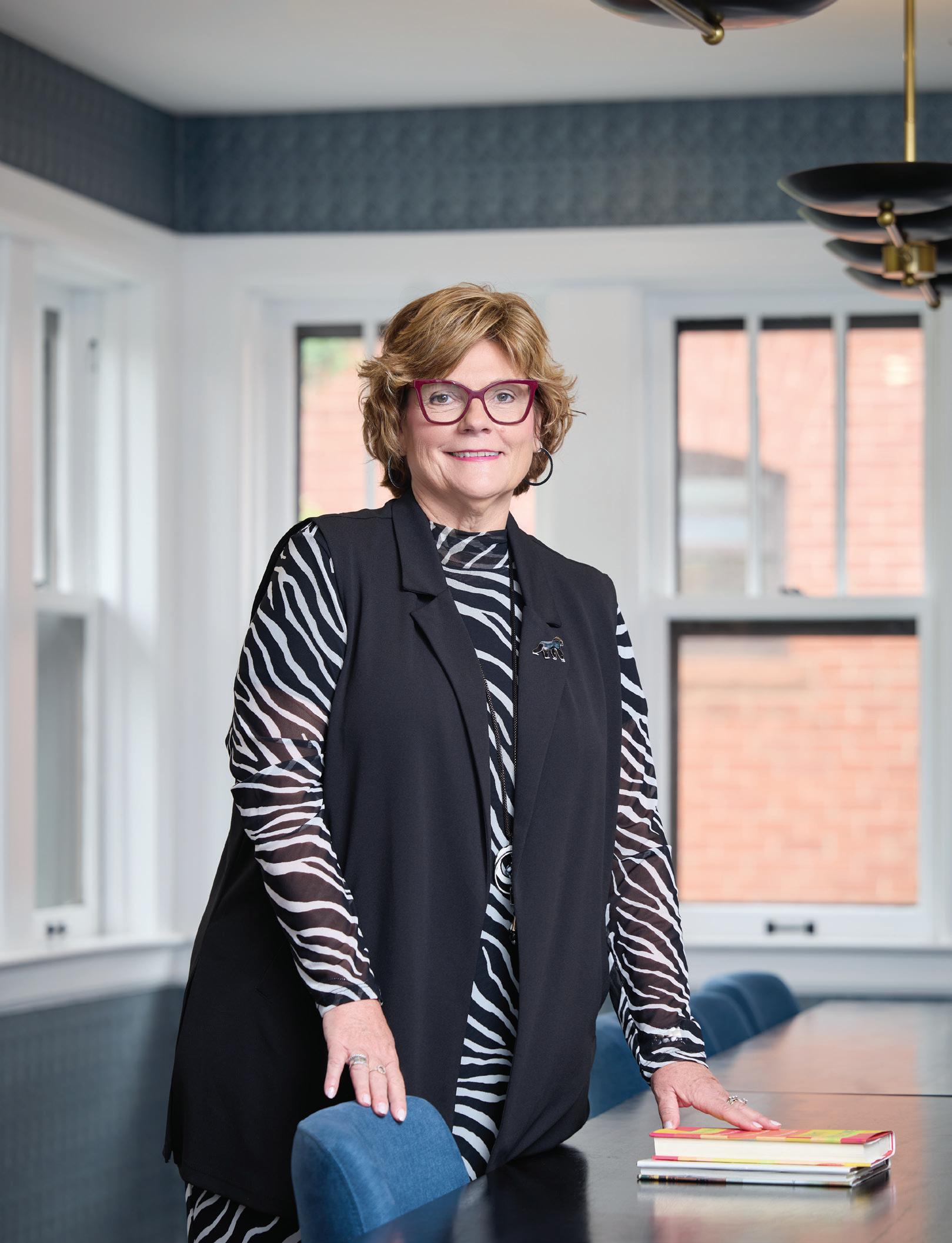
underground utilities. Guests can brush a goat, touch a stingray, or feed a chicken.
“It really is designed to get people up close with animals and inspire that connection, that empathy, and talk about how people in their everyday life can help animals and conserve the environment,” Murphy says.
Murphy, who recently had breakfast with Helen Taylor, The Nature Conservancy’s state director for Michigan, explains that a symbiotic relationship exists among conservation organizations whose leaders network together and support one another.
For her own part, TNC’s Taylor cites Murphy’s leadership as one of her best qualities.
“Hayley brings deep experience and global perspective not only to the Detroit Zoo, but to her collaborations with conservation groups in Michigan,” Taylor says. “She’s a strategic voice with a practical and applied perspective that’s valuable to the conservation field here.”
Besides the in-state collaboration, another key network developed in 2018 when Murphy went through a yearlong executive leadership program administered by the Association of Zoos and Aquariums. She assessed her personal strengths and weaknesses, and gave a hard look at leadership “from a strategic and visionary level.”
“I am wearing my mom’s original engagement ring and a ring my father gave her which also happens to have the birthstones of my two children. I always loved the (engagement) ring growing up, and after he passed she gave it to me. I wear them every day.”
It led to a new motto for herself: “Lead from the balcony.” She elaborates on the thought, saying, “Keep your strategic vision alive and let the people who do their job best, operationally, do it without getting in their way.”
As a side benefit of the year’s experience, the cohort of 10 AZA leadership participants bonded strongly. “We lean on each other, we call each other, we hang out with each other at conferences,” Murphy says. “I like to say we move as an amoeba around the conference.”
Murphy has become director emeritus of the Great Ape Heart Project, which is now based at the Detroit Zoo and run by Marietta Danforth. Keeping in mind that Murphy has performed surgery on gorillas, her motto introduces the question of whether she descends from the balcony to take an occasional surgical case. But even though she stays current with the veterinary science journals, the answer is no.
“Somebody just asked me the other day, ‘Why don’t you let your vet license lapse?’ And I’m like, ‘Because it’s a treasure.’ I worked really hard for it, right? It was my life dream. I don’t even remember wanting to be anything else but a veterinarian. It’s still incredibly important, but I do not practice. I stay in my lane, which is leading this organization.”
Murphy and her husband, Dr. David Murphy, have two adult children. David Murphy is a small-animal veterinarian whose hobby is bonsai art. He used to encourage his hard-working wife to develop her own hobby.
“Really, my hobby is my work,” she says. “I would spend 24/7 doing that and being with my kids.”
An “avid reader of all sorts of books,” she likes to travel and be near the ocean. Her greatest passion, though, is the zoo, and she finds it widely shared.
“It amazed me, when I moved here, how many people talk about the memories they have of the zoo, and they came here with their parents, and their parents came here with their parents,” she shares.
Call it the latest installment in a career of many discoveries. After arriving in Detroit nearly five years ago, she told her university’s alumni magazine “I love what I do and would never in a million years have predicted this when I was at Cornell.”
— Ronald Ahrens
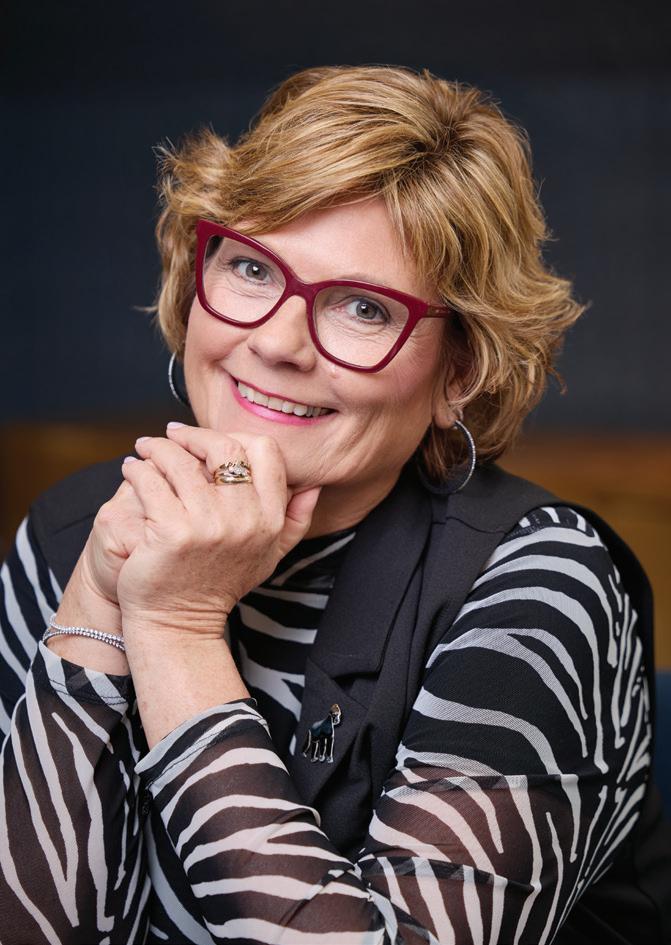


Acting CEO
Michigan Central, Detroit Employees: 53
Revenue: NA


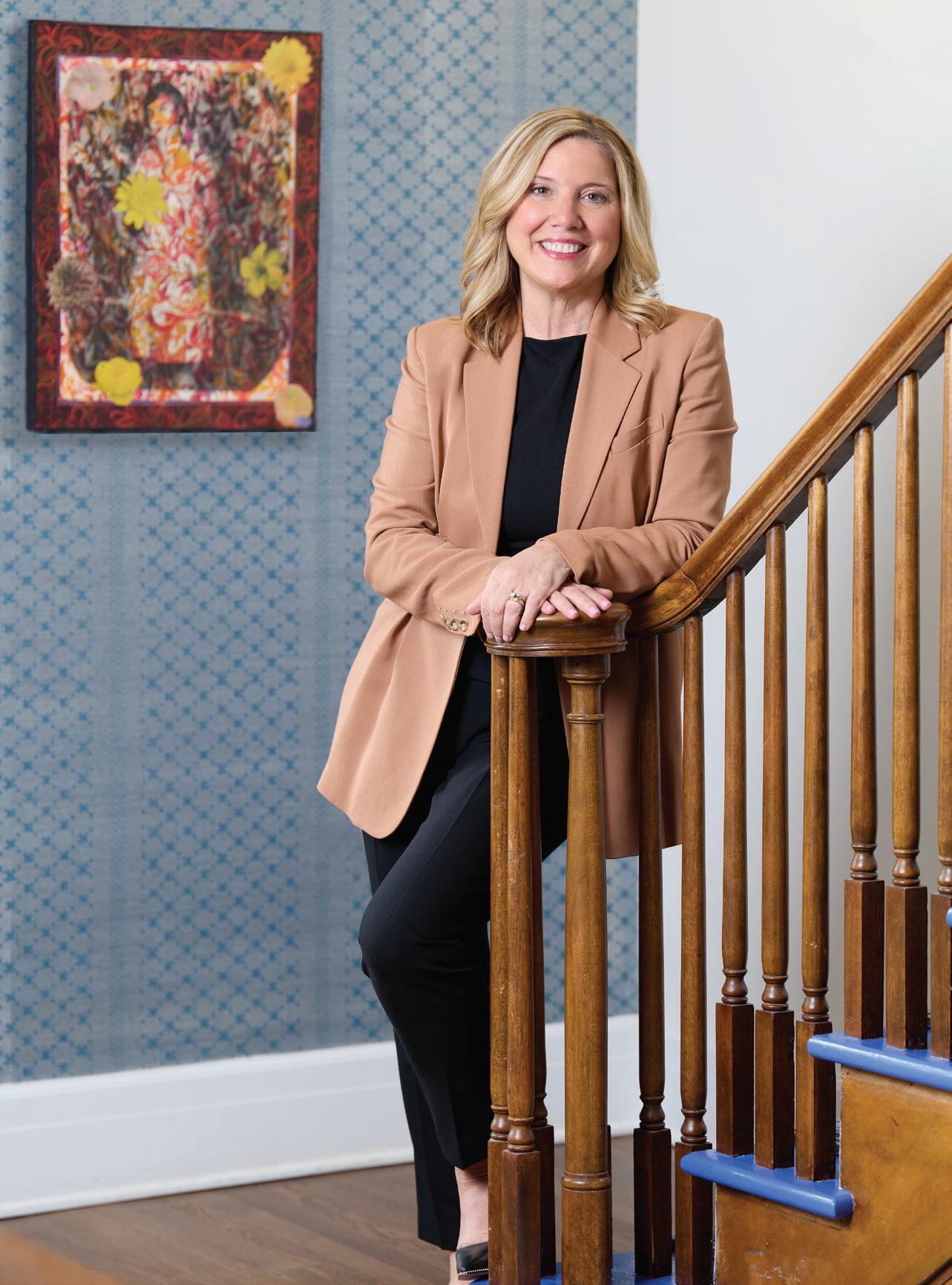
After working on the transformation of Michigan Central Station from an urban ruin to the gem it has become today, Carolina Pluszczynski, acting CEO of Michigan Central, says she became emotional seeing the looks on people’s faces when they saw the fruits of her team’s work.
“When I first walked into the place, I wondered how we were ever going to do this,” Pluszczynski recalls. “There was so much work to do. The day we opened, I volunteered to work at the place where people saw the grand hall for the first time. Gosh, it was emotional. I saw people’s faces. I got to hear their stories. It was amazing.”
An employee of Ford Motor Co. since 1999, Pluszczynski joined the Michigan Central team in 2019, shortly after Bill Ford purchased the train station. But on her first day in her new role, most of the world was forced to work remotely due to COVID-19.
“I had to build the team while we were all remote,” she says. “In the meantime, the construction people were putting the protocols in place. The world was shut down, but we weren’t. We got a lot done during that period of time.”
She adds, “It’s been a great opportunity. I love what I’m doing. I’ve been involved with this project for seven years. It’s ambitious and tangible all at the same time.”
Pluszczynski, the product of Italian immigrants (her mother arrived in metro Detroit via the train station as a child), grew up in Dearborn and attended St. Alphonsus schools for 12 years before going to the University of Michigan–Dearborn to earn a degree in English.
She says her upbringing instilled in her traditional values — hard work, loyalty, determination, resilience, and a sense of responsibility.
“Part of my journey was learning how to both have a career and take care of my family,” she says.
Although Pluszczynski originally thought she wanted to be a lawyer, “I’ve always been a little bit of a tech nerd, and I found there was always a need to fill the gap (in) using technology to advance business — and that’s kind of where I stayed my whole career.”
Her first job out of college was at First Federal of Michigan in Detroit, where she translated business issues into systems and applied that technology at the bank’s branches. “I had a magnificent o ce with
“I wear my mother’s earrings to honor the strength of the women who came before me. My mother came to the United States from Italy with her mother and brother, and that resilience has always li ed me up.”
wood bookshelves overlooking the Ambassador Bridge,” she recalls.
She stayed there for a couple of years until the bank was acquired by Charter One Bank of Ohio, which asked her to stay on as a consultant through the merger. She then formed her own company, CAM Consulting, to help the bank with mergers, matching systems between Charter One and their new companies. Eventually, she merged that company with another consulting firm to form CWC Consultants (Continuity With Change).
Ultimately she wanted to be part of a larger team and joined Ford in 1997 as a contractor, integrating new CAD-CAM-CAE software at 82 Ford facilities and hundreds of supplier facilities, all at the same time. She joined Ford as a full-time employee in 1999.
“I spent a lot of time around process improvement, integration, and (figuring out) how to deploy the new software successfully,” she notes.
Her work at Ford has focused on delivering largescale technology programs to transform the business in manufacturing and product development, along with company-wide programs to accelerate changes in corporate governance, implementing product-driven teams, and progressing diversity and inclusion.
After the software integration, Pluszczynski moved to the Ford Customer Service Division and worked to replace the systems currently in place there.
Four years later, in 2004, she moved into the manufacturing arena, developing and implementing maintenance applications for the systems in the plants.
“I loved manufacturing because it was the heart of what we did,” she says.
From manufacturing, Pluszczynski moved on to global capacity planning, then information technology. Over time, she became chief of sta for the president of Ford Mobility.
“(Ford Mobility) was an innovation group thinking about the things on the fringe of automotive, trying to create an innovation flywheel within the company,” she says.
After three years in that role, the opportunity to become part of the startup incubator (Newlab) and corporate leasing at Michigan Central presented itself.
“It was a culmination of everything I had done,” she says of her decision to join the Corktown project. “To develop an innovation platform that could change the industry — it’s the hardest work I think I’ve ever done, and we’ve come a really long way. The startups are thriving (at neighboring Newlab), and the jobs of the future are being developed at Michigan Central.”
— Tim Keenan
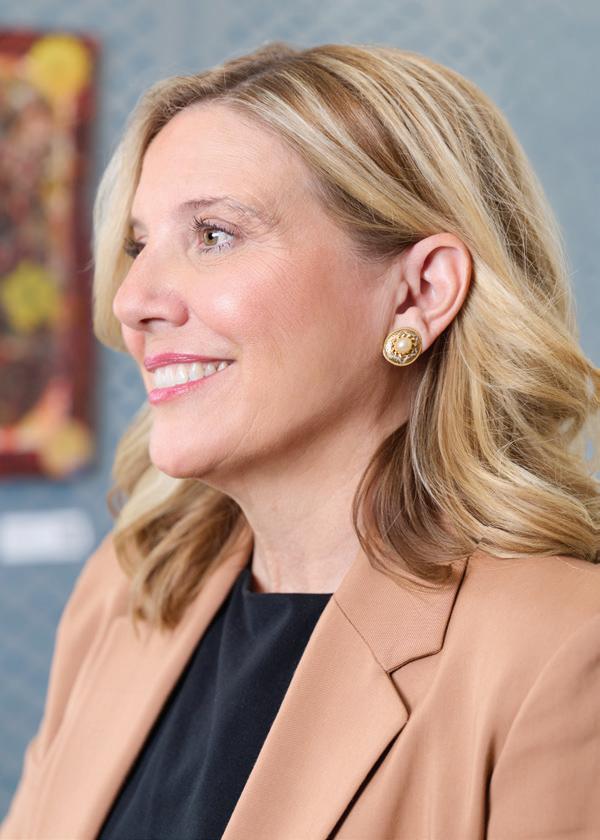
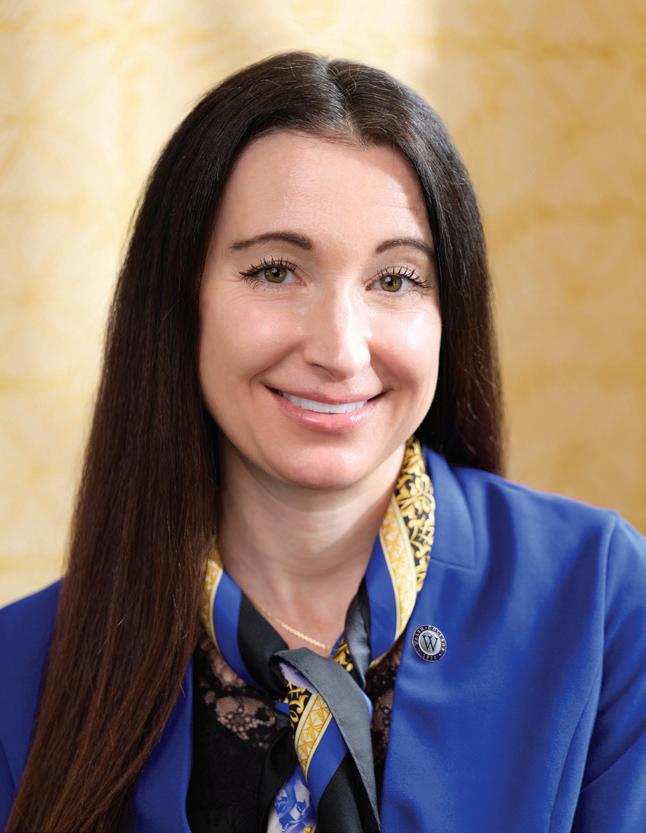
President
Walsh College, Troy
Employees: 164
Total Student Enrollment: 900
Suzy Siegle grew up two miles from the Walsh College campus in Troy, which left a thought in her mind when she was young: “If I was ever going to start an entrepreneurial business college, it would look like Walsh.”
Much of her early inspiration came from the number of Walsh students and instructors she knew growing up, and the drive to succeed she saw in them.
After earning a general science degree at the University of Michigan in Ann Arbor, a law degree at Ave Maria School of Law in Naples, Fla., an MBA at Western Governors University in Utah, and a doctorate in higher education at Regent University in Virginia, Siegle’s real-life academic career landed her at Concordia University.
While there, she spent 13 years serving the school’s Ann Arbor and Wisconsin campuses, and rose to the position of assistant vice president of legal affairs and operations.
It was a happy and satisfying position, but Siegle couldn’t forget her affinity for Walsh College when, in 2020, she was recruited to interview for the president’s position. Initially Siegle wasn’t selected, but she was recruited as the provost. Two years later, she was named president.
“I was excited by the opportunity to help shape the future of higher education, which I knew was in need of change and growth,” she says. “It was exciting to me to come to a college that was set up very personally for the future of higher education.
“It felt like the perfect alignment of my background in education and experience in business, higher education, and leadership. It was a culminating piece.”
Siegle’s background is diverse. In addition to being a licensed attorney, she also is a scholar in the field of neuroscience. What’s more, she studies applications that pertain to high-performance leadership.
“Neuroscience has really amplified my value and respect for education,” Siegle says. “Realizing the brain is very neuroplastic, we have an incredible ability to change how we think and feel to get better results.”
Much of that potential for change focuses on a concept known as locus of control, which Siegle has studied extensively throughout her career.
In that realm, Siegle is a certified executive coach in Locus Mindset Leadership, and works with executive leaders as founder and chief energy officer of The THRIVE Mastermind. All the earnings she receives from speaking, workshops, coaching, and training/development through THRIVE go toward supporting Walsh College.
She also finds the principles she imparts at THRIVE help her as a leader.
“From a leadership development standpoint, when you’re in a CEO role, there are a lot of things that come up for you,” Siegle says. “An understanding of how the mind works has helped me see how I need to continuously evolve to be the leader Walsh College needs for today and tomorrow.”
Goals for her leadership at Walsh include “meaningful growth,” like global endeavors through partnerships already established in India and the United Arab Emirates. But growth just for the sake of growth isn’t the idea.
Siegle and her colleagues are focused on ensuring a strong ROI for Walsh degrees.
To that end, a recent internal study sought to measure the return a student can expect to receive on his or her investment in a Walsh degree during the first 10 years following graduation. According to Siegle, the study has shown a 10-year ROI of:
• Doctorate degrees: 12:1

“I’m so proud to wear the Walsh College pin because every day it reminds me that we’re serving a mission bigger than ourselves. The pin is a point of pride and responsiblity. ”
• Master of business administration: 9:1
• Master of information technology: 8:1
“We can’t make any guarantees of a specific outcome, but this is what our data showed,” Siegle says.
In terms of curricula, Walsh came to be in 1922 as a school mainly for accounting, but over the years it’s grown into a college where students can experience a complete offering of business programs. Adding to that mix, Siegle says the school is already offering degrees in artificial intelligence at every level, and is working to incorporate AI into the classroom responsibly.
“We need to teach students how to use AI effectively in the classroom, because they’re having to use it in the real world,” she says.
In the interest of developing a full range of business training options, Siegle is championing Walsh to expand non-credit-bearing offerings such as professional development, as well as programs in human resources and continuing education in tax and accounting. Under her
leadership, in 2024, Walsh’s doctoral program received a No. 1 ranking by Forbes
Asked to describe the overall value of the school, it’s a point of pride for Siegle that the founder of Walsh College, Mervyn Walsh, worked as an accountant for Thomas Edison. That direct connection to one of the most innovative minds in history represents, for Siegle, one of the reasons entrepreneurship is part of Walsh College’s DNA.
“Walsh College embodies the very best of a business and technology college, with deep entrepreneurial roots, and with a mission to move business and careers forward,” she says. “What I love about that is this is how we can change the world. I believe education opens doors of incredible opportunity and possibility.”
Even as Walsh seeks to measure the monetary ROI of its degrees over the course of the careers it helps to spur, Siegle believes there’s a greater benefit to students.
“Beyond the value of that degree is the human being you become in the process,” Siegle says. “You can never go back. You think differently, and you analyze situations from both sides, which is the essence of critical thinking. You can analyze and solve the world’s problems.”
— Dan Calabrese

“The dress I’m wearing is my mother’s favorite color. My mother exemplified the strength, courage, and perseverance that I try to imitate. She is truly my inspiration.”
President and CEO
W.K. Kellogg Foundation, Battle Creek Employees: 225 2025 Distributions: $400M
When the W.K. Kellogg Foundation in Battle Creek celebrates its 100th anniversary in 2030, La June Montgomery Tabron, a native of the east side of Detroit and a product of Cass Technical High School and the University of Michigan, will be leading the festivities.
Among the activities planned for the golden year is a look at the progress made by the $90 million Racial Equity 2030 program, which was introduced in 2020 when the foundation put out a global call to organizations using innovative ideas to meet the challenges that keep children and their families from thriving.
Projects included in Racial Equity 2030 are the first equitable education system in Brazil, an alternative rehabilitation program for young people in Hawaii designed to eliminate incarceration, a national environmental justice program, and a land rights effort for indigenous people.
“These are aspirational, systemic changes that, if replicated, could really change the face of the world,” Tabron says. “That $90 million will lead us to our 100th anniversary, when we look at the progress made since 2020.”
Tabron started out as an accountant with Plante Moran in Southfield after she graduated from U-M in 1984. Three years later she was recruited to join the Kellogg Foundation, and she’s been there ever since.
“It was a great move for me,” she says. “It’ll be 40 years next year.”
Tabron started as controller when the foundation was automating its accounting system.
“I was the leader that helped convert all of the manual systems to the first AS 400 enterprise accounting system,” she recalls.
Over time, Tabron, who earned an MBA from Northwestern University in 1999, added responsibility for information technology and human resources.
“I was the treasurer as well as the chief administrative officer. I just kept getting more and more responsibilities,” she explains.
In 2014, she became president and CEO — she was the first African-American female to serve in either of those positions at Kellogg.
“It’s definitely more rewarding to be working for an organization, especially for me coming from the city of Detroit, that’s making an impact in a city that I had grown up in,” she says. “I could serve the children who looked like me. It made me feel that I was giving back to the same families I had come from.”
Her job, in addition to granting millions of dollars to deserving programs around the world, involves extensive travel to events and conferences, including the recent Semafor conference in Washington, D.C., which gathered global CEOs of companies and philanthropic organizations, as well as decision-makers, to ponder the issues and policies facing the well-being of children and their families.
“I go to events to share the work of the Kellogg Foundation, and connect with businesspeople and others who align with our work (and) could be a partner for us in the future,” she says. “Sometimes I wonder where I’m waking up.”
The work of the Kellogg Foundation started with a $30 million bequest from the will of cereal titan Will Keith (W.K.) Kellogg in 1930. The investment portfolio that $30 million started has grown to $10.5 billion today; since 1930, the foundation has awarded more than $12 billion in grants.
In addition to her work at the Kellogg Foundation, Tabron is a board member of the Bronson Healthcare Group, the Michigan Economic Development Corp., and the Teachers Insurance and Annuity Association of America – College Retirement Equities Fund.
She has received the Louis E. Martin Great American Award from the Joint Center for Political and Economic Studies (2022), participated in a fellowship at Kellogg College at the University of Oxford (2020), and has been given honorary doctorates from Elms College, Grand Valley State University, Ithaca College, Marygrove College, and Union Institute & University.
“We just want to leave a legacy for children all over the world, especially in Mr. Kellogg’s beloved community of Battle Creek, where he grew up,” Tabron says.
— Tim Keenan


By Sabrina Seldon | Interior Photography by Rachel Fernandez
More than a restored manor, BasBlue is a Detroit-based nonprofit named after “Bas Bleu,” a movement that sprung up in the 1750s in England and France that sought to transcend the “expectations” placed on women. At the time, the so-called Bluestocking Society in London was an informal women’s literary and intellectual group that met to discuss books, societal trends, and political movements. One goal was to encourage women to utilize their intellect to establish an identity around artisitc pursuits. Now more than 275 years later, BasBlue is a private club that offers co-working spaces, meeting rooms, event venues, and wellness-focused amenities. Its membership spans from ages 18 to 81, with half of all members residing in Detroit. The club members are made up of professionals, entrepreneurs, creators, and emerging leaders. Annual membership starts at $1,500, and includes access to the space, programming, and networking opportunities. While the upper two floors are for club members, the first floor, with a café, is open to the general public. According to BasBlue, in 2024, the organization hosted 165 programs, engaged more than 7,600 members and guests, awarded 115 Trailblazer Scholarships, and directly invested more than $72,500 into founders and entrepreneurs. In addition to access to professional development programming, executive coaching, curated conversations, and networking opportunities, initiatives such as Future Founders and Future Leaders help equip the next generation with entrepreneurship training, internships, fellowships, and leadership development. Through its growing community and investment in emerging talent, BasBlue’s mission is to strengthen Detroit’s ecosystem of women, both now and in the future.


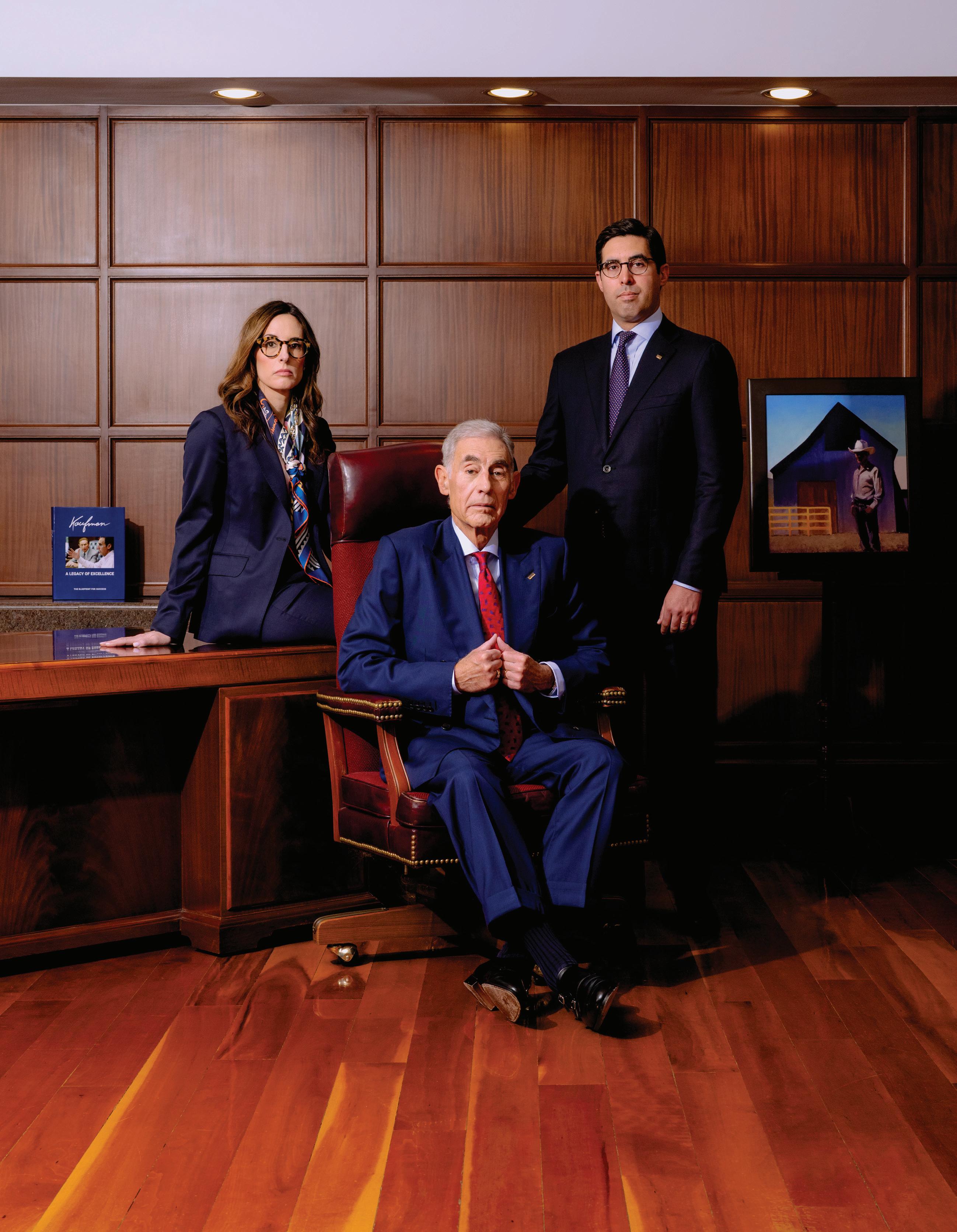
ONE OF THE NATION’S LARGEST FAMILY-OWNED INSURANCE BUSINESSES, H.W. KAUFMAN GROUP IN FARMINGTON HILLS, TAPPED ITS ROOTS IN THE PLUMBING, REAL ESTATE, AND HARDWARE SECTORS TO SCALE WHAT IS NOW A $3.6 BILLION, THIRD-GENERATION POWERHOUSE.
BY NORM SINCLAIR | NIC ANTAYA
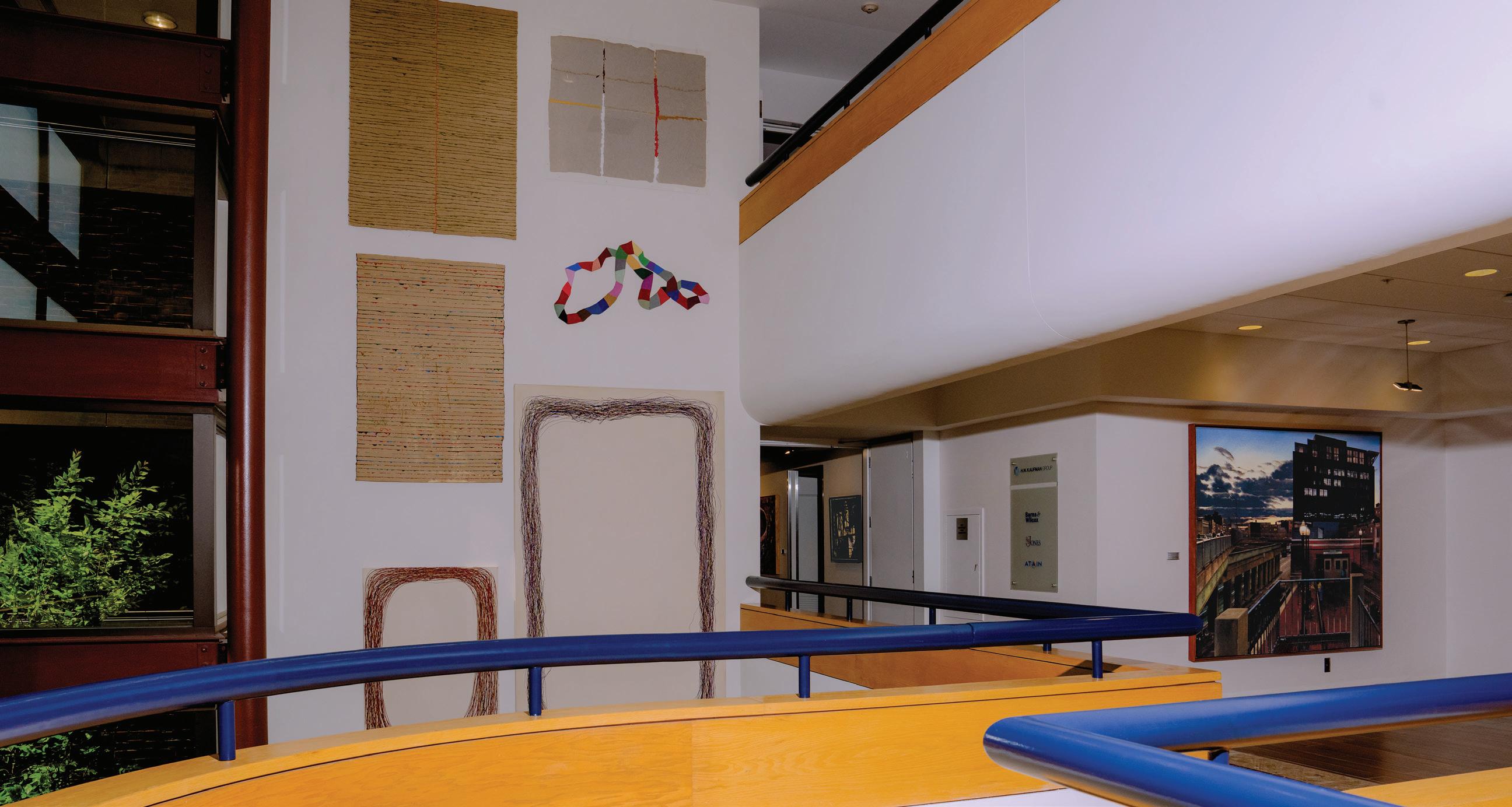
Alan Jay Kaufman’s path to the top of one of the country’s largest family-owned insurance businesses began with his childhood love of animals.
Upon graduation from high school in Detroit, he was attracted to Michigan State University in East Lansing because of its nationally acclaimed veterinary school. Kaufman enrolled at MSU in 1970 with ambitions of becoming a veterinarian.
A subsequent change of heart, however, made him switch to MSU’s Eli Broad School of Business, where he earned a degree in finance, accounting, and insurance.
From there, it was on to law school at the University of Notre Dame, where at one point he took a year-long hiatus to study international law at the London School of Economics.
His interest in London had been kindled by his father, Herbert W. Kaufman, who had a fondness for the city and the opportunities it offered for his Southfield-based insurance business.
Notre Dame’s law school also had a unique link to the capital city of England. It offered a specialized course of study: the London Law Programme, the oldest year-long overseas study program offered by an American law school. The course was also approved by the American Bar Association.
“I was exposed to London by going (there) with my father when I was young, when I was in school,” Kaufman says. Herb was already doing business in London, and when Alan had dinners with his visiting father, the gatherings often included British brokers who doubled as friends.
That early exposure to international law and the prospects for the insurance business in London would later fuel the expansion of his father’s H.W. Kaufman Group, now in Farmington Hills, into a national and worldwide insurance empire.
From its inconspicuous headquarters, a contemporary modern brick-andglass building along Northwestern Highway, the footprint of the third-generation family insurance business extends across the United States, Canada, the United Kingdom, Europe, and the Middle East.
Through its three subsidiaries — Burns & Wilcox, RB Jones, and Atain Insurance Cos. — the Kaufman Group offers brokerage, distribution, and underwriting insurance to companies in 90 countries via 60 offices worldwide.
Kaufman Group’s London office is its key overseas hub. It oversees other offices in Amsterdam, Dubai, and in Abu Dhabi in the United Arab Emirates (UAE). The company’s 2,000 employees generated revenue of $3.6 billion last year, according to available data.
The spectacular multibillion-dollar skyscrapers and other developments in the UAE, and their owners’ need for insurance, is reason enough for a metro Detroit-based company with connections to Lloyd’s of London to set up shop in Abu Dhabi.
“We thought the UAE was the best friend to the United States, and friendly to Europe,” Alan Kaufman says. “They’re one of the safest. We’re big on that spot.”
Kaufman says another benefit for his company is that India, another highrisk client, does a lot of business in the UAE. Until the U.S.-Iran war broke out in early April, which caused some disruption in their operations, Kaufman says he’s always felt comfortable doing business overseas.
Unlike the Farmington Hills headquarters building that blends in along Northwestern Highway, Kaufman’s London office houses 300 employees in one of that city’s most spectacular and controversial structures. The 41-story blue glass tower located next to Lloyd’s in the financial district (City of London) is known as The Gherkin because of its shape, which resembles a pickle.
Overall, Burns & Wilcox is the group’s dominant and most prominent arm as a wholesale broker and distributor of specialty insurance. It’s the group’s most public-facing entity, as well. Professional golfers Webb Simpson, Harris English, and Jimmy Walker represent Burns & Wilcox on the PGA Tour, while Sophia Schubert represents the firm on the LPGA.
As for the other companies, RB Jones focuses on property, marine, energy, and professional liability; Atain Insurance, meanwhile, provides property and casualty insurance in high-risk or unusual cases involving government or non-government-backed markets.
The businesses have deep family connections. Alan Kaufman is chairman and CEO of H.W. Kaufman Group. His daughter, Jodie, and his son, Danny, are co-presidents of the overall enterprise. All three family members serve on the board of directors.

PROFILE: Offers brokerage, distribution, and underwriting insurance
GROUP CHAIRMAN AND CEO: Alan Jay Kaufman
HEADQUARTERS: Farmington Hills
FOUNDED: 1969
EMPLOYEES: 2,000
REVENUE: $3.6B
SUBSIDIARIES: Burns & Wilcox, RB Jones, and Atain Insurance Cos.
In addition, Jodie is vice chair of Atain Insurance, oversees RB Jones, and is responsible for businesses outside of North America, while Danny is president of Burns & Wilcox, with responsibility for its brokerage and Canadian divisions.
The trio share similar academic backgrounds as lawyers. Jodie and Danny each earned undergraduate degrees at the University of Michigan before attending law school at Michigan State University and Chicago’s Loyola University, respectively.
Alan Kaufman says just as his father didn’t pressure him to join the business, he allowed Jodie and Danny to find their own path to the family boardroom.
For example, Alan Kaufman practiced insurance law for 15 years and founded his own firm, Kaufman, Payton, which later added Chapa. The firm continues to thrive, with offices in the Kaufman Group headquarters complex.
“I had been on the board of the company, so I knew what was going on and I saw opportunities there,” Kaufman says. Still, his entrepreneurial bent was suppressed by the confines of a law practice.
“I wanted to build up the business to where I thought it could go. That’s how I started thinking about it,” Kaufman says.
Like her father, Jodie Kaufman says her career goal was to be a lawyer. After obtaining her law degree she moved to Canada, married a Canadian, Jamie Davis, began raising her family of three children, and practiced law in Toronto for eight years.
“I never had a plan to join the family business until I actually joined it,” she says. When she became eligible for partnership in the Toronto law firm, she had doubts that she wanted to take that next step and began exploring other options.
“Fortuitously, our business had recently expanded to Toronto, and my father always told us that if we wanted to take advantage of opportunities in our business, we certainly could. So I decided to lean on that,” she says.
Jodie says she took a part-time role in January 2014 to explore and learn about the business the Kaufman Group acquired in Toronto. She says after three or four months, she realized she couldn’t contribute without being fully committed to the company.
At the time, the Kaufman acquisition wasn’t moving the dial in Toronto, she says, nor did it have any name recognition.
“It became very clear that this wasn’t a part-time role. This was going to be a full-time commitment of mine, and I just dove right into it,” she says.
Jodie spent the next seven years building Kaufman’s Canadian operations while getting more involved with other parts of the company.
“Eventually in 2020, with my husband and our three kids, we moved back here to Detroit. Since that time, I’ve been working closely with my father and my brother on many other things beyond my start in Canada,” she says.
Danny, however, took no such detour to his role in the family business. From childhood, he seemed destined for an insurance executive career.
“I went to law school. I passed the bar. But I always knew I wanted to get into this business. I always knew I wanted to work in insurance in our business, so I didn’t go into practice,” he says.
“Our father always encouraged law school. He thought it would be a great background to have, and it helps every day. It gives you a great way to frame issues and look at the world differently.”
In a profile story in Insurance News in 2023, Danny recalled his growing up around the business, which sometimes meant going to his grandfather’s office to have lunch with him.
LIKE FATHER, LIKE SON
Top: Herb and Alan Kaufman discuss expanding the business.
Bottom: Alan speaks at the company’s 50th Anniversary in 2019, held at its headquarters.
“Back then, we were very formal. I’d put on a suit and tie to visit,” he says. “I fell in love with the industry. It was a people-first industry built on relationships, handshakes, and friendships.”
Danny served as an intern with the company at age 16 and worked his way up to head the Chicago office after law school, before returning home.

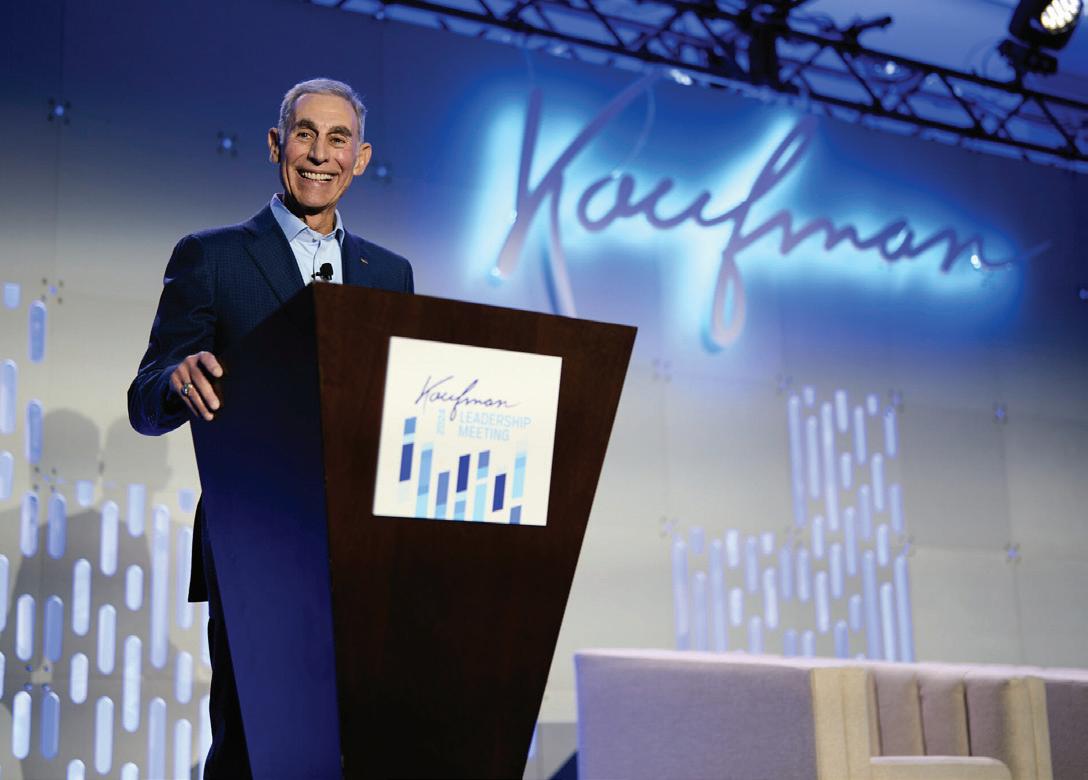

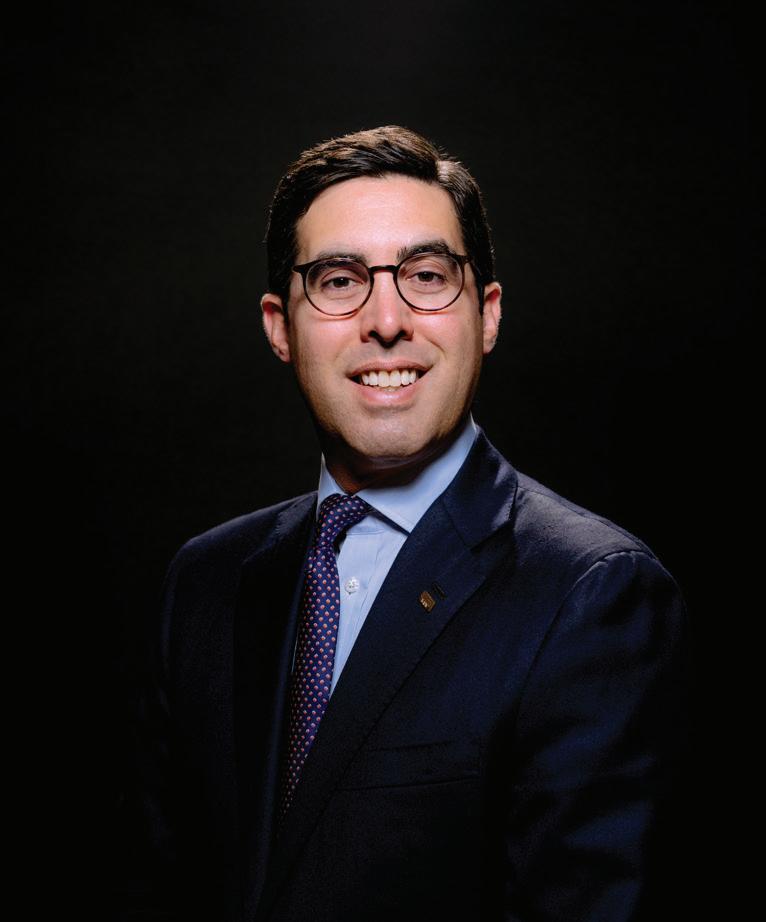
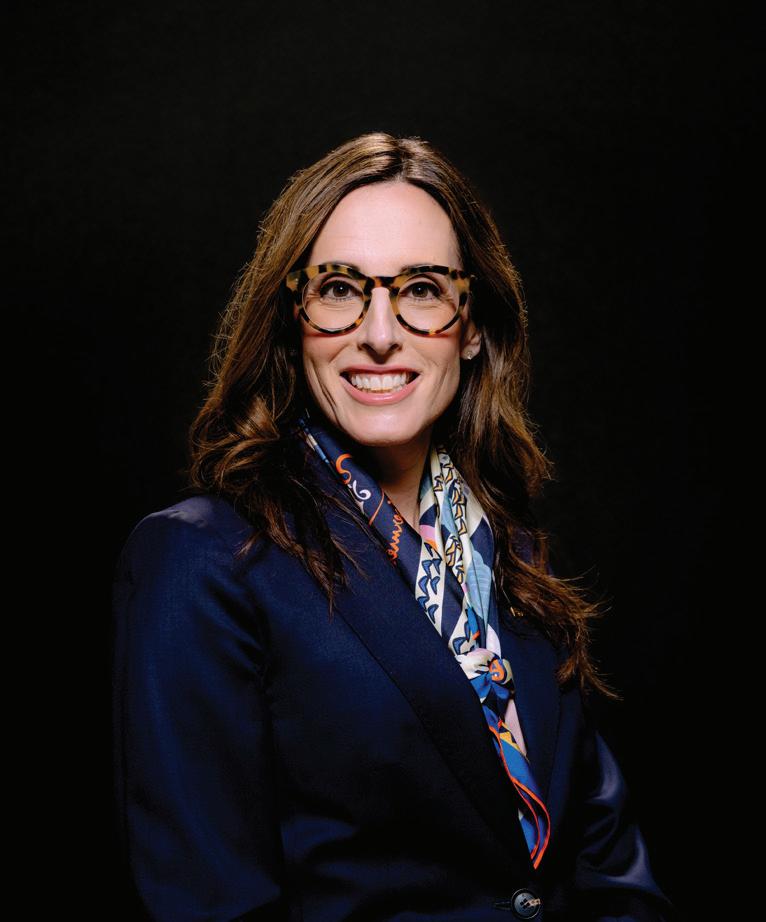
(INSURANCE WILL) CONTINUE TO ALWAYS BE A PEOPLE-CENTRIC BUSINESS BUILT ON RELATIONSHIPS, BUT CERTAINLY USING TECHNOLOGY TO A GREATER DEGREE ... “
— DANNY KAUFMAN
Alan Kaufman (top) is chairman and CEO of H.W. Kaufman Group. Danny Kaufman (middle) and Jodie Kaufman (bottom) are co-presidents of the international company.
As CEO of Burns & Wilcox, he supervises sales, marketing, and technology. He also sits on the boards for the London Group and Atain Insurance. In addition, Danny is the point man on H.W. Kaufman Group’s $100 million digital investment that came out of the COVID-19 shutdown in 2020 and now powers the overall company’s operations and growth.
“In five years, the goal certainly is to be substantially larger, perhaps twice the size or so,” Danny says. “It’ll continue to always be a people-centric business built on relationships, but certainly using technology to a greater degree to be more efficient, to provide greater services and data analytics to our clients and partners, and, of course, assist our team.”
Herb William Kaufman, the family patriarch who founded H.W. Kaufman Financial Group in 1969, didn’t take the lawyer route to the insurance business.
He began his professional career handling the financial side of his father’s plumbing and real estate business, including maintaining insurance.
That early insurance experience stuck with him. After building his own successful business — Six-Mile Hardware Store — in the 1960s, Herb Kaufman sold it and bought an insurance agency in Detroit.
With an accounting background from Wayne State University in Detroit, a knack for finances, and a trustworthy personality, Herb expanded his holdings by purchasing other agencies in the state.
The late Gary Batten, a former business rival who would later join the Kaufman Group as an adviser, described in a company publication the personal charm and trust Herb exuded.
“When I met him, we were competitors and sat on an advisory board together,” Batten recalls. “When my partner wanted to sell the business, I approached Herb after an event. The same night I approached him on buying the business, we shook hands and the business became his.”
Soon, Herb’s expansion outgrew Michigan, and Kaufman-owned agencies sprouted up around the Midwest in Indiana, Illinois, Wisconsin, and Ohio, as well as Puerto Rico. Others came aboard in Florida and Alabama, and even the far West, in Oregon and California.
In 1983, Herb sold off the retail insurance side of the business to concentrate on the specialty wholesale market. He also needed a name for the new organization. In a company publication, Alan Kaufman described his father’s almost whimsical approach to that process. Herb wanted a name that sounded British.
“He liked the London market, he liked the English, and London is the center of the insurance industry in the specialty world, so that’s how he came up with Burns & Wilcox,” Alan says.
Kaufman recalls that his earliest exposure to his father’s business was during the holidays, when he was tasked with delivering Christmas presents to clients.
“It was great because I got to meet people and talk with insurance brokers, so I had a lot of exposure to what was going on in the insurance world just by doing that, and I enjoyed it,” he says. “I enjoyed spending time in the business and with my father, and I liked the business world.”
In 1990, with Burns & Wilcox leading the way, the Kaufman Group broke the $100 million mark when it recorded $115 million in premium volume.
In September of that year, Herb took the company public, joining the American Stock Exchange, the forerunner of today’s New York Stock Exchange.
Five years later, Alan Kaufman began exploring the possibility of regaining control of the company. He witnessed how the demands of running a
public company wore on his father, especially as he grew older.
Alan says he was motivated to take the company private because he enjoyed working with clients and helping them create lasting value while building perpetual wealth. He says his father was on board with bringing the business back under family control.
To make it happen, however, Alan was strictly on his own. Under federal regulations, his father couldn’t offer any assistance, financial or otherwise.
“I had to pay him for his shares like I paid for everyone else’s shares, and he couldn’t loan me money, and everything had to be arms-length,” Kaufman recalls. “He had a separate law firm and a separate accounting firm. Everything had to be separated. In fact, the board had to have a separate accounting firm.”
Kaufman says his experience as a lawyer made it easier to craft the deal and handle the preparation,
“I bet the ranch on it,” he said in a company publication. “I mean, I had to refinance everything.”
He obtained a $20 million loan from the National Bank of Detroit (today JPMorgan Chase & Co.), placed a mortgage on his home, dipped into his own finances, and bought the publicly traded company in 1995.
“I paid more per share than what the company was trading for, so I paid a premium,” Kaufman said in the company’s publication. “I thought the company still had greater value or could have greater value, and I had some ideas of what I wanted to do. Maybe I was overconfident, but I was confident for sure. You have to take chances … as an entrepreneur. You’re taking a risk.”
Kaufman admits to the angst of the moment.
“I didn’t have a mortgage at the time. It certainly was a lifestyle change for a while,” he recalls. Once the Kaufman Group returned to family control, he moved quickly to expand the business abroad.
The acquisition also came with an irreplaceable bonus. He could now spend more time learning from and working with his father.
The most enduring advice Herb shared, according to the company publication, is this: “Look at the big picture. Don’t get crunched by the small details. Think as way ahead as you can. Don’t think about only today, think about the results of what your decision’s going to be down the road, one year or 10 years from now.”
His father’s mantra dovetailed nicely into Alan Kaufman’s own vision for the future of the company.
“I knew that to compete in the future, we couldn’t be regional; we had to be bigger than the United States,” he says. “Insurance is a global business. People (everywhere) have risks.”
Detroit, Kaufman says, is a very international city for insurance, with business spread all around the world.

The H.W. Kaufman Group may be under the radar of metro Detroit’s most well-known companies, but a rare and historic gift from the famed Lloyd’s of London insurers, which is on display in the lobby of Kaufman’s Farmington Hills headquarters, confirms the global reputation of the family-owned business.
The gift from Lloyd’s to Kaufman and its subsidiaries, Burns & Wilcox and RB Jones, is an original “underwriting box.” Starting in the late 1600s, dozens of such boxes were set in rows in the grand lobby of Lloyd’s London office.
“The Lloyd’s underwriting box is a unique historical piece that reflects the Kaufman family and our company’s deep connection to the London insurance market,” says Christine Tricoli, group executive vice president and chief human resources officer at H.W. Kaufman.
“It serves as a reminder of the strategic importance that Lloyd’s has on our business, both here in the U.S. and worldwide.”
The origin of the box can be traced to the 17th century. During that time, Edward Lloyd owned a coffeehouse in London which came to serve as a forum for discussing and debating the high-risk insurance market.
Lloyd went on to publish Lloyd’s List, a journal devoted to marine and shipping news. In 1668, the coffeehouse was located near the Thames River and was a hangout for sailors, merchants, and ship owners who depended on Lloyd for information about shipping activity.
In time, Lloyd began renting tables — or boxes, as they were known — to entrepreneurial businessmen who would use the booths to work out deals selling insurance to ship owners in case their vessels were lost at sea.
The foundation of what would become the Lloyd’s of London marine insurance market began over coffee. The coffeehouse table that evolved into an underwriting box at Lloyd’s of London was made of polished dark wood with slots in the tabletop to store transaction records. A high-back bench was on either side of the box. Eventually, the Underwriting Room at Lloyd’s of London contained as many as 100 of these boxes. Brokers representing clients and underwriters for Lloyd’s syndicates sat on the benches across from each other and negotiated the terms and costs of insurance policies.
Underwriters evaluated risks and quoted the cost of premiums on behalf of various syndicates under the Lloyd’s insurance umbrella. When an agreement was reached, the underwriter recorded the details on a broker’s “slip” before entering the information into ledgers stored in the box.
Slots in the top of the box contained racks used to store additional documents underwriters would need, such as risk records, and important reference materials.
The box from the Underwriting Room presented to the Kaufman Group dates to 1930. It was removed during the renovation of the building in 1971 and shipped to Kaufman in 1980.
Underwriting boxes are still in use in Lloyd’s central Underwriting Room, where underwriters and brokers continue the centuries-old tradition of face-to-face interaction and handshakes to seal deals.
However, instead of writing up and storing “slips” in the boxes, today’s underwriters utilize built-in touchscreen computers, Wi-Fi access, and connections to a digital “Virtual Room” to conduct business.
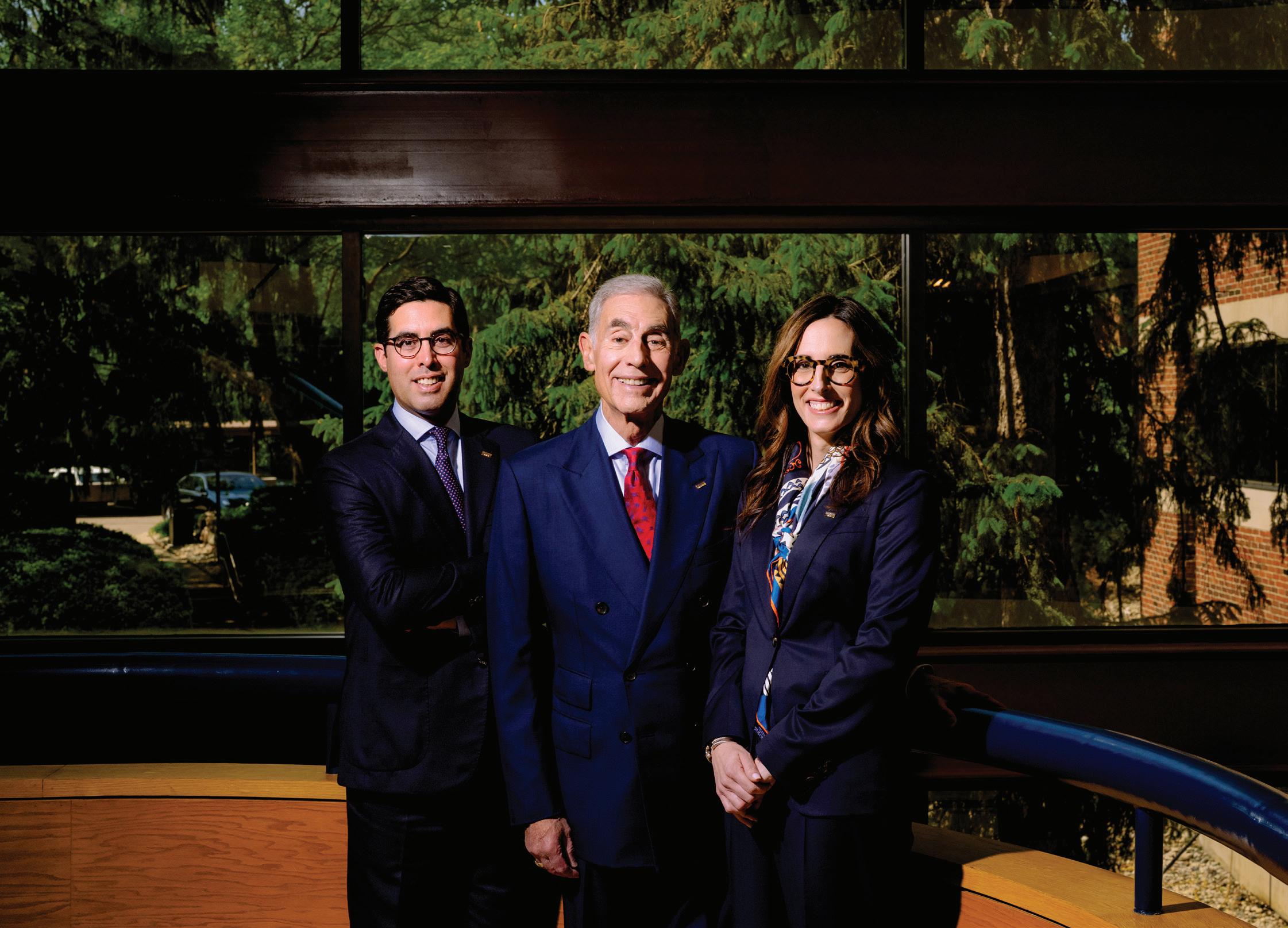
“They’re all here — the auto industry, engineering. This is all around the world,” he says.
Kaufman adds his father was one of the earliest and most significant U.S. insurance brokers in London.
Expanding that program was a top item on his to-do list. London, he says, not New York, is the center of the insurance world. It’s also home to Lloyd’s of London, the center of international insurance activities.
As the expansion continued, today 200 employees at Burns & Wilcox and RB Jones are working adjacent to their counterparts at Lloyd’s. The Kaufman brokers are accredited with Lloyd’s to write and place complex specialty risk policies directly into its syndicates.
Kaufman says the secret sauce to his company’s success is acquiring superior talent, which means hiring and training the best people available. The company’s laser focus on training is reflected in the year-round educational sessions for employees conducted at its Farmington Hills campus.
Management Essentials was the topic of the latest course for a class of 25 attendees in a week-long session at what’s known as the Kaufman Institute.
To promote insurance curriculum and more graduates in that field at Michigan State, Kaufman
funds an endowment for a professorship at the Broad Business School. He says with the major role insurance plays in the economy, he’s disappointed that the University of Michigan doesn’t offer similar studies.
Teamwork, relationships, and extra effort are the ingredients of the company culture that Herb Kaufman initiated, and they’re principles that Alan Kaufman continues to stress today.
Employees and company visitors are constantly reminded of that history through a handsome 296-page coffee table book, “Legacy of Excellence,” that recounts in expansive detail and pictures the history of the company, from its founding to the present. Jodie and Danny Kaufman came up with the idea as a surprise for their father.
“We wanted to honor our father’s and our grandfather’s legacy,” Jodie says. “We had my father do a series of interviews, which we told him were for a new website, to get him talking about the history of our organization.”
Knowing that their father would want more input, the younger Kaufmans had one copy of the book produced and with their sister, Emily, who works in the educational field, they completed their surprise by presenting the tome to him at an annual company leadership meeting.
“After he reviewed it and (gave us) feedback, we distributed it to all of our Kaufman leadership meeting attendees in all of our offices around the world,” Jodie says.
Alan Kaufman says the word team is important in the company’s culture, as employees work together to make each colleague better.
“We’re not going to do anything that’s average — that doesn’t work with us,” Alan says. “We want every aspect of the company to be the best, so that’s part of the culture. We don’t care what other companies do. We don’t follow the pack.”


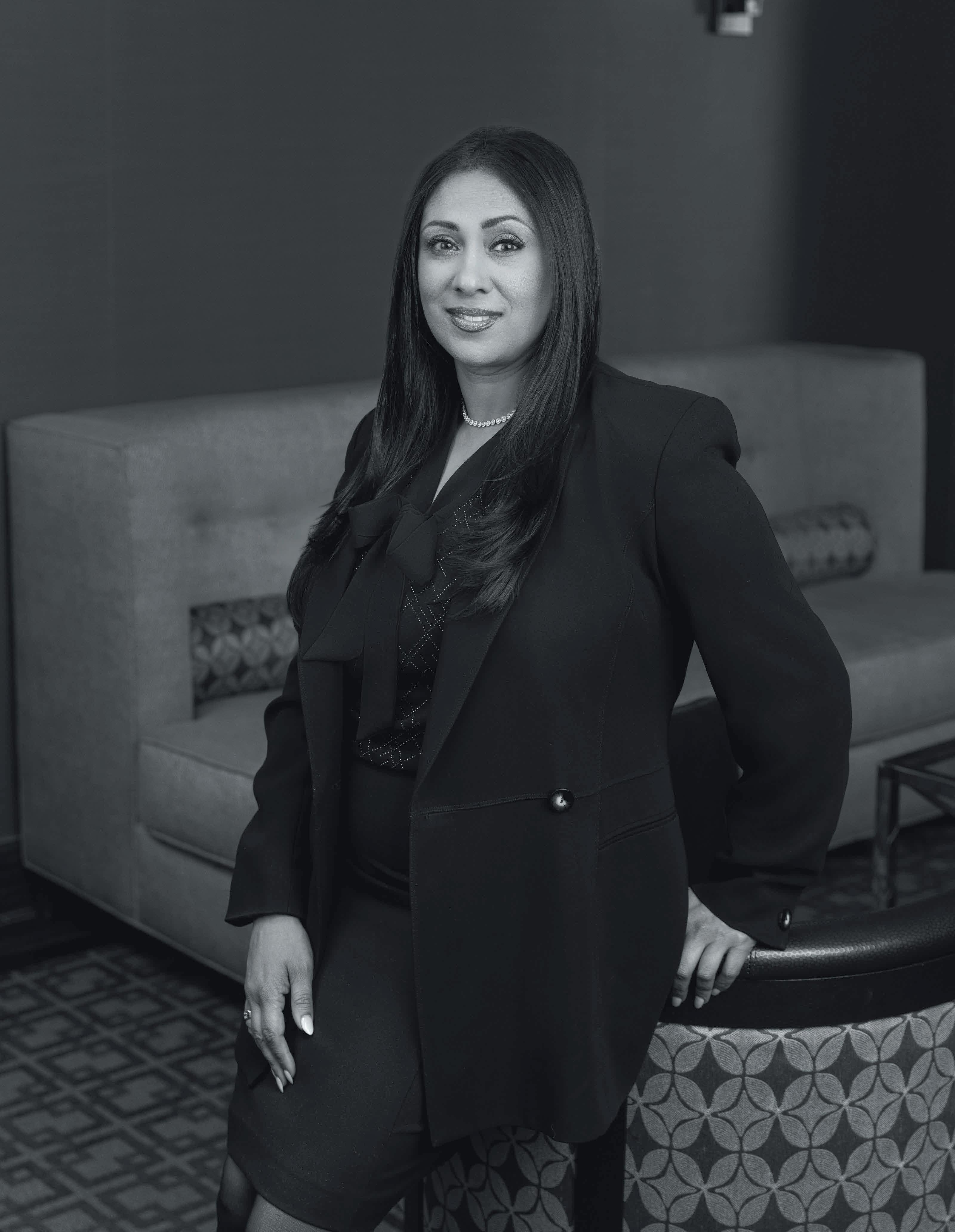







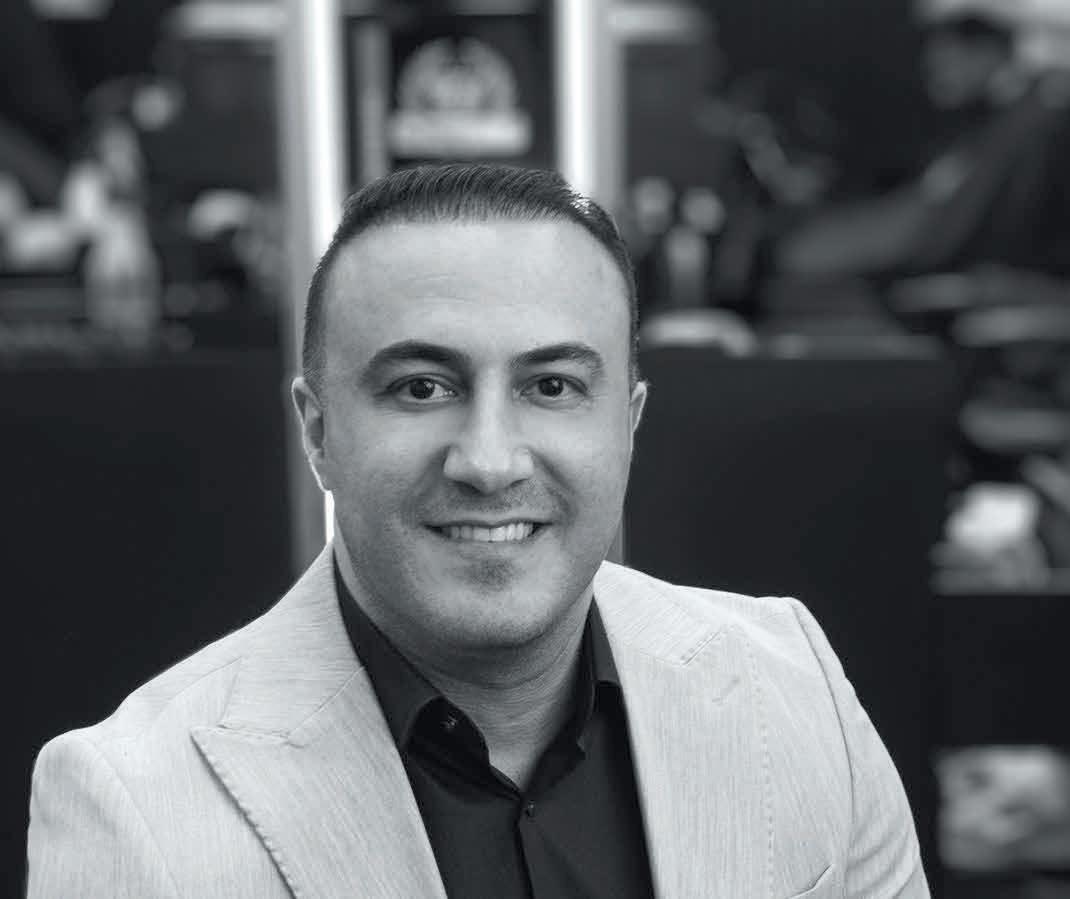









In banking, relationships still matter. Few people understand that better than Kristin Shaoni. A familiar face in the community and a proven leader, she has built her reputation on trust, responsiveness, and helping people and businesses move forward with confi dence.
Deeply connected in the community and passionate about building lasting relationships, Kristin combines local insight with the strength of a trusted fi nancial partner. Her goal is simple: to be more than a banker — rather, to be a trusted adviser who delivers thoughtful guidance, meaningful connections, and results that help individuals and businesses thrive.
Now with DFCU Financial, Kristin is excited to bring something di erent to the market: a banking experience backed by fl exibility, speed, and direct access to decisionmakers. Whether helping a family navigate a lending decision or supporting a business pursuing its next phase of growth, she believes banking should feel personal, accessible, and solutions-focused.



The word “skosh” means “a small amount; a little.” It’s often used in the kitchen as a loose form of measurement. A bit more salt. A dash of pepper. A touch more garlic. A dollop of sour cream. It represents cooking from the heart, a passion for the product you’re creating, and the desire to perfect it — even if all it needs is just a skosh. Meet the husband-and-wife team behind Skosh Catering: executive chef Kenny Carlisle and director of catering Rachel Carlisle.
As a market leader and industry trendsetter in offpremises catered events, Skosh roots its philosophy in its mission to create innovative culinary experiences for clients and guests, provide peace of mind, and exceed all expectations.
Through a synthesis of cutting-edge menus, superior logistics, and unmatched service, Skosh Catering successfully executes notable events across metro Detroit.


















































Mannarino,



















































The physicians at Consultants in Ophthalmic & Facial Plastic Surgery — Geo rey Gladstone, Evan Black, Francesca NesiElo , Dianne Schlachter, Robert Beaulieu, Shravani Mikkilineni, and physician assistant Lindsay El-Awadi — are proud to be known as the “Eyelid Experts.”
Representing the gold standard in eye plastic surgery, these doctors have developed and improved techniques to provide the results patients seek when it comes to plastic surgery in the delicate areas around the eyes and forehead.
Their advanced training, together with the personal care and attention provided to patients, is obvious from your fi rst visit. Outstanding results, faster healing, long-lasting benefi ts, and happy patients are what the team strives to achieve. They o er upper and lower eyelid surgery and the removal of eyelid “bags.” State-of-the-art endoscopic brow and forehead-lift procedures accomplish the rejuvenation many patients can’t get from eyelid surgery alone. When you choose the Eyelid Experts, you’ll “see” the di erence!





TUSHAR VAKHARIYA & RENEE LOSSIA ACHO — TVA + RLA | KW DOMAIN 210 S. OLD WOODWARD AVE., SUITE 200, BIRMINGHAM, MI 48009 | 248-786-7790 TUSHAR@TVARLA.COM | RENEE@TVARLA.COM
Tushar Vakhariya and Renee Lossia Acho have redefined luxury real estate in Michigan through a results-driven partnership that combines over 40 years of expertise. As the powerhouse team behind TVA + RLA, they’ve built a reputation for delivering unmatched value to their clients through exclusive access to listings, a vast network of qualified buyers, and a proven ability to sell 35% of their listings o -market at record-breaking prices. Their approach is precise, leveraging hyperlocal data, elevated

marketing, and a deep understanding of buyer behavior. Every move matters, and Vakhariya and Lossia Acho consistently deliver clarity, confidence, and results to their clients.
Backed by a best-in-class team, Tushar and Renee lead every engagement with a hands-on approach and unwavering attention to detail. This collaborative model allows TVA + RLA to deliver an elevated experience that sets the benchmark for luxury real estate in Michigan.


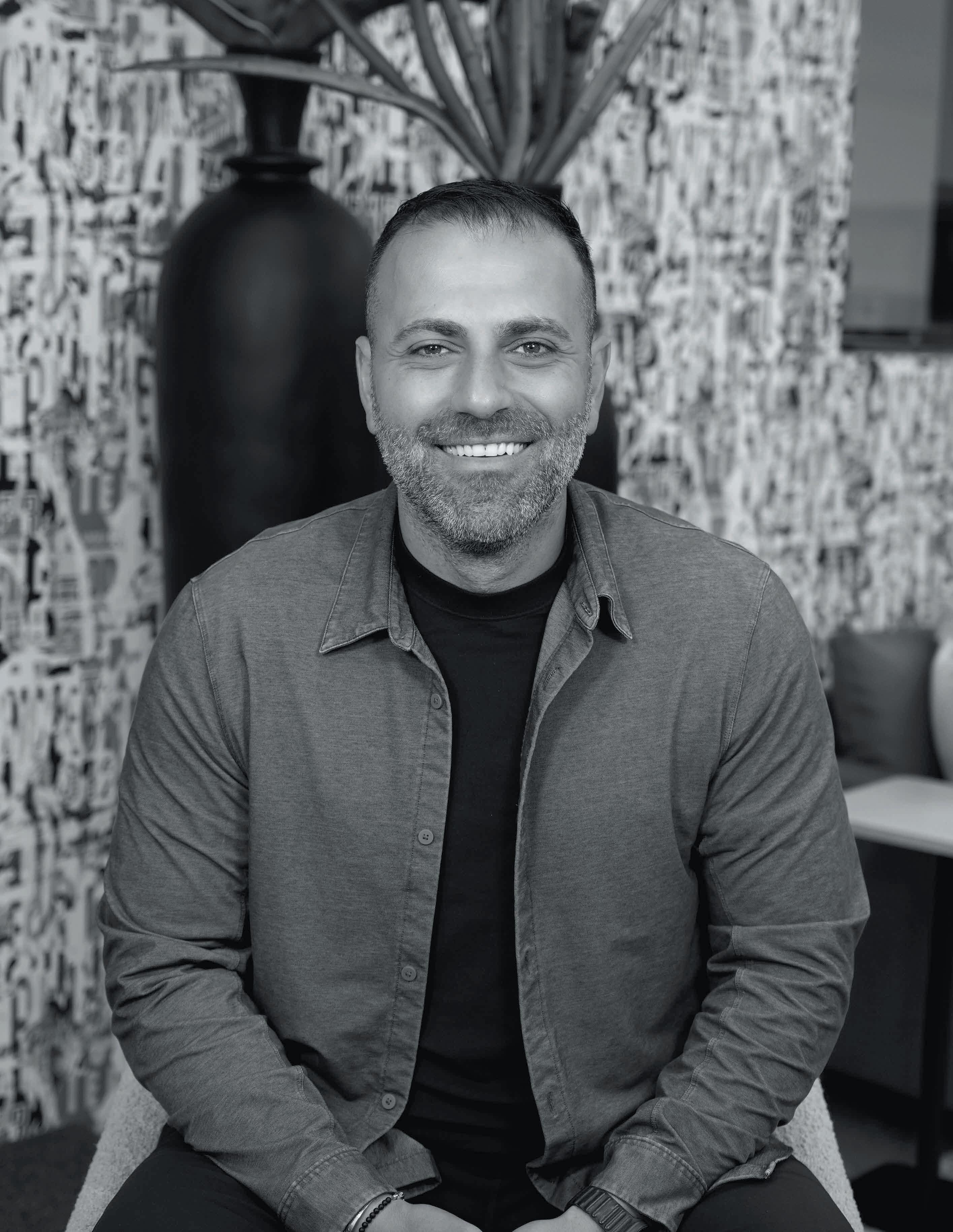













































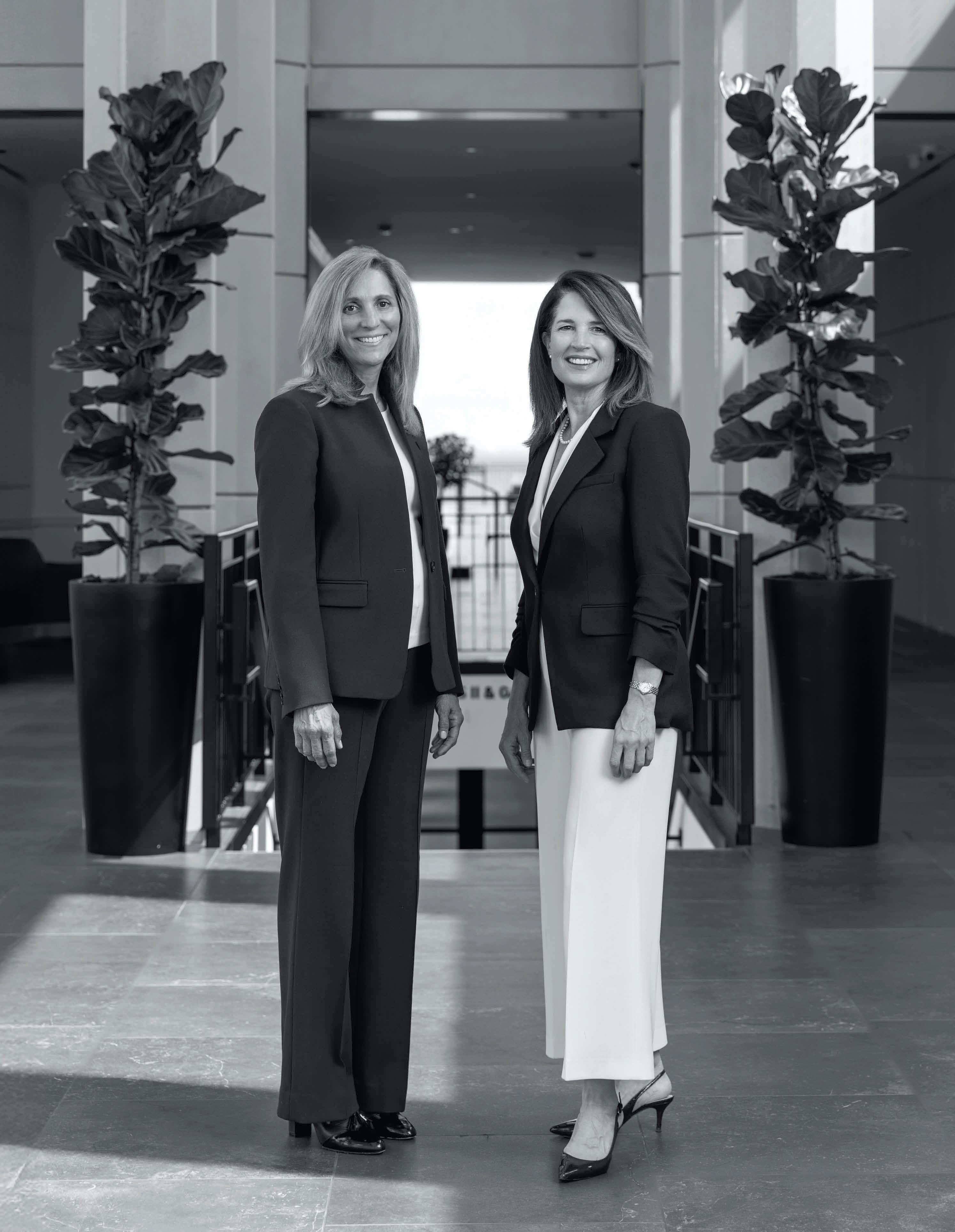



Zhang Financial is a fee-only independent wealth advisory firm headquartered in Portage, Michigan. The firm manages more than $8 billion in assets and operates under an independent, fee-only fiduciary model designed to align its advice with clients’ interests. The firm’s Bloomfield Hills o ce is led by senior vice presidents Alex Zhang, JD, CFA, CFP®, and Tyler Soares, CPA, CFA, CFP®. They are supported by a team of 60 professionals o ering investment management, tax planning, estate strategy, and dedicated support.

Founder and president Charles Zhang, CFP®, MBA, MSFS, ChFC, was ranked No. 1 in Barron’s list of 2025 Top 100 Independent Advisors. [The 2025 list was released on September 15, 2025, based on data for the 12-month period ending June 30, 2025. Zhang Financial does not pay a fee to be considered for or included in Barron’s rankings. The firm pays a licensing fee to Barron’s for the right to use the rankings and logo in marketing materials. See zhangfinancial.com/disclosure for full ranking criteria and methodology.]




Walloon Lake’s population of fewer than 300 people doubles and triples during the summer months as vacationers flock to its 30 miles of pristine shoreline.
BY TIM KEENAN
If you drive an hour and a half northeast of Traverse City, in Michigan’s northern lower peninsula, you’ll discover a small town with history and beauty that attracts visitors from as close as the Cherry Capital to as far away as Wisconsin.
Walloon Lake is a 35-square-mile village in eastern Charlevoix County with a population of fewer than 300 people — although that number easily doubles or triples during the busy tourist season, which starts at the end of June and runs until the end of August.
Although Walloon Lake has no legal autonomy of its own (it sits within the borders of Melrose Township), it does have its own post office, which has been assigned the 49796 ZIP code. It also boasts a recorded history that dates to 1872 and includes Ernest Hemingway’s formative years. There’s also a hotel that prides itself on top-tier guest service.
“We’re the hidden gem of the area, right on Walloon Lake,” says Emily Emmott, general manager of the Hotel Walloon. “We’re nestled in this little village that’s peaceful, quiet, and quaint, with a lot of activities in the area. It’s a really pretty place where you can escape the hustle and bustle of cities.”
Before there were metropolises, the region’s first inhabitants were Native Americans who called the 6.9-square-mile Walloon Lake, with 30 miles of shoreline, Muqua Nebis (bear water).
John Jones Jr. and his family settled along the
Walloon Lake, a 35-squaremile village that sits in eastern Charlevoix County, offers hotel accommodations and dining options, private cottages, dozens of privately-owned homes and cottages, a marina, and numerous seasonal attractions.
shores of what was called Bear Lake in 1872. By 1874, Jones was instrumental in encouraging the Grand Rapids and Indiana Railroad to build through the region to service the logging industry. The first train depot was named Melrose, after early local surveyor Mel Rose.
The area took the name Tolcott, then Talcott, until local butcher J.R. Hass suggested Walloon Lake on Sept. 22, 1900.
Hass reportedly saw the name on an old railroad map. Nobody knew where the name came from or how it ended up on the map, but legend has it that a group of Walloons from Belgium (no traces of them remain) had settled along Bear Lake many years earlier. The community and the lake soon became known as Walloon Lake, although the lake is still connected to Little Traverse Bay by a stream known as Bear River.
Jones’ railroad and the Melrose Depot spawned Walloon Lake’s first wave of tourism, with trains bringing visitors to soak up the fresh northern Michigan air and enjoy recreational activities like fishing, swimming, and sailing.
Before long, the “downtown” area at the foot of the spring-fed lake boasted three stores, a bowling alley, a bath house, and a hotel. Within a few years, there were a dozen hotels and boarding houses around the lake, as well as an increasing number of private cottages. To get there, residents and visitors boarded steamboats that delivered them and their seasonal belongings to their summer abodes.
In those days, railroad companies built hotels to create destinations for city folk to escape the heat of urban summers in places like Cincinnati, Indianapolis, Chicago, and Grand Rapids. These resort hotels publicized “beautiful views, great fishing, and boating, along with socializing with other resort goers.” As a result, hundreds of hotels were built in northern Michigan, which was being billed as “Vacationland” in publicity campaigns.
The tourist boom, along with the area’s logging industry, wouldn’t last. The final passenger boat to ply the waters of the lake ceased operations in 1915. By the late 1920s most of the lodging establishments had closed, as tourists were building their own homes on the lake. The train depot operated until 1928, when automobile transportation became more prevalent.
Between the 1960s and 1990s, Walloon Lake became a bit of a ghost town. A series of historical signs in the downtown’s Circle Park shed light on the community’s early days.
“Over the past decade or so, Walloon Lake has woken up from its decadeslong slumber,” says Dianna Stampfler, president of the Promote Michigan public relations firm. “Now, it’s a thriving waterfront community.”

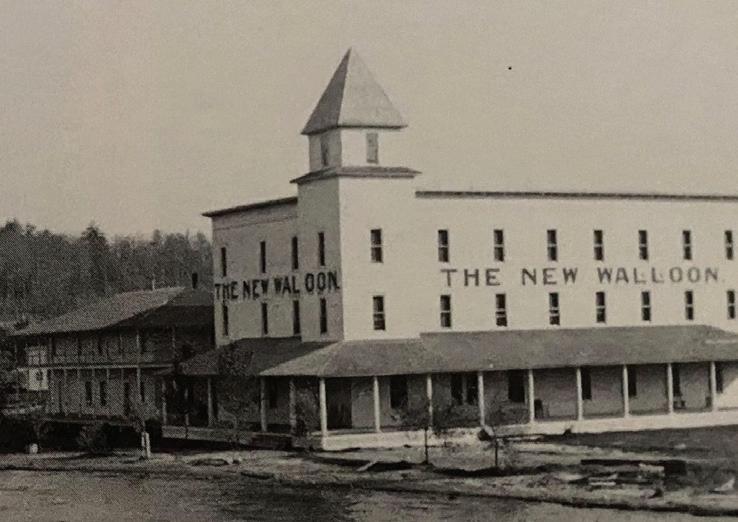


In recent years, a resurgence has transpired, with old establishments getting new leases on life as successful restaurants and shops.
The Walloon Lake Inn, for example, was built in 1891 as a quaint hotel on the shores of the lake. Originally called Fern Cottage, it was a destination for many visitors and served as a docking point for the steamboats that would take travelers to hotels or to their cottages along the lake.
Renamed the Walloon Lake Inn in 1981, the location operated as a bed and breakfast and a restaurant. Today it’s an upscale restaurant that was totally renovated in 2014.
Other restaurants include the casual Barrel Back of the Hotel Walloon, the Walloon Junction Bar & Grill, and the Walloon Watershed. There’s also The Iron Goat and the Rumpus Room coffee shops, and the Sweet Tooth Ice Cream Shop. Popular local destinations include Legacy Watersports & Marina, the Pied Piper Roller Rink, and the Crooked Tree Library.
What’s more, Tommy’s Boat Rentals, Tommy’s Ski and Wake School, and Surf Starters offer training in a variety of water sports, including waterskiing, tubing, and wakeboarding.
The modern-day tourism boom is credited in part to real estate developer and Walloon Lake native Jonathan Borisch (founder of Borisch Manufacturing Corp. in Kentwood, near Grand Rapids), who, along with his son, Matt, purchased a significant chunk of commercial land in the area. Part of it was converted into the Hotel Walloon and its accompanying Barrel Back restaurant, as well as other businesses.
A Nov. 27, 2012, story in the Petoskey News Review outlined the pair’s plans.
“When my dad was growing up here, the village was a bustling community — 50 years ago — the idea is to get people to come back in by making it a welcoming place,” Matt Borisch said in the article.
Like most tourist destinations, Walloon Lake hit a speed bump during the COVID-19 pandemic. Prior to the mandatory closures that followed, tourism in northern Michigan had an annual economic impact of about $4 billion. In 2020, it was cut in half.
“Before the pandemic, summer was a busy time for us,” says Emmott, of the Hotel Walloon. “When the pandemic hit, we stayed open — however, we
furloughed all but one of our employees and the three managers. During the pandemic it was very quiet. We sold 13 rooms during the whole month of April that year.
“Once the state started reopening and people were able to travel again, we got inundated with guests and it ended up being our best year, (and) 2021 followed suit. People came to us because they knew we were clean and because of our service. They felt safe traveling to us.”
The original Hotel Walloon was opened in the 1890s by Mrs. James Hass. In 1900, the New Walloon was built by Alfred Hass near the town’s steamer dock. Today’s Hotel Walloon is a 32-room boutique hotel built in 2015 on the site of the New Walloon.
Emmott, who is from Traverse City, says she barely new about Walloon Lake until she landed her position at the hotel.
“I was amazed at how busy we get here during the summer,” she says. “Every year, we get a lot of the same people coming back, as well as new people. We’re at 90 to 93 percent occupancy during the busy season.”
Emmott says her staff bends over backward to make each guest’s visit as personalized as possible, adding humidifiers, wedge pillows, and the guest’s favorite soft drinks to the rooms before they check in.
The New Walloon in 1900, upper left, was replaced by the Hotel Walloon in 2015, shown under construction, upper right. Today, the hotel offers 32 rooms, a private beachfront, and two restaurants — The Talcott and Barrel Back. Below: Hotel Walloon’s Lakeside Corner King room.
“We try to make sure our guests’ stays are tailored to their preferences,” she says. “The biggest thing to me is just our service in general. We’re known for going above and beyond for our guests.”
According to Emmott, the hotel’s visitors come from nearby Traverse City, downstate, Ohio, Chicago, and Wisconsin. She says the whole business community works together to make Walloon Lake a premier travel destination.
“Every year we try to figure out what more we can do to drive business to the village,” she says. “It’s kind of a group effort to think up new specialty weekends (and) what collaborations we can put together with other businesses.”
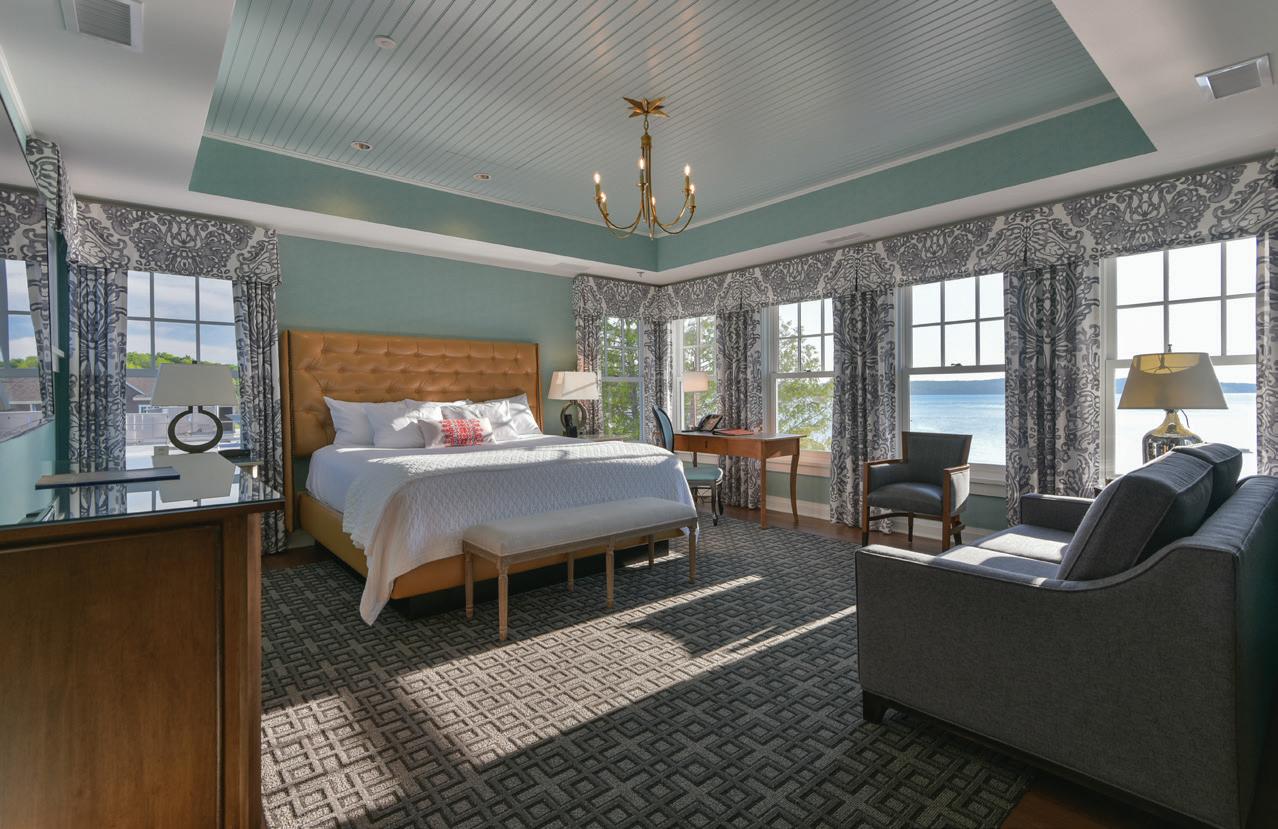
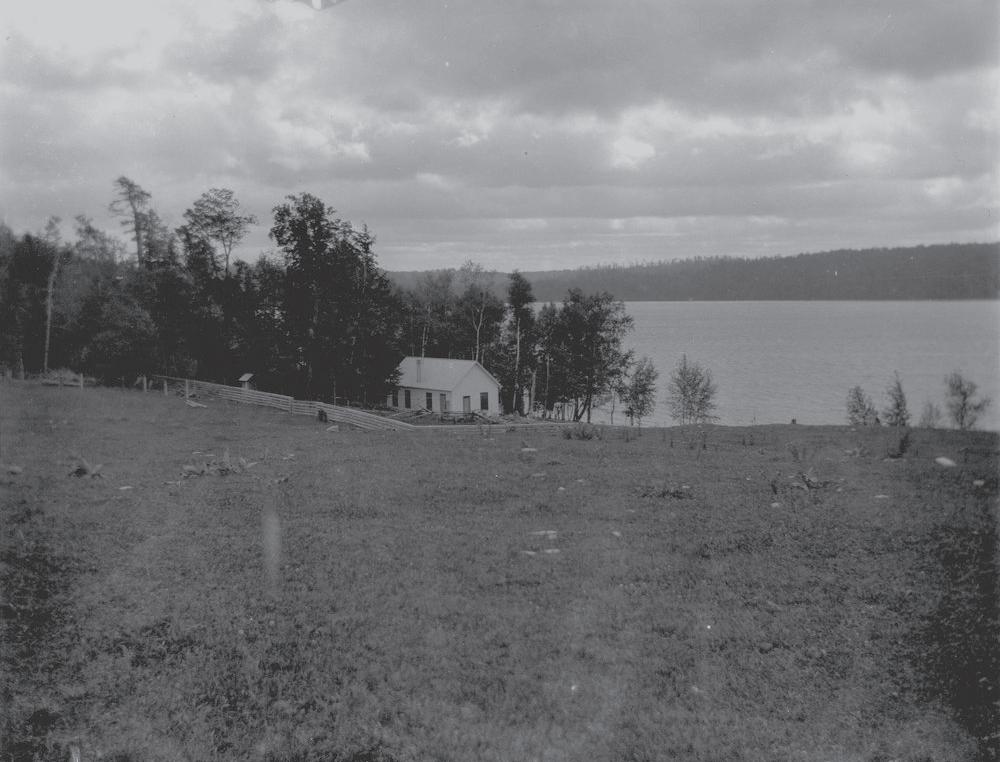
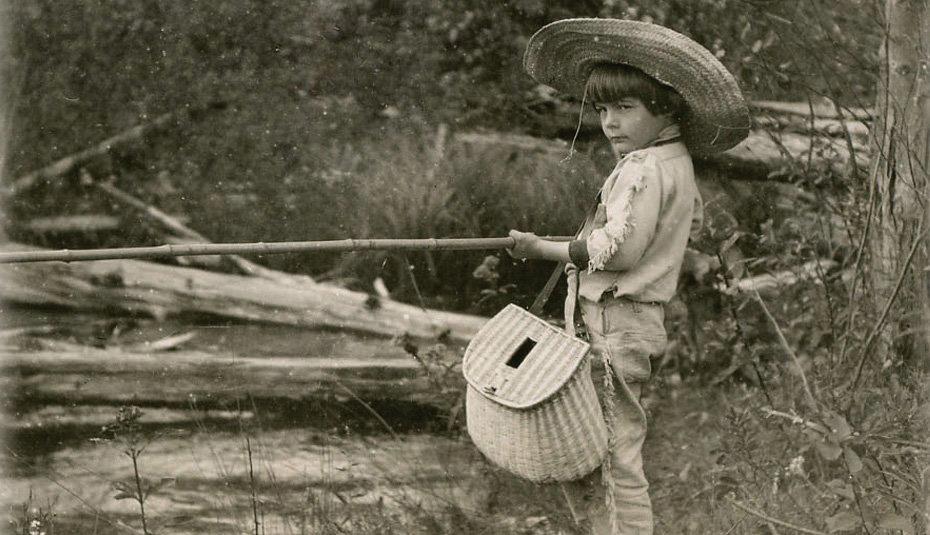
READERS OF THE
OF
HEMINGWAY can visit Walloon Lake to get an idea of what inspired some of his writing.
A year before he was born in 1899, his family first traveled to northern Michigan and settled in Walloon Lake (then known as Tolcott). The Hemingway family bought several plots of land around the lake and in 1900 they built a cottage they called Windemere on the northern shore.
The cottage would serve as Hemingway’s summertime boyhood home, as the family still made their full-time home in Chicago.
They reportedly traveled to Windemere by ship several times a year in spite of the fact that, at the time, it was a long and difficult trip. While in northern Michigan, Hemingway spent most of his time fishing, swimming, tending to the family farm, and camping, and it’s there that he eventually discovered writing.
“The Hemingways were among the earliest travelers to the area,” says Dianna Stampfler, president of the Promote Michigan public relations firm. “Their family home still stands, but it isn’t open to the public.”
She notes that most people believe it was the woods and waters of northern Michigan that created the persona of Hemingway that typically comes to mind — the hunter, fisher, explorer, and writer.
As a teenager, Hemingway traveled independently and started making the trip by automobile. In 1921 he married his first wife, Hadley Richardson, in nearby Horton Bay. Soon after, they left the area and never returned, except at one point in 1951.
Hemingway’s “The Nick Adams Stories” and its main character were said to be heavily influenced by his adventures and experiences in northern Michigan. Some of his boyhood friends also served as models for many of his characters.
On Nov. 24, 1968, the family cottage in Resort Township was listed on the National Register of Historic Places. Hemingway’s presence in Walloon Lake led to its dedication as a Michigan Historic Site in 2010, which is commemorated by a dual-sided historic marker in Melrose Park in the center of the Village of Walloon Lake.
“Today, visitors can actually walk in his footsteps as the Michigan Hemingway Society has spent years identifying sites where he once visited,” Stampfler says.
— By Tim Keenan
Current special events include the Walloon Lake Writer’s Retreat, a nod to Ernest Hemingway’s connection to the village (see sidebar). This year’s Writer’s Retreat took place April 16-19 at the Hotel Walloon and featured best-selling author Karen Dionne, whose books “The Marsh King’s Daughter” and “The Wicked Sister” are set in the Upper Peninsula.
Other events include the Little Village 4th of July Celebration, the Walloon Woodies Boat Show and Classic Car Show on Aug. 1, and the Autum Festival, slated for Sept. 19-20, which will include a chili cook-off.
In 2023, Melrose Township and Walloon Lake were named a Monarch City USA. It’s the fourth community in northern Michigan (joining Boyne City, Kalkaska, and Elk Rapids) to pledge to provide environments and native areas for pollinator plants to grow wild, thus feeding and protecting monarch butterflies and other flying wildlife. Plans are underway for an event that will take place this August, tentatively named Wings of Walloon, to celebrate the butterflies.
In addition, “Last year, the Melrose Township Downtown Development Authority (DDA) built a new pavilion in Melrose Township Park that’s used for groups hosting family reunions, birthdays, and other group events,” Stampfler says.
Future DDA plans include a boardwalk and trail that will travel east from the park toward U.S.-131 and loop back to the new sidewalks that were installed a couple of years ago along M-75. These projects are designed to make the village more accessible to all and create more natural experiences.
A young Ernest Hemingway, upper left, often fished on the shores of Walloon Lake. Below, upper left and going clockwise, is the Hotel Walloon’s Billiards Room, Lakeview Suite, guests take the Hemingway onto Lake Walloon, and Lakeside Double Queen.
Walloon Lake welcomes visitors year-round, but summer is the best time to visit, according to locals, as the lake is particularly stunning and inviting. Most area businesses — many of which target boaters and water sports enthusiasts — are open during the summer months.
Rates for Hotel Walloon can run as low as $125 per night, but are limited to four-night stays during the busy season. For those seeking more private, family-style accommodations, cottage rentals also are available and can run between $2,100 and $7,000 a week.
“Walloon Lake is a hidden gem in northern Michigan,” Stampfler says. “It started as a vacation destination more than a century ago, and it is once again.”

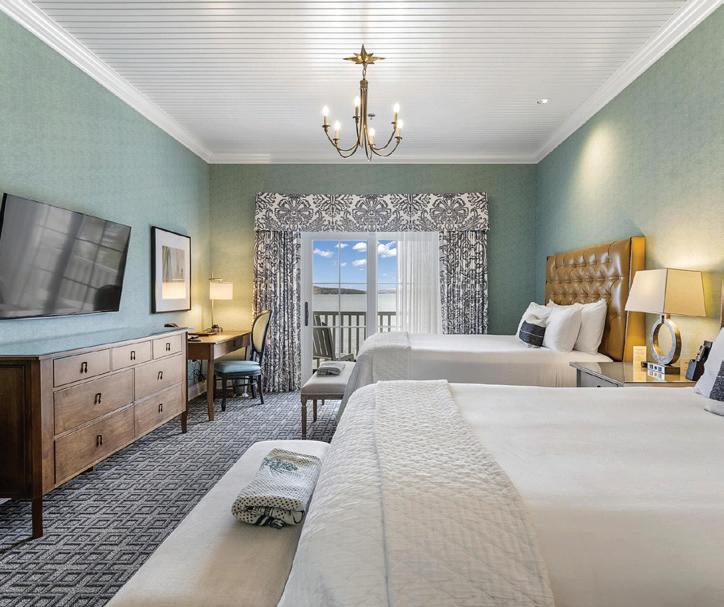

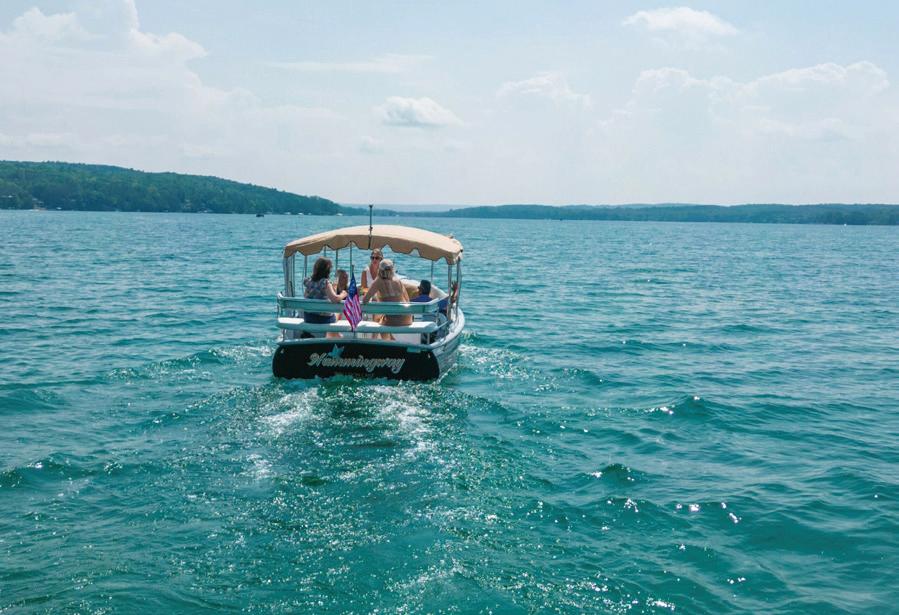









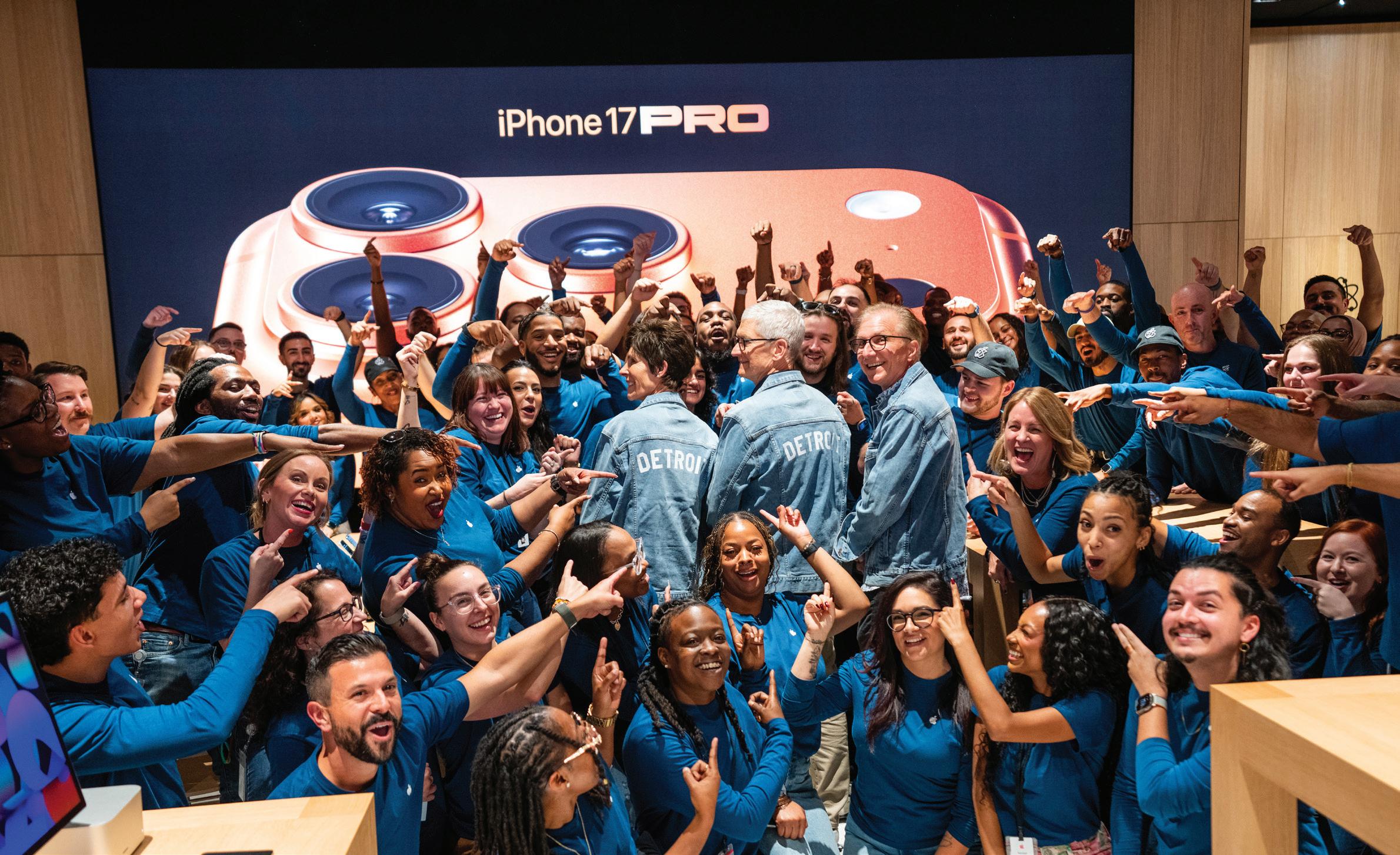
During a career fair at Michigan State University, Deirdre O’Brien passed on the recruiters in business suits in favor of a group of talent scouts wearing blue jeans who were espousing the wonders of the Macintosh computer.
BY TOM MURRAY
Deirdre O’Brien’s official title at Apple is senior vice president of retail and people — a deceptively understated description of what is an immense responsibility.
“We’re up to approximately 170,000 employees here at Apple, and that’s everything from finding the best talent to really supporting our team’s development, and all of the things that go around that,” O’Brien says.
It sounds like her job is more than enough to keep her busy every minute of every day, but then she nonchalantly adds: “I’m also the leader of the Apple retail team, and we have stores all over the world, and an online store that serves even more customers than our physical stores.”
The size and value of major corporations are appraised by various organizations using different metrics, but all of them essentially agree that Apple’s market cap now exceeds a remarkable $4 trillion.
O’Brien’s journey to a top position at one of the most valuable companies in the world began in the early 1970s in a Detroit suburb that bills itself as “The City of Tomorrow, Today.”
“I grew up on Mill Pond Drive in Troy,” she says. “My dad worked for General Motors, and my mom worked in the lab for 30 years at Troy Beaumont Hospital (now Corewell Health Beaumont Troy Hospital).
“We had a fantastic neighborhood, with people who worked in all sorts of different walks of life. But I don’t think there was anybody who didn’t do something related to the auto industry, or some sort of shop work.”
O’Brien’s fond recollections include her education at various schools in Troy, including Hill Elementary School, Larson Middle School, and Troy Athens High School.
A Michigan State University Spartan to the core, Deirdre O’Brien, center, joined her Apple colleagues, including CEO Tim Cook (to her right), at the opening of the company’s first store in Detroit. Located along Woodward Avenue just north of the Shinola Hotel, the full-service retailer opened on Sept. 19, 2025.
“What I loved was everybody just wanted you to be your best, and it was a very supportive environment,” she says. “When I think back to my time in school, there was not only the encouragement with academics, but also with athletics.
“And for me, in addition to a good education, I feel so grateful for the sports I was able to play and the teammates I had. I played soccer, basketball, volleyball, and golf, and I learned so much from those experiences, as well as (gaining) skills as a teammate and helping the whole team.”
When O’Brien began her college education at Michigan State University in East Lansing, she wasn’t sure what curriculum to pursue.
“I thought I wanted to be a business major, maybe an engineer. I wasn’t really certain,” she says. “But just a few years before I went to Michigan State, they had the very early beginnings of a unique program for an operations degree.
“It’s now called supply chain, and I decided to check it out. I fell in love with it from day one. It was about how you can take things that can be very complex and disjointed, and find a way to line them up. It really connected with me
because it had a mathematic component and a process component to help companies drive great customer satisfaction — and the customer is always at the end of every supply chain.”
As O’Brien pursued her bachelor’s degree, she spent her summers back home at Sylvan Glen, a local golf course where she learned to schedule tee times, worked in the pro shop, and served as a course ranger.
Then, she says, “When it was time for me to start interviewing and get a real job, there were companies that came to the Michigan State campus to interview the students, and Apple had this great group of very young, vibrant people wearing jeans, not business suits.
“Their love for what Apple was creating immediately resonated with me, and all I thought about was I really wanted to get a job at Apple.”
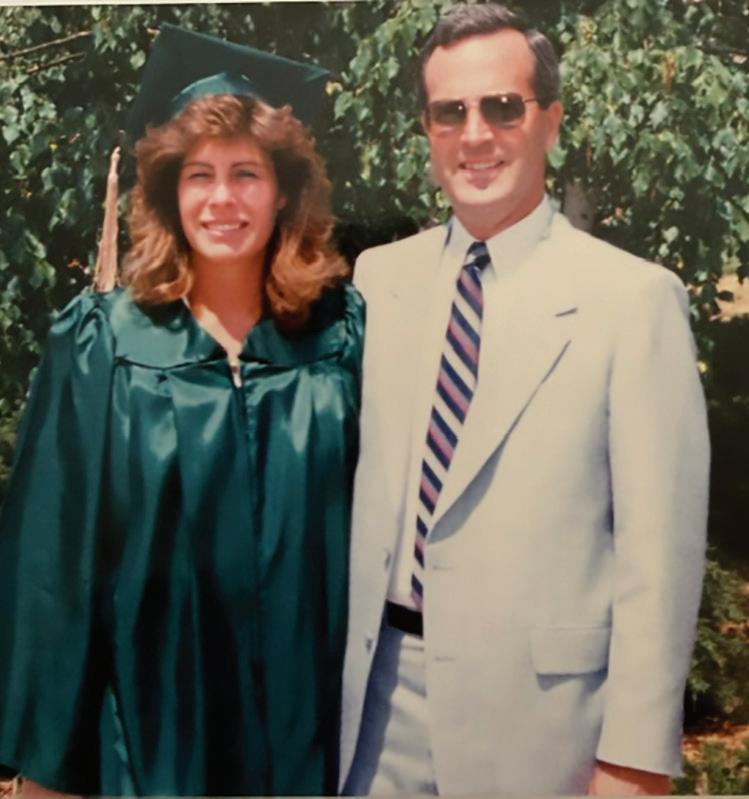
The dream came true in 1988, soon after O’Brien graduated from Michigan State, when she launched her career as a production planner at the technology company.
She initially was part of the team that made sure the final manufacturing process went smoothly for various models of the Macintosh computer (Mac and the Mac SE).
She also began working her way toward completing an MBA at San José State University through a special program tailored for Apple, and sponsored by Apple University.
Now closing in on 40 years with the company, O’Brien has experienced a mercurial rise through the ranks, reaching the pinnacle of executive positions — but her attitude about any job she’s ever held at the company has never wavered.
“To be pushing yourself to do more and to do better with a group of people is an incredibly fulfilling thing,” she says. “I felt that way from my earliest days, being part of sports teams and working on school projects.
“I took that through to Michigan State. From day one, I’ve honestly felt it’s so important to have a purpose to give meaning to your life, and
O’Brien, right, delivered the keynote address at Michigan State’s graduation ceremony for master’s and education specialist degree recipients in spring 2025. During the event, she was awarded an honorary Doctorate of Business. Joined by her father during her own graduation ceremony in 1989, she earned a bachelor’s degree in operations. Later, during her time at Apple, she got her MBA at San Jose State University.

work hard, and do things that perhaps you thought you couldn’t even accomplish.”
O’Brien’s go-for-it attitude explains why she’s been a vital participant in virtually every significant Apple milestone over the years.
She helped create the Apple Stores and launched Apple’s first combined online and retail stores, and she was involved with the release and support of every major product the company has produced in the past 20 years.
Her pathway included direct contact with the late Apple co-founder, Steve Jobs.
“I have to tell you, every person at Apple was completely blown away by what an incredible person he was, in the shortest window of time, so I can’t say enough about Steve,” she says.
“Any of us who worked at Apple while he was here were touched by him in one way or another. Every time I got to be around him, I was always in awe of his intellect, his curiosity, and his drive for excellence. He was a truly unique individual, and I feel like his DNA lives so much in this company today.”
No more so than in the iPhone, arguably Jobs’ most significant achievement when it was introduced in the summer of 2007.
“I was very fortunate to get a chance to work on that product, and it has been incredible to see what’s become of it,” O’Brien says. “I don’t think any one of us ever had any idea how much the iPhone was going to transform Apple, and also our customers’ lives. When I opened up the first box with the final product, it felt like a game-changer.”
With all O’Brien has experienced and accomplished during her tenure at Apple, it’s no wonder her colleagues express a sense of awe when her name comes up.
“Given what Deirdre does today, I’m a little surprised one of those childhood sports wasn’t juggling plates and knives,” says Greg “Joz” Joswiak, Apple’s senior vice president of worldwide marketing. “It’s truly remarkable to watch her manage what are essentially two full-time executive roles. Retail is one of the most visible and personal expressions of Apple in the world.
“It’s where millions and millions of customers come to discover our products, get help, learn something new, or have a problem solved. And the people team touches every part of Apple, helping support and develop the teams that make all of it possible.
“Either one of those roles would be enormous on its own. Together, they require extraordinary judgment, stamina, empathy, and operational excellence. And Deirdre somehow makes it look natural.”
Joswiak should know. He recently celebrated his 40th anniversary as an Apple employee.
“I started at Apple (about two years) before Deirdre, and we’re (almost) in our fourth decade of working together across a variety of roles,” he says.
“What I admire most is that she never lets the scale of the work distance her from the people at the center of it. She listens, she seeks input, she stays grounded, and she brings a calm, steady confidence to incredibly complex decisions.
“That’s a rare kind of leadership, and Deirdre does it with real grace. I’m sure sports helped shape that, but there’s also something very innate about her leadership. She has extraordinary capacity, great judgment, and a level of humility that makes people want to follow her.”
O’Brien and Cook open the doors to Apple’s first retail store in Detroit. It joins the Apple Manufacturing Academy and the Apple Developer Academy, both located in the First National Building.
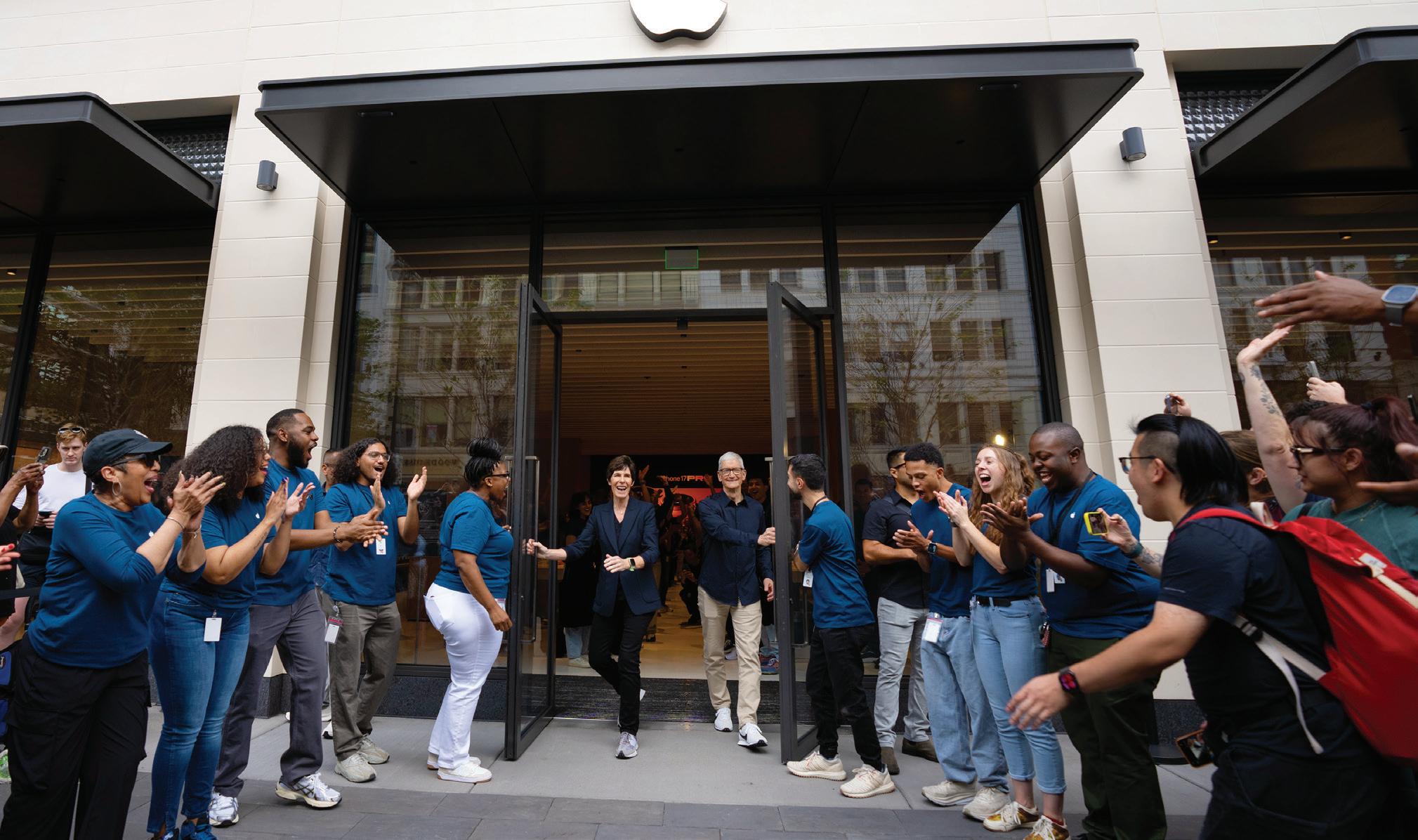
As it turns out, the pair’s lengthy careers at Apple aren’t the only thing Joswiak and O’Brien have in common.
“I grew up in St. Clair Shores, just a stone’s throw away from Detroit,” says Joswiak, who earned an engineering degree at the University of Michigan in Ann Arbor. “I think we share that Michigan grounding of being practical, hard-working, team-oriented, and focused on building things that matter.”
Speaking of those Michigan roots, a highlight for O’Brien occurred last fall when she was on hand for the official debut of the Apple Store along Woodward Avenue in downtown Detroit.
“It was one of my proudest moments ever at Apple to be there for that opening,” O’Brien says. “For those of us who grew up in Michigan and are of our generation, Detroit was one of the most vibrant, strongest, and most productive business centers in the United States, and that’s what it felt like when I was growing up there.
“It was incredible, full of promise, full of opportunity, and now we have a developer academy and a manufacturing academy there (in the central business district),” she says proudly.
“I can’t tell you how thrilled I am to see where Detroit is today, with so many strong, innovative, and capable people who can create the future, and it’s been really great to witness from afar.”
O’Brien’s connections to her hometown go far deeper.
“My best friends in the world live in Michigan,” she says, “and I still talk and connect with my college roommates every single day. My brother still lives in Troy, and my nephew just got accepted to Michigan State, which I’m thrilled about. They’ve all been a really wonderful force for me, to have such a strong connection and base that grows from Michigan.”
But O’Brien readily concedes her job takes up most of her time, and those summer days hanging out at the golf course are long gone.
“Golf fell by the wayside my first year at Apple in California; it was way too time-consuming,” she reveals. “Now, I devote my free time to hiking and running on the beautiful trails in the Bay Area.
“I work at Apple 24/7, and fortunately for me I think I found the best home I could ever find in my career here at Apple. We want to make a positive impact on the world, so we’re always pushing the bar, and that takes real work. You don’t just talk about it; you’ve got to do it.”
I CAN’T TELL HOW YOU THRILLED I AM TO SEE WHERE DETROIT IS TODAY, WITH SO MANY STRONG, INNOVATIVE, AND CAPABLE PEOPLE ...”
— DEIRDRE O’BRIEN
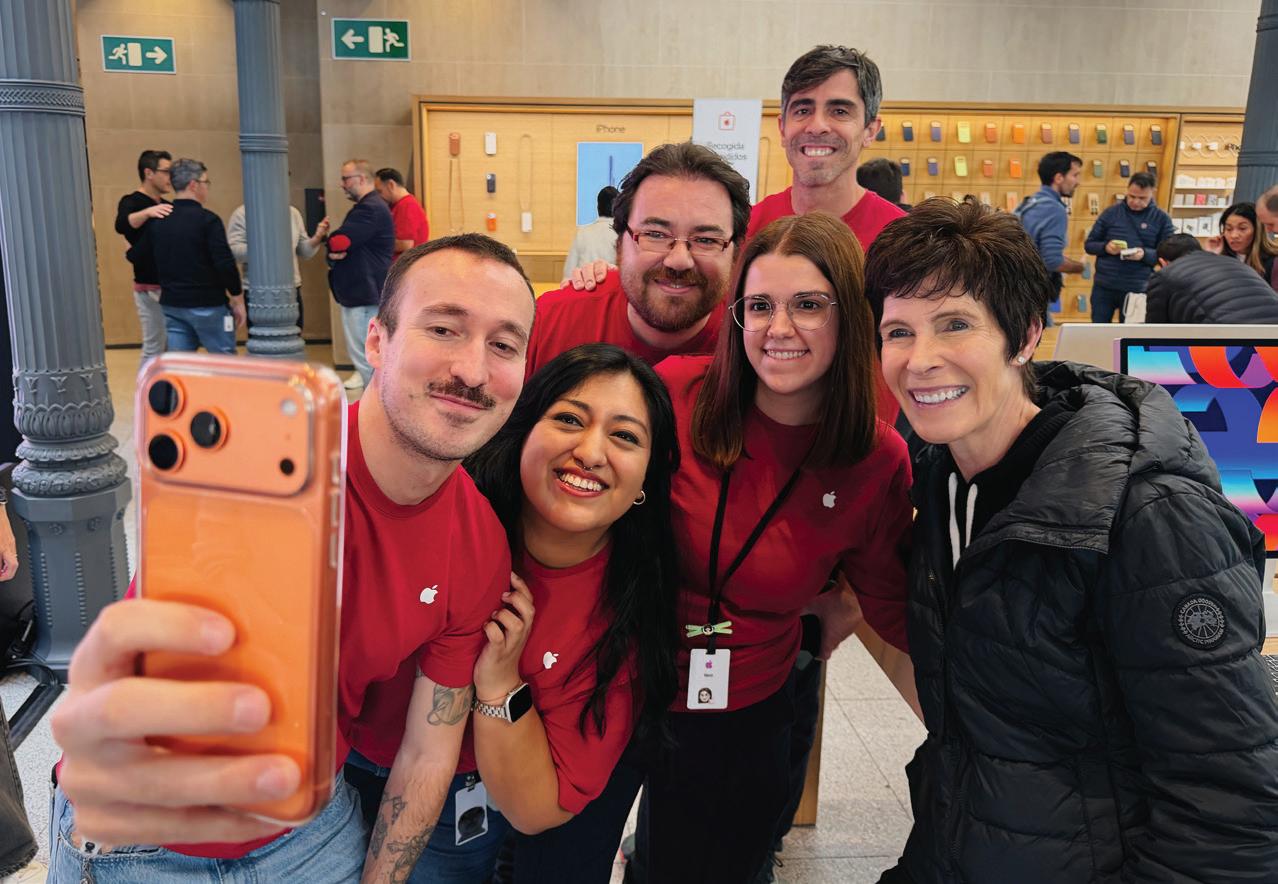
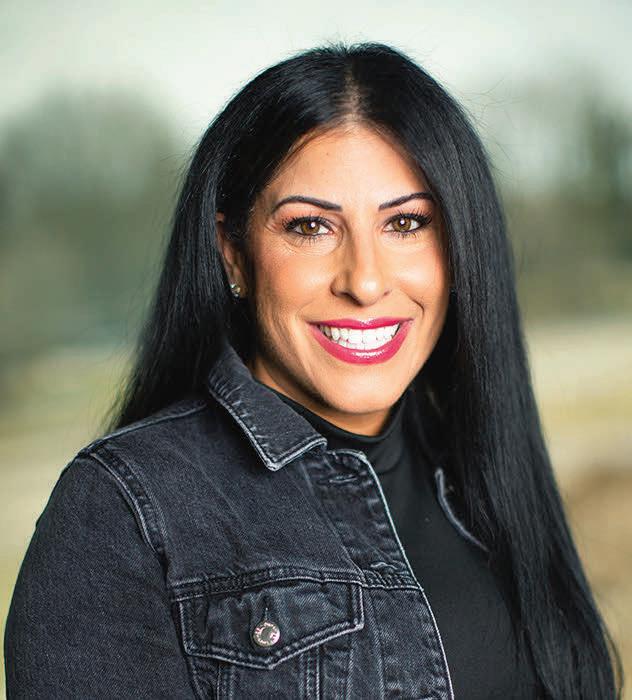
Donna Bashi
A: At Community Choice, we’ve focused on making business banking easier by continuing to expand and improve the services available to growing businesses. We know business owners need fast access to their money, clear answers, and banking that works around their schedule, not the other way around.
That’s why we’ve continued investing in tools and services that help simplify day-to-day banking, including 24/7 e-banking, treasury management services, convenient cash handling options, and financing for vehicles, equipment, and commercial real estate.
We’ve also expanded our commercial services team so businesses have direct access to real people who understand their goals and can help them navigate challenges as they grow. At the end of the day, we want banking to feel straightforward and supportive so business owners can stay focused on their day-to-day.
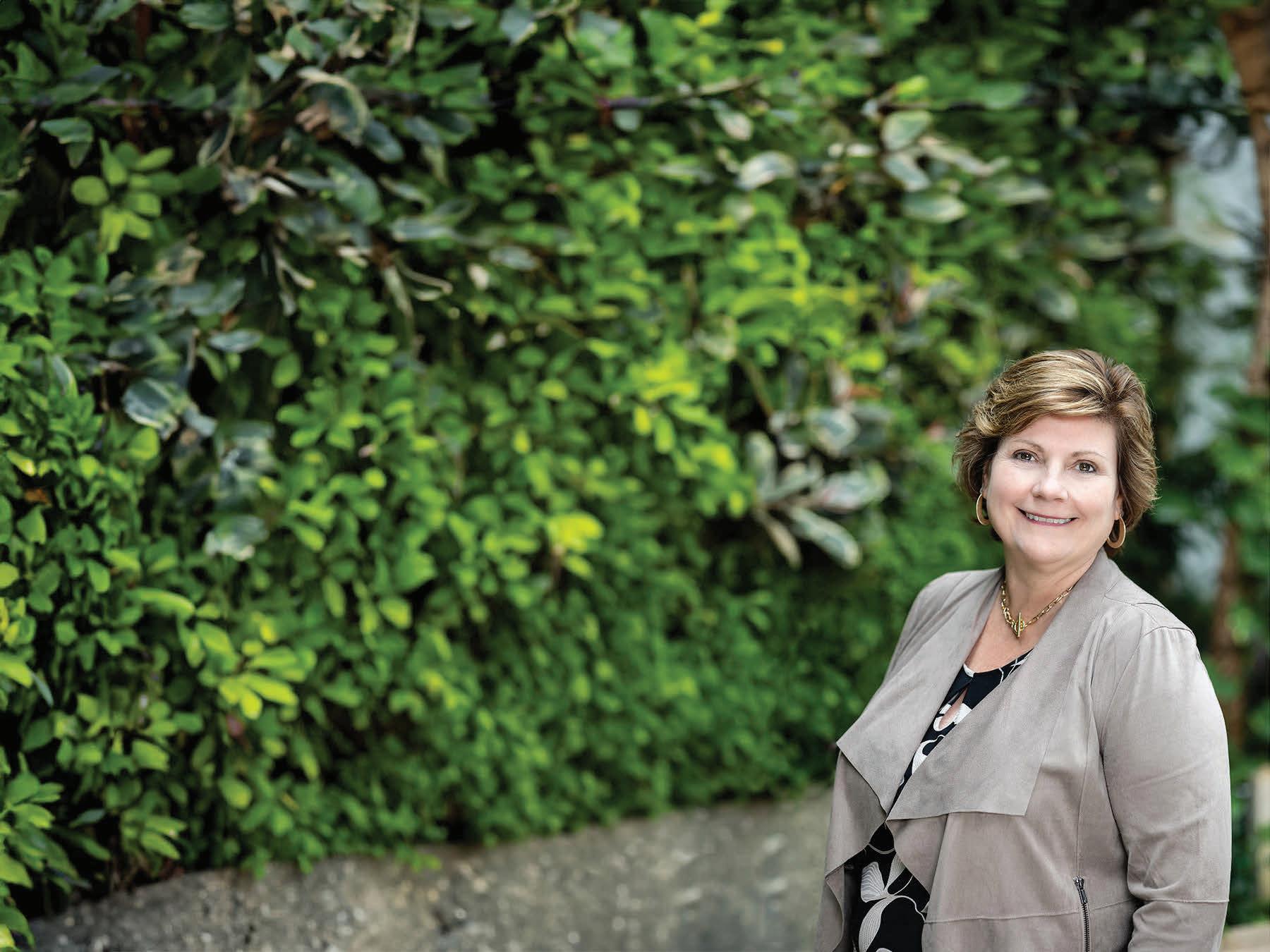
Vice President of Business Development | Community Choice Credit Union
1155 Northwestern Highway, Farmington Hills, MI 48334
86-255-4979 | dbashi@communitychoicecu.com | info.communitychoicecu.com/lets-connect

Lansing native Dr. Alexa Irene Canady took a circuitous journey before her dedicated research led to innovative new techniques in neurosurgery.
BY NORM SINCLAIR
Aone-time math major at the University of Michigan in Ann Arbor, Alexa Irene Canady wound up graduating with a bachelor’s degree in zoology before she became a national trailblazer in yet another eld.
In 1981, the former math major became the rst female African-American neurosurgeon in the United States.
e story of her circuitous academic route from math to zoology to a pioneering and innovative career in neurosurgery began on Nov. 7, 1950, in Lansing, where she was born to educated and intellectual parents who aspired to public service.
Her father, Dr. Clinton Canady Jr., a member of the famed Tuskegee Squadron of Black Air Force yers in World War II, was a trailblazer in his own right.
In addition to serving the country, he was the second Black dentist in Lansing, the rst Black member of the State of Michigan Dental Board, the rst Black member of the Lansing Board of Fire Commissioners, and a towering community leader in the capitol city.
Alexa’s mother, Elizabeth Canady, was an educator, a civil rights activist, and a national president of the Delta Sigma eta Sorority. She also was a founder of the Delta Research and Educational Foundation in Washington, D.C., which serves to bene t African-American women.
Young Alexa excelled at the predominantly White Lansing Everett High School, where she skipped a grade and graduated with honors as a National Achievement Scholar in 1967.
One of her choices for college was the University of Chicago, which accepted her into its honors program.
“I was only 16 at the time, and my mother wouldn’t let me go to Chicago,” Canady recalls. “She didn’t want her 16-year-old to go to Chicago.”
Her mother also initially ruled out sending her to the University of Michigan, to avoid possible competition with her brother.
“He was already there, and I’d been nipping at his heels all along the way (in high school), and I’d skipped a grade and then skipped a math year and ended up in his class,” she says. “My mother believed he had a right to do something of his own.”
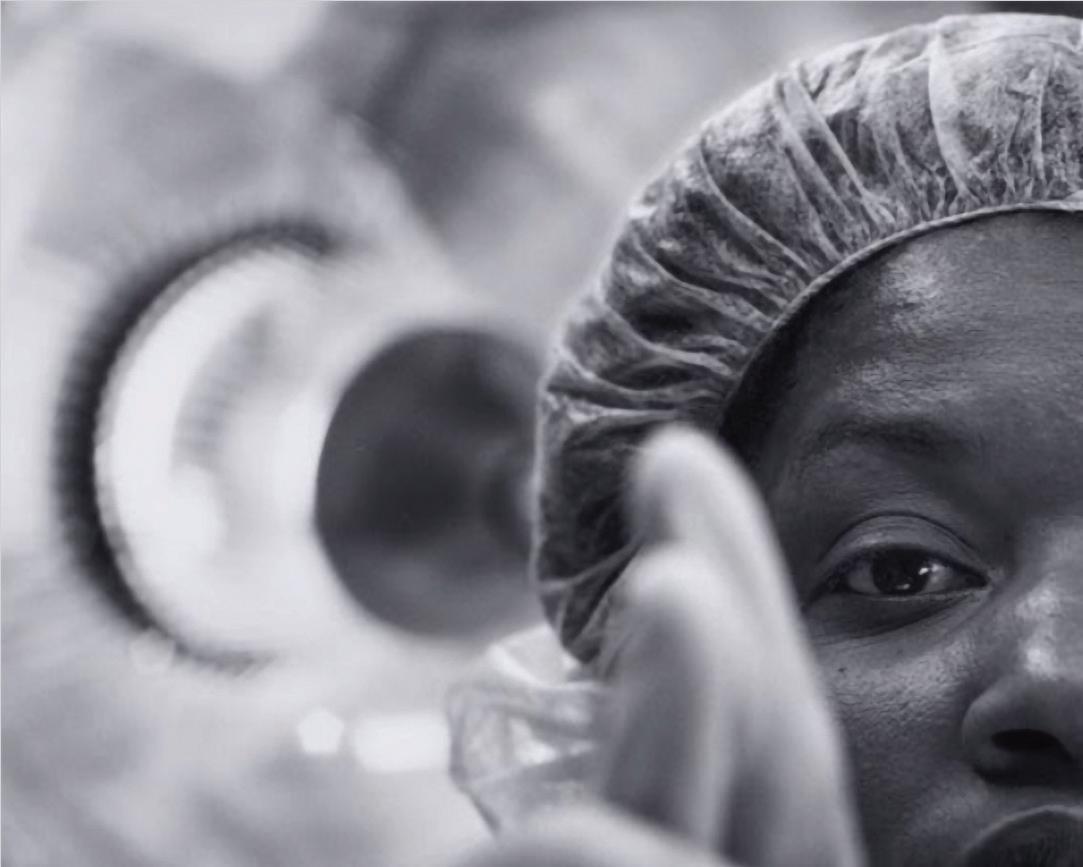

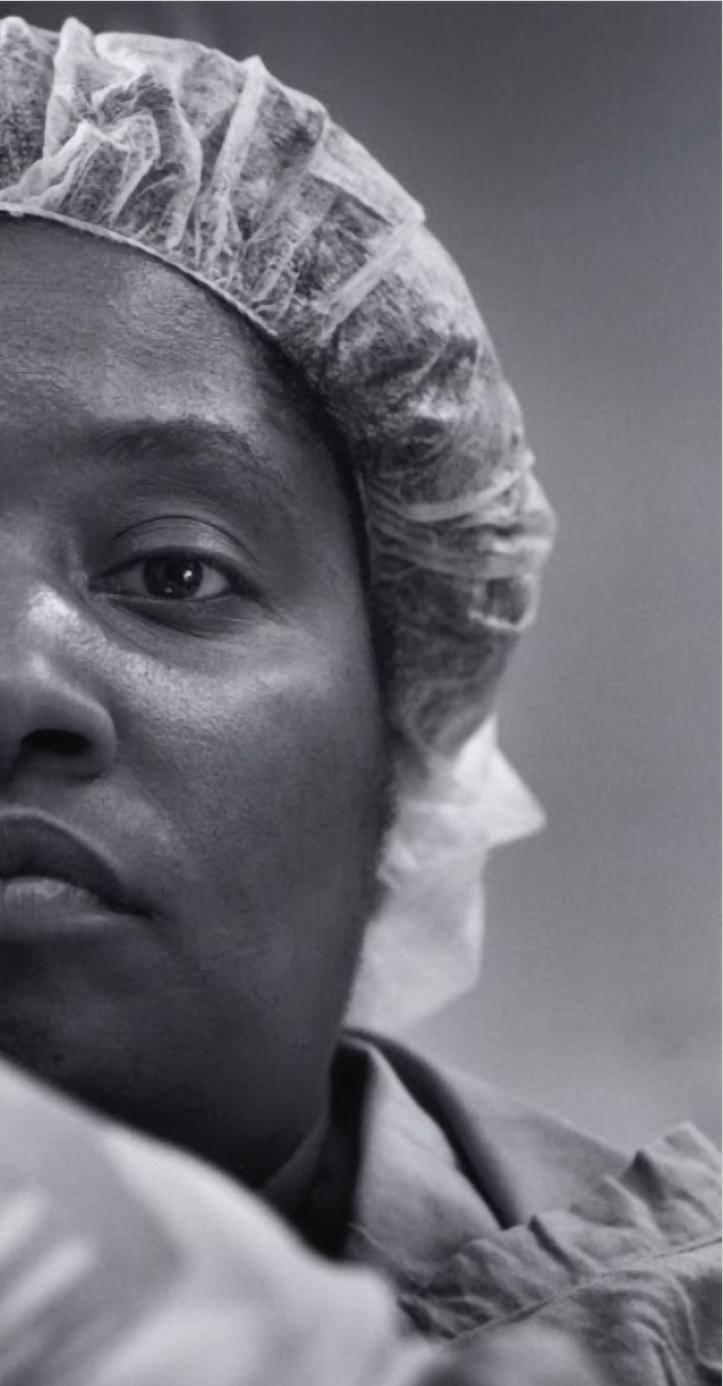

Soon after, and with her mother’s approval, Canady enrolled in math at U-M, pursuing her dream of being a mathematician — an idea she’d held since she was 10 years old.
“I liked the orderliness of it, and the thinking process of it,” she says. “It was something I always enjoyed. Of all the things I studied, I most enjoyed that.”
However, by the beginning of her sophomore year, she started having doubts about a career in mathematics.
“I began to get the feeling this really wasn’t my thing. I just kind of knew that I didn’t love it like other people around me loved it,” she says. “I became a little lost in terms of where to go from there.”
She stopped going to her classes, creating a crisis that resulted in a sixmonth academic probation. Still, she stayed in Ann Arbor that summer, wrestling with her dilemma. Weekly dinner date visits with her father helped pull her out of her funk.
“We never discussed my troubles, but obviously he was there to settle me down, and he did,” she says.
Canady also met other students in her dorm, some of whom worked at the student newspaper, e Michigan Daily. With their encouragement, she joined the newspaper sta .
“ at saved me, really. It gave me purpose again and got me out and going,” she says. Eventually, she became the newspaper’s editorial page editor, a welcome diversion while she looked for a new career path.
She considered going into law, but ruled it out as her perception of that profession was that it valued winning and losing, and not necessarily the truth.
Her brother came up with an alternative. He told her about a health science program for minorities in the medical school that paid $400 a month — a considerable sum in those days, considering her monthly rent was $60.
Canady signed up for the program and found herself working in a genetics clinic, where she says she fell in love with medicine.
Eager to graduate on time, given her probation, she switched her major to zoology from math because she discovered that her math courses could be transferred seamlessly toward her new degree.
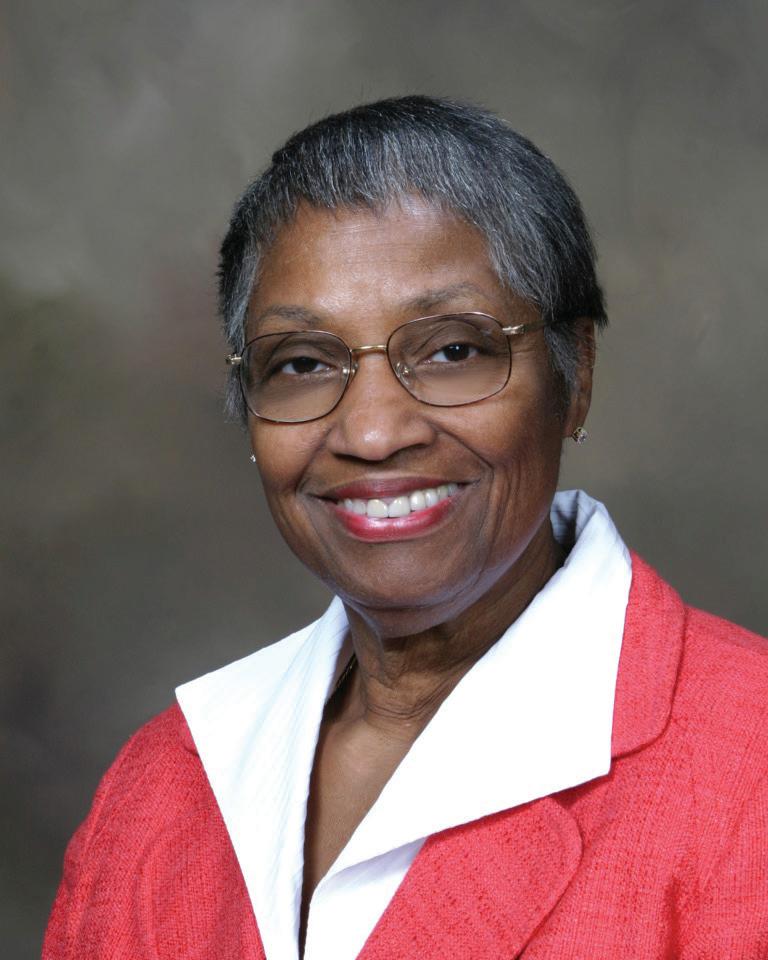
In 1971, following graduation, she enrolled in U-M’s College of Medicine. Four years later, she received her medical degree magna cum laude, and was accepted as the first Black surgical intern at Yale New Haven Hospital in New Haven, Conn.
Canady says a friend of her father, a supervisor of a Lansing hospital emergency room, arranged for her to spend part of a summer break shadowing a neurosurgeon after she had expressed an interest in that field.
“You really ought to do neurosurgery, not neurology,” she says her father’s friend advised her. “So, that’s how I got into neurosurgery.”
Canady says her love for children steered her to pediatric care. “It’s a different set of diseases, pediatric neurosurgery from adult neurosurgery, and I preferred that,” she says.
After the New Haven internship, the newly minted Dr. Canady spent five years in residency in neurosurgery at the University of Minnesota Medical School in Minneapolis. A one-year fellowship in pediatric surgery followed at Children’s Hospital in Philadelphia, before she returned to Michigan and joined the neurosurgery department at Henry Ford Hospital in Detroit (Henry Ford Health).
In 1983, she moved to Children’s Hospital of Michigan in Detroit, part of the Detroit Medical Center. Four years later, at age 36, she was promoted to chief of the neurosurgery department.
During her 18 years at that hospital, Canady worked tirelessly to prioritize patient-centered care — a concept she drilled into staff members, residents, and students.
Years later, at her retirement party, that effort resonated as a former Children’s Hospital patient described her childhood experience with Dr. Canady.
“When she came into my room, I knew she was my doctor and not my parents’ doctor,” the woman told the gathering.
During Canady’s tenure, Children’s Hospital achieved national recognition as one of the top pediatric neurosurgery facilities in the country.
YOU HAVE TO LISTEN TO PEOPLE, BUT HAVE TO GO WHERE YOU FEEL YOU NEED TO GO. AND IF IT DOESN’T WORK OUT, YOU TRIED.”
— DR. ALEXA IRENE CANADY
“It was a wonderful place, an absolutely wonderful place,” she says. “It was one of the few places where the hospital administrators and faculty — and we weren’t really faculty, but independent practitioners — were aligned with the same goals.”
She says specialists go into pediatrics knowing they’ll make less money than doctors in other fields; their motivation is their love of children.
“It makes for a wonderful practice environment, and I had great partners,” Canady explains. “We ran it like a team. We had good interaction with all the other specialties, and it was just joyous. The nursing staff was good and dedicated. You couldn’t have asked for a better place to practice medicine. It was medicine for the right reasons, doing the right thing.”
Canady’s constant research into innovative new techniques in neurosurgery led to a major disappointment during her tenure at the hospital.
On July 18, 2000, the United States Patent and Trademark Office issued Canady and two of her colleagues a patent for their invention of a surgically implanted medical device, a shunt system to drain the abnormal buildup of cerebrospinal fluid from cavities inside the brain.
The condition, often referred to as “water on the brain,” can be present at birth or can arise later in life, due to an injury or a disease.
Unfortunately, their invention never made it to the health care market, given they lost out to a better-financed company.
“Some other people came up with another pump, which is the most prominent one now,” Canady says. “So ours, you can say, is lost in history.”
While she was practicing at Children’s Hospital, Canady also served as a clinical instructor at Wayne State University’s School of Medicine. She was later promoted to professor and vice chair of the Department of Neurosurgery.
Among the pages of listings of her awards, Canady received a Teacher of the Year citation from Children’s Hospital and a Distinguished Service Award from Wayne State University.
In 2001, Canady retired, and with her husband, George Davis, a retired U.S. Navy recruiter, moved to Pensacola, Fla.
Her retirement didn’t last long.
While attending neuroscience conferences to keep her hand in her old business, she learned there were no pediatric neurosurgeons in Pensacola. Complex cases involving children were routinely dispatched elsewhere.
Succumbing to pleas for her to return to duty, she agreed to work as a part-time surgeon at a local hospital.
“I had some conversations with the hospital and came up with something that I think worked very well for me,” she says. “It was just me and the kids (a young medical team). I didn’t have any committee assignments. I didn’t have four or five neurosurgeons, or a bunch of nurse practitioners. It was back to neurosurgery in its most pure form, and I loved it.”
Canady continued in that role until her permanent retirement in 2012.
Reminiscing about her career, she’s most proud of the fact that she didn’t let herself be dissuaded from what turned out to be her life’s work.
“Even my parents, (for) the first time in my life, weren’t too keen on it,” she recalls. “When I came home with this neurosurgery thing, (their reaction) was like, ‘Really, Alexa?’ ”
Today, her early resolve is the basis of the message she delivers to the students with whom she interacts.
“I tell them the world you live in isn’t the world your parents lived in, and the world you live in now isn’t the world your children are going to live in,” she says.
“So, you must understand that when you’re making choices about your future. You have to listen to people, but you have to go where you feel you need to go. And if it doesn’t work out, you tried.”
Canady, above in 2020, loved working with children. She often utilized stuffed animals like Mickey Mouse to engage with children and help relieve their anxiety.
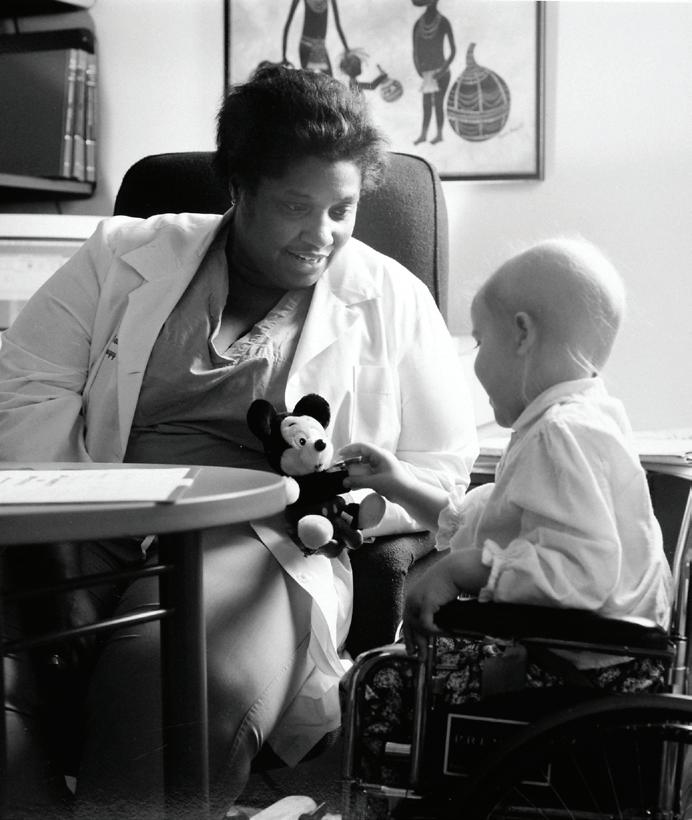

Passage of the American Franchise Act would bring greater clarity to individual business ownership.
BY LARISA WALEGA
As businesses constantly navigate economic uncertainty, one thing that should remain consistent is a franchise owner’s ability to build and grow.
Instead, the rules around independently owned and operated franchise locations have changed four times in the last decade — making it challenging just to keep up with the current laws, let alone focus on the growth and, ultimately, the success of each franchise-owned location.
But there’s greater clarity on the horizon through the American Franchise Act.
Franchisees should remain in control of the day-to-day decisions that de ne local ownership, from hiring and managing employees to serving customers in their own communities.
Franchisors, in turn, should be able to concentrate on strengthening the brand and providing training and operational best practices without having to fear that those e orts would be mischaracterized as direct employer control.
For Michigan-based franchise companies like Ziebart International Corp. in Troy, that distinction is critical.
FRANCHISING SUCCEEDS WHEN BOTH SIDES ARE ABLE TO PUT THEIR PRIMARY FOCUS ON THE IMMEDIATE TASKS AT HAND ...”
At its core, the franchise business model is built on the balance of two powerful ideas: the strength of a trusted brand and the independence of a local business owner. at balance has allowed franchise businesses to create opportunities in communities nationwide for generations.
For the last 10 years, however, the franchise model has been pulled into a debate over “joint employer” standards that often miss how franchising works. Franchisees aren’t branch managers; they’re autonomous business owners who hire their own employees, manage daily operations, and make local decisions to shape their success.
Franchisors provide the systems, standards, training, and support that protects the brand and helps franchisees stay competitive and grow their business.
e American Franchise Act draws a clear legal line between those distinct roles, preserving the division that makes franchising work. Without that clarity, franchisees risk losing their independence to operate as an individual business owner, while franchisors are left to choose between over-controlling local businesses or withdrawing the support that helps them grow.
When that line is blurred, the franchise model becomes vulnerable to inconsistent legal interpretations that undermine local ownership.
Franchising succeeds when both sides are able to put their primary focus on the immediate tasks at hand and do what they do best.
than 264,000 jobs and generating $27.2 billion in combined economic output in the state.
Michigan has already shown meaningful bipartisan support of the American Franchise Act, with U.S. Rep. Hillary Scholten (D-Grand Rapids) as an original co-sponsor of Legislation and U.S. Rep. John Moolenaar (R-Midland) also backing the bill. is joint recognition of the value of protecting local ownership within franchising is imperative to the future of the franchise business model.
Beyond the economic impact, the true power of franchising lies in the opportunities it creates for people.
As one of the most accessible paths into business ownership, franchising gives aspiring entrepreneurs the chance to go into business for themselves, but not by themselves.

Founded and headquartered in



Founded and headquartered in metro Detroit for more than 65 years, Ziebart has grown from a Michigan-born business into an internationally recognized franchise brand.

tionally recognized franchise brand.



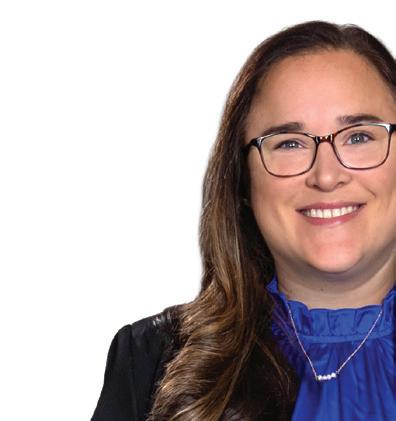
rustproo ng shop; the rst


Ziebart adopted the franchise model just three years after opening its original rustproo ng shop; the rst franchise agreement was signed in 1962. Today, 90 percent of Ziebart’s U.S. stores are owned and operated by franchisees.
90 percent of Ziebart’s U.S. stores are owned and operated by franchisees.






At Ziebart we’re strong supporters of veterans entering franchising, because the model naturally aligns with the qualities many veterans possess: leadership, discipline, accountability, and the ability to execute within a proven system.
At Ziebart we’re strong supporters of veterans entering franchising, because the model naturally aligns with the qualities many veterans





proven system.



Franchising allows those strengths to success and local impact as veterans transition into civilian life.
Franchising allows those strengths to translate into long-term business success and local impact as veterans transition into civilian life.





I’ve seen that same opportunity through another lens, as well.






We’ve seen rsthand how the franchise model helps people build businesses of their own — whether they’re a rst-time entrepreneur or a seasoned business owner looking to reinvest in their community.


how the franchise model helps people build businesses of their own — whether neur or a seasoned business at message is especially



nomic Outlook list of top 10 states

at message is especially relevant in Michigan. Our state has emerged on the International Franchise Association’s (IFA) Economic Outlook list of top 10 states for franchise growth in 2026.






be more than 25,000 franchise establishments open and in operation across
In fact, the report projects there will be more than 25,000 franchise establishments open and in operation across the state this year, supporting more






As the rst female C-suite executive in Ziebart’s 65-plusyear history and the former chair of IFA’s Women’s Franchise Committee, it’s personal to me that franchising continues to open doors for leaders from all backgrounds. Franchising works best when it expands opportunity for veterans, for women, for rsttime business owners, and for those pursuing the American dream through local ownership.














at’s exactly why it’s important that we nd greater clarity and consistency around the franchise model. e American Franchise Act would reinforce the foundation that has made franchising such a powerful engine for entrepreneurship, both in Michigan and across the country.
ues to open doors for leaders from all backgrounds. Franchising works for veterans, for women, for rsttime business owners, and for those pursuing the American dream through local ownership. at’s exactly why it’s important that we nd greater clarity and consistency around the franchise model. e American Franchise Act would reinforce the foundation that has made franchising such a powerful engine for entrepreneurship, both in Michigan across

PATRICK GLORIA
The Motor Guild, a private motorsports club at M1 Concourse in Pontiac, officially kicked off the 2026 driving season in partnership with Fratarcangeli Wealth Management in Bloomfield Hills on May 28, ahead of the Detroit Grand Prix. Special guests included racing drivers Conor Daly and James Hinchcliffe. In addition, Billy Dec, a restauranteur, actor, and entrepreneur, along with his culinary team from Sunda New Asian, carved a bluefin tuna. The event benefited M1 Mobility in Pontiac, part of the Pontiac Community Foundation.
1. Sunda New Asian bluefin tuna carving, Billy Dec (far right)
2. James Hinchcliffe, Conor Daly
3. Kendyll Martin, Rod Moore
4. Mark Improta, Sue Miller
5. Jeffrey Abood, Ben Sharkey
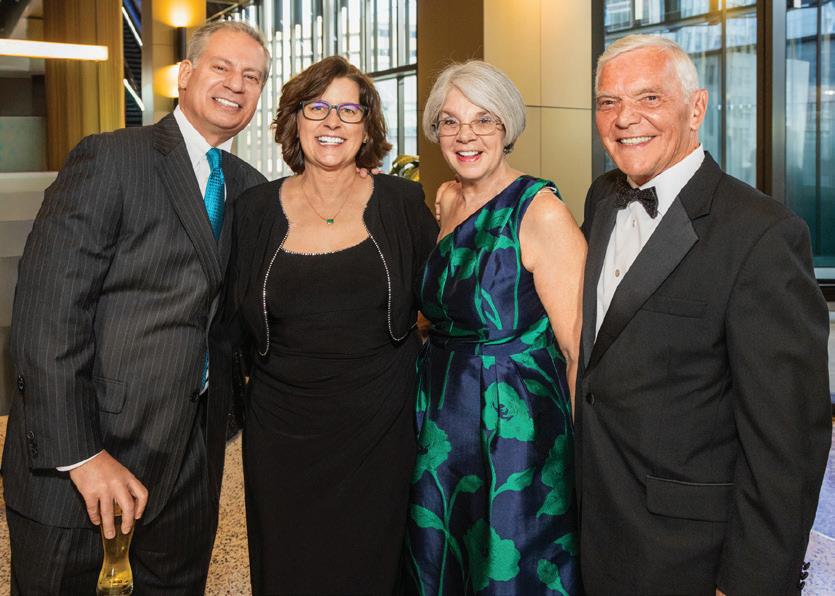

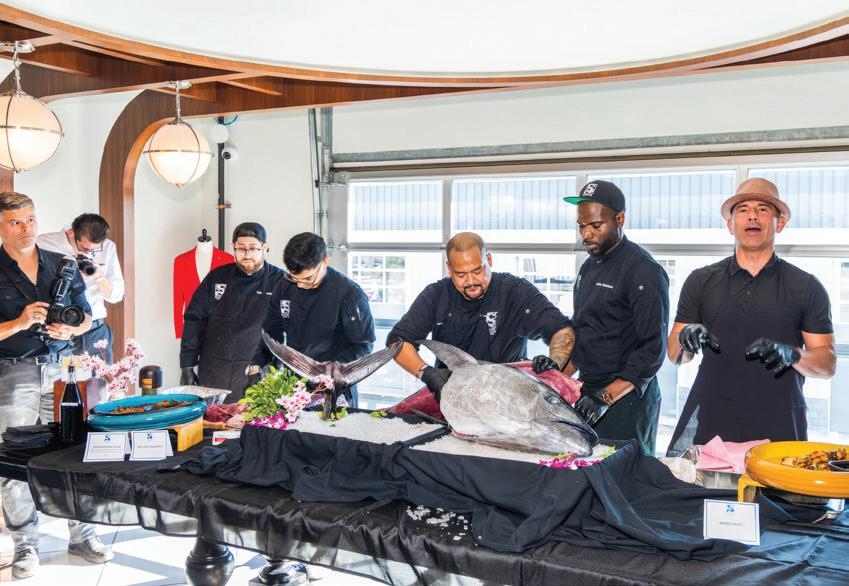

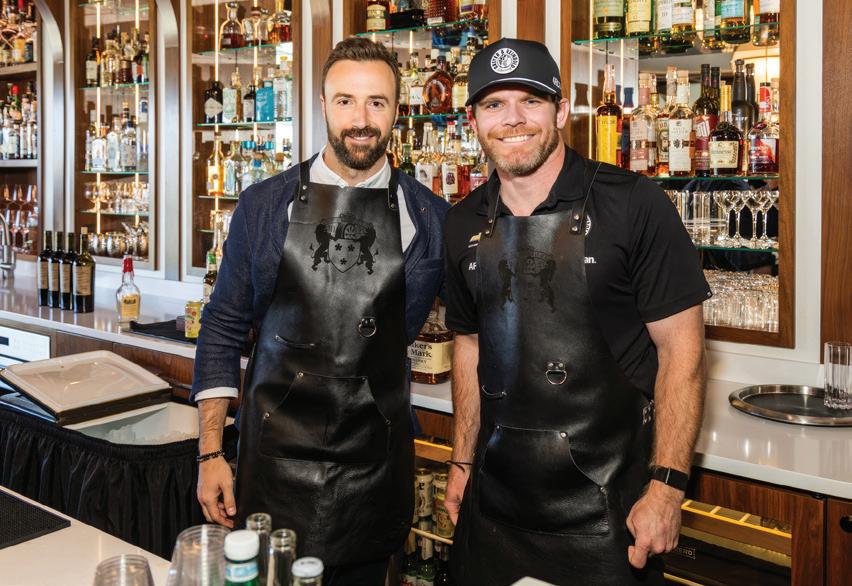
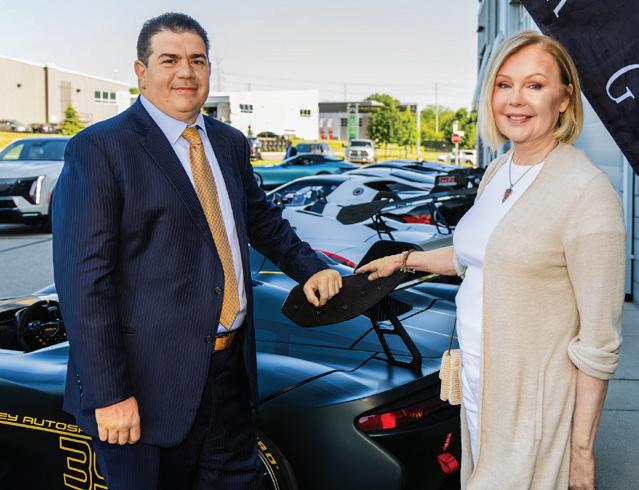
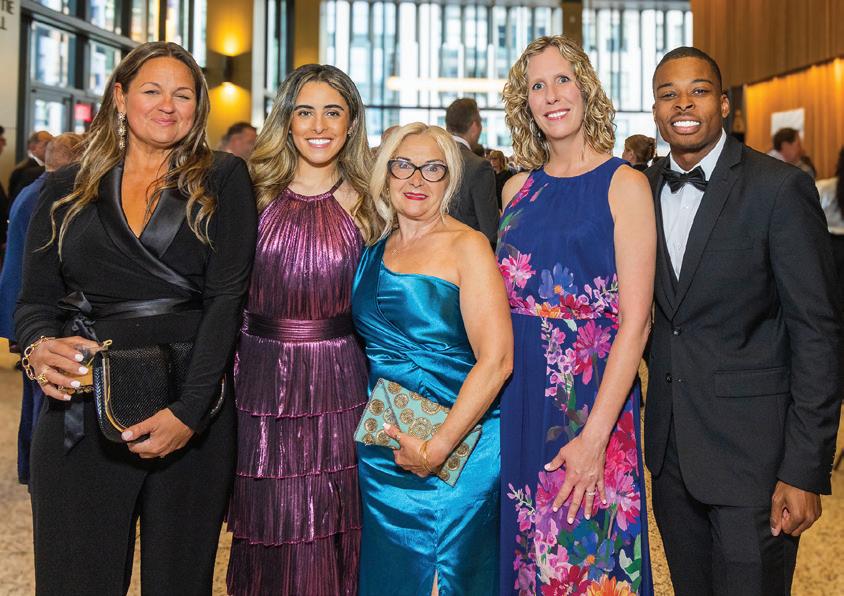
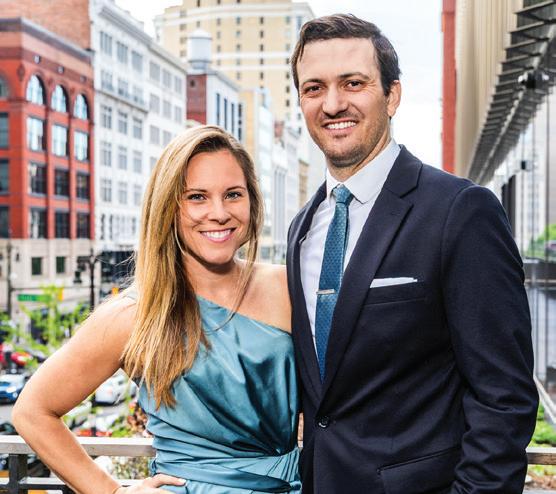
CHRISTINE M.J. HATHAWAY
The A. Paul and Carol C. Schaap Center for the Performing Arts in Grosse Pointe Park hosted its Grand Opening Gala on May 16, kicking off a weekend of activities. The Grand Opening Gala featured a reception, remarks, performances, an afterglow, behind-the-scenes tours, and a special sculpture exhibition presented in partnership with the Marshall Fredericks Sculpture Museum. The new $50 million, 50,000-square-foot facility includes a 400-seat theater and the Richard and Jane Manoogian Art Gallery.
11. Paul Schaap (center) and team
12. Bob and Mary Ann Bury, Annie and David Carleton
13. Fred Detwiler, Mark Valade
14. Jane and Richard Manoogian
15. Beth and Mark Armitage
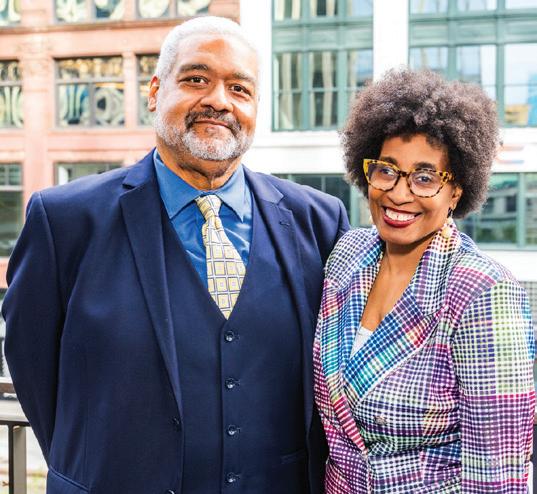
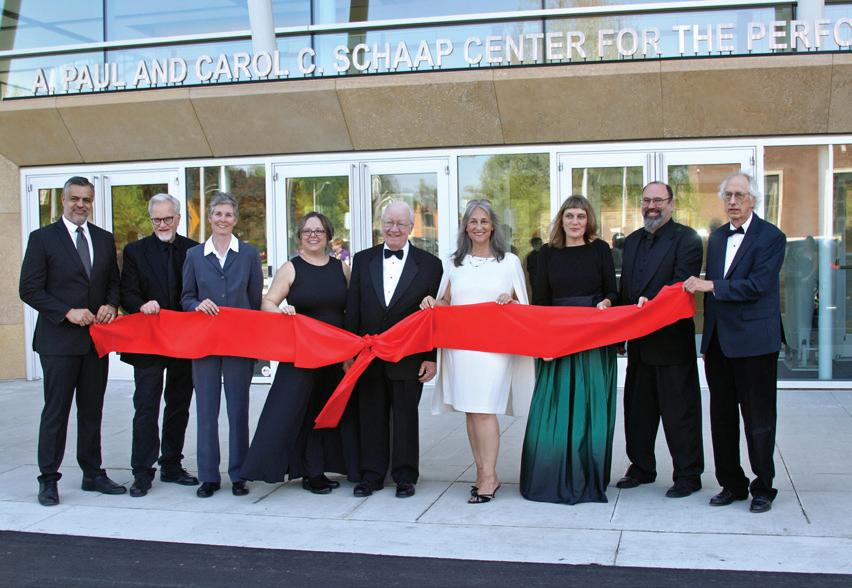
PATRICK GLORIA
Lawrence Technological University in Southfield hosted its third annual Scholarship Gala on May 16. This year’s theme was “Icons Reimagined.” Held at The Department at Hudson’s in downtown Detroit, the event, which honored LTU’s Class of 2026 and raised funds for future scholarships, featured a keynote address by Javad Mokhbery, founder and CEO of FUTEK Advanced Sensor Technology and a 1979 alumnus. Renee Tomina received the Distinguished Alumni Award, while Hsiao-Ping Moore was honored with the Luminary Award.
6. Steve and Linda Friedlan, Karen and Gregg McDuffee
7. Laurie Mariero, Haya Sobh, Anna Moura, Stacy Andrejczyk, Jajuan Jones
8. Janette and Rob Barretto
9. Brook and Mark Koenigskhecht
10. Cliff Samuels Jr., Michelle Bates
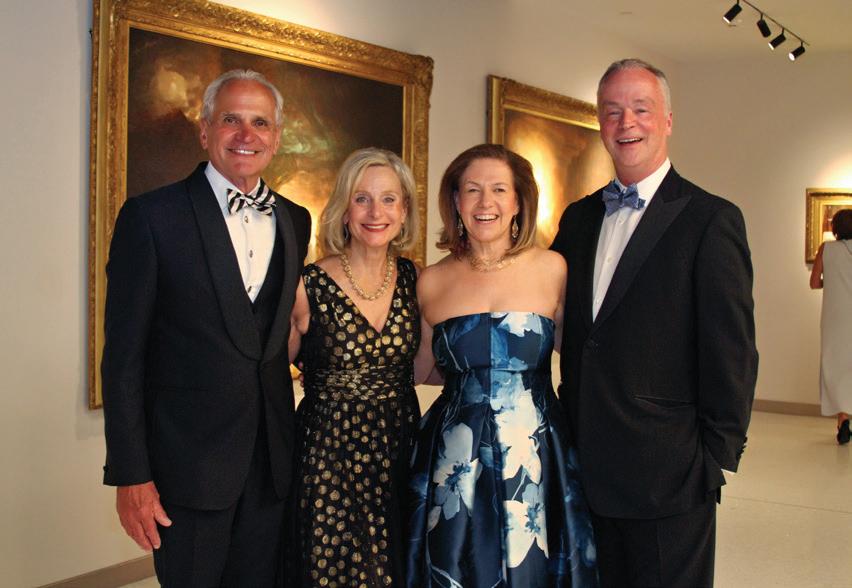


































PATRICK GLORIA
The Urban Land Institute Michigan hosted its 2026 Lifetime Achievement Award Dinner on May 11 at Orchestra Hall in Midtown Detroit, part of the Max M. and Marjorie S. Fisher Music Center. The event honored real estate developer and philanthropist Peter D. Cummings for his decades of impact on Detroit’s growth and revitalization, including past ownership of the Fisher Building, and the development of hundreds of loft apartments, new stores, and restaurants.
1. Doug Stewart, John Rakolta III, Alissamara Aronow, Roy Furman, Marjorie Fisher Furman
2. Mark Davidoff, Margie Diann, Bonnie Larson, David and Bernadine Wu
3. Julie Fisher and Peter D. Cummings
4. Beth Kmetz-Armitage, Scott Brinkmann, Clarinda Barrnett-Harrison
5. Cheryl and Paul Robertson

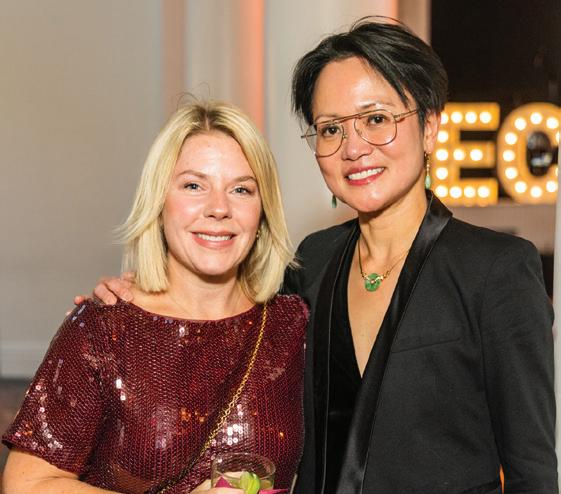
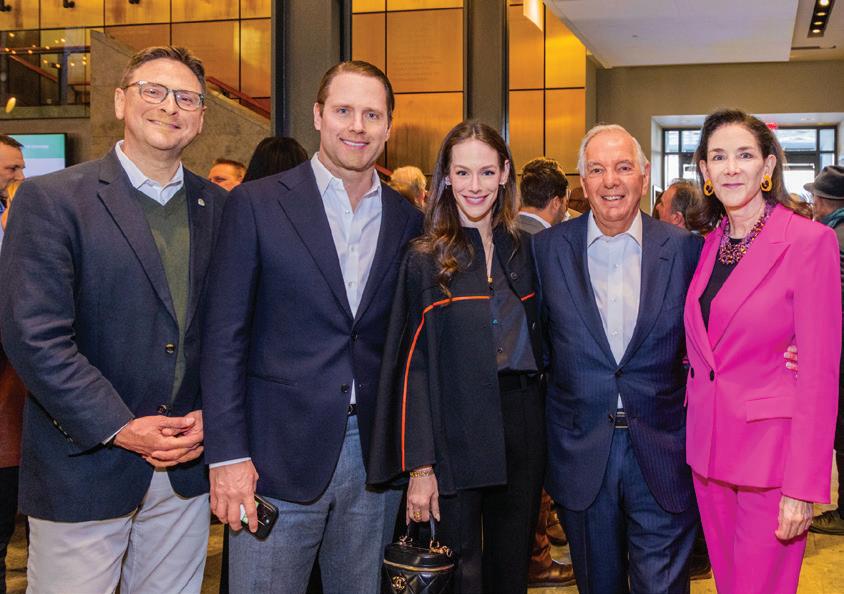
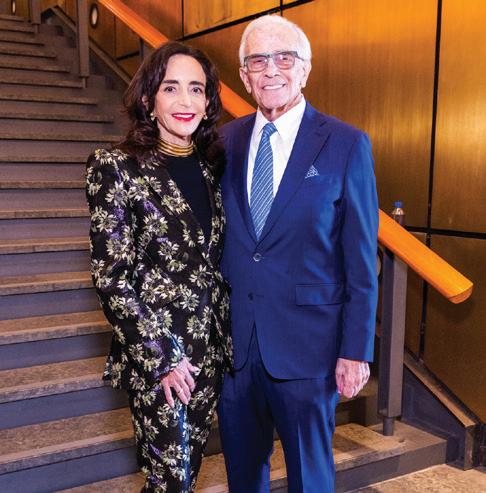

PATRICK GLORIA
Cars & Cigars Smoke Detroit took place on June 4 at the Michigan Lottery Amphitheatre at Freedom Hill. The evening combined a luxury car show, Rocky Patel cigars, Celani Family Vineyards wines, and a live auction to benefit metro Detroit charities. It included a reception, cigars, live music, appetizers, beverages, a sit-down dinner, and presentations. Cars & Cigars Smoke Detroit was founded in 2014 by Tom Celani and Dario Bergamo. Since 2014, the event, along with the annual Hunger Free in the D radiothon with WJR News/Talk 760 AM, have collectively raised more than $14 million for area charities.
11. Iris and Sailor Frase
12. Nish Patel, Dario Bergamo, Rocky Patel
13. Terri Macksoud, Kris Kerns
14. Joe DeVito, Todd Rammler, Steve McCarty
15. Jeff Cauley, Tom Celani

PATRICK GLORIA
The Entrepreneurs’ Organization (EO) Detroit staged its Annual Party on May 2 at the historic Harmonie Club in downtown Detroit. The event, themed “30 Years of Grit, Growth, and Greatness,” celebrated the organization’s 30th anniversary. The evening included cocktails, music, a plated dinner, desserts, dancing, and the induction of two members to the EO Detroit Hall of Fame — Bob Verdun, founder of Computerized Facility Integration in Southfield, and Alex Burkulas, founder and president of Cygnus Systems, also in Southfield.
6. Armand and Leah Cartwright
7. Andrew and Nicole Kuhn, Dan Glisky
8. Amy Peterson, Ping Ho
9. Allison and John McGrane
10. Alyssa Pauls, Jenny Ouliguian








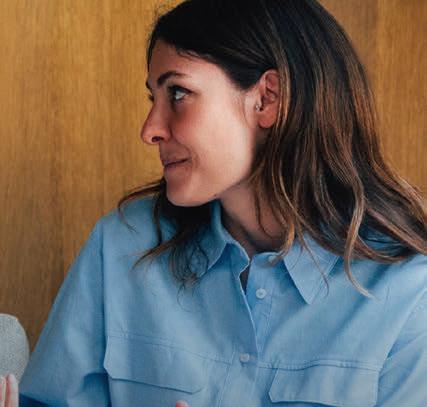





July 13-19 2026



Bell Bistro
Brome Modern Eatery
Brown Iron Brewhouse
Chaos Burger
Gilly's Clubhouse
Gus' Snug Irish Pub
High Pointe Burger Joint
Motz's Burgers
NoVI Craft House
Oak House Deli
O'Connor's Public House
Republica
Table No. 2
The Great Dane Pub
The Old Shillelagh
More Signing on Daily!
Spons s











































(RANKED BY METRO DETROIT-AREA EMPLOYMENT)
1. DELOITTE
1001 Woodward Ave.
Detroit
313-396-3000
deloitte.com
Top local executive: David Parent, Managing Principal
Detroit-area employees:
2026: 1,481 2025: 1,502
Michigan employees: 2026: 1,675
2025: 1,688
Number of CPAs:
2026: 318
2025: 328
2. PLANTE MORAN
3000 Town Center, Ste. 100 Southfield
ERNST & YOUNG, DETROIT
248-352-2500 plantemoran.com
Top local executive: Jason Drake, Managing Partner
Detroit-area employees: 2026: 1,400 2025: 1,402
Michigan employees: 2026: 2,000 2025: 2,004
Number of CPAs: 2026: 755 2025: 759
3. UHY
Chrysler House
230 E. Grand River Ave., Ste. 700
Detroit
313-964-1040 uhy-us.com
Top local executive: Tom Callan, Great Lakes Managing Partner
Detroit-area employees: 2026: 600+ 2025: 553
Michigan employees: 2026: 600+
2025: NA
Number of CPAs: 2026: 284 2025: NA
4. ERNST & YOUNG
One Kennedy Square 777 Woodward Ave., Ste. 1000
Detroit
313-628-7100
ey.com
Top local executive: Angie Kelly, Detroit Office Managing Partner
Detroit-area employees: 2026: 800 2025: 751
Michigan employees: 2026: 800+ 2025: 852
Number of CPAs: 2026: NA 2025: 258
5. REHMANN
1500 W. Big Beaver Rd. Troy 248-952-5000 rehmann.com
Top local executive: Ryan Krause, Regional Managing Principal
Detroit-area employees: 2026: 310 2025: 304
Michigan employees: 2026: 828 2025: 825
Number of CPAs: 2026: 312 2025: 269
6. DOEREN MAYHEW
305 W. Big Beaver Rd., Ste. 200 Troy 248-244-3000
doeren.com
Top local executive: Chad Anschuetz, CEO Detroit-area employees: 2026: 250 2025: 278
Michigan employees: 2026: 450 2025: 403
Number of CPAs: 2026: NA 2025: 229
7. BDO USA
2600 W. Big Beaver Rd., Ste. 600 Troy 248-362-2100
bdo.com
Top local executives: Rich Black, Assurance Practice Leader; Matt Manosky, Tax Practice Leader; Kevin Patterson, Assurance Market Leader; Andy Zaleski, Tax Market Leader Detroit-area employees: 2026: 241 2025: 243
Michigan employees: 2026: 754 2025: 897
Number of CPAs: 2026: 242 2025: 243
8. BAKER TILLY
1000 Town Center, 27th floor Southfield 248-372-7300 bakertilly.com
Top local executive: Patrick Killeen, Michigan Managing Partner
Detroit-area employees: 2026: 225 2025: 124
Michigan employees: 2026: NA 2025: 155
Number of CPAs: 2026: NA 2025: 41

9. KPMG
150 W. Jefferson Ave., Ste. 1900 Detroit 313-230-3000
kpmg.com
Top local executive: Kevin Voigt, Office Managing Partner, Detroit and Grand Rapids Detroit-area employees: 2026: 420
2025: NA
Michigan employees: 2026: 476
2025: NA
Number of CPAs: 2026: 104 2025: NA
10. GRANT THORNTON 2777 Franklin Rd., Ste. 800 Southfield 248-262-1950 grantthornton.com
Top local executive: Jim Tish, Principal in Charge, Detroit Detroit-area employees: 2026: 91 2025: 99
Michigan employees: 2026: 91 2025: 99
Number of CPAs: 2026: 46 2025: 42
11. WIPFLI
2000 Town Center, Ste. 1800 Southfield 248-208-8860 wipfli.com
Top local executive: Rob Dutkiewicz, Partner
Detroit-area employees: 2026: 79
2025: 70
Michigan employees: 2026: 98
2025: 79
Number of CPAs: 2026: 35 2025: 29
12. GORDON ADVISORS
1301 W. Long Lake Rd., Ste. 200 Troy 248-952-0200 gordoncpa.com
Top local executives: Paul J. Arment & Maureen M. Moraccini, Executive Committee Detroit-area employees: 2026: 70 2025: 70
Michigan employees: 2026: 70 2025: 70
Number of CPAs: 2026: 35 2025: 32
13. SCHLAUPITZ MADHAVAN
820 Kirts Blvd., Ste. 100 Troy 248-649-1600 smcpafirm.com
Top local executives: Ronald Schlaupitz & Donny Madhavan, Managing Directors
Detroit-area employees:
2026: 50+
2025: 56
Michigan employees: 2026: 50+
2025: 56
Number of CPAs: 2026: NA 2025: 37
14. COLE, NEWTON & DURAN
33762 Schoolcraft Rd. Livonia
734-427-2030
cndcpa.com
Top local executive: Arthur Cole, Managing Partner
Detroit-area employees: 2026: 34
2025: 33
Michigan employees:
2026: 35 2025: 36
Number of CPAs: 2026: 10
2025: 13
15. MELO USA
2155 Butterfield Dr., Ste. 190 Troy
248-643-4545
melousa.com
Top local executive: Jeffrey B. Ellis, CPA
Detroit-area employees:
2026: 20
2025: 30
Michigan employees: 2026: 20
2025: 30
Number of CPAs:
2026: NA
2025: 15
16. MRPR GROUP, CPAS AND ADVISORS
28411 Northwestern Hwy., Ste. 800 Southfield
248-357-9000
mrpr.com
Top local executive: Angie Mastroionni, President & Managing Principal
Detroit-area employees: 2026: 26
2025: 25
Michigan employees: 2026: 51
2025: 50
Number of CPAs: 2026: 25 2025: 26
Source: DBusiness research
1. HUNTINGTON BANK*
2025 Woodward Ave. Detroit
866-258-1807
tcfbank.com
Top local executive: Mike Land, President, Southeast Michigan and Ohio Market
Assets 2025: $224B
Assets 2024: $204.2B
Net income 2025: $2.21B
Net income 2024: $1.7B
Total loans 2025: $146.6B
Total loans 2024: $127.8B
2. FLAGSTAR BANK
5151 Corporate Dr. Troy 248-312-5400
flagstar.com
Top Local Executive: Alessandro Dinello, Chairman of New York Community Bancorp and Flagstar Bank
Assets 2025: $87.5B
Assets 2024: $100.2B
Net income 2025: $(177)M
Net income 2024: $(1.2)B
FIRST STATE BANK, ST. CLAIR SHORES
Total loans 2025: $60.7B Total loans 2024: $68B
3. COMERICA BANK*
(Acquired by 5/3rd Bank on Feb. 2, 2026)
411 W. Lafayette Blvd. Detroit 313-222-4000
comerica.com
Top local executive: Steve Davis, Michigan Market President
Assets 2025: $80.1B
Assets 2024: $79.3B
Net income 2025: $723M
Net income 2024: $698B
Total loans 2025 (FY average): $50.7B
Total loans 2024 (FY average): $50.9B
4. STERLING BANK AND TRUST* (NOW PART OF EVERBANK)
One Towne Square, Ste. 1900 Southfield 248-355-2400
sterlingbank.com
Top local executive: Christine
Meredith, President Assets 2025: $46B Assets 2024: $2.4B
income 2025: $313.73M
income 2024: $2.1M Total loans 2025: $35.6B
Total loans 2024: $1.2B
5. FIRST MERCHANTS BANK 32991 Hamilton Court Farmington Hills 800-205-3464
firstmerchants.com
Top local executive: Terri Cable, Regional President
Assets 2025: $19B
Assets 2024: $12.6B Net
$199.5M Total
2025: $13.3B (as of Q2 25) Total loans 2024: NA
6. BANK OF ANN ARBOR
125 S. Fifth Ave. Ann Arbor 734-662-1600
bankofannarbor.com
Top local executive: Tim Marshall,
President & CEO
Assets 2025: $3.34B
Assets 2024: $3.19B
Net income 2025: $12.57M
Net income 2024: $45.9M
Total loans 2025: $2.69B
Total loans 2024: $2.41B
7. CHOICEONE BANK
109 E. Division St. Sparta 616-205-0321 choiceone.com
Top local executive: Kelly J. Potes, CEO
Assets 2025: $3.02B
Assets 2024: $2.7B
Net income 2025: $28.1M
Net income 2024: $26.7M
Total loans 2025: $2.9B
Total loans 2024: $1.5B
8. FIRST STATE BANK 24300 Little Mack Ave. St. Clair Shores 586-775-5000 fsb.bank
Top local executive: Mark Jansen, President & CEO
Assets 2025: $1.32B
10.
9. UNIVERSITY BANK
2015 Washtenaw Ave. Ann Arbor 734-741-5858
university-bank.com
Top local executive: Stephen L. Ranzini, President & CEO Assets
11. FIRST INDEPENDENCE BANK 7310 Woodward Ave., Ste. 101 Detroit 313-256-8400 firstindependence.com
Top
12. CHELSEA STATE BANK 1010 S. Main St. Chelsea 734-475-1355
chelseastate.bank
Top local executive: Joanne Rau, President & CEO Assets 2025: $413.9M
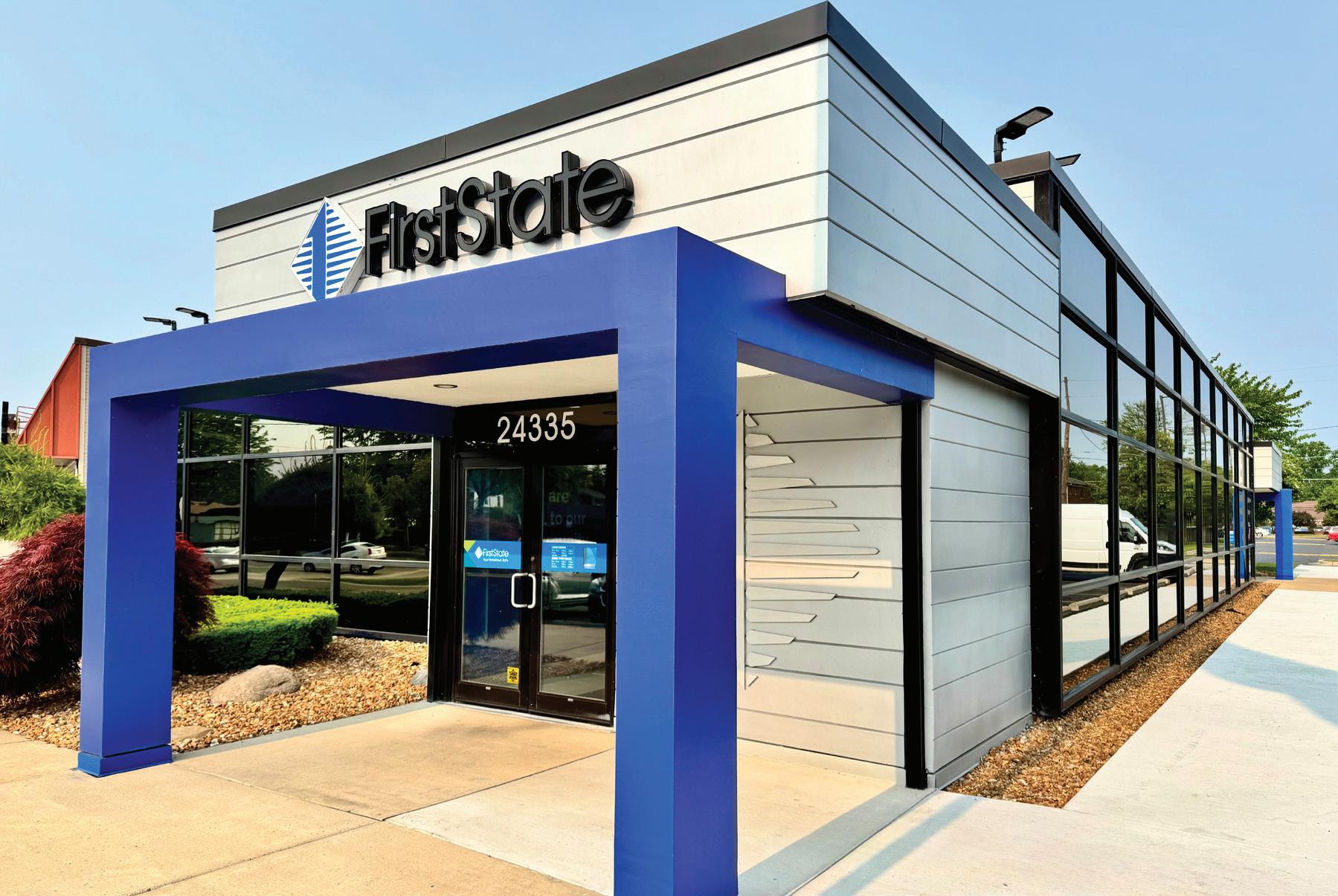
Assets 2024: $405.8M
Net income 2025: $13.3M
Net income 2024: $7.5M
Total loans 2025: $248.4M
Total loans 2024: $259M
13. DEARBORN FEDERAL SAVINGS BANK
22315 Michigan Ave. Dearborn 313-565-3100
mydfsb.com
Top local executive: Martin L. Heger Jr., Chairman & President
Assets 2025: $288.5M
Assets 2024: $276.6M
Net income 2025: $(1.4)M
Net income 2024: $83K
Total loans 2025: $199.8M
Total loans 2024: $184.4M
14. MI BANK
3707 W. Maple Rd., Ste. 100 Bloomfield Township 313-510-7361 mi.bank
Top local executive: Jenny Meier, Chairman & CEO
Assets 2025: $275M
Assets 2024: $275.9M Net income 2025: $88.8
Net income 2024: $79.6M
Total loans 2025: $225.3M (est.)
Total loans 2024: $190.9M
15. HURON VALLEY STATE BANK
130 S. Milford Rd. Milford 248-684-9626 hvsb.com
Top local executive: Jack Shubitowski, President & CEO
Assets 2025: $270.3M
Assets 2024: $245.3M
Net income 2025: $604K
Net income 2024: $2.77M
Total loans 2025: $187M
Total loans 2024: $186M
*Numbers are national figures.
Total financial results are listed for banks headquartered in Wayne, Oakland, Macomb, Livingston, and Washtenaw counties. For banks headquartered outside this area, local results only are provided. Many national banks do not release results for individual markets; therefore, major institutions aren’t included on this list. Total loans also account for leases.
Sources: Federal Deposit Insurance Corp., DBusiness research
(RANKED BY 2025 ASSETS)
1. DFCU FINANCIAL
400 Town Center Dr. Dearborn
888-336-2700
dfcufinancial.com
Top local executive: Ryan
Goldberg, President & CEO
Assets 2025: $7.76B
Assets 2024: $6.66B
Total income 2025: $326.68M
Total income 2024: $268.6M
Total loans 2025: $2.9B
Total loans 2024: $2.1B
2. GENISYS CREDIT UNION
2100 Executive Hills Blvd. Auburn Hills
248-322-9800
genisyscu.org
Top local executive: Jackie
Buchanan, CEO
Assets 2025: $6.2B
Assets 2024: $5.3B
Total income 2025: $370.97M
Total income 2024: $323.4M
Total loans 2025: $4.78B
Total loans 2024: $3.88B
3. MICHIGAN SCHOOLS AND GOVERNMENT CREDIT UNION
40400 Garfield Rd. Clinton Township
586-263-8800
msgcu.org
Top local executive: Peter D.
Gates, President & CEO
Assets 2025: $4.28B
Assets 2024: $3.89B
Total income 2025: $231.18M
Total income 2024: $214.5M
Total loans 2025: $3.67B
Total loans 2024: $3.36B
4. COMMUNITY CHOICE CREDIT UNION
31155 Northwestern Hwy. Farmington Hills 877-243-2528 communitychoice.com
Top local executive: Robert Bava, President & CEO
Assets 2025: $2B
Assets 2024: $1.84B
Total income 2025: $140.56M
Total income 2024: $124.8M
Total loans 2025: $1.59B
Total loans 2024: $1.44B
5. CREDIT UNION ONE
400 E. Nine Mile Rd. Ferndale
800-451-4292
cuone.org
Top local executive: Gary A.
Moody, President & CEO
Assets 2025: $1.75B
Assets 2024: $1.7B
Total income 2025: $105.1M
Total income 2024: $97.9M
Total loans 2025: $1.26B
Total loans 2024: $1.17B
6. ORSA CREDIT UNION
500 S. Harvey St. Plymouth
734-453-1200
cfcu.org
Top local executive: Tansley
Stearns, President & CEO
Assets 2025: $1.47B
Top local executive: Jennifer Borowy, President & CEO
Assets 2025: $1.47B
Assets 2024: $1.4B
Total income 2025: $137.7M
Total income 2024: $136.4M
Total loans 2025: $1.06B
Total loans 2024: $1.04B
8. UNIVERSITY OF MICHIGAN CREDIT UNION
340 E. Huron St., Ste. 100 Ann Arbor
734-662-8200
umcu.org
Top local executive: Tiffany Ford, CEO
Assets 2025: $1.41B
Assets 2024: $1.35B
Total income 2025: $84.9M
Total income 2024: $89.4M
Total loans 2025: $1.11B
Total loans 2024: $1.04B
9. VIBE CREDIT UNION
44575 W. 12 Mile Rd. Novi 248-735-9500
vibecreditunion.com
Top local executive: Chaz Rzewnicki, President & CEO
Assets 2025: $1.36B
Assets 2024: $1.31B
Total income 2025: $96.5M
Total income 2024: $87.4M
Total loans 2025: $928.5M
Total loans 2024: $884.5M
10. MICHIGAN EDUCATIONAL CREDIT UNION 9200 N. Haggerty Rd. Plymouth 734-455-9200
7. MICHIGAN
UNION 27000 Evergreen Rd. Lathrup Village 800-664-3828 michiganfirst.com
michedcu.org
Top local executive: Robert Sandercock, President & CEO
Assets 2025: $1.09B
Assets 2024: $1.02B
Total income 2025: $42.07M
Total income 2024: $37.7M
Total loans 2025: $481.6M
Total loans 2024: $489.9M
11. CHRISTIAN FINANCIAL CREDIT UNION
35100 Van Dyke Ave.
Sterling Heights 586-772-6330
christianfinancialcu.org
Top local executive: Patricia L. Campbell, President & CEO
Assets 2025: $1.09B
Assets 2024: $901.2M
Total income 2025: $61.6M
Total income 2024: $36.5M
Total loans 2025: $785.2M
Total loans 2024: $659.5M
12. ZEAL CREDIT UNION 17250 Newburgh Rd. Livonia 800-321-8570
zealcreditunion.org
Top local executive: Julie Kreinbring, President & CEO
Assets 2025: $878.2M
Assets 2024: $825M
Total
Total
13. ALLIANCE CATHOLIC CREDIT UNION
26913 Northwestern Hwy., Ste. 520 Southfield 877-950-2228 allianceccu.com
Top local executive: Robert Grech, President & CEO
Assets 2025: $672.2M
Assets 2024: $627.2M
Total income 2025: $37.9M
Total income 2024: $24.7M
Total loans 2024: $328.6M
14. DIVERSIFIED MEMBERS CREDIT UNION 1480 E. Jefferson Ave. Detroit 313-568-5000 dmcu.com
Top local executive: Kathie Trembath, CEO Assets 2025: $580.9M Assets 2024: $498.2M
248-474-2200 locfederal.com
18. PUBLIC SERVICE CREDIT
UNION
7665 Merriman Rd. Romulus
734-641-8400
pscunow.com Top
Total
19. OUR CREDIT UNION
3070 Normandy Rd.
Royal Oak
248-549-3838
ourcuonline.org
Top local executive: Darren Camron, President & CEO
Assets 2025: $360.4M Assets
GENESEE COUNTY
20. MICHIGAN UNITED CREDIT
UNION
576 E. Lincoln St. Birmingham
248-647-5958
michiganunitedcu.org
Top local executive: Andrew
Staley, President & CEO
Assets 2025: $335.8M
Assets 2024: $331.6M
Total income 2025: $18.5M
Total income 2024: $16.7M
Total loans 2025: $225.2M
Total loans 2024: $202.1M
Total financial results are listed for credit unions headquartered in Wayne, Oakland, Macomb, Livingston, and Washtenaw counties.
Sources: Michigan Credit Union League and Affiliates, DBusiness research
BISHOP INTERNATIONAL
AIRPORT (KFNT)
3425 W. Bristol Rd. Flint
810-235-6560
bishopairport.org Tower: Yes
Instrument approach procedures: Yes
Number of runways: 2
Longest runway: 7,848 ft.
Total operations 2025: 54,232
Services: Fuel (100 LL, Jet A), maintenance, hangars, tie-downs, aircraft parking, ground power unit, de-icing, restrooms, showers, flight planning, satellite weather, passenger lounge, passenger terminal, on-site rental cars, lavatory service, air stairs, pilot lounge, crew cars, limo service, catering, business services, pilot supplies, internet, conference room, U.S. Customs, flight training, air freight, military landing rights
FBOs/other services: Avflight Flint, 810-235-0681
Hours: Open 24 hours daily
PRICE’S AIRPORT (K9G2)
15057 Lindbergh Court Linden
810-444-3458
horizonlakesairpark.net Tower: No
Instrument approach procedures: Yes
Number of runways: 1
Longest runway: 4,000 ft.
Total operations 2025: 17,600 (est.)
Services: Self-serve fuel (100 LL), maintenance on call, snow removal, hangars, tie-downs
Hours: Open 24 hours daily
COUNTY
BRIGHTON AIRPORT (K45G) 8664 Hyne Rd. Brighton 810-223-6819 brightonairport.org Tower: No
Instrument approach procedures: No
Number of runways: 1
Longest runway: 3,120 ft.
Total operations 2025: 17,600 (est.)
Services: No public fuel available, tie-downs
Hours: Open 24 hours daily (irregular)
LIVINGSTON COUNTY SPENCER
J. HARDY AIRPORT (KOZW) 3399 County Airport Dr. Howell 517-546-6675 milivcounty.gov/airport/ Tower: No
Instrument approach procedures: Yes
Number of runways: 1
Longest runway: 5,002 ft.
Total operations 2025: 45,000 (est.)
Services: Fuel (100 LL, Jet A), maintenance, repair, inspection, charters, rentals, flight training, hangars, medical transport
FBOs/other services: Airservice Enterprise Inc., 517-546-7379; Crosswinds Aviation, 517-552-1101; Fuel After Hours, 517-861-1856
Hours: 7 a.m.-5 p.m. Mon.-Fri.; 8 a.m.-noon Sat.-Sun.
MACOMB COUNTY
RAY COMMUNITY AIRPORT (K57D)
59819 Indian Trail
Ray Township
586-749-9558
go2ray.us
Tower: No
Instrument approach procedures: No
Number of runways: 2
Longest runway: 2,495 ft.
Total operations 2025: 26,000 (est.)
Services: Fuel (100 LL), flight instruction, mechanic on call, hangar, tie-downs
FBOs/other services: Berz Flight Training, 586-731-6750
Hours: 10 a.m.-4 p.m. daily
ROMEO STATE AIRPORT (KD98)
15340 32 Mile Rd.
Romeo
586-336-9116
airnav.com/airport/D98
Tower: No
Instrument approach
procedures: Yes
Number of runways: 1
OAKLAND COUNTY INTERNATIONAL AIRPORT, WATERFORD TOWNSHIP
Longest runway: 4,003 ft.
Total operations 2025: 15,000 (est.)
Services: Self-serve fuel (100 LL, Jet A), on-call maintenance, airport management, rental cars, flight training, charters, aircraft rentals, hangars, hangar leasing/sales, passenger terminal, passenger lounge, tie-downs
FBOs/other services: St. Clair
Flight School, 586-536-0773
Hours: 8 a.m.-4 p.m. Mon.-Fri.
OAKLAND COUNTY
OAKLAND COUNTY
INTERNATIONAL AIRPORT (KPTK)
6500 Patterson Parkway Waterford Township 248-666-3900
oakgov.com/community/airports
Tower: Yes
Instrument approach procedures: Yes
Number of runways: 3
Longest runway: 6,521 ft.
Total operations 2025: 154,944
Services: Fuel (100 LL, Jet A), aircraft parking, maintenance, repair, parts, detailing, pilot/ passenger lounges, rental cars, off-site limo service, catering, ground power units, de-icing, lavatory and oxygen service, flight planning, live weather radar, U.S. Customs, heated FBO hangars, conference rooms, wireless internet, showers, concierge, passenger/freight charters, military landing rights
FBOs/other services: Maven at Midfield, 248-666-0550; Michigan Aviation, 248-666-3440; Premier Private Jets, 248-666-4300; Pentastar Aviation, 248-666-8230; Royal Air, 248-666-3070
Hours: Open 24 hours
Airport administration: 8:30 a.m.-5 p.m. Mon.-Fri., excluding holidays
Airport maintenance/ARFF: Open 24 hours daily
OAKLAND/SOUTHWEST AIRPORT (KY47)
57751 Pontiac Trail New Hudson 248-437-2333
oakgove.com/community/airports Tower: No
Instrument approach procedures: Yes
Number of runways: 1
Longest runway: 3,128 ft.
Total operations 2025: 15,000 Services: Self-serve fuel (100 LL), pilot/passenger lounge, hangars, tie-downs, internet and computer for flight and weather planning
Hours: 8:30 a.m.-5 p.m. Mon.-Fri., excluding holidays
OAKLAND/TROY AIRPORT (KVLL)
2672 Industrial Row Troy 248-288-6100
oakgov.com/community/airports Tower: No
Instrument approach procedures: Yes
Number of runways: 1
Longest runway: 3,549 ft.
Total operations 2025: 30,000
Services: Self-serve fuel (100 LL, Jet A), hangars, tie-downs FBOs/other services: JDS Pump-N-Go, 248-730-6030; kvll. support@24hrfuel.com, 248-781-0241
Office hours: 8:30 a.m.-5 p.m. daily, excluding holidays
COUNTY
ANN ARBOR MUNICIPAL AIRPORT (KARB)
801 Airport Dr. Ann Arbor
734-794-6336
airport@a2gov.org
Tower: Yes
Instrument approach
procedures: Yes
Number of runways: 2
Longest runway: 3,505 ft.
Total operations 2025: 75,000 (est.)
Services: Fuel (100 LL, Jet A), maintenance, repairs, parts, aviation accessories, rental cars, restroom, limousine service available 24 hours a day, parking/tie-downs, auxiliary power units, jump-starting, computerized weather and flight planning, aircraft parking, aircraft rental, aerial tours/aerial sightseeing, rental/crew cars, oxygen, pilot lounge, shower, internet, passenger lobby, catering, refreshments, aircraft rental, flight training, hangars, glider towing, tie-downs
FBOs/other services: ACE Aviation Center, 734-662-6806; Solo Aviation, 734-994-6651
Hours: 8 a.m.-8 p.m. daily; terminal open 7 a.m.-dusk
WILLOW RUN AIRPORT (KYIP)
47763 A St.
Van Buren Township
734-485-6666
willowrunairport.com
Tower: Yes
Instrument approach procedures: Yes
Number of runways: 3
Longest runway: 7,543 ft.
Total operations 2025: 69,502
Services: Fuel (100 LL, Jet A), flight planning, de-icing, aircraft lavatory service, satellite weather, U.S. Customs services, parking (ramp and tie-down), hangars, passenger terminal, pilot lounge, catering, concierge, rental/crew cars, high-speed wireless internet, business services, freight/cargo handling, military landing rights
FBOs/other services: Avflight Willow Run (East), 734-482-2621; Avflight Willow Run (West), 734-483-3531; Odyssey Aviation, 734-547-7359; Flagship Private Air, 734-926-2000
Hours: Open 24 hours daily
WAYNE COUNTY
CANTON-PLYMOUTH-METTETAL AIRPORT (K1D2)
8550 North Lilley Rd. Canton Township
DETROIT METROPOLITAN WAYNE COUNTY AIRPORT, ROMULUS
734-459-0012
airnav.com/airport/1D2
Tower: No
Instrument approach procedures: Yes
Number of runways: 1
Longest runway: 2,302 ft.
Total operations 2025: 13,870
Services: Fuel (100 LL), hangars, maintenance, repair, parking, tie-downs, flight school, aircraft rental, high-speed wireless internet, lounge, computerized weather, flight planning
Hours: 8 a.m.-4 p.m. daily
COLEMAN A. YOUNG
INTERNATIONAL AIRPORT (KDET) 11499 Conner Ave.
Detroit
313-628-2144
detroitmi.gov/government/ departments/airport.aspx
Tower: Yes
Instrument approach procedures: Yes
Number of runways: 1
Longest runway: 5,090 ft.
Total operations 2025: 44,000
Services: Fuel (100 LL, Jet A), maintenance, cleaning, de-icing, hangars, weather/flight planning, tie-downs, charter, courtesy transportation, aircraft lavatory
service, passenger terminal, pilot lounge, rental cars, limo service, catering, aircraft sales, aircraft cleaning/washing/detailing, conference rooms, concierge, military landing rights FBOs/other services: Avflight, 313-527-6620
Hours: Open 24 hours daily
DETROIT METROPOLITAN WAYNE COUNTY AIRPORT (KDTW)
Wayne County Airport Authority 11050 Rogell Dr., Bldg. 602 Romulus 734-247-7678
metroairport.com
Tower: Yes
Instrument approach procedures: Yes
Number of runways: 6
Longest runway: 12,003 ft.
Total operations 2025: 321,759
Services: Cleaning, fuel (100 LL, Jet A), hangars, office rental, weather/flight planning, tie-downs, passenger/pilot lounges, lavatory and potable water, GPU, ground handling, rental/crew cars, de-icing, exec terminal, crew lounge, wireless, catering, limo service, conference rooms, on-site hotel and concierge, military landing rights
FBOs/other services: Signature
Flight Support, 734-941-7880
Hours: Open 24 hours daily
GROSSE ILE MUNICIPAL AIRPORT (KONZ)
9601 Groh Rd. Grosse Ile Township 734-692-6424
grosseileairport.com
Tower: No
Instrument approach procedures: Yes
Number of runways: 2
Longest runway: 4,846 ft.
Total operations 2025: 16,000+ (est.)
Services: Fuel (100 LL, Jet A), hangar leasing/sales, tie-downs, computerized weather, pilot lounge, plane wash, rental/crew cars, charter, aircraft lavatory service, conference room, concierge, catering, restaurant and lodging on-site, flight training, military landing rights
FBOs/other services: Grosse Ile Municipal Airport, 734-675-0155; Hall’s Flying Service, 734-346-1930; Max Flight Helicopter Services, 734-231-3102
Hours: 8 a.m.-6 p.m. Mon.-Fri.; 8 a.m.-5 p.m. Sat.
Sources: Michigan Office of Aeronautics, AirNav.com, DBusiness research


July 13, 10 a.m. to 6:30 p.m. give.foundationforfamilies.org/event/2026-new-day-golf-classic/e759145
The New Day Foundation for Families Fighting Cancer will host the New Day Golf Classic at The Wyndgate Country Club in Rochester Hills to benefit Michigan families facing cancer. Proceeds support the organization’s mission to provide financial assistance and emotional support programs for patients and caregivers. The event features an 18-hole scramble, lunch, beverage stations, and a reception with cocktails and dinner. Guests may register to golf or purchase tickets for the evening reception.

July 23, 7:45 a.m. to 5 p.m. business.auburnhillschamber.com/events/details/auburn-hills-chamber-golf-open-2026-17358
The Auburn Hills Chamber Golf Open brings together regional business leaders for a day of golf and networking at Pine Knob Golf Club. The event features 18 holes of scramble-style golf, a networking breakfast, on-course refreshments, and lunch at the turn, followed by an awards program, raffle prizes, and an evening reception. Proceeds support Auburn Hills Chamber of Commerce’s programs and business initiatives.
July 27, 10:30 a.m. corewellhealth.org/driveforlife
Join us for a first-class golf event benefiting oncology programs at the Walter and Marilyn Wolpin Comprehensive Breast Care Center at Corewell Health William Beaumont University Hospital in Royal Oak and the Wilson Cancer Resource Center at Corewell Health Beaumont Troy Hospital. The day features a premium round of golf on a beautiful Oakland County course, as well as lunch, contests, a cocktail reception, a strolling dinner, and awards. For more information, call 947-522-0100.
August 2, 9 a.m. to 3 p.m. troyhistoricvillage.org/troy-traffi c-jam
The Troy Traffic Jam returns for its 18th year with more than 300 show cars, as well as automotive art, robotics demonstrations, and family-friendly activities celebrating America’s 250th anniversary. The event features classic, high-performance, and historic vehicles, along with the Gallagher Tech Talk series highlighting automotive engineers, designers, and racing legends. Guests can also enjoy music, food, and the Pedal Power 200 race while supporting educational programs at Troy Historic Village.
August 10, 9 a.m. (registration begins at 7:30 a.m.) walshcollege.edu/events/walsh-college-golf-classic-2026
Walsh College will host the Walsh College Golf Classic at Twin Lakes Golf Club in Oakland Township, bringing together alumni, supporters, and corporate partners for a day of golf and networking. The event features 18 holes of golf, a continental breakfast, on-course refreshments, and an awards luncheon, along with raffles, contests, and sponsor giveaways. Proceeds support Walsh College student scholarships and educational programs.




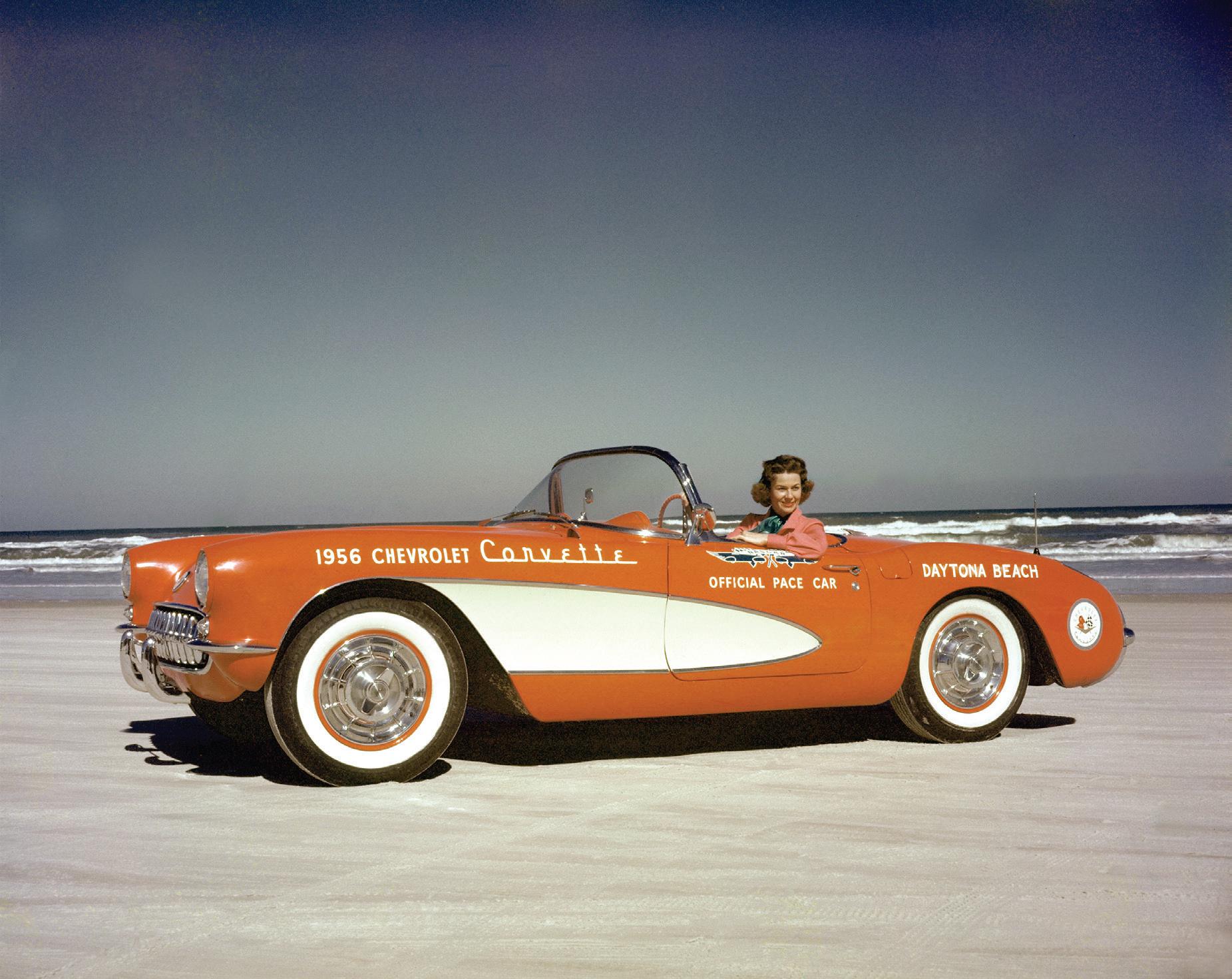
Betty Skelton brought savvy and glamor to her roles as a test driver for Chevrolet and Dodge, and as a stunt pilot and advertising executive.
BY RONALD AHRENS
When 27-year-old Betty Skelton guided a Dodge Royal to a Daytona Beach speed record early in 1954, she had already achieved aviation marks and aerobatics championships.
In her auto racing debut, the Dodge roared over the compacted sands at 105.88 miles per hour.
“Whether piloting an airplane, an automobile, or a vacuum cleaner, a woman’s chief concern at all times should be maintaining her femininity,” Skelton quipped.
Born in 1926, she earned a pilot’s license at 16 and bought an aerobatic plane at 22. Her best stunt was buzzing the brains of skeptical reporters, turning media attention and corporate interest to her advantage.
Four months after the Daytona achievement, she participated in opening-day festivities at the Chrysler Proving Grounds near Chelsea, Mich., taking a Dodge Firearrow III dream car to a women’s closed-course record of 143.44 miles per hour.
The auto industry, in the mid-1950s, was awakening to the importance of women as consumers, even tailoring assembly lines for factory-fresh efforts such as the Dodge La Femme.
And for the first time, women became industry insiders. Helene Rother’s interior designs led Nash to the top in that category, and General Motors already had its so-called Damsels of Design on staff. In a complementary push, GM’s Chevrolet Division sponsored Dinah Shore’s weekly television show and commissioned a long-running ad campaign featuring the singer.
Skelton joined Dodge in 1955 as a test driver
Prior to the the opening of the Daytona International Speedway in 1959, NASCAR drivers raced on the hard-packed sand of the Daytona Beach and Road Course in Florida. Betty Skelton, an advertising executive and occassional test driver for Chevrolet, used the 1956 Daytona Speedweeks festival to showcase the performance of a new V-8 engine.
who lectured nationwide on safe driving techniques. One account says she “proceeded to dazzle some of the grey flannel suit brethren with her own brand of sales and promotion work.”
GM hired her away in 1956, and Skelton left Dodge to join Chevrolet’s ad agency, Campbell-Ewald, in 1956. She thereafter slipped into Corvettes on various speed, endurance, and economy runs, helping to establish a performance legacy for the model that was just coming into its own as a serious sports car.
Her popularity was broad enough to make her a guest on television shows including, naturally, Dinah’s.
In an example of in-person appearances, Skelton brought her glamorous appeal to a Saginaw-Bay City GM Girls Club event in May of 1960 and acted as “powder puff test driver,” as a correspondent wrote, while trying out an experimental system from Saginaw Steering Gear.
Not long before that, Look magazine had put her through the physical training tests given to Mercury 7 astronauts, which earned her a new nickname of 7½. A Saginaw reporter asked about plans for space travel, but Skelton revealed her own limits.
“I’m a little old for that sort of thing. I’m 33 now.”
After two decades with Campbell-Ewald, she retired to Florida. She was married to a Hollywood producer for 36 years. After his death in 2001, she remarried and became a familiar sight in a red Corvette roadster that matched her hair. She passed away in 2011.
Skelton’s red-and-white “Little Stinker” aerobatic plane, meanwhile, is displayed at the Smithsonian’s National Air and Space Museum. In 1977, she published a memoir titled “Little Stinker.”
The jacket cover relays: “The inside story, told by the airplane itself, about Betty Skelton, America’s most famous aerobatic aviatrix.”
In turn, Writer Henry Holden produced a biography, “Betty Skelton: First Lady of Firsts,” in 1994. And her legend was renewed in “Boundless,” a documentary film of 2022.
“It wasn’t just that Betty did all these things,” GM President Mark Reuss said last September during her induction into the Automotive Hall of Fame at The Department at Hudson’s in downtown Detroit. “It was how she did them. She had absolutely no fear.”