EDITORIAL

HOTSHOTS Magazine - The eighth edition
Welcome to the 8th edition of HOTShots Magazine, the only digital watchable telecom magazine!
Meet 16 leading voices sharing real-world perspectives on deploying AI, scaling infrastructure, strengthening connectivity, and tackling the pressures shaping modern telecom networks. Explore the next wave of telecom innovation from AI-driven automation and resilient infrastructure to smarter cities and rural connectivity.
Don’t miss Transition Talk, where IDT Global’s leaders reveal what it takes to pass the keys to the kingdom, sharing lessons on leadership, legacy, and global operations from decades of experience.
HOTShots isn’t just a magazine, it’s your front-row seat to telecom’s future. Enjoy!
Shelley Wright Head of Content and Marketing, HOT TELECOM





Automation, AI, and self-service transformation
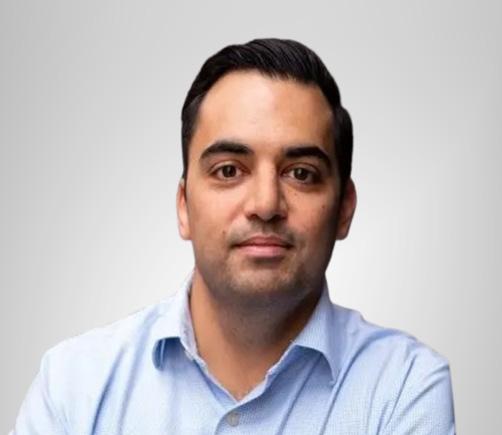
Peter Christie leads telecom automation and AI-driven self-service orchestration with ActivePort software platform
Peter Christie, Chairman and CEO of ActivePort, discusses a major turning point for telecom operators, as they struggle to keep up with digital, on-demand customer expectations.
The biggest challenge is automation. Enterprise customers can instantly buy cloud services, but telcos still rely on manual ordering processes, making it difficult to match the self-service experience expected today.
ActivePort addresses this with a softwaredefined networking and orchestration platform built for customer-facing automation. Its white label solution enables telcos to quickly digitise provisioning and offer self-service portals to enterprise clients.
Peter also highlights AI-enabled gateways that will extend network reach across multiple telco infrastructures, making it easier for customers to buy and combine


services across regions, starting in Southeast Asia.
He describes PTC as a highly effective event filled with valuable conversations and new business opportunities, set in a unique location that brings the global telecom industry together.
Don’t miss this interview - watch now and see how ActivePort is helping reshape telecom through automation and AI-driven connectivity.
PETER CHRISTIE, CHAIRMAN AND CEO AT ACTIVEPORT
“Telcos struggle with
automation, while ActivePort delivers AI-driven self-service orchestration.”

Andrey Anikin, Chief Executive Officer of Alaris Labs, discusses the structural challenges shaping the future of messaging.
He explains that the biggest issue facing the industry is not technology, but human behaviour and market dynamics. He highlights concerns around exclusive deals, artificial traffic inflation, and rising prices, which he believes are distorting the messaging ecosystem.
Looking ahead, he says the future of messaging beyond SMS and OTP will depend on commercial viability. While channels such as WhatsApp, RCS, and API-based communication tools are growing, their long-term success will rely on sustainable pricing and adoption at scale.
ANDREY ANIKIN, CEO AT ALARIS LABS
Hidden messaging challenges
Andrey Anikin discusses messaging challenges driven by economics, behaviour and connectivity shaping the future of global communications.
Andrey describes Alaris Labs as a connectivity focused company operating behind the scenes, enabling interoperability and traffic exchange between communication systems. Rather than competing directly in messaging, the company focuses on maintaining reliable connectivity as the ecosystem evolves.
He emphasises that whether it is messaging, APIs, or future communication channels, the core need remains the same: ensuring systems can connect efficiently and at scale.
Watch Andrey as he explores how economics, behaviour, and connectivity are shaping the next era of global messaging.

“We are the connectivity guys, because people need to connect and exchange traffic between systems.”

Building smarter futures
Ilissa Miller discusses planning, community collaborative frameworks align technology economic needs.

Building smarter city futures
discusses digital infrastructure community engagement, and frameworks helping cities technology growth with future needs.

ILISSA MILLER FOUNDER AND CHIEF EXECUTIVE OFFICER AT IMILLER PUBLIC RELATIONS
Join Ilissa Miller, Founder and CEO of iMiller Public Relations, as she talks about how digital infrastructure is reshaping the relationship between technology and local communities.
Alongside her work in PR for the digital infrastructure sector, Ilissa is leading an initiative called the Digital Infrastructure Framework Committee. The project brings together industry volunteers to help municipalities and city planners integrate digital infrastructure into long-term master plans, ensuring communities can align technology growth with future economic needs.
She explains that data centre development is often misunderstood due to its complexity and resource demands, including power, water, and land. Unlike traditional projects, it has a broader impact on local communities, making early education and engagement essential. The goal is to help stakeholders better evaluate proposals and understand both the opportunities and implications for their regions.
Ilissa shares that the committee is actively developing a practical framework to support more informed and collaborative decision-making between industry and communities.
Watch Ilissa’s interview now to hear how collaboration is shaping the future of digital infrastructure.

“Africa is being placed at the centre of AI and digital infrastructure development across the continent.”
ANGELO GAMA CHIEF EXECUTIVE OFFICER AT ANGOLA CABLES
Angelo Gama discusses how artificial intelligence is shaping telecom infrastructure in Africa amid connectivity gaps, investment, and growth.
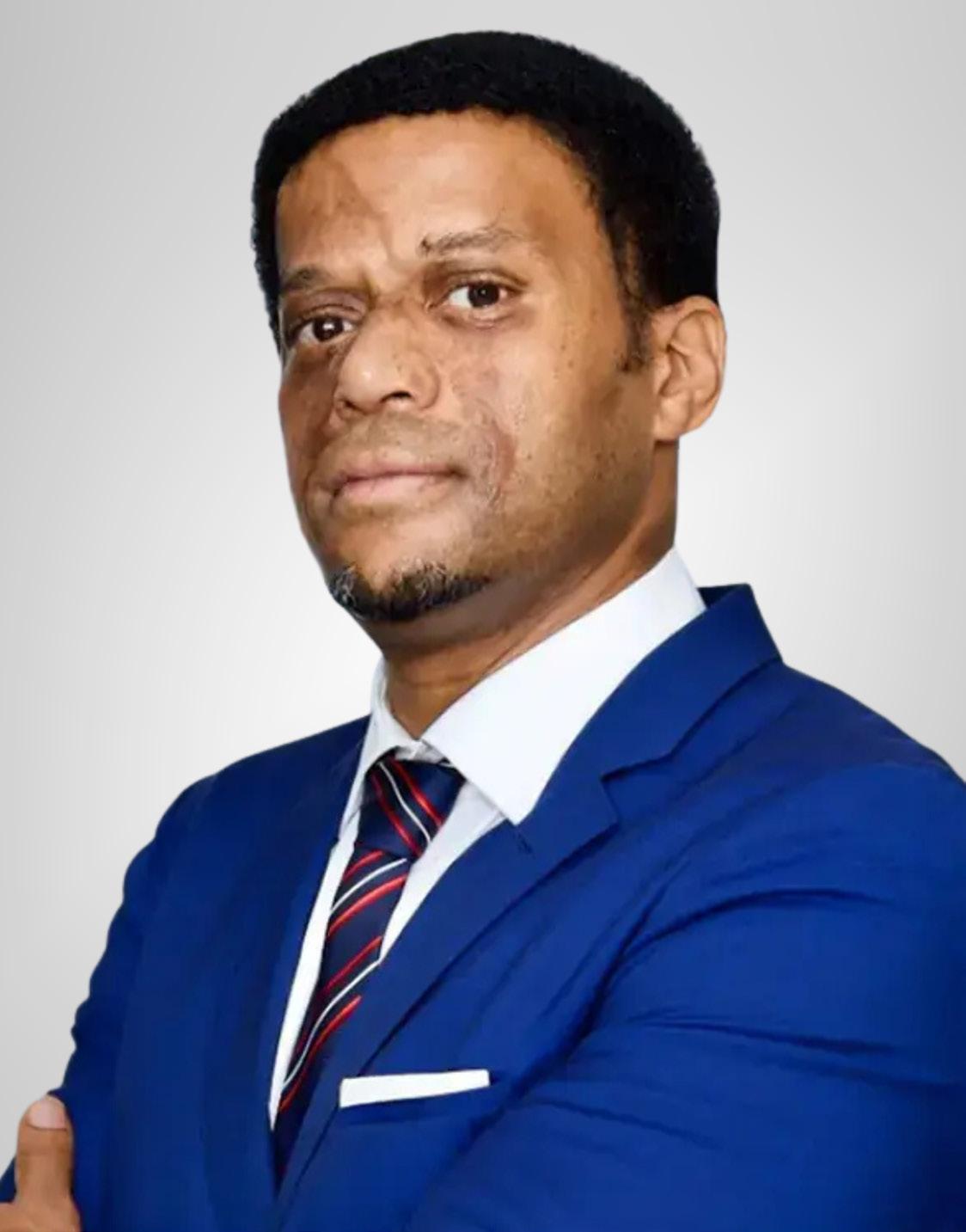
Africa’s digital future
Angelo Gama, Chief Executive Officer of Angola Cables, discusses how artificial intelligence is becoming a defining force shaping global telecom and infrastructure.
He explains AI is no longer a future trend, but an immediate reality, influencing networks, business models, and everyday operations. It is therefore creating a key industry challenge, as operators adapt infrastructure to deliver better customer outcomes. He highlights Africa as a region at a turning point.
While connectivity gaps remain, especially inland and cross-regional networks, progress is accelerating through submarine cable routes and investment. Operator-led initiatives are
reducing reliance on hyperscalers and strengthening regional capacity. Angola Cables is positioning itself at the centre of this transformation, as a connectivity provider and infrastructure enabler.
Angelo believes Africa is a strategic hub for digital growth, with potential to host major AI and data centre investments at scale. He points to emerging largescale developments that could redefine the continent’s role in the global digital ecosystem.
Don’t miss this interview, as Angelo explores how AI, infrastructure, and investment are reshaping Africa’s digital future.
Tackling AI data centre power
John Chesser explains AI-driven data centre growth, power constraints, and integrated site development solutions
Power availability is now the biggest constraint on
growth
John Chesser, Chief Executive Officer of Quantica, discusses how the rapid growth of AI infrastructure is reshaping the data centre industry.
With hyperscale sites expanding from 150MW to 500MW, 1GW and even 2.5GW, John explains that power has become a key constraint. While land is still available, securing electricity at this scale is increasingly difficult, making power the defining bottleneck for new developments.

This is driving a shift toward “bring your own power,” where developers must secure or build energy generation alongside site selection. It is also changing how projects are planned, with investors now demanding fully de-risked sites that account for land, environmental conditions, power availability, and network connectivity from the outset.
Quantica plays a central role in solving this challenge. John explains that the company identifies and develops optimal sites that can meet these strict
requirements. With in-house expertise across power systems, telecom infrastructure, and data centre development, Quantica delivers fully integrated solutions that give hyperscalers confidence to invest at scale. Even complex sites are viewed as an opportunity when properly engineered.
Watch now and see how John explores how power, planning, and integration are redefining the future of AI data centres.
“Now you have this concept they call bring your own power, where you must build your own power when designing a site.”
JOHN CHESSER CEO AT QUANTICA

AI-powered network solutions
Nick Griffiths discusses how AI and cloud growth are eshaping global network infrastructure through scalable, high-capacity fibre networks worldwide.
Watch Nick Griffiths, Vice President Business Development at Crosslake Fibre, as he shares how AI and cloud growth are reshaping global network infrastructure.
Nick explains that Crosslake Fibre builds, operates, and invests in subsea and terrestrial networks, delivering dark fibre, managed optical fibre solutions, and direct data centreto-data centre connectivity. The company also focuses on scalable, high-performance, resilient infrastructure.

He highlights that AI is driving surging demand for high-capacity bandwidth, with 400G and 800G fibre paths and dark fibre routes becoming standard. The key shift is speed, with scalability needed from day one and faster deployment cycles to meet expectations.
He notes that Crosslake Fibre is built for this environment, with low-latency routes designed for diversity and resilience, including cross-Channel and Lake Ontario systems. These shorter routes improve performance, while strengthening redundancy across networks.
He also emphasises their organization’s use of a consultative, partnership-driven approach, working closely with customers to design tailored solutions that improve efficiency and adaptability in AI-driven environments.
Don’t miss this interview, as he explores how next-generation fibre networks are powering the future of AI and cloud connectivity.
NICK GRIFFITHS VP BUSINESS DEVELOPMENT AT CROSSLAKE FIBRE

“We’ve all seen this new wave of activity and this grab for power, and what’s preceded that is a grab for high capacity bandwidth.”
Connecting communities in crisis
Sophie Ann Terrisse highlights communication is vital in crises, enabling humanitarian response, coordination, and global emergency connectivity efforts.

“You cannot have Doctors Without Borders or any kind of help until you reestablish communication.”
coordination between governments, NGOs, and international agencies. TSF is often among the first on the ground to make this possible.
Sophie notes that TSF’s work now spans both emergency response and long-term crises, including refugee support and digital inclusion projects in regions such as Madagascar.
She emphasises that collaboration across the telecom industry is essential, with operators, carriers, and technology partners contributing equipment, funding, and expertise to support deployments.
Watch Sophie Ann Terrisse, Ambassador at Telecoms Sans Frontières (TSF), as she talks about the vital role of communication in humanitarian crisis response.
Sophie explains that TSF, founded in 1998, was the first NGO dedicated to emergency telecommunications and has supported missions in more than 180 countries. The organisation deploys rapidly, during disasters, conflicts, and migration crises, to restore communication when it is needed most.
She highlights that communication is the first step in any humanitarian response. Before aid workers and medical teams can operate effectively, connectivity must be restored to enable
SOPHIE
ANN TERRISSE, AMBASSADOR AT TELECOMS SANS FRONTIÈRES (TSF)
Watch Sophie as she explores how emergency connectivity is becoming a lifeline in global humanitarian response and recovery efforts.

Game changing telecom strategies
Nicolas Barret discusses telecom industry trends, focusing on simplicity, consolidation, trusted partnerships, and global connectivity evolution.




NICOLAS BARRET CHIEF GROWTH OFFICER AT IBASIS
Nicolas Barret, Chief Growth Officer at iBasis, discusses the key trends shaping the international telecom landscape.
He explains that one of the biggest industry shifts is the growing focus on quality, compliance, and simplicity. As the wholesale telecom market becomes increasingly complex, operators are looking to reduce fragmentation and work with fewer, stronger, more strategic partnerships that deliver greater value and reliability.
He highlights that the market is maturing, leading to increased consolidation and a stronger emphasis on trusted relationships. Rather than expanding the number of partners, companies are prioritising stability, performance, and long-term alignment across ecosystems.
Nicolas also points to iBASIS’ strategic collaboration with Telstra as a major milestone, strengthening the company’s position in regions where it previously had limited presence. It is also reflecting the demand for complementary global connectivity solutions.
He emphasises that success in today’s market is driven by delivering simplicity in an increasingly complex environment, while continuing to evolve with customer needs and consolidation trends.
Watch Nicolas as he explores how quality, trust, and strategic partnerships are reshaping the future of global telecom connectivity.
MEF Market Insight
Beyond Automation: Why Agentic AI Could Reshape the Wholesale Telecom Business
MEF Programme Lead for Connectivity & Wholesale, Isabelle Paradis, highlights that as telecom networks evolve, a new wave of intelligence is emerging.
We are moving beyond automation toward true autonomy. Agentic AI is therefore the trigger that could transform how wholesale telecom operates, from decision-making to collaboration across networks.

As digital transformation accelerates across telecom networks, one area remains surprisingly manual: the wholesale layer. From interconnect negotiation and fraud detection, to service orchestration and settlement, many critical processes still rely on human operators, siloed systems, and static rules. But that may soon change.
This market insight explores how Agentic AI - a new class of artificial intelligence capable of autonomous, goal-driven decision-making - could fundamentally reshape the way international telecom businesses operate.
This whole revolution would be empowered by software agents that can reason, plan, and act on behalf of telecom players across the value chain.
So how might Agentic AI change the wholesale game?
ISABELLE PARADIS DIRECTOR, CONNECTIVITY & WHOLESALE INTEREST GROUP

Defining Agentic AI: Beyond the Algorithm
Unlike traditional AI systems that require constant prompting or are confined to narrow tasks, Agentic AI refers to systems that can pursue objectives, adjust to changing conditions, and collaborate with other agents or systems without human intervention.
In practice, these AI agents could be deployed across key layers of the wholesale business - each with a specific function. For example:
• Routing Agents that monitor live network performance, regulatory changes, and pricing to adjust routes dynamically.
• Fraud Agents that ingest real-time data, share alerts with other agents, and take action before human teams or non-real-time systems even notice anomalies.
• Commercial Agents that negotiate interconnect agreements, optimise cost models, or respond to market shifts autonomously.
In a sense, wholesale telecom could evolve from a business run by humans - to one where networks and platforms negotiate, optimise, and protect themselves.
Why Now? From APIs to Autonomy
The rise of programmable networks, rich APIs, and cloud-native infrastructure is creating fertile ground for Agentic AI.
As more systems expose real-time data and control mechanisms - via network APIs, smart routing protocols, or programmable billing interfaces - AI agents can begin to interact with them directly.
This enables a new layer of automation that is not just reactive, but strategic.
In fact, some major telecom players are already piloting agentic platforms to handle customer queries, billing disputes, and plan recommendations autonomously. This suggests that these technologies are maturing from support layers into operational infrastructure. In the international context, this matters even more.
Imagine agents managing A2P traffic in real-time based on regional trust scores, or negotiating roaming rates based on usage patterns, performance metrics, and projected demand – in real-time, all without triggering lengthy human workflows.
Potential Industry Impacts
The integration of Agentic AI into the wholesale ecosystem could therefore trigger shifts in several areas:
1. Operational Efficiency:
Reducing manual intervention in routing, pricing, or settlement could free up teams for more strategic work, accelerating time-to-market and reducing cost-pertransaction.
2. Real-Time Risk Management:
Agentic fraud detection and compliance enforcement could reduce losses and regulatory exposure, particularly for international traffic.
3. Dynamic Interconnection:
Agents could coordinate capacity across networks on-demand, enabling more fluid, usage-based commercial relationships across multiple services and on-the-fly route optimization.
4. Dynamic Pricing and Competitive Pressure:
As agentic systems mature, one of the most profound shifts may be in how wholesale services are priced and traded.
Traditionally, pricing in wholesale telecom has followed relatively static models - built around bilateral agreements, volume tiers, and rate sheets. Agentic AI would enable a revolution by empowering pricing that is:
• Dynamic - adjusting in real time to quality of service, congestion, or fraud risk.
• Granular - tailored by individual transaction.
• Transactional - executed autonomously by agents sourcing termination routes or negotiating interconnects on the fly.
This revolution could put pressure on wholesalers relying on margin spreads or volume locking. But it also creates opportunity: those who can design agentdriven pricing strategies could offer superior transparency, responsiveness, and margin control.
5. AI-Native Business Models:
Wholesale players could also begin to sell not just bandwidth, but intelligent services. Such as on-the-fly optimisation, AI-managed SLA enforcement, or fraudas-a-service protection models.
Challenges Ahead: Trust, Transparency, and Interoperability
The promise of Agentic AI is clear, but so are the challenges.
Agent Identity and Governance
If AI agents are making commercial or technical decisions on behalf of a telecom operator, several critical questions arise:
• Who provisioned the agent?
• How do you verify its identity and authority?
• Can its actions be traced or revoked?
One emerging approach is to root agent identity in telecom-grade infrastructuresuch as secure eSIMs or digital certificates. This would allow operators to:
• Provision agents securely, with assigned permissions
• Anchor them in established authentication systems
• Monitor and audit activity through secure logs
This model aligns with telecom’s existing trust frameworks and may become the backbone of secure agent networks in the future.
Semantic Alignment and Agent Conflict
Another challenge is ensuring that agents across companies and networks understand each other’s policies, goals, and constraints. Without shared definitions and negotiation protocols, intelligent agents risk misunderstanding agreements or triggering conflicts.
MEF and other member organizations will likely play a critical role in defining common semantics, protocols, and behavioral boundaries for agents operating in the wholesale ecosystem.
Why This Means for Wholesalers
For Wholesalers, Agentic AI presents both risk and opportunity:
• Risk - because competitors who deploy effective agentic systems may gain significant speed, cost, and intelligence advantages.
• Opportunity - because early adopters can redefine the role of wholesale by offering AI-enhanced, programmable services that go beyond transport.
This is an inflection point. As telecom moves toward API-driven interoperability, the next logical layer is goal-driven autonomy. And those who invest early in agent readiness will be best positioned to lead.
A Call to Action
Agentic AI is no longer a distant concept. The architecture is taking shape and the use cases are surfacing.
Now is the time to:
• Explore internal agentic use cases across fraud, pricing, or network ops.
• Participate in MEF-led conversations on governance, identity, and inter-agent communication.
• Rethink how intelligence, not just connectivity, becomes a wholesale value proposition.
As the wholesale world becomes programmable, it will soon become agentic. And those who act now won’t just automate the business - they’ll reshape it.

LUIS MONTERO VICE PRESIDENT SALES AT S AND BTS
Transforming voice with AI
Luis Montero, Vice President Sales at S and BTS, discusses how artificial intelligence is transforming global voice services and redefining value in telecom networks.
He explains that AI is shifting voice from a traditional commodity into an intelligent, secure interactive service layer. By integrating AI into telecom networks, operators are building trusted platforms where enterprises rediscover voice as a communication channel.


Instead of focusing on minutes and volumes, the industry could prioritise security, fraud prevention and network intelligence. AI agents and advanced security tools could help reduce fraud and renew interest in voice services, positioning voice as a value-added service rather than a legacy product.
He stresses that partnerships are key to this evolution, highlighting complementary strengths, fast execution from agreement to deployment and cultural alignment. Looking ahead, BTS is evolving from connectivity provider into technology enabler using AI to add intelligence to core infrastructure bridging connectivity with digital services.
Don’t miss this conversation with Luis as he explores how AI is reshaping global voice and telecom partnerships.
“You could get an interactive platform on a secure layer that everyone can trust, and enterprises really start discovering the value of voice.”
Building smarter AI data
Steve Altizer explains how AI is reshaping data centres, driving liquid cooling adoption, exposing legacy limitations, and accelerating purpose built high density infrastructure development.

AI drives purpose-built high-density data centres

data centers


Steve Altizer, President and Chief Executive Officer of Compu Dynamics, discusses how artificial intelligence is reshaping mission-critical data centre design.
Steve explains that while some facilities still use traditional designs, the industry is rapidly shifting under hyperscaler demand for AI. Liquid cooling is becoming standard, but retrofitting existing colocation and cloud sites is difficult and inefficient, driving demand for purpose-built infrastructure.
He also highlights a key challenge: operators must support both legacy workloads and high-density AI in the same facilities. This reduces efficiency and is accelerating the move toward dedicated AI data centres designed for
STEVE ALTIZER, PRESIDENT AND CEO AT COMPU DYNAMICS
extreme compute density. Steve notes that Compu Dynamics Modular is focused on this next generation, building optimised environments where compute density can reach far higher levels per square foot than traditional facilities.
Additionally, he stresses the importance of right-sizing infrastructure for specific workloads instead of relying on oversized legacy designs.
Watch now as Steve explores how AI is redefining data centre design.
Driving business transformation
Alex Cruz Farmer explains why AI, network intelligence, visibility, and performance are critical for modern digital infrastructure evolution.
Watch Alex Cruz Farmer, Senior Director, Product Management at Kentik, discuss why network performance is now critical in the age of AI-driven connectivity.
Alex explains the network underpins everything from AI workloads to voice, video, and latency-sensitive applications. As digital demand grows, any performance issue directly impacts user experience, making the network a core foundation of modern infrastructure.
He also highlights the rise of network intelligence, as cloud adoption, eastwest traffic, and AI workloads increase complexity, making visibility essential. Kentik integrates cloud telemetry, network metrics, and synthetic testing with its AI advisor, enabling rootcause analysis, capacity planning, and operational insights that turn data into business value.
Looking ahead to 2026, AI remains the dominant trend, alongside rising operational pressure, with unpredictable traffic patterns and microbursts making rapid detection and resolution essential for reliable performance at scale.
Watch Alex explore how AI and network intelligence are reshaping modern digital performance.
ALEX CRUZ FARMER SENIOR DIRECTOR, PRODUCT MANAGEMENT AT KENTIK

transformation

“At Kentik, we provide intelligence on the data that’s there to deliver value to end users and our customers.”
Featured customer news
Join Alexis Segal and Nick Ford for Transition Talk as they discuss leadership, legacy, and the evolution of global operations, reflecting on lessons learned from building and running an international business over many years.
Watch Alexis Segal sit down with outgoing President Nick Ford for an honest and insightful conversation about leadership, legacy, and the future of IDT Global.

As Nick has handed over “the keys to the kingdom,” Alexis takes the opportunity to ask the questions that come from 25 years of experience leading a global business.
From the myth of leadership to the realities of managing a 24-hour international operation, Nick reflects on the lessons he’s learned throughout his career.
His biggest takeaway? Learning to listen, ask the right questions, and trust the strength of regional teams. Together, they explore how the business has evolved from the chaotic early days into the structured global operation it is today.
ALEXIS SEGAL PRESIDENT AT IDT GLOBAL

The conversation also reveals lighter moments, favourite countries, challenging time zones, unforgettable industry experiences, and advice Nick would give his younger self: enjoy the journey.
Filled with humour, gratitude, and mutual respect, this is a heartfelt transition between two leaders shaping the next chapter of IDT Global.
NICK FORD FORMER PRESIDENT AT IDT GLOBAL

Revolutionizing rural connectivity
Doug Recker and Adrian Goldfarb discuss edge data centres improving connectivity, reducing latency, and enabling access in underserved regions.
Watch Doug Recker, Founder and President of Duos Edge AI, and Adrian Goldfarb, Strategic Advisor at Duos Technologies, discuss how edge data centres are transforming connectivity in underserved regions.
They explain that in tier three and tier four markets, the biggest challenge is poor connectivity. Duos addresses this by deploying edge “pod” data centres that

bring multiple carriers together in one location, enabling interconnection, peering, and improved local network performance. This helps reduce latency and strengthen connectivity for rural and remote communities.
They highlight the impact on school districts, where long distances to core infrastructure create delays and limit digital access. By placing compute closer to users, students gain faster access to data, better online experiences, and more affordable connectivity.
The model also delivers financial benefits, reducing deployment costs and accelerating time to market while supporting community needs.
They note how expectations have evolved from second-level response times to sub-millisecond performance. Bringing applications and data closer to users continues to redefine connectivity standards.
Want to explore how edge AI and infrastructure are reshaping digital access and inclusion? Watch now!
DOUG RECKER FOUNDER AND PRESIDENT AT DUOS EDGE AI
connectivity
Bringing edge data centres into underserved markets improves connectivity, reduces latency, and enables better access for communities.
ADRIAN GOLDFARB, STRATEGIC ADVISOR AT
DUOS TECHNOLOGIES



“Many countries rely on a single submarine cable, meaning outages could disconnect entire nations from the internet.”
Rebuilding Internet Resilience
Henry Bahnasawy explores internet infrastructure resilience, submarine cable risks, and collaboration shaping the future of global connectivity.

HENRY BAHNASAWY
GRADUATE
STUDENT
FROM GERMANY
Henry Bahnasawy, Graduate Student from Germany, explores how the hidden backbone of the internet is reshaping global connectivity.
Henry recently completed the GDI Certificate, powered by SubOptic and delivered by the University of California, Berkeley. The programme explains how the internet works through submarine cables, data centres, and cable landing stations.
He says learning from industry practitioners turned the internet from an abstract idea into critical infrastructure underpinning economies and societies.
In his article on West Africa’s digital infrastructure, Henry highlights a key risk: while all countries are connected to submarine cables, several still rely on a single cable, meaning an outage could disconnect entire nations and expose resilience gaps.
He explains his view has shifted toward the need for stronger collaboration, governance, and regulation alongside infrastructure expansion to improve resilience.
Watch Henry as he explores how the next generation is rethinking the foundations of the internet and why it matters more than ever.