Every family member ’s show “en français” for free
Subtitled in Arabic
ALWAYS MORE TO DISCOVER
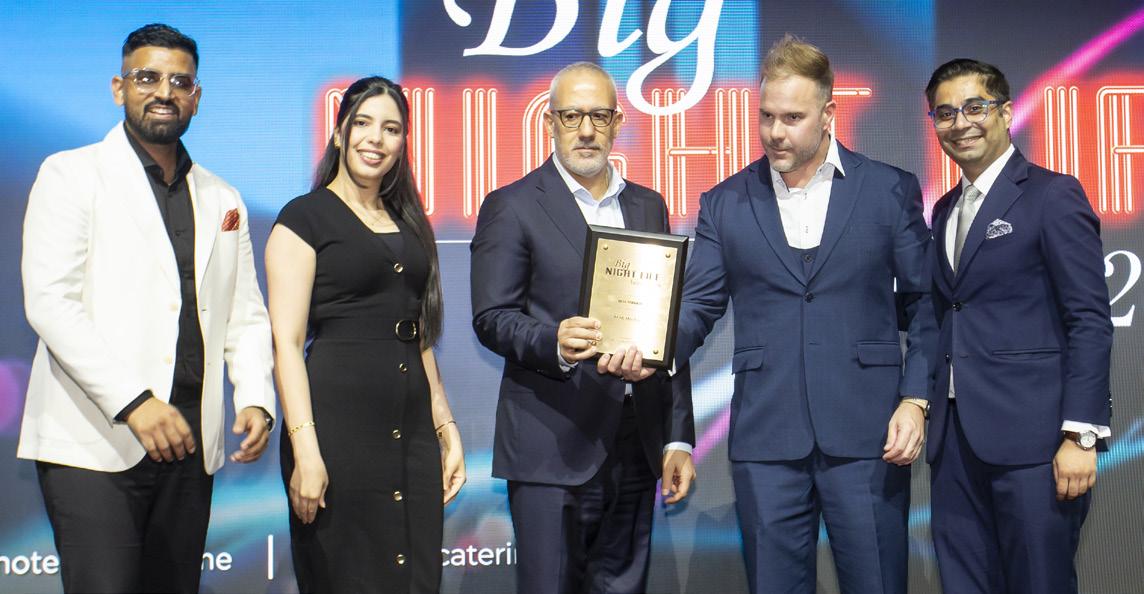
THE BIG NIGHTLIFE WINNERS
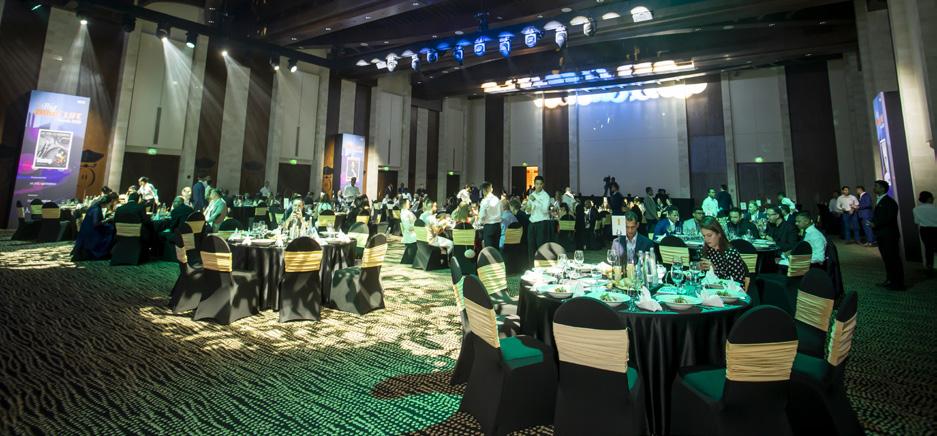
A room full of the people, venues and ideas powering the region’s nightlife industry
26 THE TASTE OF TRUST
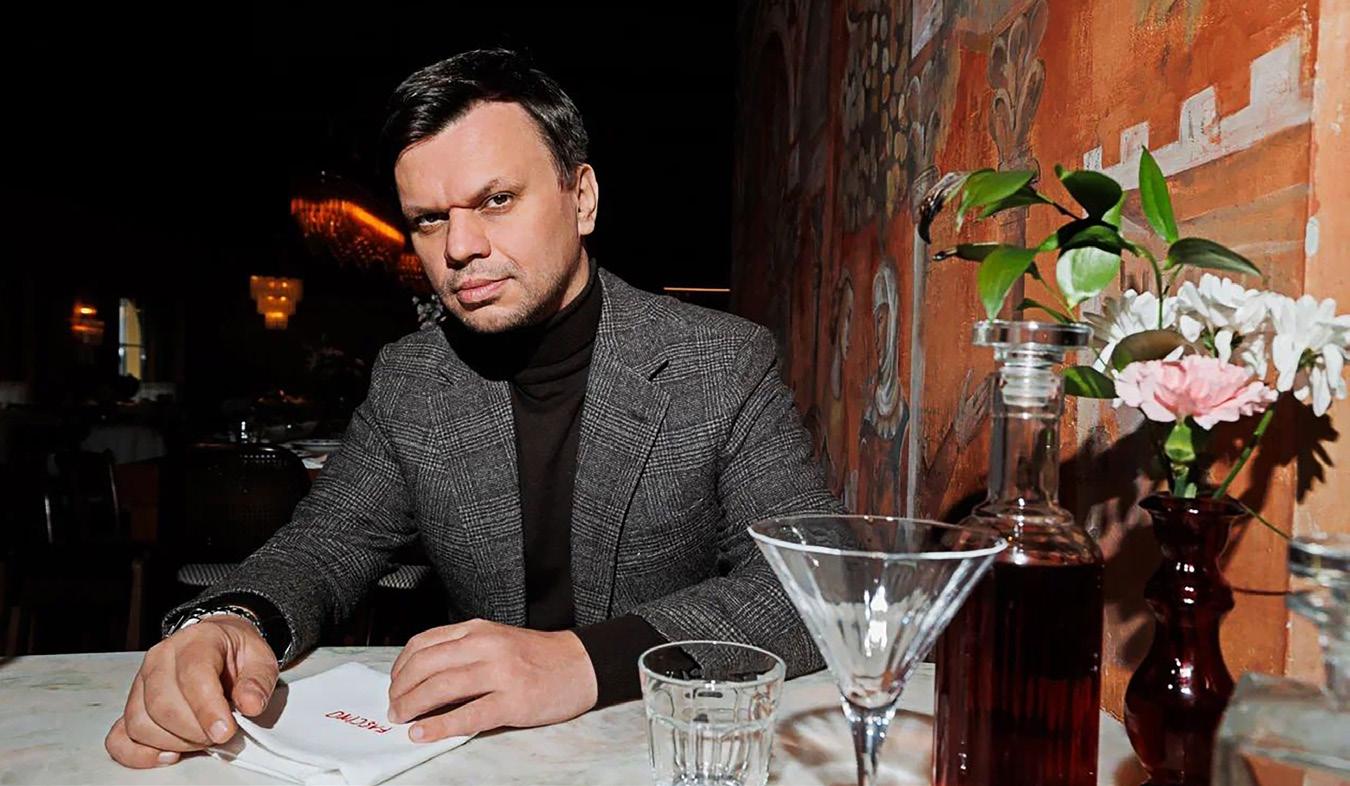
Alexander Sysoev did not enter the world of restaurants through the romance of cooking
34 HOSPITALITY’S FORGOTTEN LEADERS
Hotels have spent the past few years becoming leaner
54 A REVENUE ROADMAP FOR OUTDOOR HOSPITALITY
From desert domes and beachfront cabins to RV parks, glamping sites and eco-lodges, outdoor accommodations are fundamentally different from traditional hotels
58 RETHINKING REVENUE BEYOND ROOMS
With more than 25 years of hospitality leadership experience across the Middle East, Fabien Chesnais brings a deeply operational
68 THE UAE’S SUMMER DINING SHIFT
What Operators Are Getting Wrong
A GEORGIAN TABLE
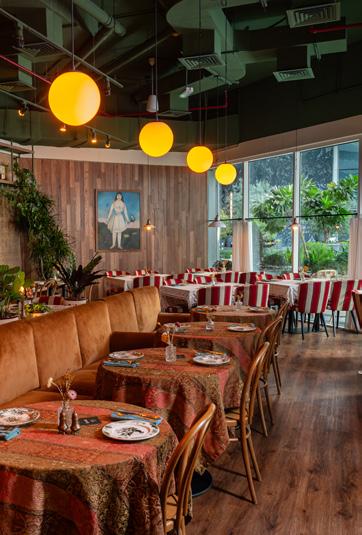
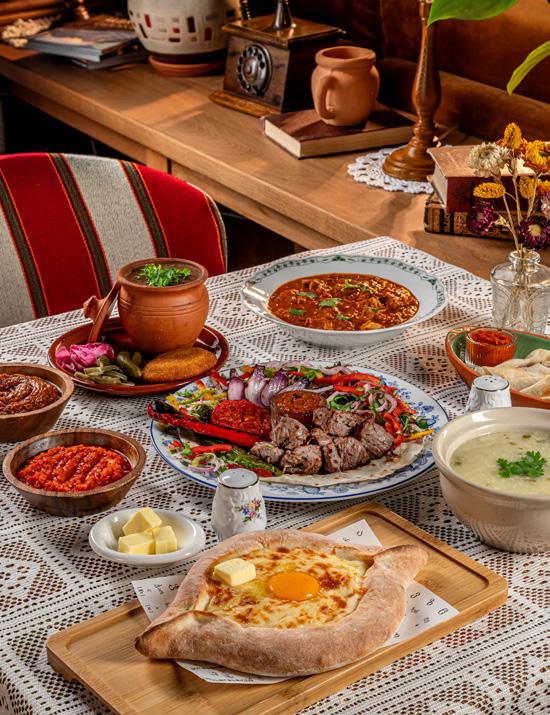
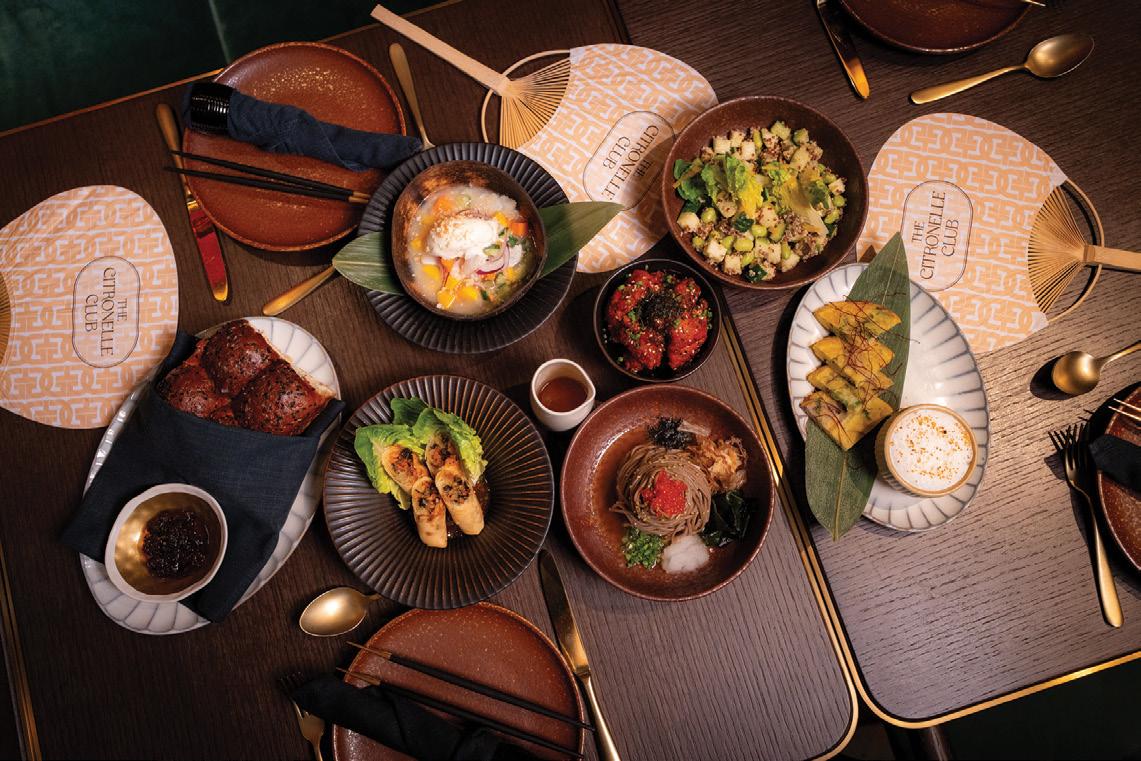
Qartuli brings the warmth, generosity and emotion of Georgian hospitality to Dubai
CEO
Wissam Younane wissam@bncpublishing.net
MANAGING DIRECTOR
Rabih Najm rabih@bncpublishing.net
EDITOR-IN-CHIEF
Seymone L Moodley seymone@bncpublishing.net
MARKETING & COMMUNICATION LEAD
Aaron Joshua Sinamban aj@bncpublishing.net
DIGITAL EDITORIAL SUPPORT
Karan Moodley karan@bncpublishing.net
COUNTRY MANAGER
Amjad Fakhouri amjad@bncpublishing.net
PHOTOGRAPHY
Joel Amparo
MULTIMEDIA
Eduardo Buenagua
CREATIVE LEAD
Christian Harb chriss@bncpublishing.net
Images used in Hotel & Catering are credited when necessary. Attributed use of copyrighted images with permission.
SUBSCRIBE
Contact subscriptions@bncpublishing.net to receive Hotel & Catering every issue
PO Box 502511 Dubai, United Arab Emirates P +971 4 4200 506 | F +971 4 4200 196
For all commercial enquiries related to Hotel & Catering News ME, contact sales@bncpublishing.net
All rights reserved 2026. Opinions expressed are solely those of the contributors. Hotel & Catering is officially licensed exclusively to BNC Publishing in the MENA region. No part of this magazine may be reproduced or transmitted in any form or by any means without written permission of the publisher.
Printed by United Printing and Publishing | upp.ae
In addition to our print edition, we’re bringing you all sorts of industry news on our web mediums. We’re looking forward to interacting with our readers on all of our social media and web platforms. See you on the web!
Hotel and Catering News ME
HotelCateringME
Hotel & Catering News Middle East
hotelcateringme
Contributors
Hospitality Voices This Month
NINO CHANTLADZE Co-founder, Qartuli
“Hospitality is a crazy business. Some months feel like a movie, while others humble you very quickly.”
MARIAM SHEVARDNADZE, Co-founder, Qartuli
“Georgians don’t believe in small portions or quiet dinners. Everything is emotional. Even the food.”
ALEXANDER SYSOEV, Founder, ByChefs
“At first, restaurants solved a basic need. Over time, they opened a door.”
The GUILD+PEPPER Collection marries the strength and unity of a guild with the nature and uniqueness of spice. Strength with flavour, history with boldness. Allow your guests to experience an authentic reflection of the past with a distinctly modern twist.
Everything.
Have you ever been in a relationship, romantic or otherwise, where love doesn’t exist? Romantically, I can’t say that I have. That’s because I’m too sensitive and too intense. I need the complexity of love, and the excitement of passion and desire. Professionally, platonically and even within familial ties however, I can say that I have endured some rather frigid relationships.
Even today, I continue, within reason, to tolerate some less-than-pleasant interactions with unavoidable people, because that is a very normal part of life. You can’t love everyone and everything all the time. In fact, pretending otherwise is the abnormal and unhealthy approach to people and things. As a proud, almost fully recovered people-pleaser, I no longer need to be liked, or to like everything, all the time.
But there are some vital things in this life that one must love. Besides yourself, that includes what you do. What you make. What you create. What you build. Who you create for. Your customers. Your guests. Or who you create with, your team, your staff, your manager.
WHAT’S LOVE GOT TO DO WITH IT?
Okay, maybe that last one seems unlikely, but stay with me. I am going somewhere with all of this. The point is, it either happens naturally, where you start out doing the thing you love most and then find a way to make money from it, or you get a job out of necessity and find the parts of it that make you happy. Look, I don’t know why we have become so shy or embarrassed to admit how important love is, and how much it has to do with pretty much everything. As hippie-dippie as it may sound, things are simply better when there is heart in them.
That is what I enjoy most about connecting with people in the hospitality sector: discovering where, among all the elements, their heart lies. Yes, of course, a business must make money. Let it be known how much I support the making of money. But this industry is hard, and the reality of this business is far more unglamorous than social media will ever reveal. Still, people keep going. Despite the everyday troubles and circumstantial hardships, they continue. Because somewhere in it, they love something. And love keeps them here.
That is the only way you stay in it. That is the only way you stay in anything. These days, it seems the greatest aspiration one can have is to become rich and famous, which is ironic, seeing as almost anyone, and frankly nearly everyone, is internet-famous now. It is not as far-fetched a dream as it used to be. But what I think we are forgetting is how to create from a place of contentment, dare I say even self-fulfilment. To make something you love, or to make something for those you love, as simple-minded as it may sound, is how almost every great thing in the world has ever come to be.
SEYMONE L MOODLEY EDITOR-IN-CHIEF seymone@bncpublishing.net
Seymone Leigh Moodley seymonemoodley
ODE TO BAG END
Limited Edition
Make ever y epic writing journey a cosy one. Hobbiton handcraft from the makers of the world’s most magical pens.
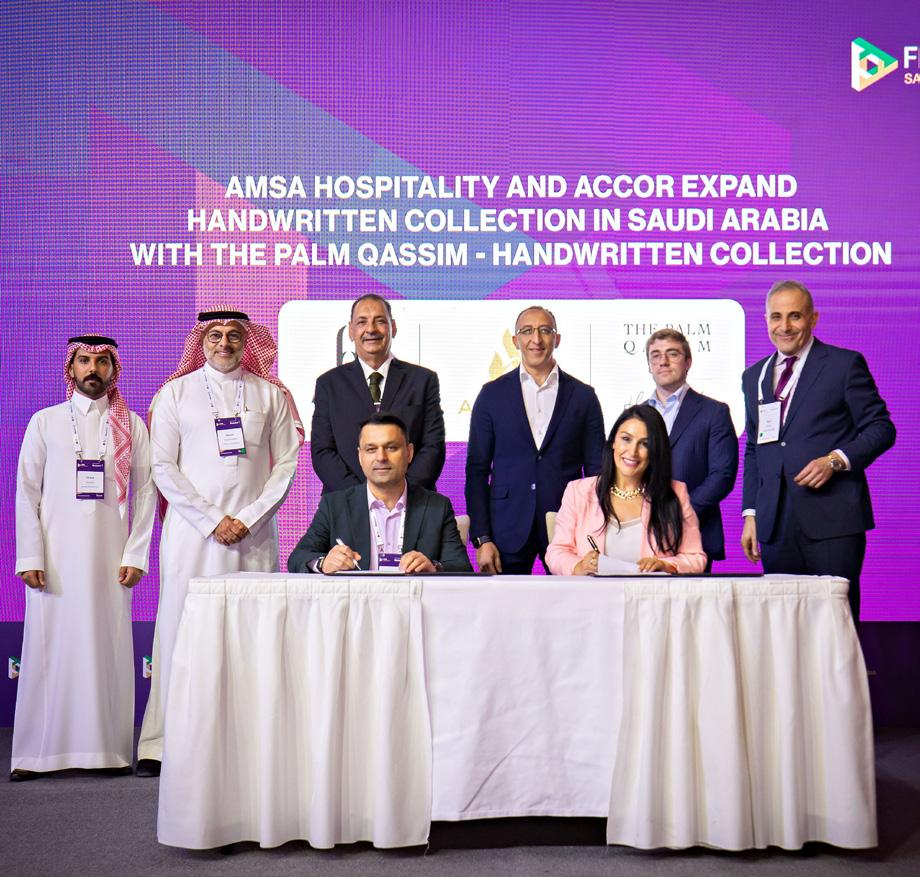
ACCOR AND AMSA HOSPITALITY EXPAND HANDWRITTEN COLLECTION IN SAUDI ARABIA WITH FIRST OPENING IN QASSIM
Accor, a world-leading hospitality group, and Amsa Hospitality, a leading Saudi hospitality development and management company, announce the signing of The Palm Qassim –Handwritten Collection, marking their first project in Qassim as both groups expand across Saudi Arabia’s emerging destinations in line with Vision 2030.
Scheduled to open in Q4 2026, the newly built hotel will form part of the mixed-use Kayan Avenues development and will mark the first Handwritten Collection property to open in Saudi Arabia.
CIPRIANI LIDO TO OPEN AT J1 BEACH DUBAI IN 2027
Cipriani Group, in collaboration with Fundamental Hospitality, is proud to announce the opening of Cipriani Lido at J1 Beach Dubai in 2027. Marking the very first Cipriani Lido in the UAE, the highly anticipated destination will introduce a new era of refined beachfront living, where Venetian charm meets coastal elegance.
Coinciding with the 10-year anniversary of Cipriani DIFC, the opening of Cipriani Lido represents a landmark milestone for the brand in Dubai. Celebrating a decade of timeless hospitality and excellence in the city, the opening of Cipriani Beach Club at J1 Beach Dubai marks the next chapter in the evolution of the Cipriani lifestyle in the region.
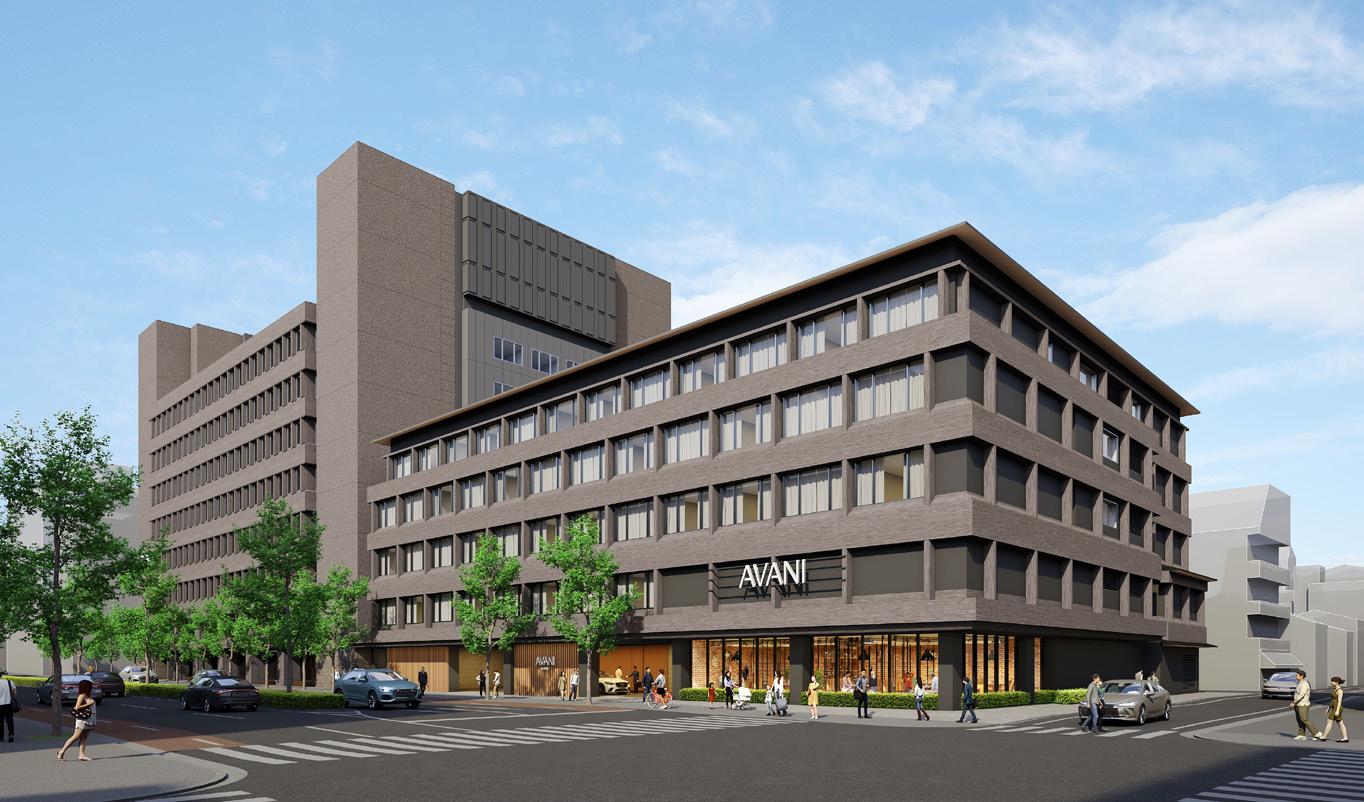
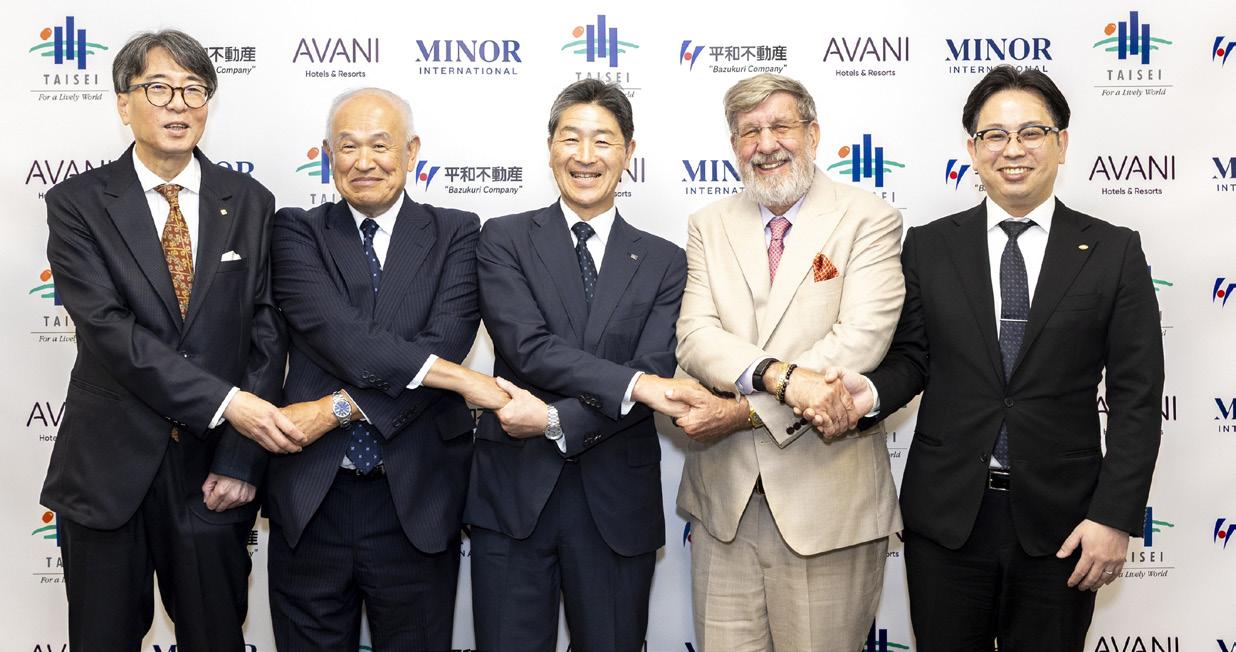
Minor Hotels, a global hospitality group with more than 640 hotels, resorts and branded residences across 66 countries, has announced the development of Avani Kyoto, marking the brand’s entry into Japan. Scheduled to open in 2030, the hotel forms part of a joint development alongside Taisei Corporation and Heiwa Real Estate Co., Ltd., with Minor participating as both investor and operator.
Located along Karasuma Street in central Kyoto, the hotel occupies the site of the former Kyoto Shimbun headquarters
and benefits from direct connectivity to Marutamachi Station on the Karasuma Subway Line. The property sits within walking distance of key cultural landmarks including the Kyoto Imperial Palace and Nijo Castle, positioning it as a strong base for both domestic and international travellers seeking access to the city’s historic and cultural centre.
MINOR HOTELS ANNOUNCES AVANI KYOTO, MARKING BRAND DEBUT IN JAPAN
ST. REGIS HOTELS & RESORTS
PREPARES FOR ITS HIGHLY ANTICIPATED MAYFAIR DEBUT WITH THE OPENING OF THE ST. REGIS LONDON
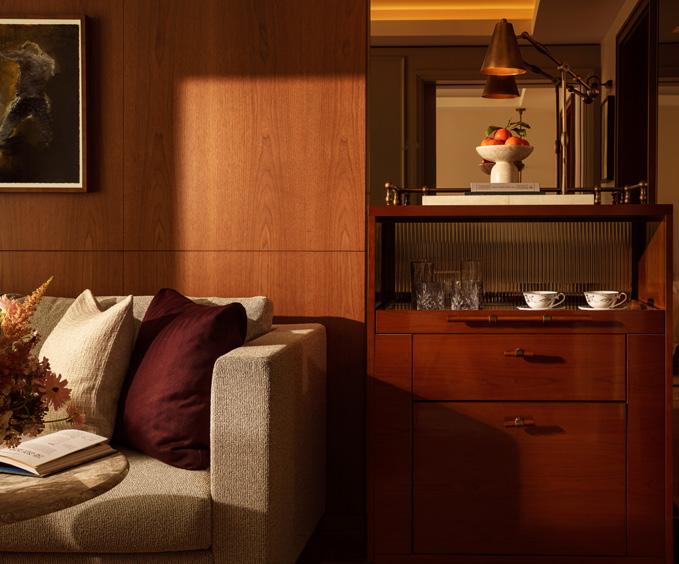
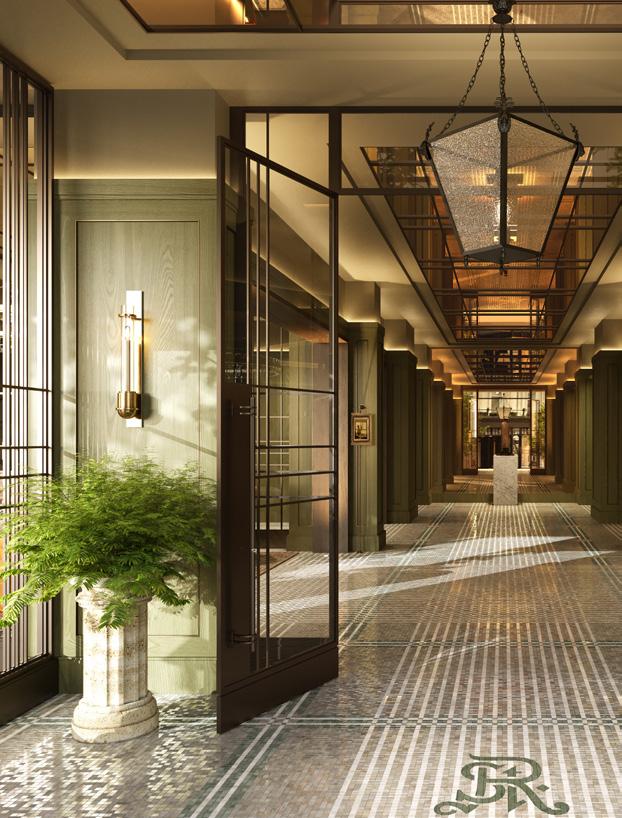
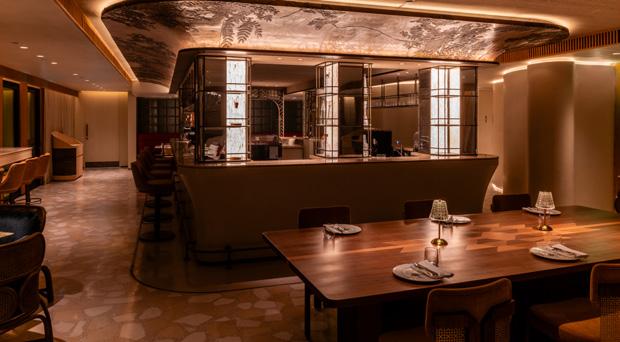
The St. Regis London is set to debut in the heart of Mayfair this Autumn, bringing the storied legacy of St. Regis Hotels & Resorts to one of London’s most coveted addresses. Following a full renovation, the hotel occupies a landmark position at the intersection of Bond Street and Conduit Street, on the doorstep of the city’s most distinguished fashion, art and cultural destinations.
Inspired by the vision of John Jacob Astor IV, founder of the original St. Regis in New York City in 1904, The St. Regis London reinterprets his enduring philosophy of residential-style luxury for a distinguished Mayfair address. The architectural transformation of the hotel, previously The Westbury, unveils new floors, expanded public spaces, two exclusive wellness suites and 193 guest rooms, including 66 suites.
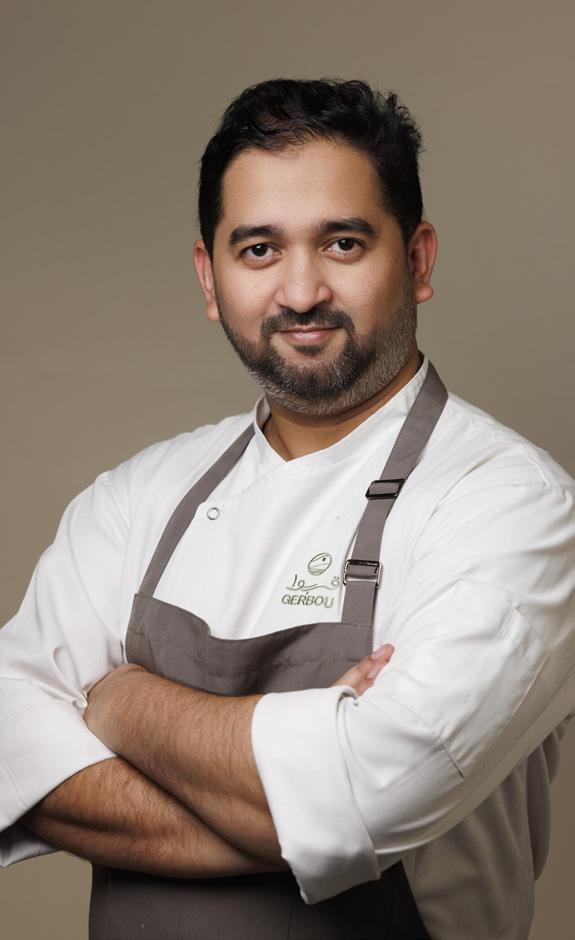
GERBOU APPOINTS CHEF NINAD SALVI AS HEAD CHEF
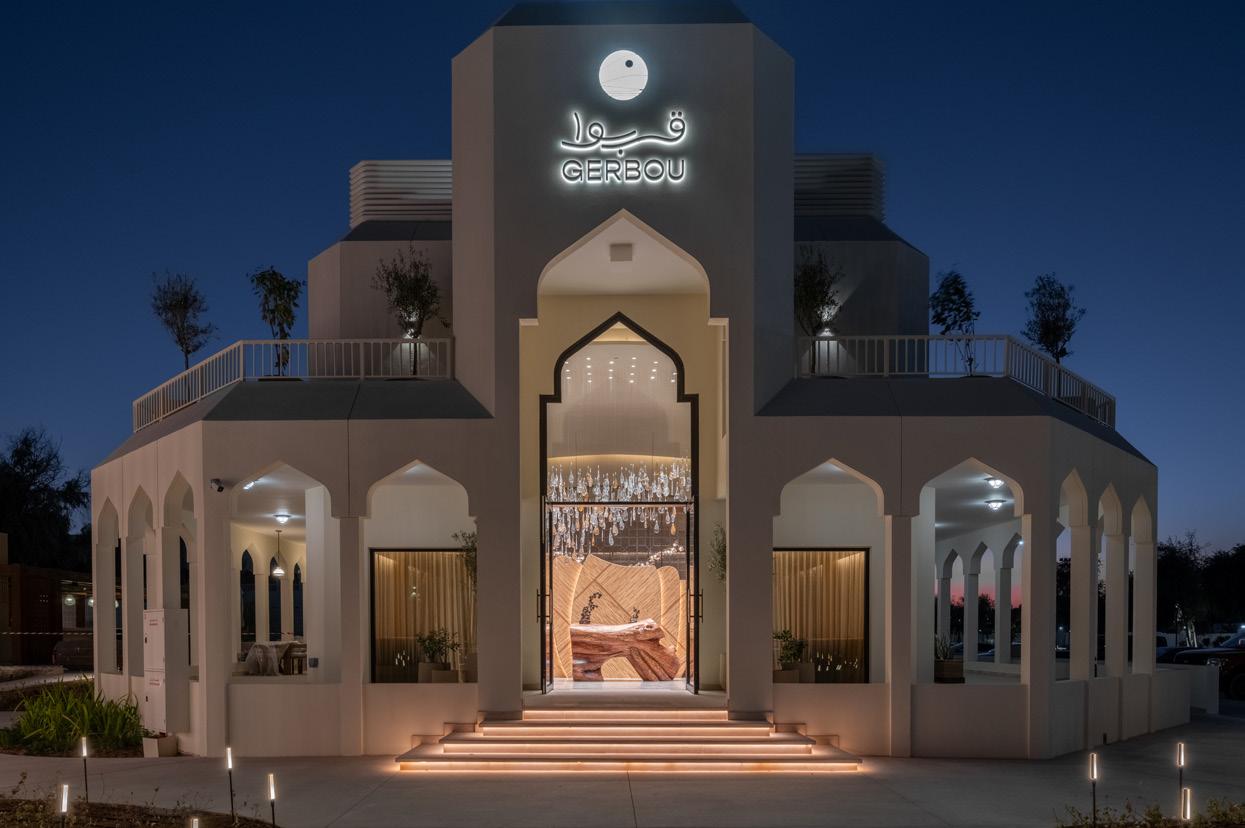
Gerbou, Dubai’s celebrated homegrown restaurant, known for offering reimagined Emirati-inspired cuisine rooted in local ingredients and cultural research, is delighted to announce the appointment of Chef Ninad Salvi as the new Head Chef, bringing a wealth of experience and a refined culinary skill set to the restaurant.
With almost 20 years of experience in the culinary industry and having worked across several Michelin-recognised kitchens and leading multi-cuisine restaurants, Chef Salvi has built a strong reputation for delivering world-class ingredient-driven dining experiences. Known for his ability to reinterpret traditional techniques through a contemporary lens, Chef Salvi has been an integral part of Gerbou since its pre-opening phase. He worked closely with the culinary team to develop a menu that reflects the UAE’s dynamic food scene, while paying homage to the country’s rich history, people and deep culinary heritage.
BLACKSAND AND MARRIOTT INTERNATIONAL ANNOUNCE LANDMARK DEAL TO OPEN 10 HOTELS IN SAUDI ARABIA
During the Future Hospitality Summit – Saudi Arabia, Riyadh based Blacksand and Marriott International announced the signing of a milestone agreement to develop ten hotels, representing over 1,300 rooms, in the Kingdom of Saudi Arabia over the next four years. The multi-brand deal establishes a long-term collaboration between both companies to deliver projects aligned with the country’s evolving tourism and urban development ambitions.
KERZNER INTERNATIONAL APPOINTS NATALIE SLAVIKOVA AS GLOBAL DIRECTOR MICE
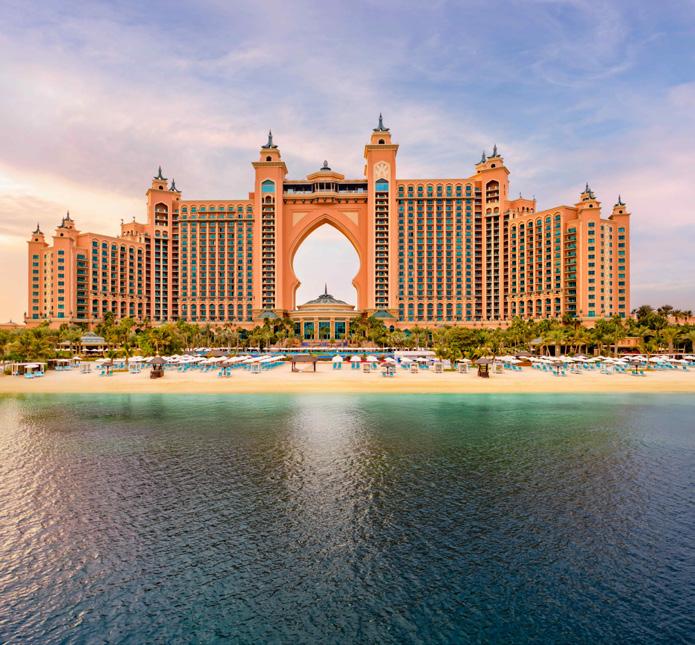
Kerzner International Holdings Limited (“Kerzner”), the global hospitality group behind renowned luxury brands including One&Only Resorts and Private Homes, Atlantis Resorts, SIRO, and rare finds, has appointed Natalie Slavikova as Global Director, MICE, a newly created role that underscores the group’s strategic focus on accelerating growth across its global meetings, incentives, conferences and events portfolio.
With over 15 years of experience in luxury hospitality, Natalie brings deep international expertise, having held senior commercial leadership roles across key global markets including Dubai, London, Frankfurt and Prague, joining the company with extensive expertise across commercial strategy, luxury sales, strategic partnerships, and revenue growth within international markets.
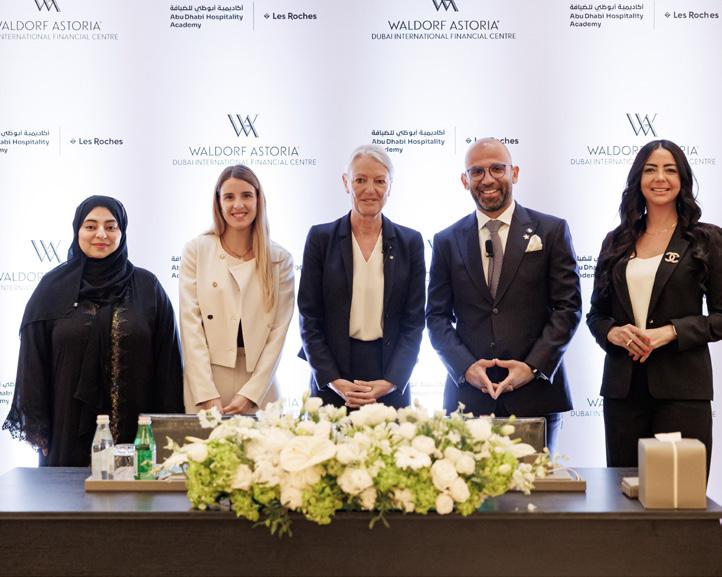
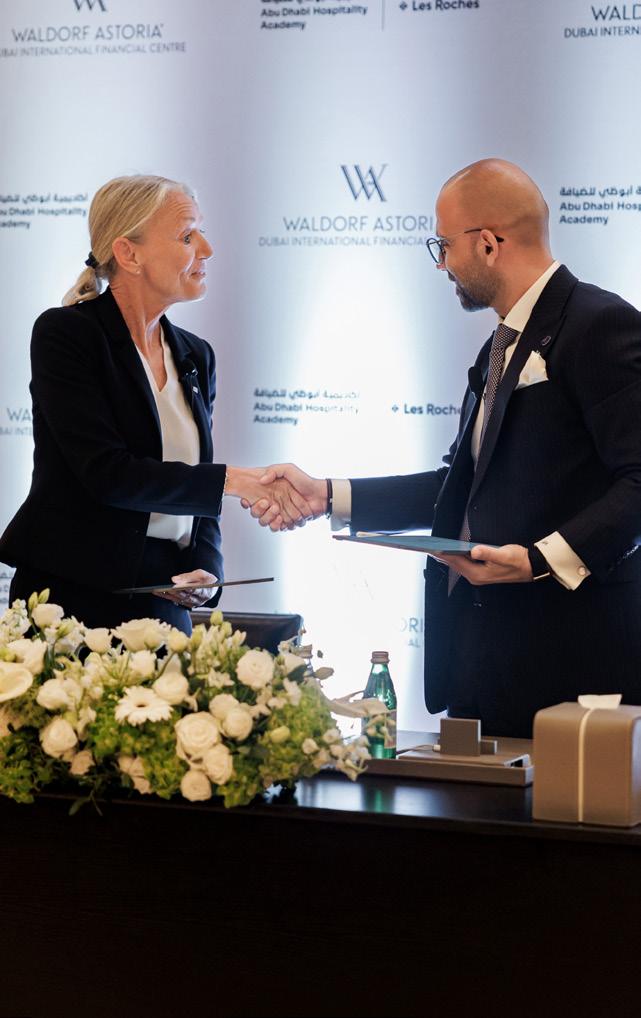
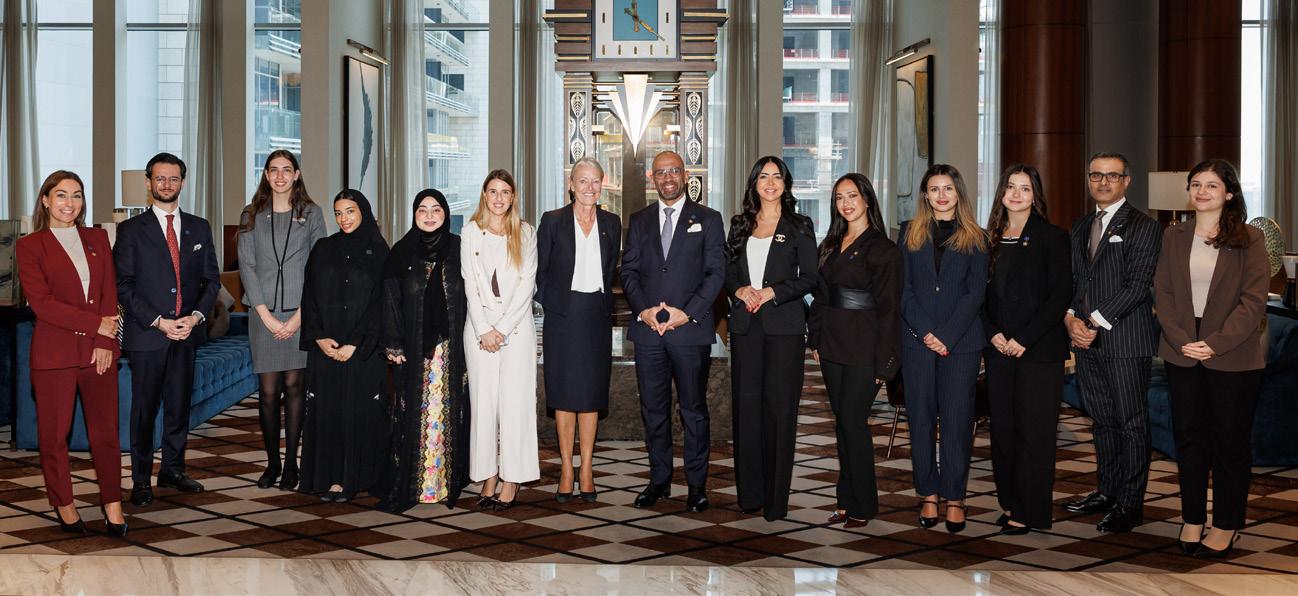
ABU DHABI HOSPITALITY ACADEMY – LES ROCHES SIGNS MOU WITH WALDORF ASTORIA DIFC TO FAST-TRACK UAE HOSPITALITY TALENT DEVELOPMENT
Abu Dhabi Hospitality Academy – Les Roches has signed a memorandum of understanding (MoU) with Waldorf Astoria Dubai International Financial Centre, opening one of the UAE’s leading luxury hotels as a live training ground for the next generation of hospitality professionals.
The agreement introduces structured internships, executive mentorship, and hands-on training, creating a direct link between academic learning and real-world operations within a flagship Hilton property in DIFC.
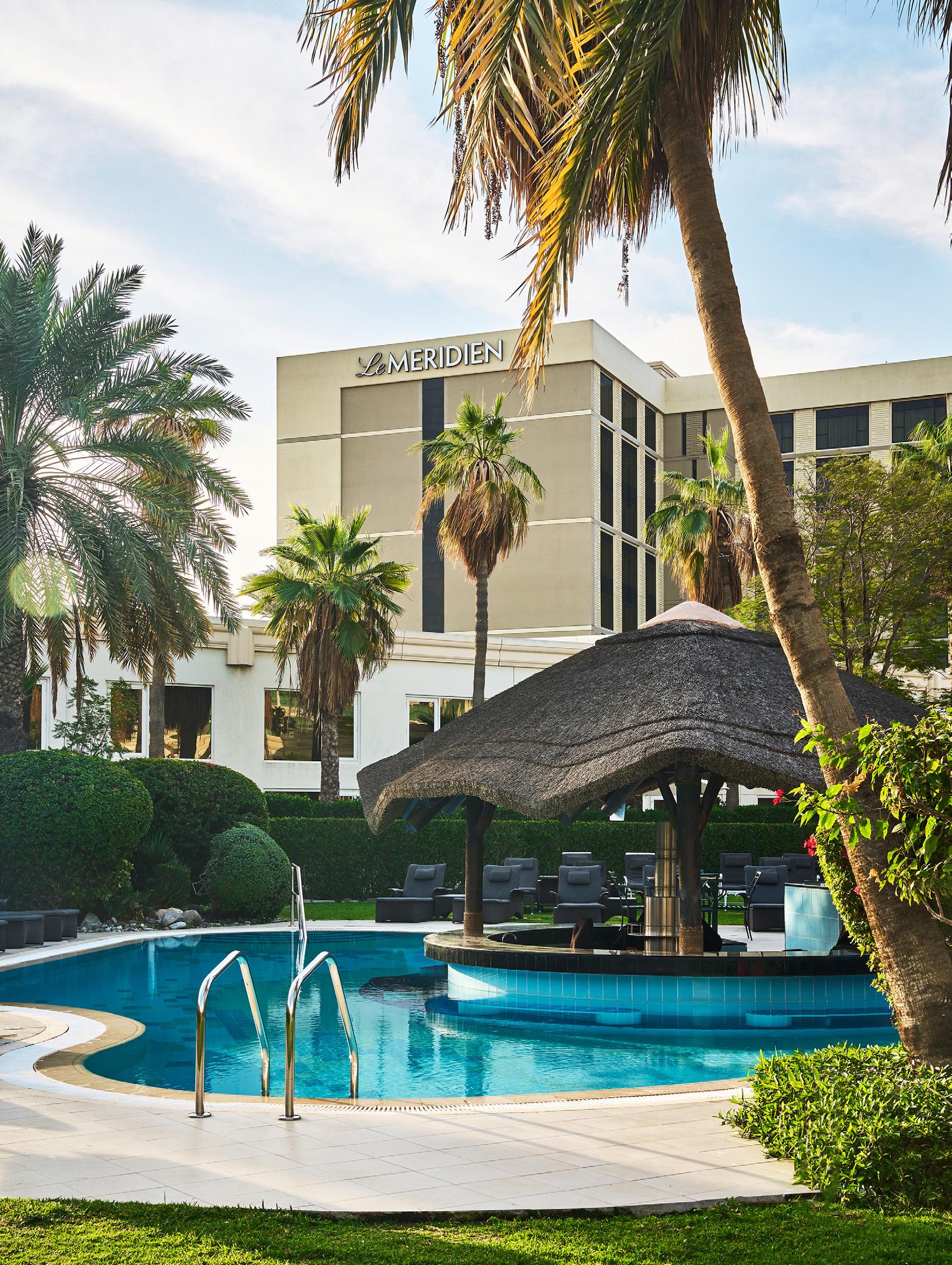
Rediscover Inspiration at Le Méridien Dubai Hotel & Conference Centre
A serene sanctuary at the heart of the city’s dynamic landscape, Le Méridien Dubai Hotel & Conference Centre redefines the art of urban hospitality. Set across 15 acres of immaculately landscaped gardens, the hotel o ers an elegant retreat just moments from Dubai International Airport, placing guests within e ortless reach of the city’s most iconic districts, from Dubai Mall and Burj Khalifa to the storied charm of the Gold Souk and Dubai Creek.
With 580 beautifully appointed rooms and suites, the property invites travellers into a world where contemporary design meets the timeless sophistication of the Le Méridien brand. The distinguished 196 rooms in the Le Royal Club wing elevate the experience with spacious, light-filled rooms, and refined club privileges, while select ground-floor accommodations in the main building open directly onto lush gardens and tranquil pools, o ering a resort-like ambience rarely found in the city.
Well-being is woven into the hotel’s DNA. Guests may indulge in five swimming pools, unwind in serene outdoor enclaves, or train at one of Dubai’s most expansive and advanced fitness facilities, sta ed by expert coaches and equipped with cutting-edge technology to nourish mind, body, and spirit.
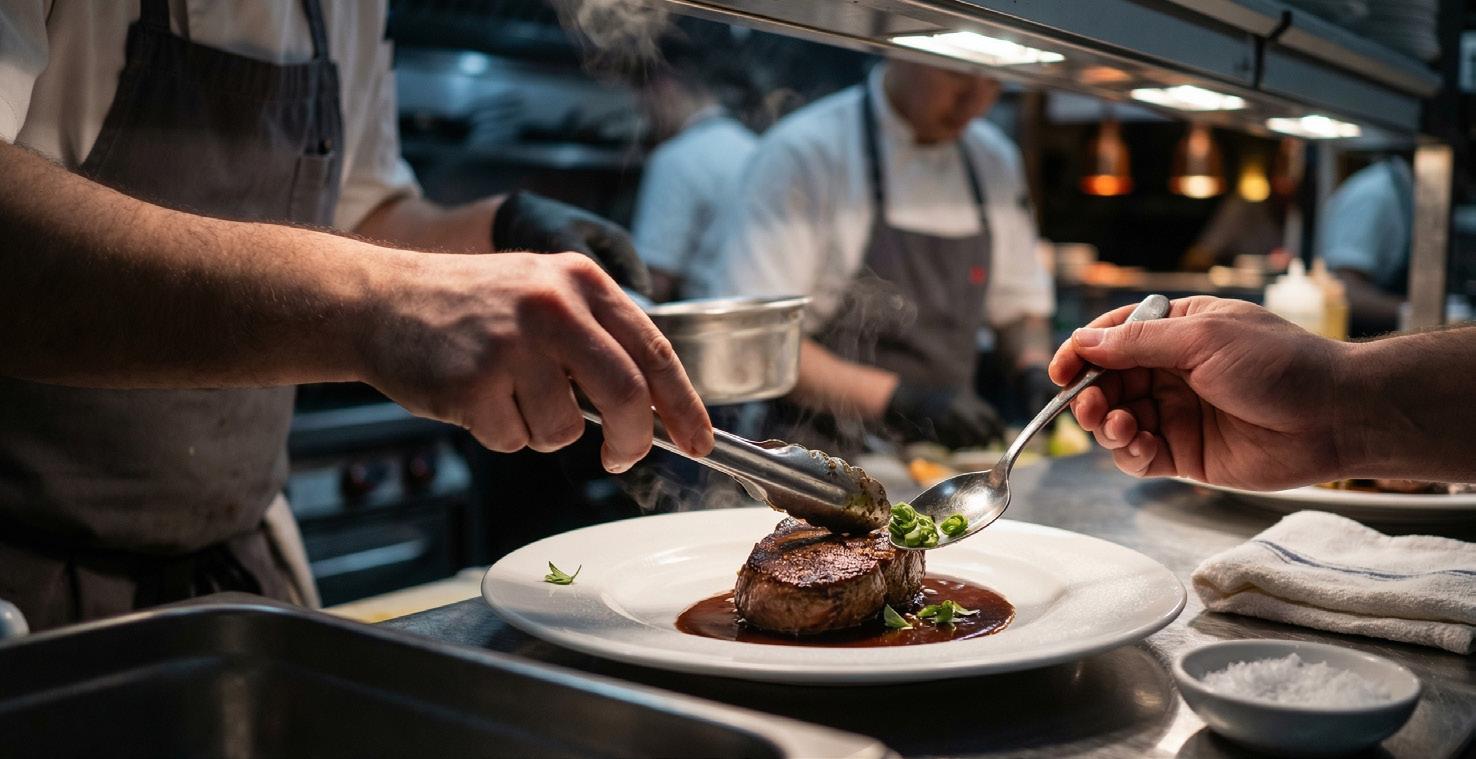
At the heart of the property lies an extraordinary culinary journey. Housing 18 acclaimed restaurants and bars, Le Méridien Dubai is home to some of the city’s most storied dining institutions. From the ever-legendary Seafood Market, celebrated for its market-style freshness, to Casa Mia, Dubai’s pioneering Italian restaurant, each venue reflects a passion for authenticity, craftsmanship, and memorable dining artistry.
A beacon for global meetings and events, the hotel features more than 44,000 sq. ft. of versatile event spaces, comprising 24 impeccably designed venues outfitted with modern audiovisual capabilities. Whether orchestrating a grand celebration for 1,750 guests, hosting an international exhibition, or curating an intimate executive gathering, the hotel’s specialist events team and award-winning culinary experts bring each vision to life with impeccable precision and creative flair.
From inspired dining to world-class event facilities, and from resort-style relaxation to unmatched convenience, Le Méridien Dubai Hotel & Conference Centre stands as a destination where cosmopolitan energy and cultivated luxury converge, inviting every guest to unlock a stay that is truly memorable.
Taste Trust The of
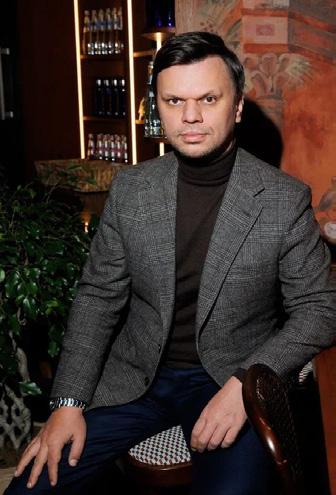
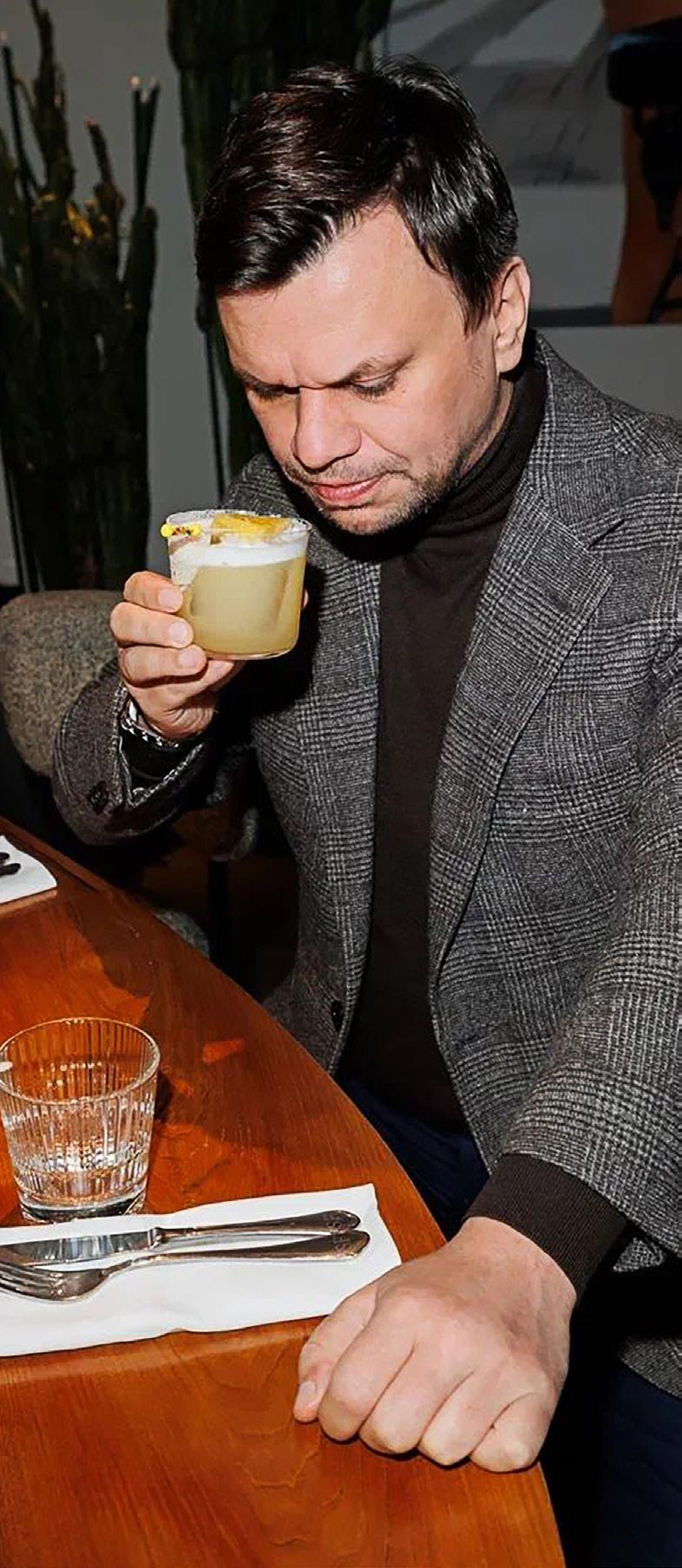
Alexander Sysoev did not enter the world of restaurants through the romance of cooking. In fact, he says, with honesty, that he cannot cook at all. His relationship with dining began in a much simpler way. As soon as he started earning money, restaurants became the place he went because he needed somewhere to eat. What began as a practical solution slowly became curiosity, then exploration, then something far more lasting.
Over more than two decades, that curiosity grew into a deep fascination with the restaurant industry, not only with what lands on the plate, but with everything that surrounds it. The feeling of being welcomed. The emotion of a great room. The memory attached to a particular dish. The theatre of service. The way a restaurant can hold a celebration, a conversation, a love story, or an ordinary evening made extraordinary.
For Sysoev, restaurants are not simply businesses. They are places that create happiness. That belief sits at the heart of ByChefs, the platform he founded to bring greater transparency, trust and professional insight to restaurant recommendations. Built around the opinions of chefs, ByChefs is designed to make insider knowledge available to a wider audience.
Its story begins, fittingly, in Dubai.
“The emotion of a great room. The memory attached to a particular dish. The theatre of service.
ALEXANDER SYSOEV, Founder of ByChefs
A life built around restaurants
Sysoev’s first connection with dining was practical, but it did not stay that way for long. Unable to cook, he began eating out regularly. At first, restaurants solved a basic need. Over time, they opened a door.
He started exploring different cuisines, trying new dishes and paying closer attention to the world behind them. What began as necessity became a passion that has now lasted for more than twenty years.
There was no single meal that changed everything for him. No one restaurant, no dramatic dish, no sudden moment of revelation. Instead, what stayed with him was the emotion of dining. Each time he visited a great restaurant, he noticed the same thing: people enjoying themselves, celebrating, connecting and creating memories.
That is what made him see restaurants differently. Much like hotels, he believes, restaurants are ultimately in the business of creating happiness. They are places where people go not only to eat, but to feel something. That emotional power fascinated him, as did the possibility of investing in restaurant projects, helping them grow and making them better.
What makes a restaurant memorable Sysoev dines in more restaurants in a year than many people do in a decade, but for him, a memorable restaurant is never defined by food alone. It is about the entire customer journey.
He pays attention to everything, from the ease of making a reservation to the welcome at the door, the rhythm of service and the way guests are treated when they leave. The best restaurants, he says, make people feel less like customers and more like guests in someone’s home.
What he values most is memory. A restaurant that remembers a guest’s preferences, favourite dishes, portion size or style of service creates something far more powerful than a good meal. It creates recognition. It makes the guest feel seen.
Those small details are what turn a restaurant from somewhere to eat into somewhere to return to. They build emotional connections, and for Sysoev, emotional connection is what separates a good restaurant from a truly memorable one.
Why ByChefs was needed
The restaurant world is full of guides, awards and rankings. But Sysoev realised that whenever he travelled, he found himself messaging chef friends instead of turning to online guides.
He would ask them where to eat, what had recently opened, what they were excited about and which restaurants they personally respected. Their recommendations, he says, almost never disappointed him.
Often, the same restaurant would be mentioned by ten different chefs. When that happened, he knew it was somewhere he had to visit. Almost every time, those chef recommendations proved more valuable than any formal ranking.
The original problem he wanted to solve was threefold. First, he wanted complete transparency. People should know who is voting and what each member of the jury actually recommends.
Second, he wanted the jury to have unquestionable credibility. The people offering their opinions should understand food, hospitality and restaurants at the highest level because they build successful restaurants themselves.
Third, he wanted to make insider knowledge available to everyone. For years, he had benefited from direct recommendations from chefs. He understood how valuable that information was, particularly for travellers and curious local diners. ByChefs was created to give more people access to the same kind of insight.
Why chefs matter
For Sysoev, chefs are the right people to guide the conversation because they dedicate their lives to understanding food, hospitality and restaurants. They know how difficult it is to build and maintain a great restaurant. They under-
stand consistency, pressure, creativity, discipline and the thousands of details that ordinary diners may never see.
They also eat differently. Chefs spend their free time visiting other restaurants. They are often the first to discover new places, new concepts and new talent. In many cities, they are among the most knowledgeable diners.
When ByChefs first began, there was very little resistance to the idea. Most chefs understood it immediately. They appreciated its simplicity and its transparency.
There were a few early lessons. Some chefs initially tried to nominate restaurants in cities where they did not live. Sysoev would ask a simple question: if you live in Dubai, but want to rank a restaurant in London, how many years have you lived in London? Were those regular experiences, or occasional visits?
The point was important. However experienced a chef may be, it is difficult to fully understand a city’s restaurant scene from occasional trips or professional tours. To evaluate a city properly, Sysoev believes, you need to be part of its daily restaurant culture.
Of more than 450 chefs approached so far, only three declined to participate. Some explained that they were friends with many people in the industry and did not feel comfortable singling anyone out. One asked for a fee to submit recommendations, which ByChefs politely declined. Participation, Sysoev believes, should come from a genuine desire to contribute.
Thinking in dishes
One of the most interesting things chefs taught Sysoev is that people often choose restaurants for specific dishes, rather than restaurants as a whole.
It made him realise he had been doing the same thing for years. He might not choose a restaurant because he wants to visit that restaurant in general. He might choose it because he wants a particular pizza, a particular filet mignon, or a particular appetiser that exists nowhere else in quite the same way.
Chefs think in dishes. They remember dishes. They recommend dishes. That perspective changed the way Sysoev looks at restaurants and helped him better understand how diners build emotional connections with specific items on a menu.
A restaurant may be loved for its atmosphere, but a dish can become personal. It can become the reason a person returns, the thing they crave, the memory that stays with them.
Trust in a crowded world
ByChefs is built around trust and peer recognition, two things Sysoev believes matter deeply in an industry overflowing with opinions.
Trust matters because chefs put their own reputations behind their recommendations. A chef is unlikely to recommend a poor restaurant because every recommendation reflects their own understanding of quality. If their recommendations consistently disappoint, their credibility suffers too.
That is why chef-led rankings can look very different from traditional rankings. They are often based less on popularity and more on professional respect.
Peer recognition carries its own weight. Sysoev compares it to asking painters to judge Olympic athletes. Winning might still feel good, but the recognition that matters most comes from people who truly understand the craft.
The same applies to restaurants. Professional chefs under-
stand the complexity behind great dining. They know what it takes to deliver quality night after night. Their opinions come from lived experience, and that gives them a different kind of authority.
Dubai as a gastronomic capital
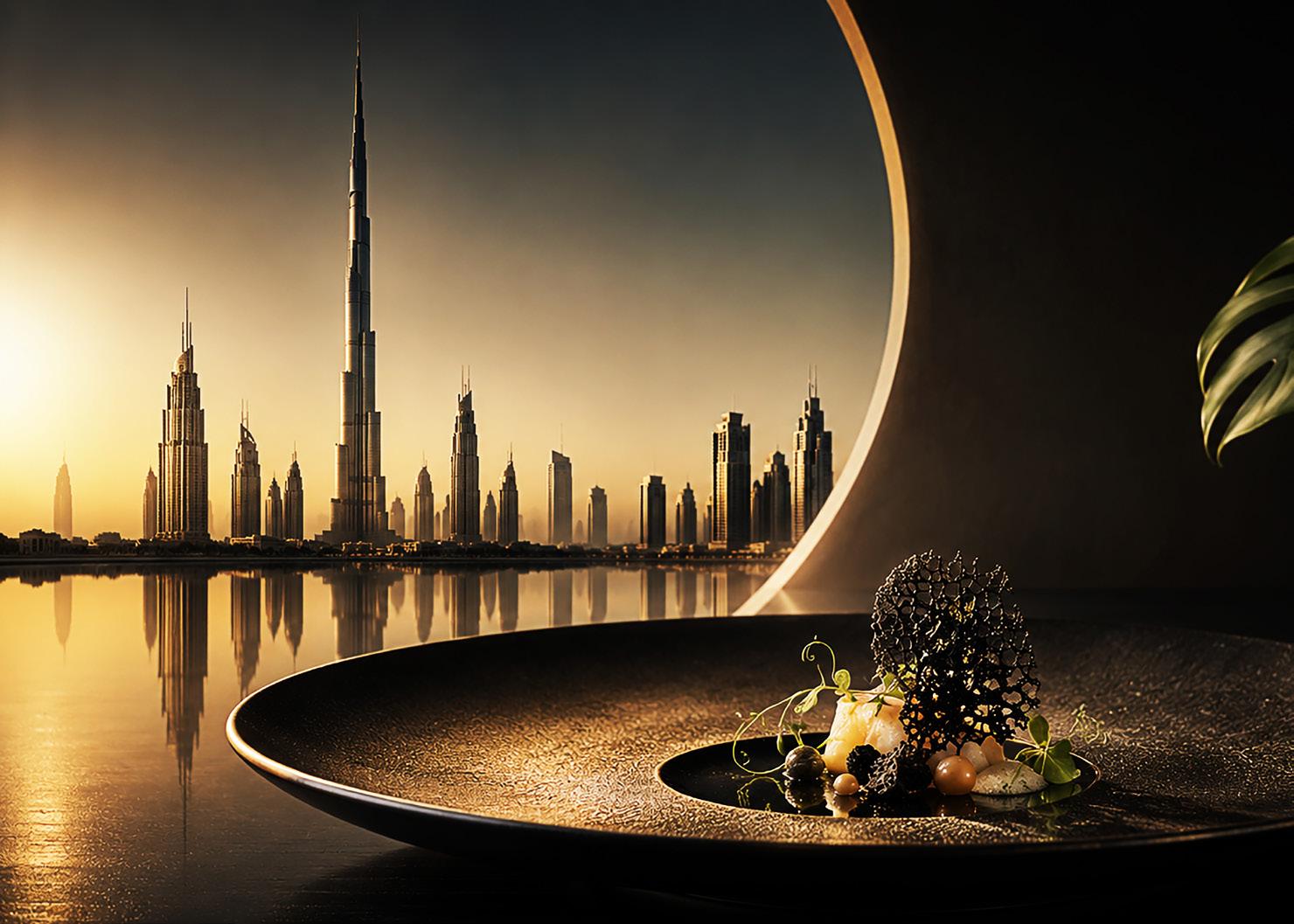
Dubai is not simply one of the cities featured on ByChefs. It is where ByChefs was born.
Sysoev genuinely believes Dubai has become one of the gastronomic capitals of the world. For years, he has looked for ways to highlight that internationally. His view is straightforward: if a city is a global gastronomic capital, it deserves its own global ranking.
Dubai already has respected guides, awards and rankings, but ByChefs brings something different. It creates a worldwide community of chefs who evaluate and celebrate one another.
In many ways, he sees that as a reflection of Dubai itself. The city succeeds because it brings together talented peo-
ple from all over the world and gives them a place to thrive. ByChefs follows a similar philosophy, connecting people across cities, cultures and cuisines through professional respect.
The cities creating new conversations
Looking at the global restaurant landscape today, Sysoev finds Asia particularly exciting.
What fascinates him is the emergence of new culinary styles that blend a chef’s heritage with the culture and ingredients of the city where they work. In places such as Shanghai and Hong Kong, he sees chefs creating dishes that combine two, three, or even four culinary traditions in a way that feels natural rather than forced.
For him, it recalls Nikkei cuisine in Peru, which emerged through the meeting of cultures and eventually became a cuisine of its own. He believes something similar is happening across parts of Asia today, and also in Dubai.
“Dubai already has respected guides, awards and rankings, but ByChefs brings something different. It creates a worldwide community of chefs who evaluate and celebrate one another.
“In a world increasingly influenced by algorithms, influencers and social media, trust has become more complicated.
These are not trends imposed from the outside. They are living expressions of movement, migration, talent and place. They show what happens when chefs bring their histories with them, then allow those histories to meet the ingredients, people and rhythms of a new city.
Why he returns
When deciding whether a restaurant is worth returning to, Sysoev looks for three things: food, service and atmosphere.
The formula may sound simple, but it is not easy to achieve. Outstanding food must be matched by genuinely thoughtful service and an atmosphere that makes guests feel comfortable and welcome. When all three come together, he will gladly return again and again.
For him, consistency matters. A restaurant may impress once, but the ones that endure are those that can deliver emotion, quality and warmth repeatedly.
Recommendations in the age of algorithms
In a world increasingly influenced by algorithms, influencers and social media, trust has become more complicated.
Sysoev believes there will always be two types of diners. Some enjoy following trends, and he sees nothing wrong with that. Influencers, he says, play an important role in bringing attention and energy to the restaurant industry.
Others, however, eventually want to go deeper. They become more curious, more knowledgeable and more
selective. At that point, they often start looking for recommendations from the people who actually help create the industry.
That is where chefs become important. Sysoev describes them as the architects of modern gastronomy. Their perspective offers a different level of insight, one rooted not in visibility, but in craft.
The future of ByChefs
The long-term vision for ByChefs is ambitious. Sysoev wants to build the largest community of chefs in the world and create meaningful connections between them.
If a chef from Hong Kong travels to Dubai, for example, ByChefs wants to be able to introduce them to fellow chefs they would genuinely like to meet. The platform also plans to provide members of its community with access to benefits related to travel, professional equipment and lifestyle brands.
Sysoev believes chefs have become powerful ambassadors for quality and craftsmanship, and that their influence will only continue to grow.
ByChefs is also preparing to launch an AI-powered application that will help food lovers discover restaurants around the world based on personal preferences. Instead of showing generic rankings, it will offer highly personalised recommendations across every city covered by the platform.
Another major project is the development of a Chef’s Table concept, which will host weekly guest-chef residencies featuring members of the ByChefs community from different cities around the world. Sysoev believes it has the potential to become one of the most ambitious chef exchange programmes in the industry.
The idea is not only to recommend restaurants, but to connect the people behind them. To create movement between cities. To give chefs new stages, new audiences and new communities.
The last meal
Asked where he would eat if he had one meal left anywhere in the world, Sysoev chooses Taian Table in Shanghai.
For the past fifteen years, it has been one of the places most closely connected to his relationship with his wife. It brings together the three things he values most in hospitality: exceptional food, a warm atmosphere and flawless service.
And, of course, he would share that meal with her.
It is a fitting answer from someone who has built a platform around taste, trust and the emotional power of restaurants. For Sysoev, the best dining experiences are never only about the food. They are about memory. They are about people. They are about the places we return to because something in them feels personal.
That, perhaps, is the real heart of ByChefs.
FACT BOX: ByChefs
Founder: Alexander Sysoev
ByChefs was founded by Alexander Sysoev, an entrepreneur actively involved in developing international gastronomic tourism and supporting the global hospitality industry. Beyond media and guide projects, Sysoev is also engaged in educational and cultural initiatives. In Dubai, he launched a scholarship programme for outstanding students at Dubai College of Tourism, supporting the next generation of hospitality professionals and reinforcing the city’s role as a global culinary hub.
Founded in: The United Arab Emirates
ByChefs was founded in the UAE, with Dubai positioned not only as its first city but as the starting point for its global expansion. The platform’s goal for this year is to launch in 50 of the world’s most influential cities across Europe, Asia, the Middle East and beyond.
What it is:
ByChefs is both a trusted guide for food-driven travellers and a growing global network for chefs. At its core, the project is built on a simple idea: the most reliable way to understand how a city eats is to ask the chefs who live and cook there every day.
The process:
The concept is deliberately simple. Chefs recommend the places they genuinely visit themselves, whether for breakfast, dinner, street food, or drinks. These four categories reflect how chefs actually live, eat and move through their own cities, offering a practical and realistic view of the dining landscape.
Each participating chef votes exclusively within their own city, ranking venues from first to fifth or first to tenth place, depending on the size of the city. Rankings are then converted into points, creating an aggregated city rating based purely on collective chef opinion.
Transparency:
Transparency is central to ByChefs. Every participating chef has a public profile on the platform, including a short biography and their recommendations across all categories.
Insider recommendations:
Beyond rankings, chefs also share favourite dishes and specific menu recommendations, turning ByChefs into an insider guide that answers a simple but essential question: what should I order?
HOSPITALITY’S FORGOTTEN LEADERS
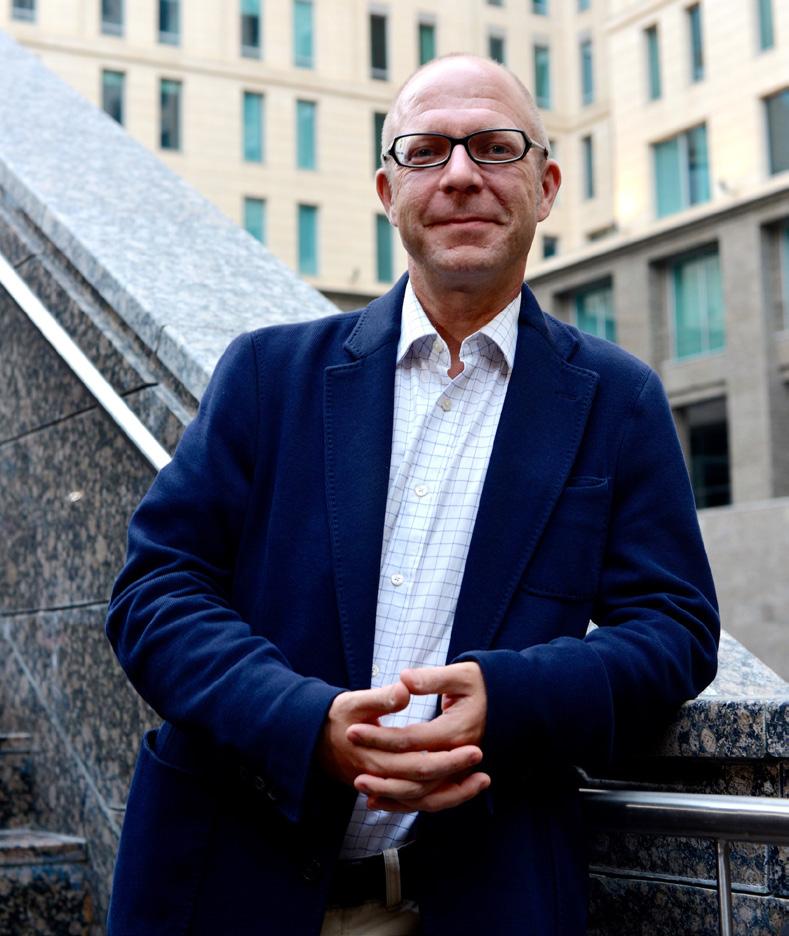
BY MARTIN KUBLER,
Hotels have spent the past few years becoming leaner. Covid forced operators to freeze recruitment, merge departments, and rethink structures that had grown heavy over time. Many discovered they could maintain operations with fewer layers and lower labour costs.
Since then, labour shortages, inflation, changing travel patterns, and more recently the disruption caused by the US attack on Iran have served as reminders that disruption is becoming a recurring feature of the operating environment. Flight cancellations, airspace closures, and uncertainty once again forced managers to react at speed.
Moments like these expose an important reality. Resilience is not created by senior leadership alone. It depends on the people in the middle who absorb pressure, coordinate teams, communicate with guests, and keep operations functioning when conditions become unpredictable.
There comes a point where cutting layers starts creating new problems.
One of the less discussed changes across the industry has been the gradual disappearance of middle management. Assistant managers, supervisors, and junior department heads have been consolidated, merged, or simply not replaced. The immediate savings are easy to measure. The long-term consequences are harder to spot, at least until they begin affecting service, culture, and staff retention.
Middle managers rarely attract attention when things are working well. Guests do not book a hotel because it has an excellent housekeeping supervisor. Investors do not ask about the strength of the assistant front office manager. Yet these are often the people translating strategy into daily reality.
They train new employees, coach struggling team members, identify problems before they escalate, resolve guest complaints, maintain standards, communicate priorities, and help future leaders develop. Much of the work they do is invisible precisely because its purpose is to prevent things from going wrong.
When these roles disappear, their responsibilities do not disappear with them. They move elsewhere.
Department heads inherit larger teams, general managers spend more time firefighting, and supervisors often find themselves responsible for administration, operations, training, scheduling, and guest recovery all at once. Eventually, leadership becomes reactive rather than proactive.
Those gaps eventually show up in places operators care about most.
Training often suffers first. In busy operations, coaching is rarely urgent, which means it is easily postponed. New employees learn by observation rather than structured development, standards become inconsistent, and experienced staff spend more time covering operational gaps than helping others improve.
Culture tends to suffer in quieter ways. Most employees understand culture through the people they work with rather than through documents or presentations. Middle managers play a critical role in this process. They are the people who explain why standards matter and help teams navigate the pressures that are part of hospitality.
CHIEF SLOTH AT THE GLUTTONOUS SLOTH, HORECA CONSULTING WITH ATTITUDE
Without that layer, organisations can become strangely disconnected. Senior leaders remain responsible for strategy, while frontline teams remain focused on execution. The people who traditionally connected the two become overstretched or disappear entirely.
Another consequence is succession. For decades, hospitality relied on relatively clear pathways, with supervisors becoming assistant managers, assistant managers progressing into department head roles, and department heads eventually moving into executive positions. Those positions provided opportunities to learn leadership gradually and under guidance.
When intermediate roles disappear, future leaders have fewer opportunities to develop. Businesses then find themselves searching externally for talent that they previously grew internally.
Technology and automation will continue to improve efficiency, and rightly so. Administrative work can be streamlined. Processes can be standardised, but leading people is harder to compress.
People still need coaching, teams still need support, service failures still require judgment, and guests still expect empa-
thy. None of these things fit neatly into a spreadsheet.
This does not mean hotels should simply rebuild the structures they had in 2019. The answer is not necessarily more hierarchy. It may involve redefining spans of control, investing more heavily in supervisors, or giving managers enough space to lead instead of spending every day reacting to operational pressures.
Hospitality is often judged by visible things. Design, technology, food, facilities, and service standards all matter. Yet much of what guests experience is shaped by people they never meet.
The supervisors who notice that a new employee needs help, the assistant manager who resolves a problem before it reaches social media, and the department head who keeps standards from slipping during a difficult week rarely receive recognition when things are running smoothly. Their absence, however, becomes painfully visible when they are gone.
Perhaps the industry has spent so much time asking how lean an organisation can become that it has stopped asking a different question: Can an organisation become so lean that it loses the very people who make it resilient?
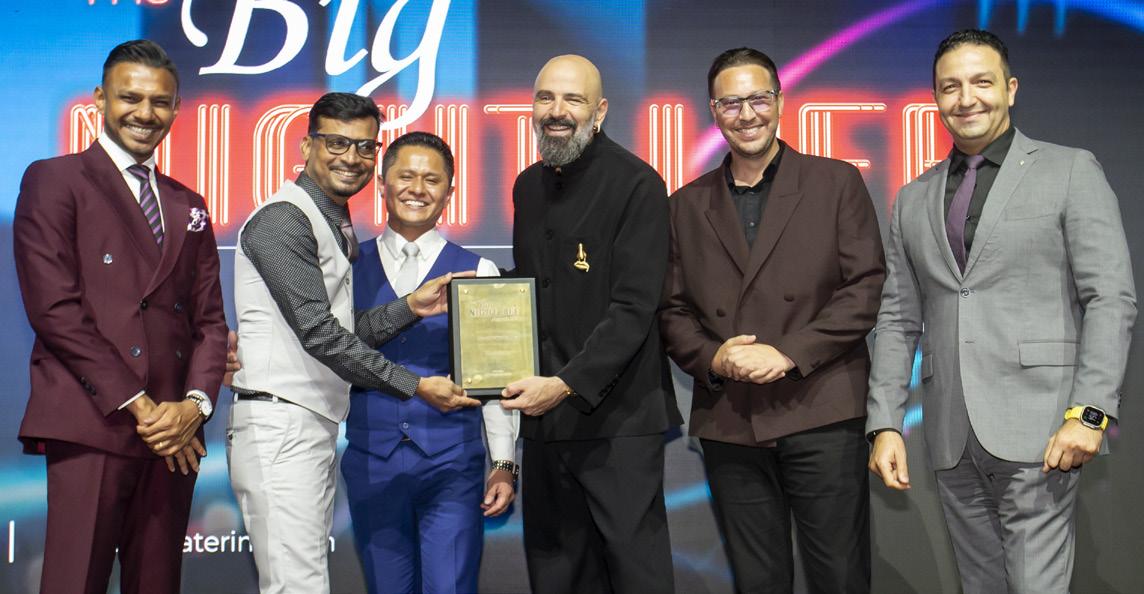
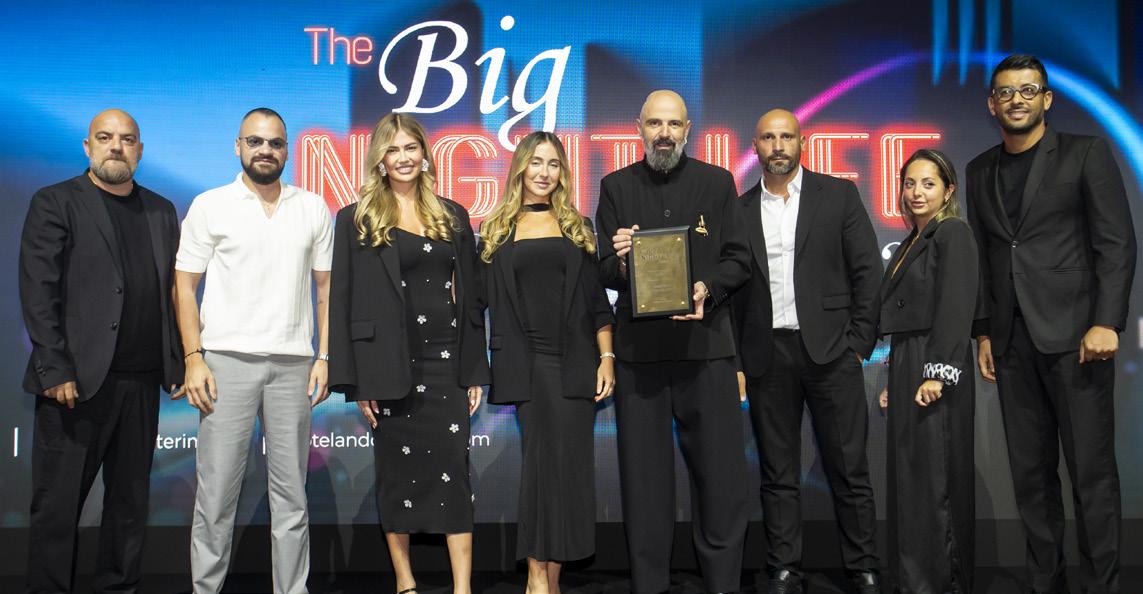
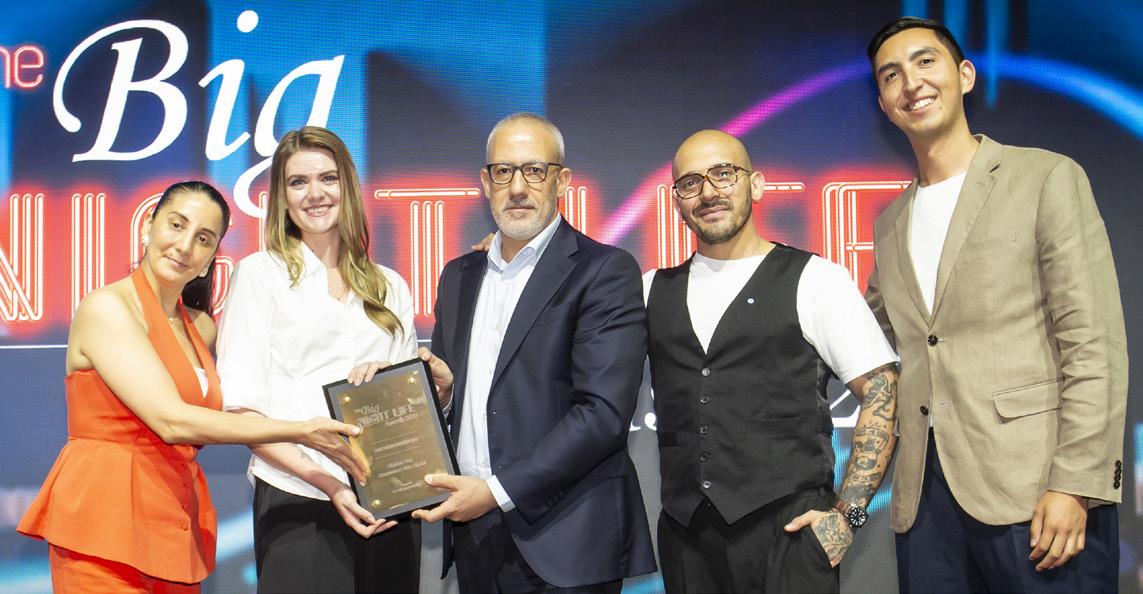
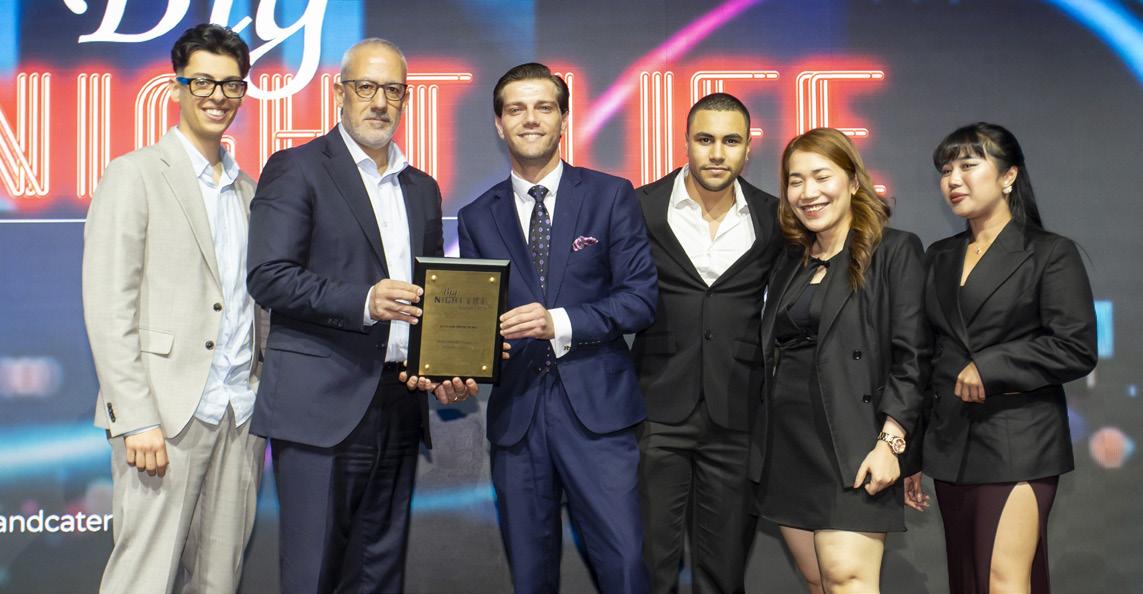
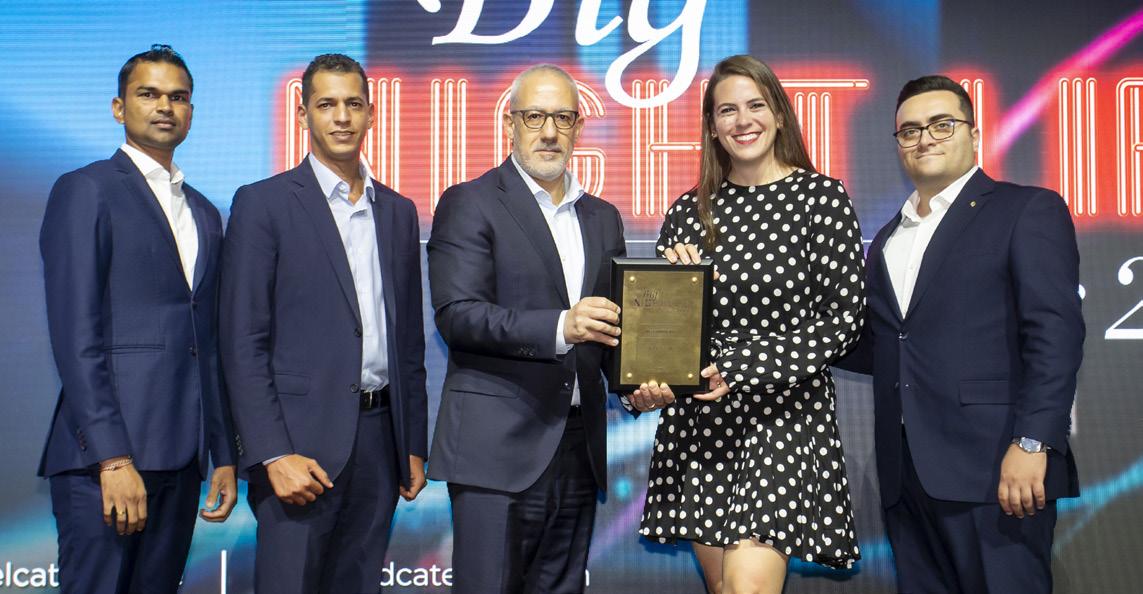
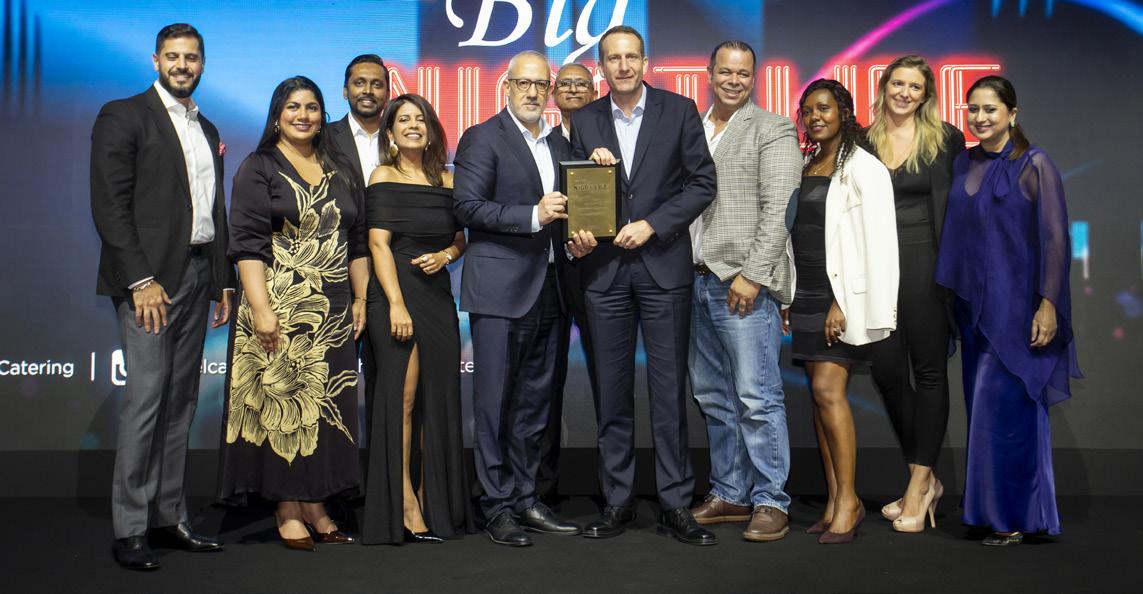
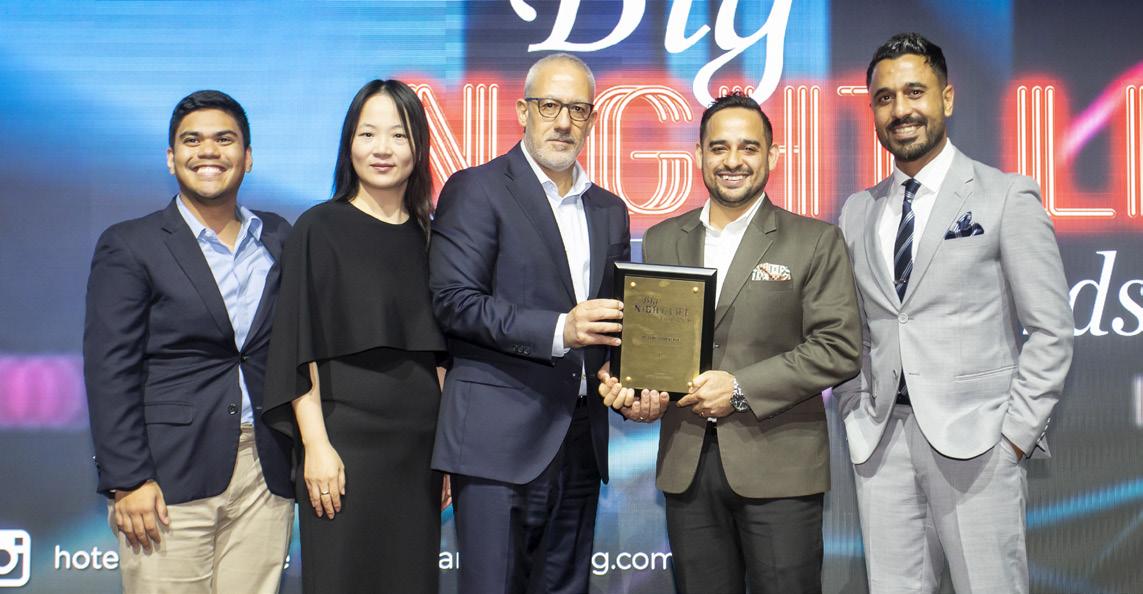
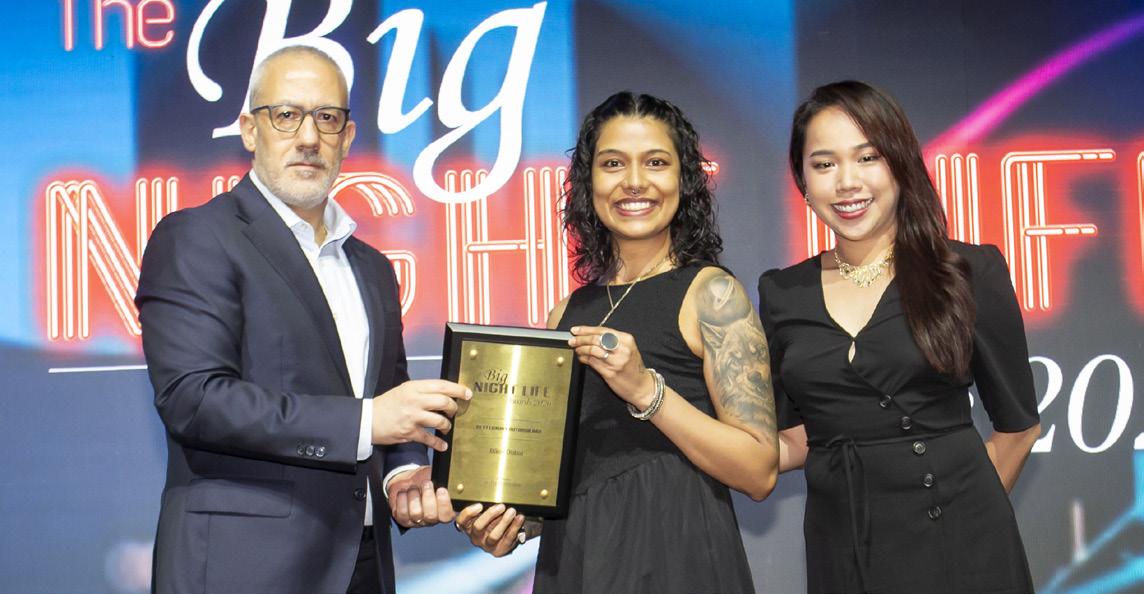
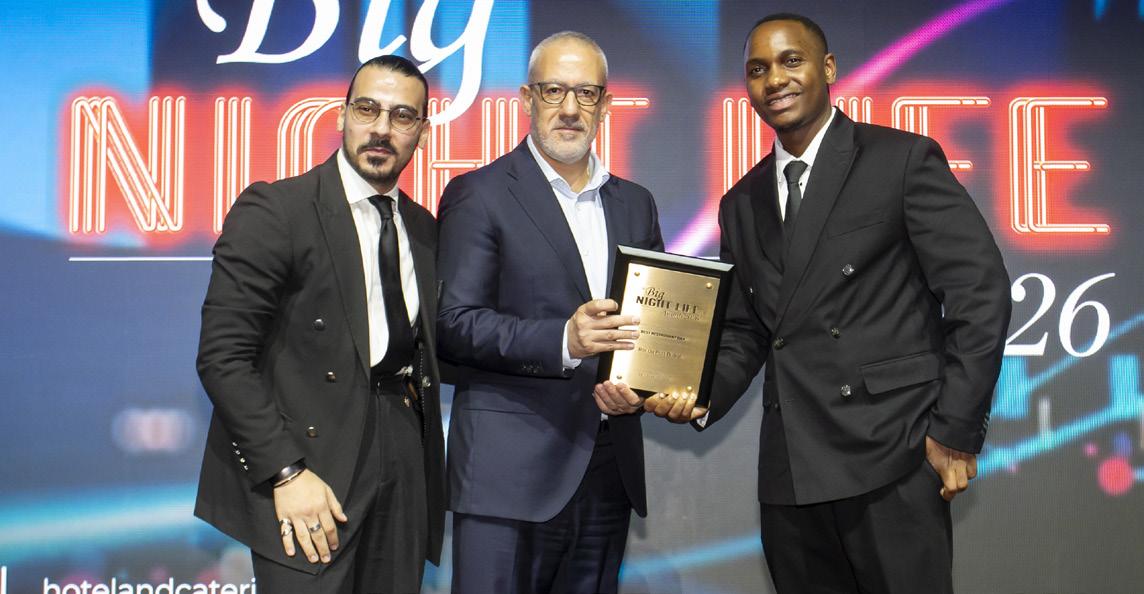
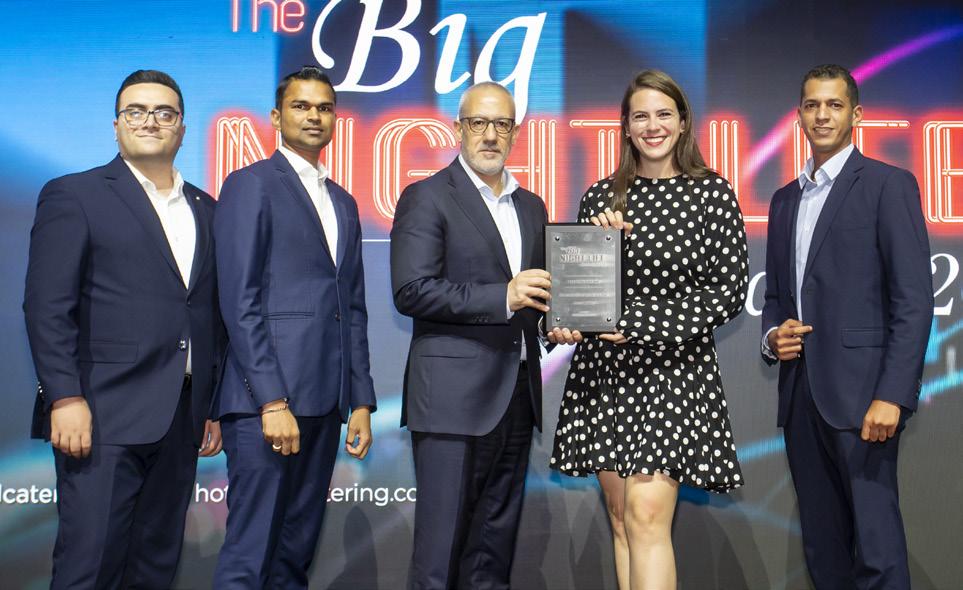
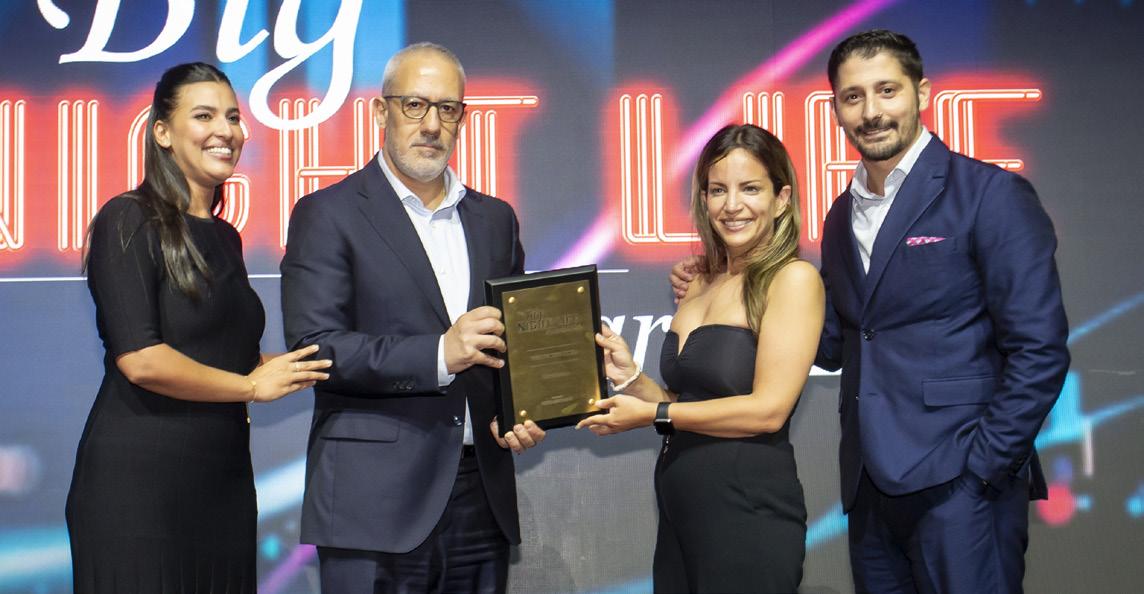
BIG NIGHTLIFE WINNERS The
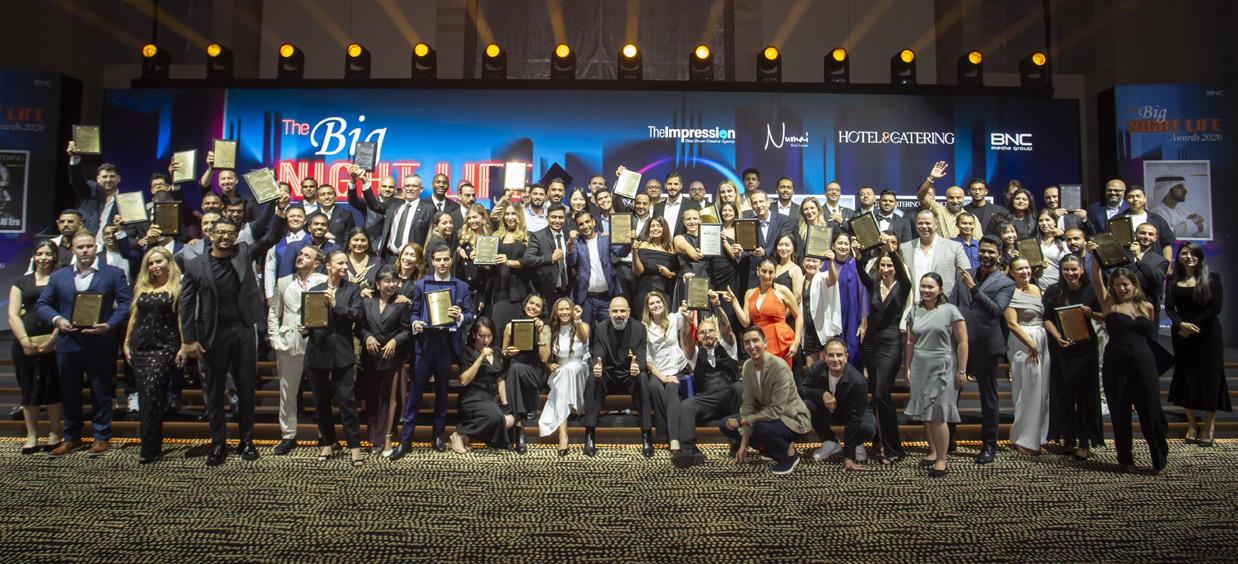
A room full of the people, venues and ideas powering the region’s nightlife industry.
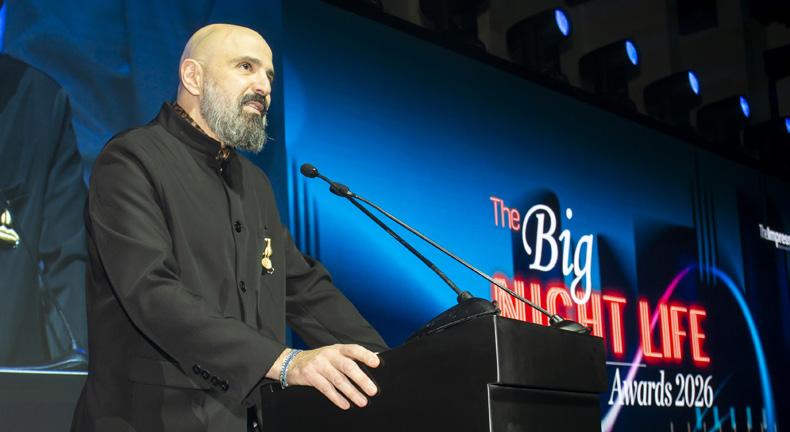
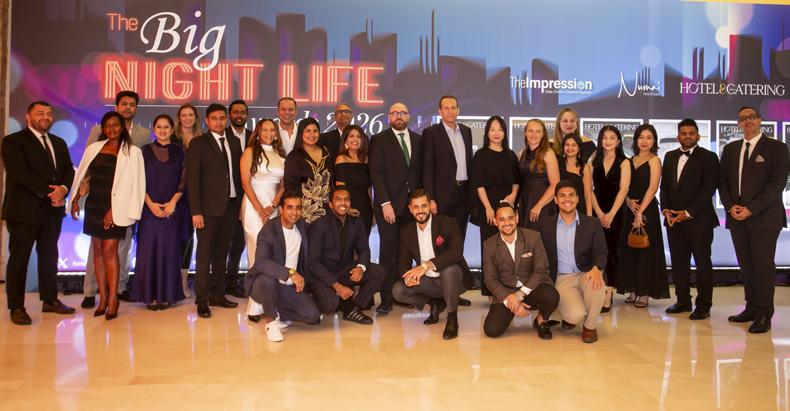
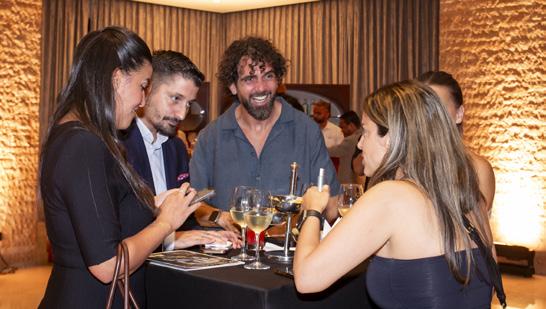
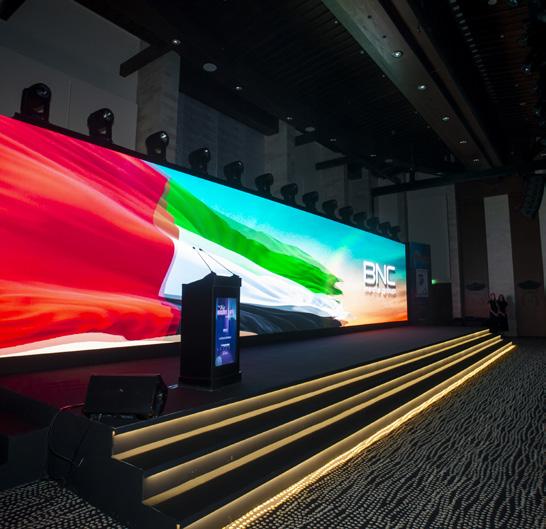
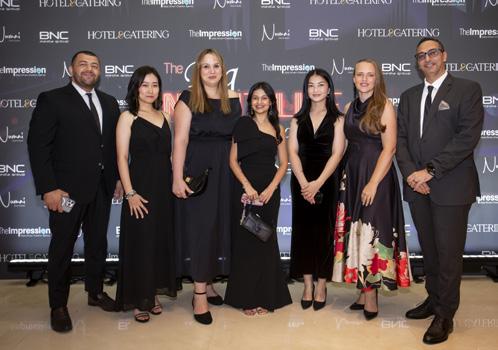
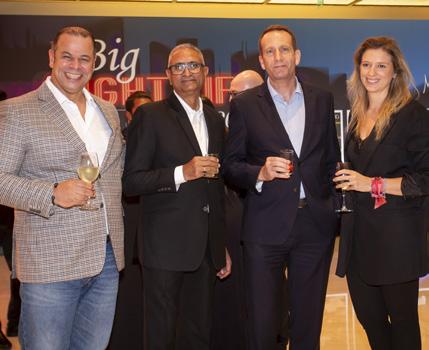
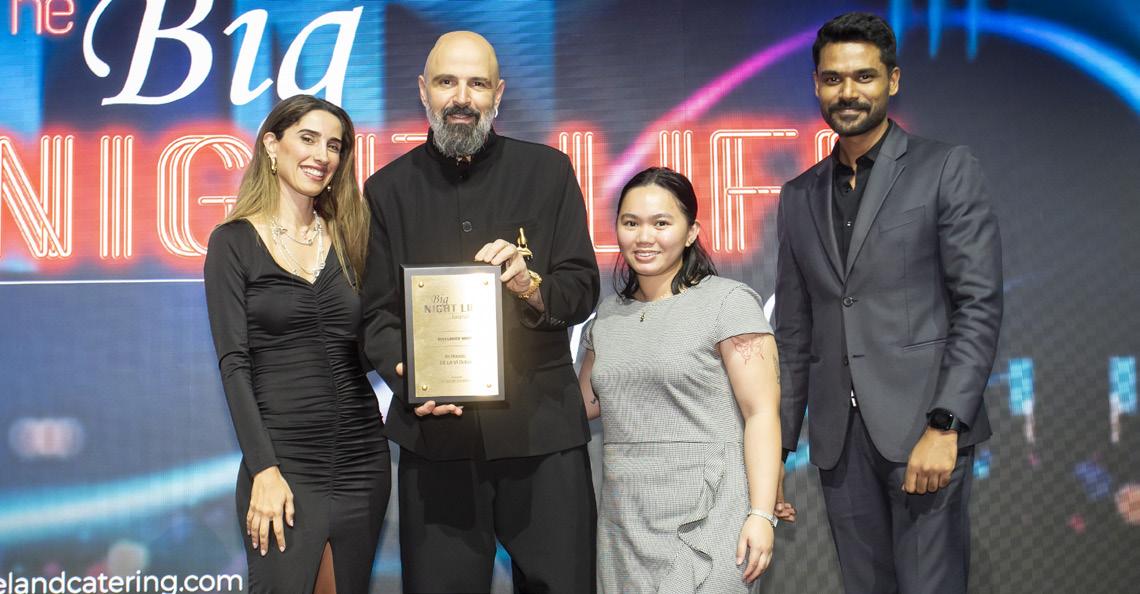
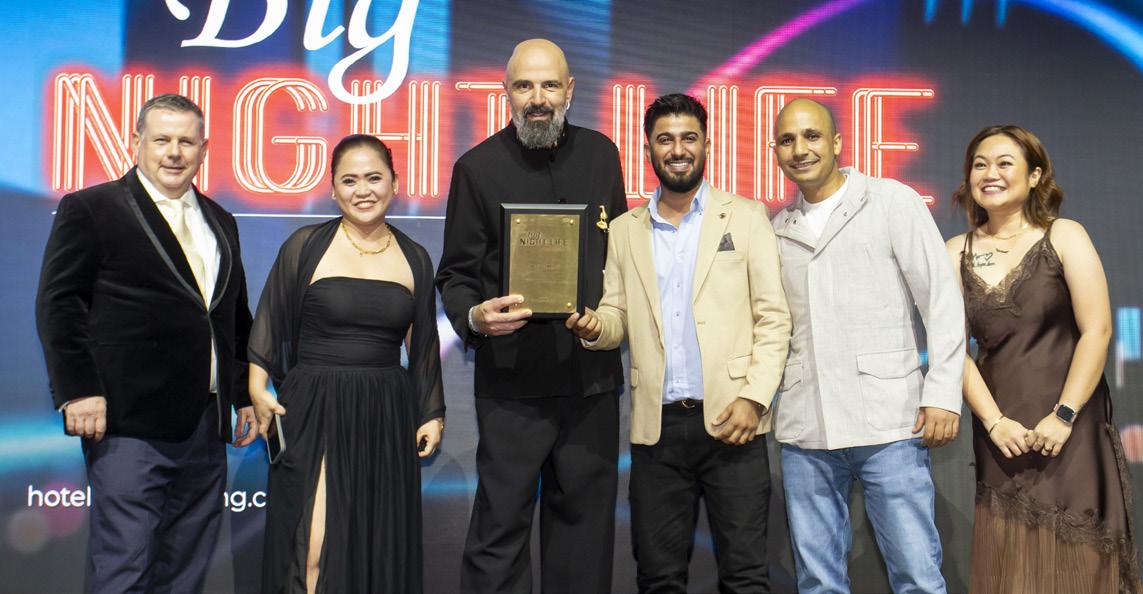
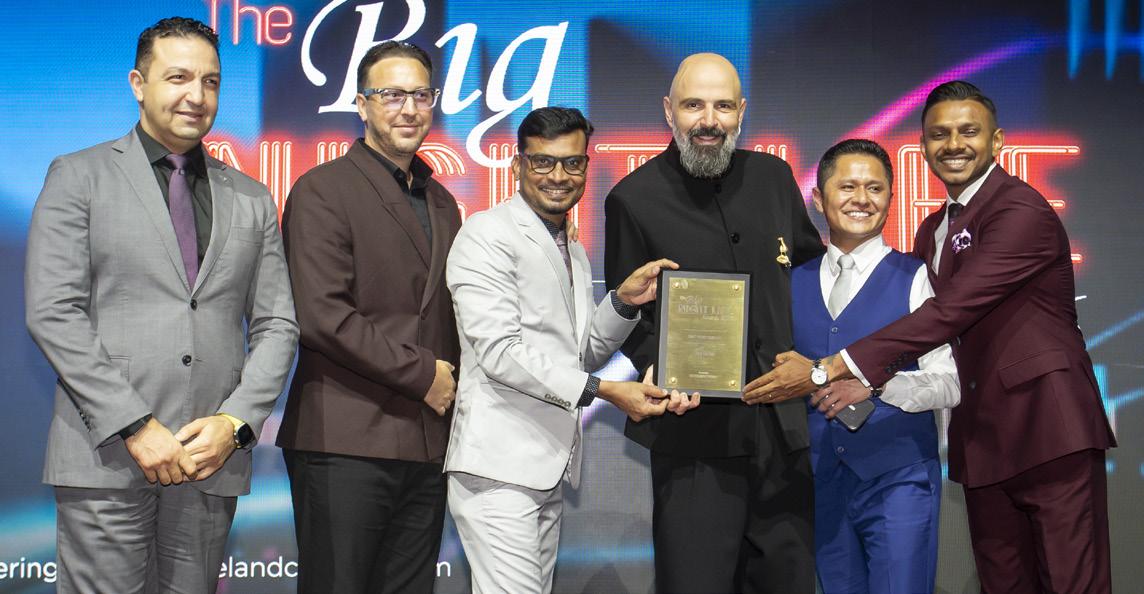
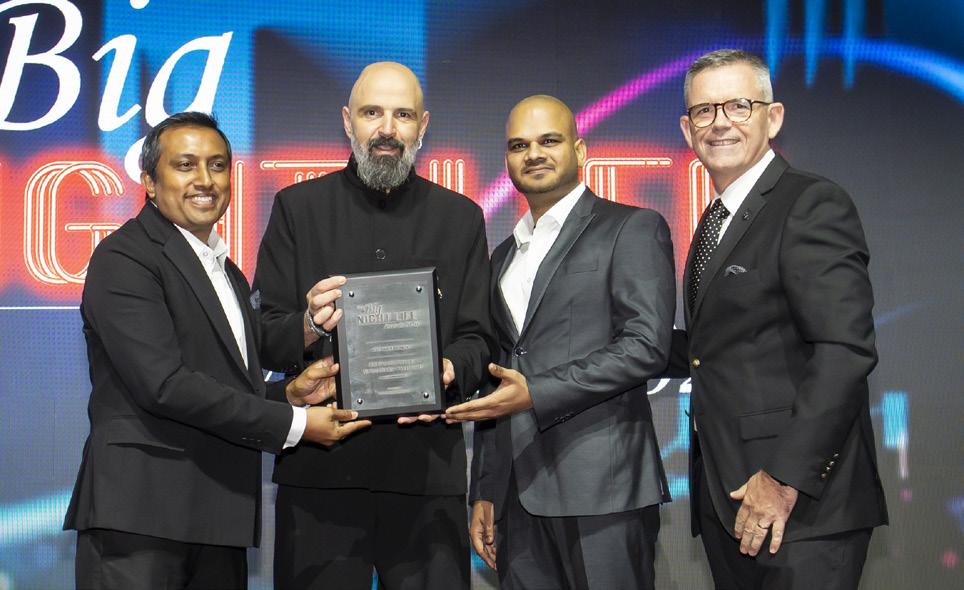
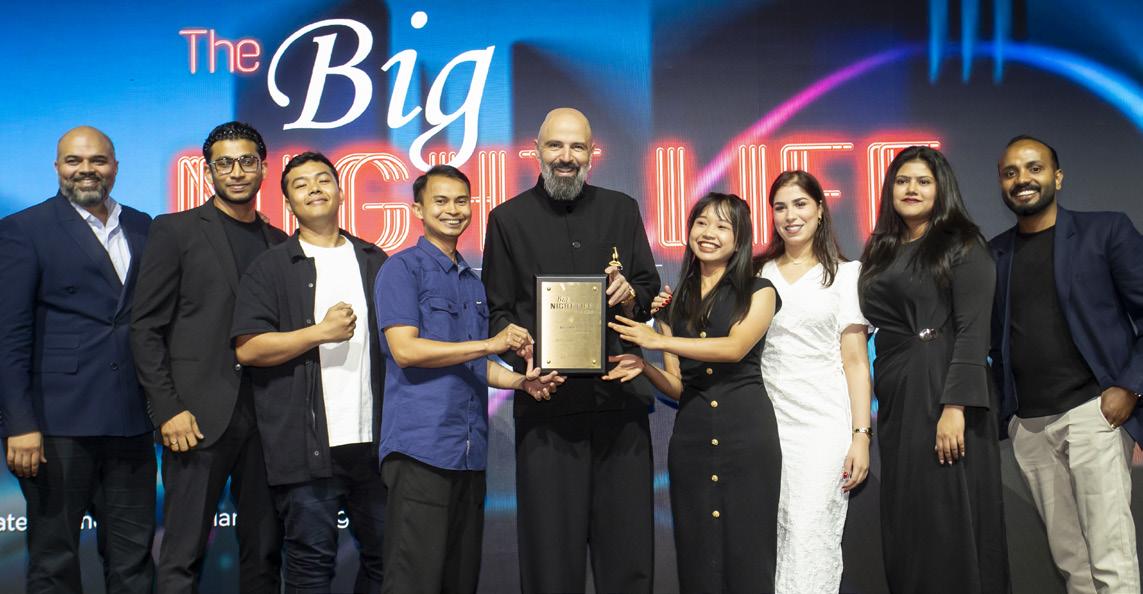
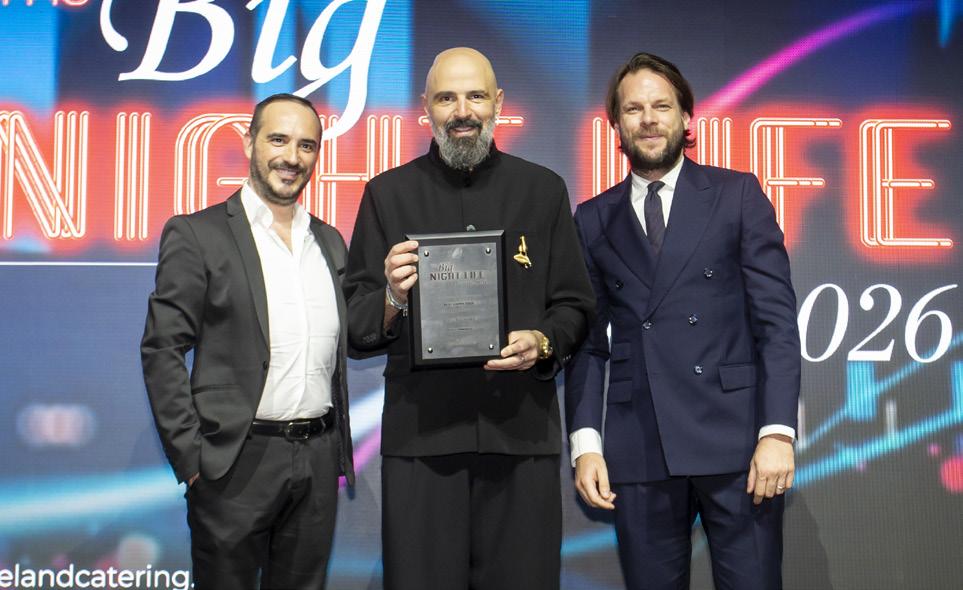
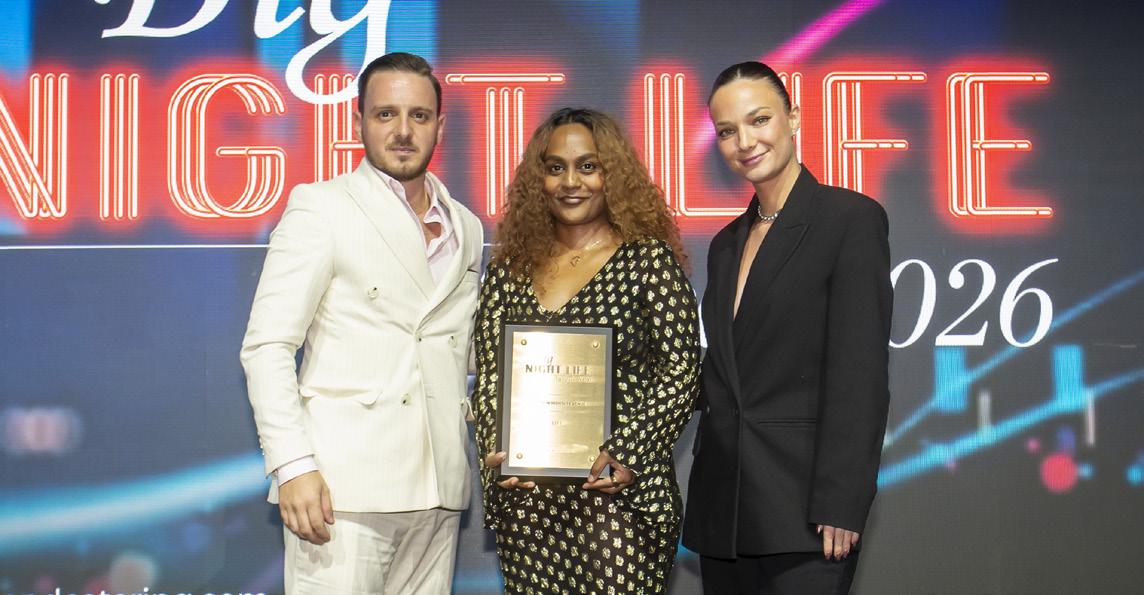
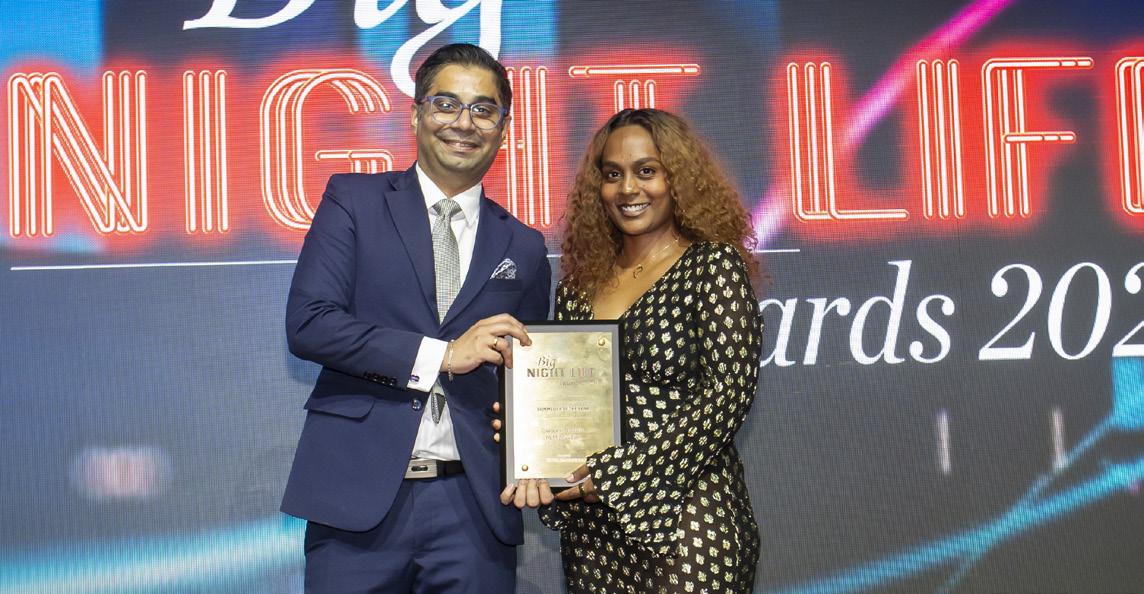
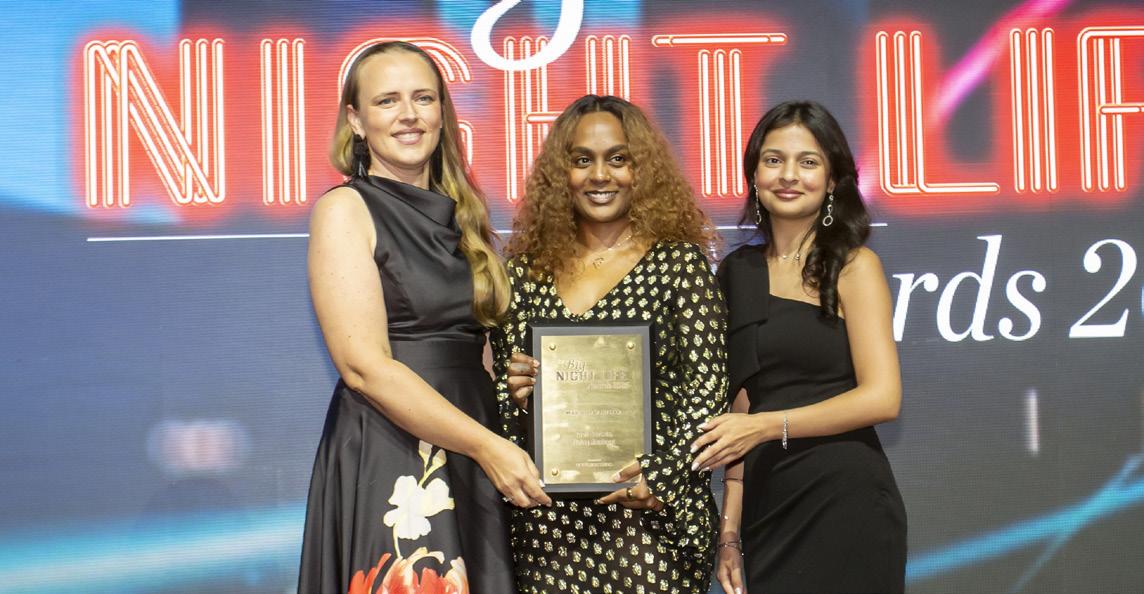
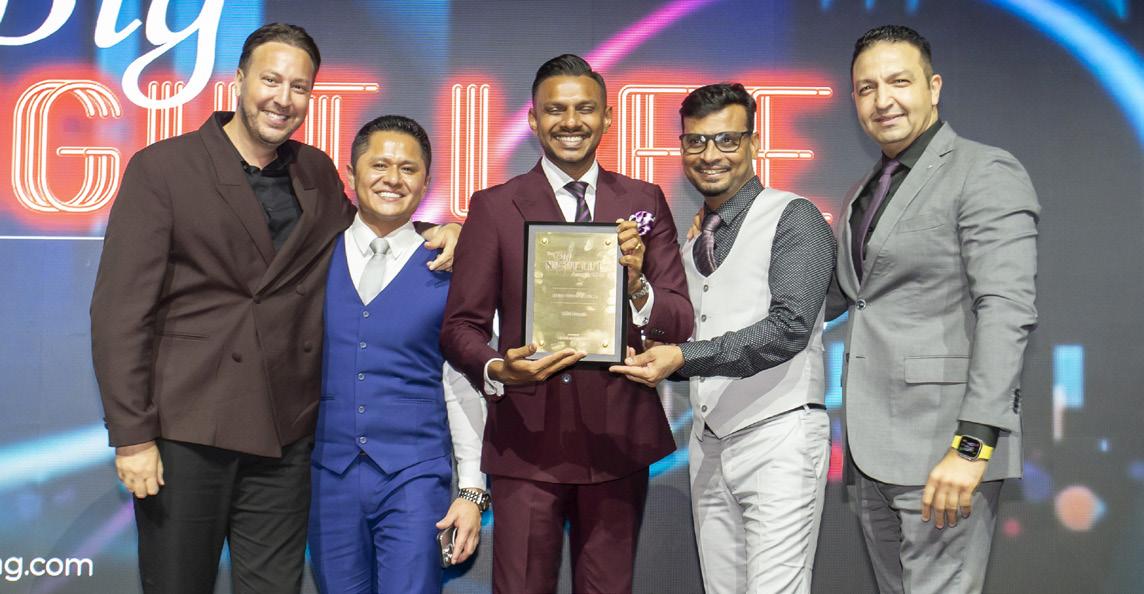
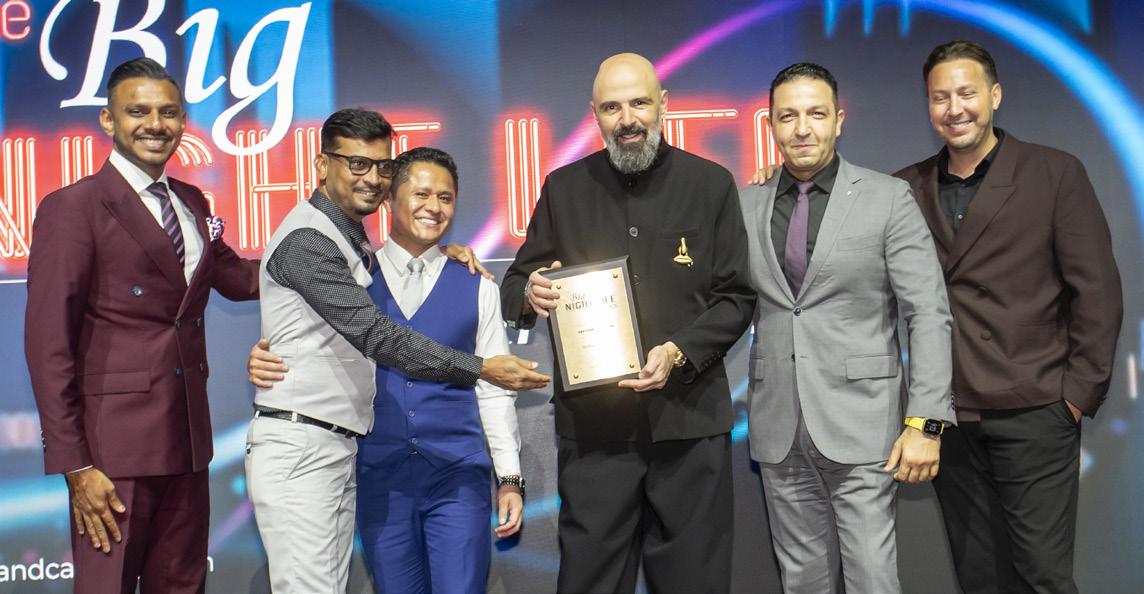
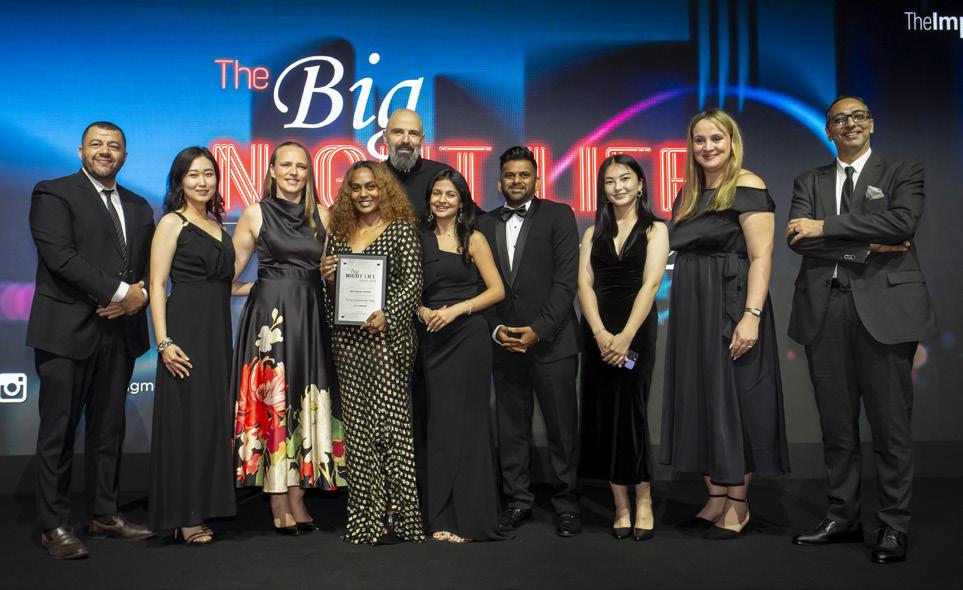
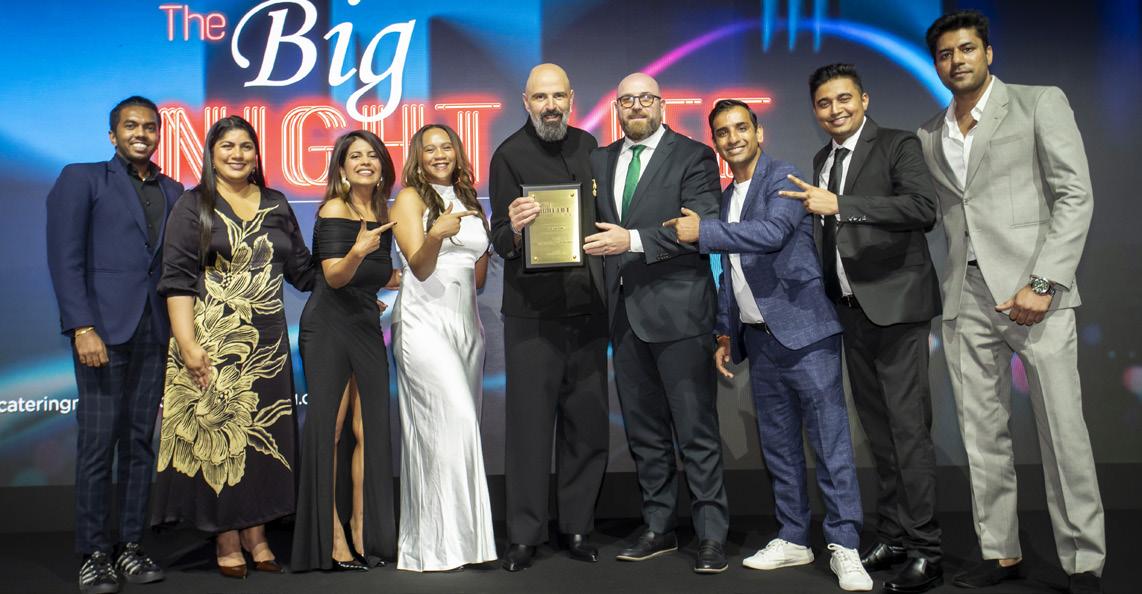
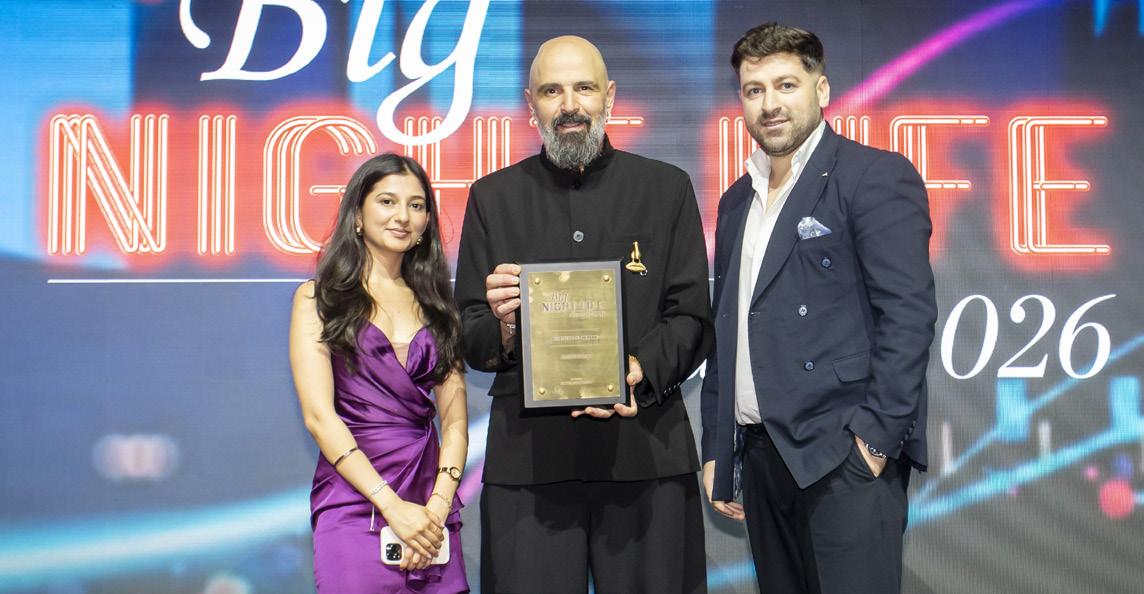
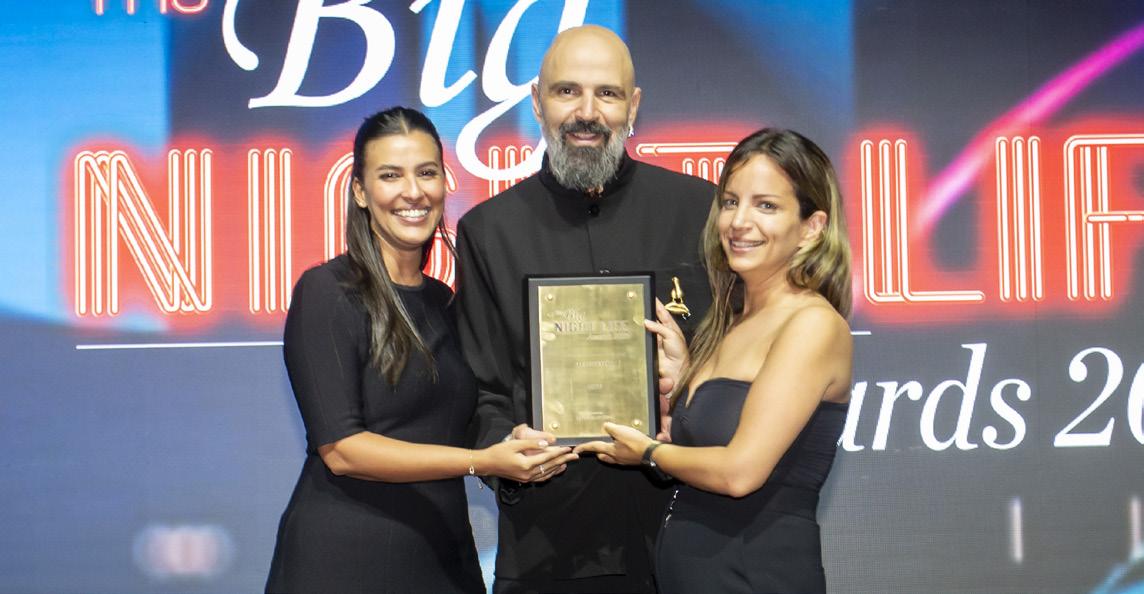
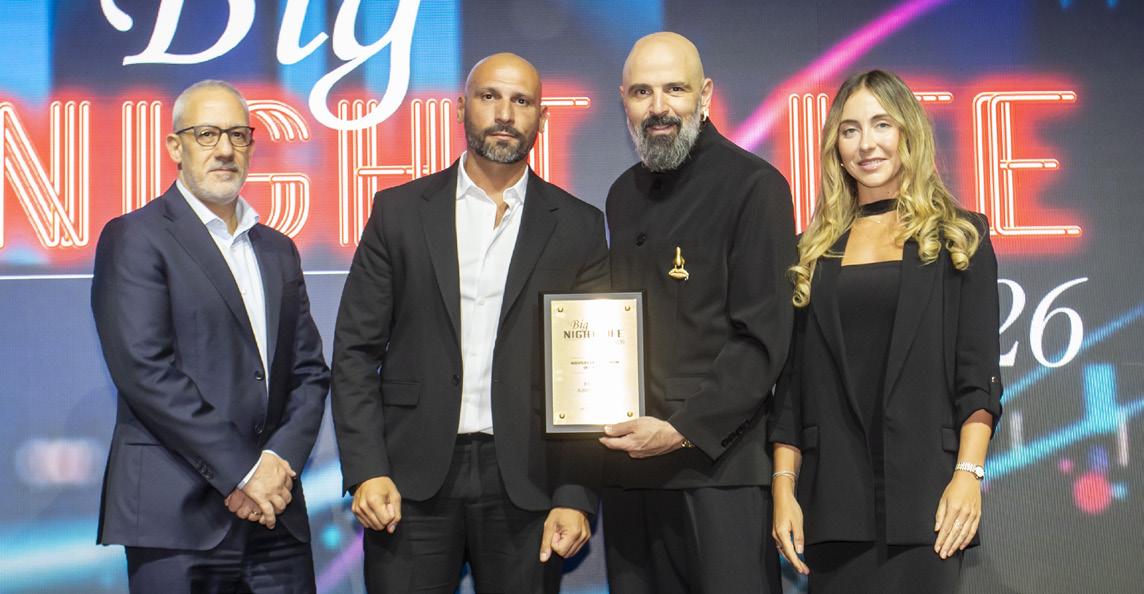
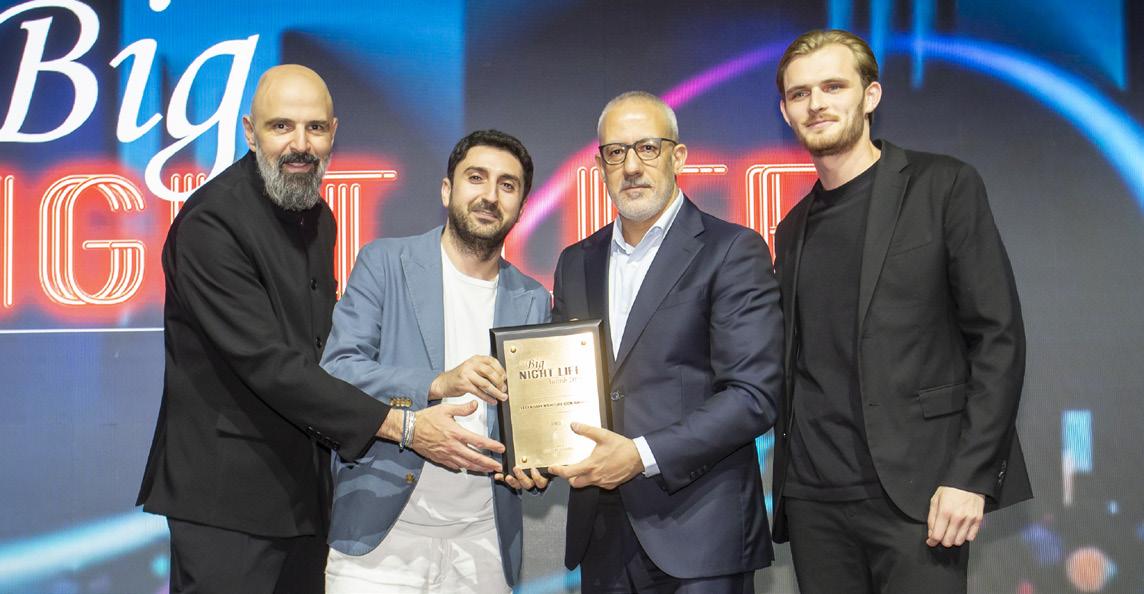
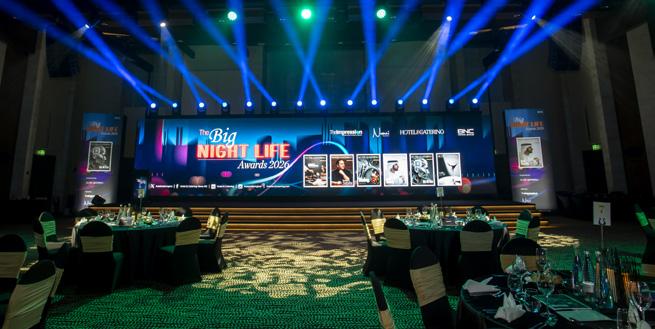
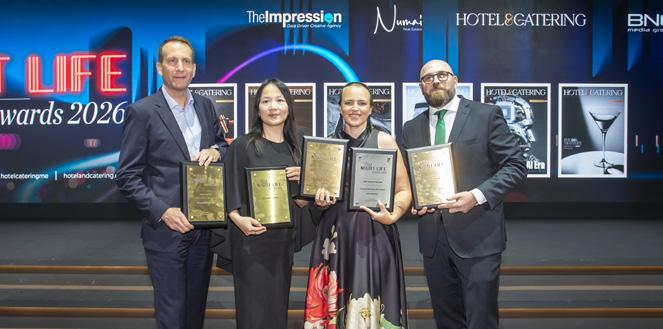
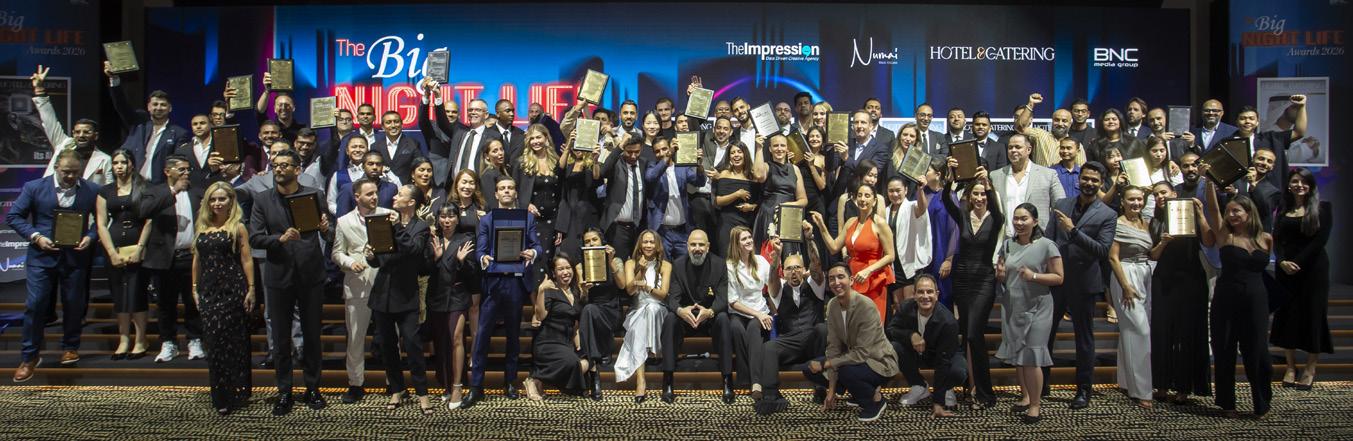
The region’s nightlife industry came out in full force as Hotel & Catering hosted The Big Nightlife Awards 2026, a celebration of the venues, talent, teams and trailblazers keeping the scene alive after dark.
Held on 11 June 2026 at Sofitel Dubai The Palm, the evening brought together recognised names for a night of celebration, connection and well-deserved recognition. The awards honoured those setting the pace for nightlife across the region.
Thank you to everyone who joined us, supported the event and brought the room to life. Your presence made the night unforgettable.
And of course, congratulations to all the winners.
BEST LADIES’ NIGHT
IN HOUSE, CÉ LA VI DUBAI
BEST QUIZ NIGHT
QUIZ NIGHT, REFORM SOCIAL & GRILL
BEST PARTY BRUNCH
HIGHLY COMMENDED
BIG BRUNCH, GARAGE, W ABU DHABI – YAS ISLAND
CLAY DUBAI
HIGHLY COMMENDED
JOE’S BACKYARD
BEST SHOW
BEST SUNDOWNERS SPOT
DREAM DINNER SHOW THE CULLINAN
BEST FESTIVAL
CALVIN HARRIS, USHUAÏA DUBAI
BEST MIXED DRINKS BAR
HIDDEN BAR, ROSEWOOD ABU DHABI
BEST
LIVE MUSIC VENUE
BELCANTO RESTAURANT, DUBAI OPERA
BEST SPORTS BAR
BELGIAN CAFÉ
BEST HOPS BAR
BRUNO’S BIERGARTEN
BEST ROOFTOP VENUE
BEST LUXURY OUTDOOR BAR
BEST TERRACE
BÂOLI DUBAI
MIMI MEI FAIR
BEST RESTAURANT BAR
BAR DU PORT, DUBAI
HIGHLY COMMENDED
CHAMAS CHURRASCARIA & BAR
BEST LATE-NIGHT DINNER
AMAZÓNICO
BEST NEW NIGHTLIFE VENUE
LITT
SOMMELIER OF THE YEAR
SWAPNIL SABNIS, MIMI MEI FAIR
MIXOLOGIST OF THE YEAR
YASH DAVTALE, FLYING ELEPHANT
WAITER OF THE YEAR
JULIE GABUYO, COUQLEY FRENCH BRASSERIE
BEACH CLUB OF THE YEAR
SĀN BEACH
RISTORANTE LOREN
HIGHLY COMMENDED
FLYING ELEPHANT BAR TEAM
PUB OF THE YEAR
MCG’S BY MCGETTIGAN’S AL BARSHA
NIGHTCLUB OF THE YEAR
AMOR, DUBAI
BAR OF THE YEAR
1920
NIGHTLIFE ENTREPRENEUR OF THE YEAR
ADDMIND GROUP
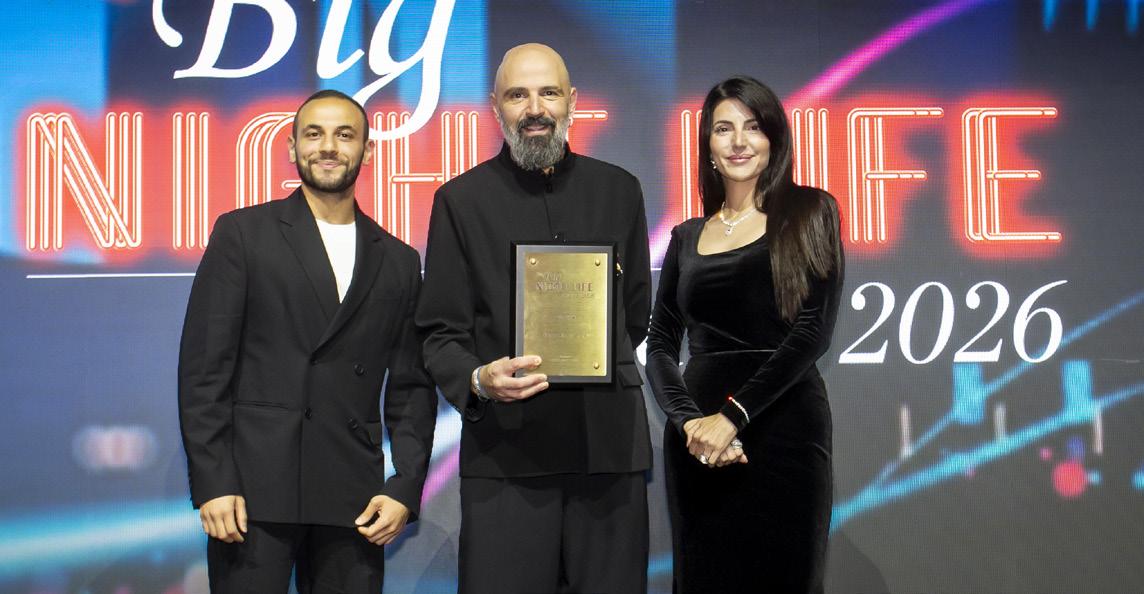
ELIE SABA,
( AWARD RECEIVED ON BEHALF OF ELIE SABA )
LEGENDARY NIGHTLIFE ICON AWARD
IRIS
OUTDOOR HOSPITALITY A Revenue Roadmap for
From desert domes and beachfront cabins to RV parks, glamping sites and eco-lodges, outdoor accommodations are fundamentally different from traditional hotels. Yet many operators still rely on simplified revenue tools or legacy systems built for standardised room inventory. As a result, many are likely pricing their inventory sub-optimally.
Full sites, missed revenue
At first glance, a luxury tent or ecolodge may seem similar to a hotel: guests book stays, inventory is limited, and pricing fluctuates. But the similarities end there.
Outdoor hospitality operates in a far more dynamic environment. Inventory varies significantly across sites, demand is heavily influenced by seasonality, weather and local events. Guests book experiences rather than just units, with location and privacy often outweighing price. Add short booking windows and high price sensitivity, and the result is a demand environment that behaves nothing like an urban hotel.
This creates a level of pricing complexity that simplistic, rules-based revenue management systems (RMS) struggle to manage effectively. Static pricing tiers and rigid “if this, then this” logic cannot fully account for how guests search, compare and value outdoor experiences.
The consequence is often hidden in plain sight: properties achieve strong occupancy while still leaving meaningful revenue and profit unrealised.
Why “good enough” revenue management is no longer enough
Across the Middle East, outdoor hospitality is evolving rapidly, driven by domestic tourism initiatives, government-backed infrastructure projects, increased regional travel and growing demand for experience-led stays.
This momentum is particularly visible in the UAE, where the glamping market generated USD 36.9 million in revenue in 2025 and is expected to reach USD 52.1 million by 2033, growing at a CAGR of 4.2%. In Saudi Arabia, the market is projected to grow from USD 36.3 million in 2025 to USD 103.0 million by 2034, at a CAGR of 12.3%.
As supply expands, competition intensifies, not just on occupancy, but on value. In this environment, the tolerance for revenue management miscues narrows, and even relatively small pricing decisions can have an outsized impact on performance. Under-pricing peak weekends, discounting too aggressively during shoulder periods, or treating dissimilar unit types too similarly can erode margins long before occupancy signals a problem.
This is where simplified or manual revenue approaches begin to break down. Revenue strategies that may work for a single site become increasingly difficult to apply consistently across larger portfolios, particularly in owner-operated environments where teams need systems that are both sophisticated and easy to use.
BY IBRAHIM SABA, PRINCIPAL SALES DIRECTOR EMEA AT IDEAS
The shift to intelligent, adaptive revenue management
The difference between a full site and a profitable one increasingly comes down to the quality and speed of pricing decisions.
Advanced RMS platforms replace manual updates and fixed rules with continuous optimisation. Rather than reacting to demand after it happens, they analyse booking pace, stay patterns, search behaviour and external demand signals to make precise, real-time adjustments to pricing and inventory.
That capability matters in outdoor hospitality, where demand patterns are often less predictable and more fragmented than in traditional lodging. A local event, weather change or holiday weekend can rapidly alter booking behaviour across individual unit types and locations.
Consider a glamping resort with beachfront domes, inland cabins and RV pitches. Demand for each accommodation type may evolve differently depending on booking window, guest profile, or shifts in booking behaviour that correlate with weather patterns. An advanced RMS can identify those signals early and price accordingly, helping operators capture higher-value bookings without relying on blanket rate changes or excessive discounting.
The impact extends beyond room revenue alone. More accurate forecasting helps operators make better staffing, scheduling and inventory decisions, improving operational efficiency while protecting margins during periods of
fluctuating demand. By leveraging mathematical AI and predictive algorithms, advanced RMS platforms enable operators to move from reactive pricing to proactive revenue strategy.
From occupancy to profitability
For years, success in outdoor hospitality has been measured primarily by occupancy. But as the sector matures, that metric alone is no longer enough. High occupancy can easily mask missed revenue opportunities.
Operators that continue to rely on static pricing and intuition risk undervaluing high-demand periods, over-discounting weaker ones and missing opportunities hidden within their own data.
Those adopting more advanced revenue management approaches are better positioned to price with precision, respond to demand in real time and make smarter commercial decisions across their business.
Filling outdoor sites is no longer the challenge. Pricing them profitably is.
“High occupancy does not necessarily mean optimal revenue in outdoor hospitality.
Rethinking Revenue
BEYOND ROOMS
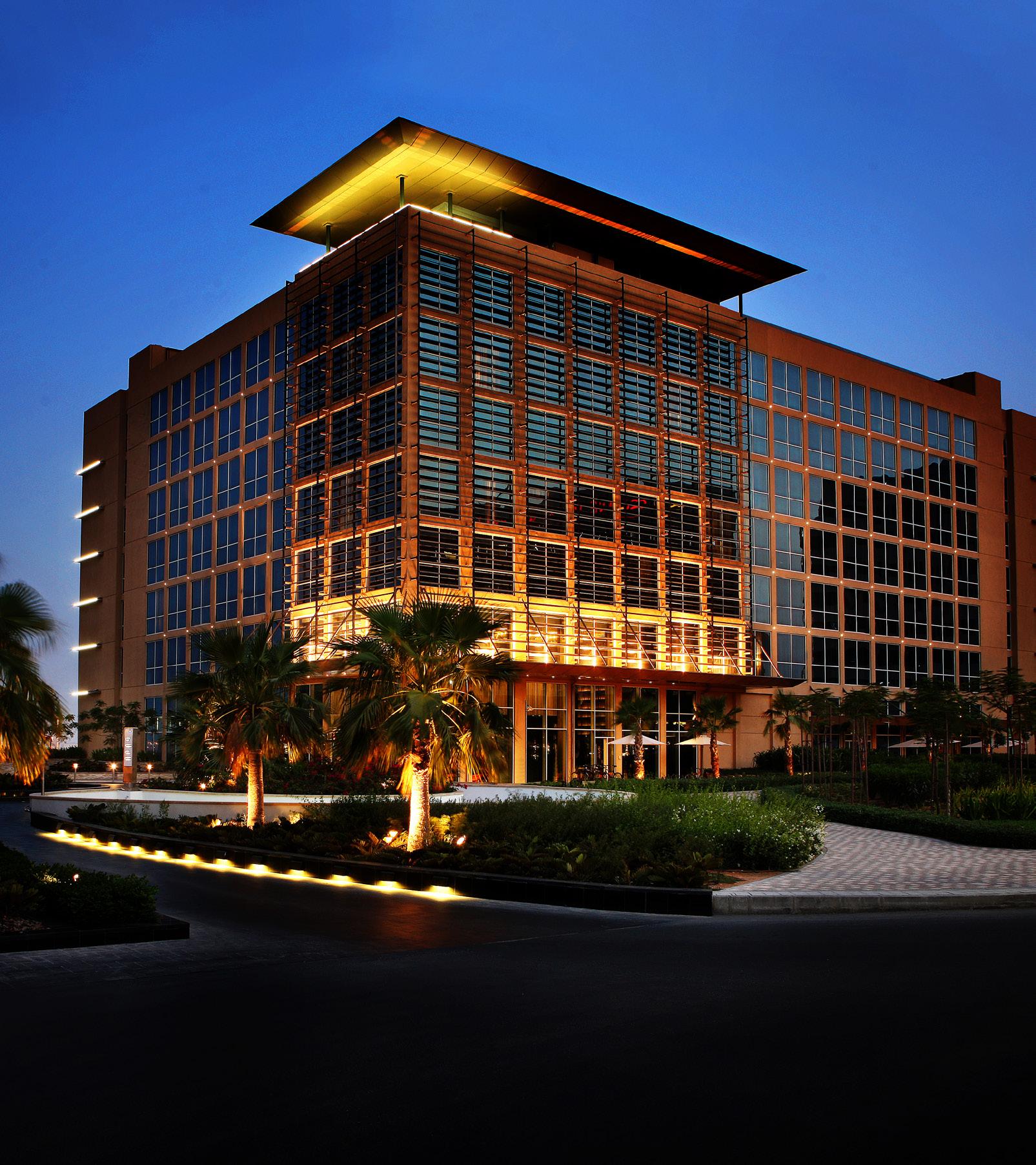
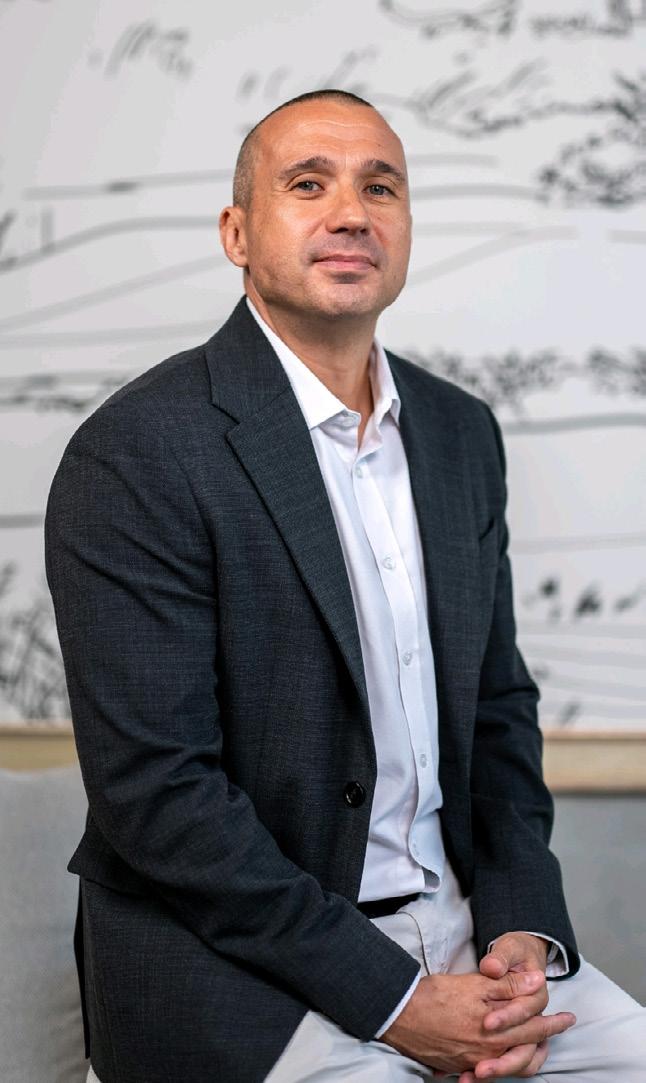
With more than 25 years of hospitality leadership experience across the Middle East, Fabien Chesnais brings a deeply operational and commercially focused perspective to his role as General Manager of Yas Plaza Hotels. Overseeing a six-hotel portfolio on Yas Island, Chesnais is responsible for steering service standards, guest experience and long-term performance in one of Abu Dhabi’s most experience-driven destinations.
Having led major resort operations, pre-openings and complex hospitality projects across the UAE, Qatar, Jordan and Egypt, he understands the growing need for hotels to think beyond rooms alone. In this Q&A, Chesnais discusses how hotel performance is evolving, why F&B and experiences are becoming central to growth, and how destinationled properties are adapting to a more integrated hospitality model.
RETHINKING
FABIEN CHESNAIS, General Manager of Yas Plaza Hotels
From occupancy to overall guest spend
Hotels today are moving beyond the traditional model where success was measured primarily by occupancy and ADR alone. The conversation has become much more holistic, focusing instead on total guest value and the wider contribution each guest makes across the property ecosystem. In practice, this means understanding how guests engage not only with rooms, but also with dining, leisure, wellness, entertainment, retail and curated experiences throughout their stay. The question is no longer simply: “How many rooms are occupied?” but rather: “How much overall value and engagement are we creating per guest?”
This shift reflects a broader evolution in hospitality, where hotels are focusing more strategically on diversification, flexibility and creating value across the full guest experience. Hotels that build multiple touchpoints across dining, leisure, events and experiences are better placed to drive stronger guest engagement and long-term performance. At destination-led properties such as Yas Plaza Hotels, this approach is particularly important because guests are not travelling purely for accommodation. They are travelling for experiences, entertainment, dining, family activities and lifestyle offerings. The hotel therefore becomes part of a much larger guest journey, rather than just the place they sleep.
Ultimately, the industry is evolving from a room-centric model into a more integrated hospitality model, where commercial success is driven by the total experience delivered across the stay.
The role of F&B on hotel performance
F&B and experiences are no longer considered secondary revenue streams. They have become central pillars of hotel performance, brand positioning and guest retention. A strong restaurant concept, family offering, wellness experience or entertainment proposition gives hotels the ability to attract demand beyond traditional room bookings. In many cases, guests are now choosing hotels based on the overall lifestyle experience available on property, not only the accommodation itself.
This is particularly important in markets such as the UAE, where guests have access to a highly competitive hospitality landscape and are increasingly looking for memorable, experience-led stays. Hotels therefore need to create reasons for guests to engage with the property throughout the day, whether through dining experiences, beach clubs, live entertainment, wellness offerings, family programming or destination partnerships.
F&B also plays a critical role in driving external footfall. Restaurants and lounges are increasingly catering not only to in-house guests, but also to residents, local communities and visitors looking for quality social experiences. This helps hotels diversify their audience and create more stable, year-round demand patterns.
Beyond revenue, experiences also strengthen emotional connection with guests. They create moments that encourage repeat visitation, longer stays and stronger word-ofmouth engagement. In many ways, experiences are now one of the strongest differentiators a hotel can offer in an increasingly saturated market.
External demand becoming just as important as in-house guests
External demand has become a critical part of the modern hotel business model because hotels can no longer rely solely on staying guests to support ancillary revenue performance. Residents, local communities, corporate groups, day visitors and destination guests now represent a significant and growing part of the customer mix. This is especially relevant in the UAE, where hotels operate within highly active tourism, entertainment and lifestyle ecosystems.
At Yas Island, for example, guests may visit a hotel restaurant, attend an event, use leisure facilities or meet socially without necessarily staying overnight. This creates valuable opportunities for hotels to generate revenue and brand engagement beyond occupancy alone. The importance of external demand becomes even more visible during periods of regional disruption or shifts in international travel patterns. Domestic and regional audiences often become essential in maintaining business continuity while wider travel confidence stabilises.
This evolution is also changing how hotels position themselves commercially. Properties are increasingly being marketed not only as accommodation providers, but as
lifestyle and social destinations that serve both travellers and local audiences alike. In many ways, the strongest-performing hotels today are those that successfully integrate themselves into the everyday lifestyle habits of the communities around them.
Moving forward
This shift requires hotels to operate less like standalone accommodation assets and more like fully integrated hospitality destinations. Traditionally, many departments operated in relatively separate silos, with rooms revenue often leading commercial decision-making. Today, however, there is far greater interdependence between commercial strategy, F&B, marketing, events, guest experience, partnerships and operations.
Revenue management is also evolving beyond rooms performance alone. Hotels are increasingly analysing total revenue contribution across multiple guest touchpoints, which requires closer collaboration between departments and a more unified operational strategy.
At the same time, agility has become increasingly important. Hotels need to adapt quickly to changing market conditions, guest behaviours and demand patterns. This means building more diversified business models that are not dependent on a single source of demand. We are also seeing greater emphasis placed on destination partnerships, local engagement and experience-led programming, as hotels work to create stronger year-round relevance.
Ultimately, the industry’s direction continues to highlight the importance of diversification, adaptability and longterm value creation. The hotels that will perform strongest over time are those capable of creating value beyond the room itself, through dining, experiences, community engagement and a stronger overall sense of destination. The role of the hotel is evolving. It is no longer simply a place to stay, but a platform for experiences, connection and lifestyle-driven hospitality.
A Georgian Table
Qartuli brings the warmth, generosity and emotion of Georgian hospitality to Dubai
What was the idea behind opening Qartuli in Dubai?
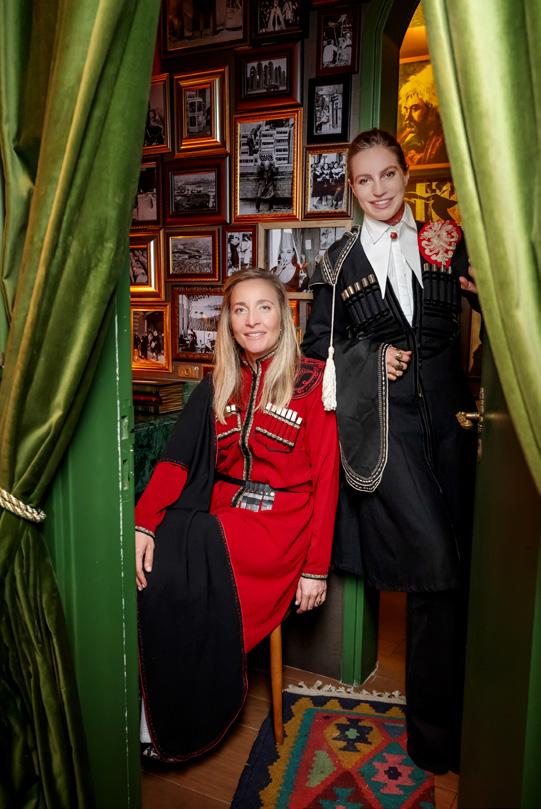
Nino: Honestly, we missed home, Georgia.
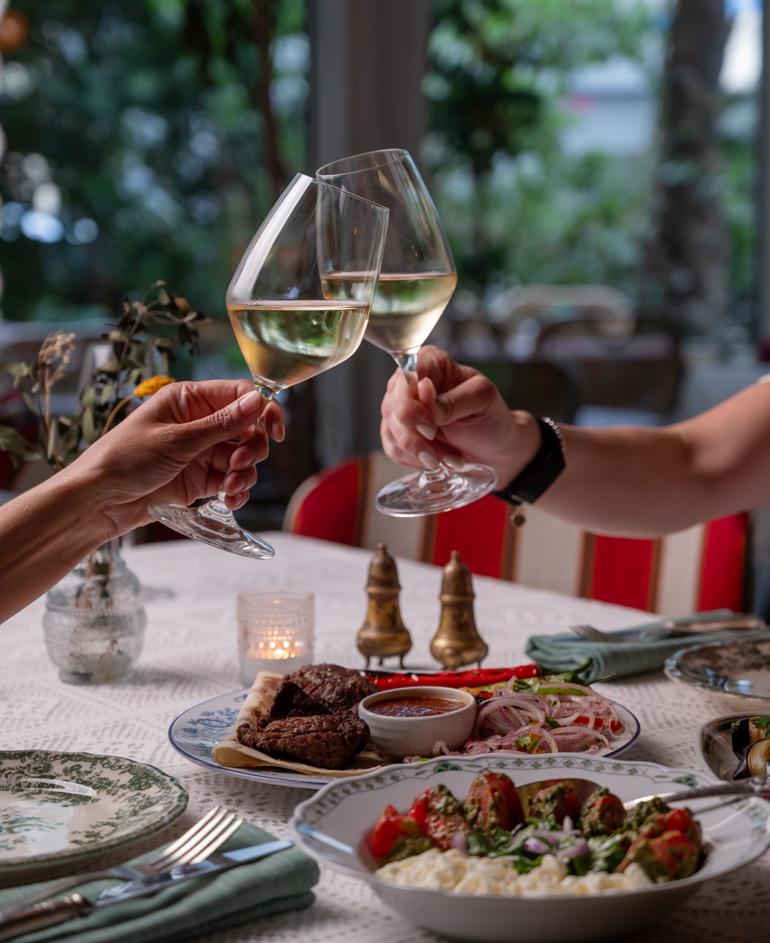
Not just the food, but the feeling of a Georgian table. The warmth, the chaos, the long dinners, the music, the storytelling. Dubai has incredible restaurants, but we felt there was space for something deeply emotional and personal.
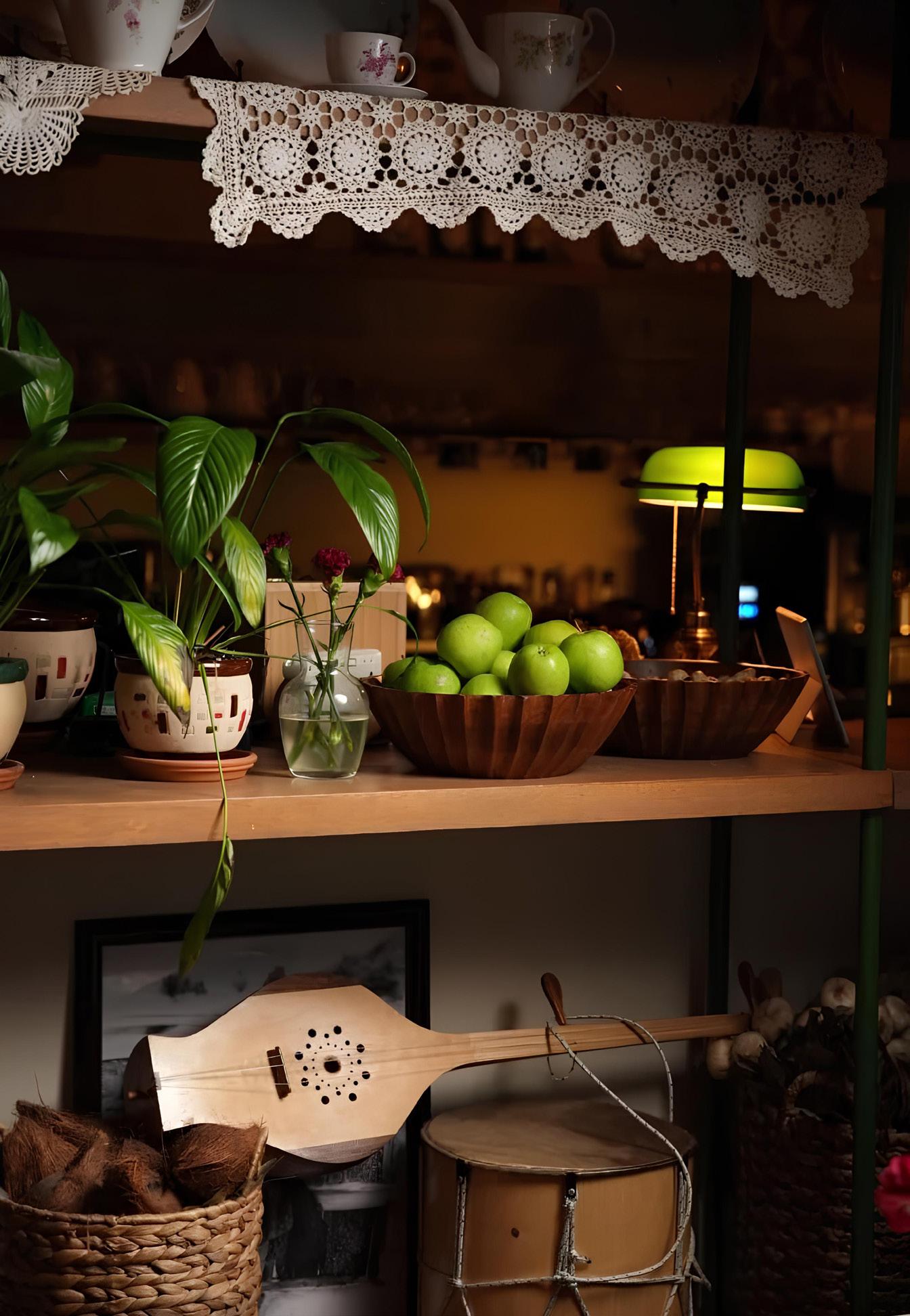
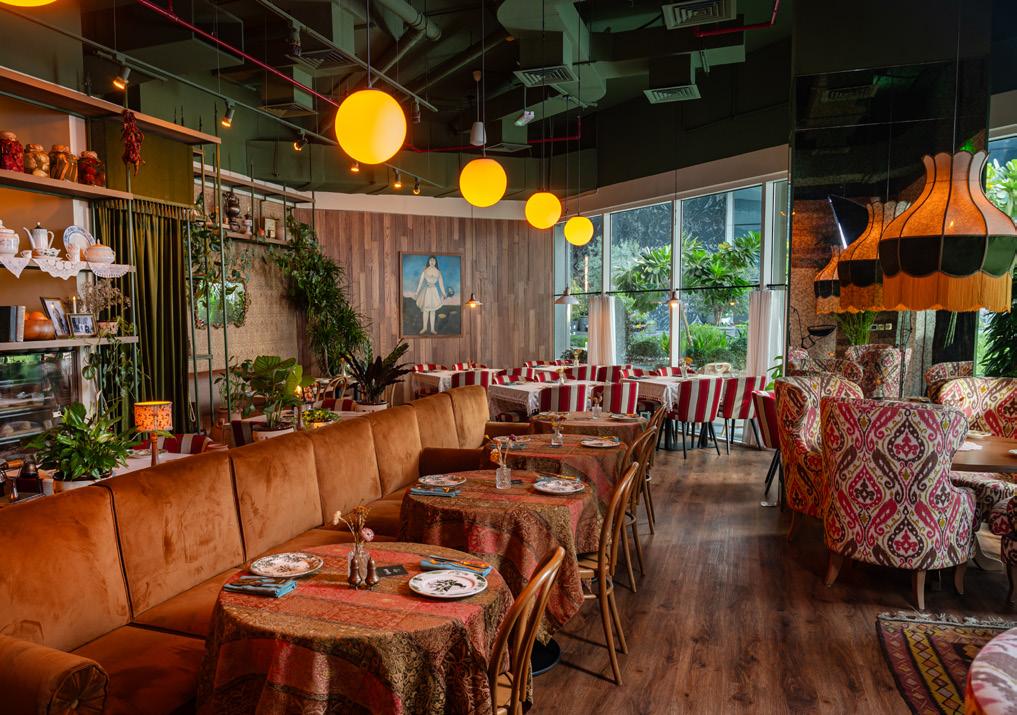
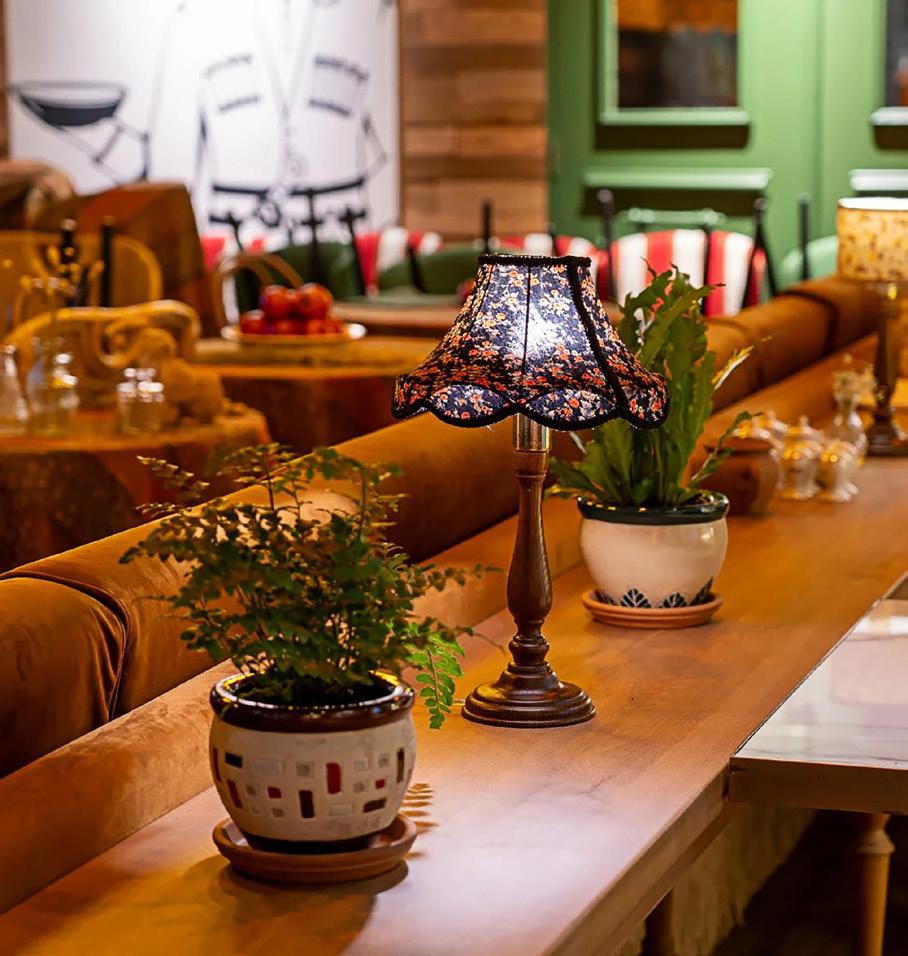
Qartuli was never meant to feel like a “concept restaurant”. We wanted it to feel like being invited into an old Georgian family home somewhere in Tbilisi. Vintage plates, wine, music, conversations that last too long… that was always the vision.
How would you describe Georgian cuisine?
Mariam: Georgian cuisine is comfort with personality.
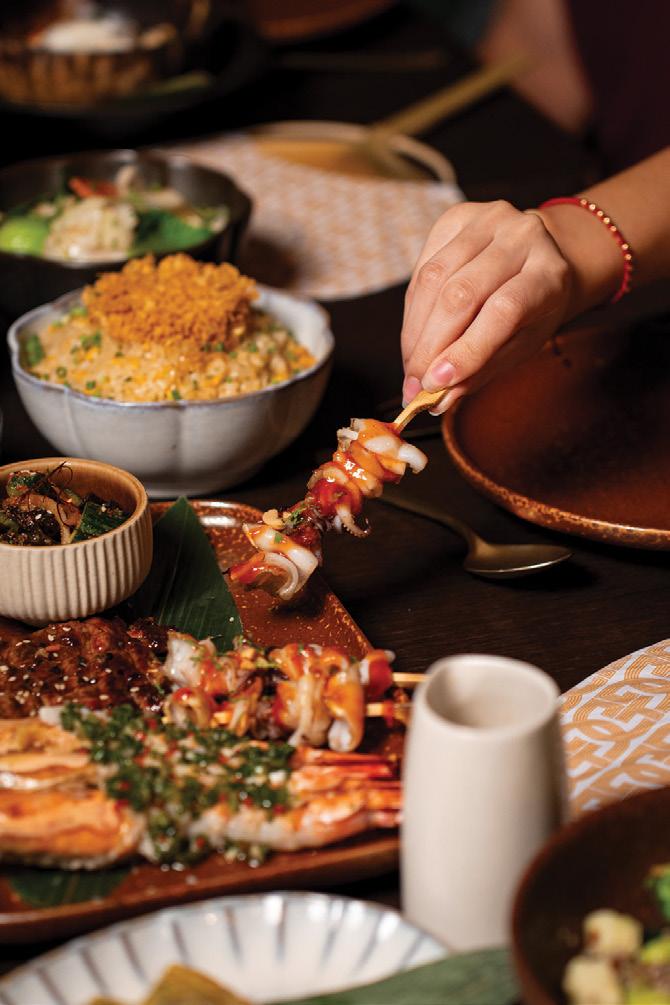
It is rich, soulful, generous, and made for sharing. There is a lot of depth in the flavours because Georgia sits between Europe and Asia, so you feel influences from everywhere, but it still feels completely unique.
Also, Georgians don’t believe in small portions or quiet dinners. Everything is emotional. Even the food.
What is your current revenue?
Nino: Let’s just say… enough to keep us awake and fully booked for our live music nights.
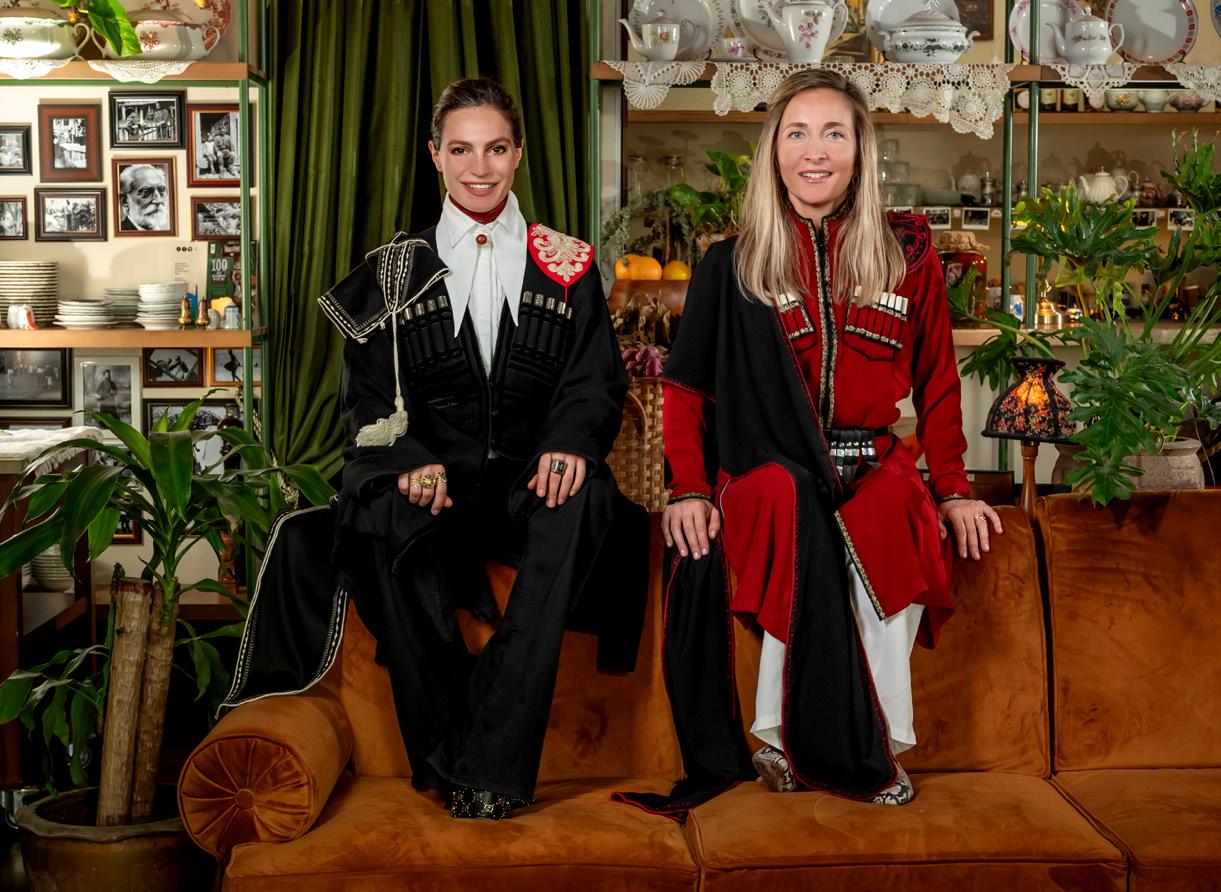
NINO CHANTLADZE and MARIAM SHEVARDNADZE, Co-founders, Qartuli
Hospitality is a crazy business. Some months feel like a movie, while others humble you very quickly. But we’re proud that Qartuli has grown organically through community, returning guests, and word of mouth. For us, that’s more meaningful than numbers.
What has helped you keep the team together over the past few months?
Mariam: We try to create a family atmosphere internally too, not only for guests.
Restaurants are intense environments, especially in Dubai, so people stay when they feel respected, heard, and emotionally connected to what they are building.
How do you build loyalty in such a competitive market?
Nino: We don’t really chase trends.
I think people come back when a place makes them feel something. We remember names, birthdays, favourite tables, and favourite wines. Some guests come three times a week just because it feels familiar to them now.
Dubai has endless options, so loyalty today is emotional, not transactional.
What does hospitality mean to you?
Mariam: Hospitality is making people feel less alone for a few hours.
Of course, food matters, service matters, and design matters, but people remember how a place made them feel. That’s real hospitality.
Do you feel at an advantage or disadvantage being female owners?
Nino: Both, honestly.
Sometimes people underestimate women in hospitality and business, especially in leadership positions. But maybe that became our advantage too. We built Qartuli with intuition, emotion, attention to detail, and resilience, and those things are powerful in this industry.
Also, women notice everything.
What does it take to keep a restaurant open in Dubai?
Mariam: Patience. Stamina. Insanity.
Dubai moves very fast, and the standards are extremely high. You have to constantly evolve while staying consistent at the same time, which is almost impossible.
It’s definitely not just about good food anymore. Today, restaurants need personality, energy, storytelling, and atmosphere. People want an experience.
What’s your summer strategy?
Nino: Summer in Dubai is all about adapting without losing energy.
We focus more on experiences, live music, loyal guests, collaborations, and creating reasons for people to leave the house despite the heat. We also use summer creatively. It’s actually a great time to experiment, reset, and prepare for the season ahead.
“Not just the food, but the feeling of a Georgian table. The warmth, the chaos, the long dinners, the music, the storytelling.
The UAE’s Summer DINING SHIFT
What Operators Are Getting Wrong
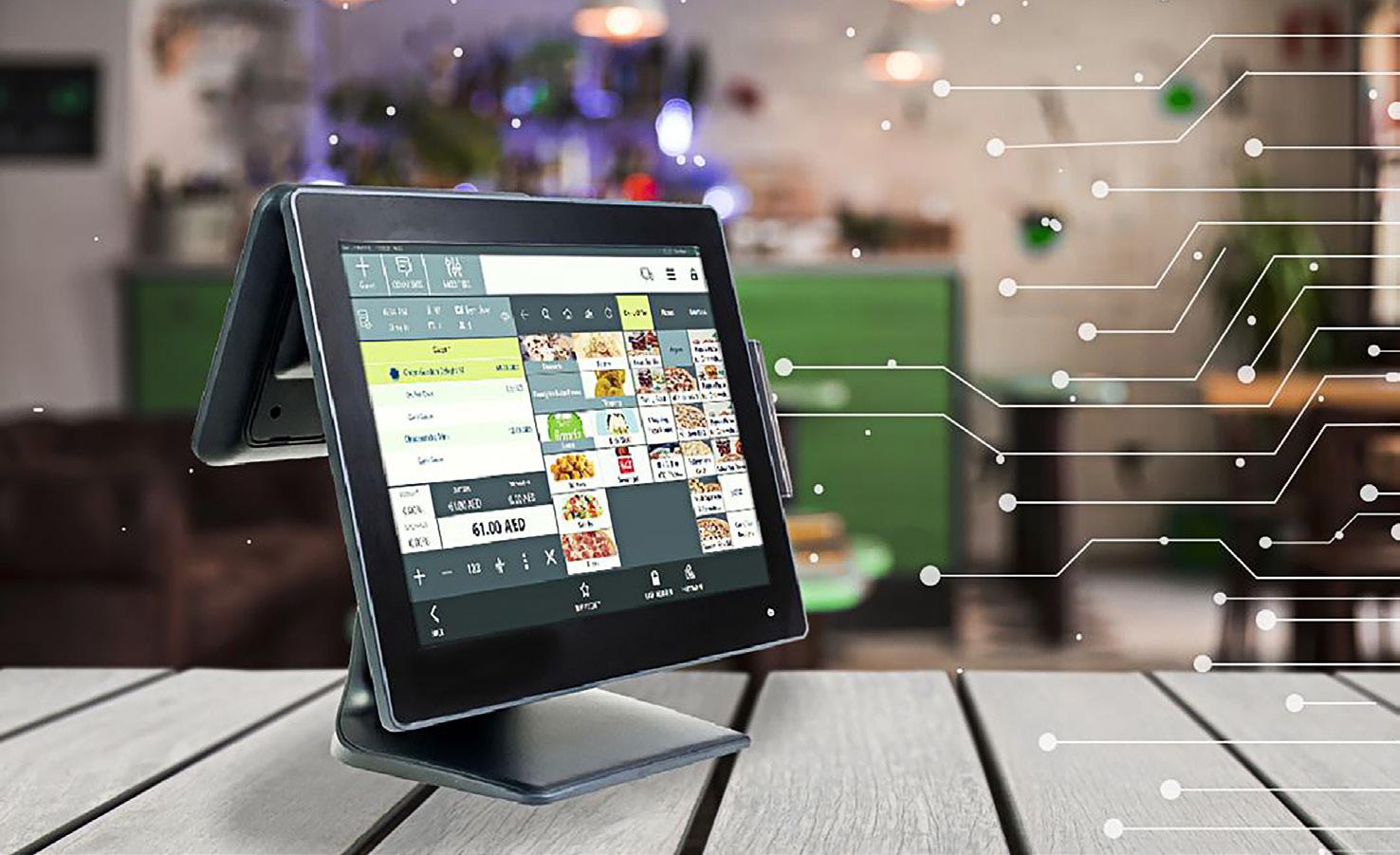
BY ALEXANDER PONOMAREV, CEO OF SYRVE MENA, A LEADING MIDDLE EASTERN RESTAURANT TECH PROVIDER
Walk into a UAE mall restaurant in July, and you'd be forgiven for thinking it was a slow month.
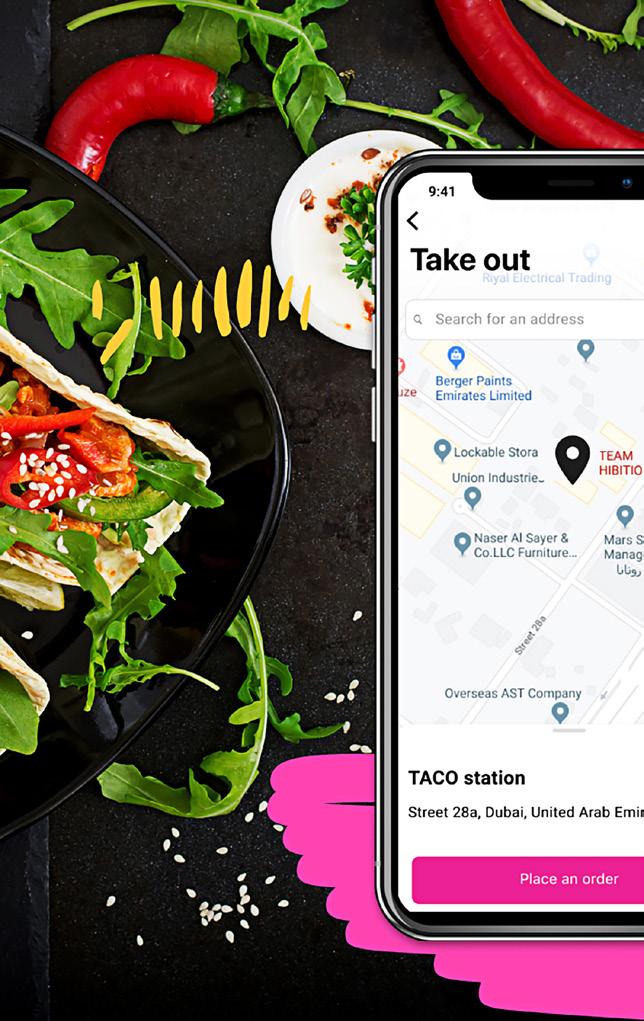
Fewer families in the corridors, shorter queues at the host stand, that familiar sense that the city has exhaled for summer. But look at the delivery numbers running through our network at the same time, and you see something quite different.
Summer in the UAE has always been framed as a slowdown.
Residents leave, tourists thin out, operators brace. The shift was already visible in our early 2026 numbers, where delivery grew while dine-in contracted. Early-summer data show this trend accelerating, and the picture is more nuanced than that narrative suggests.
Where demand is really going
Delivery orders are holding up and, in some restaurant formats, growing, while dine-in tells a very different story depending on where you are and what you serve.
“Summer in the UAE has always been framed as a slowdown. Residents leave, tourists thin out, operators brace. The shift was already [...] where delivery grew while dine-in contracted.
Operators who understand this distinction are navigating the season well. Those who planned for a uniform drop are finding themselves either overstaffed in the wrong places or under-resourced in the right ones.
Neighbourhood restaurants and delivery-first kitchens are outperforming destination dining this summer. The logic isn't complicated: residents who stay in the UAE are eating closer to home, ordering more frequently, and spending deliberately rather than celebratorily. The long, hot evening
that once drove families to a mall food court now drives them to their sofa and their phone.
Mall anchors and hotel outlets, meanwhile, are seeing steeper dips than many anticipated. Regional tensions have thinned tourist arrivals well beyond seasonal patterns, making operators rely on past summers' playbooks even more exposed. The residents who remain don't behave like the tourists who replace them. They want convenience, familiarity, and speed.
The forecasting gap
What separates operators who manage this well from those who don't is rarely the concept, the menu, or even the location. It's whether they can see what's happening in real time.
The UAE's summer shift is predictable in its broad shape but highly variable in its specifics. Which delivery zones are most active at 9 pm on a Tuesday in July? Which menu categories are holding ticket size while others erode? Which kitchen is three weeks away from an inventory problem because its demand curve changed and nobody noticed?
You can't answer those questions with last year's numbers. Operators relying on seasonal intuition, adjusting staffing and procurement based on what summer looked like in 2025, are working with a map that no longer matches the terrain.
A more demanding summer guest
Residents who stay in the UAE through summer are, on the whole, more digitally native, more habituated to delivery platforms, and more discerning than average annual foot-
fall might suggest. They've used the apps long enough to have preferences, loyalty patterns, and expectations about speed and consistency.
This is not a forgiving audience for operational slippage. A late delivery, an inconsistent dish, a menu that hasn't been touched since March: these will cost repeat visits in a way a one-time tourist visit never would.
Summer is as much a quality test as a volume test
Every year, the UAE's F&B sector treats summer as something to survive. The data suggests it should be treated as something to read.
The operators who come out of this summer in the strongest position won't necessarily be the ones running the most aggressive promotions or the widest delivery radius. They'll be the ones who knew, week by week, where their demand was coming from and what that meant for their kitchen, their stock, and their team.
Summer 2026 is a test of visibility rather than resilience.
Your Palace of Experiences
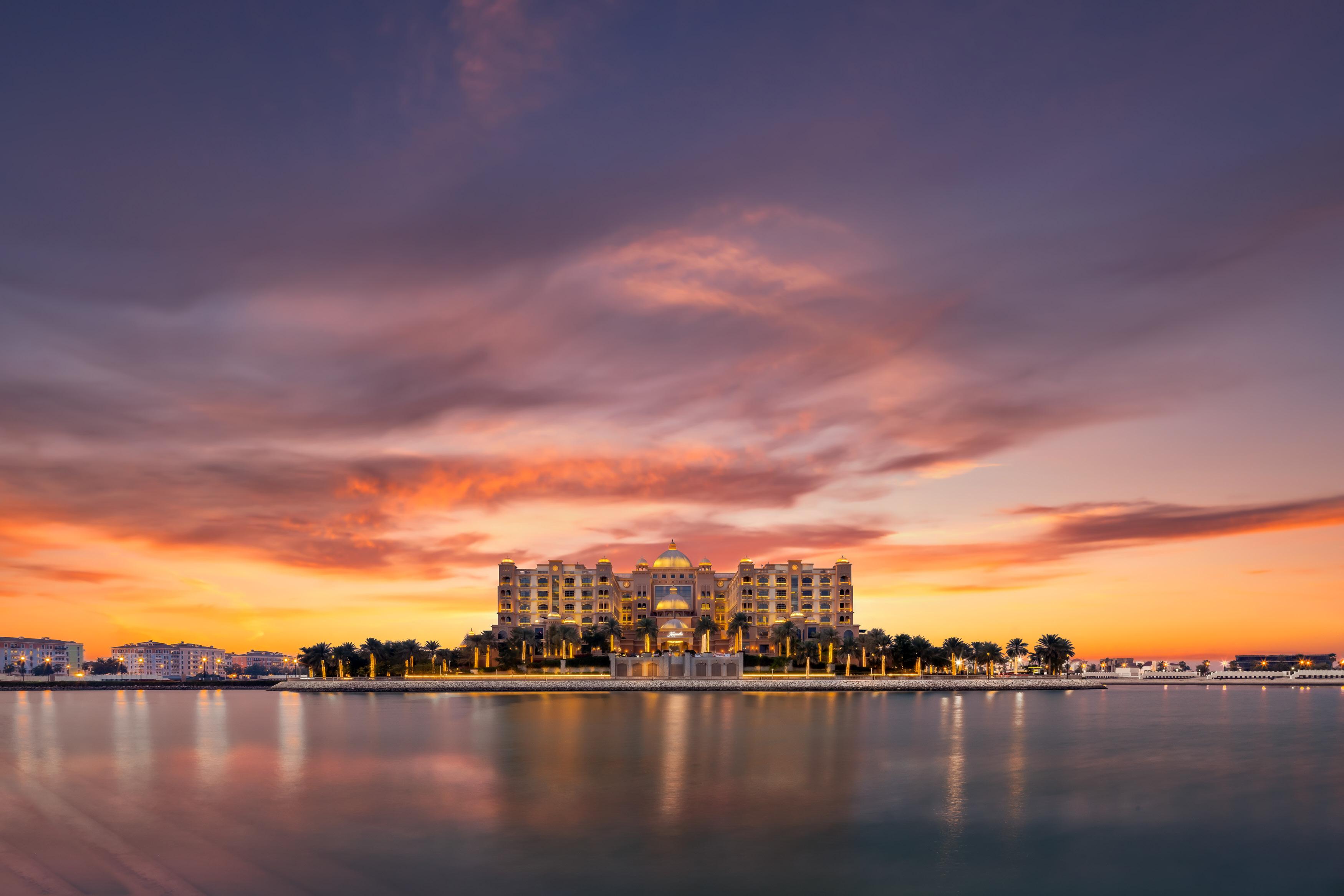
Beyond expectation, a realm of unparalleled luxury awaits. Immerse yourself in exquisite moments and create cherished memories within our magnificent palace of experiences.
From 31 Aug - 3 Sept 2026 Riyadh Exhibition and Convention Center - Malham, Saudi Arabia