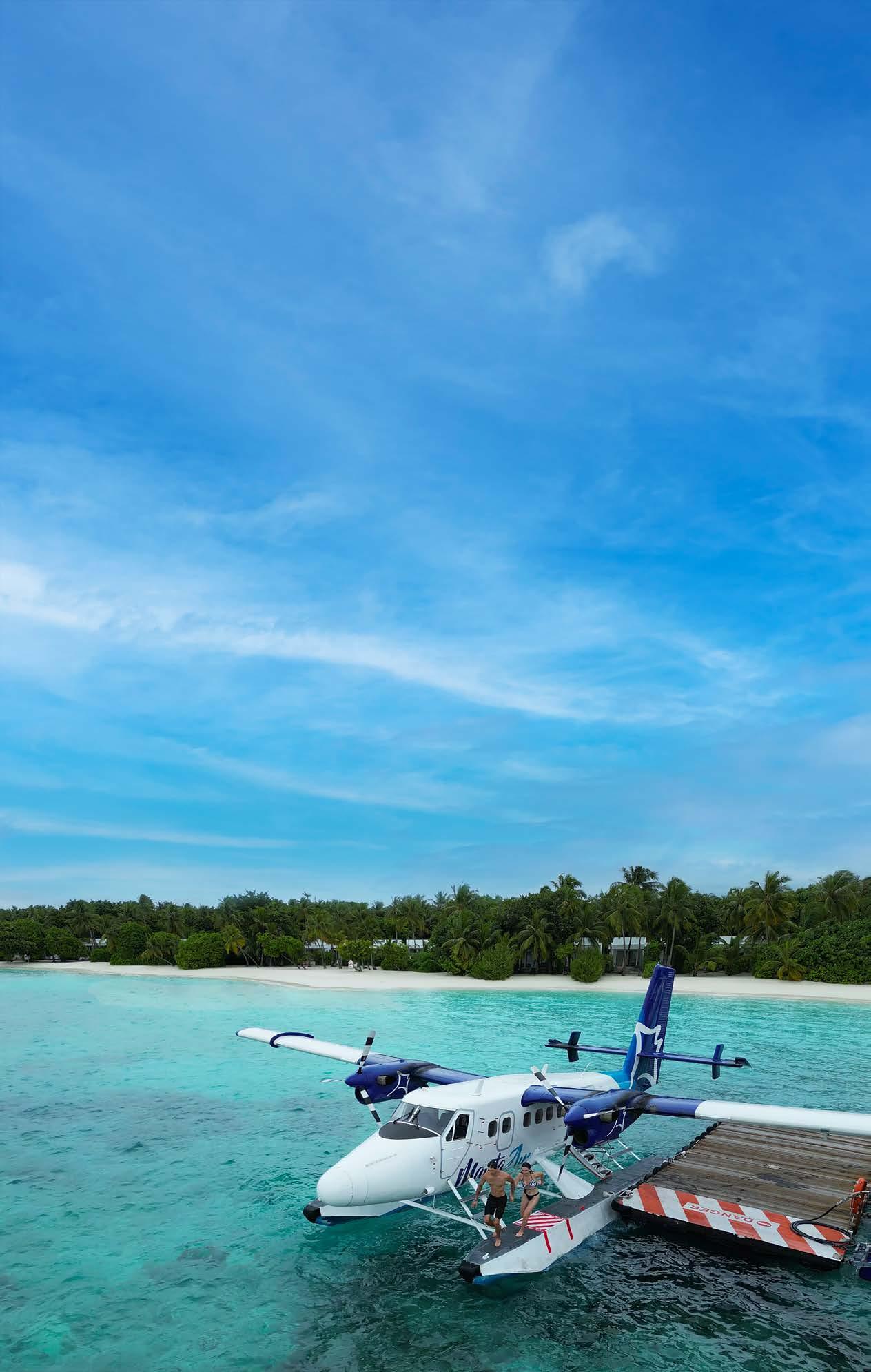
As we usher in a new year and a new season for RAYS, I am reminded that every journey in the Maldives begins with two things: a sense of place and a promise of connection. This January–June 2026 issue explores both—celebrating the craft and culture that shaped our islands, and the people and ideas moving us forward.
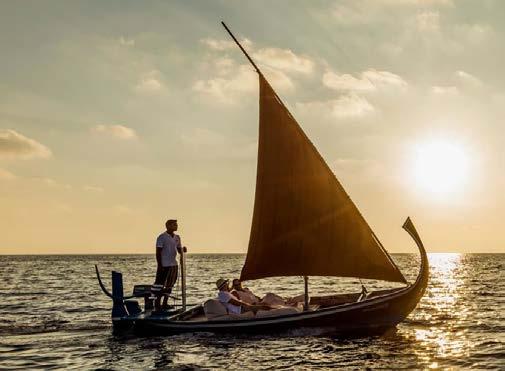
We open with the Maldivian dhoni, the original vessel of connection and a floating archive of ingenuity. Its lines, timbers and sails tell a story that predates modern schedules and runways, yet still guides how we think about service, safety and reliability today. From there, we look beneath the surface to the “silent architects” of our seas—sandbanks—and the forces that create and reshape them. Understanding our environment is not a curiosity; it is central to how we operate responsibly across a delicate archipelago.
Heritage runs through this edition. We visit artisans preserving Thundu Kunaa weaving, and travel back further in time to Theophilus of Divus, a forgotten thread linking the Maldives to the Roman world. These stories matter because they remind us that the Maldives has long been a crossroads of ideas and craft.
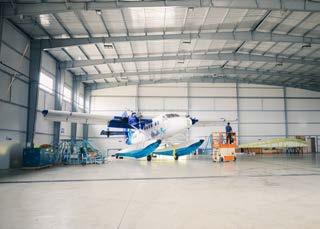
Innovation and discipline feature, too. Our aircraft maintenance team at the Dhaalu Hangar opens its doors to show what it takes to keep a complex seaplane operation moving—meticulous planning, rigorous standards and pride in work that is often unseen. We also revisit Dhaalu Airport as a gateway transforming Kudahuvadhoo and its neighbouring atolls—an example of connectivity enabling opportunity.
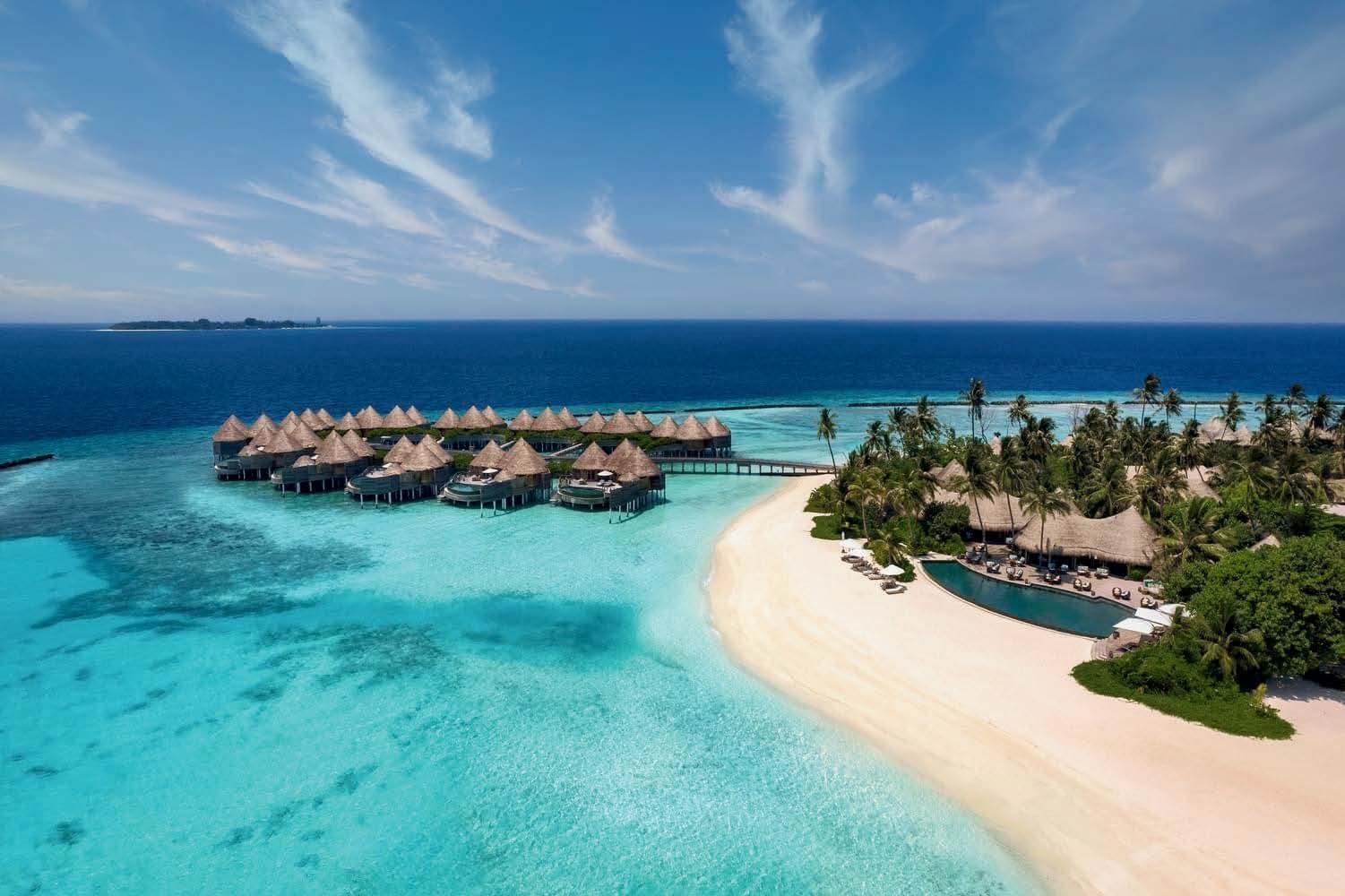
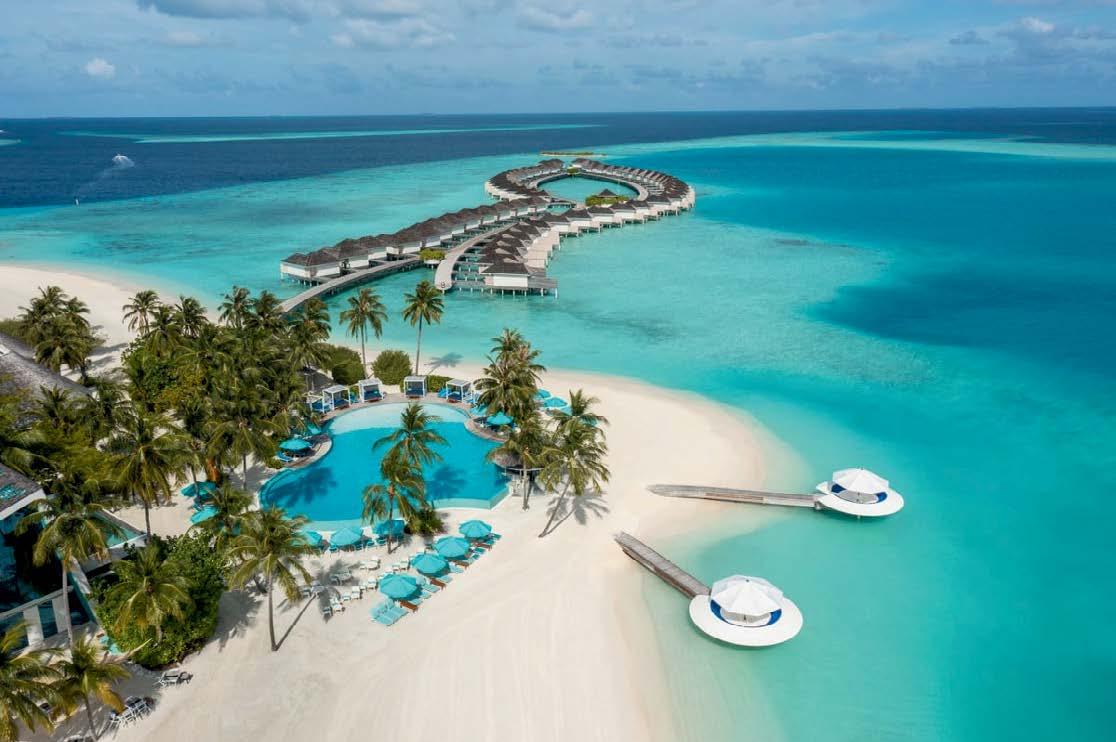
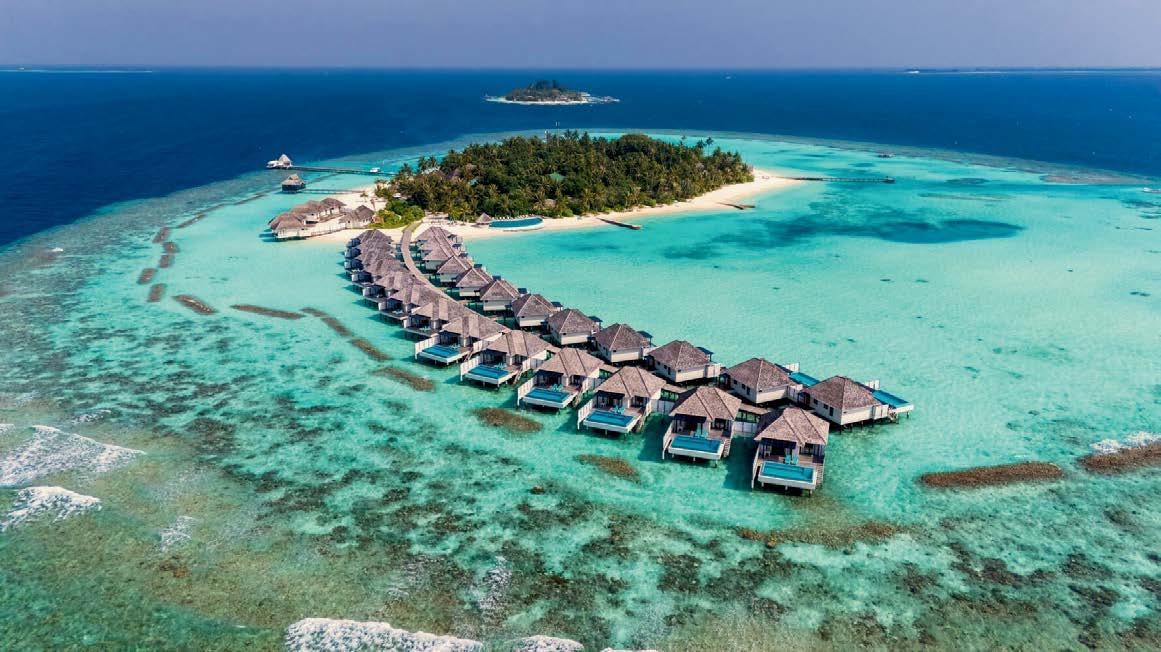
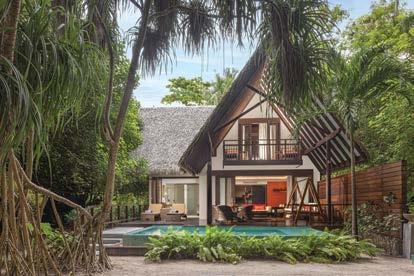
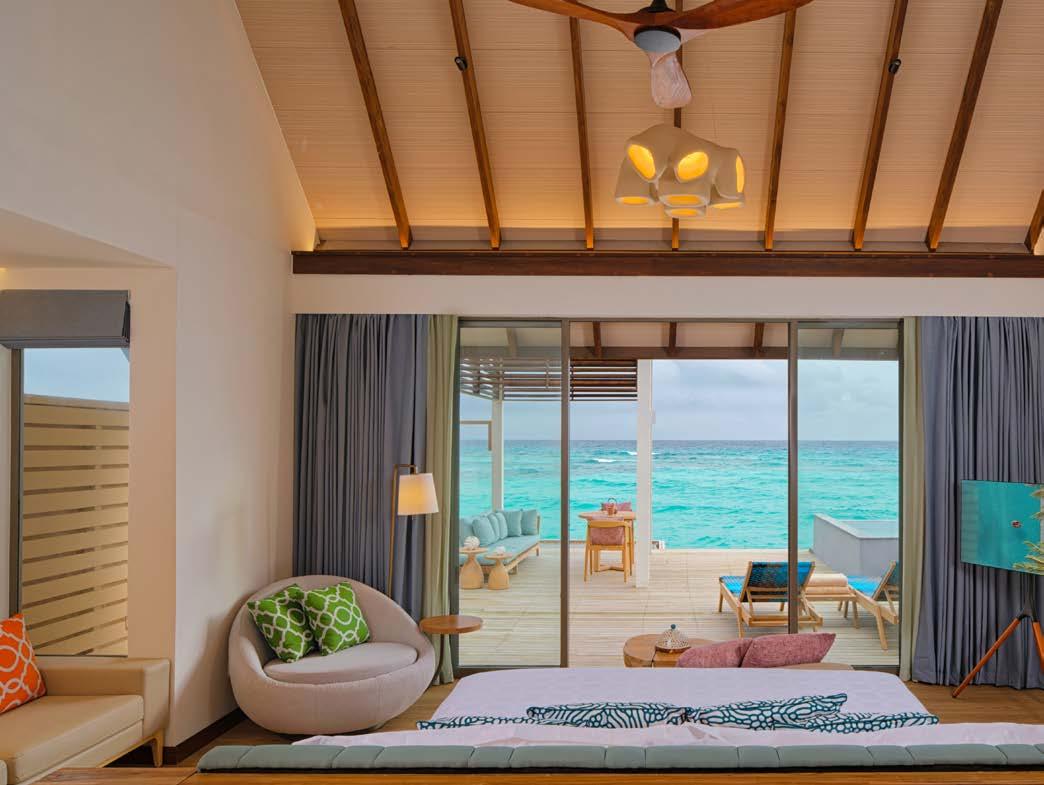
For travellers deciding where to land next, we spotlight Niyama Private Islands Maldives as it evolves the art of play; InterContinental Maldives Maamunagau as it refines balance, experience and connection; and Meyyafushi Maldives, a new premium all-inclusive shaped for guests who value choice.
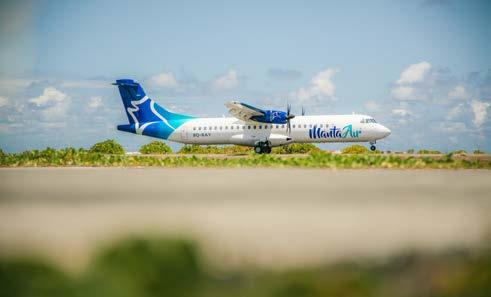
Thank you for flying with Manta Air. Whether you are returning home, beginning a holiday, or exploring a new corner of our islands, we hope RAYS helps you see the Maldives with fresh eyes—and feel more connected to the people and places that make it extraordinary.
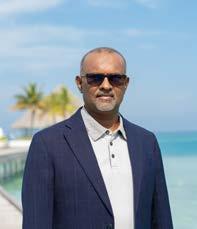
Mohamed Khaleel Chief Executive Officer
Maldivian Dhoni: Floating legacy of craftsmanship and culture
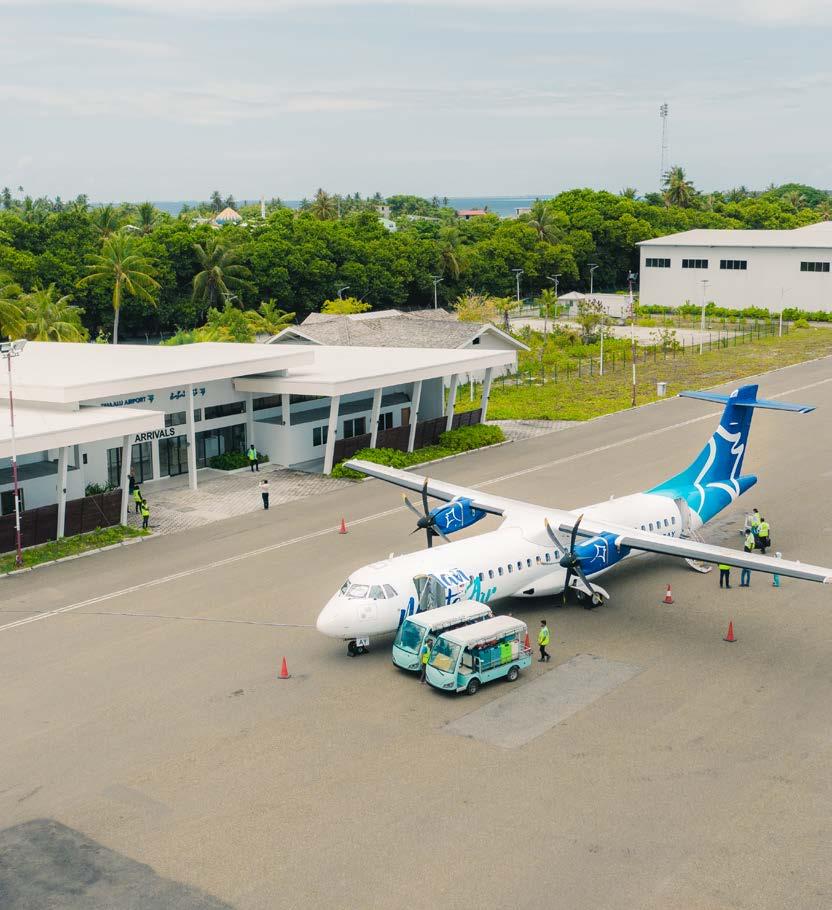
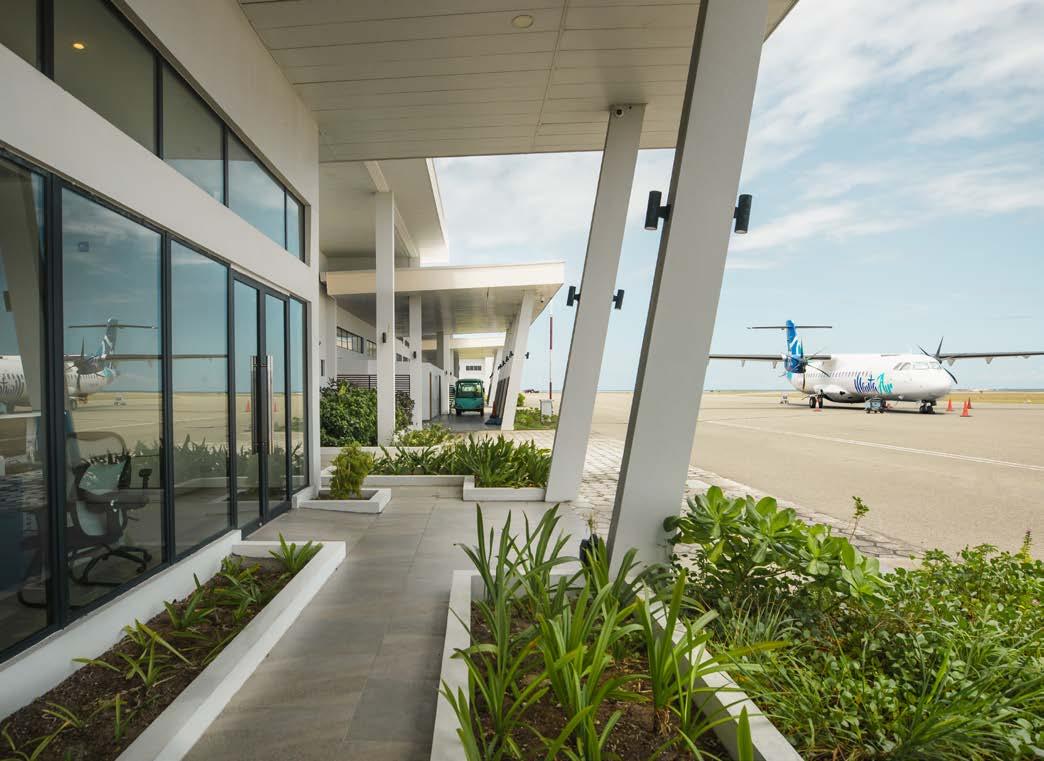
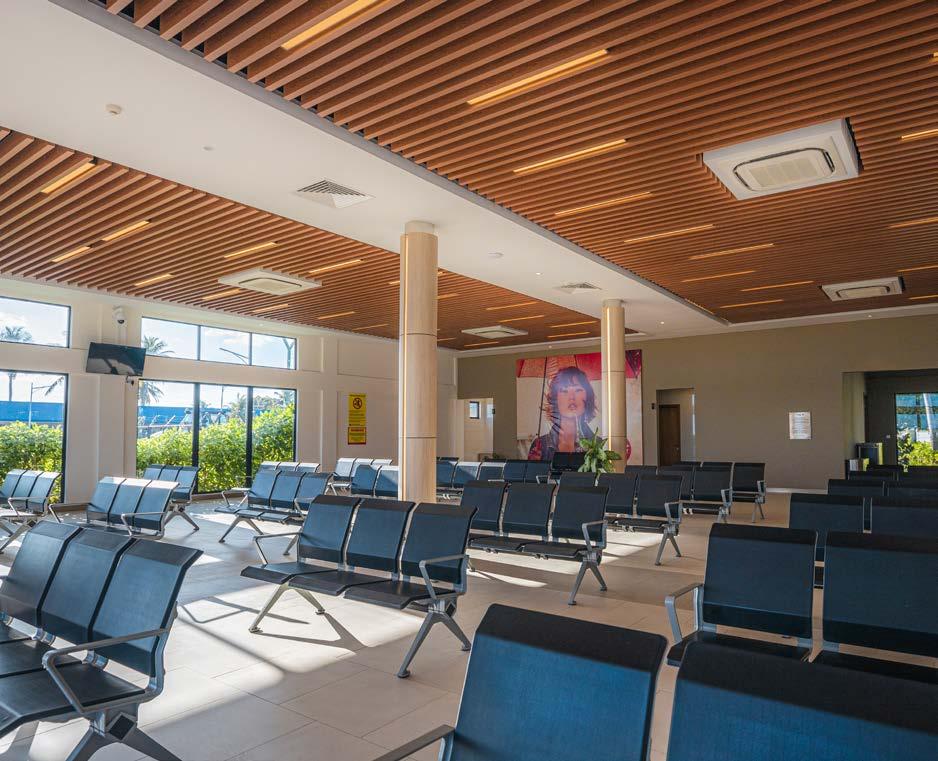
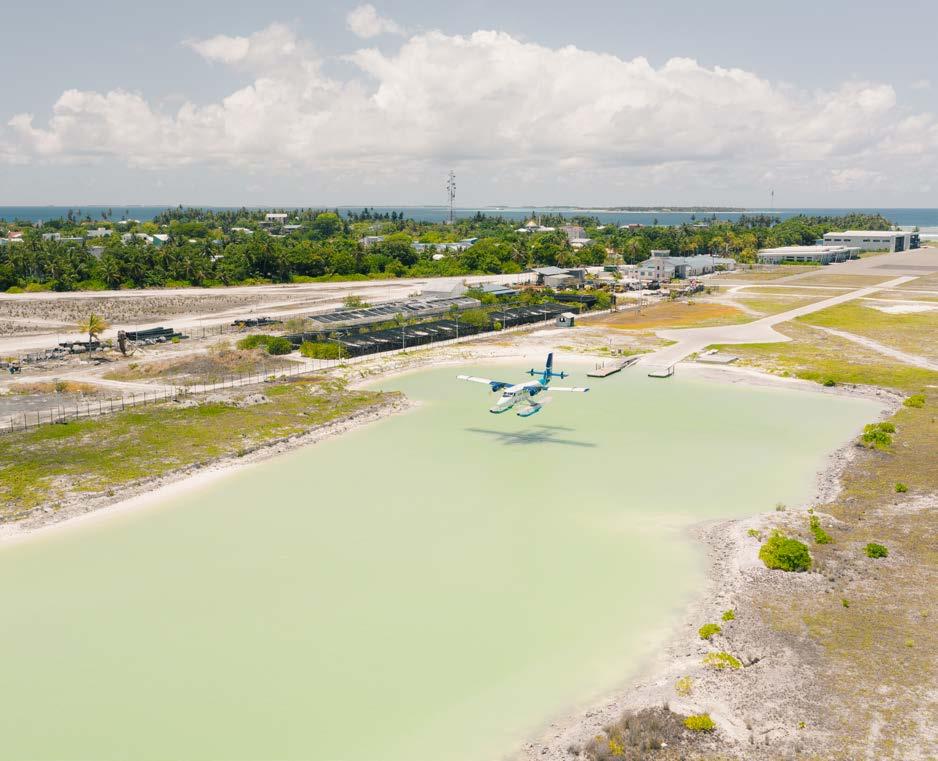
Dhaalu Airport: Gateway of transformation for Kudahuvadhoo and beyond
Silent architects of sea: Understanding the formation of sandbanks in Maldives
Theophilus of Divus: Forgotten link between Maldives and Roman world
Weaving threads of tradition: Vanishing art of Maldivian Thundu Kunaa
Niyama Private Islands Maldives: Evolving the art of play
InterContinental Maldives
Maamunagau: Redefining island living through balance, experience and connection
Meyyafushi Maldives: A new kind of premium all-inclusive for travellers who like choice
Behind the Hangar Doors: Hidden World That Keeps Manta Air Flying
MALDIVIAN DHONI:
Floating legacy of craftsmanship and culture
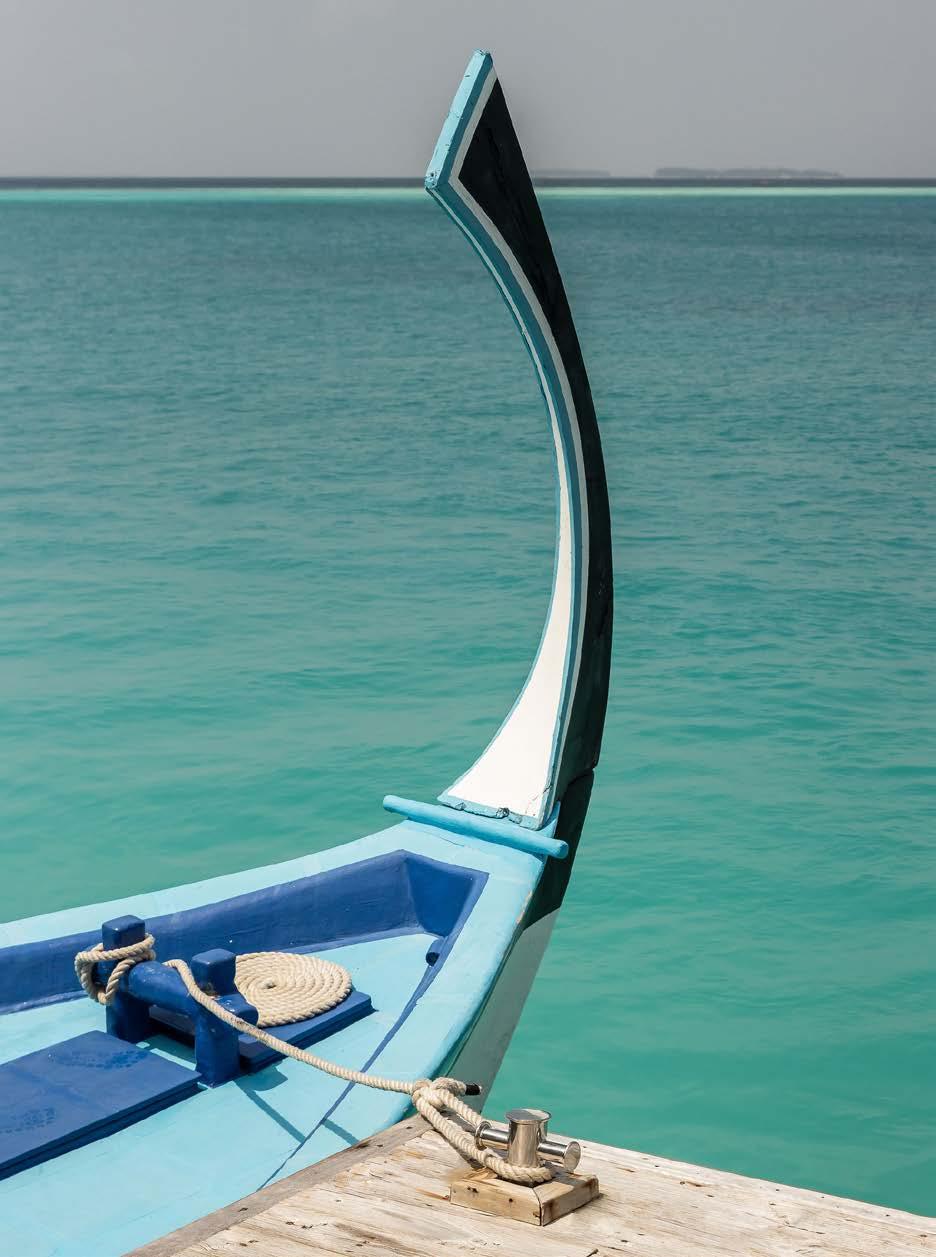
From the turquoise lagoons to the open Indian Ocean, one vessel has gracefully sailed through centuries of Maldivian history — the dhoni.
A traditional Maldivian boat handcrafted from timber, the dhoni is more than just a mode of transport. It is a symbol of the Maldives’ rich maritime heritage, a masterpiece of craftsmanship, and a quiet storyteller of island life.
A History Carved by the Sea
The history of the dhoni stretches far beyond living memory. Its design, believed to have been influenced by Arab and South Indian vessels, has evolved organically over generations to suit the unique geography and seafaring needs of the Maldives. Traditionally powered by sails and later adapted to incorporate engines, the dhoni has long served as the lifeline of the archipelago — ferrying fishermen into deep seas, transporting coconuts between atolls, and connecting communities across the scattered isles.
Long before airports and seaplanes, the dhoni was the heartbeat of local mobility. For many Maldivians, their first journey to another island, the capital,
or even their honeymoon, was aboard one of these wooden boats. Its slow, rhythmic cruise against the horizon defined the pace of island life.
A Labour of Love and Tradition
Building a dhoni is an art form handed down through generations. Traditionally, skilled craftsmen — known as “maavadiyaa” — relied on intuition, experience, and the lay of their hands rather than blueprints. Every curve of the hull, every joint, and every plank was shaped with a deep understanding of both the sea and the wood.
Local timber such as coconut palm and funa (Beach Calophyllum) was used in early construction. Today, imported wood like teak and balau may be used for durability, but the methods remain rooted in the old ways. Dhoni building can take several months, with families or entire island communities often involved in the process — a communal act that connects the boat to the people it serves.
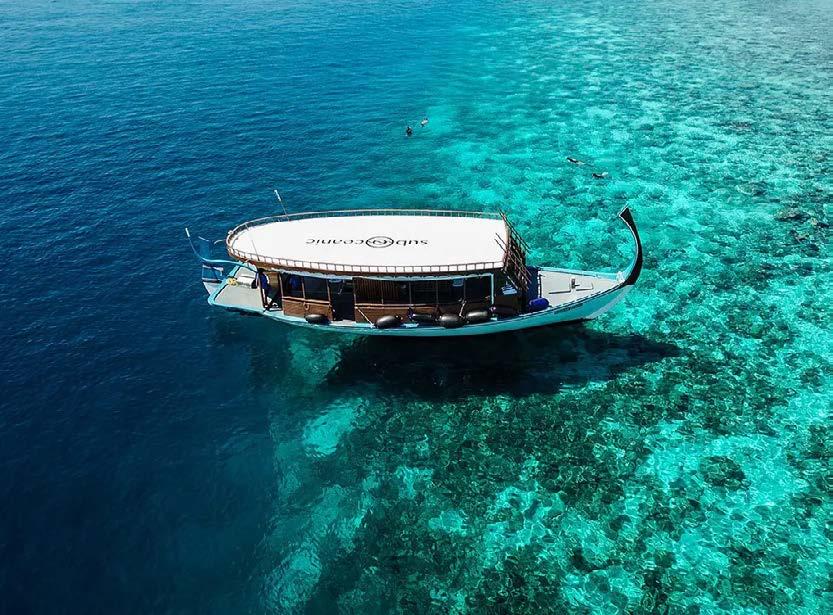
Each dhoni is unique, handcrafted to serve a specific purpose: masdhoni for tuna fishing, bokkuru, a small boat for short distance, vadhu dhoni for reef fishing, batheli for transporting goods, and now even luxury diving dhonis and resort dhonis for tourism.
From Fishermen to Five-Star Voyages
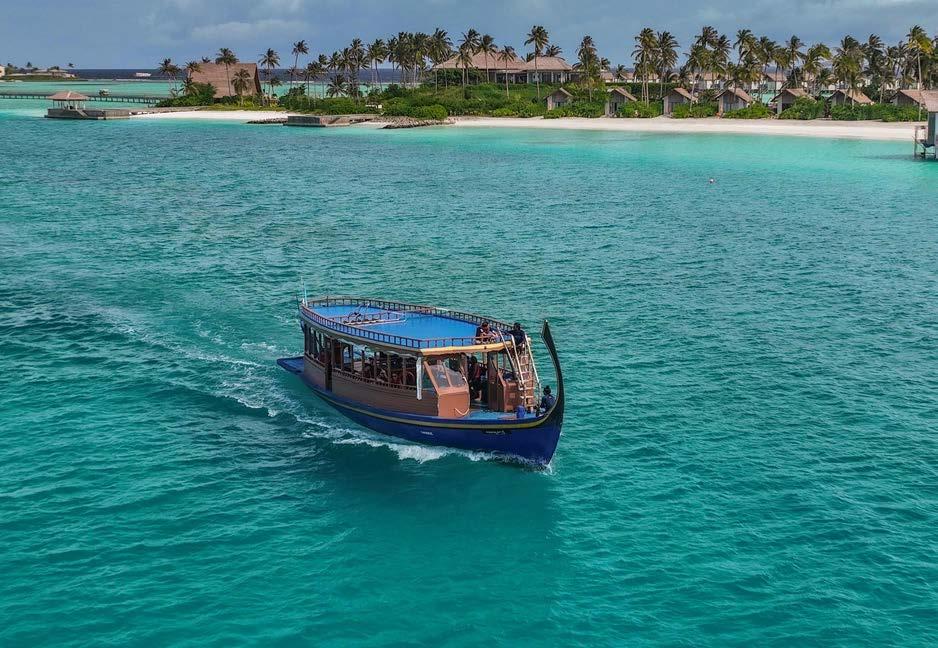
In modern times, the dhoni has found a renewed role in the Maldives’ world-renowned tourism industry. Resorts have embraced these vessels not only as a nod to tradition but as a stylish and sustainable way to transport guests on sunset cruises, snorkeling adventures, and diving expeditions.
Luxurious versions of the traditional dhoni now feature teak decks, onboard lounges, and even overnight cabins — seamlessly blending heritage with comfort. Yet, even as it transforms for new uses, the soul of the dhoni remains untouched: it is still built by hand, steered
by seasoned locals, and deeply tied to the rhythms of the sea.
A Cultural Icon
For Maldivians, the dhoni is a national icon. It is depicted in art, featured on currency, and embedded in stories passed down through generations. The dhoni is not just a boat; it is a floating metaphor for resilience, ingenuity, and the enduring relationship between islanders and the sea.
So, as you gaze out the window on your flight over the Maldives, look down at the shimmering waters below. That dark silhouette gliding across the sea — that’s not just a boat. That’s a dhoni — carrying with it centuries of craftsmanship, culture, and the unmistakable soul of the Maldives.
Did You Know?
• Traditional dhonis were entirely sail-powered until engines were introduced in the 20th century.
• The art of dhoni building is still alive in islands such as Alifushi and Rasmaadhoo, known for their master boatbuilders.
DHAALU AIRPORT:
Gateway of transformation for Kudahuvadhoo and beyond
Nestled in the heart of the Maldives, Dhaalu Airport is more than just a regional aviation hub—it is a symbol of progress, possibility, and prosperity for the island of Kudahuvadhoo and the surrounding atolls. Since the first aircraft landed on June 1, 2017, and with the official start of Manta Air’s scheduled operations to the airport on February 24, 2019, Dhaalu Airport has transformed a quiet fishing island into one of the fastest-growing economic and tourism hotspots in the Maldives.
A New Era for Kudahuvadhoo
Before the airport’s development,
Kudahuvadhoo was primarily known as a traditional fishing community, its economy modest and its infrastructure limited. Today, the island has been redefined. The construction and continuous operation of Dhaalu Airport have unlocked a wave of development, stimulating commercial activity and catalyzing investment in housing, services, and tourism infrastructure.
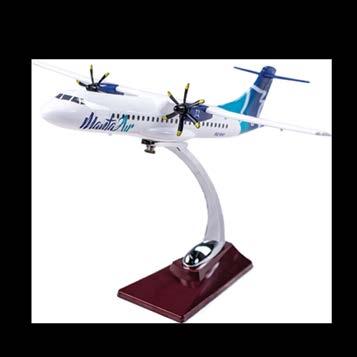
The airport, built entirely on 63 hectares of reclaimed land, features a 1,800-metre runway capable of handling Dash-8 and ATR-72 aircraft, as well as
large private jets. This strategic infrastructure has made it the perfect base for Manta Air, which operates 28 weekly flights—and up to 49 during peak periods—between Velana International Airport and Dhaalu. This reliable connectivity has helped put Dhaalu on the tourism map and opened a direct route for economic opportunity.
Economic Impact and Local Empowerment
For the local community, the airport’s presence has brought more than just planes—it has brought prosperity. Employment
The Maldives offers exceptional year-round opportunities to observe rays in the wild.
opportunities have significantly expanded, with many locals working in airport operations, ground handling, security, administration, and with airlines like Manta Air. Beyond direct employment, the airport has driven growth in supporting industries such as logistics, retail, food services, and construction.
Landowners in Kudahuvadhoo and neighboring islands have also benefited. The demand for housing, staff accommodation, and commercial space has led to increased land rents and property development. Local entrepreneurs
have found new markets, with businesses ranging from cafés and shops to guesthouses and tour operators springing up to serve both travelers and the growing expatriate workforce.
The Rise of Regional Tourism
Dhaalu Atoll has quickly become one of the fastest-growing tourism regions in the Maldives, with the airport playing a pivotal role in its rise. Resorts such as Niyama Private Islands, Kandima Maldives, and St. Regis Maldives Vommuli are easily accessible via Dhaalu Airport, enabling them to offer quicker and more convenient
transfers for international guests. The atoll’s unique combination of pristine lagoons, diving spots, and untouched islands has made it a sought-after destination, and the airport ensures that the experience begins the moment guests touch down.
Furthermore, the growth of the guesthouse industry on Kudahuvadhoo has allowed local families to participate in tourism for the first time. Small businesses now offer excursions, local dining experiences, and cultural tours, giving visitors a chance to connect more deeply with island life— and ensuring tourism revenue
benefits the community directly.
Looking to the Future
The transformation of Kudahuvadhoo from a quiet fishing island into a regional hub is a testament to how infrastructure, when thoughtfully developed, can bring about lasting and inclusive change. Dhaalu Airport has become a lifeline for economic growth, a catalyst for local development, and a critical link in the Maldives’ dynamic tourism ecosystem.
For Manta Air, whose main base of operations is at Dhaalu Airport, this is more than a
logistical advantage—it’s a mission to connect people, empower communities, and fuel progress in one of the most beautiful parts of the world.
As planes continue to land and take off from Dhaalu’s shores, so too do opportunities continue to rise—for the people of Kudahuvadhoo, for Dhaalu Atoll, and for the Maldives as a whole.
Fly with us and witness the transformation first-hand— only with Manta Air.
SILENT ARCHITECTS OF SEA: Understanding the formation of sandbanks in Maldives
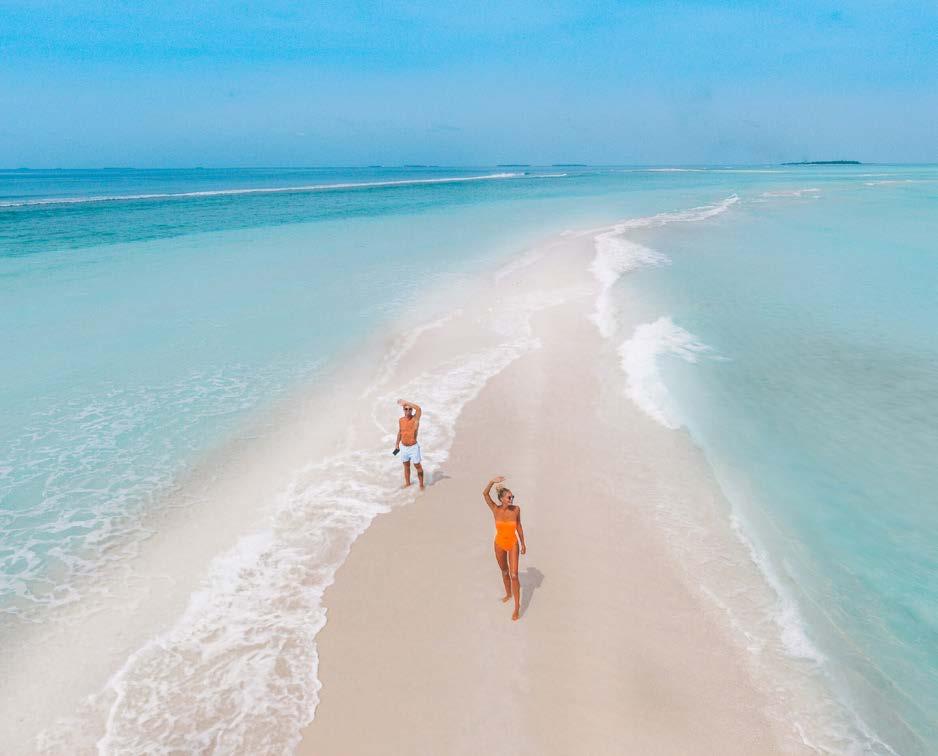
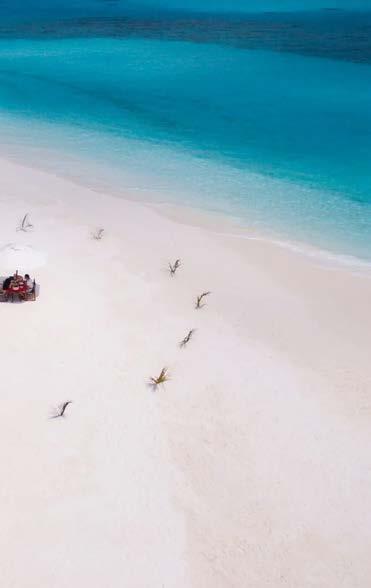
The Maldivian archipelago is renowned for its turquoise lagoons, coral reefs, and pictureperfect white sandbanks that appear to rise magically from the ocean. These ephemeral islands are not just photogenic backdrops for a dream vacation— they are the result of intricate geological and hydrodynamic processes that span millennia.
More Than Just Sand: The Origins of Sandbanks
While we often admire sandbanks for their beauty and recreational value, their formation is rooted in dynamic and complex natural systems. Scientists generally describe sandbanks through two main lenses: their morphology and hydrodynamics, and their geological origins.
The dispersal systems approach considers how sandbanks form within broader sediment transport systems—how ocean currents, wave action, and tides carry sand and deposit it in certain locations. Meanwhile, the hydrodynamic approach looks at the more immediate physical processes— like wave patterns and tidal flows—that shape the sandbanks’ features over shorter periods.
Interestingly, some sandbanks may be ancient geological remnants—formed before sea levels rose after the last Ice Age. These formations were later reshaped by marine forces, leaving behind the ridged or elongated sandbanks we see today.
A
Unique Feature of the Maldives
In the Maldives, sandbanks are a striking feature of the underwater landscape. Unlike other regions where they appear at the mouths of estuaries or alongside continental shelves, Maldivian sandbanks are sculpted by the unique topography of the coral atolls. The entire archipelago rises above a vast ocean floor, and the sandbanks—composed primarily of fine coral sand and shell fragments—are dotted across the sea, sometimes appearing and disappearing with the tides.
These formations are shaped by strong tidal and ocean currents, which move sediment into place. In areas with rectilinear tidal currents—currents that move in relatively straight lines—linear sandbanks form, often long and narrow. In more dynamic flow zones, circular or spherical currents result in irregular or
rounded sandbanks. These systems are in constant flux, with sand shifting subtly every day under the influence of wave energy and current velocity.
More Than Just a Pretty Sight
Despite their barren appearance, sandbanks are biologically rich ecosystems. According to marine researchers, these underwater structures provide essential habitats for a wide variety of life. From tiny macrozoobenthos—the invertebrates living in seabed sediments—to larger fish species, the sandy substrate supports a vibrant food web.
“Sandy bottoms are important for a lot of different fish species, like flatfish and sandeels, because they provide a good place for young fish to grow and develop,” explains Mikael van Deurs, associate professor at the National Institute of Aquatic Resources of Denmark (DTU Aqua).
Sandbanks also serve as nesting and feeding grounds for marine birds, breeding areas for small fish, and habitats for seagrass and marine flora, all of which contribute to the Maldives’ marine biodiversity.
A Treasure for Tourists— and a Responsibility
For visitors to the Maldives, sandbanks are more than geological wonders—they’re once-in-a-lifetime experiences. Tourists enjoy sunset dinners, snorkelling excursions, private picnics, and even wedding ceremonies on these tiny islets surrounded by nothing but sky and sea. Their impermanence and beauty make them some of the most sought-after destinations in the country.
However, not all sandbanks are safe from change. As the tourism industry continues to
expand, coastal development, resort construction, and erosion have led to the disappearance of several sandbanks. It’s a reminder that these seemingly robust formations are, in fact, delicate and vulnerable to both human interference and natural forces.
Preserving the Magic Sandbanks are silent storytellers of the ocean—records of past climates, currents, and sea levels, and vibrant habitats for marine life. They are also integral to the Maldives’ identity, economy, and ecological future. Protecting them is not just a matter of environmental stewardship; it’s
Despite their barren appearance, sandbanks are biologically rich ecosystems.
a commitment to preserving a piece of the Maldives’ natural soul for generations to come.
So, the next time you spot one of these sandy jewels from the window of a Manta Air seaplane, take a moment to marvel. There’s more than meets the eye.
Sidebar
Tip for Manta Air
Guests:
Looking for a truly unforgettable experience? Ask your resort about sandbank excursions. Many offer private experiences, but always ensure your activity follows ecofriendly guidelines to keep these beautiful formations undisturbed.
THEOPHILUS OF DIVUS:
Forgotten link between Maldives and Roman world
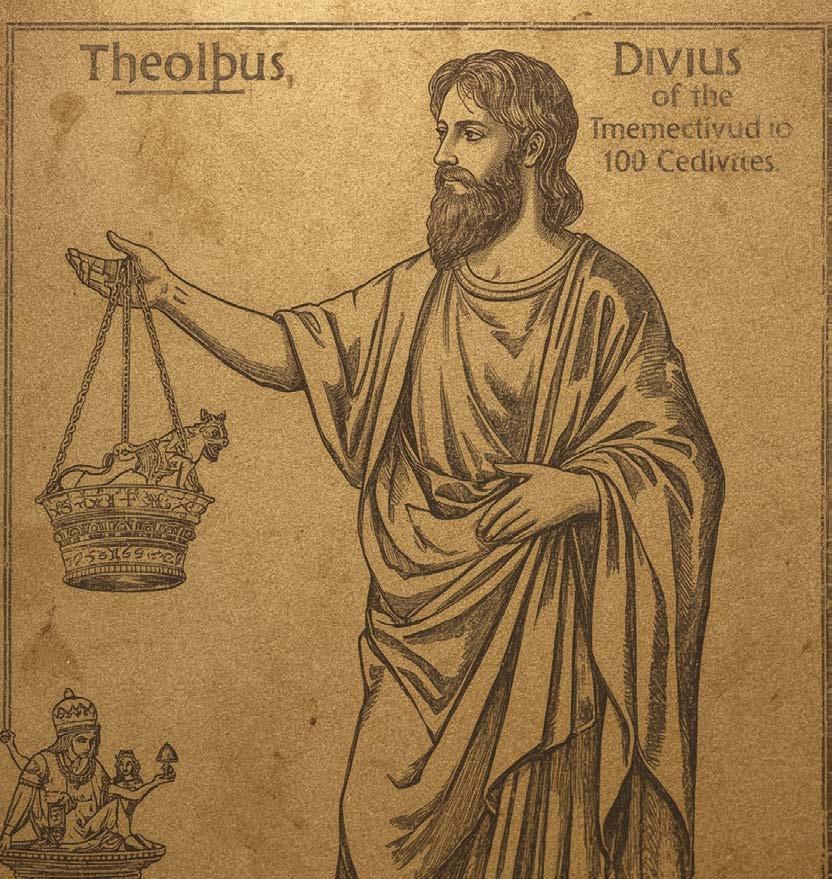
Long before the Maldives became a globally sought-after island escape, its connection to the wider world ran surprisingly deep—even as far as the heart of the Roman Empire. Among the most remarkable stories from this ancient chapter of history is that of Theophilus, arguably the first Maldivian known to have travelled to and practised medicine in Europe.
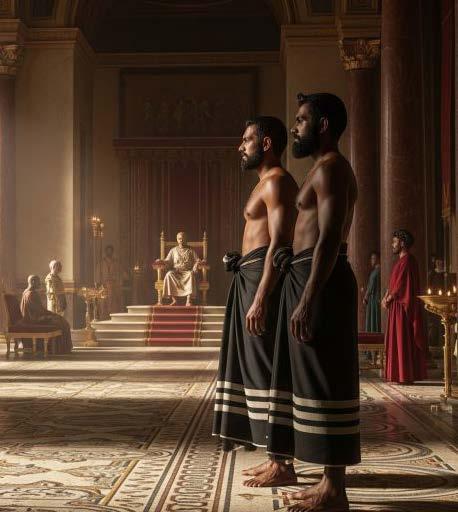
In the 4th century AD, during the reign of Roman Emperor Flavius Julius Constantius Augustus (better known as Constantius II, son of Constantine the Great), Theophilus was sent on an imperial mission to Arabia Felix (modern-day Yemen) and Abyssinia (present-day Ethiopia). According to ancient Greek historian Philostorgius, Theophilus was a physician of some repute, and a trusted envoy in an era when religion, politics, and medicine often intertwined.
But Theophilus’s journey began much earlier—on the distant islands referred to in Roman records as Divus or Divae, believed by many modern scholars to be the Maldives. He had been sent to the Roman Empire as a hostage envoy during the reign of Emperor Constantine the Great, a common diplomatic practice of the time to ensure goodwill and allegiance between distant nations and Rome. These “Divaeans” (or Divians, as they may have been known) likely represented a proto-Maldivian culture with established maritime connections.
Theophilus’s travels took him across the Red Sea and back to the Roman city of Antioch—a bustling hub of commerce and scholarship in what is now modern-day Turkey. It is here that he likely spent most of his medical career, bridging the Indian Ocean world with the intellectual centers of Rome.
According to ancient Greek historian Philostorgius, Theophilus was a physician of some repute, and a trusted envoy in an era when religion, politics, and medicine often intertwined.
This wasn’t the only recorded contact between the Maldives and Rome in antiquity. The Roman historian Ammianus Marcellinus, writing in AD 362, noted that envoys from Divi (another early name believed to refer to the Maldives) visited the court of Emperor Julianus—the last pagan emperor of Rome. This rare but significant moment suggests that diplomatic ties existed between these distant islanders and the Roman world, perhaps facilitated by the bustling trade routes of the Indian Ocean.
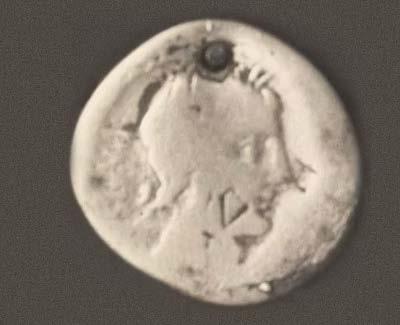
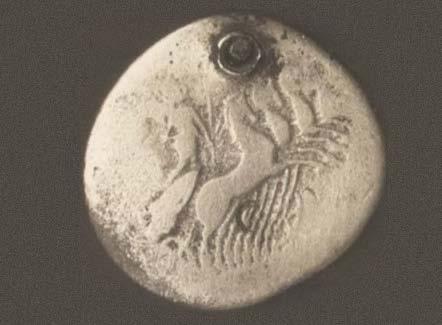
Archaeological evidence supports these accounts. On the island of Thodd00 in Ari Atoll, a ceremonial vessel was discovered buried in the remains of a Buddhist temple. Inside it was a Roman Republican denarius minted in 90 BC by Caius Vibius Pansa. Long out of circulation by the 2nd century AD, its presence in the Maldives hints at a deep and early network of trade stretching across oceans and civilizations.
The story of Theophilus and his contemporaries offers a tantalising glimpse into a Maldives few imagine—a nation already connected to the great powers of the ancient world. As you fly over the very waters Theophilus once crossed, consider this: these islands were never as isolated as they seem. For millennia, they have been crossroads of exchange, knowledge, and global curiosity.
From Divus to Antioch, and back again—the journey of a Maldivian doctor reminds us that our stories have always reached far beyond our shores.
The Roman historian Ammianus Marcellinus, writing in AD 362, noted that envoys from Divi visited the court of Emperor Julianus— the last pagan emperor of Rome.
WEAVING THREADS OF TRADITION:
Vanishing art of Maldivian Thundu Kunaa
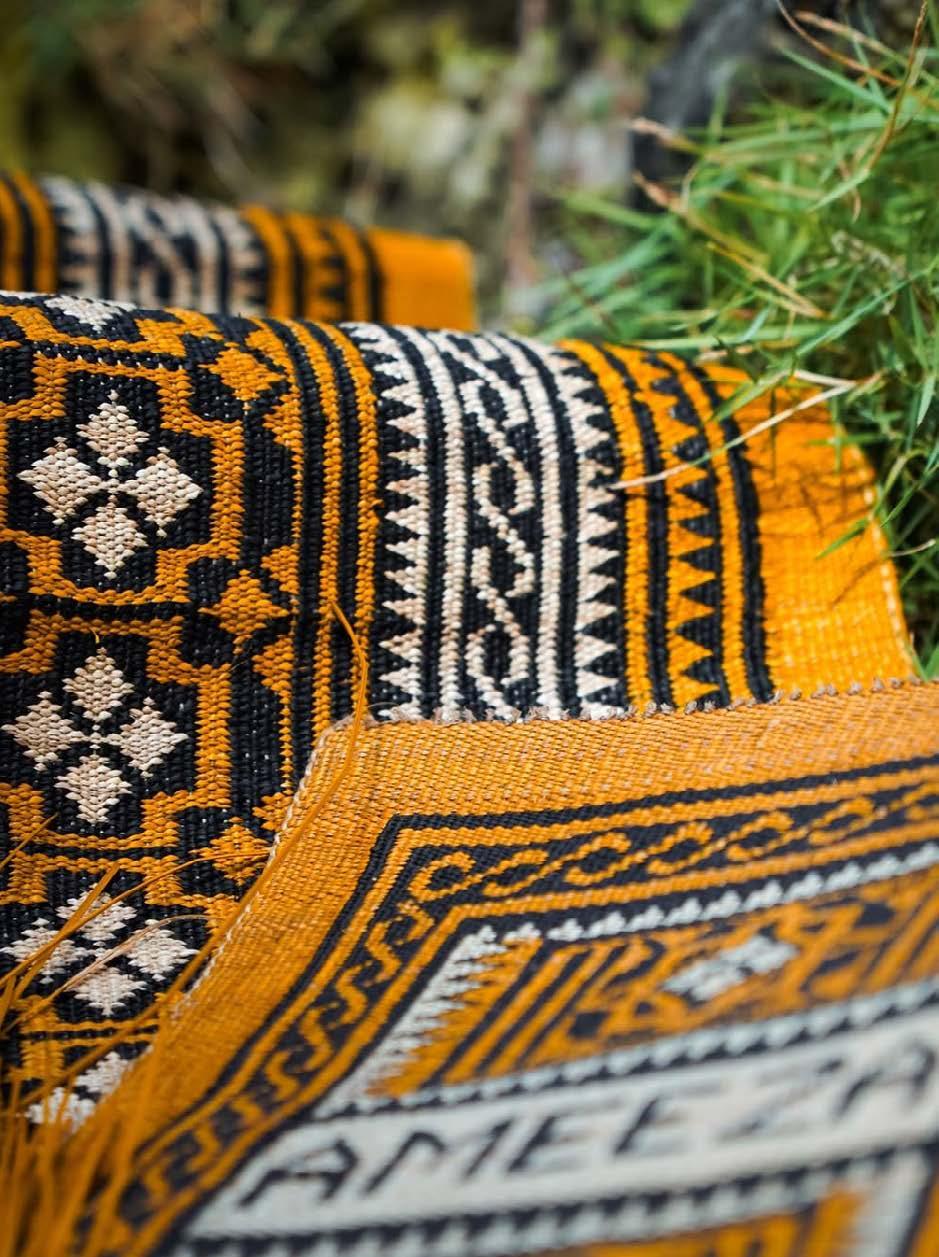
The art of mat weaving, or Thundu Kunaa weaving, is one of the most treasured crafts in Maldivian heritage.
Once an essential part of daily life and island identity, these handwoven mats served both practical and ceremonial purposes. Today, however, this age-old tradition is quietly slipping into obscurity, with only a few island communities preserving the practice.
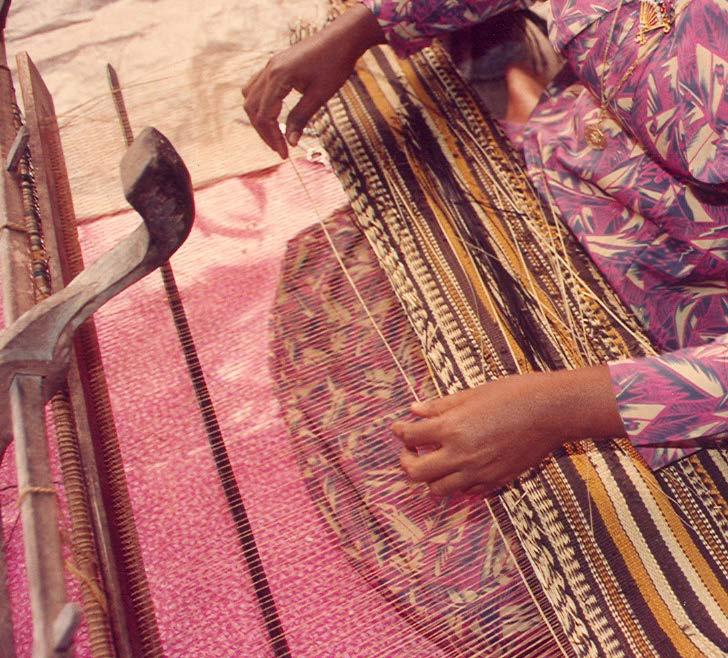
For generations, women passed down the skill of weaving from mother to daughter. The intricate process began with the gathering and drying of hau (screw pine) or fai (reeds), which were then dyed in natural pigments—mostly black, yellow, and brown— extracted from plants and roots. The weavers would sit for hours under the shade of breadfruit trees or in island huts, working rhythmically with bare hands and eyes trained by years of practice.
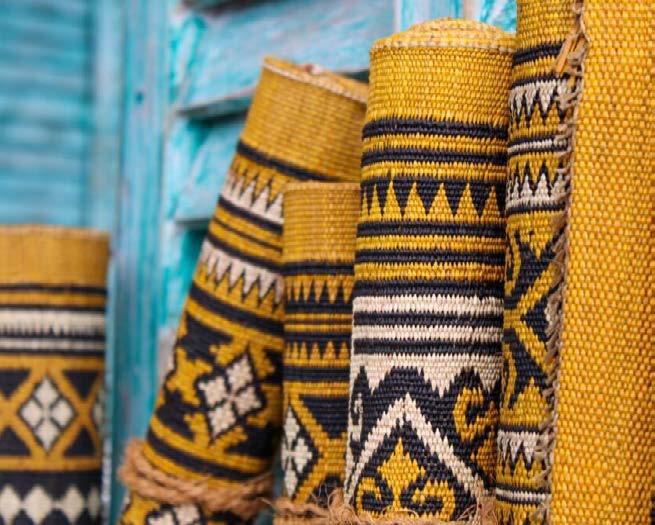
A Thundu Kunaa is more than a simple mat. Woven with tight, fine precision and beautiful geometric patterns, it represents a deep connection between Maldivians and their natural environment. A high-quality mat could take weeks to complete. Traditionally, mats were used in homes, mosques, and
even for royal purposes—some were gifted to visiting dignitaries or used in palace ceremonies.
The Technique
The process of weaving begins with preparing the fibers. The dried reeds are boiled and dyed, then carefully split and softened. A simple wooden loom is used, with the weaver passing the strands over and under in a highly controlled sequence. Patterns emerge slowly—zigzags, diamonds, and borders—each with cultural meaning and variation by atoll.
The finest mats, known as Kunaa Dheythi, were made in Gaafu Dhaalu Gaddhoo, an island once famed across the archipelago for its expert weavers. These mats were prized possessions and could fetch high value in the Malé market, or abroad.
The Past
Mat weaving was not just a craft—it was a livelihood. Island communities would export mats to other islands, and in some cases, even internationally, including to royal courts in Sri Lanka and
India. The income from weaving supported families, funded education, and empowered women long before the concept of modern employment reached many islands.
Weaving was also central to community life. Women would gather in groups, chatting and laughing as their fingers worked swiftly over the looms. It was a time of sharing stories, passing down wisdom, and building bonds.
The Present
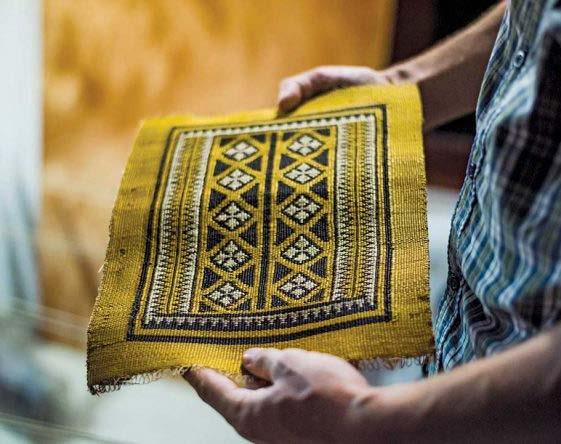
While the practice of Thundu Kunaa weaving has faded from daily life, it has found a new role in modern Maldivian culture—as art. Today, these traditional mats are more often celebrated as decorative pieces rather than everyday household items. Their intricate patterns and craftsmanship are admired for their aesthetic value and cultural significance.
Smaller versions of Thundu Kunaa, framed or mounted, are now commonly sold in souvenir shops and resort boutiques. Visitors to the Maldives often purchase
them as unique keepsakes—each piece a handmade reflection of island artistry and tradition.
Fading Into History
Despite this renewed artistic interest, the number of active weavers continues to decline. Only a handful remain—mostly elderly women in Gaddhoo, Fiyoari, or Thinadhoo—who continue to weave for passion rather than profit. The younger generation is drawn to other forms of work, and access to raw materials has become limited
due to environmental changes and shifting economies.
Modern imports have replaced the Thundu Kunaa in homes and public spaces. Plastic mats and industrial fabrics are cheaper, easier to clean, and readily available.
But for those who still weave, the mat is a thread to the past. It holds memories of island life, of evenings spent by the firelight, and of a time when craftsmanship was survival. It speaks of patience, artistry, and pride.
Some cultural groups and NGOs are working to revive the craft by documenting techniques and training new weavers, hoping to preserve this fading tradition. Still, the challenge remains—can we keep the loom turning in a rapidly modernizing Maldives?
The Thundu Kunaa is more than a mat—it is a legacy. One woven not just with reeds, but with history, heritage, and heart.
Mat weaving was not just a craft—it was a livelihood.
Connecting Dream Destinations!
SEAPLANE OPERATIONS
HAA DHAALU ATOLL
Soneva Secret
RAA ATOLL
InterContinental Maldives
Dhigali Maldives
Ifuru Maldives Island
Raaya by Atmosphere
NOONU ATOLL
Soneva Jani
LHAVIYANI ATOLL
Six Senses Kanuhura
Meyyafushi Maldives
BAA ATOLL
Anantara Kihavah Maldives Villas
Amilla Maldives
Milaidhoo Maldives
The Nautilus Maldives
Dhigufaru Island Resort
Soneva Fushi
Avani + Fares Maldives
ARI ATOLL
Nova Maldives
Nika Island Resort and Spa
Kaani Haven Beach, Ukulhas
VAAVU ATOLL
NOOE Maldives Kunaavashi
DHAALU ATOLL
Niyama Private Islands Maldives
Kandima Maldives
Hotel Riu Palace Maldivas
Hotel Riu Atoll
THAA ATOLL
COMO Maalefushi
DOMESTIC OPERATIONS
AIRPORTS WE FLY TO
Velana International Airport
Dhaalu Airport
Dharavandhoo Airport
Ifuru Airport
Madivaru Airport
RAA ATOLL
InterContinental Maldives
Dhigali Maldives
Raaya by Atmosphere
Ifuru Maldives Island
Adaaran Select Meedhupparu
Heritence Aarah
Furaveri Maldives
Reethi Faru Resort
LHAVIYANI ATOLL
Six Senses Kanuhura
Fushifaru Maldives
Hurawalhi Island Resort
Komandoo Island Resort
Kudadoo Maldives Private Island
Kuredu Island Resort
Mabinhura by Jawakara Islands Maldives
BAA ATOLL
Anantara Kihavah Maldives Villas
Amilla Maldives
Milaidhoo Maldives
The Nautilus Maldives
NH Collection Maldives Reethi Resort
Dhigufaru Island Resort
Soneva Fushi
Avani + Fares Maldives
The Westin Maldives Miriandhoo Resort
Dreamland
Dusit Thani Maldives
DHAALU ATOLL
Niyama Private Islands Maldives
Kandima Maldives
Hotel Riu Palace Maldivas
Hotel Riu Atoll
Sun Siyam Vilu Reef Maldives
Sun Siyam Iru Veli
About Us
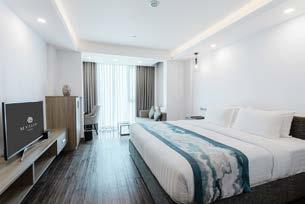
Maagiri Hotel brings contemporary comfort to the capital: four room categories, stylish décor and premier facilities including a fitness centre, meeting spaces and curated food & beverage venues.
Located in close proximity to Velana International Airport with a 10 minute drive away, our centrally-positioned haven offers convenience without compromise.
Services and Ammenities
Free Airport Transfer
Free high-speed Wifi
24 Hour Room Service
In-room Minibar and Coffee Machine
Dining Options
Enjoy a range of culinary experiences from café-style bites to semi-fine dining and rooftop lounging. Coffee Curve, Faru, and Peak offer the perfect setting for every mood.
Wellness & Fitness
Maintain your fitness routine with our modern, fully equipped gym.
Conference Hall &
Meeting Room Facilities
Meeting rooms and spacious conference halls equipped with modern ammenities.
Boduthakurufaanu Magu, Malé 20012, Republic of Maldives | Tel: +960 331 8484 reservations@maagirihotel.com wwww.maagirihotel.com . maagirihotel .
NIYAMA PRIVATE ISLANDS MALDIVES:
Evolving the art of play
Since opening in 2012, Niyama Private Islands Maldives has stood apart for its bold, unrestrained approach to island luxury. Now, more than a decade on, the resort has unveiled its most significant evolution yet. Under the concept “This is Niyama”, every villa, restaurant, and leisure space has been re-imagined, infusing the twin islands of Play and Chill with a renewed energy that reflects how today’s travellers choose to live, move, and connect.
This transformation signals more than a refurbishment; it is an evolution in purpose. With a vision to give guests complete freedom over how they spend their time, Niyama now redefines the balance between indulgence, adventure, and wellbeing. From redesigned villas and new dining experiences to enhanced family and wellness facilities, the resort’s philosophy remains clear: life here is lived on one’s own terms.
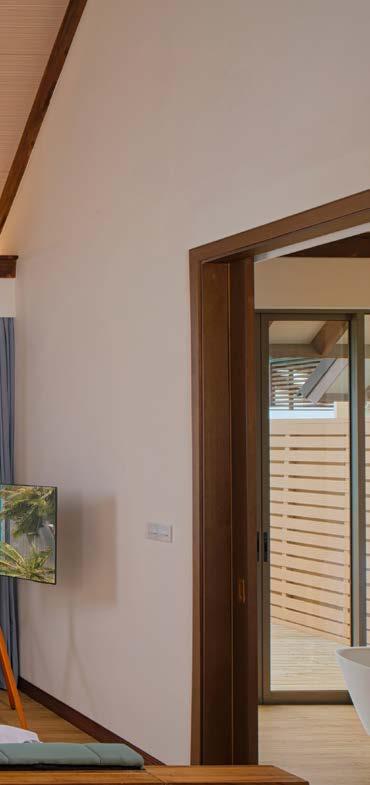
Evolved Living: Refined Comfort Across Two Islands Niyama’s accommodation portfolio now features 134 refurbished villas and pavilions across its two lush islands. The redesign introduces a lighter, more natural palette inspired by the surrounding landscape, complemented by new furnishings and discreet technology that quietly enhances the guest experience.
On the beachfront, villas are positioned along the coves of
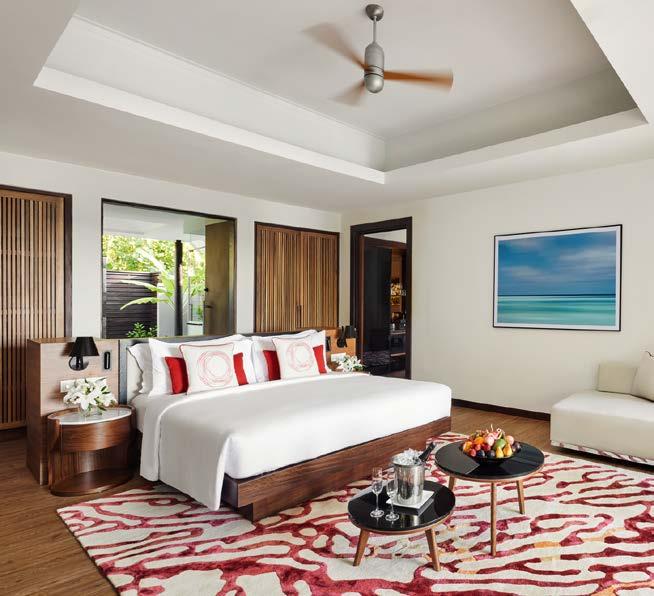
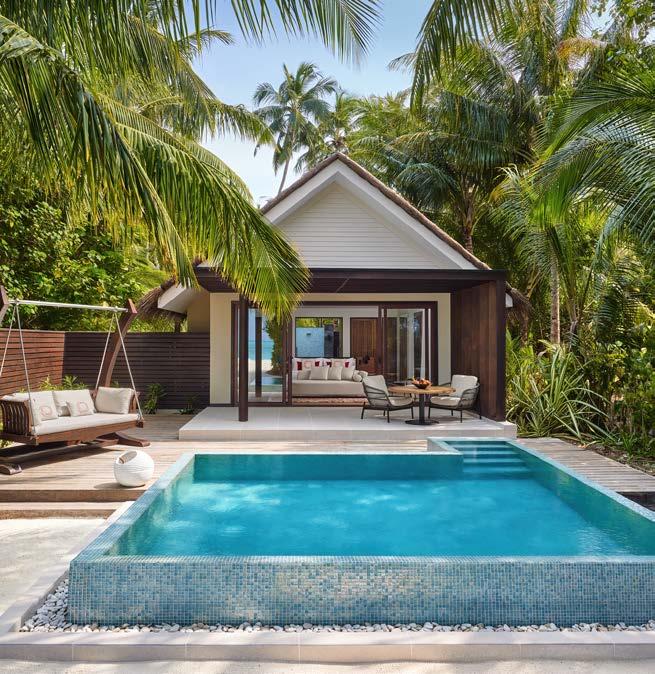
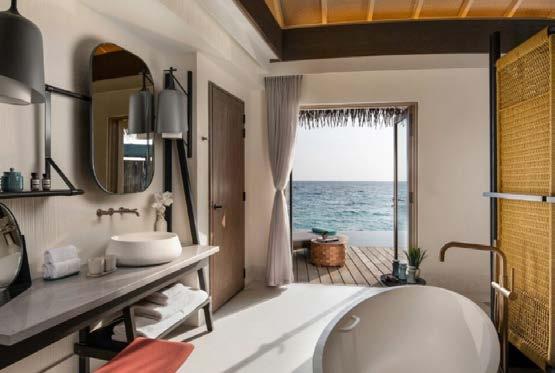
both islands, allowing guests to choose between the energy of Play or the calm of Chill. The refreshed interiors feature sunset tones and floor-to-ceiling glass doors that open onto private decks, blending indoor and outdoor living seamlessly. Each villa includes intuitive amenities such as espresso and popcorn machines, outdoor bathing spaces, and bicycles for exploration.
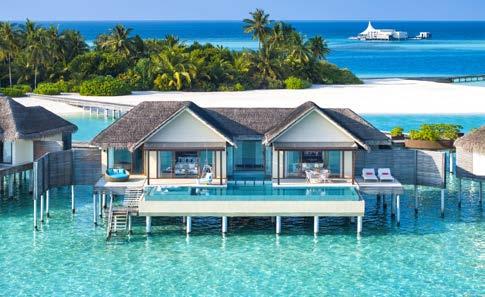
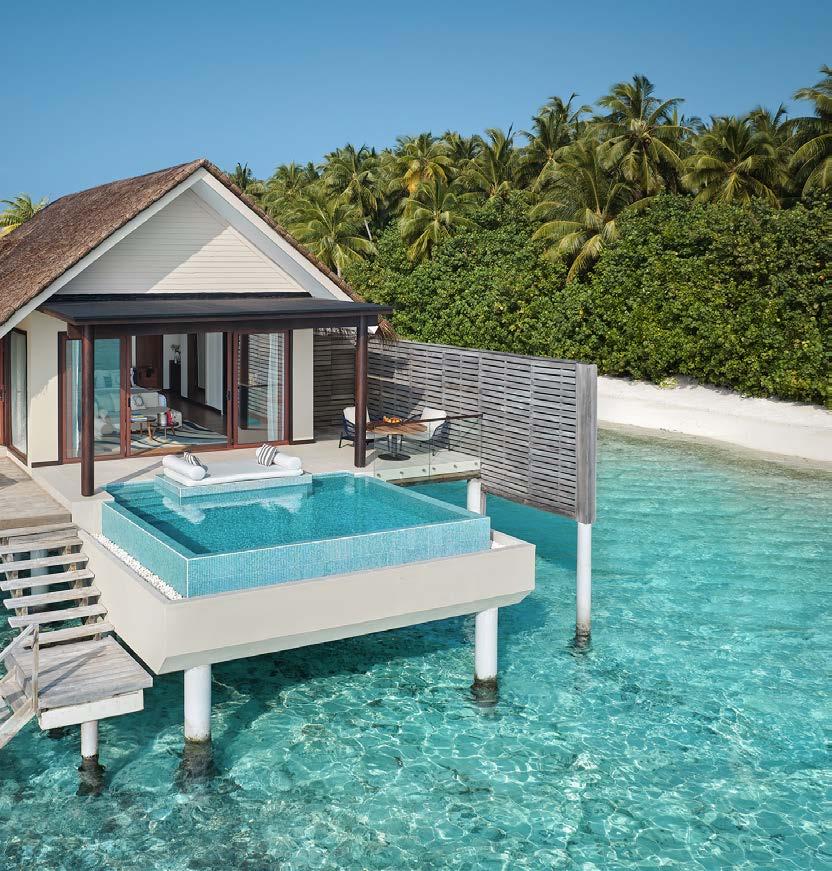
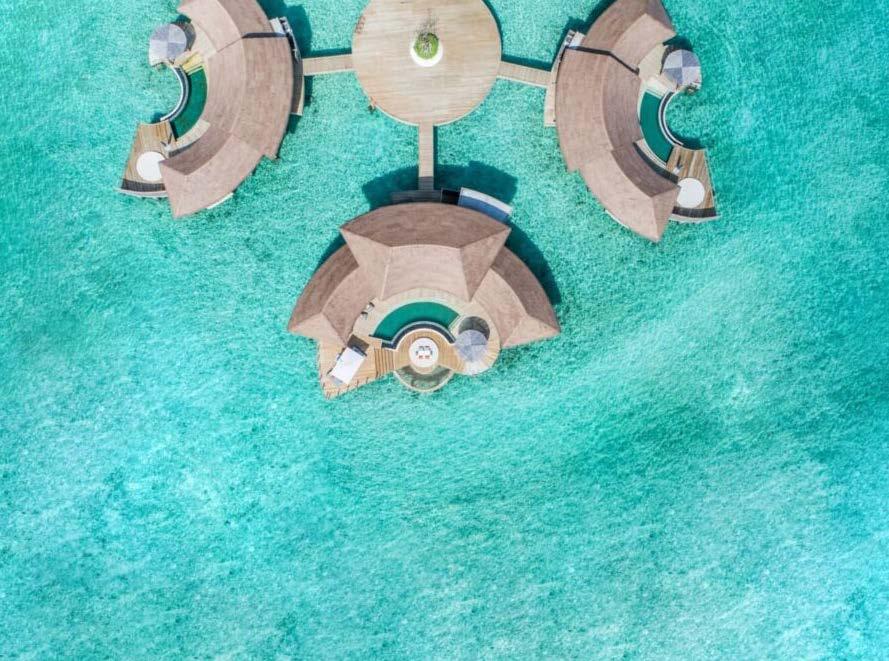
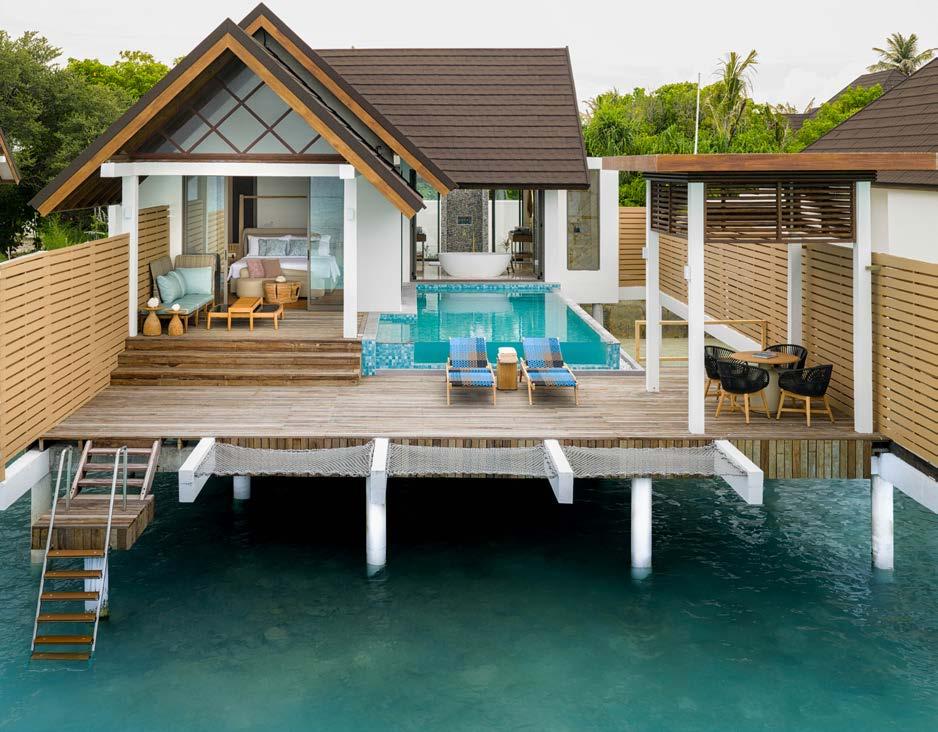
The overwater villas have also undergone a complete transformation. Floating above turquoise shallows, they now reflect the natural blues of sea and sky. Guests can step directly from their sundeck into the lagoon, swim among turtles, or watch reef sharks below. Every design element has been rethought for simplicity and flow — a quiet sophistication that allows the surroundings to take centre stage.
For families and groups, the pavilions redefine space and privacy, offering up to three
bedrooms with expansive pools, jacuzzis, and separate living and dining areas. The resort’s signature feature, The Crescent, remains its ultimate expression of overwater luxury — five interconnected villas forming a private enclave for up to 22 guests, complete with dedicated butlers and chefs.
Dining Reimagined: Elevated Culinary Journeys
Niyama’s dining scene has always been a defining part of its identity, and its re-envisioned restaurants now take that legacy further. The resort offers ten destinationdriven dining experiences, each exploring a different aspect of flavour, place, and theatre.
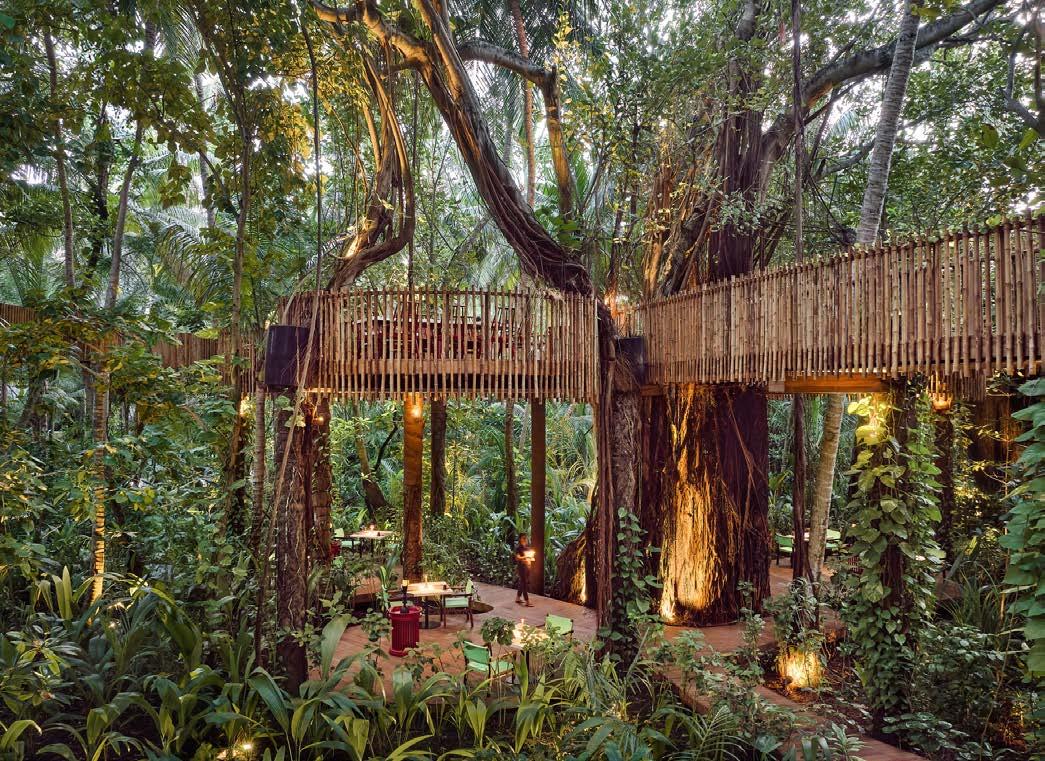
Among the highlights is Nest, perched high in the treetops and recently honoured with Travel Trade Maldives’ Editor’s Choice: Best Restaurant Award 2024. Redesigned with new landscaping and a more immersive layout, Nest now offers a labyrinth of wooden walkways that wind through the
jungle canopy. Guests dine among branches, enjoying contemporary Asian cuisine prepared by chefs from Thailand, China, Japan, and Indonesia. Its teppanyaki table remains one of the most soughtafter experiences in the Maldives.
Six metres below the surface, Subsix continues to offer one of the country’s most distinctive dining settings. Reached by speedboat, the underwater venue now presents the world’s first underwater Nikkei tasting menu, with courses inspired by the fusion of Japanese and Peruvian traditions. As guests dine, sunlight filters through the water to
illuminate the coral reef beyond the glass, creating a serene rhythm between cuisine and environment.
Other venues include Edge, the resort’s overwater fine-dining restaurant accessible only by boat, and Tribal, where the open flame takes centre stage with dishes inspired by the cuisines of Africa and Latin America.
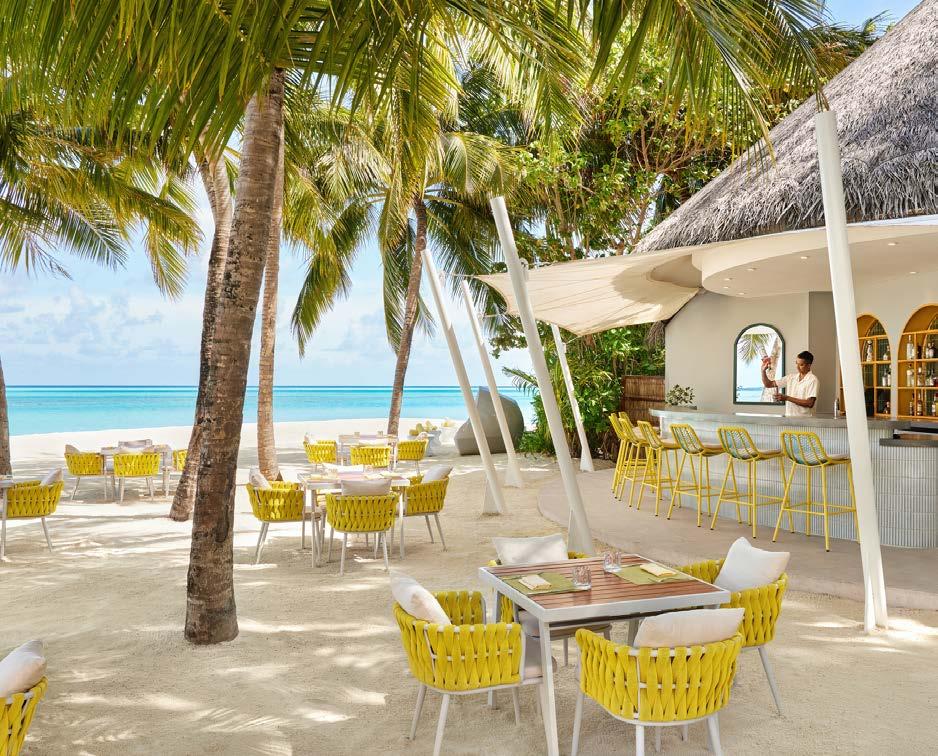
Dune offers casual beachside dining by day and cocktails by sunset, while Blu caters to families with Mediterranean classics by the pool. At the Surf Shack, located at the island’s western edge, reggae rhythms and rum cocktails accompany
With a vision to give guests complete freedom over how they spend their time, Niyama now redefines the balance between indulgence, adventure, and wellbeing.
the sound of waves breaking at Niyama’s private surf point, Vodi.
Wellness and Reconnection: Drift Spa and Beyond
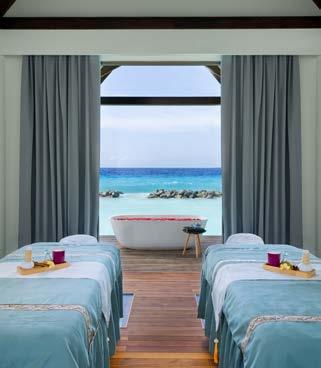
The resort’s newly enhanced Drift Spa by Niyama extends its philosophy of freedom and play into the realm of wellbeing. The facility now combines six overwater treatment rooms, two garden sanctuaries, steam baths, plunge pools, and a vitality juice bar, forming a self-contained wellness village. Treatments incorporate global and Maldivian influences, with Codage and Elemis products alongside IV therapies and
epigenetic consultations.
Signature experiences such as Couples Romance, Pre- and Post-Surf Recovery, and Drift into Slumber have been curated to address specific needs, while longer wellness journeys combine yoga, sound healing, and nutritional guidance. The spa’s atmosphere encourages unstructured relaxation — guests may arrive after a surf, a dive, or a day of exploration and stay as long as they wish, moving from treatment rooms to outdoor gardens and relaxation areas.
Fitness facilities have also
evolved under the resort’s PUMP studio, which offers highintensity circuit training, aqua workouts, and personal coaching programmes. The 24-hour gym includes sessions for children and teenagers, reflecting Niyama’s inclusive approach to wellness.
Play and Discovery: From Surf to Sustainability
Adventure remains central to the Niyama experience. The resort’s location in Dhaalu Atoll provides direct access to some of the Maldives’ most consistent surf breaks. At Vodi Point, waves roll in just metres from shore, catering to all levels
under the guidance of resident surf professional Nathan Kemp. Guests can also venture to nearby Kasabu, a world-class righthand break reached by a short speedboat ride. For enthusiasts seeking variety, private seaplane charters can access remote waves across the atoll chain.
Beyond the surf, Niyama has expanded its marine centre to include new conservation initiatives led by its in-house biologist. Guests can take part in coral planting, turtle monitoring, and educational snorkelling sessions, connecting leisure with environmental awareness. Water sports continue to be a major draw, from seabob rides and parasailing to night
snorkelling and dolphin cruises.
On land, The Lair provides a quiet retreat for reading and reflection, while Active, the island’s games hub, offers table tennis, pool, console gaming and family competitions. A painting studio, outdoor cinema, and regular cultural events complete the spectrum of leisure activities.
Explorers: A World for Young Guests
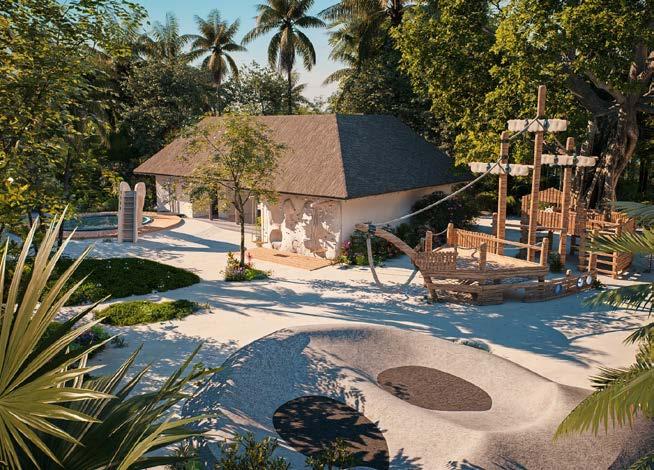
Families have long been part of Niyama’s story, and the Explorers Kids Club has been restructured to provide a more interactive, age-specific programme. Divided into four “tribes” — Globetrotters, Adventurers, Voyagers, and Pioneers — the club caters to
children from one to twelve years old. Facilities now include a splash park, climbing wall, and outdoor stage for performances, while daily itineraries combine marine exploration with creative play and culinary workshops.
The club’s design encourages children to engage with the natural environment, guided by trained childcare professionals. Whether snorkelling with a marine biologist or joining a mini cooking class, young guests are offered the same spirit of autonomy that defines the wider Niyama experience.
A Renewed Philosophy of Freedom
For General Manager Hafidh Al Busaidy, Niyama’s transformation is rooted in a simple idea — the freedom to live without script.
“At Niyama, we want our guests to feel free, to explore, play and connect with kindred spirits and nature on their own terms. Every detail has been rethought, and every space reimagined to offer that sense of choice.”
Through its “This is Niyama” evolution, the resort presents a blueprint for the next generation of Maldivian hospitality — one where design, experience, and environment are balanced with a sense of authenticity. Whether dining underwater, surfing at sunrise, or drifting into stillness at the spa, guests define their own rhythm.
Niyama Private Islands Maldives continues to prove that true luxury lies not in excess, but in the ability to choose how to play, how to pause, and how to live.
INTERCONTINENTAL MALDIVES MAAMUNAGAU:
Redefining island living through balance, experience and connection
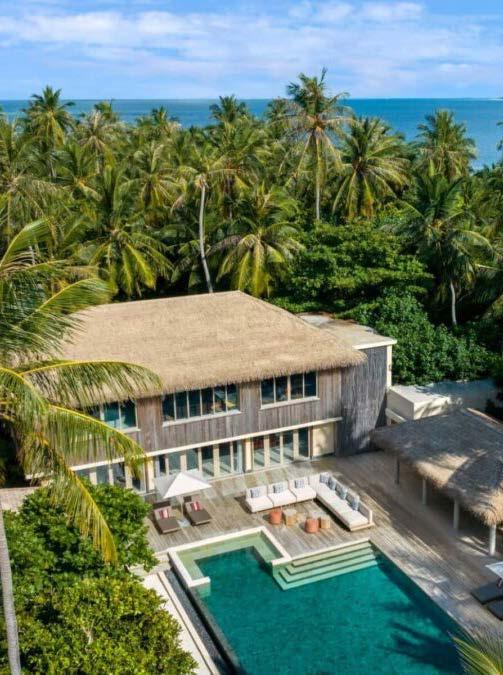
Situated within the UNESCO Biosphere Reserve of Baa Atoll, InterContinental Maldives
Maamunagau Resort integrates modern hospitality with environmental awareness and meaningful guest experiences. The island’s design and operation reflect an approach that values space, privacy and a sense of connection to both nature and people.
Accommodation: Thoughtful Design Across Land, Lagoon and Ocean
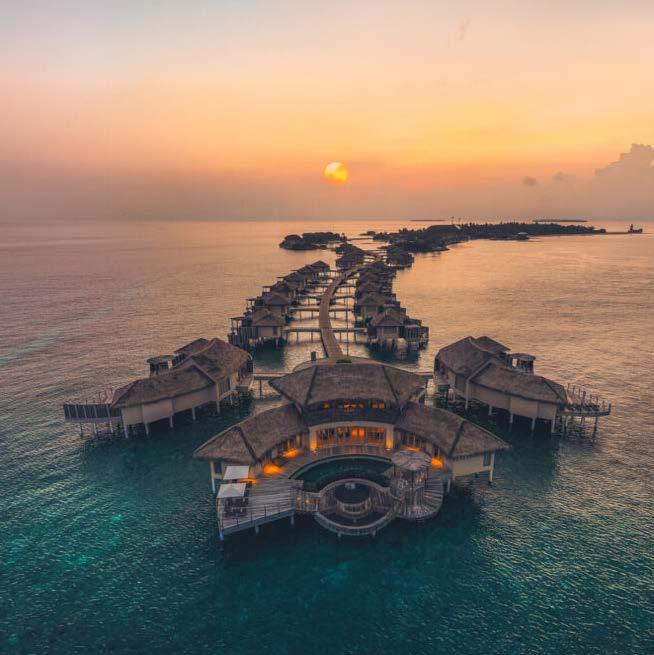
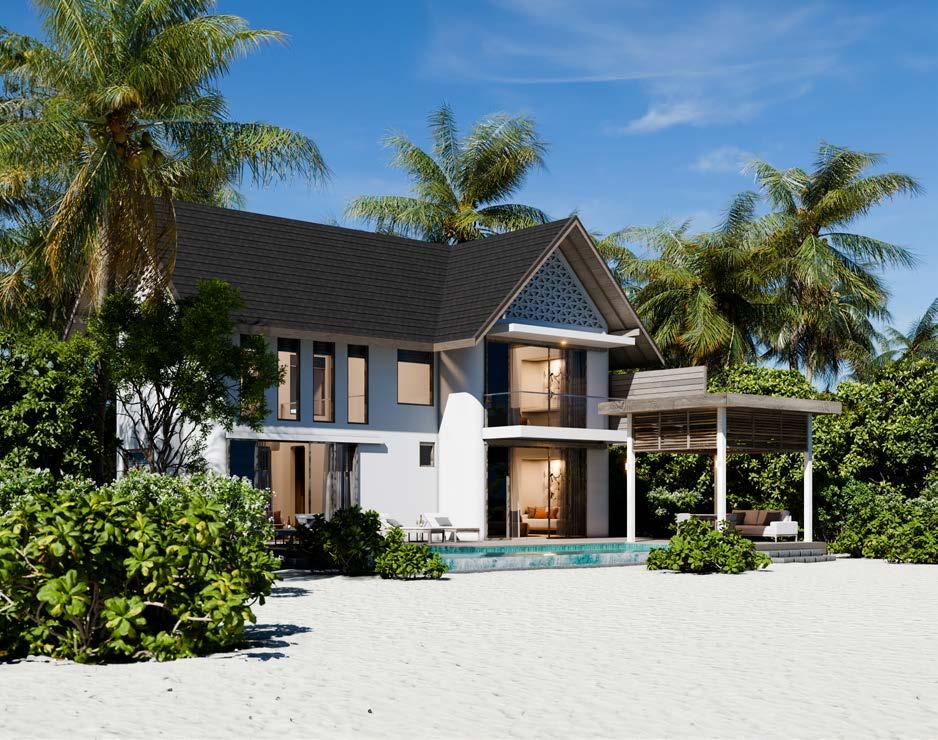
The resort features 81 villas and residences, each designed to offer views of either the beach, lagoon or open ocean. The accommodation is categorised into Beach, Lagoon and Overwater Villas, as well as larger multi-bedroom Residences, ensuring suitability for both couples and families.
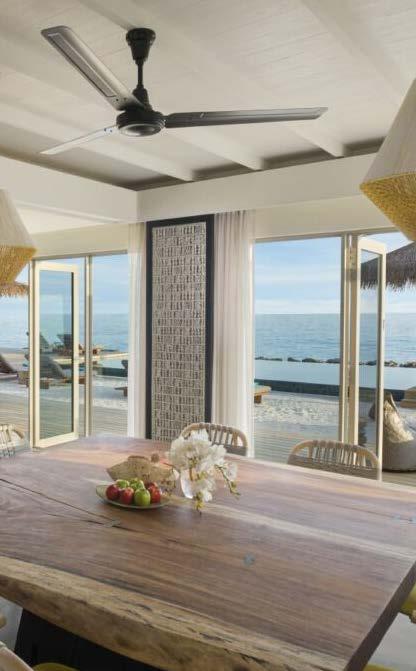
Each villa includes essential comforts such as an outdoor private pool, living area, separate bath and walk-in shower, and lounge access through the Club InterContinental programme. Overwater Pool Villas provide
direct access to the lagoon, while Beach Pool Villas open onto stretches of sand and shoreline vegetation.
The Sunset Overwater Pool Villa allows for evening views across the horizon, while the Lagoon Pool Villas combine proximity to the ocean with a sense of seclusion. Family and multi-bedroom options, including the Two-Bedroom Family Lagoon and Beach Pool Villas, provide additional space and amenities such as sofa beds, outdoor showers and balconies.
For extended stays or exclusive gatherings, the Residences— ranging from two to three bedrooms—offer larger pools, expansive decks and the services of a private chef and sommelier upon request. The Three-Bedroom Royal Beachfront Residence stands as the island’s most spacious accommodation, with additional bathrooms and direct beach access.
Club InterContinental:
Elevated Access and Privacy
Guests staying in Club-eligible categories receive access to a
collection of curated privileges. These include private lounge experiences, personalised service and dedicated spaces for dining and relaxation. The Club concept ensures that time on the island is managed with ease, whether for leisure or work.
Dining: A Culinary Journey Through Global and Local Influence
InterContinental Maldives
Maamunagau maintains a diverse dining portfolio shaped by regional and international expertise.
Café Umi, the all-day dining venue, draws inspiration from Japanese and global influences. Breakfast emphasises natural, organic and sustainable produce, while live teppanyaki counters and European pastry techniques create an open, interactive experience.
The Fish Market blends Maldivian ingredients with South-East Asian methods. Guests select from live seafood before chefs prepare dishes to preference. The restaurant, designed as a maritime marketplace, overlooks the ocean and captures the island’s
connection to its fishing heritage.
The Lighthouse, an overwater venue with panoramic views, presents a Mediterraneaninspired menu. The dining experience begins with a pre-dinner drink on the viewing deck and transitions into either private dining or social sharing settings within the main area.
The Retreat, reserved for adults, offers lagoon views, afternoon teas and evening wines in a relaxed setting. The Collective functions as a social hub near the main pool, housing The Deli, a Pizzeria, and the Island
Boutique. Afternoon tea is served daily, and the area encourages casual interaction.
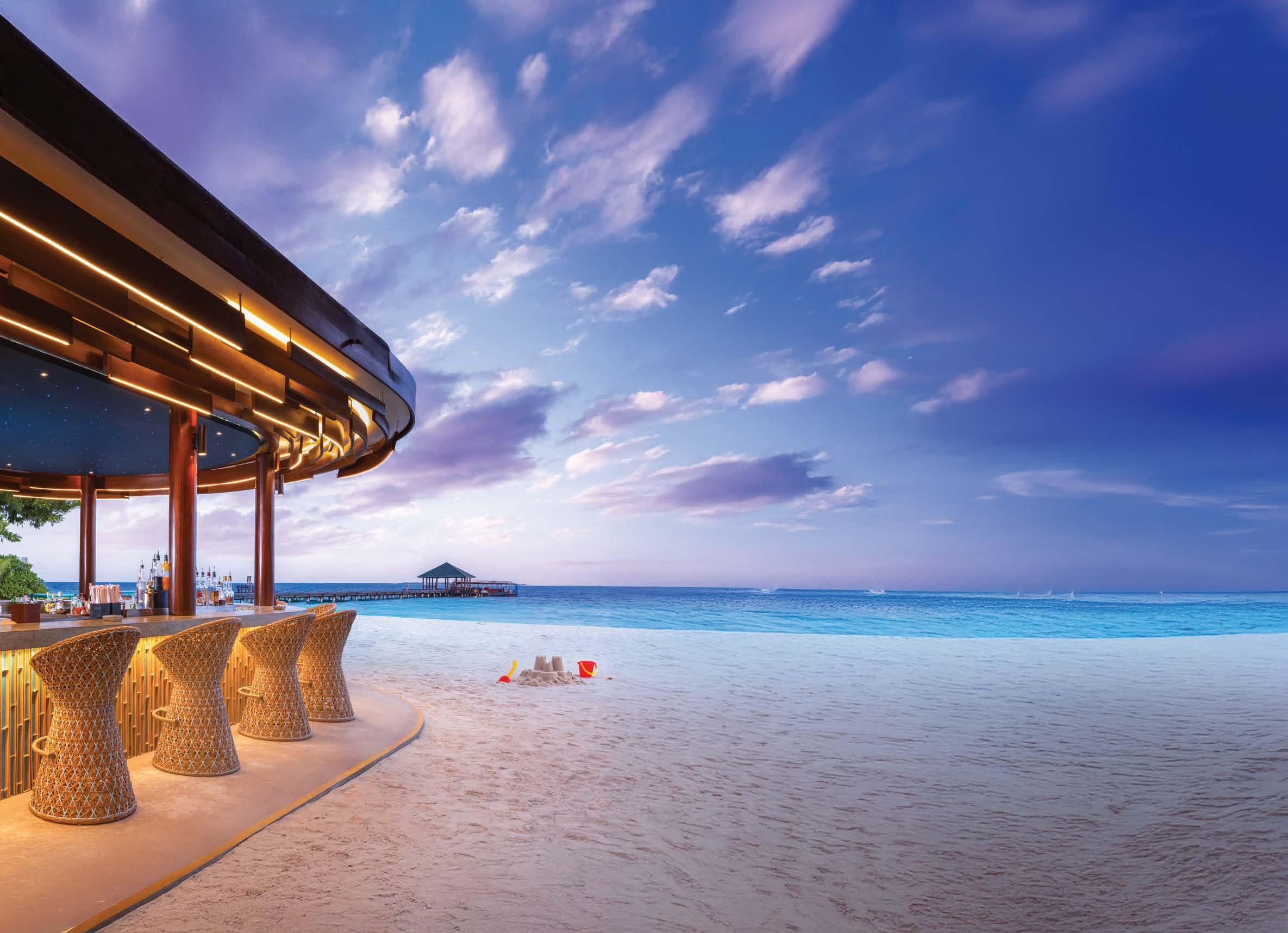
The Pool Bar and Sunset Bar complete the resort’s beverage and light dining options. The Pool Bar offers swim-up refreshments and light snacks throughout the day, while the dhoni-shaped Sunset Bar serves champagne cocktails and canapés to accompany evening views.
Throughout the year, visiting chefs and sommeliers contribute to the resort’s culinary programming, ensuring an evolving food and beverage offering.
Wellness: A Holistic Approach at AVI Spa
AVI Spa, located overwater, anchors the resort’s wellness philosophy. Treatments draw from both indigenous healing traditions and European botanical therapies. The spa’s Wellness Journeys combine physical and holistic approaches tailored to individual needs—focusing on areas such as relaxation, sleep, and metabolic balance.
The visiting practitioner programme expands the scope of treatments, offering sessions with specialists in diverse modalities including anti-
ageing and energy alignment.
Yoga and meditation sessions are guided by a dedicated Wellness Mentor. Programmes include sunrise and sunset yoga, private sessions and structured wellness guidance. A 24-hour fitness centre with a personal trainer supports guests seeking an active regime during their stay.
Recreation and Marine Discovery
The resort’s Marine Centre curates both motorised and non-motorised water sports. Jet skis, e-foils, parasailing and wakeboarding are among the available options. Snorkelling
equipment and selected nonmotorised activities are offered on a complimentary basis.
Given its proximity to Baa Atoll’s manta ray feeding grounds, the resort’s sustainability programme is closely tied to marine conservation. Guests are encouraged to participate in initiatives led by the island’s resident Manta Trust team. These include educational sessions, research contributions and the “Adopt-A-Manta” scheme, which supports ongoing monitoring of local populations.
The Manta Exploration
Snorkelling experience and excursions to Hanifaru Bay—a globally recognised site for manta aggregation—allow guests to engage with marine biodiversity in responsible ways.
Family Experiences: Planet Trekkers Kids Club
The resort’s Planet Trekkers programme is dedicated to younger guests, promoting play and discovery through handson learning. Activities include marine education, creative arts and guided exploration of the island’s natural features. The facility features both indoor and outdoor areas, allowing children
to participate in supervised recreation while parents enjoy leisure or wellness time.
Meetings, Events and Celebrations
For destination events, InterContinental Maldives
Maamunagau offers full island buy-out options, accommodating up to 81 villas and residences. Corporate groups, weddings and milestone celebrations can be structured across the island’s multiple venues. Beachfronts, restaurants and the main event spaces can be adapted for meetings or themed gatherings, supported by a dedicated events team.
The resort’s Weddings and Romance programme assists couples in personalising
ceremonies or anniversaries. Honeymoon guests receive benefits such as champagne on arrival, a floating breakfast and bespoke in-villa experiences.
Cultural and Seasonal Programming
Beyond leisure and wellness, the resort engages with art and culture through collaborations with local and visiting artists. Workshops and exhibitions encourage creative participation, linking guests with Maldivian and international art forms.
Seasonal celebrations, including Easter and Christmas, are curated with dining, entertainment and themed activities. The events calendar ensures that repeat guests experience variation throughout the year.
Sustainability and The Manta Retreat
Sustainability informs the island’s operational ethos. The annual Manta Retreat embodies this approach, combining education with direct participation in marine conservation. Guests join the Manta Trust team for learning sessions, guided snorkels and discussions on ocean health and protection. The initiative reinforces the resort’s ongoing commitment to environmental stewardship and responsible tourism.
A Destination Within a Biosphere
InterContinental Maldives
Maamunagau’s location within a UNESCO-protected environment situates it at the intersection of tourism and conservation. Its proximity to key manta habitats and coral ecosystems requires continuous collaboration between resort operations, scientific research and guest engagement.
The resort’s philosophy extends beyond accommodation and service—it frames each aspect of the guest journey as a conscious interaction with its surroundings. Whether through the calm of AVI Spa, the energy of the water sports centre, or the quiet design of its villas, the experience is unified by respect for balance and place.
In a destination defined by ocean, sky and silence, InterContinental Maldives Maamunagau positions itself not only as a resort but as a living example of how hospitality can sustain, interpret and enhance the natural and cultural environment of the Maldives.
MEYYAFUSHI MALDIVES:
A new kind of premium all-inclusive for travellers who like choice
There is a new name on the Lhaviyani Atoll map - and it arrives with quiet confidence.
Meyyafushi Maldives opened in late 2025 under BeKind, the Maldives-founded hospitality group behind sister property Fushifaru. Set on a natural island ringed by aquamarine water and healthy reef filled with brain corals, Meyyafushi has been built around a simple promise: premium all-inclusive, 24-hour dining, unique activities, overwater padel tennis and gym, as well as an underwater restaurant and enough variety—culinary, wellness, and recreation—to keep every type of traveller engaged without fuss. For RAYS readers, there’s a further convenience: seaplane transfers are operated by Manta Air, bringing the island within a swift hop of Velana International Airport.
Getting there: seamless by seaplane
Meyyafushi sits roughly 35 minutes north of Malé by seaplane, placing it right in that sweet spot - far enough for big-ocean blues, close enough to minimise travel fatigue for short stays. Guests are met on arrival and, for those connecting onward, the resort highlights meet-and-greet and VIP lounge access at the seaplane terminal before you head to the atoll.
The proposition: premium allinclusive, truly around the clock
‘Premium All-Inclusive’ can mean various things in the Maldives; at Meyyafushi it means a structured dine-around programme across multiple outlets, beverage inclusion at all venues, and access to experiences, whether they be recreational, water activities, cultural or wellness centred. The resort’s own overview emphasises 24-hour dining as the backbone of the concept, with a 24/7 café
and in-villa dining to match, and a programme designed to be care-free rather than restrictive. For travellers who land late, wake early, or simply prefer flexible mealtimes, this around-the-clock rhythm is a perfect match.
Ten places to eat and drink (including an underwater restaurant)
Meyyafushi opens with a serious line-up: five restaurants, three bars, a wine cellar and a 24-hour café. Most eye-catching is Bubble, the resort’s underwater restaurant, a glass-walled space looking out onto the reef - one of relatively few such venues in the country. The all-day dining restaurant, Fili, handles the main buffet service (breakfast, lunch, and dinner) with international flare; Thaana focuses on Mediterranean speciality cuisine; Alif covers a broad Asian palette; and Sukun hosts the
interactive teppanyaki experience. Hatharu Dhan is the 24-hour café for light meals and pastries. Bars include Baa (main bar with the primary pool), Raagu (the sunset bar), and an adults-only Sky Bar & Sunken Lounge with a glassbottom sky pool. There’s also Raa, the wine cellar, for tastings with the sommelier. For guests who value variety over repetition, the mix is unusually comprehensive for a boutique-scale resort.
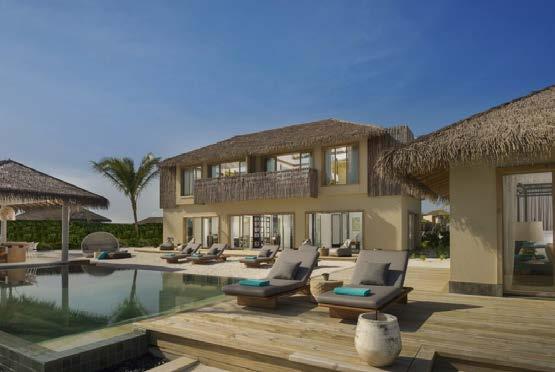
Villas and Suites: pools for all, slides for some Meyyafushi launches with 95 villas and suites, and here the defining theme is space and private pools as the standard. The inventory spans Beach Pool Villas, Semi-Ocean Pool Villas, Water Pool Villas, and Water/ Semi-Ocean Suites - then scales up into two-, three-, and four-bedroom configurations
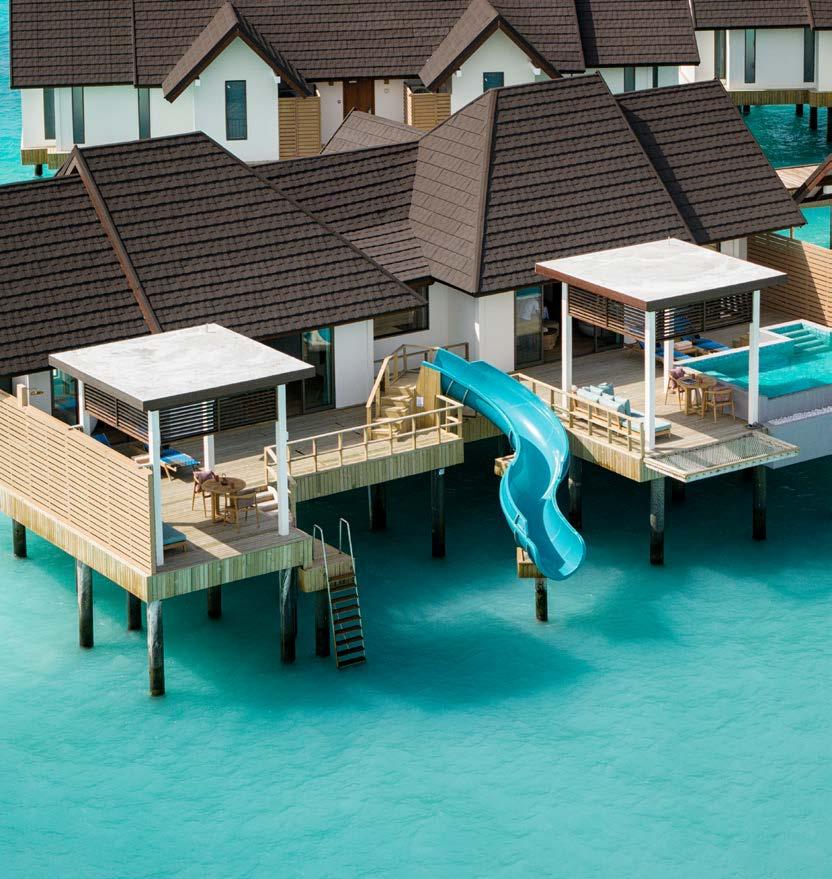
designed for families and small groups. Signature options include Water Pool Suites with Slide and two-bedroom Water Pool Villas with Slide; if you’re travelling with children or simply like the playful ease of sliding straight from your deck into the turquoise lagoon, these are the crowdpleasers. At the top end sits the Meyya Residence – an Overwater Presidential Suite with Slide, a statement accommodation built for celebratory travel.
Spa and wellbeing: an over-water complex with hydrotherapy Wellness is centred on Veyoge Spa™ by BeKind, an over-water complex of eight treatment rooms. Facilities include hydrotherapy, steam and sauna, salon services, indoor and outdoor yoga pavilions,
and relaxation spaces. Treatments are pitched around nature-inspired therapies and bespoke rituals, which makes sense for travellers who want something restorative rather than performative. Fitness is unusually well catered for: beyond a conventional gym, the resort features an over-water fitness centre - a setting that turns a morning workout into a picturesque and inspiring experience.
Activities: from overwater padel to mini-bowling (and a skate ramp) Here is where Meyyafushi differentiates itself from many boutique islands. First, sport: there’s a floodlit tennis court, multi-purpose court/futsal field, and table tennis and billiards -
expected. Then there are the distinctive touches: a minibowling lane and even a skate ramp. Most strikingly, the resort has built what it describes as the Maldives’ first over-water padel tennis court, set above the lagoon and connected by walkwaycatnip for the padel-addicted and a photogenic platform for casual plays. For couples, there is a private over-water wedding pavilion and a secluded sandbank for hideaway picnics or small events. Evenings bring live music and DJ nights; by day, the recreation centre, library and photo studio round out things to do when you’re not in the water.
Children and multigenerational travel
Families will notice that the island
has been planned with children in mind without compromising adult space. Kokko Kids Club includes an indoor playhouse, mini sports court, wall climbing, a mini skate ramp and an outdoor park with pool and a slide. For parents seeking quiet time, the Sky Bar & Sunken Lounge is adults-only, so the balance between kidfriendly and grown-up zones is clear. Large villa categories (two, three and four bedrooms) mean multi-generational groups can stay together, eat when they choose, and avoid the logistics of shuttling between rooms.
Diving and marine life: Lhaviyani’s playground on your doorstep
Lhaviyani Atoll is a known area for divers and snorkellers - a compact, varied seascape
with channel dives, thilas and turtle sites. Operators cite 60+ named dive sites across the atoll, with conditions to suit beginners through advanced divers. Depending on season and site, encounters can include green turtles, reef sharks and manta rays, and the atoll has long been a training ground for confident drift dives. On-island, Meyyafushi runs a full Dive Centre and Watersports Centre, with snorkelling, scuba and excursions, and it has planted a coral rejuvenation garden for guests interested in reef care. For those wanting a named local channel, Meyyafushi Kandu appears on community dive maps as a site in the immediate vicinity (as with any channel dive in the Maldives, guests should follow professional guidance and local conditions).
Sustainability: the BeKind philosophy BeKind frames the brand around “Kindness” as operating principle - to the environment, the community, visitors and residents.
In practice, that translates to a design brief and operating model that seeks energy efficiency and reduction of single-use plastics, as well as community engagement. For travellers who prioritise footprint, this clarity of intent is welcome; for those who don’t, it still manifests in small touches - refillable bottles, reusable amenities, thoughtful sourcing - that don’t call attention to themselves.
Signature moments to plan around
• Dine under the sea at Bubble. It’s hard to beat the novelty—and serenity—of eating while fish patrol the reef right next to you, beyond the glass. Booking early for a dinner seating is advised.
• Play padel above the lagoon. Even if you’ve never picked up a bat, the over-water court is one of the island’s most photogenic features and an easy ice-breaker for families and groups.
• Slide into the Indian Ocean.
Choose a villa category with slide if you like a bit of fun built into your deck time; it’s also an easy way to keep teens entertained between snorkels.
• Sunset at Sky Bar & Sunken Lounge. Adults-only and designed for the golden hour, with a glass-bottom sky pool and a proper sundowner ritual.
• Wellness over water. Book a hydrotherapy circuit followed by a nature-inspired treatment at Veyoge Spa, then a quiet stretch in the relaxation areas.
Food and drink: dinearound freedom
The dine-around structure means guests can rotate venues rather than repeat the same restaurant night after night—a common frustration at smaller islands. Breakfast tends to be taken at Fili; a late lunch at Hatharu Dhan keeps options open for those staying on the beach; and Raagu becomes the gathering point as the light fades. The wine cellar (Raa) is an asset for private tastings, pairing events or simply diversifying a week’s worth of dinners with something memorable.
Who it’s for
Couples get the classic Maldivian mix—villa privacy, spa time, sandbank escapes, and a sunset
bar worth dressing for. Families get villa categories that actually fit everyone, a kids’ club that’s more than colouring books, and restaurant choice wide enough to keep young palates happy. Friends’ groups get activities (padel, tennis, bowling) that don’t require perfect weather, plus the energy of live music nights. Divers and snorkellers get Lhaviyani’s fast access to sites, with the house reef and channel options nearby.
Practical notes for RAYS readers
• Transfer: Approximately 35 minutes by seaplane from Velana; operated for Meyyafushi by Manta Air, aligning neatly with Manta’s focus on smooth,
on-time resort transfers.
• Scale: 95 villas and suites, all with private pools; multiple family configurations up to four bedrooms.
• Dining: 10 outlets including an underwater restaurant, a 24-hour café, three bars and a wine cellar; full premium all-inclusive dine-around.
• Wellness & sport: Overwater spa, over-water fitness centre, over-water padel court, tennis, futsal, minibowling and skate ramp.
• Families: Kokko Kids Club
with indoor/outdoor zones, pool with slides, mini sports court and climbing.
The verdict Meyyafushi isn’t trying to be the biggest island in the Maldives; it is trying to be one of the most complete in its category. The underwater restaurant adds a signature scene; the padel court, sky pool and elegant adults-only lounge add design interest; the villa mix makes sense for how people travel now (as couples, yes, but often as families and multi-generational groups); and the activity list reads like a blueprint for staying as busy—or as idle—as you please. Pair that
with a premium all-inclusive that truly runs 24/7 and an emphasis on kindness-centred operations, and you have a resort designed for travellers who like choice wrapped in clarity.
For Manta Air passengers leafing through this issue of RAYS between take-off and touchdown, the proposition is straightforward: a short seaplane hop, a smooth arrival, and an island that gives you the freedom to set your own rhythm from the first hour.
BEHIND THE HANGAR DOORS:
Hidden World That Keeps Manta Air Flying
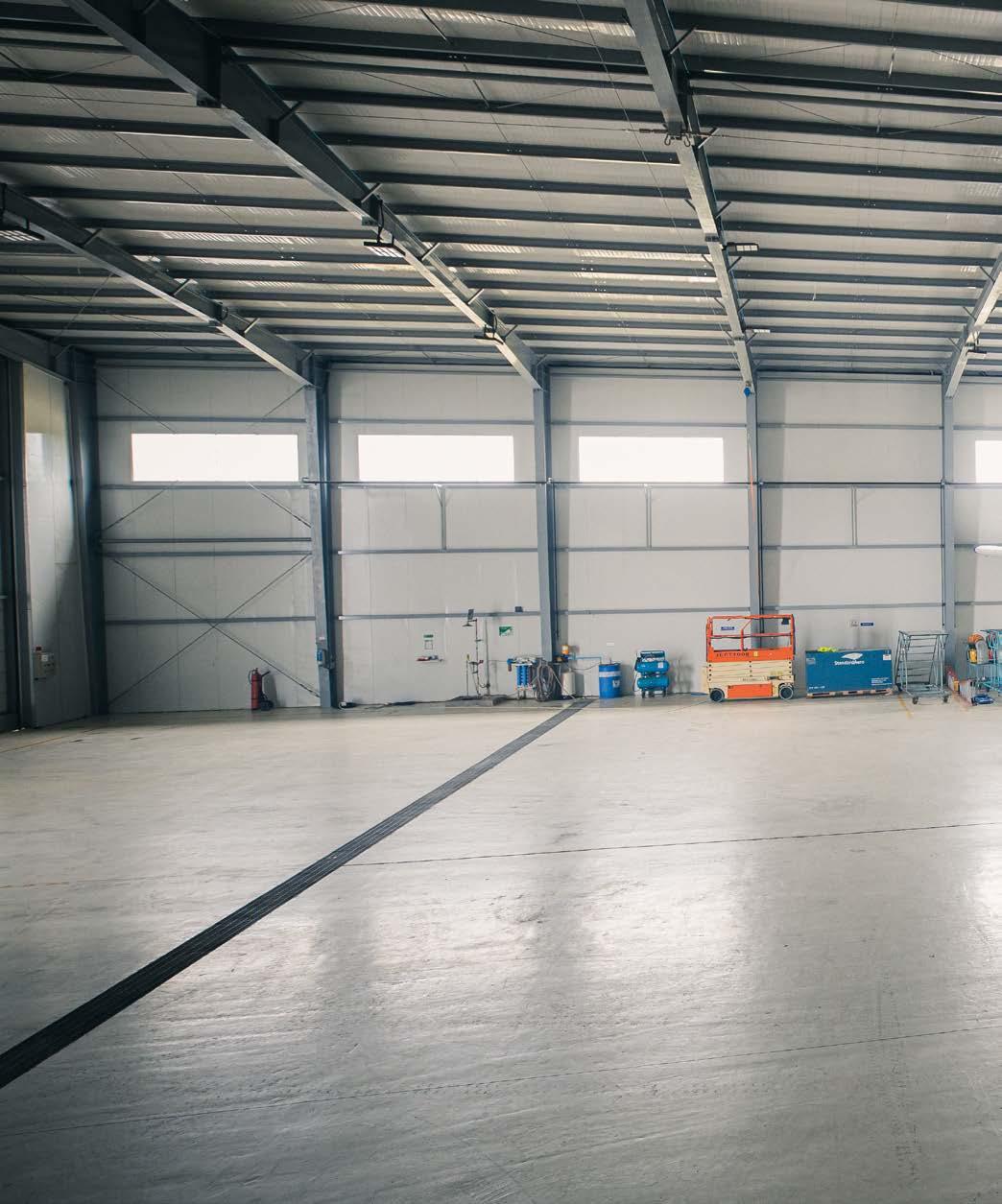
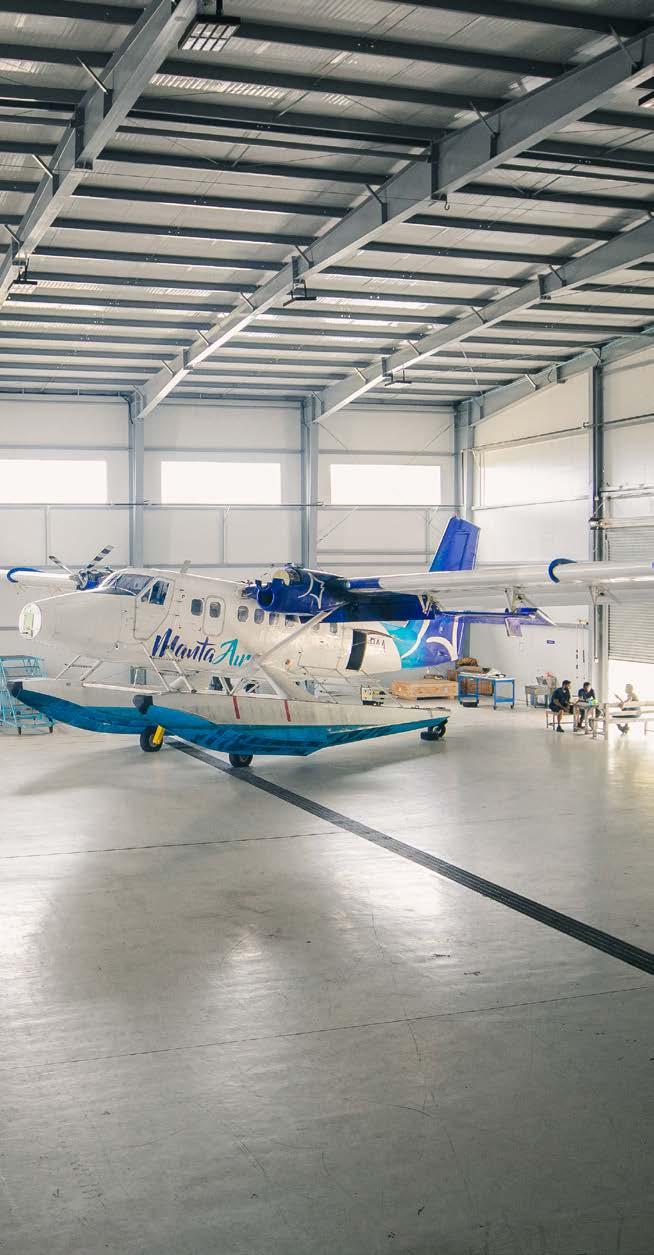
When you step onto a Manta Air seaplane—its wings glistening in the sun, the cabin cool and welcoming, the crew smiling—you’re seeing the final chapter of a much longer story. What most travellers never witness is the world behind the hangar doors at Dhaalu Airport, where every flight begins long before take-off.
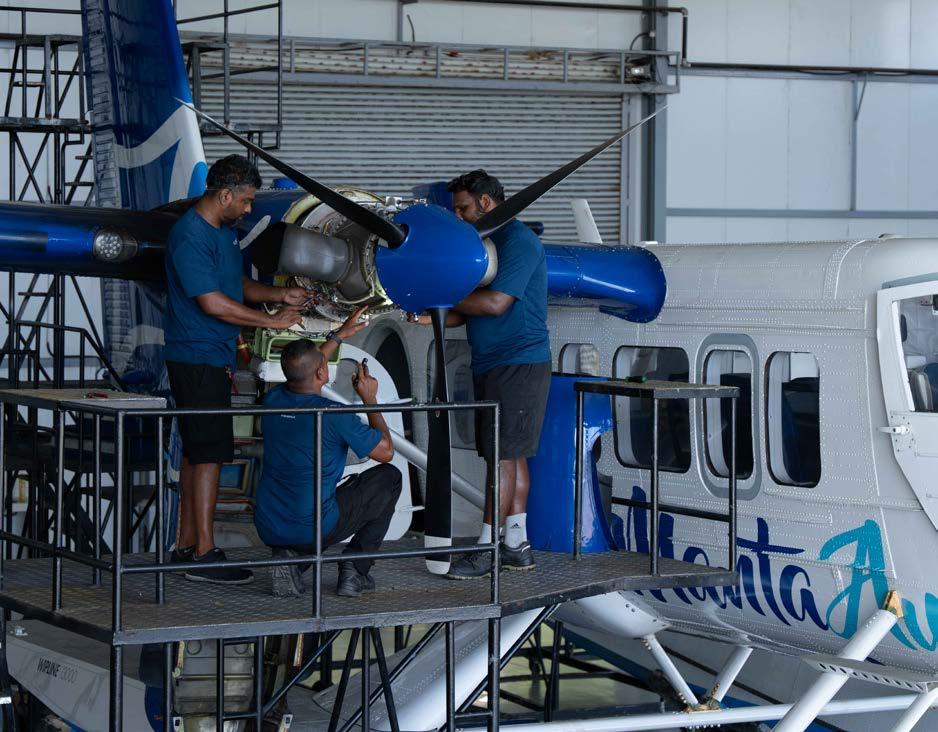
Here, inside a bright white hangar facing the ocean, a dedicated team of engineers and technicians spends each day caring for the aircraft that carry you across the Maldives. Their work is quiet, precise, and filled with pride—because in aviation, the smallest details matter the most.
A Day That Begins Before
Yours Long before passengers zip up their suitcases or enjoy breakfast at their resorts, the engineering team is already at work. At 8:00 AM, they gather for a short briefing to plan the day ahead.
Some tasks are routine: daily checks, small adjustments, or scheduled inspections. Others emerge suddenly—sometimes an aircraft simply “tells” them something feels off.
“Every day is different,” one engineer said with a smile. “Aircraft don’t speak—they hint. We just have to listen.”
Their work is a blend of science and intuition, experience and teamwork. And it begins hours before the first flight of the day rises into the blue horizon.
Inside the Hangar: Where Precision Meets Passion
Watching the team in action is like watching a perfectly timed performance.
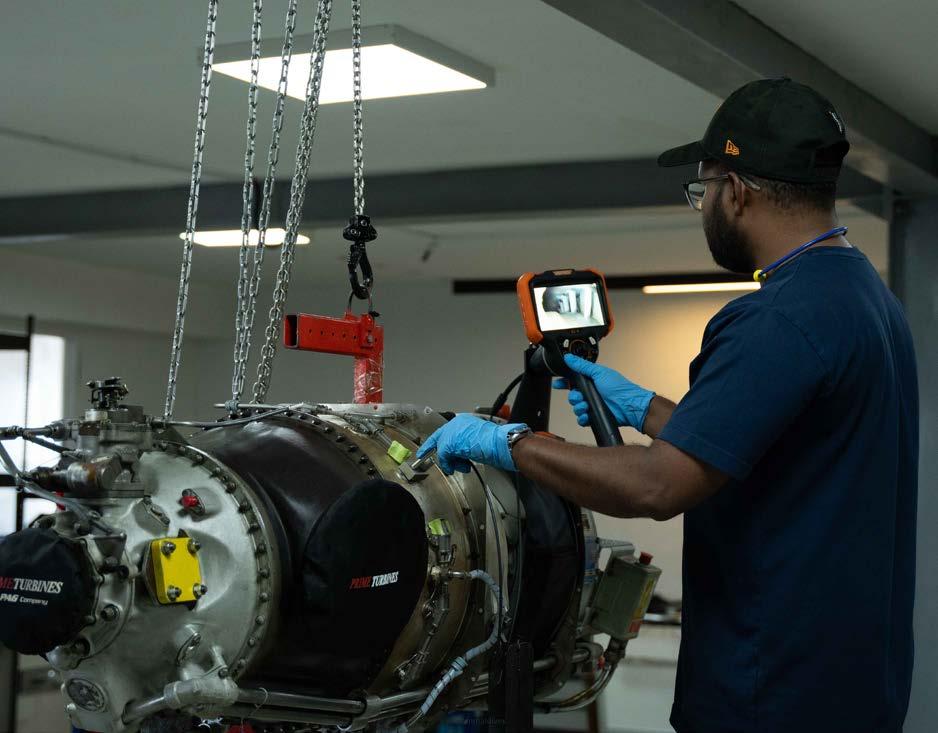
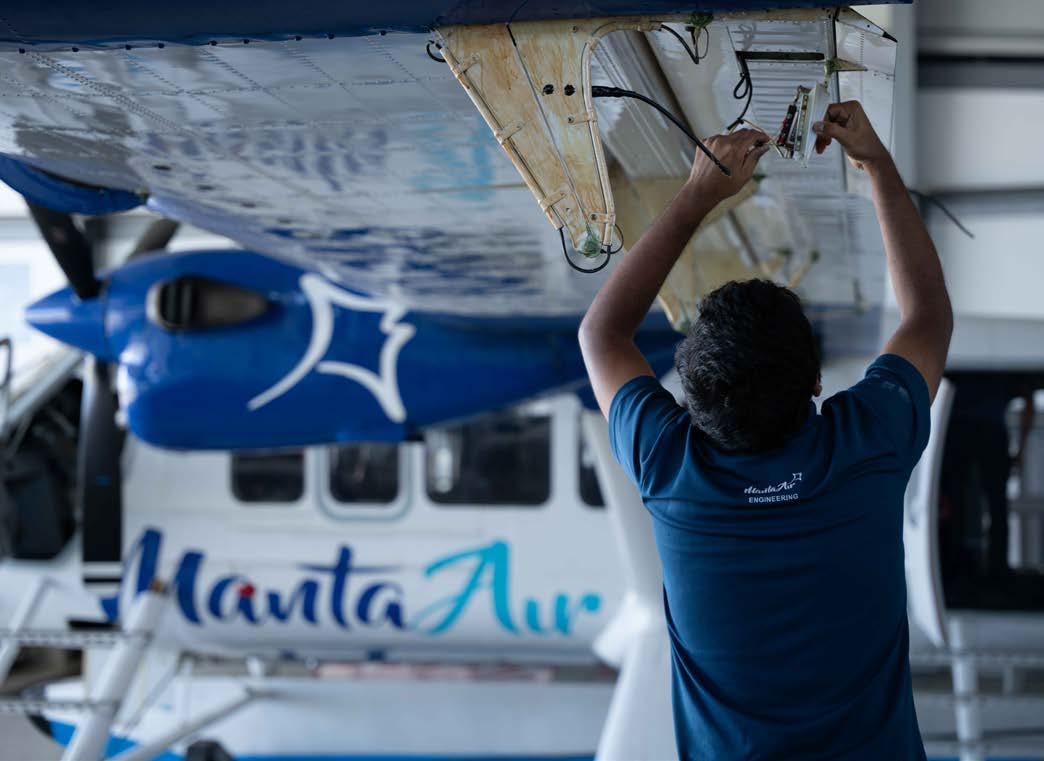
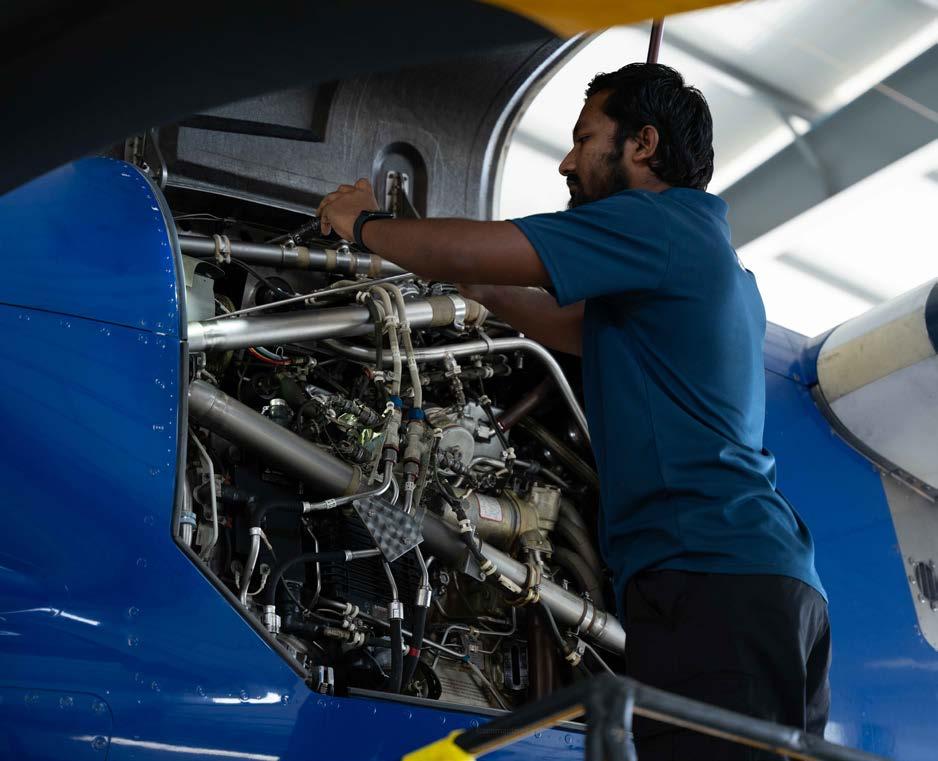
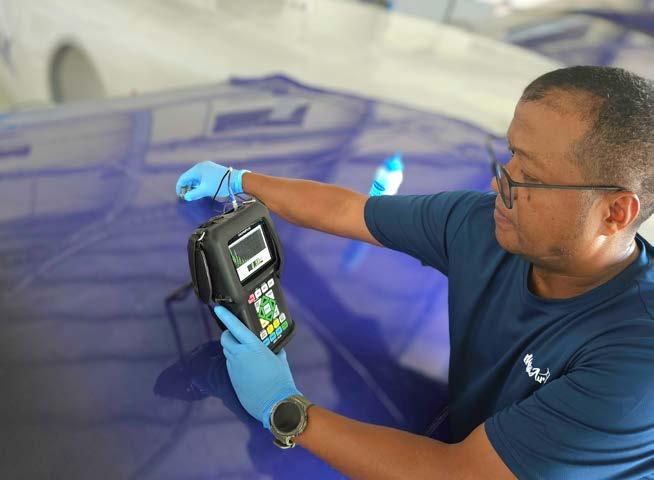
One technician prepares tools, setting them neatly in place. Another climbs into the belly of a seaplane to check its systems. Someone peers through a high-definition inspection camera, looking for tiny details invisible to the eye.
There is no rush. No noise. Just calm, focused movement.
If caring for a car requires attention, caring for an aircraft— especially one flying over the ocean every day—demands absolute precision. Salt air, humidity, heat, and sea spray can all affect an aircraft, so the team checks everything from engines to structure to cabin comfort.
And every step is done to international safety standards that ensure your flight is as safe as it is scenic.
Teamwork: The Heart of the Hangar
Inside the hangar, titles matter less than teamwork. Engineers, technicians, storekeepers, planners—they all work as one.
“There’s no competition here,” an engineer shared. “If one aircraft needs extra care, everyone jumps in. We finish together.”
The Maldives adds its own layer of challenge: islands spread across the ocean, parts arriving by boat or plane, and weather that can shift in minutes. The team has learned to prepare, plan ahead, and think creatively.
“It’s technical work,” one technician said, “but it’s also problem-solving—because the ocean always keeps us thinking.”
The Restoration That Became a Legend
Among the many stories inside the hangar, one stands out.
A few years ago, a Manta Air Twin Otter suffered severe structural damage during extreme weather whilst the aircraft was shutdown for overnight at a remote platform—so severe that most airlines would have shipped it overseas for repairs. Such projects typically take a year or more, requiring specialised facilities and extensive expertise.
But the Dhaalu Hangar team took on the challenge themselves.
Just under eight months, they rebuilt the aircraft piece by piece, checking every rivet, every frame, every component. It was a labour of love and skill—an achievement that not only saved the aircraft but also proved
The Dhaalu Hangar is more than a workspace—it is the heartbeat of Manta Air’s operations.
what the team is capable of.
“When we watched it fly again,” one technician recalled, “it felt like seeing something come back to life.”
Today, that aircraft carries passengers once more across the shimmering atolls—a flying symbol of craftsmanship and dedication.
Growing Skies, Growing Responsibilities
As Manta Air expands with more customers, more routes and more aircraft, the hangar team is ready. New technology,
new systems, and new opportunities excite them.
“Growth means we learn more, do more, and get even better,” a senior engineer said. “It keeps us motivated every day.”
Their goal remains simple: to ensure every passenger travels comfortably, safely, and confidently.
The Quiet Guardians of Your Journey
Most travellers will never meet the people behind the hangar doors—and that’s exactly how the team prefers it.
“Our hope is that passengers never have to think about us,” one engineer joked. “Because that means the aircraft behaved perfectly.”
But even if unseen, their work is with you on every takeoff and every landing. In every smooth flight across the islands. In every on-time departure.
In every moment you look down and see turquoise lagoons shimmering below.
The Dhaalu Hangar is more than a workspace—it is the heartbeat
of Manta Air’s operations. A place where dedication, passion, and precision come together to keep the skies safe and journeys unforgettable.
So the next time you board a Manta Air seaplane, take a moment to appreciate the silent heroes behind your flight. Their hands prepared your aircraft, their knowledge ensures your safety, and their pride lifts you gently into the Maldivian sky.
THE BIGGEST MUSIC MALDIVES FESTIVAL IN THE
YOUR PARADISE
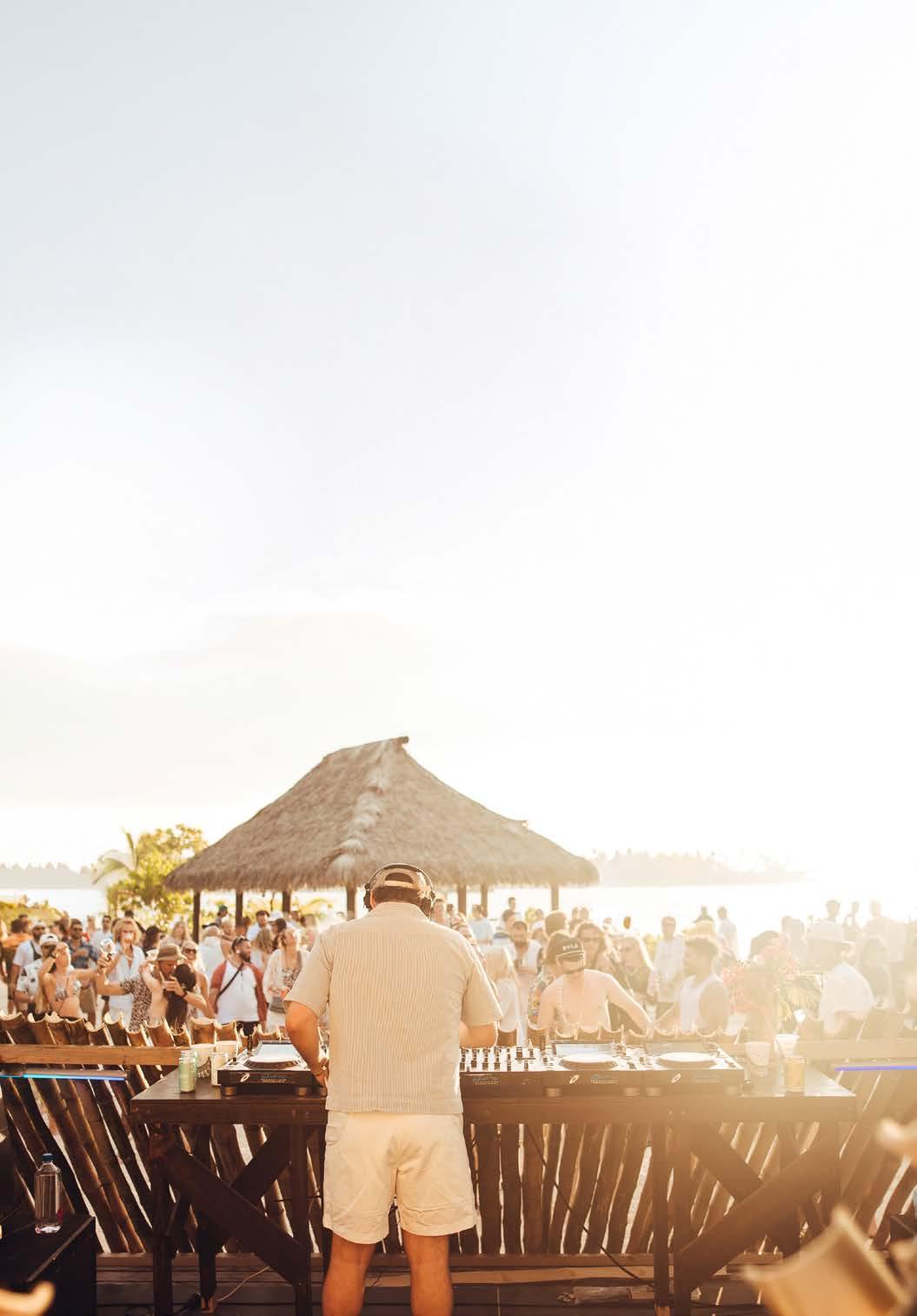
This May, Your Paradise makes its Maldives debut at Avani+ Fares. From 11–16 May 2026, the boutique festival brings electronic music, beachside stages, pop-up parties and afterdark sets — featuring Ayybo, Sasha Spielberg, Melé and more — all paired with ocean adventures and island living.