18

18

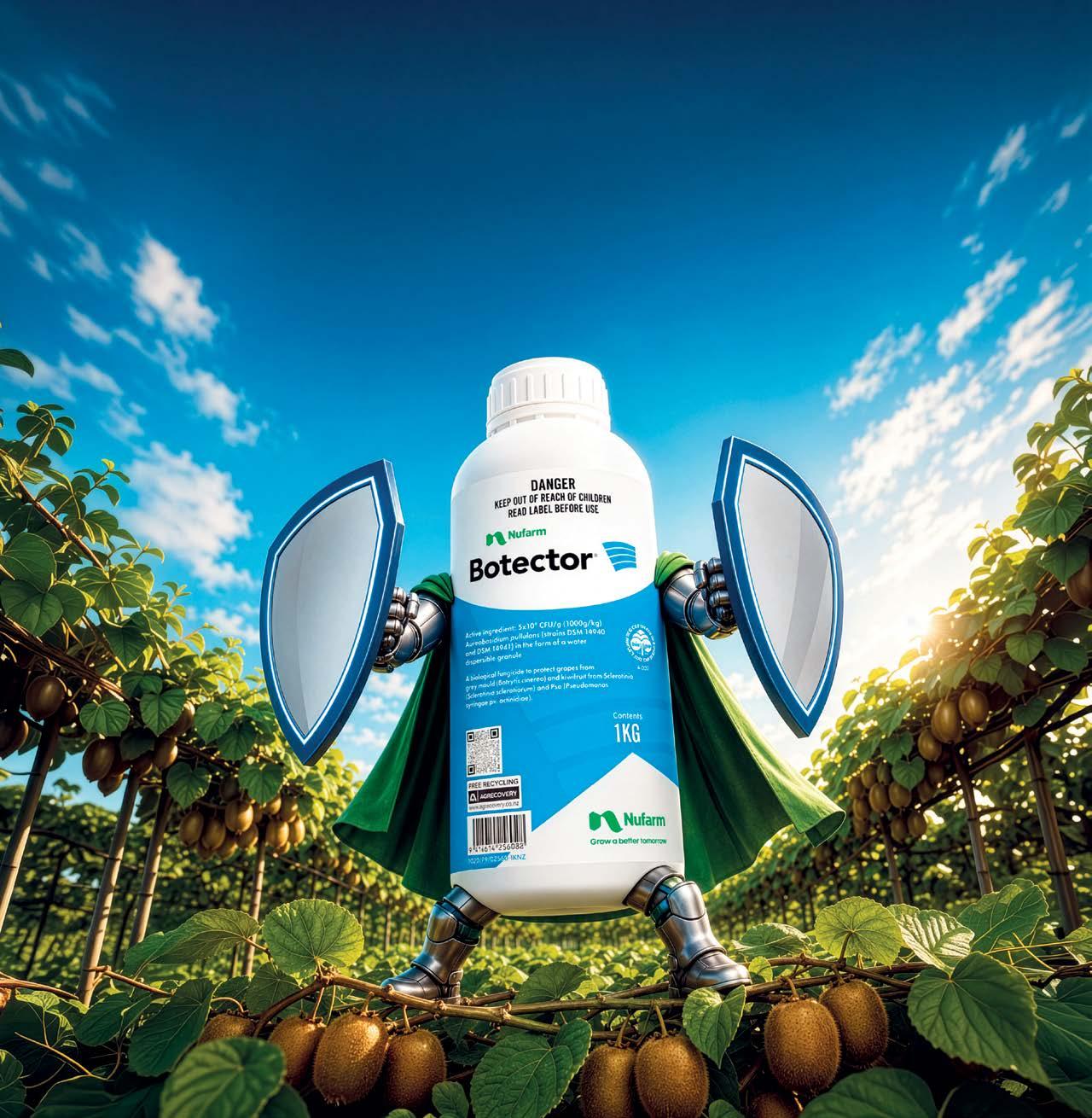

Botector® is the only biofungicide giving Kiwifruit growers a cutting-edge alternative to protect against Sclerotinia and now Psa.
So keep your guard up this season with Botector, a certified solution for organics.
For more information, contact your Horticultural supplier, Nufarm Business Development Manager or visit us at nufarm.co.nz/botector


A regular advertorial section of new products and services. This publication does not endorse the products or services featured here.
12 Keeping safe around electricity transmission: a shared responsibility
64
42 Frost risk: Lessening the losses
47 Tuatara Structures – More than meets the eye: Cold done right
48 Pure Kiwi: Serious export opportunity for reject fruit
63 New registration for seed potatoes
NZGrower & Orchardist is produced by Horticulture New Zealand and is free for all levy payers. The magazine is partially funded by a grant from the NZ Fruitgrowers’ Charitable Trust to ensure all fruit growers in New Zealand receive a copy each month. The magazine is also supported by Vegetables NZ, Process Vegetables NZ, TomatoesNZ, Potatoes NZ and Onions NZ.
The individual comments and views in this magazine do not necessarily represent the view of Horticulture New Zealand.
Tony Benny

Tony is a freelance writer, photographer and videographer based in rural North Canterbury. He has worked for newspapers and magazines, radio and television, including more than 20 years as a reporter/director with Country Calendar He visits Nova Trust outside Christchurch on page 18.
Delwyn Dickey
Copyright © 2026 NZGrower & Orchardist
NZGrower & Orchardist:
ISSN: 3021-3606 (Print)
ISSN: 3021-3614 (Online)
Editor: John Gauldie, editor@hortnz.co.nz
Advertising Manager: Debbie Pascoe, 027 485 8562, debbie.pascoe@hortnz.co.nz
Design:
Scenario.co.nz, 04 385 9766, joy@scenario.co.nz
Subscriptions:
subs@hortnz.co.nz, 04 472 3795
This publication uses vegetable-based inks and environmentally responsible paper produced from Forest Stewardship Council® (FSC®) certified, Mixed Source pulp from Responsible Sources.
Paper produced using Elemental Chlorine Free (ECF) and manufactured under the strict ISO14001 Environmental Management System.
The wrapper we use is 100 percent recyclable, it is LDPE 4 (Low Density Polyethylene) Soft Plastic and meets the required standards. For further information refer to: www.recycling.kiwi.nz/our-story

Based near Matakana, Delwyn has spent most of her career in magazine production, journalism and writing. Time also spent as a commercial grower and agricultural tutor helped to focus her interest in recent years, including with Our Land and Water – The National Science Challenge. She learns how Northland’s beekeepers are faring on page 13.
Jan Pieter de Jong
Jan is agronomy consultant at Soil Craft NZ and an avocado grower based in Bay of Plenty. He journeys with conventional growers who wish to strengthen their orchard ecosystem and biological practice based on regenerative agriculture principles. He looks at reducing synthetic nitrogen inputs in kiwifruit production on page 38.
Sarah Dobson

Kim Parkinson
Kim is a newspaper reporter, freelance writer and orchardist who lives on an orchard in Gisborne with her partner Chris. They grow mandarins, lemons, limes, tangelos, Hass avocados and Avogrey® Greenskins. She meets the Fraser family on their Gisborne citrus orchard on page 6.
Sue Linn


Sue is a horticulturist turned garden writer and photographer. She has enjoyed a career-long association with the nursery industry and is editor of Go Gardening magazine. She lives in Hawke’s Bay with her viticulturist husband and helps out on the family’s boutique vineyard, Wairiki Wines. Sue was up early to catch the morning winter chill on page 22.
Gina Jewell
From a pastoral farming background, Gina is a former journalist and ran her own consultancy in Wellington for 20 years. Now based in Blenheim, Gina is senior communications manager for the A Lighter Touch programme. On page 43, she introduces the new resistance management campaign.

Sarah is a consultant for Agrilink NZ, with a background in working on environment and sustainability projects within the vegetable sector. After growing up near Pukekohe, she now lives in Wellington and can’t remember the last time it wasn’t windy. She contributes for this issue on the Codes of Practice for Nutrient Management on page 30.
Dave Whalley
Dave recently served as the president of the NZ Truffle Association. He has two decades of connection in New Zealand’s truffle industry and a long career in horticulture. He gives an update on recent developments, markets and the future of the sector on page 58.

3 Bernadine Guilleux, HortNZ chair
4 Kate Scott, HortNZ chief executive
52 Dinah Cohen, NZVeg Covered Cropping NZ business manager
54 Andrew Bristol, NZVeg communications manager
57 Danielle Adsett, NZ Apples & Pears chief executive
60 Kate Trufitt, Potatoes New Zealand chief executive
64 Alan Bird, NZ Fruitgrowers’ Charitable Trust executive officer
In many ways New Zealand’s horticulture sector is a ‘mouse that roars’.
Our physical growing area is small compared to other primary industries, but we have long held our own, underpinning New Zealand’s core food supply while building highly successful products for export markets.
Bernadine Guilleux : HortNZ chair
Historically, domestic policy has often been left off the table in trade agreement negotiations, but that needs to change.
That means recognising that social licence cannot be taken for granted, and that what New Zealanders think about food affordability and access matters.
Horticulture is uniquely placed to help reshape how New Zealand balances domestic food security with the need to earn export revenue – especially as global trade shifts and domestic cost pressures intensify.

The task for policy-makers is clear to us: Support the sector to remain competitive internationally, while ensuring New Zealanders continue to have access to affordable, locally grown fruit and vegetables.
Our sector is a hotbed of innovation and excellence, which has helped us succeed in an environment of free trade agreements.
However, that balance is becoming increasingly difficult to maintain. Policy settings designed to support export performance do not always align with the goal of ensuring accessible, affordable domestic food supply.
So, the question is whether New Zealand needs to consider a more deliberate approach to managing this tension.
Other countries take a more active role, using a range of policy tools to support domestic supply alongside their export ambitions.
Some also identify a core basket of essential grocery items and put measures in place to support their availability and affordability – helping ensure staple foods remain accessible, particularly during periods of economic pressure. New Zealand will of course require a tailored approach.
We should not do anything to jeopardise international trade agreements that improve access to high-value export markets and safeguard our reputation as a trusted provider of premium fruit and vegetables.
But it is a conversation we need to have.
Ensuring a fair, competitive domestic market is a key aspect of HortNZ’s 2026 election manifesto.
A well-functioning food system requires fair trading relationships. Growers – and all New Zealanders – need a grocery sector where prices, contracts and practices support viable businesses and reward efficiency and quality.
We are calling for the Government to require margin reporting and key data to be provided to the Grocery Commissioner to ensure transparency, competition and better outcomes for growers and consumers.
Horticulture is uniquely placed to help reshape how New Zealand balances domestic food security with the need to earn export revenue
At the same time, we need to keep asking whether our current policy settings are delivering the right outcomes –not just for export growth, but for New Zealand’s long-term food security.
Horticulture has always adapted to change. With the right settings, it can continue to deliver for both our international markets and New Zealand households – ensuring healthy food remains accessible, while our growers continue to compete and succeed on the world stage.
When people talk about succession in horticulture, the conversation can quickly narrow to land, ownership and who takes over the assets. Those are important questions, but they are not big enough on their own.
Kate Scott : HortNZ chief executive
In contributing to Rabobank’s white paper Succession 2050 – Gearing up for New Zealand’s food and agri future, I found myself coming back to a broader point.
The future of horticulture will depend less on whether one generation hands a block of land to the next, and more on whether we create businesses that the next generation can see a future in.
That means profitable businesses, yes. But it also means businesses with the confidence to invest, adapt and lead. If we want horticulture to be thriving in 2050, we need to think beyond transition of ownership and focus on transition of capability.
The opportunity is real. New Zealand growers are producing food at a time when consumers are increasingly interested in health, sustainability, provenance and trust. That gives us a platform to tell a stronger story and to capture more value, whether through functional foods, nutrition-led products or premium export positioning.
That is why profitability has to sit at the centre of any serious succession discussion. Without margin, there is no room to invest in technology, train people, manage risk or test new models. The sector cannot innovate on aspiration alone.
Technology will help, although not always in the ways people expect. Automation is already making a difference in packhouses and processing. In orchards and fields, the change is more uneven. For many growers, skilled people remain the most reliable and flexible technology they have.

The most useful gains may come from practical tools rather than dramatic breakthroughs: Better data for soil and climate decisions, systems that improve traceability and market connection, and analytics that make everyday decisions easier. The test should be simple: Does it make the growing business stronger?
Kiwifruit is an obvious example. Zespri’s work around health claims shows how science can support value creation. Māori growers taking indigenous branding into international markets points to another path, where whakapapa, place and values are part of what customers understand and value.
But we should not confuse opportunity with inevitability. Horticulture is expensive to establish, slow to mature and exposed to risk. Growers are carrying the costs of debt, labour shortages, compliance, weather events and market swings long before many investments deliver a return.
By 2050, I also expect the shape of growing businesses to look different. Climate and financial pressures will encourage more diversified land use, with multiple enterprises on one property spreading risk and creating steadier income.
Ownership will change too. Full land ownership is already out of reach for many capable young growers. If we want them in the sector, we need more partnerships, shared equity, leasing structures and career pathways that allow people to build responsibility and wealth over time.
Māori participation will be central to this future. Growth on Māori-owned land brings major potential for higher-value horticulture, indigenous branding and the integration of mātauranga Māori.
Succession 2050
Gearing up for New Zealand’s food and agri future
SCAN THE QR CODE TO READ THE FULL REPORT
It also requires policy and investment settings that recognise the practical realities of Māori-owned land, infrastructure needs, water access and governance capability.
Regulation matters here. Environmental standards are necessary, but systems that are too complex can make responsible change harder, not easier. If we want growers to adapt, the pathway to doing the right thing needs to be practical.
The other shift is cultural. Growers often feel their challenges are unique, but across crops and regions the same themes keep appearing – labour, climate, compliance, profitability and succession. Collaboration will not remove competition, but it can give the sector more influence and help good ideas travel faster.
My concern is that without intent, horticulture will simply drift into the future shaped by pressures around it: Consolidation, cost, climate, regulation and market demands. That is not good enough.
We need to choose the future we want: One where growers remain at the centre of New Zealand’s food system, where young people can see a place for themselves, and where investment in skills, technology and leadership is treated as essential, not optional.
The decisions being made now will determine whether horticulture in 2050 is smaller, narrower and harder to enter, or more resilient, diverse and ambitious. Succession should not be about preserving what exists. It should be about building something worth succeeding to.
Visit rabobank.co.nz to read the full Succession 2050 report.
We provide premium Prevar varieties and are the preferential provider of MG Summerfruit trees. We have a range of Premium rootstocks including the Geneva® range, M9DSIR, 719, Emla, Gisela®, Krymsk® 86 and Myrobalan B
Growing Premium Quality Fruit Trees
Apples • Apricots • Cherries Nectarines • Peaches • Pears Plums • Rootstocks
We come from a proud history of over 45 years of providing highquality trees to the New Zealand Horticultural industry.

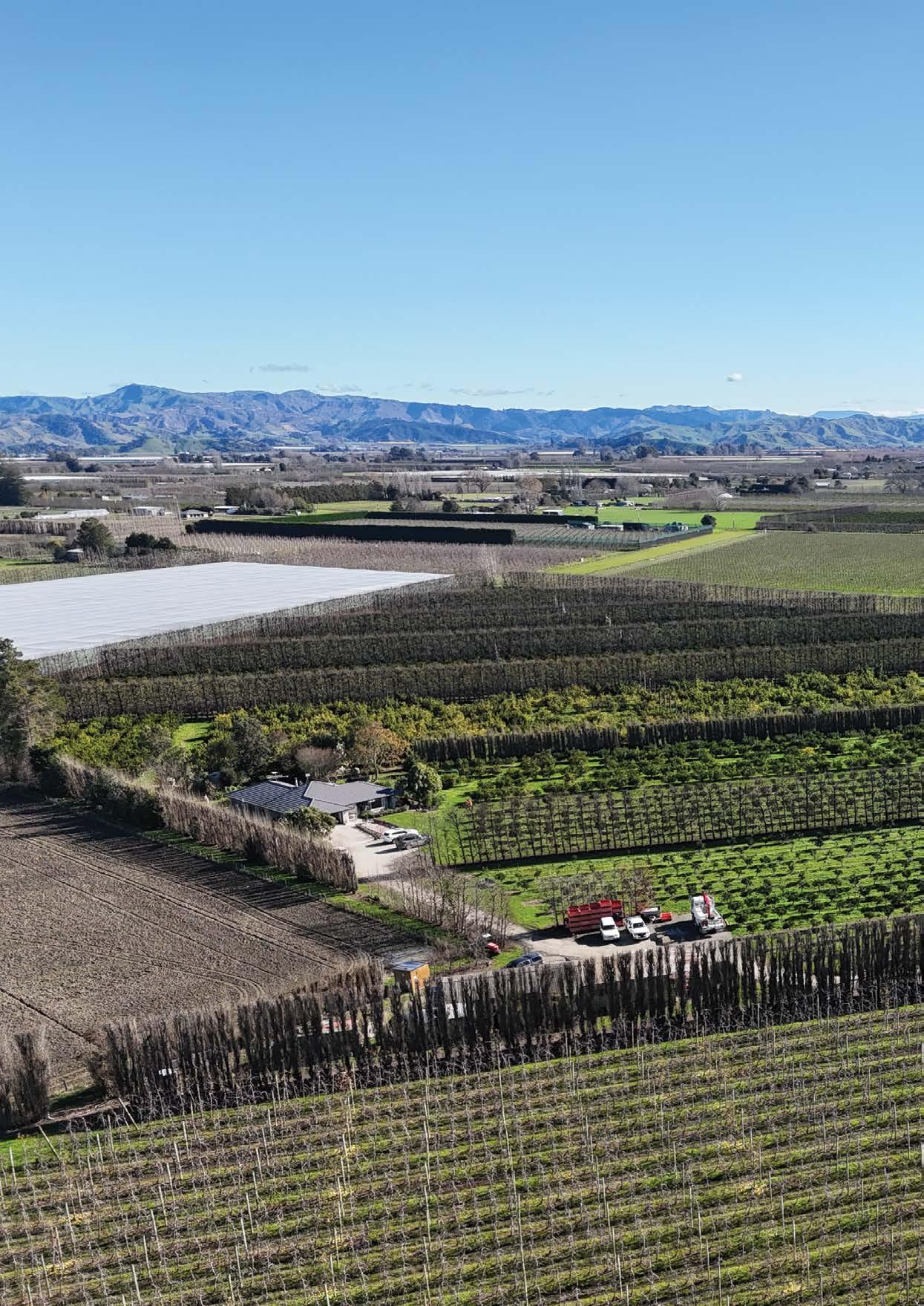
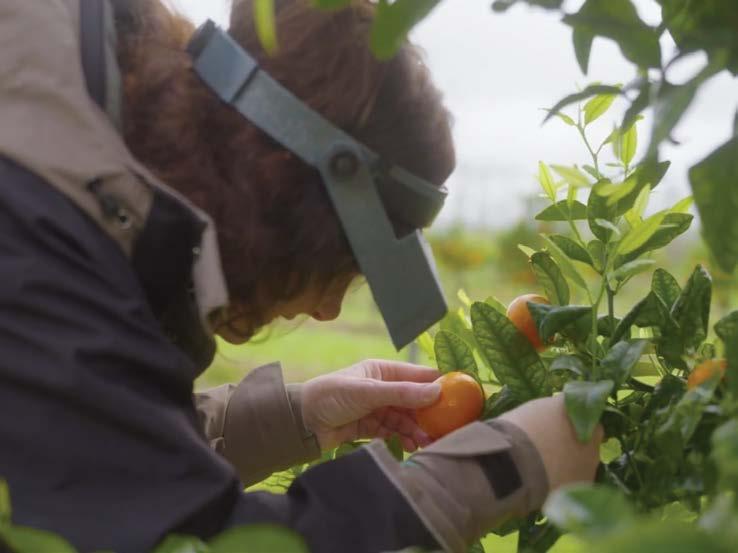
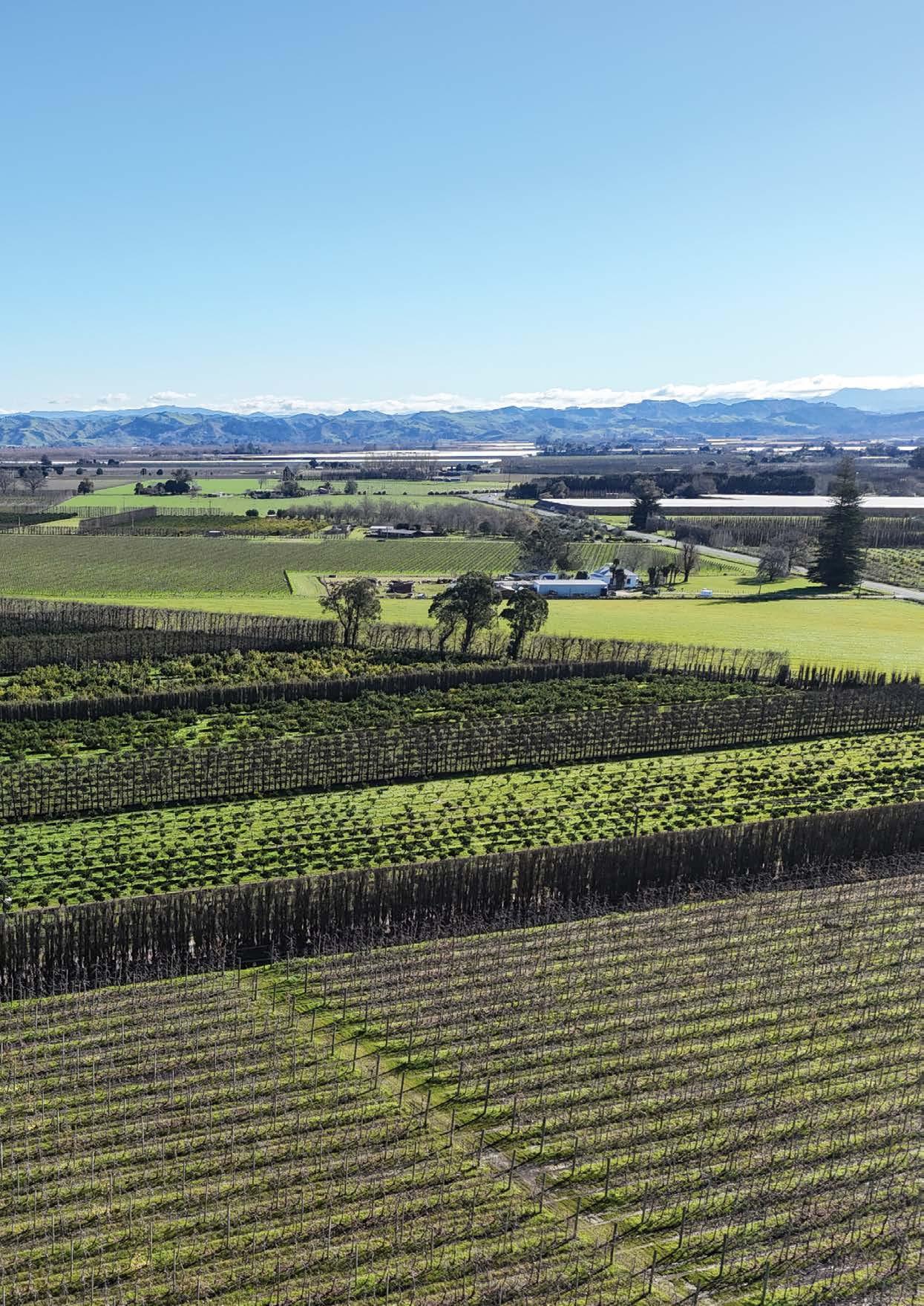
Growers Harry and Annie Fraser from Makaraka Citrus are half-way through harvesting Navel oranges on their orchard in Gisborne. KIM PARKINSON visits to learn about the challenges and rewards of being a citrus grower and how frequent weather events affect their business.
WHEN IMPORTED CITRUS AFFECTS THE VALUE OF NEW ZEALAND-GROWN CITRUS DURING ITS OWN SEASON, IT’S PRETTY DISHEARTENING
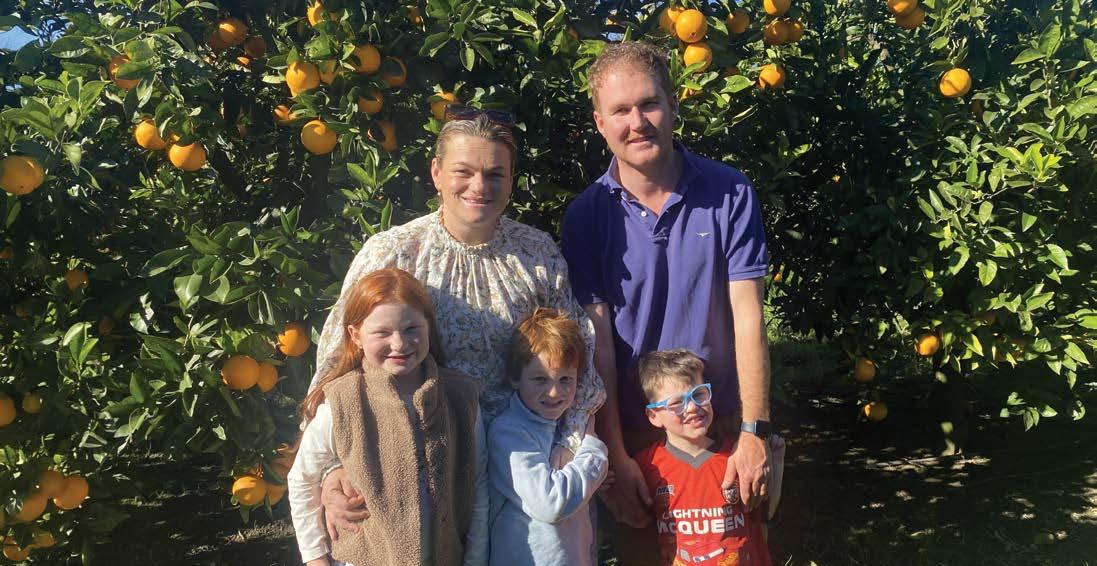
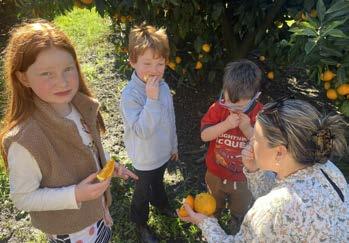
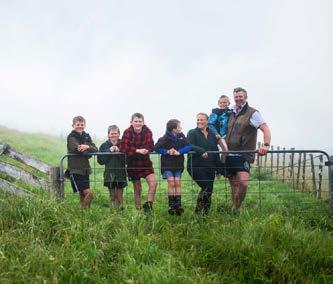
Harry and Annie Fraser are the second generation to grow citrus on the family orchard in Mākaraka, Gisborne. It’s an idyllic setting with a large outdoor playground and trampoline, where their chickens roam freely, often being pestered by Ruby the Fox Terrier and Flossie the cat.
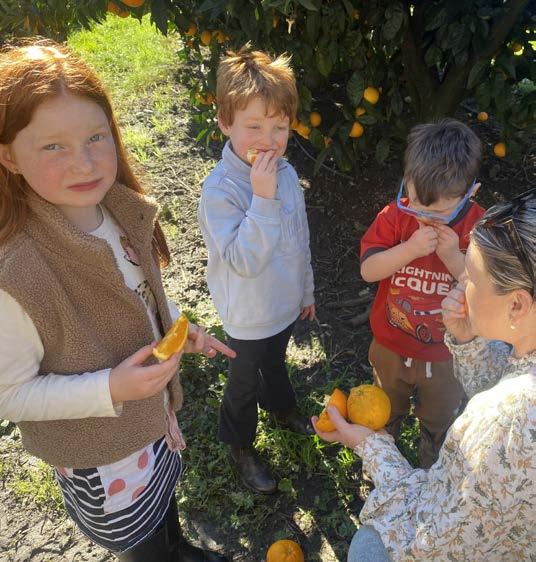
Having both been raised on the land, Harry and Annie were determined to provide a country upbringing for their three young children Charlotte (7), Ralph (6) and Frank (4).
Harry grew up on a family sheep, beef and deer farm in Whatatutu, north of Gisborne. In 2011 his parents Jock and Amanda Fraser changed industries and purchased the family’s citrus orchard in Mākaraka.
Annie grew up in Central Hawke’s Bay on her family’s sheep and beef farm and the Rauriki Charolais cattle stud.
“We have both grown up on the land and are passionate about giving our children the same upbringing,” Annie says. They are halfway through harvesting their Navels but have been interrupted by frequent rain and storms. Now the orchard is very wet and muddy which makes it difficult for the pickers.
Harry has worked in horticulture for the past 17 years, beginning with Crasborn Orchards in Hawke’s Bay growing apples while Annie trained and worked as an early childhood teacher.
They moved back to Gisborne in 2019 when Harry joined Taylor and Ellen Howatson to develop and manage their apple orchard in Manutūkē.
In 2022 they took on the lease of Harry’s family citrus orchard in Mākaraka and established a second business, Ultimate Valet, a car valet service.
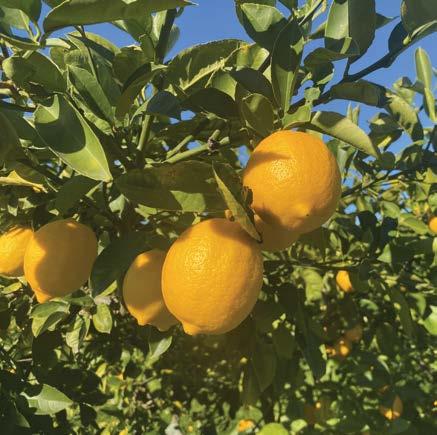
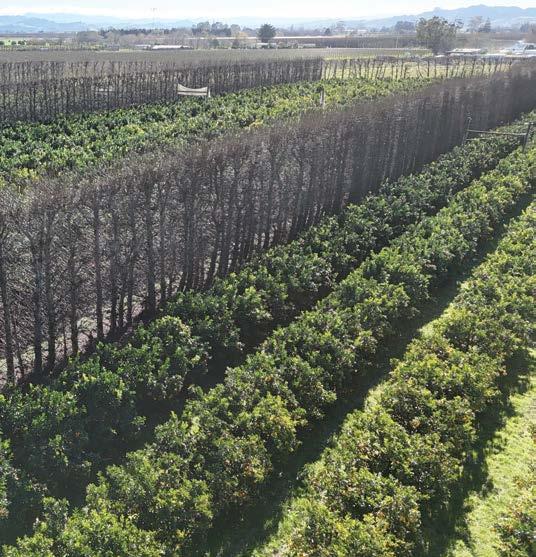
The orchard spans 16.7ha and includes 3.6ha of Navel oranges, 2.8ha of Miho Satsuma mandarins, 1.5ha of Yen Ben lemons, 0.8ha of Meyer lemons and 0.2ha of limes. They also have around 6ha that they lease out for cropping.
They supply citrus to Gisbornebased fruit distribution company First Fresh, who assist them with orchard monitoring and provide technical support.
Since moving onto the property, they’ve made a number of changes to the day-to-day management – particularly around their spray programme.
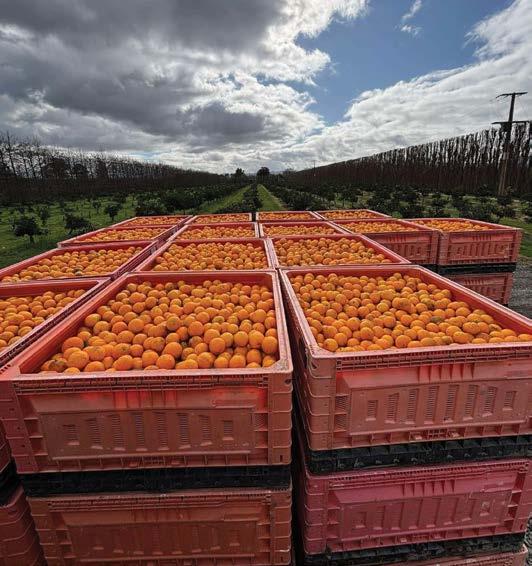
A great start to the Navel harvest in mid-June has been tempered by frequent rain and storms, however fruit quality has been good
They try to spray only when necessary and continually review their programme to ensure it is both effective and responsible.
Irrigation is used when required to maintain tree health and fruit quality, with decisions driven by seasonal conditions.
“We are always open to new ideas and enjoy learning from other growers who are trialling different approaches,” says Harry.
The last few years have been about finding their feet, understanding the orchard and developing systems that work best for them.
Harvest of the Navels started around three weeks earlier than usual, allowing them to target the early market.
But unfortunately, frequent rain has made the harvest challenging with tractors unable to access some areas and picking frequently interrupted.
They began picking in mid-June and had a great start before the weather slowed progress.
“We place a strong emphasis on looking after our picking team – there have been plenty of hot pies from the Makaraka Bakery on cold mornings,” Annie says.
Overall, the fruit quality has been good but sooty mould remains an ongoing challenge, so they are continuing to invest in better drainage and trying to improve airflow throughout the block.
“The returns have been steady although like all growers we’d like to see stronger prices,” says Harry.
“We believe New Zealand-grown citrus should be prioritised while it’s in season and that growers deserve to be appropriately rewarded for producing high-quality fruit.”
The Meyer and Yen Ben lemons are harvested year-round. Miho Satsumas are harvested in late April and early May, followed by the Navel oranges.
The mandarins are relatively young trees and have grown slowly. In addition to regular fertiliser, they have started putting coffee grounds on the soil around them and it seems to be making a difference.
“They finally had a massive growth spurt but it’s hard to know if it’s the coffee grounds that have made a difference. We need to do some soil testing,” Annie says.
Limes generally have several picks throughout the year when the demand is there, and the returns are reasonable.
“We enjoy employing backpackers who bring great energy to both the orchard and our family,” says Annie.
They use experienced contractors for specialist work such as pruning and larger harvests.
“Learning the block has been one of our biggest challenges. Every orchard has its own personality and understanding soils, drainage, pests and seasonal variations takes time,” Harry says.
Weather also plays a significant role, particularly during harvest.
Growers are the foundation of the industry. We invest the time, effort and risk to grow premium fruit
In 2024 they launched Ultimate Valet from their orchard shed in Mākaraka.
“It began as a weekend business built around Harry’s passion for cars and has grown beyond our expectations,” says Annie.

Oranges
Tangelo
Mandarins
Lemons
Limes
Grapefruit and more
order 10 Trees. Price list available on request Contact Grant: 07 552 5780 or grant.tennet@xtra.co.nz
www.copperfield-nurseries.co.nz
“Diversifying has strengthened our family business and given us another income stream alongside horticulture.”
They said the greatest reward of being a citrus grower is the lifestyle and being able to raise their children on the land.
“We love working alongside other citrus families, sharing ideas and watching the next generation of growers come through,” says Annie.
“We’re proud to contribute to Gisborne’s reputation for exceptional citrus and the famous Gizzy OJ.”
In 2023 Cyclone Gabrielle flooded the orchard, and the family had to be evacuated on an Inflatable Rescue Boat as water levels steadily rose. They lost a lot of trees with many suffering from wet feet.
Even today, three years on, there are still tree casualties as a result of Gabrielle.
Their long-term goal is orchard ownership.
“We’d love to expand into more summer citrus and we’re looking into some newer varieties like seedless lemons,” says Harry.
“We want to continue improving our systems and keep investing in both the orchard and Ultimate Valet.
“Growers are the foundation of the industry. We invest the time, effort and risk to grow premium fruit so naturally we’d like to see fair returns.”
They believe imported fruit has its place but when it affects the value of New Zealand-grown citrus during its own season, it’s pretty disheartening. It’s an important conversation for the industry.
This season, returns have been relatively steady across all of their citrus varieties compared with other years.
Like all growers, they’re always hopeful for stronger returns that better reflect the investment and effort required to produce quality fruit.
Delivering a complete suite of crop protection solutions for today’s horticulturists.
Our portfolio of powerful, proven products has helped growers from one end of New Zealand to the other create and maintain thriving businesses, and has earned us an excellent reputation in horticultural crop protection.
Our suite of insecticides and fungicides provide growers with everything they need in the war against pests and diseases.

Visit corteva.co.nz to view our range of products and online horticultural resources.
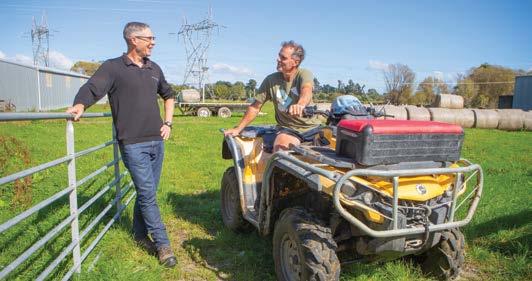
Across the country there are many places where orchard owners host transmission assets –the wires, poles and towers that are part of New Zealand’s National Grid. So it is important that growers, contractors and landowners remain aware of the risks associated with working near high-voltage electricity infrastructure.
Several recent incidents in kiwifruit orchards highlight why maintaining safe clearances around transmission assets must remain a priority. During routine patrols, inspectors identified kiwifruit vines and teepeestyle support structures encroaching within the minimum approach distance required beneath a live transmission line.
At the closest point, the structures were much closer to the line than the safe distance required under electrical safety regulations. While nobody was injured, the situation created the potential for serious harm, including electric shock, severe burns or electrocution for orchard workers carrying out routine tasks beneath the line.
One of the key lessons from the incident is that hazards can develop gradually. Vines, trellis systems, shelter structures, vegetation and land-use changes can slowly reduce safe clearances without being noticed. People do not need to touch a transmission line for harm to
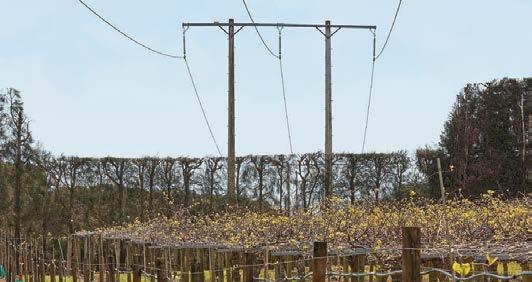
occur; electricity can arc through the air, and nearby materials such as wires, fences, netting and machinery can become energised.
Prevention starts with planning. Growers should identify transmission assets before establishing orchard infrastructure, ensure permanent structures remain well clear of towers and poles, regularly monitor vegetation growth, and maintain safe distances for machinery, irrigation systems, netting and support structures. If work is required closer to transmission assets than the minimum permitted distance, Transpower should be contacted before work begins.
Transpower is working closely with industry groups, landowners and contractors to raise awareness and encourage early identification of risks. However, the people best placed to spot emerging hazards are often those working on the land every day. By staying alert and taking a proactive approach to managing clearances, the horticulture sector can help ensure everyone goes home safely at the end of the day.
For more information on keeping safe around transmission infrastructure please visit: www.transpower.co.nz/landowner-guides
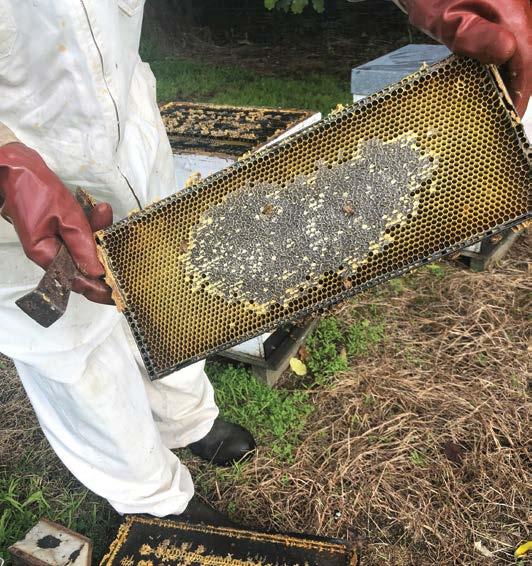
After last year’s late, cold and damp spring there is quiet optimism around this coming pollination season. Nevertheless, the changing climate, combined with fluctuating mānuka honey prices and this year’s yellow-legged hornet incursion highlight vulnerabilities for growers.
Delwyn Dickey
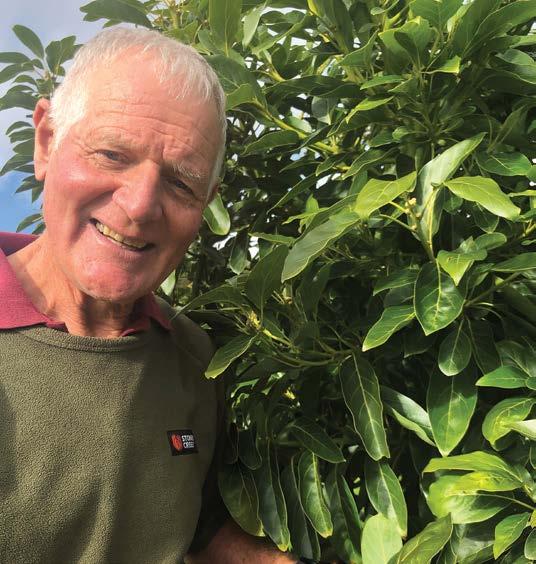
While El Niño may cause problems later with potential for drought conditions, Northland avocado grower and beekeeper John Wiessing is optimistic about the coming spring.
Although the temperature may be a little bit cooler, less rain during the pollination season will likely work in his favour, he says, as bees don’t like the rain.
A former rural veterinarian, John is one of just a few growers to have a boot in both orcharding and beekeeping camps.
Growers mostly rely on honey bees from commercial hives to pollinate their orchards each season with honey bees responsible for over 90 percent of pollination for avocados.
The ability and cost of getting hold of hives for orchards often comes down to how well the honey industry is doing.
Over-production saw a glut that led to poor returns over the last few years and has seen some beekeepers going bankrupt or exiting the industry.
Increases in varroa mite over the same period look likely to be linked to costcutting measures as beekeepers try to stay afloat, rather than to increases in varroa mite resistance to treatment, according to an industry scientist source.
Fluctuations in the numbers of beekeepers and hives is not new.
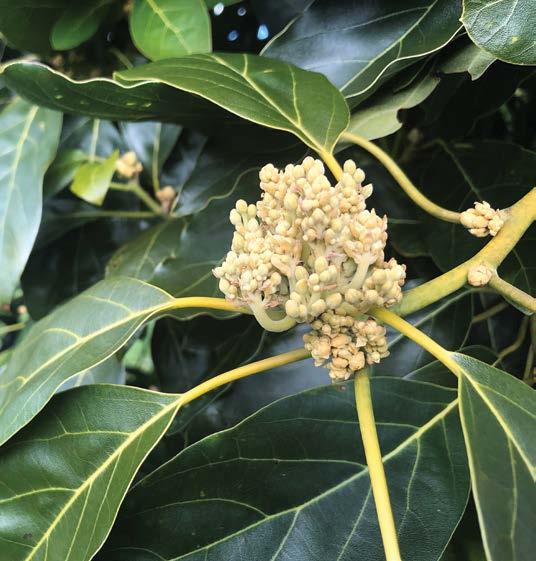
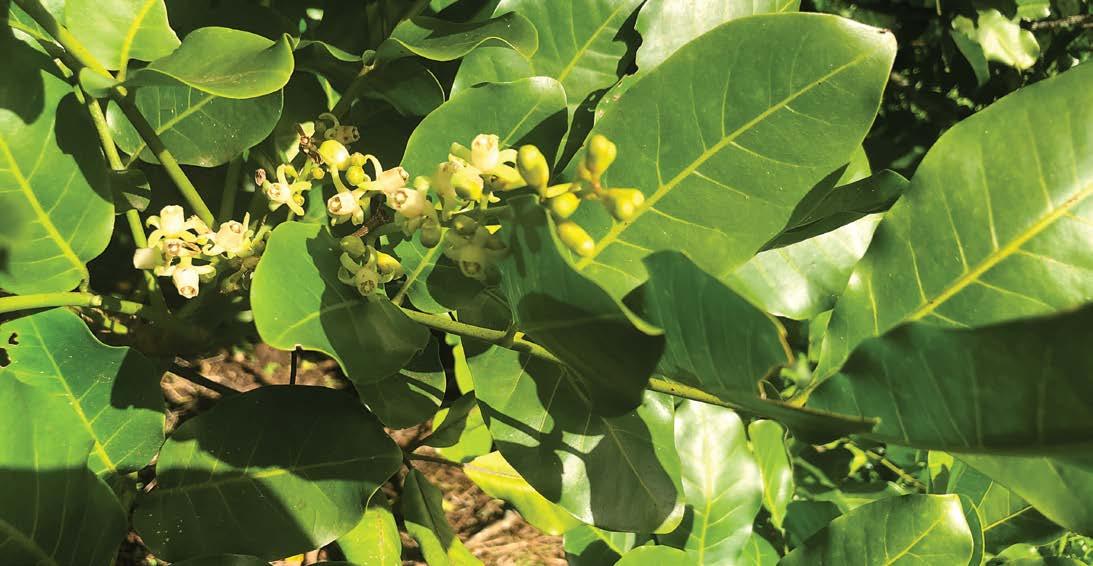
Developing flower cluster – just three in every thousand avocado flowers will produce fruit
“Around 20 years ago the price of honey was quite low –just $2–$3 a kilogram,” says John. “Beekeepers were [also] going out of business left, right and centre.”
Around this time John, fascinated with beekeeping, began keeping his own hives on his Maungatapere avocado orchard, south-west of Whangārei.
Growers mostly rely on honey bees from commercial hives to pollinate their orchards each season with honey bees responsible for over 90 percent of pollination for avocado
John sells the 3t of honey he produces, but the main function of the bees is for pollinating the orchard. Four to eight hives per hectare are recommended for pollination and with 20ha currently in avocado production, eight to 10 hives stay on the orchard permanently where bees are also able to feed on winter flowering kohekohe trees, dandelion and the like.
While commercial honey producers feed the bees through winter, John simply leaves honey in the hives, minimising labour, while ensuring the bees will be strong and healthy for pollination.
John has 150 hives he farms out onto about eight rural properties around the district. Flowering usually starts in
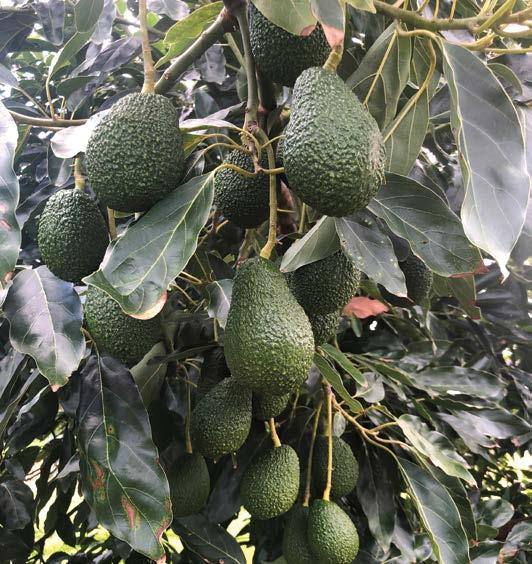
Good pollination will be needed as Australian supermarkets will want more volume out of New Zealand this coming year
the orchard in late September, which sees the hives moved onsite, and goes through to mid-November.
For growers looking for hives, the fluctuations in availability through the last decade have been cause for concern.
Higher returns, especially for mānuka honey, saw New Zealand hive numbers increase from 313,000 in 2007 to over 918,000 in 2019.
“That was the stage where beehives were getting flogged, and people were expanding and getting into the industry, a lot of fly-by-nighters coming through.”
NEW ZEALAND HIVE NUMBERS PEAKED IN 2019
2007 2019 2025 313,000 918,000
489,000
After the sustained decline in hive numbers since the 2019 peak, there are signs of increasing honey production.
“This season the price of honey is going up so more beekeepers are going to be chasing honey as a main income source for their hives,” he reckons. “That means there’s going to be less hives available and probably less inclination for beekeepers to put hives in orchards.
“Because mānuka flowering and avocado flowering overlap, pretty much it’s either one or the other. So, if a beekeeper’s got good mānuka sites – and there are quite a few around the north, they will put the hives there, and they’ll make far more doing that than all being put into an orchard.”
Even so John still thinks there will be enough hives to go around – they may just cost more this season.
Rental pollination hives can cost over $200 each a season, well up from the $60 John was charged in his first year of avocado production over 20 years ago, pre-varroa mite.
around 70 percent of commercial honeybees in the country cross state lines into California for almond orchard pollination.
In Australia beekeepers are legally required to be audited – hives are inspected regularly if disease/pests like varroa are in the area and at least three times a year otherwise. Beekeepers must keep records, report any notifiable pests and diseases and treat the hives if they are present. They also can’t abandon hives and have to keep robber bees out of hives.
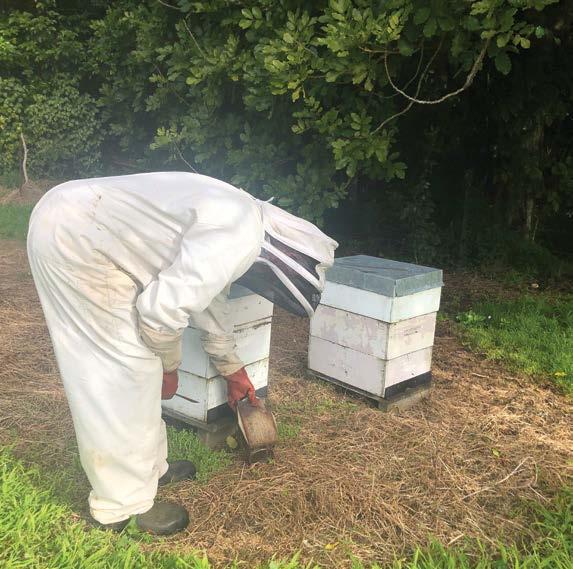
Issues with hives aren’t restricted to New Zealand.
In the 2024–25 season commercial beekeepers in the United States had a disastrous year with up to 62 percent of commercial hives lost over winter to bee viruses spread by varroa mites. This year it’s tracking lower at around 40 percent – double New Zealand’s annual winter die-off.
There is strict auditing in the United States around the health of hives especially for the huge annual trek which sees
In New Zealand there aren’t any legal rules or auditing. Ascertaining the hives’ health and bee numbers comes down to trust.
This may change as Zespri is in the early stages of discussions with beekeepers and growers on getting some auditing in place.
Another optimistic outlook comes from efforts to eradicate the yellowlegged hornet, which turned up in Auckland last winter. Its potential to cause real harm to the beekeeping industry raised alarm.
The fast and effective response by Ministry for Primary Industries staff has brought high praise from invasive species management expert Prof Phil Lester at Victoria University of Wellington.
• Provides internal warming more compact flowering
• For use on fruit tree crops
• The “spray on” that adds to
• Good results have been achieved when applied
irrigation lines







With the last insect caught in early April, he is cautiously optimistic the hornet has been eradicated. A few years of clear monitoring will still be needed to be certain.
After the hornet arrived in France 22 years ago, likely in a container from China, French beekeepers have seen between 30–80 percent hive losses, says Phil. The hornets have now spread into Spain, Germany, Switzerland, Italy and the UK. They also recently turned up in the US.
DNA testing has shown all the hornets found in Auckland came from a single female, as did the hornet population in Europe, he says.
Northland would suit them particularly well, but if any hornets have hitchhiked out of Auckland over winter it won’t be very obvious until summer when hornet numbers would increase.
Orchardists can watch for hovering behaviour around the hive entrance. The hornets wait for bees coming back to the hive, loaded down with pollen and tired. The hornets will kill them on the wing, advises Phil.
A diet analysis on what the hornets have been eating here will be released in a few weeks.
Overseas, along with bees, they’ll eat lots of flies, wasps, beetles, moths and butterflies, crickets, and grasshoppers, while also scavenging on dead birds and rodents.
The risks of a new predator along with honey prices have led to increasing concerns over tying horticultural pollination to the fluctuating beekeeping industry.
Added to that is the uncertainty about how bees will handle climatic changes in a warming world.
As a result there is more interest in other pollinators. For example, bumble bees are much better pollinators and flies do most of the pollinating in some southern Australian avocado orchard regions.
There may also be other native pollinators that could benefit commercial orchards, Brad Howlett from Bioeconomy Science Institute says. He is looking at ways to breed local drone flies en masse for potential future use in orchards.
While honey bees will stay as the foundation of pollination, Brad thinks planting up crop-specific habitat will see native/ wild pollinators and other managed insects such as drone flies becoming important pollinators.
“The future of avocado pollination is likely to involve managing pollinator ecosystems, not simply managing honey bee hives.”
If you think you’ve spotted a yellow-legged hornet or its nest, photograph it, report online at report.mpi.govt.nz or to the Biosecurity
New Zealand exotic pest and disease hotline
0800 80 99 66
APTIVIS® fungicide powered by ADEPIDYN® technology
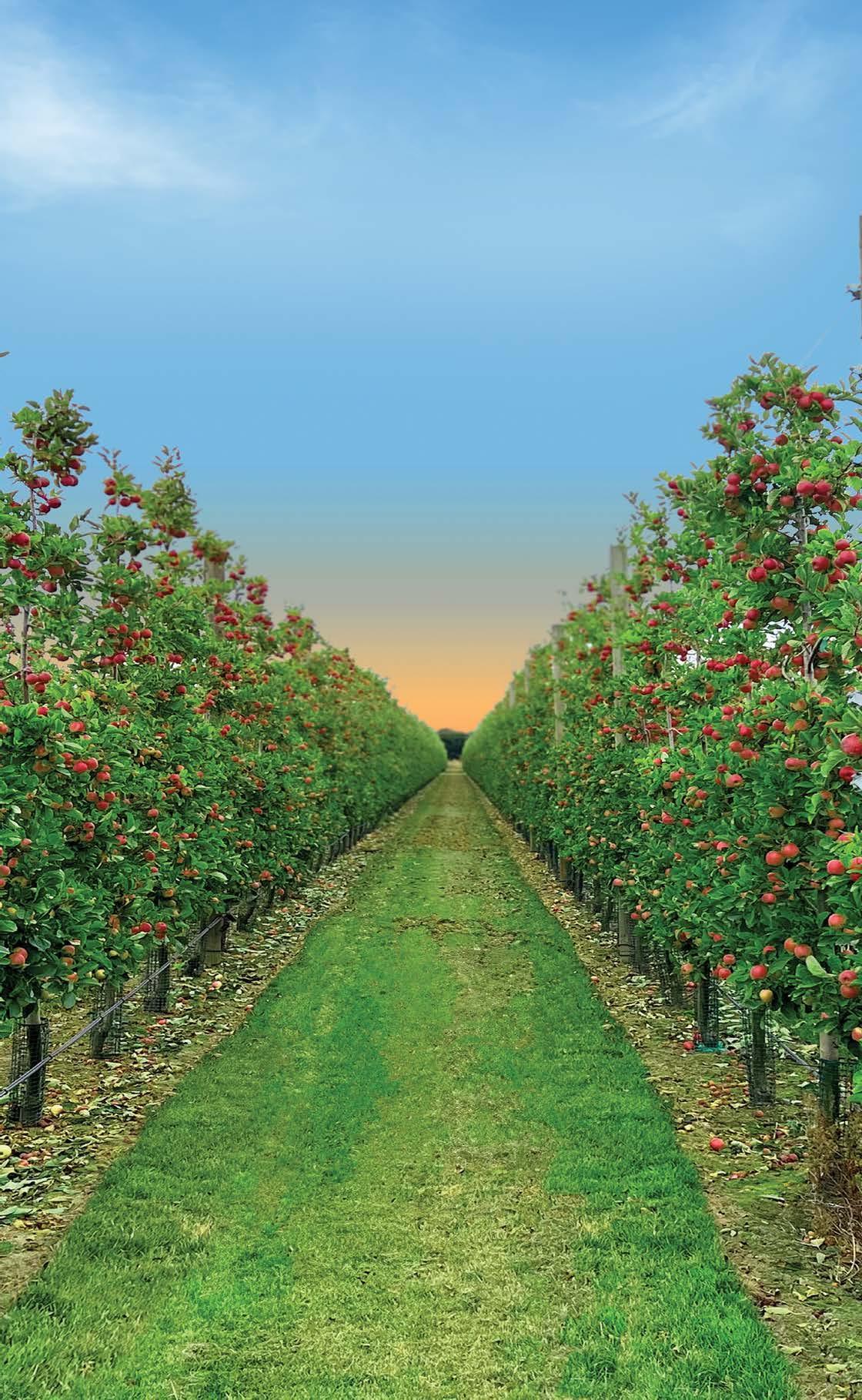
Next generation control of Black Spot and Powdery Mildew in pipfruit

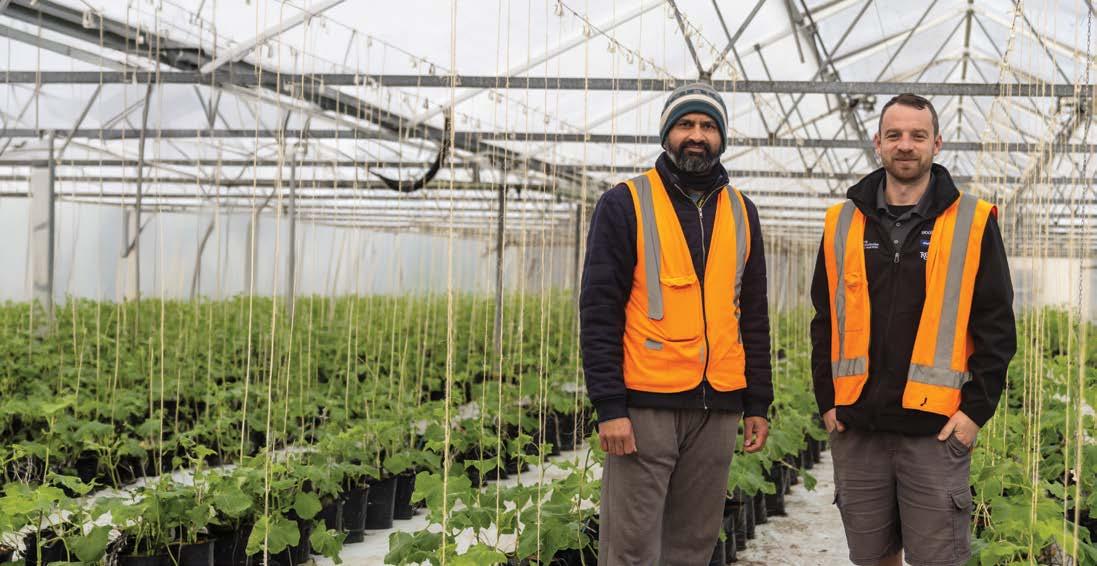
The therapeutic benefits of growing vegetables are being combined with the reality of commercial production at Christchurch’s Nova Fresh food and farming social enterprise.
Tony Benny
Part of Nova Trust’s residential addiction treatment facility on the outskirts of the city, Novafresh is integrated into the treatment programme, developing confidence and transferable skills to help patients reintegrate into the community and find a job.
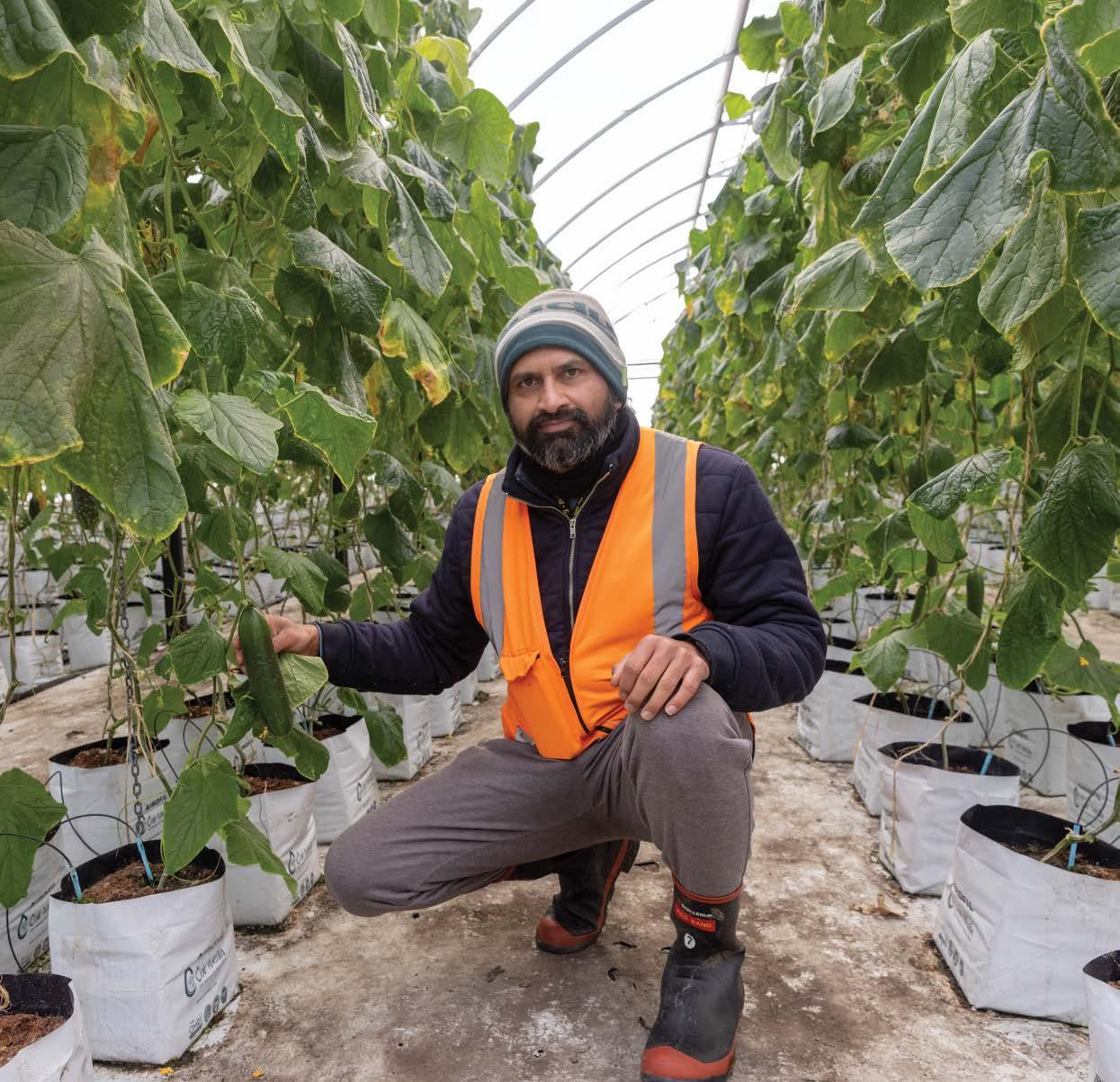
“It’s about getting people up and moving, giving them routine and structure back into their life,” says Jake Linklater who runs the Nova Native nursery that operates alongside the fresh vegetable business.
“The life and employment skills programme teaches skills in horticulture through both our social enterprises.”
Fellow horticulturist Harry Revar runs Nova Fresh with a full-time team that varies between seven in winter and 10 in summer, supplemented by part-timers who are in residential treatment programmes.
“It’s a bit of a conveyor belt of people coming through and some of them get real into it,” Harry says. “And you might eventually even provide a character reference for the best ones if they want to seek employment.
“Our residents usually work about 3 to 4 hours a day and it could be anything, such as picking cucumbers, planting, picking beetroot out in the field or moving cattle from one paddock to the next,” he continues.
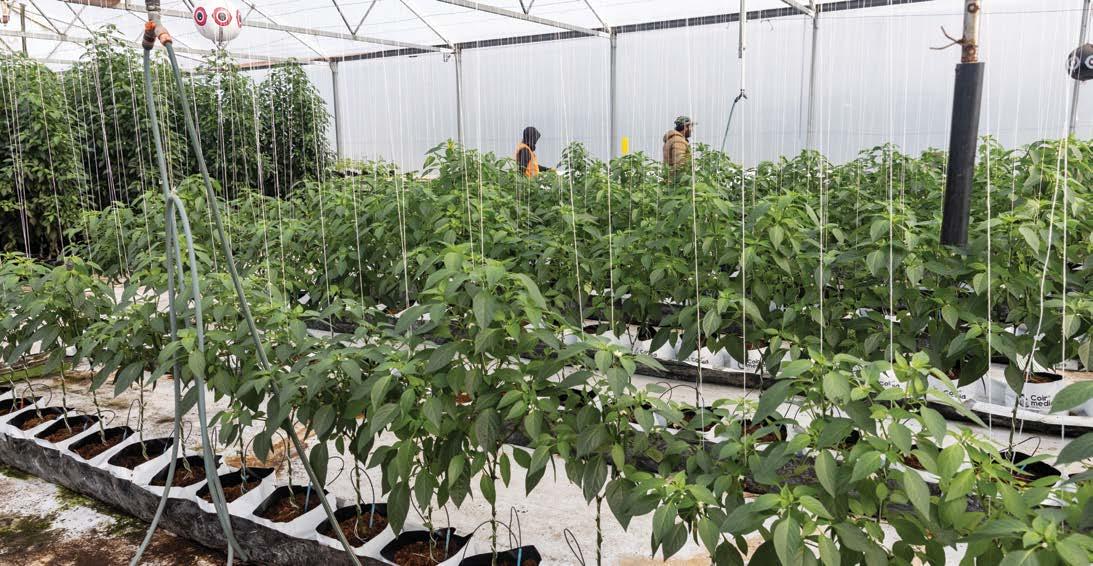
Chillies growing from seed to final harvest in 11 months
Since Nova Trust was formed in 1981 to provide drug and alcohol rehabilitation, its point of difference has been its life and employment skills programme, Jake explains.
“Sometimes people might say, ‘You’re getting free labour,’ but it’s not like that at all, because there’s an extreme amount of overhead costs that go into running Nova Trust,” adds Jake.
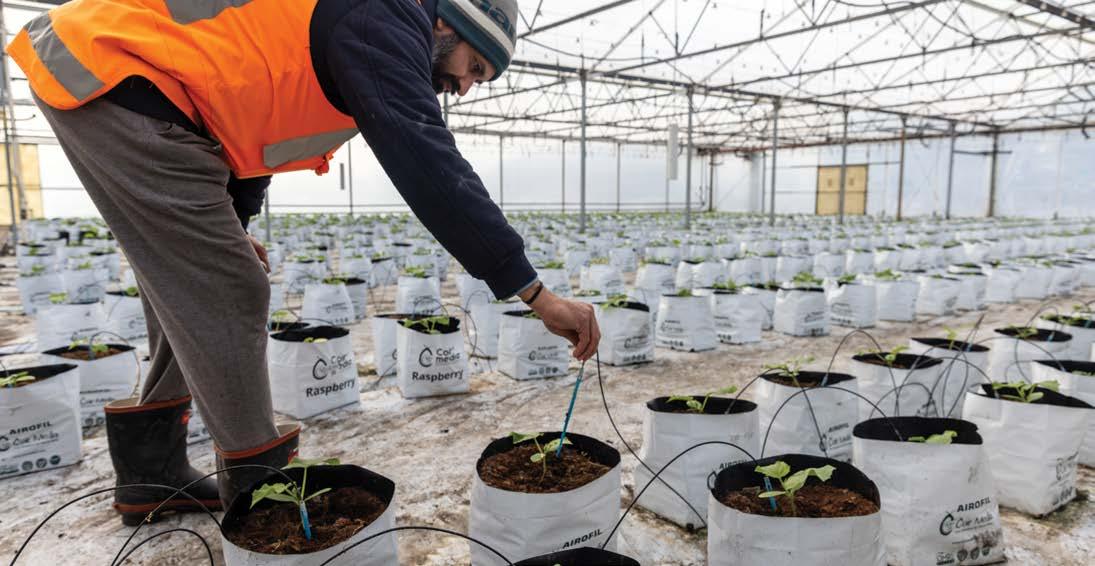
Alongside the lodge that houses residents and roundthe-clock staff, there are seven tunnel houses covering a total of nearly a hectare.
One is home to the native nursery, one is used to grow chillies and the rest are devoted to cucumbers.
The horticulture operation is commercially focused and supplies South Island supermarkets and restaurants through both T&G Fresh and MG Group.
Originally Nova Fresh grew telegraph cucumbers but, finding the plastic wrapping onerous, changed to a traditional short cucumber.
“They have a hard skin, so you don’t need to wrap them with plastic,” says Harry. “If you remove the skin, it will give you the original cucumber taste and it’s more crunchy because they have less water compared with the telegraphs.”
Production goes down in winter when there’s less natural light and that also affects the growth of the seedlings for

Heavyweight,

For - fencing, reinforcing, bird / pest exclusion, drying,
the next crop. Harry’s giving winter seedlings extra artificial UV light to boost their growth.
“If they’re not getting enough light they stretch looking for the light and the stem can become very weak and will break down very easily. But with the extra light they’re not getting higher, but they have a very good root system which will be a huge difference in production as well.”
They grow three cucumber crops a year, four months from seed to final harvest, in a conveyor-belt-like production schedule spread across five tunnel houses.
The chilli crop lasts much longer, 11 months from seed to final harvest, then a month between crops for preparation. Like the cucumbers, the chillies are trained up on strings. Annual production last year was 3.1 tonnes.
Until recently Nova Fresh grew beetroot outside as well as the tunnel house crops but prices have tumbled sharply, Harry says.
“Three or four years ago, we were getting $2.50 or $3 per kg. And then suddenly it came down to 90 cents or one dollar so it’s very hard to sustain that business.”
At that price last year’s crop wasn’t worth harvesting and it was fed to the cattle.
Like all horticultural businesses, Nova Fresh faces both challenging markets and rising costs. Among them is the price of the coal to power the boiler that heats water to heat the tunnel houses.
Changing from coal to a something more environmentally friendly is complicated by the fact the system not only heats the tunnel houses but also the residential lodge. Replacing it would be prohibitively expensive.
Diversifying into another crop such as capsicums is a possibility for Nova Fresh, given that capsicums are from the same family as chillies so the team already has the skills, says Harry. But the competition they would face would be daunting.
“It’s very hard to compete with the big growers.”
Since Nova Fresh was formed, horticulture has changed in New Zealand and there are more large-scale operations and fewer small producers.
“Once upon a time, this was probably a medium-sized grower but we’re at the point now where we’re just a boutique grower, essentially, a small, small player,” says Jake.
But the business is not a ‘normal’ commercial operator, it’s a vital ingredient in changing lives blighted by addiction.
“We’re always going to have some sort of horticultural element here because that’s basically fundamental to what we offer as a service really,” he says. “The horticultural operation is designed so that if we do make any profits, it goes back into helping what we do here.”
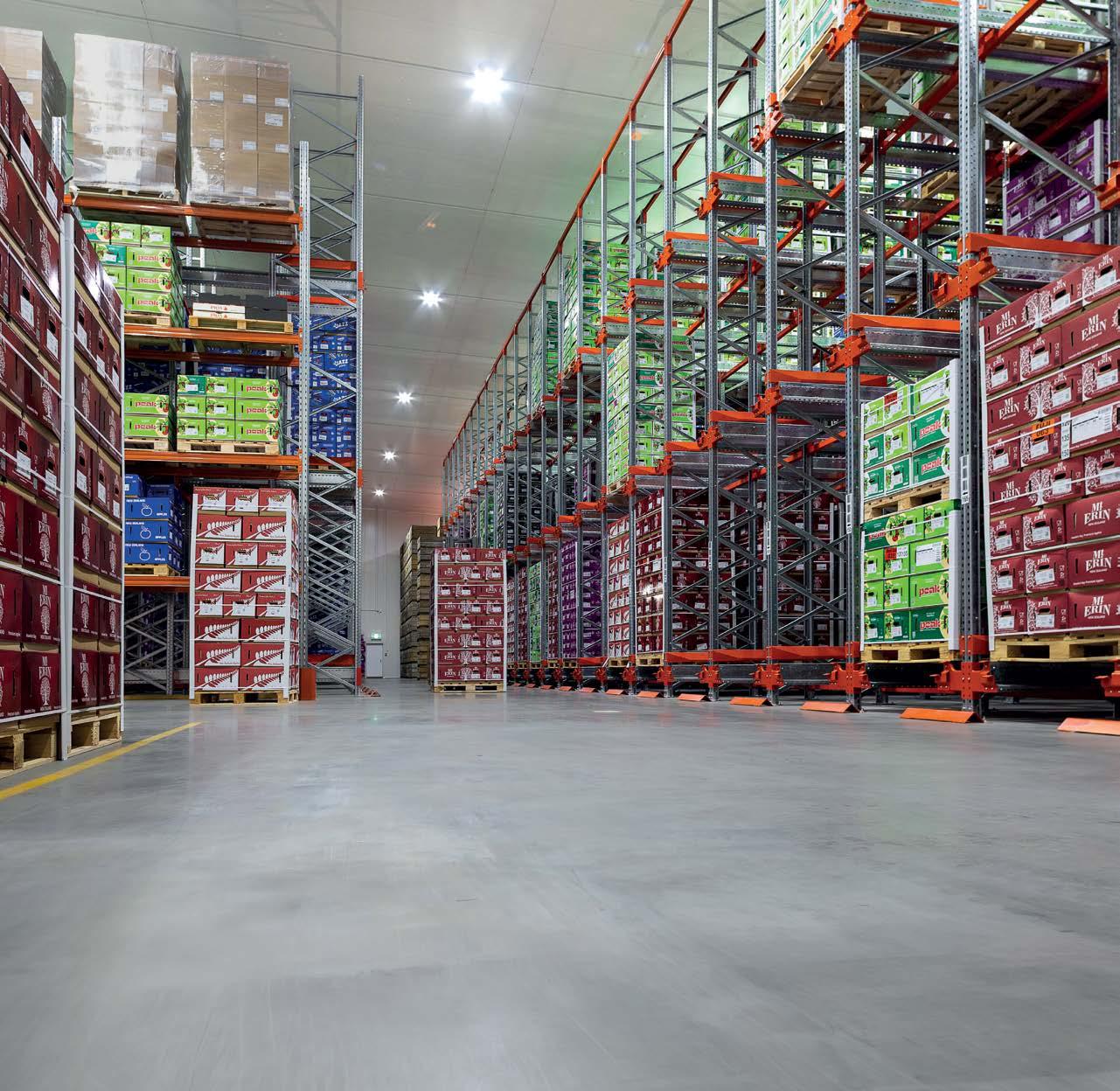
Optimised design | Operations integrated programmes | Long-term site planning

Temperature controlled facilities demand specialist expertise.
At Tuatara Structures, we deliver cold and coolstore solutions that perform for the long term.
Matt Jackson



Principal | Client Partnerships
Mobile: 022 674 0136
matt.jackson@tuatarastructures.com

Every facility is designed around the business operations within, then delivered to meet critical harvest or production deadlines with confidence. For practical advice on your next temperature controlled facility, talk to the team today.


















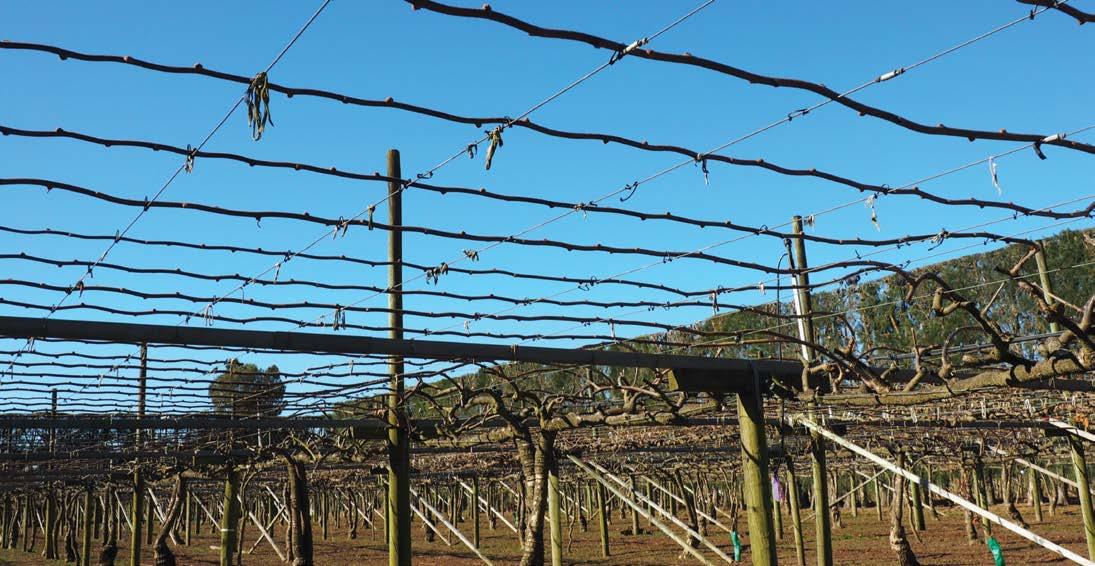
Despite cold snaps and a frosty end of July, the winter began with the warmest June on record - suggesting another year of above average winter temperatures. Yet despite the warmer winters, and similarly to previous years, it seems that winter chill accumulation is tracking just fine in key growing regions.
John Gauldie
Photos
As NZGrower & Orchardist goes to print in late July, this winter has brought growers another mixed bag of weather. Parts of the country dealt with high rainfall events while others faced long dry spells.
Up to mid-July, the winter had been tracking warmer than average. In fact, June was the warmest that New Zealand has had since records began in 1909. A series of highpressure systems delivered exceptionally warm airflows
by
Sue Linn
over the country. The nationwide average temperature in June was 10.6°C, up 1.9°C from the 1991–2020 June average, according to data published by Earth Sciences NZ.
Te Puke in Bay of Plenty recorded a mean air temperature of 12.1°C in June, 1.7°C above normal and the secondhighest June on record since measurements began in 1973. The mean minimum air temperature was also notable, reaching 7.9°C, which is 2.3°C above normal and
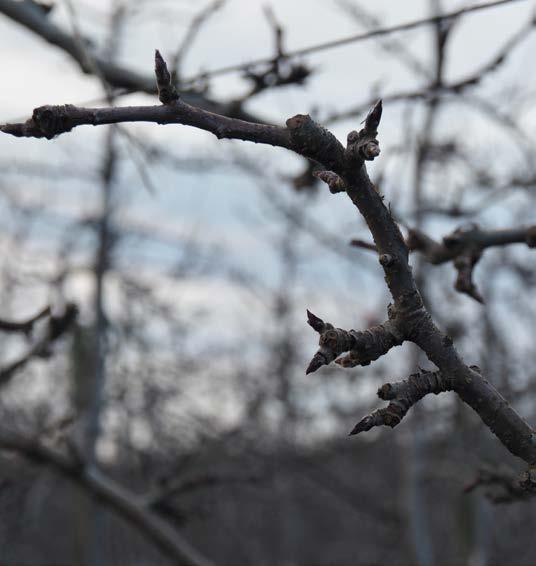
Winter chill is tracking well in key growing regions
the third-highest on record since 1973. On 2 June, the minimum air temperature reached 16.1°C, the highest daily minimum ever recorded at the site.
In Hawke’s Bay, Hastings was 2°C warmer than normal, with a mean air temperature of 11.4°C – the highest since 1930. The mean minimum air temperature for June was also remarkable, at 6.4°C, the second-highest since records began. On 2 June, the minimum air temperature reached 15.2°C, the highest daily minimum on record.
This year was the warmest June since records began in 1909
At the top of the South Island, Motueka recorded a mean air temperature of 15.4°C, 1.9°C above normal and the fourth-highest since 1956. The mean minimum air temperature for June was 4.6°C , which is 2.5°C above normal and the fourth-highest since records began. On 1 June, the minimum air temperature reached 15.1°C, the highest daily minimum on record.
Parts of Christchurch reached 26°C; a new record for New Zealand’s highest June temperature. Unusually, some of the country’s daily maximum temperatures were registered overnight. For example, Queenstown reached 19.4°C between midnight and 1am on 20 June, Earth Sciences NZ reported.
No more
Spray & Pray!
Create & maintain a digital spray plan for your property with SprayPlan Manager.
1 May to 13 July – 2026 vs 2021–2025 average for same period
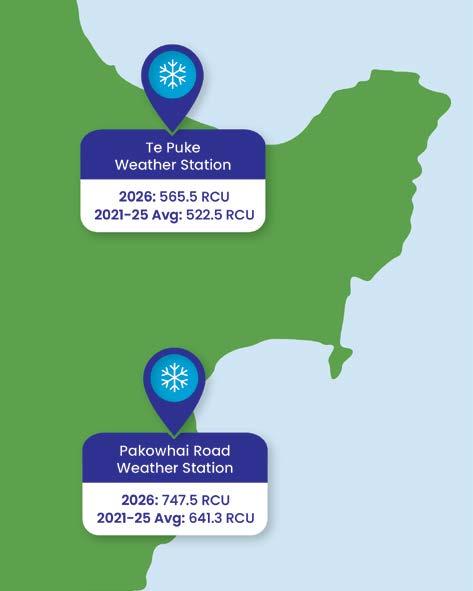
Richardson Chill Unit (RCU) accumulation at the Te Puke and Pakowhai Road weather stations, for the period 1 May to 13 July 2026, as well as the average RCU accumulation in 2021–2025 for the same 1 May to 13 July period. The RCU model is used by researchers and growers in New Zealand. There are some nuances, but in broad terms, this model attributes optimum winter chill at 2.5°C to 9.1°C, no accumulation below 1.4°C or above 12.4°C, and takes away winter chill accumulation at temperatures above 15.9°C.
Despite the warm records, 2026’s winter is likely to follow previous seasons with more than sufficient winter chill accumulation for key crops.
According to data from the MetWatch grower crop protection platform provided by HortPlus, the accumulation of Richardson Chill Units (RCUs) for the first half of winter was tracking above the average for the past five years in many parts of the country.
At HortPlus’ Te Puke weather station, RCU accumulation was sitting at 565.5 for the period 1 May to 13 July 2026, compared to an average of 522.5 (+43) for the same period over the past five years.
At its Pakowhai Road weather station in Hawke’s Bay, RCU accumulation reached 747.5 in the 1 May to 13 July 2026 period, compared to an average of 641.3 (+106.2) for the same period over the past five years.
HortPlus chief executive Mike Barley says the results indicated healthy early winter chill accumulation for growers in both regions.
While higher than average temperatures could sometimes result in lower chill unit accumulation, Mike says that wasn’t always the case. Even when running the RCU model to subtract chill units under warm conditions (over 16°C), the lion’s share of chill hours accumulate when temperatures fall within the optimum 2.5°C to 9.1°C range.
Warmer average temperatures could result in fewer hours below 2.5°C or might be caused by a few shortlived temperature spikes that push overall averages up.
“It may come as some comfort to Hawke’s Bay and Bay of Plenty growers that cumulative winter chill exposure for their plants was strong in May and continued to track upwards in June, albeit at a slower rate, despite the record June temperatures nationwide in 2026.
“It’s worth keeping an eye on chill unit accumulation in MetWatch throughout the rest of winter as previous seasons prove there can be big swings depending on how much time is spent in the RCU sweet spot, but the early signs appear positive.”

Seven regional Young Grower of the Year winners will pitch their skills against one another at the Young Grower of the Year National Final in Cromwell on 27–28 August.
The National Final of NZ Young Grower of the Year will showcase the skills, knowledge and leadership potential of our next generation, ensuring the industry remains strong and sustainable.
This year’s finalists typify the capability and professionalism that defines the future of horticulture. They are a high calibre of young people, representing the best emerging talent and showcasing the next generation of leaders.
Location: Bay of Plenty
Age: 29
Occupation: Orchard and innovation lead at KWKIWI, his family’s kiwifruit business
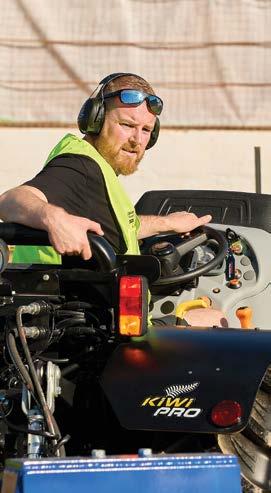
William Kenna, aged 29, is orchard and innovation lead at KWKIWI, his family’s kiwifruit business.
He gained a degree in marketing and logistics and worked in the wider fruit and vegetable market before returning to KWKIWI in 2020.
KWKIWI grows kiwifruit and also partners with leading horticulture technologies to develop tools, including non-destructive fruit growth and quality measurements/forecasting, smarter water use and climate insights, to benefit growers and the wider horticulture sector.
“I really enjoy the opportunities for innovation and growing a great product which is healthy and enjoyed by consumers around the world,” he says.
“Depending on which hat I’m wearing, I’ll be working on data and innovation or spending time out in the orchard working with the vines.”
William sees the Young Grower competitions as playing a vital role in the sector’s drive to raise awareness of careers in the sector.
“The competition is absolutely important to encourage people to upskill and learn different skills. It showcases different aspects of what horticulture involves and highlights what the career possibilities are.”
Location: Central Otago
Age: 24
Occupation: Trainee orchard manager for Fortune Fruit in Cromwell
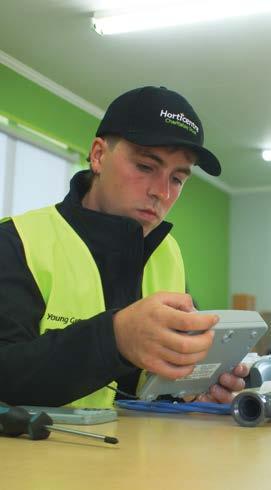
Luke St John, aged 24, a trainee orchard manager for Fortune Fruit in Cromwell, won the Central Otago title for the second time – he also won in 2024.
Luke started working in Fortune Fruit’s packhouse while studying for a degree in botany and ecology and joined full-time after graduating.
“There has been a lot of on-the-job learning and I’m also now studying for the Level 4 New Zealand Certificate in Horticulture Production,” he says.
“I really enjoy the variety of work. It’s constantly changing over the growing seasons and then, at harvest, we get an influx of people from all over the world. You get to meet such interesting people and learn so much from them.
“I think the competition is really good for young people like me, both to test our skills but also to meet more people from the sector and it’s also a great way to promote careers in the industry.”
Location: Canterbury
Age: 29
Occupation: Quality and field manager for leading seed potato supplier Eurogrow

Amber Davy, aged 29, is a quality and field manager for leading seed potato supplier Eurogrow.
Amber gained a Bachelor of Agriculture degree and then a summer job with seed potato crops sparked her interest in the sector.
She joined Eurogrow as a technical field representative and now looks after the company’s new variety and early generation seed programmes.
“My favourite part is the new varieties, and I love working with farmers and growers,” she says.
“Potato growers are forward-thinking, great to work with and keen to see people do well.”
Her employer strongly supports further education. Amber has gained a Postgraduate Certificate in Applied Science and Postgraduate Diploma in Horticultural Science.
She has also attended the Potato Business School in the Netherlands, an International Potato Congress, international agronomist training day and gained agronomy experience in Germany.
Amber currently chairs the Potatoes New Zealand Youth Council – a group of people under the age of 35, implementing initiatives aimed at encouraging young people into the potato industry and supporting those already in it.
Location: Gisborne
Age: 28
Occupation: Crop manager with Wi Pere Trust
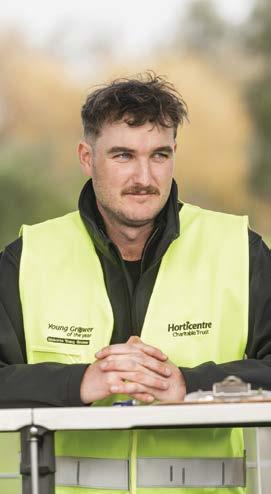
He was introduced to commercial horticulture through a school holiday job. After gaining a degree in sports and exercise, prescription and training, he returned to the sector.
He joined Wi Pere Trust five years ago and is now in his second full year in management. In September, he was also recognised with the Emerging Leader award from Citrus NZ.
“I like the diversity of the crops,” he says. “Every orchard is different. I look after four orchards –apples, blueberries, citrus and nursery operations.
“I also enjoy working with so many different people in the sector. We have a lot of backpackers from around the world working here and it’s great hearing their stories.
“The Young Grower competition is important because it is really good to be tested on your skills across the board. It gives you confidence in what you are doing well at and highlights areas that you might need more experience in.”
Location: Hawke’s Bay
Age: 26
Occupation: Quality and compliance manager –growing at T&G Global
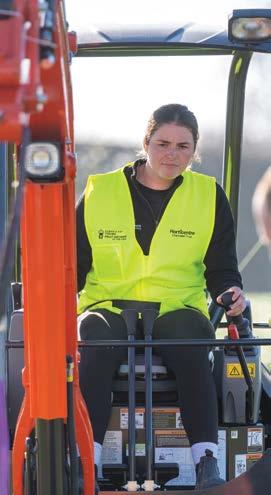
Maddi began studying for an agri commerce degree. However, after being awarded a T&G scholarship in her first year and undertaking holiday work with the company, she switched to a horticultural science degree.
She joined T&G’s technical team after graduating.
“I enjoy the people and the range of work,” she says. “There’s a very wide range of projects and you have a lot of freedom to choose the kind of work you want to do.
“T&G has a very supportive culture. They really want everyone to do well and achieve the very best they can.
“I’ve done a lot of on-the-job training and also took part in T&G’s emerging leaders programme, which was very beneficial and helps those who want to grow their careers.
“I was involved with the Hawke’s Bay Hort Day Out this year. This event showcases modern technology and career pathways in the sector for young people, and it was a very cool day, demonstrating everything from robotics to packhouse operations.”
Location: Nelson
Age: 30
Occupation: Nursery manager at Thomas Brothers Orchard in Riwaka
Amelia Marsden, aged 30, a nursery manager at Thomas Brothers Orchard in Riwaka, won the Nelson regional title for the second year running.
Amelia gained a Bachelor of Agriculture from Lincoln and began her career in the dairy sector.
After moving to Nelson, she joined Willisbrook Orchards as an apple supervisor, then broadened her industry experience working with Ballance before returning to Willisbrook as kiwifruit manager. She joined Thomas Brothers in June this year.
Amelia sees the Young Grower competitions as an important part of the industry’s drive to promote career opportunities in the sector.
“Horticulture is a great industry to be part of. There are a multitude of opportunities to have a great career in the industry and different areas to grow your career in.
“I feel the industry is going from strength to strength and it’s awesome to be part of that. At a time when food security is such a massive issue globally, it feels really good to be helping to produce some of the healthiest food out there, which is exported to consumers around the world.”

Location: Pukekohe
Age: 28
Occupation: Agronomist for AS Wilcox
James Blair, aged 28, from Matamata is an agronomist for AS Wilcox.
James gained a degree in agricultural crop science in the UK and spent two years working as an agronomist there, before heading to Australia, and then New Zealand where he joined AS Wilcox, as a technical crop supervisor for potatoes.
He is now technical support for four regions, covering from Pukunui in the Far North to Ohakune, as well overseeing the seed programme for the South Island.
“I enjoy that it’s always busy with a good mixture of admin and practicality,” he says.
“There’s a bit of office work, but crop walking is still the best part for me and going to the different regions and meeting different growers.
“The Young Grower competition was a fantastic experience. The contestants came from a real mix of horticulture backgrounds but the competition was designed to suit everyone.
“It’s an important event because it is a chance to test your skills against your peers but also to raise awareness among young people of the opportunities in the industry, because there are so many.”



• HortNZ reviewed and updated a suite of environmental codes of practice in 2025-2026. The latest versions were published in June 2026.
The latest industry environmental Codes of Practice released to support freshwater farm planning have now been published and are available for download from HortNZ’s website.
• The codes provide practical, step-by-step processes to manage risks to freshwater from horticulture. Growers develop management plans to manage nutrient and sediment losses from their operations.
• The codes underpin updates to the NZGAP Environment Management System Add-on (EMS). The EMS is being updated to also reflect freshwater farm plan requirements.
Sarah Dobson: Consultant at Agrilink NZ
• The review and update were undertaken as part of the Growing Change project, funded by HortNZ and the Ministry for the Environment, under the Essential Freshwater Fund.
HortNZ has updated its suite of environmental Codes of Practice to better support growers in navigating a changing regulatory landscape, particularly around freshwater requirements. The updated Codes provide practical, step-by-step guidance to help growers manage nutrient and sediment losses from their operations.
The graphic below illustrates which Code applies to different sectors within the horticulture industry:
The review, delivered through the Growing Change project funded by HortNZ and the Ministry for the Environment’s Essential Freshwater Fund, also supports the redevelopment of the NZGAP Environmental Management System (EMS).
COVERED CROPPING (SOILLESS) SYSTEMS Nutrients
Drain Nutrient Solution Management Code of Practice

to establish the Franklin Sustainability Project. As a result, the Doing it Right guidance was released in 2000. It was one of the first sector-wide resources to address a range of sustainability issues, from erosion through to integrated pest management and nitrogen leaching in cropping systems. The project became a catalyst for industrywide agreement on consistent practices to improve the long-term sustainability of vegetable production.
Nutrients and sediment

OUTDOOR PRODUCTION
Nutrient Management Code of Practice
Horticulture industry guidance on environmental management began to emerge in the late 1990s. The 1996 Pukekohe Hill erosion event prompted the Pukekohe Vegetable Growers Association
Vehicle & Machinery Washdown Code of Practice
Erosion & Sediment Control Code of Practice Irrigation NZ Codes of Practice
POSTHARVEST
Nutrients and sediment
Additional guidance and Codes of Practice were progressively developed between 2007 and 2019 in response to emerging environmental and industry challenges, including greenhouse discharge management (2007), nutrient management and erosion and sediment control (2014), vegetable washwater discharge (2017), and soil movement offfarm from machinery and vehicles (2019). This guidance,
Vegetable Washwater Management Code of Practice
• The review and update were undertaken as part of the Growing Change project, funded by HortNZ and the Ministry for the Environment, under the Essential
The Codes of Practice apply to different sectors within the horticulture industry
developed by HortNZ, complemented sector-specific research and extension.
Over the decades, the industry has continued to advance research and understanding of environmental challenges and the appropriate solutions for horticulture. In 2019, NZGAP introduced the EMS module to reflect the growing body of industry guidance and to support growers needing farm environment plans in some regions. The EMS provided the industry’s assurance framework for environmental management.
EMS create a comprehensive, industryled solution that reduces duplication, supports compliance with regional and national freshwater requirements, and gives growers greater confidence
This progression from guidance to assurance is captured in HortNZ’s “Joining the Dots” approach. It recognises environmental issues, develops practical solutions suited to horticulture, and provides a framework that supports growers to implement improvements and demonstrate that environmental risks are being actively managed on-farm and orchard.
The 2026 review was informed by advances in on-farm and orchard practice, decision-support tools, scientific understanding and evolving regulatory requirements. COVERED CROPPING (SOILLESS) SYSTEMS



The 2026 versions of the Codes of Practice take a more risk-based approach to managing environmental impacts, particularly nutrient and sediment losses to freshwater. Rather than a one-size-fits-all set of practices, the Codes now emphasise selecting a coordinated mix of management practices that match the level of environmental risk on-farm, supported through a structured management plan. These plans help growers assess risk, select appropriate practices and adapt over time as conditions change.
The Nutrient Management and Erosion and Sediment Control Codes also set out minimum practice expectations, with additional practices available to support continuous improvement. This ensures management actions are proportionate to the level of environmental risk.
Growers are also supported by improved tools and resources. Three of the Codes now include accompanying Excel workbooks to help build and maintain management plans, document risk assessments, record selected practices and provide evidence of implementation. The Codes also include more detailed explanations of management practices and link them to relevant risks, decision-support tools and additional resources, helping growers understand not only what is required, but why.
The revised Codes of Practice also form the foundation of the redeveloped NZGAP EMS v2. Designed to align with Freshwater Farm Plan (FWFP) requirements, the EMS brings the Codes together into a single assurance framework that helps growers identify environmental risks, develop management plans and demonstrate that appropriate actions are being implemented. Together, the Codes and EMS create a comprehensive, industry-led solution that reduces duplication, supports compliance with regional and national freshwater requirements, and gives growers greater confidence that they are meeting both regulatory and market expectations.
To stay up to date with the latest information on the Codes of Practice and NZGAP EMS review:
Scan the QR code to refer to the HortNZ Codes of Practice webpage
• Contact a HortNZ regional representative
• Subscribe to the HortNZ weekly newsletter
• Visit the NZGAP website for updates on EMS v2
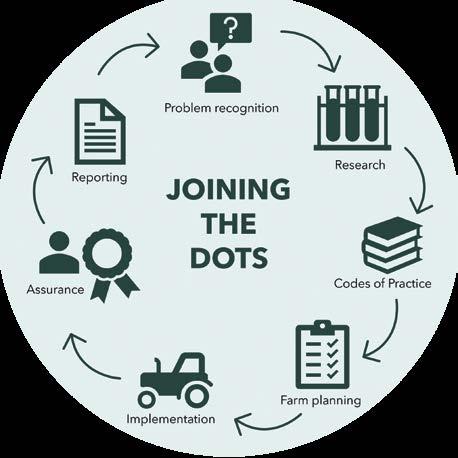
The progression from guidance to assurance is captured in HortNZ’s “Joining the Dots” approach
Familiarise yourself with the updated Codes of Practice relevant to your operation.
If you are part of the NZGAP EMS programme, stay up to date on the EMS review through the NZGAP website.
If you require a farm environment plan or need a freshwater farm plan in the future, you can register for the EMS as an add-on to your core GAP certification.
If you are operating under consent conditions referencing the previous Codes of Practice, continue to follow those requirements until your consent or regional plan is updated.
If you require further support on these changes, speak with a HortNZ regional representative or a trusted advisor.
That’s not resistance…
Yeah, nah. It’s aggressive pest enthusiasm. Totally different.
Resistance doesn’t care what you call it. It just helps itself to your bottom line.
Have the resistance management conversation now. And keep what works, working. keepwhatworksworking.co.nz
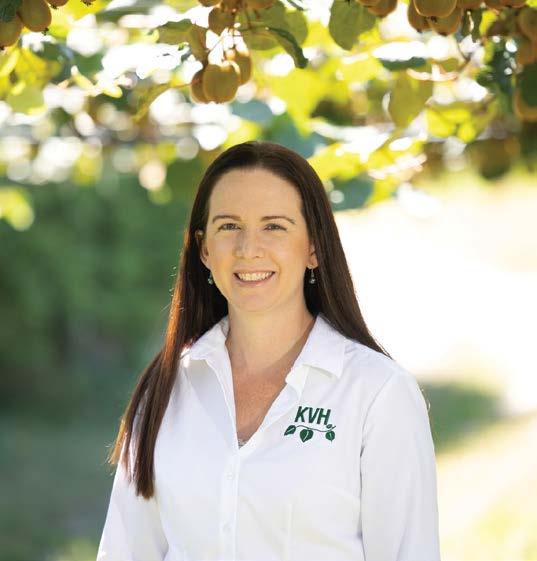
To meaningfully reduce biosecurity risk there needs to be greater uptake by nurseries, says KVH chief executive Leanne Stewart

Five years ago, industry and government launched Plant Pass, New Zealand’s nursery production standard for plant health and biosecurity. As we head into Biosecurity Awareness Month, we ask how Plant Pass is benefiting growers –who are collectively a key owner of the scheme through their industry bodies.
This month, along with its first five-year milestone, the Plant Pass scheme is celebrating reaching its first 100 participating producers.
The scheme is seen as a key defence against the spread of new and existing pest and disease threats such as Xylella fastidiosa, Psa, Tomato Brown Rugose Fruit Virus (ToBRFV), Phytophthora cinnamomi and Citrus Greening Disease (Huanglongbing).
Nevertheless, Plant Pass – a GIA Operational Agreement – faces headwinds. Uptake, currently at around 40 percent of New Zealand plant production, has grown too slowly in some sectors. The scheme’s owners, including grower industry bodies such as Kiwifruit Vine Health (KVH) and
John Gauldie
NZ Avocado, are hoping that more growers will recognise the value in Plant Pass and use their purchasing power to incentivise participation.
Poorly managed nurseries are a biosecurity risk pathway
Plant Pass uptake in some sectors is already high – for example 100 percent of grapevine and avocado nurseries are Plant Pass certified. For kiwifruit growers dealing with pests and diseases such as Psa, the need for measures to mitigate risk from nursery stock is well understood. Nursery plant movement is considered the highest risk pathway, says Leanne Stewart, chief executive of KVH.
“The movement of whole plants means almost any pest or pathogen has the potential to be spread,” she says. “Movements can occur over long distances; and on top of that, plants are then planted into an orchard, providing a great opportunity for any pests present to establish.”
Brad Siebert, chief executive at NZ Avocado, agrees. “Unlike many field-based risks, nursery pathway issues can become embedded within orchards for many years before latent disease and resulting symptoms are detected or fully understood.”
For avocados specifically, the movement of infected or poorly documented propagation material presents a serious long-term industry risk.
“Avocado industries internationally have experienced major impacts from viroids, phytophthora-related issues and grafttransmissible fungal pathogens, so maintaining confidence in propagation systems is critical.”
While border measures to mitigate offshore biosecurity risks remain important, he says the nursery pathway is one of the few areas where the industry can proactively strengthen prevention and traceability systems domestically.
Sector-specific schemes are not enough
Plant Pass has equivalence with the Kiwifruit Plant Certification Scheme (part of the Kiwifruit Pathway Management Plan), Avocado High Health Scheme and the Grafted Grapevine Standard. It is also working toward equivalence with the Strawberry High Health Scheme and Forest Nursery Surveillance programme.
Beyond equivalence, Leanne says that Plant Pass is important to kiwifruit growers because it addresses all types of nursery plants, not only the movement of kiwifruit and shelter plants to kiwifruit orchards.
“KVH recognises that the next big threat to kiwifruit growers is unlikely to be moved exclusively on kiwifruit industry pathways. We have a strong interest in reducing biosecurity risk associated with all plant movements, regardless of the type or destination.”
Importantly, garden retail and landscape (known as greenlife) nursery shipments represent the largest volume of plant movements through the country. It is a pathway that commercial growers would like to see carefully managed, says Brad.
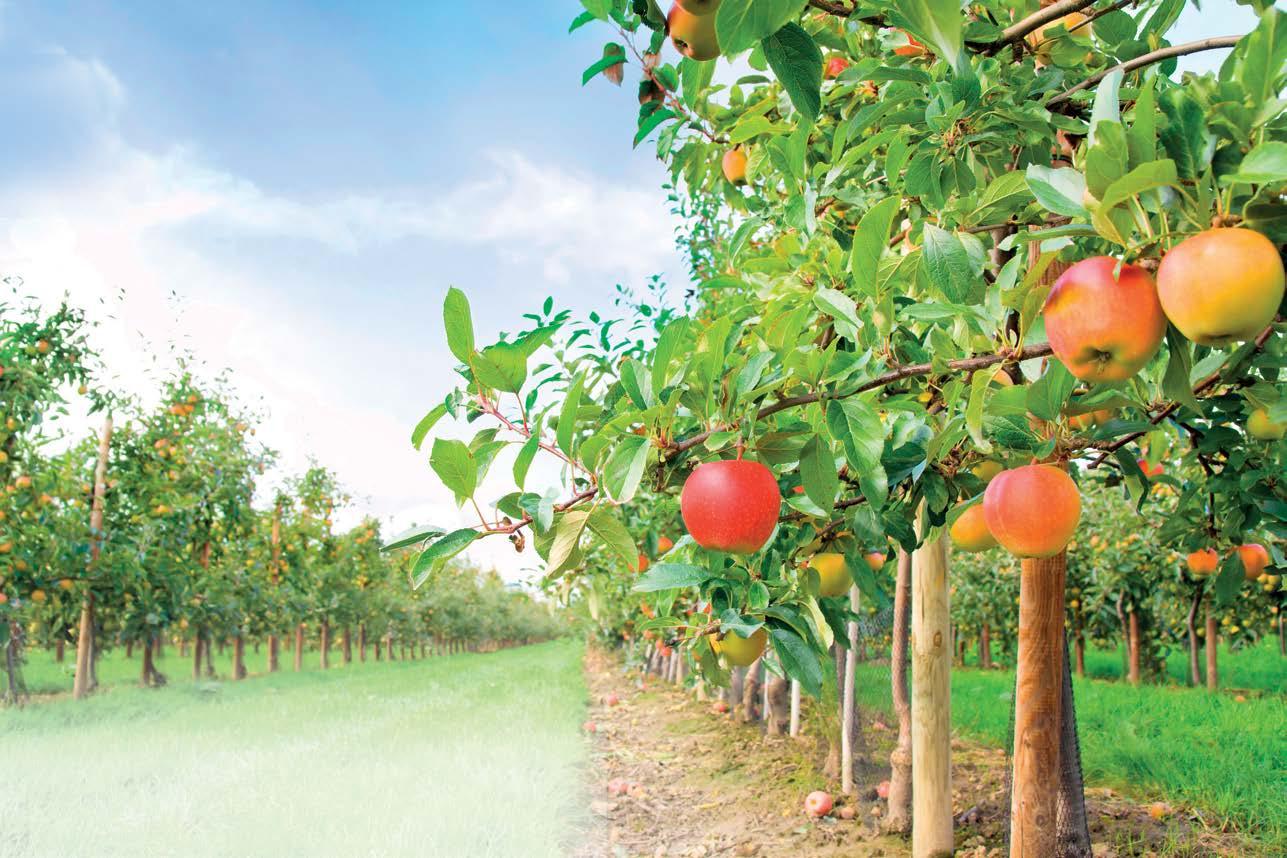
“The increasing movement of plant material, online plant sales and smaller-scale non-commercial propagation activity also reinforces the importance of consistent standards across both commercial and retail supply channels.”
The Plant Pass scheme is designed for all nurseries, including greenlife and native plant producers – which can vary from the largest nurseries in the country such as Zealandia (already a Plant Pass Certified Producer) to small community nurseries run by volunteers.
A baseline system across sectors
Brad says Plant Pass has become the baseline system and a prerequisite for nurseries to participate in the Avocado High Health Scheme.
“This allows the avocado industry to focus its own resources and investment on avocado-specific risks and requirements rather than recreating generic nursery assurance systems independently.
“It also provides greater consistency and importantly lower audit costs for nurseries supplying multiple horticultural sectors and helps create clearer expectations across the wider plant production pathway.”
Having Plant Pass as a baseline system provides agility to the Avocado High Health Scheme as any swift updates needed to the scope of disease testing or other plant health measures can be achieved without continual equivalence testing with Plant Pass.
Participation varies across horticulture
Equivalence with existing plant health programmes has rapidly integrated Plant Pass into those sectors, however uptake in other sectors remained patchy until the release earlier this year of the refreshed Plant Pass Version 2.0, which reduces the scheme’s cost and complexity for nurseries.
Matthew Dolan, NZPPI chief executive and Plant Pass scheme manager, says Plant Pass Version 2.0 has been welcomed by plant producers, making participation much simpler and covering a broader range of issues across different plant production operations.
He recognises that nurseries not registered with the scheme may have built up a trusted reputation with growers over many decades. Adding extra compliance requirements might not seem necessary.
However, Matthew says becoming a Plant Pass Certified Producer could require a lot less change than they imagine, and help to build a consistent national system. The goal is to achieve a critical mass of certified nurseries in order to reduce the likelihood of pests and diseases establishing and spreading to orchards, farms and greenhouses around the country. More nurseries pointing in the same direction means less risk of pests and diseases threatening their market and their own business.
“Plant Pass is one of many nursery schemes emerging worldwide. It is increasingly recognised that managing plant health in nurseries is a great investment. If we want to build trust and capability in our entire plants supply chain, we need to adopt a common language and a common system approach.”
Recognise good practice at the nursery
Leanne says that over the past decade that KVH has been involved with nursery biosecurity schemes, it has seen nurseries undertake significant effort and investment to reduce risk.
“This should be recognised,” she says, “in particular by growers in their purchasing decisions. A plant might last 30 years or more so it makes complete sense to source the cleanest plant material you can and provide your investment with the best start.”
Growers have also invested in the Plant Pass scheme through GIA, so stronger nursery participation will return more value for growers.
“To meaningfully reduce biosecurity risk there needs to be greater uptake by nurseries, and we look forward to seeing that happen,” Leanne continues. “This in turn requires plant purchasers to provide commercial incentives by ordering plants from only certified suppliers. We can all play a part in reducing biosecurity risk to the plant sector.”

Online Orchard Irrigation Supplies
Call our experts 0800 130 905 www.irrigationexpress.co.nz
HortNZ is a member of the Biosecurity Business Pledge. Each August pledge members mark Biosecurity Awareness Month. HortNZ promotes a culture of proactive biosecurity management, including through NZGrower & Orchardist and events like the Horticulture Conference (pictured with HortNZ risk policy advisor Alex Bisson).


Plant Pass is a voluntary certification scheme for nursery production covering standards for plant health and biosecurity (think seedlings, canes, scions and rootstock).
Sourcing from a Plant Pass Certified Producer reduces the likelihood of pests and diseases establishing in a nursery and spreading to orchards, farms and greenhouses through the movement of plants around the country.
Plant Pass was established in 2021 as an Operational Agreement under the Government Industry Agreement (GIA) for Biosecurity Readiness and Response.
The scheme is owned by the Operational Agreement signatories: the Ministry for Primary Industries, NZ Avocado, Kiwifruit Vine Health, NZ Winegrowers, Citrus NZ, Forest Owners Association, Summerfruit NZ, TomatoesNZ, Apples & Pears NZ and New Zealand Plant Producers Inc (which is also the Scheme Manager and Secretariat).
Agreement signatories:








Plant Pass addresses prevention and traceability of emerging threats, pest plant management, hygiene and traceability at the nursery through its independently audited certification checklist. Plant Pass tackles the entire nursery pathway rather than a specific pest or disease.
Is my nursery stock provider Plant Pass certified?
Currently 100 plant producers are Plant Pass certified or on the path to certification. These producers are listed on the Plant Pass Register at plantpass.org.nz
Another simple way to identify each Plant Pass Certified Producer is the producer’s individual Plant Pass Number used on documents, plant tags, labels and promotional material, for example see the L.E. Cooke Nurseryman Ltd advertisement below. Only Plant Pass Certified Producers can use the logo.





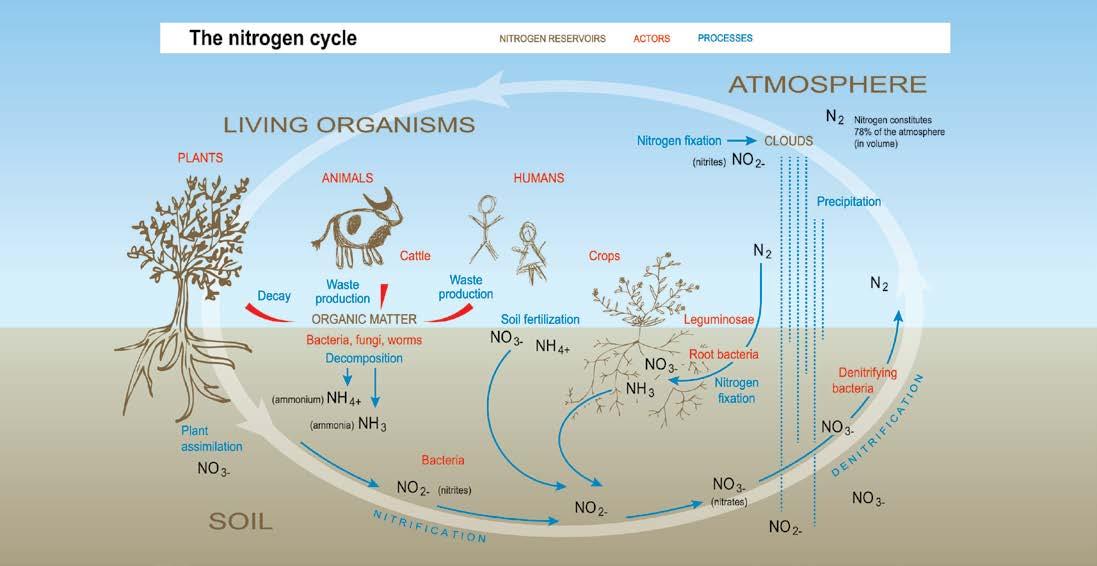
According to regenerative growing principles, it’s possible to improve the nitrogen-cycling potential of soil while reducing synthetic N inputs.
However, shifting an orchard from a conventional to a biological practice is not a transition to be undertaken lightly, says Jan de Jong from Soil Craft NZ. He shares a case study as a reminder of why the discussion should be led by growers, based on soil science and rooted in commercial production realities.
Jan Pieter de Jong : Soil Craft NZ agronomy consultant
By now most orchard soil and Soil Food Web (SFW) analyses should have been converted into a nutritional recommendation and programme for the upcoming season, including nitrogen (N).
On-orchard N inputs are typically applied at the front end of the cropping cycle or in two to three smaller applications. Although N plays a big part in conventional orchard nutrition, crops such as kiwifruit, avocados or apples require much less N than intensive vegetable production, due to its shorter cropping cycles. Leafy greens in particular require adequate and available N that can be supplied through a variety of products and ways.
Nitrogen: The free gift
In a conventional system, as a grower, you are almost “doomed” to maintain those synthetic N inputs.
In regenerative agriculture the key to enquiry and discovery is to ask ourselves, what are the key reasons that native forests globally can sustain themselves in N supply, while conventional agriculture requires constant and regular inputs? What does nature have that we don’t have?
For growers who are open to innovate by means of regeneration, reducing synthetic N inputs will be a big step forward.
The end goal is not per se a phasing out of N inputs, but rather creating and crafting an ecosystem that can access the humongous abundance of atmospheric N.
N occurs as a relative unreactive di-atomic gas in our atmosphere at 78 percent, which equates to approximately 74,000 tonnes (5000 truckloads of urea!) hovering over every hectare globally.
Orchard crops have the ability to generate a significant portion of their N-requirements through their ability to store carbohydrates and their long-term interaction with the soil microbiome.
On the other hand, you do remove a big load of nutrients with your crop. Depending on the Organic Matter (OM) percentage and if we are working with a functioning soil microbiome, some N input may be required to account for the fruit or crop removal content.
Armed with this information, how can we reduce dependency on synthetic N while maintaining and managing this very important nutrient for plant growth?
Transition to greater N-cycling capability
In our case study with one of our kiwifruit-growing customers, eliminating synthetic N-inputs from the outset would risk detrimental effects on growth and yield.
Gary Zimmer, a world-renowned farmer, author, speaker and biological farming consultant, states that “we have to earn the right before we can reduce N-inputs”. He explains that conventional systems often have lost the ability, or






are not resilient enough, to generate their own N-cycling. Going so-called “cold turkey”, he explains, might see a serious reduction in yield.
While building and regenerating the soil microbiome, the previous system that relied on inputs needs to be supported through the transition. Even if the soil analysis indicates sufficient N, will the biome be able to sustain the significant draw of N throughout the season?
The SFW analysis partly answers this question as it gives a rating of the N-cycling potential of your soil based on the
There are many reasons why growers look to transition away from synthetic N. Today, given the changing geopolitical situation, it is particularly timely and prudent that we ask ourselves:
• Who benefits from the sale of fertiliser? Even if New Zealand can reduce its dependency on fossil-fuel-heavy manufacturing in faraway lands by increasing domestic urea production, will it lead to more affordability for growers?
• What data about our growing practices will our overseas customers demand, will GLOBAL GAP requirements toughen up around soil management, and are our export products living up to our premium reputation for growing in 100% Pure New Zealand?
• What is the price we pay for getting N input programmes wrong, translated into pest and disease pressure, impact on yield and storability, excessive canopy growth and associated pruning costs, and higher orchard operational cost?
Nutrient losses through leaching can also affect soil structure. N leaches as nitrate and invariably takes calcium (Ca) as a passenger. Reduction in Ca and increasing Magnesium (Mg) will tighten a soil, reducing aeration, microbial action and fertility accordingly. Additionally, up to 10–20 percent of N fertiliser is lost as ammonia through volatilisation (and even up to 42 percent losses in pastoral situations). Volatilisation occurs when urea fertiliser granules on the soil surface are exposed to urease, an enzyme produced by soil bacteria. These off-gassing losses are reflected in fertiliser inputs and costs. Even when N is correctly dispersed through the soil, 5 to 10 percent is likely to be lost as ammonia gas.
Of course, none of these factors supplant the impact of mismanagement of N inputs on the wider environment, which is well researched and documented in New Zealand and globally – it is the single largest agriculturally destructive practice.
microbial strength – reflected in kilograms per hectare. A good soil, not yet an excellent soil, can have a 336kg/hectare N-cycling capacity of continuous mineralised organic N.
The process and duration of transition is dependent on what cropping system we are dealing with. For example, an orchard can have a healthy and diverse sward living in a symbiotic relationship with the vine or apple tree.
Furthermore, herbicide and fungicide use, the Base Saturations (BS), the relationship between the two N forms (nitrate and ammonium), the carbon percentage and the Cation Exchange Capacity (CEC), all have a bearing on the duration of regeneration.
And then there is the OM percentage. Soils below 4–5 percent are virtually void of an active biome.
In my customer’s case there is 11.5 percent OM. Every percent of OM can potentially sustain and hold 23kg of N per hectare. That is potentially a whopping 264.5kg/ha of readily available mineralised N, almost exceeding the crop removal. In that case, you are getting very close to having earned the right to reduce your N-inputs.
Taking these factors in consideration, for our case study it is reasonable to expect a 3–5 year transition. In the first year (season 24–25), the orchard received the following treatment:
• A long-term release N fertiliser (3-months) buffered with NTS Soluble Humate Granules derived from Australian Leonardite. Extracted from near-surface mining deposits, the highly oxidised form of lignite coal is heavily valued as a soil conditioner, plant bio-stimulant and fungal food. The buffering is essential to compensate for the fertiliser salt index and to diminish N-volatilisation.
• Horti-Tech Foliar Protect and Horti-Tech Foliar Boost, alternating monthly, compensate for the mineral imbalance and multiple girdles. These two products are sophisticated foliar nutrition containing an adequate spectrum of minerals, seaweed species laden with growth hormones, and microbes.
• Nutri-Life BAM added to the foliar nutrition and ground drenches. Beneficial Anaerobic Microbes enhance and promote the microbial communities in the phyllosphere in their ability to fix atmospheric N.
• We used Horti-Tech Soil & Root Boost as ground drench. A powerful rescue remedy, it promotes immune system response and is compatible with integrated pest management. The beneficial microbes perform a wide range of tasks, such as N fixation, solubilising nutrients, improving crop resilience against pest and disease attack by stimulating the plant’s immune system response, and competing with and antagonising pathogens.
• By including Dia-Life we added silicon (Si) along with boron (B), iron (Fe), Ca and Mg).
• The orchardist decided to dispense with glyphosate herbicide applications in the previous season, which paved the way for inoculation with arbuscular
mycorrhizal fungi (AMF) through the inclusion of Nutri-Life NetWork AMF and Rootella P from Roots, Shoots & Fruits. This inoculant provided us with four AMF species and complementary species including Trichoderma and beneficial bacteria. The benefits of these organisms are well documented and include building humus (Glomalin), increasing the root zone, reducing fertiliser requirements through improved nutrient uptake, boosting phosphate and Zinc (Zn) availability, lifting Ca levels in plants, and serving as a synergist to improve N fixation.
Carbohydrate accumulation improving
The leaf analyses obtained at the end of season 24–25 indicated improved mineral values. However, Mg as major cation was low, as well as Zn and Manganese (Mn), respectively – likely from Phosphorus-antagonism and prolonged herbicide use.
The sap Brix readings in the beginning of the season were around 5–6°Bx while in late March some readings reached 16°Bx. For various reasons that season was nominated by the industry as a “big fruit” season.
In season 25–26, three leaf analyses were taken and Mg was still low. Zn, Fe and Mn however showed better values but were not ideal yet.
The sap Brix readings in the beginning of the season showed slightly higher degrees around 7–8°Bx while in late March more than 65 percent of readings had reached over 20°Bx, which is an indicator of an improved ability of the vine to accumulate sugars.
The Zespri Hayward Green category for this season was down 9 million trays and our customer’s yield reduction was no exception. Severe early spring high winds, subsequent PSA-V infection and pollination issues all contributed to a diminished result.
Tipping the scale toward fungal dominance
Through the 25–26 season, the Eurofins analysis showed evidence of an improved Cal-Mag ratio and BS. This was expected and it promises an improved mineral availability for next season.
The season 25–26 SFW analysis indicated that the overall total biomass, made up by the main groups, fungi and bacteria, followed by the next main subgroups (flagellates, amoebae, ciliates) have increased modestly, as we expected.
After two seasons, we have achieved fungal dominance in some blocks, which is great. The ratio between fungi to bacteria in some blocks is still in favour of bacterial dominance, which is also typical for most horticultural soils, due to the way we farm with herbicides, fungicides, and relatively high doses of N-inputs, and mineral imbalances (BS).
Our mission for this orchardist is to further tip the scales towards fungal dominance, as fungi do the long-term grunt work that improves and sustains the N-cycling.

New Zealand’s horticulture industry has built its global reputation on producing premium crops with exceptional quality and consistency. From kiwifruit and apples to cherries, grapes and other high-value crops, each export crop reflects years of investment, careful orchard management and a commitment to producing fruit that delivers strong returns in international markets.
When every hectare represents a significant investment and every tonne of premium fruit carries greater value, protecting that crop has become more important than ever.
Spring frost has always been one of the greatest production risks for New Zealand growers, but increasingly variable weather patterns are making frost events harder to predict. Earlier budburst, fluctuating spring temperatures and unexpected cold snaps can leave orchards and vineyards vulnerable at critical stages of crop development.
The conversation around frost protection is no longer simply about protecting crops. It is about protecting revenue.
For growers producing high-value crops such as kiwifruit, apples, cherries and premium grape varieties, a single frost event can remove a significant portion of the season’s income overnight. In many cases, the financial loss from one damaging frost can far exceed the investment required for permanent frost protection.
Yield consistency is equally important. Exporters and supply chain partners rely on dependable production to meet market commitments, making reliable year-on-year supply an increasingly valuable asset. Growers who can consistently deliver quality fruit are better positioned to strengthen long-term relationships and reduce the financial uncertainty associated with seasonal crop losses.
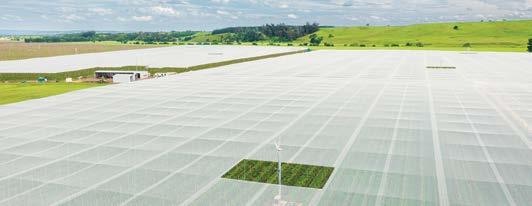
FrostBoss® frost fans achieve deeper coverage and protect larger areas, giving growers reliable, cost-effective frost protection and peace of mind.
There is also a longer-term consideration. Severe frost events do not simply affect one harvest. Young orchards and newly established blocks can suffer setbacks, while repeated frost damage can impact plant health, establishment and future productivity. Protecting the orchard today is also protecting its future earning potential. Technology has evolved alongside these changing business needs. Modern mechanical frost protection systems now incorporate automated start and stop functions, remote monitoring and improved operational efficiency, allowing growers to respond quickly when frost conditions develop while reducing labour requirements during critical nights.
FrostBoss® continues to invest in these technologies across both diesel and electric platforms, recognising that every growing operation has different infrastructure, energy availability and operational requirements. The introduction of electric frost fans provides growers with another option as they consider long-term efficiency, sustainability and infrastructure planning, while continuing to deliver the proven air movement required during radiation frost events.
In New Zealand’s horticulture sector, every crop contributes to the reputation of our industry. Protecting that crop is not simply about managing frost – it is about protecting quality, customer relationships and the longterm value of the orchard.

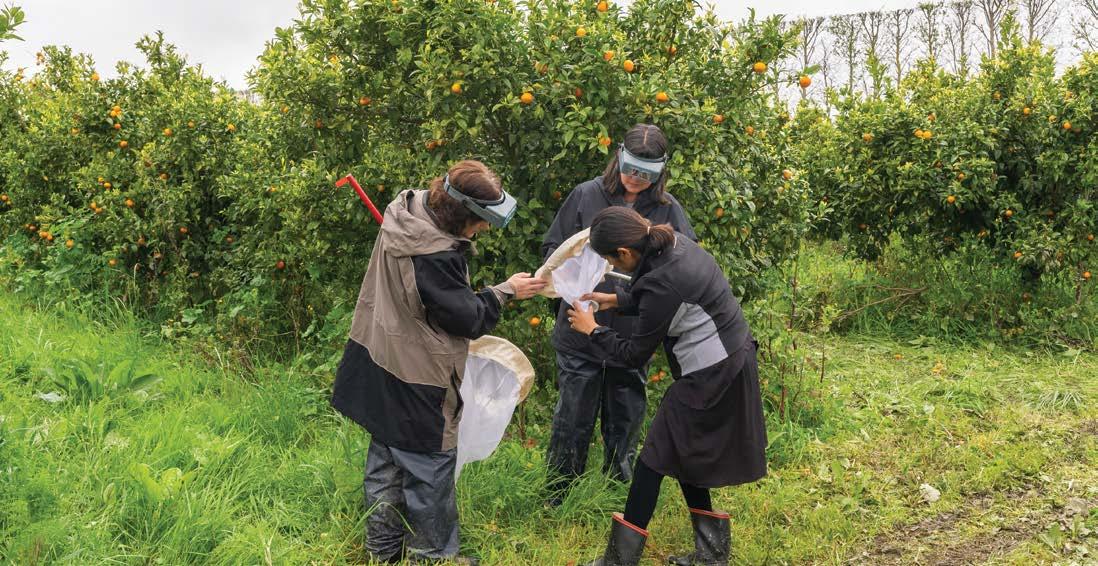
To control pests like thrips, citrus growers currently rely on a narrow range of modes of action, which increases the risk of resistance. Visit the A Lighter Touch website to read the full Kelly’s citrus thrips resistance management case study
Resistance management is often viewed as a technical issue, but evidence suggests it is an increasingly critical investment in protecting future production on farm and orchard.
Gina Jewell : A Lighter Touch programme
New analysis by the NZ Institute of Economic Research (NZIER) suggests that failing to prioritise resistance management could cost New Zealand’s horticulture, viticulture and arable sectors between $74 million and more than $1.26 billion over the next decade.
Those losses could come from lower yields, reduced crop quality, rising production costs and increasing market access risks.
At a time when growers face mounting pressure to produce more with fewer control options, protecting the effectiveness of existing crop protection tools has never been more important. It is this message that sits at the heart of Keep What Works Working, a new industry-wide resistance management campaign led by A Lighter Touch. The campaign has been developed with industry input and focuses on a simple but
important message for growers: Have a conversation about resistance management with your crop protection adviser before the season starts, and help keep the tools you rely on working.
As A Lighter Touch programme director Livia Esterhazy says, the NZIER economic analysis reinforces a simple reality: Resistance management is no longer just good practice – it is an essential investment in future profitability and resilience of your business.
A growing challenge
Resistance occurs when pests, diseases or weeds become less sensitive to a pesticide that previously provided effective control. Over time, the repeated use of products with the same mode of action can favour resistant individuals within a population, allowing them to survive and multiply.
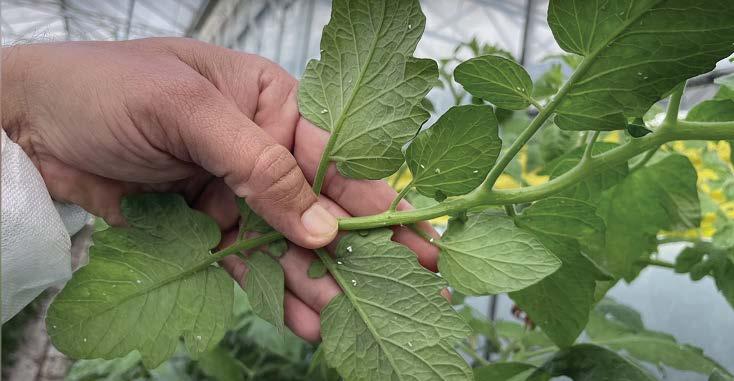
From 2006 the heavy use of non-selective chemistry to control tomato potato psyllid (TPP) resulted in reduced efficacy and resistance issues for whitefly control. Visit the A Lighter Touch website to read the full TomatoesNZ-ALT resistance management case study
When resistance develops, growers may begin to notice products delivering inconsistent results. Eventually, control failures can occur, leaving fewer effective options available.
The challenge is not unique to New Zealand. Around the world, growers are experiencing growing resistance pressures across a range of crops and production systems. What makes the issue particularly significant here is the relatively limited number of crop protection tools available, combined with increasing regulatory constraints and market expectations.
Livia says the NZIER report notes that production systems are operating in a more constrained environment than they were historically. Products are being withdrawn faster than new alternatives are entering the market, while exporters face increasingly stringent residue requirements and market access expectations. As a result, maintaining the effectiveness of existing tools has become more important than ever.
The hidden cost of inaction
One of the NZIER report’s key findings is that resistance management should be viewed through an economic lens rather than solely a technical one. The consequences of resistance often develop gradually before becoming highly visible. Early impacts might include slightly reduced efficacy, tighter spray intervals or increased management requirements. Over time, however, costs can escalate rapidly once resistance thresholds are crossed.
Under a moderate-impact scenario, where sales decline by between one and five percent as resistance pressures
increase, NZIER estimates potential economic losses of between $74 million and $368 million across A Lighter Touch sectors over a 10-year period.
Under a medium-impact scenario, where production systems come under greater stress, losses could range from $441 million to $1.1 billion. In the most severe scenario, where key crop protection tools fail across parts of the production system, the cost exceeds $1.26 billion over ten years.
Importantly, these figures only tell part of the story. The report also highlights several impacts that are difficult to quantify, including reduced system resilience, loss of future options, supply chain effects and long-term market consequences.
The message is clear: While resistance management may require planning and discipline today, the cost of neglecting it is likely to be much higher.
For many growers, resistance management can feel like a long-term issue competing for attention with the very real challenges of weather, labour, input costs and market demands. When margins are tight, it can be tempting to focus on today’s production challenges rather than tomorrow’s risks.
But the NZIER analysis suggests that resistance management is not simply a technical consideration for crop protection programmes. It is a business decision with significant implications for profitability, resilience and long-term viability.
Livia says resistance management is fundamentally about protecting the tools growers depend on to farm successfully.
“Growers rely on a relatively limited number of crop protection tools to manage pests, diseases and weeds. Once resistance develops, those tools become progressively less effective and, in some cases, can eventually fail altogether.
“The economic analysis reinforces what many in the industry already understand. The cost of losing effective tools is far greater than the effort required to manage resistance well.”
Livia says the challenge is that resistance rarely develops in a way that immediately captures attention. “Resistance tends to build gradually and then become highly visible when products start losing effectiveness. By that point, growers often have fewer options available to them.
“Good resistance management is about future-proofing your business. It helps maintain control of pests, diseases and weeds, protects profitability and keeps valuable options available for future seasons.”
Good practice makes a difference
While resistance cannot be eliminated entirely, growers have significant influence over how quickly it develops. Adhering to good practice outlined in resistance management strategies, understanding and rotating chemical modes of action, following label rates and ensuring accurate application all play a role in helping slow the development of resistance.
Resistance management becomes even more effective when combined with integrated pest management (IPM). Rather than relying solely on agrichemicals, IPM uses a toolbox approach that combines multiple methods of control. These may include cultural practices such as crop rotation and resistant varieties, biological controls, habitat management, monitoring and scouting, physical controls and selective use of pesticides when required.
By reducing reliance on a single control method, IPM lowers resistance pressure while supporting more resilient production systems.
“Every spray decision counts,” Livia says. “Following resistance management strategies, integrating nonchemical tools where possible and planning ahead all help keep valuable products working for longer.”
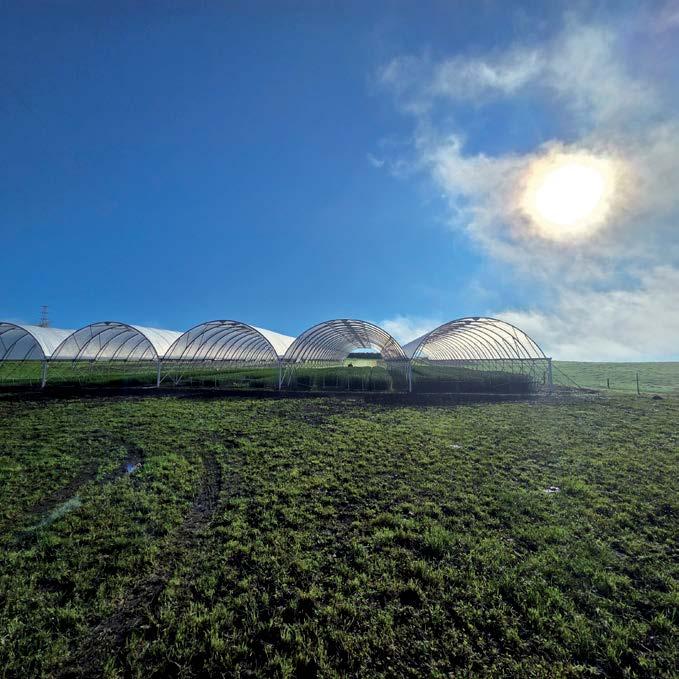
Affordable
Arches pre-curved before delivery
No concrete required
Designed by Redpath for NZ conditions
Sheltered and Higher wind zone design options

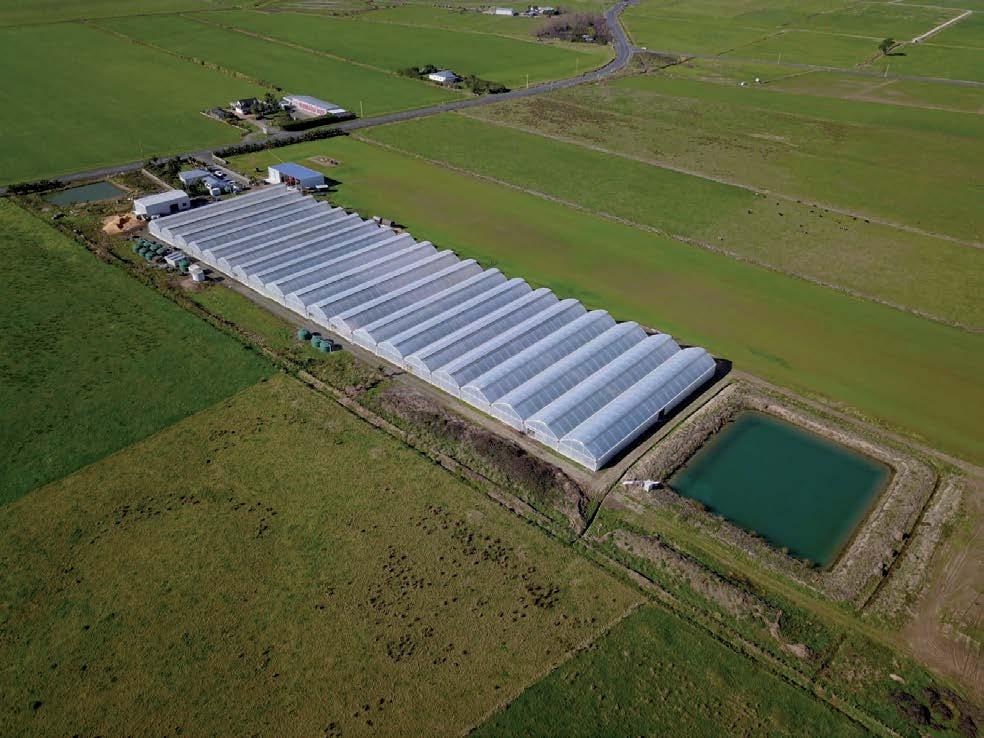
Fully auto roof vented greenhouses, engineered, permitted and built nationwide



One of the key themes emerging from resistance experts is the importance of making decisions before the season begins rather than responding once problems appear.
The NZIER report highlights how production systems often become reactive when resistance pressures build. Growers may increase application frequency, turn to more expensive products or intensify use of the few remaining effective tools.
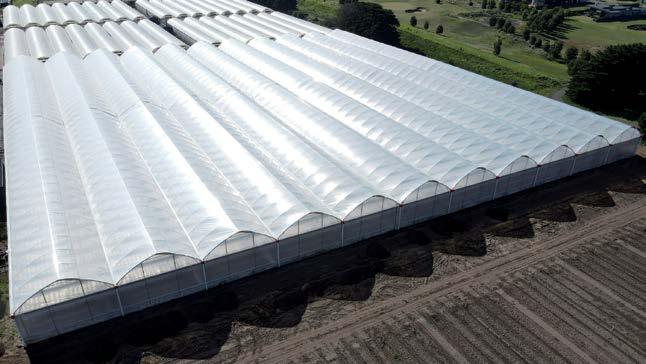
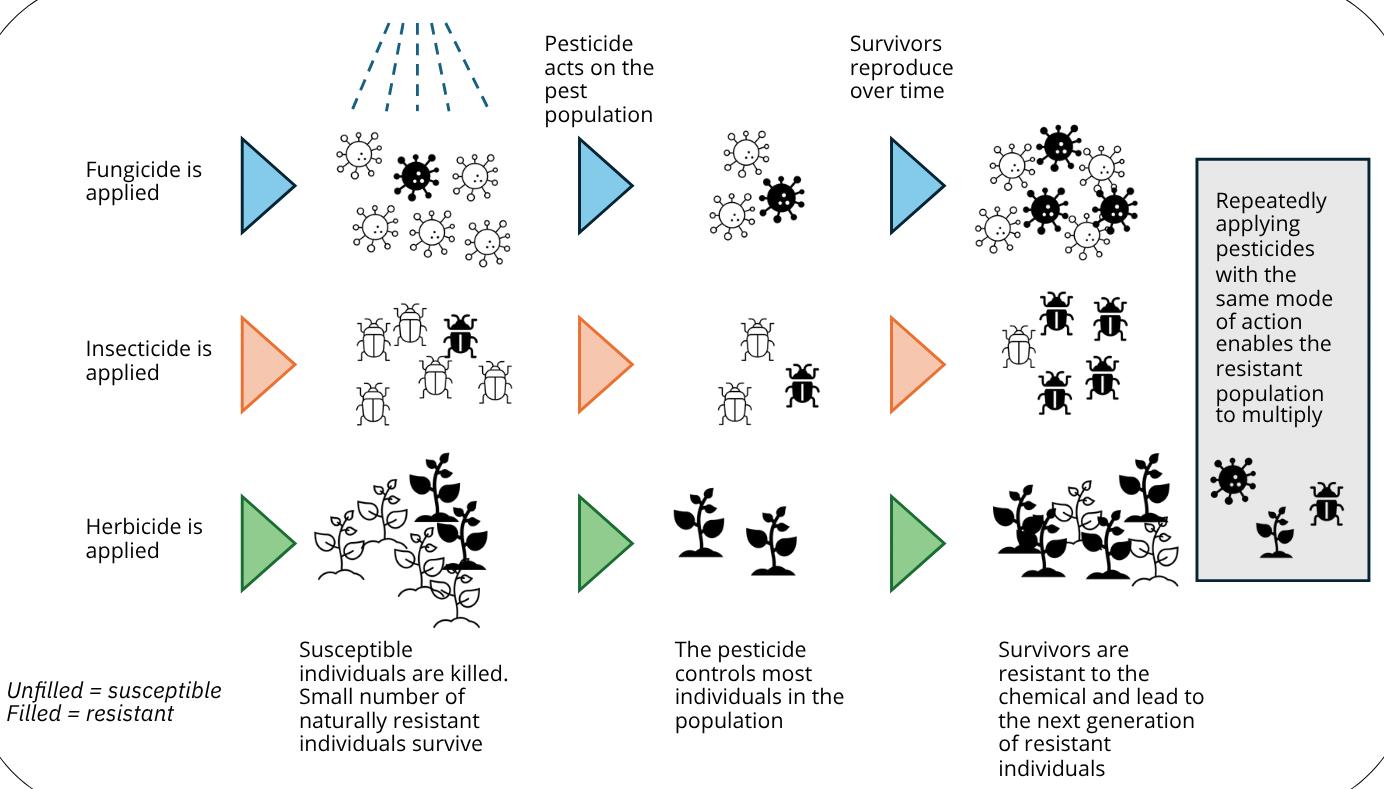
resistance develops after a pesticide is applied to a pest population
While these responses may provide short-term relief, they can accelerate longer-term problems.
Planning ahead gives growers more opportunities to make informed choices around mode-of-action rotations, crop protection strategies and integrated approaches.
Livia says those conversations are most valuable before spray programmes are underway. “The ideal time to think about resistance management is well before the season starts.
“Once growers are in the thick of the season, they naturally have fewer opportunities to make significant changes. Having a conversation early with a trusted adviser allows growers to explore practical options and build resistance management into the programme from the start.”
Encouraging those early conversations is the fundamental message of the Keep What Works Working campaign. Its aim is to increase awareness of resistance risks and encourage practical discussions between growers and crop protection advisers before seasonal decisions are finalised.
The campaign recognises that while no single action will solve resistance challenges, thousands of good decisions made across farms, orchards and vineyards can collectively make a significant difference.
While the campaign is particularly targeting the horticulture, viticulture and arable sectors, as funding
partners of A Lighter Touch, its message is equally relevant to pastoral farming systems where agrichemicals are also used.
It is supported by rural resellers, including PGG Wrightson/ Fruitfed Supplies, Farmlands, Horticentre and members of the ICD group, with posters in-store encouraging grower and adviser conversations. Educational fact sheets will also be available, explaining how resistance develops, modes of action and group numbers, and the role of IPM in resistance management.
A series of sector-specific case studies has also been developed to provide real-world examples of resistance management in practice for all of the 13 A Lighter Touch sector partners. However the case studies will also be relevant to non-ALT sectors, given the commonality of pests and diseases across crops and weed management being a universal challenge for agriculture sectors.
The campaign’s central message aligns closely with the findings of the NZIER report. Resistance management is most effective when it is proactive, coordinated and undertaken before problems become visible.
As Livia explains, “no one is suggesting resistance can be eliminated entirely. But the choices growers make today will influence the options available tomorrow. Protecting today’s chemistry helps protect tomorrow’s crops. The first step is simply having the conversation.”
Two temperature controlled facilities can look almost identical from the outside, yet perform very differently over the next 30 years. The difference lies in the decisions made long before construction begins. It starts with understanding the product. The best cool and cold stores aren’t designed around the building. They’re designed around what’s going inside it.
Whether you’re storing apples, frozen goods, meat products or pharmaceuticals, every product has different temperature requirements, handling methods, storage systems and operational needs.
Take apples as an example. The challenge isn’t simply keeping them cold. It’s maintaining the right temperature while circulating refrigerated air efficiently around every pallet, slowing the ripening process and preserving fruit quality.
The same thinking applies across every industry. Different products create different operational demands, and different operational demands create different buildings.
The details you can’t see matter most.
Just as important are the things you can’t see once construction is complete. The design of the floor slab, the way moisture is managed, the thermal envelope and the integration of the refrigeration plant all have a significant impact on how a facility performs over the long term.
With freezer facilities, for example, moisture beneath the slab can freeze and expand – something called ‘frost heave’. Without the correct construction methodology, that movement can crack the floor and cause the entire building structure to fail. Likewise, poor coordination between building and refrigeration systems can lead to costly design conflicts and variations during construction. Programme is another critical consideration. Many temperature controlled facilities are built around fixed harvest or production windows, leaving short build periods and zero tolerance for delay. Robust planning and smart construction sequencing are essential to ensure facilities are ready when they’re needed.

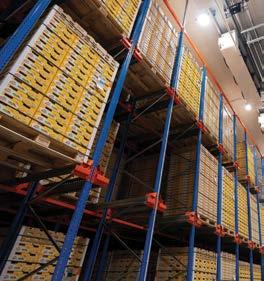
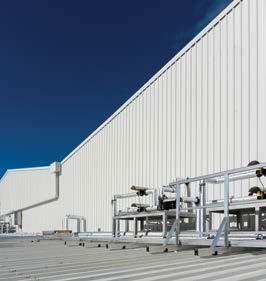
Many of the decisions that determine a facility’s long-term performance are invisible once construction is complete. But they’re the very decisions that will influence how well it supports the business for decades to come.
At Tuatara Structures, we often say we design buildings from the inside out.
For us, that means bringing together operational thinking, technical expertise and practical experience from the very beginning. We don’t see design and construction as separate disciplines, because the best outcomes happen when they’re considered together.
Temperature controlled facilities are a specialised part of an already specialised industry. They demand a level of knowledge and experience that goes well beyond a standard industrial build. It’s this specialist expertise that enables us to create facilities that don’t just keep products cold, but operate efficiently and support business growth for decades to come.
Whether you’re replacing an aging facility or require something new, the earlier we’re involved, the more value we can add. From site planning and feasibility through to design, programme and delivery, we’ll help you make informed decisions that support your product, operation and long-term goals.
Get in touch with the Tuatara team to start the conversation.
www.tuatarastructures.com
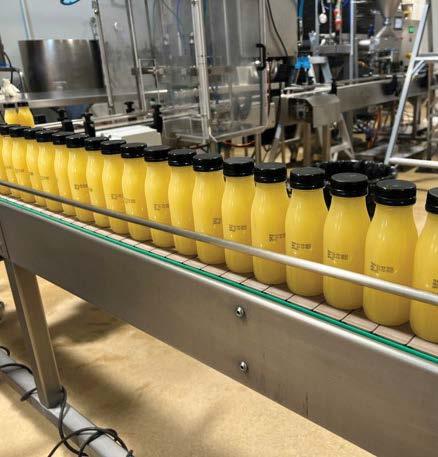
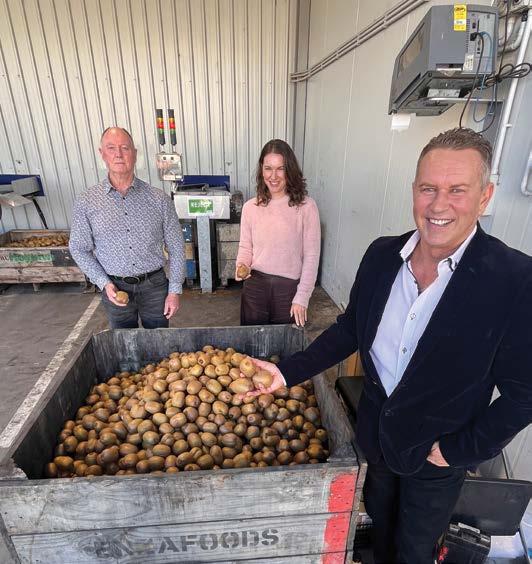
The kiwifruit industry has long sought innovative solutions to generate more value from reject fruit – volumes of which have swelled alongside the rise of premium fresh exports. A new venture, Pure Kiwi, aims to finally tap the growing opportunity with an export-led processing and marketing platform at scale.
At least 50,000 tonnes of kiwifruit are rejected annually, according to industry estimates. That is because growers inevitably produce fruit that does not meet fresh export cosmetic, grading, timing, surplus, storage, handling or other factors.
Despite efforts to develop sustainable by-products, none has reached scale. Most reject fruit is still sent for animal feed, failing to capture good biological value when fruit falls outside the premium fresh export channel.
Grower and Pure Kiwi New Zealand Limited founder Craig Furze believes fruit should not be treated merely as a disposal problem, a cost or a sustainability “waste story.”
“As a grower, I would rather see rejected fruit processed into something that creates value back through the chain
than see it treated as a low-value outlet, an afterthought or disposal burden,” he says.
Craig founded Pure Kiwi with the goal to create a commercially useful processing system to accept meaningful volumes of non-export, reject, downgraded or surplus kiwifruit from the fresh post-harvest chain.
Starting with export-capable juice processing at a dedicated facility in Te Puke, Pure Kiwi’s system will ensure each tonne of accepted fruit is directed to its highest practical use.
“It will become an added value supply stream in its own right – one capable of supporting growers, packhouses, regional jobs, export earnings and a more complete, sustainable New Zealand kiwifruit story.”
Not a competitor to the fresh export model
Craig has spent decades in the kiwifruit industry. In addition to growing kiwifruit, he founded Bay Orchard Sprayers in Te Puke in the late 1980s and was involved in the design of self-propelled orchard sprayers that improved orchard application efficiency and safety.
Pure Kiwi is his next industry project, but it is no longer a single-founder idea. The company is now being developed by a founding team: Craig on orchard, grower and operational reality; Richard Braithwaite on commercial structure, governance, capital and legal architecture; and Lucia Fritsche on marketing, export positioning and brand development.
The starting point is simple. The company is not positioning itself as a competitor to the fresh export model.
“Our view is that premium fresh export should remain the highest-value channel,” says Richard. “But the industry also needs a serious scalable downstream solution for fruit that has already fallen outside that pathway. Charity, animal feed and small-scale processing all have a place, but they do not by themselves create a scalable differentiated export platform for rejected fruit.
kiwifruit juice, with Gold, Green and Red varietal pathways being developed for different taste, wellness and marketpositioning profiles.
But juice is only part of the intended model. The company is also assessing value streams from seeds, fibre, pomace, puree and other secondary material. In practical terms, Pure Kiwi wants one rejected kiwifruit to produce more than one commercial outcome.
The skin and residual biomass may support soil or orchard return pathways. Seeds may support oil and nutraceutical or cosmetic ingredient opportunities. Pomace and fibre may support food, ingredient, animal nutrition or other by-product markets, subject to technical and regulatory validation. Export markets, not just local consumption
“The commercial opportunity is to recover value from that fruit in a disciplined, food-safe, traceable and exportcapable way.”
Pure Kiwi’s product logic is built around added-value whole-fruit utilisation.
The juice platform is the first and most visible product. The current concept is a premium 100 percent New Zealand
Pure Kiwi’s ambition is export-led. The company has been developing market and distribution pathways in Asia, particularly Japan, with South Korea and Taiwan also under consideration as staged follow-
Lucia, a Swiss-Kiwi marketing strategist and Pure Kiwi director-investor, says the opportunity is to take the strength of New Zealand kiwifruit into a new product format.
“Kiwifruit already has a powerful health and provenance story internationally,” she says. “The opportunity is to create a good health product that is premium, authentic and commercially scalable, while also helping to solve a real industry problem at home.”
The company says Asian interest is encouraging, but the market programme remains staged and subject to final supply, regulatory, packaging, pricing and production readiness.
Technical development: Careful, not casual
Pure Kiwi has been working directly with food technologist and engineer Kris Tong of Foodscope on product and process development.
Kiwifruit is technically demanding. Its enzymes, acidity, colour, flavour and very high vitamin C profile mean that processing must be carefully managed if the product is to retain quality and consumer appeal. Foodscope’s work has included assessment of pre-processing, separation, pasteurisation, packaging and productstability considerations.
“This has to work commercially for growers, packhouses, customers and investors,” he says. “It is not enough to say there is waste. We have to show we can collect it, handle it, process it, sell it and return value from it”
However, Pure Kiwi is careful not to overstate the present position. The process is still moving through optimisation, commercial validation, packaging confirmation and stability testing on representative product.
Before launch, further testing will confirm that the product meets the quality, shelf life, and performance requirements necessary for the intended export markets.
The company’s present plan is to target an initial significant commercial shelf life that supports export launch, with a pathway to extend shelf life as factory processes are optimised and validated. That remains a target and validation workstream, not a completed commercial claim.
Richard says this discipline is important.
“We would rather understate and prove than overstate and correct later. Food technology, export compliance and shelf-life validation have to be treated seriously. We are building for long-term credibility and sustainability.”
Processing platform
Pure Kiwi plans to establish its processing facility in the Bay of Plenty region, strategically positioning the plant proximate to the centre of New Zealand’s kiwifruit industry and its existing post-harvest infrastructure.
Richard says the proposed facility is intended to be scalable, with an initial processing line and the ability to expand capacity as supply, offtake and funding milestones are met.
The plant is being designed around seasonal intake and year-round product supply. That means fruit received during harvest must be handled, ripened, processed,
stored or converted in a way that supports consistent market supply beyond the harvest window.
“This has to work commercially for growers, packhouses, customers and investors,” he says. “It is not enough to say there is waste. We have to show we can collect it, handle it, process it, sell it and return value from it.”
Supply depends on growers and post-harvest operators
For growers, Pure Kiwi’s proposition is not that every rejected fruit will suddenly become high value. Some fruit will remain unsuitable because of contamination, decay, poor handling, food-safety issues or other constraints.
The company is in, and has had, positive discussions with post-harvest participants about long-term reject and outgrade fruit offtake supply arrangements. Those arrangements are expected to focus first on supply alignment, logistics, fruit quality, traceability, collection, intake protocols and grower return.
Richard says the company is being careful not to overcomplicate the role of packhouses.
“Packhouses already have enough complexity. Pure Kiwi’s job is to absorb the processing, capital, plant, market and export complexity so that growers and post-harvest operators can participate without disrupting their core business. Additionally, we can directly support packhouse sustainability platforms while enhancing grower returns.”
“The commercial opportunity is to recover value from that fruit in a disciplined, food-safe, traceable and export-capable way”
Earning trust through discipline
The company is also considering conditional equity or equity-linked participation for strategic supply partners, but Richard stresses that any such participation must be controlled and performance-based.
“This is not about handing out shares for goodwill or an expression of support. If a post-harvest partner participates, it must be tied to measurable strategic value.”
That discipline matters because Pure Kiwi is seeking to build an institutional-grade business, not a small seasonal processing sideline.
“This has to be done properly,” Richard says. “Growers and post-harvest operators have seen plenty of ideas come and go. Pure Kiwi has to earn trust by being practical, legally disciplined, technically careful and commercially real.”
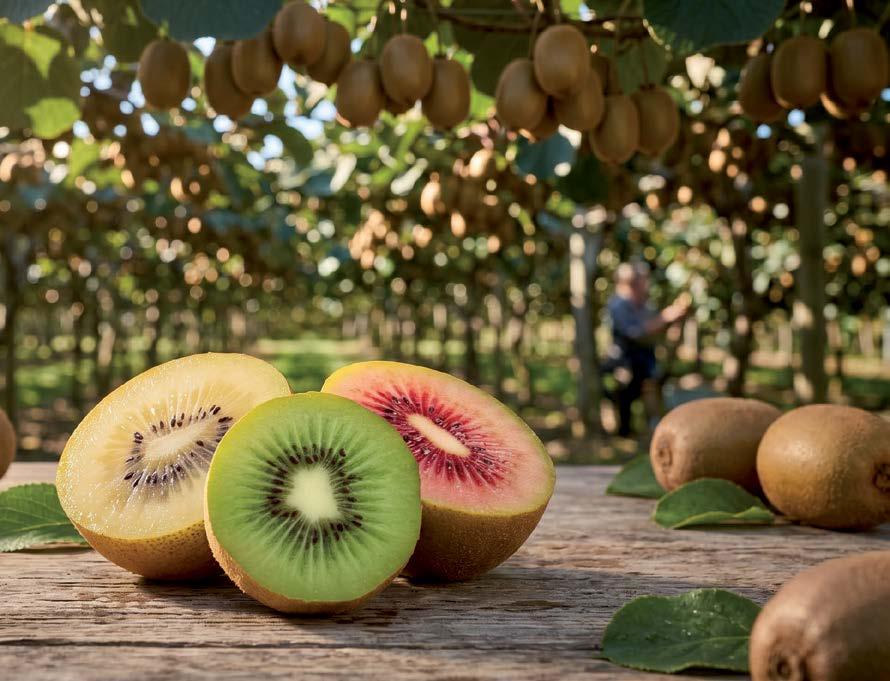
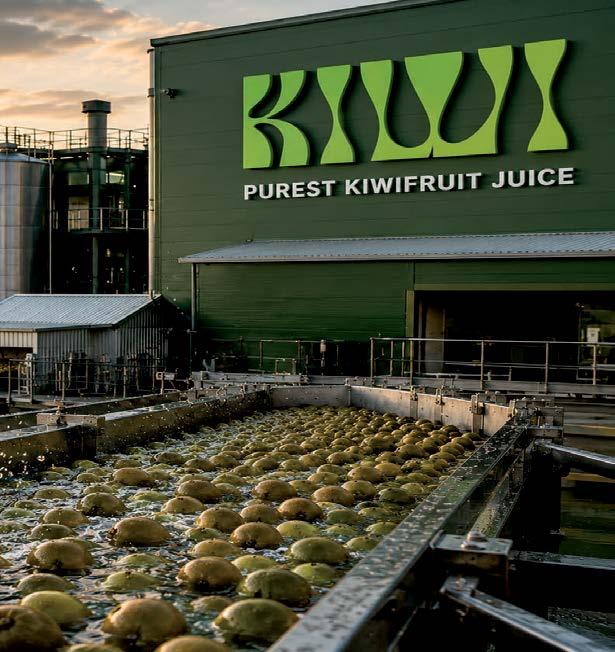

The Covered Cropping NZ Board are delighted to invite growers to our mini conference day for the whole greenhouse sector. Meanwhile the board is also busy making the case for growers as the general election edges closer.
Dinah Cohen: Covered Cropping NZ business manager
The Covered Cropping NZ mini conference is taking place 12 August at LaValla in Tuakau with doors opening from 10:30 for an 11:00 start. Our focus for this day of learning is on growing stronger. We have a line-up of topics that we hope will appeal to the whole sector.
Our keynote speaker is Arlet Dechering, who has worked in horticulture for her whole career, with the last nearly nine years training others in greenhouse production through Delphy Academy. Come and hear what Arlet has to share about “How plant growth is impacted by humidity control”.
Other topics include:
• “Growing with AI”: Stefan Vogrincic, Grower2Grower
• “Whitefly control: What’s working, what’s not and what’s the future?”: A discussion led by cucumber grower Rob Lindsay
• “Tackling greenhouse thrips, what does good control look like?”: Daniel Sutton, NZVeg R&D manager
• “Resistant management in protected crop paradox: When ideal conditions favour fungal diseases”: Francis Ferrada-Hartley, MSc student
• “Making every drop count: Practical land application of drain nutrient solutions”: Andrew Barber, Agrilink
As part of this day, we will also be holding the Annual General Meeting (AGM) for TomatoesNZ. If you’re a tomato grower, please look to come along and have your say. The AGM is at the same venue, LaValla, from 5–5.30pm. Dinner and drinks to follow our awards as we look to farewell Barry O’Neil who is stepping down as independent chair of the board.
If you’re not able to join us, please complete a proxy form so your voice can still be heard. These are available online at www.tomatoesnz.co.nz/about/2026-agm/ Completed proxy forms should be returned by 7 August to dinah.cohen@tomatoesnz.co.nz

Meeting at the end of June, the Covered Cropping NZ Board have tasked the NZVeg R&D manager Daniel Sutton with developing a systems approach research proposal for tackling greenhouse thrips. We know that control especially for capsicum and cucumber growers is a real issue.
In part the “Tackling greenhouse thrips, what does good control look like?” session at the mini conference will help to determine any practices that are already in place that appear to be working. Have your say by being part of this session on 12 August.
The board also met with Hon. Andrew Hoggard in his capacity as Biosecurity Minister, Food Safety Minister (in charge of ACVM) and Associate Minister for the Environment. Some of the items for discussion included:
• Asking for horticulture to be removed from the Emissions Trading Scheme, so that capsicum, cucumber and tomato growers aren’t paying this tax to heat their greenhouses in order to grow healthy and nutritious food for New Zealanders
• The need for an abundance of energy available to greenhouse growers to choose from with financial assistance made available for growers to make a switch to alternative fuels
• That agrichem companies have indicated that an increase from the current 5 to 10 years of intellectual property rights might help them build a case for attempting to register new crop protection products in New Zealand.
We continue to have conversations across the political divide – either as a board or as part of NZVeg – to make the case for growers as political parties confirm their policies.
Covered Cropping NZ would like to thank our sponsors without whom our mini conference on 12 August in Tuakau would not be possible:
• MG Group – sponsor for lunch
• Horticentre Charitable Trust – sponsor of our Keynote speaker
• FruitFed – sponsor for dinner
• Enza Zaden – sponsor of barista coffee
• Zonda – sponsor of the bar
• Thanks also to CHEP, Apex Greenhouses, Hill Labs, Eco Agro and De Ruiter
If you have a business that would like to be part of this event, please get in touch: dinah.cohen@tomatoesnz.co.nz
For more information and to register, see here: events.humanitix.com/ growing-stronger or scan the QR code.
Feedback on crates?
Some growers have noted concerns over crate issues that they have been having. Please let me know if you are experiencing problems so that I can build up an awareness and talk to the relevant crate companies on your behalf.

As ever, if you have any questions, please email or phone me.
Dinah Cohen, Covered Cropping NZ business manager 021 922 414 dinah.cohen@tomatoesnz.co.nz
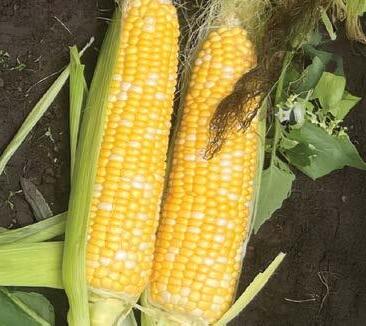
Cabbage Nisu: Early maturating, small-medium drumhead, glossy leaves, great eating. Year round production, perfectly sized to fit in small sized crates. Approx. 2–2.5kg in winter and up to 3kg in summer.
Broccoli Chavez: Clubroot tolerant for shoulder/ warm season harvest. Firm high dome, uniform maturity for high % first cut.
Cauliflower Lydiard: Well tucked, good size and weight for harvest from early Dec until mid-late April dependent on region. Very adaptable and reliable.
Nirvana, Xanadu & Globetrotter: All with 20cm cobs, good husk cover and excellent flag. Slightly tapered with excellent colour and flavour. Easy pick with strong disease package. Xanadu is 2–3 days later than Nirvana and Globetrotter 5 days later. Reliable, uniform varieties. High quality seed available.
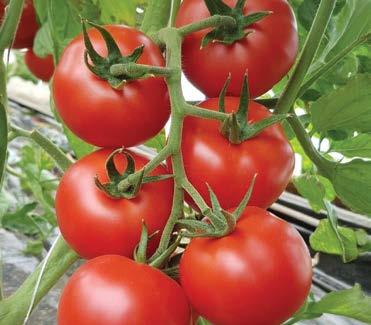
Medium-low tech tomato. Indeterminate habit with a vigorous, sturdy plant, compact with good foliage cover. 140–170gm deep round fruit. Very high yield of firm, uniform, high quality long shelf life fruit. Up to 6–7 fruit per truss. Loose or truss pick. HR:ToMV:0-2, TSWV:0, Fol:0-1, Va:0/Vd:0, IR:TYLCV, Ma/Mi/Mj

More than 100 Government Ministers, Members of Parliament, Government officials, growers and others associated with the vegetable sector attended the launch of the New Zealand Vegetable Sector Manifesto at Parliament.
Andrew Bristol : NZVeg communications manager
The second Vegetable Industry Showcase, held on 30 June, was hosted by Agriculture Minister, Todd McClay.
Speaking at the showcase NZVeg independent chair Dame Alison Stewart noted, “The New Zealand commercial vegetable sector is a $1.1 billion industry that provides New Zealanders and export markets with healthy and great tasting food. And yet the industry struggles for recognition, and does not enjoy the profile that larger parts of the food and fibre sector do.”
“What’s more, access to land, water, crop protection products and skilled labour is under threat, with 50 percent of growers saying that their current profit margins are tight, while 20 percent say that they are not profitable.
“All these factors add up to an industry in which growers do not have the confidence they need to continue to invest. This situation could compromise New Zealand’s regional economies, as well as the health of New Zealanders. Healthy, locally grown vegetables could be forced off the table if action is not taken right away.”

agrichemicals, energy for greenhouses, confidence to invest and falling vegetable consumption. The manifesto also outlines the solutions that the sector sees and invites the Government to partner with the sector to revitalise vegetable growing in New Zealand.
Guests at the showcase were welcome to take home a box of fresh vegetables, provided by T&G Fresh. They also had an opportunity to hear from and meet the inaugural chief executive of NZVeg, Mike Brown, who starts in his role in early August.
“Vegetables are such an essential part of healthy communities, and the sector has a direct connection to wellbeing, sustainability and regional prosperity,” said Mike.
“At the same time, growers operate in an environment that is increasingly complex, balancing regulation, environmental pressures, workforce challenges, market demands and public expectations. They do this while producing high-quality food for New Zealanders and export markets, rain or shine.
The manifesto outlines the sector’s challenges in the areas of resource management reform, crop protection and
“I’m looking forward to working alongside growers, industry partners and Government to help ensure the vegetable sector remains strong, resilient and wellpositioned for the future.”
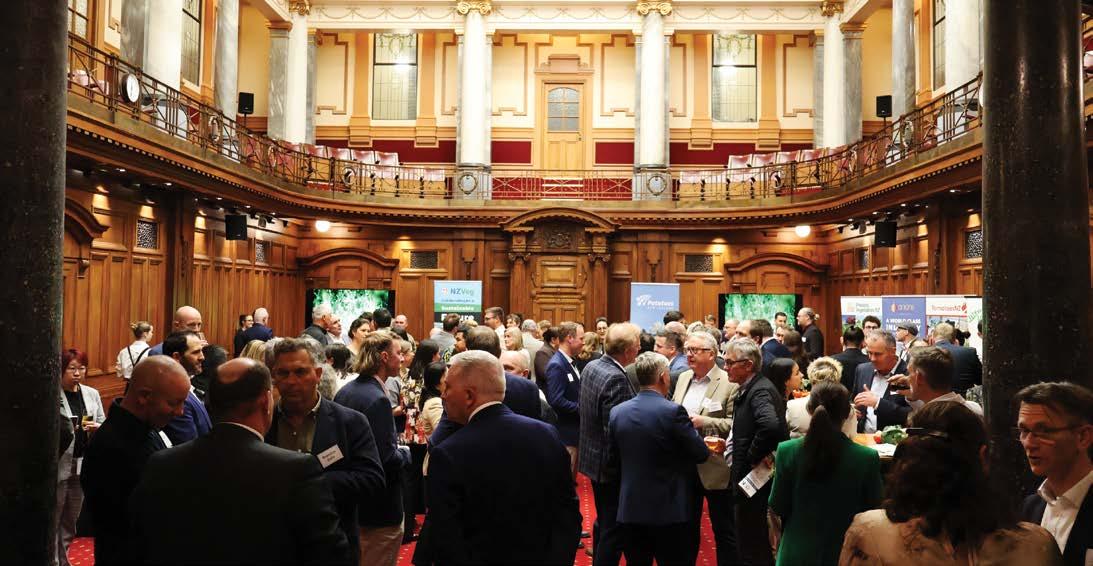
Recent court rulings ‘extremely worrying’
NZVeg director and grower John Murphy also spoke at the showcase.
“Growers need a resource management system that supports the growing of vegetables, not one that stops them in their tracks,” he said.
“Recent court rulings in the key growing areas of Pukekohe and Horowhenua are extremely worrying for the future of vegetable growing in New Zealand.
“Our country needs to make decisions about food security in a world that is unstable and affected by more frequent extreme weather events.
operate in an environment that is increasingly complex, balancing regulation, environmental pressures, workforce challenges, market demands and public expectations
“Due to New Zealand’s isolated geography and the perishable nature of vegetables, it is nearly impossible to import vegetables. As such, Kiwi growers are essential for maintaining a year-round supply of vegetables, and supporting food security and good health.
“This is why it is crucial that New Zealand’s policy and regulatory regimes are workable for vegetable growers and other food producers, and recognises their expertise.”
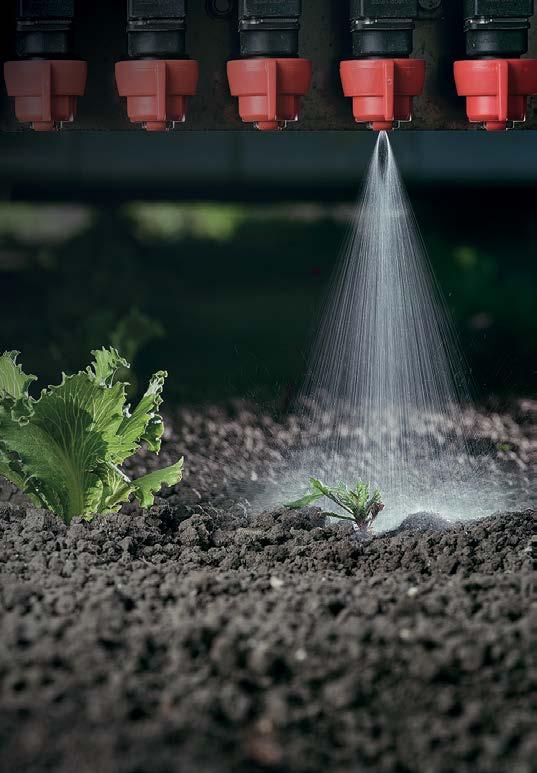
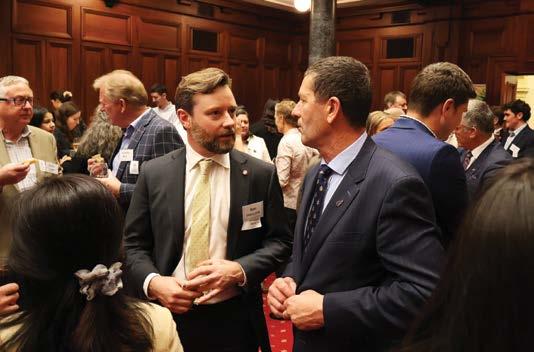
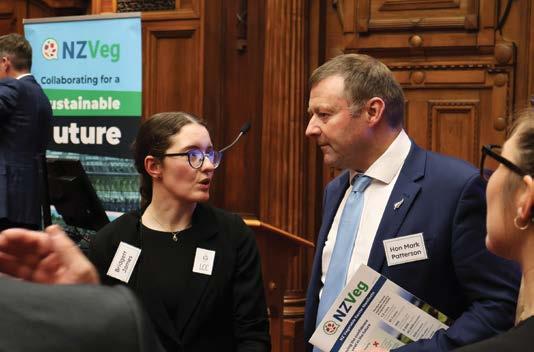
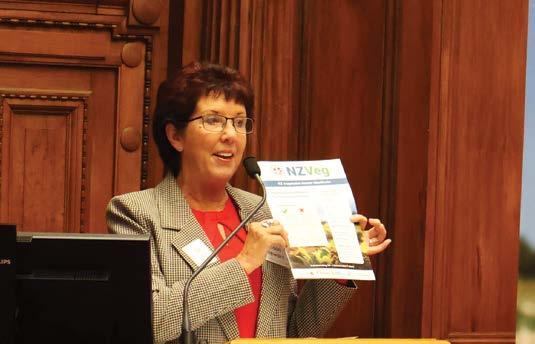

Speaking after the event, Dame Alison said she thinks the Government has recognised that the ability to deliver good quality vegetables to New Zealanders could be at risk if the challenges that the sector is facing are not addressed.
“Current challenges are an accumulation of things that have happened internationally over the past decade, making it challenging for vegetable growers to run viable businesses.
“The Resource Management Act creates major problems for some growers. NZVeg wants the Government to be aware of the constraints, and make sure the new Bills don’t introduce new constraints.
“New Zealand is a small country in the middle of the Pacific, and a vibrant local food production system is important, especially in emergencies.”
Access to land, water, labour and innovation is under threat
Decreasing range of crop protection tools available
Falling consumption
Billions spent on healthcare for diet-related issues
Contributing to thriving regional economies
Nutritious, affordable, great-tasting food
Essential to health and wellbeing
Giving growers the confidence to invest in the future

Tasman’s Mel Ewers has been honoured with the Outstanding Contribution Award at the NZ Apples & Pears Conference in Queenstown in July.
NZ Apples & Pears Inc (NZAPI) Board chair Andrew Gibbs said Mel’s contribution to the industry extended far beyond her formal roles.
“Mel is one of those rare people whose influence can be felt right across our industry. For decades she has quietly supported growers, businesses and industry initiatives, sharing her knowledge freely and helping others achieve high standards.
“She has never sought recognition or the spotlight, but her integrity, leadership and willingness to help others have earned her enormous respect and multiple nominations for this award. The New Zealand apple and pear industry is stronger because of Mel’s contribution.”
Her willingness to mentor others, combined with her depth of knowledge and practical approach, has made her an invaluable resource across the sector.
The NZ Apples & Pears Conference in Queenstown featured a packed programme of speakers and panel discussions covering research and development, innovation, biosecurity and what’s likely in the future for New Zealand’s apple and pear growers.
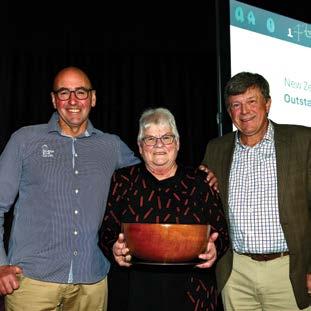
Mel began her career with ENZA, supporting growers in the Nelson region, before spending more than 20 years as compliance and logistics manager at Hoddys Fruit Co.
She has assisted packhouses throughout New Zealand to implement best-practice compliance systems and has played an important role in training new phytosanitary inspectors entering the industry.
Ethylene from early ripening fruit can easily spoil your produce and your profits. The Bio Turbo unit removes ethylene along with 99.9% or airborne bacteria within the sealed chamber. It’s safer for workers, eliminating residue and removing Ozone via a patented catalyst and returning safe, clean air to the room.
It’s scalable for any size facility – from the Bio Turbo 100i for transport trucks to the Bio Turbo 6000 for large commercial pack houses.
We don’t just sell a box; we provide the engineering support to size the unit correctly for your specific crop and room size.
Stop letting ethylene steal your shelf-life.
NZAPI’s Annual General Meeting was also held at the conference, with the organisation announcing the re-election of two directors – Adrienne Sharp, T&G Global, and Cameron Taylor, Taylor Corp – and the election of new director Ross Wilson, Sunpeach Orchard.
Chair Andrew Gibbs also thanked outgoing director and former chair Lesley Wilson for her leadership and service after seven years on the board.
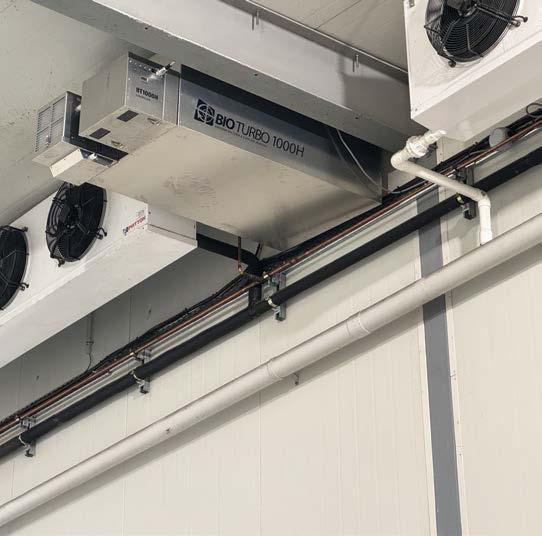

Contact Indsol Ltd for a free consultation.
Web: www.indsol.co.nz
Phone: Mike on 027 2080 360
Email: info@indsol.co.nz

Truffle production – what began as a curiosity on lifestyle blocks is becoming a more serious horticultural sector. With that shift comes familiar pressures: Rising supply, uneven production, limited consumer understanding, price pressure and the need for stronger commercial discipline.
Dave Whalley : NZ Truffle Association
Improved seedling standards mean growers can now access well-inoculated trees that are producing in three to four years, rather than the 13 to 14 years once common here. But commercial success depends on more than tree quality.
Many New Zealand truffières were planted on lifestyle blocks, often in coastal areas that may be desirable places to live but are not always the best production sites. Newer orchards are increasingly focused on scale, better site selection, irrigation, lighter soils, stronger seasonal variation, machinery access, labour efficiency and professional management.
A 5ha production area is a prudent minimum for export supply, while Orchard Gate Return needs to be calculated case by case. This is far easier on a commercially manageable orchard than on a “hunter-gatherer” model where costs and production are speculative.
The main variety grown is the Périgord black truffle (Tuber melanosporum). As domestic supply increases, the local market is beginning to feel congested. Prices are under pressure, which may help consumption, but relatively few consumers and still too few chefs, fully understand how to prepare and use truffles well.
industry information and links, and launched NZ Truffle Day on the first Saturday in July, encouraging truffle-themed restaurant meals and experiences to raise the profile of New Zealand truffles nationally.
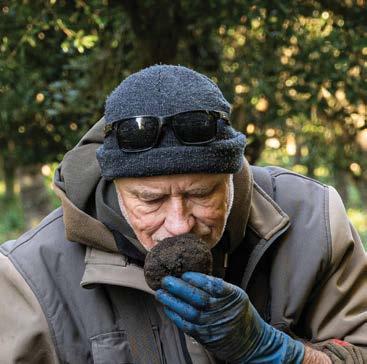
The push now is to break into export markets. Increased production and consistent supply of the right grades make overseas sales more realistic, particularly during the Northern Hemisphere off-season. Past shipments have been small and experimental, and New Zealand has lacked the volume to compete strongly with Australia or South America. Export traders are used to dealing with hundreds of kilograms per season rather than tens, so success will depend on coordinated production, reliable aggregation by grade and disciplined handling of fresh truffles as they move by airfreight across datelines.
Other New Zealand fruit industries show why education matters. When I began as an orchard cadet in 1978, avocados and green capsicums were new, expensive and unfamiliar. Diets have changed greatly since then, but unfamiliar foods still need sampling, explanation and repeated introduction before consumers understand and accept them.
That is one reason the NZ Truffle Association has included an awareness campaign in its 2026–2031 strategic plan. It has developed a new brand, updated its website with
There needs to be a more open and commercially grounded discussion about what is being produced, where it will be sold, and how the value chain will work. Too much attention has been on establishing truffières, often encouraged by high price expectations and anecdotal production claims. Growers need realistic cash-flow models for each site, accounting for grades, yields, labour, time, infrastructure, development costs, price variation, dogs and Orchard Gate Return.
Grades and prices are central to commercial reality. Domestic returns may range from about $0.25 to $2.50 per gram, but by season’s end the average return for fresh truffle is more realistically around $0.80 to $1 per gram.
International wholesale prices for top grades are sitting
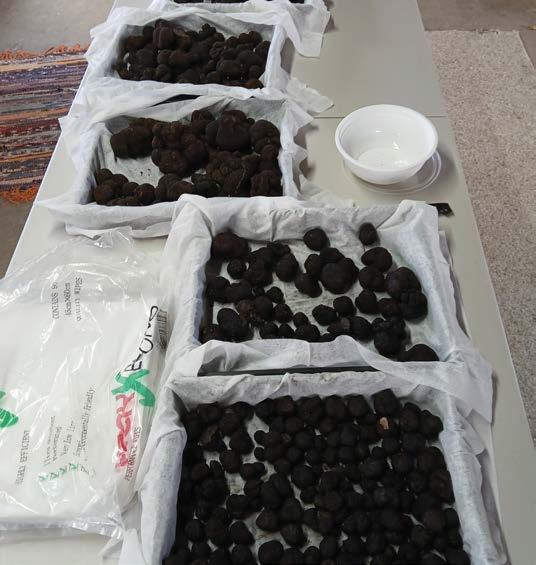
around NZ$0.80 per gram, reflecting strong competition from larger overseas producers. Because truffles develop underground and are harvested in winter, growers cannot see during spring and summer what grades are forming, which makes forecasting difficult and reinforces the need for careful grading and realistic pricing assumptions.
The scale of the opportunity is difficult to measure precisely. There are an estimated 400 truffle blocks in New Zealand, although not all owners belong to the NZ Truffle Association, which has around 70 members. Total national production is estimated at more than two tonnes. The most productive block produces about 500 kilograms a year, while a small number produce between 100 and 200 kilograms annually. A 50,000-tree development now underway in Canterbury signals further scale and confidence. Because production figures are shared voluntarily, these numbers are indicative rather than definitive, but they show enough momentum to justify better data, stronger coordination and a clearer route to market.
New Zealand truffles have a future, but not on romance alone. The industry will depend on commercial orchard design, realistic financial modelling, better information sharing, coordinated supply, consumer education and markets beyond the domestic sector. Customers increasingly want consistent quality, reliable volumes of specific grades. The industry has moved from curiosity to possibility. Its next test is disciplined commercial reality.
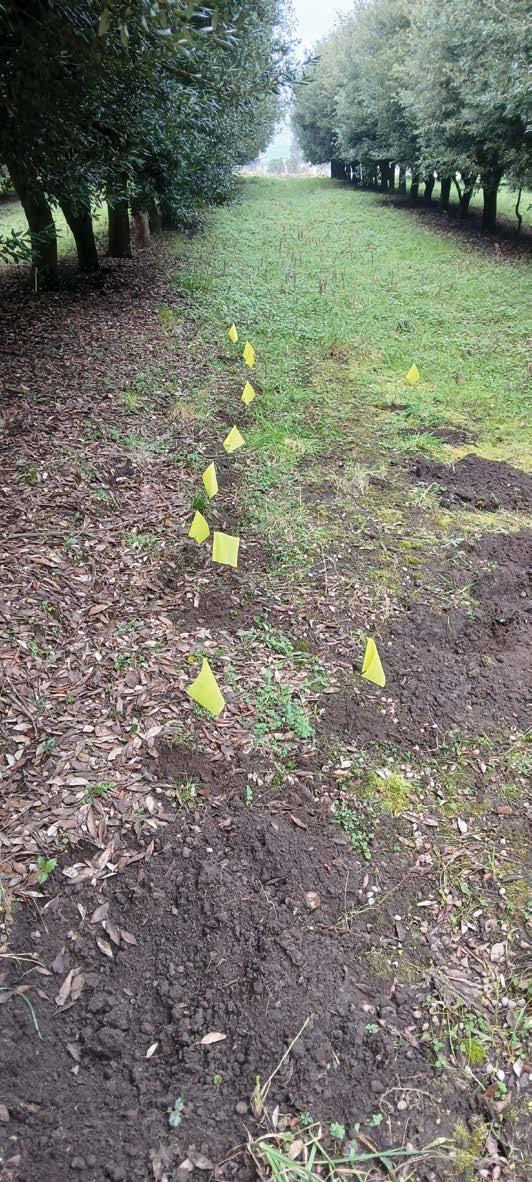
Flagged finds resulting from targeted soil and root manipulation, supported by stimulants applied during the annual re-sporing period in spring. These indicators only appear where truffle mycorrhizae are present, as shown by the characteristic circle of grass die-back around the base of the tree. The surrounding trees show little to no response due to poor or absent inoculation at the seedling stage

From prolonged dry spells to sudden, high impact rainfall events, weather extremes are increasingly shaping how New Zealand growers operate. While variability has always been part of farming, the intensity, frequency and unpredictability of conditions are creating new challenges across the potato sector.
Kate Trufitt : Potatoes New Zealand chief executive
For growers, the question is no longer whether extreme weather will occur – but how to adapt systems to manage it.
Drought: The slow build pressure
Drought remains one of the most significant climate risks facing New Zealand agriculture. National assessments highlight that severe drought events are likely to become more intense over time, particularly in already dry regions.
For potato growers, prolonged dry conditions can have a direct impact on:
• Soil moisture availability and irrigation demand
• Tuber initiation and bulking
• Crop uniformity and final yield.
Research in New Zealand has already shown that heat and moisture stress are reducing yields and affecting tuber quality, with increased rates of defects and unmarketable crops during extreme conditions.
Higher temperatures also increase the number of days above optimum thresholds for tuber growth, slowing development and lowering productivity.
Flooding: Rapid and destructive
At the other end of the spectrum, heavy rainfall events are becoming more frequent in some regions, bringing their own set of risks.
Previous flooding events have demonstrated the scale of impact, with crops destroyed, infrastructure damaged and even topsoil lost in a single event.
For growers, flooding can result in:
• Waterlogged soils and restricted root function
• Increased disease pressure and tuber rot
• Physical crop loss and erosion
• Disruption to harvest and supply chains.
Industry feedback shows that cumulative weather events, not just one-off storms, are pushing growers to their limits, with repeated flooding compounding financial and operational pressures.
A more variable climate
Perhaps the biggest challenge is not drought or flooding alone, but the increasing variability between the two.
New Zealand is already experiencing:
• More frequent extreme rainfall days
• Increasing numbers of dry days in some regions
• Shifting rainfall patterns across the country.
Climate projections and national risk assessments point to a future where both extremes intensify, with unpredictable seasonal patterns impacting production planning, crop timing and input decisions.
In practical terms, growers are needing to manage greater uncertainty, from planting through to harvest.
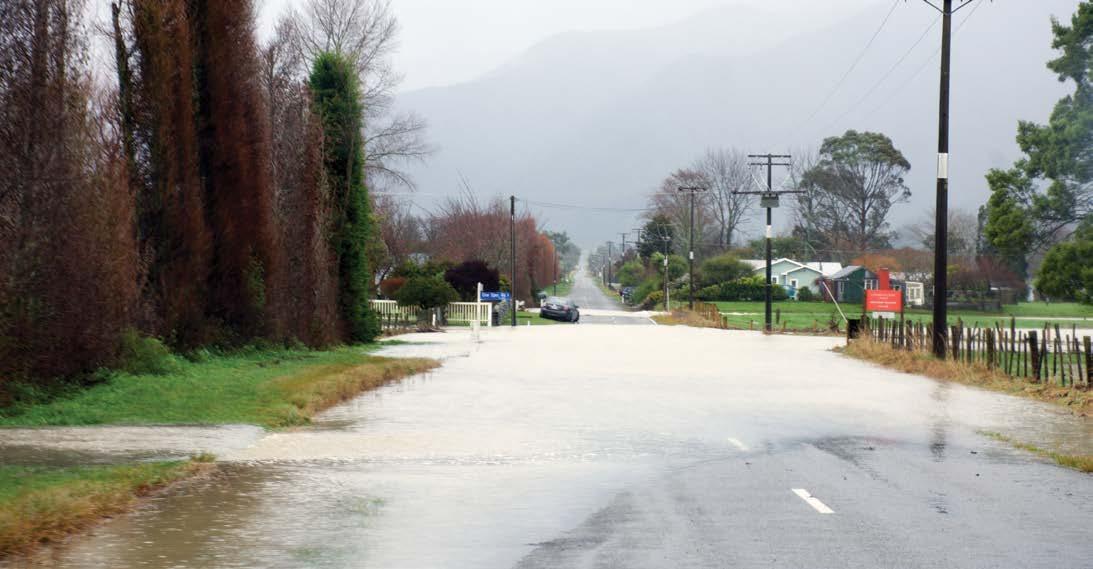
While some regions risk drought, heavy rainfall events are becoming more frequent in other regions with impacts including flooding, as pictured in the Tasman district
Insights from the webinar: Understanding the drivers behind the forecast
To support growers navigating this complexity, Potatoes New Zealand hosted a webinar in partnership with Earth Sciences New Zealand.
Presented by meteorologist Chester Lampkin, the session “Beyond the forecast: Understanding New Zealand’s weather” provided valuable insight into the forces shaping our climate and how growers can make better informed decisions.
The webinar focused on:
• Key drivers of New Zealand weather patterns (including systems like El Niño and La Niña)
• How seasonal outlooks and long range forecasts can support on-farm planning
• Reliable weather information sources growers can use day to day.
Understanding these drivers is becoming increasingly important. As Chester highlighted, weather patterns are influenced by large-scale climate systems and knowing how to interpret forecasts helps growers anticipate risks rather than react to them.
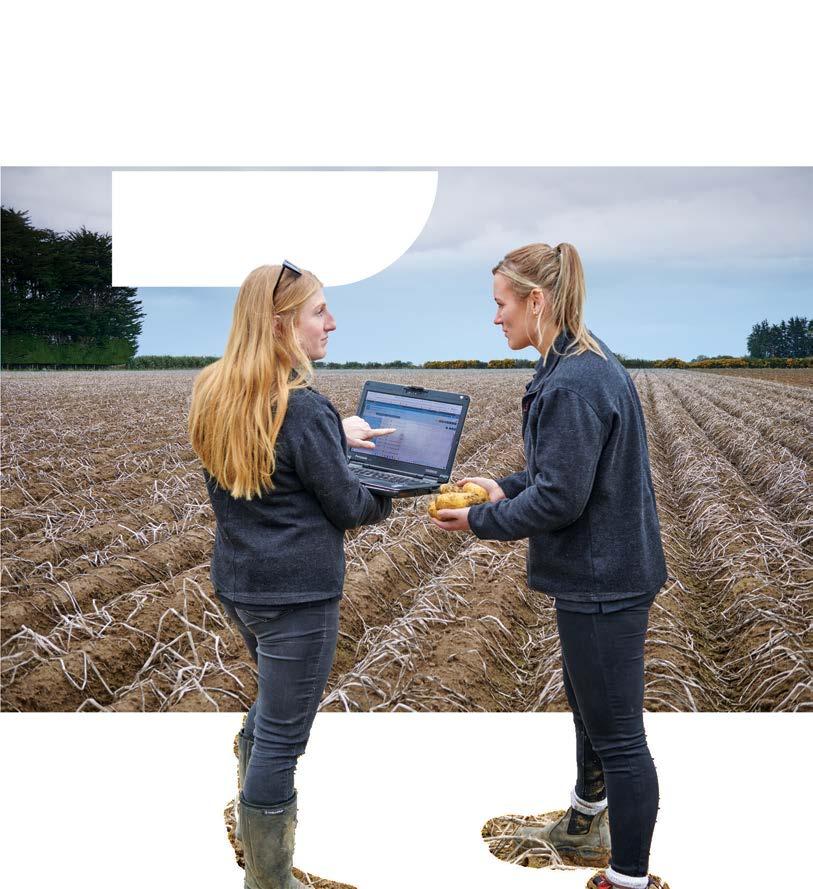
Adaptation: Practical steps on-farm
While extreme weather cannot be controlled, farm systems can be adapted to better withstand variability.
Common adaptation strategies include:
Water management
• Investing in irrigation systems for dry periods
• Improving drainage to reduce waterlogging risk
• Managing soil organic matter to increase water retention.
Crop and soil resilience
• Selecting cultivars with greater tolerance to heat or moisture stress
• Maintaining soil structure to withstand both drought and heavy rain
• Reducing compaction to improve infiltration and root growth.
Infrastructure and planning
• Strengthening critical infrastructure against flood damage
• Identifying high-risk areas on-farm (flood-prone or drought-prone zones)
• Developing contingency plans for extreme weather events.
These approaches align with wider national efforts to build resilience, including the Government’s National Adaptation Framework, which is focused on strengthening New Zealand’s ability to manage increasing risks from floods, storms and other climate impacts.
Mitigation and long-term resilience
Alongside adaptation, there is increasing emphasis on mitigation, reducing vulnerability over time through longterm system changes.
This includes:
• Better land-use planning in high-risk areas
• Investment in regional flood protection infrastructure
• Improved forecasting tools to support decision-making
• Ongoing research into climate-resilient crop systems.
New modelling and climate tools are also helping the sector better understand future risks and opportunities, supporting more informed decision-making across the industry.
Planning for uncertainty
For potato growers, the reality is clear: weather risk is increasing, and variability is becoming the norm.
However, with the right tools, knowledge and planning, growers are not just reacting, they are adapting.
As highlighted in the recent webinar, understanding the drivers behind weather patterns, combined with strong on-farm systems, can significantly improve resilience and decision-making.
The challenge ahead is to continue building flexibility into production systems, so whether it’s drought or flood, the industry is better prepared to respond.
INDUSTRY EVENTS
Annual General Meeting
Tuesday 25 August Ashburton Events Centre tinyurl.com/ PNZAGM2026
WATCH THE WEBINAR
Beyond the forecast: Understanding New Zealand’s weather tinyurl.com/PNZWeather
Contact Potatoes New Zealand 0800 399 674 info@potatoesnz.co.nz www.potatoesnz.co.nz
New Zealand potato growers now have access to a powerful new tool in their crop protection toolkit. Syngenta New Zealand proudly announces the registration of VIBRANCE® Premium, a nextgeneration fungicide seed treatment specifically designed to optimise potato establishment and protect against many key soil-borne diseases and help maximise marketable yields.
VIBRANCE® Premium combines the specialised SDHI (Succinate Dehydrogenase Inhibitor) sedaxane specifically developed as a seed treatment with fludioxonil to provide a dual-mode-of-action formulation that enhances both root health and plant vigour.
This combination offers the broadest spectrum disease control available. It provides robust defence against Rhizoctonia solani (Black Scurf), Silver Scurf, Black Dot, Fusarium and Gangrene, while also providing suppression of Common Scab.
“The early stages of a potato crop’s life are the most critical,” says Paul Hassan, technical services lead at Syngenta. “VIBRANCE® Premium ensures that the plant develops a stronger, more resilient root system from day one. This leads to better water and nutrient uptake, more uniform emergence and ultimately, more consistent tuber sizing at harvest.”
“By controlling these pathogens early, VIBRANCE® Premium helps prevent the ‘gappy’ stands that can significantly reduce yield potential in commercial potato operations.”
This leads to better water and nutrient uptake, more uniform emergence and ultimately, more consistent tuber sizing at harvest.
“We would still recommend the use of AMISTAR® as an in-furrow treatment at planting for soil-borne control of Black Scurf and suppression of Silver Scurf. The combination of both products has given outstanding disease control and marketable yield results in our field trials,” says Paul.
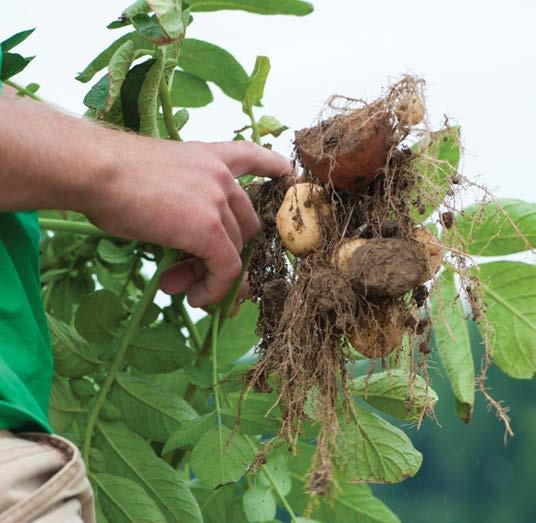
The registration of VIBRANCE® Premium follows extensive local trials across key potato-growing regions, including Canterbury and Pukekohe. These trials demonstrated that treated seeds improved vigour and increased tuber set in the crops they produced.
VIBRANCE® Premium offers unique flexibility for a potato tuber seed treatment, with application possible at either pre-storage or pre-planting of the tubers.
The liquid formulation is designed for ease of use in modern seed treatment applicators, ensuring consistent coverage of the seed tubers, a critical factor in achieving the full protective benefits of the product.
Growers are encouraged to contact their local Syngenta territory manager or technical advisor to discuss how VIBRANCE® Premium can be integrated into their crop programme to secure better yields and higher-quality potatoes.
VIBRANCE® Premium is available for the 2026 planting season.

® registered trademarks of a Syngenta Group Company. VIBRANCE® Premium and AMISTAR® are registered pursuant to the AVCM Act 1997, No’s P4840 and P9846. Always read the label completely before use. © Syngenta 2026.

For the financial year ended 31 March 2026, the NZ Fruitgrowers’ Charitable Trust provided grants of $464,575 to support the fruit-growing industry.
Alan Bird : NZ Fruitgrowers’ Charitable Trust executive officer
The trust’s chair, Andrew Fenton, noted that the number of grants had increased to 39, up from 31 grants in the previous year. The increase in grantees reflects the broad range of activities funded by the trust.
The trust offers grants to the New Zealand fruit-growing industry and is interested in applications that focus on research, education, fruitgrower groups, generic industry issues, industry people and the flow-on benefit for New Zealand.
The trust awards grants from funds generated from financial assets, as well as rent from the trust’s key commercial building asset – the iconic heritage Huddart Parker building on Post Office Square in Wellington.
Grants distributed in the last financial year include:
• Support to local district associations with a focus on the NZ Young Grower of the Year competitions
• Supporting the sector’s training initiatives, with an emphasis on developing leadership skills at all levels within the industry – including HortNZ’s Leadership Programme
• Partnering with HortNZ to provide funding to support its long-term capability-building programme covering horticulture qualifications review, vocational and secondary school education curriculum development and workforce intelligence
• Assisting with education resources at the secondary school level to attract school-leavers into the industry
• Helping to fund: NZGrower & Orchardist magazine, New Zealand’s premier grower resource for the horticulture sector; Fresh Facts, which provides data about New Zealand’s fresh produce industry; and the NZ Horticulture Export Authority’s Barriers to Export Trade report
• Providing postgraduate scholarships to students for study in the fruit-growing industry
• Assisting in funding various sector organisations that are actively promoting the health benefits of fruit consumption, including the 5+ A Day programme.

Full details of grants for the financial year 2025/26 are in the annual report, published on the New Zealand Fruitgrowers’ Charitable Trust website. Visit: www.nzfct.org.nz
On 20 July, the Environment Select Committee reported on the Planning Bill and Natural Environment Bill back to Parliament. These bills will replace the Resource Management Act 1991 and will now proceed to their second readings. The Government intends to pass the two RMA replacement bills into law by the election on 7 November.
HortNZ is working through the committee’s extensive report and revised bills to understand what the changes mean for growers. The initial assessment is that there are some strong gains, several changes that could support favourable outcomes through national policy direction and regulations, and some important matters that still need to be resolved.
Over the coming weeks HortNZ will seek further changes and clarify how the new system will operate for growers. It will also continue advocating for a National Policy Statement to make commercial vegetable production a permitted activity.
While HortNZ supports efforts to address worker exploitation, its submission raised concerns that the proposed framework places a strong emphasis on reporting and disclosure without clearly demonstrating how it will improve identification, investigation and enforcement outcomes. HortNZ also recommended recognising existing audited assurance programmes, such as GLOBALG.A.P. GRASP and NZGAP Social Practice, and existing immigration compliance frameworks to reduce unnecessary compliance costs and avoid duplication for growers.
In its submission HortNZ argued that Inland Revenue’s proposed approach does not reflect how recovery work is undertaken in practice, where repair and replacement activities are often completed together and invoiced as a single cost. Treating all replacement activity as capital expenditure fails to recognise the reality of likefor-like restoration following natural disasters and may increase compliance complexity without addressing the underlying issues.
Get the latest horticulture policy and risk updates, industry programmes and events in your inbox and have your say with HortNZ’s Weekly Newsletter. Follow the QR code or visit hortnz.co.nz to sign up.

Sign up to our Newsletter











(E15A.43687)
Large (140-160g) fruiting cluster.
High yield, shiny skin, prune to 5 or 6 fruit per cluster.
Hrez ToBFRV resistance with C6 and On, and strong plant.
HR:ToMV:0-2/ToANV/ToBRFV/ Pf:A-I/Va:0/Vd:0/Fol:O,1. IR On



Enza Zaden proud sponsor of the “Covered Cropping NZ Conference” 12th August 2026, LaValla, Tuakau.
Talk to us about heated ToBRFV resistant tomatoes. See you there.




Very large (160-200g) fruiting cluster.
High yield and fast to harvest, prune to 4-5 fruit per cluster.
On resistance and strong plant. Labour friendly.
HR: ToMV:0-2/ToBRFV/ Pf:A-E/Fol:0,1/For IR: On