THE Hitching Post
Why Timing Matters
Understanding the Time Value of Money
We have all heard the phrase “time is money.” As farmers and business owners, we know this saying holds true. Time is a valuable resource, just like land, labor, and capital. The time value of money (TVM) is a principle that takes a closer look at this idea and helps explain why the timing of income and expenses matters — not just the dollar amount.
Imagine that I offer you an ice cream cone. You have two choices: receive it today or receive it next month. Most of us would choose to have it today rather than wait. There is value in enjoying it now. Money works in a similar way.
Now, imagine being offered one dollar today or one dollar tomorrow. The dollar today is worth more because it can be used right away. You could deposit it in the bank to earn interest, use it to pay down debt, or apply it toward farm expenses. Having money sooner gives you more options and more flexibility.
Why Money Today Is Worth More
There are three main reasons why timing matters when it comes to having money:
1. Opportunity cost: Money received today can be invested or used immediately in the operation. Over time, that money may earn interest, reduce borrowing costs, or help generate additional income.
2. Inflation: As prices rise over time, the purchasing power of money decreases. A dollar today generally buys more than that same dollar will buy in the future.
3. Uncertainty: Future income is never guaranteed. Weather, markets, and unforeseen circumstances can all impact cash flow. Receiving money sooner reduces risk and provides greater financial security.
Two Simple Time Value Tools
There are two common ways to measure the time value of money.
Future Value (FV) shows how much money invested today will grow over time.
Formula:
FV = PV × (1 + r)ⁿ
Where PV is the present value, r is the interest rate, and n is the number of years.
Present Value (PV) shows what a future amount of money is worth in today’s dollars.
Formula:
PV = FV ÷ (1 + r)ⁿ
Why This Matters on the Farm
Farming often involves large expenses today with income coming months or even years later. Understanding the time value of money helps put those decisions into perspective. It can help when comparing loan options, deciding whether to prepay expenses, evaluating equipment purchases, or planning for long term goals such as retirement or farm succession.
By considering not just how much money is earned or spent, but also when it is earned or spent, farmers and business owners can make more informed decisions. The time value of money encourages careful planning and good stewardship — principles that support the long-term strength of the farm and the family business.
To learn how this applies to your operation, give us a call at
TURNING OPPORTUNITY INTO A THRIVING CALF OPERATION
Five years ago,
Robert Fisher was looking for something more than a traditional job. After working as a sawmill mechanic and later buying and selling timber, he realized he was looking for an opportunity that would allow him to spend more time at home while building something of his own.
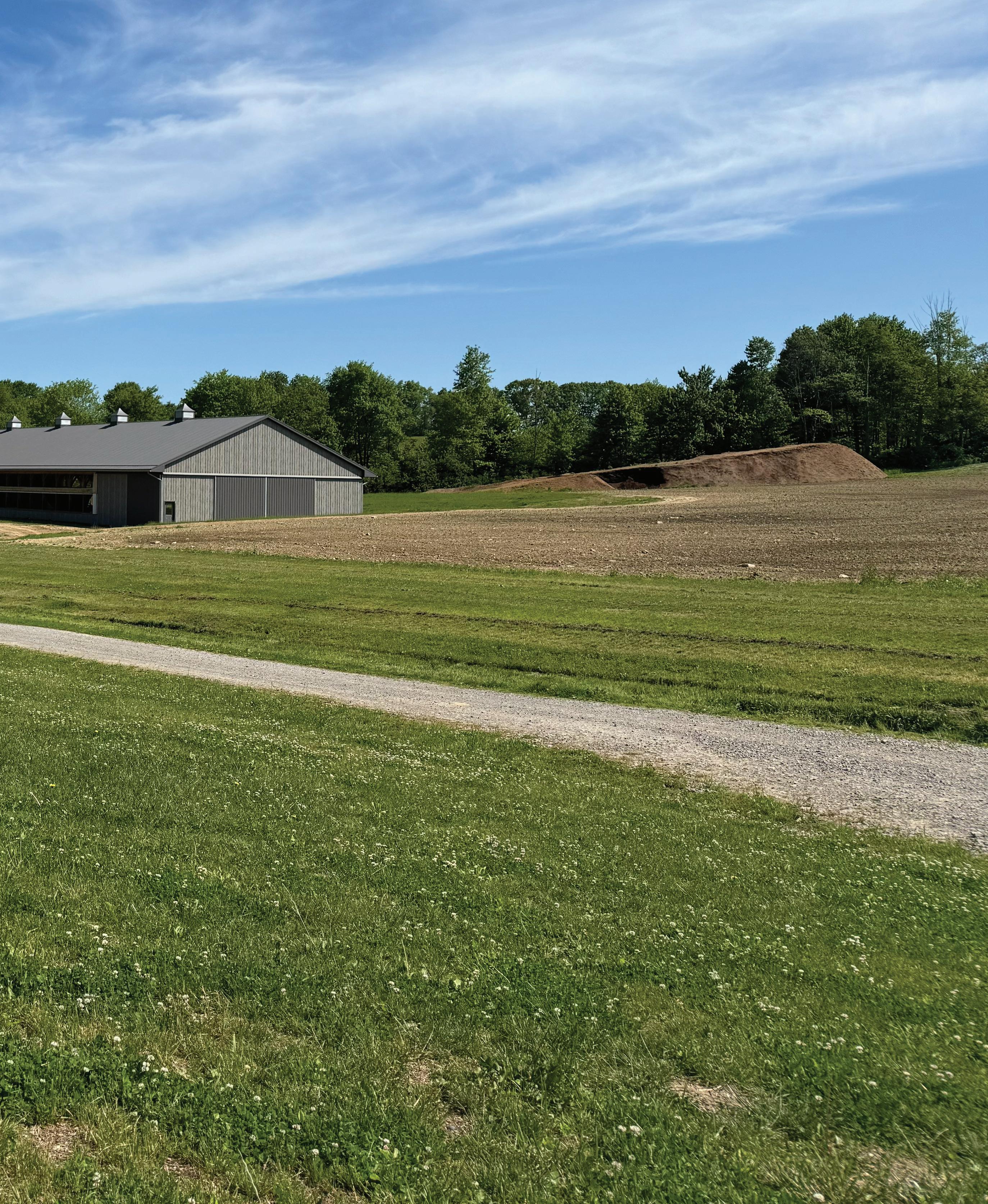
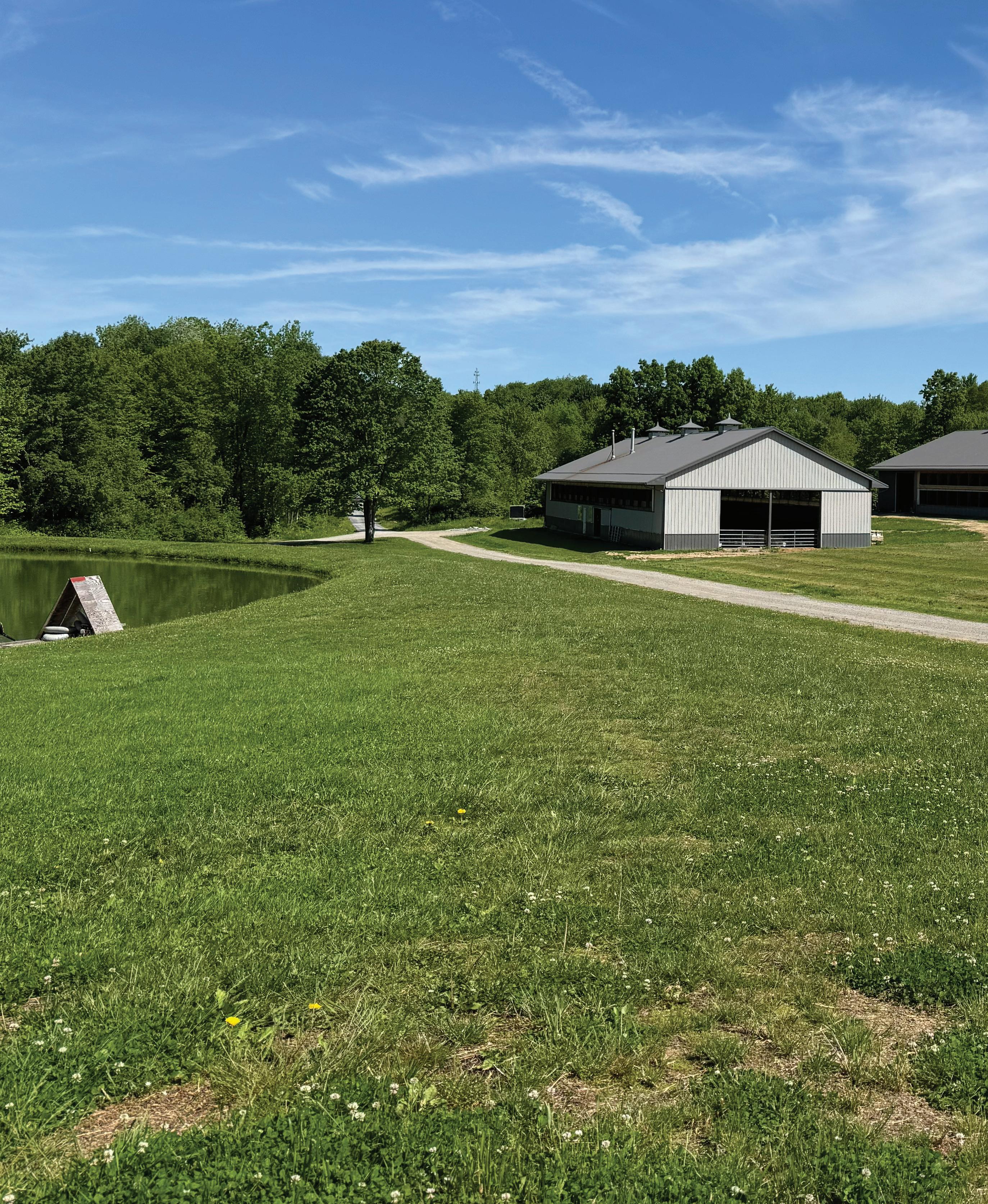
That opportunity arrived in 2021 when he began raising beef-on-dairy calves. After talking to a neighbor with a similar operation, Robert decided to give it a try. Today, he runs a successful business that has grown steadily over the past five years.
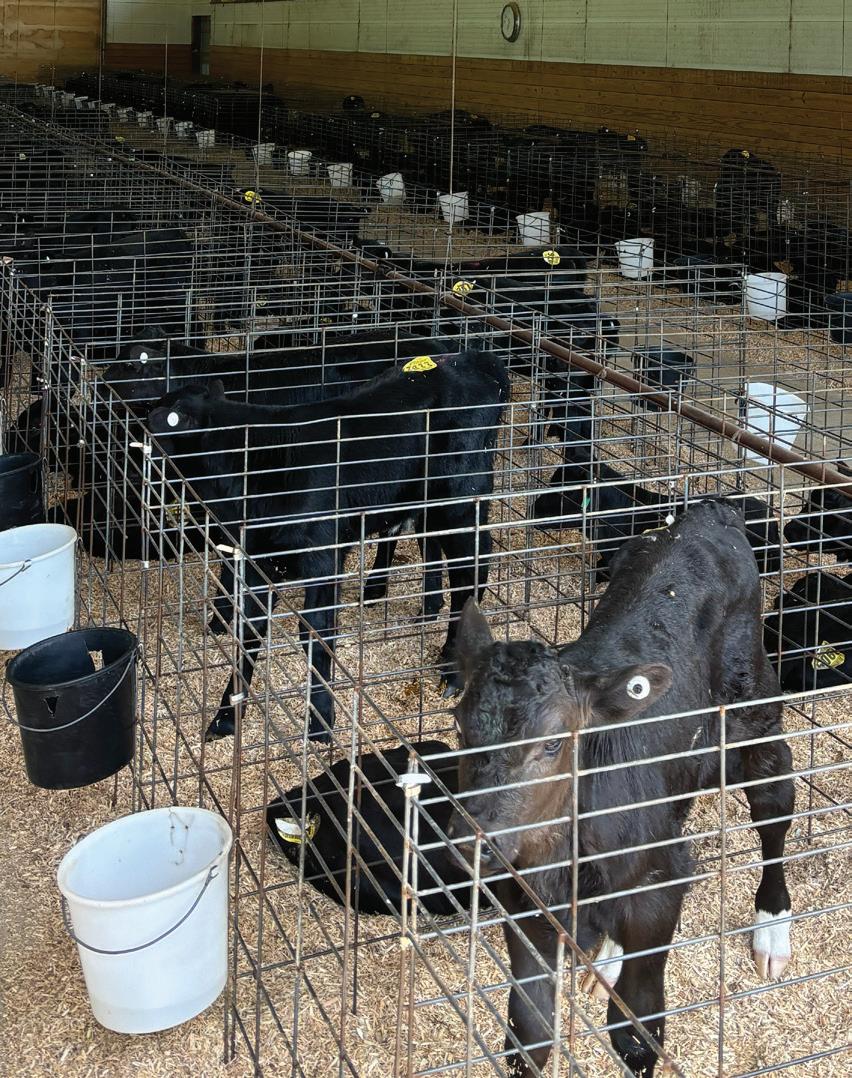
Robert manages approximately 400 calves at a time, moving eight groups through his operation each year. The calves stay on his farm for about 10 weeks before being shipped to feedlots throughout the Midwest.
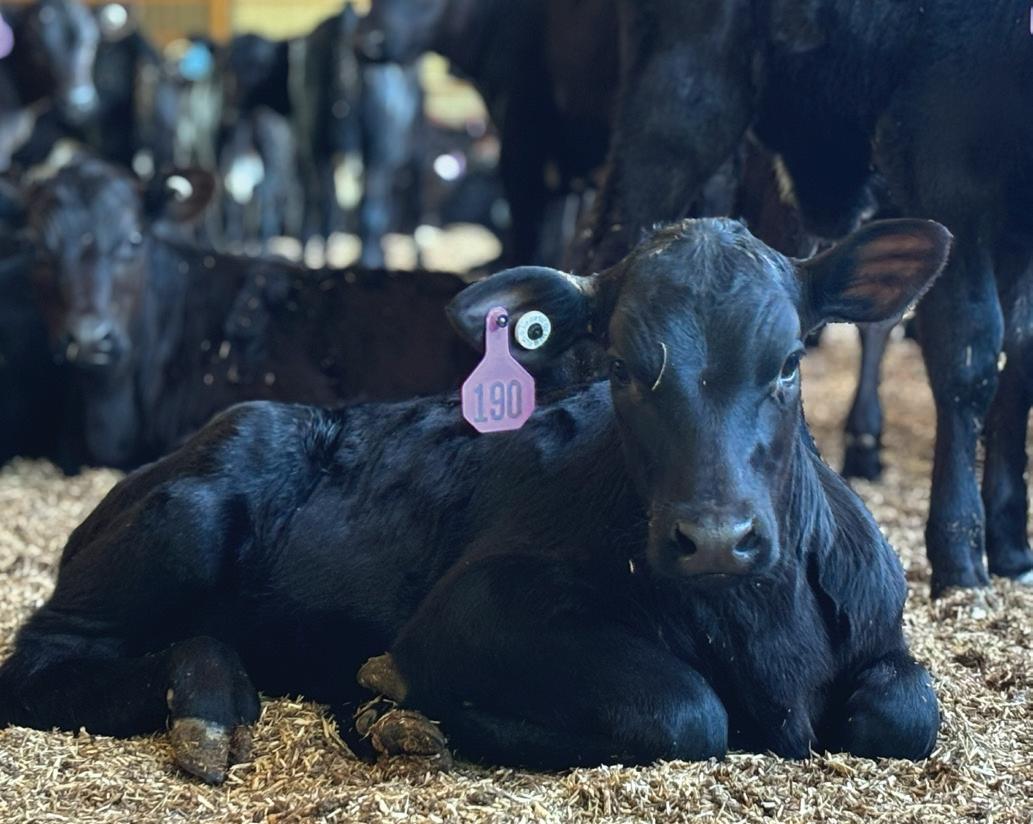
The first few weeks are important, with the first two weeks being the most critical. The calves are just a few days old when they arrive and are vulnerable to health challenges including dehydration, pneumonia, and mycoplasma. Robert closely monitors every animal during this period, housing calves in individual pens and focusing on health, nutrition, and recovery from the stress of transportation.
After the first six weeks, calves transition into a group pen where they stay while Robert works to help them reach approximately 230 pounds by the time they leave the farm at 10 weeks old.
A key part of that success comes from sourcing quality calves. Through experience, Robert has learned that paying more for healthier, better-quality animals often produces better results than chasing the lowest price. Although they cost more upfront, the improved health, lower loss rate, and stronger weight gains have made the investment worthwhile.
“We try to buy a better quality calf,” he said. “Once you have something in your barn, it seems to linger, which is why it’s important to bring healthier calves into the barn.”
At the same time, profitability depends on much more than cattle prices alone. Like all livestock operations, Robert closely watches input costs. Higher feed costs can affect the entire market, influencing both the price he pays for calves and the value he gets when selling them. Managing those fluctuations is part of the business.
Robert faces additional challenges that are often outside his control. Winter weather can create ventilation and temperature-management concerns, and respiratory issues can quickly become a problem if conditions are not carefully monitored.
Still, he enjoys the independence that comes with owning and operating his own business. After spending years working a traditional job, he values being at home with his family and setting his own schedule.
One of the most important lessons Robert learned is the value of mentorship. Early in his journey, he benefited from guidance from experienced producers and believes that support helped him avoid costly mistakes.
“Having a good mentor and someone to walk alongside you as you get started is so important,” said Robert. “I had help getting my operation off the ground, so now I’m able to help others getting started.”
That willingness to learn, and to share what he has learned with others, has helped Robert build a sustainable operation. He also credits Farm Credit for helping turn his plans into reality. When he was getting started, access to financing was essential. Farm Credit provided the support he needed to purchase calves and establish a line of credit. With help from his Ag Relationship Manager, Becky Metz, Robert was able to obtain the financing he needed for his operation.
“We encourage people to reinvest in their operations, and Robert does just that,” said Becky. “It’s good to make improvements but reinvesting that gain is what will set you up for success.”
As he looks ahead, Robert sees room for expansion, potentially adding another calf barn to increase capacity. But regardless of how much the operation grows, his focus remains on raising healthy calves, reinvesting in his operation, and enjoying a way of life that allows him to work where he feels most at home.
SIGN YOUR DOCUMENTS, Simply
We know there’s always plenty to take care of in a day. So, when it comes to your loan paperwork, signing should be simple.
DocuSign offers a convenient way to review and sign documents without added trips to your nearest Farm Credit office or waiting to get paperwork in the mail — helping you get your financing a little faster.
As always, you can count on our team to walk through DocuSign alongside you, guiding you through each step.
COME SEE US AT
Ag Progress Days
Visit our booth at the Farm Credit Building — located at the corner of Main Street and West 6th Street — to meet our team and learn how we can help you achieve your goals.
Be sure to stop by for your chance to enter to win a Blackstone griddle! There will be fun for the whole family, including a kids station featuring crafts, games, and activities. See you there!
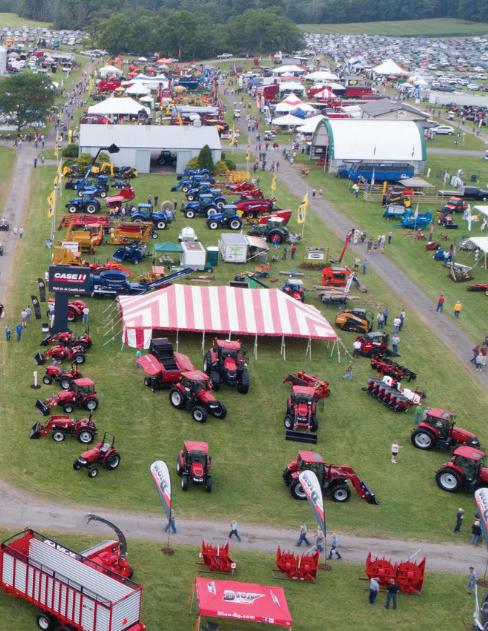
AUGUST 11 – 13