Woman Farmer
Explore three woman-led operations as they blaze trails in agriculture.


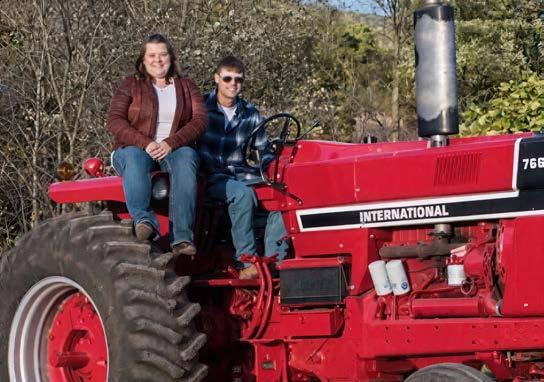




Woman Farmer
Agriculture has always been shaped by those willing to lead with courage, creativity, and conviction. This year, as we celebrate the International Year of the Woman Farmer, we recognize a group whose contributions have long strengthened our industry and our communities.
Throughout agriculture, women are leading successful operations, adopting new technologies, strengthening sustainability, and mentoring the next generation. Their work reflects the same dedication and stewardship that have always defined strong farming businesses — and it makes a meaningful difference in rural communities.
In this edition of the Leader, we’re honored to share the stories of three women who are blazing trails in agriculture. Each brings a unique perspective and passion to her operation, yet they share a common commitment to excellence, sustainability, and setting an example for the next generation. Their stories remind us that leadership doesn’t look just one way and that the future of agriculture is stronger because of the voices helping shape it.
We’re proud to stand alongside women farmers who continue to build legacies and inspire others through their work. As you read their stories, I hope you feel the same admiration and respect we do for the dedication they bring to agriculture and the communities they serve.
Here’s to the women who lead, nurture, and grow our industry forward — today and for generations to come.
Tom Truitt Chief Executive Officer
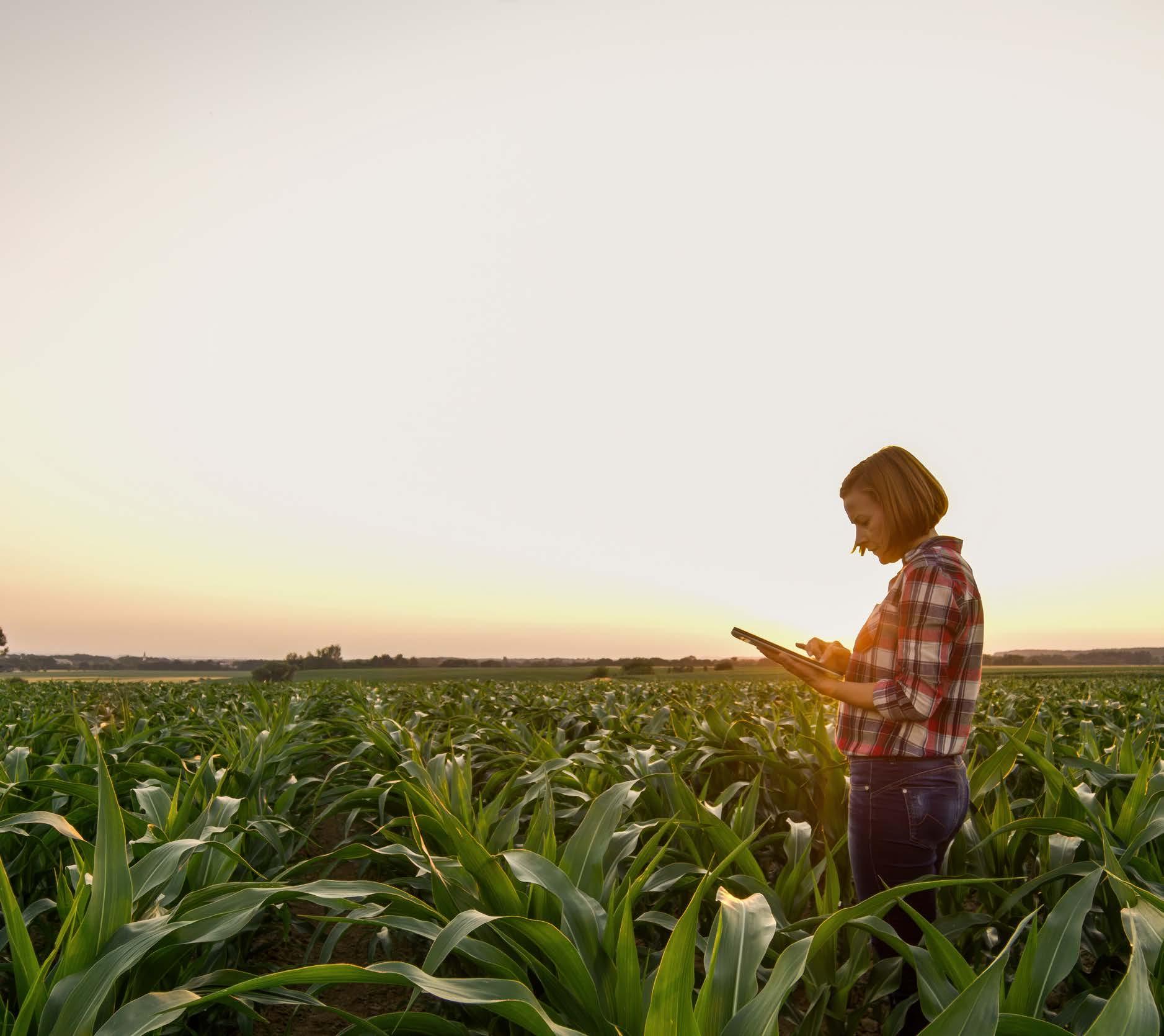

From “Far-Fetched” to Farming
A FIRST-GENERATION JOURNEY
Story and photos by Andrea Haines
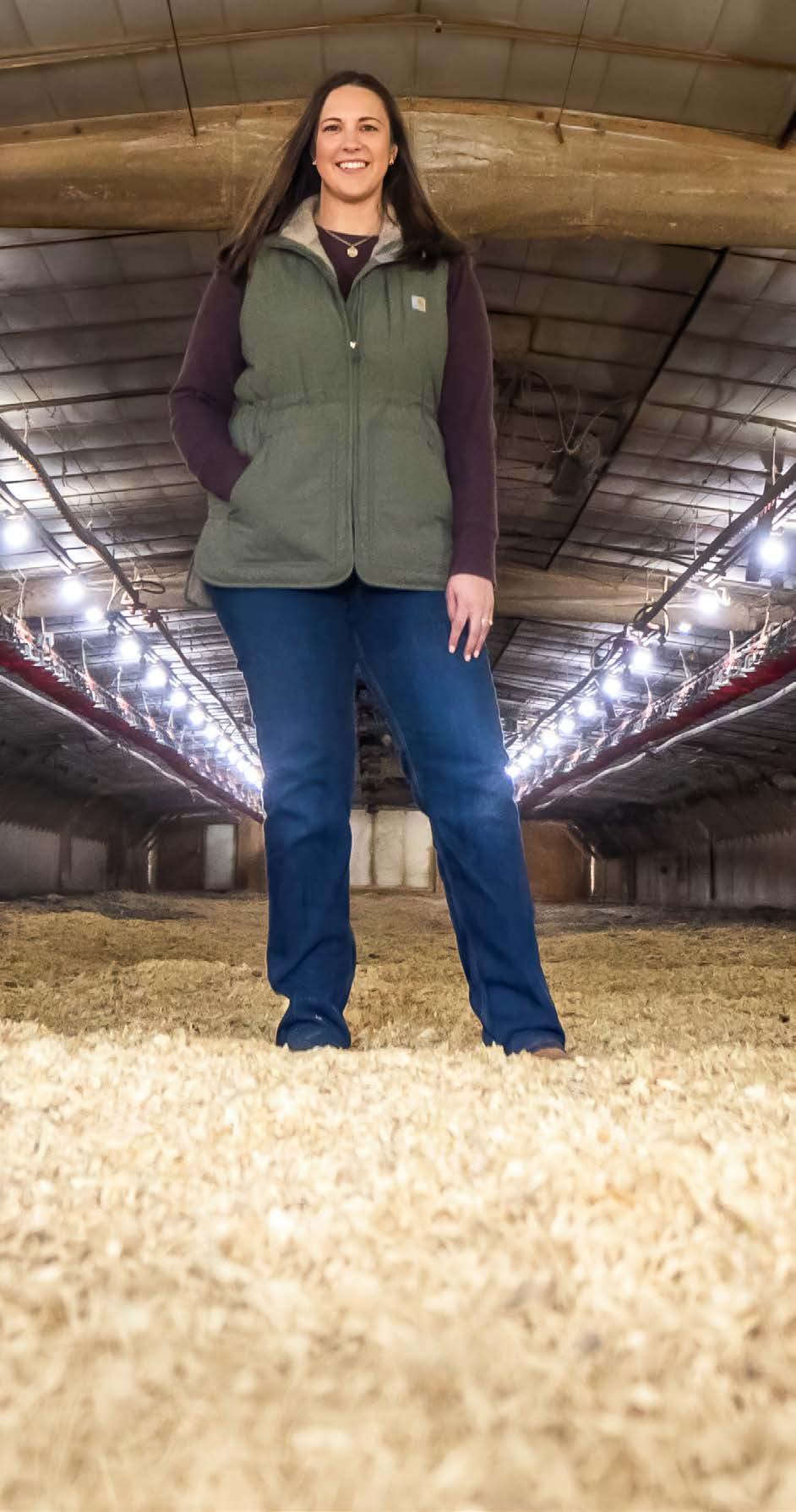
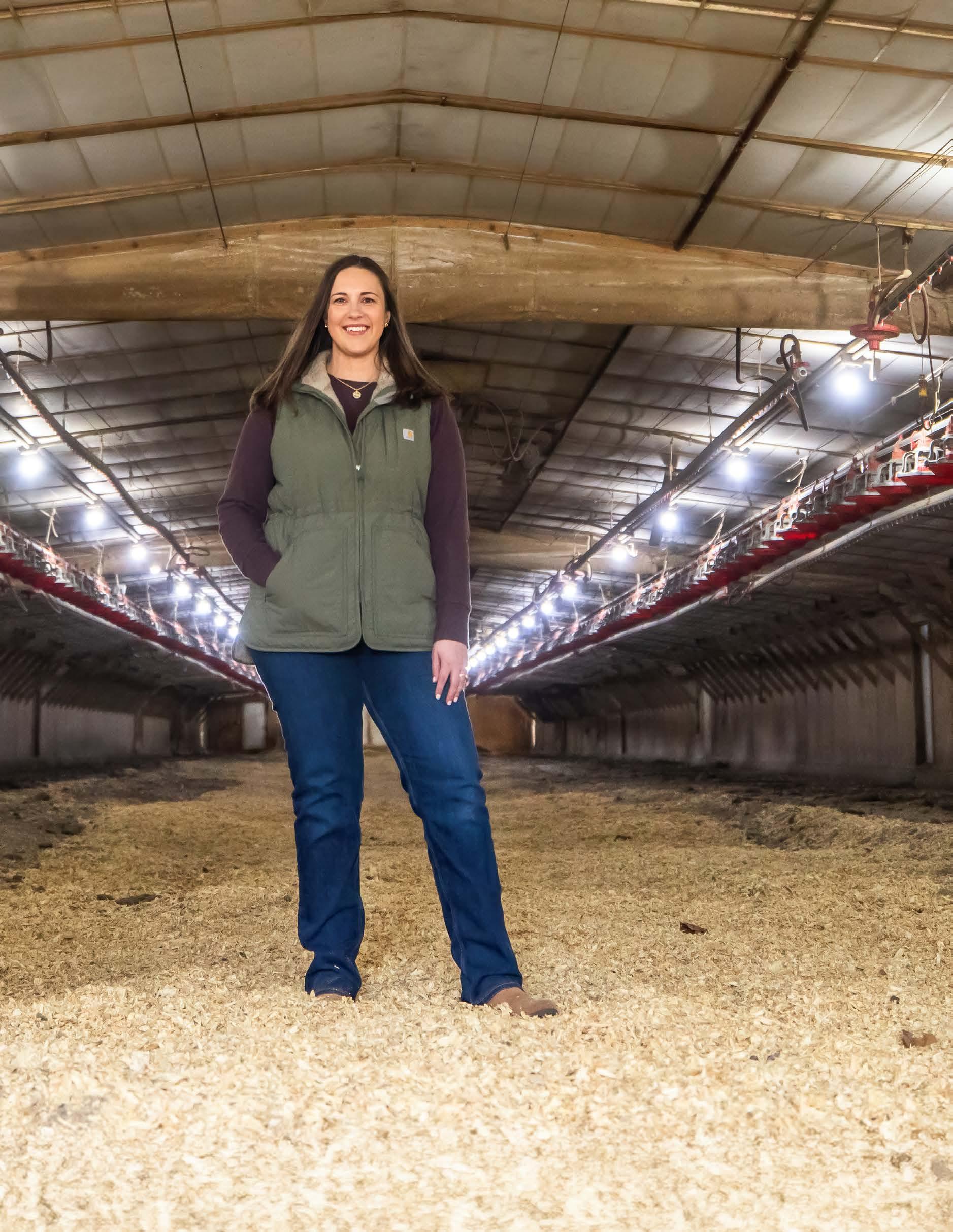
For Trish Bucci, becoming a farmer was never part of the original plan. Raised in suburban Severna Park, Maryland, her connection to agriculture began not in a family legacy, but through curiosity and hard work. Today, she stands with her husband, Bret, as a poultry operator in Sharptown, Maryland, balancing motherhood and farm management.
Trish’s introduction to agriculture started when she joined Kinder Farm Park 4-H Livestock Club. She began working with Katahdin Hair Sheep. “I really loved showing,” she recalls. “My first project was a ewe that I showed from the University of Maryland Campus Farm."
Those early experiences laid the foundation for something much bigger. She continued involvement by holding titles of 2010 Miss Anne Arundel Farm Bureau, later working internships with Maryland Department of Agriculture and Maryland Farm Bureau, allowing her to later join Farm Bureau’s team as a career. It was then, she realized she didn’t have to be born into farming to belong.
Trish pursued a degree in livestock science and management from Delaware Valley University and built a strong professional network working in agricultural advocacy. Her husband shared a similar story, also raised outside of farming but drawn into the industry through 4-H and the poultry industry. Together, they built careers in agriculture, but owning a farm remained a distant dream.
That dream became reality in 2022 when the couple purchased a poultry farm, now known as Far-Fetched Farm, a name that reflects just how unlikely their journey once seemed. The decision required significant sacrifice, including selling their home, but Trish says the vision for their family made it worthwhile. “We wanted this life for our kids just as much as we wanted it for ourselves,” she explains.
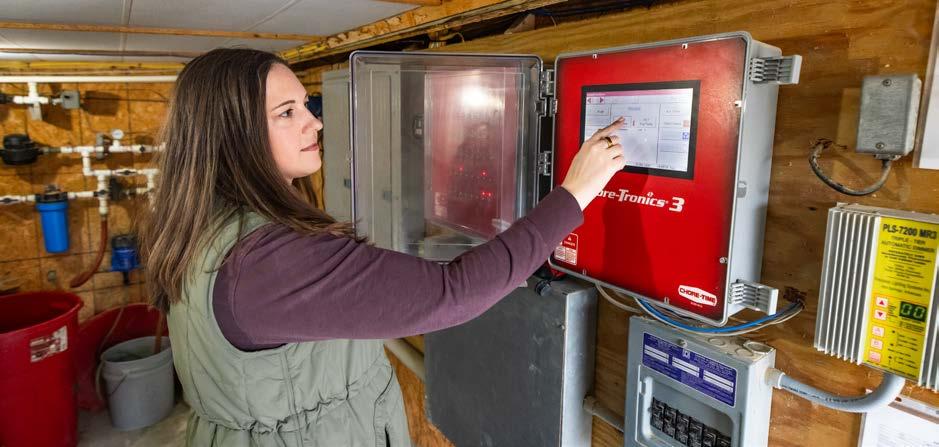
Today, the farm includes two chicken houses totaling 37,000 square feet, raising approximately 50,000 birds per flock for Perdue. While Bret works full-time off the farm, Trish serves as the “first responder,” managing daily operations, monitoring bird health, and responding to system alarms. It’s a role she has grown into through hands-on learning.
“There was a lot of on-the-job training,” she admits, especially in the early days of managing equipment and environmental systems, but over time, confidence replaced uncertainty. Still, like many first-generation farmers, Trish has faced moments of self-doubt. “I struggle with imposter syndrome,” she shares candidly, noting that she sometimes compares herself to multi-generational farmers. Yet, she continues to push forward, building both skill and confidence with each flock.
Sharptown, MD
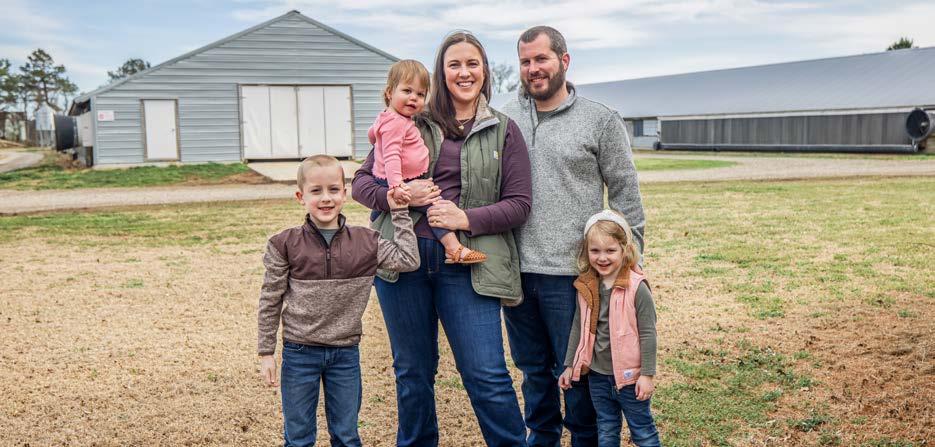
Her work has not gone unnoticed as the farm has achieved several topproducing flocks and recently surpassed a major milestone of raising one million chickens. For Trish, the reward goes beyond numbers as she finds meaning in knowing her work feeds families across the country.
“I like to think about all the ways our farm helps people, whether it’s a quick dinner for a busy mom or food at a celebration,” she adds.
Family remains at the heart of everything as the couple are raising three young children: Trip, EJ, and Gracie, on the farm. Whether helping prepare chicken houses or learning the importance of biosecurity, their children are growing up with a deep understanding of responsibility and where their food derives.
Trish is also intentional about her role as a woman in agriculture. Throughout her journey, she has been inspired by strong female leaders and mentors. “I never had to question if there was a seat at the table for women,” she says. Now, she hopes to be that example for others. Her advice to others is clear, she shares, “Build a network, stay curious, and don’t be afraid to start small.” It’s a philosophy she has lived, and one that made their dream possible.
Supporting that journey has been Farm Credit Executive Ag Relationship Manager Amy Rowe, who has worked with the Bucci family since their purchase. “It has been wonderful to be part of their farming journey,” Amy says, noting the family’s dedication, industry knowledge, and willingness to learn as key strengths.
day ensuring it remains a top-producing operation,” she shares. “Their story is one of the reasons I love my job.”
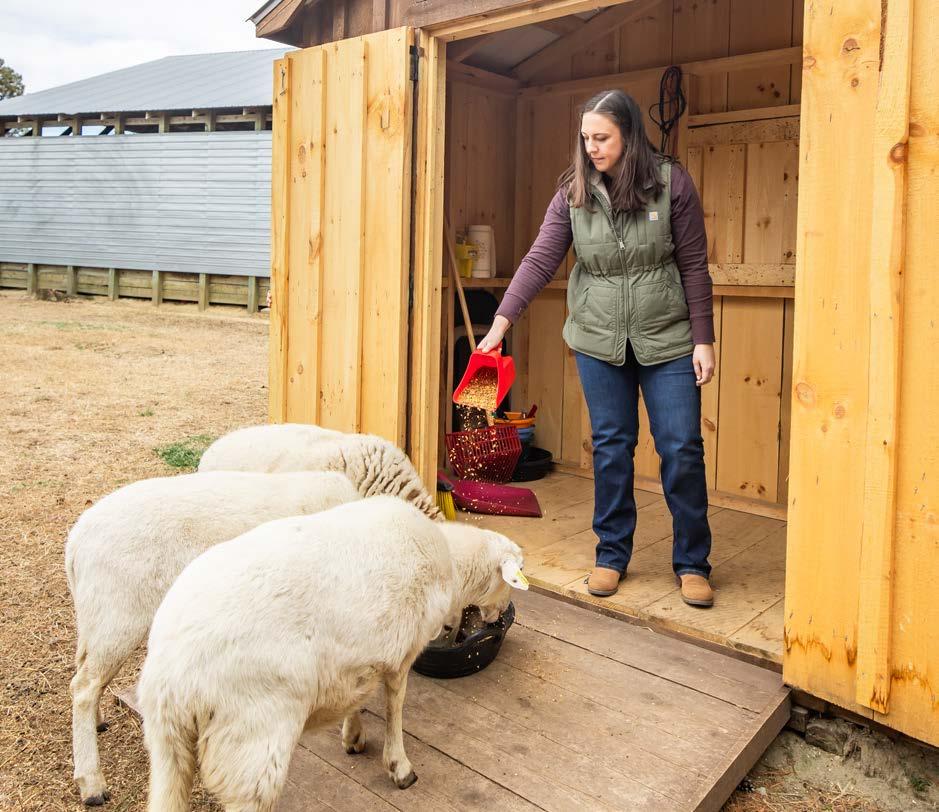
A recent, and exciting, moment for Trish has been the addition of sheep to the farm. Bret remains an active alumnus of the University of Maryland and through that connection, he met with the campus farm manager and showed her a copy of the registration papers from Trish’s childhood sheep project. After looking through their breeding records, they found lambs that were from the same bloodline as Trish’s 4-H ewe.
“It has been such an amazing full-circle experience to be able to bring sheep to our own farm all these years later that are genetically connected to my first ewe, which was the catalyst for my interest in agriculture,” she exclaims.
Looking ahead, Trish hopes to continue growing, possibly expanding with a third chicken house, and maintaining their status as a top producer. But more importantly, she hopes to never lose sight of what the farm represents. “We are living in answered prayers,” she says. For a dream once considered far-fetched, that reality is nothing short of extraordinary.
“I like to think about all the ways our farm helps people, whether it’s a quick dinner for a busy mom or food at a celebration.”
— Trish
Bucci
Through financing, grant opportunities, and ongoing support, Farm Credit has helped the Bucci family expand their operation and improve efficiency. Upgrading technology through a grant program to tailoring loan structures around poultry cash flow, the partnership has been instrumental in the farm’s success. For Amy, Trish embodies what it means to be a successful modern farmer. “She is on the farm every

Two Centuries of Tradition
Story and photos by Maria Listman
A FIRST IN LEADERSHIP
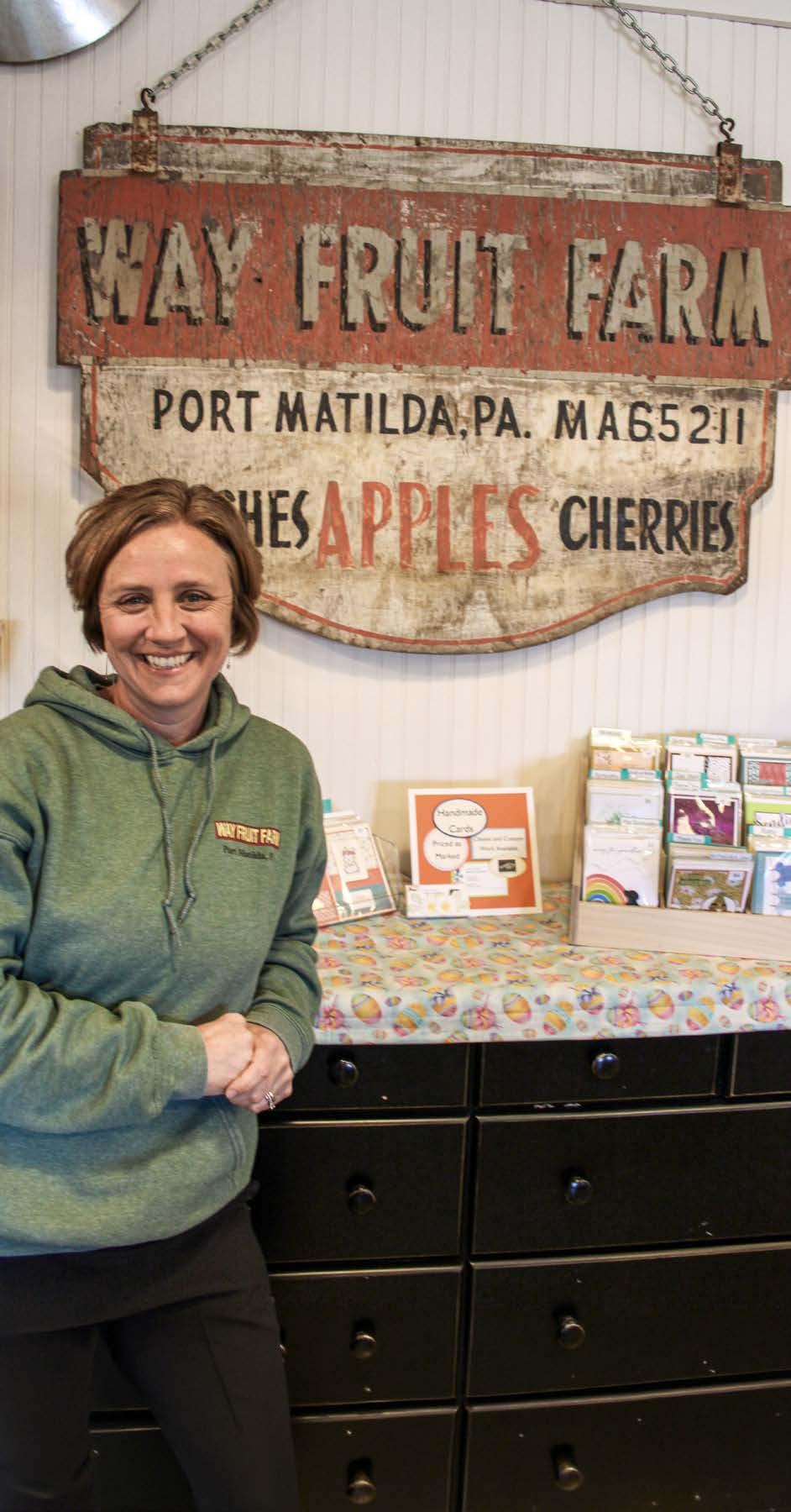
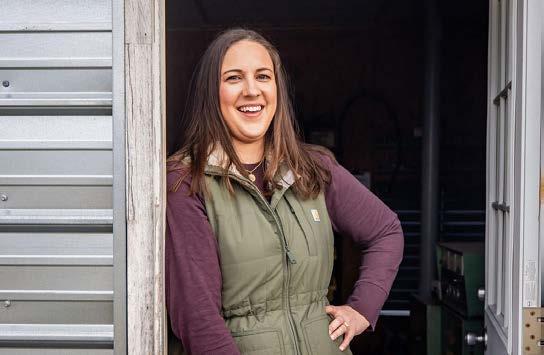
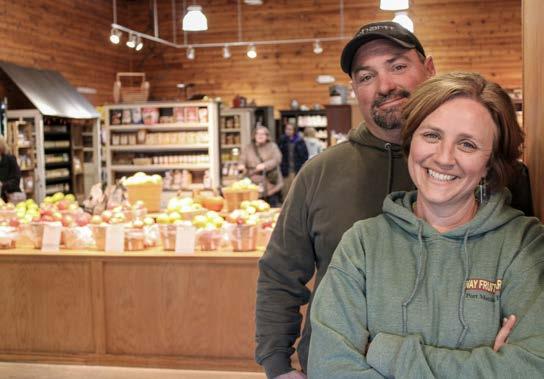
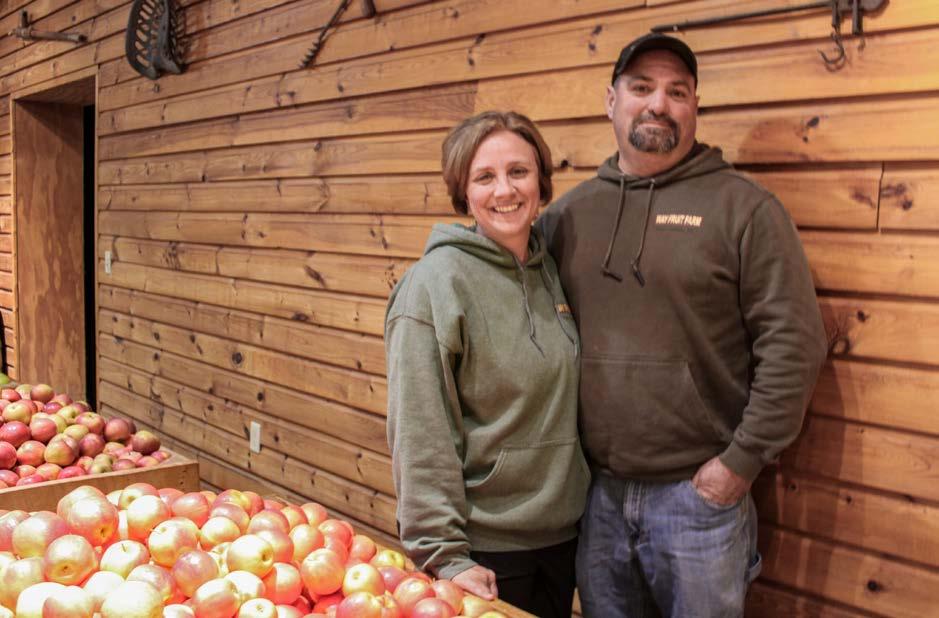
Tucked into the rolling landscape of central Pennsylvania, Way Fruit Farm stands as both a testament to agricultural resilience and a reflection of how farming continues to evolve. Now celebrating 200 years of family stewardship, the farm’s story is one of vision and adaptation. Today, that legacy includes a meaningful milestone — a woman, Megan Coopey, as co-owner stepping into the first female ownership role in the farm's history.
Port Matilda, PA
Megan represents the sixth generation of her family farming this land. The Way family first settled in the valley in 1826, gradually expanding their operation with each generation. Interestingly, the family happened upon orcharding. A family marriage included 1,000 apple trees as a wedding gift, which shaped the farm’s future.
A pivotal moment in the farm’s history came during the Great Depression when Megan’s great-great grandfather made an unconventional decision: he sold valuable valley land to purchase acreage on the nearby mountain. At a time when most farmers clung tightly to fertile valley soil, he recognized a critical advantage — orchards thrive on mountain ground where frost was less likely to settle during early spring blooms. That insight laid the groundwork for what would become a thriving orchard business.
By 1849, the family had secured its first 100 acres of mountain ground, and in 1872, the first apple trees were planted. Today, Way Fruit Farm spans 360 acres and produces a diverse range of crops, including apples, cherries, peaches, plums, apricots, strawberries, sweet corn, and pumpkins.
While agriculture has always been central to the farm, diversification has played a key role in its longevity. Megan’s grandparents began experimenting with retail sales on a small scale, but it was her parents who expanded that vision. With the addition of a cider press and a dedicated retail space, the farm grew even more within the community.
Megan recalls her fondest childhood memories, which centered around strawberry season. As a teenager, she worked summers alongside her parents. She would fill her mother’s largest Tupperware bowl with freshly picked strawberries during her lunch break. The berries were so sought after that customers would wait for them, often selling them out before she even returned from her break.
After she finished college at Penn State University, Megan pursued a career in education as a teacher, while her husband, Jason, worked for the government. But as they began raising a family, something pulled them back to the farm and the lifestyle it offered — calling them home. Over the past 17 years, Megan and Jason have fully stepped into co-ownership of Way Fruit Farm, continuing the legacy while shaping the farm’s future.
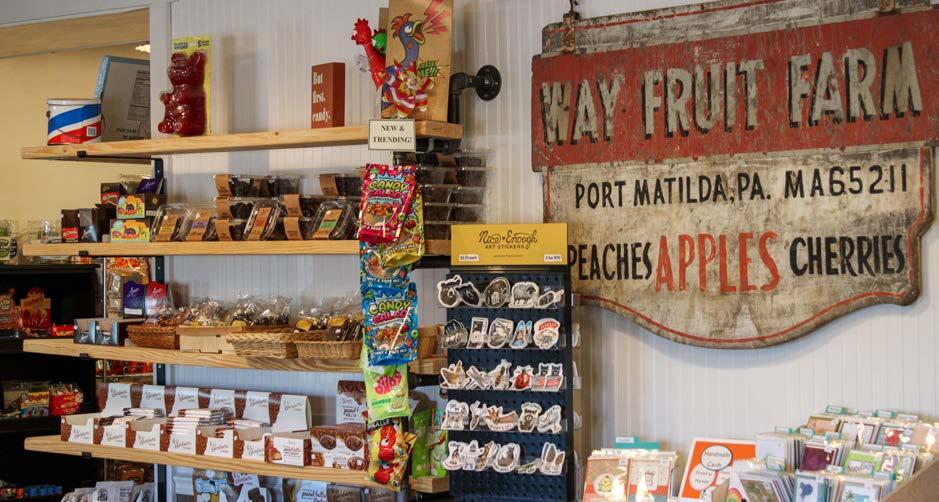
Since then, Megan and Jason have expanded the farm’s offerings in meaningful ways. They introduced a bakery and café featuring family recipes that have quickly become customer favorites. Apple cider

donuts top the list in the bakery, while the café focuses on fresh, locally sourced ingredients including items like cheese, lettuce, and bacon incorporated into sandwiches and other menu offerings. Way Fruit Farm also produces a line of value-added products, including apple butter, applesauce, and fresh apple cider, giving customers even more ways to enjoy what the farm has to offer.
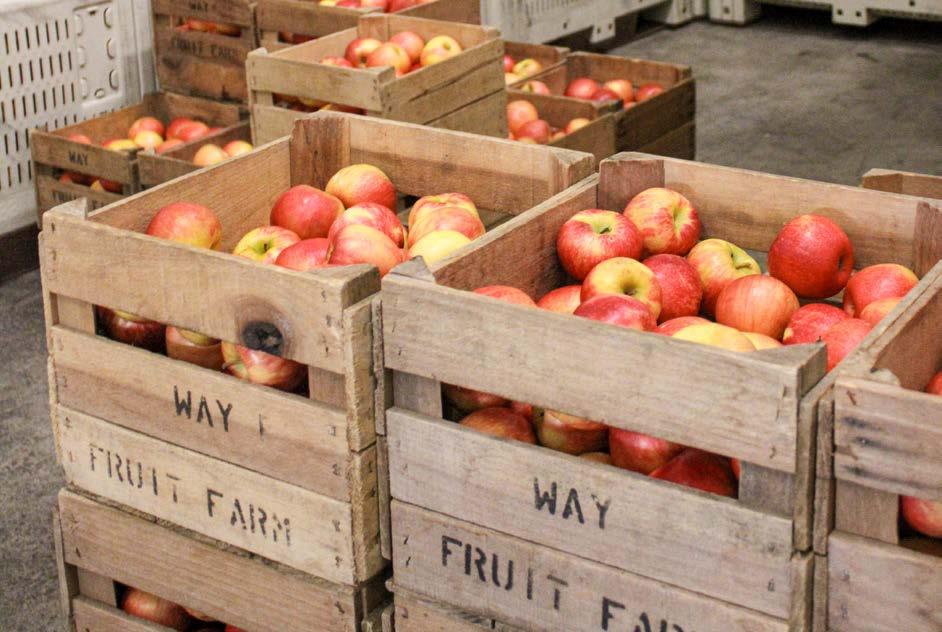
Apples remain at the heart of the operation. While Honeycrisp is their top-selling variety, the farm is also known for heirloom type apples such as Ida Red, Cortland, and McIntosh varieties that speak to both tradition and taste.
“I'm the first generation where a female has stepped into the role of owner. It's very easy to feel like you're supposed to be something when you hear certain words, like farmer."
— Megan Coopey
Beyond the farm itself, Megan and Jason have extended their reach into the community. Four years ago, they opened a second location in downtown State College, Pennsylvania, just minutes from the farm and across the street from Penn State's campus. The two-story space serves students, college faculty and staff, and other visitors with fresh food, baked goods, and a welcoming atmosphere. Looking ahead, the couple is preparing to launch a hard cider business; another step in their ongoing evolution.
For Megan, however, their story is about more than crops and commerce. It’s about identity, growth, and redefining what it means to be a farmer. Initially hesitant about discussing her role in agriculture, she admits to feeling like she didn’t quite fit the mold. It was her daughter who shifted her perspective, reminding her that being a farmer isn’t defined by driving a tractor; it’s about ownership, leadership, and stewardship.
“I’m the first generation where a female has stepped into the role of owner,” Megan reflects. “It’s very easy to feel like you’re supposed to be something when you hear certain words, like farmer. My dad was the farmer; he had the dirty pants and his hands were weathered and cracked. I’m not doing those things that traditionally you think of when you hear farming.”
Support has played a crucial role in sustaining their operation. Megan recognizes Farm Credit as an essential partner in their growth and stability.
“Farm Credit is that integral piece to make farming viable in an economy that is stacked against small business, and especially small business farming,” she says.
As Way Fruit Farm celebrates its 200-year anniversary this year, Megan’s journey reflects both tradition and change, showcasing the growing presence and leadership of women in agriculture.

Rooted inVision
THE EVOLUTION OF BLACK ANKLE VINEYARDS
Story and photos by Andrea Haines
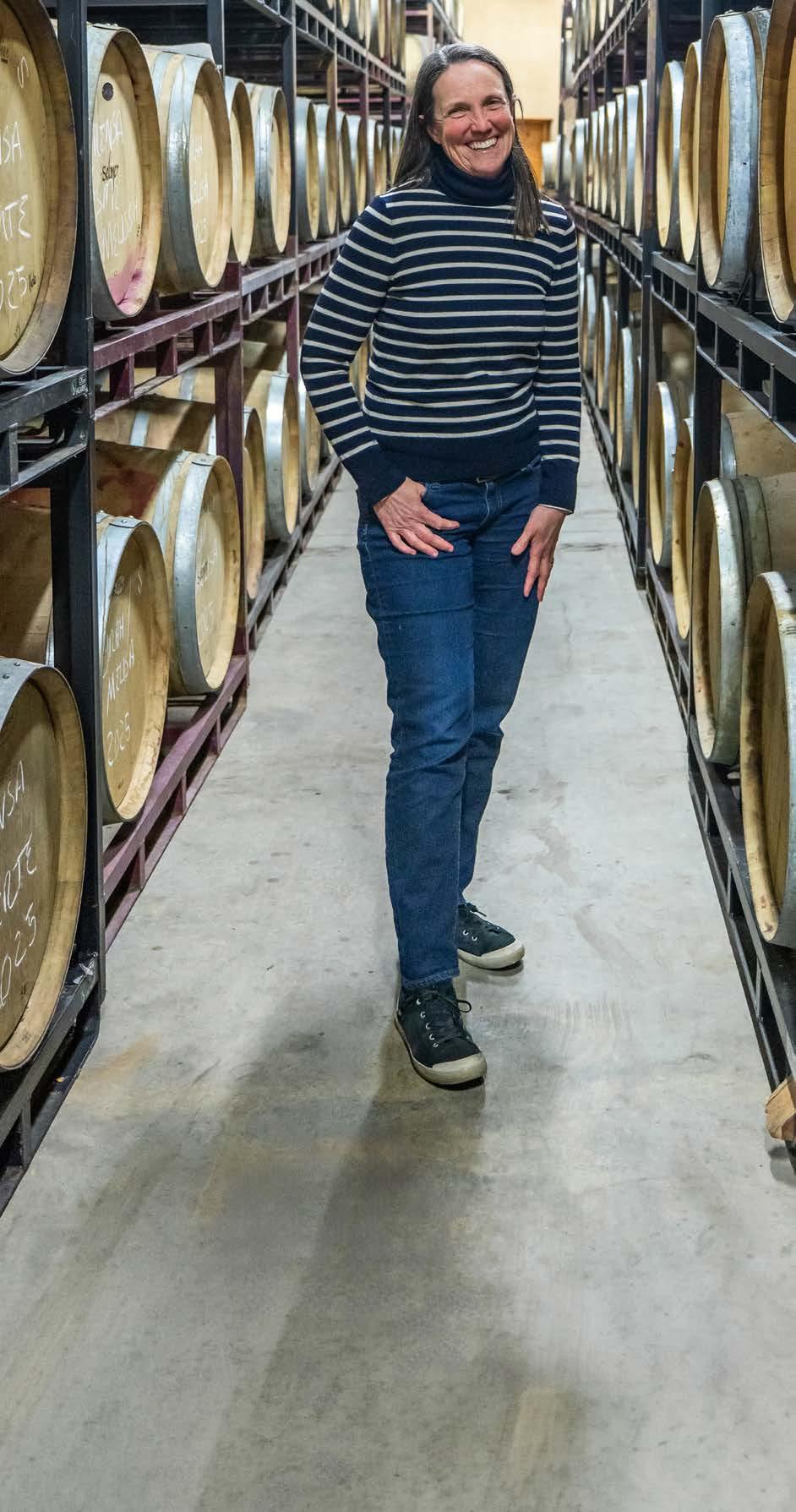
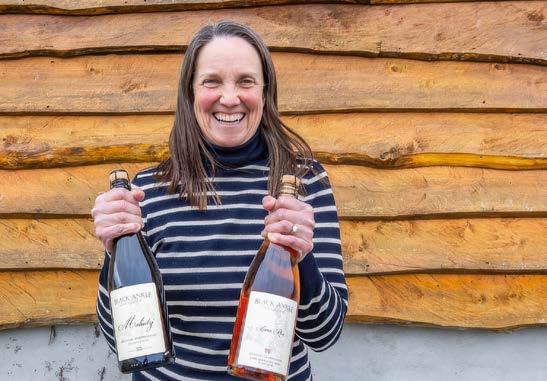
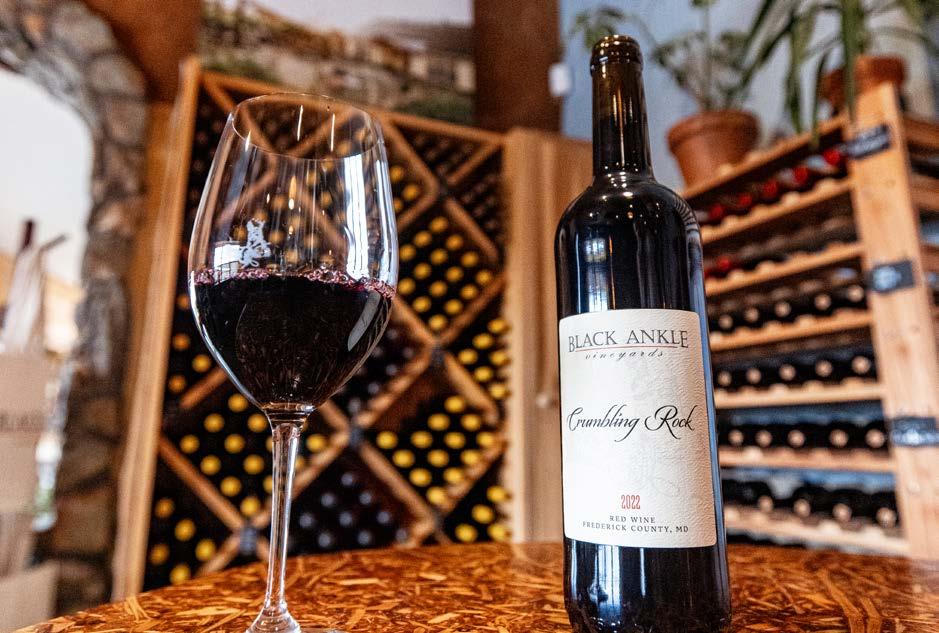
In the rolling hills of Mount Airy, Maryland, Black Ankle Vineyards stands as a testament to vision, resilience, and the evolving role of women in agriculture. What began as a bold leap into an unfamiliar sector has grown into one of Maryland’s most recognized wineries, driven by Sarah O’Herron and husband, Ed Boyce’s leadership, creativity, and determination.
From the beginning, Black Ankle was established as an estate winery, meaning every bottle reflects grapes grown, harvested, and crafted on their own land. That commitment to full-circle production remains central to their identity today.
When Sarah and her husband set out to build the vineyard, they weren’t following a generational blueprint. Instead, they built their business from the ground up, guided by a belief that Maryland’s landscape could produce world-class wines. Their approach was intentional, carefully matching grape varieties to specific soils, prioritizing sustainability, and designing a winery that reflects both environmental stewardship and craftsmanship.
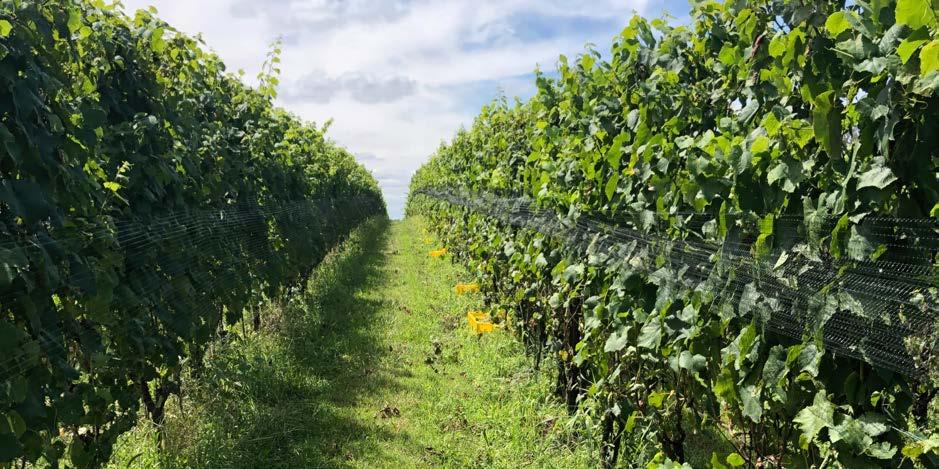
That intentionality starts at the vine by combining European grape varieties with rootstock adapted to Maryland’s soils and climate. This approach allows the vineyard to grow traditional grapes while ensuring they perform well in local conditions. It’s a balance of heritage and function, rooted in both science and patience.
For Sarah, being a woman in agriculture is inseparable from being a parent. “For me, it’s very much being a parent in ag,” she explains. “It’s about integrating life into the journey.” During the vineyard’s earliest days, that integration was literal. While construction was underway, the family lived the reality of building something from nothing, raising five children alongside a growing business.
Sarah recalls staying in a tent on the property while working long days establishing the vineyard. When their son was just 11 months old, she balanced vineyard work with motherhood, often relying on family support to keep everything moving forward. In 2006, the vineyard celebrated its first “official” grape harvest and a year later, their youngest child was born — a milestone that captures the parallel growth of both family and farm.
Today, those early experiences have shaped not only the vineyard, but the next generation. Each of their now young-adult children have pursued their own path, many still connected to the business in unique ways — from developing an inventory management app to assisting with tastings and social media. The vineyard reflects that same blend of tradition, innovation, and personal investment.
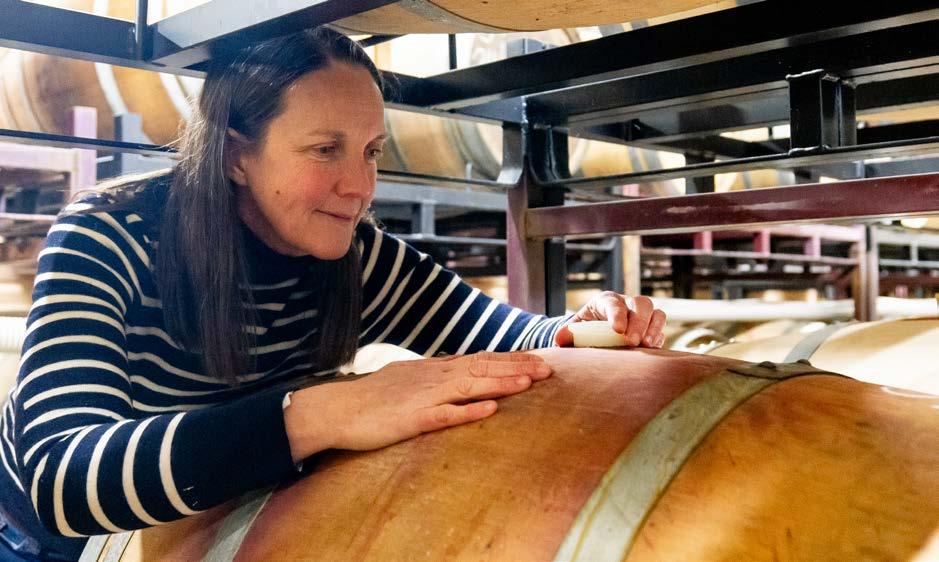
Sarah’s role within the operation is expansive as she leads the winemaking process and oversees the financial side of the business,
Mount Airy, MD
while Ed manages vineyard operations. Together, they’ve built a system that balances artistry with practicality, something Sarah says is both rewarding and challenging. “There are no two days alike,” she says.
Since Black Ankle’s early days, the business has continued to evolve. A 7,000-square-foot straw-insulated storage barn marked a step forward in sustainable infrastructure, while expanded patio seating and shaded areas enhanced the visitor experience during a time when outdoor spaces became increasingly important.
Growth has extended beyond the original vineyard. They’re now preparing multiple locations, including two in Montgomery and one in Carroll counties. Among these are Live Edge Vineyards and Tortuga, both in Clarksburg, and a Westminster site named Rinehart. Live Edge is predicted to open in 2027, offering visitors a natural atmosphere of a forestry setting.
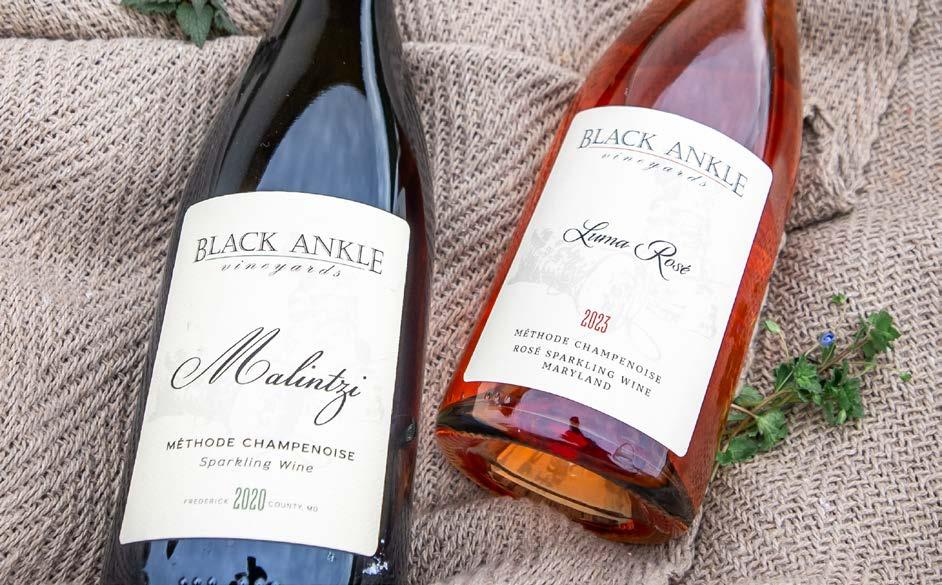
Across their operations, they now farm more than 100 acres, cultivating 18 grape varieties and producing approximately 35 wines. These wines range from carefully blended selections to aged varietals, each reflecting the diversity of the region.
“For me, it’s very much being a parent in ag. It’s about integrating life into the journey.”
— Sarah O’Herron
Paige Hargett, Ag Lending Manager with Farm Credit, describes the vineyard as consistently impressive. “They’ve always been dedicated, regenerative, responsible,” she says. Paige notes that the vision for Live Edge Vineyards stands out as a significant next step, and she is struck by both the setting and the execution. “The work they’ve done there, from the vineyard to the production facility, and their vision for the tasting room, speaks to the overall exquisite brand they continue to build,” she shares.
Their partnership with Farm Credit has supported both growth and adaptability. As one of the first operations of its kind in the county, Black Ankle has also helped educate others on the unique financial structure of vineyards, where inventory ages rather than turns quickly, and long-term planning is essential. Looking ahead, the focus remains on refining and expanding what they’ve built, continuing to match the right vines to the right soils, exploring new products, and strengthening each location’s identity.
At its core, Black Ankle Vineyards is more than a winery — it’s a story of perseverance, family, and innovation. And, at the heart is a woman in agriculture whose ability to balance motherhood, management, and winemaking has shaped not only a successful business, but a lasting legacy in Maryland agriculture.

Rooted in LeadingAgriculture, with Purpose
HOW REAL-WORLD AG EXPERIENCE IMPACTS THE WAY WE SERVE OUR CUSTOMERS
Women throughout Farm Credit strengthen agriculture every day — both as farmers and Association employees. In recognition of the International Year of the Woman Farmer, this feature spotlights a few of our employees whose firsthand experience in agriculture shapes how they lead, support you — our customers — and help rural communities thrive. Their stories explore how the journey of being both a farmer and a Farm Credit employee informs their leadership — on the farm, in the office, and beyond.
Deanna Husfelt Portfolio Manager
Kent County, Delaware
Beef Cattle, Hay, and Goats
Whether in the office or in the field, perseverance, perspective and purpose must be front of mind. There will be hard days and real challenges, but they are consistently surpassed by the good days and the meaningful opportunities that make the work worthwhile. Whether on the farm or in the office, I carry these lessons by staying focused, resilient, and committed to progress — putting one foot in front of the other, keeping eyes forward, and leading with determination toward the end goal.
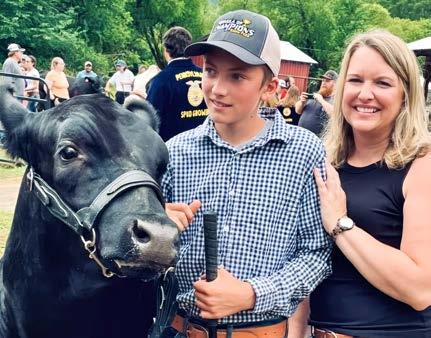
Amber Easton Ag Relationship Manager
Potter County, Pennsylvania
Production Beef and Field Crops
My experiences as both a farmer and a Farm Credit employee have shown me that effective leadership is built on passion and persistence. Whether in the field or office, success depends on strong problem-solving skills and the creativity to adapt when plans change. Success rarely seems to be the result of a perfect plan; but instead, the ability to navigate the unexpected well.

SVP, Credit Analysis
Juniata County, Pennsylvania
Dairy
Growing up on a farm and later marrying into a farm family, agriculture has always been central to my life. Through these experiences, I’ve learned the value of hard work, long-term planning, and staying adaptable when challenges arise. I’ve also learned to lead with empathy, recognizing that every person and situation is different. To me, leadership means doing what’s right, not what’s easy, while valuing relationships and staying grounded in what matters most — even during difficult seasons.
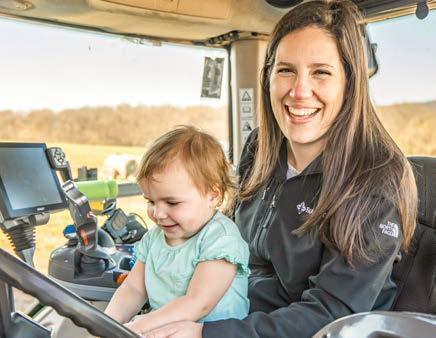
Emily Snyder
YBS Relationship Manager
Frederick County, Maryland
Dairy
There are so many traits that a good leader carries — listening, showing up, being honest and empathetic, and having self-awareness. Communicate, then communicate some more. Be resilient. Use your creativity. Be an expert. And don’t be afraid to be yourself. True leadership isn’t just telling people what to do. Whether on the farm or at Farm Credit, I’ve seen the true value of a team. It is critical to make your gratitude known — “Thank you” is one of my most used phrases!
Kristina McAllister

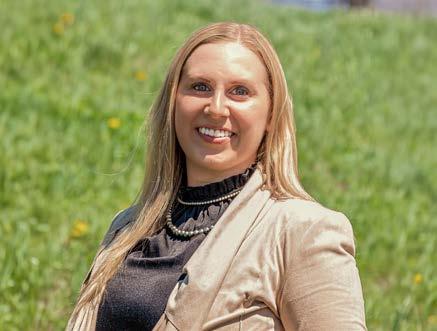
Molly Decker Ag Relationship Manager
Washington County, Pennsylvania Beef
Cattle
My journey as a farmer and Farm Credit employee has taught me that leadership is not in a title but the responsibility, perseverance, and trust
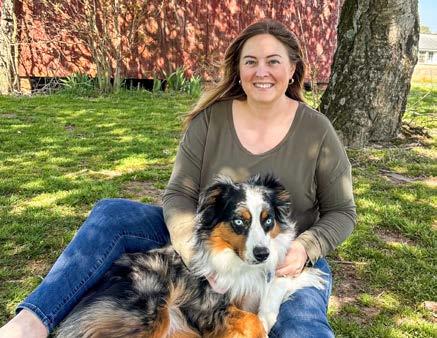
Cara Sylvester SVP, Loan Operations
Kent County, Delaware
Corn and Soybeans
Effective leadership starts with self-awareness and intentional decisionmaking. As a farm owner and a leader at Farm Credit, I lean into my strengths, know when to say yes, and when to say no. On the farm and in the office, my strengths are centered around data-driven decisions, strategy, and offering sound advice. Rather than trying to do everything, I’ve learned that leadership is most impactful when I focus on where I add the greatest value – evaluating risks, making informed decisions, and creating a path for long-term success.
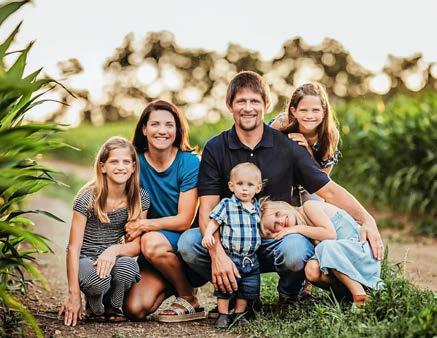
Megan Adams
Senior Ag Relationship Manager
Snyder County, Pennsylvania
Hog and Cattle Finishing
Growing up surrounded by agriculture, I always knew it was where I belonged. The long hours of hard work and dedication farming entails isn’t just a job for my family, it’s our lifestyle. When I sit at a farmer’s kitchen table as a Farm Credit lender, it comforts me and my borrowers to know similar discussions are had at my own kitchen table. I spend many mornings in the barn before I go to the office and somedays it’s truly a balancing act, but I wouldn’t have it any other way.
that comes with the roles both in the office and on the farm. Leadership on the farm can often mean making decisions with incomplete information or in tough situations that impact not only myself but others around me, my operation, and in most situations, my livestock. In the office, leadership is no different. Showing up for customers each day and continuing to build relationships goes a long way, especially in our farming community. Whether navigating a complex account or supporting a customer through a difficult year, I lean on my farming background to anticipate challenges and remain focused on our customers’ long-term success.
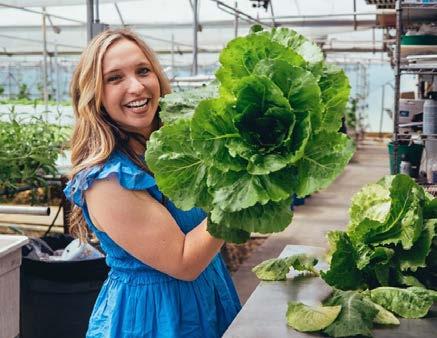
Rachel Eck
YBS Relationship Manager
Queen Anne’s County, Maryland
Poultry, Grain, Hogs, and Hydroponics
My longest — and most rewarding — journey has been as a farmer, helping grow and add value to a diversified family farming operation. Like many women in agriculture, I often wear many hats: cook, cleaner, gate holder, buddy-seat rider, or chauffeur. These roles, while sometimes behind the scenes, are essential to keeping agriculture moving forward and have shaped my understanding of what leadership truly looks like. I have learned that leadership is rooted in service, adaptability, and a willingness to show up — especially when the work goes unseen.
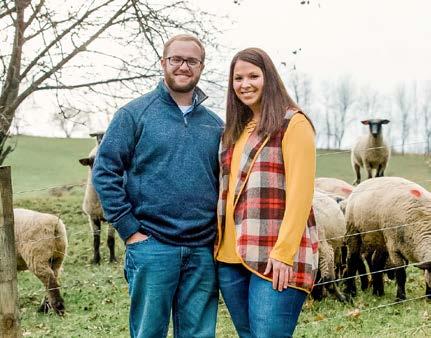
Sarah Grube
Home & Land Loan Officer
Somerset County, Pennsylvania
Club Lambs
As a farmer, I learned early on the value of hard work, dedication, and time management. That has flowed into my career now as a Farm Credit employee as those same core values are the focus of my career. The work ethic of a farmer mirrors directly the work ethic I have as an employee at Farm Credit. Just as my animals depend on me, our customers depend on me daily as well.

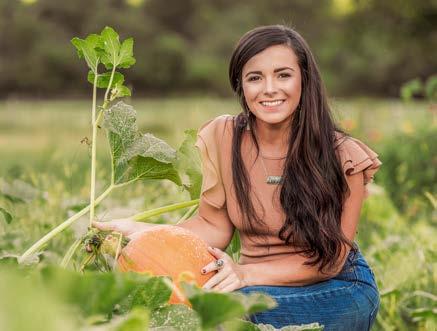
Oliva Boyd Home & Land Loan Officer
Berkley County, West Virginia Beef Cattle
My journey as a farmer and a Farm Credit employee has taught me that leadership is about responsibility, consistency, and showing up every day. In a show cattle operation, leadership means making daily decisions that affect animal care and long-term success, while staying adaptable and committed to doing things right. Those lessons carry directly into my work at Farm Credit, where listening, education, and trust are essential in helping producers and borrowers navigate important financial decisions. Being both a farmer and a Farm Credit employee allows me to bring real world perspective to my work, and I am proud to help strengthen agriculture, both in the field and behind a desk.
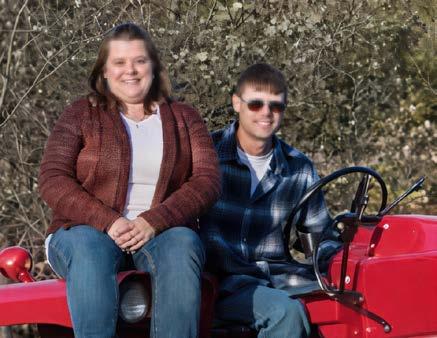
Mary Bixler Accounting Officer
Schuylkill County, Pennsylvania
Organic Crops and Poultry
By working on my family’s farm and at Farm Credit, it has helped me develop a stronger work ethic, gain good business management skills, and become an advocate for the agricultural industry. As a farmer, I see the struggles that we deal with on a daily basis, which allows me to relate to customers on a firsthand basis. My experiences helped me to cultivate my leadership and management skills, while also building meaningful relationships with individuals inside and outside of the agricultural community.
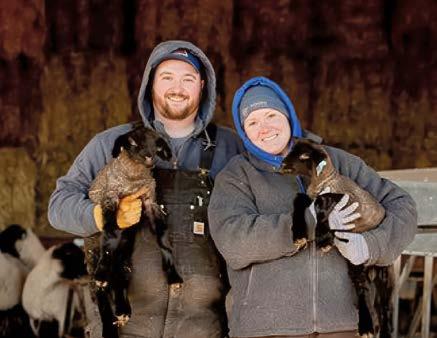
Justene MacCauley Ag Relationship Manager
Chester County, Pennsylvania
Sheep, Cattle, and Quarter Horses
There’s no greater opportunity than getting to raise livestock at home while also supporting the agriculture community and industry professionally.
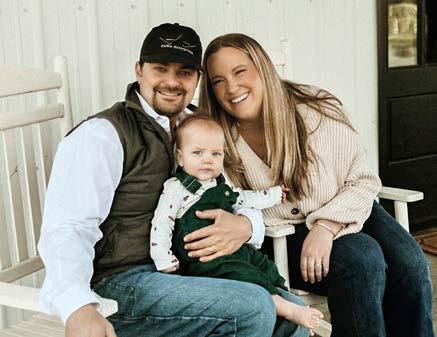
Sydney Kolega Marketing Specialist
Frederick County, Maryland
Beef Cattle
Being a farmer and a Farm Credit employee has taught me that effective leadership is built on ownership, communication, and accountability. On the farm, I’m responsible for my herd and their daily needs – making sure they are cared for, tracking breeding schedules, and staying ahead of key moments. That same sense of responsibility guides my work in the office, where I take ownership of my tasks, ensure team projects are completed on time, and follow through on commitments. Clear communication is critical in both roles, and leadership means being dependable, prepared, and fully invested in the success of those who rely on me.
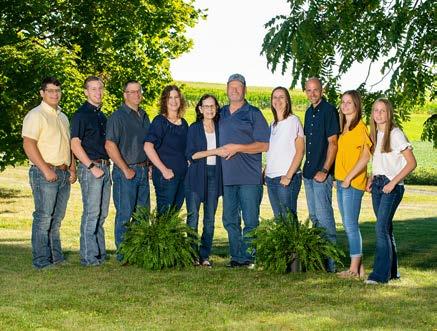
Shawn Frantz VP, Business Development
Snyder County, Pennsylvania
Hogs, Cattle, Crops, and Show Lambs
My experience has taught me that strong leadership rooted in clear, consistent communication is key. On the farm, success depends on everyone understanding expectations, timing, and goals. Having monthly farm meetings keeps us aligned and accountable to each other. Similarly, I have monthly check-ins with my Farm Credit team members which creates clarity, builds trust, and ensures teams stay focused on shared priorities. In both settings, intentional communication and consistent meetings help prevent misunderstandings, strengthen relationships, and drive longterm success.
Both my husband and I grew up on family farm operations. Having that foundation to bring to our own farm and into my professional relationships is what I believe allows me to connect with my customers. One of the biggest lessons in agriculture and life that I’ve gained from our animals and the team I get to work with is that we never stop learning something new. With this in mind, I strive to always ask questions and foster new ideas so that we can all continue to grow. Whether that’s trying something new at home or working with one of our customers through a challenge or new project, approaching every situation with that mindset allows me to continue growing and creating new paths for the future of ag.
2026 Scholarship Recipients
The Farm Credit Foundation for Agricultural Advancement is committed to ensuring a bright future for agriculture by investing in the next generation of industry leaders. Each year, the Foundation awards scholarships to high school seniors and students enrolled in two- or four-year higher education programs who plan to pursue careers in agriculture — from farmers to food scientists, veterinarians, agricultural educators, and more.
In 2026, the Foundation is awarding 47 scholarships totaling $397,500 to students throughout Horizon Farm Credit’s 100-county footprint. These scholarships help students turn their aspirations into reality and take meaningful steps toward their future careers. The names of this year’s scholarship recipients are listed below.
This year's scholarship application opens in September. To learn more about the Farm Credit Foundation for Agricultural Advancement, visit FCFoundationForAg.org.
DELAWARE
Ethan Fink Middletown, DE
Kassidy Hearn
Mason Jewell

Laurel, DE
Hartly, DE
Avery Kerrick Greenwood, DE
Brock O’Day
Anya Phillips
MARYLAND
Natalie Davis
Elizabeth Green
Gannon Hackler
Elizabeth Johnson
Ashlynn Kidwell
Lily Luther
Nathan Myers
Hailey Pleasants
Helen Quill
Lilliana Sonpar
Claire Superczynski
Jonathan VanBuskirk
Elijah Weddle
Noah Weddle
PENNSYLVANIA
Brooke Beamesderfer
Cecily Bell
Michael Berger
Madison Beutman
Seaford, DE
Ellendale, DE
Woodbine, MD
New Windsor, MD
Hampstead, MD
Denton, MD
Sykesville, MD
Damascus, MD
Union Bridge, MD
Ijamsville, MD
Highland, MD
Ellicott City, MD
Sykesville, MD
Bel Air, MD
Hagerstown, MD
Hagerstown, MD
Haylee Bill
Chloe Bomgardner
Pyper Button
Charles Colvin
Emma Copenhaver
Adrian Davis
Allison Emanuel
Chelsea Empet
Lane Fordyce
Darcy Heltzel
Lily Hess
Molly Hohmann
Georgia Horosky
Smithfield, PA
Jonestown, PA
Tioga, PA
Malvern, PA
Lebanon, PA
Mercersburg, PA
Laurys Station, PA
Kingsley, PA
Indiana, PA
Martinsburg, PA
Millerton, PA
Volant, PA
St. Peters, PA
Morgan Kimmel
Nathan Lesh
Cohen Miller
Madison Mowrer
Sarah Nafziger
Abby Nissley
Megan Schaeffer
Benjamin Torrey
Julia Weaver .
Lennie Wilson .
. . Home, PA
. Millerstown, PA
Marietta, PA
. .Petersburg, PA
. Mohnton, PA
Middletown, PA
Oley, PA
. Genesee, PA
. Harrisburg, PA
Tionesta, PA
. . Annville, PA
Bradford, PA
Weatherly, PA
Alum Bank, PA

Designed to Make Life Easier
Your business relies on financial tools that work as hard as you do. With fraud on the rise, safeguarding your payments and documents isn’t optional, it’s essential.
Our secure digital solutions, including AutoDraft, Digital Banking, FastCash, and DocuSign, give you smarter ways to manage everything from payments to paperwork. Each tool is designed to streamline your work while adding layers of protection, so you can stay focused on what matters most — running your operation with confidence.
Call our team at 888.339.3334 to learn how our digital tools can help safeguard your operation and simplify your financial management.

Support Your Growth
Agriculture is always evolving. As your trusted financial partner, Farm Credit is here to support your growth, no matter how your operation changes.
The Farm Credit Knowledge Center — formerly the Member Portal — gives you exclusive access to practical, easy-to-use resources designed to help you make informed business decisions, save time, and plan for the future.
Log in to explore articles, videos, how-to guides, worksheets, calculators, templates, and more curated specifically for agriculture and agribusiness management. You'll also find practical resources covering agriculture, commodities, business management, farm transition planning, and realtime news, markets, and weather all in one easy-to-use platform.
Log in at horizonfc.com/portal or scan the QR code to get started.

Choose the event that’s most convenient for you and find more details about each event at horizonfc.com/summer. One Farm Credit Day event registration per family.

Register by Friday, June 5 at horizonfc.com/summer or call us at 888.339.3334. Join us for some summer fun at our Farm Credit Days!
Tuesday, June 16: Frederick Keys Baseball Game, Frederick, MD
Thursday, June 18: Waldameer & Water World, Erie, PA
Wednesday, June 24: Lancaster Stormers Baseball Game, Lancaster, PA
Thursday, June 25: DelGrosso’s Park & Laguna Splash, Tipton, PA
Friday, June 26: Knoebels Amusement Park, Elysburg, PA
Wednesday, July 29: DE State Fair, Harrington, DE