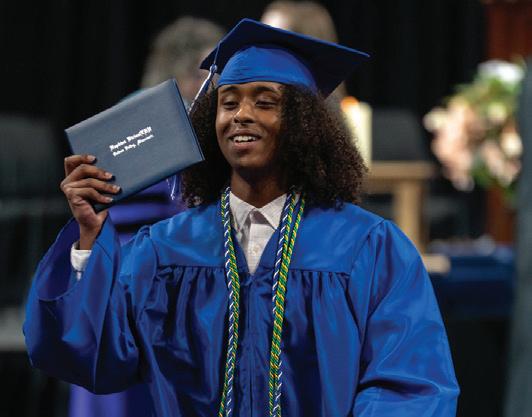
Hopkins Public Schools closed the 2024-25 school year with a graduation rate of 86%, up from 84.6% the year before and above the Minnesota state average of 84.9%. The increase reflects the dedication of students, families, and staff committed to ensuring every learner reaches the finish line.
Two Hopkins teachers named Minnesota Teacher of the Year finalists
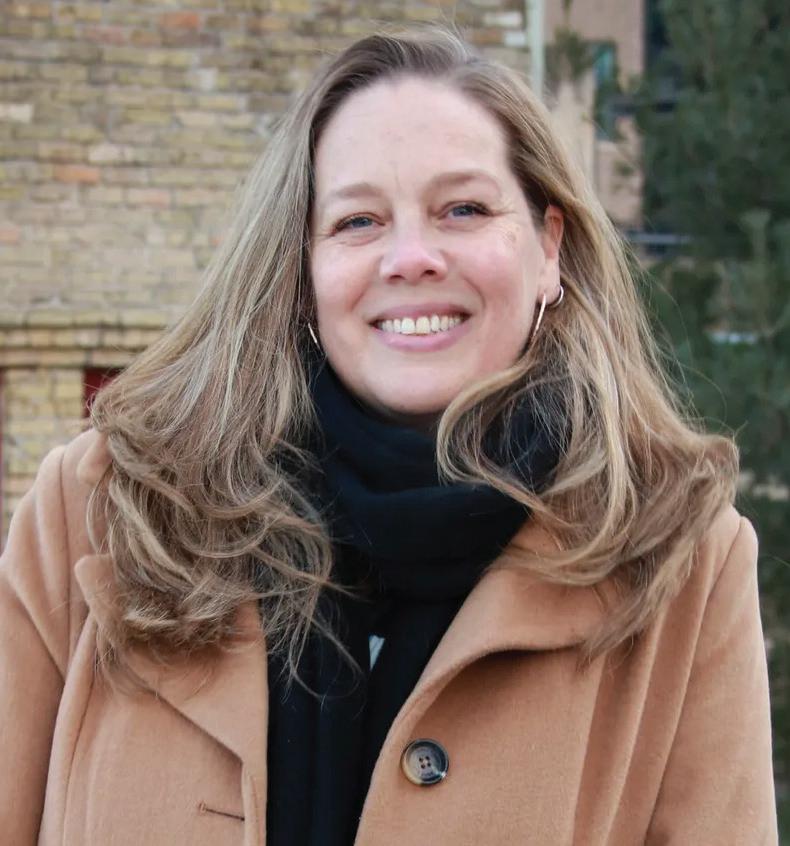
Hopkins Public Schools is proud to announce that two Hopkins teachers are finalists for the 2026 Minnesota Teacher of the Year award — Amy Phung, a kindergarten teacher at Meadowbrook Elementary (left), and Sher Unruh-Friesen, a COMPASS special education teacher at Glen Lake Elementary (right). We are proud of these outstanding educators and the care they bring to their students every day. The winner will be announced on May 3.
Hopkins Schools puts $140 million bond to work
Taxpayers approved a $140 million bond referendum in November’s election that will allow Hopkins Public Schools to modernize and improve school facilities across the district. That vote of confidence set significant changes in motion, and the work is now underway.
Phase I focuses on four buildings: Hopkins High School, North Middle School, Gatewood Elementary, and Eisenhower Elementary. Planning and design work is already in motion. Schematic design was completed earlier this year, establishing general floor plans and the overall approach for each project. Design development began in March, with a goal of finalizing specifications by November. Major construction on Phase I projects is expected to begin in early 2027 and wrap up later that year, with some larger builds extending into 2028.
Including student and community voice
As designs for new spaces take shape, the people who know these buildings best are helping to determine what they become. Design Advisory Teams, made up of teachers, support staff, building leadership, and students who use the spaces every day, work directly with project architects to offer practical guidance and ground the process in school needs.
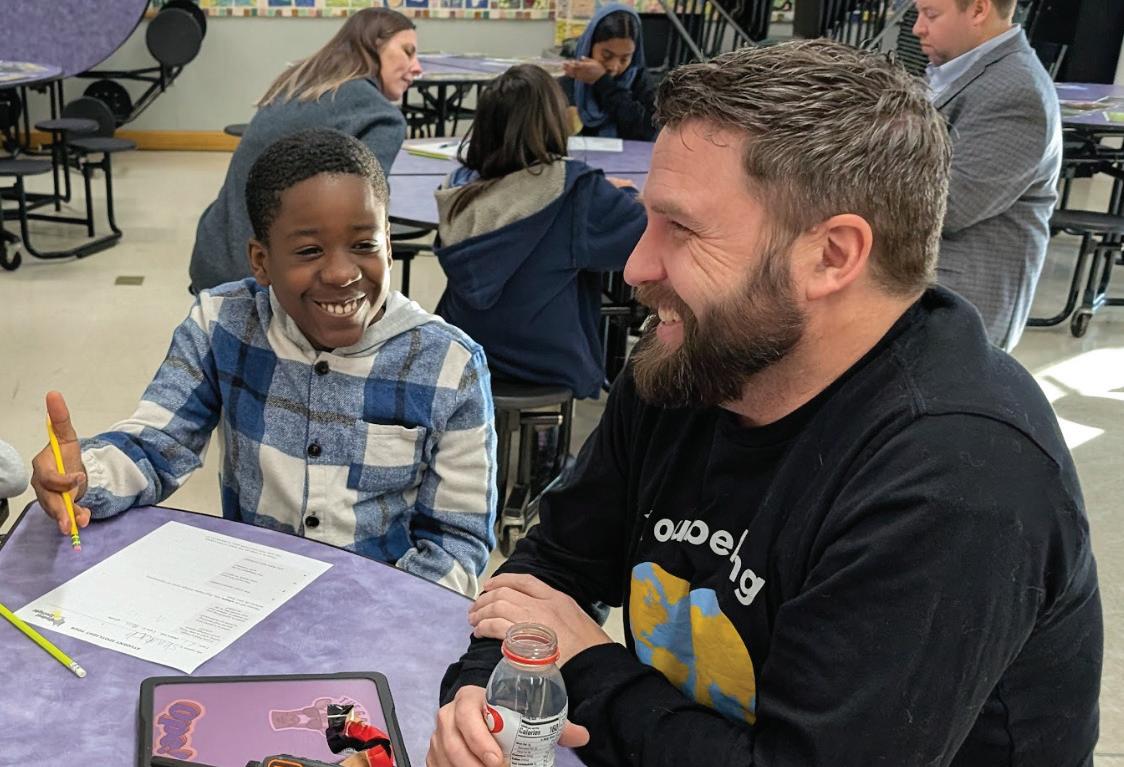
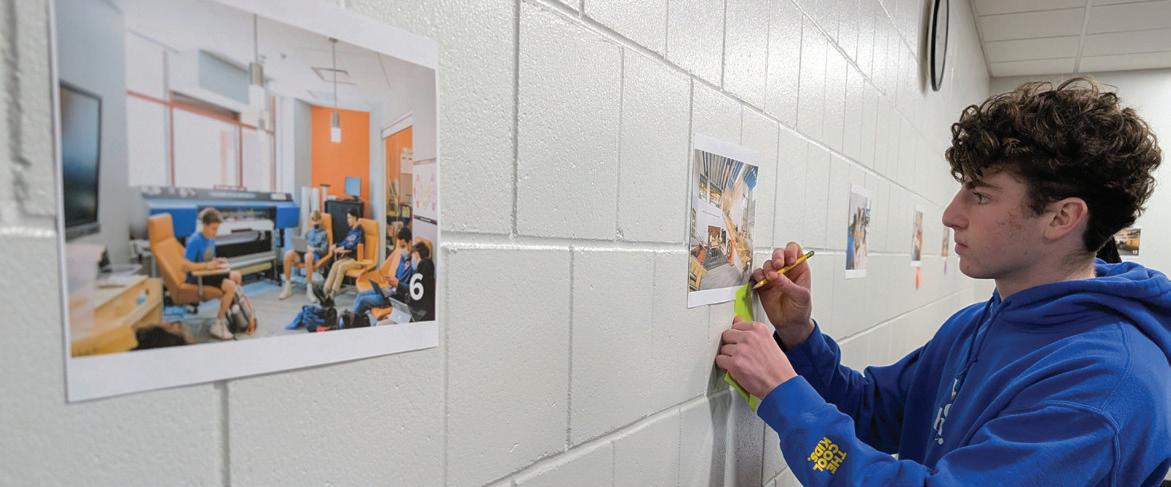
Student voice has been an important part of the process, too. High school students participated in a gallery walk, reviewing design concepts and sharing what ideas they liked and disliked. Elementary students were asked questions like, “If you had a magic wand, what is one thing you'd change about your school?” and “What part of your school do you love and why do you love it?”
In other words, the design process is shaped not just by blueprints and budgets, but by the voices of the people who will learn and work in these spaces for years to come.
North Middle School: Spaces that meet students where they are
The work planned at North Middle School is designed with one question at the center: what does it mean for a middle schooler to feel truly seen at school?
For sixth graders, the transition into middle school is about far more than academics. The social-emotional side of learning shapes everything else. Principal Julius Eromosele said their Pathfinder Project addresses both dimensions at once. A Pathfinder Project is a targeted update to a small part of a school, transforming it into a space that better supports collaboration, engagement, and modern teaching and learning.
Hopkins Schools puts $140 million bond to work, inside
Mainstreet Day
Arts & Craft Fair
9 a.m. - 4 p.m., May 16
Downtown Hopkins
Now hosted by Hopkins Education Foundation (HEF), this growing event welcomes more than 200 vendors offering arts and crafts.
Hopkins High School Commencement
12 p.m., June 10
Roy Wilkins Auditorium Celebrate the Class of 2026 as they receive their diplomas. Tickets required. HopkinsSchools.org/Graduation
The Community’s Guide to the District Spring 2026
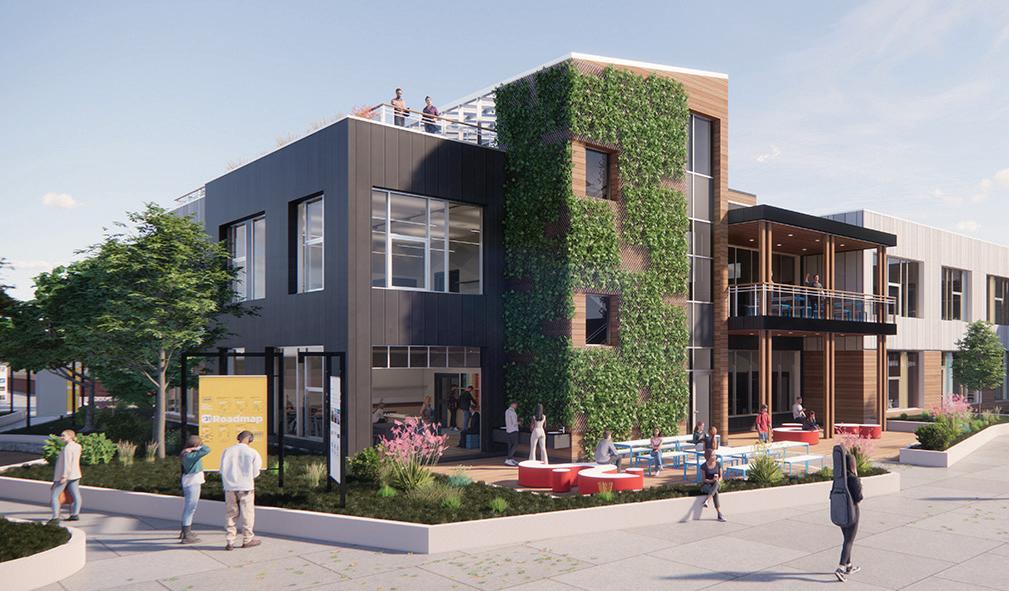
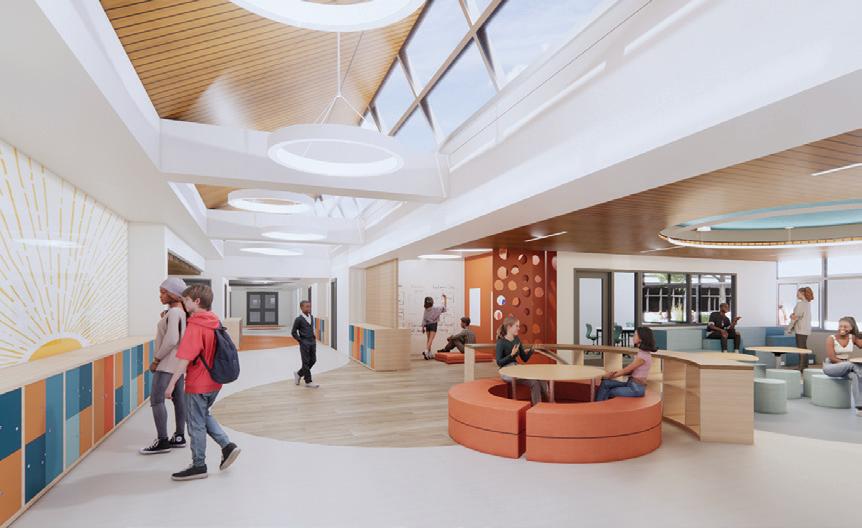
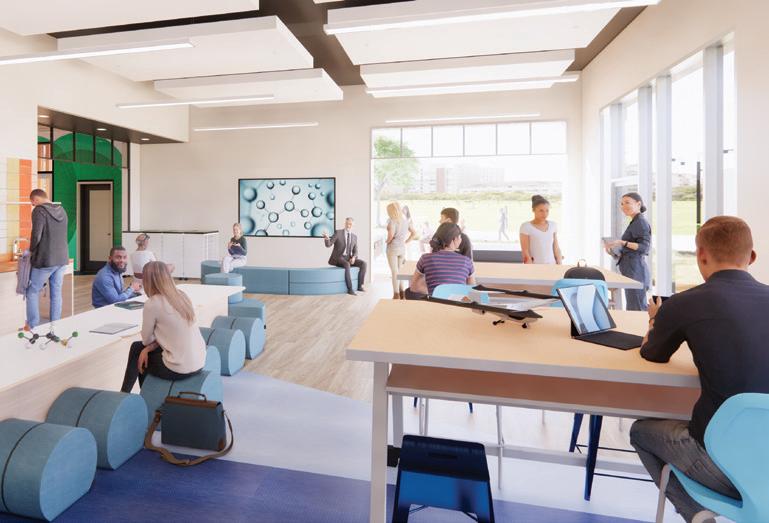
Left: A rendering of the reimagined Hopkins High School entrance. Right: Possible design for North Middle School's remodeled space.
Hopkins Schools puts $140 million bond to work, continued from cover “The nature of a sixth grader's learning is that social-emotional experiences are often directly linked to how they experience the academic space,” said Eromosele. “What the Pathfinder Project does is create an environment conducive to meeting the emotional and academic needs of any student on any day in any curriculum area.”
The physical changes at North reflect that belief. Flexible learning spaces that flow to the outside help to meet teachers and students where they are at and provide a space that fits the lesson of the day. Large windows will bring natural light into a currently windowless hallway. Nest and cave-like elements and calming rooms are designed to give students the ability to learn in the setting that works best for them.
North's staff has been working on interdisciplinary units that connect learning across subject areas, and Eromosele said the new building will bring that work to life. “The construction of the new space will allow for our curriculum planning across multiple subject areas to come alive in a space that is multifaceted, just like the learning,” he said.
Hopkins High School: Building for what’s next
The scope of work at Hopkins High School is one of the largest in Phase I and spans the next three years.
Some work is already underway. A new stadium scoreboard, new lights for the softball and soccer fields, and the multi-sport dome will all move forward this year, on an earlier timeline because these projects will not disrupt the school day or require the level of detailed design discussions that adding on to or remodeling part of a school does.
In 2027, the school's main entry will be completely revamped with a welcoming plaza, updated signage, fresh landscaping, and a secure vestibule connected to the main office. A larger addition beginning in 2027 and completing in 2028 will include a dedicated wing for a ninth grade experience to help ensure that new high school students are set up for success. The addition will include outdoor spaces and areas for large and small collaborative group work. Dean of Students Mitchell Schank said the variety of spaces is intentional. “It allows all types of learners to try different ways to express their learning,” he said. Remodeling will also update career and technical education spaces and create dedicated areas for music, recording, and digital media programs.
Eisenhower Elementary: Room to make music
Students at Eisenhower Elementary currently use a gymnasium within the Eisenhower Community Center. A new gymnasium addition will give them a dedicated space for physical education within the secure envelope of the elementary school.
The band and music rooms will also be remodeled, allowing all music programming to be co-located. The new suite will include proper instrument storage inside the band and orchestra room, keeping hallways clear and instruments safe. Acoustical treatments will improve sound quality during full band rehearsals, and the layout will bring instrumental and general music teachers into closer proximity.
Elementary Band Director Danielle Boor said the new space will make a real difference. “I will be excited to show my students the new space with lockers for everyone,” she said, “aesthetically, the music suite will be consistent in its design between the spaces and look a lot better.”
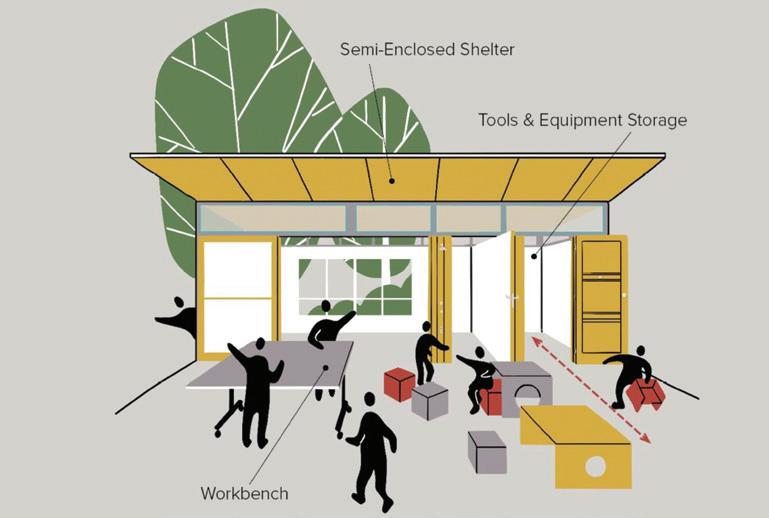
Gatewood Elementary: Outdoor learning gets a boost Gatewood Elementary has a focus on environmental education and outdoor learning, and the referendum projects are designed to strengthen that work. A new outdoor learning lab will include restrooms, storage, and a shade structure to support hands-on programming. The north playground will be remodeled with Americans with Disabilities Act (ADA)-compliant equipment. A six-foot fence will improve site security, and the entry will be reconfigured to improve sightlines and enhance safety.
More across the district
The next few years will bring visible, meaningful change to Hopkins school buildings. These are investments in more than just facilities. They are investments in the conditions that help students learn, grow, and feel at home in their schools.
These four Phase I projects represent only a portion of the work ahead. Phases II through IV extend construction through 2030, with additions or renovations planned at West Middle School, Alice Smith Elementary, Glen Lake Elementary, Meadowbrook Elementary, L.H. Tanglen Elementary, the former Katherine Curren Elementary building, and Harley Hopkins Family Center.
Districtwide, all sites will receive updated single-user restrooms with ADA-compliant fixtures and finishes, along with security upgrades including cameras, exit door alarms, updated locking hardware, and fire suppression systems.
More information about bond projects and timelines is available at HopkinsSchools.org/Referendum.
Left: A potential design for Gatewood's Outdoor Learning lab. Middle: A rendering of new space in Hopkins High School. Right: Students and staff participate in a Design Advisory
Students participate in a Design Advisory Team to shape the future of their school.
FROM FIRST WORDS TO GLOBAL FUTURES:
INSIDE HOPKINS’ XINXING CHINESE IMMERSION PROGRAM
Back in 2007, XinXing Academy started as a small kindergarten pilot. Today, it’s grown into one of the most established Mandarin immersion programs in Minnesota. What began as an innovative idea has become a full K–12 pathway that helps students build real fluency, confidence, and a global perspective.
This fall, that pathway will expand to include Hopkins’ youngest learners. The district is launching a Chinese immersion preschool program at Eisenhower Elementary, providing a strong early foundation in Chinese language and culture.
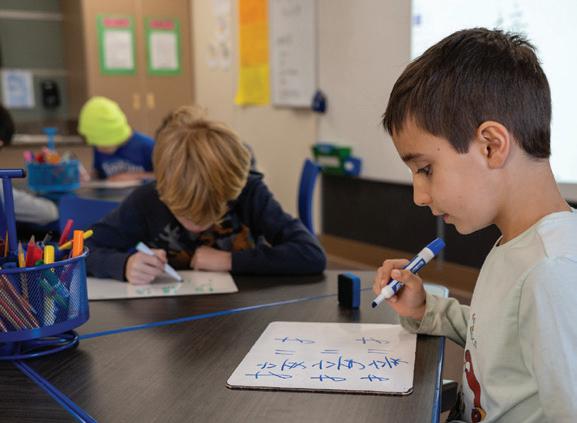
From the very beginning, students are immersed in Mandarin. In the early grades, core subjects are taught entirely in Chinese, which helps students develop strong language skills alongside critical thinking and problemsolving. By the end of kindergarten, students recognize more than 150 high-frequency Chinese characters. By first grade, they’re writing more than 125 — and reading dozens of books in Mandarin along the way.
And if you spend any time in a XinXing classroom, you can see the growth. By the end of fifth grade, nearly 89% of students are proficient in speaking Chinese.
That foundation continues through West Middle School and Hopkins High School, where students build on their biliteracy and cultural knowledge. Many take Advanced Placement Chinese as early as ninth grade, and students can earn up to 16 college credits before they graduate.
For families, the experience is just as meaningful.
“Before starting at XinXing, our family had no exposure to Chinese,” shared parents Anne and Colin Parrott. “Now, our kids are so proud of speaking a language we don’t even understand. It’s given them a real sense of ownership over their learning.”
Another parent, Brian Coffey, had similar questions early on. “It felt risky to trade time learning in English for a language he might never ‘need.’ But… it’s one of the best choices we’ve made. We catch our son speaking and writing in Chinese on his own all the time.”
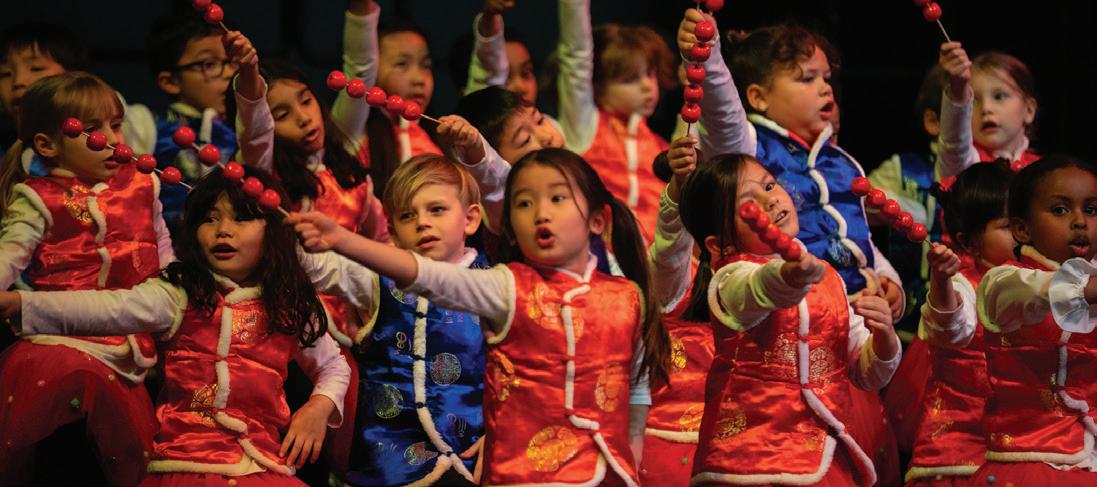
At the heart of XinXing are passionate, native-speaking teachers who bring both language and culture into the classroom every day. Students celebrate traditions like Lunar New Year and engage in learning that helps them better understand the world around them.
In Hopkins, learning Mandarin isn’t just about language. It’s about opening doors and giving students the confidence to walk through them.
DR. EMILY PALMER NAMED NEXT PRINCIPAL OF HOPKINS HIGH SCHOOL
Hopkins is proud to announce that Dr. Emily Lilja Palmer has been selected as the next principal of Hopkins High School. Dr. Palmer brings more than 30 years of experience teaching and leading in middle and high schools, a deep commitment to equity-driven leadership, and a proven record of shaping destination schools where all students thrive.
“I am thrilled to be joining the Hopkins community and look forward to being a part of the Hopkins High School team,” said Palmer. “As the mom of a HHS Class of 2021 graduate, I know I will be working with an excellent staff and a wonderful student community — one that our family chose for our daughter."
Since 2018, Dr. Palmer has served as principal at Washburn High School in Minneapolis where she led through the pandemic while increasing the graduation rate, expanded course offerings, and navigated multiple years of decreasing budgets while maintaining stable enrollment and staffing.
”Dr. Emily Palmer brings a depth and quality of experience that truly stood out to us, especially her current leadership of a comprehensive high school that shares many similarities with Hopkins," said Hopkins Superintendent Dr. Rhoda Mhiripiri-Reed.
Dr. Palmer will begin her role as Principal of Hopkins High School on July 1, 2026.
Dr. Emily Lilja Palmer Hopkins High School Principal
XinXing Chinese immersion students perform in annual Lunar New Year celebration.
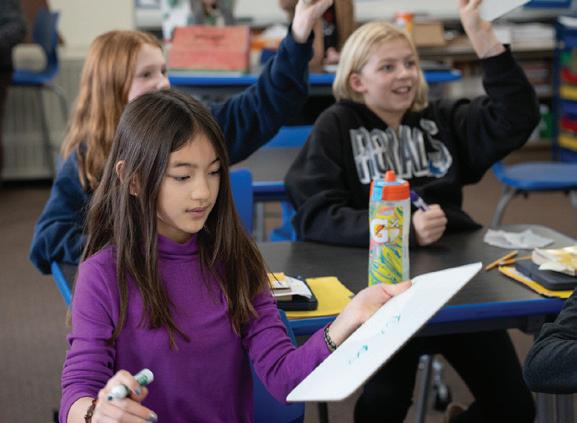
Left and Right: Chinese immersion students learning in the classroom.
IN CASE YOU MISSED IT
Can’t get enough Hopkins Public Schools news? Get daily updates from our Facebook, LinkedIn, and Instagram feeds. If you don’t already follow us, here’s a snapshot of what you’ve been missing.
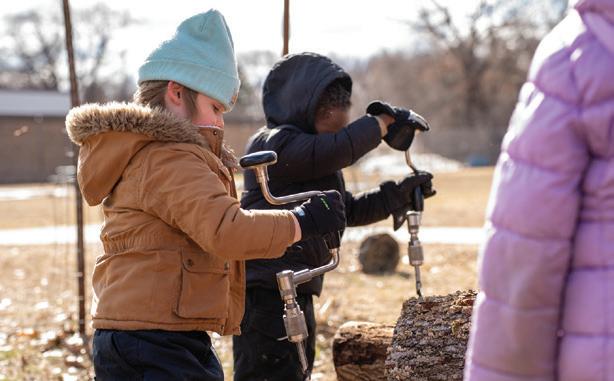
Gatewood Elementary students got a hands-on lesson in making maple syrup. As part of the school’s outdoor learning focus, students tapped maple trees and learned how sap becomes syrup.
Hopkins Public Schools
Orchestra music exchange
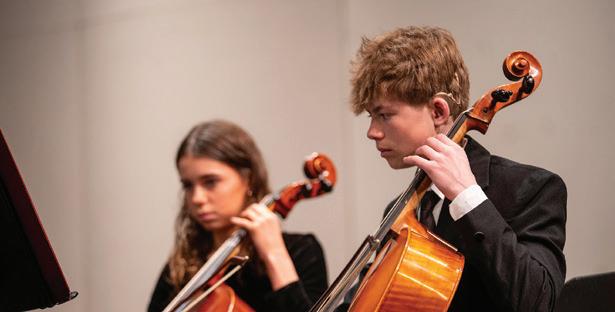
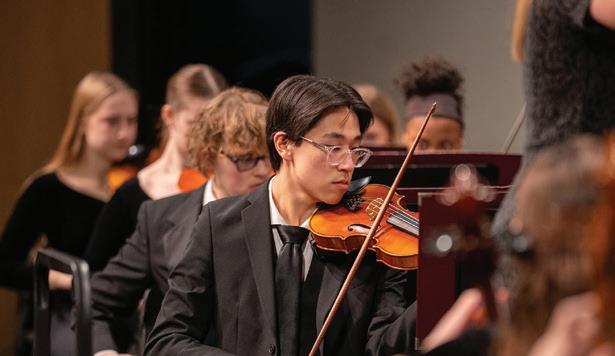
Hopkins hosted orchestra groups from several metro-area schools this week for a daytime music exchange. Students had the opportunity to perform the pieces they’ve been preparing and hear from other ensembles in the auditorium. Events like this provide a valuable chance to learn from one another, collaborate, and celebrate the work of student musicians.
Hopkins Public Schools
Royally Speaking Showcase
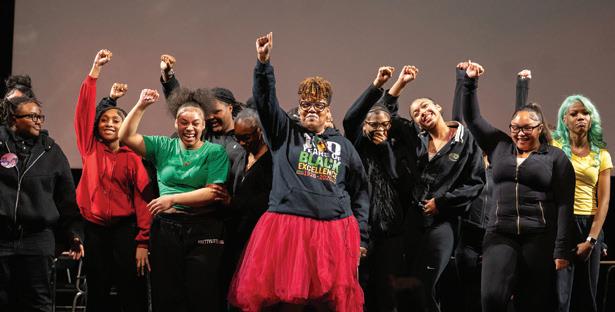
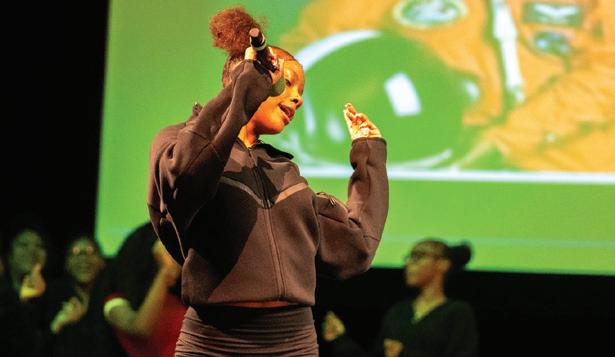
The annual Royally Speaking showcase lit up Hopkins High School with a vibrant celebration of culture, creativity, and talent. The evening featured spoken word, dance performances, music and presentations. Thank you to the scholars, staff and special guests who shared their gifts and made this celebration of Black history so impactful.
FROM SUPERINTENDENT DR. MHIRIPIRI-REED
A Note of Gratitude and Farewell
After nine long, rewarding, and often challenging years, I am writing to say thank you and farewell to the Hopkins Public Schools community. Serving as superintendent has been one of the great honors of my professional life. Together, we navigated moments of growth and moments of uncertainty. Present- day times certainly ask a lot of our students, staff, families, and community. Through it all, I have been continually inspired by the care people show for one another and for the future of our schools.
I have learned that leadership in a public school system is never about one person. It lives in classrooms, hallways, school offices, kitchens, buses, and meeting rooms. It shows up in teachers who refuse to give up on a student, in staff who hold schools together behind the scenes, in families who advocate fiercely for their children, and in students who show us every day what courage, curiosity, and resilience look like. Hopkins is strong because of the people who choose, again and again, to invest in one another.
In addition to all of the fun and good times we’ve had across our beloved Hopkins District, these nine years have not always been easy. We have faced complex challenges, hard conversations, and moments that tested trust and resolve. But I believe deeply that those moments mattered. They pushed us to listen more carefully, to ask better questions, and to prioritize our children, especially those who have not always been well served. I believe our District is better positioned for the future because of the collective effort, learning, and care so many people brought to this work.
As I step into my next chapter, I do so with gratitude and confidence in what lies ahead for Hopkins Public Schools. The strength of this district has always been defined by this community that bleeds Royal blue, cares deeply about young people, and consistently looks to the future. I leave as your superintendent, but will stay for four more years as a parent.
Thank you for the partnership we shared, and for allowing me to be part of this remarkable community. I will carry Hopkins with me everywhere I go.
Hopkins Schools
School Bus Driver Appreciation
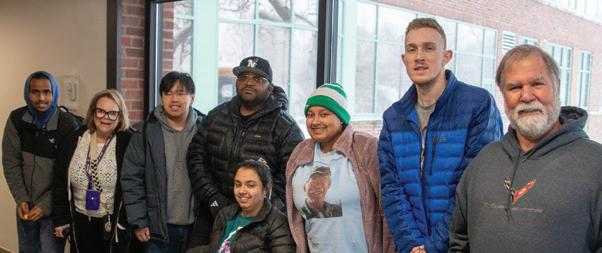
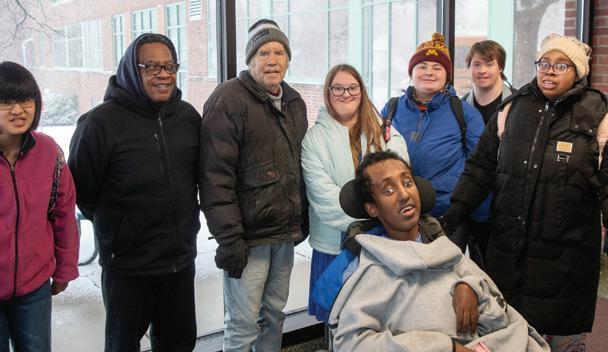
For School Bus Driver Appreciation Day, Transition Plus students took time to celebrate the amazing drivers who safely get them to and from school each day. Thank you to all of our school bus drivers for your care, dedication, and the important role you play in supporting our students and families!
With appreciation, Dr. Rhoda Mhiripiri-Reed, Parent of 2030 Future Grad!
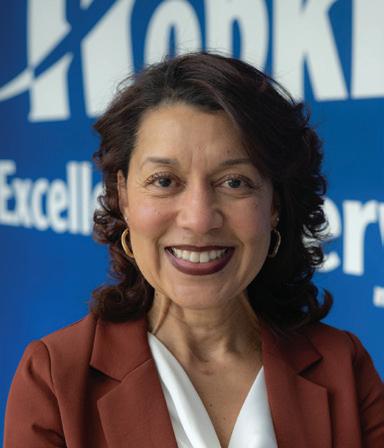
Dr. Rhoda Mhiripiri-Reed Superintendent
The Community’s Guide to the District Spring 2026
BUILDING WHAT COMES NEXT
Here’s how your investment is coming to life.
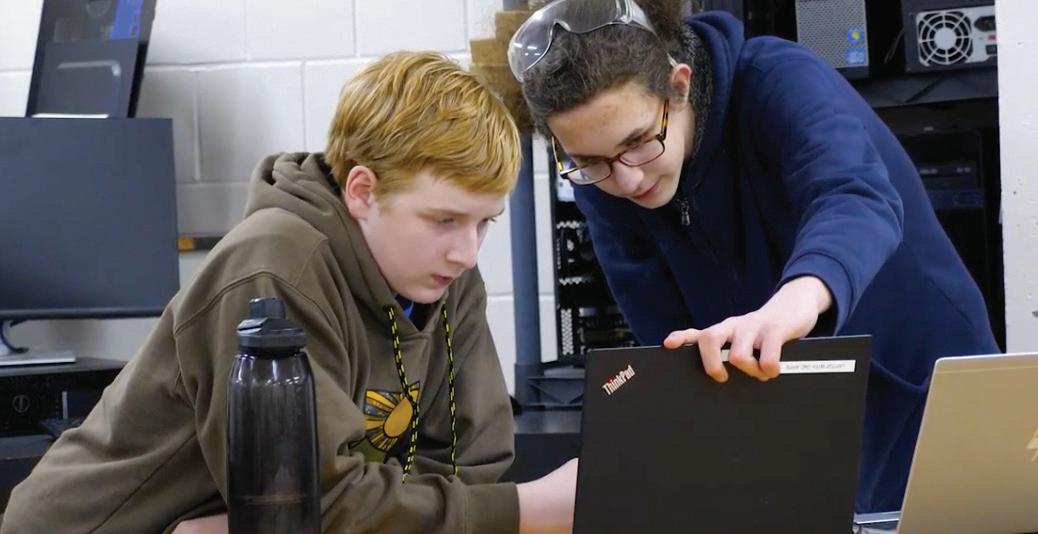
TEACHING STUDENTS TO USE AI THOUGHTFULLY
Artificial intelligence, or AI, refers to computer systems that can perform tasks that typically require human thinking. These tools are increasingly woven into everyday life, from the search engines we use to the apps on our phones, reshaping how people work, communicate, and solve problems. For students entering the workforce in the coming years, understanding how to use these tools effectively and ethically will be critical.
Hopkins Public Schools is working to ensure that every student is ready. The district has developed a clear, values-driven approach to AI in the classroom, guided by the district's SEE Model: Safe, Ethical, and Effective. Adapted from a framework developed by AI for Education, the SEE Model reflects Hopkins' commitment to grounding AI use in the district's values and learning goals. Rather than banning or ignoring AI tools, Hopkins has chosen a thoughtful middle path, helping students understand what AI can and cannot do, when to use it and when not to, and how to remain the author of their own thinking.
At the heart of this work is a recognition that the goal is not to police AI use but to build genuine skills. Students are taught to think critically about AIgenerated content, evaluate its accuracy, recognize its limitations, and take responsibility for the final product. They are also required to cite their use of AI, just as they would cite any other source.
To support consistent expectations across classrooms, Hopkins uses an AI Traffic Light Protocol, a practical framework that helps students understand when AI may support their learning (green light), when it can serve as a collaborative tool (yellow light), and when it should be set aside entirely (red light).
Hopkins reviews its AI guidance annually, staying current as the technology evolves rapidly and ensuring the district's approach reflects both best practices and the values at the core of Vision 2031.
The world our students will graduate into is already different from the one many of us grew up in. Hopkins is preparing them for it, with the critical thinking, ethical grounding, and practical skills to navigate whatever comes next.