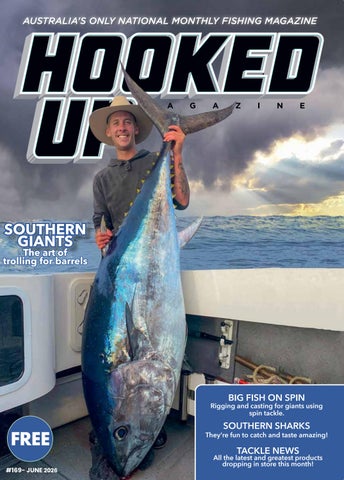
SOUTHERN GIANTS
The art of trolling for barrels
BIG
FISH ON SPIN
Rigging and casting for giants using spin tackle.
SOUTHERN SHARKS
They’re fun to catch and taste amazing!
TACKLE NEWS
All the latest and greatest products dropping in store this month!

The art of trolling for barrels
BIG
Rigging and casting for giants using spin tackle.
They’re fun to catch and taste amazing!
All the latest and greatest products dropping in store this month!
DAIWA anglers’ are always in pursuit of that next great moment. The moments that truly make us Feel Alive, whether it be the catch of a lifetime or spending time with the ones we care about most, we’re here for it all.
You will find out us out there on the water. We are all DAIWA.
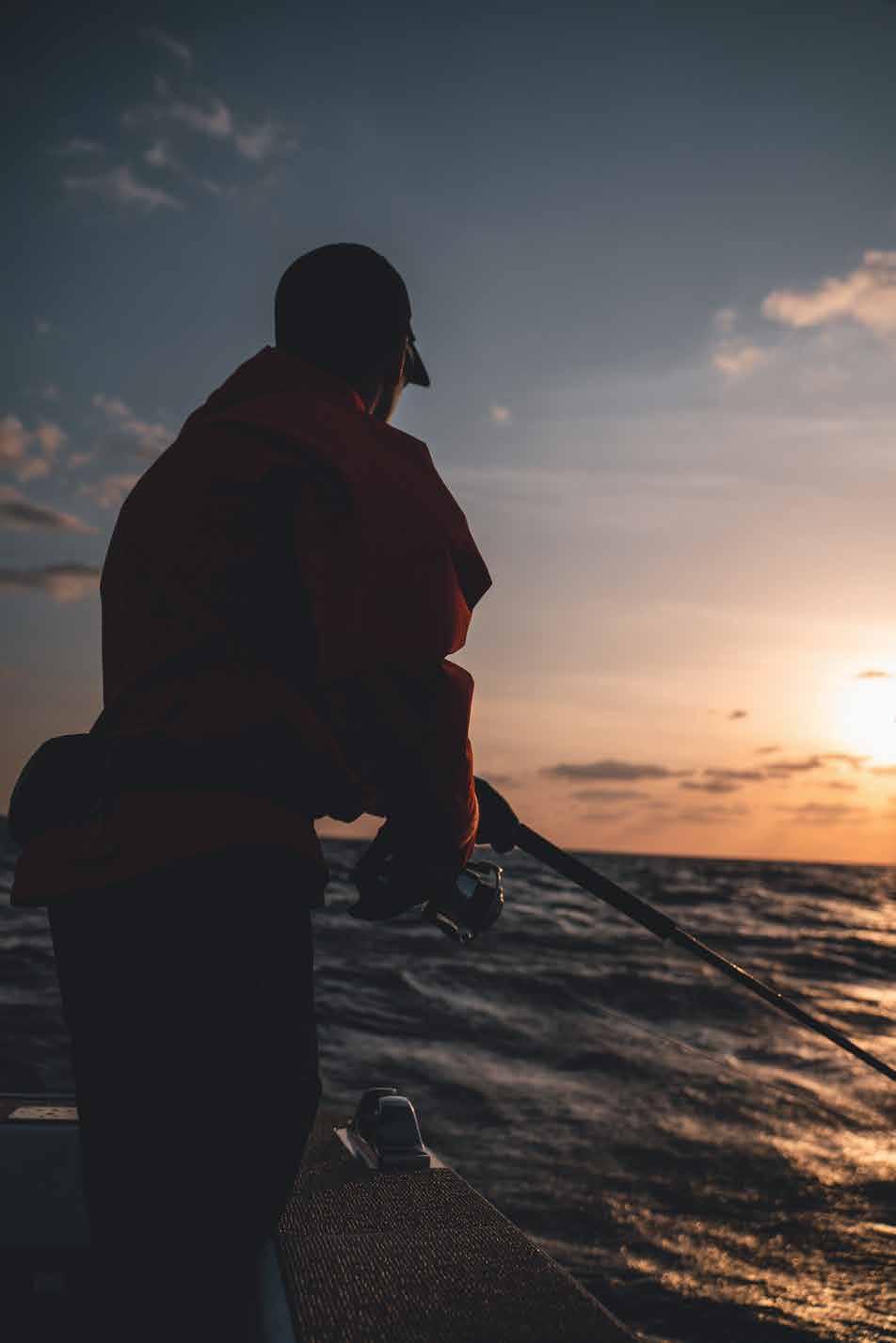
Winter cops a bad rap in fishing circles. Every year I hear anglers talk about packing the boat away, waiting for spring and writing off the colder months as a slow period. The reality couldn’t be further from the truth. Right around Australia, winter offers some of the most exciting and rewarding fishing of the year, and this issue is packed with stories that prove exactly that.
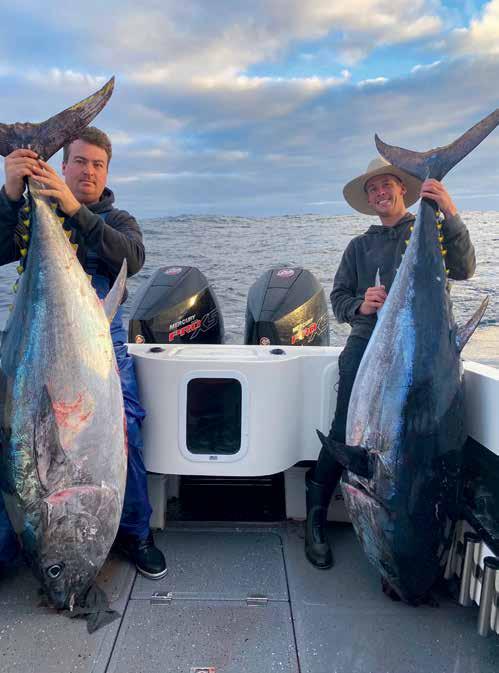
Our cover story focuses on one of the most sought-after winter targets in the country – southern bluefin tuna. These incredible fish have become increasingly accessible to trailer boat anglers, but consistently finding success on barrels still requires planning, preparation and a good understanding of the fish. If you’ve ever dreamed of tangling with a tuna that can test both your tackle and your stamina, this feature will help point you in the right direction.
Setting up a heavy tackle spin outfit? We break down the tackle, techniques and setup considerations that will help you get the most from your heavy spin outfits.
For anglers who enjoy a different kind of challenge, our southern sharks feature explores one of Australia’s most underrated winter fisheries. From school sharks through to larger gummy sharks and other species, winter can provide some exceptional shark fishing opportunities. We look at the gear, locations and tactics that will improve your chances of success.
No matter where you fish around Australia, winter is far from a season to sit at home waiting for warmer weather. There’s plenty happening on the water right now, and hopefully the stories in this issue inspire you to rug up, launch the boat and make the most of it.
Be excellent to each other. .
Kosta Linardos Editor In Chief
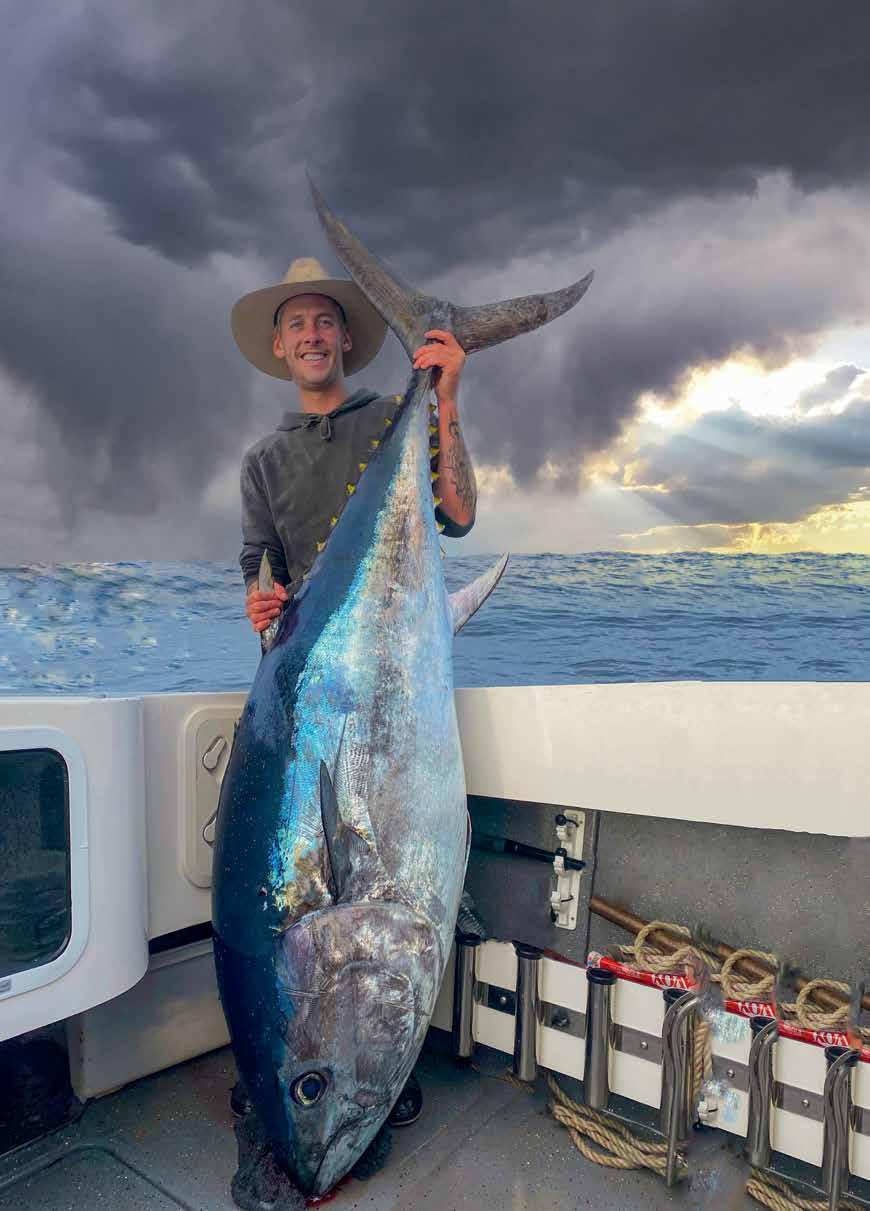
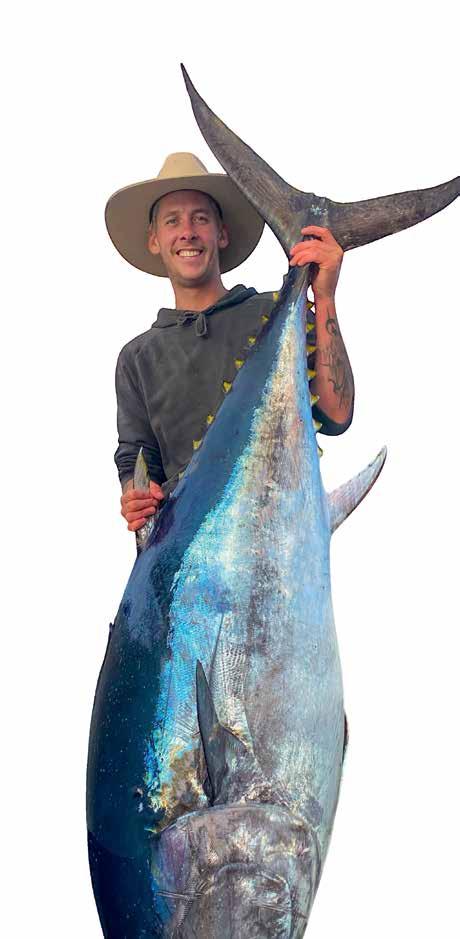
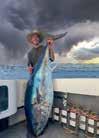
Dean Linardos, Jamie Crawford, Sam Gilchrist, Aidan Fisher, Eddie Fisher, Jonah Yick ADVERTISING info@hookedup.com.au ON THE COVER: Aiden Fischer with a barrel southern bluefin tuna.
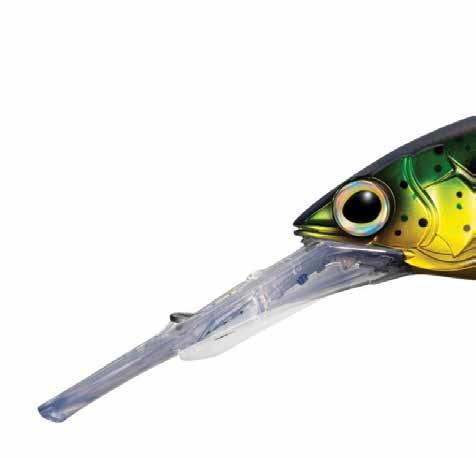

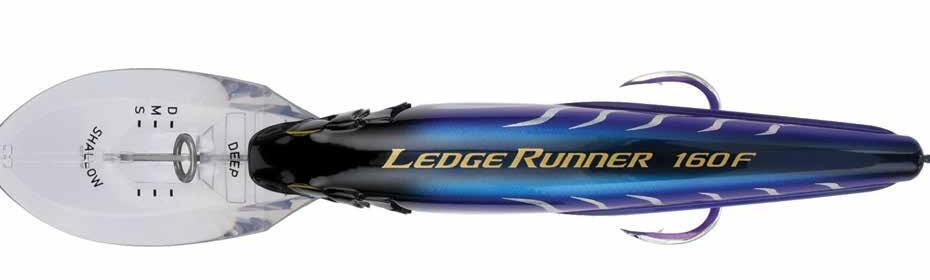
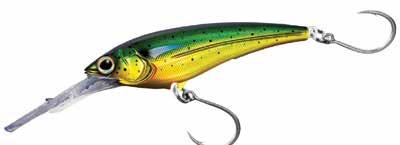
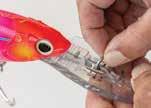
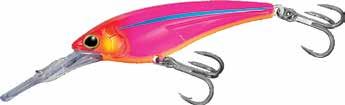
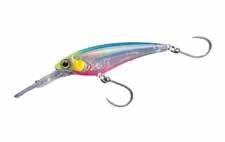

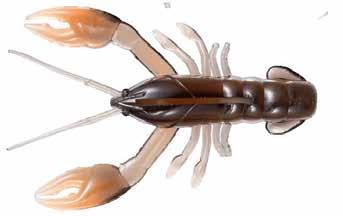
The Nikko Craw features an ultra-realistic design with arched body angles and a wide claw stance that mimics a vulnerable defensive posture. A slit along the top allows for easy rigging with a range of offset hooks, making it ideal for weedless presentations around structure and heavy cover. Made from Nikko’s proprietary floating material, it is extremely durable and holds hooks securely, lasting significantly longer than traditional soft plastics. Infused with natural fish-attracting scent, the Nikko Craw is perfect for bream, torut, bass and estuary perch. Available in 2.4in and 3.2in sizes.
gladiatortackle.com.au
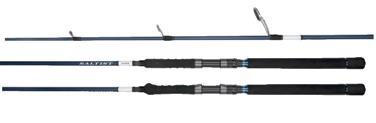
Daiwa’s Saltist Hyper series has earned a reputation for delivering outstanding value, and the new 2026 range takes performance to another level. Built on HVF Nanoplus and X45 blank technologies, the rods are lighter, stronger and more responsive, providing the sensitivity needed for lure fishing while maintaining the durability required for demanding saltwater applications. Selected two-piece models also feature Daiwa’s V-Joint technology for improved strength and seamless power transfer. New Complete Control Grips enhance comfort and control when fighting fish, while a diverse range of models ensures there is a Saltist Hyper suited to everything from tuna and reef species through to estuary and inshore predators.
daiwafishing.com.au
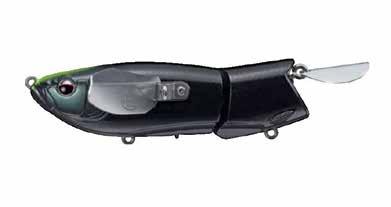
The Evergreen Otter Crawler is a unique topwater bait equipped with a dual-jointed body and a V-shaped metal blade that creates a distinctive "chattering" sound, attracting fish from a distance. Its unique wing design and concave body shape produce multi-directional water displacement, enhancing its presence in the water. The Otter Crawler performs well across a wide range of retrieve speeds, from slow to fast, making it versatile for different fishing conditions. It is ideal for use in areas with heavy cover and can be effective during both day and night fishing.
The Fishcraft Dr Flex 127mm raises the bar with a next-gen design built to last like nothing else on the water. Combining a soft plastic body with a topwater bent minnow profile, it delivers a truly natural finesse presentation. A tough, buoyant TPE body is moulded around a lightweight, flexible titanium backbone, creating an ultra-responsive lure with unmatched action and bite appeal. It blends the erratic surface and subsurface movement of a bent minnow with the natural “mouth feel” and translucency of soft plastic. Long casting and fitted with stainless split rings and razor-sharp light gauge hooks for excellent hook up rates. RRP $19.95 fishcraft.com.au

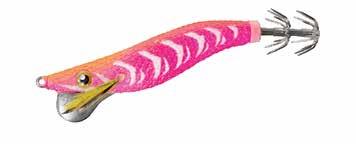
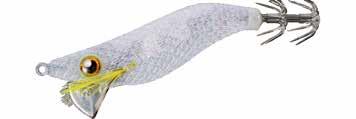
Designed for anglers targeting pressured squid in heavily fished waters, the new Shimano Sephia Sepy jigs combine long casting performance with a lifelike action that is difficult for calamari to ignore. Available in 1.8 and 2.2 sizes, the cloth-covered jigs feature predictable sink rates for precise depth control in a variety of conditions. Each model is fitted with Shimano’s proven FlashBoost suspended mirror system, creating subtle flashes even when the jig is stationary or worked slowly. With five colour options, including high-visibility UV-enhanced patterns, the Sephia Sepy range offers a versatile solution for serious eging enthusiasts.
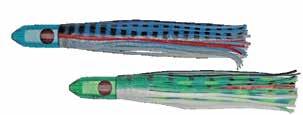
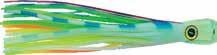
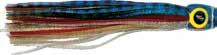
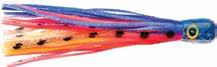
The Baja Jet is designed to tackle the southern bluefin barrel run and marlin season. Featuring a bullet-shaped head and four jet holes for an increased bubble trail, the Baja Jet excels at high-speed trolling. Ideal for barrel tuna, marlin, and other pelagics, these lures come in a range of head colours, including glow, tinted, and Kauri Shell designs. The UV-over skirt and McLures exclusive Luminite underskirt (which glows in the dark) make them stand out. With Red Crystal 3D Eyes and keel-weighted for perfect action, the Baja Jet measures 9.5in overall, 8in skirt, and weighs 100gm. Available in 12 colours.
finaticalfisherman.com.au
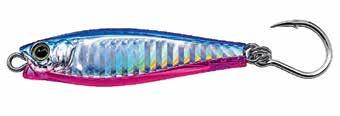
The Yo-Zuri Hydro Monster Shot 65mm is a compact sinking lure built for casting distance and versatility, featuring a single inline tail hook exclusive to this size. Weighing 25gm, it delivers a classic baitfish profile ideal for targeting tuna, mackerel, kingfish, tailor and salmon. Unlike a standard metal slug, the Monster Shot casts tail-first without tumbling and can be worked several ways. A steady retrieve produces a lazy swimming action, while allowing it to sink creates a horizontal flutter that is deadly when jigged with a stop-start retrieve. The inline hook improves fish release and angler safety. Available in six colours.
tacspo.com.au
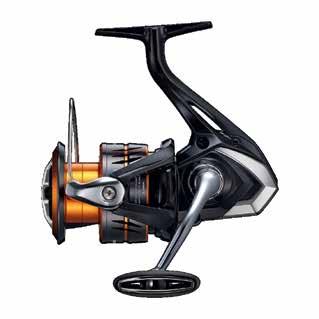
Shimano’s popular Nexave range has been updated with a host of premium technologies, delivering outstanding value for anglers chasing a reliable reel without the premium price tag. Available in sizes from 1000 through to C5000, the Nexave FJ is suited to both freshwater and saltwater applications. Features include Shimano’s Anti-Twist Fin technology to help reduce line loops and tangles, along with SilentDrive and G-Free Body technologies for smoother operation and improved balance. An anti-reverse switch also returns, providing a feature still favoured by many anglers. The result is a versatile, affordable spinning reel packed with proven Shimano innovation. shimanofish.com.au
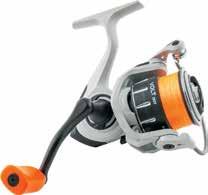
The Samaki Volt reel is an ideal choice for kids and beginner anglers looking for a simple, affordable setup that is ready to fish straight away. Supplied pre-spooled with quality braid, it takes the guesswork out of getting started and allows more time on the water. The Volt features a CNC-machined aluminium spool and handle, along with 4+1 stainless steel ball bearings for smooth and reliable performance. A custom orange handle knob matches the braid for a fun, modern look that younger anglers will love. Tough, easy to use and great value, the Volt is the perfect entry-level reel.
samaki.com.au
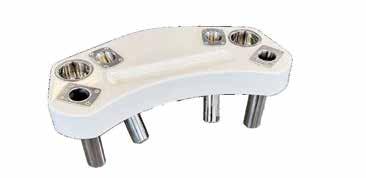
When a barrel tuna is circling deep under the boat, having something solid to brace against can make all the difference. Built with a mirror-finished gel-coated top, this premium lean station provides the strength and stability needed during prolonged battles with hard-fighting gamefish. Featuring four game-rated rod holders, including two 30-degree and two 0-degree holders, it keeps your outfits organised and ready for action. Integrated stainless steel cup holders and a handy knife rebate add convenience, while the heavy-duty Australian-made construction is designed to handle offshore conditions and serious drag pressures. Measures 580 x 280 x 210mm.
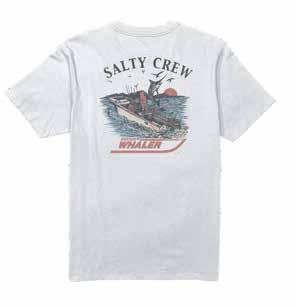
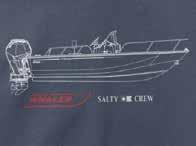
Salty Crew has teamed up with Boston Whaler to celebrate one of the most iconic names in boating. Building unsinkable legends since 1958, Boston Whaler has earned a reputation among fishermen, explorers and families alike for producing dependable offshore boats built for life on the water. The Whaler Chase Tee reflects that shared passion for the sea, featuring screen-printed front and back graphics on premium 30 Singles combed ringspun cotton for a soft and comfortable fit. Available in sizes S to XXL.
salty-crew.com.au
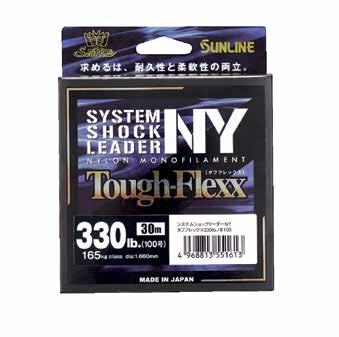
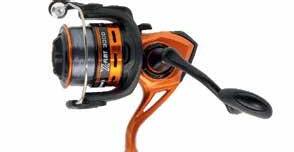
When targeting hard-fighting gamefish, every connection in the system matters. Sunline Tough Flexx has been developed to deliver the ideal balance of strength and stretch, providing the shock absorption needed during brutal runs while maintaining the tensile strength required to land trophy fish. Its supple construction makes tying heavy leaders significantly easier, creating more consistent knots and helping anglers achieve maximum strength from every connection. Finished in Sunline’s Phantom Gray colour to reduce visibility in the water, Tough Flexx is designed for demanding conditions where bites can be hard-earned. Available in breaking strains from 130lb to 330lb, it is built for serious offshore and big-game applications. ejtodd.com.au
Whether you’re casting lures from the riverbank, soaking baits off a jetty or chasing fish around your local estuary, the Samaki X-Ploit combo is built to get the job done. Designed as a versatile all-rounder, it combines a crisp carbon composite blank with comfortable cork grips and a smooth 3+1 bearing reel. Finished with a stylish burnt-tone design, the X-Ploit looks every bit as good as it performs. Supplied prespooled and ready to fish straight out of the box, it is available in light, medium and heavy spin models to suit a wide range of fishing applications. RRP $89.95.
samaki.com.au

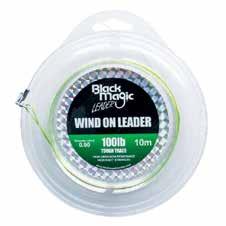
Black Magic has released its Wind On Leader, built on the brand’s Tough Trace monofilament and developed for anglers targeting hard-fighting species. Designed to deliver high abrasion resistance, the leader pairs Tough Trace with a hollow core braid that is expertly spliced to create a strong, streamlined connection. The wind-on design allows the leader to pass smoothly through the guides and onto the reel, improving control at the boat and reducing clutter around the cockpit. Suitable for species ranging from billfish and tuna to Spanish mackerel and wahoo.
blackmagictackle.com
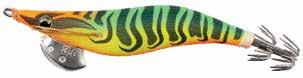
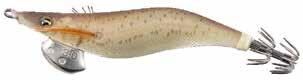
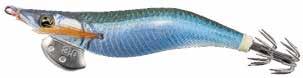
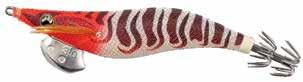
Yamashita has expanded its popular Egi Oh Live range with six new Global Colours developed to perform across a wide range of squid fishing conditions around the world. The lineup includes proven patterns inspired by baitfish and forage species, along with high-visibility glow and 490Glow options designed to excel in low-light and dirty water. Colours such as Herring, King George whiting and Garfish have been specifically created to match key food sources, while the classic Red Head and Hot Tiger patterns offer enhanced visibility when conditions demand it. Whether fishing clear daytime water or murky tidal systems, the new Global Colours provide anglers with a colour to suit almost any situation.
ejtodd.com.au
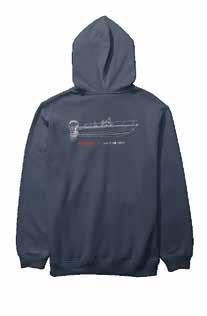
Salty Crew and Boston Whaler have joined forces for the Whaler Schematic Hood Fleece, celebrating a shared passion for life on the water. Boston Whaler has been building legendary unsinkable boats since 1958, trusted by generations of anglers and offshore adventurers. Made from mid-weight 8.5oz fleece with an 80% cotton and 20% polyester blend, this hooded fleece features a kangaroo pocket, drawcord hood and screen-printed front and back graphics. Built for comfort on cooler days, it’s available in sizes S to XXL.
salty-crew.com.au
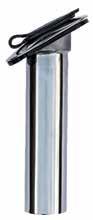
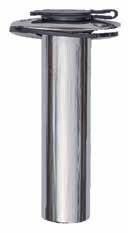
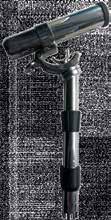
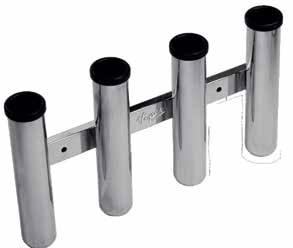
Success on southern bluefin tuna often comes down to having the right cockpit setup before the rods even go in the water. Viper’s range of game-rated rod holders allows anglers to configure their boat for everything from towing a spread of skirted lures through to fighting a giant tuna beside the boat. Available in fixed 0, 15 and 30-degree gunwale-mounted models, the range caters for everything from bent-butt game outfits through to traditional straight-butt trolling rods. The 0-degree version is particularly effective for bent-butt tackle, keeping rods low and secure while helping reduce angler fatigue during long battles. For ultimate flexibility, the Viper Deluxe Multi Directional Rod Holder allows anglers to fine-tune rod positions as conditions change. Available in full-tube and half-tube designs, these holders rotate 360 degrees and adjust through 90 degrees vertically, making it easy to adapt your spread to changing wind, current and sea conditions. Whether mounted on the sides, transom or bow, they ensure rods are always positioned correctly. Manufactured from fully welded 316 marine-grade stainless steel and finished to a mirror polish, all models are game-rated and built to handle the demands of serious tuna fishing. bellmarine.com.au
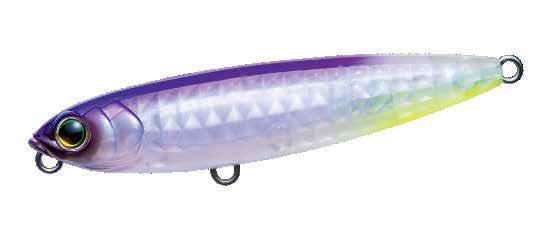
The Yo-Zuri 3DR-X Pencil is a finesse-style topwater lure designed for both freshwater and saltwater applications. Its slim profile delivers an effortless “walk the dog” action, whether worked slowly with long glides or ripped across the surface with aggressive twitches. Measuring 75mm and weighing 7.5gm, the lure features Yo-Zuri’s internationally patented 3D internal prism finish, a single-knock cadence rattle and black nickel hooks. It’s an excellent option around nervous bait schools and shines during the warmer months when surface strikes are at their peak, while still proving effective on lethargic winter fish. Available in six colours.
tacspo.com.au
Getting kids hooked on fishing starts with the right gear, and the Samaki Little Snags combo has been designed specifically for young anglers. Available in a range of bright colours to suit every personality, this compact and easy-to-use outfit is built to make those first fishing experiences fun and memorable. The durable fibreglass blank can handle the knocks and bumps that come with learning, while the integrated colourful solid tip makes it easy to spot bites. Featuring a 4’6” one-piece rod, anodised aluminium spool and a 4-8lb line rating, the Little Snags is the ideal introduction to a lifetime of fishing adventures.
samaki.com.au


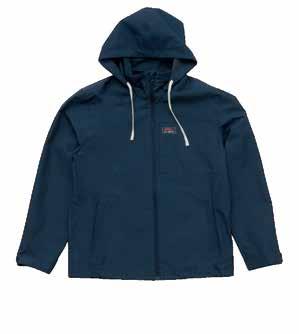
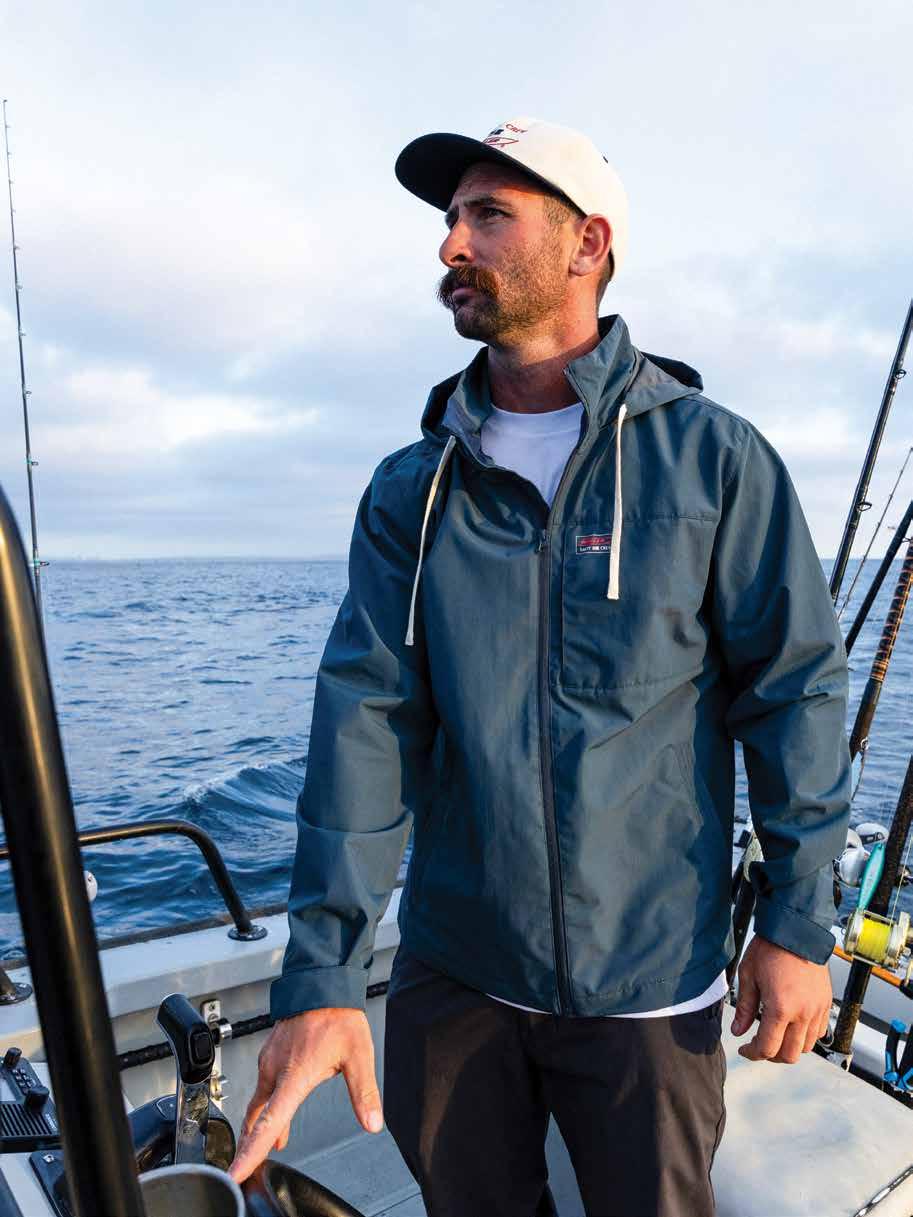
The Salty Crew Whaler Windbreaker celebrates the long-standing heritage of Boston Whaler, a brand trusted by generations of anglers and offshore adventurers since 1958. Built from 100% nylon with a mid-weight 2.5-layer shell, it features a 5K waterproof and 5K breathability rating along with a DWR coating for protection from the elements. Designed for comfort and practicality, it includes zippered chest and hand pockets, an adjustable hood and packable design for easy storage onboard. Finished with custom Boston Whaler and Salty Crew heat transfers, it’s available in sizes S to XXL.
salty-crew.com.au
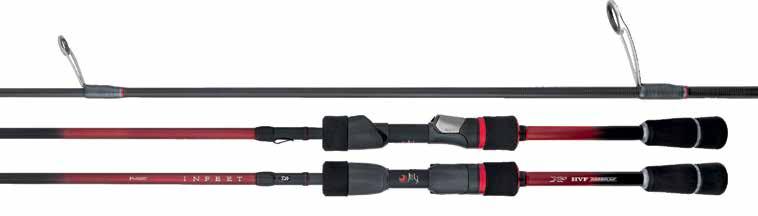
Daiwa has given its popular Infeet SK range its first major update since launching in 2022. Designed for finesse lure fishing, the new rods feature Fuji TCH Skeleton reel seats and Fuji Titanium guides, resulting in a lighter, more streamlined package. The blanks continue to utilise HVF Nanoplus graphite and X45 Full Shield technology to reduce blank twist, improve casting performance and deliver a crisp, responsive feel. Fast action models are identified by red highlights, while moderate and regular action rods feature blue accents. A new 762L+XS model has also been added, expanding the range to six models.
daiwafishing.com.au
Make room in the tacklebox, you’re going to want these in your line up.
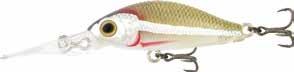
REDIC 40LC | JERKBAIT
MS40LC: 2.7g | 40mm | 1m | Decoy Y-S25 DS40LC: 3.3g | 40mm | 2m | Decoy Y-S25
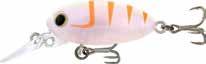
REDIC BEETLE BUG | CRANKBAIT
SF32: 32mm | 2.7g | 0.8-1m | Decoy Y-S25 MF32: 32mm | 3.1g | 1.5m | Decoy Y-S25
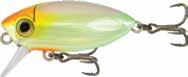
REDIC FOOTY BUG F40 | WAKEBAIT 40mm | 4.8g | 1.0m | Decoy Y-S25
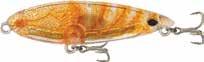
REDIC FALL PRAWN 40 | SINKING STICKBAIT 40mm | 2.8g | Sinking | Decoy Y-S25

REDIC SKIPPING PRAWN 75 | TOPWATER 75mm | 5.9g | Topwater | Decoy Y-S25 + twin assist


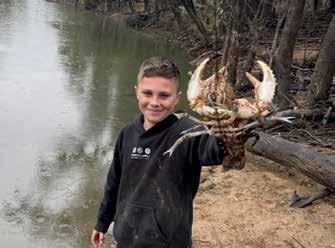
Victorian recreational fishers are being encouraged to make the most of the winter Murray cray season, which opens on June 1 and runs for three months. The VFA says rivers including the Ovens, Goulburn, Mitta Mitta and Kiewa are among the best locations to target the world’s second largest freshwater crayfish. Fishers can use hoop nets, baited lines without hooks or even their hands, with strict size and bag limits in place to protect breeding stocks. Murray crays must measure between 10–12cm, while females carrying eggs must be released immediately. The daily bag limit is two crays per person.
vfa.vic.gov.au
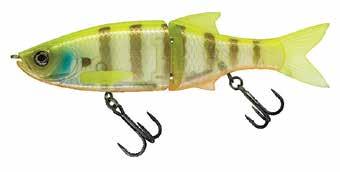
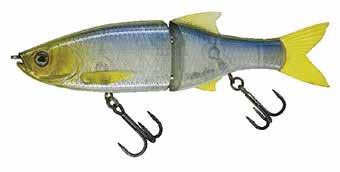
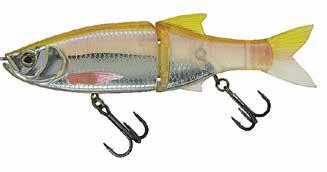
The Molix Glide Bait 130 has built a strong following among anglers targeting everything from mulloway and flathead through to impoundment bass and trophy Murray cod. Known for its natural swimming action and ability to trigger reaction strikes from larger predators, this proven glide bait has now been expanded with three new fish-catching colours. Joining the range are White Gill Orange Belly, Ghost Blue Wakasagi and Ghost Chrome Wakasagi, offering anglers fresh options to better match local baitfish and changing water conditions. If you’ve already discovered the effectiveness of the Glide Bait 130, these new additions deserve a place in the tackle box.
ejtodd.com.au
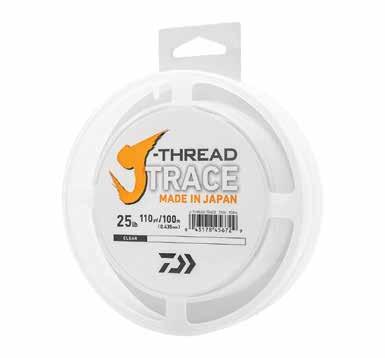
A leader is only as good as its ability to withstand punishment, and Daiwa’s new J-Thread Trace has been designed with exactly that in mind. Developed and manufactured in Japan, this nylon monofilament trace features a tough, abrasion-resistant formula with excellent shock absorption for both freshwater and saltwater applications. A hard outer shell helps resist damage from reef, rocks and other structure, giving anglers greater confidence when targeting hard-fighting fish. Available in strengths from 20lb through to 130lb, J-Thread Trace is built to be the reliable link between angler and fish. daiwafishing.com.au
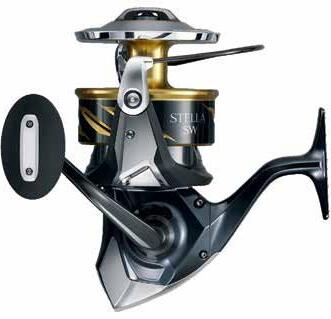
Big fish anglers have been eagerly waiting, and now the wait is over, with Shimano Australia confirming the four largest models in the all-new Stella SWD range will officially land in stores this June. Designed for anglers chasing the toughest fish on the planet, the new Stella SWD 18000HG, 20000PG, 25000PG and 30000PG arrive just in time for southern Australia’s peak bluefin tuna season.
With big southern bluefin tuna already showing up right across the southern coastline, the timing couldn’t be better for anglers gearing up for barrel-class fish. Whether casting stickbaits into foaming tuna schools, slow-cranking oversized jigs for dogtooth tuna in the tropics, or preparing for heavytackle marlin work later in the year, the new Stella SWD range has been purpose-built for extreme offshore punishment.
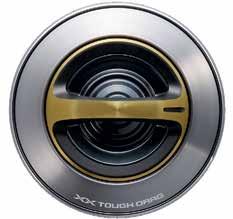
The latest Stella SWD introduces Shimano’s new XX Tough Drag system, delivering dramatically improved drag durability under extreme heat and pressure, while InfinityXross technology increases gear tooth contact for greater strength and longevity under load. Shimano has also refined the spool design with a new AR-C profile for improved casting performance and reduced line trouble, while larger drag knobs on the 8000-size models and above provide more precise drag adjustments mid-fight.
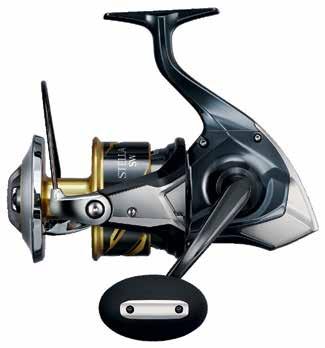
The heavy-hitting 18000HG features a 5.7:1 gear ratio, 30kg of drag pressure and PE 8/300m capacity, making it an ideal all-round option for casting and livebaiting giant tuna. The 20000PG slows things down with a 4.4:1 ratio and deeper PE 10/300m capacity, perfectly suited to deep jigging and heavyduty fights. Shimano has also added the new 25000PG to the lineup, specifically targeting anglers chasing monster bluefin tuna, offering PE 10/350m capacity and massive winding power. Sitting at the top of the range is the 30000PG, a true big-game weapon capable of holding PE 12/420m and built specifically for oversized tuna and marlin applications.
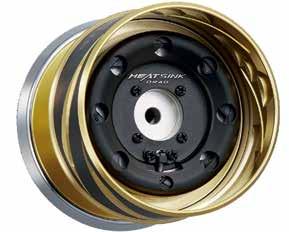
Shimano states body strength on the 18000-size models and above has increased by approximately 25 per cent over the previous generation, while the new drag system delivers more than ten times the drag durability under sustained load. Combined with Shimano’s renowned HeatSink Drag technology, the reels are designed to maintain consistent drag pressure during long, brutal fights with large pelagics.
For anglers who spend their winters chasing barrels offshore and their summers throwing big stickbaits at GTs and dogtooth or livebaiting marlin, the new Stella SWD range looks set to become one of the hottest reel releases of the year. shimanofish.com.au
Words: Dean Linardos Images: A Full Crew
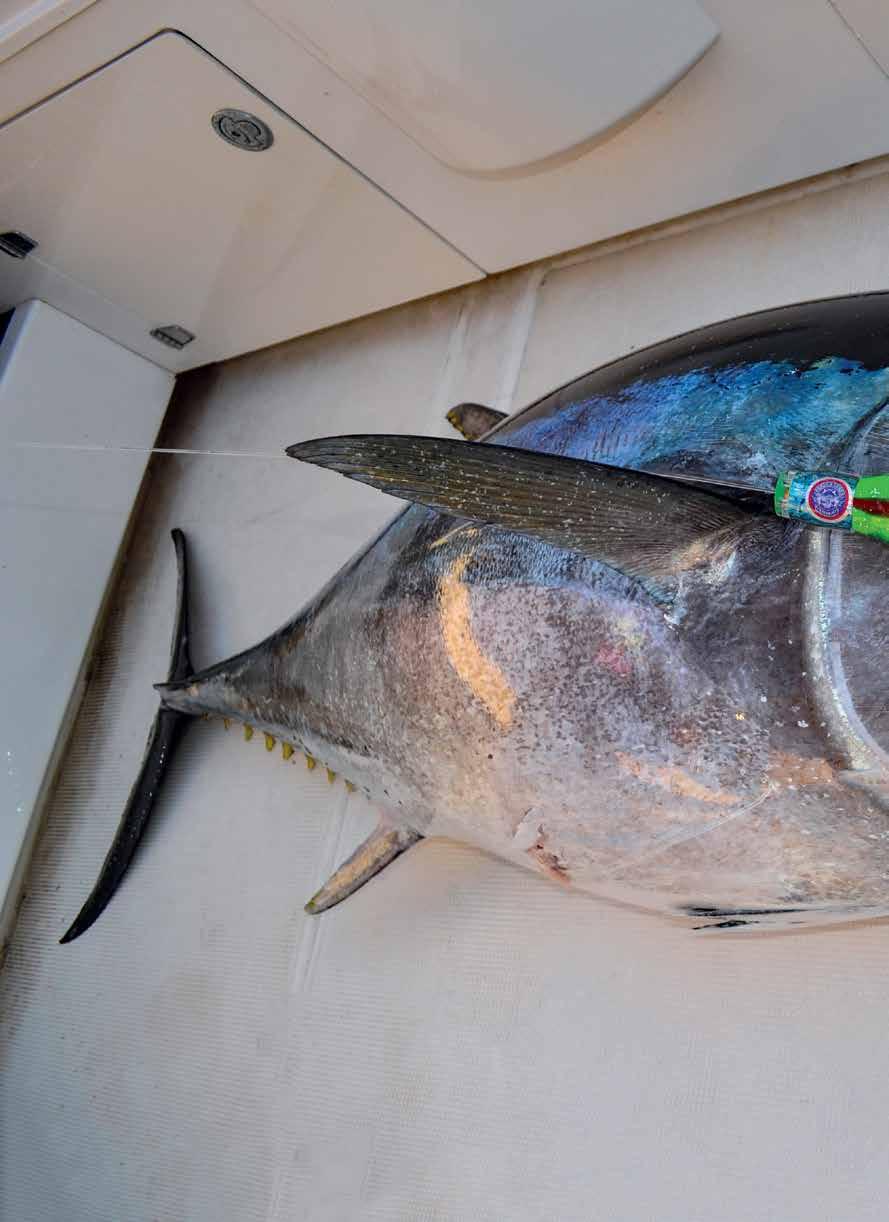
Southern bluefin tuna are firing along the southern coast, and trolling remains one of the most effective ways to target these hard-fighting fish.
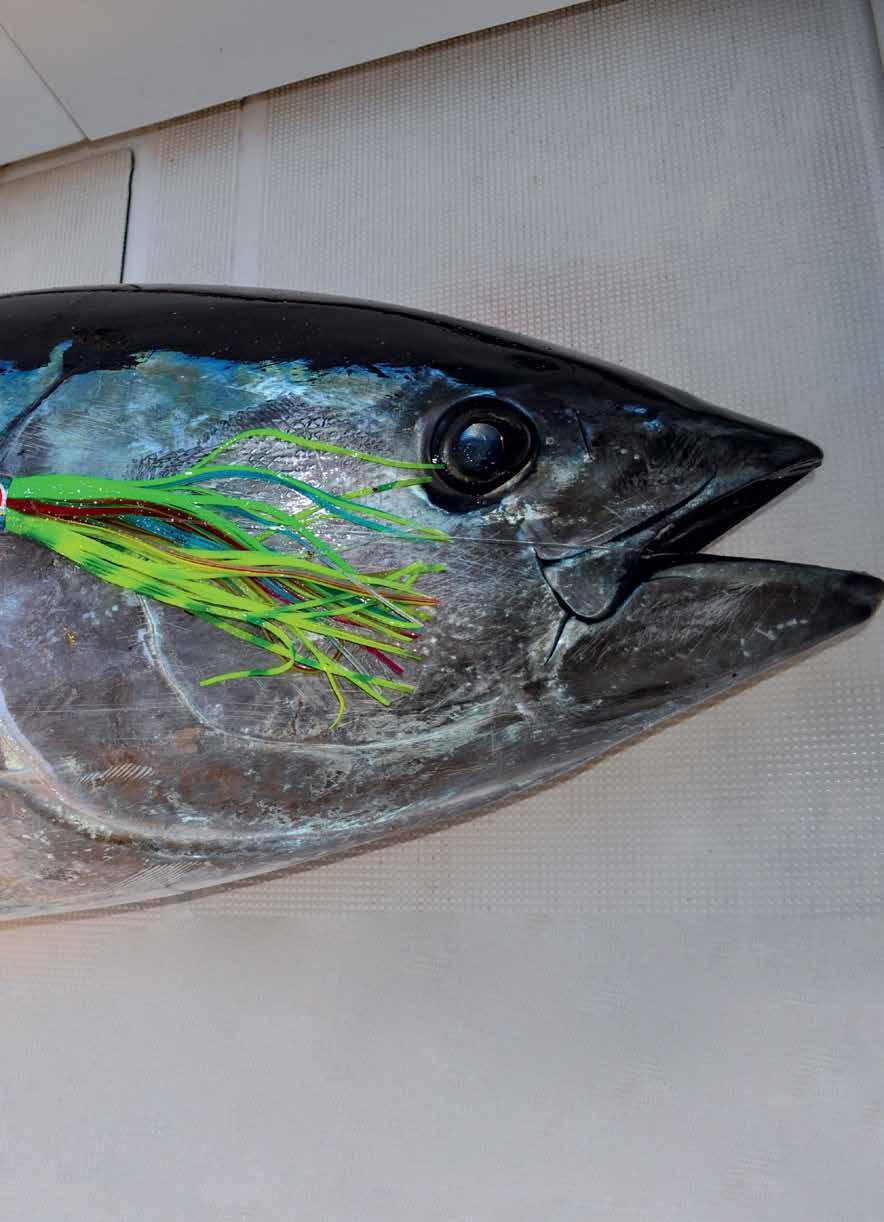
2026 has so far been one of the best seasons for barrel-sized bluefin, and it’s still got a long way to go. Trolling lures has once again become one of the most effective ways to connect with these powerful fish.
Trolling remains the backbone of modern game fishing — covering ground, locating active fish and consistently producing strikes when conditions align. While the concept sounds simple, consistently capturing barrels while trolling is built around understanding fish behaviour, lure presentation, spread design and boat control.
The more information you can gather before leaving the ramp, the more productive your day will be. Social media and local reports provide real-time information on captures, water conditions and active areas.
Word travels quickly in the tuna scene, and paying attention to current reports can save countless hours of searching or being in the completely wrong area. Local tackle stores are also invaluable sources of information. Many will happily point anglers in the right direction, particularly if you support the store before asking for advice.
Knowing the depth fish are holding at can also be extremely useful, but when that information isn’t available, learning to read the signs becomes critical.
Above the surface, bird, seal and dolphin activity is one of the strongest indicators of feeding tuna. Birds circling tightly and diving aggressively should never be ignored. At times, the signs are more subtle, with birds zig-zagging or repeatedly working the same area without diving. This behaviour often suggests bait is sitting deeper in the water column or tuna are shadowing schools without actively feeding on top. These situations are still worth investigating.
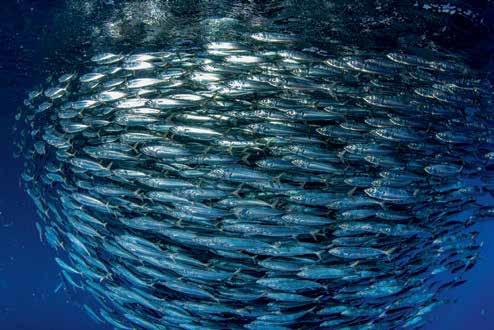
Below the surface, bait concentrations showing on the sounder are another major clue. If large schools of bait are present, tuna are rarely far away. Southern bluefin also have a habit of launching clear of the water while feeding, something less commonly seen with many other tuna species. This behaviour can range from school fish through to giant barrels and is always worth monitoring closely.
The VHF radio also remains one of the most valuable tools offshore. Even hearing that nearby boats are finding fish can lift crew morale and help narrow down productive areas.
When it comes to targeting barrel-sized tuna, quality tackle matters. The rods and reels you’re going to need are expensive, so you want to be sure it’s a purchase you’re comfortable with.
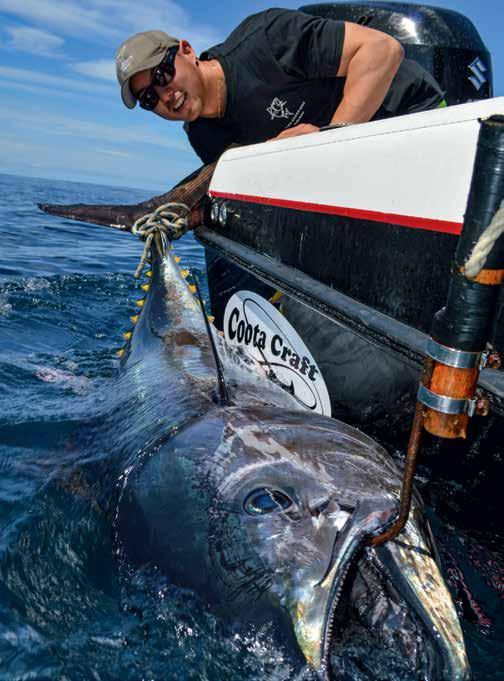
There are really only two reel options these days — the Tiagra and the Talica. Many anglers run Talica 40s or 50s loaded with braid and top-shotted with 24kg or 37kg mono. I love Talicas and use them exclusively for marlin. However, for targeting barrels, I prefer running Tiagra 50W reels loaded with 24kg mono on fully rollered rods. Running braid on rollered rods could be risky, as it can jump and potentially get caught in the gaps between rollers.
Modern Winthrop rollers appear less susceptible to this than older designs, although most anglers fishing braid today are using high-quality standard guides rather than rollers.


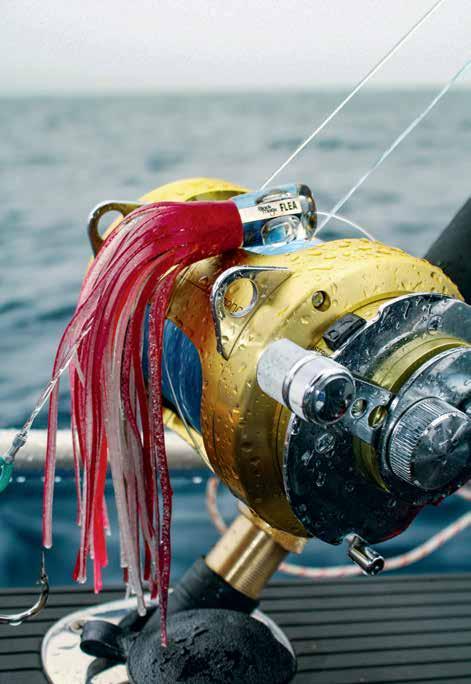
Some anglers worry about braid wearing on standard guides during prolonged fights. Personally, I’ve never experienced an issue despite landing hundreds of marlin on braid and standard guides. Ultimately, the question becomes what disadvantage there is in fishing Tiagras with mono, and there really aren’t many. Once you’re in the harness, mono remains an exceptionally effective option. Whatever path you choose, buy the best quality tackle you can afford and seek advice from specialist tackle stores where possible. A quality 24kg outfit is capable of subduing exceptionally large fish when used correctly.
A plaited double connected to a swivel that clips onto your lure’s bite leader is a proven and highly reliable set-up. This system allows easy integration of both hard-bodied diving lures and skirted trolling lures while making lure changes quick and simple throughout the day. Leader length and strength often come down to personal preference, water clarity and fish size, although 150-200lb leaders are commonly used when targeting larger southern bluefin.
The range of trolling lures available
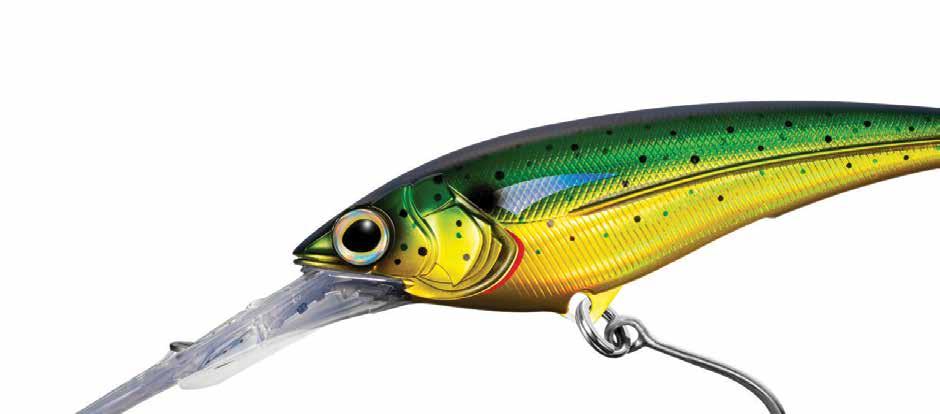
today is enormous. Colours, head shapes, materials and lure styles all behave differently in the water and can trigger completely different responses from tuna. Matching lure colours to the baitfish tuna are feeding on is always a logical starting point, but some of the most productive bluefin lures feature colours that bear little resemblance to natural bait. Fluoro pinks, lumo greens and bright or dark purples have all proven highly effective over the years. Lure size also plays a major role. Smaller skirted lures regularly produce excellent results on big bluefin. Southern bluefin are opportunistic feeders and will readily attack surprisingly small offerings, particularly when they closely match the size of the baitfish being targeted.
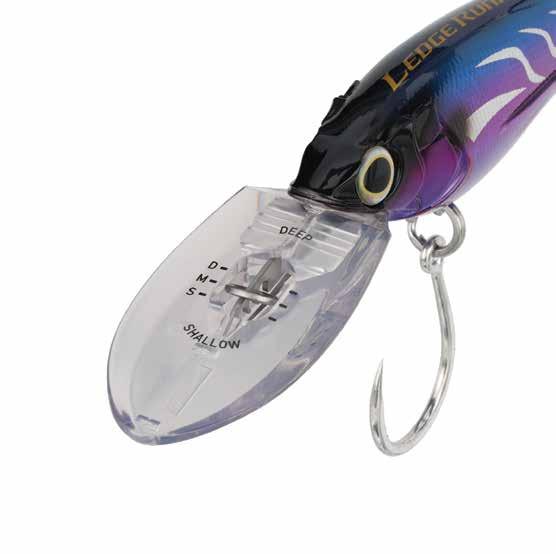
In addition to skirted trolling lures, spreads can incorporate deep-divers and bibbed minnows. These can be exceptionally effective, particularly when tuna are feeding deeper in the water column. The challenge is ensuring all lure styles work effectively together within the same spread.
Directional birds and teaser systems have become increasingly popular over recent years. They largely eliminate the need for outriggers and can dramatically increase the visual footprint of a spread. The Hogy system out of Boston and Cape Cod in the United States is one of the better examples, sending teasers well wide of the boat and often drawing fish into the spread. There is no doubt these systems work, but anglers need to decide whether they are comfortable having a large teaser and directional bird between them and a hooked fish during the fight.
Spread positioning is often the difference between crews that consistently catch fish and those that struggle for bites. Every lure behaves differently depending on water pressure, turbulence and boat speed. Deep-diving hardbodies are commonly run close to the transom from short-corner positions where they can track cleanly below the prop wash. Resin-headed skirted lures are often positioned from the riggers where they spend more time working in clean water outside the main wake. Further back in the spread, bullet-style skirted lures excel from shotgun positions, travelling beneath the surface with a more subtle action. One mistake many anglers make is focusing on a specific trolling speed rather than how the
lures are actually swimming. Successful crews troll at the speed that allows every lure in the spread to work correctly. Some hardbodies will blow out at excessive speeds, while skirted lures should cycle naturally — surfacing briefly, breathing, diving and leaving a smoke trail beneath the surface. Sea conditions also play a major role. A lure that swims perfectly in calm conditions may need repositioning or tuning once a sea develops. Constantly checking your spread and making adjustments throughout the day will result in more effective lure presentations and ultimately more bites.
If lures are tumbling or skipping uncontrollably, the boat is generally travelling too fast. With southern bluefin specifically, slightly higher trolling speeds often produce better results when fish are aggressive.
One of the best ways to refine a spread is by paying close attention to which lures consistently get bites. In most situations, one or two lures will dominate the strike rate. When fish are active, the quieter rods become opportunities for experimentation. Swapping colours, sizes or head shapes allows anglers to quickly identify patterns and build confidence in particular lure styles. Over time, these observations create a highly effective bluefin lure arsenal tailored to local conditions.
When a rod finally loads up, maintaining boat speed initially is important. Continuing to troll briefly after the first hook-up regularly leads to multiple strikes as other fish in the school attack remaining lures. Once additional hook-up opportunities have passed, clearing the spread quickly and efficiently becomes critical. Experienced crews work calmly, removing teasers and unused rods while avoiding tangles as hooked fish settle into the fight.
Marking productive areas on the GPS is also essential. Boats often drift a surprising distance during extended fights, and returning to the original strike location can quickly reconnect anglers with the school.
Once fish are located, staying connected to the school becomes the priority. Returning to the exact area where strikes occurred

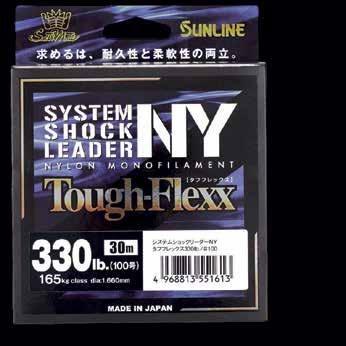
High grade nylon leader for the ocean’s biggest fish.
50m | 130lb -240lb / 30m | 270lb -330lb
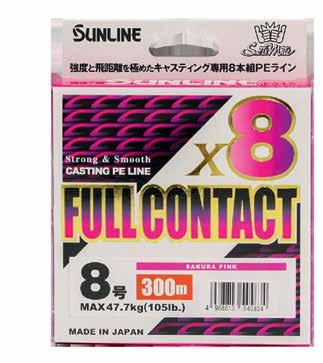
8-strand PE line specially designed for casting with extreme strength and distance.
300m PE4 - PE8
100% fluorocarbon shock leader for ultimate shock & abrasion resistance.
50m | 14lb - 50lb / 30m | 60lb - 100lb
— ideally on the same trolling direction — often produces repeat hook-ups.
Tight figure-eight patterns or gradually expanding circles around productive marks are highly effective ways to relocate moving schools. If fish disappear completely, however, it is often more productive to continue searching rather than wasting valuable time over dead water.
Heavy southern bluefin require a coordinated crew effort. Once you are directly over the fish, it can’t really go anywhere. Applying steady pressure and remaining patient will often tire the fish surprisingly quickly. Many anglers make the mistake of trying to rush the final stages of the fight. Staying directly above the fish and maintaining consistent pressure is usually the fastest and most efficient way to bring a barrel to the boat. Once the fish is within range, leadering and gaff work must remain calm and controlled. Poorly timed gaff shots can quickly reignite a tuna’s fighting instinct and dramatically extend the battle.
Efficient crews consistently catch more fish. Everyone onboard should remain engaged, watching the water, monitoring the spread and assisting where needed. Successful trolling operations rely heavily on teamwork, clear communication and maintaining focus throughout the day. The captain cannot watch the sounder, track bird activity, monitor the radio and drive the boat alone. Well-organised crews react faster to opportunities, manage hook-ups more effectively and maximise time with lures in the water — all critical factors when targeting southern bluefin tuna.
What we have here in the south is a worldclass fishery that many anglers around the world can only dream about. At times, the fish can be just out the back of the Heads, or they can be firing a short drive away in Portland, Port Fairy or Apollo Bay.
If you’re new to it, it can seem overwhelming, but if you stay calm, follow these steps and take a methodical approach, you’ll probably find great success given how well it’s fishing at the moment.
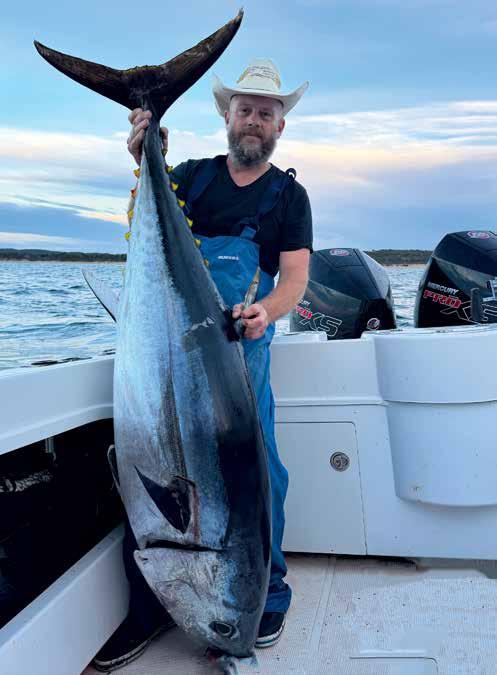
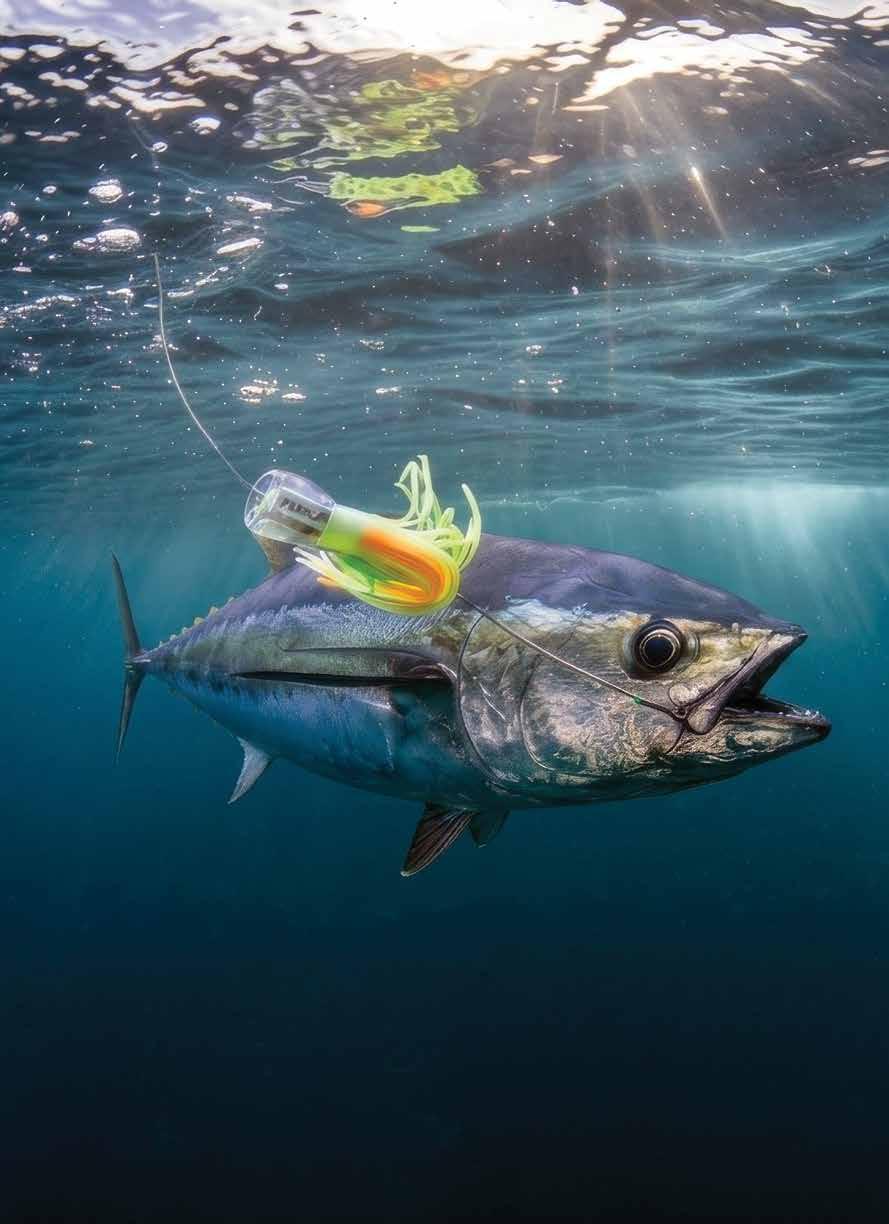
Weapon up for the winter run with Black Magic’s XTLURES!
Chasing blue water legends requires gear as tough as you are. Powered by near-unbreakable XtraTuff resin, Black Magic’s XT Lure range is built to out-perform and outlast when the pressure is on.Available at all great tackle stores!

best by test...

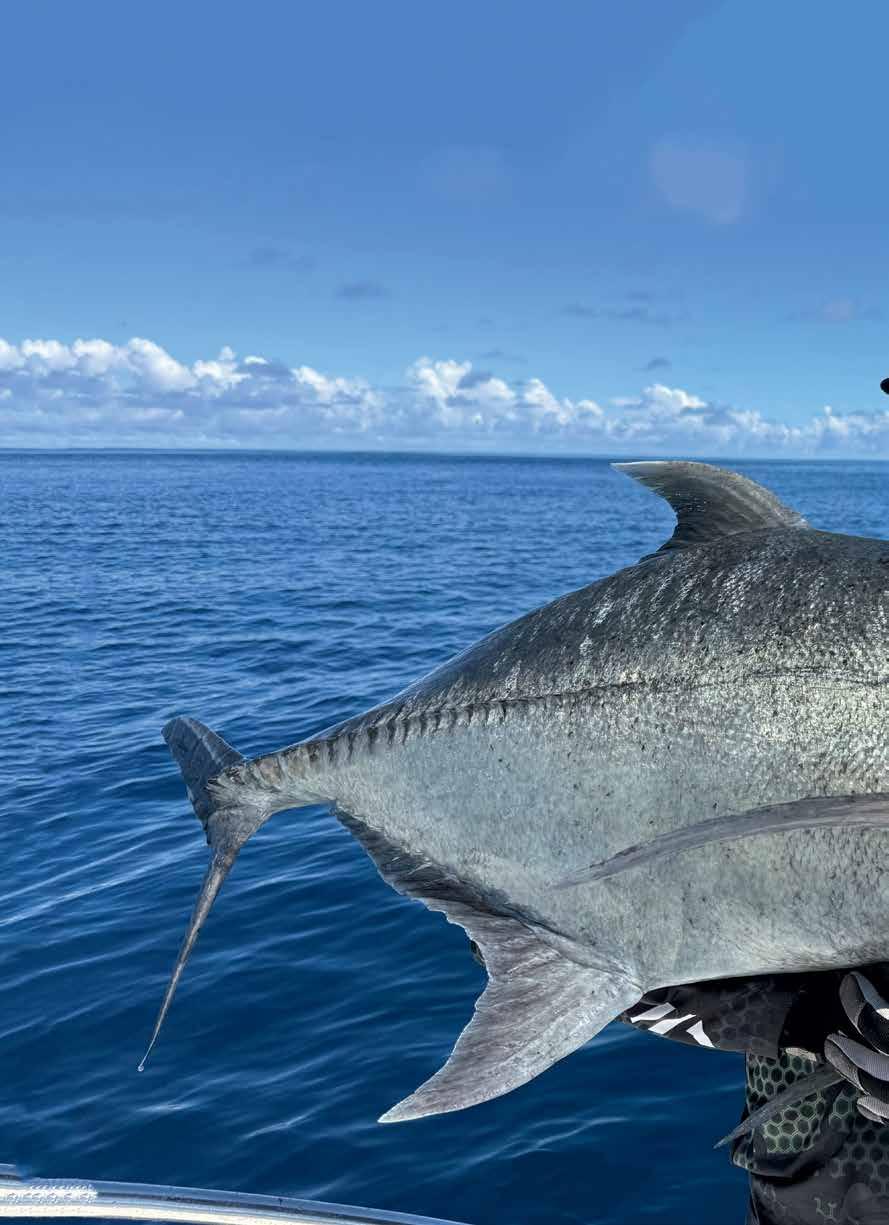
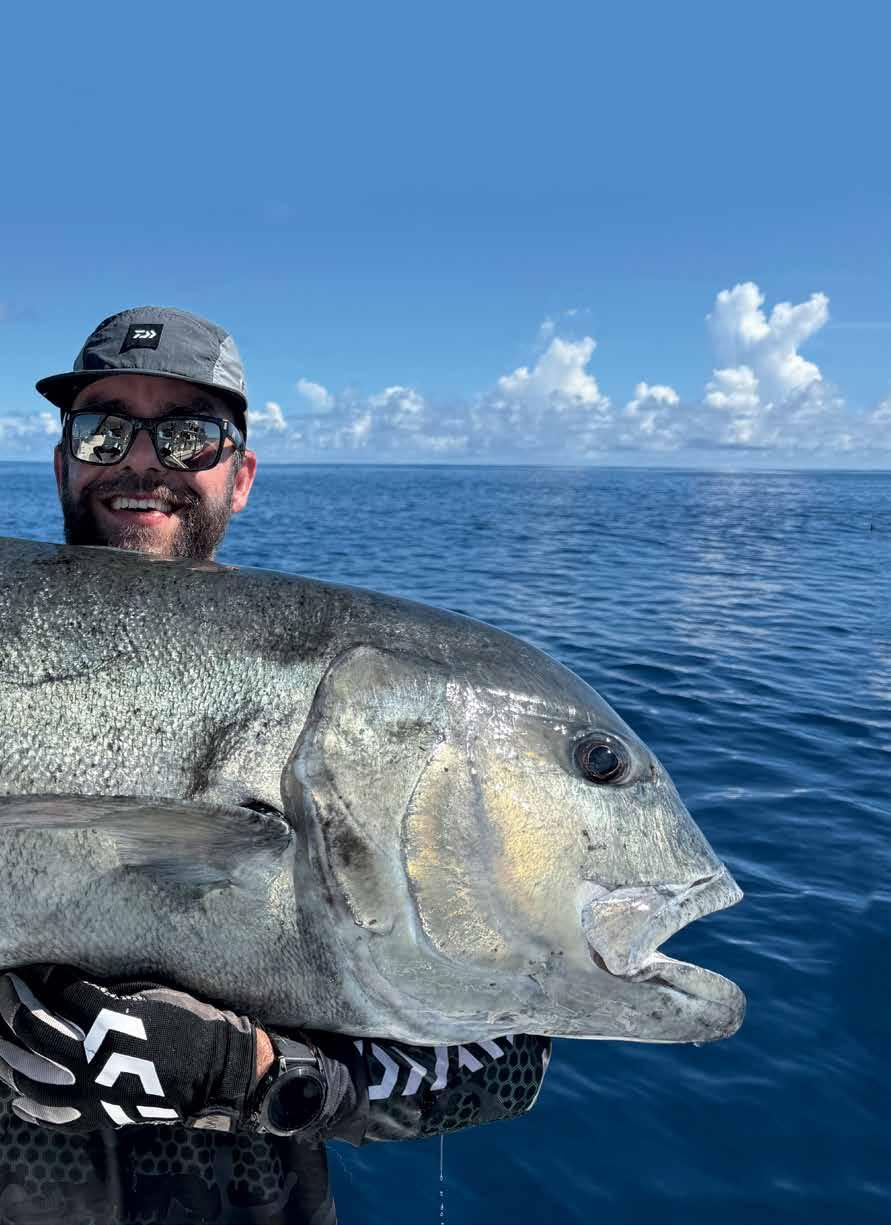
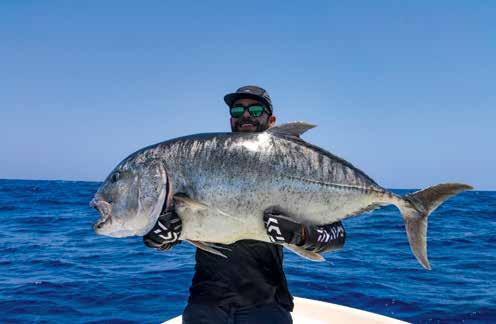
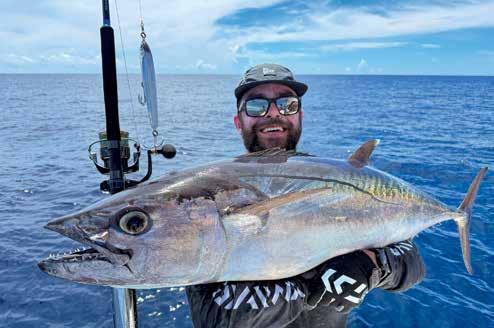
From giant trevally and dogtooth tuna to yellowfin on topwater, modern spin tackle is capable of incredible things. Sam Gilchrist explains the gear, techniques and key considerations every angler should understand before taking on big fish with heavy spin equipment.
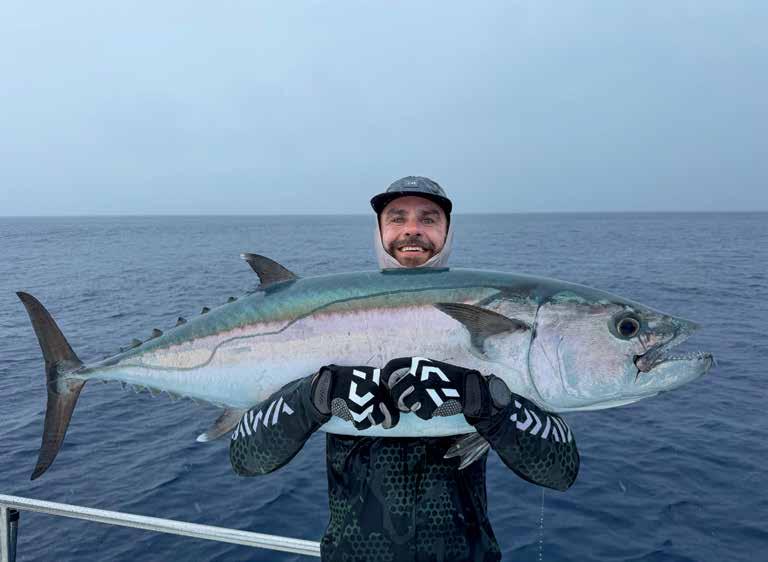
When I first started fishing, heavy tackle spin gear was a long way from what we know today. Braided lines were still in their infancy, overhead reels dominated the heavy tackle scene, and if you wanted to target serious fish, an overhead outfit was considered the only real option.
There were good reasons for this. Overhead reels offered superior line capacity and drag performance compared to the spin reels of the day. They were powerful, reliable and capable of handling large fish, but they came with a catch. To use them effectively, anglers needed to master spool control and learn how to avoid the dreaded backlash. It was a skill that took time to develop and, for many, became an art form in itself.
Fast forward three decades and the landscape has changed dramatically. Advances in materials, reel design and braided lines have transformed heavy spin tackle into a legitimate alternative
for virtually every big-game application. Today, anglers can target almost any species on the planet with a suitably matched spin outfit. Welcome to the modern era of heavy spin.
Despite the rise of heavy spin tackle, overhead equipment remains highly relevant. It still dominates many traditional gamefishing applications and remains the preferred choice whenever extreme line capacity is required. There will always be situations where a reel capable of holding hundreds of metres of heavy line has a clear advantage.
However, the capabilities of modern spin tackle have expanded enormously. Whether you’re casting stickbaits at giant trevally, jigging for dogtooth tuna or battling large tuna on topwater, there is now specialist equipment designed specifically for the task. The gap between overhead and spin has
never been smaller.
For most anglers, heavy spin tackle generally begins at PE6 and extends through to PE10 and beyond.
The PE rating refers to the diameter of the braided line being used. As a rough guide, multiplying the PE rating by ten provides an approximate poundage equivalent, making PE6 roughly comparable to 60lb braid and PE10 roughly equivalent to 100lb braid.
There are exceptions to this rule. Some modern braids achieve significantly higher breaking strains for a given diameter. Daiwa J-Braid 12, for example, offers exceptionally high strength relative to its size, with PE6 testing at around 100lb.
In practical terms, increasing PE ratings allow anglers to apply more drag
pressure, fight fish harder and place greater demands on both themselves and their equipment.
If there’s one area of modern fishing that can overwhelm anglers, it’s rod selection. The range of options available today is staggering, particularly in the topwater and jigging categories. While specifications and ratings are important, I’ve always believed feel comes first. Much like a surfer picking up a new board, the right rod should feel natural in your hands before you ever look at the numbers.
There are several key terms worth understanding. PE Rating refers to the line class the rod is designed to fish. Maximum Drag Rating indicates the amount of load a rod is designed to handle. Rods with clearly stated drag ratings generally offer more pre-
dictable loading characteristics and are less prone to failure when used correctly.
Power Rating identifies where the blank delivers its greatest lifting power. A Power One rod, for example, generates most of its power around the stripper guide area.
Rod Taper describes how quickly the blank transitions from a soft tip to a powerful lower section. Fast tapers become firm quickly, while slower tapers load progressively throughout the blank.
Parabolic Action refers to how evenly the rod bends under load and how effectively that power is distributed.
In the early days of PE8 to PE10 tackle, manufacturers often built rods simply by making them stiffer. The result was frequently flat spots within the
blank, reduced efficiency and considerably more strain transferred to the angler.
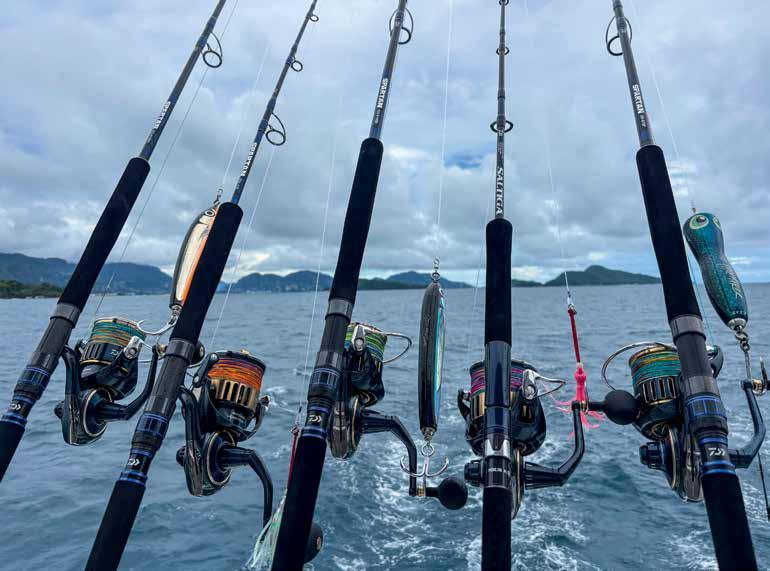
Modern rod design has moved well beyond that. Two rods I regularly use when targeting large GTs and dogtooth tuna are the Daiwa Spartan S82-8/10SB and S80-8/10P. While one is designed primarily for stickbaits and the other for poppers, both load progressively throughout the entire blank without developing flat spots under pressure.
The harder you pull, the more the rod works for you, returning energy through the blank and distributing load efficiently.
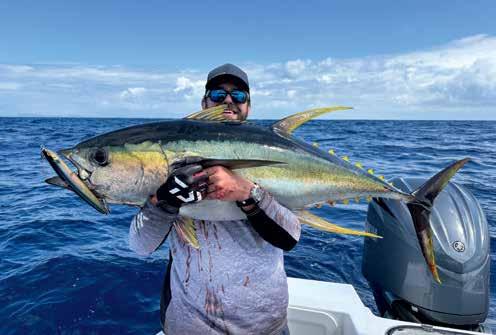
On a recent trip to the Seychelles, this style of rod design helped me land a 50kg yellowfin tuna on topwater in around four minutes.
In a close-quarters fight where maximum pressure was required from start to finish, the rod’s ability to work with me rather than against me made a significant difference.
The biggest lesson? Choose a rod that suits your style and physical capability. A wellmatched PE6 or PE8 outfit can achieve remarkable things, while an overly powerful rod that you struggle to load effectively may simply reduce both performance and enjoyment.
The evolution of spin reels has been nothing short of remarkable. Modern heavy spin reels now range from compact 4000 sizes through to massive 30000-class models, with drag capabilities reaching well beyond what was imaginable only a decade ago.
The latest generation of premium reels has introduced larger drive gears, stronger frames, improved sealing systems and more sophisticated drag technologies. These developments have increased cranking power, improved durability and delivered smoother drag performance under extreme loads.
For species such as dogtooth tuna, where long runs generate substantial heat within the drag system, these advances have proven invaluable. Perhaps most importantly, modern spin reels have opened the door to targeting fish that were once considered the exclusive domain of overhead tackle. Large marlin, giant bluefin tuna and southern bluefin tuna are now regularly fought and landed on heavy spin outfits around the world.
Today’s reels are lighter, stronger, smoother and more capable than ever before.
As tackle becomes stronger, the importance of every other component in the system increases. If you’re chasing trophy fish with modern heavy spin gear, your focus must extend beyond rods and reels. Knots, leaders, hooks and split rings all become critical. Connections such as the FG Knot and PR Knot must be tied perfectly. There is very little margin for error when connecting heavy braid to 130lb, 150lb or even 200lb leader material. Every knot should be thoroughly tensioned and tested before it ever reaches the water.
The same applies to hooks and split rings. Components that may be perfectly adequate for smaller applications can quickly

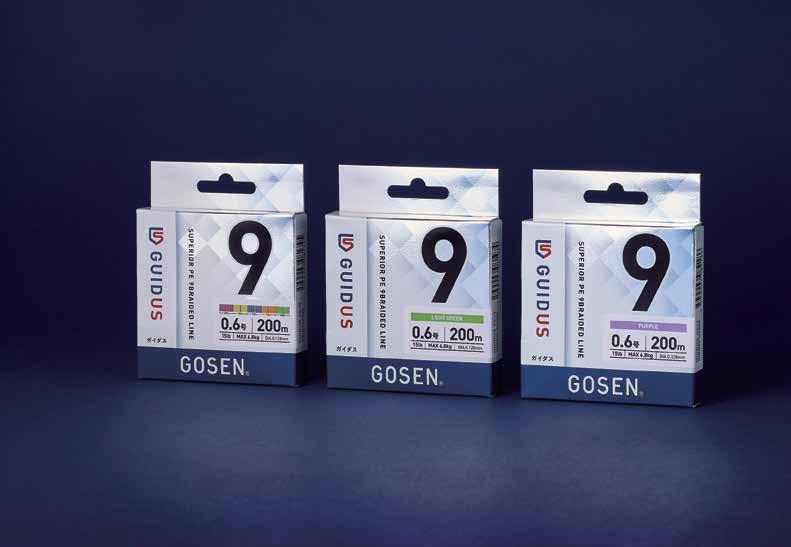
Premium Japanese braid engineered for anglers demanding maximum performance across a wide range of inshore fishing applications.
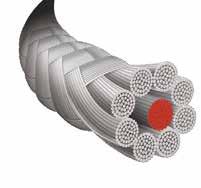
• Advanced 9-strand construction with a core strand and outer 8-strand shell
• Smooth, round profile for longer casts and reduced guide friction
• Available in PE0.5 to PE4
• 150m, 200m and 300m spool options
• Colours: Light Green, Multi Colour and Purple sales@gladiatortackle.com.au


become failure points when subjected to the forces generated by PE8 and PE10 tackle. Line quality is equally important. Investing thousands of dollars in premium rods and reels while cutting corners on braid and leader simply doesn’t make sense. Reliable, proven products offer peace of mind when the fish of a lifetime is on the other end.
Many anglers talk about being “locked up” or fishing with 30kg of drag, but the reality is often very different. For most PE6 to PE12 applications, actual fishing drag settings generally fall between 8kg and 15kg. These pressures are substantial enough to drive hooks home and control powerful fish while still allowing anglers to remain comfortable and maintain a useful safety margin.
As a fish settles into a fight and the spool gains momentum, drag can often be increased progressively and more smoothly than during the initial stages of the battle. For the majority of situations, 8kg to 15kg of drag pressure is more than enough to stop most fish while keeping both tackle and angler operating within a manageable range.
While modern tackle has become lighter and more capable than ever before, heavy spin fishing remains physically demanding. Casting large stickbaits, working heavy poppers or jigging all day requires strength, endurance and technique. If you plan to spend long days targeting serious fish, dedicating some time to physical preparation will pay dividends.
Ultimately, the biggest change brought about by modern heavy spin tackle is not what the equipment can do — it’s what the angler can now ask of it. Not long ago, the challenge was testing the limits of the gear. Today, the gear is often capable of far more than most anglers realise.
The question is no longer whether the equipment can handle the fish. The question is whether the angler can.
When the fish of a lifetime is charging toward structure or a giant tuna is digging deep beneath the boat, how hard can you pull? How long can you stay in the fight? The equipment is ready. The rest is up to you.
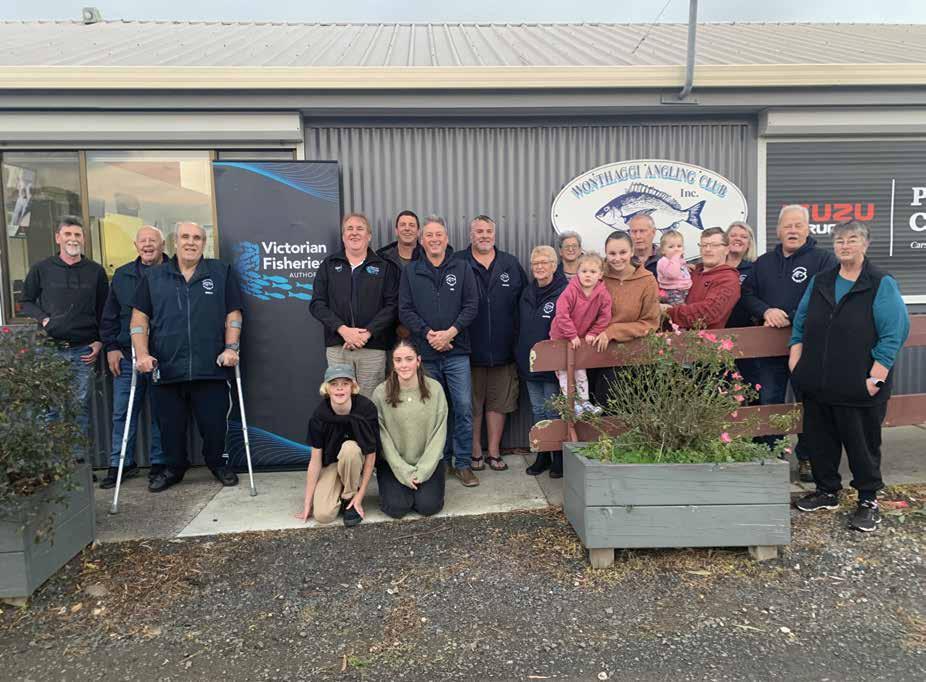
Your fishing licence fees are helping 100 Victorian fishing clubs grow membership, upgrade facilities and encourage the next generation to wet a line through the Victorian Government’s $1.2 million Stronger Fishing Clubs Grant Program.
In the latest round of the program, 68 clubs have obtained grants of up to $10,000, complementing 32 clubs that received funds in 2024.
The Ballarat Fish Protection Society & Anglers Club will use $10,000 to paint their clubrooms, replace a window, tile the toilet and purchase club apparel for members.
The Casterton Angling Society will use $9,100 for a water tank and plumbing, fish cleaning table, air conditioner, defibrillator and fencing.
The Colac Anglers Club will use $3,140 to paint the club room ceiling and beams and install better lighting.
Learn more about all the club grants at www.vfa.vic.gov.au/strongerfishingclubs

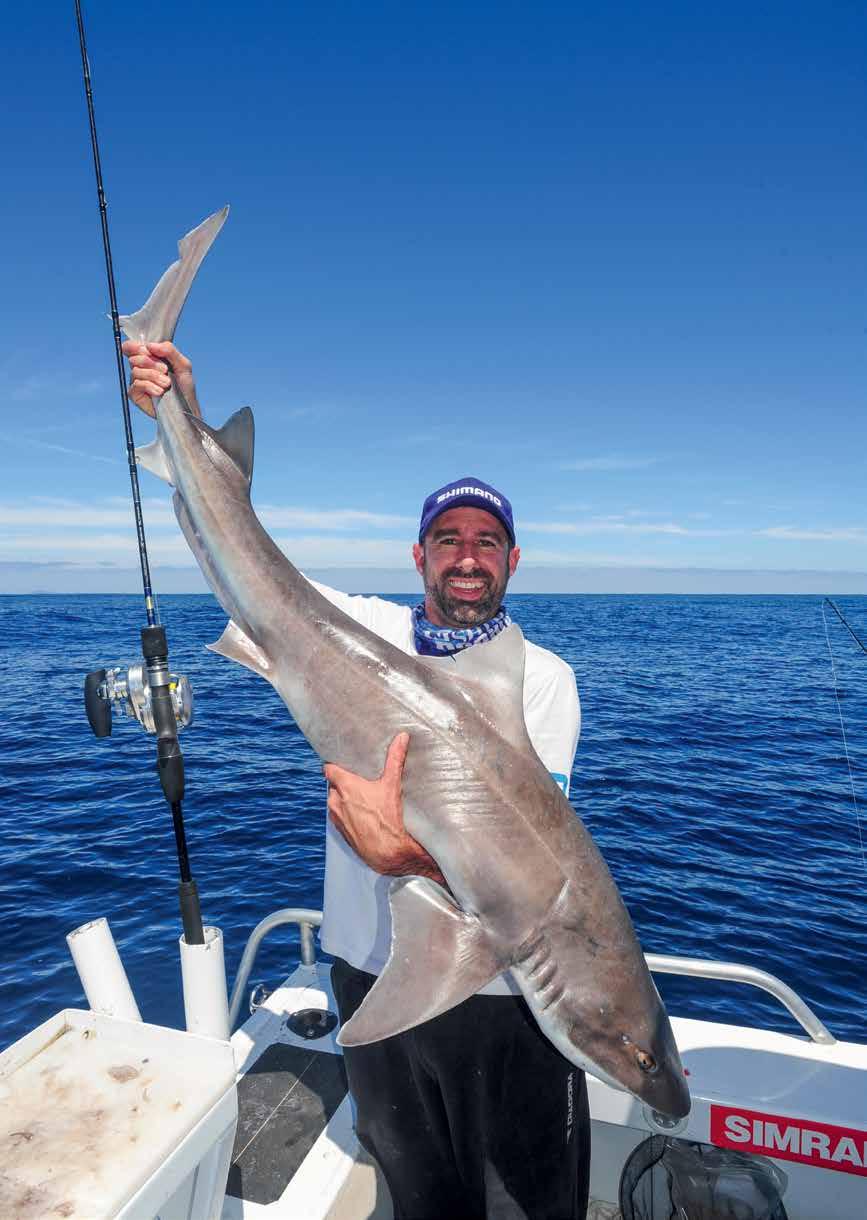
Whether for sport or table fare, targeting sharks in our southern states remains a popular pastime. In our temperate waters, we have quite a smorgasbord of notable shark species to target. Some regions are well known for producing big sharks, pushing anglers and tackle to the limit, while other regions are well known for producing smaller table sharks. Depending on your location, there will likely be a shark species or two to target, but the further north you travel, shark species change and they shift from being a worthwhile target to becoming a nuisance. Along our country’s southern coastline, however, we have some fantastic species of shark on offer, including gummy sharks, school sharks and bronze whalers, amongst others. With several species on offer, there is often confusion surrounding the identification and targeting of these varied sharks. I’m often shown images of bronze whalers caught around our local reefs, only to see they are actually school sharks.
In this feature, we’ll take a snapshot of these popular species to try and clear up any confusion and offer some tips on how to find and have fun with these cool-water sharks. I’ll be focusing on the smaller species, which are easier to manage and offer the best table fare. While many of these species are available to land-based fishos too, we’ll be focusing on trailer boat fishing for these sharks in this feature, but
will detail land-based fishing in a future article.
Bronzies are a popular target in our southern waters and are an accessible species for inshore anglers. They are distributed from the mid-north coast of NSW and around the southern half of the country to Shark Bay in WA. This distribution includes Bass Strait and northern Tasmania, and extends across to New Zealand. Bronzies are also found throughout other temperate regions of the world, where they are often referred to as copper sharks.
As their name suggests, these sharks are a bronze to copper colour across their upper body, fading to white underneath, with no other distinguishing features. They have fairly large pectoral fins compared with other species, a rounded nose and multiple rows of sharp triangular teeth.
Bronzies are great fun to target and are quite dogged fighters. Although they have the potential to reach a large size of more than 10ft, most of the bronzies we target are in the 4 to 5ft size range and weigh between 15 and 30kg. These smaller bronzies are actually good table fare, but you will need to bleed, clean and chill the trunks immediately to prevent traces of ammonia in the flesh.
We target bronze whalers through our shallow inshore waters from November through until approximately April, when
their numbers are at their best. While it’s possible to find bronzies outside of this period, it’s not with the same consistency. Once water temperatures start to cool, these sharks migrate away from our shallow coastal waters. Known haunts for bronze whalers include inshore reefs, headlands, bay entrances, channel edges and inshore islands. They also shadow food sources such as schools of baitfish and fish such as salmon and tuna. I prefer to sit at anchor in a likely location and start a berley trail of minced oily fish scraps and pilchards, together with tuna oil. Patience is often the key.
Tackle selection is always difficult for bronzies given their broad size range, but because we’re targeting the smaller sharks, we’ll set a couple of baits accordingly. I usually run a pair of 15kg outfits, with baits suspended around two metres under balloons. Good baits include half slimy mackerel or mullet, or fillet baits of Australian salmon, trevally or tuna. Given that bronze whalers have teeth, it is advisable to use a length of nylon-coated wire leading to your hook.
Hammerhead sharks are one of the most unusual and unique species of shark in the world. They are very cool animals. In warmer regions of Australia, you’ll encounter the scalloped hammerhead and great hammerhead, while through our temperate regions it will typically
be the smooth hammerhead. The head shape varies slightly between each species, which helps with identification, with the largest of the three being the great hammerhead.
The smooth hammerhead is distributed globally through waters within its preferred temperature range. Within Australia, this includes waters from northern NSW southward to approximately Geraldton in WA and includes parts of Tasmania.
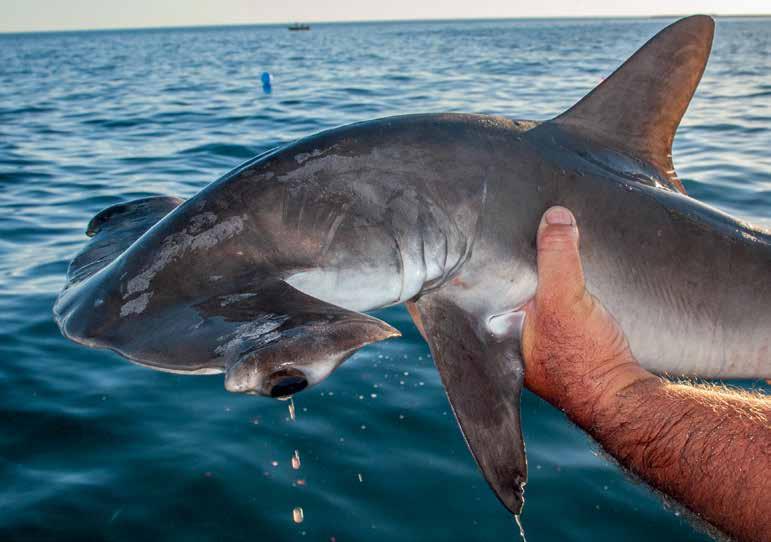
The smooth hammerhead is undoubtedly the easiest shark to identify of all our southern sharks, given its distinctive flattened head profile unique to the species. This hammer-shaped head is referred to as a cephalofoil and assists in hunting prey while also aiding hydrodynamics. Their body takes on a dark olive-brown to grey colouration, fading to white underneath. They have a small mouth relative to their body length, with rows of small serrated teeth.
While smooth hammerheads have the potential to reach a large size, most of the hammerheads we encounter are typically between 3 and 4ft in length, with the occasional 5 or 6 footer. Given their slender bodies, they weigh less than a bronze whaler of the same length. Here in South Australia, hammerheads are not overly common and we only encounter them sporadically. We catch them from time to time when targeting bronze whalers at night, but the most common way we encounter hammerheads is by spotting them swimming on the surface on a calm summer day, especially within our
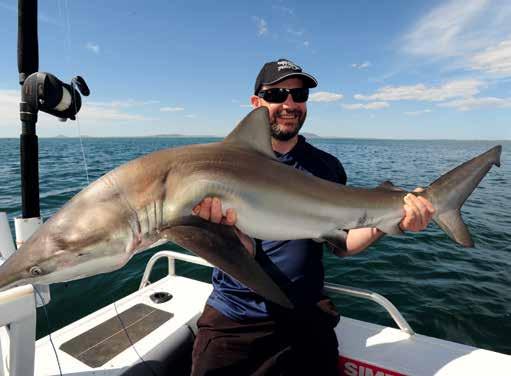
gulf waters.
We encounter the occasional small hammerhead of only 1 to 2ft in length in shallow bay waters, especially around artificial structures, but generally speaking, this species is more commonly encountered a kilometre or two from shore, preferring clean water. Smooth hammerheads have sensitive electroreceptors along their head and, of all the shark species, we’ve found hammerheads to be the most cautious towards steel trace. We’ve had the best results by pitching a live bait on a circle hook with 60 to 80lb nylon trace. If the circle hook does its job properly, it should pin the shark in the corner of
the mouth so the nylon trace doesn’t come into play.
Hammerheads are fun to catch. Their initial run is quick and erratic, but they do throw in the towel quicker than a bronze whaler. The flesh of hammerheads is okay, but not as mild and delicate as other flake options and, given the uniqueness of the species, we opt for catch and release.
GUMMY SHARK
My favourite eating shark is the gummy, which would come as no surprise given the large commercial fishery for the species. They offer sweet, mild-flavoured flesh that is ideal in a number of dishes.
Gummy sharks have been recorded from northern NSW and around the bottom half of our country to Geraldton in the west, including Tasmania, which is one of the gummy shark strongholds of Australia. They are also globally widespread and found throughout temperate regions of the Indian and Pacific oceans.
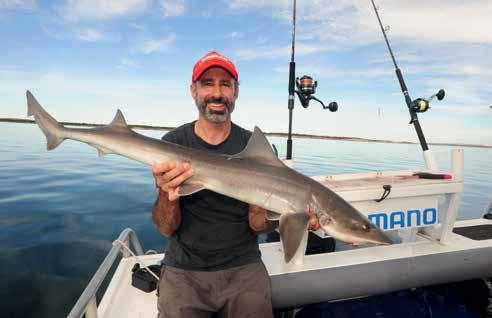
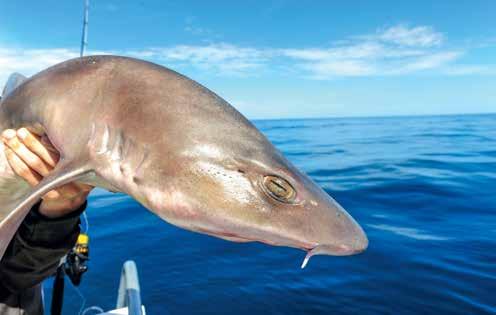
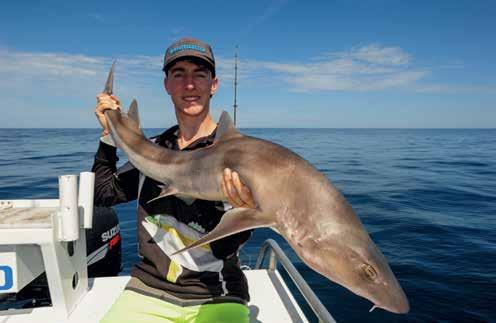
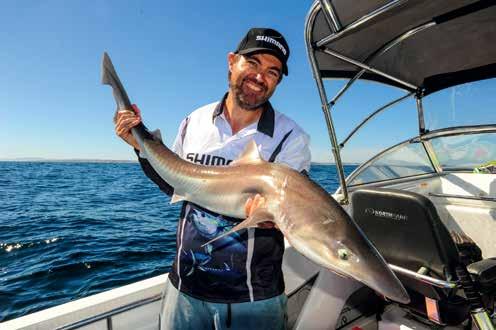
They are a fairly easy shark to identify, with a long, slender body, a silver to white belly, and a grey upper body covered with white spots. These spots can be faint on some individuals but are always present. Another notable difference is their lack of teeth, which are replaced with flat plates used for crushing prey. Sand crabs feature regularly in the diet of gummy sharks, indicating their bottomfeeding preference.
They are an interesting species and can be found in many varied environments,


from shallow bays and surf beaches to offshore islands and reef systems, and even out to the edge of the continental shelf in 400m of water. This makes gummies one of our most widespread southern sharks.
Some common settings for targeting gummies are the deeper holes of our tidal bay systems in 8 to 15m of water, and around our bluewater reefs in 20 to 30m of water. Gummies are available virtually year-round, but the setting varies depending on the time of year. Here in SA, from January to June we target them in our shallow bays, which is consistent for 5 to 10kg sharks. Then, from July to December, we chase them in deeper water, and this is where we see the bigger gummies, some of which push into the 20 to 25kg bracket.
In both settings, we lay a berley trail and use strip baits of slimy mackerel, herring, snook, silver trevally and Australian salmon. Because they lack teeth, there is no need to use wire. Make sure you set your bait on the bottom
when chasing gummy sharks, as this is their feeding zone. You will encounter a few stingrays and skates at times, along with sevengill sharks, but if you persevere through the by-catch, you will be rewarded with some gummy shark action.
This species of shark is widespread globally and can be found in the temperate regions off South Africa, New Zealand, the North Atlantic, South Atlantic, and both the northern and southern Pacific Ocean. Here in Australia, they are distributed from approximately Moreton Bay in Queensland around to Fremantle in WA, including Bass Strait and Tasmania. As their name suggests, they form schools of similarly sized individuals, and when you catch one, there’s a fair chance you’ll catch another. They are also referred to as tope in other parts of the world.
School sharks are quite similar in appearance to gummy sharks, but they lack the white spots over their back, they have small serrated teeth and a pronounced nose that is slightly translucent. The body shape of the two sharks is quite similar and both are grey in colour, fading to white underneath, but school sharks have the potential to grow a little larger, approaching 40kg on occasion.
In Victoria and parts of Tasmania, school sharks are often caught at a relatively small size of under 5kg. In my local area, our school sharks average 10 to 15kg, with the occasional fish in the 25 to 30kg bracket. They offer great sport at this size and are a really good table shark as well. We have seen numbers building over the past several years, which has been really encouraging. We encounter most of our school sharks while bouncing baits around rubbly bottom and limestone reefs in 30 to 50m of water.
We use circle hooks or octopus hooks with 8cm luminous light sleeves on the trace to protect against the school sharks’ small but sharp teeth.
Once a school arrives on the scene, I’ll Spot-Lock in position and switch to using nylon-coated wire. School sharks show up on the sounder quite well and are typically holding in the bottom 5 to 10m of the water column, although they do occasionally follow hooked reef fish to the surface.
While we have caught school sharks yearround, March through to July is prime time around these bluewater reefs, and the fishing can be very consistent. Several sharks being caught and released in a session is not uncommon. We’ll generally take one school shark home for the table from each session, but like all sharks, they need to be bled, cleaned and iced immediately for best results.
When chasing school sharks around our bluewater reefs, we’ll encounter the occasional whiskery shark. The whiskery shark looks like a cross between a gummy shark and a school shark. It has small teeth like a school shark, but the body profile of a gummy shark without the spots. Whiskery sharks are more grey-brown in colour, with blotchy saddles down their flanks. Their telltale identifying feature is the small nasal whiskers that give the species its name. They are occasionally caught from Bass Strait through South Australia and up the Western Australian coastline to Kalbarri. They are a welcome by-catch when chasing school sharks and are excellent eating.
There are a heap of other southern sharks caught by recreational fishers throughout our temperate regions. Some of these sharks are targeted specifically for sport, such as the shortfin mako and thresher shark, while others are incidentally caught while targeting other species, including blue sharks, dusky whalers and spotted wobbegongs.
If you’re setting a berley trail for one of our southern shark species, you may also be visited by a white pointer on occasion. This has happened to us a few times, and we simply retrieve our gear and move along. Sharks may not be everyone’s cup of tea, but they still have a place in our southern fishery.
Beer-battered flake, anyone?
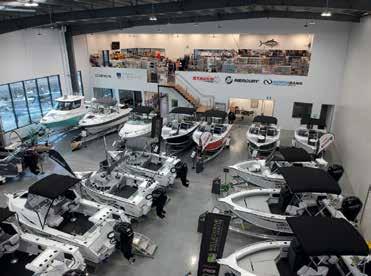
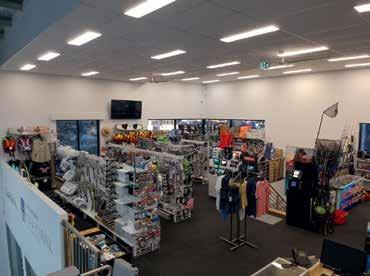
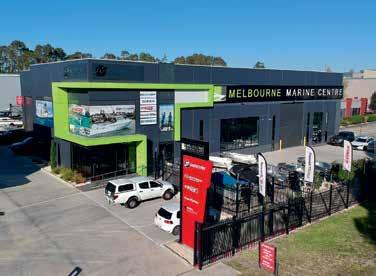
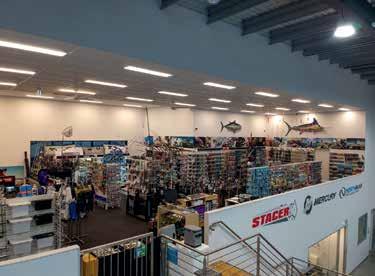
Melbourne Marine Centre is a true one-stop destination for boaters who want quality gear, expert advice and professional service under one roof. As authorised dealers for Stacer and Northbank boats and Mercury outboards, the team can match you with the right package whether you’re upgrading or starting fresh. Inside the full showroom you’ll find leading marine electronics from Garmin, Simrad & Lowrance along with an extensive range of boating parts and accessories to suit every setup. There’s also a well-stocked fishing tackle store, plus a six-bay workshop offering servicing on all makes and models and everything from fitting new electronics through to complete custom boat fit-outs




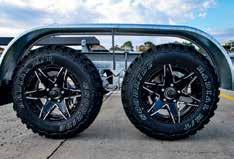
GALVANISED METAL CURVED WHEELGUARDS
HEAVY DUTY U-BOLTS ON AXLES
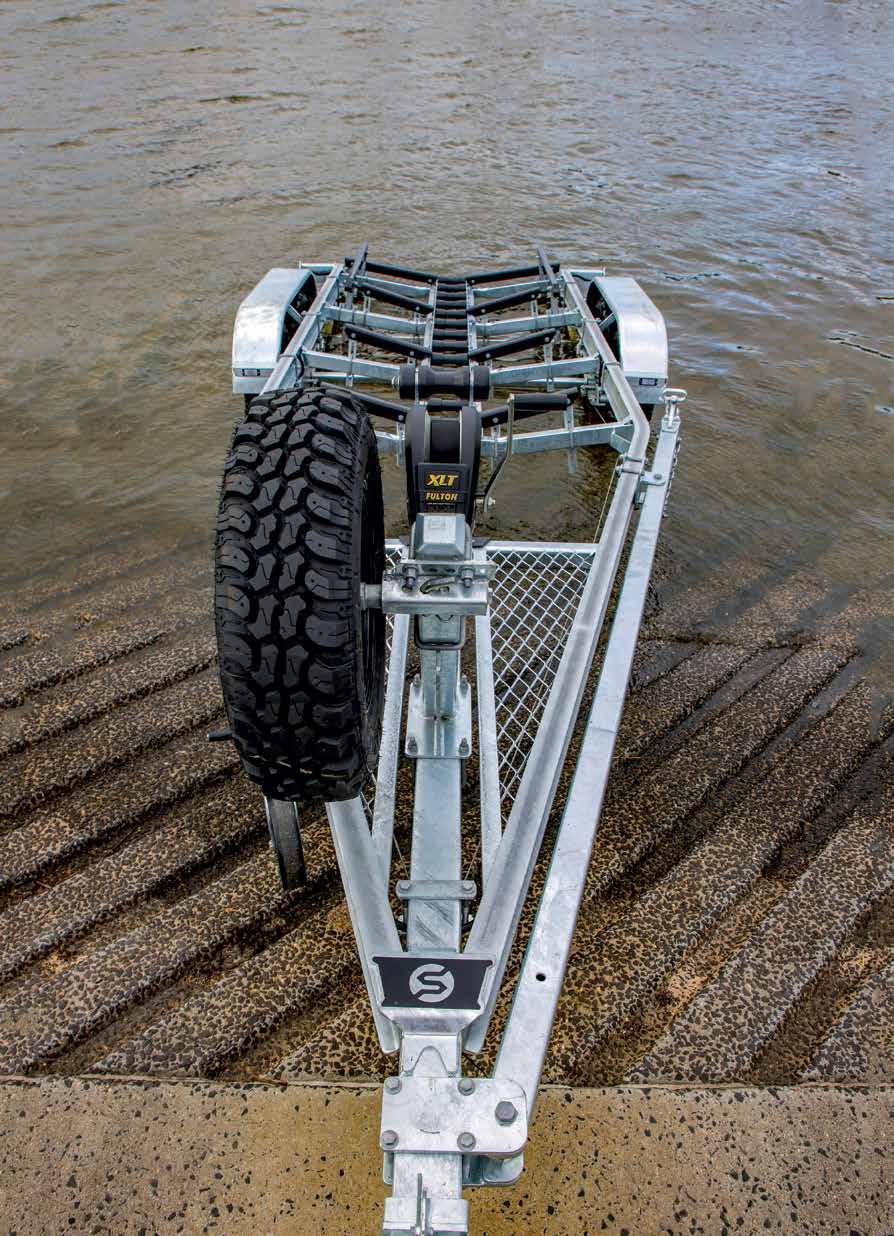
SOCKETED SPARE WHEEL FOR BEACH LAUNCHING