10 PRIME SUMMER SPECIES TO TARGET SUMMER BREAM ON CRUSTACEAN LURES TESTED & REVIEWED:





10 PRIME SUMMER SPECIES TO TARGET SUMMER BREAM ON CRUSTACEAN LURES TESTED & REVIEWED:
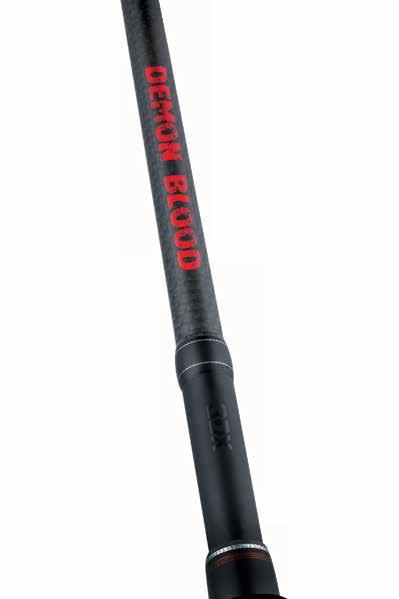
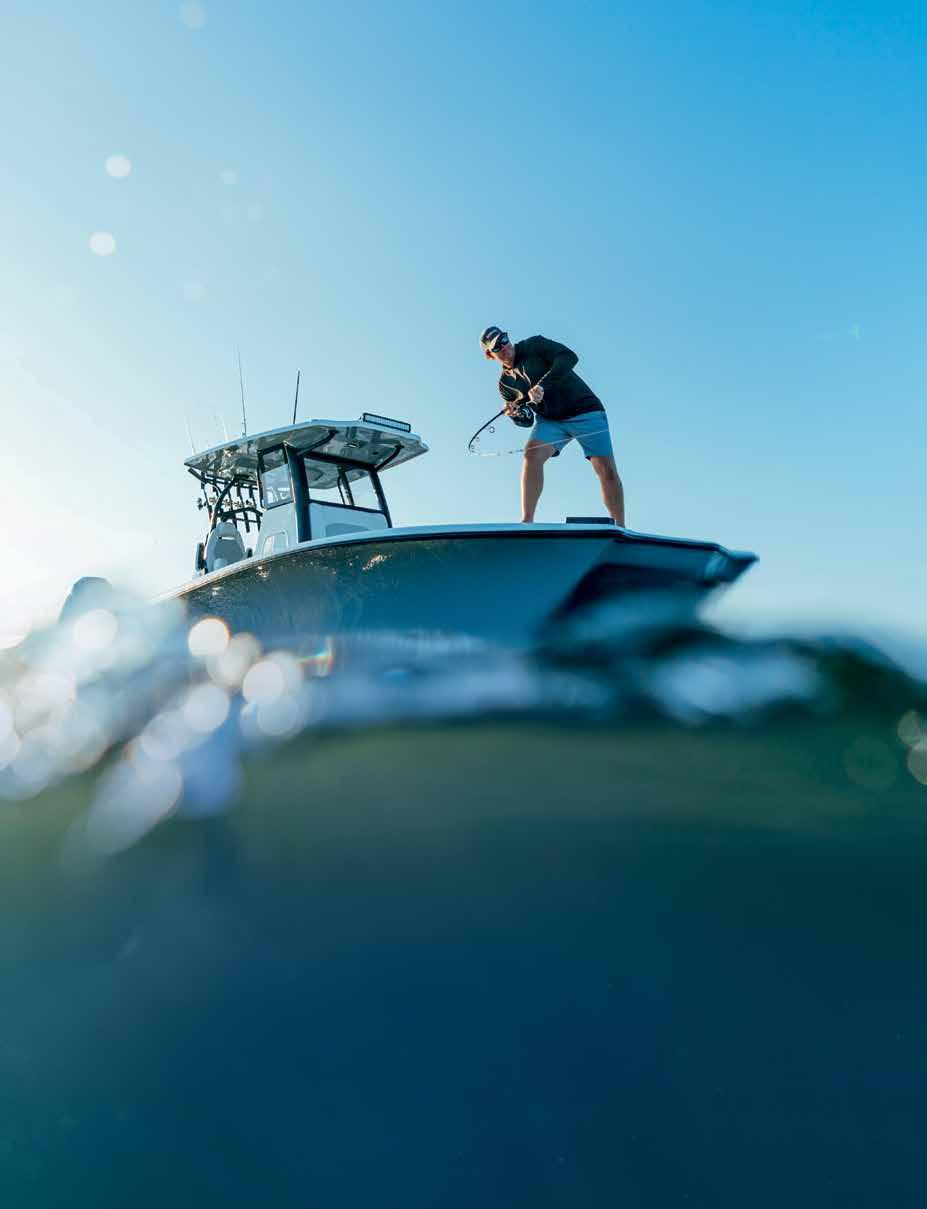
Dominate the o shore shing scene the new DEMON BLOOD. A diverse rod series tailor made for Australia’s tough shing
The DEMON BLOOD’s robust Daiwa technologies and features sit front and centre , with HVF NANOPLUS, 3DX and X45 creating a rod blank that is light and sensitive, yet pulls no punches when it comes to strength, lifting power, and durability. Traits that are essential for Australia’s harsh o shore shing environment.
Blank performance and strength is further enhanced for 2-piece models thanks to Daiwa’s V-JOINT technology. V-JOINT features a bias wrap construction within the ferrule to eliminate weakness and at spots in the joint. The result is a two-piece rod that’s as
The 26 DEMON BLOOD is the rod series made for monstering
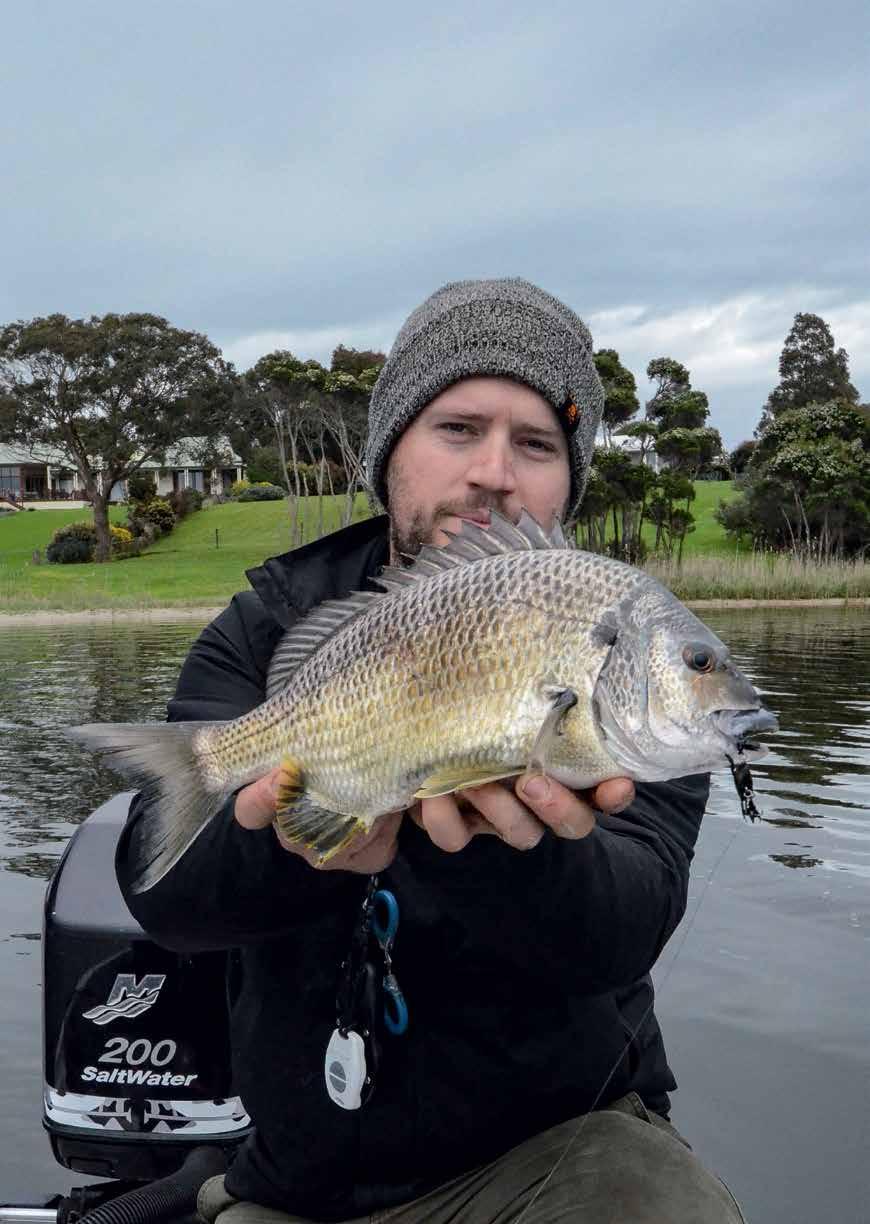
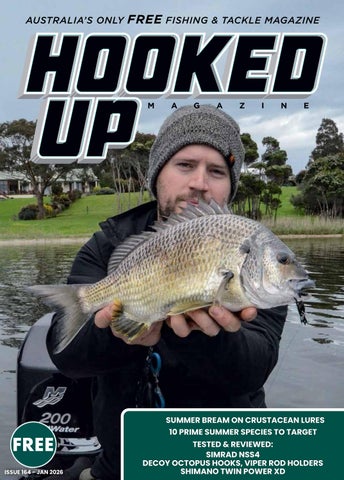
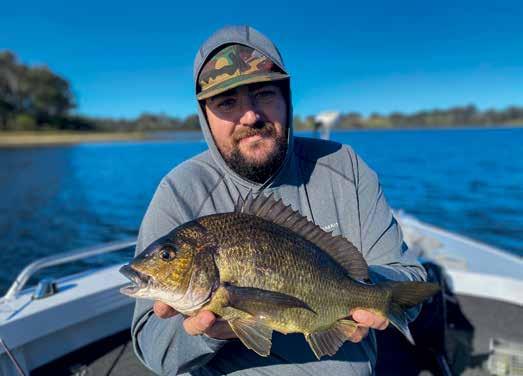
ON THE COVER: Jason Linardos with a solid bream taken on a Cranka Crab.
Welcome to the new year and to another issue of *Hooked Up Magazine*. With the calendar ticking over, there’s something about January that always feels full of possibility. New tides, new targets and plenty of time on the water ahead. Whether you’ve already snuck in a few early sessions or you’re still planning that first trip of the year, this is the time when motivation is high and the fishing season really opens up.
This issue brings together a mix of practical fishing content and honest gear reviews, all aimed at helping you fish better, not just buy more gear. We kick things off with our bream feature, a species that continues to reward anglers who pay attention to detail. Bream are often overlooked once summer arrives, but in the right conditions they can fish exceptionally well, particularly around structure and in systems firing after rain. It’s a timely reminder that you don’t need to chase headline species to enjoy consistent fishing.
We’ve also included our guide to ten summer species you can target across the warmer months. Summer is the peak period for fishing around Australia, and it’s the time when many anglers are on the water more often than at any other point in the year. That feature is designed to give anglers of all experience levels a clear idea of what’s available, where to start and how to make the most of the season, whether you’re travelling or fishing close to home.
On the gear side, this issue is stacked with in-depth reviews. We take a detailed look at the new Simrad NSS4, a unit that represents a genuine step forward in offshore electronics. It’s faster, more refined and highly customisable, yet still intuitive to use, whether it’s installed on a 6m trailer boat or a much larger offshore vessel. If electronics are the backbone of your fishing, this is one worth reading closely.
We also review the Viper Pro Series 3 Way Rod Racks, a product designed specifically for serious bait fishing. Rod position matters more than many anglers realise, and this review explains why horizontal presentation can make such a difference when targeting species like snapper, gummies and whiting.
Rounding out the reviews is a deep dive into Decoy’s new Octopus hooks. Hooks don’t get the attention they deserve, yet they’re the final link between a bite and a fish on the deck. These hooks impressed across multiple snapper sessions and reinforce why quality terminal tackle matters.
As we head into the new year, I hope this issue gives you both inspiration and practical takeaways. Try a new species, refine your setup, or simply spend more time on the water. On behalf of everyone at *Hooked Up*, I wish you a safe, productive and fish-filled year ahead.
Kosta Linardos. Editor-in-Chief
CONTRIBUTORS
Sam Gilchrist, Rhys Withers, Remi Hagge, Jason Linardps, Adam Hewson
ADVERTISING info@hookedup.com.au



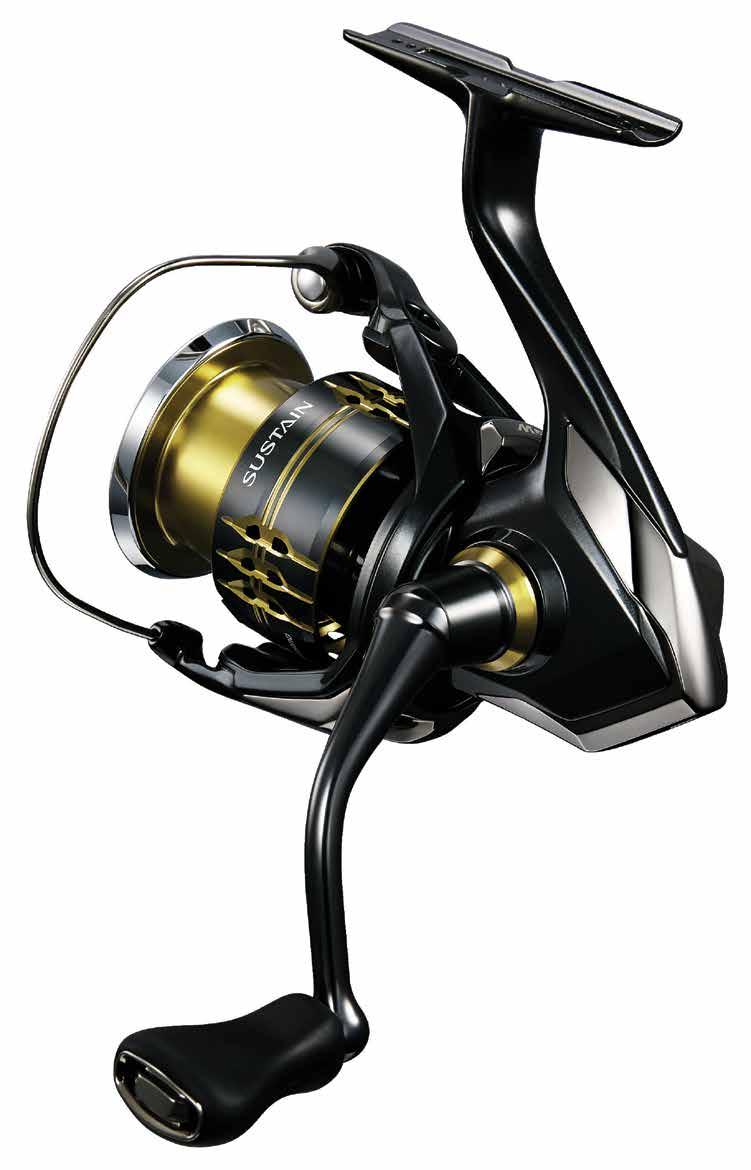
SHIMANO’S LEGENDARY SUSTAIN SPINNING REELS JUST GOT EVEN BETTER.
The new Sustain FK series — featuring four precision-engineered models brings flagship Stella-level technology to serious anglers at a more accessible price. With InfinityDrive, InfinityCross, InfinityLoop, and the revolutionary Anti-Twist Fin, these reels deliver unmatched smoothness, power, and durability across all light to medium tackle applications. Whether you’re chasing trout in the streams or tuna offshore, the Sustain FK is the ultimate companion season after season, cast after cast.
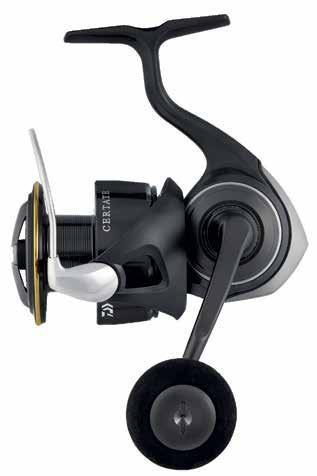
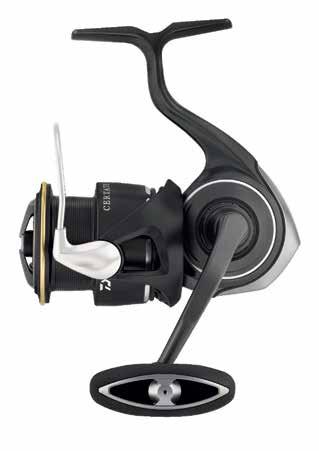
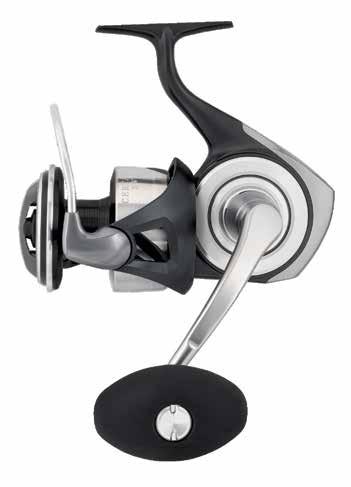
The Daiwa 26 Certate HD represents a serious evolution of the Certate platform, purpose-built for anglers who demand maximum power, rigidity and reliability when fishing hard and often. Sitting between the standard Certate and the offshore-focused Certate SW, the Certate HD is designed as a true heavy-duty inshore and crossover reel, ideal for Australian conditions where lures are heavy, fish pull hard and gear is pushed to its limits. At its core is Daiwa’s full metal aluminium monocoque body, moulded from a single piece to dramatically reduce flex under load while allowing for a larger drive gear and improved power transmission. This structure delivers a solid, connected feel under pressure and maintains precise gear alignment when fighting powerful fish or winding high-resistance lures.
Unlike the standard Certate, the HD model features an aluminium Air Drive rotor, prioritising rigidity over low inertia. This results in instant power delivery with minimal deflection, particularly noticeable when grinding big vibration lures, swimbaits or working deep structure. Internally, the reel is supported by Daiwa’s Tough Digigear system, providing smoothness and durability under sustained load, while Magsealed protection in critical areas helps keep water and salt intrusion at bay for long-term performance. Available in 3000 to 5000 sizes, the 26 Certate HD is ideally suited to barramundi, mangrove jack, snapper and other demanding inshore species where confidence in your reel is non-negotiable. daiwafishing.com.au
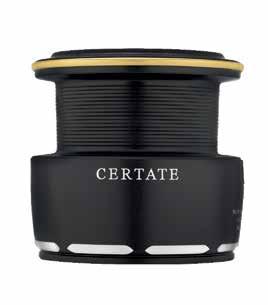
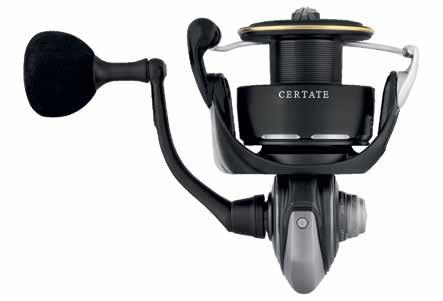
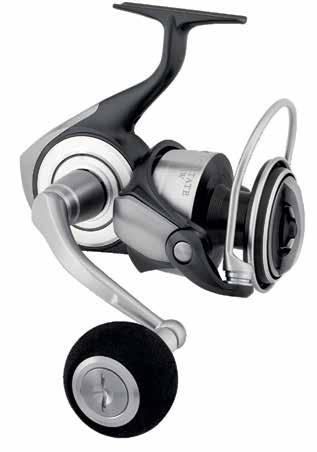
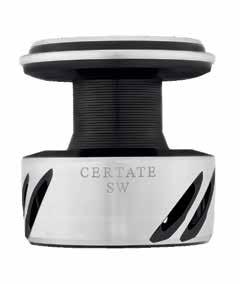
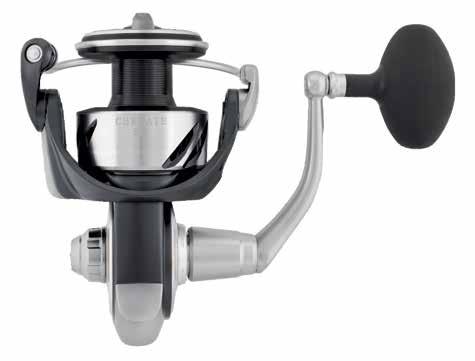
The Daiwa 26 Certate SW is the most powerful and uncompromising reel ever produced under the Certate name, designed for anglers targeting serious offshore and bluewater species. Built to handle jigging and casting applications where failure is not an option, the Certate SW pushes beyond the traditional boundaries of the Certate platform while retaining the refinement and build quality the series is known for. Central to its performance is Daiwa’s Power Drive design, combining a larger, reinforced body with an oversized drive gear to deliver immense winding power and stability under extreme load. This design allows anglers to apply sustained pressure to fast, powerful fish without sacrificing control or smoothness.
Despite its strength, the Certate SW remains impressively refined thanks to a Zaion Power Drive rotor that balances rigidity with reduced inertia, keeping rotation smooth even under heavy drag settings. The reel is further protected by Magsealed technology in critical areas, extending longevity in harsh saltwater environments. With sizes ranging from 8000 through to 20000, the 26 Certate SW is built for kingfish, amberjack, tuna and GTs, delivering drag power up to 30 kg in the largest models. This is a reel designed not just to handle big fish, but to give anglers the confidence to fish harder, longer and without compromise in the toughest offshore conditions.
daiwafishing.com.au
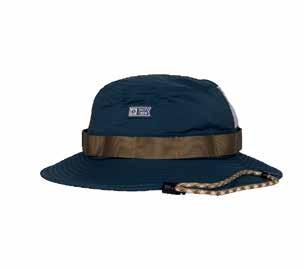
The Frontier Boonie in Cast Blue is a lightweight, water resistant polyester hat designed for long days on the water. Its unstructured, mid-crown shape makes it easy to pack, while the EVA brim holds form and offers reliable shade. Mesh side panels boost airflow, and the high-density rubber patch and crown webbing give it a clean, functional look. Finished with an adjustable fleck cord and toggle for a secure fit, it delivers comfort, breathability and durability whether you’re offshore, on the flats or exploring the coast.
salty-crew.com.au
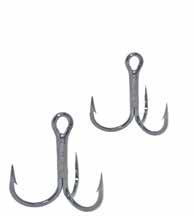
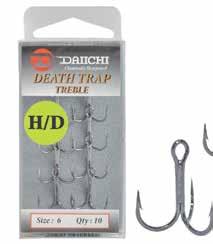
Daiichi has expanded its popular Death Trap range with the new HD Death Trap trebles, designed for anglers needing a heavier gauge without giving up sharpness or hook-up performance. Made in Japan, these trebles feature a 3X gauge wire that still penetrates cleanly, even into the tough mouths of species like bream. Rounded bends improve hook retention during the fight, while the oblong eye allows lures to swing more freely and maintain their intended action. Finished with Daiichi’s renowned chemically sharpened process, the HD Death Trap delivers razor sharp points straight from the pack and provides holding power for anglers.
jurofishing.com
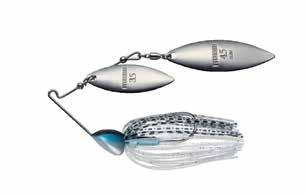
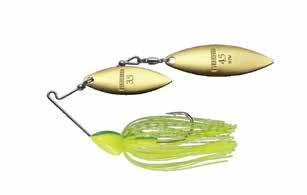
The Jungle Walker Mini is a compact spinnerbait designed to be easy to use and effective from both the shore and a boat, targeting bass of all sizes rather than focusing only on big fish. Created with simplicity and enjoyment in mind, it allows anglers to fish effectively with a straightforward cast-and-wind retrieve, while still offering plenty of depth for those who want to experiment with speed changes and angles. The compact profile packs plenty of presence, triggering aggressive reaction bites that spinnerbaits are famous for. Available in 3/8 oz and 1/2 oz double willow leaf configurations, the Jungle Walker Mini delivers flash, vibration and that addictive, hard-hitting strike that makes spinnerbait fishing so much fun.
gladiatortackle.com.au
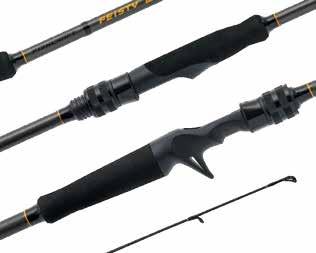
The Fishcraft Feisty is built to stand out and perform. With its bold design and crisp carbon fibre blank, it delivers the perfect mix of style, sensitivity, and strength. Outfitted with solid hardware, it’s tough enough for everyday sessions yet crisp enough to give you the edge. Whether you’re starting out or levelling up, the Feisty proves that performance and personality don’t have to cost a fortune. 6 spin and 5 baitcast models available for light to medium heavy lure fishing.RRP
$79.95
fishcraft.com.au
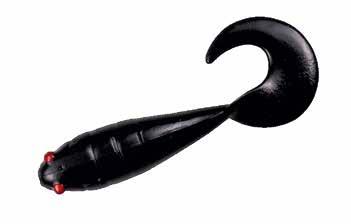
The Squidgies Bug 70mm is back by popular demand and better than ever! Known for its prawn-like body and lifelike tail action, the Bug is a fan favourite among anglers. Perfect for both topwater twitches and deepwater bombings, its meaty profile mimics the movements of a natural crustacean, triggering brutal strikes from predatory fish. Ideal for species such as flathead, snapper, and jewfish, the Squidgies Bug’s versatile design makes it an essential part of any tackle box. With a proven track record, the Bug 70mm is re-engineered to deliver even more action and attract a wider range of fish.
shimanofish.com.au
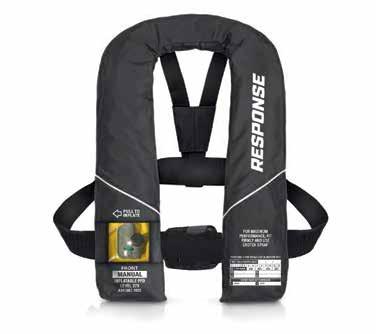
The Response Model 275N Extra Buoyancy life jacket offers 275N of buoyancy, providing an extra 125N over standard 150N inflatables. Perfect for anglers and boaters wearing rainwear and waders, the added buoyancy delivers exceptional lift once activated. This lightweight, compact, and comfortable inflatable life jacket is certified to AS4758.1 2015 standards and comes with a single-point indicator. Designed in a universal size for individuals 40kg and above, it includes backup oral inflation for added reliability. With a low-profile, durable fabric that resists tears and punctures, and a neoprene neckline for all-day comfort, the Response 275N is ideal for recreational use. Selfserviced after 3 years of use.
jmgillies.com.au
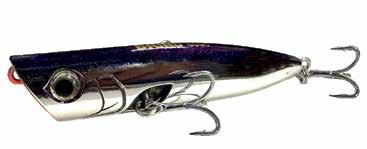
The Maria BIGRO SS95 is a topwater lure designed to reduce missed surface strikes in rough, wave-affected conditions. Instead of a traditional belly hook, it features Maria’s Claw Hook system with hooks positioned on both side flanks, keeping one hook close to vertical during the lure’s rolling action to improve hook-ups on surface bites. A slow-sinking, horizontal posture prevents the lure from skipping across the surface and helps it stay in the strike zone longer. On a straight retrieve, the BIGRO SS95 produces a controlled wobble and roll with no rod work required. A large internal steel ball and magnetic weighttransfer system provide excellent long-distance castability. Measuring 95 mm and weighing 18 gm, it is fitted with #6 trebles and available in glow and standard colours.
ejtodd.com.au
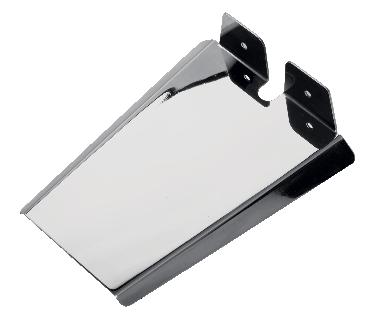
Viper Transducer Covers are designed to protect your outboard from constant saltwater spray while also improving sonar performance on the move. By shielding the transducer, the cover helps deflect spray away from the engine leg, reducing the risk of corrosion and long-term rust issues. At the same time, it smooths water flow around the transducer, minimising turbulence and delivering a cleaner, more stable sonar image at speed. Viper Transducer Covers are available in two mounting options, with a standard version featuring mounting tabs on the top side and a reverse-mount version with tabs on the underside to suit different installations. The range is offered in three sizes, small at 150 x 135 mm, medium at 150 x 200 mm and large at 150 x 250 mm, making it easy to match your setup. bellmarine.com.au
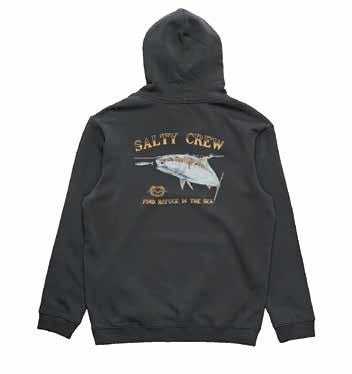
The Surface Midweight Hood in Coal is made from Salty Crew’s cotton and polyester brushed fleece at 300gsm, offering a warm, comfortable fit without the bulk. It features a two-piece hood with an encased drawcord, rib knit cuffs and hem, and a self-fabric kangaroo pocket that keeps things simple and functional. Finished with Salty Crew screenprinted artwork on the front and back and a clamp label at the hood opening, it’s available in sizes from S through to XXXL.
salty-crew.com.au
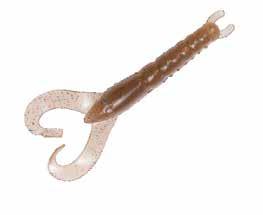
The Squidgies Lobby 90mm is the ultimate crustacean imitation, redesigned for enhanced action and a bigger presence. Crawling through tough terrain or fished on a jig head, the Lobby mimics the natural movement of a crustacean, triggering brutal strikes from predatory fish. Perfect for species like bream, cod, and barra, the 90mm size ensures an irresistible presentation that’s hard for fish to resist. With its lifelike movements and realistic profile, the Squidgies Lobby is bound to become a favourite for anglers targeting fish in both shallow and deep waters. Redesigned with modern materials, it’s built for durability and performance. shimanofish.com.au
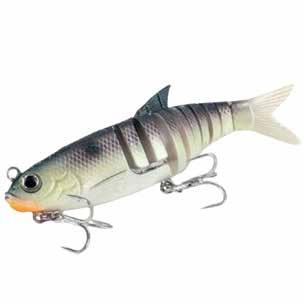
The Molix Swim Shad 115 is a compact, pre-rigged soft swimbait designed for tough bite conditions and pressured fish. Built specifically for Australian waters, it combines a supple body and paddle tail that deliver a tight roll and strong tail thump, even on a slow retrieve. An Aussie-spec heavy-gauge hook and internal weighting keep the lure tracking straight across a wide range of speeds, making it ideal for working edges, drains and structure. The realistic baitfish profile and detailed finish help hold fish in close and convert follows into strikes. At 115 mm and 20 gm, it offers a versatile profile suited to barramundi, threadfin salmon, mangrove jack, mulloway and big flathead in estuaries, rivers and impoundments.
ejtodd.com.au
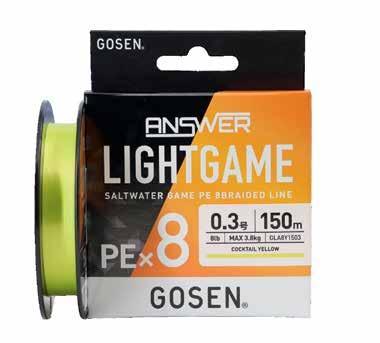
Gosen Answer Light Game 8 is engineered to deliver an ideal balance of thin diameter and strength, giving anglers the confidence to handle fish well beyond expectations. The tight 8-strand construction produces exceptionally smooth line flow, delivering outstanding casting distance when fishing pressured areas or needing extra reach. Gosen’s proprietary SG processing adds the right level of firmness and body for precise control in light tackle applications, while suppressing initial stretch to maximise sensitivity and bite detection. A highly visible cocktail yellow colour ensures excellent line visibility day or night, helping anglers stay connected at all times.
Available in PE 0.3, 0.4 and 0.5.
gladiatortackle.com.au
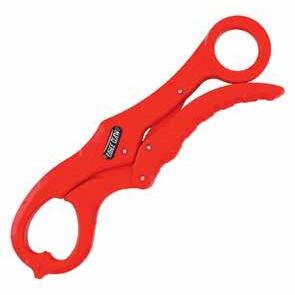
The Eagle Claw floating fish grip is a practical accessory designed to make fish handling safer and easier for both angler and fish. Made from lightweight plastic with corrosion resistant pins, it is suitable for use in both freshwater and saltwater environments and, importantly, it floats if dropped overboard. Measuring 21.6 cm, the grip is a comfortable, easy to manage size, while the bright orange colour makes it quick
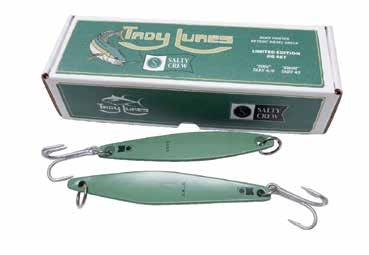
This limited edition twin-lure set brings together Salty Crew and Tady Lures in a tribute to a classic West Coast fishing tale. Each iron is hand painted in “Detroit Diesel Green” by Joel Shimizu, third-generation owner of Tady Lures, inspired by the 1980s sportboat captains who repainted their most battered, fish-bitten irons with engine enamel when supplies ran low. That muted mint-green tone proved deadly on local yellowtail, and this release honours that legacy with a Sink 4/0 Yo-Yo Iron and a Swim 45 Surface Iron, both finished in the same iconic colour.
salty-crew.com.au
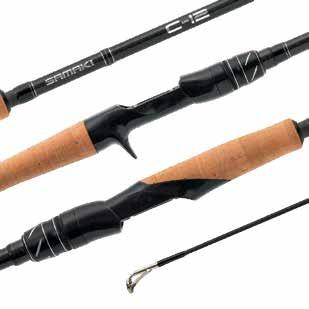
performance casting rods, delivering increased sensitivity, reduced weight and refined cosmetics for Australian anglers. Built on Samaki’s latest 40 tonne honeycomb weave prepreg construction, the C-12 blank is now 20 percent lighter than its predecessor, offering faster response, improved strength and enhanced casting performance. A premium carbon fibre reel seat with an integrated custom clicker system adds security and refinement, while Fuji K and LKW silicon guides provide excellent line control and durability. Finished with perfectly tapered AAA cork grips and a striking black and silver design, the expanded C-12 range is purpose-built for Australian species and conditions. RRP $399–$429. samaki.com.au
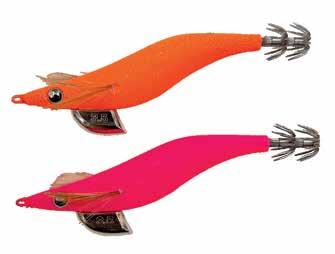
The Yamashita EGI OH F range expands with the addition of Solid Orange and Solid Pink, two high-visibility colours designed for dirty water conditions and actively feeding squid. These bold finishes are easy for squid to track and commit to, making them ideal when visibility is reduced or when a strong visual trigger is needed to draw aggressive strikes. Built on the proven EGI OH F platform, these models maintain the fast-response sinking profile and balanced body shape the series is known for, allowing anglers to cover water efficiently and keep the lure in the productive zone. The Solid Orange and Solid Pink colours provide clear contrast in lowlight and stirred-up water, giving anglers reliable options when standard patterns struggle to get noticed. ejtodd.com.au
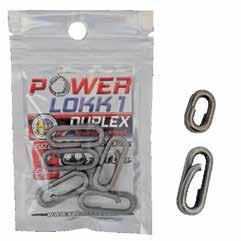
Salta has taken terminal tackle strength to a new level with the Powerlokk Rings, built in Sweden from Duplex stainless steel for exceptional corrosion resistance and serious muscle. The large size measures 25mm x 9mm and carries a massive 620lb breaking strain, while the small size comes in at 16mm x 9mm with a 470lb rating. Each pack includes five pieces and both sizes are designed for anglers pushing their gear against the hardest fighting fish in the ocean. If you want split rings that refuse to let go in high pressure situations, these are built for that job. jurofishing.com.au
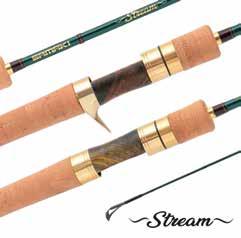
The Samaki Stream is designed for anglers who fish clear water and slow-moving systems, where finesse and feel matter most. Built for light estuary and freshwater use, it suits everything from bream in quiet backwaters to trout in mountain streams. Premium components are paired with a nostalgic aesthetic that feels right at home off the beaten track, making it a rod you enjoy fishing as much as carrying. A two-piece construction improves portability, while AAA-grade cork grips and a custom wooden reel seat deliver comfort, balance and classic style. Fuji K guides ensure smooth line flow and dependable performance across a wide range of light tackle applications. RRP $199.95.
samaki.com.au
Consisting of an extensive line-up of 23 models, the latest iteration of Shimano’s ever-popular Maikuro rods are all built on strong, highly-responsive 30 ton graphite blanks and are fitted with top quality Fuji O-Ring guides throughout. Newly-designed ergonomic grips and crisply upgraded cosmetics offer the perfect combination of form and function, with a rod to suit the needs of any Aussie angler in every conceivable light to medium tackle application. Whether you hike high country trout streams, leave fresh footprints in the sand of sweeping surf beaches, or head offshore in pursuit of pelagic thrills, there’s a new Shimano Maikuro rod to satisfy your needs and desires with just the right balance of aesthetics and slick, trouble-free performance. shimanofish.com.au
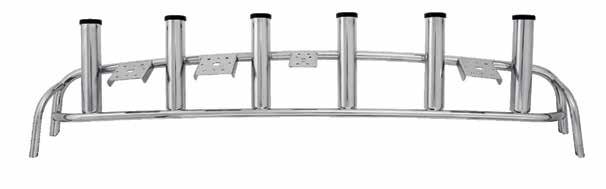
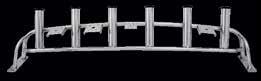
The Viper Hard Top Rocket Launcher is a premium, heavy-duty option designed specifically for hard top and enclosed cabin boats. Fully welded and hand polished for maximum strength and corrosion resistance, it delivers a clean, professional finish built to handle tough offshore conditions. The launcher includes a bimini mounting rail and four mounting plates for accessories such as lights, antennas or aerials, along with provision for internal wiring to keep installations neat and protected. Adjustable angled legs allow the frame to be set to suit a wide range of hard top designs, ensuring a secure and tailored fit. Available with either six or eleven rod chimneys and supplied with mounting hardware, the Viper Hard Top Rocket Launcher is offered in small and large widths to suit different boats and layouts.
bellmarine.com.au



A Bellarine Peninsula man has been sentenced after an extensive Victorian Fisheries Authority investigation uncovered illegal seafood trafficking and repeated fisheries offences. The man, aged in his 30s from St Leonards, appeared in the Geelong Magistrates Court after pleading guilty to offences committed between August 2023 and December 2024. The court imposed a six-month jail sentence, followed by a 12-month community correction order, a $2,000 fine and an indefinite ban on dive and boat-based fishing. Fisheries officers intercepted the man on Port Phillip Bay in September 2024 while he was allegedly operating an unregistered boat without a lifejacket or marine licence. An inspection revealed 131 scallops on board, exceeding the daily recreational limit of 100. Subsequent searches uncovered evidence the man was unlawfully selling seafood, including commercial quantities of abalone. The Magistrate noted the offender had prior convictions for similar offences, including abalone trafficking in 2017, and said illegal commercial fishing undermines industry regulation and contributes to stock depletion. The VFA said the case highlights its ongoing focus on serious fisheries crime to protect Victoria’s fisheries for future generations.
vfa.vic.gov.au

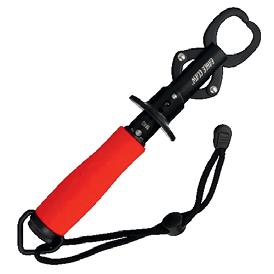
The Eagle Claw Fish Grip Weigh Scale combines a secure lip gripper with an integrated weighing scale, creating a compact and practical tool for anglers who want to safely handle fish and record weights without carrying separate bulky scales. Designed for single handed use in either the left or right hand, it features spring loaded locking jaws to securely grip toothy fish, along with a rotating handle that pivots with the fish’s movement to help reduce strain and prevent tearing. The built in scale has a maximum capacity of 15 kg or 33 lb, making it suitable for a wide range of species. Constructed from corrosion resistant stainless steel, it is suitable for both freshwater and saltwater use, and is finished with an ergonomic foam handle for comfort. An adjustable wrist lanyard is included for added security when handling fish on the water. tacspo.com.au
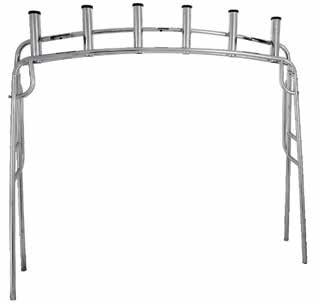
The Viper Universal 3 Piece Rocket Launcher is a heavy-duty, premium solution designed to suit a wide range of trailer boats and offshore rigs. Constructed from fully welded, hand-polished stainless steel, it delivers strength, durability and a clean finish built to handle harsh marine environments. The three-piece design features an easy fold-down construction for storage, towing or low-clearance access, while an integrated bimini mounting rail allows seamless canopy fitment. Three mounting plates provide flexible options for adding lights, antennas or accessories, and the frame is pre-drilled for internal wiring to keep installations neat and protected. Rear grab rails offer added safety and support for passengers, and the launcher is available with either six or eleven rod chimneys to suit different fishing styles. The range includes small, medium and large width options, all supplied with a cut-to-suit height of 1260 mm and complete mounting hardware for straightforward installation. bellmarine.com.au




samaki.com.au
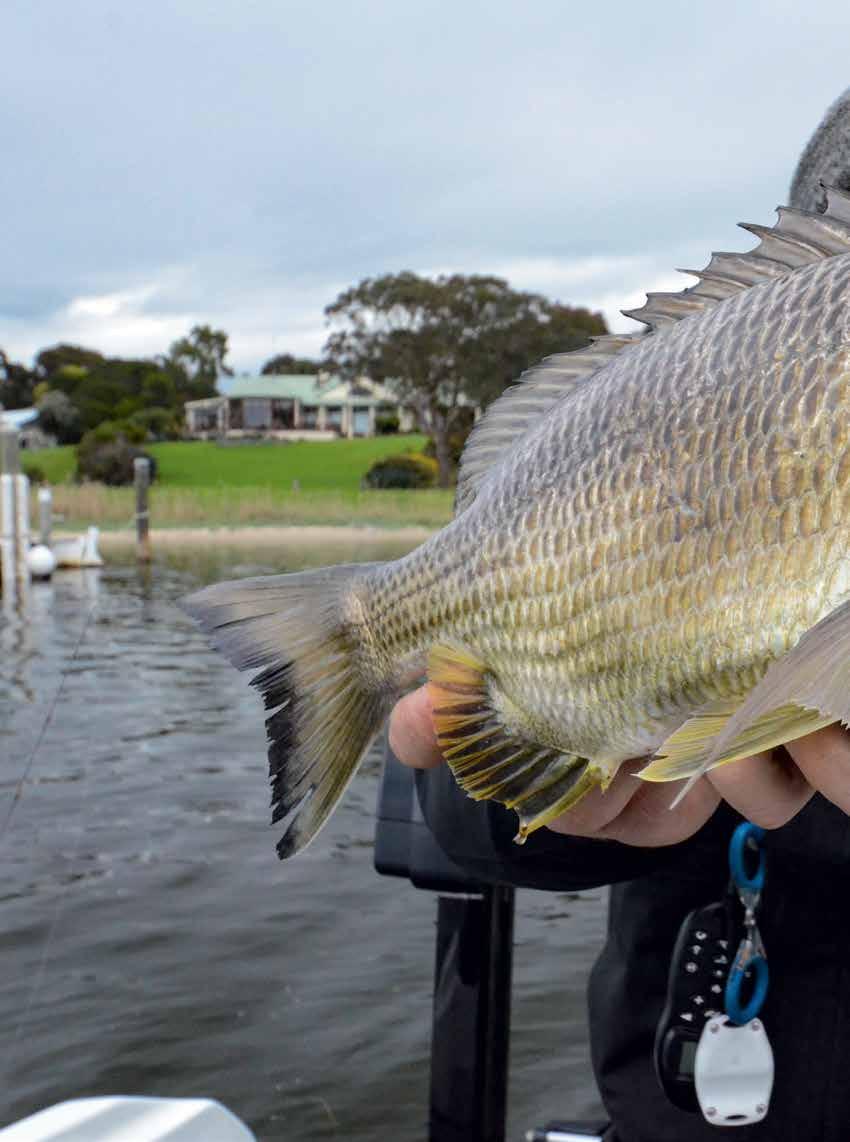
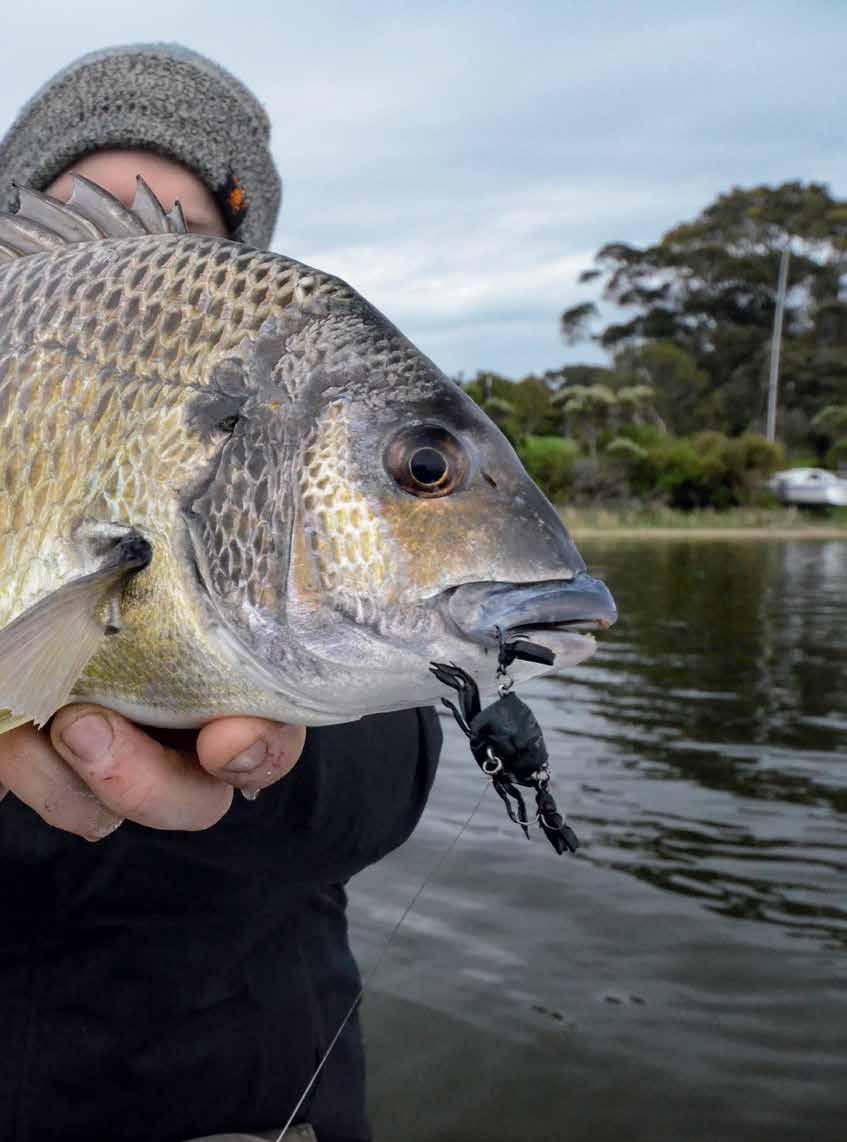
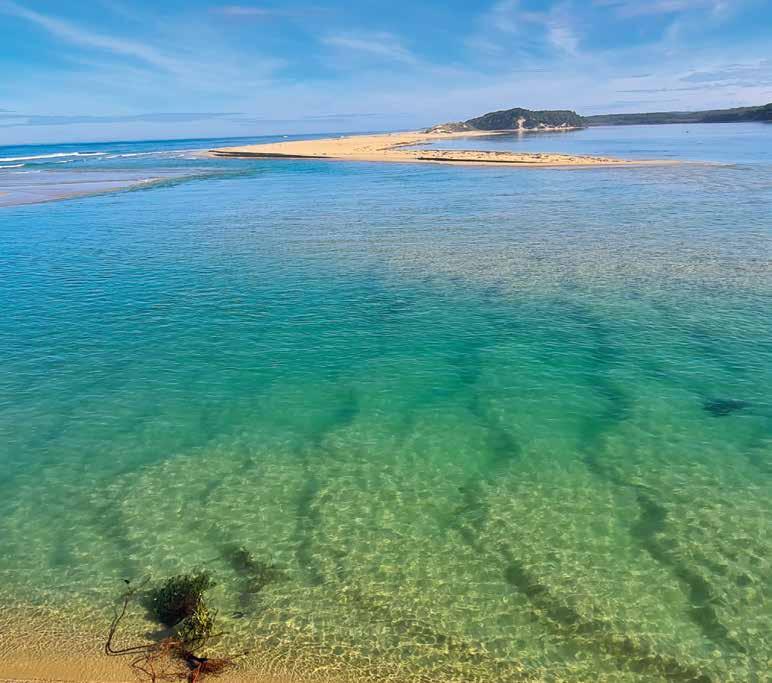
Every few years, Australian anglers are gifted a unique set of estuary conditions that fire up the fishing like clockwork. A strong La Niña weather pattern, with its increased rainfall and persistent onshore winds, brings huge surges of nutrient-rich water into our estuaries. These flows don’t just raise water levels, they often reopen estuary mouths, flushing systems that may have been closed for months, sometimes years, and creating perfect conditions for bait species to thrive. Among the biggest winners are prawns and small estuarine crustaceans like crabs, which explode in numbers under these conditions. And where prawns and crabs boom, bream fishing can go from good to unforgettably epic. In seasons like this, bream feed aggressively and opportunistically, keyed in on prawns, crabs and small baitfish as they push into newly flooded habitat.
For lure anglers, these conditions create the perfect storm, or rather, the perfect opportunity, to catch bream using crustacean-imitating lures. Over the next few pages, we will dive into the tackle, techniques and key locations that will help you make the most of the prawnrich, water-pumping La Niña period, and hopefully get you connected to some thumping crustacean-munching bream.
Before diving into tackle and techniques, it’s important to understand why La Niña sets the stage for some of the best bream fishing of the decade. Increased rainfall means higher estuary water levels. When systems rise, previously dry banks, saltmarsh edges and mangrove flats become flooded. These areas are nurseries for prawns, shrimp,
nippers and juvenile crabs, providing both shelter and food. With more habitat and food available, crustacean numbers skyrocket.
Estuary mouths often break open under heavy flow. Systems that were closed by sandbars can burst open under volume pressure, allowing estuarine species, including bream, to move freely between ocean and estuary. This improves water quality, encourages bait movement and replenishes oxygen levels. Prawns also thrive under warm, nutrient-rich conditions. La Niña typically brings warm ocean currents and nutrient-heavy runoff, which supercharge prawn spawning cycles. Many Australian estuaries will see bait prawns so thick that you can spot them flicking on the surface throughout the day, however this usually occurs during the early morning and late evening. With all this activity, bream
naturally shift their focus to high-protein, easy-to-catch crustaceans, making crustacean-imitating lures the go-to presentation for both numbers and trophy-sized fish.
La Niña fundamentally reshapes how estuaries function. Water levels surge, salinity fluctuates, clarity changes and new feeding grounds appear almost overnight. Each location fishes differently, and understanding where bream hold throughout the tide can dramatically improve your catch rate.
Look to target weed flats with broken patches of sand cutting through the weed, secondary drop-offs and ledges with water deeper than 2 metres, and structure that offers shelter for crustaceans such as jetties, mangroves, pylons and oyster leases.
On the incoming tide, prawns push into the shallows with the flood. Focus on flats, mangroves and weed beds. At high tide, bream feed confidently in thick structure. Target oyster leases, mangroves and jetties, but don’t rule out super shallow weed beds either, especially on a windy day.
On the outgoing tide, prawns flush off the flats and into channels. When this lines up with the middle of the day, it’s the perfect scenario for fishing drop-offs and secondary ledges.
The backbone of bream fishing in La Niña conditions is selecting lures that closely match the crustaceans bream are keyed into. Lures that imitate prawns, crabs and other crustaceans through colour, action and size are critical.
These are arguably the most versatile crustacean lures available, and over the past three years the market has exploded with options from almost every tackle manufacturer. I have a few personal favourites that live permanently in my tackle box for a range of situations and presentations.
The Daiwa Bait Junkie 2.35in Prawn tied to a 1/32oz down to a 1/20oz jig-head is my go-to when finesse is key and bream are keyed in on smaller prawns around structure such as pylons, rock walls, mangroves and snags. The smaller profile offers a bite-sized snack and, when matched to a light jig-head, gives the lure a fluttering action that bream struggle to ignore.
I always try to cast the lure into the shaded side of the structure and allow it to slowly sink on a slack line, watching closely for the tell-tale ‘tick’ that signals a bream has eaten the lure on the drop. If that first sink doesn’t produce a bite, I’ll give the rod tip a couple of small flicks to imitate a prawn darting off the bottom, then pause again. Keep in mind that lightly weighted lures can move a fair distance, so only flick the rod tip a few centimetres to mimic a natural prawn movement.
The Daiwa Bait Junkie 3” Prawn tied to a 1/20oz down to a 1/12oz jig-head is another standout. My favourite way to fish this lure is to position the boat in deeper water along the flats, usually in 2–4m, often referred to as the secondary dropoff. Cast as far up into the shallows as possible and retrieve the lure slowly just under the surface with a constant wind, allowing the legs and tail to subtly work like a cruising prawn.
A good pair of polarised sunnies helps me target sand patches in the weed. Whenever the lure reaches one of these honey holes, I’ll stop the retrieve and allow it to sink. I’ll do the same when it reaches the drop-off edge where the weed meets deeper water. The majority of my larger bream have come from this technique and it’s become a staple whenever I’m fishing flats.
The key here is using a long, light fluorocarbon leader of 3lb to 5lb and a rod with a soft tip. Avoid striking on the bite and
instead wind the fish on. The best rod I’ve found for this is the Daiwa TD Battler 742LFS Silverwolf. While it’s a premium rod, it increases hook-up rates and casting distance thanks to its Megatop solid carbon tip.
The Pro Lure Clone Prawn 62mm, rigged weedless or on a 1/32oz jig-head, is deadly on calm days when bream are cruising shallow and actively hunting prawns. Rigging it weedless or with minimal weight allows it to sit just above the weed. I mainly use this lure when sight casting in water 1.5m or less. Cast past the fish, then work the lure back with short, sharp hops, letting it rest on top of the weed. Once a bream spots the Clone Prawn, it’s usually game over as they rush in before another fish beats them to it. Light line is critical for this style of fishing. It improves lure action, reduces visibility and greatly increases casting distance. Most of my soft plastic fishing is done with braid to leader setups using 6lb or 8lb main line and around 4 metres of 3lb to 5lb fluorocarbon leader.
Walk into any tackle store and you’ll struggle to find bream lures that don’t come in prawn patterns. They’re popular for good reason. Both black and yellowfin bream respond to well-presented prawn-pattern jerkbaits, and there’s plenty of information already out there on their effectiveness. Instead, I want to focus on some newer stickbait-style lures that have gained popularity over the past 12 months.
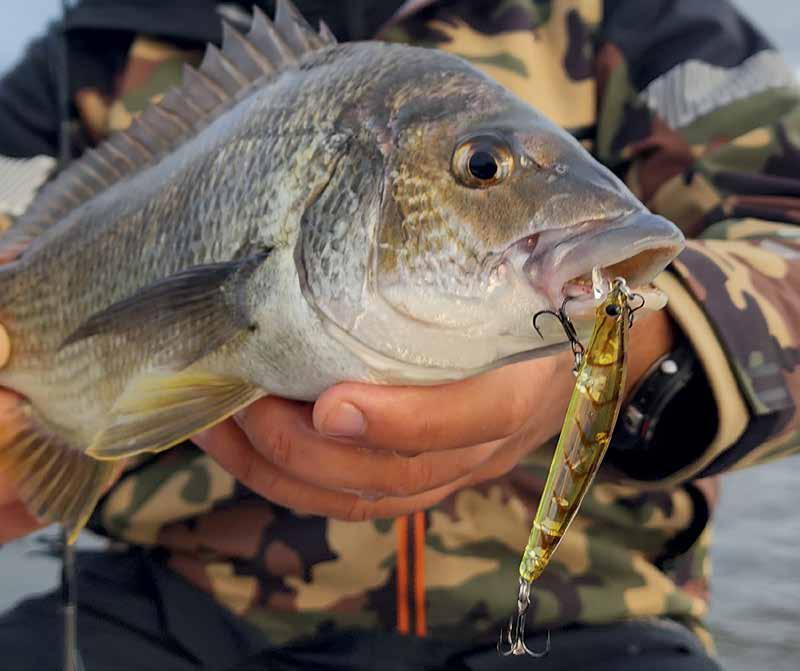
The Pro Lure Hybrid Shrimp 58mm comes into its own when the sun is high and bream become more cautious. I’ll generally move into deeper water along the secondary drop-off and tie it onto a 7’2 rod with a fast action. Using live sonar, I look for schooling bream in 3–6m of water. Casting at fish on the screen or even blind, letting the lure flutter to the bottom and then hopping it back can switch shut-down fish back on and turn a slow midday session into the best bite of the day.
Live sonar removes much of the guesswork and lets me see how fish react to different retrieves. I’ll constantly change speed, pauses and movements until I see interest on the screen.
The Daiwa Double Clutch IZM 60SP is the king of bream jerkbaits and has earned that reputation over many years. It casts exceptionally well, has a tight wobble on a slow retrieve and darts enticingly
when twitched. If you’re planning a day on the flats throwing jerkbaits, the Double Clutch family should be high on your list.
A shorter, slightly stiffer rod around 6’8 to 6’9 matched to a 2000 or 2500 reel works perfectly. Rods like the Daiwa Infeet SK or Z range, or the Shimano T-Curve range paired with a Daiwa TD Black or Shimano Vanford FA, make working these lures effortless.
I particularly enjoy jerkbait fishing when cloud cover is high and there’s a bit of wind putting chop on the surface. The wind helps with casting distance and bream generally seem more aggressive under these conditions.
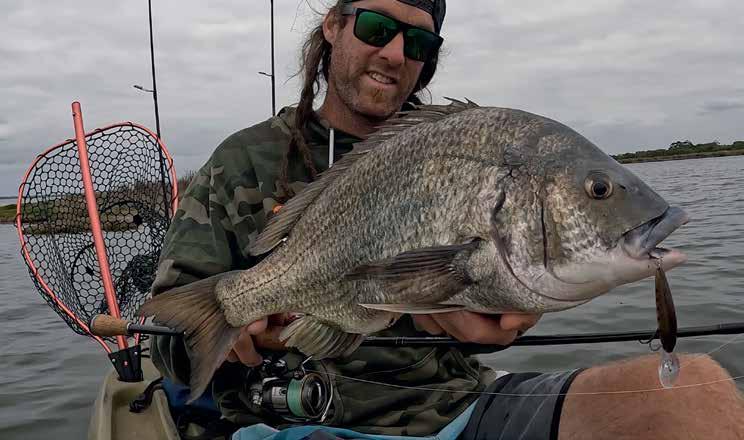
The Cranka Crab 50mm Light is a lure I absolutely love fishing on the flats. It’s slow, methodical fishing, but bream simply can’t resist a crab being dragged painfully slowly across the bottom.
I reserve this technique for areas on the edge of flats with mud, sand or shell bottoms and minimal weed, as the decoy treble claws can collect weed easily. When bream are digging into the bottom and a crab appears in front of them, it’s like ringing a dinner bell.
Long casts are key. I often use 4lb fluorocarbon straight through and, once the lure hits bottom, work it back using a high rod and gentle drag, only winding slack line. Staying in constant contact with the lure is critical. Avoid striking on the bite as this often spooks the fish. A single retrieve can take two to three minutes, so this is genuinely slow fishing, but the rewards are worth it.
Daiwa make an excellentcrab rod in the Infeet Z 782LFS-ST. The solid tip allows bream to pick up the lure without feeling pressure and is critical when winding into fish rather than striking. Pair it with a 2500-size reel and you’ve got a perfect setup for fishing Cranka Crabs.
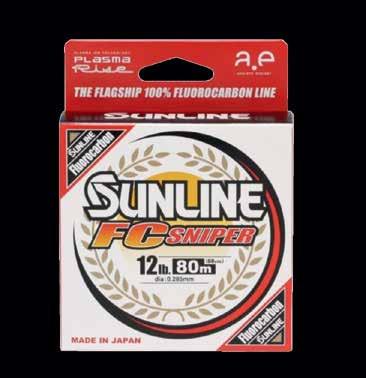


100% Fluorocarbon with virtually zero memory Super FC Sniper is designed as a mainline and has been formulated with the stealthiness of a sniper. Thin, strong and highly sensitive, with a high specific gravity (sinking) and low water absorption for minimal weakening over time, it’s ideal for spin reels and baitcasters alike. Manufactured with Plasma Rise.
Made in Japan.
200yd 2lb to 14lb
165yd 16lb to 30lb
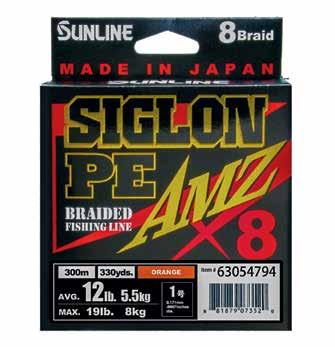
Siglon PE AMZ is a new braid in Sunline’s Siglon series, featuring breakthrough Performance Sustainable Processing (PSP) that extends its lifespan. The 4 and 8 strand lines stay smooth, durable, and resistant to fraying, ensuring longer casting distances and consistent performance. Woven 33% tighter than other Siglon PE lines, it offers reliability for any angler.
Made in Japan.
Multi-Colour
300m PE: 0.6 TO PE8.
PEx4 150m Orange PE:0.5 to PE3
PEx8 150m Orange PE:0.5 to PE3
www.ejtodd.com.au
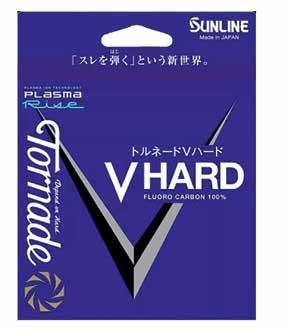
Sunline V Hard features a glass-like surface created with Plasma Rise technology, using a slippery polymer layer to repel scratches before damage occurs. Only the surface is hardened, retaining flexibility for better bites, strong knots and improved residual strength where it matters most.
Made in Japan. Available in: 50m 2lb to 50lb.
I couldn’t write about capitalising on a bumper crustacean year without mentioning a few other lures. While I won’t go into detail on how to fish them, they’re well worth having tied on this season.
The Squidgies Bug and Lobby have recently returned to production and were once staples in every bream angler’s tackle box. When they disappeared, I stocked up as best I could, so it’s great to see them back.
The Bassday Sugar Pen 70f is perfect for topwater bream sessions. Early mornings with calm conditions can produce cricket score numbers of strikes from bream looking up after a night of chasing prawns.
LA NIÑA YEARS DON’T COME AROUND OFTEN, BUT WHEN THEY DO, THE FISHING OPPORTUNITIES FOR AUSTRALIAN BREAM ANGLERS ARE EXCEPTIONAL
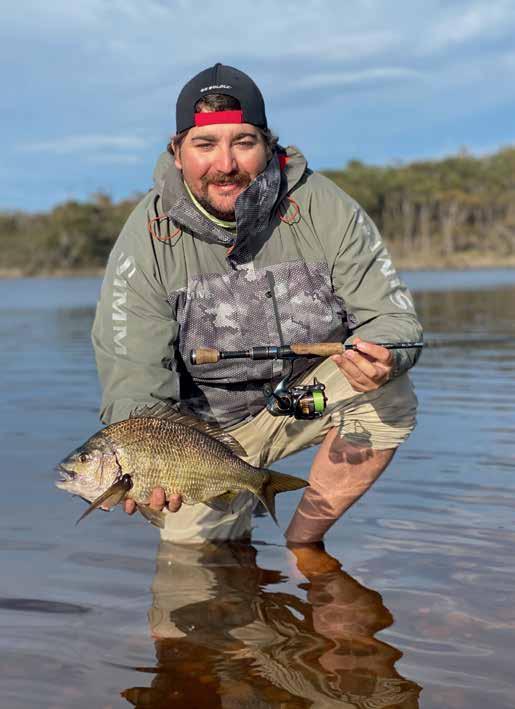
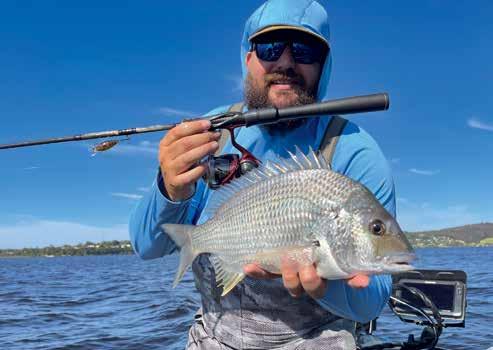
The Samaki Redic Fall Prawn and Redic Skipping Prawn are two newer prawn options with great action and a range of UV-enhanced colours. They’re already accounting for some quality bream and are well worth a look.
La Niña years don’t come around often, but when they do, the fishing opportunities for Australian bream anglers are exceptional. The explosion of prawns, shrimp and crabs throughout estuaries, combined with reopened mouths, creates the perfect environment for crustacean-imitating lures to shine. Whether you’re working a prawn plastic across a shallow weed bed, dragging a crab along a secondary drop-off or walking a surface lure at dusk, success comes down to matching the natural behaviour of the crustaceans bream are feeding on.
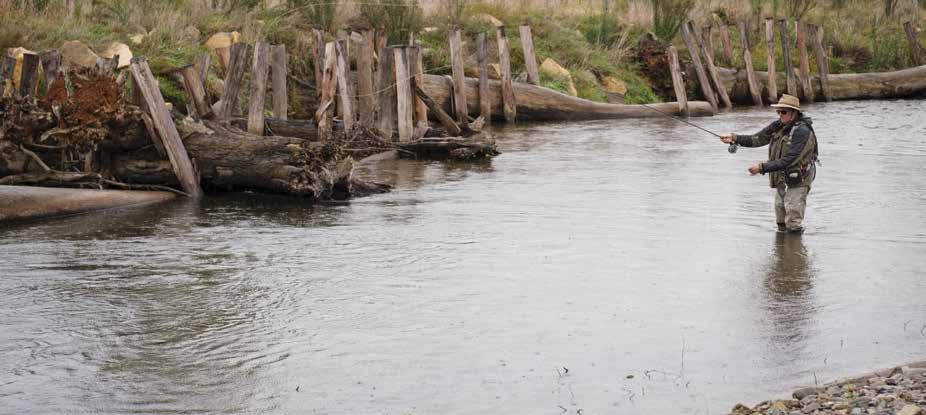
Recreational anglers can look forward to even better fishing opportunities in the years ahead thanks to 20 projects, worth more than $2 million, to be funded by fishing licence fees.
» $19,000 to improve angler access and repair habitat in the Ovens River
» $20,000 to install lunkers and rock seeding on Little Snowy Creek
» $26,000 to install an aeration system into Willow Lake
» $45,000 to upgrade Karkarook Lake’s submersible pump control panel
» $54,000 to install more fish habitat at Bridging Waters on the Ovens River
» $60,000 for six OzFish forums on Healthy Habitats and Sustainable Fishing
» $61,000 for a boat ramp extension and facility upgrades at Upper Coliban and Lauriston Reservoirs.
» $70,000 to install a second fishing landing at Navan Park Lake in Melton
» $71,000 to replace two timber fishing platforms on the Barwon River in Geelong
» $80,000 to assess the potential for establishing a Victorian Marine Hatchery
» $85,000 to construct a fishing platform at Lauriston Reservoir
» $86,000 for a Catch-a-carp education campaign
» $98,000 to install snags into the Mitchell, Nicholson and Tambo River estuaries
» $102,000 to build a fishing platform at Lake Cullulleraine
» $110,000 to improve Griffin Gully jetty in Geelong
» $150,000 to continue the Native Fish Report Card monitoring program in key rivers
» $178,000 to undertaken catch and effort surveys of anglers in Port Phillip, Western Port, Corner Inlet, the Gippsland Lakes and off Lakes Entrance
» $195,000 for bushfire recovery habitat works on the Cudgewa and Nariel Creeks
» $220,000 to undertake a Macquarie perch refuge breeding project at Loombah Weir
» $282,000 for educational products including the Recreational Fishing Guide, rulers and measures.
Your licence fees also contribute to fish production at our hatcheries, VRFish, Fishcare, Fisheries Officers, the Small and Intermediate Grants Programs, and the Victorian Government’s Go Fishing and Boating plan. Learn more at www.vfa.vic.gov.au/feesatwork2025
Go Fishing Victoria
More people fishing, more often
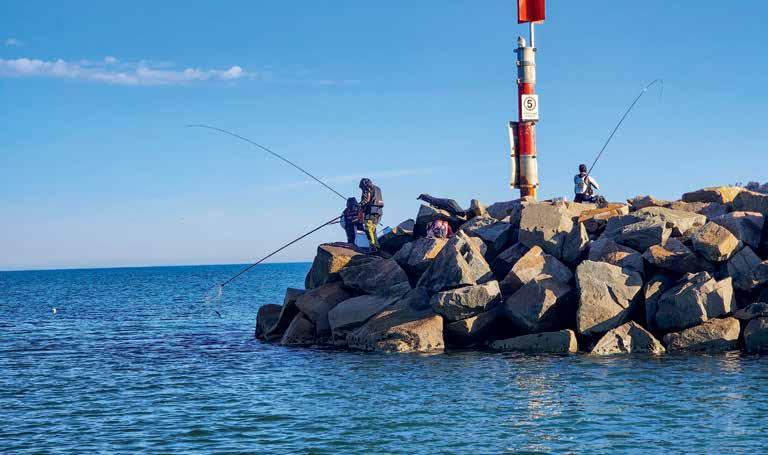
If you’re on holiday this summer and looking to get some fishing in and you’re a beginner, here are 10 species to have a crack at.
WORDS & IMAGES: KOSTA LINARDOS
If you’re getting out and fishing for the first time this summer, here are ten species you can easily access and catch while you’re travelling.
Summer is prime time for fishing right around Australia. It’s when holidays roll around, the weather settles and everyone from die-hard anglers to first-timers hits the beaches, estuaries, bays, piers and rock ledges. For many, these are the trips that turn fishing from something you do on holiday into something you think about year-round.
Of course, summer can also be frustrating. Busy waterways, crowded beaches
and plenty of people catching fish while you’re not can leave newcomers wondering what they’re doing wrong. And because Hooked Up is a free magazine, there’s a good chance you’re reading this with limited experience but a genuine desire to catch fish. That’s exactly who this feature is for.
What follows are ten highly accessible species you can target land-based, from a kayak or a small tinny, using simple, proven methods. No fancy gear, no complicated rigs and no technical jargon. Just basic tackle, straightforward approaches and a focus on fishing when
it matters most.
To keep things simple, we’re suggesting monofilament line only and just one knot to learn, the locked blood knot. Fish two hours either side of the high tide wherever possible, and if you can line that up with sunrise or sunset you’ll dramatically improve your chances. If you’re unsure where to start, your local tackle store is still your best source of local knowledge. Ask questions, grab the recommended gear and go fishing.
These methods might be simple, but they work. Read on, get excited and make the most of your summer on the water.
Flathead are one of Australia’s most popular targets for good reason. They’re widespread, relatively easy to catch and excellent on the plate. From the bank in an estuary, all you need is a 7ft rod, a 2000–2500 size reel spooled with 8lb monofilament, a size 0 or 1 ball sinker running to a swivel, around 70cm of 10lb mono leader and a size 6 long-shank hook.
Flathead aren’t fussy. Mussels, pipis, prawns, pilchard tails and blue bait all work well. Thread the bait on, cast out and wait. You’ll often pick up bream, trevally and other by-catch while you’re at it. From a kayak or small boat you can anchor and fish the same way, or simply troll deep-diving hardbodies behind you while enjoying the day. It doesn’t need to be technical, flathead will find your lure.
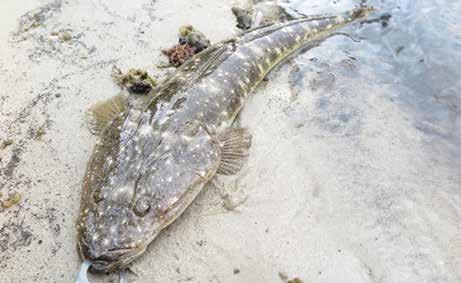
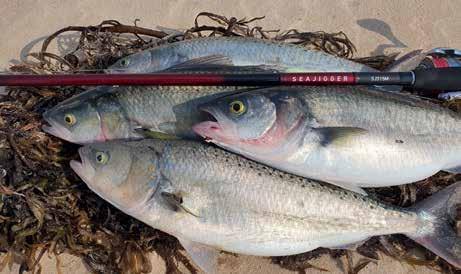
These two species often mix together and can be targeted using the same gear and approach. A surf rod of at least 10ft paired with a 3000–4000 size reel loaded with 10–15lb mono is ideal. Run a ball sinker at about 1oz or as heavy as you need for distance and current down to a swivel, and then tie an 80cm leader of around 20lb. If larger tailor are around, step up to a 40lb leader to prevent bite-offs, otherwise 20lb is fine. A size 4/0 circle hook baited with squid strips or blue bait tails is tough, easy to use and stays on the hook in rough water. Focus your casts into gutters and deeper holes where the water looks darker and calmer. Check baits regularly and keep moving until you find fish. You’ll pick up lots of other species doing this.
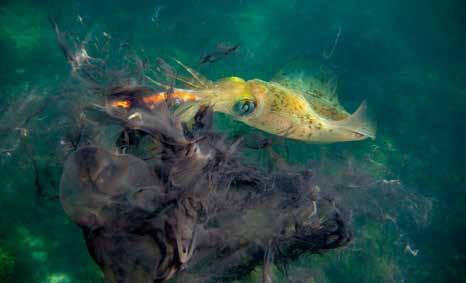
Squid are one of the most accessible saltwater species around and are great fun to catch. While specialised gear helps, you can easily catch squid on a standard rod and reel or even a handline. They’re found around piers, rocky shorelines and from boats.Tie mono straight through to a squid jig and you’re ready to go. Spend a little extra on quality jigs, they genuinely make a difference. Cast out, let the jig sink all the way to the bottom, then work it back with short lifts and pauses. That sink time is critical, as squid often grab the jig while it’s hovering just above the weed. Fifteen-pound mono gives you a good chance of pulling free if the jig snags.
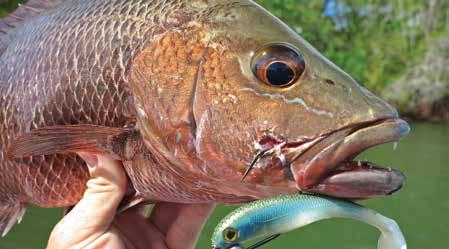
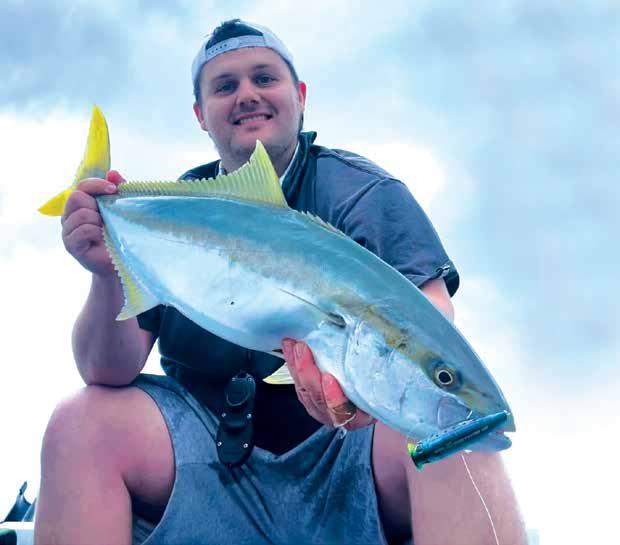
In the north, summer is prime time for mangrove jacks. While they’re often targeted with heavy gear and lures, trolling is one of the simplest ways to catch them. Bibbed deep-diving hardbodies in the 60–80mm range are perfect and relatively affordable, although you should expect to lose a few. A 3–5kg rod with a 2000–2500 size reel is more than enough. Keep your speed under 2.5 knots and hold on, because when a jack hits, it hits hard.
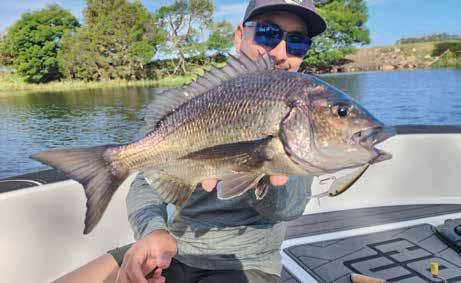
Bream might have a reputation as a tricky lure species, but on bait they’re very approachable. A 7ft rod, 2000–2500 size reel and 8lb mono is ideal. Fresh prawns are hands down the best bait, fished unweighted or with just enough weight to get the bait down in current. Match your hook size to the prawn and let the bait drift naturally. Pipis, mussels, nippers and pilchard also work, but prawns are hard to beat. This method works in estuaries, off piers and even from sheltered rock platforms.
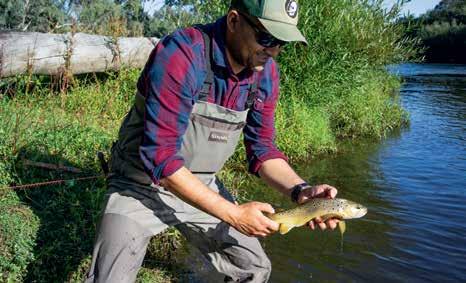
With good rainfall across much of the south, trout fishing is set to be excellent. While bait works in lakes and dams, lure fishing in streams is simple, active and incredibly rewarding. A 6ft rod with a 1000 size reel spooled with 6lb mono or fluorocarbon is perfect. Carry a mix of shallow-diving, deep-diving and spinner lures and walk the banks casting upstream at a slight angle. Focus on structure, shaded banks and riffles. Cover water steadily and you’ll be surprised how quickly trout appear.
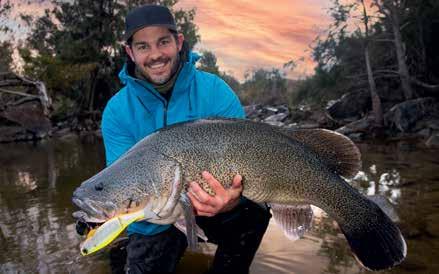
Murray cod fishing can be as complex or as simple as you want it to be. For a no-fuss land-based approach, bait fishing is hard to beat. Cheese, particularly mozzarella, is surprisingly effective, along with yabbies, bardi grubs and scrubworms. A 6ft rod rated 10–15kg, a 3000–4000 size reel and 10–15kg mono is ideal. Tie straight to a 4/0–7/0 hook and fish unweighted where possible, only adding weight if needed. Circle hooks are a good option if you plan on releasing fish.





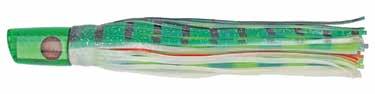
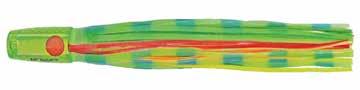
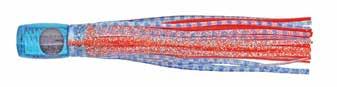

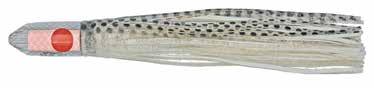


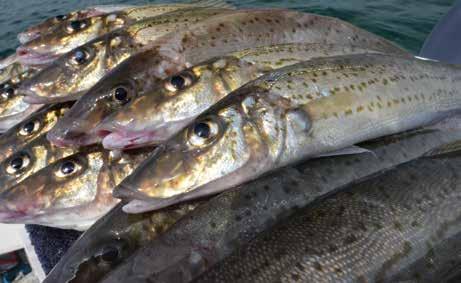
King George whiting are best targeted from a boat or kayak but you can also ctahc them from the land in many bays in the south. Locating fish is key, so don’t hesitate to ask your local tackle store for general areas. Berley is critical. A simple mix of, pellets, pilchard and a little fish oil will draw fish in. A 7ft 2–4kg rod with a 2000 size reel and 8lb mono is spot on. A paternoster rig with small long-shank hooks is simple and effective, and pre-tied rigs are readily available. Pipis are an excellent bait. Fish light, stay patient and move if bites don’t come within half an hour.
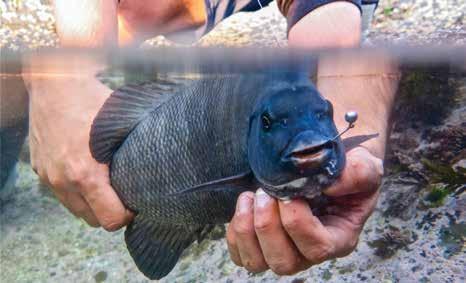
Drummer fishing off the rocks is a classic Australian experience, but it requires care and experience around ocean platforms. Use a strong 12ft fibreglass rod with plenty of power, paired with an Alvey or a 4000 size threadline reel. Ten to fifteen kilogram mono, a small ball sinker and a 4/0 suicide hook is all you need. Cabbage weed, cunjevoi and crabs are top baits and can often be collected on location. Keep it simple, fish safely and enjoy one of the toughest fighters you’ll encounter from the stones.
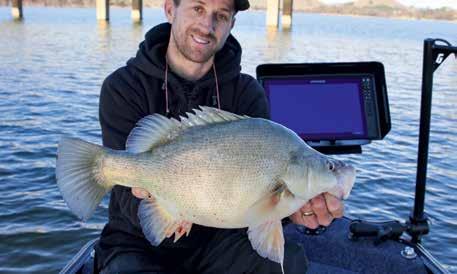
Golden perch, or yellowbelly, are one of the most accessible and enjoyable freshwater species to target over summer, especially in rivers, lakes and impoundments throughout inland Australia. They’re aggressive feeders, hit hard and are perfectly suited to simple bait or lure fishing methods.Keeping things basic, a 6–7ft rod rated around 4–8kg matched to a 2500–3000 size reel spooled with 8–10kg monofilament is ideal. For bait fishing, a running sinker rig tied straight to a 3/0–5/0 suicide or circle hook works well. Yabbies are the standout bait, but shrimp, worms and even small cubes of cheese are all effective. Cast near timber, rock bars or drop-offs and let the bait sit patiently.

www.sportsmanboatsaustralia.au

TESTED & REVIEWED
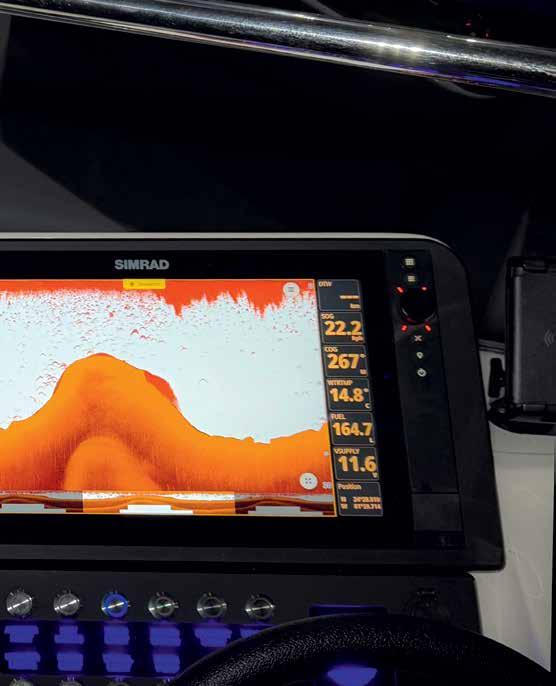
On any saltwater boat, once the engine is sorted, the most important systems on board are your navigation and sonar. A quality MFD does far more than simply tell you where you are. It allows you to understand bottom contour, locate subtle structure, track water temperature changes and, ultimately, use sonar to find fish. When those systems are slow, cluttered or unreliable, they cost you time and confidence. When they work properly, they quietly become one of the most trusted tools on the boat.
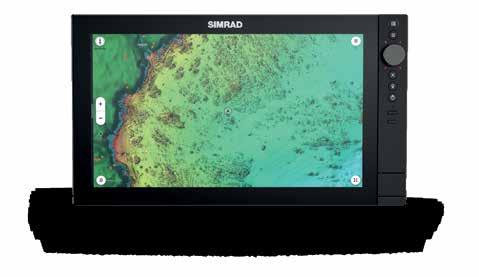
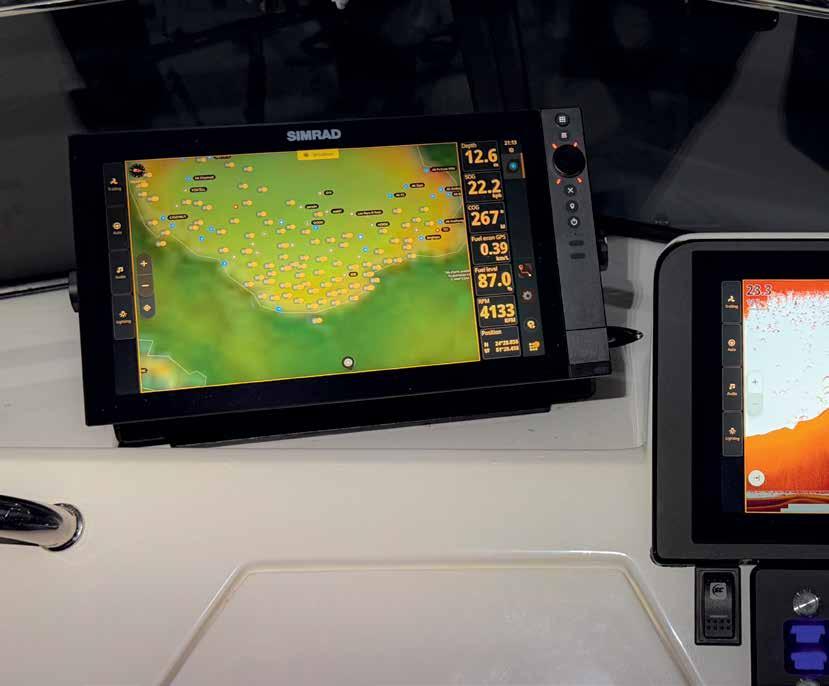
The Simrad NSS4 is the latest evolution of a platform that has proven itself offshore for many years. After moving across from the Evo3S, it’s immediately clear this is not a minor update. It’s faster, more refined and significantly more customisable, while still retaining the Simrad DNA that saltwater anglers have relied on for a long time.
I’ve been running Simrad units since 2016, starting with a GO7 before progressing to the Evo3 and then the Evo3S across multiple boats. Over that time those units have been responsible for me catching a lot of fish, but more importantly they have been completely reliable. In all those years I never had a single return, glitch or unexplained issue.
That kind of long-term dependability builds trust, and it’s why I’ve been comfortable recommending Simrad to other anglers for years.
It’s also important to explain how I use these units. I’ve never run an NSS series unit with a 3-in-1 or any form of transom-mounted transducer. My experience has always been with high-end through-hull transducers, specifically the B175HW and SS175HW, and used exclusively for bay and
offshore saltwater fishing. Downscan and Sidescan simply haven’t been a priority for the way I fish offshore.
On my estuary boat, a Stacer 589 Crossfire, I run Lowrance units, which is Simrad’s sister brand. That boat is set up for inshore and estuary work where different tools make sense. While both brands share technology and DNA, there is a clear distinction in how they’re positioned. Simrad is firmly focused on saltwater and offshore applications, while Lowrance is aimed more toward inshore, estuary and inland fishing. That distinction makes sense in an Australian context and allows each brand to excel in the environments they are best suited to.
The most noticeable change when stepping up to the NSS4 is speed. Simrad have moved to a completely redesigned operating system paired with a powerful processor, and the difference is immediate. The Evo3S was already a capable and responsive unit, but the NSS4 feels like a generational leap rather than an incremental improvement.
My current setup consists of twin NSS4 16-inch units, with a third 12-inch unit about to be added. The system is running Simrad Autopilot, Simrad Halo20 radar, Simrad VHF, NMEA data from the engine and stereo, and the Simrad S3100 sonar module. Despite the amount of data being processed, the system never feels loaded. Page changes are instant, sonar adjustments happen in real time and there is no lag when switching between functions or views.
This kind of responsiveness matters offshore, when conditions are rough or you’re trying to make quick decisions. Everything feels deliberate and confident, and that carries through into every part of the user experience.
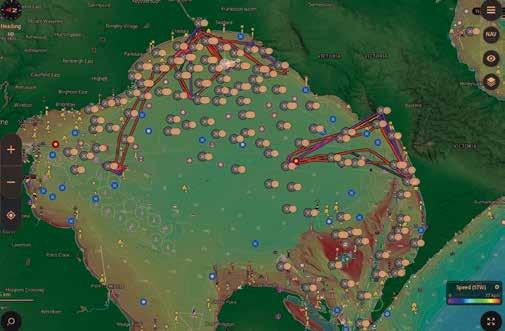
Charting performance is one of the standout strengths of the NSS4. I run C-MAP X-Gen REVEAL charts, and the level of detail they provide is excellent. Shaded relief makes subtle bottom changes far easier to interpret, especially in large bays where structure can be minimal, while satellite imagery adds valuable context when navigating close to land or fishing unfamiliar areas.
What really stands out is how effortlessly the NSS4 handles these layers. I can zoom out from a full Australian overview straight
down to a specific fishing mark without any redraw delay. Even with relief shading and satellite imagery active, everything remains smooth and fluid.
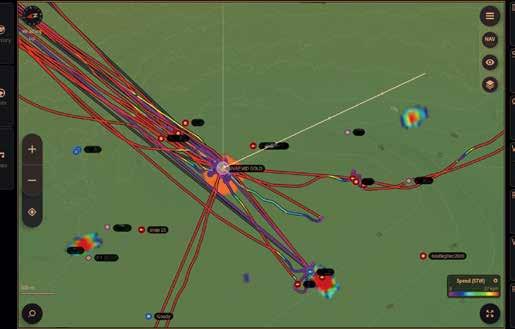
Radar overlay on the chart page works extremely well. I don’t run it all the time, but when I turn it on it comes on quickly and integrates cleanly with the chart. At night it’s invaluable for seeing where other boats are positioned, whether they’re moving or already set up on a spot you might be planning to fish. It adds situational awareness without cluttering the screen or slowing the system down.
Auto navigation is another genuinely useful feature. Rather than simply drawing a straight line to your destination, the NSS4 calculates a safe and efficient route that avoids shallow water, rocks, bommies and other hazards. Offshore and in large bays this takes a lot of mental load off the skipper, particularly when running in low light or unfamiliar areas. Paired with autopilot, which is precise and dependable, longer runs become easier and less fatiguing.
The NSS4 arrived just in time for snapper season, which is the ultimate test for any sonar in Port Phillip Bay. Fishing this environment often feels like searching for fish in a huge empty bowl, with very little obvious structure to work from. This is where sonar either earns its place or
exposes its limitations.
The Evo3S was always strong in these conditions, but the NSS4 builds on that through improved processing and significantly greater customisation. While the unit includes the usual preset colour palettes, you can now fully customise each palette and save it. I’ve created several palettes specifically for snapper fishing and will build others for different species depending on depth, bottom type and conditions.
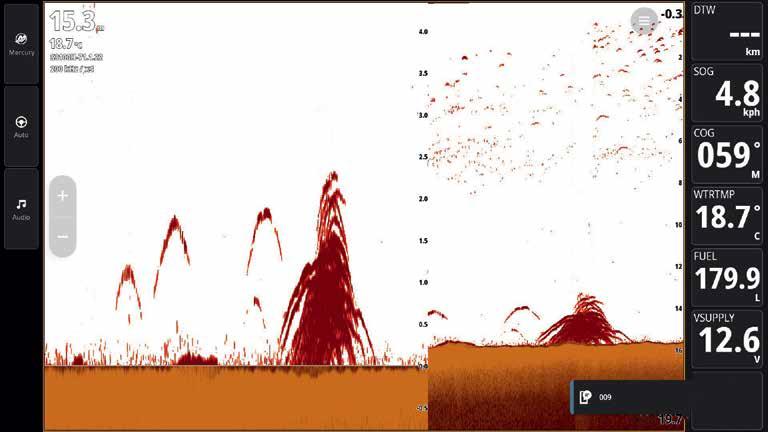
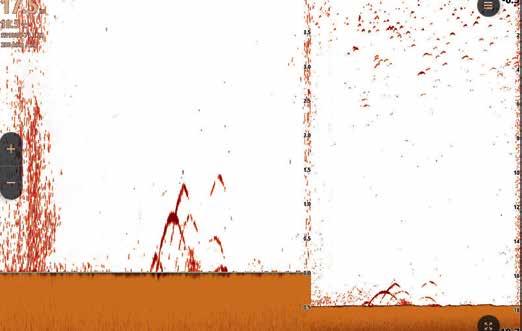
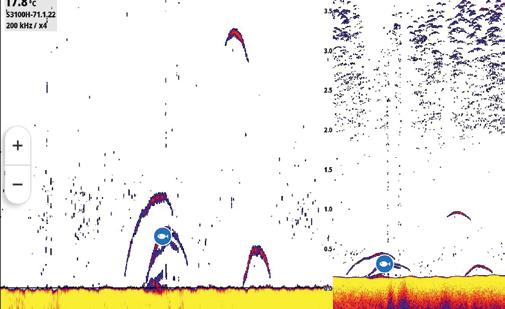
One of Simrad’s most powerful sonar tools remains colour erase. This feature allows you to remove weaker returns caused by jellyfish, sediment or light weed while retaining strong returns from solid objects like fish and structure. By erasing the minor colours and increasing gain, you end up with ultra-clear, highly defined readings without clutter.
Paired with the 175HW high-wide transducer, which runs a wide beam angle, fish show up clearly even when they only clip the edge of the sonar cone. On a recent trip I marked three snapper, one clearly larger than the other two. I caught all three fish, weighing 7kg, 4kg and 3kg respectively. That kind of consistency builds confidence. If I see fish on the screen and I’m not catching them, I know the issue is my approach, not the sounder.
The addition of the S3100 sonar module has been a major upgrade, particularly this season. One of its standout features is heave compensation, which keeps fish and bottom readings stable and correctly formed even when conditions are rough. This season’s weather has been challenging, and I’ve spent plenty of days fishing in genuinely unpleasant conditions. In those situations, traditional sonar can distort readings as the boat pitches and rolls, forcing you to second-guess what you’re seeing. Heave compensation largely removes that doubt. Fish arches and bottom structure remain flat and consistent, even when the sea state is far from ideal. That reliability means I’m not questioning whether a distorted return is real or simply a result of boat movement, which makes a big difference in rough water.
Waypoint management on the NSS4 is fast and intuitive. Adding marks is simple, with a full QWERTY keyboard, a wide range of species icons and colour options, and large, easy-to-read waypoint labels. When you have hundreds of marks in a small area, that clarity makes finding and navigating to the right spot far easier. The search function allows you to quickly locate a specific waypoint and navigate to it without scrolling endlessly through lists.

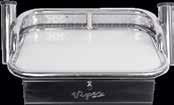


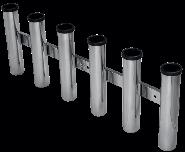
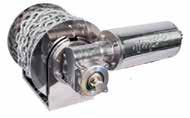








Customisation is one of the NSS4’s strongest features. The widget sidebar can be tailored on any page to display exactly the data you want to see, and the interface feels familiar to anyone who uses a modern smartphone. Despite the unit’s ability to manage very complex systems, it remains extremely user friendly. Big-boat capability, small-boat simplicity While I run the NSS4 on a 6m Edencraft, it’s important to understand that these units are designed to sit at the heart of much larger vessels. They’re capable of handling multiple transducers, complex sonar modules, radar, autopilot, cameras and extensive NMEA networks. That level of capability usually comes with a steep learning curve, but Simrad have done an excellent job of keeping the system approachable.
If you’re not an experienced skipper or captain, you’ll still find the NSS4 easy to use. The operating system is logical, clean and intuitive, and most functions can be accessed quickly without digging through menus. It’s powerful enough for serious offshore systems, yet simple enough that you don’t need to be highly technical to get the most out of it.
Integration across systems is another area where the NSS4 really stands out, particularly when paired with modern outboards and onboard electronics. I run a Mercury Verado 300, and engine integration is handled through the Mercury app, which many users will already be familiar with. What Simrad have done well is not just display basic engine data, but present it in a way that’s genuinely useful, highly customisable and easy to read at a glance.
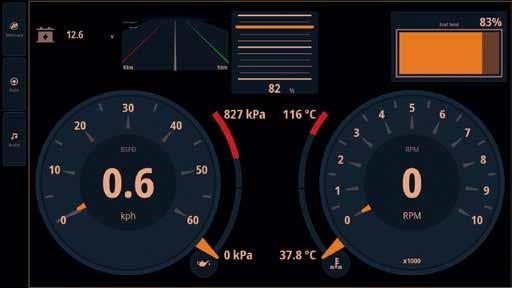
Through the Mercury app, you can completely tailor how engine data is displayed on the NSS4. RPM, speed, fuel flow, fuel economy, temperatures, voltage and trim can all be arranged to suit how you operate your boat. You can change data sizes, colours and layouts, allowing you to prioritise the information that matters most to you. Whether you want large, simple readouts for cruising or a more detailed data-rich screen when travelling long distances offshore, it’s easy to set up. That customisation isn’t limited to the engine alone. The NSS4’s instruments panel allows you to integrate and display data from other connected systems as well. Units such as Simrad Recon trolling motors, Mastervolt power management systems and other NMEA-connected devices can all feed data into the same
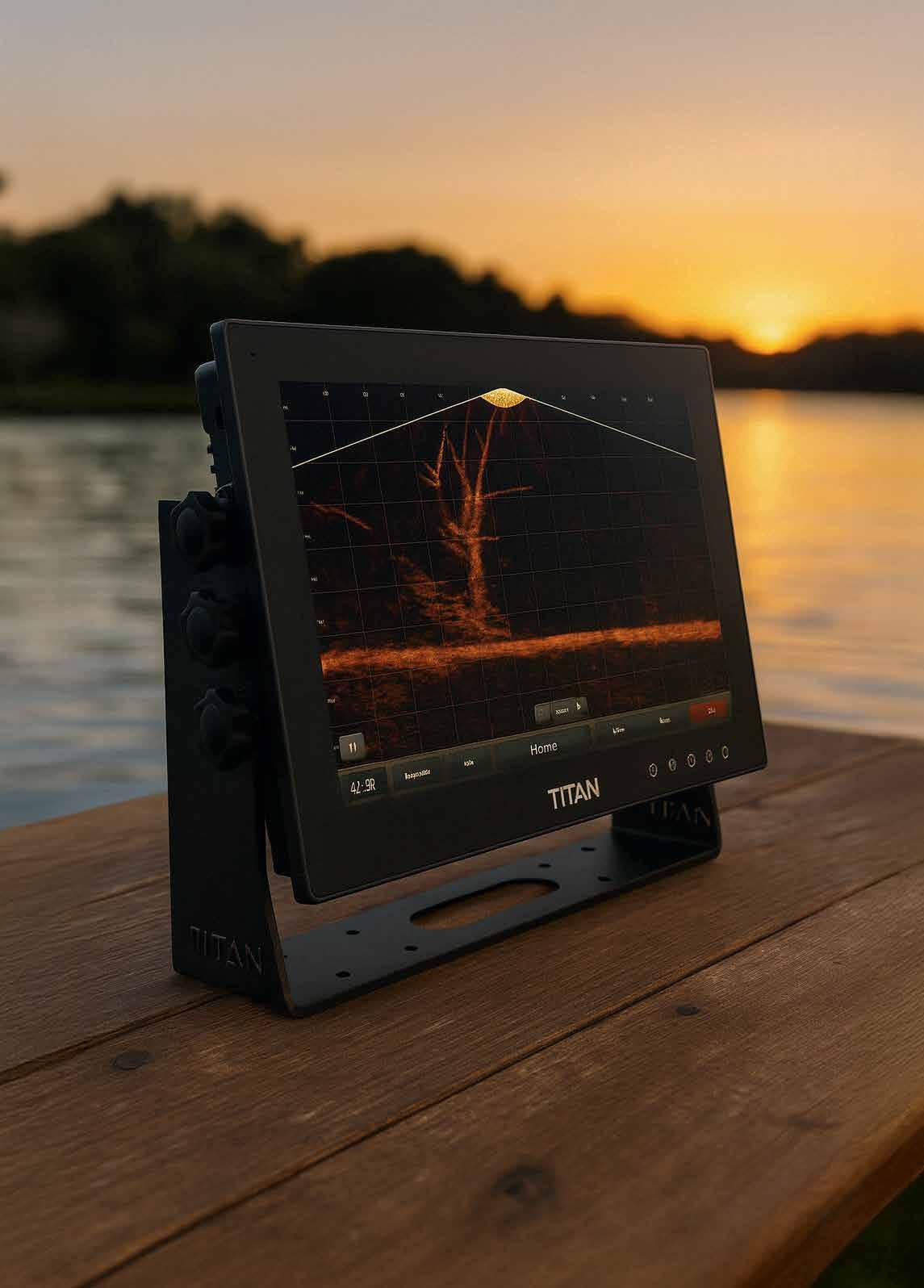
19” & 24”
The next evolution in marine electronics designed to provide fisherman with an affordable solution to enhance their live sonar experience.
The Titan features a durable CNC-machined aluminum body and an IP67 waterproof rating.
With a stunning 1920x1080 FHD display, 1300 nits of brightness, and polarized IPS glass, the Titan ensures superior visibility in all lighting conditions. Its 10-point touchscreen interface provides smooth, responsive operation, making it easy to control and monitor your marine systems while out on the water.
interface. The result is a centralised, clean and logical dashboard that gives you a complete picture of what’s happening on the boat without needing multiple standalone gauges.
The practical benefits of this integration really show up on the water. A good example is the way the NSS4 integrates with the Mercury binnacle. If you’ve been fishing at night with the unit set to night mode and the brightness turned right down, you can raise the screen brightness directly via the Mercury controls. Being able to adjust screen brightness while driving at night, without leaning forward and touching the display, is a small detail but one that genuinely improves usability and safety.
Rather than feeling like a collection of separate systems bolted together, the NSS4 acts as the hub that ties everything into a single, coherent interface. It’s powerful enough to manage complex setups, yet intuitive enough that you don’t need to be highly technical to take advantage of it. That balance between capability and usability is a big part of what makes the NSS4 such a strong platform for both smaller trailer boats and larger, fully integrated offshore rigs.
T
USABILITY IS A BIG PART OF WHAT MAKES THE NSS4 SUCH A STRONG PLATFORM
The Simrad NSS4 is not just a faster Evo3S. It’s a meaningful evolution of a proven offshore platform. The speed, sonar clarity, customisation and system integration all contribute to a unit that feels confident and refined on the water.
For anglers who fish bays and offshore and want a system they can trust, whether on a compact trailer boat or a much larger offshore vessel, the NSS4 delivers where it matters most. It’s powerful without being intimidating, highly capable without being complicated, and it continues Simrad’s long-standing reputation as a serious fishing and navigation tool.













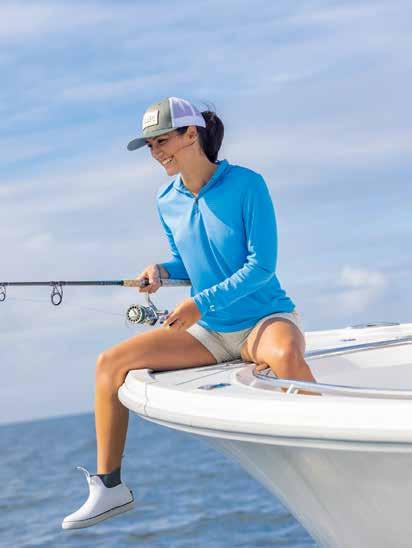


Words & Images: Kosta Linardos | Distributed by: Bluefish Imports | Web: decoyhooks.com.au
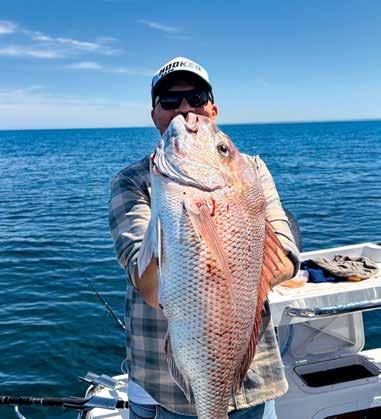
Decoy is a premium Japanese hook brand that has long been a few steps ahead of the game. For years, they’ve been known for producing terminal tackle that serious anglers trust, particularly when the margin for error is small.
At Hooked Up, we’re serious about hooks, and for good reason. Hooks are what actually catch fish. Baits and lures attract fish and trigger strikes, but hooks are what convert those opportunities into fish on the deck. You can have the freshest bait or the best lure on the market, but without a quality hook, it’s all largely pointless. Hooks don’t get the attention they deserve from the majority of anglers. There’s an old saying that 90 percent of anglers catch 10 percent of the fish, while 10 percent catch 90 percent, and one of the key differences is attention to detail.
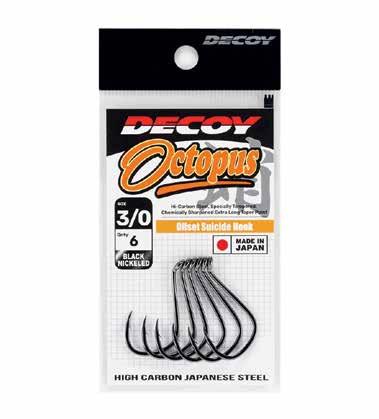
That top end of anglers place real emphasis on hooks, rigging and presentation, and it’s not by accident that their results reflect that.
When it comes to targeting snapper, hook choice is critical. In Port Phillip Bay, octopus hooks are the standard for most bait fishing applications, while circle hooks tend to dominate in Western Port due to current, bite style and fishing methods. The octopus hook has remained popular for good reason. It offers excellent hook exposure, works well with a wide range of baits and allows anglers to both let fish hook themselves or strike when needed.
So when Bluefish Imports, the new Australian distributor for Decoy, showcased their new bait hook range at AFTA 2025, the Octopus hooks immediately caught my attention. As someone who has trusted Decoy hooks for years, I was keen to see how
they would approach a style of hook that is already well established and highly competitive.
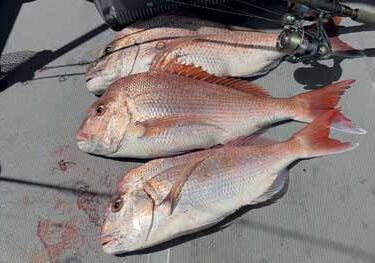
When the hooks arrived midway through snapper season, the first thing that stood out was that Decoy hadn’t simply produced a generic octopus hook and put their name on it. While there are limitations to how much you can reinvent an octopus hook, they’ve made several smart design choices that genuinely matter on the water.
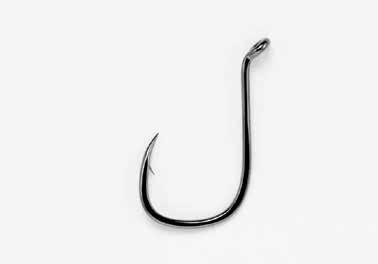
The most noticeable feature is the gape. It has a wide, rounded shape that allows anglers to fish large baits such as squid heads, whole silver whiting, salmon tails or chunky fillets while still retaining excellent hook exposure. This is critical when fishing bigger baits, as narrow gapes often end up buried in the bait, reducing hook-up rates.
The hooks feature a moderate offset, which further improves hook exposure
and increases the likelihood of solid hook sets. The hook point itself is long, sharp and aggressive, and combined with the chemically sharpened finish, penetration is excellent. An offset eye makes snelling easy and secure, allowing rigs to lock in neatly without twisting or rolling.
The wire is a medium gauge, which I believe is spot on for snapper fishing in Port Phillip. It offers the right balance between strength and finesse, particularly for the lower drag pressures most anglers fish in the bay.
While I didn’t test them under extreme drag settings, I have no doubts they would comfortably handle heavier gear. The wide gape and overall shape suggest it would take serious pressure to open these hooks.
A black nickel finish rounds out the package, offering corrosion resistance and a clean, non-reflective appearance.
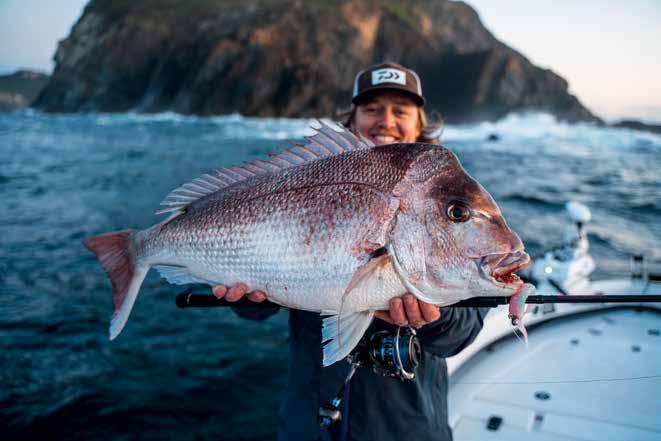
I rigged all my snapper rods with the new Decoy Octopus hooks in 6/0 and 7/0 sizes. It’s worth noting that hook sizing varies significantly between brands. You can line up eight different 6/0 octopus hooks and they’ll all measure slightly differently. Compared to the broader market, I’d say the Decoy sizing runs a little on the smaller side. If you usually fish a 6/0, stepping up to a 7/0 would be a sensible move.
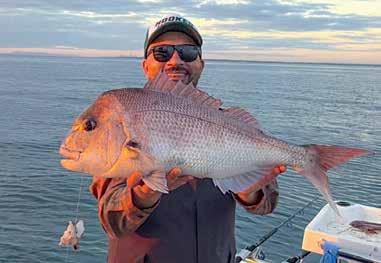
Across five snapper sessions, the hooks performed exceptionally well. Many fish hooked themselves cleanly in the rod racks, while others were hooked when striking on runs in free spool or during finicky bites. I tested them across both softer, slower action rods and faster action rods, and hook-up rates were consistently strong. Sizes and packaging
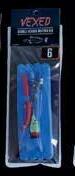
The Decoy Octopus hooks are available in sizes from 4, 2, 1 and 1/0 right through to 7/0, covering the vast
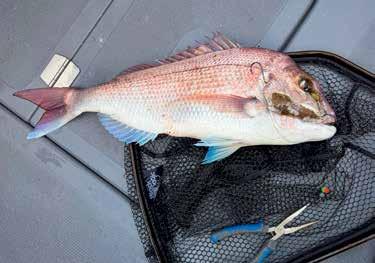
majority of bait fishing applications. They’re sold in value packs of 16 as well as smaller packs of 6. One detail I really appreciate is that the packs contain even numbers of hooks, which makes life easier when tying snelled twinhook rigs.
Decoy have taken their time entering the bait hook market, and it shows. Rather than producing a generic octopus hook, they’ve delivered a refined, well-thought-out design that suits how anglers actually fish for snapper. The wide gape, strong yet balanced wire, excellent hook point and smart finishing details all contribute to a hook that inspires confidence. After extensive testing, I’ll continue to use them and happily recommend them to other anglers. Like most Decoy products, they aren’t built to be the cheapest option on the rack, but when it comes to hooks, cutting corners rarely pays off.
Words & Images: Remi Hagge | Distributed by: Shimano Australia | Web: shimanofish.com.au
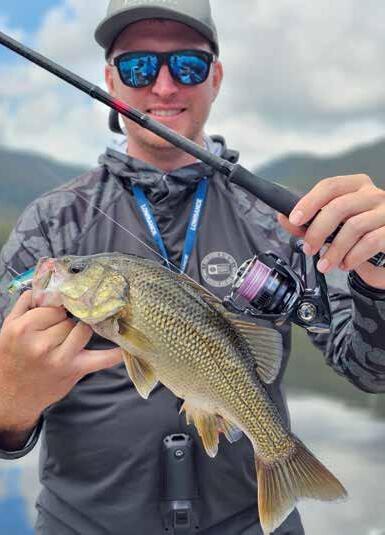
Shimano’s new Twin Power XD FB range has arrived and it’s turning heads for all the right reasons. Marketed as a lighter more responsive blend of sensitivity and power this series moves away from the traditional solid body design. Instead Shimano has introduced the Magnumlite (MGL) Ci4+ body and Ci4+ rotor paired with a longstroke spool a combination that makes this reel ideal for technical stop-start styles of fishing.
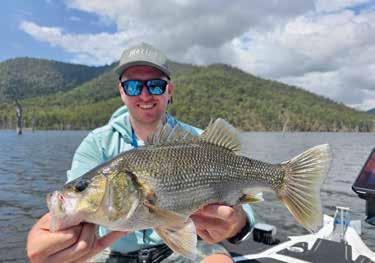
After hearing about these reels joining the Shimano stable I wasted no time placing an early order. Since launch I’ve been fortunate enough to test both the
3000 and 5000 models across a wide range of species from bay snapper and impoundment bass to impoundment barra. The verdict? These reels have handled everything I’ve thrown at them with ease. They’re incredibly well-balanced with an ultra-smooth drag that’s been a genuine pleasure to fish with.
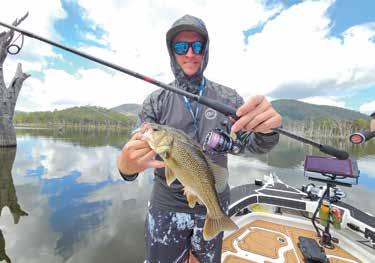
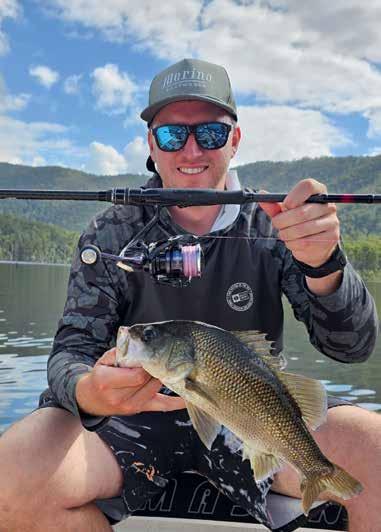
Despite some very ordinary weather along Queensland’s South East Coast the region’s many impoundments provided plenty of opportunities to put the new Twin Power XD FB through its paces. After nearly eight years away
from Lake Borumba I was keen to see how much had changed. Fortunately the bass were still as predictable as ever within a few casts I had fish coming off the flats and out of the timber.
Over the next two days we found solid concentrations of fish and caught them on a wide range of techniques everything from deep plastics to vibes and jerkbaits.
This is where the Ci4+ rotor really shone, the reduced inertia was immediately noticeable allowing stopstart retrieves to happen seamlessly with zero overrun no matter how fast
the lure was worked. For anglers who fish technical presentations this reel feels intuitive and effortless.
Like any modern release, the Twin Power XD FB comes packed with technology though not all innovations are immediately obvious. However a few standout features make themselves known within just a few casts. The reel feels exceptionally light and comfortable in hand and during casting or retrieve it runs whisperquiet no rattles, no vibrations, no unwanted feedback. Shimano’s focus on SilentDrive technology combined with the long-stroke spool has resulted in a reel that’s not just smooth but truly refined.
I’ll admit, I haven’t always been a fan of Shimano’s drag systems in the past. Many older models benefitted from upgraded drag washers to achieve that truly smooth feel. But in recent years, Shimano has seriously lifted its game and the new Duracross drag system in the Twin Power XD FB has raised the bar yet again.
On a recent trip north chasing impoundment barra with jerkbaits, the 5000 size proved a perfect match. When a solid 106 cm barra inhaled my 90mm jerkbait the reel’s drag performed flawlessly absolutely no sticking with consistent controlled pressure throughout the fight.
Even after backing the drag off significantly due to the light trebles the system remained silky-smooth from start to finish.
The Shimano Twin Power XD FB represents a perfect balance of finesse and muscle. It’s built for anglers who demand precision and sensitivity without sacrificing power. Whether you’re chasing bass in the sticks, snapper in the bays, or barra in the impoundments, this reel delivers performance that inspires confidence every cast.
In short: it’s light, strong, smooth, and beautifully engineered. A true standout in Shimano’s lineup.
Words & Images: Kosta Linardos | Distributed by: Bell Marine | Web: bellmarine.com.au
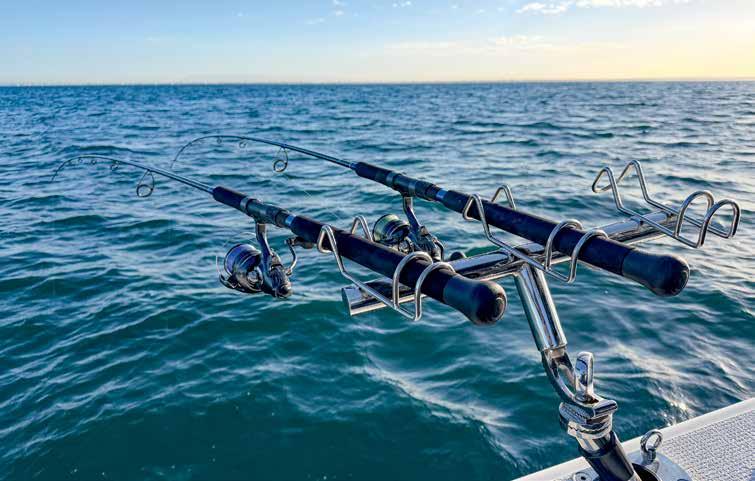
When it comes to bait fishing, rod position is critical. Many boats are fitted with gunwale rod holders designed primarily for trolling, but they are often completely wrong for presenting dead baits. For anglers targeting snapper, gummy sharks and whiting, rods need to sit close to horizontal to the waterline. This allows the bait to sit naturally in the current rather than dragging or lifting unnaturally, which results in better bait presentation and far more effective hook sets.
The Viper Pro Series 3 Way Rod Rack is designed specifically for this style of fishing, and it’s a product I’ve been using for close to ten years. Over that time, it has proven itself as one of the most practical and well-thought-out rod-holding solutions available for serious bait anglers.
When rods are placed in traditional trolling-style holders, they are usually angled steeply upward. That angle causes baits to move constantly in the current and creates resistance when a fish picks up the bait, often leading to missed bites or poor hook-ups. There is also a structural issue. Gunwale holders are built to handle trolling pressure, not the heavy drag loads associated with dead bait fishing at anchor. When a fish strikes hard, that leverage can place excessive stress on the rod blank, and snapped rods are a common result. By allowing rods to be positioned horizontally and properly supported, the Viper Pro Series holders solve both problems. Baits sit still and flow naturally, and rods are loaded correctly when a fish strikes.
The Pro Series holders are constructed from heavy-duty stainless steel, and the difference compared to cheaper threeway holders is obvious. There is no flex, bending or movement under load, even when fishing heavy drag pressures for snapper or gummies. This rigidity translates directly into cleaner hook sets and better control during the fight. The stainless finish is well-polished and high quality, giving the holders a clean, professional look that suits both hard-working fishing boats and more refined offshore rigs. They are available with either wire-style cradles or halftube stainless holders, allowing anglers to choose what best suits their rods and reels.
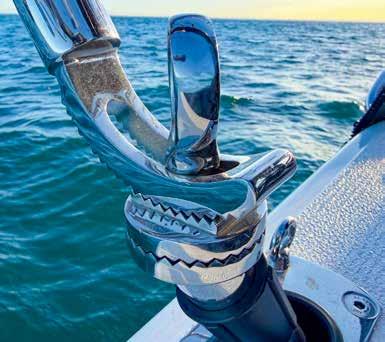
What truly sets the Viper Pro Series apart is its adjustability and, more importantly, how securely that adjustment locks in place. At the base, precision-cut grooves lock into the pins of standard rod holders, creating a solid foundation that prevents unwanted rotation.
The adjustment mechanism uses a precision-cut stainless steel toothed system, much like a gear. Once set, the teeth mesh together and lock solidly. Unlike cheaper holders that rely on friction or soft alloy clamps, the Pro Series does not creep or slip under load. Even when a fish hits hard, the angle stays exactly where it was set. The centre joint allows full 360-degree rotation, while the secondary axis provides approximately 90 degrees of vertical movement. This means the holder can be set completely horizontal, angled slightly upward, or adjusted to suit the exact angle of your existing rod holders. Plastic stoppers on the shaft reduce rattling while underway and protect both the holder and the boat. Port and starboard specific design
The Pro Series holders are available as dedicated port and starboard units, which is a small but important detail. Having left and right specific holders
allows rods to naturally angle away from the boat and away from each other, improving line separation when fishing multiple baits.
This is particularly useful when fishing along the sides of the boat, especially when wind or current dictates which side you need to fish. Lines sit cleaner, tangles are reduced and baits can be spread more effectively.
On-water performance
In real-world use, these holders perform exceptionally well. I run custom stainless racks across the transom and in the corners of my boat, but I use the Viper Pro Series holders down each side. This gives me additional rod positions and allows me to fish whichever side best suits the conditions on the day.
Despite being removable, they feel every bit as solid as fixed rod racks. When a fish strikes, there is no rocking or movement. The rod stays planted, allowing controlled pressure and confident hook sets. Spacing rods along the sides also keeps lines well separated, which significantly reduces tangles when fishing multiple baits in current.
One of the biggest advantages of the Viper Pro Series is versatility. If
you don’t want to invest in custom stainless racks, or you want something that can be easily removed, these are an excellent alternative. Four holders effectively give you twelve rod positions at a fraction of the cost of custom-fabricated racks.
They can be installed and removed quickly, making them ideal for anglers who want to fit a storm cover, trailer the boat or remove gear when not fishing. While designed primarily for bait fishing, they also work well for flatline trolling, and I’ve even trolled for tuna out of them without issue.
The Viper Pro Series 3 Way Rod Rack is a smart, well-built solution for serious bait anglers. The ability to set rods horizontally, the precision stainless locking system, port and starboard specific design and heavyduty construction all contribute to a product that genuinely improves fishing efficiency.
If you’ve struggled with cheaper three-way holders, want more rod positions, or don’t want the expense or permanence of custom stainless racks, these are a proven and practical option. After nearly a decade of use, they remain one of the most effective additions I’ve made to my boat.
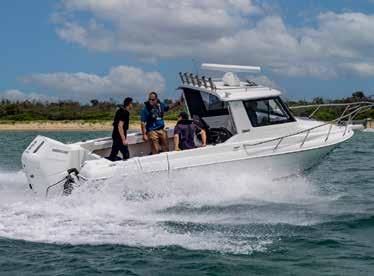
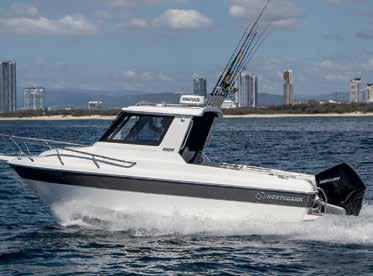
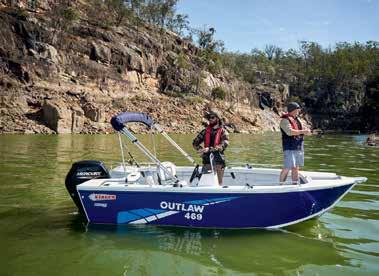
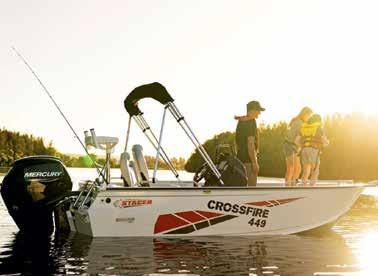
Melbourne Marine Centre is a true one-stop destination for boaters who want quality gear, expert advice and professional service under one roof. As authorised dealers for Stacer and Northbank boats and Mercury outboards, the team can match you with the right package whether you’re upgrading or starting fresh. Inside the full showroom you’ll find leading marine electronics from Garmin, Simrad & Lowrance along with an extensive range of boating parts and accessories to suit every setup. There’s also a well-stocked fishing tackle store, plus a six-bay workshop offering servicing on all makes and models and everything from fitting new electronics through to complete custom boat fit-outs
well-stocked




WITH ADVANCED LIGHTWEIGHT DESIGN AND BIG DISPLACEMENT FOR MORE TORQUE, SPEED AND ACCELERATION