SLOW PITCH JIGGING SOUTHERN WATERS
COD OPENING - TACKLING THE NEW SEASON SUMMER TROUT IN THE RIVERS WHY IS THE WEATHER SO BAD IN THE SOUTH? DAIWA’S INSHORE SPIN REELS

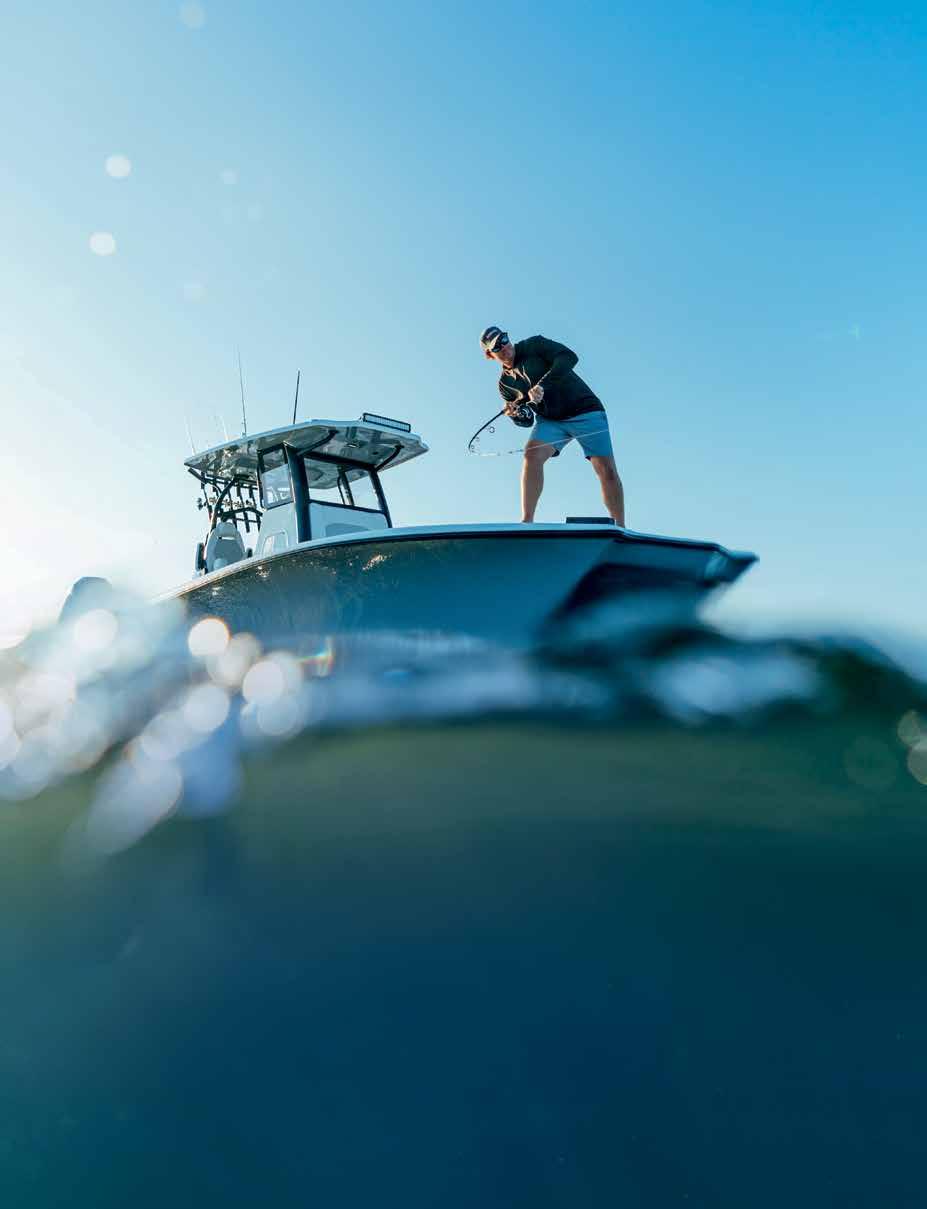




SLOW PITCH JIGGING SOUTHERN WATERS
COD OPENING - TACKLING THE NEW SEASON SUMMER TROUT IN THE RIVERS WHY IS THE WEATHER SO BAD IN THE SOUTH? DAIWA’S INSHORE SPIN REELS
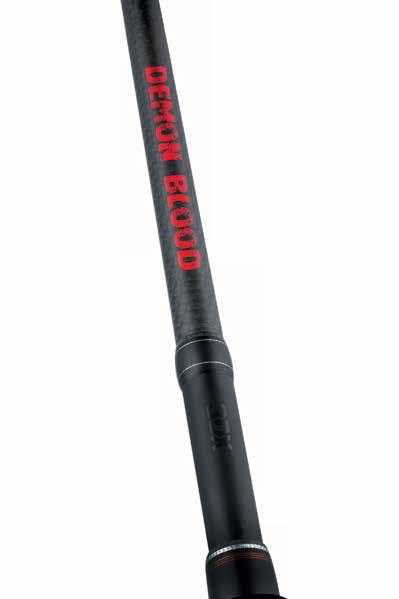
Dominate the o shore shing scene the new DEMON BLOOD. A diverse rod series tailor made for Australia’s tough shing
The DEMON BLOOD’s robust Daiwa technologies and features sit front and centre , with HVF NANOPLUS, 3DX and X45 creating a rod blank that is light and sensitive, yet pulls no punches when it comes to strength, lifting power, and durability. Traits that are essential for Australia’s harsh o shore shing environment.
Blank performance and strength is further enhanced for 2-piece models thanks to Daiwa’s V-JOINT technology. V-JOINT features a bias wrap construction within the ferrule to eliminate weakness and at spots in the joint. The result is a two-piece rod that’s as
The 26 DEMON BLOOD is the rod series made for monstering
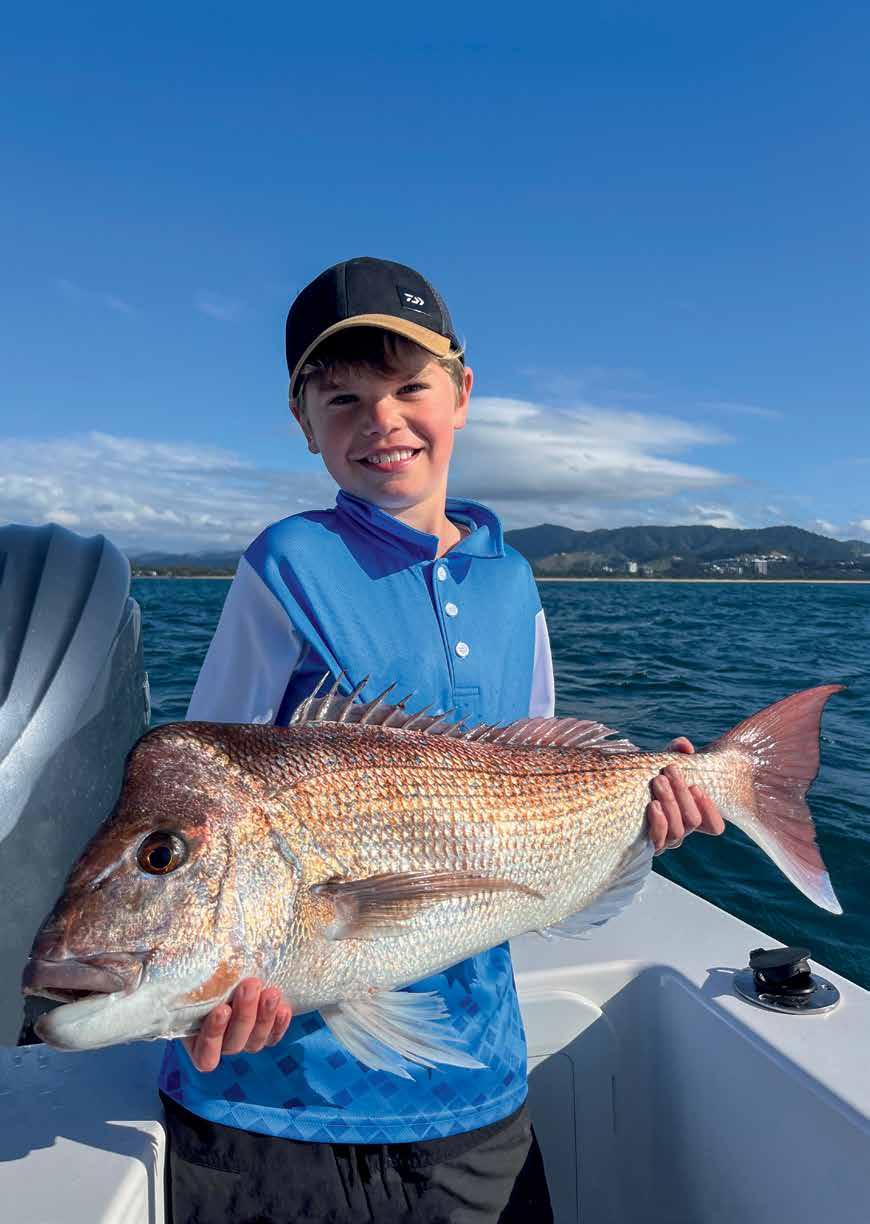
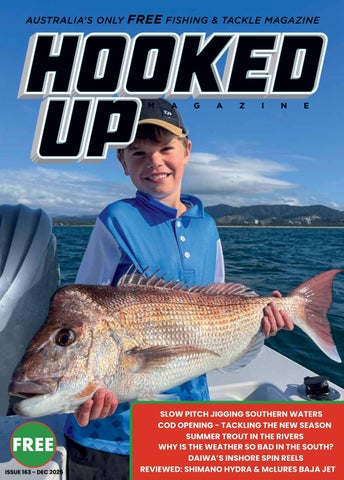
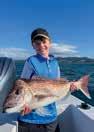
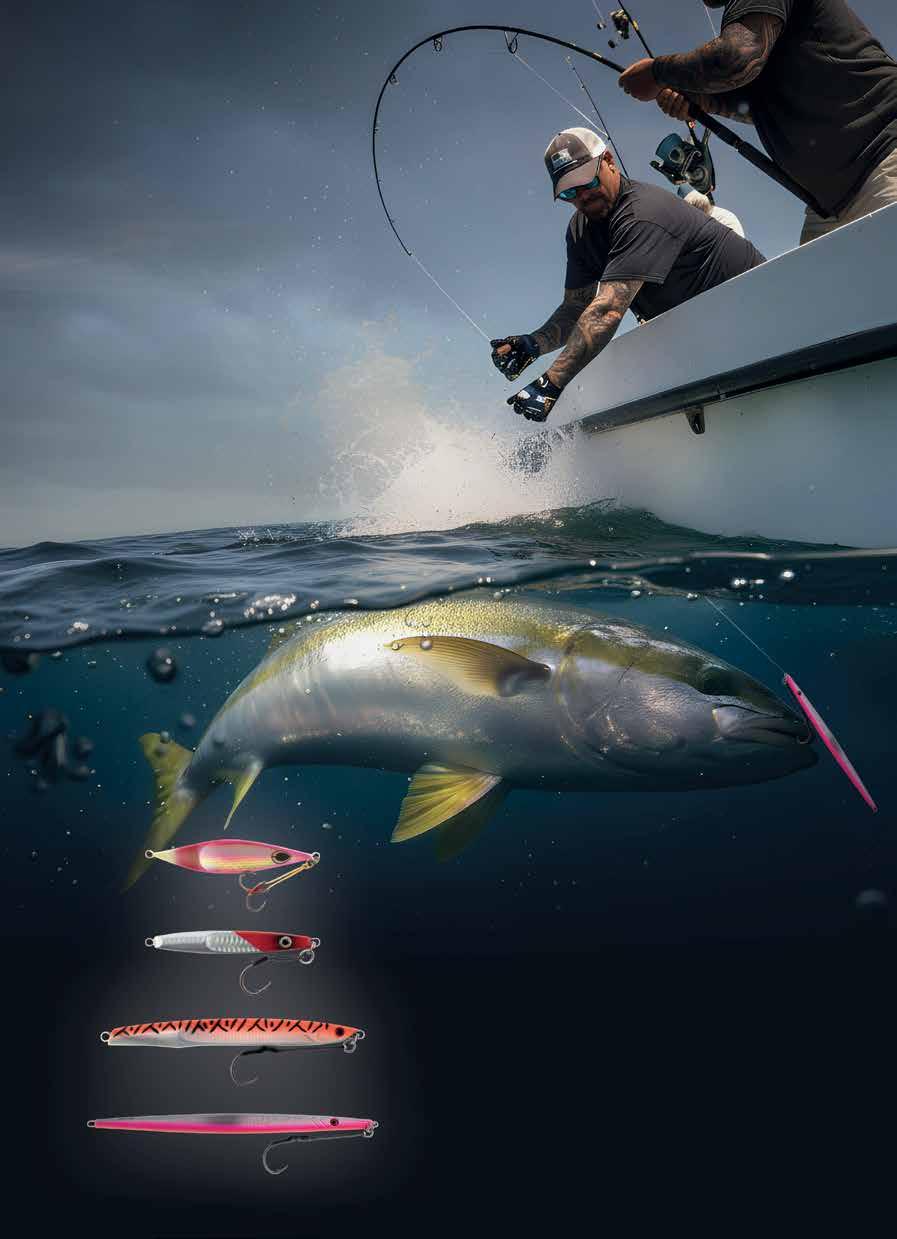
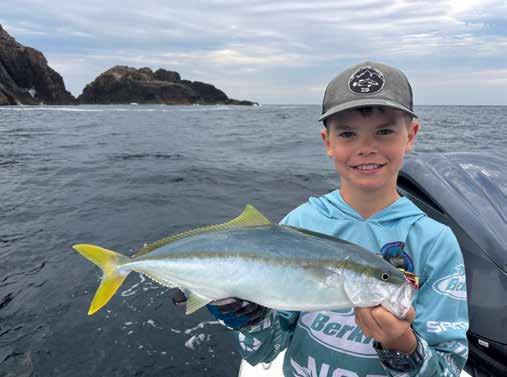
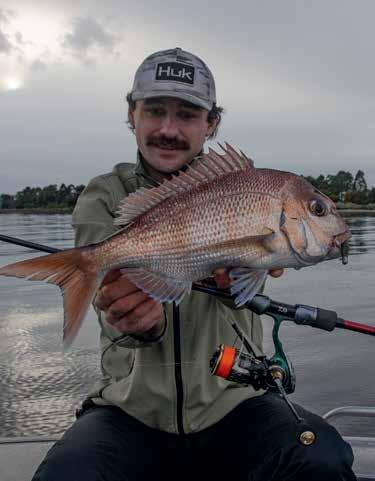
ON THE COVER: Roly Gilchrist with a solid red taken on a slow pitch jig.
Another year has ripped past and somehow we’re already at the December issue. It’s been a massive 12 months across the magazine and our video work, and as we wrap up 2025 it’s shaping into one of the strongest years Hooked Up has had. This edition is a perfect snapshot of everything that makes our fishing so diverse, unpredictable and exciting.
This month’s features cover a bit of everything. We start with part two of the inshore spin reel profile, where we take a proper look at the Daiwa line-up and break down the differences between its key models. It’s information that anglers and even stores often get tangled up in, so it’s good to finally lay it out clearly. We also dive into the broken polar vortex and the wild swing in weather across the south, explaining what’s going on and how it affects summer fishing. On the freshwater side, we’ve got a summer trout piece that digs into how to approach these fish in warmer water, and of course the excitement and energy around Murray cod opening.
Our reviews this issue are strong and very much centred on gear anglers have been asking about. Shimano’s Hydra rods get a proper run-through, looking closely at how they perform with real bait work, the balance of glass, E-carbon and graphite, and why the full EVA butt suits snapper racks and general bait fishing. We also put the McLures Baja Jet in Purple Haze through its paces – a new lure on the Australian market that swims beautifully and handles speed with ease. And for the jigging crew, we’ve included a detailed breakdown on slow pitch versus micro jigging – techniques that are too often lumped together despite being very different, especially in our cooler southern waters.
With Christmas upon us, it’s also a time to say thank you. To the tackle stores for their support, to the advertisers who back us month after month, and to you, the readers, who keep picking up the mag and watching our videos. Your support through 2025 has been incredible. We’re looking forward to a huge 2026 with more stories, more time on the water, and a big expansion in our video content.
Have a safe and happy Christmas, enjoy the break, and I’ll see you out there next year.
Kosta Linardos. Editor-in-Chief
CONTRIBUTORS
Sam Gilchrist, Colby Lesko, Rob Gee, Lachie O’Reily, Adam Hewson
ADVERTISING
info@hookedup.com.au


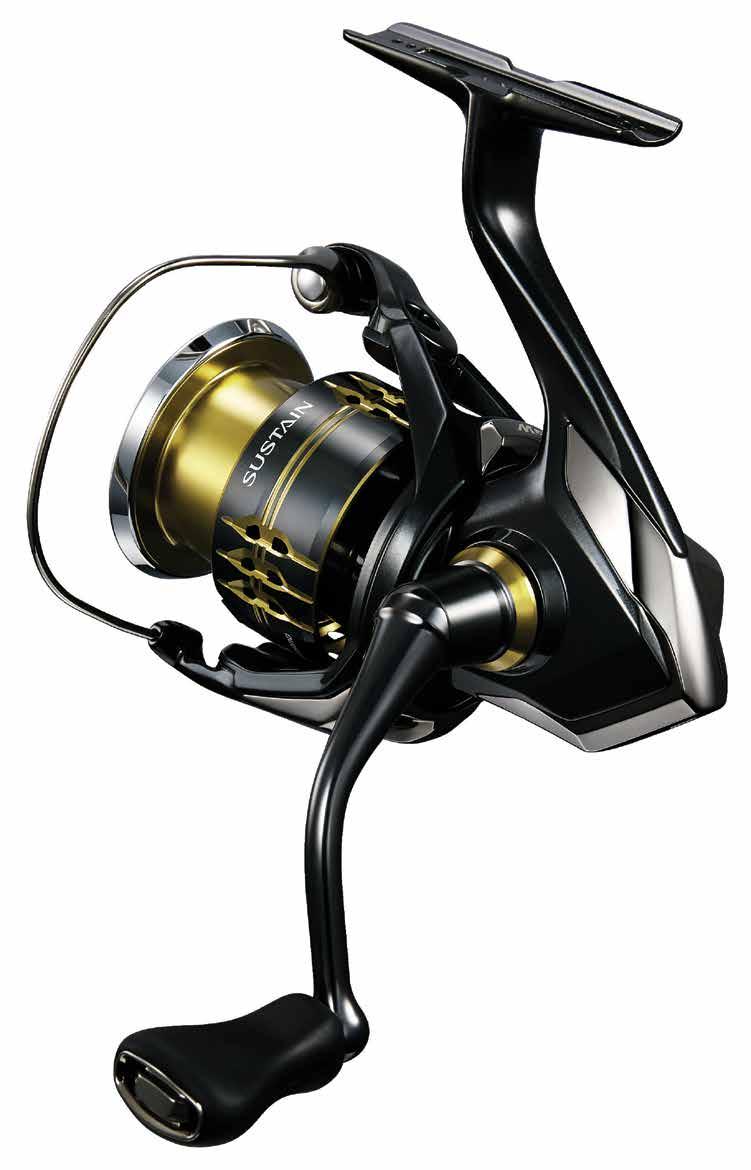
SHIMANO’S LEGENDARY SUSTAIN SPINNING REELS JUST GOT EVEN BETTER.
The new Sustain FK series — featuring four precision-engineered models brings flagship Stella-level technology to serious anglers at a more accessible price. With InfinityDrive, InfinityCross, InfinityLoop, and the revolutionary Anti-Twist Fin, these reels deliver unmatched smoothness, power, and durability across all light to medium tackle applications. Whether you’re chasing trout in the streams or tuna offshore, the Sustain FK is the ultimate companion season after season, cast after cast.
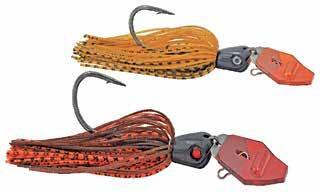
Strike Pro has just released a chatterbait blade with a difference. Its hybrid blade features metal and plastic with an internal rattle chamber for added attraction. The Plastic section on the blade also colour matches the skirt colour. The skirts are Silk-cut Silicon round skirts and offer tantalizing action and colour schemes. They also feature a Snap Clip and Worm Keepers on the hook so you can attach a soft plastic for added attraction. The Chatterbaits offer amazing action and impeccable quality. They are available in 2 sizes 1oz and 1/2oz and are highly effective on Murray cod, yellowbelly, bass and redfin. jurofishing.com


Designed in Australia and built from the same high-grade materials as the DS80, the Samaki Redic MS80 delivers precision performance in a medium-diving format that reaches 1.5m. Its ABS hardbody construction is reinforced with supersonic welding for maximum durability in tough estuary environments, while Decoy Y-S22 trebles and Decoy R-11 rings provide reliable strength straight out of the box. At 80mm and 11g, the MS80 is carefully balanced to suspend and run true, making it ideal for barra, jacks, threadfin and other estuary
The Evergreen Wide Seeker is a 145mm, 28.5g floating jerkbait built for covering water fast and drawing reaction bites from predatory species. Designed to run at 0.7–0.9m, it delivers exceptional long-distance casting thanks to a twin tungsten ball and magnet weight-shift system that stabilises flight and locks the lure into its optimum swimming position on the retrieve. Its slow-rise buoyancy creates a natural, rolling wobble, while the semi-round lip design reduces air resistance and helps the lure dig and swim cleanly in a wide range of conditions. Constructed around a onepiece stainless internal wire frame for maximum strength, the Wide Seeker is available in six colours and is highly effective on barra, flathead, mulloway and jacks. gladiatortackle.com.au
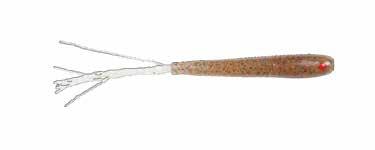
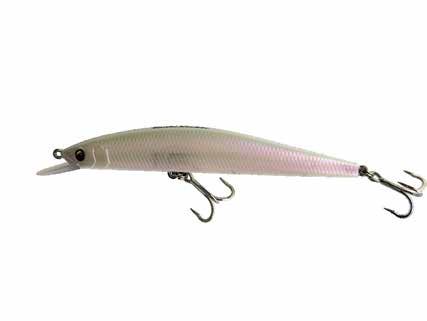
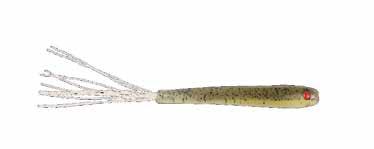
with shimmering, translucent fibres, designed to tempt even the wariest predators. Ideal for finesse fishing in pressured waters, the Glimma is engineered to land a variety of species such as bream, flathead, and snapper. Its lifelike action and subtle shimmer create an irresistible presentation, making it perfect for both saltwater and freshwater fishing. Whether fishing deep or shallow, this versatile lure delivers precise movement and unmatched attraction. With cutting-edge materials and proven fish-catching action, the Glimma 90mm is a must-have for anglers targeting a wide range of species. shimanofish.com.au
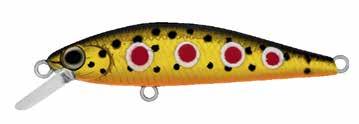
Daiwa’s DR Minnow range of trout lures receives a facelift and a fresh look with the introduction to the SilverCreek family. The new SilverCreek DR Minnow II boasts 3 models within the range, a 42mm and 50mm sinking minnow perfect for fast flowing streams and rivers, and a 70mm floating minnow targeting the larger water looking for that big bite. A host of new colours in the range, all purpose designed for Australian conditions make the new DR Minnow II one of the most wellcrafted trout lure ranges available. Fitted with BKK Spear 21SS treble hooks straight out of the pack means you can get straight into the action.
daiwafishing.com.au
The Maria Rapido 190 and Duck Dive 190 have long proven themselves on big Sydney kingfish from the rocks, delivering both distance and durability when targeting serious surface predators. Their larger profile appeals to kingfish, tuna and GTs, and Maria have strengthened the platform by fitting oval split rings and BKK trebles, adding extra weight and increased holding power. These lures handle aggressive strikes and long fights thanks to their reinforced build and balanced internal loading, giving anglers confidence when working them through wash zones and bait schools. The Rapido offers a sharp sliding action while the Duck Dive pushes water with a strong pop, making them a versatile topwater pairing.
ejtodd.com.au

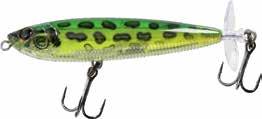
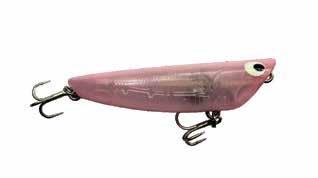
The Yo Zuri 3DB Prop is a 90mm isurface fizzer designed to call fish up with flash, vibration and sound. Its signature prism finish throws powerful light refractions that predators can see from long distances, even in low light. A polycarbonate rear propeller creates a splashing, sputtering action that mimics a panicked baitfish or insect struggling on the surface, while the ribbed belly and internal rattle add vibration and water movement that fish pick up through their lateral line. Effective in both fresh and salt water, it can be burned fast, worked with a twitch pause or fished in a stop start retrieve to keep it in the strike zone. Finished in durable ABS with chip resistant coatings and fitted with sharp VMC round bend hooks. tacspo.com.au
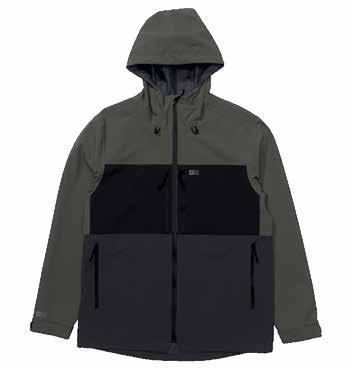
Designed for serious offshore performance, the Long Range Jacket in Iron delivers premium protection when conditions turn rough. Constructed from mid-weight 2.5-layer polyester with a durable water-repellent coating, it offers 20K waterproofing and 20K breathability for reliable comfort and dryness. Fully taped internal seams and waterproof zippers keep water out, while the adjustable hood, mock neck, and sleeve cuffs provide a secure fit against the elements. Finished with zippered chest and side pockets plus a kill switch D-ring for safety, it’s built for long days on the water.
RRP: $199.99
salty-crew.com.au
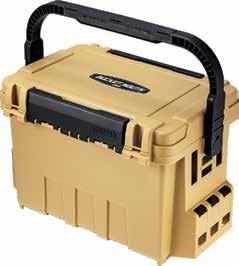
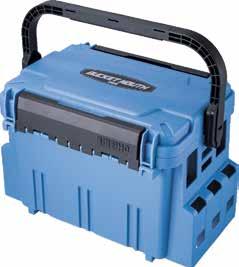
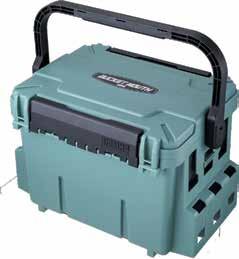
Made in Japan, the Bucket Mouth is a rugged, modular tackle storage system built for serious anglers, offering the flexibility to set it up exactly how you need it. The large and durable design holds a huge amount of gear and even works as a seat while you’re waiting for a bite. For 2025, three new colours join the range with the Bucket Mouth 9000 now in yellow at $149.95 RRP, the 7000 in green at $129.95 RRP, and the 5000 in blue at $109.95 RRP. Strong, practical and endlessly customisable, the Bucket Mouth continues to set the benchmark in Japanese tackle storage. versusmeiho.com.au
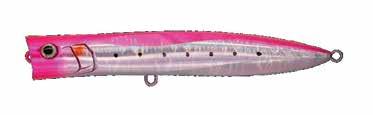
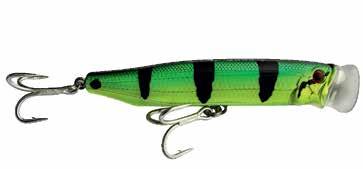
Tackle House has released an international range of colours in their extremely popular Feed Popper range. The Feed Popper is a proven surface lure built for long casting, hard pops and explosive strikes on pelagic species. Available in 135mm and 150mm, the 135 comes in matt peacock bass, dorado and barramundi, while the 150 is offered in dorado and barramundi. Each features exceptional colour work with reflective and holographic scale patterns that throw serious flash. Known for its unique and versatile action, the Feed Popper has earned a strong reputation in Australia for getting kingfish and tuna to bite when they reject other offerings. New to the International range, both models are now lead free using the R Unit 2.0 system, fitted with Owner ST56 trebles and built around a one-piece stainless internal harness.
gladiatortackle.com.au
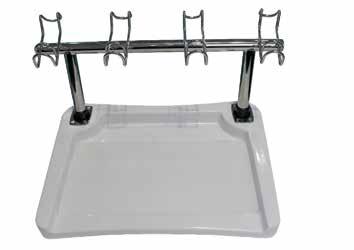
Bell Marine’s Deluxe Small Removable Fibreglass Bait Board is built tough for Australian conditions and designed to give anglers a stable, functional workspace on the water. Made in Australia, it features a 600mm wide by 420mm deep cutting surface with a 50mm high abrasive resistant board that helps keep knives sharper for longer. The board comes complete with legs and deck fittings for easy installation and can be removed quickly when not in use. For those needing extra snapper racks, an optional four way rod rack is available. Strong, practical and purpose built, this bait board is an ideal upgrade for any fishing boat.
bellmarine.com.au
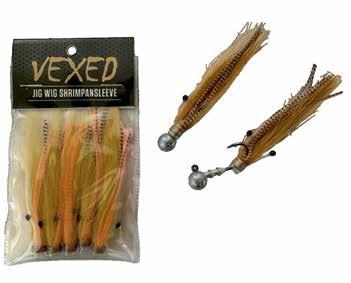
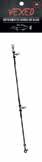
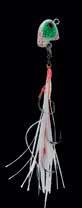
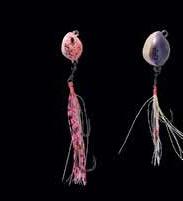
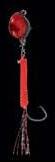
The Vexed Shrimpansleeve Jig Wig is another brand new concept from VEXED. Simply push a Jig Wig onto your favourite brand/size/ shape jig head and have the flexibility of being able to interchange hook size’s and weight’s with different coloured Jig Wigs fast and efficiently. TThese are designed in 3mm, 4mm and 5mm to suit most brands of jig heads on the market within a certain size range, and are available in lengths from 6cm to 10cm. vexedfishing.com.au
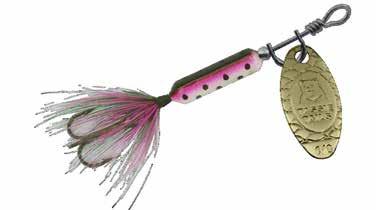
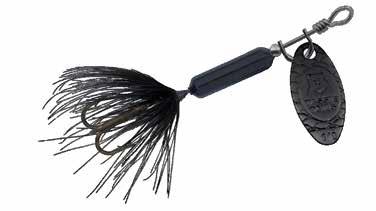
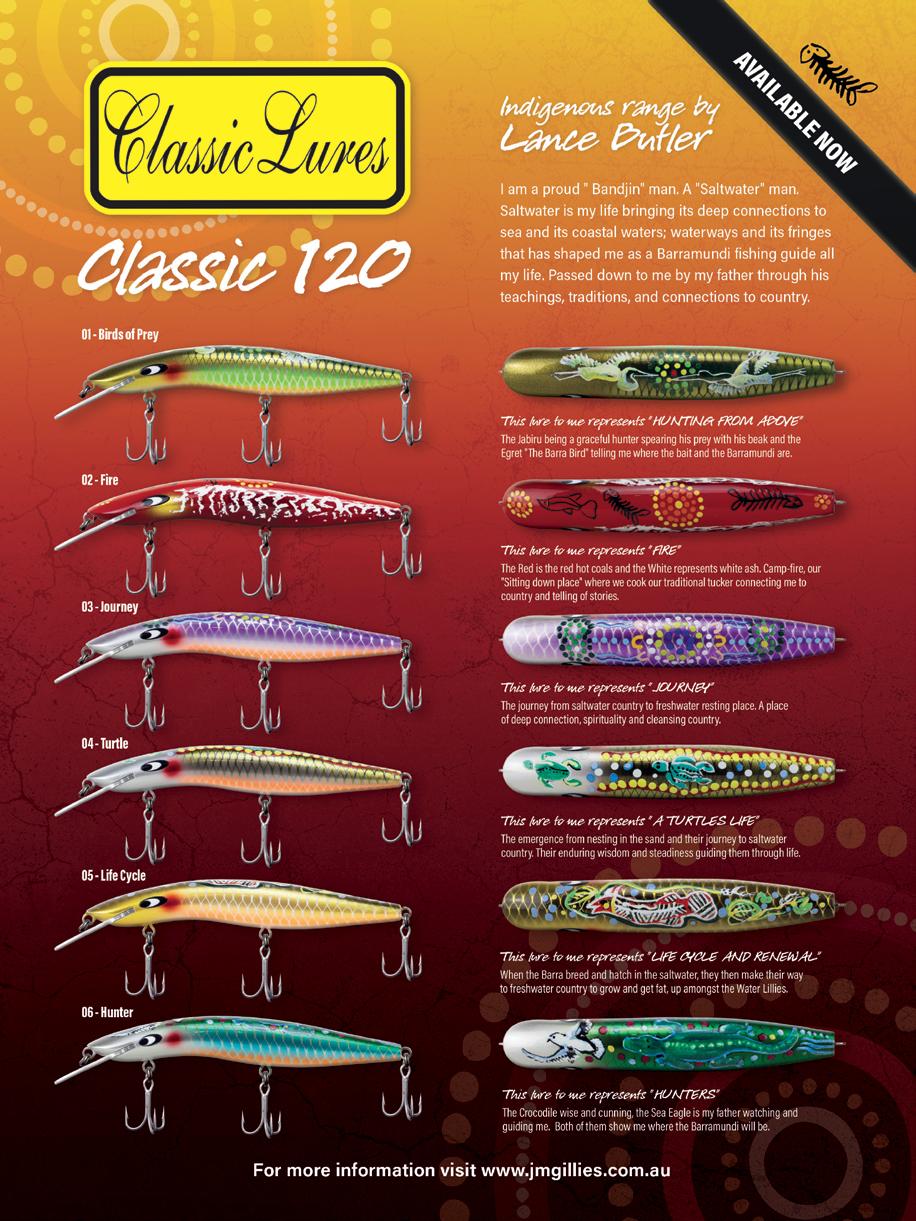
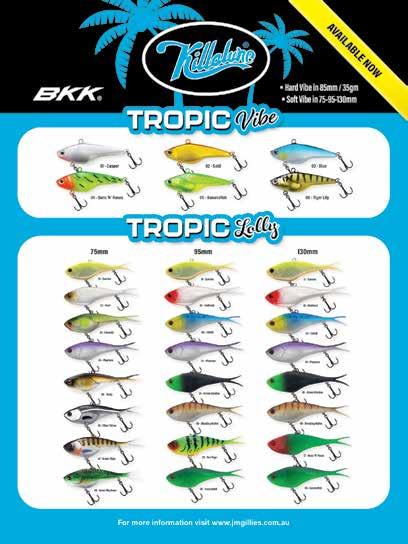
The new Tasmanian Devil Tassie Tails lure is a vibrating spinner designed to drive fish crazy with its pulsating hackle tail. This highly productive lure is perfect for catching trout, bass, redfin, and other freshwater species. Its design ensures excellent hookup ratios and minimal maintenance while attracting fish in various conditions. Whether you’re fishing in clear or murky waters, the Tassie Tails stands out with its irresistible motion. Available in 3 sizes (1/8, 1/4, and 3/8oz) and 8 vibrant colours, this lure is a must-have addition to any angler’s tackle box. Perfect for all freshwater fishing scenarios. jmgillies.com.au
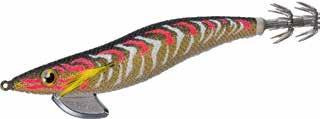
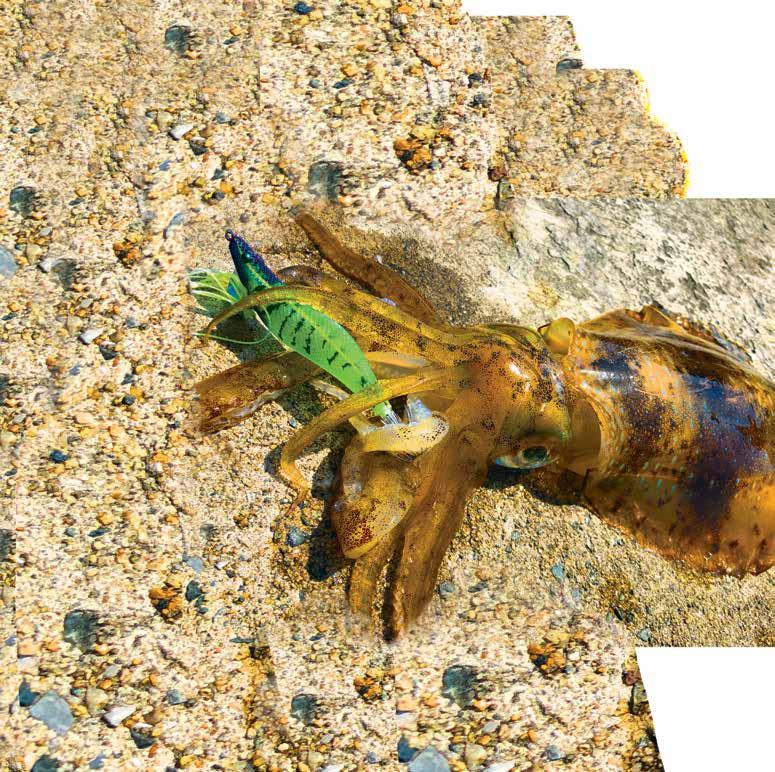
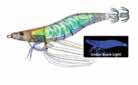
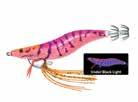
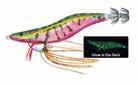
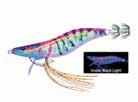
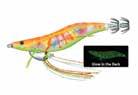
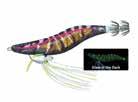
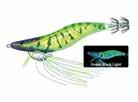
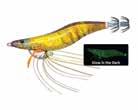
The Shimano Sephia Clinch Excounter is a high-performance squid jig designed for targeting large squid in fast currents. Its 3.8 body size and large crowns allow it to handle powerful strikes while maximizing hook-up rates. The Excounter’s balanced design, large profile and heavier weight at 24g make it perfect for Australian anglers targeting big southern calamari that reside in fast water. Available in eight colours, there is a model for different fishing conditions and preferences. The Excounter is a jig designed for big squid, making it an essential addition to any squid angler’s tackle box.
shimanofish.com.au
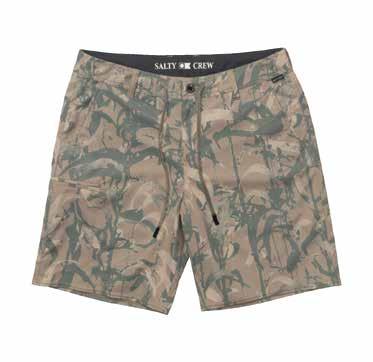
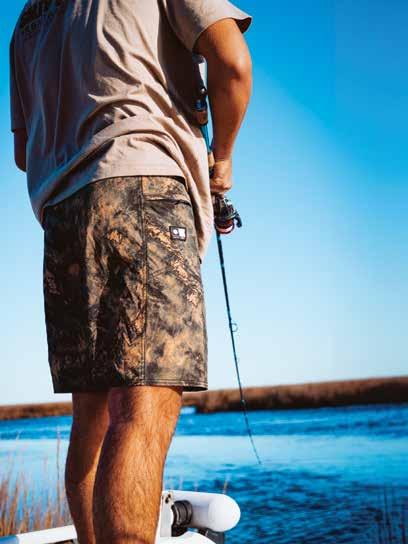
Built for comfort and performance on or off the water, the Transom Tech Short in Light Camo combines lightweight, 4-way stretch fabrication with a quick-dry finish for unrestricted movement and all-day wear. Crafted from 92% recycled polyester and 8% elastane, it features side hand pockets, back zippered pockets, and a lower right plier or phone pocket with a secure zipper closure. The adjustable interior and exterior drawcord with a zip fly and button closure ensures a perfect fit. With an 18in outseam, these shorts deliver the perfect balance of mobility and function.RRP: $99.99
salty-crew.com.au
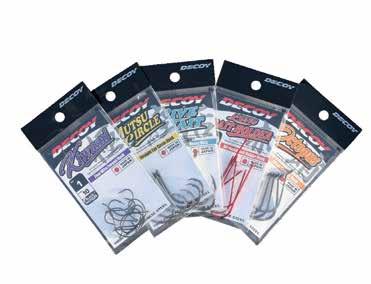
Decoy has launched a world first bait hook range developed specifically for Australian fishing, bringing premium Japanese craftsmanship to every bait style and technique. The new Octopus model features an offset point and wide gape for improved hook up ratios with larger baits, available in sizes 4 to 7/0. The Mutsu Circle offers an inline circle design that promotes jaw hooking and efficient catch and release, suited to live or cut baits from inshore to offshore in sizes 2 to 8/0. The Live Bait hook delivers exceptional strength with a compact shank for fast penetration and confident hook ups in sizes 1/0 to 6/0. For anglers needing bait security, the Long Baitholder uses twin barbs on the shank to lock baits firmly in place and features a straight eye for easy rigging, available in sizes 8 to 1/0. Completing the range, the Kiwami is an ultra light fine wire design for natural bait presentations, perfect for subtle estuary work on species like whiting in sizes 6 to 1/0. Each model represents Decoy’s commitment to precision engineering, producing hooks that meet the highest standards and continue Japan’s legacy of innovation in terminal tackle. decoyhooks.com.au
The Squidgies Grub 80mm is an evolution of the classic curlytailed grub, now enhanced with a pulsing tail action that mimics the leg beats of a prawn or the flutter of an injured baitfish. Irresistible in both salt and freshwater, the Grub’s enhanced tail creates an enticing movement that fish can’t resist. Perfect for a variety of species, from bream to bass, this versatile lure is ideal for both slow and fast retrieves. Its lifelike motion in the water ensures maximum attraction, making it a top choice for anglers seeking an all-rounder for numerous fishing scenarios. shimanofish.com.au
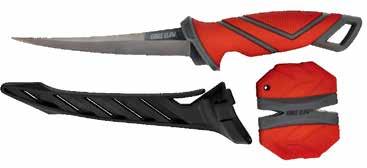
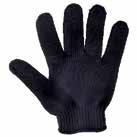
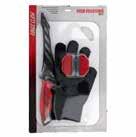
The Eagle Claw 7in Fillet Knife Kit delivers function, value and safety in one compact package. Built around a razor sharp 5CR15 stainless steel blade, the knife features a TPR soft touch handle that offers a comfortable, secure, no slip grip when working with fish or bait. The kit includes a cut resistant glove for your non filleting hand and an anti-slip fillet board to keep your workstation stable. A compact pull through sharpener keeps the blade honed, while a custom moulded sheath with belt clip protects the edge in storage and transit. Ideal for filleting your catch or preparing clean, precise baits.
tacspo.com.au
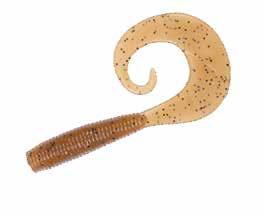
The Tackle House Shores Ripple Popper is a compact and highly response surface popper designed for estuary and inshore predators. Its cupped face creates a sharp, clean pop and bubble trail with minimal effort required from the angler. This is a very easy popper to use and get a great action. The slender body shape lets it hold stability even when worked fast across chop. Built from tough ABS with Tackle House’s trademark finish, the Ripple Popper is highly responsive thanks to its internal weighting, allowing long, accurate casts and immediate action the moment it lands. Ideal for species such as whiting, bream, bass and estuary perch, it offers an easy to use topwater profile that draws bites when fish are feeding high in the water column.
gladiatortackle.com.au
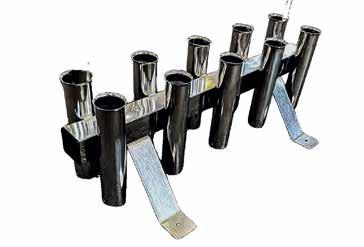
This heavy duty stainless steel ten way rod rack is built for the mancave, shed or garage and offers secure storage for up to ten rods, each held in place with individual gimble pins. The flared ends protect reel bodies during placement and removal, and the rack can be either bolted to the floor for permanent mounting or left free standing for mobile use. It’s an excellent option for keeping rods organised or for washing down gear after a big day on the water, allowing rods to dry safely before returning them to the shed.
bellmarine.com.au
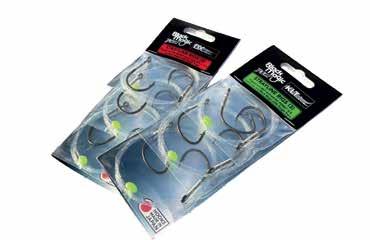
Black Magic Tackle are launching two new strayline rigs made for anglers who want a direct connection to big fish in the strike zone, whether it’s a subtle nibble or an all-out hit. Built for serious bait fishing, these rigs are IGFA legal for tournaments and record claims and are tied using Black Magic’s premium DX and KLT Tournament hooks for maximum strength and reliability. Designed for chasing big snapper, the new strayline range gives anglers the confidence to fish baits properly without compromising on quality., versatile and ready to fish hard. RRP
$79.95 – $89.95
blackmagictackle.com
The Silver Creek rod series is designed for Australian anglers targeting trout in rivers and streams. Featuring HVF Nanoplus and X45 blank technology, these rods provide excellent sensitivity and lightweight performance for long treks along creeks and banks. Fuji stainless steel and Alconite guides deliver trouble free casting, while the Airsensor reel seat adds comfort and feel. Blending a classic look with modern construction, the Silver Creek is ideal for the serious freshwater angler. Whether fishing tight streams or larger rivers, this series offers reliable performance and refined handling. daiwafishing.com.au

The Dobyns Xtasy series is built for anglers who demand extreme sensitivity, balance and premium componentry. Constructed from Toray Nano graphite and reinforced with Kevlar wrapping, these rods deliver exceptional feel while maintaining strength under load. Finished with Fuji Torzite Titanium guides, a Fuji graphite reel seat and AAAA grade Portugal cork, each rod is individually serial numbered to guarantee authenticity. New additions include the DRX 610 2C SH cast rod rated 8–14lb and the DRX 754SF spin rod rated 10–20lb, both designed to cover a wide range of techniques with the trademark Xtasy responsiveness. For anglers chasing the highest level of refinement, the Xtasy series sits at the top of the Dobyns range. ejtodd.com.au
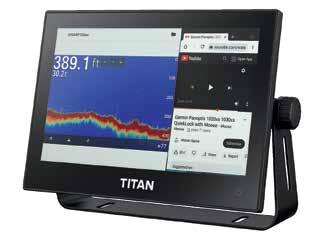
Titan Marine has expanded its screen range with the new Titan PRO, a fully waterproof 19in ultra bright touchscreen built for serious offshore use. Running a full Android operating system, it allows you to browse weather sites, stream vision, download apps and access mobile data directly through its built in SIM slot. Titan PRO includes WiFi for mirroring Lowrance HDS, Garmin ActiveCaptain, Raymarine and Furuno units, plus Bluetooth support for wireless keyboards, mice and audio. A waterproof audio out cable enables direct stereo integration, and USB connectivity allows easy file transfer and updates. With a 1500 nit sunlight readable display, heavy duty triple mount bracket, multi voltage capability, two year warranty and a price of $3999, Titan PRO delivers rugged flexibility and full Android power on the water.
titan-marine.com.au
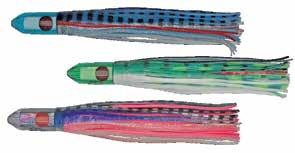
McLures has released new Baja Jet models for 2025 ahead of the southern bluefin barrel run and marlin season. The Baja Jet combines a bullet shaped head with four jet holes to create an enhanced bubble trail and is designed to be run further back at higher trolling speeds. Ideal for barrel tuna, marlin and other fast moving pelagics, each lure features a range of head colour options including glow, tinted and kauri shell, along with UV overskirts and McLures’ exclusive Luminite underskirts that glow in the dark across all colours. Finished with red crystal 3D eyes and keel weighting for a perfect swim, the 9.5in Baja Jet has an 8in skirt, weighs 100g and comes in twelve colours proven on yellowfin, southern bluefin and all marlin species.
jurofishing.com
The 26 Demon Blood rod series is built for offshore anglers, combining Daiwa’s latest technologies with serious strength. Constructed with HVF Nanoplus, 3DX and X45, the blanks are light and sensitive while retaining the power needed for large pelagics. V-Joint technology in the two piece models removes flat spots and delivers a seamless bending action. The full grip design gives anglers maximum control when casting long distances or battling big fish deep under the boat. With nearly twenty models covering a wide range of offshore techniques and target species, the 26 Demon Blood series is purpose built for taking on Australia’s toughest predators.
daiwafishing.com.au
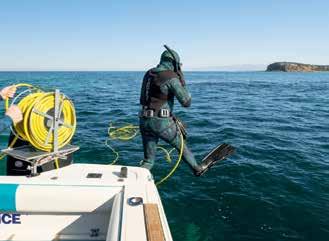
Victorians can enjoy fresh abalone and rock lobster from this Sunday as both recreational seasons open across the state. The Victorian Fisheries Authority says 16 November marks the start of rock lobster season and the first abalone open day for Central Victorian waters. With some of Australia’s best diving spots, these fisheries offer a chance to explore underwater reefs and bring home exceptional seafood. Rock lobster has a daily bag limit of two, with berried females and soft shell lobsters to be released immediately. Fishers must register their intent to fish through the GoFishVicRL app. Abalone divers should be aware of varying open days, with a bag limit of five blacklip per day and a statewide possession limit of ten. vfa.vic.gov.au

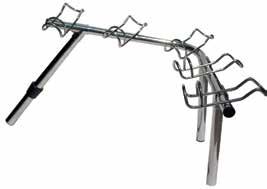
Bell Marine’s Ten Way Snapper Rack is a smart off the shelf solution for anglers who want serious rod capacity without the cost of custom fabrication. Designed to hold ten rods, with five positioned down each side of the boat, the rack comes with your choice of straight or angled legs to suit your transom layout. Installation is simple with no welding required and takes around twenty minutes, making it an easy upgrade for any trailer boat. Built from quality stainless steel, the rack fits neatly into the port and starboard corners and is ideal for keen snapper and whiting anglers who rely on multiple rod spreads when fishing baits. bellmarine.com.au
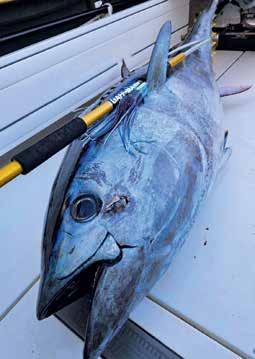
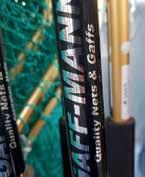
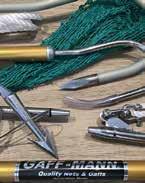
The Gaff Mann Pro Series Tuna Gaff is built for anglers chasing large yellowfin and bluefin tuna, offering the strength and reliability needed for serious game fishing. Made from structural grade aluminium, the handle and fitting are fully anodised for maximum corrosion resistance in harsh marine conditions. The 16 x 150 head delivers a strong, precise hook up, while the overall weight of just 0.9kg keeps the gaff light and easy to control. With a handle length of 171cm, it provides excellent reach and leverage when working big fish close to the boat. Designed to float for easy recovery if dropped, it is ideal for tuna and equally capable on sharks and other heavy hitters. gaffmann.com.au

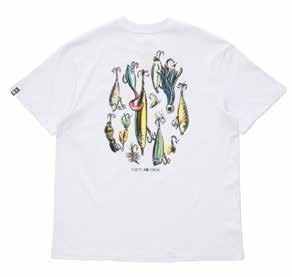
The Lure Gear Classic SS Tee in white is crafted from soft spun cotton jersey for comfort and durability, weighing 180gsm for a premium feel. It features digital printed graphics on the front and back, capturing Salty Crew’s authentic fishing heritage. Finished with a Salty Crew clamp label on the sleeve hem, this tee combines quality construction with clean styling that looks just as good off the water as it does on deck. RRP: $49.99 salty-crew.com.au
Victoria’s snapper season is off to another strong start, with fisheries modelling predicting a repeat of last year’s exceptional run across Port Phillip and Western Port. VFA CEO Travis Dowling said recent data indicates the boom is set to continue through spring and summer, supported by record spawning years in 2017 and 2022. “Last year was one of the best snapper seasons in many years,” he said. “With commercial nets removed, free boat ramp access, and great spawning conditions, anglers can expect plenty more action.” The 2022 surveys showed the third-highest abundance of baby snapper since monitoring began, ensuring continued healthy fishing in the years ahead. vfa.vic.gov.au
If you’re wondering why unsettled weather has hit the snapper season, look to the heavens. Words & Images: Kosta Linardos
Well, I think all of Victoria agrees this has been the worst start to a snapper season anyone can remember. Relentless wind, cold (and cold water temps) and heavy rain – and this has been going on since July. It’s the least I have fished since I started Hooked Up and kept records of all my fishing trips since 2011.
If you’ve been wondering why the weather’s been all over the place down south lately, the answer lies a long way above us – about 50 kilometres up in the stratosphere. A rare phenomenon known as a sudden stratospheric warming has taken place over Antarctica, and it’s starting to mess with the southern hemisphere’s polar vortex.
In simple terms, the polar vortex is a ring of strong westerly winds that usually circles Antarctica, keeping the really cold air locked away over the pole. But when a sudden stratospheric warming hits, that system gets thrown out of whack. Temperatures in the stratosphere shoot up, the vortex weakens and sometimes even splits apart, and when that happens the cold air and weather systems that normally stay well south start pushing further north toward Australia.
For us in southern Australia this means a noticeable shift in weather patterns. Stronger westerlies, more frequent cold
fronts and an increase in wind are all likely as this event plays out. It can bring wild swings between warm, calm days and sudden bouts of icy wind and rough seas. For anglers, that means fewer stable windows offshore and more time spent watching the weather charts than the sounder.
Rainfall is a bit of a mixed bag. Some regions such as Tasmania and the far south-west may see a bump in rain as these fronts roll through, while parts of Victoria and the south-east could actually become drier. And as odd as it sounds, a weakened polar vortex can also open the door for extreme heat later, so don’t be surprised if this unsettled spell is followed by a burst of scorching weather.
This isn’t all down to the sudden stratospheric warming, though. Other big players such as the Indian Ocean Dipole and sea surface temperatures are adding their own twists. Still, when the upper atmosphere starts misbehaving like this, it’s a sure sign the next few months will be anything but steady.
So, if you’re heading out wide or chasing snapper in the bays, plan carefully. Expect stronger westerlies, shorter breaks between fronts and keep an eye on the sky. With the polar vortex broken and the stratosphere running

hot, southern Australia’s weather is set to stay unpredictable for a while yet. In all the research I have done I can’t find anything definitive about when this will end, but it will pass and the weather will stabilise. We essentially need to think that the weather, and therefore fish behaviour, is about six weeks behind. So hopefully that means we still have the best of the snapper season to come, but it will just be a little later.
Southern hemisphere polar vortex collapses are incredibly rare. The last true split happened in 2002, when the vortex over Antarctica broke into two separate systems after a rapid stratospheric warming event. It remains the only full break on record. In 2019 the vortex weakened dramatically but didn’t fully reverse, leading to widespread drying and heat across Australia as the atmosphere shifted out of balance. Smaller disturbances have come and gone since, but nothing on the scale of those years.
The current 2025 event is shaping up to be the most significant breakdown in more than two decades, with the upper atmosphere warming fast and the vortex destabilising in a way we haven’t seen since 2002.
Devised and perfected in Japan, this highly effective and fun technique is perfect for Australian waters.
WORDS & IMAGES: SAM GILCHRIST
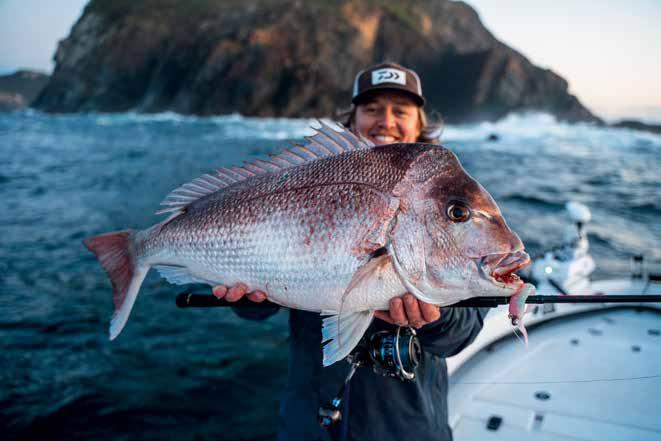
Slow-pitch jigging and micro jigging are often thrown into the same basket, but they’re very different techniques. Both come from Japan, both are highly effective, and both have taken hold in Australia – yet slow-pitch is built entirely around rod loading, deliberate lift-and-fall movements and controlled pauses, while micro jigging uses lighter tackle, smaller jigs and a constant high-contact cadence.
This article focuses on slow-pitch jigging, which has become a dominant method in our cooler southern waters.
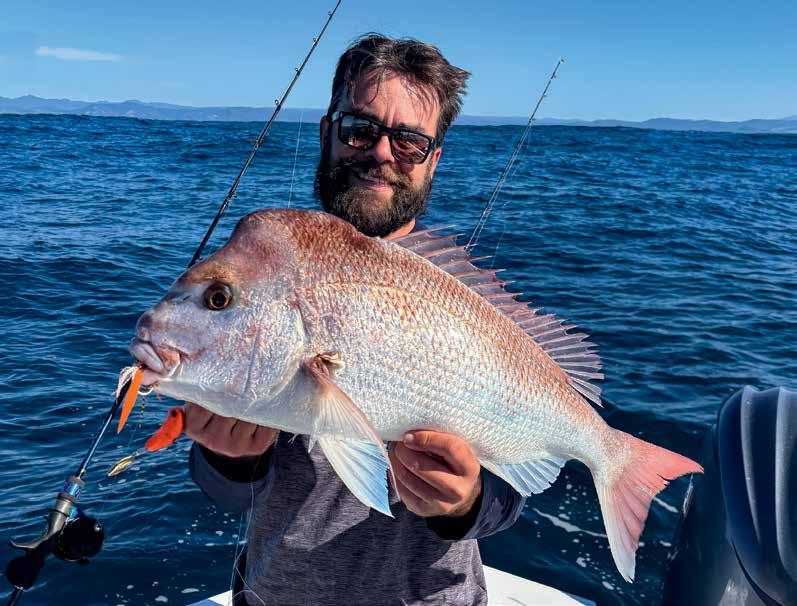
Slow-pitch is perfectly suited to species such as snapper, mulloway, kingfish, samson fish, pearl perch, morwong and even yellowfin or big-eye tuna on the right day.
Micro jigging certainly shines in shallower water and when fish are keyed in on tiny bait, but it isn’t the same craft and shouldn’t be conflated with the slow-pitch technique described here.
Slow-pitch jigging depends entirely on balanced, technique-specific gear. Without a proper slow-pitch rod and reel, the jigs do not swim the way they’re designed to. You can still catch fish with any metal lure and a rod holder, but that’s not slow pitch – not even close.
True slow-pitch rods are usually around six feet long with soft, sensitive tips and a taper that stores energy on the lift and unloads it at the top of the stroke. This recoil is what makes the jig kick, stall, glide and flash. It’s the whole foundation of the technique.
They look thin and fragile, almost too light for the job, but don’t be fooled. Quality slow-pitch rods have huge low-end power and a deep, forgiving bend that protects line and leader under heavy load. Reputable brands will not let you break one through normal use, no matter how much it bends.
Overhead reels remain the most effective pairing for slow-pitch rods thanks to their narrow spools, smooth drag profiles and torque under load. Spin reels work, but they change how the jig falls and how the line behaves. Whichever style you choose, the reel needs a smooth drag, strong gearing and enough line capacity for the depths you plan to fish. Some overhead jigging reels feature true lock-up modes – and when they say locked, they mean it. There is zero give.
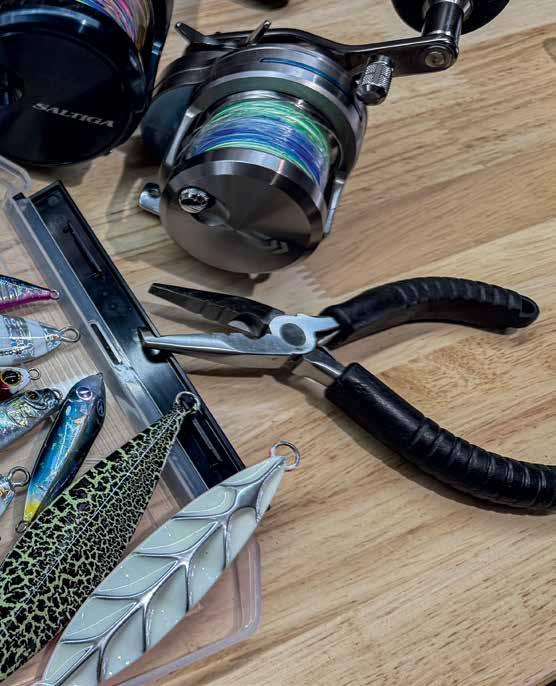
Slow-pitch braid is deliberately thin, smooth and efficient in the water. Its profile cuts current and sinks fast, keeping belly to a minimum and contact crisp. This allows you to feel the jig’s behaviour and detect subtle bites. Leader strength varies by species and structure, but a common southern approach is starting around 30lb and dropping to 20lb or even 15lb when fish are timid.
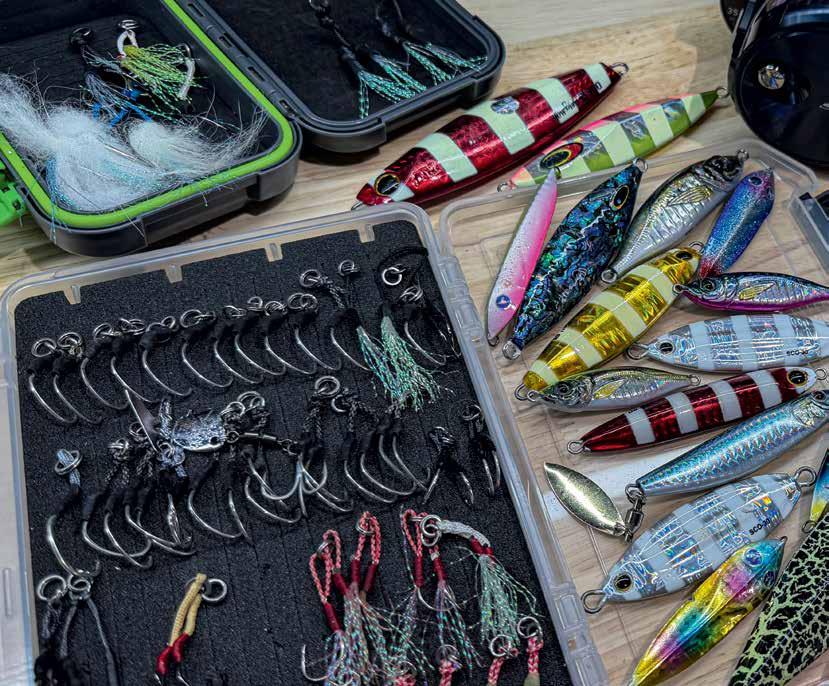
Slow-pitch jigs are designed to respond to rod recoil. Some general-purpose jigs swim without much input, but true slow-pitch designs – such as Daiwa’s modern Saltiga range with shapes like the Fall Killer, Toba and Back Slide – are engineered to stall, flutter, glide and fall unpredictably when used correctly. They’re extremely user-friendly and won’t blow out your budget. Micro jigs, on the other hand, are built for lighter tackle and fast feedback in shallower water, and shouldn’t be mistaken as slow-pitch lures.
Southern slow-pitch fishing benefits from stealth. Approach your reef or contour quietly and cut the motor well before you reach the fish. Drift direction is crucial. Always pitch your jig ahead of the drift so the boat moves towards it as it sinks. This keeps your line vertical, which is the single most important element in making a slow-pitch jig work. Beyond about 60 metres of water, stealth becomes less important, but maintaining a clean vertical line is even more critical. Electric motors and spot-lock are effective if the current allows, but once your jig starts dragging away from vertical, you lose the action the technique relies on.
Slow-pitch jigging is not limited to deep water. It works brilliantly in 10-30m on the NSW north coast and equally well in similar depths across Victoria and SA. Maintaining contact is easier in shallower water, and fish often respond more aggressively.
At the extreme end, depths of 300500m open the door to blue eye trevalla, bar cod, bass groper, tuna and even swordfish. This is specialist ground requiring significant line capacity and physical commitment, but the rewards are enormous.
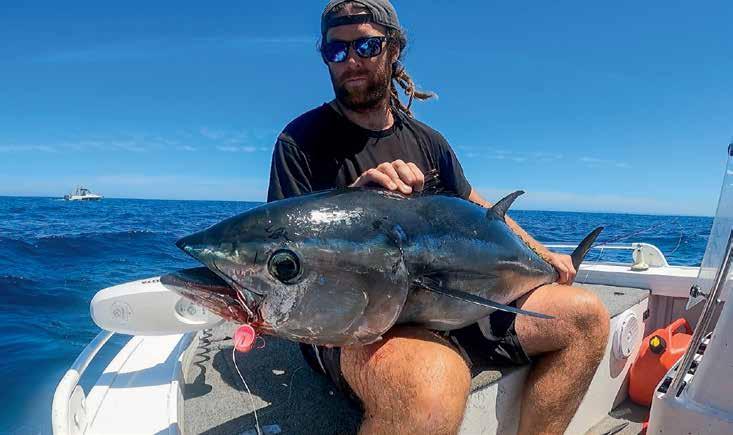
Slow-pitch jigging is a controlled lift-andfall technique. Traditionally in Japan it is done with extremely light gear with the reel doing all the work and sensitive rods responding. Here in Australia we have somewhat hybridised the technique with other forms of fishing to suit our different water depths and the varying species we find within them. I load the rod on the rise, pause at the top and allow the jig to fall while the rod unloads its stored energy. Each lift can be paired with a half, quarter or full turn of the handle, depending on what the fish want on the day.
The rod does the work; you simply guide the rhythm. So while not a huge departure from the traditional technique, I am inputting more rod action. Experimentation is essential. Try


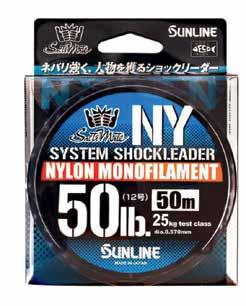
This copolymer nylon blend with TRP processing offers impressive power, abrasion resistance, and water-repelling properties. It remains supple and easy to handle, with excellent knot strength. The leader absorbs shock from strikes and hook sets, preserving lure movement offering tenacious performance to land big fish
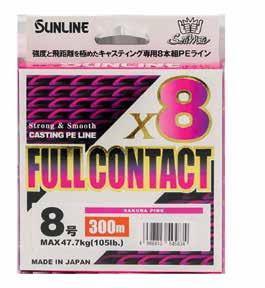
Full Contact X8 is a high-performance PE line designed for targeting large fish like kingfish, tuna, and GT. It offers exceptional strength, durability, and smooth casting. The moderate elasticity reduces tangles, while the SAKURA pink colour provides high visibility in low light. Ideal for offshore lure fishing.
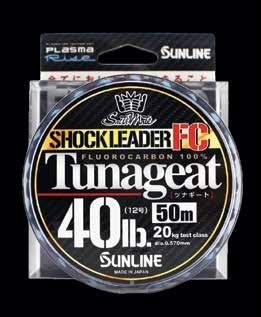
From light jigging on 10–12lb PE to vertical battles on 80–90 lb PE, Tunageat FC is built for serious anglers. Engineered for straight strength, knot security, and abrasion resistance, it handles every jigging style with confidence. Sunline’s technology ensures your leader performs when it counts, giving you the edge to target bigger fish.
slower lifts, longer pauses or short, sharp movements until you find the bite pattern. Once a rhythm starts producing fish, stick with it until the behaviour changes. If your jig starts dragging behind the boat, wind up, reposition and pitch again. Slow-pitch jigs do not swim correctly on a steep angle.
The Daiwa Kohga Blade is an excellent stepping-stone lure for newcomers. It swims cleanly with minimal input and teaches you how to feel the jig and maintain contact, even though it isn’t a traditional slow-pitch jig.
Slow-pitch bites are addictive. A mulloway might tap, a snapper might crunch, and a kingfish might load up with barely more than a soft hit. Overhead reels often require thumb pressure on the spool, and burnt thumbs quickly become part of the experience. Slow-pitch rods bend deeply and recover smoothly, making the fight incredibly rewarding. You can lean on them harder than expected, and the margin between victory and heartbreak is razor-thin –which is exactly what makes the method so engaging.
My own outfit consists of the 25 Saltiga SJ PE2–3 rod paired with the 24 Saltiga 15 reel, Saltiga 12 PE3 braid and 25lb Saltiga fluorocarbon leader. My son Roly fishes the Daiwa Spartan SJ PE2–3 rod matched with the 25 Daiwa Saltiga 300, Saltiga Expedition PE2 braid and 25lb Saltiga fluorocarbon leader. These combinations are as refined as slow-pitch gear gets in the southern states.
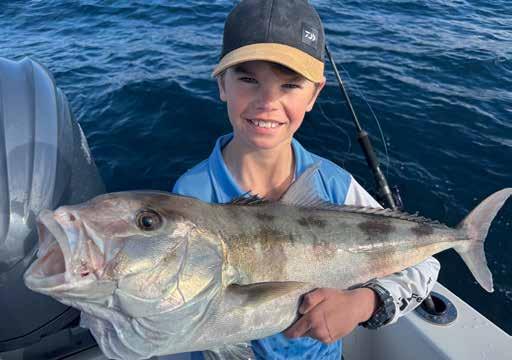
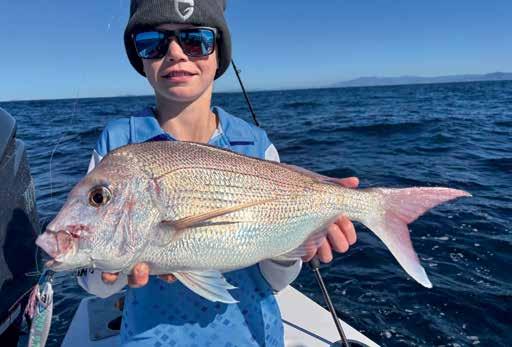
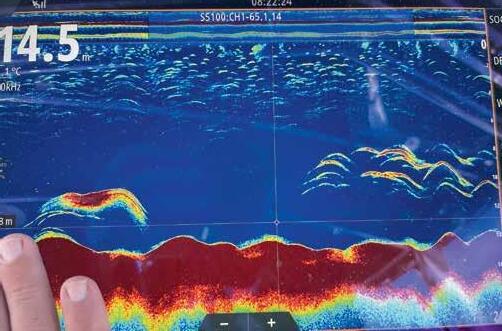
My son’s enthusiasm for the technique dragged me into it, and I’m glad it did. It’s calm, technical, addictive and the complete opposite of topwater chaos. We’ve landed plenty, lost plenty and loved every session.
Slow-pitch jigging is extremely effective, so responsible handling is essential. Chill fish quickly in an ice slurry, and be mindful that species such as mulloway suffer badly from barotrauma. If they start coming thick and fast beneath the boat, it may be worth moving on for the sake of the stock.
Master the method, respect the fish and enjoy one of Japan’s most refined and rewarding fishing styles.







While most impoundments are open all year, they do need to be approached differently as the seasons change.
Low rainfall requires some homework but there are plenty of fish to be caught.
WORDS & IMAGES: COLBY LESKO
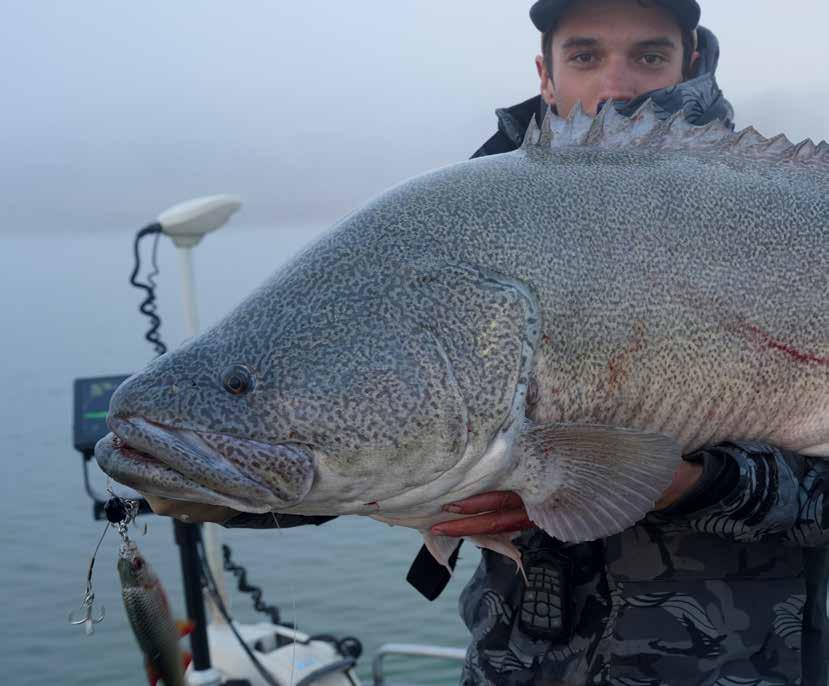
December 1 marks the start of a new Murray cod season and with our freshwater rivers and lakes being very dynamic environments and conditions such as water heights and flows constantly changing, here’s my predictions for the new season ahead. Rainfall has been low in the MurrayDarling Basin over the past 12 months, which means dropping dams and high irrigation flows in the rivers.
These factors can hinder cod fishing but the clear waters that result from no rain drastically improve the cod lure fishing options. There’s plenty of great options for the new season and here is how to make the most of it.
Our main bigger cod rivers such as the Murray, Murrumbidgee and Goulburn are going to be flowing hard due to the
irrigation releases from the large dams on these systems. This means you should target these rivers when the flows drop. This can be unpredictable but if we get some periods of rain the irrigators will not order water, resulting in the flows dropping. This is a prime time to hit these rivers regardless of time of year and you can visit the Murray-Darling Basin Authority live data page to see the daily river heights.
The irrigation season also typically ends on May 15. These flows will drop off completely and this is a great time to target the bigger fish in these systems. Fish can still be caught in the high flow irrigation periods – just target areas of slower flow and expect to deal with some strong current. These bigger rivers are best fished from a tinny with an electric motor, and target the big laydown logs that line the banks of the river.
The other option is to move higher up in the river systems above the dams. The clearwater rivers are flowing low and clear after these periods of minimal rain and are looking perfect for fishing. Rivers such as the King, Ovens, Corryong Creek and Upper Gwydir and Severn are great options.
These smaller rivers are loaded with good numbers of Murray cod in the 40cm to 80cm range with the odd bigger one mixed in. Smaller high-country rivers fish best over the warmer months of the year and slow down as the weather cools. These rivers are best fished by long walks casting off the bank with surface lures and snagproof sub-surface options. Target the heads
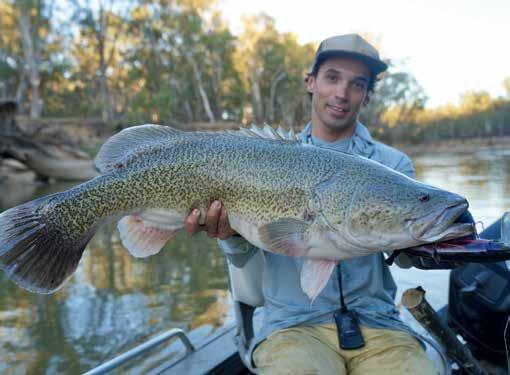
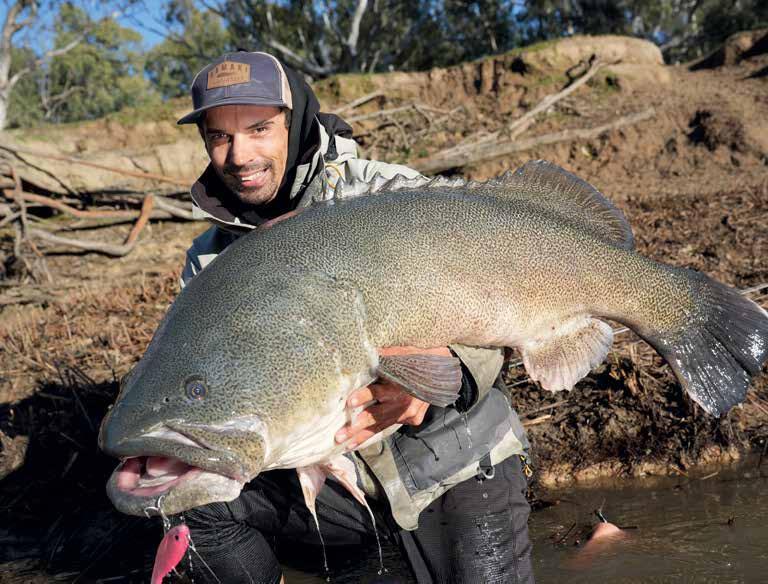
of the deep pools where the water flows in and any snags in the bigger pools. I’ll be fishing a variety of smaller rivers for the first month of the season as I look to find one that is firing for cod. The warmer months are a great time for surfacing luring in these smaller rivers, so I’ll be focusing most of my effort around the periods of first and last light with surface. You can catch cod day and night in the rivers and anytime you can be on the water is a good time.
While it’s been a dry 2025 there aren’t too many areas of the Murray-Darling Basin that are in tough times of drought, so most of the rivers and creeks should still have some water in them. This is a great thing for fishing options and if you target one river for not much return, it may be worth heading to another close by. Hopefully the odd rain and storm makes its way into the basin for 2026 and keeps the rivers flowing.
After good rain events of 2023 and 2024 many of our dams had been at nearly full capacity for a few years, but after a
dry 2025 dropped considerably. This has concentrated the Murray cod and brought them out of the cover of the flooded edges of the lakes. This is great for anglers and makes the fish easier to find with less water between fish. The water in the lakes is also nice and clear after no or little inflow for 2025, making it easy for the cod to see your lure.
The big-name dams such Lake Eildon, Blowering and Copeton Dam are fishing amazingly and attracting a lot of attention. While these dams are great options, many of the smaller, lesserknown dams such as Lake Buffalo, Wyangala Dam and Nillahcootie Dam are also fishing well and worth a look. Lake Eildon is currently sitting at 56 per cent and Copeton Dam at 80 per cent, so they are still quite high with plenty of water to explore. These 50-80 per cent capacities are my favourite times to fish the dams.
The dams will continue to drop as water is released for the irrigation districts downstream, so your best efforts should focus in main river channels and deeper areas of the dams. Look for large schools
of baitfish and focus your efforts around these areas early morning and late afternoon. The dams are best fished in autumn/winter to spring but summer can still produce great fish. Big paddle tail soft plastics are the go-to in the dams as the cod love to eat them and you can get them down with ease. Fishing at night in the dams is a great way to convince the big cod into biting a lure and the use of live sonar gives you the best chance.
Lake Mulwala has been a consistent producer of Murray cod for many years and this season is shaping up to be no different. As the lake is on the Murray River it’s fed by the high irrigation flows of Lake Hume. The high flows create high productivity, and the lake is teeming with cod. Despite the constant high pressure, the lake continues to produce both great numbers of fish and big fish.
The lake is looking in tip-top shape for the new season with clearwater and a good amount of weed growing on the flats. The lake is perfectly suited to angling with extensive flats that are 1m to 3m deep so it’s perfect for casting
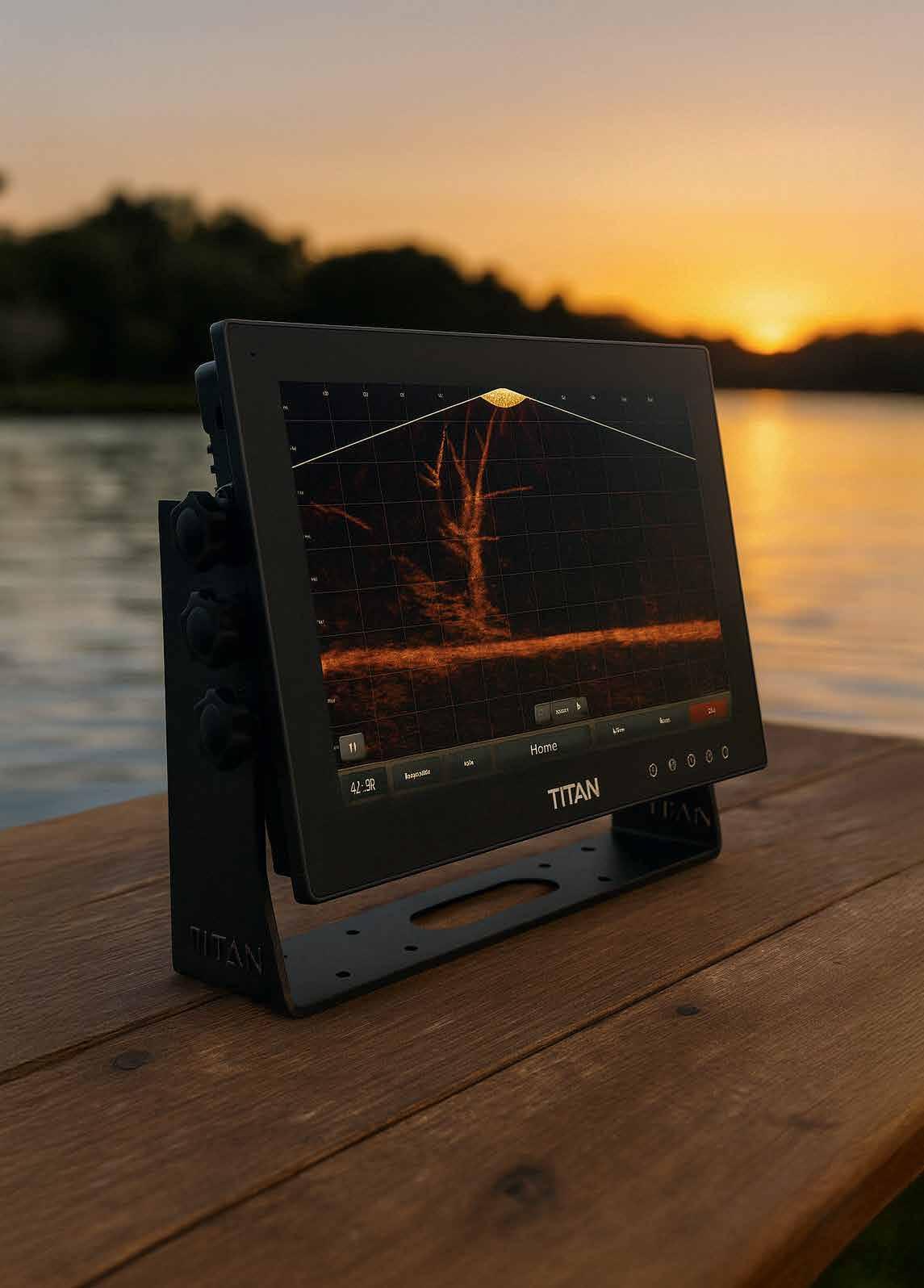

19” & 24”
shown with optional heavy duty mount
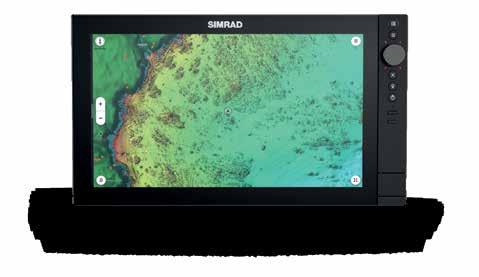
TITAN MARINE MONITOR – THE AFFORDABLE WAY TO BIGGER VISION
The next evolution in marine electronics designed to provide fisherman with an affordable solution to enhance their live sonar experience.
The Titan features a durable CNC-machined aluminum body and an IP67 waterproof rating.
With a stunning 1920x1080 FHD display, 1300 nits of brightness, and polarized IPS glass, the Titan ensures superior visibility in all lighting conditions. Its 10-point touchscreen interface provides smooth, responsive operation, making it easy to control and monitor your marine systems while out on the water.
WWW.TITANMARINE.COM.AU - info@moosemarine.com.au
lures. Mulwala fishes well throughout the cod season with great numbers of smaller fish in summer and plenty of big fish in autumn and winter. Lake Mulwala can be fished with various angling techniques and it’s often the new techniques that catch the most fish.
Due to the drier season and the clearwater, natural lure options will be favourable with soft plastics, swimbaits and surface lures being my picks. Weighted fly jigs are also a great option on pressured fish in clearwater.
If you do find yourself fishing dirty water, spinnerbaits and slow, heavy-action crankbaits are best. Faster retrieves with no pauses are also suited to clearwater. Bigger lures are best used in cooler periods of the year with smaller lures working best over the warmer months of the year.
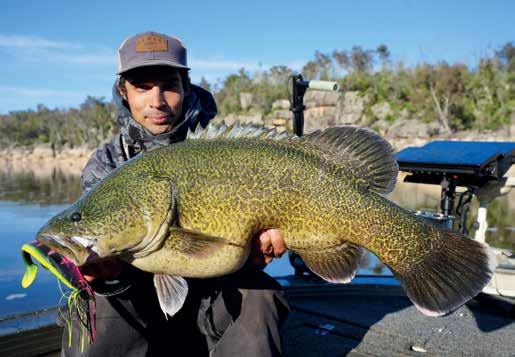
Due to the drier season and the clearwater, natural lure options will be favourable
If we do happen to experience some good soakings of rain this season it will be a good period to fish as it will freshen up the systems and fire the fish up.
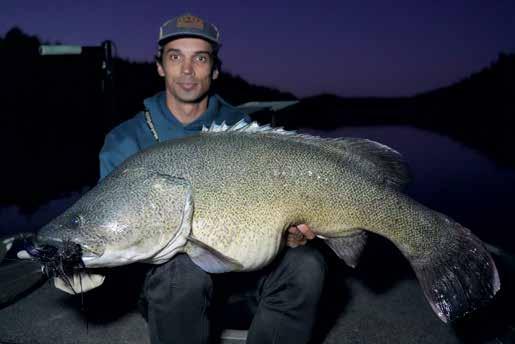
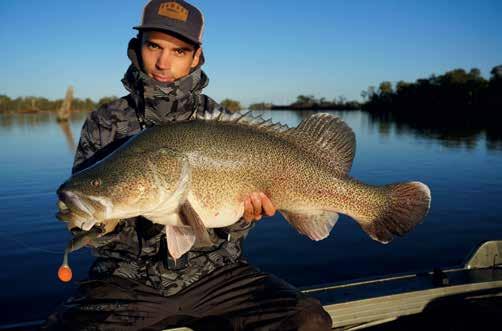
Irrigation flows may drop off and the dams will set steady. However, if it is enough rain to flood the systems it will dirty the water and make fishing with lures very difficult. If this does occur it’s best to save your time and fish once the water drops and clarity returns.
Overall, there should be some great Murray cod fishing in both lake and river for the new season and 2026.
There’s an endless number of locations I haven’t even mentioned here that will produce some great fishing. The MurrayDarling Basin is a massive system, with some vastly different environments and I hope you get out to explore this cod season.

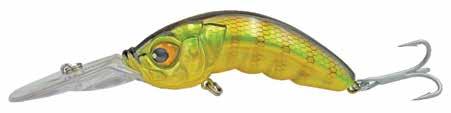
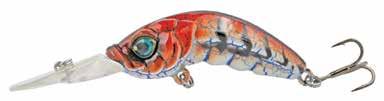
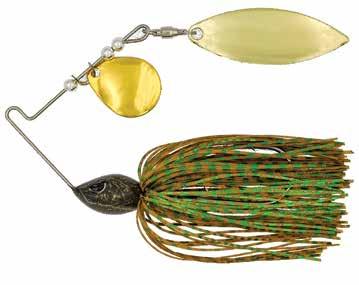
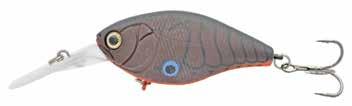
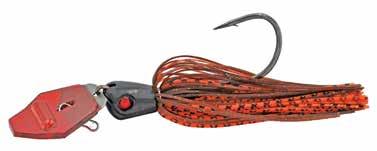
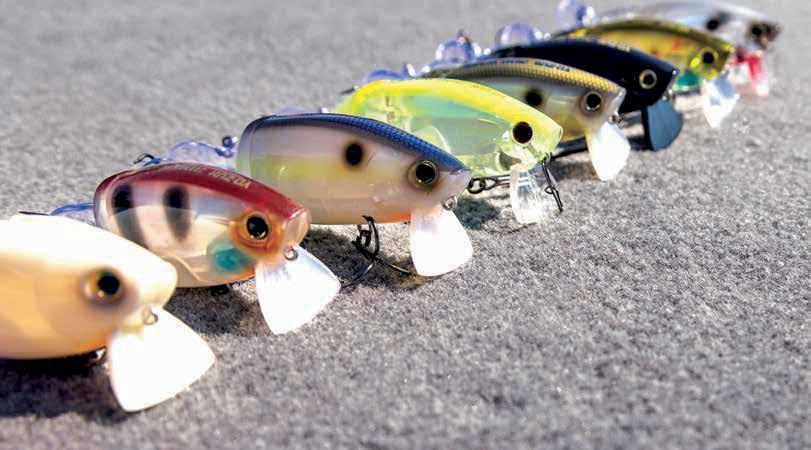

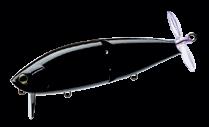
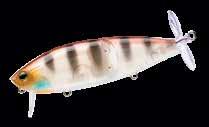
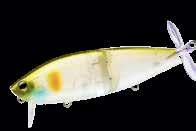
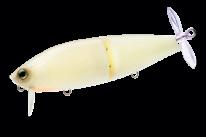

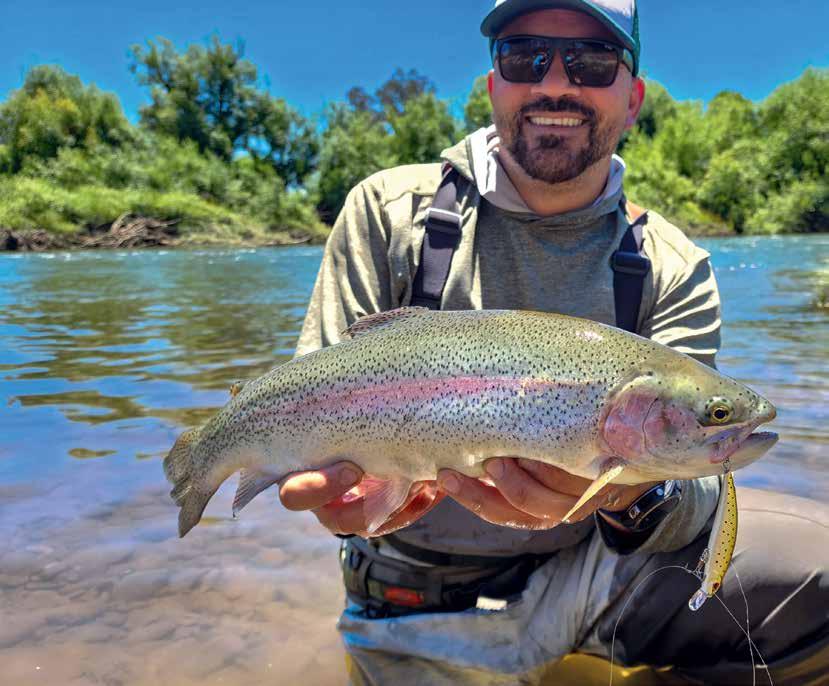
When the conditions are right, this style of fishing is rewarding and a great way to engage with the great outdoors.
WORDS & IMAGES: KOSTA LINARDOS
To be successful targeting any species, anglers need to understand weather and how that affects the fish they’re targeting. There’s a lot of factors at play and it’s rare that one year follows the same pattern as another. Anglers need to be adaptable to changing conditions and know when to go and when not go. Like anyone in the fishing industry, Hooked Up has a vested interest in anglers fishing as often as possible, but we’re also aware that the despondency of not catching fish when you do go is more detrimental than anglers waiting for the right time to fish. When targeting fish in rivers there are just as many factors at play as in estuaries, bays and offshore. Having a key understanding of what conditions will produce good fishing is half the battle.
2025 has certainly thrown its challenges at anglers in the south, with a largely dry year followed by horrendous wind and
rain. The lack of rain in the main part of the year meant there has been heavy outflow and irrigation in some of the more popular rivers such as the Goulburn and its tributaries from Lake Eildon. These heavy outflows are fine to fish in and can make for great fishing on edges and in the backwaters when consistent, but when they are regularly raised or lowered the fish will shut down and sulk in the deeper portions of the river. This was how the 25/26 season started but these irrigation flows have now (at the time of writing) largely settled and the rivers are fishing well with some great reports of large brown trout. Before you head to any tailrace river, it’s always a good idea to check what the outflow levels have been. It’s hard to get a gauge on what they’re going to be but as long as they have been steady (whether high or low) you’re in with a shot. Most dams and impoundments either have a website or a phone line with a recorded message about what the inflow and outflow are, so check these before targeting trout. Most freshwater fish don’t like rapid or constant changes in water level, and generally feed best when water levels have remained consistent – whether that be from man-made outflows or heavy natural rain inflowing.
The other reason the end of the 2025 season and the start of the new one have been challenging is a cormorant plague. The cormorants really did give the trout a good hammering through 2024 and 2025 and this greatly reduced
trout numbers. From all accounts the ‘plague’ has subsided and fish stocks (mainly rainbows were affected) are recovering thanks to generous stocking from the VFA and natural breeding. Trout are a very strong and hardy fish, evolved to swim upstream through arduous conditions to spawn, so they can bounce back from adverse conditions and handle them well. This is what makes it such a great sport fishery and why they were introduced into Australia in the first place.
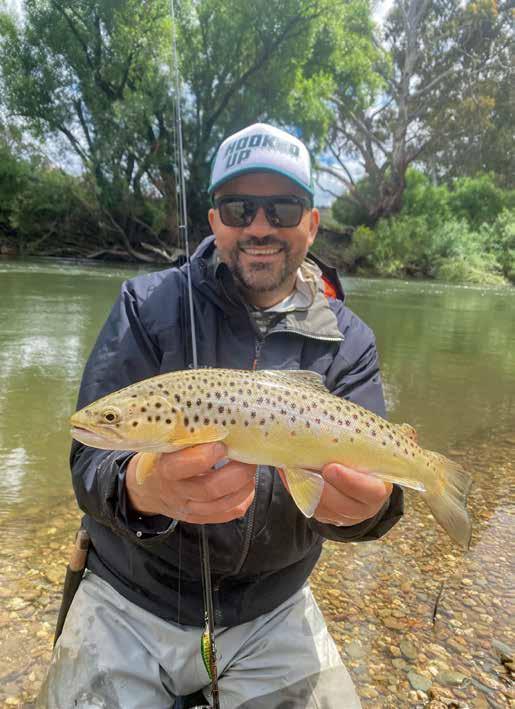
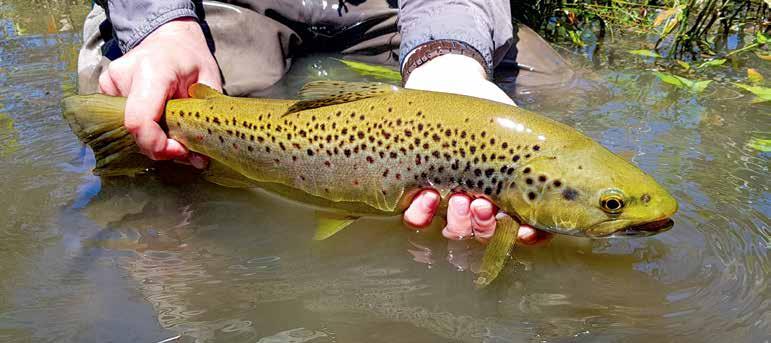
Summer is one of the best times to target trout. While the hot weather can be uncomfortable and you’ll have to deal with three of the planet’s most venomous snakes, the warm weather usually means a steady outflow of cold lake water and the fish love this. This cool clear water and lack of rain often brings clear conditions where you can spot fish and sight cast to them. You’ll also be visually engaging with trout following a natural beat and it always pays to stop below any submerged willow tree to sit and watch trout feeding on willow grubs. Trout love them and will fixate on this small green grub – it’s pretty cool sitting and watching them gorge on these grubs. Imitating willow grubs is for the fly anglers; this isn’t a fly fishing magazine and it’s all about targeting them on lures. There isn’t a lure that will properly imitate a willow grub, so forget about that, but don’t think all is lost. In these summer periods (and always, really) trout get very territorial and while they may
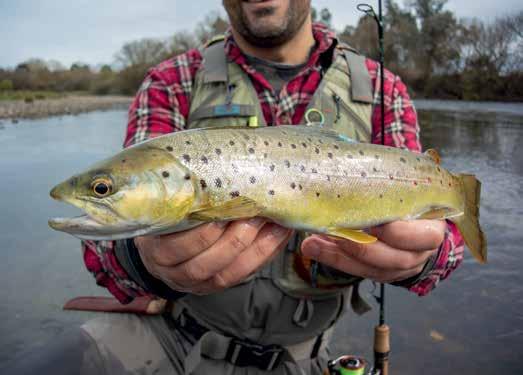
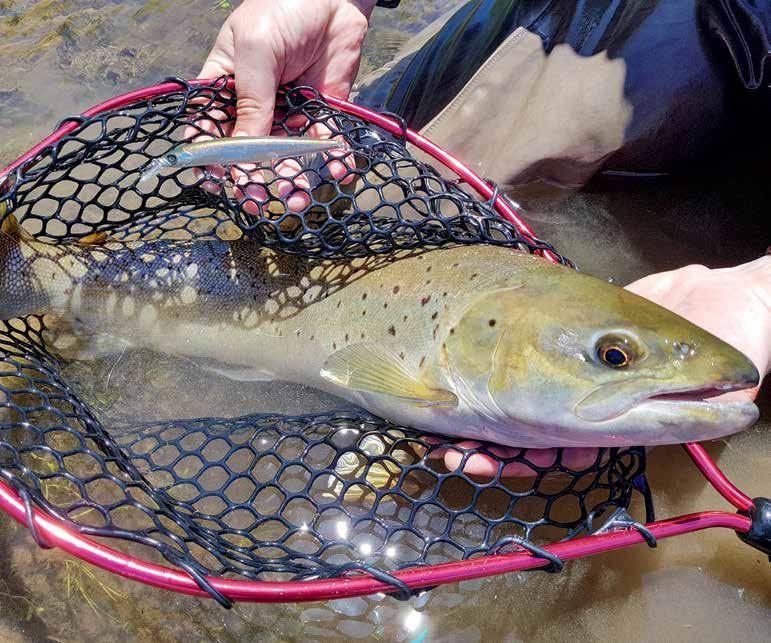
be feeding on small grubs, they’ll attack a lure with aggression that imitates smaller fish coming into their territory. They will of course happily eat prey species as well, so my two favourite presentations in summer are large jerkbaits and soft plastics.
The jerkbait was arguably the first lure made in modern fishing and it still stands up as one of the most effective lures ever for almost any species. A good jerkbait is an excellent choice in a slow- or fast-flowing river as it provides total control over your retrieve. You can work them with speed across a fast flow or at a moderate pace in slower flows, imparting action the whole time. Floating jerkbaits are best for preventing snags and it always pays to keep them moving. While a bream might like a suspended pause, my experience has shown that this will turn a trout off, so always keep it moving. The minimum size I’ll use in
summer is 80mm and I’ll throw lures of 120-140mm with great success. At times the bigger the lure, the bigger the reaction strike to it, so be sure to have a few larger jerkbaits in your box. This technique is better suited to targeting brown trout and casting under overhanging trees and into structure. I often hook up in my first three to four jerks of the rod as the lure hits the water or the trout will burst from the depths right at my feet at the end of the retrieve, following it all the way to the bank.
Soft plastics are another great option in summer. I find they’re not as enjoyable to use due to the slow pace in which you need to work them, but they’re great for targeting rainbows that tend hold in the deep sections of pools and runs. You want to use the lightest jig head possible, and you only need to impart a limited amount of action as the natural flow of the river carries them down stream. I
have always found paddle tails to be the most effective soft plastic and I usually fish them on a 1/12th jig head and in heavy flows I may move to a 1/8th.
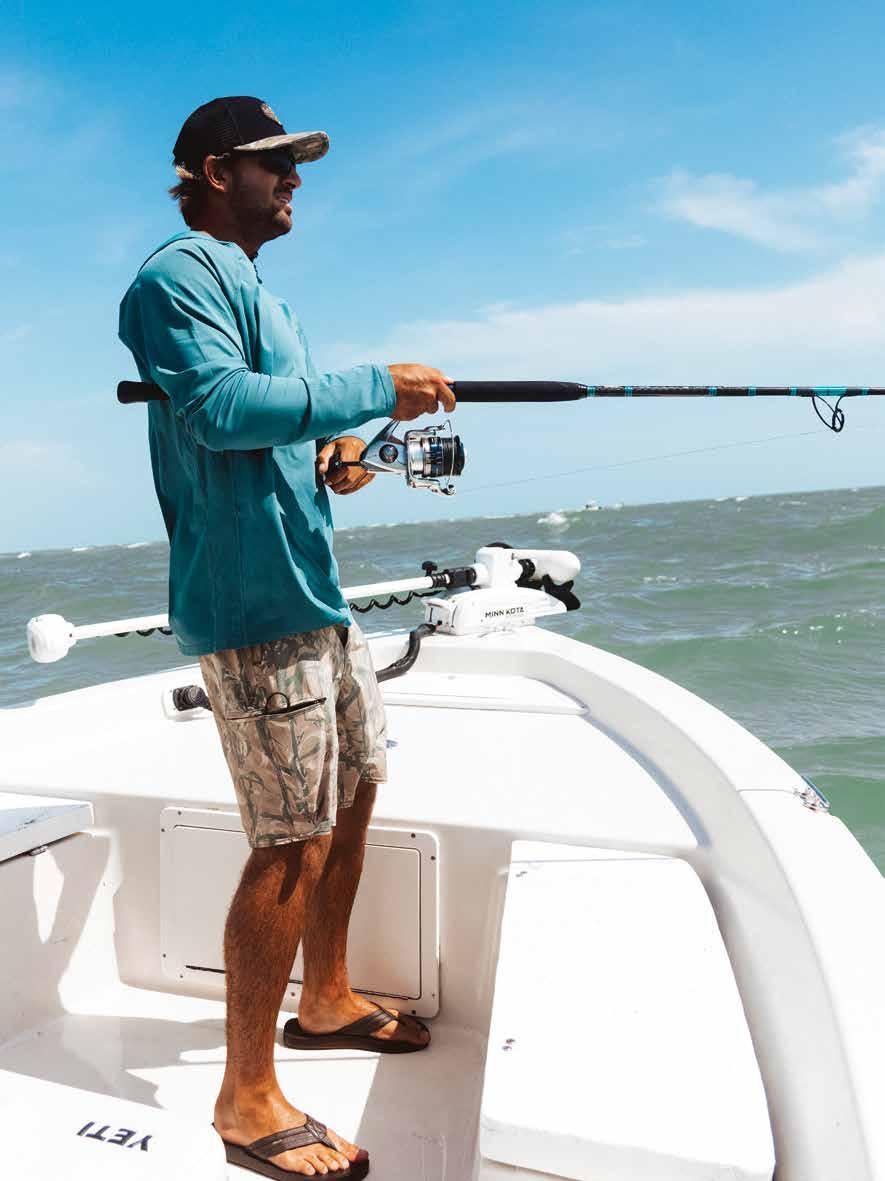
When it comes to rods and reels I keep everything as small and light as possible. Short rods between 5ft 6in and 6ft 3in in length rated 1-3kg are ideal. The shorter size makes carrying through tight streams and heavy scrub a far easier task. It’s also much easier casting with a shorter rod when scrub and overhanging trees are all around you. I use small 1000size reels and in the smaller streams the new 500 size offered by Shimano is a great option. Keeping your line and leader as light as you’re comfortable with will without doubt have you catching more fish. I fish 6-8lb high-quality braided line and run 3-5lb high-quality fluorocarbon leader. I always ensure I have at least two full rod lengths of leader as in a clear stream your braided line may pass
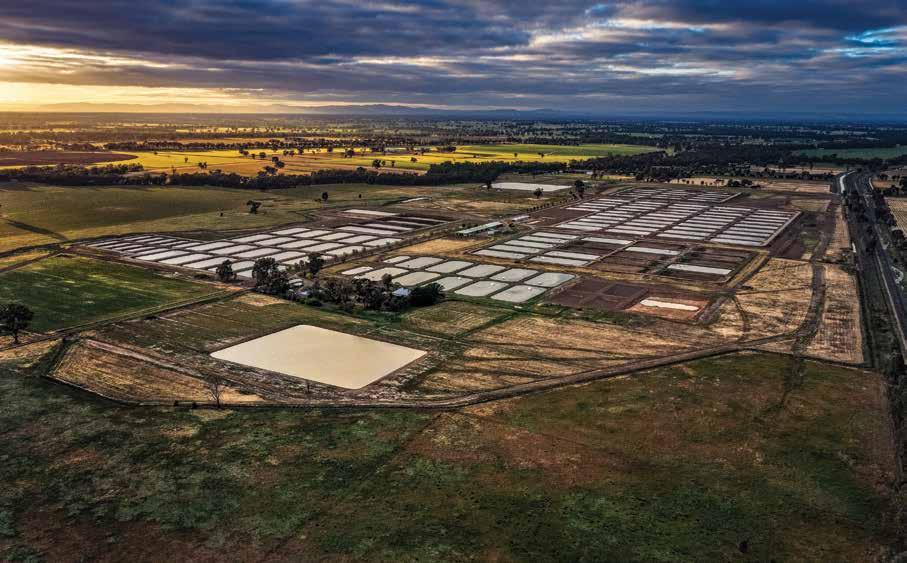
Australia’s biggest fish hatchery is ready to make a splash.
Construction is now complete at our Arcadia Native Fish Hatchery near Shepparton. A year of building and earthworks has transformed the site into the largest native fish hatchery in Australia.
The expansion has nearly quadrupled the number of production ponds from 32 to 125 and added new facilities for every stage of fish production, including brood ponds, plankton ponds, water re-use storages, and larger incubation and processing areas.
Once the ponds settle in and it’s fully operational, Arcadia will produce up to six million fish a season, mostly Murray cod and golden perch. That’s more than half of the 10+ million fish we stock annually to improve your fishing!
The hatchery expansion is a key part of the Victorian Government’s $96 million Go Fishing and Boating Plan.
More people fishing, more often
the fish before your lure does, and as the extra-long FC leader is largely invisible, this presents your lure far more naturally. I can’t stress enough with trout that going long and going light with leader will greatly increase your catch rate. Yes, your leader will come into contact with structure and you may feel that 5, 4 or even 3lb line is too light, but high-quality fluorocarbon from Japanese brands such as Sunline, Seaguar and X-Braid are remarkably abrasion-resistant for their diameter and breaking strain, so be sure to invest in it. If you skimp on leader, you’ll lose fish.
There’s no way around the fact that if you want to catch good trout and in good numbers, you need to get moving. This isn’t a style of fishing where you walk 100m and stay in one spot. A river is constantly changing, and each new bend offers new water and new fish and you need to walk to find them. For myself and many others this is one of the joys of trout fishing, the long walks on a beautiful river engaging with trout, wombats, kangaroos, deer, snakes and the Aussie bush – it’s all part of it. So, get yourself a good pair of wading boots and waders, pack only what you really need and get moving, the endorphins will get pumping and you’ll have a great day.
We have an amazing trout fishery across Victoria and while we have had some challenges at the start of the season, it’s looking like this summer is going to really turn it on to provide some outstanding fishing.















Part Two of our in-depth look at the Japanese giants, this month the focus is on
Last month we broke down Shimano’s Magnumlite and Coresolid systems – two clear design paths helping anglers make sense of an increasingly crowded inshore reel market. This month, we’re doing the same with Daiwa. While the two companies take different engineering approaches, Daiwa’s inshore philosophy is just as structured, and once you understand it, the whole range makes far more sense.
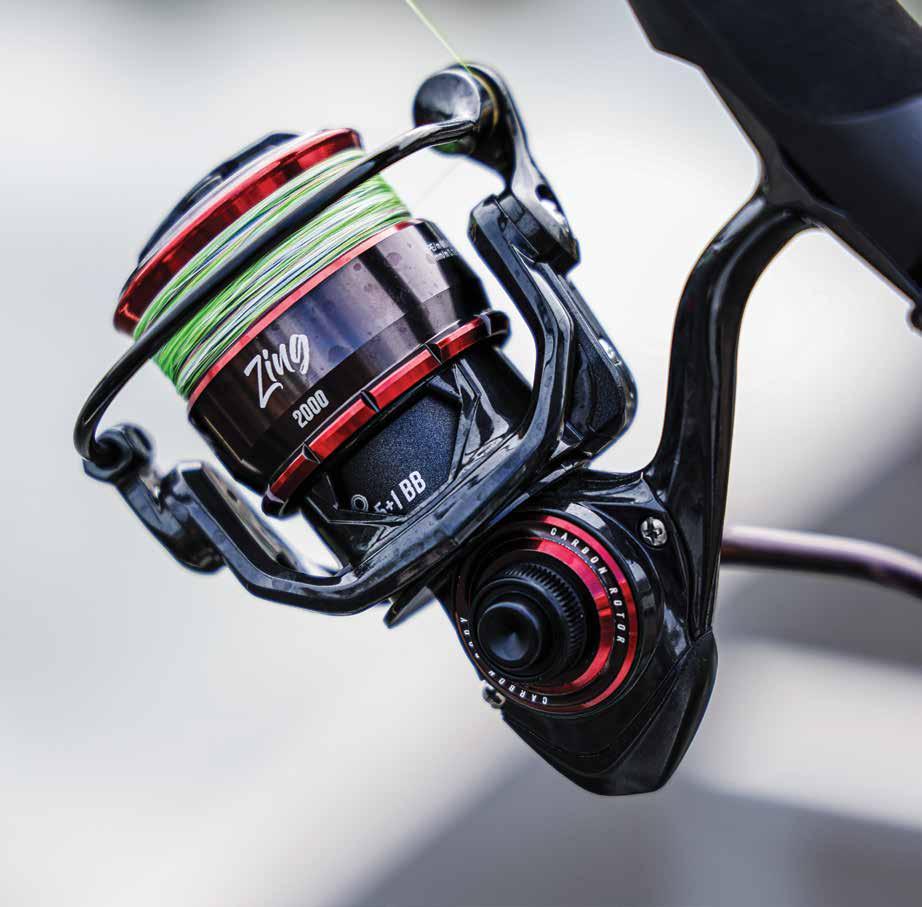
Daiwa has long been a dominant force in the light-tackle world. Its inshore spin reels cover everything from finesse fishing for bream and whiting right through to snapper on plastics and estuary mulloway. Yet among all the model names, LT ratings and technology logos, the crucial thing many anglers miss is this: Daiwa fundamentally categorises its inshore reels by material rigidity.
Understand the materials and the line-up becomes crystal clear.
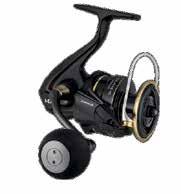
Daiwa’s Australian-market inshore reels fall into four material categories, each designed for a specific balance of weight, rigidity and torque transfer.
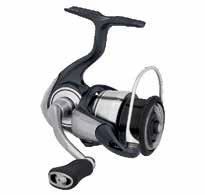
Zaion V is Daiwa’s entry-level carbonresin composite. It’s light, corrosionresistant and delivers low rotor inertia at lower price points. Popular models (from least expensive up) are the Fuego, Infeet X, TD Black and the TD Sol. These reels feature varying levels of technology that change their performance in feel/ smoothness, durability, castability and retrieval but all provide finesse anglers a responsive, controllable feel without the cost of higher-end materials. Perfect for bream, whiting, estuary flathead and technical soft-plastic work.
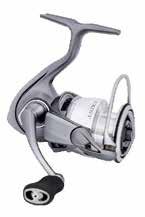
Step up to Zaion (Daiwa’s original carbonresin material) and you move into Daiwa’s signature feel: tighter, more connected and more stable under load. The only reel in the current range that features a Zaion body and rotor is the Revelry FC. Zaion is more rigid than Zaion V and transfers power more efficiently. You can feel the upgrade – stronger gearing support, better alignment and smoother winding under pressure. This category suits anglers working lures more aggressively or targeting bigger fish inshore or close to heavy structure, requiring more
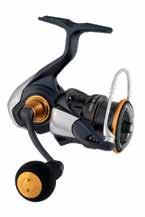
This is where Daiwa’s premium inshore reels live. Magnesium alloy is lighter than Zaion yet more rigid, giving the best strength-to-weight ratio in the inshore line-up. It offers incredibly crisp start-up, excellent torque support and long-term durability without the excess mass of full aluminium.
The key models in this class are the 23 Airity and Daiwa’s flagship 22 Exist. Both combine magnesium monocoque bodies with Zaion-derived Airdrive rotors, creating reels that feel impossibly light but remain rock-solid under load. They’re built for serious lure fishing: soft plastics for snapper, big bream, bass, estuary perch, flowing-water trout work and estuary mulloway on small plastics. This is Daiwa’s ‘luxury performance’ tier and when you fish with these reel you really notice the difference. These are Japanese-made reels with price tags to match the performance,
At the top in terms of pure strength and rigidity is full aluminium alloy. In the Australian inshore range, reels such
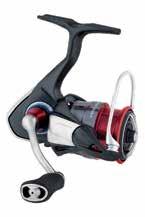
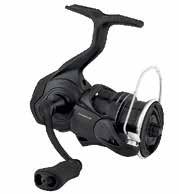
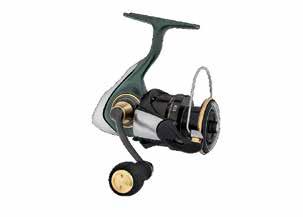
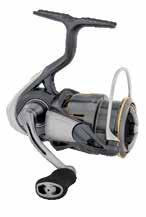
as the Kix, Revelry HD and Cerate use alloy bodies to give anglers maximum structural stability.
These are the workhorses – slightly heavier, extremely durable and perfect for techniques involving constant winding, heavy drag settings or high-load retrieves. Think big snapper on plastics, big impoundment barra, mulloway, big flathead on big jerkbaits and glidebaits, or any situation where winding power and heavy drag matters more than absolute lightness.
Daiwa divides its inshore reels by rigidity of the main body material then offers varying features and advancements to offer the angler a suitable reel at different price points – and supports that idea with several key technologies:
•Monocoque (MQ) body: A one-piece sealed chassis that allows for a larger drive gear inside a smaller reel. Stronger,
more efficient and less prone to twist.
•Airdrive rotor / bail / spool / shaft: Reduces inertia dramatically, giving incredibly fast start-up – a big advantage for technical lure work.
•Tough Digigear / HyperDrive Digigear: Cold-forged, digitally machined gears built to remain smooth under longterm load.
•MagSeal: Magnetic oil sealing to keep salt and grit out, extending reel life in estuaries and bays.
Together, these systems create the unmistakable Daiwa ‘feel’: planted, smooth, rigid and precise.
WHICH MATERIAL SUITS WHICH TECHNIQUE?
Zaion V & Zaion
Best for finesse and rod-action techniques: jerkbaits, surface lures for bream/whiting, soft plastics where instant rotor response matters.
Best for high-end lure fishing targeting bigger inshore species: snapper plastics, big estuary bream, perch and bass, trout spinning, mulloway on small lures. Light but rigid – the balanced sweet spot. Aluminium Alloy
Best for constant-winding techniques and high load: crankbaiting, rolling plastics, trolling deep divers, blades, vibes, and general bait fishing. Stability and torque are the priority.
Now you understand Daiwa’s materialbased system, picking the right reel becomes far easier and you have a heap of great options to choose from within your budget and an extensive range of inshore reels that are extremely budgetfriendly yet are superb to fish with. Choose the reel that’s been designed for a specific purpose and you’ll reap the benefits.
Words & Images: Kosta Linardos | Distributed by: Shimano Australia | Web: shimanofish.com.au
For a long time I’ve been banging on in these pages about the lack of genuinely new gear designed specifically for bait anglers. It’s strange when you think about it. There are far more bait anglers than lure anglers in this country, yet somewhere along the way the industry slipped into this idea that bait fishos don’t deserve the same level of refinement, innovation or premium options.
Sure, plenty of beginners start with bait, but that doesn’t mean seasoned anglers have all ‘graduated’ to lures. Anyone who understands fishing knows bait is still king in a huge number of situations, and a serious bait rod should be treated with the same respect as any high-end lure stick.
Shimano clearly agrees, because its new Hydra range is the first proper nod to bait anglers we’ve seen from a major brand in a long time. It’s a modern interpretation of the old-school snapper rods many of us grew up with, but built with current materials, better fittings and a far more considered approach to bite detection, casting performance and fighting power.
Across the range there are 15 models covering everything from bream, flathead and whiting in the shallows to snapper, mulloway and coral trout offshore, plus options for yellowbelly and cod inland. It’s refreshing to see a genuine bait-focused line-up.
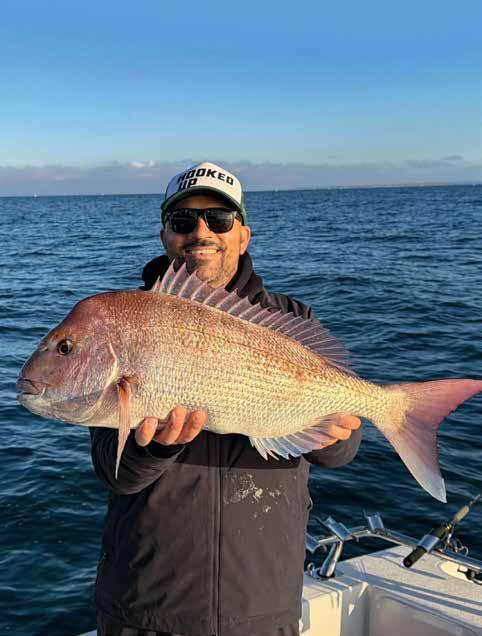
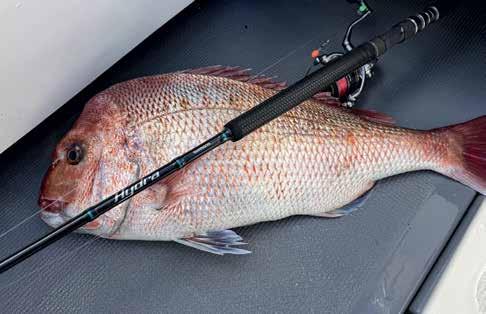
One standout feature is the silicone foregrip. It sounds simple, but it’s one of those ‘why hasn’t anyone done this properly before?’ ideas. When you’re handling slimy baits such as pilchards and squid, your hands get wet, messy, and slippery fast. The silicone grip stays incredibly tacky even when slimed up, and it washes clean without holding any smell.
Anyone who’s dealt with EVA that slowly develops that permanent bait funk will appreciate how big a deal this is. These little design choices matter when you spend long sessions rebaiting, recasting and pulling hooks out of fish.
A big part of what sets the Hydra apart is the material choice. Traditional snapper rods were almost always full glass – tough as nails, forgiving under load and almost impossible to break. The downside is they were heavy, a bit sluggish and don’t offer the same crisp bite detection, hook-set and sensitivity we’re all used to with graphite.
Full graphite, on the other hand, gives incredible sensitivity and improved casting efficiency, but it’s far less forgiving. A highmodulus graphite rod will load beautifully, but it can also be brittle, especially when abused the way bait rods often are – sinkers cracking into blanks, rods jammed in holders, hooks being ripped out under heavy drag and rods bunched up as they’re taken in and out of the boat. Snapper gear does get treated pretty roughly. They perform brilliantly but don’t always hold up to the real-world punishment of bait fishing.
This is where Shimano’s use of E-Carbon comes into play. It sits between glass and graphite – lighter and crisper than glass, more durable and tolerant than pure graphite. It bends deeper without feeling soft, recovers quicker than full glass and gives you the bite detection you want when you’re fishing lightly weighted strips or whole baits in swell or wind. For bait anglers, E-Carbon is a great balance; it delivers the attributes you want from both materials without the extremes of either.
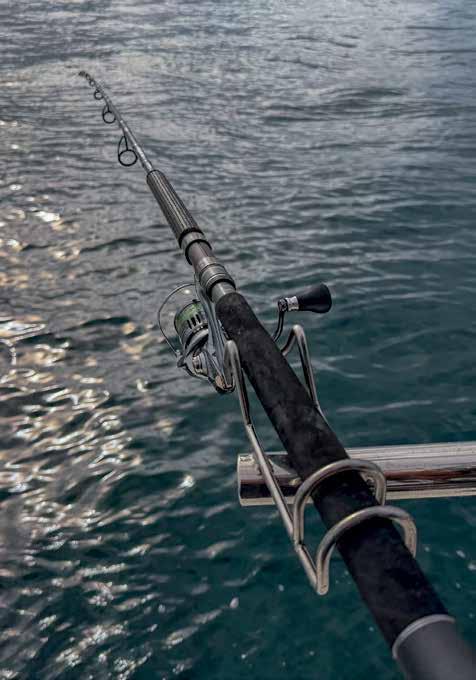
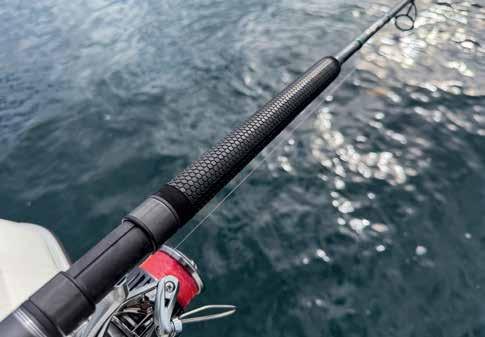
Another detail that shows the thought put into Hydra is the full EVA butt section. It’s the right length for fighting fish properly under the arm, giving you comfort and leverage during longer battles, especially on bigger snapper. Equally important, it sits in snapper racks beautifully. Full EVA protects the blank from damage and stops the butt getting scratched and damaged by stainless snapper racks, rocket launchers and coaming racks.
While split butts and exposed blank sections have been fashionable for lure rods, they simply have no place in realworld bait fishing. They get scuffed, chipped and damaged in racks, and they
TESTED & REVIEWED
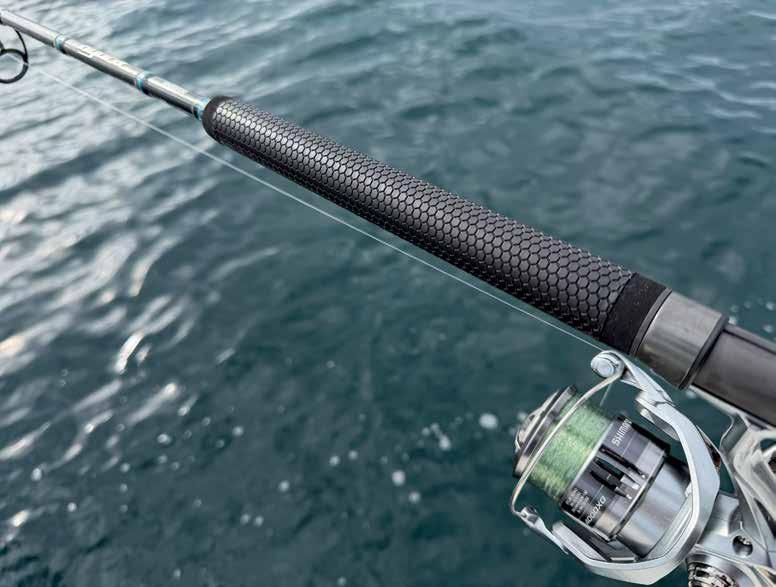
don’t provide the same comfort under the arm when you’re leaning into a decent fish. Shimano was smart to keep the Hydra honest and functional – a proper bait rod needs full EVA, and this one gets it right.
I’ve been fishing the 6-10 kg Hydra model and recently put it to the test on a 6kg snapper. The action is a genuine sweet spot – a medium-fast taper that lets you lob lighter baits such as squid strips a long way, but still punches out heavier offerings such as whole silver whiting without collapsing. Bite detection is excellent thanks to the semi-opaque solid tip, and once you’re hooked up the Hydra has that lovely, progressive load that keeps big fish under control without feeling sloppy.
The fight on that snapper was genuinely enjoyable; the rod behaved like a quality graphite stick in the way it
loaded and recovered, yet it still had the toughness and forgiving nature of glass. Shimano has managed that rare blend where you get durability you can treat fairly roughly without sacrificing the crisp, lively feel most of us prefer for snapper work.
The build quality is exactly what you’d expect from Shimano. Genuine Fuji K FazLite guides keep line flow smooth, especially when casting lighter baits, and the Fuji reel seat locks everything in solidly. The E-Carbon blanks are light in the hand but strong enough to cop the real-world punishment that bait fishing inevitably brings – sinkers clashing, rods bouncing around in rocket launchers, bait knives being waved around inches away.
What I appreciate most about the Hydra is what it represents: a proper step forward for bait anglers. For years, so much of the R&D spotlight fell on lure
rods, and bait fishers have been left working with gear that felt dated. The Hydra changes that conversation. It proves they aren’t an afterthought and that a rod built for bait can still be modern, refined and genuinely exciting to fish with.
At $199 they are quite a bit more expensive than some of the cheap glass rods you’ll see in many stores, but the pay-off is durability, more efficient hook-set, better sensitivity and a far more enjoyable fight. The ability to bend a rod in half without it breaking, or the fact it’s only $60, doesn’t make it a good rod.
The Hydra delivers what bait anglers want in a rod and I hope anglers spend the extra and help push the Australian market to further develop its bait tackle offerings.

Words & Images: Lachie O’Reilly | Distributed by: Juro Fishing | Web: jurofishing.com
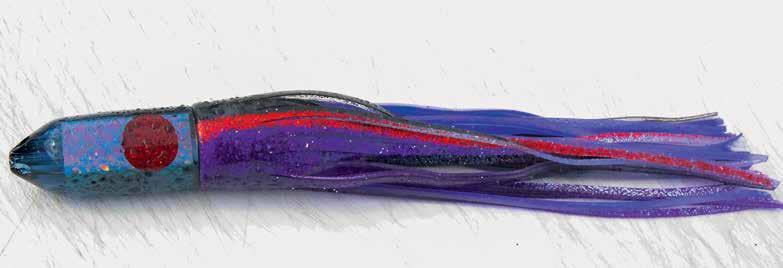
There’s no shortage of skirted lures on the Australian market, but every now and then a genuinely new player arrives with something worth paying attention to. McLures is one of those brands. It has come in fast with an enormous range of skirted lures, teasers and rigging options aimed squarely at the evolving game fishing scene, and the first thing that strikes you when you dig through the line-up is the value for money. The prices aren’t inflated, the components aren’t flimsy, and the designs aren’t knock-offs – McLures has clearly taken the time to produce a comprehensive range with features anglers actually want.
One model that immediately caught my attention was the Baja Jet 8in. It’s technically a 9.5in lure overall, with the skirt measuring 8in, weighing in at 100gm. It sits in that sweet spot where you can run it confidently for
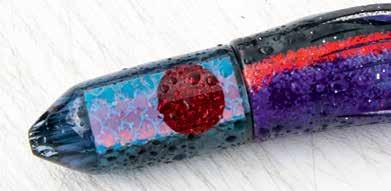
both marlin and tuna, but it’s small enough that yellowfin and school SBT will happily climb all over it. I opted for the Purple Haze colour, and the choice wasn’t accidental. The combination of black and purple skirt with that single red stripe gives it a strong, deliberate silhouette – one that stands up against sunlight and cuts through prop wash. Black has always been a favourite for this reason; it’s visible in nearly every condition and has a knack of standing out when the water is messy or heavily aerated.
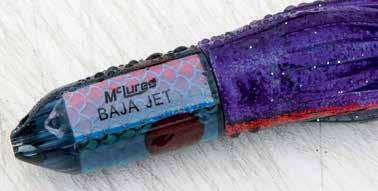
McLures has put effort into the visual and structural elements of the lure, and the Baja Jet shows it. The head is a hard resin with a clean finish – maybe not as hyper-refined as the ultra-premium lures that cost double, but importantly, its simplicity isn’t a disadvantage. The design is purpose-built: a bullet-style profile for stability at speed, four jet
holes for an enhanced bubble trail, and the ‘keel-weighted’ internal balance to keep the lure tracking straight. The large red 3D eyes add a reflective point that flashes through the bubbles, and most of the colour range includes UV overskirts with McLures’ exclusive ‘Luminite’ underskirt that glows in the dark. The Purple Haze has that luminous under-skirt pop when the light is low or the lure drops into the troughs of swell.
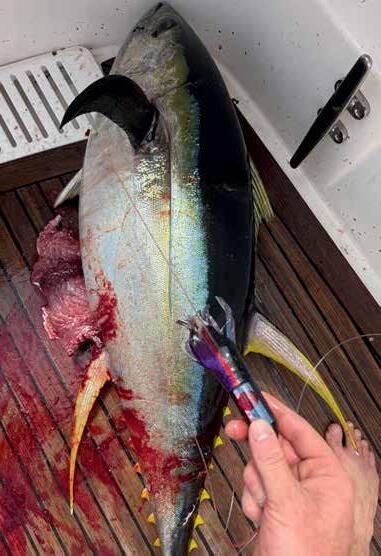
For this test, I rigged the lure myself with a stiff 10/0 J-hook and 400lb leader – the same rigging I’d typically run for marlin. That was the plan, at least. The ocean doesn’t always care about the plan. I put it out wide expecting stripes or blues, but instead found myself running across packs of yellowfin. Given the colour, profile and surface disturbance the lure was making, I left it in position. The result was seven
yellowfin between 30 and 50kg, all taken cleanly on the Baja Jet. Performance-wise, the lure impressed me from the first moment it hit the wake. It swims straight – and I mean properly straight – even when the sea isn’t co-operating. The keel weighting keeps it from rolling, and the jets help it grab just enough water to maintain a rhythmic pop and smoke. At speeds above six knots the behaviour really wakes up. It rises, grabs, breathes, throws a pulse of air and settles into a tight swim with a clear bubble trail. I pushed it to eight knots and it continued tracking perfectly. It gave every indication it could have gone faster still, making it highly suitable for covering ground when you need to hunt.
One of the more telling parts of the test was how the lure handled both calm and rough water. Some jets hate sloppy conditions and skip, especially in
short-period swell, but this one didn’t. The combination of the bullet head and the four-hole jet pattern lays down a consistent bubble footprint. When the water flattened, it kept its timing; when it stood up, the lure continued to load and unload cleanly. There’s no dead zone in its cycle where it becomes lazy or erratic.
Durability was another stand-out. After seven yellowfin, the head and skirt were still in excellent condition. The skirts remained intact, no splits, no tearing around the band, and the head showed only the lightest cosmetic wear. For a resin lure at this price point, that’s a big tick. Many budget-to-mid lures develop hairline cracks or lose skirt strands after a few fish. This one didn’t. The skirts themselves feel particularly good – supple enough for movement, tough enough to last, and well secured. There’s also the simple fact that the lure catches fish – not just the species it’s
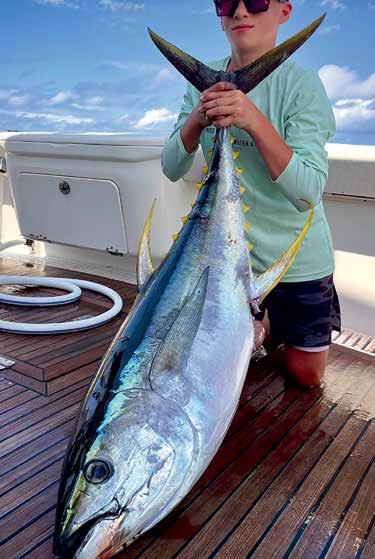
marketed for, but everything that sees it as a vulnerable baitfish. McLures sells the Baja Jet as being ideal for barrelclass tuna, marlin and other high-speed pelagics, and that’s accurate. But what really matters is how it behaves in the water and how readily fish respond to it. Seven yellowfin in a single session is a strong indication that the action, colour and bubble trail all work as intended.
Overall, the McLures Baja Jet 8in in Purple Haze left a seriously good impression. It swims well, handles speed, holds together after punishment, and doesn’t demand the premium price tag you’d expect for a lure that performs like this. If McLures continues producing lures of this quality across its range, it will carve out a solid place in the Australian game fishing market very quickly.
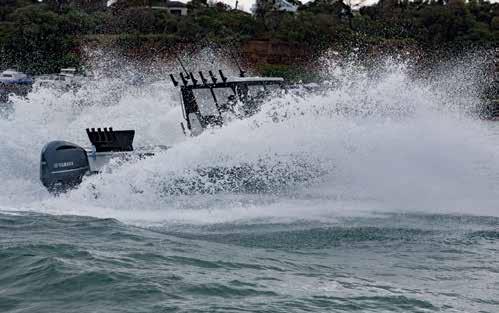
WITH ADVANCED LIGHTWEIGHT DESIGN AND BIG DISPLACEMENT FOR MORE TORQUE, SPEED AND ACCELERATION