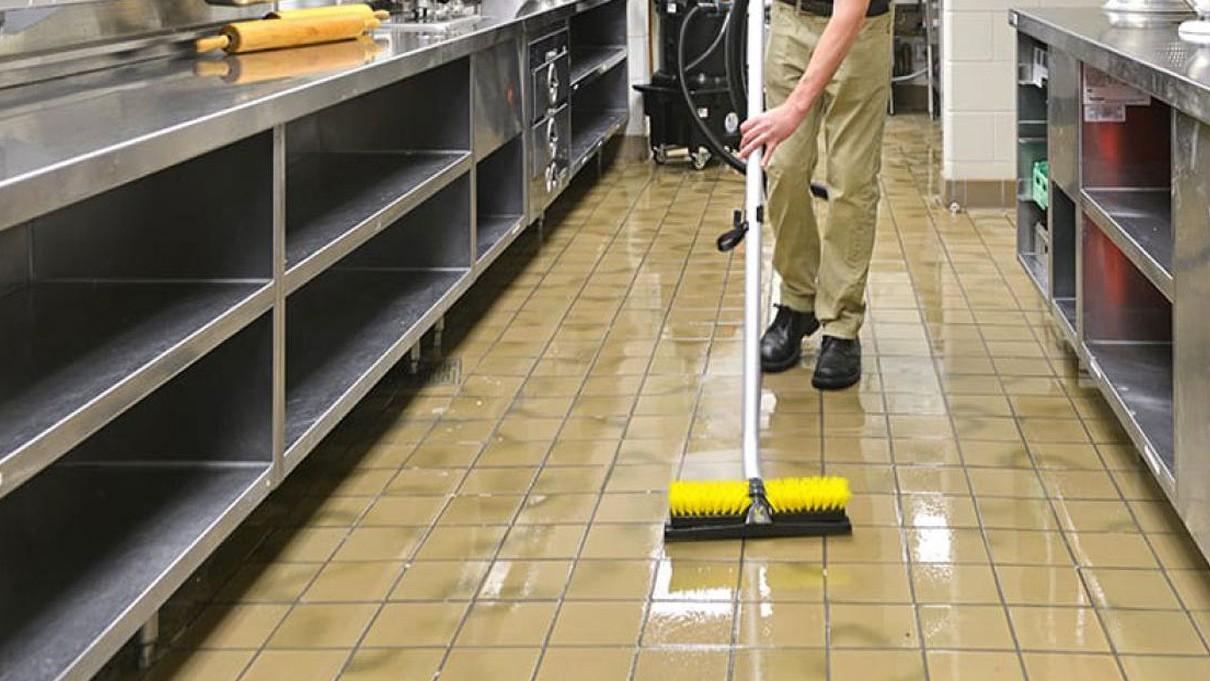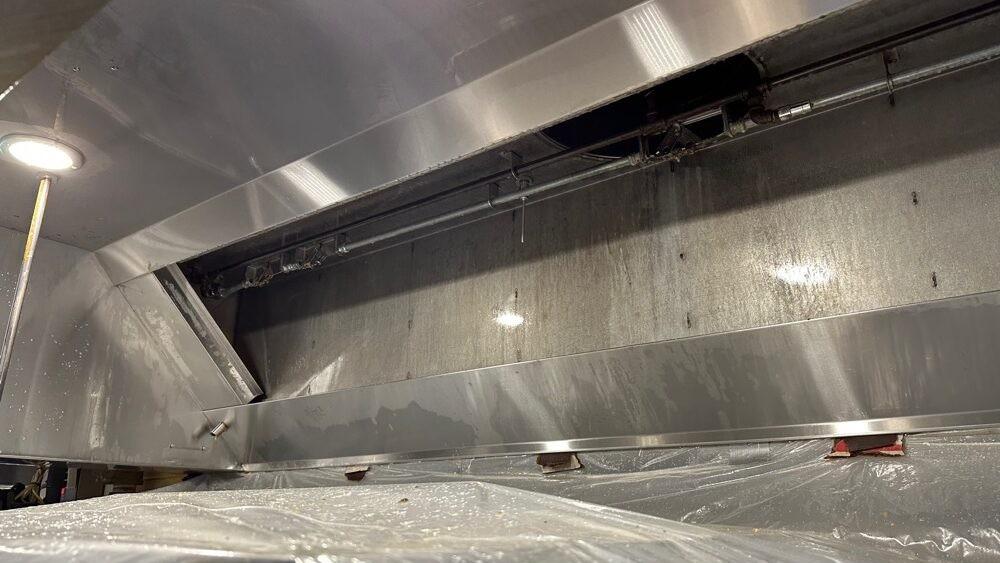


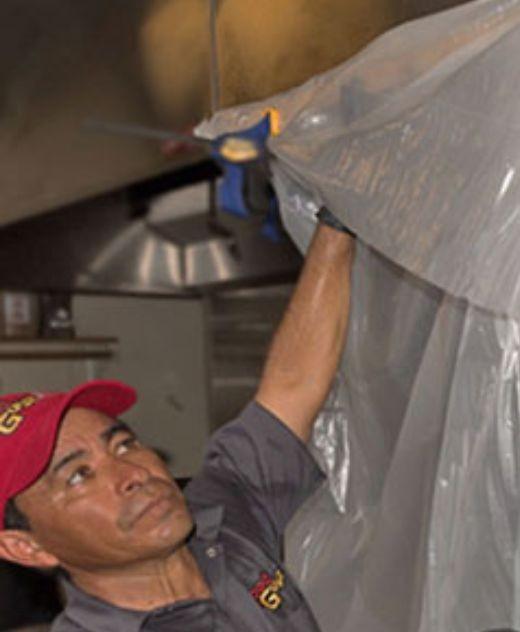

We need our kitchen to always be in the best condition. For one, Kitchen equipment can be expensive and secondly, the kitchen is a sacred place that can cause health Havoc if unwanted chemicals mix with our regular food.
Unfortunately for us, DIY kitchen exhaust hood cleaning has become a confusing process because the market is filled with harmful cleaning supplies that should never get close to your exhaust or chimney! Here are some cleaning chemicals that no one should use.
As the name itself suggests, chemicals that are braces in nature can damage kitchen surfaces, including the expensive chimney or exhaust setup that you have got going.
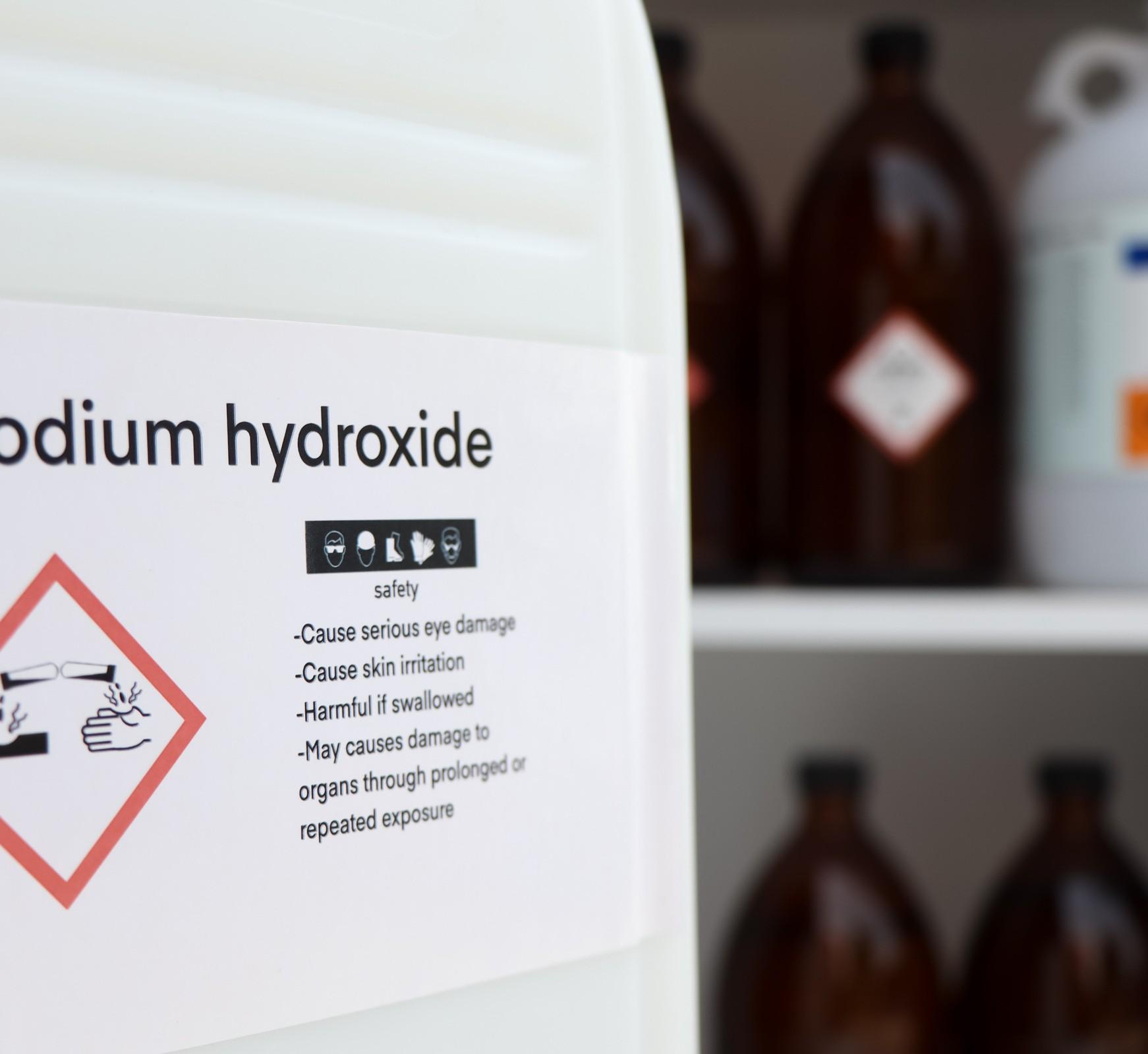
These chemicals are also extremely dangerous for amateur users to handle. Abrasive chemicals for kitchen exhaust and chimney cleaning include strong acids like hydrochloric and sulfuric acid and alkaline substances like caustic soda and potassium hydroxide, which can damage surfaces and harm skin.
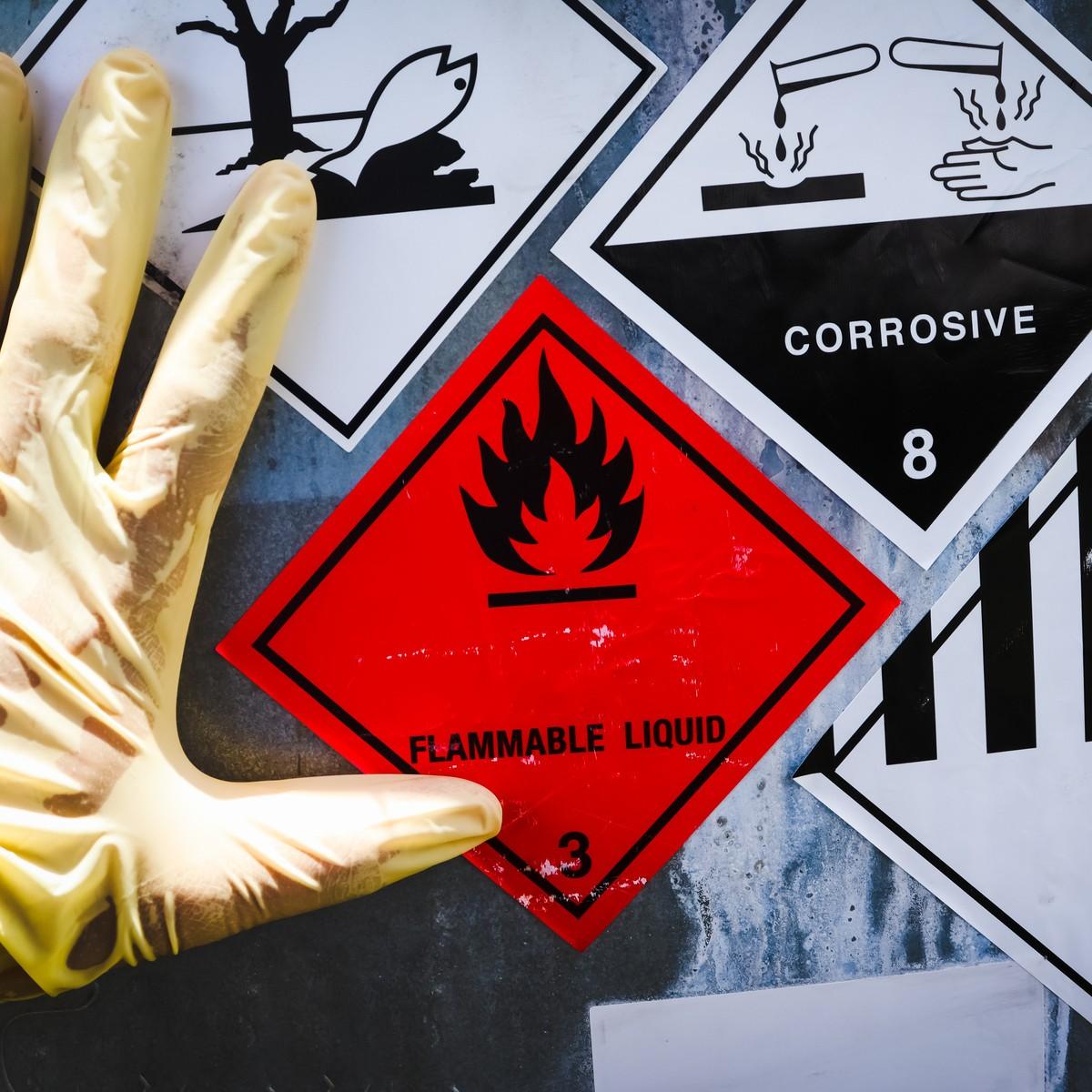
As the name itself suggests, chemicals that are braces in nature can damage kitchen surfaces, including the expensive chimney or exhaust setup that you have got going.
These chemicals are also extremely dangerous for amateur users to handle.
Abrasive chemicals for kitchen exhaust and chimney cleaning include strong acids like hydrochloric and sulfuric acid and alkaline substances like caustic soda and potassium hydroxide, which can damage surfaces and harm skin.
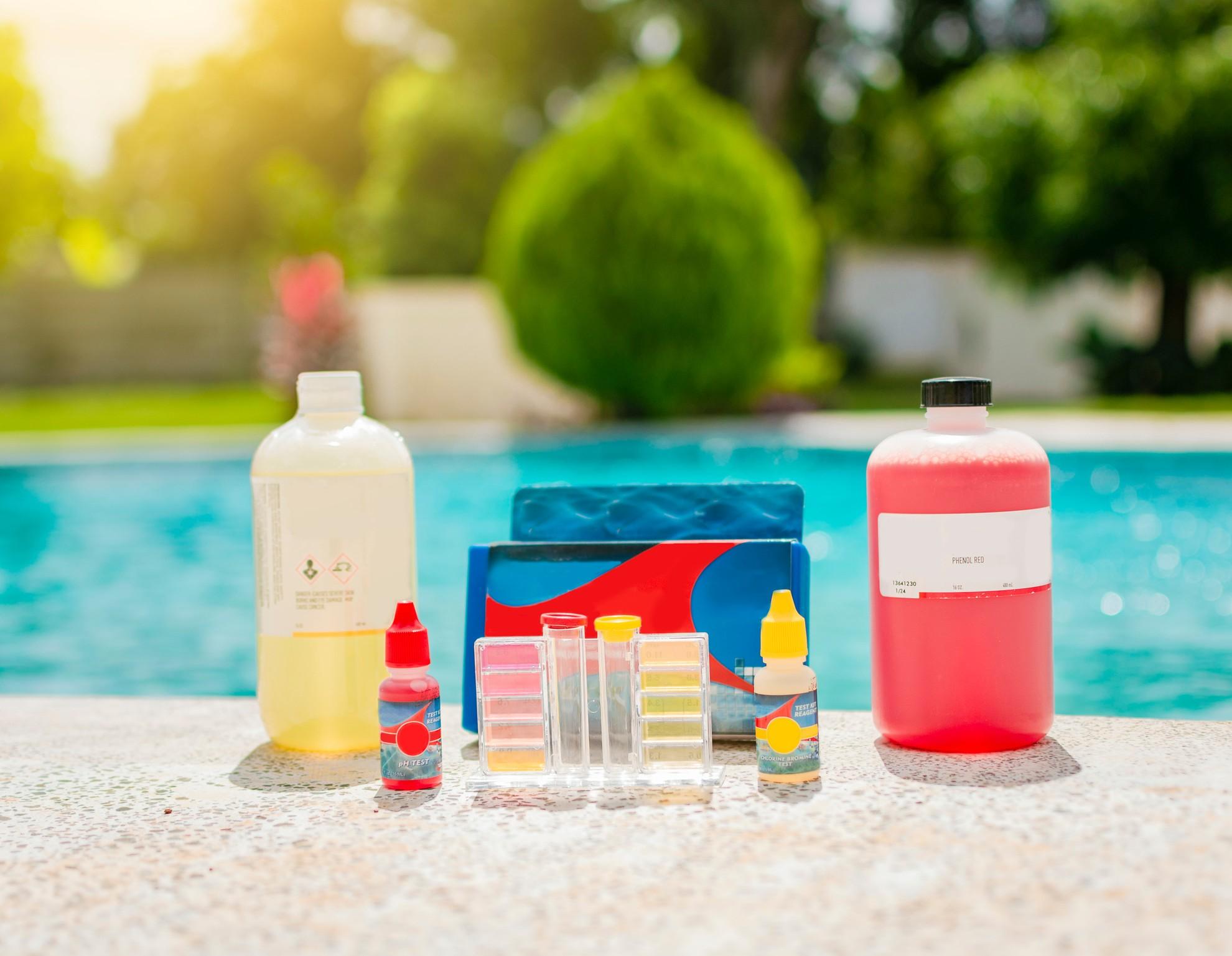
One of the most damaging products you can ever put on modern hardware is bleach. Similarly, bleach is also known to break down furnishing materials, making the whole wall look ruined.
As for how it affects the food ingredients kept in the room, bleach is once again deadly. It readily reacts with metals and creates toxic fumes when combined with food residue. In some areas, food places can lose their licenses for using bleach.
If we complete our kitchen hood cleaning with ammonia-based products, we are likely to surround the room and the whole house or restaurant in toxic fumes.

Additionally, ammonia-based cleaners can react with grease and food residue, creating harmful fumes and toxic compounds, posing health risks and contaminating food and surfaces in the kitchen.
Harsh alkalis, like sodium hydroxide and potassium hydroxide, should always be avoided. They can cause severe burns, eye damage, and surface destruction.
A pH level above 12 is generally considered too high. Alkali can also react with grease and food residue, just like we discussed above. Using this technique can cause breathing issues and permanent organ damage.