
HEADLINES
By James Munro
TECHNOLOGY PLATFORMS AND SUPPORTING OUR CHILDREN
We need to talk about social media again. I know it’s the topic that just won’t seem to leave our dinner tables or our school assemblies. But with the government’s latest proposed limitations on social media networks, it’s a conversation well worth having.
I know that we have written regularly in the Headlines about Trust being a core value in the School’s ethos. However, this is a discussion on if? and should we? trust children with technology?
As adults and parents, our natural instinct is rooted in empathy and trust. We want to be able to look our children in the eye, hand them a device, and trust them to manage their screen time responsibly. We want to believe they will naturally pivot away from inappropriate content, cyberbullying, or the endless scroll. We want them to recognise that it is bedtime, so they should put their phone away and begin to wind down for the night. It’s an honourable desire, because we want to foster independence in our young people, but in the case of phones in particular, I believe we are setting them up to fail.
Here is the counterintuitive argument that we should trust our children with devices, and why we are sending them up the creek without a paddle; the deck is heavily stacked against them. Physiologically, a child’s or teenager’s brain is still under major construction. The prefrontal cortex; the area responsible for impulse control, long-term planning, and weighing risks, isn’t fully developed until their mid-twenties. Meanwhile, the reward centres of their brains are firing on all cylinders.
Then we allow ‘social media’ platforms to ‘enter the chat’. These platforms aren’t just neutral digital spaces; they are intentionally, masterfully engineered to be addictive. Every like, notification, and autoplaying video is meticulously designed to trigger a

dopamine hit in those exact hyper-reactive reward centres. Expecting a child to self-regulate in the face of billion-dollar algorithms explicitly built to keep them hooked is simply asking the impossible. Without clear, enforced boundaries implemented by us as parents, our children are essentially bringing a baseball bat to a tech-industry gunfight.
This isn’t just about an extra half hour of scrolling; robust, evidence-based research repeatedly links unrestricted device time to a highly damaging domino effect. Studies show that late-night screen light suppresses melatonin, directly causing poor sleep routines and chronic exhaustion. Over time, this sleep deprivation and heightened digital anxiety feed into emotional avoidance, often manifesting as school avoidance and a drop in attendance. When parents try to step in and break the cycle, the extreme pull of these addictive designs invariably sparks intense household conflict, straining the very relationships our young people need to feel secure.
Up until now, implementing those boundaries has felt like an exhausting, lonely battle, with concerns of socially isolating children who do not have the same level of social media access as their peers. The parental restrictions have been incredibly nuanced from household to household, often turning parents into the “bad guys” for enforcing rules that the family next door might not have.
That is why I am profoundly thankful for the upcoming wave of legal restrictions and shifting regulations. For the next generation of learners, device management and digital boundaries will no longer be an isolated parenting decision made in a vacuum. Instead, our household rules will be rooted in law and backed by robust physiological evidence. It takes the pressure off our shoulders and creates a unified standard.
We aren’t restricting our children because we don’t trust them; we are establishing boundaries because
we don’t trust the platforms. Let’s embrace these upcoming changes as a welcome tool in our parenting toolkits, helping us protect our learners’ well-being and mental health. We will hear I’m sure over the next few months about the details.
As always, thank you for your continued support in keeping our community safe, offline and on.
Department for Science, Innovation & Technology Fact sheet: New rules to protect children online. Updated 15 June 2026. https://www.gov.uk/government/publications/factsheet-new-rules-to-protect-children-online/factsheet-new-rules-to-protect-children-online
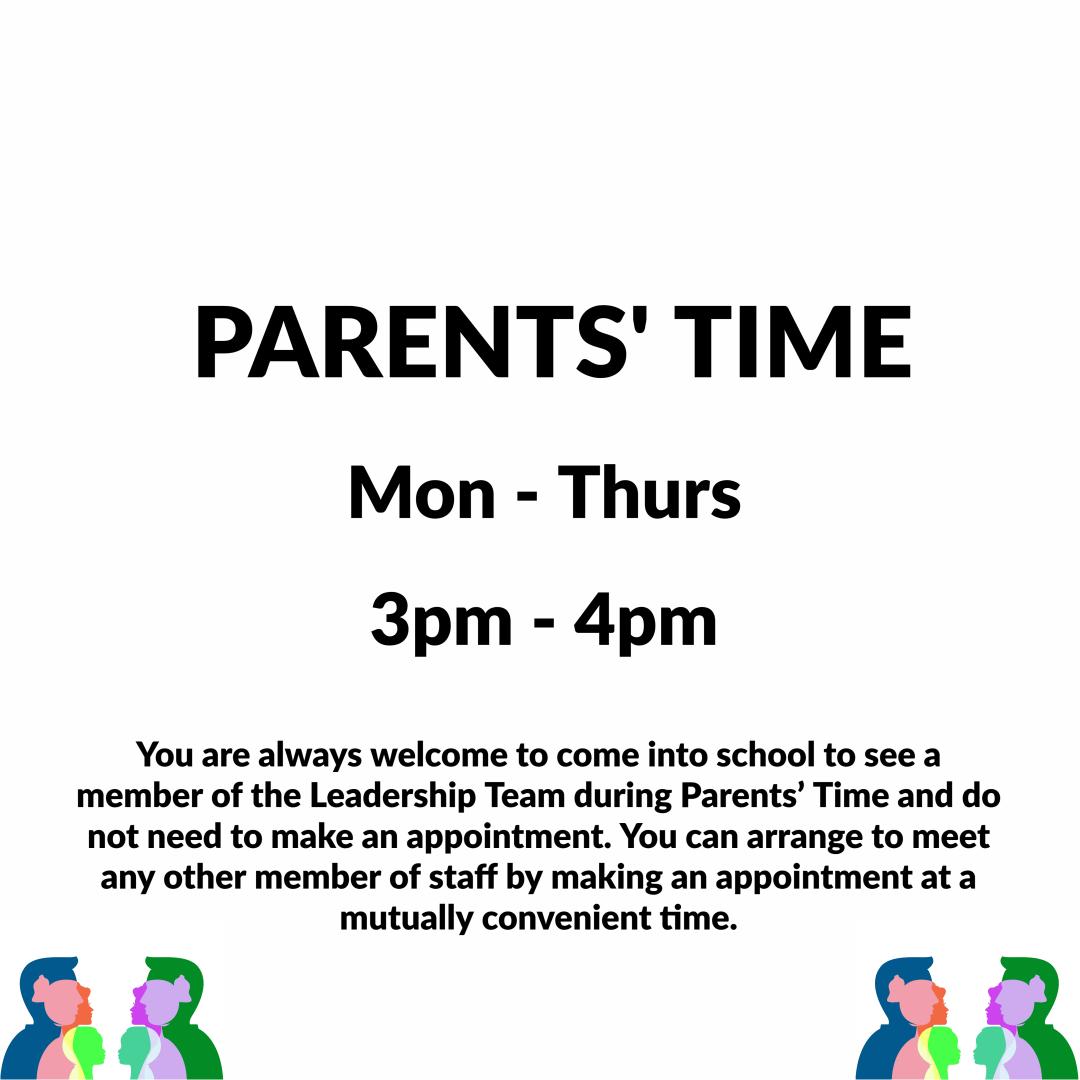


The C7 Meeting is for parents/carers ONLY. No learners please.


A Stolen Trophy
WORLD CUP FUN FACTS
The Most Wins:
Brazil is the most successful team in World Cup history, having won the tournament 5 times. They are also the only country to have played in every single World Cup since the very beginning.
Who Played First?
The very first World Cup took place in 1930 in Uruguay, and the host country actually won the tournament.
Before the 1966 tournament, the real World Cup trophy was famously stolen! Luckily, a clever dog named Pickles sniffed it out and found it hidden in a bush.
Fastest Goal
The fastest goal in World Cup history was scored in just under 11 seconds by a Turkish player named Hakan Şükür in 2002.
Super Young Stars
One of the greatest players of all time, Pelé from Brazil, won his first World Cup at just 17 years old!
The 2026 Tournament
The 2026 World Cup is super-sized! It features a record-breaking 48 teams competing in 104 matches. For the first time ever, it is being co-hosted by three different countries: Canada, Mexico, and the United States.


Tues 23rd June
Wed 24th June
Wed 24th June
25th and 26th June
Dates for the Diary
Wed 1st July
Wed 1st July