LanetChroniclesVolumeTwo

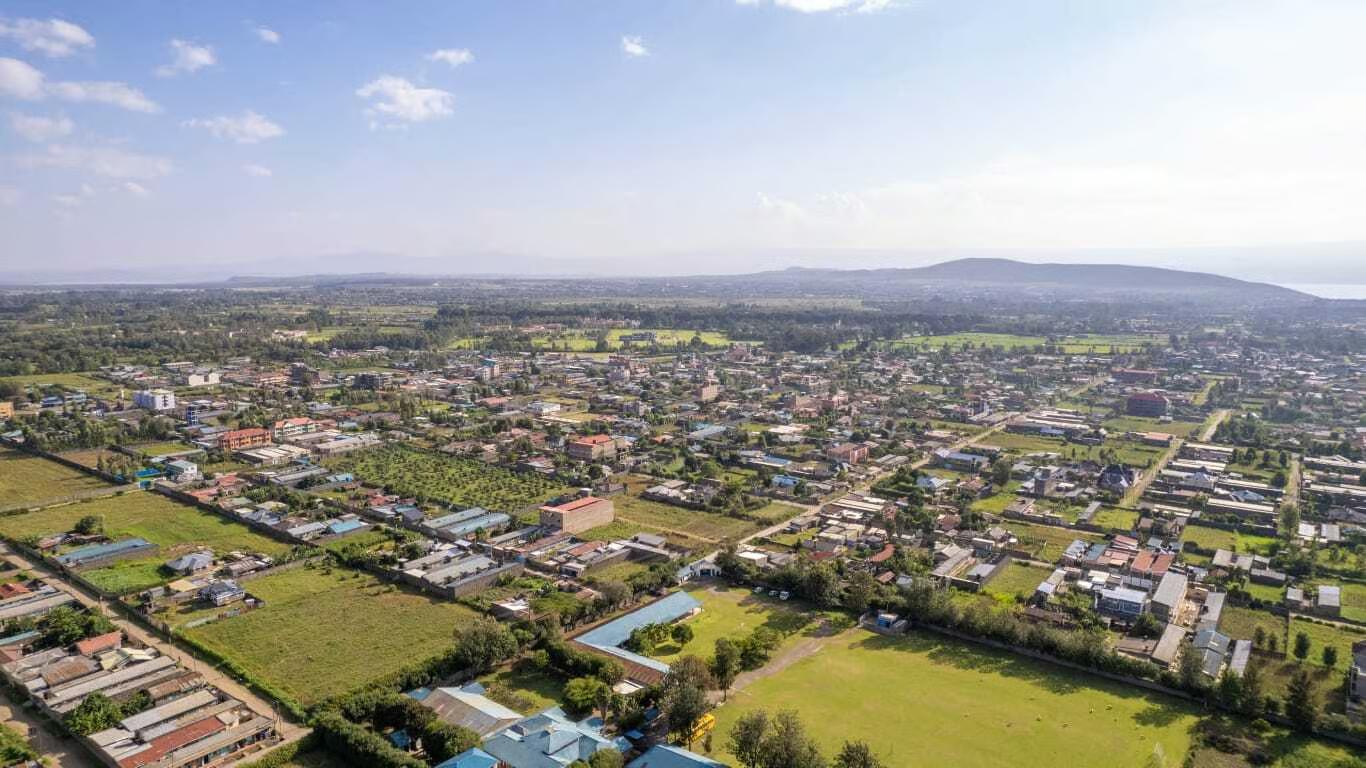
More Than a Game: How the Peter Doc Cup Is Changing Lives in Lanet–Umoja
By Alex Njagi
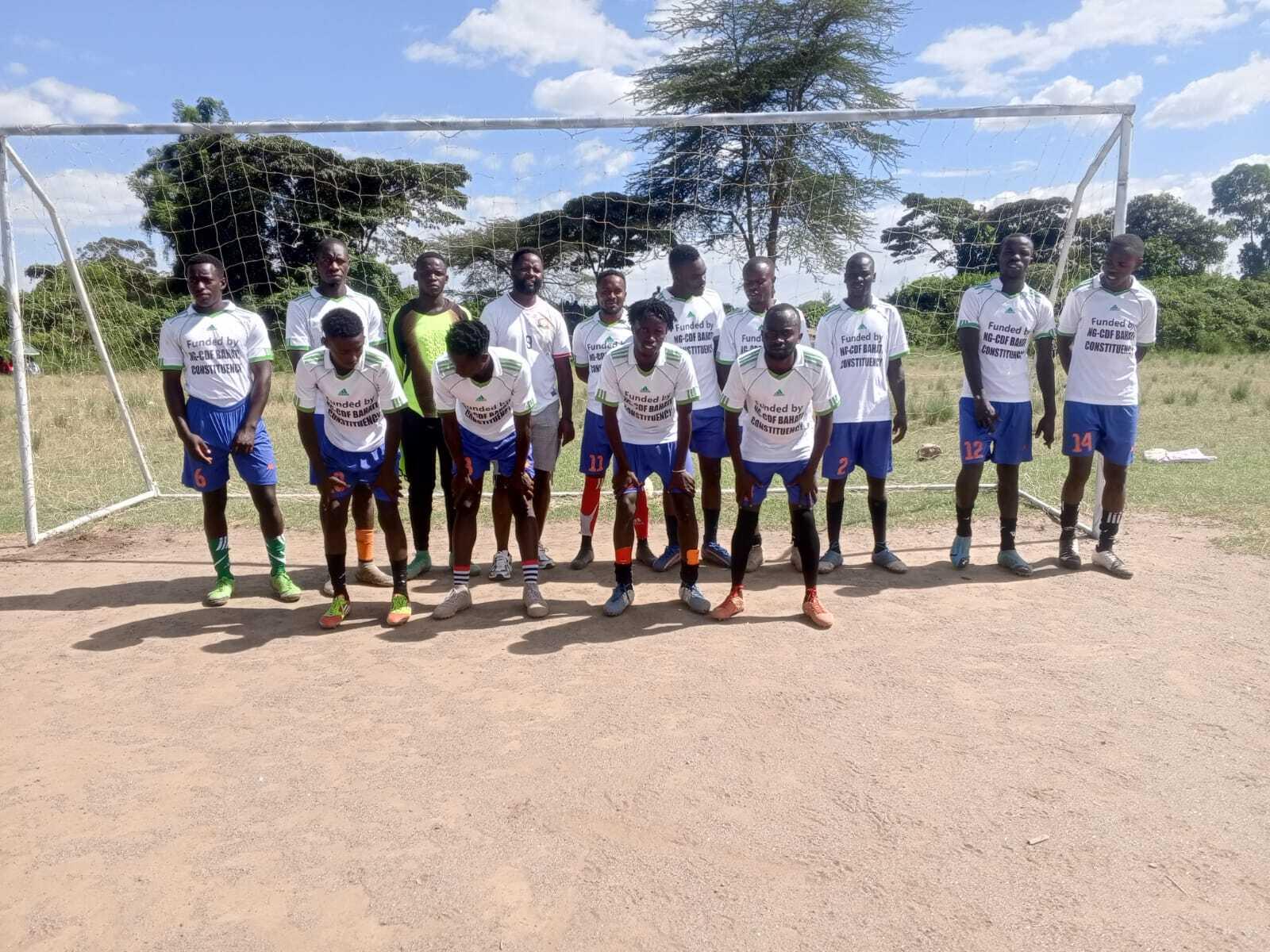
On a dusty pitch in Lanet–Umoja Ward, Beef Field hosted the finals of the Peter Doc Cup. On this ground, football players stepped onto the field with a spirit of competition. Here, the ball is doing what lectures, warnings, and curfews sometimes fail to do. It is keeping young men busy, hopeful, and out of trouble.
Peter Doc Cup is now in its fourth edition. It is a community football league that started small but carries a big impact.
The league began with 16 teams, all drawn from within the Lanet–Umoja Ward.The squads are entirely male, made up of adult players with some high school students joining in. This mix has
One phone call, however, sealed his resolve.
“One day, an elderly brother to one of the players called to thank me,” Peter recalls.
“He told me his brother is no longer hooked to alcohol — he is busy playing in the tournament. That motivated me to continue.”
unexpectedly reduced the usual festive-season tension between youth and parents.
“League imetuokolea sana,” says Dan, a player for Kiundu FC, without hesitation.
“*Imetusave vitu mingi—drugs, crime na hata kusumbuana na mzazi.*”
Simply put, football is saving lives, one match at a time.
Football Over Festivities
The timing of the tournament is no accident. The Doc Cup runs during the festive season, a period often linked to increased alcohol abuse, idleness, and petty crime.
“Doc, ametuokolea sana especially over the festive season,” Lameck states.
“See, all members of my team do take alcohol, but because of the tournament, we are all engaged.”
That engagement matters. Training sessions, match days, and the anticipation of competition keep players focused—and tired enough to sleep instead of roam.
“If I were not playing, I’d be idle,” James admits candidly.
“I would probably be planning and executing crimes to secure money for the festivities. But now, exercising daily and looking forward to games keeps me busy.”
According to Peter Maina, the sponsor and founder of the tournament, this is exactly the point.
The Scorelines — and the Bigger Picture
On the pitch, competition remains fierce.
Kiundu FC vs Beef FC ended in a decisive 1–5 loss for Kiundu, placing Beef FC in third place in the tournament and Kiundu in fourth.
Flora FC triumphed over New Creation FC 2–0 in the finals, clinching the coveted first position for the second time in a row.
The overall winner bagged KSh 25,000, while the second runners-up attained KSh 12,800. But beyond the scorelines, the real victory lies off the pitch, and the prizes—fewer idle youth, reduced crime, and stronger community ties—were the crowns and a win for Lanet Umoja Ward.
Challenges Still on the Field
The league isn’t without hurdles. Players pool money to pay referees, and basic needs like first aid kits and organized medical support remain missing.
“Getting first aid is tricky,” Dan explains.
“As players, we contribute to paying referees. Catering for first aid feels like a luxury.”
Equally noticeable is what—or who—is missing.
Women’s participation is completely absent from the tournament, a gap the organizer acknowledges needs urgent conversation and action with league leadership.
LookingAhead: More Games, More Hope
Support for grassroots sports may soon grow.
Born in Lanet, Giving Back to Lanet
“I was born here. I went to Lanet Primary and later Lanet Secondary,” Peter says proudly.
“This is my hood.”
The idea to launch the Doc Tournament Cup came from Peter’s own experience—how being committed to football in Lanet helped him avoid drugs and alcohol abuse. What started as a passion project has now become a structured league offering young men an alternative path.
Feature Story
Choosing
Life Over Liquor
ByAlexNjagi
Dan has a simple appeal:
“I would urge more leaders to support more games and tournaments to save the youth of Umoja Lanet.”
In Lanet-Umoja, football is no longer solely about scoring goals.
It’s about direction.
It’s about choice.
And sometimes, it’s about choosing the pitch over the bottle—and winning.
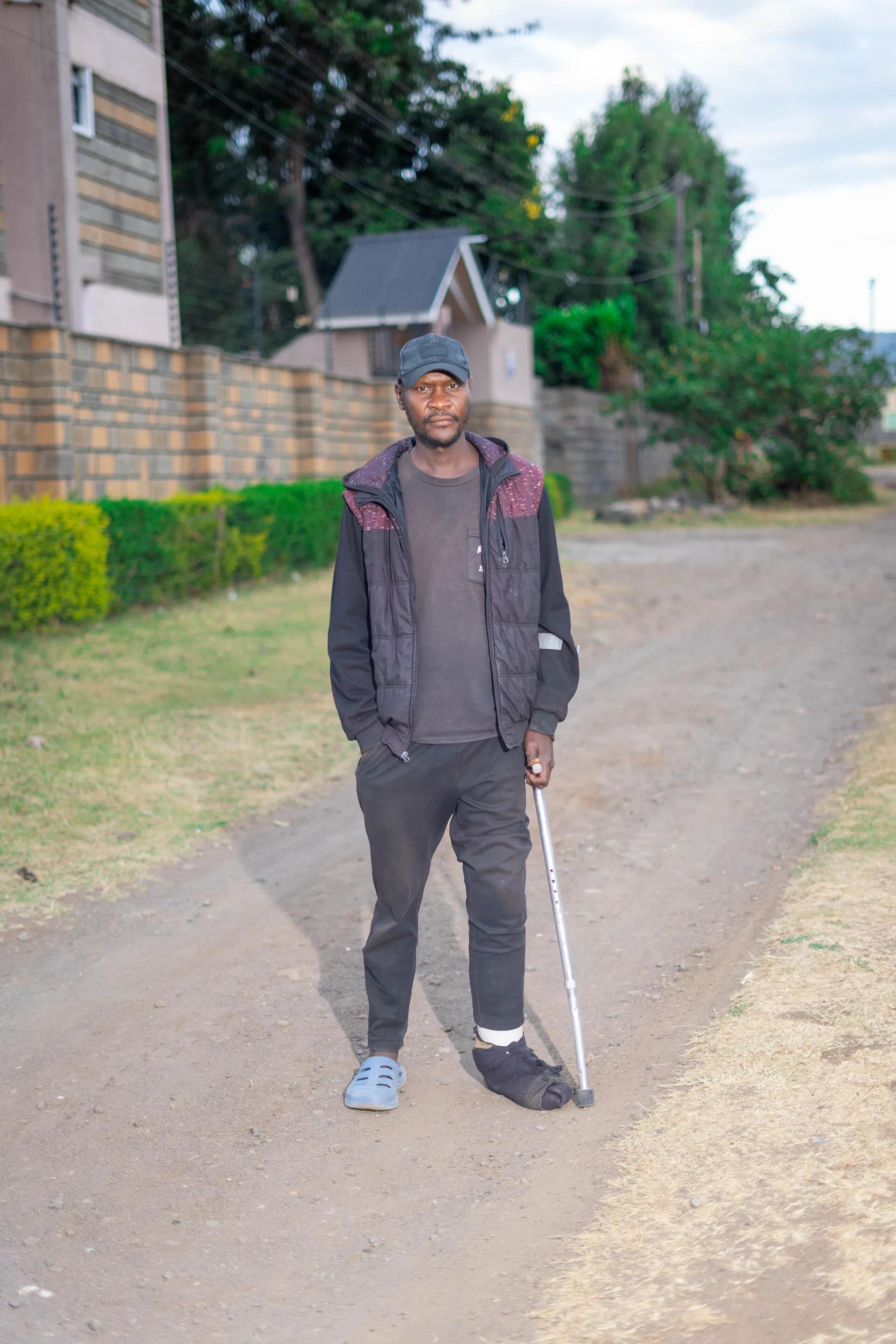
Samba first tasted alcohol at the age of fourteen. It was behind a row of small shops after school. He was surrounded by older boys who laughed loudly and called him “man.” He didn’t like the bitter burn, but he enjoyed the sense of belonging that came with a series of puffs.That small decision felt harmless. It wasn’t.
Years later, Samba barely recognized himself. The strong and cheerful boy who once dreamed of finishing school had become a young man chasing bottles instead of goals.Alcohol crept into every corner of his life. His friendships, his job opportunities, and his home.At first it promised confidence and fun. Then it demanded everything in return. He lost his family’s trust, argued constantly, and eventually found himself alone.
Things got worse when his family relocated to Mombasa. There, he worked and hunted for alcohol with equal vigor. He began with the expensive brands and later degraded to any that was available just to feed his dependency. While he noted the danger of finding solace in sleeping in places he once avoided, the bottle was already in control.The drink that once made him feel brave slowly made him careless, angry, and dependent.
Samba notes with nostalgia how he lost his family and a loving wife and three children. “Ilianza na blame game then ikawa vita, and later nikawa hata nyumbani siendi” he remembers painfully. Later his wife could not take it anymore. She could not leave her children with him. The divorce paved the way for increased drinking and dangerous relationships. “I ended up getting married to a chang’aa brewer.” He recollects. We did not only sell alcohol; we drank to the point of threatening each other’s lives. Miraculously, I relocated to Nakuru and walked to Eldoret two days later.
At Eldoret, Samba remembers working but had nothing to show for his work. He spent all his earnings on alcohol.After a year and a half at Eldoret, I decided to come back home.
The turning point came suddenly. One night, after drinking too much, Samba was hit by a car while crossing the Nakuru-Nairobi Highway. He woke up in a hospital bed with a broken leg and tubes attached to his body. He could not walk. He could not hide. For the first time, he had nothing to distract him from his thoughts. The silence was louder than any party he had ever attended. He realized alcohol had not solved his problems—it had multiplied them.
Two months sober, recovering from alcohol addiction, and healing his leg and a chronic bladder health complication have not been easy. His hands shook, his head ached, and doubt whispered every day, especially in the first month. But he kept going. Step by step, he is rebuilding his life.
Samba has not found a job but is determined to look for his children and offer them the parenthood that was stolen from them by alcohol.
Samba’s story is not just about falling; it is about choosing to rise.Alcohol didn’t ruin his life in one night—it did so slowly, decision by decision. His transformation reminds young people that what looks exciting for a
moment can quietly steal years. Strength is not in saying “yes” to pressure. Sometimes, the bravest word is simply “no.”
Impressions



By King Georges
1. So, what rights and responsibilities kick in immediately?
Winning doesn’t mean you already have a green card. It means you can apply You must fill out the DS-260 form, do a medical exam, pay the fees, and attend a U.S. embassy interview. Miss deadlines and the chance expires.Also remember, visas are limited each year.
2. How long does the process take, and can it be delayed?
Usually three to six months after document processing. But delays happen. High case numbers may miss out if the annual quota is exhausted.
3. How much money should you realistically have before flying out of JKIA?
There’s a $330 interview fee per person, medical exam costs (often $200+), and a USCIS immigrant fee of about $165–$220.Add document and travel costs. Budget at least $1,000 per person. Fees are nonrefundable.
4. Will jobs and scholarships be waiting for you?
No.There’s no government job placement or housing. Some Kenyan degrees need evaluation. Many professionals start with survival jobs before stabilizing.
5. What culture shock should you expect?
Fast-paced life, credit systems, direct communication, loneliness, and missing home. Preparation, savings, and strong networks make all the difference.