

Eating Smart on a Budget in Lanet: Our Traditional
By Alex Njagi
Last week, we began our journey by exploring how health starts at home. We spoke about clean hands, clean water, clean surroundings, and the small daily habits that quietly protect our families. This week, we move from the doorway to the dining table because good health is not only built by what we avoid but also by what we choose to eat. HEALTHY LIVING THURSDAY
There is a saying among our elders that a healthy home is known by the smoke that rises from its kitchen. In Lanet, many of us grew up on meals that were simple, filling, and nourishing.
Yet today, as fast foods, sugary drinks, and packaged snacks become more common, we sometimes forget the wisdom that has long sat on our plates.
The good news is that eating healthy does not require a large salary. Some of the healthiest foods are already found in our markets, farms, and kitchens.
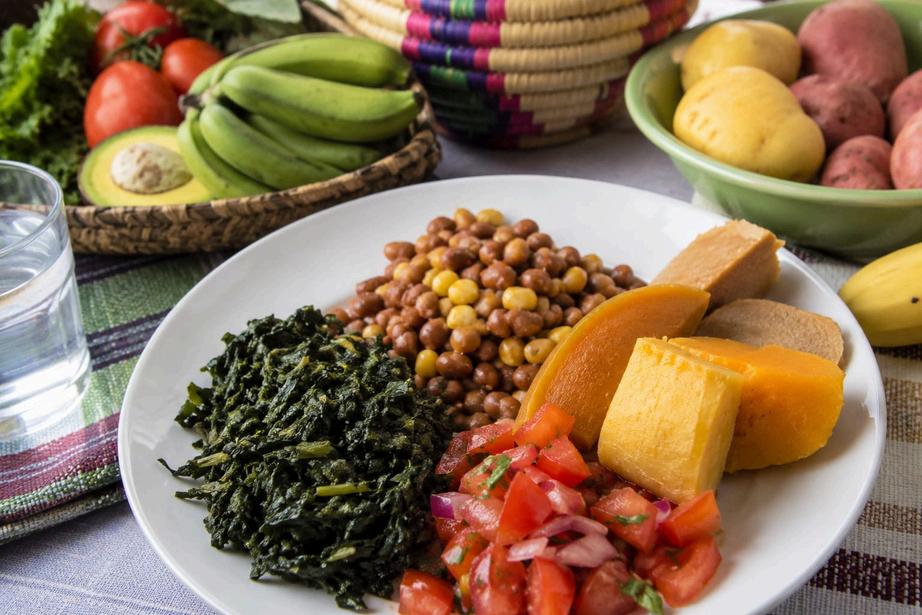
Think of a warm plate of githeri, where maize and beans dance together in a perfect partnership. One brings energy; the other provides protein. Together, they create a balanced meal that has sustained generations.
Consider nduma, sweet potatoes, cassava, and arrowroots. These humble foods are rich in nutrients and keep us satisfied for longer than many processed snacks.
Our vegetables are also silent heroes. Sukuma wiki, spinach, managu, terere, kunde, and cabbage add color and strength to our bodies. They help protect us from disease and support healthy growth in children. A handful of vegetables on every plate is a simple investment in a healthier future.
Eating smart also means planning wisely. Instead of buying soda and packaged snacks every day, families can save money by preparing fresh fruits such as bananas, oranges, mangoes, or avocados. Water remains the healthiest drink and costs far less than many sugary alternatives.
Portion control matters too. We do not need to eat until discomfort. A balanced plate with vegetables, a source of protein, and a moderate serving of carbohydrates can provide the nourishment our bodies need.
As we embrace modern life, let us not abandon the treasures of our food culture. The meals our grandparents prepared were not merely food; they were lessons in health, balance, and stewardship.

A healthy community is built one meal at a time. When we choose local, nutritious foods, we nourish not only our bodies but also our farmers, our economy, and our heritage.
Health Tip of the Week
Fill at least half of your plate with vegetables or fruits during one meal each day.
Action Step
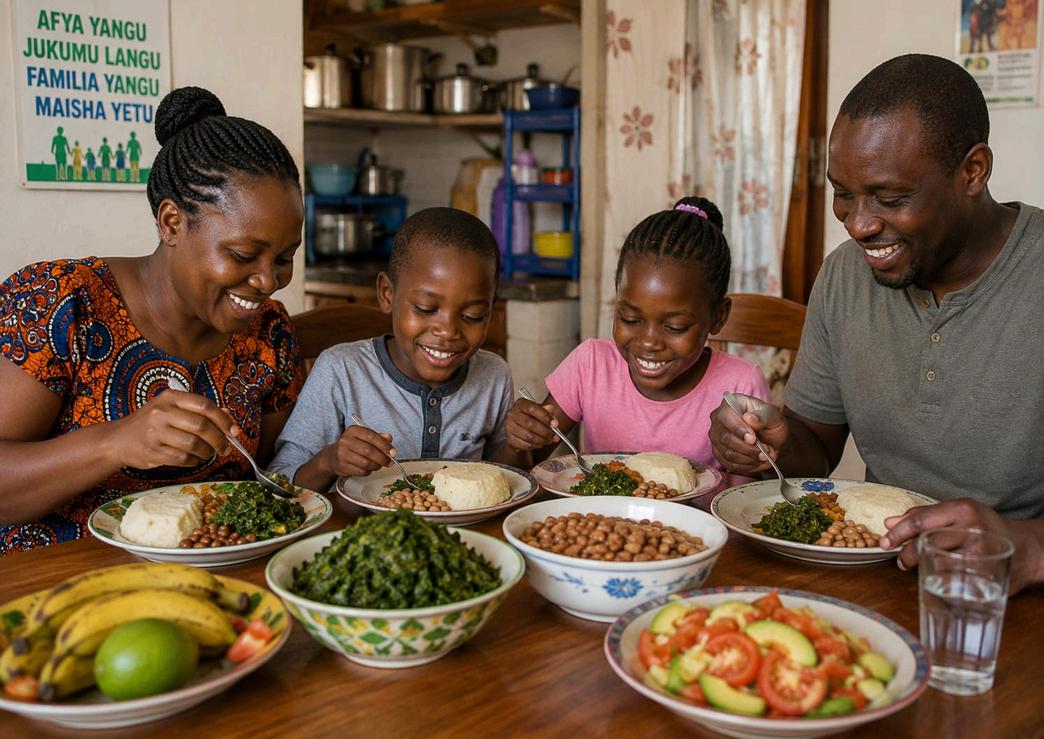
This week, challenge your family to prepare one traditional healthy meal together and discuss its nutritional value around the table.
Next Week:
Understanding Common Illnesses in Our Community — Learning how to recognize early signs of common diseases and protect our families through prevention and timely care.