
PROJECT NORTHSTAR
Shining a Light Until Every Child Comes Home
What if your child went missing tonight?

What if you called the police and they told you not to worry?
What if the news cameras never came?
What if nobody shared their photo?
What if the world simply... moved on?
For thousands of Black and Brown families across America, that is not a hypothetical. That is their reality. Every single year.
The
numbers demand that we pay attention.
Black, Hispanic, and multiracial children together represent 59 per cent of all missing children in this country.
In 2023 alone, 224,706 persons of colour were reported missing across the United States. Of those, 162,755 were children under the age of eighteen.
People of colour account for 40 per cent of all missing persons in America, yet Black Americans make up only 13 per cent of the population. These are not abstract statistics.
Each number is a name. Each name belongs to a family.
THE SYSTEM THAT FAILS THEM
When a child goes missing, the Amber Alert system is meant to be the lifeline. Broadcasts go out. Communities mobilise. Eyes open.
But here is what the system does not tell you.
To qualify for an Amber Alert, there must be reasonable evidence that an abduction has taken place, the child must be believed to be in imminent danger of serious bodily injury or death, and sufficient descriptive information must be available. If those criteria are not met, the child is classified as a runaway. When a missing child is listed as a runaway, they receive no media coverage, and fewer police and government resources are available for their recovery.
THE SYSTEM THAT FAILS THEM

Black children are disproportionately classified as runaways, a label that precludes them from being issued an Amber Alert.
As the co-founders of the Black and Missing Foundation have said plainly: "Our children are classified as runaways, and runaways do not meet the criteria to initiate an Amber Alert."
Of the more than 350,000 children who went missing in 2023, Amber Alerts were issued for only 229 — less than one per cent.
A STORY THAT SHOULD NOT EXIST
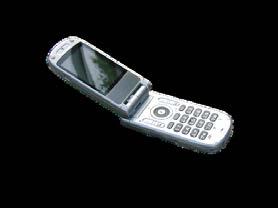
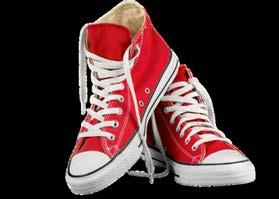
In December 2011, sixteen-year-old Phylicia Barnes went missing in Baltimore, Maryland while visiting family. Her phone, her coat, and her shoes had all been left behind. Temperatures outside were freezing. Police listed her as a runaway.
No Amber Alert was issued. Her body was found months later.
Phylicia's story is not an exception. It is a pattern. And a pattern can be changed.
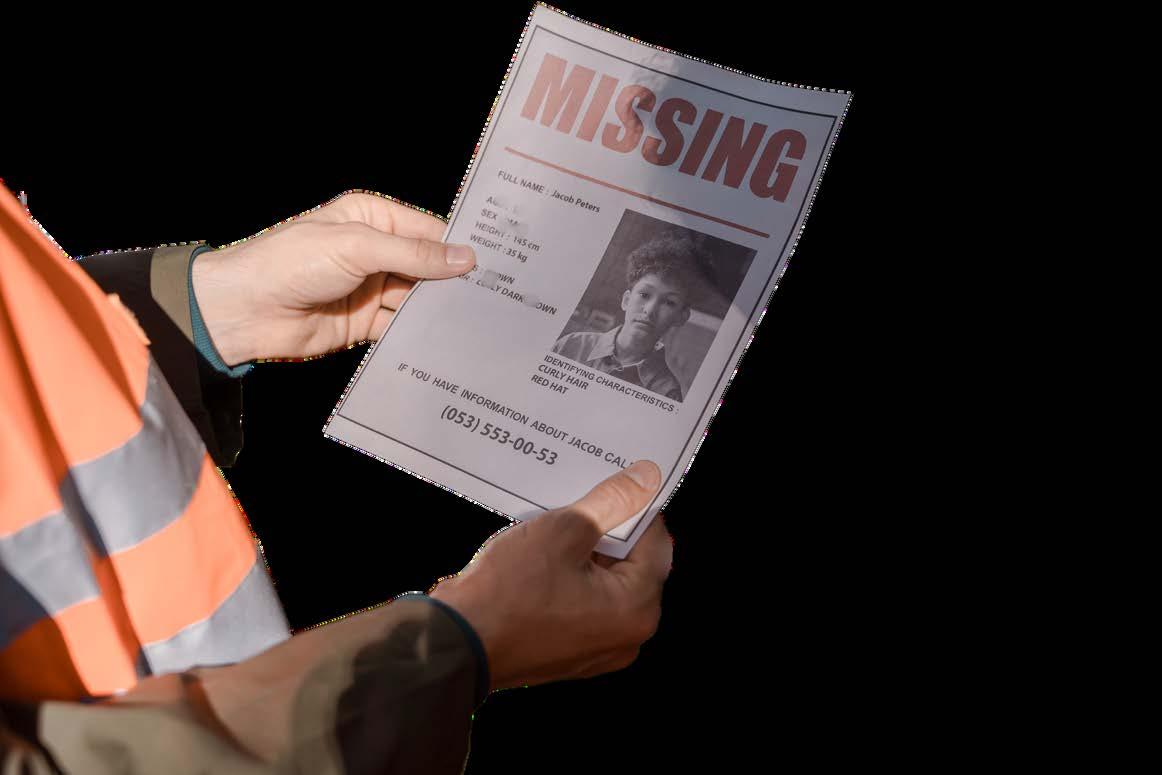
THE SILENCE THAT SURROUNDS THEM
WhiteWomanSyndrome.


There is a phenomenon so well-documented it has been given a name: Missing White Woman Syndrome.
Studies have confirmed that non-Black children are significantly more likely to receive media coverage when they go missing than Black children.
Research using official New York State records found that Black children on average remain missing longer and are more likely to still be missing by the end of the observation period than nonBlack children. Black children are approximately twice as likely to remain missing compared to their peers. The silence is not accidental. It is structural. And it costs lives.
WHAT A FAMILY LIVES WITH

There are no cameras here. No news trucks parked outside. No hashtags trending. No vigils covered on the evening news.
There is only a mother, sitting by the window. Again tonight. There is only a father, refreshing his phone. Again tonight. There is only a brother or sister, keeping the bedroom light on. Refusing to accept that the world has forgotten. These families have not given up. Project Northstar will not give up either.
A GROWING RESPONSE
The country is beginning to respond.

In 2024, California became the first state to launch the Ebony Alert system, specifically designed to address the severe racial disparities in missing persons cases. The Ebony Alert applies to missing Black youth between the ages of 12 and 25, covering cases that would not qualify under the strict Amber Alert criteria.
Other states, including Pennsylvania, are now proposing similar legislation, recognising that the current system leaves Black children without equal protection. Change is possible. But awareness must come first.
WHAT
PROJECT SEARCHLIGHT DOES

Project Northstar is a public awareness initiative dedicated to one purpose: making sure no missing child is forgotten.

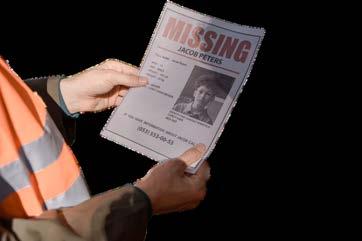

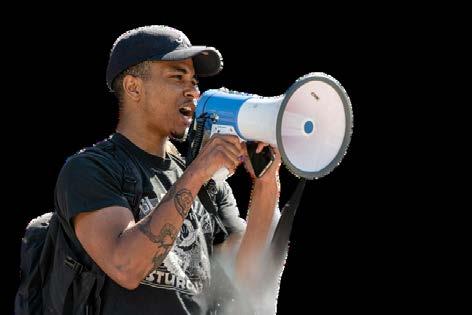

We amplify missing cases that the media overlooks.
We support families through outreach, visibility, and community connection.
We deploy technology and digital storytelling to widen the reach of every case.
We mobilise communities to become active participants in bringing children home. Because awareness is not passive. Awareness creates action.
WHAT YOU CAN DO
You do not have to be an investigator to make a difference.
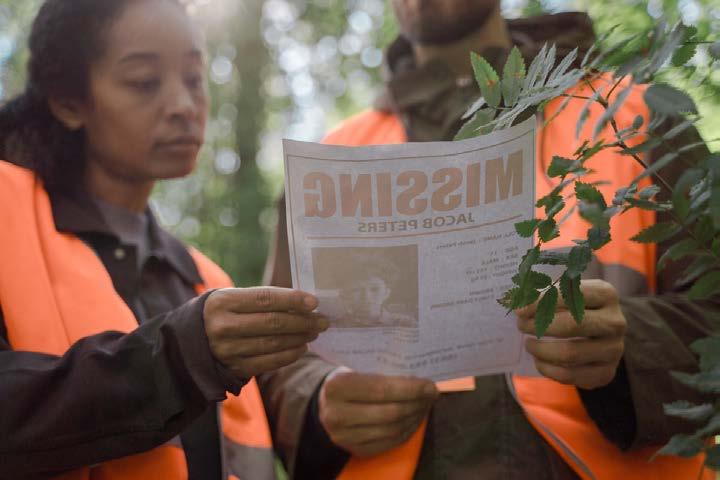
Share a missing child alert today. One share reaches people the police cannot.
Follow and support the Black and Missing Foundation and organisations like Project Searchlight.
When you see a missing child case being dismissed or ignored, say something. If you have information, report it. Anonymous tips save lives.
Donate to help fund outreach, searches, and family advocacy.
And when someone tells you this is not your problem to solve, remind them: a child is missing. That makes it everyone's problem.
THE COMMITMENT
Project Northstar is more than an awareness campaign.
It is a commitment to every family sitting by the phone tonight.
It is a commitment to every community willing to stand up and say: we see you, we are searching, and we will not stop.
It is a commitment to the simple, nonnegotiable truth that every child's life carries equal worth, equal urgency, and equal right to be found.