



Welcome to the 2026 Summer Book — your guide to making the season feel a little brighter, lighter, and more intentional.
This issue, Summer in Full Bloom, celebrates everything we love about the warmer months: slow golden-hour evenings, meals shared outside, refreshing drinks that feel like a getaway, backyard spaces that invite you to linger, and simple routines that make everyday life feel a little more like vacation.
Inside, you’ll find ideas for creating a summer rhythm that works for you, from staycation inspiration and wellness tips to easy hosting menus, farmers market meals, DIY outdoor planters, and home upgrades that make a big seasonal impact. We’re also sharing ways to stay cool, hydrated, energized, and sun-safe while making the most of longer days.
And of course, Monty makes an appearance with his signature personality, bringing a little humor, charm, and summer mischief to the pages ahead.
Whether you’re planning backyard dinners, refreshing your home, starting a small vegetable garden, or simply looking for ways to enjoy the season more fully, this magazine was created to help you savor the moments that make summer special.
Here’s to sunshine, fresh flavors, easy living, and a season in full bloom.
GENEVA
180 S. Arizona Ave Ste 310 Chandler, AZ 85225
www.GenevaFi.com
ART DIRECTOR
Jacque Huerta
CONTRIBUTING WRITERS
Bryce Freshour
C.B. Jones


There’s something special about summer that encourages us to slow down and appreciate the world around us. The sun rises earlier, sets later, and gives us extra hours to spend outdoors. Yet despite having more daylight, many people find themselves letting the season pass by without fully enjoying it.
One way to make the most of summer is to intentionally build your days around natural light. A morning walk before work, coffee on the patio, an outdoor lunch, or an evening spent watching the sunset can transform an ordinary day into something memorable. These moments don't require elaborate planning—they simply require making time to step outside and enjoy the season while it's here.
Summer offers countless opportunities to stay active without following a traditional fitness routine. Instead of viewing movement as another task on your to-do list, think of it as a way to experience more of what the season has to offer.
A bike ride through the neighborhood, a hike on a local trail, a day at the pool, or even a leisurely walk after dinner can help you stay energized while enjoying the outdoors. Activities that feel fun and engaging are often easier to maintain than strict workout programs, making summer the perfect time to rediscover movement you genuinely enjoy.
The goal isn't necessarily to move more—it's to move differently. By choosing activities that connect you with nature, friends, and family, exercise becomes part of the experience rather than the destination.
While summer vacations often get the most attention, the season's most meaningful memories are usually found in the smaller moments. They're the impromptu cookouts, road trips with no detailed itinerary, evenings spent laughing with friends, and weekends that unfold without a rigid schedule.
These experiences may seem ordinary in the moment, but they're often the memories we look back on most fondly. Creating a memorable summer doesn't require expensive travel or packed calendars. It simply means making space for connection, spontaneity, and the people who matter most.
Consider setting aside dedicated time for experiences rather than obligations. Attend a local event, host a backyard gathering, explore a nearby town, or spend an evening completely unplugged from technology. Small choices like these can have a lasting impact.
The best summers aren't defined by how much you accomplish. They're defined by how present you are while experiencing them. By prioritizing sunlight, embracing movement, and creating space for meaningful moments, you can turn an ordinary season into one filled with memories that last long after the weather changes.
As summer unfolds, focus less on filling every day and more on enjoying the moments within it. The season is fleeting, but the experiences you create can stay with you for years to come.

Vacation time can be created by implementing a timely routine during your work week. Depending on your occupation and schedule, it is very possible to create micro-vacations by establishing a solid routine where your work life doesn’t bleed over into your personal life.
The majority of Americans have a work schedule from 8am to 5pm (Monday through Friday). Studies show that 20% of the workforce have the ability to work from home, while the other 80% are either hybrid or full-time employees that have a commute.
Now, depending on which category you fall into, your routine is likely going to be drastically different if you work from home as opposed to someone who has a commute and vice versa.

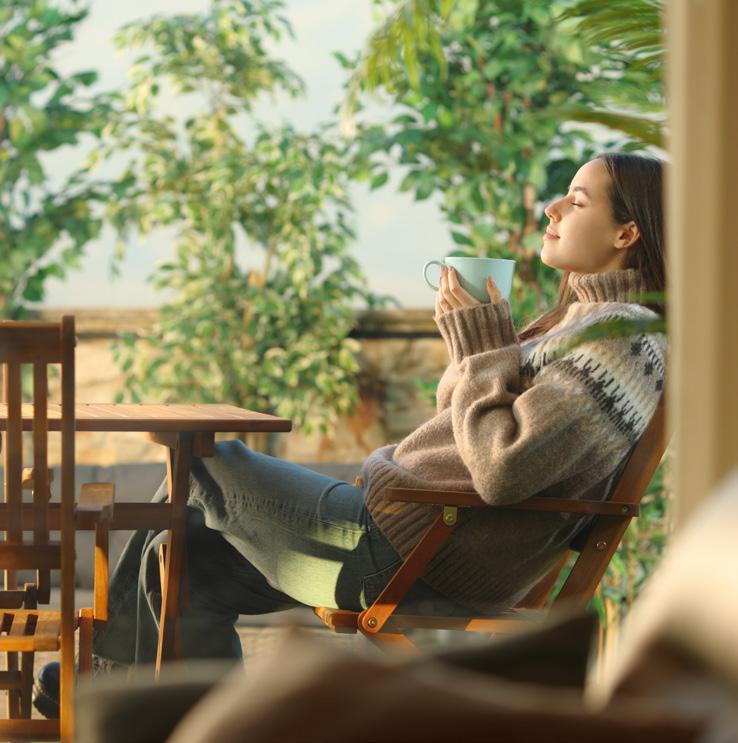
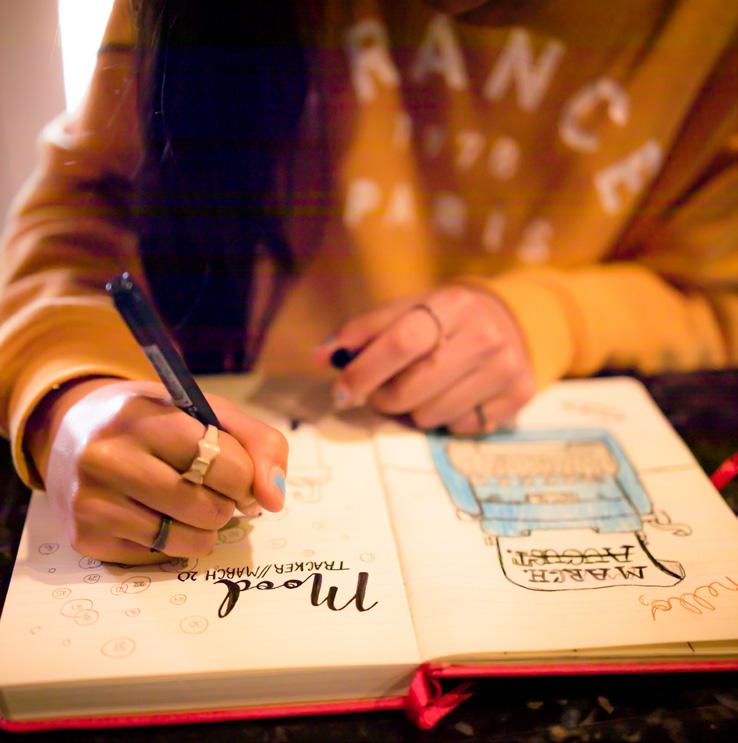
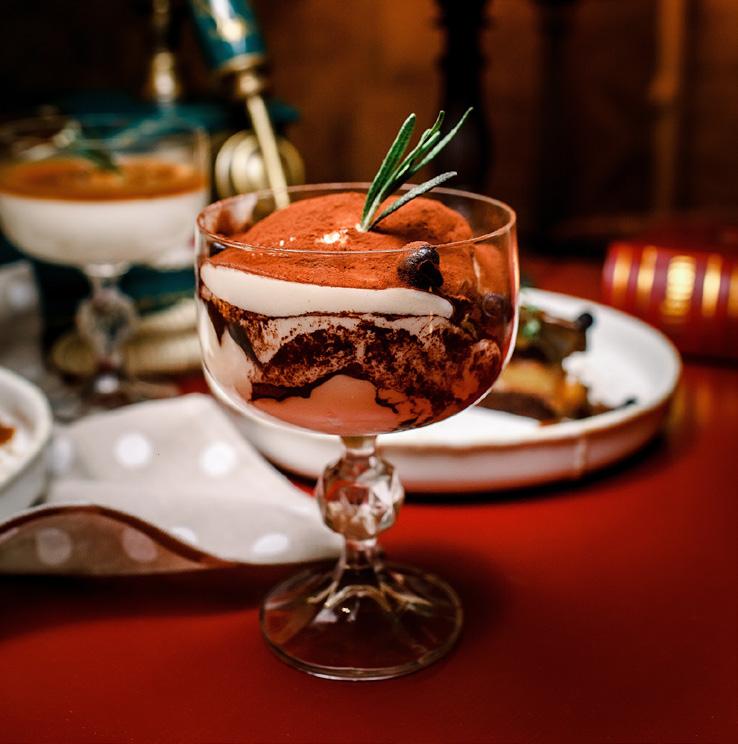

Waking up at 5am sounds awful, but during the summer this is going to help with your daily priorities. By allowing yourself time to get ahead of your day you will be more apt to absorb your day instead of letting it absorb you.
Watching the sunrise with a fresh cup of coffee can be invigorating and more importantly, peaceful. From 5am to 6am you can capture an additional 5 hours a week to get the mental clarity that you get when you’re on a vacation.
Tune out from your phone, or other distractions, both in the morning and in the evening once you’ve completed your work day. Make time for yourself with a Do Not Disturb setting, or simply stepping away from technology in general. Tune into your heart, mind and soul. Journal, pray, draw, read… you don’t need to check your social media or doom scroll to relieve stress during your week. This will help build a positive mental fortitude that will build on itself over time.
During some of your downtime in the evening or during the day, explore some of the local restaurants that suite your lifestyle choices and plan some time to dine out by making a reservation. Just like a vacation, when we find a place we want to go and try, it becomes an exciting experience to look forward to. Maybe you want to go dancing, try a fancy cocktail or get a delicious desert. Whatever works for your schedule, just think to yourself, “Is this what I would try if I were on a vacation?”
My favorite part of a vacation is when I get the opportunity to catch up on sleep. By implementing the early-riser morning routine you’ll naturally feel more tired than you have for the first week or two. However, you will develop a rhythm where your rest becomes more of a routine causing you to fall asleep earlier. You will look forward to the crickets chirping in the night with your windows slightly cracked absorbing the fresh air or the cool breeze of your AC blowing throughout the house as you drift off into a calm bliss.
The point is, you don’t have to over exert yourself during your week in order to create a routine in order to feel like you’re on a vacation. You just have to make a few minor adjustments that work best for you to enjoy your life daily.

There’s a reason so many people find themselves pausing as the sun begins to set. Golden hour, the brief period before sunset when the world is bathed in warm, glowing light, has a way of transforming even the most ordinary surroundings into something memorable.
The pace of the day begins to slow, the air often feels a little cooler, and there’s a natural invitation to step away from screens and responsibilities for a few moments. In a season where schedules can quickly become packed, golden hour offers a simple reminder to be present and enjoy the beauty that exists right outside your door.
Whether you're watching the sky change colors from your backyard or catching the last rays of sunlight during an evening walk, these moments can help you appreciate the season in a way that feels both calming and restorative.
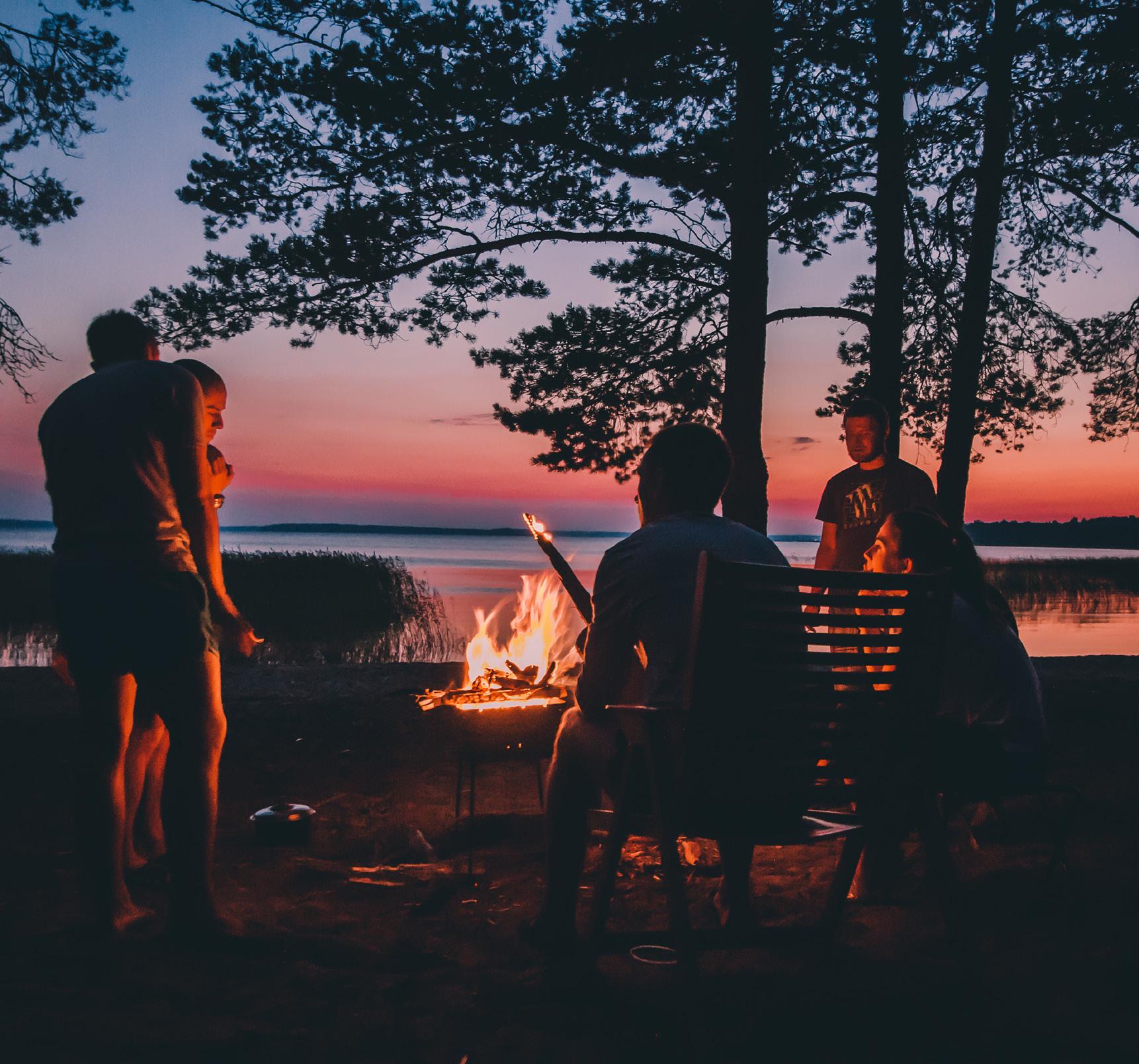
Many people treat mornings as a time for routines and rituals, but evenings deserve the same attention. Golden hour provides the perfect opportunity to create a daily reset before the night begins.
Whether it's enjoying a drink on the patio, taking a walk around the neighborhood, reading a book outside, or simply sitting quietly and watching the sky fade from gold to orange, these moments can help create a sense of calm after a busy day.
Establishing a simple evening ritual doesn't require a major commitment. It simply means making a conscious decision to slow down and embrace a few minutes of peace before the day's responsibilities give way to the evening.

One of the most rewarding aspects of golden hour is its ability to make everyday experiences feel more meaningful. A backyard gathering, a family dinner outdoors, or a casual conversation with a friend can feel entirely different when accompanied by the soft glow of the setting sun.
These moments don't require expensive plans or special occasions. In fact, part of their charm comes from their simplicity. The combination of beautiful light, comfortable temperatures, and fewer distractions often creates the perfect environment for making memories.
By paying attention to the changing sky, the sounds of the evening, and the people around you, you create opportunities to appreciate the small details that often go unnoticed throughout the day.
Golden hour can also serve as a time to reconnect with the people who matter most. Summer evenings naturally encourage togetherness, whether it's sharing a meal outside, taking an evening stroll, or gathering with neighbors and friends.
The relaxed atmosphere creates space for genuine conversations and meaningful interactions. Without the rush that often accompanies the middle of the day, it's easier to be fully present with those around you.
In a world filled with constant notifications and distractions, dedicating time to connect with others during this part of the day can become one of the most valuable habits of the season.
The beauty of a golden hour ritual is that it asks very little while offering so much in return. It doesn't require a reservation, a vacation, or a perfectly planned schedule. It simply requires a willingness to pause and appreciate a fleeting moment at the end of the day.
By making time for this daily escape, you can create a rhythm that brings more balance, gratitude, and enjoyment to your summer evenings. The ritual may only last a few minutes, but its impact can linger long after the sun has disappeared below the horizon.
Sometimes the most meaningful experiences aren't the ones we travel far to find—they're the ones waiting for us just outside as the day quietly comes to a close.

Not every vacation requires a passport, a packed suitcase, or hours spent at the airport. Staycations have become an increasingly popular way to unwind, giving people the chance to recharge while staying close to home. They're affordable, easy to plan, and often just as memorable as traveling to a faraway destination.
A staycation is a vacation spent close to home rather than traveling long distances. Instead of booking flights or planning an elaborate itinerary, people use their time off to enjoy local attractions, explore nearby destinations, or simply relax in the comfort of their own homes.
With rising travel costs and busy schedules, more people are discovering that taking a break doesn't have to mean going far away.


One of the best things about a staycation is how flexible it can be. You might spend the day exploring a local park, hiking a scenic trail, visiting a museum, or trying a new restaurant in your area. Booking a night at a nearby hotel or resort can also create the feeling of a true getaway without the stress of long-distance travel.
If staying home sounds more appealing, you can still make it feel special. Turn your backyard into a picnic spot, have a movie marathon, read that book you've been meaning to start, or enjoy a relaxing spa day at home.

A staycation is also a great opportunity to see your hometown from a new perspective. Many people are surprised by the hidden gems they find just minutes from home, whether it's a local coffee shop, a scenic overlook, or a community event they've never attended.
Choosing to stay local also supports small businesses, restaurants, and attractions that make your community unique.
Traditional vacations can quickly become expensive when you factor in airfare, hotels, dining, and entertainment. Staycations offer many of the same opportunities to relax while helping you save money and avoid the stress that often comes with traveling.

Whether you spend your time exploring nearby attractions or simply slowing down at home, a staycation proves that you don't have to travel far to make meaningful memories.
Sometimes the best vacation is the one that's been waiting in your own backyard.

The season of longer days, spontaneous plans, and making the most of every sun-soaked moment

There’s a reason people spend all year looking forward to summer.
It isn’t just the warm weather or the vacation plans circled on the calendar. It’s the feeling that comes with it—the sense that life loosens up a little. The days stretch longer, the sunsets arrive later, and suddenly there’s more room for the moments that often get squeezed out during the rest of the year.
Summer invites us outside. It encourages us to slow down, gather with friends and family, and trade packed schedules for experiences that feel a little more spontaneous. Whether it’s a weekend getaway, an evening walk, or a backyard gathering that lasts well past sunset, the season has a way of turning ordinary moments into memorable ones.
This is summer in full bloom: a season defined not by what’s on the calendar, but by how we choose to spend our time.
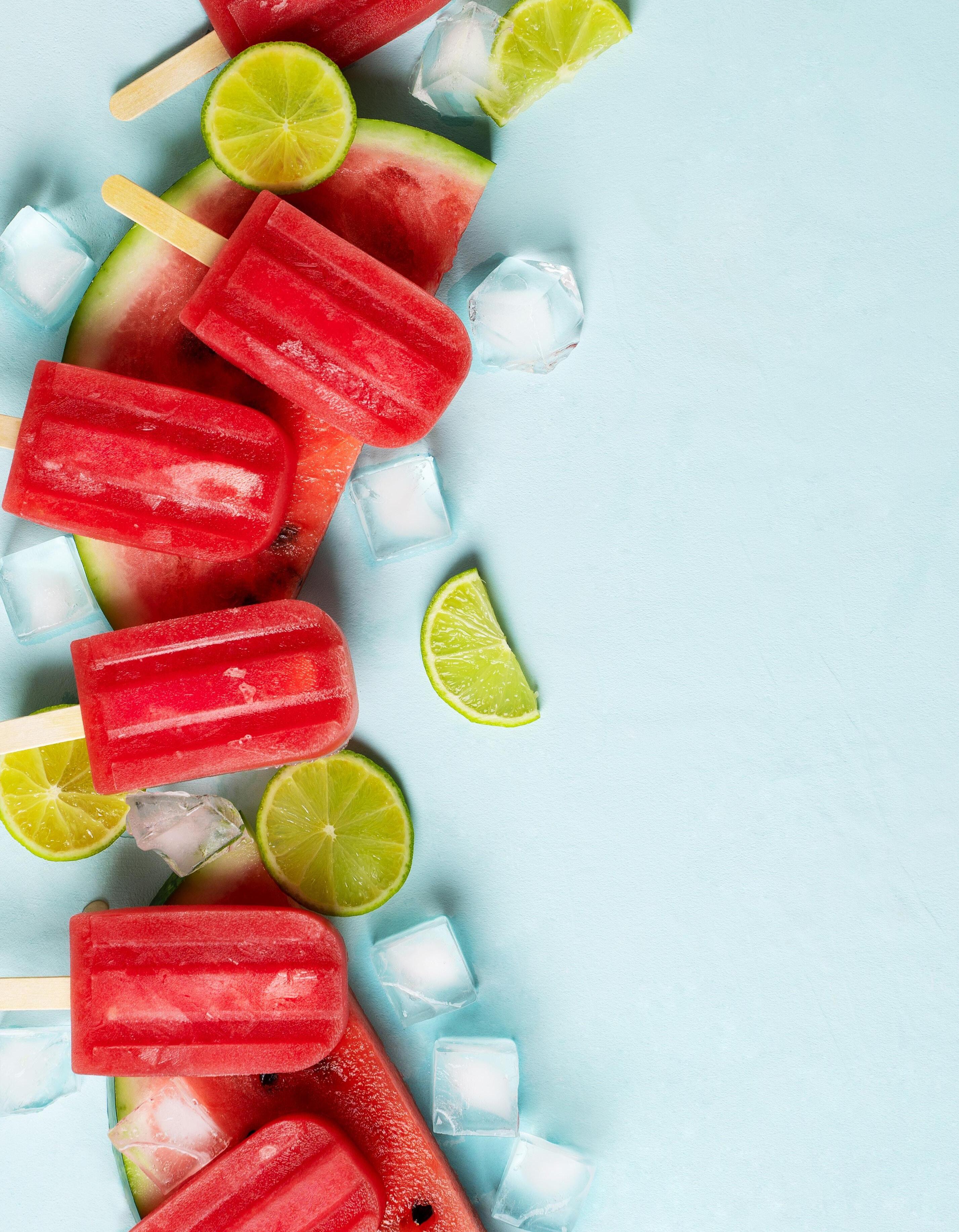
One of summer’s greatest gifts is time—or at least the feeling of having more of it.
With daylight stretching into the evening, there’s less pressure to fit everything into a few short hours after work. A quick dinner can become a night spent on the patio. A simple walk can turn into an hour-long conversation. Even everyday routines feel a little more relaxed when the sun hasn’t rushed to set.
This is summer in full bloom: a season defined not by what’s on the calendar, but by how we choose to spend our time.
Summer has a way of moving life beyond four walls.
Patios become dining rooms. Parks become gathering spaces. Neighborhood walks become a daily ritual. People naturally spend more time outside, soaking up the energy that comes from sunshine, fresh air, and a change of scenery.
It doesn't have to be a major adventure. Some of the season's best moments are surprisingly simple: reading in a hammock, tending a garden, sharing a meal outdoors, or watching a sunset paint the sky in shades of orange and pink.
The beauty of summer is that it doesn't ask for much. It simply asks you to step outside and participate.
If spring is about growth, summer is about connection.
Graduation parties, family reunions, neighborhood barbecues, weddings, pool days, and impromptu get-togethers fill the season with opportunities to bring people together. There’s something about warm evenings that makes everyone a little more willing to linger.
Plans become less formal. Conversations last longer. The best memories often come from the moments that weren’t heavily planned at all.
Summer reminds us that connection doesn’t need an occasion. Sometimes all it takes is a few chairs, a warm evening, and good company.


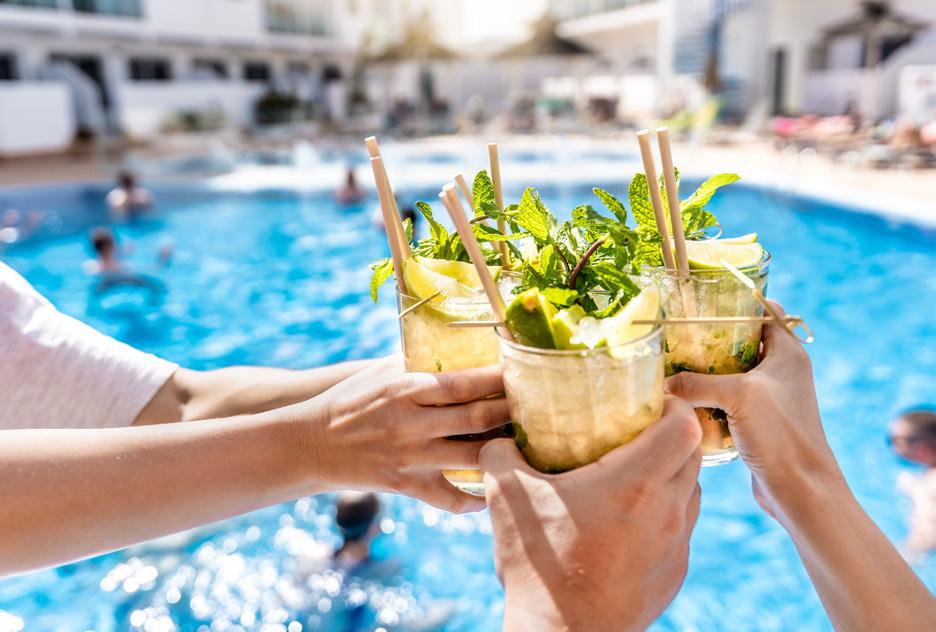
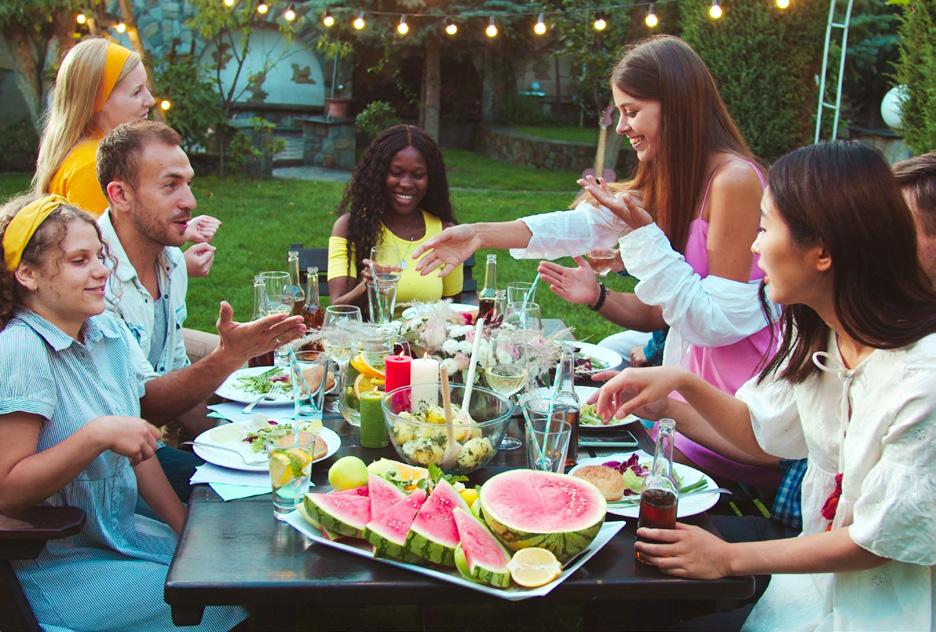
Not every memorable summer moment requires a plane ticket or a packed itinerary.
In fact, many of the season’s highlights are surprisingly ordinary.
Fresh produce from a local farmers market. A weekend morning with nowhere to be. Ice cream on a hot afternoon. Watching kids chase fireflies at dusk. The first jump into a pool. A favorite song playing with the windows down.
These small experiences become the snapshots we remember long after the season ends.
Summer has a way of making everyday life feel a little more vibrant.
For some, summer means travel and exploration. For others, it’s about rediscovering the places close to home.
A road trip to a nearby town. A visit to a local festival. Exploring a new hiking trail. Trying a restaurant you've always meant to visit.
Adventure doesn't have to be measured by distance. Sometimes it's simply about saying yes to something different.
Summer creates the perfect backdrop for curiosity, encouraging us to break routine and embrace experiences that add a little excitement to everyday life.
One of the reasons summer feels special is because we know it won’t last forever.
The season is fleeting. Before long, school schedules return, routines tighten, and cooler temperatures begin to arrive. That temporary nature is part of what makes summer so meaningful.
It reminds us to be present.
To stay a little longer. To take the scenic route. To accept the invitation. To watch the sunset instead of rushing indoors.
The best summers aren't necessarily the busiest ones. They're the ones where we make space for the moments that matter.
Summer in full bloom isn't about checking off a bucket list or planning the perfect vacation. It's about embracing a season that encourages us to slow down, connect, explore, and enjoy life's simple pleasures.
It's found in late sunsets and early morning walks. In backyard gatherings and spontaneous adventures. In farmers market finds, poolside afternoons, and evenings spent under string lights with people you love.
For a few short months, the world feels a little brighter, a little lighter, and a little more open.
And that's what makes summer worth celebrating.
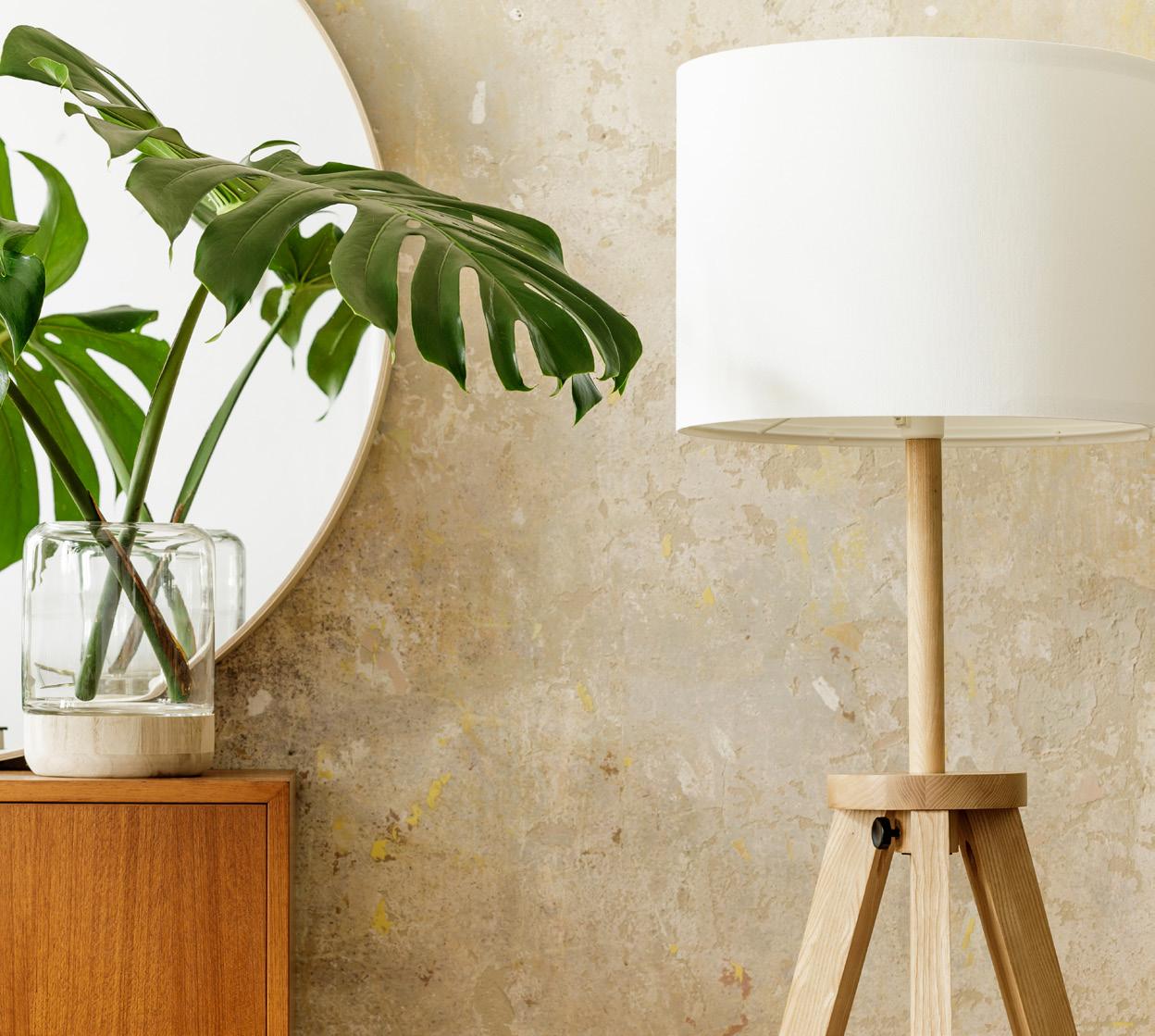
Summer decor hits different when it feels like a mood shift in your space rather than just a seasonal swap. The right textures, colors, and natural materials can instantly change the energy of a room—lighter, warmer, and more relaxed. Whether you lean coastal, desert-inspired, or full tropical escape, these DIY ideas help bring that summer feeling home without a full redesign.
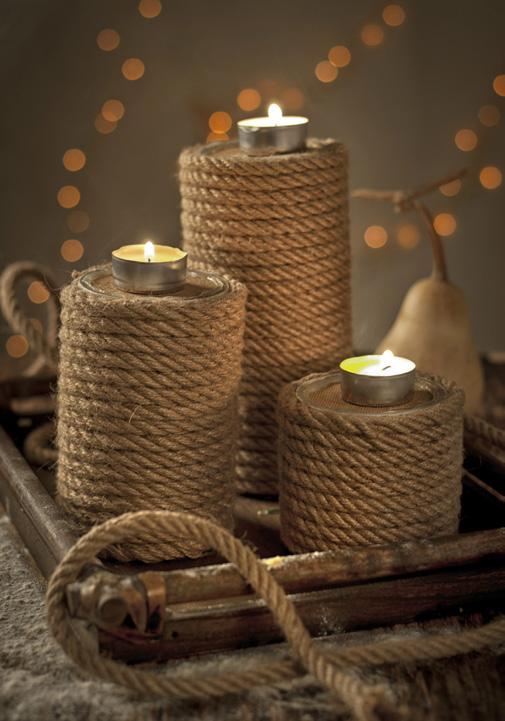
Coastal style is all about softness and simplicity—think sun-bleached tones, breezy textures, and a sense of calm that feels like an open window by the ocean. Start with a neutral base: whites, soft beiges, and faded blues. You can transform everyday glass jars into “sea glass” vases by lightly sanding or painting them with translucent aqua tones. Rope accents also go a long way—wrap jute rope around picture frames, candle holders, or storage baskets for that subtle nautical touch.
For an easy wall upgrade, try a DIY driftwood display. Gather weathered sticks or branches and arrange them horizontally on a wall for a natural, sculptural moment. Pair it with linen textiles or gauzy curtains to keep everything feeling light and breathable.
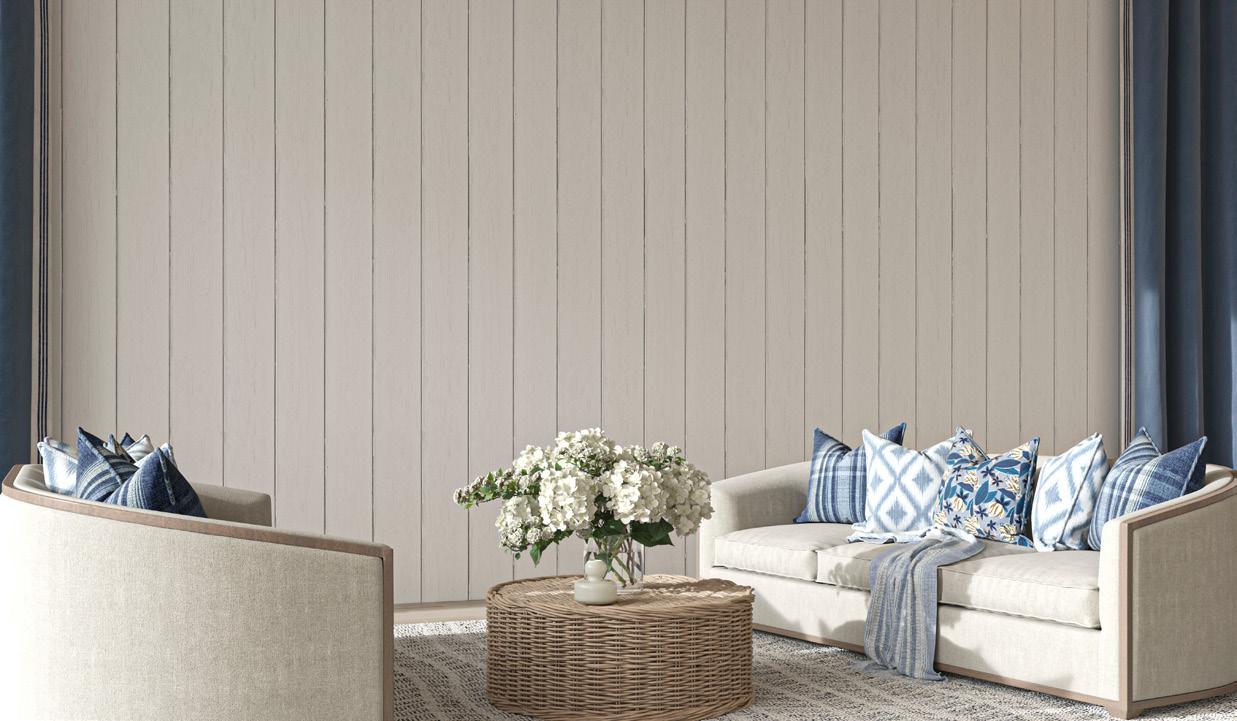


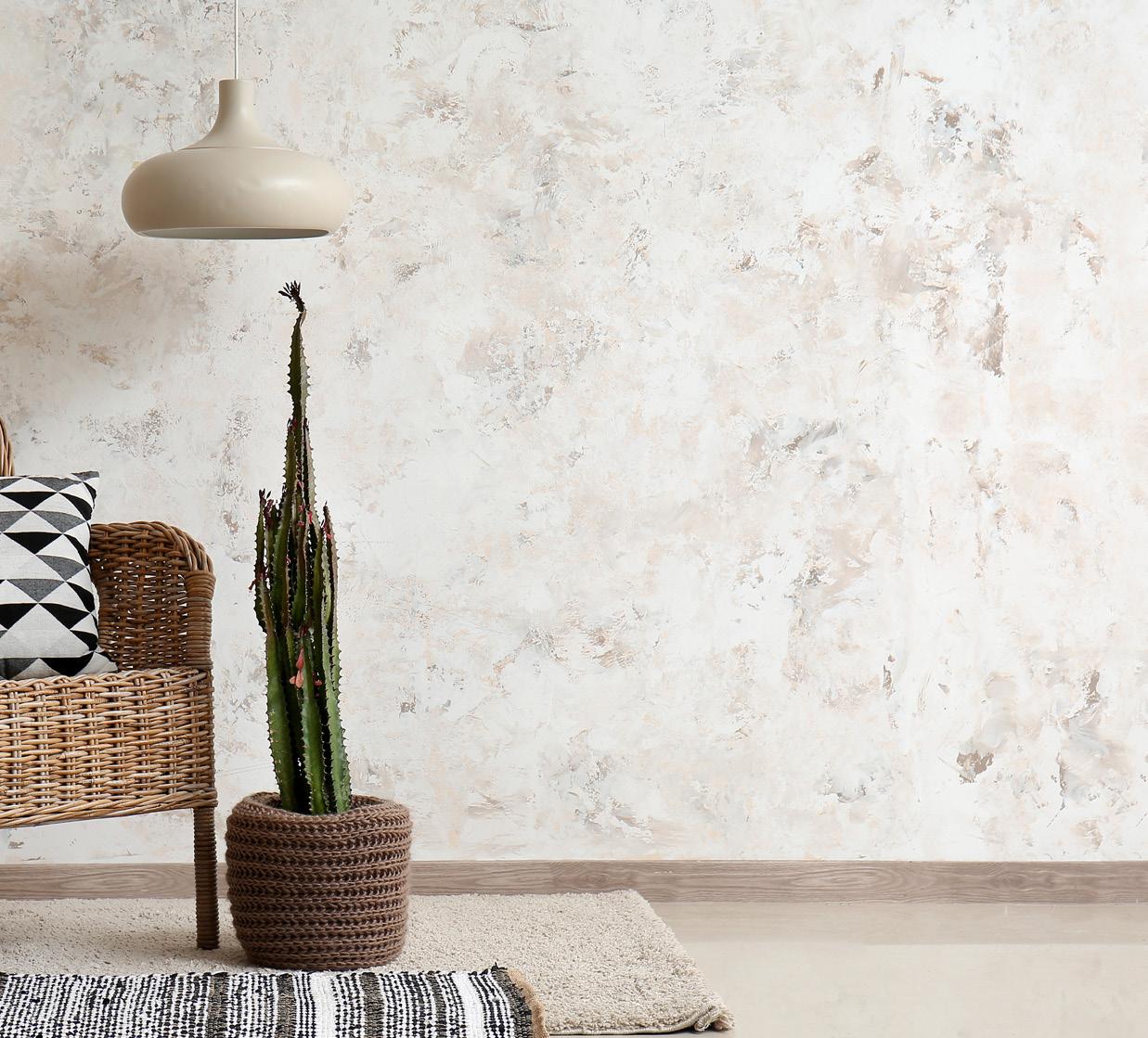
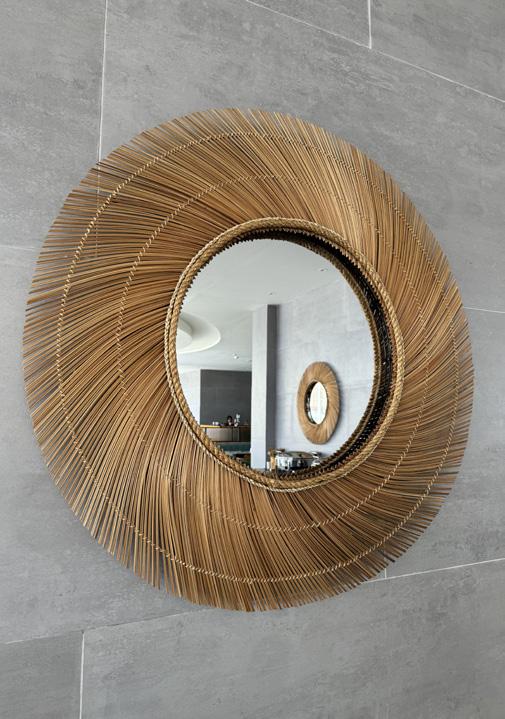
Desert-inspired decor brings in warmth without clutter. It’s rooted in terracotta tones, sandy neutrals, and organic textures that feel grounded and intentional. One simple DIY is hand-painting clay pots with geometric patterns in muted rust, clay, and cream shades. These instantly elevate plants like succulents or cacti while staying true to the aesthetic.
You can also create textured wall art using plaster or joint compound on canvas for a subtle, sunbaked look. Keep shapes abstract—arches, horizons, or soft organic curves work best. Layer in woven textiles or macramé pieces for dimension without overwhelming the space.
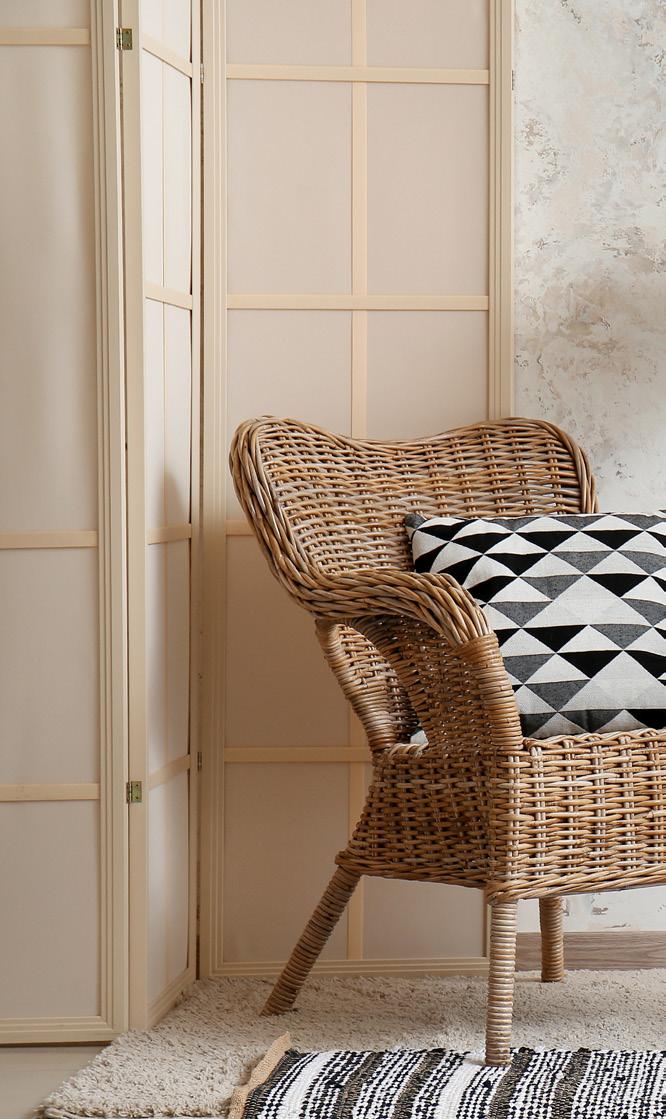
Even something as simple as swapping out bright throw pillows for linen or woven covers in warm neutrals can shift the entire atmosphere toward a more desert-inspired calm.
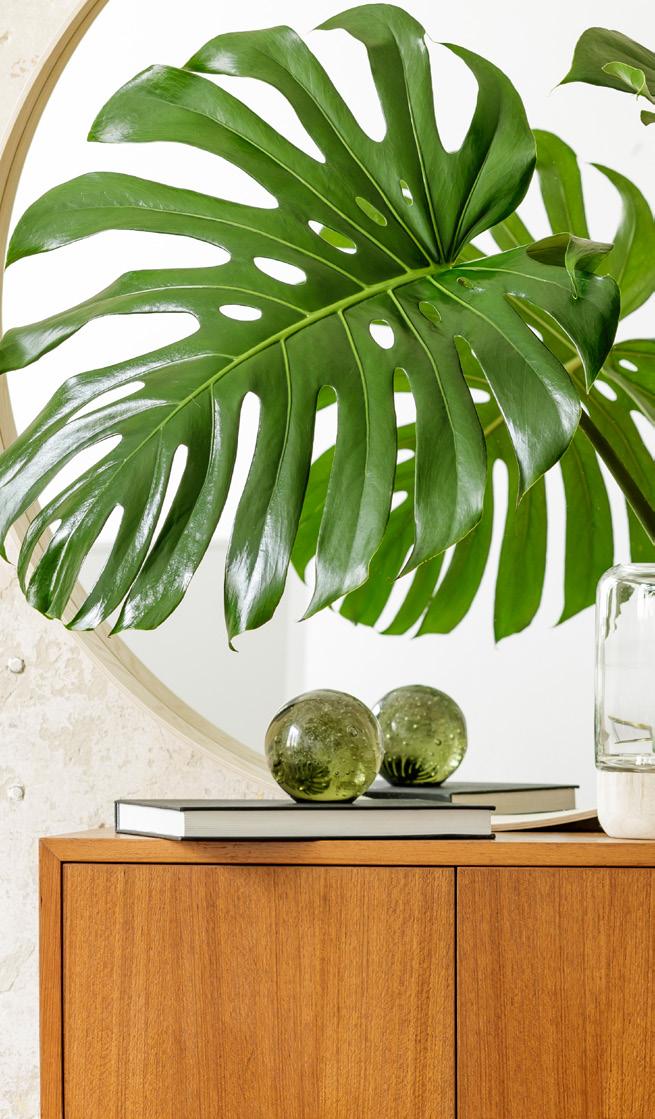
Tropical style is where color and nature fully come alive. It’s vibrant but still grounded in natural elements like rattan, bamboo, and oversized greenery. A quick DIY win is creating your own palm-leaf wall prints—either painted by hand or stenciled onto plain canvas for a bold, graphic statement piece.
You can also upgrade everyday furniture or accessories with rattan-inspired contact paper or wraps, giving mirrors, trays, or stools a resort-like feel. For a centerpiece moment, layer fresh or faux tropical leaves in a tall vase and pair them with citrus accents like lemons or limes for an easy, high-impact look.
Lighting also plays a big role here—warm string lights or paper lanterns instantly bring that “evening on vacation” feeling indoors.
The beauty of these styles is that they don’t have to exist separately. A coastal color palette can soften a tropical space. Desert textures can ground brighter, more playful elements. The key is balance—letting one style lead while borrowing accents from the others.
Even small DIY updates can shift the entire feel of your home for summer, turning everyday spaces into something that feels a little more like a getaway.
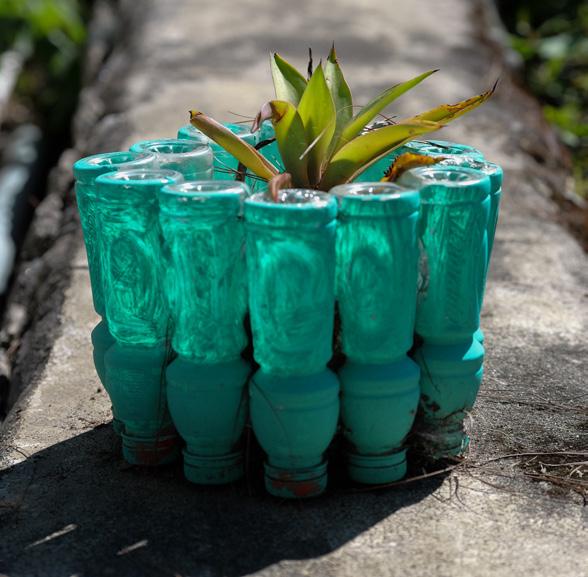
Simple, budget-friendly ways to bring more charm to your porch, patio, or garden
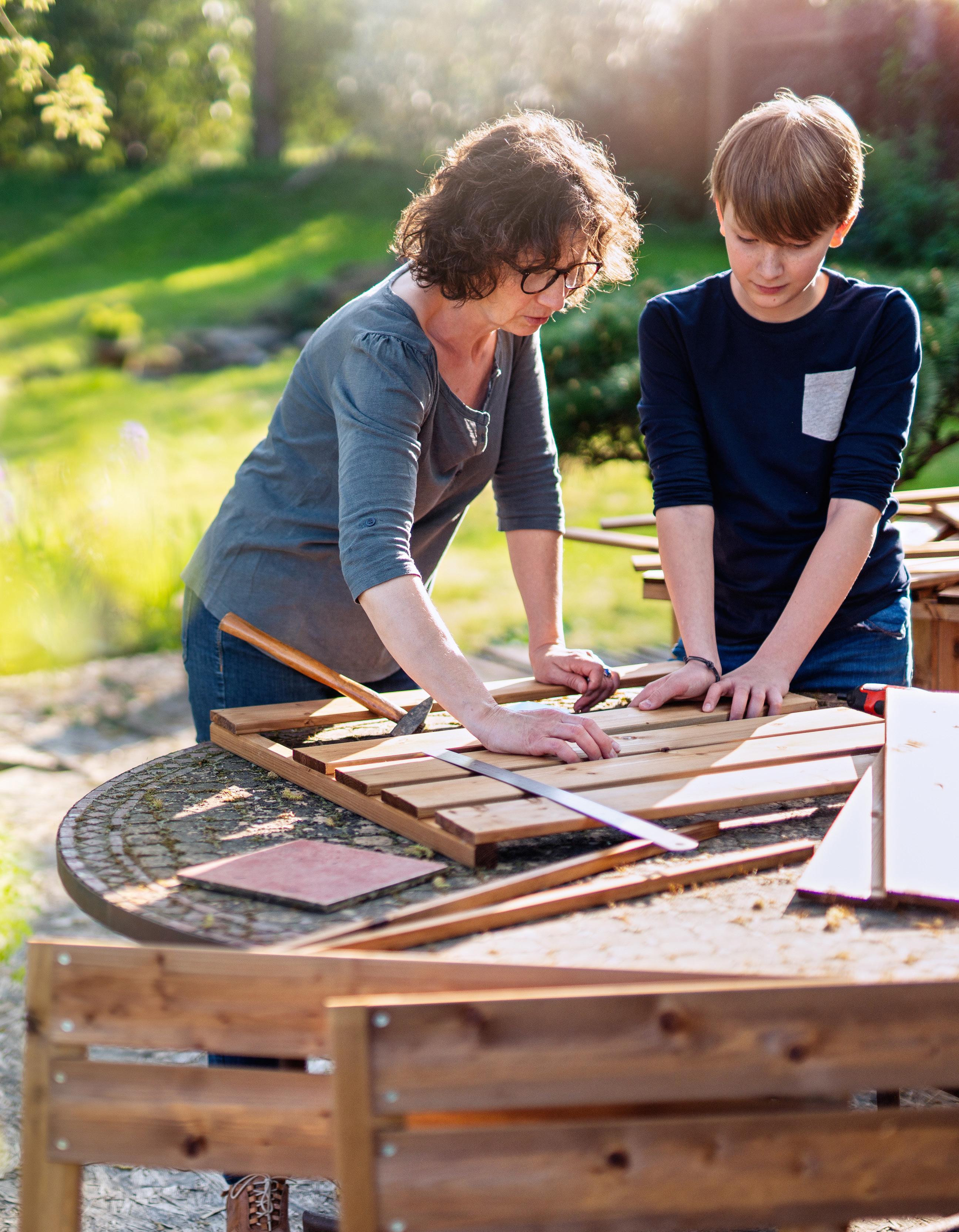
Adding planters to your home or garden is a great way to display flowers, herbs, and other plants. The best part is that you don’t have to spend a lot of money to create beautiful planters. With a little creativity and a few household items, you can make unique containers that add charm and personality to any space.
There is something instantly welcoming about a beautiful planter. Whether it is filled with colorful flowers, fresh herbs, trailing greenery, or low-maintenance succulents, a planter can brighten an entryway, soften a patio, and make any outdoor space feel more personal.
The best part? You do not need to spend a fortune to create one. With a few everyday items, a little paint, and some creativity, ordinary household objects can be transformed into stylish planters that feel custom, charming, and full of personality.
Repurpose everyday items into charming planters that bring a fresh touch of nature to your home, from painted tin cans and rustic wooden crates to recycled hanging planters that are simple, creative, and easy to make.

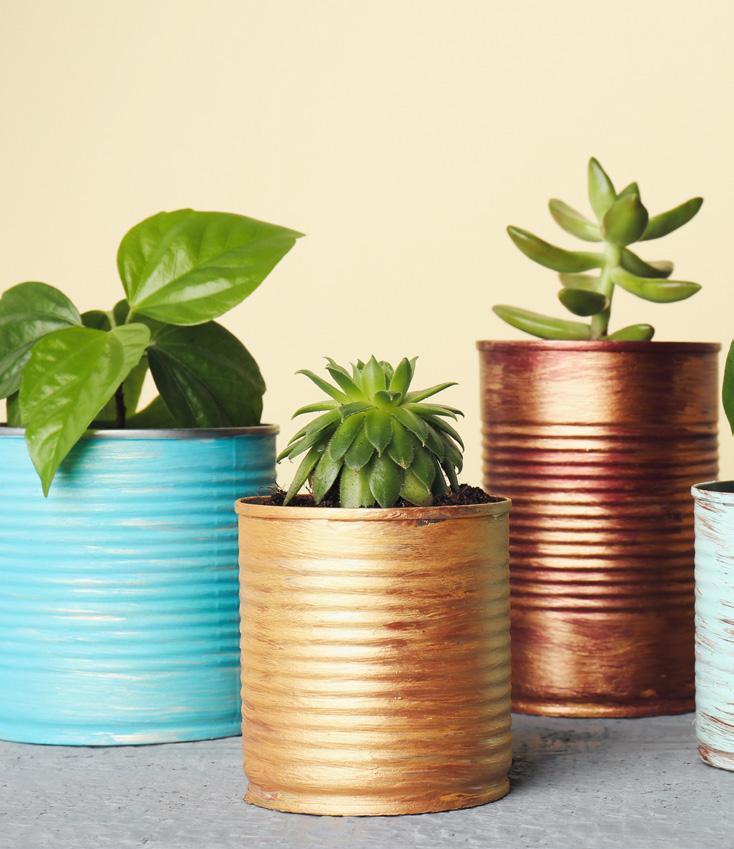
Old tin cans are perfect for small flowers, herbs, or succulents. They are easy to decorate and work well on patios, porch ledges, garden shelves, or kitchen windowsills.
What You’ll Need: Empty tin cans, soap and water, hammer and nail, paint, potting soil, and small plants.
How to Make It: Start by washing the cans and removing the labels. Once dry, turn each can upside down and carefully punch a few drainage holes in the bottom using a hammer and nail.
Paint the outside of the cans in colors that match your style. Try soft neutrals for a clean look or bright colors for a cheerful pop. Once the paint is dry, fill each can with potting soil, add your plant, and water lightly.
For a finished touch, wrap the can with twine, add a small label, or group several together on a tray.
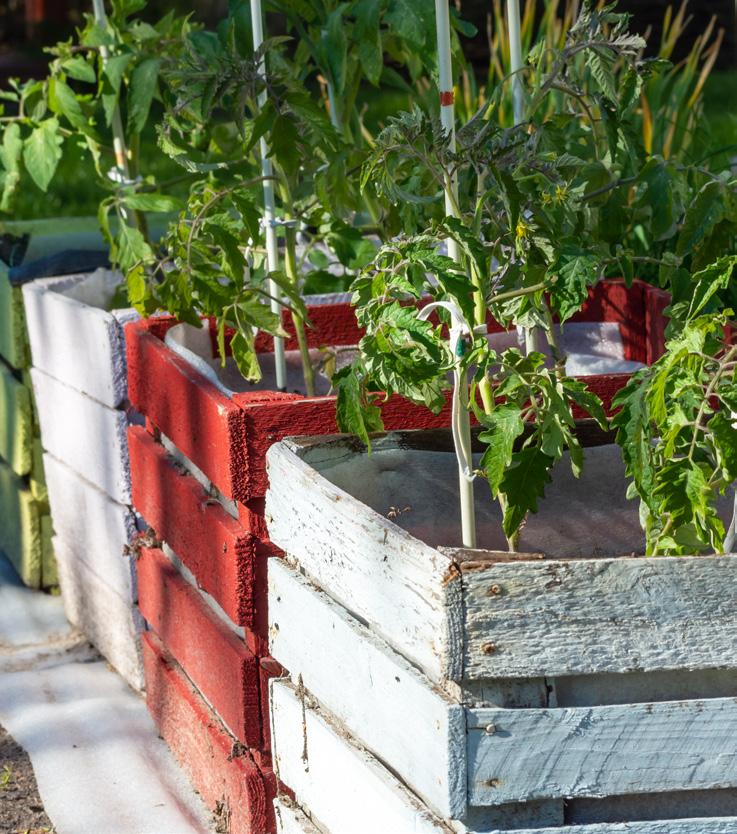
Wooden crates create a warm, farmhouse-inspired look and are great for flowers, herbs, or small vegetables. They work beautifully near a front door, on a patio, or in a garden corner.
What You’ll Need: A wooden crate, sandpaper, landscape fabric or burlap, potting soil, and plants.
How to Make It: Wipe the crate clean and lightly sand any rough edges. Line the inside with landscape fabric or burlap to help hold the soil in place while still allowing water to drain.
Add potting soil, then arrange your plants before planting. Place taller plants toward the back or center and trailing plants near the edges. Once planted, water gently and place the crate where your plants will get the right amount of sunlight.
Leave the wood natural for a rustic look, or paint or stain it to match your outdoor décor.
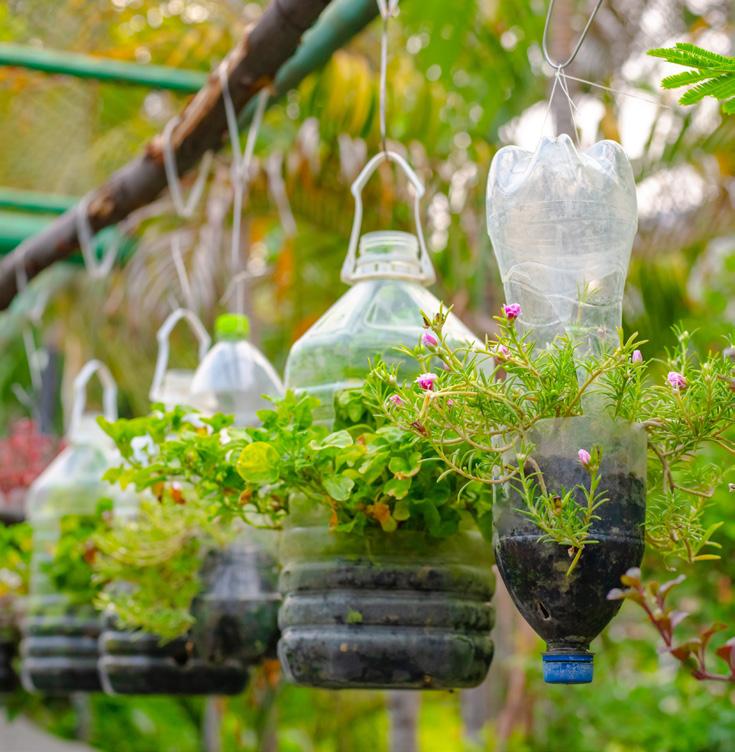
Plastic bottles can be turned into clever hanging planters, especially for small patios, balconies, fences, or porch railings.
What You’ll Need: An empty plastic bottle, scissors or a craft knife, string or twine, potting soil, and a small plant.
How to Make It: Clean the bottle and remove the label. Lay it on its side and carefully cut an opening along the top. Poke a few drainage holes in the bottom, then make small holes near each end for hanging.
Thread string or twine through the holes, add soil, and plant a small herb, succulent, or trailing flower. Hang the planter from a sturdy hook, fence, or railing.
For extra style, paint the bottle or hang several together at different heights.
Group planters in sets of three for a more polished look. Mix heights, textures, and materials, such as metal, wood, and hanging planters. Add labels for herbs or coordinate colors with your outdoor furniture for a pulled-together finish.
You don't have to book a flight or check into a luxury hotel to enjoy a relaxing getaway. With a few thoughtful upgrades, your backyard can become the perfect place to unwind, entertain, and soak up the season. Whether you're planning a weekend staycation or simply looking to spend more time outdoors, these five ideas can help transform your outdoor space into your own personal resort.
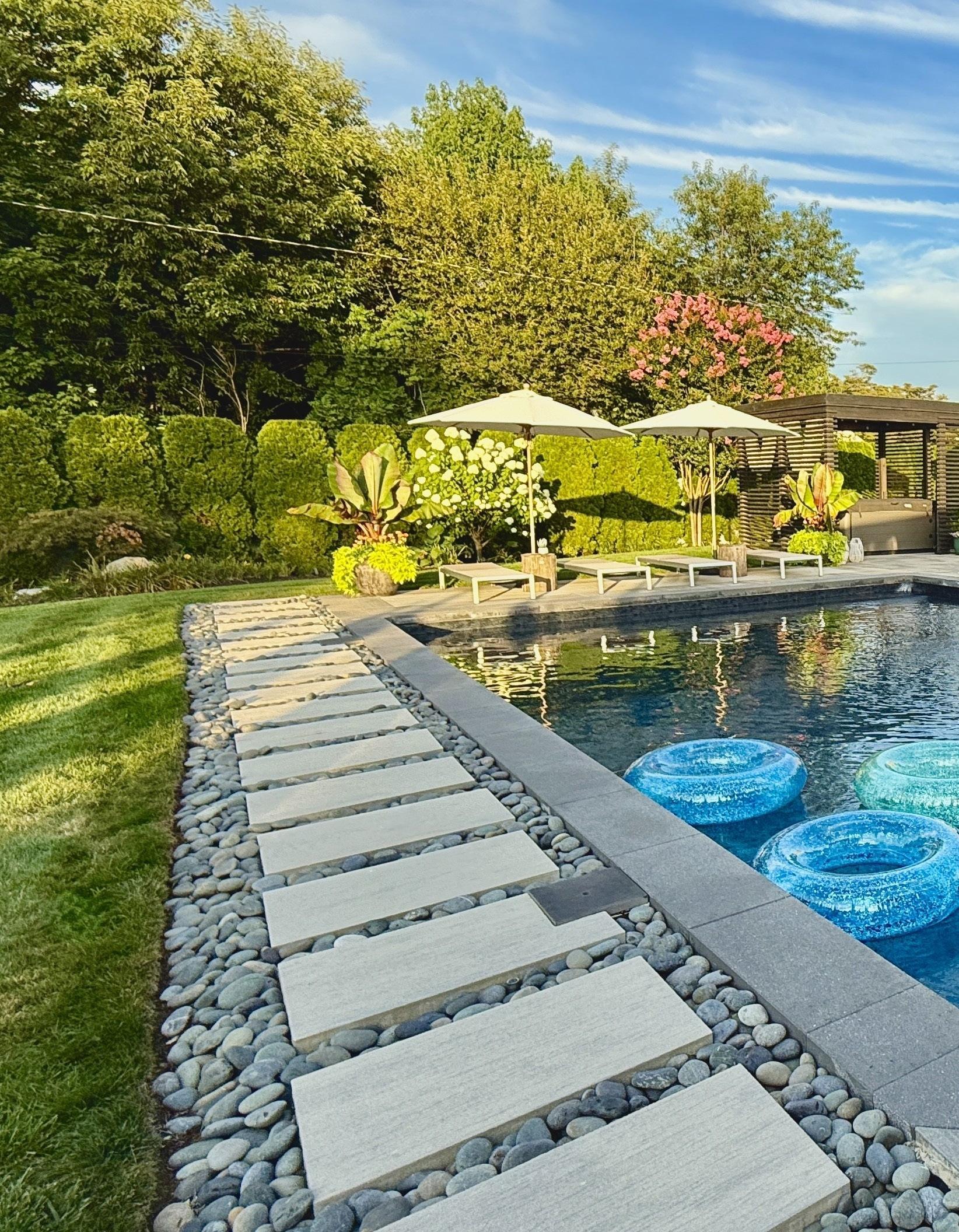
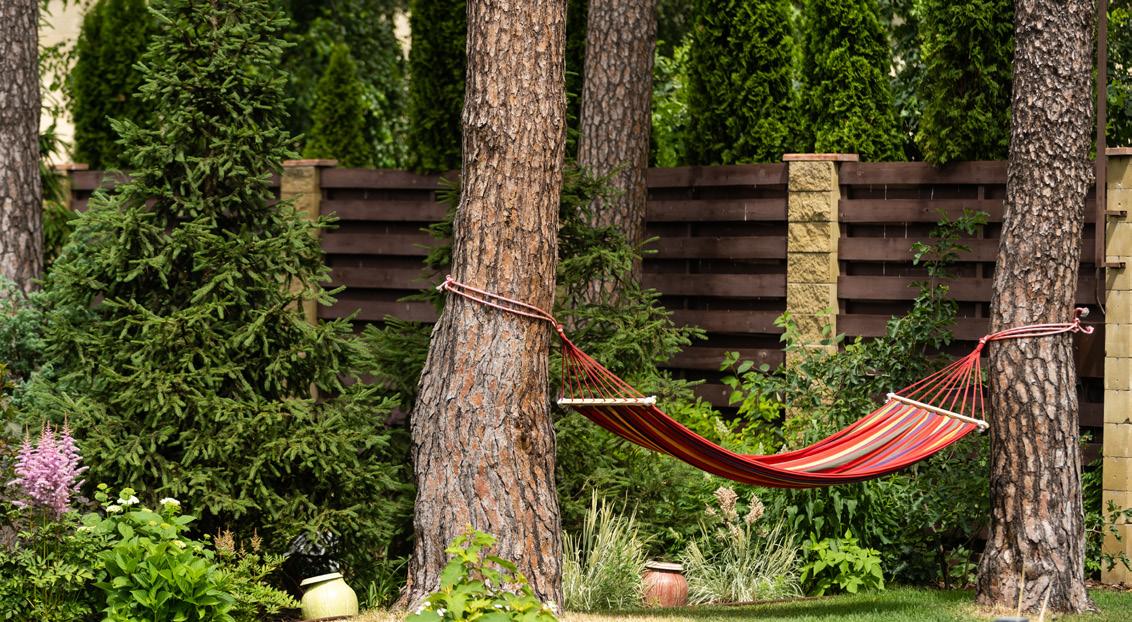

Every resort has inviting places to relax, and your backyard should be no different. Add comfortable patio furniture, a hammock, Adirondack chairs, or an outdoor sectional with colorful throw pillows and cozy blankets. An outdoor rug and shade umbrella can help define the space while making it even more inviting.
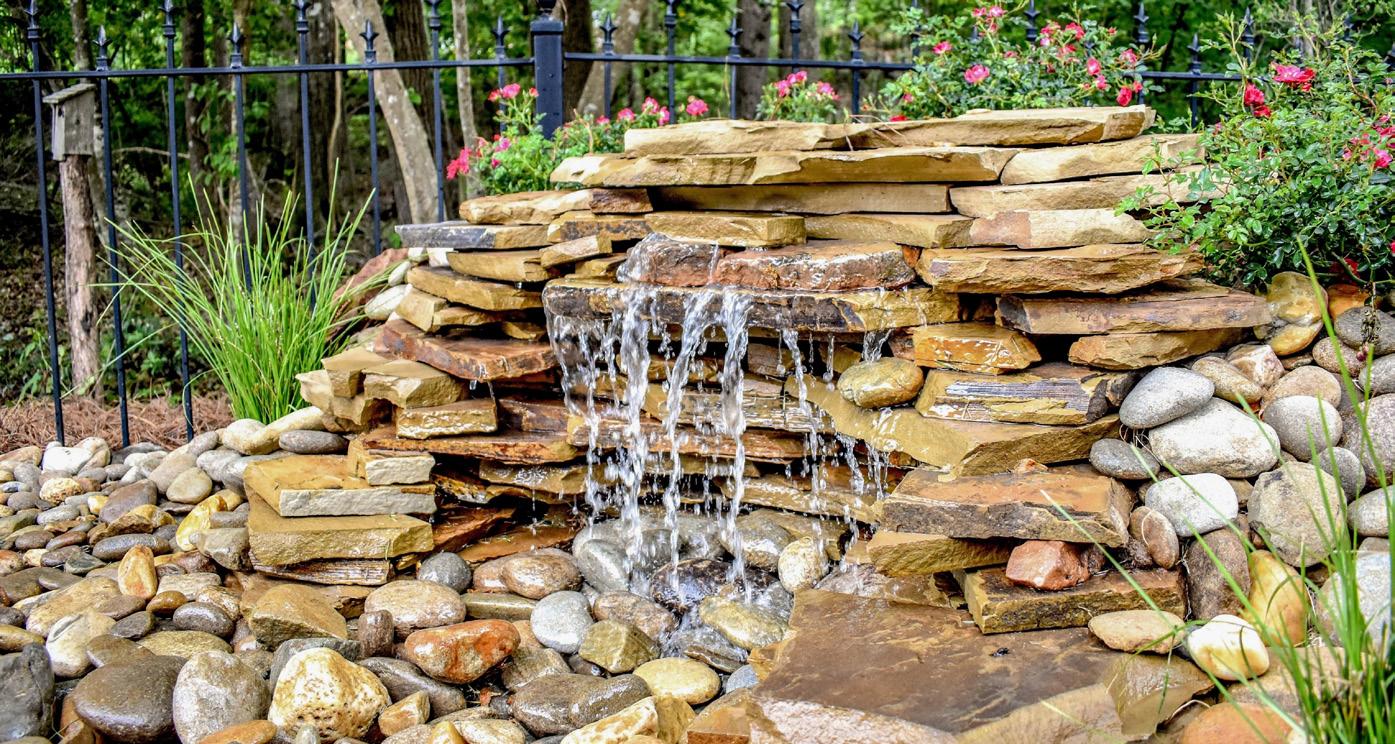
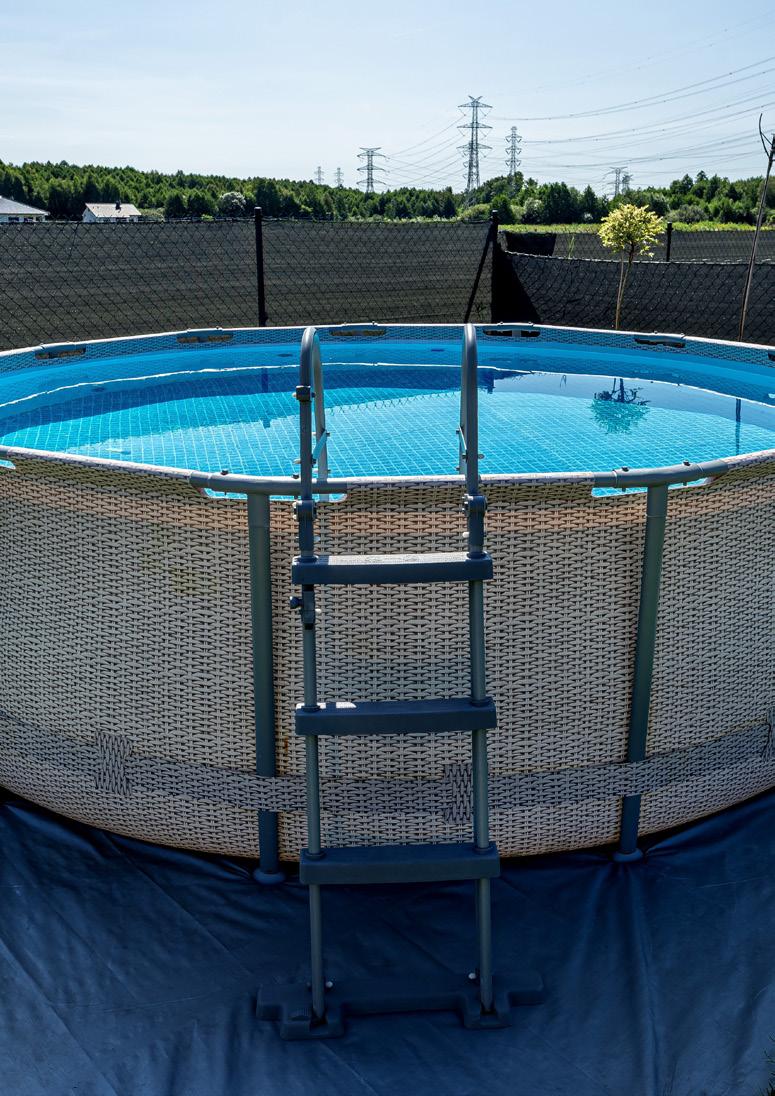
Nothing says summer like cooling off in the water. If you don't have a pool, consider adding a stock tank pool, inflatable pool, sprinkler, or even a small fountain. The sound of running water creates a peaceful atmosphere, while a place to cool down makes spending time outside even more enjoyable.

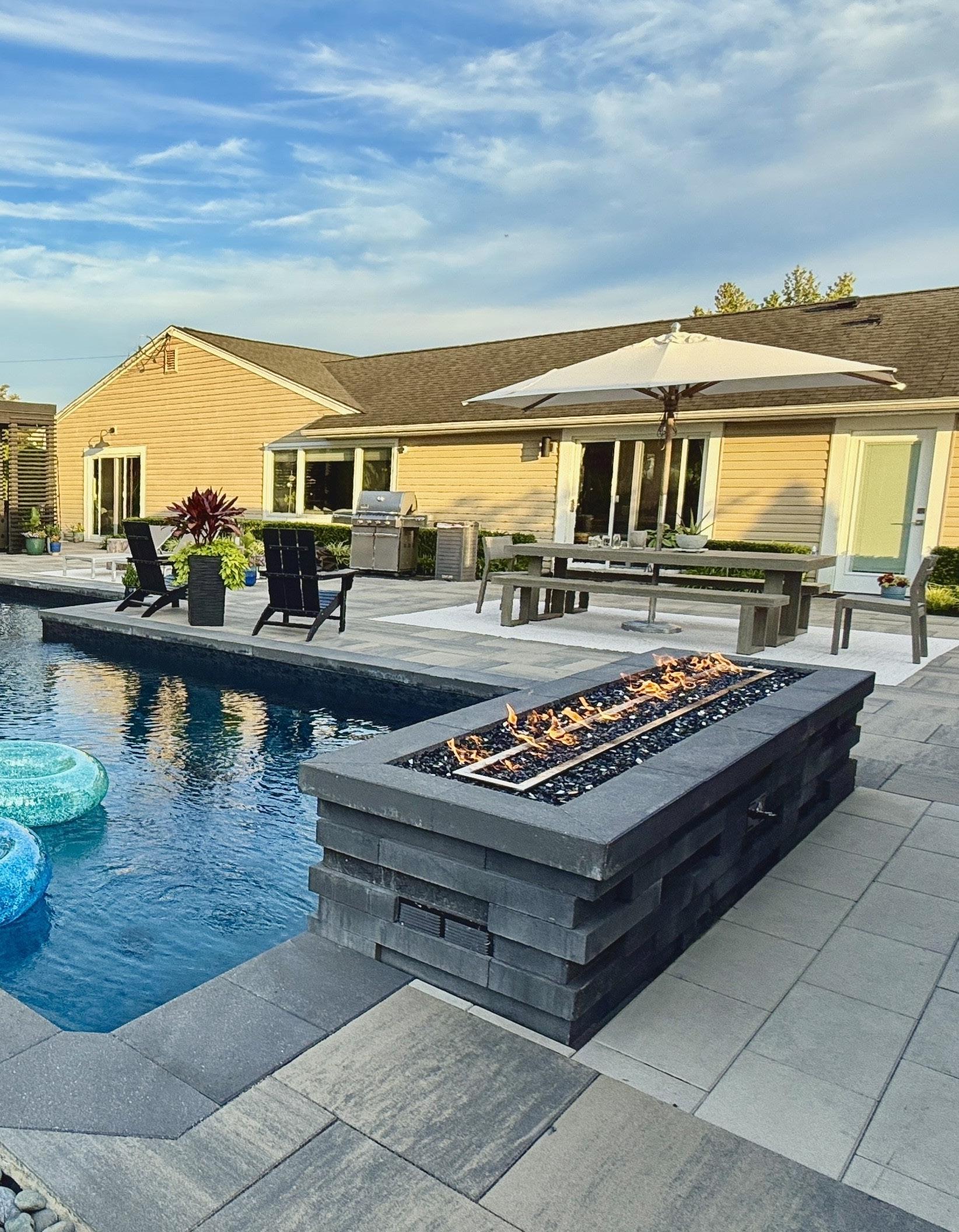
Create a relaxing atmosphere by incorporating string lights, lanterns, or solarpowered pathway lights. Pair them with colorful flowers, potted plants, or a small garden to make your backyard feel lush and welcoming. These simple additions can completely transform the space, especially after the sun goes down.
Turn your backyard into everyone's favorite gathering place by moving the fun outdoors. Fire up the grill, create a playlist of your favorite summer songs, play lawn games, or set up a projector for an outdoor movie night. Whether you're hosting friends or enjoying a quiet evening with family, outdoor entertainment makes every night feel like a vacation.
The best resorts aren't just beautiful, they're designed for relaxation. Set aside time to unplug, read a book, sip your favorite drink, or simply enjoy the fresh air. Sometimes the simplest moments are the most refreshing, and creating a peaceful outdoor retreat can help you make the most of your summer.
Turning your backyard into a resort doesn't have to be expensive or complicated. A few comfortable touches, some thoughtful décor, and fun outdoor activities can create a space you'll enjoy all season long. The next time you're looking for a getaway, you may find everything you need is just outside your back door.
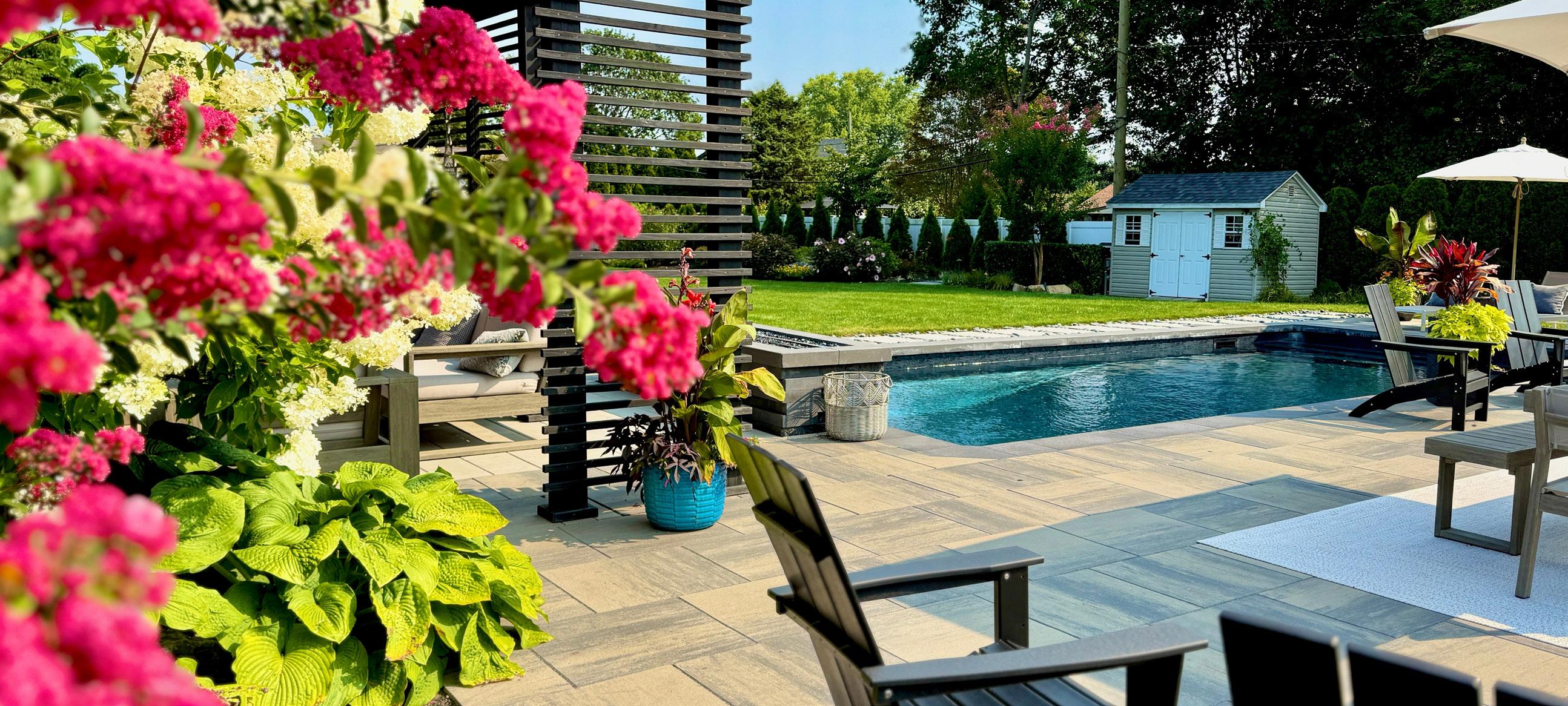
Summer naturally draws people outside, making patios, decks, and backyards some of the most-used areas of the home. Fortunately, refreshing these spaces doesn't require a major renovation. Simple updates like adding comfortable seating, outdoor rugs, decorative lighting, or colorful planters can instantly create a more inviting atmosphere.
Even small touches can transform an outdoor area into a place where you'll want to spend time relaxing, entertaining guests, or enjoying warm evenings with family. The goal is to create a space that feels like an extension of your home while taking full advantage of the season.
One of the easiest ways to make a noticeable impact during the summer is by bringing more light into your home. Swapping out heavy curtains for lighter window treatments can help rooms feel brighter and more open while allowing natural sunlight to fill the space.

Summer is also an ideal time to introduce seasonal accents through pillows, throws, artwork, or decorative accessories. Soft neutrals, coastal tones, and vibrant pops of color can instantly make a room feel fresh without requiring a complete redesign. These affordable updates can dramatically change the mood of a space while reflecting the energy of the season.

First impressions matter, and summer is the perfect time to give your home's exterior a little extra attention. Fresh mulch, trimmed landscaping, colorful flowers, and a freshly painted front door can dramatically improve curb appeal without requiring a major investment.
Power washing walkways, siding, and driveways can also restore surfaces that have accumulated dirt and grime over time. These simple maintenance projects can make your property look cleaner, newer, and more welcoming almost immediately.
As temperatures rise, small improvements that enhance comfort can make a significant difference. Replacing weatherstripping, sealing drafty windows, upgrading ceiling fans, or installing a smart thermostat can help maintain a comfortable indoor environment while potentially reducing energy usage.
These projects are often quick and relatively inexpensive, yet they provide benefits that extend beyond the summer months. Investing in efficiencyfocused upgrades can improve daily comfort while helping your home operate more effectively year-round.
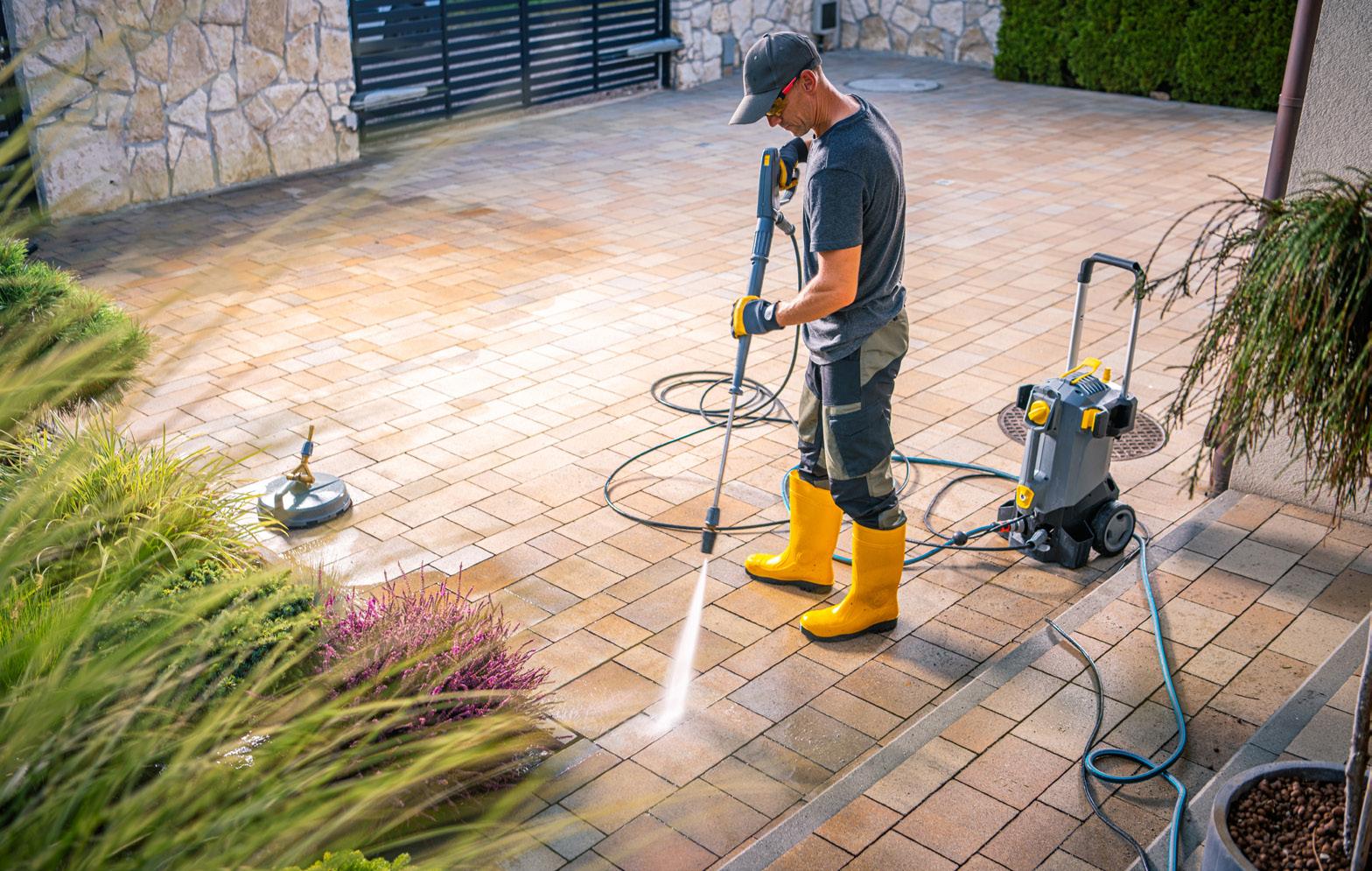

Home improvement doesn't always require a large budget or extensive remodeling plans. In many cases, a handful of thoughtful upgrades can have a surprisingly significant impact on both the appearance and functionality of your home.
By focusing on outdoor living, brighter interiors, improved comfort, and enhanced curb appeal, you can create a home that feels refreshed, welcoming, and ready for everything summer has to offer. Sometimes the smallest projects are the ones that make the biggest difference.

“Big dreams need smart plans, clear numbers, and maybe a snack break. I’m tiny, not reckless.”
Monty is Geneva Financial’s tiny but mighty finger monkey mascot with a sharp eye for smart lending, a serious love for snacks, and absolutely no patience for confusing mortgage jargon. Whether he is standing on a giant calculator, sitting beside an oversized house key, or delivering mortgage advice from the top of a coffee cup, Monty has one mission: make home financing feel a little less intimidating and a lot more fun.
With his signature hoodie, tiny shoes, and perfectly timed sarcasm, Monty breaks down big mortgage topics into simple, relatable moments. From first-time homebuyer tips to rate conversations, loan options, and financial strategy, he reminds buyers that understanding your mortgage does not have to feel overwhelming.
Monty may be tiny, but his message is clear: the right guidance matters. A home loan is not just about numbers on a page. It is about goals, timing, options, and having someone in your corner who can help you make sense of it all.
When he is not explaining mortgage math from a desk that is clearly too large for him, Monty can usually be found sipping coffee, questioning everyone’s life choices, or reminding people that strategy matters almost as much as snacks.
He is clever, confident, a little sarcastic, and always here to help make the mortgage conversation easier to understand.
Because sometimes, the smallest voice in the room gives the biggest reminder:
Home financing does not have to be scary. You just need the right plan, the right people, and maybe a tiny monkey with a very large marker.
Full Name: Monty
Title: Tiny Mortgage Mascot
Personality: Smart, sarcastic, helpful, and slightly over-caffeinated
Known For: Making big mortgage topics feel simple, fun, and less intimidating
Signature Look: Tiny hoodie, tiny shoes, big confidence
Favorite Mortgage Word: Strategy.
Favorite Snack: Anything bite-sized, preferably stolen from the breakroom
Favorite Drink: Coffee… even though one sip is basically a full pot for him
Biggest Fear: Mispronounced mortgage terms and confusing loan jargon
Favorite Phrase: “Strategy matters. Snacks help.”
Daily Mission: Help people understand their home loan options without making their brains hurt
Fun Fact: Monty may be tiny, but he takes mortgage education very seriously. Mostly.


https://www.halfbakedharvest.com
DOUGH
1 c. warm milk
2 1/4 tsp. active dry yeast
1 tbsp. brown sugar
6 tbsp. salted butter, melted
3 large eggs, at room temperature
4 c. all-purpose flour
1 tsp. salt
FILLING
3/4 – 1 c. blueberry jam
1/2 c. brown sugar
1 tbsp. cinnamon
FROSTING
2-3 c. powdered sugar
1/4 c. maple syrup
2 tsp. vanilla extract
flaky sea salt
Preheat the oven to 350° F.
In the bowl of a stand mixer fitted with the dough hook, combine the milk, yeast, and brown sugar. Let sit 5-10 minutes until bubbly on top. Add the butter, eggs, flour, and salt. Using the dough hook, mix until the flour is completely incorporated, about 4-5 minutes. If the dough is still sticky, add an additional 1/4 cup flour, adding more as needed until the dough is smooth to the touch.
Cover the bowl with plastic wrap and let sit at room temperature for 1 hour or until doubled in size.
Meanwhile, mix the filling. In a bowl, combine the brown sugar and cinnamon. Butter a 9×13 inch baking dish. Punch the dough down and roll out onto a lightly floured surface, creating a large rectangle about 12 x 18 inches. Spread the jam evenly over the dough. Sprinkle on the cinnamon sugar.
Starting with the long edge closest to you, roll the dough into a log, keeping it tight as you go. When you reach the edge, pinch along the edges to seal. Using a sharp knife, cut into 12-15 rolls. Place the rolls into the prepared baking dish. Cover while the oven preheats.
Bake the rolls for 25 to 30 minutes or until golden brown. Meanwhile, make the icing. In a bowl, whisk in the powdered sugar, maple syrup, vanilla, and a pinch of salt. If needed, thin with water or milk. Spread the icing over the warm rolls. Serve and enjoy!
2/3 c. granulated sugar
1 tbsp. lemon zest
2 1/4 c. all-purpose flour
2 tsp. baking powder
1/4 tsp. kosher salt
1/2 c. (1 stick) unsalted butter , cut into 1/2” cubes, at room temperature, plus more for the tin
2 large eggs, beaten
2/3 c. whole milk
1 1/2 c. chopped strawberries (about 1/2" pieces)
2 tbsp. sparkling sugar, optional
Preheat oven to 350°.
Grease a muffin tin with butter or line with baking liners.
In a large bowl, combine sugar and zest. With your hands, rub zest into sugar until evenly combined.
Whisk in flour, baking powder, and salt. Use your hands (or an electric mixer) to rub in the butter until the mixture is evenly combined and no large pieces of butter remain. Use a rubber spatula to fold in the eggs and milk until just combined.
Spoon 1 heaping tablespoon of batter into each prepared muffin well, then fold the strawberries into the remaining batter and divide evenly among the muffin wells. Sprinkle the tops of the muffins with sparkling sugar.
Bake for 20 to 25 minutes, or until the muffins are firm to the touch and a wooden pick inserted comes out clean. Let cool in the tin for 5 minutes before removing.
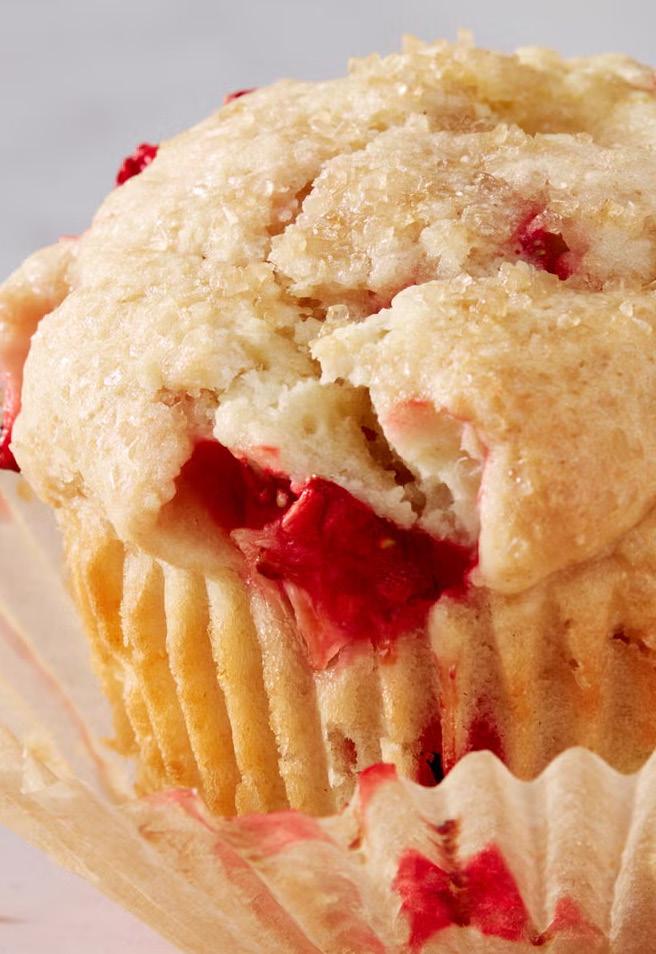

Cooking spray
12 large eggs
1/4 c. milk
3 tbsp. butter, divided
Kosher salt
Freshly ground black pepper
2 cans crescent dough
1/2 lb. deli ham, sliced
1/4 c. finely chopped chives
12 slices cheddar
1 tsp. poppy seeds
1 tsp. sesame seeds
1 tsp. minced onion
1 tsp. dried garlic
Flaky sea salt
Preheat oven to 375°
Grease a baking sheet with cooking spray. In a large bowl, whisk together eggs and milk.
In a large nonstick pan over medium heat, melt 1 tablespoon butter. When butter is foamy, reduce heat to low and add egg mixture. Cook, stirring often with a spatula, until eggs are just set. Season with salt and pepper and remove from heat.
Unroll one can of crescents onto greased baking sheet and pinch seams together so it's a solid layer of pastry without gaps. Add a layer of ham then top with scrambled eggs, chives, and cheese. Unroll second crescent dough and place on top of cheese. Pinch together crescent sheets to seal.
Melt remaining butter in microwave. Brush melted butter on top of crescent dough then sprinkle with poppy seeds, sesame seeds, minced onion, and dried garlic. Season with flaky sea salt.
Bake until crescent dough is golden and cooked through, about 25 to 30 minutes. (If the crescent dough is browning too quickly, cover with foil.)
Let cool for at least 15 minutes before slicing into squares.
12 large eggs
4 oz. Monterey Jack cheese, shredded
1/2 c. whole milk
1/2 tsp. table salt
1/4 tsp. black pepper
1 (32-oz.) pkg. frozen Tater Tots
4 oz. sharp Cheddar cheese, shredded
6 thick-cut smoked bacon slices, cooked and crumbled
Preheat oven to 350°F.
Lightly coat a 13- x 9-inch baking dish with cooking spray.
Whisk together eggs, Monterey Jack cheese, milk, salt, and pepper in a large bowl. Arrange Tater Tots in an even layer in baking dish.
Pour egg mixture evenly over Tater Tots. Top evenly with Cheddar cheese.
Bake in preheated oven until set and cheese is golden brown, 40 to 45 minutes. Let stand 10 minutes. Sprinkle with crumbled bacon.

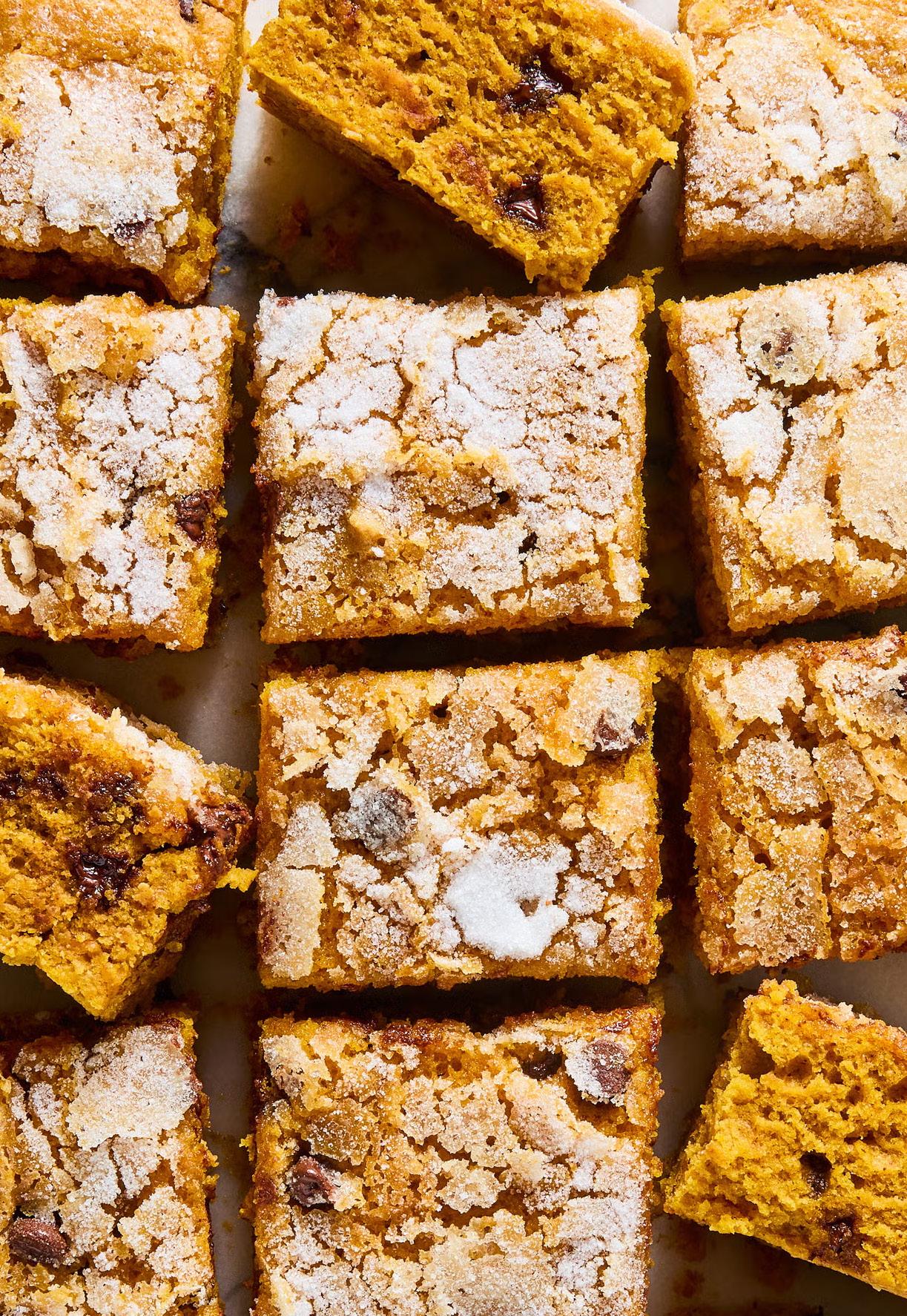
Cooking spray
3 c. all-purpose flour
2 tsp. baking powder
2 tsp. pumpkin pie spice
1 tsp. kosher salt
1/2 tsp. baking soda
3/4 c. packed brown sugar
1/2 c. unsalted butter, softened
1/4 c. granulated sugar, plus more for topping
3 large eggs
1 (15-oz.) can pumpkin puree
1 tsp. pure vanilla extract
3/4 c. buttermilk
1/2 c. semisweet chocolate chips
Preheat oven to 350°.
Grease a 13" x 9" baking pan with cooking spray. In a medium bowl, whisk flour, baking powder, pumpkin pie spice, salt, and baking soda.
In a large bowl, using a handheld mixer on medium-high speed, beat brown sugar, butter, and granulated sugar until light and fluffy. Add eggs, one at a time, beating to blend after each addition. Add pumpkin puree and vanilla and beat until combined. Add dry ingredients and mix with a wooden spoon until just a few dry streaks remain, then add buttermilk and mix until just combined. Fold in chips.
Pour into prepared pan and smooth in an even layer. Sprinkle a generous layer of granulated sugar on top.
Bake cake until a tester inserted into the center comes out clean, 30 to 35 minutes. Let cool at least 20 minutes before slicing.
Cooking spray
2 c. old-fashioned rolled oats
1 c. unsweetened large coconut flakes
1/4 c. raw, hulled pumpkin seeds (pepitas)
2 tbsp. unsalted butter
1/3 c. packed brown sugar
1/4 c. honey
1 tsp. pure vanilla extract
1/2 tsp. kosher salt
1 large egg white
1 c. crushed freeze-dried strawberries, plus more for topping
1 tsp. gelatin powder
2 1/2 tsp. lukewarm water
1 c. powdered sugar
2 tbsp. Greek yogurt
Preheat to 400°.
Arrange racks in upper and lower thirds of oven. Grease an 8" baking pan with cooking spray. Line pan with parchment paper, leaving an overhang on 2 opposite sides, then spray parchment.
On a large rimmed baking sheet, spread oats. On another rimmed baking sheet, spread coconut and pumpkin seeds. Bake oats and coconut mixture on separate racks, rotating pans and tossing halfway through, until lightly golden, about 10 minutes for coconut mixture and 14 minutes for oats.
Reduce oven temperature to 325°. In a large microwavesafe bowl, microwave butter on high until melted, about 30 seconds. Add brown sugar, honey, vanilla, and salt and whisk until well combined and brown sugar is dissolved. Add egg white and vigorously whisk until fully combined. Fold oats, coconut mixture, and strawberries into butter mixture. Transfer to prepared pan, evenly spreading and using the back of a spoon or measuring cup to slightly compact mixture. Bake until light golden, 24 to 28 minutes.
Transfer pan to a wire rack and let cool completely. Using parchment overhang, transfer bars to a cutting board, then slice into 12 bars.
In a medium microwave-safe bowl, sprinkle gelatin over water. Let hydrate 5 minutes, then microwave on high for 5 seconds. Stir and repeat microwaving, if necessary, until gelatin is melted and dissolved into water. Whisk in powdered sugar and yogurt.
Drizzle yogurt mixture over sliced bars. Sprinkle with more strawberries. Let yogurt glaze set at least 30 minutes.
Make Ahead: Bars can be made 5 days ahead. Store in an airtight container and refrigerate.
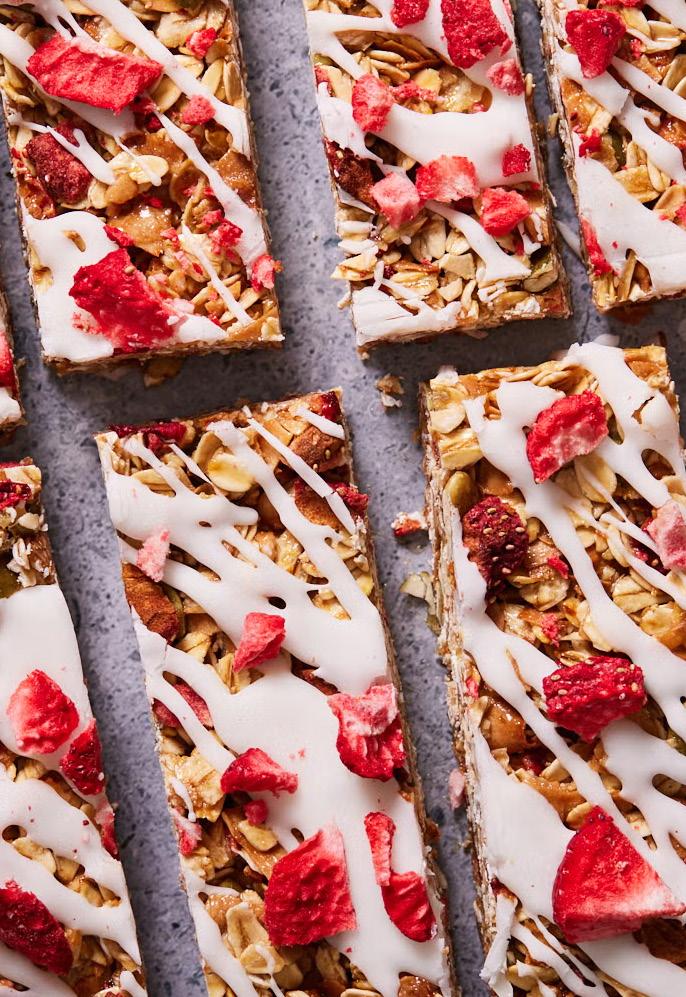

https://www.halfbakedharvest.com
INGREDIENTS:
2 tbsp. chili powder
2 tsp. smoked paprika
1/2-2 tsp. cayenne pepper, to your taste
2 tbsp. extra virgin olive oil
1 yellow onion, chopped
2 c. corn (3-4 raw)
2 cloves garlic, chopped
kosher salt and black pepper
6 oz cream cheese, at room temperature
1/3 c. sour cream
4 tbsp. salted butter
1/3 c. olive oil mayo or use plain Greek yogurt
2 tbsp. fresh lime juice
3/4 c. crumbled cotija cheese
1 ear grilled corn, kernels removed from the cob 1/4 c. fresh cilantro, chopped
Mix the spices. In a bowl, combine the chili powder, paprika, cayenne, and a pinch of salt.
Heat the olive oil in a skillet over medium-high heat. Add the onion and cook until soft, 5 minutes. Add the corn, garlic, 1 teaspoon of the spice mix, and season with salt and pepper. Cook until the corn is softened, 5 minutes.
Reduce the heat to low. Mix in the cream cheese until melted and creamy. Stir in the sour cream. Cook until warmed throughout. If desired, thin the dip with milk.
In a separate skillet, melt the butter until golden. Mix in 3 teaspoons of the spice mix, plus a pinch of chili flakes and salt. Cook another minute, then remove from the heat.
Mix the mayo and lime juice with a pinch of salt.
Spoon the dip into a wide serving bowl. Top with grilled corn and drizzle the mayo and spicy butter over the corn. Sprinkle on the cheese and cilantro. Serve with lots of chips for scooping!
1 medium tomato, finely chopped (about 1 1/2 c.)
1/4 lb. hot soppressata, chopped
1/4 lb. prosciutto, chopped
1/2 c. finely chopped extra-sharp provolone
1/2 c. finely chopped uncured Genoa salami
1/2 c. sliced banana peppers, plus 1 tbsp. brine
1/4 c. finely chopped pepperoni
1/4 c. finely chopped white onion
1/2 tsp. dried basil
1/2 tsp. dried oregano
1/2 c. mayonnaise
2 c. packed thinly sliced romaine or iceberg lettuce
Bread bowl or crostini, for serving
In a large bowl, toss tomato, soppressata, prosciutto, provolone, salami, banana peppers, pepperoni, onion, basil, and oregano until combined.
Add mayonnaise and pepper brine and stir until combined.
Just before serving, fold in lettuce. Serve in a bread bowl or with crostini alongside.
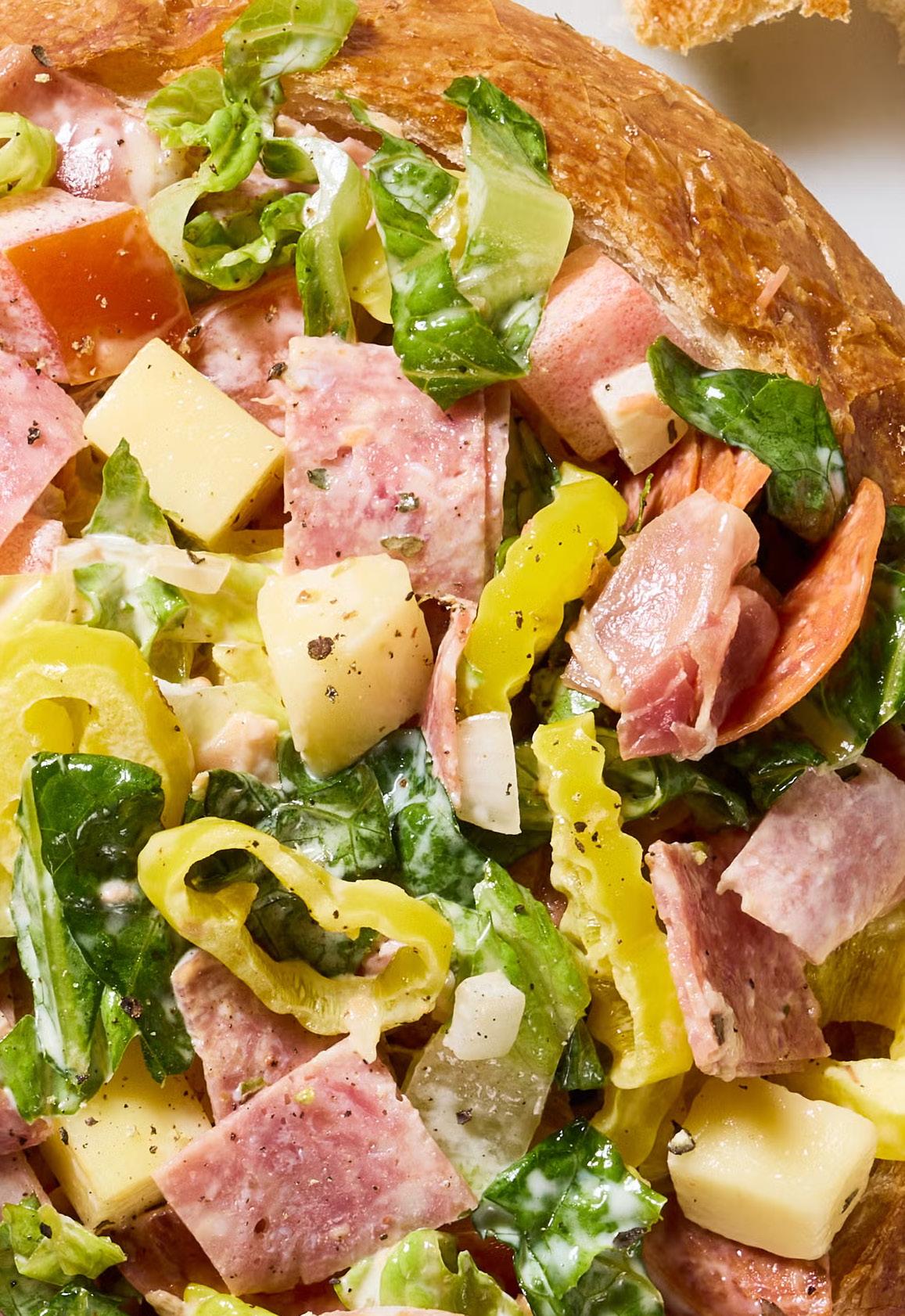
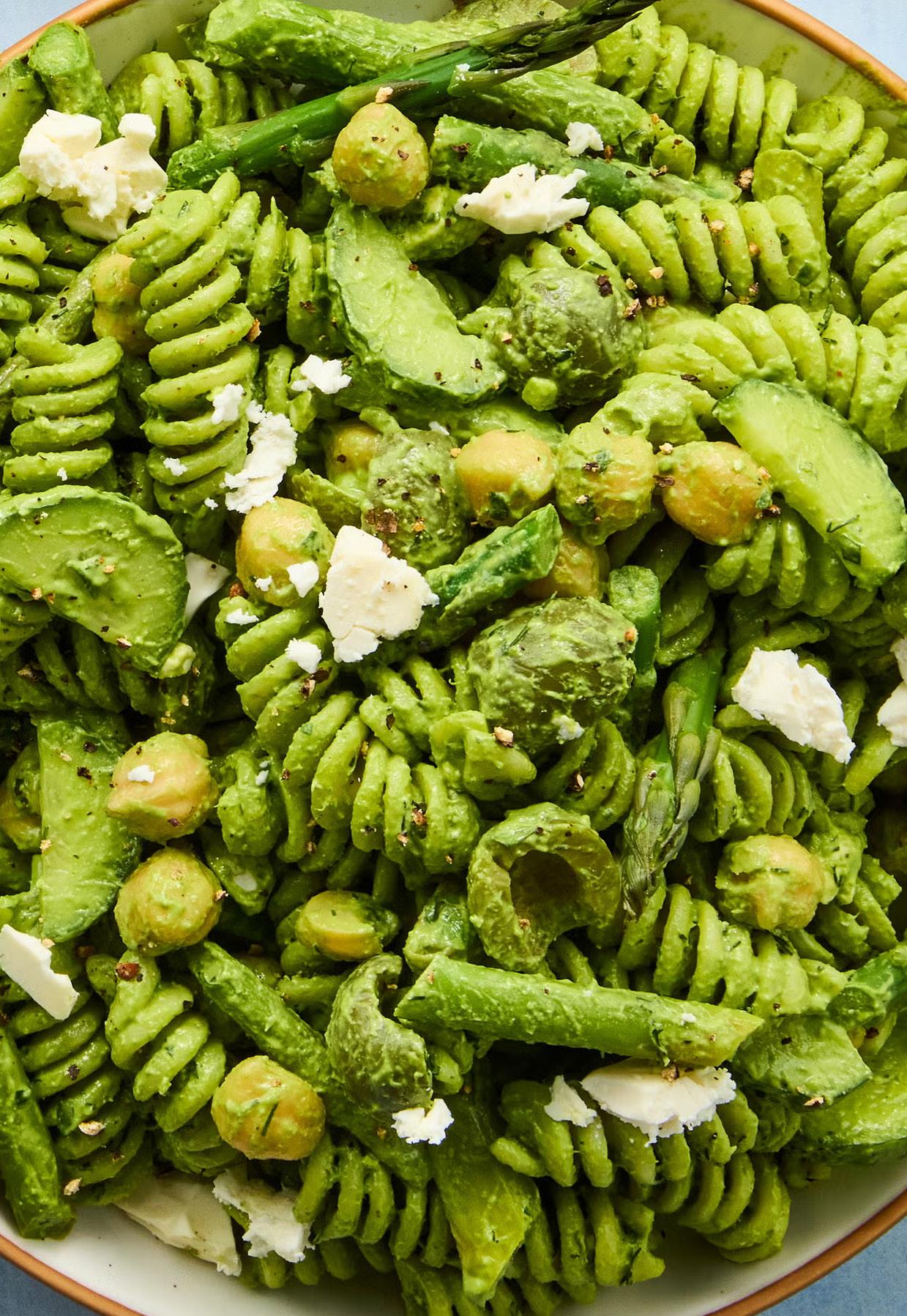
Kosher salt
1 lb. fusili pasta
8 oz. asparagus, trimmed, cut into 2" pieces
1 garlic clove
1 c. Greek yogurt, preferably whole fat
1/4 c. mayonnaise
1/4 c. shredded Parmesan
1 lemon, juiced
1 c. packed fresh basil leaves, plus more (optional) for serving
1/2 c. packed fresh parsley leaves, plus more (optional) for serving
1/4 c. chopped chives, plus more (optional) for serving
1/4 c. packed fresh dill, plus more (optional) for serving
Pinch of crushed red pepper flakes
Freshly ground black pepper
1 (15-oz.) can chickpeas, drained, rinsed
2 Persian cucumbers, cut into half-moons
1 c. green olives, pitted, halved
1/2 c. crumbled feta, divided
In a large pot of boiling salted water, cook pasta, stirring occasionally and adding asparagus during the last 3 minutes of cooking, until al dente according to package directions. Drain and let cool.
In a blender or food processor, pulse garlic, yogurt, mayonnaise, Parmesan, and lemon juice until combined. Add basil, parsley, chives, dill, and red pepper flakes; season with salt and black pepper. Blend until smooth. Adjust seasonings as needed.
Transfer pasta and asparagus to a large bowl. Add chickpeas, cucumbers, olives, and 1/4 cup feta. Pour dressing over and toss to combine. Top with remaining 1/4 cup feta and more herbs, as desired.
6 tbsp. white balsamic vinegar
1 1/2 tsp. finely grated lemon zest
3/4 tsp. Dijon mustard
1/2 tsp. kosher salt
3/4 c. extra-virgin olive oil
1/2 c. finely chopped shallots
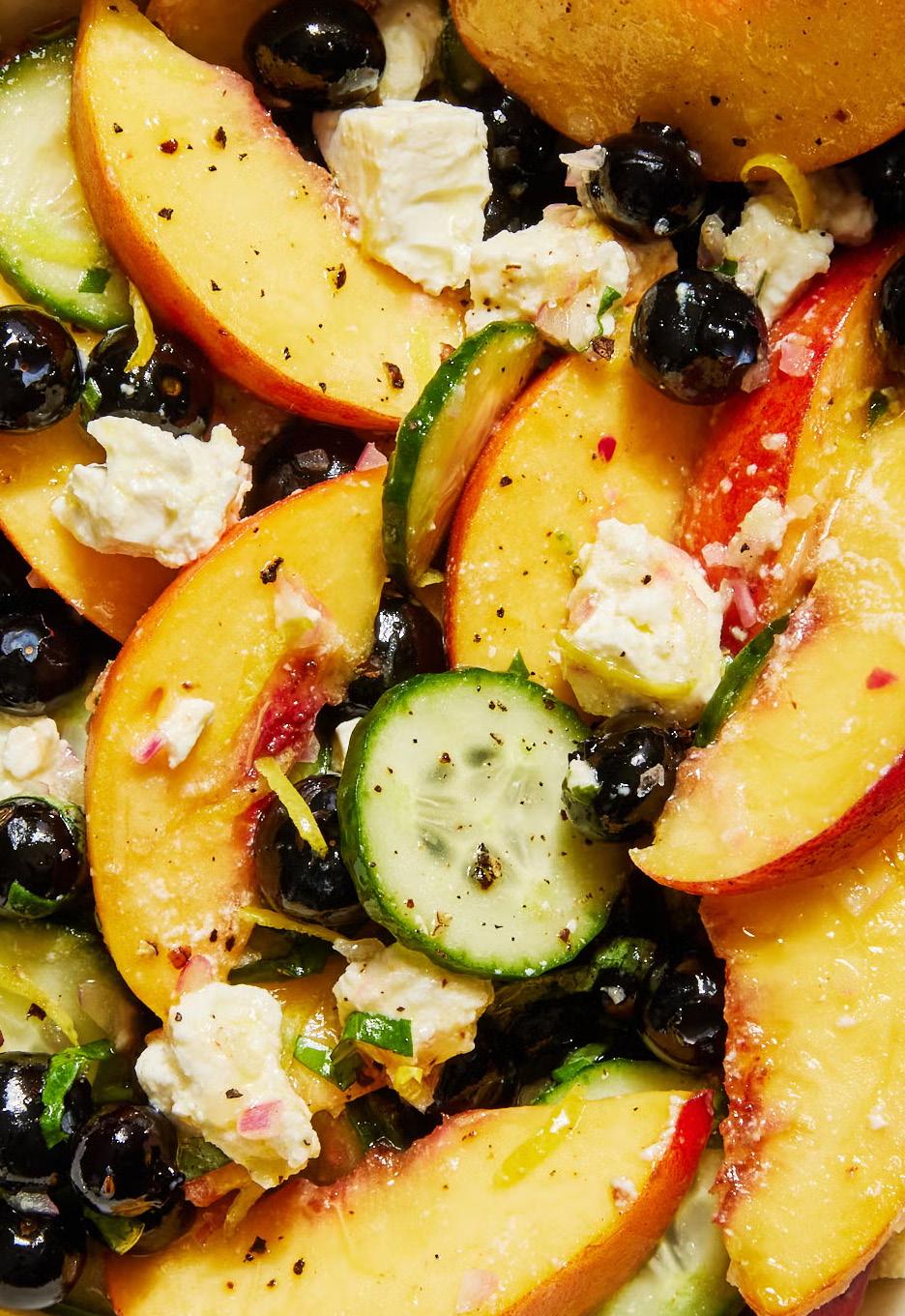
4 medium yellow peaches, halved lengthwise, cut into 1/4"-thick slices
4 Persian cucumbers, sliced into 1/4"-thick rounds
2 c. fresh blueberries
2 tbsp. thinly sliced fresh basil
3/4 c. crumbled feta
In a large measuring cup, whisk vinegar, lemon zest, mustard, and salt. While whisking, slowly pour in oil until smooth and emulsified. Add shallots and whisk to combine. Transfer half of dressing to a large bowl.
Add peaches, cucumbers, blueberries, and basil to bowl and toss to combine. Drizzle with remaining dressing. Top with feta.
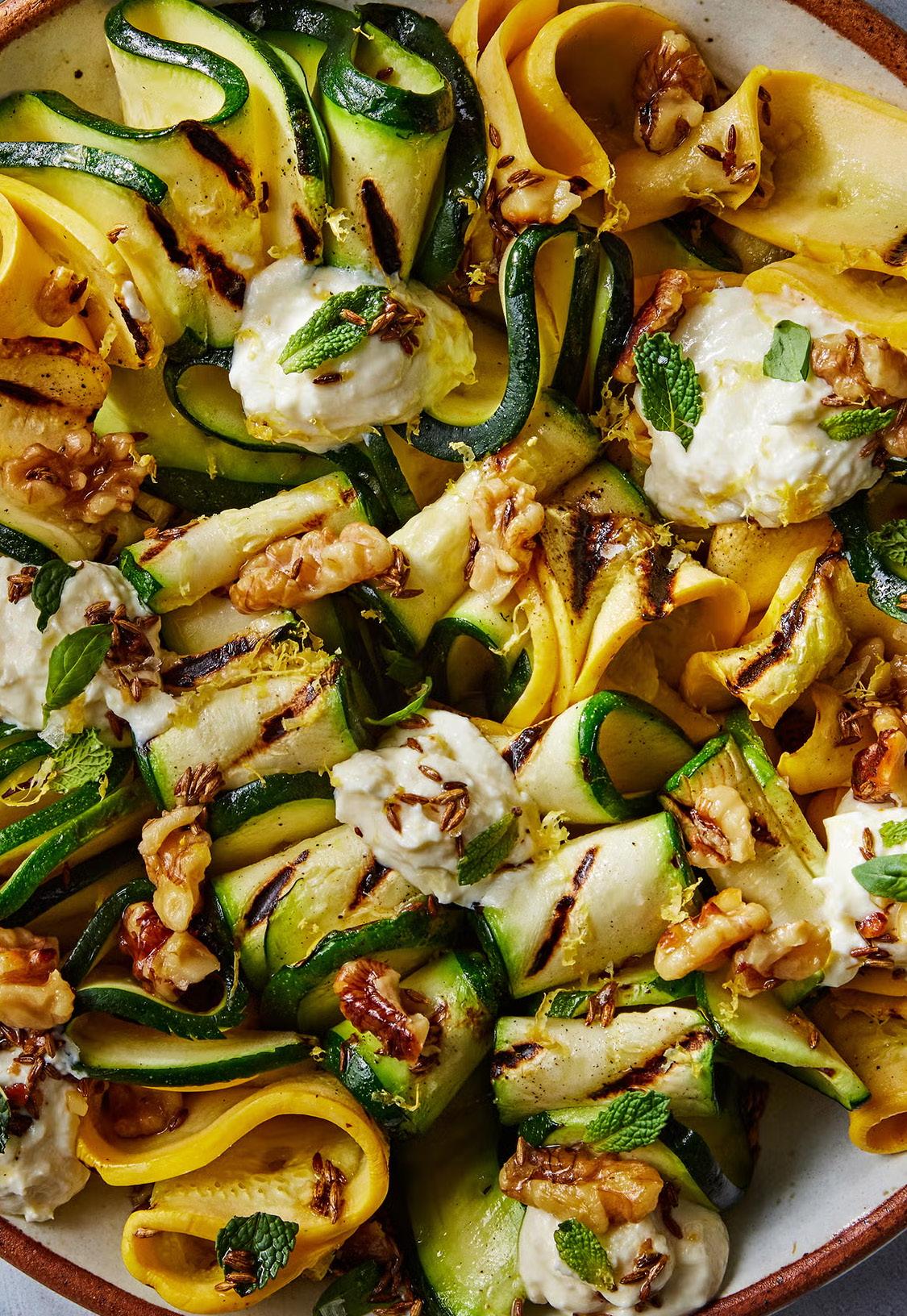
3 large green and yellow zucchini, sliced lengthwise 1/8" thick
Kosher salt
3 oz. feta
1 clove garlic, grated
1 lemon, zested
1 tbsp. fresh lemon juice
1/2 c. whole-milk ricotta
6 tbsp. extra-virgin olive oil, divided, plus more for grill and brushing
1 tbsp. chopped fresh basil
1 tbsp. chopped fresh mint
1/2 c. chopped raw walnuts
2 tsp. cumin seeds
Flaky sea salt
If using wooden skewers, cover 8 short skewers with water and let soak 20 minutes.
Spread one-third of zucchini slices on a paper towel-lined sheet tray. Sprinkle with 1/2 teaspoon kosher salt and cover with another layer of paper towels. Repeat with kosher salt and remaining zucchini slices. Let sit 10 minutes.
Meanwhile, in a food processor, pulse feta, garlic, lemon zest, and lemon juice until feta is broken up into small crumbs, 10 to 15 seconds. Add ricotta and a pinch of kosher salt and pulse until combined, 10 to 15 seconds more. Scrape down sides of food processor with a spatula. With the motor running, drizzle in 4 tablespoons oil and process until mixture is smooth and fluffy. Transfer to a small bowl and fold in basil and mint. Refrigerate until ready to use.
Prepare a grill for medium-high heat; preheat 5 minutes. Lightly oil grates. Firmly press down on paper towels covering zucchini to squeeze out excess moisture. Thread 4 to 5 slices zucchini onto each skewer, then brush with oil. Grill zucchini, undisturbed, until deep char marks form, 3 to 4 minutes. Turn and continue to grill until marks form on the other side, 3 to 4 minutes. Transfer to a platter and remove skewers.
In a small cast-iron or stainless steel skillet over medium heat, heat remaining 2 tablespoons oil. As soon as you see a wisp of smoke, toast walnuts and cumin seeds, stirring frequently, until darkened and fragrant, 30 to 60 seconds. Transfer to a small plate; season with a pinch of kosher salt.
Spoon walnut-cumin oil over zucchini. Top with whipped ricotta and sea salt.
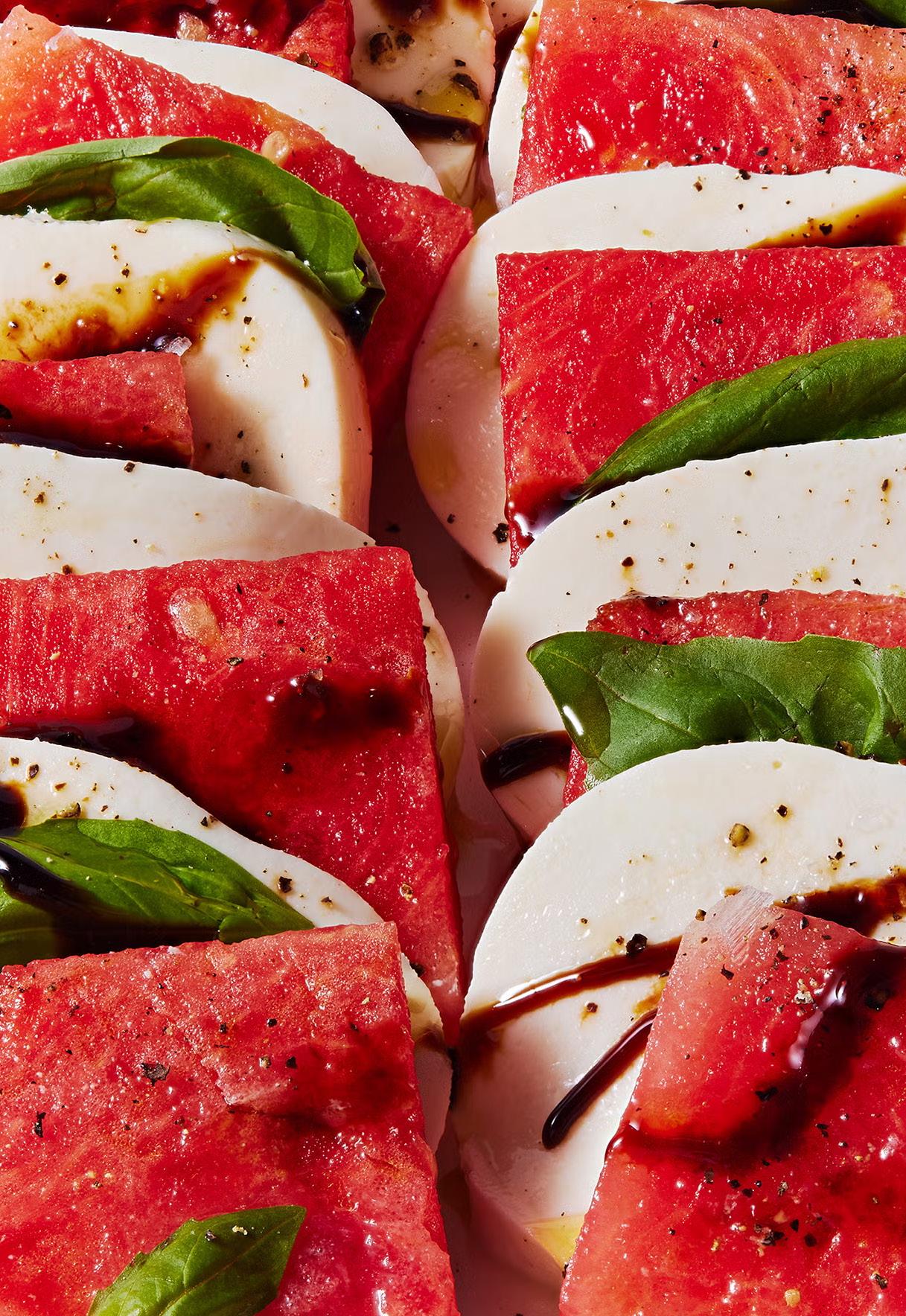
1 small watermelon, cut into 1/2"-thick squares (about 3" x 3")
1 mozzarella ball, sliced into 1/2"-thick slices
2 tbsp. thinly sliced fresh basil
Flaky sea salt
Freshly ground black pepper
Extra-virgin olive oil and balsamic glaze, for serving
DIRECTIONS:
On a platter, alternate slices of watermelon and mozzarella. Sprinkle with basil; season with salt and pepper.
Drizzle with oil and balsamic glaze.
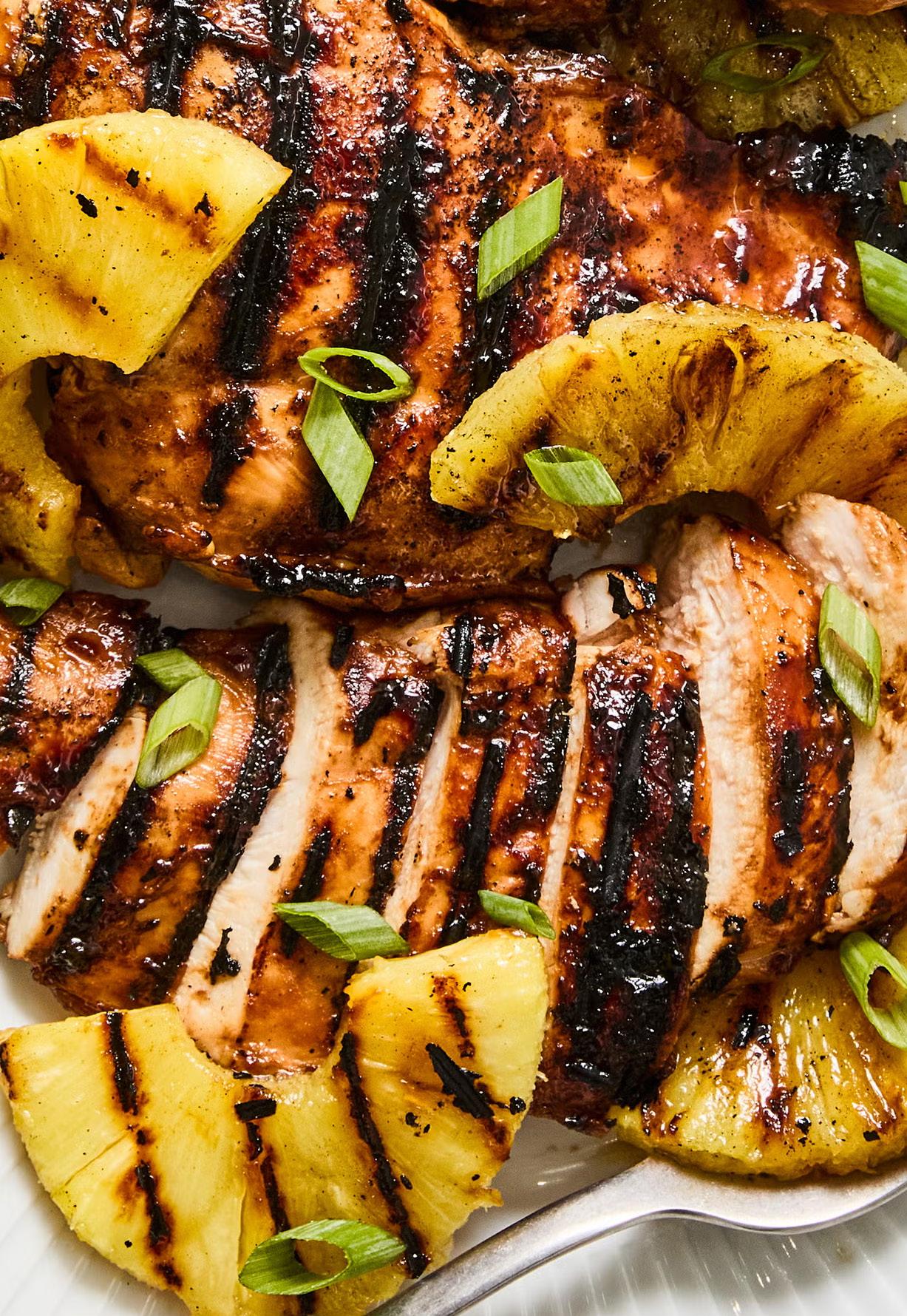
2 garlic cloves, finely chopped
1 c. unsweetened pineapple juice
3/4 c. ketchup
1/2 c. low-sodium soy sauce
1/2 c. packed light brown sugar
1 tbsp. finely chopped peeled ginger
4 (6- to 8-oz.) boneless, skinless chicken breasts
1 tsp. vegetable oil, plus more for grill
1 pineapple, cored sliced into rings, rings halved
Thinly sliced scallions, for serving
In a large bowl, whisk garlic, pineapple juice, ketchup, soy sauce, brown sugar, and ginger until combined.
Place chicken in a large resealable plastic bag. Pour in marinade. Refrigerate at least 2 hours and up to overnight.
Prepare a grill for high heat; preheat 5 minutes (or heat a grill pan over high heat). Clean and oil grates.
Grill chicken, basting with marinade and flipping occasionally, until charred and an instant-read thermometer inserted into thickest part registers 165°, about 8 minutes per side. Transfer to a plate.
In a medium bowl, toss pineapple with oil. Grill pineapple, flipping occasionally, until charred, about 2 minutes per side.
Transfer chicken and pineapples to a platter. Top with scallions.
1 Persian cucumber, thinly sliced
1 Fresno chile, thinly sliced
1/2 c. plus 2 tbsp. fresh lime juice, divided
2 1/2 tsp. brown sugar, divided Kosher salt
1 tbsp. fish sauce, divided
2 1/2 c. shredded green or purple cabbage
1 medium carrot, peeled, grated
2 tbsp. fresh cilantro leaves
1 tbsp. chopped fresh basil
2 scallions, finely chopped
1 (1") piece ginger, peeled, grated
3 large cloves garlic, grated
2 tsp. red curry paste
1 tsp. reduced-sodium soy sauce
1 tsp. tamarind puree (optional)
1 lb. ground turkey
2 tbsp. neutral oil
1/3 c. mayonnaise
3 tbsp. sweet Thai chili sauce
2 tsp. chili crisp
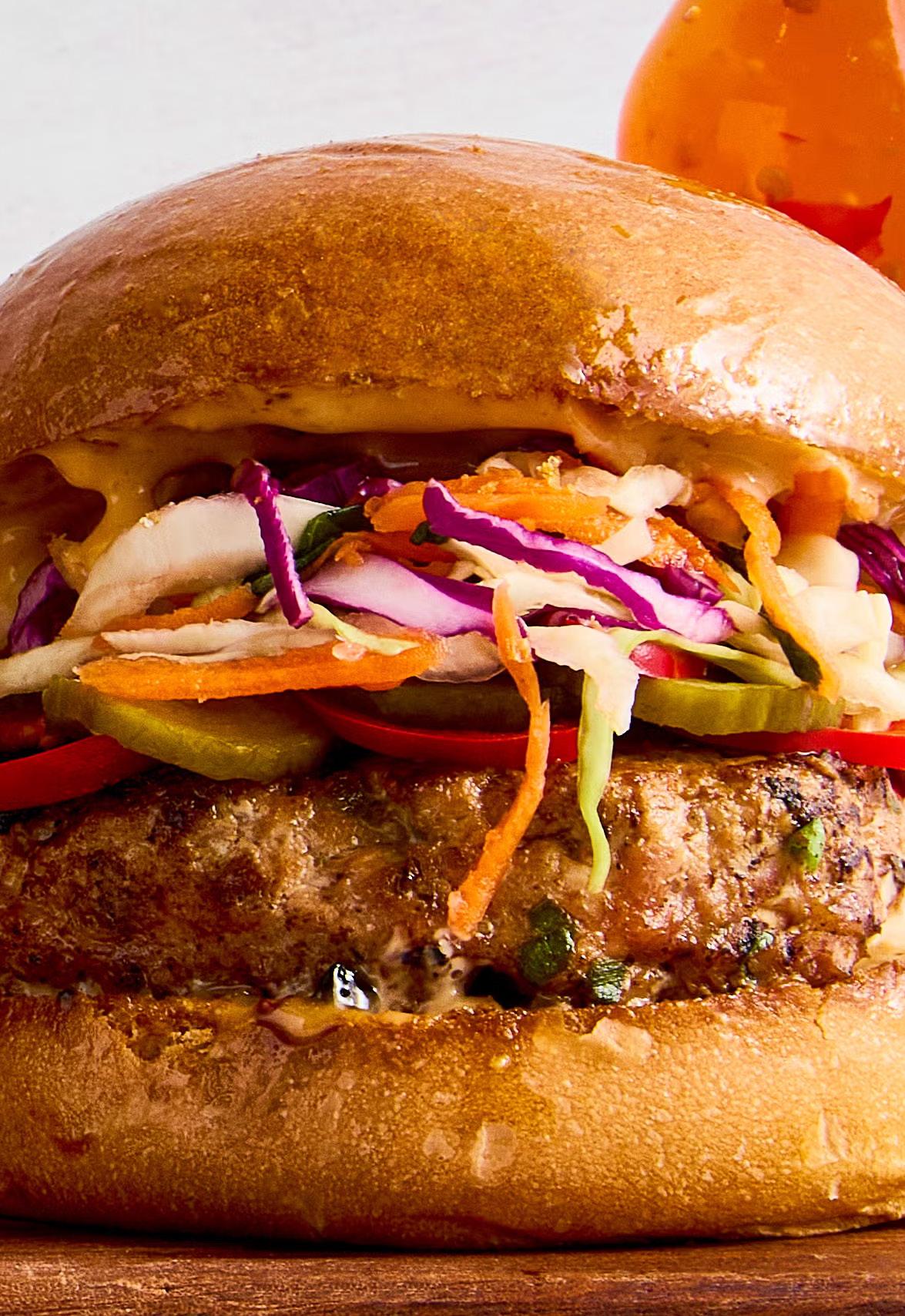
4 brioche buns, toasted
Place cucumber and chiles in a medium heatproof bowl. In a heatproof measuring cup, whisk 1/2 cup lime juice, 1 1/2 teaspoons brown sugar, 1 1/2 teaspoons salt, and 1/2 cup water. Microwave on high until simmering, about 1 minute 15 seconds. Stir to dissolve sugar, then pour over cucumber and chiles, pressing down to submerge. Place plastic wrap over surface of liquid to keep submerged. Let sit until ready to serve.
In a medium bowl, whisk 2 teaspoons fish sauce, 1/2 teaspoon salt, and remaining 2 tablespoons lime juice and 1 teaspoon brown sugar. Add cabbage, carrots, cilantro, and basil and toss to combine. Let sit until ready to serve.
In a large bowl, stir scallions, ginger, garlic, curry paste, soy sauce, and tamarind puree (if using) until combined. Add turkey and gently mix with your hands to combine. Form into 4 patties.
In a large skillet over medium heat, heat oil until shimmering. Season patties on both sides with a generous amount of salt. Cook patties, turning halfway through, until browned and cooked through, about 5 minutes per side. Meanwhile, in a small bowl, combine mayonnaise, chili sauce, and chili crisp.
Spread cut sides of buns with chili mayo. Top bottom buns with a turkey burger, pickled vegetables, and cabbage slaw. Close with top buns.
BURGER SAUCE
1/4 c. mayonnaise
2 tbsp. ketchup
1 tbsp. sweet pickle relish
1 tbsp. yellow mustard
1 tsp. hot sauce
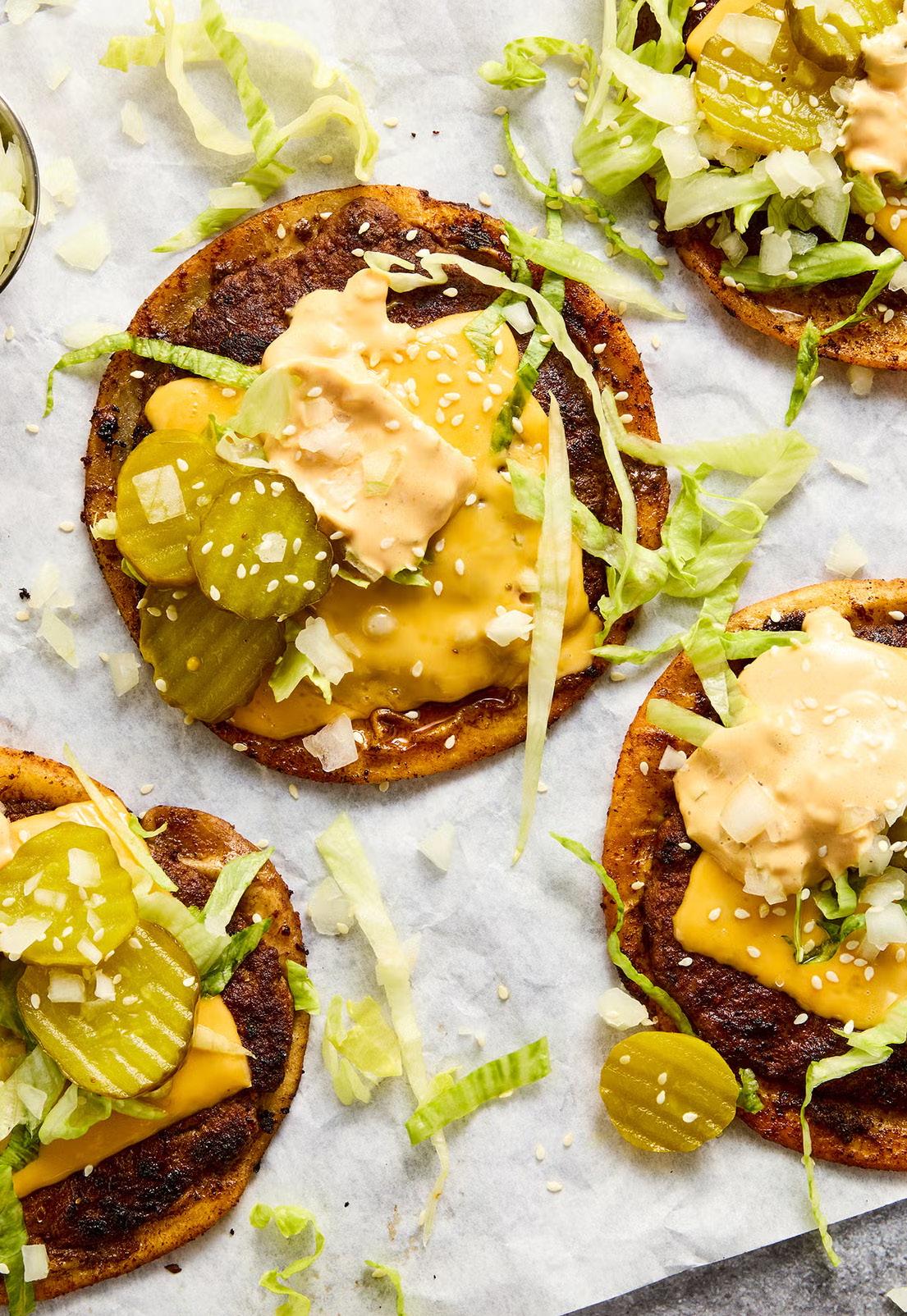
SMASH BURGER TACOS
1 lb. ground beef
6 (5") flour tortillas
2 tsp. store-bought or homemade burger seasoning
Kosher salt
6 tbsp. neutral oil, divided
6 slices American cheese, divided
18 thin bread-and-butter pickle slices
1 c. shredded iceberg lettuce
3 tbsp. chopped yellow onion
White sesame seeds, for serving
BURGER SAUCE
In a small bowl, mix mayonnaise, ketchup, relish, mustard, and hot sauce until combined.
Make Ahead: Sauce can be made 3 days ahead. Cover bowl and refrigerate.
SMASH BURGER TACOS
Divide beef into 6 portions about 2 1/2 ounces each. Top each tortilla with a portion of beef. Using a fork, flatten beef on top of tortilla into an even layer, leaving a 1/2" border. Sprinkle with 1/2 teaspoon burger seasoning; season with a pinch of salt.
In a large skillet over medium-high heat, heat 2 tablespoons oil and swirl pan to coat. Arrange 2 tacos beef side down and press into skillet to flatten with a sturdy spatula or burger press.
Cook, undisturbed, until beef is browned and cooked through, 2 to 3 minutes. Flip tacos, top each with a slice of cheese, and cook until cheese is slightly melty, about 1 minute more. Transfer to a baking sheet. Repeat with remaining 4 burger tacos.
Top each taco with burger sauce, pickles, lettuce, onion, and sesame seeds.
3 tbsp., plus 1/4 c. extra virgin olive oil
1 tbsp. smoked paprika
1 tsp. ground cumin
1/4-1/2 tsp. cayenne pepper
1/8-1/4 tsp. ground cinnamon
4 cloves garlic, finely chopped or grated
1 inch fresh ginger, grated
1/4 c. fresh cilantro and or parsley, chopped
Crushed red pepper flakes
Kosher salt and black pepper
2 lbs boneless skinless chicken breasts, cut into bite-size chunks
Juice of 1 a lemon (about 2 tablespoons)
2 tbsp. red wine vinegar
2 tbsp. honey
2 tbsp. chopped sun-dried tomatoes
1 (12 ounce) jar marinated artichokes
1 bunch asparagus, cut into thirds
FETA SAUCE
6 oz feta cheese
1/4 c. plain Greek yogurt
Juice from 1 lemon
1/4 c. chopped fresh herbs such as dill basil or parsley
1/4 tsp. smoked paprika
In a bowl, combine 3 tablespoons olive oil, the paprika, cumin, cayenne, cinnamon, 3 cloves garlic, ginger, cilantro, parsley, and a pinch each of chili flakes and salt. Add the chicken and toss to coat. Marinate for 15 minutes or up to overnight in the fridge.
Meanwhile, make the vinaigrette. In a jar, combine 1/4 cup olive oil, the lemon juice, red wine vinegar, honey, sundried tomatoes, 1 clove garlic, and a pinch each of chili flakes, salt, and pepper.
To make the feta. Combine the feta, yogurt, and lemon juice in a blender or food processor. Blend until creamy. Stir in the herbs, paprika, and a pinch of red pepper flakes.
Set your grill, grill pan, or skillet to medium-high heat. Take skewers and thread the chicken, artichokes, and asparagus pieces on. Grill the skewers until lightly charred and cooked through, turning them occasionally throughout cooking, about 10 to 12 minutes total. Alternately, you can roast the chicken at 400 degrees for 20-30 minutes.
Serve the chicken with the vinaigrette and feta sauce spooned over top. Top with fresh herbs and serve with naan and additional feta on the side.

FOR SAUCE
1/4 c. barbecue sauce
1 1/2 tbsp. ketchup
1 tbsp. soy sauce
1 tsp. rice wine vinegar
1/2 tsp. chili powder
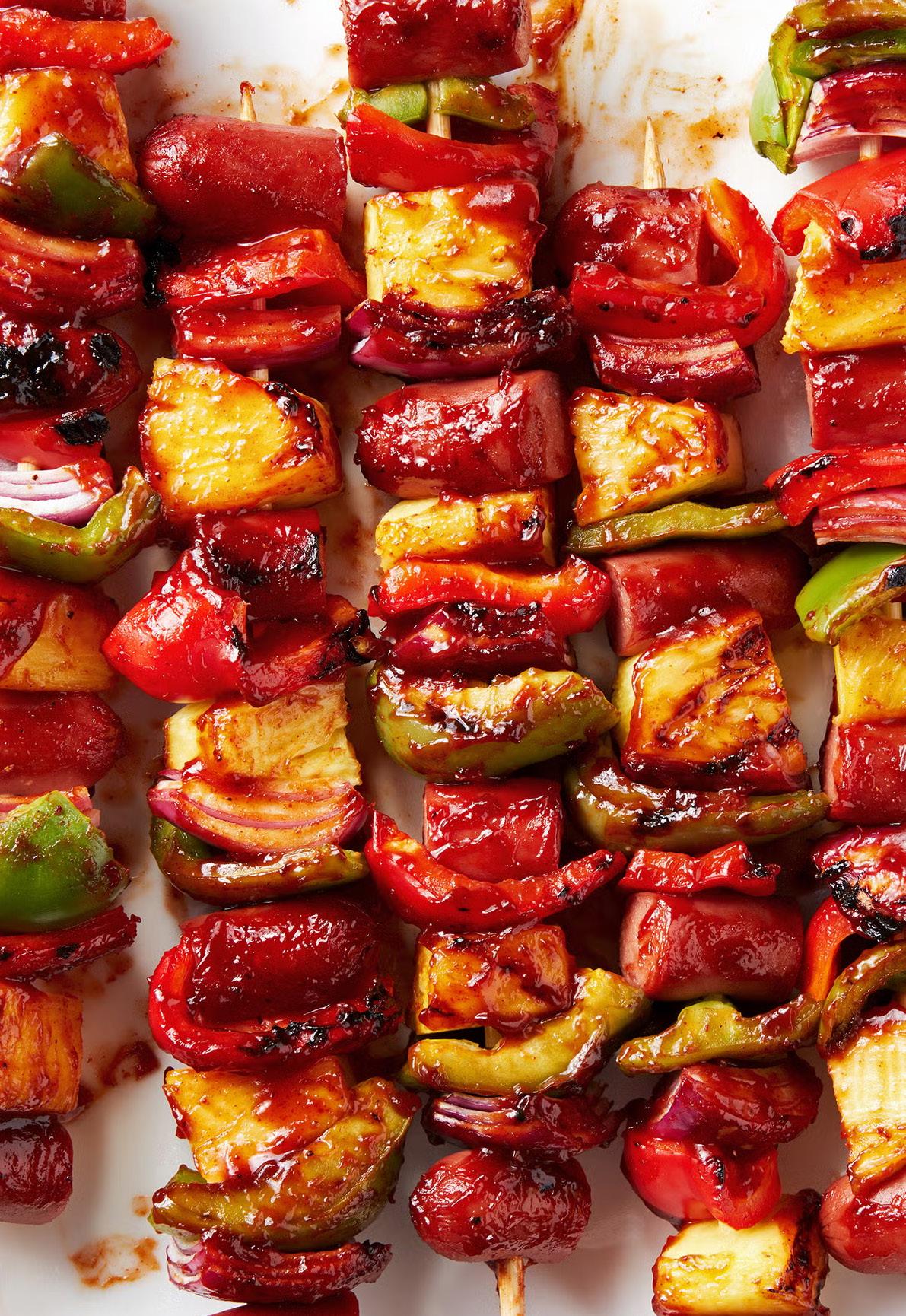
FOR SKEWERS
1 pack hot dogs, quartered
3 c. pineapple, cut into 1" pieces
1 red bell pepper, cut into 1" pieces
1 green bell pepper, cut into 1" pieces
Small red onion, cut into 1" pieces
In a medium bowl, whisk to combine all sauce ingredients. Preheat grill or grill pan on medium heat.
Build skewers by alternating hot dogs, pineapple, peppers, and red onion. Brush all over with sauce and place on preheated grill.
Grill on medium heat, flipping every couple minutes and basting with remaining sauce, until skewers are charred, about 8 to 10 minutes total.
1 1/2 lb. jumbo shrimp, peeled, deveined, tails on
salt
1/4 c. store-bought mild jerk sauce
1/4 c. store-bought mango chutney
2 tbsp. reduced-sodium soy sauce
2 tbsp. vinegar-based BBQ sauce
1 large mango, peeled, cut into 1" pieces
3 scallions, cut into 1" pieces
2 tbsp. neutral oil, plus more for grill
2 tbsp. coarsely chopped fresh cilantro
10 (8") skewers
Pat shrimp dry and transfer to a large bowl; season with 1 tsp. salt. Add jerk sauce and toss to combine. Cover with a lid or plastic wrap and refrigerate at least 10 minutes and up to 1 hour.
Meanwhile, in a small bowl, combine chutney, soy sauce, and BBQ sauce. In a medium bowl, season mango with 1/4 tsp. salt and toss to combine.
To build a skewer, start with a shrimp, then skewer a piece of mango, then a piece (or two) of scallion, and repeat, then end with a shrimp. Drizzle skewers with 2 Tbsp. oil.
Prepare a grill for medium heat; preheat 5 minutes, or heat a grill pan over medium heat. Clean and grease grates or pan with oil.
Working in batches, grill skewers, brushing with chutney-BBQ sauce halfway through, until shrimp is pink and cooked through, 2 to 3 minutes per side.
Transfer skewers to a platter. Brush with remaining sauce and top with cilantro.

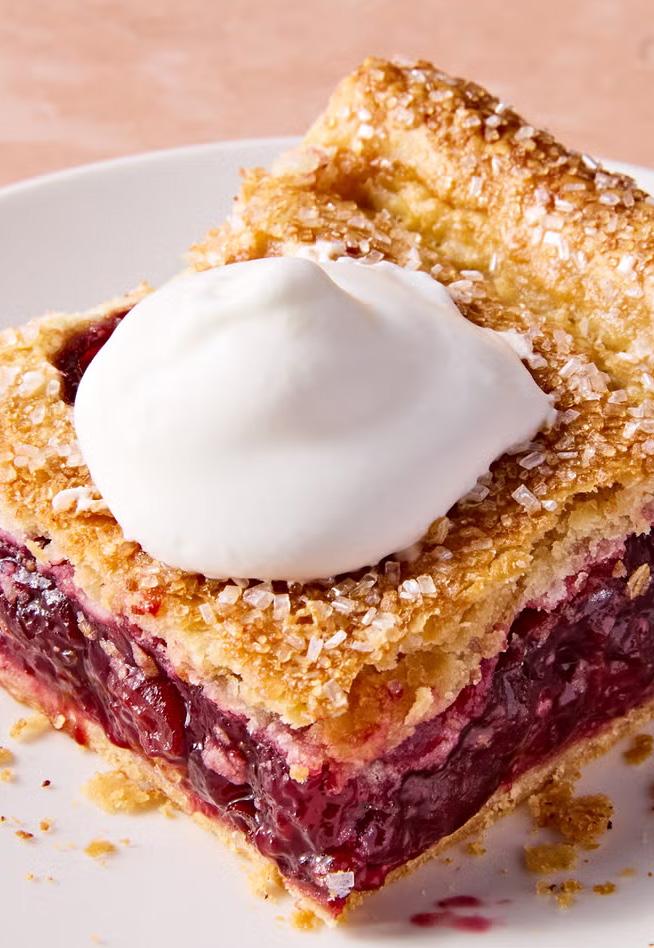
12-16
3 3/4 c. all-purpose flour, plus more for rolling
3/4 c. plus 1 tbsp. sugar divided
2 3/4 tsp. kosher salt, divided
1 1/2 c. unsalted butter, cold, cubed
9 c. sweet dark cherries (about 3 lb.), pitted
6 tbsp. cornstarch
2 lemons, zested and juiced
1 tsp. pure vanilla extract
1/4 tsp. almond extract (optional)
7 drops Angostura bitters (optional)
1 large egg, beaten to blend
3 tbsp. demerara sugar
Preheat oven to 425°
In a large bowl, whisk flour, 1 tablespoon sugar, and 2 1/4 teaspoons salt until combined. Using your fingertips, rub butter into dry ingredients until butter is in large flattened pieces about the size of a quarter. Gradually stream in 3/4 cup very cold water while stirring with a fork until a shaggy mixture forms. Squeeze together with your hands into a rough dough.
Turn out dough onto a work surface. Knead a few times until it just comes together. Flatten into a rectangle, wrap with plastic, and refrigerate until very cold, at least 2 hours or up to 3 days.
Meanwhile, in a medium saucepan, rub lemon zest into remaining 3/4 cup granulated sugar until damp and fragrant. Add cherries, cornstarch, and remaining 1/2 teaspoon salt, stirring to combine. Cook over medium heat, stirring occasionally, until thickened and bubbling, 4 to 5 minutes. Stir in lemon juice, vanilla extract, almond extract (if using), and bitters (if using). Transfer to a heatproof container and let cool at room temperature. Refrigerate until ready to use.
Place a rack in center of oven. On a lightly floured work surface, roll out dough to a rough rectangle, then fold onto itself in thirds like a letter. Portion off one-third of dough; reserve in refrigerator. Roll out remaining dough to an 18" x 14" rectangle. Transfer to 13" x 9" baking pan. Press dough into bottom, sides, and corners of pan, leaving a slight overhang.
Roll out reserved dough to a rough 13" x 9" rectangle. Cut out decorative shapes as desired.
Spread cooled cherry filling into baking dish. Place top sheet of dough (or decorative shapes) over filling, folding any excess into overhang. Brush dough with egg wash; sprinkle with coarse sugar. Place on a baking sheet.
Bake slab pie 20 minutes. Reduce oven temperature to 350° and continue to bake, tenting with foil if crust is getting too brown, until crust is dark brown and filling is bubbling throughout, 60 to 90 minutes more. Let cool to room temperature to allow filling to set, at least 2 hours or up to overnight.
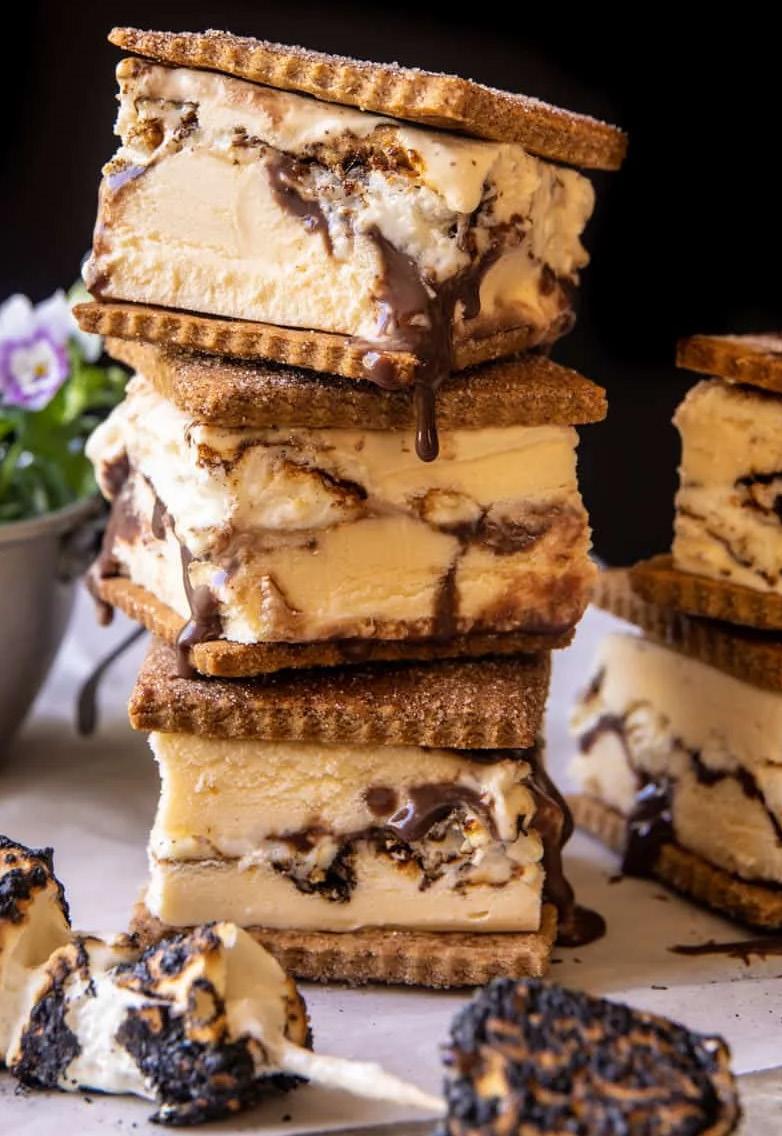
2-3 c. marshmallows
1 1/2 quarts vanilla ice cream
1/2 c. chocolate fudge sauce
24 squares graham crackers
DIRECTIONS:
Line a 9×13 inch pan with parchment paper. Preheat the broiler.
Arrange the marshmallows on a baking sheet. Broil 1-2 minutes, until toasted. Watch closely, the marshmallows will toast FAST. Don't walk away. Remove the pan from the broiler. Let cool.
In the bottom of the prepared pan, spread 3/4 of the ice cream in an even layer, then drizzle over the fudge sauce. Add the toasted marshmallows, then the remaining ice cream on top. Cover and freeze until firm, at least 4 hours.
Remove the slab of ice cream from the freezer, cut into 12 squares. Sandwich the ice cream between the cookies.
Freeze. Enjoy!
https://www.halfbakedharvest.com/
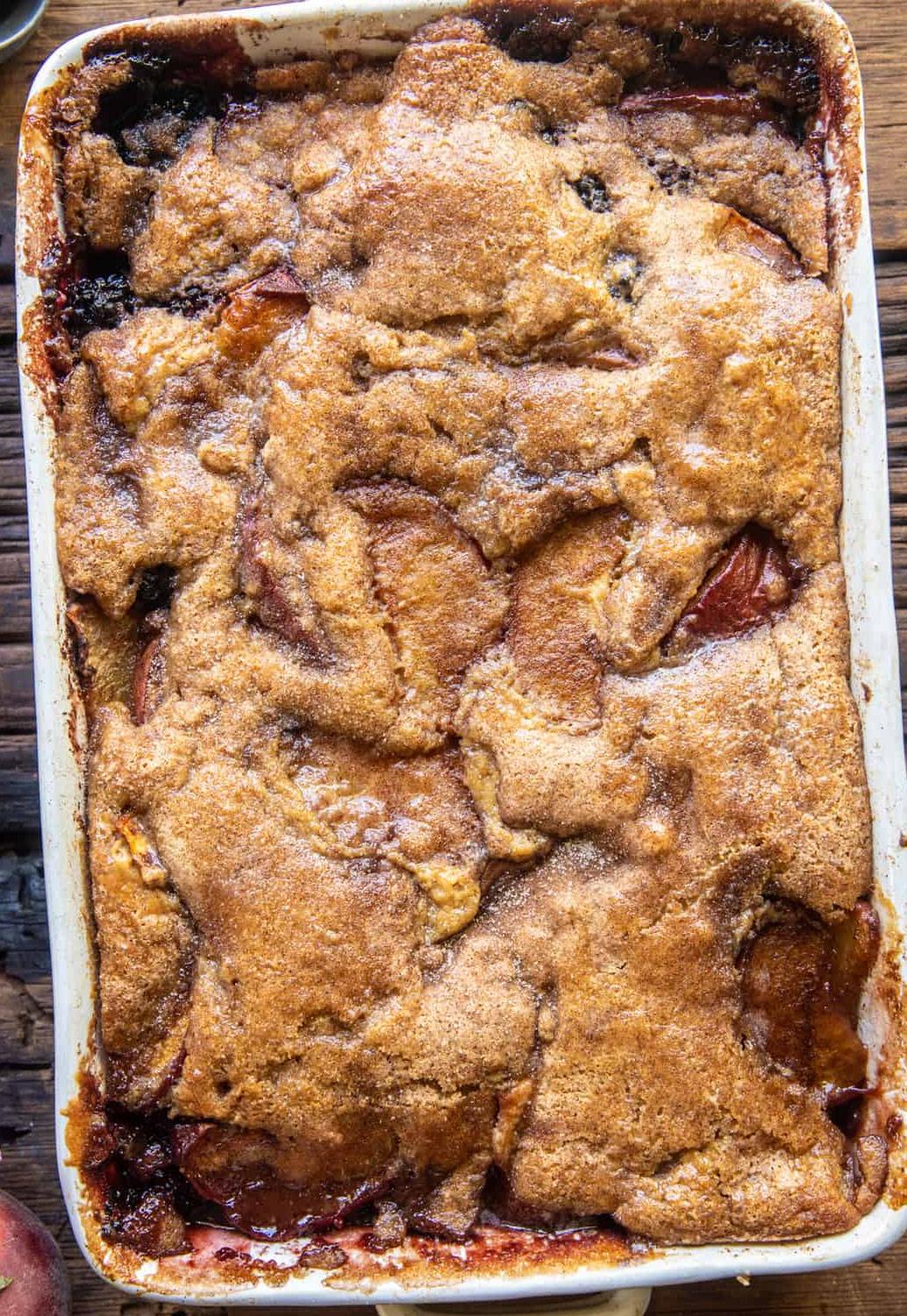
5-6 peaches, cut into 8 wedges
3 c. fresh blackberries
1 c. light or dark brown sugar
2 tbsp. maple syrup
1 stick salted butter, cubed
1 c. all-purpose flour
2 tsp. baking powder
1 tsp. ground ginger
1/2 tsp. cinnamon
1/2 tsp. kosher salt
1 c. milk
1/4 c. candied ginger pieces
1 tbsp. vanilla
Preheat the oven to 375° F.
In a 9×13 inch baking dish toss the peaches and blackberries with 1/4 cup brown sugar, maple syrup, and butter. Bake for 10 minutes.
To make the batter. Stir together the flour, 3/4 cup brown sugar, baking powder, ginger, cinnamon, and salt. Add the milk, candied ginger pieces, and vanilla. Mix until just combined.
Pour the batter over the peaches and blackberries, do not stir. Bake 50-55 minutes, until the center is just set and the edges begin to brown.
Serve the cobbler warm or at room temp with ice cream. Enjoy!!
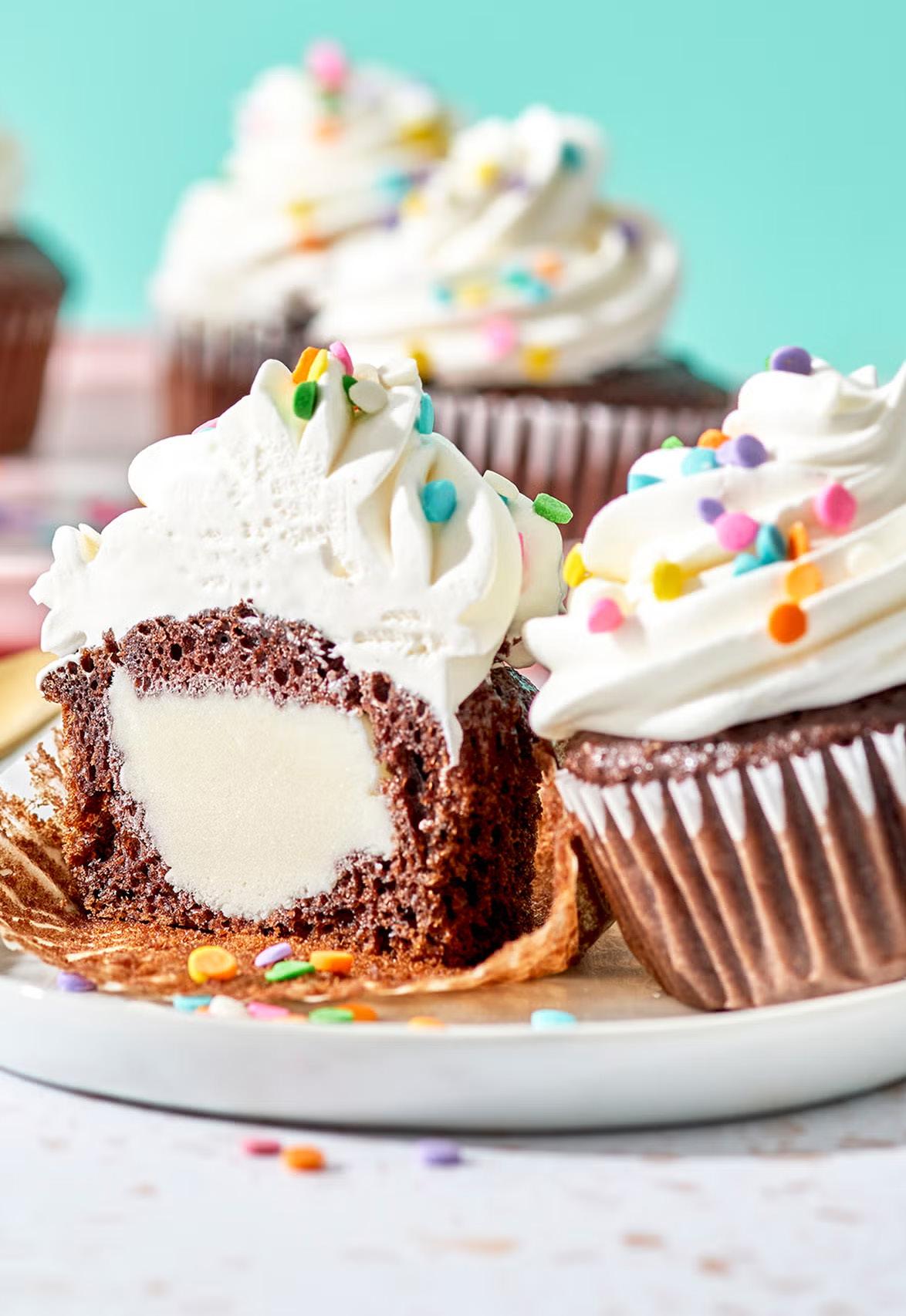
1 box chocolate cake mix, plus ingredients called for on box
1 1/2 qt. ice cream
2 c. whipped cream
Toppings, like melted chocolate, mini M&Ms, or sprinkles
Preheat oven to 350º
Line two 12-cup muffin tins with cupcake liners. Prepare cupcake batter according to package directions and divide between cupcake liners.
Bake until a toothpick inserted into the center of a cupcake comes out clean, according to package directions. Let cool completely before stuffing.
Using a melon baller or tablespoon, scoop out middle of each cupcake to create a well. (Trim bottoms of scooped cupcakes so you have flat tops.) Set aside.
Fill each well with a small scoop ice cream, then top with reserved cupcake top. Place in freezer until firm, 1 1/2 to 2 hours.
When firm, pipe whipped cream onto each cupcake, then add desired toppings before serving.
Kosher salt
1 grapefruit wedge
Ice
2 1/2 oz. fresh grapefruit juice
2 1/2 oz. tart cherry juice
2 oz. tequila
1 oz. simple syrup
Club soda, for topping off Grapefruit wheel and fresh or preserved cherries, for garnish
DIRECTIONS:
Pour some salt onto a small plate. Rub rim of a glass with grapefruit wedge, then dip into salt, turning to coat.
Fill prepared glass with ice. Add grapefruit juice, cherry juice, tequila, and simple syrup. Top off with club soda and gently stir with a bar spoon. Garnish with grapefruit wheel and cherries.

https://www.delish.com/
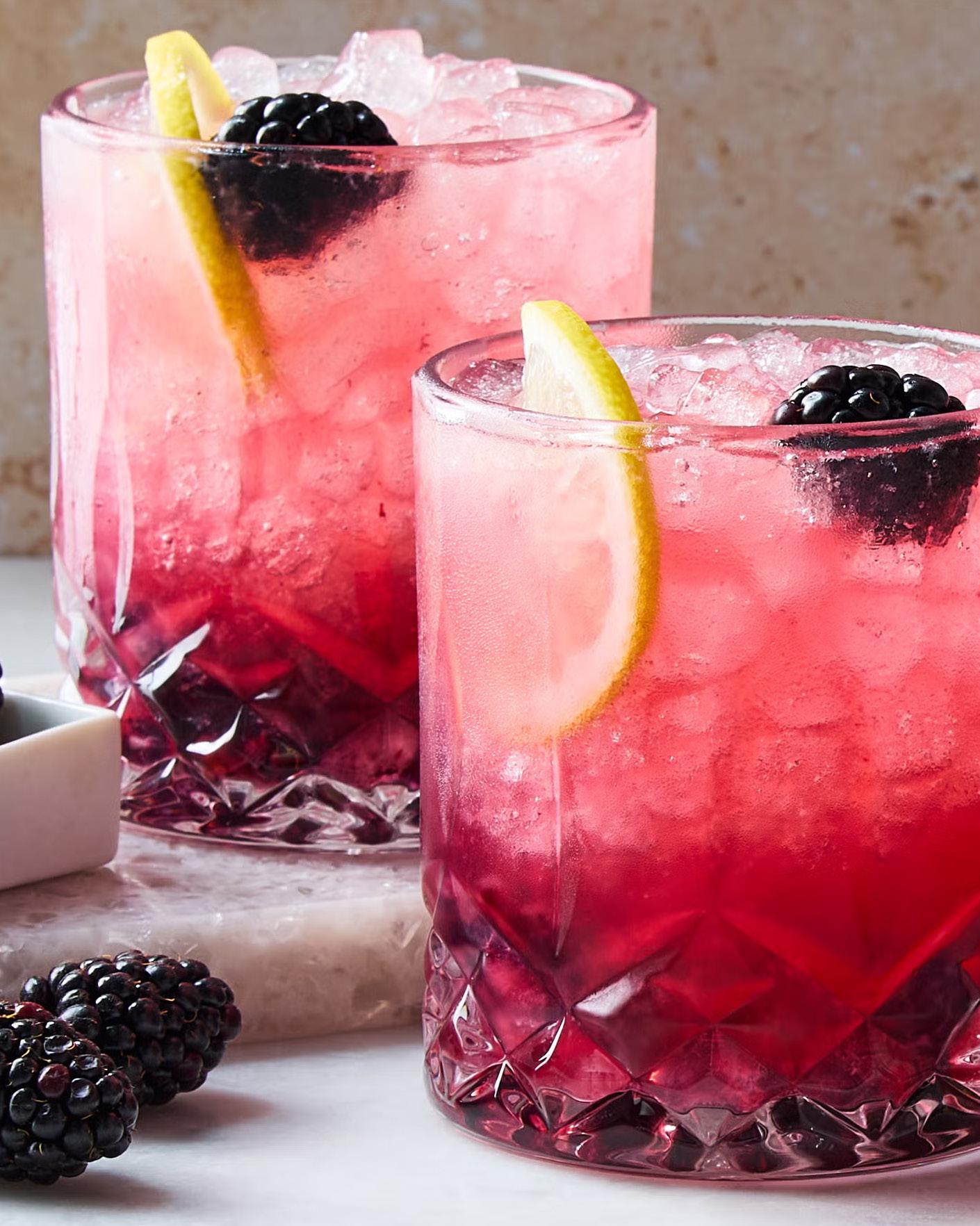
4 fresh blackberries
2 oz. gin
1 oz. fresh lemon juice
1/4 oz. crème de mûre (blackberry liqueur) or Chambord
1/2 oz. store-bought or homemade simple syrup
DIRECTIONS:
In the bottom of a rocks glass, muddle blackberries. Pour gin, lemon, crème de mûre, and simple syrup on top of blackberries. Pour ice to reach halfway up sides of glass and stir to combine. Top off with more ice.

INGREDIENTS:
1 Persian cucumber (optional)
10 fresh mint leaves, plus sprig for garnish
4 oz. elderflower liqueur (such as St-Germain)
1 oz. fresh lime juice
3 cups ice
6 oz. Prosecco
2 oz. club soda
Using a peeler, peel 2 long ribbons of cucumber (if using). Gently fold back and forth, then secure on a skewer. Set aside for garnish.
In a cocktail shaker, gently muddle mint, elderflower liqueur, and lime juice until mint is wilted; do not break up the leaves.
Using a cocktail strainer or fine-mesh sieve, strain mint mixture into a blender. Add ice, Prosecco, and club soda and blend until combined. Pour into wine glasses. Garnish with reserved cucumber (if using) and mint sprig.
BY: JULIA GARTLAND https://www.delish.com/
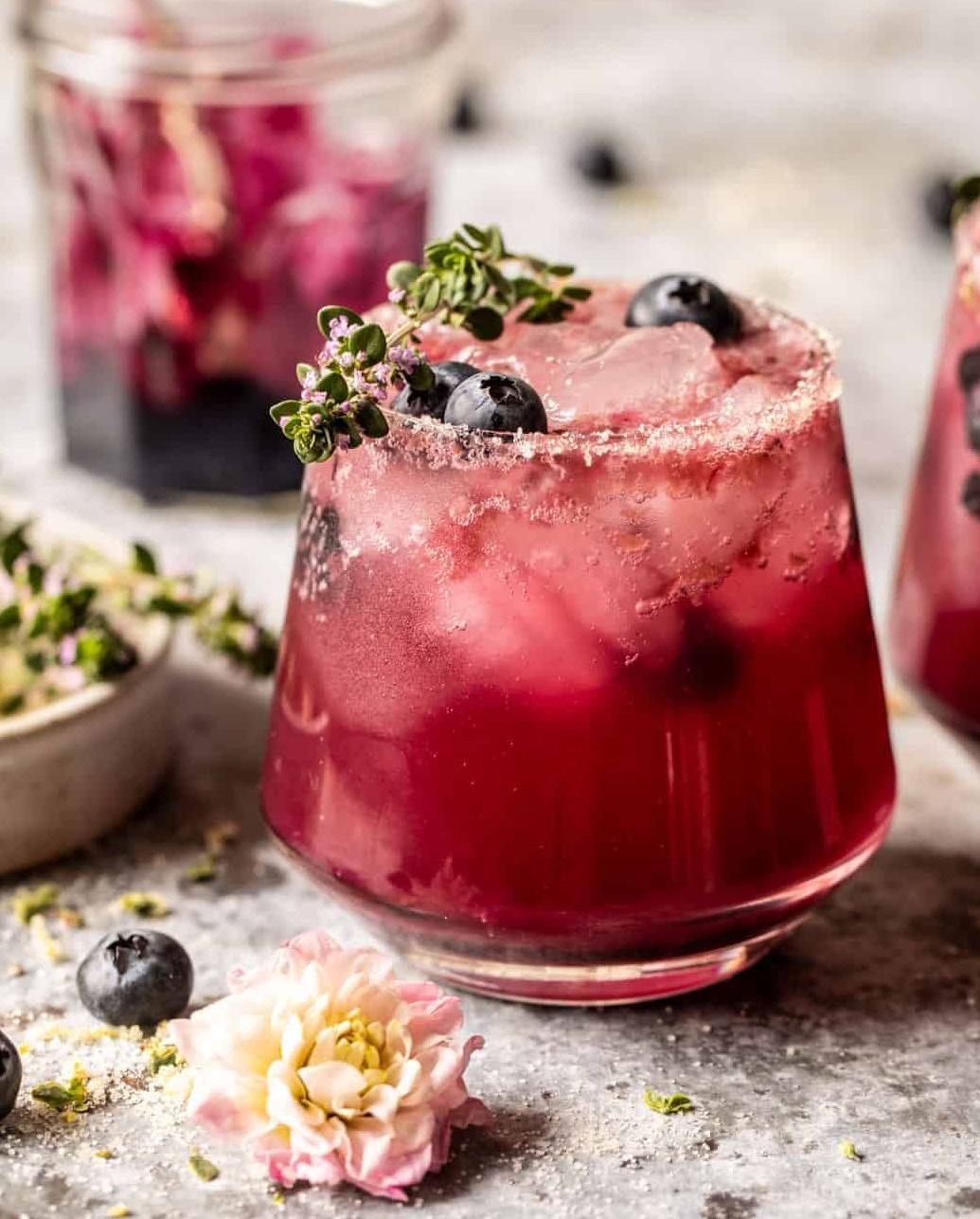
INGREDIENTS:
2 tbsp. fresh or frozen blueberries, plus more for topping
1-2 tsp. fresh thyme leaves, plus a sprig for serving
Juice from half of a lemon
2 tbsp. blueberry or blackberry jam
1 1/2 oz bourbon or tequila
1/2 oz elderflower liquor (St. Germain) Sparkling water for topping
DIRECTIONS:
LEMON SUGAR (OPTIONAL)
zest of 1 lemon
2 tbsp. granulated sugar
1 tsp. chopped thyme leaves
To make the lemon sugar. Combine the lemon zest, sugar, and thyme on a shallow plate. Rim your glasses in sugar, then fill with ice.
In a cocktail shaker or glass jar, muddle the blueberries, thyme, and lemon juice, squashing everything to release the juices. Add the jam, bourbon, and elderflower liquor. Fill with ice and shake until combined.
Strain into your prepared glass. Top off with sparkling water, then gently stir to combine. Enjoy
https://www.halfbakedharvest.com/
Summer brings sunshine, outdoor adventures, and plenty of opportunities to enjoy warm weather. However, higher temperatures and increased humidity can also lead to oily skin, clogged pores, and sun damage. Following a simple skincare routine can help keep your face looking fresh, healthy, and glowing throughout the season.

The first step to great summer skincare is cleansing. Wash your face twice a day with a gentle cleanser to remove sweat, dirt, and excess oil that build up during hot weather. After cleansing, apply a lightweight moisturizer to keep your skin hydrated without feeling greasy. Many people skip moisturizer in the summer, but hydration is important for maintaining smooth and balanced skin.
Another essential step is sun protection. Apply a broad-spectrum sunscreen with SPF 30 or higher every morning, even on cloudy days. Sunscreen helps prevent sunburn, dark spots, and premature aging caused by harmful UV rays. If you spend time outdoors, remember to reapply sunscreen every two hours and wear protective accessories such as hats and sunglasses.
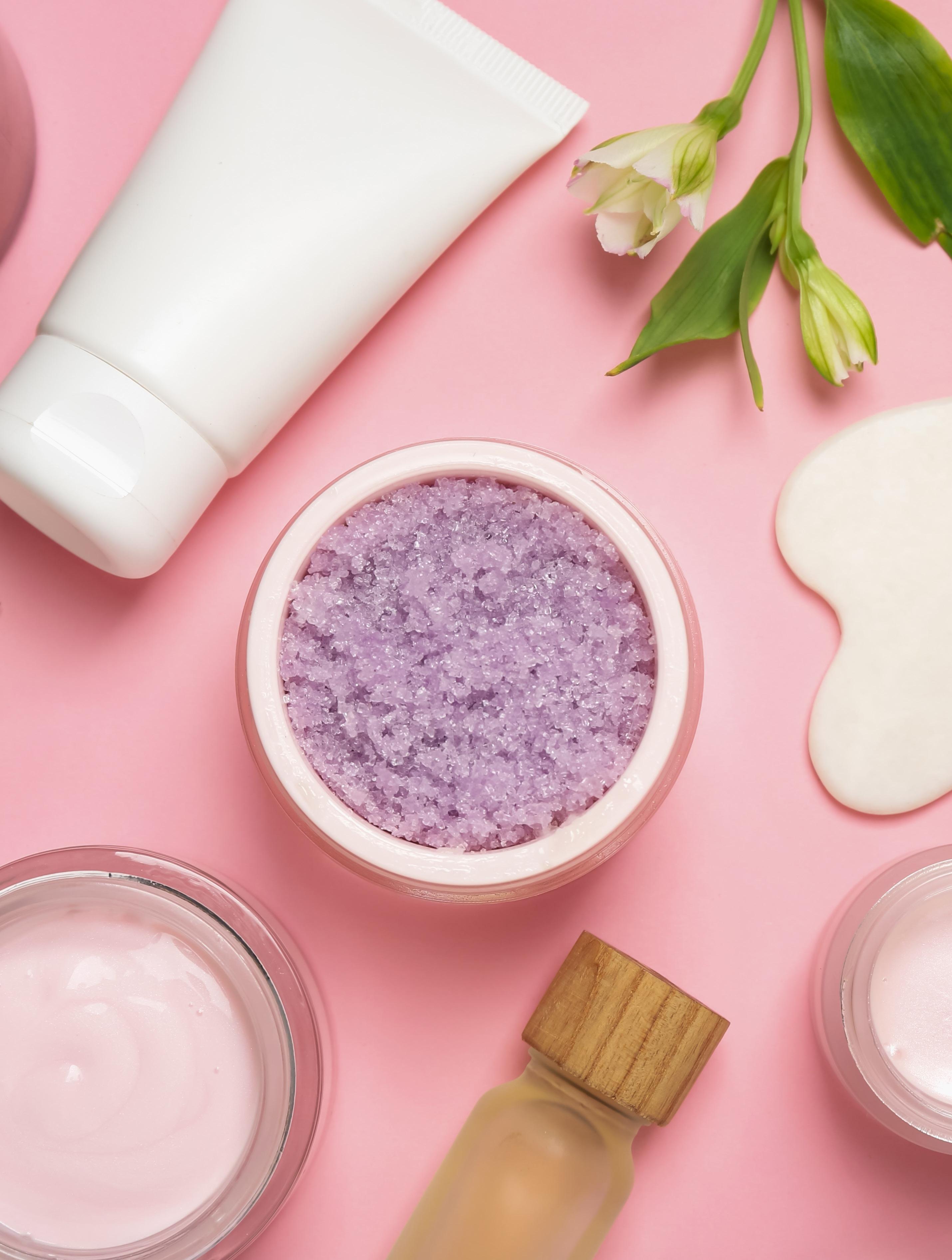
Finally, support your skincare routine by staying hydrated and eating healthy foods. Drinking plenty of water helps keep your skin looking refreshed, while fruits and vegetables provide vitamins that promote a natural glow. By cleansing, moisturizing, protecting your skin from the sun, and maintaining healthy habits, you can enjoy beautiful, fresh-looking skin all summer long.

Nothing can put a damper on a summer day quite like a painful sunburn. Whether you're spending time at the beach, enjoying a backyard barbecue, or exploring the outdoors, protecting your skin from the sun is essential. Understanding how to prevent sunburn—and what to do if it happens—can help you enjoy the season more comfortably and safely.
Sunburn occurs when your skin is exposed to too much ultraviolet (UV) radiation from the sun. Even on cloudy days, UV rays can reach your skin and cause damage. Sunburn can lead to redness, tenderness, swelling, and peeling, while repeated sun exposure over time may contribute to premature skin aging and other health concerns.
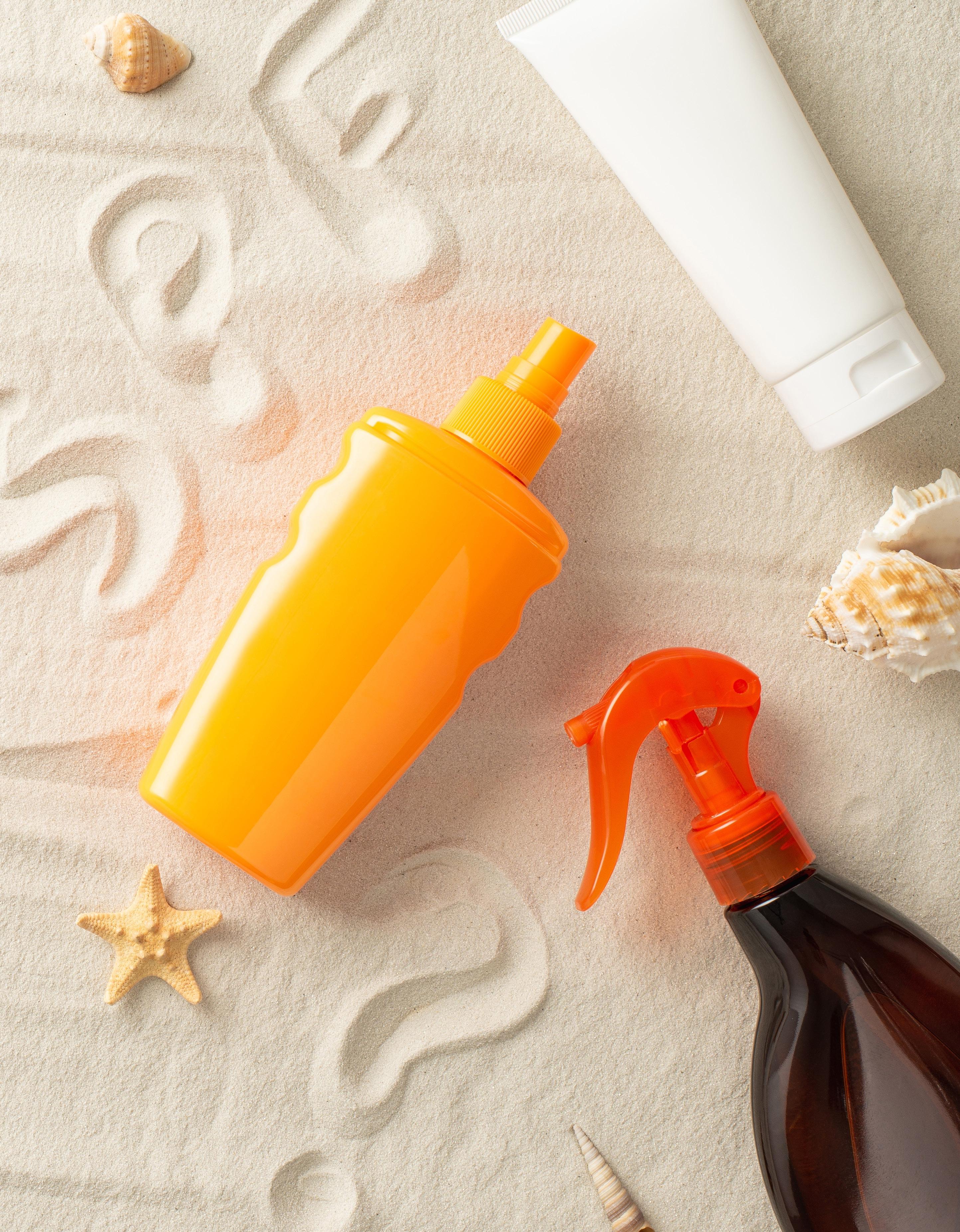
One of the most effective ways to prevent sunburn is by applying sunscreen before heading outdoors. Choose a broad-spectrum sunscreen with an SPF of 30 or higher and apply it generously to all exposed skin. Don't forget commonly missed areas such as your ears, neck, feet, and the tops of your hands.
Reapply sunscreen every two hours, or more frequently if you're swimming or sweating. Consistent application is key to maintaining protection throughout the day.
The sun's rays are typically strongest between 10 a.m. and 4 p.m. If possible, limit direct sun exposure during these hours. Spending time under umbrellas, trees, covered patios, or other shaded areas can help reduce your risk of sunburn while still allowing you to enjoy outdoor activities.
Lightweight, breathable clothing can provide an additional layer of protection against UV rays. Consider wearing long-sleeved shirts, wide-brimmed hats, and sunglasses when spending extended periods outdoors. Many clothing brands also offer garments specifically designed with UV protection in mind.
Hot weather and sun exposure can increase your risk of dehydration. Drinking plenty of water throughout the day helps support your body's ability to regulate temperature and maintain overall wellness during outdoor activities.
If you do get a sunburn, the first step is to cool the affected area. Taking a cool shower or applying a cool, damp cloth to the skin can help relieve discomfort. Avoid ice directly on the skin, as it may cause further irritation.
After cooling the skin, apply a gentle moisturizer or aloe vera gel to help soothe dryness and support the skin's recovery process. Keeping the skin moisturized may help reduce peeling and improve comfort as the burn heals.
Sunburn draws fluid to the skin's surface and away from the rest of the body, increasing the risk of dehydration. Drinking additional water can help replenish lost fluids and support recovery.
Burned skin is especially sensitive. If possible, stay out of direct sunlight while your skin heals. Cover affected areas with loose-fitting clothing if you need to spend time outdoors.
Most mild sunburns improve within a few days, but severe sunburns may require medical attention. If you experience extensive blistering, severe pain, dizziness, fever, or signs of dehydration, contact a healthcare professional.
Sunshine is one of the best parts of summer, but protecting your skin should always be a priority. By using sunscreen, seeking shade, wearing protective clothing, and staying hydrated, you can reduce your risk of sunburn. And if a burn does occur, taking quick steps to cool, moisturize, and protect your skin can help make recovery more comfortable.

Staying hydrated is one of the simplest ways to support your overall health, yet many people struggle to drink enough water each day. Proper hydration helps regulate body temperature, supports digestion, improves energy levels, and keeps skin looking healthy. Fortunately, a few simple habits can make it easier to stay hydrated without feeling like you’re constantly forcing yourself to drink water.
One effective hydration hack is to start your day with a glass of water. After several hours of sleep, your body naturally loses fluids and needs replenishment. Keeping a water bottle nearby throughout the day can also serve as a reminder to sip regularly. Many people find it helpful to use a reusable bottle marked with time goals to track their daily intake.
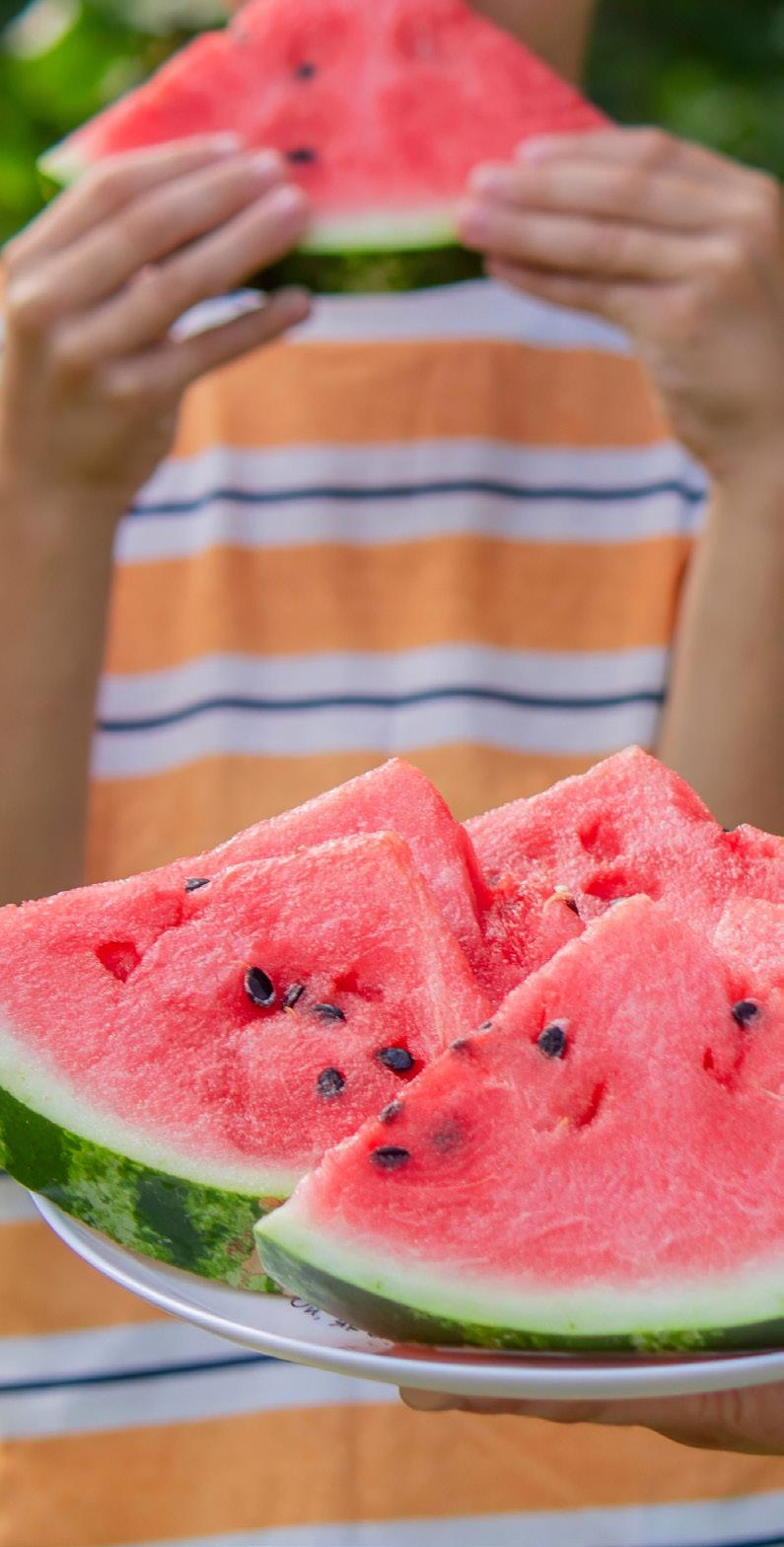
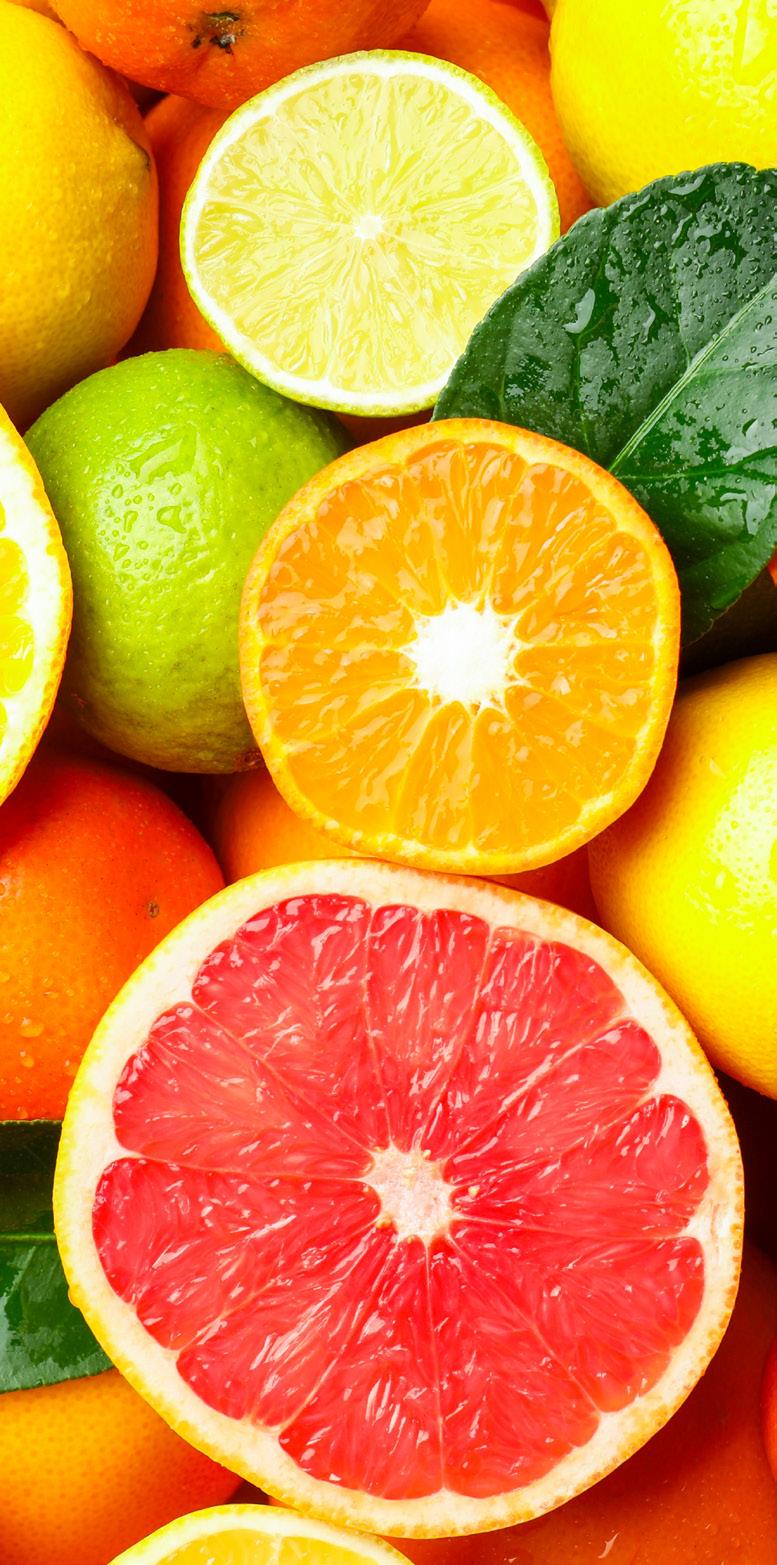
Another great strategy is to eat foods with high water content. Fruits and vegetables such as watermelon, strawberries, cucumbers, oranges, and lettuce can contribute to your daily hydration needs. Adding natural flavors like lemon, lime, mint, or berries to water can also make it more enjoyable, encouraging you to drink more often without adding excess sugar.
The key to successful hydration is consistency. Instead of trying to drink large amounts of water at once, focus on small, frequent sips throughout the day. Combining water-rich foods, healthy hydration habits, and easy reminders can help you stay refreshed and energized. By making hydration a daily priority, you’ll support your health and feel your best all year long.


Summer brings longer days, outdoor adventures, and plenty of opportunities to enjoy the sunshine. While the season can be exciting, high temperatures can also leave you feeling tired and depleted. Fortunately, a few simple habits can help you stay energized and make the most of your summer.

One of the biggest contributors to summer fatigue is dehydration. As temperatures rise, your body loses more fluids through sweat, making it essential to replenish what you lose. Keep a water bottle nearby throughout the day and make hydration a regular habit, especially if you're spending time outdoors. Staying hydrated can help support energy levels, focus, and overall well-being.
The foods you eat can have a significant impact on how energized you feel. Instead of heavy meals that may leave you sluggish, opt for lighter options packed with nutrients. Fresh fruits, vegetables, lean proteins, and whole grains can provide steady energy throughout the day. Water-rich foods such as watermelon, cucumbers, oranges, and strawberries can also help support hydration.
Busy summer schedules often mean later nights and packed calendars, but sleep remains one of the most important factors in maintaining energy. A consistent sleep routine helps your body recover and prepares you for the next day's activities. Prioritizing quality rest can help improve mood, focus, and overall performance.
The hottest part of the day can be physically draining, especially if you're active outdoors. Consider scheduling workouts, walks, yard work, or recreational activities during the cooler morning or evening hours. Taking breaks in shaded or air-conditioned areas can also help prevent overheating and keep your energy levels steady.
Pay attention to signs that your body may need a break. Feeling dizzy, overly tired, or unusually thirsty can indicate that it's time to cool down and rehydrate. Taking action early can help you avoid heat-related exhaustion and continue enjoying your summer activities safely.
Staying energized during the summer doesn't have to be complicated. By focusing on hydration, nutritious foods, quality sleep, and smart activity planning, you can enjoy everything the season has to offer while feeling your best. Small daily habits can make a big difference in helping you stay refreshed, active, and ready for summer fun.
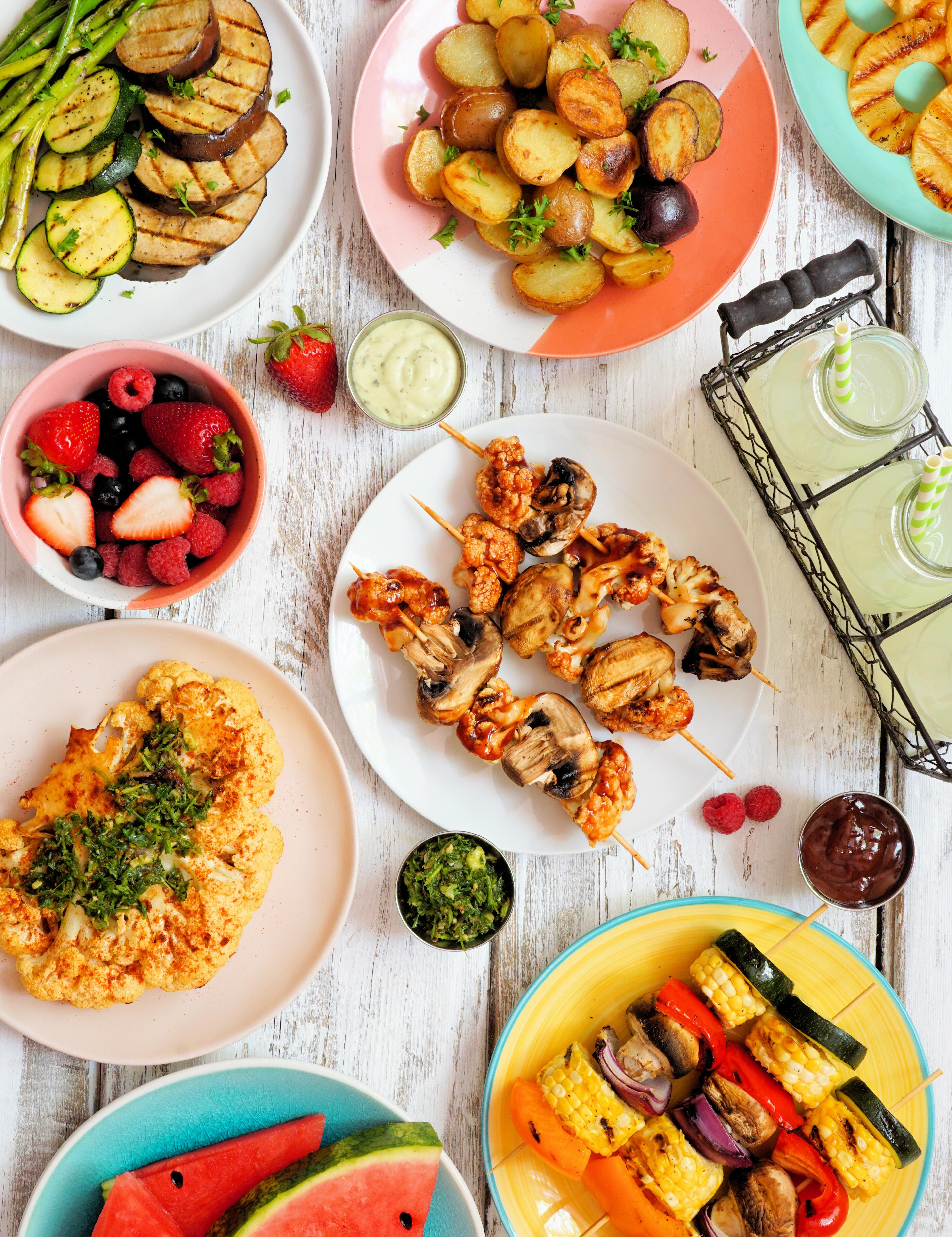
Summer hosting should feel effortless—good food, relaxed energy, and time spent with people you actually want to hang out with. The key isn’t complicated recipes or hours in the kitchen; it’s smart menu planning, seasonal ingredients, and a few “wow” touches that make everything feel intentional without adding stress.
Start with a “No-Fuss” Hosting Formula
The easiest way to plan a summer menu is to follow a simple structure:
• One signature main dish
• Two fresh side dishes
• One easy appetizer or snack board
• One simple dessert
• A drink option (or two)
This keeps things balanced without overwhelming you with too many moving parts. The goal is to prepare ahead, not assemble everything last minute.
Here
Your main dish should be something that holds well and doesn’t require constant attention. Think:
• Grilled chicken thighs with citrus marinade
• Steak or veggie skewers
• Pulled pork sliders (slow cooker or pre-made)
• Herb-marinated salmon
• Build-your-own taco bar
Anything that can be prepped in advance or cooked quickly on the grill keeps you out of the kitchen and with your guests.
Summer sides should be light, colorful, and easy to serve at room temperature. Great options include:
• Watermelon, feta, and mint salad
• Pasta salad with lemon vinaigrette and fresh herbs
• Grilled corn with flavored butter (lime, garlic, or chili)
• Caprese salad with ripe tomatoes and basil
• Cucumber and dill yogurt salad
These dishes can usually be made ahead of time, which is a major win when hosting.
A well-styled appetizer board instantly makes your gathering feel elevated with minimal effort. Try:
• Fresh fruit + cheeses + crackers
• Hummus trio with pita and veggies
• Bruschetta bar with toppings set out
• Mediterranean mezze board
The trick is variety, color, and easy grab-and-go bites. No cooking required once it’s assembled.
Summer desserts should be refreshing, not heavy. Stick with:
• Berry parfaits with whipped cream or yogurt
• Ice cream bar with toppings
• Lemon bars or citrus cookies
• Grilled peaches with honey and vanilla ice cream
You don’t need elaborate baking—just something sweet, seasonal, and easy to serve.
Elevated hosting often comes down to the drink setup. You don’t need a full bar—just a couple of well-chosen options:
• Infused water (citrus, cucumber, or berries)
• Sparkling lemonade or iced tea
• A simple signature cocktail or mocktail
• Chilled rosé or summer beer option
Serve in glass dispensers or pitchers to make it feel intentional and easy for guests to refill themselves
The real secret to stress-free hosting is doing as much as possible in advance:
• Chop vegetables and fruits the day before
• Pre-mix marinades and dressings
• Set up serving stations early
• Chill drinks ahead of time
• Lay out platters and utensils before guests arrive
The more you prep, the less you’re stuck inside while everyone else is outside having fun.
Create an Atmosphere, Not Just a Menu
Elevated hosting isn’t just about food—it’s about vibe. Simple touches go a long way:
• String lights or candles
• Outdoor seating with layered textures
• Music playlist running in the background
• Ice buckets and self-serve stations
• Minimal but intentional table styling
These details make the experience feel special without adding work.
Easy summer hosting is all about simplicity done well. With a smart menu structure, seasonal ingredients, and thoughtful prep, you can create a spread that feels elevated without spending the entire day in the kitchen.
Keep it fresh, keep it simple, and let the summer do the heavy lifting.
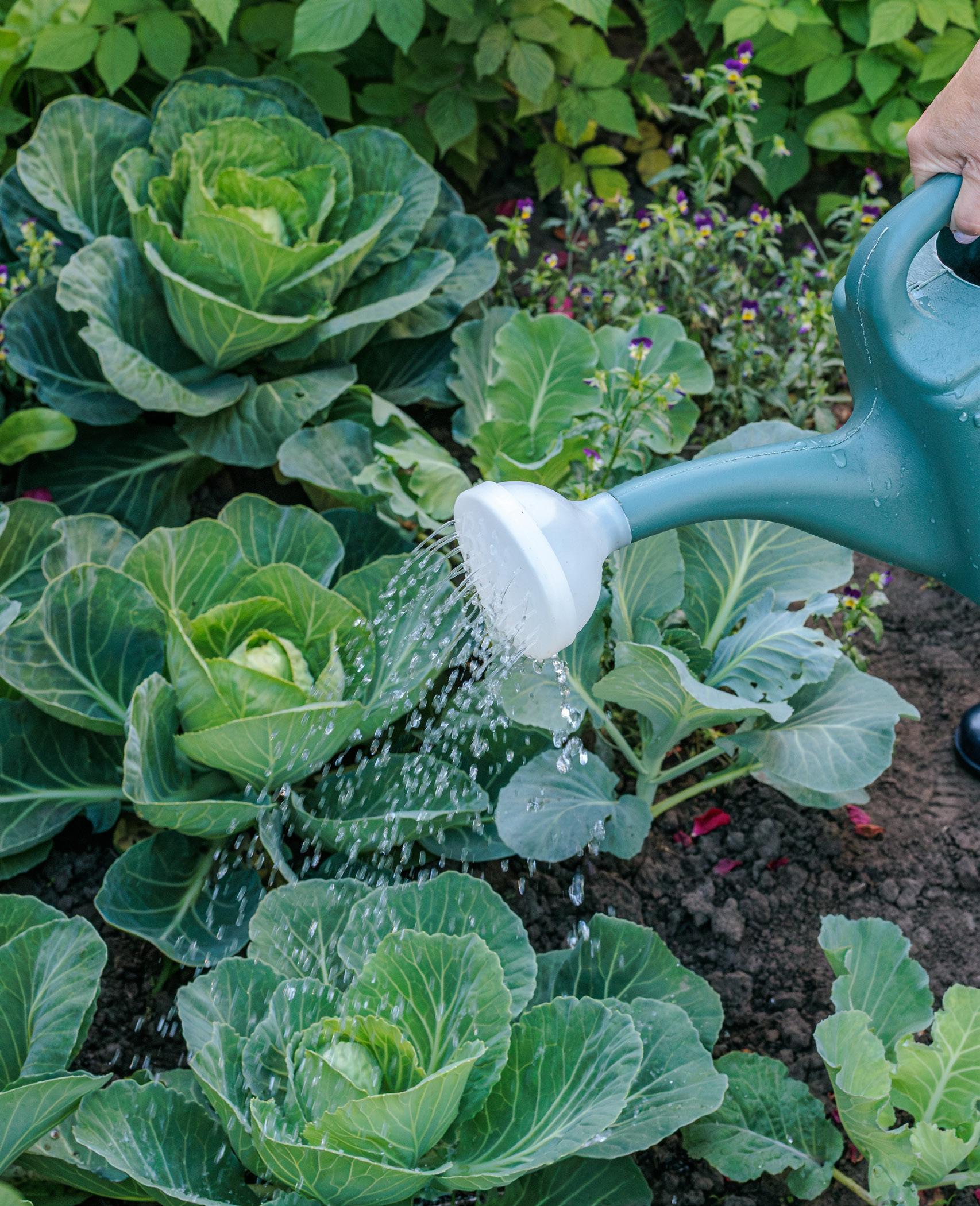
Once your garden is planted, consistent watering becomes one of the most important maintenance tasks. Most vegetables prefer deep watering several times a week rather than frequent shallow watering. Applying a layer of mulch around plants helps retain moisture, suppress weeds, and regulate soil temperature during hot summer months. Regularly checking the soil and adjusting watering schedules based on weather conditions can keep plants healthy and productive throughout the growing season.
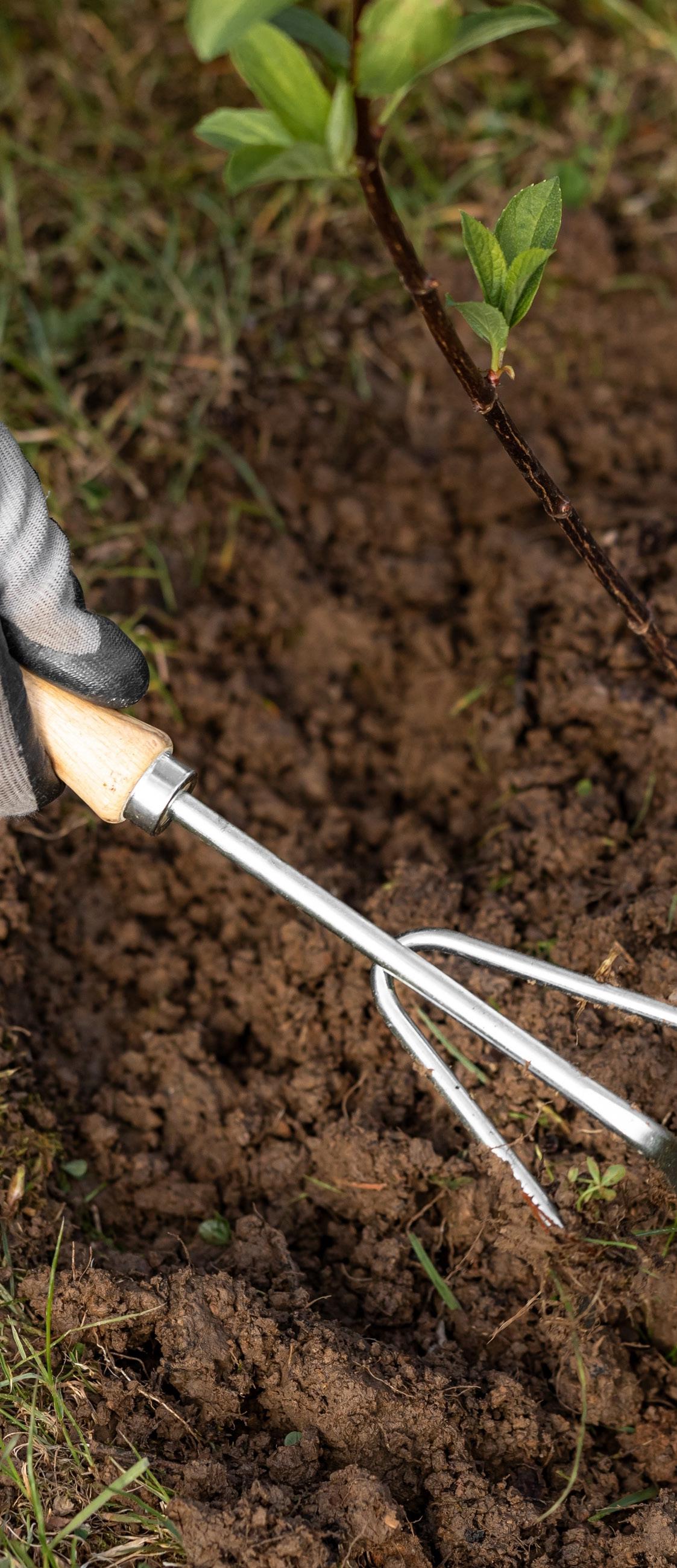
Keeping weeds, pests, and diseases under vegetable garden. Pull weeds as soon as they with vegetables for nutrients and water. Encourage and pollinators by planting flowers nearby. damage, discoloration, or pests so problems are often more resistant to disease and produce
Growing your own vegetable garden is a rewarding way to enjoy fresh, nutritious produce while spending time outdoors. The first step is selecting a location that receives at least six to eight hours of sunlight each day. Good soil is equally important, so enrich your garden bed with compost or organic matter before planting. Beginners often find success with easy-to-grow vegetables such as tomatoes, peppers, lettuce, cucumbers, and green beans. Planning your garden layout carefully ensures each plant has enough space to grow and access sunlight.
under control is another key to a successful they appear to prevent them from competing Encourage beneficial insects such as ladybugs nearby. Inspect plants frequently for signs of problems can be addressed early. Healthy plants produce larger harvests.
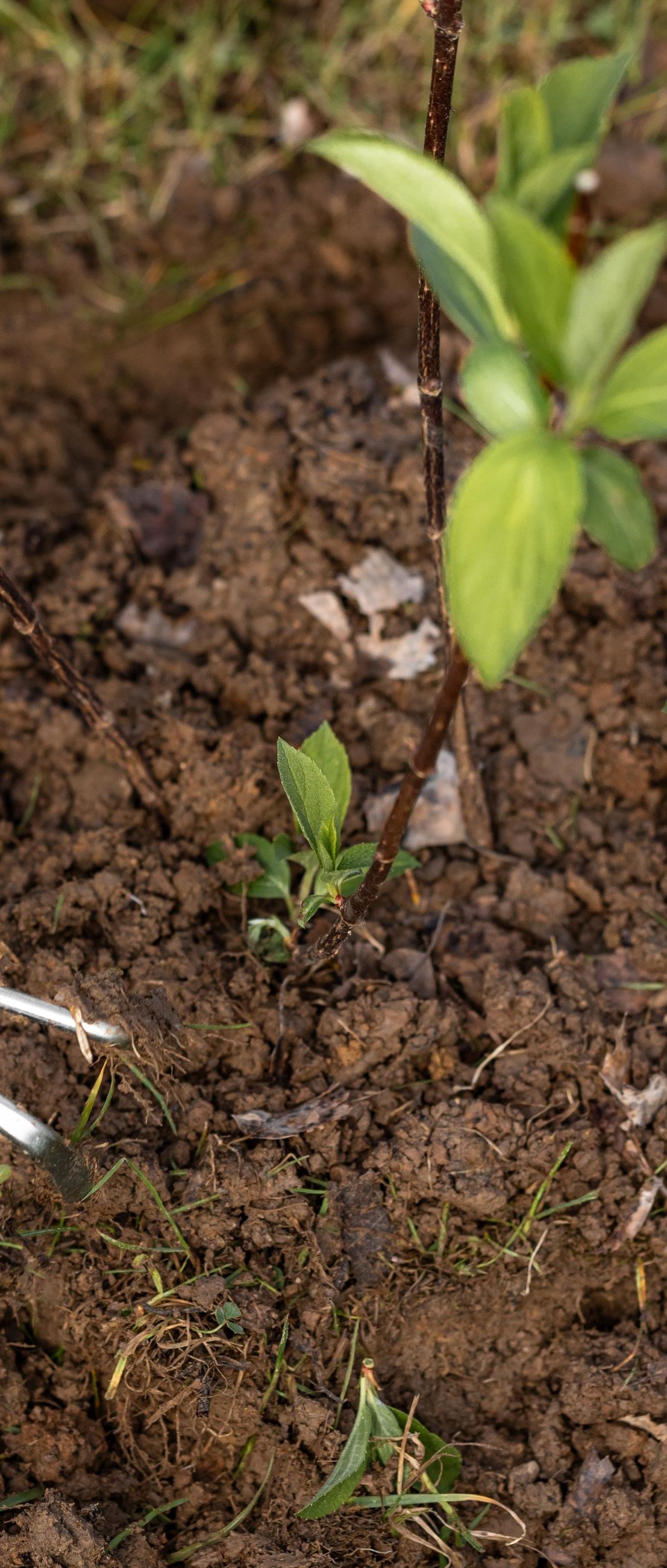
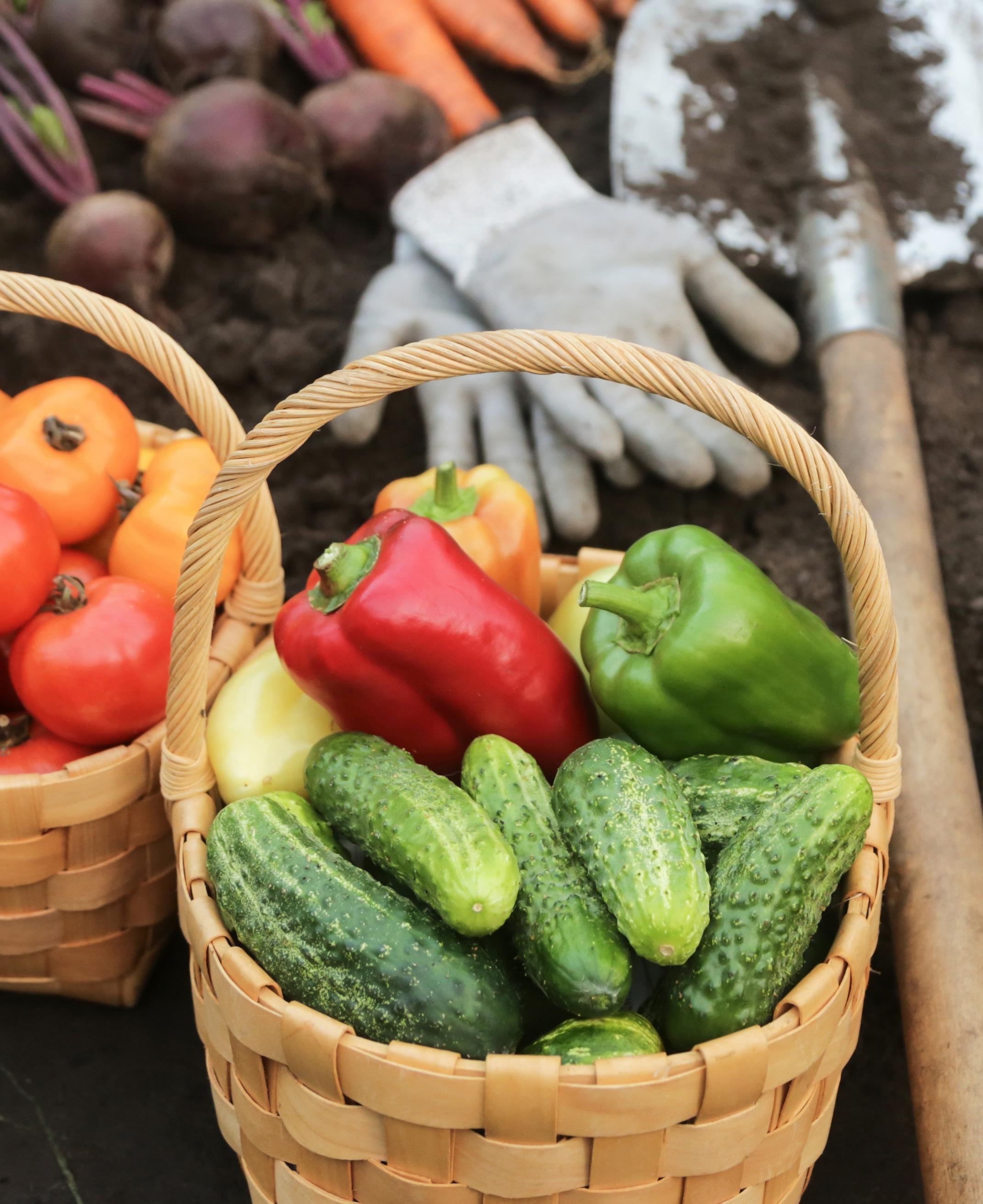
A thriving vegetable garden requires patience, attention, and regular care, but the rewards are well worth the effort. Harvest vegetables when they are ripe to encourage continued production and maintain plant health. Adding compost throughout the season helps replenish nutrients and improve soil quality for future crops. With proper planning and maintenance, your vegetable garden can provide a steady supply of fresh produce and become a source of enjoyment for years to come.
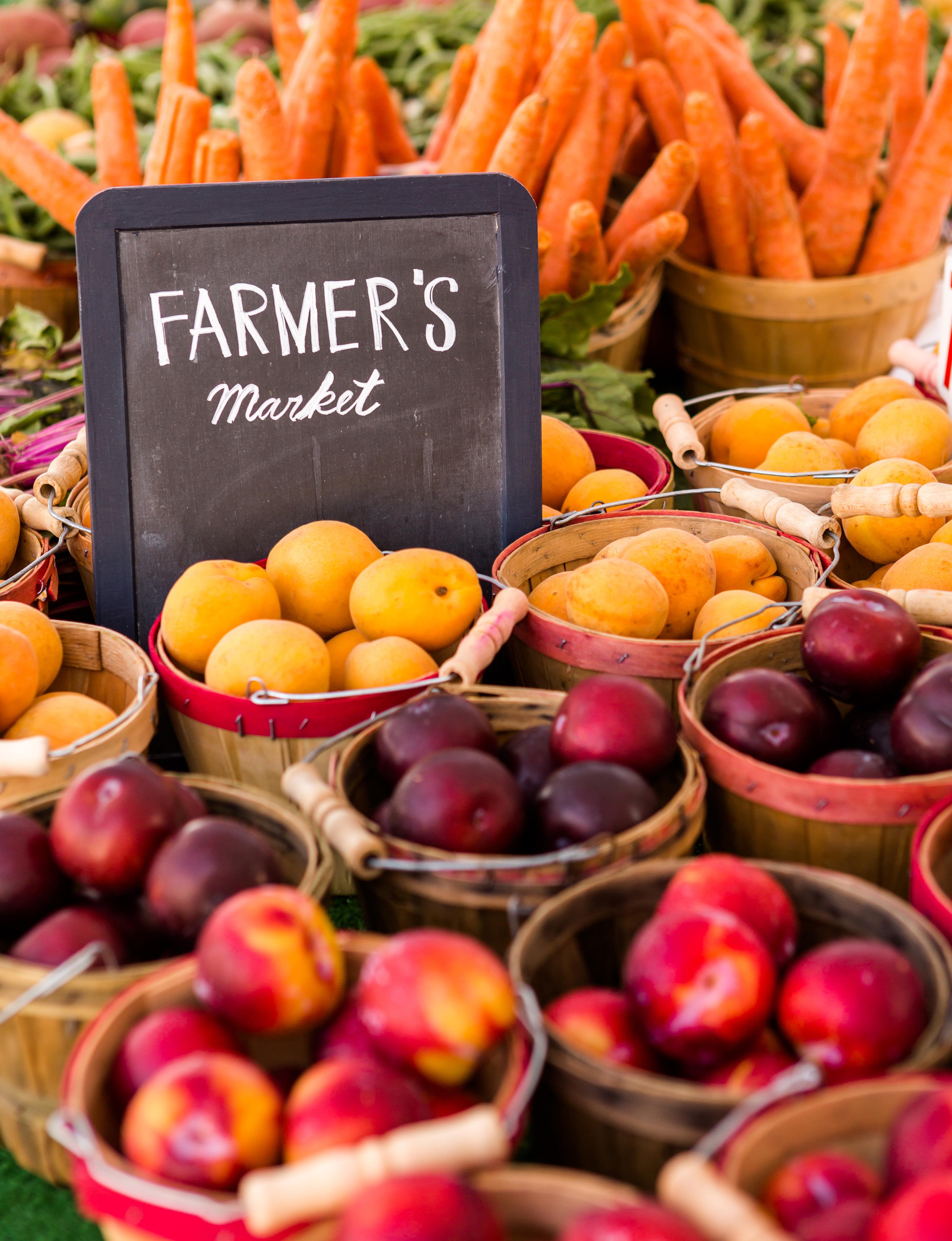
There’s something inspiring about a farmers market—crisp produce, fresh herbs, seasonal fruits, and ingredients that feel more alive than what you’ll find in a grocery aisle. The challenge isn’t finding good ingredients; it’s figuring out what to actually do with them once you get home.
The good news: farmers market cooking doesn’t need to be complicated. With a few simple strategies, you can turn your haul into effortless, beautiful meals that feel fresh, seasonal, and naturally elevated.
Start by Shopping with Flexibility, Not a Strict Plan
The best farmers market meals begin before you even cook— they start with how you shop. Instead of going in with a rigid recipe in mind, think in categories:
• A protein (eggs, chicken, fish, or plant-based options)
• Seasonal vegetables
• Fresh herbs
• One or two fruits
• A “wild card” item (cheese, bread, honey, or preserves)
This approach gives you flexibility to mix and match ingredients based on what looks best that day.
Let Seasonal Produce Lead the Menu
Farmers markets are built around what’s in season, and that should guide your cooking. Seasonal ingredients already taste their best with minimal effort.
Some easy seasonal pairings:
• Summer: tomatoes, corn, peaches, basil, zucchini
• Spring: asparagus, peas, strawberries, radishes
• Fall: squash, apples, pears, kale
• Winter: citrus, root vegetables, hearty greens
When ingredients are at peak freshness, you don’t need much to make them shine.
Build Simple “Base + Fresh + Flavor” Meals
A foolproof way to turn market ingredients into meals is to think in three parts:
• Base: grains, greens, or bread
• Fresh component: roasted or raw vegetables/fruits
• Flavor element: herbs, sauces, cheese, or dressings
Example:
• Roasted vegetables become a grain bowl one night and a wrap the next
• Fresh fruit becomes breakfast toppings, snacks, and dessert
For example:
• Farro + roasted zucchini + lemon vinaigrette + feta
• Sourdough toast + ricotta + peaches + honey
• Mixed greens + grilled corn + avocado + herb dressing
This formula keeps meals balanced without overthinking.
Keep Cooking Methods Minimal
Farmers market cooking shines when you don’t overcomplicate it. Stick to simple techniques:
• Roasting vegetables with olive oil and salt
• Grilling seasonal produce for added depth
• Light sautéing with garlic or herbs
• Serving fruits fresh or lightly macerated
The goal is to enhance, not overpower, what’s already fresh.
Use Herbs Like a Secret Weapon
Fresh herbs are often the most underrated farmers market find. They can instantly elevate any dish with minimal effort.
Try:
• Basil with tomatoes, peaches, or pasta
• Cilantro with grains, tacos, or salads
• Dill with yogurt, cucumbers, or fish
• Mint with fruit, drinks, or desserts
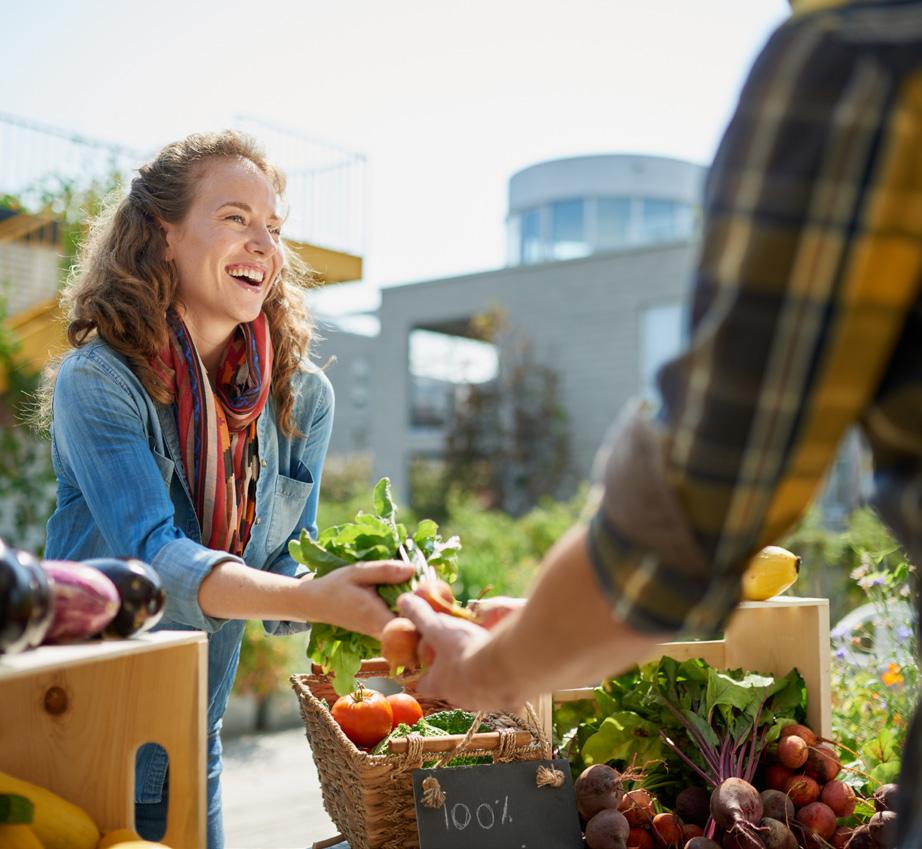
• Herbs carry through dressings, sauces, and garnishes
This reduces waste and makes cooking feel effortless throughout the week.
Build “Assembly-Style” Meals
Not every meal needs to be cooked from scratch. Farmers market ingredients are perfect for assembly-style eating:
• Grazing boards with cheese, fruit, bread, and spreads
• Salad bowls with pre-prepped veggies and proteins
• Grain bowls with leftover roasted ingredients
• Toasts topped with seasonal combinations
These meals feel elevated but take very little active cooking time.
Add One Simple “Finishing Touch”
Even a small handful can completely transform a dish from simple to restaurant-worthy.
A smart farmers market approach is planning for overlap. Instead of buying random ingredients, think about how they can stretch across multiple meals.
What makes farmers market meals feel special is often the final detail:
• A drizzle of good olive oil
• A squeeze of lemon or citrus
• A sprinkle of flaky salt
• A handful of fresh herbs
• A touch of honey or balsamic glaze
These small additions bring everything together and elevate even the simplest plate.
Don’t Aim for Perfect—Aim for Fresh
Farmers market cooking isn’t about precision or complexity. It’s about letting fresh ingredients lead the way and keeping preparation light.
A slightly imperfect plate of peak-season produce will always taste better than an overworked recipe.
The Bottom Line
Turning farmers market finds into effortless meals comes down to simplicity: shop flexibly, cook lightly, and let seasonal ingredients do most of the work. With a few basic techniques and a creative mindset, you can turn every market trip into a week of fresh, beautiful meals without stress.
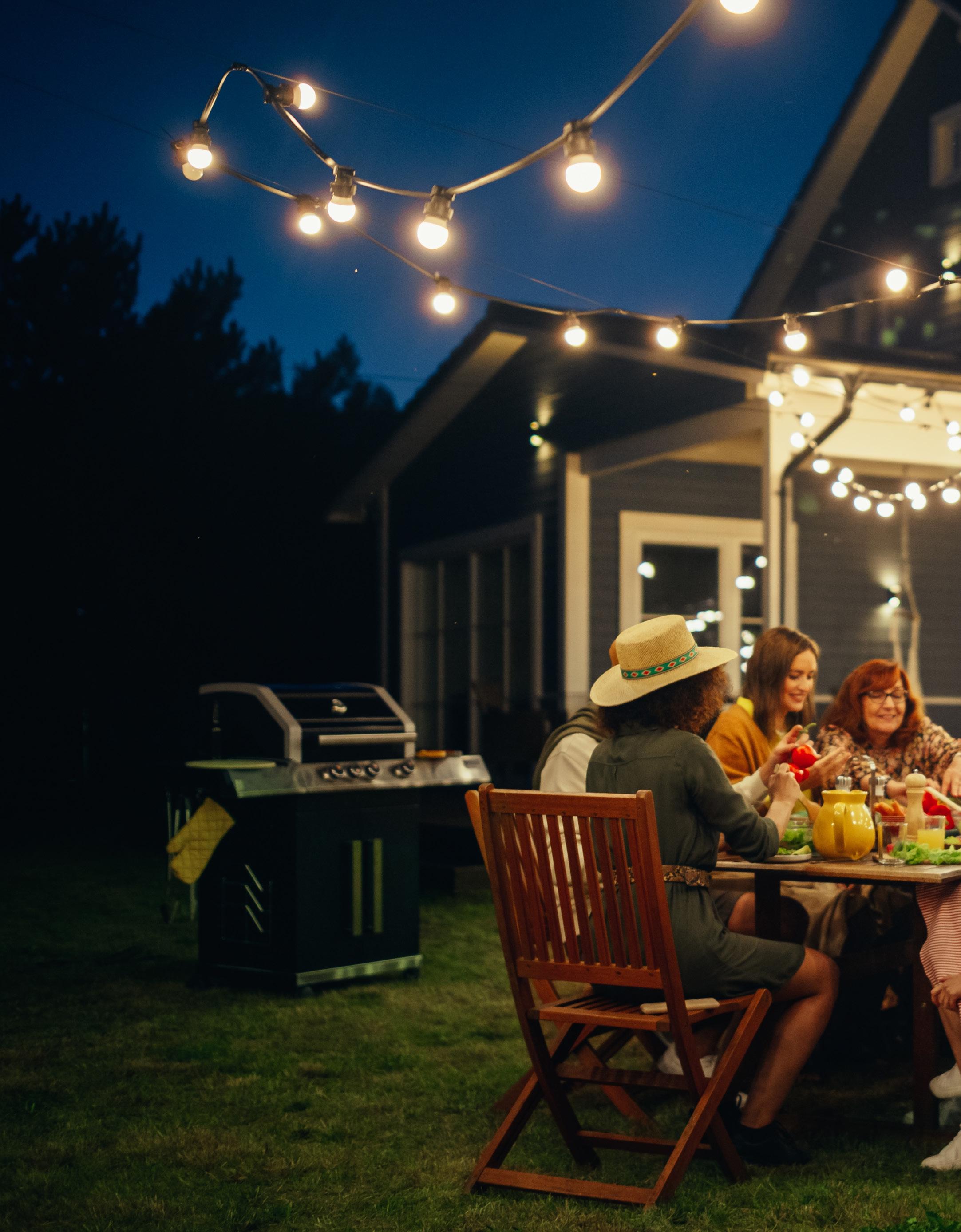
There’s something special about gathering around a table outdoors on a warm summer evening. The soft glow of the sunset, the smell of food on the grill, and the sound of conversation in the open air can turn a simple meal into a memorable summer moment.
Whether you’re hosting friends in the backyard, enjoying dinner on the patio, or planning a relaxed family meal under the stars, a little preparation can make your outdoor dining experience feel effortless, inviting, and beautifully seasonal.
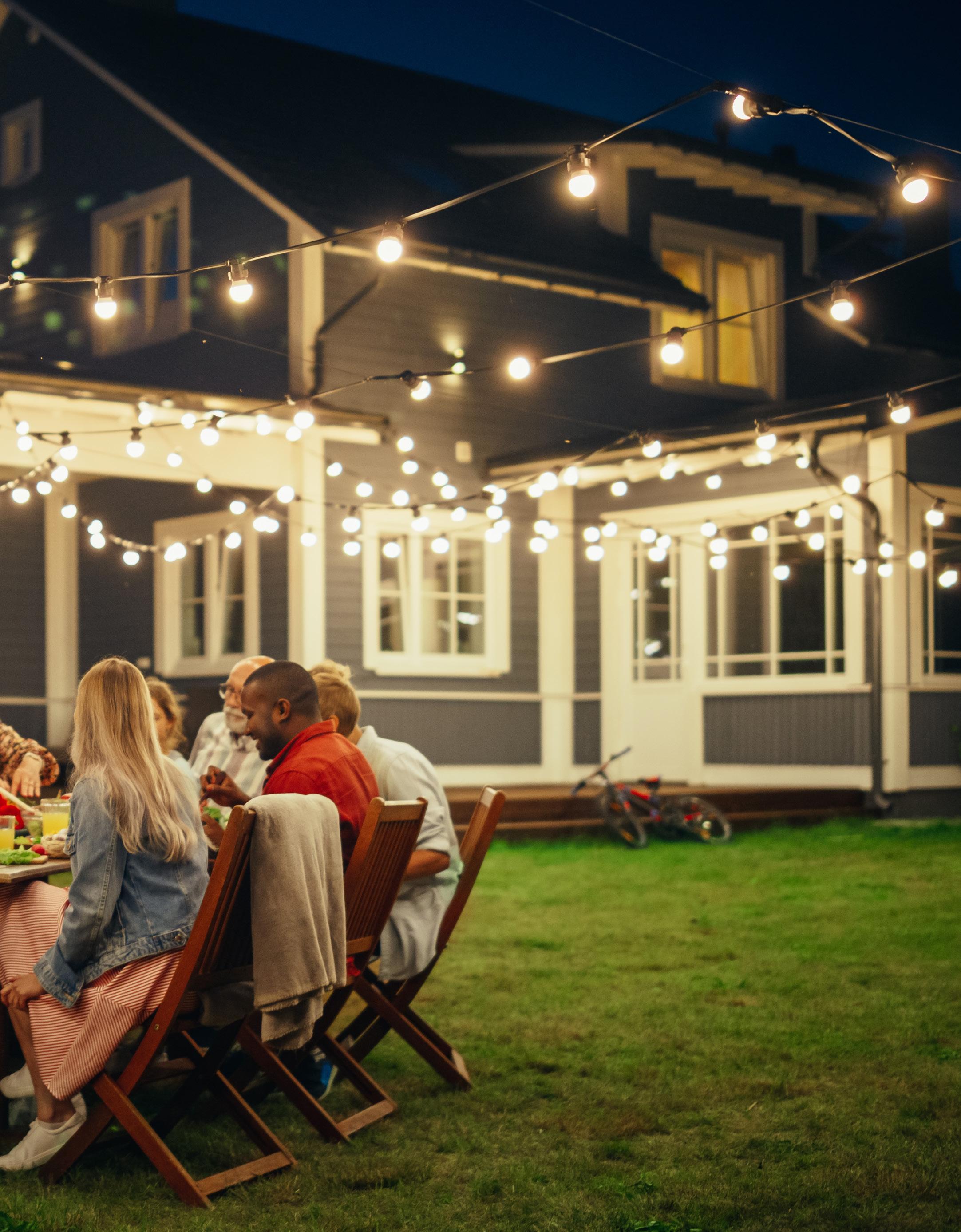
Start by choosing a comfortable spot with enough room for guests to sit, eat, and move around easily. A shaded patio, backyard table, covered porch, or even a picnic-style setup can all work well, depending on the mood you want to create.
If you’re dining earlier in the evening, consider how the sun hits the space. Umbrellas, covered seating, or a shaded area can help keep guests comfortable before temperatures cool down. As the evening settles in, your outdoor space can naturally shift from bright and casual to cozy and relaxed.
Lighting is one of the easiest ways to transform an outdoor meal. String lights, lanterns, solar pathway lights, and candles can add a soft, welcoming glow without making the space feel too bright or overdone.
Place lighting around walkways, serving areas, and the dining table so guests can move safely after dark. For the table, candles or small lanterns create a warm centerpiece while keeping the atmosphere intimate and relaxed.
You don’t need an elaborate tablescape to make outdoor dining feel special. A few thoughtful details can go a long way. Fresh flowers, colorful napkins, woven placemats, citrus accents, or a simple bowl of seasonal fruit can instantly brighten the table.
Choose materials and colors that feel light, natural, and summery. Linen textures, soft neutrals, garden-inspired florals, or bold pops of color can help create a look that feels fresh without requiring too much effort.
When planning your menu, focus on foods that are simple to prepare, easy to serve, and enjoyable in warm weather. Grilled meats, fresh salads, seasonal vegetables, fruit trays, pasta salads, and simple side dishes are always great choices for outdoor entertaining.
Try to prepare a few items ahead of time so you can spend less time in the kitchen and more time with your guests. Cold dishes, marinades, dressings, and desserts can often be made earlier in the day, making the evening feel much more relaxed.
A self-serve drink station is a simple way to keep guests comfortable and reduce hosting stress. Fill a cooler, beverage tub, or large pitcher station with chilled water, lemonade, iced tea, sparkling drinks, or your favorite summer beverages.
Add sliced fruit, herbs, or citrus wedges for an easy decorative touch. Keeping drinks within reach encourages guests to stay hydrated and helps the evening flow naturally.
Comfort is key when dining outdoors. Have insect repellent, citronella candles, or outdoor fans nearby to help keep bugs away. If the evening may cool down, place lightweight blankets over nearby chairs or in a basket so guests can grab one as needed.
It’s also helpful to have a backup plan in case of unexpected weather. A covered patio, indoor dining area, or easy-to-move table setup can save the evening if rain or wind rolls in.
Outdoor dining does not have to be complicated to feel beautiful. With soft lighting, easy food, comfortable seating, and a few seasonal details, you can create a space that feels welcoming, relaxed, and perfect for summer.
The goal is simple: good food, good company, and a setting that invites everyone to slow down and enjoy the warmth of the season.

There’s something about a cold, colorful drink that instantly makes summer feel a little more special. Whether you’re lounging by the pool, hosting a backyard barbecue, packing a picnic, or cooling off after a long day in the sun, the right beverage can feel like a mini vacation in a glass.
And the best part? You don’t need alcohol to create something festive, flavorful, and fun. Today’s mocktails are fresh, vibrant, and full of personality, using seasonal fruits, sparkling waters, citrus, herbs, and creative garnishes to bring resortstyle refreshment right to your own backyard.
Summer drinks should feel light, refreshing, and easy to enjoy. Think juicy fruit, crisp bubbles, bright citrus, and plenty of ice. A great mocktail does more than quench your thirst — it adds color to the table, sets the mood for the moment, and gives guests of all ages something special to sip.
For outdoor entertaining, choose drinks that can be made ahead or mixed in large batches. Pitcherstyle mocktails are perfect for gatherings because they keep hosting simple while still feeling thoughtful and festive.

For a lighter, spa-inspired option, cucumber-lime spritzers are crisp, cool, and incredibly refreshing. Thin cucumber slices, fresh lime juice, sparkling water, and mint come together for a drink that feels clean and elevated without being complicated.
These drinks are especially great for outdoor gatherings because they look beautiful in clear glasses, can be served in pitchers, and pair well with everything from grilled meals to light summer snacks.
The secret to a great summer drink is presentation. Even the simplest beverage can feel magazine-worthy with the right finishing touches.
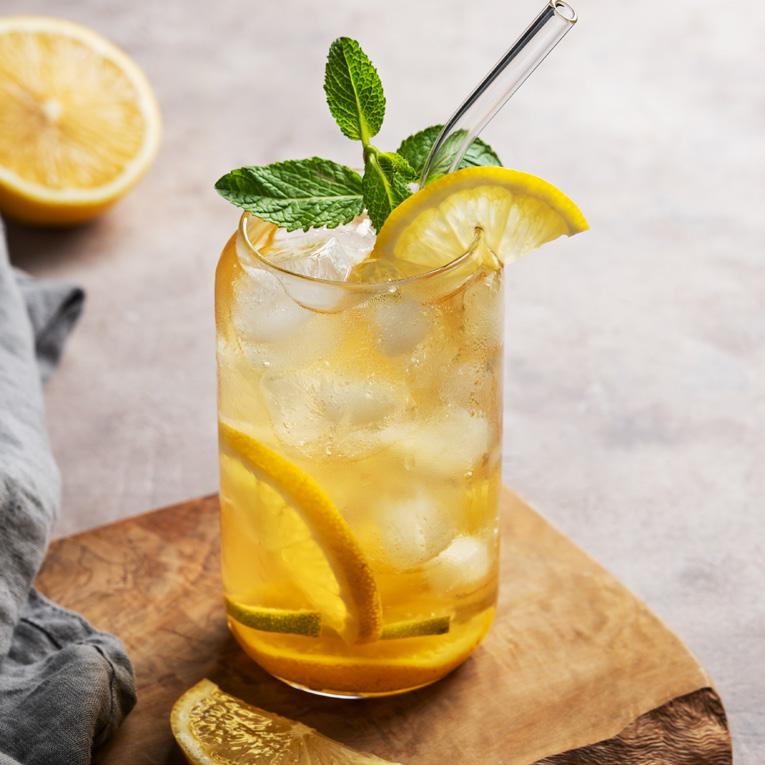
For a drink that feels like an island getaway, try a pineapple-coconut mocktail. The combination of pineapple juice, coconut water, and a splash of lime creates a bright, tropical flavor that is both refreshing and naturally sweet.
Serve it over crushed ice and garnish with a pineapple wedge, lime wheel, or colorful paper umbrella for an extra vacation-inspired touch. It’s simple, sunny, and perfect for sipping on the patio.
Watermelon coolers are another warm-weather favorite. Watermelon is naturally hydrating and lightly sweet, making it ideal for hot summer afternoons. Blend or muddle fresh watermelon with mint and a squeeze of lemon or lime, then top with sparkling water for a refreshing cooler that feels crisp and clean.
Citrus-based mocktails are always a summer classic. A sparkling strawberry lemonade is the perfect balance of sweet, tart, and fizzy. Fresh strawberries add color and natural sweetness, while lemonade brings that bright, sunny flavor everyone loves.
Add fresh fruit slices, frozen berries, citrus wheels, mint sprigs, rosemary stems, edible flowers, or colorful straws. Freeze fruit into ice cubes for a pretty detail that keeps drinks cool without watering them down too quickly.
Glassware also makes a difference. Tall glasses, mason jars, stemless wine glasses, or clear pitchers can instantly elevate your drink station and make the moment feel more festive.
Try mixing and matching these simple combinations for quick warm-weather refreshers:
Pineapple juice, coconut water, lime, and crushed ice for a tropical cooler.
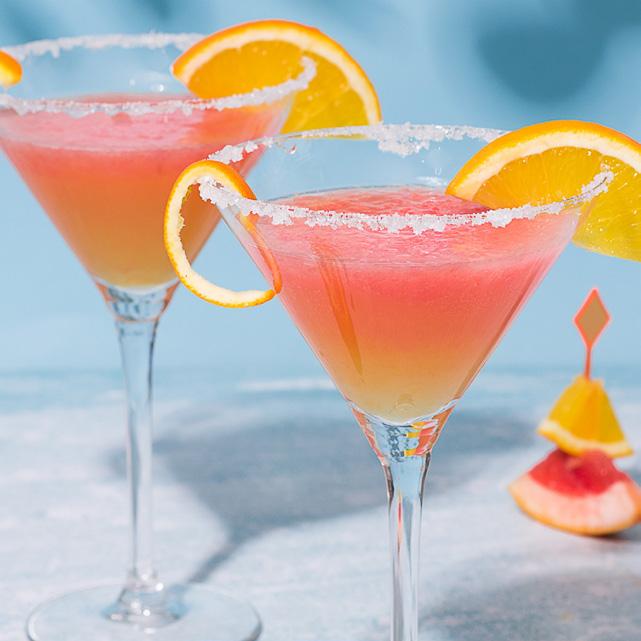
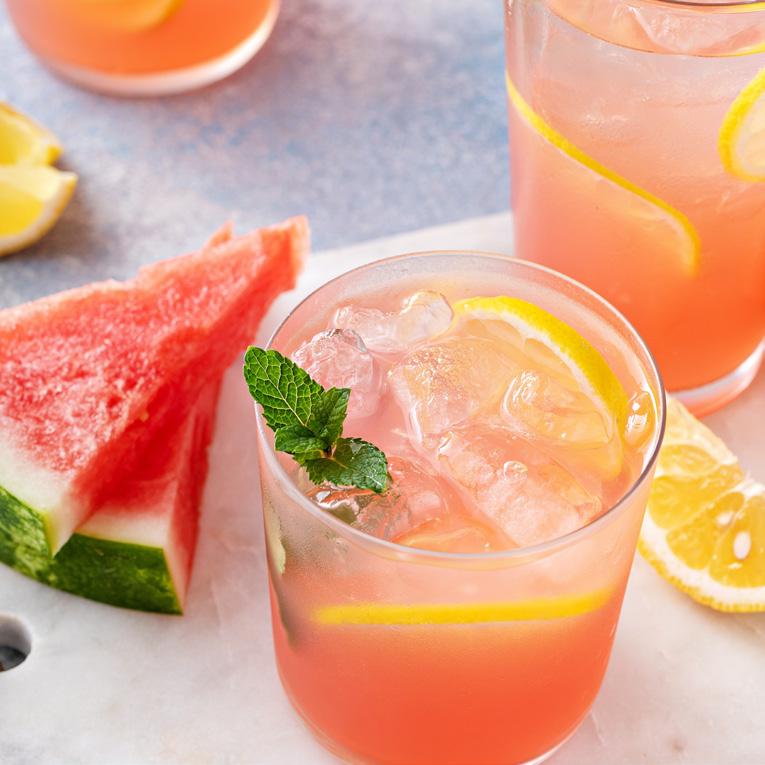
Watermelon, mint, lemon, and sparkling water for a hydrating summer spritz.
Strawberries, lemonade, and club soda for a fizzy berry mocktail.
Cucumber, lime, mint, and sparkling water for a crisp spa-style drink.
Peach nectar, iced tea, and lemon for a Southern-inspired summer sip.
Refreshing summer drinks don’t have to be complicated. With fresh ingredients, plenty of ice, and a few creative garnishes, you can turn everyday beverages into something that feels fun, festive, and vacation-worthy.
Whether you’re serving a crowd or simply treating yourself to a quiet afternoon on the patio, these bright and colorful mocktails bring a taste of summer adventure to every glass.

MORTGAGE
You've probably heard that home prices are cooling off. And that's true – nationally. But zoom in on individual markets across the country, and the picture looks completely different depending on where you are.
Some areas are still seeing solid price growth. Others have gone flat. A few have actually dipped slightly negative. So, what's causing all of that variation?
Here's the simple version:
1. When there are more homes for sale, buyers have options.
2. More options, means less competition.
3. Less competition means sellers can't push prices as high.
On the flip side, when inventory is tight, buyers are competing over a small pool of homes, and that pushes prices up.
That dynamic is playing out right now in a really visible way across the country.
Markets where inventory has climbed back to, or above, normal prepandemic levels are seeing prices flatten or fall slightly. Markets where inventory is still well below those 2019 benchmarks are still seeing prices rise. As Lance Lambert, CEO of ResiClub, puts it:
"Home prices are still climbing a little year-over-year in many regions where active inventory remains well below pre-pandemic 2019 levels, such as pockets of the Northeast and Midwest.
In contrast, some pockets in states like Texas, Florida, and Colorado — where active inventory exceeds pre-pandemic 2019 levels by a solid clip — are seeing modest home price pullbacks or flat pricing."
Take a look at where inventory stands today compared to 2019. In most places (the states in gray below), inventory still falls short of where we were back then. And that’s exactly why prices are climbing, albeit moderately, in the vast majority of states.
But you’re probably more interested in where prices are falling a bit, since that’s what is making headlines. So, let’s prove out how much inventory affects prices in those spots.
According to Realtor.com, 15 states and Washington, D.C. are now back above pre-pandemic inventory levels, and some by a wide margin (see the orange in the map right):


Now, let’s look at the latest Federal Housing Finance Agency (FHFA) data to see what's happened to home prices in those same states over the past year (again, you’ll want to focus on the orange in the next map).
See how those line up pretty closely with the areas seeing more homes for sale today?
The overlap isn't a coincidence. It's cause and effect.
The national average of 1.7% price growth is accurate, but it's an average of two very different stories happening at the same time – the few areas experiencing mild declines and the overwhelming majority that are still seeing prices rise.
If you're a buyer, the market you're shopping in matters a lot right now. In places like Texas, Colorado, or Florida, you may have real negotiating power – more choices, less competition, and sellers who are more motivated to make a deal. In tighter markets like much of the Northeast, you're still likely facing a lot of competition.
If you're a seller, pricing strategy is everything. In markets where inventory has risen, overpricing is one of the fastest ways to linger on the market and eventually sell for less than you would have with the right price from day one. In markets where inventory is still low, you're in a strong spot, but getting your price right still matters if you want to attract serious buyers quickly. Either way, that's where a local real estate agent earns their keep.
When it comes to prices, where you are matters more than ever right now, and a local real estate agent is the best person to help you make sense of it.

You've probably heard plenty of doom and gloom about the housing market lately: high rates, stretched budgets, low inventory, headlines that make buying or selling sound like a terrible idea. But the data tells a very different story.
This isn't 2020 or 2021. It was never going to be. Those were the "unicorn years" – historic low mortgage rates, bidding wars on everything, homes flying off the market in days. That kind of market was a once-in-a-generation anomaly, not a baseline. So, when people compare today to that, of course it looks rough.
But compared to almost any other housing market in modern history? This one is holding up remarkably well.
One of the biggest reasons this market hasn't cracked is the financial strength of the American homeowner. According to Federal Reserve data, homeowner equity and mortgage debt were nearly identical in 2008. That means, if someone hit a rough patch, they had almost nothing to fall back on. That’s what made that crash so bad.
Today? Total homeowner equity across the country sits at $35 trillion – dwarfing total mortgage debt (see graph right):

That gap means most homeowners aren’t stretched thin or one bad month away from trouble. They own a meaningful chunk of their home and that gives them options. If they needed to sell, many could because they have a cushion. And that cushion grows over time.
Realtor.com found that homeowners who've been in their home just 5 years have built up around $180,000 in equity on average. Stick around 6-10 years, and that jumps to over $340,000.
Data from ATTOM and the Census shows two-thirds of homeowners either own their home outright or have more than 50% equity.
That's not a fragile market. That’s a population of homeowners who are financially positioned to sell, to stay, or to make their next move from a place of strength rather than pressure.

Here’s another point on the resilience of the market. Redfin research shows home prices are still rising, but the pace has slowed, now closer to 2% year-over-year nationally (see graph right):
That slowdown is good news, as Daryl Fairweather, Chief Economist at Redfin, explains:
“We’re in the middle of a long-term housing market correction, not a housing market crash. After the pandemic-era frenzy sent prices soaring and inventory to historic lows, the market needed a reset.”
At the same time, Federal Housing Finance Agency (FHFA) data shows more than half of all active mortgages still carry a rate below 4% (see graph left):
That's a big reason inventory stays tight. Those homeowners aren't in a rush to trade their rate for a higher one. They’re sitting comfortably in a strong financial position, not scrambling.
That comfort shows up in the foreclosure numbers, too. Despite a slight recent uptick, foreclosure volumes remain dramatically below historical norms, according to ATTOM. Homeowners aren't losing their homes in droves. They have equity, they have breathing room, and most have options that keep them out of financial distress.

This market isn't broken, and waiting for a crash that isn't coming has a cost. Every month spent on the sidelines is a month someone else is building equity, locking in a price, or getting ahead of what most experts expect to be a housing surge once broader economic conditions settle.
Whether you're thinking about buying or selling, a local real estate agent can help you figure out what this market means for your specific situation and what your next move could look like.