June always feels like a season of movement and growth. The days are longer, the grill gets fired up more often, and life naturally pulls us outdoors. Here at home, our garden is thriving, and we’re already harvesting our first cucumbers and tomatoes of the season—small reminders that steady care and patience eventually bear fruit.
This month’s issue focuses on men’s health and the importance of staying strong, active and engaged as we age. Our feature article explores testosterone replacement therapy and the growing conversation around vitality, energy and quality of life for men. We also take a look at “rucking”—the simple but effective practice of walking with added weight—and share healthy grilling ideas perfect for summer gatherings.
What ties all of these topics together is a reminder that good health is rarely built through one dramatic change. More often, it comes from consistent habits: moving our bodies, eating nourishing foods, getting outside, staying connected and paying attention to what we need physically and mentally.
And while you’re exploring ways to improve your well-being, I encourage you to support the advertisers in these pages. Their businesses and services help make this publication possible, and many are local practitioners and entrepreneurs dedicated to helping our community thrive.
Wishing you a healthy, active and joy-filled start to summer.
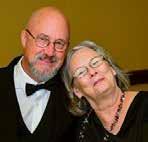
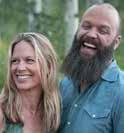
Mike and Cindy Hart
Advertising & Submissions
PUBLISHERS Cindy & Mike Hart
EDITOR Jane Aylward
CREATIVES Cindy Hart
LEADS Yasin Rahman
CONTACT US 11428 Debbie Lane Iola, TX 77861 713-443-3186
NATIONAL TEAM
CEO Kimberly Whittle
COO Michael Bevilacqua
CMO Vee Banionis
Sr. VP Operations Brian Stenzler, DC
National Editor Sandra Yeyati
Editor Brooke Goode
Copy Editor Melanie Rankin
Print Production Specialist Kevin Rankin
Design Director Agnes Mazeikaite
Customer Service Dani Bucad
Layout Flip 180 Media
CONTACT US
Natural Awakenings Publishing Corporation 350 Main Street, Suite 9B Bedminster, NJ 07921
Although some parts of this publication may be reproduced and reprinted, we require that prior permission be obtained in writing. Natural Awakenings is a free publication distributed locally and is supported by our advertisers. Please call to find a location near you or if you would like copies placed. We do not necessarily endorse the views expressed in the articles and advertisements, nor are we responsible for the products and services advertised. Check with a healthcare professional regarding the appropriate use of any treatment.
Summer Solstice Sound Healing Gathering Planned in Cypress
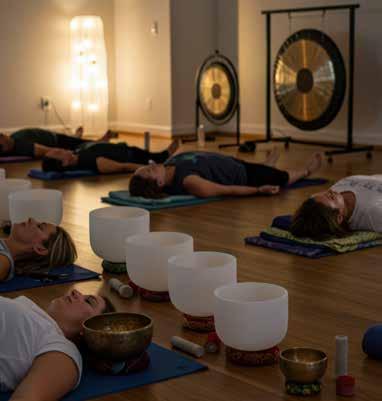
The Sound Path will host Opening the Heart to New Possibilities, a guided sound healing and meditation gathering, on June 21 from 7:30 to 9 p.m. in Cypress. Timed with the summer solstice—the longest day of the year—the event is designed to encourage reflection, renewal and emotional balance in a calm, supportive setting.
The evening will include guided meditation, gentle movement and a restorative sound bath featuring crystal singing bowls. Organizers say the experience is intended to help participants slow down, reconnect with themselves and create space for new possibilities and personal insight.
Rooted in mindfulness and simplicity, the gathering welcomes individuals of all experience levels, including those new to meditation or sound healing practices.
Location details will be provided after registration. Admission is $30 per person.
For more information or to reserve a space, visit https://relax-be-you.square.site/ or call 832-908-7858.
Phoenix School of Massage Opens Doors to New Careers in Healing
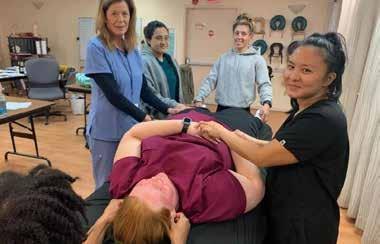
Phoenix School of Massage and Holistic Health in Houston, TX is opening enrollment for upcoming Day and Evening Massage Therapy Programs, designed for students seeking a flexible, structured path toward professional massage licensure.
Day Program
Begins: June 8th, 2026
Open Enrollment Through: June 16th, 2026
Meets: Monday–Thursday, 9:00 AM–2:30 PM
Evening Program
Begins: June 15th, 2026
Open Enrollment Through: July 2nd, 2026
Meets: Monday–Thursday, 5:30 PM–9:30 PM
Hybrid Schedule
Monday & Wednesday: On-Campus Hands-On Training Tuesday & Thursday: Live Online Interactive Classes
Phoenix School of Massage & Holistic Health is Houston’s longest-running massage therapy school, offering a holistic curriculum, evidence-based instruction, and flexible scheduling for working adults, caregivers, and career-changers. Students receive training in anatomy, kinesiology, body mechanics, and professional practice, supported by experienced faculty who have contributed to national massage therapy publications and textbooks.
Serving the Greater Houston area—including Memorial, Katy, Sugar Land, Pearland, and surrounding communities—the school prepares graduates for careers in chiropractic clinics, wellness centers, spas, and medical massage settings. Ask about our early enrollment and one-time payment discounts.
Prospective students can learn more or begin the admissions process at MassageSchoolHTX.com or call us at 713-974-5976.
Over 100 Diabetes Self-Management Education and Support Facilitators Empower Thousands of Patients and Caregivers for Better Health
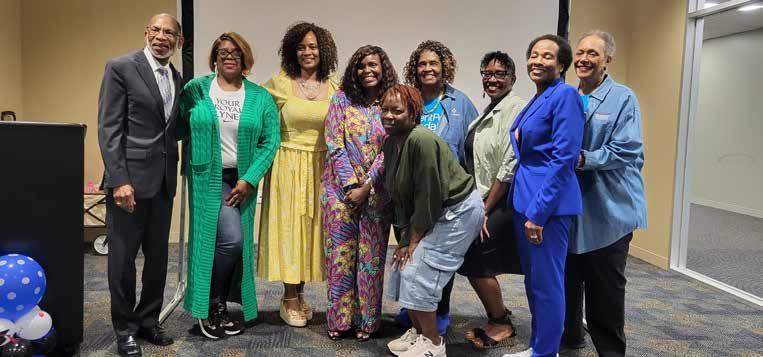
Faith communities serve as powerful “third places” that are trusted gathering spaces beyond home and work where people can connect, reflect, feel seen, supported, and spiritually grounded. In Houston, the Institute for Spirituality and Health at the Texas Medical Center has partnered with local faith homes to harness this trust and to deliver Diabetes Self-Management Education and Support (DSMES) where it’s needed most—within the heart of the community.
The Institute created the Faith & Diabetes program in 2016 to bring DSMES to meet patients and their caregivers where they are. As a part of the Institute’s broader Cities for Better Health Houston initiative, the DSMES program helps Houston area diabetes patients address challenges and manage their health.
The scalability and sustainability of the Faith & Diabetes Initiative have been demonstrated through its success. Pharmaceutical industry leader Novo Nordisk recently recognized cities for Better Health-Houston as a global leader in faith-based public health innovation. Since its launch, the Faith & Diabetes initiative has trained over 100 facilitators in multiple languages and has partnered with more than 80 diverse houses of worship across Greater Houston, helping more than 3,000 individuals and families directly.
This grassroots approach reflects the broader mission of the Institute for Spirituality and Health, an independent, interfaith nonprofit founded in 1955. A founding member of the Texas Medical Center, the Institute brings together healthcare professionals, faith leaders, and communities to explore the deep connection between spirituality and health.
The DSMES program is based on a “train-the-trainer model” that equips trusted community members and faith leaders to become certified DSMES facilitators. The curriculum is developed by Gateway Laredo Federally Qualified Health Center and recognized by the American Diabetes Association for its quality and effectiveness.
DSMES facilitators are typically longtime members of their faith home, and faith communities become hubs of health for their congregations. Trained facilitators lead small-group sessions that teach essential self-care skills such as monitoring blood sugar monitoring, adhering to prescribed medication regimens, and ensuring proper nutrition, physical activity, and mental well-being.
Our facilitators have been described as knowledgeable, personable, and trustworthy, which stands in stark contrast to how many underserved communities describe their experience in the healthcare system.
To learn how to bring the Faith & Diabetes DSMES program to your community or workplace, please visit www.spiritualityandhealth.org/ faith-diabetes.
About the Author
Mojisola Delano is the FaithHealth Project Coordinator at the Institute for Spirituality and Health. She can be reached at 713.797.0600 x 5 or via email mdelano@ish-tmc.org.
The Institute for Spirituality and Health at the Texas Medical
This Month’s Cover Feature: DNA Vibe Jazz Band
This month’s cover spotlights the DNA Vibe Jazz Band, a wearable red light therapy device designed to support the body’s natural recovery and regenerative processes. Developed by DNA Vibe founder Perry Kamel, the technology combines low-power light, magnetic and vibration therapies to promote circulation, mobility and overall wellness without excessive heat.
Unlike traditional heating pads, DNA Vibe products are designed to work with the body’s natural biology, supporting cellular energy production and recovery. Many users turn to the technology for muscle recovery, joint comfort and improved physical performance.
Beyond wellness innovation, DNA Vibe also emphasizes sustainability through local manufacturing and environmentally conscious packaging practices.
For more information, visit dnavibe.com and see the ad on the back cover.
Brain-Cleaning Mechanism Discovered
A recent study from the Medical University of South Carolina, published in iScience, reveals that the middle meningeal artery doesn’t just supply blood to the brain—it might also play a role in keeping it clean. By using enhanced magnetic resonance imaging and high-resolution spatial mapping on five heathy adults, the researchers discovered a previously unknown, slow and steady outflow of brain fluids into the lymphatic system, which is responsible for waste removal. The findings align with similar results from studies on rodents.
This study helps scientists gain a deeper understanding of how a healthy human brain functions normally. The next step is to compare these results to those of individuals with brain disorders to see if a malfunctioning drainage system and waste accumulation could be damaging to brain cells and contributing to memory loss, Alzheimer’s disease and brain injuries.
ADHD and Learning Disabilities Share Genetic Origins
A 2025 study in Psychological Science looked at how shared genetic and environmental factors might affect the chance of having attention-deficit/hyperactivity disorder (ADHD), dyslexia (trouble with reading) and dyscalculia (trouble with math) at the same time. The scientists used data from the Netherlands Twin Register involving approximately 19,000 twins and 2,000 siblings, analyzing teacher-provided information and standardized test scores at ages 7 and 10.
The study showed that 77.3 percent of the children had only one of these specific conditions, but the risk for multiple conditions was two to three times more likely because the three conditions share similar genetic predispositions, not because one disorder causes another. The researchers noted that although these neurodevelopmental conditions are deeply connected, each condition should be assessed and treated separately because treating one condition is unlikely to automatically improve the others.
Chiropractic Guide
Innate Chiropractic
Healing Arts Center
Dr. Jackie St.Cyr, DC 8100 Washington Ave, #210 Houston, TX 77007 713-521-2104 n8chiro.com
Franson Chiropractic
Dr. Brett V. Franson, DC 1652 S. Dairy Ashford Rd. Houston, TX 77077 281-701-1596 fransonchiropractor.com
Woodway Wellness
Dr. Terry A Smedstad, DC 4801 Woodway, Suite 175E Houston, TX 77056 713-622-2225 woodwaywellness.com
Capturing an Earthquake
On March 28, 2025, a powerful 7.7 earthquake struck central Myanmar, near Mandalay. It was the second-deadliest earthquake in the country’s modern history. Geologists determined it was a strike-slip fault quake, where two large sections of the Earth’s crust move horizontally past each other along a vertical fracture, resulting in a split of the ground along a clear line.
What made this event unique is that it was caught on a closed-circuit television camera. A research team from Kyoto University examined the video frame by frame and found the fault moved on a slight curve more than eight feet in 1.3 seconds. The video can be viewed at TinyURL.com/Myanmar-Quake
Ants on Caffeine
Argentine ants (Linepithema humile) are one of the most damaging and expensive invasive insect species worldwide. Originally from South America, they have spread to coastal and southern regions of the United States. What makes them so difficult to control is their large, interconnected colonies with multiple queens, which allows them to grow rapidly, share resources and survive partial pest treatments.
Greenland’s Ice Cap Melted 7,000 Years Ago
Javier Chiavone/Shutterstock
A recent study in iScience suggests that caffeine might help Argentine ants learn and remember better. The researchers noticed that when they added caffeine to a sugary treat, the ants took more direct paths to the food, even though they did not move any faster. The researchers hope to use these findings to develop more effective pest-control baits. Additional research is needed to bring the developing findings to commercial use.
GreenDrill is a project co-led by the University of Buffalo to understand the Greenland Ice Sheet’s vulnerability to temperature changes by drilling to collect rock and sediment. The chemical signatures of these core samples provide data about the last time they were exposed to sunlight. Scientists have fewer such samples from under Greenland’s ice sheet than from the moon.
A GreenDrill study in Nature Geoscience reported that the Prudhoe Dome, a 1,600-foot-thick ice sheet in northwestern Greenland, completely melted about 7,000 years ago, much more recently than previously known. The findings suggest the ice cap is more sensitive to even modest warming than once thought and will help scientists better predict where melting may begin and which coastal areas face the greatest risk of rising sea levels.
Origins of American Gambling
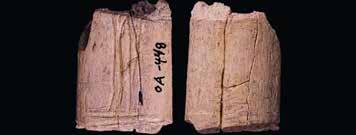
A new study in American Antiquity suggests that Native Americans played games of chance using dice made with carved bone more than 12,000 years ago. These findings are more than 6,000 years older than the oldest known dice from the Bronze Age.
The objects, called binary lots, were different from the six-sided dice we know today. They were flat and slightly rounded, oval or rectangular, with two unique sides like the front and back of a coin. Players would toss them together and count how many pieces were facing up.
To determine if the ancient objects were binary lots, the researchers compared them to 293 sets of Native American dice recorded in a 1907 study of games played by North American Indigenous peoples.
Earth’s Spin Is Slowing
In a study published in the Journal of Geophysical Research: Solid Earth, researchers explain how the warming planet is slowing Earth’s rotation and lengthening the day at a rate not seen for the last 3.6 million years. The length of a day changes over time due to the gravitational effect of the moon, shifting tectonic plates and other geophysical processes on the planet’s surface and in the atmosphere.
Scientists in the study developed a methodology to model changes in the Earth’s rotation over millions of years that included the repeated growth and melting of continental ice sheets from the ice ages. Using their technique, they estimate that our day increased the equivalent of 1.33 milliseconds per century from just 2000 to 2020 due to the redistribution of water from melting polar ice sheets and glaciers.
The researchers expect the Earth’s rotation rate to continue to decline through the end of the century. While a millisecond is very short, they point out that precise space navigation relies upon accurate information about the Earth’s rotation.
The eco-conscious gentleman seeks to conserve resources, reduce waste and break free from consumerism. When building his wardrobe, he favors quality over quantity, rejecting fast fashion in favor of wellmade garments, sustainable fabrics and timeless designs.
Eco-Friendly Fabrics
Synthetic materials like polyester, nylon and acrylic are derived from fossil fuels, take centuries to biodegrade and release harmful microplastics during washing. They have no place in an evolved wardrobe. Better fabrics come from renewable sources grown without chemicals or pesticides, such as organic cotton, linen, hemp, bamboo and responsibly sourced merino wool.
Look for the Global Organic Textile Standard (GOTS) certification, which ensures environmentally and socially responsible manufacturing, including crop rotation for soil health,
a prioritization of rainwater over irrigation and fair wages for workers. This certification applies to all textiles made from at least 70 percent non-GMO certified organic natural fibers.
To replace leather—one of the least sustainable materials—innovative plant-based alternatives are emerging, such as Piñatex from pineapple leaves and wood pulp or mycelium-based fabrics made from mushrooms. Recycled polyester (rPET) from melted plastic bottles spun into yarn helps reduce landfill waste. Approximately nine bottles are needed to make one T-shirt.
TENCEL Lyocell, made with wood from responsibly managed forests, is produced with 50 percent lower carbon emissions and water consumption than similar fabrics. This soft, breathable, moisture-wicking and durable material is used in T-shirts, activewear, eco-friendly denim, tailored trousers and underwear.
Examples of Mindful Clothing Brands
Knowledge Cotton Apparel (KnowledgeCottonApparel.com) offers basic wardrobe pieces made with organic cotton, linen, TENCEL, wool, denim and corduroy.
Toad&Co (ToadAndCo.com) uses thirdparty-certified sustainable fabrics, aims to eliminate all plastic-based packaging by 2026 and purchases carbon offsets supporting global environmental projects.
MUD Jeans (MudJeans.com) rescues old jeans headed for the landfill and shreds, cleans and weaves new yarn for a fresh pair. Their methods save water and energy, avoid harsh chemicals and reduce CO2 emissions. Consumers can send old jeans for discounts on future purchases.
Tentree (TenTree.com) makes its products out of TENCEL Lyocell, organic cotton or recycled polyester, focusing on reducing wastewater and emissions. They also plant 10 trees for every item purchased.
How to Curate a Sustainable Wardrobe
Prioritize durable construction. Choose robust, tightly woven materials like denim and canvas for longevity. Look for metal zippers and secured buttons.
Maintain clothes for longevity. Air-dry to prevent heat damage and tumbling wear. Wash less frequently to preserve fabric integrity. Repair small holes or loose threads promptly. Avoid harsh detergents or fabric softener.
Choose core essentials. Concentrate on 15 to 20 high-quality, versatile items in neutral tones (navy, grey, beige, white, black) that can be mixed and matched for various occasions. Include a tailored blazer, dark jeans, solid-colored T-shirts, buttoned shirts, one or two knitwear pieces, neutral chinos, tailored trousers, white sneakers, loafers and a pair of boots.
What if there was another way?
For more than four decades, Burzynski Clinic has challenged the idea that cancer care must follow a one-size-fits-all path. Led by Dr. Stanislaw Burzynski, the Houston-based clinic has become known worldwide for its personalized, patient-centered approach to cancer treatment and research.
What if cancer care looked beyond the diagnosis and focused on the individual behind it? What if treatment options could be tailored to a patient’s unique biology, genetics, and overall well-being?
At Burzynski Clinic, patients are introduced to advanced diagnostic insight, precision-targeted therapies, and integrative support designed to help guide each person’s journey with compassion and innovation. The clinic’s work continues to attract patients seeking additional answers, expanded options, and a more individualized experience beyond conventional cancer treatment models.
Could there be another path worth exploring?
Discover why patients from around the world travel to Houston to learn more. Explore the Burzynski Clinic approach and hear stories of hope, research, and personalized care.
Testosterone replacement therapy (TRT), available as injections, patches, gels, pills and implant pellets, was a global market worth nearly $2 billion in 2022, and is projected to reach nearly $3 billion by 2032, according to Allied Market Research. Yet TRT is often misused for symptoms like fatigue or for athletic enhancement, when it is actually meant to treat clinically diagnosed low testosterone.
While this pivotal sex hormone is responsible for male puberty, sperm production and healthy libido, it also acts as a critical metabolic regulator and driving force behind physical energy, healthy muscle mass, bone density, red blood cell production and mood regulation. When men experience a decline in performance—whether at work, in the gym or in the bedroom—it may be easy to assume that low testosterone levels are to blame, but the misuse or overuse of TRT places users at risk for undesirable side effects.
According to the Mayo Clinic, the potential risks of TRT include: worsening sleep apnea; skin reactions, including acne; noncancerous growth of the prostate and growth of an existing prostate cancer; enlargement of the breasts; a reduction of sperm production; and overproduction of red blood cells, which could lead to a life-threatening pulmonary embolism. In addition, according to a 2018 study in the World Journal of Men’s Health, TRT can cause infertility.
Reaching the Correct Diagnosis
The American Urological Association defines low testosterone as a total blood serum level below 300 nanograms per deciliter (ng/dL) on at least two separate early morning tests, accompanied by symptoms like low sex drive and performance, fatigue, loss of muscle mass, increased body fat and depression.
“Many men are seeking TRT to treat nonspecific symptoms like general fatigue, weight gain or a slight dip in motivation—issues that are often the result of lifestyle factors, rather than low testosterone,” says Dr. Joel Fuhrman, president of the Nutritional Research Foundation and the author of several books, including Eat for Life and Eat to Live Cookbook. In light of the trend of TRT over-prescription and the considerable risks, Fuhrman stresses the importance of considering effective natural methods to restore hormonal balance.
Men can experience a decline in their testosterone levels for reasons beyond testosterone deficiency. “Thyroid problems, vitamin D deficiency, high prolactin [hormone], chronic stress, certain medications, opioids and antidepressants all suppress testosterone or mimic its symptoms. Run a full panel before assuming it’s your testosterone. You might be chasing the wrong problem,” advises Nelson Vergel, a hormone therapy researcher, men’s health educator and creator of ExcelMale.com, an online men’s health and TRT forum.
Vergel highlights the devastating effects of chronic unresolved stress, which “tells the brain to dial back testosterone production. It’s a survival mechanism; your body prioritizes threat-response over reproduction. It makes sense in the short term, but it’s devastating long-term.”
Raymond Wohl, the medical director of Chicago Male Clinic in Chicago, Illinois, says, “A decline in performance, libido or confidence is often an early warning sign of underlying issues such as elevated stress, reduced blood flow, hormonal imbalance or metabolic dysfunction.” Men are often surprised to discover that improvements in energy, sleep, weight management and mood frequently accompany enhanced sexual performance. Wohl
emphasizes, “Sexual health is not separate— it’s a powerful indicator of total wellness. We recommend TRT only after a thorough evaluation, including lab work, symptom analysis and lifestyle review.”
Functional medicine specialist and men’s health coach Dr. Andreas Boettcher, in Lakewood Ranch, Florida, also recommends a comprehensive approach. “You need to look
at the full hormonal picture, including cortisol patterns across the day; levels of DHEA-sulfate, pregnenolone, estradiol and prolactin; thyroid function, including free T3 conversion; and insulin markers,” he explains, naming multiple hormones besides testosterone.
Addressing the gut-hormone axis—the network involving the gastrointestinal tract, gutmicrobiome and endocrine system—is also high on Boettcher’s radar. “Hormone metabolism, balance and excretion are deeply dependent on your gut,” he points out. “The gut microbiome influences the signaling of virtually every hormone in the body, but the gut-hormone axis is a two-way communication highway, and when it breaks down—through gut permeability, dysbiosis [imbalance of gut flora] or chronic inflammation, hormone balance becomes nearly impossible to achieve, regardless of what else you do.”
PeopleImages/Shutterstock
Boettcher attests that approximately 80 percent of men receiving hormonal support no longer need TRT once the underlying factors are adequately addressed. Given the right environment, he explains, the endocrine system begins production at levels that restore vitality, energy, lean muscle mass and libido. During his mid-to-late 40s, Boettcher quadrupled his testosterone levels without resorting to TRT or shortcuts. Now approaching 60, he maintains a single-digit body fat percentage, which he attributes to consistent daily choices. He asserts that men are biologically designed to be lean, strong and metabolically healthy well into the latter half of life.
Testosterone Disruptors and Supporters
Vergel reports that a significant portion of his patients that were convinced they had low testosterone turned out to have undiagnosed sleep apnea. “Just one week of sleeping only five hours a night drops testosterone by 10 to 15 percent in otherwise healthy men,” he says. “That’s not trivial. Everything else you’re doing—diet, training or supplements—gets undermined if you’re chronically sleep-deprived. Fix the sleep, and testosterone often comes back on its own.”
Psychological factors should also be considered. “Men who have carried unaddressed trauma for years often look hormonally like someone 15 to 20 years older with lower testosterone, lower DHEA [a testosterone precursor], disrupted sleep and blunted growth hormone,” says Vergel. “No dose of TRT fully compensates for an unresolved psychological load. You have to work both sides.”
Boettcher emphasizes the role of alcohol as an underestimated and significant contributor to hormonal anomalies. “Even moderate, consistent alcohol consumption impairs liver function, and your liver is the primary site of estrogen clearance,” he explains. “Disrupt that clearance and estrogen accumulates, testosterone declines and the hormonal balance tips in exactly the wrong direction.”
Boettcher also highlights the potential damage caused by Ibuprofen, a common over-the-counter medication. Over time, chronic use can damage the gut lining, impair nutrient absorption and disrupt the raw materials the body needs to produce hormones.
Before making a lifelong commitment to hormone therapy, Fuhrman believes that most men can significantly improve their bioavailable testosterone levels by reducing body fat. “Adipose tissue contains high levels of the enzyme aromatase, which converts your existing testosterone into estrogen. Losing weight keeps your natural testosterone in circulation.”
He recommends resistance training, specifically compound movements such as squats, deadlifts, bench presses and curls to trigger a metabolic and hormonal signaling environment. He also suggests a diet rich in green salads and vegetables, including broccoli, kale and arugula; polyphenol-rich foods such as beans to promote a healthy gut microbiome; and omega-3-rich nuts and seeds (walnuts, chia, flax and sesame seeds) to reduce the risk of cardiovascular disease and cognitive decline.
Vergel cautions against ultra-processed food
and excessive sugar consumption, which contribute to abdominal fat accumulation. He emphasizes the importance of clean protein and healthy dietary fats. “Don’t fear fat,” he remarks. “Testosterone is synthesized from cholesterol, so olive oil, eggs, avocados and quality meat protein aren’t your enemies.”
Vitality at Any Age
Ultimately, feeling well enough to live life to the fullest is not exclusive to a fortunate few. Vergel asserts, “The men I’ve seen most vital in their 60s and 70s are the ones who didn’t accept decline as inevitable. They asked questions, found good doctors and stayed in the game.”
Wohl offers hope and inspiration, saying, “Aging is inevitable, but decline is not. Sexual health does not have an expiration date. With the right interventions, men can maintain, and often regain, high levels of vitality well into later decades. Our oldest patient is 84 and still thriving.”
Marlaina Donato is an author, painter and composer. Connect at WildflowersAndWoodsmoke.com.
ALPA PROD/Shutterstock
Smarter Summer Grilling
Making Barbecue More Flavorful and Healthy
by Maya Whitman
Summer would not be the same without dinner on the grill.
For many Americans, backyard barbecuing is revered as an art form. In recent years, the classic menu of sizzling meats and charred corn on the cob has expanded to include healthier options such as plant-forward burgers, gut-friendly marinades and anti-inflammatory approaches that lower smoke points and use antioxidant-rich herbs and spices to reduce the formation of cancer-causing compounds.
Despite some evidence of an increased risk for colorectal, prostate and pancreatic cancer from high consumption of barbecued, well-done and fried foods, research published in the Journal of Agricultural and Food Chemistry in 2018 highlights an increase of good gut bacteria from grilling (and roasting) compared to less heat-intense forms of cooking. Swapping out bottled sauces with questionable ingredients for healthy homemade marinades, avoiding blackened meats and embracing a broader food spectrum will lower health risks while satisfying every palate.
Mouthwatering Enhancements
“Rather than only sticking with the typical hot dogs or burgers at your next barbecue, try introducing some creativity into the mix,” recommends Anne Mauney, a registered dietitian in Washington, D.C., and founder of the FannetasticFood.com recipe blog. “One of my favorite grilled meals is shrimp skewers with chimichurri [made with finely chopped parsley, minced garlic, oregano, olive oil, red wine vinegar and a sprinkle of red pepper flakes]. The chimichurri does double duty as a marinade and sauce, and it’s incredibly fresh and delicious.”
One of her favorite things to do is to serve proteins on ample salads, such as her Summer Grilled Corn and Peach Salad With Chicken on a bed of spring mix lettuce. The corn, peaches and chicken are all grilled, and the lightly sweet dressing (and marinade) is made with honey, lime and fresh cilantro.
For traditionalists that love grilled burgers, Mauney suggests adding chopped red bell peppers or shallots to healthier, leaner meats like grass-fed ground beef, turkey or chicken. She also likes introducing finely diced mushrooms into a beef burger patty to increase nutrient density (fiber plus vitamins) while making it more tender and juicy.
Meatless Options
Plant-based chef Julia Dunaway, in Azle, Texas, is influenced by her mother’s Japanese heritage and cooking style, which included grilled ingredients and an unforgettable homemade teriyaki sauce. Dunaway’s black bean burger cooked on the grill, griddle or grill pan, is topped with cashew cheese sauce and the usual burger toppings on a wholegrain bun. “This burger, served with grilled vegetables and even grilled potato slices, is better than any meat-heavy cookout,” she asserts.
Other grilled favorites include Tex-Mex vegetable fajitas, large marinated mushrooms, zucchini and corn on the cob. Grilling eggplant sprinkled with cumin, asparagus with fresh garlic and stone fruits like peaches, plums and nectarines with cinnamon or ground cloves are delicious ways to pile anti-inflammatory goodness onto summer plates.
Healthy, Flavor-Boosting Hacks
According to Oncology Nursing News, grilling meat at high temperatures or over an open flame can produce cancer-causing substances called heterocyclic amines (HCAs) and polycyclic aromatic hydrocarbons (PAHs). To reduce the risk of carcinogen formation, cooking over indirect heat is recommended. Eating charred meat should be avoided. Marinating meat for 20 to 30 minutes before cooking can also keep the surface of the meat from getting too hot. Adding antioxidant- and polyphenol-rich herbs like basil, rosemary and mint along with citrus juices or vinegar will provide great flavor, as well as disease-fighting nutrients.
When brushing ingredients with oil, avocado oil is recommended for its health benefits and high smoke point. Olive oil is also nutrient-dense, flavorful and anti-inflammatory. Dunaway’s favorite marinade replaces oil with tahini, a sesame-seed paste, and incorporates plenty of herbs and spices with vegetable broth to keeps vegetables moist throughout grilling.
“I use a gas grill with a large grilling surface, making sure it is very clean. Heating the grill on high for several minutes and cleaning the grates is essential. The marinated vegetables and tofu won’t stick on a clean grill,” Dunaway explains. “Once clean, reduce the heat to medium to avoid charring, while still getting a light grill mark. Just plan to cook the vegetables on a lower heat for a longer time so they are tender and cooked throughout.”
Jazzing things up with probiotic-rich sides, including colorful slaws and fermented kimchi or kraut adds another healthy, tasty dimension. Swap everyday potatoes for sweet potatoes and drizzle with a tangerine vinaigrette for a different twist on potato salad or toss chickpeas with kalamata olives and feta. Creative pairings are the heart of a good grill, and the sky’s the limit.
Maya Whitman is a frequent writer for Natural Awakenings.
THE BEST BLACK BEAN BURGERS
YIELD: 8 BURGERS
1 cup oats
1 cup walnut pieces
1 cup red onion, finely chopped
⅔ cup cremini mushrooms, chopped
½ cup red bell pepper, chopped
½ cup carrots, diced
2 Tbsp jalapeño peppers, chopped
3 cups home-cooked black beans (or 2 cans, rinsed and drained)
2 Tbsp ground flaxseeds
2 Tbsp nutritional yeast
1 tsp onion powder
1 tsp garlic powder
1 tsp paprika
2 tsp seasoning blend (such as Kirkland Signature No Salt Seasoning)
2 tsp low sodium soy sauce
1 tsp kosher salt
1 cup cooked brown rice
Pulse the oats and walnuts in a food processor until finely ground. Set aside.
In a large skillet, over medium-high heat, sauté the onion, mushrooms, bell peppers, carrots and jalapeño peppers until lightly browned. Add a little water. Cover and cook for 5 minutes.
Add the beans to the walnut and oat mixture in the food processor along with the ground flaxseeds, nutritional yeast, onion powder, garlic powder, paprika, seasoning blend, soy sauce and salt. Pulse a few times. Use a silicone spatula to distribute the ingredients and pulse again once or twice. Keep some of the beans chunky.
Remove the mixture from the food processor, add the cooked brown rice and mix well with the spatula. Divide into 8 patties using a ½ cup measuring cup. Place the patties on a cleaned grill, on indirect heat (medium), and cook for 10 minutes on each side.
Serve on whole-grain buns with any desired toppings such as lettuce, sliced tomatoes, pickles, onions, avocado and condiments like ketchup or mustard.
Recipe courtesy of Chef Julia Dunaway.
David Tuthill/Shutterstock
Julia Dunaway
COLD SWEET POTATO SALAD WITH ARUGULA
YIELD: 4 TO 6 SERVINGS
5 medium-sized sweet potatoes
2 cups arugula, finely chopped
2 tangerines, peeled and segmented
1 tangerine for its juice
1 tsp sea salt
1 tsp apple cider vinegar
1 sprig of fresh mint, chopped
1 Tbsp extra virgin olive oil
Peel and chop raw sweet potatoes into 1-inch pieces, then boil or steam until tender. Once cooked, drain and place them in a large bowl and refrigerate until cold.
Take chilled sweet potatoes out of the fridge and squeeze one tangerine over the pieces before adding vinegar, olive oil, sea salt, mint and the tangerine segments. Gently combine before folding in the arugula. Serve cold.
Recipe courtesy of Marlaina Donato.
ALL-PURPOSE FRESH GINGER, CILANTRO AND CHILE PEPPER MARINADE
This marinade is ideal for use with vegetables and meats either on the grill or in the oven.
YIELD: ⅓ TO ½ CUP
¼ cup balsamic vinegar
2 limes, juiced
2 Tbsp liquid aminos or tamari
2 Tbsp maple syrup
¼ tsp smoked salt
1 dried whole chili pepper, halved
1 large raw garlic clove, crushed
2 raw shallots, quartered or chopped
1 Tbsp fresh cilantro, chopped
1 Tbsp extra virgin olive oil
Combine all ingredients in a glass measuring cup or small bowl and stir well. Marinate meats for up to 24 hours or vegetables for half an hour. Grill as usual.
Recipe courtesy of Marlaina Donato.
Where in the world is Natural Awakenings?
Rui Elena/Shutterstock
ECKANKAR—The Path of Spiritual Freedom:
How Its Students Are Making Their Lifetimes Count
by staff of the Texas Satsang Society
ECKANKAR is a spiritual path that emphasizes direct, personal experience with the Divine.
Though the path’s roots are described as ancient, Paul Twitchell introduced a modern version in 1965. Since then, dreams, creative contemplation, past-life awareness, and Soul Travel have been playing a large role.
The word ECKANKAR means Coworker with God. It reflects the belief that each Soul—the eternal, True Self—can unfold spiritually to serve all life as a conscious, living vehicle for divine love.
ECK is another word for the Holy Spirit, or Life Force, which one can experience as Light and Sound (inner or outer). Soul can become one with this Life Current—the Voice of God—and still retain its individuality.
Students of ECK often look to ECKANKAR’s spiritual guide and leader known as the MAHANTA, the Living ECK Master. He serves both outwardly and inwardly to help individuals navigate their life journeys safely. His guidance may reach students through dreams, intuition, spiritual exercises, or Soul Travel.
Daily spiritual practice plays a crucial role for students. They typically spend twenty minutes a day on the Spiritual Exercises of ECK—simple techniques designed to open one’s awareness to inner guidance and invite spiritual insight into everyday situations.
One widely used exercise is singing (or chanting) HU, an ancient mantra and sacred name for God. For millennia, singing HU has been a simple yet powerful way to open the heart and align with divine presence.
Spiritual freedom is a key goal of ECK students. As one moves into higher states of awareness, Soul achieves freedom from the limitations of mind, emotions, karma, and reincarnation. With this freedom comes unconditional love, wisdom, and responsibility.
For Inquirers … Eckankar.org offers internet surfing adventures for online spiritual explorers. Additionally, a weekend ECK seminar will be held in Houston August 7–9, featuring opportunities to connect with ECK students who share their spiritual experiences. The seminar theme is Getting Answers from God Through Past Lives, Dreams, and Soul Travel. For details, visit Eckankar-Texas.org/SoulAdventure. Newcomers attend free.
The Resurgence of Rucking
An Ancient Activity for Modern Fitness
by Zak Logan
Rucking, or walking with a weighted backpack, has ancient military origins dating back to the Roman Empire, when soldiers carried survival and fighting equipment over long distances. But even before recorded history, humans have carried heavy loads to survive. More recently, rucking has become a popular workout, combining strength training with low-impact endurance, improving back strength and core stability without the need for heavy barbells or repetitive exercises.
Ruck walks, especially on varied terrain, promote heart health while being gentler on joints than running. It can enhance bone density, preserve muscle mass and support metabolic health without causing burnout. The rise of group ruck events, community meetups and local outdoor ruck clubs adds a social element, helping participants stay consistent and avoid the isolation common in typical fitness routines.
Reaping the Benefits
“Rucking sits in that sweet spot between cardio and strength training. Most cardio options give you one or the other. Rucking gives you both in a single session,” says Simon Michel, founder of Ruckaway, a gear company in Adelaide, South Australia. “Carrying a weighted pack activates muscles all over the body, which can preserve or even slightly increase muscle mass. Rucking burns meaningfully more calories than regular walking, and that gap grows significantly with more weight, a faster pace and hilly terrain.”
Rucking effectively challenges the lateral core-stabilizing muscles, including the quadratus lumborum, a key lumbar spine stabilizer. Stuart McGill, a leading expert in back pain and the chief scientific officer for BackFitPro, recommends rucking for chronic back pain due to its strengthening effect on the erector spinae muscles, which help maintain an upright posture. According to McGill, “Properly programmed rucking, which carefully manages distance, speed, load and rest intervals, can effectively address endurance deficit,” a common, but often overlooked factor in back pain not caused by muscle weakness. In other words, rucking builds endurance while strengthening the core, hips and back, creating resilience in the spine.
Gearing Up
For beginners wanting to try rucking before buying official gear, Michel recommends using a sturdy backpack with heavy items such as textbooks, dumbbells or even bricks wrapped
in a towel. “The main advantage of a dedicated rucking backpack is the built-in weight compartment designed to hold plates flat against your upper back, high between the shoulder blades, which is exactly where you want the load to sit,” he explains. “On a regular backpack the weight shifts around and hangs low, pulling you backward and straining your lower back.” Also, a proper rucking pack is made from materials that can withstand weights that would destroy a regular backpack over time.
For weight, Michel suggests iron rucking plates: “They’re flat, they don’t shift mid-ruck, and you add them incrementally as your fitness builds.” Good footwear is essential. He recommends trail runners or lightweight hiking boots for varied terrain, and high-cushioned trainers for pavement. Avoid flat gym shoes that offer no support under load.
Placing the pack load correctly is crucial. “If the terrain is uneven and undulating, then carry the load lower in the pack, tight to the lumbar spine,” says Michel. “For flat terrain, the load can be higher to balance the upper body center of mass over the hips.”
Building Endurance
The body needs time to adapt to carrying a load. Anyone with health concerns, including knee problems or osteoporosis, should consult a physician before rucking. Michel advises, “Start lighter [weight] and shorter [distance] than you think you need to, regardless of fitness level. Loading up too heavy too soon is how people get stress fractures.” For beginners, he suggests carrying about 10 percent of body weight. “If you weigh 175 pounds, begin with around 18 pounds. Early on, the goal is to nail your form and let your body adapt to the carrying load, not to max out,” he says. “Once three to four miles feels comfortable, add weight in increments roughly every two weeks.”
Rucking two times per week is a solid starting point, gradually increasing to every other day as the body adapts. Modern rucking pioneer Michael Easter argued in the book The
Comfort Crisis that the human body evolved to walk, run and carry. McGill points out that carrying is a fundamental life task, whether it’s firewood or groceries. “Rucking is not a trend invented by a marketing department,” says Michel. “It’s just humans doing what humans have always done, with a bit more intentionality.”
Zak Logan is a freelance writer dedicated to holistic health and getting back to basics.
Sleep Health for Men
Foundational Habits for a Better Life
by Hannah Tytus
“Wherever you want to make improvements in your life, whether it is with your health, your job performance or your relationships—sleep can be part of that,” says Catherine Darley, ND, an integrative sleep specialist and founder of SkilledSleeper.com.
Better sleep enhances nearly every aspect of life, yet many men ignore the subject entirely. “There’s a lack of information about sleep health in men’s spaces,” Darley laments. “Subjectively, men have fewer complaints than women do about their sleep, but on some objective measures, men sleep worse.” Most people need between seven and nine hours of shuteye nightly, but the U.S. Centers for Disease Control and Prevention reports that 37 percent of men fall short.
Effects of Poor Sleep
Precipitous Aging: “Midlife men have higher rates of obstructive sleep apnea, which negatively affects heart health and significantly increases the risk of stroke and heart attack,” says Darley. “Alzheimer’s risk, arthritis and many physical and digestive complaints are worse when sleep is disordered. During sleep, the brain undergoes vital nightly maintenance, clearing beta amyloid plaques associated with Alzheimer’s. A way to hedge against dementia is to get good sleep now.”
Hormonal Issues: Hormones are linked to sleep quality. “During stage 3 sleep (also known as deep sleep) 75 to 80 percent of our growth
hormone is secreted, which supports muscle repair and recovery. Exercise improves your deep sleep, helping keep your muscle mass,” Darley explains. “Disrupted sleep from apnea, insomnia or irregular schedules can lower testosterone, causing issues like erectile dysfunction.” A 2020 study in Translational Andrology and Urology reported that older men with sleep disorders exhibited a higher risk of erectile dysfunction.
Mental Health Strain: Poor sleep often leads to mental health issues. “Anxiety, loneliness, depression and suicidality are worse when a person isn’t sleeping well,” Darley asserts. Research supports this: a 2021 meta-analysis published in Sleep Medicine Reviews found that enhancing sleep quality significantly improved mental health indicators such as depression, anxiety and rumination.
Relationship Difficulties: “Emotional intelligence is partly based on how well you’re sleeping,” says Darley, noting that a person that hasn’t slept well will struggle to identify a partner’s subtle facial expressions, making it hard to determine if they are happy or angry. “Sleep-deprived people are also much more self-centered in their moral reasoning, causing them to become less flexible, more rule-based and pedantic,” she adds. When these patterns become habitual, they can harm important relationships.
Driving Accidents: “Sleep affects your balance, coordination and reaction time,” Darley says. A sleep deficit can be particularly unsafe if someone is behind the wheel. “If you are chronically sleep-restricted, you’re driving impaired. Compared to drunk driving, drowsy driving is much more likely to be fatal.” According to the National Highway Traffic Safety Administration, crashes caused by drowsy driving often involve a single driver running off the road at a high rate of speed with no evidence of braking.
Diminished Mental Acuity: Cognitive performance suffers when sleep is compromised, affecting everything from basic memory recall to complex problem-solving. According to Darley, even verbal fluency is affected, making simple conversations difficult and important dates easy to forget. Making matters worse, “We become unaware of how impaired we actually are,” she points out. “After several nights of poor sleep, we say, ‘I think I’m getting used to this,’ even though we are still impaired.”
Resetting Our Internal Clock
Most people adapt to sleep deprivation and may not realize what their true sleep requirements are. Darley suggests the “10 by 10 test”, which involves spending 10 hours in bed for 10 consecutive nights in a dark, quiet room to determine how much sleep the body naturally needs. “After discovering how much sleep your body needs, the next step is scheduling it into your life,” she counsels. “Consistency is crucial. Increased sleep variability relates to mortality.” Aim for consistent sleep with no more than a 30-minute variation in bedtime and wake time, and no more than a one-hour difference in total sleep duration throughout the week.
Our circadian rhythm is the body’s internal 24-hour clock that regulates sleepiness and alertness. It is primarily influenced by light exposure. Morning sunlight suppresses melatonin—the hormone that induces sleep—while darkness triggers its release. According to Darley, we suffer from what she calls a “darkness deficiency” that confuses the body’s sleep signals. “We’re suppressing our melatonin until bedtime with screens and LED light,” she explains.
To counteract this, she recommends creating a “sunset experience” at home by reducing light to the equivalent of 10 candles’ worth of yellow-hued light one to two hours before
bed. The bedroom should be very dark, for which Darley offers a simple test. “If you can hold your hand out at arm’s length and see your fingers wiggling, that’s enough light to suppress your melatonin, keeping you awake,” she says.
Other habits support a healthy sleep rhythm. Exercise earlier in the day helps regulate the body clock. Sleep masks and blackout curtains can reduce light pollution in urban areas. Limiting alcohol and avoiding caffeine in the evening prevents disruptions. A cooler bedroom also promotes better sleep. There are about 60 sleep disorders, say Darley. If sleep does not improve after a month of these lifestyle adjustments, she recommends seeing a professional. Sleep is not a luxury—it’s essential.
Hannah Tytus is an integrative health coach, former writer at the National Institutes of Health and host of the Root Shock podcast, exploring the cultural underpinnings of health.
Summer’s Fleeting Joys
by Marlaina Donato
Most of us can remember the euphoria of the last day of school, which ushered in summer break and the freedom to sleep in. As adults, summer often brings a whirlwind of vacation plans, home improvement projects and family fun, leaving little time for true leisure. Despite waiting all year for the “easy” life, we might still struggle to relax.
Home/Shutterstock
Summer is a crescendo of lush abundance, inviting us to immerse ourselves in its vibrant colors, scents and textures. Whether savoring a bite of cold watermelon or enjoying a free concert under the stars, appreciating the bliss at hand can make a fleeting season feel a bit longer.
“In summer, the song sings itself,” said William Carlos Williams in his poem The Botticellian Trees, urging us to stop trying so hard to achieve something. Unexpected memories are made when we forget the itinerary, and epiphanies arise when we let the surf roll between our toes.
June arrives with birdsong and ethereal mornings, beckoning for mindfulness. Walking in a field at dawn reveals wildflowers that will soon be replaced by others within a few days. Newly green spaces shimmer with momentary brilliance, waiting for our sketchbooks, picnic baskets or a simple nod of gratitude.
Whether choosing a colorful scarf or saying “yes” to a date with someone new, summer’s loveliest month inspires us to infuse passion into the ordinary. This month, consider inviting friends for a summer solstice grill, make it a point to notice more sunsets and allot time daily to unplug and do nothing.
Marlaina Donato is an author, painter and composer. Connect at WildflowersAndWoodSmoke.com. Media
Less Impact, Deeper Purpose
Tips for Leaving a Lighter Footprint
by Zak Logan
Men are increasingly aware of the importance of leaving a lighter environmental footprint and contributing to the protection of Earth’s precious resources. Simple choices during the warmer months, such as opting for eco-friendly grilling, using cooling fans instead of excessive air conditioning and employing natural lawn maintenance techniques, make a significant difference. Everyday decisions like repairing items before replacing them and curbing the desire for “bigger and better” products not only saves money but also can provide a fulfilling sense of purpose.
“A ‘less is more’ mindset isn’t necessarily about aesthetics or minimalism. I think it has more to do with recovering your deeper values and purpose,” asserts Jeffrey Siegel, a men’s health coach in Boston, Massachusetts, and author of Eating 2.0: How to Eat Confidently in an Ultraprocessed World.
Sustainability Mindset
This summer, reducing our environmental impact can begin by transitioning from fossil fuel-dependent barbecues to more sustainable alternatives such as eco-friendly, carbon-neutral pellet grills or electric models. James Farrell, a life coach and environmentalist in Brighton, England, advises, “Try not to waste food, reduce meat consumption and look for food produced using sustainable farming and fishing methods. About 25 to 30 percent of all food produced in the world is wasted—that is a billion meals a day.”
Farrell also recommends opting for local vacations instead of air travel and choosing fuel-efficient vehicles. Staying in eco-lodges or engaging in nature-focused activities can provide memorable getaways without contributing to environmental degradation.
Maintaining a natural, low-impact lawn without synthetic fertilizers and pesticides or planting native species can further enhance environmental sustainability. Native grasses, white clover or wildflower meadows mitigate environmental strain by supporting pollinators and sequestering carbon. To reduce noise pollution and emissions, manual tools or battery-operated trimmers, edgers and blowers are all good options.
Farrell also advocates a “circular economy” mentality—repairing or replacing the batteries of common devices like computers, phones and electric toothbrushes. “Personally, I try to make fewer, higher-quality purchases, knowing that they will last a long time.”
Jerry Reganess, a retired white-collar professional turned photographer in Milford, Pennsylvania, affirms that living a simpler “less is more” lifestyle frees up time for more meaningful pursuits, including cultivating rewarding relationships with family and friends that foster a positive state of mind. He shares this advice: “Lend and borrow. Consider donating before discarding. Trade and barter for goods. Purchase secondhand or thrift. Use unwanted items in art creations, and question and think before you make a new purchase.”
Paying It Forward
Walking lighter also means fostering emotional awareness. From personal experience, Siegel believes that a man that does fewer things with more intention feels more competent, not less. “The overdrive mindset keeps men in constant ‘doing’, while who they are ‘being’— their emotional availability, their warm presence, the quality of their attention—gets left behind,” he explains.
“Don’t wait to feel good before you act. Take action. Be generous, give something back. Be kind to yourself and others,” says Siegel, who believes that feeling good about oneself
without excessive material possession will naturally follow. Living a gentler lifestyle by example is important. He notes, “I think one of the most valuable things you can give your children is a model of a man who knows who he is, acts from his own values, speaks from kindness, shows up with care and doesn’t need others’ approval to feel whole.”
Reganess, a father, underscores the significance of walking the talk without preaching to positively influence younger generations. “Teach by consistent stewardship behavior, suggest alternative ideas and share your reasons for these practices.”
Farrell recommends small efforts and contributing to nature, whether it involves planting a window box, installing a bird feeder or volunteering for a local community gardening program. “We all like to be comfortable,” he says. “There’s nothing wrong with that, but relying on stuff for our sense of inner well-being is a trap. Believing in ourselves, valuing ourselves and knowing how we contribute to our communities is a path to finding a better balance in life.”
Zak Logan is a freelance writer dedicated to holistic health and getting back to basics.
Developing Minds in a Digital World
Helping Boys Navigate What They Are Not Ready to See
by Christina Connors
The internet was not designed for children. And yet, for many boys today, it is where they are forming their earliest ideas about identity, relationships and what it means to be a man, often without a trusted adult anywhere nearby. According to the American College of Pediatricians, a 2022 survey of teens found that 54 percent had seen pornography by the time they were 13, and 15 percent had been exposed to it prior to age 11.
Unlike the previous generation, this is not simply curiosity at play. The content itself has changed dramatically, and boys are not just stumbling upon things. Young people are being pulled in by algorithms designed to keep them watching.
Effects on the Brain
Dr. Yasmine Saad, a psychologist and founder of Madison Park Psychological Services, in New York City, wants parents to understand that the real issue is not just what a boy sees, but also what happens inside him in response. “His nervous system is activated,” she explains. “The emotional centers of the brain light up quickly. But the part of the brain responsible for making sense of what he’s seeing, regulating impulses and contextualizing the experience is still developing. So what happens is not just exposure. It’s an unprocessed emotional imprint.” He may feel curiosity, excitement, confusion and shame simultaneously, without internal tools to decode any of it.
According to Tara Beall-Gomes, a psychotherapist, certified school counselor and founder of Grit and Grace Recovery, who specializes in treating sex addiction and betrayal trauma, “The adolescent brain is wired for reward, not regulation. What may begin as curiosity can evolve into compulsive patterns as the brain starts to associate arousal with artificial stimulation, rather than connection.” A 2025 study published in Frontiers in Child and Adolescent Psychiatry underscores this, finding that the consequences of underage pornography exposure may parallel post-traumatic symptoms, affecting the developing sense of self and how boys understand bonding and connection.
Why Boys Are Especially Vulnerable
Saad points to something deeper than brain chemistry: “Boys, especially during development, are navigating identity through action, performance and exploration. They are naturally drawn to novelty and experiences that help them answer, ‘Who am I?’ Digital environments capitalize on this. They amplify intensity, dominance and performance-based versions of masculinity, while stripping away emotional context entirely.”
Beall-Gomes adds a clinical dimension: “Pornography teaches connection—false, of course—without connection. Youth are learning about intimacy from a screen that removes emotion, consent and mutual respect. Whether the behavior is occasional or more compulsive, the relational impact can be significant and long-lasting.”
Responding Without Shame
Boys often encounter this content not at home, but on a friend’s phone, in a gaming chat or through a social media link. While parents cannot control every environment, they can control what happens next. Saad cautions, “If the response a child receives is panic, punishment or shame, he learns ‘this part of my experience is not safe to share.’ Instead, guide him toward understanding what happened together.” She suggests starting the discussion with comments like, “Sometimes we come across things we’re not ready for. What did you notice or feel when you saw it?”
Beall-Gomes says, “You do not need the perfect script. You just need to stay calm and stay curious. Let him know he is not in trouble. When kids feel safe, they talk.” Her suggested openers include, “Have you ever come across anything online that felt confusing or uncomfortable? What do you think healthy relationships are supposed to look like? What questions do you have about what you’ve seen or heard?”
Building Discernment
“What we want to build is inner clarity,” Saad asserts. “Discernment is the ability to ask, ‘What am I seeing? What is this making me feel? Does this align with who I am?’ This is a skill that develops through relationships. When children feel safe to share, they learn to trust their internal signals instead of suppressing them.”
Schools can create language and awareness. Mentors and father figures can model emotionally grounded masculinity. But Saad suggests, “Boys are not just learning from what they are told. They are learning from what they see embodied. The experience is not the problem. What remains unprocessed becomes the problem.”
For those already concerned about a child’s exposure or patterns, Beall-Gomes offers, “You have not missed your opportunity to help. With the right guidance, youth can build healthy relationships, restore emotional connection and develop a more grounded sense of self.”
Christina Connors is a burnout prevention specialist, keynote singer and author. Learn more at ChristinaConnors.com.
Dmitrii Pridannikov/Shutterstock
When Dogs Forget
A Holistic Guide to Canine Cognitive Health
by Ruth Roberts, DVM, CVA, CVH, CVFT, NAN
As dogs age, changes in their behavior can be confusing and unexpected. These early shifts are frequently ignored, even though they may signal the onset of canine cognitive dysfunction (CCD), a progressive condition similar to Alzheimer’s disease in humans. Recognizing the signs and supporting cognitive health holistically can significantly improve a dog’s quality of life.
Common Symptoms
CCD is a neurodegenerative disorder that causes the gradual deterioration of the brain’s structure and function. Abnormal protein deposits known as beta-amyloid plaques accumulate in the brain, disrupting neural communication and causing cognitive and behavioral changes. The condition typically occurs after age 11, but large breeds may exhibit symptoms sooner.
In a study published in the Journal of the American Veterinary Medical Association, researchers evaluated 180 senior dogs. Among the 15-to-16-year-olds, approximately 68 percent exhibited impairment in at least one behavioral category, and 35 percent demonstrated impairments in two or more categories.
Veterinarians use the acronym DISHAA to outline the most common signs. These include: disorientation (getting lost or stuck in corners, staring into space or wandering aimlessly); interaction changes (becoming more withdrawn, clingy or fearful of familiar people or pets); sleep-wake cycle changes (restlessness at night and increased daytime sleep); house soiling (forgetting previously learned habits); activity-level changes (reduced interest in play); and anxiety (increased fear or restlessness).
Disease Origins
CCD is linked to brain inflammation, oxidative stress, and age-related changes in circulation within the brain. Beta-amyloid plaques similar to those seen in Alzheimer’s disease can interfere with communication between nerve cells, while reduced blood flow in the brain may contribute to problems with memory, learning and spatial awareness.
Metabolic changes may contribute to cognitive decline in aging dogs. Clinicians at the Massachusetts Society for the Prevention of Cruelty to Animals–Angell Animal Medical Center note that impaired neuronal glucose metabolism is one of several processes associated with cognitive impairment in dogs with CCD. This means brain cells may become less efficient at using glucose for energy, which can affect memory and orientation. Researchers have long explored the relationship between brain function and metabolism. In 1855, Claude Bernard demonstrated the link between brain function and glucose regulation in dogs. In human medicine, Professor Suzanne de la Monte, M.D., of Brown University, coined the term “Type 3 diabetes” to describe how disrupted insulin signaling in the brain may contribute to neurodegeneration similar to Alzheimer’s.
Environmental toxins increase stress. Holistic pet health coach and biotechnologist Karin Druckenmiller notes that lawn chemicals, household cleaners and water pollutants accelerate oxidative damage (leading to inflammation), disrupt mitochondrial function (affecting nerve cell energy) and interfere with neurotransmitter signaling (impairing nerve cell communications). These toxins are absorbed through dogs’ paws, skin and respiratory systems, leading to a chronic increase in the brain’s inflammatory load.
Nutrition Therapy
Diet is a powerful tool for supporting cognitive health, and many nutrients have been shown to slow the decline. For dogs with CCD, the goal is to reduce brain and gut inflammation, stabilize blood sugar and nourish the microbiome without excessive starch. High-carbohydrate, ultra-processed diets pose a risk because chronic insulin spikes increase the metabolic burden on an already struggling brain.
A well-balanced, home-cooked diet is essential because it is complete, easily digested and allows pet owners to rotate proteins to minimize food sensitivities that can trigger neuroinflammation. Druckenmiller
Milton Buzon/Shutterstock
emphasizes that supporting a senior dog’s brain doesn’t need a dramatic overhaul; small, consistent improvements are most effective.
To start, she recommends adding fresh, antioxidant-rich foods like blueberries, leafy greens or omega-3 sources. A 2025 systematic review published in Geroscience concluded that omega-3 fatty acids have shown significant cognitive benefits in aging dogs. Switching to filtered water is another small but impactful way to reduce unnecessary contaminants and enhance overall brain health.
Many dogs benefit from a small amount of medium-chain triglyceride oil (MCT oil), which can offer an alternative energy source for the aging brain. A study in Epilepsy & Behavior found that this supplement, derived from coconut oil, supported brain function and improved cognitive abilities in dogs with epilepsy.
Lifestyle Improvements
Dynamic daily routines and mental engagement can also help support cognitive health. The Dog Aging Project, which tracked more than 10,000 dogs, found that regular exercise was associated with fewer age-related behavior changes and a lower likelihood of cognitive dysfunction.
Scent-based activities are especially effective due to the strong link between smell and
brain processing. Foraging toys like the snuffle mat, as well as scent trails or “find the treat” games, provide meaningful stimulation without physical strain.
Druckenmiller notes that predictable routines, gentle enrichment, soft evening lighting and clear pathways through the home significantly benefit dogs experiencing cognitive decline. Adding traction with rugs, yoga mats or non-slip runners enhances their stability and reduces anxiety from slipping.
Early Action
CCD is a progressive condition, but significant improvements are achievable, including fewer episodes of nighttime restlessness, calmer days and renewed interest in play. Monitoring changes with quality-of-life checklists and regular veterinary visits will guide care as a dog’s needs evolve. The strongest message from current research is to start early. Brain-supportive diets, consistent exercise, daily enrichment and routine wellness exams establish a strong foundation long before cognitive changes occur. With early, multi-modal support, dogs can remain engaged, comfortable and connected with their loving families as they age.
Ruth Roberts, an integrative veterinarian and a holistic health coach for pets, is the creator of The Original CrockPet Diet. Learn more at DrRuthRoberts.com.
Finding Meaning and Hope in Troubled Times
A Conversation With Jeffrey Rubin
by Sandra Yeyati
Jeffrey Rubin, Ph.D., is a psychoanalyst and a pioneering expert in meditative psychotherapy, which integrates Western psychotherapeutic modalities with Eastern meditative traditions. In practice since 1978, he treats patients in New York City and North Salem, New York. Rubin is an international lecturer and keynote speaker, as well as a faculty member at The American Institute of Psychoanalysis, The Object Relations Institute and the C.G. Jung Institute of New York. An author of eight books and numerous articles, his latest works include Meditative Psychotherapy and Psychoanalysis: Pathways to Healing and Transformation and Psychotherapy Case Studies: Escaping the Prison You Didn’t Know You Were In.
Courtesy of Jeffrey Rubin
What are the strengths and weaknesses of psychotherapy?
In most schools of Western psychotherapy, the emphasis is on identifying and addressing what is wrong with people. In my book The Good Life I explain that we need a double focus—not just looking at what challenges us, but also exploring our untapped potential.
Psychotherapy is a search for meaning and self-awareness, as well as an inquiry into relationships as a vehicle for self-transformation. These are its strengths. In therapy, relationships tend to be carefully described and understood, looking into the complexities and obstacles.
What are the strengths and weaknesses of meditation?
Even if you practice with 100 people, meditation offers less insight into relationships compared to psychotherapy. It doesn’t focus on meaning. A woman once told me in therapy, “I don’t want to travel to Tibet to learn about Buddhism,” then paused, “I said ‘don’t’—is that a Freudian slip? Maybe I’m going to Tibet only because my boyfriend wants to go.”
A meditation teacher would dismiss her slip as a glitch, while a psychotherapist might see it as symptomatic. As an adult, you have to learn to distinguish between symptoms and glitches, and one of the dangers of meditation is that you often stay on the surface of things.
As for strengths, meditation teaches you to greet the present moment freshly with minimal biases, minimal expectations, maximal openness and the innocence of a child. Meditation also reduces self-criticism, and fosters self-compassion and acceptance.
What is meditative psychotherapy?
It is what I call the marriage of mindfulness and meaning. You need to be present and centered like a meditative discipline teaches, while also willing to investigate and inquire into things. Analyzing your feelings is difficult if you’re emotionally reactive. Meditation allows you to explore emotions, delve deeper, form thoughts and notice details. I call
this “expanding inner space.” Inner space is not a place, but a capacity that you develop to become centered, reflect and broaden your perspective. Once you cultivate this capacity, psychotherapeutic investigation becomes easier.
What symptoms are you seeing more often in therapy sessions?
Greater alienation, powerlessness and loneliness. People are overwhelmed, foggy-headed and frazzled. As we face relentless tough news cycles, economic uncertainty and social divisions, people act like pinballs in a machine, ricocheting off walls and lashing out with road rage and impatience towards loved ones.
I think we’re seeking cotton-candy self-care. People watch Law and Order reruns and isolate themselves because they’re overwhelmed, so anything becomes too much. They seek quick routes to peace, but it’s like empty carbs for the spirit. Tastes good, and the next second, you’re hungry for more.
The alternative is to sit with the uncomfortable feelings, which is a trainable ability. As we learn to sit with more discomfort, we become more patient and tolerant, allowing us to eliminate adversarial relationships and form closer connections with less friction and meanness.
How can we learn to handle difficult emotions?
I call it equanimity training. Equanimity means accepting whatever happens with a calm, matter-of-factness. I’m okay if there’s pleasure; I’m okay if there’s pain. In The Art of Flourishing, I wrote about our obsession with happiness. Although it’s nice that people are trying to cultivate positive emotions, eliminating discomfort reduces our tolerance for tough times.
To expand your tolerance for uncomfortable feelings, start by focusing on less emotionally triggering things in your meditation practice. For example, learn to master sitting with increasingly uncomfortable sounds. Begin with a pleasant sound—hear it, let it wash over you. If your mind wanders, gently return your attention to the sound without judgment. Once you can do that, move to a neutral sound. Hear it. Let it wash over you. After mastering that, progress to an irritating sound, and eventually move to more challenging ones like a crying baby or a police siren.
Apply this practice to all five senses to develop presence, concentration and equanimity. Whether you’re observing a beautiful flower or a war-torn village, the skill set remains the same. You’re not numbing yourself; you’re experiencing without clinging or attachment. Simply let it wash over you and remain open to the next moment, greeting the present with freshness. You can then apply this to your emotions. If you’re scared, sit open to the experience, let it touch you and let it wash over you. This is a concrete way of calming ourselves.
What self-care measures do you recommend?
People have to live in two worlds simultaneously. They have to recognize what’s wrong and continue pursuing what they value. Keep chasing your passions, spending time in nature, connecting with life-spirited people and supporting older relatives. Stay active and eat healthy. Prioritize quality rest and strive for a meaningful life.
Sandra Yeyati is national editor of Natural Awakenings.
Healthy Homes Sell Faster—and Feel Better
by Community Content Desk
When most people think about home improvements, they focus on appearance. Fresh paint, updated countertops and attractive landscaping certainly have value, but many buyers are increasingly paying attention to something less visible: how a home feels.
Why comfort, indoor air quality and efficiency matter to today’s buyers
A healthy home is more than a place to live. It is a space that supports comfort, well-being and everyday quality of life. As buyers become more informed about issues such as indoor air quality, energy efficiency and environmental health, features that contribute to a healthier living environment are attracting greater attention.
The Air We Live With
Most people spend a significant portion of their lives indoors. As a result, indoor air quality can have a meaningful impact on comfort and wellness.
Simple features such as proper ventilation, regularly maintained HVAC systems and high-quality air filters can help reduce dust,
allergens and airborne pollutants. Buyers may not always ask detailed questions about filtration systems, but many notice when a home feels fresh, clean and comfortable.
Natural ventilation can also make a difference. Operable windows, ceiling fans and thoughtful airflow contribute to a more pleasant indoor environment while reducing reliance on mechanical cooling during milder weather.
Natural Light Matters
Sunlight does more than brighten a room. Natural light can make living spaces feel more welcoming and connected to the outdoors.
Homes with well-placed windows often feel larger and more inviting. Daylight can reduce the need for artificial lighting and create a stronger connection to nature, something many homeowners increasingly value.
Whether it’s a bright kitchen, a sunlit breakfast nook or a living room with views of the landscape, natural light remains one of the most sought-after features in residential real estate.
Comfort and Efficiency Go Hand in Hand
Many healthy home features also support energy efficiency. Proper insulation, efficient windows and modern heating and cooling systems can help maintain consistent indoor temperatures throughout the year.
Comfort is often what buyers notice first. A home that stays cool during a Texas summer or maintains warmth during a cold front creates an immediate impression. Lower utility costs can be an added benefit.
Outdoor Spaces Extend Healthy Living
Patios, gardens, shade trees and outdoor gathering areas help blur the line between indoor and outdoor living.
Even modest outdoor spaces can encourage exercise, relaxation and time spent in nature. For many buyers, these areas have become extensions of the home itself.
A Home That Supports Well-Being
The healthiest homes are not necessarily the most expensive or technologically advanced. Often, they are simply well-maintained, thoughtfully designed and comfortable to live in.
For buyers, these features can contribute to a higher quality of life. For sellers, highlighting healthy-home benefits may help a property stand out in a competitive market.
As housing preferences continue to evolve, homes that support comfort, wellness and efficiency are likely to remain in demand for years to come.
The Value of Having a Financial Roadmap
A thoughtful plan can help turn financial goals into achievable steps
by Community Content Desk
You wouldn’t begin a cross-country road trip without some idea of where you’re headed. Yet many people approach their finances that way, moving from one decision to the next without a clear destination in mind. While life rarely follows a perfectly predictable path, having a financial roadmap can provide direction, confidence and a greater sense of control over the future.
A financial roadmap is not about predicting every twist and turn. It is about identifying priorities, understanding available resources and making intentional choices that support long-term goals.
Defining What Matters Most
Financial planning begins with clarity. Before considering investments, savings accounts or retirement projections, it helps to identify what matters most.
For some people, financial security means paying off debt and building an emergency fund. Others may be focused on purchasing a home, supporting children through college, caring for aging parents or preparing for retirement. The destination is different for everyone.
When goals are clearly defined, financial decisions become easier. Instead of reacting to every new opportunity or expense, individuals can evaluate choices based on whether they move them closer to their desired outcome.
Small Steps Add Up
One of the biggest misconceptions about financial wellness is that meaningful progress requires dramatic changes. In reality, many long-term successes are built through consistent, manageable actions.
Setting aside a modest amount each month, reducing unnecessary expenses or increasing retirement contributions gradually can have a significant impact over time. Small improvements may not feel dramatic today, but they often create substantial results over years and decades.
A roadmap helps keep those incremental steps connected to a larger purpose.
Preparing for Life’s Transitions
Life rarely stands still. Careers change, families grow, health needs evolve and unexpected challenges arise.
Having a financial roadmap creates flexibility during periods of transition. Individuals who regularly review their goals, savings and financial priorities are often better prepared to adapt when circumstances change.
Rather than feeling overwhelmed by uncertainty, they can adjust their plans while remaining focused on their broader objectives.
Balancing Today and Tomorrow
Financial wellness is not about sacrificing every enjoyment in the present for a future that has not yet arrived. It is about creating balance.
A thoughtful financial plan allows people to enjoy life today while still preparing for tomorrow. That might mean budgeting for family vacations, hobbies or meaningful experiences while continuing to save for longer-term goals.
The healthiest financial plans support both current well-being and future security.
The Value of Professional Guidance
Just as many people seek expert advice for health, legal or home-related decisions, financial guidance can provide valuable perspective.
A qualified financial professional can help identify blind spots, organize priorities and create strategies aligned with personal goals
and circumstances. Even individuals who manage their own finances often benefit from periodic outside insight.
The goal is not simply accumulating wealth. It is creating a plan that supports the life a person hopes to build.
Moving Forward with Confidence
Financial wellness is rarely achieved through a single decision. It develops through a series of intentional choices made over time.
A financial roadmap provides direction during both calm and uncertain periods. It helps transform vague aspirations into practical action steps and keeps long-term goals visible amid the demands of everyday life.
The journey may not always follow a straight line, but having a roadmap can make it easier to move forward with confidence.
Calendar of Events
Connecting you to the leaders in natural healthcare and green living in our community. To find out how you can be included in the Calendar of Events email mike@naturalawakenings-houston.com
SATURDAY, JUNE 6th
Body, Mind, Spirit: Body Day — Ground + Restore. 2–4 p.m. Reconnect with your body through movement, energy work, and restorative practices designed to support nervous system regulation and physical well-being. Includes yoga therapy, sound healing, and holistic health insights. The Center for the Healing Arts & Sciences, 320 Branard St., Houston, TX. thecenterforhas. com/events/month/2026-06/
WEDNESDAY, JUNE 10th
Body, Mind, Spirit: Book Club Series (Body Session). Time TBD. Join therapist Nicole Ponce, LPC-S, LCDC, for a guided book club exploring Eastern Body Western Mind. Engage in meaningful conversation, reflection, and insight as you connect wellness concepts to everyday life. Open to all—no prior reading required. $15 per session or $40 for full series. The Center for the Healing Arts & Sciences, 320 Branard St., Houston, TX. thecenterforhas.com/events/ month/2026-06/
FRIDAY, JUNE 12th
SOMA Breathwork & Community Tea. 7–8:30 p.m. Guided breathwork experience designed to release tension, deepen awareness and promote relaxation, followed by community tea and reflection. The Center for the Healing Arts & Sciences, 320 Branard St., Houston, TX 77006. https://www. eventbrite.com/e/1989159424385?aff=oddtdtcreator
SUNDAY, JUNE 21st
Summer Solstice Gathering. 1–3 p.m. Honor the longest day of the year in a sacred gathering of light, breath, and connection. This immersive experience weaves together SOMA breathwork, gentle partner yoga, Reiki, and sound healing—inviting you to soften, open the heart, and align with the energy of the sun. Open to individuals, couples, and families. $36.64. The Center for the Healing Arts & Sciences, 320 Branard St., Houston, TX. thecenterforhas.com/ events/month/2026-06/
WEDNESDAY, JUNE 24th
Women Who Run With the Wolves –Monthly Story Circle with Leila-Scott. 6–8 p.m. Explore myths and stories from Women Who Run With the Wolves through guided discussion, reflection and shared insight. Skips July and August. The Center for the Healing Arts & Sciences, 320 Branard St., Houston, TX 77006. https://www.eventbrite. com/e/1987092769966?aff=oddtdtcreator
SUNDAY JUNE 28th
Community Acupuncture: Stress + Sleep Support. 1–3 p.m. Group acupuncture sessions offered in a calm, supportive setting to encourage relaxation, better sleep and emotional balance while fully clothed and seated. The Center for the Healing Arts & Sciences, 320 Branard St., Houston, TX 77006. $60. Capacity limited to 12 participants.
Daily
Morning Meditation – Monday through Thursday. 5:50 a.m-7:15 a.m. Zazen (seated meditation), walking meditation, and chanting. Come for all or part. In person or via Zoom. Houston Zen Center 1605 Heights Blvd, Houston 77008 houstonzen.org
Evening Meditation – Monday through Thursday. 5:30 to 6:10. Evening meditation (zazen) offers a peaceful close to the day. Join the community Monday through Thursday from p.m. for a single, seated meditation period. All are welcome to attend in person or participate virtually through the Zoom Zendo. For more details, visit houstonzen. org Houston Zen Center, 1605 Heights Blvd, Houston 77008.
Sunday
Sunday Program. 8:20-11:00 a.m. The largest weekly gathering at Houston Zen Center begins with chanting and seated meditation, followed by a brief introduction for newcomers or temple cleaning for returning members. A Dharma Talk starts at 9:45 a.m., with tea and refreshments to close. Join in person or via the Zoom Zendo. houstonzen. org Houston Zen Center, 1605 Heights Blvd, Houston 77008.
Half-Day Awakened Retreat. 9am to 4pm. Includes wisdom-mind-opening Dharma Talk by Awakened Zen Master Thich Dieu Thien, followed by vegetarian lunch. Registration required; $50 drop-in. Monthly packages available. Universal Door Meditation Center 15202 Dora Ln, Sugar Land, TX 77498. Register at universaldoormeditationcenter. org/
Sunday at Dawn Mountain Yoga at 9 am weekly. Traditional Tibetan Buddhist meditation with chanting, readings, and an opportunity to ask questions at 10 am weekly. Dharma teaching on first and third Sundays at 11 am. Free lunch on first Sunday at 12:15 pm. Perfect for newcomers and long time practitioners. 4803 San Felipe St. Houston TX 77056. dawnmountain.org
Sunday Reset Yoga. 4:00–5:00 p.m. Starting September 20th. Unwind and recharge for the week ahead with Sunday Reset Yoga, led by Ainslee Chambers. This all-levels, donation-based class blends yoga and massage-inspired movement into a “massage for the self.” Bring your mat, water, and any props that help you feel comfortable. Suggested donation $10–15 (first class free). Info: 713-974-5076. Phoenix School of Massage, 6600 Harwin Dr., Houston, 77036.
Monday
Weekly Drum-Guided Meditation. 6:00–6:45 p.m. Explore drumming and flute as meditation in an accessible, all-levels 45-minute class led by Dr. John Price. Begin with quiet reflection, then drop into a waking-dream state guided by rhythm; brief community share to close. Please arrive by 6:00 p.m.; doors close at 6:10. The Center for the Healing Arts & Sciences, 320 Branard St., Houston. https://www.eventbrite.com/e/weekly-drum-guided-meditation-registration-1091313390729?aff=ebdssbdestsearch
Tuesday
Awakened Stillness Meditation. 7:00–8:30 p.m. Experience Awakened Stillness and reconnect with the Buddha Nature within. This complimentary session offers an introduction to Awakened Zen Master Thich Dieu Thien, the Awake Mind, and the meaning of Awakening in this lifetime. Includes guided Awakened Meditation and Q&A. Free.Universal Door Meditation Center, 15202 Dora Ln, Sugar Land, TX 77498. universaldoormeditationcenter.org/
EVERY OTHER TUESDAY
Bi-Weekly Alchemical Sound Bowl Healing. 10:30 a.m. Experience the restorative effects of alchemical crystal sound healing for relaxation, balance and mind-body renewal with Leila-Scott Price. The Center for the Healing Arts & Sciences, 320 Branard St., Houston, TX 77006. Donation based. https://www.eventbrite. com/e/1221461477159?aff=oddtdtcreator
Wednesday
Yoga at The Center with Ann Hyde. 9:00–10:30 a.m. Reconnect with your breath and body in this weekly, breath-centered yoga practice led by Ann Hyde, a compassionate, E-RYT 500-certified instructor with 27 years of experience. Each class combines mindful movement, intelligent sequencing, and personalized guidance to help students of all levels explore awareness, alignment, and ease. Drop-in: $35 • 10-class package: $330. Bring your mat and payment to class. The Center for the Healing Arts & Sciences, 320 Branard St., Houston. Call 713-5264444 to register. thecenterforhas.com
Friday
Yoga at The Center with Ann Hyde. 9:00–10:30 a.m. Reconnect with your breath and body in this weekly, breath-centered yoga practice led by Ann Hyde, a compassionate, E-RYT 500-certified instructor with 27 years of experience. Each class combines mindful movement, intelligent sequencing, and personalized guidance to help students of all levels explore awareness, alignment, and ease. Drop-in: $35 • 10-class package: $330. Bring your mat and payment to class. The Center for the Healing Arts & Sciences, 320 Branard St., Houston. Call 713-5264444 to register. thecenterforhas.com
Saturday
Saturday Morning Zazen. 8:20 a.m.-9:00 a.m. Everyone is welcome to join Houston Zen Center for a traditional sitting meditation session. Come as you are and experience the peace and clarity of early morning practice. For more details, visit houstonzen. org Houston Zen Center, 1605 Heights Blvd, Houston 77008.
Email your organizations events to: mike@naturalawakenings-houston.com
Impact in
Tea with Spirit June Horoscope 2026
by Raymond Guzman
Aries (March 21 – April 19)
June gives you a much-needed boost of confidence, Aries. If you’ve been feeling stuck, things begin moving again. A new opportunity in work or finances could show up unexpectedly. In love, being honest about what you want brings the clarity you’ve been looking for.
Taurus (April 20 – May 20)
This month reminds you that slow and steady really does win the race, Taurus. Your hard work starts paying off, especially when it comes to money. Relationships feel comforting and supportive. Trust that what you’re building now will be worth it in the long run.
Gemini (May 21 – June 20)
Happy birthday season, Gemini! June feels exciting and full of fresh possibilities. You’re attracting attention, opportunities, and plenty of new ideas. Follow what genuinely lights you up, and don’t be afraid to put yourself out there.
Cancer (June 21 – July 22)
June starts off quietly, giving you time to rest and reflect. You may feel more emotional than usual, but that’s helping you heal. Spending time at home or with loved ones brings comfort. By the end of the month, you’ll feel stronger and more at peace.
Leo (July 23 – August 22)
Your social life is buzzing this month, Leo. The right people seem to appear at exactly the right time. Friends and connections can help you move closer to an important goal. In love, your natural charm is impossible to ignore.
Virgo (August 23 – September 22)
June puts your career and ambitions front and center. You may receive recognition for something you’ve been working hard on. Don’t wait until everything is perfect before making your move. Progress is more important than perfection right now.
Libra (September 23 – October 22)
You’re craving something new this month, Libra. Whether it’s travel, learning, or a spiritual journey, June encourages you to expand your horizons. Trust where your curiosity is leading you. Love feels more meaningful when you share your bigger dreams.
Scorpio (October 23 – November 21)
June asks you to look beneath the surface, Scorpio. Important conversations about money or emotions help clear the air. While some truths may be intense, they ultimately bring healing and empowerment. By month’s end, you’ll feel more in control.
Sagittarius (November 22 – December 21)
Relationships are your main focus this month, Sagittarius. You’re getting a clearer picture of who truly belongs in your life. Honest conversations strengthen important connections. In both love and business, teamwork brings better results.
Capricorn (December 22 – January 19)
June is all about getting organized and productive, Capricorn. You’re making steady progress toward your goals, even if it feels slow. Small improvements to your daily routine can make a big difference. By the end of the month, you’ll feel proud of what you’ve accomplished.
Aquarius (January 20 – February 18)
This month brings back your sense of fun, Aquarius. Creativity, romance, and self-expression are highlighted. Doing more of what inspires you opens the door to exciting possibilities. Your originality is one of your greatest strengths right now.
Pisces (February 19 – March 20)
June encourages you to focus on home, family, and emotional healing, Pisces. You may feel called to slow down and recharge. Spending time in peaceful surroundings helps restore your energy. By the end of the month, you’ll feel more grounded and secure.
Raymond
raymondguzman.net
Community Resource Guide
Connecting you to the leaders in natural healthcare and green living in our community. To find out how you can be included in the Community Resource Guide email mike@naturalawakenings-houston.com ACUPRESSURE
JSJ ACUPRESSURE HOUSTON
7055 Old Katy Rd Suite 12 Houston, TX 77024 jsjacupressurehouston.com info@jsjacupressurehouston.com
BIOLOGICAL DENTISTRY
ADORE DENTISTRY
540 W 19 Street Houston, TX 77008 832-930-7844 adore-dentistry.com
COLONICS
JOYCE LONG’S WELLNESS INSTITUTE
1308 James Street Rosenberg, TX 77471 281-232-7336 joycelongwellness.com
Discover the transformative power of Jin Shin Jyutsu at JSJ Acupressure Houston. This ancient energy-balancing system revitalizes both physical and emotional health by unblocking pathways that restore life force energy. As accumulated stress and pain dissolve, your body begins to heal itself, promoting overall well-being. With over 25 years of experience, Kathleen Dunderdale, the ONLY Certified Jin Shin Jyutsu Practitioner in Houston, offers personalized treatments tailored to your needs. Book your session today and experience the path to true healing.
ACUPUNCTURE
HEAL YOUR VIBE
ACUPUNCTURE & WELLNESS
5373 W Alabama St., Suite 204, Houston, TX 77056
832-487-8994
drsaraflorida.com
Sara Florida, PhD, MAOM, L.Ac., blends Traditional Chinese Medicine and functional medicine to address pain, hormones, digestion, and emotional wellness at the root cause. Personalized care plans support lasting vitality and balance. Free phone consultation or $30 ininitial visit. 24/7 online booking available.
RENEW ACUPUNCTURE
4801 Woodway Dr, Suite 136-W, Houston 77056 renewwithacupuncture.com 832-639-0807.
Personalized acupuncture and Traditional Chinese Medicine to restore balance, relieve pain, and support whole-body wellness. Through acupuncture, cupping, herbal support, nutrition, and lifestyle guidance, we help patients build resilience, improve women’s and digestive health, and support long-term healing naturally. Readyto Book? Visit our site to schedule online. 15% off Initial Session (New Clients Only)
Re-designing dentistry in Houston Heights by creating a personalized, comfortable, and fun experience to de liver excellent patient satisfaction. From preven tative dentistry to smile makeovers, our team of dental professionals have the skill-sets to provide remarkable quality and compassionate care to give you that smile you’ve always wanted. Ser vices include cosmetic, preventative, restorative, and a full range of family dentistry services. Lead by Drs. Emilyann Pham and Ann Blair our team provides compassionate human-centered patient care. Visit our website for more information or to book an appointment. Insurance accepted.
DR. TO- CENTER FOR WELLNESS DENTISTRY
2910 Commercial Center Blvd., Suite 101 Katy, TX 77494 www.katietodds.com
Dr. Katie To and her team offer biological dentistry focused on whole-body wellness. Using biocompatible materials, advanced technology, and personalized care, they support oral and systemic health. Experience natural, patient-centered dentistry—schedule your new patient wellness exam today!
See ad on page 7.
CANCER ALTERNATIVES
BURZYNSKI CLINIC
9432 Katy Freeway, Houston, TX 77055
713-355-5697
www.burzynskiclinic.com
For more than 40 years, Burzynski Clinic has offered personalized, patient-centered cancer care focused on precision therapies and integrative support. Patients worldwide travel to Houston seeking innovative options tailored to their unique biology and well-being. Explore a different path to care—visit the website or call today to schedule a consultation and learn more.
See ad on page 3.
Established 1989. Call to schedule any of the following services: massage therapies, lymphatic drainage massage and facials, reflexology, infra-red sauna, ion cleanse foot or hand baths, Chinese cupping or colon hydrotherapy (prescriptions only- yours or ours). By appointment only. Be well-Stay well. CALL TODAY! See ad on page 6.
HC3 WELLNESS CENTER
2201 W Holcombe Blvd., Suite 200, Houston, TX 77030 713-667-8600
www.hc3wellness.com
HC3 Wellness Center offers colon hydrotherapy, therapeutic massage, Amethyst BioMat Therapy, and ionic foot detox in a private, professional setting. Formerly Houston Colon Care Center, HC3 supports natural detox and whole-body wellness. Call today to schedule your personalized healing session.
See ad on page 12.
URBAN COLONICS
Barbara Ellis, Retired RN 5042 Briscoe St. Houston, TX.77033 713-738-8199 urbancolonics.com
Serving Houston and the surrounding area since 1979. We continue to irrigate with State Of The Art Equipment (closed colonic systems cleared by the FDA). We utilize totally disposable colonic set-ups and sterile water. A prescription is required for this procedure. Our Medical Director at a different location will make an assessment and write a prescription for OUR clients only. Visit our website to learn more details. Please call us to schedule an appointment.
See ad on page 15.
CRYSTAL BOWLS
THE SOUND PATH
thesoundpath.com
Kristine offers sound healing, Reiki, and shamanic healing using crystal singing bowls and grounded energy work to support balance, clarity, and coherence. Sessions are available for individuals and groups. Visit the website for more information and to schedule a session.
DANCE THERAPY
BUTTERFLY UNDERGROUND
1919 Avenue H, Suite 206 Rosenberg, TX 77471
ButterflyUnderground.com
Dance • Fitness • Healing
Butterfly Underground is more than a studio—it’s a sanctuary for movement, mindfulness and self-expression. Their rotating schedule of dance-fitness classes and wellness workshops includes Heels Dance, Bollywood DanceFit + Sound Healing, and “Group Therapy” Meditation. Every class is designed to empower women to reconnect with their bodies, breath, and inner strength. Led by top local instructors and spiritual wellness experts, this welcoming space invites you to move, heal, and grow. Monthly memberships include unlimited classes, exclusive access to members-only events, and a 7-day trial for newcomers. Take your first step—visit the website and claim your 7-day trial today.
See ad on page 15.
ENERGY HEALING
ETHEREAL HEALING
1213 West Loop N, Suite 140 Houston, TX 77055 etherealhealinghtx.com
Ethereal Healing offers sound baths, guided meditation, and energy healing sessions designed to promote relaxation, emotional balance, and inner clarity. Founded by registered nurse and intuitive guide Alex Kitty Mora, this welcoming sanctuary supports mind-body-spirit wellness. Join a session or workshop and experience deep renewal today.
See ad on page 27
HERBALISM
TEMPLE OF ANKAATM
17430 West Little York Road, Unit D Houston, Texas 77084 templeofankaa.com
Founded by Karma Moore, Temple of Ankaa™ is an online apothecary rooted in ancestral healing and herbal wisdom. Shop handcrafted herbs, teas, oils, and ritual preparations made in small batches for holistic balance. Visit today to begin your healing ritual and reclaim your connection to natural wellness.
See ad page 9.
HOMEOPATHY
MIGHTY OAKS THERAPIES
17774 Cypress Rose Hill Rd Suite 1700 Cypress, TX 77429
832-792-9399
mightyoakstherapies.com
Discover natural healing for the whole family with Stacy Cook, certified homeopath and founder of Mighty Oaks Therapies. With over 20 years of experience, Stacy supports clients of all ages using gentle, individualized homeopathic care. She also educates families on holistic wellness and homeoprophylaxis as a supervisor with Free and Healthy Children International. Ready to explore a natural path to better health? Schedule a consultation today!
See ad on page 12.
HYPNOSIS
CLAUDIA AUTRY, HYPNOTIST
(by appointment only)
281-849-4610
ca@claudiaautry.com claudiaautry.com
Want to stop smoking or lose weight? Looking for ways to relax, find balance and increase the joy in your life? Hypnosis can help you. Call SOON to book your appointment. Let’s work together to create the life you want!
JEANNINE METZGER
HYPNOTHERAPY AND CONSULTING
605-415-3967
jeanninemetzger.com
Discover how hypnotherapy and Emotion Code sessions can help you release emotional baggage, reduce stress, and realign with your goals. Jeannine Metzger draws from decades of experience as an educator and consultant to create a compassionate space for self-discovery and healing. Whether you’re seeking relief from anxiety, clarity in your personal or professional life, or emotional balance, her virtual sessions can gently guide you toward lasting transformation. Start with a free consultation and experience how even small shifts can make a big difference. “You are always just one thought away from positivity and happiness. Let me help you or your organization be the best, so life can be lived to the fullest.” Visit the website for more information and to schedule your free consultation.
INTEGRATIVE MEDICINE
THE CENTER FOR HEALING ARTS AND SCIENCES
320 Branard Street Houston, TX 77006
713-929-2866
thecenterforhas.com
Transform your wellness journey. Reduce stress, improve well-being, and gain lifelong tools for healing. Restore balance with psychotherapy, acupuncture, yoga therapy, intuitive massage & energy work and holistic nutrition. Experience expert, integrated care for mind, body, and spirit in a supportive, transformative environment . Start your journey today!
See ad on page 10.
PHOENIX RISING INTEGRATIVE MEDICINE
3100 Richmond Ave Houston, TX 77098
713-806-9927
phoenixrisingacu.com
We offer comprehensive and customized therapeutic plans that address chronic illness & autoimmune disease for patients seeking support both in-person and virtually. Phoenix Rising Integrative Medicine takes an integrative approach to addressing chronic illness and autoimmune by combining ancient healing tools of Traditional Chinese Medicine with modern functional medicine, including evidence-based lab testing, clinical nutrition, lifestyle modifications, herbal medicine and acupuncture protocols that are customized for each patient. We also work with patients suffering from environmental and food allergies, reproductive and fertility issues, breast implant illness, and emotional health issues. Visit our website for more information or to book an appointment.
weMED Clinics
4126 Southwest Fwy, Suite 1130
Houston, TX 77027
713-572-3888
wemedhealth.com
Blending ancient wisdom with modern medicine weMed Clinics can help you heal naturally. Our staff of 16, work together to address the root causes of diseases such as diabetes, hypertension, kidney failure, chronic pain, insomnia and more. Our emphasis continues to be preventive and longevity care. Our free weekly webinars on a variety of health issues are listed in the Natural Awakenings calendar. Call or visit our website to schedule a visit or for more information.
See ad on page 2.
LYMPHATIC THERAPY
JOYCE LONG’S WELLNESS INSTITUTE
1308 James Street Rosenberg, TX 77471
281-232-7336
joycelongwellness.com
Health conditions can interrupt the normal flow of lymph, causing lymph fluid to build up in a particular area of the body, often in the arms or legs where it can and may cause blockages. Lymphatic therapy can reduce swelling and improve circulation throughout the lymphatic system. By appointment only. Be well—Stay well. CALL TODAY! See ad on page 6.
PHOENIX SCHOOL OF MASSAGE
6600 Harwin Drive Houston, TX 77036
713-974-5976 themassageschool.com
Learn massage and holistic health. Train for a career you will love. New Program: Online classes combined with on campus classes! Open your own practice. Find employment at Luxury Spas, Fitness Centers & Rehab Clinics. Finish in as little as 5 ½ months. Join one of the fastest growing Health Care Professions.. Visit our website or call today for more information or to schedule a tour of our school. See ad on page 2.
MEDITATION
DAWN MOUNTAIN CENTER FOR TIBETAN BUDDHISM
4803 San Felipe St. Houston, TX 77056 713-630-0354 dawnmountain.org
The mission of Dawn Mountain is to further the spiritual growth of our diverse community as a living bridge between traditional Tibetan Buddhist teachings and curious people everywhere. Dawn Mountain offers weekly meditation from 11am to noon each Sunday, “First Sunday” teachings on the first Sunday of each month at 10:30am, followed by our regular Sunday Meditation. Donations accepted. All sessions are archived on our YouTube channel.
HOUSTON ZEN CENTER
1605 Heights Blvd. Houston 77008 houstonzen.org
A peaceful, welcoming refuge for traditional Zen meditation. Join free morning and afternoon zazen (Mon–Thurs), Saturday meditation, or Sunday’s full program with Dharma talks, temple care, and community gatherings. Open to all, in person or via Zoom. Classes, retreats, and visiting teachers offered year-round. Come sit with us and experience the stillness and connection Zen practice brings.
UNIVERSAL DOOR MEDITATION CENTER
15202 Dora Lane, Sugar Land 77498
281-565-9718
universaldoormeditationcenter.org
Under the guidance of its founder, Awakened Zen Master Thich Dieu Thien, an enlightened teacher, this Southwest Houston sanctuary offers weekly sessions and monthly retreats to help participants experience the awakened mind and realize the Awakened Source through different meditations such as sitting, walking, eating, and more, to live with true happiness, unconditional love and complete freedom in all situations. Open to people of all backgrounds and cultures, the center provides profound, transformative guidance for true spiritual growth. Visit our website for more information and plan to attend our events listed in the Natural Awakenings calendar.
METAPHYSICAL SHOPS
GRIFFIN & IVY’S EMPORIUM
123 Midway St, Bldg C Spring, Texas 77373
888-492-3584
odysseyemporium.com
We are a retail shop and also have an online store. We can also custom-make many of our product lines. Our products include a range of metaphysical items, clothing, books, stones, jewelry, candles, soaps, teas, incenses, herbs, blades, and accessories for spiritual work. We also have some unique renaissance festival and gothic clothing and accessories. . Our latest offerings are a line of ventage clothing and tshirt. We offer daily in-house Tarot reading and conduct private consultations.
Empower your mind-body-spirit health journey with mindfulness and compassion with Manizeh Mirza-Gruber, MD., founder of Mindful in Practice. Manizeh is a licensed, board-certified psychiatrist (ABPN), certified Mindfulness Meditation Teacher, and Mindfulness Mentor whose holistic approach to whole person health provides mind-body skills for inner healing. She invites you to learn more about mindfulness through group and individual sessions and workshops to cultivate and nurture your heart, mind, soul, spirit, and body. Here you can reconnect and ground yourself in a compassionate space and discover your true self. Visit her website for more information or to book your appointment.
NATUROPATH
HOUSTON HOLISTIC HEALTH CLINIC
“Better Health Naturally”
Dr. Gracie G. Chukwu, ND, CTN 5821 Southwest Freeway, Suite 370 Houston, TX 77057 713-781-9991
HoustonHolisticHealthClinic.com
Dr. Gracie Chukwu is a Doctor of Naturopathy and a Certified Nutrition Counselor. She has been assisting people for over five years with holistic medicine, diet, nutrition and supplement support to enhance her client’s health and overall well-being. If you are suffering and cannot find relief, give Dr. Gracie a call. See ad on page 10.
We’re a spiritual discovery destination built on New Thought principles, as part of Centers for Spiritual Living, offering a fresh look at sacred traditions and the wisdom of the ages. We hold celebration services at 11am CT Sundays, plus they’re live-streamed on Facebook and appear later on our YouTube channel. Virtual classes, book studies and discussions happen online through the week. We’d love to have you check us out! See ad page 9.
Mighty Oaks Therapies helps children thrive through personalized, natural approaches to developmental support. Led by occupational therapist Stacy Cook, the team provides integrated pediatric therapy for autism, ADHD, SPD, and more. Speech-language pathologist Abby Landry offers early intervention with play, literacy, and music. Compassionate care and family-centered support make Mighty Oaks a trusted partner in your child’s growth. Contact us to learn how we can support your child’s journey today! See ad on page 5.
RED LIGHT THERAPY
DNA VIBE dnavibe.com
Founded by Perry Kamel, DNA Vibe creates wearable wellness technology designed to support natural recovery and regeneration. Using patented light, magnetic, and vibration technology, their devices promote circulation, mobility, muscle recovery, and joint comfort. Discover innovative healing technology—shop online today! See ad on the back cover
The Institute for Spirituality and Health at the Texas Medical Center is an independent, interfaith organization dedicated to exploring the profound relationship between spirituality, health, and healing. This year, the Institute is celebrating 70 years of mission-focused community education, research, and direct service programs. The Institute’s four centers of excellence are driven by the belief that healthcare must nurture the whole-person including the body, mind, and spirit. For programming and more information, please visit spiritualityandhealth.org.
Trendy Vegan offers delicious dining and takeout to Houston, TX. Trendy Vegan is a cornerstone in the Houston community and has been recognized for its outstanding Vegetarian cuisine, excellent service and friendly staff. Our Vegetarian restaurant is known for its modern interpretation of classic dishes and its insistence on only using high quality fresh ingredients. See ad on page 21.
Crystal Yoga Studio offers aerial, vinyasa, yin, sound healing, and Kundalini classes for all life stages. Founded by Laura Fry, this soulful sanctuary also hosts pop-ups, workshops, and unique trainings like reiki and SUP yoga. Create intention-infused jewelry, find healing, and explore your highest self—visit online or in person today!
SOUL TRIBES YOGA + MEDITATION
8151 Long Point Rd, Suite B Houston TX 77055
soultribeshtx.com
Experience wholeness at Soul Tribes, Houston’s non-heated yoga studio. Offering gentle yoga for all levels, daily mindfulness, sound bath, and energy body meditations. Cultivate balance, reduce stress, and connect mind, body, breath, and heart. Join us in-studio or virtually to elevate your wellness journey with intention and joy.
SUNDAY RESET YOGA
6600 Harwin Dr., Houston 77036
713-974-5976
Sundays starting September 20th, 4–5 p.m. A holistic, all-levels class led by Ainslee Chambers that blends yoga, breathwork, grounding stretches, and massage-inspired movement. Designed to restore balance, regulate energy, and reset body and mind for the week ahead. All are welcome. Donation-based ($10–15 suggested, first class free).