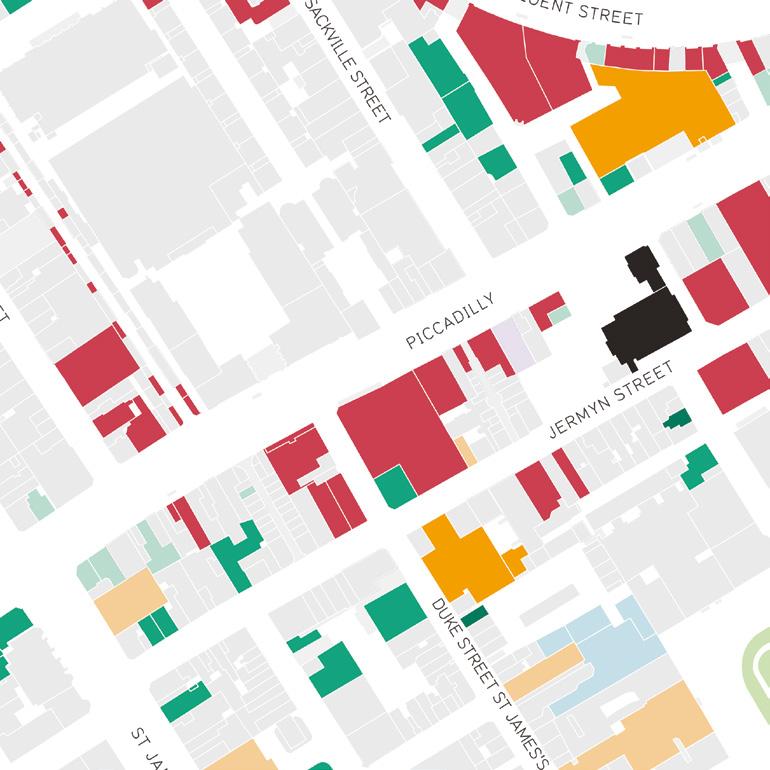
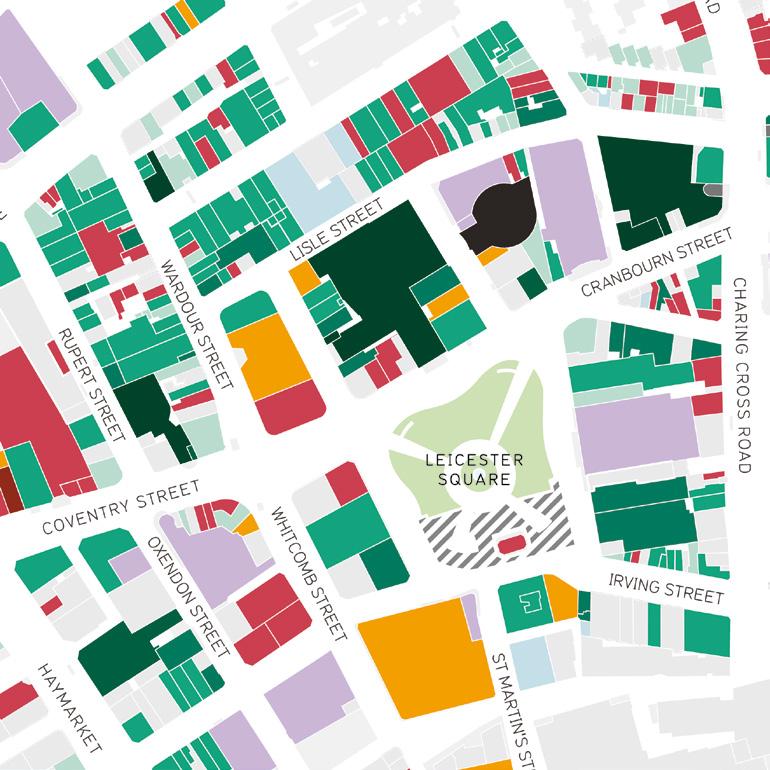
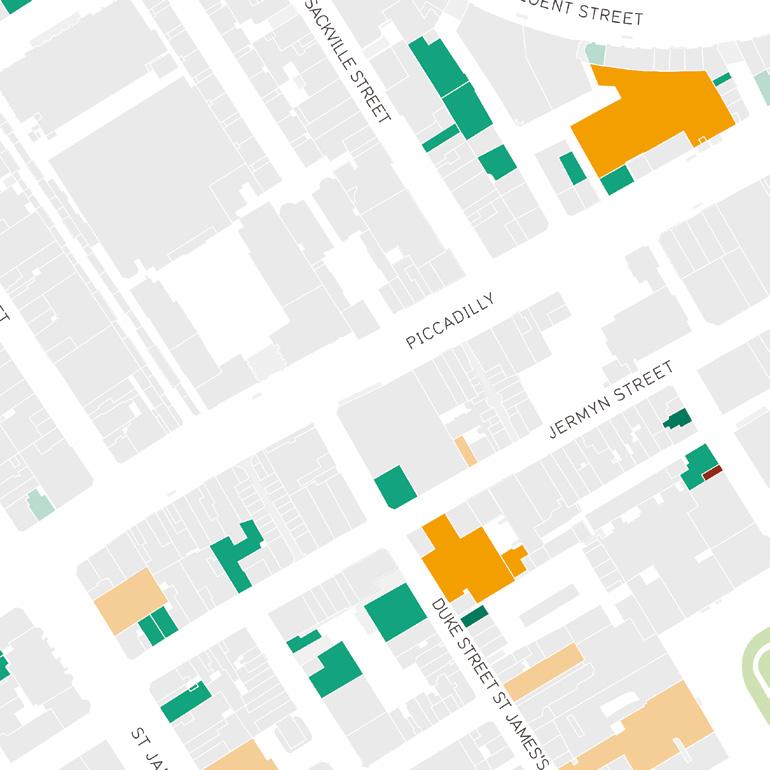
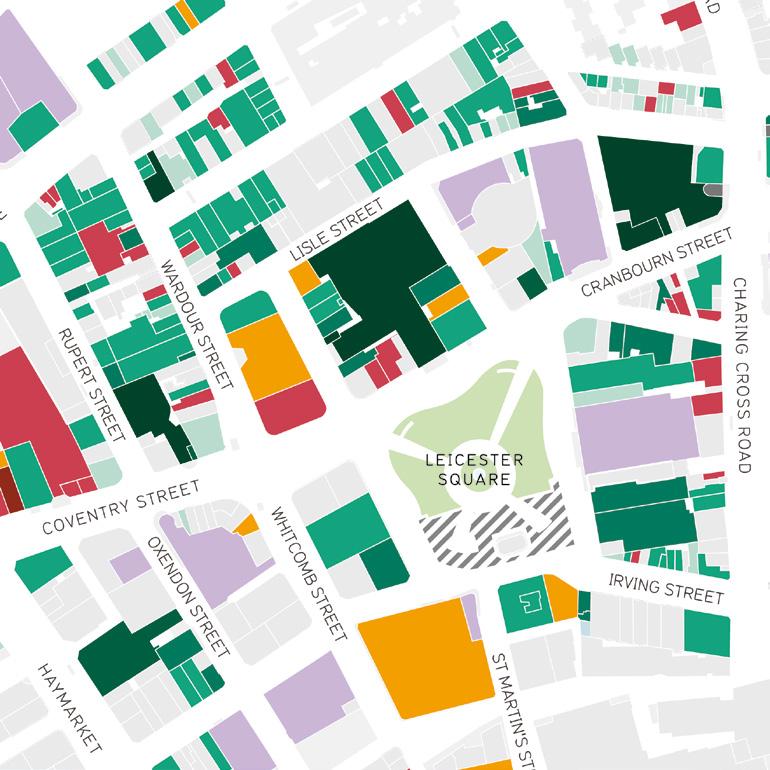
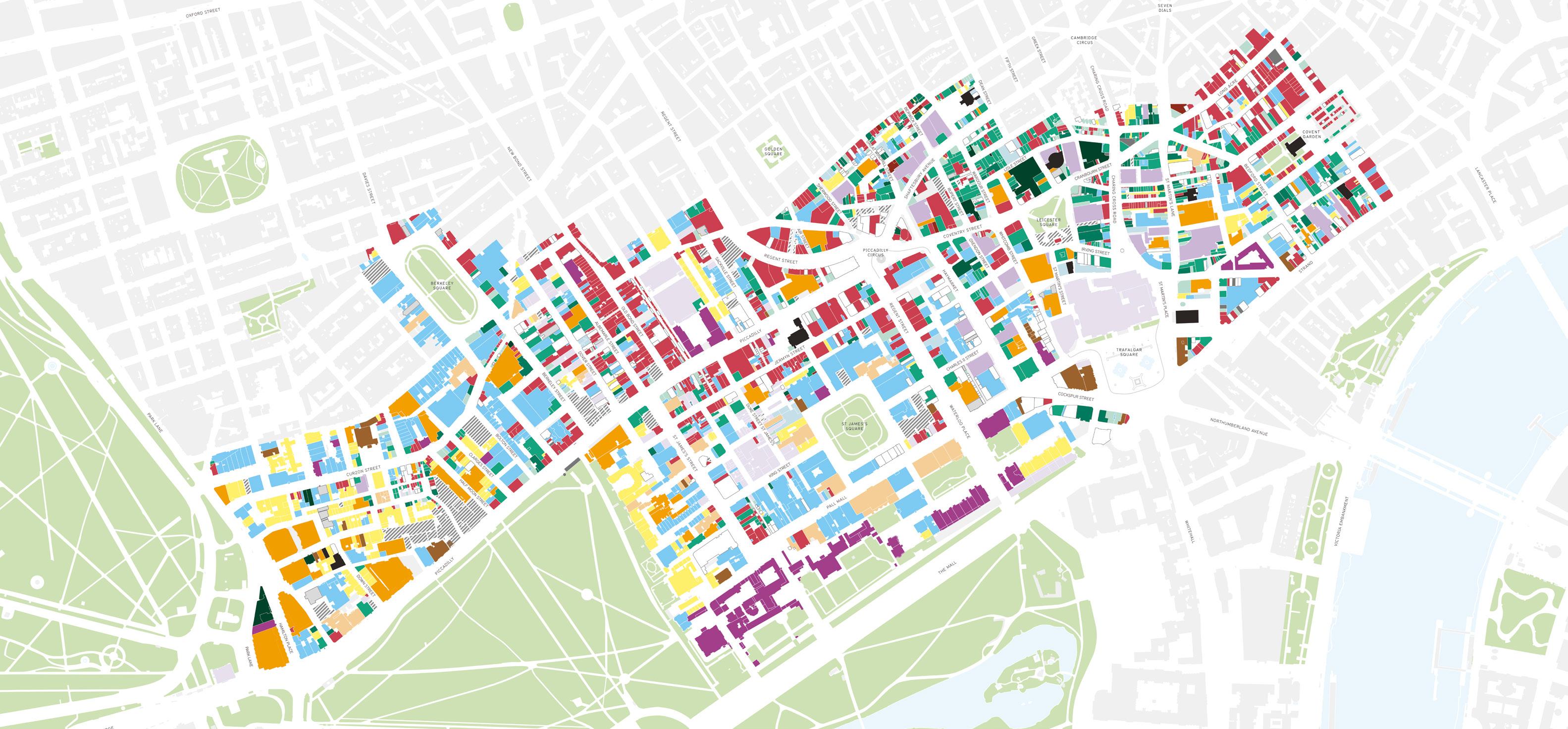
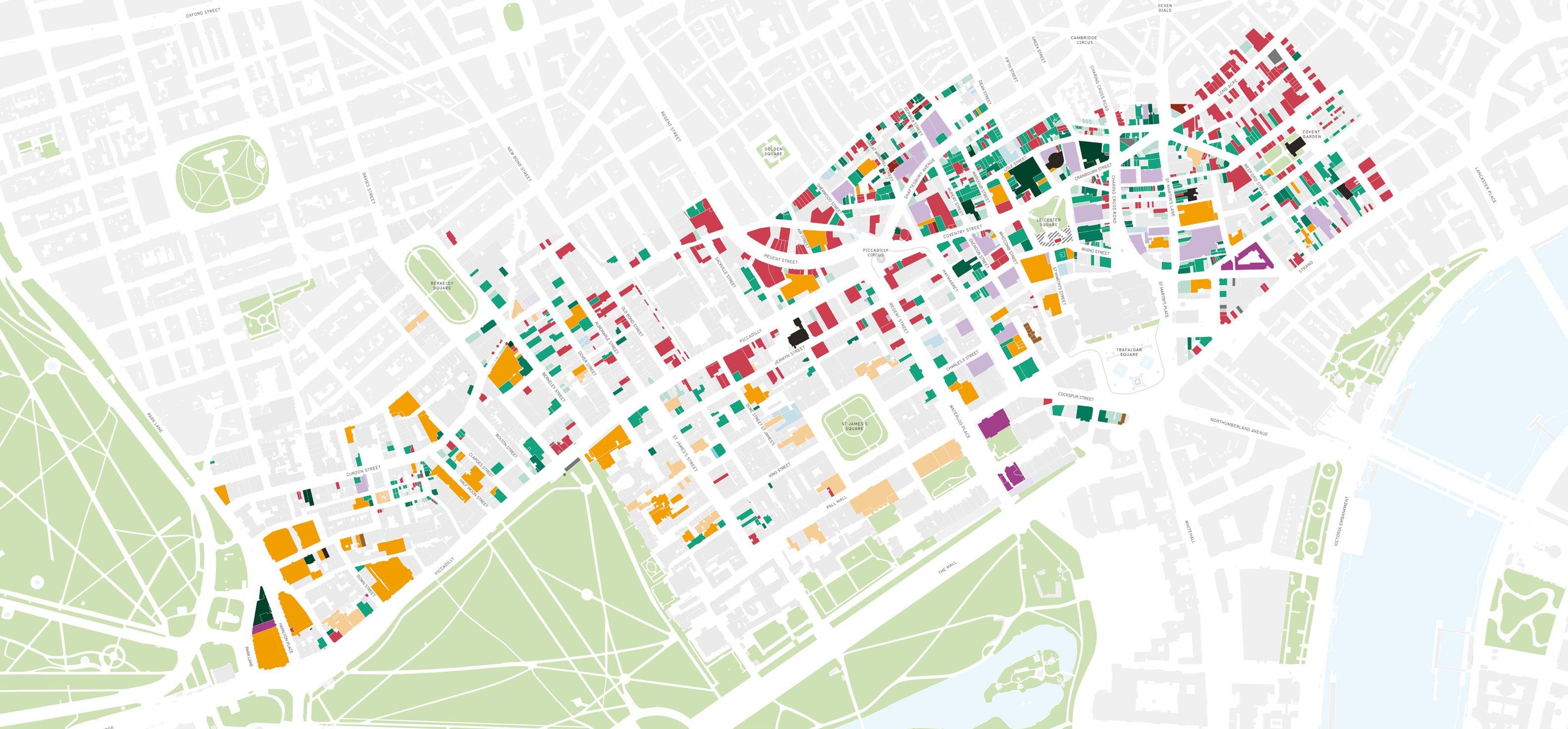
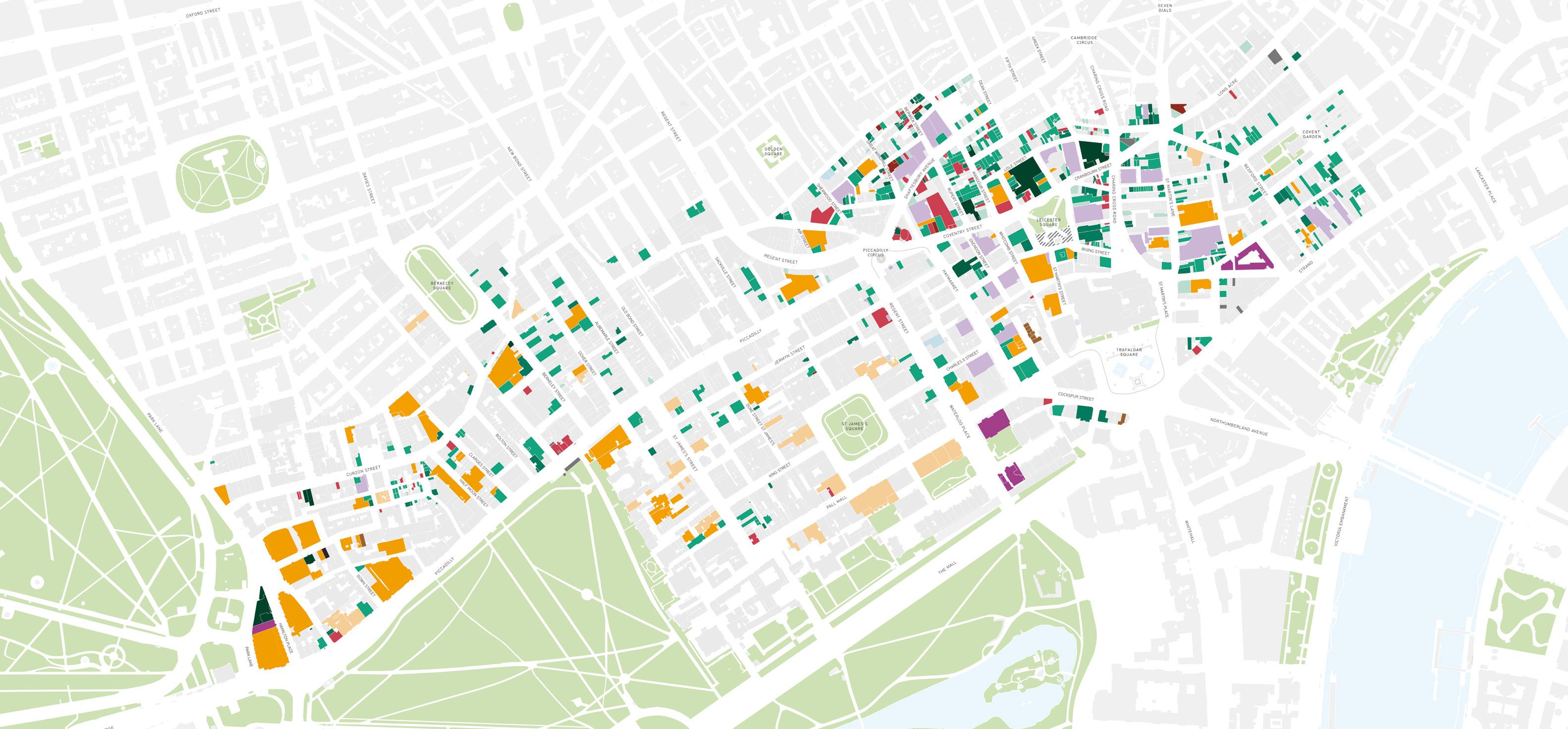
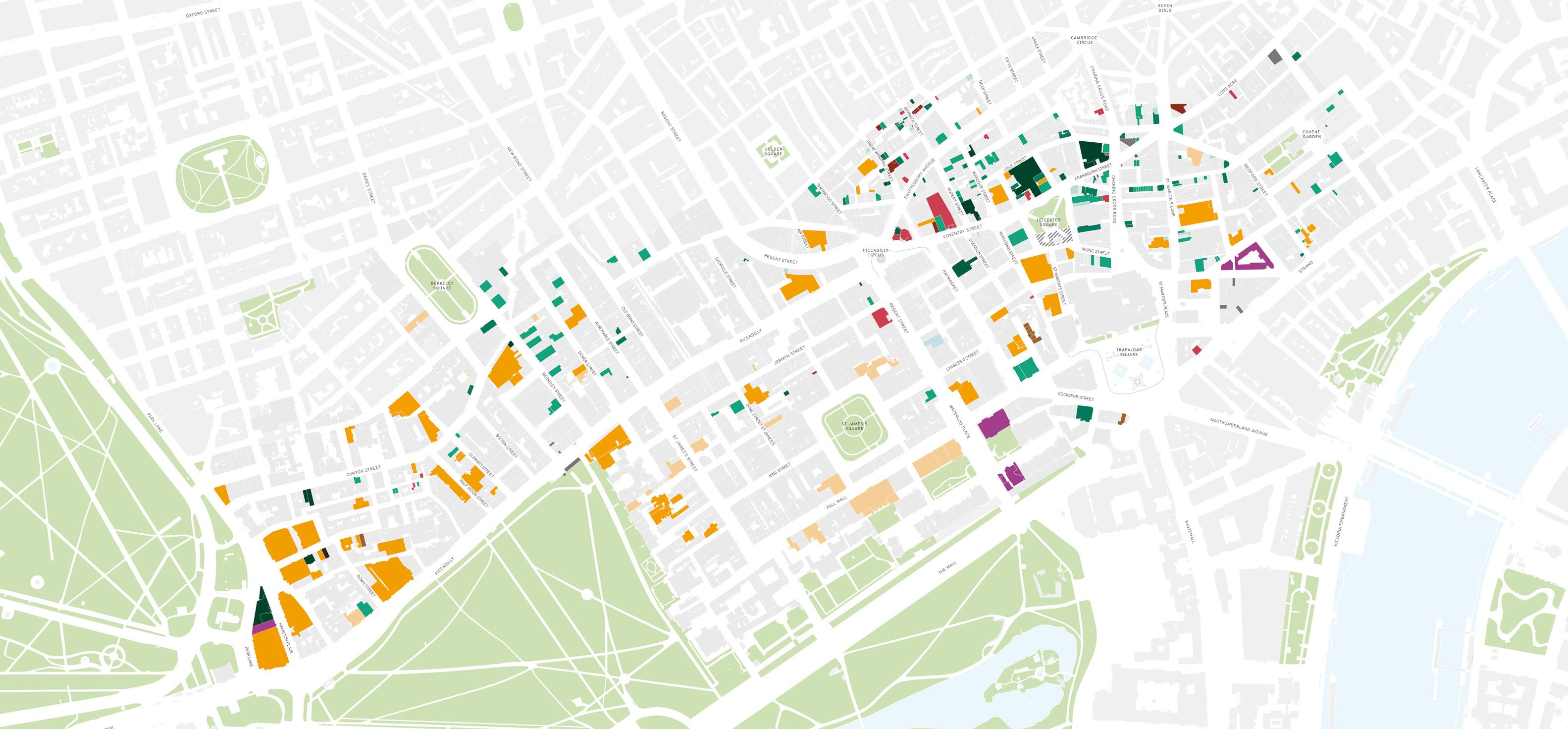
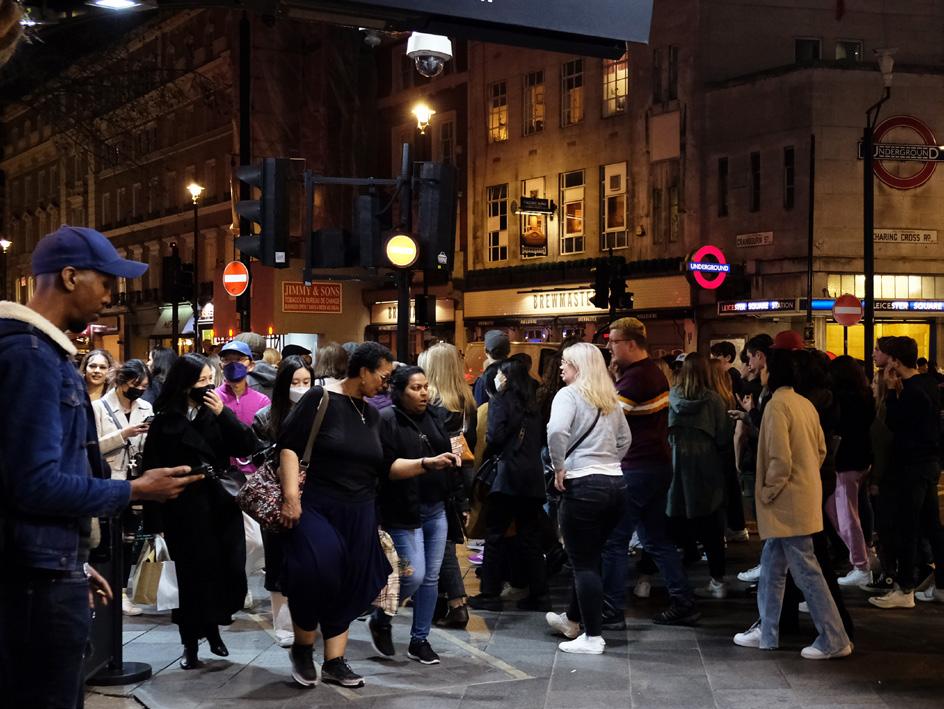
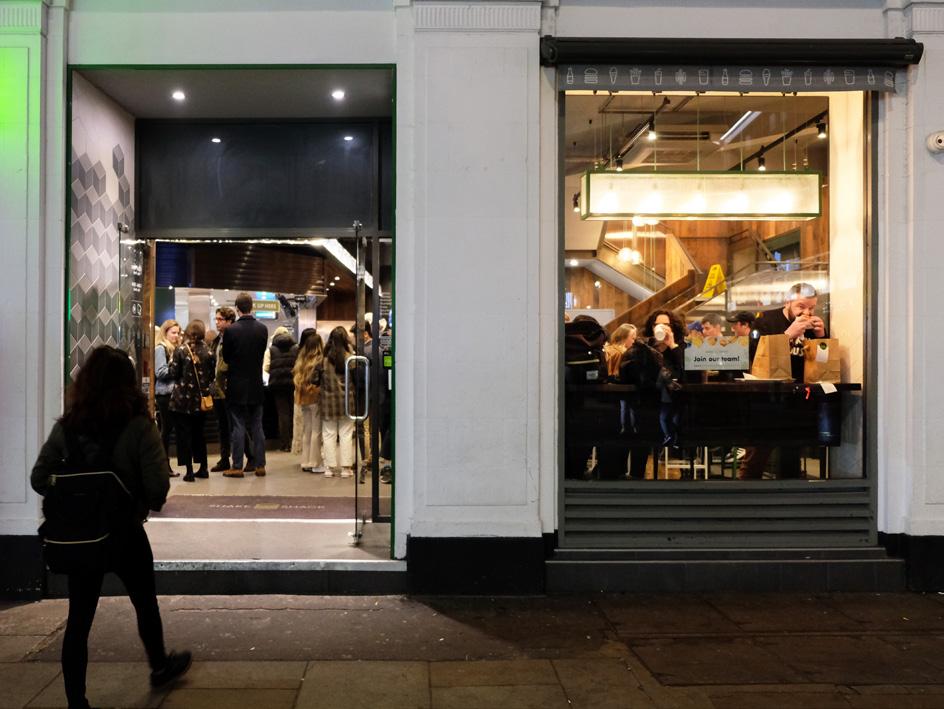
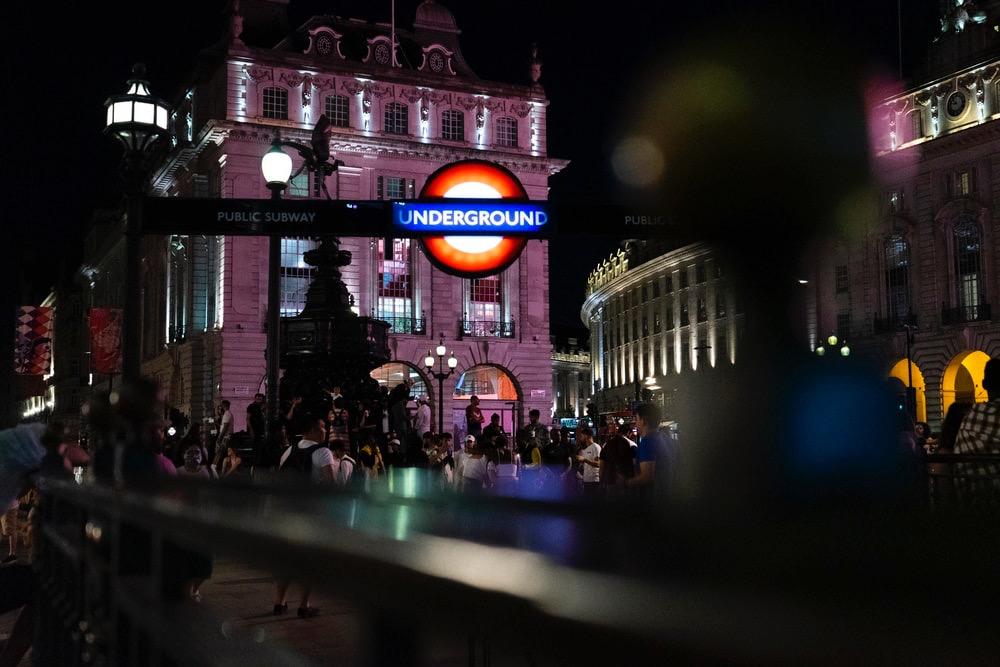
THE MOST DYNAMIC AREAS AT NIGHT HAVE A MIX OF USES
URBAN GRAIN, USE MIX AND ACTIVITY
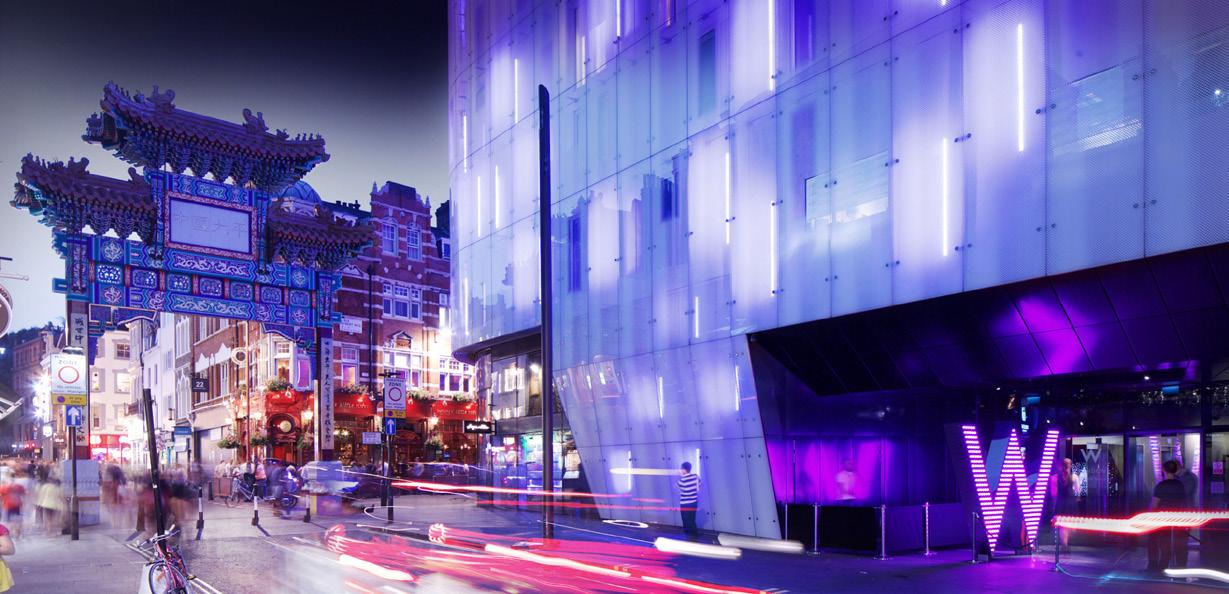
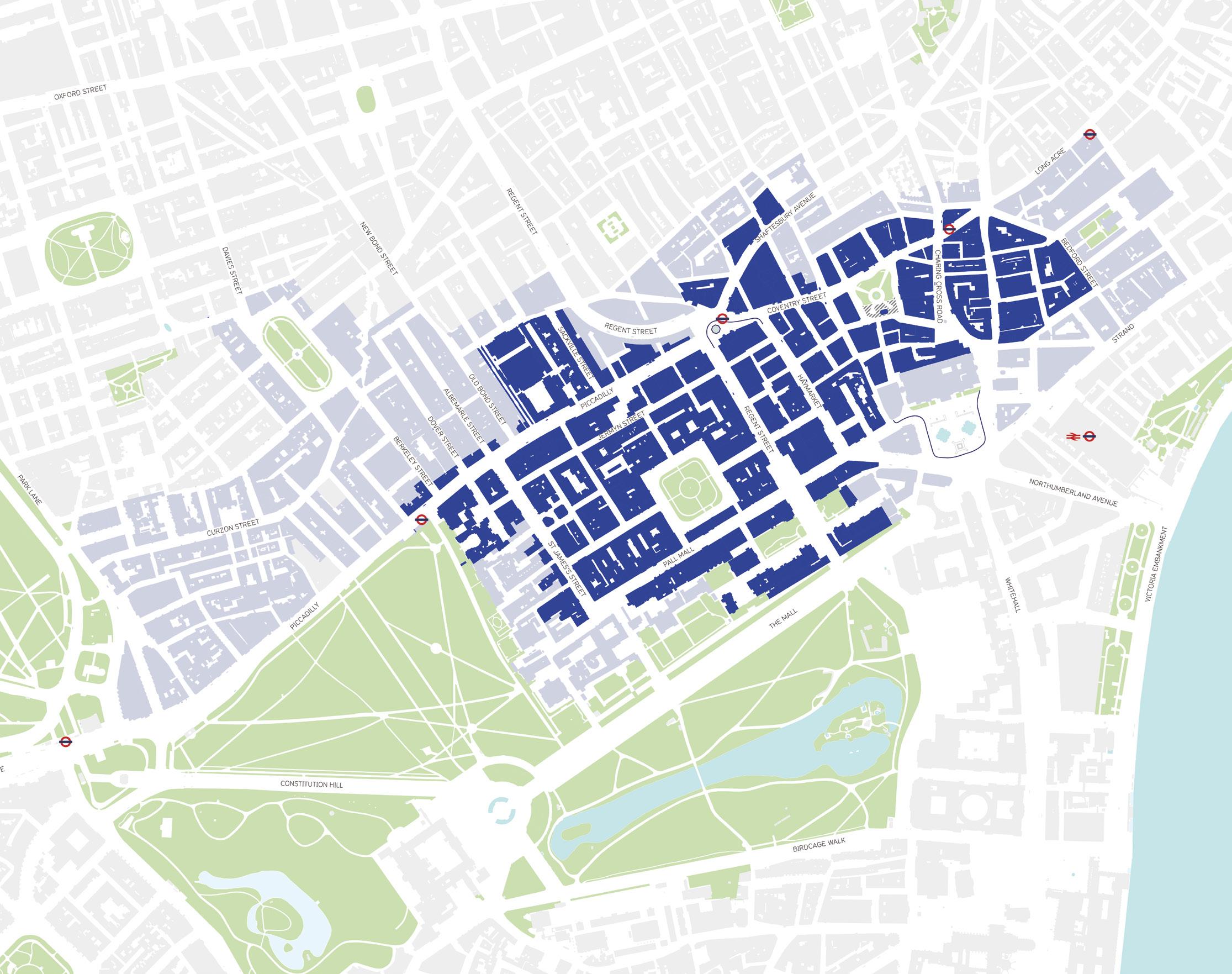
There is a relationship between the size of buildings and units, the mix of uses, and how dynamic the place feels at night.
The urban grain varies across the area which includes neighbourhoods with smaller streets and buildings, at the edges of Soho and Covent Garden, and areas with larger building footprints, around Leicester Square, Piccadilly and most of St James’s
In general, the streets with both a mix of uses and a finer grain are most active at night
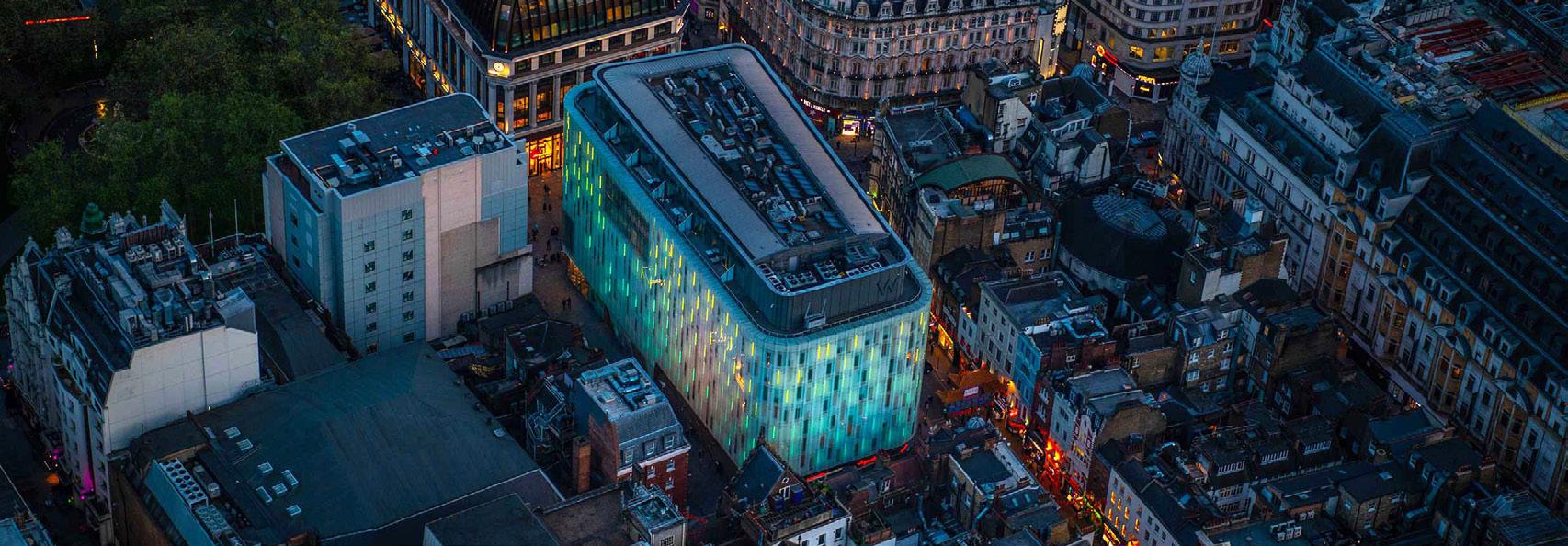
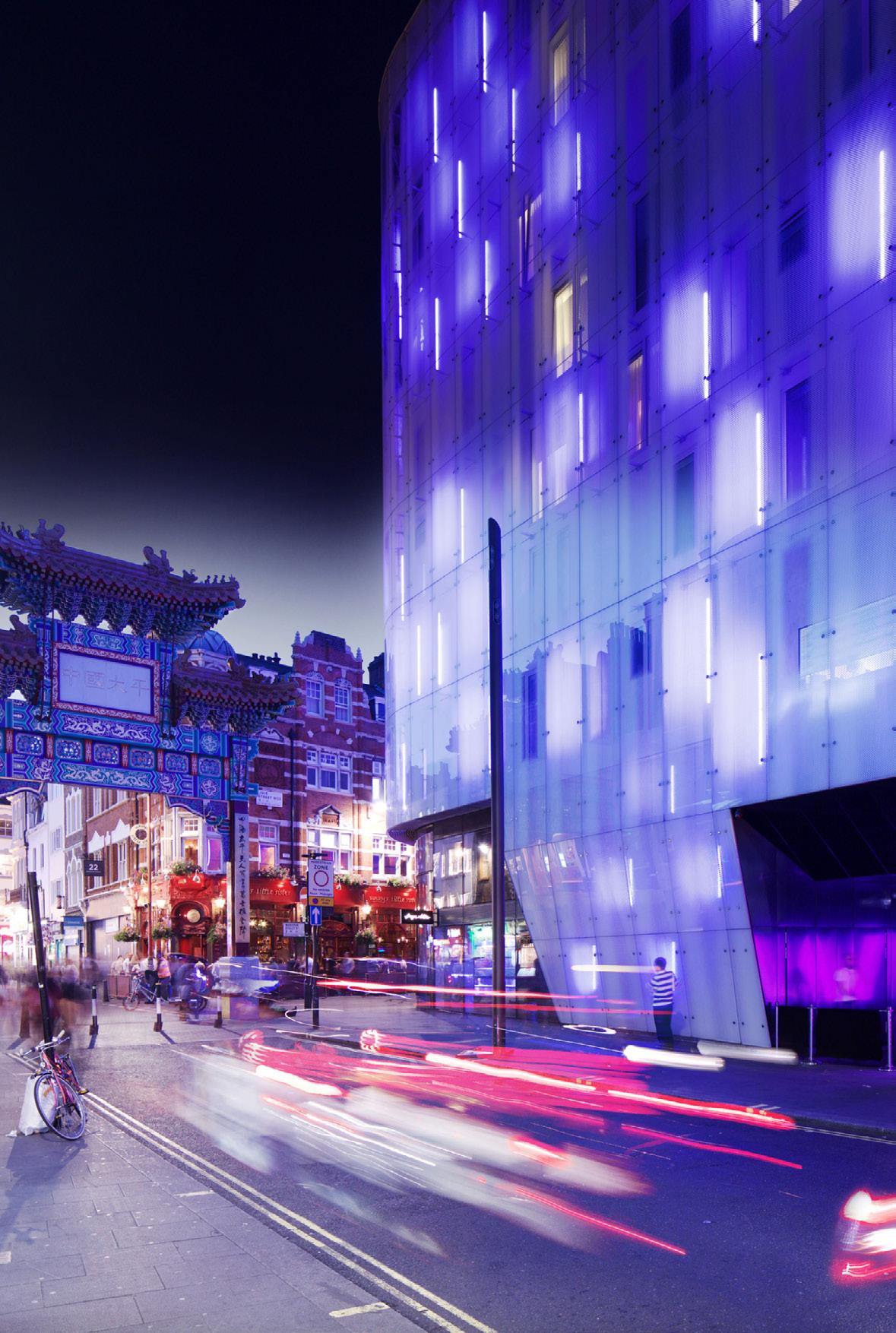
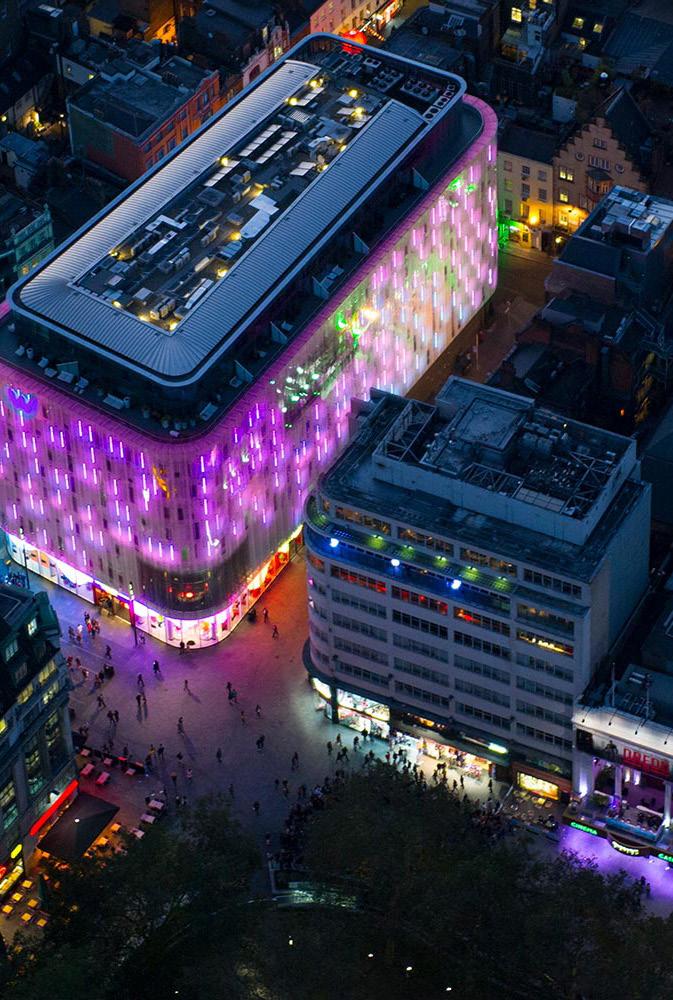
Large buildings have a major impact on the character and atmosphere of the public realm. This can be positive, with increased activity, architectural lighting and active frontages, or negative, with service areas and blank frontages
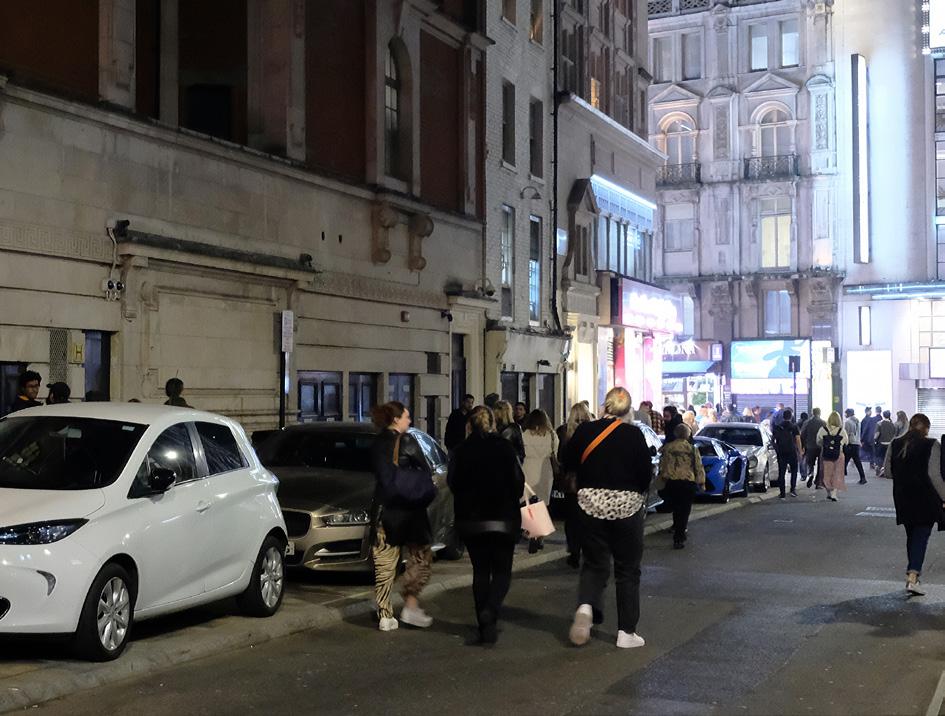
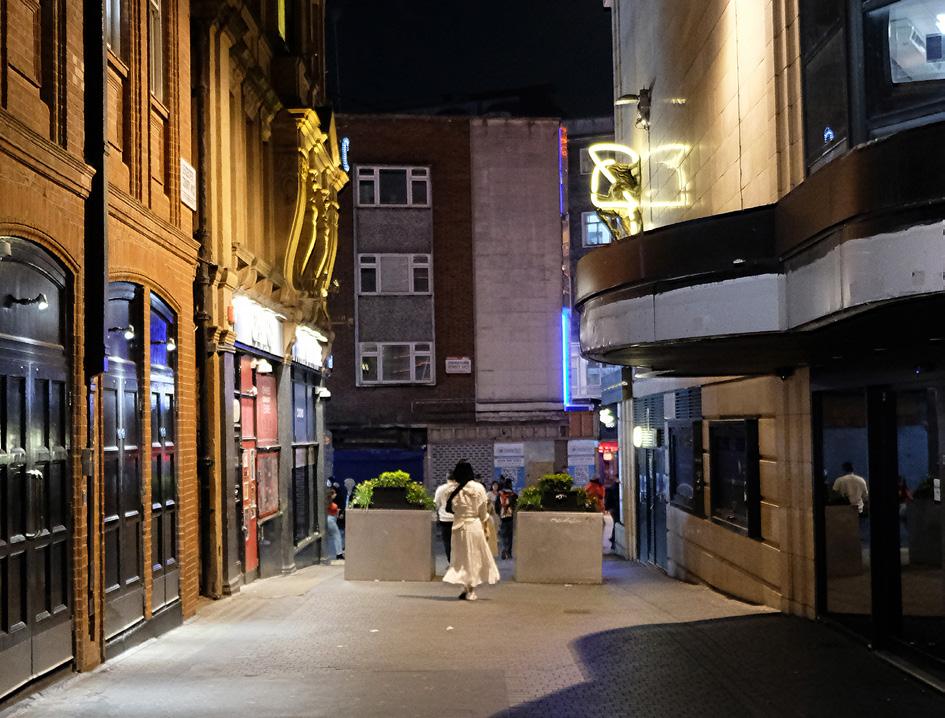
These buildings often make a positive contribution to the streets they front onto, while turning their back to adjacent side streets, leaving these inactivated at night, despite ongoing activity within. A common result is a sharp drop-off in nightlife at the edges of the larger buildings/uses in streets
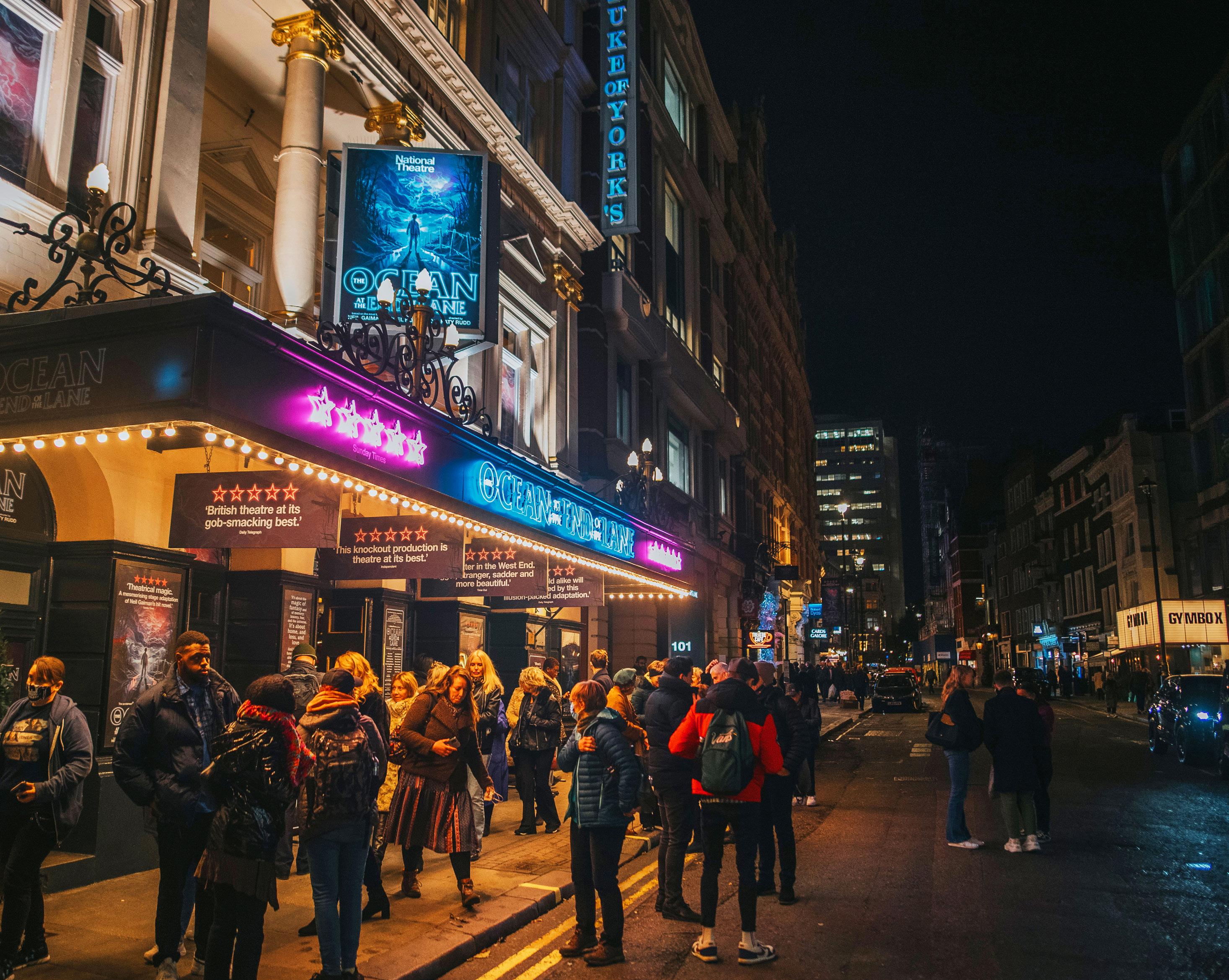
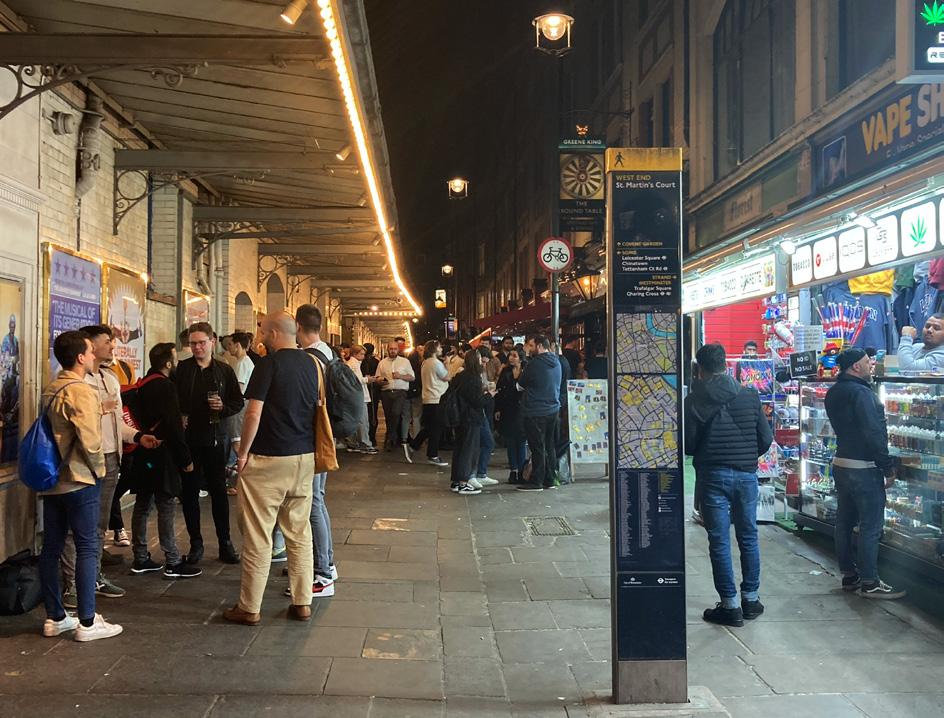
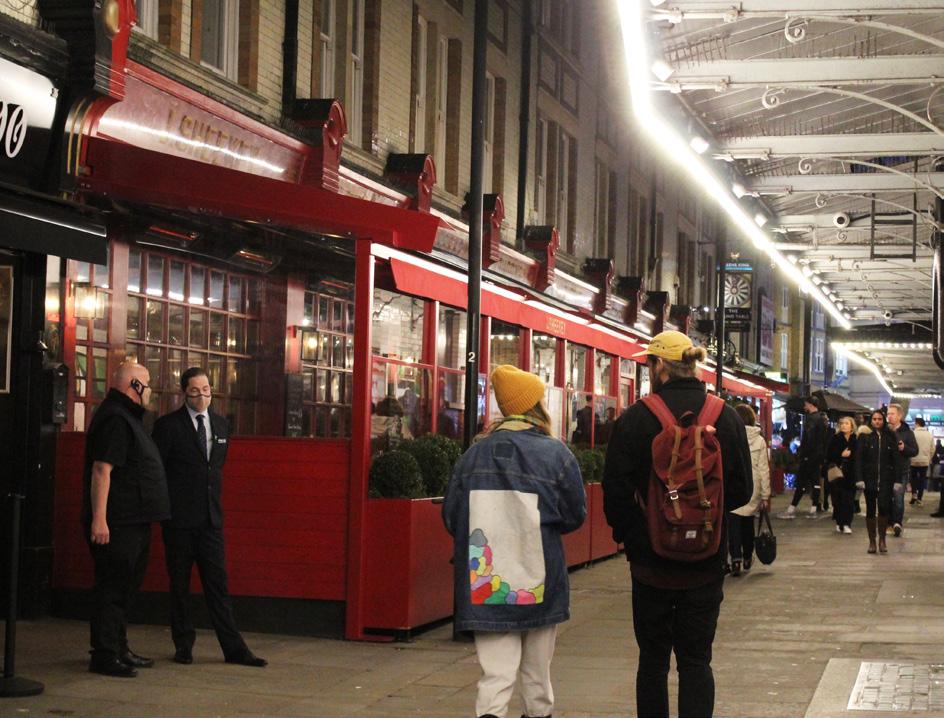
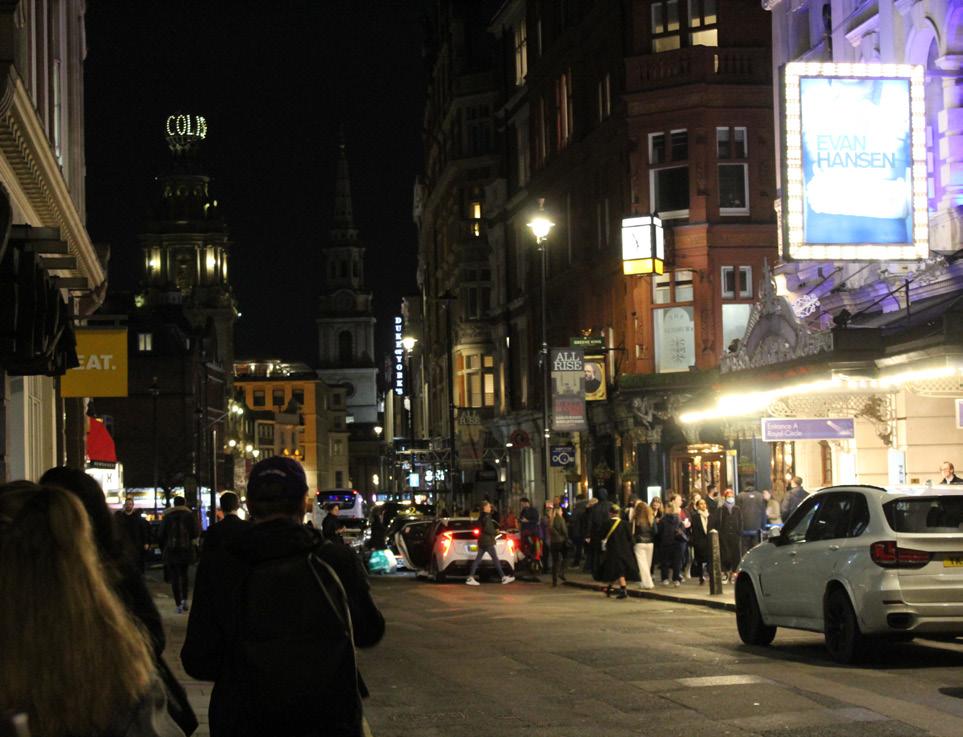
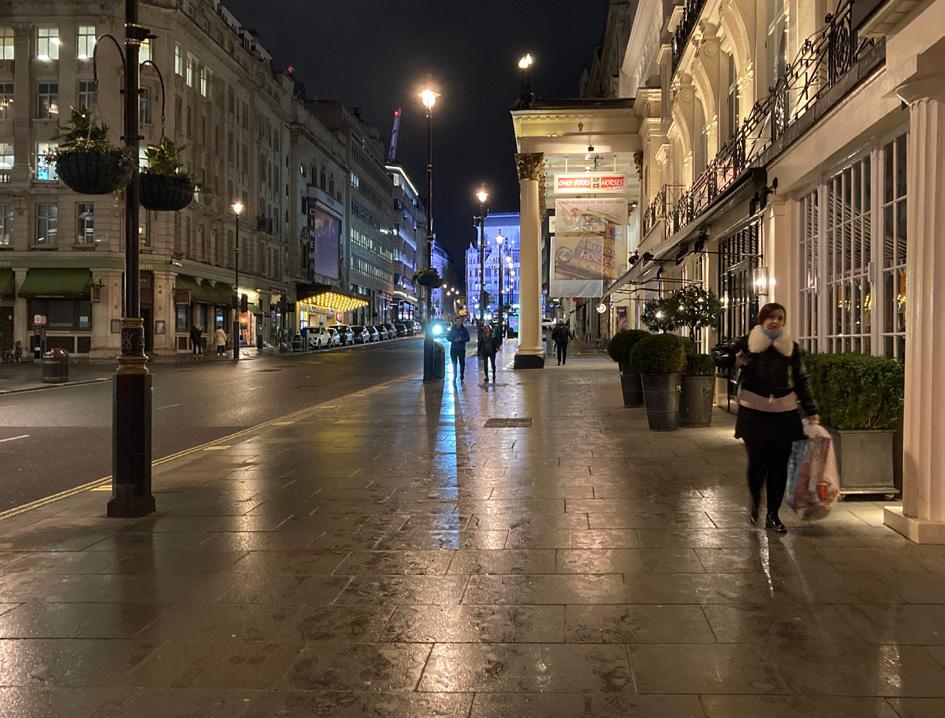
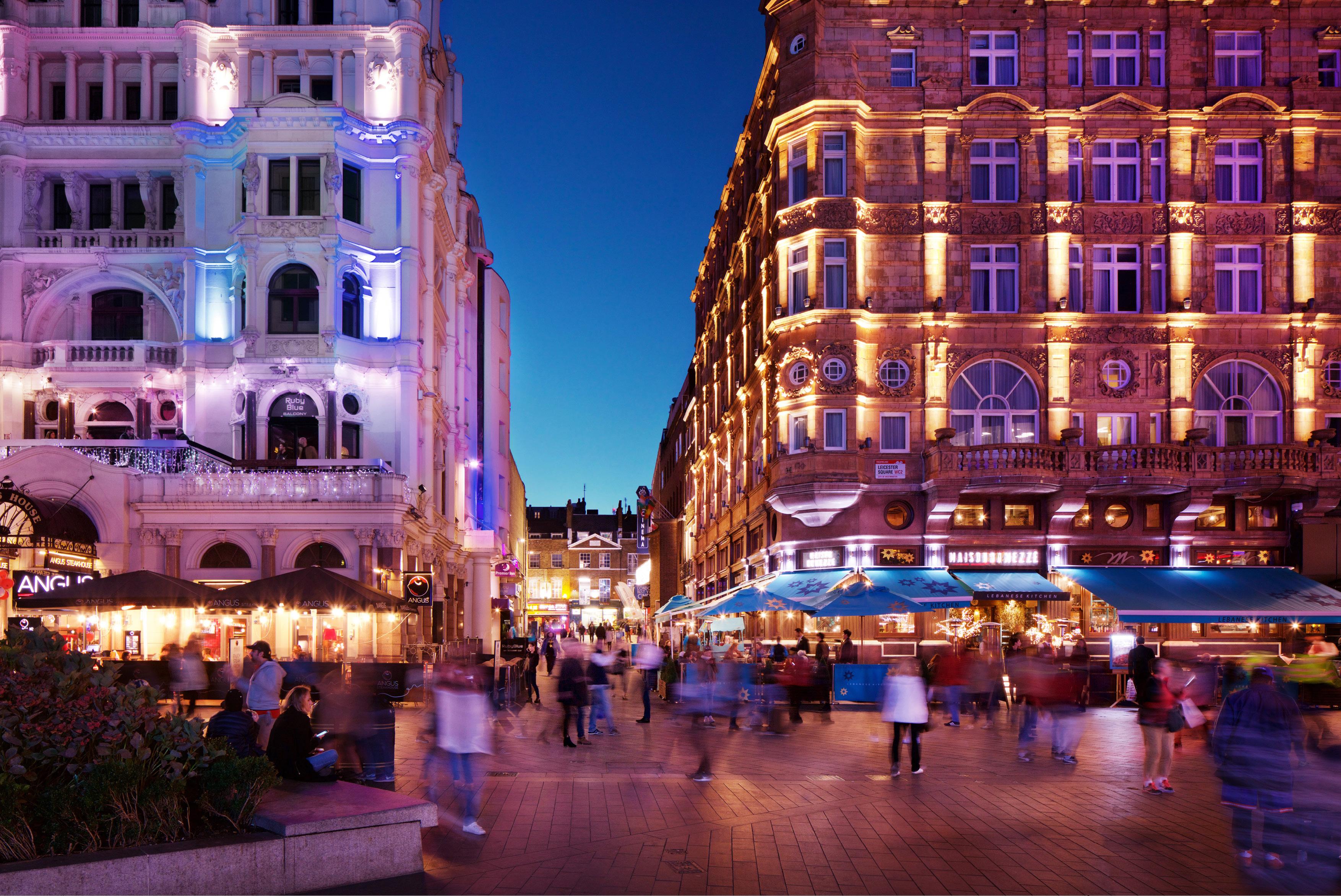
Pedestrianised streets with a mix of theatres, restaurants, bars and shops like St Martin’s Court remain active and busy until late in the night
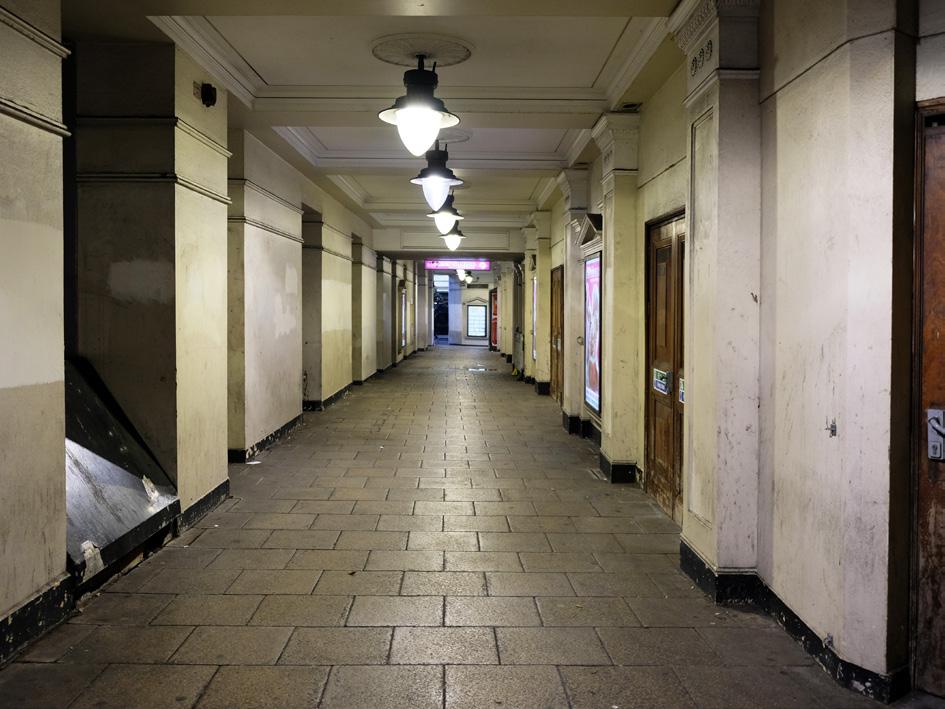
The underpass at Great Windmill Street is an unwelcoming pedestrian route at night due to odour, bright light and lack of active frontages and permeability
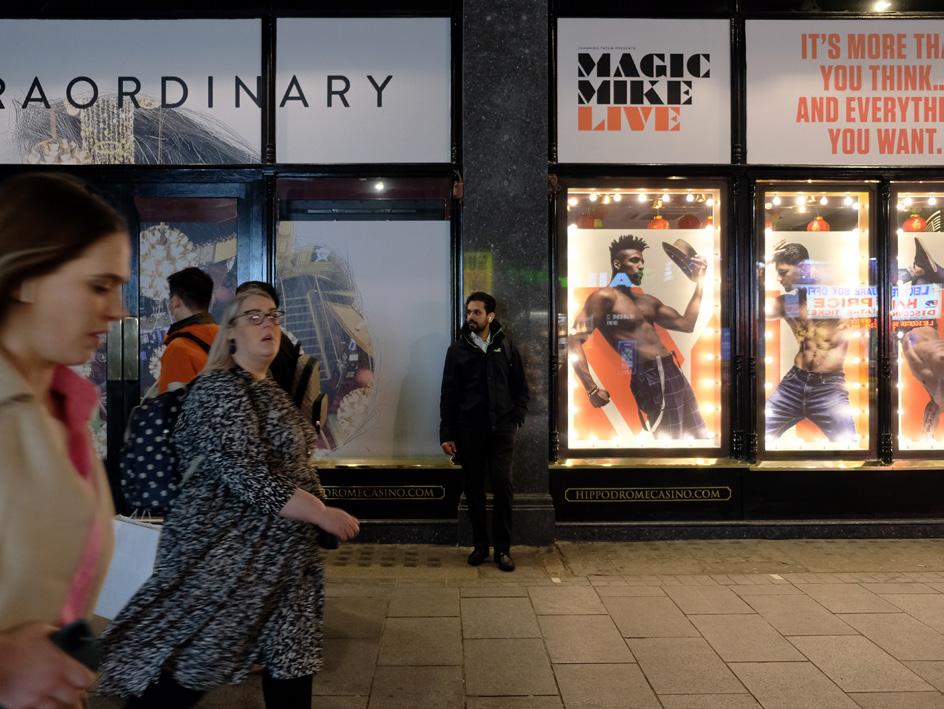
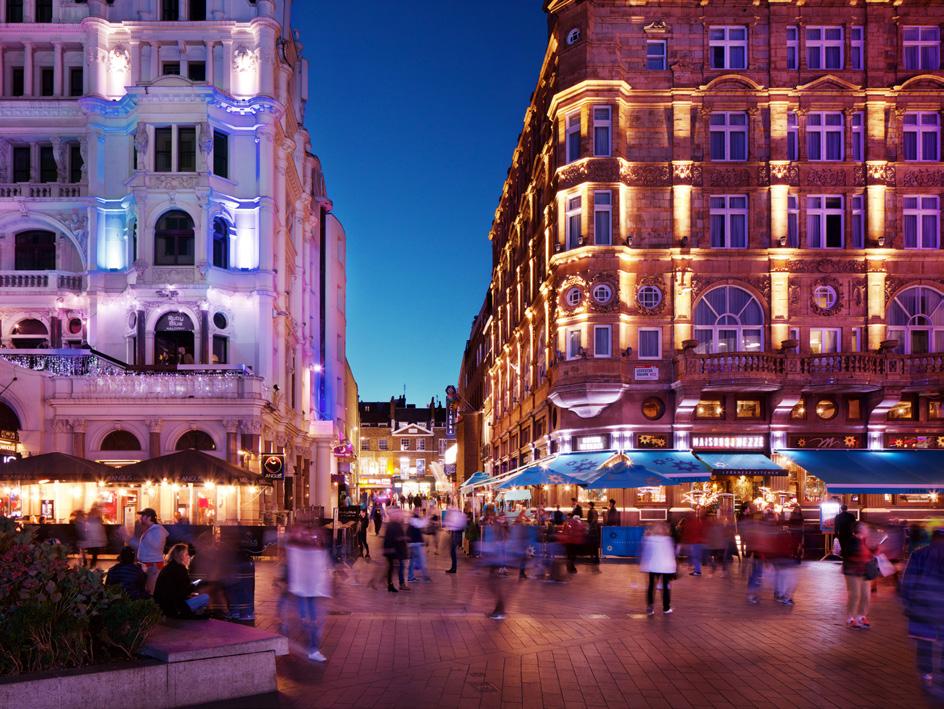
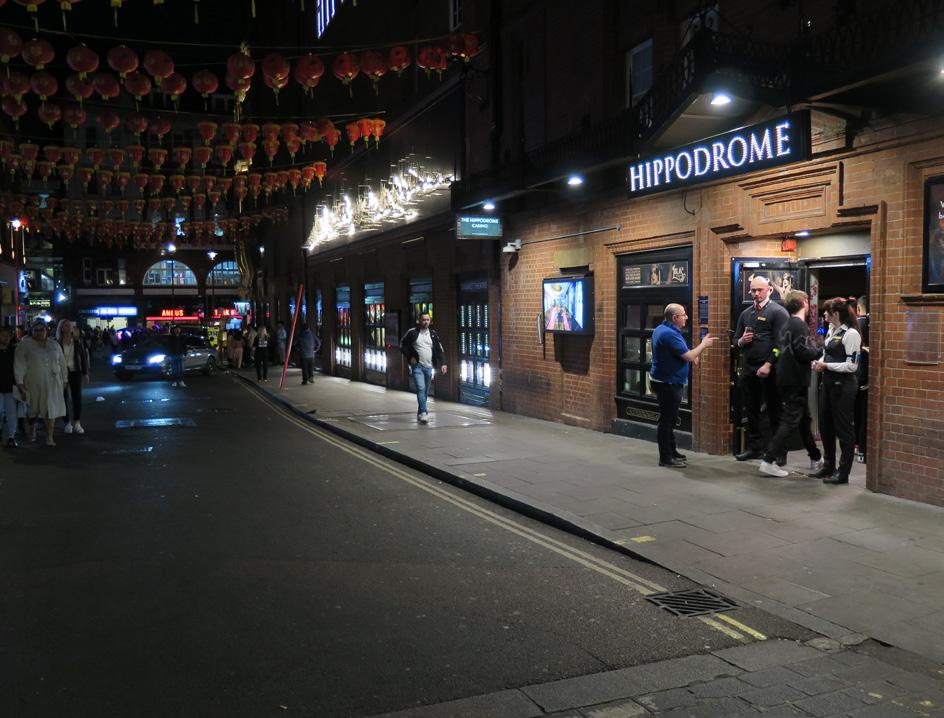
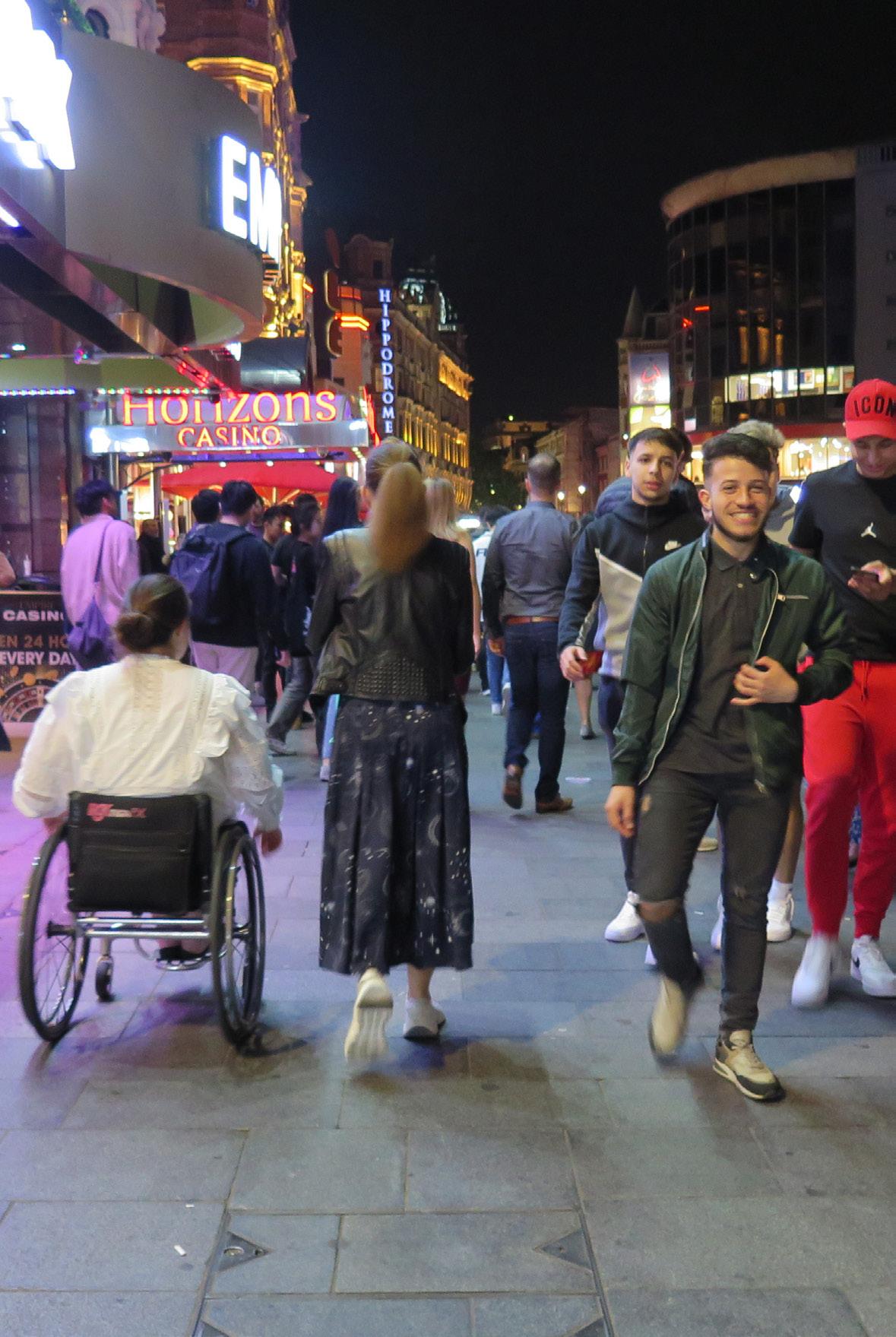
Back elevations of the Hippodrome Casino and Vue Cinema on Leicester Court, just one block from Leicester Square. Large buildings with elevations to multiple streets have an exaggerated impact on the experience of nightlife in the area
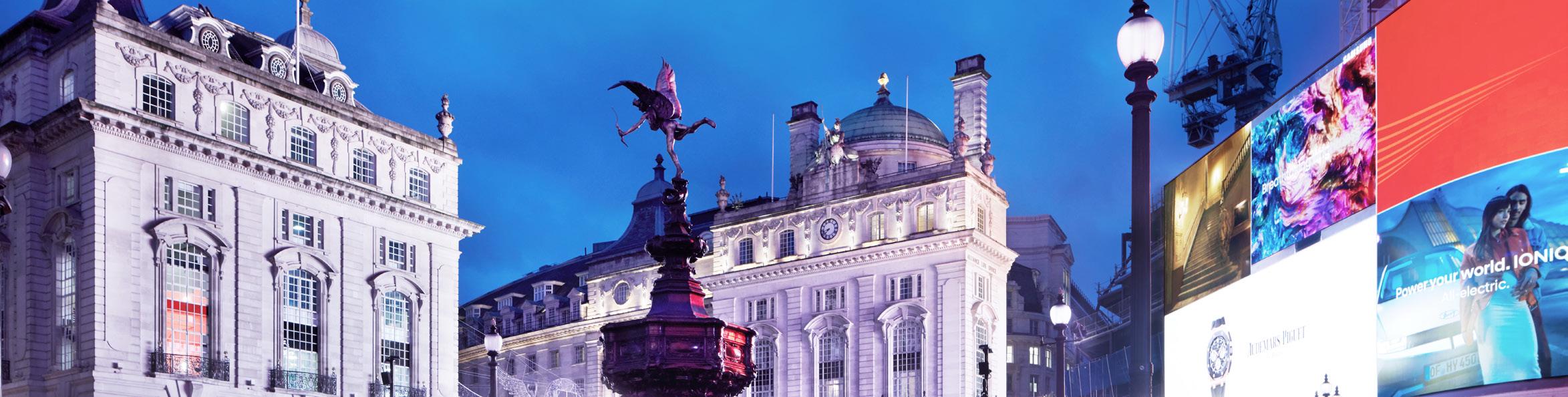
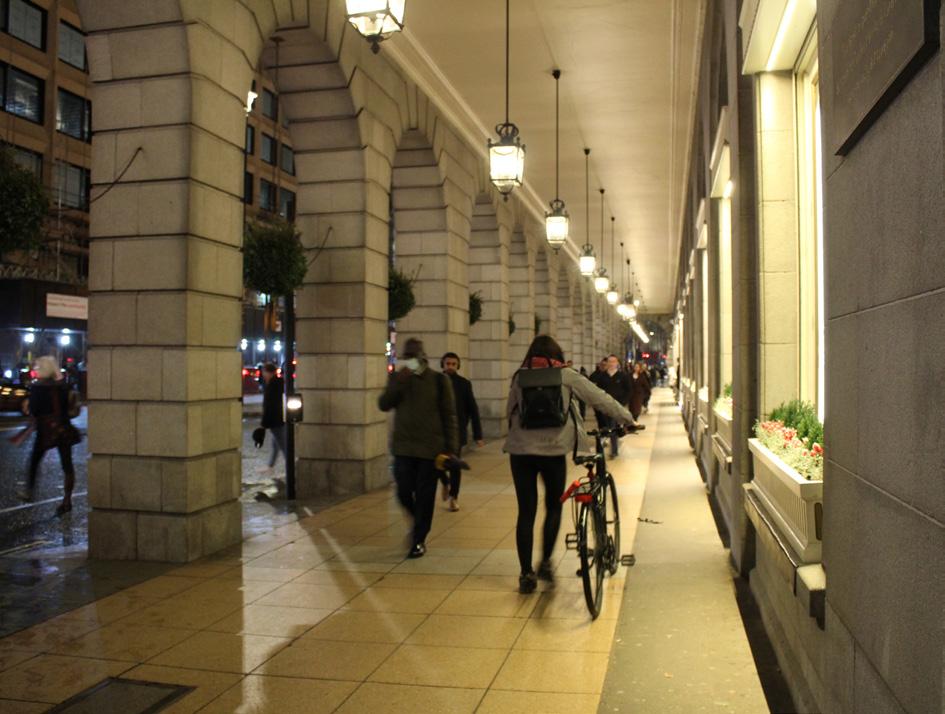
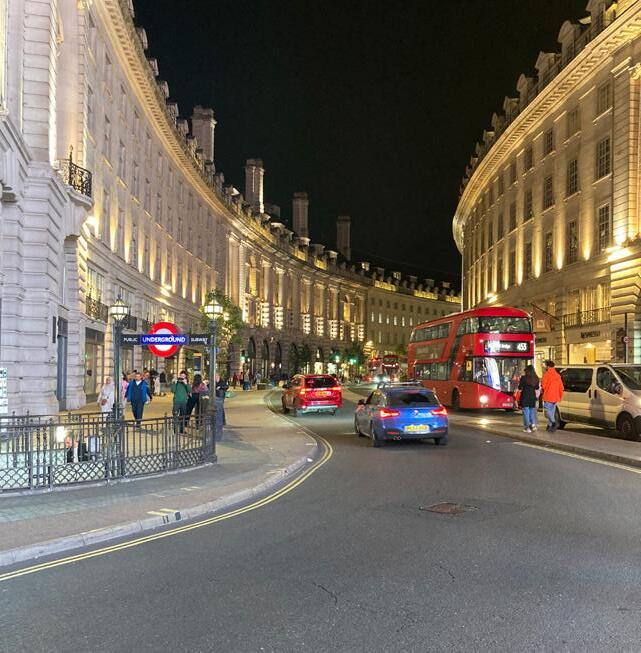
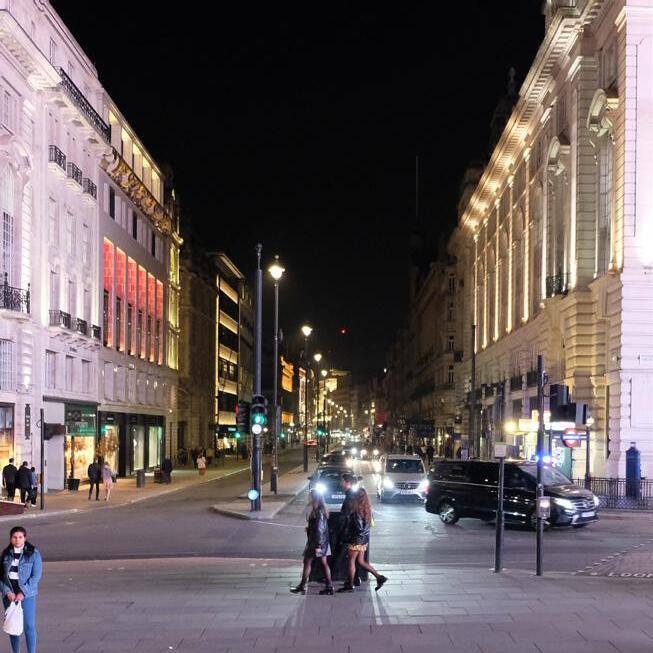
Architectural lighting at The Ritz makes a positive contribution to the public realm on its Piccadilly frontage
THE MOST DYNAMIC AREAS AT NIGHT HAVE A MIX OF USES
SMALL STREETS AND SPACES ARE IMPORTANT
Active side streets and small spaces provide an intimate and charming alternative to larger night-time venues, also playing an important role in patterns of movement at night.
Feedback received through questionnaires specifically highlighted the value of the area’s active smaller spaces and venues
SURVEY RESPONSES SUPPORT THE CASE FOR VARIETY
The concentrated mix of uses is what workers in the area most enjoy about the area
Responses consistently highlighted the variety of things to do, and the mixed and diverse people this attracts, as the best thing about working in the area. These factors create a unique atmosphere that is highly-valued
When asked what was missing or could be improved, respondents mentioned outdoor film screenings, activities in green spaces, food and craft markets, street performances and a more diverse range of restaurants as found in Soho and Covent Garden
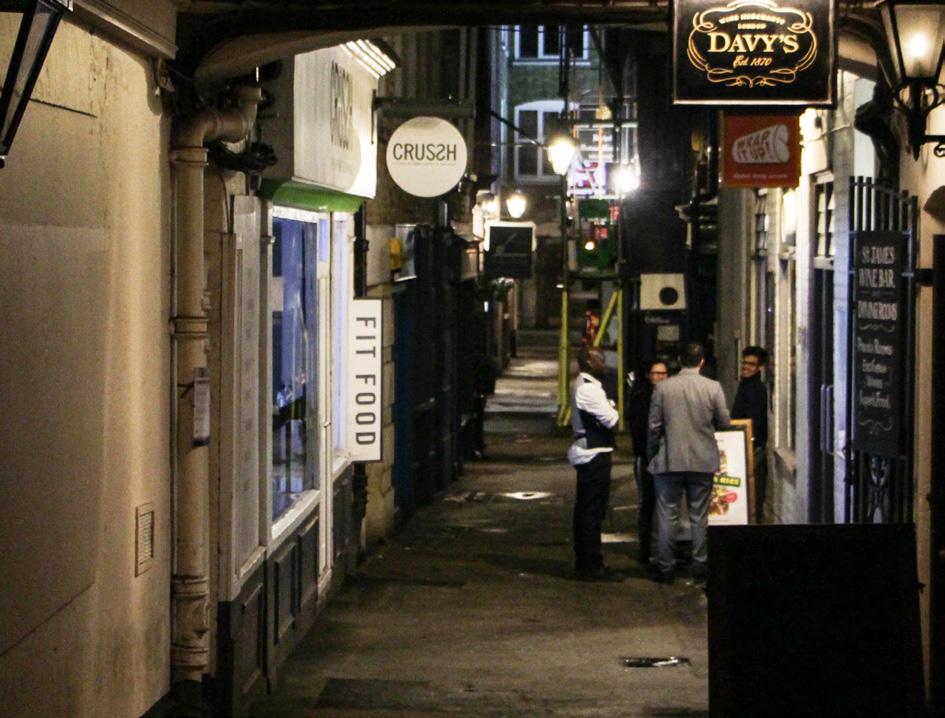
Smaller active streets and spaces, like St Martin’s Court, play an important role in night-time movement and wayfinding, contributing to a sense of safety by linking larger streets and spaces that can feel exposed later at night
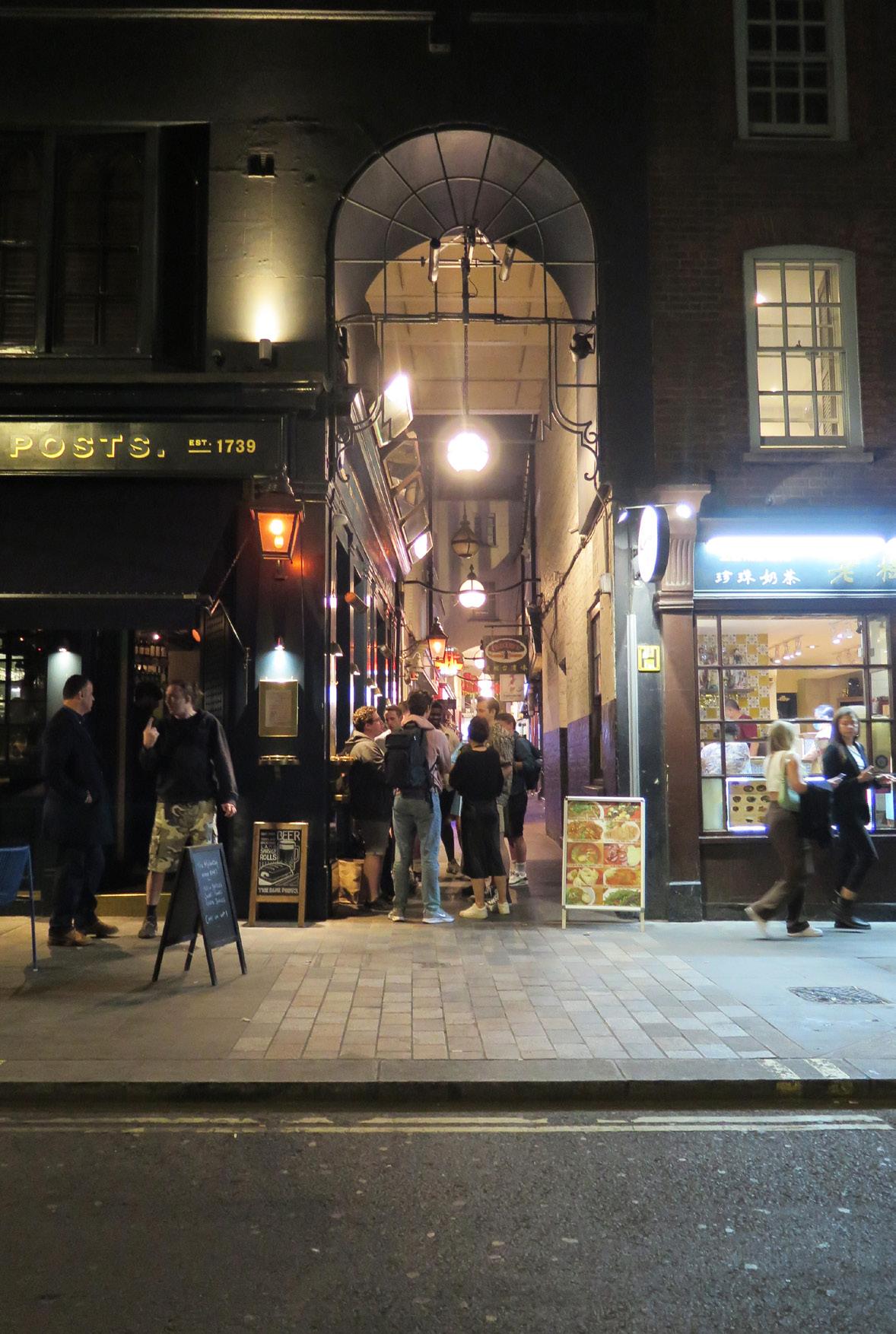
Crown Passage, just outside the Heart of London area in St James’s, on a late winter evening. The positive impact of smaller interventions is proportionally more significant in these smaller spaces by intensifying experience, creating a sense of discovery, and making the spaces feel active and safe
DAY WORKERS’
ICONIC VISTAS, LANDMARKS AND OPEN SPACES ARE INTEGRAL TO THE AREA’S CHARACTER AFTER DARK AND PLAY IMPORTANT FUNCTIONAL ROLES
CHARACTER AND FUNCTION
The Heart of London area includes public spaces, buildings and views that make an important contribution to its character by both day and night. They also have functional roles as gathering places, movement corridors and for wayfinding. Their character and function are inextricably intertwined, though sometimes at odds with each other.
The most iconic are Piccadilly Circus and Leicester Square and the views to, between, and from these spaces, including Coventry Street and the gateways to Piccadilly, Regent Street, Regent Street St James’s, Soho, Chinatown and Covent Garden
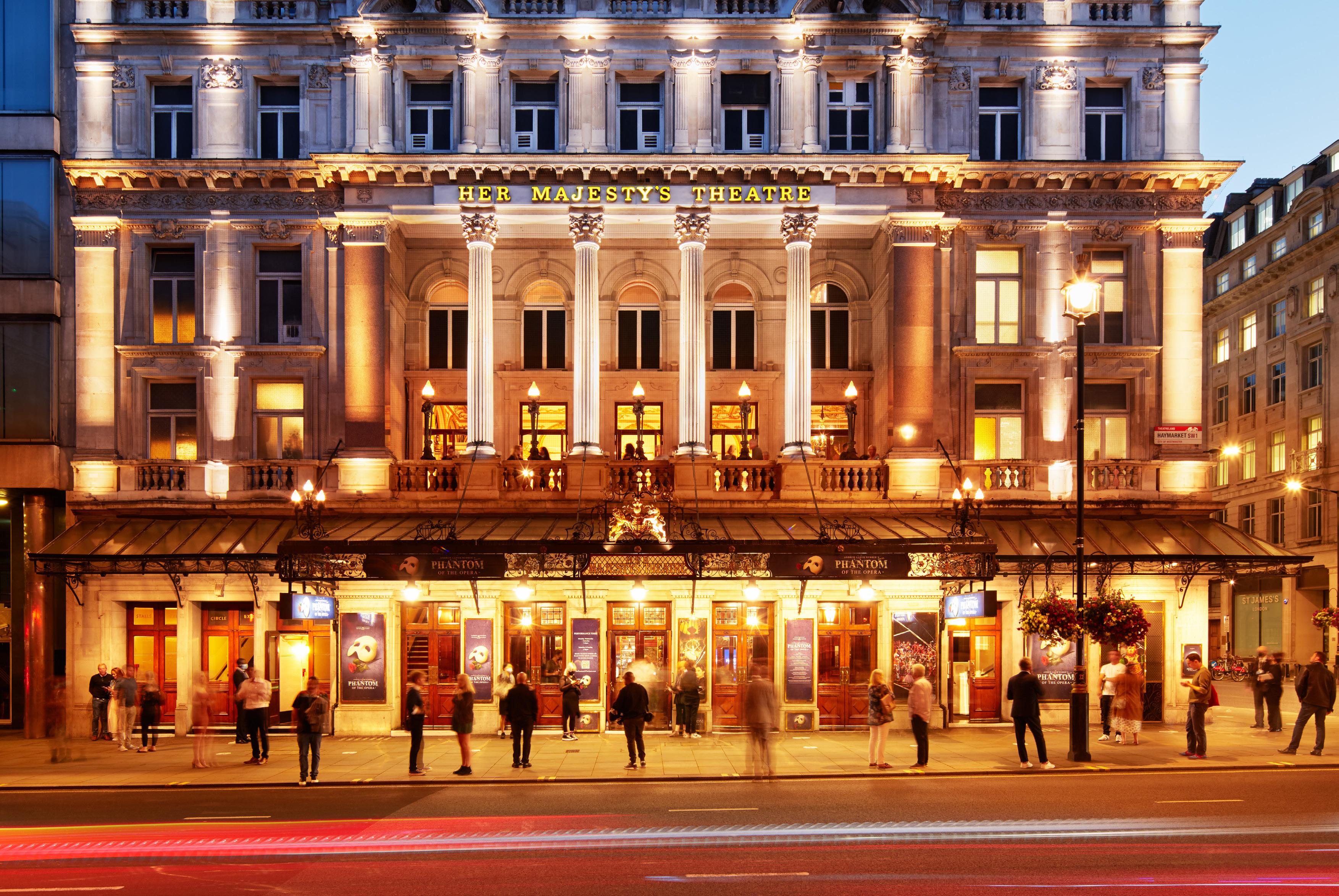
Other landmarks and views of importance include the area’s many theatres, the churches of St James’s Piccadilly and St Martin-in-the-Fields, Trafalgar Square and Waterloo Place
The topography and historic street pattern creates several long views across the city. The Palace of Westminster can be seen from Regent Street St James’s at Piccadilly Circus, the BT Tower aligns with the gate to Chinatown from Wardour Street, and the Theatre Royal on Haymarket terminates the vista from St James’s Square garden
Regent Street St James’s
Coventry Street
Regent Street
Piccadilly
Piccadilly Circus
Shaftesbury Avenue
ICONIC VISTAS, LANDMARKS AND OPEN SPACES ARE INTEGRAL TO THE AREA’S CHARACTER AFTER DARK AND PLAY IMPORTANT FUNCTIONAL ROLES
• People use Leicester Square and Piccadilly Circus throughout the evening and night-time to watch street performers, relax, eat, and observe street life, much as they do in the day.
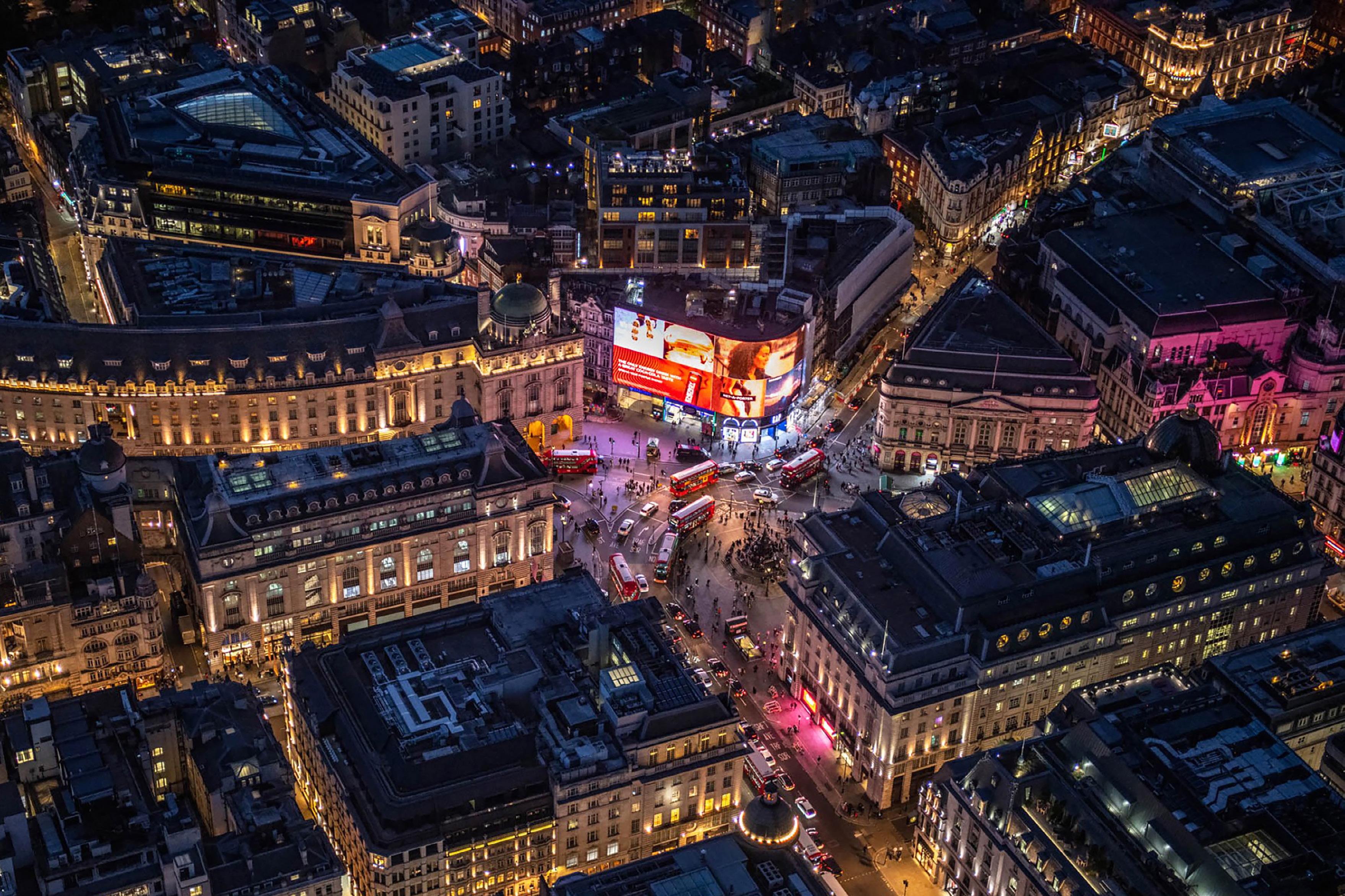
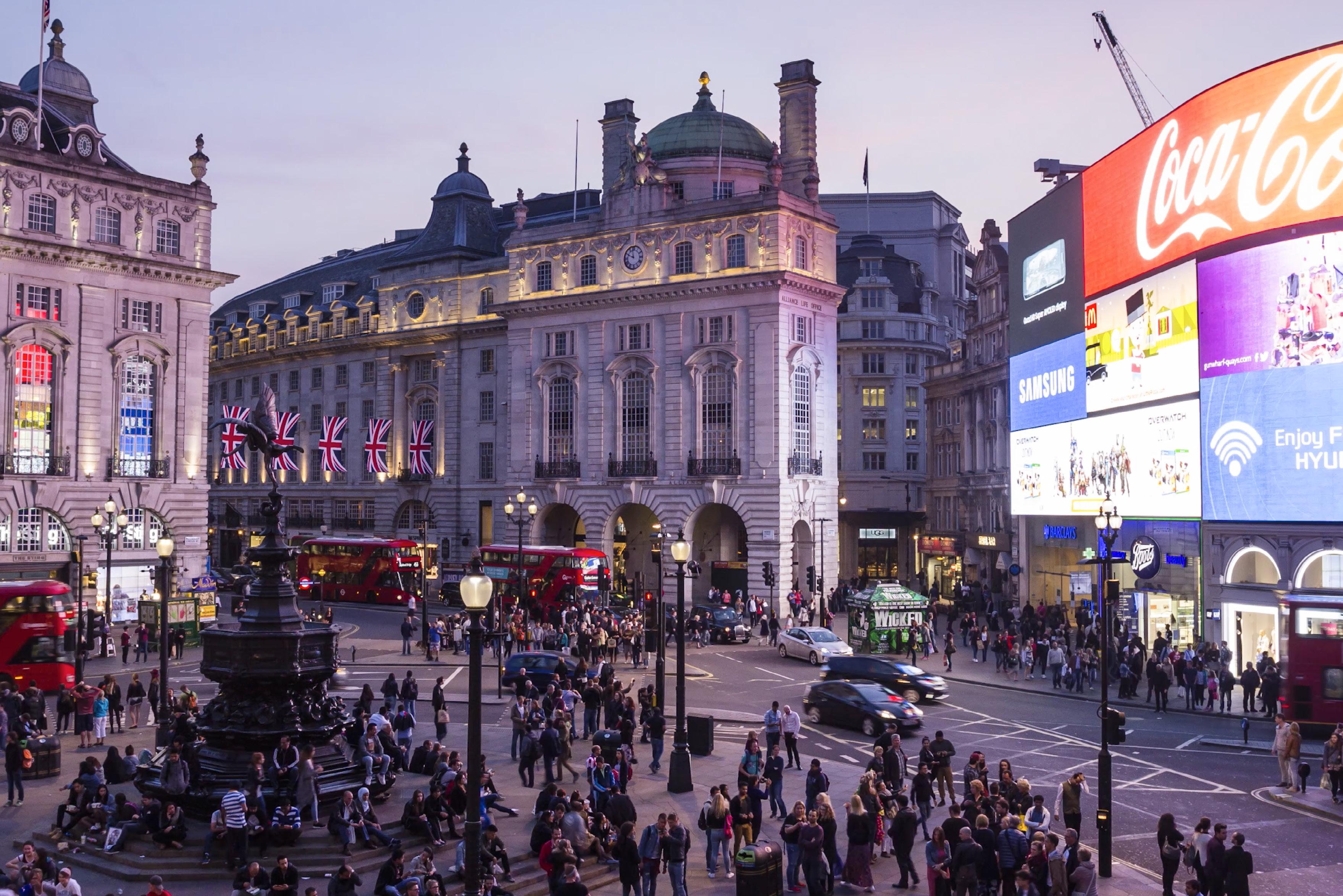
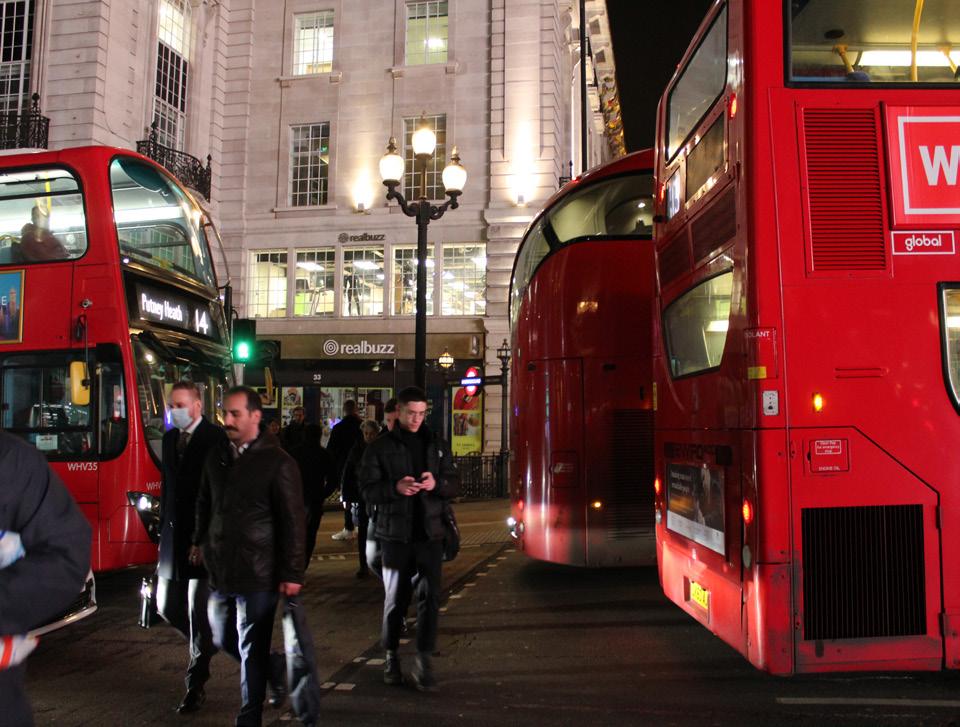
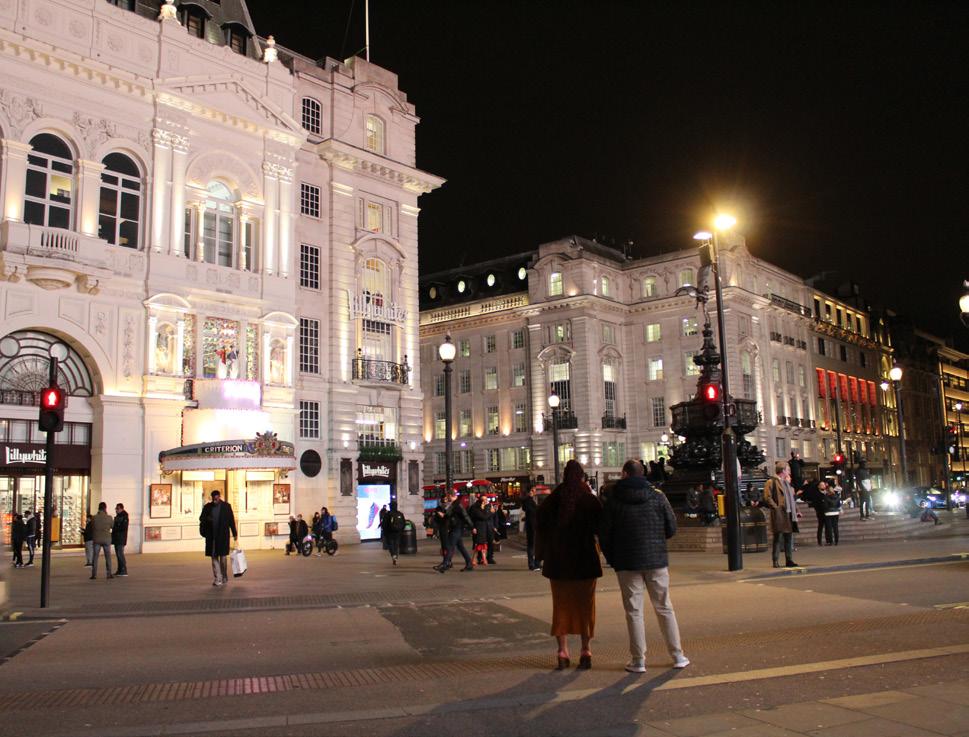
The character of Piccadilly Circus as a dynamic and illuminated spectacle includes the movement of London black cabs and double-decker buses enhancing its cinematic qualities. However, although the transport function contributes to the spectacle, it is at odds with its function as a major destination and space for pedestrian movement as a gateway to the West End.
PUBLIC REALM AS AN ATTRACTION AND SPECTACLE
The area’s famous locations hold a special place in popular culture and imagination. Its rich cultural history and fame as a place of spectacle make the experience of the public realm and its activity an attraction in its own right
Visitors, in turn, become an important part of the spectacle themselves. The public realm becomes a stage for peoplewatching, a performance visitors are all the more eager to take in after the isolation of the COVID-19 pandemic
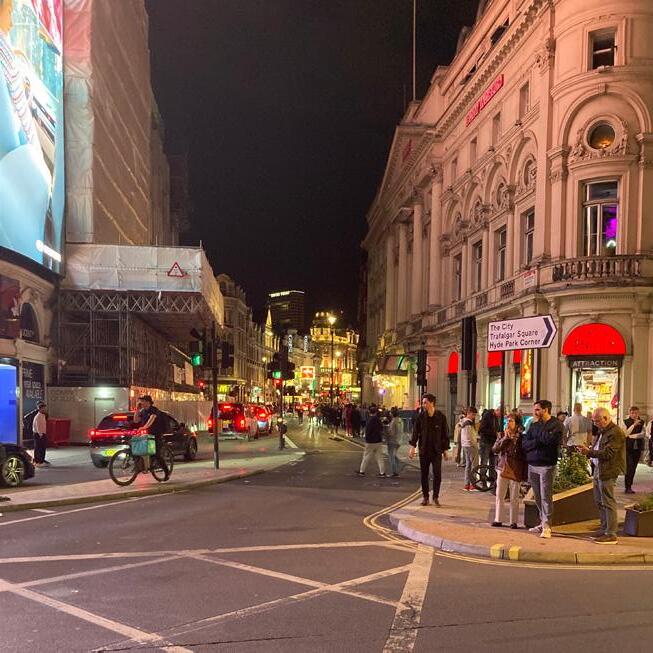
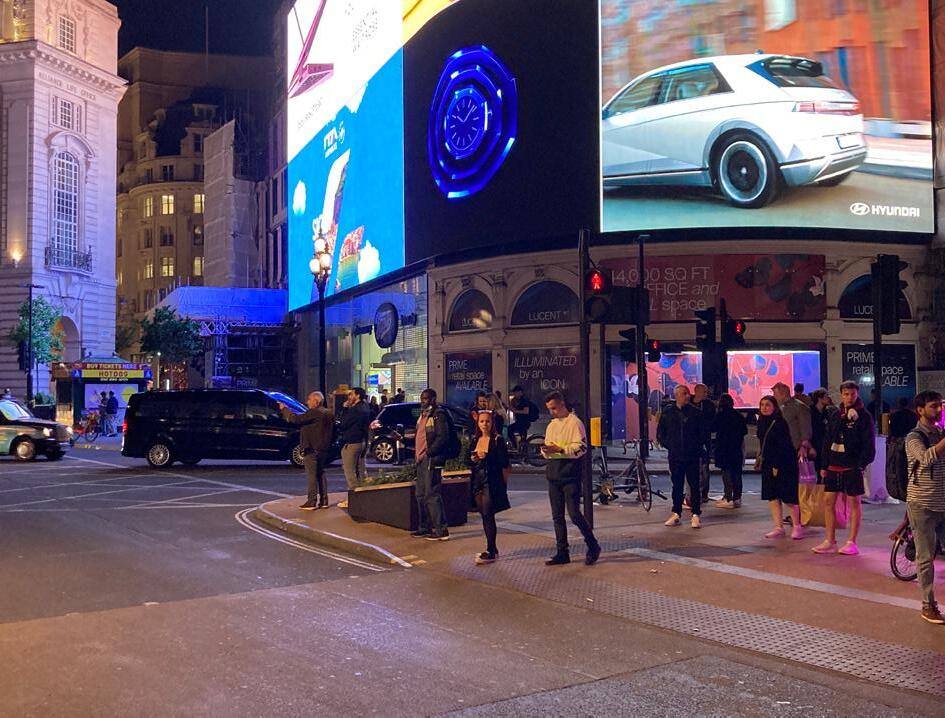
The lights reflected on to nearby buildings from the screens at Piccadilly are visible from the southern end of Haymarket
Some of the landmarks in the area, like the spire of St Martin-in-the-Fields viewed from St Martin’s Lane, become almost invisible after dark
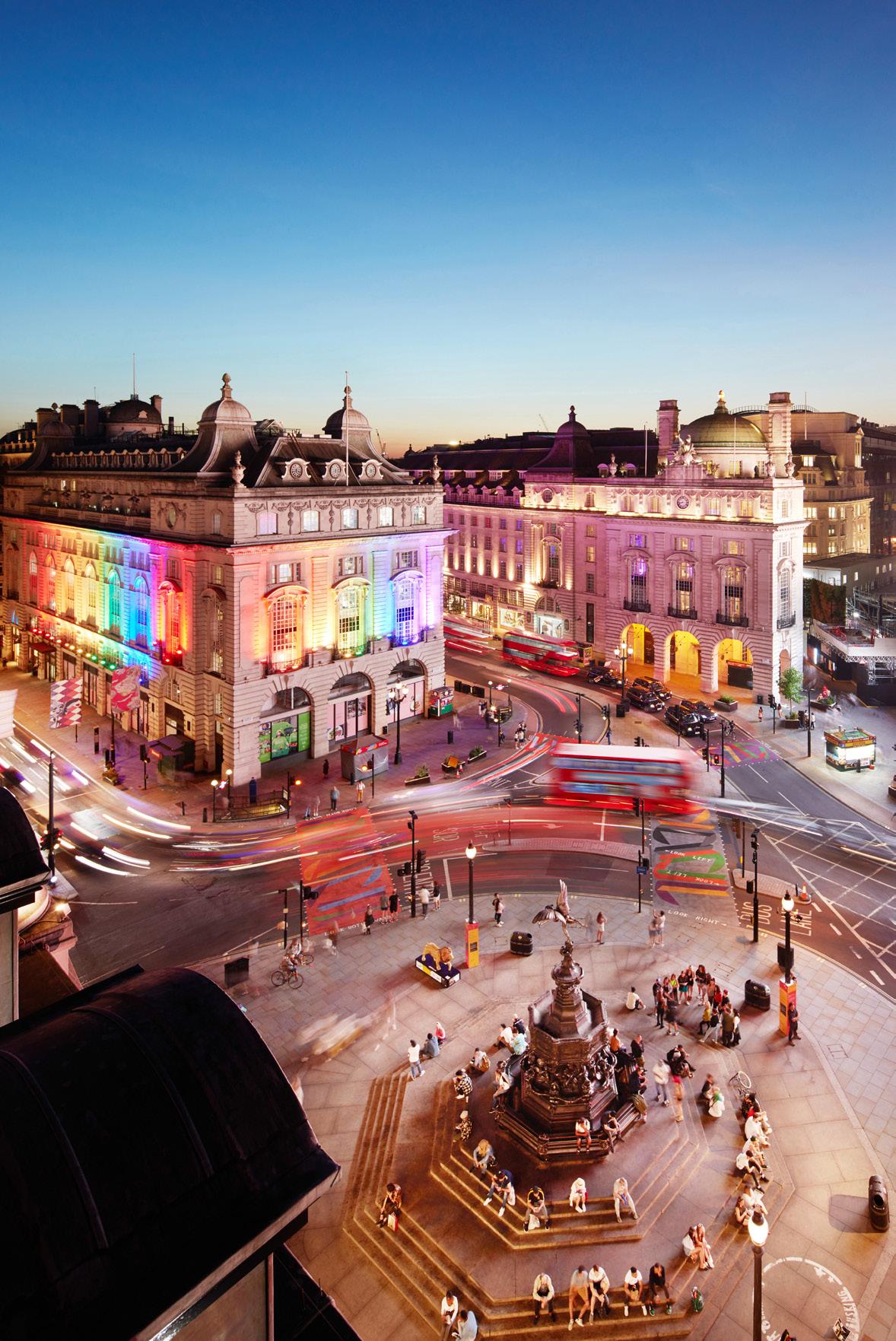
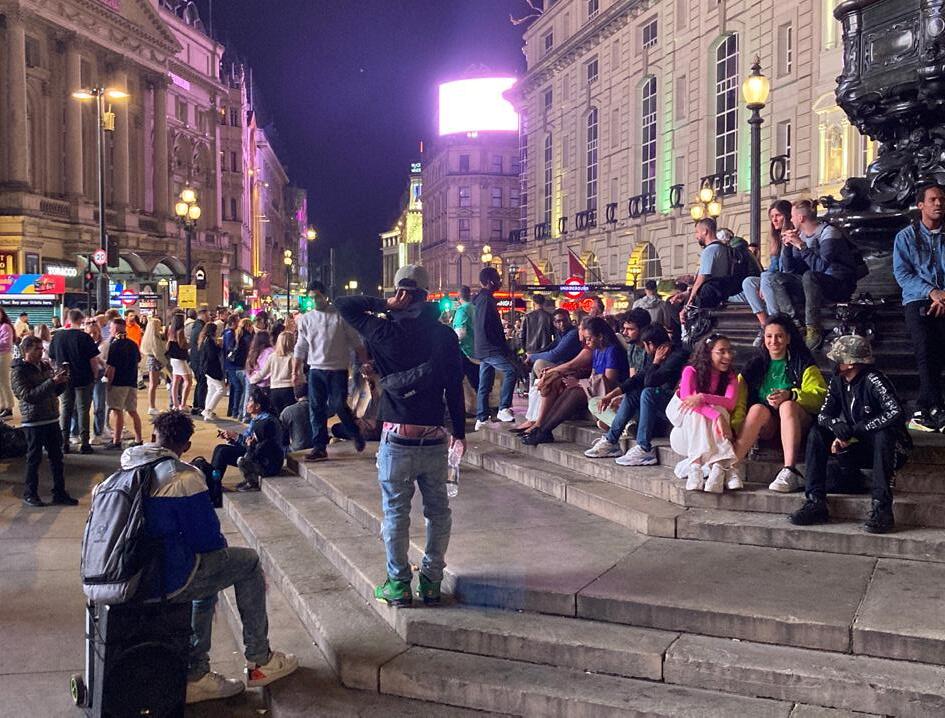
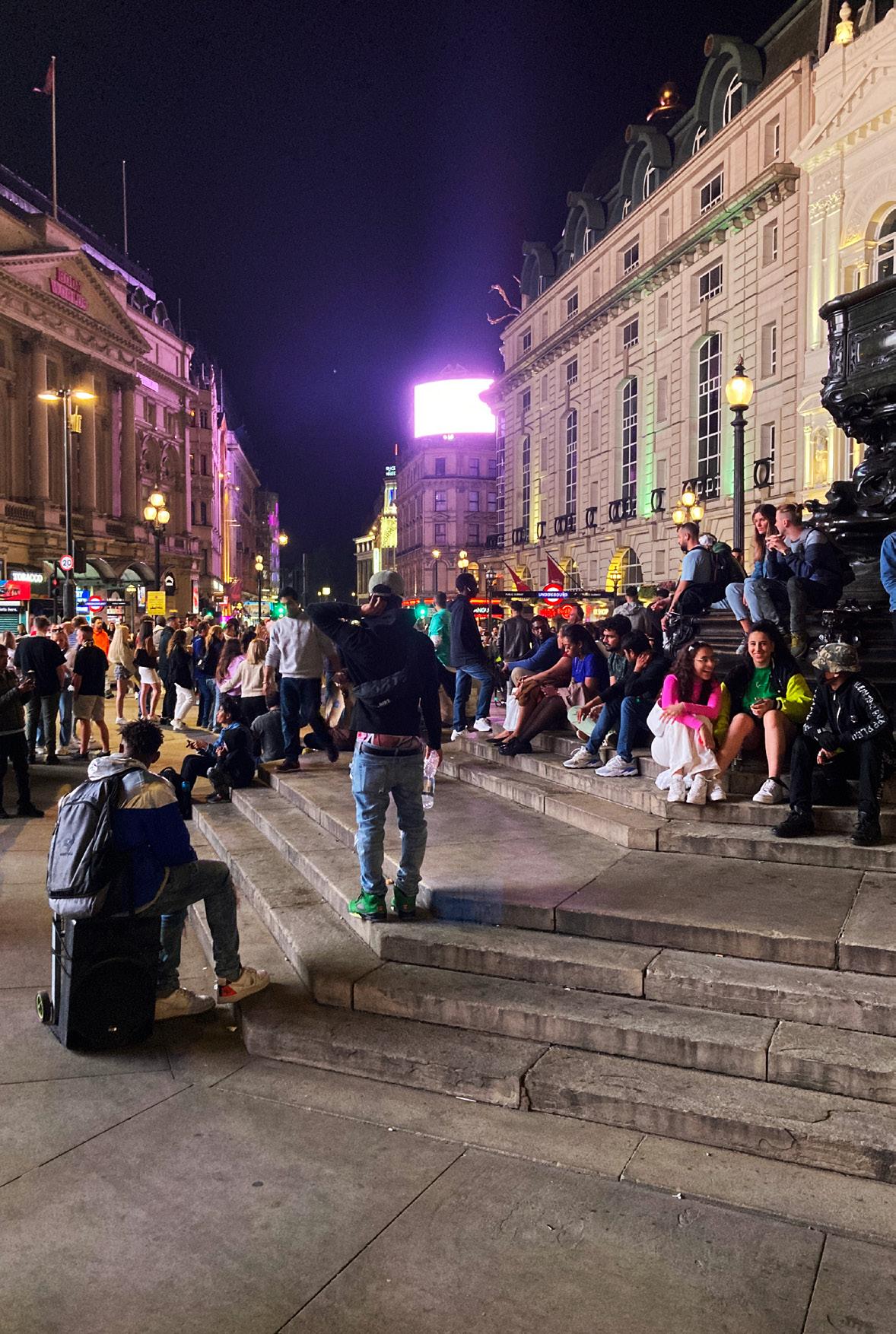
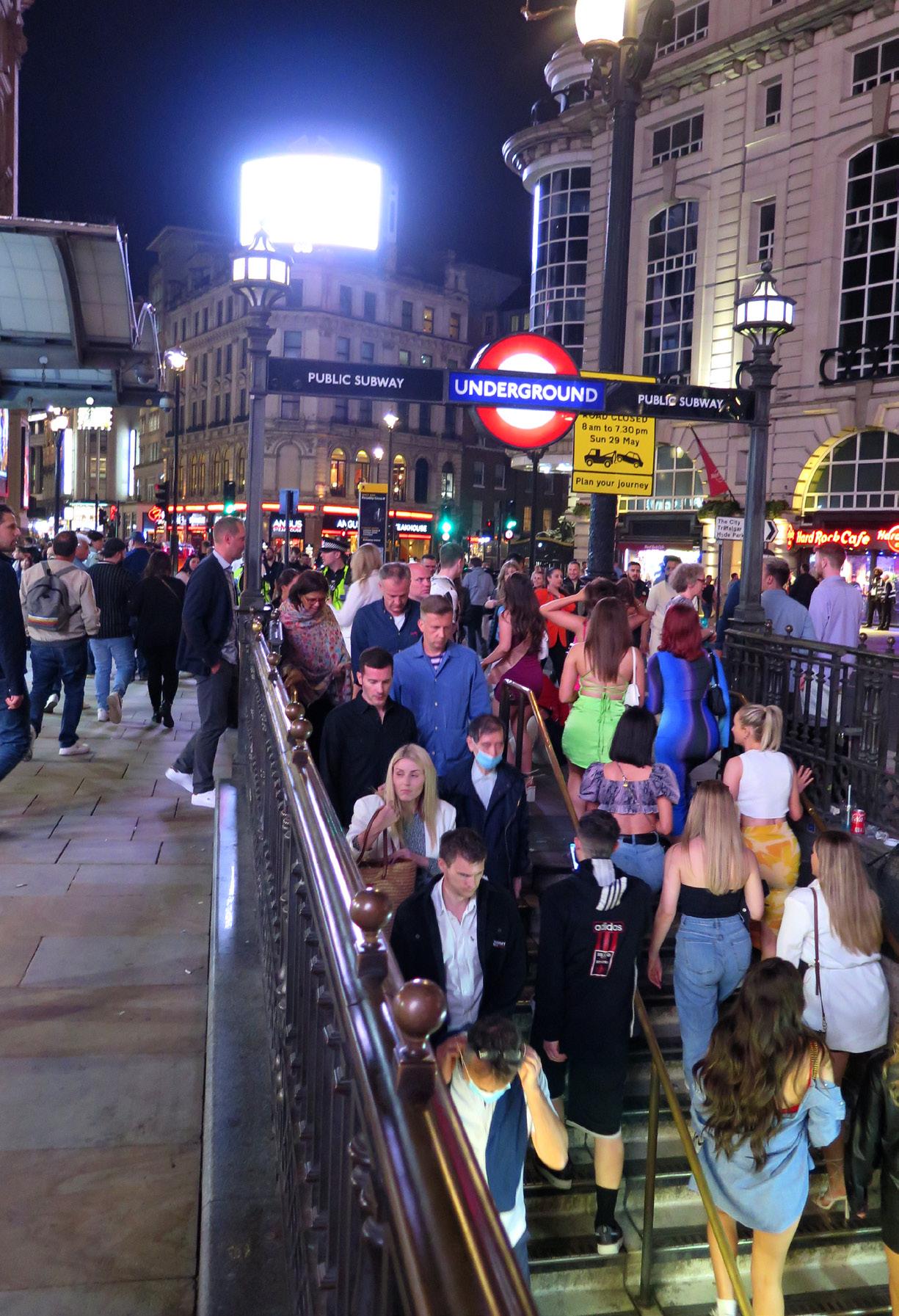
Crowds gathered on the steps of the Eros fountain in Piccadilly Circus at 11pm on a Saturday night in May
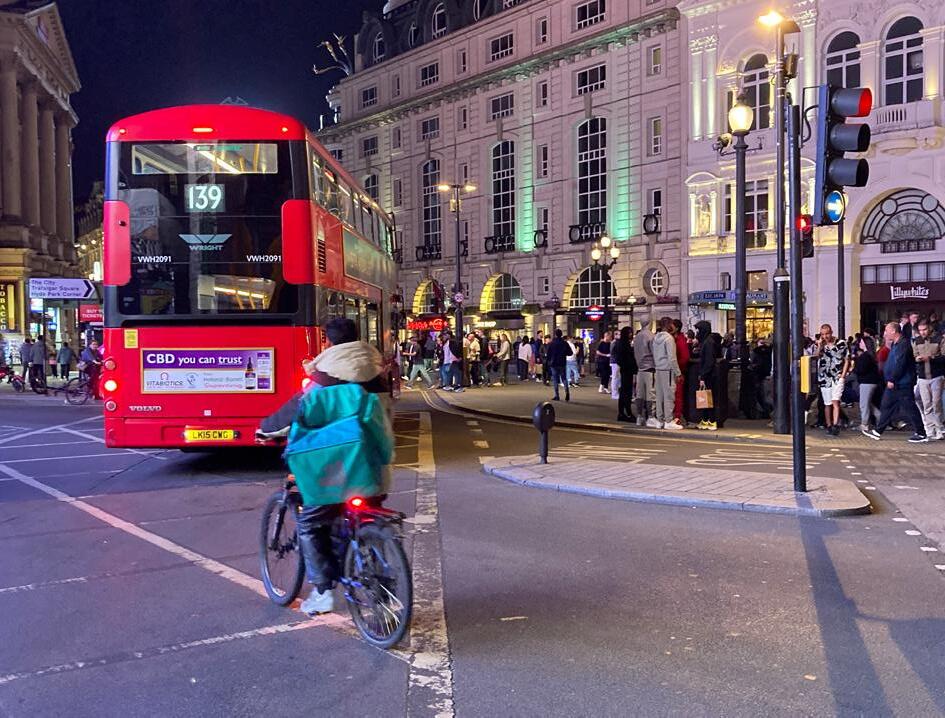
Red London double-decker buses are part of the spectacle in Piccadilly Circus, but the traffic often competes with pedestrian movement
ICONIC VISTAS, LANDMARKS AND OPEN SPACES ARE INTEGRAL TO THE AREA’S CHARACTER AFTER DARK AND PLAY IMPORTANT FUNCTIONAL ROLES
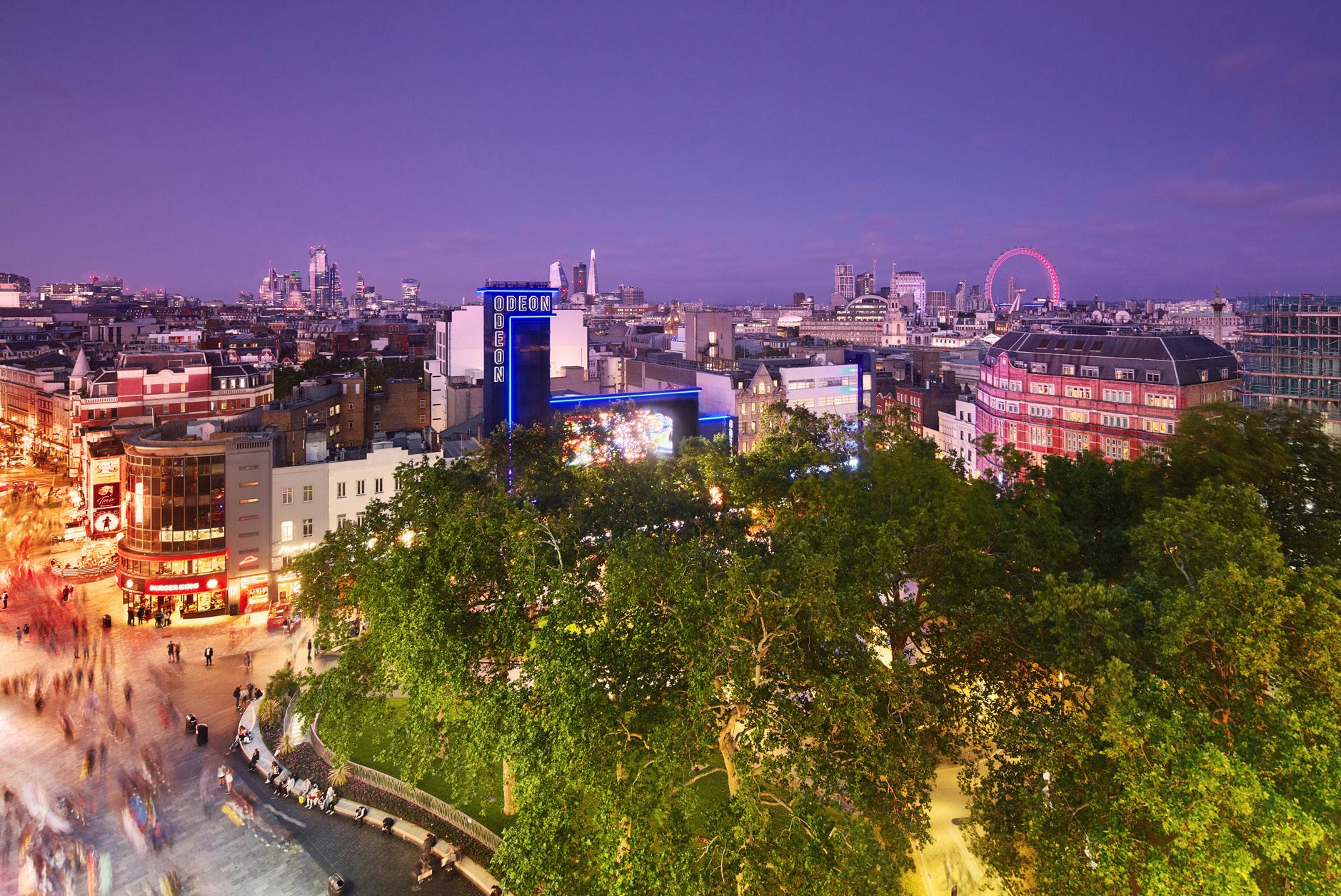
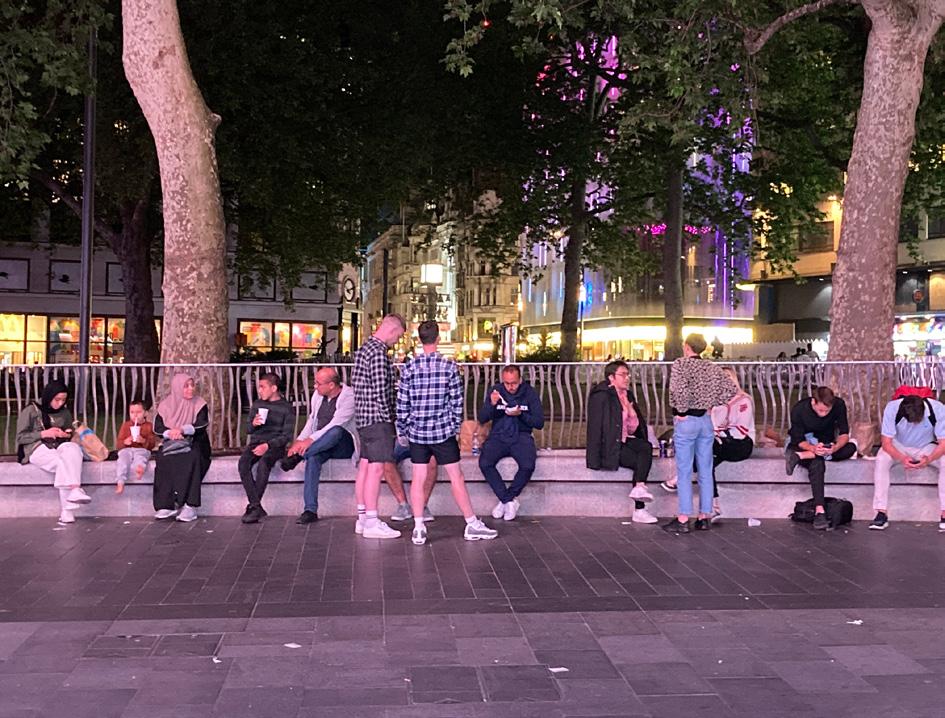
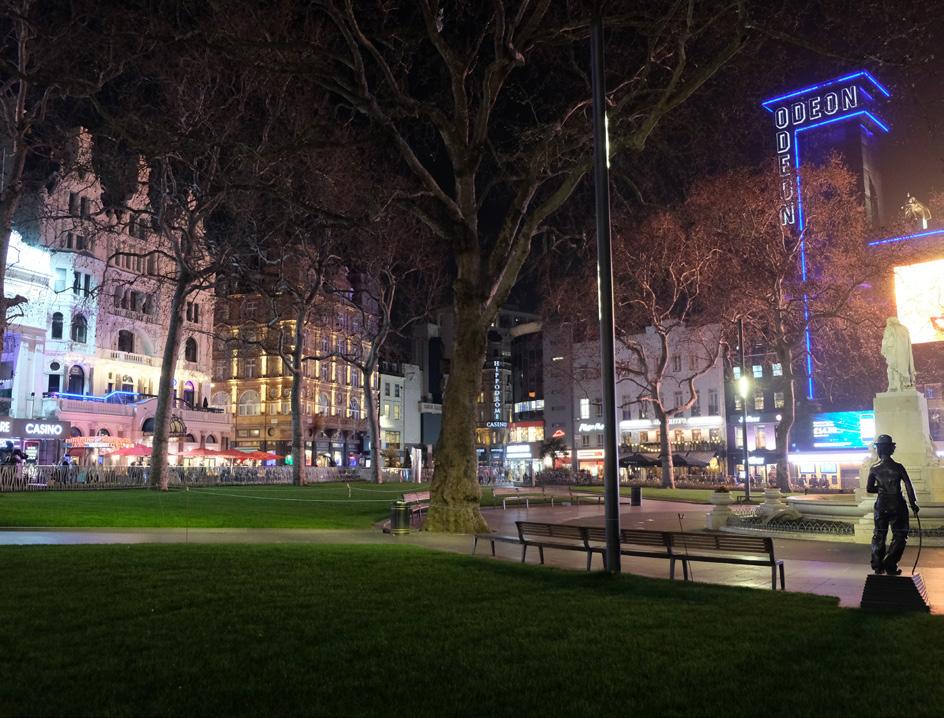
The benches around Leicester Square gardens are an example of a successful public realm intervention, its popularity shows the greater potential of these spaces.
The number of people using the benches and busyness of the public space surrounding the gardens draws attention to the contrasting emptiness of the gardens themselves.
CONTRAST
Part of the unique character these views, landmarks and spaces bring to the area is one of contrast, for example, the formality and weight of the stone facades of Regent Street giving way to the lights and animation of Piccadilly Circus. Preserving and enhancing these contrasts is a central idea of the Heart of London Placeshaping Strategy and is of critical importance to character in the evening and night-time
The architectural characters of the distinct parts of the area help people to navigate intuitively, heightened at night when awareness of the physical environment is changed by darkness. Shop interiors, commercial signage and advertisements at street level contrast with the grandeur of illuminated architectural features above and in the distance
Contrasts between spaces that are clear in the daytime are not always legible after dark, reducing their function as wayfinding features and contribution to the area’s character
The formality and weight of the stone facades of Regent Street and Regent Street St James’s contrast with the lights and animation of Piccadilly Circus, where the steps are one of the few large public seating areas
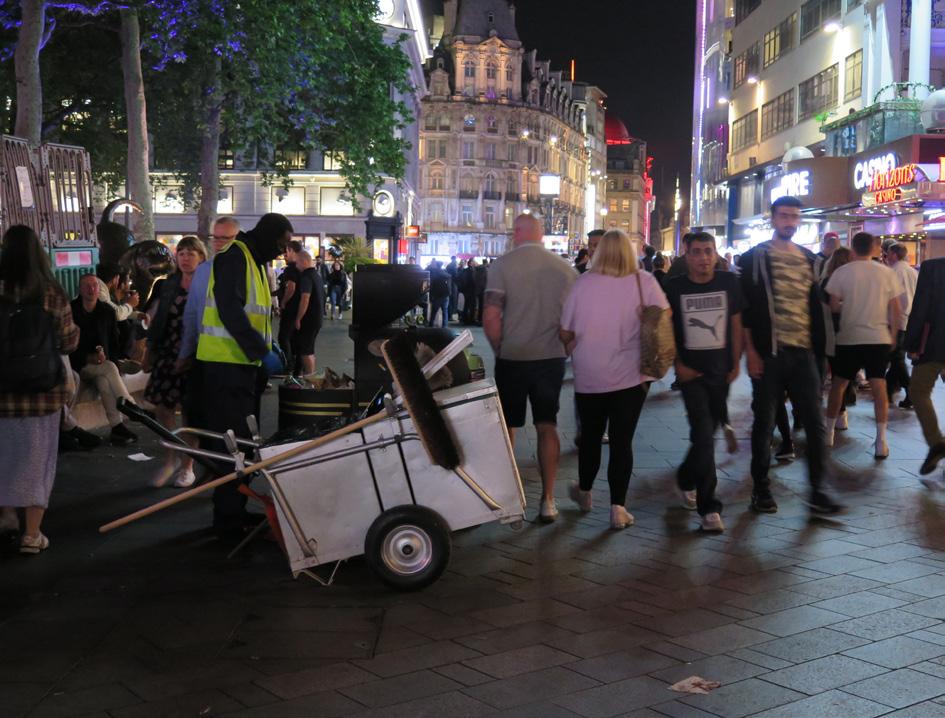
Street cleansing in Leicester Square on a Saturday night. Space management and maintenance operations take place in parallel with the primary uses of main spaces on busy weekend evenings
Leicester Square gardens are closed and empty at night. Many of the surrounding buildings and businesses remain open late or operate 24 hours a day
The benches encircling Leicester Square gardens are filled with people socialising or having dinner on a warm Saturday night
ICONIC VISTAS, LANDMARKS AND OPEN SPACES ARE INTEGRAL TO THE AREA’S CHARACTER AFTER DARK AND PLAY IMPORTANT FUNCTIONAL ROLES
• In the western part of the area, evening and night-time destinations are often further apart from each other. The experience of the area’s best features is fragmented at night. In these places, the contribution of illuminated shop windows and arcades that remain open is particularly important for creating a sense of place and of safety
As well as being essential to the character of Piccadilly Circus, the ‘Piccadilly Lights’ draw and guide people through the area. Their bright light is also visible as reflections on surrounding buildings, often before the lights themselves come into view
DAY WORKERS’ RATING OF FEATURE LIGHTING OF BUILDINGS AND MONUMENTS
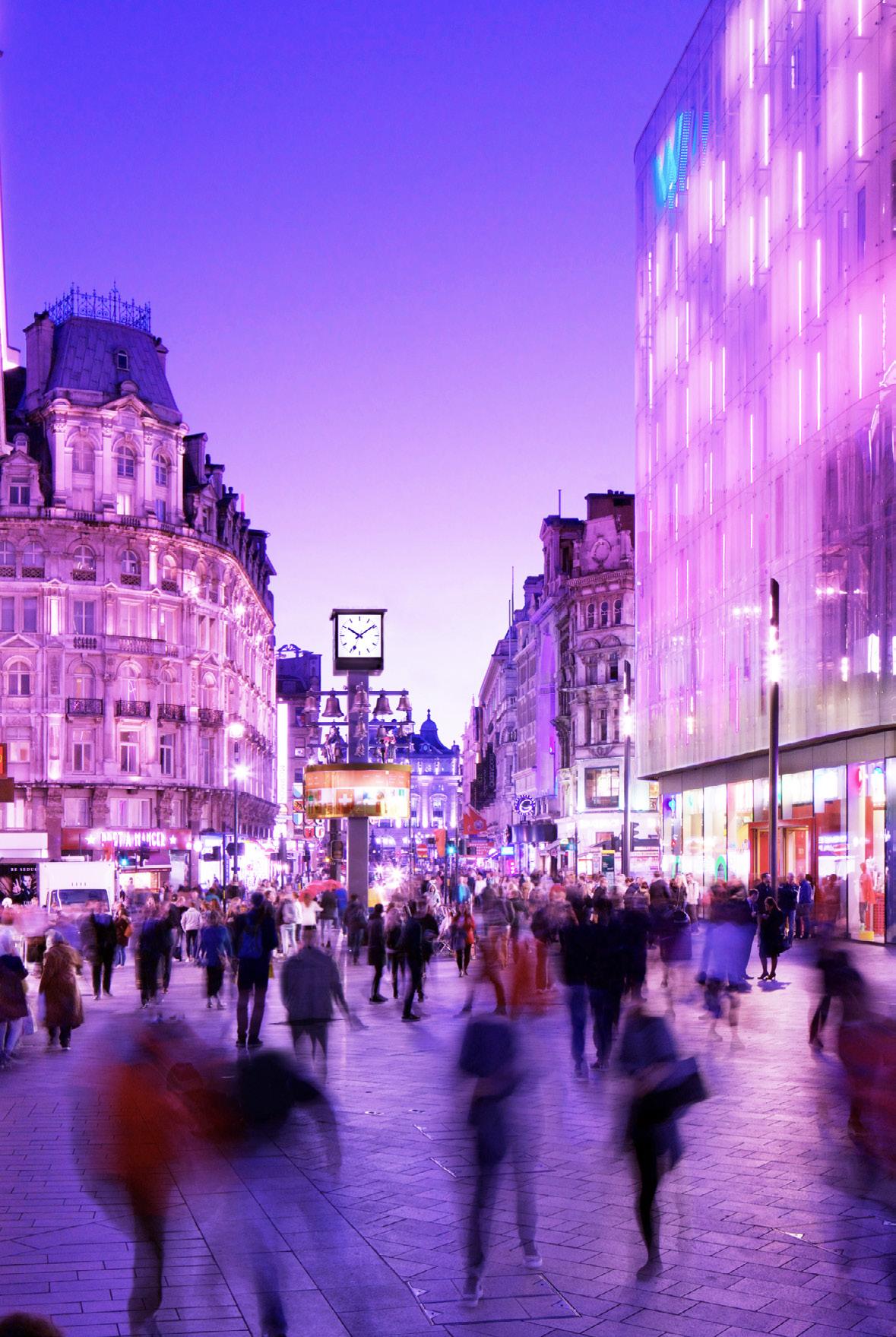
Long views between major spaces (here from Leicester Square to Piccadilly Circus along Coventry Street) are important to the character of the area. Coventry Street is also a heavily-used public space in its own right
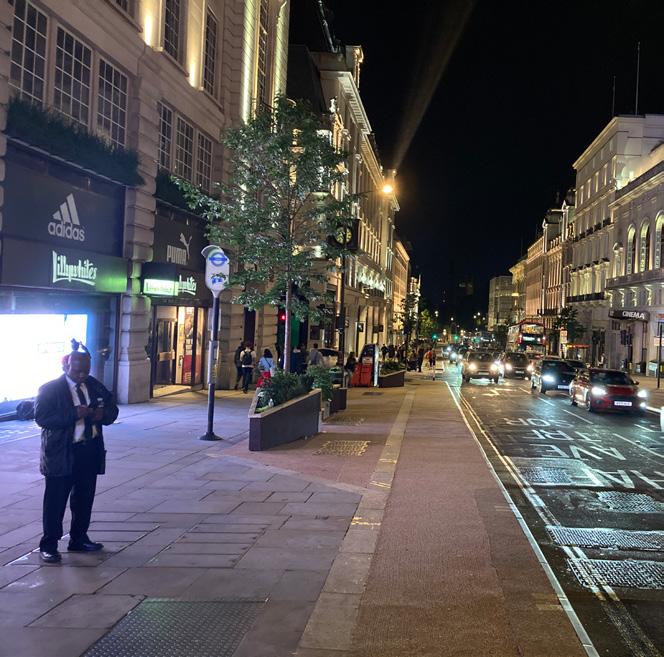
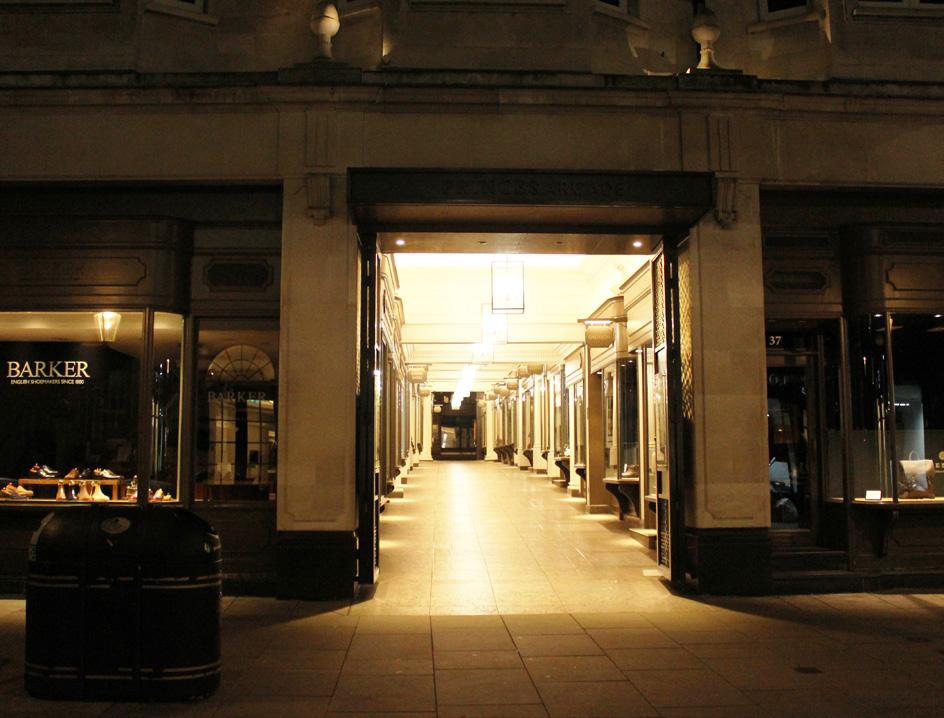
Princes Arcade at Jermyn Street is an illuminated corridor in the darkness. Shop windows and arcades, important to the area’s character at all hours, play an important function after dark, linking together destinations between quieter areas
Ribbons of illuminated shop fronts are important for wayfinding
CHANGES RESULTING FROM COVID-19, BREXIT, ONGOING DEVELOPMENT, AND ECONOMIC DISRUPTION ARE BRINGING NEW CHALLENGES AND OPPORTUNITIES FOR EVENING AND NIGHT-TIME
RISE OF WORKING FROM HOME
The expansion of work-from-home policies in response to the pandemic impacted businesses catering to office workers in the West End. Nearly half of all jobs in the area are professional private sector jobs, which experienced the greatest increase to working from home. However, 30% of local daytime workers are in the hospitality sector. The majority of respondents to the survey of day workers undertaken for this project worked within these sectors. Of these, more than half have said they stay in the area for an evening out at least once per week, with 30% responding that they go out in the area two or more times per week.
RETAIL CHALLENGES
The shift of shopping preferences from in-person to online has had a profound impact on the West End in terms of footfall, building uses, and vacancy rates. These dramatic changes have been challenging for many businesses, but have also created an unprecedented opportunity to re-imagine how and when the city centre can be used.
STREAMING ENTERTAINMENT
During the pandemic entertainment shifted to online and remote providers, challenging re-opened cultural venues, especially cinemas, to earn their audiences back. People have returned after restrictions were eased, and the questionnaires revealed that there is a strong interest in being part of shared cultural experiences including music, films or theatre, both indoors and outdoors.
WORKER AND SKILLS SHORTAGES
Worker and skills shortages resulting from COVID-19, Brexit, and other factors have also created significant challenges for evening and night-time industries, challenging businesses’ ability to deliver their core services.
CONTRACTION OF INTERNATIONAL TOURISM
The pandemic brought international travel to a halt. With reduced restrictions on international travel the industry has opened up again, with renewed competition for international travellers.
30% of respondents to the day workers’ questionnaire said they go out in the area at least two evenings a week
In round-table sessions, local business owners consistently cited worker and skills shortages as primary reasons they could not expand their evening and night-time operations
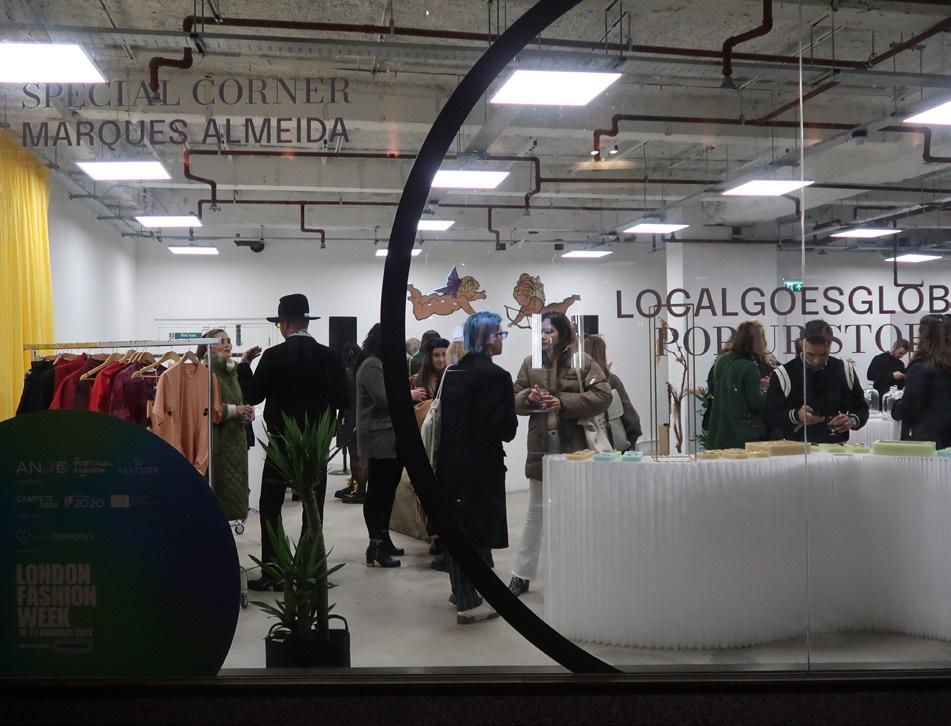
‘Local
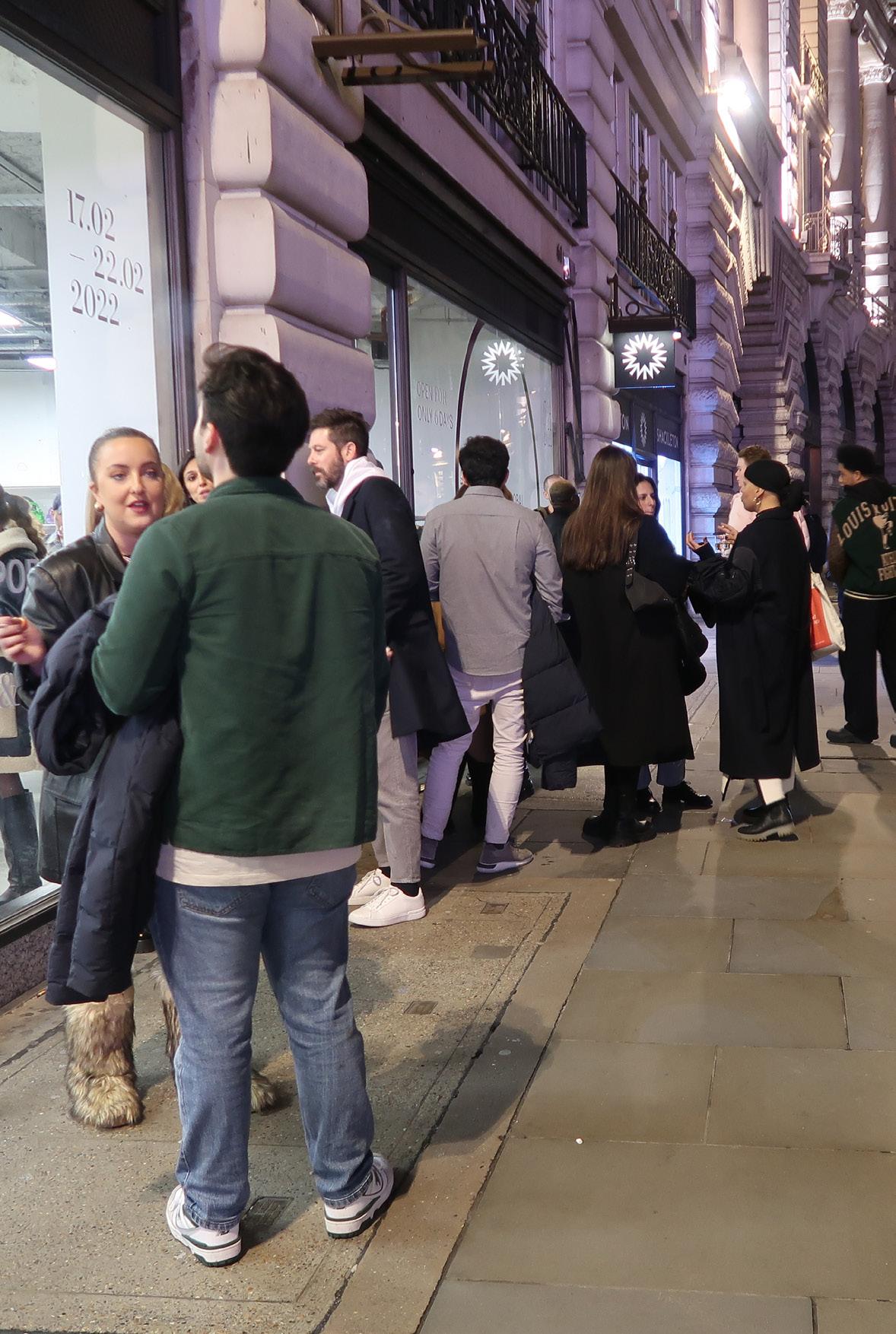
Goes Global’ pop-up event at a vacant shop in Regent Street for London Fashion Week
CHANGES RESULTING FROM COVID-19, BREXIT, ONGOING DEVELOPMENT, AND ECONOMIC DISRUPTION ARE BRINGING NEW CHALLENGES AND OPPORTUNITIES FOR EVENING AND NIGHT-TIME
OTHER LONDON EVENING AND NIGHT-TIME DESTINATIONS
London has multiple historic and emerging nightlife destinations, from the famous and established destinations of the wider West End to the South Bank, King’s Cross, Hoxton and Shoreditch, and many more across the city.
Heightened by the pandemic, London’s nightlife is less centralised than ever. During engagement, workers cited both expense and inconvenience of going out in the West End as barriers, compared with other areas closer to home.
LOCAL DEVELOPMENT & TRANSPORT
Alongside these extraordinary shifts, significant developments in the wider West End, including the full opening of the Elizabeth Line, will have a strong impact on visitor numbers and patterns of movement.
of evening and night-time destinations in London
Map
CHANGES RESULTING FROM COVID-19, BREXIT, ONGOING DEVELOPMENT, AND ECONOMIC DISRUPTION ARE BRINGING NEW CHALLENGES AND OPPORTUNITIES FOR EVENING AND NIGHT-TIME
INTERNATIONAL MOMENTUM
In recent years, the idea of the 24-hour city has become a focal point for cities worldwide, creating opportunities, positive change and investment. Sydney, New York, Paris, Amsterdam and Berlin have recently published visions, strategies and city-wide projects that promote a richer understanding of their economies at night.
LONDON ENT GUIDANCE
The GLA recently launched its own evening and night-time (ENT) guidance for boroughs seeking to develop evening and night-time strategies. Within Westminster, a task group was created in 2019 to identify ways to increase inclusion within the night-time economy.
Heart of London is delivering its placeshaping and cultural strategies in collaboration with stakeholders. The addition of the Evening and Night-Time Strategy brings the potential to progress projects in an integrated and innovative way.
Heart of London documents; 10. ‘ Heart of London Placeshaping Strategy ’, Heart of London; 11. ‘Cultural Heart of London’, Heart of London; 12. ‘ The Arts Quarter’, Heart of London
London guidance: 5. ‘Developing a night-time strategy’, Mayor of London; 6. ‘Think Night: London’s Neighbourhoods from 6pm to 6am’, London Night-Time Commission; 7. ‘Culture and the night-time economy’, Mayor of London; 8. ‘Inclusion in the Evening and Night-Time Economy Task Group Report’, Westminster City Council; 9. Fairer Westminster, Westminster City Council
International guidance: 1. ‘Twenty Years, Twenty Principles. Times Square, 1992-2012’, NYC; 2. ‘Parramatta Night City Framework 2020–2024’, City of Parramatta; 3. ‘Newcastle After Dark. Night-Time Economy Strategy, 2018–2022’, The City of Newcastle; 4. ‘Open Sydney. Future Direction for Sydney at night. Strategy and Action plan 2013–2030’, City of Sydney
CHANGES RESULTING FROM COVID-19, BREXIT, ONGOING DEVELOPMENT, AND ECONOMIC DISRUPTION ARE BRINGING NEW CHALLENGES AND OPPORTUNITIES FOR EVENING AND NIGHT-TIME
A STUDY OF THE NIGHT-TIME ECONOMY: ESTABLISHING THE ECONOMIC, CULTURAL AND COMMUNITY VALUE OF THE NIGHT-TIME ECONOMY (NTE) AND THE CONTRIBUTION OF THE NIGHT-TIME CULTURAL ECONOMY WITHIN THE UK (2021)
The UK NTE contributes 5.1% of the country’s GDP
The night-time cultural economy contributes 1.64% of UK GDP. This sector was growing faster than the UK economy average between 2000 and 2020
6% of all jobs in the UK are in the NTE. Between 2010 and 2019 it grew by 19.3%
UK MUSIC: MUSIC BY NUMBERS (2020):
Spend by music tourists increased to £4.7 billion in 2019, up 6% from 2018. Overseas visitors tend to spend more per head than domestic: £899 average spend compared to £183 by domestic music visitors (2019)
4.1 million of these visitors (32.5%) went to London
On average live performances account for 49% of professional musicians’ income compared to just 3% from recording
A medium-sized music event (600 attendees) creates around £140,000 in additional value (spillover effect) for the UK economy, or around seven times its direct box office revenue. Two-thirds of this value is captured within the immediate area. A small music event (200 attendees) has a spillover effect of £48,000 of which 68% stays in the local economy
CHANGES RESULTING FROM COVID-19, BREXIT, ONGOING DEVELOPMENT, AND ECONOMIC DISRUPTION ARE BRINGING NEW CHALLENGES AND OPPORTUNITIES FOR EVENING AND NIGHT-TIME
DEPARTMENT FOR CULTURE MEDIA AND SPORTS: LIVE MUSIC 2017–2019.
In 2016, 1.9m international visits to the UK were made with the intention of attending a live music event
For every £10 spent on a ticket in a grassroots music venue, £17 is spent elsewhere in the night-time economy
An analysis of 88 of the venues in the Music Venues Alliance and found that 112% of their ticket revenue is spent on promoting live music
Many venues have to use revenue from bar sales to supplement pay for staff and artists. Yet reliance on revenue from alcohol, and related security costs or licensing concerns, impacts their ability to make gigs accessible to under-18s, limiting young people’s access to live music and undermining their role in artists’ development
SECURING THE FUTURE OF LONDON’S THEATRES: A CALL TO ACTION (2020)
London’s theatres play a crucial role in the city’s ecosystem, supporting over 20,000 jobs and contributing £133 million in annual VAT
More people see a West End show in a year than watch a live football match
An average of 30,000 people a night across London view a West End show
70% of theatre-goers eat out as part of their experience and 15% pay for accommodation
INCLUSIVITY, SAFETY AND ACCESS TO AND WITHIN THE AREA ARE KEY CONCERNS
GETTING TO AND FROM THE AREA
The Heart of London area is a hub for late night journeys, with people leaving the area after work or a day of shopping and sightseeing, and others arriving to visit theatres, cinemas, landmarks or go out in the area. Public transport is essential to the functioning of the area during the day and into the night.
The area has three underground stations: Leicester Square, Piccadilly Circus and Green Park, which have a weekend 24-hour night tube service. Nearby stations include Charing Cross, Oxford Circus, Covent Garden with Elizabeth Line access from Tottenham Court Road and Bond Street. Public transport access is vital, and a limited night tube service limits in turn the capacity and vitality of the local economy.
There are more than 30 night bus routes running through Piccadilly Circus and surrounding streets
Active travel routes and cycle stands remain in heavy use late into the evening. Many who move into, out of and through the area between 6pm and 6am travel on foot or by bicycle
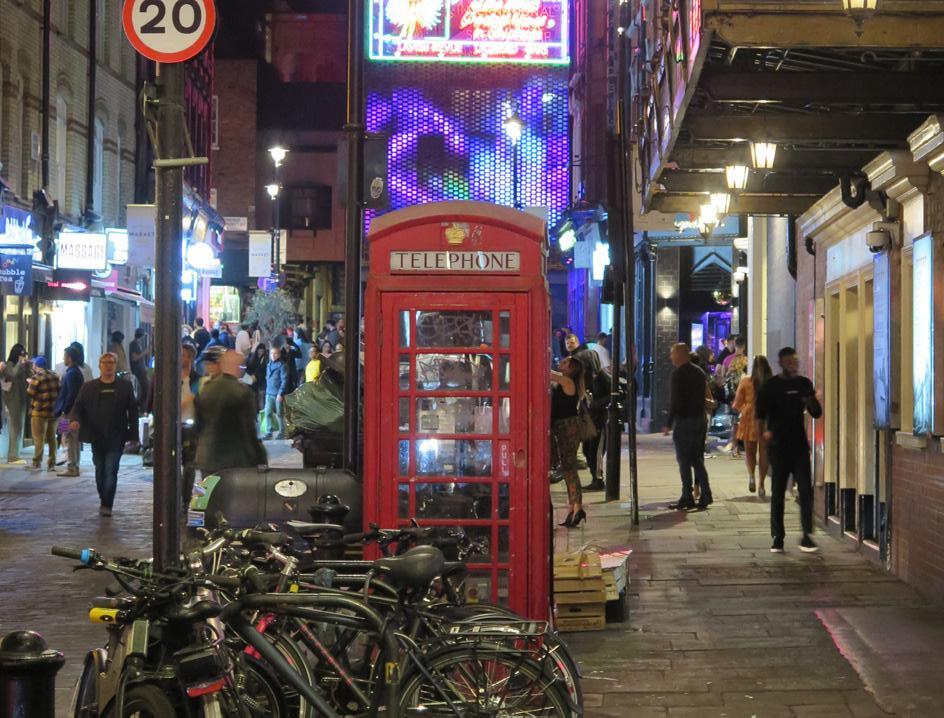
Overflowing cycle racks outside the Gielgud Theatre on Rupert Street, north of Shaftesbury Avenue at 10:45pm on a Saturday
A cyclist behind a bus passing through Piccadilly Circus
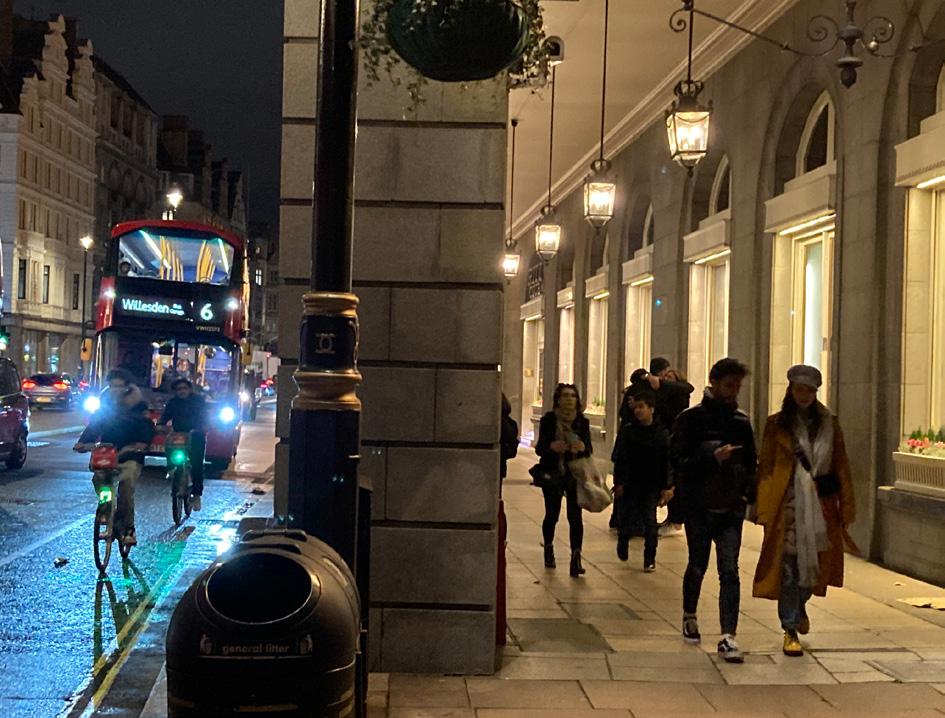
Cyclists and pedestrians on Piccadilly near Green Park station
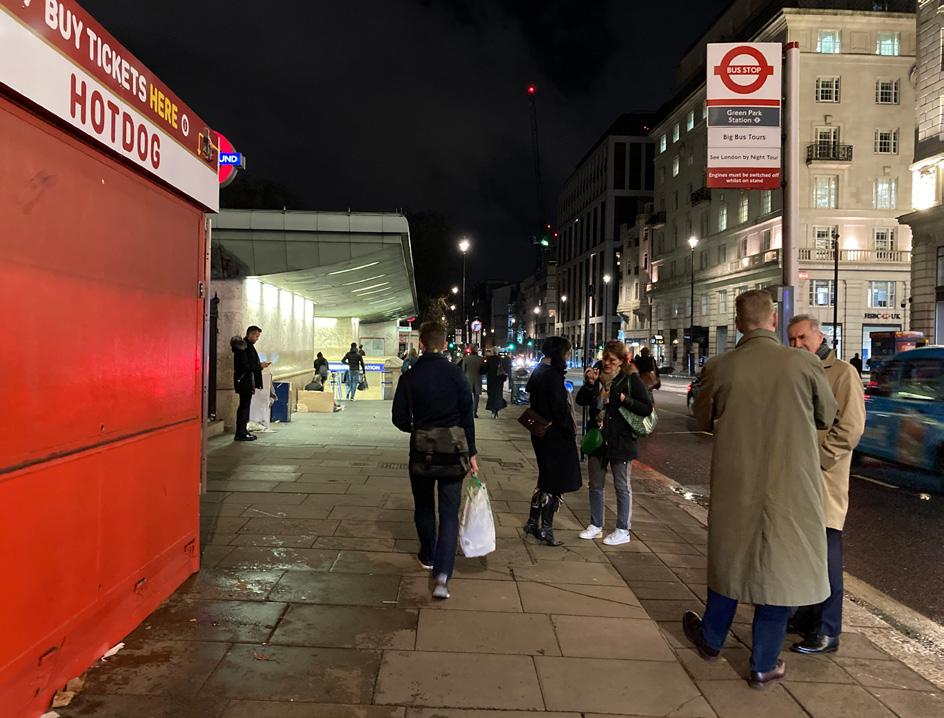
People waiting for the bus near Green Park underground station on a Wednesday in February at 10 pm
INCLUSIVITY, SAFETY AND ACCESS TO AND WITHIN THE AREA ARE KEY CONCERNS
PUBLIC TRANSPORT AT NIGHT IS A MAJOR CONCERN FOR BOTH BUSINESSES AND NIGHT WORKERS
Public transport is critical for night workers, without whom the ENT economy could not function. In stakeholder round-tables, business owners and managers reported that comfort and safety is a major issue for staff, with buses and bus stops a particular concern. Noting crowding at bus stops and on night buses, and insufficient staffing, with usually just the driver, despite the additional challenge posed by nighttime increases in intoxicated and aggressive passengers
Questionnaire responses from night workers highlighted transport as a main challenge of working in the area, with commuting less comfortable at night as they feel less safe on transport, stations or stops, and/or in the public realm
Affordability of transport is also a key issue and a barrier to night worker recruitment. Some venues had paid for staff working overnight to take taxis home during the pandemic, but this has now ended
18% of day workers think that busyness, particularly on footways, is among the worst aspects of the area in the evening and night-time
PUBLIC TRANSPORT AT NIGHT IS HIGHLY RATED BY PEOPLE THAT WORK IN THE AREA DURING THE DAY
In contrast to night workers, day workers cited the area’s public transport as one of its best and most important features for coming to or staying in the area at night. (Note this does not capture any potential bus route changes, currently part of ongoing TfL consultation)
ACCESSIBILITY OF UNDERGROUND STATIONS IS A MAJOR BARRIER
The lack of step-free access impacts people with mobility impairments at all times. It also challenges anyone travelling with luggage or children in buggies. The only step-free station in the area is Green Park, far from the nightlife cluster, with Tottenham Court Road to the east
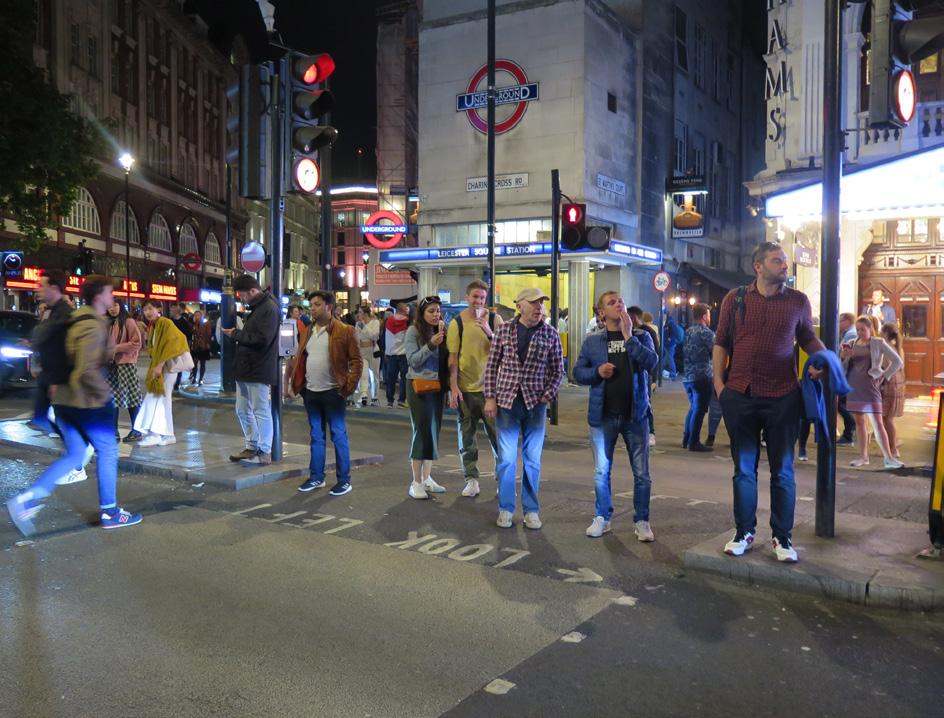
Pedestrians at the median strip crossing Charing Cross Road
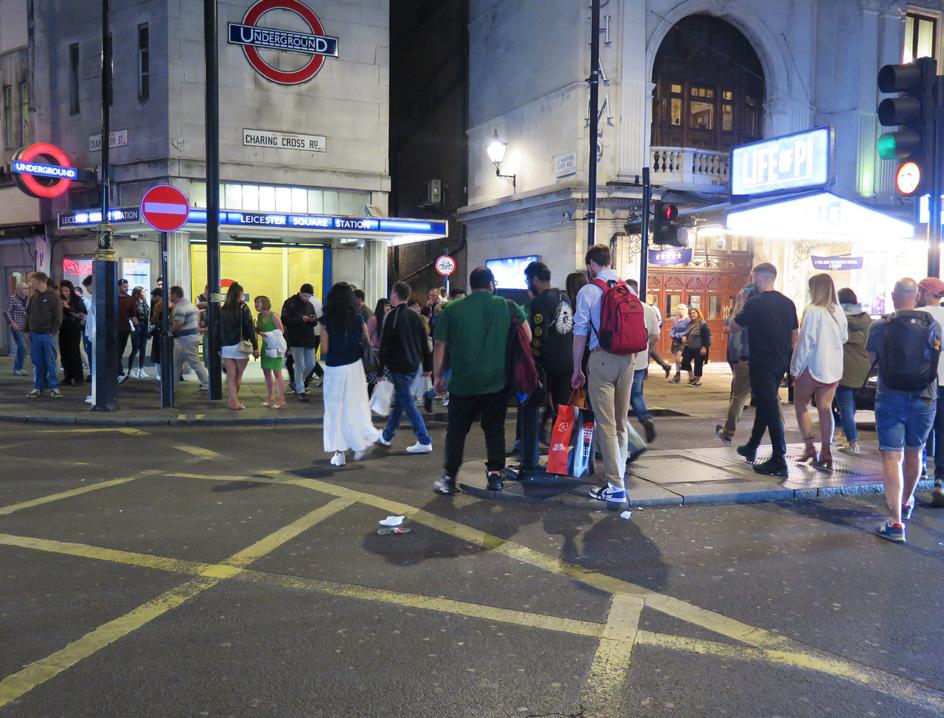
The pedestrian crossing in front of Leicester Square is not aligned with key desire lines
INCLUSIVITY, SAFETY AND ACCESS TO AND WITHIN THE AREA
• The most frequently used walking routes include main streets as well as many popular side streets
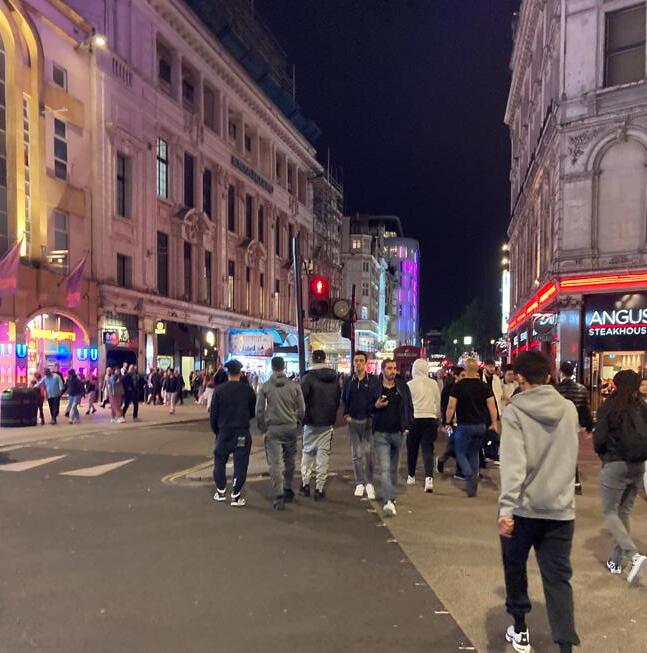
Pedestrian travel is heavily impacted by traffic, particularly around Leicester Square, Piccadilly Circus, Coventry Street, Charing Cross Road and Shaftesbury Avenue. Excessive street traffic was noted as the third biggest issue for ENT by day workers, with numerous respondents giving this as a reason they do not stay in the area after work
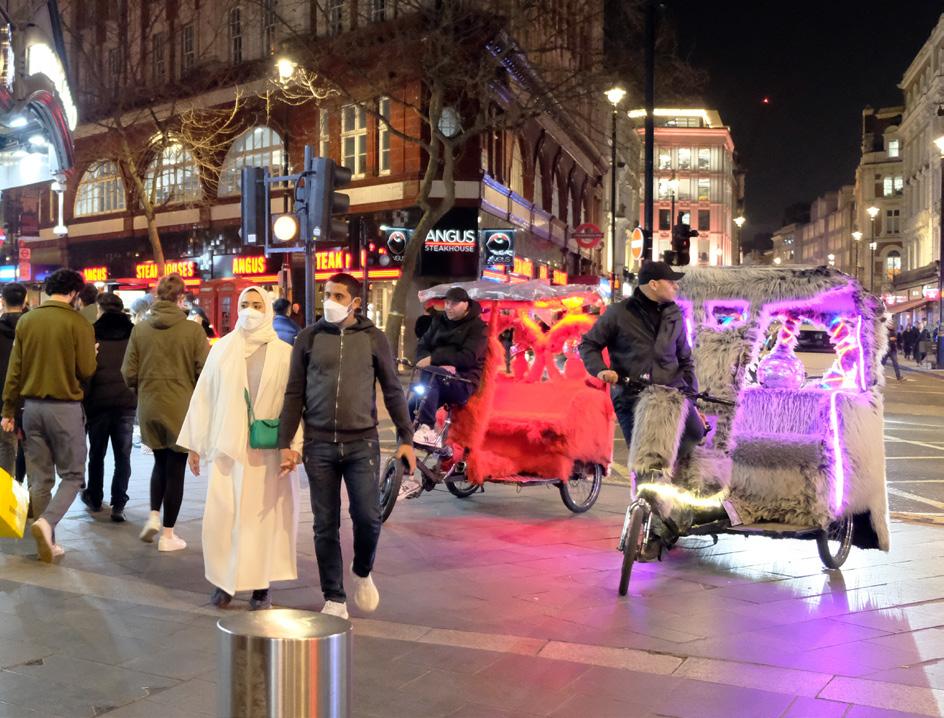
Pedicabs are often parked at the entrances to Leicester Square. Many businesses and residents are opposed to the current operations of pedicabs, citing noise, unregulated parking, and aggressiveness of drivers as key concerns
The area’s public realm is often operating over capacity, especially in areas with narrow footways. Nearly 20% of day workers cited overcrowding as the biggest issue in the area
Public realm projects are welcomed by accessibility groups, but note additional street furniture may restrict access to already constrained space. In Charing Cross Road, benches and signage compete with pedestrians for limited space in the footway
30% of day workers think that antisocial behaviour and issues related with safety are among the worst aspects of the area
A third of night workers think that security and improving perceptions of safety are among the biggest opportunities to enhance the area
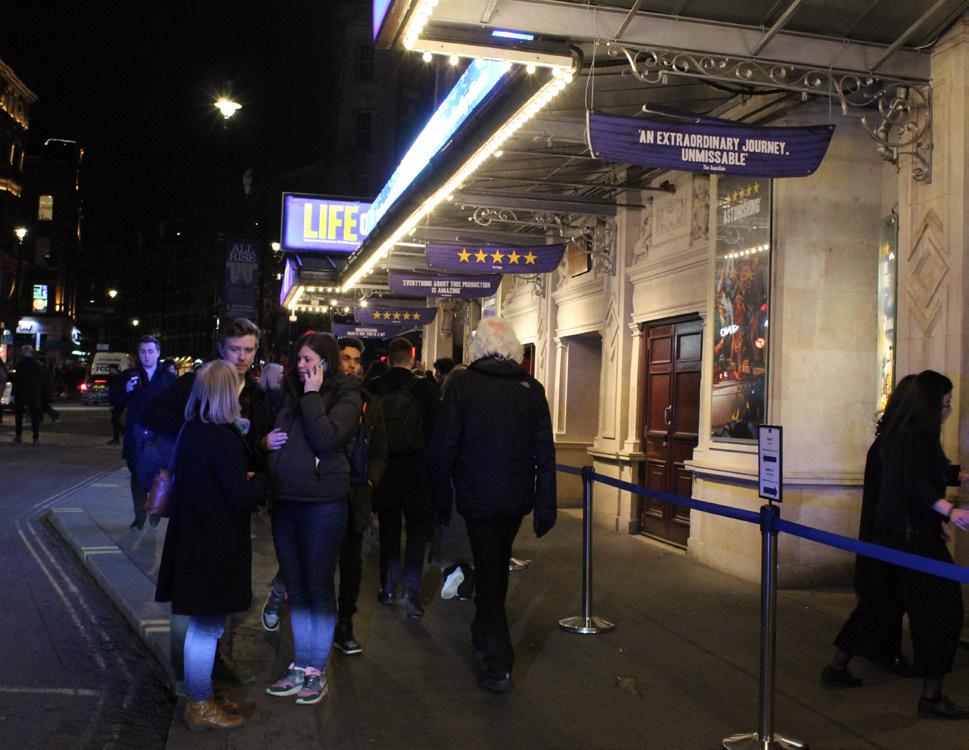
Barriers for queueing outside theatres on Charing Cross Road leave limited footway space for pedestrians
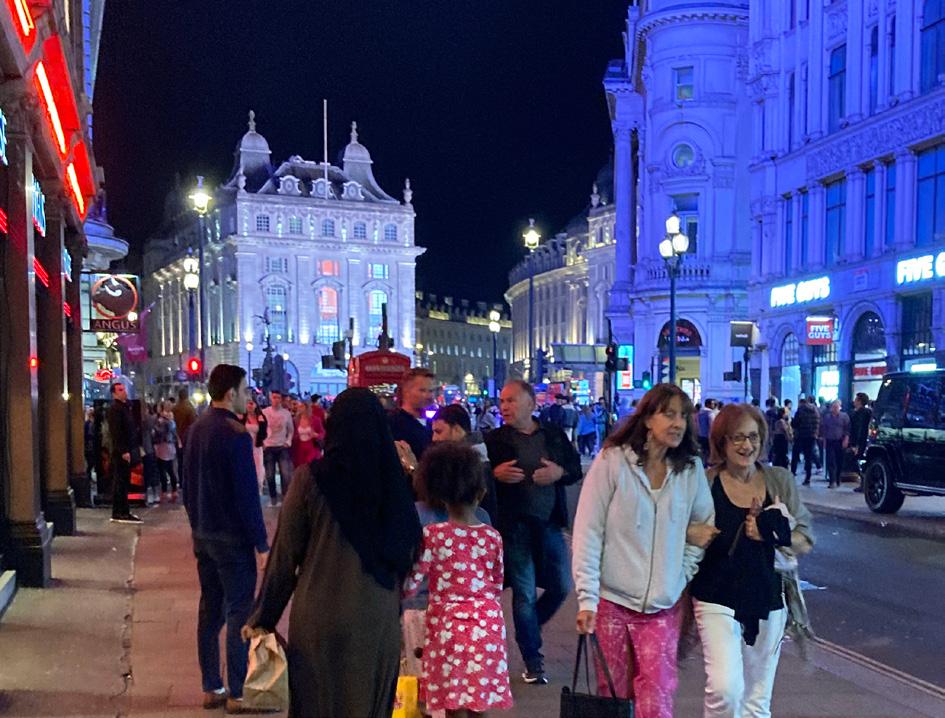
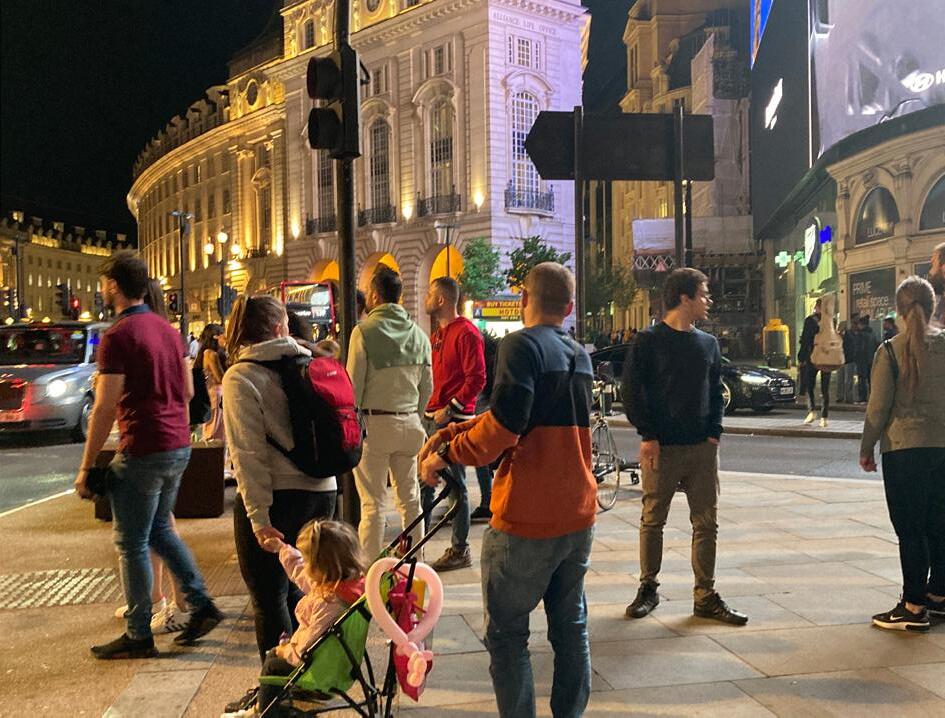
Families with young children and buggies are often seen around Leicester Square and Piccadilly Circus until late in the evening
Pedicabs solicit passengers outside Leicester Square Underground station and around main pedestrian spaces
INCLUSIVITY, SAFETY AND ACCESS TO AND WITHIN THE AREA ARE KEY CONCERNS
• Questionnaire respondents specifically identified Charing Cross Road and St Martin’s Lane as priority spaces for investment to improve the quality and capacity of the public realm. The cost benefit ratios for the Charing Cross Road and St Martin’s Lane projects are stronger than for any other public realm business case in the West End
The availability of clear information about accessibility of evening and night venues across the area varies. Industry experts highlighted availability of information as the most important step towards making the area more accessible, even without any changes or improvements to physical infrastructure. The ability to plan in advance and know what to expect is the most important hurdle to overcome
Public amenities are also important areas for improvement to make the area more accessible. Availability of toilets, seating and cycle stands in the area during evening and night-time were rated poorly by day workers
There is a notable deficit of public toilets which affects everyone visiting the area and impacts residents and businesses. Leicester Square has public toilets, open from 7.00am to 12.00am, but not fully accessible. Piccadilly Circus has no public toilets, visitors must depend on toilets of businesses open at night
Boots at Piccadilly Circus plays an key role in the safety, health and wellbeing of the area at night - providing medical assistance and support to visitors and its later opening hours are vital for night workers. There is potential to explore further medical support for the area at night time
SAFE NIGHT OUT
Day worker questionnaire responses to questions about safety reflected the complexity of this issue. Nearly half said that safety in the area was excellent or good, with the largest number stating average. However, in the same survey, respondents identified the prevalence of antisocial behaviour to be one of the worst aspects of the area at night, having a major impact on its appeal as a destination. According to the residents’ questionnaire, antisocial behaviour and associated perception of safety worsens after 11pm
Day workers cited safety, crime, violence, rowdiness, street urination, drunkenness, harassment and perceptions of lack of safety among the worst things about the area after dark
The results from the day worker questionnaire are unlikely to reflect a full cross-section of experience and perceptions of safety in the area in the evening and night-time. The smaller sample size of the night worker questionnaire responses makes it more challenging to draw conclusions, but a third of night worker respondents (compared to 10% of day workers) thought that improvements to security and safety were among the greatest opportunities to improve the evening and night-time in the area
Antisocial behaviour, women’s safety, and safety in the public realm after dark were all highlighted repeatedly in stakeholder sessions as priorities. Many business owners and managers thought improvements could be achieved through better collaboration between businesses, police and private security, dedicated custodians and lighting schemes
INCLUSIVITY, SAFETY AND ACCESS TO AND WITHIN THE AREA ARE KEY CONCERNS
• Many initiatives and organisations exist to tackle crime and improve safety in the area, and Heart of London works with these groups on behalf of members.
Organisations include the Metropolitan Police, the City of Westminster, Safer Business Network, GLA, West End Homelessness, British Transport Police, West End Security Group, and private security funded by Heart of London
Within the Metropolitan Police, there are different teams responsible for responding to incidents within licensed premises and in the public realm
Several security organisations operate with different levels of formality and authority. Among them is My Local Bobby, a private security group that has been commissioned by Heart of London since 2019 to combat antisocial behaviour and low-level crime and provide reassurance to the public
In a meeting about this project, representatives from the Metropolitan Police agreed with the perception of questionnaire respondents that safety in the area is fairly average for London, adding that safety has improved greatly in the last 10 years, and that it is very difficult to compare the Heart of London area to other areas that are so much less busy
According to the Metropolitan Police, engagement with local businesses and training of staff in premises operating at night, such as Welfare and Vulnerability Engagement (WAVE) training would be the best ways to improve safety in the area while also encouraging evening and night-time activity
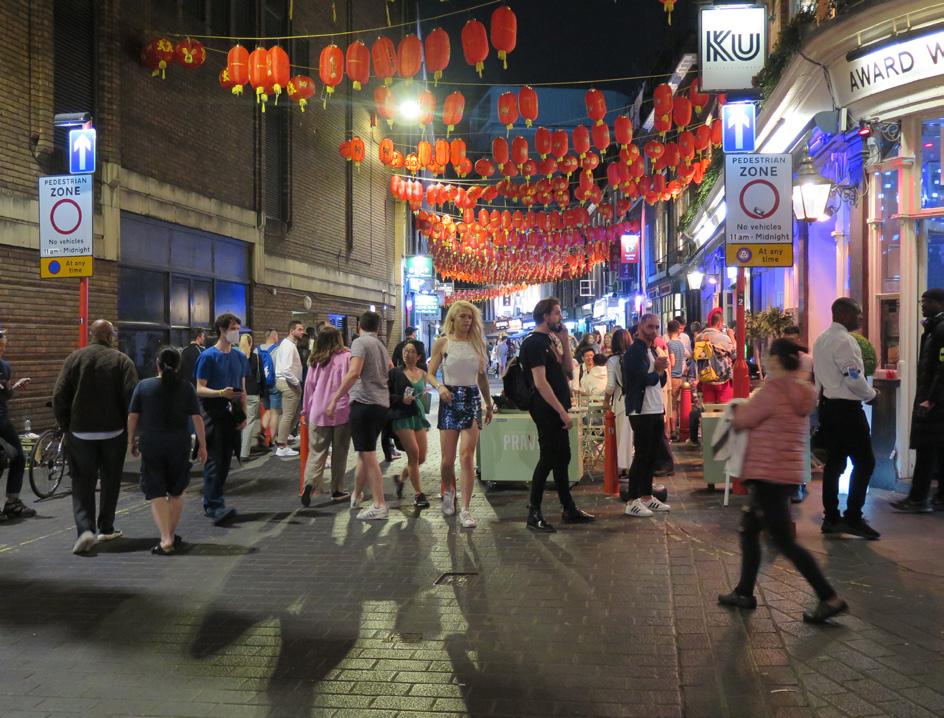
Saturday night on Lisle Street looking east, towards the rear elevation of The Hippodrome Casino
Saturday night on Lisle Street looking west
DECISION-MAKING ABOUT EVENING AND NIGHT-TIME IS NOT ALWAYS REPRESENTATIVE OF THE PEOPLE IMPACTED
STAKEHOLDER VIEWS ON LICENSING POLICY AND PROCESSES
During engagement, stakeholders expressed frustration that decision-making processes impacting evening and night-time activity were driven by quantitative and spatial analyses that can be opaque and reductive.
Licensing decisions are informed by analysis that correlates the location of recorded incidents of nuisance or crime with the proximity of licensed venues without accounting for the number of people in an area at a given time. As the granularity of data about an area continues to become more sophisticated, particularly with geo-location, there are opportunities to use a more accurate and nuanced picture of the ENT environment in decision-making
There is consensus among stakeholders that current licensing restrictions prevent businesses from meeting evidenced demand
Licensing policies are not currently proactively designed to attract the type of businesses and operators that can help diversify the area at night
WCC’s Statement of Licensing Policy, adopted in autumn 2021, created the Combined Uses Policy for premises with more than one use to make it easier to co-locate multiple licensed businesses in a single location, creating more diverse destinations
“Less cars, more pedestrianised areas”
“Would like to see a bit of additional facilities put in the area”
“Licensing flexibility”
OPPORTUNITIES FOR COLLABORATION AND COORDINATION
There is scope for additional leadership and coordination of initiatives impacting the evening and night-time. Stakeholders expressed a desire to collaborate on projects at various scales, ranging from seeking to activate a single street to an entire neighbourhood or sector, but felt unsure how to participate
CHALLENGES TO ACHIEVING REPRESENTATION
Night workers constitute a key part of the population most impacted by ENT policy and provision. The Heart of London area has about 11,000 night workers but they are among those who are hardest to reach through commonly-used engagement strategies of online surveys and focus groups
Night workers that responded to the survey wanted to see increased and visible security or police presence after they finish their shifts
Supermarkets, chemists, post offices, childcare or banks are some of the everyday services that night workers would like to have access to before, during or after their night shifts
“I prefer Soho – it has a more diverse mix of people”
“Late night supermarkets”
“Problems with pedicabs, buskers and gangs”
“Exemplary environment for women”
“Timed pedestrianisation of St Martin’s Lane”
“Performances and events in the streets”
“Better wayfinding”
“Pedestrianise Jermyn Street and hold a weekend market”
“Quicker TENs approvals”
“More family-friendly activities”
“Top four priorities to address are: noise, cleaning, waste and public toilets”
“Brighter streets and more police”
“Better access for deliveries”
“Electric Shuffle and Hijingo”
“Dockless bikes are an issue”
“A safe environment for staff and patrons to get home”
PRECEDENTS
The value of the evening and night-time in the social, economic and cultural life of cities has come to the forefront of urban planning with innovative policies and projects emerging across the world.
This section includes highlights from the research which underpins this strategy and shows some of the best practice we can learn from.
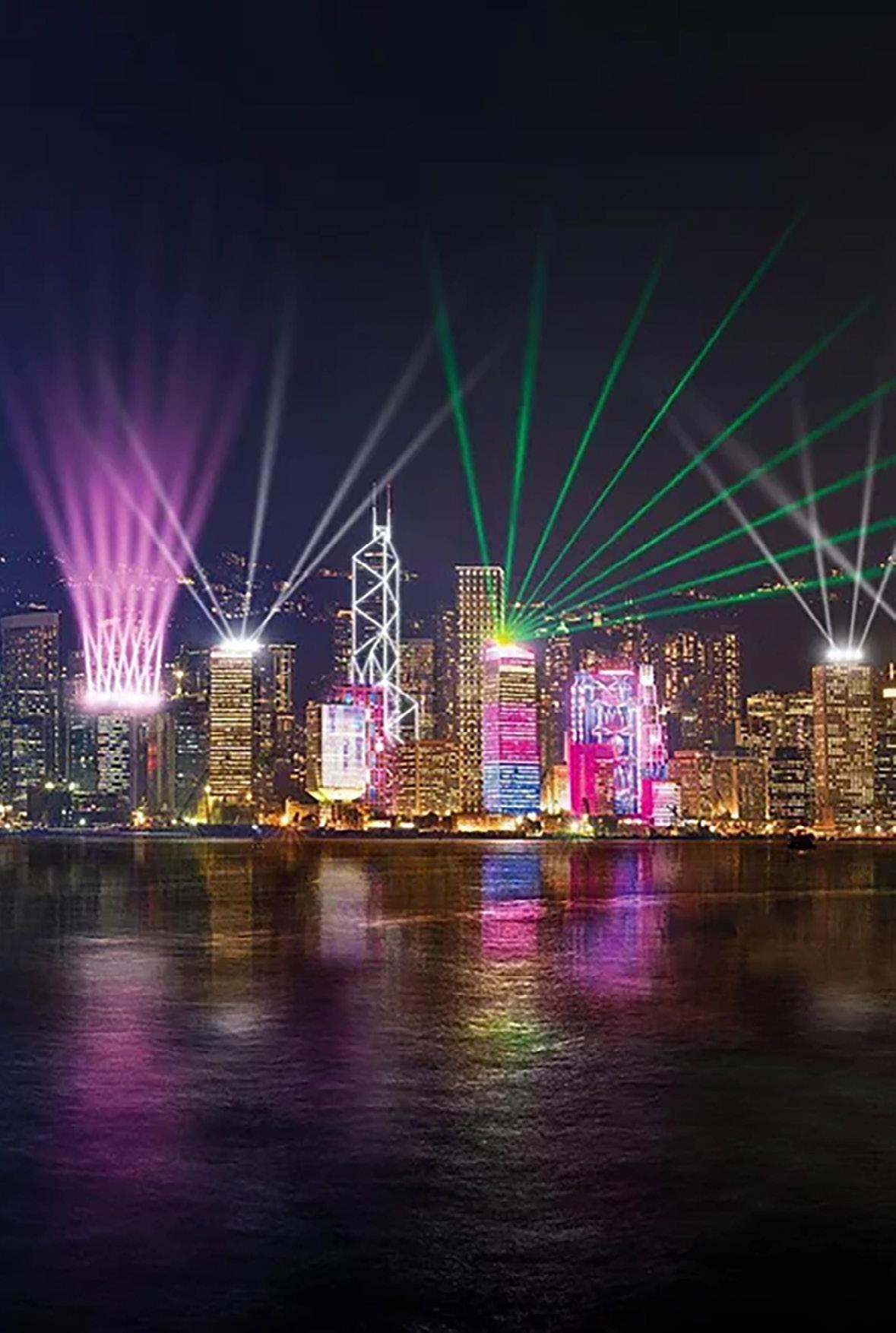
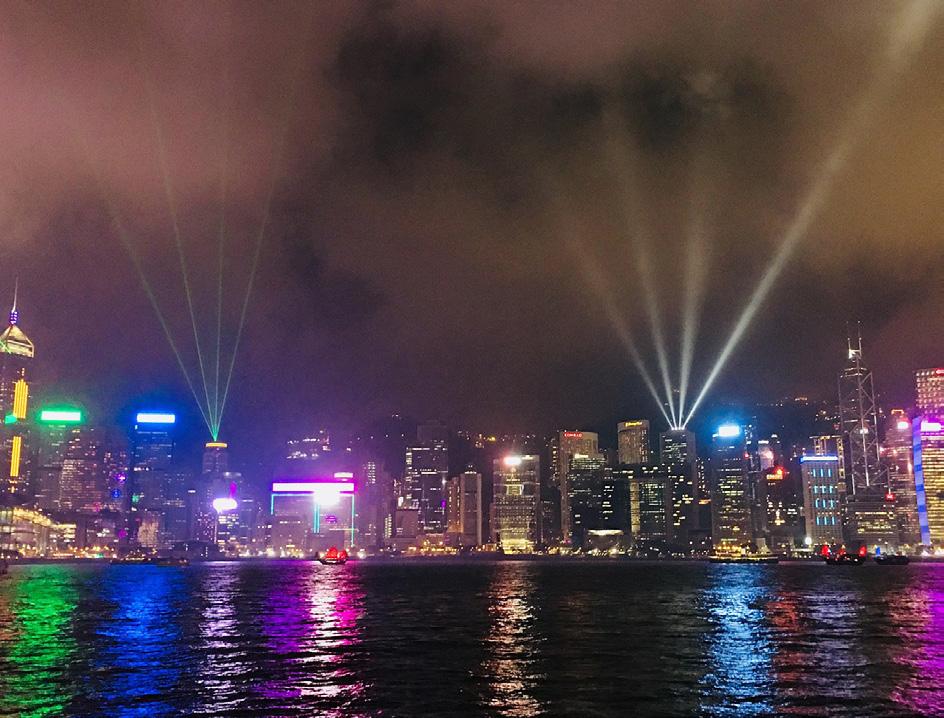
‘A Symphony of Lights’, Hong Kong (China) Light and music show that illuminates the city’s skyline every night at 8pm since 2004. Image: Krimuk2.0
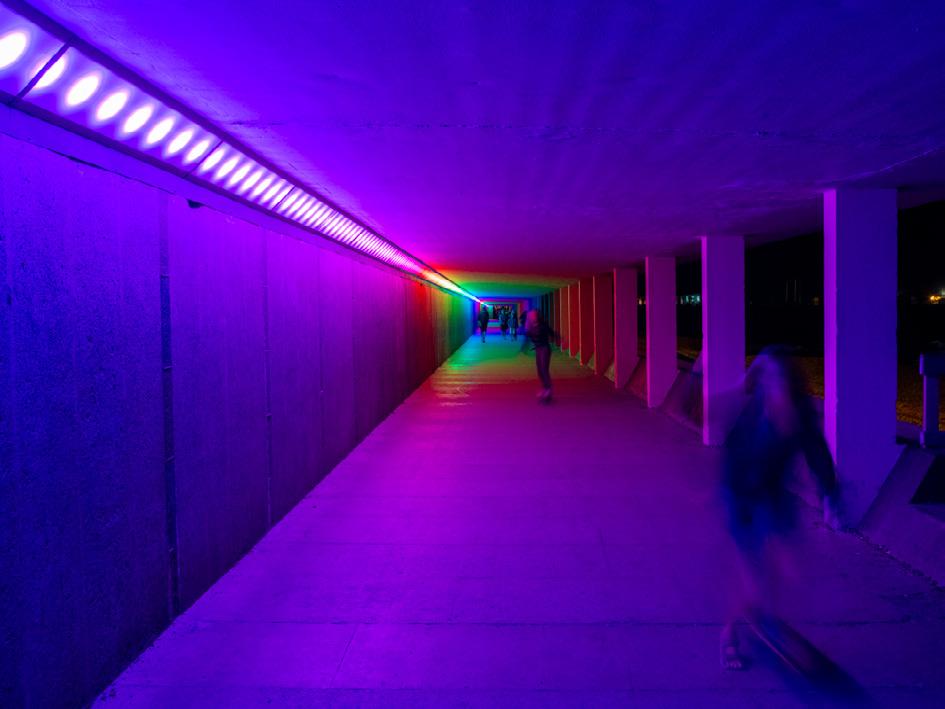
Alley light show, Hastings (UK)
A daily dynamic light show that transforms the covered walkway, which is popular with runners and hosts various events, including free gigs. Image: Jeff Mood
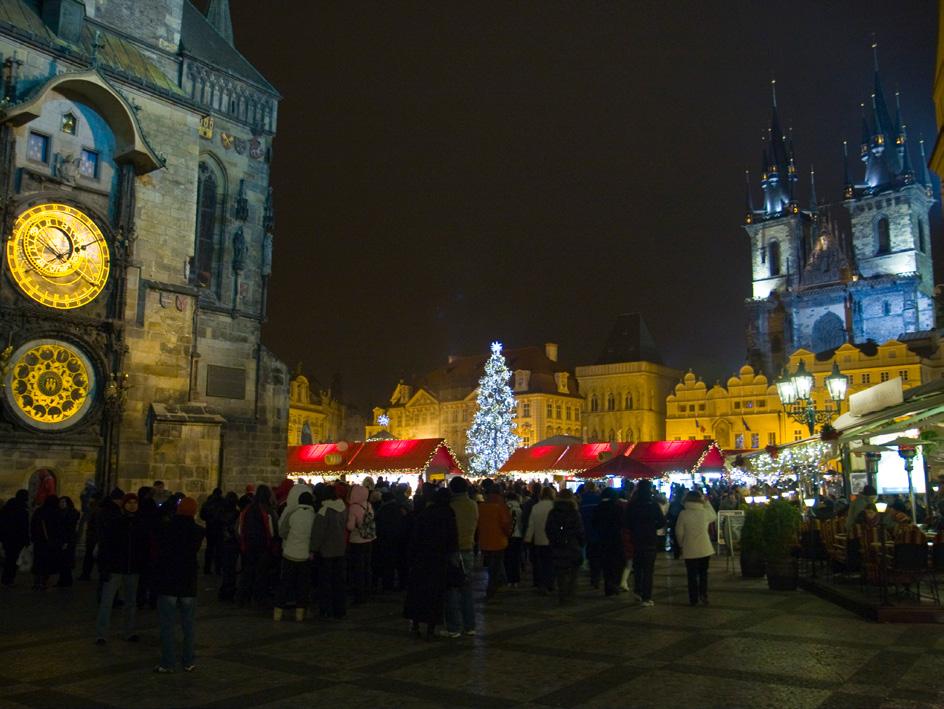
Astronomical clock, Prague (Czechia)
This medieval clock in the Old Town Hall provides hourly spectacle to visitors with animated figures and more recently light projections. Image: Vip Ciacci
PRECEDENTS NIGHT-TIME CULTURE
Special Entertainment Precincts, Sydney (Australia)
A government pilot programme to support the live music and hospitality industry after the pandemic, with a focus in diversity and inclusion. Image: State of New South Wales and Department of Planning, Industry and Environment 2021
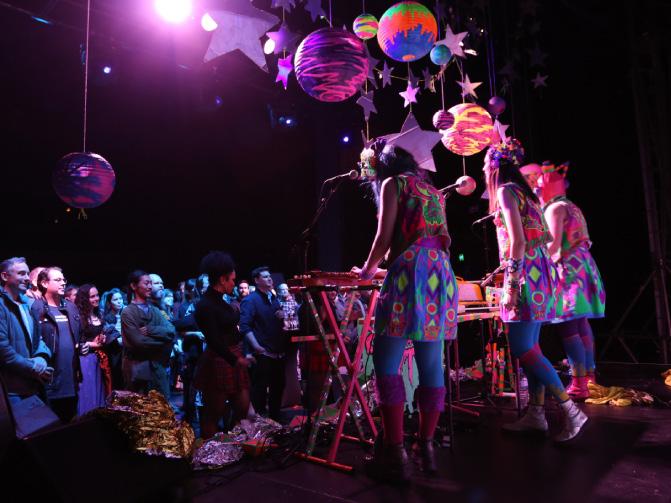
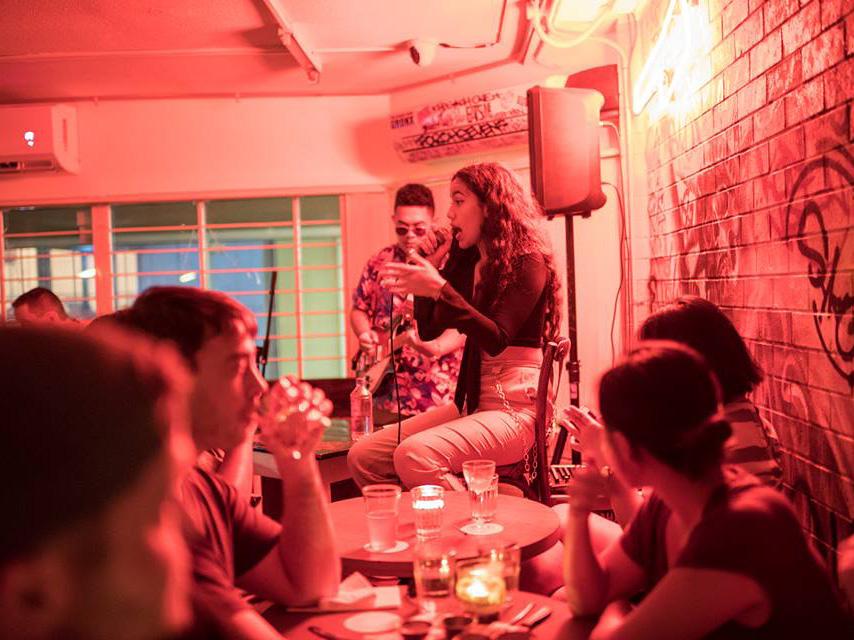
‘Amplify’ programme, Parramatta (Australia)
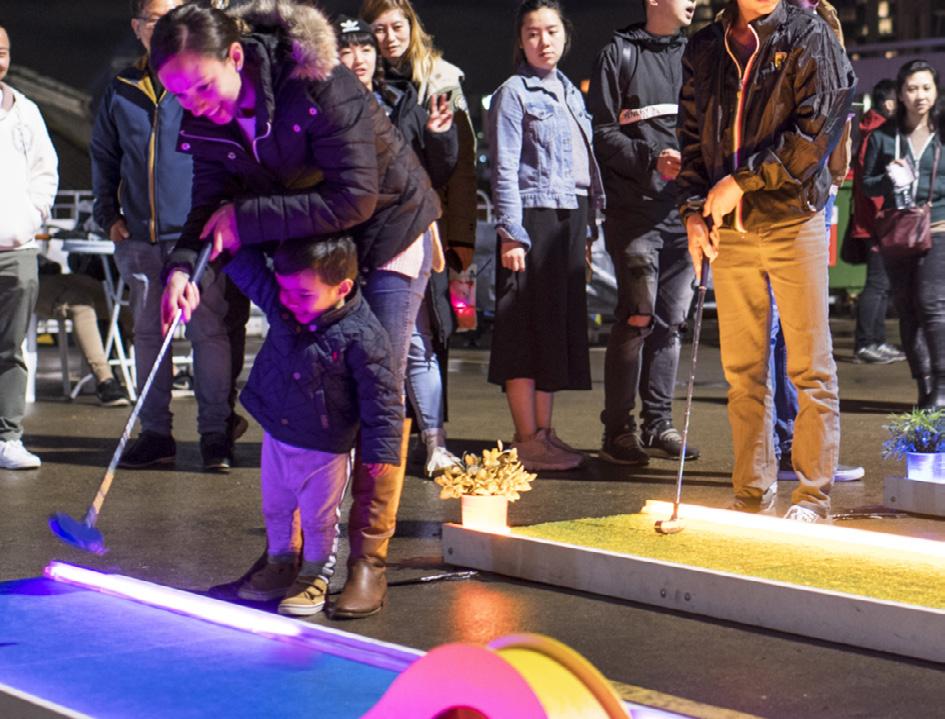
A year-long licensing programme to support live music in drinking and dining establishments, including business and best-practice advice. Image: Katrina James
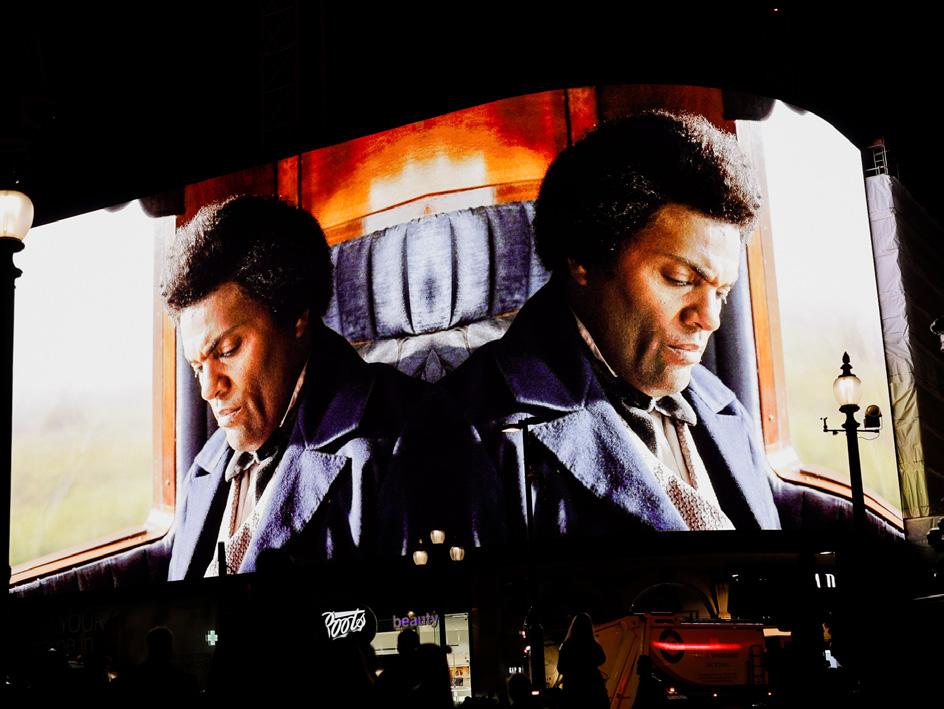
Bottle
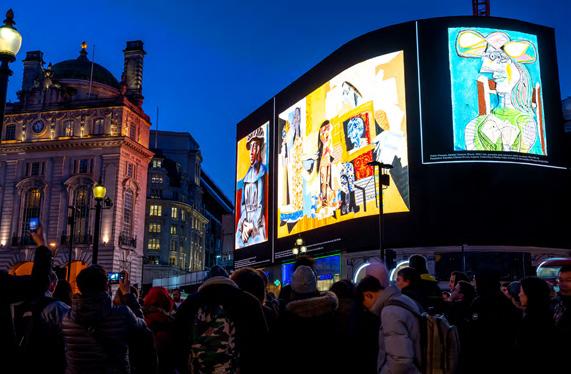
‘Lessons of the Hour’ by Isaac Julian at Piccadilly, London (UK) Public exhibition of the work of world renowned artists on Piccadilly Lights screens at Piccadilly Circus. Image: Art of London
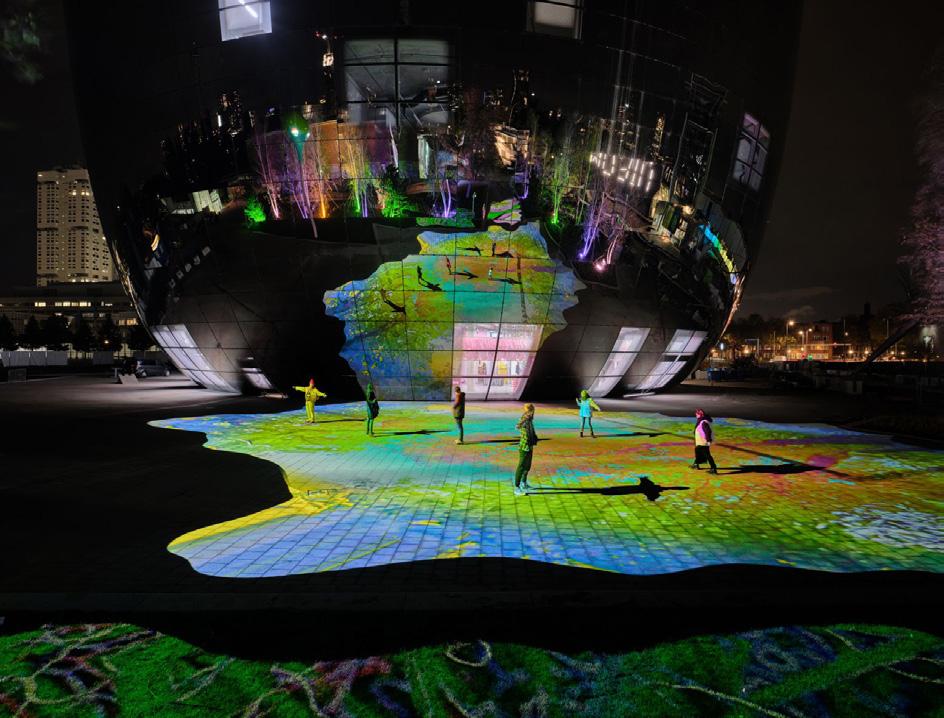
Museum Boijmans Van Beuningen, Rotterdam (Netherlands)
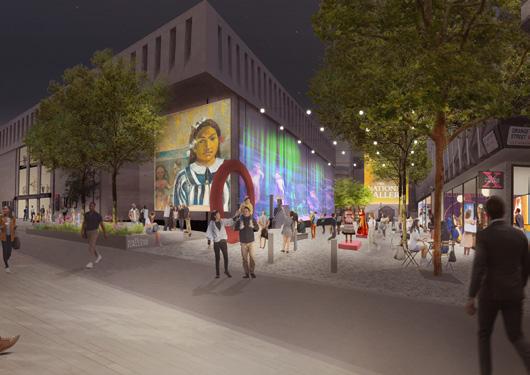
This immersive video art projection by renowned artist Pipilotti Rist illuminated the public space around the museum at night. Image: Ossip van Duivenbode
PRECEDENTS OPEN SPACES AND ROOFTOPS
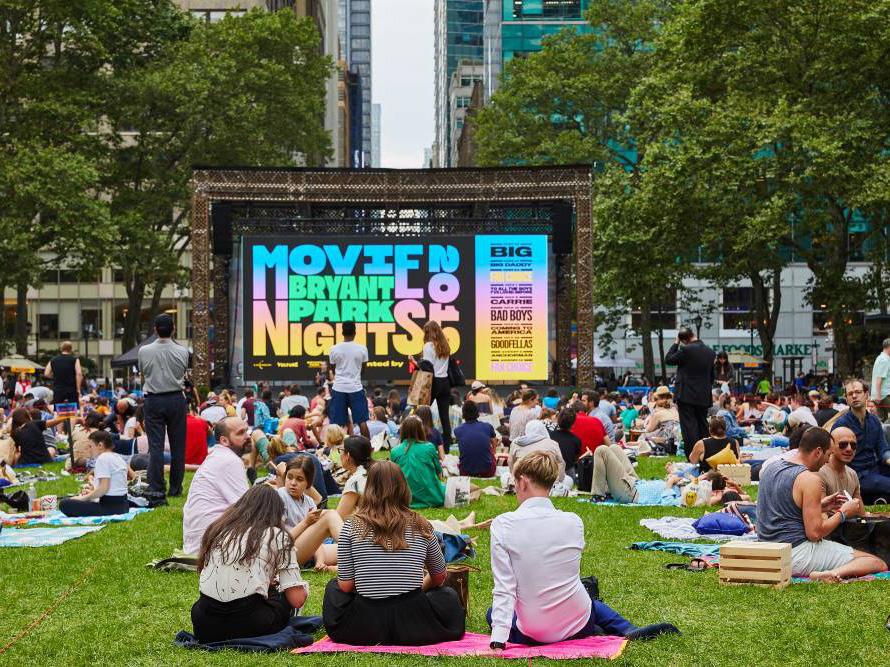
Bryant Park film nights, New York (USA)
Every Monday during summer the park becomes a free open-air theatre for thousands of visitors between 5pm and 9pm. Image: bryantpark.org
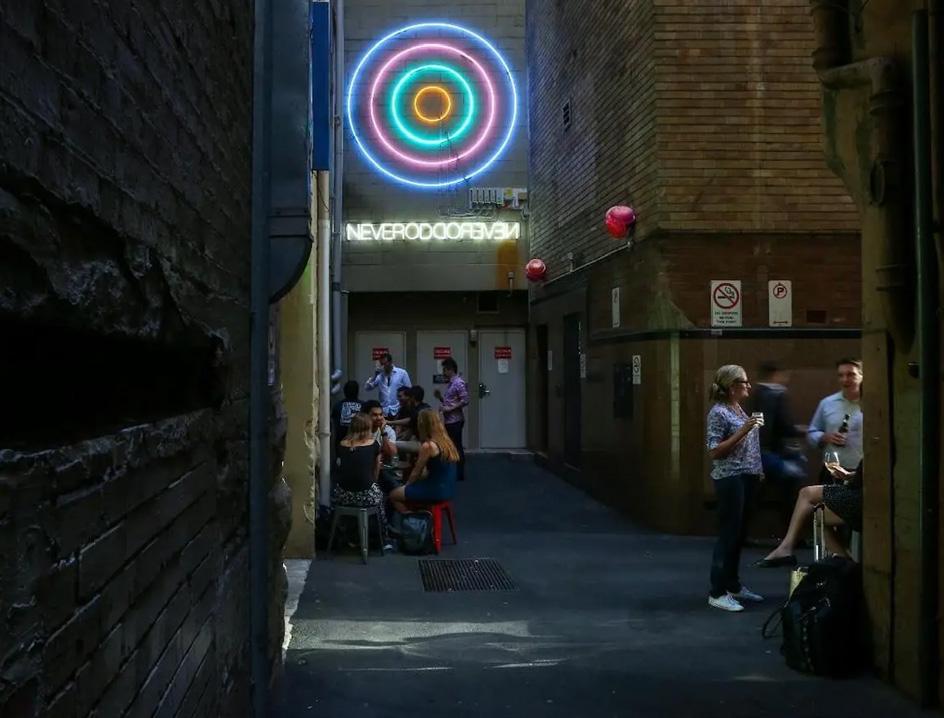
Laneways programme, Sydney (Australia)
New active frontages, illuminated artworks and outdoor seating transform and activate back-of-house streets and spaces. Image: Katherine Griffiths for City of Sydney
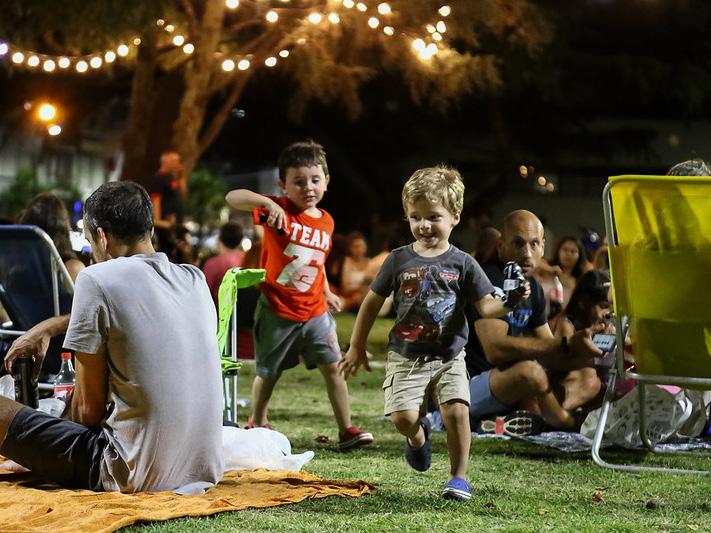
Night Picnics, Rosario (Argentina)
Family-friendly and free events in parks and streets that encourage a more inclusive understanding of open spaces at night. Image: Secretaría de Ambiente y Espacio Público, Municipalidad de Rosario
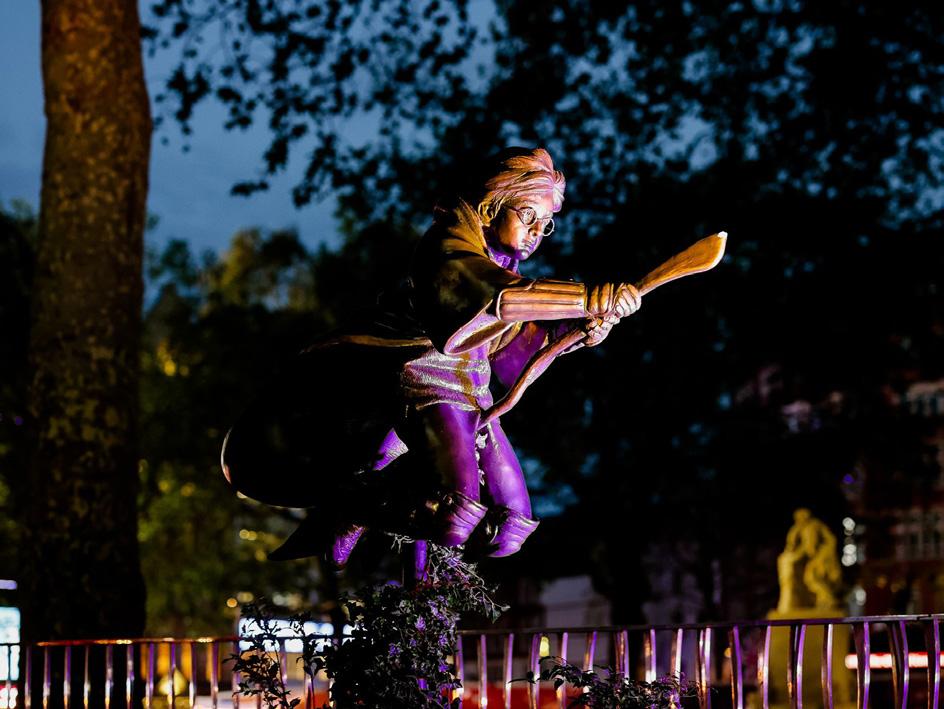
Scenes in the square, London (UK)
Illuminated and playful bronze sculptures of recognisable film characters building on the area’s ‘home of film and entertainment’ theme. Image: Art of London
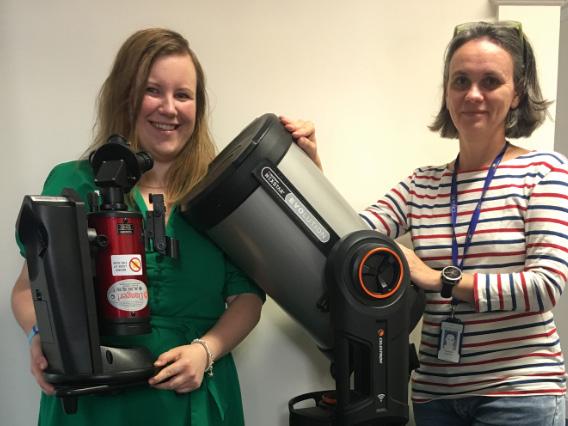
‘Borrow a Telescope’ City of Westminster, London (UK) People are encouraged to borrow a telescope for free and explore the night skies, linking them with astronomy, a historical theme in the area.
Image: Pema Monaghan for Westminster Extra.co.uk
Women’s night safety audits, GLA, London (UK)
Commitment from the Mayor of London to audit, design and adapt spaces to promote safer environment for women. Image by Tai Jyun Chang on Unsplash
BRANDING AND COMMUNICATIONS
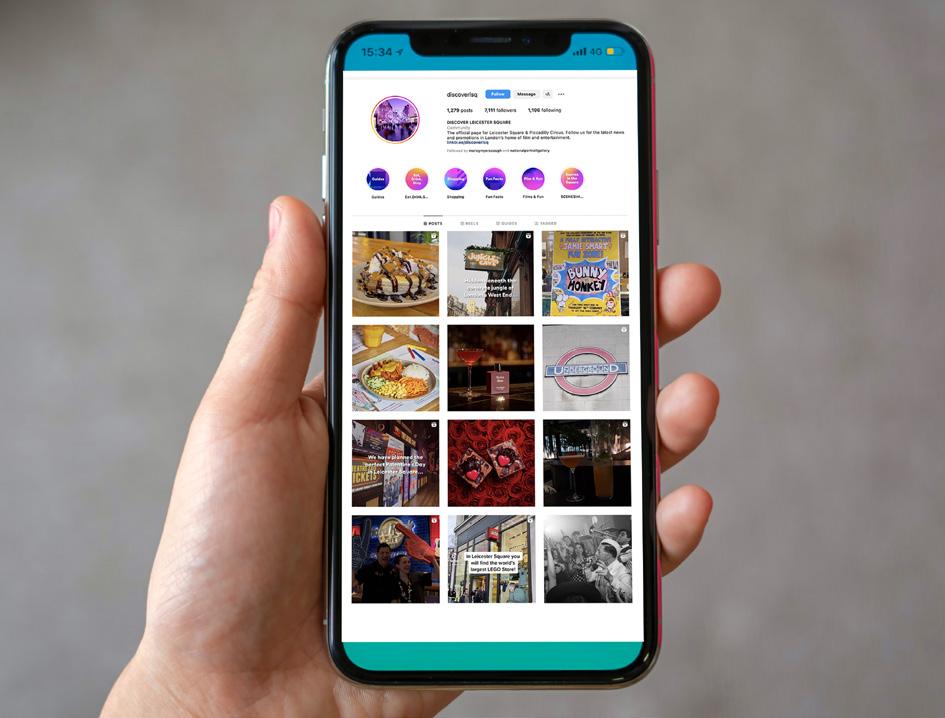
Discover Leicester Square, London (UK)
Promotes the area and local business activity as a 24/7 destination through a network of social media channels, websites and databases. Image: HOLBA
The Night Owls Committee, Paris (France)
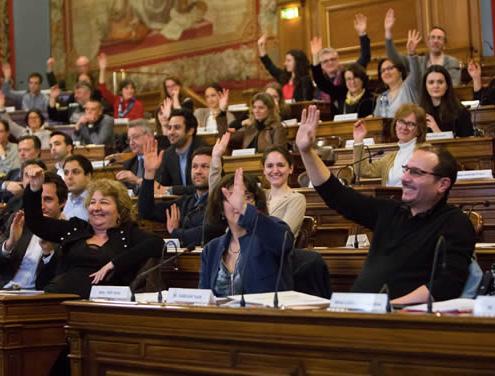
Participatory initiatives run by the Mayor of Paris to consult and deliver pilot projects with residents, party-goers and other ‘night people’. Image: Thierry Charlois
Inclusive photography and communications, Parramatta (Australia)
Parramatta’s night-time framework includes photography that portrays a diversity of inhabitants. Image: City of Parramatta Council
‘Hospitable Rembrandt Square’, Amsterdam (Netherlands)
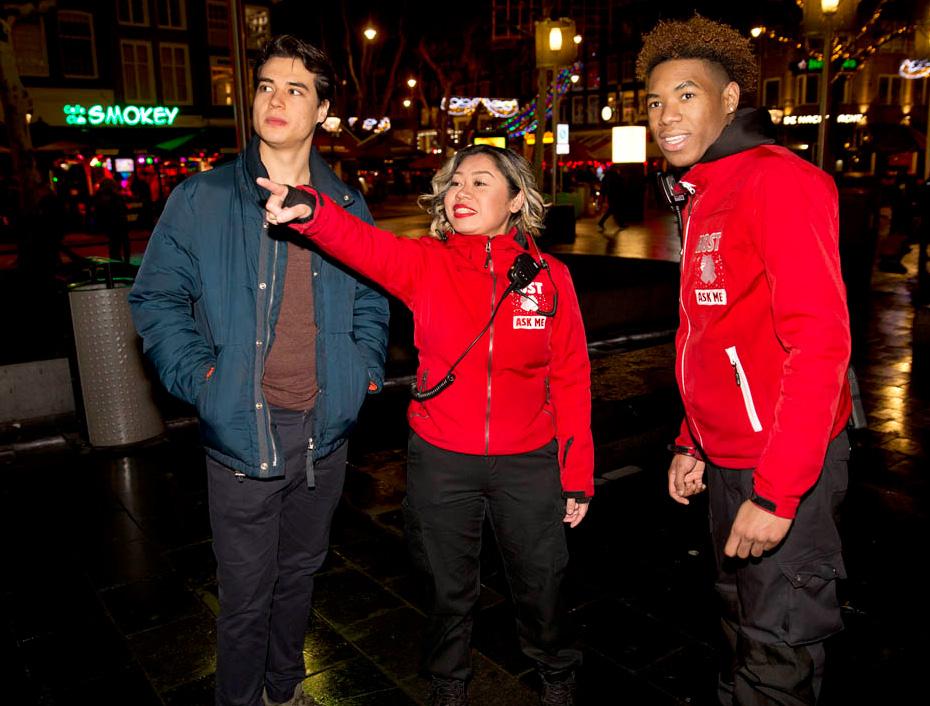
A government initiative to deal with anti-social behaviour by offering assistance and monitoring activity through ‘hosts’ in red jackets. Image: Erik Veld
Wayfinding and information, Stockholm (Sweden)
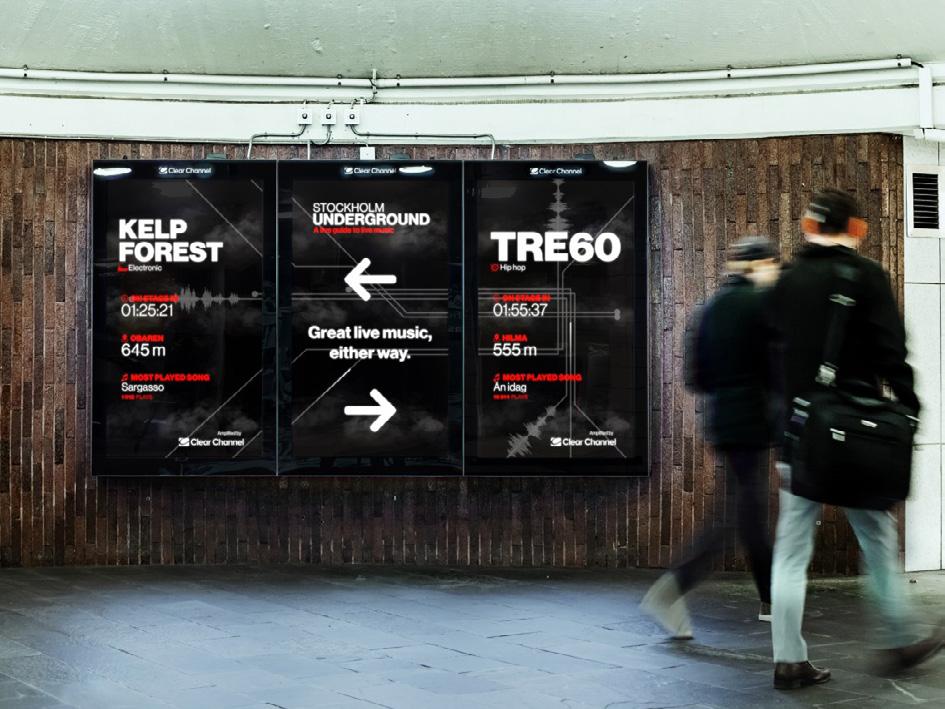
Digital billboards and smart technologies have been used to provide real-time directions to events at local live music venues. Image: Clear Channel
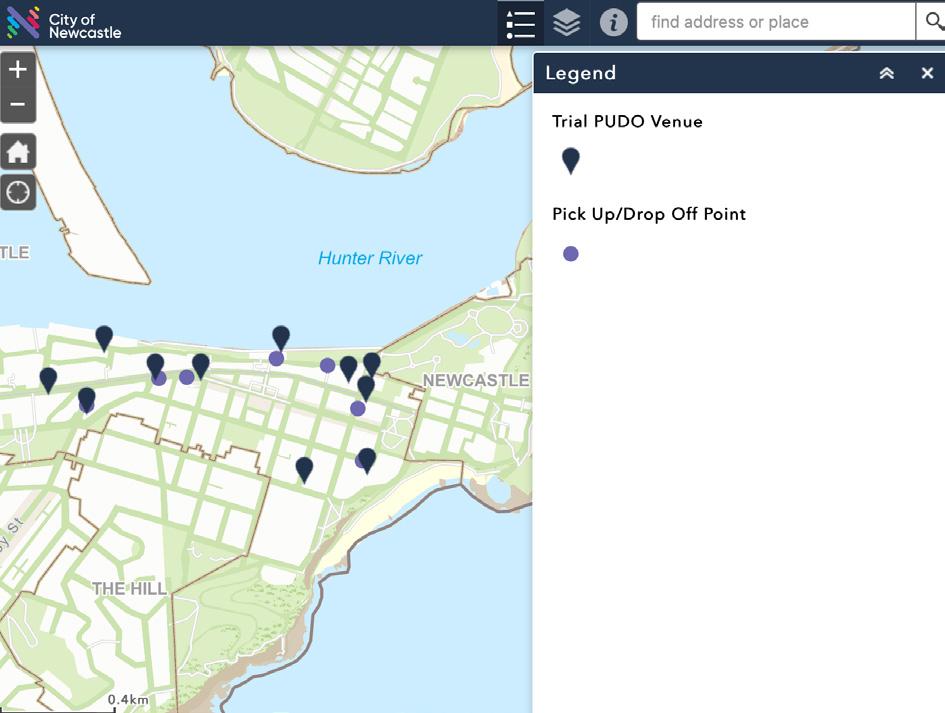
New Castle, New South Wales (Australia)
Monitoring licensing trials and balancing the evidence base.
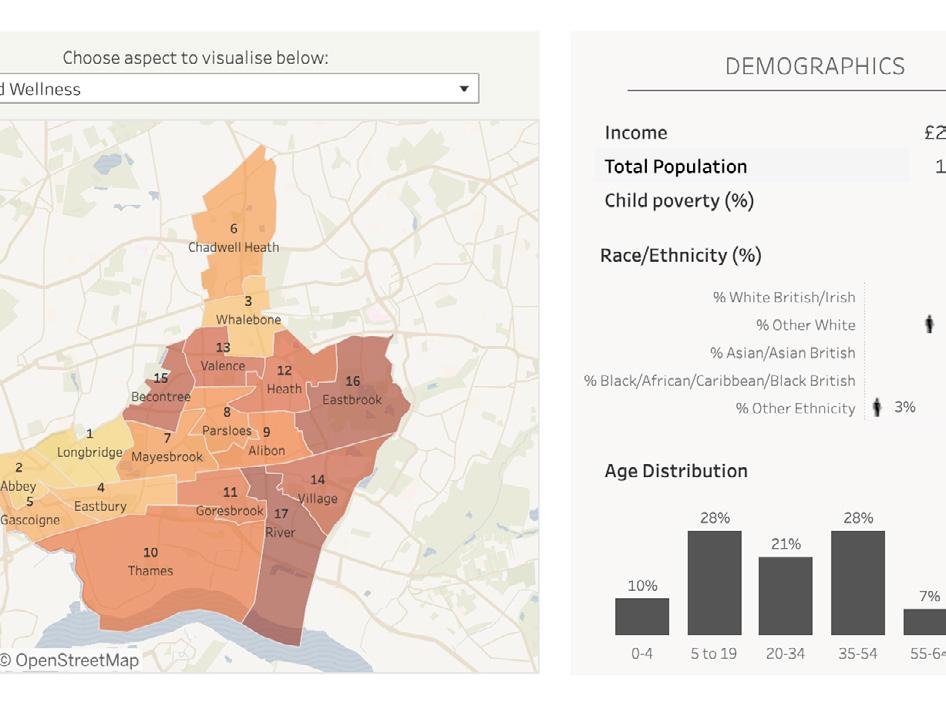
Social Progress Index, Barking and Dagenham
The council is the first in the UK to measure the quality of life in the ward and communicate to the community via LINE.
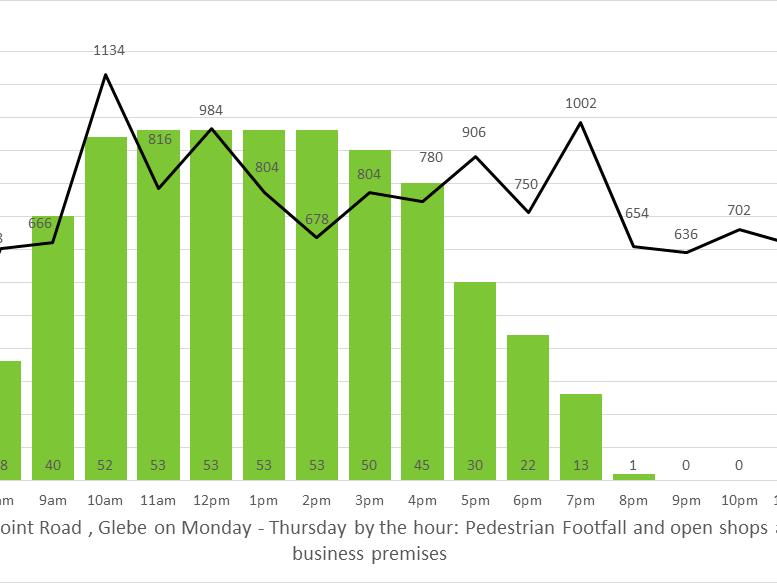
Incentivising and informing businesses, Sydney (Australia)
As part of its diversification grant scheme, the City of Sydney displays data on its website to help incentivise extended opening hours.
OUR VISION FOR THE EVENING AND NIGHT-TIME IN THE HEART OF LONDON
A dynamic, inclusive, safe, and sought-after destination 24 hours a day; a community who embraces and celebrates the evening and night-time economy; and stakeholders who understand its value and actively strive for it to meet its full potential.
To recognise the value of the ENTE, support collaborative working and evidence-led decision making
To make the area more welcoming, safe, attractive and dynamic, across 24 hours
To entice and serve more people with a diverse range of experiences and uses
To attract and develop a world-class workforce and businesses to foster innovation
To improve inclusivity and access to - and within - the area, its destinations and activities
The remainder of this chapter will consider each of the five strategic objectives in greater detail.
OBJECTIVE 1
TO RECOGNISE THE VALUE OF THE ENTE, SUPPORT COLLABORATIVE WORKING AND EVIDENCE-LED DECISION MAKING
• Celebrate and support the special value of ENTE and cultural heritage of the area
• Recognise the significant and growing economic contribution that the ENTE brings in terms of international tourism and investment and the value to the cultural and commercial sector
• Create mechanisms for participative governance
• Use data to identify and communicate unmet demand and track impacts of actions
• Support efforts by local groups, both formal and informal, to coordinate their investment in evening and nightlife
TO MAKE THE AREA MORE WELCOMING, SAFE, ATTRACTIVE AND DYNAMIC, ACROSS 24 HOURS
• Improve the design of key streets and spaces supporting movement and public life after 6pm
• Celebrate and make considered use of lighting and signage as unique characteristics of the area’s identity, which contribute to its sense of spectacle
• Test post-6pm uses in streets and spaces that are less active at night but are nevertheless well-connected and designed to support safe and active travel
• Enhance attributes that define each of the Heart of London’s character areas, emphasising its diversity of distinct but interconnected neighbourhoods
• Maintain safe, accessible, clean, hospitable streets and spaces throughout the evening and night-time
• Diversify the range of evening and night-time activities and destinations in the area to provide further choice and opportunities to meet the social, cultural and everyday needs of local residents and night-time workers
• Foster uses and opening hours that bridge daytime, evening and night-time uses and audiences, and reduce pinch points
• Encourage daily, weekly and seasonal events and diversify event programmes and their marketing
• Provide and support post-6pm uses that serve the social, cultural and everyday needs of local residents and workers
TO ATTRACT AND DEVELOP
WORLD-CLASS WORKFORCE AND BUSINESSES TO FOSTER
INNOVATION
• Encourage business-friendly and job-creating policies, including licensing and planning policies, to encourage a wide range of businesses to contribute to a vibrant and safe West End 6pm-6am
• Support and invest in the next generation of night-time creatives, building careers in the West End evening and nighttime economy with vocational training and qualifications
• Look after the wellbeing of night workers and consider their needs when developing new policy, programmes and infrastructure
• Support businesses that contribute with innovative models to the diversification of the area
• Develop mechanisms to create a resilient network of nighttime and culture businesses
• The West End is a living and working place 24/7. Continue to work with organisations including the Westminster Zero Emissions Group to ensure servicing, deliveries and logistics transition to sustainable models of working
• Make travel to and from the area more comfortable, safe, accessible, affordable and reliable – on public transport and active modes
• Support a safe night out for all across public and private streets, spaces and venues
• Provide access to public toilets, water and phone charging points at stations throughout the night
• Support and build upon measures to address rough sleeping in the area
• Improve the accessibility and affordability of a night out
• Increase engagement and collaboration between businesses and crime prevention groups
This section expands on the strategic objectives with a detailed list of actions to be taken towards delivery. The action plan is organised by objective, with a range of projects, policies and ideas that will contribute to their realisation.
The success of the strategy will rely on the commitment of critical stakeholders. Heart of London Business Alliance will convene, agree responsibilities, secure commitment and oversee delivery. Almost all actions will require partnership working and collaboration with statutory stakeholders including Westminster City Council (WCC), the Greater London Authority (GLA), the Metropolitan Police and stakeholders (including ENT venues and businesses), residents, landowners, and industry organisations.
The actions have been given indicative timeframes: short-term projects could be defined and pursued immediately. Medium-term projects may have a longer lead time or require approvals from statutory bodies. Long-term projects are likely to require a series of stages and may take longer to realise, however first steps can be started immediately for all.
The action plan should be a comprehensive starting point for achieving the goals of the strategy, but is not exhaustive. There will be many additional and complementary actions that can and will be taken by stakeholders in the area to make a positive contribution, and the area and its needs will evolve over time. For this reason, it is critical that the action plan be read in the context of the strategy and its objectives, and that all actions, whether listed here or not, be evaluated in terms of how they deliver on the priorities set out in the more general guidance provided.
Heart of London Business Alliance will assemble a partnership governance framework and coordinate with stakeholders, statutory agencies, businesses and the community to translate the Evening and Night-Time Vision, Strategy and Action Plan into deliverable projects.
This will be overseen by a Strategic Advisory Board. A steering group will meet regularly and will oversee the programme of activity and allocate actions to the most appropriate stakeholders, with task and finish groups taking responsibility for the delivery of specific projects.
OBJECTIVE 1
To recognise the value of the ENT, support collaborative working and evidence-led decision making
1A Celebrate and support the special value of ENT economy and cultural heritage of the area.
1A-1
Special area designation: Explore opportunities to establish areas with special evening and night-time policy designation (e.g. Piccadilly Circus to Leicester Square), where the evening and night-time heritage and mix of cultural uses are encouraged and protected.
1A-2
Support ENT venues and their operations: The ENT cultural heritage of the area is special, and its contribution to London’s culture should be recognised with the creation of new, enhanced or protected venues, with the specific access and operational requirements for theatres and other ENT venues carefully considered. Where appropriate, work with WCC and the GLA to explore mechanisms for protecting ENT venues, such as applying Agent of Change principles. Consider surveying residents and creative communities to identify and nominate ENT community assets, including pubs and community spaces (some of which may be more hidden) to build a map of cultural venues and spaces that contribute to the ENT culture of the area.
1A-3
Design public realm for ENT: Public realm improvement projects in the area should be designed with evening and night-time given equal consideration to daytime. This would include lighting design, and also enclosure of spaces, facade design, choice of materials and key views and wayfinding, to ensure active, well-lit frontages contribute to visual interest and natural surveillance on key pedestrian routes after 6pm.
1B Create mechanisms for participative governance
1B-1
West End Night Owls: Set up a West End Nightlife Forum/West End Night Owls who meet at least yearly to discuss the area’s challenges and opportunities at night, review progress made on actions, and generate ideas for policy, events and actions. Include the council, businesses and those who work and participate in nightlife. Ensure representation from a range of ages, genders, ethnicities, backgrounds and incomes, and small and large business owners across sectors.
1C Use data to identify and communicate unmet demand and track impacts of actions
1C-1
Data dashboard: Work with partners to create a data dashboard that collects and displays data relevant to the area’s use over 24-hours and can be used for a variety of purposes, including monitoring the success of ENTE supporting initiatives and programmes. Use outputs from the dashboard to send updates to stakeholders, communicate impacts of events and initiatives, and identify potential unmet demand. Work with partners who have data programmes underway, including NTIA and GLA and explore ways to work with local businesses’ databases.
1C-2 Opinion research: Consider the distribution of questionnaires on evening and night-time issues every 18 months to update the evidence base and track progress.
1D Support efforts by local groups, both formal and informal, to coordinate their investment in evening and night life
1D-1
Local groups and initiatives: Help broker partnerships among clusters of businesses in small areas or streets where there is an interest in collaborating on local initiatives to improve the evening and night-time experience of the area. This could include setting up local ENT neighbourhood messaging groups and task forces to help share information and progress ideas among business in the same area or sector.
To make the area more welcoming, safe, attractive and dynamic, across 24 hours
2A Improve the design of key streets and spaces supporting movement and public life after 6pm
2A-1
Leicester Square environs’ frontage improvements: Undertake an updated audit of frontages overlooking and leading into Leicester Square to identify opportunities to declutter, improve signage, improve lighting and reduce blank frontages at street level. Implement a street frontage improvement scheme that incentivises and encourages the highest quality frontage design and lighting.
2A-2
Piccadilly Circus: Work with key property owner stakeholders to reimagine Piccadilly Circus as a world-class public space to meet, day and night, and and a spectacular gateway to the West End. Work with TfL and the Mayor of London to champion a station modernisation project to ensure access for all.
2A-3
Piccadilly lighting strategy: Build upon the Placeshaping Strategy to develop an architectural lighting strategy for the street, identifying opportunities to selectively highlight key facades and features as well as areas where privately-owned lighting could be upgraded, dimmed down or modified to create a balanced, legible heritage townscape view. Consider sensitive architectural and landscape lighting to St James’s Piccadilly Church as a local landmark. Refer to WCC’s Lighting Masterplan and Historic England and Institute of Lighting Professionals guidelines.
2A-4
Piccadilly light trail commission: Commission a trail of light artworks, leading from Green Park to Piccadilly Circus and marking junctions with side streets, particularly those leading to areas of social, cultural and commercial activity.
2A-5
Panton Street and Oxendon Street public realm improvements: Undertake a public realm and lighting improvement project to enhance the pedestrian experience of the street, setting of ENT cultural venues on Panton Street, and the connection up Oxendon Street to Coventry Street. Build upon the Arts Quarter Prospectus and consider improvements to footway paving, special paving in front of the Harold Pinter theatre, improved crossings, improved wayfinding, and illuminated site-specific art. Ensure access to the theatre and its loading bays are maintained for show changeovers.
2A-6 St Martin’s Lane: Create a pedestrian priority street with timed vehicular access, ensuring servicing access to theatres is maintained.
2A-7
Interesting frontages: Larger blocks require special attention to ensure the fine grain integration of frontages into the streetscape and atmosphere of the area, incorporating consistent lighting and activation after 6pm – particularly in new developments. Consider meanwhile strategies for large blocks under construction.
2A-8
Kiosk strategy: Rationalise, redesign and curate the area’s existing kiosks to ensure that every kiosk helps contribute towards a variety of place-specific, highquality ‘grab and go’ options and mini landmarks from 6pm onwards. Consider where their locations help support an ecosystem of uses over 24-hours and introduce activity, finer grain, informal stewardship and natural surveillance of spaces. This will be a longer-term project, working collectively with WCC and other stakeholders.
To make the area more welcoming, safe, attractive and dynamic, across 24 hours
2B Celebrate and make considered use of lighting and signage as unique characteristics of the area’s identity, which contribute to its sense of spectacle
Signage and digital screen strategy for the Heart of London BID area: Review existing illuminated and digital signage policies and work with WCC to explore areas such as Piccadilly Circus and Leicester Square, where high-quality, crafted illuminated signs are encouraged and digital screens are considered where they contribute to after-dark wayfinding and information, and form part of a coordinated lit composition and spectacle.
2B-1
The strategy could explore ideas such as: dimmable digital screens, with different settings for day and night, and introducing timeframes for still vs. animated content.
- Screentime reserved for artistic content, promotion of smaller and grassroots activities, and information for those out at night
- Signage and screens that are designed and scaled bespoke to the streetscape and architecture onto which they are mounted
- How screens might be coordinated together as part of a ‘takeover’ for special civic events.
2B-2
Piccadilly Circus ‘in the round’: Develop a lighting and AV proposal for Piccadilly Circus as an immersive spectacle ‘in the round’ at night, drawing inspiration from its history of illuminated, crafted signs and animation. Consider opportunities to coordinate and choreograph architectural lighting, light artworks, and crafted signage on all facades overlooking the circus, prioritising the northeast facades. Coordinate the project with the strategy for digital signage and screens (2B-1).
2B-3
Theatreland lighting strategy: Work with WCC to develop a Theatreland Lighting Strategy for Shaftesbury Avenue and St Martin’s Lane. Include streetlighting alongside lighting that enhances wayfinding and a sense of anticipation before showtimes. Coordinate the project with existing lighting to theatre facades to create a coherent composition.
2C Test post-6pm uses in streets and spaces that are less active at night but are nevertheless well-connected and designed to support safe and active travel
2C-1
St Martin’s Court: Enhance the northern section of the court to extend the character and animation of the rest of the space. Consider additional street furniture, paving improvements, public art and lighting installations. Improve the undersides of theatre canopies lining the space. (Where enclosure is required around external seating areas for food and drink establishments, design these in a coherent and characterful manner that maintains a relationship with the public realm).
2C-2
Cecil Court: Pilot retail lates supported by nested events such as reading and talks in shops. Consider rolling out to other areas of the district if successful as part of Art of London After Dark events.
2C-3
Leicester Square Gardens: Continue to work with WCC to test later opening of Leicester Square gardens to allow the green space to be enjoyed later and provide family-friendly areas and informal play opportunities. Test a variety of themed events, activities and happenings, gathering ideas from businesses, residents, workers and visitors of different ages. Seek opportunities for events to support the square as the ‘home of cinema’.
2C-4
Buskers: Continue to work with WCC on their review and update of policies governing buskers and their management, based on evidence and stakeholder engagement, with quarterly reviews to review progress. Continue to work with Busk in London.
OBJECTIVE 2
To make the area more welcoming, safe, attractive and dynamic, across 24 hours
2D Enhance attributes that define each of the Heart of London’s character areas, emphasising its diversity of distinct but interconnected neighbourhoods
2D-1
Strengthening character areas: Ensure future projects and events are highly contextual and place-specific, and help strengthen the character areas described in the Placeshaping and Cultural Strategies.
Place-specific and targeted marketing: Create strong marketing for the area and its destinations at night, celebrating the diversity of ENT character areas.
2D-2
Commission new photography that communicates the diversity of evening and night-time destinations on offer, and which appeals to a wide range of people, linking in with character areas defined in the Placeshaping and Cultural Strategies.
2D-3
Interactive night map: Create an interactive night map of places, events, venues and townscape attractions open after 6pm. Consider on-street digital information and signage points at transport hubs and ENT destinations such as Leicester Square. Seek to collaborate and share data with WCC’s GIS and data teams.
2E Maintain clean, hospitable streets and spaces
2E-1
Street cleaning schedules: Work with WCC to review cleaning schedules for the public realm, harnessing data on bin capacity, litter reports and footfall over time and day of the week.
2E-2
Waste management: Work with WCC to review and update waste management policies and collection schedules to minimise impacts of bin bags and collections on pedestrian movement and experience after 6pm.
2E-3 Pedicabs: Work with WCC to support legislation to regulate pedicabs and enforce operation of safe modes of hire transport.
2E-4 Noise: Work with WCC to create an evidence base of noise and perceptions of noise in the area.
2F Minimise the impacts of servicing and maintenance, including on side and back streets
2F-1
Kerbside timed uses: Continue to support WCC in the analysis of opportunities and priority areas for timed kerbside uses that allow building servicing, deliveries, drop-off and disabled parking to be provided when required.
2F-2
Consolidated deliveries over 24-hours: Continue to coordinate and deliver the preferred suppliers and consolidation programme as part of the West End Zero Emissions Group to minimise vehicular movements and impacts of large vehicles on pedestrian experiences between 6pm–6am. Consider reducing frequency of deliveries, rationalising suppliers and reducing personal deliveries.
To entice and serve more people with a diverse range of experiences and uses
3A
Diversify the range of evening and night-time activities and destinations in the area to provide further choice and opportunities to meet the social, cultural and everyday needs of local residents and night-time workers
3A-1
Diversify hospitality offer after 9pm: Encourage late evening and night-time hospitality that is not currently being offered to attract a more diverse audience, or retain existing early evening audiences, and provide a greater variety of experiences and atmospheres.
3A-2
Live music: Encourage and incentivise a diversity of live music performances through licensing, investment in infrastructure, grants and in-kind support (e.g. marketing, brokering relationships between potential venues (including public spaces), operators and artists, advice on sound management), attracting new and different audiences to the area.
3A-3
Family-friendly spaces: Redesign key spaces and routes so they are child-friendly and safer for all users, introducing informal play opportunities as part of the design of schemes. Explore interactive light art and projections that reveal themselves after dark. Explore temporary closures of smaller side streets, such as Panton Street, and further opportunities for playable and interactive features in Leicester Square gardens after dusk.
3A-4 Inclusive, family-friendly play and gaming: Explore experiential games, e-sports cafés and play-led uses. Use empty commercial units to test their potential and attract new audiences – including large groups, local workers and families – in the late evening and night.
3A-5
Heart of London area multi-use 24-hour art and cultural venue: Work with established venues and operators to explore opportunities for the establishment of a dedicated music venue or multi-use performance/exhibition venue, with flexible space and infrastructure to support a variety of events and residencies that attract new, different artists and audiences, and allow new types of entertainment to be tested in the district.
3A-6 Gather evidence base: Expand the evidence base outlining residents’ needs and wishes for amenities between 6–9pm, working with local amenity societies.
3B-1
Extend opening hours for retailers, cafés and other typically ‘daytime’ premises: Encourage landowners and tenants to experiment with mixed and extended uses, where audiences of each interact and dwell time is extended. Consider a night-time diversification grant scheme, or similar, which incentivises typically daytime uses such as retail to trial later opening and new culture-led evening and night-time uses.
3B-2
Nested uses in larger units: Begin conversations with landowners and tenants, particularly those occupying larger units, to encourage them to experiment with nested/secondary uses or co-occupiers that contribute to a finer grain and greater diversity of uses after 6pm. Explore collaborations between larger businesses and complementary start-up businesses and artists, who could attract new footfall later in the day.
3B-3
Extending cultural venue opening hours with secondary uses: Work with WCC to explore potential for theatres and cultural venue operators to test later opening of bars and restaurants to increase dwell time of theatregoers and offer alternative night-time hospitality venues embedded in beautiful cultural settings. This could be explored through a pilot project.
3B-4 Staggered closing times: Test staggering the closing times of late-night venues to spread the dispersal of people from the area over a longer period of time.
3B Foster uses and opening hours that bridge daytime, evening and night-time uses and audiences,
To entice and serve more people with a diverse range of experiences and uses
3B-5
Piccadilly retail lates: Pilot a programme of retail lates along Piccadilly, coordinated with night markets and other special events that attract footfall. Market the event and track footfall and spend with participating businesses.
3B-6
Heart of London after-work club: Continue to promote and expand the Heart of London discount card to encourage residents and workers to explore the evening and night-time economy.
3C Encourage daily, weekly and seasonal events and diversify event programmes and their marketing
3C-1
Publish an events calendar, highlighting post-6pm and after-dark attractions: Co-curate a calendar of events, using it as strategic planning, coordination and monitoring tool for events partners as well as a marketing tool for the general public.
3C-2
Piccadilly Lights daily shows and special events: Continue to curate a diversity of Piccadilly Lights screenings and moments, exploring how daily art-led spectacles interact with the public realm while giving opportunities to a diverse range of artists, attracting different viewers/audiences each evening. Explore the use of the screen to support launches for events and shows in local venues and spaces.
3C-3
St James’s Piccadilly Church night market: Work with partners to pilot a night market in St James’s Piccadilly to support a Piccadilly Lates pilot event. Offer opportunities to start-up retailers and food and drinks suppliers to have a presence in the Heart of London area after 6pm and create a smaller scale, finer grain, community-led experience. Explore themed market nights to test the appeal of new uses, such as design and crafts, art, street food, and workshops.
3C-4
Pop-up Lates: Support WCC in providing pop-up units with infrastructure installed for evening and night-time uses, such as kitchens, toilets, and lighting and audio systems. Curate ‘Pop-up Lates’ tenants to occupy premises beyond 6pm.
3C-5
Art of London After Dark event: Continue piloting an Art of London Lates/Art of London After Dark event that creates a trail of light artworks inside and outside, and gallery late openings.
To attract and develop world-class workforce and
businesses to foster innovation
4A Encourage business-friendly and job-creating policies, including licensing and planning policies, to encourage a wide range of businesses to contribute to a vibrant and safe West End 6pm–6am
4A-1
Business-friendly, accessible licensing policies: Support WCC in their next licensing policy review to help provide feedback on how to make policies and the application processes as accessible, quick and easy to navigate as possible. Encourage a look and feel to policies and website pages that is positive, accessible and focuses on encouraging best practice and innovation.
4A-2
Cumulative Impact Assessments: Cumulative Impact Assessments: Continue to review the evidence base for Cumulative Impact Assessments, and explore ways to establish a new exemplar for the process and data sets used. Develop alternative methodologies to assess the evidence base for Cumulative Impact Assessments which reflect the uniqueness of the West End.
4B Support and invest in the next generation of night-time creatives, building careers in the West End evening and night-time economy with vocational training and qualifications
4B-1
Night-time skills academy: Set up a night-time industry skills and training academy. Explore establishing the academy in a new working mixed-use venue to bridge gaps between education and practice and create a centre for experimentation, innovation and networking.
4B-2
Bridging supply and demand: Broker partnerships between and innovative funding options for businesses wanting space in central London and property owners with vacant properties. Select tenants strategically to help stimulate and benefit from the surrounding 24-hour economy.
4B-3
Social value and networking: Broker opportunities for social enterprises and CICs to participate in the night-time economy, e.g. meanwhile use spaces, to draw new audiences and create a community focus to evening and night-time uses, with opportunities for networking and collaboration. Emphasise and incentivise Environmental, Social, and Governance factors (ESG) to property owners and developers.
4C Look after the wellbeing of night workers and consider their needs when developing new policy, programmes and infrastructure
4C-1
London Living Wage and Good Work Standards: Commission a study with night workers in the area whose hourly earnings are below the London Living Wage. Work with businesses to adopt the Mayor’s Good Work Standard and ensure all working in the ENT earn at least the London Living Wage.
4C-2 Night worker health: Lobby for free health checks for night shift workers.
4C-3 Night worker amenities: Consider how to provide access to a cluster of 24-hour amenities (toilets and electronic charging facilities) and healthy food options preferably close to transport hubs (e.g. Piccadilly Circus).
To improve inclusivity, sense of safety and access to and within the area, its destinations and activities
5A Make travel to and from the area even more comfortable, safe, and accessible on public transport and active modes
5A-1
Night tube: Continue to lobby for protection/expansion of the Night Tube, contributing to evidence showing its importance for night workers and visitors.
5A-2
Active travel: Support WCC, GLA and TfL in the development of infrastructure for active travel at night and policies to manage dockless bikes and escooters, including WCC’s emerging dockless bike strategy. Consider opportunities for themed walking routes at night, e.g. ENT cultural heritage walk; feature lighting walk; low pollution walk; historic pub walk.
5A-3
Blue Badge Parking: Blue Badge Parking: Support WCC in analysing opportunities and priority areas for disabled parking for residents, visitors and workers at night.
5B Support a safe night out for all across public and private streets, spaces and venues
5B-1
Night-time amenity and information hub: Establish ‘night-time amenity hubs’, where people can get help, information, charge their phone and go to the toilet. Consider integrating the hub with station concourse retailers, theatre ticket or street trading kiosks to extend their use and provide an easily-recognisable and reassuring presence at night.
5B-2
Safe spaces: Continue to work with WCC to support the Night Stars and Night Haven services. Seek to establish and raise awareness about safe spaces across the area at night to ensure access to at least one 24/7. Ensure safe space operators are connected and their services standardised and clearly signposted.
5B-3
Night safety audits: Conduct night safety audits, with specific audits focusing on women and people with disabilities to hear first-hand priorities for improving their experiences to make them feel safe and welcome in the area at night. Include participants and their findings in the briefing and co-design of improvements.
5B-4
Night safety – Perpetrator-focused campaigns: Support campaigns that target perpetrators of harassment and crime, working with TfL, WCC, GLA and Safer Business Network and encouraging businesses to sign up.
5B-5
Welfare and Vulnerability Training: Continue to promote the importance of a safe night out and support the training of staff in venues. Help ensure businesses are run according to best practice, encouraging the following: staff attend WAVE training by the Safer Business Network; venues display Ask for Angela communications and staff are properly trained; training is refreshed regularly and new staff are up to speed. Advocate to introduce incentives for venues that certify training.
5B-6
Women’s Night Safety Charter: Encourage all businesses to sign up to the GLA’s Women’s Night Safety Charter and designate a Women’s Night Safety Champion.
5B-7
Inclusivity: Continue working with WCC to encourage a culture of inclusivity among evening and night-time venues and their staff, including contractors (e.g. security staff). Support the delivery of Fairer WCC policy and a Code of Conduct for late-night establishments and all their staff, building upon WCC’s existing research and the Best Bar None scheme. Encourage businesses to actively promote and display their culture of inclusion through campaigns, marketing, staff training and events.
5B-8
CCTV: Work with partners and stakeholders to explore the re-introduction of a 24/7 monitored CCTV system in the area to help address antisocial and criminal activity.
To improve inclusivity, sense of safety and access to and within the area, its destinations and activities
5C Provide access to public toilets, water and phone charging points throughout the night
5C-1
Phone charging and water points: Work with WCC to encourage all ENT business to provide access to free phone charging and water points in their venues.
5C-2
Public toilets: Working with WCC, explore opportunities for the retention and provision of public toilets that are accessible for all, regardless of age, gender or disability. Explore possibilities for a grant scheme and/or consider extended opening hours for businesses providing access to their toilets at night. Signpost available toilets, including wheelchair-accessible toilets, to raise awareness of their locations.
5C-3 Changing Places: Work with WCC to create access to at least one new Changing Places toilet at night.
5D Support and build upon measures to address rough sleeping in the area
5D-1
Signposting help: Support an information and wayfinding campaign to signpost help for homeless people and advise those wanting to help them, particularly in cold winter months.
5D-2
Skills: Continue supporting skills and training for homeless people by brokering partnerships between employers and potential employees. Consider placements for homeless people at a future night-time Industry Skills Academy.
5E Improve the accessibility and affordability of a night out
5E-1
Accessible transport: Continue to lobby for the development of a comprehensive strategy for inclusive access via public transport, including accessible train stations and access to disabled parking bays at night.
5E-2
Heart of London for free: Establish and promote a programme of free cultural, social and art events to attract new visitors, encourage workers to stay in the area after work, and reduce barriers to participating in the life of the West End at night
5E-3
Heart of London for all: Promote Attitude Is Everything’s guidelines for venues and AccessAble’s guides. Integrate specific information and branding about the area’s accessibility on the Leicester Square and Art of London websites and future marketing. Introduce events tailored to under-served groups, including those with disabilities, to welcome them to the area after 6pm. Create and publish a map of inclusive, accessible venues and events online, to be coordinated with the map described in 2D-3.
5E-4
Reaching a wider cross-section of people: Ensure engagement and working groups with a broad cross-section of people to deliver the actions incorporated in this plan.
5F Increase engagement and collaboration between businesses and crime prevention groups
5F-1
Business Engagement: Continue to use existing channels of communications to amplify and disseminate advice and communications from the Metropolitan Police to businesses and other private security groups in order to increase engagement and support the safe management of public spaces and licensed venues.
This publication and its contents are © Publica 2023. All rights reserved. Publica retains all intellectual property (IP) rights and copyright associated with this work, as set out in Publica’s terms and conditions. Further publication or use will require copyright usage approval. Contact Publica for further information.
The contents of this report include fieldwork and desk-based research undertaken between January 2022 and November 2022
Basemap drawings contain © Crown copyright and database rights 2022 Ordnance Survey 0100031673
All photographs and drawings by Publica unless otherwise noted. Included incidental iconography in concept impressions is purely illustrative, for the purposes of cultural review, and not indicative of any planned usage, installation or creative activities within the scheme as realised in due course. Every effort has been made to trace copyright holders and obtain permission for the use of copyrighted material. The publisher apologies for any omissions and would be grateful to be notified of any corrections that should be incorporated in future revisions and editions of this report.