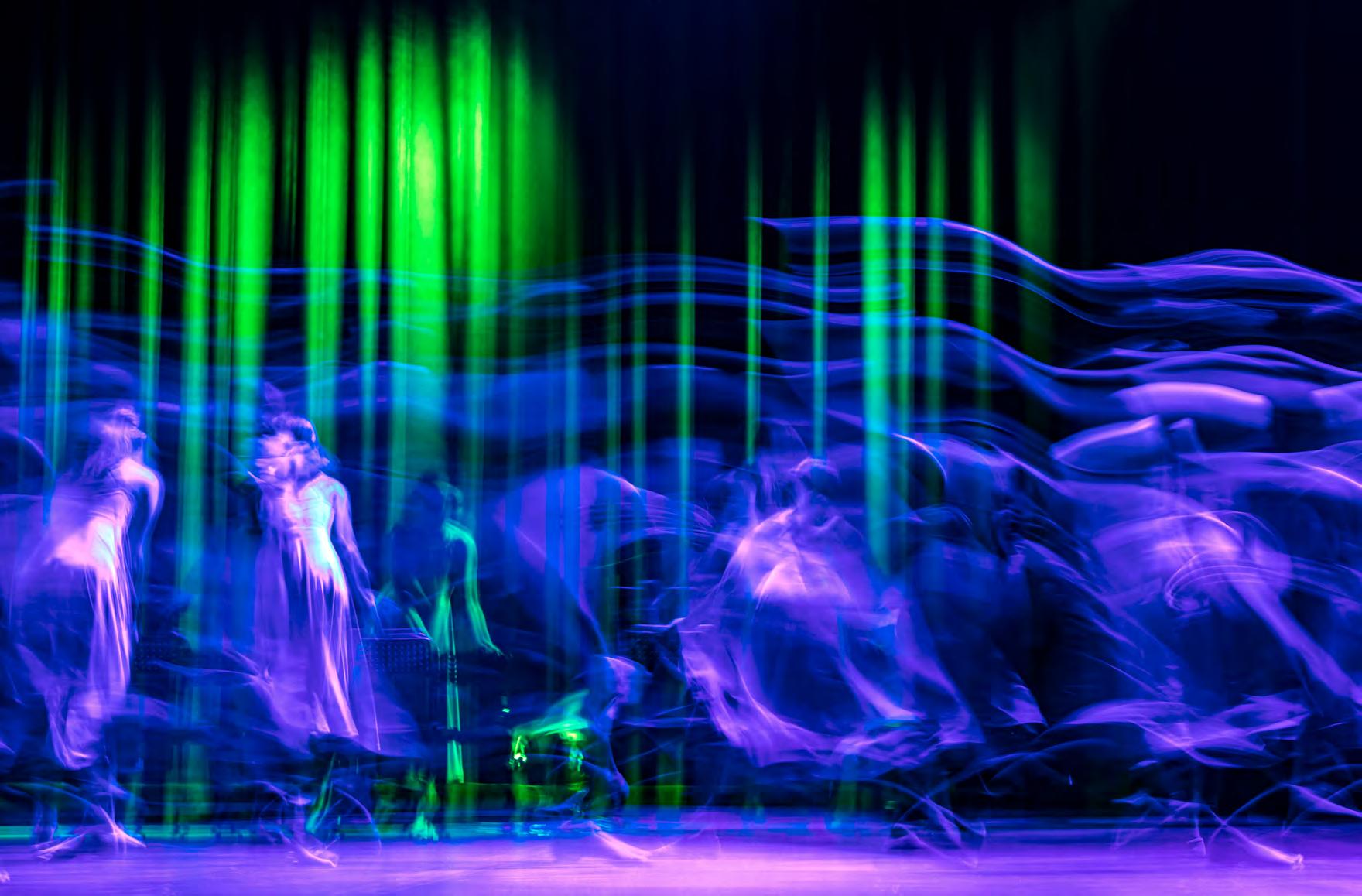
Cultural Strategy presented by
Heart of London Business Alliance (HOLBA)
HOLBA operates as a Business Improvement District, representing 600 businesses in the Piccadilly & St James’s, Leicester Square, Piccadilly Circus and St. Martin’s areas.
HOLBA provides a robust voice on behalf of the business community ensuring issues affecting them are placed onto the wider agenda and in partnership with others, acting as a catalyst for positive change. Their purpose is to support the commercial wellbeing of the businesses and organisations they represent. HOLBA has been providing leadership and direction for businesses and property owners for over 19 years, promoting the district to a global audience, ensuring that the area remains an integral part of London’s West End for people to visit, trade, live and work in. Heart of London Business Alliance formed in 2001 and in 2004, working closely with businesses in the area, received a resounding ‘yes’ vote for the Business Improvement District (BID), making them the first central London BID. heartoflondonbid.london
For this strategy, the Heart of London Business Alliance has brought together the cultural strategic work of Futurecity, the placeshaping strategy of Publica and a focus on the economic cultural sector by ARUP. This is a living strategy that will be updated with information and tools to maintain relevancy.
Publica
Publica is a London-based urban design and public realm practice that works to make our cities more successful, functional and beautiful. Publica surveys neighbourhoods, undertakes rigorous research and provides strategies and design for innovative, inclusive and sustainable growth, policy and planning.
publica.co.uk
Futurecity Ltd
Founded by CEO Mark Davy in 2007, Futurecity is the author of the HOLBA Cultural Strategy and was engaged as a global cultural placemaking agency with a reputation for creating cultural strategies for the public and private sector. Futurecity brokers cultural partnerships and curates and manages the delivery of major cultural projects. Futurecity believes culture led placemaking is key to unlocking the power and potential of city space, working with artists, architects, engineers, landscape designers, developers, community’s, policymakers and city planners to devise innovative strategies. For over 12 years Futurecity has produced over numerous cultural strategies, brokered cultural partnerships between arts organisations and the private sector and worked on over 100 artist commissions for clients across the UK, mainland Europe, North America, Asia and Australia. In 2017, Sherry Dobbin joined as Partner, bringing her expertise across new cultural development models, public-private partnerships, business improvement district programmes and international curatorial experience which have been sensitively constructed and developed into unique public art commissions.
futurecity.co.uk
ARUP
Arup is the providing the economic and statistical profile of the cultural and creative industries for the West End area. As creative force at the heart of many of the world’s most prominent projects in the built environment and across industry, their professional services that combine to make a real difference to our clients and the communities in which we work.
arup.com
Welcome from the Chief Executive
Welcome to our neighbourhood. Brimming with inspiration, we are a showcase for creative talent at the epicentre of the global city of culture. We’re a place of opportunity, inspiration and exploration. Feel the beat of the Heart of London.
Cities are harnessing the role of culture and creativity to define themselves as vibrant, tolerant and attractive places to live, work and explore. The West End has demonstrated its ability to host large-scale festivals and cultural events. Its capacity to attract huge visitor numbers for cultural experiences cements its profile as an area of creativity and originality. Its wealth of historic collections, archives, cultural institutions and arts academies can be made more visible through cross-sector collaboration and partnership.
Culture is a critical economic generator and dynamic identity marker for us and our area, as London’s #1 destination for foreign direct investment and 24/7 showcase of the world’s best talent. The following strategy communicates our cultural vibrancy and vision, outlines a practical framework for collaborative governance and provides a toolkit to enable the delivery of headline cultural activations.
We launch the Cultural Heart of London strategy at a point of global economic and social disruption. This is a time when vision, creativity and spirit are most needed to empower our workforce and visitors; to support community participation; and to encourage people back to our iconic area. With this strategy as a guide, we will offer new experiences and encounters and provide a robust, authentic and enticing 24/7 lifestyle destination for all audiences. Now, more than ever, we must hold the pulse as the ‘Cultural Heart of London’.
Ros Morgan Chief Executive Heart of London Business Alliance
“Not only are the creative industries the most resilient to automation, nationally the sector is currently worth over £100 billion and is growing at twice the rate of the rest of the economy.”
Westminster City Council’s Cultural Strategy 2020 – 2024
How to navigate the strategy
The Cultural Heart of London Strategy is grouped into three chapters:
The chapter numbers and headings provided below are marked throughout the document on the left of each page for ease of navigation.
1. Vision provides the context for strategic alignment and supplies cultural principles.
2. Governance outlines the strategic structure and related roles and responsibilities.
3. Toolkit provides the elements required to realise the cultural ambition for consumer-facing activations. It includes the Methodology used to generate the strategy’s visionary and practical guidance.
Mapping
Section 3.4 shows a detailed interactive Cultural Heart of London map.
1.1 CULTURAL VISION
1.2 MISSION & OBJECTIVES
1.3 CULTURAL PRINCIPLES
1.4 CULTURAL INFRASTRUCTURE
1.5 CULTURAL VALUE
1.6 CULTURAL CLUSTERS
The Cultural Heart of London showcases art in every form, 24/7, behind the legendary doors of institutions, theatres and retail, and flowing through the area’s streets and laneways, to create an exceptional ‘Gallery without Walls’.
In addition to being a magnet for destination visitors, the rise of the creative industries, the growth of the knowledge economy and increased investment in the arts by the business community has impressed on HOLBA the need for a district-focused Cultural Strategy. Serving as a guide and toolkit, the strategy is designed to help stakeholders come together and take advantage of the creative economy. It structures how to share intelligence and resources and develop ideas and projects that mine the rich networks of creative energy available in the area.
This Cultural Strategy brings together the London Plan, the Cultural Strategies of the Mayor of London and Westminster City Council and the Heart of London Business Alliance placeshaping and destination strategies to establish a comprehensive vision and mission that supports and enables the area’s stakeholders and external partners. It synthesises multiple efforts for district improvement to enable greater investment and promotion and forges deep and productive connections between area stakeholders.
The potential exists to create events and projects collaboratively that would otherwise be impossible to resource or imagine. By formally connecting businesses, encouraging collaboration and sharing ways to contribute to consumer and commercial tenant experience, the Cultural Heart of London Strategy raises the ambition of the placeshaping agenda.
In this age of experiential culture, diverse audiences and consumers seek originality and authenticity, as well as new modes of engagement. They prioritise community, are conscious of health and wellbeing, and are committed to shared values and global causes. This strategy creates a new collaborative ecology that will offer the West End an enhanced position, experience and identity within the context of London as a global city of culture.
Mission & Objectives
The purpose of this strategy is to connect businesses and cultural players within and around the West End to create the conditions for dialogue, networking and collaboration. HOLBA is committed to developing the area as the Cultural Heart of London by facilitating partnerships, advocacy and support to realise the Six Cultural Objectives.
This strategy outlines how HOLBA will facilitate consumer-facing cultural activations and support creative partnerships and collaborations between members for enhanced business engagement and corporate communications.
HOLBA will sustain the growth and wellbeing of the area by valuing its unique cultural activity, empowering investment in cultural infrastructure and placeshaping projects, and enabling new pathways for external support to promote the area’s character. The Cultural Heart of London will generate an ambitious brand identity to encourage members and external partners’ collaboration on world-class events and to develop new communication channels to promote the area as a global destination.
The Cultural Heart of London will be a global exemplar of city-centre resilience through the promotion of iconic heritage and contemporary innovation.
The Mission outlines Six Cultural Objectives:
Promote the area’s unique history, heritage and character through new consumer channels to generate diverse audience participation.
Assist businesses by providing the cultural infrastructure to generate initiatives that drive new and existing audience footfall to the area and increase dwell time.
Enable innovative and collaborative cultural partnerships between the commercial, city, community, cultural & consumer interests.
Build networking systems to enable cross-disciplinary fora and partnerships.
Establish cultural clusters of specialised business and cultural activity to attract collective investment.
Lead placemaking excellence through targeted advocacy, influence and championing for the area.
Guiding a Shared Vision
To maintain focus on achieving the objectives of a shared vision, the Cultural Principles act as propositions that guide behaviour and evaluation. They represent values to help area stakeholders identify project partners and collaborators and objectively discuss cultural commitments.
All initiatives and projects that will be badged as Cultural Heart of London efforts will align with applicable Cultural Principles. Those organising cultural programmes will be encouraged to use the principles in reporting to their Board of Directors and at leadership convenings as tools to objectively evaluate opportunities.
1. A Cultural District for London
2. Gallery Without Walls
3. Original & Bespoke Culture
4. Participation & Inclusion
5. Art in Every Form
A Cultural District for London is comprised of creative clusters focused on film, theatre, design, artisanship, cinema, live performances, fine arts, fashion, retail, food and beverage. Each sector has its individual networks and audiences and the strategy collates, maps and identifies area ecologies. The area is defined by originality and authenticity, alongside history and heritage. Businesses of all shapes and sizes in the area must mobilise to create a diverse ecosystem of creative individuals and cultural organisations that produces original content and ideas.
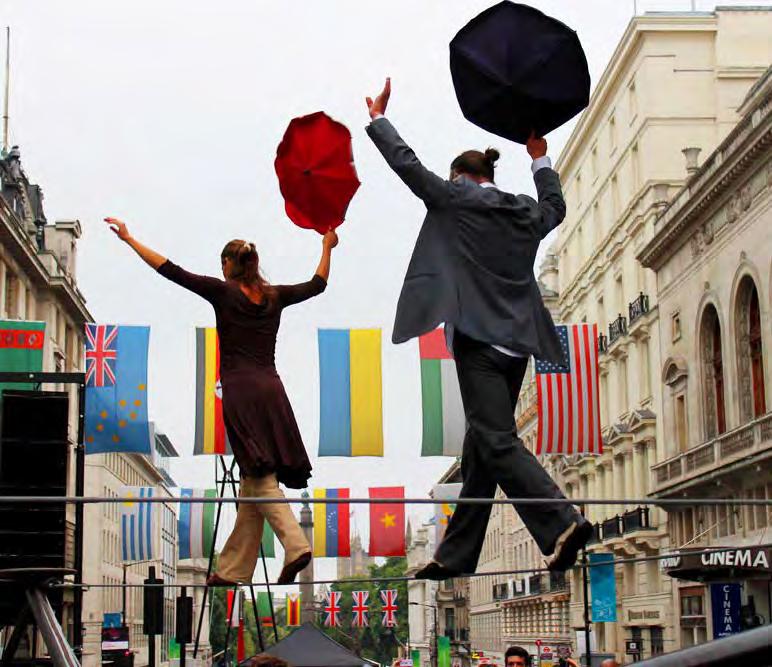
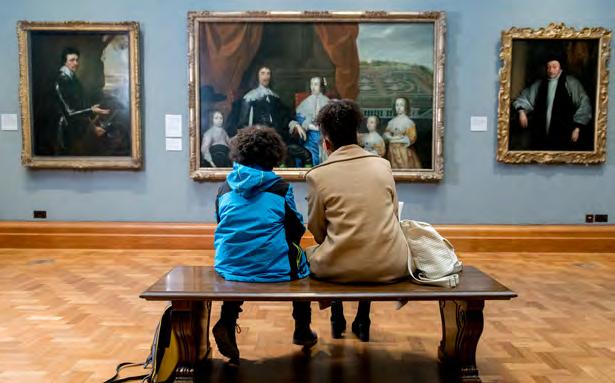
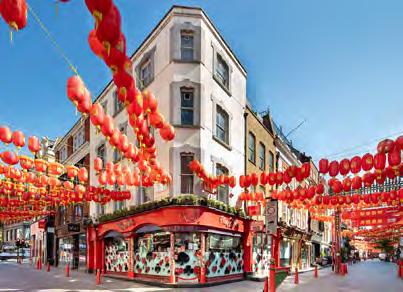
Gallery Without Walls is a physical and intellectual idea, encouraging businesses and creative organisations to make the West End urban realm a place for original creative expression. It explores the way area stakeholders can engage in creative dialogue and share original ideas, artefacts and projects outside of the museum, office, department store or atelier. Culture is the key to unlocking the seductive power of city space and a catalyst and tool for defining the individuality of the area. New forms of arts and business collaboration must encourage audiences to experience the West End with eyes wide open, paving the way for more dynamic, responsive interpretations of the urban environment.
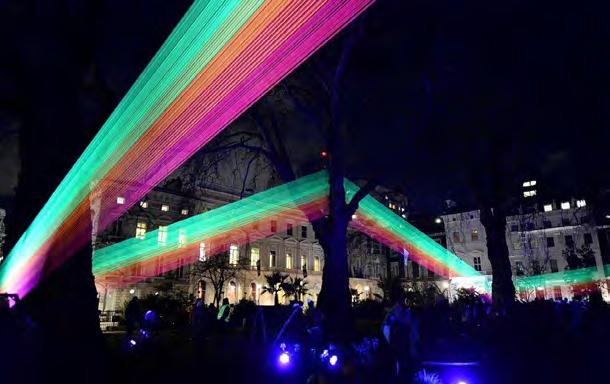
Original & Bespoke Culture positions business leaders centre stage in facilitating dialogues between the area’s businesses and creative organisations, who, when working together, have the capacity to make the West End a global leader in valuing culture. The strategy encourages the creation of cultural outputs that are original and challenging, whether a production, launch, reinterpretation, a new product or event or a cutting-edge piece of research. At the Heart of London area’s core is a commitment to fostering creativity and driving innovation.
Participation & Inclusion connects the West End’s cultural offer, enhances audience participation and encourages greater engagement between business efforts, cultural programmes and consumer life. The Cultural Heart of London Strategy supports projects that invite and involve new audiences and contribute to a total programme for the area that is inclusive and accessible year-round.
Socially, we will develop a welcoming environment for a wide range of audiences, including residents, workers and visitors across all demographics. Commercially, inclusion will contribute to driving footfall and dwell time to businesses in the area.
Art in Every Form embraces the skill and intelligence that goes into all aspects of cultural life in the area, from fashion and the culinary arts, to theatre and business. It promotes cultural expression made visible across all mediums and artforms and across all art and business platforms. The strategy encourages collaboration across the area’s unique artistic range of performing arts (dance, theatre, music); media arts (photography, film, digital, immersive); visual & fine arts (craft, painting, sculpture, installation); design (architectural, product and environmental design), as well artisanal excellence (food, haberdashery, tailoring and antiquarian and booksellers).
Defining Cultural Infrastructure
The Cultural Heart of London Strategy uses the definitions from the Mayor of London’s Cultural Infrastructure Plan. Cultural Infrastructure includes the buildings, structures and places where we produce or consume culture.
The area produces culture in creative workspaces, rehearsal spaces, film and television studios, recording studios and industrial and light industrial units used by creative and cultural businesses.
People consume culture in museums, galleries, theatres, cinemas, libraries, music venues, historic cultural sites and public spaces for cultural presentation.
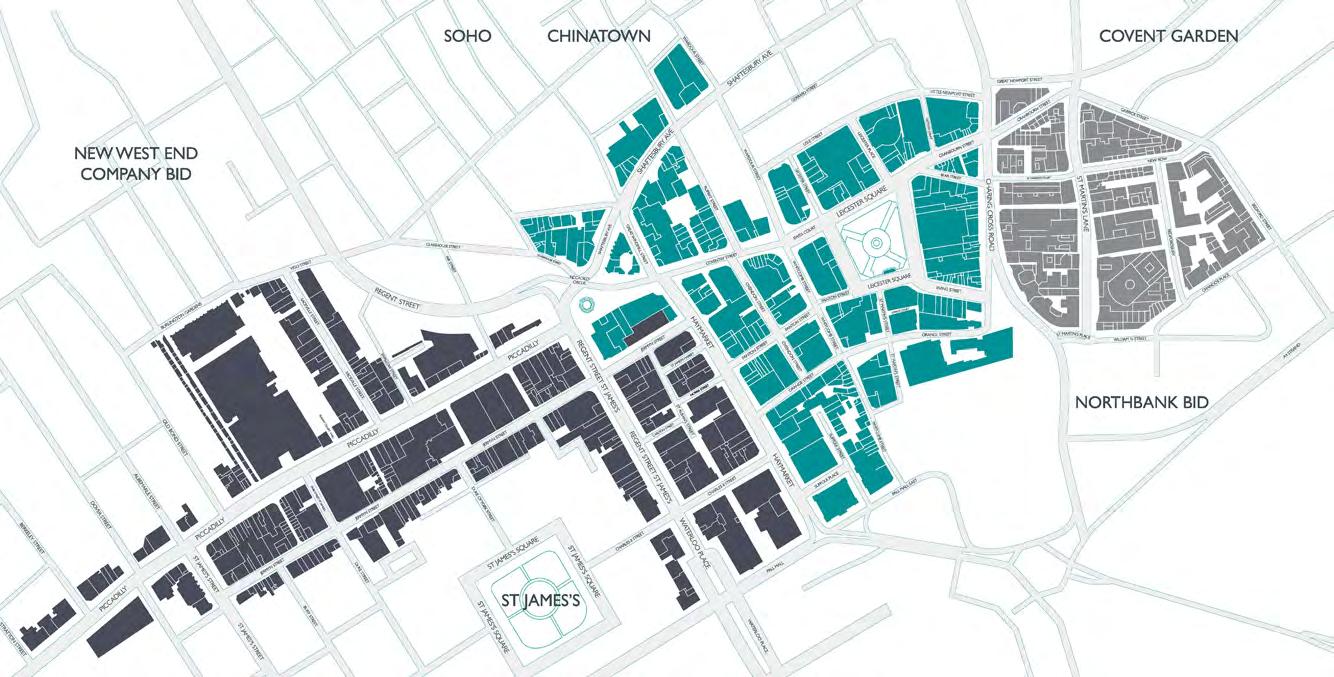
In mapping the district, the strategy identifies and highlights the significant cultural infrastructure that exists across the area. The Cultural Clusters will highlight further concentrations of the cultural infrastructure to amplify the offer and reinforce the area as the Cultural Heart of London.
This flexibility in identifying clusters by location of cultural outputs can be leveraged to attract new tenants, mark creative enterprise zones and capitalise on the value of future public realm improvements.
London’s creative economy is worth £52bn and the Heart of London area is home to world-famous galleries, theatres, premieres and attractions that are unparalleled across the globe. Heart of London Business Alliance Business Plan 2020-2025
Assigning the Area’s Cultural Value
London has been described as a ‘city of villages’ (a collection of ideas, identities, communities and behaviours) that have built its status as a ‘city of culture’. However, its diverse range of creative industries are not distributed uniformly; rather, they are historically focused within neighbourhoods, each with their own distinct character.
The West End is exceptional in that it has a high concentration of creative industries, creative practitioners and cultural organisations within a walkable area.
The following pages formally highlight the varied clusters and types of businesses that form its cultural ecosystem to better leverage the sector and enable ambitious and collaborative arts and consumer events to drive up national and international visitor numbers to London.
Further support and investment can define a series of clusters including the Arts Cluster, Artisan and Fashion Cluster, Theatre and Live Performance Cluster and Film Cluster. Clusters can be supported through the provision of high-quality public realm interventions, signage, wayfinding and mapping. They offer opportunities for a joined-up approach to establishing studios, ateliers, shops and other spaces that can frame and nurture creative talent and set out opportunity for future investment in cultural infrastructure.
There is a need to encourage creative entrepreneurs through innovative means of providing affordable studio and retail spaces, extending invitations to specialist retailers and creative industries and investing in cultural events and street-level initiatives. In return for this investment, the clusters will enable cultural and business partnerships, providing a symbiotic link between audiences and the area.
The COVID-19 pandemic has proven that the closure of cultural attractions has impacted area businesses, leading to a more urgent need to assess the economic value of culture.
“...strong cultural assets can draw in the world’s most talented workers and entrepreneurs; a healthy and vibrant cultural, leisure and sporting life can enhance cities in a positive way.”
The Work Foundation
Theatre and Live Performance Cluster
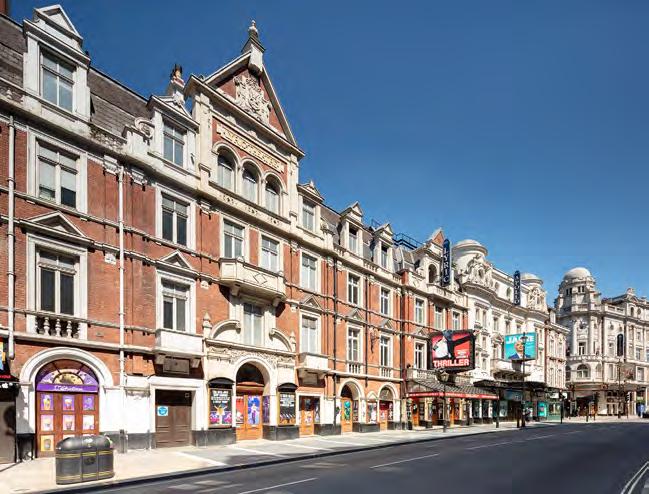
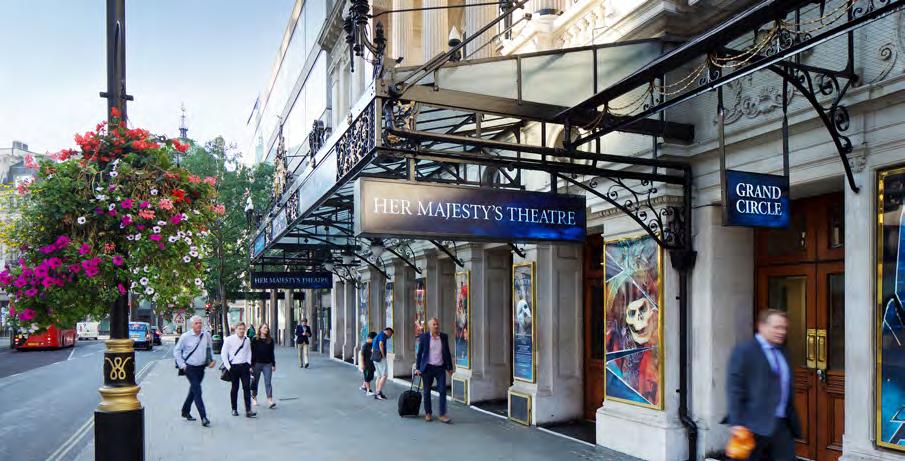
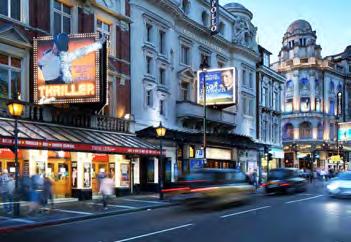
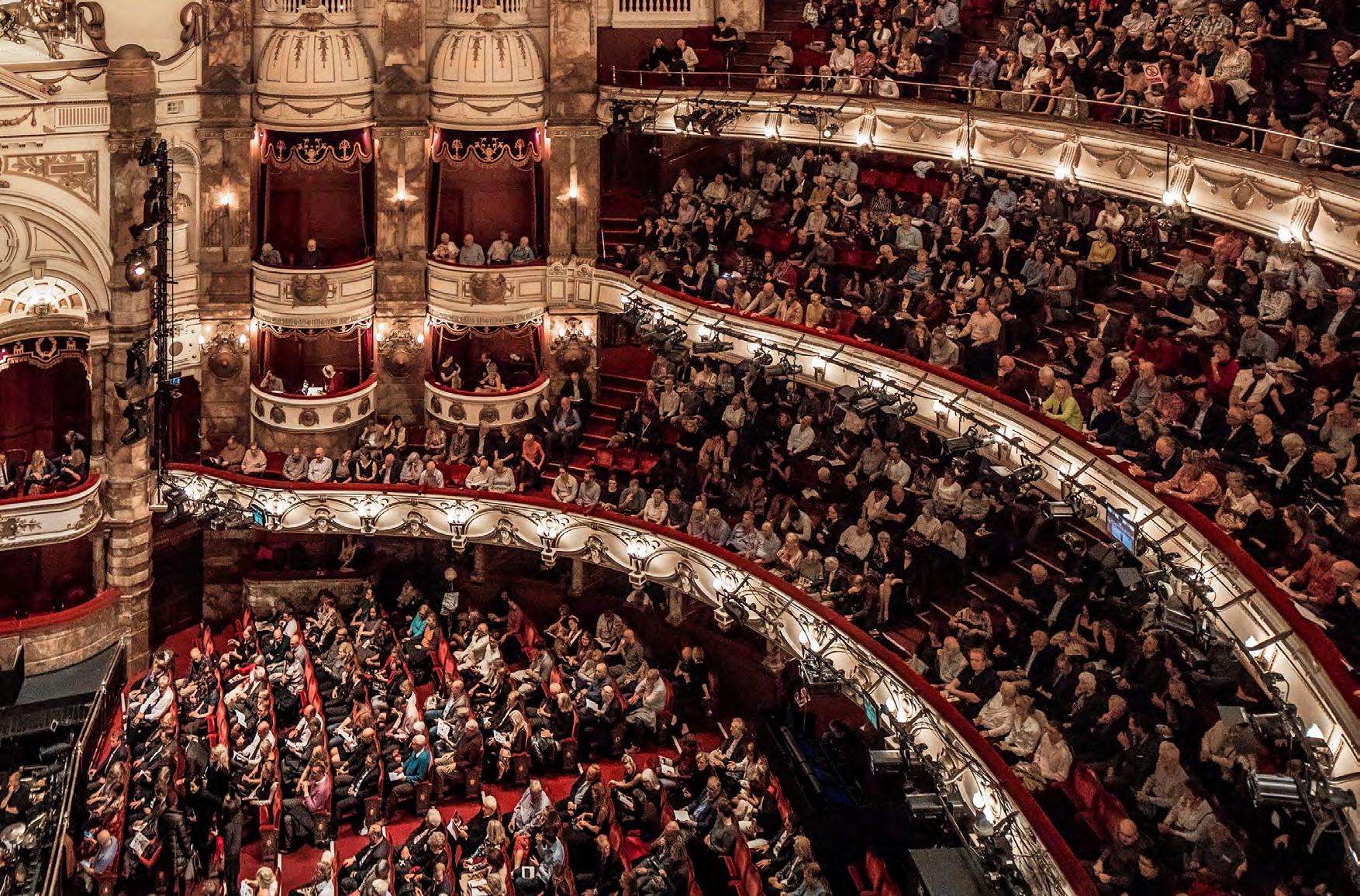
A Theatre and Live Performance Cluster would ensure London’s West End remains the epicentre of commercial musicals, ballets, operas, plays, dance and comedy. Theatres, venues and comedy clubs orbit Leicester Square, line Shaftesbury Avenue, pepper pot the West End and illuminate Covent Garden. The West End is a nexus for homegrown hits like Les Misérables, The Phantom of the Opera and Only Fools and Horses, and a mirror of the best of Broadway with shows such as Thriller Live, The Book of Mormon and The Tina Turner Musical enjoying long runs on the London stage.
The area is also home to new plays and reworked classics including the National Theatre’s Curious Incident of the Dog in the Night-Time, Tom Stoppard’s Leopoldstadt and Harold Pinter’s Betrayal. Mid-scale theatres offer comedy, like the hugely popular The Play That Goes Wrong, and fringe venues like the Jermyn Street and Tristan Bates Theatres host novel theatrical experiments.
COVID-19 has exposed the symbiotic and close economic relationship between the theatres, hotels, restaurants, bars, clubs, retailers and a complex and hidden ecosystem of creative businesses formed solely to facilitate theatre. This art form employs an enormous range of people.
Each performance day experts dress the wigs; repaint the set; wash and repair the costumes; service the lighting; mop the stage; restock the bars; and perform the other creative activities to culminate for a 7:30pm production. Over the course of weeks and months others cast the show; develop the stage design; make the costumes; develop the design and fabrication of the sets and book rehearsal space. Directors, producers, designers, technicians, musicians, dancers, stage management and graphic designers create the elaborate sets and choreographies for the actors. Behind a moment, there is a network of production companies, graphic design studios, digital lighting specialists, set designers, wardrobe technicians, costumiers and specialist fabricators.
Beyond its stages, theatre can play a central role in radically reimagining the public realm. It can promote the mapping of theatres, improve signage and wayfinding, curate links with supporting businesses and open up the public spaces, roads and parks for open-air theatre.
“London is the theatre capital of the world, usually attracting audiences of over 15 million. The variety of theatre, our star-studded plays and world famous musicals give the West End its distinct character. We look forward to playing our part in the creative recovery of London and working collaboratively to help bring the magic back to the Heart of London”
The Society of London Theatre (SOLT)
Defining a Theatre Cluster draws attention to the unique character of the West End and looks for imaginative ways of promoting the location, site, history and heritage of the theatres and the wider ecosystem of related businesses. The work of The Society of London Theatre* (SOLT) would be further valued in its government lobbying to support the sector and its workforce. Its proclamation would enable new partnerships between landlords, area members and the city to consider how to nurture affordable rents and costs for the theatre’s related businesses, designers and artisans. The area could reciprocally harness theatre as an engine for change.
“The BFI’s job is to champion the future success of film in the UK and this plan is designed to do that – we want to back the brave, the new and the experimental.”
Josh Berger, Chair, BFI
Film Cluster
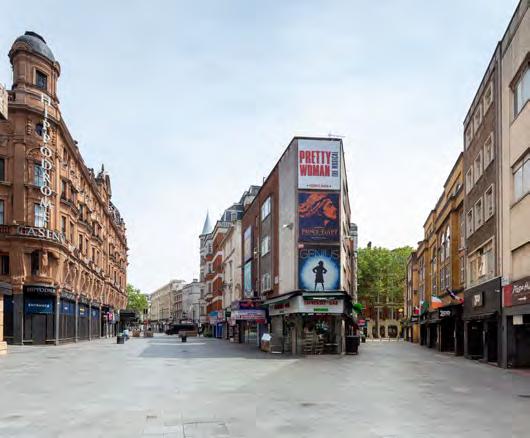
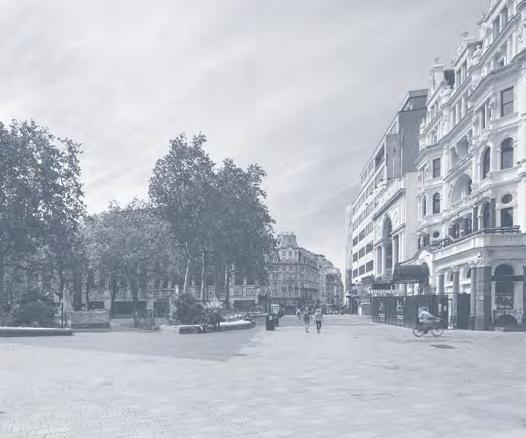
The West End has an enlarged Film Cluster, radiating out from the cinemas of Leicester Square, and represents the epicentre of London’s film industry. There are key anchor cinemas in and around the square: Cineworld (formerly Empire, London), Odeon Cinema and the Prince Charles Cinema (Cranbourne Street) which opened in 1962 and is the only independent venue in London’s busiest cinema square-mile. American film director, Quentin Tarantino describes it as, “everything an independent movie theatre should be. For lovers of quality films, this is Mecca.”
Formalising a Film Cluster will frame the area’s cultural riches and encourage collaboration between business and the cinemas, distributors, independent filmmakers and big industry names inside a cultural district that is passionate about film. The strategy encourages the business community to be involved in all things ‘cinema,’ the use of their buildings; unique yard locations for outdoor screenings, projection and exhibitions; and places for parties, meetings, entertainment and promotional events.
The theme of ‘film’ can be explored through an ecosystem of storytelling, visual performance, music, craftsmanship and fashion. It will encourage continuous collaborative initiatives with the permanent public art of ‘Scenes in the Square’ and future public realm improvements.
Venues such as the W Hotel, Hampshire, and the future Londoner are hubs or venues for galas and industry events, connecting other businesses to participate in the filmrelated festivities and seasonal film festivals, and extending cinematic atmosphere and energy to the Cluster.
As the West End showcases innovative UK and international filmmakers and presents films made outside the mainstream circuit, it can expose more amateur films, student work, art films, short films and documentaries. The cluster will support the innovative work of BAFTA, Raindance and the BFI in promoting film. BFI’s commitment will continue to focus on audiences and culture, supporting film education and skills development and backing exciting new filmmaking. With an enlivened awareness of film-making, subsidiary industries may gravitate to be at the heart of cinema.
Elliot Grove, Founder, Raindance Film Festival
Three Dreams of Success to Broaden the Film Experience:
1. Exhibition: Immersive experiences for film lovers could be the staging of a street film festival supported by QR codes. This would encourage visitors to engage with the architecture around them, while offering a digitally enabled experience. Short films can be reimagined on the streets of London, playing out different film genres, presenting fresh approaches and bringing content to life.
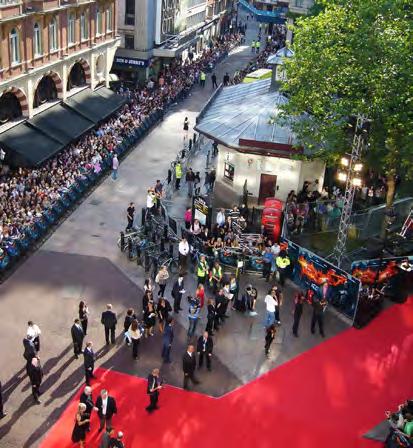
2. Performative: Share the thrill of film premieres by offering an experience usually restricted to A-list celebrities. The Square could put all on display
– the red carpet, paparazzi and big video screens offer Instagrammable moments.
3. By Supporting Independent Filmmakers: HOLBA could offer a ‘one-stop shop’ for prospective filmmakers wanting to use the area as a location: a streamlined application process; a ‘HOLBA Film location database’; opening up empty units and disused spaces as pop up editing suites and co-working for local content creators on location.
The Arts Cluster
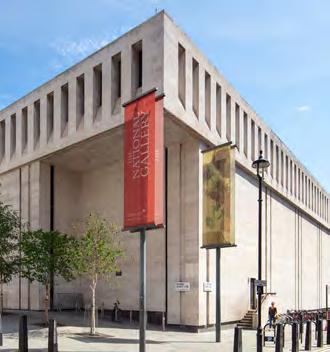
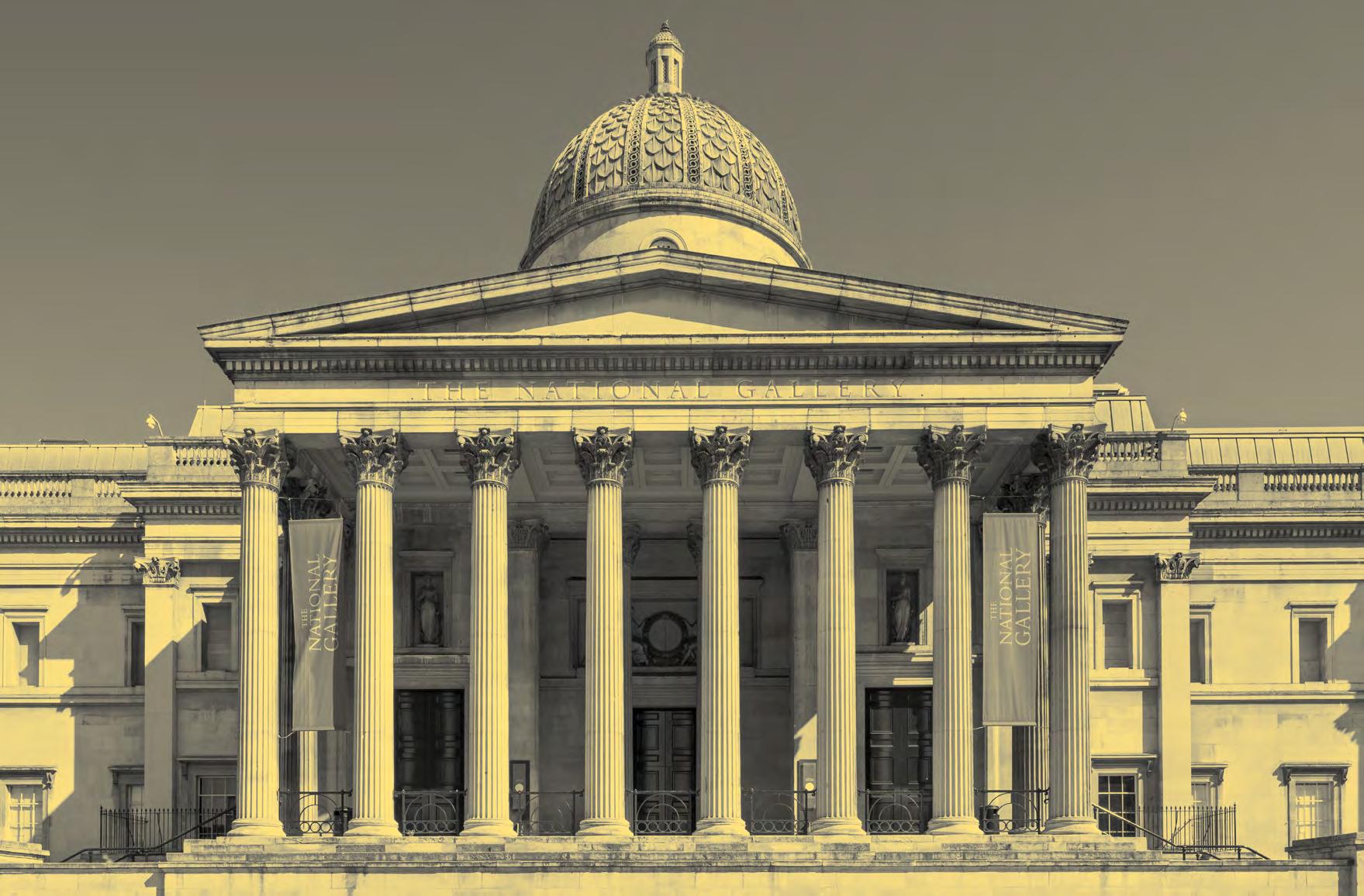
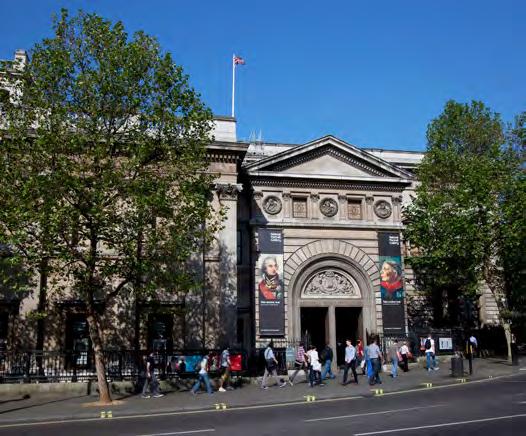
200 million visitors transfer between the streets surrounding the National Gallery, the National Portrait Gallery and Leicester Square every year. The cultural grouping linked across the area represents a substantial collection inside a walkable, bicycle-friendly area. The Arts Cluster would expand from the entrance of the National Portrait Gallery on the triangle of land between Irving Street, Orange Street and Charing Cross Road to the National Gallery X site on St Martin’s Street and Orange Street. The Londoner will offer connections via St Martin’s Street to Leicester Square, to Panton Street and the Royal Watercolour Society on Whitcombe Street.
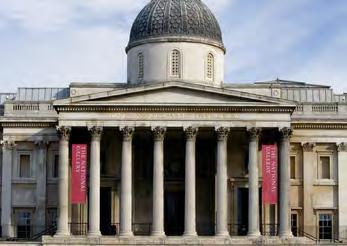
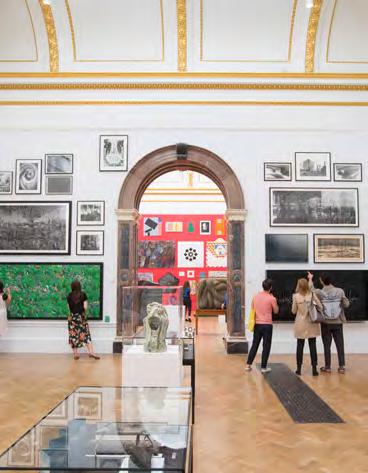
The Arts Cluster connects three international powerhouses of British Art: The Royal Academy of Arts, the National Gallery and the National Portrait Gallery. The area’s cultural reputation relies upon their permanent collections and temporary exhibitions. Defining an Arts Cluster draws recognition to the area as an arts neighbourhood that showcases a supporting ecosystem of hundreds of commercial galleries, members’ clubs, cultural institutions, auction houses, public art sites, temporary studios and contemporary art spaces.
The West End also houses innovators in printed and spoken literature and iconic bookstores such as Waterstones and Maison Assouline. The Arts Cluster offers the opportunity for collaborative partnerships with other disciplines such as science, technology, wellbeing and health and to bring together artists, scientists, communities and interest groups.
Ultimately, the growth of an Arts Cluster will encourage more creative businesses to move into the area and consider residency in vacant commercial (i.e. buildings converted into temporary culture spaces for cultural pop-ups). Retail businesses, the top hotels, restaurants and cafes, shops and offices and other businesses can collaborate to encourage dwell time and generate new consumers and visitors. Working to promote artists’ and writers’ work, they can host curated exhibitions, spokenword performances, readings, and sell work and host after show parties linked to large festivals or themed events.
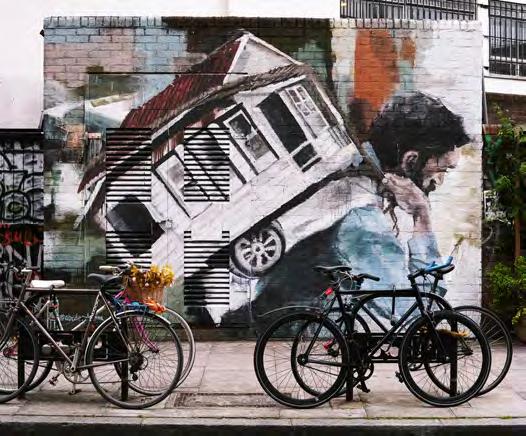
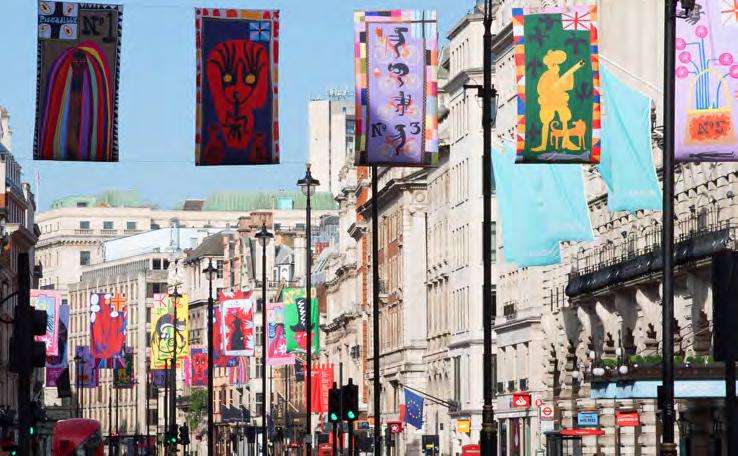
Street art can navigate the West End on the walls and surfaces of buildings or be encouraged through the temporary installations of boards, flags, banners and vinyl graphics. Street artists can be offered major commissions for high-profile murals. The public realm can become the performance space for outdoor exhibitions, artistic interventions, sculptures, experiential events and convenings of art enthusiasts.
“For over 250 years the Royal Academy of Arts has celebrated and promoted the vital role art and culture plays in our lives and in London as a whole. Art has the power to inspire, comfort, champion and connect: a role that matters now more than ever.”
The Royal Academy of Arts
Artisan and Fashion Cluster
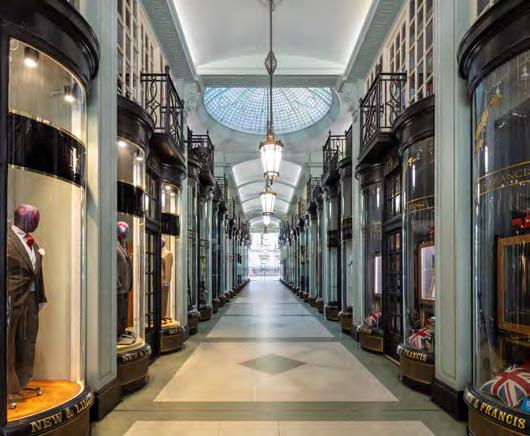
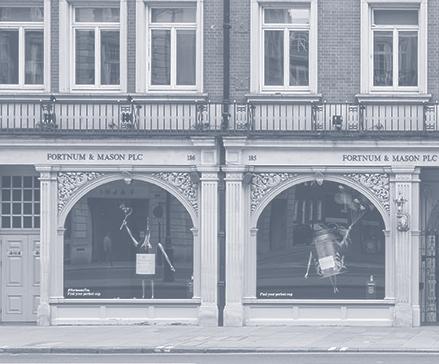
An Artisan and Fashion Cluster can champion the longevity and sustainability of British luxury arts and crafts, which are rich in the area representing the epitome of British world-class craftmanship. Four distinct areas already provide an array of choices. Fortnum & Mason (est. 1707) is not just a shop window for fine objects but is a leader, commissioner and exhibitor of superlative craftsmanship who, alongside Jermyn Street, the Burlington and Princes Arcades and Dover Street Market, is supported by a fine-grain ecosystem of supporting businesses.
The cluster covers artisan, fashion and craft, a cocktail of culture, luxury and creativity drawing in the consumer more effectively than almost any other form of marketing. The Artisan Cluster heightens the customers’ emotional shopping experience by enabling a more pointed interaction with the eclectic objects, places and makers.
Artisan extends to fashion and can attract the British Fashion Council’s NewGen designers and graduates to promote the best of British sustainable design. With the future of retail embedded in curated experiences, the cluster will encourage ambition to showcase the spectacle of hand-craftsmanship. As the broader global and macro trends in fashion pivot towards ethical and sustainable alternatives and a bespoke and made-to-order offer, there is a new audience of environmentally conscious high-net-worth Millennials in search of sustainable luxury. Insight into tailoring, textiles and biotech materials can attach the area’s content to programmed festivals such as London Craft Week, London Design Festival and London Fashion Week. Curated experiences with hotels and food and beverage partnerships can further reinforce the cluster identity.
Emma Willis Snapshot
Emma Willis is a useful paradigm of how a business, a sewing school and charity can open up collaborations with men’s lifestyle magazines such as British GQ, Square Mile, The Rake and the Gentleman’s Journal. She stitches influencers such as David Gandy, Henry Cavill, Stormzy, and Charles Dance, regularly photographed into her bespoke shirts. With collaborations with luxury e-commerce platforms such as Mr. Porter, as well leveraging the products to support charitable causes. For example, Style for Soldiers is an extension of the Emma Willis brand that receives patronage from the Prince of Wales for their work to rehabilitate soldiers wounded in combat. Their ‘Art in the Aftermath’ exhibition showcased poetry and works of art by ex-servicemen in La Galleria, Pall Mall, London (November 2018).
“Respect for centuriesold tradition is very much at the heart of Fortnum & Mason’s business. From wicker-weaving and cheesemaking to tea blending and chocolate-making, many of our products are the legacy of time-honoured skills of master artisans and craftsmen.”
Fortnum & Mason
2.1 STRATEGIC ALIGNMENT
2.2 THE 5Cs
2.3 CULTURAL GOVERNANCE
2.4 CULTURAL CHAMPIONS
2.5 CULTURAL CLUB
2.6 CULTURAL FORUM
2.7 CULTURAL FESTIVALS & COUNCILS
2.8 DIGITAL CONSUMER CHANNEL
2.9 AUDIENCES
2.10 HOW TO GET INVOLVED
Cultural Placemaking
The Great Estates and property developers are already investing heavily in architecture, landscape, street furniture, public art, new public spaces and wayfinding. The Cultural Heart of London Strategy encourages contemporary placeshaping approaches that area businesses have identified as a priority.
The Strategy responds to the Publica 2019 Placeshaping Report for HOLBA and supports a changing world with shifts in environment, travel and consumption. It reflects current audience demographics and caters to local residents, workers, domestic tourists and short haul visitors to the area, as well as the arrival of the Elizabeth Line.
This strategy has been crafted in alignment with national and local documents, including but not limited to; Westminster City Council’s City Plan for 2019-2040, the Mayor of London’s Cultural Strategy and Scoping Study for an Evening and Night Economy and Urban Land Institute’s Including Culture in Development as well as #LetsCreate, Arts Council England 10-year Strategy 2020-2030, and has guided ARUP’s report on cultural economic impact.
The collective action that will result from this strategy will also strengthen the night-time experience of the area through coordinated planning of the West End’s offer and supporting complementary uses. This enhances Publica’s work with the West End Partnership and the Mayor’s Night-Time Commission objectives, which aims to bring businesses, public authorities and residents together in implementing a united vision for the evening and night-time economies.
Cultural Sector accounts for 10% of the Heart of London total direct economic contribution (2018 prices)
In July 2020, ARUP was commissioned to estimate the direct economic contribution of the West End Arts & Culture sector (and specially within the Heart of London area) to the London and UK broader economy. The audit will capture benchmarks both from 2018-19 success and following the COVID-19 closures, to evaluate its integral role within the economic and social wellbeing of the area. The initial lead findings are represented throughout the document.
To shape public and consumer engagement with HOLBA, the strategy offers step-by-step guidance for developing customised cultural projects for the district. These projects will promote the unique heritage of iconic spaces surrounding Piccadilly, Leicester Square and St. Martin’s and, as identified by Publica 2019 Placeshaping report, ‘attract and serve a diverse demographic’.
The West End cultural sector’s GVA amounted to £4.8 billion in 2018 and it accounted almost one fifth of the whole cultural sector’s output in London (2018 prices)
£430m Total Cultural Sector Gross Value Added in the Heart of London in 2018 (2018 prices)
5C’s: Civic, Cultural, Commercial, Community & Consumer
5C is the new cultural ecosystem for the Cultural Heart of London, fostering a closer relationship between representatives from the Civic, Cultural, Commercial, Community and Consumer sectors.
The ‘5C’ partnership approach combines the unique resources, skills and assets of each sector to create new collaborative opportunities for arts and business projects. HOLBA will provide the coordination, convening and brokering skills necessary to support, lobby and apply for funding, seek corporate sponsorship or handle earned-revenue on behalf of project partners.
‘5C’ encourages Civic involvement, using the tools of government to help facilitate and enable Cultural projects and deliver opportunities for Communities. This approach will support the cultural sector to engage with collaborators on multidisciplinary projects that take them outside of their buildings and institutions. It boosts the Commercial sector through mutually beneficial arts and business collaborations and projects.
All sectors seek to support Consumer engagement, attracting financial investment and driving audiences to the area.
Civic Consumer Community Commercial
“Our new ‘Cultural Heart of London’ strategy is the key to unlocking the cultural power of the West End acting as catalyst and toolkit for drawing out the areas individuality. I believe new creative partnerships between arts and business will offer unique experiences that will change the way the world sees the West End.”
Mark Williams Director of Destination Marketing, HOLBA
Heart of London Cultural Governance
This chapter explains how HOLBA will realise the Cultural Heart of London strategy.
HOLBA will work to identify opportunities to integrate the cultural strategy with other district priorities. HOLBA Members will also have opportunities to play integral parts in achieving the strategy and leveraging partnerships and content to maintain a competitive edge for the area’s offerings. New consumer events can be shared via enhanced consumerfacing channels. Promotion of the area can take place through a shared Cultural Calendar and supported by campaigns on social channels. This will synchronise and allow for a higher return on investment.
The cultural mission will complement the placeshaping initiatives for permanent public realm improvements, by informing the Cultural Clusters as key destinations for consumption and production as well as facilitating better places for temporary events and exhibitions. The Heart of London area will maximise its presence as a cultural hub in London’s West End and as a global cultural destination.
“The National Gallery is excited to participate in the Cultural Heart of London Strategy and its act of reimagining our local area for a post-COVID world. We are committed to finding new kinds of cultural experiences to bring London’s rich community together.”
The National Gallery
Strategic Advocacy
The Cultural Heart of London Strategy will be supported by Cultural Champions. These selected high-profile individuals will be drawn from diverse professions across arts, media, design and entertainment, as well as larger professional areas of law, politics, charity and philanthropy, medicine, religion, commerce and education. They will represent the diverse interests and profiles of the area and the business, cultural and government activity of the West End.
Each will leverage their role, as leader and influencer in their area of expertise, to advocate and actively promote the initiatives of the Cultural Heart of London. They will do so across their local and international networks, within community and government, to media representatives, cultural and business leaders, politicians and sector influencers. Their primary role will be to identify and support fundraising, campaigning and public relations opportunities and, in certain circumstances, to provide access and advocacy with organisations and institutions outside of regular area delivery.
“The National Portrait Gallery’s building in St Martin’s Place is currently closed until spring 2023, while essential building works take place on our Inspiring People redevelopment. We are therefore, really excited about the opportunity to work with the Heart of London Business Alliance on their Gallery Without Walls initiative, which will enable us to share our Collection with new and existing audiences in our locality in fresh and innovative ways.”
The National Portrait Gallery
“For some, the idea of opera can be off-putting but we pride ourselves on the fact that ENO feels very different – we always sing in English, we have no dress code, the crowd is younger and diverse and we make sure that tickets are available from as little as £10 (or free if you are under 18). For many we are the gateway opera house, for others the home of extraordinary work, and for everyone just a brilliant night out.”
Stuart Murphy, CEO, English National Opera
Cultural Institution Alliance & Creative Industries
Membership Alliance
The major national cultural institutions (such as the Royal Academy of Arts, the National Gallery, the National Portrait Gallery and English National Opera) in the Heart of London area provide the visible cornerstones of the area and give it a global reputation. There are also sector-facing national Cultural Memberships like The British Academy of Film and Television Arts (BAFTA), The British Film Institute (BFI) and Society of London Theatre (SOLT). The Cultural Club provides a new forum to share areas of common interest and to establish effective, collective power.
These cultural organisations will communicate at the executive leadership level, connecting with HOLBA as needed, to identify high-profile cultivation opportunities that support the 5C partnership of Civic, Cultural, Commercial, Community and Consumer investors.
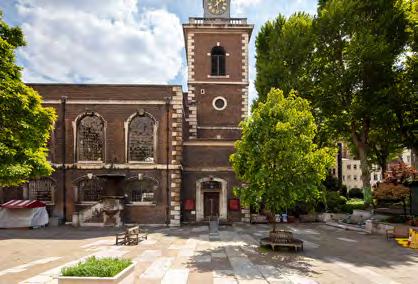
“As the oldest building in the area, since 1684 St James’s Church has been bringing people together to share not only their religious convictions but the stories of their lives expressed in art, music, poetry, science and dance. At the heart of this global city, culture binds communities, powerfully expressive both of unity and difference; and is at its most transformative when celebrated together.”
Rev. Lucy Winkett, St. James’s Church
Area Business-to-Business Activities
The Cultural Forum is the member-facing events that best identify the opportunities for intersection, collaboration and enhancement of their experience of the District. The 5C engagement focuses on the realisation of the ‘Gallery Without Walls’ and defining ‘Art in Every Form’. The Cultural Forum will comment on how area stakeholders are delivering the Cultural Principles of ‘Original & Bespoke Culture through ‘Participation & Inclusivity’ to make a ‘Cultural District for London.’
The multitude of creative contacts in the area, and their variety of artform practices, will increase the diversity of the Cultural Heart of London programme. The ’Gallery Without Walls’ principle will encourage the cultural sector and business community to come outside of their organisations both physically and metaphorically to develop new partnerships. Partnerships across this wider group will forge new connections between the area’s stalwarts and start-ups, bringing the neighbourhood into the streets.
This inclusive forum serves as a business-to-business activation including networking events, sneak-peeks to exhibitions and installations, breakfast meetings of planning groups for destination updates or campaigns, sponsorship cultivation events, and semi-annual meetings to share cultural seasons. The forum brings together members across external relations, corporate communications and destination marketing to keep the 5C Partnership model energised.
“...for every £1 of GVA generated directly by the arts and culture industry in the UK, an additional £1.14 of GVA is supported in the wider economy through the indirect and induced effects.”
Arup Report
Attracting London-Wide Creative Initiatives to the Cultural Heart of London
As the Cultural Heart of London, the area should be a key destination for any citywide and national festival, creative council, or current affairs initiatives. The Heart of London Business Alliance will proactively cultivate relationships to encourage ambitious collaborations that realise the cultural objectives.
HOLBA will develop relationships with cultural-led funding and policy bodies, such as Arts Council England, The Department for Digital, Culture, Media and Sport, and the Cultural Infrastructure and Placemaking teams at the Greater London Authority to maximise London-wide cultural investment within the area boundaries. HOLBA will look outward to national councils and membership organisations that live in London such as British Fashion Council, Craft Council and Design Council. Together, they will develop more integrated business engagement and corporate communications to maintain Cultural Heart of London as a key player in London plans.
“London’s cultural tourism contribution to the wider economy amounts to £8.3bn.” Arup Report
Art of London Cultural Calendar
The Art of London digital channel will be the digital ‘Cultural Forum’, disseminating consumer-facing events and offers, as well as hosting the Cultural Strategy and the related proposal process for new Cultural Projects. It will be an interactive online hub to drive consumers to a collective resource that informs the Cultural Heart of London experience.
Growing out of an urgent need to build consumer trust in urban centres through domestic and international tourism, this digital channel will curate experiences and respond to the area’s ‘agenda-led’ visitors. Londoners and area workforce will be encouraged to return to the area to see additional value through area promotions that make the trip more beneficial than working virtually. By curating opportunities into a full agenda, consumers will see the advantage of the West End area.
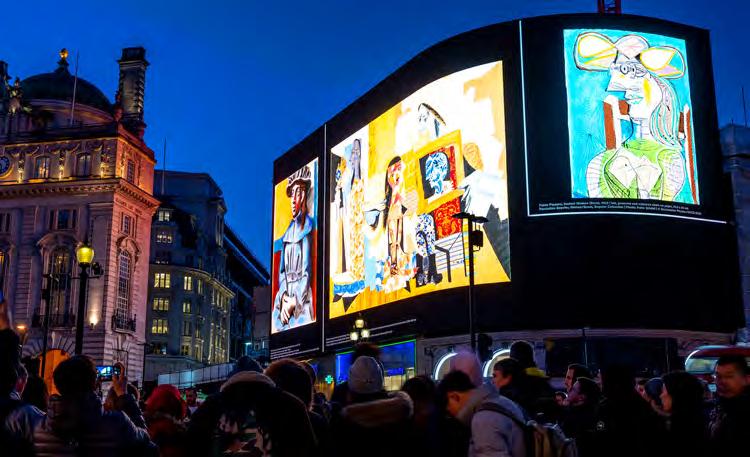
“Heart of London’s new approach for the area has provided great contextual support to the Piccadilly Lights, connecting us with the art district of London and reinforcing the opportunity the location presents as a cultural icon and a destination for global visitors.”
Landsec
“Westminster City Council is committed to making art and culture accessible and engaging for all our residents and visitors. We see ambition and partnerships working across sectors as crucial to ensuring that culture is synonymous with the Heart of London experience.”
Councillor Paul Swaddle, Cabinet Member for Community Services and Digital, Westminster City Council
Destination Audiences
The Cultural Heart of London commits to making ‘culture for all Londoners’ and visitors at the heart of this multicultural capital. The Cultural Heart of London will increase footfall and dwell time, as well as drive new audiences. It will generate and support new collaborations, breaking down barriers and preconceptions of demographic profiles.
Each campaign will measure its success against the Cultural Objectives set out under ‘Mission & Objectives’ in the Vision section of the strategy.
“The Cultural Strategy will set the course to 2024 and demonstrates our commitment to culture as part of a City for All.”
Westminster City Council
“By 2030, we want England to be a country in which the creativity of each of us is valued and given the chance to flourish, and where every one of us has access to a remarkable range of high-quality cultural experiences.”
#LetsCreate, Arts Council England 10-year Strategy 2020-2030
“At the heart of Culture for all Londoners is a city that sustains its global creative success, and which works for everyone.”
The Mayor’s Vision and Priorities for Culture
Enquiries can be sent to Mark Williams for any participation across destination events, cultural partnerships, the cultural forum, or placeshaping.
The proposal process will be available online through the Art of London digital channel and for members, through the Cultural Forum. All Partnership Proposals for Gallery Without Walls will need to review requirements for event permits and licensing prior to submission, to ensure presented concepts are viable. External partners should ensure their proposals clearly align with the Vision and Cultural Principles and Objectives to identify the funding partnership that can be brought into the Cultural Heart of London.
Contact Mark Williams Director of Destination Marketing Contact here
3.1 TOOLKIT OVERVIEW
3.2 PROJECT TOOLKIT
3.3 PLACE
3.4 SPATIAL TYPOLOGIES & MAPS
3.5 ARCHITECTURAL TYPOLOGIES
3.6 ART TYPOLOGIES
3.7 CULTURAL PROJECT
3.8 CASE STUDIES
3.9 EVALUATION & MEASUREMENT
3.10 CONCLUSION
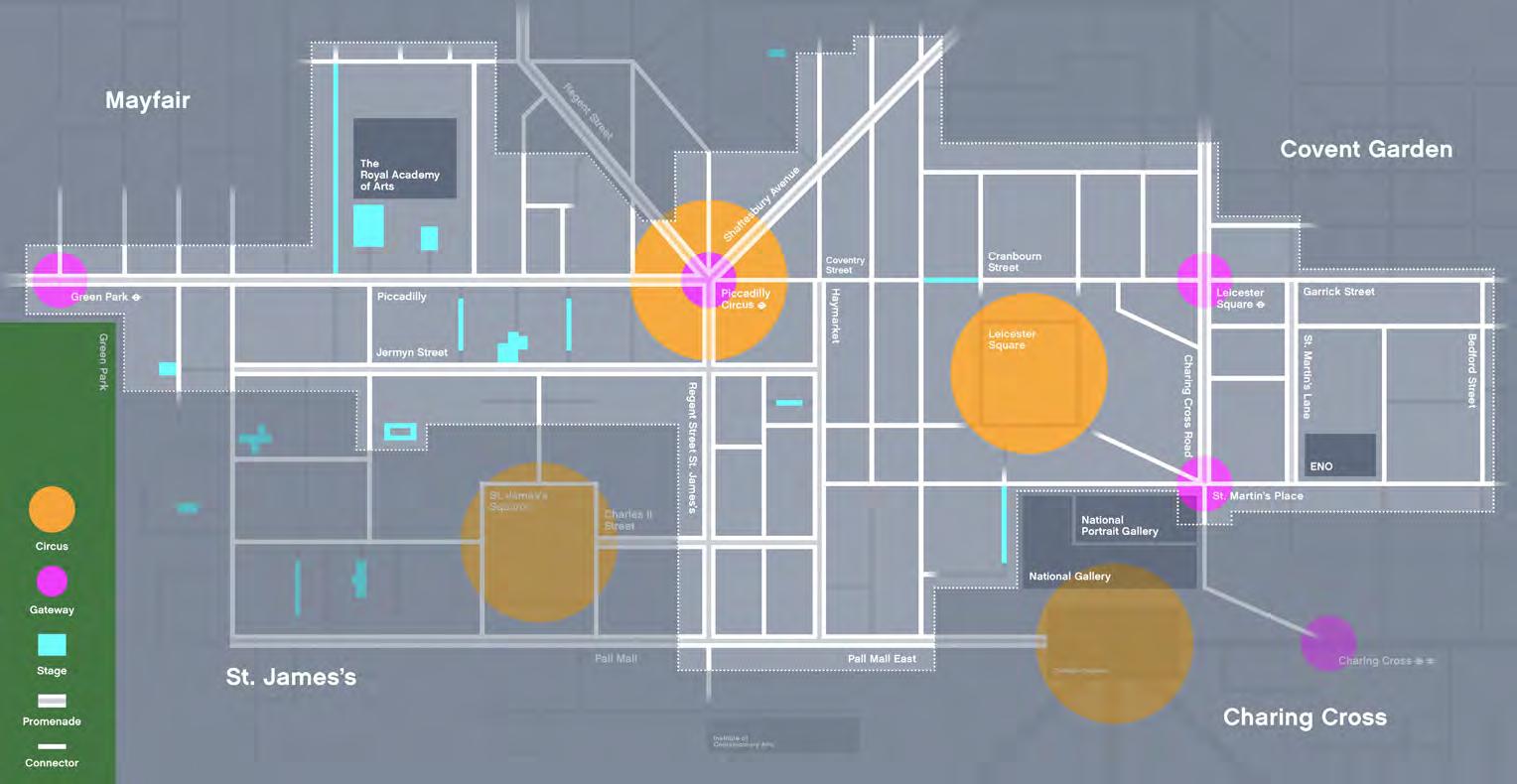
Promenade
These are large-scale linear routeways, wide boulevards, main roads or avenues.
A Promenade is an environment for culture in motion.
It can also host cultural adventures such as sculpture trails or retail exhibitions. Visual displays such as exhibition or lighting features can develop a ‘uniform’ for the street that punctuate and frame the bordering architectural elevations. On unique occasions, they can be closed to traffic for rare, large single-use processional performances, carnivals, street markets or musical events. Like stops along the underground, businesses can form cultural points along a singular line, united in a creative intention by the strong core identity of the Promenade.
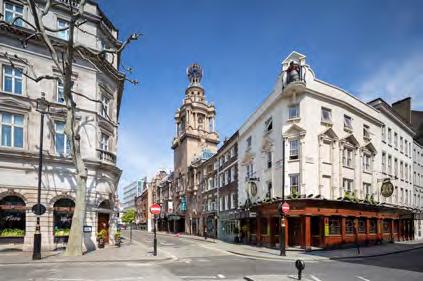
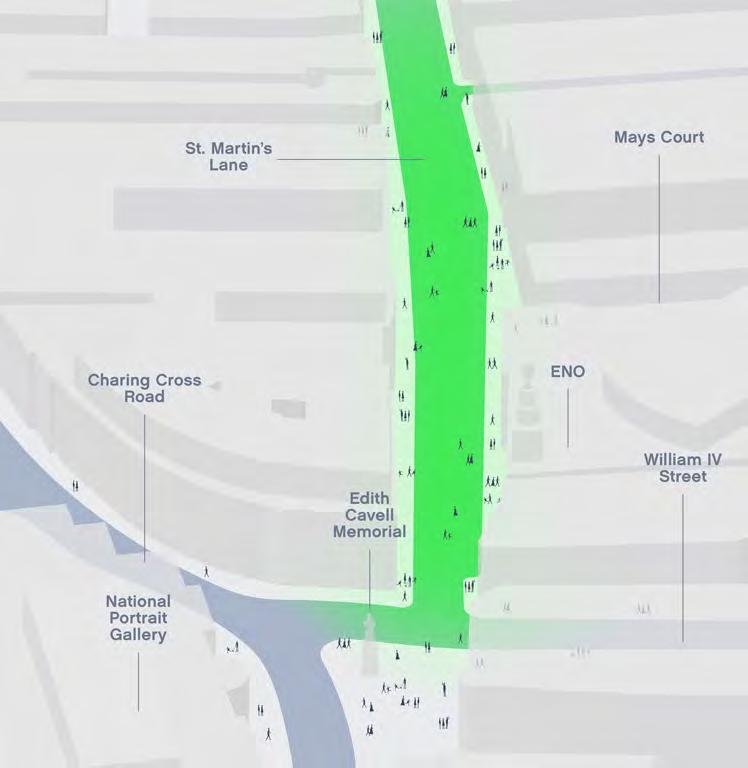
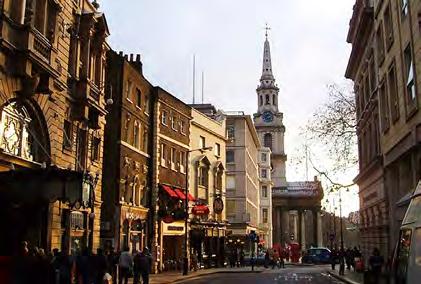
Promenade example: St. Martin’s Lane
Haymarket
Regent Street / St. James’s
Charing Cross Road
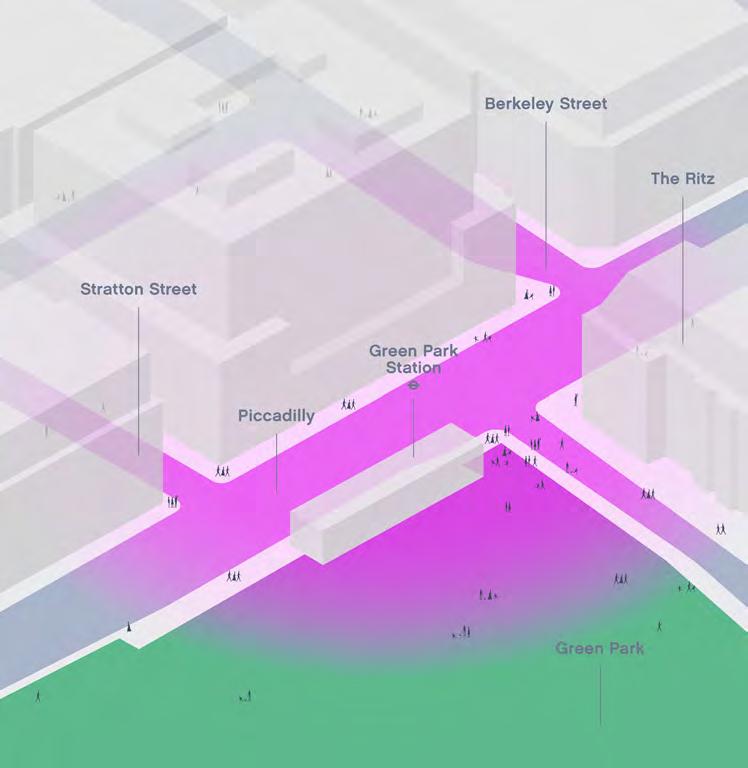
Piccadilly
Connector
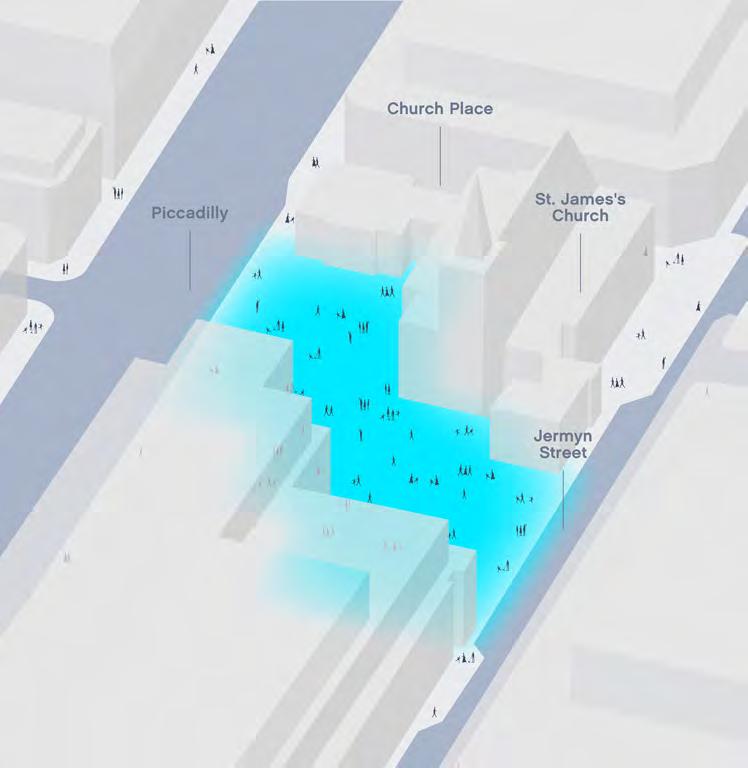
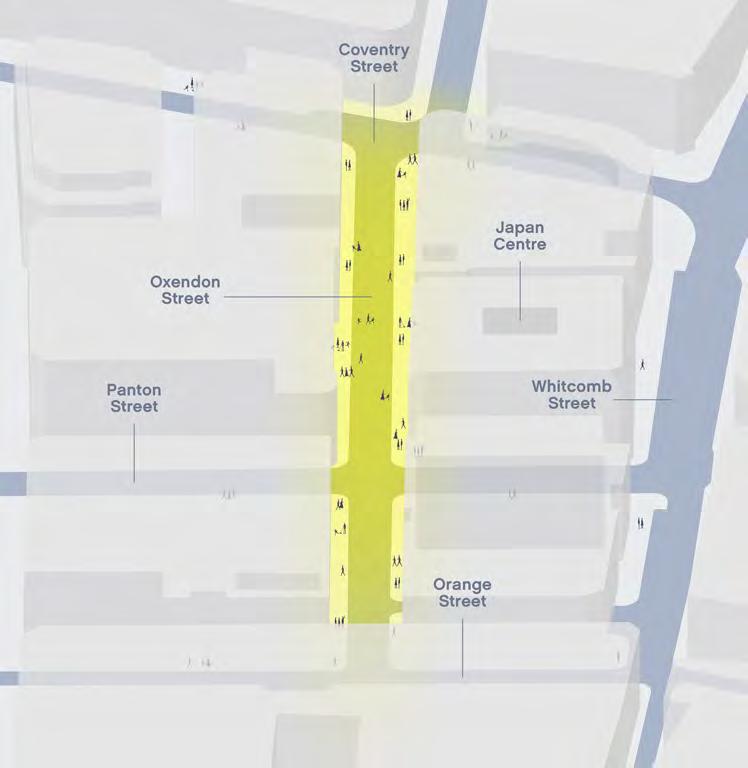
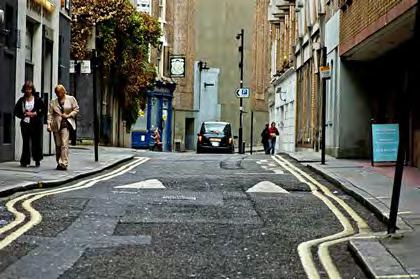
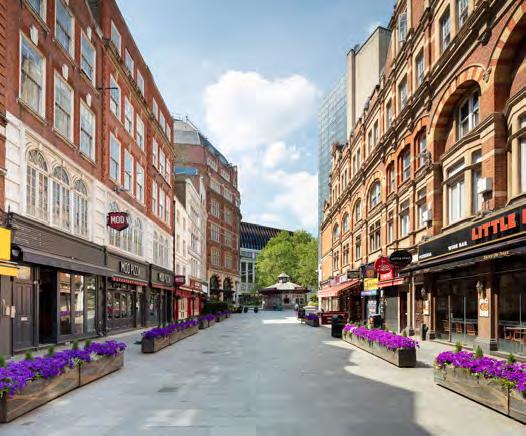
This is a street with groundlevel activity and identity through shops, businesses, historical buildings and evidence of heritage, visible culture and architectural highlights. It is a tributary that accommodates pedestrian activity and provides a branded area for businesses, performers and the public to interact.
These spaces signify movement and activation and support walkability and dwell time. Their character can be harnessed through cultural programming such as street performance, a linear gallery involving the shops and businesses, through imaginative lighting and external exhibitions. Businesses along the Connector have the ability to participate in cultural activity, offering spaces, facades, services or other site-specific services and events in sync with one another.
Connector example: Oxendon Street
Orange Street
Cecil Court
Irving Street
Duke of York with Jermyn Street
Identifying the Architectural Typology
The third urban typology in the Cultural Equation is the Architectural Typology. Once the place and its Spatial Typology has been chosen, the next step is to inventory the architecture in these locations. The following examples show how to transform a shop, a street and an entire neighbourhood into a presentation structure for cultural interventions and activation. Using façades, buildings, archways, columns etc. as platforms, vehicles and canvasses for art.
The following pages outline each Architectural Typology.
Identify the kind of space: Circus Gateway Stage Promenade or Connector.
Identify the kind of architectural canvas or platform within the space that can be used. ART TYPOLOGY
Choose the type of art forms that best suit the chosen spatial & architectural typologies.
Create a unique experience and help visitors, residents and employees see the area with fresh eyes.
PLACE Identify which place within the HOLBA District.
SPATIAL TYPOLOGY
ARCHITECTURAL TYPOLOGY
CULTURAL PROJECT
Building Typologies
Urban elements incorporated in buildings or as standalone built structures:
Shop / Window / Wall / Door & Gate / Ceiling / Terrace / Façade / Entrance / Arch / Portico / Column / Electronic Signs / Arcade / Steps
Façade
Public Realm Typologies
Environmental areas, accessible to all:
Pavement / Fountains / Square / Market / Steps / Passageway
Urban elements or open-air areas incorporating greening: Park / Garden / Topiary / Tree
Topiary
Square
Pavement
Passageway
Routeway Typologies
Urban elements that include vehicular or pedestrian traffic, usually with buildings along the sides:
Street / Avenue / Boulevard / Roundabout / Bridge / Tunnel / Crossroads / Crossing
Crossroads
Street Furniture
Urban decorative elements with key utility purposes:
Wayfinding & Signage / Seating / Lights / Bus Stop / Electronic Signs / Advertising Hoarding / Banner Points
Seating
Identify which place within the HOLBA District.
TYPOLOGY Identify the kind of space:
Select the Art Typology
The Art Typology is the fourth urban typology and represents the creative element that will complete the Cultural Project idea.
The following inventory helps arts and non-arts professionals to consider what type of artistic expression is best suited. This final choice informs what organisations may be helpful in collaborating or what type of artist proposal may be appropriate.
The following pages outline each Art Typology:
Identify the kind of architectural canvas or platform within the space that can be used.
TYPOLOGY Choose the type of art forms that best suit the chosen spatial & architectural typologies.
CULTURAL PROJECT
Create a unique experience and help visitors, residents and employees see the area with fresh eyes.
Pavilion Temporary decorative structure, used to host events, exhibitions, sales, food and beverage, etc.
Kinetic Art Sculpture or installation that involves movement; sometimes responsive.
Sound Art Sonic or acoustic artform that can be a component of a sculpture or video, or solely a sonic experience.
Projection Projected still, or moving image, light-based artform, including film, video, livefeed or filters projected onto a surface.
Sculpture 3-dimensional visual artform.
Video Pre-recorded moving visual artform displayed via monitor.
Banners & Hanging Canvasses Visual or graphic art printed on outdoor fabric.
Performance Live art for an audience (such as play, concert, dance, circus, etc.).
Installation Temporary display of object(s) created by an artist or architect that are arranged in an architectural typology.
Exhibition Collection of objects or materials which are displayed together.
Lighting Visual illuminated artform that is a component of a sculpture or installation; sometimes interactive.
Kiosk Temporary decorative structure, used to host events, exhibitions, sales, food and beverage etc.
Street Art Visual or graphic art that is designed specifically for outdoor, urban street environment.
Street Furniture Decorative objects that must serve a primary function.
Adding Together to Form the Big Idea
Combining the selected Place and Spatial Typologies + the selected Architectural Typologies + the Art Typologies will focus what form your Cultural Project will take. The resulting big ideas can be categorised as Exhibition/Events or Permanent.
The Cultural Project is what you would list in the Cultural Calendar or in a brochure about the Cultural District. It can be developed by a single lead BID Member working with other Members or with external partners. Cultural Projects can be developed through Cultural Forum conversations or with the HOLBA team.
Exhibition/Event (something that has a limited time frame and can be listed in the Cultural Calendar).
• Installation (single).
• Exhibition (multiple or collaborative).
• Performance or Screening (single).
• Series or Festival (multiple or collaborative).
Permanent (something that has no prescribed end date).
• Commissioned Artwork/s.
• Commissioned Street Furniture.
• Embedded artwork design into architecture, infrastructure or landscape.
CULTURAL PROJECT
Bringing the Toolkit to Life: The Big Ideas
The Case Studies showcase Cultural Projects and break down the various Toolkit elements relevant to each project’s equation.
Together, they set the scene for how to interpret and harness the Cultural Heart of London strategy using the map and spatial typologies provided. They help readers imagine what is possible, offering local and international examples that show a breadth of Art Typologies and evidence culture’s transformational effect on places.
The Case Studies, at once, provide relevant examples for Heart of London, whilst demonstrating more broadly what makes successful public art and culture. Collectively they outline how to shape a celebrated ‘Gallery Without Walls’ within the area.
Scenes in The Square Sculpture Series in Leicester Square
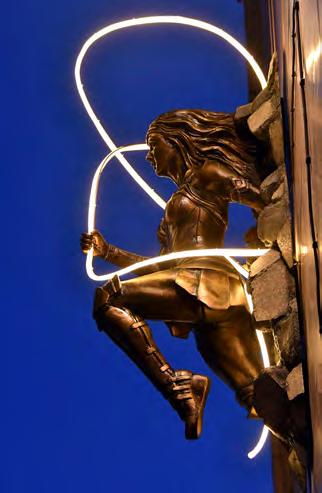
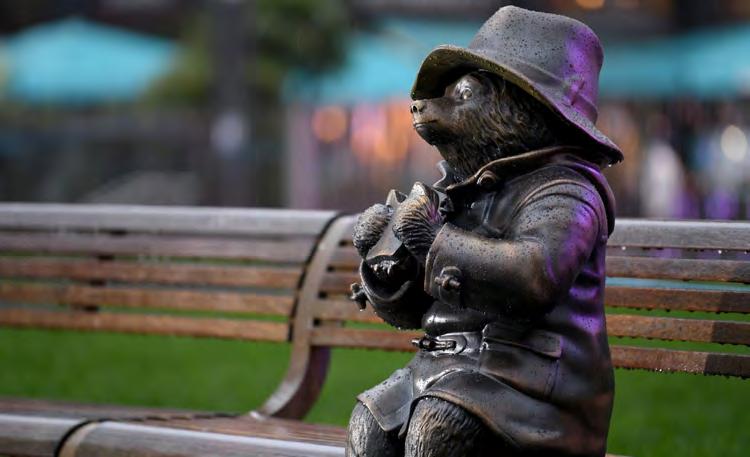
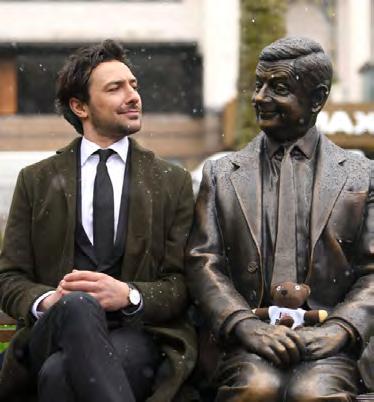
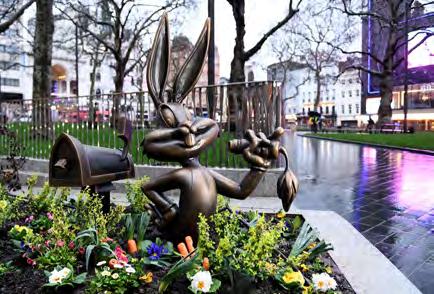
Launched on 27th February 2020, “Scenes in the Square” features some of the nation’s best-loved characters and iconic film scenes, brought to life in Leicester Square, the epicentre of London’s film quarter. HOLBA combined the interests of the commercial and civic spaces surrounding Leicester Square, creatively imagining permanent public realm improvement that was unique to the destination brand of the area. Scenes in the Square celebrates London’s rich film history and is a fun, family friendly attraction situated in London’s entertainment quarter and surrounded by some of its best restaurants and hotels.
This free attraction features eight highly recognisable classic and contemporary film characters, commemorated as bronze sculptures, each representing a different era. Laurel and Hardy represent the interwar period; Bugs Bunny, on his 80th birthday, is depicted in his first appearance as 1940’s ‘A Wild Hare’; Mary Poppins’ is also remembered in her 1964 film, bringing to mind Cameron Mackintosh’s West End musical now playing at the Prince Edward Theatre; Batman and Mr. Bean mark the 1980s and 90s; Paddington Bear can be seen in his acclaimed 2014 film representation and its BAFTA nominated sequel; finally Wonder Woman - DC’s super hero who stands for justice, peace and equality - represents this moment and the future of cinema.
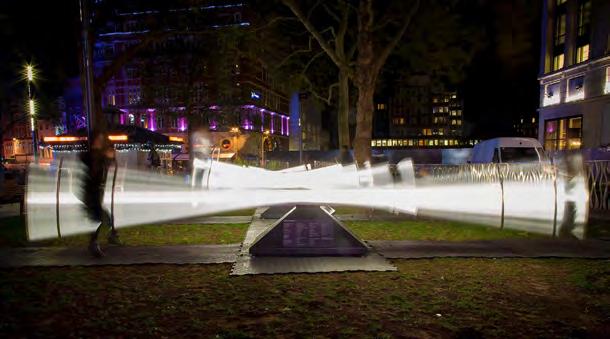
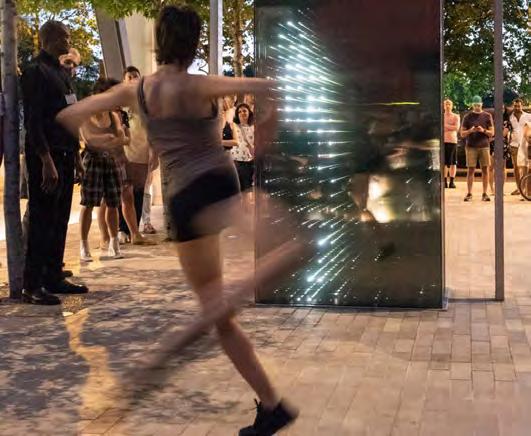
Echelon Kinetic light & Sound installation
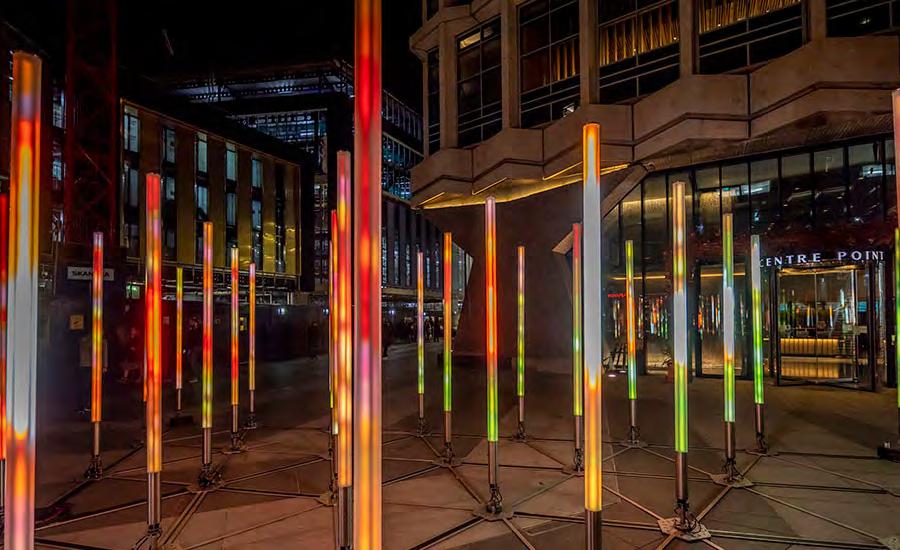
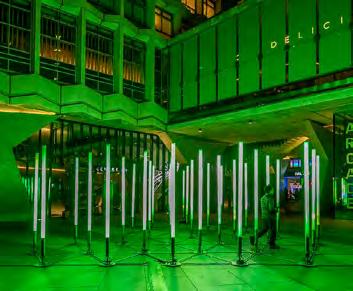
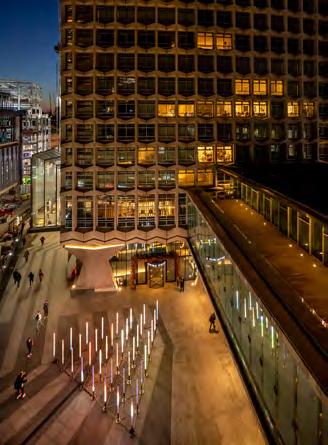
For the Winter of 2020, Almacantar commissioned Vertigo, a Danish digital artist collective, to create Echelon. St. Giles Square is an asymmetrical public plaza at the base of the mid-century iconic building, Centre Point, which serves as a beacon of design in Central London. that originally served as a bus turnaround. Futurecity chose artists that would connect the existing contemporary design and art commissions to unite the ground-floor curated retail and The Arcade artisan food hall, and residential mid-century tower.
The artwork physically consists of 36 LED bars, creating an urban ‘forest’ forming a 12-metre equilateral triangle. Pedestrian movement animates Echelon with both sound and light, becoming brighter and more active with the flow of people approaching the Square. As a forest, the musicians created a fictional collection of bird calls so that people would be soothed during cold, wet months with the temptation of spring. Echelon builds a new memory of St. Giles Square as a destination of calm and pleasure, balancing against the haste of urban schedules. Since February 2020 many visitors, residents and commuters have experienced this artwork daily as they pass through Centre Point building in central London. Echelon highlights St. Giles Square as the West End’s destination for cultural and creative expression.
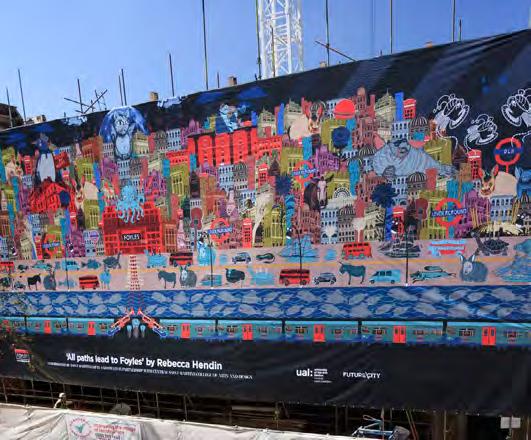
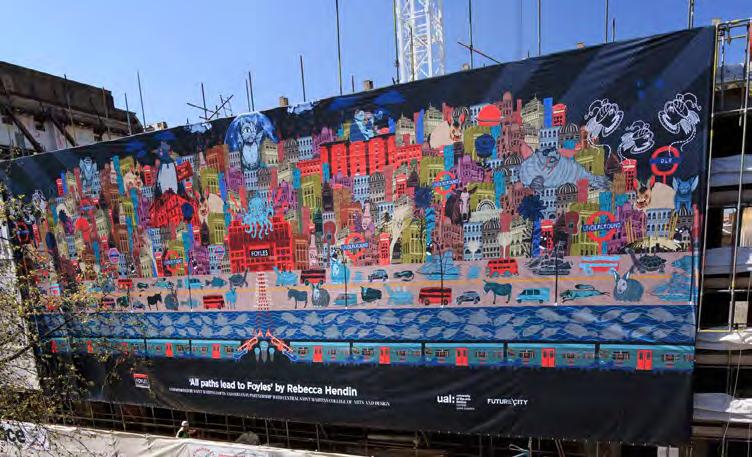
All Paths Lead to Foyles & Gallery at Foyles Building Wrap & Exhibition Programme
In 2012, Futurecity worked with Foyles, Aquila House Holdings Ltd and Noved Property Group to enhance the new development for Foyles’ flagship store at 107 Charing Cross Road through bespoke art commissions. Futurecity curated a competition between students of the Central St. Martin’s College of Arts and Design BA Graphic Design programme, devising a unique image for the 400 sqm dust-capture screen masking construction. Rebecca Hendin’s artwork All Paths Lead to Foyles was selected to decorate the exterior of the building in 2013. The illustrated façade represented a chance for a local stakeholder to harness the creativity of nearby institutions. By filling a practical need to cover the store throughout construction, became an identity for celebration, conversation and spectacle.
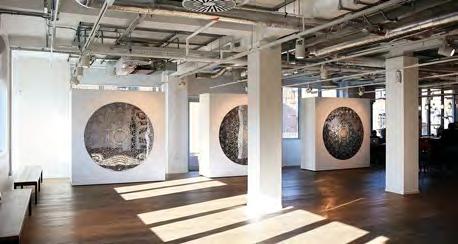
Futurecity worked in partnership to create a larger placemaking strategy that supported the Foyles brand as unique for its hybrid position between knowledge, art and discourse for a diverse audience appreciating the written word. One result is The Gallery at Foyles; a distinctive exhibition space located on the fifth floor, operating free of charge. The artists, architects, designers and engineers exhibited are inspired by diverse artform practices and topics through cross-disciplinary thinking and experience the work of some of the most curious cultural creators of the urban landscape. The approach encourages longer “browse” or dwell time and thousands of members of the public who have visited the Gallery at Foyles have participated and generated interest in the accompanying public programmes of talks, concerts and other activation events. They now seek the bookstore as a destination for experience as well as a purveyor.

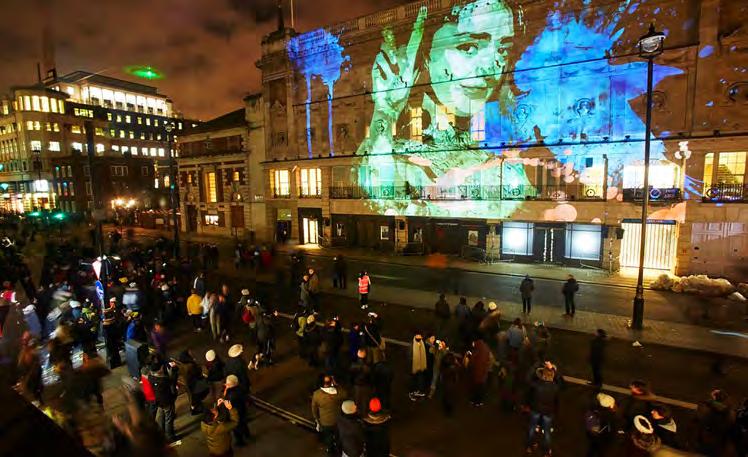
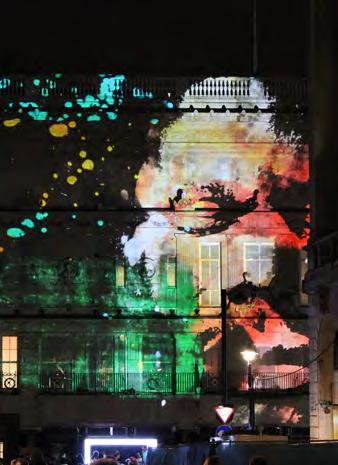
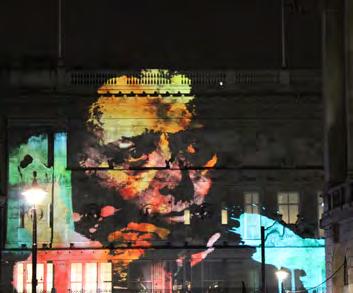
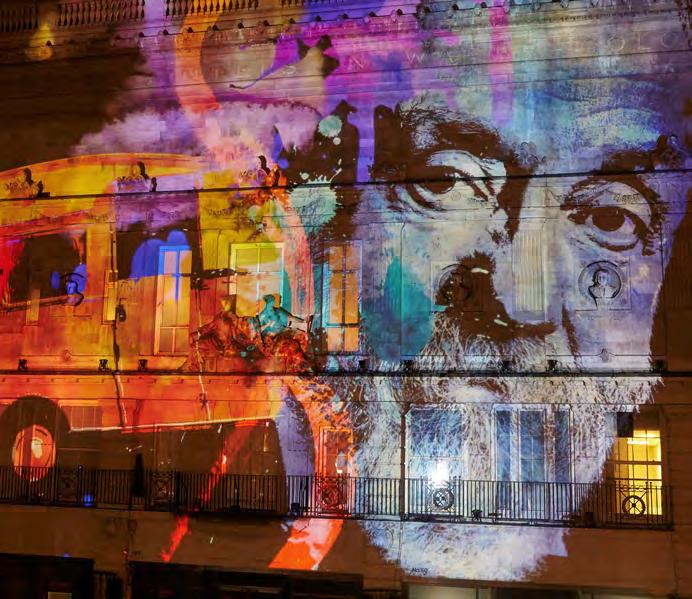
195 Piccadilly Projecting Cinematic Icons Projection and Audio Installation
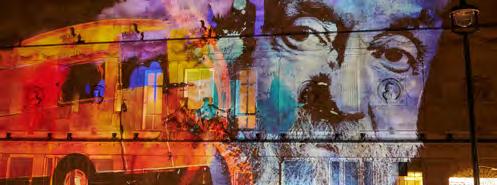
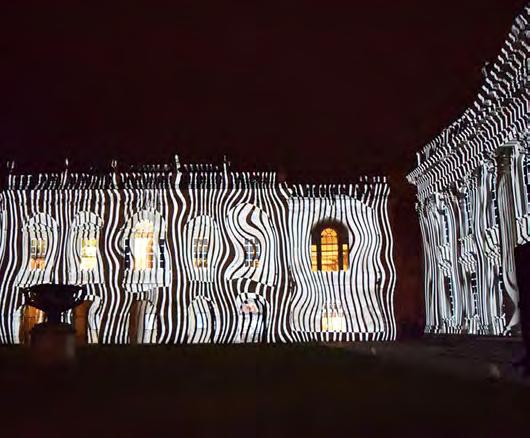
In January 2016, creative studio NOVAK was commissioned by Lumiere London to create a colourful projected exhibition on the iconic BAFTA HQ building at 195 Piccadilly Street. As part of an effort to bring people into the Heart of London, Artichoke applied the arts of light to counter the slowest visitor and dwell times. The festival was attended by over 1,000,000 people over its 4-night duration and thus brought consumers into the area who provided economic benefit for a range of local businesses providing amenities.
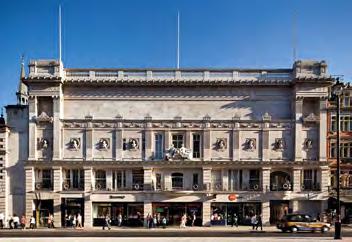
The intervention reminded passers-by of the building’s historic significance as an architectural achievement and a home to important cultural organisations. The exhibition was inspired by the building’s origins as the home of the Royal Society of Watercolour Painters and featured colourful animated projection using images from BAFTA’s photographic archive. Portraits of some of the biggest UK Film and Television stars were used in the projection mapping, to light up the façade of the iconic building. Audio composer and producer Ed Carter created a striking soundtrack to accompany the projection, based on classic sounds from different genres of film and television. The exhibition of 195 Piccadilly celebrated cinema, film and television as a ‘Gallery Without Walls’.
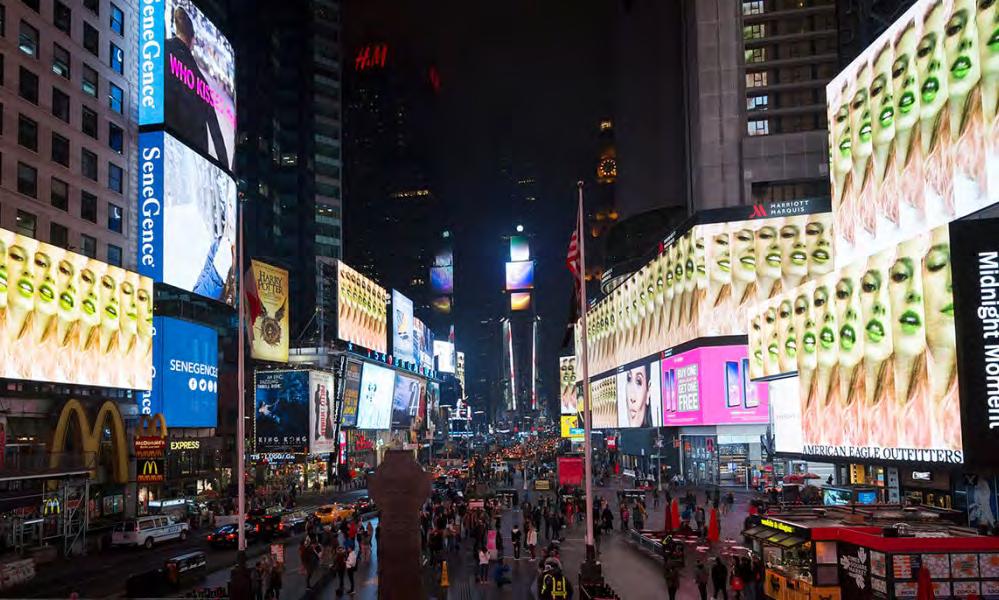
Midnight Moment Video Screen Performance Programme
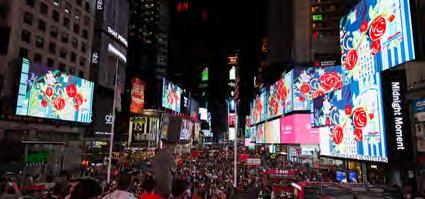
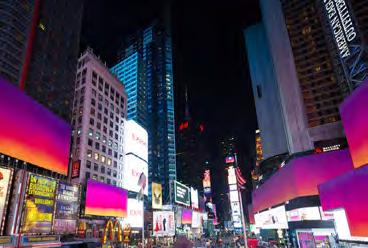
Midnight Moment in Times Square is the largest and longest-running digital art exhibition in the world. Presented by Times Square Advertising Coalition and curated by Times Square Arts, the Midnight Moment has run every night since May 2012. As Times Square is consistently within the top three global destinations (in person and online), the programme is estimated to have an annual audience of 2.5 million. Midnight Moment was founded by Sherry Dobbin, then Director of Times Square Arts, which is the public art programme of the business improvement district Times Square Alliance. Due to the complex negotiations of commercial, civic and cultural partners, the business improvement district serves as the perfect producer. The programme aligned the heritage and notoriety of illuminated signage with the global reputation of New York City as an arts and culture capital generating a ‘countdown to midnight’ every evening in Times Square. The concept garnered a global recognition of the electronic billboard industry that produces over 1 billion international press impressions annually by showcasing the assets through dynamic artistic content and cultural partnerships. The project premiered in 2012 and features a different artist every month. Every night from 11:57 pm until midnight, the electronic billboards over seven blocks of Times Square replace advertising with a showcase of video art, created by renowned international artists with curators fromr New York City institutions. Artists are urged to create works that are collaborative, responsive to the place, trigger conversations and push the boundaries of the creative process. Artists have included: Yoko Ono, Andy Warhol, Pipilotti Rist, Shahzia Sikander, JR, OS GEMEOS, Laurie Anderson and many more.
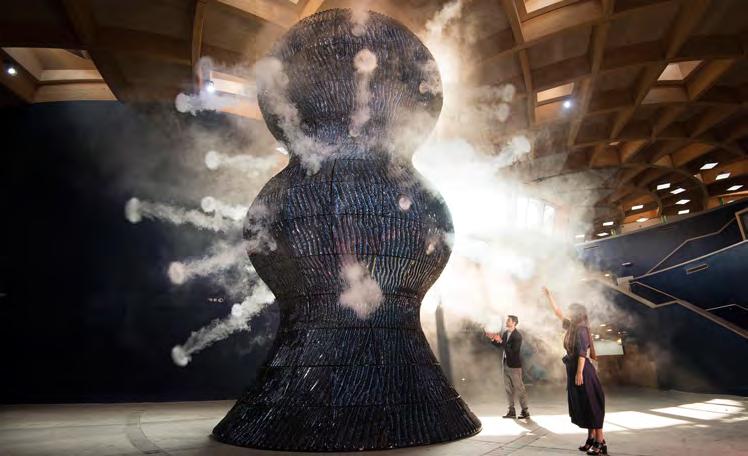
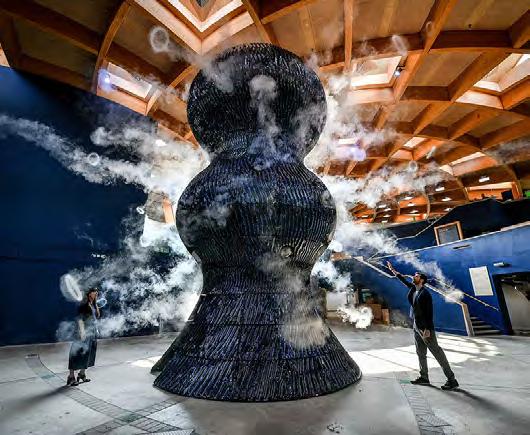
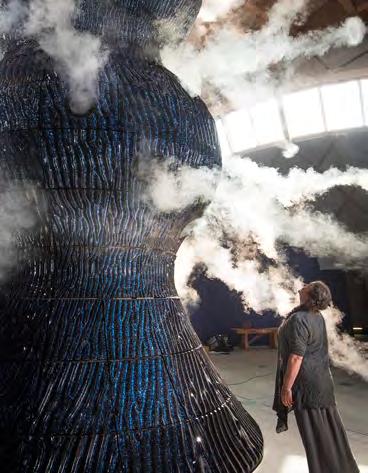
Infinity Blue Kinetic Sculpture
Infinity Blue is an immersive, 20-tonne kinetic sculpture that is the centrepiece of ‘Invisible Worlds’, a major permanent exhibition at the world-famous Eden Project, Cornwall. The commission launched a five-year programme of activities, events and experiments in May 2018 and this commission demonstrated the strength of developing new art alongside existing work curated to address a theme. The ‘Invisible Worlds’ exhibition was supported by the Wellcome Trust, the Wolfson Foundation and the Sackler Foundation. It demonstrated the importance of arts and culture in capturing the public imagination and sharing a sense of awe about natural environment.
The work was created by the acclaimed art/architect duo Studio Swine and is part of an exhibition that reveals the untold and unseen stories of our planet beyond our senses: too big, too small, too fast, too slow and too far away in space and time. The blue, highly textured ceramic sculpture pays homage to cyanobacteria, one of the world’s smallest living beings, transforming it into a giant playful installation where the sculpture emits rings of smoke that engage audiences to interact.
PLACE
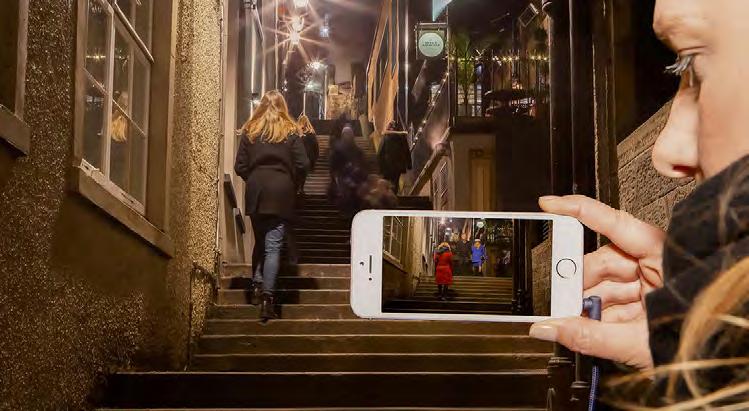
A Night Walk in Edinburgh A Walking Orchestra, AR Tour and Drama
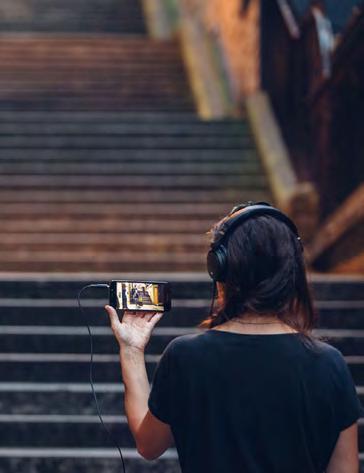
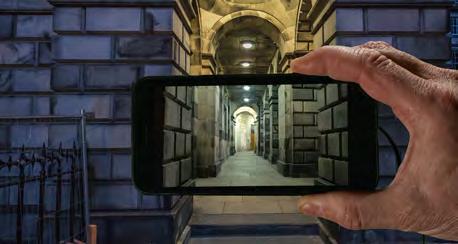
For 2019, The Fruitmarket Gallery teamed up with Edinburgh International Festival to present Night Walk for Edinburgh, a video walk for Edinburgh created by the internationally renowned Canadian artists Janet Cardiff and George Bures Miller. Following Cardiff’s voice and walking in her footsteps, audience was led through the backstreets of the Edinburgh’s Old Town, unravelling a disjointed tale – part game-playing, part surrealistic poetry, perhaps even a murder mystery – layered with history, invention and memories. The walk used a digital tablet and a pair of headphones which were allocated at one location, but the work was created to be part of a permanent offer for the area and based at The Fruitmarket Gallery and is restaged regularly. Festivals can be moments to launch digital offerings to raise attention for these kinds of curated experiences of the area that appeal to domestic and international visitors. The result of the commission is the big press moment that will then have legacy as ongoing digital offering for the area.
The image of the street comes up on the iPod screen. It appears that it has been shot in the exact location that you are standing in, almost as if it is in real time. A figure walks past on the video as another passes by in the real world, the two realities aligning. The sounds from the headphones are startlingly three-dimensional, further merging the two worlds in front of you. A female voice close behind you says: ‘I think we should get started. Walk with me…’
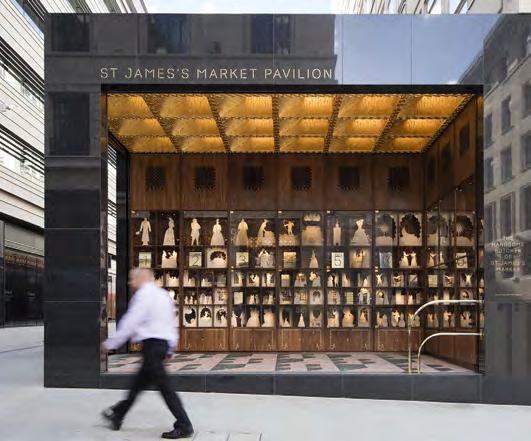
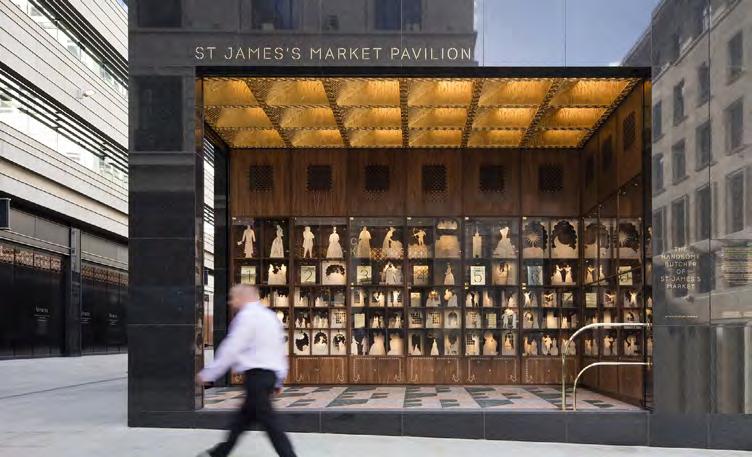
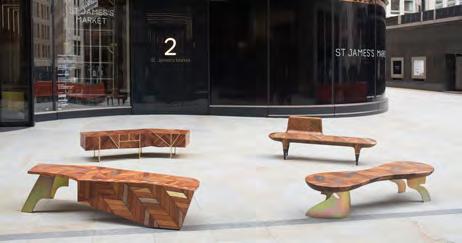
St. James’s Market: Shirt, Tie, Pipe and Shoe and The Safe Deposite Street Furniture by Studio Swine and A Pavilion by Studio Weave
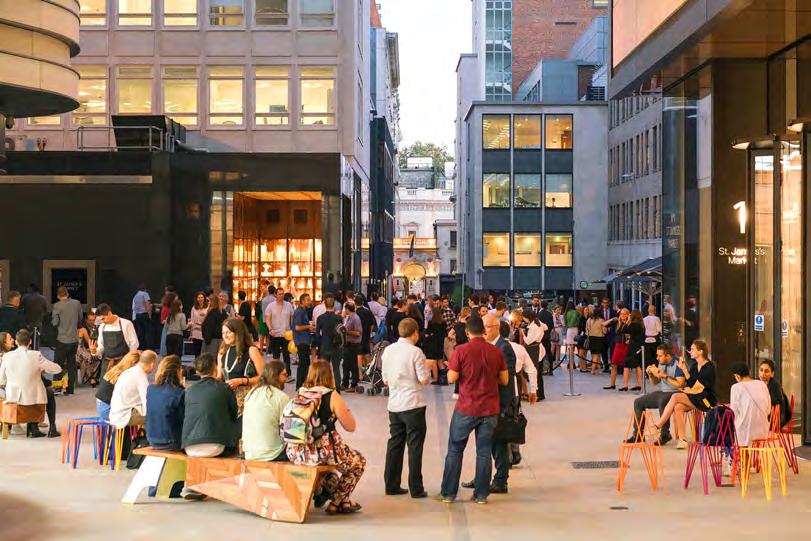
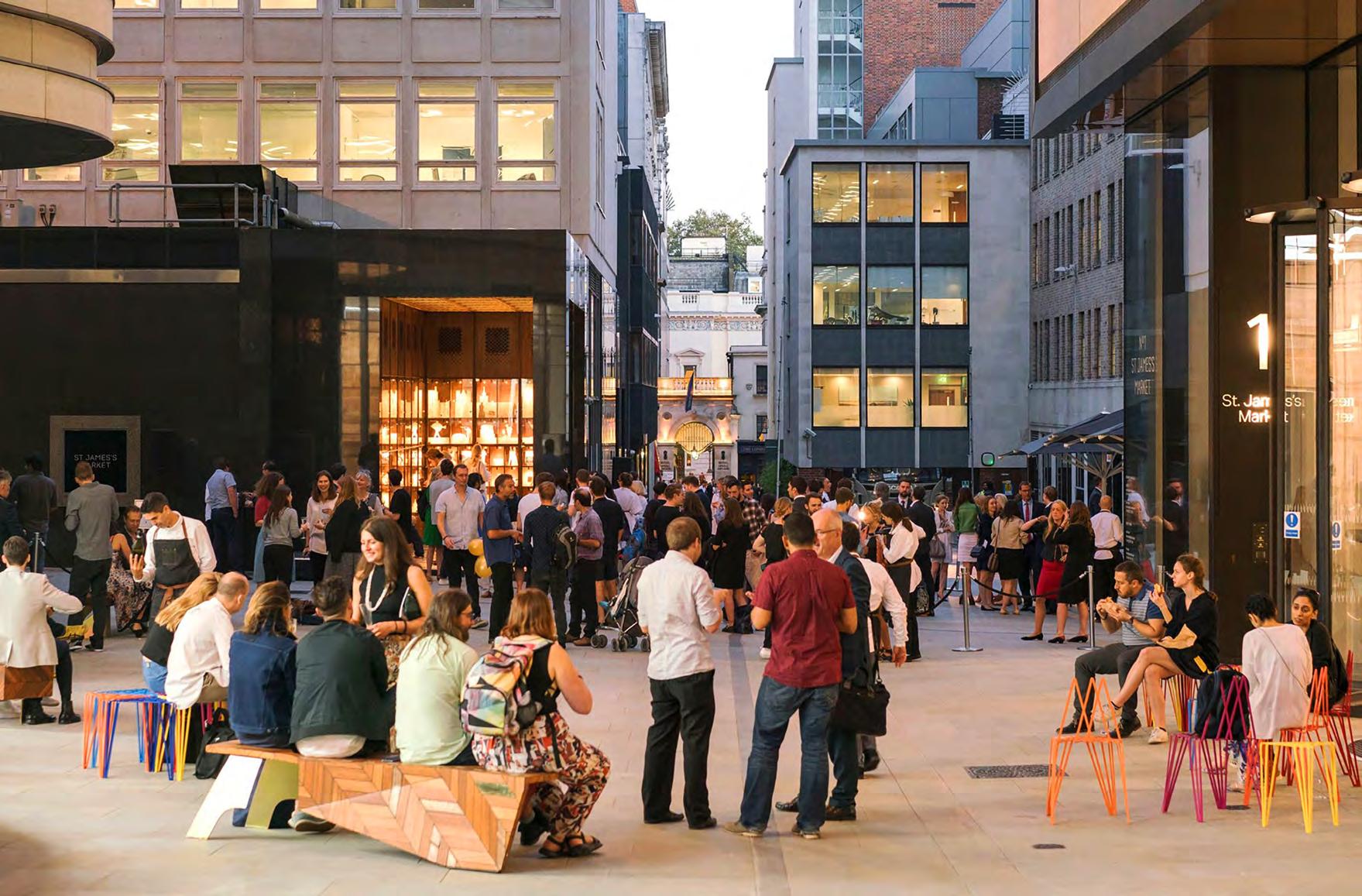
Futurecity suggested the Crown Estate turn their marketing suite plans into a cultural offering, giving a high-end taste of the quality for which they are known. The Crown Estate, commissioned Studio Weave to create a free-standing pavilion for St. James’ Market, London, in 2016 as a temporary popup that would inform people about the hidden knowledge of the place. The Safe Deposite is the reinterpretation of the former local safe deposits and serves as a platform to promote the local products from the creative district of Jermyn Street, home to British heritage artisanal brands. Their re-imagining of a safe deposit as a ‘cabinet of curiosities’ creates a cellular exhibition space, visible to public, but protective of its contents. The ornate interior ceiling alludes to the sacks of wheat historically used as currency and links with the barter and exchange of the old St. James’s Market.
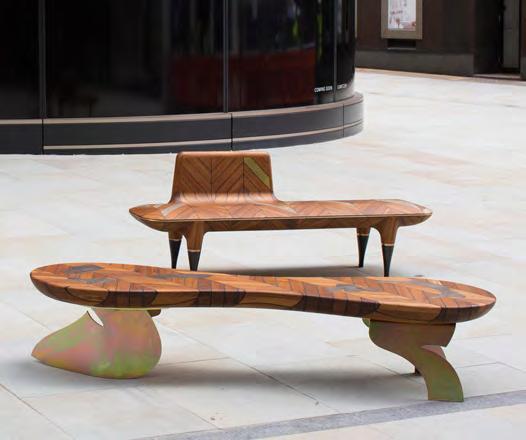
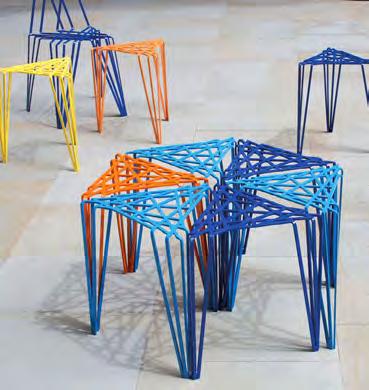
Studio Swine created public art as street furniture. The installations draw inspiration from the area’s reputation for master craftsmanship, contemporary art and best-in-class retail. The team has designed four benches – Shirt, Tie, Pipe and Shoe – referencing traditional trades found to this day in St. James’s. Studio Swine worked with St. James’s heritage brands such as shirtmakers Turnbull & Asser and shoemakers Lobb. Swine also created a bright set of occasional seating, inspired by looms used to make fabrics for shirts and ties.
The Loom Chair & Stool echo the intersecting threads of the weaving process. The resulting artworks help to mark a contemporary and colourful ‘stage’ from what was an intersection of back streets. PLACE
St.
Conduit / Market, Façade, Square
Street Furniture, Sculpture / Pavilion, Kiosk, Exhibition, Installation
James’s Market, Piccadilly, London
Colour Palace Pavilion for Programming
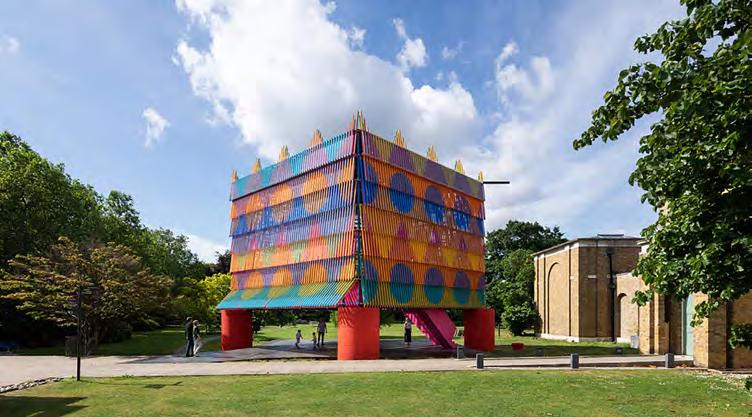
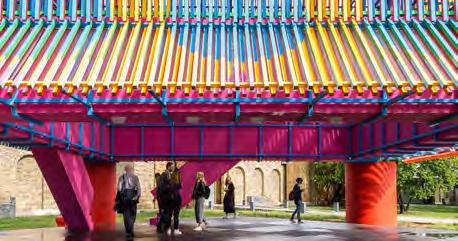
Through an annual design competition hosted by London Festival of Architecture and Dulwich Picture Gallery, Yinka Ilori’s temporary pavilion, titled ‘Colour Palace’ was chosen for summer 2019. The pavilion acted as an outdoor welcome and orientation space for visitors to the Dulwich Picture Gallery, as well as a flexible public space that was used for performances, talks and other events. The opportunity solicited 150 entries and was judged by a panel of leading architectural and cultural figures including Tom Dyckhoff (writer and broadcaster), Mary Duggan (founder, Mary Duggan Architects) and Oliver Wainwright (architecture correspondent, The Guardian). Members of the public visiting the gallery in June 2018 were also given the opportunity to have their say on the shortlisted designs. Yinka Ilori’s winning design was inspired by the Balogun market in Lagos. A 10 metre by 10 metre cube, made up of thousands of timber pieces, hand painted with a geometric pattern, designed by Ilori. The bold colour palette offers a stark contrast to the heritage listed Dulwich Picture Gallery, the oldest public art gallery in England. The pavilion was used for performances, from activities like yoga, to neon life drawing, summer clubs and as a ticket office. A colourful beacon next to the entrance of the Gallery, the pavilion attracted audiences and visitors. Its modular design could be reconfigured to create a shelter of different proportions or multiple structures of smaller scale and be moved to an alternative location. This temporary structure considered a democratic process, excited the creative sectors and refreshed a heritage site with a contemporary British identity.

PLACE
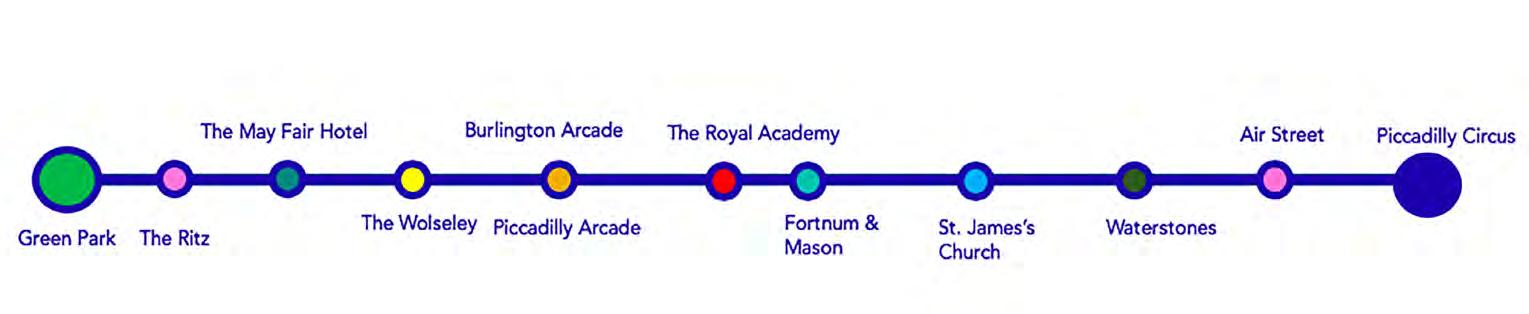
Piccadilly Art Line
Full-Scale Promenade Activation/ Art in Every Form
The Piccadilly Art Line will launch in June 2021 at the height of the West End’s celebration of Visual Arts, kicking off with the Royal Academy Summer Exhibition that is the most inclusive and longest running display of the breadth and best of Britishness. The Art Line will bring the Cultural Equation of the Cultural Heart of London strategy to life. This promenade-long series will create A Cultural District for London by making Piccadilly a Gallery Without Walls through Art in Every Form that highlights Original & Bespoke Culture through Participation & Inclusion.
This central Promenade, often treated as a connector of landmarks, will come alive as the Art Line with commissions representing multiple art typologies across Piccadilly’s architectural canvases, creating ‘additional stops’ between Piccadilly Circus and Green Park Stations. With arts and cultural installations and events unifying the experience of Piccadilly, the Art Line brings back the heritage of the street as a destination for the best of craftsmanship and a gateway to the West End.
Piccadilly Art Line
Full-Scale Promenade Activation/ Art in Every Form
People will become reacquainted with old favourites such as Fortnum & Mason, Royal Academy, St. James’s Market, realise their proximity to so many iconic sites, pass through an iconic London Gateway, gather at the Circus to view video on the Lights and wander on to discover the connectors such as arcades or Jermyn Street that weave together this incredible District.
PLACE
ARCHITECTURAL
Fountain Roundabout Crossroads
Electronic Signs
Banner Points
Bus Stop
Advertising
Sculpture
Video
Projection
Banners & Hanging
Canvasses
Lighting
Installation
A successful Cultural Project combines the spatial, architectural and art typologies into an innovative and unexpected cultural partnership across the 5C’s. Referencing the area historically or spatially, a contribution to the Cultural Heart of London should attract the eyes and hearts of audiences. It self-generates cross-disciplinary conversation and dialogue, contributes to the clusterwide efforts around a given art form and embodies placemaking excellence.
Determining Success
Each new proposal will outline how the Cultural Project or Campaign demonstrates application of the Cultural Heart of London Strategy and establishes the Targeted Audience and Performance Measures.
Essential Criteria
1. Delivers the Cultural Vision
2. Identifies Several Relevant Principles
3. Delivers the Cultural Mission
4. Identifies Several Relevant Six Cultural Objectives
Desirable Criteria
5. Aligns with the District, City and National Cultural Strategies (for identifying any additional uplift) Westminster City Council. City for All, Greater London Authority. Cultural Strategy, neighbouring BIDS
6. Brings New Partnerships to the Area
We realise the Cultural Heart of London together.
Utilise the strategy’s Vision, with the outlining Cultural Principles, to structure your individual projects, goals and achievements.
Tap into the strategy’s Toolkit of maps, and use the equation for creating your unique spatial, architectural and art typologies to experiment with new Cultural Projects from the ground up.
Leverage the Governance structure that helps guide and monitor the strategy and provides the directions to work collaboratively with your area neighbours, the City of London and broader United Kingdom’s cultural efforts.
Each chapter enables support to grow the area’s rich culture that drives our social and commercial wellbeing.
Ros Morgan Chief Executive Heart of London Business Alliance
6-month Engagement Process with HOLBA team, consultants and District Members Nov 2019 – April 2020.
The Cultural Heart of London
Futurecity was commissioned by HOLBA in November 2019 to formally value the cultural significance of the district identity and business; form a cohesive vision for members to better leverage the sector; and enable more ambitious and collaborative consumer events to keep the London, UK and international visitor numbers high.
Futurecity engaged a core HOLBA team to interrogate the mission for the strategy and review the prior business approach to cultural activation and programming. Key commissioned consultancy around the public realm and business strategy was reviewed, and a framework set for identifying the key objectives for this work. Futurecity brought prior experience of delivering cultural strategies for BIDs across London to this project and focussed the brief to a core purpose, of bringing culture ‘out onto the streets’ and made publicly accessible, to strengthen the destination offer that HOLBA champions
15 Workshops across HOLBA team: Executive, Marketing, Partnerships and Special Projects.
35 Consultation sessions across District, with Westminster City Council and London Organisations.
Mapping and Auditing
The process began with detailed mapping of the physical terrain of the District, understanding the business and cultural area and clusters, and the relationship and role of the public realm hierarchy of routes and dwell spaces. Key character areas and opportunity sites and typologies of spaces were audited to generate the Cultural Clusters and inventory the Spatial Typologies and Architectural Typologies.
HOLBA Workshops
Engagement across the HOLBA team was streamlined via milestone workshops with the Executive, supported by strategic workshops across Marketing, Sponsorship and Place Shaping.
Consultation Process
Working closely with HOLBA personnel, Futurecity consulted across key District Stakeholders and Cultural Partners. This includes its major landowners, key business and hospitality sector representatives and cultural organisations.
Cultural Strategy and Toolkit
Futurecity joined up the unique physical public realm assets of the district, with clear guidance on embedding arts and cultural activation in a full range of forms. Menus and typologies enable the district to strategically consider the characteristics and opportunities of all its public realm and select targeted assets to activate in innovative creative activations. Encompassing a full range of Art Typologies the strategy enables HOLBA and its members to co-curate across a range of scales and durations, to meet individual stakeholder and district needs and targets.
Futurecity Team
• Mark Davy, Founder & CEO
• Sherry Dobbin – Partner & Cultural Director
• Andy Robinson – Head of Strategy
• Ying Tan – Head of Arts
• Rachel Hutchison – Projects Controller
• Yasmin Jones-Henry – Strategist
• Chloe Stagaman – Curator
• Diana Juris – Researcher
• George Kekatos – Projects Coordinator
Heart of London Business Plan 2020-2025 (HOLBA)
The Economic Case for Public Realm Investment in The Heart of London Area (ARUP)
HOLBA Placeshaping Strategy (Publica)
The Elizabeth Line Readiness Report: Maximising Opportunity Across London’s West End (HOLBA, New West End Company, The Fitzrovia Partnership)
WESTMINSTER CITY COUNCIL
City Plan 2019-2040 (City of Westminster)
Draft Westminster City Council’s Cultural Strategy 2020-2024 (Westminster City Council)
MAYOR OF LONDON
Mayor of London Cultural Strategy
Mayor of London Cultural Infrastructure Plan
Scoping Study for An Evening and Night Economy (Mayor of London)
Improving Places: Culture and Business Improvement Districts: Thriving Partnerships 2017 (Arts Council, Mayor of London, Kings College, GLA)
Urban Land Institute, Including Culture in Development
#LetsCreate, Arts Council England 10-year Strategy 2020-2030 Creative Industries Federation
UNESCO Digital Library Culture in the 2030 Agenda (UNESCO)
HOLBA
Key Consultees
We would like to thank the following stakeholders and workshop participants for their invaluable insights that have informed this strategy:
Harry Apostolakis, Brand and Marketing Manager, Crown Estate
Karen Banes, Head of Group Marketing and Communications, Shaftesbury
Bryndal Bennett, Senior Marketing Manager, The Wolseley
Hannah Berry, Director of Marketing & Communications, The Wolseley
Sinta Berry, Summer Exhibition Manager, Royal Academy of Arts
Alice Bruce, Director, Premier
Virginia Chichester, Deputy Chairman, St James’s Conservation Trust
Lydia Clarkson, Head of Public Realm, Shaftesbury
Emma de Souza, Head of Marketing & Communications, SOLT
Leigh Debbage, Creative Director, Premier
Edith Devaney, Curator, Royal Academy of Arts
Sarah Falconer, Partnerships Marketing Manager, Fortnum & Mason
Lesli Filnn, Senior Brand & Marketing Manager, Crown Estate
Alison Forbes, Head of Marketing (Maternity Cover to Jan 2020), Royal Academy of Arts
Lawrence Francis, Executive Director, Premier
Megan Friedman, Business Partnerships Manager, British Film Institute
Ann Gavaghan, Design and Communities Development Manager, Transport for London
Richie Gibson, Head of City Promotions, Events and Filming, Westminster City Council
Paul Gray, Chief Operating Officer, National Gallery
Matthew Green, Councillor, Cabinet Member for Business and Planning, Westminster City Council
Elliot Grove, Founder, Raindance
Will Hattam, Chief Marketing Officer, Royal Academy of Arts
Rebekah Holloway, Head of Marketing, Royal Academy of Arts
Andre Holmqvist, Programme Manager, London Festival of Architecture
Ali Hossaini, Co-Director, National Gallery X
Olivia Howe, BFI Festivals Producer, British Film Institute
Samantha Hughes, Senior Brand & Marketing Manager, Crown Estate
Information Services, National Gallery
Joi Izilein, Head of Marketing, The Ritz, London
John James, Managing Director, Soho Estates
Toby Kamps, Director of External Projects, White Cube
Carole Keltie, Head of Operations, National Gallery
Ros Lawler, Chief Operating Officer, National Portrait Gallery
Andrew Love, Chairman, The Ritz
Derek Manns, Commercial Media Manager, Landsec
David Martinez, Festival Producer, Raindance
Carla McCargogher, Business Coordinator, British Film Institute
Lucy McNabb, Marketing Officer, National Portrait Gallery
Amanda Metcalfe, Place, Brand & Marketing Lead, Crown Estate
Chris Michaels, Director of Digital, Communications and Technology, The National Gallery
Nick Miller, Head of Marketing, Frieze
Emma Mottram, Head of Marketing, ENO & London Coliseum
Liz Muggeridge, Associate Director, Business Partnerships, British Film Institute
Stuart Murphy, Chief Executive, ENO and London Coliseum
Claire Neillands, Marketing Consultant, Crown Estate
Ray Newton, Advisor to the Chairman of Edwardian Hotels, The Londoner
Tsari Paxton, Marketing Manager (Festivals), British Film Institute
Eleanor Pinfield, Head of Art, Art on the Underground
Jo Prosser, Commercial and Visitor Experience Director, Royal Academy of Arts
Trupti Shah Luxury Retail Asset Manager, Burlington Arcade
Julian Shaw, Director, BAFTA
Guinevere Short, Business and Operations Director, St. James’s Church
Victoria Siddall, Frieze Fairs, Frieze
Cherie Silver, Project Manager, Mayfair Art Weekend
Carolyn Sims, Director of Marketing and Audience Engagement, ENO and London Coliseum
Romilly Stebbings, Deputy Director, Frieze
Emily Summerscale, Marketing Manager, National Portrait Gallery
Paul Swaddle, Councillor OBE, Cabinet Member for Community Services and Digital, Councillor for Regent’s Park Ward
Katie Thomas, Associate Director, New West End Company
Denise Vogelsang, Director of Communications & Digital, National Portrait Gallery
Adam Wiles, Head of Property Asset Management, Gascoyne Holdings
Rev. Lucy Winkett, Rector, St. James’s Church
Zia Zareem-Slade, Customer Experience Director, Fortnum & Mason
Photo Credits
Pg 1: Excerpts from Le Mystère Picasso at Piccadilly Lights. Image courtesy Ocean Outdoor.
Pg 2: Leicester Square. Courtesy of HOLBA
Pg. 3: Left to right: Portrait of Ros Morgan, Chief Executive, HOLBA. / Piccadilly Circus ballot image original. Courtesy of HOLBA
Pg. 5: Anthony Roth Costanzo in Phillip Glass’ Akhnaten 2019. © Jane Hobson. Image courtesy of English National Opera
Pg. 6: Picture of Eros, Sourced via Unsplash
Pg. 7: Wonder Woman statue from Scenes in the Square at Leicester Square. Image courtesy of HOLBA
Pg. 9: Left to right: National Portrait Gallery interior with audience. Courtesy of National Portrait Gallery / View of Wardour Street and Gerrard Street. Credit: Fernando Manoso. Courtesy of HOLBA. / Sourced via Flickr. Credit: xpgomes11. CC by NC 2.0
Pg. 10: Left to right: Lumiere London. Courtesy of HOLBA Scenes in the Square at Leicester Square. Courtesy of HOLBA / Video projection on 195 Piccadilly for Lumiere London. Courtesy of HOLBA
Pg. 11: Left to right: Philip Colbert, Lobster, Burlington Arcade as part of Mayfair Art Weekend 2019. Image courtesy Mayfair Art Weekend © Agnese- Sanvito / Installation view of the Summer Exhibition 2019 (10 June – 12 August) at the Royal Academy of Arts, London. Photo: © Royal Academy of Arts / David Parry/ Iri-Descent, Liz West, Image Courtesy of Fortnum & Mason
Pg. 12: Left to right: Zhang Enli installation at Fortnum & Mason. Courtesy of Fortnum & Mason / The Perspective: Homelessness is everyone’s business. Panel discussion. Image courtesy of HOLBA / London Pride, Sourced via Unsplash
Pg. 13: Left to right: Pause and Play: Impulse. Image courtesy of HOLBA / Mark Wallinger, ‘Labyrinth’, All Underground stations, 2013. Commissioned by Art on the Underground. Photo: Thierry Bal, 2013 / Mathilde Nivet, Bird, Burlington Arcade as part of Mayfair Art Weekend 2017. Image courtesy Mayfair Art Weekend © David Parry
Pg. 14: Left to right: Suspended: an installation by Arabella Dorman at St James’s Church, Piccadilly. Photo: Alex Lloyd National Portrait Gallery exterior. Image credit: Fernando Manoso. Courtesy of HOLBA
Pg. 15: Left to right: Summer Screenings in Leicester Square. Image courtesy of HOLBA / Chinese Gate. Courtesy of HOLBA
Pg. 16: Shaftesbury Avenue. Courtesy of HOLBA
Pg. 17: Dark Knight premiere, Leicester Square. Credit: Darren Foreman. Sourced via Flickr. CC BY 2.0
Pg. 18: Left to Right: Royal Academy of Arts Banners at Piccadilly. Courtesy of HOLBA / Dover Street Market. Credit: Fernando Manoso. Courtesy of HOLBA / Haymarket. Credit Fernando Manoso. Courtesy of HOLBA
Pg. 19: Top: 93 Paxton & Whitfield. Courtesy of HOLBA / Fortnum & Mason. Credit: Henry Lawford. Sourced via Flickr, CC BY 2.0)
Pg. 20: National Gallery exterior. Credit: Fernando Manoso. Courtesy of HOLBA
Pg. 21: Left: Ham Yard art installation. Courtesy of Ham Yard Hotel. Credit: Simon Brown Photography Right: Shaftesbury Avenue. Credit: Fernando Manoso. Courtesy of HOLBA
Pg. 22: Courtesy of W London. Credit: Jason Hawkes, 2016
Pg. 23: Civic – Credit: Fernando Manoso. Courtesy of HOLBA / CommunityHabitorials event (c) Alice Boagey / Commercial – RA Reception at Burlington Arcade. Credit: Luke O’Donovan. Courtesy of HOLBA. / Consumer: Credit: Ryoji Iwata. Sourced via Unsplash
Pg. 24: Her Majesty Theatre – Close up street view. Courtesy of HOLBA
Pg. 25: Gandini Jugglers, Akhnaten 2019. © Jane-Hobson. Courtesy of the English National Opera
Pg. 26: Left to Right: Royal Academy of Arts exterior. Credit: Fernando Manoso. Courtesy of HOLBA. / National Portrait Gallery interior. Courtesy of National Portrait Gallery. / Madam Butterfly 2020 © Jane Hobson. Courtesy of the English National Opera. / National Gallery exterior. Credit: Fernando Manoso. Courtesy of HOLBA / BAFTA exterior. Courtesy of HOLBA / BFI interior. Courtesy of the British Film Institute / Shaftesbury Avenue. Courtesy of HOLBA
Pg. 27: Both images: The Royal Academy of Arts Auditorium. Credit: Justine Trickett. Courtesy of the Royal Academy of Arts
Pg. 28: The Queen’s Corgi Activation in Leicester Square. Courtesy of HOLBA. / The Royal Academy Summer Exhibition Banners at Piccadilly. Courtesy of HOLBA
Pg. 29: Left: Piccadilly Circus. Courtesy of HOLBA Right: © Playlines Limited. Commissioned by the National Gallery London, and King’s College London as part of a National Gallery X Residency
Pg. 30: Left: Leicester Square. Credit: Luca Vavassori. Sourced via Unsplash / Right: Sourced via Unsplash
Pg. 31: Night life at Lumiere London. Courtesy of HOLBA
Pg. 32: Old Spitalfields Market. Courtesy of Futurecity. Photo credit: Ron Bambridge
Pg. 33: Left: W Hotel. Courtesy of HOLBA. / Right: Mathilde Nivet, Bird, Burlington Arcade as part of Mayfair Art Weekend 2017. Image courtesy Mayfair Art Weekend © David Parry
Pg. 39: Images of Piccadilly Circus. Credit: Fernando Manoso. Courtesy of HOLBA
Pg. 40: Left to right: Leicester Square. Courtesy of HOLBA. Piccadilly Circus. Courtesy of Holba. Credit: London & Partners, Visit London / Leicester Square. Courtesy of HOLBA / Piccadilly Circus. Courtesy of Holba. Credit: London & Partners, Visit London
Pg. 41: Left to right: Green Park Station. Credit: Neil Howard. Sources via Flickr, CC BY-NC 2.0. / Piccadilly with Green Park Station: Flashforward
Pg. 42: Images courtesy of HOLBA. Credit: Fernando Manoso / Charing Cross image: Courtesy of the National Portrait Gallery.
Pg. 43: Images courtesy of HOLBA. Credit: Fernando Manoso
Pg. 44: Top Left: RA Courtyard with installation. Courtesy of the Royal Academy of Arts Rest: Images courtesy of HOLBA. Credit: Fernando Manoso
Pg. 45: Images courtesy of HOLBA. Credit: Fernando Manoso
Pg. 46: Images courtesy of HOLBA. Credit: Fernando Manoso
Pg. 47: Left: Image courtesy of HOLBA. Credit Fernando Manoso / Oxendon Street. Credit: Pablo Andres. Sourced via Flickr: CC BY-NC-ND 2.0
Pg. 48: Images courtesy of HOLBA. Credit: Fernando Manoso
From Pages 49 to 53: All images courtesy of HOLBA. Credit: Fernando Manoso
Pg. 54: Top: Infinity Blue by Studio Swine. Curated by Futurecity. Credit: Emily Whitfield-Wicks. Courtesy of Futurecity / Bottom: The Safe Deposit by Studio Weave. St. James’s Market Pavilion. Curated by Futurecity. Credit: Polly Braden. Courtesy of Futurecity
Pg. 55: Sculpture: Slipstream by Richard Wilson RA. Curated by Futurecity. Credit: David Levene. Courtesy of Futurecity / Sound Art: Carnaby Echoes, Installation by Lucy Harrison. Courtesy of Futurecity Video: Michal Rovner commission for Crossrail. Courtesy of Futurecity / Projection: E-luminate Festival, Cambridge. Old Schools Bridget Riley years. Credit: Keith Edkins
Pg. 56: Installation: Message from the Unseen World by United Visual Artists. Curated by Futurecity. Credit: Ron Bambridge. Courtesy of Futurecity / Banner & Hanging Canvases: All Paths Lead to Foyles. Courtesy of Futurecity Exhibition: Mark Titchner at the Gallery at Foyles. Courtesy of Futurecity / Performance: Self & Other by Random International at the Albert Embankment. Curated by Futurecity. (c) Ron Bambridge (c) Random International, Courtesy of Futurecity.
Pg. 57: Street Art: Credit: Bethom 33. Sourced via Flickr Lighting: Illuminated River by Marco Brambilla. Courtesy of Futurecity / Street Furniture: Shirt, Tie, Pipe and Shoe St James’ Market by Studio Swine. Credit: Polly Braden. Courtesy of Futurecity / Kiosk: Times Sq Newsstand (October 9, 2015 - October 18, 2015). Photo by Justin Bettman for @TSqArts.
Pg. 59: Left to right: Activations in St James’s Square Pavilion. Courtesy of HOLBA / Lumiere Festival. Courtesy of HOLBA
Pg. 60: Scenes in the Square at Leicester Square. Images courtesy of HOLBA
Pg. 61: Echelon by Vertigo at St Giles Square. Credit: James Burnes. Courtesy of Futurecity.
Pg. 62: Left: All Paths Lead to Foyles/ Bottom and Right: The Gallery at Foyles. Courtesy of Futurecity.
Pg. 63: Left: 195 Piccadilly. Credit: Christine und Hagen Graf. Sourced via Flickr: CC BY 2.0 / Bottom and Right: 195 Piccadilly. Credit: Metro Centric. Sourced via Flickr: CC BY 2.0
Pg. 64: Supercity You by Crankbunny (September 1, 2019 – September 30, 2019). Photo by Ka-Man Tse for Times Square Arts. Pink_Para_1stChoice by Petra Cortright (May 1, 2019 – May 31, 2019). Photo by Ka-Man Tse / Midnight Sunrise by Isabelita Virtual (October 1, 2018 - October 31, 2018). Photo by Ka- Man Tse for Times Square Arts. –
Pg. 65: Infinity Blue by Studio Swine. Curated by Futurecity. Credit: Emily WhitfieldWicks. Courtesy of Futurecity
Pg. 66: Janet Cardiff and George Bures Miller, Night Walk for Edinburgh, 2019. Courtesy the artists. Commissioned by The Fruitmarket Gallery. Acquired by The Fruitmarket Gallery with Art Fund support. Photos: Chris Scott.
Pg. 67: The Safe Deposit by Studio Weave. St. James’s Market Pavilion. Curated by Futurecity. Credit: Polly Braden. Courtesy of Futurecity / Shirt, Tie, Pipe and Shoe St James’ Market by Studio Swine. Credit: Polly Braden. Courtesy of Futurecity
Pg. 68: The Colour Palace by Pricegore architects and Yinka Ilori for the second Dulwich Pavilion. Credit: Adam Scott. Courtesy of Dulwich Picture Gallery
Pg. 69: Left to right: Royal Academy of Arts Banners in Piccadilly. Courtesy of HOLBA / Sourced via Unsplash / Installation view of the Summer Exhibition 2019 (10 June – 12 August) at the Royal Academy of Arts, London. Photo © Royal Academy of Arts, David Parry
Pg. 70: Left: Excerpts from Le Mystère Picasso at Piccadilly Lights. Image courtesy Ocean Outdoor / Right: Royal Academy’s Annenberg Courtyard showing Large Walking Figure I (Leeds) by Thomas Houseago, June 2019. Photo: © Royal Academy of Arts / David Parry. Artwork: Courtesy the Artist and Xavier Hufkens, Brussels
Pg. 72: Auditorium Porgy Night. Image courtesy of the English National Opera.
Pg. 73: Activations at St. James Square Pavilion. Image Courtesy of HOLBA. Pg. 74: Sourced from Unsplash
Cultural Strategists
Futurecity Ltd futurecity.co.uk | @futurecityblog
Designers
Hat-trick design | hat-trickdesign.co.uk
This document © Heart of London Business Alliance heartoflondonbid.london | @holbid
Disclaimer
All intellectual property rights reserved. All statistics, quotes, links and other information included in this strategy are correct at the time of print. All images used within this document require copyright clearance from the original sources and are not to be reused without permission. Unless otherwise stated, all images courtesy of the Creative Commons licensing agreement. All artworks represented © The credited artists.