NOTICIAS DE LA COMUNIDAD LATINA EN INGLÉS Y ESPAÑOL

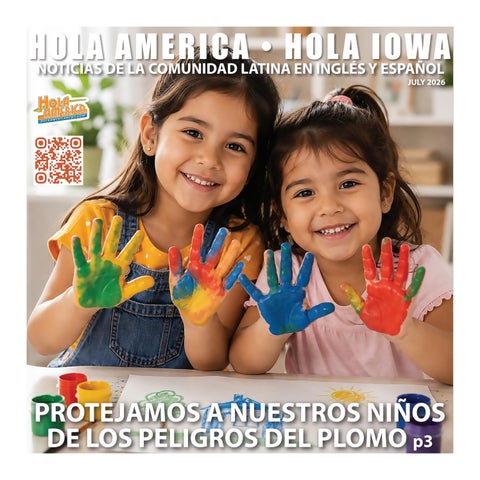
PROTEJAMOS A NUESTROS NIÑOS DE LOS PELIGROS DEL PLOMO

Evento gratuito de educación para compradores de casa por primera vez
Jueves 13 de agosto de 2026
Los Agaves Mexican Grill 5304 Avenue of Cities. Moline, IL 61265
Obtén más información y confirma tu asistencia en ascentra.org/events

Verduras y Fruta Fresca y Rica Comida Mexicana todos los días. ¡Visitenos, los esperamos!


La intoxicación por plomo sigue siendo una de las amenazas ambientales más graves para la salud de los niños pequeños, aunque puede prevenirse por completo. Autoridades de salud en Iowa recomiendan a padres y cuidadores informarse sobre los riesgos de la exposición al plomo y tomar medidas para proteger a los niños antes de que haya daños permanentes.
El plomo es un metal tóxico que puede dañar el cerebro en desarrollo y el sistema nervioso de un niño. Según el Iowa Department of Health and Human Services (Iowa HHS), no existe un nivel seguro de plomo en la sangre infantil. Incluso cantidades pequeñas pueden afectar el aprendizaje, el comportamiento, la capacidad de atención y el desarrollo general. Los niveles elevados de plomo también se han relacionado con un coeficiente intelectual más bajo, retrasos en el desarrollo y discapacidades del aprendizaje. Uno de los retos para detectar la intoxicación por plomo es que la mayoría de los niños con niveles elevados de plomo en la sangre no presentan síntomas evidentes. Por eso, muchas familias no se dan cuenta de que su hijo ha estado expuesto hasta que se realiza una prueba de sangre. De hecho, una prueba de plomo en la sangre es la única forma de determinar si un niño tiene plomo en el cuerpo. La fuente más común de exposición al plomo en niños es la pintura a base de plomo presente en viviendas antiguas. Las casas construidas antes de 1978 pueden contener pintura con plomo que se desprende, se descascara o genera polvo durante proyectos de renovación. Los niños pequeños son especialmente vulnerables porque suelen llevarse las manos, juguetes y otros objetos a la boca. El polvo contaminado con plomo puede tragarse o inhalarse fácilmente. Los niños también pueden estar expuestos a través de tierra contaminada alrededor de casas o edificios antiguos.
Los padres pueden tomar varias medidas sencillas para reducir el riesgo de exposición. Lavar con frecuencia
las manos de los niños, especialmente antes de comer y después de jugar al aire libre, puede ayudar a eliminar el polvo contaminado con plomo. Limpiar con regularidad pisos, alféizares de ventanas y juguetes también puede reducir la exposición. Las familias que viven en casas antiguas deben tener cuidado al hacer remodelaciones y asegurarse de que cualquier reparación que involucre superficies pintadas se realice de forma segura para evitar la generación de polvo con plomo.
Las pruebas también son una parte fundamental de la prevención. Iowa HHS recomienda que todos los niños reciban una prueba de plomo en la sangre al año de edad y a los 2 años, y que sigan siendo evaluados por riesgo de exposición al plomo hasta los 6 años. La ley de Iowa también exige que los niños que ingresan a kindergarten hayan recibido al menos una prueba de plomo en la sangre. Este requisito busca identificar a niños que pudieron haber estado expuestos y conectar a las familias con recursos para reducir futuras exposiciones.
La mayoría de los planes de seguro, incluidos Medicaid y Hawki, cubren el costo de las pruebas de plomo en la sangre. Los padres pueden solicitar una prueba a través del proveedor de atención médica de su hijo, y algunos departamentos de salud locales y organizaciones comunitarias también ofrecen servicios de pruebas.
Los expertos en salud subrayan que la prevención y la detección temprana son las mejores defensas contra la intoxicación por plomo. Los efectos de la exposición al plomo pueden durar toda la vida y quizá no sean reversibles, por lo que identificar los riesgos a tiempo es esencial. Las familias que viven en viviendas antiguas, especialmente en casas construidas antes de 1978, deben hablar sobre las pruebas de plomo con su proveedor de atención médica y conocer los posibles riesgos en su entorno.
La intoxicación por plomo puede prevenirse, pero requiere el trabajo conjunto de familias, proveedores de atención médica, escuelas y comunidades para identificar riesgos y proteger a los niños. Una simple prueba de
sangre y algunas medidas preventivas pueden marcar una diferencia duradera en la salud, el aprendizaje y el futuro de un niño.
En los próximos meses, Hola Iowa y el Iowa Department of Health & Human Services trabajarán juntos para llevar a nuestra comunidad información importante sobre la intoxicación por plomo en la infancia, ayudar a las familias a comprender los riesgos y aprender cómo mantener a sus hijos seguros y saludables.


Phone: 309-721-5693
E-mail: holaamerica2000@gmail.com





The translation for this article is on page 21
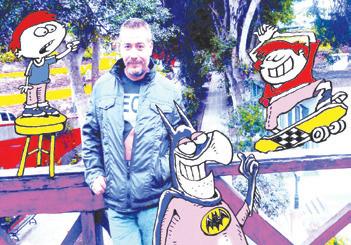
Por Nicholas Cunningham, Hola Iowa
Para Michelle Juehring, directora de la carrera Quad-City Times Bix 7, asumir el año pasado el papel de meteoróloga improvisada de la zona no estaba en sus planes. “Fue una verdadera montaña rusa”, dijo Juehring. “Solo teníamos las calles disponibles por un tiempo limitado, el clima cambiaba y, no exagero, cambiaba cada veinte minutos”. Con el liderazgo de Juehring, el extraordinario trabajo de su equipo y quizá una pequeña ayuda de la Madre Naturaleza, la emblemática carrera Bix 7 pudo llevarse a cabo. Unos meses después, Juehring recibió el premio MarathonFoto/Road Race Management Race Director of the Year, mientras que Laura Torgerud, directora de operaciones de Bix, recibió a principios de julio el premio NCS4 Emerging Industry Leader. “Es un reflejo de nuestra organización en su conjunto”, explicó Juehring. “Y de cómo nuestro equipo trabaja tanto para ofrecer la mejor carrera posible a nuestra comunidad”.
Para la edición de este año del Bix, que celebrará su 52.º aniversario el 25 de julio en el centro de Davenport, Juehring tiene dos objetivos: cielos despejados y seguir fortaleciendo aquello que los corredores ya conocen y valoran del evento. “La meta es seguir mejorando la experiencia del corredor”, dijo Juehring. “Creo que, más que agregar algo nuevo, lo importante es mejorar las cosas que ya están funcionando bien”. El Geifman Group Friends and Family Area debutará este año como un espacio público de reunión junto a la meta, con camiones de comida, música en vivo
y una gran sorpresa adicional. “Vamos a tener una pantalla gigante con cobertura en vivo de la carrera de KWQC”, dijo Juehring. “Nuestro plan es contar con cobertura en vivo para que la gente pueda seguir viendo la carrera mientras disfruta de las actividades”.
Este es el séptimo año de Juehring como directora de la carrera Bix y, aunque cada edición ha sido muy distinta para ella, lo que más espera cada año son las conversaciones con las personas en los días previos al gran evento y la oportunidad de mantener la semana de la Bix 7 en el mapa. “Me encanta cuando la gente se acerca y me dice: ‘Me encanta la Bix’, y luego me cuenta por qué”, dijo Juehring. “Me emociona escuchar a otras personas hablar de lo que la Bix significa para ellas”.
“Me gusta que nuestro evento sea cada vez más representativo de Quad Cities, sin dejar de honrar sus raíces en Davenport, IA”, dijo Juehring. “Pasamos de una carrera a siete carreras durante una semana, en tres ciudades —Bettendorf, Moline y Davenport— y en dos estados”. También espera que el evento siga reuniendo a las familias durante la semana de carreras, pero especialmente el día de la competencia. “Espero que nuestra carrera siga siendo un evento multigeneracional. Quiero que seamos más que una carrera para tachar de la lista y que la gente siga marcándola en su calendario para regresar. Quiero que las personas tengan claro que este es el fin de semana para volver a Quad Cities”. Para obtener más información o inscribirse en el QuadCity Times Bix 7, visite bix7.com.













Por Jonathan Turner, Hola Iowa
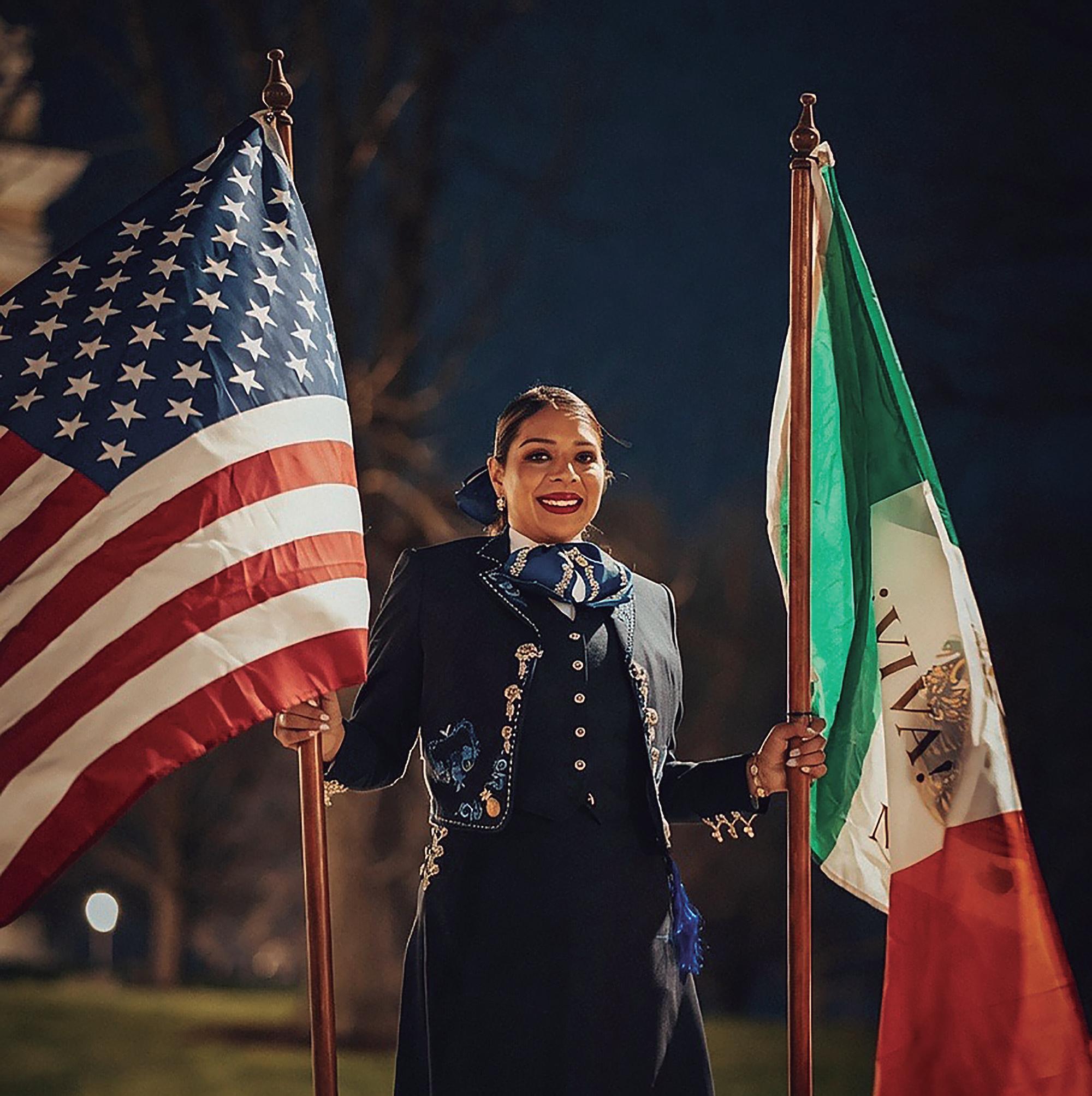
Alejandra Piña celebra un logro importante en un deporte que tiene un profundo significado para ella como mexicoamericana.
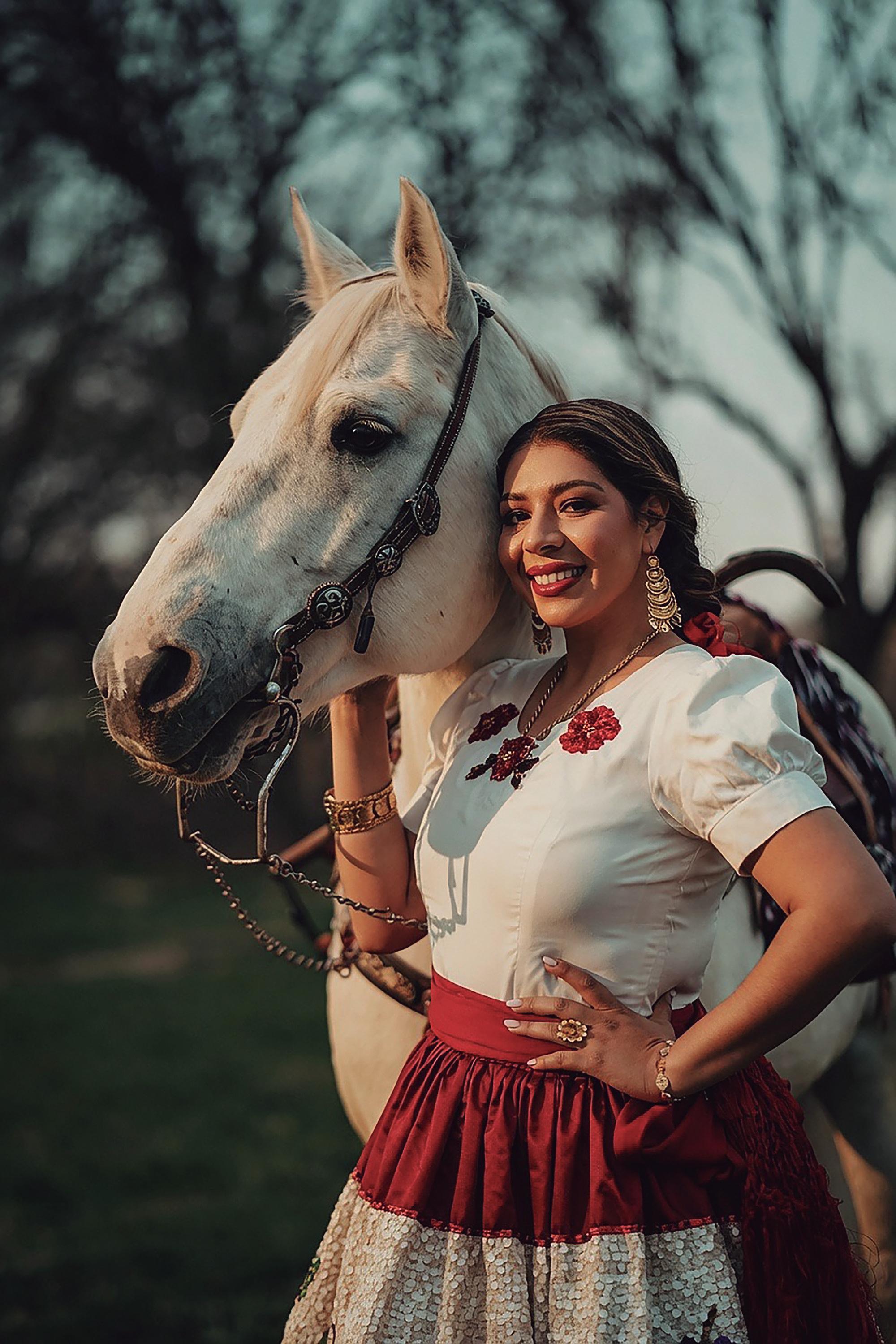
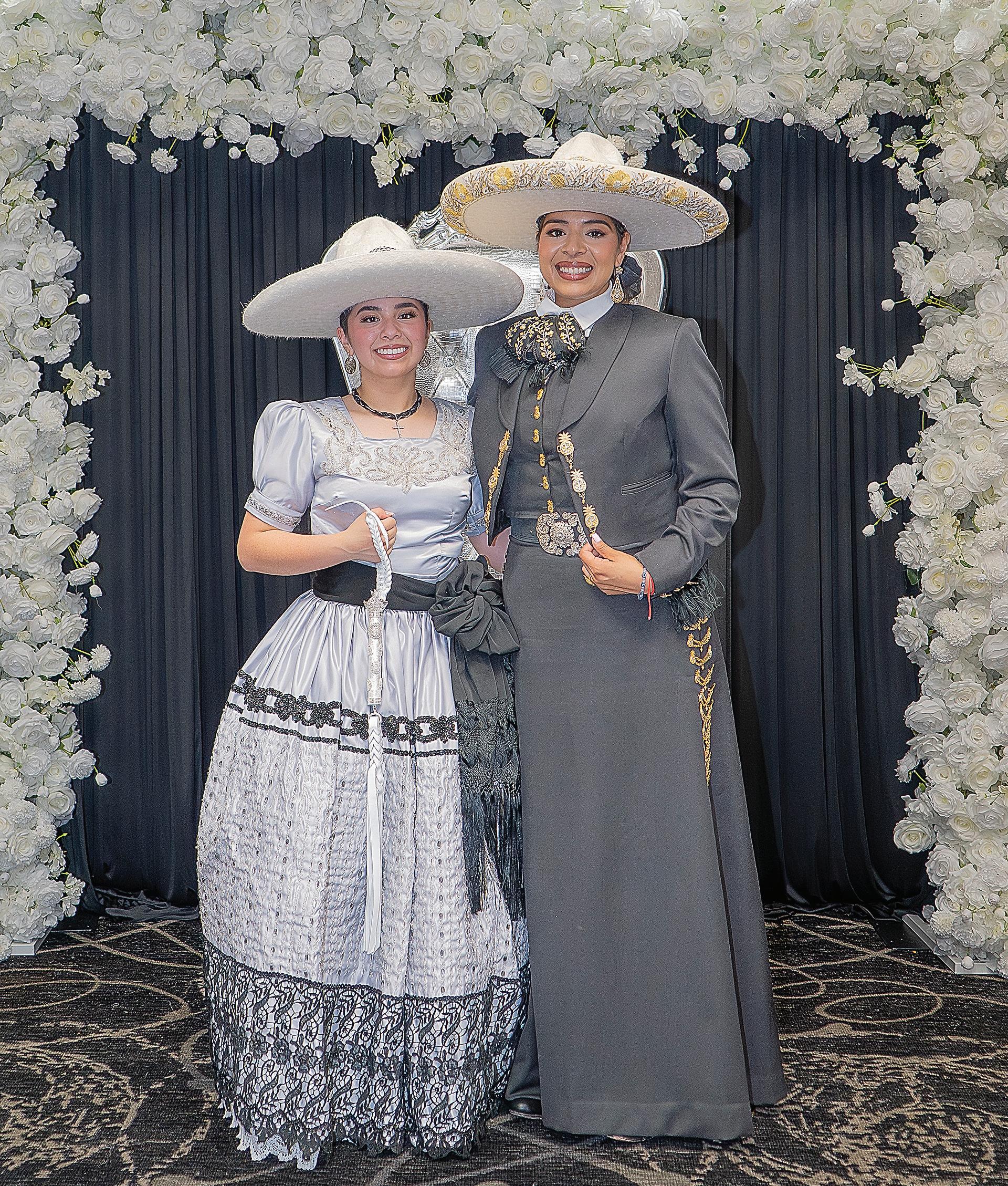
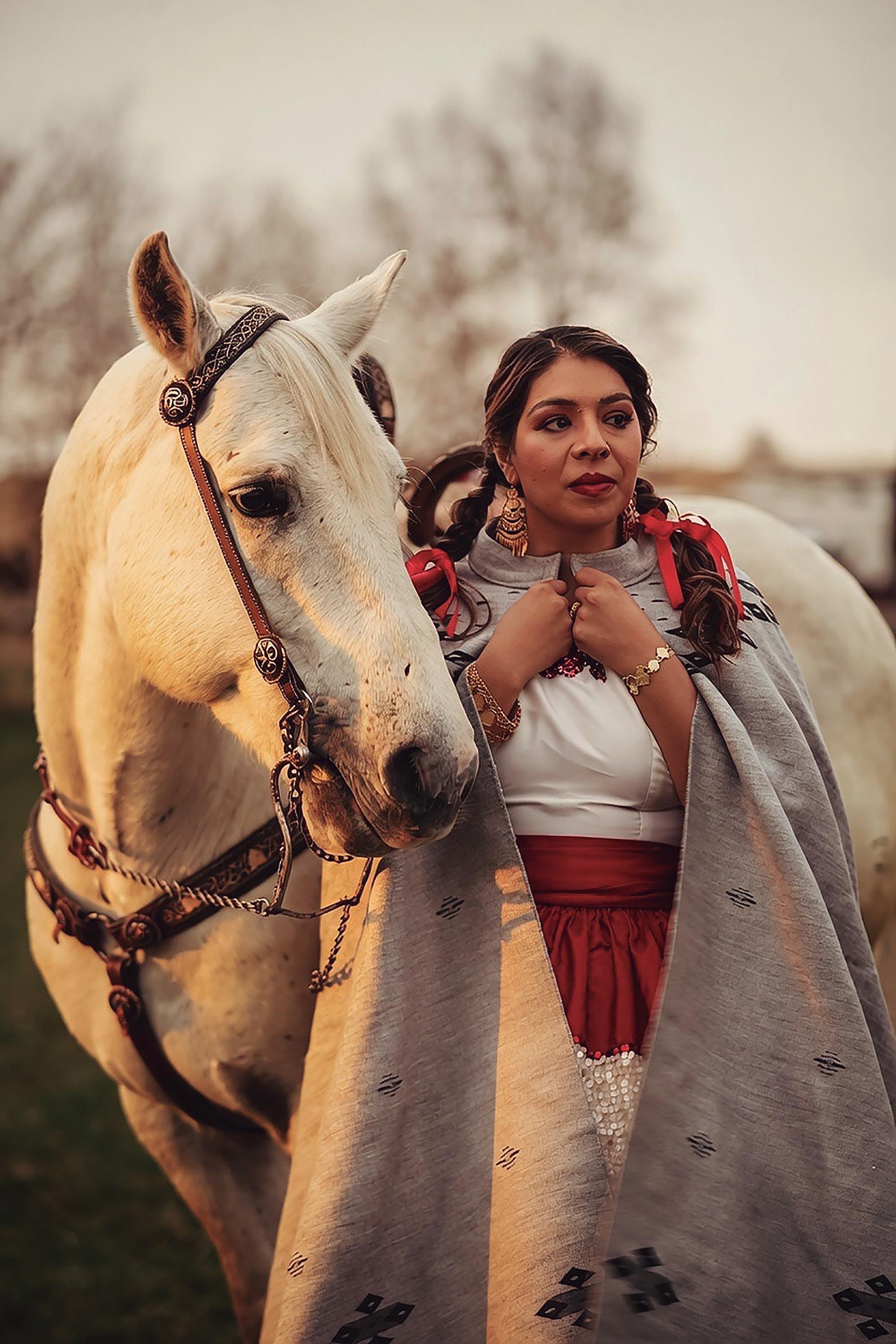
Piña, de 31 años, originaria de Torrance, California, y residente de Des Moines desde 2007, es la reina nacional de charrería en Estados Unidos, el rodeo mexicano. La charrería es el deporte nacional oficial de México y una de sus tradiciones ecuestres más representativas. Con origen en el siglo XVI, reúne habilidades de equitación, floreo de reata y manejo de ganado en rutinas que se realizan en arenas especialmente diseñadas, conocidas como lienzos charros. Las competencias destacan por su gran disciplina y por la riqueza cultural que preservan.
“La charrería es muy respetuosa con los animales. Nuestros caballos son nuestros compañeros de equipo y nuestros mejores aliados”, dijo Piña recientemente. “Todo está cronometrado. Todo se evalúa. Cada detalle está organizado porque, si algo les pasa a los animales, te pueden sancionar o descalificar. Sí usamos espuelas. Si los hombres espolean demasiado a sus caballos y estos sangran, los descalifican”.
Exreina de la charrería en Iowa, Piña es la primera representante del estado en ser coronada reina nacional de Estados Unidos, título que recibió el 1 de mayo de 2026 durante la apertura de temporada del Circuito de Rodeo Mexicano de Estados Unidos en Phoenix, Arizona. Piña es fundadora de Escaramuza Quetzalli en Des Moines. La escaramuza es el único evento ecuestre femenino dentro de la charrería tradicional y consiste en un equipo de ocho mujeres que realizan maniobras altamente sincronizadas y coreografiadas a caballo, acompañadas de música. A menudo se le compara con la natación sincronizada a caballo: las jinetes galopan a gran velocidad, cruzan sus trayectorias y giran, todo mientras montan de lado.
“Desde que tenía seis años, los caballos han sido una parte central de mi vida”, dijo Piña. “Mi padre me inculcó un profundo amor por la charrería, me llevaba a clases de floreo en California y me animaba a abrazar las tradiciones que se han transmitido por generaciones en mi familia”. Su familia desciende de charros históricos de La Laguna del Carretero, en Villanueva, Zacatecas.
“Entre mis mayores logros están haber organizado la primera charreada femenil de Iowa y haber encabezado la primera presentación de una Monumental Escaramuza durante el espectáculo de medio tiempo del Iowa Horse Fair Rodeo. Mi objetivo es seguir inspirando a las futuras generaciones a abrazar su herencia, perseguir sus sueños y preservar las tradiciones que hacen tan especial a nuestra cultura”.
“Hacemos esto a todo galope, montando de lado. Básicamente, en esos 4 minutos hacemos todo lo que hacen los hombres, excepto lazar”, dijo. “Hacemos maniobras, giros de 360 grados, giros de 270 y de 180 grados. Galopamos, hacemos cruces, todo: lo mismo que hacen los hombres. Y ahí es donde realmente demostramos nuestras habilidades. En Arizona tuve un equipo de reinas con 27 muchachas en la arena y todas usamos un traje al que llamamos china poblana, que lleva una falda muy adornada y una blusa sencilla. Con ese traje normalmente se usan tacones, similares a los que usan las bailarinas de folclórico”.
“Fue increíble”, dijo Piña. “Poder demostrar nuestras habilidades, especialmente como estadounidenses, porque en México no nos consideran al mismo nivel. Decían algo como: miren a estas estadounidenses, están tratando de hacer lo que hacemos nosotras, pero todavía no están a ese nivel. Para nosotras, lograr esa hazaña y esa rutina que hicimos en Arizona fue increíble”.
Su familia se mudó a Des Moines, donde su padre tenía hermanos, cuando ella cursaba séptimo grado. Egresada de Iowa State, Piña vive con sus padres en Pleasant Hill,
un suburbio de Des Moines, y tienen su propia arena de rodeo, con cinco caballos.
Trabaja como asistente legal en el área de apoyo a víctimas dentro del sistema de justicia penal, y cuenta con un horario flexible que le permite viajar para sus eventos de rodeo.
“Han sido muy flexibles con eso. A mis jefes realmente les gusta mucho lo que hago”, dijo Piña. “Solo trato de avisarles con anticipación y pedir mis días libres cuando puedo. Les aviso con tiempo, pero me sorprende mucho que me apoyen tanto. Mi supervisora, mi directora, me apoyan muchísimo”.
Según Piña, hay 18 estados con programas de charrería, entre ellos Minnesota, Nebraska, Illinois, Arkansas y Kansas.
Piña fue nombrada reina de Iowa por primera vez en 2023, y su padre ha sido presidente en los dos últimos periodos de cuatro años. “Siempre he sido su mano derecha y su pequeña asistente, así que para él es un poco más fácil que yo sea la reina, porque de todos modos siempre estoy con él, y él siempre acompaña a mi equipo, así que funcionó mejor”, dijo, al señalar que fue invitada a desempeñarse como reina nacional.
Continúa en la página 8


de la página anterior
“Siento que llevo un año en esto y apenas ha pasado un mes”, dijo Piña. “Mis responsabilidades son impulsar y promover la charrería en Estados Unidos y representar a mi coordinador. Él me apoya muchísimo, me ayuda y me motiva. He tenido varias ideas y proyectos que he querido impulsar, y él siempre ha estado dispuesto a escuchar y ayudar a hacerlos realidad”.
“Tenemos muchos hombres que no son tan receptivos hacia las mujeres y tienen esa mentalidad de machismo. Mi papá no podía tener esa mentalidad porque nos tiene a mí y a mi mamá”, dijo Piña, quien explicó que asiste a clasificatorias estatales en todo el país, irá al campeonato nacional en Colorado durante el fin de semana del Día del Trabajo y después viajará a México en octubre. Piña disfrutó mucho su participación en 2023 en el Iowa Horse Fair Show, realizado en el recinto ferial estatal.
“Para la comunidad latina e hispana es un evento enorme. Todo el mundo va al Iowa Horse Fair, así que pudimos participar en el espectáculo de medio tiempo del rodeo”, dijo. Este 16 de agosto también volverá a presentarse en la Iowa State Fair.
“Es increíble porque quienes vivimos en Iowa sabemos que la feria es un evento enorme, enorme, y estuvimos buscando esta oportunidad durante muchos años”, dijo Piña. “Para nosotros, presentarnos en la Iowa State Fair es un gran sueño, un honor, una meta cumplida, porque recibir la invitación para estar ahí es muy difícil; es realmente complicado conseguir un espacio en la Iowa State Fair. Poder presentarnos y mostrar nuestra cultura ante tantas personas es algo impresionante”.
“Tienes que estar muy, muy concentrada, y todo lo que haces pasa por la conexión con el caballo y por cómo usas tu cuerpo”, dijo. “El caballo responde a tu cuerpo”.
En cada evento, Piña monta un caballo distinto, por lo que cuenta con menos de una hora para acostumbrarse al animal.
“Es un reto. Tengo a mi entrenador, que me ayuda muchísimo”, dijo. “Ha sido un proceso gradual, porque la mayoría de estas muchachas que han hecho esto toda la vida tienen sus propios caballos. Tienen la posibilidad de viajar, contar con entrenadores y todo ese tipo de apoyo”.
Ser reconocida como reina nacional también representa un enorme honor.
“Ha sido gracias a la ayuda y al apoyo de muchas personas que me han acompañado a lo largo de mi carrera en la escaramuza”, dijo Piña. “A veces no puedo creer todo lo que he logrado. Ha sido como un torbellino; todo ha pasado muy rápido y sin parar. Es un enorme honor representar el lugar de donde vengo. Soy de Iowa, de un estado pequeño que no tiene una comunidad latina grande. Aquí tenemos nuestras propias luchas, y para mí, poder representar a mi estado y hacer lo que hago es un gran honor, porque demuestra que no importa de dónde vengas: si tienes la mentalidad, la pasión y las metas, puedes lograr cualquier cosa que te propongas”.
Por Hola Iowa
La ceremonia de naturalización se realizó antes del partido contra Buffalo Bisons y reunió a candidatos de 16 países
Los Iowa Cubs dieron la bienvenida a 29 nuevos ciudadanos estadounidenses durante una ceremonia de naturalización realizada el jueves 25 de junio en Principal Park, en Des Moines.
El acto se llevó a cabo antes del partido entre los Iowa Cubs y Buffalo Bisons, como parte de una tradición que el equipo ha mantenido durante 18 años consecutivos.
La ceremonia comenzó a las 6:00 p.m. y fue organizada en colaboración con U.S. Citizenship and Immigration Services (USCIS) y el United States District Court for the Southern District of Iowa.
El juez federal Stephen Locher, del Distrito Sur de Iowa, estuvo a cargo de la ceremonia
Los nuevos ciudadanos llegaron de 16 países y cinco continentes
Los candidatos a la ciudadanía provenían de 16 países: Bosnia y Herzegovina, Canadá, Colombia, Congo (Kinshasa), Ecuador, Alemania, India, Kenia, Liberia, México, Nepal, Filipinas, Rusia, Túnez, Ucrania y Vietnam.
La ceremonia incluyó el juramento de lealtad, el paso final del proceso de naturalización para convertirse en ciudadano estadounidense.
El evento se realizó dentro del campo antes del inicio del juego, una tradición que los Iowa Cubs han convertido en parte de su calendario anual cerca de las celebraciones del Día de la Independencia.
La tradición comenzó en 2009 en Des Moines
La primera ceremonia de ciudadanía en el campo de Principal Park se realizó el 4 de septiembre de 2009. Desde entonces, 533 nuevos ciudadanos habían sido naturalizados en este evento anual antes de la clase de 2026.
Además de las ceremonias realizadas antes de los partidos, más de 5,000 candidatos han obtenido la ciudadanía en otros eventos de naturalización celebrados en Principal Park durante los últimos seis años.
La ceremonia del 25 de junio continuó esa tradición en Des Moines, con nuevos ciudadanos de cinco continentes y una colaboración entre el equipo, USCIS y el tribunal federal del Distrito Sur de Iowa.

The translation for this article is on page 18
Por Joaquin Ramirez-Andrade, Hola Iowa
Cómo dos estudiantes internacionales hicieron historia en Marshalltown
Cuando pienso en Marshalltown, pienso en una ciudad que pocas veces aparece en los titulares. Una ciudad construida en parte por manos latinas –conocida por su planta de procesamiento de carne, pero sostenida por una comunidad que lleva décadas echando raíces aquí. No es el tipo de lugar donde uno esperaría que dos jóvenes extranjeros – uno de Toluca, México, y otro de Santa Cruz de la Sierra, Bolivia – ganaran un premio estatal de cine. Pero eso es exactamente lo que pasó.
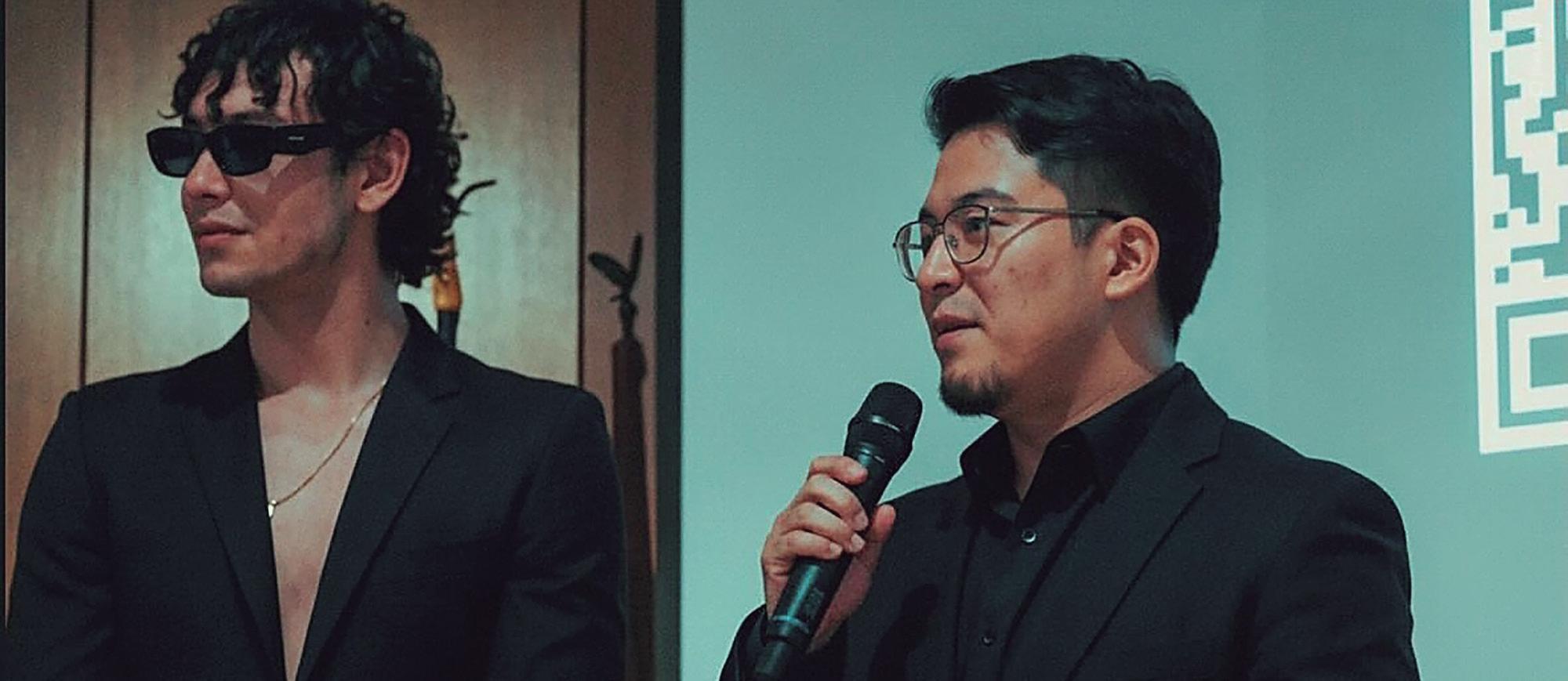
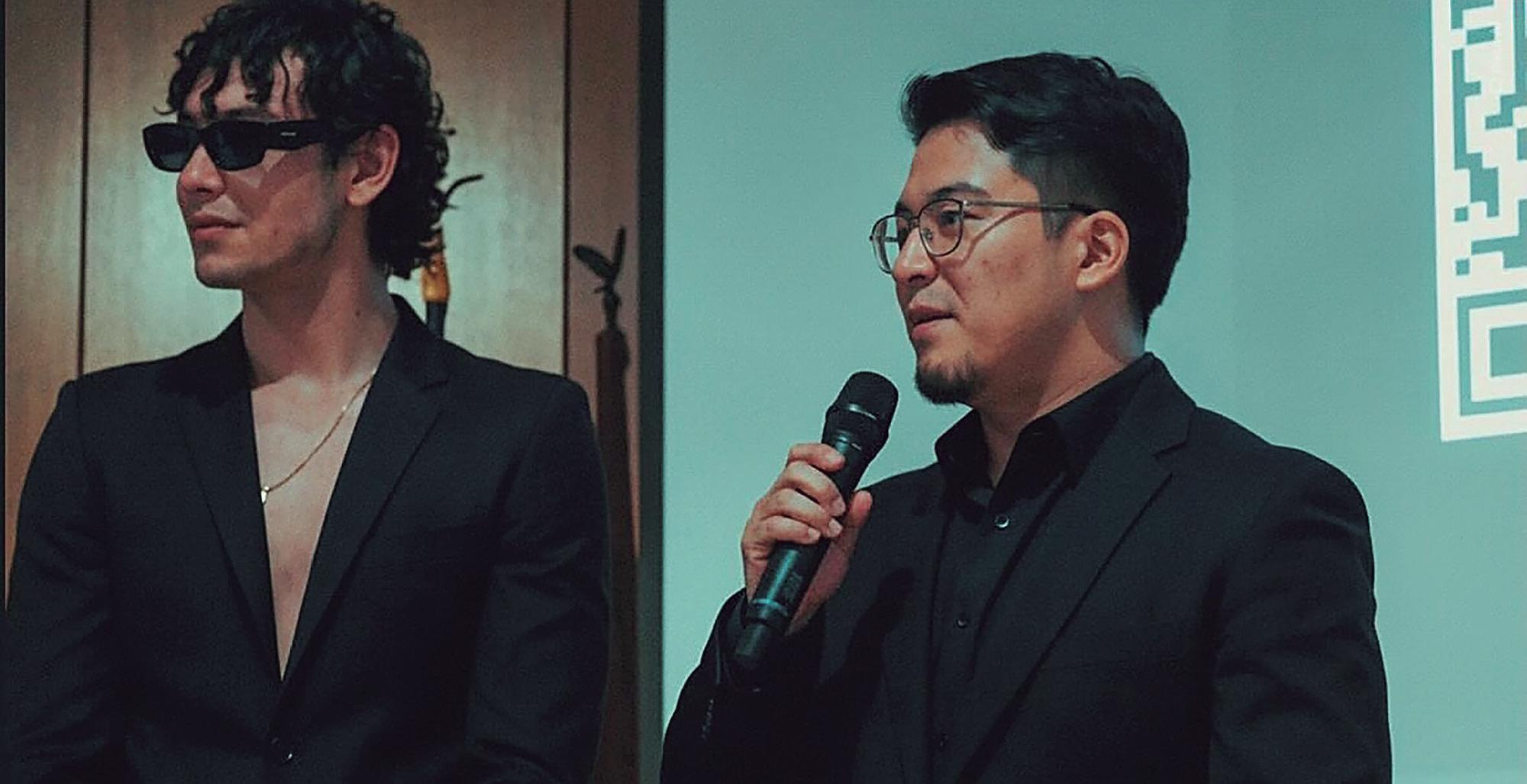
Héctor Flores y Sebastián Vaca no llegaron aquí para hacer películas. Llegaron por razones mucho más simples: Héctor, porque su papá fue transferido por Emerson a Marshalltown; Sebastián, para estudiar y reunirse con su familia en Estados Unidos. Ninguno de los dos planeó crear un video musical. Ninguno esperaba recibir un reconocimiento en los Iowa Motion Picture Awards. Y sin embargo, aquí estamos. Conozco a Héctor por una colaboración previa en el Marshalltown Community College. Pero su historia empieza mucho antes de Iowa. Creció en Toluca, Estado de México, con una formación sólida en música – estaba en su primer semestre en el Conservatorio de Música del Estado de México cuando su familia recibió la noticia de la transferencia. Llegó a Marshalltown en noviembre de 2024, en pleno invierno, sin saber exactamente qué esperar. “La oportunidad de conocer otro país, conocer otra cultura era lo que íbamos a obtener más de beneficio”, me dijo. “Y aparte el inglés.”
Sus primeros meses no fueron de cine. Pasó semanas acompañando a su mamá como traductor, conoció la ciudad de a poco y pronto encontró la manera de conectar: se ofreció como pianista acompañante voluntario para el coro de seniors de la preparatoria. No me sorprendió. Héctor creció en una familia que siempre invirtió en la comunidad donde vivía, sin importar cuánto tiempo fueran a quedarse. Esa mentalidad la trajo a Marshalltown. Cuando finalmente entró al programa de Broadcasting y Medios Digitales
del MCC, encontró algo que no esperaba: una oportunidad real.
Sebastián es otra historia, aunque con algo en común: la capacidad de adaptarse rápido. Viene de Santa Cruz de la Sierra, la ciudad más grande de Bolivia, y cuando le pregunté cómo fue el cambio a Marshalltown, se rió. “Soy un chico que vive en su mundo”, me dijo. “No me gusta molestar ni que me molesten. Me adapté demasiado rápido.” Lo que no cambió al cruzar fronteras fue su relación con la música. Desde niño, Sebastián improvisaba. Escribía poemas que nunca apuntó. Compuso su primera canción a los 15 años, durante la pandemia, con la ayuda de un amigo que le explicó cómo estructurar versos y coros. Hoy tiene cientos de canciones. Casi ninguna publicada. Compartían una clase en el MCC sin saberlo. Fue la profesora Jo Frohwein, quien dirige el programa de Broadcasting, quien hizo la conexión: le mencionó a Sebastián que el músico que buscaba estaba sentado en la misma clase. “¿Quién chingados es Héctor?”, me confesó Sebastián entre risas. Héctor no recuerda el momento. Pero Frohwein sí sabía lo que hacía: después de esa conversación, Sebastián fue a buscarlo.
El plan original era otro. Tenían una canción en español, una mezcla de reguetón y dembow, que se cayó por falta de tiempo y de presupuesto. Fue Sebastián quien propuso el pivot: una canción en inglés que ya tenía escrita, titulada “She Doesn’t Know”. “Estamos en Estados Unidos”, me explicó. “Si sacamos algo en español, la gente de aquí no lo va a entender.” La decisión fue clave. La canción habla de un chico que está enamorado pero no sabe cómo decirlo, paralizado por el miedo al rechazo. Sencillo, honesto, universal. Lo que siguió fueron seis meses de trabajo. Sin cámaras profesionales – grabaron con teléfonos. Sin presupuesto, los escenarios fueron lugares que podían conseguir gratis. Hubo fricciones. Héctor, con su formación académica en música; Sebastián, con su instinto para el freestyle. “Fue como un estudiado con uno de la calle”, dijo Sebastián. “Maestro.” Héctor se rió y no lo negó. “A mí me gusta trabajar para el cliente”, me explicó. “Y aquí mi cliente era Sebastián — era
tratar de ponerlo feliz porque él iba a aparecer ahí, iba a dar la cara.” Siempre llegaron a un acuerdo porque, al final, lo que importaba era que se viera bien. Grabaron escenas bajo la llovizna otoñal. Sebastián actuó un día completamente enfermo, sin avisar a nadie, porque tenían que grabar y él no iba a ser quien frenara todo. “Ahí se nota mi ética de trabajo”, me dijo con total seriedad.
Cuando se enteraron de que habían sido nominados a los Iowa Motion Picture Awards, ninguno esperaba ganar. Habían enviado el video a varias competencias, incluida la Broadcast Education Association, donde vieron su nombre junto al de universidades como UCLA. “Ahí dijimos: no vamos a ganar”, me contó Héctor. Pero ganaron. El trofeo lleva el nombre de Héctor. Pero ambos saben lo que costó. Sebastián aún no lo ha tenido en sus manos.
Le pregunté a Sebastián qué significaba ganar un premio estatal siendo alguien que todavía duda en publicar su música. Su respuesta fue honesta: “Me metí en un compromiso sin saber que me metía en uno.” No fue su intención lanzar nada. Pero la canción salió y ganó y ya. Lo que sí me dijo con claridad fue que estaba feliz por Héctor. “Si puedo ayudarte a cumplir tus sueños, te voy a ayudar. Más si son mis amigos.”
Héctor viaja este verano a Boston para un workshop en el Berklee College of Music – una de las escuelas de música más prestigiosas del mundo, de la que han salido nombres como Charlie Puth y el productor de Michael Jackson. Se irá a la de Dios, como él dice, pero con todo el hambre de aprender. Sebastián sigue hacia adelante también, con la música siempre de fondo. Ninguno de los dos piensa quedarse para siempre en Marshalltown – Héctor tiene familia esperando en México; Sebastián tiene Bolivia. Pero ambos dejaron algo aquí.
Nadie lo vio venir. Ni ellos mismos. Llegaron lejos de casa – sin planes, sin presupuestos, sin garantías. Pero en un país que no siempre les da la bienvenida, encontraron algo que no esperaban. A veces el sueño aparece donde menos lo buscas. Para ellos, apareció aquí, en Marshalltown.

*Para optar al reembolso (cashback), utilice los estados de cuenta electrónicos gratuitos, inicie sesión en la banca en línea, realice 20 o más compras con tarjeta de débito y reciba depósitos ACH de $500 o más al mes. Se permite un máximo de una cuenta corriente con recompensas (dividendos/reembolso) por persona. No se aplican penalizaciones ni cargos en los meses en los que no se cumplan los requisitos. Cuenta con seguro federal de la NCUA. Federally Insured by NCUA.

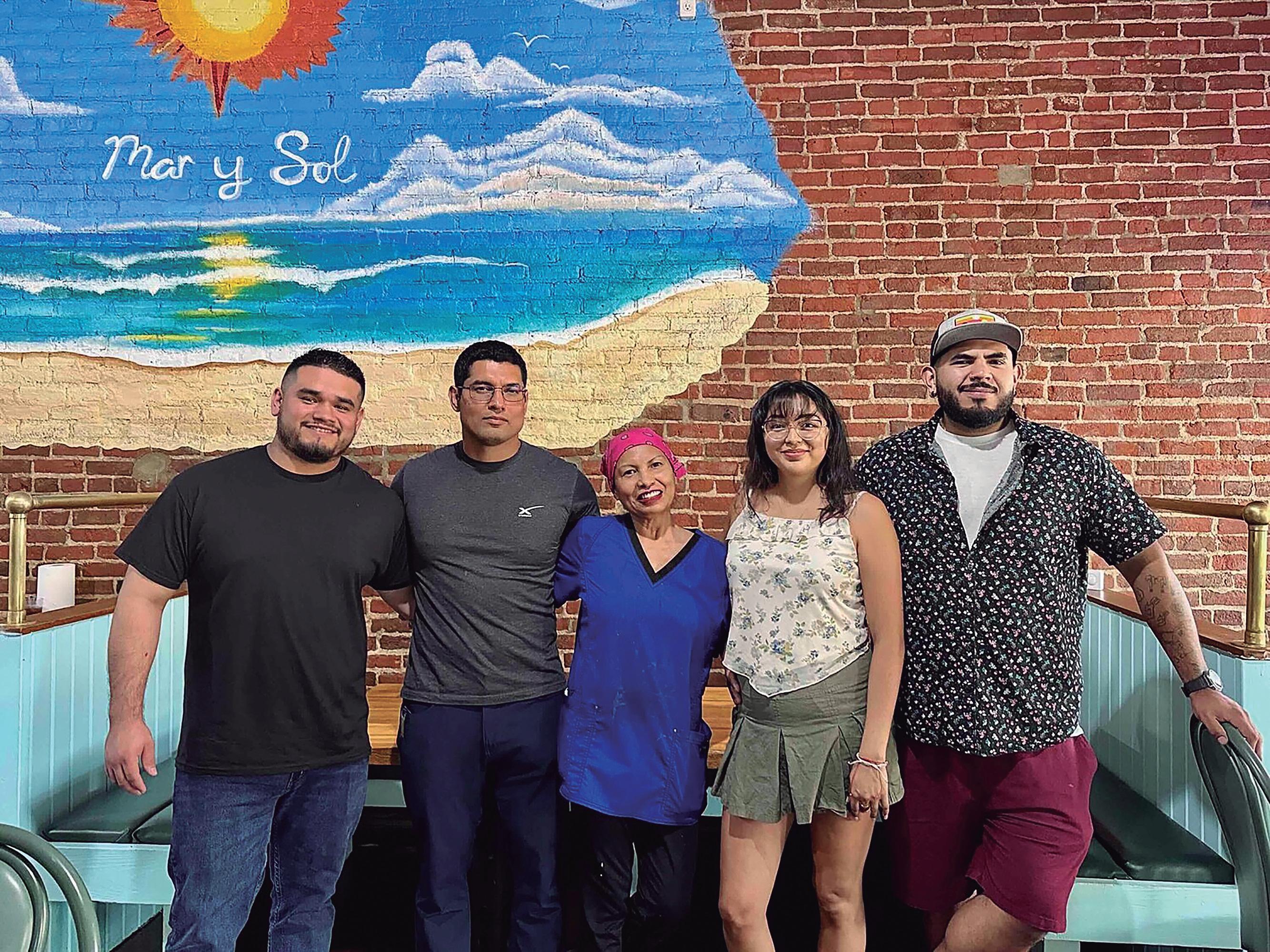
El nombre proviene de Marisol, gerente y cocinera principal. También hay planes para renovar la planta alta, posiblemente para apartamentos.
Por Amanda Eike, Storm Lake Times Pilot
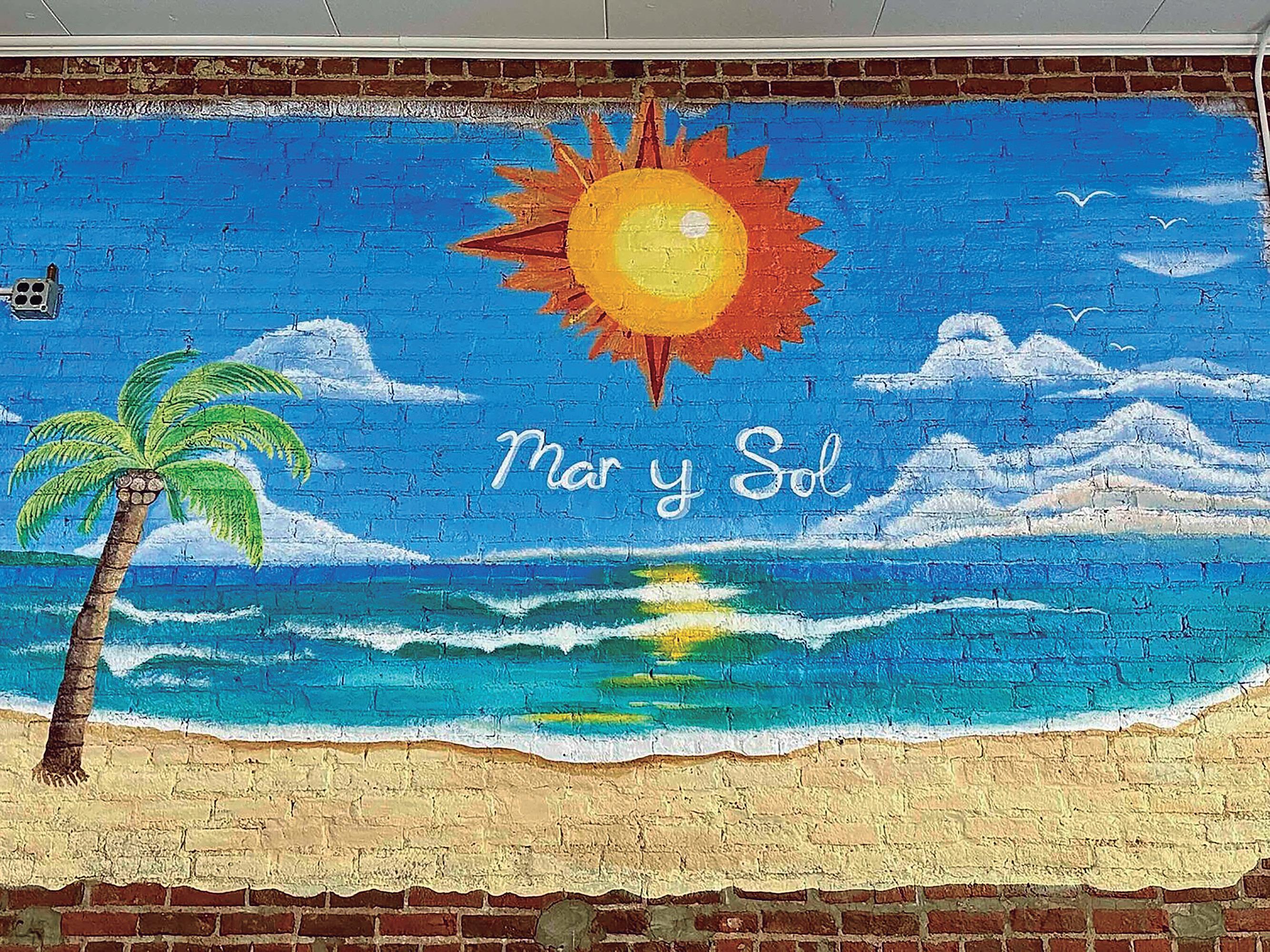
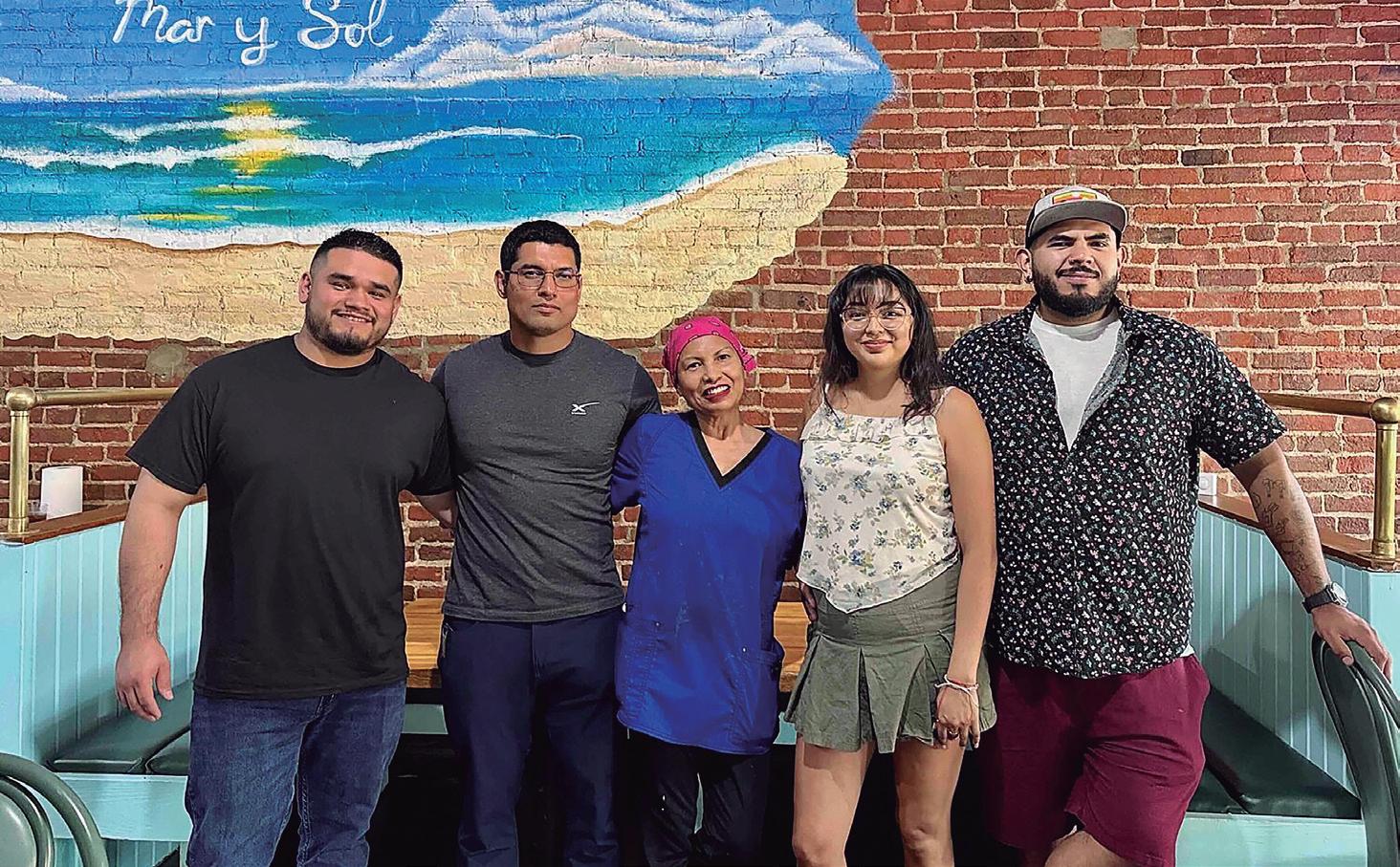
Mar y Sol es el restaurante más reciente de Storm Lake, ubicado en la esquina de Lake Avenue y West Railroad Street, donde antes estaba Ying’s Kitchen. Después de una apertura inicial el domingo 29 de junio, a la que asistieron casi 100 personas, los nuevos propietarios planean comenzar poco a poco, con un menú limitado y un equipo reducido, para crecer con el tiempo.
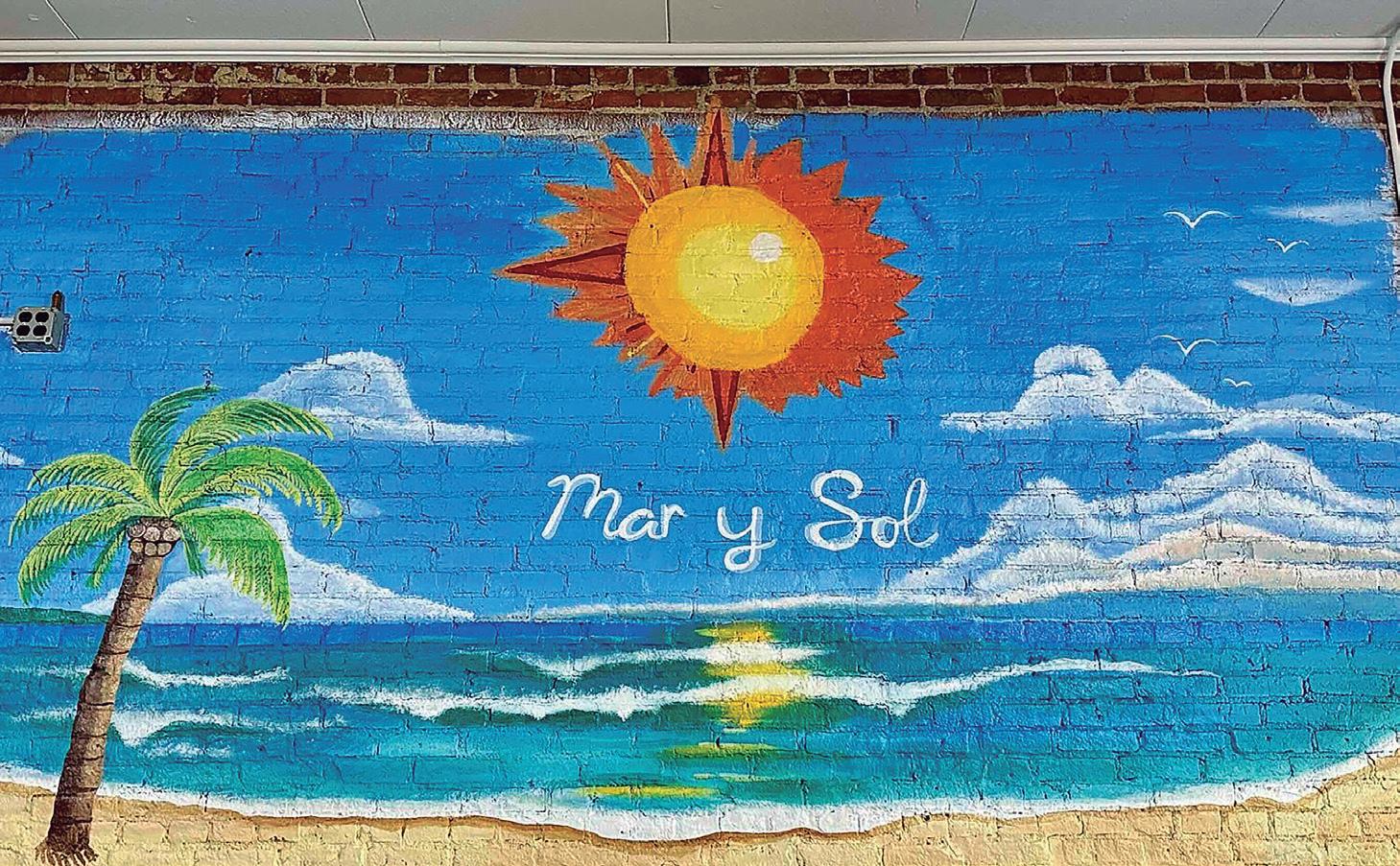
El nombre “Mar y Sol” juega con el nombre de Marisol, gerente y cocinera principal, cuyo sueño de toda la vida ha sido abrir un restaurante. Antes de este proyecto, ella trabajaba como profesional de salud para Hope Haven.
“Estoy muy feliz de ver mi sueño hecho realidad”, dijo Marisol, mientras salía bailando de la cocina al ritmo de la música del restaurante. Ella atribuye a sus amigos y familiares el apoyo que hizo posible convertir su sueño en realidad.
Omar Visairo, hijo de Marisol y quien trabaja como ingeniero de producción en una importante compañía petrolera en Carlsbad, New Mexico, es el propietario oficial del edificio y divide su tiempo entre Carlsbad y Storm Lake para supervisar el arranque del restaurante. Las hermanas de Visairo, Maria Cedillo y Lupita Delacruz, de Alta y Aurelia, ayudan con la operación del restaurante. Este es el primer pequeño negocio de la familia.
La familia de Marisol es originaria de Oaxaca, México, lo que hace que su menú se distinga de otros restaurantes mexicanos locales. Con raíces en la cultura indígena del sur de México, las recetas de Mar y Sol tienen un sello propio de esa región y, como lo describe Visairo, son “menos americanizadas”. Él espera que la comunidad perciba la pasión de su madre por la cocina en su atención al detalle y
en las variaciones de sabor que agrega a platillos tradicionales como mole, pozole, picaditas y tinga, un platillo de pollo en salsa roja servido sobre una tostada. Marisol también prepara sus propios totopos.
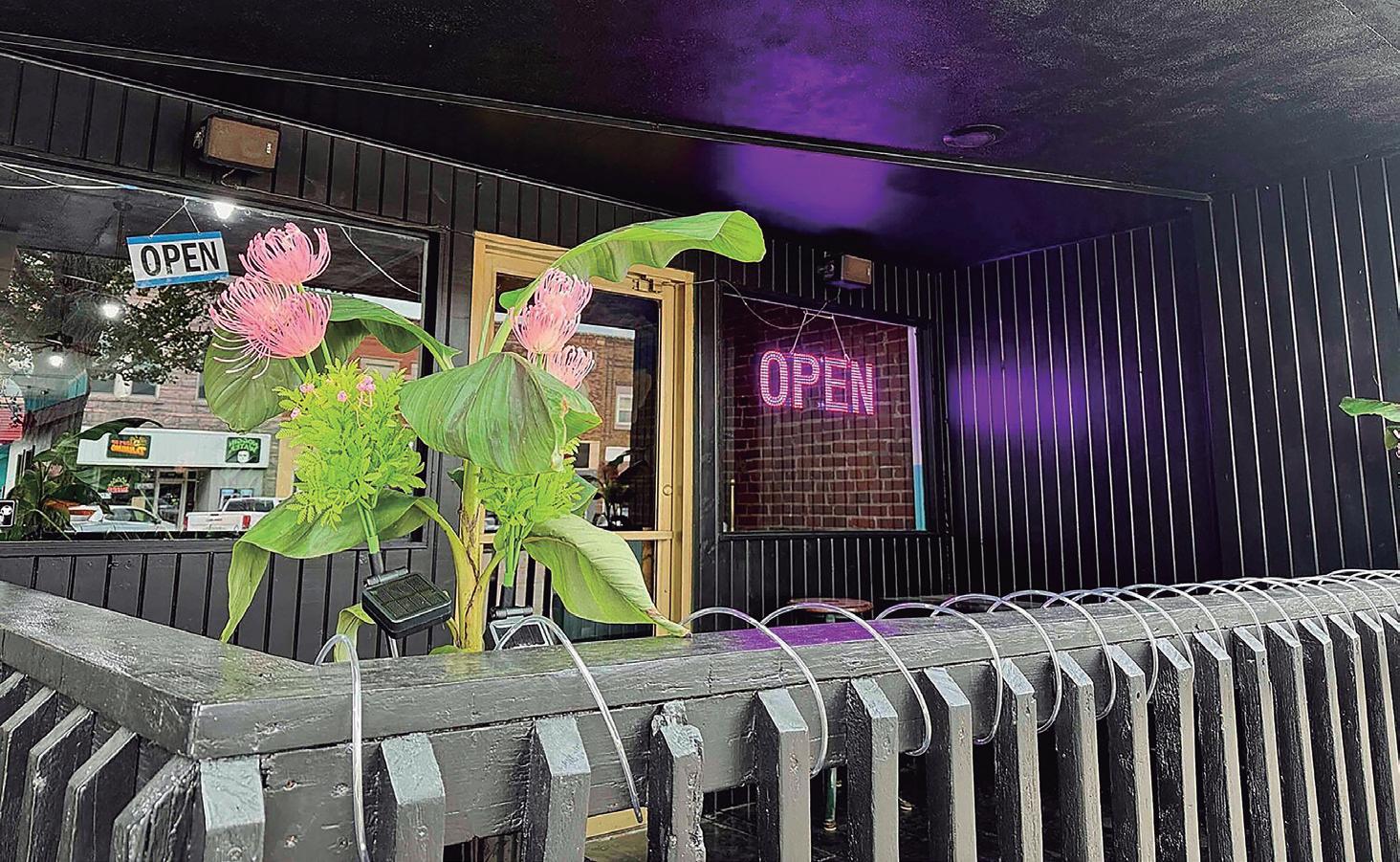
El personal seguirá rotando los platillos destacados conforme reciba comentarios de los clientes sobre sus opciones favoritas del menú. Para prepararse para la apertura, hicieron una limpieza profunda del restaurante, repintaron de azul claro y blanco las paredes que antes eran verde oscuro, añadieron detalles dorados y colocaron plantas para darle más amplitud al espacio. También retiraron los barcos que colgaban del techo desde los tiempos de Boathouse. “Casi
me muero”, bromeó Aaron Lizardo, pareja de Cedillo, quien ayudó a quitarlos.
Todavía queda trabajo por hacer en el exterior del edificio, y hay planes para renovar la planta alta, posiblemente para apartamentos. Una vez que el restaurante esté más establecido, Marisol espera organizar karaoke y Lotería, un juego tradicional mexicano parecido al bingo.
“Todos son bienvenidos aquí”, dijo Marisol. Mientras definen su horario oficial, estarán abiertos la mayoría de los días de 10 a.m. a 8 p.m., con horario extendido los viernes y sábados. Mar y Sol cierra los martes.

La Oficina del Auditor del Estado es el Guardián del Contribuyente de Iowa.

Procesó a criminales de cuello blanco como Fiscal General Adjunto.
Combatió cantidades récord de desperdicio y fraude.
Propuso tiempo obligatorio en prisión por robar dinero de los contribuyentes.
¿Tiene información sobre desperdicio o fraude para la Oficina del Auditor? Llame al 515-281-5834.
Para obtener más información, escanee el código QR o visítenos en auditor.iowa.gov/about-us.


Paid for by Fund for States.


¡Suscríbete ¡Suscríbete a a High Five! High Five! ¿QUIERES ESTAR




July 9, 2026
By Jonathan Turner, Hola Iowa
Alejandra Piña is riding high in a sport that is deeply meaningful to her as a Mexican-American.
The 31-year-old native of Torrance, Calif., who’s lived in Des Moines since 2007, is the U.S. national queen of Charrería, Mexican rodeo. Charrería is the official national sport and equestrian tradition of Mexico. Originating in the 16th century, it features skilled horseback riding, intricate roping, and cattlehandling routines practiced in specially designed arenas called lienzos charros. The competitions highlight both immense discipline and rich cultural heritage.
“Charrería is very animal-friendly. Our horses are our teammates and best partners,” Piña said recently.
“Everything’s timed. Everything is looked upon. Every detail is organized because if anything happens to the animals, you can get sanctioned, you can get disqualified. We do use spurs. If the men tend to spur their horse too much and they’re bleeding, they’ll get disqualified.”
A former Iowa charrería queen, she’s the first Iowan to be crowned U.S. queen – May 1, 2026, at the season opener for the U.S. Mexican Rodeo Circuit in Phoenix, Ariz. Piña is the founder of Escaramuza Quetzalli in Des Moines.
Escaramuza is the only female equestrian event in traditional charrería, consisting of a team of eight women performing highly synchronized, choreographed maneuvers on horseback to music. Often compared to synchronized swimming on horses, the riders gallop at high speeds, cross paths, and spin, all while riding side-saddle.
“Since I was six years old, horses have been a central part of my life,” Piña said. “My father instilled in me a deep love for charrería, taking me to floreo classes in California and encouraging me to embrace the traditions that have been passed down through generations of my family.” Her family traces its roots to historic charros of La Laguna del Carretero in Villanueva, Zacatecas.
“Among my proudest accomplishments are organizing Iowa’s first all-female charreada (competition) and leading the first Monumental Escaramuza presentation during the halftime show at the Iowa Horse Fair Rodeo. My goal is to continue inspiring future generations to embrace their heritage, pursue their dreams, and preserve the traditions that make our culture so special.”
“We do this at full gallop, side saddle. Basically, in
those 4 minutes, we do everything that the guys do except we don’t rope,” she said. “We do maneuvers, 360-degree turns, we use 270 turns, 180 turns. We gallop, we do crosses, everything. Everything the men do. And that’s where we truly demonstrate our skills. In Arizona, I had a Queens team of 27 girls in the arena and we all wore an outfit that we call China Poblana, which is where you have a very embellished skirt and a simple blouse. And with that outfit, you usually wear heels similar to like the folklorico dancers.”
“It was amazing,” Piña said. “For us to demonstrate our skills, especially as Americans, because in Mexico they don’t consider us at the same level as them. They were like, look at these Americans, like they’re trying to do what we do but they’re not quite there yet. For us to accomplish that feat and that routine that we did in Arizona was amazing.”
Her family moved to Des Moines, where her father had siblings, when she was in 7th grade. An Iowa
State graduate, Piña and her parents live in the Des Moines suburb of Pleasant Hill and have their own rodeo arena, with five horses.
She works as a legal assistant in victim assistance in the criminal justice field, and has a flexible schedule to allow her to travel for her rodeo events.
“They’ve been very accommodating to it. My bosses, they just really enjoy what I do,” Piña said. “I just try to give them notice and just get my time off when I can. I give them a heads up, but it’s very surprising that they’re very supportive of it. My supervisor, my director, they’re very supportive.”
There are 18 states with charreria programs, including Minnesota, Nebraska, Illinois, Arkansas, and Kansas, she said.
Piña first became the Iowa queen in 2023, and her dad has been president for the last two four-year terms. “I’ve always been his right hand and his little assistant, and so just for him it’s a little bit easier for me to be the queen because then like I’m always with him anyway, and he’s always with my team, so it just
Continues next page

Continues from last page
worked out better,” she said, noting she was invited to serve as the national queen.
“I feel like I’ve been at this for a year and it’s only been a month,” Piña said. “My responsibilities are to advocate for and promote charrería in the United States and represent my coordinator. He’s incredibly supportive, helpful, and encouraging. I’ve had several ideas and projects I’ve wanted to pursue, and he’s always been willing to listen and help make them happen.”
“We have a lot of men that are not as open-minded with the women and have that mindset of machismo. My dad could not have that mindset because he has me and my mom,” she said, noting she attends state qualifiers all over the country, and will go to nationals in Colorado Labor Day weekend, and then to Mexico in October.
Piña had a great time in 2023 at the Iowa Horse Fair Show at the state fairgrounds.
“For the Latino, Hispanic community, it’s a huge event. Everybody goes to the Iowa Horse Fair, so we were able to be in the rodeo halftime show,” she said. This Aug. 16, she also will perform again at the Iowa State Fair.
“It’s amazing because for us that live in Iowa, we know the fair is a huge, huge event, and we were seeking this opportunity for many years,” Piña said. “For us to perform at the Iowa State Fair is a huge dream, an honor, a feat to accomplish because to get the invitation to be there, because it’s really hard to get into the Iowa State Fair. For us to perform, to demonstrate what our culture is to the amount of people that go there is insane.”
“You have to be very, very focused, and everything that you do is your connection with the horse, like your body,” she said. “The horse responds to your body.”
Every event, Piña rides a different horse, so she only has less than hour to get used to her horse.
“It is a challenge. I do have my coach that helps me a lot,” she said. “It’s been some slow progress because most of these girls that have been doing this forever have their own horses. They have the capabilities of moving and having trainers and all that stuff.”
To be recognized as the national queen is also a huge honor.
“It’s been the help and the support of a lot of people that have helped me throughout my escaramuza career,” Piña said. “To achieve everything I’ve achieved, I sometimes can’t believe it. It’s just like, it’s been such a blur and it’s just been on the go. It is a huge honor to represent where I’m coming, where I’m from, because I’m from Iowa. I’m from a small state that doesn’t have a big Latino community. We have our own struggles as it is here, and for me to be able to represent and to do what I do is a great honor because it demonstrates that no matter where you come from, as long as you have the mindset and the passion and the goals, you can accomplish anything you want.”
By Hola Iowa
The pregame naturalization ceremony, held before the Buffalo Bisons matchup, brought together candidates from 16 countries
The Iowa Cubs welcomed 29 new U.S. citizens during a naturalization ceremony held Thursday, June 25, at Principal Park in Des Moines.
The ceremony took place before the Iowa Cubs game against the Buffalo Bisons, continuing an onfield tradition the team has hosted for 18 consecutive years.
The ceremony began at 6:00 p.m. and was organized in partnership with U.S. Citizenship and Immigration Services (USCIS) and the United States District Court for the Southern District of Iowa.
U.S. District Judge Stephen Locher, of the Southern District of Iowa, presided over the ceremony.
The new citizens represented 16 countries and five continents
The citizenship candidates came from 16 countries: Bosnia and Herzegovina, Canada, Colombia, Congo (Kinshasa), Ecuador, Germany, India, Kenya, Liberia, Mexico, Nepal, the Philippines, Russia, Tunisia, Ukraine and Vietnam.
The ceremony included the Oath of Allegiance, the final step in the naturalization process to become a U.S. citizen.
The event was held on the field before the start of the game, a tradition the Iowa Cubs have made part of their annual calendar near Independence Day celebrations.
The tradition began in Des Moines in 2009
The first citizenship ceremony on the field at Principal Park was held Sept. 4, 2009.
Since then, 533 new citizens had been naturalized through this annual event before the 2026 class.
In addition to the pregame ceremonies, more than 5,000 candidates have become citizens during other naturalization events held at Principal Park over the past six years.
The June 25 ceremony continued that tradition in Des Moines, with new citizens from five continents and a partnership among the team, USCIS and the federal court for the Southern District of Iowa.

By Joaquin Ramirez-Andrade, Hola Iowa
How two international students made history in
When I think of Marshalltown, I think of a city that rarely makes the headlines. A city built in part by Latino hands — known for its meat processing plant, but sustained by a community that has been putting down roots here for decades. It’s not the kind of place where you’d expect two young foreigners — one from Toluca, Mexico, and another from Santa Cruz de la Sierra, Bolivia — to win a state film award. But that’s exactly what happened.
Héctor Flores and Sebastián Vaca didn’t come here to make films. They came for much simpler reasons: Héctor, because his father was transferred by Emerson to Marshalltown; Sebastián, to study and reunite with his family in the United States. Neither of them planned to create a music video. Neither expected to receive recognition at the Iowa Motion PictureAwards.And yet, here we are.
I know Héctor from a previous collaboration at Marshalltown Community College. But his story starts long before Iowa. He grew up in Toluca, State of Mexico, with a solid musical background — he was in his first semester at the Conservatorio de Música del Estado de México when his family received news of the transfer. He arrived in Marshalltown in November 2024, in the middle of winter, without knowing exactly what to expect. “The opportunity to get to know another country, another culture — that was what we were going to benefit from the most,” he told me. “And on top of that, the English.” His first months weren’t cinematic. He spent weeks accompanying his mother as a translator, got to know the city little by little, and soon found a way to connect: he volunteered as a piano accompanist for the high school senior choir. It didn’t surprise me. Héctor grew up in a family that always invested in whatever community they lived in, no matter how long they were going to stay. He brought that mindset
to Marshalltown. When he finally enrolled in MCC’s Broadcasting and Digital Media program, he found something he hadn’t expected: a real opportunity. Sebastián is a different story, though they share something in common: the ability to adapt quickly. He comes from Santa Cruz de la Sierra, Bolivia’s largest city, and when I asked him what the transition to Marshalltown was like, he laughed. “I’m a guy who lives in his own world,” he told me. “I don’t like to bother people or be bothered. I adapted way too fast.” What didn’t change when he crossed borders was his relationship with music. From a young age, Sebastián freestyled. He wrote poems he never wrote down. He composed his first song at 15, during the pandemic, with the help of a friend who showed him how to structure verses and choruses. Today he has hundreds of songs. Almost none of them published. They had been sharing a class at MCC without
Continues next page
Continues from last page
knowing it. It was Professor Jo Frohwein, who runs the Broadcasting program, who made the connection — she mentioned to Sebastián that the musician he was looking for was sitting in the same class. “Who the heck is Héctor?” Sebastián confessed to me with a laugh. Héctor doesn’t remember the moment. But Frohwein knew what she was doing: after that conversation, Sebastián went looking for him.
The original plan was something else entirely. They had a song in Spanish — a mix of reggaeton and dembow — that fell apart due to lack of time and budget. It was Sebastián who proposed the pivot: an English song he already had written, called “She Doesn’t Know.” “We’re in the United States,” he explained. “If we put something out in Spanish, people here aren’t going to understand it.” It was the right call. The song is about a guy who’s in love but doesn’t know how to say it, paralyzed by the fear of rejection. Simple, honest, universal. What followed was six months of work. No professional cameras — they shot on phones. No budget — the locations were places they could get for free. There were creative clashes. Héctor with his academic music training; Sebastián with his freestyle instincts. “It was like a trained musician and a street kid,” Sebastián said. “Maestro.” Héctor laughed and didn’t deny it. “I like to work for the client,” he explained. “And here my client was Sebastián — it was about making him happy because he was the one who was going to be on screen, the one putting his face out there.” They always found common ground because, in the end, what mattered was that it looked good. They shot scenes in the autumn drizzle. Sebastián acted one day completely sick, without telling anyone, because they had to shoot and he wasn’t going to be the one who held everything up. “That’s where you see my work ethic,” he told me with complete seriousness. When they found out they had been
nominated for the Iowa Motion Picture Awards, neither expected to win. They had submitted the video to several competitions, including the Broadcast Education Association, where they saw their name alongside universities like UCLA. “That’s when we said: we’re not going to win,” Héctor told me. But they did. The trophy bears Héctor’s name. But both of them know what it cost. Sebastián still hasn’t held it in his hands.
I asked Sebastián what it meant to win a state award as someone who still hesitates to publish his music. His answer was honest: “I got into a commitment without knowing I was getting into one.” It was never his intention to release anything. But the song came out, and it won, and that was that. What he did tell me, clearly, was that he was happy for Héctor. “If I can help you achieve your dreams, I’m going to help you. Especially if they’re my friends.”
Héctor is heading to Boston this summer for a workshop at Berklee College of Music — one of the most prestigious music schools in the world, which has produced names like Charlie Puth and Michael Jackson’s producer. He’ll go on a wing and a prayer, as he puts it, but with all the hunger to learn. Sebastián keeps moving forward too, with music always in the background. Neither of them plans to stay in Marshalltown forever — Héctor has family waiting in Mexico; Sebastián has Bolivia. But both of them left something here.
Nobody saw it coming. Not even them. They arrived far from home — without plans, without a budget, without guarantees. But in a country that doesn’t always welcome them, they found something they weren’t expecting. Sometimes the dream shows up where you least look for it. For them, it showed up here, in Marshalltown.


By Hola Iowa
Lead poisoning remains one of the most serious environmental health threats facing young children, yet it is entirely preventable. Health officials in Iowa continue to encourage parents and caregivers to learn about the dangers of lead exposure and take steps to protect children before permanent damage occurs.
Lead is a toxic metal that can harm a child’s developing brain and nervous system. According to the Iowa Department of Health and Human Services (Iowa HHS), there is no safe level of lead in a child’s blood. Even small amounts can af-
fect learning, behavior, attention span, and overall development. Elevated lead levels have also been linked to reduced IQ, developmental delays, and learning disabilities.
One of the challenges in identifying lead poisoning is that most children who have elevated blood lead levels show no obvious symptoms. As a result, many families may not realize their child has been exposed until a blood test is performed. In fact, a blood lead test is the only way to determine whether a child has lead in their body.
The most common source of lead exposure for children is lead-based paint found in older homes. Homes built before 1978 may contain lead paint that can peel, chip,

or create dust during renovation projects. Young children are particularly vulnerable because they often put their hands, toys, and other objects into their mouths. Leadcontaminated dust can easily be swallowed or inhaled. Children may also be exposed through contaminated soil around older homes or buildings.
Parents can take several simple steps to reduce the risk of exposure. Regularly washing children’s hands, especially before meals and after playing outside, can help remove lead-contaminated dust. Frequently cleaning floors, windowsills, and toys can also reduce exposure. Families living in older homes should use caution when remodeling and ensure that any repairs involving painted surfaces are performed safely to avoid creating lead dust.
Testing is another critical part of prevention. Iowa HHS recommends that all children receive a blood lead test at ages 1 and 2 and continue to be assessed for lead exposure risk through age 6. Iowa law also requires children entering kindergarten to have received at least one blood lead test. The purpose of this requirement is to identify children who may have been exposed and connect families with resources to reduce future exposure.
Most insurance plans, including Medicaid and Hawki, cover the cost of blood lead testing. Parents can request a test through their child’s healthcare provider, and some local health departments and community organizations also offer testing services. Health experts emphasize that prevention and early detection are the best defenses against lead poisoning. Because the effects of lead exposure can be lifelong and may not be reversible, identifying risks early is essential. Families living in older housing, especially homes built before 1978, should discuss lead testing with their healthcare provider and learn about potential hazards in their environment.
Lead poisoning is preventable, but only if families, healthcare providers, schools, and communities work together to identify risks and protect children. A simple blood test and a few preventive measures can make a lasting difference in a child’s health, learning, and future success.
In the months ahead, Hola Iowa and the Iowa Department of Health & Human Services will work together to bring our community important information about childhood lead poisoning, helping families understand the risks and learn how to keep their children safe and healthy.

By Nicholas Cunningham, Hola Iowa
For Quad-City Times Bix 7 race director Michelle Juehring, also being the area’s stand-in meteorologist, was not on her bingo card last year. “It was truly a rollercoaster,” said Juehring. “We only had the streets for so long, and the weather would change, and I kid you not, it changed every twenty minutes.”
Because of Juehring’s and the stellar efforts of her team and maybe a little help from Mother Nature, the famed Bix 7 event race was able to happen.
A few months later, Juehring received the MarathonFoto/Road Race Management Race Director of the Year award, and Bix Operations Director, Laura Torgerud, received the NCS4 Emerging Industry Leader award early in July. “It’s just a reflection of our organization as a whole,” explained Juehring. “And how our team just works so hard to put on the best race for our community.”
So, clear skies and building on what runners already know and love about the event are Juehring’s goals for this year’s Bix, which will celebrate its 52nd year on July 25th in downtown Davenport. “The goal is to continue to enhance the runner’s experience,” said Juehring. “I think what’s more important than adding something new is to improve on the things that are working well.” The Geifman Group Friends and Family Area will make its debut, providing a public gath-
ering area next to the finish line with food trucks, live music, and one more big surprise. “We’re going to have a big Jumbotron with live coverage of the race from KWQC,” said Juehring. “Our plan is to have live coverage of the race so you can still see the race while enjoying the festivities.”
This is Juehring’s seventh year as Bix Race Director, and as each year has been drastically different for her, conversations she has with people leading up to the big day and continuing to keep the Bix 7 race week on the map are what she looks forward to most every year. “I love it when people come up to me and say, ‘I love the Bix’, and then tell me why,” said Juehring. “I get excited hearing other people talk about what the Bix means to them.”
“I like that our event is becoming more Quad Cities while still honoring its roots in Davenport, IA,” said Juehring. We’ve grown from one race to seven races over a week in three cities, Bettendorf, Moline, and Davenport, and two states. And she also hopes the event will continue to bring families together race week but especially race day. “I’m looking forward to our race continuing to be a multi-generational event. I want us to be more than a bucket race and that people continue to mark it in their calendar to come back. I want people to make sure that this is the weekend they are coming back to the Quad Cities.”
For more information or to register for the QuadCity Times Bix 7 visit, bix7.com.





The name comes from manager and head cook Marisol. Plans to renovate the upstairs, possibly for apartments.
ByAmanda Eike, Storm Lake Times Pilot
Mar y Sol is Storm Lake’s latest restaurant, at the corner of Lake Avenue and West Railroad Street, formerly Ying’s Kitchen. After a soft opening on Sunday, June 29 with nearly 100 people in attendance, the new owners plan to start slow with a limited menu and minimal staff, and expand over time.
The name “Mar y Sol,” which means “sea and sun” in Spanish, is a play on the name of manager and head cook, Marisol, whose lifelong dream has been to open a restaurant. Before this, she worked as a medical provider for Hope Haven.
“I’m very happy to see my dream come true,” said Marisol, dancing out of the kitchen to the overhead music. She credits her friends and family with helping her dream become a reality.
Marisol’s son Omar Visairo—a production engineer at a major oil company in Carlsbad, New Mexico—is the official owner of the building, splitting his time between Carlsbad and Storm Lake to oversee the restaurant’s startup. Visairo’s sisters, Maria Cedillo and Lupita Delacruz (of Alta and Aurelia) help with the restaurant’s operations. This is the family’s first small business venture.
Marisol’s family originally hails from Oaxaca, Mexico—which makes their menu stand out from other local Mexican restaurants. Based in the indigenous culture of southern Mexico, Mar y Sol’s recipes have a uniquely southern flare, “less Americanized” as Visairo describes. He hopes the community will sense his mother’s passion for cooking in her attention to detail and the flavor variations she adds to traditional meals like mole, pozole, picaditas, and tinga—a chicken based dish in red sauce served on a
tostada. Marisol also makes her own tortilla chips.
The staff will continue to rotate their featured dishes as they receive feedback from their patrons about their favorite menu items.
To prepare for their opening, they deep-cleaned the restaurant and re-painted the dark green walls light blue and white, with gold trim, and brought in plants to open up the space. They also took down the boats that hung from the ceiling since the Boathouse days. “I almost died,” laughed Aaron Lizardo, Cedillo’s partner, who helped remove them.
They still have work to do on the outside of
the building, with plans to renovate the upstairs, possibly for apartments. Once they establish their footing with the restaurant, Marisol hopes to host karaoke and Lotería—a traditional Mexican game similar to bingo.
“Everybody is welcome here,” said Marisol. As they work out their official hours of business, they’ll be open most days 10 a.m. – 8 p.m, with later hours on Fridays and Saturdays. Mar y Sol is closed on Tuesdays.



La Dra. habla español y ayuda con:
• Dolores de espalda
• Torceduras
• Dolores de cabeza
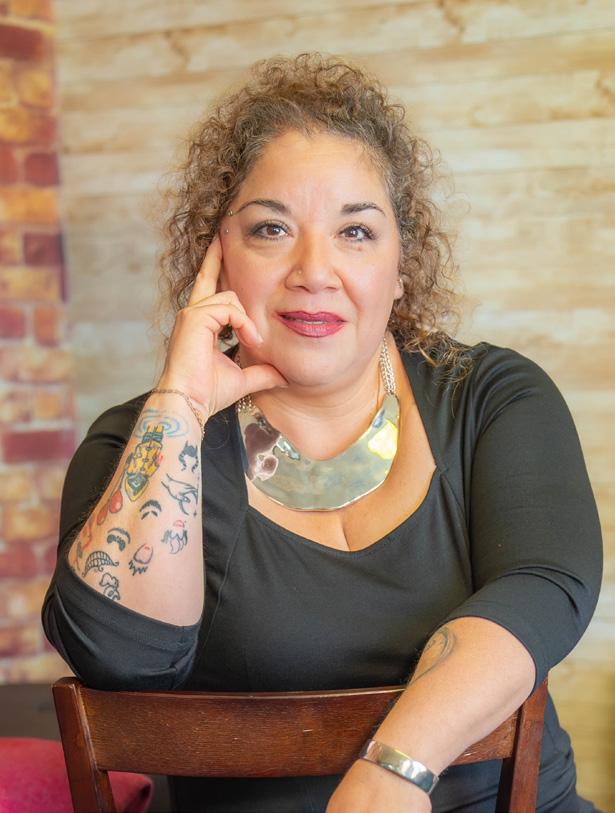
La Quiropráctica también puede ayudar con problemas y dolores del emberazado, al igual que con problemas en niños y bebés.
La Dra. Lidia Gómez solo ve pacientes con cita previa pero en casos de emergencia les pide que llamen antes de ir a su oficina.