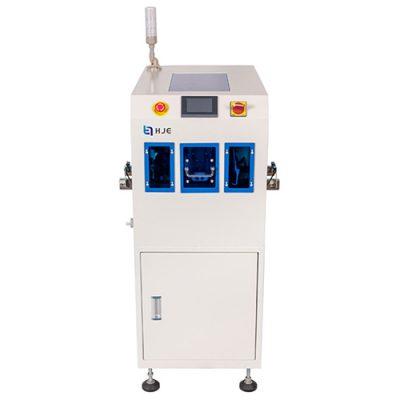
What Is X-Ray Inspection Equipment & How It Works

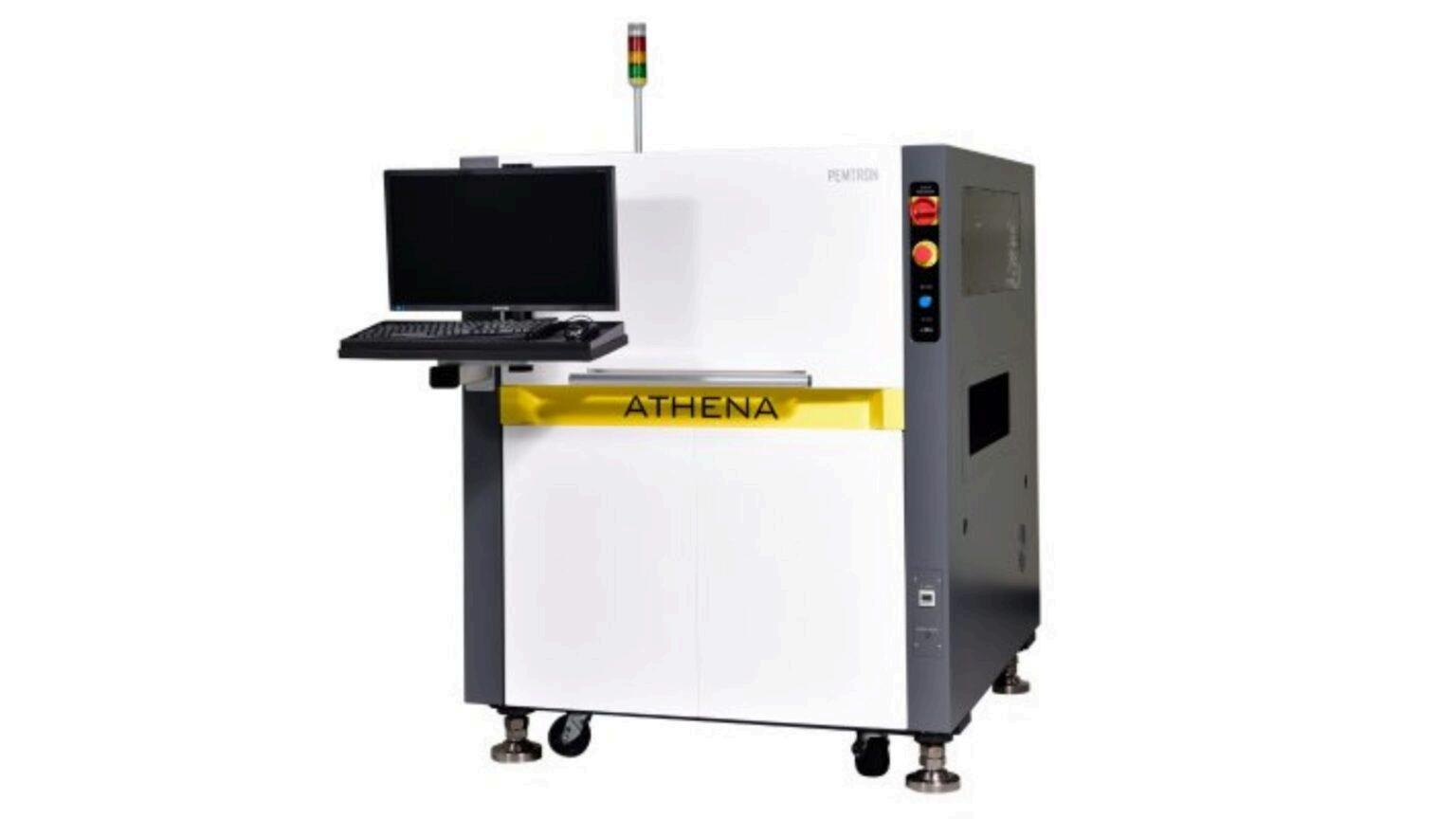


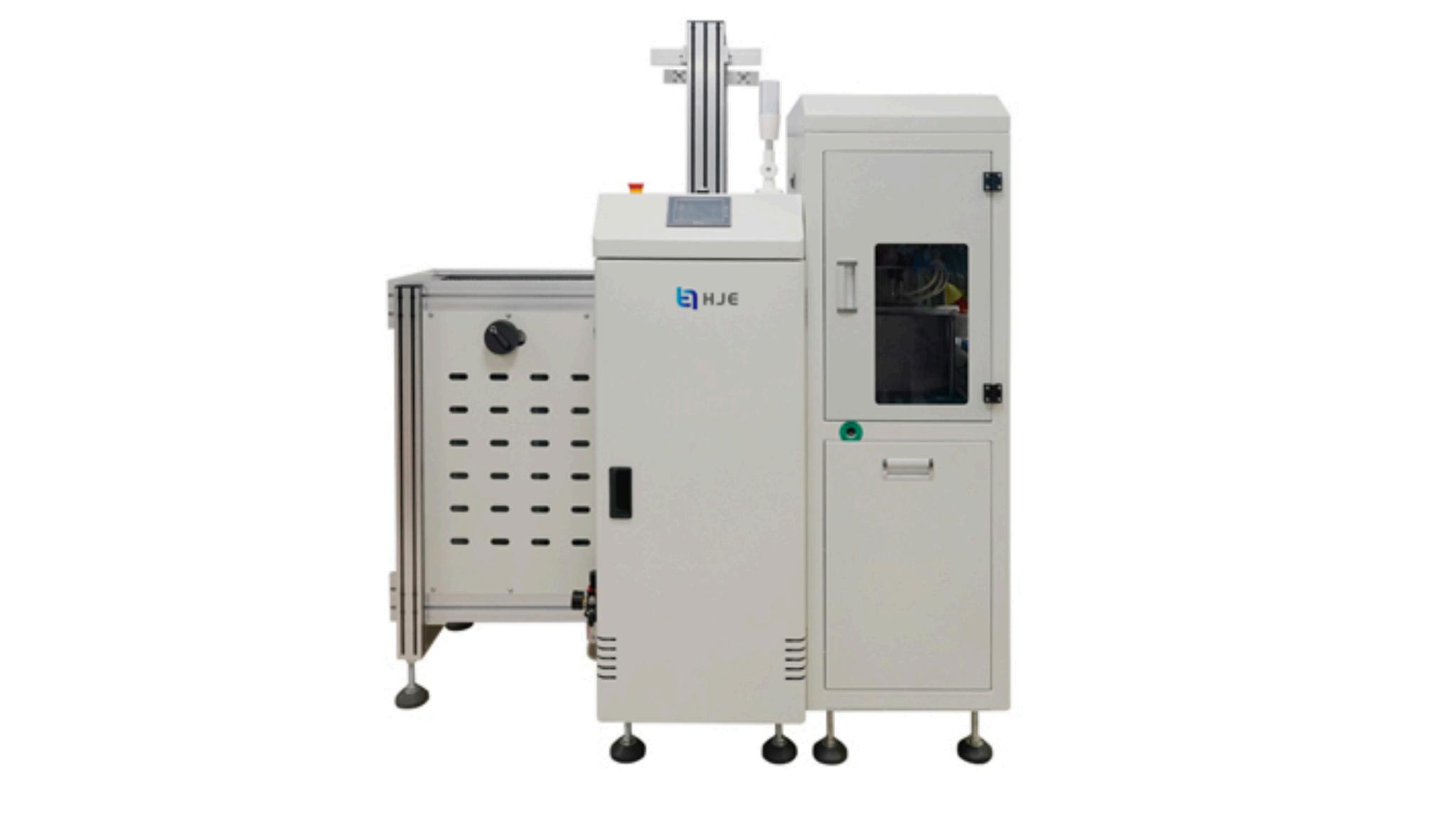
X-Ray inspection equipment makes it easier to identify contaminants and structural defects in PCBs. If you’re unsure about its working, purpose, and why X-Ray inspection equipment is integral to the PCB assembly line, here’s everything you need to know!
When running a PCB manufacturing facility, even small slips can turn into costly affairs. PCBs are responsible for the overall operation of the electronic system, acting as the backbone that connects and powers all components.
The X-Ray inspection equipment scrutinizes every detail and provides a clear view of the PCB’s internal architecture. It also helps identify voids, misaligned components, solder bridging, and insufficient joints.
Understanding the benefits of X-ray inspection equipment shows that they are not mere benefits but essentials. Here’s everything you need to know about!

X-Ray Inspection Equipment is a specialized machine used to inspect objects without cutting or damaging them using X-Ray radiation.
In electronics manufacturing, it helps uncover hidden defects and internal issues that cannot be seen with the naked eye.
It works by passing X-rays through a component or board, where they are absorbed differently, allowing the machine to detect hidden defects and internal structures such as solder joints, connections, layers, and more.
In simple terms, it’s like a medical X-ray, but instead of scanning the human body, it scans electronic components to ensure they are built correctly and free from defects.
To keep it simple, X-Ray inspection equipment allows you to get error-free PCBs, including:
X-Ray Source
Detector
Image Processing System
Control Panel/Software
Sample Operation Platform/ Conveyor
In any PCB production line, X-Ray inspection equipment plays a crucial role, ensuring that even the smallest hidden defects are identified early in the production process.
Since modern PCBs are highly complex and densely packed, traditional inspection methods are often insufficient and fail to detect issues beneath components.
X-Ray systems help manufacturers maintain quality standards, reduce costly rework, improve production efficiency, and ensure the long-term efficiency of electronic products across industries such as automotive, aerospace, medical, and consumer electronics.


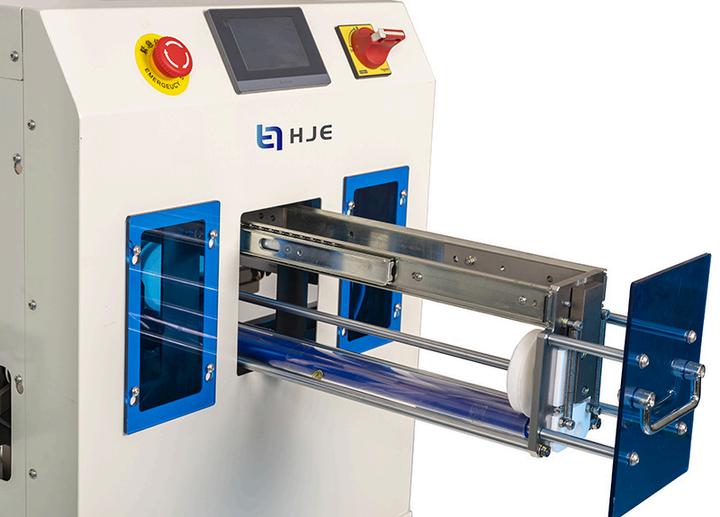
In-line Inspection: In-line X-ray inspection systems are integrated directly into the PCB assembly line, enabling inspection during production. These systems automatically scan boards as they move through the line, enabling quick detection of defects along with offering quick corrective options. These are ideal for highvolume manufacturing where speed, consistency, and minimal human intervention are critical.
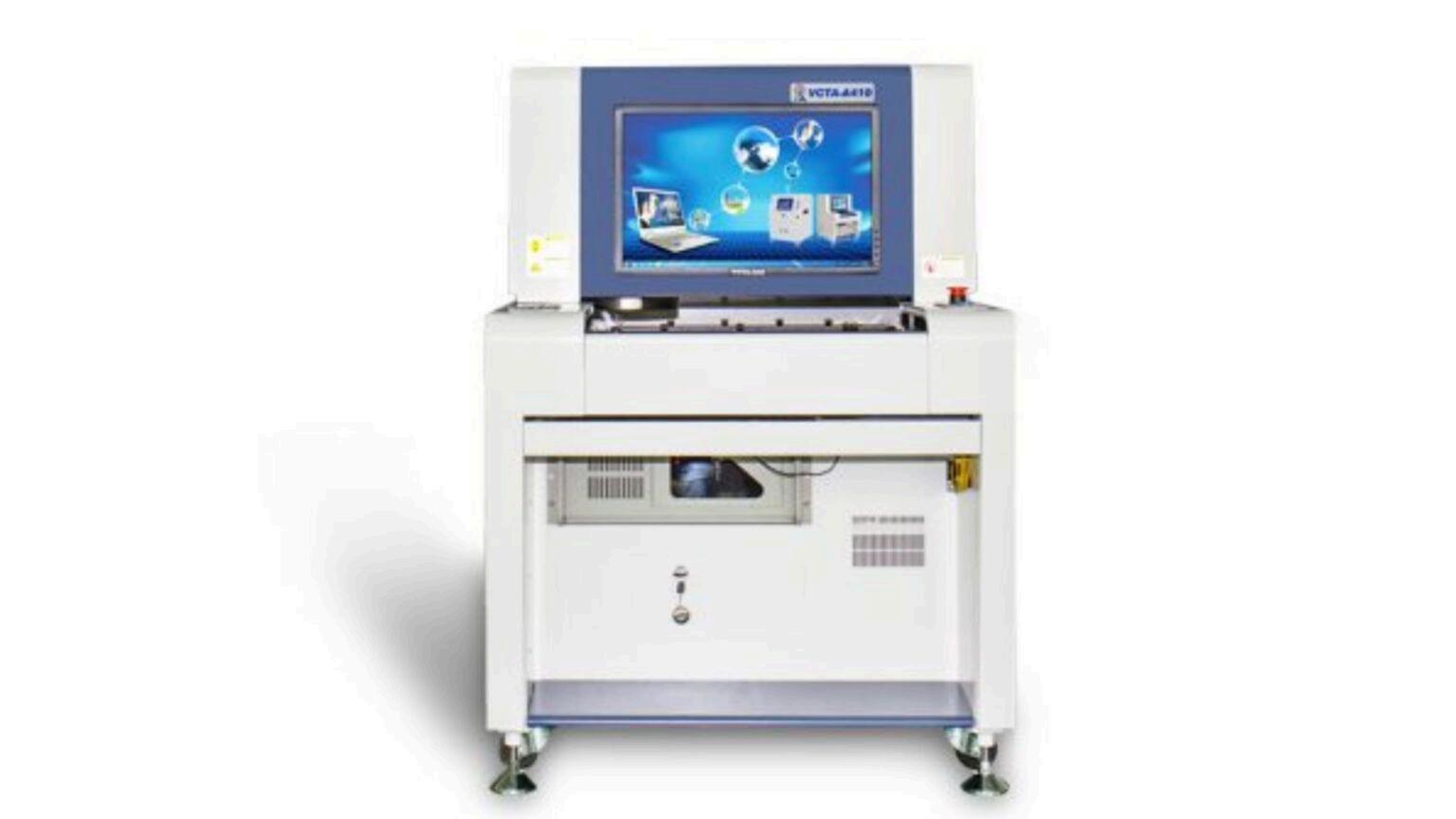
Offline Inspection: Offline X-ray inspection equipment is a standalone machine used for sample-based inspection of PCBs. Here PCBs are inspected separately, making these systems suitable for low-volume production and prototyping needs.



X-Ray inspection equipment can be integrated into different stages of the PCB assembly process, depending on the nature and working of the PCBs. Here’s the step-by-step process of how it actually works:
1. Board Placement in the System
The assembled PCB is either automatically conveyed (in-line systems) or manually placed (offline systems) into the X-ray machine.
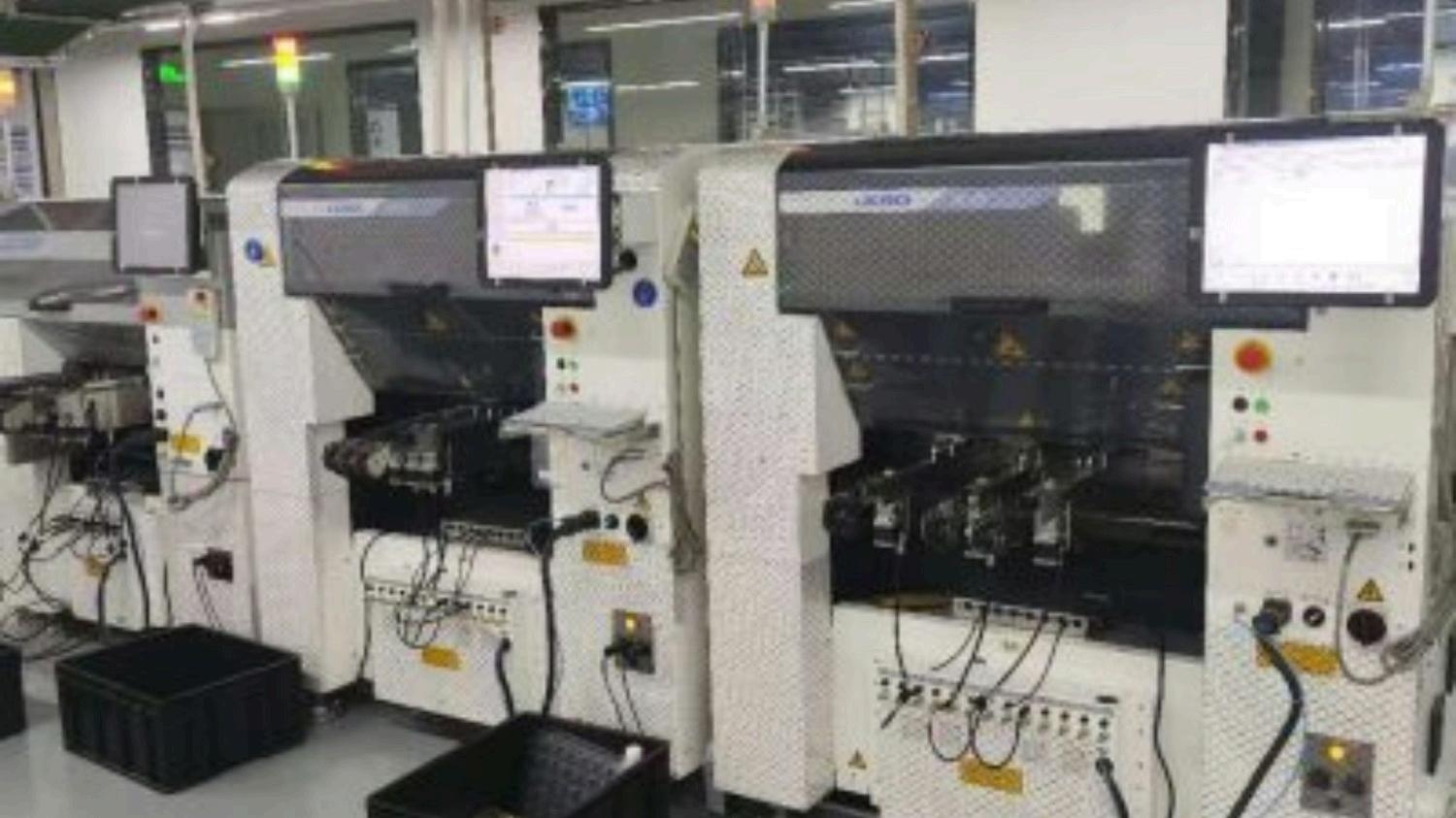
An X-ray tube emits controlled radiation toward the PCB. These X-rays penetrate the board and its components.
3. Differential Absorption
The X-Ray machine works by emitting X-rays at different levels. For example, dense materials like solder and metal absorb more X-ray light, whereas less dense materials allow more X-rays to pass through.
4. Image Capture
www.hjetech.in
A detector on the opposite side captures the transmitted X-rays and converts them into a high-resolution digital image.

5. Image Analysis
Once the images are generated, advanced software analyses them to identify defects such as solder voids, bridging, misaligned components, and insufficient or excess solder.
6. Decision & Action
In In-line Systems: Defective boards are flagged or removed automatically
In Offline Systems: Operators review the images and decide on rework or rejection
7. Feedback Loop
The inspection results help engineers adjust the manufacturing process, improving quality and reducing future defects.

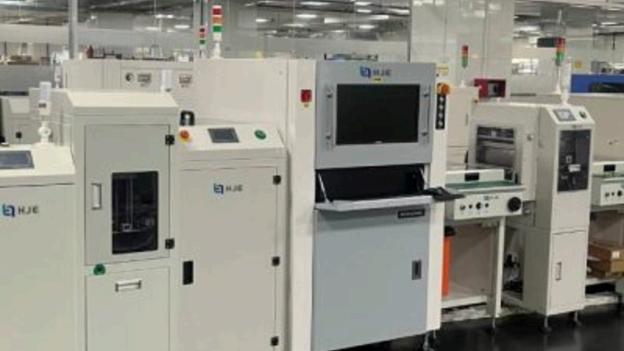

From the above presentation, you might have understood what an X-Ray inspection machine is, the different types, and how it works.
If you run a PCB manufacturing unit, but are unsure about how X-Ray inspection equipment would work for your manufacturing line, then HJE Tech India Pvt. Ltd. has got you covered.
We have a complete selection of machines and equipment to support your DIP and SMT production line. From X-ray inspection equipment to solder paste inspection machines to high-quality loader and unloader machines, we’ve got you covered.
Contact us today to learn about HJE Tech’s range of SMT/DIP products.