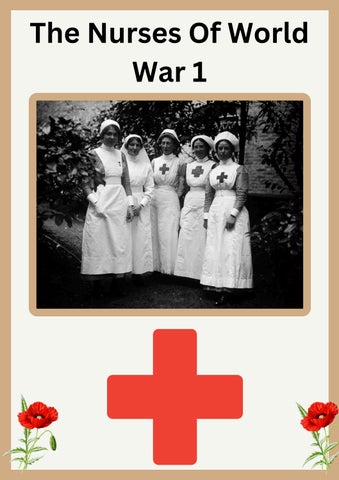
The Nurses Of World War 1
Contents 1- Introduction 2- The MAIN causes of WW1 3- Important events 4- Timeline of the War 5- Australia's involvement 6- Nurses Of WW1 7- Experiences WW1 nurses had 8-Sister Pearl Elizabeth Corkhill 10- Experiences Sister Pearl Elizabeth Corkhill
The “Great War”
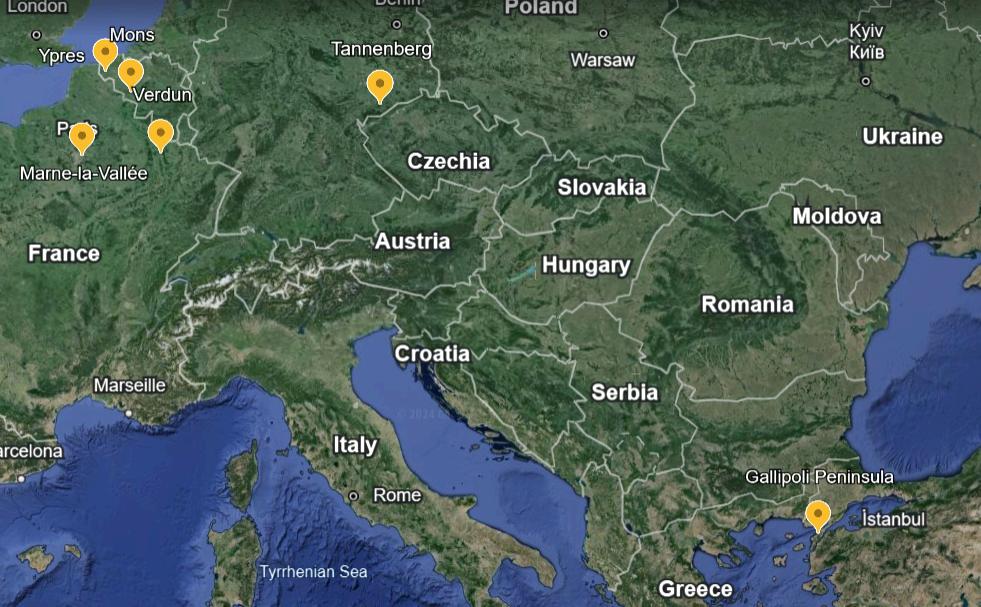
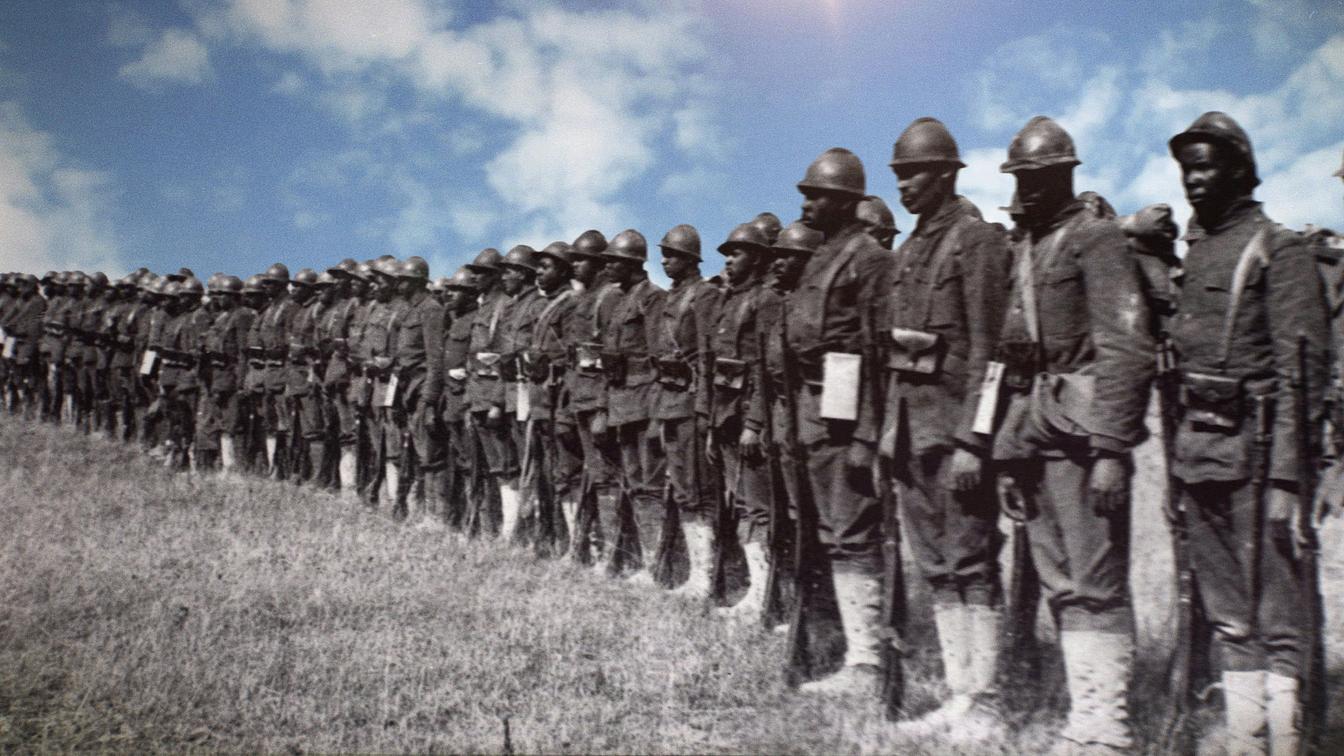
World War 1 started on July 28th, 1914, and ended on the 11th of November 1918. World war 1 officially started in Sarajevo, Bosnia when the assassination of the political leader Archduke Franz Ferdinand and his wife, by a Bosnian revolutionary Gavrilo Princip. This led to a series of events that led other countries to join the war based on their alliances, imperialism, nationalism and militarism. On the 4th of August 1914 Germany invaded Belgium and Luxemburg. The main countries involved in World War one included Serbia, Russia, Montenegro, France, Belgium, Japan, Great Britian which included Canada, Australia, New Zealand, India, South Africa and other British dominions and colonies. Some key events from WW1 include the Battle of Mons: August 23, 1914, Battle of Tannenberg: August 26-August 30, 1914 the First Battle of the Marne September 6-12, 1914, the First Battle of Ypres: October 19 to November 22, 1914, the Battle of Verdun: February 21 to December 18, 1916 and Australia's most well known the Battle of Gallipoli: February 19, 1915, to January 9.
MAIN Causes Of War
The assassination of Archduke Franz Ferdinand and his wife, during July 1914 was what first started the World War One but there were many other causes. The biggest cause of WW1 was MAIN, the term MAIN is an acronym used: M stands for Militarism, A stands for Alliances, I stands for Imperialism, N stands for Nationalism.
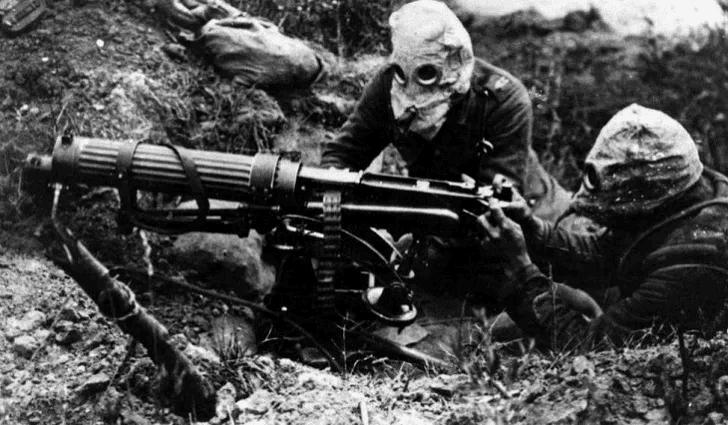
Militarism was the opinions and actions from people who believed that countries should use strong military methods, people believed that a country should have a strong military capable of being prepared to use it aggressively to defend or promote its interests. England and Germany were the world's leaders who had the world's largest and strongest military.
Alliances is the agreement between 2 or more countries that made a deal to support each other during the war, there were two major alliances prior to World War One the Triple Entente and the Triple Alliance. The triple Entente included France, Britian, and Russia the Triple Alliance included Italy, Germany and Austria- Hungary.
Imperialism was the strongest nations would conquer and control other nations that were much weaker.
Nationalism was when weaker nations would rebel against stronger nations, which led to surprise attacks and assassinations.
Important Events
World War one occurred from 28 July 1914 until the11th November 1918
2. Battle of Mons: August 23, 1914
3. Battle of Tannenberg: August 26-August 30, 1914
4. First Battle of the Marne: September 6-12, 1914
5. First Battle of Ypres: October 19 to November 22, 1914
6. Battle of Verdun: February 21 to December 18, 1916
7. Battle of Gallipoli: February 19, 1915, to January 9, 1916
1.
Timeline of WW1
1
28th July 1914
2
28th June 1914
Archduke Franz Ferdinand the political leader of AustriaHungarian and his wife were assassinated
Austria-Hungary, declares war on Serbia, WW1 ofically begins 1st of August to the 28th
3
April 25th 1915
Anzac Tropes begun landing in Galipoli, where many casuilties were about to occur
November 11th 1918
Germany agrees to an armistice (a legal document that ends fighting between countries) and by 11am, on the 11th day of the 11th month WW1 came to an end
4
5
Germany declaired war on, Russia,France and, Belgium. The battle began at the Eastern and Western Front
6
July 1st 1916
20,000 troupes died, as the battle of the Somme began
Australia's Involvement
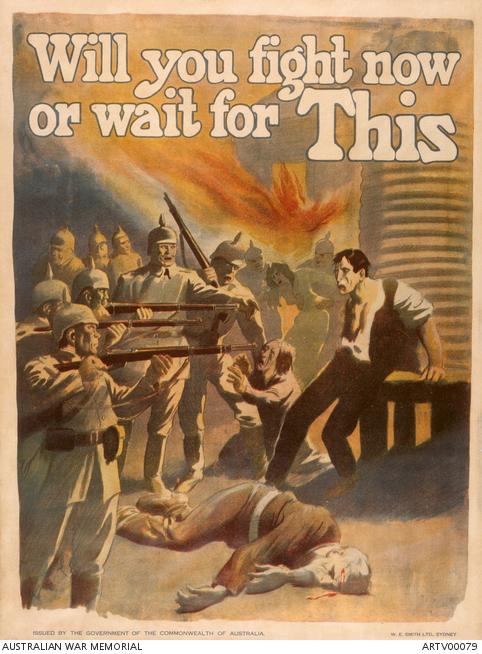
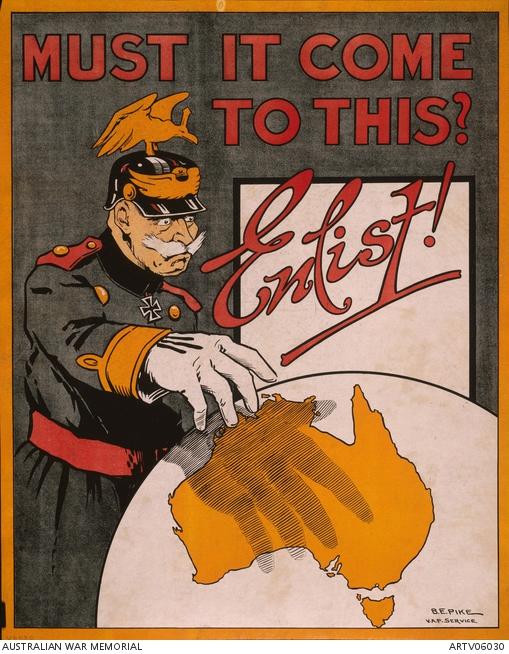
There were many reasons for Australia's involvement during WW1, the most common was to show their loyalty to Britain as Australia was a part of the British Empire. Other reasons on why men enlisted in WW1 were that it was a regular paying job, men sought combat or adventure, and some wanted to escape their normal everyday life. During World War 1 over 416,809 men enlisted for service, that was over 38.7 per cent of the total male population aged between 18 and 44. These solders fought across 3 main areas; the Gallipoli Peninsula, the Western Front and the Middle East. It is estimated that out of 416,809 over 58,961 men died during the great war 166,811 men were wounded, 87,865 men suffered a sickness and 4098 went missing or were made prisoners of war.
Nurses Of WW1
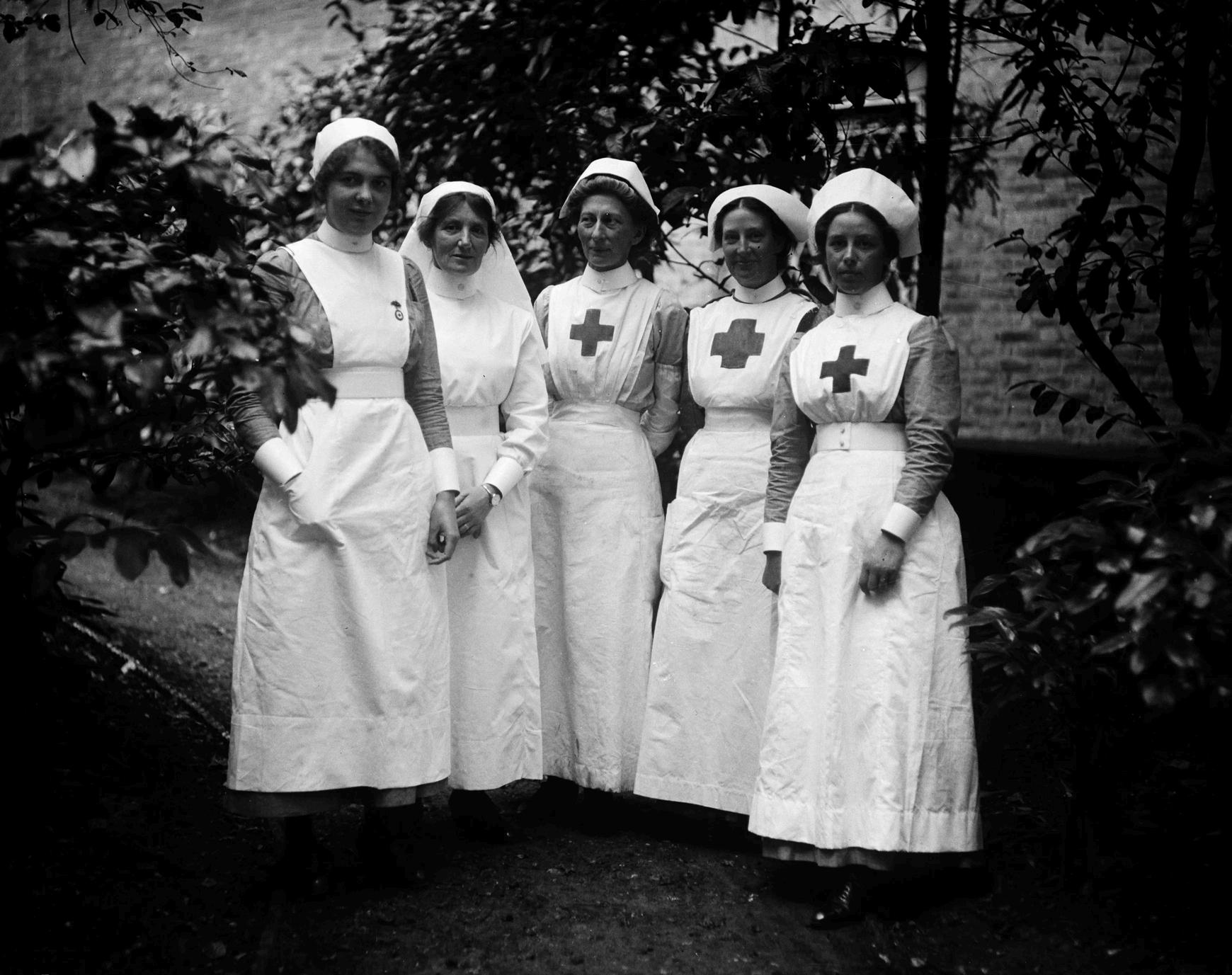
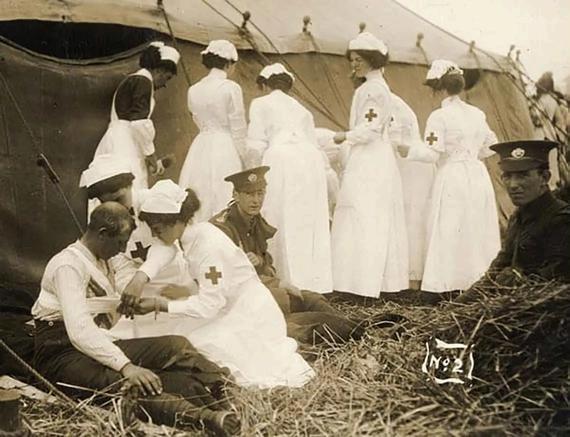
Nurses played a major key role during World War 1,it was estimated that over 90,000 woman volunteered as nurses from the British Empire and over 3000 were Australian nurses. The AANS (Australia Army Nursing Services was formed in July of 1903 as part of the Australian Army Medical Corps. The woman worked in hospitals on hospital ships and trains, or in casualty clearing stations closer to the front line. The Nurses served in locations from Britain to India taking in France, and Belgium the Mediterranean, and the Middle East.
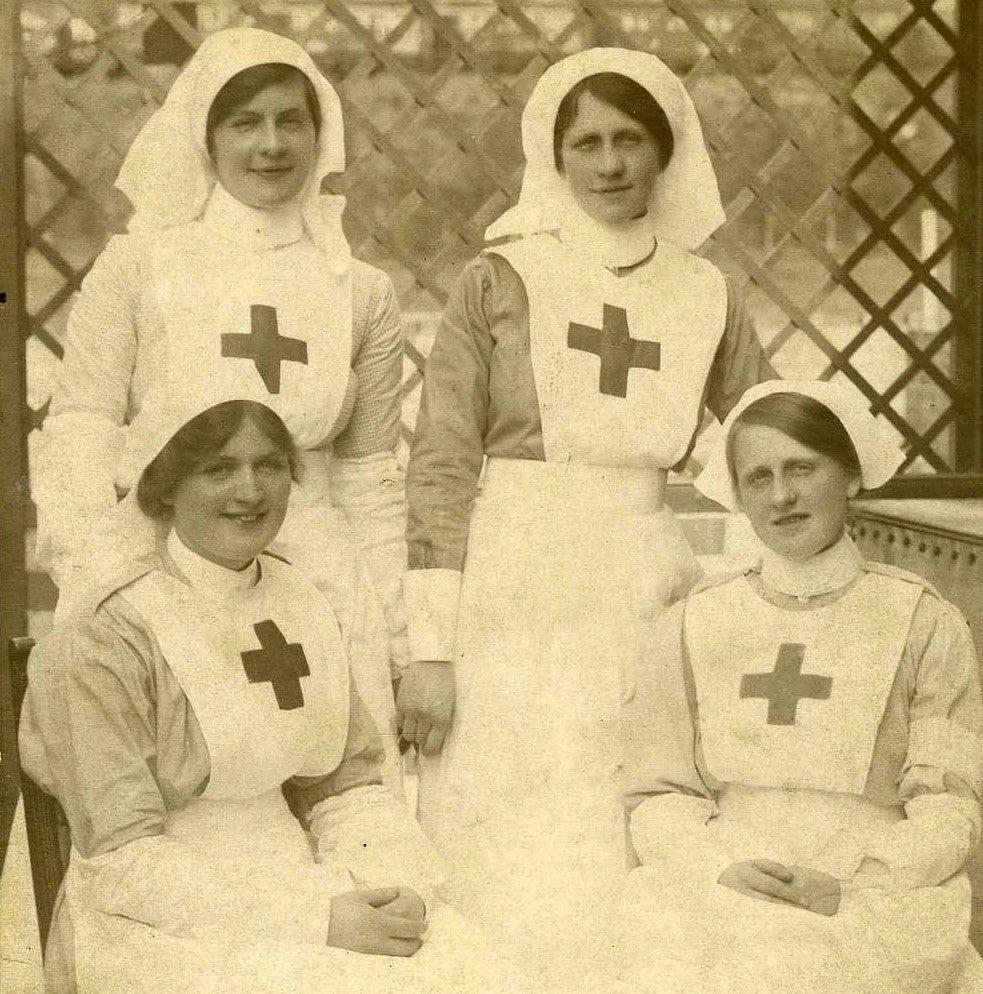
They had 3 main roles which was to provide medical care to soldiers who had been wounded, to provide comfort, and to support the soldiers through all their hardships, trying to cheer them up. World War One Nurses were nicknamed by dying soldiers the “White Angles” as the ldi rs though they were nded by angles when rrived in the hospital.
Experiences World War One Nurses had
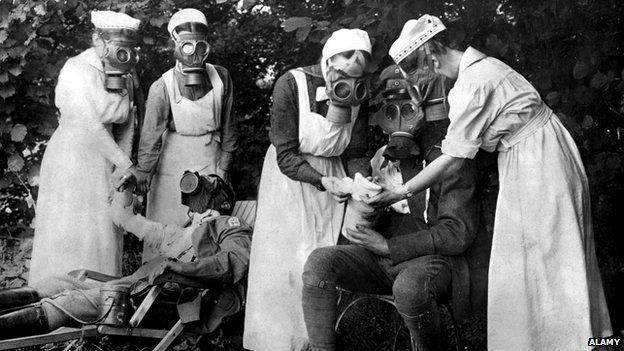
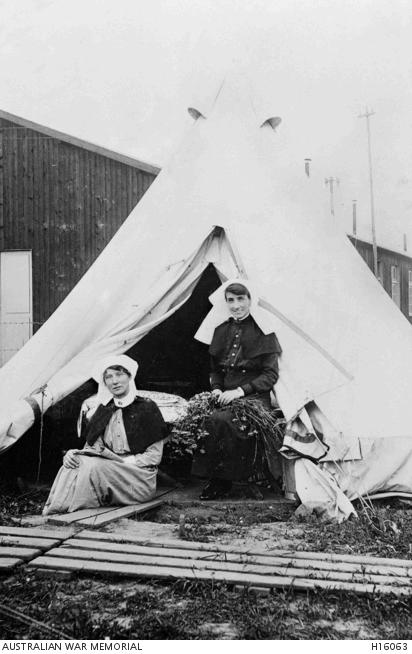
The Nurses that served during WW1 faced many daily challenges, long term and short term Once a nurse had enlisted, they had no choice but to serve for the duration of the war, unless they were badly injured on got married. World War 1 Nurses were exposed to mental and physical stress as they risk their lives for others. The conditions they worked in were ranged from difficult o nearly impossible especially on hospital ships, due to a lack of staff and medical provisions. Each time there was a major battle medical facilities soon became overwhelmed with the wounded and dying, which effected the mental health of nearly all of the nurses The woman who were stationed at Lemnos were housed in flimsy tents in freezing conditions and gale-force winds and were forced to contend with a lack of food and dysentery while trying to treat the masses of wounded. There were many negatives and downsides that World War One had on the woman such as post-traumatic stress disorder (PTSD), this was the result from the casualties they witnessed and the screams and cries for help they heard from soldiers as they were hit with bullets and bombs. Although many women suffered from PTSD the experience of working during the war gave many nurses new confidence in their abilities and skills. Many nurses received training and opportunities to perform roles previously reserved for men, such as surgery and administering anaesthetics.
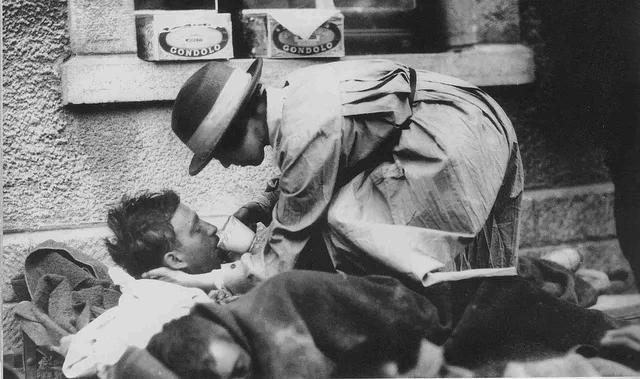
Australian nurse looking after a wounded soldier
Housing conditions for Australian Nurses in Lemnos during World War 1
Sister Pearl Elizabeth Corkhill
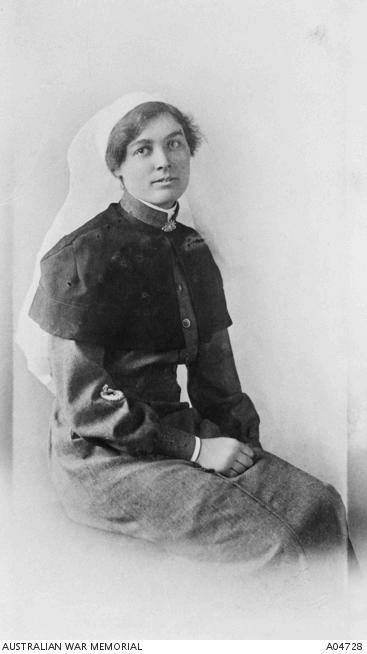
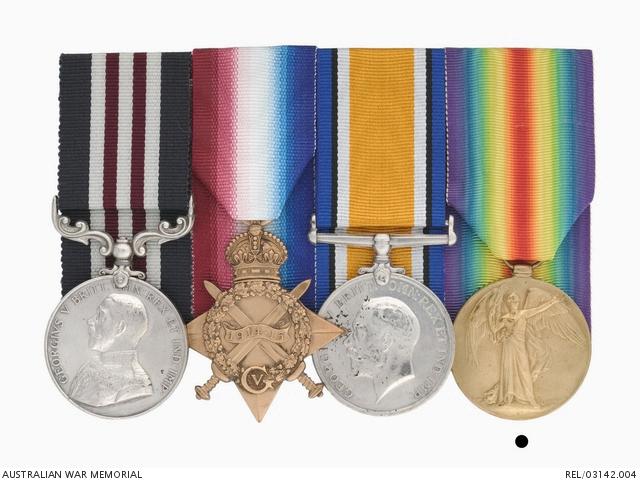
Sister Pearl Elizabeth Corkhill
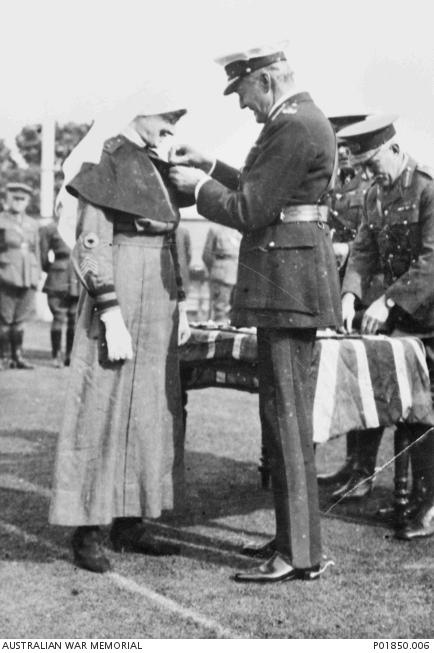
Sister Pearl Elizabeth Corkhill was born in Tilba Tilba, New South in 1887. She undertook nursing training at Burilda private hospital in Summer Hill NSW and became a registered nurse between 1910-1914 at the age of 23. Pearl was just 28 years old when she first enlisted serving in the AANS unit (Australian Army Nursing services), Sister Pear serving in Egypt, then moving to the Western Front, once in France she spent a period of time at the 2nd British General Hospital in Le Havre dealing with the mass casualties from the Somme.
During pearls time serving in World War One as a nurse she achieved may things. Her greatest achievements were being awarded the Military Medal in 1914-1915, the star British War Medal 1914-1920, and l1astly, she was awarded the Victory medal in1917. She was 1 out of 8 Nurses from Australia to receive the Military Medal during WW1, Sister Pearl Elizabeth Corkhill received this medal for her, courage, presence of mind and bravery.
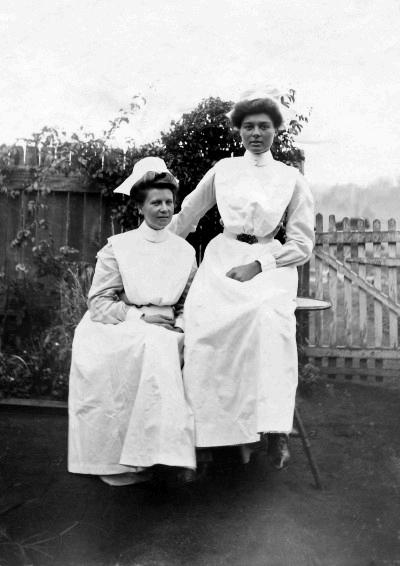
Experiences of Pearl
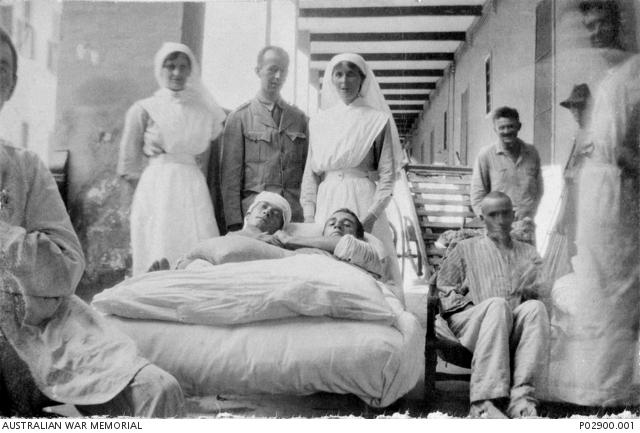
In June of 1918 she was permanently attached to the 38th British causality clearing station also known as the 38BCCS. July 1918 one night while Pearl was overseeing the 28BCCS 5 bombs were dropped on the hospital and the canvas tents collapsed over the patient's beds. During all this commotion Sister Pearl Elizabeth Corkhill stayed extremely calm and collected, ignoring the warnings and signs to take cover.
Bibliography
Reference listAustralian War Memorial (2021). Great War nurses | The Australian War Memorial. [online] Awm.gov.au. Available at: https://www.awm.gov.au/visit/exhibitions/nurses/ww1.Editors, H. com (2021). World War I Battles: Timeline. [online] HISTORY. Available at: https://www.history.com/topics/world-war-i/worldwar-i-battles-timeline.Genge (2024). Pearl Corkhill’s story of First World War service. [online] Anzac Portal. Available at: https://anzacportal.dva.gov.au/resources/pearl-corkhills-storyfirst-world-warservice#:~:text=Sister%20%5BElizabeth%5D%20Pearl%20Corkhill% 20was [Accessed 5 Jun. 2024].Historic War Tours. (n.d.). Nurses in WWI. [online] Available at: https://www.historicwartours.com.au/blog/2022/2/17/nurses-inwwi#:~:text=There%20primary%20role%20was%20to [Accessed 6 Jun. 2024].Reid, R.E. (2007). Cultural Advice. [online] Australian Dictionary of Biography. Available at: https://adb.anu.edu.au/biography/corkhill-elizabeth-pearl12358.Vwma.org.au. (2022). Pearl Elizabeth CORKHILL MM. [online] Available at: https://vwma.org.au/explore/people/137790.www.awm.gov.au. (n.d.). Sister Pearl Elizabeth Corkhill. [online] Available at: https://www.awm.gov.au/collection/P11038153 [Accessed 6 Jun. 2024].www.centenaryofanzac.tas.gov.au. (n.d.). Centenary of ANZAC - Nursing in World War I. [online] Available at: https://www.centenaryofanzac.tas.gov.au/history/women_and_war/ nurses#:~:text=Nurses%20stationed%20at%20Lemnos%20were [Accessed 6 Jun. 2024].