INSIDE STORY
Historic Royal Palaces is an independent charity, and we rely on your support to continue to preserve the magnificent palaces and gardens in our care.
If you’re a UK tax payer and have not yet opted-in to Gift Aid, please email us at members@hrp.org.uk, and we can claim an extra 25p per £1 of your membership fee from the government, at no extra cost to you

… to our super summer issue. I hope that you’re enjoying sunny days out with friends and family in our glorious palace gardens, every chance that you get.
We all know that being outdoors is good for both mental and physical health, and we have plenty of free, mood-boosting ideas for members to try, especially those with young children. Our familyfriendly wildlife scavenger hunt insert has masses of animals, birds and plants to spot while out and about. Walking into happiness (page 12) offers some very different, palace-inspired ideas to try, from a five-minute calming and soulful stroll to a wild wander through Home Park, looking out for the deer. Our first female Park Ranger, Eleanor Evetts, answers your questions in On the spot (page 52) and explains how we are working to protect our wildlife, as summers grow hotter and drier.
As a heritage organisation we face some unique challenges when it comes to tackling climate change. Where, for example, would we put a solar panel on a Tudor palace? Discover more in Sustain and survive (page 28). Learn about the fascinating conservation work undertaken in our state-of-the-art Heritage Science Laboratory in What lies beneath? (page 24). And don’t forget, you can still see ‘Untold Lives: A Palace at Work’ exhibition for free at Kensington Palace until 27 October and enjoy delicious afternoon tea at a 10% members’ discount in the Orangery afterwards. There will be plenty of free family fun for members outdoors at Hillsborough Castle and Gardens too this summer, and some very famous wildlife to spot (see page 51).
Left
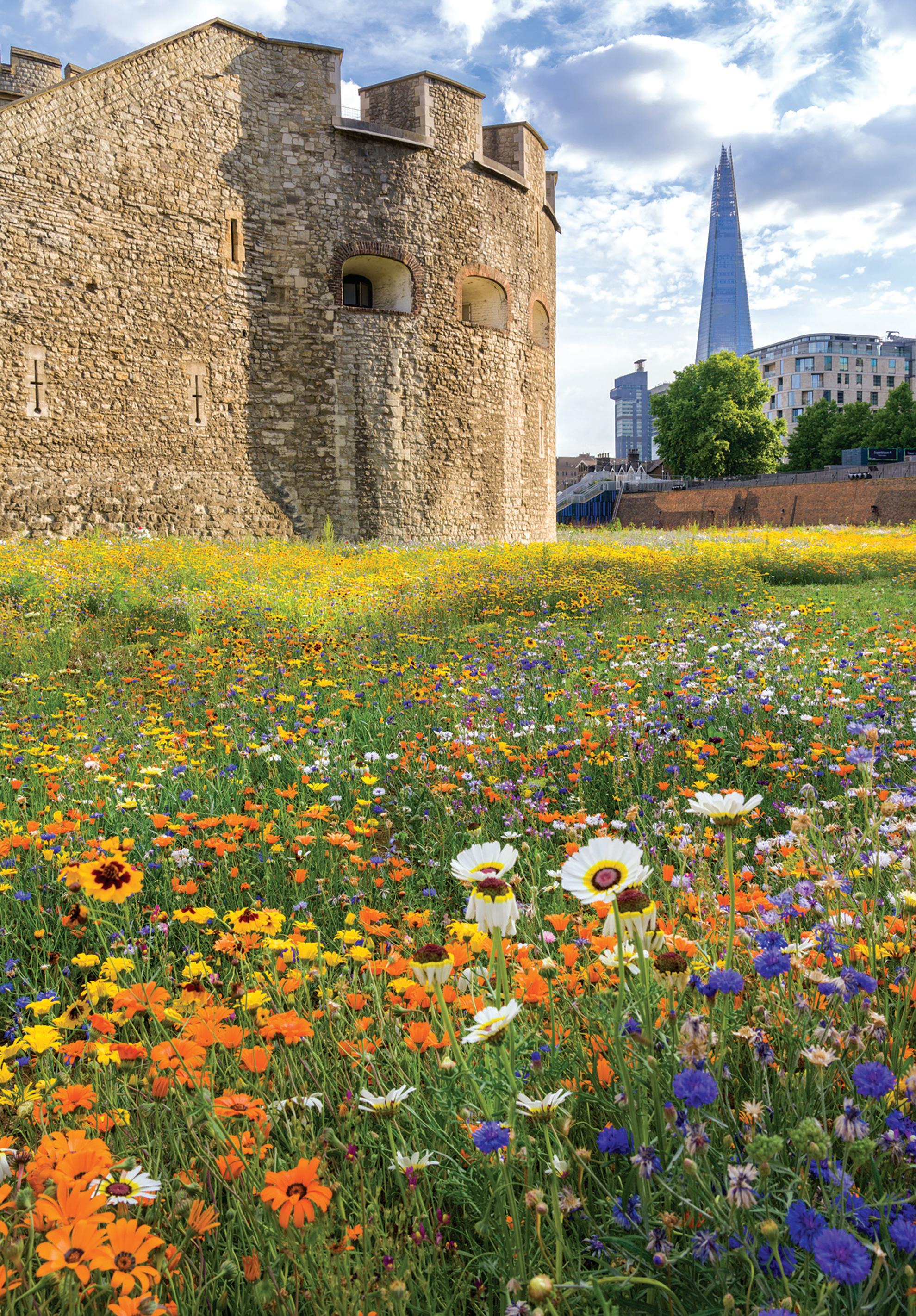
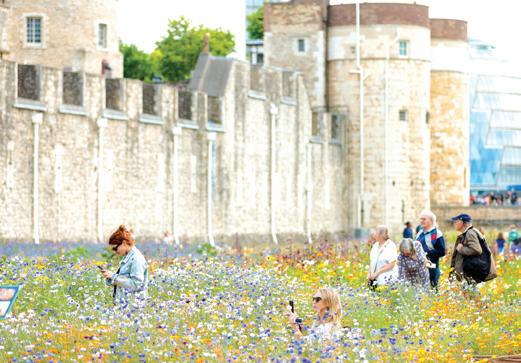
Don’t miss the Tower of London moat this summer as it blooms into life once more. Walk among the wildflowers in this unique green space and look out for bees, butterflies and other pollinators. For more summer walks inspiration, see page 12.
Published by Historic Royal Palaces, Hampton Court Palace, Surrey, KT8 9AU.
In-house editor: Clare Murphy
External editor: Sarah Kilby
© Historic Royal Palaces 2024. All rights reserved. No part of this publication may be reproduced or transmitted in any form or by any means, electronic or mechanical, including photocopying, recording or any information storage or retrieval system, without permission in writing from the publisher.
Have a great summer!

Angie Faires Head of Marketing and Membership
Unless otherwise stated, all images are © Historic Royal Palaces.
Historic Royal Palaces is a registered charity (No 1068852)
Contact us: insidestory@hrp.org.uk


Tips to help you enjoy your membership.
As a member, you can enjoy free, unlimited entry to some of the UK’s most iconic palaces: Tower of London, Hampton Court Palace, Kensington Palace, and Hillsborough Castle and Gardens, as many times as you like.
*Exclusions may apply SAVE MORE SEE FOR FREE
Go to hrp.org.uk for more information on what’s on and palace opening hours (pre-booking may be required).
We encourage you to say hello to our friendly Palace Hosts, a team who are always happy to share their knowledge about our incredible sites.
Bring your membership card on every visit to enjoy 10% off in our shops and cafés, plus enjoy 10% off in our online shop with code MEMBER24.*
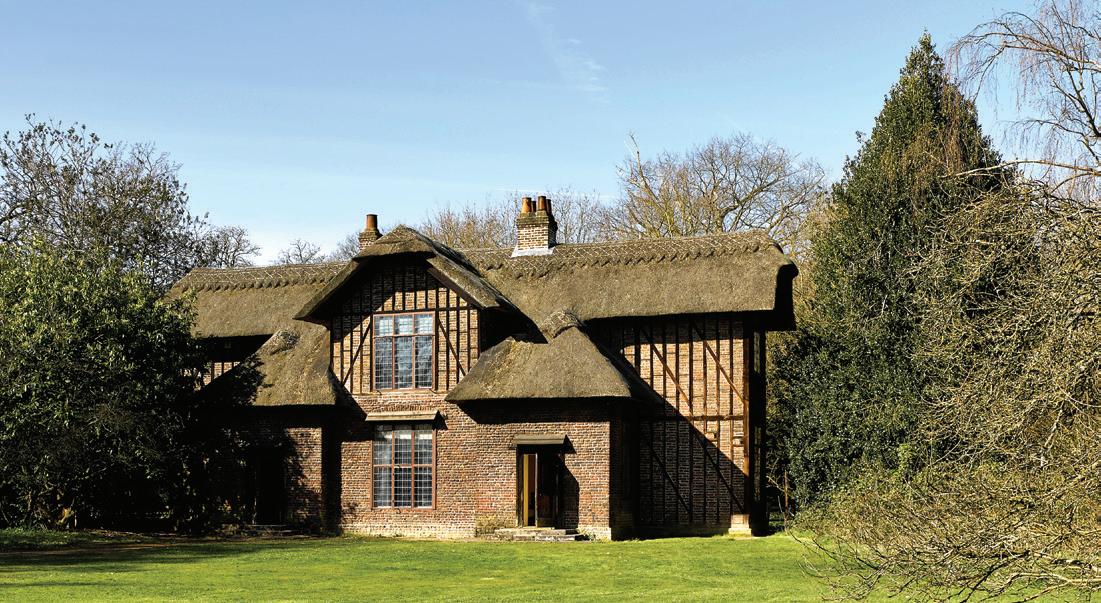
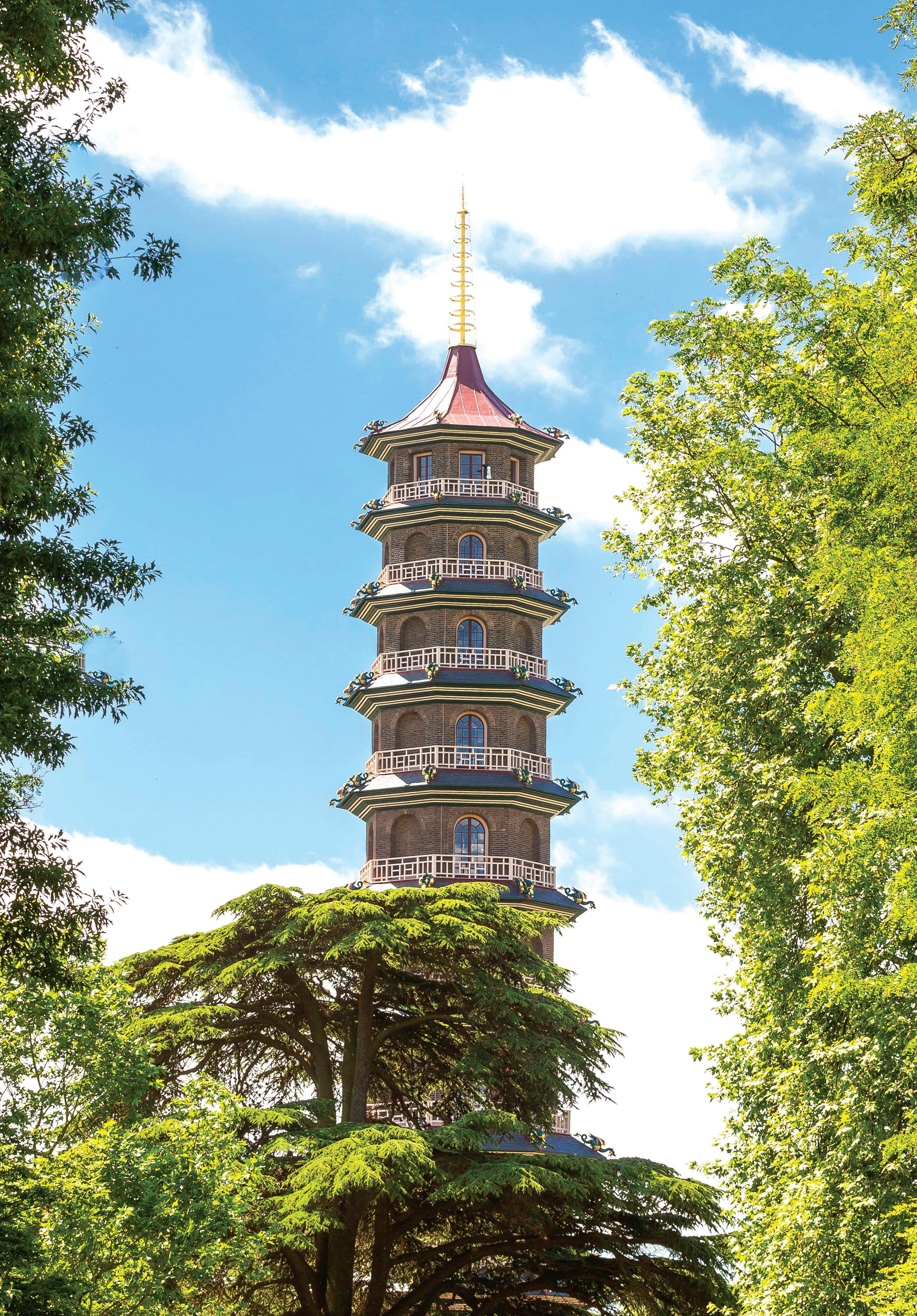
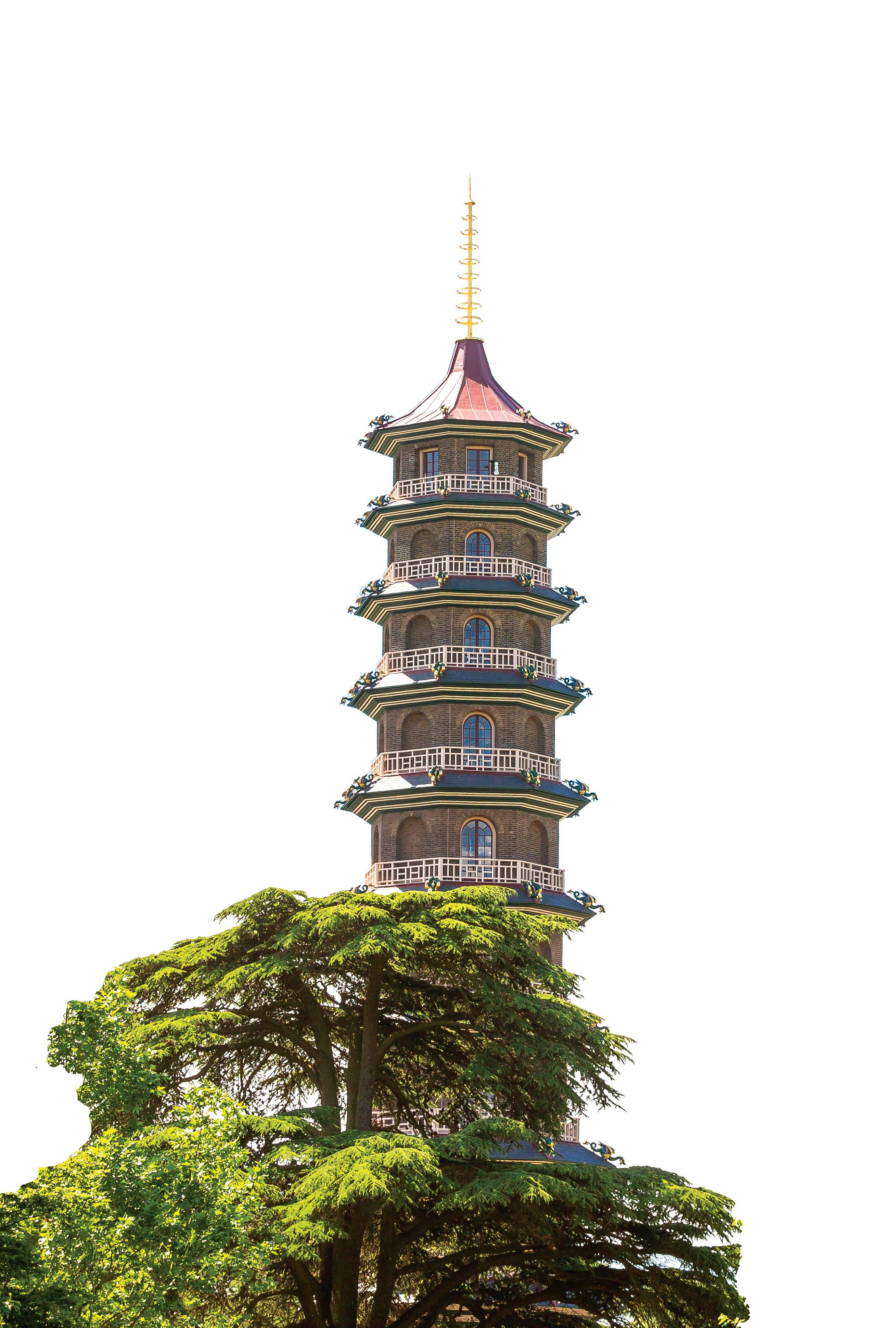
Did you know that Historic Royal Palaces cares for four sites within Kew Gardens: Kew Palace, the Royal Kitchens, Queen Charlotte’s Cottage and the Great Pagoda? Enjoy 10% off tickets for Kew Gardens to explore these fascinating spaces. Once inside, join a tour to discover the real Queen Charlotte or visit areas not usually open to the public on a Hidden Spaces tour; members go free. Feeling energetic? Climb the 253 steps of the Great Pagoda to enjoy glorious views across London (separate ticket, members go free). Book your discounted tickets online at kew.org using discount code HRP10 or show your membership card at Kew’s ticket desks.
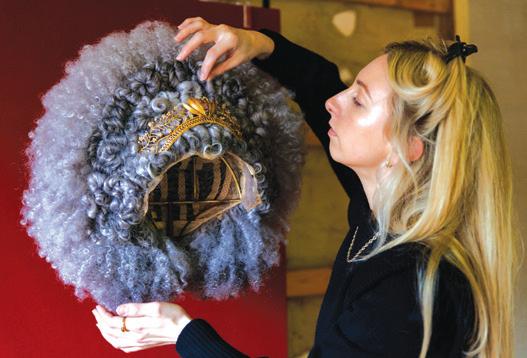
Don’t miss: One of the spectacular wigs worn by Golda Rosheuvel as Queen Charlotte in the Netflix drama ‘Queen Charlotte: A Bridgerton Story’ is currently on display at Kew Palace.
DISCOVER MORE
As a member, you benefit from free or discounted entry to a wide range of events, including special exhibitions, festivals and fayres. Plus, enjoy an exclusive programme of member events, including tours, talks, behindthe-scenes peeks and much more throughout the year.
Visit hrp.org.uk/whats-onfor-members to find out more and pre-book your tickets.
DISCOVER MORE
Unlock behindthe-scenes digital content, curated especially for you, our members, on your digital hub. Get closer to the palaces and our history through expert interviews, thoughtprovoking podcasts, videos and fun family activities.

We’ll let you know about the latest member exclusives, events, early ticket releases and discounts in regular member email newsletters.
Email members@ hrp.org.uk to:
• Change your membership details
• Add family members to your membership
• Update your contact preferences, including email newsletters
• Ask us any questions. Visit hrp.org.uk for:
• Opening days and times
• Access information
• Things to see and do
• More about our buildings and collections.
Follow Historic Royal Palaces on:
• X
We’d love to see how you’re making the most of your membership!
Post your photos with the hashtag #PalacePhoto.
Put us ‘On the spot’! In the next issue, we put Events Manager, Sarah Weller, in the hot seat. Send in your questions and see her answers in print, by emailing insidestory@hrp.org.uk before 31 July.
MAKING THE MOST OF YOUR MEMBERSHIP
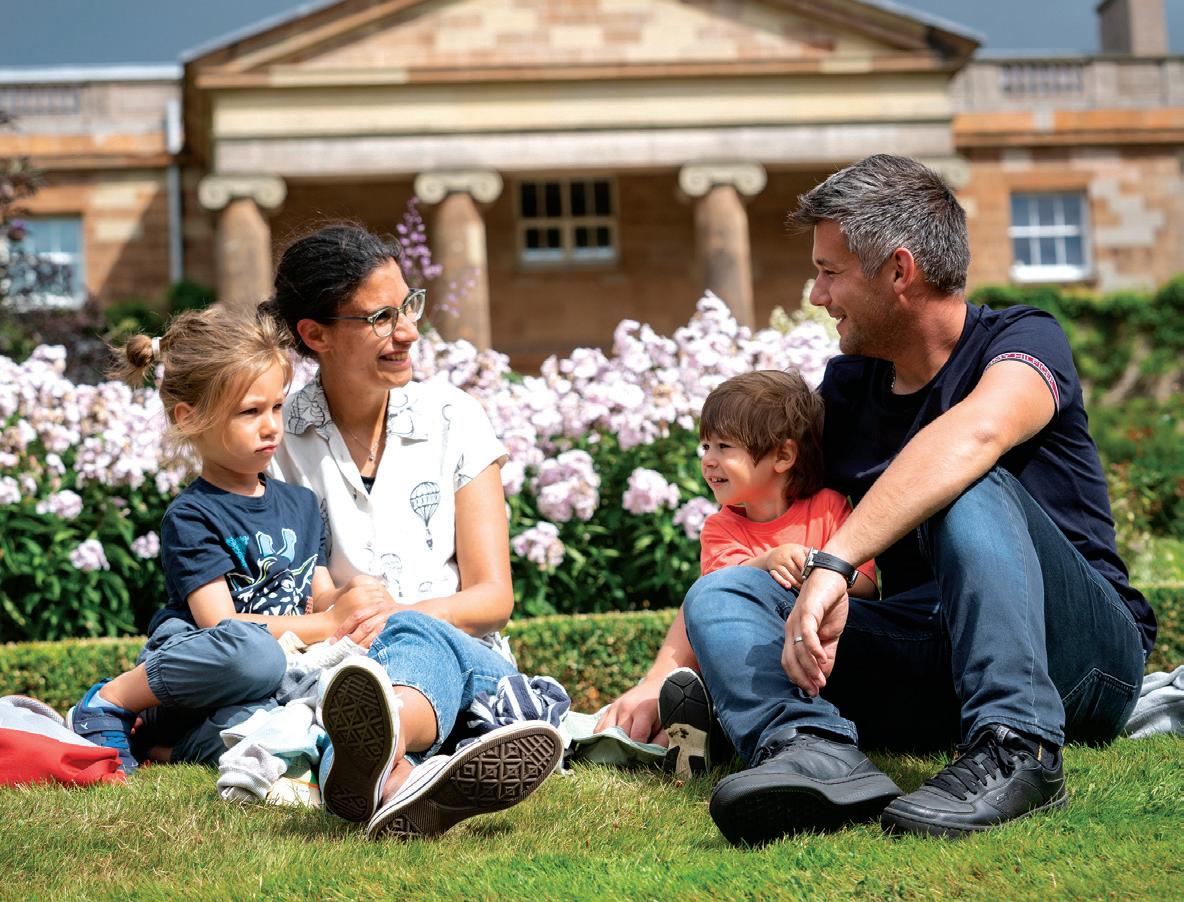
Delight in long summer days in the 100-acre grounds at Hillsborough Castle and Gardens; take picnics on the picturesque lawns as you enjoy live music from artists such as Scott Flanagan and ARCO Quartet.
Join us for the Hillsborough Castle Summer Fair over the August bank holiday weekend. Formerly known as the Honey Fair, this popular event promises the same fun, music and artisanal delights, providing entertainment for all the family.
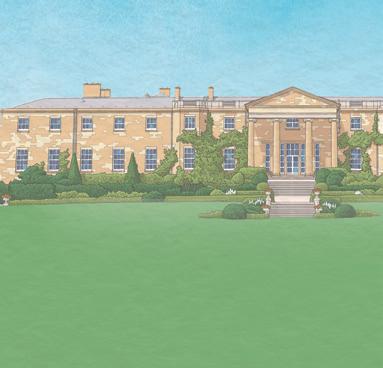
Don't miss the Peter Rabbit™ Adventure. This summer, see Beatrix Potter’s beloved characters brought to life for the first time. Follow the magical garden trail and visit on Saturdays to catch a glimpse of Peter Rabbit himself!
In September, join us on a free members-only gardens walking tour with one of our resident gardeners. Discover autumn crops in the Walled Garden and admire the best of the autumn flowering herbaceous plants.
Pre-booking may be required to guarantee your entry for our palace events. Visit hrp.org.uk for more information.
Running Festival 28 July
Summer Music in the Gardens Every Saturday until 17 August
Summer Fair 24-26 August



The Peter Rabbit™ Adventure Until 1 September
‘Life Through a Royal Lens’ Until 27 October
Discover the exhibition, ‘Untold Lives: A Palace at Work’ and uncover the surprising stories of the people who worked behind the scenes at the royal palaces over 300 years ago, many from unexpected backgrounds. These men and women rarely feature in history books; learn more about their fascinating lives in this unique exhibition.
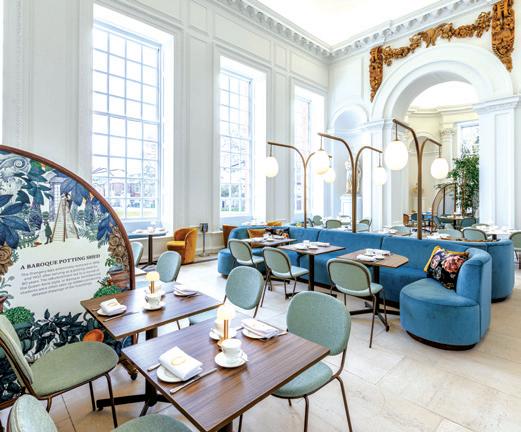
Enjoy 10% off as a member at our newly refurbished Orangery restaurant. Treat yourself to afternoon tea or a delicious lunch in an unforgettable setting.
Explore the beautiful, biodiverse landscape in the historic Tower moat as it once again blooms into life this summer. A home to pollinators and a myriad of native wildflowers, this unique space is the perfect place to relax in nature.
Join a Yeoman Warder tour to hear tales of intrigue, imprisonment, execution, torture and more from the Tower’s iconic history, and be part of an ancient tradition that has taken place every night for over 700 years at the nightly Ceremony of the Keys.
Witness a spectacle of epic proportions at Henry VIII’s Joust, returning for two weekends this summer, 13-14 and 20-21 July. Be dazzled by daredevil tricks performed on horseback, then pick your favourite knight and follow all the fun of a heroic face-off. Alongside the joust, see breathtaking falconry displays and learn all about these majestic creatures.
Keep an eye out for the winners of our young members competition to find ‘Heralds of the King’s Favour’. Twelve members were chosen and will be representing King Henry VIII during his joust performances at this year’s exhilarating event.
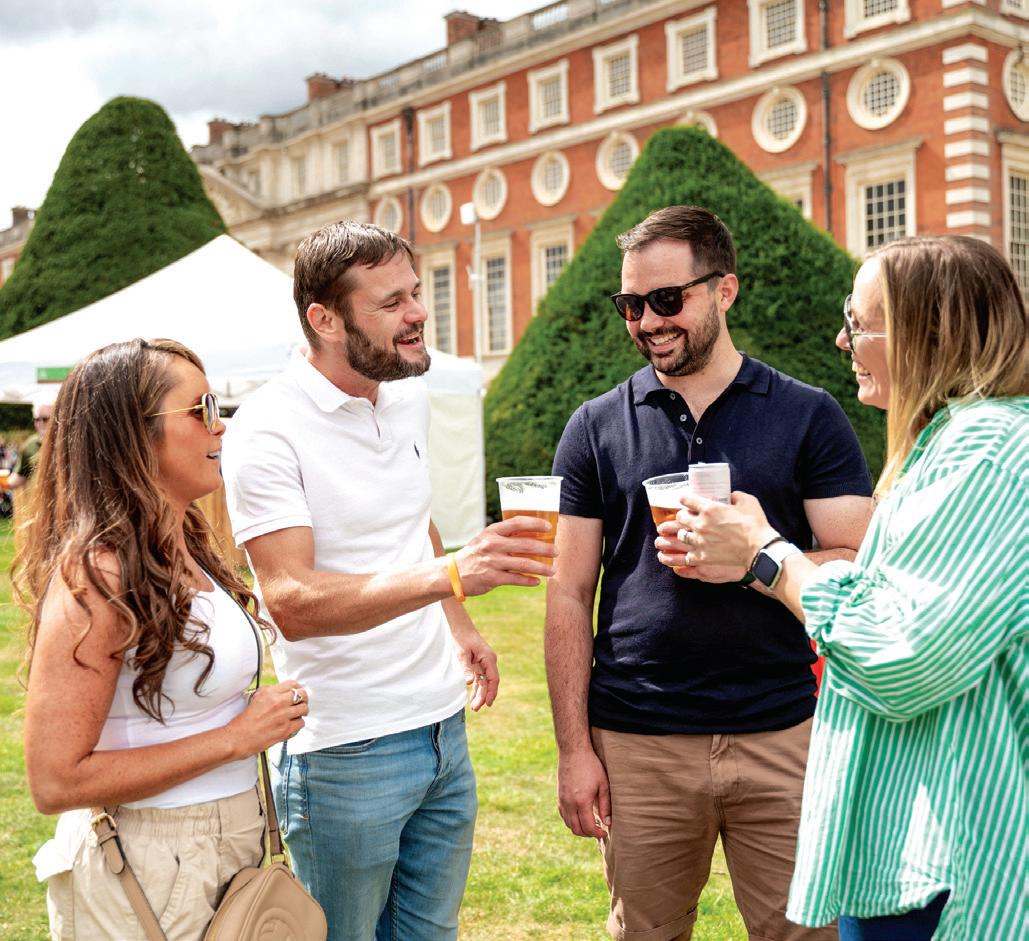
Join us for a bank holiday weekend celebration of food and drink in the iconic East Front Gardens at the Hampton Court Palace Food Festival, 24-26 August. And don’t miss Concours of Elegance, returning to the palace 30 August –1 September. Presented by A. Lange & Söhn, this popular event brings together a collection of the rarest cars ever created. Get 50% discount on admission using code 2024HRP
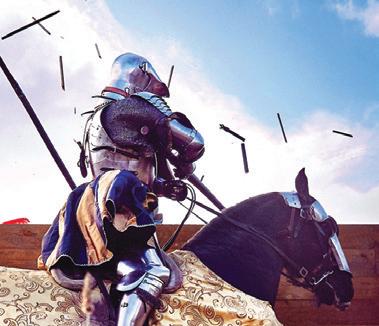
Henry VIII’s Joust at Hampton Court Palace 13-14 and 20-21 July
Hampton Court Palace Food Festival 24-26 August
Concours of Elegance at Hampton Court Palace 30 August – 1 September
The Moat in Bloom at the Tower of London Until 9 September
‘The Indian Army at the Palace’ exhibition at Hampton Court Palace Until 29 September
‘Untold Lives: A Palace at Work’ at Kensington Palace Until 27 October
Halloween at the palaces 26 October – 3 November
Every issue, we bring you the latest developments from across the palaces
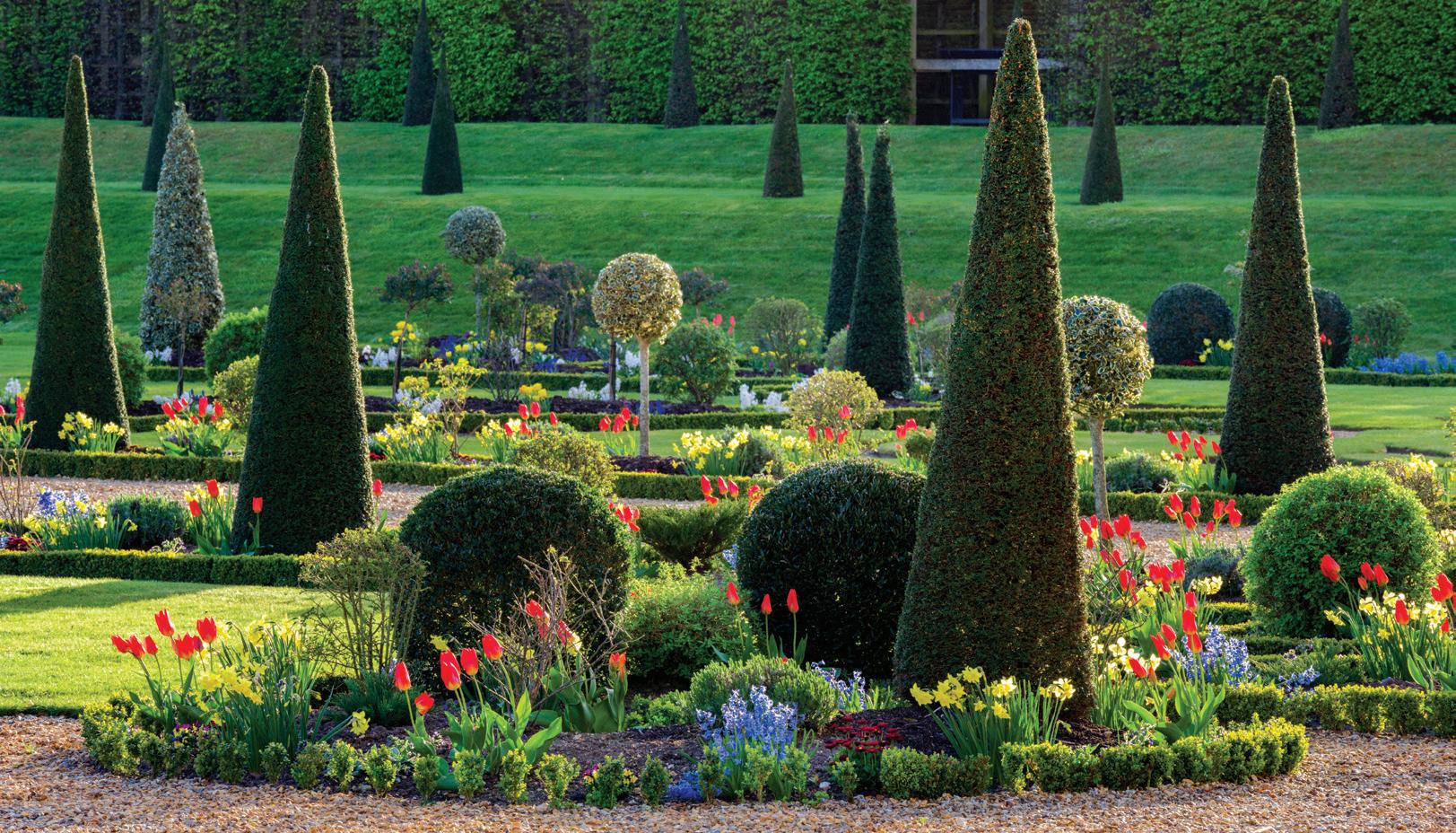
Like many of our greenfingered members, the gardens team at Hampton Court Palace has been plagued with box hedge problems in recent years. Box hedging, or to be precise Buxus sempervirens, is the mainstay of the baroque parterre and the Privy Garden is no exception, with 20,000 of these plants outlining the shape of the garden, as they did during William III’s day. But today, box is under attack from all directions: fungal blight,
box moth caterpillar and prolonged inclement weather. The problem is so severe in some European gardens that box hedging is being replaced with alternative plants. We are still striving for a solution.
Like others, we are trialling different plants including Euonymus japonicus ‘Green Spire’ as well as alternative Buxus varieties. ‘Babylon Beauty’ and ‘Renaissance’ are being used in Het Loo (William III’s palace in the Netherlands) with some success. We have planted 200 of each and will
monitor their suitability over the next 12 months.
We are also giving our existing Buxus a bit of help: reducing clipping and mulching to improve airflow and reduce the humidity loved by blight; more diligent tool cleaning to minimise the spread of fungal spores; applying nitrogen-rich food to promote stronger plants and trialling new organic products to reduce the box moth damage. We are also growing replacement plants from cuttings in our nursery. Look out for updates in a future issue.
Our innovative research project ‘Henry VIII on Tour: Landscapes, Communities and Performance’ is now well on its way.
Nearly £1 million in funding was awarded to Historic Royal Palaces by the Arts and Humanities Research Council to explore Henry VIII’s journeys, or progresses, around his realm. Led by Head of Research, Anthony Musson in collaboration with Universities of York and Newcastle and heritage partners, the National Trust, English Heritage and Historic Houses, the project examines the logistics of Henry’s journeys; the ‘performance’ of kingship and queenship on progress; musical/ liturgical implications for the peripatetic Chapel Royal and the legacy of royal progresses for communities and heritage sites today. The team are currently plotting Henry’s itinerary on an interactive web map (available soon via an app together with 3D visualisations of some lost sites). Join in! Among other activities this summer, the research team will be working with communities around the country in a host of exciting events, including a Tudor Living History Day at Berkeley Castle in Gloucestershire on 4 August. This event will include a special appearance from Henry VIII, Anne Boleyn and other characters from court, visiting on their royal progress, as well as Tudor music performed by Ensemble Pro Victoria, singing with local choirs. Members receive discounted entry. To find out more visit hrp.org.uk/Henry-VIII-on-tour
As well as marking five years since the re-opening of Hillsborough Castle, 2024 brings exciting new attractions to the State Rooms.
Visitors can enjoy a wealth of new artworks including miniatures and portraits of the Hill family, the first owners of the house, as well as pieces by some of the biggest names in contemporary Irish art.
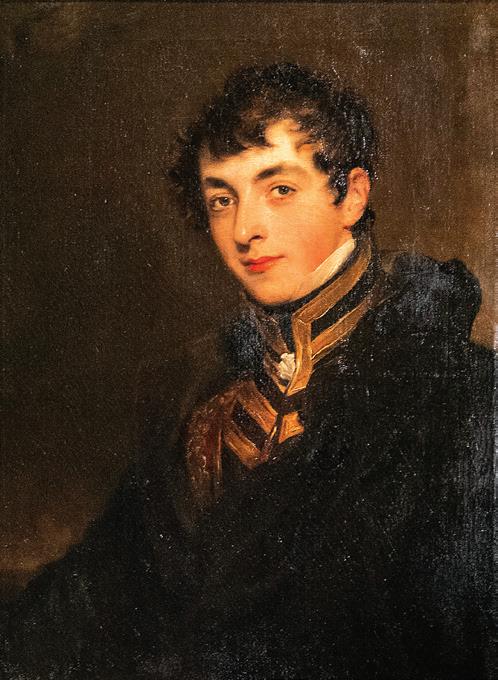
Particularly exciting are the portraits of the Hill family, the first images that we have seen of some of them, which allow us to explore their stories by putting a face to a name. Don’t miss Sir Thomas Lawrence’s stunning Portrait of Lord Marcus Hill, Later 3rd Baron Sandys (1798-1863) (right), and the exquisite miniatures of some of the other family members who lived at the castle (see page 27) – generously gifted by the Sandys Trust, a charity seeking to further the varied charitable interests of the late Lord and Lady Sandys.
An extensive project to conserve the miniatures is still ongoing but we are delighted that the first batch are now on display at the castle. Meanwhile, we have 33 new additions to the contemporary Irish art hang in the castle, including a major loan from the Crawford Art Gallery in Cork. It now reads like a ‘Who’s Who’ of Irish art, with works by William Conor, John Lavery, Emma Spence, Nano Reid and John Luke to name just a few.
Over the winter months the Clore Learning Centre at Kensington Palace was open to local adults in need of warmth and community every Monday and Tuesday.
Our Community Partnerships team worked with the social enterprise Turning Point UK, who provide health and social care services, to deliver this Warm Space initiative.
Together, we provided hot drinks, snacks and a friendly environment for over 500 people who enjoyed learning or trying something new together, from fitness, yoga and mindfulness to drawing, knitting and board games. This initiative has been such a success that we will continue as a ‘Welcome Space’ on Mondays throughout the summer.
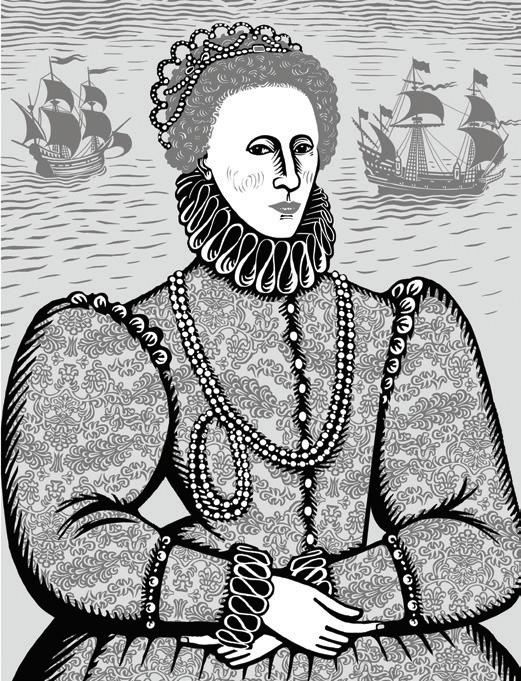
Calling all Elizabeth I fans! If you enjoyed our Tudor queens podcast series (available on the Historic Royal Palaces Podcast), then we have a treat in store for you. Joint Chief Curator Tracy Borman will be recording a new three-part series on the iconic Virgin Queen later this year. The Tudor queens are also the subject of Tracy’s latest book, Anne Boleyn & Elizabeth I: The Mother & Daughter Who Changed History – and as if that wasn’t enough, rumour has it that Tracy is working on a new book, due for release next year, in which Elizabeth I once again occupies the starring role. Watch this space! SAVE MORE
Receive 10% off AnneBoleyn & Elizabeth I in store with your membership card or use code MEMBER24 online.
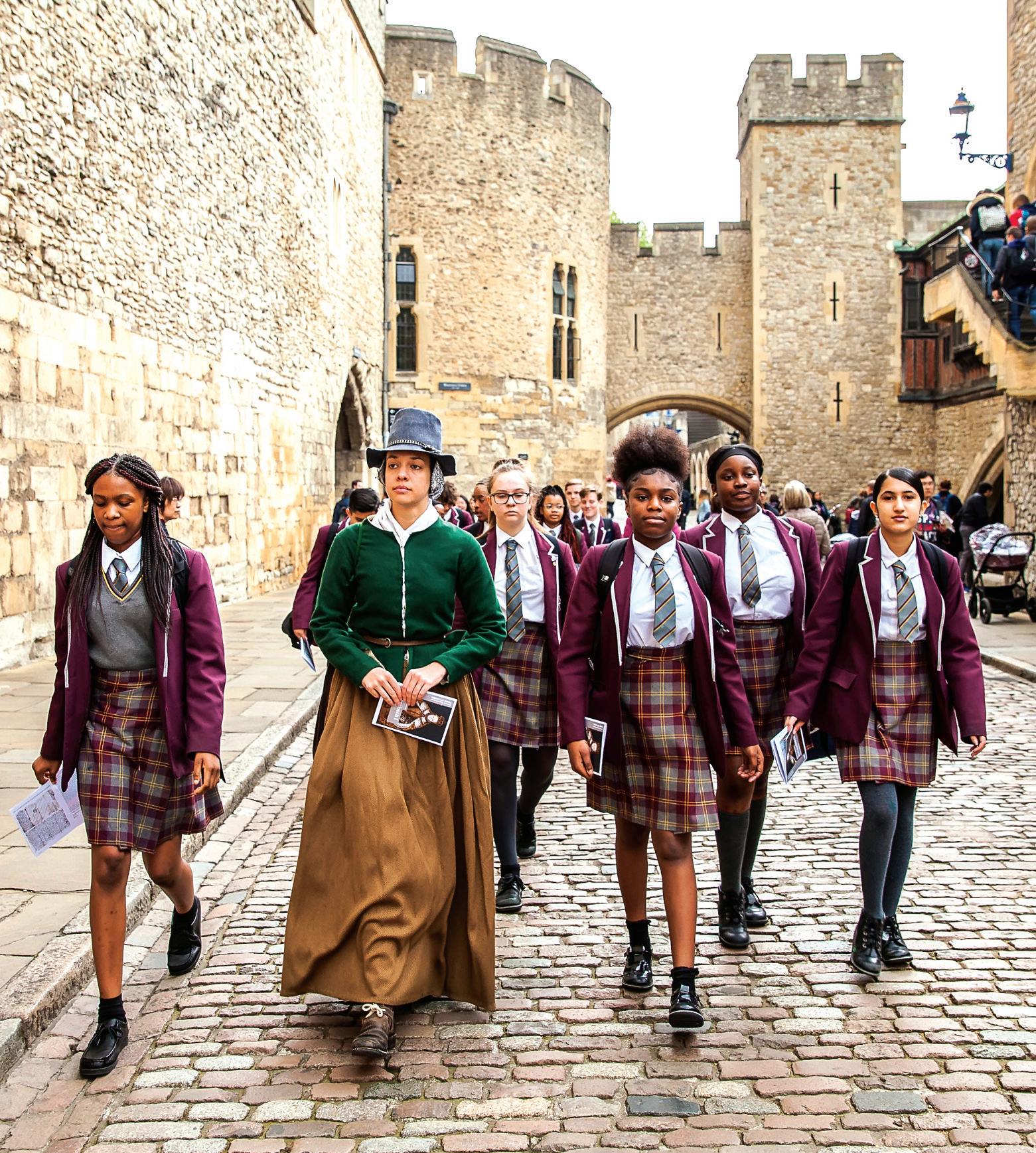
Our hugely popular Access Fund for Schools will shortly enter its 7th year. The fund enables students, who otherwise experience financial, social and/or cultural barriers to visiting our sites outside of school, to come with their classmates.
In the 2023/24 academic year we welcomed over 12,000 pupils via the fund, providing them with free visits and education sessions as well as contributing to their travel costs from places as far away as Glamorgan in Wales, Moray in the Scottish Highlands, Devon and Newcastle.
One visiting teacher remarked: ‘We had an absolutely brilliant day from start to finish and the whole group and staff
really bonded. Students were absolutely overjoyed to be in London. Watching their faces as they started to see the famous landmarks they recognised from TV was insanely rewarding.’
Our charity-supported Access Fund for Schools is a key focus of our ambition to ensure that the palaces are accessible to everyone, whoever and wherever they may be. We would like to thank all the donors who generously support the fund, including the Benefact Group, William and Olga Fall, Charles and Nicky Manby and Robert and Patricia Swannell.
These schoolchildren were part of the many thousands we welcome at our sites. In 2024/25 we forecast a total of 222,250 children will visit, either onsite or online.

This summer the Tower of London Welcome Centre hosts the ‘By You Tapestry’ an international community project led by Stitches in Time, a participatory arts and education charity with a social enterprise arm based in Tower Hamlets.
This amazing 29-metre-long tapestry brings together over 100 embroidered pieces from around the world to tell a global story of daily life and experiences of isolation during the COVID-19 pandemic lockdowns.
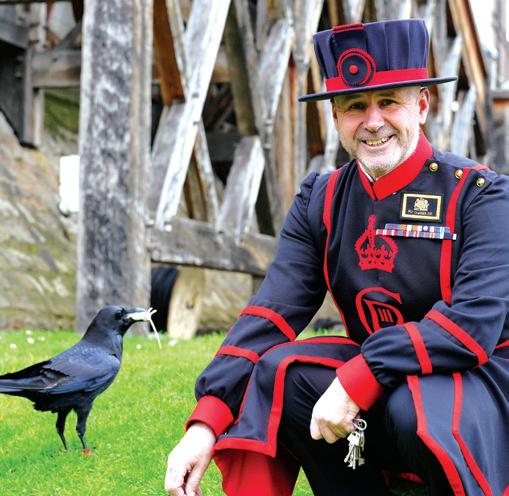
Congratulations to our new Ravenmaster, Yeoman Warder Barney Chandler who takes on the iconic role with the ultimate responsibility: the fate of the kingdom!
The position of Ravenmaster is relatively new, having only been created in the last 50 years, although there have been Yeoman Warders dedicated to their safe keeping for much longer. Barney takes over the role from Yeoman Warder Chris Skaife after 14 years of service.
We are also celebrating the achievement of PhD student Catriona Wilson who has successfully passed her viva for a thesis titled ‘Fashioning Victoria: Curating the Royal Image for Dynasty, Nation and Empire’.
Historic Royal Palaces is proud to have had Stitches in Time as a community partner for over two decades.
The tapestry will be on view 14 June – 31 August 2024. Open Thursday and Friday 13.0017.00; Saturday 10.00-16.00.
Catriona’s PhD was a collaboration between Historic Royal Palaces and the University of Warwick, supervised by Senior Curator Dr Joanna Marschner and Professor Micheal Hatt respectively. Well done to everyone involved!
Finally, congratulations to our competition winners from issue 52: Sarah (Royal Mint Experience) and Star (Textile Conservation Studio tour).
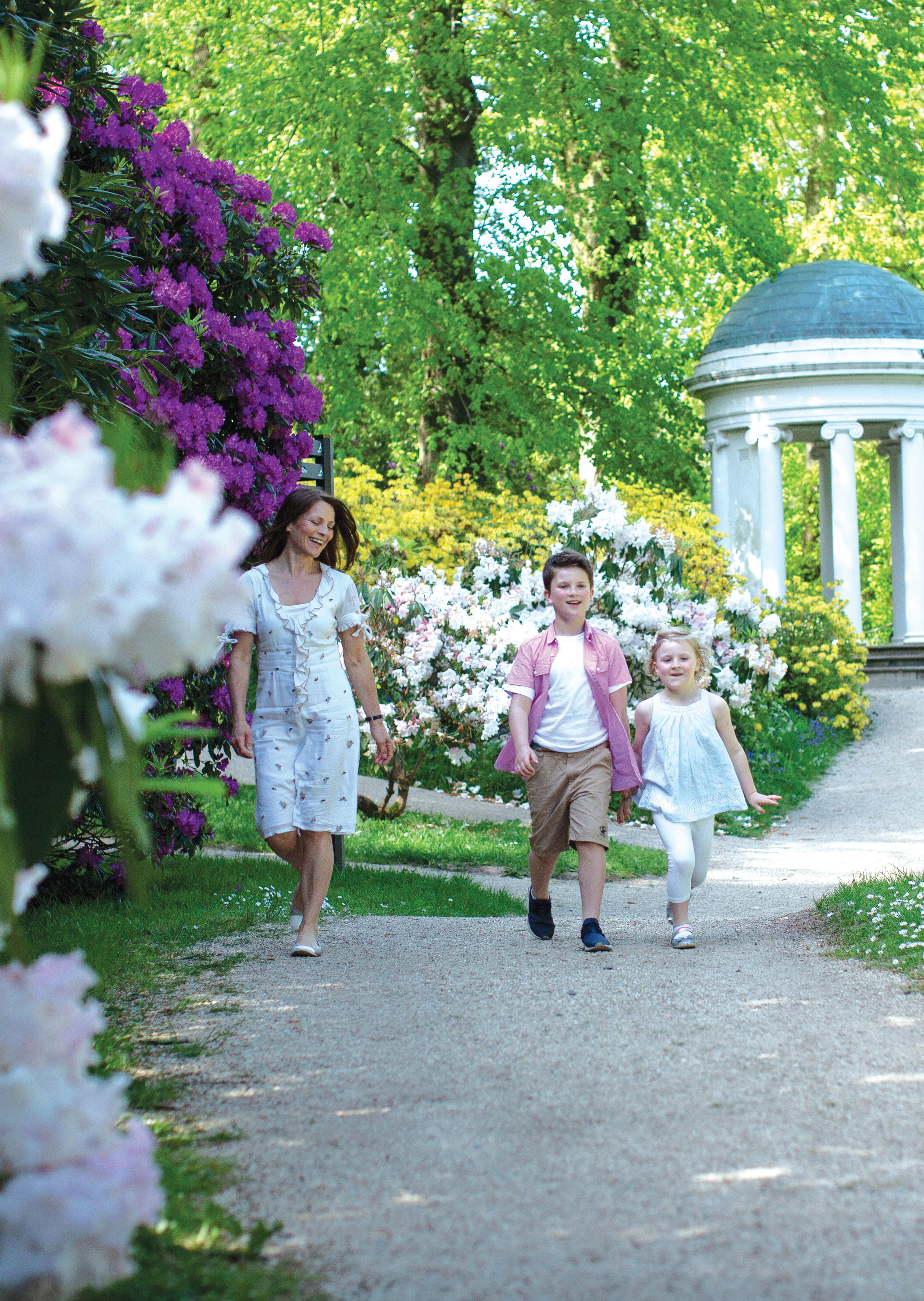

Moving through nature and focussing on beautiful surroundings is proven to calm our busy brains. Try these very different palace-inspired walks to get you footloose and fancy free this summer …
If you’re longing to get into a greener place now the weather is nicer, our palace gardens offer the perfect opportunity to connect with nature and enjoy a walk that will boost your mood and help you focus on the plants and wildlife around you.
Myriad academic papers provide evidence that walking in nature is great for your mental health. In his latest book The Science of Happiness: Seven Lessons for Living Well (Simon & Schuster), the respected psychologist Professor Bruce Hood quotes a recent meta-study of 49 studies. These all confirm that exposure to the natural environment has a ‘medium to large’ impact on increasing positive mood, and that focussing on everything around us reduces the common tendency to be distracted by worrying thoughts. And there are physical benefits too.
Other scientists have shown that trees and plants emit anti-bacterial and anti-fungal compounds that help them fight disease, and when we breathe them in during a nature walk, they help strengthen our immune system.
Even the scent of soil can lift your mood, due to the presence of healthy bacteria, which reduces anxiety. The best news is that just two hours total walking in nature a week can do all this; any more doesn’t seem to add extra benefit, claims Professor Hood. However, as he points out, like physical exercise and healthy eating you need to keep it up!
With this in mind, we’ve suggested five palace walks of very different sorts, from a soulful stroll to a wildlife walk, all of varying lengths. If you’re bringing young children with you, use the wonderful Scavenger Hunt insert with this issue to add to the fun – and the energy!
This five-minute stroll is easy, mindful walking. Choose a quiet spot, perhaps the Wilderness or further reaches of the Great Fountain Garden at Hampton Court, or your favourite spot at Hillsborough or Kew.
You need to find a space that’s safe and in which you feel comfortable. Start by standing still, feet hip distance apart, hands held loosely by your sides. Ground yourself, maybe rock gently backwards and forwards. Shut your eyes for a moment if you feel safe. Start to listen to the sounds – birds, animals, insects, the summer breeze rustling the leaves above you. Breathe deeply to inhale the scents of trees and plants. Open your eyes and start to walk slowly and as you do so, feel yourself connect with the earth, pushing down with your feet, feeling the movement of your body. Try to notice everything around you, submerge yourself in nature. Slow down even more as you come to the end of your five-minute walk. Stand still, and exhale with a sigh, releasing any tension.
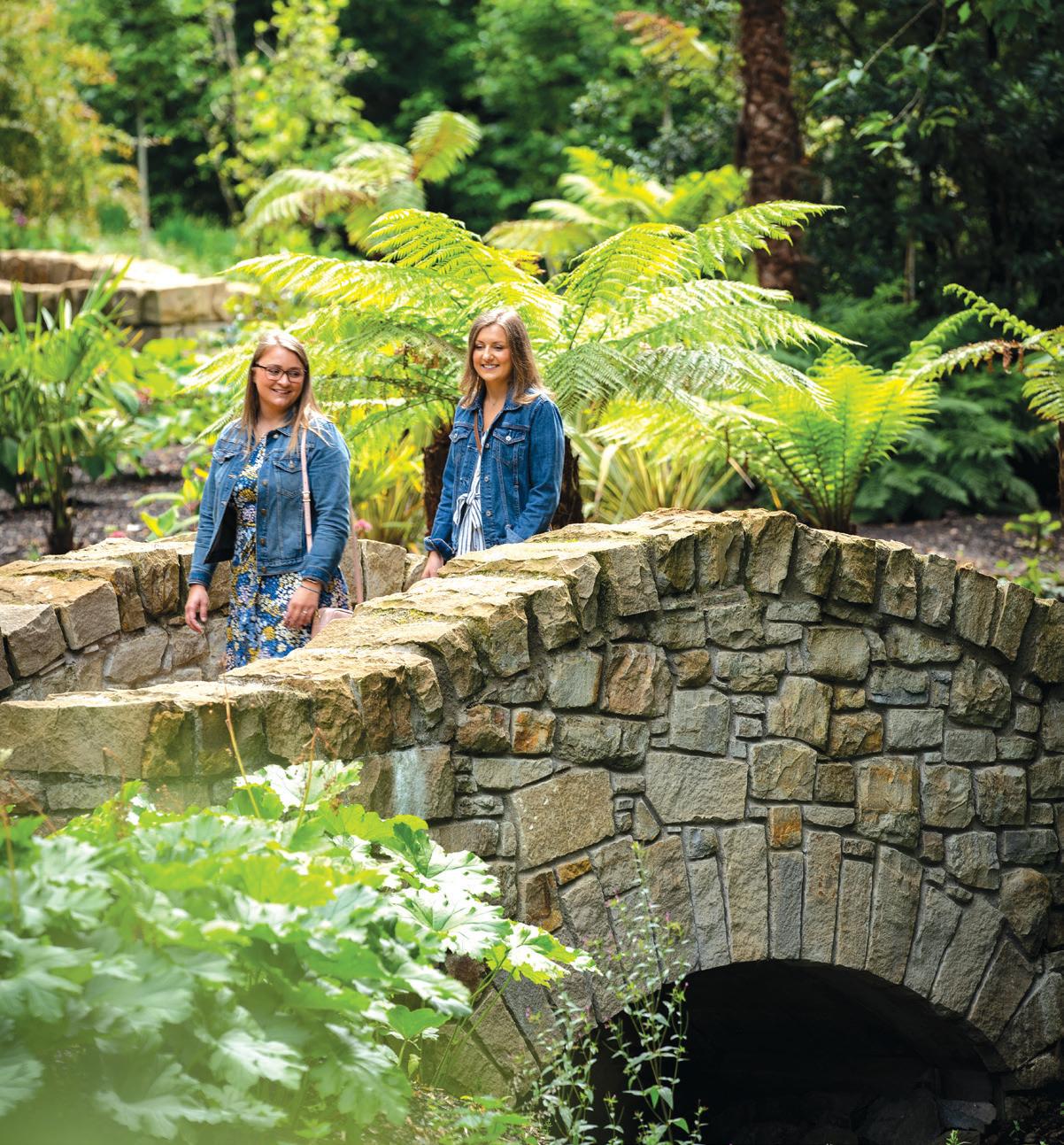
The Hillsborough Castle gardens (right) are lovely to explore at your own pace, but if you’d like to branch out into a guided challenge, see if you can find some of the ceremonial trees planted by the Royal Family. It’s not quite as easy as it sounds! These special trees are usually placed temporarily in a prominent spot for the ceremony and then later planted in a permanent home.
Claire Woods, Head Gardener at Hillsborough, reveals the location of five royal plantings. All are marked with a plaque. The tradition of ceremonial tree planting began over 150 years ago to mark the birth of the infant Earl of Hillsborough in January 1872. The first tree to be planted by a member of the royal family was a Fagus sylvatica copper beech by Princess Mary (Viscountess Lascelles; daughter of King George V) in 1928, which is still thriving today near the shell house. The most recent royal addition was a Tilia henryana Henry’s lime, planted in 2023, by King Charles III, now growing in the woodland belt around the South Lawn.
CAN YOU ALSO FIND THESE LOVELY SPECIMENS ON YOUR WALK?
1953
As part of her royal progress following her coronation, Queen Elizabeth II and the Duke of Edinburgh visited Hillsborough where they planted two splendid Magnolia grandiflora. These are placed against the castle walls on the south facade where they have protection and warmth. The massive white blooms are gorgeous in late summer/early autumn.
1954
The Duchess of Kent and Princess Alexandra planted two of the four lovely Magnolia sieboldii you will find just below the castle on the South Lawn.

From Hampton Court Palace to Kew Palace.
Length: around 11 miles (17 km)
Time: 3-4 hours
Flat, easy walking, mainly on the Thames Path
This lovely walk, between two of our greenest palaces is adapted from the 22-mile ‘Five Palace Walk’ that a courageous group of Historic Royal Palaces’ staff completed some years ago. This mini section, devised for members, has public transport at both ends, and will take you on a pleasant stroll along the Thames Path, mainly by the river, with lots of bird life (and some utterly beautiful houses!) to spot on the way. Start from Barge Walk at Hampton Court, and head east along the river (pausing to admire the Tijou Screen and the elegant view across the Privy Garden) crossing the river at Kingston Bridge and following signs for the Thames Path along the river all the way to Kew.
Members enjoy 10% off entry to Kew Gardens, in which Kew Palace, the Royal Kitchens, Queen Charlotte’s Cottage and the Great Pagoda are situated. Book online with code HRP10 or show your membership card at the ticket desk.
If you start early, you can stop for coffee or a comfort break at Richmond Promenade, and still be in time to enjoy a late lunch or picnic in Kew Gardens! As you come to the end of your walk, the distinctive red walls of Kew Palace will come into view. Turn sharp right off the path, cross the end of the carpark and enter Kew Gardens via Brentford Gate, then you are only a short stroll from the palace itself.
In a beautiful setting beside the lake, just opposite the boathouse, you will find a pair of Erman’s Birch, Betula ermanii, planted by Queen Elizabeth II and the Duke of Edinburgh. As trees are always more pleasing when planted in threes, we added another!
Her late Majesty visited Northern Ireland 25 times in all and planted a total of eight trees at Hillsborough. The Magnolia campbellii ‘Darjeeling’ in the grass area near the West Lawn was propagated from cuttings of a tree growing in Darjeeling, India.
STEP TO IT!
If your focus is on getting your steps in but the Two Palace Walk is a step too far, don’t forget that the winding paths of the Hampton Court Maze amount to nearly half a mile (0.8km). Fancy a stroll at Kensington? A walk around the Round Pond is approximately 0.4 miles (0.65km) or if you’re feeling adventurous, the Serpentine loop is 2 miles (3.22km).
Another two Magnolia sieboldii were planted in 2016, the first by the then Duke and Duchess of Cambridge, and a later one by Queen Elizabeth II during her final visit to Hillsborough in June that year. You will find these on the South Lawn.
* During the summer female deer are carrying and giving birth to their young. They will hide their fawns in long grass. So, you MUST (legally) keep your dog on a lead until the end of July. Please never touch a newborn deer, even if it appears abandoned. Its mother will be nearby. Please stay out of long grass and keep to the mown paths.
Beyond the Hampton Court Palace gardens, and easily and freely accessible from either Barge Walk or near Kingston Bridge, lies 750 acres of historic parkland, once a prized hunting ground of monarchs, especially Henry VIII and William III. Today the park is designated a Site of Special Scientific Interest, as the acid grasslands support many varieties of ‘veteran’ trees and rare plants, and endangered species of insects, birds and animals (see page 52).
Our herd of around 300 fallow deer are descendants of Henry VIII’s herd, but these days they enjoy their jobs as living lawn mowers, grazing the grasslands. The park is open 07.00 to 20.00 so perfect for a quiet summer morning stroll or to spot bats and owls flying at dusk. During the RHS Flower Show (2-7 July) the deer are kept away from the site, but at any other time the park provides the perfect place to observe (quietly!) these shy creatures.* See if you can spot all four colour variations but take care to stay at least 50m away.
The herd facts
There is only one species in the park, but people get confused as fallow deer come in four different colour variations, all of which can be seen in Home Park.
These deer are tan/fawn coloured with white spots and a black horseshoe mark on their rumps. Their coats fade to grey in winter.
Menil
These are paler colours with white spots all year round and a caramel horseshoe mark on their rump.
These deer are either almost entirely black, or chocolate brown.
This is a true colour, not albino. Some ‘white’ deer are actually a light sandy colour, which becomes whiter with age.

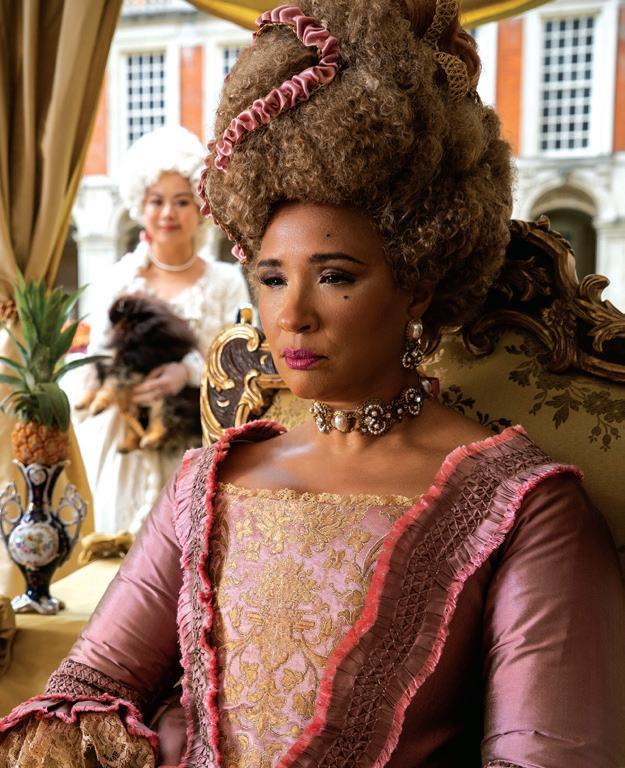
Noticing and focussing are two key factors in mindful walking, but they’re not for everyone. You might prefer the distraction of a guided walk, at your own pace. For a cool stroll on a hot day, step inside the palace and pick up the free Film and TV location Digital Visitors’ Guide. It lets you explore the historic interiors and courtyards as a film set, with scenes from historical dramas such as ‘Bridgerton’ to block busters like Sherlock Holmes: A Game of Shadows. The guide is full of fascinating insights from film crews, and the authentic historical background described by our own curators.
At the moment the guide doesn’t cover the gardens, but strolling around in the sunshine to certain locations is an enjoyable exercise in imagination. The Privy Garden featured recently as the gardens of Buckingham House in season two of ‘Bridgerton’. The East Front has been in Belgravia, Sherlock Holmes: A Game of Shadows, Downton Abbey, Mamma Mia Here we go Again and The Great, the interior scenes of which feature on the DVG.
We asked some of the contributors to this issue to tell us their favourite picnic spots at the palaces.
Emma Lawthers, Interpretation Manager, Hillsborough Castle and Gardens: On a particularly hot summer’s day, I would head to one of my favourite spots in the gardens for some shade – the Pinetum. Most of the trees in this pine grove date from the 1860s and were planted by the 5th Marquess of Downshire. When I bring my little boy into the gardens at the weekend, he always heads for the basket swing in the Pinetum to gaze up at the treetops.
Clare Murphy, Publishing and Asset Manager: I never tire of the view from the Rose Garden at Hampton Court, looking back at the red-brick gables over the Tudor Kitchens. If you’re lucky you can bag a bench or relax on the lawn and take in the intoxicating smell of the summer roses.
Polly Putnam, Curator: Queen Charlotte’s Cottage was described by The Morning Post as a ‘pretty retreat’. It was built in about 1771 and was a convenient spot for Queen Charlotte and her family to rest en route between Richmond and Kew. However, until 1806, it was also the site of the Royal Menagerie!
Eleanor Evetts, Park Ranger, Home Park: Anywhere along the Long Water is a delightful spot for a shady picnic, where the ground is nice and flat, and you have lovely views looking back at the Great Fountain Garden and the baroque East Front of the palace. Just be careful not to disturb the coots nesting on the banks!
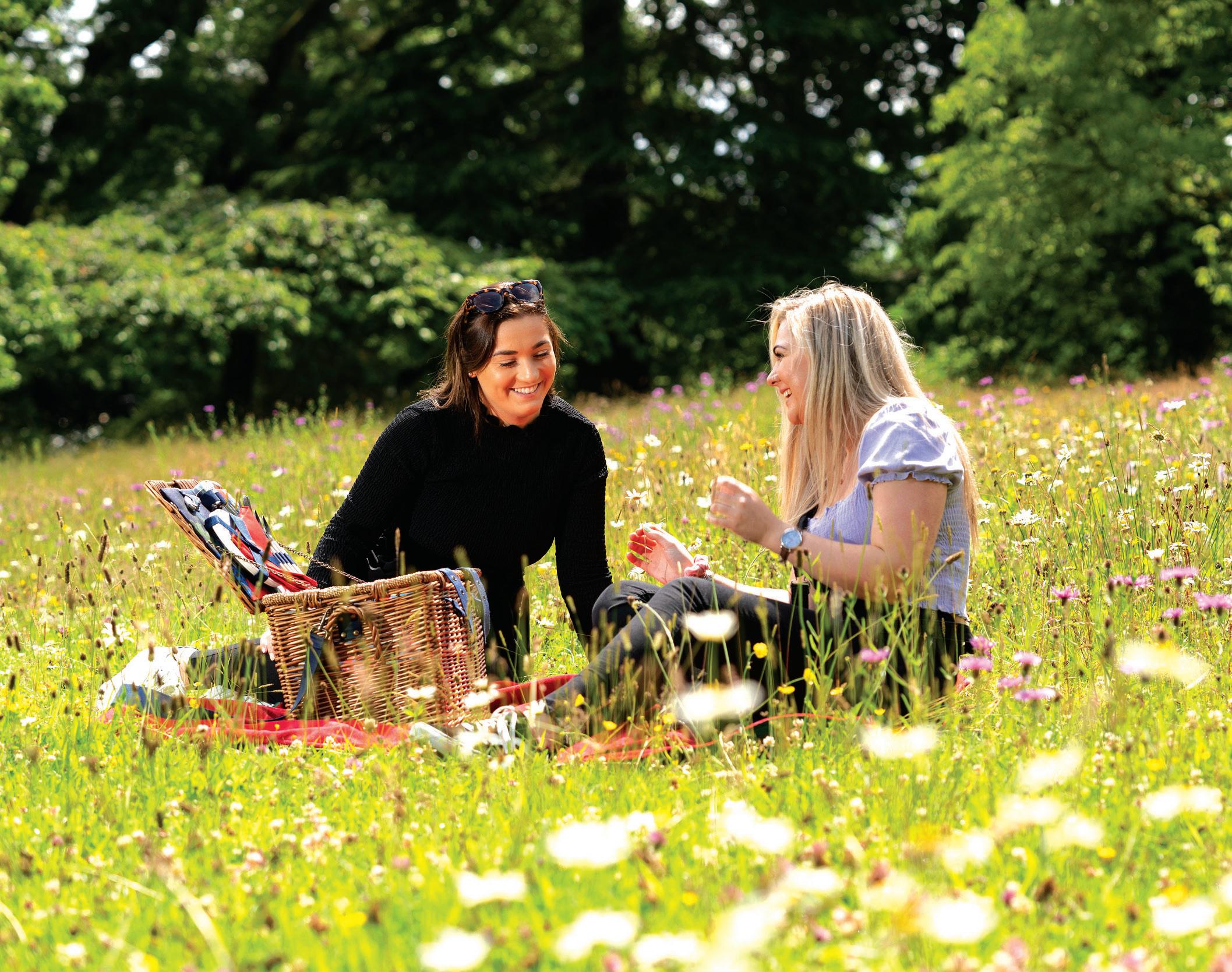
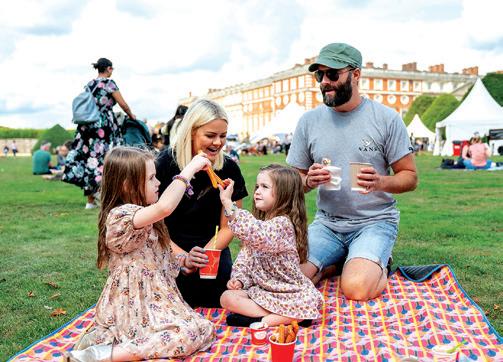
On 9 August, join us for our next Bring Your Own Picnic evening in the magnificent East Front Gardens at Hampton Court Palace. Enjoy this exclusive membersonly opportunity to relax in the gardens after hours, without the crowds. Member adults £5.00, children on your membership go free. Pre-booking essential via the member login.
SEE FOR FREE
Make the most of our gardens this summer and visit time and time again for free as a member.
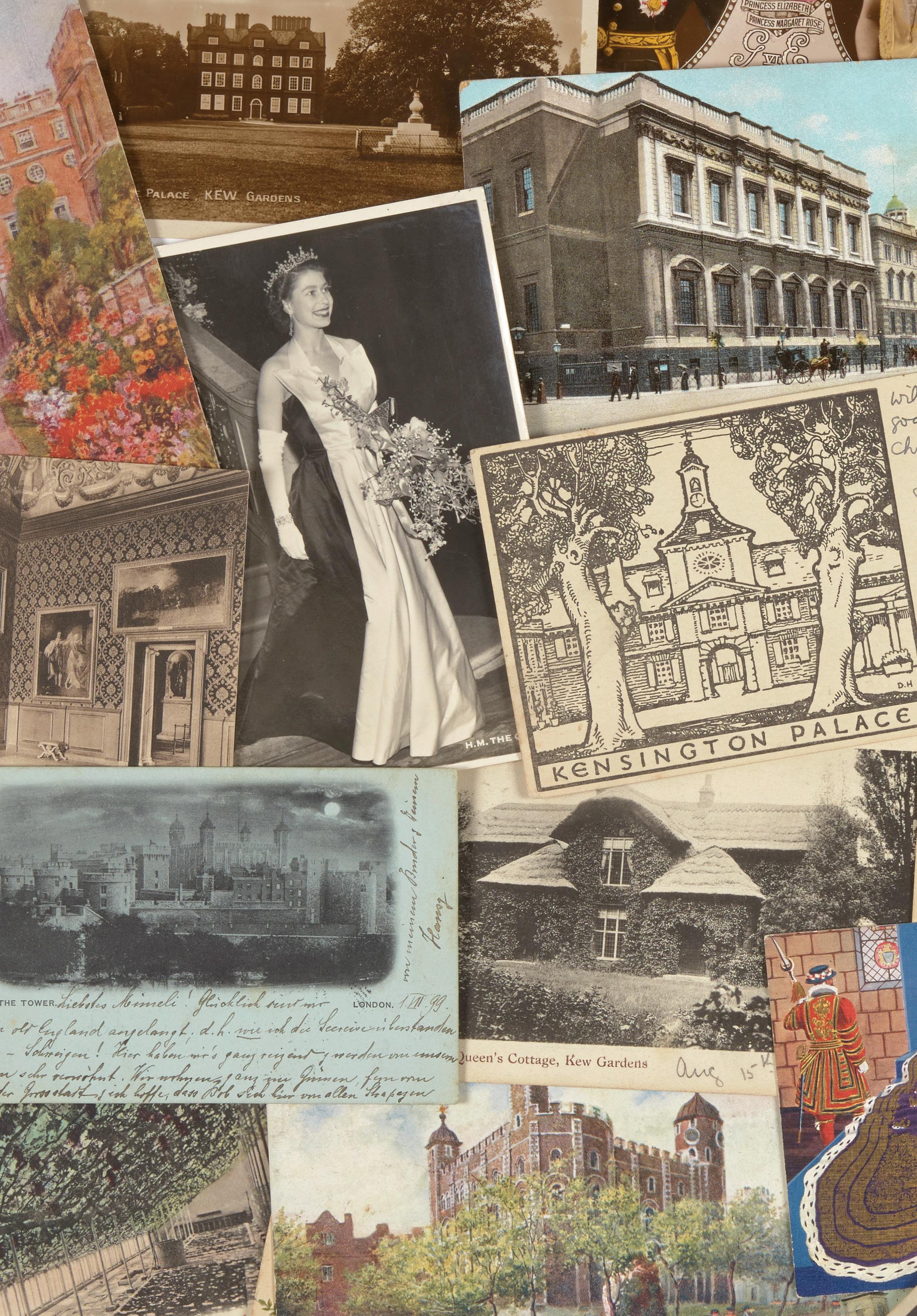
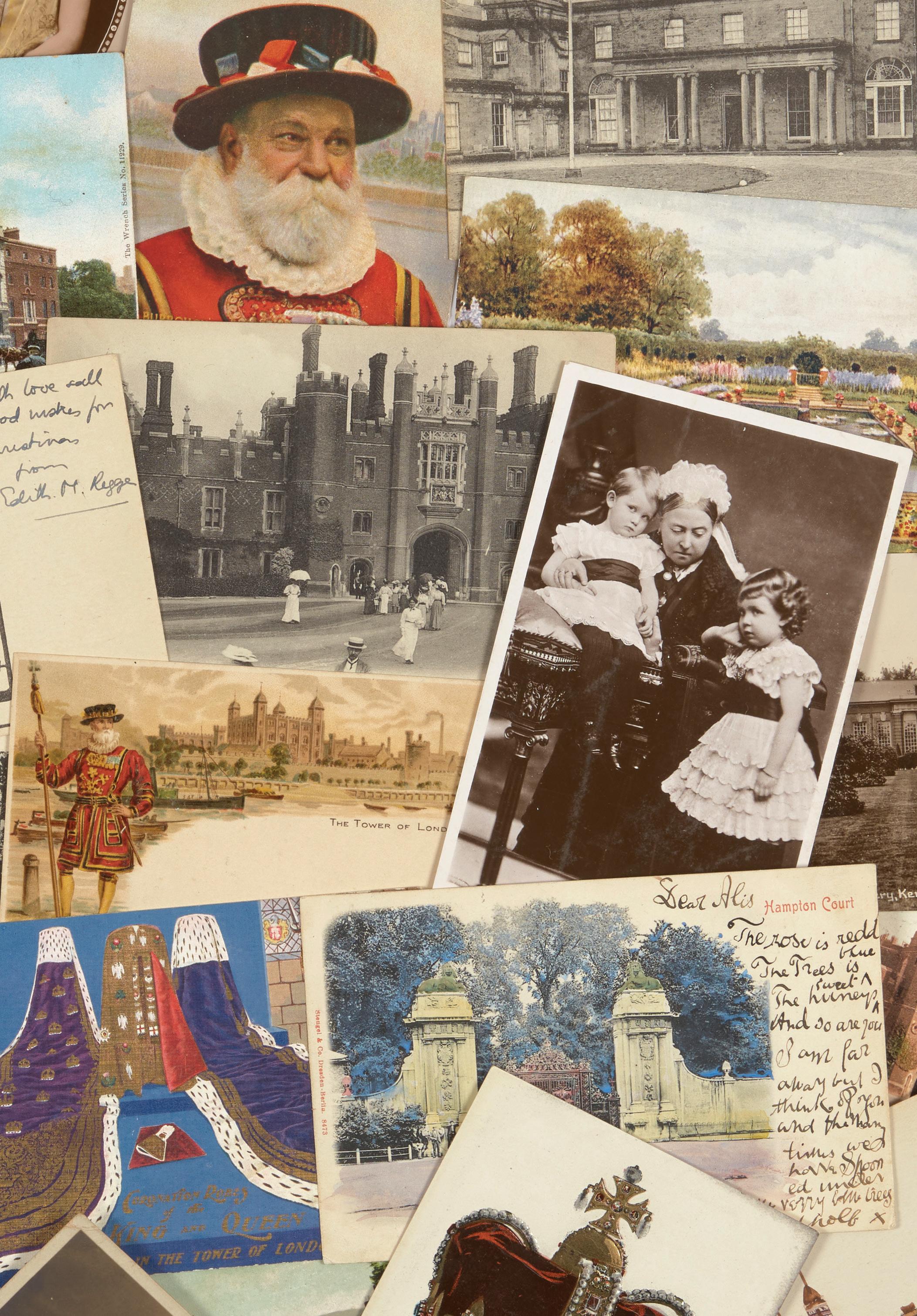

Publishing and Asset Manager (and Inside Story editor), Clare Murphy is feeling nostalgic about the glory days of postcards.
The Edwardians loved them, and so will you when you see some of these early examples from our collection.
When was the last time you sent a postcard? Or received one? While today we might recall them as a (sometimes laborious) holiday tradition, or as something to buy and keep as a souvenir, at the beginning of the 20th century postcards were a part of everyday life and, in an era before mass telephones, as useful as text messages. Postcards, delivered within a day, sometimes within a few hours were a cheap, reliable and speedy form of communication.
The first postcard was issued in 1869 in Austria-Hungary, following a suggestion by Dr Emanuel Herrmann, a professor of economics, that society needed a more practical and cheaper method of communication than the letter.
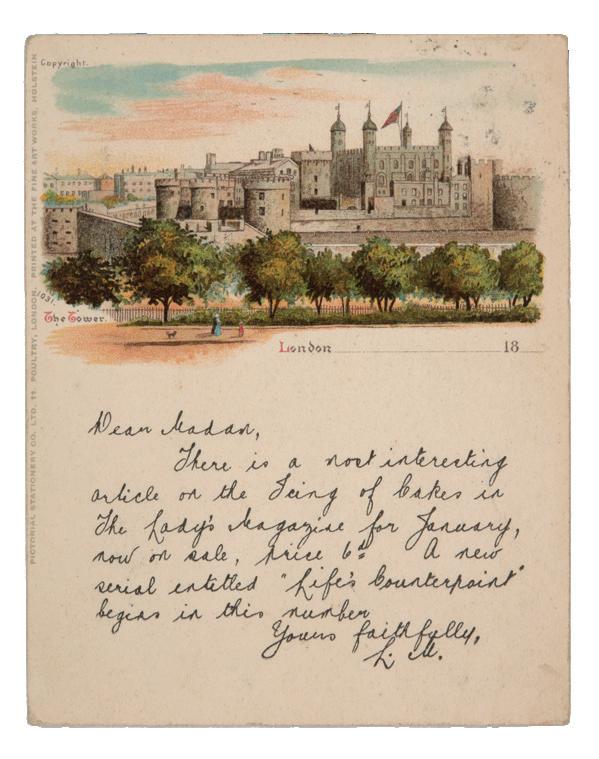
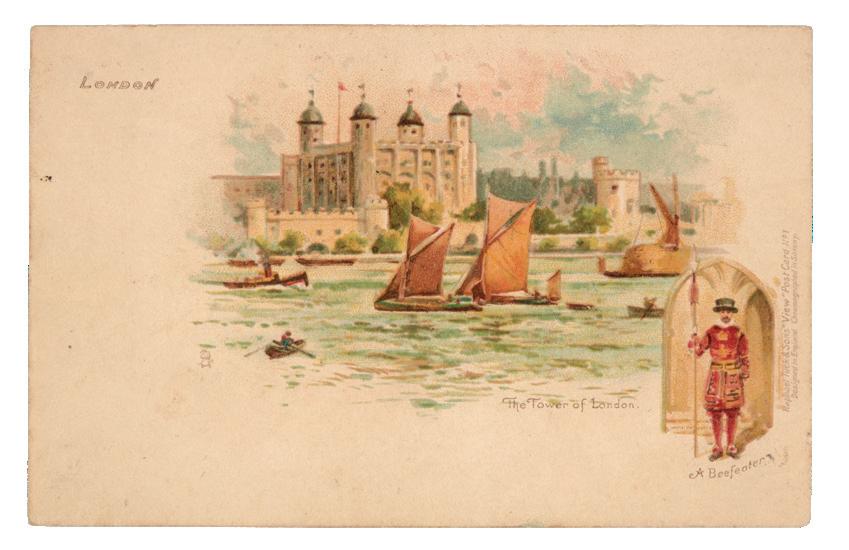
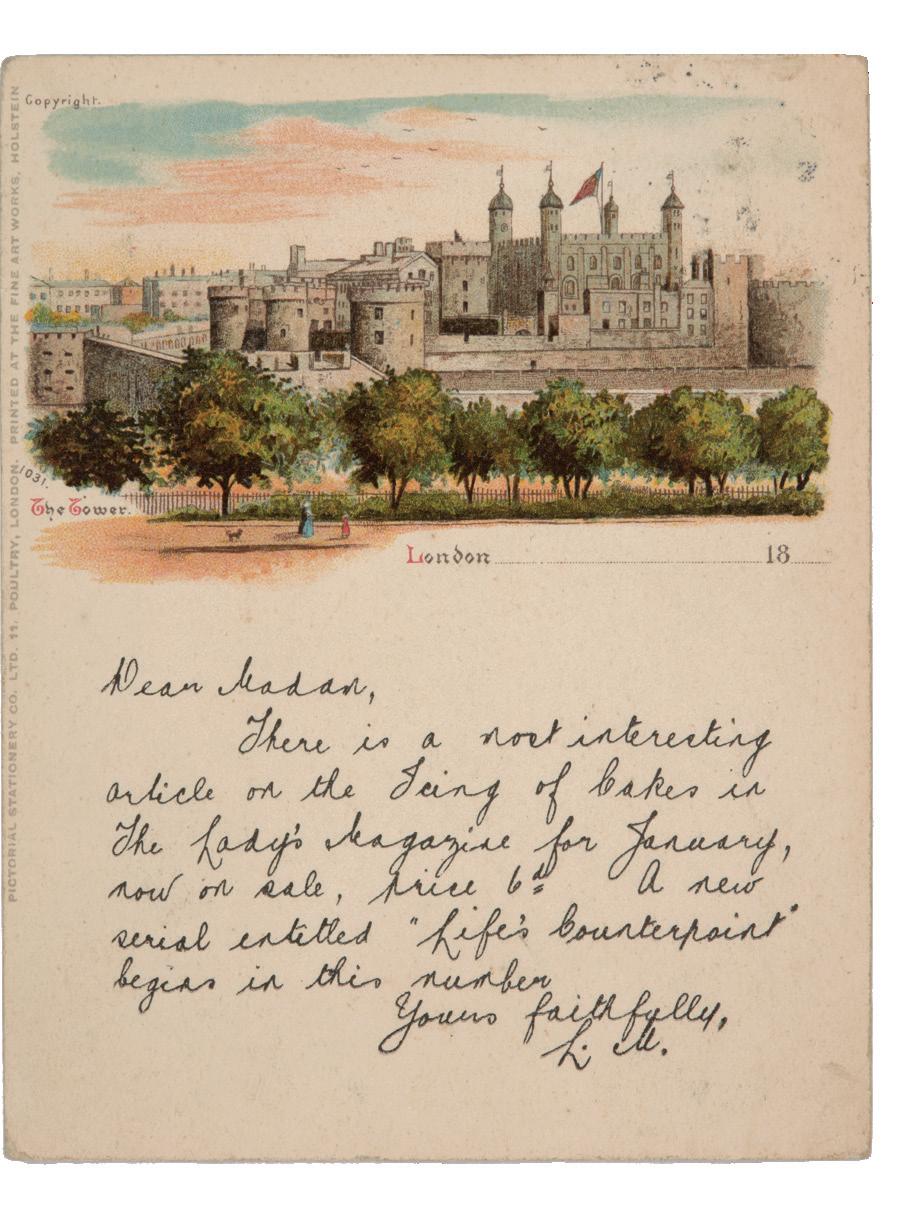
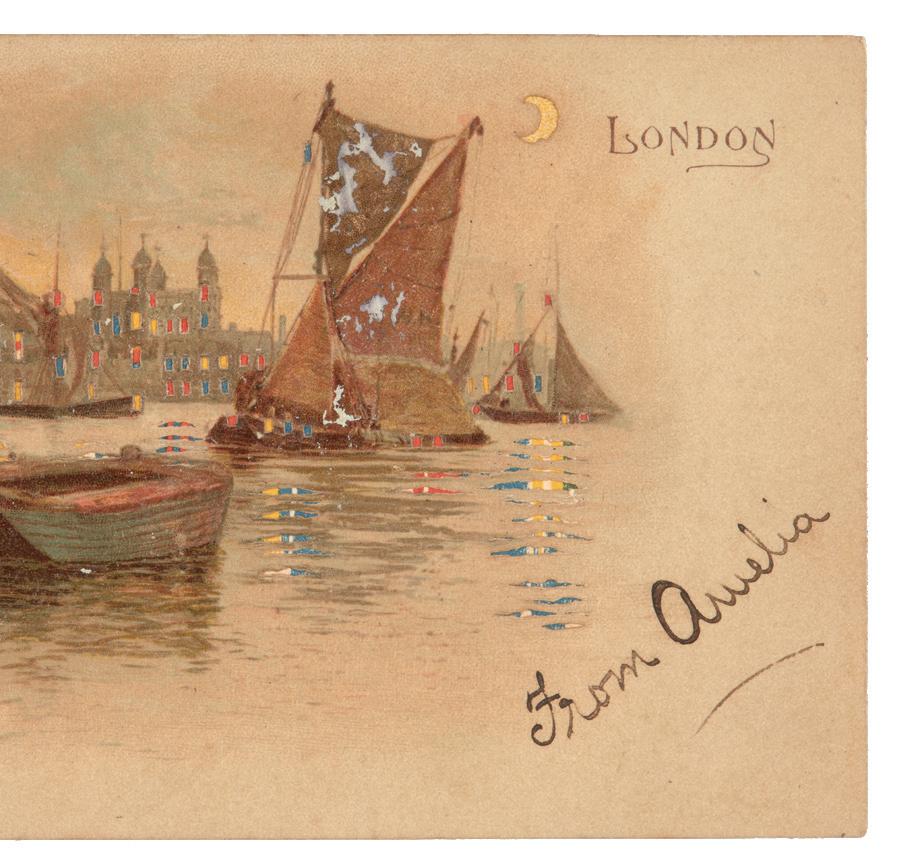
Above from top One of the earliest postcards in our collection, the Tower of London from
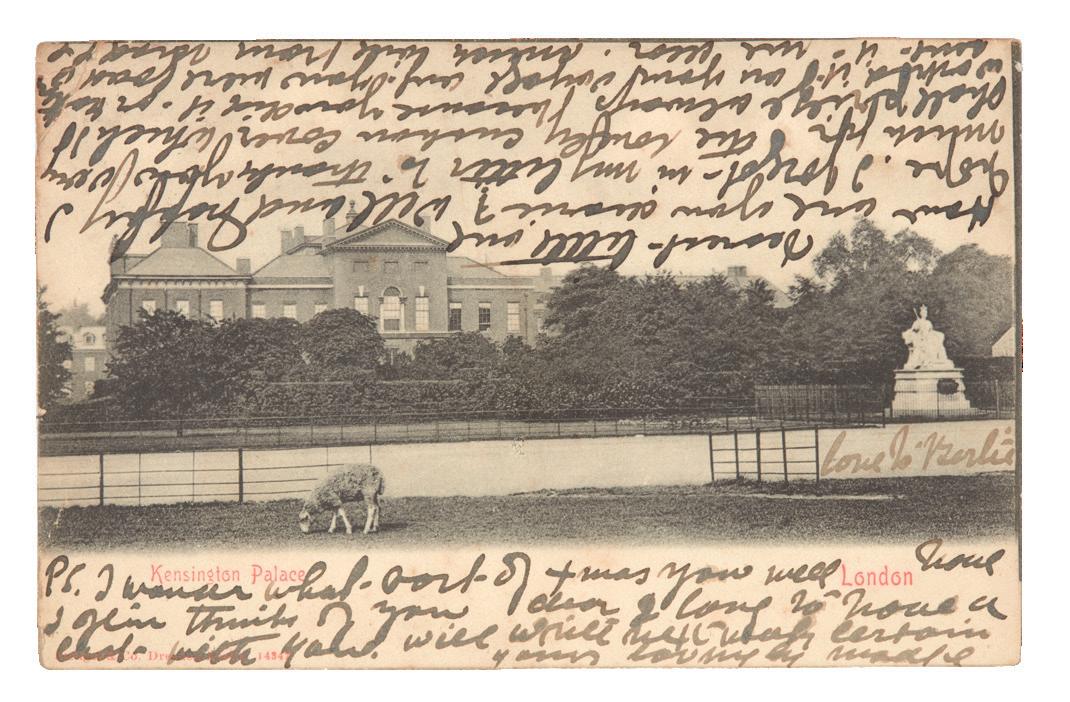
Before 1902, the Post Office insisted that the whole of one side of the card had to be used for the address, which meant the sender had to squeeze their message around the image.
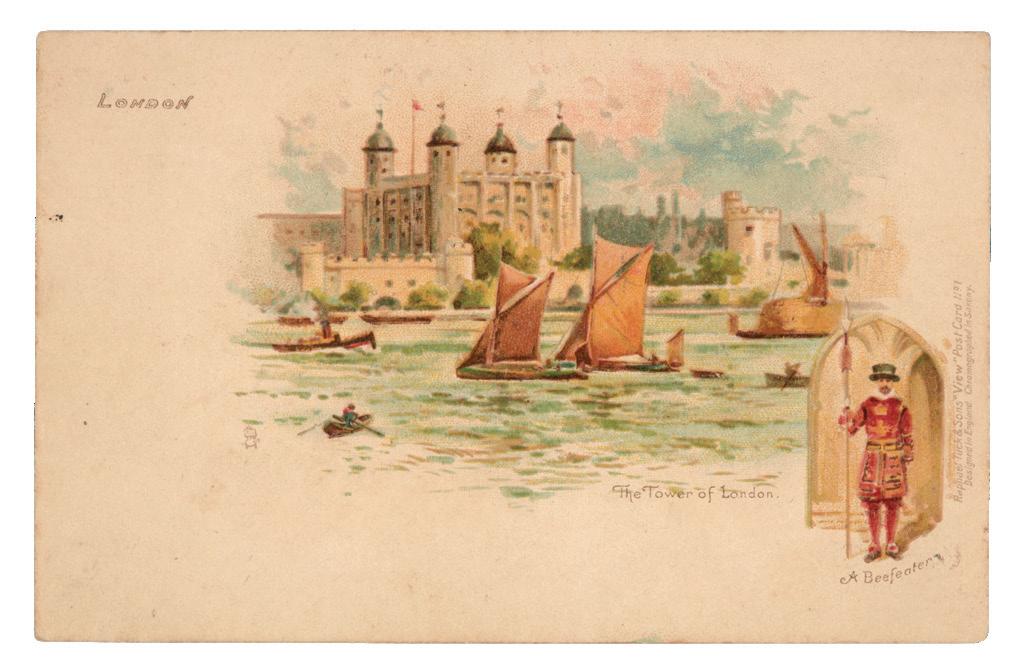
The ‘Correspondenz-Karte’ was a rather dull thing: a plain, light brown card –with no image – with space for the address on the front and room for a short message on the back. They were smaller than the postcards we know today, and the stamp was pre-printed on the card, costing half the price of a normal letter. Basic they might have been, but these first postcards were an instant hit, with several million sent within the first year. Other countries soon followed suit and in 1870 the British Post Office launched its own postcard. The following year, around 75 million of them were sent in Britain.
It wasn’t until 1894 that postcards with pictures arrived here, inspired by developments in Germany and Austria. In that year, the Post Office, who had had a monopoly on the sale of official postcards, relaxed its rules to allow the printing of picture postcards by commercial publishers. However, even with an image on one side, regulations still stipulated that only an address could be written on the back! Senders had to squeeze their messages into the space around the image. Five years later, after pressure from publishers, the Post Office increased the size of a standard postcard to 5.5 x 3.5 inches, the size we retain today. With this larger format and developments in printing techniques, publishers were able to produce more imaginative colour designs and the public couldn’t get enough of them. In August 1899, The Standard newspaper reported: ‘The illustrated postcard craze, like the influenza, has spread to these islands from the Continent, where it has been raging with considerable severity.’
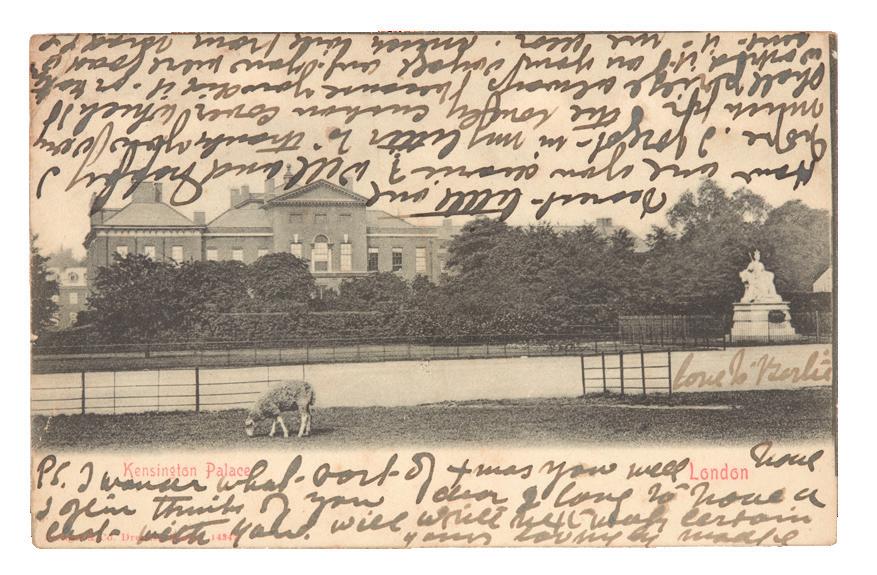
The British postcard boom had begun. Postcard-obsession reached its peak in the decade before the First World War. Crucial to their success was their affordability (being half the price of a standard letter) and the fact that they could be sent and received extraordinarily quickly. With several deliveries each day, they were often sent and delivered before nightfall, and messages such as ‘see you tomorrow’ were not uncommon – or unrealistic! For the Edwardians, postcards were effectively the text messages of their time allowing them to speedily exchange short, informal notes. Those that worried about privacy came up with creative solutions to hinder a nosy postman, including writing upside down or sideways, in shorthand – or even in code!
Below Postcards were a new and exciting form of communication, written in an informal way unlike letters of the day. This first card posted in 1903 recalls a jolly day out at Hampton Court: ‘Do you remember this place, especially the ices, wasn’t it fun?’
Just as we use text messages today, postcards were used to send short greetings and make social arrangements. The festive wishes in the card below were sent in 1903.
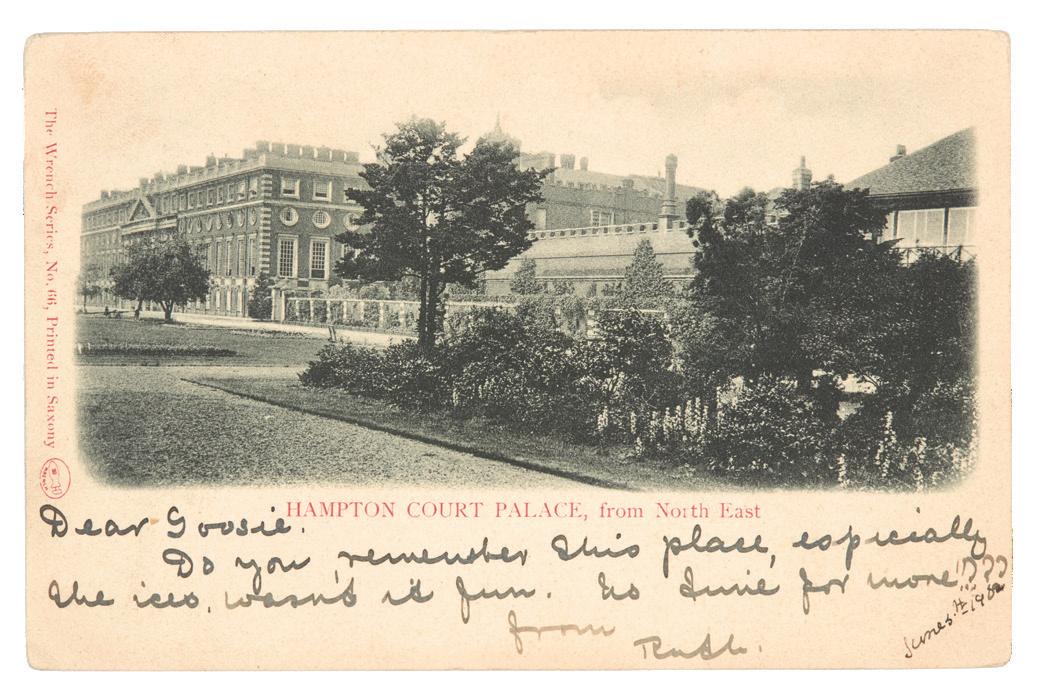
Postcard obsession reached its peak in the decade before the First World War ... An astonishing six billion were sent in Britain between 1902 and 1910.
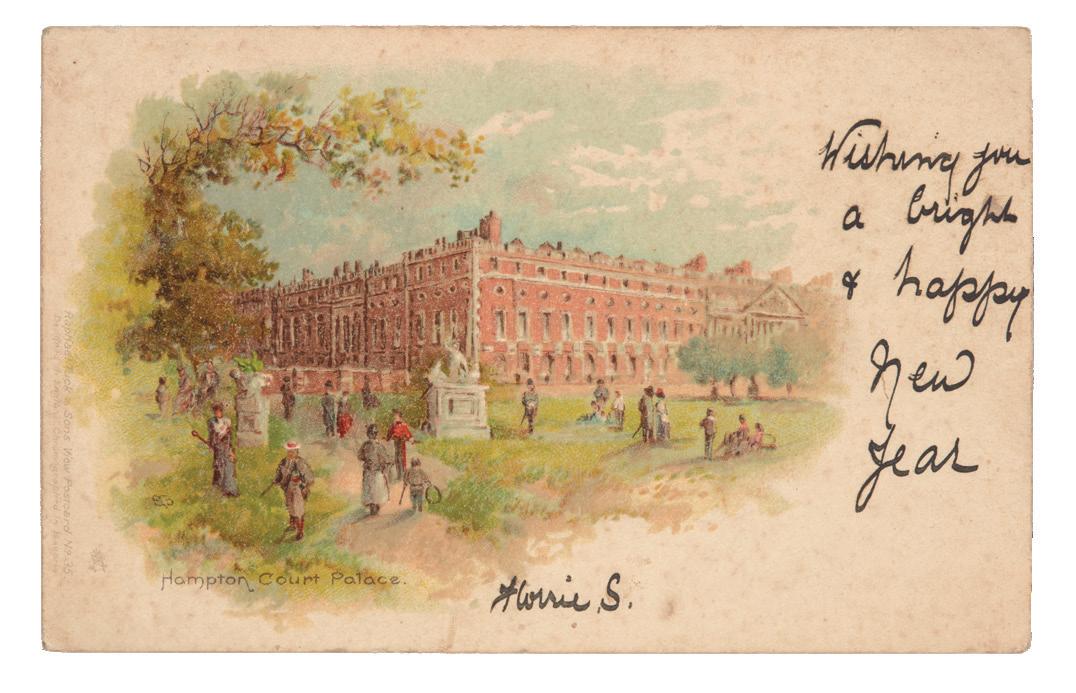
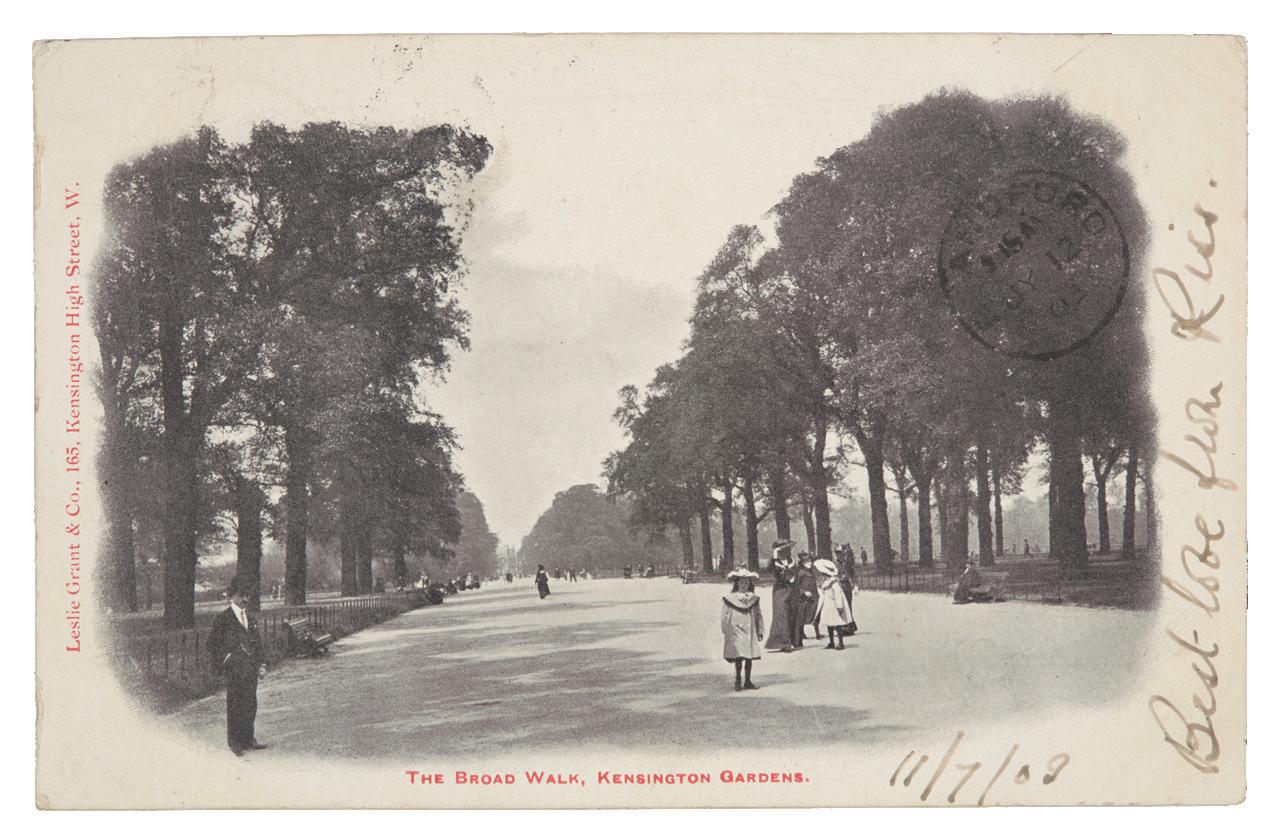
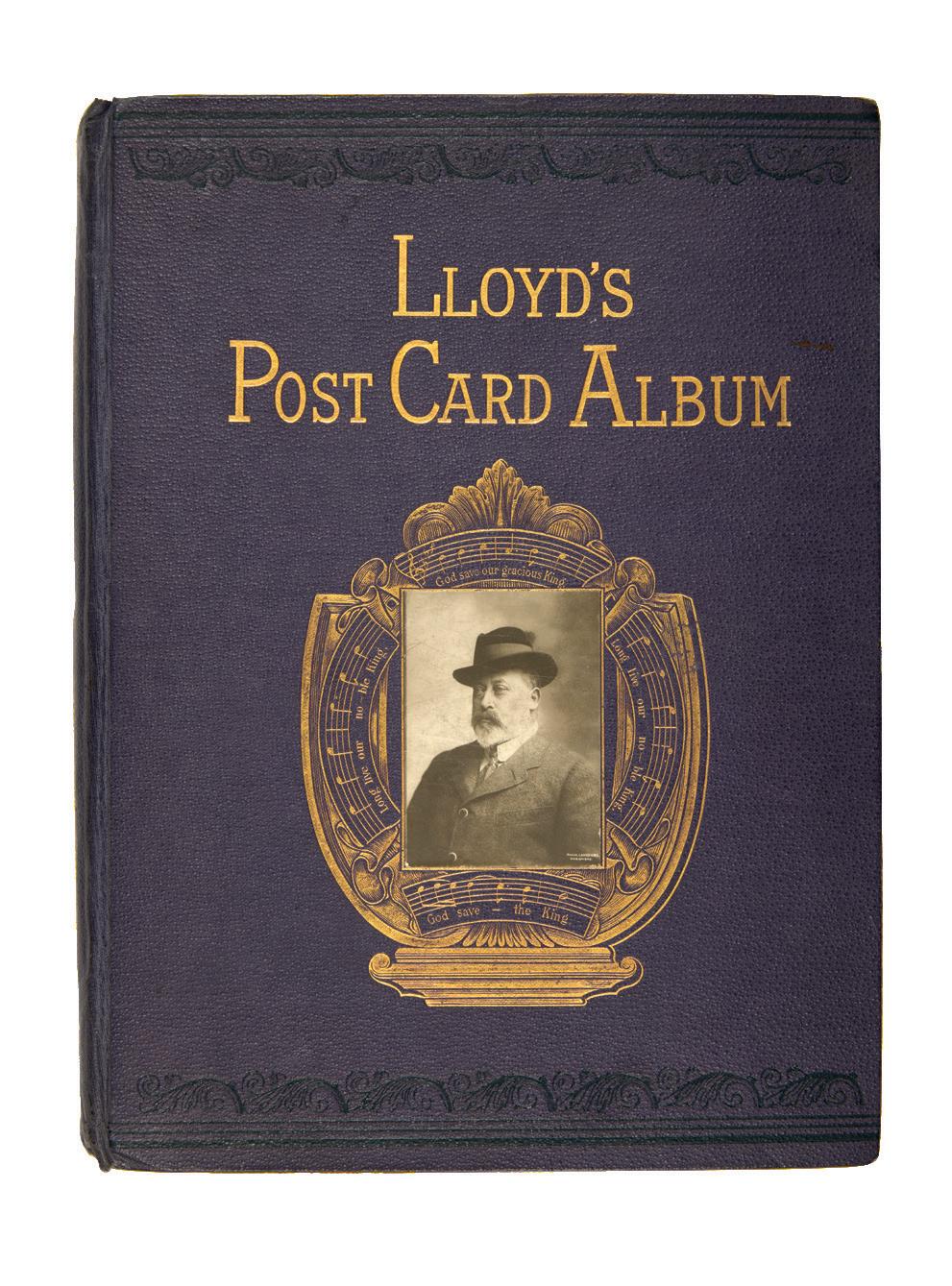
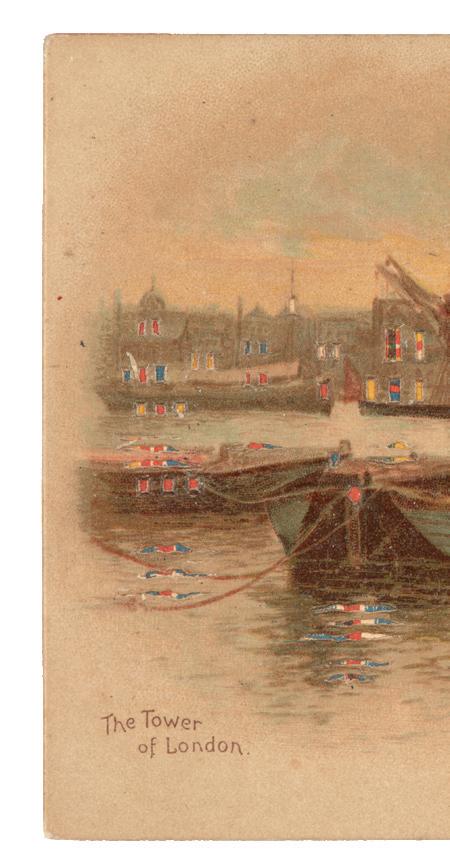
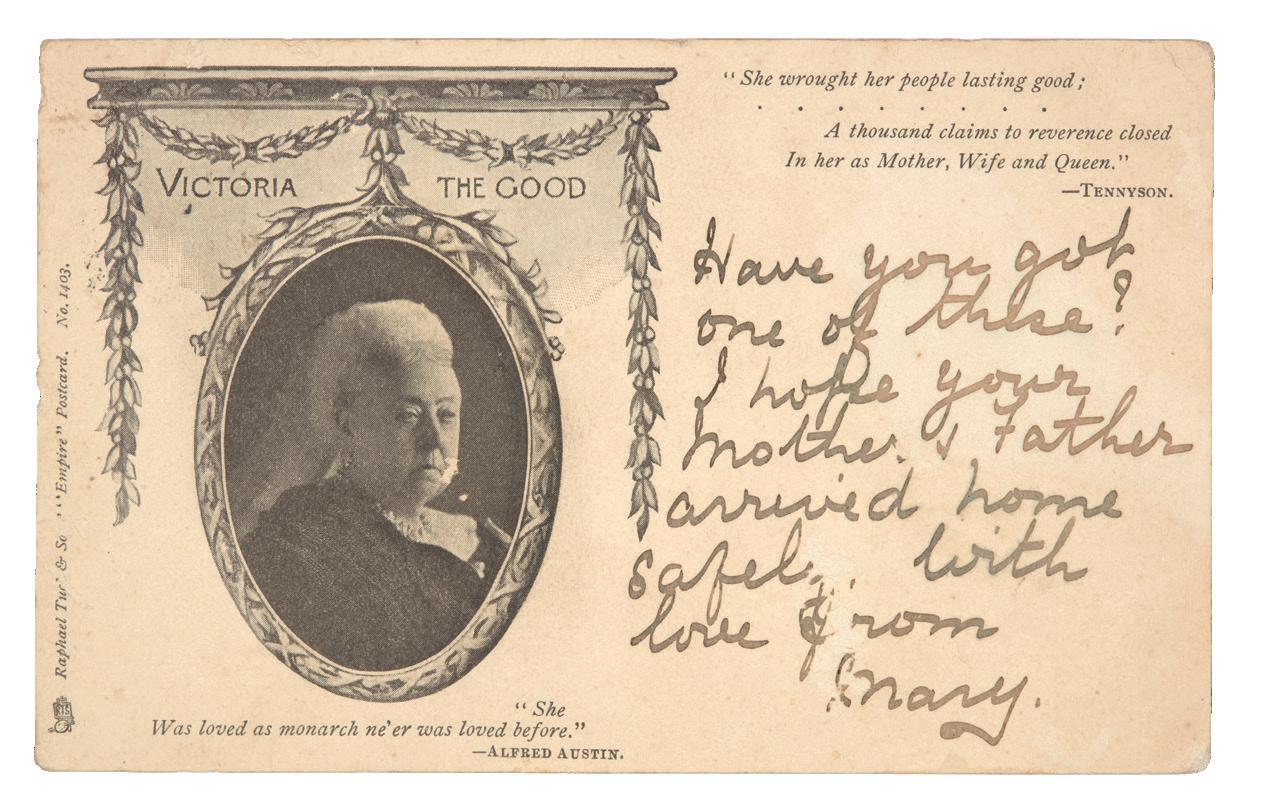
Collecting postcards in albums became one of the biggest crazes of the early 20th century. Messages such as ‘Have you got one of these?’ or ‘Here is another p.c. for your collection’ are commonly found on them. Often postcards were sent for no other reason than to add to the recipient’s collection or they were not sent at all and went straight into an album. Companies such as Raphael Tuck & Sons (one of the most prolific postcard publishing companies of the day and the holder of the royal warrant) produced postcards with serial numbers, which encouraged people to collect entire sets. There were also national postcard collecting competitions with big cash prizes. The first, launched in 1900, offered a £1,000 prize for the largest collection of Tuck postcards (that had been sent through the post). The winner had amassed over 20,000 cards!
The royal family were sending and collecting postcards with as much enthusiasm as the rest of the country with the earliest cards being sent by Queen Victoria. Queen Mary encouraged her sons, later Edward VIII and George VI, to collect postcards and many of their albums are preserved in the Royal Collection today. Of course, the royal family also featured on postcards and royal events such as births, deaths, coronations and marriages were popular with the British public as they still are today.
Novelty postcards were issued to tempt the public further. Bas relief cards with raised images, glitter and decoration (which can look rather crude today) were extremely popular. Other cards might reveal an unfolding strip of images hidden away under a flap, or a multitude of tiny cut-out windows that glowed when held to the light.
There was one further change to the format of the postcard and, for once, Britain led the way. In 1902, we became the first country to introduce the ‘divided back’ postcard that we know today, which allows both message and address to be written on the back, with a full-sized picture on the front. With space now to include a full message the popularity of postcards really took off and an astonishing six billion postcards were sent in Britain between 1902 and 1910!
Old postcards might not be the most impressive or valuable objects, but they give us a fascinating insight into how people lived and communicated in the past. My favourite ones in our collection of several hundred are those that have been mailed and I really enjoy scrutinising postmarks for dates and deciphering the handwriting to see what stories they reveal – although I do sometimes wonder what these people would think about me reading their mail. I always feel I’ve struck gold when the sender mentions a visit to one of our palaces!
Collecting postcards in albums became one of the biggest crazes of the early 20th century.
If you’re visiting Hampton Court Palace, you can send a card from the old post-box by the Tudor kitchens. You can buy postcards (members receive a 10% discount) at many of our palace shops (and stamps too) so why not write one at the end of one of your visits? Who will be the lucky recipient and what will you tell them about your day?
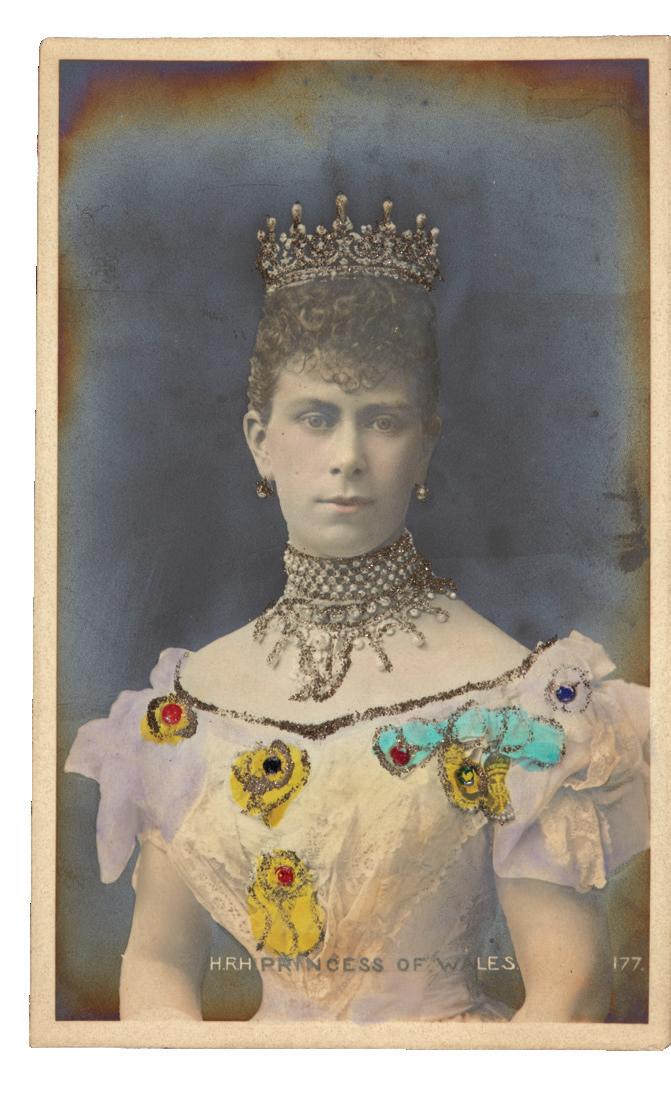
Like Crime Scene Investigators, the Heritage Science Team at Historic Royal Palaces use state-of-the-art technology to probe deep within our historic objects, revealing their astonishing inner beauty and complexity for the first time. Inside Story Editor Sarah Kilby is astounded …
The Heritage Science Laboratory, part of the Conservation Department, is tucked away at Hampton Court Palace. Behind a cobbled Tudor courtyard sits a cool, 21st-century nerve centre. I enter a small, whitewashed room to be confronted by an array of gleaming equipment, from which a low hum is just audible. A massive scanning electron microscope dominates one wall; an adjacent bank of computer screens displays alien creatures. I glance over at what appears to be a giant, armour-plated worm, with its metal protection unravelling. It’s actually a gilded thread from a Tudor tapestry, magnified over 200 times.
Here, Heritage Science Manager, Dr Constantina Vlachou-Mogire, with colleagues Dr Moira Bertasa and Shelley Verdon (aka the Heritage Science Team) expose a mysterious, hidden world of the past, often invisible to the naked eye. Under their state-of-the-art microscopes, tiny treasures such as a miniscule 17thcentury paint sample, a wisp of thread from a 16th-century tapestry or a flake of ancient varnish offer up secrets of their construction − and therefore the key to their conservation − to these highly skilled analysts.
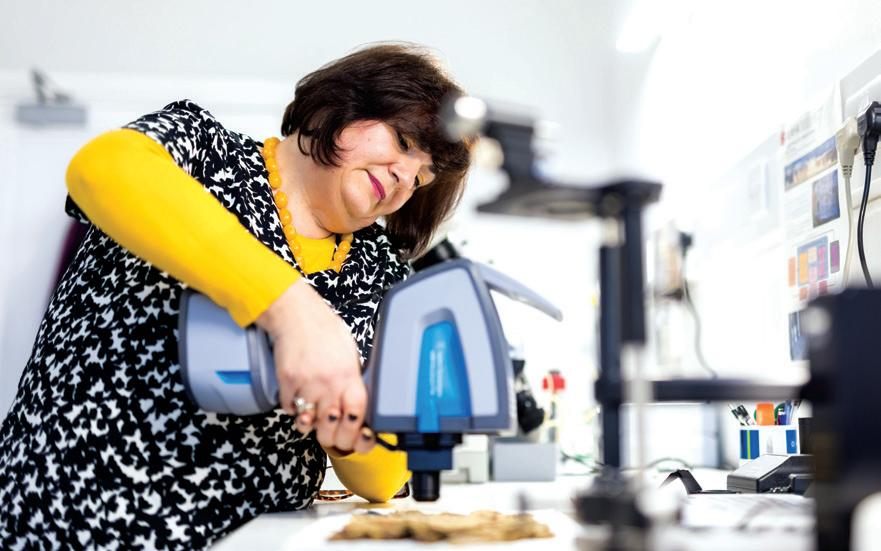
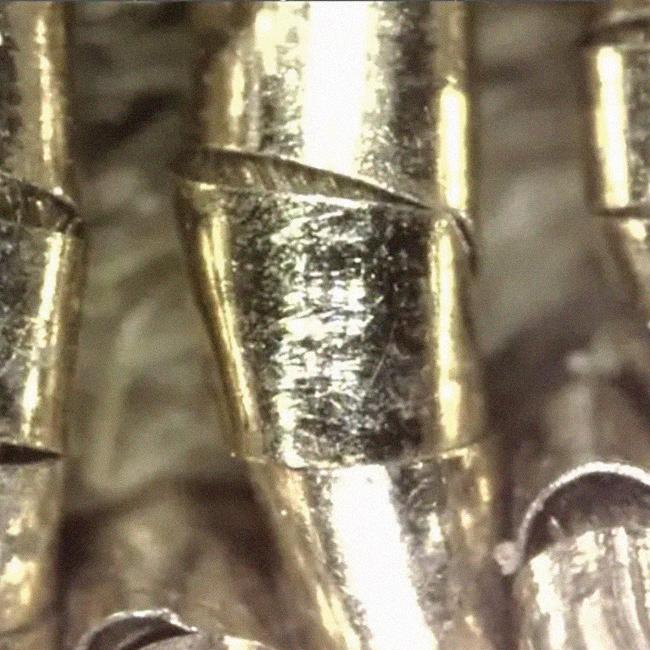
Constantina is an inspiring, enthusiastic host, who welcomes me warmly into the lab. She joined Historic Royal Palaces as a senior conservation scientist over 16 years ago and is justifiably proud of what has been achieved, while eager to expand on what the future holds. ‘Our lab was established about 30 years ago and over this time there have been groundbreaking conservation research projects carried out; for example, we were the first heritage organisation to use light filtering ‘smart’ film on windows to protect our tapestries. But our equipment was becoming outdated, and it was expensive to hire the analytical and other technical work we needed.’ Now, as she acknowledges, instruments purchased with a £1m grant from the Arts and Humanities Research Council in 2021 have massively increased their capability and enabled heritage scientists to provide advanced research and analytical support to conservators, curators, surveyors and collections managers.
With one of the hand-held, lightweight portable scanners tucked into her bag, Constantina can travel to any of our palaces, pull out her secret weapon and fire laser beams at an embedded object such as a piece of historic graffiti (see page 36).
The beams measure depth and density to create a 3D model, which can be loaded on to her computer and studied in the lab and shared digitally with a wider audience, too.
The scanner can also be used to create complex 3D digital ‘twins’ of historic costume that can be rotated and studied on screen. ‘Isn’t it wonderful?’ says Constantina, twirling an onscreen 3D image of one of Queen Victoria’s mourning dresses in a way impossible with the fragile object in real life. ‘To do this previously would have required multiple, time consuming 360-degree photography.
As InsideStorywent to press, Constantina was delighted to learn that a further grant application had been successful. The award of £198k from the Research and Innovations Infrastructure Fund provided by the Department of Science, Innovation and Technology, will support work such as our leading non-destructive hyperspectral imaging.

Now I have a digital model that allows me to look in minute detail, even at the inside of the object without touching it, to assess its condition.’ And as Constantina points out, the creation of these digital twins means that people who may never get to the palaces can explore 3D models of these incredible objects. There may even one day be a totally digital exhibition of items that are too fragile to display.
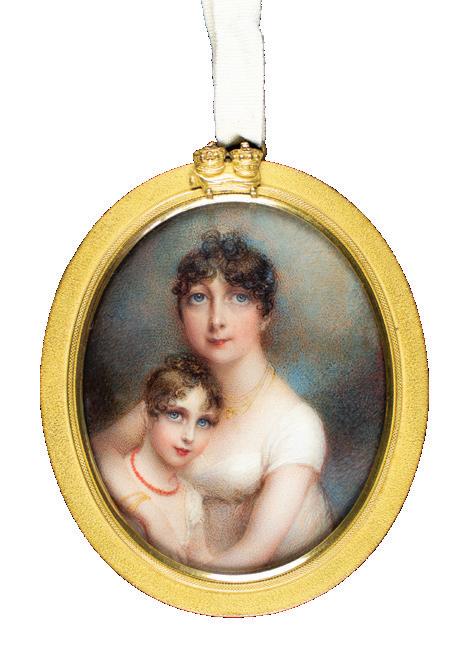
A recent project to conserve a series of 18th-century miniatures donated to Hillsborough Castle (see panel) presented the opportunity to share with visitors intimate details of these beautiful portraits, mere centimetres across. ‘While they were in the lab, we took high-resolution images as well as details of the painting technique under our new microscopes’ explains Constantina, as we both gaze in wonder at a highly magnified miniature of a mother and daughter. ‘It’s like entering another world. You can see the skill of the artist in every individual brushstroke and tiny dots of colour that create an almost 3D effect.’
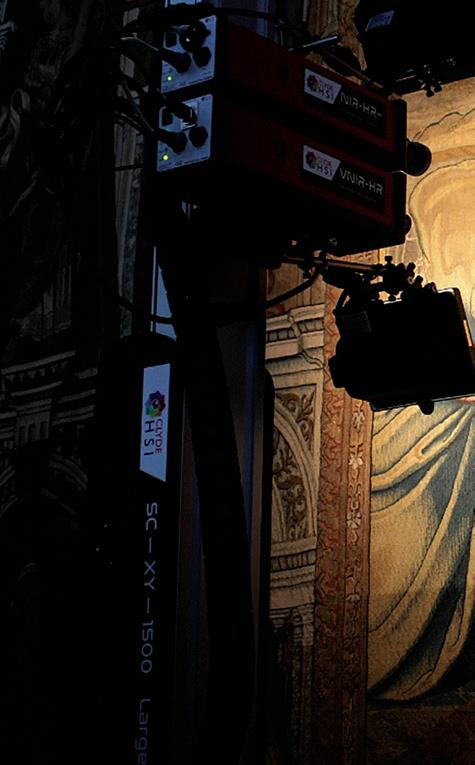
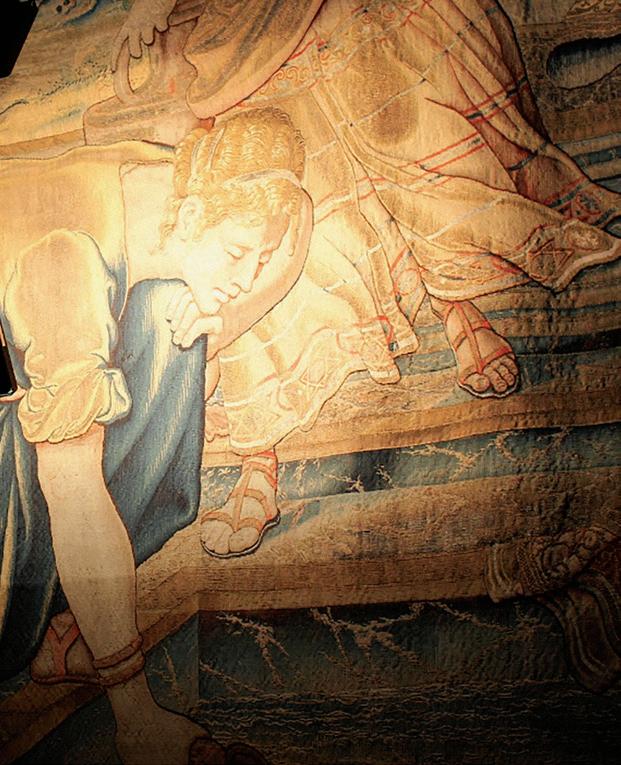
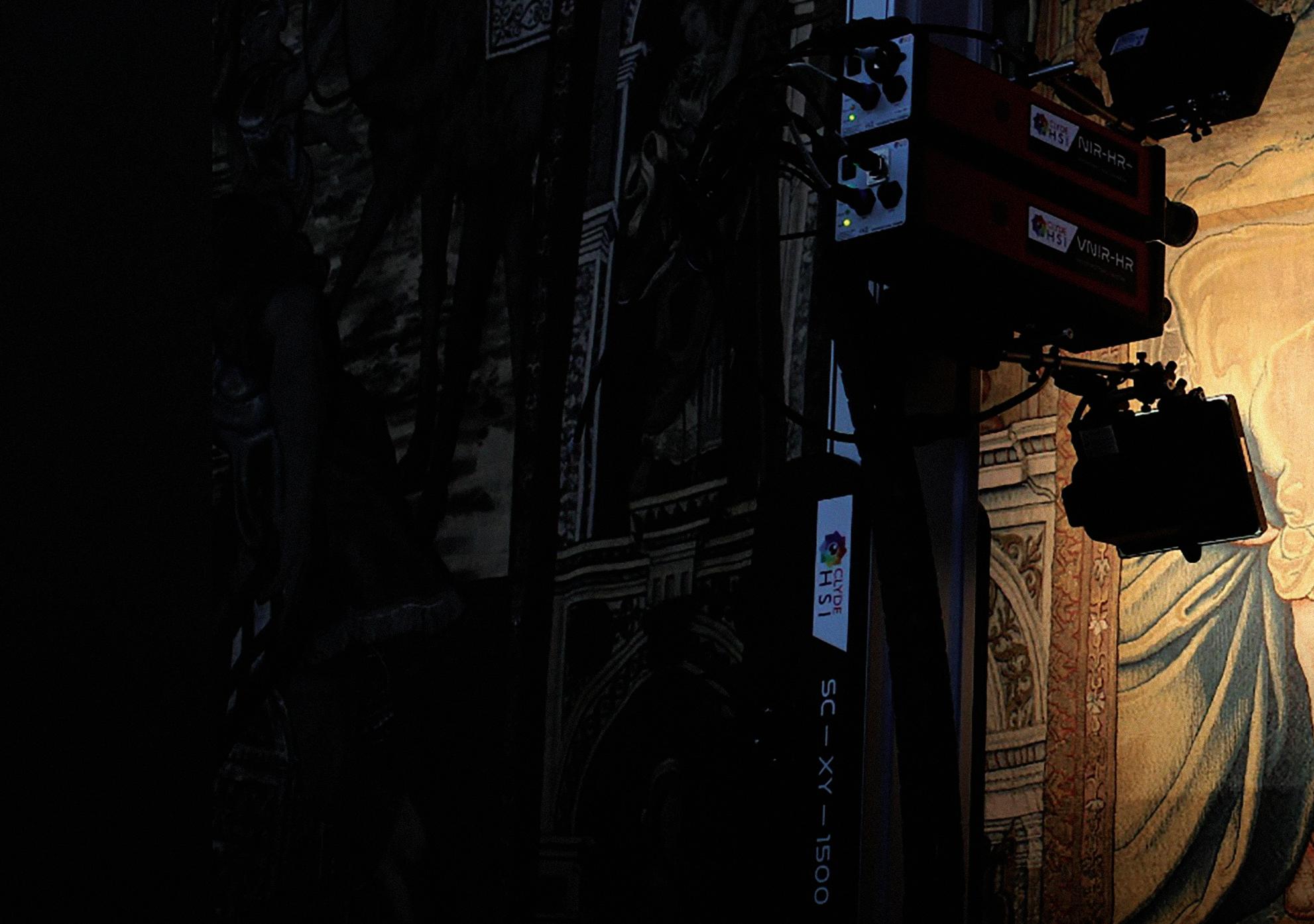
One of the most advanced instruments in the lab now is the large hyperspectral imaging scanner which is transportable. It can be rolled into position next to a hanging tapestry where it excels in its non-invasive duty, scanning, imaging and analysing simultaneously using AI.
Above
One of the Ombersley miniatures depicting Mary Hill Marchioness of Downshire and Lady Charlotte Hill by Anne Mee, c1800. The magnified detail, taken in the Heritage Science Laboratory during technical recording, reveals the intricate work of the artist, with delicate brushstrokes and tiny dots of colour.
Left
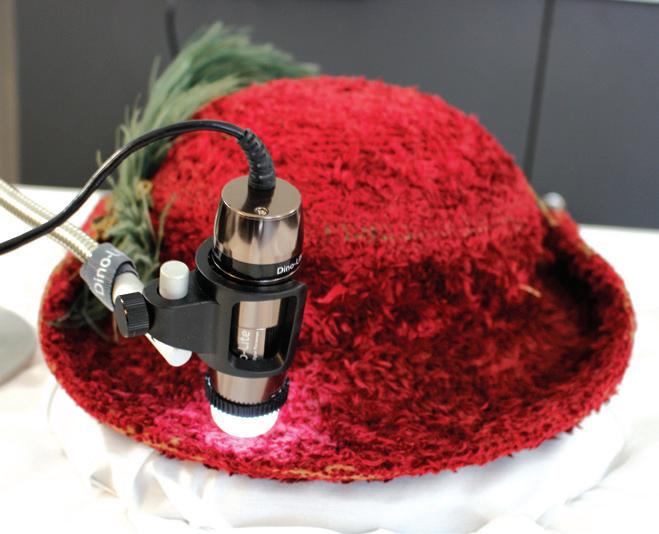
The 16th-century Bristowe hat, one of the oldest items in the Royal Ceremonial Dress Collection, being examined under a portable microscope.
Right
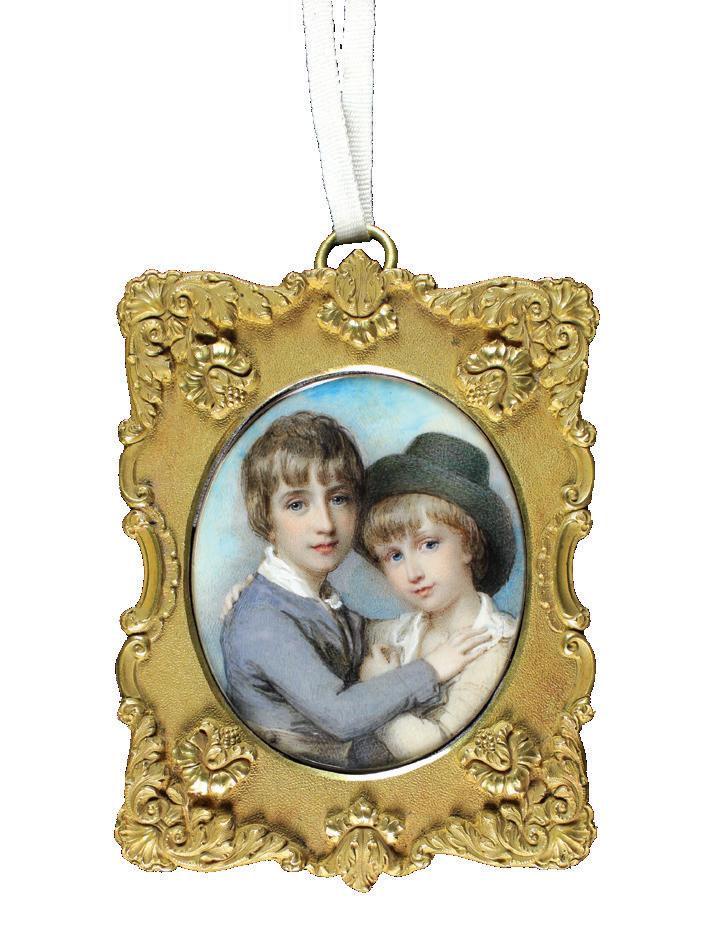
Lord Arthur Hill and Arthur Hill, 3rd Marquess of Downshire by Richard Cosway, c1795.
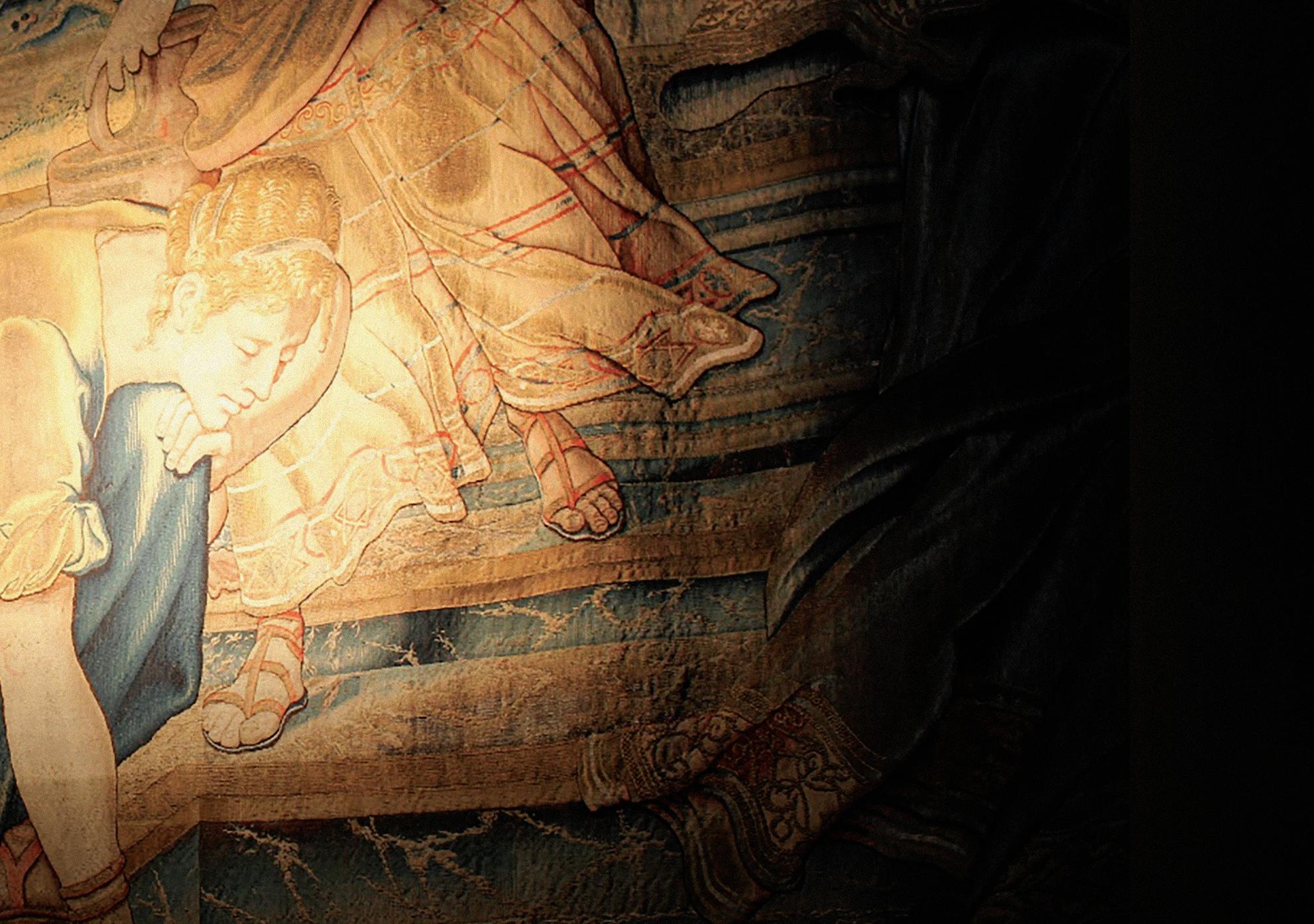
Not only can it reveal previously restored areas invisible to the naked eye, but it can also characterise and map the natural materials used to dye its threads and simulate a digital image of how the tapestries once looked. [You can explore this astonishing work in more detail online via Google Arts & Culture.]
Constantina is keen to share this research with other organisations too. ‘We’ve published the results of this technique in an academic journal, and given papers at international conferences, so I can say that at present, we are one of the world leading organisations in this area.’
The lab’s scanning electron microscope, an impressive beast weighing over 400kg can now provide important analytical work previously commissioned out. The new equipment can also interrogate evidence from previous research projects. For example, tiny paint samples gathered from Rubens’s ceiling at the Banqueting House eight years ago. These were helpful to assess the general condition of the ceiling, but as Constantina explains, we would like to know exactly all the materials that Rubens used, by continuing with the analysis of the cross sections of our existing samples. For example, an interesting discovery we have made is that in sky areas that are breaking down and looking grey, Rubens used a lot of smalt (a colouring agent made from powdered blue glass).
Looking to the future, one of Constantina’s priorities is attracting a more diverse mix of postgraduate students to take up internships at Historic Royal Palaces. ‘One of the most important aspects of our work is training the next generation. We have supported young scientists with our scholarship programmes since 2012. Now with our increased scientific capabilities we can just about offer research projects to suit any discipline, from chemical analysis to the effect of climate change.’
See the Heritage Science Laboratory for yourself, in an exclusive video with Constantina, recorded just for members. Visit your digital hub to watch now: hrp.org.uk/the-vault
Did you know there’s a whole host of behindthe-scenes stories about Historic Royal Palaces to explore online on Google Arts & Culture? artsandculture. google.com/ partner/historicroyal-palaces
Emma Lawthers describes a small and perfectly formed new display at Hillsborough Castle.
‘We recently received a donation of 51 exquisite 18th-century miniatures, some of which are now on display at Hillsborough Castle, soon to be followed by more.
These tiny, stylised portraits capture several generations of the Hill and Sandys family who once lived at the castle, some being seen for the first time. Known as the Ombersley Miniatures, after Ombersley Court, where they were kept in the collection of the late 7th Baron Sandys (1931-2013), they were painted by a range of artists including Richard Cosway (1742-1821) and Charlotte Jones (1768-1847). Some of the magnified images taken under the powerful microscopes in the Heritage Science Laboratory will be displayed alongside the objects, revealing more about this magical miniature world to the castle’s visitors.’


Installing renewable energy sources is a key challenge facing Historic Royal Palaces. But our vision for the future is far wider, as Sustainability Programme Manager Jen Stone and Energy Futures Engineer Jack Harper explain.
Many people associate sustainability mainly with managing waste and recycling. But for us it represents a multi-faceted challenge: to respond to the wide-ranging threat that climate change poses to heritage, which includes damage to the fabric of our buildings from extreme heat and excessive damp, and loss of plants and wildlife in our gardens and parks. We have to address specific issues that will affect our collections and archives, as well as our viability as a visitor attraction. For example, what happens if the interior of the White Tower at the Tower of London becomes too hot to enter? We’ve already seen it reach some unprecedented temperatures and our long-term projections show this is likely to become a more frequent occurrence.
Our organisation’s core mission of conservation is intrinsically linked to us becoming more sustainable.
Historic Royal Palaces has had a sustainability strategy in place since 2018 and we’ve already reduced our carbon emissions by a third since 2019. I joined in 2023 in a newly created role to turbocharge our ambition, and to develop the overarching strategy for sustainability across the organisation. We have kept our commitment to net zero carbon emissions by 2050 (see Jack’s piece, over), but while this still includes searching for cleaner energy sources, it has broadened to become a pro-active, ‘Nature-Positive’ goal, incorporating nature-based solutions to reduce emissions and to increase our natural resilience and bio-diversity.
What happens if the interior of the White Tower becomes too hot to enter?
Rather than simply planting more trees (although we do that as well), we are researching what is happening in our palace’s green spaces: for example, how much carbon is captured naturally by trees and soil. We can also monitor and protect the species in Home Park (a Site of Special Scientific Interest), such as the acid grassland and introduce new types of drought-resistant plants.
In this we are working with our estates and gardens teams, and also our Park Ranger Eleanor Evetts (see page 52) and building up a picture of how we can adapt to and mitigate the effects of hotter summers and wetter winters. We are also looking at many other issues, including cutting the carbon impact of our catering and retail offers and limiting our waste and water use. However, reducing our overall energy consumption and moving to renewable sources is the first, and probably the most difficult area, that we need to address.
It’s certainly a complex challenge. Given the nature of our sites, there is understandable anxiety expressed by staff and visitors around introducing new technology into a heritage environment. We try to explain the work we are doing as the next stage of the site’s evolution, like the introduction of electricity and running water. To achieve this, we’ll need to make sensitive alterations to the fabric of the buildings, but they’ll still be the palaces people know and love.
People are key, of course. We’re re-establishing our champions’ network of volunteer members of staff across all palaces and directorates. They will play a critical part day-to-day, encouraging good practice such as energy conservation, and reducing waste.
How do we respond to climate change in a way that protects the planet, our buildings and our operation as a visitor attraction?
Data drives and informs our decisions. At the moment we report on two basic measures for emissions: gas and fuel use, and how much electricity we purchase from the National Grid. Soon we will include far wider measures, such as water waste and supply chains. We are also aiming to collate all the nature-based research that has been amassed by the organisation into a central database, and going forward, will create a way to capture this data in a standardised format so we can use it easily to compare our progress across all the sites.
So, how do we respond to climate change scenarios in a way that protects the planet, our buildings and our operation as a visitor attraction? Unsurprisingly, there is a correlation between a growing number of visitors and an increase in emissions, but this isn’t the main challenge. It’s up to us to make it as easy as possible for visitors to make slight adjustments to their behaviour, such as providing drinking fountains for re-fillable water bottles and managing our catering offer so that waste is reduced. The biggest impact visitors can have is choosing how they get to us, all our London sites are accessible by public transport and we’ve introduced electric car charging at Hampton Court.
We want and need people to come to our palaces and be inspired by the work we are doing. Equipping our sites for the future doesn’t come cheap, and visitors’, especially members’, contributions are vital to implement a programme of new technology and other initiatives across all our sites. We rely on your support, and I hope it helps people to remain optimistic knowing that they are investing in a sustainable future for the palaces.’
‘As Energy Futures Engineer, my job is to help Historic Royal Palaces build a decarbonisation programme so that we achieve, firstly, a 40% reduction in energy consumption by 2035. We face a massive task, which sometimes keeps me awake at night! At Hampton Court Palace there are around 75 gas boilers that will all need replacing with a clean energy source. Space and the sensitive nature of the building presents a real challenge: you can’t just set up a solar panel on the roof of the Great Hall or whack up a wind turbine in Home Park!
Many of the boilers have been well hidden which, ironically, makes them a bigger challenge to remove and replace. The most viable alternative, air source heat pumps are really efficient, but we don’t want to adversely affect visitor experience by having the technology visible in a historic setting.
We have carried out two surveys to investigate potential on-site generation of energy. At the Tower of London, space is restricted, but there is potential at Hampton Court to put in new technology that would offset the energy used to run it, moving from gas to clean electricity as our fuel, so this is our starting point.
It’s been really helpful sharing information and learning from other heritage organisations that face the same challenges. I visited Athelhampton Manor House in Dorset recently to hear about their experience of installing air source heat pumps in a building of a similar age to Hampton Court. It’s a smaller property, but they’ve put in around 14 pumps, powered by solar panels installed discreetly on their estate, and they’ve just about moved off the grid.
This was very inspiring, but at Hampton Court there isn’t an obvious place to put solar panels. And we need to be mindful of where the cables run, because we have so much buried archaeology.
We discounted ground source air pumps for this reason too, and water source pumps as well, despite being near the river. They come with huge maintenance and ecological issues, so that leaves us with air source, but the snag is, where to hide the units and the solar panels?
At the moment it’s an ambition, not a certainty, and we are investigating all the possibilities. We did for a nano-second consider the roof of the palace, out of sight certainly, but that would involve craning up heavy solar panels and swinging them over those famous chimneys … what could possibly go wrong?
However, we urgently need to find some sort of compromise between aesthetics and efficiency, and we can learn from each other. The National Trust runs a sustainability network; we stay in touch with ex-staff members who now work for other heritage sites; we invite ourselves on site visits and we welcome anyone facing similar challenges who want to share their learning. None of us can do it alone, we share a common goal, and we will help each other to achieve it.
THANK YOU
Thank you for your continued support as a member. You are helping us to protect these magnificent buildings and ensure their survival for years to come.
Air source heat pumps take heat from the air and boost it to a higher temperature. Pumps can extract two to three times more naturally occurring energy from the environment than the electricity they consume to create heat and move it around, or to cool down a room. As more electricity is generated from renewables, like solar or wind power, this power source becomes cleaner.
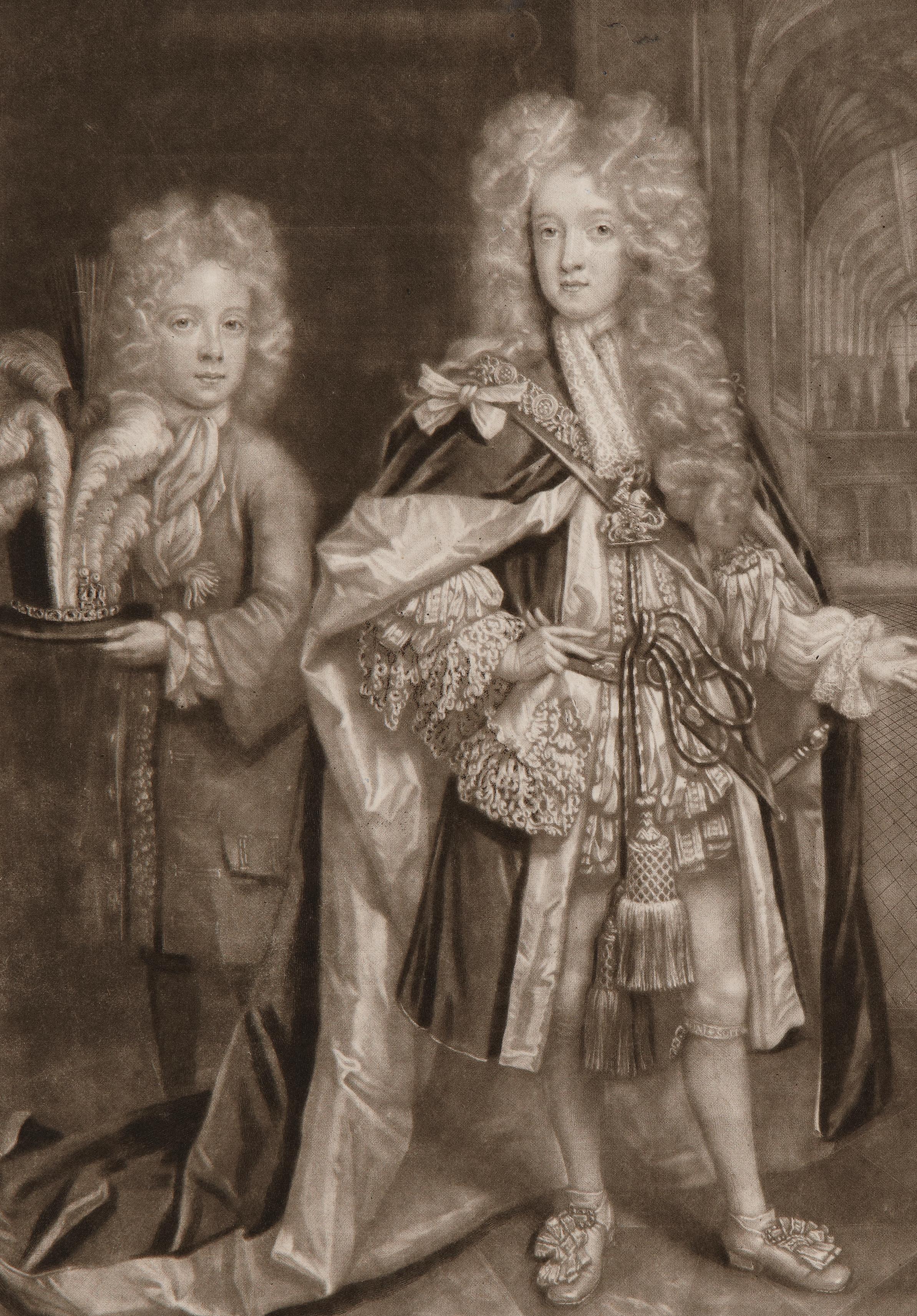

24 JULY 1689
Despite 17 pregnancies, only one of Queen Anne’s children survived infancy. William, Duke of Gloucester was born at Hampton Court on 24 July 1689 and christened four days later. The child was named after his uncle and godfather, King William III, who attended the ceremony in the palace chapel.
William and Mary had no children of their own and adored their nephew. The young Prince visited them often at Kensington Palace where he played at soldiers with his uncle and drilled his own regiment of boys, dressed in miniature uniforms.
After the sudden death of Queen Mary II in 1694, the young boy’s place in the Protestant line of succession grew in importance. As the only recognised Stuart heir, William represented the future of the dynasty. The King became increasingly involved in his nephew’s upbringing and moved him into Queen Mary’s old apartments at Kensington Palace – a sign that preparations were being made for the boy one day to succeed as king.
At a party held to celebrate his 11th birthday, William complained of a sudden fatigue. He became feverish and died six days later from pneumonia, plunging his mother into a deep depression from which she never fully recovered. William III was bereft. He told Anne: ‘It is so great a loss to me as well as to all England, that it pierces my heart with affliction’.
Prince William died in 1700, the same fateful year that his mother had the last of her 17 unsuccessful pregnancies.
His premature death precipitated the Act of Settlement of 1701 and the selection of Sophia, Electress of Hanover (granddaughter of James I), as the legitimate heir to the throne. Sophia’s son George I duly succeeded to the British throne upon the death of Queen Anne in 1714.
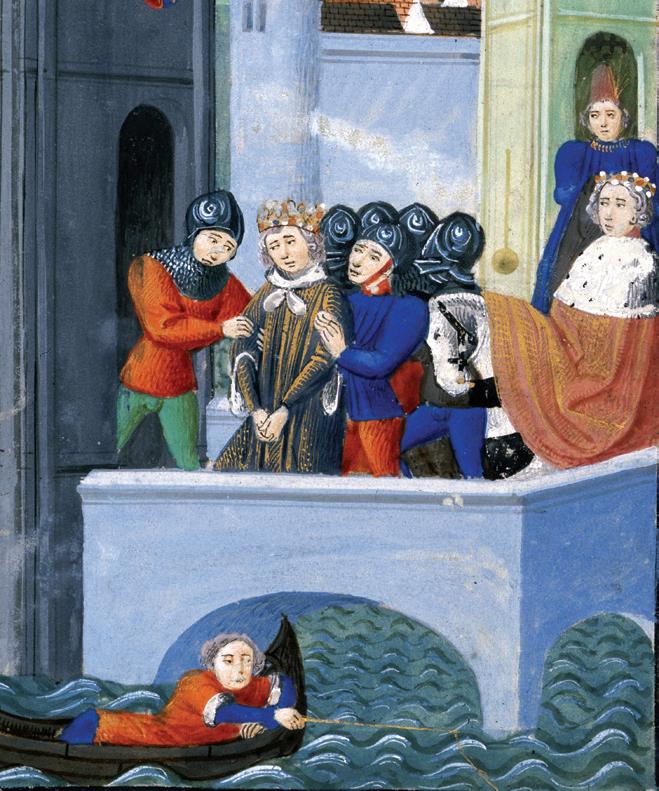
30 SEPTEMBER 1399
Richard II’s reign began and ended at the Tower of London. In 1377, the new King, just 10-years-old, stayed at the Tower before his coronation, travelling in dazzling procession from the fortress to Westminster Abbey. At the end of his reign, in the summer of 1399, the King’s exiled cousin, Henry Bolingbroke, invaded England in Richard’s absence. The King’s army defected to Bolingbroke and Richard soon found himself captured and imprisoned in the Tower of London, the first English monarch to be confined there. On 29 September, Richard was forced to sign a formal document of abdication in favour of Bolingbroke, who became King Henry IV. The medieval chronicler, Jean Froissart places the scene of Richard’s abdication in the White Tower, but this is probably fiction.
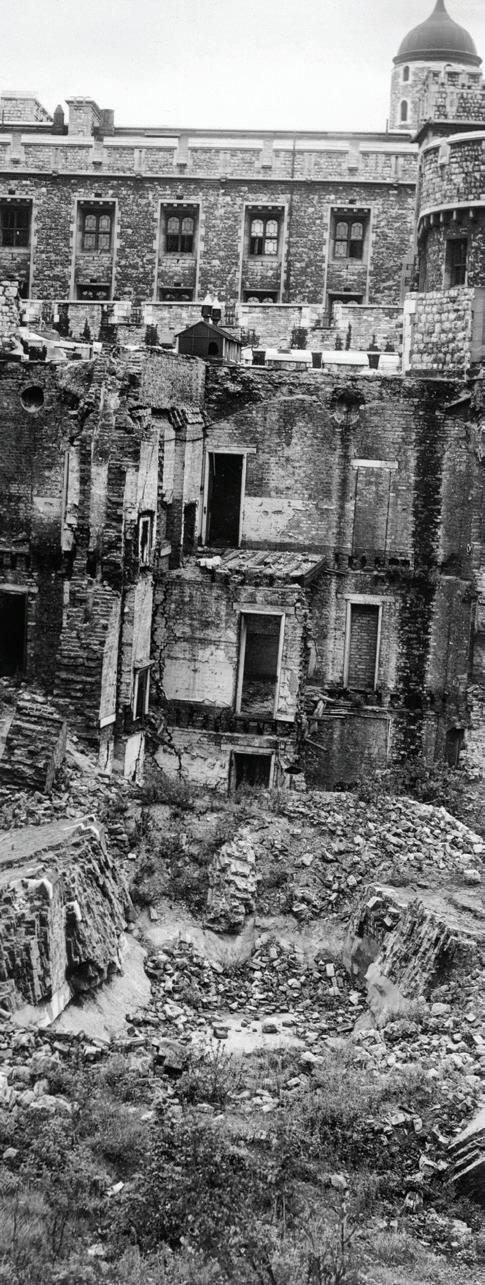
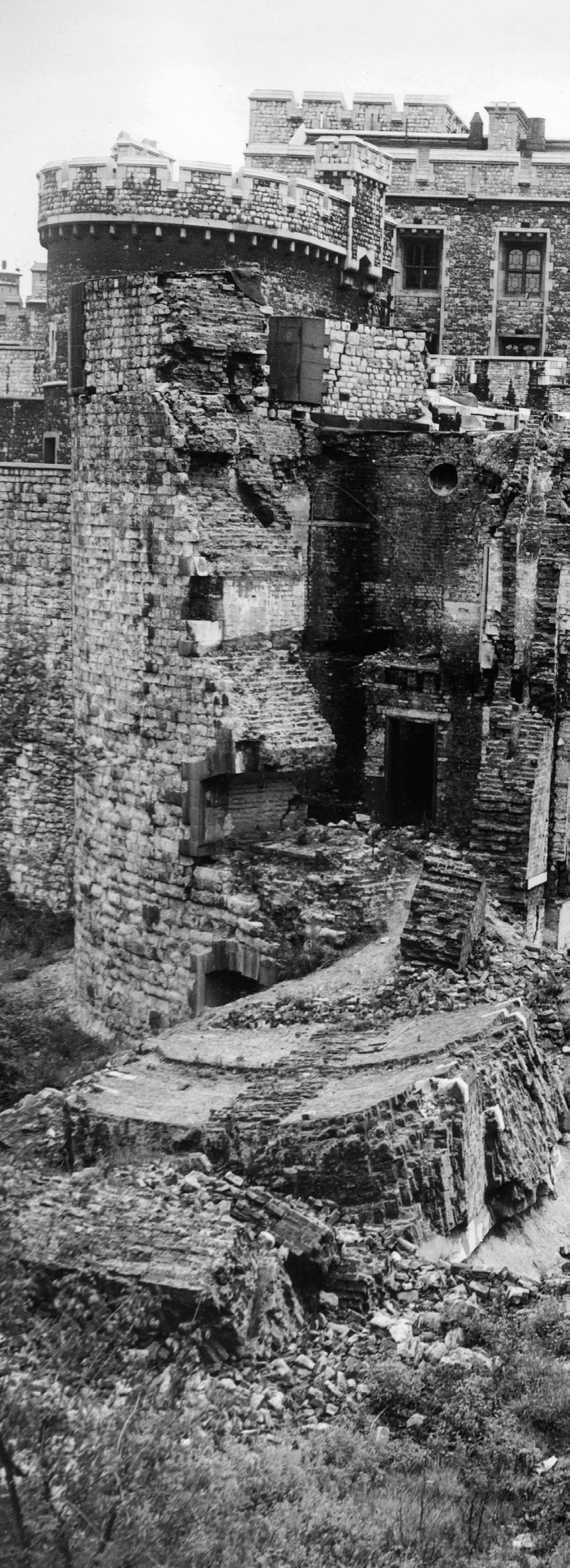
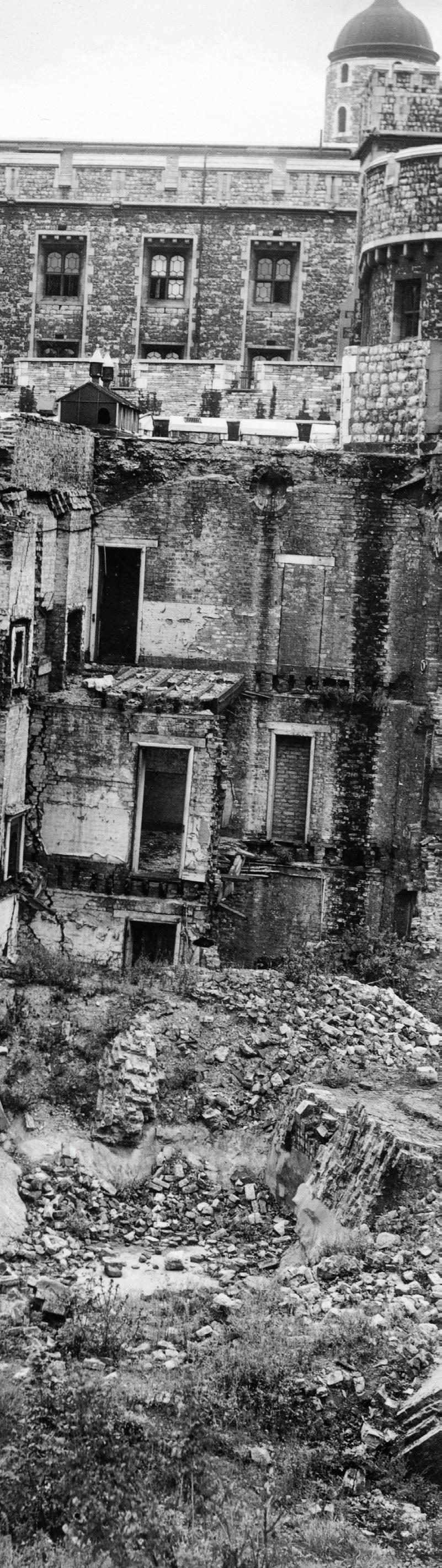
From 7 September 1940, London was bombed by the German Air Force for 57 consecutive nights. The first raids were mainly aimed at the dockland areas of London in a plan to destroy ships and the warehouses along the Thames. This aerial bombardment caused huge damage at the Tower of London.
On the night of 23 September 1940, high-explosive bombs were dropped on the fortress, destroying a large section of the Mint and the Old Hospital Block to the east of the White Tower, which had been used to house German prisoners of war up until May 1940. More raids followed. On 5 October a bomb struck the fortress, blowing apart the massive North Bastion and killing the Yeoman Warder who was resident there. On the night of 29 December over 50 incendiary devices fell within the fortress and the Main Guard (guardhouse) was burnt out despite a valiant effort to save it.

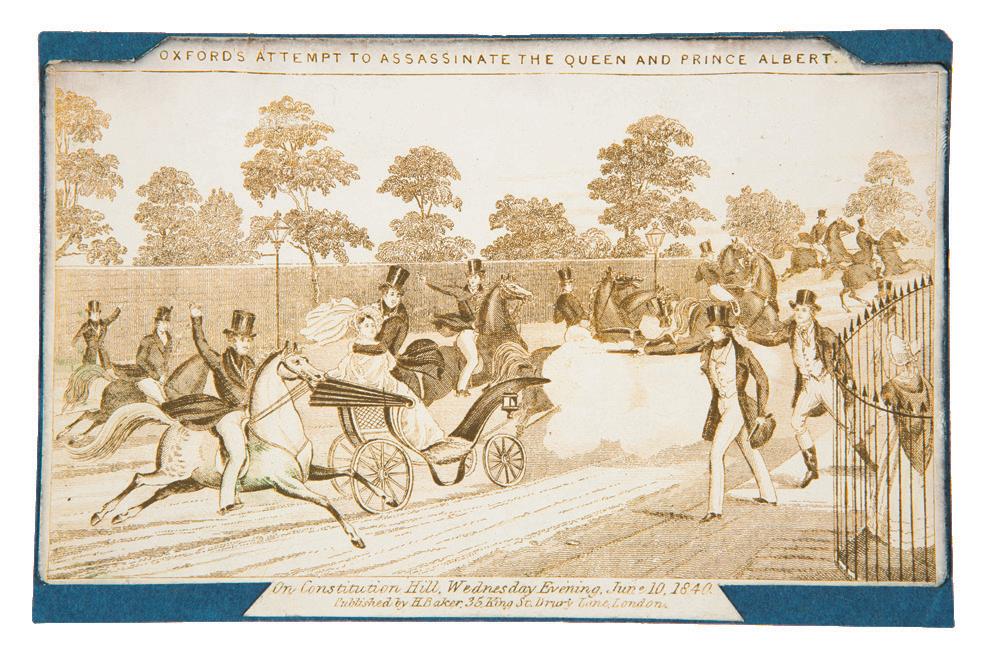
Above
This etching from our collection depicts the scene of Edward Oxford’s attempt to assassinate the Queen in 1840. Oxford is shown with his arm outstretched, firing a gun at Victoria who is seated in her carriage. Prince Albert has his arm across her to protect her.
Left
The North Bastion, destroyed by a bomb on 5 October 1940. The oil painting (far left) was painted by artist Alistair Stewart, who was commissioned by the Ministry of Works to record bomb damage on some of London’s landmarks.
Queen Victoria’s 63-year reign on the throne would have been significantly shorter had any one of eight assassination attempts succeeded. The first occurred just a few months after the Queen’s marriage to Prince Albert, when she was pregnant with their first child. At 6pm on 10 June 1840, the royal couple left Buckingham Palace in an open carriage for their customary ride around Hyde Park. What happened next was recorded by the Queen in her journal: ‘we had just left the Palace about ½ way up the road, before Constitution Hill, I was deafened by the loud report of a pistol, & our carriage involuntarily stopped. Albert was sitting on my right. We looked round & saw a little man on the footpath, with his arms folded over his breast, a pistol in each hand, & before ½ a minute elapsed, I saw him aim at me with another pistol. I ducked my head, & another shot, equally loud instantly followed; we looked round & saw that the man had been quickly surrounded & seized’. The would-be assassin, 18-year-old barman Edward Oxford, was tried for treason but found not guilty for reasons of insanity. He spent 24 years in an asylum before being deported to Australia.
Read ‘The Tower at War’ on our website hrp.org.uk
Several more attempts followed between 1840 and 1882. After the second attempt in May 1842, the Queen was given a beautiful green silk parasol – lined with mail armour – which is still preserved in the Royal Collection.

GPostdoctoral research assistant Jamie Ingram is one of the team using new technology in a pilot study to record our unique and astonishing collection of historic graffiti, and to discover more about its elusive authors
raffiti is a term that will always stir conflicting emotions in the observer. We revile the scrawls and tags that festoon our modern urban spaces, but marvel at the works of recognised ‘street artists’ such as Banksy. Our buildings old and new are plagued by messages of ‘Joe Bloggs woz ere’ and crude cartoons. But there is another form of graffiti, older and more mysterious, that expresses the thoughts and wishes of people who lived sometimes centuries ago, fascinating those who seek to discover ‘who woz there?’
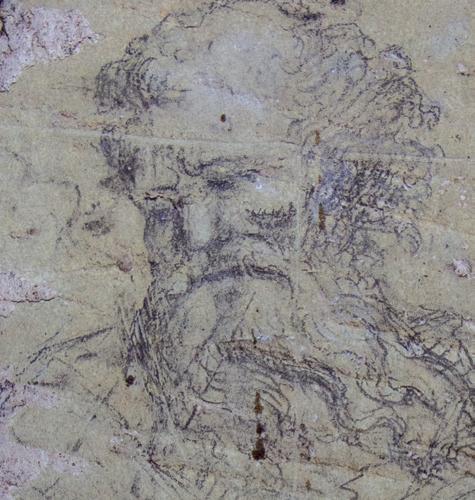
There has been a general interest in historic graffiti at Historic Royal Palaces for many years, mostly focused on our amazing collection of prisoner inscriptions at the Tower of London, although we have extraordinary examples across all our sites ranging from simple signs to avert evil, to ornate carvings and astonishingly accomplished sketches hidden in regal settings.
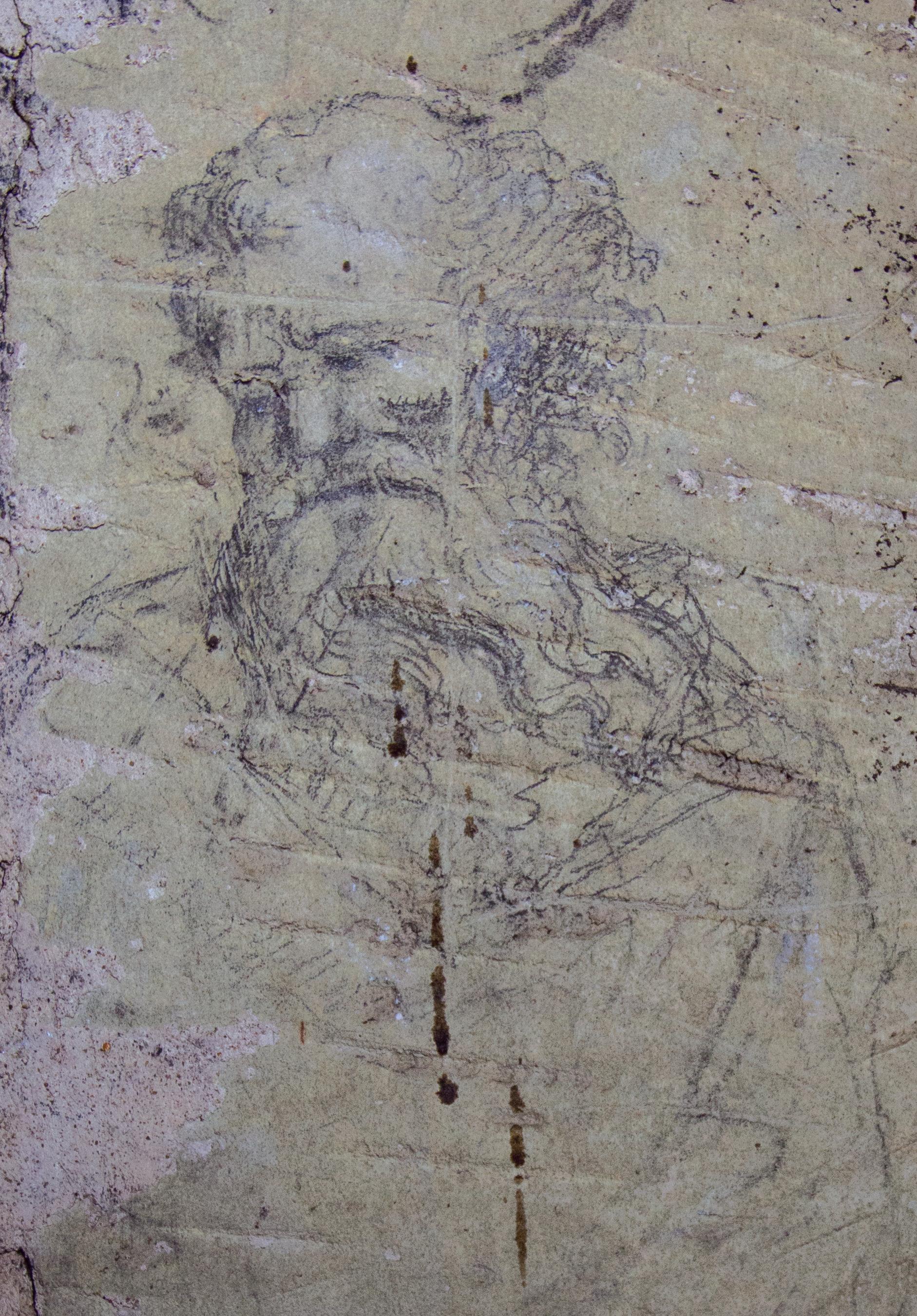
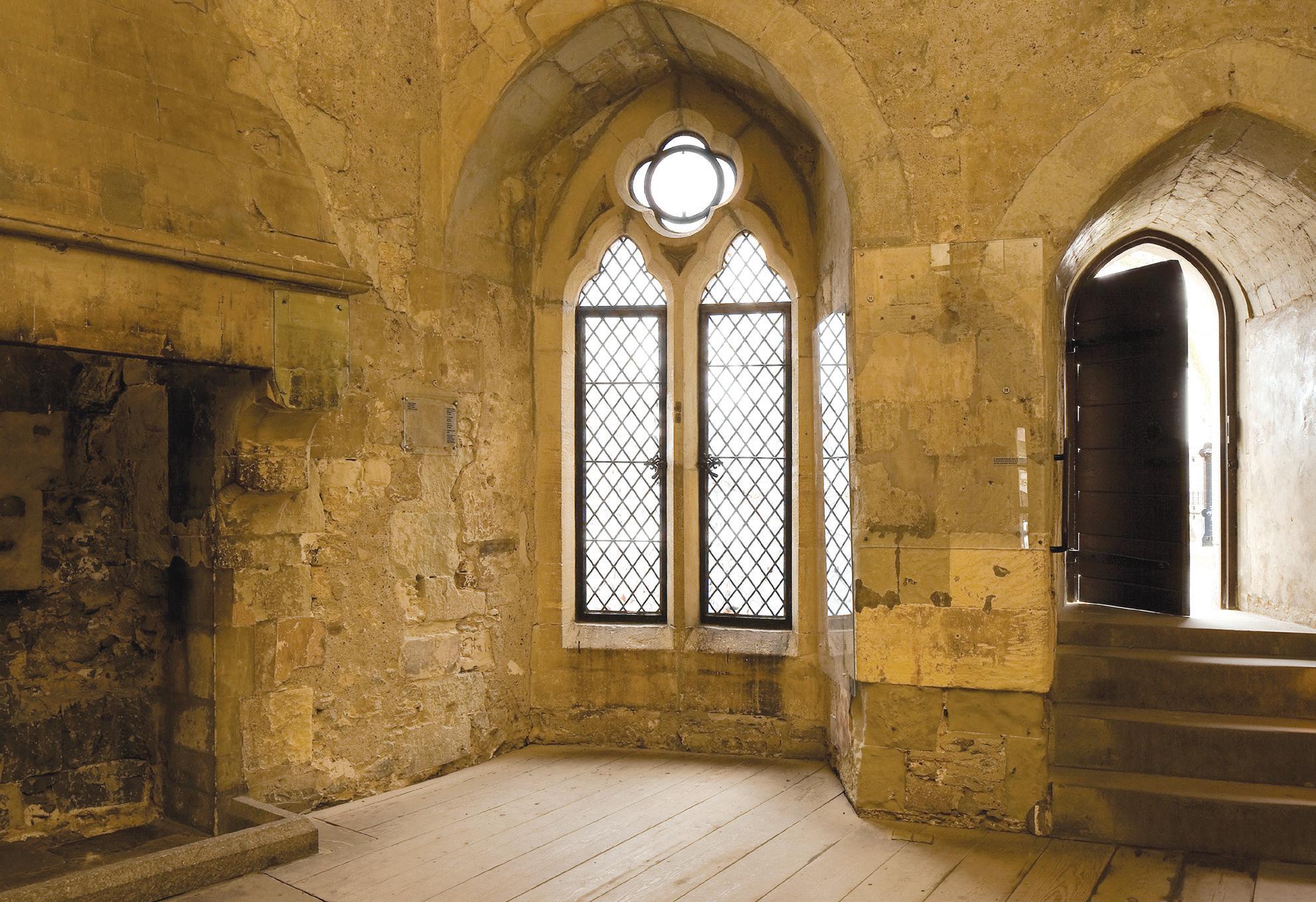
The earliest known survey of the Tower graffiti dates to the publication of John Bayley’s History and Antiquities of the Tower of London in 1821. In 1912, the Royal Mint carried out an impressive study of much of the prisoner graffiti, making wax impressions of the marks to create copper electrotype reproductions of them.
Graffiti has fascinated and inspired antiquarians and visitors alike over the years, even royal ones. Thanks to the work of PhD student Gabrielle Fields (Inside Story issue 51) we know that when Queen Victoria visited the Tower in 1854, she was moved to write in her diary:
The walls … bear numberless interesting & heartrending inscriptions, which tell many a dreadful tale of woe.
‘Then went into the Beauchamp Tower, the walls of which bear numberless interesting & heartrending inscriptions, which tell many a dreadful tale of woe.’
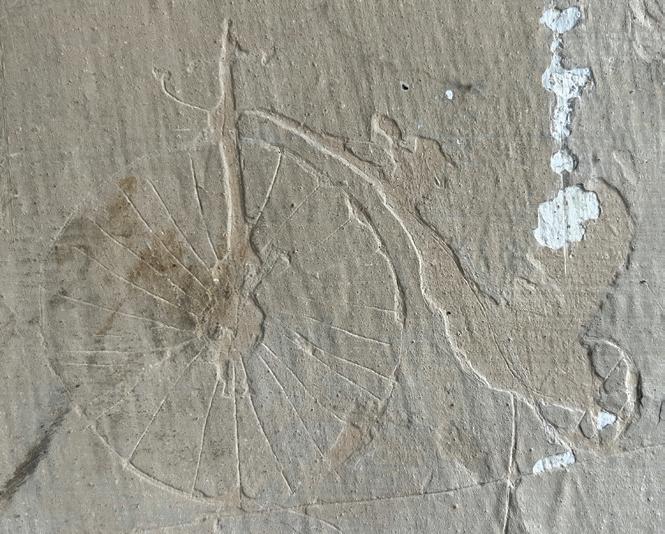
Historic graffiti can be found in all the buildings that we care for. These range from ritual protection marks on the roof timbers of Kew Palace and the unique, dread-filled last testaments scrawled by doomed prisoners at the Tower of London to the mischievous addition of a 20thcentury wristwatch to a wall painting in the Queen’s Drawing Room at Hampton Court Palace (not recommended!). We also have the physical evidence of those who have lived and worked at the palaces through time, including the signatures of William Kent and his assistant on the ceiling canvases in the King’s Gallery at Kensington Palace, a group of handprints left by Christopher Wren’s workmen in the plaster walls of the King’s Apartments at Hampton Court; a collection of workmen’s signatures next to Henry VIII’s
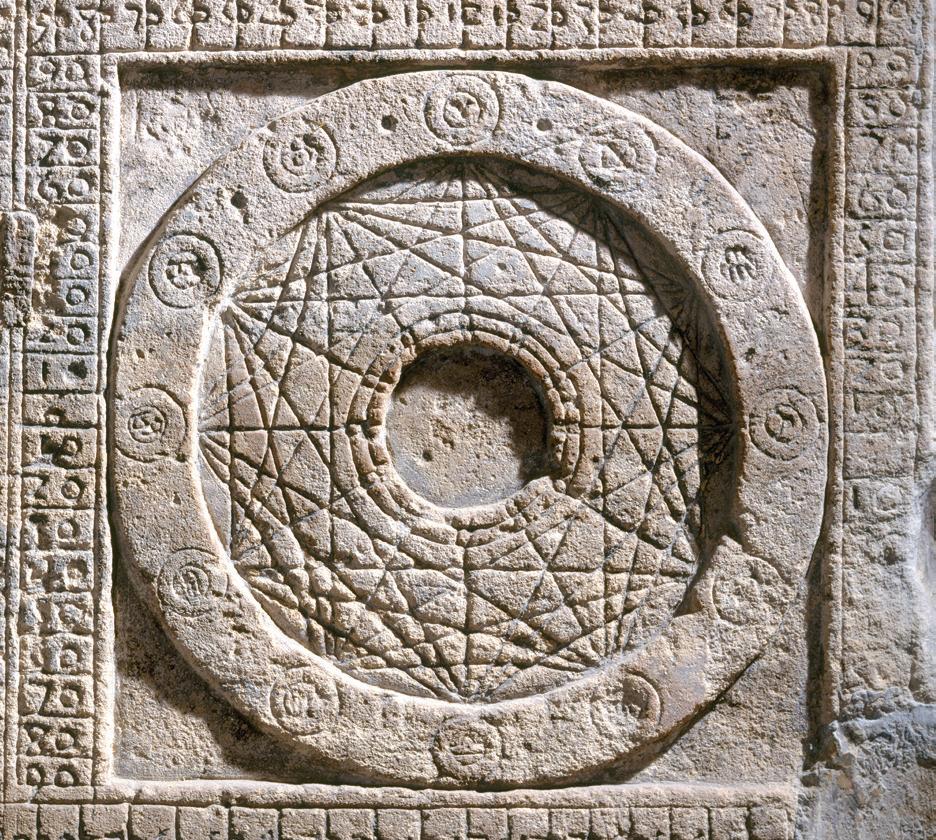
Above The ‘Draper Horoscope’ graffito on the first floor of the Salt Tower, assumed to have been produced by Hew Draper, a suspected sorcerer in 1561. However, Draper was held for no more than a year before being noted as being ‘verie sicke’ and vanishing from official records. Could he really have produced this elaborate and precise carving himself? This is one of the questions we hope to answer if the larger project is funded.
Left
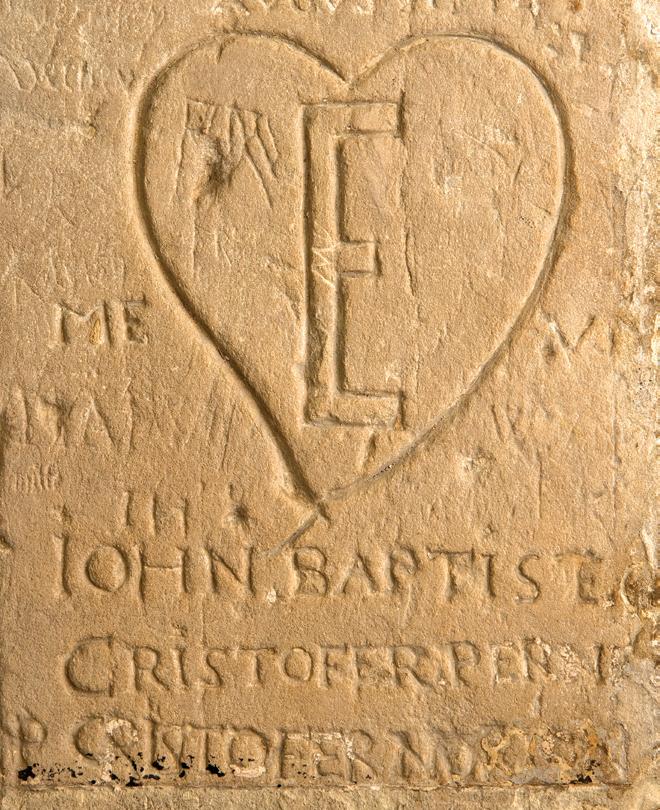
Over 350 individual graffiti marks have been recorded in the Salt Tower alone.
Right Another carving in the Salt Tower made by John Baptist Castiglione in 1556. Castiglione was the Italian tutor of Princess Elizabeth and was held at the Tower during the Protestant uprisings in the reign of her sister Queen Mary.
Astronomical Clock and the sometimes lewd comments from soldiers stationed at the Tower in the 1990s, scratched into the postern gate. Amongst the graffiti images and Roman script found in the Byward Tower is one particularly intriguing example, just a few words in what seems to be a variant of Nagari script from the Indian subcontinent. We are currently attempting to translate this and discover how and when it was put there.
We have extraordinary examples across all our sites from simple signs to avert evil to ornate carvings and astonishingly accomplished sketches.
In September 2023, the curatorial team launched a pilot project at the Tower of London to look at the historic graffiti and start to build a case for a full research project. Even from our initial recording in the Salt Tower we have made some exciting new discoveries, including being able to read previously illegible inscriptions and identifying mysterious holes in and around one of the chalk drawn images that may be evidence of someone using the image as a target for darts or possibly marks made by other sharp objects carried by soldiers. These prove the efficacy of the methods we intend to use for the full survey and recording work. We have also been looking at some new analytical methods that have been made possible through the investment in the Heritage Science Laboratory (see page 24) including X-ray and infrared spectroscopy that we hope will provide us with more information about the materials, such as chalk or pencil used to create some of the applied graffiti, and to look for evidence of any residue left behind by the wax casting to make the electrotypes in 1912.
I use the ‘clean’ light of an LED torch or lamp to hunt graffiti in the gloom of the Tower. Held at an angle to the wall, these lights enhance the shadows created by the incised marks, making it easier to see. When we are recording the graffiti we generally work in panels, systematically photographing and referencing an entire wall section, rather than recording each individual mark. This helps us better understand how the individual inscriptions might interconnect.
There are 69 panels recorded so far, some displaying isolated marks while others contain dozens of graffiti, each created in its own space, respecting the area taken by others. Even though we are focussed on trialling new technology, I start getting into the hearts and minds of the individuals who made these marks.
I start getting into the hearts and minds of the individuals who made these marks.
Some of the inscriptions have clearly been made over a period of time, by the same hand. You can see where that hand has become increasingly shaky, which suggests something was happening to the person who made them. This may have been from the brutal effects of interrogation, or because they were succumbing to the cold of their unheated cells. We can’t possibly know these things, but part of this project is finding answers.
Above
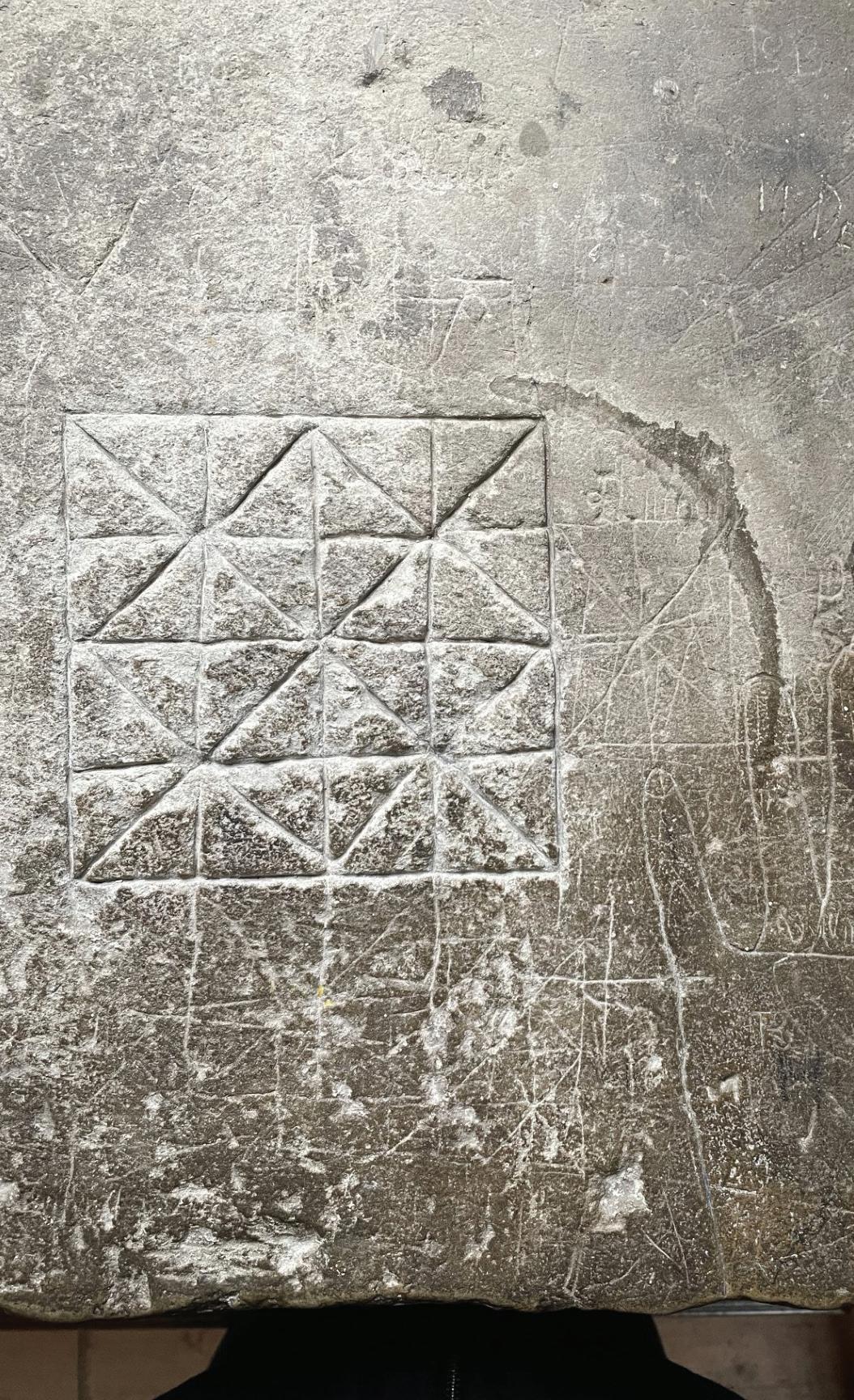
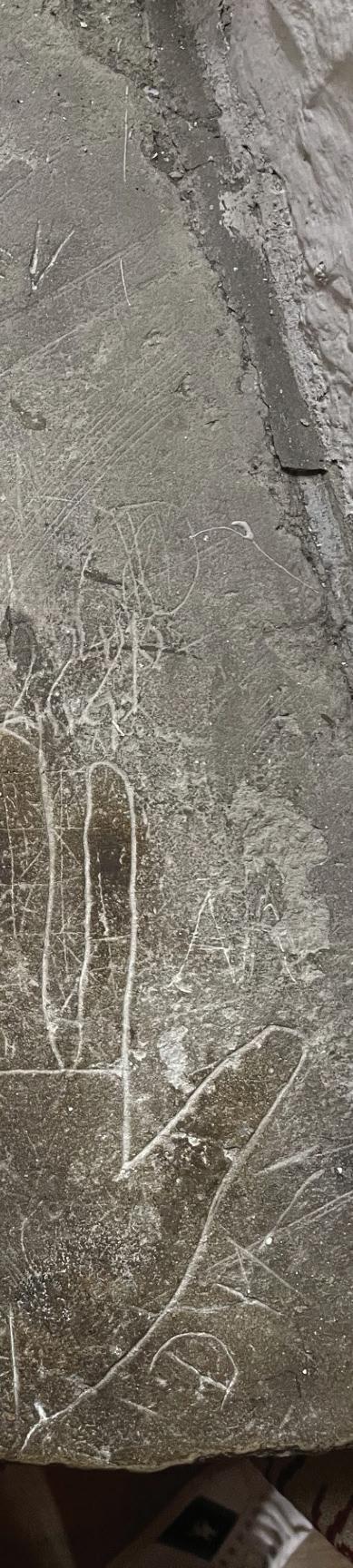
Look carefully in the Haunted Gallery at Hampton Court and you can see this rather spooky panel of graffiti that contains a pair of marks commonly associated with averting evil. The grid is often associated with ritual protection marks seen in domestic dwellings whilst a hand is frequently associated with the crucifixion and seen to be religiously protective.
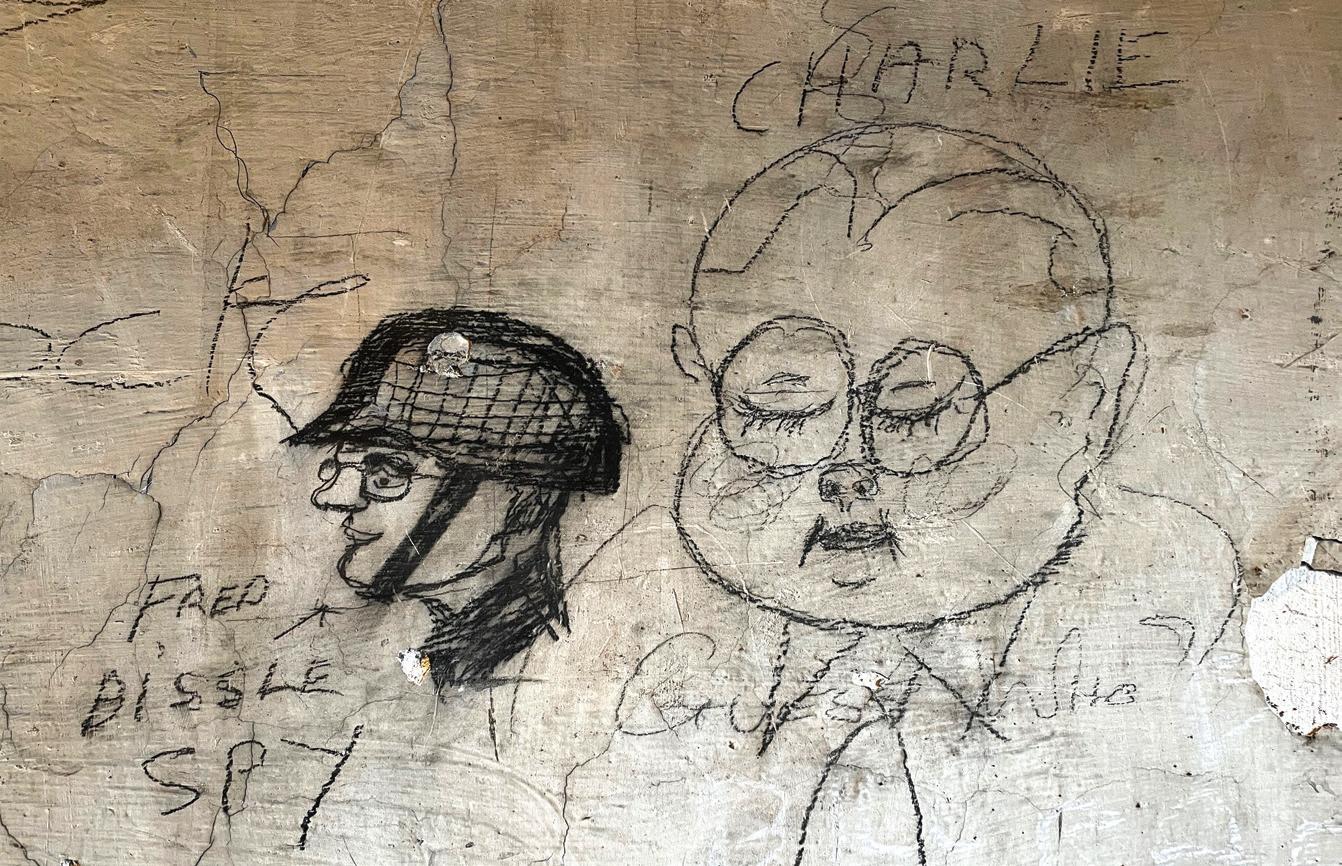
How were these graffito made? What level of freedom did some prisoners have? Many would have been incarcerated on serious charges such as witchcraft or treason, yet they seem to have been allowed sharp objects and to leave heretical and sorcery-related inscriptions on the walls of their prison. Importantly, these marks have not been chiselled away or obliterated. It would have been hard to carve secretly too: the sound of metal on stone makes a very specific noise, so the guards would have known what they were doing! Could it be that these prisoners were permitted or even encouraged in some way?
It’s going to be a challenge to record all these marks. So far, we have found over 350 individual graffito in the Salt Tower alone. This means that Historic Royal Palaces could be dealing with thousands, if not tens of thousands, of graffito in total!
But based on what we have found, we are looking forward to making some exciting discoveries when the full research project gets underway in the near future. Being able to enhance the story of the Tower of London with evidence from graffiti produced by the hands of some of the residents and prisoners is an incredible privilege.
Dr Jamie Ingram completed a doctorate in medieval archaeology in 2022 at the University of Southampton. His primary research focus was on the use of historic graffiti as evidence of personal religious engagement in the Middle Ages. This research has been generously supported by John Harding, one of our patrons
Keep your eyes peeled on your next visit to our palaces for historic graffiti you might never have noticed. We’d recommend taking a closer look at the King’s Staircase at Hampton Court Palace, where you can see markings, possibly made by soldiers standing for hours on guard duty. Why not join a Hidden Spaces tour at Kew Palace to discover the 17th-century ‘witchmarks’ in the attic? Members go free.
Above
During the Second World War, fire watchers were stationed at Kew Palace to protect it. In idle moments, several clearly made mischief on the available walls.
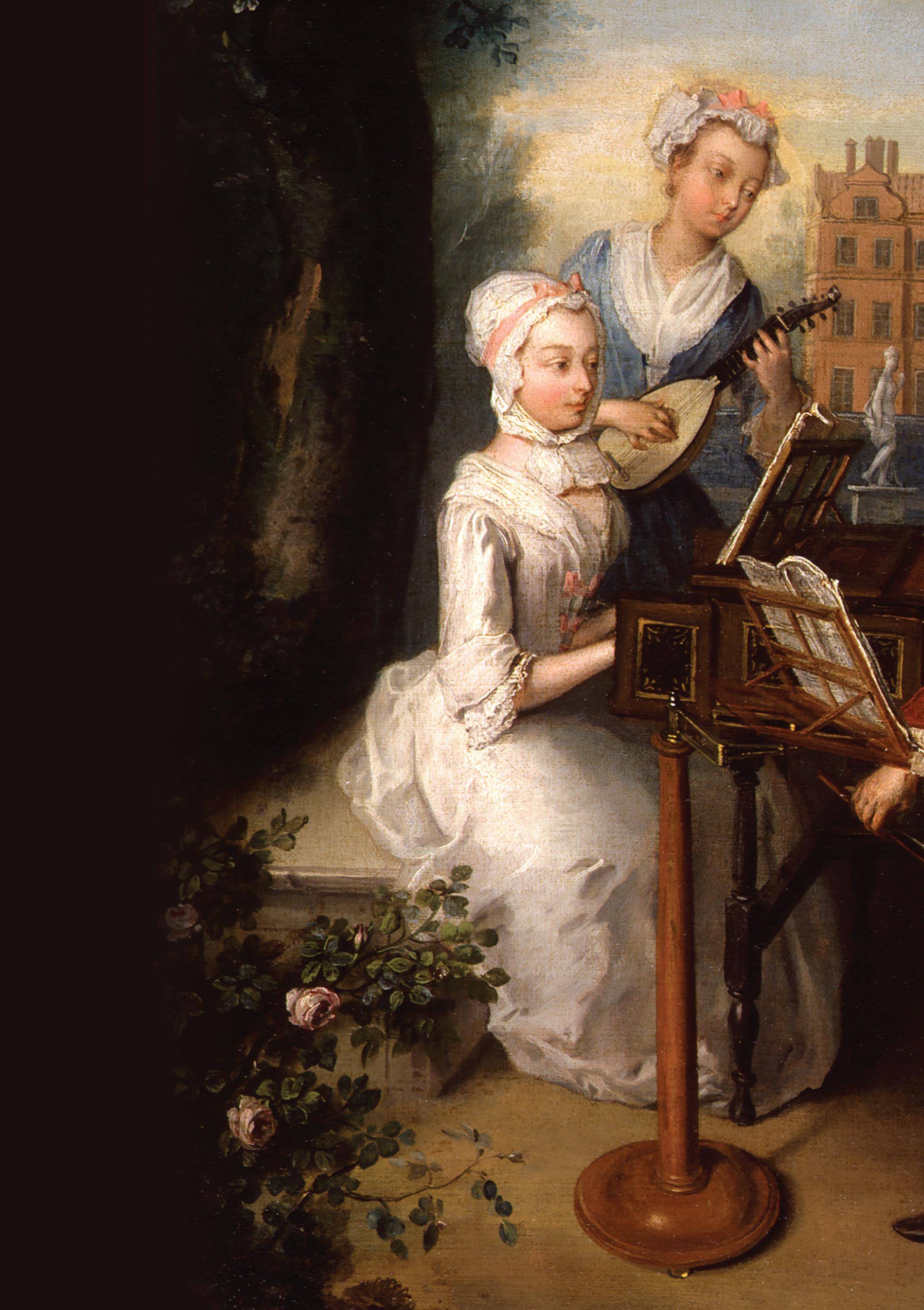

The early years of the Georgian royal children were happy ones, with rigorous lessons and boisterous playtimes, as Collections Curator Polly Putnam describes.
The small brick villa, which we know as Kew Palace, and a large mansion opposite called the White House (demolished in 1802) were favourite residences for George III’s parents, Frederick Louis, the Prince of Wales and Princess Augusta. The royal family spent much time at Kew where Frederick created a world full of entertainment, learning and fun for his children. Here, the future George III would play an early form of baseball with his father and his younger brother Edward, and it was at Kew that they received their education. We know that the princes’ lessons included drawing, mathematics, natural sciences, geography, dancing and fencing. Their father would write loving, if slightly anxious, letters congratulating both boys on good marks and encouraging them to study hard.
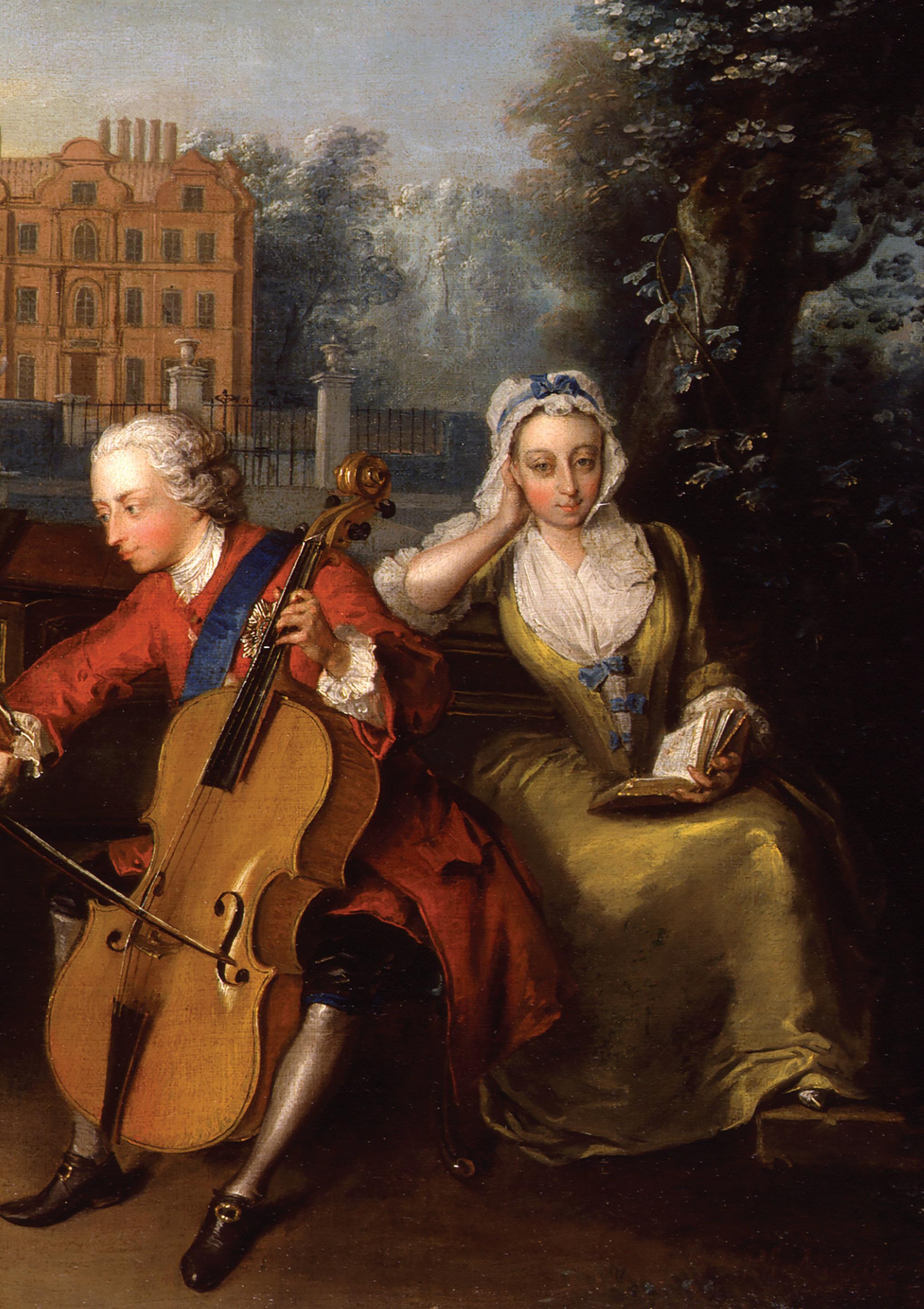
Perhaps Frederick over-worried, as in 1745 the young princes’ tutor described them as ‘comfortable and as capable of receiving instruction as any I have ever yet met with’.
George III’s enthusiasm was abruptly halted when his father died suddenly in 1751, when he was 13 years old. His tutors complained that he was (perhaps understandably) ‘sullen’ and often idle.
In despair of her son, the future heir to the throne, Princess Augusta brought in her friend, John Stuart III, Earl of Bute to mentor George. Bute soon became a father figure to the young prince and George’s adolescent letters show an eagerness to please. ‘Adieu, my dearest Friend’ he wrote in 1758; ‘I find daily what a valuable treasure you are to me, and in what a pretty pickle I should be in a future day if I had not your sagacious counsel’.
Overleaf
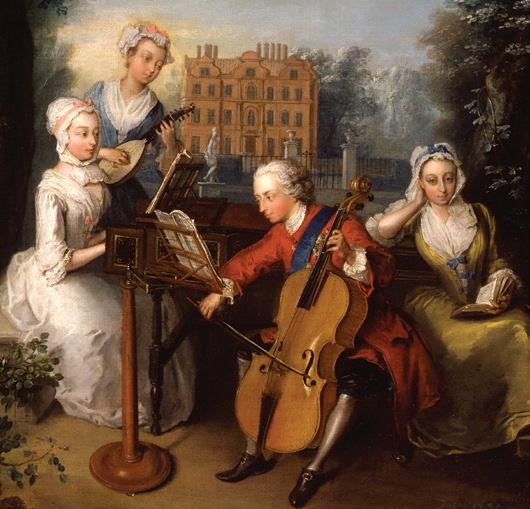
The Music Party:
Frederick, Prince of Wales with his three eldest sisters by Philippe Mercier, 1733. In the background can be seen Kew Palace, which served as a residence for several generations of royal children. © National Portrait Gallery, London
Below
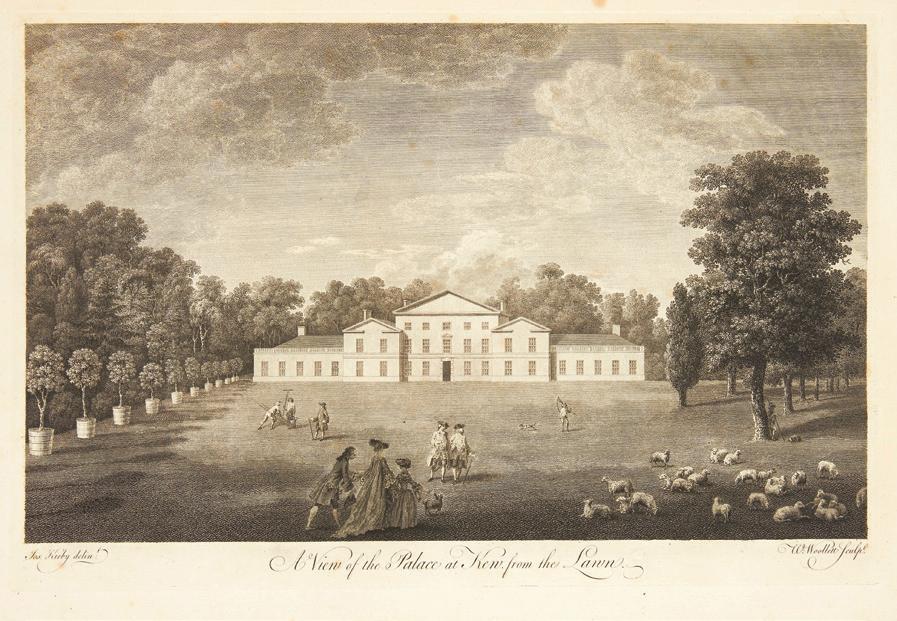
The White House at Kew, built for Frederick, Prince of Wales from 1731 and later used by George III and his family. It was demolished in 1802.
Bute also fostered a passion for architecture in the young man, which led to George studying the subject three mornings a week at Kew Palace with William Chambers, who designed the Great Pagoda and many of the other buildings at Kew.
George III married Queen Charlotte (the ‘perfect princess’) in 1761 and the first 20 years of their marriage were blissful. They produced 15 children, born between August 1762 and August 1783, meaning Charlotte was almost constantly pregnant for over twenty years. The expanding royal family were continually on the move between St James’s in Westminster, Windsor Castle and Buckingham Palace. After the death of Princess Augusta in 1772, the family moved into the White House and Kew became a summer retreat for the family. Just as George III had received his own education at Kew Palace, so his son George, Prince of Wales and his brother Prince Frederick moved into the palace with their own household and governor.
Princess Augusta would play football and hockey with her brothers and ‘played cricket particularly well’.
Over the course of 20 years, more than a hundred people were employed to care for and teach the princes and princesses, and running this household mainly fell to Queen Charlotte. At its head was Lady Charlotte Finch, the children’s governess, known for the wise and creative education of her own children. The King and Queen took a detailed interest in their children’s schooling and upbringing when they were at Kew, which was the only place they could indulge in anything approaching a normal domestic family life. The early years of the royal children were happy ones. Although the lessons were rigorous, playtime was boisterous. Princess Augusta would play football and hockey with her brothers and ‘played cricket particularly well’. In addition to the more traditional subjects, the elder princes learnt about farming and in the garden behind Kew Palace reportedly grew a small patch of wheat from seed, then harvested and threshed it to produce the flour to bake a loaf of bread.
The princesses’ formal education was less rigid than that of their brothers and they were allowed more artistic pursuits, with the occasional magic lantern show for fun. Lady Charlotte Finch was an inventive teacher and history lessons were brightened using picture cards and geography was taught with some of the first jigsaws. A series of jigsaw maps used by the royal governess survive in our collection. These are normally on display at Kew, but this year you can see one of them in the ‘Untold Lives’ exhibition at Kensington Palace*. The royal children often became very close to their nurses and governesses, as demonstrated by the affectionate letters written by the adult princesses to the long-retired Lady Finch. They also gave gifts to Anne Percy, wet nurse to Prince Edward, who stayed with the family for years. (A lock of Edward’s hair, given as a present, can also be seen in ‘Untold Lives’.)
However, working for the royal family was gruelling. At one point, Lady Finch threatened to leave if she wasn’t given some time off, while Mary Hamilton, governess to princesses Elizabeth, Mary, Augusta and Charlotte, described being in constant attendance from 7am to 10pm.
Working for the royal family was gruelling.
Several letters to Mary Hamilton from the princesses survive, full of charming, but ultimately futile apologies for ‘intruding on her leisure time’. Hamilton only lasted four years in royal service before quitting. It was clear that she really didn’t enjoy her work. Her goodbye letter of 1782 to the princesses was blunt: ‘Adieu – perhaps for ever! Though I leave you, never will I forget you – I will only endeavour to forget your unkindness’.
In contrast to the early freedom and fun they had enjoyed as children, George and Charlotte were especially protective of their daughters as they grew older. Even as young women, they had to accompany the King and Queen on all public occasions. Despite their increasing desire to marry, George seemed reluctant to let them go. Charlotte, the Princess Royal was 31 when she married Frederick, Hereditary Prince of Württemberg, and her sisters Mary and Elizabeth were in their forties when they finally wed. Augusta, Amelia and Sophia never married. Unfortunately, their marriageable years had coincided with a period of national unrest in the wake of the French Revolution, and their father’s long period of mental and physical illness. All this uncertainty scarcely provided favourable conditions for marriage.
Above
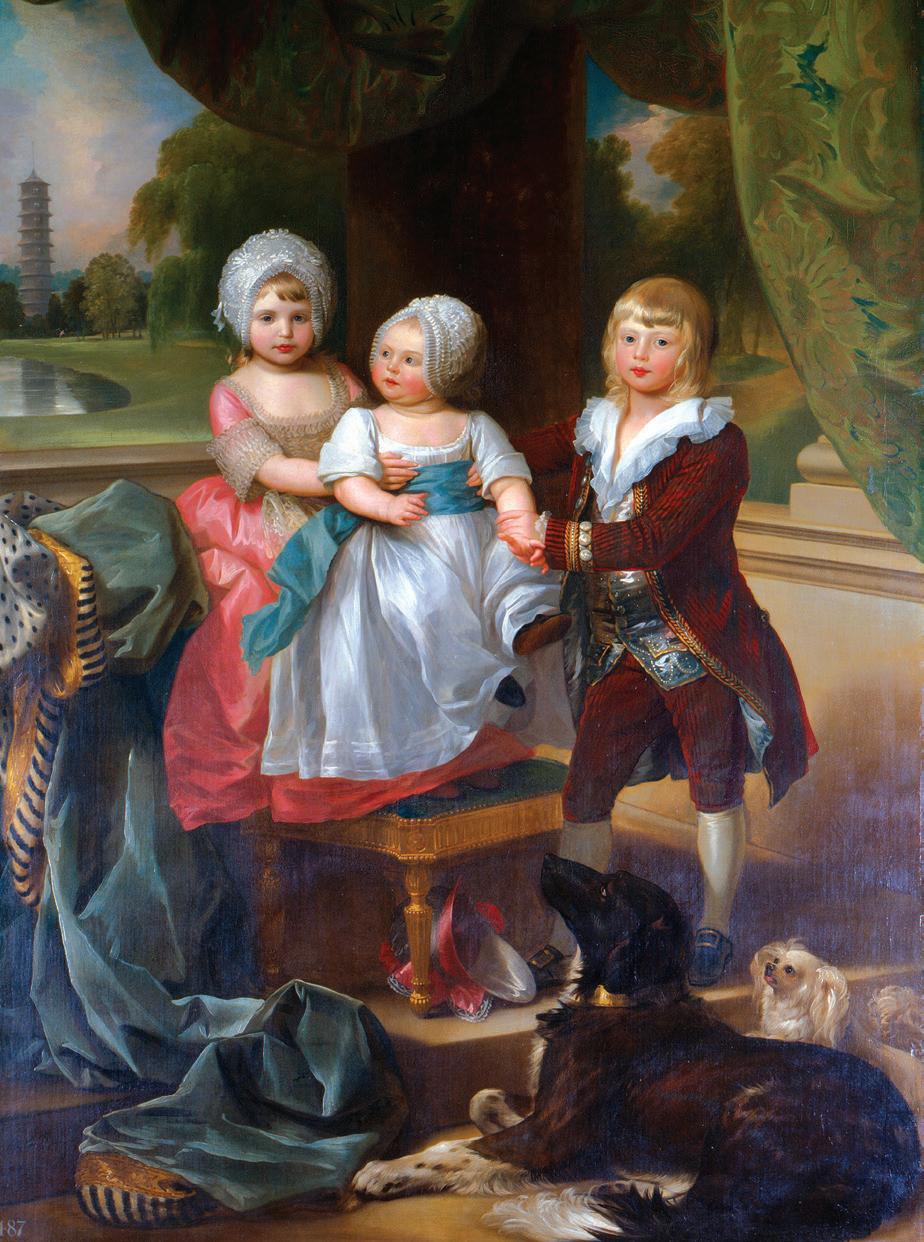
Three of George III’s children, Prince Adolphus, Princess Mary and Princess Sophia painted by Benjamin West in 1778. In the background is a view of the gardens at Kew with Sir William Chambers’s Great Pagoda. © Royal Collection Enterprises Limited 2024 | Royal Collection Trust
Below
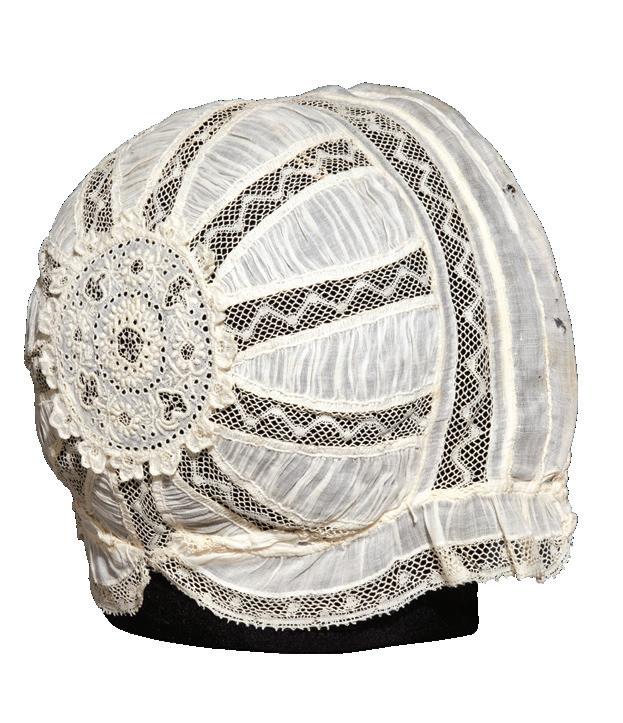
Baby’s cap, 1767-9, worn by Prince Edward, fourth son of King George III and later father of Queen Victoria. The cap was given as a gift to Anne Percy, his former wet nurse upon her retirement.
So, the princesses passed long hours in the boudoir at Kew Palace sewing, drawing, playing at cards and music, providing companionship for their mother when their father was ill and later, wiling the sad time away while the Queen was dying at Kew. Princess Sophia, in exasperation would often refer to Kew as ‘the nunnery’ in letters to her brother, but despite all this, the princesses remembered Kew with fondness. After Queen Charlotte died in 1818, her daughters, Mary, Sophia and Augusta took one last walk in the gardens at Kew. Princess Augusta recalled that it was ‘to take leave of everything we love here, at least forever in the style we have hitherto lived here’.
As you wander the gardens at Kew, imagine the lives of the royal children, and look for the site of the White House, which once stood opposite Kew Palace, marked by a sundial. Members can enjoy a free Queen Charlotte tour, which takes place daily during summer months.

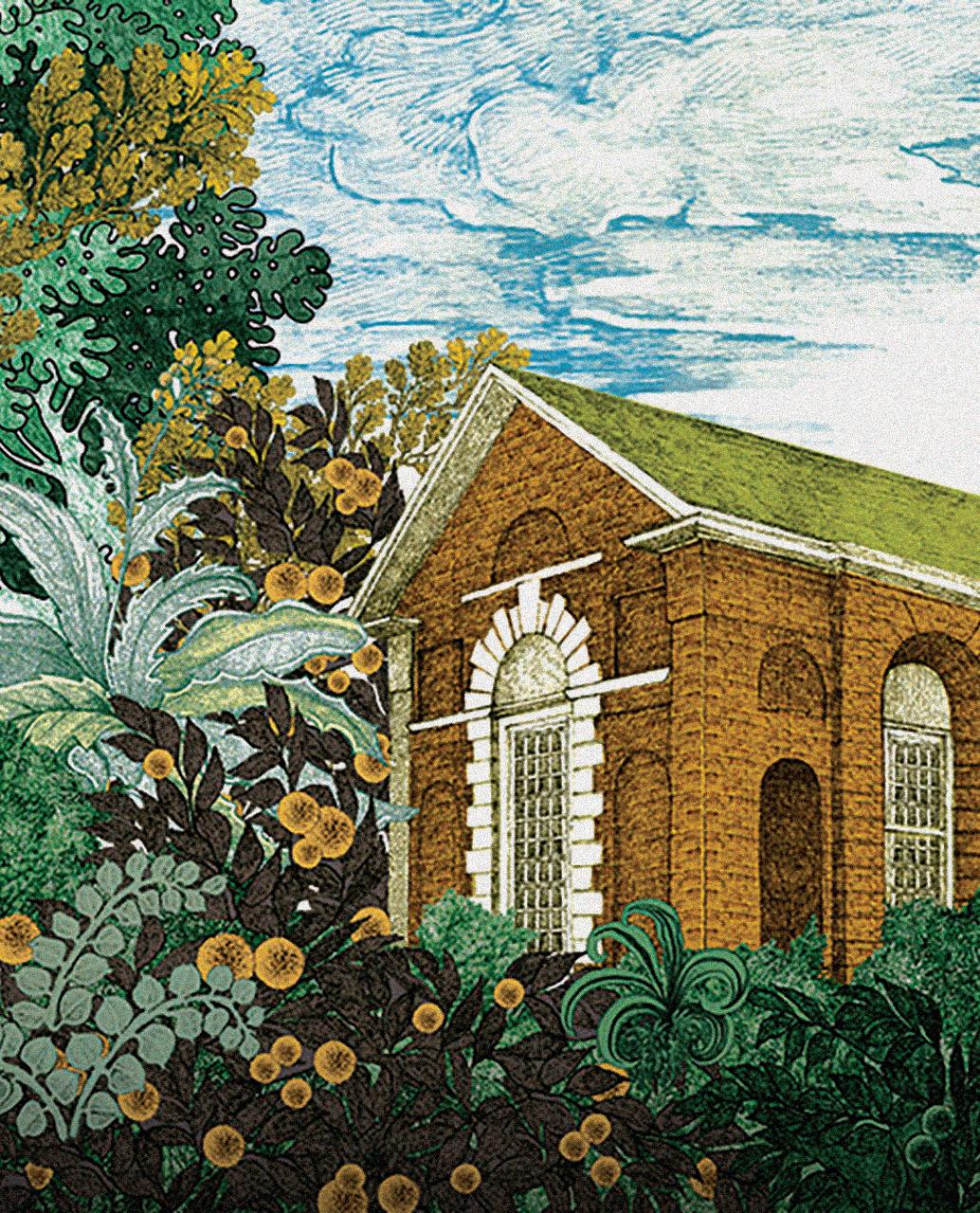
The elegance and tranquillity of the newly restored Orangery at Kensington Palace belies the controversy surrounding its original construction. Historic Buildings Curator Dr Lee Prosser reveals the Stuart shenanigans …
The Orangery has a long and fascinating history. Queen Anne was no great builder, but she loved gardens, spending lavishly on them. In some ways the Orangery remains her most tangible memorial at Kensington. When she conceived of an idea for a new ‘greenhouse’, the architect Nicholas Hawksmoor, deputising for Sir Christopher Wren but in fact in charge of the works at the palace, drew up a plan and a price of £2,599. However, Sir John Vanbrugh showed her a more lavish design with over double the price tag, and the Queen agreed, to the consternation of the
treasury. From the spring of 1704, the building rose rapidly, but not without controversy. The master mason, Benjamin Jackson was clearly on the fiddle, submitting double invoices. Vanbrugh complained about the villainous Jackson, but it fell on deaf ears. This was, it seems how the Office of Works had always operated. Nonetheless, some of the most skilled craftsmen were employed to create a Baroque masterpiece, including the master carpenter Matthew Banks and a rare female presence, Anne Brown, who covered the roof with green Westmorland slate. We should mention Richard Stacy, the Queen’s master brick mason, who created a tour-de-force of cut and rubbed brickwork in pure, bright orange bricks, mixing them with another innovation – yellow brick, possibly used here in London for the first time.
The finished building was 50 metres long – imagine our Great Pagoda at Kew lying on its side and you have an idea of its size. Inside, the building was panelled and enriched with carvings, including swags by the great carver Grinling Gibbons.
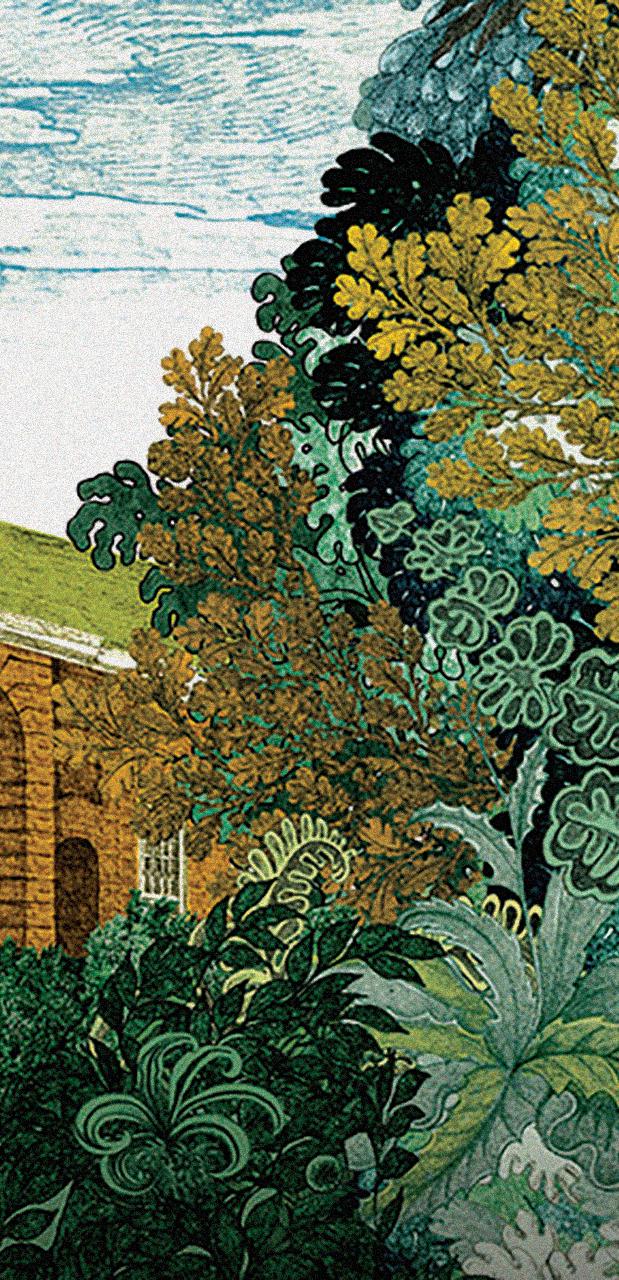

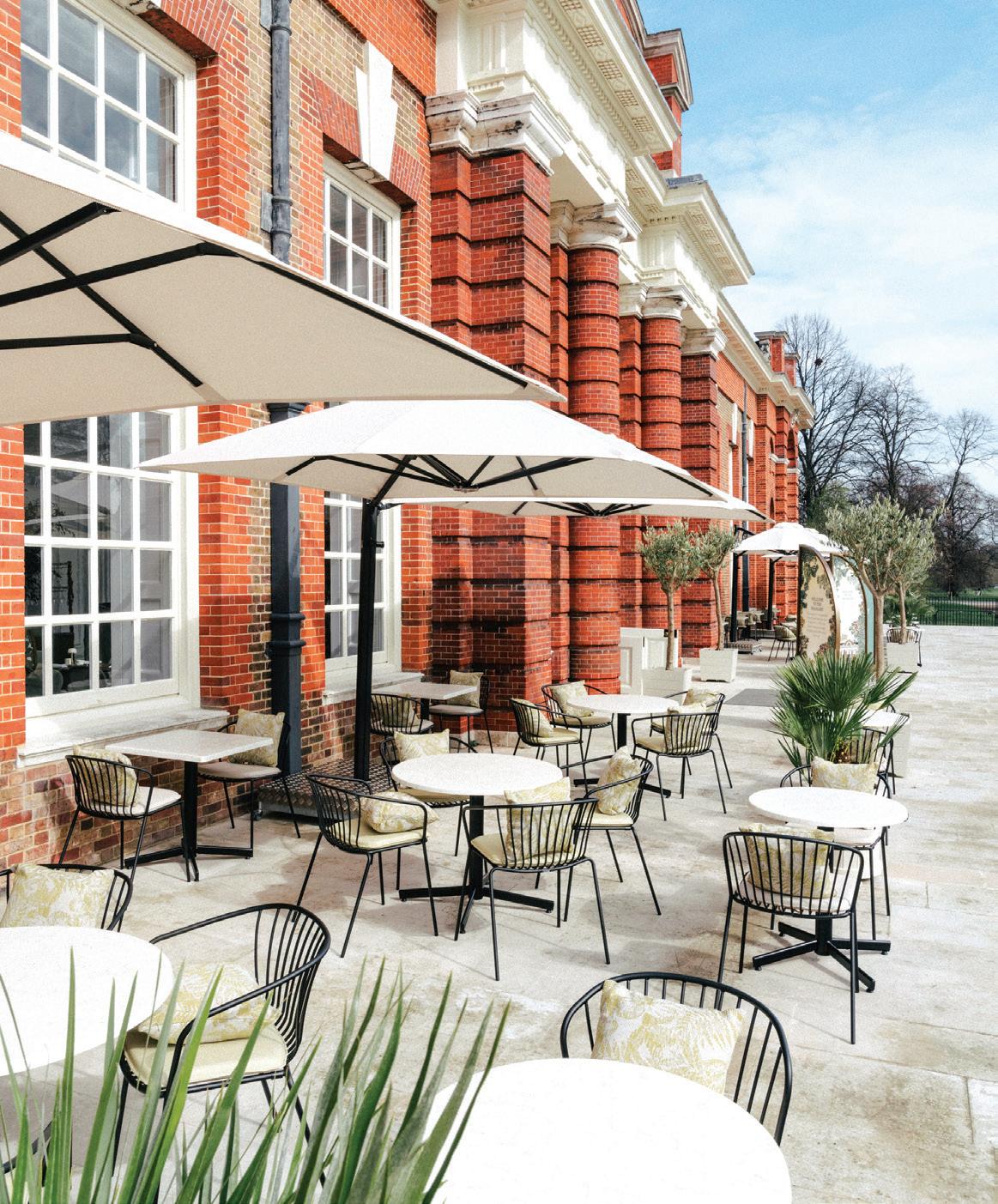
The master mason, Benjamin Jackson, was clearly on the fiddle, submitting double invoices.
But this was far more than a greenhouse; the Orangery hosted musical evenings, birthday celebrations and summer balls and, in June 1714, the very last occasion for a curious medieval practice – ‘touching’, where the monarch was believed to have the power to cure disease by physical touching. With Queen Anne the tradition died. It did house plants at times too; in 1785 eucalyptus trees from the newly explored Australia were growing there.
But now to the restoration. This was a long time coming, as the major conservation project was curtailed by the pandemic, but the Orangery finally emerged gleaming from the scaffolding. Once again visitors can enjoy afternoon tea in its elegant interior (see overleaf). Any building needs continual maintenance, but once in a generation we also need to attend to the deeper problems of leaks, failing brickwork, cracks in the panelling and broken panes of glass. This was our chance. Years of grime have been cleaned off the building and heritage brick expert Emma Simpson and her team have replaced some of the decayed brickwork
with great care and expertise, reinstating the millimetre-fine white pointing on the finest bricks. And we have learned a great deal. The timber in the roof was imported from Sweden, and one of our most intriguing discoveries was that Gibbons’ carvings were originally painted to look like stone. The building has been a greenhouse, a ballroom, a potting shed, a winter shelter and even a barracks for soldiers guarding a barrage balloon over the park during the Second World War. So now, when you take tea, marvel again at this masterpiece of the English Baroque, dressed in its finest clothes, and remember its varied and colourful past.
Historic Royal Palaces has been working in collaboration with Harney & Sons since 2005 to create many fine teas, including one of our bestselling beverages – ‘Royal Palace Tea’ – a black tea with lemon and grapefruit flavours in a beautifully designed tin, which echoes the delicate colours of our bestselling Royal Palace chinaware. Or try our ‘Coronation Tea’, an organic Darjeeling (a favourite of King Charles III), which also has matching bespoke chinaware. Each refillable tin contains 30 luxurious individual silk sachets. Available in palace shops and online at £18 –members receive a 10% discount using
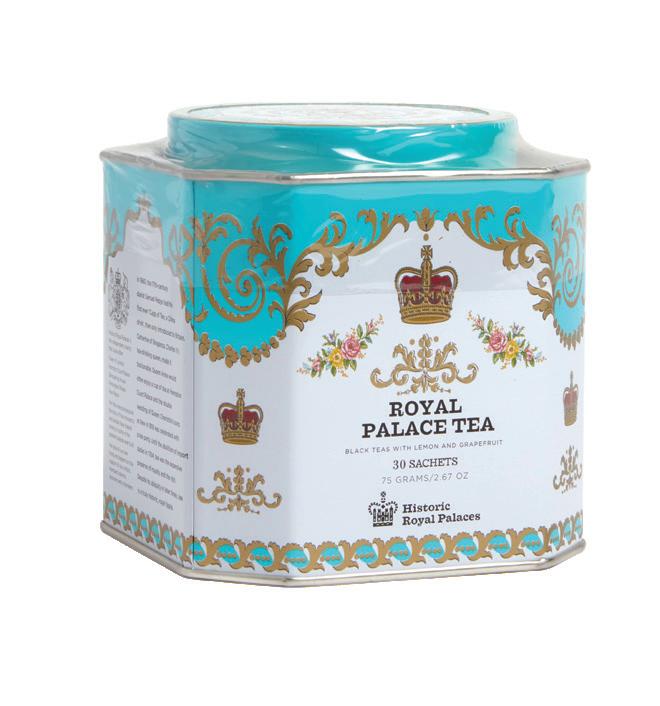
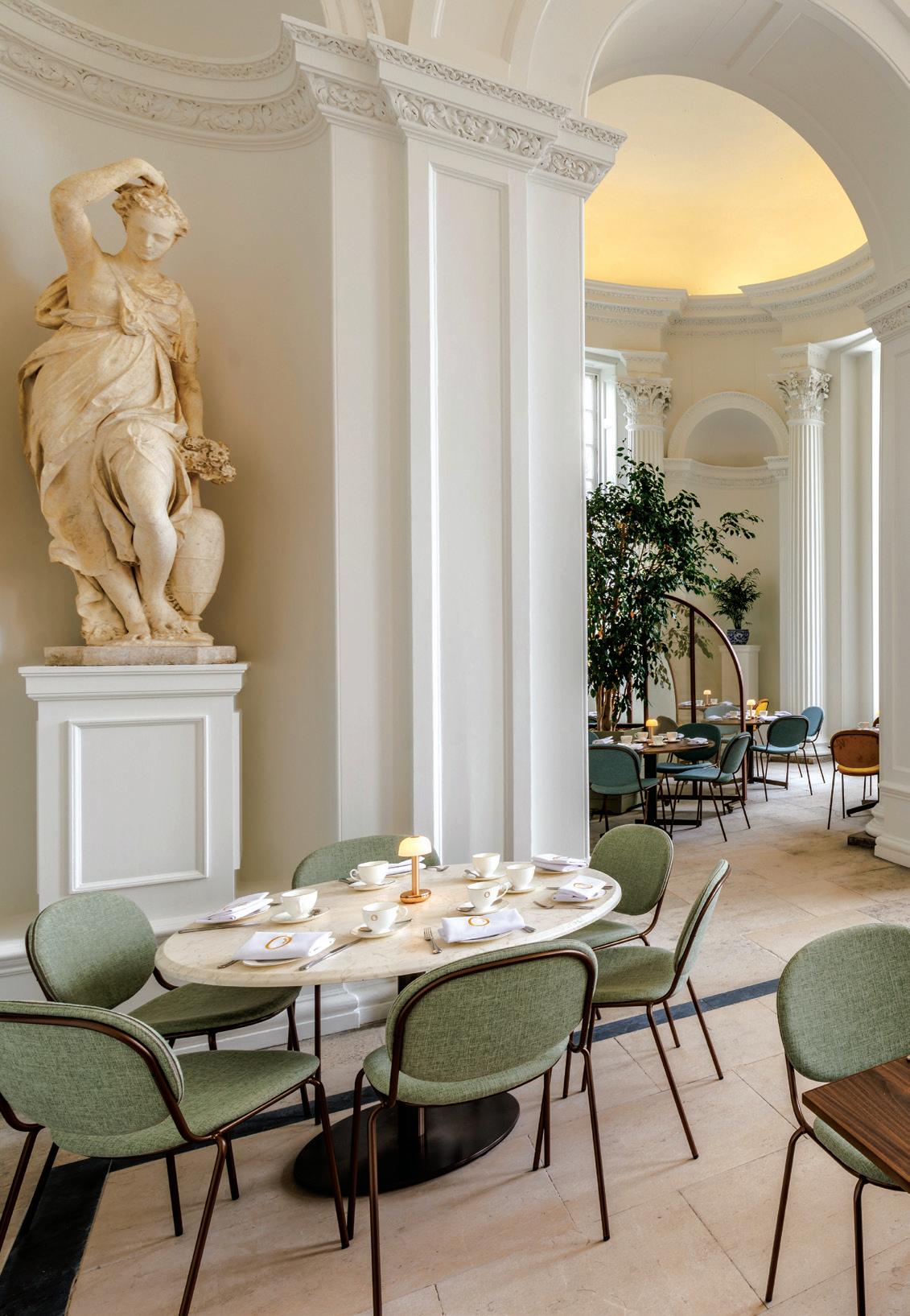
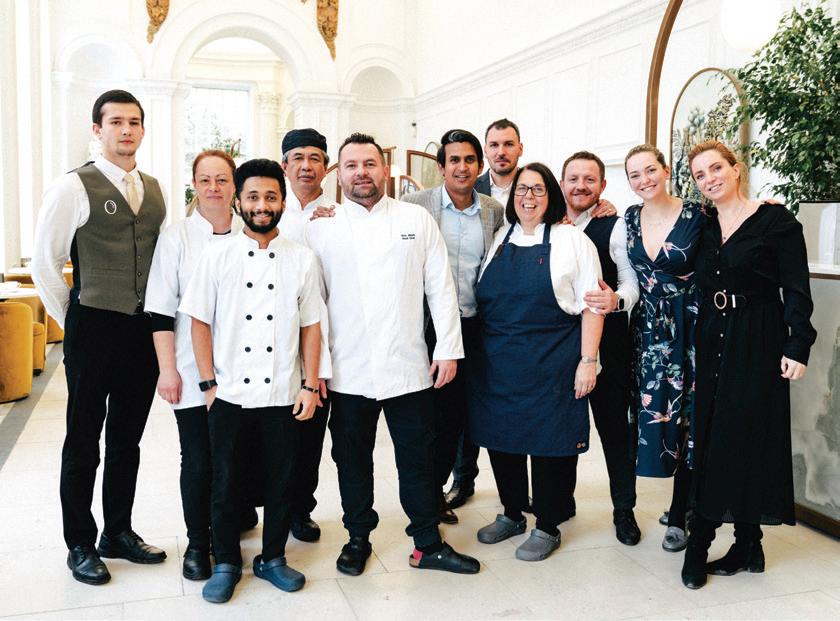
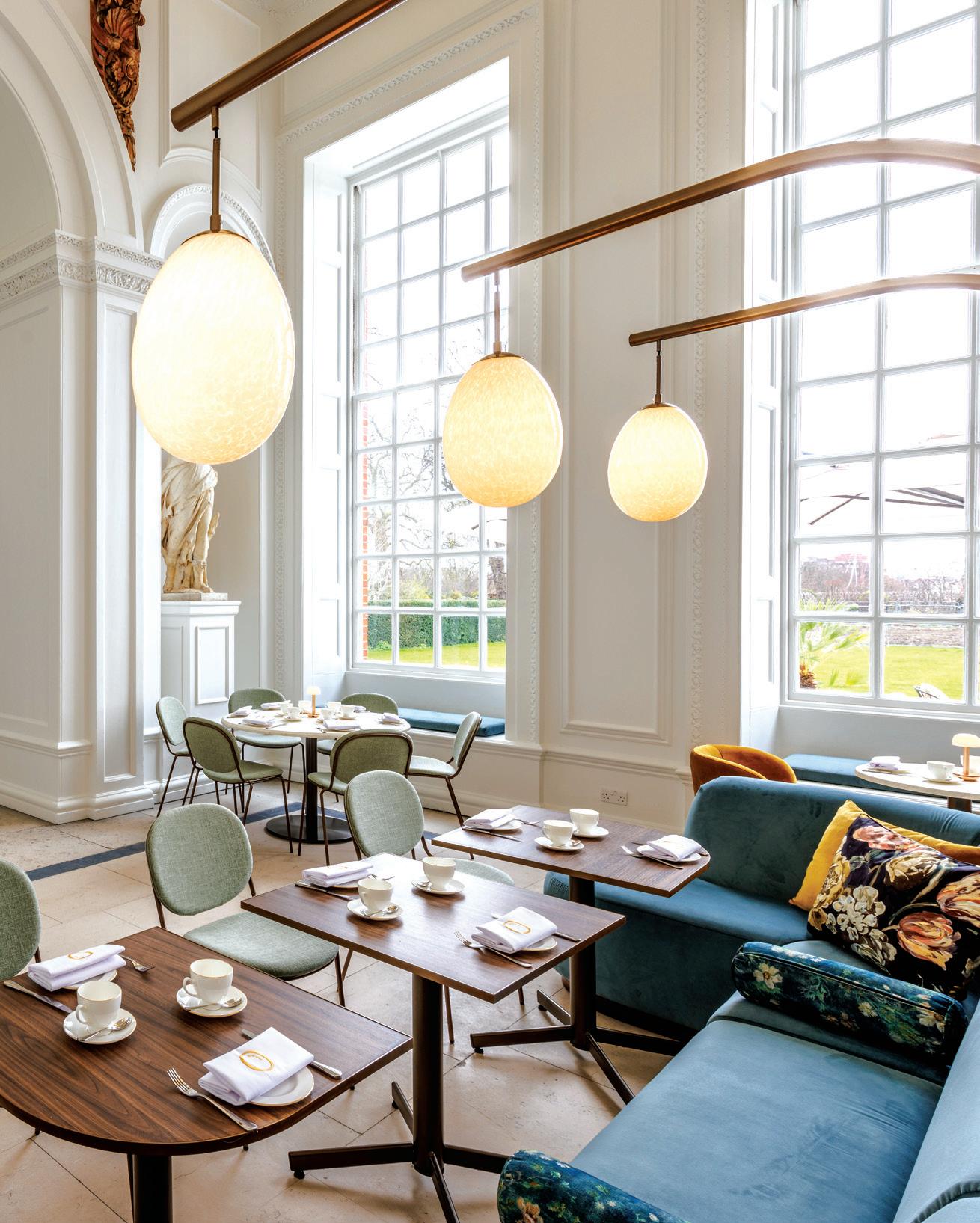
After a fascinating visit to ‘Untold Lives: A Palace at Work’, the current exhibition at Kensington Palace that uncovers the forgotten stories of those who worked at the royal palaces over 300 years ago, why not stroll over to admire Queen Anne’s restored Orangery, and treat yourself in its gorgeously refurbished restaurant? Use your members’ discount to enjoy an indulgent, historically inspired, afternoon tea in this elegant interior, designed by prestigious London-based agency Studio KKD. The Orangery Afternoon Tea, served in three tiers of sandwiches, scones and exquisite little cakes, each more tempting than the last, is accompanied by a wide selection of teas, sparkling wine, or a celebratory
glass of fizz. Or choose from a contemporary seasonal British lunch menu, served between 11.30 and 14.30. There’s plenty to feast your eyes on too: softly coloured screens separating the tables display stories and images from the history of the palace. In a nice touch, two of the original ficus trees removed during the restoration were nurtured in the Hampton Court Palace nursery. They are now back, gracing the apses at either end of the Orangery. If you prefer the full alfresco, book the outdoor dining area on the terrace and bask in the summer sunshine!
Left The restaurant team look forward to welcoming you to the Orangery.
Photo: Alex Rory Jacobs
The Orangery at Kensington Palace is open, seven days a week from 10.00 to 18.00 (last orders for afternoon tea 16.30). Lunch is served between 11.30 and 14.30. Vegan and children’s menus available. We recommend booking ahead, via hrp.org.uk/ Kensington-palace/visit-theorangery-restaurant
Members enjoy 10% discount (some exclusions apply). An optional £1 donation with your afternoon tea will go towards providing refreshments for those attending the community programmes offered by Historic Royal Palaces, from sensory sessions for people living with dementia to adult learning and youth groups. Thank you.
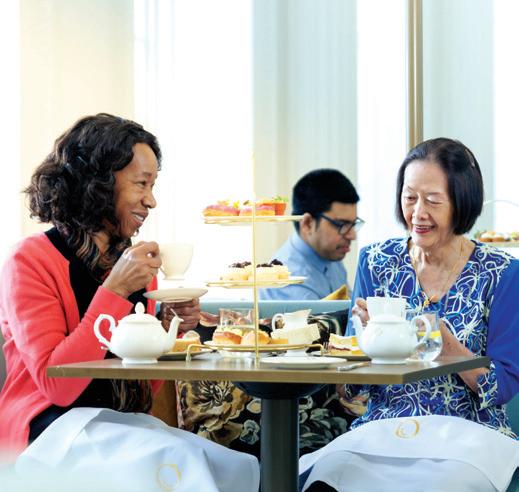
Enter our member-only competition for your chance to win afternoon tea for two with sparkling wine (standard price £68.00pp).
Email insidestory@hrp.org.uk with the answer to this question: for which queen was the Orangery built? The winner will be chosen at random and notified by 31 July 2024. For full terms and conditions please see hrp.org.uk/membership/ afternoon-tea-competition.
Summer is here, and the palaces are buzzing with excitement! From historic performances to heartwarming trails, we’ve got a host of incredible days out lined up for you. So, get ready to enjoy the season and create unforgettable family memories with our top picks.
Check hrp.org.uk for more details, members go free (unless otherwise stated).
Learn about the lives of five female trailblazers who are hard to find in the history books at Trailblazers: Women at the Tower of London (a co-production with HistoryRiot). Daily live performances until 1 September 2024. Join them on an entertaining adventure and help get their stories in the guidebooks before the Tower closes.
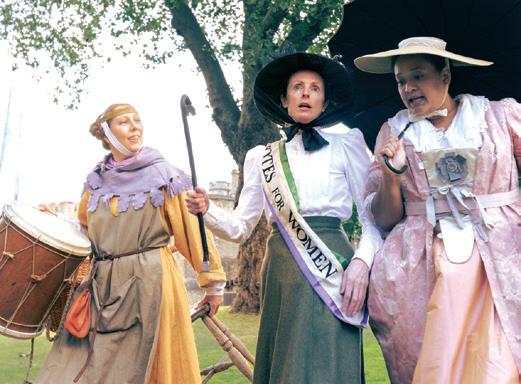
Find our full programme of events (pre-booking may be required to guarantee entry).

Tower treasure hunters, prepare to be dazzled by gems beyond value, coveted and cherished by kings and queens throughout history, and still worn today! See the world-famous collection of 23,578 gemstones that makes up the Crown Jewels
It’s that time again! Flower-power returns to the Tower of London for The Moat in Bloom. Watch buzzing bees, spot dancing butterflies and experience the wonder of nature until 9 September.
Visit hrp.org.uk to download a wildlife trail map.
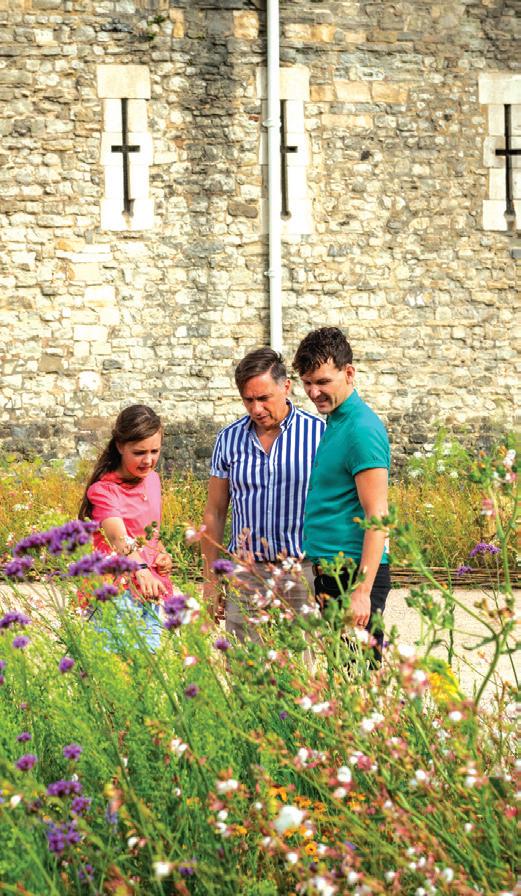
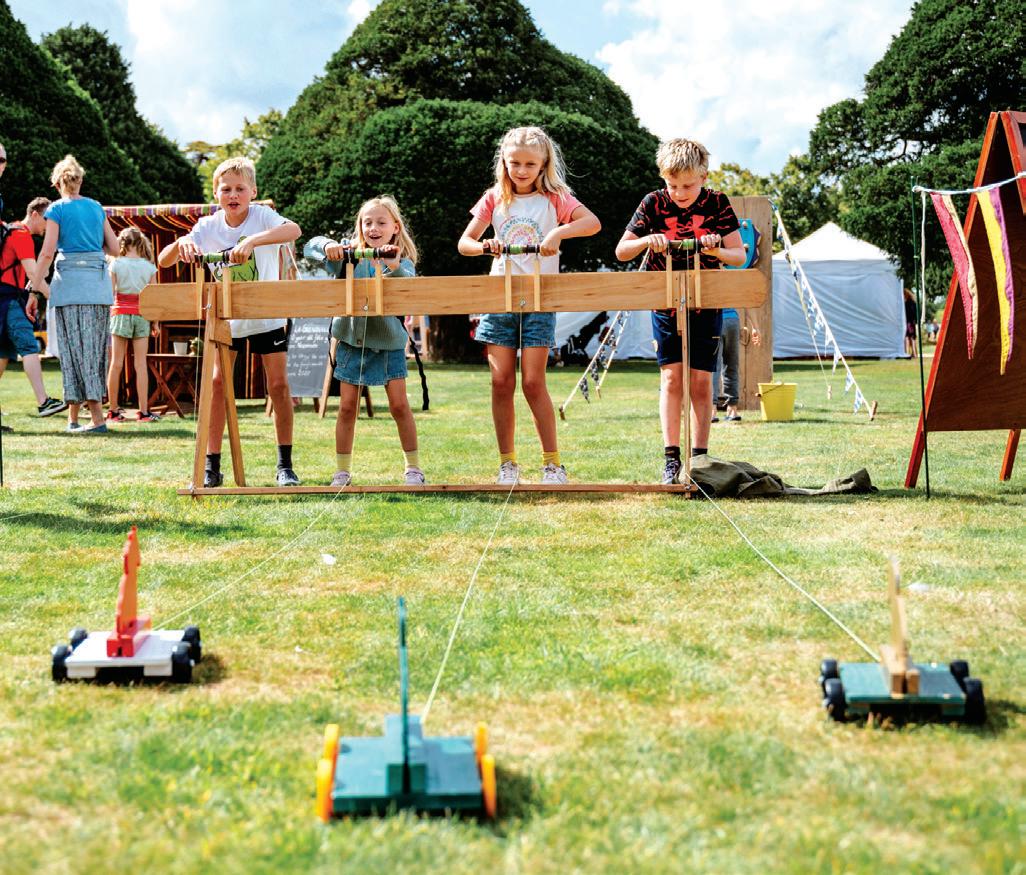
Experience the thrill of Henry VIII’s Joust, 13-14 and 20-21 July, and discover the lives and amazing stories of less well-known palace personalities through Unheard Voices, a selection of costumed live performances, 27 July to 31 August.

Become a wildlife explorer in the Kitchen Garden at Hampton Court Palace on a members-only Minibeast Hunt this August.
Armed with a magnifying glass and a worksheet, we challenge you to track down insects of all shapes and sizes. Separate ticket required. Pre-booking essential.
Visit your members’ digital hub – hrp.org.uk/the-vault – to find a fun, printable scavenger hunt sheet to search for creepy crawlies and cute critters at home.
Join the fun with face-painting and traditional garden games or hop on an exclusive carriage ride pulled by the great and glorious Shire Horses at the Food Festival, 24-26 August. Plus, learn how to spin plates and perfect your juggling at an all-day Drop-in Circus Skills Workshop from Circus Sensible!
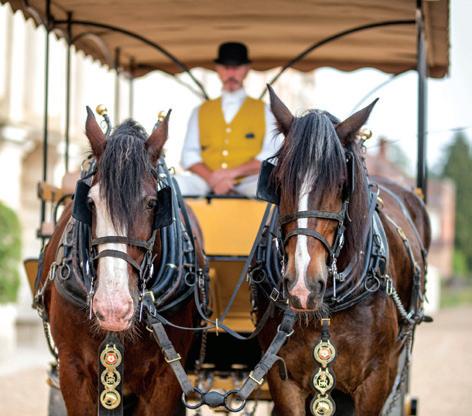
Escape the fiendish twists and turns of the world-famous Maze
Those who escape can storm the battlements in our enchanting children’s playground, the Magic Garden. Some gardens have dragonflies, ours has a fiery red dragon!
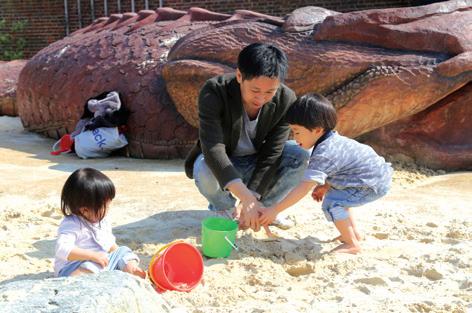
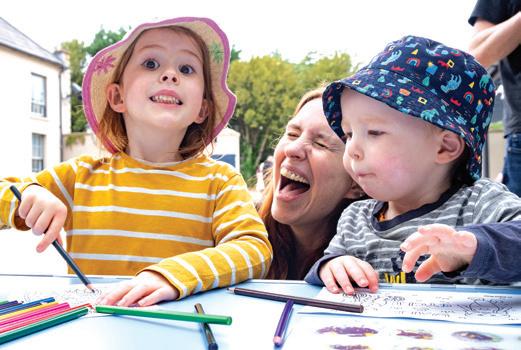
Try your hand at your favourite lawn games or get crafty with our family-friendly workshops at the Hillsborough Castle Summer Fair, 24-26 August.
NEW! Hop, skip and jump over to The Peter Rabbit™ Adventure, a magical garden trail that will bring Beatrix Potter’s beloved characters to life. Until 1 September. Let your imagination roam as you follow a trail alongside meandering waterways, through enchanting woodland, and into a walled garden with gardeners much friendlier than Mr McGregor!
Discover sculptures hidden in the landscape, hands-on play, and opportunities to watch wildlife in action with our interactive trail, the Imaginary Menagerie. You’ll be amazed at how many animals there are to discover, from the pets kept by the castle’s past residents to the wildlife that thrives in the gardens today.
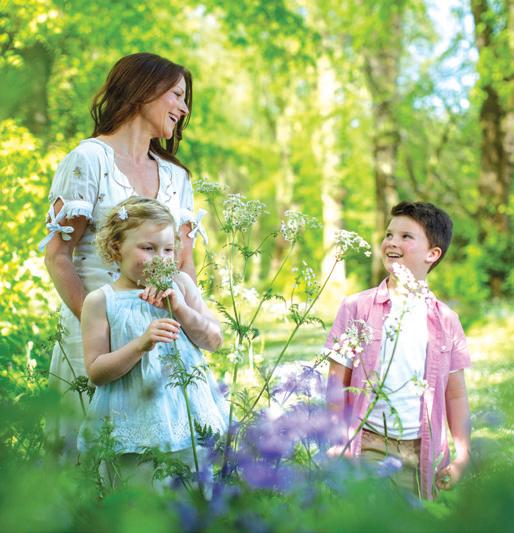
In each issue of Inside Story we will put your questions to a member of Historic Royal Palaces’ staff.
Eleanor, who joined in July 2023, is the first female park ranger in the history of Hampton Court Park, also known as Home Park.
What does your job involve?
Previously, park rangers were mainly responsible for security, whereas my role is much broader, about five jobs rolled into one. I’m still out patrolling in the park most of the day, but now it’s the wildlife I’m keeping an eye on! With the increased focus on sustainability and biodiversity, Historic Royal Palaces wanted someone with more knowledge of ecology and habitats. I work closely with my colleague, Wildlife Officer Russell Downs (who looks after the deer). I’m also responsible for undertaking species and habitat surveys, sometimes working with other visiting specialists, such as forensic botanists. I organise the team of park volunteers and am a communicator and educator.
How did you get into this field? I studied geology before working in the gas and oil industry. When I was made redundant in 2017, I took off for 15 months to cycle to Taiwan. That trip made me realise how much I thrived being in nature. I returned to England determined to do environmental
work. I’m a ‘bird’ person, so I chose an internship with the RSPB on the North Kent marshes. It was great timing: the wetlands were alive with all the winter migrating birds and I learned a huge amount. So when I saw this job advertised it seemed the perfect fit.
What surprises you most about the park?
That it’s had such a long history of human use. I was intrigued to learn how heavily the park (which then included Bushy Park) was managed in Tudor times. I think about half was given over to paddocks where deer were raised for hunting, or more likely ‘coursing’. This is where the animal is released and chased by dogs or people, not necessarily to the death, but more for the sport. I believe Henry VIII held parties here and would sit on the hill where the icehouse is now (near Hampton Wick gate), watching the sport below.
Would Henry recognise anything about the park today?
Probably only the lovely wall that he had built along Hampton Court Road, when he was the first person to enclose the land. There would have been hundreds more oak trees in his day.
Why is Home Park designated a Site of Special Scientific Interest? The main habitat in the park is acid grassland, which is very rare.
There are only about 20,000 hectares in England and we have about 2.5% of the total. Grazing fallow deer keep the grass short so we don’t need to mow it, which is good for insects and endangered species of ground nesting birds, such as our skylarks. And we maintain ‘ancient and veteran’ trees, which support microhabitats for insects, bats and birds; plus, we have rare plants such as black poplars and purple flowering autumn squill.
What wildlife can we spot?
Keep a look out for herons, or pterodactyls, as I like to think of them! If you’re around at dusk you might see owls, mainly Barn Owls and Little Owls, and bats out hunting. Our most endangered species are Saproxylic (dead wood loving) beetles, such as the stag beetle, so if you’re near a fallen tree you may see one (please don’t go rooting about!). If you’re very lucky you might spot a rare European eel or a smooth newt in one of our ponds.
What can members do to help maintain the park?
I really want people to fully enjoy the sights and sounds of this wonderful area. But my greatest challenge is managing the pressure that people put on the environment. So please, put your dog on a lead, remove your AirPods and take home all your rubbish!
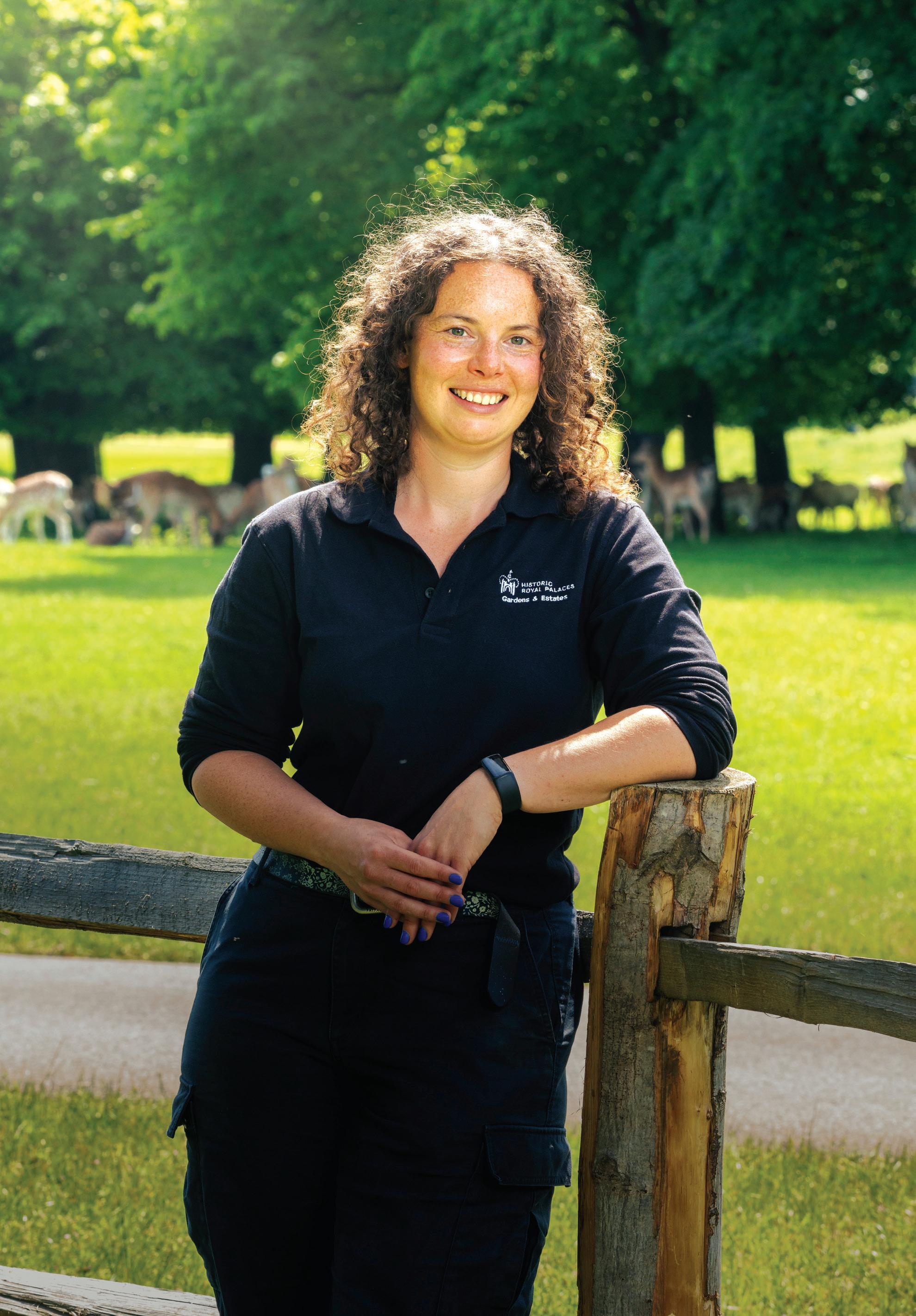
In the next issue, what would you like to ask Events Manager Sarah Weller about her demanding and often surprising job? Send us your questions for Sarah at insidestory@hrp.org.uk by 31 July.
Make the most of our historic palaces as a Life member, and help us to continue protecting these majestic places.
Individual Life membership:
£1,400 includes one member and one guest.
Joint Life membership:
£2,100 includes two members and two guests.
Contact members@hrp.org.uk to upgrade your membership.