HEALTH & PHYSICAL LITERACY AT HSC
Curriculum Mapping Playbook
Fostering the Joy and Passion of Movement to be Active and Healthy for Life
Fostering the Joy and Passion of Movement to be Active and Healthy for Life
A comprehensive overview of the integration of the different spaces and places health and physical literacy is fostered from pre-kindergarten through to graduation.
The Health and Physical Literacy at HSC playbook aims to share the strategies and outcomes being fostered at HSC so students may experience the joy and passion of movement to be active and healthy for life. Health and physical literacy are both developmental journeys where students hone their skills and strategies to move better and make healthy choices. The transition from each stage of the journey is highlighted with specific learning outcomes that build students’ competence and motivation to lead healthy, active lives now and into the future.
The physical literacy curriculum, from pre-kindergarten to grade 12, outlines specific movement skills, strategies, and health concepts, progressing from fundamentals to sport-specific activities. Complementing physical literacy, this playbook emphasizes health literacy, empowering students to make informed decisions about their health and wellbeing choices and adopt healthy habits. Both programs foster holistic development by integrating physical, social and emotional growth while promoting critical thinking, ethical decision-making, and positive relationships. The health and physical literacy curriculum is informed by student choices and pedagogy aimed at personalizing their experiences across the four pillars.
Physical literacy is an important concept to understand because it sets the understanding of movement as a journey and not a destination. If we look at literacy, we have a tremendous understanding on how we acquire the ability to read and write. We learn our A, B, C’s, then put the letters together to form words, then those words become sentences and those sentences become paragraphs and those paragraphs become essays and books. Physical literacy is very similar. When we develop our movement competence we begin with basic movements or fundamentals like stepping, grasping and lunging. As we gain more movement experiences these fundamentals expand to form movement sequences like throwing while running, with more dynamic movement exposure, those sequences increase in complexity, allowing us to throw to a partner while running, and finally into performances like playing shortstop in a baseball game. Skill development varies for each person, as every movement situation is dynamic and unpredictable. Physical Literacy is a journey, not a destination.
Just as we nurture reading and writing from simple letters to complex novels, we must understand physical literacy as a lifelong journey, not a fixed achievement. It's about building fundamental movements, like our 'movement alphabet,' and progressively connecting them to navigate the dynamic and ever-changing landscape of physical activity. We're not aiming for a finish line, but fostering a continuous exploration of movement confidence and competence.
We are born to move and physical literacy provides the gateway for active participation in life. When we develop movement competence through a variety of physical activities, we gain more confidence to perform the movements. When we have more confidence we have more motivation to participate in and enjoy physical activities. That motivation makes us want to participate more often and in different physical activities, therefore exposing us to more opportunities to develop our movement competence and our physical literacy.
Imagine we only ever read one book. We would definitely know, and understand that one book, however, we wouldn’t be able to transfer that understanding and apply the literary content to help us understand other books or more of the world around us. At HSC we understand that the majority of our students develop their physical literacy while at school. With a better understanding of HSC students, we have begun aligning, equipping, and developing four main pillars of physical literacy delivery: Physical Education, Recess, House Games (Intramurals) and Athletics. By better aligning these learning environments, we’ve created a new framework that enables students to leverage more connected opportunities to improve their physical, social and emotional development in active environments. What students learn through physical education and unstructured play at recess establishes the building blocks of movement. These are built upon in House Intramurals with the introduction of friendly competition and selected house teams, and provide the necessary physical and mental strategies to be applied and honed if students decide to participate in athletics. Through this new Physical Literacy Framework, we have purposefully shifted our emphasis on development, providing students more quality active experiences that grow their competence, confidence and motivation to actively participate in physical activity throughout their lives.
Research
shows that children who are physically literate are almost twice as likely to be active.
All students participate
PHYSICAL EDUCATION
ACTIVE SPACES (RECESS)
Most students participate
Some students participate
ATHLETICS
Most students participate
HOUSE GAMES (INTRAMURALS)
» Students develop fundamental movement skills in a wide variety of student- and teacher-led environments (e.g., snow, water, field, court)
» Students are introduced to foundational sport skills through various games and activities
» Students are challenged to think critically while applying technical and tactical knowledge
» Students learn to form positive relationships, work in teams, manage conflict, understand and empathise with others while actively participating in games and activities
» Students learn to manage their emotions, set goals based on one’s strengths and challenges while applying ethical and constructive choices in games and activities
» Students develop fundamental movement skills in different environments and surfaces including snow, ice, wet, dirt, mud, stairs, grass, courts, blacktop
» Students investigate other movement skills by allowing for student-directed repetition
» Students interact, socialise and problem-solve during active play
» Students build on their relationships through meaningful interactions that support critical thinking and problem-solving
» Students have the opportunity for a mindful interruption to their academic programming
» Students participate in their own adventurous play that fosters their critical and creative thinking skills
» Students develop foundational sport skills through designed experiences in a variety of environments
» Students participate in activities that complement the physical education and athletic programs
» Students have the opportunity to build their technical and tactical knowledge during games and activities
» Students connect with others from across different grades and across the College
» Students learn to support each other by cultivating fair play, sportsmanship and teamwork
» Students manage their emotions and goals while interacting in a fun, active environment
» Students learn to be empathetic of others and persevere through activity challenges
» Students develop sport-specific skills in competitive environments based on each sports Long Term Athlete Development model
» Students spontaneously develop critical-thinking skills by applying technical and tactical knowledge in unpredictable activity situations
» Students apply ethical principles in sport competitions that support their long-term development
» Students are provided with an opportunity to represent the College ideals and values
» Students build their understanding and perseverance to compete through team selections and participation
» Students compete in local and national competition structures through CISAA and CAIS
LIFE MOVES
INITIAL
Difficulty
Demonstrating Skills
The foundation of movement skill development is anchored in the Movement Skill Development Continuum. Starting with active spaces that focus on life moves and skill games through to physical education where we introduce comprehensive, small sided, intramurals and lead up games which are elevated next in athletics where there is more of a sport focus.
DEVELOPING
PROFICIENT
EMERGING
COMPETENT
Demonstrates skills with little or no instruction
Demonstrates skills with instruction ACQUIRED
Combines skills or demonstrates creativity when combining skills
Health literacy is more than just reading health information; it’s about knowing how to find reliable health resources—such as advice from doctors, reputable websites, or community health services—and understanding the information provided in order to make better health decisions. With good health literacy, individuals can access the right healthcare services when needed, whether it’s finding a doctor or navigating insurance options. It also enables them to make healthier choices about daily habits, like what foods to eat, how to stay active, and how to manage stress. Health literacy helps manage chronic conditions, such as asthma or diabetes, by following treatment plans and making healthy lifestyle choices. It also empowers people to recognize and avoid risky behaviours, like smoking or unsafe driving and encourages them to advocate for their health needs, ensuring they understand medical instructions and get the right care. Ultimately, improving health literacy helps individuals make informed decisions, stay healthier, and take control of their health at every stage of life.
The World Health Organization defines health literacy as representing the personal knowledge and competencies that accumulate through daily activities, social interactions and across generations.
The Health and Physical Education team at Hillfield Strathallan College provides positive physical literacy experiences in multiple environments that strengthen students’ physical, social and emotional development. At HSC, we believe movement happens across the school day, providing students with multiple opportunities to become confident and competent in their ability to participate in physical activity. We foster critical and creative thinking when students are making informed decisions about their personal health and wellbeing. By building connections and relationships in safe, inclusive and nurturing environments, our students experience a variety of fun and challenging activities, where they learn to make choices that support their health and wellbeing now and into the future.
To optimize schedules, we combine grades for health and physical education to provide students with ample time to develop fundamental skills and strategies. Units include opportunities for students to transfer skills and strategies to other activities and games.
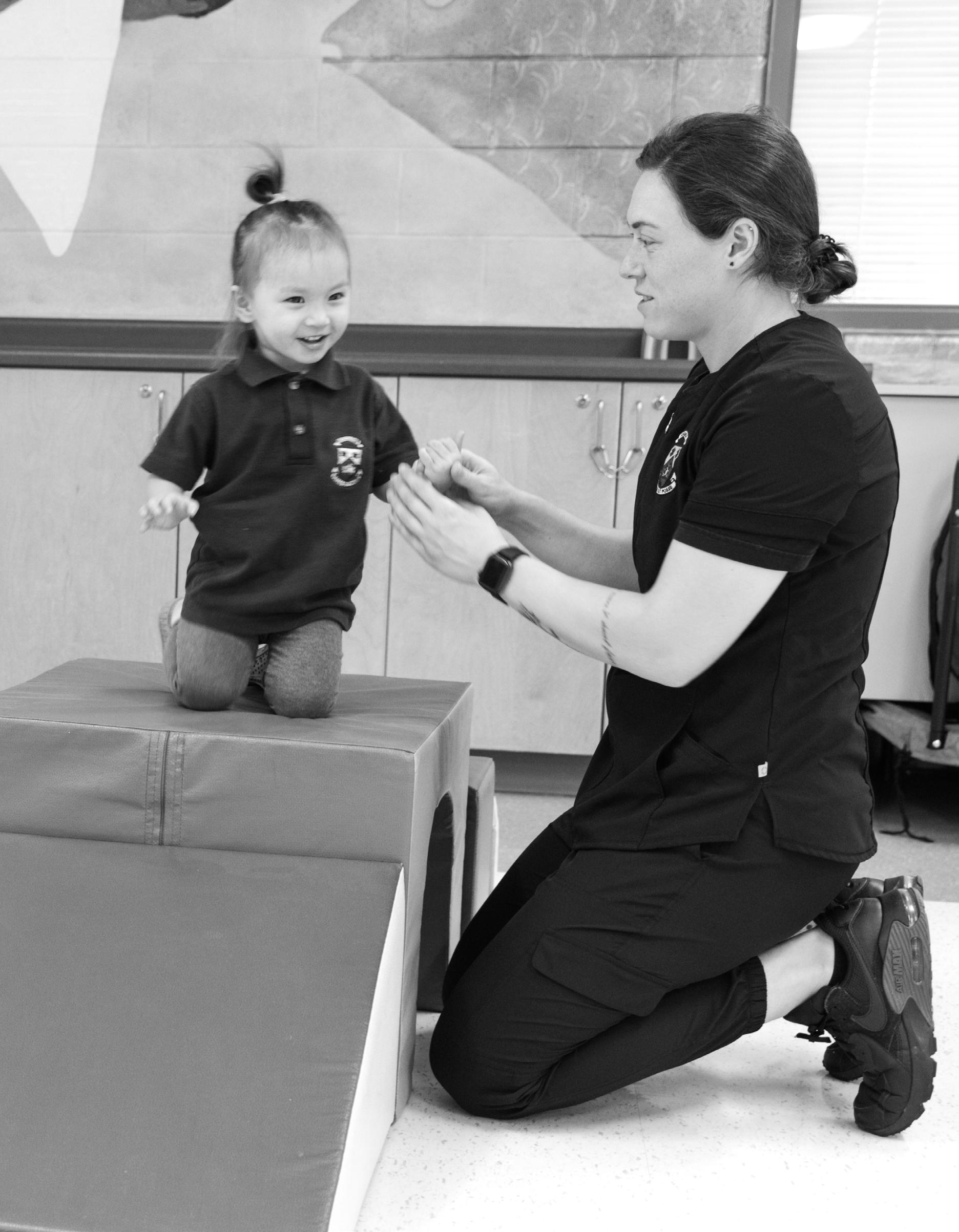
During this curricular time, there is an emphasis on fundamental movement skills and basic strategies. Students try a wide range of activities, games and exploration in multiple environments to build fundamental movement skills. During these age groups, the students are most receptive to learning these fundamental movement skills. At this time, utilizing a games-sense approach with sport equipment, environments (e.g., fields, gymnasium) and basic strategies (e.g., boundaries, ready position) will be explored through activities, but no formalized sport games will take place. These activities/games allow for an emphasis on development over competition. In the health units, students are introduced to basic health concepts, and given opportunities to apply this understanding to their decisions around personal health. Students are encouraged to make connections between their own health and the health and wellbeing of others.
» 60 minutes per day of active participation in structured and unstructured activities with a focus on exploration and free play
» Identify and apply basic safety rules to self and awareness of others
» Introduction to body weight and different energy systems
» Taking initiative and being a positive follower
Fundamental Movement Strategies:
» Perform multiple movement skills in a variety of environments
» Demonstrate an understanding of the basic requirements of skills in games and activities
» Apply basic movement concepts in games and activities
Fundamental Movement Skills:
» Body Control: agility, balance, coordination, speed, rhythm
» Locomotor: running, jumping, swimming, wheeling, skating
» Object Control: sending, receiving, dribbling, striking, kicking
» Relationships: students will learn the importance of caring for others, sharing, and working together, while building skills in respect, cooperation, and empathy
» Decision-Making: students focus on making safe and healthy choices by recognizing the consequences of their actions and understanding the importance of self-care
» Content Knowledge and Understanding: students will explore topics such as safety, nutrition, and basic body care, helping them understand how their actions impact their health
» Communication Skills: developed as students practice expressing themselves clearly and respectfully, listening to others, and working together to solve problems
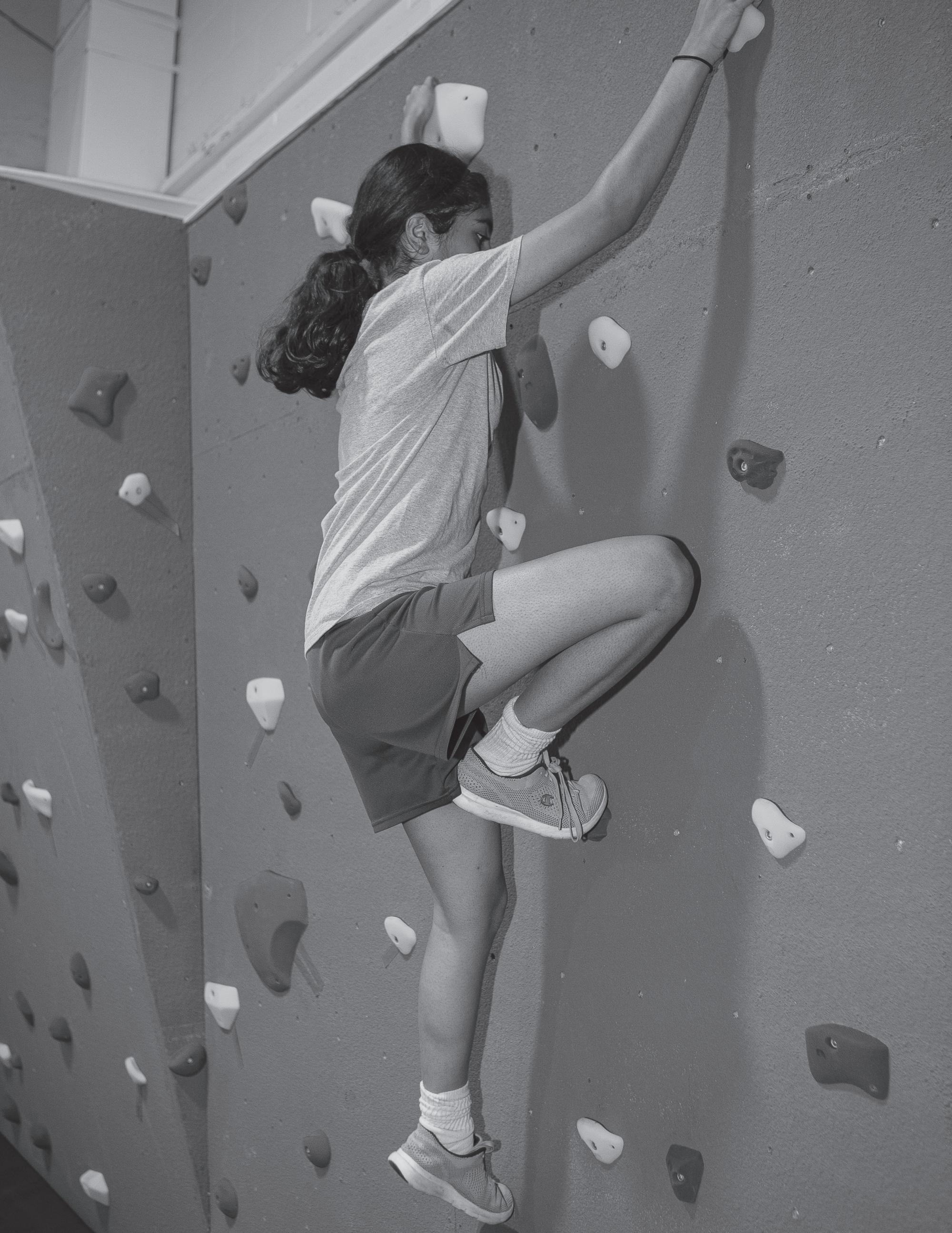
During this curricular time, there will be an emphasis on filling any gaps in fundamental movement skills. An introduction of more formal foundational sport skills through a game-sense approach will shift the curricular units to more sport-like activities/ games in a small-sided, developmental approach. This games-sense approach (e.g., Territory, Net/ Wall etc.) will support the transfer of fundamental movement skills and basic game strategies to different contexts allowing the student to experience the repetition and progression required to become proficient in foundational sport skills and apply these movements in more creative and innovative ways. Along with developing the complexity of the fundamental movement skills and foundational sport skills, an increase in decision-making and competition strategies become more explicit. Students are exposed to foundational fitness movements and concepts in a large-group and small-group settings. The emphasis is for students to work towards moderate to vigorous participation for sustained periods of time while applying proper movement mechanics. In the health units, students continue to develop their understanding of factors that contribute to their own health and the health and wellbeing of their family and the community. Students begin to make explicit connections between their choices and decisions and their personal health.
» 60–90 minutes per day of safe participation in structured and unstructured activities, including health and physical education and free play
» Moderate to vigorous participation
» Identify and apply basic safety rules to self and others
» Managing body weight in different environments – air, ground, water – with an emphasis on stamina and suppleness
» Independent starter and being a good example for others to follow
Fundamental Movement Strategies:
» Developing complexity of movement skills in a variety of active environments
» Demonstrate an understanding of basic requirements of skills in games and activities
» Apply movement concepts and strategies in games and activities
Fundamental Movement Skills:
» Increase complexity through the combination of skills
» Body Control: agility, balance, coordination, speed, rhythm
» Locomotor: running, jumping, swimming, wheeling, skating
» Object Control: sending (with hand, with small racquet, with feet), receiving (implement, hand, foot), dribbling (with hand, with foot), striking, kicking
» Relationships: focusing on building healthy and respectful connections with peers, family, and others, while learning the importance of communication, empathy, and conflict resolution
» Decision-Making: students will learn to make responsible choices by considering the consequences of their actions and how their decisions affect their health and relationships
» Content Knowledge and Understanding: students will gain an understanding of topics like nutrition, physical activity, emotional health, and safety, and will develop the ability to analyze how their choices and behaviors impact their overall health
» Communication Skills: a key focus, as students practice expressing themselves clearly and respectfully, advocating for their own needs, and working collaboratively with others to address health-related challenges.
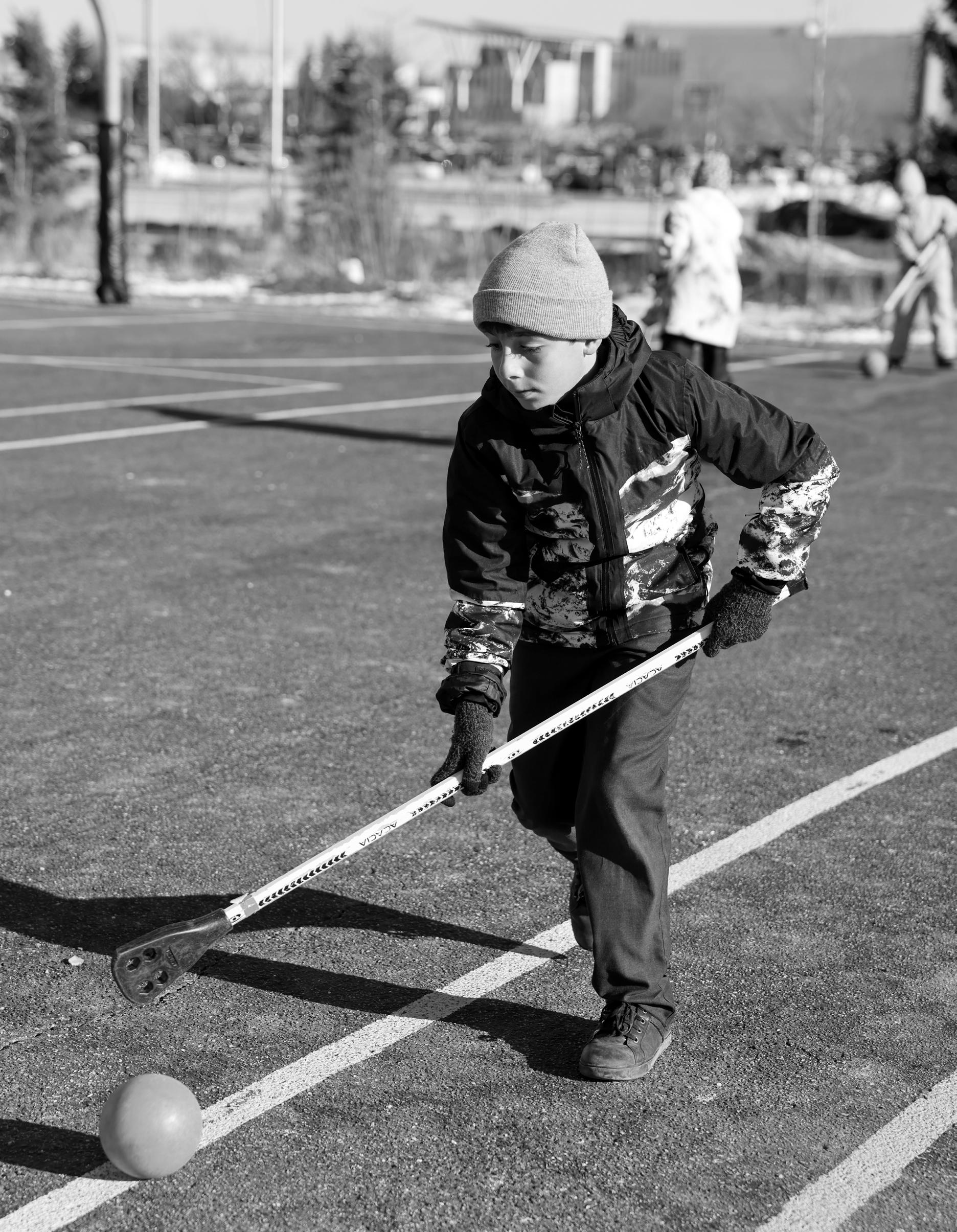
During this curricular time, there will be an emphasis on filling any gaps in fundamental movement skills and foundational sport skills. An increase in the complexity of foundational sport skills and strategies is layered through a games-sense approach based on student readiness. The emphasis of lesson units based on a game-sense approach begins to support internal and external competition by building on the complexities of sport-specific skills and strategies in different environments and activities. Lesson concepts are differentiated to support gaps in student skills and strategies. Group competition is moderated with more emphasis on group dynamics and competitive structures (e.g., skill challenges, tournaments, intramural competitions). Students begin to see a shift from general fitness concepts and movements to a more personalized approach based on fitness appraisals and goal setting. In the health units, students continue to learn about the factors that contribute to their healthy development and how information contributes to their personal health choices and the choices of those around them. Students focus on building stronger connections between their own health and the health and wellbeing of those around them.
» 60 minutes per day of structured and unstructured activities, including health and physical education and free play
» Moderate to vigorous participation
» Identify and apply safety rules to self and others in multiple environments
Fundamental Movement Strategies:
» Developing complexity of movement skills in active environments
» Demonstrate an understanding of skills and strategies
» Apply and communicate movement and health concepts and strategies
» Enhancing body weight movements with an introduction to fitness training
» Continued fostering of movement patterns of push, pull, squat, carry, lunge, and hinge
» Student development focused on cognitive and affective domains in combination with the physical domain
» Increased pressure (time, win/ lose, amount of points, weather, )
Foundational Movement Skills:
» Enhancement of sport skills, strategies and concepts in different environments and contexts
» Transferability of movement skills to multiple environments – field, court, concrete, air, water
» Supporting others with constructive followership and initiative to take the lead on decision-making
» Continued fostering of running, throwing, catching, and striking within more complex activities
» Relationships: students will explore the importance of healthy relationships by focusing on respect, communication, and understanding in their lives. Through this exploration, students build the skills necessary to establish and maintain supportive, positive relationships
» Decision-Making: Students are encouraged to make responsible and thoughtful decisions that prioritize their health and wellbeing. Through this process, students develop critical thinking skills to make positive choices that support both their personal growth and overall health.
» Content Knowledge and Understanding: students will gain a deep understanding of key health topics and learn to analyze how various factors influence their overall wellbeing. By building a strong foundation of knowledge and analytical skills, students will be equipped to evaluate health issues and apply their insights to real-life situations.
» Communication Skills: students will develop strong communication skills to advocate for their health and wellbeing while interacting with others in a respectful and supportive manner. They will gain confidence in using these skills to promote their own wellbeing and positively impact those around them.
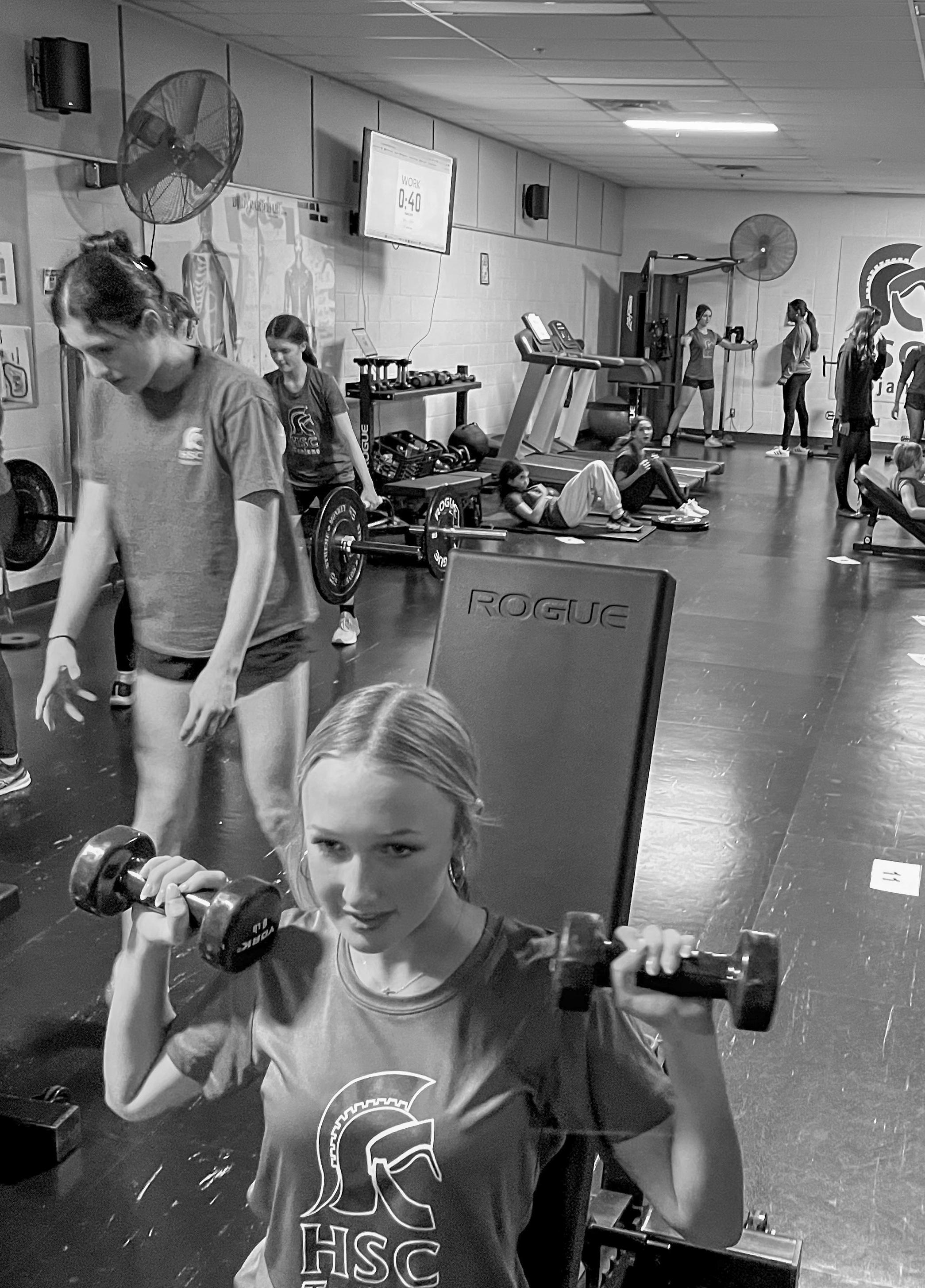
During this curricular time, there is an emphasis on personalized development of sport and fitness skills. Skills and strategies are refined and applied through a game-sense approach as the complexity of the sport- and fitness-specific activities increase in mental and physical demand. Units and lessons become more student-driven with an emphasis on independence and leadership. Group challenges continue to foster positive group dynamics and more individualized competition for group outcomes. In health units, students continue to make informed choices about their health by providing them with the knowledge to understand the relationship between lifestyle choices and overall wellbeing. Students learn about the significance of maintaining a balanced life, which includes exercise, nutrition, stress management, and mental health. Students learn to critically evaluate health information, recognize reliable sources, and develop personal strategies to improve and maintain their long-term health and wellbeing.
» 60 -120 minutes/day based on HPE course, intramurals and athletics commitment
» Continuation of Games-Sense Approach – increase complexity of activities to apply concepts/strategies to maximize success
» Inclusive of all student’s abilities – modified and differentiated as needed
» Focus on positive attitudes towards winning and losing through work ethic, sportsmanship, teamwork
» Application of training principles – stamina, strength, speed, skill and suppleness – age/stage appropriate progressions moving into specificity for sport
» Introduction and development of sport-specific training, and strength and conditioning for performance
Movement Strategies:
» Support continuous physical, mental, social and emotional development to maximize athletic potential and activity for life
» Exploration of concepts and strategies that support winning and losing
» Increase complexity of game categories and application of background/history of sport – Net/Wall, Target, Striking & Fielding, Territory, and Athletics, Cooperative Games.
» Continuation of cooperative play – small groups and partners in game play
» Social agreements such as sportsmanship, team play, playing by the rules, winning and losing with integrity
Movement Skills
» Integration of sport-specific training and multi-sport approach for specific performance outcomes.
» Leadership roles through active participation and student-led presentations to peers and elementary students
» Honing fundamental sport skills and fitness skills and the transferability of these skills in multi-environments and contexts.
» Understanding of more complex game structures and application of strategies and concepts to maximize success.
» Enhancement of fundamental sport and fitness skills in more diverse and complex activities that support holistic physical and cognitive development.
» Relationships: students build respectful, healthy relationships with peers, family, and the community. Students explore topics such as communication, consent, boundaries, and conflict resolution, learning to foster positive relationships and navigate social challenges effectively.
» Decision-Making: students develop critical thinking skills to make informed, responsible decisions regarding health, wellness, and relationships. By analyzing scenarios, they learn to weigh choices and consider consequences, empowering them to make decisions that prioritize their wellbeing and personal values.
» Content Knowledge and Understanding: students gain knowledge about the human body, nutrition, mental health, and physical fitness and learn how to apply this knowledge to everyday situations. This approach helps them make informed decisions about their health, such as creating exercise routines, making healthy food choices, and managing stress.
» Communication Skills: students enhance their ability to communicate clearly and respectfully in various settings. By practicing active listening, articulating ideas and collaborating, they develop skills to help build strong relationships, advocate for their needs, and contribute effectively in group settings.
This section of the Physical Literacy Playbook provides a comprehensive guide for developing both physical and health literacy across all grade levels. It outlines a progression of learning experiences designed to empower students with the knowledge, skills, and attitudes necessary for a lifetime of active, healthy living.
From the foundational free play and basic movement skills of our youngest learners to the advanced tactical understanding and personalized fitness regimens of our senior students, this section emphasizes a holistic approach. We weave together the core principles of physical literacy – movement competence, confidence, and motivation – with essential health literacy components, including nutrition, hygiene, safety, and understanding human development.
Within each grade band (Pre K-2, 3-4, 5-6, 7-9, and 10-12), you’ll find detailed outlines for physical activity units, ranging from fundamental movement skills and game categories (invasion, target, net/wall, striking/fielding) to more specialized areas like dance, fitness training, and indigenous games. Alongside these, we address crucial health topics, ensuring students develop a well-rounded understanding and application of health and wellbeing.
Learn to Skate
Learning about Striking and Fielding Games
Learning about Net/Wall Games
Introduction to Target Games
Learning about Invasion/Territory Games Individual Pursuits Free Play
Outdoor Education
Self-Defense
Swim to Survive
Introduction to Striking and Fielding Skills and Strategies
Introduction to Net/Wall Skills & Strategies
Introduction to Target Games Skills & Strategies
Introduction to Invasion/Territory Games
Introduction to Fitness activities Free Play
Learning to Dance
Introduction to Track and Field
Introduction to Outdoor Indigenous Games
Developing Net/Wall Racquet Skills and Strategies
Developing Striking and Fielding Skills and Strategies
Developing Net/Wall Hand Skills and Strategies
Developing Target Hand Skills and Strategies
Developing Invasion Foot and Hand Skills and Strategies
Fitness 101
Track and Field Prep
Outdoor Indigenous Games
Advancing Net/Wall Racquet Skills and Strategies
Advancing Striking and Fielding Skills and Strategies
Advancing Net/Wall Hand Skills and Strategies
Advancing Target Hand Skills and Strategies
Advancing Invasion Foot and Hand Skills and Strategies
Fitness Challenges
Developing Community Through Play
GRADE 5 - GRADE 6
Kinesiology
Combatives
Leadership Team Games
Striking and Fielding Games
Net/Wall Skills and Tactics
Recreation Target Games
Invasion/Territory Skills and Tactics
Advancing Community Through Play
GRADE 7 - GRADE 9
Personalized Fitness Cooperative Play
GRADE 10 - GRADE 12
PRE K - GRADE 2
GRADE 3 - GRADE 4 Human Development
Babysitting Course
Human Development and Sexual Health
Mental Health
Learning and Understanding Risk
Personal Safety and Injury Prevention
Movement
Sleep
and
Substance Use, Addictions and Related Behaviours Personal
GRADE 5 - GRADE 6
GRADE 7 - GRADE 9
GRADE 10 - GRADE 12
While we’ve made notable strides in strengthening our learning pillars through the physical literacy framework, there is still work ahead. Moving forward, our focus will be on further fostering healthy, physically literate students by providing a range of movement learning opportunities in diverse environments across the College and beyond. We will continue to explore and integrate student movement choices and pedagogy to enhance and personalize student learning in various contexts and modalities. With the continued support of our HSC community, we are dedicated to supporting student choices so they can make healthy decisions about their health and well-being now and in the future.
For more information on the integration of Physical Literacy pillars, please visit www.hsc.on.ca.