
Digestive Issues from Physical Inactivity - Sedentary Lifestyle

In this rapid-paced era, individuals' lifestyles are changing daily. Both men and women are working nowadays. They sit for a longer time due to their oce work. Living a sedentary lifestyle can considerably aect your digestion as well as bowel function. To maintain a healthy digestive tract, and avoid blockages in the digestive system, it is essential to exercise regularly. Physical inactivity can cause weight gain, which further increases the risk of digestive problems. In this blog, we will discuss digestive issues from physical inactivity and delve into some Ayurvedic tips and treatments to help manage and alleviate digestive problems.
Understanding Digestive Issues through Ayurveda
Digestive issues refer to a huge range of conditions that aect the functioning of the digestive system. The digestive system is responsible for breaking down the food we eat and absorbing nutrients. When this digestive procedure is disrupted, it can lead to various digestive issues. Digestive problems can manifest in several ways and may lead to discomfort, pain, or other related symptoms. Ayurveda views these issues as disruptions in the body's doshas, namely Vata, Pitta, and Kapha, which govern the
balance of the digestive system. Ayurveda, an ancient system of holistic healing, provides valuable insights and eective treatments for managing and alleviating these digestive issues.
Digestive Issues from Physical Inactivity
A sedentary lifestyle can cause weight gain, which has been linked to several digestive issues. When you are inactive, the natural contractions of your intestines are hindered, leading to blockages in the digestive system. Regular physical exercise such as walking, cycling, and running can considerably enhance your digestive health by promoting smooth bowel movements and reducing the risk of constipation.
Complications in Digestive Issues
It is essential to manage digestive problems. If this problem is left untreated or poorly managed, it can lead to several complications. These complications include nutritional deficiencies, weight loss, dehydration, and electrolyte imbalances, gastrointestinal disorders. This condition requires immediate medical attention. Thus, it is essential to consult with an Ayurvedic doctor to address digestive issues promptly and holistically through Ayurvedic methods.
How Sitting All Day Affects Your Gut Health
Sitting all day can aect your gut health. Two key factors aect your gut health from too much sitting such as reduced blood flow and increased pressure on your digestive tract.
● Decreased Blood Flow
If we spend longer hours sitting, it can reduce the flow of blood. Sitting for longer hours can compress the organs.
A sedentary lifestyle is directly linked with inflammatory bowel disease and other digestive problems. This lifestyle can also be a leading cause of constipation.
● Increased Pressure on Your Digestive Tract
One of the worst things that we all people do is sit too long after having meals Sitting in general causes the contents of your abdomen to compress, which slows digestion. Sluggish digestion is a major culprit of excess bloating and gas, heartburn, and general discomfort after eating. Too much sitting can harm our gut microbiome, which refers to the levels of bacteria that populate your gut.

Ayurvedic tips for digestive issues
To improve digestion and keep the digestive fire strong, Ayurveda recommends natural remedies that you can easily incorporate into your daily routine, which in turn will facilitate weight loss, improve your metabolism, and improve your digestive system naturally.
Regular
Meditation
Regular meditation can help to restore the body's equilibrium, including the mechanisms that govern digestion. Daily practice of meditation can positively aect your body and help improve digestion. It helps restore the body’s homeostasis which in turn helps better the digestive system.
Physical Excercise
Incorporating physical activities such as yoga or any other form of physical exercise into your daily routine keeps your digestive system healthy and active. In addition to this, short walks of 15-20 minutes post every meal will help the food to go down the system and be digested easily & properly. In case you are a diabetic, short walks and yoga help in controlling the fluctuations caused in blood sugar levels post eating anything.
Avoid overeating
If you control your eating habits, it maintains your overall health. When you overeat, it becomes dicult for the food to break down properly. This can lead to the problems of indigestion, discomfort, and acidity. To improve the digestive system, the key lies in eating in moderation. Ayurveda recommends leaving some space in your stomach to aid in easy digestion of the food. Having fixed or small portions of meals is always advisable.
Hydration
The proper way of drinking water is to take one glass of warm water and drink it slowly, sip, and finish it. Don’t just take a few sips and a few more again after 5–10 minutes, because that will imbalance the digestive fire. Always drink warm water. Avoid cold and chilled things. Water helps to keep things moving through your digestive system.
Get enough sleep: Sucient sleep is essential for maintaining a healthy gut. When you do not get enough sleep, it can disrupt the balance of bacteria in your gut. It can lead to digestive problems. Therefore, 7 to 8 hours of sleep is essential per night.
Ayurvedic herbs for Digestive Health
Triphala: Triphala is a combination of three fruits – haritaki, bibhitaki, and amla enhance digestion and nurture a healthy gut. Triphala is known for its laxative eect, which can help promote regular bowel movements. It also helps to improve nutrient absorption and reduce inflammation in the digestive tract.
Ginger: Ginger is known for its anti-inflammatory properties that can help reduce inflammation in the digestive tract and improve digestion. Also, ginger helps to relieve nausea and vomiting, which are common digestive issues. You can consume ginger in various forms, such as ginger tea, or by adding fresh ginger to your food.
Ajwain: Ajwain is one of the best Ayurvedic remedies for digestive health. It is known for its anti-inflammatory and antibacterial properties. These properties can support to improve digestion and reduce inflammation in the digestive tract. Ajwain can also help to relieve gas, bloating, and indigestion.
Fennel: Fennel is known for its anti-inflammatory and antioxidant properties that can help to improve digestion and reduce inflammation in the digestive tract.
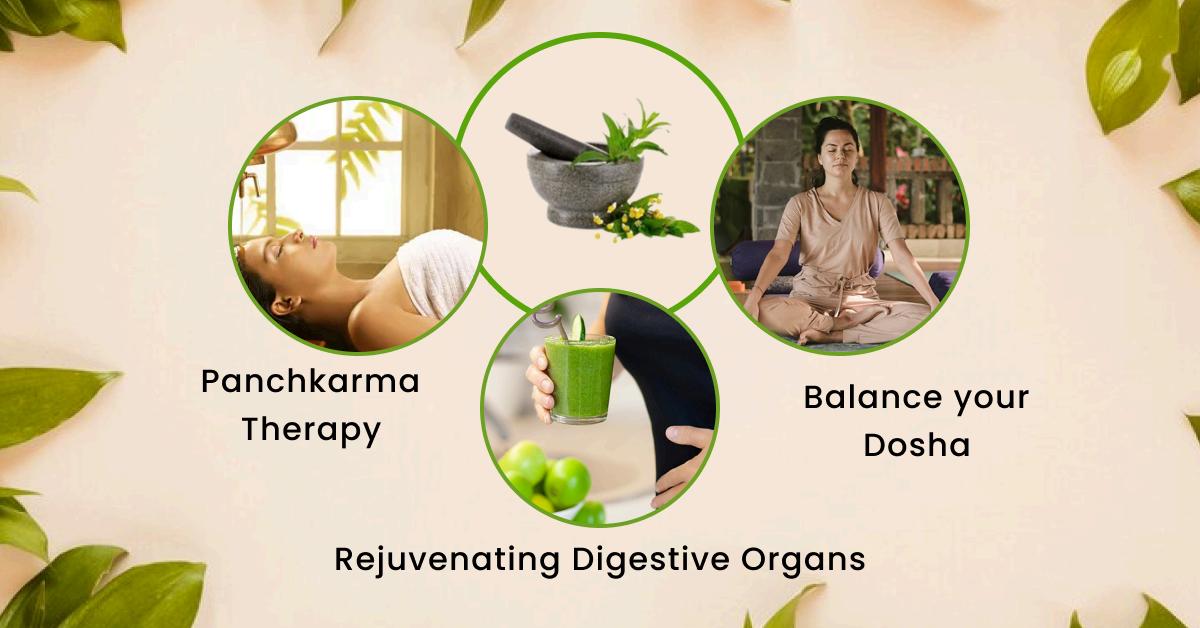
Trikatu: Trikatu is a mixture of three spices – ginger, black pepper, and long pepper. It is used for improving digestion and promoting a healthy gut. Trikatu can help to relieve indigestion and improve the absorption of nutrients.
Guduchi: Guduchi is an Ayurvedic herb that is commonly used for digestive health. It helps to reduce inflammation in the digestive tract and improve appetite.