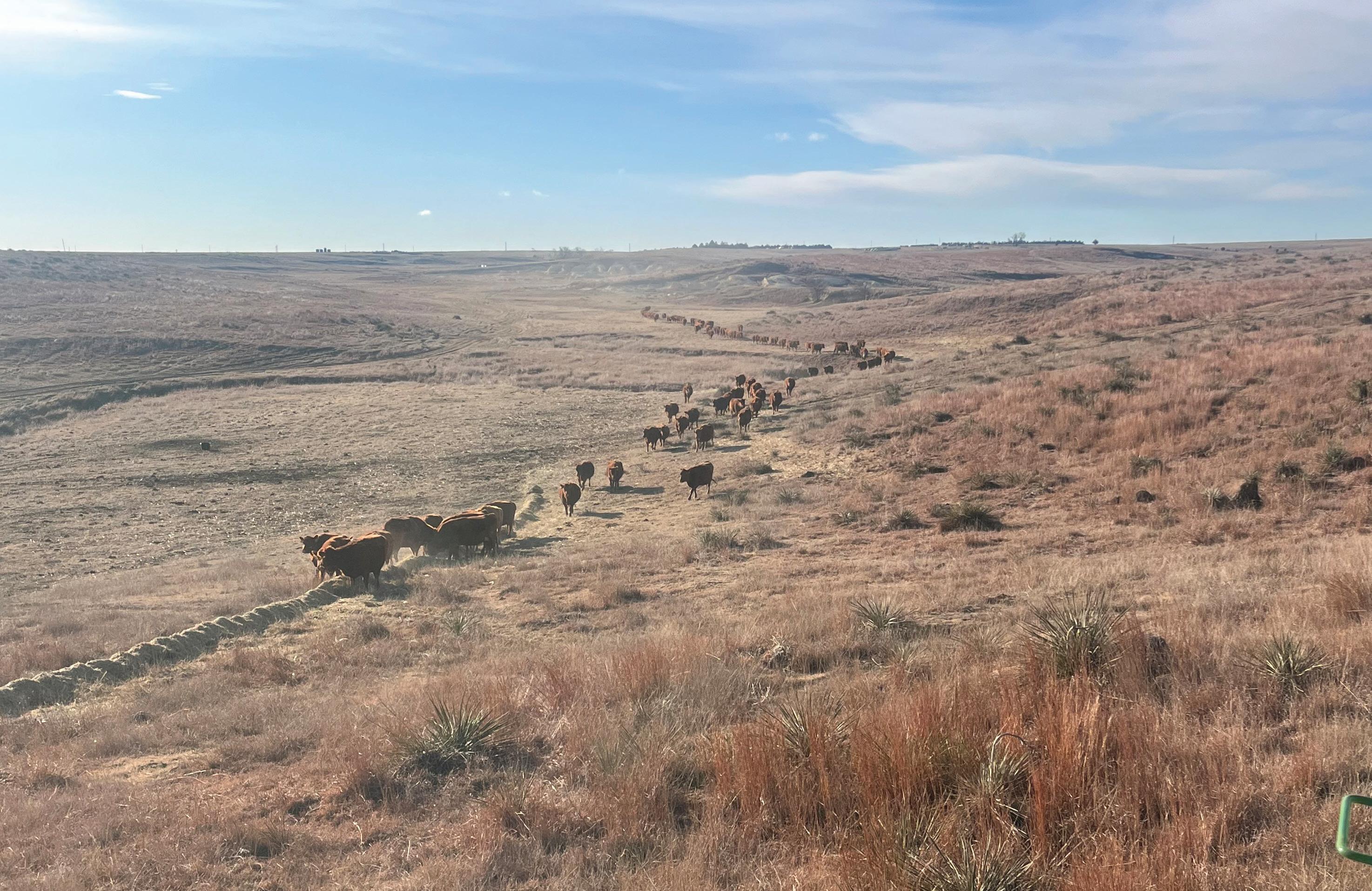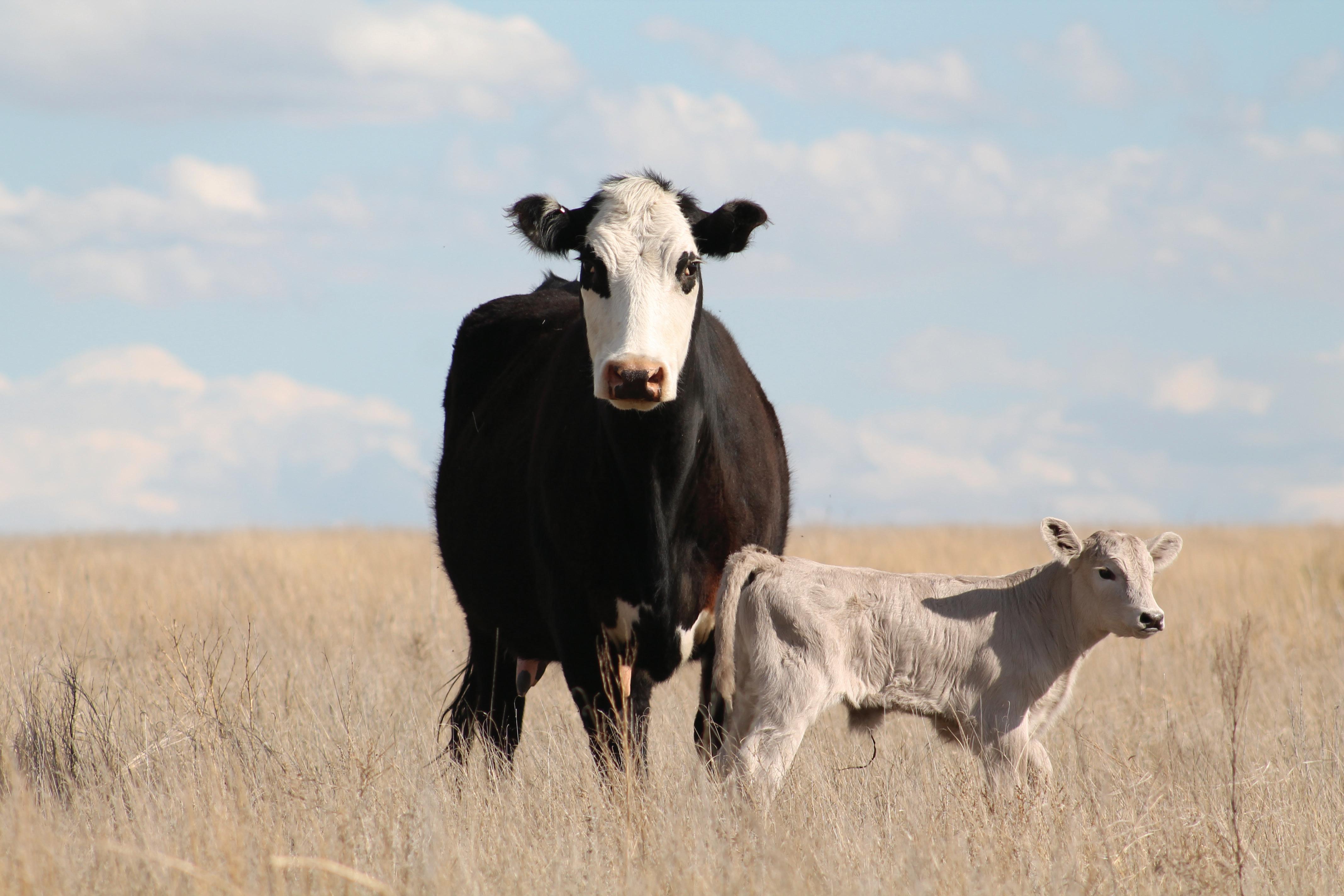


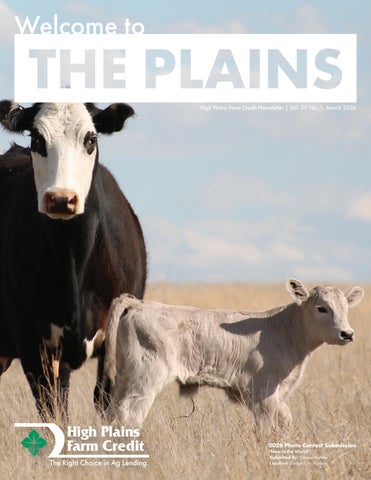
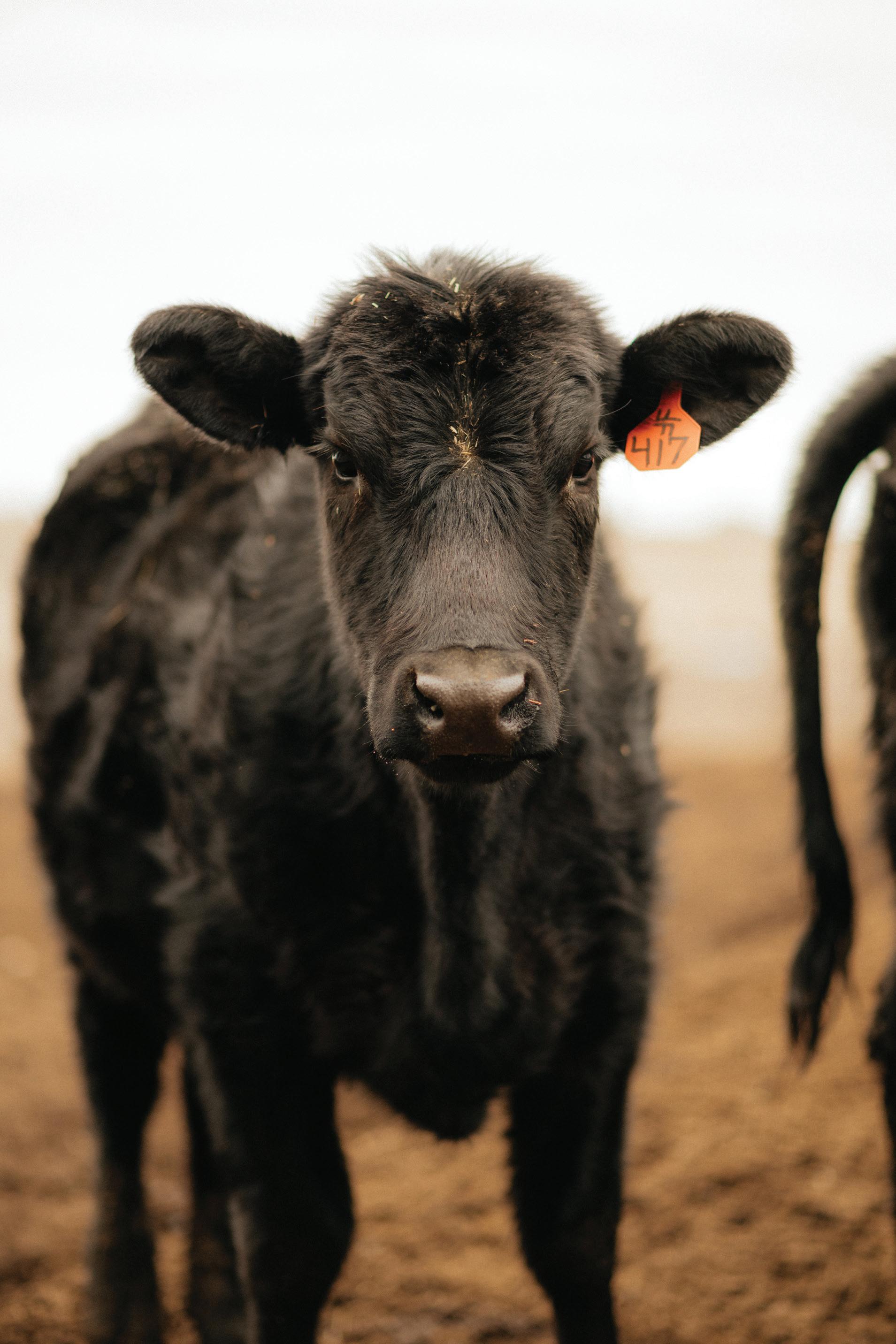
2026 Photo Contest Submission “New to the World”
Submitted By: Shayla Blattner Location: Dodge City, Kansas
By: Marit Ehmke
By: Marit Ehmke
Have you submitted your pictures of the plains for the chance to win the $100 quarterly prize and to earn a spot in our 2027 calendar?
It’s not too late! Each quarter, we select finalists from our growing collection and take to Facebook to vote on a winner.
Ready to enter? Here’s how:
Step One
Highlight the natural beauty of our rural region and select your favorite photo(s)! You can participate as many times per year as you’d like.
Step Two
Prepare your submission by including a photo title, description, location, and photographer name. (Hint: Check out our website for more details!)
Step Three
Submit your entry as a digital photo to Photos@HighPlainsFarmCredit.com. Choose the largest file size (greater than 1 MB or the “Actual Size” setting).
Volatile markets and uncertain trade conditions can complicate planning for 2026. Find tips to navigate uncertainty. 3
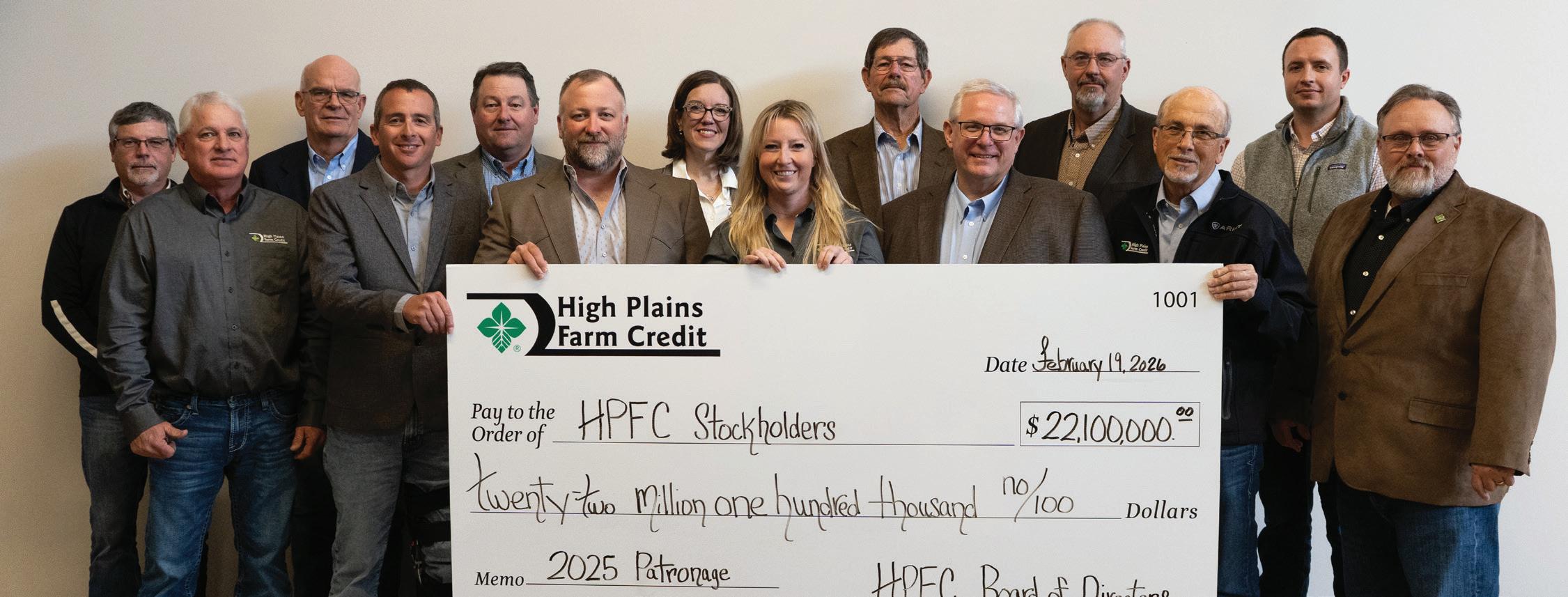
HPFC is excited to announce another record-breaking patronage return for customer-stockholders!
Curious what your Kansas land might be worth? Interested in purchasing additional ground? Senior VP Appraiser, Kirk Green, offers his analysis of 2025 land value trends across our territory.
HPFC Director Elections are right around the corner. Discover how you can get involved. 8
The right tools can reduce stress around an unpredictable cattle market. Livestock Risk Protection offers the security you need.
KANSAS PRODUCERS HAVE ALWAYS DEALT WITH CYCLES
—dry years and wet years, high prices and low ones. But as we move into 2026, the cycles feel less predictable and the stakes a little higher. Volatility in global trade, shifting economic conditions, and continued pressure on input costs are shaping a landscape that demands both caution and adaptability. Understanding these forces is not just important for farmers and ranchers—it matters to every rural community that depends on a strong, stable agricultural economy.
A Global Trade Environment That Feels Anything but Settled
At the 2026 Kansas Commodity Classic, producers were reminded just how interconnected their livelihoods are with world politics. Analysts emphasized that trade uncertainty continues to rise due to aggressive U.S. trade policies, retaliatory measures from trading partners, and ongoing renegotiations of key agreements. Coupled with geopolitical tension abroad, major global players— from China to the European Union—are actively exploring trade partnerships that bypass the U.S. altogether.
Low Crop Prices Tighten the Belt Even
than $34 billion in combined row crop losses nationwide before insurance and support programs. Economists attribute these challenges to slow global demand, sustained strong crop production and disrupted trade relationships.
Input costs have not offered much relief either. Farmers continue to pay more for fertilizer, machinery, and other essentials—costs that were amplified by tariff impacts. The result is a squeeze that rural producers know all too well: higher expenses, lower prices, and thinner margins.
Despite the pressure in crop markets, there are signs of resilience—especially in livestock. The U.S. cattle herd is the smallest it has been in 75 years, pushing beef prices to record highs. This has offered welcome support to Kansas ranchers and diversified operations. Yet even this bright spot highlights the contrasts across the ag economy: livestock is buoyed by scarcity, while crops are weighed down by oversupply and uncertain demand.
Navigating the Uncertainty: What Producers Can Do
While no one can predict where
Crop insurance, diversifying marketing strategies, and
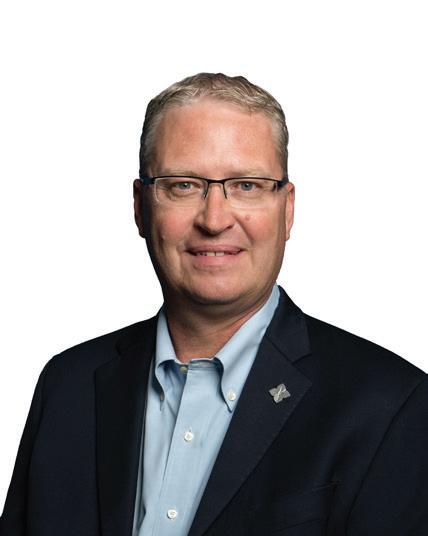
Kevin Swayne President
maintaining flexible operating lines are more important than ever. Producers should continue to evaluate the right combination of forward contracting, hedging tools, and insurance products to protect against downward price swings.
2. Watch Policy Developments Closely Trade negotiations, tariff decisions, and legislative developments can turn markets quickly. Staying informed helps producers make timely adjustments as new policies emerge.
3. Prioritize Cost Control and Increase Efficiency
With high and often unpredictable input costs, detailed cost tracking and careful planning can preserve margins in a volatile environment.
4. Maintain Open, Proactive Communication With Your Lender
A strong and transparent relationship with your lender can make a significant difference in navigating volatile markets. Being upfront with changes, asking questions, and discussing concerns early allows lenders to identify solutions more quickly and tailor financial tools to your operation’s needs.
The Road Ahead
Kansas farmers and ranchers are no strangers to adversity. They have weathered droughts, price plunges, and national crises—and each time, they have adapted, innovated, and pushed forward.
The future will not be without its uncertainties and setbacks, however High Plains Farm Credit is prepared to face the challenges with you and will work harder than ever to utilize our lending and agriculture expertise to structure loans to help you today and into the future.

By: John Booze, Chief Financial Officer
HIGH PLAINS FARM CREDIT IS DEDICATED TO BEING a trusted partner in our stockholders’ operations by providing reliable credit, competitive rates, and a range of financially related services to support stockholders during challenging times.
In 2025, High Plains continued its strong earnings performance, achieving $55.6 million in net income, which benefits our stockholders. This success enables us to return approximately 40% of these earnings to our memberowners through our patronage dividend program.
We are proud to announce that in March, High Plains will distribute $22,100,000 in patronage dividend checks.
Over the past three years, your board of directors has declared and paid $58.6 million in patronage distributions, demonstrating our commitment to supporting our members.
Additionally, all stockholders can take advantage of the HPFC Preferred Investment Account, a valuable resource for managing finances that offers a competitive return. The average dividend rate in 2025 was 5.15%, with

a rate of 4.50% at the end of February 2026. Dividends are paid semiannually in January and July each year.
To learn more about this program, the current rate, and our other services, please visit HighPlainsFarmCredit.com or contact your local branch office.

MILLION for your next step
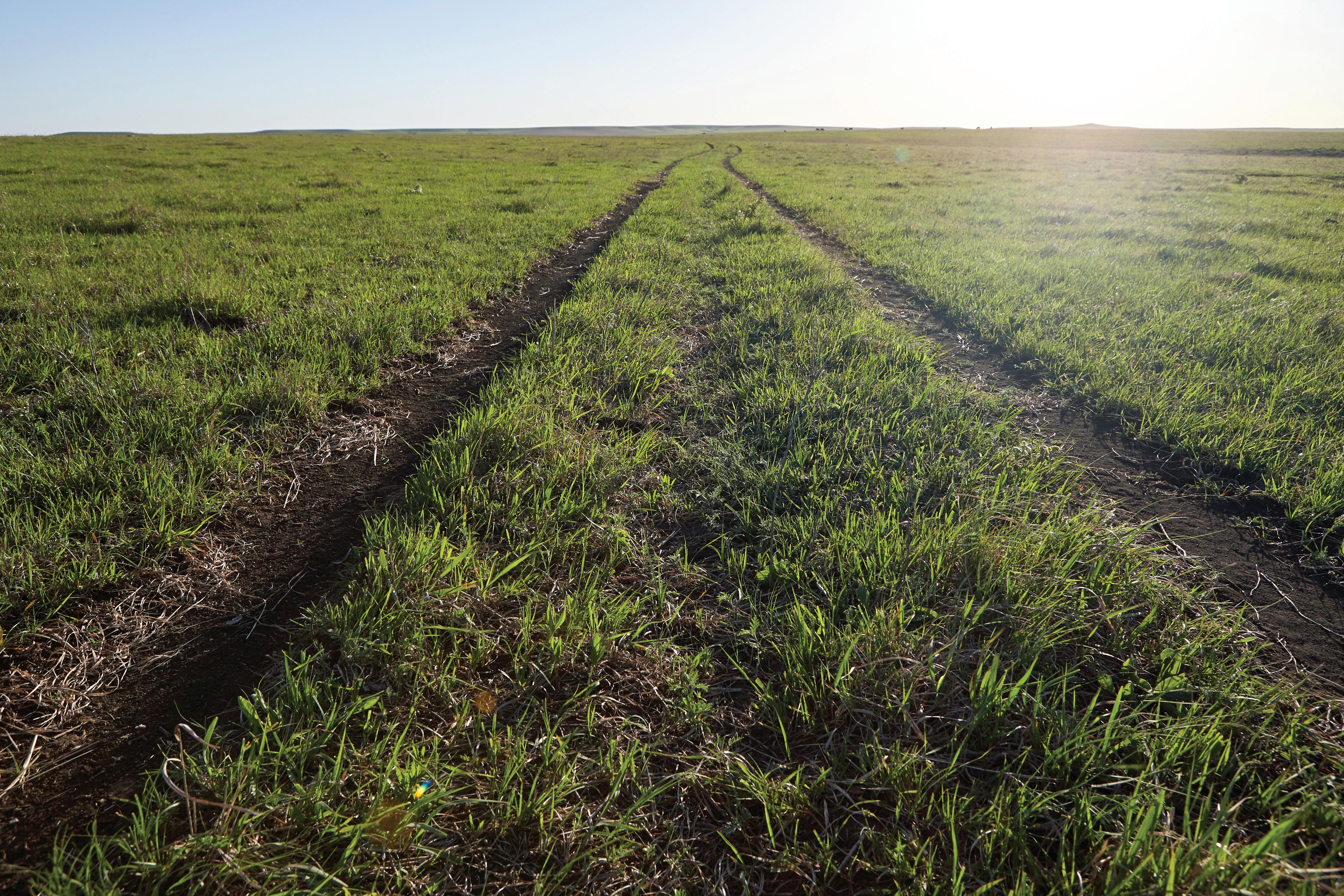
IF YOU’RE WATCHING KANSAS LAND SALES AND WONDERING what trends look like in your area, you’re in luck! The High Plains Farm Credit appraisal team recently completed its year-end analysis of 2025 land value trends. HPFC keeps records of land sales in our area throughout the year to help us analyze the direction of the market. Ready to dig into those trends?
General Overview
Over the past five years, our area has seen an increase in land values of around 40%. The trend in land prices for this year seems to show that there is continued volatility in the market. Many counties saw increases in some land types and decreases in other land types, but there appears to be a slight downward trend.
Only three counties analyzed showed increases in all land types: Graham, Pratt, and Trego. However, eight counties showed decreases in values for all land types: Smith, Phillips, Norton, Kingman, Ford, Gray, Lane, and Barton. These trends can be influenced by differing numbers of sales in an area (more or less than the year before) and by individual sales that are outliers to the market as a whole.
The ratios in this article are for land within the High Plains Farm Credit territory, plus a few counties on the edge of our territory. These figures are based on closed sales that are considered arm’s length transactions.
The value of good upland crop ground (considered productive Class II soils) showed a decrease
of approximately 2%. The value of marginal crop ground (Class III, IV, and VI soils) decreased by approximately 1.5%. CRP showed an increase of approximately 2.5%, while irrigated land values decreased by approximately 0.5%.
When studying land prices by region (see map on right), the values in our area are fairly consistent from north to south. However, we typically see an increase in land values farther east in our territory.
In 2025, the largest increase in value appears to be in pasture. The southeast region and the central region both showed significant increases in pasture values of 20 to 25%. This may be the result of just a few very high sales. It may also be the result of the cattle market remaining strong and the fact that the majority of the recreational sales include pasture.
In addition to this trend, we have also seen an increase in the speculative market near the bigger towns in our region such as Hays and Dodge City.
The largest decreases in value are in the Northern and Southwest Regions. This area has suffered most in recent years due to drought conditions and the decreases in value can likely be attributed to this fact. Even as values in these regions decline, the Central and Southeast Regions continue to show fairly strong land markets.
Regardless of your region, HPFC currently has five state certified appraisers on staff that continuously watch the market and monitor land values. If you’re curious about the value of your agricultural land, whether for estate purposes, buying, selling, or beyond, get in touch with our team. We look forward to meeting and assisting you!
Regions Analyzed
Northern Region
Decatur, Norton, Phillips, Smith, Sheridan, Graham, Rooks, and Osborne
Central Region
Southwest Region
Hodgeman, Gray, Ford, Edwards, Kiowa, Meade, and Clark
Southeast Region
Pawnee, Stafford, Pratt, Comanche, Barber, Kingman, and Harper
IN 2026, THERE ARE TWO OPEN DIRECTOR SEATS TO BE ELECTED:
one from Territory One and one from Territory Two.
During the month of February, elected members of the nominating committee met to select candidates for the board of directors and nominating committee. The HPFC Nominating Committee is comprised of an independent committee of voting stockholders, specifically tasked with reviewing and nominating candidates for positions on the board of directors and the nominating committee. There are a total of four candidates seeking election for the two seats. The nominating committee conducted an extensive candidate search, starting with a conference call in January and then meeting in February. Potential qualified candidates were actively solicited for all positions.
At the association’s annual meeting in May, voting stockholders in attendance will be permitted to make floor nominations for every open stockholder elected director position and nominating committee position. Floor nominations may be made by a voting stockholder and require a second by another voting stockholder.
If you have any questions regarding the floor nomination process or the benefits of and qualifications for being a board member, please contact any HPFC office or scan the QR code in this article.
Candidates are listed on the right by open seat and alphabetically by name. The election for each position is conducted independently, with each voting stockholder given an opportunity to vote for each of the two open positions. Again this year, you will have the option of completing a paper ballot or an online ballot.
Election Timeline
Voting for directors and nominating

committee will be by mail or online ballot, sent within 10 business days following the annual meeting. The election polls will close at the end of the 20th business day following the date on which the ballots are mailed/ emailed to the voting stockholder.
A third-party election tabulator will count the votes and declare the winners. Additional information regarding the nominees and the election process will be sent in April. Sincere Thanks
Special thanks to our 2026 Nominating Committee members; John Blackwell, Rhonda Goddard, Lindy McMillen, Joss Briggs, Jerod Horchem, Kirk Larson, Chelsea Steffen, Brad Werner, Jared Petersilie, and Diana Paris; as well as all the candidates for agreeing to be a part of this year’s ballot.
Tim Benoit
Matt Grabbe
Kevin Larson
Simon Miller
John Blackwell
Joss Briggs
Cody Crossland
Rhonda Goddard
Jared Petersilie
Chelsea Steffen
Territory 2
Frederick Goossen
Jerod Horchem
Kirk Larson
Lindy McMillen
Diana Paris
Brad Werner

Abby Barber (Remote)
Capital Markets — Senior Servicing Specialist
Kara Burkholder (Hays) Capital Markets — Loan Accountant II
Nathan Copeland (Ness City) Vice President — Appraiser
Amanda Cordes (Pratt) Financial Reporting Manager
MariKate Crouch (Hays) AVP — Lending
Krete Jack Kats
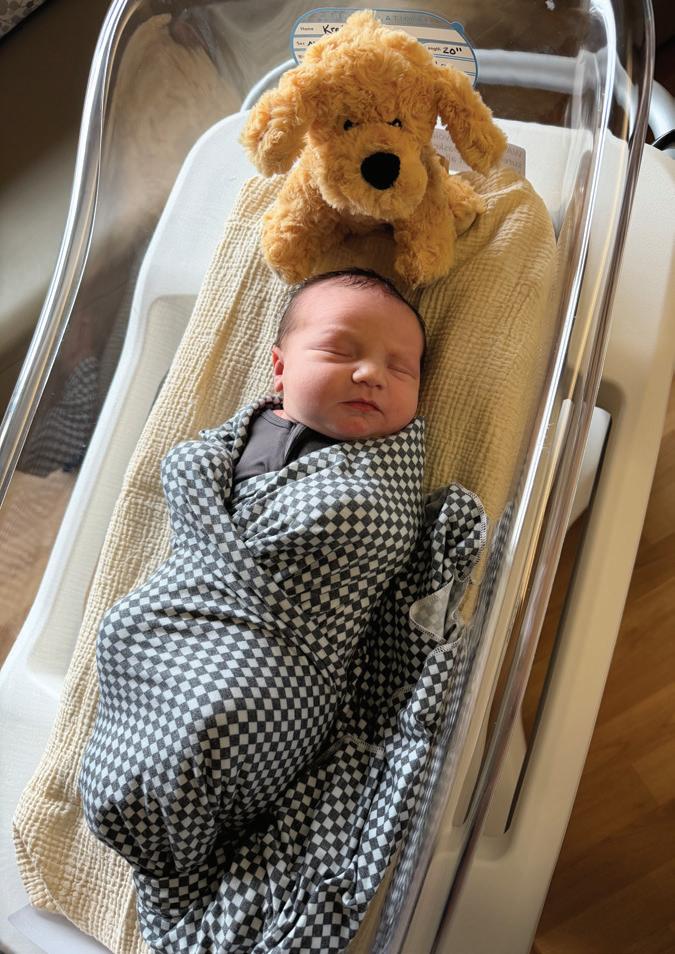
Courtney and Kelson Kats welcomed Krete Jack Kats on January 12th, 2026. Krete weighed 8 pounds, 8 ounces and was 20 inches long. His puppies are loving their new baby brother and have become the best protectors.
Maura Eddy (Pratt) Capital Markets — Senior Servicing Specialist
Clara Gebhard (Phillipsburg) Capital Markets — Loan Accountant II
Jill Habiger (Larned) Lending Operations Manager
Jessica Housholder (Remote) Capital Markets — Loan Accountant II
Kaci Kirmer (Hays) Vice President — Technology and Security
Rachel Lee (Ness City) Capital Markets — Assurance Specialist II
Ryan Rewerts (Larned) Vice President — Lending
Kelton Schuckman (Hays) AVP — Appraiser
Mayson Seemann (Dodge City) Senior Accountant
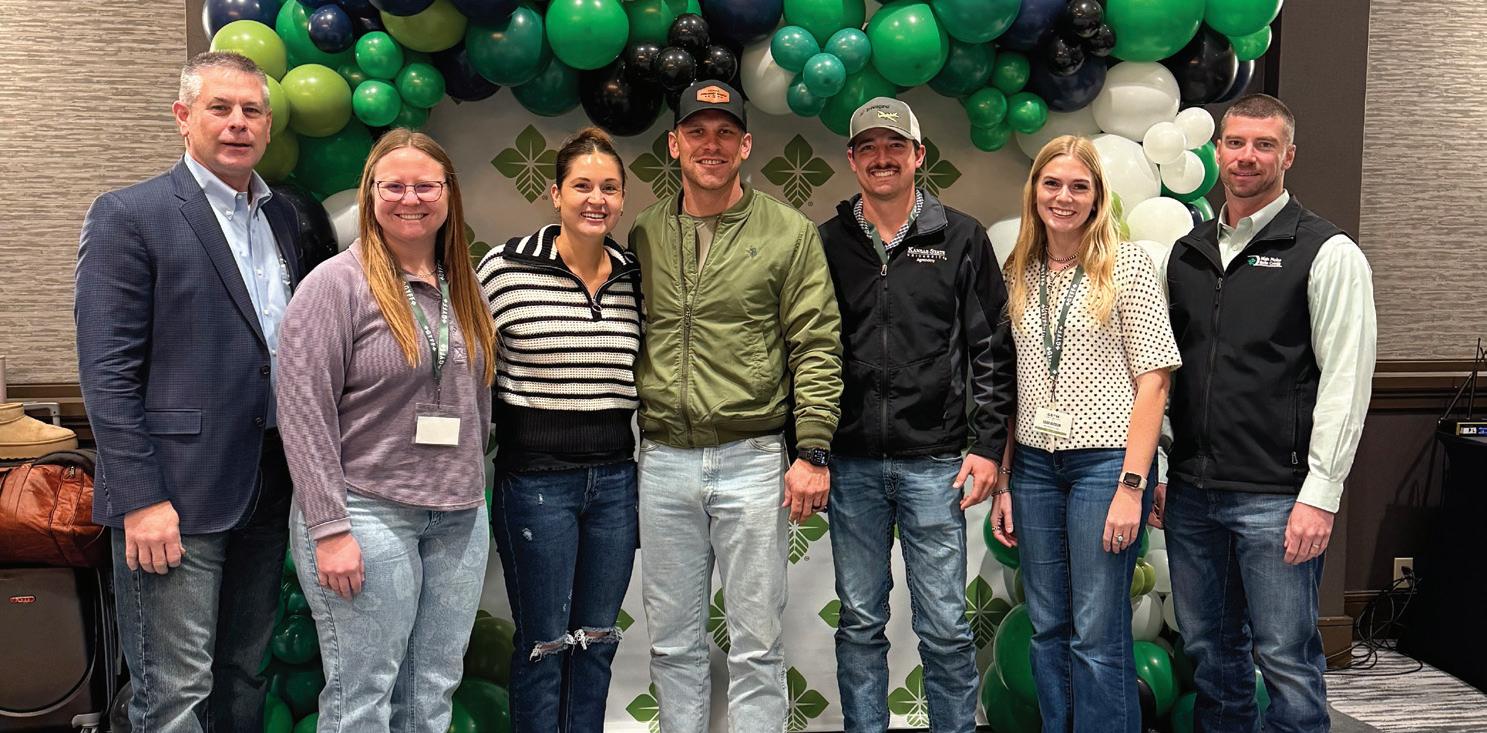
THE 2026 GROW YOUR FUTURE FORUM MAY BE IN THE rearview, but we’re still reflecting on the valuable insights shared and connections made.
In February, High Plains Farm Credit was proud to sponsor conference and travel expenses for a group of Young, Beginning, and Small (YBS) customers looking to learn and network with young producers from across the country.
During the three-day event, attendees learned from experts like Dr. David Kohl and Courtenay DeHoff. They also shared experiences and advice with YBS farmers and ranchers from a variety of
backgrounds. Outside the conference hall, this year’s event included tours of Turner Farms and Express Ranches.
Thank you to the producers that joined us and to Oklahoma AgCredit and Farm Credit of Western Oklahoma for joining HPFC in co-hosting the 2026 conference full of expert info, hands-on tours, and shared ideas!
Pictured Above: 2026 GYFF attendees included (from left to right): HPFC Chief Lending Officer, Rob DeWeese; Lauren Miller; Kylee and Parker Maloney; Bryce Herrmann and Leah Hudson; and HPFC Vice President - Lending, Weston Goyen.


How can I farm with
How can I farm with more predictability?
How can I farm with increased flexibility?
How can I farm with better access to resources? How can I grow with Farm Credit Leasing?


IF YOU’RE LOOKING AT YOUR PLANS FOR 2026 AND FIND A GIANT question mark beside the cattle market, you’re not alone. We’re just a few months into the year and already, fluctuating markets and volatile input costs leave things feeling, well… uncertain. When you’re looking to put some stability and predictability back into your cattle operation, Livestock Risk Protection (LRP) is your tool.
Check out some of the most frequently asked questions from our customers and get in touch with our team to find protection today!
What is Livestock Risk Protection?
Livestock Risk Protection is a federally sponsored program that protects against a decline in livestock market prices. It offers a variety of coverage levels and insurance periods and can be purchased for fed cattle, feeder cattle (including unborn), and swine.
How does LRP work?
When purchasing LRP coverage, producers select an end date near the expected sale date and a coverage price level. When insured livestock are sold, LRP pays an indemnity if the ending value (determined by the Chicago Mercantile Exchange) is lower than the insured value.
When are premium payments due?
LRP premium payments are due at the end of the insurance period, allowing you to pay premiums after the sale. Is there a policy limit?
Yes. Policy limits for Livestock Risk Protection are as follows:
• 12,000 head per endorsement
• 25,000 head per crop year Is LRP subsidized?
Yes. Federally subsidized premiums could reduce your costs by 20-35%. Make sure you have AD-1026 completed at FSA to ensure you receive the subsidy. Do fed cattle have to go to slaughter at the end of the endorsement period?
Yes. Fed cattle must be marketed for
slaughter at the end of the endorsement period. Feeder cattle, however, do not have to be marketed at the end of the endorsement period if the insured retains ownership or places the cattle in a feedlot.
Does LRP cover mortality?
No. If an animal on LRP dies, the insured must let the agent know within
How does drought affect LRP policies?
During drought, the Risk Management Agency (RMA) may adjust rules. For example, when our region experienced recent drought, the RMA lifted the rule in place that prevented producers from selling until 60 days prior to the end date.
How do I get an LRP policy?
Contact Paige to set up a policy before you need an endorsement. Once you have a policy, your agent can write an endorsement any time after the markets have closed until 8:25 am CT the next day.
72 hours of their findings. The insured will then have to sign a death certificate. Is there a penalty if cattle do not reach the target weight? If the covered cattle fail to meet the minimum allowed target
weight, the number covered will be adjusted, unless you can establish that
extraordinary circumstances (like extreme drought leading to feed shortage) caused the livestock to weigh less than the minimum target weight.