A Closer Look
The Highland Titles Estates
Archie Miles
Archie Miles
With an introduction by Douglas Wilson, CEO, Highland Titles
Archie Miles has been a professional photographer for almost fifty years, and began writing about twentyfive years ago. With an abiding passion for the British landscape, a natural progression over the last thirty years has seen him carve a specialist niche in the world of trees.
He has written and photographed eight books on the subject and contributed images to many more books and publications. His recent work “ASH”, published in 2018, is a monograph celebrating all aspects of the ash tree in Britain, before most of them succumb to ash dieback. A revised second edition of his book “The Trees that made Britain”, originally commissioned by the BBC to accompany a television series in 2006, was published in 2021.
Archie has worked with several of the major treerelated organisations, including The Woodland Trust, Tree Council & Forestry Commission. His comprehensive picture library contains over 50,000 tree photographs and related historical archive material. Archie regularly presents illustrated talks for a variety of clients, and has occasionally worked on radio and television. He lives in rural Herefordshire with his partner Jan, Scotties “Dotty” and “Jessie” and “Eric” the cat.
First published by Scottish Highlands in 2023. Scottish Highlands, Frances House, Sir William Place, St Peter Port, Guernsey GY1 1GX
“A Closer Look – The Highland Titles Estates” copyright of this work Scottish Highlands 2023
The right of Archie Miles to be identified as the author of this work has been asserted by him in accordance with the Copyright, Designs and Patents Act 1988.
Text and photographs copyright Archie Miles or Archie Miles Collection except:
Highland Titles (Stewart Borland) pp. 3, 6/7, 9, 11, 12 (all), 18/19 (both), 71 (bottom left & right), 86, 87, 88/89, 92 (top right), 94/95, 96 and back cover.
Laurie Campbell pp. 8 (top left and bottom), 16 (bottom left), 26, 27 (top & bottom), 39 (bottom left & right), 50, 65, 70, 90, 92 (bottom).
All rights reserved. No part of this publication may be reproduced, stored in a retrieval system, or transmitted in any form or by any means, electronic, mechanical, photocopying, recording or otherwise, without prior permission of the copyright owner.
Designed by Chris Townsend at Signworx Hereford Ltd with Art Direction by Archie Miles.
Printed and bound by L.E.G.O. S.p.A., Vicenza, Italy

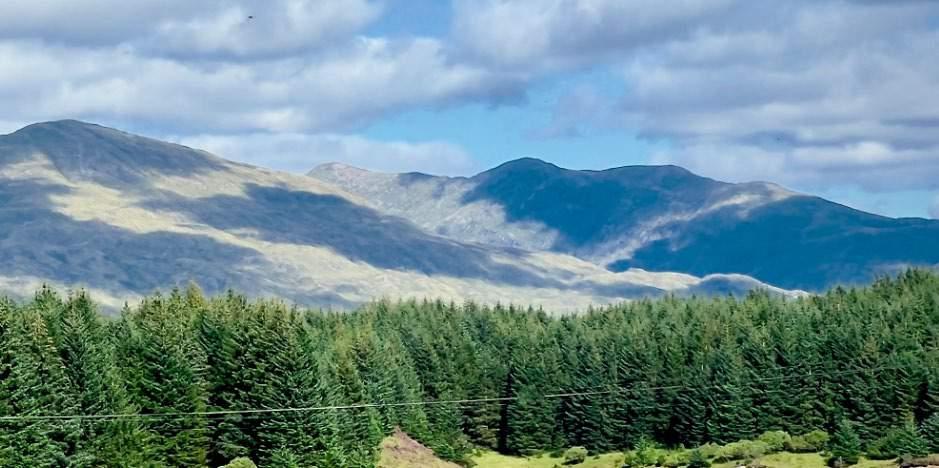
The Highland Titles Nature Reserve project began in 2006. It was started by Laura Bevis, long before we met, when she was still studying accountancy at Glasgow University. It was by no means the first business of its kind; souvenir plots of land were first defined in the Land Registration (Scotland) Act of 1979 and they have been bought and sold ever since. Laura was at home for the summer and looking for a way to fund her studies when she asked her father, Dr Peter Bevis, if she could sell off some plots of land from the family farm. Peter is the first to admit that he thought it was a strange idea, but being a passionate conservationist he agreed on the condition that some of the money raised would be used to fund tree planting on the farm.
The very first plots were sold on eBay. Certificates and maps were printed using basic word processing software and a home printer, but they proved popular and before long there were some accessories to go along with the plots, such as pens and key rings. Peter created the first website himself soon afterwards. Laura returned to university and Peter, sensing that there was a real opportunity to be grabbed, quit his job in Inverness and started planning for the future of Highland Titles. He purchased 220 acres of land at Duror, near Glencoe.
The land at Duror was viewed as a challenging transformation project, and so it has proved. Like far too much of the Highlands, it was an inaccessible, poorly performing Sitka spruce plantation lacking in biodiversity. Today, it is the Highland Titles Nature Reserve: an official 4 star tourist attraction and, according to Trip Advisor, the most popular nature reserve in the country.
How did that happen? Clearly, a lot of hard work has been going on but it has been tremendous fun, too.
I first became involved with Highland Titles in 2011, not long after Laura and I were married in Edinburgh. There was an online forum at the time, where Lairds, Lords and Ladies would post messages to one another. I remember being struck by how engaged the customers were with the whole project. It was very obvious that people were engaging with the gift long after the point of purchase.
It was around this time that I first came across the name Archie Miles, when reading the wonderful book Heritage Trees of Scotland, for which Archie provided much of the photography. It really didn’t occur to me at the time that Highland Titles might one day be able to create its own book. I knew we had some lovely old alders at Duror, but most of the land was covered in Sitka.
A combination of hard work and good luck since then has allowed us to purchase another 600 acres of land, spread across three areas. We have undertaken another transformation project with 180 acres near Invergarry. We have 300 acres of mixed land at Kilnaish in Argyll and the jewel in the crown is probably the 130 acres of stunning ancient woodland in Glen Nant.
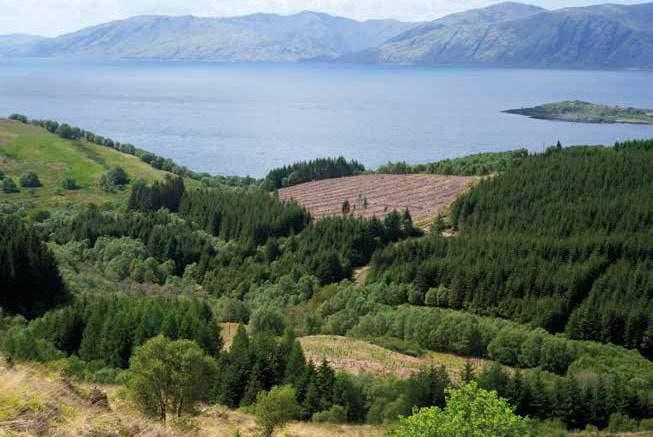
The land near Invergarry is another poorly performing commercial Sitka plantation. We will remove this Sitka when it becomes commercially viable to do so, and replace it with a variety of native trees. We have already started work in the unplanted areas, focusing on trees and hedges that are favoured by bumblebees. None of our ‘special’ trees are at this location but it is incredibly scenic, with stunning views across Loch Loyne.
Kilnaish is notable for having two special conservation designations. The lochan is a Site of Special Scientific Interest (SSSI) and the ancient woodland is a Special Area of Conservation (SAC). There are two wonderful elm trees near the entrance, which are all the more remarkable for having survived the horrific spread of Dutch Elm disease.
Glen Nant, known as Scotland’s Rainforest, is home to some wonderful examples. It is designated as a National Nature Reserve, a Special Area of Conservation and a Site of Special Scientific Interest.
All of our nature reserves are worth a visit, but the only place where we offer a guided tour is Duror, near Glencoe. Stewart Borland joined the Highland Titles team as Reserve Manager in 2013 and he has been assisting and entertaining the Lairds, Lords and Ladies of Glencoe ever since. More than 40,000 people from all over the world have visited the nature reserve at Duror. Most come from overseas to find their very own little piece of Scotland and see the progress made possible with their support.
Amongst other things, we have:
• Installed several miles of all-ability access tracks
• Created a 3 acre lochan to attract more bird life
• Planted tens of thousands of trees, hedges and wildflowers
• Added two bird viewing hides
• Created dozens of habitat boxes for bats and birds
• Achieved an official Guinness World Record for World’s Biggest Bug Hotel
• Sited multiple beehives
• Worked with local schools on educational projects
• Built a hedgehog hospital and ‘Forever Home’ for injured and disabled hedgehogs
• Used saddleback pigs to control the bracken, as a natural alternative to chemical spraying
• Managed the return of the endangered red squirrel to the area
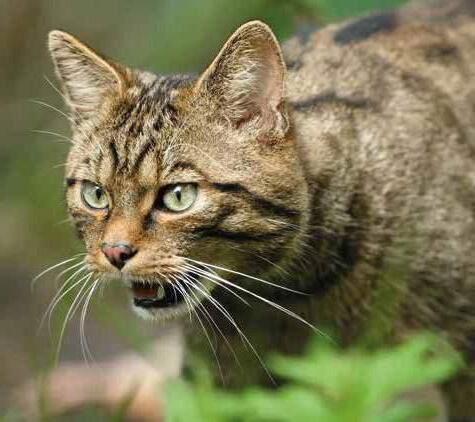
• Had our wildcat rehabilitation work featured by National Geographic
We are very proud of our achievements, none of which would have been possible without the work of Stewart and his team. Such is the success of our project that we have been able to support some like-minded projects along the way, such as Saving Scotland’s Red Squirrels, The Bat Conservation Trust, The Butterfly Conservation Trust, Hessilhead Wildlife Rescue and The Bumblebee Conservation Trust. Recently, we have agreed to partner with The Bumblebee Conservation Trust on a project called ‘On The Verge’. This project is designed to provide more habitat for the endangered Great Yellow Bumblebee by managing road verges in Sutherland, and Highland Titles will provide the bulk of the funding as well as our very own ecologist, Heather, who will undoubtedly benefit from the experience.
Perhaps the most frustrating thing about conservation is how long-term it all is. The trees we have planted will be best enjoyed by our grandchildren. But the special trees we have - which Archie will talk about in the following pages - act as a constant reminder to us of why we’re doing it. The landscape would be so much poorer without them.
Yours aye,
Doug Wilson CEO Highland TitlesTravelling south along the A828 between Ballachulish and Oban the treescape unfolds in two distinct types – the oak, birch and hazel woods, the indigenous forest that has evolved over the millennia and, as the land stretches above into the hills, the imposed forest of conifer plantations. For the last hundred years the forestry industry has planted great swathes of conifers – most commonly monocultures of Sitka spruce – that ubiquitous tree which will grow on just about any terrain. However, in recent times the fixation with these dreary plantations has, thankfully, waned in favour of mixed forestry and, at its best, the reintroduction of the broadleaf woodland that was so often brushed aside in favour of the conifers.
South of the little village of Duror a modest sign for the Highland Titles nature reserve points the way up a track to the reception centre where a small and enthusiastic team are keen to show visitors around the reserve. Since the acquisition of 220 acres of land here in 2006 much hard work has gone into remodelling the landscape, most notably the removal of large trenches of the Sitka spruce, in preparation for replanting the areas with broadleaf trees – a process that has been gathering pace in several parts of the reserve. Beneath what remains of the spruce plantations very little life can be detected on the woodland floor since the closely planted trees have grown up creating fine straight stems (ideal for the commercial foresters), but in doing so they formed a dense canopy that is totally impenetrable to any sunlight. The result is a brown, barren, almost lifeless vista beneath the trees. This situation is gradually being remedied and large areas of ground are now ready for the broadleaf trees to spring anew. Tree planting on the reserve is a continually evolving process, and not just on the land released from the grip of conifers, but also bolstering the existing areas of broadleaf trees.
A coincidental advantage to the clearance of the conifers is that much of the timber was used to construct a huge ‘bug/insect hotel’; at 199.9 cubic metres this has entered it into the Guinness Book of Records as the largest structure of its kind in the world. No mean achievement for the Highland Titles team who took six months to construct it! It is to be hoped that this structure will ensure there will be flourishing colonies of all manner of invertebrates needed to secure a vibrant biodiversity for the emerging forest.
The reserve is home to several projects aimed at securing a better future for various species of wildlife. A hedgehog hospital has been established to care for injured and undernourished hedgehogs, proving a great success with the local populace who often find distressed animals and have a focal point where they know that the casualties will receive the best possible care. Nationally, hedgehogs in rural areas have been steadily declining and the West Highlands are not noted as one of their strongholds, so any assistance they can get to thrive and potentially be released back into the wild proves invaluable.
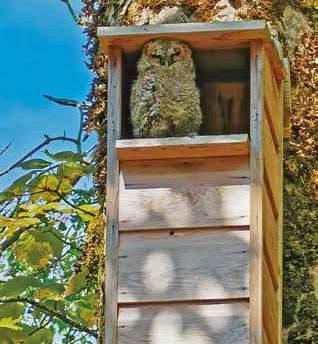
Another group of animals that are frequently vulnerable to injury, often as a result of collisions with cars, are owls. The reserve has the facilities to care for these wounded birds, and the orphans left in the wake of adult mortality. Nest boxes have also been constructed to encourage breeding.
Into the
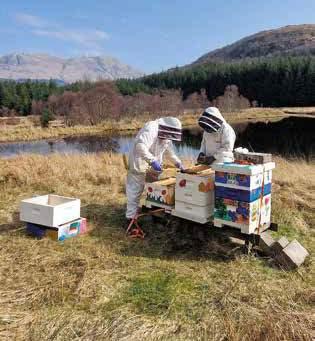
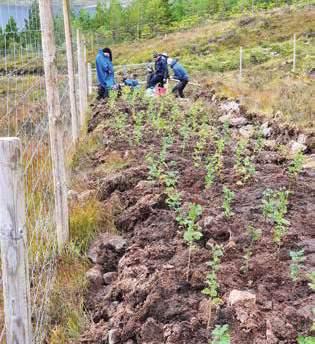
Many beehives have been placed around the reserve and the team frequently invite school groups in, all suitably kitted out in proper apiarist clothing, to demonstrate how hives work. Equally, reserve manager Stewart Borland often goes out to the local schools to teach the children more about the ecological importance of bees and how best to encourage and protect them. Without bees the human race will perish! And that is no exaggeration!
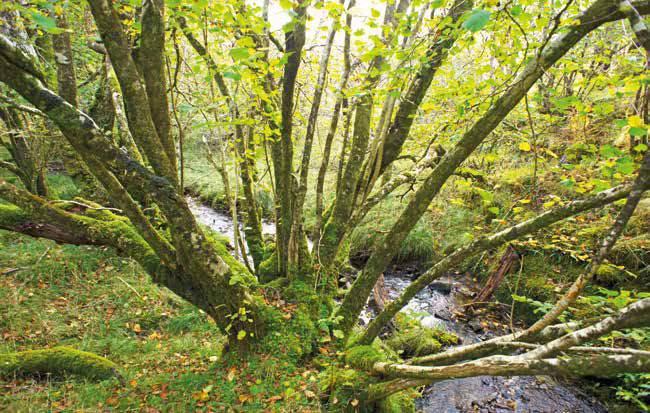
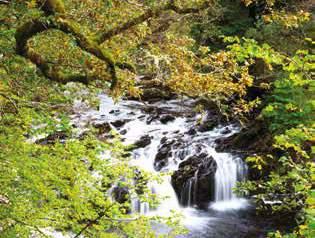
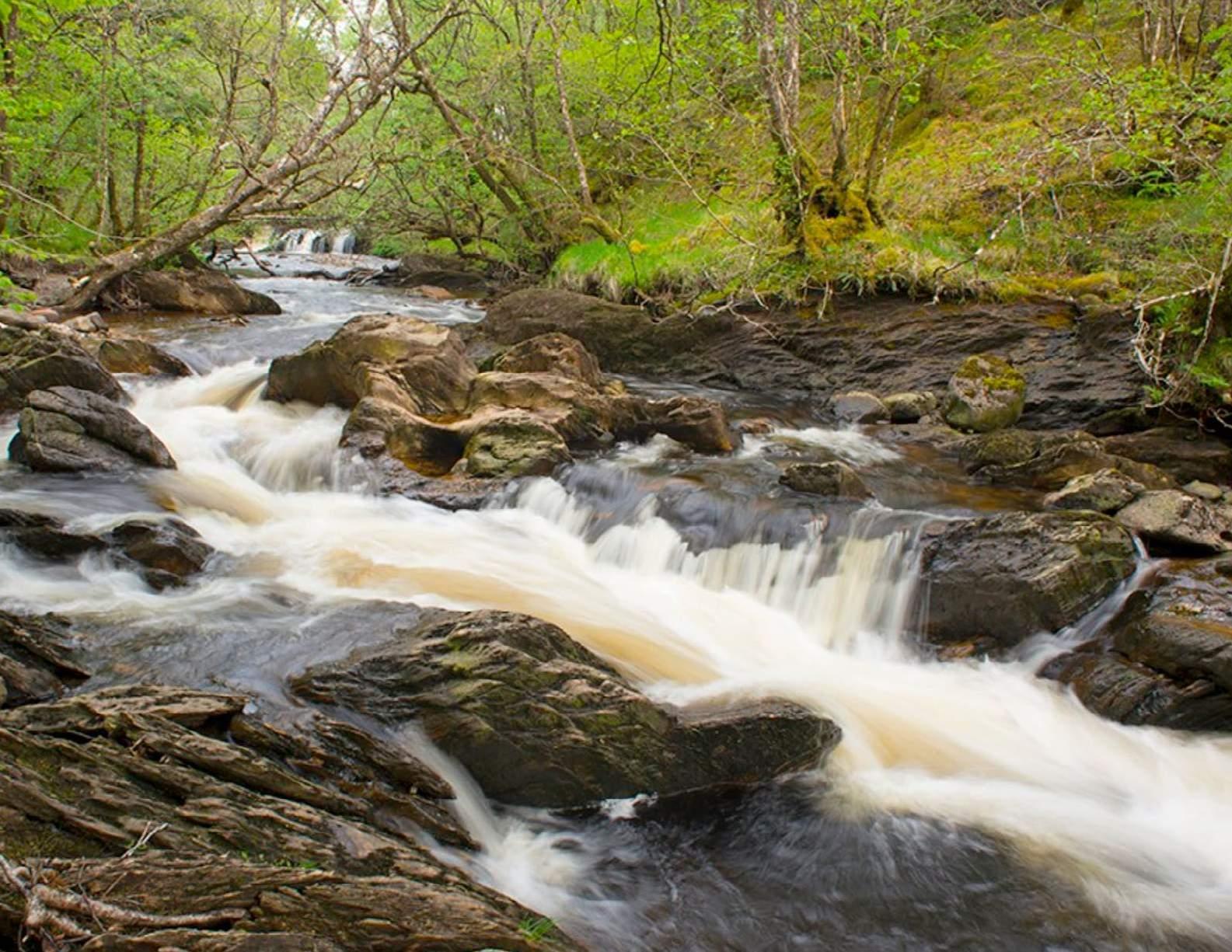
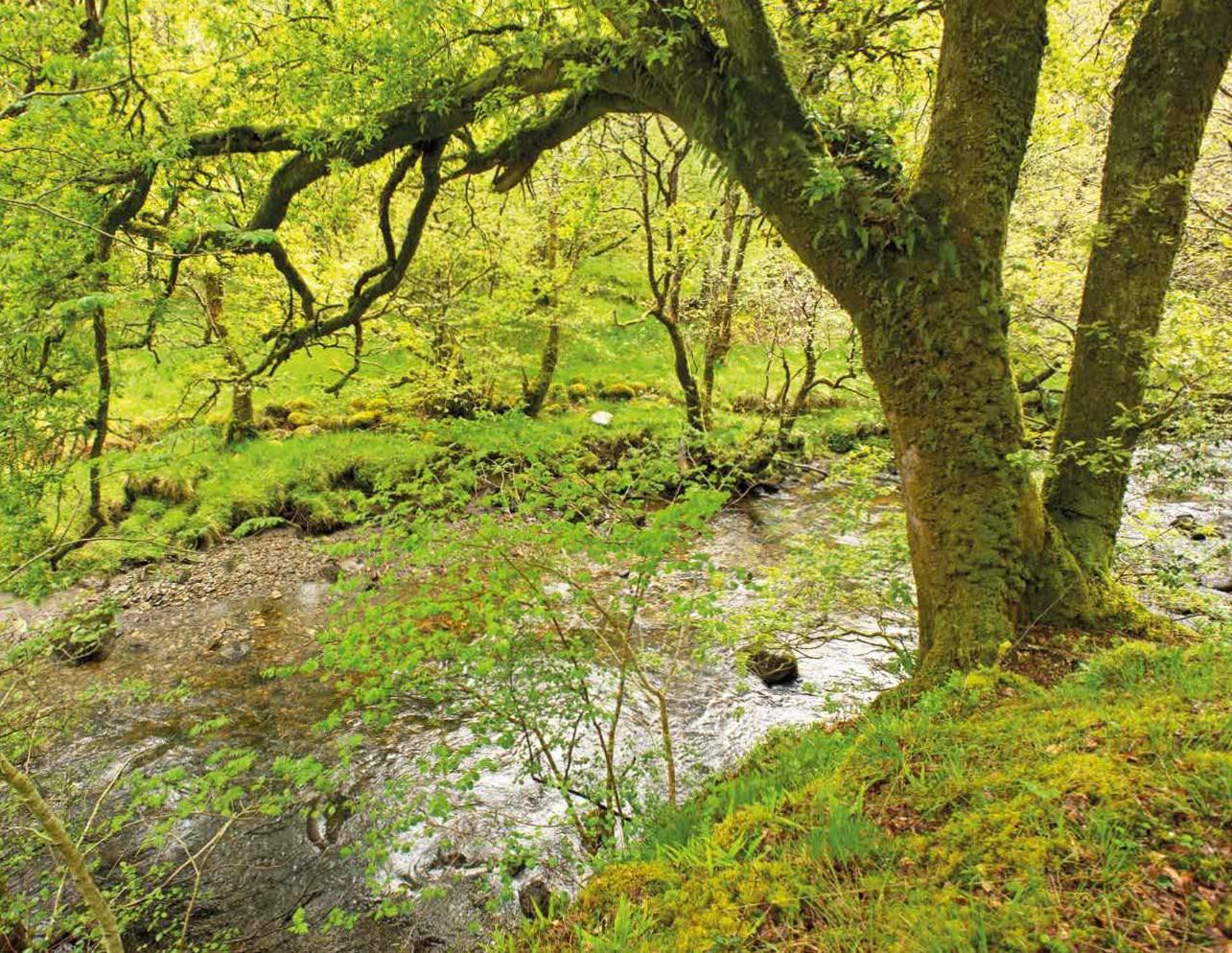
Another element that defines the character of the Duror reserve is water. Walking up into the reserve along the all-abilities lane and cycle path that Highland Titles considered was an important and inclusive aspect for visitors one is aware of the gentle babble of the Salachan Burn in the ravine below. After heavy rain of course this becomes more of a roar than a babble. Immediately, one is struck by the verdant woodland along the burn side.
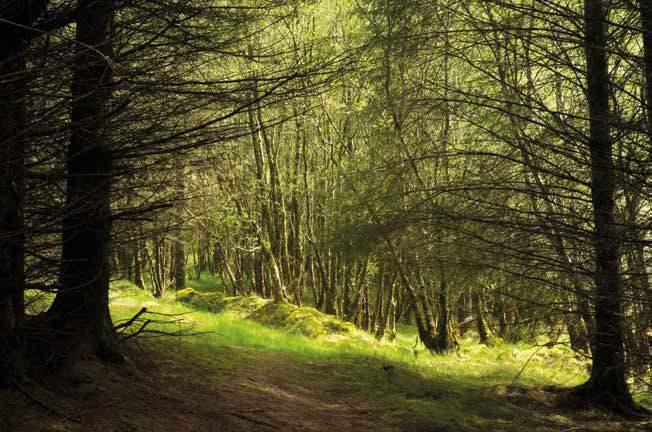
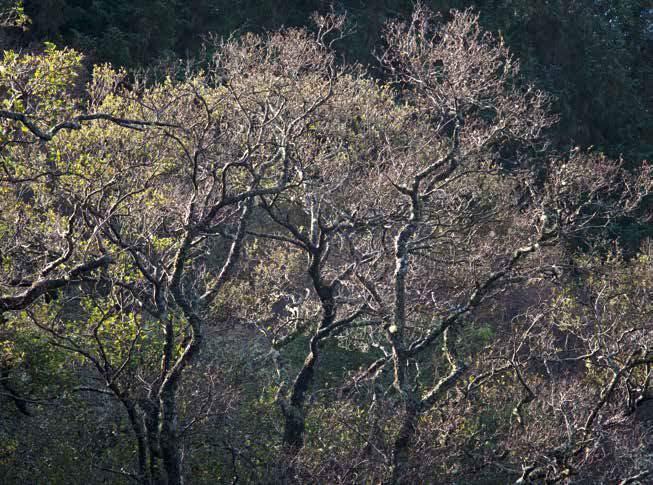
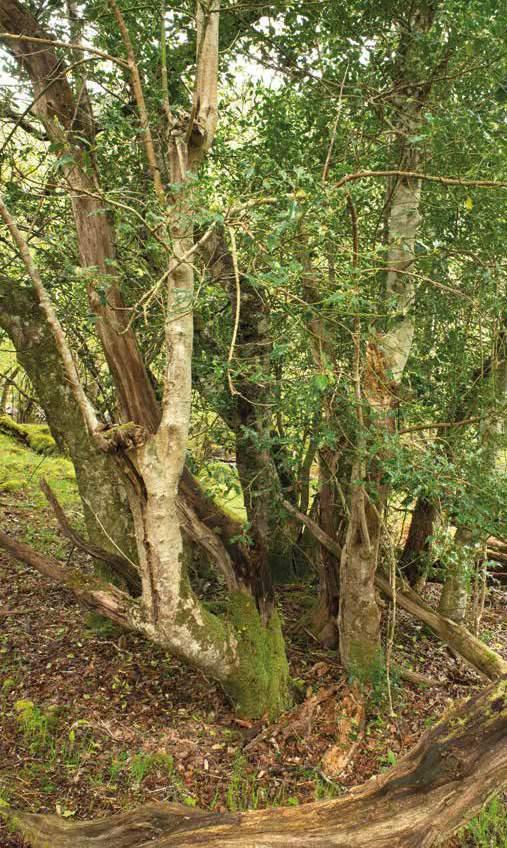
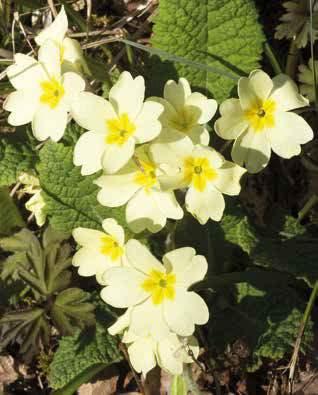
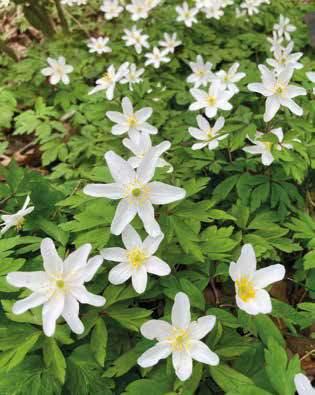
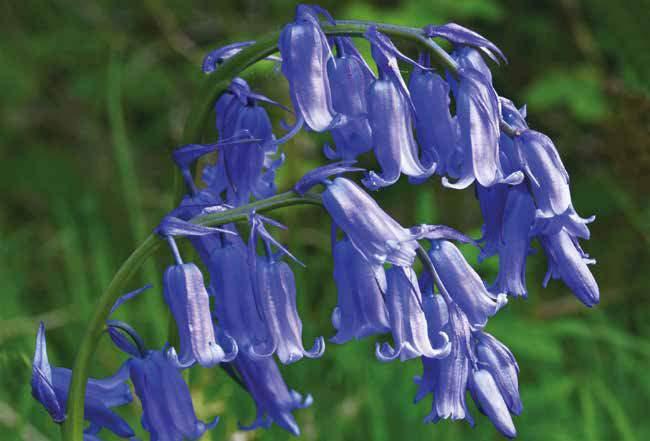
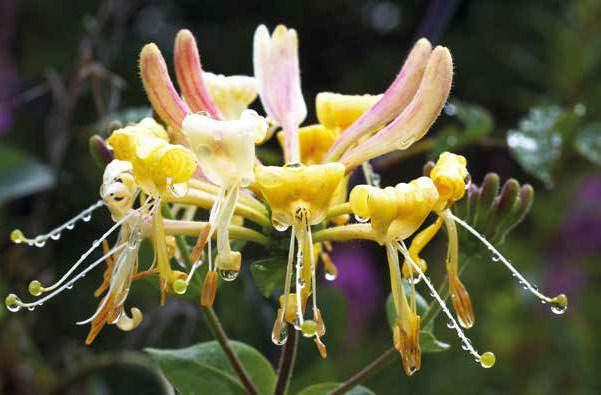
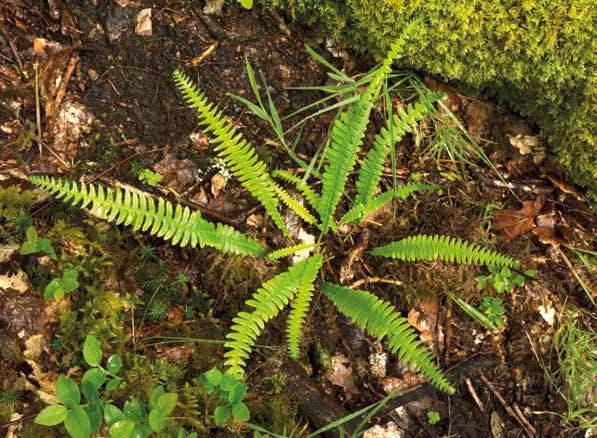
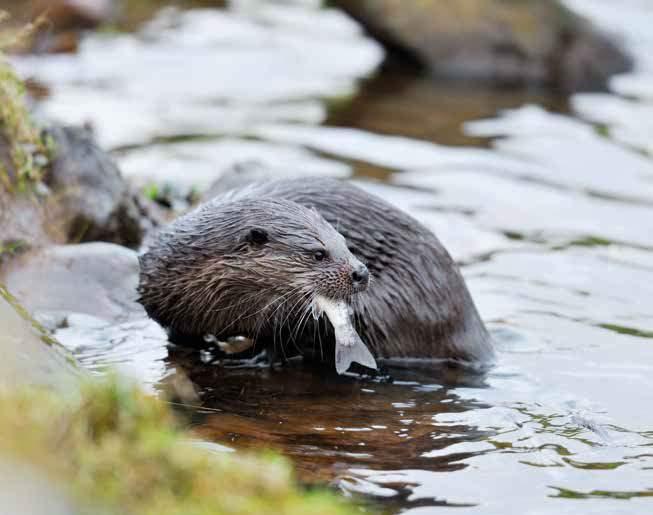
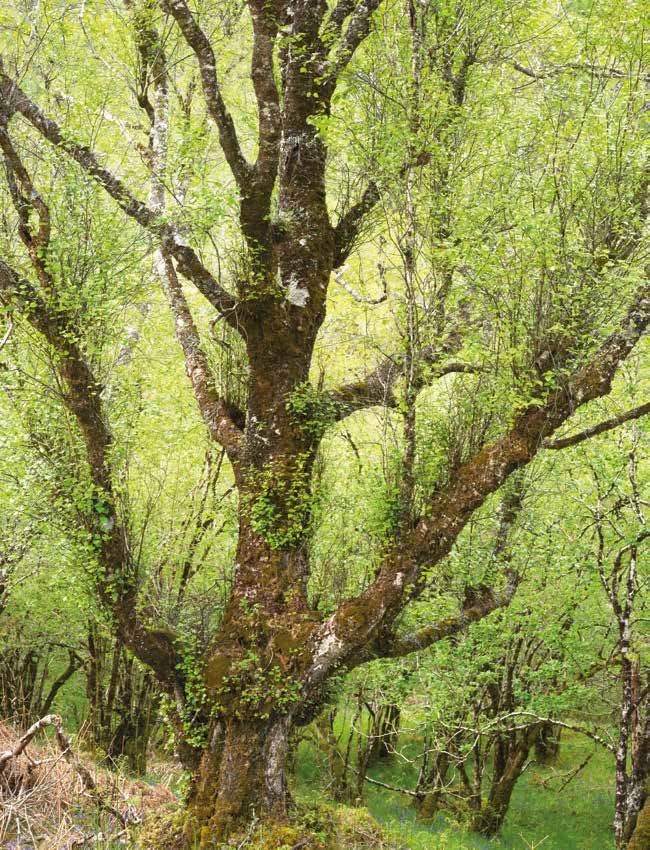
Towering oaks, outgrown hazel coppice stools and rugged, ancient alders hang across the burn or nestle in the water-logged hinterland; wreathed in mosses and lichens, the oaks sport waving fronds of common polypody fern. This is the type of terrain that was always going to be marginal, or simply not worth the effort of felling and replanting when the conifer ‘invaders’ marched in some forty or fifty years ago. A blessed relief then because not only has this indigenous woodland survived, but so has the characteristic ground flora, and with it the wildlife; otters frequent the burn, red squirrels leap through the trees, tree creepers investigate every nook and cranny for tasty morsels and the springtime floral mosaic of bluebells, primroses and wood anemones accompanied by the heady scent of honeysuckle twisting unheeded around branch and bole creates the woodland scene unchanged for eons.
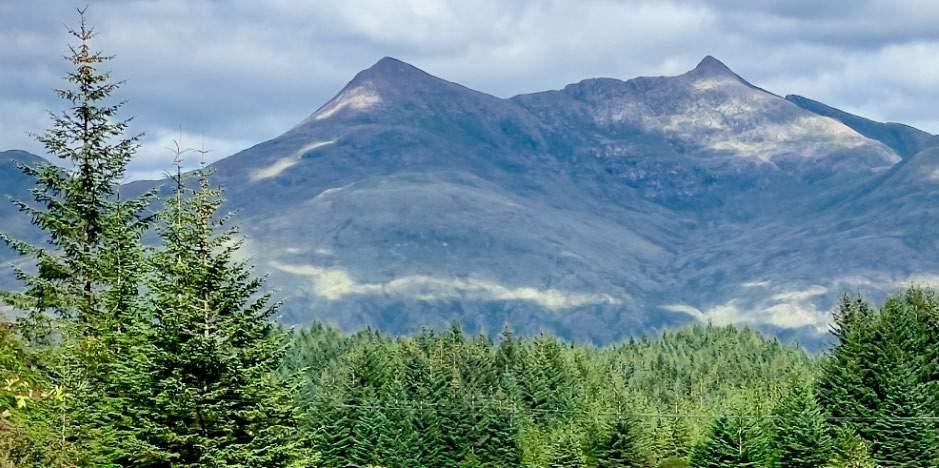
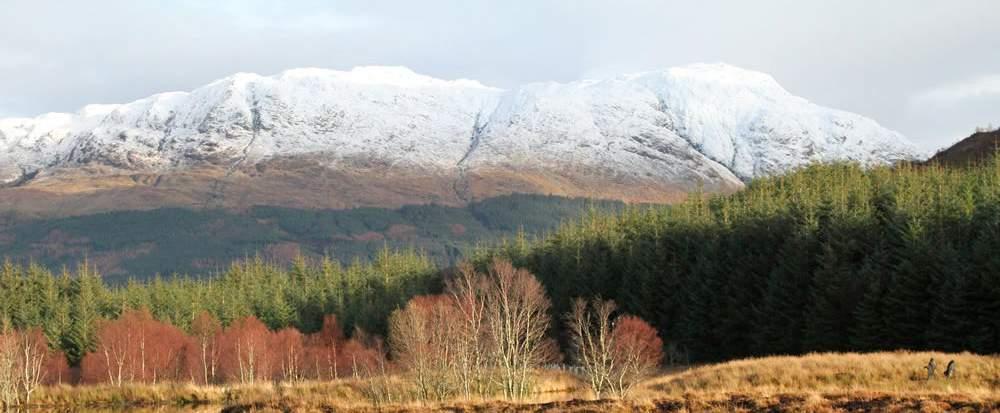
Neighbouring the Highland Titles Nature Reserve and situated on the shore of Loch Linhee, Beinn Sgluich is 466 metres (or 1,529 feet) high.
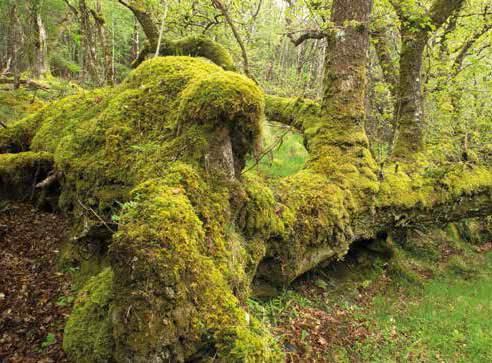
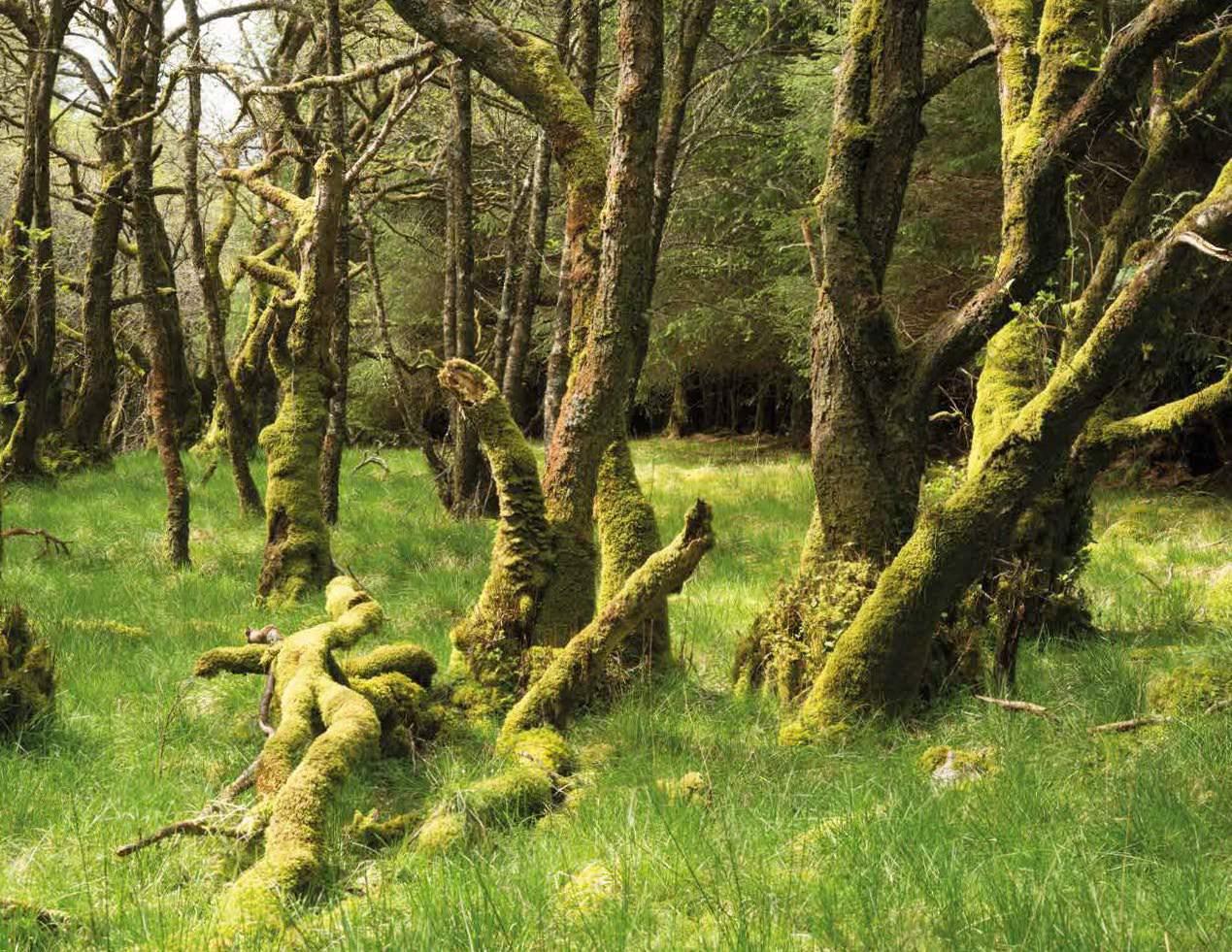
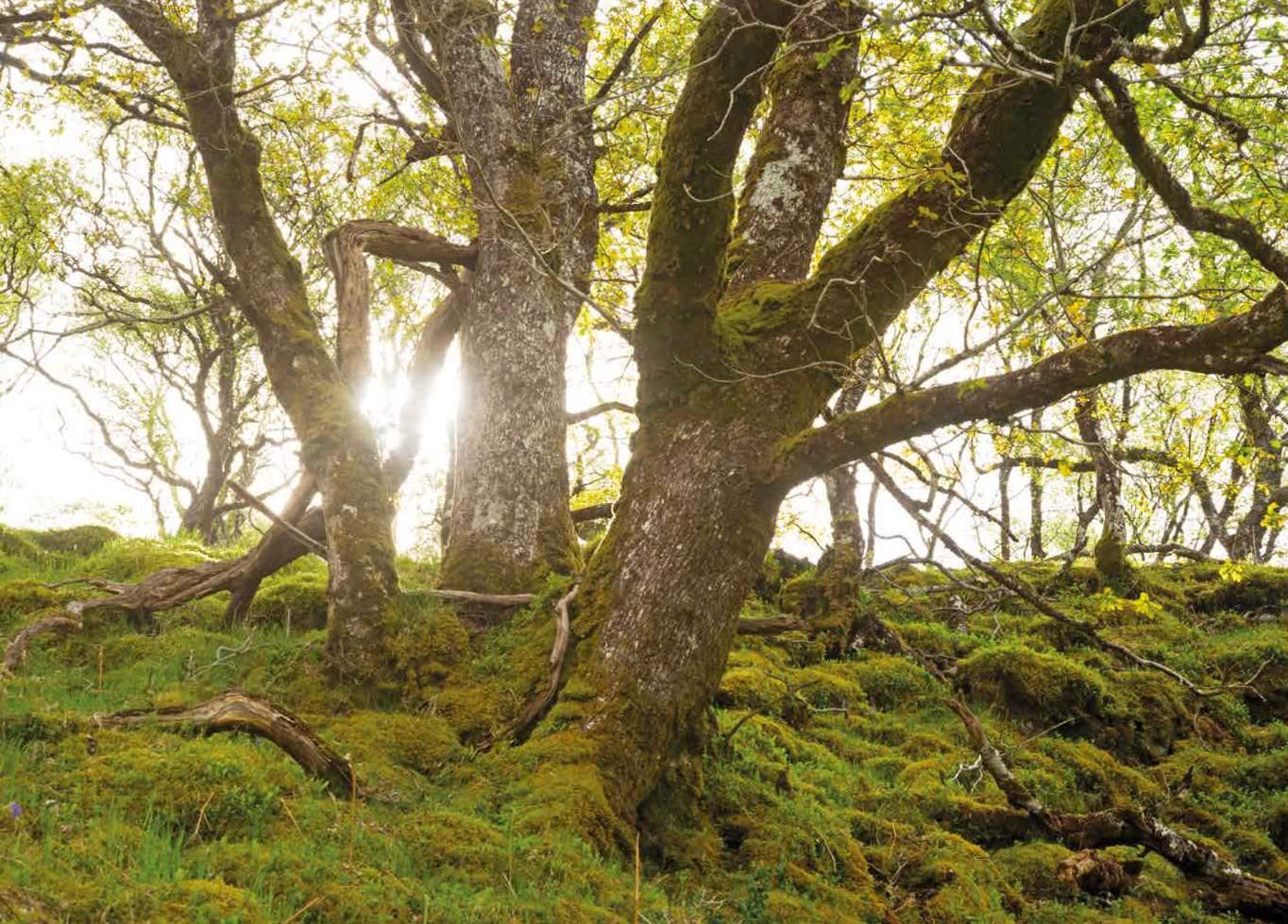
Close examination of the woodland structure reveals long forgotten human activity. Clearly the huge outgrown coppice stools – most obviously hazel, but also some of the oaks and alders shows that there was purposeful management and felling regimes over long periods of time. Perhaps one of the most unusual and interesting remnants of the working wood is a huge outgrown holly coppice stool just above the burn. Holly was a tree regularly harvested for the nutritious value of its foliage to be given to livestock as winter feed. Strange grinding stones have sometimes been found on farmsteads that were used to crush the leaves to make them less spiny and more palatable. When human necessity and intervention lapsed in these woods about a century ago some trees, such as the birches, that might ordinarily have been felled for firewood or even turnery have been left to grow on to impressive age and size; many of them protruding from seemingly improbable rocky crags. The other forgotten trees of the woodland are those that fell many years ago, but were simply left to either rot or sometimes to carry on growing, but horizontally. Several oaks with upturned roots have survived in the prone position, throwing up new boughs at right angles to the trunk, while the broken boughs beneath dug into the moist loam creating new root systems. These are affectionately known as ‘phoenix trees’.
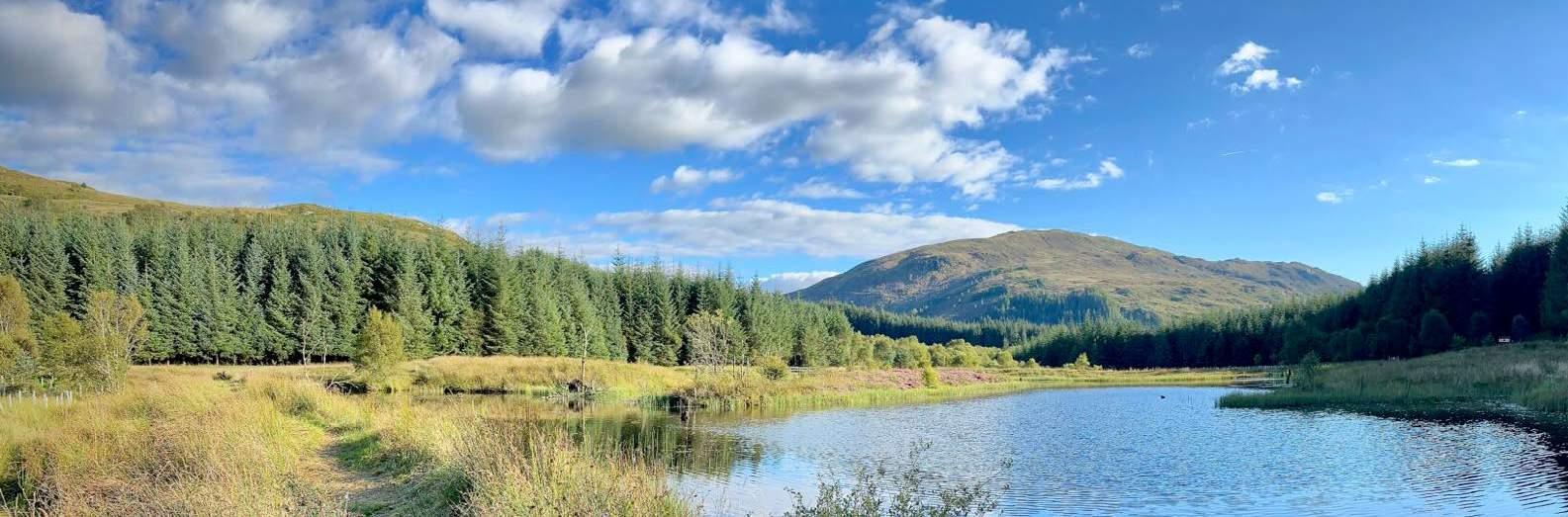
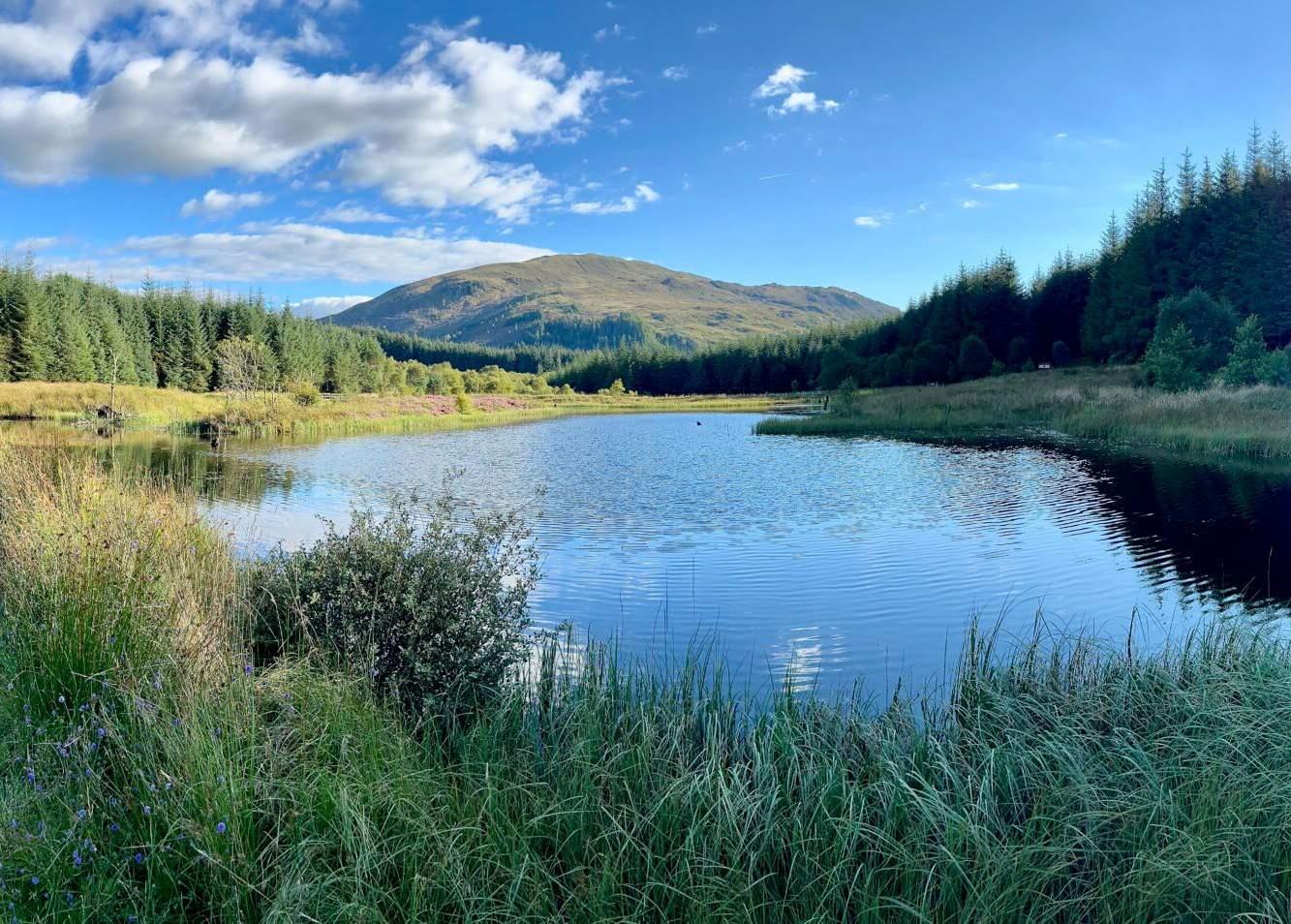
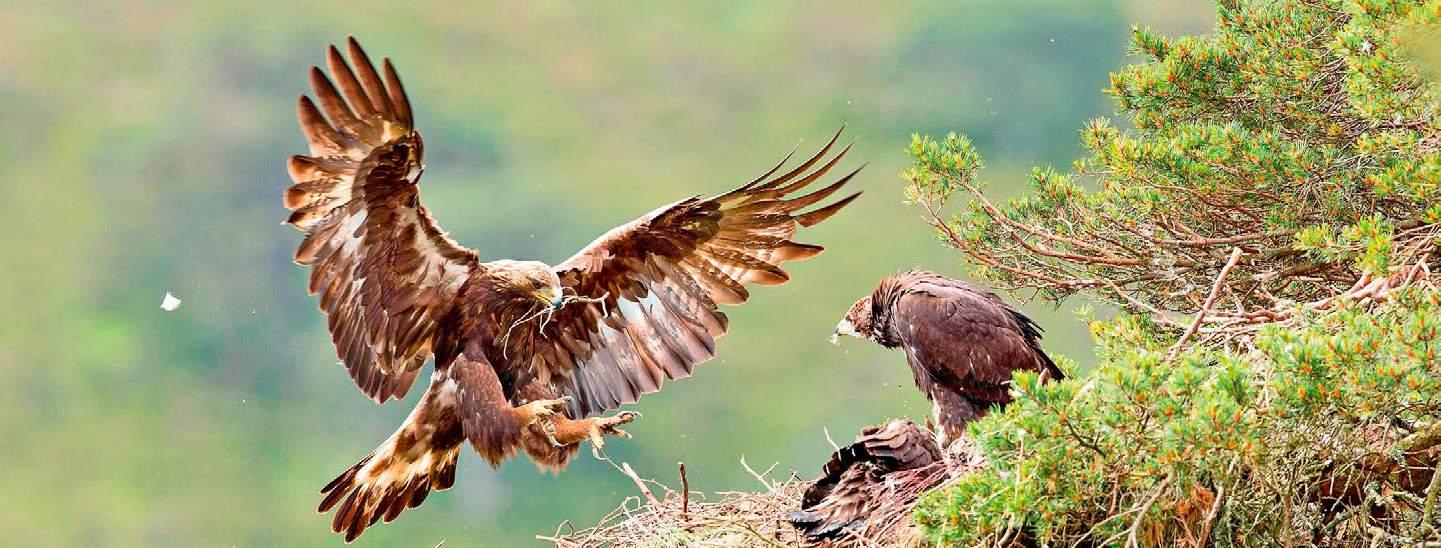
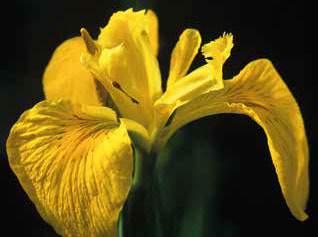
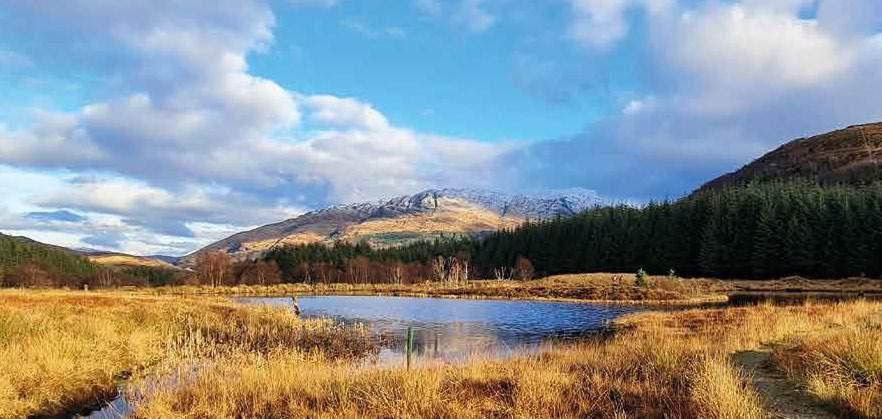
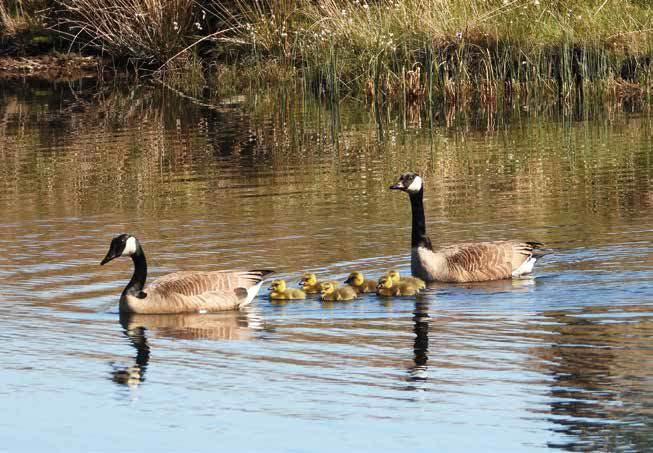
Moving up to slightly higher altitude, following the main track one comes to the other important water feature at Duror. Two small lochans that were originally very silted up, one to the point where it was barely visible, have now been dredged out to provide perfect habitat for water-loving birdlife. Mallard, grebe and Canada geese cruise serenely across the open water while the occasional heron stalks the margins looking for a meal. The striking and exotic looking flowers of yellow flag have quickly colonised the shallows and the range of invertebrates has also increased dramatically with several different species of dragonflies and damselflies to be seen flitting hither and thither. Out in the open it’s always possible to catch a glimpse of a golden eagle, an osprey or a peregrine wheeling high above. Views across the lochans at any time of year yield the majestic presence of the distant mountains Sgorr Dhonuill and Sgorr Dhearg to the northeast , perhaps at their dramatic best when capped with snow.
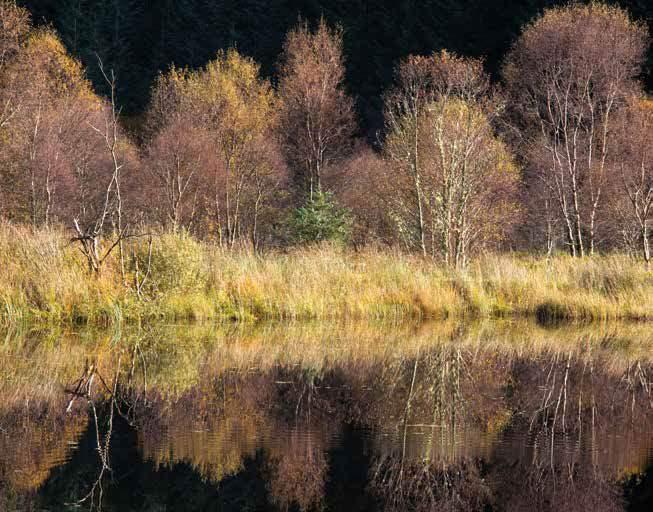
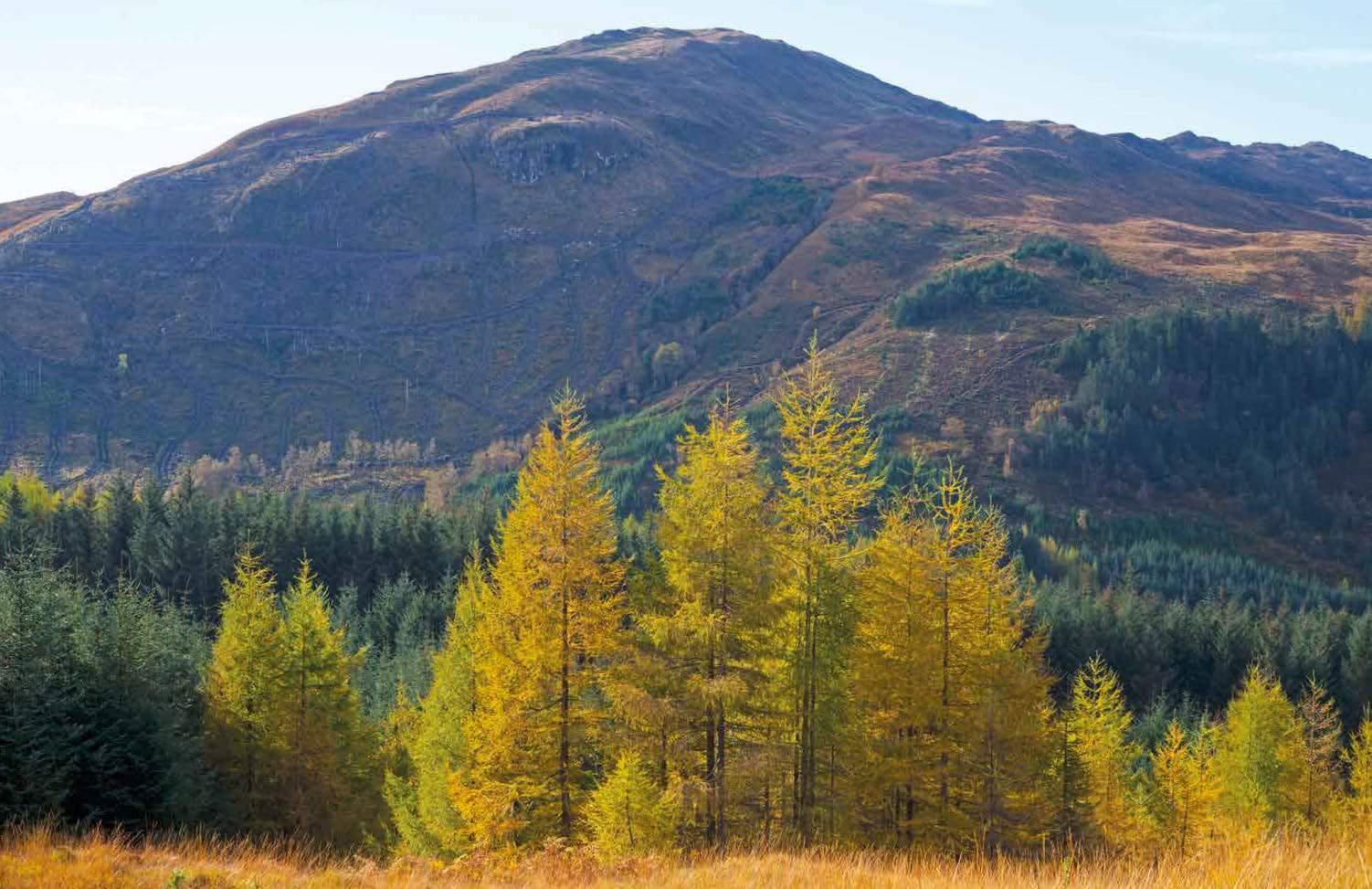
To fully appreciate the total panorama of and from Duror reserve it is best to climb to the highest point up on Keil Hill. Wending one’s way up the hill the landscape opens out along the path with silvery boled birch woods that become beautiful golden groves in the autumnal sunshine. Here and there among the conifers, even though there is still plenty of Sitka, clumps of larch break the evergreen monotony. Delicate, soft emerald fronds sway in the breeze in spring, and come autumn the trees run to burnished gold. It may be a conifer, but the saving grace of larch is that it is deciduous. Some of the most interesting trees on the hill are veteran alders which have again been ignored by the softwood foresters where they grow in the very wettest flushes.
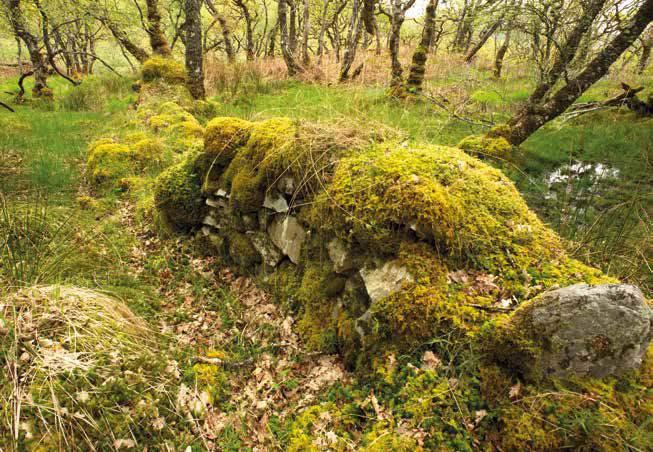
The hike up the hill requires a bit more exertion than the gentle stroll around the forest tracks lower down the reserve, but is well worth the effort when the summit is reached. Pausing occasionally to draw breath and examine what is going on in the grassland one may be lucky enough to spot a butterfly speciality of the reserve – the pretty little chequered skipper. There are even archaeological features to be discovered; hidden among the trees lie old stone boundary walls, cloaked in deep carpets of moss, and wood banks, many centuries old, their purpose lost in the mists of time.
A plethora of tree guards near the summit of the hill reveals that the intensive tree planting program has stretched this far, but it was not always about simply putting trees in the ground up here. An inordinate amount of time and money was spent trying to eradicate the hugely invasive rhododendron. Beautiful it may look for the couple of weeks when it is decked with its impressive pink flowers, but ultimately, if left to its own devices, it will spread and, much like the alien conifers, create dark impenetrable shade beneath which nothing else can thrive. The plant has become the bane of many parts of highland Scotland and its tenacious and widespread root system is incredibly difficult to totally eradicate. Several small clumps are endeavouring to regenerate on the hill, but timely intervention will hopefully put an end to this resurgence.
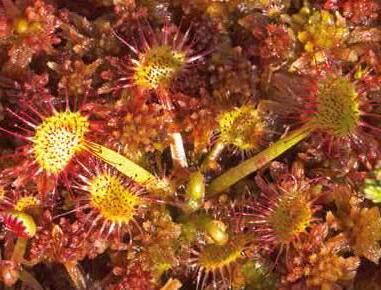
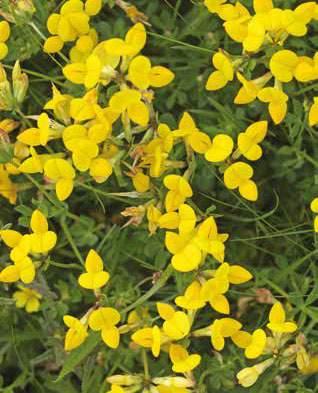
Careful scrutiny of the ground atop the hill reveals delicate little insectivorous plants like butterwort and sundew growing amid the vivid pink sphagnum moss. Another wild flower to look for on the damp peaty ground is the bright yellow spikes of bog asphodel. However, it’s all about absorbing the bigger picture from the top of Keil Hill as one looks down on to the reserve spread far below and not only appreciating the work that has already been done, but assessing the challenges for the future. More than this one takes a breath of that uber-fresh mountain air and realises exactly how this place fits into the vastness of the highland landscape. Creach Bheinn and Garbh Bheinn form the frontispiece on the far side of Loch Linnhe, as a seemingly never ending succession of mountains stretch as far as the eye can see.
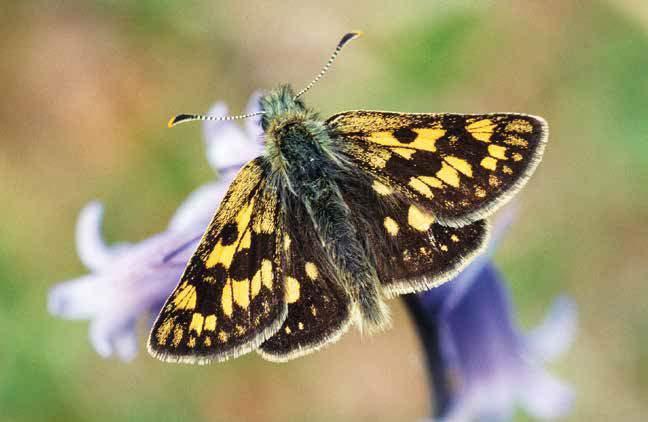
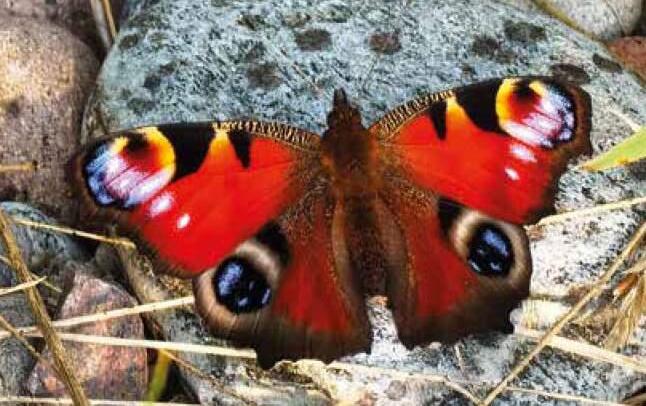
Chequered skipper, one of Britain’s rarest butterflies in its Highland stronghold.
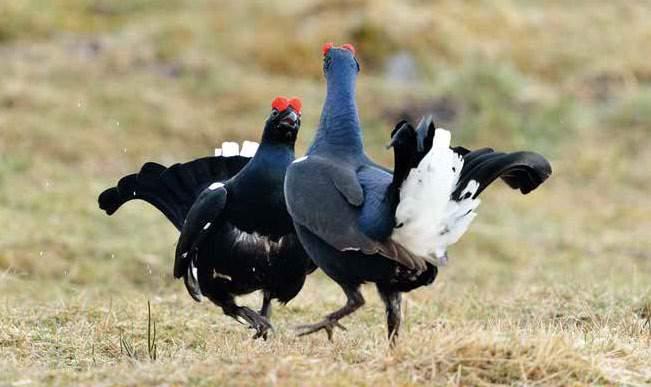
Sparring black grouse in the spring.
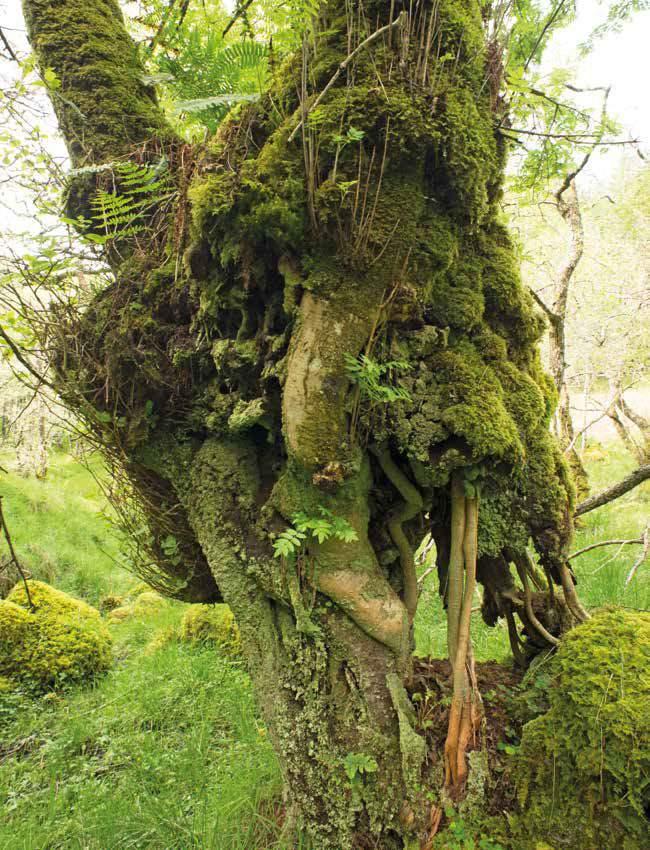
Rowan has insinuated itself in the fork of a birch tree and as it has grown has put down aerial roots to stabilise itself.
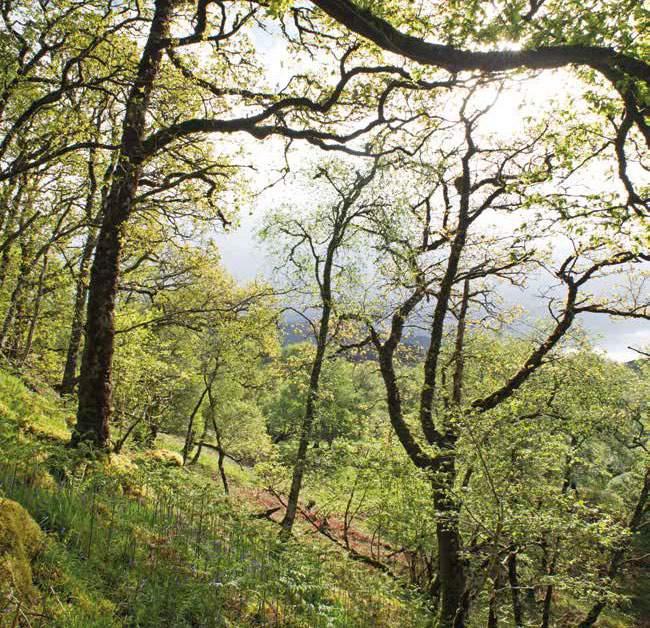
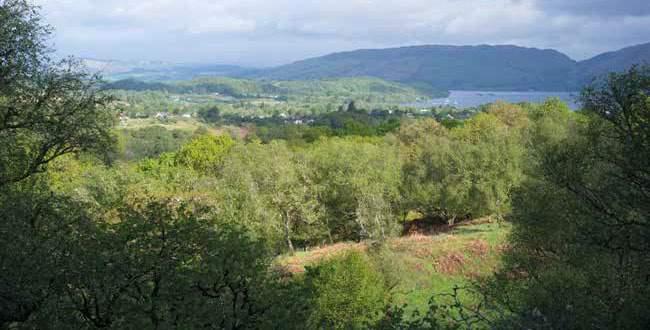
Half a mile east of the village of Taynuilt, a turning on the right straight into a sharp hairpin bend leads the way up along the B845 and, heading south, after barely a mile one is soon engulfed in the dense native woodland of Glen Nant, now so often described as part of Scotland’s Rainforest. Native broadleaf forest hugs the steep sides of the glen on either side of the gently undulating and snaking road with its frequent passing places, so handy for avoiding the trucks rumbling up and down from the quarry at the other end of the glen. Does this disturb the wild spirit of the place? Not really! Striking off the road into the woods the dense vegetation muffles the sound of what little traffic there is and one soon loses any sense of human activity, although strangely enough the influence of man is, or more properly was, all around this now tranquil valley.
Today the Glen Nant National Nature Reserve is designated as a Site of Special Scientific Interest (SSSI) and a Special Area of Conservation (SAC). Forestry and Land Scotland manage the bulk of the reserve situated to the west of the River Nant, while NatureScot work in partnership with Highland Titles to conserve the 130 acres to the east of the river. While the land on the west side of the glen can be navigated via a few tracks and paths, the east side is almost totally uncharted by any formal routes. One or two ancient tracks may be identified amid the dense undergrowth, but access, which of course is unrestricted, is largely a matter of individual care and attention. Stepping into the woodland one needs to combine a cautious and considered approach, so as not to destroy any part of the natural habitat, along with a ready awareness of the physical conditions of the terrain.
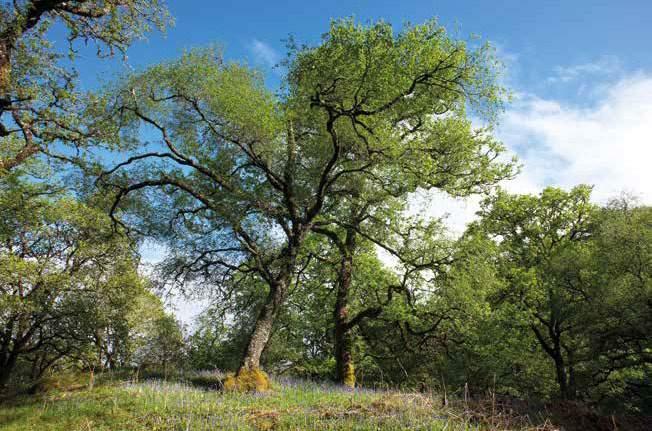
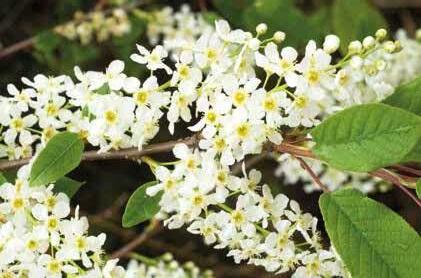
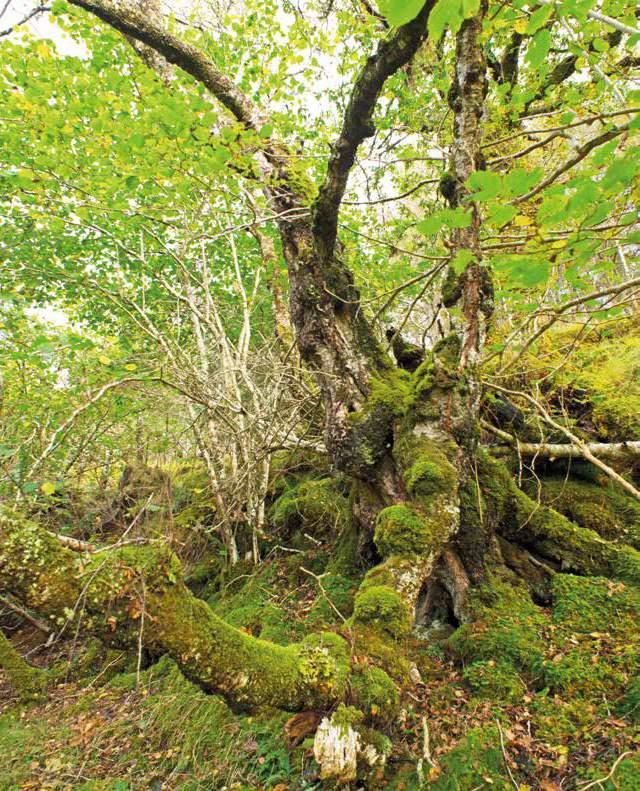
Bearing in mind that this part of Glen Nant has had little or no intervention for a long time it’s fair to say that the trees and vegetation rule this landscape. Here one finds the typical endemic broadleaf woods of the West Highlands – oak, birch and hazel predominate while alders take over in the wetter flushes. Other tree species found more sporadically include holly, ash, rowan, bird cherry, wych elm, blackthorn, hawthorn and sallows.
Reading the shapes of the trees reveals the story of their past lives and purposes. There is much evidence of outgrown oak coppice stools, now massive multi-stemmed trees, unworked for perhaps 150 years. Oak was cut over here in some order from the mid 18th century until about 1870 principally to make charcoal to fire the forges of the nearby Bonawe ironworks at Taynuilt. Records show that much of the oak coppice wood was converted to charcoal at the ironworks, but hundreds of charcoal burners were also working in the woods – surely so much easier to transport large quantities of lightweight charcoal than heavy oak wood! Evidence of much long outgrown hazel coppice shows that this was also cropped on a regular rotation, but it was oak that the iron masters preferred.
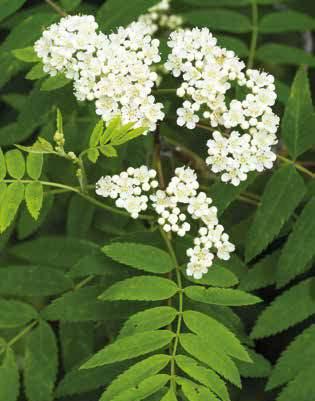
Moving through the woods presents different challenges depending on the time of year and the prevailing weather conditions. In spring the colours are vibrant, with all the subtly different greens and foliage textures of the various trees along with their flowering. First come the piercing white blossoms of blackthorn. Clouds of pollen wafting on the breeze from windtossed hazel catkins and later on the birch. In May the delicate white racemes of the bird cherry – a tree that understandably has sometimes been called wild lilac and, because of the time of its flowering, Mayday tree (not to be confused with the hawthorn or May tree). Less poetic names are hagberry and hackberry,
Two fine veteran oaks in the heart of the woods Flowers of bird cherryView down into one of the small burns through the woods which eventually runs into the River Nant below
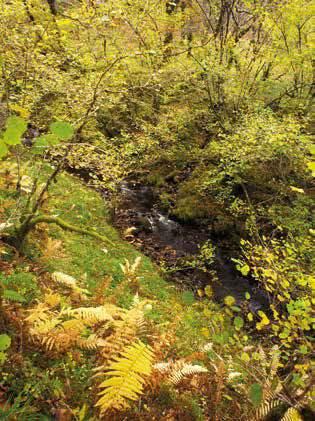
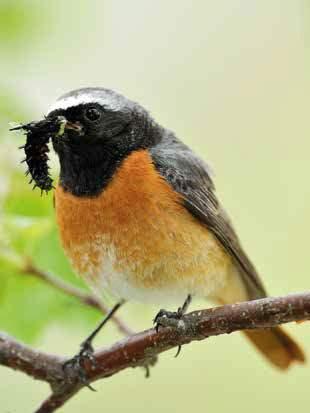
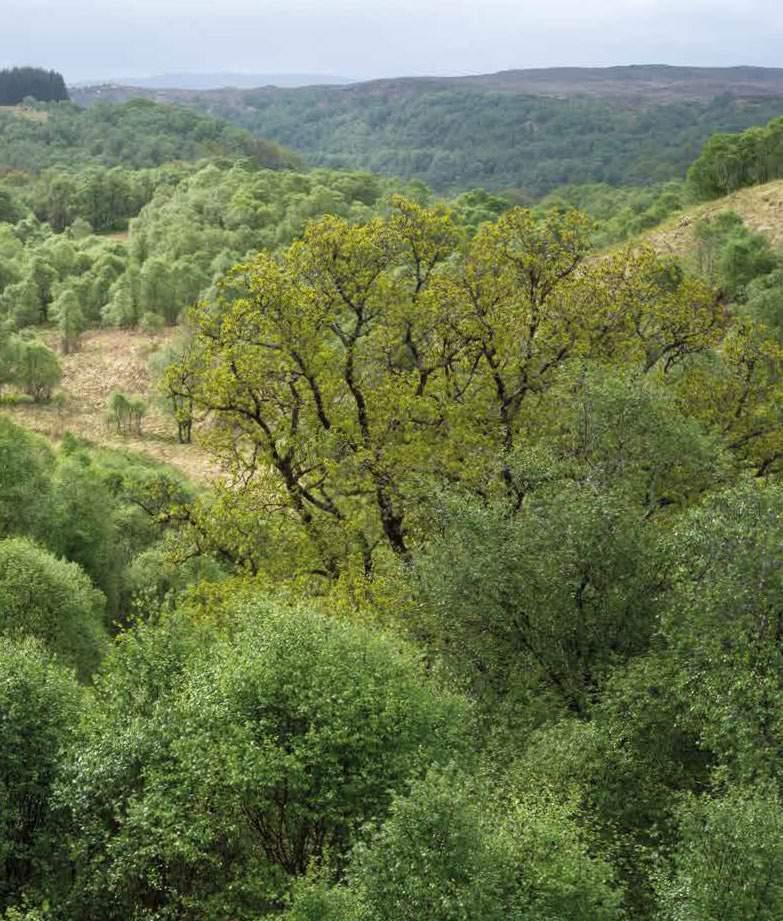
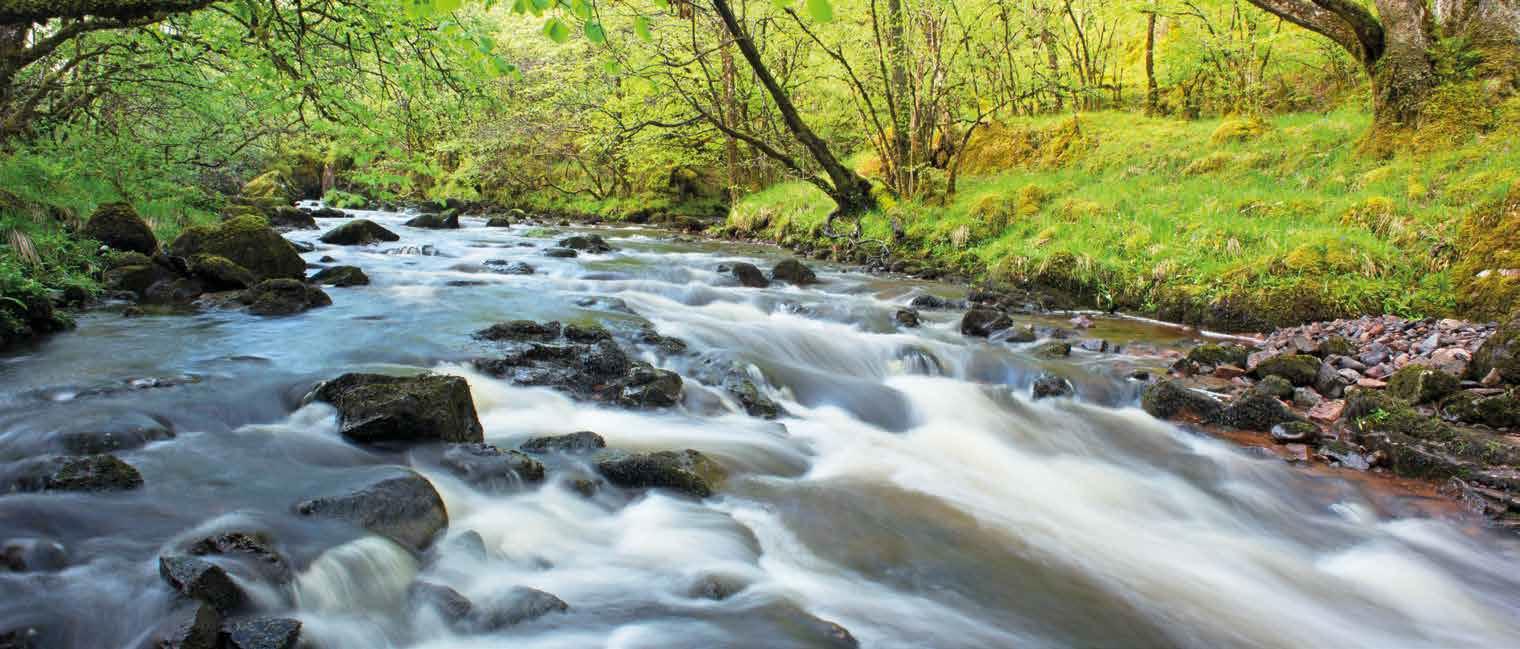
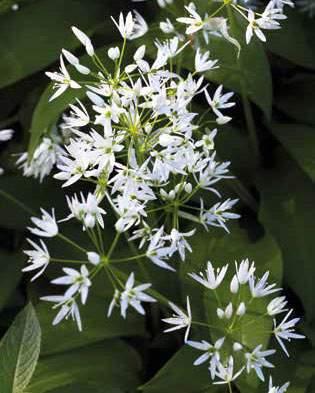
probably derived from its highly astringent black fruits – cherries, yes, but only fit for birds. The ground flora is at its best at this time too – bluebells aplenty, the tiny shamrock-leaved wood sorrel, the unmistakable stench of wild garlic or ramsons under foot, and the ever present fronds of hard fern. At this stage the bracken is on its way, but knee high at worst. With luck you may catch a glimpse of a red squirrel, but they are so shy and so quick you may only think you saw one.
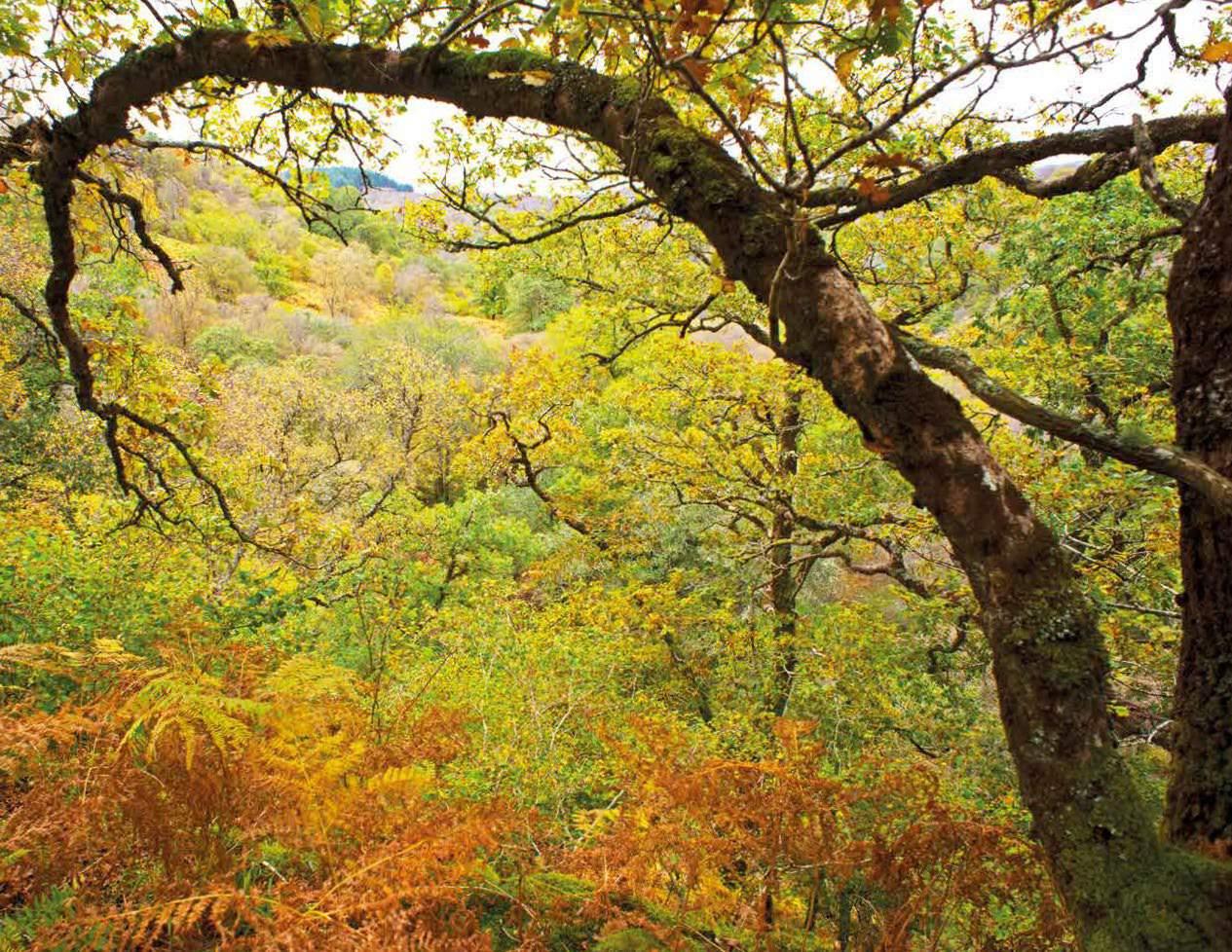
Return in the autumn and movement around the wood has now been hindered, if not totally blocked, by huge banks of bracken, in many places a foot or two above one’s head. Come prepared for a bit of a battle if you want to make it to the top of the hill. However, contrast this challenge with the pure joy of the autumn tints. Golden banks of birch, the mesmerising sight of oak leaves fluttering to earth and that evocative scent of natural autumnal decay, bundles of fruits on hawthorn and rowan waiting for winter-stocking birds to strip them bare, and the piercing red gems of holly berries.
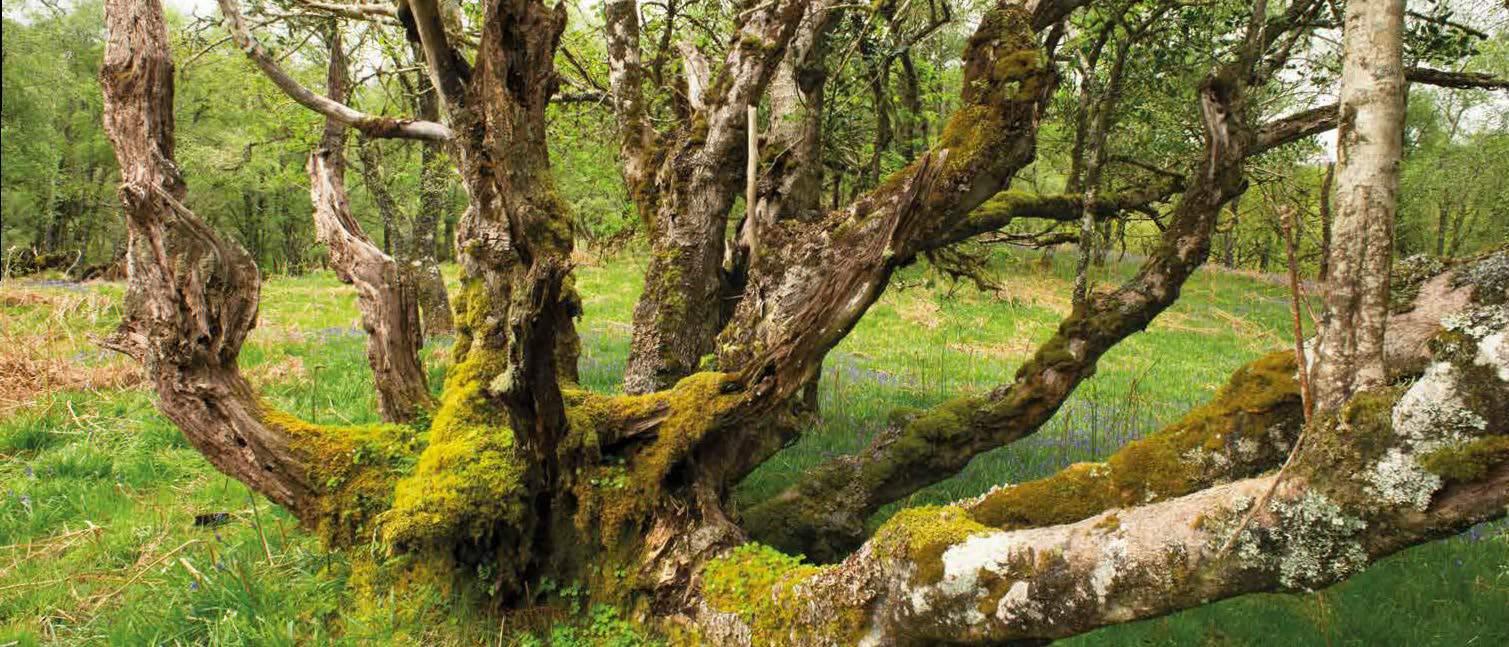
Up on top of the eastern ridge of Glen Nant one finds what might be considered one of the most spectacular trees of the wood. There are several veteran if not ancient coppiced hollies to be found on the upper slopes, but one tree must take the accolade of a true monster. Nothing quite prepares one for the discovery of this special tree, clearly a massive outgrown coppice stool, with several boughs growing like an upturned hand or claws. With a tape measure to hand getting around the base is something of a challenge, but a reasonable measurement of 19 feet 6 inches, or 6 metres, is about right. Sadly, even surprisingly, it’s still a couple of metres shy of the UK national record holder, but is at present in the top five largest hollies in Scotland. So how old is it? Unlike a single stemmed maiden tree it’s difficult to say with multiple stems of coppice stools, but holly grows very slowly so a reasonable guess would be around 250 years. Holly does not occur very frequently across the woods so it would be tempting to say that it was introduced at some point. However, that could have been human intervention or avian introduction. There are many small hollies in this part of the wood so the latter agent looks quite likely.
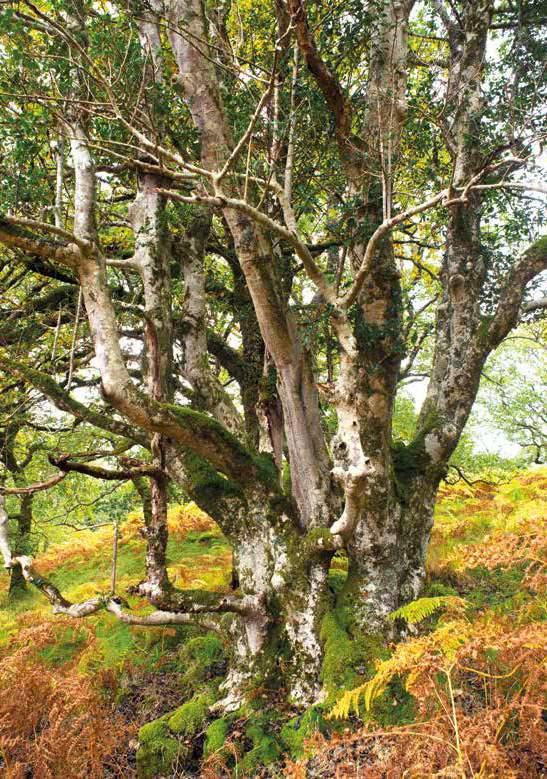
Early
A small postscript to the discovery of this remarkable tree came by way of studying an aerial map of the glen. Clearly visible within a couple of hundred yards of the ancient holly were the footings of an old shieling, or upland farmstead, a feature that might have remained invisible on the ground – particularly when masked by dense bracken. Again, it’s known that crushed holly leaves were an invaluable contribution to winter feed for livestock so the presence of this coppice stool so close to a settlement seems to be much more than coincidence.
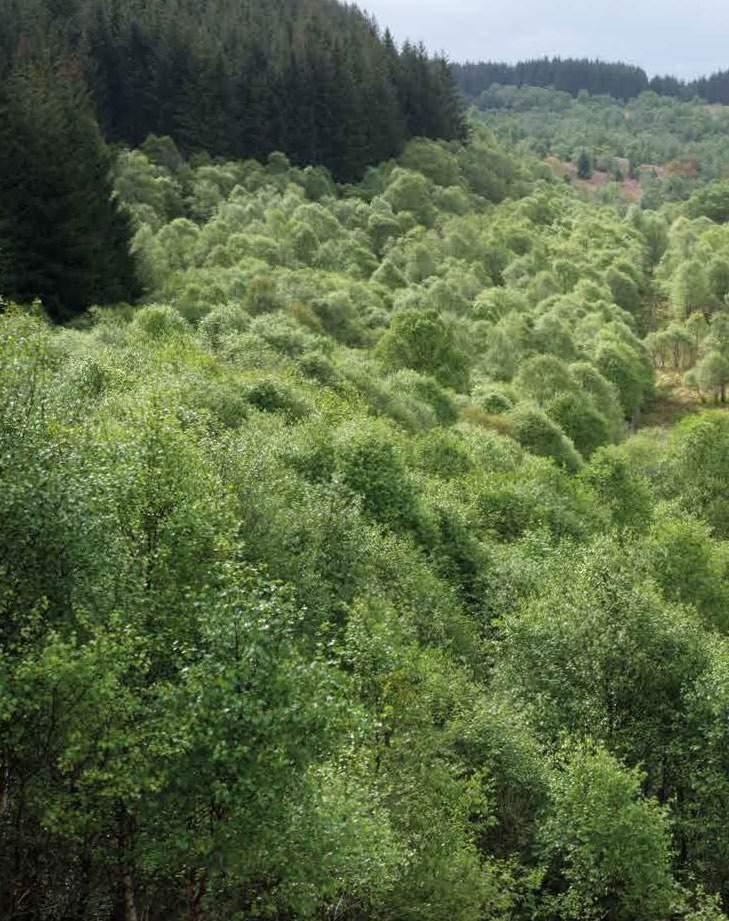
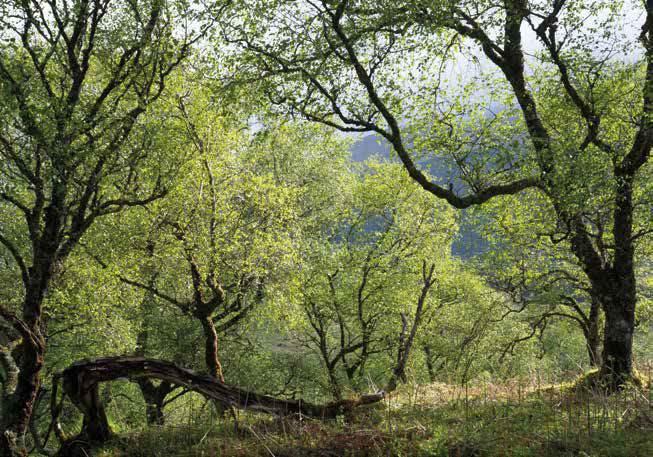
From the heights one has to carefully negotiate the often very sheer banks and boulders of the hillside, but from this southern end of the reserve there are some truly breathtaking views out of the woods to the distant mountains and also a fascinating appreciation of how some of the Sitka spruce plantations ‘invaded’ the domain of the native forest in the past. A dark forbidding tidal wave of Sitka runs down into the light and airy emerald springtime birch woods. The startling squawks of a jay in the tree above brings one down to earth and the slow slip-slide back into the glen.
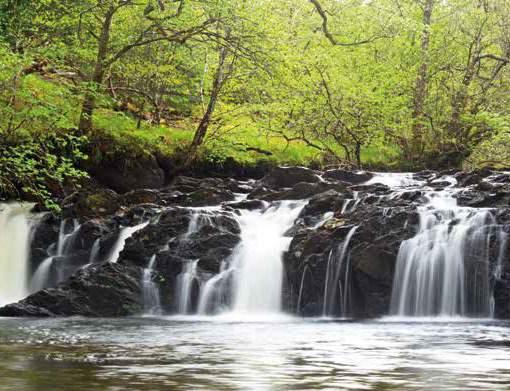
At the furthest point south of the reserve one arrives back down at the roadside with the River Nant gurgling on its way just beyond. There is a particularly narrow cleft through the rocks here where the water takes on a more urgent, angrier roar as it funnels and tumbles down the falls. In the Edwardian era there were two rustic bridges with a decidedly rickety appearance here, crossing two channels of the river via a rocky mound midway between them. This was known as Tailor’s Leap, a name that certainly derives from the mid-Victorian era (it is recorded in an 1870 document), and obviously an appellation that predates the bridges. Local tradition asserts that a local tailor who was engaged in smuggling activities leaped across the river when pursued by Custom House Officers. One must assume that he made a clean getaway as no mention is made of his eventual capture. A villain he may have been, but to many he must have appeared to be something of a folk hero so that even today, although the bridges are long gone, the place still bears his name and recalls the memory of his exploits.
Other than this turbulent episode in history the rest of the river presents a much more placid and peaceful atmosphere. The river spreads quite widely from bank to bank with occasional small falls along its path. Within the glen the trees create much dappled shade over the river and it’s here that trees such as wych elm and ash find more of a place, although much of the hazel and bird cherry also favours the damp ground. With luck and patience one might just spot otters here too or, in the early morning, catch the elusive roe deer coming down to drink. In some places deer tracks are clearly defined down the steep banks.
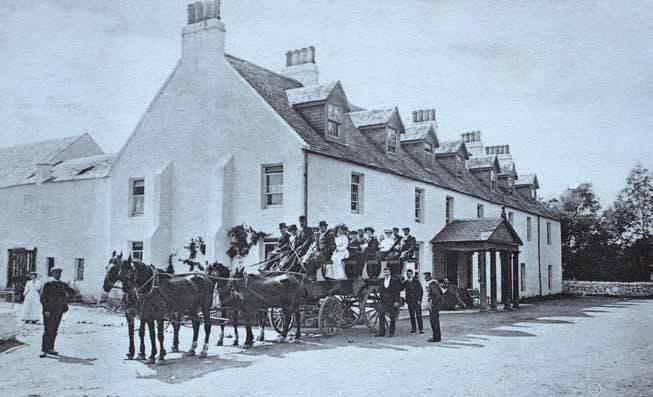
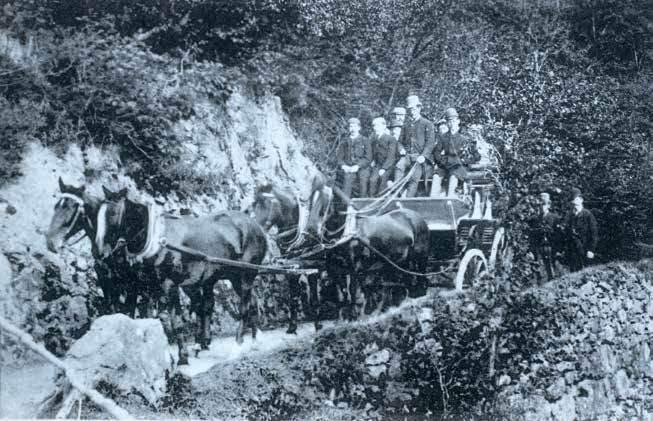
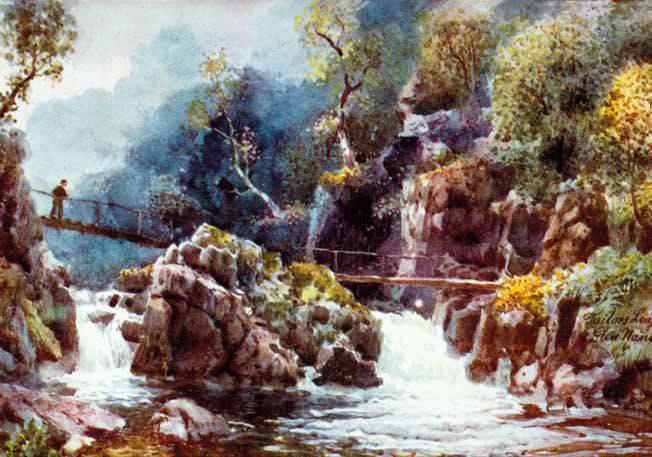
By 1910 the tourism boom was clearly buoyant enough for the large postcard publisher Raphael Tuck & Sons to produce a postcard in their “Oilette” series featuring a painting of Tailor’s Leap by H.B. Wimbush. It turns up today with unerring regularity for postcard collectors so must have sold many thousands of copies in its day.
Late Victorian tourism publications frequently feature the beauty spot of Glen Nant as part of the recommended itinerary for visitors. Days out from the tourist hotel hub of Oban, a mere 15 miles away, had become a relatively easy hop via the train to Taynuilt station. After this the journey to Glen Nant became a touch more rigorous.
Edwardian postcards show the charabancs (derived from the French ‘char-a-bancs’ - literally carriage with benches), often referred to colloquially in Britain as sharra-bangs, loaded up with 20 or more people eagerly anticipating the trip. Roads were rough back then and the dust kicked up by the four-in-hand team of horses would probably have sullied the Sunday best clothing of the sightseers. However, they were having an adventure into the wild, untamed country of Glen Nant, so it was probably a small price to pay for such a thrill, and certainly nobody seemed concerned about the safety aspect of being perched high up on a row of unprotected benches, rattling down the bumpy lanes. A splendid postcard shows a typical cartload of tourists ready for the departure outside the Taynuilt Hotel, the mode of transport now given the accolade ‘coach’. Another postcard depicts one of the charabancs pausing at Tailor’s Leap where, no doubt, the tourists were regaled with the exciting tales of the tailor’s exploits. The untamed woodland in the background, by now probably semi-abandoned by the army of foresters and charcoal burners after the closure of Bonawe ironworks, looks very much as it does today.
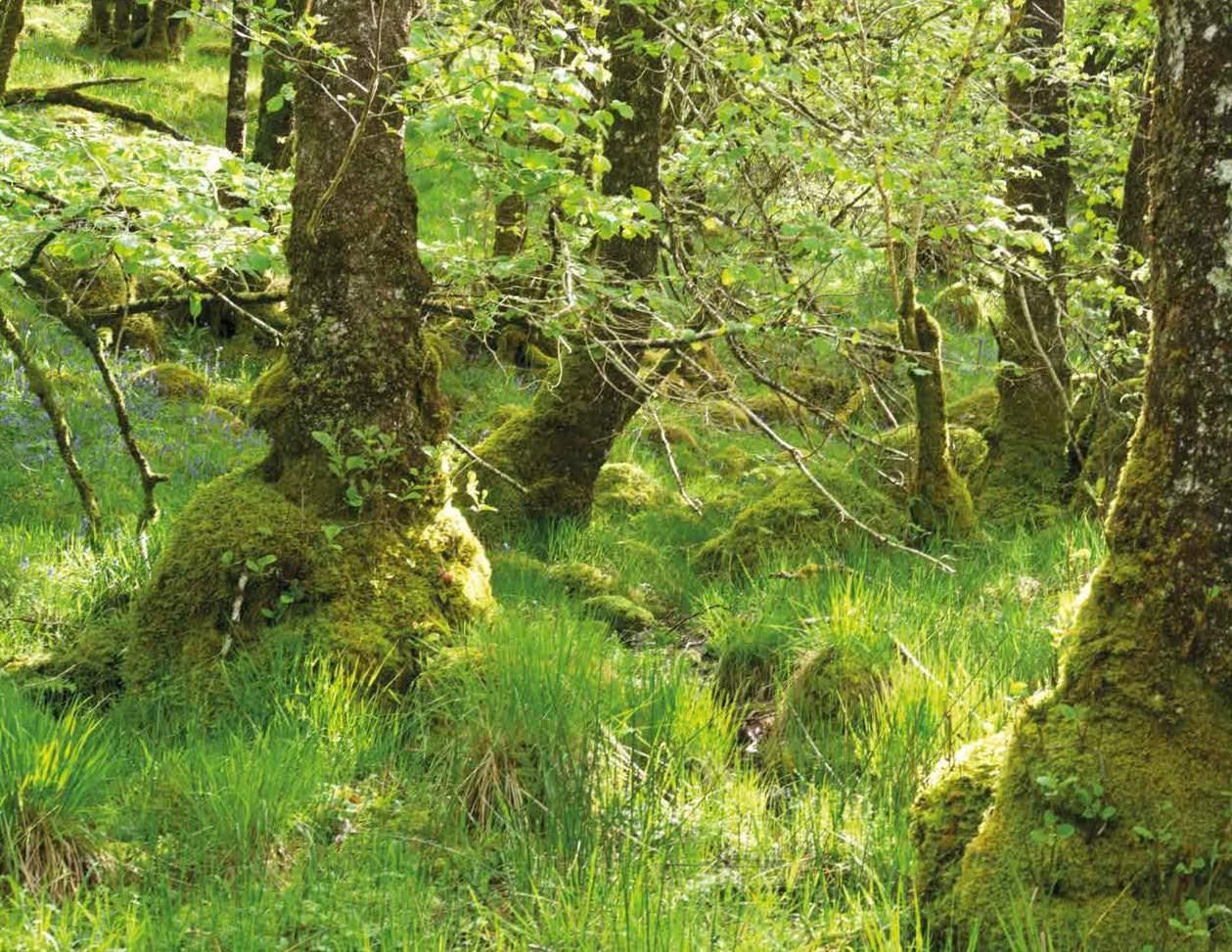 A group of veteran alders in one of Glen Nant’s wetter flushes.
A group of veteran alders in one of Glen Nant’s wetter flushes.
A group of veteran alders in one of Glen Nant’s wetter flushes.
The Kilnaish Estate on the Kilberry Peninsula, between Dunmore and Ardpatrick, about nine miles to the south-west of the small port town of Tarbert, is the most recent acquisition for the Highland Titles portfolio. The sales literature for the estate described it thus, ‘the land is a mixture of amenity woodland, rough grazing and hill ground extending to about 300 acres in total. The ancient [semi-natural] woodland including oak, birch and rowan forms part of the Tarbert Woods Special Area of Conservation (SAC)and the Ardpatrick and Dunmore Site of Special Scientific Interest (SSSI).’ This classification and designation succinctly describes the whole site, but closer investigation reveals the nuances and hidden, if not overlooked, gems of Kilnaish. To the north and west of Kilnaish vast tracts of softwood forestry sprawl in unbroken dark ranks for miles and miles, so it is something of a relief to know that the reserve will never succumb to this all consuming endemic wooded landscape guzzling monster.
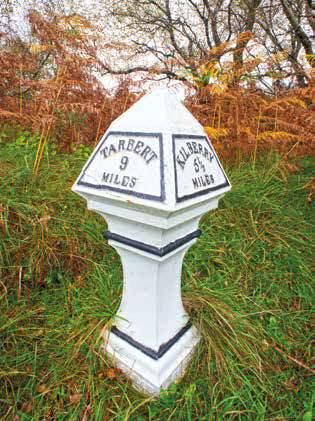
Until the recent Highland Titles sign was erected one might so easily have breezed past the simple farm gate that leads into the Kilnaish Estate. If you do happen to miss the gateway into the Estate then keep an eye open for the elegant cast iron milepost a little further south and you’ll know you’ve just overshot. These are a delightful local feature, certainly not standard roadside furniture in these parts so one wonders who commissioned them. Possibly one of the local landowners and probably during the latter part of the 19th century.
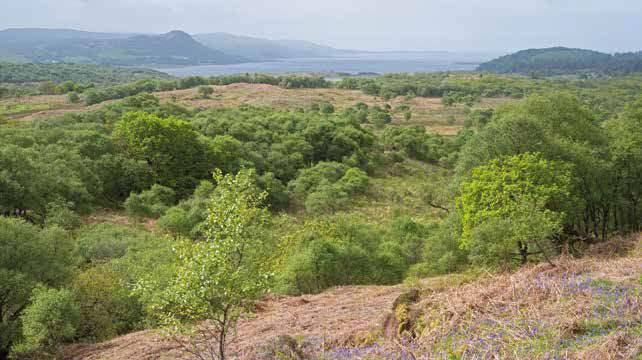
May-time view westward over Kilnaish
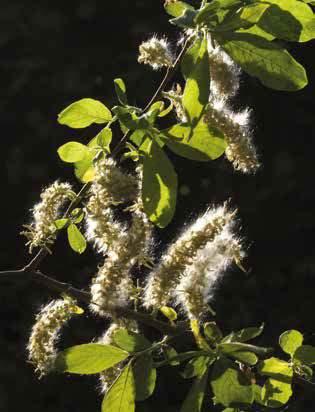
Female catkins of grey sallow wait to release their downy seeds to the wind.
Badgers are very much at home here.
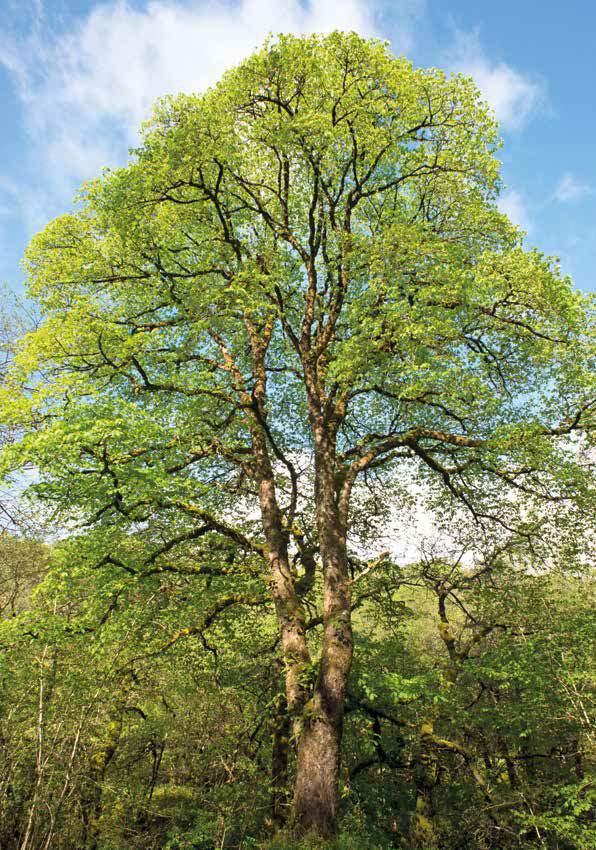
However, once one has entered the estate there is an immediate audience with what must be two of the arboreal stars of Kilnaish – two splendid elms, albeit a little stumpy, just inside the gate. They are effectively fairly short pollards, whether by design or chance is hard to say, but they are very much alive and well, for which there’s a lot to be said in the face of the dreaded Dutch elm disease, which is currently having something of nationwide upsurge. The tree slightly further away to the left appears to have selfpollarded itself a long time ago, probably the result of storm damage. The tree on the right, and closer to the gate, reveals evidence of having been felled, with a table top cut visible inside the luxuriant regeneration, but again quite some time ago. The triple spurred leaf tips immediately identify this tree as a wych elm and counting the annual rings in several of the sawn blocks left from its one-time felling that still lie below reveal that the tree was about 200 years old when it was cut down. That’s enough rings to match to a dendrochronology map (if there is one for wych elm) to work out exactly when the tree was felled and hence to establish when precisely it was planted. In the 18th and early 19th century elm foliage was frequently cut as green fodder for livestock so one might assume that these elms were planted by this farmstead for a distinct reason, and probably always maintained as pollards. The annual rings periodically show reduced widths for four or five years - this could be down to drought (unlikely in these parts), fighting disease or, more likely, replenishing its foliage and regaining vigour after a round of pollarding. The storm-hit tree is a trifle harder to identify from the leaf shape, but it is most likely to be another wych elm. Elm taxonomy can be a nightmare! This tree has a girth at chest height of 13 ft 3 ins, while the elm nearer the gate has a girth at waist height of 14 ft 6 ins. Another elm immediately inside the gateway now only remains as a dead cut stump, but this is 16 ft 9 ins in girth at ground level, so it’s fair to assume that this was once about the same age as the other two trees. That two of these three exceptionally large elms have survived despite Dutch elm disease makes them extremely special.
There is further evidence of tree planting from long ago in the ground around the nearby farmhouse (which actually sits within its own parcel of land on the estate, but outside Highland Titles ownership), showing that a 19th century land owner was keen to plant other useful trees, such as the several ashes, some pollarded others left as maidens, which would have provided timber for making implement handles, cart wheels and the best firewood. A couple of massive Sitka spruces suggest that he was ready to embrace new imported species as well, either for their potential utility or perhaps just ornamentation. Sitka spruce, a native of the west coast of North America, was first described by Archibald Menzies during his travels in 1792, but seed was not introduced into Britain until 1831 by renowned plant hunter David Douglas. Could these specimens, which are seriously large trees, be some of the earliest plantings?
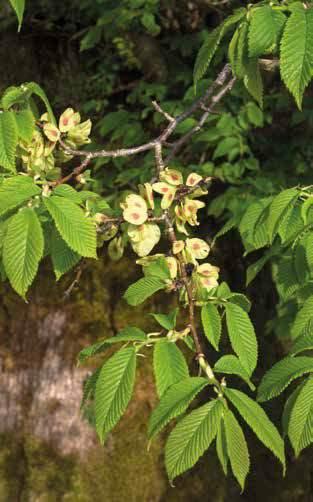
Leaf detail of the wych elm featured on the opposite page, and due to later flushing of the leaves has yet to develop the typical triple spurs.
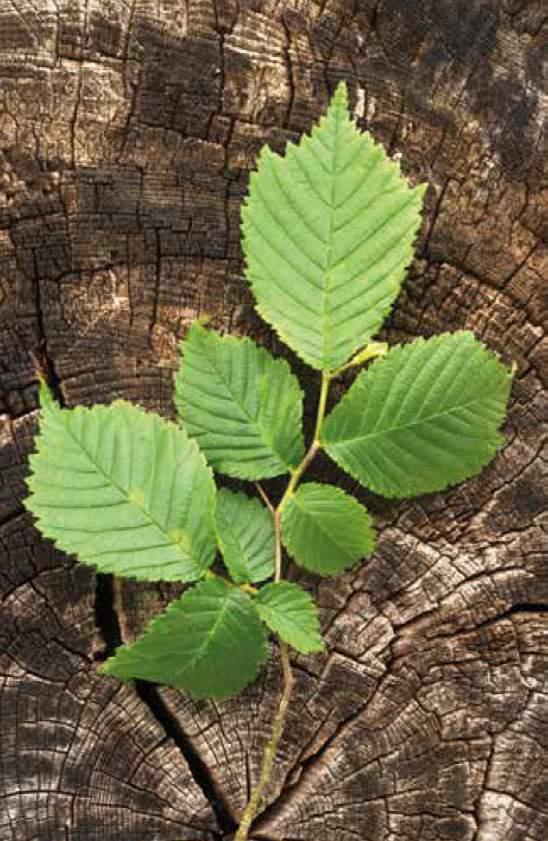
More developed wych elm leaves on a cut slice of the old tree.
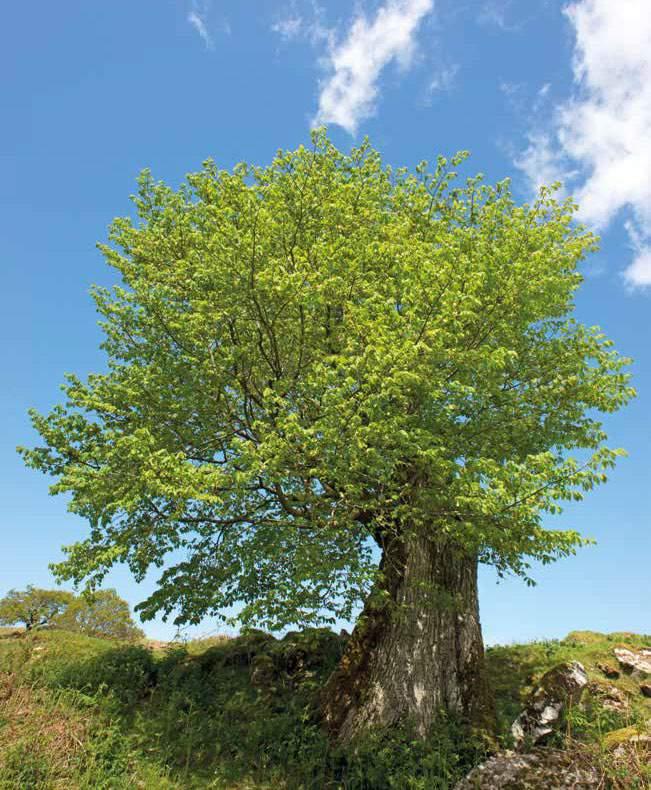
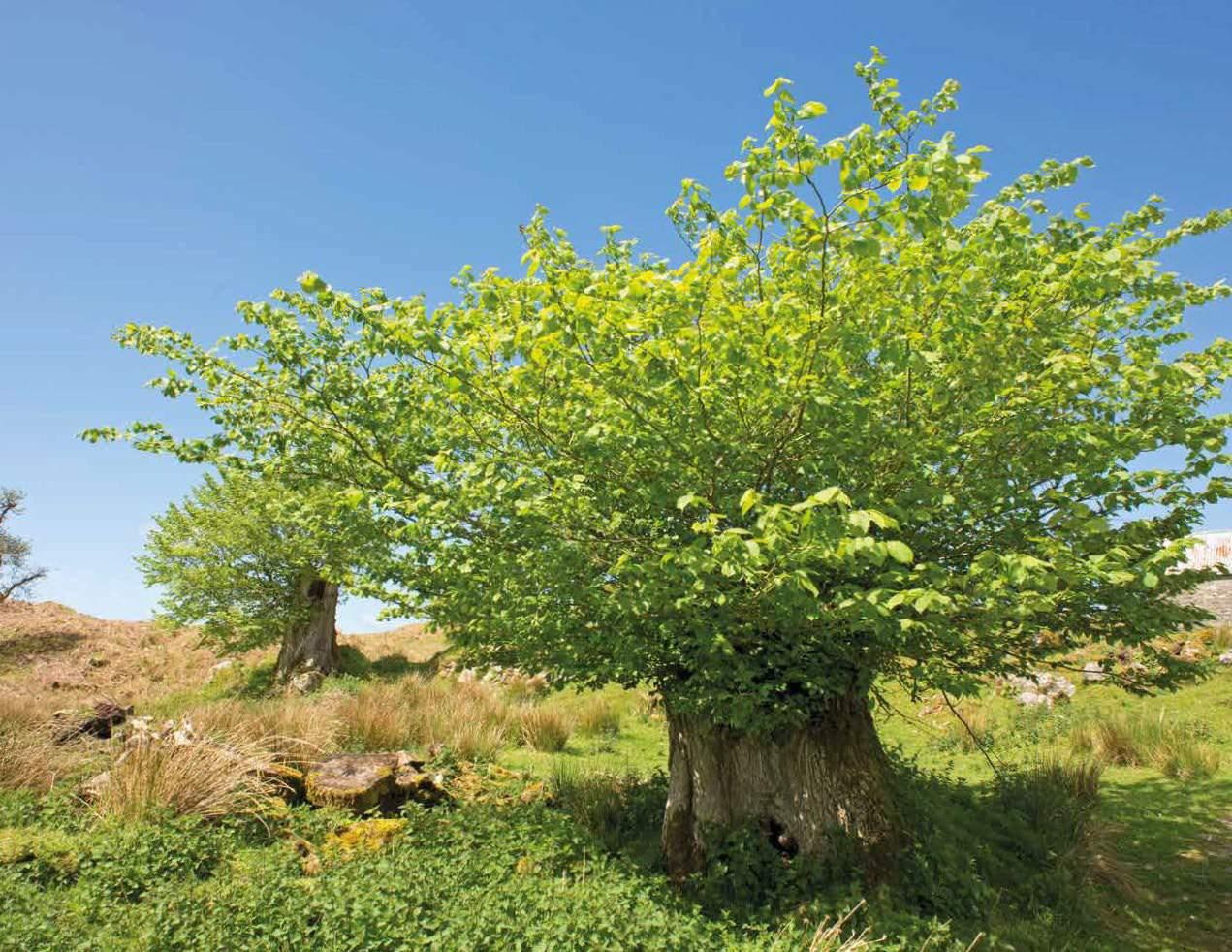 The two wych elm pollards near the entrance gate.
The reserve at Duror is well endowed with tracks and footpaths to make access to all parts extremely easy, but Kilnaish presents quite a contrast. This is a vast country estate that has the air of a forgotten land and a history masked and lost in the undergrowth. In some parts the oaks reveal evidence of coppicing, but this management was abandoned a long time ago. Not only were huge quantities of oak coppiced to feed the furnaces of the iron smelters, but the 18th and 19th centuries saw a massive demand for oak bark for the tanneries; in fact many coppice woods were more highly valued for the bark they could produce rather than the timber. Occasionally, one stumbles upon the remains of extremely old dry stone boundary walls. One can only hazard a guess at their age and purpose. Vegetation is often dense and difficult to negotiate, particularly the towering banks of bracken in autumn, and many areas of extremely wet, boggy ground make progress through this landscape slow, but even so it is still most rewarding.
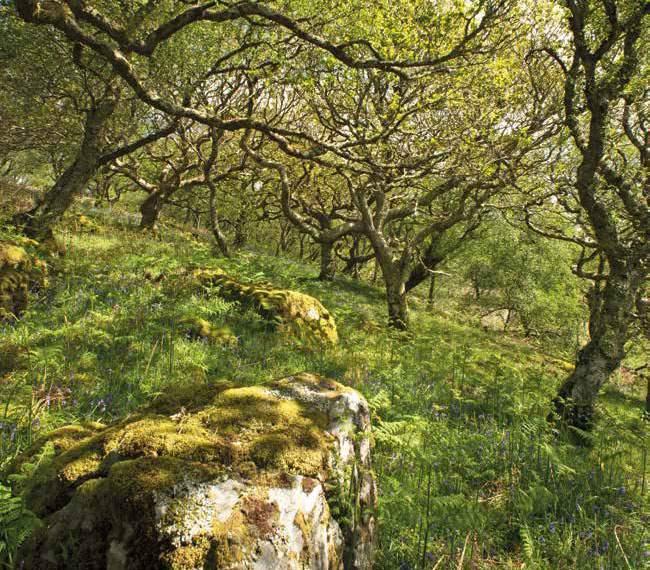
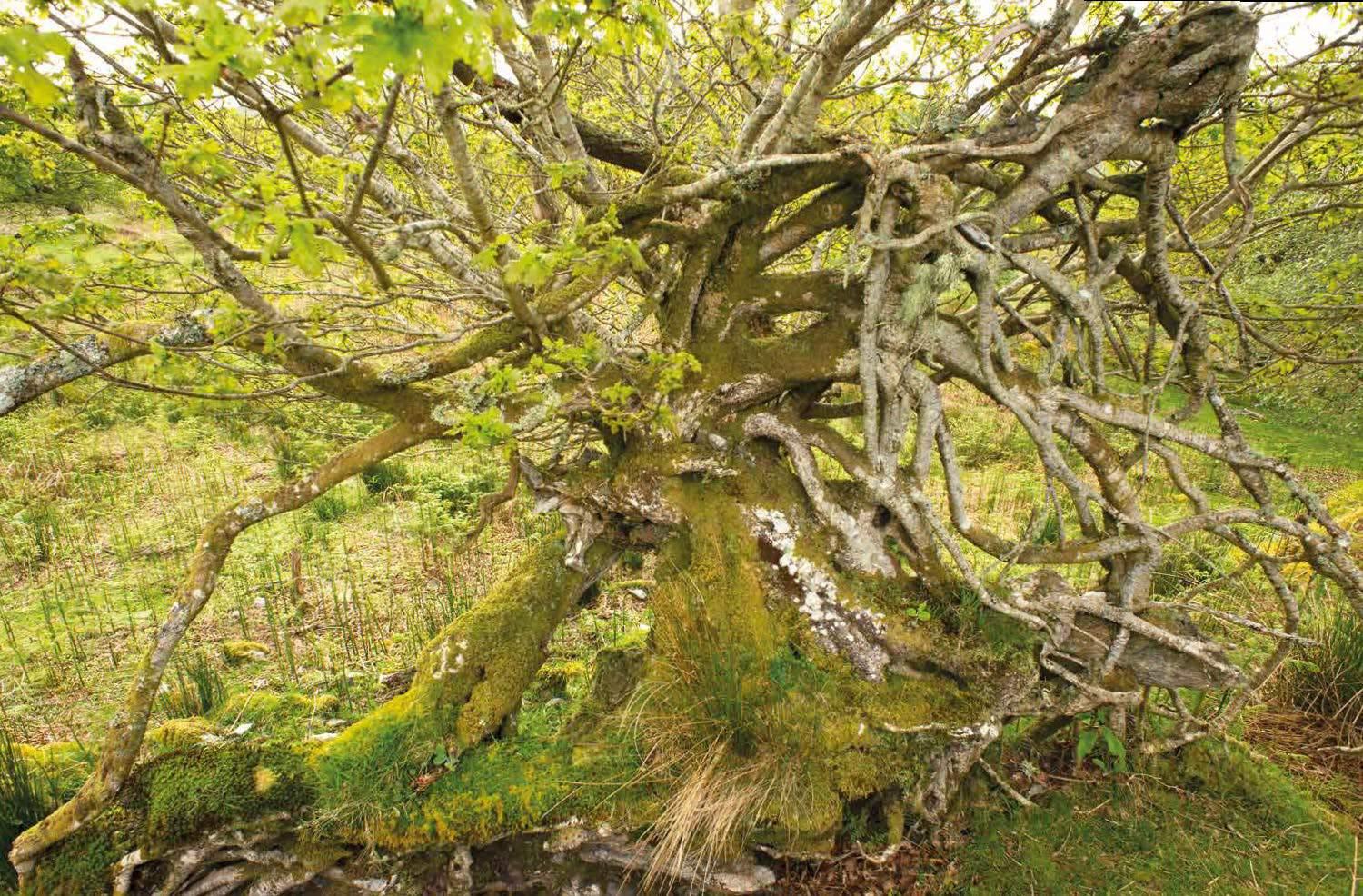
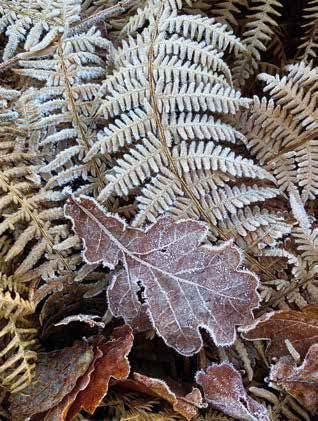
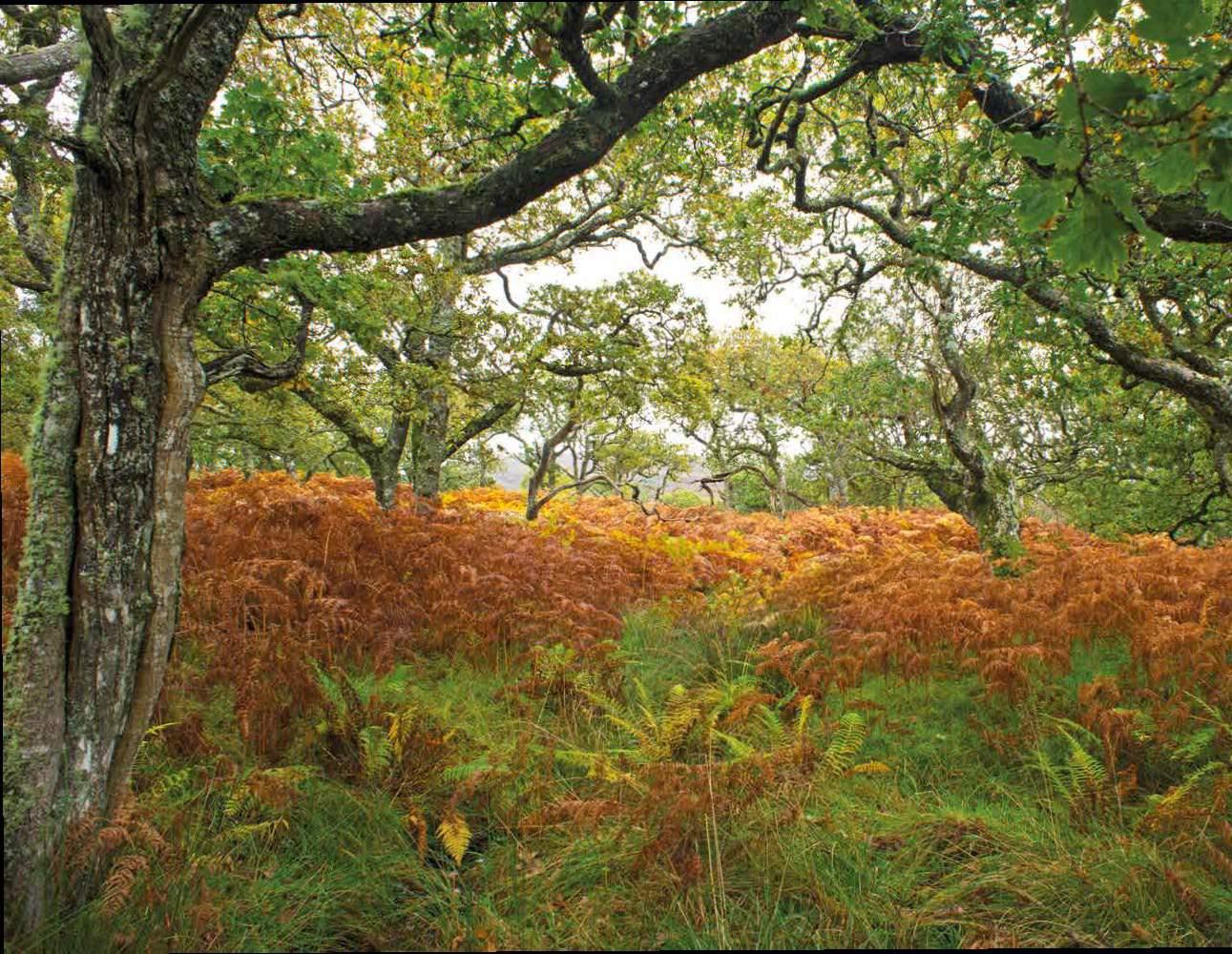
In spring the new generation of bracken is still only a few tightly curled, vivid green corkscrews amid the dead, brown wreckage of the previous year’s growth so that one is able to fathom the depths of most of the oak and birch woods. Typically, almost all the trees are wreathed in mosses and lichens and the delicate fronds of the ubiquitous common polypody dance along the boughs. The stasis in the management of this woodland for quite some time has left the trees to live or die in whatever way they and the elements choose. This has resulted in a substantial number of fallen trees, mainly oaks, but some birch too, growing horizontally where storms may have laid them low many years previously. These are called ‘phoenix trees’, and they continue to thrive either because part of their root system, once torn from the earth, is still connected and viable and/or because their broken branches dug into the soft ground when they tumbled and proceeded to develop new roots. Some trees have thrust out new stems from their upturned root plates while prone boles have simply done a right angle turn as they head up for the sunlight. The exposed root plates have now become wooden walls with the old roots covered in bark.
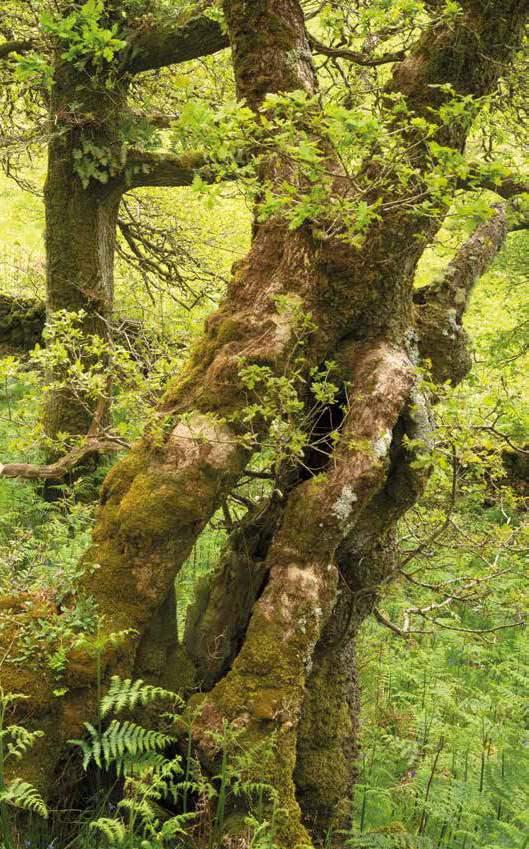
Some of the old oaks have hollowed out and now grow in what appear to be a very precarious manner.
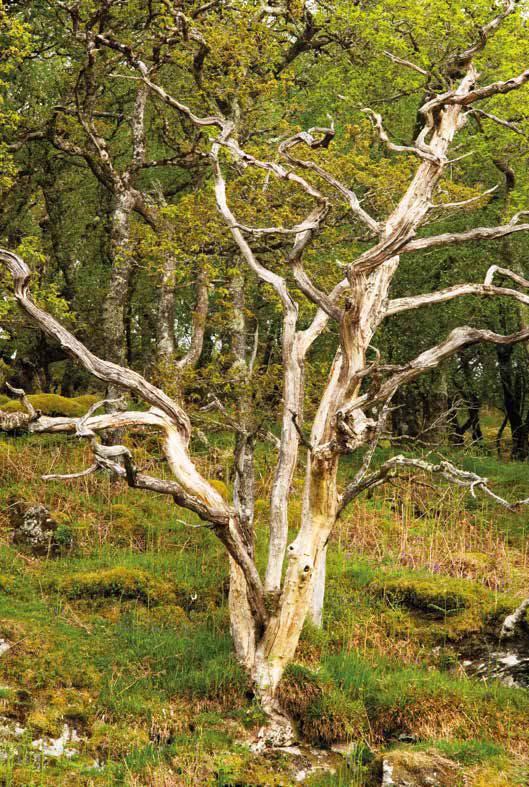
Standing deadwood is excellent habitat for invertebrates.
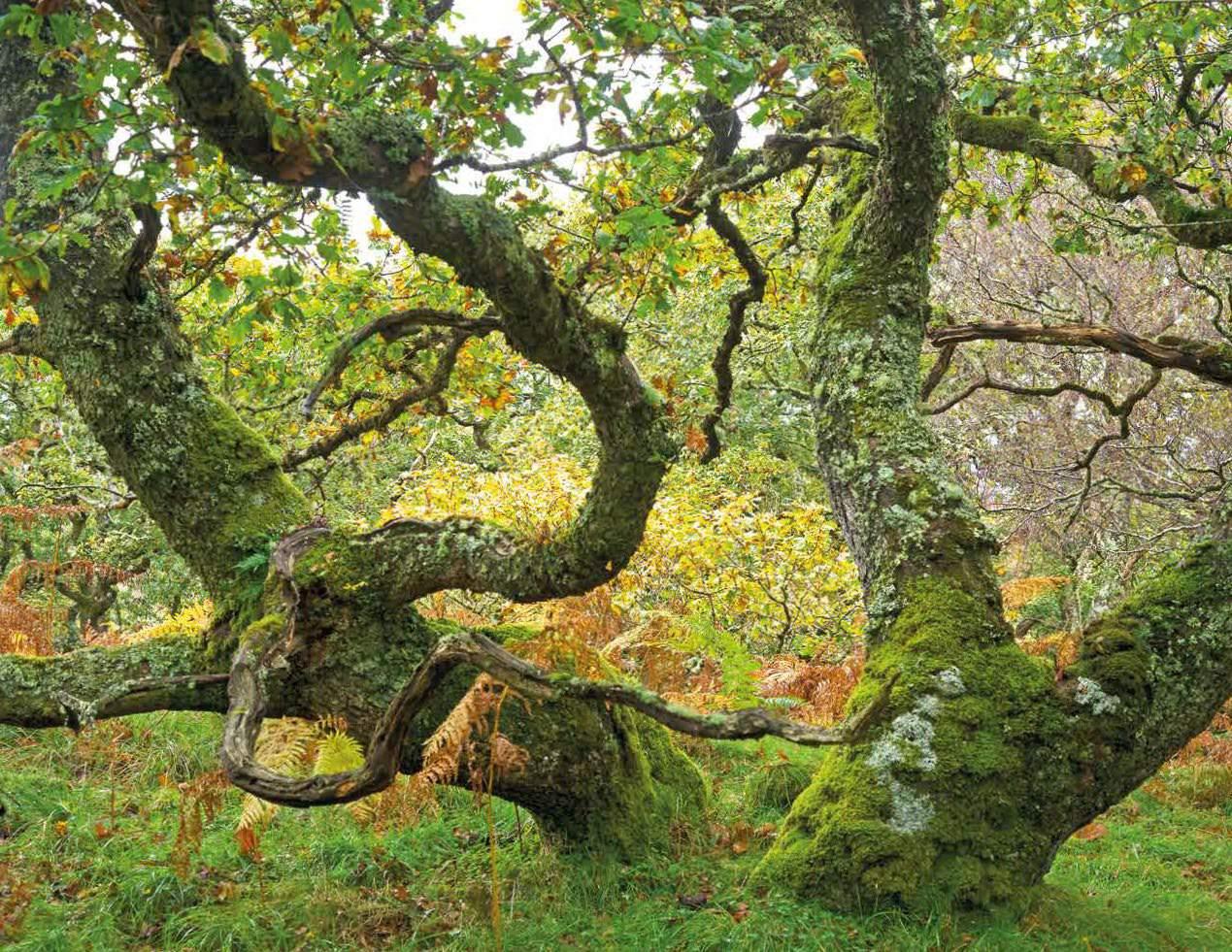
Beautiful veteran oak, either an outgrown coppice stool or perhaps a multi-stemmed tree.
A very old boundary wall in the middle of the wood, its purpose long forgotten.
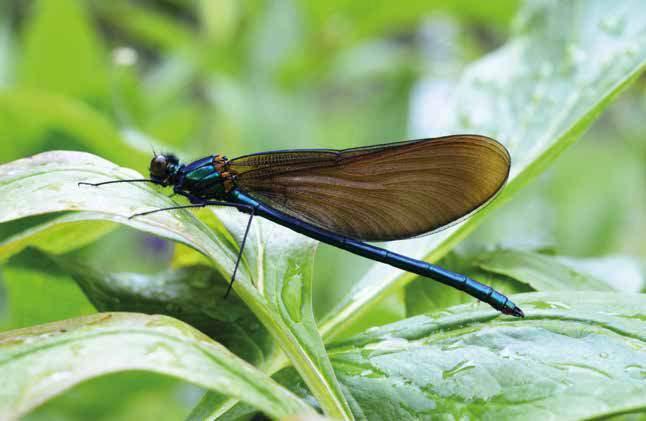
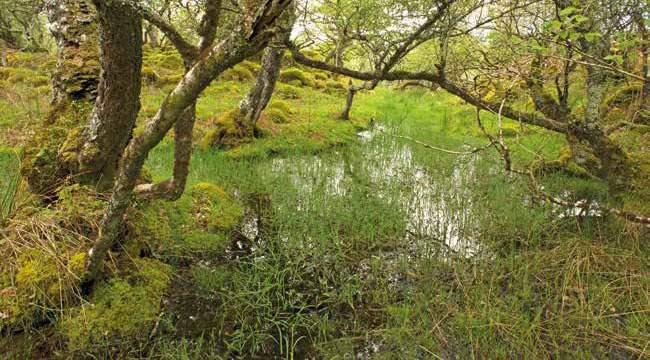
Kilnaish certainly has plenty of wet flushes, most of which are surrounded with low-lying tangles of grey sallow and even the birches, which are not usually noted for thriving in heavily water-logged ground, seem perfectly at home too, but then they will have had thousands of years to adapt to the prevailing conditions. Much of this wet ground will eventually drain down into the two acre lochan, Loch Cill An Aonghais, described as a key palynological site. Palynology is the study of pollen grains, often found in deep peat deposits or the silt in the bottom of ponds and lakes. Beneath the electron microscope plant and tree species can be identified, revealing the vegetation and associated climatic conditions thousands of years ago. The lochan also attracts many species of dragonflies and damsel flies – tiny, primeval beasts if ever there were!
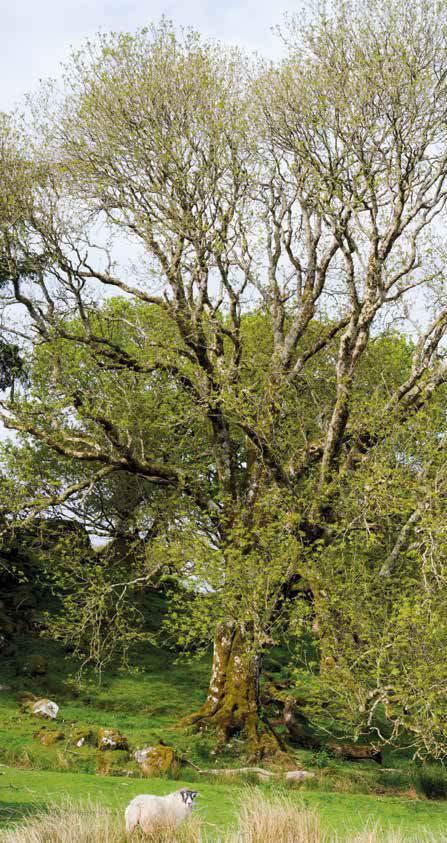
An unusually large maiden ash, probably planted about 150 years ago.
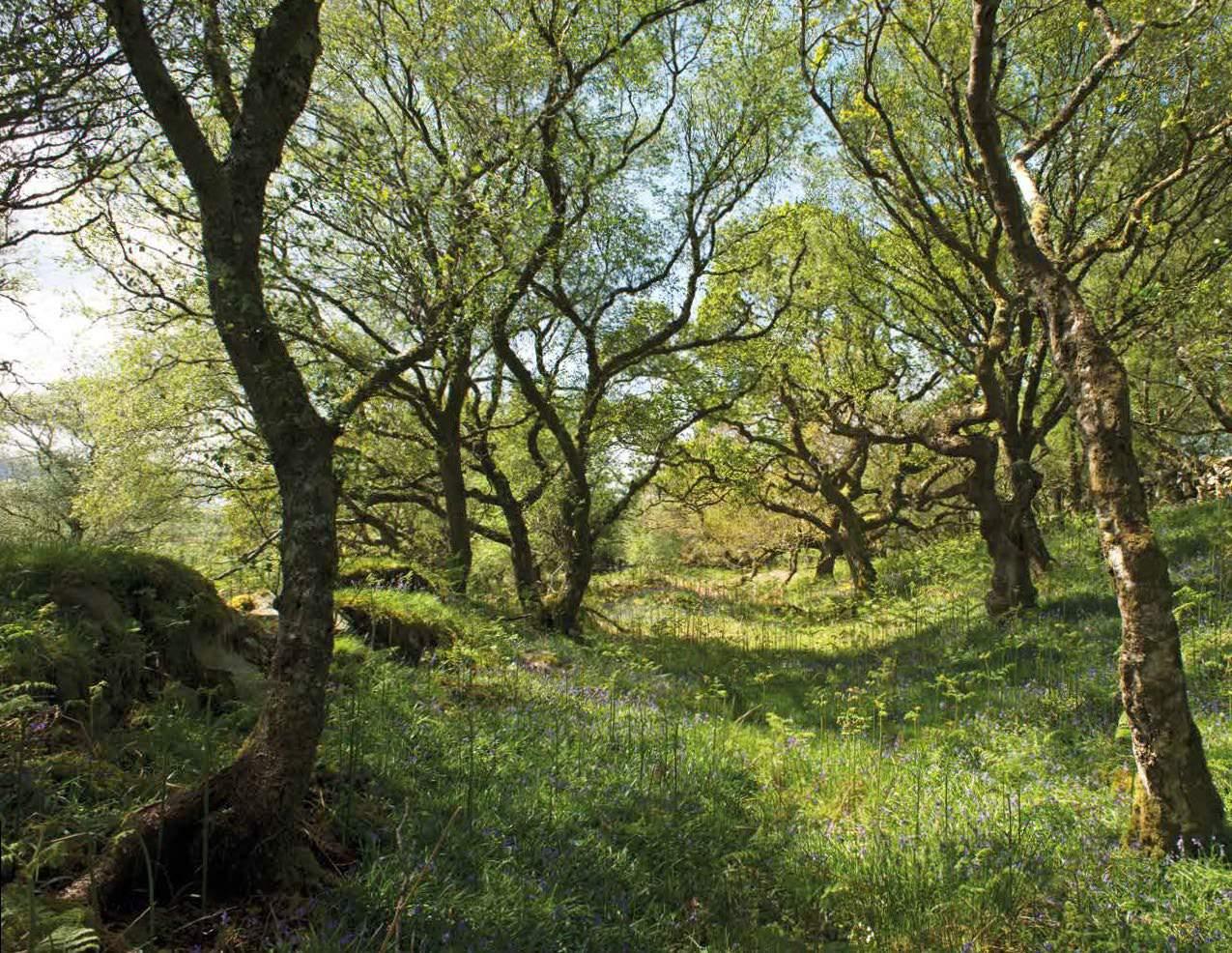
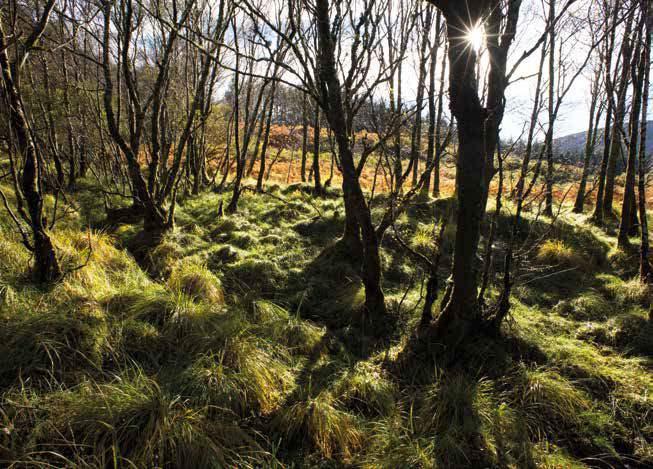
Early morning sunlight filters through the oaks and birches above a carpet of bluebells.
Birch and grey sallow surround one of the wetter flushes.
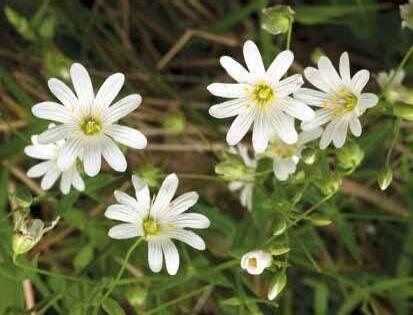
In May the heady scented, blue haze of the bluebells is punctuated by the piercing white stars of greater stitchwort and the cheerful lemony clumps of primroses. Ospreys have been observed visiting the reserve, several badger setts are evident and of course the red squirrels are about, but as elusive as ever. It seems that no matter how softly one treads, how often one simply sits and waits, the wildlife will out-wait every effort to catch a glimpse of it. Because so much of the Kilnaish woodland has a similar character it becomes very easy to temporarily lose one’s bearings, but a simple solution is to head for the highest ground where the whole estate comes into perspective.
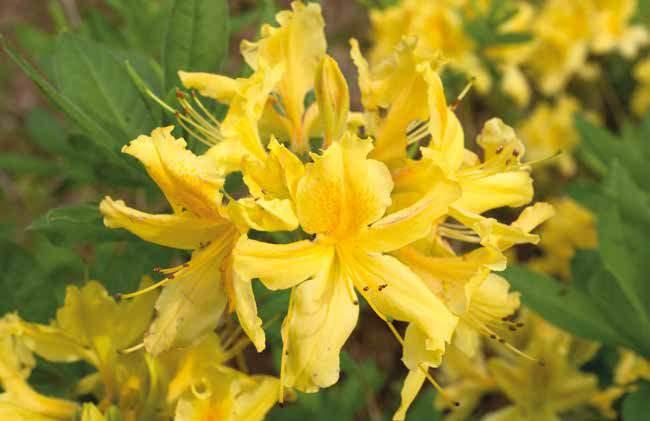
On top of Cnoc a Bharra Leathain hill the panorama opens out below confirming that Kilnaish is, essentially, a gigantic birch wood with a few oaks protruding from the birch blanket coverage. In reality there are several good stands of oak, and other trees do grow here, but one comes across them almost by surprise. A few small hollies, often growing from rocky clefts, and occasional rowans may be encountered, but they are by no means plentiful. Probably the strangest discovery on the way up the hill in spring is a rather beautiful yellow azalea in full flower – certainly not planted, but how did it get there? One shrub surely not a problem, however the presence of a few large clumps of rhododendron may presage a potential problem unfolding. Rhododendron ponticum is thought to have been introduced to Britain around 1763 from Spain or Portugal as an ornamental garden shrub. It escaped into the wild and has now become one of the most invasive and pernicious plant pests in the country. It has already been an expensive exercise endeavouring to eradicate it at the Duror reserve, so a repeat performance would hardly be relished here.
Beyond the boundaries of the Estate one can look south-west towards the Isle of Gigha and sometimes catch a view of one of the Kennacraig to Port Askaig ferries slipping down the nearby sound. Kilnaish Estate will never be an easy stroll in the park, but for the keen explorer and hardy walker it will be a highly rewarding visit. The sense of remoteness and the context of one’s self as a mere tiny figure, a human microdot in time and space, in the vastness of this landscape, is both sobering and yet euphoric.
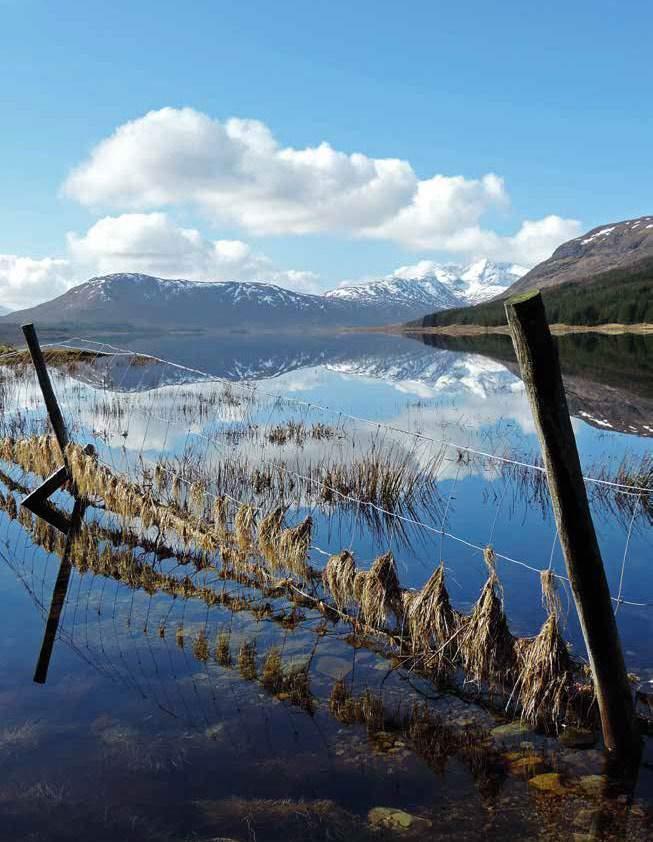
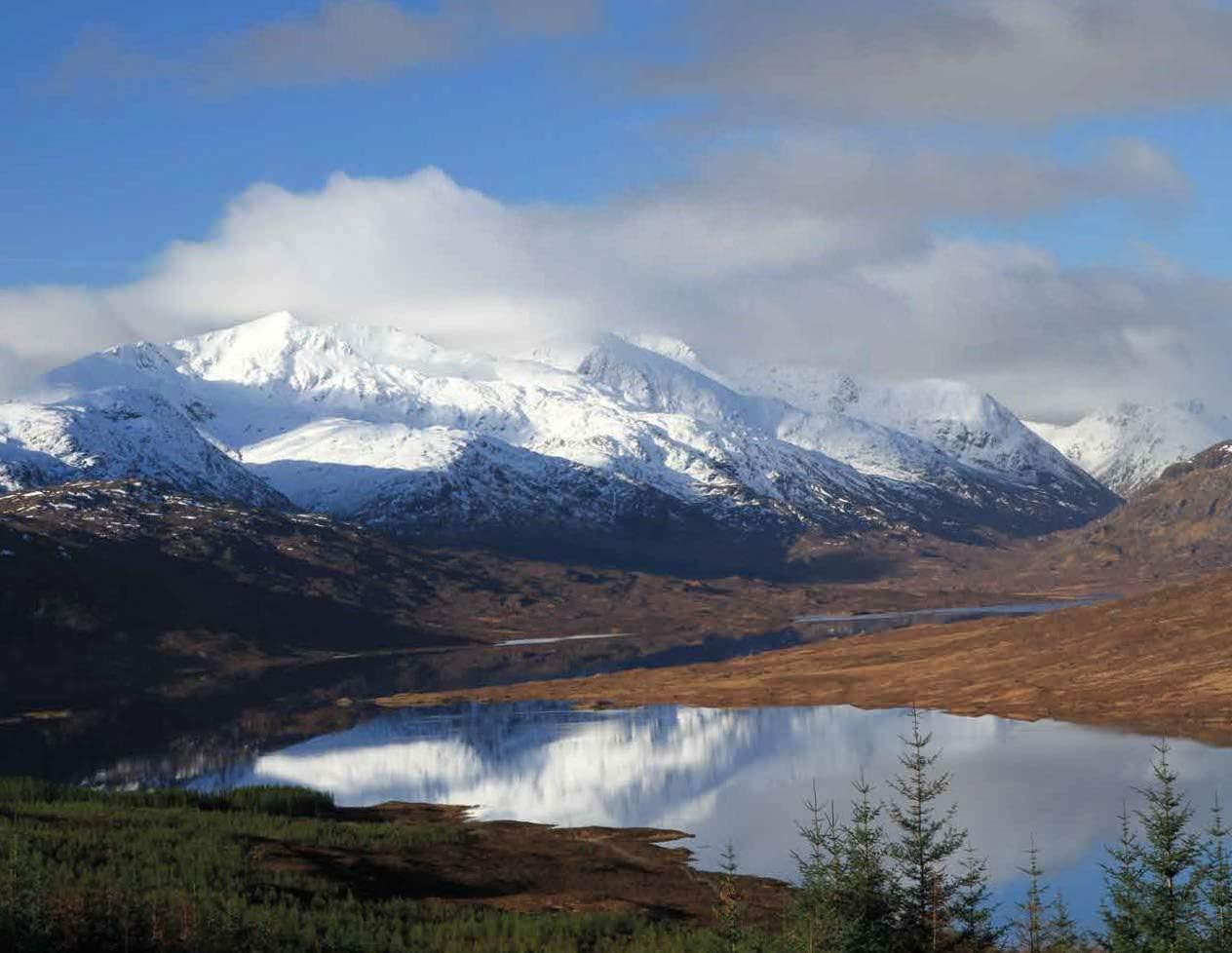
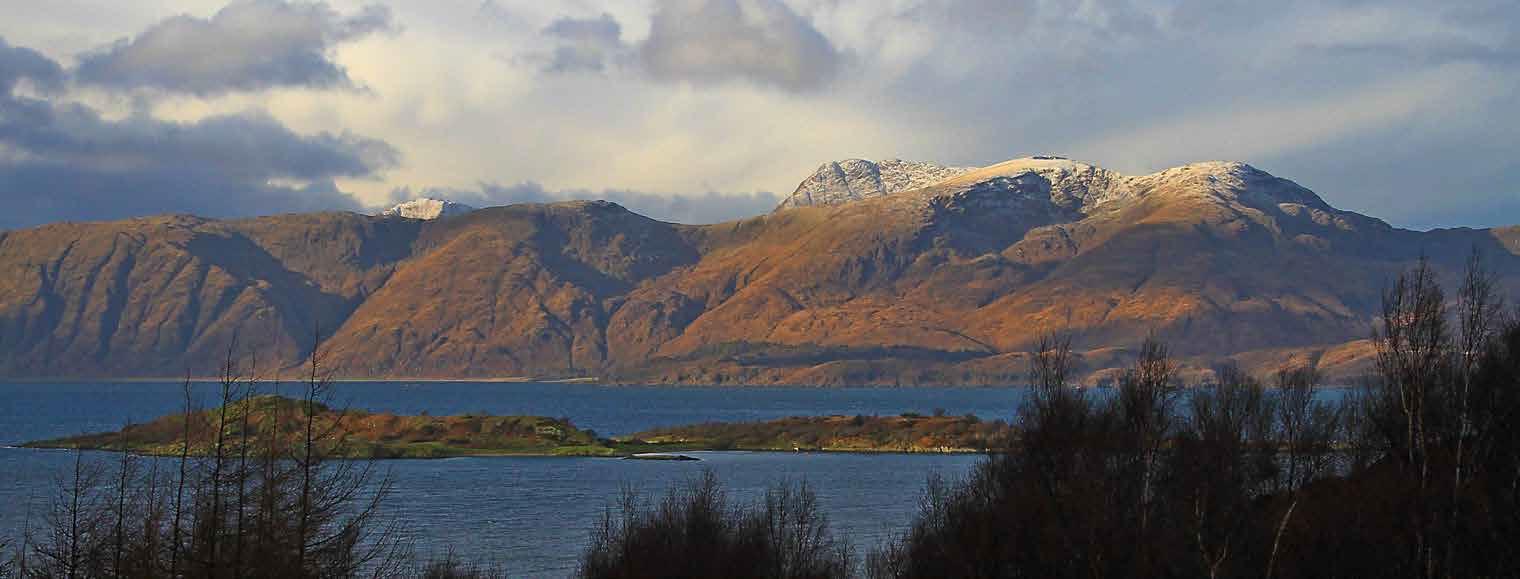
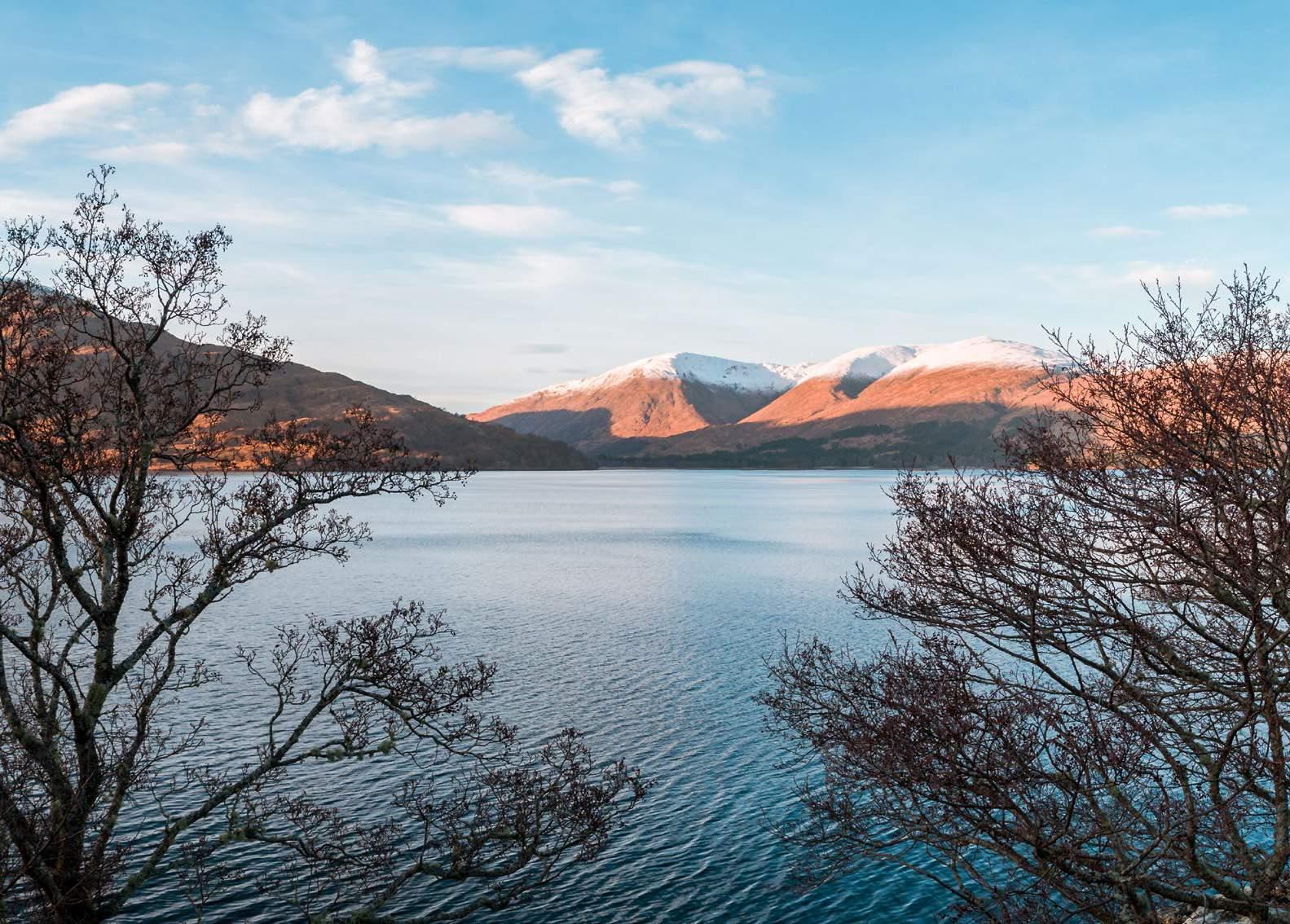
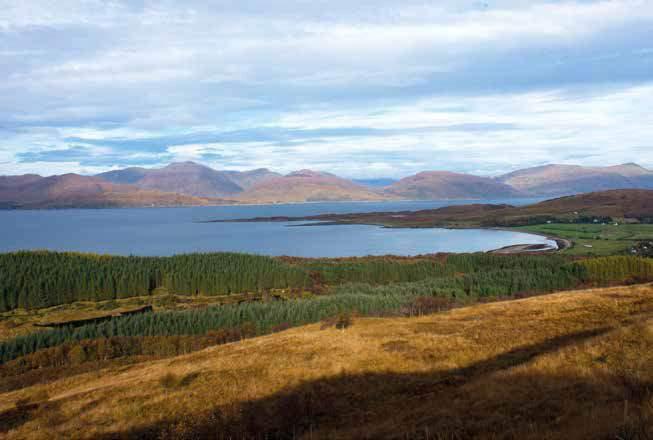
Winter view across Loch Loyne.
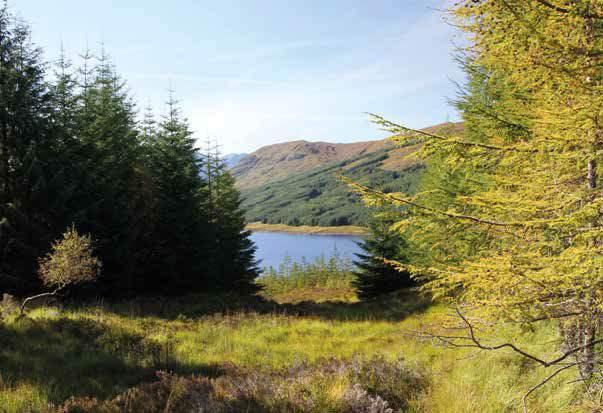
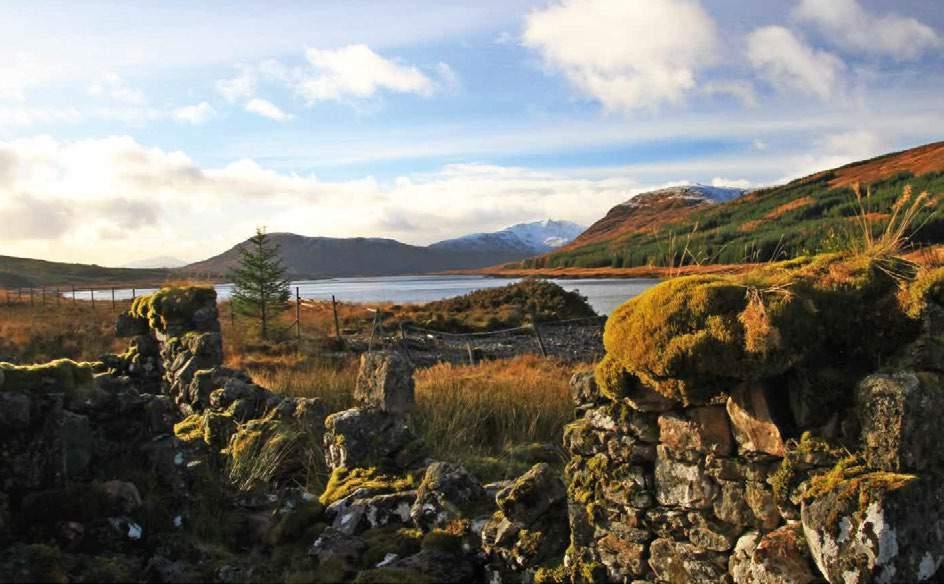
In 2014 Highland Titles acquired what, on the surface of it, might be considered either a rather dreary block of Sitka spruce forestry or an exciting challenge to create something far more interesting and beautiful. The 180 acre block of land sits hard by the A87 above the eastern shore of Loch Loyne, near Invergarry. The setting is perfect, and the new reserve, dubbed Mountainview, something of a generic title in this highly mountainous part of the world, was to be the site set for a vision of a new treescape, and not just the one prior to the Sitka invasion. Taking a quantum leap back beyond the previous broadleaf tree cover there is the potential to recreate something vastly older (more anon).
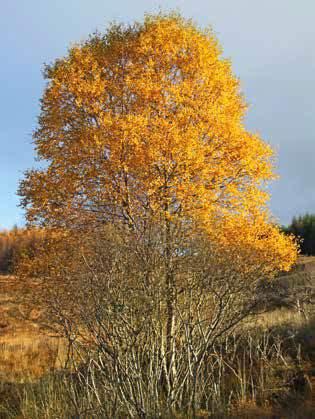
At the outset the initial estimate for starting the work of felling the Sitka was 2019/20, but by that date forestry experts reassessed the commercial value of the crop and recommended that another five years of growth would be financially beneficial. However, this has not meant that progress has completely stalled over the last few years. There is land enough to begin planting broadleaf trees and, indeed, there are already some here. Grey sallow, rowan, birch and alder were part of the indigenous tree cover well before the spruce arrived and have all survived to some degree around the margins of the plantation. Larch has also been part of the conifer forestry, but is always a little easier on the eye with its deciduous nature and varied seasonal colours.
Tree planting is already well under way and Highland Titles are working in partnership with the Bumblebee Conservation Trust, planting not just trees, but also lots of wild flowers that will attract and serve the six species of bumblebees that are to be found here. Increase the diversity of plant life anywhere and it is bound to attract yet more invertebrates which, in turn, should then bring in more small mammals and bird life. Get these established and the food cycle will then expand to include predators such as raptors and larger mammals like pine martens (already here), foxes and badgers. It’s all about successive triggers that lead to improved biodiversity. Ultimately the biggest overall influence will be the mature broadleaf woodland, and obviously that will take a little while to come to fruition, but most importantly the process has begun.
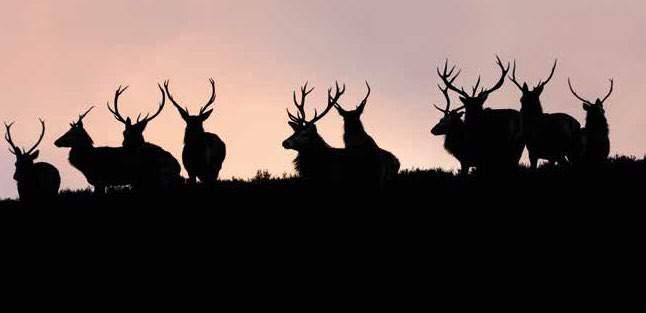
The biggest challenge for anyone planting trees here is keeping the deer at bay, and as there are both red and roe deer in some number it has been crucial to protect every last tree that goes in the ground with high deer fences – a not insignificant expense!
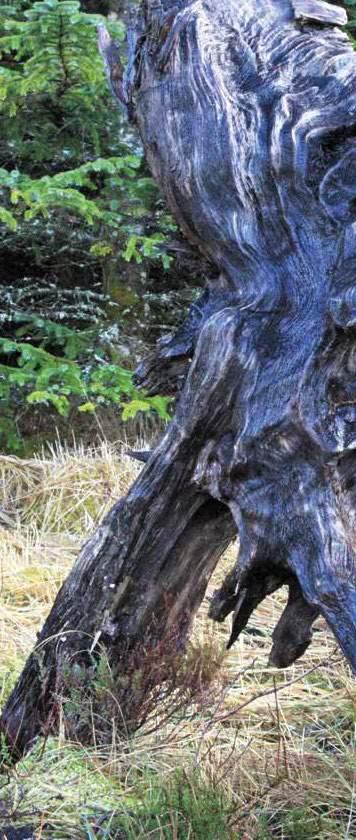
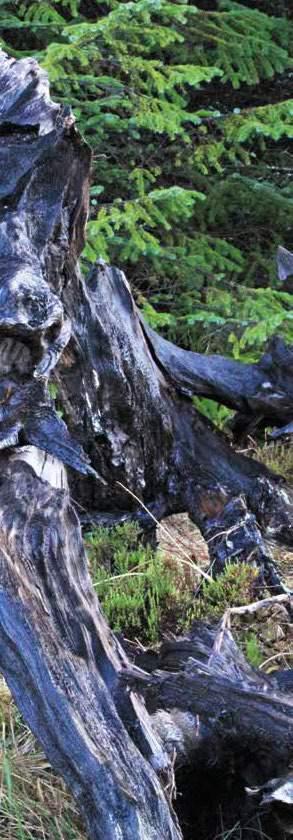
A few specimens of juniper have been recorded here, which probably hark back to the original tree cover that colonised in the wake of the last Ice Age. However, there is also ample evidence of another species of post glacial tree cover that is truly synonymous with the Highlands – Scots pine. There may be few if any pines growing here now, but on the exposed land along the shores of Loch Loyne and where feeder streams cut down into the peat deposits the bare, bleached, contorted bones of the ancient Caledonian pine forest, quite possibly several thousand years old, come to light.
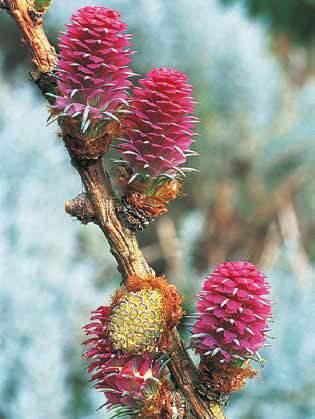
 Larch ‘roses’ - the colourful immature cones
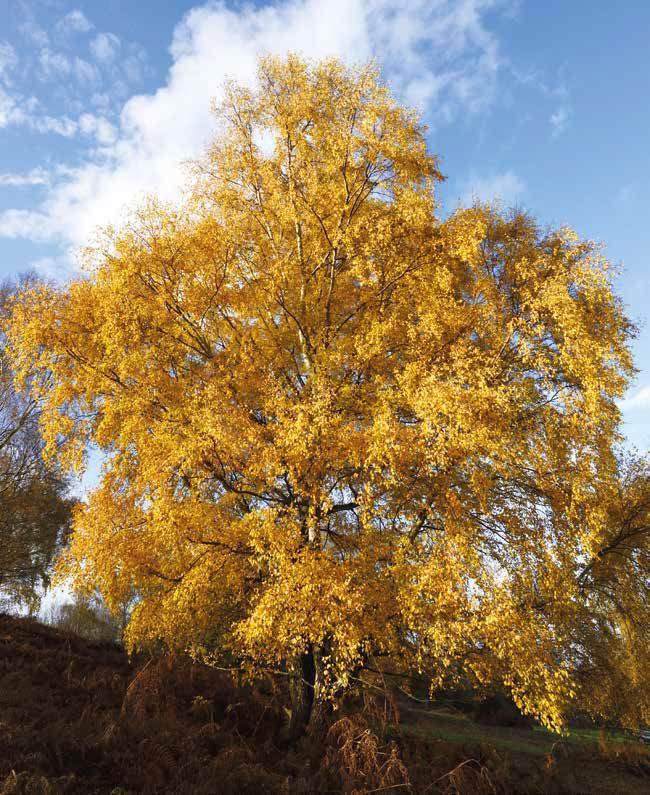
Autumnal birch
Larch ‘roses’ - the colourful immature cones
Autumnal birch
One of the most hotly debated issues surrounding Scots pine and its role in the landscape history of Scotland is the conundrum of the Caledonian Forest, sometimes called the Great Wood of Caledon. It is widely believed that a vast tract of pine forest once stretched almost unbroken from coast to coast across the Scottish Highlands, perhaps covering more than 3 million acres. If this supposition is correct, then what remains accounts for barely 1 per cent of the original forest, amounting now to about 30,000 acres, most of which is centred upon half a dozen large sites and about 30 smaller pockets.
The best places to see what appear to be naturally occurring pinewoods, containing multi-generational stands of trees, from seedlings to veterans of perhaps 400 years, are: on Deeside at Glen Tanar, near Aboyne, Ballochbuie Forest, near Braemar, Glen Affric to the southwest of Inverness, on Speyside in the great forests of Rothiemurchus and Abernethy and the Black Wood of Rannoch in Perthshire. All these places seem to be ancient and natural but most of them have been extensively felled and replanted. The tradition of using fences to keep out the deer encourages the trees to regenerate naturally as does the burning off of certain areas, whether this is done deliberately as part of forest management or occurs accidentally through lightning strikes. Fire clears the ground of heather and peat, allowing the next generation of pine seedlings to gain a toehold in the gravelly soil beneath. Mature trees have a thick bark that can withstand fire well but when they do succumb they burn fiercely because they contain flammable resinous oils.
So, if there really was a great seamless pine forest, where is the rest of it now? It must be remembered that a considerable proportion of the Highlands is taken up by mountains, many of which are well over 2000 feet, and few pines will grow above that altitude. Ancient pines, sunk deep in the Scottish bogs, go back many thousands of years, suggesting that the same processes that ousted the Scots pine from England were also at work in the north. The increasingly wet climate made the habitat less suitable for the pines and in the south this was exacerbated by the overriding success of the colonizing broadleaf trees, beneath which pine seldom thrives. As blanket bogs dominated parts of the Scottish uplands the pines’ struggle for survival intensified and the limitations of a suitable habitat narrowed down the likely locations for woods. If environmental changes have affected the pinewoods, then without doubt human intervention has also made a considerable difference too. An important aspect of the tree planting plan for Mountainview is to reintroduce the Scots pine and eventually to recreate a landscape unseen here for thousands of years.
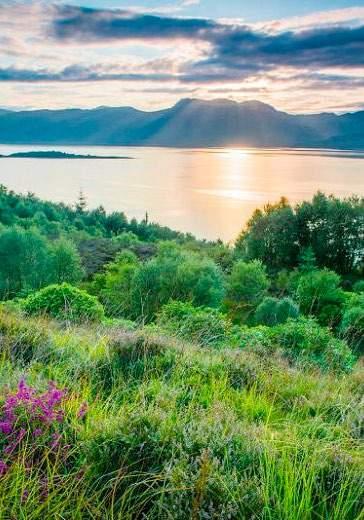
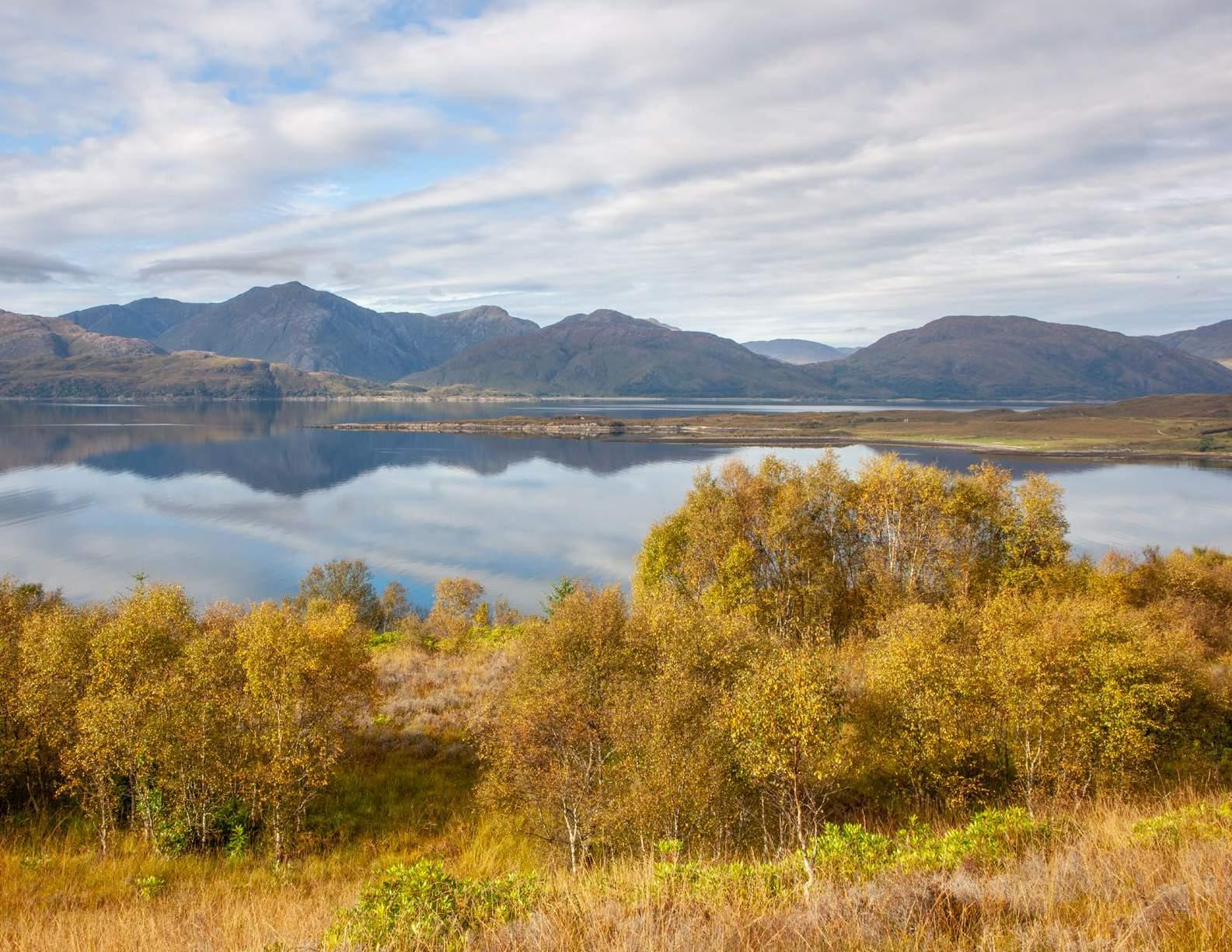
The setting of Mountainview is, at present, what really makes this a truly special place at any time of year. Views along the loch with snow capped peaks in the distance in winter, and even into the spring months, lead the eye into a fabulous, remote panorama, with little or no sign of human presence other than, the occasional decrepit walls of long abandoned shielings and, of course, the forestry! Down by the loch side the image of those distant mountains gilded with low trajectory sunlight; the deep azure sky with a scattering of whispy white cumulus, captured in perfect untrammelled mirror glass reflection is truly breathtaking. from beneath the peat an ancient remnant of the
pine forest, thousands of years old.