Dim ensions of Equit y, Diversit y, Inclusion, and Accessibilit y: Navigat ing Pat hst owar d
Incl usive Lear ning Environment s
HEY, TEACH! THE VICTORIA COLLEGE EDUCATION MAGAZINE
VOL. 15 ISSUE 2 . WINTER 2024
Dim ensions of Equit y, Diversit y, Inclusion, and Accessibilit y: Navigat ing Pat hst owar d
Incl usive Lear ning Environment s
Dimensions of Equity, Diversity, Inclusion, and Accessibility (EDIA) continuetoshapeand inform thefield of education Thisissueof Hey,Teach!givesvoicetoeducator and student storieson their experienceswith EDIA,presentingtheir uniqueperspectivesandresearch on how tocreate moreinclusivelearningspaces.Thisissueshowsthemulti-faceted and intersectional natureof discussionson EDIAthrough itsdiverserangeof submissions, from Indigenouseducation to dismantlingthepower structuresin aname.In thisissue,wehopetoamplify conversationson equitablelearningandprovideaplatform tolearn moreabout theseimportant topics. Thisissuefeaturesarelevant and deeply researched articlefrom our First-Year Representative, EricaChong,titled ?How Far DoesFundingGoin RemovingInequitiesFor Canadian Students??.In her article,EricainterviewsDr JuliaForgieabout theroleof fundingin theCanadian education system,touchingon thepositiveimpactsof increased fundingbut alsotheinstitutional issuesin allocation of funding.Other articlesbringtolight variousaspectsof EDIAin education,including culturally responsiveteaching,accesstotechnology andremotelearning,misrepresentation in French immersion,and more In thisissue?sfinal article,our Feature?sWriter, Leen Al-Utaibi,ties together all of theseimportant themesin her reflection on theroleof EDIAin ?TheChampioningof theWorth of Every Student?.
Wewould liketoextend our gratitudetoeveryoneinvolved in creating?Dimensionsof EDIA: NavigatingPathsToward InclusiveLearningEnvironments?. Wearehumbled topresent amagazine full of somany wonderful submissions, from first year studentsat UofTtograduatestudentsat OISE Thank you toour incrediblecontributors? your insights,creativity,and research are meaningful and important.Toour amazingfaculty advisor Professor JuliaForgie? thank you.We could not havedonethiswithout your reliableguidance,support,and encouragement.Ahugethank you alsogoesout toour EditingTeam,ProductionsTeam,First-Year Representatives,Features Writer,and Social MediaRepresentatives! Your hard work and dedication shinethrough in this issue.Toour readers,thank you for pickingup or virtually flippingthrough our magazine.Weare sograteful for your support.
Happy Reading!
Kelly Liu & Zhehui CeciliaXie
Co-EditorsinChief
Sydney Pacheco& NinaDawicki
Co-EditorinChiefMentees
Letter
Meet Your Contributors
Rhapsody,or,theSulkingTree-Rameez Khera
Equity,Diversity and Inclusion intheEducationSystem: MovingFrom Performativity toAuthenticity -NinaDawicki

Faith Dzon
Ren M namisono
Br saLiu
Ben Gauntley
Tobi Oyedee
Melody Mo
Disparitiesin ObtainingMental Health-Related Disability Diagnoses Amongst Primary Learners(grades1-6)- Sydney Pacheco
InequitableImmersion:Misrepresentationin French Immersion - Alex Teschow
TheUn/Intentional Burdensof Intersectionality- So Yun Chae
BalancingaBeret on aToque:TheImpact of FrenchEducation on AcademicSuccessand OpportunityAccessfor K-12 ELLsin CanadaMolly Bibawy
TheReproduction of InequitableLearningOpportunitiesamong IndigenousCanadiansThroughout K-12PublicSchools:What must be donein order toimplement Indigeneity intoschoolscorrectly? - Lauren DeRango
TheDigital Dividein Canadian Education:AccesstoTechnology and RemoteLearning- Isabel MacDonald-Palmer
BusRoutesand Educational Roots:Equity Challengesin Ontario?s Student Transportation - GabrielaJauhari Yehia
PromotingEducational DiversitytoCultivatePositiveIntergroup Attitudes- Cindy Li
Dimensionsof equity,diversity,inclusion,and accessibility (EDIA): navigatingpathstowardsinclusivelearning environments- Caroline Ho
Culturally ResponsiveTeaching-BrisaLiu, ArianneRodriguez,Queenie Au,RainaYang
SupportingRefugeeStudents:FosteringEquitableEducationin Canadian Institutions- AsyaDogruer
RethinkingPedagogy:DeconstructingHeteronormat v ty in ESLJiangyuan Lin
From TolerancetoSupport: NavigatingDisability Accommodationsin Canadian Universities- MeccaHussein
My Teacher Name:An Argument Against Honorifics- Kevin Southgate
How Far DoesFundingGoin RemovingInequitiesFor Canadian Students?- EricaChong
EDIA:TheChampioningof theWorthof Every Student - Leen Al-Utaibi
Queenie Au
I havealwayswanted to teach, and I realized history wasjust storytel ng of the past. The combination of inspiring future generationswith storiesof humanity mademewant topursue acareer in t
Molly Bibawy
I really lovethepractical application aspect of my programs! I find them to be integral to my understanding of newly introduced concepts, allow ng me to bolster my growing understanding via personal experience I chose to study sociology and English because I really enjoyed them in high school, and when I found myself actively searching to deepen my understandingof classcontent outsideof class, I took it as asign topursueboth of thesefieldsin university. SinceI want to be a teacher, I decided to pursue the Education & Society minor, which I havesincefound to bequitefitting, asit often bridgesthegap between my sociology classesand my English classes,whilesimultaneously beinguniquein itsown right
Isabel MacDonald-Palmer
I apprec atethat UofT givesmetheopportun ty to study such a w de variety of topics together, and I love the intersection between the three fields of study I hope to be a history teacher in the future, where I can integrate these varied perspectives in order to offer students a holistic understandingof thepast
Rameez Khera
Teaching is quite fun and unpredictable. My inspiration? To inspireothers, and tap into achild?stalents, so that they may spread their wingsand soar
Alex Teschow
I lovetheeducation community. We'reall so closeand inspire each other to push ourselvesand work hard My mom wasmy biggest influence in pursuing education I hope to oneday be asgood of ateacher asshewas
Mecca Hussein
I love that my programs allow me to explore diverse perspectiveson how wecometo know and makesenseof our l ves and the world around us I was inspired to pursue my specific programs through my interest in understanding the processesthrough which wegain knowledge, createmeaning, and bringabout positivechangesin society
Cindy L
favouritegamesof make-believe
Lauren De Rango
I most likemy field of study becauseevery pieceof literature is applicable to today s society in some way, shape, or form My major and minors complement each other perfectly by constantly tying in the social aspects to make sense of texts and research.
Jiangyuan Lin
Having studied sociology gave me a way to view the world from anew perspective It taught metoseethenormal in the strange, and the strange in the norma Additional y, it helped medevelop my sociological imagination: theability to understand the connection between individual experiences and larger society, and to view publ c issues and personal troubles as part of broader social patterns, instead of seeng them asisolated incidentsor personal troubles.
Inspired by the book "Sociology" by Anthony Giddens, a British sociologist, I became fascinated by all the interpretations of society, the symbols embedded in interpersonal interactions, and the underlying causes of inequalities, which sparked my interest in this field These fascinating concepts have opened my eyes, pushed me to a deeper understandingof theworld around us, and motivated metoconsider thewaysin which wecan makeit better
So Yun Chae
Kevin Southgate
I'm still pretty new to UofT, but my favourite memoriesare probably the placements I ve had in Toronto schools. It has been lotsof fun meeting so many new people and getting to teach in aclassroom for thefirst time!
Alex Teschow
Good memories of UofT include my experience as an Orientation Leader, workingasaCampusTour Guideand being a Vic One Mentor I always love to help new and incoming students on their journey through post secondary education.
Asya Dogruer
The start of the schoo year. Campus is so pretty in fall. Everyone is happy (and tan) as they come from summer break.Walkingtoclasseswith musicon and appreciatingthe beautiful colorsand buildings? I will cherish thosemoments forever!
Molly Bibawy
this one-month program n May, 2023, was my ''research holiday ': I may go hiking in the morning and discuss interview protocols in the afternoon It was not only an opportunity to hone my research skills, but also an unforgettablememory duringmy undergraduatetime So Yun Chae
The MA CSE program started a new journey in new university andcity It wasan environment that I was unfamiliar with and, in all honesty, found overwhelming at times. As I started the program and introduced myself to my peers and professors, I met some amazing and supportive people whom I am now grateful to call my friends We have created a bond that extends beyond the confinesof theclassroom Thisbond enrichesnot only our academic experiencebut nurtures a friendship grounded in our shared passion for child development Although this is not a specific memory, it s one of my favourite memoriesof beingin theUof Tcommunity.
Lauren De Rango
My favourite UofT memory was when my professor from Vic One taught a lesson outdoors at Emmanuel co lege in first year.
Raina Yang
As someone strongly devoted to developmental sciences, I believe this crucial f eld brings forth an array of opportunities to earn about the facets that make up our overall growth and identities, definingwho weareaspeople. Understanding how physical, psychological, and social factors influence this development allows us to examine typically and atypically developing children and apply these to all individuals by exploring their developmental origins Asacurrent MA CSEstudent, I havelearned how crucial this field is in determining the underlying factors that benefit, affect, and shape individuals developmental pathways and outcomes throughout their lives Through my studies, I appreciate the intricate interplay between biological, psychological, socia, and cultural elements that shape human development Understanding these factors prov des insight into individuals' challenges and offers opportunities to implement effective interventions and support systems that promote posit ve development and well-being. As a strong advocate for making a positive difference in the lives of children, this has inspired me to become a professional who can provideopportunitiesand support systemsthat will allow children to flourish for their well-being, learning and overall development.
Oneof my favouriteU of T memoriesisOrientation Day. I had such a great time meeting so many new people, engaging in fun activities, and exploring the U of T campus! It was also pivotal in lessening my nervousness to start my new life as a university student. All in all, it was such a wonderful day, and one that I look back on rather fondly
Cindy Li
My favourite memories at U of T are the tear-inducing, carefree laughs with friends, often involving a meal, an evening walk, and/or the thought that life is good A close second typeof memory ishaving conversationsso enriching that I feel like I'velevelled up asa person afterward ? with such a diverse student body, there's plenty of opportunity for conversationslikethisat Uof T!
Caroline Ho
Some of my favourite memoriesinclude spending time with friends and exploring my interests in different extracurricular activities! I've had a lot of fun training with thetrack and field team, and being in alot of different clubs on campus.
Gabriela Jauhari Yehia
My favourite U of T memory? it?snot anything specific I guess, but I lovenights where my friends and I would go out to grab McDonaldsor stop by a convenience store in themidst of a groupstudy session - makes thegrind alot morebearable
I love my program combination (and the A&S faculty for allowing meto build such awide-ranging degree) becauseI'm passionate about education, biodiversity, and peop e, and I enjoy thinking about evolution! I'm interested n diversity in not only people, which I discussin this ssue, but also nature: organismsin ecosystemscoexist and achieveharmony despite and because of their d fferences I find this beautiful and precious and thus the conservation of diversity, in both the natural world and our society, to bean important matter I've alwaysshown signsof interest in my fieldsof study: asal ttle girl, I made beelines to the animal section in the library, and teaching my stuffed animals was one of my
Caroline Ho
Public Policy, Sociology, and Education Society are all real y interesting programsthat align with my interests! I choseto pursue thispath because of my experiencevolunteering in a variety of non-profit organizat ons throughout high school
By taking up posit onswhere I worked with kidsin different communities, I wasableto seetheextent to which education postively influences youth. I wanted to understand the social and political factorsthat affect inequitiesin education, and being in these programs has enabled me to learn about them
I thought about this question a lot, but I've got to say that my al-time favourite UofT memory is just walking around the university listening to music. The St. George campus is so beautiful, from the nature to the arch tecture I enjoy walking around a campus that thousands before me have walked on aswell.It skind of surreal.
Jiangyuan Lin
One of my favorite U of T memories is the Jackman Scholars-in-Residence Program. This research experience has allowed me to closey connect with faculty members, immersed in research design and academic discussion, and spend meaningful and joyful timewith peer scholars To me,
Brisa Liu
One time in the middle of the night, both me and my roommate couldn't fall asleep, so wedecided to share an instant ramen and play Honkai Star Rail for 2hours until 4AM It wasfun
Arianne Rodriguez
My favourite UofT memory was when it snowed on the first week back from Christmas break My friends and I started a snowball fight in theVic Quad and slowly more and more peoplejoined in. It was asolid hour of running around laughingand flinging snow at each other I ruined my makeup and got totally soakedbut it wassoworth it
I f you cou ld be f r i en d s w i th an yon e f r om a book , w h o w ou ld i t be an d w hy ?

Molly Bibawy
I would chooseSelin from TheIdiot by Elif Batuman! I f nd her super relatable,funny,and honest,and shehasavery interestingperspectiveon linguistics,literature,and lifeasa who e Overall,I think that sheissomeonethat I can learn a ot from and enjoy beingaround!

Rameez Khera
Probably Romeofrom Shakespeare?sRomeoand Juliet (not a ?book?,but closeenough,I suppose),towarn him of his calamitousfate It probably won? t work, becauseRomeo?sa tragicfool,and astubborn lover Besides,my unlikely intervention would robtheworld of abeautiful tragedy. Perhapsthey?vegot abooklet of lyricstooffer me,hencewhy Romeom ght bean interestingcompanion toentertain
Kev n Southgate
If I could befriendswith abook character,I would probably chooseZebulon Finch from the seriesof thesamenameby Dan el Kraus It's oneof themost recent fictional charactersI connected with and I think it would be interestingtotalk tosomeonewhohas experienced all of recent history.

Alex Teschow
I would befriendswith God from theHoly Bible I have questionsthat need answering.

Mecca hussein
I f you cou ld be i n a class tau gh t by an yon e i n th e w or ld w h o w ou ld i t be?
Thismay bebecauseI m an English student,but I think it would beboth entertainingand insightful tobein a dramaticliteratureor poetry classtaught by William Shakespeare.
Isabel MacDonald-Palmer
Yuval Noah Harari,theauthor of Sapiens,HomoDeusand 21 Lessonsfor the21st century,an incred bleseriesof booksthat look at thepast,present and futureof humanity
W h at w as th e book th at got you i n to r ead i n g?
Kevin Southgate

Rameez Khera
That'satoughone I had aDiaryof aWimpyKid phasein elementaryschool, followedby an obsession withtheGarfieldcomicsin middle school If I could pinpoint onebook that truly sparked myinterest in reading,it would haveto beTheFudgebooks, byJudy Blume.
I think thebook seriesTunnelsby Roderick Gordon and Brian Williamsrealy got meintoreadingasakid It wasthelongest seriesI ever read at thetime, and I would alwayscount down the daysuntil thenext book wasreleased.Someof my friendswere readingit at thesametime,soit wasfun totalk about it with them
Asya Droguer
Turkish author Sevim Ak?sbooks I think it wasfirst seriesI read after I learned how toread,soI still remember my excitement for addingher bookstomy library.Also,AgathaChr stieand Irvin D.Yalom haveabigimpact on my readinghabitstoo!
Gabriela Jauhari Yehia

TheBreadwinner by Deborah Ellisisanovel that transfixed mein away that nobook had ever done before I wasaround 11or 12yearsold when I first read it.Thebook istechnically considered tobechildren's fiction,but it holdsmany truthsin it
Kevin Southgate
If I could bein aclasstaught by anyonein theworld,I would chooseMartineRothblatt Sheinvented satellite radioand created abillion-dollar biotechnology company amongmany other accomplishments.I don't agreewith all her opinions,but I think aclassrelated toethical issues in cyberconsciousnesstaught by her would befascinating
Rameez Khera Northop Frye.

Alex Teschow
"TheRest Of UsJust LiveHere" wasa book that really got meintoreading It mademiddleschool Alex feel seen haha.

Lauren De Rango
Weareall madeof Moleculesby SusinNielsen
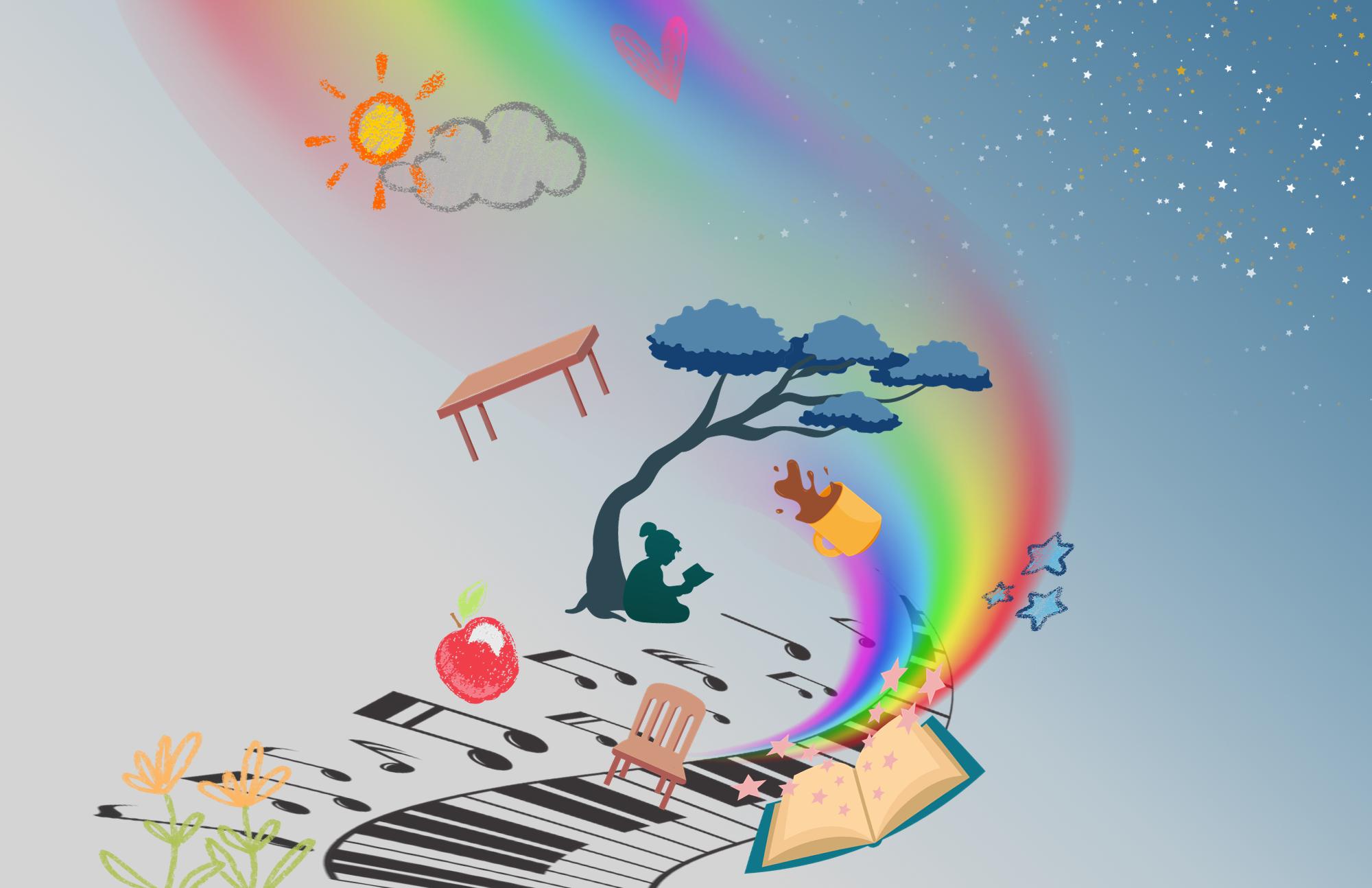
Where hand-coloured grinsbloomed upon barren boughs, And powdered chalk plumed wordsof old and new?
Look,toresplendent gardensweshall soon sow, Of fluorescent orchardsamongst thefadingtrees?
Thereoncelived thewinglessbird? in dreamsheflew?
And black bramblesonceflourished,though thunderouswasthesea, Wheelingthrough orchardsill-paved,thoselettersloomed falseand true?
Bequeath tome,theremnantsof my miseries,
Descend down thosebranches,and return sweet memories, Whereoncewhistled theveiled child,wondering,by thetrees
II
Dashingwand! Acrosstheclassroom we?ll flit, Dancingby lettersspun and howlingmindseclipsed, Toprunethosepesky wartsthat remain unfit!
Ajolt,aspark,toprocurean unruly mess?
Watch,Mr.S! Thecoffeebrewed from flamehesipped, AsI,Magician! dusted old booksin maiden?sdress, Whilethewanderingsun shined upon thosewhoskipped?
Believe,thepath you seebeforeisbright, Blinded,weseenot thosewhoremain in our sight, Asyoungembersfadeand glow in ethereal nights
III
I seenot thepathsthat lieahead?
Asnightsgrow long,and daysshall bleed?
Touch thethistle,and follow itsflutteringhead, And through perilousfogsher wingsshall guide?
Our class,fond of crackled cawsand lonesomeseeds, Wheresour wasthesongwho,with doleful drums,cried?
When shall I beheard?Ceasenot,emergefrom raucousreeds?
Toslumberousendsthey shall provoke?
Silencestolethesinginglambswhooncespoke, Asflagsbrandish abovetyrannoussmoke.
First Year
OISE- Child Study and Education Renaissance





FOLLOWINGTHEmurder of GeorgeFloyd and thediscovery of thousandsof unmarked gravesat residential schools,therehasbeen an increasein callstoaction for all institutionstorecognizethehistorical and systemicoppression they have facilitated,and takestepstoundothe barriersthat havebeen put in placefor racialized and 2SLGBTQ+peoples.Within theeducation system thereisan understandingthat ?apositive,inclusive, equitable,and non-discriminatory elementary and secondary school experienceisvitally important toa student?spersonal,social,and academic development,totheir futureeconomic security,and toarealization of their full potential?


?actions,words,or gesturesthat claim todoequity work,but in practicedonot improvemattersfor thosehistorically oppressed?(McCullough & Erasmus, 2023);andoften serveasreplacements for authentic change Theeducation systemisarguably themost important institutionfor making changesthat will positivelyimpact generationstocome, soit iscrucial that schoolsmoveaway fromperformativeequity, diversity, and inclusion (EDI)work andbegin makingreal authenticchangestoward equity,diversityand inclusion

(Considerationsfor Program Planning,n.d.).Thisisa good understandingtohave However,many of the current approachestoreach an equitable, inclusive,and non-discriminatory environment,such asland acknowledgements,are significantly preformative, meaning
Therearemany reasons institutionsimplement performative EDI work.Arguably themost common reason isthat it istypically faster andeasier than
Nina DawickiSecond Year
Psychology Major
Education & Society and Indigenous Studies Minor
implementingauthenticchange.When an institution facespressuretodosomethingin responsetosystemicoppression and discrimination,typically, thefirst thingthat is doneoften involvesswiftly implementinghighly visibleor easily marketablechangesthat are deemed safefor theinstitution Thisin and of itself isnot abad placetostart.However,more often than not,oncethesafeand easy change hasbeen implemented,it isoften used asabox check for EDI work,and nothingelseisdoneto continuebringingauthenticchange
PreformativeEDI work can bebeneficial asa startingpoint in makingauthenticchanges However,it needstobejust that:astarting point.AsGallebergand Mehtaargue,?[there are] toomany spaceswheretheperformanceof equity isoutpacing,and sometimesdistracting from,theon-the-ground work?(Galleberg& Mehta,2021)
Oneof themost dominant methodsof equity,diversity and inclusion work isEDI trainingworkshops,which typically involve acknowledgingyour privileges,and developing someform of equity statement.However, research hasshown that thismodel of change doesnot work.Thereasonsbeing:it can cause resistanceand defensiveness,and typically has nointegration of constructiveactionsthat participantscan bringwith them oncethey leavetheworkshop tocreatemeaningful change.In addition,it can createacultureof performativeinclusion,aspeoplearetaught how totalk and what wordsare?right or wrong?,but therearen't any measurestoensure that privateactionsor wordsarechanged (Galleberg& Mehta,2021) Thesameresearch indicatingthe failuresof EDI training workshopsalsoshowsthat institutionswho integratelearningabout EDI with tangible institutional changeshaveachieved greater success.TheOrganisation for Economic Co-operation and Development states:?Asinitial
teacher education (ITE) playsacritical rolein shapingteachers?values,competencesand knowledgebeforetheir entry intothe profession,ensuringthat equity and inclusion areembedded ascore,underlyingthemeswithin ITEcurriculaisvital toensurethat teachers havetheknowledgeand competenciesrequired tocreateinclusivelearningenvironmentsthat enableall learnerstoachievetheir educational potential?(OECD,2023).Yet onceteachersbegin their careersin theclassrooms,EDI trainingis much lessintegrated in professional development workshops
Therearemany waystheeducation system can implement authenticEDI work acrossall levels,spanningfrom theMinistry of Education all theway toindividual teachers At each level,thereshould bemoreprofessional development trainingrelated tointegrating equity intoevery aspect of theeducation system. At theschool board level,thereshould bea diversification of theteachingstaff aswell asthe curricular resourcesand materials, astheability for studentstoseethemselvesin whoand what they arelearningfrom iscrucial for positiveself development (Kimble,2023).In addition,?[a] study found that thebenefit toBlack studentsof havingaBlack teacher for just 1year in elementary school can persist over several years,especially for Black studentsfrom low-incomefamilies?(Carver-Thomas,2022)
At theindividual teacher level,therange of possibilitiesfor action isthemost extensiveFirstly,teachersshould implement critical pedagogy which is?ahumanizing, anti-colonial,and anti-oppressiveproject asit connectssocial justiceand democracy tothe field of education.[It] helpstocomprehend power in relationsand it hasatendency to liberateboth theoppressed and theoppressor? (El Bouhali,2022) Tosupport critical pedagogy, teachersshould encourageand engagein deep conversationswith their students. They should




alsoprovideopportunitiesfor hands-on experiences,asthegoalsof authenticEDI work,accordingto Galleberg& Mehta(2021),?moveacrossthehead,hands,and heart;they connect thecognitiveand the affective;they areabout knowing,doing,and being? Authenticsharedlanguagewill comeout of these shared experiences.Together,shared languageand experienceswill helppeopleunpack andinterrupt inequitiesin their own communities?(Galleberg& Mehta,2021) Asmentionedpreviously, all of these optionsare,in someway,possiblefor every level of education.That beingsaid,actionsundertaken by individual teachersaresubject totheir discretion Without ashift incurriculum guidelines, widespread or enduringmeaningful changeisnot guaranteed.Recently,therehasbeen an increasein effortstofight against discrimination and oppression However, muchof theseeffortsconsist of performativeEDI work and empty statementsand promisesasopposedtoa focuson achieving meaningful systemicchange Unfortunately,themain thingthat performativeactionaccomplishesis tolook good on paper;asit typically doesnot makeany changestosystemicbarriersfacedby marginalized peoples Thisallowsfor thoseunharmed by systemicoppression tofeel that they are takingaction without ever acknowledgingor dismantlingthesystemsfrom which they have benefited,whileothershavenot.It can alsomakeit difficult for thosewho havebeen harmedby systemicoppression tospeak up against systemicbarriers,as performativechangecan beused asa defenseagainst inaction.Theeducation system needstobegin makingauthenticchangesnow, sothat schoolscan truly besafespacesfor all students
"Emotional, behavioural and psychosocial problems serious enough to disrupt functioning and development affect approximately 1.2 million children and youth in Canada."
6)
THIS IS AN ALARMING STATISTIC, especially considering that according to the Canadian Paediatric Society (2022), although 12 million youth suffer, fewer than 20% receive appropriate treatment. There are a multitude of barriers in place that impede the ability of youth to receive help and eventually obtain a medical diagnosis for their condition Some such barriers include limited resources, cost, language, stigmatization associated with mental health diagnoses, and lack of support. It is crucial for youth to obtain diagnoses sooner rather than later because intervening earlier can help prevent crises later on: ?some individuals [children] demonstrate remarkable capacities to overcome the severe challenges of early, persistent maltreatment, trauma, and emotional harm?(Centreon theDeveloping Child at Harvard University, n.d.).Providing youth with support and thetoolsthey need early on will allow them to work on waysto mitigate their symptoms, especially since youth who have received little to no support before adolescence become more difficult to treat later on (Bradley, 2013). Primary learners (grades 1 to 6) in Canada should not have to face barriers to accessing medical treatment support, but unfortunately, they do Systemic barriers that prevent children from obtaining a mental he mental health-related diagnosis need to be eliminated and replaced with equitable and accessible opportunities to obtain one, as these diagnoses provide children with the necessary support that (Canadian Paediatric Society, 2022)

can benefit their learninganddevelopment.
Causes and Impacts
There are many barriers for youth when it comes to obtaining a diagnosis Firstly, there are not enough accessible resources for people to access One reason why this occurs is because funding for youth mental health isnot needs-based but instead is based on historical allocation (Children?s Mental Health Ontario, 2020) According to Law Insider (n d ), ?historical allocation is based on the previous budget, and thus not useful for costing a strategy that is intended to change the status quo? Since funding does not go to where it is needed the most (needs-based), this contributestolonger wait times, with some youth waiting as long as 25 years for mental health treatment(Children?s Mental Health Ontario, 2020) This lack of support causes some children to go untreated and, therefore, not receive adequatesupport for their mental health. Systemic barriers are also a factor when it comes to seeking support and diagnosisfor mental health:
Children and youth who are recent immigrantsor refugees, BIPOC, and/or who live in rural or remote communities are even less likely than their peers to receive appropriate mental health care and are more likely to use services like emergency rooms when in crisis (Canadian Paediatric Society,2022).
If youth can access support despite these barriers, they are still inequities in wait
times depending on one?s location, age, identity, and the kind of care required. (Children?s Mental Health Ontario, 2020). If individuals do not want to wait too long, they may turn to private services, a privilege not everyone can afford At the end of the day, ?The more resourced you are, the easier it is to access services? (Kourgiantakis et al., 2023). This imbalance of servicesisthe harsh reality of having an inequitablesystem
Oneproposed solution to thisequity issue is to have qualified therapists readily accessible to students at school. This solution isgeared towardsprimary learners (grades 1 to 6) and would require funding from the government As part of this program, students would be required to meet with the therapists at least three times a year (once at the beginning of the school year, oncein themiddle, and onceat the end) so that students feel it is always okay to talk about how they feel and their situations Students can also reach out to the therapist assigned to their school if there are any immediate concerns Additionally, if therapists notice a need for a student to seek a medical diagnosis for a mental health issue or if students express concern about their mental health, these therapists can then refer students to qualified professionals who can provide students with a medical diagnosis This solution isnecessary asit providesstudents with the opportunity to actively reflect on how they are doing, and allows the therapist to identify if there is a need for medical assessment Having thestudentsbe required to meet with the therapist assigned to their school also allows for the therapist torecord any changesthey notice. The therapists can also advocate for the needs of students to both their guardians and educators before a medical assessment if need be Thisisarealisticsolution if more funding is allocated towards mental health support The solution outlined would also
beaccessibleto all studentsif funding were put towardsit since no student would have to pay out of pocket to receive treatment and amedical diagnosis
There should also be classroom support implemented to help studentswith their learning if they have yet to obtain a diagnosis, but are pursuing one Some examples of support include allowing flexible deadlines, equipping teachers with the necessary tools to help manage their students?symptoms (e.g. learning how to mitigate a panic attack), and allowing for opportunities to de-stress, such as physically active breaks These supports will not help with obtainingadiagnosis, but they will help accommodate students who requiresupport.
In order to best equip teachers to support their students, there should be required courses that teachers take during their education. While there are courses currently offered at the Ontario Institute for Studiesin Education of theUniversity of Toronto that are incredibly beneficial for futureteachersto take, such asAPD1297HMental Health in the Classroom: How Educators Can Help Our Most Vulnerable Students (Ontario Institute for Studies in Education, n d ), these courses are not required courses for the Master of Arts in Child Study & Education Program Thus, not all future teachers for grades 1 to 6 will be taking courses essential to accommodating their students? mental health-related disabilities. Implementing at least one required course in this area can greatly improvethequality of support teachersare capable of giving their students, since teachers will be taught essential evidenced-based strategies. Teachers can, however, only do so much; qualified professionalsneed to bepart of thebroader strategy, as highlighted in the proposed solution
Alter,R (n d ) Todiagnoseor not todiagnosein children?smental health?:that isthequestion Retrieved from http://www.docrobin.com/to-diagnose-or-not-to-diagnose-in-childrensmental-health-t hat-is-the-question-2/
Bradley S.J.(2013).Theimportanceof early intervention with childrenand youthin theautism spectrum JournaloftheCanadianAcademyofChildandAdolescentPsychiatry=Journal de l'Academiecanadiennedepsychiatriedel'enfantetdel'adolescent, 22(3),197?198. https://doi org/101007/s00787-013-0387-9
Canadian PaediatricSociety.(2022).Policy Brief - CPS.Child & Youth Mental Health. https://cpsca/uploads/advocacy/PolicyBrief Mdf
Centrefor Addiction and Mental Health.(n.d.).AccordingEquitableFunding for Mental Health Care. CAMH Retrieved from https://www camh ca/en/camh-news-and-stories/accordingequitable-funding-for-mental-healthcare#:~:text=While%20mental%20illness%20accounts %20for,underfunded %20by%20about%20%2415%20billion
Centreon theDevelopingChild at Harvard University.(n.d.).
Harvardcenter wpenginepowered com InBrief:Early ChildhoodMental Health
https://harvardcenter.wpenginepowered.com/wp-content/uploads/2015/05/InBrief-EarlyChildhood-Mental-Health-1pdf
Children?sMental Health Ontario (2020) KidsCan? t Wait:2020Report OnWait ListsandWait Times for Child and Youth Mental Carein Ontario-CMHO. https://cmho.org/wp-content/uploads/ CMHO-Report-WaitTimes-2020pdf
Kourgiantakis,T.,Markoulakis,R.,Lee,E.et al.(2023).Accesstomental healthand addictionservices for youth and their familiesin Ontario: Perspectivesof parents,youth, andserviceproviders InternationalJournalofMentalHealthSystems,17(4).https://doi.org/10.1186/s13033-023-00572 -z
Law Insider.(n.d.). Historical allocation definition.Law Insider.Retrievedfrom https://www lawinsider com/dictionary/historical-allocation#:~:text=Historical%20 allocation%20is%20based%20on,Russia%2C%20the%20U.S.A.%20and%20Canada.
OntarioInstitutefor Studiesin Education (n d ) OISEBulletin Retrievedfrom https://oise.academic-guide.utoronto.ca/search-courses?course keyword=mental%2B health&field oise grad unit value=All&field language value=All&r m=All Pcpo.(2018,April 30).DougFord will invest $1.9billion in Mental Health.PCPartyof Ontario. https://ontariopcca/doug-ford-will-invest-1-9-billion-in-mental-health/#:~:text=Ontar io%20PC%20leader%20Doug%20Ford,with%20this%20investment%20we%20will.
School Mental Health Ontario (2023) Our approach - school mental healthontario About School Mental Health Ontario Retrieved from https://smho-smsoca/about-us/our-approach/ Wedge,M (2011) Six problemswith psychiatricdiagnosisfor children Psychology Today Retrieved from https://www psychologytoday com/intl/blog/suffer-the-children/201105/six-problems psychiatric-diagnosis-children

SECON D YEAR
EN GLISH M AJOR
D RAM A AN D ED UCATION & SOCIETY
M IN OR
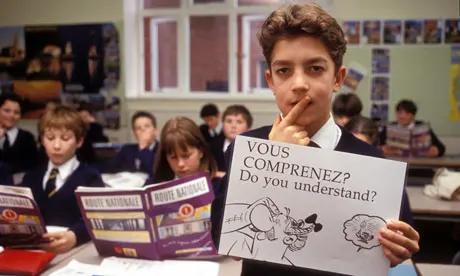
THE FRENCH IMMERSION program in Canada came from parents and guardians who wanted an immersive and accessible language education program for young students (Jezer-Morton, 2020) Unfortunately, the accessibility of French immersion in Canada has started to disappear. Thispaper aimsto examine the misrepresentations in Canadian French immersion programs. French immersion programs currently cater to a disproportionate amount of upper-middle-class, white, native English speakers compared to the diversity reflected in public elementary schools in Canada (Kunnas, 2023). French Immersion stems from the Official Languages Act first enacted in 1969 making Canada an official bilingual country (English and French) to solve an equity issue in itself with the lack of representation of Francophonesin Canadian policy and education Melikoff, Parkes and Neale, otherwise known as the ?mothers of French immersion? (Jezer-Morton, 2020) developed a pedagogical approach to bilingual education in the 1960s citing that learning language early on could increase proficiency in French (Lambert & Tucker)

The underlying causes of the equity issue can be traced back to the French immersion program?s inception; it is a program built for anglophones who were trying to become truly bilingual (Lindsay, 2023) Modern Canada is culturally and linguistically diverse, something that is reflected in Canadian public education systems.Unlikethat of themainstream education system, French immersion programming has not been adapted to meet the needs of students coming from a variety of backgrounds (i e socioeconomic status, culture, proficiency in English and French) Parekh, in their article on streaming and segregation of student groups in the Toronto District School Board, writes that French immersion is still a part of a program list that targets ?gifted? and ?talented? students for entry (2016). The impact of the current structure is that many students are discouraged from French immersion based on their cultural, racial, and socioeconomic identities and their parents aren? t targeted for interest in the program. Thiscycle of ?blocking out?isperpetuated by French immersion programming being primarily found in schools situated in higher-income neighbourhoods (Kunnas, 2019). This leads to educational institutions having a disproportionate amount of anglophone, white, upper-middle-class students participating in the French immersion program.



Current Policies are reflective of general policies in mainstream Canadian public school programs Thereisno definitivepolicy for specific inclusion in French immersion programs, only general inclusion promoting documents (Kunnas, 2023) There is no policy mandating enrollment/admission despite being a publically funded program (Gebrandt, 2022). General inclusion of identities is promoted but there are no suggestions on how to make programming inclusive Thecurrent policiesalso fail to mention inclusivity on socioeconomic status or ESL students The current practices of teaching and course content still align French immersion with its colonial roots. The current curriculum has French language learning heavily intertwined with francophone culture It is only in grades 7 and 10 that the curriculum includesspecific units dedicated to exploring racialized French culture outsideof Canadaand Fance(Kunnas,2023)
Proposed Solutions
In researching the question ?Who is Immersion For??Kunnasputstogether acreative and comprehensivelist of potential solutionsthat would increaseequity and accessibility in French immersion Schools should increase accessible pointsof entry into theprogram, particularly for older students coming from diverse cultural backgrounds Policymakers need to develop a curriculum that focusesmoreon diverse cultural backgrounds and less on Eurocentric/colonial content (many Arab countries also have their own French history from colonies that could be critiqued and explored) French immersion school locationsshould beexpanded or relocated whileprovidingtransportation accommodations Schools should offer free educational resources and tutoring to support French Immersion

students while providing comprehensive support for students with special education needs Immersion programs need to expand resources and training for teachers to better assist diverse learnersin French Immersion and schoolsneed to promote the program to all students (2023) actively The goal of these solutions is to remove any potential barriers that would have students refrain from enteringtheprogram
Current Canadian French immersion programs are inequitable learning environments, built for anglophones and designed primarily for students with the most support and resources at home;i e thoseapart of theupper-middleclass, to
succeed, not meeting the needs of all learners. The equity issue comes from the origins of French Immersion being designed for Anglophone Canadians There are few to no actionable policies in place regarding equity Studies have shown that lack of resources at home hinders language development (especially for FTL students). Perhaps the only solution that would truly break down the barriers to French language learning is to dissolve the French immersion program However, if areform of thecurrent program is wanted, then diversity practices need to be promoted and applied by increasing entry points, shifting Eurocentric programming, providing additional resources etc. so that all students feel like they can learn French, will learn French, and belongin an immersion classroom
References
Chami Lindsay, Julie. (2023). French immersion and other regional learning programs: Smart choice for your kids, or do they fuel inequity? In The Canadian Press Canadian PressEnterprisesInc
Gerbrandt, Julianne (2022) Systemic Barriers to French Immersion in New Brunswick Canadian Journal for New Scholarsin Education,13(1).
Jezer-Morton, Kathryn (2020) Canada?s ?Founding Mothers? of French Immersion
The Canadian Encyclopedia Retrieved from www thecanadianencyclopediaca/en/article
/canada-s-founding-mothers-of-french-imm ersion-olga-melikoff-murielle-parkes-and-val erie-neale
Kunnas, M. (2023). Who Is Immersion for?: A Critical Analysis of French Immersion Policies Canadian Journal of Applied Linguistics, 26(1),46?68
https://doi.org/10.37213/cjal.2023.32817
Kunnas, R M (2019) Inequities in Black et Blanc: Textual Constructions of the French Immersion Student ProQuest DissertationsPublishing
Lambert, W. E., & Tucker, G. R. (1972). Bilingual education of children; the St Lambert experiment Newbury HousePublishers
Parekh, G., & Gaztambide-Fernández, R. (2016). The More Things Change: Durable Inequalities and New Formsof Segregation in Canadian Public Schools In Second International Handbook of Urban Education (pp 809?831) Springer International Publishing
https://doi org/101007/978-3-319-40317-5 43
Petrescu, M C, & Helms-Park, R (2021)
Trilingualism and reading difficulty in a third (school) language:A casestudy of an at-risk child in French immersion. Journal of Early Childhood Literacy,146879842110413?.
https://doi org/101177/14687984211041389
Ryan, T. G., & Sinay, E. (2020). A Canadian Perspective: French Language Learning. International Journal of Educational Reform, 29(4), 311?333
https://doi.org/10.1177/1056787920913245
Slapac, A, & Dorner, L (2013) The importance of classroom management in early language immersion: Acasestudy of anew French immersion kindergarten class. Journal of Immersion and Content-Based LanguageEducation,1(2),251?277.
https://doi org/101075/jicb 1205sla
April 3, 2024
Intersectionality?isfrequently used to describethecomplex waysin which the experiencesand identitiesof minoritized individualsinteract and compound toinfluence their world Thenarrativesof intersectionality inspiresolidarity,visibility and understandingof theintricaciesof marginalized identities.Many of theseexperiences,however,target one?ssenseof identity,reflectingmultipleinterlaced systemsof privilegeand oppression on asocial-structural level (Bowleg,2012).Thisshedslight on theimportance of social justice,advocacy and empathy-driven education in understandingthecomplexity of intersectionality On aglobal scale,increased social diversity challengesindividualstoadopt fresh perspectivesand empower marginalized voices. Thisiscrucial for cominggenerationsasthey learn tonavigate,function and thrivein ahighly interconnected world.
From an educational perspective,holistically addressingissuesof race,power and prejudiceis critical toincreasingawarenessof theissuesthat marginalized populationsfaceon adaily basis In Ontario,theelementary Social Studiescurriculum providesan anti-oppressiveframework that aimsto acknowledgeand recognizehow systemsof oppression lead todiscrimination and inequality for minorities(Elementary Teachers?Federation of Ontario,2021).In addition totheintroduction of theCulturally Responsiveand Relevant Pedagogy
(CRRP) framework,which highlightsthe social and academicwell-beingof studentsfrom varyingcultural and linguisticbackgrounds,theseinclusive approachesareasignificant step toward intersectional narrativesand education

Thisanti-oppressiveframework alsoprovidesthefoundation for buildingan inclusivesystem for Ontario?sdiversestudent population (Gay,2002).It removessignificant barriersthat hinder marginalized studentsfrom equitableopportunities and self-expression,and allows students,teachersand other individuals within our educational context touse their uniquelived experiencesas sourcesof knowledgefor growth and understanding.With an emphasison diversity,informed citizenship and critical literacy,theOntariocurriculum cultivatesrecognition and respect for theidentitiesand experiencesof others and adeep understandingof theways in which race,gender,sexual orientation,ability and classintersect toinfluenceevery group?snegotiation of power,priviledge,and oppression.
Canada has had an overarching increase in diverse demographics, recently introducing more than 8.3 million immigrants and permanent residents (Statistics Canada, 2022) One of the country?s core values is demographic diversity and its role in human rights advocacy in the international arena (Abawi, 2021) The Ontario curriculum, in particular, has been acknowledged for its multicultural and intersectional cohesion. Acknowledging the significant progress that the province has made, it is important to recognize that underrepresentation of marginalized educators still represents an essential failing within our school systems Despite the push for
inclusive practices, over 90 percent of school administrators in Ontario are White and middle-class individuals. The lack of representation of marginalized groups is apparent, especially in regard to the specific demographics of Ontario (Pollock et al , 2014) Moreover, there is a clear demographic divide not only in administration but in classrooms as well, with only 9 percent of elementary school and kindergarten educators being racialized individuals and white educators still forming the overwhelming majority, especially in the Greater Toronto Area (Abawi, 2021; Turner Consulting Group, 2014). This creates a diversity gap among students and educators The Ontario Human Rights Commission (OHRC) cites a lack of representation of student and community demographics in the teaching body as a significant barrier to accessing equitable and inclusive education (Mindzak, 2016; OHRC, 2007). Furthermore, the stigmatization of marginalized educators by imposing
emotionally-taxing duties (e.g., asking marginalized educators to teach classes on racism based solely on the color of their skin) contributes to the disproportionate increase in their responsibilities

Research highlightsthewaysin which marginalized educatorscreatepositive multicultural environmentsthat preparestudents tothrivein apluralisticsociety (Hasberry, 2013). However,thisincreasestheemotional and mental labor of marginalized educators,especially in predominantly Whiteschools,wherethey are frequently approached by their Whitecolleaguesto teach topicsof intersectionality,raceand discrimination Theseinteractionsareexamplesof racial tokenism,acommon experienceof racial minoritiesworkingin predominantly White institutions(Kanter,1993).Furthermore, studies haveshown that Black teachersworkingin predominantly Whiteinstitutionssuffer overwhelmingisolation,aretreated asoutsiders and areon constant display Thesefindings highlight theseverity of theissueof prejudicein educational practices(Alexander & Moore,2008) Although theintention behind educational policy is crucial for creatingan inclusive,diverseand supportiveenvironment,empty policy only serves todisproportionately increasetokenism and the burdensof marginalized educators
Whitefragility isfrequently exhibited amongst Whiteeducatorswhomay feel asenseof defensiveness,shameand silencewhen faced with raceand racism (DiAngelo,2018) Whitefragility causesan over-dependenceon marginalized educatorstocompensatefor thelack of understandingand initiativetaken by their White colleaguestoinform themselves Tocombat cycles of harm perpetuated against marginalized individuals,all educatorsshould takeproactive measurestoeducatethemselveson thetopicsat hand.Theexperiencesand identitiesof marginalized individualsshould not beleveraged against them in theworkplace, nor should the boundariesbetween their personal and professional livesbeviolated tocompensatefor failuresin educational policy With only 9percent of educators belongingtoamarginalized group,Whiteeducators must beawareof thevulnerablepositions marginalized educatorsoperatein and take initiativetoeducatethemselveson race,
\Whitecolleaguestoinform themselves Tocombat cyclesof harm perpetuated against marginalized individuals,all educatorsshould takeproactive measurestoeducatethemselveson thetopicsat hand.Theexperiencesand identitiesof marginalized individualsshould not beleveraged against them in theworkplace, nor should theboundariesbetween their personal and professional livesbeviolated to compensatefor failuresin educational policy With only 9percent of educatorsbelongingtoa marginalized group,Whiteeducatorsmust beaware of thevulnerablepositionsmarginalized educators operatein and takeinitiativetoeducatethemselves on race,discrimination and prejudicefor not only their own professional learning,but for thebenefit of their students
Aseducators,wemust push for transparency, awarenessand understandingfor all our studentsto feel welcomeand supported, topreparethem to thrivein apluralisticworld.Beforeweeducateour students,wehavetoeducateourselves Wehavethe chancetochangeand makeour society more inclusiveand equitablefor all

Molly Bibawy
Second Year Sociology Major
English and Education & Society Minor

AS OF 2017, ENGLISH LANGUAGE LEARNERS (ELLs) ACCOUNT FOR 25% of the Ontario student population (Welcoming English?, 2017) To be successful in school, ELLs need to acquaint themselveswith English on acolloquial and academic level. This generally takes 1-2 years and approximately5years, respectively (Cummins, 2005) Additionally, students in Canada are required to participate in French Education (FE) by enrolling in either Core French (CF), Extended French (EF), or French Immersion (FI); ELLs must use the language they are learning as the basis for learning an entirely new language (French as a?, 2022) Evidently, non-ELLs sport an advantage over ELLs. However, ELLs? disadvantage originates from existing policies and practices ? not their language-learning capabilities ? but this hinders their academic success and opportunity access nonetheless.
ELLs typically learn French through CF (French as a?, 2022; What is Curriculum?, n.d.), whileother FEprogramslikeFI areoften dismissed Kindergarten teachers often promote CF instead, and some even believe that ELLs should be exempt
from FE. A study by Mady (2016) revealed stancesof kindergarten teachers on ELL participation in FE, finding that 571% strongly agreed that a certain level of English fluency is necessary for success in FE, and 75% strongly disagreed that ELLs are advantaged in language-learning 571% strongly agreed that ELLsaresuccessful in FI programs, while 571% believed that sometimes ELLs should be exempt from FE. The general consensus among kindergarten teachers is that ELLs should focus on English rather than FE Thisleadsto theexclusion of ELLsin advanced FE,and FEasawhole(Mady,2016)
However,mereaccesstoFEisnot guaranteed for ELLs For example, in British Columbia, ELLs are written out of the mandatory elementary FE requirement. Similarly, New Brunswick neglects to mention ELLs (Mady, 2007) While it is not to say that such policies are riddled with ill-intent due to their exclusion of ELLs, they still play a part in preventing ELLs from accessing such academic opportunities This exclusion can also limit ELLs? accessto jobs and higher-paying salariesin Canada Since French and English are official languages, many Canadian businesses utilize both languages, thusproviding an advantage to those fluent in both languages Along with more job opportunities, French and English proficiency can also lead to a higher-paying salary. Excluding ELLs from FE renders them unable to reap such benefits (The Benefitsof?,n d )
Another contributing cause is the guise that only ELL teachers should provide linguistic support for ELLs This separates the act of learning English from learning academic concepts, which can disconnect ELLs from the general conceptualization of academic concepts, and from the learning process itself Additionally, the imbalance of time spent between mainstream and ELLclassesfurther expandsthe
academic gap between ELLs and non-ELLs (Cummins,2005).
ELLs?academicsuccessishindered by the exclusion from FE programs and FE entirely, ill-sufficient support, and the time imbalance between ELL, and mainstream classes. ELLs, especially those with ill-sufficient support, tend to lag in proficiency, comprehension, and confidence in academic concepts (Detwiler, 2016; Dussling,2018; Mady, 2016). In FI, thisgap is significant, especially in End-of-Grade test results, in which non-ELLs significantly surpassed ELLs?scores The average score for non-ELLs was 451 (level five): preparation for college and a professional career ELLs on the other hand, typically scored an average of 444 (level three): grade-level proficiency (Detwiler, 2016)
ELL-support also hinders academic exploration,becauseELL-support isaclassitself ELLs do not have opportunities to enroll in electives due to their sparse availability Additionally, schedulingconflicts may arise due to time allotted for ELL-support and availability of said electives This also applies to advanced academic courses - ELLs do not have access to the same academic challenges and means of advancing their knowledge as their non-ELL peers. This can also limit interaction among non-ELL peers, thus further isolating ELLs from non-ELLs (Callahan et al., 2010).
A common misconception is that FE is too difficult for ELLs This is echoed by Mady (2016), demonstrating that part of the reason ELLs are deterred from FI, and sometimes FE as a whole, is becauseteachersbelieveELLscannot succeed (Mady,

2016). This is untrue. ELLs?pre-existing and often ongoing language-learning actually gives them an upper-hand, as the experience of having learned a language isbeneficial when learning another While ELLs have the capacity to excel in FE, they do not have the means (Welcoming English?, 2017). Academic challenges ? like those from FE ? have both linguistic and academic benefits for ELLs Having language embedded in an academic context aids in building both academic and English proficiency skills in relevant, non-exclusionary environments(Callahan et al , 2010)
Pr oposed Solutions
One of the largest contributors to the academic gap between ELLs and non-ELLs is the insufficient possession of early-language skills (Detwiler, 2016). This gap can be closed by implementing a plethora of strategies like Supplemental Reading Intervention (SRI)however, it is important to recognize this may be
the origin of an ELL?s academic difficulty. Dussling (2018) demonstrates that ELLs greatly benefit from SRI; following SRI, ELLs? phonemic and phonic awareness greatly improved, and their success was independent of their prior English-proficiency Non-ELLs also benefited from SRI, demonstrating that both student groups can succeed with the sameresources Thisemphasizestheimportanceof early implementation of SRI (Dussling, 2018). Furthermore, by encouraging communication between main and ELLteachers, thebridgebetween ELL-support and traditional academics can shrink This will support ELLs, as all of their teachers will be informed of their progress (Cummins, 2005;
Conclusion
The current practices in FE and traditional education programs need to be revised. It is imperative that said issues are refined to benefit ELLs and shrink the academic achievement gap between ELLs and non-ELLs, by, for example,
implementing learning strategies early on, encouraging communication among main and ELL teachers, and refining the structure of ELL-support itself (Callahan et al , 2010; Cummins, 2005; Detwiler, 2016; Dussling, 2018; Mady, 2007; Welcoming English?, 2017). Regardlessof theapproach taken, it is important to center, listen to, and provide equitableacademicopportunitiesfor ELLs
Dussling,T M (2018).Examiningtheeffectivenessof a supplementalreadinginterventionontheearly literacyskillsofEnglishlanguagelearners. LiteracyResearch andInstruction, 57(3), 276?284.
https://doi org/101080/193880712018
1453898
FrenchasaSecondlanguageprograms. (2022).
https://www ontarioca/page/frenchsecond-language-programs#:~:text=Students %20learn%20French%20as%20a,for%20 Grades%209%20and%2010
Refer ences
Callahan,R,Wilkinson,L,& Muller,C (2010)
AcademicAchievementandCourseTaking
AmongLanguageMinorityYouthinU.S.Schools: EffectsofESLPlacement.Educational Evaluation and Policy Analysis,32(1), 84?117
http://www.jstor.org/stable/40732411
Cummins,J.(2005,November 30).Multiliteraciesand equity:HowdoCanadianschoolsmeasureup?. Education Canada.
https://web-s-ebscohost-com myaccess library utorontoca/ehost/pdfviewer/
pdfviewer?vid=0&sid=1445c785-a254-423d
-8975-68e96b525c91%40redis
Detwiler,J D (2016,December) Aprogram evaluationonthebenefitsoflanguageimmersion education.
https://www proquest com/docview/ 1859674368
Mady,C (2007) AllophonestudentsinFrench second-official-languageprograms:Aliterature review.TheCanadianModern Language Review,63(5),727?760.
https://doi org/103138/cmlr 635727
Mady,C (2016) Frenchimmersionfor Englishlanguage learners?:Kindergartenteachers?perspective. https://journalhostingucalgary ca/index php/ajer/article/view/56180/pdf
TheBenefitsofLearningFrench.Frenchimmersionat LKDSB-LambtonKent District SchoolBoard. (n.d.). https://www.lkdsb.net/Elementary/ FrenchImmersion/Pages/default.aspx
WelcomingEnglishlanguagelearnersintoFSLprograms. (2017,February 21)
https://transformingfsl.ca/wp-content/ uploads/2017/03/Welcoming-EnglishLanguage-Learners-into-French-as-a-Second -Language-Programs-Presentation pdf
WhatisCurriculum? . What iscurriculum?(n.d.).
https://www dcp edu gov on ca/en/what-is -curriculum/learning-in-ontario-schools

The Repr oduct i on of I nequi t abl e Lear ni ng Oppor t uni t i es among I ndi genous Canadi ans Thr oughout
K- 12 Publ i c School s: What must be done i n or der t o i mpl ement
I ndi genei t y i nt o school s cor r ect l y?
Laur en De Rango
Second Year
Fr ench Li t er at ur e & Language Maj or Educat i on & Soci et y and Soci ol ogy M i nor
INDIGENOUS CANADIANS CONSTANTLY FACE SYSTEMIC BARRIERS, DIMINISHING THEIR OPPORTUNITIES FOR OVERALL SUCCESS. Among non-Indigenousadultsbetween the ages of 20-24, approximately 87 percent have received high school diplomas, in comparison to 60 percent among Indigenous Canadians (McIntosh et al , 2014) As discrepancies in educational attainment persist for Indigenous students, the levels of achievement in their personal and academic lives are subject to detrimental outcomes In Canada, Indigenous children have lower levelsof reading and writing skills compared to their non-Indigenous peers (Azpitarte et al , 2019) It is evident that Indigenous students are disproportionately disadvantaged in their education throughout K-12 learning as a result of a colonial educational system that lacks support systems and culturally relevant pedagogies; which in turn, perpetuate inequitable life outcomes. Education for

Indigenous students may be steadily improved through meaningful community relationships, representation in teaching staff, and implementation of Indigenouslearningstrategies
Educational disparities for Indigenous families became increasingly challenging in 1894, as the federal government mandated all children of Indigenousheritagetobeenrolled in residential schools up until they reached at least eighteen years old (Carr-Stewart, 2019) Residential schooling assimilated Indigenous peoples to eurocentric expectations by forcing Christianity and the English language upon them, while simultaneously stripping them from cultural formsof Indigeneity such asclothing, appearance, ritual practices and native languages. The violent experiences of abuse, sexual assault and harassment within residential schools inflicted trauma among the children who experienced it firsthand, as well as the many generations that followed, creating a cycle of intergenerational trauma. Indigenous individuals are then faced with devastatinglifeoutcomesasthey areexposed tohigher ratesof suicide, mental health outcomes, substance use and health issues (Maina et al , 2020). As a result of political tensions concerning the gruesome and underrepresented death counts caused by residential schools, it is increasingly relevant for decolonization and Indigenization to be practised in schools to ensure that Indigenous individuals are not treated or viewed differently than their non-Indigenouscounterparts.
Moreover, schools represent homogenous ideologies and majority populations within staff and curriculum. In order to make equitable opportunities available, it is critical that teachers are aware of their positionality by countering the hegemonic discourses that infiltrate schools (Waldorf, 2012). Teachers must interrogate their privilege and challenge Eurocentric worldviews promoted in schools However, the overwhelming response is often resistance (Higgins et al., 2015). The status quo is reproduced due to the lack of
representation in teaching staff, impacting the engagement of students in diverse, unique and underrepresented perspectives. When young Indigenous students do not see themselves represented within the classroom or school environment, they will inevitably be othered. Indigenousstudentswill not engagein meaningful learning that is applicable to who they are when their identities are not understood The school environment informs how non-Indigenous students understand Indigenouscommunities and the ways in which they become allies in order to produce equity. Tokenism related to Indigenous learning maintains false narratives and teaches children that it isacceptabletodo thesame

In order to ensure equitable learning opportunities, Indigenousstudentsrequiresupport throughout their education. Students may receive support through an Indigenous youth mentorship program, allowing high school and elementary Indigenousstudentstobuild concreterelationships with oneanother, and engagewith membersin the community (Lopresti et al , 2021) Mentorship programs are feasible with the help of volunteers, planning skills and a space for students to meet. Students may feel increasingly comfortable within their community when understood by people who sharesimilar experiences, traditions, and lifestyles. Furthermore, schools should be involved in fostering relationships through community connections Schoolsmay support their Indigenous students through community ties to Elders. The role of Elders is to share traditional teachings through storytelling, songs, cultural objects, rituals and life lessons in order to maintain culture and wisdom. Indigenous communities highly respect and recognize Elders, as they convey cultural knowledge by performing rituals and traditions
Approximately 40 percent of Indigenous youth spent at least one day per week with an Elder, and 93 percent of Métis students said they wanted to spend more time with Elders (McIntosh et al., 2014). The teachingsof Eldersimmerse Indigenous studentsin their own culturewhilenon-Indigenous studentsmay authentically understand Indigenous experiences.
Positive learning for students occurs when teachers receive support to incorporate sensitive topics such as Indigenous history and curriculum within, and beyond, their classrooms Indigenous teaching strategies and workshops should be mandatory in pre-service teaching programs so that teacher candidates feel knowledgeable in Indigenous practices before entering classrooms. Practising teachers also require resources, which may occur when administrators such as principals invite Indigenous leaders and teachers to conduct workshops with teaching staff to ensure professional development. It is especially critical that majority populations are staying current and
informed as settler teachers often struggle to search for resources and rubrics that align with Indigenouscontent, negatively impacting student learning (Webb, 2022) By implementing concrete plans to create community ties with Indigenous populations beyond the school setting, teachers and students are able to engage in authentic Indigenous learning, thus promoting equitable representationsin theclassroom
While there have been thoughtful efforts to make improvements for Indigenization and decolonization in classrooms,creatingmeaningful change in the education system is a complex and gradual process that is often resistant to rapid reform. . Indigenous students continue to face disproportionate learning and life outcomes as a result of systemic inequitieswithin the education system However, ashighlighted in the literature, improvement can occur through conscious implementation of Indigenous learning and texts in K-12 classrooms across Canada, as well as representation in teaching staff and authentic community connections. Moreover, Indigenization permits non-Indigenous students to recognize stereotypes and become allies for their Indigenous peers in order to advocate for equity and justice As we move towards reconciliation with Indigenous communities, the Canadian education system must make deliberate and thoughtful changes in order to create equitable learning outcomesfor every Indigenous student throughout K-12.

References
Azpitarte,F,Chigavazira,A,Kalb,G,Farrant, B M , Perales,F,& Zubrick,S R (2019) ChildcareUseand
ItsRolein IndigenousChild Development:Evidencefrom theLongitudinal Study of Indigenous Children in Australia.TheEconomicRecord,95(308),1?33.https://doi.org/10.1111/1475-4932.12440
Carr-Stewart,S. (Ed.).(2019).Knowingthepast,facingthefuture?:IndigenouseducationinCanada. Purich Books.
Higgins,M.,Madden,B.,& Korteweg,L. (2015).Witnessing(halted)deconstruction:white teachers? ?perfect stranger?position within urban Indigenouseducation.Race,EthnicityandEducation, 18(2), 251?276 https://doi org/101080/136133242012759932
Lopresti,S,Willows,N D,Storey,K E,& McHugh,T-L F (2021) IndigenousYouthMentorship Program: key implementation characteristicsof aschool peer mentorshipprogram in Canada Health PromotionInternational,36(4),913?923.https://doi.org/10.1093/heapro/daaa090
Maina,G.,Phaneuf,T.,Kennedy,M.,Mclean,M.,Gakumo,A.,Nguemo,J.,King, A., & Mcharo,S. K. (2020). School-based interventionsfor preventingsubstanceusein indigenouschildren ages7?13:a scopingreview protocol BMJOpen,10(2),e034032?e034032
https://doi.org/10.1136/bmjopen-2019-034032
McIntosh,K,Moniz,C,Craft,C B,Golby,R,& Steinwand-Deschambeault,T (2014) Implementing School-WidePositiveBehavioural Interventionsand SupportstoBetter Meet theNeedsof IndigenousStudents CanadianJournalofSchoolPsychology,29(3),236?257
https://doi org/101177/0829573514542217
Waldorf,S M (2012) Movingbeyondculturalinclusiontowardsacurriculumofsettler colonialresponsibility:A teachereducationcurriculumanalysis.Thesis(M.A.)--University of Toronto (Canada),2012.
Webb,D,& Mashford-Pringle,A (2022) IncorporatingIndigenousContent Into K-12Curriculum: Supports for Teachersin Provincial and Territorial Policy and Post-SecondaryEducation Spaces. Canadian
JournalofEducationalAdministrationandPolicy,198,55?73
https://doi org/107202/1086427ar\
Third Year
History Major
Material Culture& Semioticsand Education & Society Minor I
THEDIGITAL DIVIDE, defined in thispaper asunequal accessto technology and theinternet,hasemerged asacritical issuein theCanadian educational system.In aworld wheretechnology hasbecomeincreasingly important for learning,thenecessity of addressingthisproblem hastaken on anew level asthedividecan perpetuateinequitiesamongstudentsand hinder progresstowardsamoreinclusivesociety.Assuch,it isimperativeto understand thecausesand challengesrelated tothisissue,aswell ashow it impactstheCanadian world and thepoliciesin place In Canada,thedigital divideposesasignificant challengetoeducation equity,with unequal access totechnology and theinternet impactingthelearningexperienceof studentsin rural areasand low-incomefamilies.Thispaper examinesthe causesof thedigital divide,itsconsequencesfor education,and future directionsand policiesfor bridgingthisdigital gap.
Thedigital dividecan beattributed toseveral main causes,each contributingtothedisparitiesin accesstodigital resourcesand opportunities Socioeconomicstatusplaysan important rolein thisdivide, asincomedisparitiesoften result in unequal accesstoessential devicesand reliableinternet connections(Haight et al.,2014).Financial constraintsoften burden low-incomefamilieswhocannot afford modern computersor high-speed internet.Thisinhibitstheir accesstoonlineresourcesand limits educational opportunities.By contrast,individualsand familiesof ahigher
socioeconomicclasscan often purchasethesenecessary devices,which allowsthem accesstoonlineresources,educational materials,job opportunities,and variousdigital services(Haight et al ,2014)
In addition,thedigital divideperpetuatesincomeinequality.In an increasingly digital economy, individualswith limited accesstodigital resourcesand skillsmay missout on jobopportunitiesand incomegrowth (Darvin,2018) Thisfurther widenstheincomegap between thosewith higher and lower incomes Thedividealsoaffectsaccesstocritical information and services For example,lower-incomeindividualsmay have limited accesstoonlinegovernment services,telehealth,and financial services,which areincreasingly transitioningtodigital platforms(Kim & Fast,2017).
Geographiclocation alsosignificantly contributestothedigital divide, specifically in rural areas Theseregionsoften faceinfrastructurechallenges that impedetheir accesstodigital that impedetheir accesstodigital resources,asit isoften difficult or impossibletoimplement abackbone network system,leavingresidentsin theseareaswith limited or unreliable internet connectivity (Graveset al.,2021).An exampleof thisissuecan be observed in Northern Indigenouscommunities,wherethereisalack of reliableinternet access. Thegeographical isolation of thesecommunities, combined with inadequatedigital infrastructure,not only obstructsaccessto onlineeducation and economicopportunitiesbut alsoperpetuates inequalitiesin information accessand connectivity with theworld(Graveset al.,2021).
Theimpactsof thedigital dividearefar-reachingand often result in learningsetbacks.Oneexampleof thisisstudentslivingin rural areas.As discussed,it isincredibly difficult for thosein isolated communitiestoaccess onlineresourcesduetoalack of infrastructure Thistechnological disparity createsasignificant gap in educational experiencesand outcomes(Graveset al.,2021).Studentsin urban areasoften enjoy amuch richer andmore interactivelearningenvironment.However, studentsin morerural areas facechallengesin completingassignments,participatingin virtual classes, and accessingonlineeducational materials,all of which hinder their educational progressand limit their futureopportunities(Graveset al., 2021)
In any situation wherestudentsdonot haveaccesstotechnology,they missout on valuabledigital educational resources.Alack of high-speed internet or modern devicescan limit or completely block accesstoonline libraries,digital textbooks,and educational apps.Theseresourcesplay avital
rolein enhancinglearningexperiences,providingaccesstonumerous sourcesof information,and facilitatinginteractiveand engagingeducational content Without accesstotheseresources,studentsareat an educational disadvantage,and their ability toexplorediversesubjectsand acquire knowledgeislimited Bridgingthedigital divideisessential toensurethat all studentshaveequal accesstothedigital educational toolsthat can enrich their learningexperiencesand academicsuccess.
Thegovernment playsacrucial rolein addressingthedigital divide through variousprogramsand strategies.Oneof thekey aspectsisproviding devicestolow-incomestudents Numerousprogramsthroughout Canadado so,such astheContact North initiativein Ontario,which hasmadesteps toward reducingthedigital divideby distributingfreelaptopstostudentsin need (Government of Ontario,n.d.).Thisprogram hasbeen important for ensuringthat studentsfrom disadvantaged backgroundshavethenecessary toolsfor their education,thereforepromotingamoreequitablelearning environment.
In addition toprovidinghardwareand internet access,the government isalsoawareof theimportanceof digital skillstraining They havestarted afew initiativestohelp increasedigital literacy.Programslike theDigital Literacy ExchangeProgram aim toequip Canadianswith the necessary skillstosafely,securely,and effectively work with computers, mobiledevices,and theInternet (Government of Canada,n.d.-b).These initiativesaredesigned for thosewhoarenot yet onlineor whoarestill in theprocessof learninghow tousedigital technologies With theseskills, peoplecan accessand engagemoreeffectively with onlinelearningplatforms and interact with teachersand peersin ameaningful way Thispromotes greater equity in theonlineeducational world,ensuringthat all students havethetoolsand knowledgetosucceed in thistechnology-centred time. C
When addressingthedigital dividein Canada,several challengesmust beconsidered.Ongoingchallengesincludebudget limitationsand infrastructureobstacles,such aslimited fundingfor broadband expansion in remoteareas In order toovercomethesechallenges,innovativesolutions must befound For example,partnershipswith technology companiesand community-driven initiativescould beintroduced,which would providefree or subsidized internet accessand devicesin underserved regions.However, engagingin collaborationswith technology companiesintroducesfears
related todataprivacy and corporateinfluencein education.Theprospect of relyingextensively on corporatealliancescreatesconcernsabout the potential commercialization of education,promptingathorough evaluation of theethical implicationsand long-term consequencesassociatedwith these partnerships Todiminish potential risks,it isimportant toestablish clear and comprehensiveethical guidelinesfor partnershipswith technology companies.Theseguidelinesshould focuson protectingeducational valuesto ensurethat theinfluenceof corporationsdoesnot compromisetheintegrity of theeducational system.Transparent policiesmust govern aspectssuchas dataprivacy,security measures, and theextent of corporateimpact on shapingeducational content
Additionally,government policy adaptation iscrucial.Policiesshould emphasizetheneed for equitableaccesstoemergingtechnologiesin education and ensurethat all Canadianshavetheability tousedigital tools and resources.However,government initiativesrequireamore comprehensiveapproach todigital literacy programs Whilethecurrent initiativesaim tobridgethegap,it isevident that digital literacy isnot a ?one-size-fits-all?concept,which raisesconcernsabout whether current programssufficiently cater todiverselearningneeds It is,therefore, imperativetodevelop aholisticdigital literacy curriculum that goesbeyond basictechnical skills.Thiscurriculum should becomprehensive,adaptable, and takeintoconsideration diverselearningstylesand needs.In addition to technical proficiency,it should includecritical thinking,onlinesafety,and inclusivedigital practices. By embracingamoreexpansiveview of digital literacy,education systemscan better equip individualswith theskills needed tonavigatean increasingly digital world,ensuringthat no demographicisleft out of thegoal of digital inclusion and educational equity Thesecombined effortsareessential in bridgingthedigital divideand ensuringequal accesstofuturedigital opportunities.
In conclusion, thedigital dividehasbecomealargeconcernfor the Canadian educational system Accesstotechnology and theinternet significantly impactsstudents' education,especially in remoteareasor those with lower socio-economicstatuses In an erawheretechnology playsan increasingly crucial rolein learning,it isincredibly important for thisgapto beaddressed,asit can perpetuateeducational inequities.Understandingthe causesand consequencesof thedigital divideisvital,aswell asidentifying thepoliciesand futuredirectionsneeded toaddressthisissueeffectively.
Bridgingthedigital divideisnot just amatter of ensuringaccessto technology;it isalsoastep towardsbuildingamoreequitableandinclusive educational system

3rd year
English major, Education & Society minor, and Sociology minor
THE STUDENT TRANSPORTATION system the province of Ontario for students living outside the school zone areas. These are individuals whose homes are situated beyond the reach of any established bus route system overseen by district school boards According to the Minister of Education of Ontario, a significant portion, more than two in five students, heavily relies on student transportation services. Despite the prevalent use of these services, there still is a multitude of students unable to benefit from this resource Access to student transportation services presents significant barriers for certain students, hindering their regular school attendance and limiting their engagement in extracurricular activities, which exacerbates educational disparities As a result, implementing a Student Pass program with the Toronto Transit Commission (TTC) can help students with difficult school transportation arrangements from falling through the cracks of theCanadian educational system.
There are a couple of factors affecting the issue of student transportation
Firstly, student transportation ismainly provided by theprovincial government, and disparities in funding allocation


can lead to unequal access to transportation services At the start of the 2023 school year, CBC News documented how a ?group of parents in Ottawa?s rural southwest is fighting to reopen the former community school because the lack of school buseshassomekidsnot making it to school at all ?(2023) Secondly, asschoolsareexperiencing overcrowding, thiscan causemore difficulty for all students to access transportation services because of limited capacity. Last year, schools in Simcoe County were ?busting at the seams,? as CTV News reported (2022). Parent Chris Olson stated, ?Not only are my kids bused to another town, but they don? t provide enough buses, so they have to do it in twotrips?(2022)
Regarding the impacts of the equity issue, the students who are being excluded from the benefits of a student transportation system face additional challenges and are at a higher risk of falling behind in their education, given their lack of a dependable means of transportation, which can result in missed school hours and extracurricular activities Falling behind could potentially demotivate them, impacting their commitment to academic excellence, and consequently hindering their prospects of becoming productive members of society. Moreover, institutionally, the impact of student tardiness due to transportation would mean that teachersmay need to adapt their teaching strategies to accommodate these students, causing rising stress in both the student
and teacher forces.
The Ontario Ministry of Education plays an important role in facilitating student transportation services by allocating funding to various school boards (n d ) Since each board sets unique standards to determine which students qualify for transportation assistance, this leadsto a diverserange of policies across the province. Despite the well-structured framework, not all students can gain from the benefits of the student
transportation servicesprovided by school boards This gap in accessibility highlights the need for a more inclusiveapproach that addresses the varied circumstances faced by students across different regions and demographic backgrounds. As such, there is a call for examining the existing criteria and consideringalternativesolutions.
In Minneapolis, Minnesota, a study was conducted to assess the multifaceted outcomes arising from the implementation of the Student Pass program (Fan & Das, 2015) This initiative, designed with the educational well-being of high-school students in mind, extends a generous offer: unlimited rides on buses and light rail services during the school year, excluding the summer break period, spanning from 5 am to 10 p m (Fan & Das, 2015) The findings of the study reveal that the Student Pass program has proven effective in delivering a range of advantagesin the domainsof education, economics, and society (Fan & Das,2015).
Just as in the Minneapolis case study, the proposed solution for addressing transportation challengesfaced by studentsistheimplementation of a Student Pass program within the TTC The essence of this proposal lies in providing students with tangibleproof of their school affiliation, such as school ID, granting them unrestricted access to the TTC without incurring any fare expenses Much like the Minneapolis program, the Toronto-based Student Pass program seeks to remove barriers that students encounter when navigating their daily commutes, fostering an environment where the focus remains on academic pursuits rather than the challenges associated with transportation
TheStudent Pass program envisioned for the TTC holds the promise of
transformative benefits within the educational system of Toronto asit offersasolution to alleviate the financial burden on students and their families, ensuringthat economicconstraintsdo not impede a student?s ability to access educational opportunities. Furthermore, the Student Pass initiative has the potential to contribute significantly to the reduction of traffic congestion and environmental impact within the city This alignswith urban sustainability goalsand positions the proposed program as a proactive measure in contributing to an eco-friendly urban landscape. Additionally, by removing financial barriers associated with transportation, the Student Pass program can potentially enhance overall student well-being The stress and logistical challenges related to commuting are mitigated, allowing students to redirect their time and energy toward academic pursuits, extracurricular activities, and personal development
Equitable access to student transportation services stands as a pivotal concern in the education system as it creates burdensome obstacles for students residing in rural or economically disadvantaged areas. These hurdles not only disrupt their consistent school attendance but also their participation in extracurricular activities, which can hinder academic success, motivation, personal growth, and social development. Thus, the case in Minneapolis outlining the benefits of creating a Student Pass program isa solution that the Ontario educational system should investigate The envisioned Student Pass program for the TTC is a holistic strategy aimed at fostering educational equity, environmental sustainability, and student well-being. By drawing inspiration from successful models like the one implemented in Minneapolis, Toronto has the opportunity to develop a transformative initiative that emphasizes empowering the educational journey of itsstudent population
CBCNews (2023,September 6) Parentspetition toreopen rural school due tobusdriver shortage|CBCNews.
https://www cbcca/news/canada/ottawa/ottawa -munster-school-bus-cancel-shortage-16956688 Government of Ontario.(n.d.).Discussion paper:anew vision for student transportation.https://www.ontario.ca/page/discussion-paper-n ew-vision-student transportation#:~:text=Every%20school%20day%20 in%20Ontario
Fan,Y.,& Das,K.(2015,December 1).Assessingtheimpactsof student transportation on publictransit AssessingtheImpactsof Student Transportation on Public Transit https://conservancy umn edu/handle/112 99/180133
York CatholicDistrict School Board.(2022,February 4).School Transportation Information for theNew School Year https://www ycdsb ca/school-transportation-infor mation-for-the-new-school-year/
CTV News. (2022,February 24).SimcoeCounty board makes noteof overcrowded schoolsin capital plan
https://barriectvnewsca/simcoe-county-board-m akes-note-of-overcrowded schools-in-capital-plan-1.5795160
Talbot,M (2023,September 6) Gym,library and staff room beingusedas classroomsat ?overcrowded?durham school CityNewsToronto https://torontocitynewsca/2023/09/06/classroo ms-overcrowded-durham-school/
TorontoDistrict School Board (n d ) https://www tdsb on ca/Portals/0/Bus%20brochure%20for%20parentspdf
TorontoDistrict School Board.(2012,July 13).Emery CollegiateInstitute. https://schoolweb.tdsb.on.ca/emeryci/Parents/Student-Transportation ProQuest (2018,February 14) Unifor recommendschangesfor Ontario?s school.
https://www.proquest.com/docview/2002033705?parentSessionId=1Ckyc7 38N46VrQF8
b9V1JUVHHfBOI898o9M%2FSKv%2BntI%3D&pq-origsite=primo&accounti d=14771

Cindy Li
Third Year
Biodiversity and Conservation Biology Major Psychology and Education & Society Minor
CANADA IS MORE RACIALLY AND ethnically diverse than ever, with now more than half of school-aged youth being of minority groups (Statistics Canada, 2022) Given thestronginfluenceof social context on the development of racial and ethnic prejudicein youngpeople(Raabe& Beelmann, 2011), it is important to consider how the education system, in which children spend over thirty hours a week, can help socialize the new generation in a way that instills values of inclusivity and warmth toward outgroups. Racial and ethnic diversity is an important aspect of quality education because it plays a major role in the cultivation of positive intergroup attitudes However, a few policy changes are necessary to overcome current barriers to creating diverse educational settings
Diversity Improves Intergroup Attitudes
Racial and ethnic diversity in classrooms reduces prejudice and fosters positive attitudes toward outgroups by allowing students to form cross-ethnic friendships and decreasing their perceived vulnerability (Graham, 2018) Evidence suggests that socialization in a diverse environment impacts individuals? attitudes and behavioursin adulthood aswell, resulting in moredesegregated experiencesthroughout one?s lifetime (Kurlaender & Yun, 2005). In advantaged racial groups,thischangein attit-
-ude hasbeen attributed to psychological and moral development that increases regard for the experiences and welfare of more disadvantaged groups(Tropp & Barlow, 2018) Therefore, it seems that educational diversity is self-sustainable once it is established: the more diversity we create in education, the more diversity will manifest in future generations as their relationships with racial and ethnicoutgroup membersimprove
Parental decisions have a crucial influence on whether students experience educational diversity. Some may prefer to send their children to predominantly white schools because they often have higher standardized test scores, which isperceived to be synonymous with school quality (Roda & Wells, 2013) However, academic performance is not the only indicator of a high-quality education environment. In addition to the moral development that children can undergo through intergroup contact, increased experiences of diversity are correlated with cognitive adaptations such as creativity, mental flexibility,and resistancetostereotype threat ? the risk of conforming to negative stereotypes about one?s social group, which hinders performance in academics and beyond (Crisp & Turner, 2011). By informing parents of the developmental benefits of educational diversity,familiesmight beempo-

-wered to choose to send their children to more diverse schools. Research on these benefits should be expanded upon and made accessible to a general audience so that parents can include socio-emotional development in their definition of educational quality
Rather than ethnic and racial composition, the observed differences in test score performance may be caused by differences in the distribution of resources such as teacher quality, physical space, and materials and technology; the clustering of affluent families in one geographical area results in greater financial contribution to those schools. Policies that equalize the distribution of resources to all schools can result in morecomparabletest scoresbetween schools in neighbourhoods of higher and lower affluence. Thislevelling of performance would give parents more incentive to send their children todiverseschoolsin which they can benefit from enhanced social,and possibly even academic, development In a study controlling for high school rank and quality, first-year GPAs at the University of Illinois at Chicago were higher for students who attended more diverse high schools than those from racially homogeneous schools (Tam & Bassett, 2004) Academic achievement in kindergarteners has also been shown to be higher in schools with balanced representation across multiple racial and ethnicgroups(Benner & Crosnoe,2011).
Current societal structures enable parental mindsetsthat prioritizestandardized test scores and reinforce socioeconomic and racial segregation As charter schools and privateeducation continueto gain popularity, parents now play a greater role in determining the compositions of schools (Thompson Dorsey & Roulhac, 2019). This increase in school choice has resulted in patterns leaning toward segregation, and away from racial and ethnic diversity (Coughlan,2018) Thegap between racial and
socioeconomic groups increases as advantaged, white families of higher socioeconomic status more easily exercise their choice in neighbourhood and school.
Structural policiesto support diversity are needed, such as ones that open school zone boundaries so that access to schools is not only limited to students in the immediate vicinity This would give families who do not have the means to live nearby ? often of minority groups? the opportunity to attend diverse schools with outgroup members of different socioeconomicstatuses

Teacher support, in the form of establishing and upholding inclusive classroom norms, is important for helping studentslearn to embrace diversity (Engelset al., 2020). However, educators have varying levels of comfort in dealing with diverse classes ? some do not know how to practically implement inclusion in their teaching despite having favourable attitudes toward diversity (Dörrenbächer-Ulrich et al , 2020) Thisisespecially true for teacherswho have less experience in diverse classrooms and therefore lower self-efficacy in teaching heterogeneous groups of students (Dörrenbächer-Ulrichet al ,2020)
Teacher education and professional development programs can teach best practicesto foster inclusivity and increasethe quality of diverse learning environments Such strategiesincludeestablishing pro-social
classroom norms by demonstrating their own positive attitude toward diversity, leading explicit discussions about stereotypes and the effect it hason thestereotyped individual, and teaching topics in courses like social studies from the perspective of more than one ethnic group (Brown, 2019; Nishina et al , 2019) Educators can also be provided with more opportunities to teach in diverse settings during their training to help improve their self-efficacy for teaching heterogeneous classes An extended benefit of such changes might be that parents will feel more comfortable sending their children to diverse classrooms if they know that the teachers are qualified tolead and navigatethem.
Diverse educational settings created through policy changesthat influenceparental mindset, school choice, and teacher attitudes will improveintergroup attitudesand increase desegregated experiences and relationships of younger generations Unsurprisingly, the path to increaseeducational diversity, aswith other ways to enhance the education of our youth, begins with the education of parents and teachers.
References
Benner,A.D.,& Crosnoe,R.(2011).The racial/ethniccomposition of elementary schoolsand young children?sacademicand socioemotional functioning.AmericanEducational ResearchJournal,48(3),621?646
https://doi.org/10.3102/0002831210384 838
Brown,C.S.(2019).TheImportance,and the Challenges,toEnsuringan Inclusive School Climate. Educational Psychologist,54(4),322?330 https://doi org/10.1080/00461520.2019.1655646
Coughlan,R W (2018) Divergent trendsin neighborhood and school segregation in theageof school choice Peabody JournalofEducation,93(4),349?366 https://doi.org/10.1080/0161956X.2018. 1488385
Crisp,R J,& Turner,R N (2011) Cognitive adaptation totheexperienceof social and cultural diversity Psychological Bulletin,137(2),242?266.https://doi. org/101037/a0021840
Dörrenbächer-Ulrich,L.,Stark,L.,& Perels,F. (2020) Profilesof teachers?concerns about heterogeneity in classrooms. Educational Research and Evaluation, 26(7?8),433?459.https://doi.org/10.10 80/1380361120211977153
Engels,M.C.,Phalet, K.,Gremmen,M.C., Dijkstra,J K,& Verschueren,K (2020) Adolescents?engagement trajectoriesin multicultural classrooms:Theroleof theclassroom context. Journal of Applied Developmental Psychology, 69, 101156 https://doi org/101016/j appd ev 2020101156
Graham, S (2018) Race/ethnicity and social adjustment of adolescents:How (not if) school diversity matters Educational Psychologist,53(2),64?77.https://doi. org/101080/0046152020181428805
Kurlaender,M.,& Yun,J.T.(2005).Fifty years after Brown:New evidenceof the impact of school racial composition on student outcomes International Journal of Educational Policy,Research, and Practice:Reconceptualizing Childhood Studies,6(1),51?78. https://ericed gov/?id=EJ795134
Nishina, A.,Lewis,J.A.,Bellmore,A.,& Witkow, M R (2019) Ethnicdiversity and inclusiveschool environments. Educational Psychologist, 54(4), 306?321.https://doi.org/10.1080/00461 52020191633923
Raabe,T,& Beelmann,A (2011) Development of ethnic,racial,and national prejudice in childhood and adolescence:A multinational meta-analysisof age differences Child Development,82(6), 1715?1737.https://doi.org/10.1111/j.14 67-8624201101668x
Roda,A.,& Wells,A.S.(2013).School choice

policiesand racial segregation:Where whiteparents?good intentions,anxiety, and privilegecollide.American Journal of Education,119(2),261?293 https://doi.org/10.1086/668753
StatisticsCanada (2022) Ethnicor cultural origin by gender and age:Canada, provincesand territoriesand census divisions[Dataset].https://doi.org/10. 25318/9810035701-eng
Tam,M.Y.S.,& Bassett,G.W.,Jr.(2004).Does diversity matter?Measuringtheimpact of high school diversity on freshman GPA. Policy StudiesJournal,32(1), 129?143 https://doi org/101111/j 0190 -292X.2004.00056.x
Thompson Dorsey,D N,& Roulhac, G D (2019).From desegregation to privatization:Acritical racepolicy analysisof school choiceand educational opportunity in North Carolina.Peabody Journal of Education, 94(4),420?441 https://doi org/101080/ 0161956X.2019.1648953
Tropp,L R, & Barlow,F K (2018) Making advantaged racial groupscareabout inequality:Intergroup contact asa routetopsychological investment. Current Directionsin Psychological Science,27(3),194?199. https://doi org/101177/0963721417743 282
TheCanadian Government annually spendsbillionsof dollarsfundingtheeducation system becauseit provideswidespread social and economicbenefits Despitethis,many Indigenous studentsremain unabletoaccesseducational resourcesand opportunities Thus,educational attainment amongIndigenousPeopleremains significantly lower than that of theCanadian population asawhole,with under two-thirdsof Indigenousyouth completinghigh school compared to91%of non-Indigenousstudents (Layton,2023,pp 4) Education for Indigenous studentsremainsinequitableduetopresent injusticestowardstheIndigenouspopulation,and intergenerational traumasthat affect thehealth and wellbeingof students, in addition tothe underfundingof schoolson reserves.It is thereforeimportant for theCanadian Government toconsider and implement resolutionstoimproveeducation in Indigenous communities.
Throughout thenineteenth century,the Canadian Government employed multiple methodsof cultural genocide,attemptingto assimilateIndigenouspeoplesinto?western? culture They stoleIndigenousland,outlawed cultural practices,and created theresidential school system through which children were removed from their homes,stripped of their culture,and subjected toabuse(Carr-Stewart, 2019,pp. 5).Despitetheclosureof thelast residential school in 1996,thisdark part of Canada?shistory continuestoimpact Indigenous People?slives
Theresidential school system consisted of theforceful institutionalization of Indigenous children intogovernment-run boardingschools,
intendingto?taketheIndian out of thechild? (Matheson et al , 2022,pp 4) Over 150000 Indigenouschildren wereaffected,with more than 3200children dyingin theseschools (Carr-Stewart,2019,pp.5).Theexperiencesof thesechildren havehad long-lastingimpacts which contributetothecurrent marginalization of Indigenouspeople(Carr-Stewart, 2019,pp 5) Today,children whoseparentsattended residential schoolsareat greater risk of experiencingchildhood adversity including poverty,placement in group or foster homes,and unstableenvironmentsthat arenot conduciveto learning(Matheson et al., 2022,pp. 5).These factorsmay impact Indigenousstudents?mental health and affect their ability tosucceed in educational environments,contributingtothe well-documented gap between Indigenousand non-Indigenousstudentsin graduation ratesand entry intothelabour market (Carr-Stewart,2019, pp.5).
Ongoing Injustices Towards Indigenous Youth Canada?sIndigenouspopulation continues tosuffer inequitiesin education.Alack of culturally relevant curriculum in schoolsreflects ongoingcolonial attitudesin educatingyouth, and theportrayal of Canadian history from Eurocentricperspectivesperpetuates discrimination Additionally,duetotheremote location of most reserves,Indigenousyouth have lessaccesstohigh-quality schoolsand extracurricular programs(Layton, 2023,pp. 4). Consequently,many Indigenousstudentsopt to attend schoolsoutsideof their reserves,with thoselivingoff-reservebeingalmost 30%more likely toobtain ahigh school diploma(Layton, 2023,pp. 4).However,attendingschools off-reservemay comewith exposuretoracism and violence(Government of Canada,2017). Furthermore,IndigenousPeopleoften face exclusion in thehealthcaresystem (Smyeet al , 2023,pp 3) Duetodiscriminatory treatment in accesstomental and physical healthcareand academicresources,educational attainment for Indigenousyouth may suffer from alack of guidancetoovercomethesebarriers.
Alack of resourcesin on-reserveschools playsastrongrolein Indigenousdisparitiesin educational attainment.Educatorson reserves arepaid lessthan their provincial counterparts and lack effectivestrategiesin curriculum development,leadership training, andcounseling (Carr-Stewart,2019, pp. 5).Afailureby the Canadian Government tofundIndigenous education hasresultedin schoolsbeingunableto provideIndigenousstudentswith thesame resourcesavailableinprovincial schools,such as languageart consultants, psychologists,speech therapists,and special education resources (Carr-Stewart et al., 2012,pp. 364). With funding greatly affectingthequality of education,these disparitiesperpetuatecyclesof poverty in Indigenouscommunities(Carr-Stewart et al , 2012,pp 367) Despitetheevident needfor increased fundingand improvedresourcesin Indigenousschoolsasoutlinedin Canada?sTruth and ReconciliationCommission?sCallstoAction, few policieshavebeen implemented tocreate substantial change(Matheson,2022, pp.19).
TheCanadian government could lessen educational disparitiesby increasingfunding for on-reserveschools,payingteachersequally to thosein provincial schools, andproviding healthcare,educator training,and special education Thiswouldincreaseaccessibility to adequateeducational resources,resulting in fewer Indigenousstudentsattendingschools off-reserveandminimizingthepotential for discrimination Implementing historically and culturally accuratecurriculain schoolscould also reduceprejudice For instance,Indigenous Post-Secondary InstitutesinBritish Columbia exemplify Indigenousself-directed education, contributingtodecolonization efforts(Robinson, 2023,pp. 388).TheNicolaValley Institute,a post-secondary institutein British Columbia,is oneof theseinstitutions?known for itsinclusion of Eldersin all facetsof educational programming


and delivery,thehiringof many Indigenous instructors,and theuseof many traditional practices?(Robinson,2023,pp 393) Asit is evident that such programshaveenhanced education for Indigenousstudentsthrough greater inclusion of history,culture,and perspectivesin thecurriculum,implementing similar practicesin K-12schoolswould greatly benefit Indigenouscommunities
Counterargument
Whilesomemay arguethat disproportionately low Indigenouseducational attainment isattributed toindividual factors, empirical evidencedemonstratesthat these narrativesarefalse.Studiesreveal that intergenerational traumashaveconsiderable implicationsfor thehealth of Indigenous populations,includingdepressivedisorders, PTSD,and substanceabuse,which negatively impact all aspectsof Indigenouspeople?slives (Matheson et al., 2022,pp. 6).Negative judgementstowardsIndigenouspeople?s educational attainment without consideration of Canada?soppressivehistory thereforeperpetuate harmful stereotypesand discriminatory behaviour,highlightingtheimportanceof accurately representingIndigenousexperiences
Ultimately,educational disparitiesin Indigenous communitiesremain apertinent issue
Disproportionately low educational attainment is aresult of both past injusticessuch asthe residential school system,in addition tocurrent inequitiesthat impact Indigenouspeoplessuch as healthcarediscrimination and inadequateschool funding It isthereforecrucial that theCanadian Government collaborateswith communitiesto implement effectivepolicy changestoclosethe gap in educational attainment between Indigenousand non-Indigenousstudents.

References
Carr-Stewart,S (2019) Knowingthepast,facingthefuture:Indigenouseducationin Canada Purich Books.
Carr-Stewart,S,Marshall, J,& Steeves,L (2012) Inequity of EducationFinancial Resources:Acase study of first nationsschool fundingcompared toprovincial school fundingin Saskatchewan Articles,46(3),363?377. https://doi.org/10.7202/1009171ar
Government of Canada;IndigenousServicesCanada (2017,December 18) Let?stalk on-reserve education:Survey report https://sac-iscgcca/eng/1509019844067/1531399883352
Layton,J (2023,June21) First Nationsyouth:Experiencesand outcomesin secondary and postsecondary learning Government of Canada,StatisticsCanada
https://www150.statcan.gc.ca/n1/pub/81-599-x/81-599-x2023001-eng.htm
Matheson,K,Seymour,A,Landry,J,Ventura,K,Arsenault,E,& Anisman,H (2022) Canada?s colonial genocideof IndigenousPeoples:Areview of thepsychosocial and neurobiological processes linkingtraumaand intergenerational outcomes.International Journal of Environmental Research and PublicHealth,19(11), 6455.https://doi.org/10.3390/ijerph19116455
Milne,E,& Wotherspoon,T (2023) ?Successisdifferent in our eyes?:Reconcilingdefinitionsof educational successamongindigenousfamiliesand education systemsinAlberta,Canada. Critical Studiesin Education,64(5),428?447. https://doi.org/10.1080/17508487.2023.2173266
Robinson,R (2023) Indigenouspost-secondary institutesin British Columbia,Canada:Exemplarsof indigenouscontrol over IndigenousEducation Canadian Journal of Education/RevueCanadiennede l?éducation.https://doi.org/10.53967/cje-rce.5739
Smye,V ,Browne,A J,Josewski, V ,Keith,B,& Mussell,W (2023) Social suffering:Indigenous peoples?experiencesof accessingmental health and substanceuseservices International Journal of Environmental Research and PublicHealth,20(4),3288.
https://doi org/103390/ijerph20043288

CarolineHo
Second Year
PublicPolicy and Sociology Majors
Education & Society
Minor
First Year
First Year
First Year
AS WE MOVE TOWARDS AN INCREASINGLY EQUITABLE PLAYING FIELD OF EDUCATION, the topic of culturally responsive teaching needs to be discussed For too long, education had been catered exclusively towards the white, colonialist experience and history Culturally responsive teaching aimsto create a more culturally sensitive environment in which students from various culturesand backgroundsfeel welcomed not only by the teacher but also by the curriculum itself
The characteristics of a culturally responsive mindset have definitely changed over time, but what Billings discovered about these exceptional teachers stayed consistent with what weseenow. They demonstrated amindful senseof socio-cultural consciousness; maintained high expectations for every student, regardless of race or ethnicity; had a strong desire to make a difference; were set on encouraging a student?s natural curiosity; built strong relations with students, incorporating a collaborative approach with their families; and were resourceful in their teaching practicesto emphasizetheimportanceof personal lived experiences

Culturally responsive teaching is defined as the practice of ?using students? customs, characteristics, experience, and perspectives as tools for better classroom instruction? (Najarro & Will, 2022). The term was originally coined as ?Culturally Relevant Teaching? by Gloria Ladson-Billings in the 1990s and has since evolved into more than just a term, but rather an entire mindset with its own designated goals, characteristics, and steps of implementation (Literacy & Numeracy Secretariat, 2013). Billings was tired of the prevalent negative stereotypes surrounding black students and decided to investigate teacherswhowereconsidered excellent by both black studentsand parents
Culturally responsive teaching affects students first and foremost, then teachers Ethnic students are at the heart of culturally responsive teaching, as one of its main goals is to address inequalities ethnic students face? such as the achievement gap, higher dropout rates, and lower family participation (Gonzales, S.M. & Shields, C.M., 2015). Students of colour are affected by colonial legacies, asmany education policiestoday affirm colonial supremacy? for example, many Latin American students in the U.S. are told their colloquial Spanish is ?wrong? because schools teach Castilian Spanish

A common argument against culturally responsive teaching is that it exacerbates inequalities between white and non-white students However, culturally responsive teaching has been shown to strengthen the community between both groups. White students can benefit from culturally responsive teaching because as their understanding of social inequalities grows, so should their ability to challenge these behaviours in society Culturally responsive teaching is needed in classroomsbecausemany teachers hold biases against their students, and challenging the ?assumption of universal marginality?is key (Gay, 2013) Much of the resistance against culturally responsive teaching comes from a fear of being wrong, which results in teachers only addressing ?safe? topics Culturally responsive teaching should lessen the achievement gap, create classrooms where students?cultural heritages are valued, and acknowledgeand challengeinequities. To achieve this, teachers should reshape classrooms to better support ethnic students and enrich cultural sensitivity in their learning. The understanding that one system does not serve every student is integral to implementing culturally responsive teaching in Ontario classrooms.
Part of our assignment involved discussing a casestudy, and our group decided on a research paper titled Towards a Multi-Centric Approach to Education in Toronto by Jennifer Isaacs. In 2015, Isaacs?objective was to learn from frameworksof culturally relevant pedagogy and apply them to the experiences of Toronto public school teachers who set out to centring the self in their teaching practices Furthermore, the researcher also aims to identify how to best meet the needs of all students. For context, based on the 2011-2012 parent and student census, 71%of TDSB students identify with ethno-racial backgrounds that are non-White Isaacs acknowledges diversity and statestheir research question is, ?What do asmall sample of elementary public school teachers
perceive to be the benefits, challenges, and limitations of centering cultural identity in their teaching philosophy and instructional practice?? (Isaacs, 2015) The research paper balanced both quantitative measures in addition to more in-depth interviews to gauge a qualitative perspective throughout the study To summarize, thethreeTorontoteachersall discussed how there isnoclarity in vocabulary for all teacherstofollow in their teaching In addition, they mentioned how culturally responsive teaching resulted in a positive impact of incorporating students? identities. To add, a vital factor all the teachers mentioned was how CCRP needs to be applied to the whole school community, not just on a class-by-classbasis.
Culturally responsive teaching is still lacking in various ways, and one such substantial issue is the lack of teacher ambition and training in regard to culturally responsive pedagogies Unfortunately, students from diverse cultural backgroundsareseen asan ?unwanted burden?in the eyes of the teacher Bias, anxiety, a lack of cultural sensitivity, the absence of professional training, and insufficient assistance are typically the causes of this These factors make it more difficult for certain educators to create learning settings that are sensitive to cultural differences. One year-long research project conducted by a University-Professional Development School (PDS), called Project REACH (Reclaiming Educators?and Children?sHope) set out todiscover more proficient ways of teacher training in regards to CRT The participants consisted of two hundred and seventy educators who participated in a year-long CRT program, which consisted of seminar courses and small book studies, to which at the end of the year, they filled out open-ended surveys reflecting on their experience. Findings suggest that teachers responded well to the training and felt that they had more empathy and understanding towards their students. They also wereableto recognizevariousoutsidefactorsthat
may beaffecting how their studentsbehavein the classroom. The researchers concluded that instructors benefited from small group meetings because these teachers built their knowledge duringtheir weekly meetings, instead of attending a workshop where expertstell teacherswhat they need to do in theclassrooms(McCormick, T M , C J.,& Womack,J.S,n.d).
All in all, the implementation of culturally responsive teaching benefits all students, and should therefore be the new norm. As potential future educators, it is our job to remain open-minded and accept positive change as it comes.
References
Gay,G (2013) Teachingtoand through cultural diversity CurriculumInquiry, 43(1),48-70
Gonzales,S M , & Shields,C M (2015) Education ?reform?in LatinoDetroit:achievement gap or colonial legacy?RaceEthnicity and Education,18(3),321?340.
https://doi.org/10.1080/13613324.2014.911170


Isaacs,J.(2015,May 12).Toward amulti-centricapproach toeducation in Toronto.TSpace. https://hdl.handle.net/1807/68729
McCormick,T.M.,C.J.,& Womack,J.S.(n.d.).CulturallyResponsiveTeaching:AwarenessandProfessional? PDF https://filesericed gov/fulltext/EJ1008672pdf
Najarro,I & Will,M (2022,April) What IsCulturally ResponsiveTeaching?EducationWeek.

https://www edweek org/teaching-learning/culturally-responsive-teaching-culturally-responsivepedagogy/2022/04
The Literacy and Numeracy Secretariat (2013, November) Unpacking culturally responsive pedagogy, equity and inclusivity in Ontario schools Capacity Building Series. https://www2.yrdsb.ca/sites/default/files/migrate/files/cbs responsivepedagogy.pdf

IN CANADA, WHICH IS CELEBRATED FOR ITS MULTICULTURALISM, a significant concern centres on achieving educational equity for refugee students The challenge is to ensure these students have the same educational opportunities as their Canadian peers. This gained prominence due to the need to effectively integrate refugee students into the Canadian education system Notably, refugee students and children of refugee families have the lowest participation and graduation rates in Canadian universities (Smith, 2021) Education is a cornerstone for socializing refugee youth into Canadian culture, making it critical to address this educational equity gap (Wilkinson, 2002). The need for educational policies that address these disparities and ensure seamless integration is crucial,all whileconsideringthepotential impact on the mental health of refugee students (Brewer, 2016) Canada's ever-evolving education system requiresinclusivepoliciesand tailored programsto confront these deep-rooted inequities, upholding its immigration policies while offering equitable education.
Examining inequities in the Canadian education system for refugee students involves understanding challenges and institutional gaps. Beyond individual deficiencies, systemic issues impact educational outcomes For example, refugee
camp experiences, marked by limited access to quality education and disrupted schooling, create significant hurdlesupon resettlement in Canada.
Language proficiency in English or French is also critical, and language barriers block effective engagement with the curriculum and communication. These literacy challenges and the likely first-generation postsecondary student status hinder seeking help from others (Anderson, 2020) Translanguaging, a pedagogical approach allowing bilingual individuals to use linguistic resources for meaning-making and understanding flexibly, is pivotal in this context This goes beyond just switching between languages. In the classroom, translanguagingactively usesall linguisticresources to help organize and mediate different aspects of learning (Creese & Blackledge, 2015) Thus, the absence of translanguaging makes it harder for these studentsto integrate into mainstream classes. Significantly, these challenges are connected with mental health concerns, underlining the need for holistic support in navigating refugee student education
Contemporary practices increasingly recognize the imperative of addressing power imbalances within the school system, particularly emphasizing equitable grade placement
considering language proficiency
In practice, it is essential to recognize that the initial assessment often stays as the permanent placement for most students This inflexibility can unintentionally restrict opportunities for students to advance as they enhance their language skills (Kaprielian-Churchill, 1996). Moreover, there is an emphasis on integrating refugee students into the educational framework by avoiding othering their experiences, as highlighted by Brewer's (2016) exploration of Canadian policies Thus, implementing this approach requires careful consideration tobeexecuted thoughtfully
Current policiesstrive to cultivate trust and provide individualized support, especially in language (Wilkinson, 2002) However, controversies highlight the need for structured policymaking to ensure seamless integration and educational success for refugee students In Wilkinson's (2002) study on refugee youth in Canada, various factors affecting their educational success were explored. The research adopted a holistic approach, considering variables such as duration in Canada, ethnicity, parental health, refugee camp experiences, mental health, and income The study found that placing students in the proper grade is crucial and highlighted the positive impact of parental health on how well studentsperformin school.Thisinformation points to essential factors that policymakers must


classesasthey enhancetheir languageproficiency.
Additionally, mental health services play a crucial role in supporting the holistic well-being of refugee students Institutions should prioritize the availability of 1:1 counselling services, ensuring studentshaveongoing accessto professional mental health support. Recognizing the interconnected nature of family well-being and academic performance, institutions must establish a parent contact system This system should be responsive and considerate, understanding that the mental health of thefamily unit significantly contributesto the overall success and adaptability of refugee studentsin theeducation system
Anderson,T.(2020).International andRefugee UniversityStudentsinCanada: Trends, Barriers,and theFuture Comparativeand InternationalEducation(Ottawa,Ont.), 48(2), 1?16.
https://doi.org/10.5206/cie-eci.v48i2.10787
Omidvar and Richmond (2003) introduced a practical framework to address refugee youth's challenges. Thisframework focuseson problemslike language barriersand discrimination that affect the education and integration of refugee students They stresstheneed for interventionsthat promotesocial inclusion to tackle these challenges. Their framework emphasizes the importance of an integrated approach in developing effective solutions These case studies collectively highlight the various factors influencing the educational experiences of refugee youth The inclusive framework is a solid foundation that can be further expanded and integrated intoproposed solutions
The drive to assimilate refugee youth into Canadian culture, as highlighted by Wilkinson
To address the persistent challenge of language barriersimpacting the grade placement of refugee youth in the Canadian education system, a forward-looking solution involves incorporating translanguaging policies. These policies prioritize language readiness over a strictly chronological approach. Notably, thereshould beflexibility within these policies, enabling students to switch between consider when shaping refugee youth education policies
Pursuing educational equity for refugee students in Canada is a significant concern Disparities exist, with refugee students facing the lowest participation and graduation rates. These challenges, rooted in immigration experiences, require a holistic approach to educational policies, considering academic success and mental health (Brewer, 2016). Systemicissues, includingchallenges from language proficiency barriers and mental health issues that immigration hardships bring, underline the need for comprehensive solutions The introduction of translanguaging policies emergesasaforward-looking approach, prioritizing language readiness and offering flexibility for seamless transitions based on proficiency Additionally, mental health services play a crucial role in supporting the overall well-being of refugee students. Accessible counselling and effective parent-school communication are essential for family well-being and students' academic success, especially in addressing mental health issues. As Canadas education system evolves, inclusive policies and tailored programs are imperative to tackle inequalities The commitment to addressing refugee youth s multifaceted challenges demands practical,inclusivesolutions,ensuringevery student can thrive in Canada's diverse educational landscape
Calder,M.J.,Richter,M.S.,Mao, Y.,Kovacs Burns, K.,Mogale,R.S.,& Danko,M.(2016). International StudentsAttendingCanadian Universities:Their Experienceswith Housing,Finances, andOther Issues. CanadianJournal of Higher Education (1975), 46(2),92?110.
https://doi org/1047678/cjhev46i2184585
Courtney AnneBrewer.(2016). An Outlinefor IncludingRefugeesin Canadian Educational Policy Canadian Journal for NewScholarsin Education,7(1).
Creese,A,& Blackledge,A (2015) Translanguaging and Identityin Educational Settings Annual ReviewofAppliedLinguistics, 35,20?35.
https://doi org/101017/S0267190514000233
Ferede,M K (2010) Structural FactorsAssociated with Higher Education Accessfor First-Generation Refugeesin Canada: An Agendafor Research Refuge(Toronto EnglishEdition), 27(2), 79?88.
Kaprielian-Churchill,I. (1996).Refugeesand educationin Canadian schools International Reviewof Education,42(4), 349?365.
https://doi org/101007/BF00601096
Omidvar,R,&Richmond,T (2003) Immigrant settlement andsocial inclusion inCanada LaidlawFoundation Wilkinson,L (2002) FactorsInfluencingtheAcademic Successof (2002), sparksconcernsabout potential identity loss. A growing movement emphasizes the need to preserve cultural identity However, this preservation-focused approach has critics who argue that it might create isolated communities resistant to broader integration. Policymakers must navigate the complexities of identity preservation, language diversity, and cultural integration to ensure that educational policies include everyone and effectively contribute to the overall development.

DESPITE THE FACT THAT sexuality is viewed as a positive aspect of intellectual exploration (Britzman,2000), theissueof queering the ESL/EFL classroom has been underexplored (Nelson, 2009). As queer pedagogy continues to make progress in English language classrooms (Paiz, 2017), it may have a similar impact on ESL/EFL classrooms To achieve the queer pedagogy goals, it is necessary to adopt a reflective approach and to employ textbooks and teaching strategies in conjunction with a critical literacy approach (Comber,1994)
Though most ESL teachers consider social issues as one of their teaching goals, they would eventually refrain from explicitly discussing sexuality to maintain classroom harmony, as students from some cultures may find the topic controversial. In this regard, it is crucial that a"safe zone" for LGBTQ+discussion be established beforetheimplementation of thedirect approach. A simple method would be to use a sticker designating a 'safe zone' on an educator?sand classroom door, indicating that any anti-language behaviour would be challenged, and the environment will besafeto discussrelevant topics (Sadowski, 2017) Safe zones enable explicit dialogue in the classroom, allowing students to understand how language and culture definesexuality rather than viewing sexual minorities from a microscope (Nelson, 2008). The direct approach, in addition, allows students, particularly LGBTQ+ students, to acquire the necessary vocabulary and phrases to describe themselves and their surroundings as well as empower them to self-make rather than be subjected to heteronormative discourse (Kaiser, 2017)
As a follow-up to the direct approach, teachers will guide students using inquiry-based approaches. Curran (2006) reframed students' questions in an ESL class regarding sexuality,emphasizingthefluidity of sexuality and
the influence of sociocultural context in shaping sexuality. In response to the question of "Is homosexuality innate or socially derived?", the rephrased version could be ?What gives you the assurance that someone is straight, gay, lesbian,or bisexual, and what makes you unsure??, or "What makes people believe that they are gay,lesbian, or bisexual?" (Curran, 2006, p.92). Reframing allowsstudentsto challenge the normal discourse and maximize their opportunities to speak and practice languages (Curran,2006).
A further inquiry-based approach is deconstruction, emphasizing the investigation of implicit assumptions, values, binaries, as well as the potential effects of discourse (Curran, 2006)
In addition to deconstructing the students' questions and redirecting them to analyze motivations and sociopolitical context, another method is to insert reflective discussion questions into textbooks to rethink problematic representations of LGBTQ+ identities (Cashman &Antonio Trujillo, 2018; Curran, 2006; Paiz, 2017)
Ricky Martin, a gay pop star, is an example of implicit heteronormativity found in Spanish as a heritage language (SHL) textbooks (Cashman &Antonio Trujillo, 2018) The emphasis was primarily on his sexual orientation and his experience of coming out, rather than treating sexuality asan integral part of hisentirebeing A critical rethink of the example in the textbook would require students to consider why the author chose to focus on Mr Martin's sexual orientation rather than his professional career, which would lead them to explore the public value of media coverage. Further, prompting students to consider such implicit assumptions can facilitate their adoption of a queer lens regardingfamily and gender.

Visual Elements
While it is the trend that youth are less inclined tostick on thetraditional literacysuch as friction (Habegger-Conti, 2015), media literacy that include images may serve as alternative materialstostimulatetheengagement in language and critical literacy development, as well as deconstructing heteronormativity (Xiao & Hu, 2019). It is through visual elements that information is conveyed successfully, in the sense that they convey a cultural ideology in which all the targeted readers share a common viewpoint. When considering queer pedagogy, heteronormativity is the commonsense concept Therefore, the primary aim of using visual materials is either to deconstruct heteronormativity through reflexive questioning methods, such as using ?what, why and how? questions (Habegger-Conti, 2015), as mentioned above regarding the?usual? visuals, or to reconstruct the new discourses of sexuality through therelevant images.
It has proven effective to incorporate advertisements, magazines, newspapers, documentariesandmovies, andpicture booksand graphic novels into critical language classrooms (Abednia& Crookes,2019; Xiao&Hu, 2019).By
using thesevisual materialswith afocuson sexual minorities, recent civil rights, interviews with queer celebrities, queer pedagogy may be able to further develop its position within the field of critical literacy pedagogy (Moita Lopes, 2006) However, educators must also be cautious about the intersectionality and whitewashing of LGBT identities in the visual materials (Paiz, 2017) It is also necessary to assess the level of knowledge of studentsby combining these visual materialswith texts (Abednia & Crookes, 2019; Paiz, 2017) to encourage students to investigate minority cultures and languages through visual representations.
Another innovative and effective pedagogy based on critical literacy pedagogy isto adopt local queer narratives, which allow studentsto practicelanguagein afamiliar setting (O'Mochain, 2006) The author adopted narrative pedagogy in his EFL classroom at a Christian college in Japan. Narrative pedagogy focuses on the narratives of people who share the same background as the students. The process of this pedagogy is first to provide an interview narrative of sexual minorities for the whole class and then encourage students to link their own narratives, and the author then invites students to clarify the meanings and generate greater discussion This process allows students to consider what vocabulary the narrators selected, what feelings the words convey, what grammar points are unclear, etc In the case of this pedagogy, theauthor demonstrated that students could interpret and analyze language in a meaningful manner, as well as reflect on social issues and heteronormativity in a non-threatening way. The pedagogy could be
modified based on the school environment and developmental stages of elementary school students, allowing them to practice English language knowledge while raising awareness of sexuality in afamiliar environment
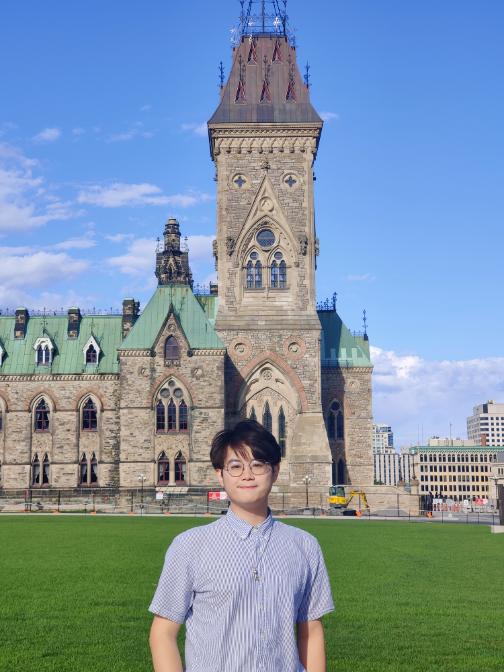
Fourth year Sociology and Economics Major Education & Society Minor
Abednia,A.,& Crookes,G.V. (2019).Critical literacy asapedagogical goal in English language teaching.SecondHandbookofEnglishLanguageTeaching, 255?275.
https://doi org/101007/978-3-030-02899-2 14
Britzman,D.P.(2000).Chapter 3:PrecociousEducation.Counterpoints,118,33?59.
https://www jstor org/stable/45136096
Cashman,H.,& AntonioTrujillo,J.(2018).QueeringSpanish asaHeritageLanguage.TheRoutledge HandbookofSpanishasaHeritageLanguage,124?141
https://doi.org/10.4324/9781315735139-9
Comber,B (1994) Critical literacy:An introduction toAustralian debatesandperspectivesJournal of CurriculumStudies,26(6),655?668.
https://doi org/101080/0022027940260605
Curran,G (2006) Respondingtostudents?normativequestionsabout gays:Puttingqueer theoryinto practicein an Australian ESLclassroom.JournalofLanguage,Identity&Education,5(1),85?96.
https://doi.org/10.1207/s15327701jlie0501 6
Habegger-Conti,J L (2015) Critical literacy in theESLclassroom:bridgingthegap between oldand new media.NordicJournalofModernLanguageMethodology,3(2).https://doi.org/10.46364/njmlm.v3i2.170
Kaiser,E (2017) LGBTQ+VoicesFrom theClassroom:Insightsfor ESOLTeachersTheCATESOL Journal,29(1),1?21.
Moita-Lopes,L P (2006) Queeringliteracy teaching:Analyzinggay-themeddiscoursesin afifth-grade classin Brazil.JournalofLanguage,Identity&Education,5(1),31?50.
https://doi org/101207/s15327701jlie0501 3
Nelson,C.D.(2008).Sexual identitiesin English languageeducation.Routledge. Nelson,C.D.(2009). Sexual identitiesin English languageeducation :classroomconversations Routledge
O?Mochain, R.(2006).DiscussingGender and Sexuality in aContext-AppropriateWay: QueerNarratives in an EFLCollegeClassroom in Japan.JournalofLanguage,Identity&Education,5(1),51?66.
https://doi org/101207/s15327701jlie0501 4
Paiz,J.M. (2017).QueeringESLTeaching: Pedagogical and MaterialsCreation Issues.TESOLJournal,9(2), 348?367 https://doi org/101002/tesj 329
Sadowski,M.(2017).Morethan asafespace: How schoolscan enableLGBTQstudentstothrive.American Educator,40(4),4?9 https://ericed gov/?id=EJ1123878Xiao,Y,& Hu,J (2019) Assessment of Optimal Pedagogical Factorsfor Canadian ESLLearners?ReadingLiteracyThrough Artificial Intelligence Algorithms.InternationalJournalofEnglishLinguistics,9(4),1.https://doi.org/10.5539/ijel.v9n4p1
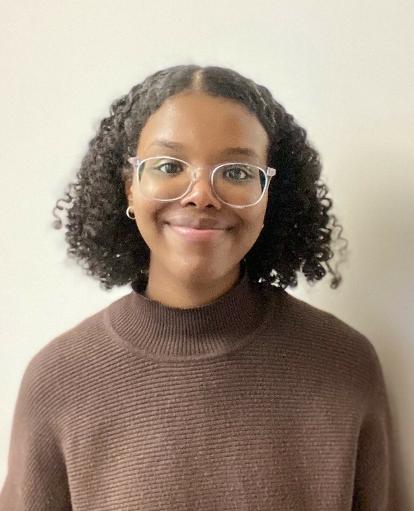
EMERGED as a critical equity concern across the Canadian landscape of education Disability accommodation encompasses the measures, policies, and practicesimplemented by universities to facilitate the inclusion and success of students with disabilities, including individualized services such asnote-taking support, assistive technologies, and extended time for assignments and exams. However, despite the intent to ensure equitable learning experiences, disability accommodationsat Canadian universities are frequently enforced inadequately and inappropriately This inadequacy contributes to a negative student experience, encompassing academic performance, sense of belonging,and overall well-being.
Causes and I mpacts
Numerous factors contribute to barriers faced by disabled studentsin Canadian universities,
significantly impacting their learning experience. Inadequate support, improper accommodations, and stigma are among the most pervasive contributors to a poor sense of belonging and mental well-being for students with disabilities Students are often forced into the role of self-advocates, leading to heightened stress and anxiety (Bruce & Aylward, 2021; Dressler, 2023), as the case study selections will explore Even when students do successfully navigate their school?s system, the lack of sufficient accommodations can negatively affect their mental well-being (Dressler, 2023) and academic performance (Parsons et al, 2021) In a study considering the influence of variousaccommodationson academicperformance, Parsons(2021) concluded that
?certain accommodationsmay belinked with poorer academicperformance because,despitetheir convenience,they donot fully mitigatetheeffect of a student?sdisability on their academics.?
Other factors negatively impacting student experiencefor thosewith disabilitiesisinternal and external stigma against accommodations. Bruce and Aylward (2021) report that compliance with accommodation proceduresdoesnot alwaysfoster a genuine sense of belonging Internalized stigma is one of the ways students with disabilities feel isolated from their peers, asdemonstrated by Bruce & Aylward'sstudy,whereastudent stated that
?sometimesI misattributemy successto theseaccommodations,and I feel to myself that I am gettingprivilegesthat other peoplearenot?(Bruce& Aylward, 2021).
Another stigma-related threat is external stigma, which further hindersstudentswith disabilitiesfrom accessing support and feeling included in the classroom
Faculty resistance, or reluctance to follow through with accommodation requests, isa common challenge facing studentswith disabilities, resulting in frustration andmarginalization (Bruce & Aylward, 2021; Dressler, 2023). During their interviews with professors at Nova Scotia universities, Bruce & Aylward (2021) discovered that faculty frequently prioritized conventional approaches over exploring alternative strategies for differently-abled students. Thisoften involvesencouraging studentsto undergo examinations with the same parameters as their non-disabled peers, for instance (Bruce & Aylward, 2021). Treating disabled students' needs as a second-thought isnot only ableist and unacceptable, but also leadsto agreater senseof alienation Asone anonymousdisabledstudent remarked,
?I feel that theeducation system isn't necessarilydesigned for every typeof learner ?(Bruce& Aylward, 2021).
Navigatingtheprocessof obtainingdisability accommodations within Canadian universities can bedifficult; placingasignificant burden on students who are expected to self-advocate for their needs. Thiscomplexity can lead to challenges, particularly for students with invisible disabilities, asthey may struggle to secure adequate accommodations (Mullins & Preyde, 2013) Receiving inadequate or ill-fitting accommodations is particularly devastating, asit caninadvertently hinder academic performance for students with disabilities,
underscoring the importance of an effective and tailored approach (Parsonset al , 2021) However, it is important to recognize that determining the correct accommodationsfor astudent isnot always a straightforward process with permanently effective solutions, and may include a lot of trial-and-error and tweaking to meet each students? needs, as research by Parsons and colleaguesdemonstrates
Pervasive stigma surrounding the use of accommodations also exists, discouraging some students from accessing the support they require (Bruce & Aylward, 2021) Internalized stigma poses a significant challenge, given the complexity of addressing students adverse sentiments toward disability support on an institutional level. On the other hand, external stigma, such as stigma perpetuated by faculty members, can and should be targeted by the policies and practices of universities Asmentioned, faculty membersplay a pivotal role in the accommodation process, yet some may not be fully inclusive or receptive to accommodation requests from their students, potentially exacerbating the challenges faced by
disabled students (Bruce & Aylward, 2021). These issues highlight the way in which student experience is influenced by disability accommodationsand thecomplicationsof ensuring disability justice in universities
Universities should adopt strategies emphasizing teamwork, advocacy, awareness, and ongoing feedback to address challenges faced by students with disabilities Collaborative efforts among students, faculty, service providers, and policymakers are essential for a positive academic experience. Providing studentswith knowledgeable and experienced advocates to help negotiate accommodations with professors can greatly improve outcomes. Additionally, training for university staff on the spectrum of disabilities and necessary support iskey tofosteringunderstanding and reducing stigma Informing all students about available accommodations can normalize the process and promote inclusivity A continuous
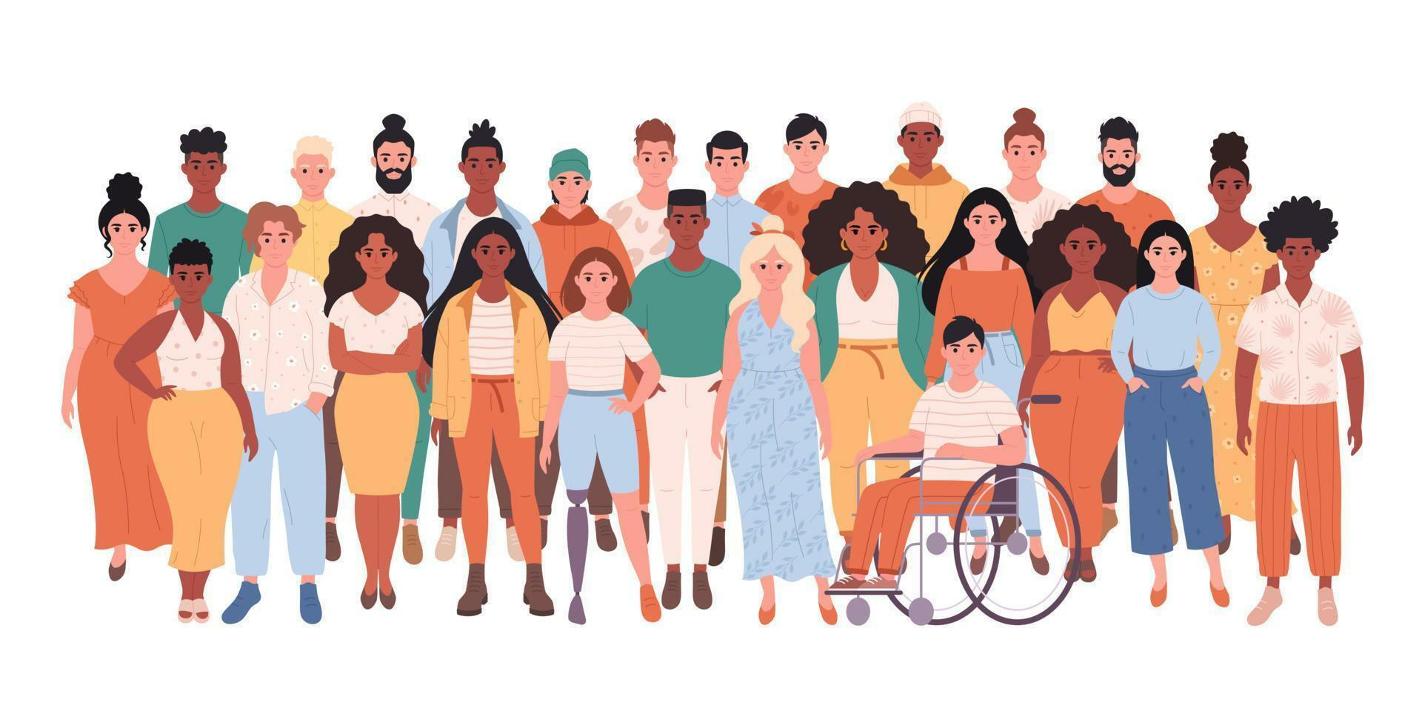
feedback system to evaluate support effectiveness, informed by research on academic outcomes and student well-being, is crucial for making evidence-based policy improvements and ensuring equitable education for all students with disabilities.
Overall, ensuring equitable access to higher education for students with disabilities should not just be a legal requirement for Canadian universities, but also a moral imperative While existingpoliciesprovideaframework for supporting disabled students, it seems that they fall short in ensuring the holistic experience of students with disabilities go beyond tolerance To address these issues, a collaborative approach involving students, faculty, disability service providers, and policymakers is essential. This approach should encompass increased awareness, destigmatization, and improved communication to create a more inclusive and equitable environment for higher education. By continually reviewing and enhancing these efforts, Canadian universities can work towards providing all students with disabilities the opportunity to thrive academically, socially, and personally.
Refer ences
Bruce,C,& Aylward,M L (2021) Accommodating Disabilityat University.DisabilityStudies Quarterly, 41(2).
https://doi org/1018061/dsq v41i26973
Freer,J.,& Kaefer,T. (2021).Experiencesmatter: Educators?attitudestoward disability in higher education CanadianJournal ofHigher Education(1975), 51(4),54?66
https://doi.org/10.47678/cjhe.v51i4.189093
Mullins,L,& Preyde,M (2013) Thelived experienceof students withan invisible disabilityat aCanadian university.Disability &Society, 28(2),147?160
https://doi.org/10.1080/09687599.2012.7521 27
Parsons,J,McColl,M A, Martin,A K, & Rynard,D W.(2021).Accommodationsandacademic performance:First-year university students with disabilities CanadianJournal ofHigher Education(1975), 51(1),41?56.
https://doi org/1047678/cjhevi0188985
"THIS IS MR SOUTHGATE, OUR NEW STUDENT TEACHER..."
Mr. Southgate? I was confused, as I?d never heard that name before. It was the first day of my new placement before school had started, and my associate teacher was introducing me to a student in the hallway I suddenly realized that I was Mr Southgate The practice of a teacher being known by their last name, preceded by an honorific (Ms, Mx , Mr , etc.?) was so commonplace in the public school system that it wasn? t even necessary to ask me how I would like the students to address me. It was obvious I would want to be called Mr Southgate
As pre-teens often do, some began testing how far they could push thisflexibility how I was addressed What if they called me Mr John instead? What if they called me Steve? I laughed and said that was my dad?s name A few days passed, and thevariousstudentsseemed to settle on who I was in their minds. Some would investigate my name tag, slightly confused and wantingreassuranceon what my full namewas.
As I roamed the classroom on the second or third day, I heard Mr Southgate, Mr Kevin and Kevin as they raised their hands for help. I felt respected by all the students. My role was

Kevin Sout hgat e Fir st Year
MA-CSEProgr am
clear and obvious I was an adult, one of their teachers, and the lack of a mandatory addition to thefront of my namedidn? t changethat.

***
Sam He?s only one of the many professors in my undergrad who had a major impact on my education He taught in the Childhood and Youth Studies department, promoting a new paradigm of childhood, and was deeply passionate about children?s rights and advocacy. I remember one research classwhen he invited a 12-year-old child researcher, Faye, to come and speak to everyone in the lecture hall It was a unique experience
having a12-year-old giveapresentation to alarge group of university students, and then answer our questions afterwards. She was co-authoring a chapter in his new book1. The dedication of this book is, ?totheinspirational studentsI havelearnt alongside?. Sam truly embodied the idea of co-participation throughout the many activities and lessons I took part in during my undergraduate degree. I feel that his decision to encourage students to address him as Sam, rather than Dr. Frankel, was one way in which he minimized theinherent power imbalancebetween student and professor
***
I want to make it clear that I don? t think requiring studentsto addressyou a certain way is harmful In my most recent placement, the studentseven had a discussion on the importance of names Everyone should address each other in theway that ismost preferred by that person If a kindergarten student decided my new name was to be?Stinky Buttface? , I might havehad aproblem with that. However, I would encourage everyone to be more open in disrupting conventions, especially if there are potential benefits I think just because every teacher in a public school uses an honorific, that doesn? t automatically mean that you must. The research on how children perceive honorifics appears to be non-existent, at least from what I have found. It makes sense to me, though, that automatically giving all adults in schools a higher title, and thereby status, could limit co-participation

As adults, we are greatly outnumbered in school settings,and yet westill hold a tremendous amount of power. We have the final decision on what will be taught, and what studentsshould do throughout the day I feel that some groups of students may feel this power imbalance even more poignantly, as students who belong to identities that have traditionally held less power in our greater society. It can be beneficial to experiment with different methodsof empowering children in the classroom, and perhaps allowing
the use of your first name could beone You may not feel comfortable with this, and maybe you have your own different ideas on how to achieve co-learningandempowerment in your classroom!
I am personally excited to collect more nicknames throughout my career, hear more pop culture referencesrelated to the name Kevin (the animated minion and the Fortnite cube are previous favourites) and continue developing positiveteacher-student relationships
1 Mountford, M. and Vento, F. M. (2022), "Children as Change Makers: Exploring Children's Meaningful Participation in Participatory Action Research Through a Project on Helicopter Parenting", Frankel, S (Ed) EstablishingChildCentredPracticein aChanging World, Part A(Emerald StudiesinChildCentredPractice), EmeraldPublishingLimited, Leeds,pp. 25-45.https://doi.org/10.1108/978-1-80117-406-020221003
Leen Al-Utaibi
2nd year student Astrophysics & Astronomy and Political Science Specialist

PEOPLEin theworld Around 10,000cities acrossnearly 200countries Varyingidentities around theworld with morethan 450ethnic groups,7,319languages,and 4,000religions.An estimated 13billion peopleexperience significant disability representing16%of the world'spopulation.Black,Indigenous,and
Peopleof Colour makeup around 85%of the population 17%of peoplearemiddleincome whilethemajority of peopleaccordingtodata wereeither low incomemakingup 51%or poor makingup 10%of theworld Around 90%of the global population completed primary education, 66%attained secondary education,and approximately 40%of thepopulation has attained or isenrolled in somekind of tertiary education
Q What dothesesetsof dataspanning different categorieshavein common?It isthe showcaseof differenceand uniquenessthat existsamongour identitiesin thisworld and our lives
Equity for peopleof all identitiesbeing treated fairly and ensuringthat processesfor allocatingresourcesarefair toall and donot discriminatebased on aperson sidentity.
Diversity for different groupsthat are represented and identified by age,sexual orientation,indigenousstatus,religion, disability,race,ethnicity,culture, socio-economicstatus, and other attributes.
Inclusion in creatingan environment in which all arerespected,haveaccessto opportunities,and aregiven avoice.
Accessibility in theidentification, prevention, and removal of barrierstoensure that everyonelivesfully with dignity and choice in all aspectsof life,beinggiven thechanceto acquirethesameservicesand experiencesas others
about building and reinforcing a community of equal opportunities and diverse ideas and perspectives. To promote alearningspacewhereeveryonehasavoiceand aplacein education, and in seekingexperiences. It is about being committed to achieving an equitable, diverse, inclusive, and accessible learning system by adapting to the EDIA principles. To createaworld in which wereflect on the barriers experienced by underrepresented groups, where these principlesaren? t simply looked at asan additive factor to the system but something that should be integrative and transformational in our environment
To acknowledge and embrace uniqueness, celebrate the rich dimensions of diversity within each individual, and navigate the path towards an inclusive learning system for everyone is the purpose of it all The championingoftheworthofeverystudent.
We learn alongside so many different kinds of individuals, their stories and who they were before we met them in a university where you?ll meet many more people, those from countriesyou wouldn? t haveknown prior, those who beat the odds and made it into pursuing higher education, or those who seek to learn more about their passions and to discover new ones Peoplefrom every corner of theglobewith names and stories of their own. EDIA works in favour of everyone because it is about every single person, it leaves no one behind. We may not think or believe it, but these principles serve more than just the collective, but a purpose to change the landscapeof learningforever.
Understanding the importance of the implementation of EDIAanditsprinciplescomes with grasping the data that was used to introducethistopic. Many more setsof datacan be shared which can help in discussing its importance, but let us dive into truly knowing the reality of a learning space where these principles are integrated We are more than numbersafter all
The reality is that diverse communities learn and achieve more Across universities around the world, including our own Victoria University, celebrating a diverse community is one of the core deliverables in a framework aimed at fostering a sense of belonging for all students. A reality we see in a feature of EDIA where it builds a space for students to seek resourcesand accommodationsin their learning environments, and where LGBTQ+ inclusion in education isapart of thesystem rather than an extension of it This is important because when students feel asif they can fully belong, asthey are, with no pressure on changing themselves, westart toseeour learning spacediversify,
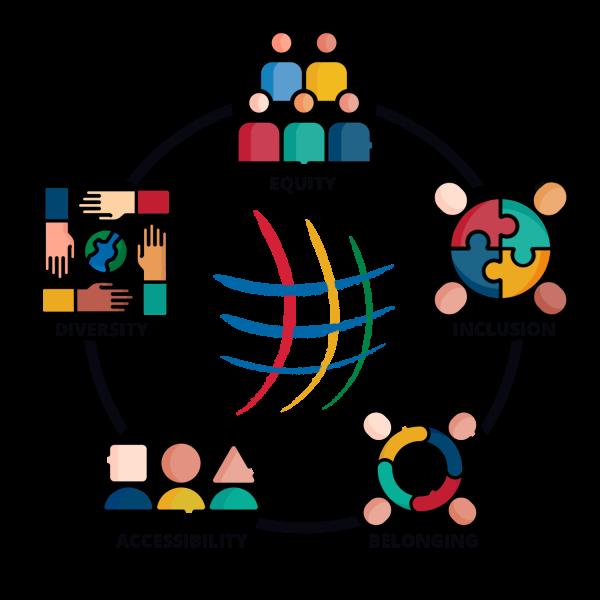
knowing that our differences are what make us stand out in the way we accomplish and learn things, creating a tapestry of collective understanding. Another reality we see in a feature of EDIA is the approaches of reconciliation and decolonization, and we know thisisimportant in teaching everyone about the land wehavesettled on and of theatrocitiesthat have happened to the indigenous communities and their history.
Let us grasp more of the reality and importance of EDIA. The leading category for disabilities among students is that of learning disabilities Thisisimportant for theinclusion of neurodiversity in education with 32% of those who live with a disability earning a college degree Studentsarenot robotic beings, in which they should beforced toconform themselvestoa system that does not accept them as they are. Giving them a voice and ensuring that no one feels like an outsider is a step towards including them in alearningworld that hasoften left them behind. 4,000 faiths and religions across the world celebratetheir beliefs, 450different ethnic groups throughout the world, and yet we see barely a fraction of that represented, and it's evident in the impact it has on our educational landscape It is important when wanting to change this, tearing down those barriers of under-representation that may confine someone's dreams and diversifying the roles within the community to open doors of opportunity for every eager mind, regardless of background and circumstance
The more we learn about this, the more we see how evident EDIA is in ensuring a future of inclusive and broadened learning It captures the essence of social responsibility aligned with
eliminating systemic and discriminatory obstacles It shows how important it is for everyone. To have their voicesheard, their ideas implemented, and for them to be represented in morethan abar chart It ensuresthat peopleare treated as equals, and to understand their differenceswhich in turn will only help usbuild a richer perspective, and help flourish the educational system and landscape we all care about.
EDIAand itsprinciplesrequireaproactive form of integration. It's a reality in navigating the path to an inclusive learning environment and a connecting branch to major topics that exist intensely in education. These major branches in education connect us to EDIA naturally aswestart tounderstand theprinciples of what It means to be inclusive It becomes something we envision in nearly every possible aspect of education, as something that belongs and is a part of the learning environment, not a supplementiveelement of thesystem.
An exampleof thisiscultural competence in educators. It encompassesan understandingof one's cultural identity and experiences of both privilege and marginalization, establishing a classroom that isinclusiveand celebratory of the things that make people different. Intersectionality in education, where examining the experiences of students from a perspective that shiftsbeyond a single lensand seesthem as an intersection of their gender, class, ability, race, ethnicity, and lived experiences The experience of BIPOC students in their learning environments, and their inclusion in the community. The diversity and inclusion in STEM fieldsin the under-representation of women and other marginalized groups.
To faceissuesthat arisein thesemajor areas, we naturally gravitate towards solutions and ideas that embody what EDIA is all about, such as providing different accommodation servicesand committing to developing an accessiblelearning environment to help everyone be able to meet essential academic requirements It is already within us to be inclusive, accessible, fair, and welcoming. Our values and the nuisances that make up our psyche seem to already be aligned with theprinciplesand dynamicsof EDIA
In an increasingly interconnected world, the ability to understand, respect, and collaborate with people from varying backgrounds is essential. The imperative for equity, diversity, inclusion, and accessibility in education transcends the boundaries of classrooms and campuses; it is the cornerstone of a society striving for progress and understanding By embracing these principles, weembark on ajourney towardsamorejust and enrichingeducational landscape. Asweadvocate
for equal opportunities, celebrate diversity, foster inclusive environments, and ensure accessibility for all, we are not merely shaping the future of education but also laying the foundation for a world where every individual can contribute, learn, and thrive. Let our commitment to EDIA be not just a reflection of our educational institutions but a beacon guiding us toward a more equitable, diverse, inclusive, and accessible global community. It goes to the heart of creating a more just and equitableworldand moldingindividualswhoare not only academically proficient but also compassionateandculturally aware

In thisissue,weasked theexecutiveteam of Hey Teach! Magazine toanswer oneof thefollowingquestions:
Q1.Haveyou taken aclassthat promotesequity,diversity, inclusivity and/or accessibility in somecapacity? In what ways did theclassdemonstrateEDIA?
Q2.What doesEDIAin education mean toyou?

Q1) I am takingacourseat OISEcalled APD2296:Readingand WritingDifficulties, which discussesEDIAin thecontext of literacy and reading/writingdisorders such asdyslexiaand dysgraphia Theclasshasgiven mevaluableinsightsasto how wecan incorporatemoreequitableand culturally sensitivereading interventionsfor children.Wediscussed therelevanceand importanceof early intervention which addressesthedifferent factorsthat might contributeto learningdisorders.
Q2) My understandingof EDIAin education comesfrom and isclosely related to my own lifeasastudent I feel that studentsoften donot get tointeract with the variousadministrativelevelsof things,but thefabricof each individual students' experiencein education on campusisaffected by theexistinginfrastructurejust asmuch asstudentsareabletoinfluencechangein theinstitution.Thisissueof Hey,Teach! offersuslotsof perspectivesand material tothink about thetension between thevisibleand invisibledimensionsof EDIA,and I think wearemaking stepstoward fosteringmoreequal spacesin thecomplicated terrainsof education


Q1) AclassI took that demonstrated EDIAwasINS300:Worldviews,Indigenous Knowledges, and Oral Tradition.Thereason I feel thisclass,and particularly theprofessor,Tyler Pennock,demonstrated EDIAisbecausetheprofessor started out theclassby sayingheunderstandsthat everyonehasother things goingon in their lives,soattendanceisnot mandatory,and all lecturesare recorded and posted on Quercus.Additionally,hemadeablanket rulethat as longasyou sent an email requestingan extension beforethedeadline,you would begranted oneuntil thelast day of thecourse
I am currently takingAST201:Starsand Galaxies Not only isthiscourse incredibly interesting,but it alsowonderfully demonstratesEDIA Oneexample of how thiscoursedemonstratesEDIAisthrough itsgradingscheme,where studentsareonly graded out of 80%of thetotal number of possible participation marks.Thissetup allowsfor occasional absences,illnesses, forgotten devices,technological mishaps,and other minor issues.Even somethingsmall,likeallowingfor absences,isincredibly beneficial tothe well-beingof studentsand can help them succeed academically


Q2) EDIAin education meansensuringthat every student,regardlessof their background,abilities,or circumstances,hasequal opportunitiestosucceed It involvescreatingan environment wherediversityiscelebrated,inclusion is practiced,and barrierstolearningareremoved,allowingall individualsto thriveacademically and socially Ultimately,it'sabout fosteringa learning environment whereeveryonefeelsvalued,respected,andsupported in reachingtheir full potential

Q1) Yes! I'm currently takingJLS476:Linguisticsin theWorkforce:Clinical Practiceand Research Wediscusshow important it istotakeacritical lensand challengeharmful power relations,aswell ascurrent normsand assumptions of what is"normal" versus"abnormal",in theprofessionsof Speech-Language Pathology and Audiology Wealsofocuson movingfrom themedical model of disability (peoplearedisabled by their differences) tothesocial model of disability (disability iscaused by barriersin society).


Q1)Yes,I have! Last year, I took EDS260H1: EquityandDiversity in Education.I learned about thevariousbarriersthat can affect students in gettingan education and theimportanceof teaching inaway that is culturally responsive,inclusive,and accessibletostudentsof all backgrounds.

Q1) AcourseI took in theEducation and Society Minor practiced EDIAby havingflexibledeadlines I think thistook alot of pressureoff of the deadlinesand gaveroom for thosewith accommodations,but alsothose whodon't haveaccesstoaccommodations(think: neurodivergencenot yet diagnosed) tofocuson thequality of work.
Q2) EDIAin education meansan assortment of thingstome,but I think themost fundamental step istoacknowledgethemassarray of accommodationsthat exist Oftentimespeopleprioritizeoneaspect within each category such as thinkingabout accessibility only in termsof movement disabilitiesor learning disabilitiesbut much lessabout thevisually and auditory impaired students. Thishappensbecausesometypesof accommodationshavethemost visibility. Toachievebetter EDIAresults,educatorsshould bemoreawarethat smaller minoritiesexist within aminority group,and that their experiencesmatter equally asasign of better inclusion,diversity,and equity


Q1) I had theprivilegeof takingacoursetitled Equity and Diversity in Education last semester,soI learned quiteabit about EDIAfrom thecourse content tohow lessonsand assessmentswerestructured I alwaysappreciate seeingmultipleformsof and choicein assessments.Givingassessment options letsstudentschooseamedium that will allow them tobest demonstratetheir growth and understandingof thematerial without barriersof communication
Q2) Tome,EDIAin education meansembracingdiversity in theschool community and providingall studentswith thesupport, resources,and opportunitiesthey need toreach their full potential
Charlize


Q1) Currently,asapart of theVicOneGooch stream,I takeaclass entitled Ethical Livingin aPluralisticWorld.Thisclassdemonstrates EDIAin every lectureand assignment by prioritizingand encouraging ustowork towardsdecolonizingour mindsand education Thisis seen through theinclusion of perspectivesfrom variousintersectional perspectives
Tobi Oyedele - First Year Representative
Q2) EDIAmeansformattingcurriculum for studentsthat representsdifferent races,sexes,and allowsfor classroom settingstobeinclusive Incorporating student feedback and recent research about student experiencecan help enlighten how teachersapproach their classes.
Benjamin Gauntley - First Year Representative
Q2)Tome,EDIA(equity,diversity,inclusion,accessibility) in educationrequires an understandingof themany systemicflawswhich hinder successfor students on awidescale.Wemust continuetostrivefor increased versatility inour schools,whereeveryonecan not only feel comfortable/safein their learning space,but alsohavetheresourcesnecessary topromoteindividual learningand academictriumphs

Ga Vin Park - Social Media Representative

Q2) EDIAin education meanscreatingasupportiveandinclusivelearning environment whereevery student, regardlessof their background tofeel valued,and empowered tosucceed It involvesproviding equitableaccessto resources,opportunitiesand celebratingdiversity,allowinga senseof belongingand empathy tobefostered
Irene Hwang - Social Media Representative
Q2) Tome,EDIAmeansthat every student hasan equal accessto education.Thisincludesdismantlingsystemicbarriersand creatingspaceswhereevery student may find and reachtheir truepotential tosucceed
Leen Al-Utaibi - Features Writer

EDIAin education meansbuildingand upholdingan atmospherewhere wecan embraceand encourageeach other throughour differences becauseit swhat makesusspecial and what learning environmentsare all about.
Lina Yan - Associate Productions Manager Marshall - First Year Representative Erica Chong - First Year Representative Hannah Kim-Cragg - Senior Productions Manager
HEY, TEACH! IS DEDICATED TO DEVELOPING THE PHILOSOPHIES AND IDEAS OF ASPIRING TEACHERS AND THOSE WITH A PASSION FOR EDUCATION.
THE STAFF OF HEY, TEACH! MAGAZINE EXTEND THEIR DEEPEST GRATITUDE TO VICTORIA COLLEGE FACULTY ADVISOR PROFESSOR JULIA FORGIE, THE SUPPORTING STAFF OF THE OFFICE OF THE PRINCIPAL, AND VUSAC. THANK YOU!
EMAIL US AT
HEYTEACH@UTORONTO.CA